CN113571237B - A high-performance polypropylene cable - Google Patents
A high-performance polypropylene cable Download PDFInfo
- Publication number
- CN113571237B CN113571237B CN202011195882.3A CN202011195882A CN113571237B CN 113571237 B CN113571237 B CN 113571237B CN 202011195882 A CN202011195882 A CN 202011195882A CN 113571237 B CN113571237 B CN 113571237B
- Authority
- CN
- China
- Prior art keywords
- polypropylene
- substituted
- cable according
- unsubstituted
- group
- Prior art date
- Legal status (The legal status is an assumption and is not a legal conclusion. Google has not performed a legal analysis and makes no representation as to the accuracy of the status listed.)
- Active
Links
Images

Classifications
-
- H—ELECTRICITY
- H01—ELECTRIC ELEMENTS
- H01B—CABLES; CONDUCTORS; INSULATORS; SELECTION OF MATERIALS FOR THEIR CONDUCTIVE, INSULATING OR DIELECTRIC PROPERTIES
- H01B3/00—Insulators or insulating bodies characterised by the insulating materials; Selection of materials for their insulating or dielectric properties
- H01B3/18—Insulators or insulating bodies characterised by the insulating materials; Selection of materials for their insulating or dielectric properties mainly consisting of organic substances
- H01B3/30—Insulators or insulating bodies characterised by the insulating materials; Selection of materials for their insulating or dielectric properties mainly consisting of organic substances plastics; resins; waxes
- H01B3/44—Insulators or insulating bodies characterised by the insulating materials; Selection of materials for their insulating or dielectric properties mainly consisting of organic substances plastics; resins; waxes vinyl resins; acrylic resins
- H01B3/441—Insulators or insulating bodies characterised by the insulating materials; Selection of materials for their insulating or dielectric properties mainly consisting of organic substances plastics; resins; waxes vinyl resins; acrylic resins from alkenes
-
- H—ELECTRICITY
- H01—ELECTRIC ELEMENTS
- H01B—CABLES; CONDUCTORS; INSULATORS; SELECTION OF MATERIALS FOR THEIR CONDUCTIVE, INSULATING OR DIELECTRIC PROPERTIES
- H01B7/00—Insulated conductors or cables characterised by their form
- H01B7/02—Disposition of insulation
-
- H—ELECTRICITY
- H01—ELECTRIC ELEMENTS
- H01B—CABLES; CONDUCTORS; INSULATORS; SELECTION OF MATERIALS FOR THEIR CONDUCTIVE, INSULATING OR DIELECTRIC PROPERTIES
- H01B7/00—Insulated conductors or cables characterised by their form
- H01B7/17—Protection against damage caused by external factors, e.g. sheaths or armouring
-
- H—ELECTRICITY
- H01—ELECTRIC ELEMENTS
- H01B—CABLES; CONDUCTORS; INSULATORS; SELECTION OF MATERIALS FOR THEIR CONDUCTIVE, INSULATING OR DIELECTRIC PROPERTIES
- H01B7/00—Insulated conductors or cables characterised by their form
- H01B7/17—Protection against damage caused by external factors, e.g. sheaths or armouring
- H01B7/18—Protection against damage caused by wear, mechanical force or pressure; Sheaths; Armouring
- H01B7/22—Metal wires or tapes, e.g. made of steel
- H01B7/226—Helicoidally wound metal wires or tapes
-
- H—ELECTRICITY
- H01—ELECTRIC ELEMENTS
- H01B—CABLES; CONDUCTORS; INSULATORS; SELECTION OF MATERIALS FOR THEIR CONDUCTIVE, INSULATING OR DIELECTRIC PROPERTIES
- H01B7/00—Insulated conductors or cables characterised by their form
- H01B7/17—Protection against damage caused by external factors, e.g. sheaths or armouring
- H01B7/29—Protection against damage caused by extremes of temperature or by flame
- H01B7/295—Protection against damage caused by extremes of temperature or by flame using material resistant to flame
-
- H—ELECTRICITY
- H01—ELECTRIC ELEMENTS
- H01B—CABLES; CONDUCTORS; INSULATORS; SELECTION OF MATERIALS FOR THEIR CONDUCTIVE, INSULATING OR DIELECTRIC PROPERTIES
- H01B7/00—Insulated conductors or cables characterised by their form
- H01B7/42—Insulated conductors or cables characterised by their form with arrangements for heat dissipation or conduction
- H01B7/421—Insulated conductors or cables characterised by their form with arrangements for heat dissipation or conduction for heat dissipation
-
- Y—GENERAL TAGGING OF NEW TECHNOLOGICAL DEVELOPMENTS; GENERAL TAGGING OF CROSS-SECTIONAL TECHNOLOGIES SPANNING OVER SEVERAL SECTIONS OF THE IPC; TECHNICAL SUBJECTS COVERED BY FORMER USPC CROSS-REFERENCE ART COLLECTIONS [XRACs] AND DIGESTS
- Y02—TECHNOLOGIES OR APPLICATIONS FOR MITIGATION OR ADAPTATION AGAINST CLIMATE CHANGE
- Y02A—TECHNOLOGIES FOR ADAPTATION TO CLIMATE CHANGE
- Y02A30/00—Adapting or protecting infrastructure or their operation
- Y02A30/14—Extreme weather resilient electric power supply systems, e.g. strengthening power lines or underground power cables
Landscapes
- Physics & Mathematics (AREA)
- Spectroscopy & Molecular Physics (AREA)
- Organic Insulating Materials (AREA)
- Compositions Of Macromolecular Compounds (AREA)
Abstract
本发明属于电气领域,涉及一种高性能聚丙烯电缆。该电缆包括:至少一个导体以及至少一个围绕所述导体的电绝缘层;其中,所述电绝缘层的材料为至少一种含有酸酐基团的聚丙烯接枝物;所述含有酸酐基团的聚丙烯接枝物包括衍生自共聚聚丙烯的结构单元、衍生自酸酐单体的结构单元和衍生自含烯基聚合单体的结构单元。本发明的电缆具有更高的工作温度,并且,在保证相同电压等级和绝缘水平条件下,具有电绝缘层厚度更薄、散热更好和重量更小的优点。

The invention belongs to the electrical field and relates to a high-performance polypropylene cable. The cable comprises: at least one conductor and at least one electrical insulation layer surrounding the conductor; wherein, the material of the electrical insulation layer is at least one polypropylene graft containing anhydride groups; The polypropylene graft includes structural units derived from copolymerized polypropylene, structural units derived from anhydride monomers, and structural units derived from polymerized monomers containing ethylenic groups. The cable of the invention has a higher working temperature, and, under the condition of ensuring the same voltage level and insulation level, has the advantages of thinner electrical insulation layer, better heat dissipation and smaller weight.
Description
技术领域technical field
本发明属于电气领域,具体地,涉及一种高性能聚丙烯电缆。The invention belongs to the electrical field, and in particular relates to a high-performance polypropylene cable.
背景技术Background technique
目前国内外高压直流电缆普遍采用交联聚乙烯作为绝缘材料,其工作温度一般为70℃,长期工作设计场强为12kV/mm左右,目前随着高压直流电缆运行电压和输送容量的进一步提高,电缆绝缘的运行环境也因温度和电场强度的进一步提升而变得更为严苛,这就对电缆绝缘材料的性能提出了更高的要求,即在更高温度和电场强度条件下仍具有较强的绝缘性能。然而传统交联聚乙烯的工作温度已经达到其使用极限,无法进一步提升,故迫切需要开发使用新型高温高场绝缘材料的直流电缆,以适应电缆系统在高电压大容量条件下工作的要求。At present, cross-linked polyethylene is generally used as the insulating material for high-voltage DC cables at home and abroad. The working temperature is generally 70 ° C, and the long-term working design field strength is about 12kV/mm. At present, with the further improvement of the operating voltage and transmission capacity of high-voltage DC cables, The operating environment of cable insulation has also become more stringent due to the further increase of temperature and electric field strength, which puts forward higher requirements on the performance of cable insulation materials, that is, it still has higher performance under higher temperature and electric field strength conditions. Strong insulating properties. However, the operating temperature of traditional cross-linked polyethylene has reached its limit and cannot be further improved. Therefore, it is urgent to develop DC cables using new high-temperature and high-field insulating materials to meet the requirements of cable systems working under high-voltage and large-capacity conditions.
目前的交联聚乙烯绝缘直流电缆的制造多采用三层共挤的挤包绝缘制备方式。挤包过程主要分为绝缘料的加热熔化、交联(硫化)、冷却成型三个步骤。使聚乙烯分子发生交联反应一般要用到交联引发剂,这使得电缆的生产工序变得较为复杂,而且由于交联引发剂的引入使得主绝缘内不可避免地引入交联副产物杂质,这会对成品电缆的绝缘性能造成一定的负面影响。此外,交联聚乙烯属于热固性塑料,无法回收利用,且其高温分解产物对环境危害巨大。因此,为了简化电缆的生产工艺流程,提升电缆绝缘的最终品质,消除其对环境可能造成的危害,有必要寻找一种新型热塑性可回收电缆绝缘材料及其制备工艺,以取代传统的聚乙烯材料及其交联工艺,实现低成本、高性能、可回收绝缘电力电缆的制造与工程应用。The current XLPE insulated DC cables are mostly manufactured using three-layer co-extruded extrusion insulation preparation methods. The extrusion process is mainly divided into three steps: heating and melting of insulating materials, cross-linking (vulcanization), and cooling and forming. Crosslinking initiators are generally used to make polyethylene molecules undergo crosslinking reactions, which makes the production process of cables more complicated, and the introduction of crosslinking initiators inevitably introduces crosslinking by-product impurities into the main insulation. This will have a certain negative impact on the insulation properties of the finished cable. In addition, cross-linked polyethylene is a thermosetting plastic that cannot be recycled, and its pyrolysis products are extremely harmful to the environment. Therefore, in order to simplify the cable production process, improve the final quality of cable insulation, and eliminate its possible harm to the environment, it is necessary to find a new thermoplastic recyclable cable insulation material and its preparation process to replace the traditional polyethylene material. And its cross-linking process realizes the manufacture and engineering application of low-cost, high-performance, recyclable insulated power cables.
发明内容Contents of the invention
本发明的目的在于克服现有电缆产品无法满足在高温、高场强下稳定运行要求的问题,提供一种高性能聚丙烯电缆。该电缆采用一种含有酸酐基团的聚丙烯接枝物作为主绝缘层,相比现有电缆,在更高工作温度下依然能够保持甚至具有更高的体积电阻率和更强的耐击穿性能,同时其机械性能亦能满足电缆使用要求。The purpose of the invention is to overcome the problem that existing cable products cannot meet the requirements of stable operation under high temperature and high field strength, and provide a high-performance polypropylene cable. The cable uses a polypropylene graft containing anhydride groups as the main insulation layer, which can maintain or even have higher volume resistivity and stronger breakdown resistance than existing cables at higher operating temperatures Performance, while its mechanical properties can also meet the requirements of the cable.
本发明提供一种高性能聚丙烯电缆,该电缆包括:The invention provides a high-performance polypropylene cable, which includes:
至少一个导体以及至少一个围绕所述导体的电绝缘层;at least one conductor and at least one electrically insulating layer surrounding said conductor;
其中,所述电绝缘层的材料为至少一种含有酸酐基团的聚丙烯接枝物;Wherein, the material of the electrical insulation layer is at least one polypropylene graft containing anhydride groups;
所述含有酸酐基团的聚丙烯接枝物包括衍生自共聚聚丙烯的结构单元、衍生自酸酐单体的结构单元和衍生自含烯基聚合单体的结构单元;以含有酸酐基团的聚丙烯接枝物的重量为基准,所述含有酸酐基团的聚丙烯接枝物中衍生自酸酐单体和含烯基聚合单体且处于接枝态的结构单元的含量为0.1~5wt%,优选为0.4~3wt%;并且,所述含有酸酐基团的聚丙烯接枝物中衍生自酸酐单体且处于接枝态的结构单元的含量为0.05~2wt%,优选为0.2~0.7wt%。The polypropylene graft containing acid anhydride groups includes structural units derived from copolymerized polypropylene, structural units derived from acid anhydride monomers and structural units derived from vinyl-containing polymerized monomers; The weight of the propylene graft is based on the weight of the polypropylene graft containing the acid anhydride group, and the content of the structural unit derived from the acid anhydride monomer and the vinyl-containing polymer monomer and in the grafted state is 0.1 to 5 wt%, Preferably it is 0.4-3wt%; and, the content of structural units derived from acid anhydride monomers and in grafted state in the polypropylene graft containing acid anhydride groups is 0.05-2wt%, preferably 0.2-0.7wt% .
根据本发明,优选地,所述酸酐选自具有至少一个烯烃不饱和度的酸酐。更优选地,所述酸酐选自马来酸酐和/或衣康酸酐。进一步优选地,所述酸酐为马来酸酐。According to the invention, preferably, the anhydride is selected from anhydrides having at least one degree of olefinic unsaturation. More preferably, the acid anhydride is selected from maleic anhydride and/or itaconic anhydride. Further preferably, the acid anhydride is maleic anhydride.
根据本发明一种优选实施方式,本发明提供一种高性能聚丙烯电缆,该电缆包括:According to a preferred embodiment of the present invention, the present invention provides a kind of high-performance polypropylene cable, and this cable comprises:
至少一个导体以及至少一个围绕所述导体的电绝缘层;at least one conductor and at least one electrically insulating layer surrounding said conductor;
其中,所述电绝缘层的材料为至少一种含有酸酐基团的聚丙烯接枝物;Wherein, the material of the electrical insulation layer is at least one polypropylene graft containing anhydride groups;
所述含有酸酐基团的聚丙烯接枝物包括衍生自共聚聚丙烯的结构单元、衍生自马来酸酐单体的结构单元和衍生自含烯基聚合单体的结构单元;以含有酸酐基团的聚丙烯接枝物的重量为基准,所述含有酸酐基团的聚丙烯接枝物中衍生自马来酸酐单体和含烯基聚合单体且处于接枝态的结构单元的含量为0.1~5wt%,优选为0.4~3wt%;并且,所述含有酸酐基团的聚丙烯接枝物中衍生自马来酸酐单体且处于接枝态的结构单元的含量为0.05~2wt%,优选为0.2~0.7wt%。The polypropylene grafts containing acid anhydride groups include structural units derived from copolymerized polypropylene, structural units derived from maleic anhydride monomers and structural units derived from vinyl-containing polymerized monomers; to contain acid anhydride groups The weight of the polypropylene graft is based on the weight of the polypropylene graft containing the anhydride group, and the content of the structural unit derived from the maleic anhydride monomer and the vinyl-containing polymer monomer and in the grafted state is 0.1 ~5wt%, preferably 0.4~3wt%; and, the content of structural units derived from maleic anhydride monomers and in grafted state in the polypropylene graft containing anhydride groups is 0.05~2wt%, preferably 0.2 to 0.7 wt%.
本发明的核心在于采用一种新材料作为电缆的电绝缘层,因此,本发明对于电缆的形式和具体结构没有特别限定,可采用本领域常规的各种电缆形式(直流或交流、单芯或多芯)及所对应各种结构。本发明的电缆中,除电绝缘层采用新型接枝改性聚丙烯材料外,其他层结构、其他层材质均可以为本领域常规选择。The core of the present invention is to adopt a kind of new material as the electric insulating layer of cable, therefore, the present invention has no special limitation to the form of cable and concrete structure, can adopt various cable forms (direct current or alternating current, single core or Multi-core) and the corresponding structures. In the cable of the present invention, except that the electrical insulating layer adopts a new type of grafted modified polypropylene material, other layer structures and other layer materials can be conventionally selected in the field.
本发明的所述电缆可以为直流电缆或交流电缆;优选为直流电缆;更优选地,所述电缆为中高压直流电缆或超高压直流电缆。本发明中,低压(LV)表示低于1kV的电压,中压(MV)表示在1kV至40kV范围内的电压,高压(HV)表示高于40kV、优选高于50kV的电压,超高压(EHV)表示至少230kV的电压。The cable of the present invention may be a DC cable or an AC cable; preferably a DC cable; more preferably, the cable is a medium-high voltage DC cable or an extra-high voltage DC cable. In the present invention, low voltage (LV) means a voltage lower than 1kV, medium voltage (MV) means a voltage in the range of 1kV to 40kV, high voltage (HV) means a voltage higher than 40kV, preferably higher than 50kV, and extra high voltage (EHV) ) means a voltage of at least 230kV.
根据本发明一种优选实施方式,所述电缆具有至少一个缆芯,每个所述缆芯由内至外依次包括:导体、任选的导体屏蔽层、电绝缘层、任选的电绝缘屏蔽层、任选的金属屏蔽层。其中,所述导体屏蔽层、电绝缘屏蔽层和金属屏蔽层均可根据需要设置,一般地,在6kV以上的电缆中使用。According to a preferred embodiment of the present invention, the cable has at least one cable core, and each of the cable cores sequentially includes: a conductor, an optional conductor shielding layer, an electrical insulation layer, and an optional electrical insulation shielding layer from the inside to the outside. layer, optional metal shielding layer. Wherein, the conductor shielding layer, the electric insulation shielding layer and the metal shielding layer can be set as required, and are generally used in cables above 6kV.
除上述结构外,所述电缆还可以包括铠装和/或护套层。In addition to the structures described above, the cable may also include armor and/or jacket layers.
本发明的所述电缆可为单芯电缆或多芯电缆,对于多芯电缆,所述电缆还可以包括填充层和/或包带层。所述填充层由填充于各线芯之间的填充材料形成。所述包带层包覆于所有线芯的外侧,保证线芯及填充层呈圆形,防止线芯被铠装划伤,并起到阻燃作用。The cable of the present invention may be a single-core cable or a multi-core cable, and for a multi-core cable, the cable may further include a filling layer and/or a tape layer. The filling layer is formed by filling material filled between the wire cores. The tape layer covers the outside of all wire cores to ensure that the wire cores and filling layers are circular, prevent the wire cores from being scratched by the armor, and play a role of flame retardancy.
本发明的电缆中,所述导体是通常由金属材料,优选铝、铜或其它合金制成的导电元件,包括一种或多种金属导线。所述导体的直流电阻和单丝根数需符合GB/T 3956的要求。优选的导体采用紧压绞合圆形结构,标称截面积小于等于800mm2;或采用分割导体结构,标称截面积大于等于1000mm2,导体根数不少于170根。In the cable of the present invention, said conductor is a conductive element usually made of metallic material, preferably aluminum, copper or other alloys, comprising one or more metallic wires. The DC resistance and the number of single wires of the conductor must meet the requirements of GB/T 3956. The preferred conductor is a tightly stranded circular structure with a nominal cross-sectional area of 800mm 2 or less; or a split conductor structure with a nominal cross-sectional area of 1000mm 2 or greater and the number of conductors is not less than 170.
本发明的电缆中,所述导体屏蔽层可以是由聚丙烯、聚烯烃弹性体和炭黑等材料制成的覆盖层,23℃下的体积电阻率<1.0Ω·m,90℃下的体积电阻率<3.5Ω·m,在230℃,2.16kg载荷下的熔体流动速率通常为0.01~30g/10min,优选为0.05~20g/10min,进一步优选为0.1~10g/10min,更优选为0.2~8g/10min;拉伸强度≥12.5MPa;断裂伸长率≥150%。所述导体屏蔽层最薄点的厚度不小于0.5mm,平均厚度不低于1.0mm。In the cable of the present invention, the conductor shielding layer may be a covering layer made of materials such as polypropylene, polyolefin elastomer, and carbon black, and the volume resistivity at 23°C is less than 1.0Ω·m, and the volume resistivity at 90°C is Resistivity <3.5Ω·m, melt flow rate at 230°C under 2.16kg load is usually 0.01-30g/10min, preferably 0.05-20g/10min, more preferably 0.1-10g/10min, more preferably 0.2 ~8g/10min; tensile strength ≥12.5MPa; elongation at break ≥150%. The thickness of the thinnest point of the conductor shielding layer is not less than 0.5mm, and the average thickness is not less than 1.0mm.
本发明的电缆中,所述电绝缘层的材料为至少一种含有酸酐基团的聚丙烯接枝物是指构成电绝缘层的基材为所述含有酸酐基团的聚丙烯接枝物,除含有酸酐基团的聚丙烯接枝物外还可包含另外的组分,如聚合物组分或添加剂,优选包含添加剂,如抗氧化剂、稳定剂、加工助剂、阻燃剂、水树阻滞添加剂、酸或离子清除剂、无机填料、电压稳定剂和抗铜剂中的任一种或多种。添加剂的种类和使用量为常规且为本领域技术人员已知的。In the cable of the present invention, the material of the electrical insulating layer is at least one polypropylene graft containing an acid anhydride group, which means that the base material constituting the electrical insulating layer is the polypropylene graft containing an acid anhydride group, In addition to the polypropylene grafts containing anhydride groups, further components such as polymer components or additives may be included, preferably additives such as antioxidants, stabilizers, processing aids, flame retardants, water tree retarders Any one or more of hysteresis additives, acid or ion scavengers, inorganic fillers, voltage stabilizers and anticopper agents. The types and amounts of additives are conventional and known to those skilled in the art.
本发明的电绝缘层的制备方法也可以采用电缆制备领域的常规方法,例如,将含有酸酐基团的聚丙烯接枝物与任选的各种添加剂混合,用双螺杆挤出机造粒,再将所得粒料通过挤出机挤出,制得电绝缘层。通常地,可将导体屏蔽料与含有酸酐基团的聚丙烯接枝物粒料共挤出,形成导体屏蔽层+电绝缘层的结构,或形成导体屏蔽层+电绝缘层+电绝缘屏蔽层的结构。具体操作均可采用本领域常规方法和工艺条件。The preparation method of the electrical insulation layer of the present invention can also adopt the conventional method in the field of cable preparation, for example, the polypropylene graft containing anhydride group is mixed with optional various additives, pelletized with a twin-screw extruder, The resulting pellets are then extruded through an extruder to produce an electrical insulating layer. Generally, the conductor shielding material can be co-extruded with polypropylene graft pellets containing acid anhydride groups to form a structure of conductor shielding layer + electrical insulation layer, or to form a conductor shielding layer + electrical insulation layer + electrical insulation shielding layer Structure. For specific operations, conventional methods and process conditions in this field can be used.
由于采用所述含有酸酐基团的聚丙烯接枝物,本发明所述电绝缘层的厚度可以仅为GB/T 12706中XLPE绝缘层标称厚度值的50%~95%,优选地,电绝缘层的厚度为GB/T12706中XLPE绝缘层标称厚度值的70%~90%;偏心度不大于10%。Due to the use of the polypropylene graft containing acid anhydride groups, the thickness of the electrical insulation layer in the present invention can only be 50% to 95% of the nominal thickness value of the XLPE insulation layer in GB/T 12706. The thickness of the insulating layer is 70% to 90% of the nominal thickness of the XLPE insulating layer in GB/T12706; the eccentricity is not more than 10%.
本发明的电缆中,所述电绝缘屏蔽层可以为由聚丙烯、聚烯烃弹性体和炭黑等材料制成的覆盖层,23℃下的体积电阻率<1.0Ω·m,90℃下的体积电阻率<3.5Ω·m。在230℃,2.16kg载荷下的熔体流动速率为0.01~30g/10min,优选为0.05~20g/10min,进一步优选为0.1~10g/10min,更优选为0.2~8g/10min;拉伸强度≥12.5MPa;断裂伸长率≥150%。所述电绝缘屏蔽层的最薄点厚度不小于0.5mm,平均厚度不低于1.0mm。In the cable of the present invention, the electrical insulating shielding layer may be a covering layer made of materials such as polypropylene, polyolefin elastomer, and carbon black, and the volume resistivity at 23°C is less than 1.0Ω·m, and the volume resistivity at 90°C is Volume resistivity <3.5Ω·m. At 230°C, the melt flow rate under a load of 2.16kg is 0.01-30g/10min, preferably 0.05-20g/10min, more preferably 0.1-10g/10min, more preferably 0.2-8g/10min; tensile strength≥ 12.5MPa; elongation at break ≥ 150%. The thickness of the thinnest point of the electrical insulation shielding layer is not less than 0.5mm, and the average thickness is not less than 1.0mm.
本发明的电缆中,所述金属屏蔽层可以为铜带屏蔽层或铜丝屏蔽层。In the cable of the present invention, the metal shielding layer may be a copper tape shielding layer or a copper wire shielding layer.
本发明的电缆中,所述填充层可以为高分子材料,如PE/PP/PVC或回收的橡胶材料等。In the cable of the present invention, the filling layer may be a polymer material, such as PE/PP/PVC or recycled rubber material.
本发明的电缆中,所述包带层/铠装层通常是由铜丝金属笼、铅或铝制金属套等制成的、包裹电绝缘屏蔽层外表面的金属覆盖层,其室温下直流体积电阻率≤1000Ω·m。In the cable of the present invention, the cladding layer/armouring layer is usually made of copper wire metal cage, lead or aluminum metal sheath, etc., and wraps the metal covering layer on the outer surface of the electrical insulation shielding layer. Volume resistivity ≤1000Ω·m.
本发明的电缆中,所述护套层的材质可以为聚氯乙烯、聚乙烯或低烟无卤材料中的任一种。所述护套层既包括内护套层,也包括外护套层。In the cable of the present invention, the material of the sheath layer can be any one of polyvinyl chloride, polyethylene or low-smoke halogen-free materials. The sheath layer includes both an inner sheath layer and an outer sheath layer.
以上各层结构均可采用本领域的常规方法制得。例如,所述导体屏蔽层、电绝缘层、护套层可通过挤出机挤出包覆形成,所述金属屏蔽层和铠装可通过绕包形成。Each layer structure above can be prepared by conventional methods in the art. For example, the conductor shielding layer, electrical insulation layer, and sheathing layer can be formed by extruding through an extruder, and the metal shielding layer and armor can be formed by wrapping.
本发明采用的所述含有酸酐基团的聚丙烯接枝物中,所述“结构单元”意指其为含有酸酐基团的聚丙烯接枝物的一部分,其形式并不受限。具体地,“衍生自共聚聚丙烯的结构单元”是指由共聚聚丙烯形成的产物,其既包括“基团”形式的,也包括“聚合物”形式的。“衍生自(马来)酸酐单体的结构单元”是指由(马来)酸酐形成的产物,其既包括“基团”形式的,也包括“单体”形式的,还包括“聚合物”形式的。“衍生自含烯基聚合单体的结构单元”是指由含烯基聚合单体形成的产物,其既包括“基团”形式的,也包括“单体”形式的,还包括“聚合物”形式的。所述“结构单元”可以是重复的单元,也可以是非重复的独立单元。In the polypropylene graft containing anhydride groups used in the present invention, the "structural unit" means that it is a part of the polypropylene graft containing anhydride groups, and its form is not limited. Specifically, "structural unit derived from copolymerized polypropylene" refers to a product formed from copolymerized polypropylene, which includes both "group" form and "polymer" form. "Structural unit derived from (maleic) anhydride monomer" refers to the product formed from (maleic) anhydride, which includes both "radical" form and "monomer" form, and also includes "polymer "Form. "Structural units derived from polymerized monomers containing ethylenic groups" means products formed from polymerized monomers containing ethylenic groups, which include both "radical" and "monomer" forms, and "polymers" "Form. The "structural unit" may be a repeating unit or a non-repeating independent unit.
本发明中,“处于接枝态”的衍生自(马来)酸酐单体的结构单元是指与共聚聚丙烯形成共价连接(接枝)的衍生自(马来)酸酐单体的结构单元。“处于接枝态”的衍生自含烯基聚合单体的结构单元是指与共聚聚丙烯形成共价连接(接枝)的衍生自含烯基聚合单体的结构单元。In the present invention, the structural unit derived from the (maleic) anhydride monomer "in the grafted state" refers to the structural unit derived from the (maleic) anhydride monomer that forms a covalent connection (graft) with the copolymerized polypropylene . A structural unit derived from an ethylenic group-containing polymerizable monomer "in a grafted state" means a structural unit derived from an ethylenic group-containing polymerizable monomer that forms a covalent linkage (graft) to the copolymerized polypropylene.
本发明中,共聚聚丙烯的“共聚单体”的含义为本领域技术人员公知,是指与丙烯共聚的单体。In the present invention, the meaning of "comonomer" of copolymerized polypropylene is known to those skilled in the art, and refers to a monomer copolymerized with propylene.
根据本发明,优选地,所述含有酸酐基团的聚丙烯接枝物由共聚聚丙烯、(马来)酸酐单体和含烯基聚合单体经接枝反应制得,优选经固相接枝反应制得。本发明的接枝反应是自由基聚合反应,因此,所述“处于接枝态”是指反应物经过自由基聚合后,与另一反应物形成连接的状态。所述连接既包括直接的连接,也包括间接的连接。According to the present invention, preferably, the polypropylene graft containing acid anhydride groups is prepared by grafting reaction of copolymerized polypropylene, (maleic) anhydride monomer and vinyl-containing polymerized monomer, preferably through solid phase grafting branch reaction. The grafting reaction in the present invention is a free radical polymerization reaction, therefore, the "in a grafted state" refers to a state in which a reactant forms a connection with another reactant after undergoing free radical polymerization. The connection includes both direct connection and indirect connection.
在接枝反应过程中,(马来)酸酐单体和含烯基聚合单体可能各自或相互聚合形成一定量的未接枝的聚合物。本发明的术语“含有酸酐基团的聚丙烯接枝物”既包括由共聚聚丙烯、(马来)酸酐单体和含烯基聚合单体经接枝反应直接制得的产物(粗品),也包括将该产物进行进一步纯化得到的接枝改性聚丙烯纯品。During the grafting reaction, the (maleic) anhydride monomer and the ethylenically polymerized monomer may polymerize individually or with each other to form a certain amount of ungrafted polymer. The term "polypropylene graft containing acid anhydride groups" of the present invention both includes the product (crude product) directly prepared by grafting reaction of polypropylene copolymer, (maleic) anhydride monomer and vinyl-containing polymerized monomer, It also includes the pure product of grafted modified polypropylene obtained by further purification of the product.
根据本发明,作为所述电绝缘层材料的所述含有酸酐基团的聚丙烯接枝物优选具有以下特征中的至少一种:在230℃,2.16kg载荷下的熔体流动速率为0.01~30g/10min,优选为0.05~20g/10min,进一步优选为0.1~10g/10min,更优选为0.2~5g/10min;弯曲模量为20~900MPa,更优选为50~600MPa;断裂伸长率≥200%,优选断裂伸长率≥300%。优选地,所述含有酸酐基团的聚丙烯接枝物的拉伸强度大于5MPa,优选为10~40MPa。According to the present invention, the polypropylene graft containing acid anhydride groups as the material of the electrical insulation layer preferably has at least one of the following characteristics: at 230°C, the melt flow rate under a load of 2.16kg is 0.01- 30g/10min, preferably 0.05-20g/10min, more preferably 0.1-10g/10min, more preferably 0.2-5g/10min; flexural modulus 20-900MPa, more preferably 50-600MPa; elongation at break≥ 200%, preferably elongation at break ≥ 300%. Preferably, the tensile strength of the polypropylene graft containing anhydride groups is greater than 5 MPa, preferably 10-40 MPa.
此外,在电性能方面,所述含有酸酐基团的聚丙烯接枝物具有以下特征中的至少一种:In addition, in terms of electrical properties, the polypropylene graft containing anhydride groups has at least one of the following characteristics:
-所述含有酸酐基团的聚丙烯接枝物的工作温度≥90℃,优选为90~160℃;- The working temperature of the polypropylene graft containing anhydride groups is ≥90°C, preferably 90-160°C;
-所述含有酸酐基团的聚丙烯接枝物在90℃下的击穿场强Eg≥210kV/mm,优选为210~800kV/mm;- The breakdown field strength Eg of the polypropylene graft containing acid anhydride groups at 90°C is ≥ 210kV/mm, preferably 210-800kV/mm;
-所述含有酸酐基团的聚丙烯接枝物在90℃下的击穿场强Eg与所述共聚聚丙烯在90℃下的击穿场强E的差值△E除以所述共聚聚丙烯在90℃下的击穿场强E所得的击穿场强变化率△E/E大于1.8%,优选为2%~50%,更优选为5%~35%,进一步优选为8%~28%;- The difference ΔE between the breakdown field strength E g of the polypropylene graft containing acid anhydride groups at 90°C and the breakdown field strength E of the copolymerized polypropylene at 90°C divided by the copolymerization The breakdown field strength change rate ΔE/E obtained from the breakdown field strength E of polypropylene at 90°C is greater than 1.8%, preferably 2% to 50%, more preferably 5% to 35%, and even more preferably 8%. ~28%;
-所述含有酸酐基团的聚丙烯接枝物在90℃、15kV/mm场强下的直流体积电阻率ρvg≥1.5×1013Ω·m,优选为1.5×1013Ω·m~1.0×1020Ω·m;- DC volume resistivity ρ vg ≥ 1.5×10 13 Ω·m, preferably 1.5×10 13 Ω·m~1.0, of the polypropylene graft containing acid anhydride groups at 90°C and 15 kV/mm field strength ×10 20 Ω·m;
-所述含有酸酐基团的聚丙烯接枝物在90℃、15kV/mm场强下的直流体积电阻率ρvg与所述共聚聚丙烯在90℃、15kV/mm场强下的直流体积电阻率ρv的比值ρvg/ρv大于2,优选为2.1~40,更优选为2.3~20,进一步优选为2.5~10;-The DC volume resistivity ρvg of the polypropylene graft containing acid anhydride groups at 90°C and a field strength of 15kV/mm and the DC volume resistance of the copolymerized polypropylene at 90°C and a field strength of 15kV/mm The ratio ρvg / ρv of the rate ρv is greater than 2, preferably 2.1-40, more preferably 2.3-20, and even more preferably 2.5-10;
-所述含有酸酐基团的聚丙烯接枝物在90℃、50Hz下的介电常数大于2.0,优选2.1~2.5。- The dielectric constant of the polypropylene graft containing acid anhydride groups at 90°C and 50 Hz is greater than 2.0, preferably 2.1-2.5.
根据本发明,所述共聚聚丙烯(本发明中的基础聚丙烯)为含有乙烯或高级α-烯烃的丙烯共聚物或者其混合物。具体地,所述共聚聚丙烯的共聚单体选自除丙烯外的C2-C8的α-烯烃中的至少一种。所述除丙烯外的C2-C8的α-烯烃包括但不限于:乙烯、1-丁烯、1-戊烯、4-甲基-1-戊烯、1-己烯、1-庚烯和1-辛烯中的至少一种,优选为乙烯和/或1-丁烯,进一步优选地,所述共聚聚丙烯由丙烯和乙烯组成。According to the present invention, the copolymerized polypropylene (base polypropylene in the present invention) is a propylene copolymer containing ethylene or higher alpha-olefins or a mixture thereof. Specifically, the comonomer of the copolymerized polypropylene is at least one selected from C 2 -C 8 α-olefins other than propylene. The C 2 -C 8 α-olefins other than propylene include but are not limited to: ethylene, 1-butene, 1-pentene, 4-methyl-1-pentene, 1-hexene, 1-heptene At least one of ene and 1-octene, preferably ethylene and/or 1-butene, and more preferably, the copolymerized polypropylene consists of propylene and ethylene.
根据本发明,优选地,所述含有酸酐基团的聚丙烯接枝物中衍生自(马来)酸酐单体的结构单元与衍生自含烯基聚合单体的结构单元的摩尔比为1:1~20,优选为1:1~10。According to the present invention, preferably, the molar ratio of the structural units derived from (maleic) anhydride monomers to the structural units derived from vinyl-containing polymerized monomers in the polypropylene graft containing anhydride groups is 1: 1-20, preferably 1:1-10.
本发明的共聚聚丙烯可以为多相丙烯共聚物。多相丙烯共聚物可以含有丙烯均聚物或丙烯无规共聚物基质组分(1),以及分散在其中的另一丙烯共聚物组分(2)。在丙烯无规共聚物中,共聚单体无规地分布在丙烯聚合物的主链上。优选地,本发明的共聚聚丙烯为通过现有工艺在反应器内原位(in situ)制备的多相丙烯共聚物。The copolymerized polypropylene of the present invention may be a heterophasic propylene copolymer. The heterophasic propylene copolymer may contain a propylene homopolymer or propylene random copolymer matrix component (1 ), and dispersed therein another propylene copolymer component (2). In propylene random copolymers, the comonomers are randomly distributed on the main chain of the propylene polymer. Preferably the copolymerized polypropylene of the present invention is a heterophasic propylene copolymer produced in situ in the reactor by known processes.
根据一种优选的实施方式,所述多相丙烯共聚物含有丙烯均聚物基质或无规共聚物基质(1),以及分散在其中的含有一种或多种乙烯或高级α-烯烃共聚单体的丙烯共聚物组分(2)。所述多相丙烯共聚物可以为海岛结构或双连续结构。According to a preferred embodiment, the heterophasic propylene copolymer comprises a propylene homopolymer matrix or a random copolymer matrix (1), and dispersed therein one or more ethylene or higher α-olefin comonomers bulk propylene copolymer component (2). The heterophasic propylene copolymer may be an islands-in-the-sea structure or a bicontinuous structure.
在本领域中已知有两种多相丙烯共聚物,含有丙烯无规共聚物作为基质相的多相丙烯共聚物或含有丙烯均聚物作为基质相的多相丙烯共聚物。无规共聚物基质(1)是共聚用单体部分无规地分布在聚合物链上形成的共聚物,换言之,由随机长度(包含单分子)的两种单体单元交替顺序组成。优选基质(1)中的共聚单体选自乙烯或丁烯。特别优选基质(1)中的共聚单体为乙烯。Two kinds of heterophasic propylene copolymers are known in the art, heterophasic propylene copolymers comprising propylene random copolymer as matrix phase or heterophasic propylene copolymers comprising propylene homopolymer as matrix phase. The random copolymer matrix (1) is a copolymer formed by randomly distributing comonomer moieties on the polymer chain, in other words, consisting of alternating sequences of two monomer units of random length (including single molecules). Preferably the comonomer in the matrix (1) is selected from ethylene or butene. It is particularly preferred that the comonomer in the matrix (1) is ethylene.
优选地,分散在多相丙烯共聚物的均聚物或共聚物基质(1)中的丙烯共聚物(2)基本上是无定形的。术语“基本上是无定形的”在此是指丙烯共聚物(2)比均聚物或共聚物基质(1)具有更低的结晶度。Preferably the propylene copolymer (2) dispersed in the homopolymer or copolymer matrix (1) of the heterophasic propylene copolymer is substantially amorphous. The term "substantially amorphous" here means that the propylene copolymer (2) has a lower degree of crystallinity than the homopolymer or copolymer matrix (1).
根据本发明,除上述组成特征以外,所述共聚聚丙烯具有以下特征中的至少一种:共聚单体含量为0.5~40mol%,优选为0.5~30mol%,优选为4~25wt%,进一步优选为4~22wt%;二甲苯可溶物含量为2~80wt%,优选为18~75wt%,进一步优选为30~70wt%,更进一步优选为30~67wt%;可溶物中共聚单体含量为10~70wt%,优选为10~50wt%,进一步优选为20~35wt%;可溶物与聚丙烯的特性粘数比为0.3~5,优选为0.5~3,进一步优选为0.8~1.3。According to the present invention, in addition to the above-mentioned compositional features, the copolymerized polypropylene has at least one of the following features: the comonomer content is 0.5-40 mol%, preferably 0.5-30 mol%, preferably 4-25 wt%, more preferably 4-22wt%; xylene soluble content is 2-80wt%, preferably 18-75wt%, more preferably 30-70wt%, more preferably 30-67wt%; soluble comonomer content It is 10-70wt%, preferably 10-50wt%, more preferably 20-35wt%; the intrinsic viscosity ratio of soluble matter to polypropylene is 0.3-5, preferably 0.5-3, more preferably 0.8-1.3.
根据本发明,优选地,所述共聚聚丙烯还具有以下特征中的至少一种:在230℃,2.16kg载荷下的熔体流动速率为0.01~60g/10min,优选为0.05~35g/10min,进一步优选为0.5~15g/10min,更优选为0.5~8g/10min;熔融温度Tm为100℃以上,优选为110~180℃,更优选为110~170℃,进一步优选为120~170℃,更进一步优选为120~166℃。重均分子量优选为20×104~60×104g/mol。具有高Tm的基础聚丙烯在低温和高温下均具有令人满意的冲击强度和柔韧性,此外,在使用具有高Tm基础聚丙烯时,本发明的接枝改性聚丙烯具有能承受较高工作温度的优点。本发明所述共聚聚丙烯优选为多孔颗粒状或粉状树脂。According to the present invention, preferably, the copolymerized polypropylene also has at least one of the following characteristics: a melt flow rate of 0.01-60 g/10 min, preferably 0.05-35 g/10 min at 230°C under a load of 2.16 kg, More preferably 0.5-15g/10min, more preferably 0.5-8g/10min; melting temperature Tm is above 100°C, preferably 110-180°C, more preferably 110-170°C, still more preferably 120-170°C, more preferably More preferably, it is 120-166 degreeC. The weight average molecular weight is preferably 20×10 4 to 60×10 4 g/mol. The base polypropylene with a high Tm has satisfactory impact strength and flexibility at both low and high temperatures. In addition, when the base polypropylene with a high Tm is used, the graft-modified polypropylene of the present invention has the ability to withstand higher Advantages of working temperature. The copolymerized polypropylene in the present invention is preferably a porous granular or powdery resin.
根据本发明,优选地,所述共聚聚丙烯还具有以下特征中的至少一种:弯曲模量为10~1000MPa,优选为50~600MPa;断裂伸长率≥200%,优选断裂伸长率≥300%。优选地,所述共聚聚丙烯的拉伸强度大于5MPa,优选为10~40MPa。According to the present invention, preferably, the copolymerized polypropylene also has at least one of the following characteristics: flexural modulus is 10-1000 MPa, preferably 50-600 MPa; elongation at break ≥ 200%, preferably elongation at break ≥ 300%. Preferably, the tensile strength of the copolymerized polypropylene is greater than 5 MPa, preferably 10-40 MPa.
本发明所述共聚聚丙烯可以包括但不限于中国石化武汉石化的NS06,中国石化齐鲁石化的SPF179等任意可商业获得的适于本发明的聚丙烯粉料,也可以通过中国专利CN1081683、CN1108315、CN1228096、CN1281380、CN1132865C和CN102020733A等中记载的聚合工艺生产得到。常用的聚合工艺包括Basell公司的Spheripol工艺,三井油化公司的Hypol工艺,Borealis公司的Borstar PP工艺,DOW化学公司的Unipol工艺,INEOS(原BP-Amoco)公司的Innovene气相法工艺等。The copolymerized polypropylene of the present invention may include but not limited to NS06 of Sinopec Wuhan Petrochemical, SPF179 of Sinopec Qilu Petrochemical and other commercially available polypropylene powder suitable for the present invention, and may also be obtained through Chinese patents CN1081683, CN1108315, It is produced by the polymerization process recorded in CN1228096, CN1281380, CN1132865C and CN102020733A. Commonly used polymerization processes include Basell's Spheripol process, Mitsui Oil & Chemical's Hypol process, Borealis' Borstar PP process, DOW Chemical's Unipol process, and INEOS (formerly BP-Amoco) company's Innovene gas phase process.
本发明所述的含烯基聚合单体优选选自具有式1所示结构的单体中的至少一种,The ethylenic group-containing polymerizable monomer described in the present invention is preferably selected from at least one of the monomers having the structure shown in Formula 1,

式1中,R1、R2、R3各自独立地选自H、取代或未取代的烷基;R4选自取代或未取代的烷基、取代或未取代的烷氧基、取代或未取代的芳基、取代或未取代的酯基、取代或未取代的羧基、取代或未取代的环烷基或杂环基、氰基。In Formula 1, R 1 , R 2 , R 3 are each independently selected from H, substituted or unsubstituted alkyl; R 4 is selected from substituted or unsubstituted alkyl, substituted or unsubstituted alkoxy, substituted or Unsubstituted aryl, substituted or unsubstituted ester, substituted or unsubstituted carboxy, substituted or unsubstituted cycloalkyl or heterocyclic, cyano.
优选地,R1、R2、R3各自独立地选自H、取代或未取代的C1-C6烷基,更优选地,R1、R2、R3各自独立地选自H、取代或未取代的C1-C3烷基;优选地,R4选自取代或未取代的C1-C20烷基、取代或未取代的C1-C20烷氧基、取代或未取代的C6-C20芳基、取代或未取代的C1-C20酯基、取代或未取代的C1-C20羧基、取代或未取代的C3-C20环烷基或杂环基、氰基,所述取代的基团为卤素、羟基、氨基、C1-C6烷基、C3-C6环烷基;进一步优选地,R4选自取代或未取代的C1-C12烷基、取代或未取代的C1-C18烷氧基、取代或未取代的C6-C12芳基、取代或未取代的C1-C12酯基、取代或未取代的C1-C12羧基、取代或未取代的C3-C12环烷基或杂环基、氰基,所述取代的基团为卤素、C1-C6烷基、C3-C6环烷基;更优选地,R4选自取代或未取代的C1-C6烷基、取代或未取代的C1-C12烷氧基、取代或未取代的C6-C8芳基、取代或未取代的C1-C6酯基、取代或未取代的C1-C6羧基、取代或未取代的C3-C6环烷基或杂环基、氰基。具体优选地,所述杂环基选自咪唑基、吡唑基、咔唑基、吡咯烷酮基、吡啶基、哌啶基、己内酰胺基、吡嗪基、噻唑基、嘌呤基、吗啉基、噁唑啉基。Preferably, R 1 , R 2 , R 3 are each independently selected from H, substituted or unsubstituted C 1 -C 6 alkyl, more preferably, R 1 , R 2 , R 3 are each independently selected from H, Substituted or unsubstituted C 1 -C 3 alkyl; preferably, R 4 is selected from substituted or unsubstituted C 1 -C 20 alkyl, substituted or unsubstituted C 1 -C 20 alkoxy, substituted or unsubstituted Substituted C 6 -C 20 aryl, substituted or unsubstituted C 1 -C 20 ester, substituted or unsubstituted C 1 -C 20 carboxyl, substituted or unsubstituted C 3 -C 20 cycloalkyl or hetero Cyclic group, cyano group, the substituted group is halogen, hydroxyl, amino, C 1 -C 6 alkyl, C 3 -C 6 cycloalkyl; further preferably, R 4 is selected from substituted or unsubstituted C 1 -C 12 alkyl, substituted or unsubstituted C 1 -C 18 alkoxy, substituted or unsubstituted C 6 -C 12 aryl, substituted or unsubstituted C 1 -C 12 ester, substituted or unsubstituted Substituted C 1 -C 12 carboxyl, substituted or unsubstituted C 3 -C 12 cycloalkyl or heterocyclic group, cyano, the substituted group is halogen, C 1 -C 6 alkyl, C 3 - C 6 cycloalkyl; more preferably, R 4 is selected from substituted or unsubstituted C 1 -C 6 alkyl, substituted or unsubstituted C 1 -C 12 alkoxy, substituted or unsubstituted C 6 -C 8 Aryl, substituted or unsubstituted C 1 -C 6 ester group, substituted or unsubstituted C 1 -C 6 carboxyl group, substituted or unsubstituted C 3 -C 6 cycloalkyl or heterocyclic group, cyano group. Specifically preferably, the heterocyclic group is selected from imidazolyl, pyrazolyl, carbazolyl, pyrrolidinyl, pyridyl, piperidinyl, caprolactam, pyrazinyl, thiazolyl, purinyl, morpholinyl, oxa Azolinyl.
更优选地,R1、R2、R3各自独立地选自H、取代或未取代的C1-C6烷基;More preferably, each of R 1 , R 2 , and R 3 is independently selected from H, substituted or unsubstituted C 1 -C 6 alkyl;
R4选自式2所示基团、式3所示基团、式4所示基团、式5所示基团、式5所示基团和式6所示基团的组合、杂环基团;R 4 is selected from the group shown in formula 2, the group shown in

式2中,R4-R8各自独立地选自H、卤素、羟基、氨基、磷酸基、磺酸基、取代或未取代的C1-C12的烷基、取代或未取代的C3-C12的环烷基、取代或未取代的C1-C12的烷氧基、取代或未取代的C1-C12的酯基、取代或未取代的C1-C12的胺基,所述取代的基团选自卤素、羟基、氨基、磷酸基、磺酸基、C1-C12的烷基、C3-C12的环烷基、C1-C12的烷氧基、C1-C12的酯基、C1-C12的胺基;优选地,R4-R8各自独立地选自H、卤素、羟基、氨基、取代或未取代的C1-C6的烷基、取代或未取代的C1-C6的烷氧基;In Formula 2, R 4 -R 8 are each independently selected from H, halogen, hydroxyl, amino, phosphoric acid, sulfonic acid, substituted or unsubstituted C 1 -C 12 alkyl, substituted or unsubstituted C 3 -C 12 cycloalkyl group, substituted or unsubstituted C 1 -C 12 alkoxy group, substituted or unsubstituted C 1 -C 12 ester group, substituted or unsubstituted C 1 -C 12 amino group , the substituted group is selected from halogen, hydroxyl, amino, phosphoric acid, sulfonic acid, C 1 -C 12 alkyl, C 3 -C 12 cycloalkyl, C 1 -C 12 alkoxy , C 1 -C 12 ester group, C 1 -C 12 amine group; preferably, R 4 -R 8 are each independently selected from H, halogen, hydroxyl, amino, substituted or unsubstituted C 1 -C 6 Alkyl, substituted or unsubstituted C 1 -C 6 alkoxy;

式3中,R4-R10各自独立地选自H、卤素、羟基、氨基、磷酸基、磺酸基、取代或未取代的C1-C12的烷基、取代或未取代的C3-C12的环烷基、取代或未取代的C1-C12的烷氧基、取代或未取代的C1-C12的酯基、取代或未取代的C1-C12的胺基,所述取代的基团选自卤素、羟基、氨基、磷酸基、磺酸基、C1-C12的烷基、C3-C12的环烷基、C1-C12的烷氧基、C1-C12的酯基、C1-C12的胺基;优选地,R4-R10各自独立地选自H、卤素、羟基、氨基、取代或未取代的C1-C6的烷基、取代或未取代的C1-C6的烷氧基,所述取代的基团选自卤素、羟基、氨基、C1-C6的烷基、C1-C6的烷氧基;In

式4中,R4’-R10’各自独立地选自H、卤素、羟基、氨基、磷酸基、磺酸基、取代或未取代的C1-C12的烷基、取代或未取代的C3-C12的环烷基、取代或未取代的C1-C12的烷氧基、取代或未取代的C1-C12的酯基、取代或未取代的C1-C12的胺基,所述取代的基团选自卤素、羟基、氨基、磷酸基、磺酸基、C1-C12的烷基、C3-C12的环烷基、C1-C12的烷氧基、C1-C12的酯基、C1-C12的胺基;优选地,R4’-R10’各自独立地选自H、卤素、羟基、氨基、取代或未取代的C1-C6的烷基、取代或未取代的C1-C6的烷氧基,所述取代的基团选自卤素、羟基、氨基、C1-C6的烷基、C1-C6的烷氧基;In

式5中,Rm选自取代或未取代的以下基团:C1-C20直链烷基、C3-C20支链烷基、C3-C12环烷基、C3-C12环氧烷基、C3-C12环氧烷基烷基,所述取代的基团选自卤素、氨基和羟基中的至少一种。In
进一步优选地,所述含烯基聚合单体选自乙酸乙烯酯、苯乙烯、α-甲基苯乙烯、(甲基)丙烯酸酯、乙烯基烷基醚、乙烯基吡咯烷酮、乙烯基吡啶、乙烯基咪唑和丙烯腈中的至少一种;所述(甲基)丙烯酸酯优选为(甲基)丙烯酸甲酯、(甲基)丙烯酸乙酯和(甲基)丙烯酸缩水甘油酯中的至少一种。优选地,所述含烯基聚合单体选自乙酸乙烯酯、苯乙烯、α-甲基苯乙烯。进一步优选地,所述含烯基聚合单体为苯乙烯。Further preferably, the alkenyl-containing polymerizable monomer is selected from vinyl acetate, styrene, α-methylstyrene, (meth)acrylate, vinyl alkyl ether, vinylpyrrolidone, vinylpyridine, ethylene At least one of imidazole and acrylonitrile; the (meth)acrylate is preferably at least one of methyl (meth)acrylate, ethyl (meth)acrylate and glycidyl (meth)acrylate . Preferably, the vinylic group-containing polymerizable monomer is selected from vinyl acetate, styrene, α-methylstyrene. Further preferably, the ethylenic group-containing polymerizable monomer is styrene.
本发明的所述含有酸酐基团的聚丙烯接枝物可通过包括以下步骤的方法制备得到:在惰性气体存在下,使包括共聚聚丙烯、(马来)酸酐单体和含烯基聚合单体的反应混合物进行接枝反应,得到所述含有酸酐基团的聚丙烯接枝物。The polypropylene graft containing anhydride groups of the present invention can be prepared by a method comprising the following steps: in the presence of an inert gas, making The reaction mixture of the body is subjected to a grafting reaction to obtain the polypropylene graft containing an anhydride group.
本发明的接枝反应可参考本领域常规的各种方法进行,优选为固相接枝反应。如,在接枝用(马来)酸酐、含烯基聚合单体的存在下在共聚聚丙烯上形成活性接枝点,或者先在共聚聚丙烯上形成活性接枝点接着用接枝用单体进行处理。接枝点可通过自由基引发剂处理形成,或进行高能电离辐射或微波处理来形成。在聚合物中作为化学或辐射处理的结果而产生的自由基在聚合物上形成接枝点并在这些点上引发单体聚合。The grafting reaction of the present invention can be carried out with reference to various conventional methods in the art, preferably a solid-phase grafting reaction. For example, in the presence of grafting (maleic) acid anhydride and vinyl-containing monomers, active grafting points are formed on copolymerized polypropylene, or active grafting points are first formed on copolymerized polypropylene and then used for grafting. body is processed. Grafting sites can be formed by treatment with free radical initiators, or by high energy ionizing radiation or microwave treatment. Free radicals generated in the polymer as a result of chemical or radiation treatment form graft sites on the polymer and initiate monomer polymerization at these sites.
优选地,通过自由基引发剂引发接枝点并进一步进行接枝反应。在这种情况下,所述反应混合物还包括自由基引发剂;进一步优选地,所述自由基引发剂选自过氧化物类自由基引发剂和/或偶氮类自由基引发剂。Preferably, the grafting site is initiated by a free radical initiator and the grafting reaction is further carried out. In this case, the reaction mixture further includes a free radical initiator; further preferably, the free radical initiator is selected from peroxide-based free-radical initiators and/or azo-based free-radical initiators.
其中,所述过氧化物类自由基引发剂优选选自过氧化二苯甲酰、过氧化二异丙苯、二叔丁基过氧化物、过氧化月桂酰、过氧化十二酰、过氧化苯甲酸叔丁酯、过氧化二碳酸二异丙基酯、过氧化(2-乙基己酸)叔丁酯和过氧化二碳酸二环己基酯中的至少一种;所述偶氮类自由基引发剂优选为偶氮二异丁腈和/或偶氮二异庚腈。Wherein, the peroxide free radical initiator is preferably selected from dibenzoyl peroxide, dicumyl peroxide, di-tert-butyl peroxide, lauroyl peroxide, lauryl peroxide, peroxide At least one of tert-butyl benzoate, diisopropyl peroxydicarbonate, tert-butyl peroxide (2-ethylhexanoate) and dicyclohexyl peroxydicarbonate; the azos are free The base initiator is preferably azobisisobutyronitrile and/or azobisisoheptanonitrile.
更优选地,通过过氧化物类自由基引发剂引发接枝点并进一步进行接枝反应。More preferably, the grafting point is initiated by a peroxide-based radical initiator and the grafting reaction is further performed.
此外,本发明的接枝反应也可以通过CN106543369A、CN104499281A、CN102108112A、CN109251270A、CN1884326A和CN101492517B中描述的方法进行。In addition, the grafting reaction of the present invention can also be carried out by the methods described in CN106543369A, CN104499281A, CN102108112A, CN109251270A, CN1884326A and CN101492517B.
在满足上述产品特征的前提下,本发明对接枝反应中各组分的用量没有特别的限定,具体地,所述自由基引发剂的质量与所述(马来)酸酐单体和所述含烯基聚合单体的总质量的比为0.1~10:100,优选为0.5~5:100。所述(马来)酸酐单体和所述含烯基聚合单体的总质量与所述共聚聚丙烯的质量比为0.1~8:100,优选为0.3~5:100。所述(马来)酸酐单体的质量用量可以为所述含烯基聚合单体的质量用量的5~100wt%,优选为10~100wt%。Under the premise of satisfying the above-mentioned product characteristics, the present invention has no special limitation to the consumption of each component in the grafting reaction, specifically, the quality of the free radical initiator and the described (maleic) anhydride monomer and the described The ratio of the total mass of the alkenyl group-containing polymerizable monomers is 0.1-10:100, preferably 0.5-5:100. The mass ratio of the total mass of the (maleic) anhydride monomer and the vinyl-containing polymerized monomer to the copolymerized polypropylene is 0.1-8:100, preferably 0.3-5:100. The mass usage amount of the (maleic) anhydride monomer may be 5-100 wt%, preferably 10-100 wt%, of the mass usage amount of the ethylenic group-containing polymerizable monomer.
本发明对接枝反应的工艺条件也没有特别的限定,具体地,所述接枝反应的温度可以为30~130℃,优选为60~120℃;时间可以为0.5~10h,优选为1~5h。The present invention has no special limitation on the process conditions of the grafting reaction. Specifically, the temperature of the grafting reaction can be 30-130°C, preferably 60-120°C; the time can be 0.5-10h, preferably 1- 5h.
本发明中,所述“反应混合物”包括加入到接枝反应体系中的所有物料,物料可以一次性加入,也可以在反应的不同阶段加入。In the present invention, the "reaction mixture" includes all the materials added to the grafting reaction system, and the materials can be added at one time or in different stages of the reaction.
本发明的反应混合物中还可以包括分散剂,所述分散剂优选为水或氯化钠的水溶液。所述分散剂的质量用量优选为共聚聚丙烯质量的50~300%。A dispersant may also be included in the reaction mixture of the present invention, and the dispersant is preferably water or an aqueous solution of sodium chloride. The mass dosage of the dispersant is preferably 50-300% of the mass of the copolymerized polypropylene.
本发明的反应混合物中还可以包括界面剂,所述界面剂为对聚烯烃具有溶胀作用的有机溶剂,优选为对共聚聚丙烯具有溶胀作用的下述有机溶剂中的至少一种:醚类溶剂、酮类溶剂、芳烃类溶剂、烷烃类溶剂;更优选为下述有机溶剂中的至少一种:氯代苯、多氯代苯、C6以上的烷烃或环烷烃、苯、C1-C4烷基取代苯、C2-C6脂肪醚、C3-C6脂肪酮、十氢萘;进一步优选为下述有机溶剂中的至少一种:苯、甲苯、二甲苯、氯苯、四氢呋喃、乙醚、丙酮、己烷、环己烷、十氢萘、庚烷。所述界面剂的质量含量优选为共聚聚丙烯质量的1~30%,进一步优选为10~25%。In the reaction mixture of the present invention, an interface agent may also be included, and the interface agent is an organic solvent having a swelling effect on polyolefin, preferably at least one of the following organic solvents having a swelling effect on copolymerized polypropylene: ether solvent , ketone solvents, aromatic hydrocarbon solvents, alkane solvents; more preferably at least one of the following organic solvents: chlorinated benzene, polychlorinated benzene, alkane or cycloalkane above C 6 , benzene, C 1 -C 4 alkyl substituted benzene, C 2 -C 6 aliphatic ether, C 3 -C 6 aliphatic ketone, decahydronaphthalene; more preferably at least one of the following organic solvents: benzene, toluene, xylene, chlorobenzene, tetrahydrofuran , ether, acetone, hexane, cyclohexane, decahydronaphthalene, heptane. The mass content of the interface agent is preferably 1-30% of the mass of the copolymerized polypropylene, more preferably 10-25%.
本发明的反应混合物中还可以包括有机溶剂,作为溶解固体自由基引发剂的溶剂,所述有机溶剂优选包括C2-C5醇类、C2-C4醚类和C3-C5酮类中的至少一种,更优选包括C2-C4醇类、C2-C3醚类和C3-C5酮类中的至少一种,最优选为乙醇、乙醚和丙酮中的至少一种。所述有机溶剂的质量含量优选为共聚聚丙烯质量的1~35%。The reaction mixture of the present invention may also include an organic solvent as a solvent for dissolving the solid free radical initiator, the organic solvent preferably comprising C 2 -C 5 alcohols, C 2 -C 4 ethers and C 3 -C 5 ketones At least one of C 2 -C 4 alcohols, C 2 -C 3 ethers and C 3 -C 5 ketones, more preferably at least one of ethanol, ether and acetone A sort of. The mass content of the organic solvent is preferably 1-35% of the mass of the copolymerized polypropylene.
本发明的含有酸酐基团的聚丙烯接枝物的制备方法中,对于含烯基聚合单体、酸酐和共聚聚丙烯的限定与前述相同,在此不再赘述。In the preparation method of the polypropylene graft containing acid anhydride groups of the present invention, the limitations on the polymeric monomers containing ethylenic groups, acid anhydrides and copolymerized polypropylene are the same as those described above, and will not be repeated here.
根据本发明,所述含有酸酐基团的聚丙烯接枝物的制备方法可选自以下方式之一:According to the present invention, the preparation method of the polypropylene graft containing anhydride groups can be selected from one of the following methods:
方式一,所述制备方法包括以下步骤:Mode 1, the preparation method includes the following steps:
a.将共聚聚丙烯置于密闭反应器中,进行惰性气体置换;a. Place the copolymerized polypropylene in a closed reactor for inert gas replacement;
b.将自由基引发剂与酸酐单体和含烯基聚合单体加入到所述密闭反应器中,搅拌混合;b. adding the free radical initiator, the acid anhydride monomer and the vinyl-containing polymerized monomer into the closed reactor, stirring and mixing;
c.任选地加入界面剂,并任选地使反应体系进行溶胀;c. Optionally add an interface agent, and optionally make the reaction system swell;
d.任选地加入分散剂,使反应体系升温至接枝反应温度,进行接枝反应;d. Optionally add a dispersant to heat up the reaction system to the grafting reaction temperature to carry out the grafting reaction;
e.反应结束后,任选地进行过滤(使用水相分散剂情况下)、干燥,得到所述含有酸酐基团的聚丙烯接枝物。e. After the reaction is finished, optionally filter (in the case of using a water phase dispersant) and dry to obtain the polypropylene graft containing an acid anhydride group.
更具体地,所述制备方法包括以下步骤:More specifically, the preparation method includes the following steps:
a.将共聚聚丙烯置于密闭反应器中,进行惰性气体置换;a. Place the copolymerized polypropylene in a closed reactor for inert gas replacement;
b.将自由基引发剂溶解于酸酐单体和含烯基聚合单体中,配制成溶液,加入到装有共聚聚丙烯的密闭反应器中,搅拌混合;b. Dissolving the free radical initiator in the anhydride monomer and the vinyl-containing polymerized monomer is prepared into a solution, added to a closed reactor equipped with polypropylene copolymer, and stirred and mixed;
c.加入界面剂0~30份,并任选地使反应体系在20~60℃下溶胀0~24小时;c. Add 0-30 parts of interface agent, and optionally make the reaction system swell at 20-60°C for 0-24 hours;
d.加入分散剂0~300份,体系升温至接枝聚合温度30~130℃,反应0.5~10小时;d. Add 0-300 parts of dispersant, raise the temperature of the system to the graft polymerization temperature of 30-130°C, and react for 0.5-10 hours;
e.反应结束后,任选地进行过滤(使用水相分散剂情况下)、干燥,得到所述含有酸酐基团的聚丙烯接枝物。e. After the reaction is finished, optionally filter (in the case of using a water phase dispersant) and dry to obtain the polypropylene graft containing an acid anhydride group.
方式二,所述制备方法包括以下步骤:Mode 2, the preparation method includes the following steps:
a.将共聚聚丙烯置于密闭反应器中,进行惰性气体置换;a. Place the copolymerized polypropylene in a closed reactor for inert gas replacement;
b.将有机溶剂和自由基引发剂混合,加入到所述密闭反应器中;B. organic solvent and free radical initiator are mixed, join in described airtight reactor;
c.除去所述有机溶剂;c. removing said organic solvent;
d.加入酸酐单体和含烯基聚合单体,任选地加入界面剂,并任选地使反应体系进行溶胀;d. adding acid anhydride monomers and vinyl-containing polymer monomers, optionally adding interface agents, and optionally allowing the reaction system to swell;
e.任选地加入分散剂,使反应体系升温至接枝反应温度,进行接枝反应;e. Optionally add a dispersant to heat up the reaction system to the grafting reaction temperature to carry out the grafting reaction;
f.反应结束后,任选地进行过滤(使用水相分散剂情况下)、干燥,得到所述含有酸酐基团的聚丙烯接枝物。f. After the reaction is finished, optionally filter (in the case of using a water phase dispersant) and dry to obtain the polypropylene graft containing an acid anhydride group.
更具体地,所述制备方法包括以下步骤:More specifically, the preparation method includes the following steps:
a.将共聚聚丙烯置于密闭反应器中,进行惰性气体置换;a. Place the copolymerized polypropylene in a closed reactor for inert gas replacement;
b.将有机溶剂和自由基引发剂混合,配制成溶液加入到装有共聚聚丙烯的密闭反应器中;b. the organic solvent and the free radical initiator are mixed, and a solution is added to a closed reactor equipped with polypropylene copolymer;
c.惰性气体吹扫或通过真空除去所述有机溶剂;c. Inert gas purging or removal of said organic solvent by vacuum;
d.加入酸酐单体和含烯基聚合单体,加入界面剂0~30份,并任选地使反应体系在20~60℃下溶胀0~24小时;d. Add acid anhydride monomers and ethylenic group-containing polymerizable monomers, add 0-30 parts of interface agent, and optionally make the reaction system swell at 20-60°C for 0-24 hours;
e.加入分散剂0~300份,体系升温至接枝聚合温度30~130℃,反应0.5~10小时;e. Add 0-300 parts of dispersant, raise the temperature of the system to the graft polymerization temperature of 30-130°C, and react for 0.5-10 hours;
f.反应结束后,任选地进行过滤(使用水相分散剂情况下)、干燥,得到所述含有酸酐基团的聚丙烯接枝物。f. After the reaction is finished, optionally filter (in the case of using a water phase dispersant) and dry to obtain the polypropylene graft containing an acid anhydride group.
根据本发明的方法,若反应结束后体系中存在挥发性组分,则本发明的方法优选包括脱挥发份的步骤,所述脱挥发份可以通过任何常规方法进行,包括在接枝工艺结束时真空提取或使用汽提剂。合适的汽提剂包括但不限于惰性气体。According to the method of the present invention, if there are volatile components in the system after the reaction, the method of the present invention preferably includes a step of devolatilization, which can be carried out by any conventional method, including at the end of the grafting process Vacuum extraction or use of stripping agent. Suitable stripping agents include, but are not limited to, inert gases.
如上所述,本发明的“含有酸酐基团的聚丙烯接枝物”既包括由共聚聚丙烯和酸酐单体、含烯基聚合单体经接枝反应直接制得的产物(粗品),也包括将该产物进行进一步纯化得到的接枝改性聚丙烯纯品,因此,本发明的制备方法中,可任选的包括对粗品进行纯化的步骤。所述纯化可采用本领域常规的各种方法,如抽提法。As mentioned above, the "polypropylene grafts containing acid anhydride groups" of the present invention both include the products (crude products) directly prepared by grafting reaction of copolymerized polypropylene and acid anhydride monomers and vinyl-containing polymer monomers, as well as The pure product of graft-modified polypropylene obtained by further purification of the product is included. Therefore, the preparation method of the present invention may optionally include a step of purifying the crude product. The purification can adopt various conventional methods in the art, such as extraction.
本发明对所述接枝反应的接枝效率没有特别的限定,但是较高的接枝效率更有利于通过一步接枝反应即得到所需性能的含有酸酐基团的聚丙烯接枝物。因此,优选控制所述接枝反应的接枝效率为20~100%,进一步优选为25~80%。所述接枝效率的概念为本领域技术人员公知,是指接枝上的酸酐单体和含烯基聚合单体的总量/反应投料的酸酐单体和含烯基聚合单体的总量。The present invention has no special limitation on the grafting efficiency of the grafting reaction, but a higher grafting efficiency is more conducive to obtaining the polypropylene graft containing acid anhydride groups with desired properties through one-step grafting reaction. Therefore, it is preferable to control the grafting efficiency of the grafting reaction to be 20-100%, more preferably 25-80%. The concept of the grafting efficiency is well known to those skilled in the art, and refers to the total amount of acid anhydride monomers and vinyl-containing polymerized monomers on the graft/reaction feeding anhydride monomers and the total amount of vinyl-containing polymerized monomers .
本发明的所述惰性气体可以为本领域常用的各种惰性气体,包括但不限于氮气、氩气。The inert gas in the present invention can be various inert gases commonly used in the art, including but not limited to nitrogen and argon.
本发明的所述电缆可通过本领域常规的各种制备工艺制得,本发明对此没有特别限定。The cable of the present invention can be produced through various conventional preparation processes in the field, which is not particularly limited in the present invention.
根据本发明一种具体实施方式,所述电缆的制备方法如下:According to a specific embodiment of the present invention, the preparation method of the cable is as follows:
导体的制备:将多条单丝导体(如铝制)进行紧压绞合操作,得到导体内芯;或进行束丝操作,然后将束丝后的各单丝导体进行绞合操作,得到导体内芯。Preparation of conductors: Perform compaction and stranding operations on multiple monofilament conductors (such as aluminum) to obtain the inner core of the conductor; Body core.
含有酸酐基团的聚丙烯接枝物颗粒的制备:将含有酸酐基团的聚丙烯接枝物与任选的添加剂混合,用双螺杆挤出机造粒。Preparation of polypropylene graft particles containing acid anhydride groups: mixing polypropylene grafts containing acid anhydride groups with optional additives, and pelletizing with a twin-screw extruder.
导体屏蔽层和电绝缘层的制备:导体屏蔽料和上述含有酸酐基团的聚丙烯接枝物颗粒,在导体内芯外通过挤出机共挤出包覆形成导体屏蔽层+电绝缘层,或形成导体屏蔽层+电绝缘层+电绝缘屏蔽层(外屏蔽层)。Preparation of conductor shielding layer and electrical insulation layer: Conductor shielding material and the above-mentioned polypropylene graft particles containing acid anhydride groups are co-extruded and coated by an extruder outside the conductor inner core to form a conductor shielding layer + an electrical insulation layer, Or form a conductor shielding layer+electrical insulation layer+electrical insulation shielding layer (outer shielding layer).
金属屏蔽层的制备:在电绝缘层(电绝缘屏蔽层)外进行铜带或铜丝绕包,形成金属屏蔽层。Preparation of the metal shielding layer: Wrap copper tape or copper wire outside the electrical insulation layer (electrical insulation shielding layer) to form a metal shielding layer.
内护套层的制备:将护套层粒料在金属屏蔽层外通过挤出机挤出形成内护套层。Preparation of the inner sheath layer: the sheath layer pellets are extruded outside the metal shielding layer through an extruder to form the inner sheath layer.
铠装的制备:使用镀锌钢/不锈钢/铝合金制成钢丝或钢带铠装,由单层铠装左向或双层铠装内层右向、外层左向绕包在内护套层上,钢丝或钢带铠装应紧密,使相邻钢丝/钢带间的间隙为最小。Armoring preparation: Use galvanized steel/stainless steel/aluminum alloy to make steel wire or steel tape armor, and wrap the inner sheath by single-layer armor left-hand or double-layer armor with inner layer right-hand and outer layer left-hand On the layer, the steel wire or steel tape armor should be tight, so that the gap between adjacent steel wires/steel tapes is the smallest.
外护套层的制备:将护套层粒料在铠装外通过挤出机挤出形成外护套层。Preparation of the outer sheath layer: the sheath layer pellets are extruded through an extruder outside the armor to form an outer sheath layer.
最终制得所述高性能聚丙烯电缆。Finally, the high-performance polypropylene cable is obtained.
相比现有电缆,本发明的电缆在更高工作温度下依然能够保持甚至具有更高的体积电阻率和更强的耐击穿性能,同时其机械性能亦能满足电缆使用要求。在保证相同电压等级和绝缘水平条件下,所述含有酸酐基团的聚丙烯接枝物所制的电绝缘层相比常规电缆的电绝缘层具有厚度更薄、散热更好和重量更小等优点。因此,该电缆具有更宽的应用范围。Compared with the existing cables, the cables of the present invention can still maintain or even have higher volume resistivity and stronger breakdown resistance performance at higher operating temperatures, and meanwhile, its mechanical properties can also meet the requirements for use of cables. Under the condition of ensuring the same voltage level and insulation level, the electrical insulating layer made of the polypropylene graft containing acid anhydride groups has thinner thickness, better heat dissipation and smaller weight than the electrical insulating layer of conventional cables. advantage. Therefore, the cable has a wider range of applications.
本发明的其它特征和优点将在随后具体实施方式部分予以详细说明。Other features and advantages of the present invention will be described in detail in the detailed description that follows.
附图说明Description of drawings
通过结合附图对本发明示例性实施方式进行更详细的描述。Exemplary embodiments of the present invention will be described in more detail with reference to the accompanying drawings.
图1为本发明一种具体实施方式中电缆的剖面结构示意图。Fig. 1 is a schematic cross-sectional structure diagram of a cable in a specific embodiment of the present invention.
附图标记说明Explanation of reference signs
1-导体;2-导体屏蔽层;3-电绝缘层;4-电绝缘屏蔽层;5-金属屏蔽层;6-内护套层;7-铠装;8-外护套层。1-conductor; 2-conductor shielding layer; 3-electrical insulation layer; 4-electrical insulation shielding layer; 5-metal shielding layer; 6-inner sheath layer; 7-armoring; 8-outer sheath layer.
具体实施方式Detailed ways
以下对本发明的具体实施方式进行详细说明。应当理解的是,此处所描述的具体实施方式仅用于说明和解释本发明,并不用于限制本发明。Specific embodiments of the present invention will be described in detail below. It should be understood that the specific embodiments described here are only used to illustrate and explain the present invention, and are not intended to limit the present invention.
以下实施例和对比例中:In the following examples and comparative examples:
1、共聚聚丙烯中共聚单体含量的测定:1. Determination of comonomer content in polypropylene copolymer:
通过定量傅里叶变换红外(FTIR)光谱测定共聚单体的含量。通过定量核磁共振(NMR)光谱对确定的共聚单体含量的相关性进行校准。所述基于定量13C-NMR光谱所得结果的校准方法按照本领域的常规方法进行。Comonomer content was determined by quantitative Fourier transform infrared (FTIR) spectroscopy. The correlation of the determined comonomer content was calibrated by quantitative nuclear magnetic resonance (NMR) spectroscopy. The calibration method based on the results obtained from the quantitative 13 C-NMR spectrum is performed according to conventional methods in the art.
2、共聚聚丙烯中二甲苯可溶物含量、可溶物中共聚单体含量及可溶物/共聚聚丙烯的特性粘数比的测定:2. Determination of xylene soluble content in copolymerized polypropylene, soluble comonomer content and intrinsic viscosity ratio of soluble matter/copolymerized polypropylene:
用Polymer Char公司的CRYST-EX仪器进行测试。使用三氯苯溶剂,升温至150℃进行溶解,恒温90min,取样测试,再降温至35℃,恒温70min,取样测试。The test was carried out with the CRYST-EX instrument of Polymer Char Company. Use trichlorobenzene solvent, heat up to 150°C for dissolution, hold the temperature for 90 minutes, take samples for testing, then lower the temperature to 35°C, hold the temperature for 70 minutes, take samples for testing.
3、共聚聚丙烯重均分子量的测定:3. Determination of weight average molecular weight of copolymerized polypropylene:
用高温GPC测定,采用Polymer Laboratory公司的PL-GPC 220型凝胶渗透色谱,试样用1,2,4-三氯苯溶解,浓度为1.0mg/ml。测试温度150℃,溶液流速为1.0ml/min。以聚苯乙烯的分子量作为内参来制定标准曲线,根据流出时间计算样品的分子量及分子量分布。Determination by high-temperature GPC, using PL-GPC 220 gel permeation chromatography of Polymer Laboratory Company, the sample is dissolved in 1,2,4-trichlorobenzene, the concentration is 1.0mg/ml. The test temperature is 150°C, and the solution flow rate is 1.0ml/min. The molecular weight of polystyrene was used as an internal reference to establish a standard curve, and the molecular weight and molecular weight distribution of the sample were calculated according to the outflow time.
4、熔体流动速率MFR的测定:4. Determination of melt flow rate MFR:
按GB/T 3682-2018中规定的方法,用CEAST公司7026型熔融指数仪,在230℃,2.16kg载荷下测定。According to the method specified in GB/T 3682-2018, it was measured with CEAST company's 7026 melt indexer at 230°C and under a load of 2.16kg.
5、熔融温度Tm的测定:5. Determination of melting temperature Tm:
采用差示扫描量热仪对材料的熔融过程和结晶过程进行分析。具体操作为:在氮气保护下,将5~10mg样品从20℃至200℃采用三段式升降温测量方法进行测量,以热流量的变化反映材料的熔融和结晶过程,从而计算熔融温度Tm。The melting process and crystallization process of the material were analyzed by differential scanning calorimetry. The specific operation is: under the protection of nitrogen, measure 5~10mg samples from 20°C to 200°C using a three-stage heating and cooling measurement method, and use the change of heat flow to reflect the melting and crystallization process of the material, so as to calculate the melting temperature Tm.
6、接枝效率GE、参数M1、参数M2的测定:6. Determination of grafting efficiency GE, parameter M1 and parameter M2:
将2~4g接枝产物放入索氏提取器中,用乙酸乙酯抽提24小时,除去未反应的单体及其均聚物,得到纯的接枝产物,烘干称重,计算参数M1、M2及接枝效率GE。Put 2-4g of grafted product into a Soxhlet extractor, extract with ethyl acetate for 24 hours, remove unreacted monomer and its homopolymer, obtain pure grafted product, dry and weigh, and calculate parameters M1, M2 and grafting efficiency GE.
根据文献(张广平,螺带反应器中聚丙烯固相接枝马来酸酐,中国塑料,2002年2月第16卷第2期,69-71)中所描述的方法测试并计算马来酸酐的质量含量%MAH。According to the method test described in the literature (Zhang Guangping, polypropylene solid-phase grafting maleic anhydride in the ribbon reactor, China Plastics, the 2nd phase of the 16th volume in February, 2002, 69-71) and calculate the content of maleic anhydride Mass content % MAH .
参数M1代表所述含有酸酐基团的聚丙烯接枝物中衍生自马来酸酐单体和含烯基聚合单体且处于接枝态的结构单元的含量;参数M2代表所述含有酸酐基团的聚丙烯接枝物中衍生自马来酸酐单体且处于接枝态的结构单元的含量。本发明中,M1、M2和GE的计算公式如下:Parameter M1 represents the content of structural units derived from maleic anhydride monomers and alkenyl-containing polymerized monomers and in grafted state in the polypropylene graft containing anhydride groups; parameter M2 represents the content of the grafted polypropylene containing anhydride groups The content of structural units derived from maleic anhydride monomer and in grafted state in the polypropylene graft. In the present invention, the calculation formulas of M1, M2 and GE are as follows:


以上公式中,w0是PP基体的质量;w1是接枝产物抽提前的质量;w2是接枝产物抽提后的质量;w3是加入马来酸酐单体和含烯基聚合单体的总质量;%MAH是马来酸酐的质量含量。In the above formula, w 0 is the mass of PP matrix; w 1 is the mass of grafted product before extraction; w 2 is the mass of grafted product after extraction; w 3 is the mass of maleic anhydride monomer and alkenyl-containing polymerized monomer The total mass of the body; % MAH is the mass content of maleic anhydride.
7、直流体积电阻率的测定:7. Determination of DC volume resistivity:
按照GB/T 1410-2006中规定的方法进行测定。Measure according to the method specified in GB/T 1410-2006.
8、击穿场强的测定:8. Determination of breakdown field strength:
按照GB/T 1408-2006中规定的方法进行测定。Measure according to the method specified in GB/T 1408-2006.
9、拉伸强度的测定:9. Determination of tensile strength:
按照GB/T 1040.2-2006中规定的方法进行测定。Measure according to the method specified in GB/T 1040.2-2006.
10、弯曲模量的测定:10. Determination of flexural modulus:
按照GB/T 9341-2008中规定的方法进行测定。Measure according to the method specified in GB/T 9341-2008.
11、断裂伸长率的测定:11. Determination of elongation at break:
按照GB/T 1040-2006中规定的方法进行测定。Measure according to the method specified in GB/T 1040-2006.
12、介电常数与介电损耗因数的测定:12. Determination of dielectric constant and dielectric loss factor:
按照GB/T 1409-2006中规定的方法进行测定。Measure according to the method specified in GB/T 1409-2006.
13、电缆的主绝缘电导率(电阻率)比值的测定:13. Determination of the ratio of the main insulation conductivity (resistivity) of the cable:
按照TICW 7.1-2012附录A中规定的方法进行试验。主绝缘电导率比值等于90℃下电缆的主绝缘电导率除以30℃下电缆的主绝缘电导率。Carry out the test according to the method specified in Appendix A of TICW 7.1-2012. The main insulation conductivity ratio is equal to the main insulation conductivity of the cable at 90°C divided by the main insulation conductivity of the cable at 30°C.
14、电缆绝缘空间电荷注入试验(电场畸变率的测定):14. Cable insulation space charge injection test (determination of electric field distortion rate):
按照TICW 7.1-2012附录B中规定的方法进行电缆绝缘空间电荷注入试验。Carry out the cable insulation space charge injection test according to the method specified in Appendix B of TICW 7.1-2012.
15、直流耐压测试:15. DC withstand voltage test:
常温下采用1.85倍负极性额定电压持续对电缆加压2小时。无击穿和放电现象即为通过,否则不通过。Under normal temperature, use 1.85 times negative polarity rated voltage to continuously pressurize the cable for 2 hours. If there is no breakdown and discharge phenomenon, it is passed, otherwise it is not passed.
16、负荷循环测试:16. Load cycle test:
电缆在额定使用温度下加热到90℃,并加1.85倍额定电压先加压8h,然后自然冷却并撤去电压16h,循环12天。无击穿现象发生即为通过。The cable is heated to 90°C at the rated temperature, and 1.85 times the rated voltage is applied for 8 hours, then naturally cooled and the voltage is removed for 16 hours, and the cycle is 12 days. If no breakdown occurs, it is passed.
实施例中所用的原料描述于下表A中。The starting materials used in the examples are described in Table A below.
表ATable A


*共聚聚丙烯1:实施例1中所用的共聚聚丙烯。*Copolymerized polypropylene 1: The copolymerized polypropylene used in Example 1.
*共聚聚丙烯2:实施例2中所用的共聚聚丙烯。*Copolymerized polypropylene 2: The copolymerized polypropylene used in Example 2.
*共聚聚丙烯3:实施例3中所用的共聚聚丙烯。*Copolymerized polypropylene 3: The copolymerized polypropylene used in Example 3.
*共聚聚丙烯4:实施例4中所用的共聚聚丙烯。*Copolymerized polypropylene 4: The copolymerized polypropylene used in Example 4.
实施例1Example 1
选取具有以下特征的基础共聚聚丙烯粉料:共聚单体乙烯含量18.1wt%,二甲苯可溶物含量48.7wt%,可溶物中共聚单体含量31.9wt%,可溶物/共聚聚丙烯特性粘数比0.89,重均分子量为34.3×104g/mol,在230℃,2.16kg载荷下的MFR为1.21g/10min,Tm=143.4℃,击穿场强(90℃)为236kV/mm,直流体积电阻率(90℃,15kV/mm)为1.16E13Ω·m,筛分除去小于40目的细粉。称取上述基础共聚聚丙烯粉料2.0kg,加入到带有机械搅拌的10L反应釜中,密闭反应系统,氮气置换除氧。加入1.3g过氧化二苯甲酰、10g马来酸酐和40g苯乙烯的溶液,搅拌混合30min,40℃溶胀2小时,升温至90℃,反应4小时。反应结束后,氮气吹扫降温,得到聚丙烯-g-苯乙烯/马来酸酐材料产品C1。Select the basic copolymerized polypropylene powder with the following characteristics: comonomer ethylene content 18.1wt%, xylene soluble matter content 48.7wt%, soluble comonomer content 31.9wt%, soluble matter/copolymerized polypropylene The intrinsic viscosity ratio is 0.89, the weight average molecular weight is 34.3×10 4 g/mol, the MFR is 1.21g/10min at 230°C under a load of 2.16kg, Tm=143.4°C, and the breakdown field strength (90°C) is 236kV/ mm, the DC volume resistivity (90°C, 15kV/mm) is 1.16E13Ω·m, and the fine powder smaller than 40 mesh is removed by sieving. Weigh 2.0kg of the above-mentioned basic copolymerized polypropylene powder, add it into a 10L reaction kettle with mechanical stirring, seal the reaction system, and replace oxygen with nitrogen. Add a solution of 1.3g of dibenzoyl peroxide, 10g of maleic anhydride and 40g of styrene, stir and mix for 30min, swell at 40°C for 2 hours, heat up to 90°C, and react for 4 hours. After the reaction, the temperature was purged with nitrogen to obtain the polypropylene-g-styrene/maleic anhydride material product C1.
测试所得产品的各项性能参数,结果如表1所示。The various performance parameters of the obtained product were tested, and the results are shown in Table 1.
实施例2Example 2
选取具有以下特征的基础共聚聚丙烯粉料:共聚单体乙烯含量14.7wt%,二甲苯可溶物含量41.7wt%,可溶物中共聚单体含量34.5wt%,可溶物/共聚聚丙烯特性粘数比0.91,重均分子量为36.6×104g/mol,在230℃,2.16kg载荷下的MFR为1.54g/10min,Tm=164.9℃,击穿场强(90℃)为248kV/mm,直流体积电阻率(90℃,15kV/mm)为7.25E12Ω·m,筛分除去小于40目的细粉。称取上述基础共聚聚丙烯粉料2.0kg,加入到带有机械搅拌的10L反应釜中,密闭反应系统,氮气置换除氧。加入0.6g过氧化二苯甲酰、5g马来酸酐和22g苯乙烯的溶液,搅拌混合30min,40℃溶胀3小时,升温至95℃,反应4小时。反应结束后,氮气吹扫降温,得到聚丙烯-g-苯乙烯/马来酸酐材料产品C2。Select the basic copolymerized polypropylene powder with the following characteristics: comonomer ethylene content 14.7wt%, xylene soluble matter content 41.7wt%, soluble comonomer content 34.5wt%, soluble matter/copolymerized polypropylene The intrinsic viscosity ratio is 0.91, the weight average molecular weight is 36.6×10 4 g/mol, the MFR is 1.54g/10min at 230°C under a load of 2.16kg, Tm=164.9°C, and the breakdown field strength (90°C) is 248kV/ mm, the DC volume resistivity (90°C, 15kV/mm) is 7.25E12Ω·m, and the fine powder smaller than 40 mesh is removed by sieving. Weigh 2.0kg of the above-mentioned basic copolymerized polypropylene powder, add it into a 10L reaction kettle with mechanical stirring, seal the reaction system, and replace oxygen with nitrogen. Add a solution of 0.6g dibenzoyl peroxide, 5g maleic anhydride and 22g styrene, stir and mix for 30min, swell at 40°C for 3 hours, raise the temperature to 95°C, and react for 4 hours. After the reaction was completed, nitrogen was purged to lower the temperature to obtain the polypropylene-g-styrene/maleic anhydride material product C2.
测试所得产品的各项性能参数,结果如表1所示。The various performance parameters of the obtained product were tested, and the results are shown in Table 1.
实施例3Example 3
选取具有以下特征的基础共聚聚丙烯粉料:共聚单体乙烯含量20.1wt%,二甲苯可溶物含量66.1wt%,可溶物中共聚单体含量29.5wt%,可溶物/共聚聚丙烯特性粘数比1.23,重均分子量为53.8×104g/mol,在230℃,2.16kg载荷下的MFR为0.51g/10min,Tm=142.5℃,击穿场强(90℃)为176kV/mm,直流体积电阻率(90℃,15kV/mm)为5.63E12Ω·m,筛分除去小于40目的细粉。称取上述基础共聚聚丙烯粉料2.0kg,加入到带有机械搅拌的10L反应釜中,密闭反应系统,氮气置换除氧。加入2.6g过氧化二苯甲酰、12g马来酸酐和88g苯乙烯的溶液,搅拌混合30min,40℃溶胀2小时,升温至90℃,反应4小时。反应结束后,氮气吹扫降温,得到聚丙烯-g-苯乙烯/马来酸酐材料产品C3。Select the basic copolymerized polypropylene powder with the following characteristics: comonomer ethylene content 20.1wt%, xylene soluble matter content 66.1wt%, soluble comonomer content 29.5wt%, soluble matter/copolymerized polypropylene The intrinsic viscosity ratio is 1.23, the weight average molecular weight is 53.8×10 4 g/mol, the MFR is 0.51g/10min at 230°C under a load of 2.16kg, Tm=142.5°C, and the breakdown field strength (90°C) is 176kV/ mm, DC volume resistivity (90°C, 15kV/mm) is 5.63E12Ω·m, sieved to remove fine powder less than 40 mesh. Weigh 2.0kg of the above-mentioned basic copolymerized polypropylene powder, add it into a 10L reaction kettle with mechanical stirring, seal the reaction system, and replace oxygen with nitrogen. Add a solution of 2.6g of dibenzoyl peroxide, 12g of maleic anhydride and 88g of styrene, stir and mix for 30min, swell at 40°C for 2 hours, heat up to 90°C, and react for 4 hours. After the reaction was completed, nitrogen was purged to lower the temperature to obtain polypropylene-g-styrene/maleic anhydride material product C3.
测试所得产品的各项性能参数,结果如表1所示。The various performance parameters of the obtained product were tested, and the results are shown in Table 1.
实施例4Example 4
选取具有以下特征的基础共聚聚丙烯粉料:共聚单体乙烯含量4.8wt%,二甲苯可溶物含量19.2wt%,可溶物中共聚单体含量17.6wt%,可溶物/共聚聚丙烯特性粘数比1.04,重均分子量为29.2×104g/mol,在230℃,2.16kg载荷下的MFR为5.37g/10min,Tm=163.3℃,击穿场强(90℃)为322kV/mm,直流体积电阻率(90℃,15kV/mm)为1.36E13Ω·m,筛分除去小于40目的细粉。称取上述基础共聚聚丙烯粉料2.0kg,加入到带有机械搅拌的10L反应釜中,密闭反应系统,氮气置换除氧。加入0.6g过氧化二苯甲酰、10g马来酸酐、11g苯乙烯和50g甲苯的溶液,搅拌混合30min,50℃溶胀2h,升温至100℃,反应1小时。反应结束后,氮气吹扫降温,得到聚丙烯-g-苯乙烯/马来酸酐材料产品C4。Select the basic copolymerized polypropylene powder with the following characteristics: comonomer ethylene content 4.8wt%, xylene soluble content 19.2wt%, soluble comonomer content 17.6wt%, soluble/copolymerized polypropylene The intrinsic viscosity ratio is 1.04, the weight average molecular weight is 29.2×10 4 g/mol, the MFR is 5.37g/10min at 230°C under a load of 2.16kg, Tm=163.3°C, and the breakdown field strength (90°C) is 322kV/ mm, the DC volume resistivity (90°C, 15kV/mm) is 1.36E13Ω·m, and the fine powder smaller than 40 mesh is removed by sieving. Weigh 2.0kg of the above-mentioned basic copolymerized polypropylene powder, add it into a 10L reaction kettle with mechanical stirring, seal the reaction system, and replace oxygen with nitrogen. Add a solution of 0.6g dibenzoyl peroxide, 10g maleic anhydride, 11g styrene and 50g toluene, stir and mix for 30min, swell at 50°C for 2h, heat up to 100°C, and react for 1 hour. After the reaction was completed, nitrogen was purged to lower the temperature to obtain the polypropylene-g-styrene/maleic anhydride material product C4.
测试所得产品的各项性能参数,结果如表1所示。The various performance parameters of the obtained product were tested, and the results are shown in Table 1.
实施例5Example 5
称取实施例1的基础共聚聚丙烯粉料2.0kg,加入到带有机械搅拌的10L反应釜中,密闭反应系统,氮气置换除氧。加入4.0g过氧化二苯甲酰、30g马来酸酐和120g苯乙烯的溶液,搅拌混合30min,40℃溶胀2小时,升温至90℃,反应4小时。反应结束后,氮气吹扫降温,得到聚丙烯-g-苯乙烯/马来酸酐产品C5。Weigh 2.0kg of the basic copolymerized polypropylene powder in Example 1, add it into a 10L reactor with mechanical stirring, close the reaction system, and replace oxygen with nitrogen. Add a solution of 4.0g of dibenzoyl peroxide, 30g of maleic anhydride and 120g of styrene, stir and mix for 30min, swell at 40°C for 2 hours, heat up to 90°C, and react for 4 hours. After the reaction was completed, nitrogen was purged to lower the temperature to obtain the polypropylene-g-styrene/maleic anhydride product C5.
测试所得产品的各项性能参数,结果如表1所示。The various performance parameters of the obtained product were tested, and the results are shown in Table 1.
对比例1Comparative example 1
称取筛分除去小于40目的细粉的T30S粉料(击穿场强(90℃)为347kV/mm,直流体积电阻率(90℃,15kV/mm)为1.18E13Ω·m)2.0kg,加入到带有机械搅拌的10L反应釜中,密闭反应系统,氮气置换除氧。加入1.3g过氧化二苯甲酰、10g马来酸酐和40g苯乙烯的溶液,搅拌混合60min,40℃溶胀2小时,升温至90℃,反应4小时。反应结束后,氮气吹扫降温,得到聚丙烯-g-苯乙烯/马来酸酐材料产品D1。Weigh 2.0kg of T30S powder (breakdown field strength (90°C) of 347kV/mm, DC volume resistivity (90°C, 15kV/mm) of 1.18E13Ω m) that has been sieved to remove fine powder less than 40 meshes, and add In a 10L reaction kettle with mechanical stirring, the reaction system is closed, and oxygen is replaced by nitrogen. Add a solution of 1.3g of dibenzoyl peroxide, 10g of maleic anhydride and 40g of styrene, stir and mix for 60min, swell at 40°C for 2 hours, raise the temperature to 90°C, and react for 4 hours. After the reaction, the nitrogen gas was purged to lower the temperature to obtain the polypropylene-g-styrene/maleic anhydride material product D1.
测试所得产品的各项性能参数,结果如表1所示。The various performance parameters of the obtained product were tested, and the results are shown in Table 1.
对比例2Comparative example 2
选取具有以下特征的基础共聚聚丙烯粉料:共聚单体乙烯含量18.1wt%,二甲苯可溶物含量48.7wt%,可溶物中共聚单体含量31.9wt%,可溶物/共聚聚丙烯特性粘数比0.89,重均分子量为34.3×104g/mol,在230℃,2.16kg载荷下的MFR为1.21g/10min,Tm=143.4℃,击穿场强(90℃)为236kV/mm,直流体积电阻率(90℃,15kV/mm)为1.16E13Ω·m,筛分除去小于40目的细粉。称取上述基础共聚聚丙烯粉料2.0kg,加入到带有机械搅拌的10L反应釜中,密闭反应系统,氮气置换除氧。加入5g过氧化二苯甲酰、40g马来酸酐和160g苯乙烯的溶液,搅拌混合60min,40℃溶胀2小时,升温至90℃,反应4小时。反应结束后,氮气吹扫降温,得到聚丙烯-g-苯乙烯/马来酸酐材料产品D2。Select the basic copolymerized polypropylene powder with the following characteristics: comonomer ethylene content 18.1wt%, xylene soluble matter content 48.7wt%, soluble comonomer content 31.9wt%, soluble matter/copolymerized polypropylene The intrinsic viscosity ratio is 0.89, the weight average molecular weight is 34.3×10 4 g/mol, the MFR is 1.21g/10min at 230°C under a load of 2.16kg, Tm=143.4°C, and the breakdown field strength (90°C) is 236kV/ mm, the DC volume resistivity (90°C, 15kV/mm) is 1.16E13Ω·m, and the fine powder smaller than 40 mesh is removed by sieving. Weigh 2.0kg of the above-mentioned basic copolymerized polypropylene powder, add it into a 10L reaction kettle with mechanical stirring, seal the reaction system, and replace oxygen with nitrogen. Add a solution of 5g dibenzoyl peroxide, 40g maleic anhydride and 160g styrene, stir and mix for 60min, swell at 40°C for 2 hours, heat up to 90°C, and react for 4 hours. After the reaction, the nitrogen gas was purged to lower the temperature to obtain the polypropylene-g-styrene/maleic anhydride material product D2.
测试所得产品的各项性能参数,结果如表1所示。The various performance parameters of the obtained product were tested, and the results are shown in Table 1.
对比例3Comparative example 3
选取具有以下特征的基础共聚聚丙烯粉料:共聚单体乙烯含量18.1wt%,二甲苯可溶物含量48.7wt%,可溶物中共聚单体含量31.9wt%,可溶物/共聚聚丙烯特性粘数比0.89,重均分子量为34.3×104g/mol,在230℃,2.16kg载荷下的MFR为1.21g/10min,Tm=143.4℃,击穿场强(90℃)为236kV/mm,直流体积电阻率(90℃,15kV/mm)为1.16E13Ω·m,筛分除去小于40目的细粉。称取上述基础共聚聚丙烯粉料2000g,和50g苯乙烯/马来酸酐共聚物混合,使用螺杆挤出机混合,得到共混物D3。Select the basic copolymerized polypropylene powder with the following characteristics: comonomer ethylene content 18.1wt%, xylene soluble matter content 48.7wt%, soluble comonomer content 31.9wt%, soluble matter/copolymerized polypropylene The intrinsic viscosity ratio is 0.89, the weight average molecular weight is 34.3×10 4 g/mol, the MFR is 1.21g/10min at 230°C under a load of 2.16kg, Tm=143.4°C, and the breakdown field strength (90°C) is 236kV/ mm, the DC volume resistivity (90°C, 15kV/mm) is 1.16E13Ω·m, and the fine powder smaller than 40 mesh is removed by sieving. Weighed 2000 g of the above-mentioned basic copolymerized polypropylene powder, mixed with 50 g of styrene/maleic anhydride copolymer, and mixed with a screw extruder to obtain blend D3.
测试所得产品的各项性能参数,结果如表1所示。The various performance parameters of the obtained product were tested, and the results are shown in Table 1.

比较实施例1和对比例1的数据可以看出,采用T30S粉料作为基础粉料,所得聚丙烯-g-苯乙烯/马来酸酐材料的弯曲模量过高,材料机械性能差,无法满足绝缘材料加工需要。Comparing the data of Example 1 and Comparative Example 1, it can be seen that adopting T30S powder as the base powder, the flexural modulus of the gained polypropylene-g-styrene/maleic anhydride material is too high, and the mechanical properties of the material are poor, which cannot satisfy Insulation material processing needs.
比较实施例1和对比例2的数据可以看出,马来酸酐单体/含烯基聚合单体的加入量过高(M1值过高)会导致所得聚丙烯-g-苯乙烯/马来酸酐材料击穿场强和体积电阻率下降,影响产品的电性能。Comparing the data of Example 1 and Comparative Example 2, it can be seen that the addition of maleic anhydride monomer/olefin-containing polymerized monomer is too high (M1 value is too high) and will lead to the obtained polypropylene-g-styrene/maleic anhydride The breakdown field strength and volume resistivity of the acid anhydride material decrease, which affects the electrical properties of the product.
比较实施例1和对比例3的数据可以看出,采用共混苯乙烯/马来酸酐共聚物的方式反而导致材料的击穿场强和体积电阻率大幅下降,极大影响材料的电性能。Comparing the data of Example 1 and Comparative Example 3, it can be seen that the method of blending styrene/maleic anhydride copolymer leads to a significant decrease in the breakdown field strength and volume resistivity of the material, which greatly affects the electrical properties of the material.
综上,由表1数据可以看出,弯曲模量的大幅下降使得本发明的含有酸酐基团的聚丙烯接枝物具有良好的机械性能,并且,相比未接枝马来酸酐/含烯基聚合单体的共聚聚丙烯,接枝产物的击穿场强均得以提高,说明本发明的含有酸酐基团的聚丙烯接枝物同时具有良好的电性能。In summary, it can be seen from the data in Table 1 that the sharp decline in flexural modulus makes the polypropylene grafts containing anhydride groups of the present invention have good mechanical properties, and compared with ungrafted maleic anhydride/olefin-containing The breakdown field strength of the grafted product can be improved for the copolymerized polypropylene based polymerized monomer, which shows that the polypropylene grafted product containing acid anhydride group of the present invention has good electrical properties at the same time.
此外,由介电常数和介电损耗数据可以看出,接枝改性并不影响材料的介电常数和介电损耗,本发明的材料满足绝缘所需必要条件。In addition, it can be seen from the dielectric constant and dielectric loss data that the graft modification does not affect the dielectric constant and dielectric loss of the material, and the material of the invention meets the necessary conditions for insulation.
实施例AExample A
导体的制备:将76根直径为2.5mm的铝制单丝进行紧压绞合操作,得到铝制导体内芯。Preparation of the conductor: 76 aluminum monofilaments with a diameter of 2.5 mm were compressed and stranded to obtain the inner core of the aluminum conductor.
含有酸酐基团的聚丙烯接枝物颗粒的制备:将如下质量份的各组份共混:实施例2得到的含有酸酐基团的聚丙烯接枝物100份,抗氧剂1010/168/硬脂酸钙(质量比2:2:1)0.3份。用双螺杆挤出机造粒,转速300r/min,造粒温度210~230℃。Preparation of polypropylene graft particles containing acid anhydride groups: blending the following components by mass: 100 parts of polypropylene grafts containing acid anhydride groups obtained in Example 2, antioxidant 1010/168/ Calcium stearate (mass ratio 2:2:1) 0.3 part. Use a twin-screw extruder to granulate, the rotation speed is 300r/min, and the granulation temperature is 210-230°C.
导体屏蔽层和绝缘层的制备:导体屏蔽料PSD_WMP-00012(浙江万马股份有限公司)和上述含有酸酐基团的聚丙烯接枝物颗粒,在导体内芯外通过挤出机共挤出包覆形成导体屏蔽层+电绝缘层,或形成导体屏蔽层+电绝缘层+电绝缘屏蔽层(外屏蔽层),挤出温度为190~210℃。Preparation of conductor shielding layer and insulating layer: Conductor shielding material PSD_WMP-00012 (Zhejiang Wanma Co., Ltd.) and the above-mentioned polypropylene graft particles containing anhydride groups are co-extruded through an extruder outside the conductor core. Cover to form a conductor shielding layer + an electrical insulation layer, or form a conductor shielding layer + an electrical insulation layer + an electrical insulation shielding layer (outer shielding layer), and the extrusion temperature is 190-210°C.
金属屏蔽层的制备:在电绝缘层(电绝缘屏蔽层)外采用25根直径为0.3mm的T1铜进行铜丝绕包,形成金属屏蔽层。Preparation of the metal shielding layer: 25 T1 copper wires with a diameter of 0.3mm are used to wrap the outer electrical insulating layer (electrical insulating shielding layer) with copper wires to form a metal shielding layer.
内护套层的制备:将牌号St-2的PVC颗粒(东莞海创电子有限公司)在金属屏蔽层外通过挤出机挤出形成内护套层。Preparation of the inner sheath layer: PVC granules of the brand St-2 (Dongguan Haichuang Electronics Co., Ltd.) were extruded through an extruder outside the metal shielding layer to form an inner sheath layer.
铠装的制备:使用50根直径6.0mm的304不锈钢丝制成单层钢丝铠装,将单层钢丝铠装左向绕包在内护套层上,铠装紧密,使相邻钢丝间的间隙为最小。Armoring preparation: Use 50 304 stainless steel wires with a diameter of 6.0mm to make a single-layer steel wire armor, wrap the single-layer steel wire armor leftward on the inner sheath layer, and make the armor tight so that the distance between adjacent steel wires Clearance is minimal.
外护套层的制备:将牌号St-2的PVC颗粒(东莞海创电子有限公司)在铠装外通过挤出机挤出形成外护套层。Preparation of the outer sheath layer: PVC granules of the brand St-2 (Dongguan Haichuang Electronics Co., Ltd.) are extruded through an extruder outside the armor to form an outer sheath layer.
最终得到所述高性能聚丙烯电缆。该电缆的剖面结构示意图如图1所示。Finally, the high-performance polypropylene cable is obtained. The schematic diagram of the cross-sectional structure of the cable is shown in Fig. 1 .
根据上述方法基于实施例2的材料制得能级在10kV的电缆,电缆导体截面积约400mm2,导体屏蔽层的平均厚度1.15mm,电绝缘层的平均厚度2.60mm,电绝缘屏蔽层的平均厚度1.06mm,金属屏蔽层的平均厚度为1.00mm,电缆绝缘偏心度为5.1%,铠装的平均厚度6.02mm,内护套层的平均厚度2.10mm,外护套层的平均厚度2.35mm。According to the above method based on the materials in Example 2, a cable with an energy level of 10kV is prepared, the cable conductor cross-sectional area is about 400mm 2 , the average thickness of the conductor shielding layer is 1.15mm, the average thickness of the electrical insulation layer is 2.60mm, and the average thickness of the electrical insulation shielding layer The thickness is 1.06mm, the average thickness of the metal shielding layer is 1.00mm, the eccentricity of the cable insulation is 5.1%, the average thickness of the armor is 6.02mm, the average thickness of the inner sheath layer is 2.10mm, and the average thickness of the outer sheath layer is 2.35mm.
测试例ATest case A
对实施例A制得的电缆进行测试。电缆的主绝缘电导率测试结果:各电缆在90℃和30℃下电导率比值为44.2。电缆绝缘空间电荷注入测试结果:电缆的电场畸变为15.4%。直流耐压测试结果:电缆无击穿和放电现象,通过。负荷循环测试结果:电缆无击穿现象,通过。The cable prepared in Example A was tested. The test results of the electrical conductivity of the main insulation of the cables: the electrical conductivity ratio of each cable at 90°C and 30°C is 44.2. Cable insulation space charge injection test results: The electric field distortion of the cable is 15.4%. DC withstand voltage test result: the cable passed without breakdown and discharge. Load cycle test results: the cable passed without breakdown.
实施例BExample B
导体的制备:将多条铝制单丝导体进行束丝操作,接着,将束丝后制导体内芯。Conductor preparation: multiple aluminum monofilament conductors are bundled, and then the wires are bundled to make the inner core of the conductor.
含有酸酐基团的聚丙烯接枝物颗粒的制备:将如下质量份的各组份共混:实施例1和实施例3-5得到的含有酸酐基团的聚丙烯接枝物100份,抗氧剂1010/168/硬脂酸钙(质量比2:2:1)0.3份。用双螺杆挤出机造粒,转速300r/min,造粒温度210-230℃。The preparation of the polypropylene graft particle that contains acid anhydride group: each component blending of following mass parts: embodiment 1 and embodiment 3-5 obtains the polypropylene graft thing that contains acid anhydride group 100 parts, resists Oxygen agent 1010/168/calcium stearate (mass ratio 2:2:1) 0.3 parts. Use a twin-screw extruder to granulate, the rotation speed is 300r/min, and the granulation temperature is 210-230°C.
导体屏蔽层和绝缘层的制备:导体屏蔽料PSD_WMP-00012(浙江万马股份有限公司)和上述含有酸酐基团的聚丙烯接枝物颗粒,在导体内芯外通过挤出机共挤出包覆形成导体屏蔽层+电绝缘层,或形成导体屏蔽层+电绝缘层+电绝缘屏蔽层(外屏蔽层),挤出温度为160-210℃。Preparation of conductor shielding layer and insulating layer: Conductor shielding material PSD_WMP-00012 (Zhejiang Wanma Co., Ltd.) and the above-mentioned polypropylene graft particles containing anhydride groups are co-extruded through an extruder outside the conductor core. Cover to form a conductor shielding layer+electrical insulation layer, or form a conductor shielding layer+electrical insulation layer+electrical insulation shielding layer (outer shielding layer), and the extrusion temperature is 160-210°C.
金属屏蔽层的制备:在电绝缘层(电绝缘屏蔽层)外采用T1铜进行铜带绕包,形成金属屏蔽层。Preparation of the metal shielding layer: T1 copper is used to wrap copper tape outside the electrical insulation layer (electrical insulation shielding layer) to form a metal shielding layer.
内护套层的制备:将牌号St-2的PVC颗粒(东莞海创电子有限公司)在金属屏蔽层外通过挤出机挤出形成内护套层。Preparation of the inner sheath layer: PVC granules of the brand St-2 (Dongguan Haichuang Electronics Co., Ltd.) were extruded through an extruder outside the metal shielding layer to form an inner sheath layer.
铠装的制备:使用304不锈钢制成标称直径为1.25mm的钢丝铠装,由单层铠装左向绕包在内护套层上,铠装紧密,使相邻钢丝间的间隙为最小。Preparation of armor: 304 stainless steel is used to make steel wire armor with a nominal diameter of 1.25mm, and the single-layer armor is wrapped leftward on the inner sheath layer. The armor is tight so that the gap between adjacent steel wires is the smallest. .
外护套层的制备:将牌号St-2的PVC颗粒(东莞海创电子有限公司)在铠装外通过挤出机挤出形成外护套层。Preparation of the outer sheath layer: PVC granules of the brand St-2 (Dongguan Haichuang Electronics Co., Ltd.) are extruded through an extruder outside the armor to form an outer sheath layer.
最终得到所述高性能聚丙烯电缆。该电缆的剖面结构示意图如图1所示。Finally, the high-performance polypropylene cable is obtained. The schematic diagram of the cross-sectional structure of the cable is shown in Fig. 1 .
根据上述方法分别基于实施例1和实施例3-5的材料制得能级在6~35kV范围内的电缆,电缆导体截面积240~400mm2,导体屏蔽层厚度1~3mm,电绝缘层厚度2~8mm,电绝缘屏蔽层厚度0.5~1.5mm,铠装厚度0.5~1mm,内护套层厚度1~2mm,外护套层厚度不小于1.8mm。According to the above method, cables with an energy level in the range of 6-35kV are prepared based on the materials in Example 1 and Examples 3-5 respectively, the cross-sectional area of the cable conductor is 240-400mm 2 , the thickness of the conductor shielding layer is 1-3mm, and the thickness of the electrical insulation layer is 2-8mm, the thickness of the electrical insulation shielding layer is 0.5-1.5mm, the thickness of the armor is 0.5-1mm, the thickness of the inner sheath layer is 1-2mm, and the thickness of the outer sheath layer is not less than 1.8mm.
测试例BTest case B
对实施例B制得的电缆进行测试。电缆的主绝缘电导率测试结果:各电缆在90℃和30℃下电导率比值均小于100。电缆绝缘空间电荷注入测试结果:各电缆的电场畸变均小于20%。直流耐压测试结果:各电缆均无击穿和放电现象,通过。负荷循环测试结果:各电缆均无击穿现象,通过。The cables prepared in Example B were tested. The test results of the electrical conductivity of the main insulation of the cables: the electrical conductivity ratios of the cables at 90°C and 30°C are all less than 100. Cable insulation space charge injection test results: the electric field distortion of each cable is less than 20%. DC withstand voltage test results: each cable has no breakdown and discharge phenomenon, and passes. Load cycle test results: all cables have no breakdown phenomenon and pass.
由此可见,本发明的采用含有酸酐基团的聚丙烯接枝物作为主绝缘层的电缆,相比现有电缆,具有更高的工作温度,并且在更高工作温度下依然能够保持甚至具有更高的体积电阻率和更强的耐击穿性能。在保证相同电压等级和绝缘水平条件下,由所述含有酸酐基团的聚丙烯接枝物所制的电绝缘层相比常规电缆的电绝缘层具有厚度更薄、散热更好和重量更小的优点。It can be seen that the cable of the present invention that uses polypropylene grafts containing acid anhydride groups as the main insulating layer has a higher working temperature than the existing cables, and can still maintain or even have a high working temperature at a higher working temperature. Higher volume resistivity and stronger breakdown resistance. Under the condition of ensuring the same voltage level and insulation level, the electrical insulation layer made of the polypropylene graft containing anhydride groups has thinner thickness, better heat dissipation and smaller weight than the electrical insulation layer of conventional cables The advantages.
以上已经描述了本发明的各实施例,上述说明是示例性的,并非穷尽性的,并且也不限于所披露的各实施例。在不偏离所说明的各实施例的范围和精神的情况下,对于本技术领域的普通技术人员来说许多修改和变更都是显而易见的。Having described various embodiments of the present invention, the foregoing description is exemplary, not exhaustive, and is not limited to the disclosed embodiments. Many modifications and alterations will be apparent to those of ordinary skill in the art without departing from the scope and spirit of the described embodiments.
在本文中所披露的范围的端点和任何值都不限于该精确的范围或值,这些范围或值应当理解为包含接近这些范围或值的值。对于数值范围来说,各个范围的端点值之间、各个范围的端点值和单独的点值之间,以及单独的点值之间可以彼此组合而得到一个或多个新的数值范围,这些数值范围应被视为在本文中具体公开。Neither the endpoints nor any values of the ranges disclosed herein are limited to such precise ranges or values, and these ranges or values are understood to include values approaching these ranges or values. For numerical ranges, between the endpoints of each range, between the endpoints of each range and individual point values, and between individual point values can be combined with each other to obtain one or more new numerical ranges, these values Ranges should be considered as specifically disclosed herein.
Claims (83)

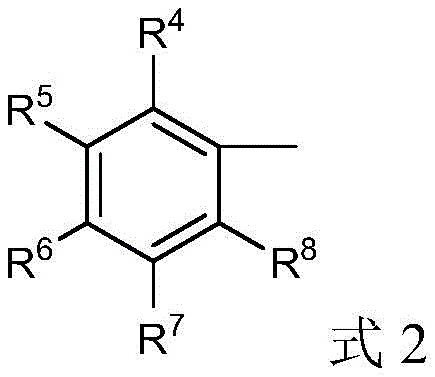
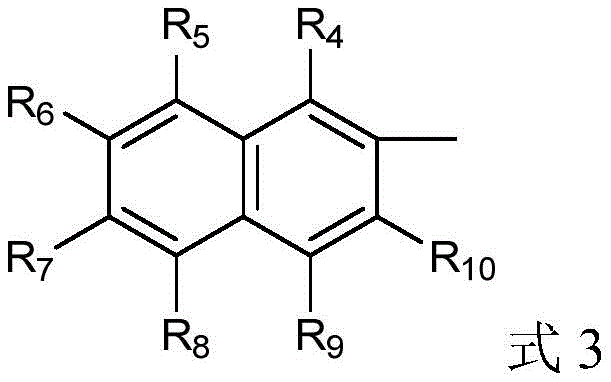
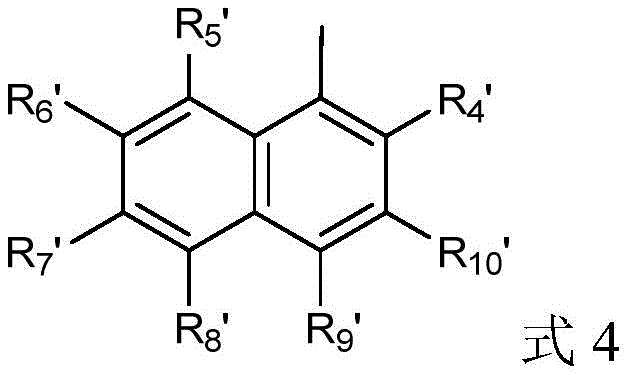
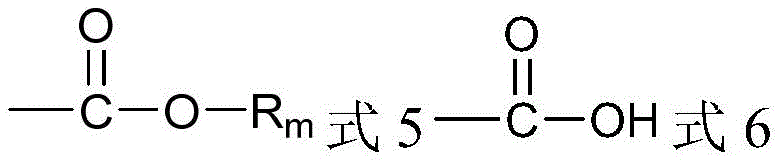
Applications Claiming Priority (2)
| Application Number | Priority Date | Filing Date | Title |
|---|---|---|---|
| CN202010357830 | 2020-04-29 | ||
| CN2020103578305 | 2020-04-29 |
Publications (2)
| Publication Number | Publication Date |
|---|---|
| CN113571237A CN113571237A (en) | 2021-10-29 |
| CN113571237B true CN113571237B (en) | 2023-03-14 |
Family
ID=78158764
Family Applications (1)
| Application Number | Title | Priority Date | Filing Date |
|---|---|---|---|
| CN202011195882.3A Active CN113571237B (en) | 2020-04-29 | 2020-10-30 | A high-performance polypropylene cable |
Country Status (1)
| Country | Link |
|---|---|
| CN (1) | CN113571237B (en) |
Families Citing this family (1)
| Publication number | Priority date | Publication date | Assignee | Title |
|---|---|---|---|---|
| CN116063778B (en) * | 2021-10-30 | 2024-11-19 | 中国石油化工股份有限公司 | Electrically insulating thermoplastic composite material with core layer structure and preparation method and application thereof |
Citations (5)
| Publication number | Priority date | Publication date | Assignee | Title |
|---|---|---|---|---|
| CN101885806A (en) * | 2009-05-15 | 2010-11-17 | 中国石油化工股份有限公司 | A kind of preparation method of polypropylene resin graft |
| CN102702661A (en) * | 2012-06-05 | 2012-10-03 | 广州市合诚化学有限公司 | A kind of anti-oxidation polypropylene compatibilizer and its preparation method and application |
| CN104327767A (en) * | 2014-11-06 | 2015-02-04 | 江苏凯力高分子科技有限公司 | Preparation method of polypropylene adhesive for pipeline corrosion prevention |
| KR20160139567A (en) * | 2015-05-28 | 2016-12-07 | 삼육대학교산학협력단 | Method for recycling sebs/pp complexs and the sebs/pp complexs recycled by the same |
| CN108912272A (en) * | 2018-07-13 | 2018-11-30 | 万华化学集团股份有限公司 | A kind of preparation method of graft modification polypropylene and graft modification polypropylene as made from it |
-
2020
- 2020-10-30 CN CN202011195882.3A patent/CN113571237B/en active Active
Patent Citations (5)
| Publication number | Priority date | Publication date | Assignee | Title |
|---|---|---|---|---|
| CN101885806A (en) * | 2009-05-15 | 2010-11-17 | 中国石油化工股份有限公司 | A kind of preparation method of polypropylene resin graft |
| CN102702661A (en) * | 2012-06-05 | 2012-10-03 | 广州市合诚化学有限公司 | A kind of anti-oxidation polypropylene compatibilizer and its preparation method and application |
| CN104327767A (en) * | 2014-11-06 | 2015-02-04 | 江苏凯力高分子科技有限公司 | Preparation method of polypropylene adhesive for pipeline corrosion prevention |
| KR20160139567A (en) * | 2015-05-28 | 2016-12-07 | 삼육대학교산학협력단 | Method for recycling sebs/pp complexs and the sebs/pp complexs recycled by the same |
| CN108912272A (en) * | 2018-07-13 | 2018-11-30 | 万华化学集团股份有限公司 | A kind of preparation method of graft modification polypropylene and graft modification polypropylene as made from it |
Also Published As
| Publication number | Publication date |
|---|---|
| CN113571237A (en) | 2021-10-29 |
Similar Documents
| Publication | Publication Date | Title |
|---|---|---|
| CN113571235B (en) | A cable with thermoplastic insulation | |
| TWI777328B (en) | A kind of graft-modified polypropylene material and preparation method thereof | |
| CN101014652B (en) | semiconducting polymer composition | |
| CN113563528B (en) | Application of aromatic olefin grafted modified polypropylene as insulating material and insulating material | |
| TWI785432B (en) | A kind of polypropylene graft containing acid anhydride group and preparation method thereof | |
| CN113563525B (en) | Application of grafted modified polypropylene as insulating material and insulating material | |
| CN113563520B (en) | Application of polypropylene graft containing acid anhydride group as insulating material and insulating material | |
| CN113563524B (en) | Application of a silane-modified polypropylene graft as an insulating material and insulating material | |
| CN113563523B (en) | Polypropylene graft containing anhydride group, and preparation method and application thereof | |
| CN113563526B (en) | An aromatic olefin graft-modified polypropylene material and its preparation method and application | |
| CN113571233B (en) | A thermoplastic cable with modified polypropylene insulation | |
| CN113563522B (en) | Application of polypropylene grafted heterocycle modified material as insulating material and insulating material | |
| CN113571237B (en) | A high-performance polypropylene cable | |
| CN102046722A (en) | Flexible polypropylene with high impact strength | |
| CN113571236B (en) | Modified polypropylene cable | |
| CN119931249A (en) | A thermoplastic modified insulating material and its preparation method and application | |
| RU2829807C1 (en) | Grafted polypropylene containing anhydride group, and method of preparing grafted polypropylene | |
| CN113571234B (en) | A high performance polypropylene thermoplastic cable | |
| RU2856346C1 (en) | Graft-modified polypropylene material and method for its production | |
| CN115806716A (en) | A kind of thermoplastic recyclable insulating material and its preparation method and application | |
| CN116453749A (en) | Water tree-resistant cable and preparation method thereof |
Legal Events
| Date | Code | Title | Description |
|---|---|---|---|
| PB01 | Publication | ||
| PB01 | Publication | ||
| SE01 | Entry into force of request for substantive examination | ||
| SE01 | Entry into force of request for substantive examination | ||
| GR01 | Patent grant | ||
| GR01 | Patent grant |