CN115109727A - A compound bacterial agent and its application in improving the quality of mushroom residue compost products - Google Patents
A compound bacterial agent and its application in improving the quality of mushroom residue compost products Download PDFInfo
- Publication number
- CN115109727A CN115109727A CN202210827483.7A CN202210827483A CN115109727A CN 115109727 A CN115109727 A CN 115109727A CN 202210827483 A CN202210827483 A CN 202210827483A CN 115109727 A CN115109727 A CN 115109727A
- Authority
- CN
- China
- Prior art keywords
- compost
- microbial inoculum
- composting
- dgw1
- dppg
- Prior art date
- Legal status (The legal status is an assumption and is not a legal conclusion. Google has not performed a legal analysis and makes no representation as to the accuracy of the status listed.)
- Pending
Links
Images





Classifications
-
- C—CHEMISTRY; METALLURGY
- C12—BIOCHEMISTRY; BEER; SPIRITS; WINE; VINEGAR; MICROBIOLOGY; ENZYMOLOGY; MUTATION OR GENETIC ENGINEERING
- C12N—MICROORGANISMS OR ENZYMES; COMPOSITIONS THEREOF; PROPAGATING, PRESERVING, OR MAINTAINING MICROORGANISMS; MUTATION OR GENETIC ENGINEERING; CULTURE MEDIA
- C12N1/00—Microorganisms; Compositions thereof; Processes of propagating, maintaining or preserving microorganisms or compositions thereof; Processes of preparing or isolating a composition containing a microorganism; Culture media therefor
- C12N1/20—Bacteria; Culture media therefor
-
- C—CHEMISTRY; METALLURGY
- C05—FERTILISERS; MANUFACTURE THEREOF
- C05F—ORGANIC FERTILISERS NOT COVERED BY SUBCLASSES C05B, C05C, e.g. FERTILISERS FROM WASTE OR REFUSE
- C05F17/00—Preparation of fertilisers characterised by biological or biochemical treatment steps, e.g. composting or fermentation
- C05F17/20—Preparation of fertilisers characterised by biological or biochemical treatment steps, e.g. composting or fermentation using specific microorganisms or substances, e.g. enzymes, for activating or stimulating the treatment
-
- C—CHEMISTRY; METALLURGY
- C05—FERTILISERS; MANUFACTURE THEREOF
- C05F—ORGANIC FERTILISERS NOT COVERED BY SUBCLASSES C05B, C05C, e.g. FERTILISERS FROM WASTE OR REFUSE
- C05F3/00—Fertilisers from human or animal excrements, e.g. manure
-
- C—CHEMISTRY; METALLURGY
- C12—BIOCHEMISTRY; BEER; SPIRITS; WINE; VINEGAR; MICROBIOLOGY; ENZYMOLOGY; MUTATION OR GENETIC ENGINEERING
- C12N—MICROORGANISMS OR ENZYMES; COMPOSITIONS THEREOF; PROPAGATING, PRESERVING, OR MAINTAINING MICROORGANISMS; MUTATION OR GENETIC ENGINEERING; CULTURE MEDIA
- C12N1/00—Microorganisms; Compositions thereof; Processes of propagating, maintaining or preserving microorganisms or compositions thereof; Processes of preparing or isolating a composition containing a microorganism; Culture media therefor
- C12N1/14—Fungi; Culture media therefor
-
- C—CHEMISTRY; METALLURGY
- C12—BIOCHEMISTRY; BEER; SPIRITS; WINE; VINEGAR; MICROBIOLOGY; ENZYMOLOGY; MUTATION OR GENETIC ENGINEERING
- C12R—INDEXING SCHEME ASSOCIATED WITH SUBCLASSES C12C - C12Q, RELATING TO MICROORGANISMS
- C12R2001/00—Microorganisms ; Processes using microorganisms
- C12R2001/01—Bacteria or Actinomycetales ; using bacteria or Actinomycetales
-
- C—CHEMISTRY; METALLURGY
- C12—BIOCHEMISTRY; BEER; SPIRITS; WINE; VINEGAR; MICROBIOLOGY; ENZYMOLOGY; MUTATION OR GENETIC ENGINEERING
- C12R—INDEXING SCHEME ASSOCIATED WITH SUBCLASSES C12C - C12Q, RELATING TO MICROORGANISMS
- C12R2001/00—Microorganisms ; Processes using microorganisms
- C12R2001/01—Bacteria or Actinomycetales ; using bacteria or Actinomycetales
- C12R2001/07—Bacillus
- C12R2001/125—Bacillus subtilis ; Hay bacillus; Grass bacillus
-
- C—CHEMISTRY; METALLURGY
- C12—BIOCHEMISTRY; BEER; SPIRITS; WINE; VINEGAR; MICROBIOLOGY; ENZYMOLOGY; MUTATION OR GENETIC ENGINEERING
- C12R—INDEXING SCHEME ASSOCIATED WITH SUBCLASSES C12C - C12Q, RELATING TO MICROORGANISMS
- C12R2001/00—Microorganisms ; Processes using microorganisms
- C12R2001/01—Bacteria or Actinomycetales ; using bacteria or Actinomycetales
- C12R2001/38—Pseudomonas
- C12R2001/40—Pseudomonas putida
-
- C—CHEMISTRY; METALLURGY
- C12—BIOCHEMISTRY; BEER; SPIRITS; WINE; VINEGAR; MICROBIOLOGY; ENZYMOLOGY; MUTATION OR GENETIC ENGINEERING
- C12R—INDEXING SCHEME ASSOCIATED WITH SUBCLASSES C12C - C12Q, RELATING TO MICROORGANISMS
- C12R2001/00—Microorganisms ; Processes using microorganisms
- C12R2001/645—Fungi ; Processes using fungi
- C12R2001/885—Trichoderma
Landscapes
- Chemical & Material Sciences (AREA)
- Life Sciences & Earth Sciences (AREA)
- Health & Medical Sciences (AREA)
- Engineering & Computer Science (AREA)
- Organic Chemistry (AREA)
- Biotechnology (AREA)
- Genetics & Genomics (AREA)
- Bioinformatics & Cheminformatics (AREA)
- Zoology (AREA)
- Wood Science & Technology (AREA)
- Microbiology (AREA)
- Tropical Medicine & Parasitology (AREA)
- Biochemistry (AREA)
- Biomedical Technology (AREA)
- Medicinal Chemistry (AREA)
- Virology (AREA)
- General Engineering & Computer Science (AREA)
- General Health & Medical Sciences (AREA)
- Mycology (AREA)
- Botany (AREA)
- Chemical Kinetics & Catalysis (AREA)
- General Chemical & Material Sciences (AREA)
- Molecular Biology (AREA)
- Fertilizers (AREA)
Abstract
本发明提供了一种复合菌剂及其在提高香菇菌渣堆肥产品质量的应用,复合菌剂的活性成分由枯草芽孢杆菌DPPG‑26、恶臭假单胞菌SRPG‑396、里氏木霉DGW1和氧化微杆菌YD4组成。本发明的复合菌剂中的枯草芽孢杆菌DPPG‑26和恶臭假单胞菌SRPG‑396均具有较强的溶磷能力,且枯草芽孢杆菌DPPG‑26其适宜生长温度较广,可在10‑60℃保持较高活性;所述复合菌剂中的里氏木霉DGW1和氧化微杆菌YD4具有较强的纤维素降解能力,且里氏木霉DGW1具有较强的对抗外界有害因子的能力,能够在较宽的pH(4.0‑8.0)环境中具有较强的产酶能力。复合菌剂的应用实现了香菇菌渣堆肥快速进入高温期,提高了堆肥温度和腐熟程度,堆肥产品总磷含量、有效磷含量和腐殖质显著增加,种子萌发指数大于215%,有效提升了堆肥产品质量。

The invention provides a composite inoculant and its application in improving the quality of mushroom residue compost products. The active components of the composite inoculant are Bacillus subtilis DPPG-26, Pseudomonas putida SRPG-396, Trichoderma reesei DGW1 and Microbacillus oxydans YD4. Both Bacillus subtilis DPPG-26 and Pseudomonas putida SRPG-396 in the composite inoculum of the present invention have strong phosphorus-dissolving ability, and Bacillus subtilis DPPG-26 has a wide suitable growth temperature, and can grow at 10- 60°C maintains high activity; Trichoderma reesei DGW1 and Microbacillus oxydans YD4 in the compound bacterial agent have strong cellulose degradation ability, and Trichoderma reesei DGW1 has strong ability to resist external harmful factors, It has strong enzyme production capacity in a wide pH (4.0-8.0) environment. The application of the compound inoculant realizes the rapid entry of the mushroom residue compost into the high temperature period, improves the compost temperature and the degree of composting, the total phosphorus content, available phosphorus content and humus of the compost product increase significantly, and the seed germination index is greater than 215%, effectively improving the compost product. quality.
Description
技术领域technical field
本发明属于环境微生物技术领域,涉及一种复合菌剂及其在提高香菇菌渣堆肥产品质量的应用。The invention belongs to the technical field of environmental microorganisms, and relates to a compound bacterial agent and its application in improving the quality of mushroom residue compost products.
背景技术Background technique
目前全国每年种植香菇产生的废弃菌渣多达400万吨,香菇菌渣若没有得到合理安全的处置,如焚烧、填埋、露天焚烧和在土地上随意堆积等,将导致严重的环境问题。然而香菇菌渣包含大量营养物质,包括多糖、氨基酸、碳氢化合物和微量元素等,完全可以资源化利用。目前已有报到利用菌渣开发为有用产品,比如有机肥料、绿色吸附剂、动物饲料和生物炭等。然而从经济效应和技术可行性考虑,大多菌渣主要用作生产有机肥料,仅有一小部分用于生产其他产品。At present, there are as many as 4 million tons of waste mushroom residues produced by the cultivation of shiitake mushrooms in China every year. If the mushroom residues are not disposed of reasonably and safely, such as incineration, landfill, open burning and random accumulation on the land, it will cause serious environmental problems. However, the mushroom residue contains a lot of nutrients, including polysaccharides, amino acids, hydrocarbons and trace elements, etc., which can be fully utilized as resources. At present, it has been reported that the use of fungus residues to develop useful products, such as organic fertilizers, green adsorbents, animal feed and biochar, etc. However, considering the economic effect and technical feasibility, most of the fungus residues are mainly used for the production of organic fertilizers, and only a small part is used for the production of other products.
利用菌渣开发生物有机肥实现资源化利用是经济可持续发展的趋势,但菌渣转化为生物有机肥,往往存在腐殖化程度低、营养含量低等问题。堆肥期间营养物质常被生物稳定化,堆肥中的有效磷常常被转化为中等稳定磷,导致堆肥产品有效磷含量大幅缩减。除此之外,香菇菌渣含有大量木质纤维素,是制约菌渣资源化利用的重要因素之一。目前添加纤维素降解菌的生物处理方法是绿色、经济、有效的,得到普遍应用。但由于废弃菌渣碳氮营养比例失衡、含有大量纤维素,直接添加一般纤维素降解菌难以降解香菇菌渣。The development of bio-organic fertilizers using mushroom residues to realize resource utilization is the trend of sustainable economic development. However, the conversion of mushroom residues into bio-organic fertilizers often has problems such as low degree of humification and low nutrient content. Nutrients are often biologically stabilized during composting, and the available phosphorus in the compost is often converted to moderately stable phosphorus, resulting in a significant reduction in the available phosphorus content of the compost product. In addition, the mushroom residue contains a large amount of lignocellulose, which is one of the important factors restricting the resource utilization of mushroom residue. At present, the biological treatment method of adding cellulose degrading bacteria is green, economical and effective, and is widely used. However, due to the unbalanced ratio of carbon and nitrogen nutrients in the waste residues and the large amount of cellulose, it is difficult to degrade the mushroom residues directly by adding general cellulose-degrading bacteria.
然而目前市售的复合菌剂,多数用于秸秆等木质纤维素含量较低的农业废弃物,对于香菇菌渣的降解效果并不显著。除此之外,在提高堆肥产品营养含量的作用大打折扣,限制了植物对堆肥中营养元素的利用效率。所以针对香菇菌渣难降解和其堆肥产品营养含量低等特点,开发高效纤维素降解复合菌剂尤为重要。However, most of the currently commercially available compound inoculants are used in agricultural wastes with low lignocellulose content such as straw, and the degradation effect on the mushroom residues is not significant. In addition, the effect of improving the nutrient content of compost products is greatly reduced, which limits the utilization efficiency of nutrients in compost by plants. Therefore, it is particularly important to develop a high-efficiency cellulose-degrading compound inoculant for the characteristics of the refractory mushroom residue and the low nutrient content of its compost products.
发明内容SUMMARY OF THE INVENTION
本发明的目的在于提供一种复合菌剂及其在提高香菇菌渣堆肥产品质量的应用,以解决上述背景技术中提出的问题。The purpose of the present invention is to provide a compound bacterial agent and its application in improving the quality of mushroom residue compost products, so as to solve the problems raised in the above background technology.
本发明的目的可通过下列技术方案来实现:The object of the present invention can be realized through the following technical solutions:
一种复合菌剂,其包括保藏号为CGMCC No.9393枯草芽孢杆菌DPPG-26(Bacillussubtilis)、保藏号为CGMCC No.9397恶臭假单胞菌SRPG-396(Pseudomonas putida)、里氏木霉DGW1(Trichodermareesei)和氧化微杆菌YD4(Microbacterium oxydans)。A compound bacterial agent, which comprises the preservation number of CGMCC No.9393 Bacillus subtilis DPPG-26 (Bacillus subtilis), the preservation number of CGMCC No.9397 Pseudomonas putida SRPG-396 (Pseudomonas putida), Trichoderma reesei DGW1 (Trichodermareesei) and Microbacterium oxydans YD4.
菌株DPPG-26具有较强溶磷性能,对无机磷的溶解量为60.58mg/L,此外,菌株DPPG-26具有产嗜铁素、固氮和分泌IAA的能力;菌株SRPG-396也同样具有较强的溶磷性能,对无机磷的溶解量为82.41mg/L,并且具有较强的耐盐能力;菌株DGW1和菌株YD4具有较高的纤维素降解能力,其纤维素酶活分别为112.71U/g和9.74U/g;ITS构建序列的发育树比对结果表明,菌株DGW1和木霉属同源性最高,结合ITS构建序列的发育树比对分析结果和形态学观察,菌株DGW1鉴定为里氏木霉;根据16S rDNA构建序列的发育树比对结果表明,菌株YD4和微杆菌属同源性最高,结合16S rDNA构建序列的发育树比对分析结果和生理生化形状,菌株YD4鉴定为氧化微杆菌。Strain DPPG-26 has strong phosphorus-dissolving properties, and the dissolved amount of inorganic phosphorus is 60.58 mg/L. In addition, strain DPPG-26 has the ability to produce siderophil, fix nitrogen and secrete IAA; strain SRPG-396 also has relatively high solubility. Strong phosphorus solubility, the dissolved amount of inorganic phosphorus is 82.41mg/L, and it has strong salt tolerance; strain DGW1 and strain YD4 have high cellulose degradation ability, and their cellulase activities are 112.71U respectively /g and 9.74U/g; the results of the phylogenetic tree alignment of the ITS constructs showed that the strain DGW1 had the highest homology with Trichoderma. Combined with the phylogenetic tree alignment and morphological observations of the ITS constructs, the strain DGW1 was identified as Trichoderma reesei; according to the comparison results of the developmental tree of the 16S rDNA construction sequence, the strain YD4 has the highest homology with Microbacteria. Combined with the analysis results of the developmental tree construction of the 16S rDNA construction sequence and the physiological and biochemical shape, the strain YD4 was identified as Microbacterium oxydans.
利用筛选出的高效纤维素降解菌和具有溶磷、耐盐的功能菌株,通过析因设计菌群组合5个,连同商品菌剂对照总共7个处理,测定7个堆肥处理的理化指标及产品营养含量,获得高效复合菌剂,包括枯草芽孢杆菌DPPG-26、恶臭假单胞菌SRPG-396、里氏木霉DGW1和氧化微杆菌YD4。Using the screened high-efficiency cellulose-degrading bacteria and functional strains with phosphorus-dissolving and salt-tolerance, 5 bacterial groups were combined by factorial design, and a total of 7 treatments together with the commercial inoculum control were used to determine the physical and chemical indicators and products of the 7 composting treatments. Nutrient content, high-efficiency compound bacterial agents were obtained, including Bacillus subtilis DPPG-26, Pseudomonas putida SRPG-396, Trichoderma reesei DGW1 and Microbacillus oxydans YD4.
本发明所述的微生物组合在提高香菇菌渣堆肥产品质量中应用。The microbial combination of the present invention is applied in improving the quality of Lentinus edodes compost products.
一种复合菌剂,由浓度不低于109个/ml所述的里氏木霉DGW1菌液和浓度不低于109CFU/ml所述的枯草芽孢杆菌DPPG-26枯草芽孢杆菌SRPG-26、所述的恶臭假单胞菌SRPG-396和所述的氧化微杆菌YD4菌液等体积比混合而成;其中各菌液浓度相同。A compound inoculum is composed of the Trichoderma reesei DGW1 bacterial solution described in a concentration of not less than 10 9 / ml and a Bacillus subtilis DPPG-26 Bacillus subtilis SRPG- 26. The described Pseudomonas putida SRPG-396 and the described Microbacillus oxidans YD4 bacterial solution are mixed in equal volume ratio; wherein the concentration of each bacterial solution is the same.
所述的复合菌剂,其生理学特征是:Described compound bacterial agent, its physiological characteristic is:
(1)菌种有效活菌数高,采用液态方式接种,真菌浓度在109个/ml以上,细菌浓度在109CFU/ml以上;(1) The number of effective viable bacteria of the strain is high, and the liquid is inoculated, the fungal concentration is above 10 9 cells/ml, and the bacterial concentration is above 10 9 CFU/ml;
(2)枯草芽孢杆菌DPPG-26和恶臭假单胞菌SRPG-396具有较强溶磷能力,里氏木霉DGW1和氧化微杆菌YD4具有较强的纤维素降解能力;(2) Bacillus subtilis DPPG-26 and Pseudomonas putida SRPG-396 have strong phosphorus-dissolving ability, and Trichoderma reesei DGW1 and Microbacillus oxydans YD4 have strong cellulose degradation ability;
(3)复合菌剂包含的菌株对作物无害,对人和动物无致病性。(3) The strains contained in the compound inoculant are harmless to crops and non-pathogenic to humans and animals.
复合菌剂的制备方法为:将所述的枯草芽孢杆菌DPPG-26、恶臭假单胞菌SRPG-396、氧化微杆菌YD4分别接种到LB液体培养基中,在30℃、170rpm下培养2天;将菌株里氏木霉DGW1接种到PDA培养基中,在30℃下培养3天,用蒸馏水冲洗培养基,获得孢子悬液;待培养结束后,用蒸馏水调节浓度,使细菌浓度在109CFU/ml以上,真菌孢子在109个/ml以上;然后将四种发酵液等体积比例混匀,得到所述的复合菌剂。The preparation method of the compound bacterial agent is as follows: the Bacillus subtilis DPPG-26, the Pseudomonas putida SRPG-396 and the Microbacillus oxydans YD4 are respectively inoculated into the LB liquid medium, and cultured at 30° C. and 170 rpm for 2 days The strain Trichoderma reesei DGW1 was inoculated into the PDA medium, cultivated at 30°C for 3 days, and the medium was rinsed with distilled water to obtain a spore suspension; after the cultivation, the concentration was adjusted with distilled water, so that the bacterial concentration was 10 9 CFU/ml or more, fungal spores more than 10 9 /ml; then the four fermentation broths are mixed in equal volume ratios to obtain the compound bacterial agent.
其中,细菌通过OD值计算浓度、真菌用血球计数板计数孢子数量。Among them, the concentration of bacteria was calculated by the OD value, and the number of spores of fungi was counted with a hemocytometer.
一种复合菌剂用于提高香菇菌渣堆肥产品质量的方法,其包括如下步骤:A method for improving the quality of Lentinus edodes mushroom residue composting products by a compound bacterial agent, which comprises the following steps:
S1:原料混合:将香菇菌渣碾碎至2-3cm,然后将碾碎后的香菇菌渣与鸡粪充分混合形成C/N比为20的均匀混合物,调节混合物中的含水率达到50-55%,将均匀混合物放置在堆肥泡沫箱中,所述混合物中香菇菌渣与鸡粪质量比为2:1;S1: Mixing of raw materials: Crush the shiitake mushroom residue to 2-3cm, then fully mix the crushed mushroom residue with chicken manure to form a uniform mixture with a C/N ratio of 20, and adjust the moisture content in the mixture to 50- 55%, the uniform mixture is placed in the composting foam box, and the mass ratio of mushroom residue to chicken manure in the mixture is 2:1;
S2:复合菌剂接种:在所述均匀混合物中接种本发明所述的复合菌剂,接种量为发酵原料质量的1.5-2%,物料充分混匀后进行发酵;S2: compound bacterial agent inoculation: inoculate the compound bacterial agent of the present invention in the uniform mixture, the inoculation amount is 1.5-2% of the mass of the fermentation raw material, and the material is fully mixed and fermented;
S3:堆肥发酵:采用底部曝气,曝气量为0.4L·min-1·kg-1,堆肥期间前两周每周人工翻堆两次,之后每周翻动一次,共发酵25-30天,得到高质量堆肥产品。S3: Compost fermentation: bottom aeration is adopted, and the aeration rate is 0.4L·min -1 ·kg -1 . The first two weeks of the composting period are manually turned twice a week, and then once a week, for a total of 25-30 days of fermentation. , to obtain high-quality compost products.
与现有技术相比,本发明一种复合菌剂及其在提高香菇菌渣菌渣堆肥产品质量的应用的优点为:复合菌剂中的枯草芽孢杆菌DPPG-26和恶臭假单胞菌SRPG-396均具有较强的溶磷能力,且枯草芽孢杆菌DPPG-26其适宜生长温度较广,可在10-60℃保持较高活性;所述复合菌剂中的里氏木霉DGW1和氧化微杆菌YD4具有较强的纤维素降解能力,且里氏木霉DGW1具有较强的对抗外界有害因子的能力,能够在较宽的pH(4.0-8.0)环境中具有较强的产酶能力;Compared with the prior art, the advantages of a composite bacterial agent of the present invention and its application in improving the quality of Lentinus edodes mushroom residue compost products are: Bacillus subtilis DPPG-26 and Pseudomonas putida SRPG in the composite bacterial agent. -396 has a strong ability to dissolve phosphorus, and Bacillus subtilis DPPG-26 has a wide range of suitable growth temperatures and can maintain high activity at 10-60 ° C; Trichoderma reesei DGW1 and oxidative Microbacterium YD4 has strong cellulose degradation ability, and Trichoderma reesei DGW1 has strong ability to resist external harmful factors, and can have strong enzyme production ability in a wide pH (4.0-8.0) environment;
本发明的复合菌剂包括枯草芽孢杆菌DPPG-26、恶臭假单胞菌SRPG-396、里氏木霉DGW1和氧化微杆菌YD4,用于较难降解的香菇菌渣的腐熟发酵时具有功能互补且协同作用明显,可显著延长堆肥嗜温期,显著提高堆肥腐殖质含量和有效磷含量。The compound bacterial agent of the present invention comprises Bacillus subtilis DPPG-26, Pseudomonas putida SRPG-396, Trichoderma reesei DGW1 and Microbacillus oxydans YD4, and is used for the decomposing and fermenting of refractory mushroom residues with complementary functions. And the synergistic effect is obvious, which can significantly prolong the mesophilic period of compost, and significantly increase the content of humus and available phosphorus in compost.
附图说明Description of drawings
图1:菌株DGW1和菌株YD4刚果红染色水解圈示意图。Figure 1: Schematic diagram of the Congo red staining hydrolysis circles of strain DGW1 and strain YD4.
图2:菌株DGW1和菌株YD4滤纸崩解试验示意图。Figure 2: Schematic diagram of the filter paper disintegration test of strain DGW1 and strain YD4.
图3:菌株DGW1基于18S rDNA序列同源性构建的系统发育树示意图。Figure 3: Schematic diagram of the phylogenetic tree constructed by strain DGW1 based on 18S rDNA sequence homology.
图4:菌株YD4基于16S rDNA序列同源性构建的系统发育树示意图。Figure 4: Schematic diagram of the phylogenetic tree constructed by strain YD4 based on 16S rDNA sequence homology.
图5:菌株DGW1形态:(a)菌株DGW1形态;(b)菌株DGW1孢子形态;(c)菌株DGW1菌丝形态;(d)扫描电镜菌株DGW1菌丝形态示意图示意图。Figure 5: Morphology of strain DGW1: (a) Morphology of strain DGW1; (b) Morphology of spores of strain DGW1; (c) Morphology of hyphae of strain DGW1;
图6:堆肥温度变化示意图。Figure 6: Schematic diagram of compost temperature changes.
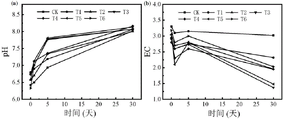
图7堆肥中pH和EC的变化示意图。Fig. 7 Schematic diagram of pH and EC changes in compost.
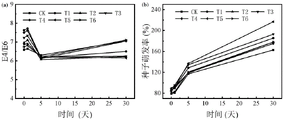
图8堆肥过程中E4/E6和GI变化示意图。Fig. 8 Schematic diagram of E4/E6 and GI changes during composting.
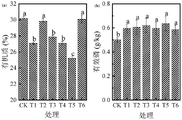
图9堆肥末期有机质含量和有效磷含量图。Fig. 9 Diagram of organic matter content and available phosphorus content at the end of composting.
图10堆肥温度变化示意图。Figure 10 Schematic diagram of compost temperature change.
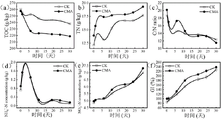
图11堆肥腐熟指标变化图(a)TOC,(b)TN,(c)C/N,(d)NH4 +-N,(e)NO3-N,(f)GI。Fig. 11 Changes of compost maturity indicators (a) TOC, (b) TN, (c) C/N, (d) NH 4 + -N, (e) NO 3 -N, (f) GI.
图12堆肥期间总磷和有效磷的变化图。Figure 12 Graph of changes in total phosphorus and available phosphorus during composting.
图13堆肥过程中不同磷组分含量变化图。Figure 13. Changes in the content of different phosphorus components during composting.
图14堆肥期间腐殖质比较(a)HS、(b)HA、(c)FA结果柱状图。Figure 14. Bar graph of humus results comparing (a) HS, (b) HA, (c) FA during composting.
具体实施方式Detailed ways
以下是本发明的具体实施例并结合附图,对本发明的技术方案作进一步的描述,但本发明并不限于这些实施例。The following are specific embodiments of the present invention and the accompanying drawings to further describe the technical solutions of the present invention, but the present invention is not limited to these embodiments.
实施例1:高效纤维素降解菌株的筛选Example 1: Screening of efficient cellulose-degrading strains
使用已灭菌的研钵捣碎10g废弃的菌渣,加入到90mL无菌水中,继续研磨5min,170r/min振荡混匀30min,梯度稀释后,各吸取100μL分别均匀涂布于LB培养基、孟加拉红培养基和改良高氏一号培养基,置于28℃倒置培养1-7d,观察并记录菌落生长状况。将形态不同且较多的单菌落挑出,多次划线纯化,保藏。Use a sterilized mortar to smash 10g of discarded bacterial residue, add it to 90mL of sterile water, continue to grind for 5min, shake and mix at 170r/min for 30min, after gradient dilution, draw 100μL of each and evenly spread on LB medium, Bengal red medium and modified Gao's No. 1 medium were placed at 28°C for inversion culture for 1-7 days, and the colony growth status was observed and recorded. Single colonies with different shapes and more were picked out, streaked for several times, purified, and preserved.
从腐烂香菇菌渣筛选出的菌株接种到以羧甲基纤维素钠为唯一碳源的培养基中,挑选出单菌落进行划线分离培养,得到35株具有纤维素降解能力的菌株。经过刚果红染色检测,如图1所示发现菌株DGW1、YD4水解圈相对大且清晰。结合滤纸崩解试验进一步判断菌株的纤维素降解综合能力。滤纸崩解实验结果如图2所示,培养7d后,发现二者均能将滤纸降解至糊状。测定二者酶活进一步判断其纤维素降解能力,结果发现菌株DGW1的滤纸酶活达到112.71U/g,菌株YD4的滤纸酶活达到11.27U/g,确定菌株DGW1、YD4均具有较强的纤维素降解能力。The strains screened from the rotten mushroom residues were inoculated into the medium with sodium carboxymethyl cellulose as the sole carbon source, and single colonies were selected for streak isolation and culture, and 35 strains with cellulose-degrading ability were obtained. After Congo red staining, as shown in Figure 1, it was found that the hydrolysis circles of strains DGW1 and YD4 were relatively large and clear. Combined with the filter paper disintegration test, the comprehensive cellulose degradation ability of the strain was further judged. The results of the filter paper disintegration experiment are shown in Figure 2. After 7 days of culture, it was found that both can degrade the filter paper to a paste. The enzyme activities of the two were determined to further determine their cellulose degradation ability. The results showed that the filter paper enzyme activity of strain DGW1 reached 112.71U/g, and the filter paper enzyme activity of strain YD4 reached 11.27U/g, confirming that both strains DGW1 and YD4 have strong fiber degrading ability.
对菌株DGW1、YD4进行分子生物学鉴定。提取菌株DGW1的基因,进行PCR扩增,扩增产物进行琼脂糖电泳。利用BLASTN进行序列相似性比对,对DGW1(图3)、YD4进行分类鉴定(图4)。通过对菌株形态学观察(图5),确定菌株DGW1为里氏木霉,通过对菌株YD4生理生化特征测定(表1),确定菌株YD4为氧化微杆菌。表1菌株YD4生理生化指标Molecular biological identification of strains DGW1 and YD4. The gene of strain DGW1 was extracted and amplified by PCR, and the amplified product was subjected to agarose electrophoresis. BLASTN was used for sequence similarity alignment, and DGW1 (Fig. 3) and YD4 were classified and identified (Fig. 4). Through the morphological observation of the strain (Fig. 5), it was confirmed that the strain DGW1 was Trichoderma reesei, and the physiological and biochemical characteristics of the strain YD4 were determined (Table 1), and the strain YD4 was confirmed to be Microbacterium oxydans. Table 1 Physiological and biochemical indicators of strain YD4

实施例2:复合菌剂的创制及其在香菇菌渣堆肥的应用Embodiment 2: the creation of compound bacterial agent and its application in shiitake mushroom residue composting
本试验共设计7个处理,通过析因设计菌群组合5个,连同商品菌剂对照总共7个处理,具体情况见表2;将各处理初始含水率调整为50-55%,放入堆肥泡沫箱中,堆肥底部曝气,堆肥过程中前两周每周人工翻堆两次,之后每周翻动一次。在堆肥期间测定堆肥温度变化并且取样测定堆肥理化性质变化。A total of 7 treatments were designed in this experiment, 5 bacterial groups were combined by factorial design, and a total of 7 treatments together with the commercial inoculum control, see Table 2 for details; the initial moisture content of each treatment was adjusted to 50-55%, and put into compost. In the foam box, the bottom of the compost was aerated, and the compost was manually turned twice a week for the first two weeks of the composting process, and once a week thereafter. Changes in compost temperature were measured during composting and samples were taken to measure changes in compost physicochemical properties.
购买的商品菌剂包含枯草芽孢杆菌、地衣芽孢杆菌、侧胞芽孢杆菌、植物乳杆菌等纤维素降解菌。The purchased commercial inoculants include cellulose-degrading bacteria such as Bacillus subtilis, Bacillus licheniformis, Bacillus lateralis, and Lactobacillus plantarum.
表2不同处理的复合菌剂创制及堆肥的接种量应用Table 2 The creation of compound inoculants with different treatments and the application of inoculum of compost


堆肥过程结果分析Analysis of composting process results
整个堆肥过程中温度的变化如图6所示。CK和T6处理在第3d温度超过55℃(嗜温期),其他接种处理温度均在第2d进入嗜温期。T1和T5的嗜温期保持最长时间(6d),其次是T2、T3和T4(5d),嗜温期最短的是CK(3d)和T6(4d)。其中T1、T2、T3、T4和T5的嗜温期超过5d,满足堆肥无害化标准。除此之外,当堆肥温度低于40℃时,表明堆肥已趋于成熟。在所有处理中,最快进入腐熟期的是T5处理(13d),比起CK时间缩短了2d。因此,可初步判断菌剂组合T5处理能够提高堆肥效率,其具有更长的嗜温期。The change in temperature throughout the composting process is shown in Figure 6. The temperature of CK and T6 treatments exceeded 55℃ on the 3rd day (the mesophilic stage), and the other inoculation treatments entered the mesophilic stage on the 2nd day. The mesophilic periods of T1 and T5 remained the longest (6d), followed by T2, T3 and T4 (5d), and the shortest mesophilic periods were CK (3d) and T6 (4d). Among them, the mesophilic period of T1, T2, T3, T4 and T5 exceeded 5d, which met the compost harmless standard. In addition, when the compost temperature is lower than 40 ℃, it indicates that the compost has matured. Among all treatments, T5 treatment (13d) was the fastest to enter the decomposing stage, which was 2d shorter than CK. Therefore, it can be preliminarily judged that the inoculum-agent combination T5 treatment can improve the composting efficiency, which has a longer mesophilic period.
在堆肥过程中,由于微生物的氨化作用和矿化作用,导致堆肥期间pH的变化。本发明中各项处理的pH值分别从6.42、6.8、6.57、6.75、6.58、6.73和6.33上升到8.02、8.06、8、8.07、8.16、8.13和8.07(图7a)。在堆肥的嗜温期,T5处理和T6处理的pH值上升的更快,这意味着两种处理具有更高的微生物活性。根据TMECC,2002标准规定,腐熟堆肥pH值的标准应为5.5–8.5,本实施例所有处理的pH值均能满足此要求。During composting, changes in pH during composting are caused due to microbial ammoniation and mineralization. The pH of each treatment in the present invention increased from 6.42, 6.8, 6.57, 6.75, 6.58, 6.73 and 6.33 to 8.02, 8.06, 8, 8.07, 8.16, 8.13 and 8.07, respectively (Fig. 7a). During the mesophilic period of composting, the pH value of the T5 and T6 treatments rose faster, implying that the two treatments had higher microbial activity. According to the TMECC, 2002 standard, the pH value of decomposed compost should be 5.5–8.5, and the pH value of all treatments in this example can meet this requirement.
EC直接反映了堆肥的含盐量及堆肥产品的毒性。当EC<4mS/cm时,认为堆肥产品是无毒的。堆肥结束时,每个处理的EC下降至3.3、2.8、3.05、2.9、2.95、3.04和3.18(图7b)。这与pH值的变化趋势相反。T5处理中EC含量最低,这说明T5处理在腐熟期会将大量的小链有机酸和各种离子转化为稳定的化合物。因此T5微生物菌剂可以促进堆肥的成熟。EC directly reflects the salt content of compost and the toxicity of compost products. Compost products are considered non-toxic when EC<4mS/cm. At the end of composting, the EC dropped to 3.3, 2.8, 3.05, 2.9, 2.95, 3.04 and 3.18 for each treatment (Fig. 7b). This is opposite to the trend of pH value change. The EC content was the lowest in the T5 treatment, which indicated that the T5 treatment would convert a large amount of small-chain organic acids and various ions into stable compounds during the decomposing stage. Therefore, T5 microbial inoculum can promote the maturation of compost.
堆肥产品中的腐殖质主要包括腐植酸和富里酸。腐植酸和富里酸的光密度之比(E4/E6)可以反映腐殖质芳香结构的结合程度,表明了腐殖质的水平和堆肥腐熟水平。简而言之,更高的E4/E6值意味着更低的堆肥腐熟度。堆肥期间E4/E6的变化如图8a所示。所有处理最终的E4/E6分别是7.06、6.5、6.22、6.25、7.05、6.15和7.11。接种组的E4/E6更低比起CK处理,这表明在堆肥中接种微生物菌剂促进腐殖质形成,提高堆肥腐熟程度。其中T5处理有最低的E4/E6,这意味这T5处理的菌剂组合有效提高堆肥腐熟度。The humic substances in compost products mainly include humic acid and fulvic acid. The ratio of the optical density of humic acid and fulvic acid (E4/E6) can reflect the degree of binding of the aromatic structure of humus, indicating the level of humus and the level of compost maturity. In short, higher E4/E6 values mean lower compost maturity. The changes in E4/E6 during composting are shown in Fig. 8a. The final E4/E6 for all treatments were 7.06, 6.5, 6.22, 6.25, 7.05, 6.15 and 7.11, respectively. The E4/E6 of the inoculated group was lower than that of the CK treatment, which indicated that the inoculation of microbial inoculants in the compost promoted the formation of humus and improved the compost maturity. Among them, the T5 treatment had the lowest E4/E6, which means that the inoculant combination of the T5 treatment can effectively improve the compost maturity.
各个处理的GI呈现逐渐上升的趋势(图8b),这表明随着堆肥的进行,堆肥的生物毒性正在逐渐降低。由于堆肥原材料选取干鸡粪和干菌渣,导致堆肥原材料的毒性本身不高,所以GI在堆肥初期均超过80%。T5处理的GI在堆肥末期达到最高为215,这表明T5处理接种的微生物菌剂促进堆肥腐熟并减少堆肥毒性。The GI of each treatment showed a gradually increasing trend (Fig. 8b), which indicated that the biotoxicity of the compost was gradually decreasing as the composting progressed. Since the composting raw materials are dry chicken manure and dry fungus residue, the toxicity of the composting raw materials itself is not high, so the GI exceeds 80% in the initial stage of composting. The GI of T5 treatment reached a maximum of 215 at the end of composting, which indicated that the microbial inoculum inoculated with T5 treatment promoted compost maturity and reduced compost toxicity.
图9a显示堆肥末期有机质含量,T5处理的有机质含量显著低于其他处理。T5处理的菌剂组合的有机质损失率是最大的,表明堆肥期间微生物利用有机质进行活跃的生长和繁殖,这也间接说明了T5处理能够延长堆肥嗜温期(图9a)。当堆肥的有机质含量下降至60%时,可认为堆肥的不稳定有机物已完全降解,最终堆肥成熟且稳定。因此,在本试验中所有处理均可认定为已达到腐熟。Figure 9a shows the organic matter content at the end of composting, and the organic matter content of T5 treatment was significantly lower than that of other treatments. The organic matter loss rate of the inoculum combination in T5 treatment was the largest, indicating that microorganisms used organic matter for active growth and reproduction during composting, which also indirectly indicated that T5 treatment could prolong the mesophilic period of composting (Fig. 9a). When the organic matter content of the compost drops to 60%, it can be considered that the unstable organic matter of the compost has been completely degraded, and finally the compost is mature and stable. Therefore, all treatments in this test can be considered to have reached maturity.
由于T5处理的菌剂组合导致了最高的有机质降解率,所以T5水平的有效磷含量也随之最高(图9b)。接种微生物菌剂处理的有效磷含量显著高于对照组,这可能是因为微生物菌剂与土著微生物菌群之间可能存在一定的协同作用,能更好的发挥磷的释放作用。Since the T5-treated inoculum combination resulted in the highest organic matter degradation rate, the T5 level also had the highest available phosphorus content (Fig. 9b). The effective phosphorus content of the inoculated microbial inoculum was significantly higher than that of the control group, which may be because there may be a certain synergy between the microbial inoculum and the indigenous microbial flora, which can better play the role of phosphorus release.
实施例3复合菌剂的堆肥处理应用The composting treatment application of the compound bacterial agent of embodiment 3
本试验共设计2个处理,进一步验证复合菌剂提升香菇菌渣堆肥应用效果,设计SL-44+Rs-198+YD4+DGW1复合菌剂(CMA)和商品菌剂(CK)总共2个处理;用蒸馏水调节浓度,使细菌浓度在109CFU/ml以上,真菌孢子在109个/ml以上;然后将四种发酵液按照体积比例0.8:1.2:0.8:1.2混匀,得到复合菌剂。A total of 2 treatments were designed in this experiment to further verify the effect of compound inoculants on the composting of mushroom residues. A total of 2 treatments were designed with SL-44+Rs-198+YD4+DGW1 compound inoculants (CMA) and commercial inoculants (CK). ; Adjust the concentration with distilled water, so that the bacterial concentration is above 10 9 CFU/ml, and the fungal spore is above 10 9 /ml; Then the four fermentation broths are mixed according to the volume ratio of 0.8: 1.2: 0.8: 1.2 to obtain a composite bacterial agent .
菌渣原料设计:将香菇菌渣碾碎至2-3cm,然后将碾碎后的香菇菌渣与羊粪充分混合形成C/N比为20的均匀混合物,调节混合物中的含水率达到55-60%,将均匀混合物放置在堆肥泡沫箱中,所述混合物中香菇菌渣与羊粪质量比为2:1.2。Design of mushroom residue raw materials: Crush the mushroom residue to 2-3cm, then fully mix the crushed mushroom residue with sheep dung to form a uniform mixture with a C/N ratio of 20, and adjust the moisture content in the mixture to 55- 60%, place the homogeneous mixture in a composting foam box, and the mass ratio of shiitake mushroom residue to sheep manure in the mixture is 2:1.2.
复合菌剂接种:在所述均匀混合物中接种本发明所述的复合菌剂,接种量为发酵原料质量的1.5%,物料充分混匀后进行发酵。Compound bacterial agent inoculation: the compound bacterial agent of the present invention is inoculated into the uniform mixture, and the inoculation amount is 1.5% of the mass of the fermentation raw material, and the material is fully mixed before fermentation.
堆肥发酵:采用底部曝气,曝气量为0.4L·min-1·kg-1,堆肥期间前两周每周人工翻堆两次,之后每周翻动一次,共发酵25-30天,得到高质量堆肥产品。分别在堆肥期间第0、1、5、20、30天采用四分法进行取样,在测定堆肥温度变化堆肥理化性质变化。Compost fermentation: bottom aeration was adopted, and the aeration rate was 0.4L·min -1 ·kg -1 . During the first two weeks of the composting period, the compost was manually turned twice a week, and then turned once a week, for a total of 25-30 days of fermentation to obtain High quality compost product. Sampling was carried out on the 0th, 1st, 5th, 20th, and 30th day of the composting period, respectively, and the physical and chemical properties of the compost were measured when the composting temperature changed.
堆肥过程各指标结果分析Analysis of the results of various indicators in the composting process
堆肥过程持续进行30d后堆肥温度接近于室温。CK处理和CMA处理均能在第1d进入嗜温期(>55℃),但相比于CK处理(61℃),CMA处理可以在第6d达到更高的温度水平(66℃)。此外,两种处理均能在高温(>55℃)下维持13d。在嗜热期间,大量的致病菌和有毒物质被灭活,有机物迅速分解。随后堆体的温度不断下降,表明堆肥逐渐成熟。当堆体温度趋于室温时,表明堆体微生物基本停止降解活动,堆肥趋于成熟。After the composting process continued for 30 days, the compost temperature was close to room temperature. Both CK treatment and CMA treatment could enter the mesophilic phase (>55°C) on the 1st day, but the CMA treatment could reach a higher temperature level (66°C) on the 6th day than the CK treatment (61°C). In addition, both treatments can be maintained at high temperature (>55 °C) for 13 d. During the thermophilic period, a large number of pathogenic bacteria and toxic substances are inactivated, and organic matter is rapidly decomposed. Subsequently, the temperature of the compost continued to drop, indicating that the compost was gradually mature. When the temperature of the heap tends to room temperature, it indicates that the microorganisms in the heap basically stop degrading activities, and the compost tends to mature.
如表3所示,随着堆肥的进行,两种处理的含水率均不断减小。在堆肥嗜温期时,由于堆肥微生物的新陈代谢,产生大量的热,造成堆体的水分大量蒸发。但是CMA处理的含水率显著低于CK处理,这是由于CMA处理具有更高的温度,且嗜温期长于CK处理。在堆肥的成熟期和冷却期时,堆肥温度趋于室温,堆体内的含水率趋于平稳。As shown in Table 3, the moisture content of both treatments decreased continuously as the composting progressed. During the mesophilic period of composting, a large amount of heat is generated due to the metabolism of composting microorganisms, causing a large amount of water in the compost to evaporate. However, the water content of CMA treatment was significantly lower than that of CK treatment, because CMA treatment had higher temperature and longer mesophilic period than CK treatment. During the maturity and cooling periods of the compost, the temperature of the compost tends to room temperature, and the moisture content in the compost tends to be stable.
随着堆肥的进行,CK和CMA处理的pH呈现弱碱的变化范围,分别是6.92-8.40和7.06-8.23(表3)。在堆肥期间两种处理的pH值不断升高,堆肥11d后,堆肥pH值上升速度明显减缓,这可能是由于堆肥中有机酸的生成。堆肥初期,CMA处理的堆肥pH值高于CK处理,这可能是由于接种液在培养过程中为碱性状态,从而提高堆肥初期pH值。在堆肥末期,CMA处理的pH值较低于CK处理,可能是由于复合菌剂的接种,促进堆肥生境内微生物对有机酸的分泌。As composting progressed, the pH of the CK and CMA treatments exhibited a weakly alkaline range of 6.92-8.40 and 7.06-8.23, respectively (Table 3). During the composting period, the pH value of the two treatments increased continuously. After 11 d of composting, the pH value of the composted compost increased significantly, which may be due to the formation of organic acids in the compost. In the early stage of composting, the pH value of the compost in the CMA treatment was higher than that in the CK treatment, which may be due to the fact that the inoculum was in an alkaline state during the cultivation process, thereby increasing the initial pH value of the compost. At the end of the composting stage, the pH value of the CMA treatment was lower than that of the CK treatment, which may be due to the inoculation of the compound bacterial agent, which promoted the secretion of organic acids by microorganisms in the composting habitat.
CK处理和CMA处理的电导率(EC)在1.40-2.212范围内不断波动(表3),并且两种处理的最终EC都达到安全标准要求(<4mS/cm)。The electrical conductivity (EC) of CK treatment and CMA treatment fluctuated continuously in the range of 1.40-2.212 (Table 3), and the final EC of both treatments met safety standard requirements (<4 mS/cm).
表3堆肥中理化参数的变化Table 3 Changes in physicochemical parameters in composting

图11a显示堆肥期间总有机碳(TOC)的变化。在堆肥嗜温期时,TOC含量显著下降。堆肥30d后,相比较CK处理,CMA处理的TOC含量更低,这可能是因为该处理具有更高的微生物活性。Figure 11a shows changes in total organic carbon (TOC) during composting. During the mesophilic period of composting, the TOC content decreased significantly. After 30 d of composting, the TOC content of CMA treatment was lower than that of CK treatment, which may be due to the higher microbial activity of this treatment.
堆肥期间CK和CMA处理的总氮(TN)逐渐升高,但堆肥过程中一部分氮以氨气的形式排出堆体外(图11b)。并且两种处理的总氮变化有着类似的结果。在堆肥结束时,CMA处理的总氮含量显著高于CK处理,这说明复合菌剂的接种将会减少堆肥中氮的损失。The total nitrogen (TN) of CK and CMA treatments gradually increased during composting, but part of nitrogen was excreted out of the compost in the form of ammonia gas during composting (Fig. 11b). And the changes of total nitrogen in the two treatments had similar results. At the end of composting, the total nitrogen content of the CMA treatment was significantly higher than that of the CK treatment, indicating that the inoculation of the compound bacterial agent would reduce the loss of nitrogen in the compost.
C/N是堆肥中重要的指标,可以反映堆肥腐熟度。如图11c所示,堆肥期间C/N逐渐降低,那可能是由于堆肥过程中有机碳矿化率高于有机氮的结果。根据以前的报道,堆肥末期C/N在10-15,可以认为堆肥已腐熟。因此,两种处理均已完全腐熟。C/N is an important index in compost, which can reflect the maturity of compost. As shown in Fig. 11c, C/N gradually decreased during composting, which may be due to the higher mineralization rate of organic carbon than organic nitrogen during composting. According to previous reports, C/N in the final stage of composting is 10-15, and it can be considered that the compost has been decomposed. Therefore, both treatments were fully decomposed.
如图11d所示,在整个堆肥过程中,两种处理的NH4 +-N含量呈现先上升后下降的趋势。通过氨化作用产生氨气随后溶于水中,从而提高堆肥NH4 +-N含量。随着氨气的挥发和NH4 +-N转化为NO3 --N,堆肥中的NH4 +-N含量开始下降。在进入冷却期时,NH4 +-N含量趋于稳定。NH4 +-N含量在成熟期后期相对稳定。与CK处理相比,CMA处理整体NH4 +-N含量更高,这是由于更高的温度和pH有利于氨化作用。As shown in Fig. 11d, the NH 4 + -N content of the two treatments showed a trend of first increasing and then decreasing throughout the composting process. Ammonia gas is produced by ammoniation and subsequently dissolved in water, thereby increasing the NH 4 + -N content of the compost. With the volatilization of ammonia and the conversion of NH 4 + -N to NO 3 - -N, the NH 4 + -N content in the compost began to decrease. When entering the cooling period, the NH 4 + -N content tends to be stable. The NH 4 + -N content was relatively stable at the later stage of maturity. Compared with the CK treatment, the overall NH 4 + -N content was higher in the CMA treatment, which was due to the higher temperature and pH favoring the ammoniation.
图11e显示堆肥期间NO3 --N含量的变化,在整个堆肥过程中NO3 --N含量呈现逐渐上升的趋势。堆肥前期NO3 --N含量增加较为缓慢,嗜温期结束后,硝化微生物大量繁殖,堆肥中的NH4 +-N转化为NO3 --N,导致堆肥中NO3 --N含量逐渐增加,这表明堆肥正在逐步成熟。在堆肥结束时,CMA处理的NO3 --N含量高于CK处理,这可能是因为复合菌剂的接种促进了硝化菌的生长和代谢。由此可见,混合菌剂的接种能够有效提高堆肥产品质量。Figure 11e shows the change of NO 3 - -N content during composting, and the NO 3 - -N content showed a gradually increasing trend throughout the composting process. In the early stage of composting, the content of NO 3 - -N increased slowly. After the end of the mesophilic period, nitrifying microorganisms proliferated, and the NH 4 + -N in the compost was converted into NO 3 - -N, resulting in a gradual increase in the content of NO 3 - -N in the compost. , which indicates that the compost is gradually maturing. At the end of composting, the content of NO 3 - -N in the CMA treatment was higher than that in the CK treatment, which may be because the inoculation of the compound bacterial agent promoted the growth and metabolism of nitrifying bacteria. It can be seen that the inoculation of mixed bacterial agent can effectively improve the quality of compost products.
两种处理的GI在整个堆肥过程中呈现上升的趋势(图11f)。同时,在堆肥末期两种处理的GI均超过200%,能够满足堆肥腐熟标准(>80%)。除此之外,CMA处理的种子萌发率显著高于CK处理,说明复合菌剂的接种将提高堆肥腐熟度,这可能与提高了堆肥中微生物的代谢活性和微生物之间的积极相互作用有关。The GI of both treatments showed an upward trend throughout the composting process (Fig. 11f). At the same time, the GI of both treatments at the end of composting exceeded 200%, which could meet the compost maturity standard (>80%). In addition, the seed germination rate of CMA treatment was significantly higher than that of CK treatment, indicating that the inoculation of compound inoculants will improve the compost maturity, which may be related to the improvement of the metabolic activity of microorganisms in the compost and the positive interaction between microorganisms.
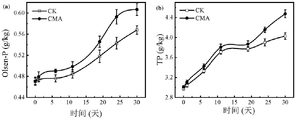
如图12a所示,与堆肥初期相比,在CK处理和CMA处理最终的总磷浓度分别增加了27.02%和33.15%,由此可见复合菌剂的接种提高了堆肥末期产品的总磷含量。在整个堆肥过程中,两种处理的有效磷含量不断增加,但是CMA处理的有效磷浓度(Olsen-P)显著高于CK处理(图12b)。复合菌剂通过提高微生物间的相互作用,间接影响堆肥磷组分含量。As shown in Figure 12a, compared with the initial stage of composting, the final total phosphorus concentration in the CK treatment and CMA treatment increased by 27.02% and 33.15%, respectively. It can be seen that the inoculation of the compound bacterial agent increased the total phosphorus content of the final composting product. The available phosphorus content of both treatments increased continuously throughout the composting process, but the available phosphorus concentration (Olsen-P) of the CMA treatment was significantly higher than that of the CK treatment (Fig. 12b). The compound inoculant indirectly affects the content of phosphorus components in compost by improving the interaction between microorganisms.
不同提取液对磷进行顺序提取,反映了堆肥过程中不稳定磷、较不稳定磷、较稳定磷和稳定磷的变化,这也反映了复合菌剂对堆肥过程中无机磷的增溶程度。图13展示了堆肥期间不同磷组分的分布。堆肥期间,除HCl-Po外,CK处理和CMA处理的其他磷组分均有所增加,那可能是由于浓度效应和有机物质的降解。有效磷包括堆肥中的H2O-P和NaHCO3-P,相比于CK处理,在堆肥末期CMA处理分别提高了0.29%和1.5%。HCl-P作为磷组分中最不稳定P,发现CK处理在堆肥末期高于CMA处理,这意味着复合菌剂的添加有利于稳定磷转化为有效磷。并且CMA处理的残留磷整体高于CK处理。The sequential extraction of phosphorus in different extracting solutions reflects the changes of unstable phosphorus, relatively unstable phosphorus, relatively stable phosphorus and stable phosphorus during the composting process, which also reflects the solubilization degree of inorganic phosphorus by compound inoculants during the composting process. Figure 13 shows the distribution of different phosphorus components during composting. During composting, except for HCl-Po, other phosphorus components were increased in both CK and CMA treatments, which may be due to concentration effects and degradation of organic matter. The available phosphorus included H 2 OP and NaHCO 3 -P in the compost, which were increased by 0.29% and 1.5% in the CMA treatment at the end of composting, respectively, compared with the CK treatment. HCl-P was the most unstable P in the phosphorus component, and it was found that the CK treatment was higher than the CMA treatment at the end of the composting stage, which means that the addition of the compound inoculant was beneficial to the conversion of stable phosphorus into available phosphorus. And the residual phosphorus of the CMA treatment was higher than that of the CK treatment as a whole.
腐殖化是将有机物转化为腐殖质(HS)的过程,也是堆肥固碳的关键步骤,其直接影响堆肥的肥力和稳定性。在菌渣堆肥过程中,CMA处理和CK处理的HS分别从120.18g/kg缩减到114.18g/kg和从118.16g/kg缩减到104.17g/kg(图14a)。值得注意的是,堆肥末期CMA处理的HS含量显著高于CK处理Humification, the process of converting organic matter into humus (HS), is also a key step in compost carbon sequestration, which directly affects compost fertility and stability. During the composting process, the HS of CMA treatment and CK treatment decreased from 120.18 g/kg to 114.18 g/kg and from 118.16 g/kg to 104.17 g/kg, respectively (Fig. 14a). Notably, the HS content of the CMA treatment at the end of composting was significantly higher than that of the CK treatment
腐植酸(HA)是HS中分子量大、稳定性高的物质,含有羧基、酚羟基等多种官能团。随着堆肥的进行,两种处理的HA逐渐上升(图14b)。堆肥末期,CMA处理和CK处理的HA分别上升到34.37%和31.86%,这意味CMA处理具有更高的微生物活性,微生物合成大量稳定的HA分子。Humic acid (HA) is a substance with large molecular weight and high stability in HS, and contains various functional groups such as carboxyl group and phenolic hydroxyl group. As composting progressed, the HA of both treatments increased gradually (Fig. 14b). At the end of composting, the HA in CMA treatment and CK treatment increased to 34.37% and 31.86%, respectively, which means that CMA treatment had higher microbial activity, and microorganisms synthesized a large number of stable HA molecules.
富里酸(FA)具有分子量小、活性高和氧化程度高等特点,这也就意味着相比较HA,堆肥中产生的FA更易被微生物代谢吸收。所以在堆肥过程中,两种处理的FA不断下降(图14c)。在堆肥末期CMA处理的FA略高于CK处理,但CMA菌剂的接种对FA含量没有显著影响。Fulvic acid (FA) has the characteristics of small molecular weight, high activity and high degree of oxidation, which means that FA produced in compost is easier to be metabolized and absorbed by microorganisms than HA. Therefore, during the composting process, the FA of both treatments decreased continuously (Fig. 14c). At the end of composting, the FA of CMA treatment was slightly higher than that of CK treatment, but the inoculation of CMA inoculum had no significant effect on FA content.
本说明书中未作详细描述的内容属于本领域专业技术人员公知的现有技术。本文中所描述的具体实施例仅仅是对本发明精神作举例说明。本发明所属技术领域的技术人员可以对所描述的具体实施例作各种各样的修改或补充或采用类似的方式替代,但并不会偏离本发明的精神或者超越所附权利要求书所定义的范围。Contents not described in detail in this specification belong to the prior art known to those skilled in the art. The specific embodiments described herein are merely illustrative of the spirit of the invention. Those skilled in the art to which the present invention pertains can make various modifications or additions to the described specific embodiments or substitute in similar manners, but will not deviate from the spirit of the present invention or go beyond the definition of the appended claims range.
Claims (6)
Priority Applications (1)
| Application Number | Priority Date | Filing Date | Title |
|---|---|---|---|
| CN202210827483.7A CN115109727A (en) | 2022-07-13 | 2022-07-13 | A compound bacterial agent and its application in improving the quality of mushroom residue compost products |
Applications Claiming Priority (1)
| Application Number | Priority Date | Filing Date | Title |
|---|---|---|---|
| CN202210827483.7A CN115109727A (en) | 2022-07-13 | 2022-07-13 | A compound bacterial agent and its application in improving the quality of mushroom residue compost products |
Publications (1)
| Publication Number | Publication Date |
|---|---|
| CN115109727A true CN115109727A (en) | 2022-09-27 |
Family
ID=83331860
Family Applications (1)
| Application Number | Title | Priority Date | Filing Date |
|---|---|---|---|
| CN202210827483.7A Pending CN115109727A (en) | 2022-07-13 | 2022-07-13 | A compound bacterial agent and its application in improving the quality of mushroom residue compost products |
Country Status (1)
| Country | Link |
|---|---|
| CN (1) | CN115109727A (en) |
Cited By (2)
| Publication number | Priority date | Publication date | Assignee | Title |
|---|---|---|---|---|
| CN116218723A (en) * | 2023-01-19 | 2023-06-06 | 江苏南资环保科技有限公司 | A kind of inositol hexaphosphate-protein complex degrading bacteria and its application |
| CN116240144A (en) * | 2023-03-21 | 2023-06-09 | 西安工程大学 | A kind of phosphate-solubilizing bacterium bacillus DPPG-26 and the method for processing waste mushroom matrix |
Citations (5)
| Publication number | Priority date | Publication date | Assignee | Title |
|---|---|---|---|---|
| WO2016191267A1 (en) * | 2015-05-22 | 2016-12-01 | Archer Daniels Midland Company | A genus of epimerase enzymes for conversion of fructose to allulose at high temperature and low ph |
| CN109536410A (en) * | 2018-12-17 | 2019-03-29 | 石河子大学 | A kind of salt tolerant growth-promoting composite bacteria agent and its preparation method and application |
| CN111495340A (en) * | 2020-04-29 | 2020-08-07 | 西安工程大学 | Mine wastewater treatment agent |
| US20220195496A1 (en) * | 2020-12-17 | 2022-06-23 | Karius, Inc. | Sequencing microbial cell-free dna from asymptomatic individuals |
| CN116240144A (en) * | 2023-03-21 | 2023-06-09 | 西安工程大学 | A kind of phosphate-solubilizing bacterium bacillus DPPG-26 and the method for processing waste mushroom matrix |
-
2022
- 2022-07-13 CN CN202210827483.7A patent/CN115109727A/en active Pending
Patent Citations (5)
| Publication number | Priority date | Publication date | Assignee | Title |
|---|---|---|---|---|
| WO2016191267A1 (en) * | 2015-05-22 | 2016-12-01 | Archer Daniels Midland Company | A genus of epimerase enzymes for conversion of fructose to allulose at high temperature and low ph |
| CN109536410A (en) * | 2018-12-17 | 2019-03-29 | 石河子大学 | A kind of salt tolerant growth-promoting composite bacteria agent and its preparation method and application |
| CN111495340A (en) * | 2020-04-29 | 2020-08-07 | 西安工程大学 | Mine wastewater treatment agent |
| US20220195496A1 (en) * | 2020-12-17 | 2022-06-23 | Karius, Inc. | Sequencing microbial cell-free dna from asymptomatic individuals |
| CN116240144A (en) * | 2023-03-21 | 2023-06-09 | 西安工程大学 | A kind of phosphate-solubilizing bacterium bacillus DPPG-26 and the method for processing waste mushroom matrix |
Cited By (2)
| Publication number | Priority date | Publication date | Assignee | Title |
|---|---|---|---|---|
| CN116218723A (en) * | 2023-01-19 | 2023-06-06 | 江苏南资环保科技有限公司 | A kind of inositol hexaphosphate-protein complex degrading bacteria and its application |
| CN116240144A (en) * | 2023-03-21 | 2023-06-09 | 西安工程大学 | A kind of phosphate-solubilizing bacterium bacillus DPPG-26 and the method for processing waste mushroom matrix |
Similar Documents
| Publication | Publication Date | Title |
|---|---|---|
| CN103232944B (en) | Microorganism bacterium agent for straw and excrement mixed composting | |
| CN101525254B (en) | Multifunctional biological compound fertilizer as well as preparation method and application thereof | |
| US8778048B2 (en) | Biochemical humic acid product prepared from kitchen waste and the method of preparing the same | |
| CN102199562B (en) | Composite bacterial preparation as well as preparation method and application thereof | |
| CN107177533B (en) | A kind of thermophilic bacteria compound bacterial agent and its preparation method and application | |
| CN101054552A (en) | Microorganism composite bacterium agent and preparation method and application thereof | |
| Li et al. | Comparative study on aerobic compost performance, microbial communities and metabolic functions between human feces and cattle manure composting | |
| CN109835881A (en) | A kind of modification biological charcoal, charcoal base organic fertilizer and preparation method thereof and its application | |
| CN100387551C (en) | A method for producing active nutritional fertilizer by using obsolete domestic garbage as raw material | |
| CN111995476A (en) | Method for preparing organic fertilizer by utilizing kitchen waste biogas residues | |
| CN115838668B (en) | Preparation method of pig manure composite fermentation agent, fermentation agent prepared therefrom, pig manure bio-organic fertilizer, and preparation method and application thereof | |
| CN104293719B (en) | Fast decomposing agent for fermentation bed aging padding, organic fertilizer and production method of organic fertilizer | |
| CN115925460A (en) | Method for producing organic fertilizer by combining composite microbial agent and nano-film for fermentation | |
| CN115109727A (en) | A compound bacterial agent and its application in improving the quality of mushroom residue compost products | |
| CN106701628B (en) | Rural domestic garbage fermentation microbial inoculum and use method and application thereof | |
| CN104894025B (en) | A kind of streptomycete bacterial strain and its application | |
| CN110759774A (en) | Method for producing soil conditioner by using rice husk as raw material | |
| CN111197007A (en) | Production method of high-efficiency bacterial bricks for composting | |
| CN106478291A (en) | A kind of soil conditioner being applied to glyphosate contaminated soil | |
| CN102391026B (en) | Method for promoting decomposition of cotton stalks | |
| CN115386506A (en) | Microbial compound bacterial agent for promoting rapid composting of livestock and poultry manure and straw and method for producing bio-organic fertilizer | |
| CN101993832A (en) | Composite bacterial agent for pig manure compost treatment and application method | |
| CN106927971A (en) | A kind of sludge soil-repairing agent, preparation method and its application in sludge is dissolved | |
| CN118389297A (en) | A composite microbial agent for promoting corn stalk decomposition and its application | |
| CN116218727A (en) | A kind of microbial agent and its application of improving the aerobic fermentation rate of livestock and poultry manure |
Legal Events
| Date | Code | Title | Description |
|---|---|---|---|
| PB01 | Publication | ||
| PB01 | Publication | ||
| SE01 | Entry into force of request for substantive examination | ||
| SE01 | Entry into force of request for substantive examination | ||
| RJ01 | Rejection of invention patent application after publication |
Application publication date: 20220927 |
|
| RJ01 | Rejection of invention patent application after publication |