CN115242560A - Multichannel data transmission method and device - Google Patents
Multichannel data transmission method and device Download PDFInfo
- Publication number
- CN115242560A CN115242560A CN202211161620.4A CN202211161620A CN115242560A CN 115242560 A CN115242560 A CN 115242560A CN 202211161620 A CN202211161620 A CN 202211161620A CN 115242560 A CN115242560 A CN 115242560A
- Authority
- CN
- China
- Prior art keywords
- data
- channel
- encrypted
- unencrypted
- stream
- Prior art date
- Legal status (The legal status is an assumption and is not a legal conclusion. Google has not performed a legal analysis and makes no representation as to the accuracy of the status listed.)
- Granted
Links
Images



Classifications
-
- H—ELECTRICITY
- H04—ELECTRIC COMMUNICATION TECHNIQUE
- H04L—TRANSMISSION OF DIGITAL INFORMATION, e.g. TELEGRAPHIC COMMUNICATION
- H04L63/00—Network architectures or network communication protocols for network security
- H04L63/04—Network architectures or network communication protocols for network security for providing a confidential data exchange among entities communicating through data packet networks
- H04L63/0428—Network architectures or network communication protocols for network security for providing a confidential data exchange among entities communicating through data packet networks wherein the data content is protected, e.g. by encrypting or encapsulating the payload
-
- H—ELECTRICITY
- H04—ELECTRIC COMMUNICATION TECHNIQUE
- H04L—TRANSMISSION OF DIGITAL INFORMATION, e.g. TELEGRAPHIC COMMUNICATION
- H04L67/00—Network arrangements or protocols for supporting network services or applications
- H04L67/14—Session management
-
- H—ELECTRICITY
- H04—ELECTRIC COMMUNICATION TECHNIQUE
- H04L—TRANSMISSION OF DIGITAL INFORMATION, e.g. TELEGRAPHIC COMMUNICATION
- H04L69/00—Network arrangements, protocols or services independent of the application payload and not provided for in the other groups of this subclass
- H04L69/24—Negotiation of communication capabilities
Landscapes
- Engineering & Computer Science (AREA)
- Computer Security & Cryptography (AREA)
- Computer Networks & Wireless Communication (AREA)
- Signal Processing (AREA)
- Computer Hardware Design (AREA)
- Computing Systems (AREA)
- General Engineering & Computer Science (AREA)
- Two-Way Televisions, Distribution Of Moving Picture Or The Like (AREA)
Abstract
The application discloses a multichannel data transmission method and device. The multichannel data transmission method comprises the following steps: the method comprises the steps that a first device negotiates an encryption channel and a non-encryption channel under the data connection of a preset transmission protocol between the first device and a second device; the first data is transmitted over the encrypted channel and the second data is transmitted over the unencrypted channel. The application can improve the flexibility of data transmission.
Description
Technical Field
The present application relates to the field of data transmission technologies, and in particular, to a method and an apparatus for multichannel data transmission.
Background
With the development of internet technology, data transmission between devices can be performed through the internet. Data transmission between devices is currently performed through various transmission protocols. However, the transmission mode of the current transmission protocol is not flexible enough, and the data transmission efficiency is influenced to a certain extent.
Disclosure of Invention
The application provides a multi-channel data transmission method and device, which can improve the flexibility of a transmission mode.
In order to achieve the above object, the present application provides a multi-channel data transmission method, including:
the method comprises the steps that a first device negotiates an encryption channel and a non-encryption channel under the data connection of a preset transmission protocol between the first device and a second device;
the first data is transmitted over an encrypted channel and the second data is transmitted over an unencrypted channel.
The preset transmission protocol is a QUIC protocol, and the first device negotiates an encrypted channel and an unencrypted channel under the data connection of the preset transmission protocol with the second device, and the method comprises the following steps:
negotiating an encrypted stream identifier and a non-encrypted stream identifier under the QUIC connection;
transmitting first data through an encrypted channel and second data through an unencrypted channel, comprising: processing the first data into encrypted stream data, processing the second data into unencrypted stream data, and transmitting the encrypted stream data and the unencrypted stream data through the same QUIC connection;
the encrypted stream data is data of a stream identified by the encrypted stream identifier, the encrypted channel is a channel for transmitting the encrypted stream data, the unencrypted stream data is data of a stream identified by the unencrypted stream identifier, and the unencrypted channel is a channel for transmitting the unencrypted stream data.
The negotiating, by the first device, of an encrypted channel and an unencrypted channel under a data connection with a preset transmission protocol between the first device and the second device includes:
and in the case that the first device supports the non-encryption of the QUIC stream, informing the second device of the encrypted stream identification list of the first device so as to confirm the encrypted channel and the non-encrypted channel under the data connection between the second device and the second device by combining the encrypted stream identification list of the second device in the case that the second device supports the non-encryption of the QUIC stream.
Wherein, transmit the first data through encrypting the channel, transmit the second data through the non-encryption channel, later include:
the first device confirms whether each stream data is encrypted stream data or non-encrypted stream data through the identification of each stream data;
under the condition that the first-stream data is confirmed to be the encrypted stream data, the encrypted stream data is decrypted through a decryption suite of the QUIC, and the decrypted data is transmitted to the application layer;
and under the condition that the stream data is confirmed to be the non-encrypted stream data, directly assembling the non-encrypted stream data to the application layer.
The first data is data which is not encrypted by an application layer, and the second data is data which is encrypted by the application layer.
The first data comprises signaling data, and the second data comprises application data encrypted by an application layer.
Wherein the application data comprises video data and/or audio data, the method further comprising:
an application layer of first equipment encrypts an I frame in video data and does not encrypt a P frame and a B frame in the video data; and/or
The application layer of the first device encrypts the entire audio data.
Wherein, the application data includes video data and audio data, and the non-encryption channel includes first non-encryption channel and second non-encryption channel, transmits the second data through the non-encryption channel, includes:
video data is transmitted over a first unencrypted channel and audio data is transmitted over a second unencrypted channel.
To achieve the above object, the present application also provides an electronic device, which includes a processor; the processor is used for executing instructions to realize the method.
To achieve the above object, the present application also provides a computer-readable storage medium for storing instructions/program data that can be executed to implement the above method.
According to the method, the first device and the second device negotiate an encryption channel and a non-encryption channel under data connection of a preset transmission protocol between the first device and the second device, and then the encryption channel and the non-encryption channel are utilized to transmit data respectively, so that data connection of the preset transmission protocol can simultaneously support encryption transmission and non-encryption transmission, and encrypted data transmission and non-encrypted data transmission can be simultaneously contained in the same data connection, so that corresponding data can be transmitted by utilizing the encryption channel and the non-encryption channel according to encryption requirements of service data when the first device and the second device transmit data, the data transmission flexibility is higher, and the device performance overhead can be saved to a certain extent.
Drawings
The accompanying drawings, which are included to provide a further understanding of the application and are incorporated in and constitute a part of this application, illustrate embodiment(s) of the application and together with the description serve to explain the application and not to limit the application. In the drawings:
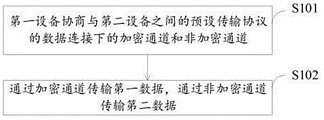
FIG. 1 is a schematic flow chart diagram illustrating an embodiment of a multi-channel data transmission method according to the present application;
FIG. 2 is a schematic flow chart diagram illustrating another embodiment of a multi-channel data transmission method according to the present application;
fig. 3 is a schematic diagram of a frame structure of a multiple stream transmission QUIC according to another embodiment of the multiple channel data transmission method of the present application;
FIG. 4 is a schematic diagram of a data transmission process according to another embodiment of the multichannel data transmission method;
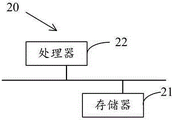
FIG. 5 is a schematic structural diagram of an embodiment of an electronic device of the present application;
FIG. 6 is a schematic structural diagram of an embodiment of a computer-readable storage medium of the present application.
Detailed Description
The technical solutions in the embodiments of the present application will be described clearly and completely with reference to the drawings in the embodiments of the present application, and it is obvious that the described embodiments are only some embodiments of the present application, and not all embodiments. All other embodiments obtained by a person of ordinary skill in the art based on the embodiments in the present application without making any creative effort belong to the protection scope of the present application. Additionally, the term "or" as used herein refers to a non-exclusive "or" (i.e., "and/or") unless otherwise indicated (e.g., "or otherwise" or in the alternative). Moreover, the various embodiments described herein are not necessarily mutually exclusive, as some embodiments may be combined with one or more other embodiments to form new embodiments.
At present, when data transmission is performed through a standard preset transmission protocol, the preset transmission protocol can indiscriminately perform encrypted transmission or unencrypted transmission on all data of a user. Thus, the whole data connection is encrypted or not encrypted, and the granularity is too coarse; when the data connection is not encrypted for transmission, signaling data and application data of a user are exposed in a network, and potential safety hazards exist; when data connection is used for encryption transmission, a large amount of computing resources of equipment such as sending equipment, receiving equipment and transfer equipment are required to be consumed for data encryption and decryption, and a large amount of performance loss of the equipment and the reduction of the number of code stream paths accessed by the transfer equipment are caused.
Based on this, the application provides a multi-channel data transmission method, which negotiates an encryption channel and a non-encryption channel under the data connection of a preset transmission protocol between two devices, so that a sending end can respectively perform encryption transmission and non-encryption transmission on each part of data of a user through the channel information confirmed by negotiation, whether encryption transmission is performed or not can be confirmed according to the data characteristics, and the data transmission mode is more flexible. And under some special conditions, the data transmission safety and transmission efficiency can be ensured, the system performance overhead can be saved, and the increase of equipment cost is avoided.
Specifically, as shown in fig. 1, the multichannel data transmission method of the present embodiment includes the following steps. The multichannel data transmission method is applied to the data transmission process between the first device and the second device. The first device and the second device may be a server, a tablet computer, an intelligent home device, a mobile terminal, and the like, which is not limited herein. It should be noted that the following step numbers are only used for simplifying the description, and are not intended to limit the execution order of the steps, and the execution order of the steps in the present embodiment may be arbitrarily changed without departing from the technical idea of the present application.
S101: the first device negotiates an encrypted channel and an unencrypted channel under a data connection with a preset transmission protocol between the first device and the second device.
The first device can negotiate an encryption channel and a non-encryption channel under the data connection of a preset transmission protocol between the first device and the second device, so that data can be transmitted respectively by utilizing the encryption channel and the non-encryption channel in the subsequent process, the data connection of the preset transmission protocol can simultaneously support encryption transmission and non-encryption transmission, so that encryption data transmission and non-encryption data transmission can be simultaneously contained in the same data connection, and corresponding data can be transmitted by utilizing the encryption channel and the non-encryption channel according to the encryption requirement of service data when the first device and the second device transmit data, so that the flexibility of data transmission is higher, and the performance overhead of the device can be saved to a certain extent.
Optionally, the first device may negotiate with the second device to confirm the encrypted channel identification set and the unencrypted channel identification set under the data connection of the preset transmission protocol therebetween. In particular, the first device may inform the second device of the encrypted and/or unencrypted set of channel identifications of the first device itself, so that the second device is aware of the encrypted and unencrypted set of channel identifications of the peer (i.e., the first device). Likewise, the second device may inform the first device of the second device's own encrypted and/or unencrypted set of channel identifications, so that the first device is aware of the opposite end's (i.e., second device) set of encrypted and unencrypted channel identifications. Thus, the first device/the second device can know the encrypted channel identifier set and the unencrypted channel identifier set under the data connection of the preset transmission protocol between the first device and the second device by combining the encrypted channel identifier sets and the unencrypted channel identifier sets of the local terminal and the opposite terminal.
The predetermined transmission protocol may be a QUIC (Quick UDP Internet Connections, UDP-based low-latency Internet transport layer protocol). In step S101, the first device and the second device negotiate an encrypted stream id and an unencrypted stream id under the QUIC connection therebetween. The encrypted flow channel is a channel for transmitting the flow data with the encrypted flow identifier, and the unencrypted flow channel is a channel for transmitting the flow data with the unencrypted flow identifier. Of course, in other embodiments, the preset transport protocol may also be other protocols such as UDT, KCP, RUDP, RTP/RTCP, and is not limited herein.
Further, in step S101, in the case that the first device supports the non-encryption transmission capability, the first device informs the second device of the encrypted flow identification set and/or the non-encrypted flow identification set of the first device, so that the second device knows the encrypted channel set and the non-encrypted channel set of the opposite end (i.e. the first device). Likewise, in the case where the second device supports stream non-encryption transmission capability, the second device informs the first device of the encrypted stream identification set and/or the non-encrypted stream identification set of the second device, so that the first device is aware of the encrypted channel set and the non-encrypted channel set of the peer (i.e., the second device). Thus, the first device/the second device can know the encrypted channel set and the unencrypted channel set under the data connection of the preset transmission protocol between the first device and the second device by combining the encrypted channel set and the unencrypted channel set of the local terminal and the opposite terminal.
In a specific implementation, the above-mentioned multiple identification sets may be presented in a list or the like. In addition, the above-mentioned identification set may be an empty set. The "identity" in the above-mentioned identity set may also be understood as an ID (identity).
Exemplarily, in step S101, when the preset transmission protocol is QUIC, the first device and the second device may transmit the local-support unencrypted transmission capability, the encrypted stream ID list, and the unencrypted stream ID list described above through the transmission parameter list of the initial packet of the QUIC.
In addition, in the case that at least one of the first device and the second device does not have the non-encrypted transmission capability, the first device and the second device may perform data transmission through an encrypted channel under a data connection of a preset transmission protocol.
S102: the first data is transmitted over an encrypted channel and the second data is transmitted over an unencrypted channel.
After the first device and the second device negotiate an encrypted channel and an unencrypted channel under data connection of a preset transmission protocol between the first device and the second device, the first device and the second device can transmit data by using the encrypted channel and the unencrypted channel.
It is understood that the transmission of the second data through the unencrypted channel herein means that the transmitting end does not encrypt the second data through the transport layer (e.g., the QUIC transport layer in the QUIC protocol), and transmits the second data that is not encrypted by the transport layer to the receiving end.
The first data may be data that is not encrypted by the application layer, for example, signaling data that is not encrypted by the application layer, so that the security of the unencrypted data can be ensured through the encryption channel. The second data is data at least partially encrypted by the application layer, for example, application data such as audio data and video data, and thus, by transmitting the at least partially encrypted data through the non-encrypted channel, resource waste caused by the need of decrypting the data during forwarding and storing can be avoided, and the security of the portion of data can be guaranteed because the portion of data is already encrypted by the application layer. Specifically, the above "data encrypted by the application layer" can be understood as: data encrypted by the application layer of the sending end, or data encrypted by other equipment (such as equipment such as a data generating end).
Further, the second data may include video data. Considering that the video data comprises I frames, P frames and B frames, and decoding of the video P frames and the video B frames depends on the I frames, when the application layer encrypts the video data, only the I frames in the video data can be encrypted, namely the P frames and the B frames in the video data are not encrypted, so that the encrypted data amount of the application layer is reduced, and the performance loss is reduced. Of course, in other embodiments, all data in the video data may be encrypted, i.e., I-frames, P-frames, and B-frames may be encrypted.
The second data may also include audio data. Wherein the application layer of the first device may encrypt the entire audio data.
In a case where the transmission channel under the data connection of the preset transmission protocol includes an encryption channel, in step S102, the sending end of the first device and the second device may select to create an encryption channel from its own encryption channel set to send the first data to the receiving end of the first device and the receiving end of the second device, and in this case, the receiving end may passively create an encryption channel to receive the first data sent by the sending end, so that the first device and the second device may perform data transmission through the encryption channel under the data connection of the preset transmission protocol between the first device and the second device.
Further, when the preset transmission protocol is QUIC, the sending end of the first device and the second device may select to create an encryption flow channel from its own encryption flow channel set to send the first data to the receiving end of the first device and the second device, and specifically, the QUIC transmission layer of the sending end may encrypt the first data and send the encrypted first data to the receiving end through the created encryption flow channel, so that the encryption flow channel transmission between the first device and the second device may be secured by the QUIC layer without providing data security by the application layer. Correspondingly, the receiving end also passively creates an encryption flow channel for data receiving, data decryption is carried out on the flow channel of the opposite-end encryption flow ID list, and the application layer directly obtains the decrypted data.
Preferably, the signaling data may be transmitted through the encrypted channel to ensure that each piece of signaling data is reliably and securely transmitted to the receiving end through the encrypted channel. Of course, other types of data may be transmitted via the encrypted channel, such as text data, video data, or audio data, etc.
In addition, after the receiving end receives the first data, the receiving end may perform data acknowledgement for the encrypted channels of the encrypted channel set of the transmitting end, so that the transmitting end confirms that the data has been successfully transmitted based on the data acknowledgement.
In step S102, a sending end of the first device and the second device may select to create an unencrypted channel from an unencrypted channel set of the sending end to send the second data to a receiving end of the first device and the second device, where the receiving end may passively create a corresponding unencrypted channel to receive the second data sent by the sending end, so that the first device and the second device may transmit the second data through the unencrypted channel in the data connection of the preset transmission protocol therebetween.
Further, when the preset transmission protocol is QUIC, the sending end of the first device and the second device may select to create an unencrypted stream channel from its own set of unencrypted stream channels to send the second data to the receiving end of the first device and the second device, specifically, the QUIC layer of the sending end does not encrypt the second data, and then sends the second data that is not encrypted by the QUIC layer to the receiving end through the created unencrypted stream channel, so that the unencrypted stream channel transmission between the first device and the second device is not secured by the QUIC layer, so as to save system resources. Correspondingly, the receiving end can also passively create a non-encrypted flow channel for data receiving, the flow channel of the encrypted flow ID list of the opposite end is not decrypted, and the QUIC layer of the receiving end directly assembles the second data to the application layer of the receiving end so as to use or decrypt the second data by the application layer.
If the second data includes video data and audio data, the video data and the audio data may be transmitted through the same unencrypted channel or may be transmitted through different unencrypted channels, respectively.
In addition, after the receiving end receives the data, the receiving end may perform data response confirmation on the unencrypted channels of the unencrypted channel set of the transmitting end, so that the transmitting end confirms that the data has been successfully transmitted based on the data response.
In this embodiment, the first device and the second device negotiate an encrypted channel and an unencrypted channel under a data connection of a preset transmission protocol between the first device and the second device, and then transmit data respectively through the encrypted channel and the unencrypted channel, so that the data connection of the preset transmission protocol can simultaneously support encrypted transmission and unencrypted transmission, so that encrypted data transmission and unencrypted data transmission can be simultaneously contained in the same data connection, and thus, when the first device and the second device transmit data, the encrypted channel and the unencrypted channel can be used for transmitting corresponding data according to an encryption requirement of service data, so that the flexibility of data transmission is higher, and the performance overhead of the devices can be saved to a certain extent.
Further, the application provides a multi-channel data transmission method applied to the streaming media transmission field based on the QUIC transmission protocol characteristics, the audio and video data coding characteristics and the multi-channel data transmission method of the above embodiment. As shown in fig. 2 and 3, the multi-channel data transmission method of this embodiment may include the following steps. It should be noted that the following step numbers are only used for simplifying the description, and are not intended to limit the execution order of the steps, and the execution order of the steps in the present embodiment may be arbitrarily changed without departing from the technical idea of the present application.
S201: the receiving end requests the transmitting end to establish a QUIC connection.
The sending end may be a monitoring device end, and the like, which is not limited herein. The receiving end may be a playing device such as a mobile terminal, and is not limited herein.
S202: the receiving end and the transmitting end QUIC layer negotiate an encrypted stream channel and an unencrypted stream channel of the QUIC data stream.
The receiving end and the transmitting end carry out QUIC transmission parameter negotiation to determine which streamID streams in the QUIC data stream between the receiving end and the transmitting end are set to be encrypted and/or unencrypted, so that encrypted and unencrypted stream channels under the QUIC connection are determined.
S203: and the transmitting end application layer encrypts the audio and video frames.
The sending end can encrypt the audio data and the video data at the application layer, so that a transmission layer of the sending end does not need to encrypt and transmit the audio data and the video data, the encrypted data volume of the transmission layer of the sending end can be reduced, the performance loss of the transmission layer is reduced, and the resource waste caused by the fact that the audio data and the video data need to be decrypted when the audio data and the video data are converted and stored due to encryption at the transmission layer can be avoided.
For the video data, only the I frame in the video data may be encrypted, and the P frame and the B frame may not be encrypted in step S203. While the audio data may be encrypted in a fully encrypted form.
S204: the different flow channels at the transmit end are sent over the same QUIC connection.
After negotiating the encrypted channel and the non-encrypted channel under the QUIC connection, different flow channels of the QUIC layer at the sending end can be sent through the same QUIC connection.
Illustratively, as shown in fig. 3, the transmitting end can create an independent encrypted stream1 for the signaling data, for example, bind the signaling data with stream1 in the QUIC connection, so that the stream1 channel is an encrypted stream transmission channel. The sending end can create an independent non-encrypted stream2 for the video data, for example, bind the video data with stream2 in the QUIC connection, so that the stream2 channel is a non-encrypted stream transmission channel. The sending end creates an independent unencrypted stream3 for the audio data, for example, binds the audio data to stream3 in the QUIC connection, so that a stream3 channel is an unencrypted stream transmission channel. Stream1 data, stream2 data, and stream3 data are transferred through the same QUIC connection, so that different stream channel data can be transmitted through the same QUIC connection.
In other embodiments, the audio data and the video data may be transmitted together in the same unencrypted streaming channel, which is not limited herein.
Wherein, the data of the non-encrypted stream can be Short Header Packet type data in QUIC data type. Of course, the data of the non-encrypted stream may also be Long Header Packet type data in the QUIC data type.
S205: the receiving end receives data on different flow channels on the same QUIC connection.
S206: the receiving end confirms whether each stream data is the encrypted stream data.
When stream data is processed, the encryption type of each stream channel, that is, whether each stream data is encrypted stream data or non-encrypted stream data, may be confirmed first, so as to determine the processing scheme of each stream data subsequently.
Specifically, in step S206, the receiving end may detect the negotiated encryption type of each Stream channel, and specifically may confirm the encryption type of each Stream channel through the identification in the Stream data transmitted by each Stream channel, that is, may confirm whether each Stream data is encrypted Stream data or non-encrypted Stream data through the Stream ID field of each Stream data (i.e., QUIC data frame).
For encrypted stream data, step S207 may be entered; for non-encrypted stream data, step S209 may be entered.
S207: and the receiving end QUIC layer decrypts the data stream.
For the encrypted stream data in the QUIC connection, the QUIC layer of the receiving end can decrypt the data stream so as to send the decrypted data to the application layer of the receiving end for processing.
In particular, the encrypted stream data may be decrypted with a decryption suite internal to the QUIC.
In step S202, the transmitting end and the receiving end may also perform negotiation on the encryption suite, so in step S207, the QUIC layer at the receiving end may decrypt the encrypted stream data using the decryption suite corresponding to the encryption suite determined by the negotiation.
S208: and submitting the data to a receiving end application layer for subsequent processing.
S209: and the application layer of the receiving end decrypts the data stream.
For unencrypted streaming data in a QUIC connection, the sink QUIC layer may assemble the unencrypted streaming data directly to the sink application layer for processing of audio and video data by the sink application layer.
For example, the receiving end is used as a playing end, and the application layer may decrypt the audio data and the video data and play the decrypted audio data and video data.
In addition, as shown in fig. 4, in the multi-channel streaming media data transmission process of this embodiment, the streaming media data sent by the sending end may access the streaming media cloud platform through the QUIC transmission protocol for transmission; similarly, the streaming media cloud platform can also forward the streaming media data sent by the sending end to the receiving end through the QUIC transmission protocol for playing.
In the embodiment, the problem of overlarge encryption performance loss of the original QUIC audio and video transmission scheme can be optimized by using the QUIC for safe encryption transmission in the field of streaming media audio and video transmission by combining the coding characteristic of a video frame.
The transmission layer may not encrypt the header of the data packet whether the data packet is transmitted through the encrypted streaming channel or the unencrypted streaming channel. In another embodiment, the transport layer may encrypt the header of the data packet whether the data packet is transmitted over an encrypted streaming channel or an unencrypted streaming channel. Of course, in another embodiment, if the data packet is transmitted through the encrypted streaming channel, the transport layer may encrypt the header and the payload of the data packet, and send out the encrypted data packet; if the data packet is transmitted through the unencrypted stream transmission channel, the transmission layer does not encrypt the head and the load of the data packet, and sends out the data packet which is not encrypted by the transmission layer.
Referring to fig. 5, fig. 5 is a schematic structural diagram of an embodiment of an electronic device 20 according to the present application. The electronic device 20 of the present application includes a processor 22, and the processor 22 is configured to execute instructions to implement the method of any one of the above embodiments of the present application and any non-conflicting combination thereof.
The processor 22 may also be referred to as a CPU (Central Processing Unit). The processor 22 may be an integrated circuit chip having signal processing capabilities. The processor 22 may also be a general purpose processor, a Digital Signal Processor (DSP), an Application Specific Integrated Circuit (ASIC), a Field Programmable Gate Array (FPGA) or other programmable logic device, discrete gate or transistor logic, discrete hardware components. A general purpose processor may be a microprocessor or the processor 22 may be any conventional processor or the like.
The electronic device 20 may further include a memory 21 for storing instructions and data required for operation of the processor 22.
Referring to fig. 6, fig. 6 is a schematic structural diagram of a computer-readable storage medium according to an embodiment of the present disclosure. The computer readable storage medium 30 of the embodiments of the present application stores instructions/program data 31 that when executed, implement the methods provided by any of the above-described embodiments of the methods of the present application, as well as any non-conflicting combinations. The instructions/program data 31 may form a program file stored in the storage medium 30 in the form of a software product, so as to enable a computer device (which may be a personal computer, a server, or a network device) or a processor (processor) to execute all or part of the steps of the methods according to the embodiments of the present application. And the aforementioned storage medium 30 includes: a U-disk, a removable hard disk, a Read-Only Memory (ROM), a Random Access Memory (RAM), a magnetic disk or an optical disk, or various media capable of storing program codes, or a computer, a server, a mobile phone, a tablet, or other devices.
In the several embodiments provided in the present application, it should be understood that the disclosed system, apparatus and method may be implemented in other manners. For example, the above-described apparatus embodiments are merely illustrative, and for example, a division of a unit is only a logical division, and other divisions may be realized in practice, for example, a plurality of units or components may be combined or integrated into another system, or some features may be omitted, or not executed. In addition, the shown or discussed mutual coupling or direct coupling or communication connection may be an indirect coupling or communication connection through some interfaces, devices or units, and may be in an electrical, mechanical or other form.
In addition, functional units in the embodiments of the present application may be integrated into one processing unit, or each unit may exist alone physically, or two or more units are integrated into one unit. The integrated unit can be realized in a form of hardware, and can also be realized in a form of a software functional unit.
It should also be noted that the terms "comprises," "comprising," or any other variation thereof, are intended to cover a non-exclusive inclusion, such that a process, method, article, or apparatus that comprises a list of elements does not include only those elements but may include other elements not expressly listed or inherent to such process, method, article, or apparatus. Without further limitation, an element defined by the phrases "comprising a," "8230," "8230," or "comprising" does not exclude the presence of additional identical elements in the process, method, article, or apparatus comprising the element.
The above embodiments are merely examples and are not intended to limit the scope of the present disclosure, and all modifications, equivalents, and flow charts using the contents of the specification and drawings of the present disclosure or those directly or indirectly applied to other related technical fields are intended to be included in the scope of the present disclosure.
Claims (10)
1. A method for multi-channel data transmission, the method comprising:
the method comprises the steps that a first device negotiates an encryption channel and a non-encryption channel under the data connection of a preset transmission protocol between the first device and a second device;
first data is transmitted through the encrypted channel and second data is transmitted through the unencrypted channel.
2. The data transmission method according to claim 1, wherein the predetermined transmission protocol is a QUIC protocol, and the first device negotiates an encrypted channel and an unencrypted channel under a data connection of the predetermined transmission protocol with a second device, including:
negotiating an encrypted stream identifier and a non-encrypted stream identifier under the QUIC connection;
the transmitting the first data through the encrypted channel and the second data through the unencrypted channel comprises: processing said first data into encrypted streaming data, processing said second data into unencrypted streaming data, transmitting said encrypted streaming data and said unencrypted streaming data over the same QUIC connection;
the encrypted stream data is data of a stream identified by the encrypted stream identifier, the encrypted channel is a channel for transmitting the encrypted stream data, the unencrypted stream data is data of a stream identified by the unencrypted stream identifier, and the unencrypted channel is a channel for transmitting the unencrypted stream data.
3. The data transmission method according to claim 2, wherein the first device negotiates an encrypted channel and an unencrypted channel under a data connection with the second device, where the data connection is in a preset transmission protocol, and the method includes:
in case the first device supports QUIC streams unencrypted, informing the second device of the encrypted stream identification list of the first device to confirm the encrypted channel and the unencrypted channel under the data connection with the second device in conjunction with the encrypted stream identification list of the second device in case the second device supports QUIC streams unencrypted.
4. The data transmission method according to claim 2, wherein the transmitting the first data through the encrypted channel and the transmitting the second data through the unencrypted channel, thereafter comprises:
the first device confirms whether each stream data is encrypted stream data or non-encrypted stream data through the identification of each stream data;
under the condition that one-stream data is confirmed to be the encrypted stream data, decrypting the encrypted stream data through a decryption suite of the QUIC, and transmitting the decrypted data to an application layer;
and in the case of confirming that the stream data is the non-encrypted stream data, directly assembling the non-encrypted stream data to an application layer.
5. The data transmission method according to claim 1, wherein the first data is data that is not encrypted by an application layer, and the second data is data that is encrypted by the application layer.
6. The data transmission method according to claim 5, wherein the first data comprises signaling data and the second data comprises application data encrypted by the application layer.
7. The data transmission method according to claim 6, wherein the application data comprises video data and/or audio data, the method further comprising:
the application layer of the first device encrypts an I frame in the video data and does not encrypt a P frame and a B frame in the video data; and/or the presence of a gas in the atmosphere,
the application layer of the first device encrypts all of the audio data.
8. The data transmission method according to claim 6, wherein the application data includes video data and audio data, the unencrypted channel includes a first unencrypted channel and a second unencrypted channel, and the transmitting the second data through the unencrypted channel includes:
transmitting the video data over the first unencrypted channel and transmitting the audio data over the second unencrypted channel.
9. An electronic device, characterized in that the electronic device comprises a processor for executing instructions to implement the method of any of claims 1-8.
10. A computer-readable storage medium, characterized in that the computer-readable storage medium stores instructions/program data for execution to implement the method of any one of claims 1-8.
Priority Applications (1)
| Application Number | Priority Date | Filing Date | Title |
|---|---|---|---|
| CN202211161620.4A CN115242560B (en) | 2022-09-23 | 2022-09-23 | Multi-channel data transmission method and device |
Applications Claiming Priority (1)
| Application Number | Priority Date | Filing Date | Title |
|---|---|---|---|
| CN202211161620.4A CN115242560B (en) | 2022-09-23 | 2022-09-23 | Multi-channel data transmission method and device |
Publications (2)
| Publication Number | Publication Date |
|---|---|
| CN115242560A true CN115242560A (en) | 2022-10-25 |
| CN115242560B CN115242560B (en) | 2023-01-17 |
Family
ID=83667169
Family Applications (1)
| Application Number | Title | Priority Date | Filing Date |
|---|---|---|---|
| CN202211161620.4A Active CN115242560B (en) | 2022-09-23 | 2022-09-23 | Multi-channel data transmission method and device |
Country Status (1)
| Country | Link |
|---|---|
| CN (1) | CN115242560B (en) |
Cited By (3)
| Publication number | Priority date | Publication date | Assignee | Title |
|---|---|---|---|---|
| CN115766902A (en) * | 2022-11-14 | 2023-03-07 | 网络通信与安全紫金山实验室 | Method, device, equipment and medium for transmitting non-sensitive data through QUIC |
| CN116436639A (en) * | 2023-03-07 | 2023-07-14 | 浙江大华技术股份有限公司 | Audio and video data transmission method and device thereof |
| CN116647404A (en) * | 2023-06-14 | 2023-08-25 | 深圳市元征科技股份有限公司 | Message transmission method, device, equipment and storage medium |
Citations (13)
| Publication number | Priority date | Publication date | Assignee | Title |
|---|---|---|---|---|
| US20020150244A1 (en) * | 2001-03-26 | 2002-10-17 | Kim Byung-Jun | Method of controlling transmission and reception of data including encrypted data stream |
| CN101547269A (en) * | 2009-05-14 | 2009-09-30 | 杭州华三通信技术有限公司 | Calling control method and voice terminal |
| CN102055733A (en) * | 2009-10-30 | 2011-05-11 | 华为技术有限公司 | Method, device and system for negotiating business bearing tunnels |
| CN103491648A (en) * | 2013-09-18 | 2014-01-01 | 宇龙计算机通信科技(深圳)有限公司 | Communication method and system based on WIFI |
| US20140258735A1 (en) * | 2013-03-07 | 2014-09-11 | Panasonic Corporation | Portable recording medium, system including the portable recording medium, and data recovery method of the portable recording medium |
| CN105471860A (en) * | 2015-11-19 | 2016-04-06 | 浙江宇视科技有限公司 | Video data transmission method and apparatus |
| CN105611249A (en) * | 2015-12-31 | 2016-05-25 | 深圳市磊科实业有限公司 | Wireless connection configuration method for NVR (Network Video Recorder) and IPC (IP Camera) |
| EP3073752A1 (en) * | 2015-03-23 | 2016-09-28 | Thales | Method for generating an initialisation vector for the encryption of video content |
| CN108769740A (en) * | 2018-06-05 | 2018-11-06 | 苏州科达科技股份有限公司 | Video data encrypted transmission method, system, equipment and storage medium |
| CN111050321A (en) * | 2018-10-12 | 2020-04-21 | 中兴通讯股份有限公司 | A data processing method, device and storage medium |
| CN112738004A (en) * | 2019-10-14 | 2021-04-30 | 上海哔哩哔哩科技有限公司 | Communication method and system based on QUIC transmission protocol |
| CN113114701A (en) * | 2021-04-30 | 2021-07-13 | 网络通信与安全紫金山实验室 | QUIC data transmission method and device |
| CN114710568A (en) * | 2022-04-28 | 2022-07-05 | 中移(杭州)信息技术有限公司 | Audio and video data communication method, equipment and storage medium |
-
2022
- 2022-09-23 CN CN202211161620.4A patent/CN115242560B/en active Active
Patent Citations (13)
| Publication number | Priority date | Publication date | Assignee | Title |
|---|---|---|---|---|
| US20020150244A1 (en) * | 2001-03-26 | 2002-10-17 | Kim Byung-Jun | Method of controlling transmission and reception of data including encrypted data stream |
| CN101547269A (en) * | 2009-05-14 | 2009-09-30 | 杭州华三通信技术有限公司 | Calling control method and voice terminal |
| CN102055733A (en) * | 2009-10-30 | 2011-05-11 | 华为技术有限公司 | Method, device and system for negotiating business bearing tunnels |
| US20140258735A1 (en) * | 2013-03-07 | 2014-09-11 | Panasonic Corporation | Portable recording medium, system including the portable recording medium, and data recovery method of the portable recording medium |
| CN103491648A (en) * | 2013-09-18 | 2014-01-01 | 宇龙计算机通信科技(深圳)有限公司 | Communication method and system based on WIFI |
| EP3073752A1 (en) * | 2015-03-23 | 2016-09-28 | Thales | Method for generating an initialisation vector for the encryption of video content |
| CN105471860A (en) * | 2015-11-19 | 2016-04-06 | 浙江宇视科技有限公司 | Video data transmission method and apparatus |
| CN105611249A (en) * | 2015-12-31 | 2016-05-25 | 深圳市磊科实业有限公司 | Wireless connection configuration method for NVR (Network Video Recorder) and IPC (IP Camera) |
| CN108769740A (en) * | 2018-06-05 | 2018-11-06 | 苏州科达科技股份有限公司 | Video data encrypted transmission method, system, equipment and storage medium |
| CN111050321A (en) * | 2018-10-12 | 2020-04-21 | 中兴通讯股份有限公司 | A data processing method, device and storage medium |
| CN112738004A (en) * | 2019-10-14 | 2021-04-30 | 上海哔哩哔哩科技有限公司 | Communication method and system based on QUIC transmission protocol |
| CN113114701A (en) * | 2021-04-30 | 2021-07-13 | 网络通信与安全紫金山实验室 | QUIC data transmission method and device |
| CN114710568A (en) * | 2022-04-28 | 2022-07-05 | 中移(杭州)信息技术有限公司 | Audio and video data communication method, equipment and storage medium |
Non-Patent Citations (4)
| Title |
|---|
| ERICSSON: ""QUIC-IETF-alignment-section-5"", 《3GPP》 * |
| 周宇迪: ""基于机器学习的QUIC加密流量分类方法研究"", 《北京邮电大学硕士学位论文》 * |
| 周言等: "工业控制系统数据传输明密文分流处理技术的研究与应用", 《中国石油和化工标准与质量》 * |
| 左鹏等: "基于加密传输的标识解析模型研究", 《计算机与现代化》 * |
Cited By (3)
| Publication number | Priority date | Publication date | Assignee | Title |
|---|---|---|---|---|
| CN115766902A (en) * | 2022-11-14 | 2023-03-07 | 网络通信与安全紫金山实验室 | Method, device, equipment and medium for transmitting non-sensitive data through QUIC |
| CN116436639A (en) * | 2023-03-07 | 2023-07-14 | 浙江大华技术股份有限公司 | Audio and video data transmission method and device thereof |
| CN116647404A (en) * | 2023-06-14 | 2023-08-25 | 深圳市元征科技股份有限公司 | Message transmission method, device, equipment and storage medium |
Also Published As
| Publication number | Publication date |
|---|---|
| CN115242560B (en) | 2023-01-17 |
Similar Documents
| Publication | Publication Date | Title |
|---|---|---|
| CN115242560B (en) | Multi-channel data transmission method and device | |
| CN111683367B (en) | Secure communication module, secure communication system, method and readable storage medium | |
| JP3819729B2 (en) | Data-safety communication apparatus and method | |
| CN101350808B (en) | Method, system and apparatus for implementing conversion of medium contents | |
| US7827597B2 (en) | Secure transport for mobile communication network | |
| CN100592312C (en) | A digital copyright protection method and system, user equipment, and multimedia server | |
| CN109451487B (en) | Virtual card downloading method, terminal and intermediate device | |
| CN110213652B (en) | Audio and video data transmission method and device and storage medium | |
| US9191406B2 (en) | Message relaying apparatus, communication establishing method, and computer program product | |
| US20090327697A1 (en) | Network security processing method and system for selecting one of software and hardware cryptographic modules by means of multimedia session information | |
| CN102195790A (en) | Resource control method, device and system for peer-to-peer network | |
| CN112202882B (en) | Transmission method, client and transmission system | |
| CN104065968B (en) | A kind of video data encryption and decryption method and device | |
| US7213143B1 (en) | Security over a network | |
| WO2007095803A1 (en) | A method and system for encrypting and decrypting the on demand stream media data in wmv format | |
| CN107113304B (en) | Methods and modules for mediating delegation on encrypted data exchanges | |
| CN114900500A (en) | Call control method, application server, communication system and storage medium | |
| CN110798651A (en) | Video conference method, device, equipment and storage medium | |
| Arkko et al. | Key Management Extensions for Session Description Protocol (SDP) and Real Time Streaming Protocol (RTSP) | |
| JP2005295468A (en) | Communication apparatus and communication system | |
| CN114978485B (en) | Voice data transmission method, system, electronic equipment and storage medium | |
| CN111212044A (en) | Data transmission method, device and storage medium | |
| EP2713576B1 (en) | Method and device for processing streaming media content | |
| CN109600372A (en) | A kind of end-to-end hardware encryption system | |
| CN101222324B (en) | Method and apparatus for implementing end-to-end media stream safety |
Legal Events
| Date | Code | Title | Description |
|---|---|---|---|
| PB01 | Publication | ||
| PB01 | Publication | ||
| SE01 | Entry into force of request for substantive examination | ||
| SE01 | Entry into force of request for substantive examination | ||
| GR01 | Patent grant | ||
| GR01 | Patent grant |