CN115577112B - Event extraction method and system based on type perception gated attention mechanism - Google Patents

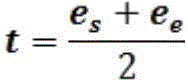
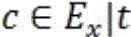
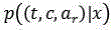
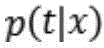
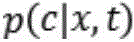
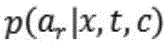
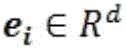
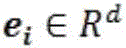
Event extraction method and system based on type perception gated attention mechanism Download PDF

Info

Publication number
CN115577112B
CN115577112B CN202211576463.3A CN202211576463A CN115577112B CN 115577112 B CN115577112 B CN 115577112B CN 202211576463 A CN202211576463 A CN 202211576463A CN 115577112 B CN115577112 B CN 115577112B
Authority
CN
China
Prior art keywords
event
trigger word
argument
vector
text
Prior art date
Legal status (The legal status is an assumption and is not a legal conclusion. Google has not performed a legal analysis and makes no representation as to the accuracy of the status listed.)
Active
Application number
CN202211576463.3A
Other languages
Chinese (zh)
Other versions
CN115577112A (en
Inventor
朱婷婷
杨瀚
Current Assignee (The listed assignees may be inaccurate. Google has not performed a legal analysis and makes no representation or warranty as to the accuracy of the list.)
Chengdu Sobey Digital Technology Co Ltd
Original Assignee
Chengdu Sobey Digital Technology Co Ltd
Priority date (The priority date is an assumption and is not a legal conclusion. Google has not performed a legal analysis and makes no representation as to the accuracy of the date listed.)
Filing date
Publication date
Application filed by Chengdu Sobey Digital Technology Co Ltd filed Critical Chengdu Sobey Digital Technology Co Ltd
Priority to CN202211576463.3A priority Critical patent/CN115577112B/en
Publication of CN115577112A publication Critical patent/CN115577112A/en
Application granted granted Critical
Publication of CN115577112B publication Critical patent/CN115577112B/en
Active legal-status Critical Current
Anticipated expiration legal-status Critical

Links

Images

Classifications

    • GPHYSICS
    • G06COMPUTING OR CALCULATING; COUNTING
    • G06FELECTRIC DIGITAL DATA PROCESSING
    • G06F16/00Information retrieval; Database structures therefor; File system structures therefor
    • G06F16/30Information retrieval; Database structures therefor; File system structures therefor of unstructured textual data
    • G06F16/35Clustering; Classification
    • G06F16/353Clustering; Classification into predefined classes
    • GPHYSICS
    • G06COMPUTING OR CALCULATING; COUNTING
    • G06FELECTRIC DIGITAL DATA PROCESSING
    • G06F16/00Information retrieval; Database structures therefor; File system structures therefor
    • G06F16/30Information retrieval; Database structures therefor; File system structures therefor of unstructured textual data
    • G06F16/33Querying
    • G06F16/3331Query processing
    • G06F16/334Query execution
    • G06F16/3346Query execution using probabilistic model
    • GPHYSICS
    • G06COMPUTING OR CALCULATING; COUNTING
    • G06NCOMPUTING ARRANGEMENTS BASED ON SPECIFIC COMPUTATIONAL MODELS
    • G06N3/00Computing arrangements based on biological models
    • G06N3/02Neural networks
    • G06N3/08Learning methods
    • YGENERAL TAGGING OF NEW TECHNOLOGICAL DEVELOPMENTS; GENERAL TAGGING OF CROSS-SECTIONAL TECHNOLOGIES SPANNING OVER SEVERAL SECTIONS OF THE IPC; TECHNICAL SUBJECTS COVERED BY FORMER USPC CROSS-REFERENCE ART COLLECTIONS [XRACs] AND DIGESTS
    • Y02TECHNOLOGIES OR APPLICATIONS FOR MITIGATION OR ADAPTATION AGAINST CLIMATE CHANGE
    • Y02DCLIMATE CHANGE MITIGATION TECHNOLOGIES IN INFORMATION AND COMMUNICATION TECHNOLOGIES [ICT], I.E. INFORMATION AND COMMUNICATION TECHNOLOGIES AIMING AT THE REDUCTION OF THEIR OWN ENERGY USE
    • Y02D10/00Energy efficient computing, e.g. low power processors, power management or thermal management

Landscapes

  • Engineering & Computer Science (AREA)
  • Theoretical Computer Science (AREA)
  • Physics & Mathematics (AREA)
  • Data Mining & Analysis (AREA)
  • General Engineering & Computer Science (AREA)
  • General Physics & Mathematics (AREA)
  • Computational Linguistics (AREA)
  • Databases & Information Systems (AREA)
  • Life Sciences & Earth Sciences (AREA)
  • General Health & Medical Sciences (AREA)
  • Probability & Statistics with Applications (AREA)
  • Artificial Intelligence (AREA)
  • Biomedical Technology (AREA)
  • Biophysics (AREA)
  • Evolutionary Computation (AREA)
  • Health & Medical Sciences (AREA)
  • Molecular Biology (AREA)
  • Computing Systems (AREA)
  • Mathematical Physics (AREA)
  • Software Systems (AREA)
  • Machine Translation (AREA)
  • Information Retrieval, Db Structures And Fs Structures Therefor (AREA)

Abstract

本发明涉及信息抽取技术领域,公开了一种基于类型感知门控注意力机制的事件抽取方法及系统,该事件抽取方法,利用门控信息指导,使不同事件类别下有不同信息流向触发词,过滤与触发词无关的噪声。本发明解决了现有技术存在的事件论元抽取准确度低、角色分类效果差等问题。
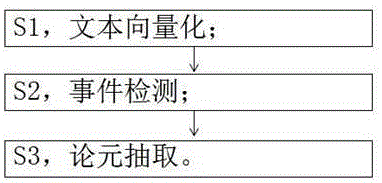
Figure 202211576463

The invention relates to the technical field of information extraction, and discloses an event extraction method and system based on a type-aware gating attention mechanism. The event extraction method utilizes gating information guidance to make different information flow to trigger words under different event categories. Filter out noise not related to trigger words. The invention solves the problems of low event argument extraction accuracy, poor role classification effect and the like existing in the prior art.

Figure 202211576463

Description

一种基于类型感知门控注意力机制的事件抽取方法及系统An event extraction method and system based on type-aware gated attention mechanism

技术领域Technical Field

本发明涉及信息抽取技术领域,具体是一种基于类型感知门控注意力机制的事件抽取方法及系统。The present invention relates to the technical field of information extraction, and in particular to an event extraction method and system based on a type-aware gated attention mechanism.

背景技术Background Art

事件抽取是信息抽取领域中既基础又极具挑战的任务。事件抽取通常包括两个任务,即事件检测与事件论元抽取。更具体地,事件检测任务又包括触发词检测和事件分类两个子任务,事件论元抽取又包括论元检测和角色分类两个子任务。近年来,随着深度学习的不断发展,基于深度学习的事件抽取方法取得了一定程度上的提升,但是事件抽取的难点依然还未被完全解决。Event extraction is a basic and challenging task in the field of information extraction. Event extraction usually includes two tasks, namely event detection and event argument extraction. More specifically, the event detection task includes two subtasks: trigger word detection and event classification, and event argument extraction includes two subtasks: argument detection and role classification. In recent years, with the continuous development of deep learning, event extraction methods based on deep learning have achieved a certain degree of improvement, but the difficulty of event extraction has not yet been completely solved.

现阶段,大多数事件抽取方法都集中在解决重叠论元场景,却忽视了重叠触发词场景和触发词歧义问题。换句话说,不止论元可能在不同/同一事件中扮演不同的角色,触发词也可能有多种事件类型。At present, most event extraction methods focus on solving overlapping argument scenarios, but ignore overlapping trigger word scenarios and trigger word ambiguity. In other words, not only arguments may play different roles in different/same events, but trigger words may also have multiple event types.

此外,相比于事件检测,事件论元抽取更加困难。许多方法尝试利用角色信息提升事件论元抽取效果,比如角色出现频率(重要性)、角色相关性如层次概念关系、角色语法关系等。角色出现频率忽略了角色之间的相互关系,其他角色相关性则需要基于人的经验进行总结和归纳,并且在某些数据上并不适用,所以对事件论元抽取效果的提升不大。In addition, event argument extraction is more difficult than event detection. Many methods try to use role information to improve event argument extraction, such as role frequency (importance), role relevance such as hierarchical concept relationship, role grammatical relationship, etc. Role frequency ignores the relationship between roles, and other role relevance needs to be summarized and generalized based on human experience, and is not applicable to some data, so it does not significantly improve the effect of event argument extraction.

发明内容Summary of the invention

为克服现有技术的不足,本发明提供了一种基于类型感知门控注意力机制的事件抽取方法及系统,解决现有技术存在的事件论元抽取准确度低、角色分类效果差等问题。In order to overcome the shortcomings of the prior art, the present invention provides an event extraction method and system based on a type-aware gated attention mechanism to solve the problems of low accuracy in event argument extraction and poor role classification effect existing in the prior art.

本发明解决上述问题所采用的技术方案是:The technical solution adopted by the present invention to solve the above problems is:

一种基于类型感知门控注意力机制的事件抽取方法,利用门控信息指导,使不同事件类别下有不同信息流向触发词,过滤与触发词无关的噪声。An event extraction method based on type-aware gated attention mechanism uses gated information guidance to make different information flows to trigger words under different event categories and filter out noise unrelated to the trigger words.

作为一种优选的技术方案,包括以下步骤:As a preferred technical solution, the following steps are included:

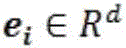
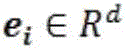
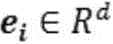
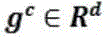
S1,文本向量化:将样本


Figure SMS_1
输入到基于语言模型的文本向量化层当中,获得文本向量化结果
Figure SMS_2
;其中,
Figure SMS_3
表示文本中的第
Figure SMS_4
个字,
Figure SMS_5
表示
Figure SMS_6
对应的向量化结果,
Figure SMS_7
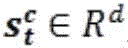
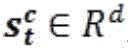
表示文本X的向量化结果,R表示实数,d表示向量的维度,Rd表示d维实数向量;S1, text vectorization: transform the sample
Figure SMS_1
Input into the text vectorization layer based on the language model to obtain the text vectorization result
Figure SMS_2
;in,
Figure SMS_3
Indicates the first
Figure SMS_4
Words,
Figure SMS_5
express
Figure SMS_6
The corresponding vectorized result is,
Figure SMS_7
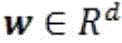
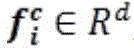
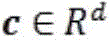
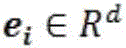
Represents the vectorization result of the text X, R represents a real number, d represents the dimension of the vector, and R d represents a d-dimensional real number vector;

S2,事件检测:将文本向量化结果

Figure SMS_8
输入融合类型感知的门控注意力机制的事件检测模块,以完成触发词检测和事件分类两个子任务;S2, event detection: vectorizing text
Figure SMS_8
The input is an event detection module that integrates type-aware gated attention mechanism to complete the two subtasks of trigger word detection and event classification.

S3,论元抽取:对步骤S2完成触发词检测和事件分类后的结果中每种事件类型下的每一个触发词,利用融合了可学习的角色交互参数的论元抽取模块完成论元抽取和论元角色分类两个子任务。S3, argument extraction: For each trigger word under each event type in the results of trigger word detection and event classification in step S2, the argument extraction module that integrates learnable role interaction parameters is used to complete the two subtasks of argument extraction and argument role classification.

作为一种优选的技术方案,步骤S2中融合类型感知门控注意力机制的事件检测模块包括串联的如下子模块:触发词提取层、门控注意力事件分类层。As a preferred technical solution, the event detection module integrating the type-aware gated attention mechanism in step S2 includes the following sub-modules connected in series: a trigger word extraction layer and a gated attention event classification layer.

作为一种优选的技术方案,触发词提取层的构建过程包括如下步骤:As a preferred technical solution, the construction process of the trigger word extraction layer includes the following steps:

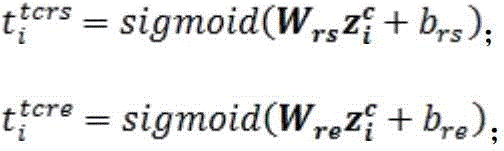
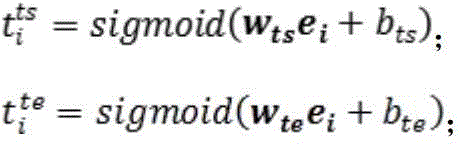
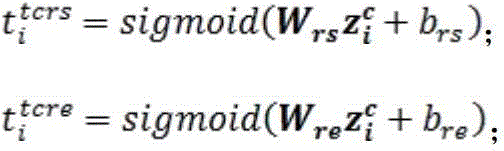
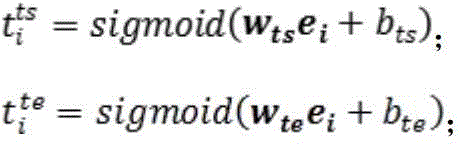
S21,首先按照如下公式计算获得输入文本中每个字为触发词开始/结束字符的概率:S21, first calculate the probability of each character in the input text being the start/end character of the trigger word according to the following formula:
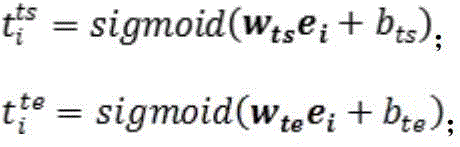
Figure SMS_9
Figure SMS_9

其中,

Figure SMS_10
为可学习的网络参数,sigmoid为激活函数,
Figure SMS_11
为输入文本中第
Figure SMS_12
个字是触发词的开始字符的概率,
Figure SMS_13
为文本中第
Figure SMS_14
个字是触发词的结束字符的概率;in,
Figure SMS_10
is a learnable network parameter, sigmoid is the activation function,
Figure SMS_11
For the first
Figure SMS_12
The probability that the character is the starting character of the trigger word,
Figure SMS_13
For the text
Figure SMS_14
The probability that the character is the end character of the trigger word;

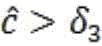
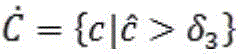
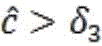
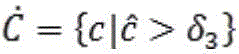
S22,根据预先设定的阈值

Figure SMS_15
Figure SMS_16
对S21中的结果进行过滤,从而获得位置集合
Figure SMS_17
Figure SMS_18
:S22, according to the preset threshold
Figure SMS_15
,
Figure SMS_16
Filter the results in S21 to obtain a location set
Figure SMS_17
,
Figure SMS_18
:

Figure SMS_19
Figure SMS_19
;

Figure SMS_20
Figure SMS_20
;

其中,

Figure SMS_21
表示触发词的开始字符位置集合,
Figure SMS_22
表示触发词的结束字符位置集合;in,
Figure SMS_21
Indicates the starting character position set of the trigger word,
Figure SMS_22
Indicates the ending character position set of the trigger word;

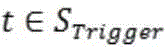
S23,结合步骤S22的结果,利用最近匹配原则获得触发词集合

Figure SMS_23
;S23, combining the result of step S22, using the nearest match principle to obtain a trigger word set
Figure SMS_23
;

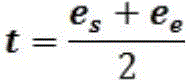
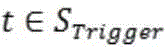
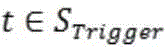
其中,t为候选触发词,s为候选触发词t的开始字符在文本X中的位置,

Figure SMS_24
为集合
Figure SMS_25
中最靠近
Figure SMS_26
的元素;Where t is the candidate trigger word, s is the position of the starting character of the candidate trigger word t in the text X,
Figure SMS_24
For collection
Figure SMS_25
The closest
Figure SMS_26
Elements of

门控注意力事件分类层的构建过程包括如下步骤:The construction process of the gated attention event classification layer includes the following steps:

S24,在门控信息过滤层中,对每个事件类别
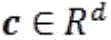
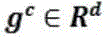
Figure SMS_27
,定义事件类别语义向量
Figure SMS_28
,按如下公式计算相应门控向量:S24, in the gated information filtering layer, for each event category
Figure SMS_27
, define the event category semantic vector
Figure SMS_28
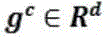
, calculate the corresponding gate vector according to the following formula:

Figure SMS_29
Figure SMS_29
;

其中,

Figure SMS_30
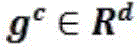
为事件类别
Figure SMS_31
下的门控向量,
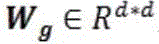
Figure SMS_32
为门控单元的可学习权重参数,
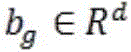
Figure SMS_33
为门控单元的可学习偏置参数;in,
Figure SMS_30
For event category
Figure SMS_31
The gating vector under
Figure SMS_32
is the learnable weight parameter of the gating unit,
Figure SMS_33
is the learnable bias parameter of the gating unit;

S25,结合S24中的结果,在每个事件类别下,利用元素积函数过滤上下文信息:S25, combined with the results in S24, uses the element-wise product function to filter the context information under each event category:

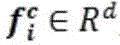
Figure SMS_34
Figure SMS_34
;

其中,

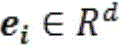
Figure SMS_35
为输入文本中第
Figure SMS_36
个字对应的向量,
Figure SMS_37
为经过门控信息过滤层后输入文本中第
Figure SMS_38
个字在事件类别
Figure SMS_39
下经过信息过滤后的对应的向量;in,
Figure SMS_35
For the first
Figure SMS_36
The vector corresponding to the word,
Figure SMS_37
is the first
Figure SMS_38
Words in event category
Figure SMS_39
The corresponding vector after information filtering;

S26,在注意力信息融合层中,利用注意力计算函数获得在事件类别

Figure SMS_40
下输入文本中第
Figure SMS_41
个字对于触发词
Figure SMS_42
的重要性分数
Figure SMS_43
;S26, in the attention information fusion layer, the attention calculation function is used to obtain the event category
Figure SMS_40
Enter the text below
Figure SMS_41
Trigger Word
Figure SMS_42
Importance score
Figure SMS_43
;

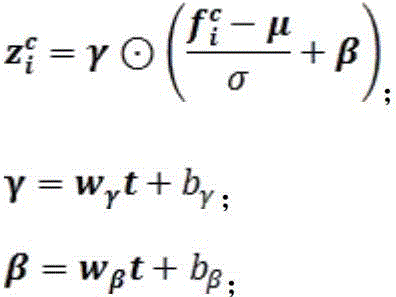
S27,结合S26中计算所获重要性分数,利用如下公式在每个事件类别下获得与每个触发词相关的最终信息聚合结果:S27, combined with the importance scores calculated in S26, uses the following formula to obtain the final information aggregation result related to each trigger word under each event category:

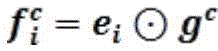
Figure SMS_44
Figure SMS_44
;

其中,

Figure SMS_45
为经过注意力信息融合层后事件类别
Figure SMS_46
下与触发词t相关的信息聚合向量;in,
Figure SMS_45
is the event category after the attention information fusion layer
Figure SMS_46
The information aggregation vector related to the trigger word t is as follows;

S28,在事件分类层中,结合步骤S27中所得的与触发词t相关的信息聚合向量,利用如下公式判定触发词t所属于的事件类型:S28, in the event classification layer, combined with the information aggregation vector related to the trigger word t obtained in step S27, the event type to which the trigger word t belongs is determined using the following formula:

Figure SMS_47
Figure SMS_47
;

其中,

Figure SMS_48
为事件类别判定单元的可学习权重参数,
Figure SMS_49
为事件类别判定单元的偏置参数,wT表示w的转置;in,
Figure SMS_48
is the learnable weight parameter of the event category determination unit,
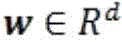
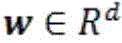
Figure SMS_49
is the bias parameter of the event category determination unit, w T represents the transpose of w;

根据预先设定的阈值

Figure SMS_50
,所有满足如下条件的事件类别
Figure SMS_51
均会被判定为触发词t所属事件类别:According to the pre-set threshold
Figure SMS_50
, all event categories that meet the following conditions
Figure SMS_51
They will all be judged as the event category to which the trigger word t belongs:

Figure SMS_52
Figure SMS_52
;

最终每个触发词t的事件类别集合为

Figure SMS_53
。Finally, the event category set of each trigger word t is
Figure SMS_53
.

作为一种优选的技术方案,步骤S26中,注意力计算函数公式如下:As a preferred technical solution, in step S26, the attention calculation function formula is as follows:

Figure SMS_54
Figure SMS_54
;

其中,

Figure SMS_55
为触发词
Figure SMS_56
的表征向量,通过如下公式计算获得:in,
Figure SMS_55
Trigger word
Figure SMS_56
The characterization vector of is calculated by the following formula:

Figure SMS_57
Figure SMS_57
;

其中,

Figure SMS_58
表示触发词t的开始字符的表征向量,
Figure SMS_59
表示触发词t的结束字符的表征向量;in,
Figure SMS_58
Represents the representation vector of the starting character of the trigger word t,
Figure SMS_59
The representation vector representing the end character of the trigger word t;

Figure SMS_60
的定义如下:
Figure SMS_60
is defined as follows:

Figure SMS_61
Figure SMS_61
;

其中,

Figure SMS_62
表示tanh激活函数,VT表示V的转置,
Figure SMS_63
表示权重,[;;]表示向量的拼接。in,
Figure SMS_62
represents the tanh activation function, V T represents the transpose of V,
Figure SMS_63
represents weight, and [;;] represents the concatenation of vectors.

作为一种优选的技术方案,步骤S3所述融合了可学习的角色交互参数的论元抽取模块的构建过程包括如下步骤:As a preferred technical solution, the construction process of the argument extraction module integrating learnable role interaction parameters described in step S3 includes the following steps:

S31,利用如下公式计算上下文中融入触发词表征向量

Figure SMS_64
:S31, use the following formula to calculate the trigger word representation vector integrated into the context
Figure SMS_64
:

Figure SMS_65
Figure SMS_65

其中,

Figure SMS_79
是基于输入文本在事件类别
Figure SMS_68
下经过信息过滤后的对应向量
Figure SMS_72
计算所得的均值,
Figure SMS_78
是基于输入文本在事件类别
Figure SMS_81
下经过信息过滤后的对应向量
Figure SMS_80
计算所得的标准方差,
Figure SMS_82
表示输入文本中第
Figure SMS_71
个字在事件类别
Figure SMS_76
下经过信息过滤并融合触发词t信息后的向量,
Figure SMS_66
Figure SMS_74
分别表示扩展参数和平移参数,
Figure SMS_69
Figure SMS_75
分别表示用于计算
Figure SMS_70
的线性层的权重参数、偏置参数,
Figure SMS_77
Figure SMS_67
则分别表示用于计算
Figure SMS_73
的线性层的权重参数、偏置参数;in,
Figure SMS_79
is based on the input text in the event category
Figure SMS_68
The corresponding vector after information filtering is
Figure SMS_72
The calculated mean is,
Figure SMS_78
is based on the input text in the event category
Figure SMS_81
The corresponding vector after information filtering is
Figure SMS_80
The calculated standard deviation is
Figure SMS_82
Indicates the first
Figure SMS_71
Words in event category
Figure SMS_76
The following is the vector after information filtering and fusion of trigger word t information,
Figure SMS_66
,
Figure SMS_74
They represent the expansion parameters and translation parameters respectively.
Figure SMS_69
,
Figure SMS_75
Respectively represent the calculation
Figure SMS_70
The weight parameters and bias parameters of the linear layer,
Figure SMS_77
,
Figure SMS_67
They are used to calculate
Figure SMS_73
The weight parameters and bias parameters of the linear layer;

S32,利用如下公式分别计算输入文本中每个字作为每种角色事件类别

Figure SMS_83
下论元的开始字符/结束字符的概率大小:S32, using the following formula to calculate each word in the input text as each role event category
Figure SMS_83
The probability of the start character/end character of the following argument:

Figure SMS_84
Figure SMS_84

其中,

Figure SMS_87
表示输入文本第
Figure SMS_91
个字是事件类别为
Figure SMS_94
的触发词t的角色
Figure SMS_86
下的论元的开始字符的概率值,
Figure SMS_90
表示输入文本第
Figure SMS_93
个字是事件类别为
Figure SMS_96
的触发词t的角色
Figure SMS_85
下的论元的结束字符的概率值,
Figure SMS_89
Figure SMS_92
表示权重参数,
Figure SMS_95
Figure SMS_88
表示偏置参数;in,
Figure SMS_87
Indicates the input text
Figure SMS_91
The event category is
Figure SMS_94
The role of the trigger word t
Figure SMS_86
The probability value of the starting character of the argument below,
Figure SMS_90
Indicates the input text
Figure SMS_93
The event category is
Figure SMS_96
The role of the trigger word t
Figure SMS_85
The probability value of the end character of the argument below,
Figure SMS_89
,
Figure SMS_92
represents the weight parameter,
Figure SMS_95
,
Figure SMS_88
represents the bias parameter;

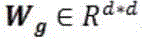
S33,定义可学习的角色交互矩阵

Figure SMS_97
,并设计如下判定函数:S33, define a learnable role interaction matrix
Figure SMS_97
, and design the following judgment function:

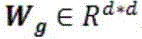
Figure SMS_98
Figure SMS_98
;

其中,

Figure SMS_99
表示事件类别
Figure SMS_100
下的指示函数,
Figure SMS_101
Figure SMS_102
表示第一层线性层的权重参数与偏置参数,
Figure SMS_103
表示第二层线性层的偏置参数;in,
Figure SMS_99
Indicates event category
Figure SMS_100
The indicator function below,
Figure SMS_101
,
Figure SMS_102
Represents the weight parameters and bias parameters of the first linear layer,
Figure SMS_103
Represents the bias parameter of the second linear layer;

Figure SMS_104
作为权重,结合该权重修正步骤S32中的计算结果:Will
Figure SMS_104
As a weight, the calculation result in step S32 is corrected in combination with the weight:

Figure SMS_105
Figure SMS_105
;

Figure SMS_106
Figure SMS_106
;

经过训练,判定函数不仅可以学到事件角色之间的相互关系,同时也学到了角色之间的相互关系;After training, the decision function can not only learn the relationship between event roles, but also the relationship between roles;

其中,

Figure SMS_108
为输入文本第
Figure SMS_110
个字是事件类别为
Figure SMS_114
的触发词t的角色
Figure SMS_109
下的论元的开始字符的最终概率值,
Figure SMS_111
为输入文本第
Figure SMS_113
个字是事件类别为
Figure SMS_116
的触发词t的角色
Figure SMS_107
下的论元的结束字符的最终概率值,
Figure SMS_112
为事件类别
Figure SMS_115
下角色
Figure SMS_117
的权重;in,
Figure SMS_108
For input text
Figure SMS_110
The event category is
Figure SMS_114
The role of the trigger word t
Figure SMS_109
The final probability value of the starting character of the argument under
Figure SMS_111
For input text
Figure SMS_113
The event category is
Figure SMS_116
The role of the trigger word t
Figure SMS_107
The final probability value of the end character of the argument under
Figure SMS_112
For event category
Figure SMS_115
Next role
Figure SMS_117
The weight of

S34,根据预先设定的阈值

Figure SMS_118
Figure SMS_119
对S33中的结果进行过滤,从而获得位置集合
Figure SMS_120
Figure SMS_121
:S34, according to a preset threshold
Figure SMS_118
,
Figure SMS_119
Filter the results in S33 to obtain a location set
Figure SMS_120
,
Figure SMS_121
:

Figure SMS_122
Figure SMS_122
;

Figure SMS_123
Figure SMS_123
;

其中,

Figure SMS_124
表示角色
Figure SMS_125
下论元的开始字符位置集合,
Figure SMS_126
表示角色
Figure SMS_127
下论元的结束字符位置集合;in,
Figure SMS_124
Representing roles
Figure SMS_125
The set of character positions of the next argument,
Figure SMS_126
Representing roles
Figure SMS_127
The set of ending character positions of the next argument;

S35,结合步骤S34的结果,利用最近匹配原则获得角色

Figure SMS_128
下的论元集合
Figure SMS_129
;其中,
Figure SMS_130
为论元
Figure SMS_131
的开始字符在文本X中的位置,
Figure SMS_132
为集合
Figure SMS_133
中最靠近
Figure SMS_134
的元素。S35, combining the result of step S34, using the closest matching principle to obtain the role
Figure SMS_128
The argument set
Figure SMS_129
;in,
Figure SMS_130
Argument
Figure SMS_131
The position of the starting character in text X,
Figure SMS_132
For collection
Figure SMS_133
The closest
Figure SMS_134
elements.

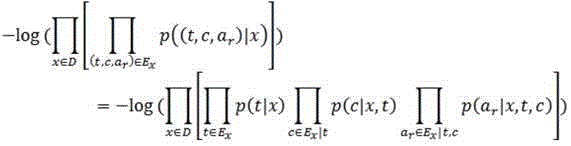
作为一种优选的技术方案,该事件抽取方法的损失函数如下:As a preferred technical solution, the loss function of the event extraction method is as follows:

Figure SMS_135
Figure SMS_135
;

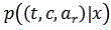
其中,

Figure SMS_139
表示输入文本
Figure SMS_143
中触发词t的事件类型,
Figure SMS_147
表示输入文本
Figure SMS_138
中事件类型为c的触发词t的角色为
Figure SMS_142
的论元,D表示所有输入样本,
Figure SMS_144
表示样本x中触发词为t且事件类型为c且角色r的论元为
Figure SMS_149
的概率,
Figure SMS_136
表示样本x中触发词为t的概率,
Figure SMS_141
表示样本x中触发词
Figure SMS_145
的事件类型为c的概率,
Figure SMS_148
表示在样本x中事件类别为c且触发词为
Figure SMS_137
时角色r的论元为
Figure SMS_140
的概率,
Figure SMS_146
表示样本x中的所有事件。in,
Figure SMS_139
Represents input text
Figure SMS_143
The event type of the trigger word t in
Figure SMS_147
Represents input text
Figure SMS_138
The role of the trigger word t with event type c is
Figure SMS_142
The argument of , D represents all input samples,
Figure SMS_144
Indicates that the trigger word in sample x is t, the event type is c, and the argument of role r is
Figure SMS_149
The probability of
Figure SMS_136
represents the probability that the trigger word in sample x is t,
Figure SMS_141
Represents the trigger word in sample x
Figure SMS_145
The probability that the event type is c,
Figure SMS_148
Indicates that in sample x, the event category is c and the trigger word is
Figure SMS_137
When the argument of role r is
Figure SMS_140
The probability of
Figure SMS_146
represents all events in sample x.

作为一种优选的技术方案,步骤S1中,语言模型为BERT模型。As a preferred technical solution, in step S1, the language model is a BERT model.

文本向量化模块:用以,将样本

Figure SMS_150
输入到基于语言模型的文本向量化层当中,获得文本向量化结果
Figure SMS_151
;其中,
Figure SMS_152
表示文本中的第
Figure SMS_153
个字,
Figure SMS_154
表示
Figure SMS_155
对应的向量化结果,
Figure SMS_156
表示文本X的向量化结果,R表示实数,d表示向量的维度,Rd表示d维实数向量;Text vectorization module: used to convert samples
Figure SMS_150
Input into the text vectorization layer based on the language model to obtain the text vectorization result
Figure SMS_151
;in,
Figure SMS_152
Indicates the first
Figure SMS_153
Words,
Figure SMS_154
express
Figure SMS_155
The corresponding vectorized result is,
Figure SMS_156
Represents the vectorization result of the text X, R represents a real number, d represents the dimension of the vector, and R d represents a d-dimensional real number vector;

事件检测模块:用以,将文本向量化结果

Figure SMS_157
输入融合类型感知的门控注意力机制的事件检测模块,以完成触发词检测和事件分类两个子任务;Event detection module: used to vectorize text results
Figure SMS_157
The input is an event detection module that integrates type-aware gated attention mechanism to complete the two subtasks of trigger word detection and event classification.

论元抽取模块:用以,对事件检测模块完成触发词检测和事件分类后的结果中每种事件类型下的每一个触发词,利用融合了可学习的角色交互参数的论元抽取模块完成论元抽取和论元角色分类两个子任务。Argument extraction module: It is used to complete the two subtasks of argument extraction and argument role classification for each trigger word under each event type in the results of trigger word detection and event classification completed by the event detection module, using the argument extraction module that integrates learnable role interaction parameters.

本发明相比于现有技术,具有以下有益效果:Compared with the prior art, the present invention has the following beneficial effects:

本发明利用门控信息指导,使得不同事件类别下有不同信息流向触发词,有效地过滤与触发词无关的噪声并有效地整合其他相关信息,从而更好地消除含重叠触发词的事件抽取场景下的触发词的歧义问题,应对重叠触发词场景,提升事件分类效果;同时,该方法考虑了被大家忽视的角色共现关系,通过引入可学习的角色交互参数建模该角色共现关系,进一步提升了论元抽取和角色分类任务的效果。The present invention utilizes gated information guidance to enable different information flows to trigger words under different event categories, effectively filters out noise unrelated to the trigger words and effectively integrates other relevant information, thereby better eliminating the ambiguity of trigger words in event extraction scenarios containing overlapping trigger words, coping with overlapping trigger word scenarios, and improving event classification effects; at the same time, the method takes into account the neglected role co-occurrence relationship, and introduces learnable role interaction parameters to model the role co-occurrence relationship, further improving the effects of argument extraction and role classification tasks.

附图说明BRIEF DESCRIPTION OF THE DRAWINGS

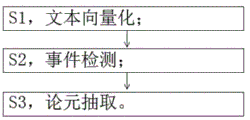
图1为本发明所述的一种基于类型感知门控注意力机制的事件抽取方法的步骤示意图;FIG1 is a schematic diagram of the steps of an event extraction method based on a type-aware gated attention mechanism according to the present invention;

图2为本发明具体实施方式中融合类型感知门控注意力机制的事件检测模块的模型结构示意图。FIG2 is a schematic diagram of the model structure of an event detection module integrating a type-aware gated attention mechanism in a specific implementation of the present invention.

具体实施方式DETAILED DESCRIPTION

下面结合实施例及附图,对本发明作进一步的详细说明,但本发明的实施方式不限于此。The present invention will be further described in detail below in conjunction with embodiments and drawings, but the embodiments of the present invention are not limited thereto.

本发明提出一种基于类型感知门控注意力机制的事件抽取方法,该方法设计了类型感知的门控注意力机制,区别于纯粹的注意力机制,该方法利用门控信息指导,使得不同事件类别下有不同信息流向触发词,有效地过滤与触发词无关的噪声并有效地整合其他相关信息,从而更好地消除含重叠触发词的事件抽取场景下的触发词的歧义问题,应对重叠触发词场景,提升事件分类效果;同时,该方法考虑了被大家忽视的角色共现关系,通过引入可学习的角色交互参数建模该角色共现关系,进一步提升了论元抽取和角色分类任务的效果。The present invention proposes an event extraction method based on a type-aware gated attention mechanism. The method designs a type-aware gated attention mechanism. Different from a pure attention mechanism, the method uses gated information guidance to enable different information flows to trigger words under different event categories, effectively filters noise irrelevant to the trigger words and effectively integrates other relevant information, thereby better eliminating the ambiguity of trigger words in event extraction scenarios containing overlapping trigger words, coping with overlapping trigger word scenarios, and improving event classification effects; at the same time, the method takes into account the role co-occurrence relationship that has been neglected by everyone, and models the role co-occurrence relationship by introducing learnable role interaction parameters, thereby further improving the effects of argument extraction and role classification tasks.

实施例1Example 1

如图1所示,一种基于类型感知门控注意力机制的事件抽取方法,包括步骤:As shown in FIG1 , an event extraction method based on a type-aware gated attention mechanism includes the following steps:

S1,将样本

Figure SMS_158
输入到基于语言模型如BERT的文本向量化层当中,获得文本向量化结果
Figure SMS_159
。其中
Figure SMS_160
表示文本中的第
Figure SMS_161
个字,
Figure SMS_162
为其对应的向量化结果;S1, the sample
Figure SMS_158
Input into the text vectorization layer based on language models such as BERT to obtain the text vectorization result
Figure SMS_159
.in
Figure SMS_160
Indicates the first
Figure SMS_161
Words,
Figure SMS_162
is the corresponding vectorized result;

S2,将文本向量化结果

Figure SMS_163
输入融合类型感知的门控注意力机制的事件检测模块以完成触发词检测和事件分类两个子任务;S2, vectorize the text
Figure SMS_163
The input is an event detection module that integrates type-aware gated attention mechanism to complete the two subtasks of trigger word detection and event classification.

S3,对S2结果中属于每种事件类型的每一个触发词,利用融合了可学习的角色交互参数的论元抽取模块完成论元抽取和论元角色分类两个子任务;S3, for each trigger word belonging to each event type in the results of S2, use the argument extraction module that incorporates learnable role interaction parameters to complete the two subtasks of argument extraction and argument role classification;

实施例2Example 2

在实施例1的基础上,如图2所示,步骤S2中融合类型感知门控注意力机制的事件检测模块按串联顺序包括如下子模块:触发词提取层、门控注意力事件分类层。Based on Example 1, as shown in Figure 2, the event detection module integrating the type-aware gated attention mechanism in step S2 includes the following sub-modules in series order: a trigger word extraction layer and a gated attention event classification layer.

触发词提取层的构建过程包括如下步骤:The construction process of the trigger word extraction layer includes the following steps:

S21,首先按照如下公式计算获得输入文本中每个字为触发词开始/结束字符的概率:S21, first calculate the probability of each character in the input text being the start/end character of the trigger word according to the following formula:

Figure SMS_164
Figure SMS_164

其中,

Figure SMS_165
为可学习的网络参数,sigmoid为激活函数。
Figure SMS_166
对应输入文本中第
Figure SMS_167
个字是触发词的开始字符的概率,
Figure SMS_168
则对应文本中第
Figure SMS_169
个字是触发词的结束字符的概率;in,
Figure SMS_165
is a learnable network parameter and sigmoid is the activation function.
Figure SMS_166
Corresponding to the first
Figure SMS_167
The probability that the character is the starting character of the trigger word,
Figure SMS_168
The corresponding text
Figure SMS_169
The probability that the character is the end character of the trigger word;

S22,根据预先设定的阈值

Figure SMS_170
Figure SMS_171
对S21中的结果进行过滤,从而获得位置集合
Figure SMS_172
Figure SMS_173
:S22, according to the preset threshold
Figure SMS_170
,
Figure SMS_171
Filter the results in S21 to obtain a location set
Figure SMS_172
,
Figure SMS_173
:

Figure SMS_174
Figure SMS_174

Figure SMS_175
Figure SMS_175

这里,位置集合

Figure SMS_176
Figure SMS_177
分别表示触发词的开始字符位置集合、结束字符位置集合;Here, the location set
Figure SMS_176
,
Figure SMS_177
Respectively represent the starting character position set and the ending character position set of the trigger word;

S23,结合步骤S22的结果,利用最近匹配原则获得触发词集合

Figure SMS_178
,这里
Figure SMS_179
为候选触发词t的开始字符在文本X中的位置,
Figure SMS_180
为集合
Figure SMS_181
中最靠近
Figure SMS_182
的元素。S23, combining the result of step S22, using the nearest match principle to obtain a trigger word set
Figure SMS_178
,here
Figure SMS_179
is the position of the starting character of the candidate trigger word t in the text X,
Figure SMS_180
For collection
Figure SMS_181
The closest
Figure SMS_182
elements.

门控注意力事件分类层的构建过程包括如下步骤:The construction process of the gated attention event classification layer includes the following steps:

S24,在门控信息过滤层中,对每个事件类别

Figure SMS_183
,定义事件类别语义向量
Figure SMS_184
,按如下公式计算相应门控向量:S24, in the gated information filtering layer, for each event category
Figure SMS_183
, define the event category semantic vector
Figure SMS_184
, calculate the corresponding gate vector according to the following formula:

Figure SMS_185
Figure SMS_185

这里

Figure SMS_186
为事件类别
Figure SMS_187
下的门控向量,
Figure SMS_188
为门控单元的可学习权重参数,
Figure SMS_189
为门控单元的可学习偏置参数;here
Figure SMS_186
For event category
Figure SMS_187
The gating vector under
Figure SMS_188
is the learnable weight parameter of the gating unit,
Figure SMS_189
is the learnable bias parameter of the gating unit;

S25,结合S24中的结果,在每个事件类别下,利用元素积函数(element-wiseproduct)过滤上下文信息:S25, combined with the results in S24, uses the element-wise product function to filter the context information under each event category:
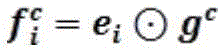
Figure SMS_190
Figure SMS_190

这里,

Figure SMS_191
为输入文本中第
Figure SMS_192
个字对应向量,
Figure SMS_193
为经过门控信息过滤层后输入文本中第
Figure SMS_194
个字在事件类别
Figure SMS_195
下经过信息过滤后的对应向量;here,
Figure SMS_191
For the first
Figure SMS_192
The word corresponds to the vector,
Figure SMS_193
is the first
Figure SMS_194
Words in event category
Figure SMS_195
The corresponding vector after information filtering is as follows;

S26,在注意力信息融合层中,经过S25步骤所述运算后,利用如下设计的注意力计算函数获得在事件类别

Figure SMS_196
下输入文本中第
Figure SMS_197
个字对于触发词
Figure SMS_198
的重要性分数
Figure SMS_199
:S26, in the attention information fusion layer, after the operation described in step S25, the attention calculation function designed as follows is used to obtain the event category
Figure SMS_196
Enter the text below
Figure SMS_197
Trigger Word
Figure SMS_198
Importance score
Figure SMS_199
:

Figure SMS_200
Figure SMS_200

这里,

Figure SMS_201
为触发词
Figure SMS_202
的表征向量,通过如下公式计算获得:here,
Figure SMS_201
Trigger word
Figure SMS_202
The characterization vector of is calculated by the following formula:

Figure SMS_203
Figure SMS_203

此外,

Figure SMS_204
的定义如下:also,
Figure SMS_204
is defined as follows:

Figure SMS_205
Figure SMS_205
;

S27,结合S26中计算所获重要性分数,利用如下公式在每个事件类别下获得与每个触发词相关的最终信息聚合结果:S27, combined with the importance scores calculated in S26, uses the following formula to obtain the final information aggregation result related to each trigger word under each event category:
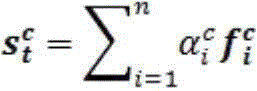
Figure SMS_206
Figure SMS_206

这里,

Figure SMS_207
为经过注意力信息融合层后事件类别
Figure SMS_208
下与触发词
Figure SMS_209
相关的信息聚合向量;here,
Figure SMS_207
is the event category after the attention information fusion layer
Figure SMS_208
Next and trigger words
Figure SMS_209
Related information aggregation vector;

S28,在事件分类层中,结合步骤S27中所得的与触发词t相关的信息聚合向量,利用如下公式判定触发词t属于哪些事件类型:S28, in the event classification layer, combined with the information aggregation vector related to the trigger word t obtained in step S27, the following formula is used to determine which event type the trigger word t belongs to:

Figure SMS_210
Figure SMS_210

这里,

Figure SMS_211
为事件类别判定单元的可学习权重参数,
Figure SMS_212
为事件类别判定单元的偏置参数,wT表示w的转置;具体地,根据预先设定的阈值
Figure SMS_213
,所有满足如下条件的事件类别
Figure SMS_214
均会被判定为触发词t所属事件类别:here,
Figure SMS_211
is the learnable weight parameter of the event category determination unit,
Figure SMS_212
is the bias parameter of the event category determination unit, w T represents the transposition of w; specifically, according to the preset threshold
Figure SMS_213
, all event categories that meet the following conditions
Figure SMS_214
They will all be judged as the event category to which the trigger word t belongs:

Figure SMS_215
Figure SMS_215

即最终每个触发词t的事件类别集合为

Figure SMS_216
。That is, the final event category set of each trigger word t is
Figure SMS_216
.

实施例3Example 3

在实施例1、2的基础上,步骤S3所述融合了可学习的角色交互参数的论元抽取模块的构建过程包括如下步骤:On the basis of embodiments 1 and 2, the construction process of the argument extraction module integrating the learnable role interaction parameters in step S3 includes the following steps:

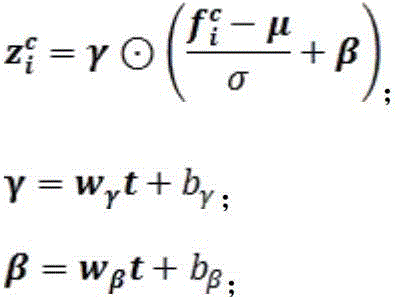
S31,为了更好地抽取事件类型为

Figure SMS_217
的给定触发词t相关的所有论元,首先利用如下公式在上下文中融入触发词表征向量
Figure SMS_218
:S31, in order to better extract the event type
Figure SMS_217
Given all the arguments related to the trigger word t, first use the following formula to integrate the trigger word representation vector into the context
Figure SMS_218
:

Figure SMS_219
Figure SMS_219

这里,

Figure SMS_220
Figure SMS_221
是基于输入文本在事件类别
Figure SMS_222
下经过信息过滤后的对应向量
Figure SMS_223
计算所得的均值与标准方差;here,
Figure SMS_220
,
Figure SMS_221
is based on the input text in the event category
Figure SMS_222
The corresponding vector after information filtering is
Figure SMS_223
Calculated mean and standard deviation;

S32,利用如下公式分别计算输入文本中每个字作为每种角色事件类别

Figure SMS_224
下论元的开始字符/结束字符的概率大小:S32, using the following formula to calculate each word in the input text as each role event category
Figure SMS_224
The probability of the start character/end character of the following argument:

Figure SMS_225
Figure SMS_225

这里,

Figure SMS_226
Figure SMS_227
分别表示输入文本第
Figure SMS_228
个字是事件类别为
Figure SMS_229
的触发词t的角色
Figure SMS_230
下的论元的开始字符/结束字符的概率值;here,
Figure SMS_226
,
Figure SMS_227
Respectively represent the input text
Figure SMS_228
The event category is
Figure SMS_229
The role of the trigger word t
Figure SMS_230
The probability value of the start character/end character of the argument below;

S33,定义可学习的角色交互矩阵

Figure SMS_231
,并设计如下判定函数:S33, define a learnable role interaction matrix
Figure SMS_231
, and design the following judgment function:

Figure SMS_232
Figure SMS_232

将其计算结果作为权重,结合该权重修正步骤S32中的计算结果:The calculation result is used as the weight, and the calculation result in step S32 is corrected in combination with the weight:

Figure SMS_233
Figure SMS_233
;

Figure SMS_234
Figure SMS_234
;

经过训练,判定函数不仅可以学到事件角色之间的相互关系,同时也学到了角色之间的相互关系。

Figure SMS_236
Figure SMS_239
为输入文本第
Figure SMS_241
个字是事件类别为
Figure SMS_237
的触发词t的角色
Figure SMS_238
下的论元的开始字符/结束字符的最终概率值。这里
Figure SMS_240
为事件类别
Figure SMS_242
下角色
Figure SMS_235
的权重。After training, the decision function can not only learn the relationship between event roles, but also the relationship between roles.
Figure SMS_236
,
Figure SMS_239
For input text
Figure SMS_241
The event category is
Figure SMS_237
The role of the trigger word t
Figure SMS_238
The final probability value of the start character/end character of the argument below. Here
Figure SMS_240
For event category
Figure SMS_242
Next role
Figure SMS_235
The weight of .

S34,根据预先设定的阈值

Figure SMS_243
Figure SMS_244
对S33中的结果进行过滤,从而获得位置集合
Figure SMS_245
Figure SMS_246
:S34, according to a preset threshold
Figure SMS_243
,
Figure SMS_244
Filter the results in S33 to obtain a location set
Figure SMS_245
,
Figure SMS_246
:

Figure SMS_247
Figure SMS_247
;

Figure SMS_248
Figure SMS_248
;

这里,位置集合

Figure SMS_249
Figure SMS_250
分别表示角色
Figure SMS_251
下论元的开始字符位置集合、结束字符位置集合;Here, the location set
Figure SMS_249
,
Figure SMS_250
Represents roles
Figure SMS_251
The starting character position set and the ending character position set of the next argument;

S35,结合步骤S34的结果,利用最近匹配原则获得角色

Figure SMS_252
下的论元集合
Figure SMS_253
,这里
Figure SMS_254
为论元
Figure SMS_255
的开始字符在文本X中的位置,
Figure SMS_256
为集合
Figure SMS_257
中最靠近
Figure SMS_258
的元素。S35, combining the result of step S34, using the closest matching principle to obtain the role
Figure SMS_252
The argument set
Figure SMS_253
,here
Figure SMS_254
Argument
Figure SMS_255
The position of the starting character in text X,
Figure SMS_256
For collection
Figure SMS_257
The closest
Figure SMS_258
elements.

实施例4Example 4

在实施例1、2、3的基础上,该事件抽取方法的损失函数如下:Based on Examples 1, 2, and 3, the loss function of the event extraction method is as follows:

Figure SMS_259
Figure SMS_259

这里,

Figure SMS_260
表示输入文本
Figure SMS_261
中触发词t的事件类型,
Figure SMS_262
表示输入文本
Figure SMS_263
中事件类型为
Figure SMS_264
的触发词t的角色为
Figure SMS_265
的论元。here,
Figure SMS_260
Represents input text
Figure SMS_261
The event type of the trigger word t in
Figure SMS_262
Represents input text
Figure SMS_263
The event type is
Figure SMS_264
The role of the trigger word t is
Figure SMS_265
The argument of .

如上所述,可较好地实现本发明。As described above, the present invention can be preferably implemented.

本说明书中所有实施例公开的所有特征,或隐含公开的所有方法或过程中的步骤,除了互相排斥的特征和/或步骤以外,均可以以任何方式组合和/或扩展、替换。All features disclosed in all embodiments in this specification, or steps in all methods or processes implicitly disclosed, except for mutually exclusive features and/or steps, can be combined and/or expanded or replaced in any manner.

以上所述,仅是本发明的较佳实施例而已,并非对本发明作任何形式上的限制,依据本发明的技术实质,在本发明的精神和原则之内,对以上实施例所作的任何简单的修改、等同替换与改进等,均仍属于本发明技术方案的保护范围之内。The above description is only a preferred embodiment of the present invention and does not limit the present invention in any form. According to the technical essence of the present invention, within the spirit and principles of the present invention, any simple modification, equivalent replacement and improvement made to the above embodiment still falls within the protection scope of the technical solution of the present invention.

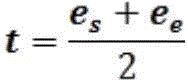
Claims (6)

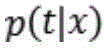
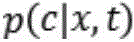
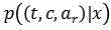
1.一种基于类型感知门控注意力机制的事件抽取方法,其特征在于,利用门控信息指导,使不同事件类别下有不同信息流向触发词,过滤与触发词无关的噪声;1. An event extraction method based on type-aware gated attention mechanism, characterized in that it uses gated information guidance to make different information flows to trigger words under different event categories, and filters out noise unrelated to the trigger words; 包括以下步骤:The following steps are involved: S1,文本向量化:将样本
Figure QLYQS_1
输入到基于语言模型的文本向量化层当中,获得文本向量化结果
Figure QLYQS_2
;其中,
Figure QLYQS_3
表示文本中的第
Figure QLYQS_4
个字,
Figure QLYQS_5
表示
Figure QLYQS_6
对应的向量化结果,
Figure QLYQS_7
表示文本X的向量化结果,R表示实数,d表示向量的维度,Rd表示d维实数向量;
S1, text vectorization: transform the sample
Figure QLYQS_1
Input into the text vectorization layer based on the language model to obtain the text vectorization result
Figure QLYQS_2
;in,
Figure QLYQS_3
Indicates the first
Figure QLYQS_4
Words,
Figure QLYQS_5
express
Figure QLYQS_6
The corresponding vectorized result is,
Figure QLYQS_7
Represents the vectorization result of the text X, R represents a real number, d represents the dimension of the vector, and R d represents a d-dimensional real number vector;
S2,事件检测:将文本向量化结果
Figure QLYQS_8
输入融合类型感知的门控注意力机制的事件检测模块,以完成触发词检测和事件分类两个子任务;
S2, event detection: vectorizing text
Figure QLYQS_8
The input is an event detection module that integrates type-aware gated attention mechanism to complete the two subtasks of trigger word detection and event classification.
S3,论元抽取:对步骤S2完成触发词检测和事件分类后的结果中每种事件类型下的每一个触发词,利用融合了可学习的角色交互参数的论元抽取模块完成论元抽取和论元角色分类两个子任务;S3, argument extraction: for each trigger word under each event type in the results of trigger word detection and event classification in step S2, the argument extraction module integrated with learnable role interaction parameters is used to complete the two subtasks of argument extraction and argument role classification; 步骤S2中融合类型感知门控注意力机制的事件检测模块包括串联的如下子模块:触发词提取层、门控注意力事件分类层;The event detection module integrating the type-aware gated attention mechanism in step S2 includes the following submodules connected in series: a trigger word extraction layer, a gated attention event classification layer; 触发词提取层的构建过程包括如下步骤:The construction process of the trigger word extraction layer includes the following steps: S21,首先按照如下公式计算获得输入文本中每个字为触发词开始/结束字符的概率:S21, first calculate the probability of each character in the input text being the start/end character of the trigger word according to the following formula:
Figure QLYQS_9
Figure QLYQS_9
其中,
Figure QLYQS_10
为可学习的网络参数,sigmoid为激活函数,
Figure QLYQS_11
为输入文本中第
Figure QLYQS_12
个字是触发词的开始字符的概率,
Figure QLYQS_13
为文本中第
Figure QLYQS_14
个字是触发词的结束字符的概率;
in,
Figure QLYQS_10
is a learnable network parameter, sigmoid is the activation function,
Figure QLYQS_11
For the first
Figure QLYQS_12
The probability that the character is the starting character of the trigger word,
Figure QLYQS_13
For the text
Figure QLYQS_14
The probability that the character is the end character of the trigger word;
S22,根据预先设定的阈值
Figure QLYQS_15
Figure QLYQS_16
对S21中的结果进行过滤,从而获得位置集合
Figure QLYQS_17
Figure QLYQS_18
S22, according to the preset threshold
Figure QLYQS_15
,
Figure QLYQS_16
Filter the results in S21 to obtain a location set
Figure QLYQS_17
,
Figure QLYQS_18
:
Figure QLYQS_19
Figure QLYQS_19
;
Figure QLYQS_20
Figure QLYQS_20
;
其中,
Figure QLYQS_21
表示触发词的开始字符位置集合,
Figure QLYQS_22
表示触发词的结束字符位置集合;
in,
Figure QLYQS_21
Indicates the starting character position set of the trigger word,
Figure QLYQS_22
Indicates the ending character position set of the trigger word;
S23,结合步骤S22的结果,利用最近匹配原则获得触发词集合
Figure QLYQS_23
S23, combining the result of step S22, using the nearest match principle to obtain a trigger word set
Figure QLYQS_23
;
其中,t为候选触发词,s为候选触发词t的开始字符在文本X中的位置,
Figure QLYQS_24
为集合
Figure QLYQS_25
中最靠近
Figure QLYQS_26
的元素;
Where t is the candidate trigger word, s is the position of the starting character of the candidate trigger word t in the text X,
Figure QLYQS_24
For collection
Figure QLYQS_25
The closest
Figure QLYQS_26
Elements of
门控注意力事件分类层的构建过程包括如下步骤:The construction process of the gated attention event classification layer includes the following steps: S24,在门控信息过滤层中,对每个事件类别
Figure QLYQS_27
,定义事件类别语义向量
Figure QLYQS_28
,按如下公式计算相应门控向量:
S24, in the gated information filtering layer, for each event category
Figure QLYQS_27
, define the event category semantic vector
Figure QLYQS_28
, calculate the corresponding gate vector according to the following formula:
Figure QLYQS_29
Figure QLYQS_29
;
其中,
Figure QLYQS_30
为事件类别
Figure QLYQS_31
下的门控向量,
Figure QLYQS_32
为门控单元的可学习权重参数,
Figure QLYQS_33
为门控单元的可学习偏置参数;
in,
Figure QLYQS_30
For event category
Figure QLYQS_31
The gating vector under
Figure QLYQS_32
is the learnable weight parameter of the gating unit,
Figure QLYQS_33
is the learnable bias parameter of the gating unit;
S25,结合S24中的结果,在每个事件类别下,利用元素积函数过滤上下文信息:S25, combined with the results in S24, uses the element-wise product function to filter the context information under each event category:
Figure QLYQS_34
Figure QLYQS_34
;
其中,
Figure QLYQS_35
为输入文本中第
Figure QLYQS_36
个字对应的向量,
Figure QLYQS_37
为经过门控信息过滤层后输入文本中第
Figure QLYQS_38
个字在事件类别
Figure QLYQS_39
下经过信息过滤后的对应的向量;
in,
Figure QLYQS_35
For the first
Figure QLYQS_36
The vector corresponding to the word,
Figure QLYQS_37
is the first
Figure QLYQS_38
Words in event category
Figure QLYQS_39
The corresponding vector after information filtering;
S26,在注意力信息融合层中,利用注意力计算函数获得在事件类别
Figure QLYQS_40
下输入文本中第
Figure QLYQS_41
个字对于触发词
Figure QLYQS_42
的重要性分数
Figure QLYQS_43
S26, in the attention information fusion layer, the attention calculation function is used to obtain the event category
Figure QLYQS_40
Enter the text below
Figure QLYQS_41
Trigger Word
Figure QLYQS_42
Importance score
Figure QLYQS_43
;
S27,结合S26中计算所获重要性分数,利用如下公式在每个事件类别下获得与每个触发词相关的最终信息聚合结果:S27, combined with the importance scores calculated in S26, uses the following formula to obtain the final information aggregation result related to each trigger word under each event category:
Figure QLYQS_44
Figure QLYQS_44
;
其中,
Figure QLYQS_45
为经过注意力信息融合层后事件类别
Figure QLYQS_46
下与触发词
Figure QLYQS_47
相关的信息聚合向量;
in,
Figure QLYQS_45
is the event category after the attention information fusion layer
Figure QLYQS_46
Next and trigger words
Figure QLYQS_47
Related information aggregation vector;
S28,在事件分类层中,结合步骤S27中所得的与触发词t相关的信息聚合向量,利用如下公式判定触发词t所属于的事件类型:S28, in the event classification layer, combined with the information aggregation vector related to the trigger word t obtained in step S27, the event type to which the trigger word t belongs is determined using the following formula:
Figure QLYQS_48
Figure QLYQS_48
;
其中,
Figure QLYQS_49
为事件类别判定单元的可学习权重参数,
Figure QLYQS_50
为事件类别判定单元的偏置参数,wT表示w的转置;
in,
Figure QLYQS_49
is the learnable weight parameter of the event category determination unit,
Figure QLYQS_50
is the bias parameter of the event category determination unit, w T represents the transpose of w;
根据预先设定的阈值
Figure QLYQS_51
,所有满足如下条件的事件类别
Figure QLYQS_52
均会被判定为触发词t所属事件类别:
According to the pre-set threshold
Figure QLYQS_51
, all event categories that meet the following conditions
Figure QLYQS_52
They will all be judged as the event category to which the trigger word t belongs:
Figure QLYQS_53
Figure QLYQS_53
;
最终每个触发词
Figure QLYQS_54
的事件类别集合为
Figure QLYQS_55
Finally, each trigger word
Figure QLYQS_54
The event category set is
Figure QLYQS_55
.
2.根据权利要求1所述的一种基于类型感知门控注意力机制的事件抽取方法,其特征在于,步骤S26中,注意力计算函数公式如下:2. According to the event extraction method based on type-aware gated attention mechanism according to claim 1, it is characterized in that in step S26, the attention calculation function formula is as follows:

Figure QLYQS_56
Figure QLYQS_56
;
其中,
Figure QLYQS_57
为触发词
Figure QLYQS_58
的表征向量,通过如下公式计算获得:
in,
Figure QLYQS_57
Trigger word
Figure QLYQS_58
The characterization vector of is calculated by the following formula:
Figure QLYQS_59
Figure QLYQS_59
;
其中,
Figure QLYQS_60
表示触发词t的开始字符的表征向量,
Figure QLYQS_61
表示触发词t的结束字符的表征向量;
in,
Figure QLYQS_60
Represents the representation vector of the starting character of the trigger word t,
Figure QLYQS_61
The representation vector representing the end character of the trigger word t;
Figure QLYQS_62
的定义如下:
Figure QLYQS_62
is defined as follows:
Figure QLYQS_63
Figure QLYQS_63
;
其中,
Figure QLYQS_64
表示tanh激活函数,VT表示V的转置,
Figure QLYQS_65
表示权重,[;;]表示向量的拼接。
in,
Figure QLYQS_64
represents the tanh activation function, V T represents the transpose of V,
Figure QLYQS_65
represents weight, and [;;] represents the concatenation of vectors.
3.根据权利要求2所述的一种基于类型感知门控注意力机制的事件抽取方法,其特征在于,步骤S3所述融合了可学习的角色交互参数的论元抽取模块的构建过程包括如下步骤:3. The event extraction method based on type-aware gated attention mechanism according to claim 2 is characterized in that the construction process of the argument extraction module integrating learnable role interaction parameters in step S3 comprises the following steps: S31,利用如下公式计算上下文中融入触发词表征向量
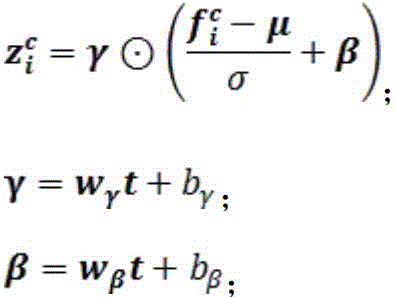
Figure QLYQS_66
S31, use the following formula to calculate the trigger word representation vector integrated into the context
Figure QLYQS_66
:
Figure QLYQS_67
Figure QLYQS_67
其中,
Figure QLYQS_71
是基于输入文本在事件类别
Figure QLYQS_70
下经过信息过滤后的对应向量
Figure QLYQS_78
计算所得的均值,
Figure QLYQS_72
是基于输入文本在事件类别
Figure QLYQS_76
下经过信息过滤后的对应向量
Figure QLYQS_73
计算所得的标准方差,
Figure QLYQS_75
表示输入文本中第
Figure QLYQS_80
个字在事件类别
Figure QLYQS_84
下经过信息过滤并融合触发词t信息后的向量,
Figure QLYQS_68
Figure QLYQS_74
分别表示扩展参数和平移参数,
Figure QLYQS_77
Figure QLYQS_82
分别表示用于计算
Figure QLYQS_81
的线性层的权重参数、偏置参数,
Figure QLYQS_83
Figure QLYQS_69
则分别表示用于计算
Figure QLYQS_79
的线性层的权重参数、偏置参数;
in,
Figure QLYQS_71
is based on the input text in the event category
Figure QLYQS_70
The corresponding vector after information filtering is
Figure QLYQS_78
The calculated mean is,
Figure QLYQS_72
is based on the input text in the event category
Figure QLYQS_76
The corresponding vector after information filtering is
Figure QLYQS_73
The calculated standard deviation is
Figure QLYQS_75
Indicates the first
Figure QLYQS_80
Words in event category
Figure QLYQS_84
The following is the vector after information filtering and fusion of trigger word t information,
Figure QLYQS_68
,
Figure QLYQS_74
They represent the expansion parameters and translation parameters respectively.
Figure QLYQS_77
,
Figure QLYQS_82
Respectively represent the calculation
Figure QLYQS_81
The weight parameters and bias parameters of the linear layer,
Figure QLYQS_83
,
Figure QLYQS_69
They are used to calculate
Figure QLYQS_79
The weight parameters and bias parameters of the linear layer;
S32,利用如下公式分别计算输入文本中每个字作为每种角色事件类别
Figure QLYQS_85
下论元的开始字符/结束字符的概率大小:
S32, using the following formula to calculate each word in the input text as each role event category
Figure QLYQS_85
The probability of the start character/end character of the following argument:
Figure QLYQS_86
Figure QLYQS_86
其中,
Figure QLYQS_89
表示输入文本第
Figure QLYQS_92
个字是事件类别为
Figure QLYQS_94
的触发词t的角色
Figure QLYQS_90
下的论元的开始字符的概率值,
Figure QLYQS_91
表示输入文本第
Figure QLYQS_96
个字是事件类别为
Figure QLYQS_98
的触发词t的角色
Figure QLYQS_87
下的论元的结束字符的概率值,
Figure QLYQS_93
Figure QLYQS_95
表示权重参数,
Figure QLYQS_97
Figure QLYQS_88
表示偏置参数;
in,
Figure QLYQS_89
Indicates the input text
Figure QLYQS_92
The event category is
Figure QLYQS_94
The role of the trigger word t
Figure QLYQS_90
The probability value of the starting character of the argument below,
Figure QLYQS_91
Indicates the input text
Figure QLYQS_96
The event category is
Figure QLYQS_98
The role of the trigger word t
Figure QLYQS_87
The probability value of the end character of the argument below,
Figure QLYQS_93
,
Figure QLYQS_95
represents the weight parameter,
Figure QLYQS_97
,
Figure QLYQS_88
represents the bias parameter;
S33,定义可学习的角色交互矩阵
Figure QLYQS_99
,并设计如下判定函数:
S33, define a learnable role interaction matrix
Figure QLYQS_99
, and design the following judgment function:
Figure QLYQS_100
Figure QLYQS_100
;
其中,
Figure QLYQS_101
表示事件类别
Figure QLYQS_102
下的指示函数,
Figure QLYQS_103
Figure QLYQS_104
表示第一层线性层的权重参数与偏置参数,
Figure QLYQS_105
表示第二层线性层的偏置参数;
in,
Figure QLYQS_101
Indicates event category
Figure QLYQS_102
The indicator function below,
Figure QLYQS_103
,
Figure QLYQS_104
Represents the weight parameters and bias parameters of the first linear layer,
Figure QLYQS_105
Represents the bias parameter of the second linear layer;
Figure QLYQS_106
作为权重,结合该权重修正步骤S32中的计算结果:
Will
Figure QLYQS_106
As a weight, the calculation result in step S32 is corrected in combination with the weight:
Figure QLYQS_107
Figure QLYQS_107
;
Figure QLYQS_108
Figure QLYQS_108
;
经过训练,判定函数不仅可以学到事件角色之间的相互关系,同时也学到了角色之间的相互关系;After training, the decision function can not only learn the relationship between event roles, but also the relationship between roles; 其中,
Figure QLYQS_110
为输入文本第
Figure QLYQS_113
个字是事件类别为
Figure QLYQS_116
的触发词t的角色
Figure QLYQS_111
下的论元的开始字符的最终概率值,
Figure QLYQS_112
为输入文本第
Figure QLYQS_115
个字是事件类别为
Figure QLYQS_118
的触发词t的角色
Figure QLYQS_109
下的论元的结束字符的最终概率值,
Figure QLYQS_114
为事件类别
Figure QLYQS_117
下角色
Figure QLYQS_119
的权重;
in,
Figure QLYQS_110
For input text
Figure QLYQS_113
The event category is
Figure QLYQS_116
The role of the trigger word t
Figure QLYQS_111
The final probability value of the starting character of the argument under
Figure QLYQS_112
For input text
Figure QLYQS_115
The event category is
Figure QLYQS_118
The role of the trigger word t
Figure QLYQS_109
The final probability value of the end character of the argument under
Figure QLYQS_114
For event category
Figure QLYQS_117
Next role
Figure QLYQS_119
The weight of
S34,根据预先设定的阈值
Figure QLYQS_120
Figure QLYQS_121
对S33中的结果进行过滤,从而获得位置集合
Figure QLYQS_122
Figure QLYQS_123
S34, according to a preset threshold
Figure QLYQS_120
,
Figure QLYQS_121
Filter the results in S33 to obtain a location set
Figure QLYQS_122
,
Figure QLYQS_123
:
Figure QLYQS_124
Figure QLYQS_124
;
Figure QLYQS_125
Figure QLYQS_125
;
其中,
Figure QLYQS_126
表示角色
Figure QLYQS_127
下论元的开始字符位置集合,
Figure QLYQS_128
表示角色
Figure QLYQS_129
下论元的结束字符位置集合;
in,
Figure QLYQS_126
Representing roles
Figure QLYQS_127
The set of character positions of the next argument,
Figure QLYQS_128
Representing roles
Figure QLYQS_129
The set of ending character positions of the next argument;
S35,结合步骤S34的结果,利用最近匹配原则获得角色
Figure QLYQS_130
下的论元集合
Figure QLYQS_131
;其中,
Figure QLYQS_132
为论元
Figure QLYQS_133
的开始字符在文本X中的位置,
Figure QLYQS_134
为集合
Figure QLYQS_135
中最靠近
Figure QLYQS_136
的元素。
S35, combining the result of step S34, using the closest matching principle to obtain the role
Figure QLYQS_130
The argument set
Figure QLYQS_131
;in,
Figure QLYQS_132
Argument
Figure QLYQS_133
The position of the starting character in text X,
Figure QLYQS_134
For collection
Figure QLYQS_135
The closest
Figure QLYQS_136
elements.
4.根据权利要求3所述的一种基于类型感知门控注意力机制的事件抽取方法,其特征在于,该事件抽取方法的损失函数如下:4. According to claim 3, an event extraction method based on type-aware gated attention mechanism is characterized in that the loss function of the event extraction method is as follows:
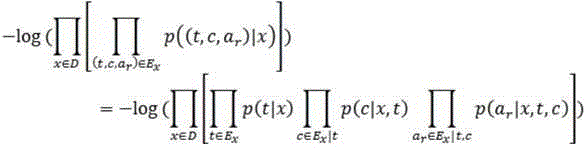
Figure QLYQS_137
Figure QLYQS_137
;
其中,
Figure QLYQS_140
表示输入文本
Figure QLYQS_145
中触发词t的事件类型,
Figure QLYQS_149
表示输入文本
Figure QLYQS_139
中事件类型为c的触发词t的角色为
Figure QLYQS_143
的论元,D表示所有输入样本,
Figure QLYQS_147
表示样本x中触发词为t且事件类型为c且角色r的论元为
Figure QLYQS_151
的概率,
Figure QLYQS_138
表示样本x中触发词为t的概率,
Figure QLYQS_142
表示样本x中触发词
Figure QLYQS_146
的事件类型为c的概率,
Figure QLYQS_150
表示在样本x中事件类别为c且触发词为
Figure QLYQS_141
时角色r的论元为
Figure QLYQS_144
的概率,
Figure QLYQS_148
表示样本x中的所有事件。
in,
Figure QLYQS_140
Represents input text
Figure QLYQS_145
The event type of the trigger word t in
Figure QLYQS_149
Represents input text
Figure QLYQS_139
The role of the trigger word t with event type c is
Figure QLYQS_143
The argument of , D represents all input samples,
Figure QLYQS_147
Indicates that the trigger word in sample x is t, the event type is c, and the argument of role r is
Figure QLYQS_151
The probability of
Figure QLYQS_138
represents the probability that the trigger word in sample x is t,
Figure QLYQS_142
Represents the trigger word in sample x
Figure QLYQS_146
The probability that the event type is c,
Figure QLYQS_150
Indicates that in sample x, the event category is c and the trigger word is
Figure QLYQS_141
When the argument of role r is
Figure QLYQS_144
The probability of
Figure QLYQS_148
represents all events in sample x.
5.根据权利要求1至4任一项所述的一种基于类型感知门控注意力机制的事件抽取方法,其特征在于,步骤S1中,语言模型为BERT模型。5. An event extraction method based on type-aware gated attention mechanism according to any one of claims 1 to 4, characterized in that in step S1, the language model is a BERT model. 6.一种基于类型感知门控注意力机制的事件抽取系统,其特征在于,用于实现权利要求1至5任一项所述的一种基于类型感知门控注意力机制的事件抽取方法,包括依次相连的以下模块:6. An event extraction system based on a type-aware gated attention mechanism, characterized in that it is used to implement an event extraction method based on a type-aware gated attention mechanism as described in any one of claims 1 to 5, comprising the following modules connected in sequence: 文本向量化模块:用以,将样本
Figure QLYQS_152
输入到基于语言模型的文本向量化层当中,获得文本向量化结果
Figure QLYQS_153
;其中,
Figure QLYQS_154
表示文本中的第
Figure QLYQS_155
个字,
Figure QLYQS_156
表示
Figure QLYQS_157
对应的向量化结果,
Figure QLYQS_158
表示文本X的向量化结果,R表示实数,d表示向量的维度,Rd表示d维实数向量;
Text vectorization module: used to convert samples
Figure QLYQS_152
Input into the text vectorization layer based on the language model to obtain the text vectorization result
Figure QLYQS_153
;in,
Figure QLYQS_154
Indicates the first
Figure QLYQS_155
Words,
Figure QLYQS_156
express
Figure QLYQS_157
The corresponding vectorized result is,
Figure QLYQS_158
Represents the vectorization result of the text X, R represents a real number, d represents the dimension of the vector, and R d represents a d-dimensional real number vector;
事件检测模块:用以,将文本向量化结果
Figure QLYQS_159
输入融合类型感知的门控注意力机制的事件检测模块,以完成触发词检测和事件分类两个子任务;
Event detection module: used to vectorize text results
Figure QLYQS_159
The input is an event detection module that integrates type-aware gated attention mechanism to complete the two subtasks of trigger word detection and event classification.
论元抽取模块:用以,对事件检测模块完成触发词检测和事件分类后的结果中每种事件类型下的每一个触发词,利用融合了可学习的角色交互参数的论元抽取模块完成论元抽取和论元角色分类两个子任务;Argument extraction module: used to complete the two subtasks of argument extraction and argument role classification for each trigger word under each event type in the results of trigger word detection and event classification completed by the event detection module, using the argument extraction module that integrates learnable role interaction parameters; 融合类型感知门控注意力机制的事件检测模块包括串联的如下子模块:触发词提取层、门控注意力事件分类层;The event detection module integrating the type-aware gated attention mechanism includes the following submodules connected in series: trigger word extraction layer, gated attention event classification layer; 触发词提取层的构建过程包括如下步骤:The construction process of the trigger word extraction layer includes the following steps: S21,首先按照如下公式计算获得输入文本中每个字为触发词开始/结束字符的概率:S21, first calculate the probability of each character in the input text being the start/end character of the trigger word according to the following formula:
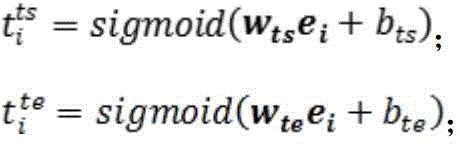
Figure QLYQS_160
Figure QLYQS_160
其中,
Figure QLYQS_161
为可学习的网络参数,sigmoid为激活函数,
Figure QLYQS_162
为输入文本中第
Figure QLYQS_163
个字是触发词的开始字符的概率,
Figure QLYQS_164
为文本中第
Figure QLYQS_165
个字是触发词的结束字符的概率;
in,
Figure QLYQS_161
is a learnable network parameter, sigmoid is the activation function,
Figure QLYQS_162
For the first
Figure QLYQS_163
The probability that the character is the starting character of the trigger word,
Figure QLYQS_164
For the text
Figure QLYQS_165
The probability that the character is the end character of the trigger word;
S22,根据预先设定的阈值
Figure QLYQS_166
Figure QLYQS_167
对S21中的结果进行过滤,从而获得位置集合
Figure QLYQS_168
Figure QLYQS_169
S22, according to the preset threshold
Figure QLYQS_166
,
Figure QLYQS_167
Filter the results in S21 to obtain a location set
Figure QLYQS_168
,
Figure QLYQS_169
:
Figure QLYQS_170
Figure QLYQS_170
;
Figure QLYQS_171
Figure QLYQS_171
;
其中,
Figure QLYQS_172
表示触发词的开始字符位置集合,
Figure QLYQS_173
表示触发词的结束字符位置集合;
in,
Figure QLYQS_172
Indicates the starting character position set of the trigger word,
Figure QLYQS_173
Indicates the ending character position set of the trigger word;
S23,结合步骤S22的结果,利用最近匹配原则获得触发词集合
Figure QLYQS_174
S23, combining the result of step S22, using the nearest match principle to obtain a trigger word set
Figure QLYQS_174
;
其中,t为候选触发词,s为候选触发词t的开始字符在文本X中的位置,
Figure QLYQS_175
为集合
Figure QLYQS_176
中最靠近
Figure QLYQS_177
的元素;
Where t is the candidate trigger word, s is the position of the starting character of the candidate trigger word t in the text X,
Figure QLYQS_175
For collection
Figure QLYQS_176
The closest
Figure QLYQS_177
Elements of
门控注意力事件分类层的构建过程包括如下步骤:The construction process of the gated attention event classification layer includes the following steps: S24,在门控信息过滤层中,对每个事件类别
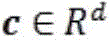
Figure QLYQS_178
,定义事件类别语义向量
Figure QLYQS_179
,按如下公式计算相应门控向量:
S24, in the gated information filtering layer, for each event category
Figure QLYQS_178
, define the event category semantic vector
Figure QLYQS_179
, calculate the corresponding gate vector according to the following formula:
Figure QLYQS_180
Figure QLYQS_180
;
其中,
Figure QLYQS_181
为事件类别
Figure QLYQS_182
下的门控向量,
Figure QLYQS_183
为门控单元的可学习权重参数,
Figure QLYQS_184
为门控单元的可学习偏置参数;
in,
Figure QLYQS_181
For event category
Figure QLYQS_182
The gating vector under
Figure QLYQS_183
is the learnable weight parameter of the gating unit,
Figure QLYQS_184
is the learnable bias parameter of the gating unit;
S25,结合S24中的结果,在每个事件类别下,利用元素积函数过滤上下文信息:S25, combined with the results in S24, uses the element-wise product function to filter the context information under each event category:
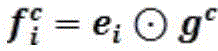
Figure QLYQS_185
Figure QLYQS_185
;
其中,
Figure QLYQS_186
为输入文本中第
Figure QLYQS_187
个字对应的向量,
Figure QLYQS_188
为经过门控信息过滤层后输入文本中第
Figure QLYQS_189
个字在事件类别
Figure QLYQS_190
下经过信息过滤后的对应的向量;
in,
Figure QLYQS_186
For the first
Figure QLYQS_187
The vector corresponding to the word,
Figure QLYQS_188
is the first
Figure QLYQS_189
Words in event category
Figure QLYQS_190
The corresponding vector after information filtering;
S26,在注意力信息融合层中,利用注意力计算函数获得在事件类别
Figure QLYQS_191
下输入文本中第
Figure QLYQS_192
个字对于触发词
Figure QLYQS_193
的重要性分数
Figure QLYQS_194
S26, in the attention information fusion layer, the attention calculation function is used to obtain the event category
Figure QLYQS_191
Enter the text below
Figure QLYQS_192
Trigger Word
Figure QLYQS_193
Importance score
Figure QLYQS_194
;
S27,结合S26中计算所获重要性分数,利用如下公式在每个事件类别下获得与每个触发词相关的最终信息聚合结果:S27, combined with the importance scores calculated in S26, uses the following formula to obtain the final information aggregation result related to each trigger word under each event category:
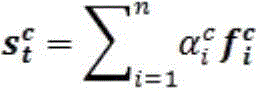
Figure QLYQS_195
Figure QLYQS_195
;
其中,
Figure QLYQS_196
为经过注意力信息融合层后事件类别
Figure QLYQS_197
下与触发词t相关的信息聚合向量;
in,
Figure QLYQS_196
is the event category after the attention information fusion layer
Figure QLYQS_197
The information aggregation vector related to the trigger word t is as follows;
S28,在事件分类层中,结合步骤S27中所得的与触发词t相关的信息聚合向量,利用如下公式判定触发词t所属于的事件类型:S28, in the event classification layer, combined with the information aggregation vector related to the trigger word t obtained in step S27, the event type to which the trigger word t belongs is determined using the following formula:
Figure QLYQS_198
Figure QLYQS_198
;
其中,
Figure QLYQS_199
为事件类别判定单元的可学习权重参数,
Figure QLYQS_200
为事件类别判定单元的偏置参数,wT表示w的转置;
in,
Figure QLYQS_199
is the learnable weight parameter of the event category determination unit,
Figure QLYQS_200
is the bias parameter of the event category determination unit, w T represents the transpose of w;
根据预先设定的阈值
Figure QLYQS_201
,所有满足如下条件的事件类别
Figure QLYQS_202
均会被判定为触发词t所属事件类别:
According to the pre-set threshold
Figure QLYQS_201
, all event categories that meet the following conditions
Figure QLYQS_202
They will all be judged as the event category to which the trigger word t belongs:
Figure QLYQS_203
Figure QLYQS_203
;
最终每个触发词t的事件类别集合为
Figure QLYQS_204
Finally, the event category set of each trigger word t is
Figure QLYQS_204
.
CN202211576463.3A 2022-12-09 2022-12-09 Event extraction method and system based on type perception gated attention mechanism Active CN115577112B (en)

Priority Applications (1)

Application Number Priority Date Filing Date Title
CN202211576463.3A CN115577112B (en) 2022-12-09 2022-12-09 Event extraction method and system based on type perception gated attention mechanism

Applications Claiming Priority (1)

Application Number Priority Date Filing Date Title
CN202211576463.3A CN115577112B (en) 2022-12-09 2022-12-09 Event extraction method and system based on type perception gated attention mechanism

Publications (2)

Publication Number Publication Date
CN115577112A CN115577112A (en) 2023-01-06
CN115577112B true CN115577112B (en) 2023-04-18

Family

ID=84589980

Family Applications (1)

Application Number Title Priority Date Filing Date
CN202211576463.3A Active CN115577112B (en) 2022-12-09 2022-12-09 Event extraction method and system based on type perception gated attention mechanism

Country Status (1)

Country Link
CN (1) CN115577112B (en)

Citations (3)

* Cited by examiner, † Cited by third party
Publication number Priority date Publication date Assignee Title
CN112307761A (en) * 2020-11-19 2021-02-02 新华智云科技有限公司 Event extraction method and system based on attention mechanism
CN113705218A (en) * 2021-09-03 2021-11-26 四川大学 Event element gridding extraction method based on character embedding, storage medium and electronic device
CN115238685A (en) * 2022-09-23 2022-10-25 华南理工大学 Combined extraction method for building engineering change events based on position perception

Family Cites Families (9)

* Cited by examiner, † Cited by third party
Publication number Priority date Publication date Assignee Title
US10565229B2 (en) * 2018-05-24 2020-02-18 People.ai, Inc. Systems and methods for matching electronic activities directly to record objects of systems of record
US10186275B2 (en) * 2017-03-31 2019-01-22 Hong Fu Jin Precision Industry (Shenzhen) Co., Ltd. Sharing method and device for video and audio data presented in interacting fashion
CN109299470B (en) * 2018-11-01 2024-02-09 成都数联铭品科技有限公司 Method and system for extracting trigger words in text bulletin
CN113239142B (en) * 2021-04-26 2022-09-23 昆明理工大学 Trigger-word-free event detection method fused with syntactic information
CN115292568B (en) * 2022-03-02 2023-11-17 内蒙古工业大学 Civil news event extraction method based on joint model
CN114298053B (en) * 2022-03-10 2022-05-24 中国科学院自动化研究所 A joint event extraction system based on the fusion of feature and attention mechanism
CN114648016B (en) * 2022-03-29 2025-02-11 河海大学 An event argument extraction method based on event element interaction and label semantic enhancement
CN115392248A (en) * 2022-06-22 2022-11-25 北京航空航天大学 A Method for Event Extraction Based on Context and Graph Attention
CN115168541B (en) * 2022-07-13 2025-08-26 山西大学 Text event extraction method and system based on frame semantic mapping and type awareness

Patent Citations (3)

* Cited by examiner, † Cited by third party
Publication number Priority date Publication date Assignee Title
CN112307761A (en) * 2020-11-19 2021-02-02 新华智云科技有限公司 Event extraction method and system based on attention mechanism
CN113705218A (en) * 2021-09-03 2021-11-26 四川大学 Event element gridding extraction method based on character embedding, storage medium and electronic device
CN115238685A (en) * 2022-09-23 2022-10-25 华南理工大学 Combined extraction method for building engineering change events based on position perception

Also Published As

Publication number Publication date
CN115577112A (en) 2023-01-06

Similar Documents

Publication Publication Date Title
Li et al. A model of coherence based on distributed sentence representation
CN108052547B (en) Natural language question answering method and system based on question sentence and knowledge graph structure analysis
CN111339269A (en) Knowledge graph question-answer training and application service system with automatically generated template
CN108170816A (en) A kind of intelligent vision Question-Answering Model based on deep neural network
CN113779220A (en) A Mongolian multi-hop question answering method based on three-channel cognitive graph and graph attention network
CN114265937A (en) Intelligent classification analysis method and system of scientific and technological information, storage medium and server
US20210312133A1 (en) Word vector-based event-driven service matching method
CN103207860A (en) Method and device for extracting entity relationships of public sentiment events
CN109710744A (en) A kind of data matching method, device, equipment and storage medium
CN114896985B (en) A humorous text automatic generation method, system, medium, device and terminal
Guo et al. Divert more attention to vision-language object tracking
CN108846000A (en) A kind of common sense semanteme map construction method and device based on supernode and the common sense complementing method based on connection prediction
CN109117891A (en) It merges social networks and names across the social media account matching process of feature
CN113158673A (en) Single document analysis method and device
Fan et al. Adaptive domain-aware representation learning for speech emotion recognition.
CN115858723B (en) A method and system for query graph generation in complex knowledge base question answering
CN115577112B (en) Event extraction method and system based on type perception gated attention mechanism
Wang et al. A survey of vision and language related multi-modal task
CN119719675B (en) A multimodal social relationship extraction method based on hypergraph attention neural network
CN106570167A (en) Knowledge-integrated subject model-based microblog topic detection method
CN118821779B (en) A method and device for extracting relations based on entity pairs and shortest dependency paths
CN118350379B (en) Method, device and medium for improving accuracy of natural language processing in knowledge system
CN118569376A (en) Machine reading understanding event extraction method, device and medium based on template bridging
CN107886942A (en) A Speech Signal Emotion Recognition Method Based on Locally Penalized Random Spectral Regression
Gaspers et al. A usage-based model for the online induction of constructions from phoneme sequences

Legal Events

Date Code Title Description
PB01 Publication
PB01 Publication
SE01 Entry into force of request for substantive examination
GR01 Patent grant
GR01 Patent grant