CN116242568A - High-reliability operation layout and test method of large-scale double shaking table test system - Google Patents
High-reliability operation layout and test method of large-scale double shaking table test system Download PDFInfo
- Publication number
- CN116242568A CN116242568A CN202211474181.2A CN202211474181A CN116242568A CN 116242568 A CN116242568 A CN 116242568A CN 202211474181 A CN202211474181 A CN 202211474181A CN 116242568 A CN116242568 A CN 116242568A
- Authority
- CN
- China
- Prior art keywords
- spacecraft
- test
- vibration
- clamp
- screws
- Prior art date
- Legal status (The legal status is an assumption and is not a legal conclusion. Google has not performed a legal analysis and makes no representation as to the accuracy of the status listed.)
- Pending
Links
Images



Classifications
-
- G—PHYSICS
- G01—MEASURING; TESTING
- G01M—TESTING STATIC OR DYNAMIC BALANCE OF MACHINES OR STRUCTURES; TESTING OF STRUCTURES OR APPARATUS, NOT OTHERWISE PROVIDED FOR
- G01M7/00—Vibration-testing of structures; Shock-testing of structures
- G01M7/02—Vibration-testing by means of a shake table
- G01M7/06—Multidirectional test stands
-
- G—PHYSICS
- G01—MEASURING; TESTING
- G01M—TESTING STATIC OR DYNAMIC BALANCE OF MACHINES OR STRUCTURES; TESTING OF STRUCTURES OR APPARATUS, NOT OTHERWISE PROVIDED FOR
- G01M7/00—Vibration-testing of structures; Shock-testing of structures
- G01M7/02—Vibration-testing by means of a shake table
- G01M7/022—Vibration control arrangements, e.g. for generating random vibrations
-
- G—PHYSICS
- G01—MEASURING; TESTING
- G01M—TESTING STATIC OR DYNAMIC BALANCE OF MACHINES OR STRUCTURES; TESTING OF STRUCTURES OR APPARATUS, NOT OTHERWISE PROVIDED FOR
- G01M7/00—Vibration-testing of structures; Shock-testing of structures
- G01M7/02—Vibration-testing by means of a shake table
- G01M7/025—Measuring arrangements
-
- Y—GENERAL TAGGING OF NEW TECHNOLOGICAL DEVELOPMENTS; GENERAL TAGGING OF CROSS-SECTIONAL TECHNOLOGIES SPANNING OVER SEVERAL SECTIONS OF THE IPC; TECHNICAL SUBJECTS COVERED BY FORMER USPC CROSS-REFERENCE ART COLLECTIONS [XRACs] AND DIGESTS
- Y02—TECHNOLOGIES OR APPLICATIONS FOR MITIGATION OR ADAPTATION AGAINST CLIMATE CHANGE
- Y02T—CLIMATE CHANGE MITIGATION TECHNOLOGIES RELATED TO TRANSPORTATION
- Y02T90/00—Enabling technologies or technologies with a potential or indirect contribution to GHG emissions mitigation
Landscapes
- Physics & Mathematics (AREA)
- General Physics & Mathematics (AREA)
- Testing Of Devices, Machine Parts, Or Other Structures Thereof (AREA)
Abstract
Description
发明领域field of invention
本发明属于航天器力学环境试验领域,具体涉及一种大型双振动台试验系统高可靠性运行布局及试验方法。The invention belongs to the field of mechanical environment tests of spacecraft, and in particular relates to a high-reliability operation layout and a test method of a large-scale double shaking table test system.
背景技术Background technique
航天器在发射前都需要经历严格的振动环境试验验证,以考核产品的结构设计是否合理,充分暴露产品潜在的缺陷及隐患。随着中国航天技术的不断发展,空间站核心舱、问天舱、梦天舱、载人飞船等超大型航天器的研制活动逐步推进,加上航天器研制周期缩短,航天器力学环境试验对振动试验关键设备-大型振动台试验系统-提出了高可靠性要求。Before launch, the spacecraft needs to undergo strict vibration environment test verification to check whether the structural design of the product is reasonable and fully expose the potential defects and hidden dangers of the product. With the continuous development of China's aerospace technology, the research and development activities of ultra-large spacecraft such as the core module of the space station, the space capsule, the dream capsule, and the manned spacecraft are gradually advancing. The key equipment of the test - the large-scale shaking table test system - puts forward high reliability requirements.
大型振动台试验系统主要分多台并激和单台并激试验类型。目前北京航天城使用的一套40吨双台并激振动试验系统主要采用两个20吨并联而成。该套设备主要包括两套振动台台体、水平滑台、扩展台、牛头四大部分。对于纵向振动试验,两套台体处于垂直状态后与扩展台连接,形成纵向激励状态;对于横向振动试验,两套台体分别通过牛头与水平滑台连接,形成横向激励状态。设备在航天器力学试验过程中,如果出现振动台台体漏水、漏油等故障现象,试验将会中断。只有待设备故障排除后,试验方可继续进行,试验进度受到严重影响。同时,在航天器横向和纵向振动试验之间,需要进行3至4小时的台体转向操作,试验效率也较低。The large-scale shaking table test system is mainly divided into multiple parallel excitation and single parallel excitation test types. At present, a set of 40-ton double-stage parallel excitation vibration test system used in Beijing Aerospace City is mainly composed of two 20-ton parallel-connected. This set of equipment mainly includes two sets of vibrating table body, horizontal slide table, expansion table and bull head. For the longitudinal vibration test, the two sets of platforms are connected to the extension table after being in a vertical state to form a longitudinal excitation state; for the transverse vibration test, the two sets of platforms are respectively connected to the horizontal slide table through the bull head to form a transverse excitation state. During the mechanical test of the spacecraft, if there are any faults such as water leakage and oil leakage on the shaking table, the test will be interrupted. Only after the equipment failure is eliminated, the test can continue, and the progress of the test is seriously affected. At the same time, between the lateral and longitudinal vibration tests of the spacecraft, 3 to 4 hours of table body steering operations are required, and the test efficiency is also low.
随着中国制造业的逐渐发展,中国国内振动台研制厂商采用消化、吸收、再创新的思路,走出了一条自主创新研制大型振动台之路。目前国内厂家具备研制20吨、35吨、40吨、50吨直至70吨的单套大型振动台设备能力。常规航天器力学试验领域使用的振动台系统一般采用35吨或40吨振动台试验系统。为提高力学试验执行效率,目前对于单个航天器力学试验工位配置两套大型振动台,一套包括振动台台体和扩展台,布置在左侧,主要用于航天器纵向振动试验;另一套包括振动台台体和水平滑台,布置在右侧,主要用于航天器横向振动试验。两套大型振动台的台体靠在一起。采用此方式节省了常规单套振动台转向所需时间,试验效率实现了较大提升。With the gradual development of China's manufacturing industry, domestic manufacturers of vibrating tables adopted the idea of digestion, absorption and re-innovation, and embarked on a road of independent innovation and development of large-scale vibrating tables. At present, domestic manufacturers have the ability to develop a single set of large-scale vibration table equipment of 20 tons, 35 tons, 40 tons, 50 tons to 70 tons. The shaking table system used in the field of conventional spacecraft mechanical testing generally adopts a 35-ton or 40-ton shaking table test system. In order to improve the execution efficiency of mechanical tests, two sets of large-scale vibration tables are currently configured for a single spacecraft mechanical test station. One set includes the vibration table body and the expansion table, which is arranged on the left side and is mainly used for spacecraft longitudinal vibration tests; The set includes a shaking table body and a horizontal sliding table, which are arranged on the right side and are mainly used for spacecraft lateral vibration tests. The table bodies of two sets of large vibrating tables are close together. Using this method saves the time required for the conventional single set of shaking table to turn, and the test efficiency has been greatly improved.
振动台台体是试验系统的核心主体,内部主要包括动圈、静圈核心功能部件。由于长期振动、且内部有带压水长期循环流动,这两类核心功能部件是最容易出现故障的部件,也是维修周期较长、维修难度较大的部件。对于上述配置的两套大型振动台试验系统,当其中一个振动台台体出现故障时,仍需要将单个振动台维修完毕恢复正常后,试验方可正常进行,航天器产品进度依然受影响。The vibrating table body is the core body of the test system, and its interior mainly includes the core functional components of the moving coil and the static coil. Due to long-term vibration and long-term circulation of pressurized water inside, these two types of core functional components are the most prone to failure, and they are also the components with long maintenance cycles and difficult maintenance. For the two sets of large-scale shaking table test systems configured above, when one of the shaking table bodies fails, it is still necessary to repair the single shaking table and return to normal before the test can proceed normally, and the progress of spacecraft products is still affected.
为实现双套大型振动台系统运行的高可靠性,提出了一种大型双振动台试验系统高可靠性运行布局及试验方法,该方法可以确保在其中任何一个振动台台体出现故障,试验仍可正常进行,试验进度丝毫不受影响,为航天器力学试验提供了坚强的技术保障,解决了航天器振动试验领域设备高可靠性难题。In order to realize the high reliability of the operation of the double-set large-scale shaking table system, a high-reliability operation layout and test method of the large-scale double-shaking table test system are proposed. It can be carried out normally, and the test progress is not affected at all, providing a strong technical guarantee for the spacecraft mechanical test, and solving the problem of high reliability of equipment in the field of spacecraft vibration testing.
发明内容Contents of the invention
本发明要解决的技术问题在于提供一种大型双振动台试验系统高可靠性运行布局及试验方法,较好地解决了台体出现故障时,航天器振动试验进度不受任何影响的技术问题,为了解决上述技术问题,本发明提供了一种大型双振动台试验系统。The technical problem to be solved by the present invention is to provide a high-reliability operation layout and test method of a large-scale double shaking table test system, which better solves the technical problem that the progress of the spacecraft vibration test will not be affected in any way when the table body fails, In order to solve the above technical problems, the present invention provides a large-scale double shaking table test system.
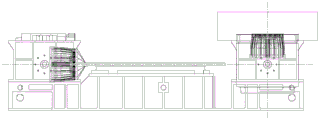
本发明提供了一种大型双振动台试验系统,其包括振动台基座8,其为一体式基座,起到支撑振动台台体1和振动台台体2、水平滑台6及与地面减振基础连接的作用;水平滑台6,其位于振动台基座8正上方;台体支架3,其通过底部两侧连接螺钉与振动台基座8连接,用于固定左侧振动台台体1;振动台台体1,其位于水平滑台6左侧,用于航天器横向振动试验;牛头5,其用于连接振动台台体1和水平滑台6;动圈4,其与牛头5连接,为振动台台体1提供驱动力;振动台台体2,其位于水平滑台6右侧,与扩展台面7连接,用于航天器纵向振动试验;扩展台面7,位于振动台台体2上方;水平滑台6两端均具备与牛头5连接的接口。The present invention provides a large-scale double-shaking table test system, which includes a
本发明还提供一种大型双振动台试验系统检测航天器时高可靠性运行方法,包括:The present invention also provides a high-reliability operation method when a large-scale double shaking table test system detects a spacecraft, including:
i)左右侧振动台均正常时,包括以下步骤:i) When the left and right vibration tables are normal, the following steps are included:
1)航天器安装:借助吊车将夹具吊装至扩展台顶部,于扩展台中心就位,通过至少两圈螺钉紧固,随后将航天器吊至夹具上方,通过定位销钉将航天器就位,利用压环和螺钉将航天器紧固;1) Spacecraft installation: hoist the fixture to the top of the expansion platform by means of a crane, place it in the center of the expansion platform, fasten it with at least two turns of screws, then lift the spacecraft above the fixture, place the spacecraft in place through the positioning pins, and use The pressure ring and the screw fasten the spacecraft;
2)航天器纵向试验控制及测量准备:在压环上布置4个控制传感器,并将其与测量传感器连接;2) Spacecraft longitudinal test control and measurement preparation: arrange 4 control sensors on the pressure ring and connect them with the measurement sensors;
3)航天器纵向振动试验:为正样航天器加电,进行预振级导通试验,确保所有控制通道和测量通道工作正常且数据有效,随后依次进行第一次特征级试验、验收级试验、第二次特征级试验,试验结束后进行两次特征级各测点响应数据比较,检查前后特征级试验结果是否一致,检查航天器外观是否有损伤或其它异常现象,判断航天器是否经过了验收级试验的考核;3) Spacecraft Longitudinal Vibration Test: Power up the positive spacecraft and conduct a pre-vibration level conduction test to ensure that all control channels and measurement channels work normally and the data is valid, and then perform the first characteristic level test and acceptance level test in sequence , The second characteristic level test, after the test, compare the response data of each measuring point at the characteristic level twice, check whether the results of the characteristic level test before and after are consistent, check whether the appearance of the spacecraft is damaged or other abnormal phenomena, and judge whether the spacecraft has passed Assessment of acceptance level tests;
4)航天器下振动台及换向:拆卸螺钉,取下压环,用吊具将航天器吊至支架车上,测量人员扶着导线移动,将夹具从扩展台面拆卸并吊至水平滑台中心位置上,并用螺钉进行紧固,对振动台系统按照试验条件进行横向调试,随后将航天器吊至夹具上方,通过定位销钉将航天器进行第一个水平方向就位,利用压环和螺钉将产品紧固;4) Vibration table and reversing under the spacecraft: remove the screws, remove the pressure ring, hoist the spacecraft to the support vehicle with a sling, move the measuring personnel with the wires, remove the fixture from the extended table and hoist it to the horizontal slide table center position, and fasten with screws, horizontally adjust the vibration table system according to the test conditions, then hoist the spacecraft above the fixture, place the spacecraft in the first horizontal direction through positioning pins, use the pressure ring and screws fasten the product;
5)航天器横向振动试验:为正样航天器加电,进行预振级导通试验,确保所有控制通道和测量通道工作正常且数据有效;随后依次进行第一次特征级试验、验收级试验、第二次特征级试验;试验结束后进行两次特征级各测点响应数据比较,检查前后特征级试验结果是否一致,检查航天器外观是否有损伤或其它异常现象,判断航天器结构是否经过了验收级试验的考核,在完成第一水平方向振动试验后,将航天器旋转90°,参照横向第一个水平方向振动试验流程完成横向二个水平方向振动试验;5) Spacecraft lateral vibration test: power up the positive spacecraft and conduct a pre-vibration level conduction test to ensure that all control channels and measurement channels work normally and the data is valid; then conduct the first characteristic level test and acceptance level test in sequence , The second characteristic level test; after the test, compare the response data of each measuring point at the characteristic level twice, check whether the results of the characteristic level test before and after are consistent, check whether the appearance of the spacecraft is damaged or other abnormal phenomena, and judge whether the structure of the spacecraft has passed For the assessment of the acceptance level test, after completing the first horizontal vibration test, rotate the spacecraft 90°, and complete the horizontal two horizontal vibration tests according to the first horizontal horizontal vibration test process;
6)航天器下振动台及撤收:振动试验完成后,拆除振动控制传感器和测量系统转臂处的连接导线,并进行整理,安装航天器吊具,拆卸连接螺钉,起吊航天器下振动台,并放置于支架车上,航天器振动试验全部结束;6) Shaking table under the spacecraft and withdrawing: After the vibration test is completed, remove the connecting wires at the vibration control sensor and the measuring system arm, and arrange them, install the spacecraft spreader, remove the connecting screws, and lift the shaking table under the spacecraft , and placed on the support vehicle, the spacecraft vibration test is all over;
ii)左侧振动台故障,右侧振动台正常时,包括以下步骤:ii) When the left vibrating table is faulty and the right vibrating table is normal, the following steps are included:
1)航天器安装:借助吊车将夹具吊装至扩展台顶部,于扩展台中心就位,通过至少两圈螺钉紧固,随后将航天器吊至夹具上方,通过定位销钉将航天器就位,利用压环和螺钉将航天器紧固;1) Spacecraft installation: hoist the fixture to the top of the expansion platform by means of a crane, place it in the center of the expansion platform, fasten it with at least two turns of screws, then lift the spacecraft above the fixture, place the spacecraft in place through the positioning pins, and use The pressure ring and the screw fasten the spacecraft;
2)航天器纵向试验控制及测量准备:在压环上布置4个控制传感器,并将其与测量传感器连接;2) Spacecraft longitudinal test control and measurement preparation: arrange 4 control sensors on the pressure ring and connect them with the measurement sensors;
3)航天器纵向振动试验:为正样航天器加电,进行预振级导通试验,确保所有控制通道和测量通道工作正常且数据有效,随后依次进行第一次特征级试验、验收级试验、第二次特征级试验,试验结束后进行两次特征级各测点响应数据比较,检查前后特征级试验结果是否一致,检查航天器外观是否有损伤或其它异常现象,判断航天器是否经过了验收级试验的考核;3) Spacecraft Longitudinal Vibration Test: Power up the positive spacecraft and conduct a pre-vibration level conduction test to ensure that all control channels and measurement channels work normally and the data is valid, and then perform the first characteristic level test and acceptance level test in sequence , The second characteristic level test, after the test, compare the response data of each measuring point at the characteristic level twice, check whether the results of the characteristic level test before and after are consistent, check whether the appearance of the spacecraft is damaged or other abnormal phenomena, and judge whether the spacecraft has passed Assessment of acceptance level tests;
4)航天器下振动台、台体转水平向、航天器换向就位:拆卸螺钉,取下压环,用吊具将航天器吊至支架车上,测量人员扶着导线移动,将夹具从扩展台面拆卸并吊至水平滑台中心位置上,并用螺钉进行紧固,拆卸扩展台面,并将其吊离振动台,将左侧振动台台体牛头拆卸,安装在右侧振动台台体上,用螺钉紧固,随后将振动台转至水平,将牛头与水平滑台连接,检查水平滑台活动状态,对振动台系统按照试验条件进行调试,随后将航天器吊至夹具上方,通过定位销钉将航天器进行第一个水平方向就位,利用压环和螺钉将产品紧固;4) The vibrating table under the spacecraft, the table body is turned horizontally, and the spacecraft is reversed in place: remove the screws, remove the pressure ring, and lift the spacecraft to the support vehicle with a sling. Disassemble from the extended table and hang it to the center of the horizontal slide table, and fasten it with screws, remove the extended table, and lift it away from the vibrating table, disassemble the bull head of the left vibrating table, and install it on the right vibrating table Then, turn the vibrating table to the horizontal level, connect the bull head with the horizontal sliding table, check the activity state of the horizontal sliding table, debug the vibrating table system according to the test conditions, and then lift the spacecraft above the fixture, pass Positioning pins put the spacecraft in place in the first horizontal direction, and fasten the product with pressure rings and screws;
5)航天器横向振动试验:为正样航天器加电,进行预振级导通试验,确保所有控制通道和测量通道工作正常且数据有效,随后依次进行第一次特征级试验、验收级试验、第二次特征级试验,试验结束后进行两次特征级各测点响应数据比较,检查前后特征级试验结果是否一致,检查航天器外观是否有损伤或其它异常现象,判断航天器结构是否经过了正弦验收级试验的考核,在完成第一水平方向振动试验后,将航天器旋转90°,参照横向第一个水平方向振动试验流程完成横向二个水平方向振动试验;5) Spacecraft lateral vibration test: power up the positive spacecraft, conduct a pre-vibration level conduction test to ensure that all control channels and measurement channels work normally and the data is valid, and then conduct the first characteristic level test and acceptance level test in sequence , The second characteristic level test, after the test, compare the response data of each measuring point at the characteristic level twice, check whether the results of the characteristic level test before and after are consistent, check whether the appearance of the spacecraft is damaged or other abnormal phenomena, and judge whether the structure of the spacecraft has passed The assessment of the sine acceptance level test is carried out. After the first horizontal vibration test is completed, the spacecraft is rotated 90°, and the horizontal vibration test of the second horizontal direction is completed according to the first horizontal horizontal vibration test process;
6)航天器下振动台及撤收:振动试验完成后,拆除振动控制传感器和测量系统转臂处的连接导线,并进行整理,安装航天器吊具,拆卸连接螺钉,起吊航天器下振动台,并放置于支架车上,航天器振动试验全部结束;和6) Shaking table under the spacecraft and withdrawing: After the vibration test is completed, remove the connecting wires at the vibration control sensor and the measuring system arm, and arrange them, install the spacecraft spreader, remove the connecting screws, and lift the shaking table under the spacecraft , and placed on the support vehicle, the spacecraft vibration test is all over; and
iii)右侧振动台故障,左侧振动台正常时,包括以下步骤:iii) When the right vibrating table is faulty and the left vibrating table is normal, the following steps are included:
1)航天器安装:借助吊车将夹具吊装至水平滑台顶部,于水平滑台中心就位,通过至少两圈螺钉紧固,随后将航天器吊至夹具上方,通过定位销钉将航天器就位,利用压环和螺钉将航天器紧固;1) Spacecraft installation: hoist the fixture to the top of the horizontal slide table with the help of a crane, place it in the center of the horizontal slide table, fasten it with at least two turns of screws, then lift the spacecraft above the fixture, and place the spacecraft in place through the positioning pins , fasten the spacecraft with a pressure ring and screws;
2)航天器横向试验控制及测量准备:在压环上布置4个控制传感器,并将其与测量传感器连接;2) Spacecraft lateral test control and measurement preparation: Arrange 4 control sensors on the pressure ring and connect them to the measurement sensors;
3)航天器横向振动试验:为正样航天器加电,进行预振级导通试验,确保所有控制通道和测量通道工作正常且数据有效,随后依次进行第一次特征级试验、验收级试验、第二次特征级试验,试验结束后进行两次特征级各测点响应数据比较,检查前后特征级试验结果是否一致,检查航天器外观是否有损伤或其它异常现象,判断航天器是否经过了正弦验收级试验的考核,在完成第一水平方向振动试验后,将航天器旋转90°,参照横向第一个水平方向振动试验流程完成横向二个水平方向振动试验;3) Spacecraft lateral vibration test: power up the positive spacecraft, conduct a pre-vibration level conduction test to ensure that all control channels and measurement channels work normally and the data is valid, and then conduct the first characteristic level test and acceptance level test in sequence , The second characteristic level test, after the test, compare the response data of each measuring point at the characteristic level twice, check whether the results of the characteristic level test before and after are consistent, check whether the appearance of the spacecraft is damaged or other abnormal phenomena, and judge whether the spacecraft has passed For the assessment of the sine acceptance level test, after the first horizontal vibration test is completed, the spacecraft is rotated 90°, and the horizontal vibration test of the second horizontal direction is completed referring to the first horizontal horizontal vibration test process;
4)航天器下振动台、台体转垂直向、航天器换向就位:拆卸螺钉,取下压环,用吊具将航天器吊至支架车上,测量人员扶着导线移动,将左侧振动台台体牛头拆卸,并将其转向垂直,两侧用耳轴螺钉紧固,将扩展台面从右侧振动台台体上拆卸,并将其吊至左侧振动台台体上方,用螺钉紧固,借助吊车将夹具吊装至扩展台顶部,于扩展台中心就位,通过至少两圈螺钉紧固,对振动台系统按照试验条件进行调试,随后将航天器吊至夹具上方,通过定位销钉将航天器就位,利用压环和螺钉将航天器紧固;4) The vibrating table under the spacecraft, the table body is turned vertically, and the spacecraft is in place: disassemble the screws, take off the pressure ring, and lift the spacecraft to the support vehicle with a sling. Disassemble the bull head of the side vibrating table body, turn it vertically, fasten the two sides with trunnion screws, disassemble the extended table from the right vibrating table body, and hoist it above the left vibrating table body, use Fasten the screws, lift the fixture to the top of the extension table with the help of a crane, place it in the center of the extension table, fasten it with at least two turns of screws, and debug the shaking table system according to the test conditions, then lift the spacecraft above the fixture, and pass the positioning The pins put the spacecraft in place, and the spacecraft is fastened with pressure rings and screws;
5)航天器纵向振动试验:为正样航天器加电,进行预振级导通试验,确保所有控制通道和测量通道工作正常且数据有效,随后依次进行第一次特征级试验、验收级试验、第二次特征级试验,试验结束后进行两次特征级各测点响应数据比较,检查前后特征级试验结果是否一致,检查航天器外观是否有损伤或其它异常现象,判断航天器是否经过了正弦验收级试验的考核;5) Longitudinal vibration test of spacecraft: power on the positive spacecraft, conduct pre-vibration level conduction test, ensure that all control channels and measurement channels work normally and the data is valid, and then conduct the first characteristic level test and acceptance level test in sequence , The second characteristic level test, after the test, compare the response data of each measuring point at the characteristic level twice, check whether the results of the characteristic level test before and after are consistent, check whether the appearance of the spacecraft is damaged or other abnormal phenomena, and judge whether the spacecraft has passed Assessment of sine acceptance level test;
6)航天器下振动台及撤收:振动试验完成后,拆除振动控制传感器和测量系统转臂处的连接导线,并进行整理,安装航天器吊具,拆卸连接螺钉,起吊航天器下振动台,并放置于支架车上,航天器振动试验全部结束。6) Shaking table under the spacecraft and withdrawing: After the vibration test is completed, remove the connecting wires at the vibration control sensor and the measuring system arm, and arrange them, install the spacecraft spreader, remove the connecting screws, and lift the shaking table under the spacecraft , and placed on the support vehicle, the spacecraft vibration test is all over.
本发明提供的一种大型双振动台试验系统高可靠性运行布局及试验方法,该方法可以确保其中任何一个振动台台体出现故障,试验仍可正常进行,试验进度丝毫不受影响,为航天器力学试验提供了坚强的技术保障,为航天器的高效研制提供了有利的技术途径。The invention provides a high-reliability operation layout and test method of a large-scale double shaking table test system. The method can ensure that any one of the shaking table bodies fails, and the test can still be carried out normally, and the test progress is not affected at all. The mechanical test of the spacecraft provides a strong technical guarantee and provides a favorable technical approach for the efficient development of the spacecraft.
附图说明Description of drawings
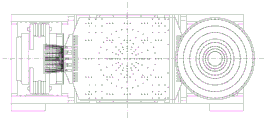
图1为本发明的大型双振动台试验系统高可靠性运行布局及试验方法;其中,1-左侧振动台台体、2-右侧振动台台体、3-台体支架、4-动圈、5-牛头、6-水平滑台、7-扩展台、8-振动台基座。Fig. 1 is the high-reliability operation layout and test method of the large-scale double shaking table test system of the present invention; wherein, 1-left shaking table body, 2-right shaking table body, 3-table body support, 4-dynamic circle, 5-bull head, 6-horizontal sliding table, 7-extension table, 8-vibration table base.
图2为本发明的左侧台体故障时纵向振动试验台体布局图。Fig. 2 is a layout diagram of the longitudinal vibration test bench body when the left side bench body of the present invention fails.
图3为本发明的左侧台体故障时横向振动试验台体布局图。Fig. 3 is a layout diagram of the lateral vibration test bench body when the left side bench body of the present invention fails.
图4为本发明的右侧台体故障时横向振动试验台体布局图。Fig. 4 is a layout diagram of the lateral vibration test bench body when the right bench body of the present invention fails.
图5为本发明的右侧台体故障时纵向振动试验台体布局图。Fig. 5 is a layout diagram of the longitudinal vibration test bench body when the right bench body of the present invention fails.
具体实施方式Detailed ways
下面结合附图对本发明的一种大型双振动台试验系统高可靠性运行布局及试验方法作进一步的说明。The high-reliability operation layout and test method of a large-scale double shaking table test system of the present invention will be further described below in conjunction with the accompanying drawings.
实施例1Example 1
本发明提供了一种大型双振动台试验系统,其包括振动台基座8,其为一体式基座,起到支撑振动台台体1和振动台台体2、水平滑台6及与地面减振基础连接的作用;水平滑台6,其位于振动台基座8正上方;台体支架3,其通过底部两侧连接螺钉与振动台基座8连接,用于固定左侧振动台台体1;振动台台体1,其位于水平滑台6左侧,用于航天器横向振动试验;牛头5,其用于连接振动台台体1和水平滑台6;动圈4,其与牛头5连接,为振动台台体1提供驱动力;振动台台体2,其位于水平滑台6右侧,与扩展台面7连接,用于航天器纵向振动试验;扩展台面7,位于振动台台体2上方;水平滑台6两端均具备与牛头5连接的接口。The present invention provides a large-scale double-shaking table test system, which includes a shaking table base 8, which is an integrated base to support the shaking table body 1 and the shaking table body 2, the horizontal sliding table 6 and the ground The role of the vibration-damping foundation connection; the horizontal slide table 6, which is located directly above the vibration table base 8; the table body support 3, which is connected to the vibration table base 8 through the connecting screws on both sides of the bottom, and is used to fix the left side of the vibration table body 1; the shaking table body 1, which is located on the left side of the horizontal slide table 6, is used for the lateral vibration test of the spacecraft; the bull head 5, which is used to connect the shaking table body 1 and the horizontal slide table 6; the moving coil 4, which is connected with the horizontal slide table 6 The bull head 5 is connected to provide driving force for the shaking table body 1; the shaking table body 2, which is located on the right side of the horizontal slide table 6, is connected to the extended table 7 for the longitudinal vibration test of the spacecraft; the extended table 7 is located on the shaking table On the top of the table body 2; both ends of the horizontal slide table 6 are equipped with interfaces connected with the bull head 5.
实施例2Example 2
对于振动台一切正常状态,振动试验包括如下操作步骤:For the normal state of the vibration table, the vibration test includes the following steps:
(1)夹具及产品安装。具体地,将夹具利用吊车吊装至扩展台顶部,在扩展台中心就位,至少通过两圈螺钉紧固。随后将航天器产品吊至夹具上方,通过定位销钉将产品就位,利用压环和螺钉将产品紧固。(1) Fixture and product installation. Specifically, the fixture is hoisted to the top of the expansion platform by a crane, positioned in the center of the expansion platform, and fastened by at least two turns of screws. Then the spacecraft product is hoisted above the fixture, the product is placed in place by positioning pins, and the product is fastened by pressing rings and screws.
(2)航天器纵向试验控制及测量准备。具体地,在压环上一般均布4个控制传感器,进行控制传感器和测量传感器的线缆连接及导通。(2) Spacecraft longitudinal test control and measurement preparation. Specifically, four control sensors are generally evenly distributed on the pressure ring, and the cable connection and conduction of the control sensors and the measurement sensors are performed.
(3)航天器纵向振动试验。具体地,对于正样航天器,航天器加电后进行预振级导通试验,确保所有控制通道和测量通道工作正常且数据有效。随后进行第一次特征级试验。试验结束后,分析全部测点响应数据,并制定验收级试验条件,如有响应限幅点则需要补充一次导通试验,对响应限幅测点状态进行确认以保证限幅测点的可靠性。验收级参数设置完毕后,航天器转内电,确认能起振时,开始进行验收级级试验。试验过程中采集、处理、记录试验数据,同时电测系统监视航天器状态,试验后航天器转外电。随后进行第二次特征级试验。试验结束后进行两次特征级各测点响应数据比较,检查前后特征级试验结果是否一致,检查航天器外观是否有损伤或其它异常现象,判断航天器结构是否经受了正弦验收级试验的考核。对于正样航天器,只需进行验收级振动试验,且验收级时航天器为内电状态;对于初样航天器,除验收级振动试验外,还需进行鉴定级振动试验,航天器无需加电。(3) Longitudinal vibration test of spacecraft. Specifically, for the prototype spacecraft, a pre-vibration level conduction test is performed after the spacecraft is powered on to ensure that all control channels and measurement channels work normally and the data is valid. This is followed by a first feature-level test. After the test is over, analyze the response data of all measuring points, and formulate acceptance level test conditions. If there is a response limit point, a conduction test is required to confirm the status of the response limit measuring point to ensure the reliability of the limit measuring point. . After the parameters of the acceptance level are set, the spacecraft is switched to internal power, and when it is confirmed that the vibration can be started, the acceptance level test is started. During the test, the test data is collected, processed, and recorded, while the electrical measurement system monitors the state of the spacecraft, and the spacecraft is switched to external power after the test. This is followed by a second feature-level test. After the test, compare the response data of each measuring point at the characteristic level twice to check whether the test results at the characteristic level before and after are consistent, check whether there is damage or other abnormal phenomena on the appearance of the spacecraft, and judge whether the structure of the spacecraft has withstood the assessment of the sine acceptance level test. For the prototype spacecraft, it is only necessary to conduct the acceptance level vibration test, and the spacecraft is in an internal power state; electricity.
(4)航天器下振动台及产品换向。具体地,安装航天器吊具,拆卸连接螺钉,将压环取下,将航天器吊至支架车上,测量人员扶着导线移动;拆卸夹具与扩展台面连接螺钉,将夹具吊至水平滑台中心位置上,并用螺钉进行紧固;对振动台系统按照试验条件进行调试。随后将航天器产品吊至夹具上方,通过定位销钉将产品进行第一个水平方向就位,利用压环和螺钉将产品紧固。(4) Vibration table and product reversing under the spacecraft. Specifically, install the spacecraft sling, remove the connecting screws, remove the pressure ring, hoist the spacecraft onto the support vehicle, and the surveyor moves with the wires; remove the connecting screws between the fixture and the extended table, and hoist the fixture to the horizontal slide table center position, and fasten with screws; debug the vibration table system according to the test conditions. Then the spacecraft product is hoisted above the fixture, the product is placed in the first horizontal direction through the positioning pin, and the product is fastened with the pressure ring and screws.
(5)航天器横向振动试验。具体地,对于正样航天器,航天器加电后进行横向第一个水平方向预振级导通试验,确保所有控制通道和测量通道工作正常且数据有效。随后进行第一次特征级试验。试验结束后,分析全部测点响应数据,并制定验收级试验条件,如有响应限幅点则需要补充一次导通试验,对响应限幅测点状态进行确认以保证限幅测点的可靠性。验收级参数设置完毕后,航天器转内电,确认能起振时,开始进行验收级级试验。试验过程中采集、处理、记录试验数据,同时电测系统监视航天器状态,试验后航天器转外电。随后进行第二次特征级试验。试验结束后进行两次特征级各测点响应数据比较,检查前后特征级试验结果是否一致,检查航天器外观是否有损伤或其它异常现象,判断航天器结构是否经受了正弦验收级试验的考核。对于正样航天器,只需进行验收级振动试验,且验收级时航天器为内电状态;对于初样航天器,除验收级振动试验外,还需进行鉴定级振动试验,航天器无需加电。(5) Spacecraft lateral vibration test. Specifically, for the prototype spacecraft, after the spacecraft is powered on, conduct the first horizontal pre-vibration level conduction test in the transverse direction to ensure that all control channels and measurement channels work normally and the data is valid. This is followed by a first feature-level test. After the test is over, analyze the response data of all measuring points, and formulate acceptance level test conditions. If there is a response limit point, a conduction test is required to confirm the status of the response limit measuring point to ensure the reliability of the limit measuring point. . After the parameters of the acceptance level are set, the spacecraft is switched to internal power, and when it is confirmed that the vibration can be started, the acceptance level test is started. During the test, the test data is collected, processed, and recorded, while the electrical measurement system monitors the state of the spacecraft, and the spacecraft is switched to external power after the test. This is followed by a second feature-level test. After the test, compare the response data of each measuring point at the characteristic level twice to check whether the test results at the characteristic level before and after are consistent, check whether there is damage or other abnormal phenomena on the appearance of the spacecraft, and judge whether the structure of the spacecraft has withstood the assessment of the sine acceptance level test. For the prototype spacecraft, it is only necessary to conduct the acceptance level vibration test, and the spacecraft is in an internal power state; electricity.
由于航天器水平横向需要开展两个方向振动试验,在完成第一水平方向振动试验后,安装航天器吊具,拆卸压环连接螺钉,将航天器吊起,转90°落下后安装压环,并用螺钉进行紧固。参照横向第一个水平方向振动试验流程完成横向二个水平方向振动试验。Since the spacecraft needs to carry out vibration tests in two directions horizontally and laterally, after completing the first horizontal direction vibration test, install the spacecraft sling, remove the connecting screws of the pressure ring, lift the spacecraft, and install the pressure ring after turning 90° and falling. And fasten with screws. Refer to the vibration test process of the first horizontal direction in the horizontal direction to complete the vibration test in the second horizontal direction.
(6)航天器下振动台及撤收。振动试验完成后,拆除振动控制传感器和测量系统转臂处的连接导线,并进行整理。安装航天器吊具,拆卸连接螺钉,起吊航天器下振动台,并放置于支架车上。航天器振动试验全部结束。(6) Shaking table under the spacecraft and withdrawal. After the vibration test is completed, remove the vibration control sensor and the connection wires at the rotating arm of the measurement system and arrange them. Install the spacecraft sling, remove the connecting screws, lift the vibration table under the spacecraft, and place it on the support vehicle. The spacecraft vibration test is all over.
实施例3Example 3
对于振动台左侧台体1出现故障,为使航天器振动试验进程不受影响,航天器研制进度不受延误,包括如下操作步骤:For the failure of the platform body 1 on the left side of the vibration table, in order to prevent the spacecraft vibration test process from being affected and the spacecraft development progress not to be delayed, the following steps are included:
(1)夹具及产品安装。具体地,将夹具利用吊车吊装至扩展台顶部,在扩展台中心就位,至少通过两圈螺钉紧固。随后将航天器产品吊至夹具上方,通过定位销钉将产品就位,利用压环和螺钉将产品紧固。(1) Fixture and product installation. Specifically, the fixture is hoisted to the top of the expansion platform by a crane, positioned in the center of the expansion platform, and fastened by at least two turns of screws. Then the spacecraft product is hoisted above the fixture, the product is placed in place by positioning pins, and the product is fastened by pressing rings and screws.
(2)航天器纵向试验控制及测量准备。具体地,在压环上一般均布4个控制传感器,进行控制传感器和测量传感器的线缆连接及导通。(2) Spacecraft longitudinal test control and measurement preparation. Specifically, four control sensors are generally evenly distributed on the pressure ring, and the cable connection and conduction of the control sensors and the measurement sensors are performed.
(3)航天器纵向振动试验。具体地,对于正样航天器,航天器加电后进行预振级导通试验,确保所有控制通道和测量通道工作正常且数据有效。随后进行第一次特征级试验。试验结束后,分析全部测点响应数据,并制定验收级试验条件,如有响应限幅点则需要补充一次导通试验,对响应限幅测点状态进行确认以保证限幅测点的可靠性。验收级参数设置完毕后,航天器转内电,确认能起振时,开始进行验收级级试验。试验过程中采集、处理、记录试验数据,同时电测系统监视航天器状态,试验后航天器转外电。随后进行第二次特征级试验。试验结束后进行两次特征级各测点响应数据比较,检查前后特征级试验结果是否一致,检查航天器外观是否有损伤或其它异常现象,判断航天器结构是否经受了正弦验收级试验的考核。对于正样航天器,只需进行验收级振动试验,且验收级时航天器为内电状态;对于初样航天器,除验收级振动试验外,还需进行鉴定级振动试验,航天器无需加电。(3) Longitudinal vibration test of spacecraft. Specifically, for the prototype spacecraft, a pre-vibration level conduction test is performed after the spacecraft is powered on to ensure that all control channels and measurement channels work normally and the data is valid. This is followed by a first feature-level test. After the test is over, analyze the response data of all measuring points, and formulate acceptance level test conditions. If there is a response limit point, a conduction test is required to confirm the status of the response limit measuring point to ensure the reliability of the limit measuring point. . After the parameters of the acceptance level are set, the spacecraft is switched to internal power, and when it is confirmed that the vibration can be started, the acceptance level test is started. During the test, the test data is collected, processed, and recorded, while the electrical measurement system monitors the state of the spacecraft, and the spacecraft is switched to external power after the test. This is followed by a second feature-level test. After the test, compare the response data of each measuring point at the characteristic level twice to check whether the test results at the characteristic level before and after are consistent, check whether there is damage or other abnormal phenomena on the appearance of the spacecraft, and judge whether the structure of the spacecraft has withstood the assessment of the sine acceptance level test. For the prototype spacecraft, it is only necessary to conduct the acceptance level vibration test, and the spacecraft is in an internal power state; electricity.
(4)航天器下振动台、台体转水平向、产品换向就位。具体地,安装航天器吊具,拆卸连接螺钉,将压环取下,将航天器吊至支架车上,测量人员扶着导线移动;拆卸夹具与扩展台面连接螺钉,将夹具吊至水平滑台中心位置上,并用螺钉进行紧固;拆卸扩展头连接螺钉,将扩展头吊离振动台;将左侧台体牛头拆卸,安装在右侧台体上方,用螺钉紧固。随后将振动台转至水平,连接牛头与水平滑台,检查滑台活动状态;对振动台系统按照试验条件进行调试。随后将航天器产品吊至夹具上方,通过定位销钉将产品进行第一个水平方向就位,利用压环和螺钉将产品紧固。(4) The vibrating table under the spacecraft, the table body is turned horizontally, and the product is in place. Specifically, install the spacecraft sling, remove the connecting screws, remove the pressure ring, hoist the spacecraft onto the support vehicle, and the surveyor moves with the wires; remove the connecting screws between the fixture and the extended table, and hoist the fixture to the horizontal slide table Put it on the center position, and fasten it with screws; remove the connecting screw of the expansion head, and lift the expansion head away from the vibration table; disassemble the bull head of the left table body, install it on the top of the right table body, and fasten it with screws. Then turn the vibrating table to the level, connect the bull head and the horizontal sliding table, and check the activity state of the sliding table; debug the vibrating table system according to the test conditions. Then the spacecraft product is hoisted above the fixture, the product is placed in the first horizontal direction through the positioning pin, and the product is fastened with the pressure ring and screws.
(5)航天器横向振动试验。具体地,对于正样航天器,航天器加电后进行横向第一个水平方向预振级导通试验,确保所有控制通道和测量通道工作正常且数据有效。随后进行第一次特征级试验。试验结束后,分析全部测点响应数据,并制定验收级试验条件,如有响应限幅点则需要补充一次导通试验,对响应限幅测点状态进行确认以保证限幅测点的可靠性。验收级参数设置完毕后,航天器转内电,确认能起振时,开始进行验收级级试验。试验过程中采集、处理、记录试验数据,同时电测系统监视航天器状态,试验后航天器转外电。随后进行第二次特征级试验。试验结束后进行两次特征级各测点响应数据比较,检查前后特征级试验结果是否一致,检查航天器外观是否有损伤或其它异常现象,判断航天器结构是否经受了正弦验收级试验的考核。对于正样航天器,只需进行验收级振动试验,且验收级时航天器为内电状态;对于初样航天器,除验收级振动试验外,还需进行鉴定级振动试验,航天器无需加电。(5) Spacecraft lateral vibration test. Specifically, for the prototype spacecraft, after the spacecraft is powered on, conduct the first horizontal pre-vibration level conduction test in the transverse direction to ensure that all control channels and measurement channels work normally and the data is valid. This is followed by a first feature-level test. After the test is over, analyze the response data of all measuring points, and formulate acceptance level test conditions. If there is a response limit point, a conduction test is required to confirm the status of the response limit measuring point to ensure the reliability of the limit measuring point. . After the parameters of the acceptance level are set, the spacecraft is switched to internal power, and when it is confirmed that the vibration can be started, the acceptance level test is started. During the test, the test data is collected, processed, and recorded, while the electrical measurement system monitors the state of the spacecraft, and the spacecraft is switched to external power after the test. This is followed by a second feature-level test. After the test, compare the response data of each measuring point at the characteristic level twice to check whether the test results at the characteristic level before and after are consistent, check whether there is damage or other abnormal phenomena on the appearance of the spacecraft, and judge whether the structure of the spacecraft has withstood the assessment of the sine acceptance level test. For the prototype spacecraft, it is only necessary to conduct the acceptance level vibration test, and the spacecraft is in an internal power state; electricity.
由于航天器水平横向需要开展两个方向振动试验,在完成第一水平方向振动试验后,安装航天器吊具,拆卸压环连接螺钉,将航天器吊起,转90°落下后安装压环,并用螺钉进行紧固。参照横向第一个水平方向振动试验流程完成横向二个水平方向振动试验。Since the spacecraft needs to carry out vibration tests in two directions horizontally and laterally, after completing the first horizontal direction vibration test, install the spacecraft sling, remove the connecting screws of the pressure ring, lift the spacecraft, and install the pressure ring after turning 90° and falling. And fasten with screws. Refer to the vibration test process of the first horizontal direction in the horizontal direction to complete the vibration test in the second horizontal direction.
(6)航天器下振动台及撤收。振动试验完成后,拆除振动控制传感器和测量系统转臂处的连接导线,并进行整理。安装航天器吊具,拆卸连接螺钉,起吊航天器下振动台,并放置于支架车上。航天器振动试验全部结束。(6) Shaking table under the spacecraft and withdrawal. After the vibration test is completed, remove the vibration control sensor and the connection wires at the rotating arm of the measurement system and arrange them. Install the spacecraft sling, remove the connecting screws, lift the vibration table under the spacecraft, and place it on the support vehicle. The spacecraft vibration test is all over.
实施例4Example 4
对于振动台右侧台体2出现故障,为使航天器振动试验进程不受影响,航天器研制进度不受延误,包括如下操作步骤:For the failure of the
(1)夹具及产品安装。具体地,将夹具利用吊车吊装至水平滑台上方,在滑台中心就位,至少通过两圈螺钉紧固。随后将航天器产品吊至夹具上方,通过定位销钉将产品就位,利用压环和螺钉将产品紧固。(1) Fixture and product installation. Specifically, the fixture is hoisted above the horizontal slide table by a crane, positioned in the center of the slide table, and fastened by at least two turns of screws. Then the spacecraft product is hoisted above the fixture, the product is placed in place by positioning pins, and the product is fastened by pressing rings and screws.
(2)航天器横向试验控制及测量准备。具体地,在压环上一般均布4个控制传感器,进行控制传感器和测量传感器的线缆连接及导通。(2) Spacecraft transverse test control and measurement preparation. Specifically, four control sensors are generally evenly distributed on the pressure ring, and the cable connection and conduction of the control sensors and the measurement sensors are performed.
(3)航天器横向振动试验。具体地,对于正样航天器,航天器加电后进行横向第一个水平方向预振级导通试验,确保所有控制通道和测量通道工作正常且数据有效。随后进行第一次特征级试验。试验结束后,分析全部测点响应数据,并制定验收级试验条件,如有响应限幅点则需要补充一次导通试验,对响应限幅测点状态进行确认以保证限幅测点的可靠性。验收级参数设置完毕后,航天器转内电,确认能起振时,开始进行验收级级试验。试验过程中采集、处理、记录试验数据,同时电测系统监视航天器状态,试验后航天器转外电。随后进行第二次特征级试验。试验结束后进行两次特征级各测点响应数据比较,检查前后特征级试验结果是否一致,检查航天器外观是否有损伤或其它异常现象,判断航天器结构是否经受了正弦验收级试验的考核。对于正样航天器,只需进行验收级振动试验,且验收级时航天器为内电状态;对于初样航天器,除验收级振动试验外,还需进行鉴定级振动试验,航天器无需加电。(3) Spacecraft lateral vibration test. Specifically, for the prototype spacecraft, after the spacecraft is powered on, conduct the first horizontal pre-vibration level conduction test in the transverse direction to ensure that all control channels and measurement channels work normally and the data is valid. This is followed by a first feature-level test. After the test is over, analyze the response data of all measuring points, and formulate acceptance level test conditions. If there is a response limit point, a conduction test is required to confirm the status of the response limit measuring point to ensure the reliability of the limit measuring point. . After the parameters of the acceptance level are set, the spacecraft is switched to internal power, and when it is confirmed that the vibration can be started, the acceptance level test is started. During the test, the test data is collected, processed, and recorded, while the electrical measurement system monitors the state of the spacecraft, and the spacecraft is switched to external power after the test. This is followed by a second feature-level test. After the test, compare the response data of each measuring point at the characteristic level twice to check whether the test results at the characteristic level before and after are consistent, check whether there is damage or other abnormal phenomena on the appearance of the spacecraft, and judge whether the structure of the spacecraft has withstood the assessment of the sine acceptance level test. For the prototype spacecraft, it is only necessary to conduct the acceptance level vibration test, and the spacecraft is in an internal power state; electricity.
由于航天器水平横向需要开展两个方向振动试验,在完成第一水平方向振动试验后,安装航天器吊具,拆卸压环连接螺钉,将航天器吊起,转90°落下后安装压环,并用螺钉进行紧固。参照横向第一个水平方向振动试验流程完成横向二个水平方向振动试验。Since the spacecraft needs to carry out vibration tests in two directions horizontally and laterally, after completing the first horizontal direction vibration test, install the spacecraft sling, remove the connecting screws of the pressure ring, lift the spacecraft, and install the pressure ring after turning 90° and falling. And fasten with screws. Refer to the vibration test process of the first horizontal direction in the horizontal direction to complete the vibration test in the second horizontal direction.
(4)航天器下振动台、台体转垂直向、产品换向就位。具体地,安装航天器吊具,拆卸连接螺钉,将压环取下,将航天器吊至支架车上,测量人员扶着导线移动;拆卸左侧台体牛头与水平滑台连接螺钉,将左侧台体转向垂直,两侧耳轴螺钉紧固。拆卸右侧扩展台面与台体连接螺钉,将扩展台面吊至左侧台体上方,并用螺钉紧固。将夹具利用吊车吊装至扩展台顶部,在扩展台中心就位,至少通过两圈螺钉紧固,对振动台系统按照试验条件进行调试。随后将航天器产品吊至夹具上方,通过定位销钉将产品进行纵向就位,利用压环和螺钉将产品紧固。(4) The vibrating table under the spacecraft, the table body is turned vertically, and the product is turned in place. Specifically, install the spacecraft sling, remove the connecting screws, remove the pressure ring, hoist the spacecraft onto the support vehicle, and the surveyor moves with the wires; The side platform turns to be vertical, and the trunnion screws on both sides are fastened. Remove the connecting screws between the right extension table and the table body, hoist the extension table above the left table body, and fasten it with screws. Lift the fixture to the top of the extension table by a crane, place it in the center of the extension table, fasten it with at least two turns of screws, and debug the vibration table system according to the test conditions. Then the spacecraft product is hoisted above the fixture, the product is positioned longitudinally through the positioning pins, and the product is fastened with the pressure ring and screws.
(5)航天器纵向振动试验。具体地,对于正样航天器,航天器加电后进行预振级导通试验,确保所有控制通道和测量通道工作正常且数据有效。随后进行第一次特征级试验。试验结束后,分析全部测点响应数据,并制定验收级试验条件,如有响应限幅点则需要补充一次导通试验,对响应限幅测点状态进行确认以保证限幅测点的可靠性。验收级参数设置完毕后,航天器转内电,确认能起振时,开始进行验收级级试验。试验过程中采集、处理、记录试验数据,同时电测系统监视航天器状态,试验后航天器转外电。随后进行第二次特征级试验。试验结束后进行两次特征级各测点响应数据比较,检查前后特征级试验结果是否一致,检查航天器外观是否有损伤或其它异常现象,判断航天器结构是否经受了正弦验收级试验的考核。对于正样航天器,只需进行验收级振动试验,且验收级时航天器为内电状态;对于初样航天器,除验收级振动试验外,还需进行鉴定级振动试验,航天器无需加电。(5) Longitudinal vibration test of spacecraft. Specifically, for the prototype spacecraft, a pre-vibration level conduction test is performed after the spacecraft is powered on to ensure that all control channels and measurement channels work normally and the data is valid. This is followed by a first feature-level test. After the test is over, analyze the response data of all measuring points, and formulate acceptance level test conditions. If there is a response limit point, a conduction test is required to confirm the status of the response limit measuring point to ensure the reliability of the limit measuring point. . After the parameters of the acceptance level are set, the spacecraft is switched to internal power, and when it is confirmed that the vibration can be started, the acceptance level test is started. During the test, the test data is collected, processed, and recorded, while the electrical measurement system monitors the state of the spacecraft, and the spacecraft is switched to external power after the test. This is followed by a second feature-level test. After the test, compare the response data of each measuring point at the characteristic level twice to check whether the test results at the characteristic level before and after are consistent, check whether there is damage or other abnormal phenomena on the appearance of the spacecraft, and judge whether the structure of the spacecraft has withstood the assessment of the sine acceptance level test. For the prototype spacecraft, it is only necessary to conduct the acceptance level vibration test, and the spacecraft is in an internal power state; electricity.
(6)航天器下振动台及撤收。振动试验完成后,拆除振动控制传感器和测量系统转臂处的连接导线,并进行整理。安装航天器吊具,拆卸连接螺钉,起吊航天器下振动台,并放置于支架车上。航天器振动试验全部结束。(6) Shaking table under the spacecraft and withdrawal. After the vibration test is completed, remove the vibration control sensor and the connection wires at the rotating arm of the measurement system and arrange them. Install the spacecraft sling, remove the connecting screws, lift the vibration table under the spacecraft, and place it on the support vehicle. The spacecraft vibration test is all over.
尽管上文对本发明的具体实施方式给予了详细描述和说明,但是应该指明的是,我们可以依据本发明的构想对上述实施方式进行各种等效改变和修改,其所产生的功能作用仍未超出说明书及附图所涵盖的精神时,均应在本发明的保护范围之内。Although the specific embodiments of the present invention have been described and illustrated in detail above, it should be pointed out that we can make various equivalent changes and modifications to the above-mentioned embodiments according to the concept of the present invention, and the functional effects produced by it are still the same. Anything beyond the spirit contained in the specification and drawings shall fall within the protection scope of the present invention.
Claims (2)
Priority Applications (1)
| Application Number | Priority Date | Filing Date | Title |
|---|---|---|---|
| CN202211474181.2A CN116242568A (en) | 2022-11-23 | 2022-11-23 | High-reliability operation layout and test method of large-scale double shaking table test system |
Applications Claiming Priority (1)
| Application Number | Priority Date | Filing Date | Title |
|---|---|---|---|
| CN202211474181.2A CN116242568A (en) | 2022-11-23 | 2022-11-23 | High-reliability operation layout and test method of large-scale double shaking table test system |
Publications (1)
| Publication Number | Publication Date |
|---|---|
| CN116242568A true CN116242568A (en) | 2023-06-09 |
Family
ID=86631939
Family Applications (1)
| Application Number | Title | Priority Date | Filing Date |
|---|---|---|---|
| CN202211474181.2A Pending CN116242568A (en) | 2022-11-23 | 2022-11-23 | High-reliability operation layout and test method of large-scale double shaking table test system |
Country Status (1)
| Country | Link |
|---|---|
| CN (1) | CN116242568A (en) |
Cited By (1)
| Publication number | Priority date | Publication date | Assignee | Title |
|---|---|---|---|---|
| CN116735127A (en) * | 2023-06-20 | 2023-09-12 | 北京卫星环境工程研究所 | Spacecraft interface force extraction and force limit test method based on least squares method |
Citations (6)
| Publication number | Priority date | Publication date | Assignee | Title |
|---|---|---|---|---|
| CN203732226U (en) * | 2014-01-16 | 2014-07-23 | 北京强度环境研究所 | Push-and-pull horizontal slid platform testing system using hydraulic bulbs for non-rigid connection |
| CN205506334U (en) * | 2016-04-11 | 2016-08-24 | 苏州东菱科技有限公司 | Multi -functional vibration test system |
| CN106197923A (en) * | 2016-09-20 | 2016-12-07 | 天津航天瑞莱科技有限公司 | A kind of dual stage also swashs horizontal vibrating test system |
| CN110044563A (en) * | 2019-04-25 | 2019-07-23 | 北京卫星环境工程研究所 | Large-scale vertical vibration pilot system |
| CN216410579U (en) * | 2021-11-02 | 2022-04-29 | 苏州苏试试验集团股份有限公司 | Modularization assembling type hydraulic vibration table capable of being vertically and horizontally switched |
| CN217542322U (en) * | 2022-07-07 | 2022-10-04 | 苏州韦博试验仪器有限公司 | Electric vibration table with disassembly-free expansion table top |
-
2022
- 2022-11-23 CN CN202211474181.2A patent/CN116242568A/en active Pending
Patent Citations (6)
| Publication number | Priority date | Publication date | Assignee | Title |
|---|---|---|---|---|
| CN203732226U (en) * | 2014-01-16 | 2014-07-23 | 北京强度环境研究所 | Push-and-pull horizontal slid platform testing system using hydraulic bulbs for non-rigid connection |
| CN205506334U (en) * | 2016-04-11 | 2016-08-24 | 苏州东菱科技有限公司 | Multi -functional vibration test system |
| CN106197923A (en) * | 2016-09-20 | 2016-12-07 | 天津航天瑞莱科技有限公司 | A kind of dual stage also swashs horizontal vibrating test system |
| CN110044563A (en) * | 2019-04-25 | 2019-07-23 | 北京卫星环境工程研究所 | Large-scale vertical vibration pilot system |
| CN216410579U (en) * | 2021-11-02 | 2022-04-29 | 苏州苏试试验集团股份有限公司 | Modularization assembling type hydraulic vibration table capable of being vertically and horizontally switched |
| CN217542322U (en) * | 2022-07-07 | 2022-10-04 | 苏州韦博试验仪器有限公司 | Electric vibration table with disassembly-free expansion table top |
Non-Patent Citations (1)
| Title |
|---|
| 李建东;张宇亭;裴文斌;: "土工离心机水平垂直双向振动台", 水道港口, no. 01, 28 February 2020 (2020-02-28) * |
Cited By (1)
| Publication number | Priority date | Publication date | Assignee | Title |
|---|---|---|---|---|
| CN116735127A (en) * | 2023-06-20 | 2023-09-12 | 北京卫星环境工程研究所 | Spacecraft interface force extraction and force limit test method based on least squares method |
Similar Documents
| Publication | Publication Date | Title |
|---|---|---|
| CN102053039B (en) | Engine body hydraulic fatigue test system | |
| CN102288486B (en) | True triaxial pressure chamber | |
| CN207249064U (en) | A kind of multi-function motor test fixture | |
| CN106644744A (en) | Rock true triaxial test method capable of realizing external loading of test specimen | |
| CN201464190U (en) | A motorcycle frame fatigue test device | |
| CN219935241U (en) | Vibration test stand for metal seal ring of aero-engine | |
| CN104062125B (en) | Test stand of engine | |
| CN106705810A (en) | Heavy water reactor spent fuel basket testing inspection device | |
| CN106017951A (en) | Integrated simulated hydro-pneumatic suspension testing system with road load and environmental stress integration | |
| CN115046763A (en) | Slewing bearing transmission stability detection test bench | |
| CN208333832U (en) | Frame load test platform is equipped to ocean engineering | |
| CN222761880U (en) | An aircraft engine test bench | |
| CN109540491A (en) | A kind of excavator turntable fatigue test program spectrum loading device | |
| CN219935476U (en) | Automobile wire harness detection equipment | |
| CN220854490U (en) | Stress corrosion experimental device capable of being used in switchable manner in seawater environment and high-temperature environment | |
| CN201483221U (en) | Suspension arm assembly debugging line and suspension arm assembly debugging system | |
| CN217463822U (en) | Adjustable locking support tool based on Auxiliary Power Unit (APU) test run air-entraining test system | |
| CN214503155U (en) | Suspension shaft bearing load strength testing device | |
| CN214471692U (en) | An attachment detection platform for simulating a forklift gantry | |
| CN110376053A (en) | Deck, device and method for true triaxial experiment three-dimensional load centering | |
| CN209927284U (en) | An automatic test motor test platform | |
| CN205808822U (en) | A kind of high strength nut is protected and is carried test fixture | |
| CN210803092U (en) | Improved tensile testing machine | |
| CN222761774U (en) | Power cord plug power testing arrangement | |
| CN202693402U (en) | A Rapid Centering Calibration Tool for Tensile Testing Machine |
Legal Events
| Date | Code | Title | Description |
|---|---|---|---|
| PB01 | Publication | ||
| PB01 | Publication | ||
| SE01 | Entry into force of request for substantive examination | ||
| SE01 | Entry into force of request for substantive examination | ||
| RJ01 | Rejection of invention patent application after publication |
Application publication date: 20230609 |
|
| RJ01 | Rejection of invention patent application after publication |