CN1170627C - Multilayer reactor and its use and method for producing hydrogen peroxide - Google Patents
Multilayer reactor and its use and method for producing hydrogen peroxide Download PDFInfo
- Publication number
- CN1170627C CN1170627C CNB00810400XA CN00810400A CN1170627C CN 1170627 C CN1170627 C CN 1170627C CN B00810400X A CNB00810400X A CN B00810400XA CN 00810400 A CN00810400 A CN 00810400A CN 1170627 C CN1170627 C CN 1170627C
- Authority
- CN
- China
- Prior art keywords
- reactor
- turbine
- turbines
- liquid phase
- diameter
- Prior art date
- Legal status (The legal status is an assumption and is not a legal conclusion. Google has not performed a legal analysis and makes no representation as to the accuracy of the status listed.)
- Expired - Fee Related
Links
Images

Classifications
-
- B—PERFORMING OPERATIONS; TRANSPORTING
- B01—PHYSICAL OR CHEMICAL PROCESSES OR APPARATUS IN GENERAL
- B01J—CHEMICAL OR PHYSICAL PROCESSES, e.g. CATALYSIS OR COLLOID CHEMISTRY; THEIR RELEVANT APPARATUS
- B01J19/00—Chemical, physical or physico-chemical processes in general; Their relevant apparatus
- B01J19/18—Stationary reactors having moving elements inside
-
- B—PERFORMING OPERATIONS; TRANSPORTING
- B01—PHYSICAL OR CHEMICAL PROCESSES OR APPARATUS IN GENERAL
- B01J—CHEMICAL OR PHYSICAL PROCESSES, e.g. CATALYSIS OR COLLOID CHEMISTRY; THEIR RELEVANT APPARATUS
- B01J23/00—Catalysts comprising metals or metal oxides or hydroxides, not provided for in group B01J21/00
- B01J23/38—Catalysts comprising metals or metal oxides or hydroxides, not provided for in group B01J21/00 of noble metals
-
- B—PERFORMING OPERATIONS; TRANSPORTING
- B01—PHYSICAL OR CHEMICAL PROCESSES OR APPARATUS IN GENERAL
- B01F—MIXING, e.g. DISSOLVING, EMULSIFYING OR DISPERSING
- B01F23/00—Mixing according to the phases to be mixed, e.g. dispersing or emulsifying
- B01F23/20—Mixing gases with liquids
- B01F23/23—Mixing gases with liquids by introducing gases into liquid media, e.g. for producing aerated liquids
- B01F23/233—Mixing gases with liquids by introducing gases into liquid media, e.g. for producing aerated liquids using driven stirrers with completely immersed stirring elements
- B01F23/2331—Mixing gases with liquids by introducing gases into liquid media, e.g. for producing aerated liquids using driven stirrers with completely immersed stirring elements characterised by the introduction of the gas along the axis of the stirrer or along the stirrer elements
-
- B—PERFORMING OPERATIONS; TRANSPORTING
- B01—PHYSICAL OR CHEMICAL PROCESSES OR APPARATUS IN GENERAL
- B01F—MIXING, e.g. DISSOLVING, EMULSIFYING OR DISPERSING
- B01F23/00—Mixing according to the phases to be mixed, e.g. dispersing or emulsifying
- B01F23/20—Mixing gases with liquids
- B01F23/23—Mixing gases with liquids by introducing gases into liquid media, e.g. for producing aerated liquids
- B01F23/233—Mixing gases with liquids by introducing gases into liquid media, e.g. for producing aerated liquids using driven stirrers with completely immersed stirring elements
- B01F23/2336—Mixing gases with liquids by introducing gases into liquid media, e.g. for producing aerated liquids using driven stirrers with completely immersed stirring elements characterised by the location of the place of introduction of the gas relative to the stirrer
- B01F23/23362—Mixing gases with liquids by introducing gases into liquid media, e.g. for producing aerated liquids using driven stirrers with completely immersed stirring elements characterised by the location of the place of introduction of the gas relative to the stirrer the gas being introduced under the stirrer
-
- B—PERFORMING OPERATIONS; TRANSPORTING
- B01—PHYSICAL OR CHEMICAL PROCESSES OR APPARATUS IN GENERAL
- B01F—MIXING, e.g. DISSOLVING, EMULSIFYING OR DISPERSING
- B01F23/00—Mixing according to the phases to be mixed, e.g. dispersing or emulsifying
- B01F23/20—Mixing gases with liquids
- B01F23/23—Mixing gases with liquids by introducing gases into liquid media, e.g. for producing aerated liquids
- B01F23/2366—Parts; Accessories
- B01F23/2368—Mixing receptacles, e.g. tanks, vessels or reactors, being completely closed, e.g. hermetically closed
-
- B—PERFORMING OPERATIONS; TRANSPORTING
- B01—PHYSICAL OR CHEMICAL PROCESSES OR APPARATUS IN GENERAL
- B01J—CHEMICAL OR PHYSICAL PROCESSES, e.g. CATALYSIS OR COLLOID CHEMISTRY; THEIR RELEVANT APPARATUS
- B01J19/00—Chemical, physical or physico-chemical processes in general; Their relevant apparatus
- B01J19/18—Stationary reactors having moving elements inside
- B01J19/1868—Stationary reactors having moving elements inside resulting in a loop-type movement
- B01J19/1881—Stationary reactors having moving elements inside resulting in a loop-type movement externally, i.e. the mixture leaving the vessel and subsequently re-entering it
-
- B—PERFORMING OPERATIONS; TRANSPORTING
- B01—PHYSICAL OR CHEMICAL PROCESSES OR APPARATUS IN GENERAL
- B01J—CHEMICAL OR PHYSICAL PROCESSES, e.g. CATALYSIS OR COLLOID CHEMISTRY; THEIR RELEVANT APPARATUS
- B01J23/00—Catalysts comprising metals or metal oxides or hydroxides, not provided for in group B01J21/00
- B01J23/10—Catalysts comprising metals or metal oxides or hydroxides, not provided for in group B01J21/00 of rare earths
-
- B—PERFORMING OPERATIONS; TRANSPORTING
- B01—PHYSICAL OR CHEMICAL PROCESSES OR APPARATUS IN GENERAL
- B01J—CHEMICAL OR PHYSICAL PROCESSES, e.g. CATALYSIS OR COLLOID CHEMISTRY; THEIR RELEVANT APPARATUS
- B01J23/00—Catalysts comprising metals or metal oxides or hydroxides, not provided for in group B01J21/00
- B01J23/38—Catalysts comprising metals or metal oxides or hydroxides, not provided for in group B01J21/00 of noble metals
- B01J23/40—Catalysts comprising metals or metal oxides or hydroxides, not provided for in group B01J21/00 of noble metals of the platinum group metals
-
- B—PERFORMING OPERATIONS; TRANSPORTING
- B01—PHYSICAL OR CHEMICAL PROCESSES OR APPARATUS IN GENERAL
- B01J—CHEMICAL OR PHYSICAL PROCESSES, e.g. CATALYSIS OR COLLOID CHEMISTRY; THEIR RELEVANT APPARATUS
- B01J37/00—Processes, in general, for preparing catalysts; Processes, in general, for activation of catalysts
- B01J37/02—Impregnation, coating or precipitation
- B01J37/0201—Impregnation
-
- B—PERFORMING OPERATIONS; TRANSPORTING
- B01—PHYSICAL OR CHEMICAL PROCESSES OR APPARATUS IN GENERAL
- B01J—CHEMICAL OR PHYSICAL PROCESSES, e.g. CATALYSIS OR COLLOID CHEMISTRY; THEIR RELEVANT APPARATUS
- B01J8/00—Chemical or physical processes in general, conducted in the presence of fluids and solid particles; Apparatus for such processes
- B01J8/005—Separating solid material from the gas/liquid stream
- B01J8/006—Separating solid material from the gas/liquid stream by filtration
-
- B—PERFORMING OPERATIONS; TRANSPORTING
- B01—PHYSICAL OR CHEMICAL PROCESSES OR APPARATUS IN GENERAL
- B01J—CHEMICAL OR PHYSICAL PROCESSES, e.g. CATALYSIS OR COLLOID CHEMISTRY; THEIR RELEVANT APPARATUS
- B01J8/00—Chemical or physical processes in general, conducted in the presence of fluids and solid particles; Apparatus for such processes
- B01J8/18—Chemical or physical processes in general, conducted in the presence of fluids and solid particles; Apparatus for such processes with fluidised particles
- B01J8/20—Chemical or physical processes in general, conducted in the presence of fluids and solid particles; Apparatus for such processes with fluidised particles with liquid as a fluidising medium
- B01J8/22—Chemical or physical processes in general, conducted in the presence of fluids and solid particles; Apparatus for such processes with fluidised particles with liquid as a fluidising medium gas being introduced into the liquid
- B01J8/222—Chemical or physical processes in general, conducted in the presence of fluids and solid particles; Apparatus for such processes with fluidised particles with liquid as a fluidising medium gas being introduced into the liquid in the presence of a rotating device only
-
- B—PERFORMING OPERATIONS; TRANSPORTING
- B01—PHYSICAL OR CHEMICAL PROCESSES OR APPARATUS IN GENERAL
- B01J—CHEMICAL OR PHYSICAL PROCESSES, e.g. CATALYSIS OR COLLOID CHEMISTRY; THEIR RELEVANT APPARATUS
- B01J8/00—Chemical or physical processes in general, conducted in the presence of fluids and solid particles; Apparatus for such processes
- B01J8/18—Chemical or physical processes in general, conducted in the presence of fluids and solid particles; Apparatus for such processes with fluidised particles
- B01J8/20—Chemical or physical processes in general, conducted in the presence of fluids and solid particles; Apparatus for such processes with fluidised particles with liquid as a fluidising medium
- B01J8/22—Chemical or physical processes in general, conducted in the presence of fluids and solid particles; Apparatus for such processes with fluidised particles with liquid as a fluidising medium gas being introduced into the liquid
- B01J8/224—Chemical or physical processes in general, conducted in the presence of fluids and solid particles; Apparatus for such processes with fluidised particles with liquid as a fluidising medium gas being introduced into the liquid the particles being subject to a circulatory movement
- B01J8/228—Chemical or physical processes in general, conducted in the presence of fluids and solid particles; Apparatus for such processes with fluidised particles with liquid as a fluidising medium gas being introduced into the liquid the particles being subject to a circulatory movement externally, i.e. the particles leaving the vessel and subsequently re-entering it
-
- C—CHEMISTRY; METALLURGY
- C01—INORGANIC CHEMISTRY
- C01B—NON-METALLIC ELEMENTS; COMPOUNDS THEREOF; METALLOIDS OR COMPOUNDS THEREOF NOT COVERED BY SUBCLASS C01C
- C01B15/00—Peroxides; Peroxyhydrates; Peroxyacids or salts thereof; Superoxides; Ozonides
- C01B15/01—Hydrogen peroxide
- C01B15/029—Preparation from hydrogen and oxygen
-
- B—PERFORMING OPERATIONS; TRANSPORTING
- B01—PHYSICAL OR CHEMICAL PROCESSES OR APPARATUS IN GENERAL
- B01F—MIXING, e.g. DISSOLVING, EMULSIFYING OR DISPERSING
- B01F23/00—Mixing according to the phases to be mixed, e.g. dispersing or emulsifying
- B01F23/20—Mixing gases with liquids
- B01F23/23—Mixing gases with liquids by introducing gases into liquid media, e.g. for producing aerated liquids
- B01F23/233—Mixing gases with liquids by introducing gases into liquid media, e.g. for producing aerated liquids using driven stirrers with completely immersed stirring elements
- B01F23/2335—Mixing gases with liquids by introducing gases into liquid media, e.g. for producing aerated liquids using driven stirrers with completely immersed stirring elements characterised by the direction of introduction of the gas relative to the stirrer
- B01F23/23352—Mixing gases with liquids by introducing gases into liquid media, e.g. for producing aerated liquids using driven stirrers with completely immersed stirring elements characterised by the direction of introduction of the gas relative to the stirrer the gas moving perpendicular to the axis of rotation
-
- B—PERFORMING OPERATIONS; TRANSPORTING
- B01—PHYSICAL OR CHEMICAL PROCESSES OR APPARATUS IN GENERAL
- B01F—MIXING, e.g. DISSOLVING, EMULSIFYING OR DISPERSING
- B01F27/00—Mixers with rotary stirring devices in fixed receptacles; Kneaders
- B01F27/05—Stirrers
- B01F27/11—Stirrers characterised by the configuration of the stirrers
- B01F27/111—Centrifugal stirrers, i.e. stirrers with radial outlets; Stirrers of the turbine type, e.g. with means to guide the flow
-
- B—PERFORMING OPERATIONS; TRANSPORTING
- B01—PHYSICAL OR CHEMICAL PROCESSES OR APPARATUS IN GENERAL
- B01F—MIXING, e.g. DISSOLVING, EMULSIFYING OR DISPERSING
- B01F27/00—Mixers with rotary stirring devices in fixed receptacles; Kneaders
- B01F27/05—Stirrers
- B01F27/11—Stirrers characterised by the configuration of the stirrers
- B01F27/19—Stirrers with two or more mixing elements mounted in sequence on the same axis
- B01F27/191—Stirrers with two or more mixing elements mounted in sequence on the same axis with similar elements
-
- B—PERFORMING OPERATIONS; TRANSPORTING
- B01—PHYSICAL OR CHEMICAL PROCESSES OR APPARATUS IN GENERAL
- B01J—CHEMICAL OR PHYSICAL PROCESSES, e.g. CATALYSIS OR COLLOID CHEMISTRY; THEIR RELEVANT APPARATUS
- B01J2208/00—Processes carried out in the presence of solid particles; Reactors therefor
- B01J2208/00008—Controlling the process
- B01J2208/00017—Controlling the temperature
- B01J2208/00106—Controlling the temperature by indirect heat exchange
- B01J2208/00168—Controlling the temperature by indirect heat exchange with heat exchange elements outside the bed of solid particles
- B01J2208/00176—Controlling the temperature by indirect heat exchange with heat exchange elements outside the bed of solid particles outside the reactor
-
- B—PERFORMING OPERATIONS; TRANSPORTING
- B01—PHYSICAL OR CHEMICAL PROCESSES OR APPARATUS IN GENERAL
- B01J—CHEMICAL OR PHYSICAL PROCESSES, e.g. CATALYSIS OR COLLOID CHEMISTRY; THEIR RELEVANT APPARATUS
- B01J2208/00—Processes carried out in the presence of solid particles; Reactors therefor
- B01J2208/00008—Controlling the process
- B01J2208/00017—Controlling the temperature
- B01J2208/00106—Controlling the temperature by indirect heat exchange
- B01J2208/00168—Controlling the temperature by indirect heat exchange with heat exchange elements outside the bed of solid particles
- B01J2208/00212—Plates; Jackets; Cylinders
-
- B—PERFORMING OPERATIONS; TRANSPORTING
- B01—PHYSICAL OR CHEMICAL PROCESSES OR APPARATUS IN GENERAL
- B01J—CHEMICAL OR PHYSICAL PROCESSES, e.g. CATALYSIS OR COLLOID CHEMISTRY; THEIR RELEVANT APPARATUS
- B01J2219/00—Chemical, physical or physico-chemical processes in general; Their relevant apparatus
- B01J2219/18—Details relating to the spatial orientation of the reactor
- B01J2219/185—Details relating to the spatial orientation of the reactor vertical
-
- B—PERFORMING OPERATIONS; TRANSPORTING
- B01—PHYSICAL OR CHEMICAL PROCESSES OR APPARATUS IN GENERAL
- B01J—CHEMICAL OR PHYSICAL PROCESSES, e.g. CATALYSIS OR COLLOID CHEMISTRY; THEIR RELEVANT APPARATUS
- B01J35/00—Catalysts, in general, characterised by their form or physical properties
- B01J35/40—Catalysts, in general, characterised by their form or physical properties characterised by dimensions, e.g. grain size
-
- B—PERFORMING OPERATIONS; TRANSPORTING
- B01—PHYSICAL OR CHEMICAL PROCESSES OR APPARATUS IN GENERAL
- B01J—CHEMICAL OR PHYSICAL PROCESSES, e.g. CATALYSIS OR COLLOID CHEMISTRY; THEIR RELEVANT APPARATUS
- B01J35/00—Catalysts, in general, characterised by their form or physical properties
- B01J35/60—Catalysts, in general, characterised by their form or physical properties characterised by their surface properties or porosity
- B01J35/61—Surface area
- B01J35/615—100-500 m2/g
-
- B—PERFORMING OPERATIONS; TRANSPORTING
- B01—PHYSICAL OR CHEMICAL PROCESSES OR APPARATUS IN GENERAL
- B01J—CHEMICAL OR PHYSICAL PROCESSES, e.g. CATALYSIS OR COLLOID CHEMISTRY; THEIR RELEVANT APPARATUS
- B01J35/00—Catalysts, in general, characterised by their form or physical properties
- B01J35/60—Catalysts, in general, characterised by their form or physical properties characterised by their surface properties or porosity
- B01J35/63—Pore volume
- B01J35/635—0.5-1.0 ml/g
-
- B—PERFORMING OPERATIONS; TRANSPORTING
- B01—PHYSICAL OR CHEMICAL PROCESSES OR APPARATUS IN GENERAL
- B01J—CHEMICAL OR PHYSICAL PROCESSES, e.g. CATALYSIS OR COLLOID CHEMISTRY; THEIR RELEVANT APPARATUS
- B01J35/00—Catalysts, in general, characterised by their form or physical properties
- B01J35/60—Catalysts, in general, characterised by their form or physical properties characterised by their surface properties or porosity
- B01J35/64—Pore diameter
- B01J35/647—2-50 nm
Landscapes
- Chemical & Material Sciences (AREA)
- Chemical Kinetics & Catalysis (AREA)
- Organic Chemistry (AREA)
- Engineering & Computer Science (AREA)
- Materials Engineering (AREA)
- Combustion & Propulsion (AREA)
- Inorganic Chemistry (AREA)
- Catalysts (AREA)
- Organic Low-Molecular-Weight Compounds And Preparation Thereof (AREA)
- Oxygen, Ozone, And Oxides In General (AREA)
- Physical Or Chemical Processes And Apparatus (AREA)
- Devices And Processes Conducted In The Presence Of Fluids And Solid Particles (AREA)
Abstract
Description
技术领域 technical field
本发明涉及一种其中的气体组分在悬浮于液相中的固体的存在下发生反应的方法。本发明还涉及实施该方法的装置。更具体地说,本发明涉及利用悬浮于液相中的催化剂由氧气和氢气直接制备过氧化氢的装置和方法。The present invention relates to a process in which gaseous components react in the presence of solids suspended in a liquid phase. The invention also relates to a device for carrying out the method. More particularly, the present invention relates to apparatus and methods for the direct production of hydrogen peroxide from oxygen and hydrogen using a catalyst suspended in a liquid phase.
背景技术 Background technique
国际专利申请WO 96/05138和WO 92/04277披露,氢气和氧气可以在管状反应器中发生反应,其中存在高速循环的含水反应介质,包括悬浮的催化剂。这样,氢气和氧气以超过氢气可燃性极限的比例,即氢气对氧气的摩尔浓度比大于0.0416的比例分散在反应介质中(Enclopédie des Gaz[气体百科全书]-Air Liquide,909页)。只要氢气和氧气保持小气泡的形式,这种方法就是安全的。另外,为了获得合理的气体反应物转化,管状反应器的长度必须相当长,而且不得不包括很多弯管。在这些条件下,确保不形成气囊是困难的。此外,含水反应介质循环的任何中断都会导致爆炸性的连续的气相出现。International Patent Applications WO 96/05138 and WO 92/04277 disclose that hydrogen and oxygen can be reacted in tubular reactors in the presence of a high velocity circulating aqueous reaction medium including suspended catalyst. In this way, hydrogen and oxygen are dispersed in the reaction medium in a ratio exceeding the flammability limit of hydrogen, i.e. a hydrogen to oxygen molar concentration ratio greater than 0.0416 (Enclopédie des Gaz [Gas Encyclopedia] - Air Liquide, p. 909). This method is safe as long as the hydrogen and oxygen remain in the form of small bubbles. Additionally, to obtain reasonable gaseous reactant conversions, the length of the tubular reactor must be relatively long and must include many bends. Under these conditions, it is difficult to ensure that air pockets do not form. Furthermore, any interruption of the circulation of the aqueous reaction medium leads to the emergence of an explosive continuous gas phase.
欧洲专利申请EP 579109公开了氢气和氧气可以在“喷淋床(trickle bed)”式反应器中进行反应,该反应器中装填了催化剂固体颗粒,通过该催化剂,可以使含水反应介质与包含氢气和氧气的气相同向流动。然而还是难于确保这类方法是安全的,因为部分喷淋床可能有干透的危险,而且分散该反应所产生的大量的热是困难的。European patent application EP 579109 discloses that hydrogen and oxygen can be reacted in a "trickle bed" reactor filled with solid particles of a catalyst through which an aqueous reaction medium and a hydrogen-containing It flows in the same direction as the oxygen gas. However, it is difficult to ensure that such methods are safe, since parts of the spray bed may run the risk of drying out, and it is difficult to dissipate the large amounts of heat generated by the reaction.
此外,US 4009252,US 4279883,US 4681751和US 4772458公开了直接制备过氧化氢的方法,其中氢气和氧气在悬浮于含水反应介质中的催化剂的存在下于搅拌反应器中进行反应。但是,使用搅拌反应器的缺点在于导致低的转化率或不合适的产率。Furthermore, US 4009252, US 4279883, US 4681751 and US 4772458 disclose processes for the direct preparation of hydrogen peroxide, in which hydrogen and oxygen are reacted in a stirred reactor in the presence of a catalyst suspended in an aqueous reaction medium. However, the disadvantage of using a stirred reactor is that it leads to low conversions or unsuitable yields.
文献一般性地指出,绝对的操作安全需要牺牲产率,反之,增加过氧化氢的产率就要以安全为代价。The literature generally points out that absolute operational safety requires sacrificing yield, and conversely, increasing hydrogen peroxide yield will be at the expense of safety.
发明内容 Contents of the invention
因此,本发明的主题是提供一种方法,包括使气体组分在悬浮于液相中的固体的存在下发生反应的步骤,特别是在绝对安全的情况下以最佳产率直接制备过氧化氢的方法,以及实施上述方法的装置。The subject of the present invention is therefore to provide a process comprising the step of reacting the gaseous components in the presence of solids suspended in the liquid phase, in particular for the direct preparation of peroxygen in optimum yields in absolute safety A method for hydrogen, and an apparatus for carrying out the above method.
本发明的装置包括圆柱形立式搅拌反应器,其底部安装了注入气体反应物的设备,其顶部安装了移除气体反应物的排放设备,而且安装了沿单一纵向搅拌轴排列的,优选规则地排列的离心涡轮。该纵向轴一般由齿轮连接的电动机单元来驱动,所述的电动机单元经常位于反应器的上面或下面。依据轴的长度,可以由一个或多个轴承来支撑。The device of the present invention comprises a cylindrical vertical stirred reactor, the bottom of which is equipped with equipment for injecting gaseous reactants, the top is equipped with discharge equipment for removing gaseous reactants, and arranged along a single longitudinal stirring axis, preferably regular Earth-arranged centrifugal turbines. The longitudinal axis is typically driven by a geared motor unit, often located above or below the reactor. Depending on the length of the shaft, it can be supported by one or more bearings.
反应器上还可以安装反向挡板和/或热交换器。Reverse baffles and/or heat exchangers can also be installed on the reactor.
完整的搅拌反应器是由单一空间组成的,不存在任何固定的水平隔板。反应器的高度通常为其直径的1.5~10倍,优选为其直径的2~4倍。反应器的底部还安装了盖子,该盖子可以是扁平状的或半球形的。A complete stirred reactor consists of a single volume without any fixed horizontal partitions. The height of the reactor is usually 1.5 to 10 times its diameter, preferably 2 to 4 times its diameter. A cover is also installed at the bottom of the reactor, which can be flat or hemispherical.
附图说明 Description of drawings
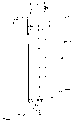
图1为本发明具体装置的简图。Figure 1 is a schematic diagram of a specific device of the present invention.
图2是装有特定涡轮的反应器的横截面图。Figure 2 is a cross-sectional view of a reactor equipped with a particular turbine.
图3说明了包括反应器外部过滤器的装置。Figure 3 illustrates the setup including a filter external to the reactor.
具体实施方式 Detailed ways
该装置包括安装了离心涡轮(a)的搅拌反应器(V),所述的离心涡轮(a)沿马达(M)驱动的搅拌轴排列。所述的反应器还安装了反向挡板(c)和热交换器(R)。注入气体反应物的设备(1,2)安装在反应器的底部,而排放设备(3)位于反应器的顶部,用来排出气体反应物。The plant comprises a stirred reactor (V) equipped with a centrifugal turbine (a) arranged along a stirring shaft driven by a motor (M). Said reactor is also equipped with reverse baffle (c) and heat exchanger (R). Devices (1, 2) for injecting gaseous reactants are installed at the bottom of the reactor, and discharge devices (3) are located at the top of the reactor for discharging gaseous reactants.
根据图1,能够将液体、气泡和悬浮的固体的混合物拉向反应器的中心轴,而且能够在水平面上沿径向抛出该混合物,以循环液体、气泡和悬浮的固体的混合物的任何离心涡轮均适用于本发明。According to Figure 1, the mixture of liquid, bubbles and suspended solids can be drawn towards the central axis of the reactor and can be thrown radially in the horizontal plane to circulate any centrifugation of the mixture of liquid, bubbles and suspended solids Turbines are suitable for use in the present invention.
优选具有1个或2个中央开口的凸缘径流式涡轮。特别优选类似于抽吸孔向下的离心水泵中所使用的凸缘涡轮。Flanged radial turbines with 1 or 2 central openings are preferred. A flanged impeller similar to that used in centrifugal water pumps with the suction hole downwards is particularly preferred.
涡轮上可以装有径向排列或以一定角度排列或形成螺旋状的叶片。The turbine can be equipped with blades arranged radially or arranged at a certain angle or forming a helical shape.
涡轮的数目取决于反应器高度与反应器直径的比例,并且通常为2~20个,优选3~8个。The number of turbines depends on the ratio of reactor height to reactor diameter, and is generally 2-20, preferably 3-8.
两个涡轮之间的距离优选为涡轮外径的0.5~1.5倍;后者优选为反应器直径的0.2~0.5倍。The distance between the two turbines is preferably 0.5 to 1.5 times the outer diameter of the turbines; the latter is preferably 0.2 to 0.5 times the diameter of the reactor.
涡轮的厚度优选为涡轮直径的0.07~0.25倍。该厚度是指涡轮的两个凸缘之间的距离。The thickness of the turbine is preferably 0.07 to 0.25 times the diameter of the turbine. The thickness refers to the distance between the two flanges of the turbine.
本发明的装置还可以包括安装于反应器内部或外部的过滤器。The apparatus of the present invention may also include a filter installed inside or outside the reactor.
在运行中,反应器的下部被包含悬浮的固体催化剂和很多气相反应物的小气泡的液相所占据,而上部则为连续的气相所占据。连续的气相所占据的体积为反应器总体积的10~30%,优选为20~25%。In operation, the lower part of the reactor is occupied by a liquid phase containing suspended solid catalyst and small gas bubbles of many gas phase reactants, while the upper part is occupied by a continuous gas phase. The volume occupied by the continuous gas phase is 10-30% of the total volume of the reactor, preferably 20-25%.
涡轮沿搅拌轴排列,以便搅拌停止时它们浸没在液相中,优选完全浸没液相中。The impellers are arranged along the stirring shaft so that they are submerged, preferably completely submerged, in the liquid phase when the stirring is stopped.
涡轮的旋转速度如此选择,以便每单位体积液相的可能气泡数目最大化和气泡直径最小化。The speed of rotation of the turbine is chosen such that the number of possible bubbles per unit volume of liquid phase is maximized and the diameter of the bubbles is minimized.
为了防止整个液相旋转,反应器装有反向档板,优选由排列于涡轮四周的纵向矩形板组成。该反向挡板通常位于反应器的圆柱形器壁与涡轮之间。To prevent rotation of the entire liquid phase, the reactor is equipped with counter-baffles, preferably consisting of longitudinal rectangular plates arranged around the turbine. The reverse baffle is usually located between the cylindrical wall of the reactor and the turbine.
这些金属板的高度一般接近于反应器的圆柱形部分的高度。其宽度通常为反应器直径的0.05~0.2倍。The height of these metal plates is generally close to the height of the cylindrical part of the reactor. Its width is usually 0.05 to 0.2 times the diameter of the reactor.
所选择的反向挡板的数目为其宽度的函数,并且一般为3~24个,优选为4~8个。The number of reverse baffles is chosen as a function of its width, and is generally 3-24, preferably 4-8.
反向挡板(c)优选距离反应器器壁(p)1~10mm纵向排列,并且朝向来自反应器中心的半径轴,如图2所示,该图2是装有特定涡轮的反应器的横截面图,其中(O)代表涡轮的吸孔,(f)代表涡轮的凸缘,而(u)代表涡轮的叶片。The reverse baffles (c) are preferably arranged longitudinally 1 to 10 mm from the reactor wall (p) and are oriented towards the radial axis from the center of the reactor, as shown in Figure 2, which is for a reactor equipped with a specific turbine Cross-sectional view, where (O) represents the suction hole of the turbine, (f) represents the flange of the turbine, and (u) represents the blade of the turbine.
一些或全部的反向挡板可以被热交换器替代。热交换器优选由一束立式的圆柱形管子组成,其高度接近或等于反应器的圆柱形部分的高度。Some or all of the reverse baffles can be replaced by heat exchangers. The heat exchanger preferably consists of a vertical bundle of cylindrical tubes with a height close to or equal to the height of the cylindrical part of the reactor.
这些管子(t)通常按图2那样纵向排列于涡轮的周围。These tubes (t) are generally arranged longitudinally around the turbine as shown in FIG. 2 .
这些管子的数目和直径按这样的方式确定,即保持液相温度在所需的范围之内。管子的数目通常为8~64。The number and diameter of these tubes are determined in such a way as to maintain the liquidus temperature within the desired range. The number of tubes is usually 8-64.
尽管本发明的装置可用以实施大气压下的反应,但更经常地优选在压力下操作。优选10~80bar级的高压,以便提高反应速度。Although the apparatus of the present invention can be used to carry out reactions at atmospheric pressure, it is more often preferred to operate under pressure. A high pressure of the order of 10 to 80 bar is preferred in order to increase the reaction rate.
反应器、搅拌设备和热交换器可以由化工领域中常用的任何材料如不锈钢(304L或316L)等制成。The reactor, stirring equipment and heat exchanger can be made of any material commonly used in the chemical industry, such as stainless steel (304L or 316L), etc.
在反应器的所有内表面以及搅拌设备和热交换器的外表面上,可以涂敷聚合物保护涂层,如PVDF(聚1,1-二氟乙烯)、PTFE(聚四氟乙烯)、PFA(C2F4与全氟化乙烯基醚的共聚物)或FEP(C2F4与C3F6的共聚物)。也可以将涂层限定于某些磨损部件,如涡轮上。On all internal surfaces of the reactor and on the external surfaces of stirring equipment and heat exchangers, a protective coating of polymers such as PVDF (polyvinylidene fluoride), PTFE (polytetrafluoroethylene), PFA can be applied (copolymer of C 2 F 4 and perfluorinated vinyl ether) or FEP (copolymer of C 2 F 4 and C 3 F 6 ). It is also possible to limit the coating to certain wear parts, such as turbines.
该装置特别适用于直接制备过氧化氢,氢气和氧气以直径低于3mm优选0.5~2mm的小气泡形式注入含水的液相中,优选摩尔流速使得氢气的摩尔流速与氧气的摩尔流速之比大于0.0416,同时保持连续气相中氢气的含量低于可燃烧极限。The device is particularly suitable for directly preparing hydrogen peroxide. Hydrogen and oxygen are injected into the aqueous liquid phase in the form of small bubbles with a diameter of less than 3 mm, preferably 0.5 to 2 mm. The molar flow rate is preferably such that the ratio of the molar flow rate of hydrogen to the molar flow rate of oxygen is greater than 0.0416, while keeping the hydrogen content in the continuous gas phase below the flammability limit.
常用的催化剂为US 4772458中所描述的那些。这些催化剂是以钯和/或铂为基础的固体催化剂,任选地载在二氧化硅、氧化铝、碳或铝硅酸盐上。Commonly used catalysts are those described in US 4772458. These catalysts are solid catalysts based on palladium and/or platinum, optionally supported on silica, alumina, carbon or aluminosilicates.
除悬浮的催化剂之外,通过加入无机酸酸化的水相还可以包括过氧化氢稳定剂和分解抑制剂,如卤化物。溴化物是特别优选的,并且可以方便地与游离溴(Br2)组合使用。In addition to the suspended catalyst, the aqueous phase acidified by addition of mineral acids may also contain hydrogen peroxide stabilizers and decomposition inhibitors, such as halides. Bromide is particularly preferred and may conveniently be used in combination with free bromine ( Br2 ).
本发明还提供一种方法,包括使气体组分在悬浮于液相中的固体存在下进行反应的步骤。该方法包括在反应器的底部以单独的或混合物的方式引入气体组分(两种或多种)。当气体混合物的组分是相容的且满足安全性需要时,优选以混合物的形式引入。这种情况下,反应物的进料可以通过嵌入搅拌轴中的管道,然后再借助于一组位于反应器底部的涡轮中央的小孔来进行,按这种方式可以在涡轮喷出的液体流中产生大量的小气泡。The invention also provides a method comprising the step of reacting gaseous components in the presence of a solid suspended in a liquid phase. The method involves introducing gas components (two or more) individually or in admixture at the bottom of the reactor. When the components of the gas mixture are compatible and meet safety requirements, it is preferably introduced in the form of a mixture. In this case, the feed of the reactants can be carried out through a pipe embedded in the stirring shaft, and then by means of a set of small holes in the center of the turbine at the bottom of the reactor. A large number of small air bubbles are produced.
当该方法需要以产生着火或爆炸危险的比例供给气体组分时,气体反应物单独引入反应器,或者通过位于涡轮最低吸入孔上游的分立管道,或者通过刚好位于最低涡轮下方的分立的烧结管道。When the process requires the supply of gaseous components in proportions that create a fire or explosion hazard, the gaseous reactants are introduced into the reactor separately, either through separate conduits upstream of the lowest turbine suction orifice, or through separate sintered conduits just below the lowest turbine .
本发明的装置可以连续或半连续地操作。The apparatus of the present invention can be operated continuously or semi-continuously.
在半连续的方式中,气体反应物在规定的时间连续地引入到反应器的下部分,该部分被包含悬浮的固体催化剂的液相所占据。In the semi-continuous mode, the gaseous reactants are introduced continuously at specified times into the lower part of the reactor, which is occupied by the liquid phase containing the suspended solid catalyst.
到达反应器的连续气相的过量气体反应物,一般通过保持反应器内部的不变的主压力而连续地排出。在规定的时间结束时,使反应器出料,以回收反应产物。Excess gaseous reactants reaching the continuous gas phase of the reactor are generally vented continuously by maintaining a constant main pressure inside the reactor. At the end of the specified time, the reactor is discharged to recover the reaction product.
当连续操作时,气体反应物和反应溶液连续地引入到反应器中,先装填悬浮于构成液相的反应溶液中的固体催化剂。过量的气体反应物连续地排出,并且借助于一个或多个过滤器,通过连续取出液相而将反应产物转移至其它容器,按这种方式可以保持固体催化剂悬浮于反应器的内部。When operating continuously, the gaseous reactants and the reaction solution are continuously introduced into the reactor, and the solid catalyst suspended in the reaction solution constituting the liquid phase is first loaded. Excess gaseous reactants are continuously withdrawn and the solid catalyst is kept suspended inside the reactor by continuously withdrawing the liquid phase and transferring the reaction products to other vessels by means of one or more filters.
所述的过滤器可以是由烧结的金属或陶瓷材料制成的烛形过滤器,该过滤器优选与纵向的冷却管或反向挡板并排地放置在反应器中。Said filter may be a candle-shaped filter made of sintered metal or ceramic material, which is preferably placed in the reactor side by side with longitudinal cooling pipes or counter-baffles.
该过滤器也可以放置在反应器的外部,这种情况下,过滤器优选由金属或陶瓷材料制成的中空的多孔管组成,在其内部来自反应器的包括悬浮催化剂的液相进行闭路的循环。图3说明了包括反应器外部过滤器的装置。所述的中空管(g)纵向排列,并在其底部供给反应器底部取出的液相,并使在该中空管顶部收集的液相返回反应器的上部。这种连续循环可以通过泵或通过反应器的旋转涡轮所产生的局部压力增加实现。The filter can also be placed outside the reactor, in which case the filter preferably consists of a hollow porous tube made of metal or ceramic material, inside which the liquid phase from the reactor, including the suspended catalyst, is closed-circuited. cycle. Figure 3 illustrates the setup including a filter external to the reactor. Said hollow tubes (g) are arranged longitudinally and feed the liquid phase withdrawn from the bottom of the reactor at the bottom thereof, and return the liquid phase collected at the top of the hollow tube to the upper part of the reactor. This continuous circulation can be achieved by pumps or by partial pressure increases generated by the reactor's rotating turbines.
根据图3所代表的本发明的优选装置,除去催化剂之后的澄清液体收集于位于多孔中空管周围的夹套中,然后通过控制阀(6)排出,按这种方式,可以保持反应器中液相的水平恒定。反应溶液以计算的流速连续地泵入反应器,以使溶解于液相中的反应产物的浓度保持选定的值。有利的是,一些反应溶液可以借助于管道7逐步地注入到夹套(h)中,以解除过滤器的堵塞。反应溶液也可以以高压喷射,用来连续地清洁反应器中的连续的气相。According to a preferred device of the invention represented in Figure 3, the clarified liquid after removal of the catalyst is collected in a jacket located around the porous hollow tube and then discharged through the control valve (6), in this way it is possible to maintain the The level of the liquid phase is constant. The reaction solution is continuously pumped into the reactor at a flow rate calculated to maintain the concentration of the reaction product dissolved in the liquid phase at a selected value. Advantageously, some of the reaction solution can be injected stepwise into the jacket (h) by means of the pipe 7 in order to unblock the filter. The reaction solution can also be sprayed at high pressure to continuously clean the continuous gas phase in the reactor.
气体反应物通过途径1和2连续地引入到反应器的底部(b),而那些尚未反应的气体反应物则可以通过途径4来循环。The gaseous reactants are continuously introduced into the bottom (b) of the reactor via
直接合成过氧化氢时,选定流速的氢气通过(1)注入到底部涡轮(b)之下的液相中。选定流速的包含低比例氢气的氧气从反应器中的连续气相中取出(4),并通过(2)进入底部涡轮(b)之下的液相。一定流量的新鲜氧气(5)注入到反应器中的连续气相中,以补偿消耗的氧气,并保持连续地气相在可燃性极限之外。压力调节器(放气阀)允许过量的气体反应物(3)和新鲜氧气中可能存在的惰性气体如氮气从反应器中的连续气相中排出。For the direct synthesis of hydrogen peroxide, a selected flow rate of hydrogen is injected through (1) into the liquid phase below the bottom turbine (b). Oxygen with a low proportion of hydrogen at a selected flow rate is taken from the continuous gas phase in the reactor (4) and passed through (2) into the liquid phase below the bottom turbine (b). A flow of fresh oxygen (5) is injected into the continuous gas phase in the reactor to compensate for the oxygen consumed and to keep the continuous gas phase outside the flammability limits. A pressure regulator (bleed valve) allows excess gaseous reactants (3) and possibly inert gases such as nitrogen in the fresh oxygen to be vented from the continuous gas phase in the reactor.
本发明的装置在发生搅拌偶然停止时的优点在于,它使气体反应物的所有气泡上升,并只在重力作用下独自直接到达连续的气相。The advantage of the device according to the invention in the event of an occasional cessation of stirring is that it allows all bubbles of the gaseous reactant to rise and go directly to the continuous gas phase solely under the action of gravity.
实验部分(实施例)Experimental part (embodiment)
直接合成过氧化氢水溶液的装置Device for directly synthesizing hydrogen peroxide aqueous solution
容积1500cm3的反应器,包括高200mm直径98mm的圆柱形容器。A reactor with a volume of 1500cm 3 includes a cylindrical container with a height of 200mm and a diameter of 98mm.
底和盖子是扁平形的。The bottom and lid are flat.
可拆卸的厚度1.5mm的PTFE套筒置于反应器的内部。A removable 1.5 mm thick PTFE sleeve is placed inside the reactor.
搅拌通过长180mm直径8mm的纵向不锈钢轴来提供,该轴由置于反应器盖子上的磁耦合来驱动。Agitation was provided by a longitudinal stainless steel shaft 180 mm long and 8 mm in diameter driven by a magnetic coupling placed on the reactor lid.
可以将一个、两个或三个外径45mm厚度9mm(两个凸缘之间)的带有凸缘的涡轮以不同的选定高度固定在搅拌轴上,该涡轮上带有直径12.7mm的向下的吸孔,并且带有8个宽度9mm长度15mm厚度1.5mm的扁平的放射状叶片,按这种方式,可以将液相分成基本上相等的体积。One, two or three flanged turbines with an outer diameter of 45mm and a thickness of 9mm (between the two flanges) can be fixed on the stirring shaft at different selected heights. The turbines have a diameter of 12.7mm Downward suction holes with 8 flat radial blades with a width of 9mm and a length of 15mm and a thickness of 1.5mm, in this way, the liquid phase can be divided into substantially equal volumes.
底下的涡轮距底部32mm,第二涡轮距底部78mm,而第三涡轮距底部125mm。The bottom turbo is 32mm from the bottom, the second turbo is 78mm from the bottom, and the third turbo is 125mm from the bottom.
四个反向挡板的高度为190mm,宽度为10mm,厚度为1mm,纵向放置于容器中,并垂直于反应器的内壁,而且通过两个定心环与该壁保持1mm的距离。The height of the four reverse baffles is 190mm, the width is 10mm, and the thickness is 1mm, placed longitudinally in the vessel, perpendicular to the inner wall of the reactor, and kept at a distance of 1mm from the wall by two centering rings.
通过8个直径6.35mm长度150mm排列于距容器轴35mm的环中的纵向管道提供冷却或加热。Cooling or heating is provided by 8 longitudinal ducts with a diameter of 6.35 mm and a length of 150 mm arranged in a ring 35 mm from the axis of the vessel.
恒温的水流流经该盘管。A constant temperature stream of water flows through the coil.
氢气和氧气通过两个分立的直径1.58mm的不锈钢管注入液相中,将该气体导入底下涡轮的中央。气体反应物注入含水的介质中,以及氧气注入连续的气相中,均借助于质量流量计来控制。在某些进行的实验中,用不同比例的氧气和氮气混合物代替氧气。Hydrogen and oxygen are injected into the liquid phase through two separate 1.58 mm diameter stainless steel tubes, which direct the gases into the center of the lower turbine. The injection of gaseous reactants into the aqueous medium and the injection of oxygen into the continuous gas phase are controlled by means of mass flow meters. In some of the experiments performed, oxygen was replaced by mixtures of oxygen and nitrogen in varying proportions.
反应器内部的主压力通过放气阀保持恒定。The main pressure inside the reactor was kept constant by a purge valve.
用串联的气相色谱测定氢气量、氧气量以及任选的构成反应器排放气流的氮气量。The amount of hydrogen, oxygen and, optionally, nitrogen constituting the vent gas flow from the reactor was determined by means of a gas chromatograph connected in series.
催化剂的制备Catalyst preparation
所使用的催化剂包含0.7%重量的钯金属和0.03%重量的铂,载于微孔的二氧化硅上。The catalyst used contained 0.7% by weight of palladium metal and 0.03% by weight of platinum, supported on microporous silica.
所述催化剂是通过用包含PdCl2和H2PtCl6水溶液浸渍具有下列特性的二氧化硅(Aldrich Ref.28,851-9):The catalyst is obtained by impregnating silica (Aldrich Ref. 28, 851-9 ) with the following properties with an aqueous solution comprising PdCl2 and H2PtCl6 :
-平均粒度 5~15μm-Average particle size 5~15μm
-BET表面积 500m2/g-BET surface area 500m 2 /g
-孔隙体积 0.75cm3/g- Pore volume 0.75cm 3 /g
-平均孔径 60-Average pore diameter 60
然后干燥,最后在300℃的氢气下热处理3小时而制备的。It is then dried and finally heat-treated under hydrogen at 300°C for 3 hours.
然后将催化剂(10g/l)悬浮于包含60mg NaBr、5mg Br2和12g H3PO4的溶液中,将该溶液在40℃加热5小时,然后滤出催化剂、用软化水洗涤并干燥。The catalyst (10 g/l) was then suspended in a solution containing 60 mg NaBr, 5 mg Br 2 and 12 g H 3 PO 4 , the solution was heated at 40° C. for 5 hours, then the catalyst was filtered off, washed with demineralized water and dried.
含水反应介质aqueous reaction medium
通过将12g H3PO4、58mg NaBr和5mg Br2加到1000cm3的软化水中制备含水溶液。An aqueous solution was prepared by adding 12 g H3PO4 , 58 mg NaBr and 5 mg Br2 to 1000 cm3 of demineralized water.
一般的操作规程general operating procedures
将选定体积的含水反应介质加到高压釜中,然后加入计算量的催化剂。通过以选定的流量将氧气注入连续的气相使高压釜增压。由于压力调节器该压力保持恒定。通过冷却管束内的控温循环水,使液体介质达到选定的温度。A selected volume of aqueous reaction medium is charged to the autoclave, followed by the calculated amount of catalyst. The autoclave is pressurized by injecting oxygen into the continuous gas phase at a selected flow rate. This pressure is kept constant thanks to the pressure regulator. The liquid medium reaches the selected temperature by cooling the temperature-controlled circulating water in the tube bundle.
控制搅拌为900rpm,并将氢气和氧气以选定的流速注入到底下涡轮的中央。Stirring was controlled at 900 rpm, and hydrogen and oxygen were injected into the center of the lower turbine at selected flow rates.
测量来自压力调节器的气体混合物的流量及其中的氢气含量。Measure the flow rate of the gas mixture from the pressure regulator and the hydrogen content in it.
反应1小时之后,关闭氢气和氧气到含水反应介质的流入,并保持氧气到连续气相的注入,直到氧气中的氢气全部消失为止。然后关闭氧气的流入,并使反应器减压,最后回收过氧化氢的水溶液。After 1 hour of reaction, the inflow of hydrogen and oxygen to the aqueous reaction medium was turned off and the injection of oxygen into the continuous gas phase was maintained until all the hydrogen in the oxygen had disappeared. The inflow of oxygen is then shut off, and the reactor is depressurized, and finally the aqueous hydrogen peroxide solution is recovered.
一旦回收了过氧化氢水溶液,立即将其称重,然后通过在Milliporer过滤器上过滤分离出催化剂。Once the aqueous hydrogen peroxide solution was recovered, it was weighed and the catalyst was isolated by filtration over a Milliporer (R) filter.
然后通过碘量法分析所得到的溶液,由此可以计算出过氧化氢的浓度。该合成的选择性定义为所形成的过氧化氢摩尔数除以所消耗的氢气摩尔数时所得到的百分数。The resulting solution was then analyzed by iodometric method, from which the concentration of hydrogen peroxide could be calculated. The selectivity of this synthesis is defined as the percentage obtained by dividing the moles of hydrogen peroxide formed by the moles of hydrogen consumed.
转化率定义为所消耗的氢气的体积除以引入的氢气的体积时所得到的百分数。Conversion is defined as the percentage obtained by dividing the volume of hydrogen consumed by the volume of hydrogen introduced.
不同实验过程中的操作条件及所得到的结果示于下面的表中。The operating conditions during the different experiments and the results obtained are shown in the table below.
例如实施例2、3、7、8、9和14的操作是用两个底下涡轮完成的。For example the operation of Examples 2, 3, 7, 8, 9 and 14 was accomplished with two bottom turbines.
表(反应1小时)
实施例1、2、3和4表明,在相同的温度、压力以及H2/O2比例下,增加辐射状涡轮的数目使转化率增加,就象将多个反应器串联起来一样有效。Examples 1, 2, 3 and 4 show that at the same temperature, pressure and H2 / O2 ratio, increasing the number of radial turbines increases conversion as effectively as connecting multiple reactors in series.
这是因为,如果τ1代表一级(带有1个涡轮的反应器)转化率,τ2代表具有2个涡轮的反应器的总转化率,而τ3代表具有3个涡轮的反应器的转化率,那么实际上适用于计算串联安装的搅拌反应器中的转化率的规则如下:This is because, if τ represents the first stage (reactor with 1 turbine ) conversion, τ represents the total conversion for a reactor with 2 turbines, and τ represents the conversion for a reactor with 3 turbines conversion, then the rules actually applicable for calculating the conversion in stirred reactors installed in series are as follows:
(1-τ2)=(1-τ1)(1-τ1)和(1-τ 2 )=(1-τ 1 )(1-τ 1 ) and
(1-τ3)=(1-τ1)(1-τ1)(1-τ1)(1-τ 3 )=(1-τ 1 )(1-τ 1 )(1-τ 1 )
利用这种关系可以外推出实现本发明的高转化率所需要的涡轮数。This relationship can be used to extrapolate the number of turbines required to achieve the high conversions of the present invention.
实施例7、8和9表明,对于同一反应器和相同的反应条件,向液相引入浓的氢气气体混合物时,反应1小时之后的转化率和溶液中H2O2的含量显著增加。Examples 7, 8 and 9 show that for the same reactor and the same reaction conditions, when a concentrated hydrogen gas mixture is introduced into the liquid phase, the conversion and the H2O2 content in the solution after 1 hour of reaction increase significantly.
实施例5和6表明,用本发明的反应器可以只用3个涡轮就获得80%的转化率,每1立方米反应器每小时超过100kg H2O2的产量,以及非常高的选择性。Examples 5 and 6 show that with the reactor of the invention it is possible to obtain a conversion of 80% with only 3 turbines, an output of more than 100 kg H2O2 per 1 m3 of reactor per hour, and a very high selectivity .
实施例10和11表明,利用本发明的反应器,使用氧气与氮气(10%至20%)的混合物代替纯氧气,可以获得高的转化率和浓的H2O2。Examples 10 and 11 show that, using the reactor of the present invention, high conversions and concentrated H2O2 can be obtained using a mixture of oxygen and nitrogen (10% to 20%) instead of pure oxygen .
使用空气(实施例12和13)也给出令人感兴趣的结果。The use of air (Examples 12 and 13) also gave interesting results.
同时,H2/O2比例不同的实施例14和15表明,从2个涡轮变成3个涡轮使得氢气的转化率增加和反应器的连续气相中H2的浓度下降。Meanwhile, Examples 14 and 15 with different H2 / O2 ratios showed that changing from 2 turbines to 3 turbines resulted in an increase in the conversion of hydrogen and a decrease in the concentration of H2 in the continuous gas phase of the reactor.
Claims (20)
Applications Claiming Priority (2)
| Application Number | Priority Date | Filing Date | Title |
|---|---|---|---|
| FR9909260A FR2796311B1 (en) | 1999-07-16 | 1999-07-16 | MULTI-STAGE REACTOR, ITS APPLICATIONS AND METHOD FOR MANUFACTURING HYDROGEN PEROXIDE |
| FR99/09260 | 1999-07-16 |
Publications (2)
| Publication Number | Publication Date |
|---|---|
| CN1361717A CN1361717A (en) | 2002-07-31 |
| CN1170627C true CN1170627C (en) | 2004-10-13 |
Family
ID=9548191
Family Applications (3)
| Application Number | Title | Priority Date | Filing Date |
|---|---|---|---|
| CNB00810400XA Expired - Fee Related CN1170627C (en) | 1999-07-16 | 2000-05-25 | Multilayer reactor and its use and method for producing hydrogen peroxide |
| CNB2006100943646A Expired - Fee Related CN100460316C (en) | 1999-07-16 | 2000-06-07 | Process for the direct preparation of hydrogen peroxide from hydrogen and oxygen |
| CNB2005100739688A Expired - Fee Related CN100490969C (en) | 1999-07-16 | 2000-06-07 | Supported metal catalysts, method for the production thereof and use thereof for the direct production of hydrogen peroxide |
Family Applications After (2)
| Application Number | Title | Priority Date | Filing Date |
|---|---|---|---|
| CNB2006100943646A Expired - Fee Related CN100460316C (en) | 1999-07-16 | 2000-06-07 | Process for the direct preparation of hydrogen peroxide from hydrogen and oxygen |
| CNB2005100739688A Expired - Fee Related CN100490969C (en) | 1999-07-16 | 2000-06-07 | Supported metal catalysts, method for the production thereof and use thereof for the direct production of hydrogen peroxide |
Country Status (16)
| Country | Link |
|---|---|
| US (1) | US20060198771A1 (en) |
| EP (1) | EP1204471A1 (en) |
| JP (1) | JP2003504193A (en) |
| KR (1) | KR100436790B1 (en) |
| CN (3) | CN1170627C (en) |
| AU (1) | AU759296B2 (en) |
| BR (1) | BR0012261A (en) |
| CA (1) | CA2377127C (en) |
| EA (1) | EA003039B1 (en) |
| FR (1) | FR2796311B1 (en) |
| NO (1) | NO325226B1 (en) |
| NZ (1) | NZ515748A (en) |
| PL (1) | PL352482A1 (en) |
| TR (1) | TR200200074T2 (en) |
| UA (1) | UA74340C2 (en) |
| WO (1) | WO2001005498A1 (en) |
Families Citing this family (22)
| Publication number | Priority date | Publication date | Assignee | Title |
|---|---|---|---|---|
| US6966874B2 (en) | 1997-10-14 | 2005-11-22 | Erth Technologies, Inc. | Concentric tubular centrifuge |
| US6808481B1 (en) | 1996-10-15 | 2004-10-26 | Erth Technologies, Inc. | Concentric tubular centrifuge |
| ATE544730T1 (en) | 2002-03-14 | 2012-02-15 | Repsol Quimica Sa | PRODUCTION PROCESS FOR HYDROGEN PEROXIDE |
| EP1443020B1 (en) | 2003-02-03 | 2009-12-30 | Repsol Quimica S.A. | Integrated process for selective oxidation of organic compounds |
| US7067103B2 (en) | 2003-03-28 | 2006-06-27 | Headwaters Nanokinetix, Inc. | Direct hydrogen peroxide production using staged hydrogen addition |
| US7144565B2 (en) | 2003-07-29 | 2006-12-05 | Headwaters Nanokinetix, Inc. | Process for direct catalytic hydrogen peroxide production |
| US7241256B2 (en) | 2003-08-30 | 2007-07-10 | Erth Technologies, Inc. | Centrifuge |
| JP5823384B2 (en) * | 2009-06-05 | 2015-11-25 | ソルヴェイ(ソシエテ アノニム) | Method for separating a liquid from a multiphase mixture |
| US8957254B2 (en) | 2009-07-06 | 2015-02-17 | Solvay Sa | Process for chemical synthesis from an alkenone made from a halogenated precursor |
| CA2765487A1 (en) | 2009-07-06 | 2011-01-13 | Solvay Sa | Process for the manufacture of halogenated precursors of alkenones under specific conditions |
| US20120020847A1 (en) * | 2010-07-20 | 2012-01-26 | Lurgi, Inc. | Retention Of Solid Powder Catalyst By In-Situ Cross Flow Filtration In Continuous Stirred Reactors |
| EP2731711A1 (en) * | 2011-07-15 | 2014-05-21 | Solvay Sa | Process to obtain hydrogen peroxide, and catalyst supports for the same process |
| CN102358760B (en) * | 2011-07-22 | 2012-12-19 | 浙江大学 | Stirred tank reactor |
| EP2607343A1 (en) | 2011-12-22 | 2013-06-26 | Solvay Sa | Process for the manufacture of halogenated precursors of alkenones and of alkenones |
| MX2016010294A (en) * | 2014-02-10 | 2016-10-17 | Honeywell Int Inc | Reactor design for liquid phase fluorination. |
| WO2018016359A1 (en) * | 2016-07-19 | 2018-01-25 | 三菱瓦斯化学株式会社 | Noble metal catalyst for manufacturing hydrogen peroxide, and method for manufacturing hydrogen peroxide |
| SI25590A (en) | 2018-01-15 | 2019-07-31 | Univerza V Ljubljani | Process for preparation of isotope labeled hydrogen peroxide |
| CN111282531A (en) * | 2018-12-06 | 2020-06-16 | 张存续 | Microwave processing apparatus |
| CN113828206B (en) * | 2021-07-13 | 2024-03-22 | 重庆大学 | Jet-type jet stirring paddle for improving fluid mixing effect |
| CN115739202B (en) * | 2022-11-22 | 2024-02-23 | 太仓斯迪克新材料科技有限公司 | Catalyst impregnation device |
| CN118122247B (en) * | 2024-03-07 | 2024-08-23 | 科立鑫(珠海)新能源有限公司 | Lithium battery recycling and extracting equipment and use method |
| CN118648683A (en) * | 2024-06-04 | 2024-09-17 | 温州市金权食品股份有限公司 | A kind of preparation process and equipment of health-preserving canned porridge |
Family Cites Families (18)
| Publication number | Priority date | Publication date | Assignee | Title |
|---|---|---|---|---|
| JPS5271000A (en) * | 1975-12-10 | 1977-06-13 | Tokuyama Soda Co Ltd | Production of hydrogen peroxide |
| JPS54109939A (en) * | 1978-02-15 | 1979-08-29 | Mitsui Petrochem Ind Ltd | Oxidation reactor for preparing aromatic carboxylic acid |
| US4438074A (en) * | 1981-07-21 | 1984-03-20 | Phillips Petroleum Company | Continuous polymerization reactor |
| US4681751A (en) * | 1983-06-22 | 1987-07-21 | E. I. Du Pont De Nemours And Company | Catalytic process for making H2 O2 from hydrogen and oxygen |
| DE3778645D1 (en) * | 1986-09-10 | 1992-06-04 | Hitachi Ltd | METHOD OF CATALYTIC COMBUSTION WITH HEAT-RESISTANT CATALYST. |
| US4772458A (en) * | 1986-11-19 | 1988-09-20 | E. I. Du Pont De Nemours And Company | Catalytic process for making hydrogen peroxide from hydrogen and oxygen employing a bromide promoter |
| US4935539A (en) * | 1988-03-17 | 1990-06-19 | Amoco Corporation | Method for increasing yield and product quality while reducing power costs in oxidation of an aromatic alkyl hydrocarbon to an aromatic carboxylic acid |
| US4889705A (en) * | 1988-05-13 | 1989-12-26 | E. I. Du Pont De Nemours And Company | Hydrogen peroxide method using optimized H+ and BR- concentrations |
| US5128114A (en) * | 1989-04-14 | 1992-07-07 | E. I. Du Pont De Nemours And Company | Silica microspheres, method of improving attrition resistance |
| US5242472A (en) * | 1990-08-17 | 1993-09-07 | A. Ahlstrom Corporation | Flow restrictor in a pulse cleaning system |
| US5135731A (en) * | 1991-05-15 | 1992-08-04 | E. I. Du Pont De Nemours And Company | Method for catalytic production of hydrogen peroxide |
| JP3165923B2 (en) * | 1991-06-21 | 2001-05-14 | コニカ株式会社 | Method for producing poorly water-soluble salt crystal particles and apparatus for producing the same |
| JPH0553333A (en) | 1991-08-28 | 1993-03-05 | Konica Corp | Processing method for photosensitive planographic printing plate, requiring no dampening water |
| JP3183586B2 (en) * | 1993-04-26 | 2001-07-09 | 信越化学工業株式会社 | Polymerization equipment |
| CH686117A5 (en) * | 1993-07-08 | 1996-01-15 | Biazzi Sa | gas-liquid reaction apparatus. |
| US5665667A (en) * | 1994-06-02 | 1997-09-09 | The Standard Oil Company | Process for the preparation of vinyl acetate catalyst |
| DE69501137T2 (en) * | 1994-09-14 | 1998-04-09 | Shinetsu Chemical Co | Process for the production of a vinyl chloride type polymer |
| FR2774674B1 (en) * | 1998-02-10 | 2000-03-24 | Atochem Elf Sa | PROCESS FOR THE PREPARATION OF AN AQUEOUS SOLUTION OF HYDROGEN PEROXIDE DIRECTLY FROM HYDROGEN AND OXYGEN AND DEVICE FOR IMPLEMENTING SAME |
-
1999
- 1999-07-16 FR FR9909260A patent/FR2796311B1/en not_active Expired - Fee Related
-
2000
- 2000-05-25 BR BR0012261-0A patent/BR0012261A/en not_active Application Discontinuation
- 2000-05-25 EA EA200200171A patent/EA003039B1/en not_active IP Right Cessation
- 2000-05-25 JP JP2001510577A patent/JP2003504193A/en active Pending
- 2000-05-25 UA UA2002010368A patent/UA74340C2/en unknown
- 2000-05-25 EP EP00931346A patent/EP1204471A1/en not_active Withdrawn
- 2000-05-25 TR TR2002/00074T patent/TR200200074T2/en unknown
- 2000-05-25 NZ NZ515748A patent/NZ515748A/en unknown
- 2000-05-25 AU AU49311/00A patent/AU759296B2/en not_active Ceased
- 2000-05-25 KR KR10-2002-7000080A patent/KR100436790B1/en not_active Expired - Fee Related
- 2000-05-25 CN CNB00810400XA patent/CN1170627C/en not_active Expired - Fee Related
- 2000-05-25 WO PCT/FR2000/001416 patent/WO2001005498A1/en not_active Ceased
- 2000-05-25 CA CA002377127A patent/CA2377127C/en not_active Expired - Fee Related
- 2000-05-25 PL PL00352482A patent/PL352482A1/en not_active Application Discontinuation
- 2000-06-07 CN CNB2006100943646A patent/CN100460316C/en not_active Expired - Fee Related
- 2000-06-07 CN CNB2005100739688A patent/CN100490969C/en not_active Expired - Fee Related
-
2001
- 2001-12-19 NO NO20016239A patent/NO325226B1/en unknown
-
2006
- 2006-04-13 US US11/403,655 patent/US20060198771A1/en not_active Abandoned
Also Published As
| Publication number | Publication date |
|---|---|
| CN1880215A (en) | 2006-12-20 |
| WO2001005498A1 (en) | 2001-01-25 |
| AU759296B2 (en) | 2003-04-10 |
| EA200200171A1 (en) | 2002-06-27 |
| NZ515748A (en) | 2003-05-30 |
| NO20016239D0 (en) | 2001-12-19 |
| PL352482A1 (en) | 2003-08-25 |
| CA2377127C (en) | 2006-07-25 |
| EP1204471A1 (en) | 2002-05-15 |
| UA74340C2 (en) | 2005-12-15 |
| CN1361717A (en) | 2002-07-31 |
| CN100490969C (en) | 2009-05-27 |
| CA2377127A1 (en) | 2001-01-25 |
| AU4931100A (en) | 2001-02-05 |
| FR2796311B1 (en) | 2001-09-14 |
| KR20020023411A (en) | 2002-03-28 |
| NO20016239L (en) | 2001-12-19 |
| BR0012261A (en) | 2002-03-12 |
| FR2796311A1 (en) | 2001-01-19 |
| KR100436790B1 (en) | 2004-06-24 |
| CN100460316C (en) | 2009-02-11 |
| CN1739851A (en) | 2006-03-01 |
| NO325226B1 (en) | 2008-02-25 |
| JP2003504193A (en) | 2003-02-04 |
| US20060198771A1 (en) | 2006-09-07 |
| TR200200074T2 (en) | 2002-06-21 |
| EA003039B1 (en) | 2002-12-26 |
Similar Documents
| Publication | Publication Date | Title |
|---|---|---|
| CN1170627C (en) | Multilayer reactor and its use and method for producing hydrogen peroxide | |
| CN1208237C (en) | Method for preparing an aqueous hydrogen peroxide solution directly from hydrogen and oxygen and implementing device | |
| CN1225403C (en) | Method for directly obtaining hydrogen peroxide | |
| US8273923B2 (en) | Process for manufacturing a chlorohydrin | |
| CN1170624C (en) | Catalytic gas-phase oxidation method and pipe-casing type reactor | |
| CN101460242B (en) | Process for continuous preparation of high molecular weight polyesters by esterification of dicarboxylic acids and/or transesterification of dicarboxylic acids with diols and/or mixtures thereof and a | |
| CN1822900A (en) | Apparatus for and method of producing aromatic carboxylic acids | |
| CN1160707A (en) | Preparation of terephthalic acid with excellent optical properties by oxidation of p-xylene with pure oxygen | |
| CN1170628A (en) | Improved reactor system | |
| JP2002503617A5 (en) | ||
| CN1612907A (en) | Method for the continuous production of high-molecular polyester and device for carrying out the method | |
| JPH0859547A (en) | Production of terephthalic acid using vaporization cooling | |
| KR101187181B1 (en) | Stirring device and process for carrying out a gas-liquid reaction | |
| CN1771193A (en) | Method for producing hydroxylammonium salts | |
| CN1802204A (en) | Polyester process using a pipe reactor | |
| CN103962068B (en) | Paste state bed reactor | |
| CN109999728A (en) | A method of reducing the bed temperature rise of HPPO process catalyst | |
| CN1082386C (en) | Process and reactor for heterogeneous exothermic synthesis of formaldehyde | |
| CN111068592A (en) | Slurry bed reactor with multi-stage perforated structure distribution plate | |
| CN116139800A (en) | Center pushing type multiphase loop reactor | |
| CN103962070B (en) | A kind of method for carrying out slurry reactor | |
| CN113731511A (en) | Catalyst recycling method and device system for preparing phthaloyl chloride by phosgene method |
Legal Events
| Date | Code | Title | Description |
|---|---|---|---|
| C10 | Entry into substantive examination | ||
| SE01 | Entry into force of request for substantive examination | ||
| C06 | Publication | ||
| PB01 | Publication | ||
| C14 | Grant of patent or utility model | ||
| GR01 | Patent grant | ||
| C19 | Lapse of patent right due to non-payment of the annual fee | ||
| CF01 | Termination of patent right due to non-payment of annual fee |