CN1204232A - Composition for organ cryopreservation and treatment of viral and bacterial infections - Google Patents
Composition for organ cryopreservation and treatment of viral and bacterial infections Download PDFInfo
- Publication number
- CN1204232A CN1204232A CN 96199028 CN96199028A CN1204232A CN 1204232 A CN1204232 A CN 1204232A CN 96199028 CN96199028 CN 96199028 CN 96199028 A CN96199028 A CN 96199028A CN 1204232 A CN1204232 A CN 1204232A
- Authority
- CN
- China
- Prior art keywords
- alkyl group
- saturated
- unsaturated
- cryopreservation
- composition
- Prior art date
- Legal status (The legal status is an assumption and is not a legal conclusion. Google has not performed a legal analysis and makes no representation as to the accuracy of the status listed.)
- Pending
Links
Images




Landscapes
- Acyclic And Carbocyclic Compounds In Medicinal Compositions (AREA)
- Pharmaceuticals Containing Other Organic And Inorganic Compounds (AREA)
Abstract
Description
本发明特别涉及用于器官的低温储藏和治疗病毒和/或微生物感染的物质或组合物,用于器官低温储藏的物质或组合物,用于治疗病毒和/或微生物感染的物质或组合物,制造用于器官低温储藏的低温储藏试剂的方法,制造用于治疗病毒和/或微生物感染的药物或制剂的方法,低温储藏试剂在低温储藏器官中的应用,药物或制剂在治疗病毒和/或微生物感染中的应用,低温储藏试剂在低温储藏试剂的生产中的应用,物质或组合物在用于治疗病毒和/或微生物感染的药物或制剂的制造中的应用,低温储藏器官的方法,解冻器官的方法,治疗病毒和/或微生物感染的方法,剂量形式和疫苗。The present invention particularly relates to substances or compositions for cryopreservation of organs and treatment of viral and/or microbial infections, substances or compositions for cryopreservation of organs, substances or compositions for treatment of viral and/or microbial infections, Method for manufacturing cryopreservation reagent for cryopreservation of organs, method for manufacturing medicine or preparation for treating virus and/or microbial infection, application of cryopreservation reagent in cryopreservation of organs, medicine or preparation for treating virus and/or microbial infection Use in microbial infections, use of cryopreservation reagents in the production of cryopreservation reagents, use of substances or compositions in the manufacture of medicaments or preparations for the treatment of viral and/or microbial infections, methods of cryopreservation of organs, thawing Methods of organ, methods of treatment of viral and/or microbial infections, dosage forms and vaccines.
根据本发明的一个方面,提供了用于器官低温储藏和治疗病毒和/或微生物感染的物质或组合物,含有选自包括通式R3-CO-NR1R2的酰胺的组的活性剂的物质或组合物,其中:According to one aspect of the present invention, there is provided a substance or composition for cryopreservation of organs and treatment of viral and/or microbial infections, containing an active agent selected from the group comprising amides of the general formula R 3 -CO-NR 1 R 2 Substances or compositions of which:
R1和R2各自选自包括H,Me,卤代甲基,饱和及不饱和C2-C3烷基基团,饱和及不饱和卤化C2-C3烷基基团,羟基化烷基基团的组;或R 1 and R 2 are each selected from the group consisting of H, Me, halomethyl, saturated and unsaturated C 2 -C 3 alkyl groups, saturated and unsaturated halogenated C 2 -C 3 alkyl groups, hydroxylated alkanes groups of radicals; or
R1和R2一起选自(CH2)n,其中n=4或5,或(CH2)2O(CH2)2;和R 1 and R 2 together are selected from (CH 2 ) n, where n=4 or 5, or (CH 2 ) 2 O(CH 2 ) 2 ; and
R3选自H,Me和饱和及不饱和C2-C3烷基基团。R 3 is selected from H, Me and saturated and unsaturated C 2 -C 3 alkyl groups.
至少R1和R2中的一个可以是甲基基团。At least one of R1 and R2 may be a methyl group.
或者,至少R1和R2中的一个可以是氟化C1-C3烷基基团。Alternatively, at least one of R 1 and R 2 may be a fluorinated C 1 -C 3 alkyl group.
活性剂可以选自含有甲酰胺,甲基甲酰胺,二甲基甲酰胺,乙酰胺,甲基乙酰胺,二甲基乙酰胺,二乙基乙酰胺,异丙基乙酰胺,二异丙基乙酰胺,N-乙酰基哌啶,N-(β-羟乙基)乙酰胺,N,N-二(β-羟乙基)乙酰胺,N-乙酰基吗啉,丙烯酰胺,丙酰胺,N-氟甲基-N-甲基-甲酰胺和其中任何两种或多种的混合物。The active agent can be selected from the group consisting of formamide, methylformamide, dimethylformamide, acetamide, methylacetamide, dimethylacetamide, diethylacetamide, isopropylacetamide, diisopropyl Acetamide, N-acetylpiperidine, N-(β-hydroxyethyl)acetamide, N,N-bis(β-hydroxyethyl)acetamide, N-acetylmorpholine, acrylamide, propionamide, N-fluoromethyl-N-methyl-formamide and mixtures of any two or more thereof.
在一个特定的实施方案中,活性剂可以是二甲基甲酰胺C3H7NO(DMF)。在另一个特定的实施方案中,活性剂可以是N-氟甲基-N-甲基-甲酰胺,HCON(CH3)(CH2F)。In a particular embodiment, the active agent may be dimethylformamide C3H7NO (DMF). In another specific embodiment, the active agent may be N-fluoromethyl-N-methyl-formamide, HCON( CH3 )( CH2F ).
DMF通常用作极性试剂,并容易通过皮肤,通过肺或口腔接触吸收。通过皮肤的液体DMF的吸收速率达到每平方厘米每小时9.4毫克。DMF快速代谢,主要的生物转化位点是肝,大部分借助于尿排泄。在大鼠,大鼠,仓鼠和人中的主要代谢物质是N-(羟甲基)-N-甲基甲酰胺(HMMF),N-(羟甲基)-甲酰胺(HMF)和N-乙酰基-S-(N-甲基-氨基甲酰基)半胱氨酸(AMMC)。未变化的DMF作为小部分剂量在尿中排出。有限的可得数据表明明显量的剂量留下未排出和/或以未鉴定化合物形式排出。DMF is generally used as a polar agent and is readily absorbed through the skin, through lung or oral exposure. The absorption rate of liquid DMF through the skin reaches 9.4 mg per square centimeter per hour. DMF is rapidly metabolized, the main biotransformation site is the liver, and most of it is excreted in urine. The major metabolites in rats, rats, hamsters and humans are N-(hydroxymethyl)-N-methylformamide (HMMF), N-(hydroxymethyl)-formamide (HMF) and N- Acetyl-S-(N-methyl-carbamoyl)cysteine (AMMC). Unaltered DMF is excreted in the urine as a small portion of the dose. The limited data available indicated that significant amounts of the dose were left unexcreted and/or excreted as unidentified compounds.
DMF具有低的急性皮肤,口腔和吸入毒性。它被认为具有温和到中等的皮肤和眼刺激剂,并且能容易地渗透进皮肤。没有皮肤敏感特性的指示。DMF has low acute dermal, oral and inhalation toxicity. It is considered a mild to moderate skin and eye irritant and penetrates the skin readily. No indication for skin sensitization properties.
在几个90天的研究中,不能建立NOAEL(未观察到的毒性作用量)。在对狗的28天的吸入研究中,在63毫克/立方米时发现没有效应。在另一个对狗的研究中,在60毫克/立方米时发现可逆的心血管效应。In several 90-day studies, a NOAEL (No Observed Toxic Effect Level) could not be established. In a 28-day inhalation study in dogs, no effect was found at 63 mg/m3. In another study in dogs, reversible cardiovascular effects were found at 60 mg/m3.
DMF是致畸形的和可能是胚胎致死的。在口服研究中,发育效应的NOAEL总共达到44毫克/千克体重,在兔的吸入研究中达到150毫克/立方米。DMF is teratogenic and possibly embryo-lethal. The NOAEL for developmental effects reached a total of 44 mg/kg bw in the oral study and 150 mg/m3 in the inhalation study in rabbits.
本发明的一个特定特征是通过在暴露于DMF之前预冷器官,低温过程中,DMF的毒性实质性降低或基本消除。作为例子,在室温下,在水或生理溶液中的30%的DMF溶液中,蛋白质变性。但是,在8℃,根据本发明的方法,在30%的DMF浓度水平和低于0℃的温度,器官基本不受影响,40%的DMF浓度也不影响器官。A particular feature of the present invention is that by pre-cooling the organ prior to exposure to DMF, the toxicity of DMF is substantially reduced or substantially eliminated during hypothermia. As an example, proteins are denatured in 30% DMF solutions in water or physiological solutions at room temperature. However, at 8°C, according to the method of the present invention, at a DMF concentration level of 30% and a temperature below 0°C, organs are not substantially affected, and DMF concentrations of 40% do not affect organs either.
如下面的实施例所述,在低温过程中,如果温度为8-4℃之间导入10%的DMF溶液,器官通常不受影响,如果导入25%到30%的DMF溶液,器官和溶液的温度应该低于4℃。As described in the examples below, during cryogenic procedures, organs are generally unaffected if a 10% DMF solution is introduced at a temperature between 8-4°C, and organs and solutions are generally unaffected if a 25% to 30% DMF solution is introduced. The temperature should be below 4°C.
在低温储藏过程中,本发明的物质或组合物功能同时为低温储藏试剂和抑制病毒和/或抑制细菌的试剂。所以,如果病毒或细菌感染器官,器官的低温储藏将同时破坏病毒和/或微生物的感染。During low-temperature storage, the substance or composition of the present invention functions simultaneously as a low-temperature storage agent and a virus- and/or bacteria-inhibiting agent. So, if a virus or bacteria infects an organ, cryopreservation of the organ will simultaneously destroy the viral and/or microbial infection.
为了本说明书的目的,应该将词“器官”广泛地解释为包括心,肝,皮肤,组织,角膜,骨,腺体和心瓣的范围。For the purposes of this specification, the word "organ" should be interpreted broadly to include heart, liver, skin, tissue, cornea, bone, glands and heart valves.
本发明提供了低温储藏试剂(CPA)和用CPA处理哺乳动物或其它组织,器官或整个身体,深度冷冻,和基本不定期地储藏直到需要时解冻的方法。通常,非冷冻供体器官的储藏寿命约为4小时,在这之后,细胞破坏开始,从而使供体器官的跨大陆的转移困难或不可能。正如下面将变得清楚,本发明的过程并不复杂,通过在CPA处理后浸入液氮中,器官容易承受的冷冻温度速率为-10℃/秒。所以供体器官的跨大陆转移和供体器官库的建立或用于医疗应用的尸体,肢体和器官的储藏变得可行。The present invention provides cryopreservation agents (CPA) and methods of treating mammalian or other tissues, organs or whole bodies with CPA, deep freezing, and storing substantially irregularly until thawed when needed. Typically, the storage life of non-frozen donor organs is about 4 hours, after which time cellular destruction begins, making transcontinental transfer of donor organs difficult or impossible. As will become clear below, the procedure of the present invention is uncomplicated, by immersion in liquid nitrogen after CPA treatment, the freezing temperature rate of -10°C/sec is readily tolerated by the organs. So transcontinental transfer of donor organs and establishment of donor organ banks or storage of cadavers, limbs and organs for medical applications becomes feasible.
所以,根据本发明的另一个方面,提供了用于器官低温储藏的物质或组合物,含有选自包括通式R3-CO-NR1R2的酰胺的组的低温试剂的物质或组合物,其中:Therefore, according to another aspect of the present invention, there is provided a substance or composition for low-temperature storage of organs, a substance or composition containing a low-temperature agent selected from the group comprising amides of the general formula R 3 -CO-NR 1 R 2 ,in:
R1和R2各自选自下列组,包括H,Me,卤代甲基的组,饱和及不饱和C2-C3烷基基团,饱和及不饱和卤化C2-C3烷基基团,羟基化烷基基团;或R 1 and R 2 are each selected from the group consisting of H, Me, halomethyl groups, saturated and unsaturated C 2 -C 3 alkyl groups, saturated and unsaturated halogenated C 2 -C 3 alkyl groups group, a hydroxylated alkyl group; or
R1和R2一起选自(CH2)n,其中n=4,或5,或(CH2)2O(CH2)2;和R 1 and R 2 together are selected from (CH 2 ) n, where n=4, or 5, or (CH 2 ) 2 O(CH 2 ) 2 ; and
R3选自H,Me和饱和及不饱和C2-C3烷基基团。R 3 is selected from H, Me and saturated and unsaturated C 2 -C 3 alkyl groups.
至少R1和R2中的一个可以是甲基基团。At least one of R1 and R2 may be a methyl group.
或者,至少R1和R2中的一个可以是氟化C1-C3烷基基团。Alternatively, at least one of R 1 and R 2 may be a fluorinated C 1 -C 3 alkyl group.
酰胺可以如本文前面所述。Amides may be as previously described herein.
在一个特定的实施方案中,低温试剂可以是二甲基甲酰胺,在另一个特定的实施方案中,低温试剂可以是N-氟化甲基-N-甲基甲酰胺。In one particular embodiment, the cryogenic reagent can be dimethylformamide, and in another particular embodiment, the cryogenic reagent can be N-fluoromethyl-N-methylformamide.
低温试剂可以与包括选自含有氯化钠,EDTA-二钠,碳酸氢钠,氯化钾,磷酸二氢钾,氯化镁,硫酸镁,氯化钙,葡萄糖,Hespes-氢氧化钠和其中任何两种或多种的混合物的成分的生理溶液结合。Low temperature reagents can be mixed with sodium chloride, EDTA-disodium, sodium bicarbonate, potassium chloride, potassium dihydrogen phosphate, magnesium chloride, magnesium sulfate, calcium chloride, glucose, Hespes-sodium hydroxide and any two of them Physiological solution combination of one or more components of a mixture.
具体地说,生理溶液可以是Tyrode’s溶液(本文称为Tyrode),威斯康星大学溶液(ViaSpan),Krebs Henseleit或任何其它适当的生理溶液。Specifically, the physiological solution may be Tyrode's solution (referred to herein as Tyrode), University of Wisconsin solution (ViaSpan), Krebs Henseleit, or any other suitable physiological solution.
本发明延伸到用于治疗病毒和/或微生物感染的物质或组合物,含有选自包括通式R3-CO-NR1R2的酰胺的组的活性治疗剂的物质或组合物,其中:The present invention extends to a substance or composition for use in the treatment of viral and/or microbial infections, a substance or composition comprising an active therapeutic agent selected from the group comprising amides of the general formula R3 -CO- NR1R2 , wherein:
R1和R2各自选自包括H,Me,卤代甲基,饱和及不饱和C2-C3烷基基团;饱和及不饱和卤化C2-C3烷基基团,羟基化烷基基团的组;或R 1 and R 2 are each selected from the group consisting of H, Me, halomethyl, saturated and unsaturated C 2 -C 3 alkyl groups; saturated and unsaturated halogenated C 2 -C 3 alkyl groups, hydroxylated alkanes groups of radicals; or
R1和R2一起选自(CH2)n,其中n=4或5,或(CH2)2O(CH2)2;和R 1 and R 2 together are selected from (CH 2 ) n, where n=4 or 5, or (CH 2 ) 2 O(CH 2 ) 2 ; and
R3选自H,Me和饱和及不饱和C2-C3烷基基团。R 3 is selected from H, Me and saturated and unsaturated C 2 -C 3 alkyl groups.
R1,R2和R3可以如本文上面所述。R 1 , R 2 and R 3 may be as described herein above.
酰胺可以如本文上面所述。Amides can be as described herein above.
在一个特定的实施方案,酰胺可以是二甲基甲酰胺。在另一个特定的实施方案,酰胺可以是N-氟化甲基-N-甲基甲酰胺。In a particular embodiment, the amide may be dimethylformamide. In another specific embodiment, the amide may be N-fluoromethyl-N-methylformamide.
病毒感染可以是逆行的病毒感染,即后天获得性的人免疫缺陷(HIV-1)病毒感染。但是,本发明的化合物,物质或组合物可以用于其它病毒和/或微生物感染如德国麻疹,皮肤粉刺和与免疫系统疾病如HIV- 1相关的随机感染的治疗。具体地说,本发明的物质或组合物可以用于病毒感染的治疗,其中病毒具有外壳保护包衣。The viral infection may be a retrograde viral infection, ie acquired human immunodeficiency (HIV-1) virus infection. However, the compounds, substances or compositions of the present invention can be used in the treatment of other viral and/or microbial infections such as German measles, skin acne and random infections associated with immune system diseases such as HIV-1. In particular, the substances or compositions according to the invention may be used in the treatment of viral infections, wherein the virus has a protective coat.
所以,病毒感染可以选自后天获得性的人免疫缺陷病毒感染(HIV- 1)。Therefore, the viral infection may be selected from acquired human immunodeficiency virus infection (HIV-1).
物质或组合物可以包括至少一种生理可接受赋型剂或载体。赋型剂或载体可以是胶质二氧化硅。A substance or composition may include at least one physiologically acceptable excipient or carrier. The excipient or carrier can be colloidal silicon dioxide.
根据本发明的另一个方面,提供了制造用于器官低温储藏的低温储藏试剂的方法,包括将选自包括通式R3-CO-NR1R2的酰胺的组的低温储藏成份和生理溶液合并的步骤的方法,其中:According to another aspect of the present invention, there is provided a method for manufacturing a cryopreservation agent for cryopreservation of organs, comprising mixing a cryopreservation component selected from the group comprising amides of the general formula R 3 -CO-NR 1 R 2 and a physiological solution A method of combining steps in which:
R1和R2各自选自包括H,Me,卤代甲基,饱和及不饱和C2-C3烷基基团,饱和及不饱和卤化C2-C3烷基基团,羟基化烷基基团的组;或R 1 and R 2 are each selected from the group consisting of H, Me, halomethyl, saturated and unsaturated C 2 -C 3 alkyl groups, saturated and unsaturated halogenated C 2 -C 3 alkyl groups, hydroxylated alkanes groups of radicals; or
R1和R2一起选自(CH2)n,其中n=4或5,或(CH)2O(CH2)2;和R 1 and R 2 together are selected from (CH 2 )n, where n=4 or 5, or (CH) 2 O(CH 2 ) 2 ; and
R3选自H,Me和饱和及不饱和C2-C3烷基基团。R 3 is selected from H, Me and saturated and unsaturated C 2 -C 3 alkyl groups.
生理溶液可以如本文上面所述。The physiological solution may be as described herein above.
R1,R2和R3可以如本文上面所述。R 1 , R 2 and R 3 may be as described herein above.
酰胺可以如本文上面所述。Amides can be as described herein above.
根据本发明的另一个方面,提供了制造用于治疗病毒和/或微生物感染的药剂或制剂的方法,包括将选自包括通式R3-CO-NR1R2的酰胺的组的活性治疗剂与至少一种生理学可接受赋型剂或载体合并的步骤,其中According to another aspect of the present invention, there is provided a method for the manufacture of a medicament or formulation for the treatment of viral and/or microbial infections, comprising combining an active therapeutic agent selected from the group comprising amides of the general formula R 3 -CO-NR 1 R 2 The step of combining the agent with at least one physiologically acceptable excipient or carrier, wherein
R1和R2各自选自包括H,Me,卤代甲基,饱和及不饱和C2-C3烷基基团,饱和及不饱和卤化C2-C3烷基基团,羟基化烷基基团的组;或R 1 and R 2 are each selected from the group consisting of H, Me, halomethyl, saturated and unsaturated C 2 -C 3 alkyl groups, saturated and unsaturated halogenated C 2 -C 3 alkyl groups, hydroxylated alkanes groups of radicals; or
R1和R2一起选自(CH2)n,其中n=4或5,或(CH2)2O(CH2)2;和R 1 and R 2 together are selected from (CH 2 ) n, where n=4 or 5, or (CH 2 ) 2 O(CH 2 ) 2 ; and
R3选自H,Me和饱和及不饱和C2-C3烷基基团,R 3 is selected from H, Me and saturated and unsaturated C 2 -C 3 alkyl groups,
R1,R2和R3可以如本文上面所述。R 1 , R 2 and R 3 may be as described herein above.
酰胺可以如本文上面所述。Amides can be as described herein above.
本发明延伸到包括选自含有通式R3-CO-NR1R2的酰胺的组的冷冻储藏成份的冷冻储藏试剂在冷冻储藏器官中的应用,其中:The invention extends to the use of cryopreservation agents comprising cryopreservation components selected from the group comprising amides of the general formula R3 -CO- NR1R2 for cryopreservation of organs, wherein :
R1和R2各自选自包括H,Me,卤代甲基,饱和及不饱和C2-C3烷基基团,饱和及不饱和卤化C2-C3烷基基团,羟基化烷基基团的组;或R 1 and R 2 are each selected from the group consisting of H, Me, halomethyl, saturated and unsaturated C 2 -C 3 alkyl groups, saturated and unsaturated halogenated C 2 -C 3 alkyl groups, hydroxylated alkanes groups of radicals; or
R1和R2一起选自(CH2)n,其中n=4或5,或(CH2)2O(CH2)2;和R 1 and R 2 together are selected from (CH 2 ) n, where n=4 or 5, or (CH 2 ) 2 O(CH 2 ) 2 ; and
R3选自H,Me和饱和及不饱和C2-C3烷基基团。R 3 is selected from H, Me and saturated and unsaturated C 2 -C 3 alkyl groups.
冷冻储藏试剂可以包括冷冻储藏成份和生理溶液。Freeze storage reagents may include freeze storage components and physiological solutions.
R1,R2和R3可以如本文所述。R 1 , R 2 and R 3 can be as described herein.
酰胺可以如本文所述。Amides can be as described herein.
本发明进一步延伸到包括选自含有通式R3-CO-NR1R2的酰胺的组的活性治疗剂的药剂或制剂在治疗病毒和/或微生物感染中的应用,其中The invention further extends to the use of a medicament or preparation comprising an active therapeutic agent selected from the group comprising amides of the general formula R 3 -CO-NR 1 R 2 for the treatment of viral and/or microbial infections, wherein
R1和R2各自选自包括H,Me,卤化甲基,饱和及不饱和C2-C3烷基基团,饱和及不饱和卤化C2-C3烷基基团,羟基化烷基基团的组;或R 1 and R 2 are each selected from the group consisting of H, Me, halogenated methyl, saturated and unsaturated C 2 -C 3 alkyl groups, saturated and unsaturated halogenated C 2 -C 3 alkyl groups, hydroxylated alkyl groups a group of groups; or
R1和R2一起选自(CH2)n,其中n=4或5,或(CH2)O(CH2)2;和R 1 and R 2 together are selected from (CH 2 )n, where n=4 or 5, or (CH 2 )O(CH 2 ) 2 ; and
R3选自H,Me和饱和及不饱和C2-C3烷基基团。R 3 is selected from H, Me and saturated and unsaturated C 2 -C 3 alkyl groups.
R1,R2和R3可以如本文所述。R 1 , R 2 and R 3 can be as described herein.
药剂或制剂可以包括至少一种生理学可接受赋型剂或载体。A medicament or formulation may include at least one physiologically acceptable excipient or carrier.
生理学可接受赋型剂或载体可以是胶质二氧化硅。A physiologically acceptable excipient or carrier may be colloidal silicon dioxide.
酰胺可以如本文所述。Amides can be as described herein.
本发明延伸到在制造冷冻储藏试剂中冷冻储藏成份的使用,该成份选自包括通式R3-CO-NR1R2的酰胺的组,其中:The present invention extends to the use of freeze storage ingredients selected from the group comprising amides of the general formula R3 -CO- NR1R2 in the manufacture of freeze storage reagents, wherein:
R1和R2各自选自包括H,Me,卤代甲基,饱和及不饱和C2-C3烷基基团,饱和及不饱和卤化C2-C3烷基基团,羟基化烷基基团的组;或R 1 and R 2 are each selected from the group consisting of H, Me, halomethyl, saturated and unsaturated C 2 -C 3 alkyl groups, saturated and unsaturated halogenated C 2 -C 3 alkyl groups, hydroxylated alkanes groups of radicals; or
R1和R2一起选自(CH2)n,其中n=4或5,或(CH2)2O(CH2)2;和R 1 and R 2 together are selected from (CH 2 ) n, where n=4 or 5, or (CH 2 ) 2 O(CH 2 ) 2 ; and
R3选自H,Me和饱和及不饱和C2-C3烷基基团。R 3 is selected from H, Me and saturated and unsaturated C 2 -C 3 alkyl groups.
R1,R2和R3可以如本文前面所述。R 1 , R 2 and R 3 may be as previously described herein.
酰胺可以是本文前面所述。Amides may be as described previously herein.
本发明进一步延伸到用于病毒和/或微生物感染的治疗的药剂或制剂的制造中物质或组合物的使用,包括选自包括通式R3-CO-NR1R2的酰胺的组的活性治疗剂的物质或组合物,其中 The present invention further extends to the use of a substance or composition in the manufacture of a medicament or preparation for the treatment of viral and/or microbial infections, comprising an activity selected from the group comprising amides of the general formula R3 -CO- NR1R2 Substances or compositions of therapeutic agents, wherein
R1和R2各自选自包括H,Me,卤代甲基,饱和及不饱和C2-C3烷基基团,饱和及不饱和卤化C2-C3烷基基团,卤化烷基基团的组;或R 1 and R 2 are each selected from the group consisting of H, Me, halomethyl, saturated and unsaturated C 2 -C 3 alkyl groups, saturated and unsaturated halogenated C 2 -C 3 alkyl groups, haloalkyl a group of groups; or
R1和R2一起选自(CH2)n,其中n=4或5,或(CH2)2O(CH2)2;和R 1 and R 2 together are selected from (CH 2 ) n, where n=4 or 5, or (CH 2 ) 2 O(CH 2 ) 2 ; and
R3选自H,Me和饱和及不饱和C2-C3烷基基团。R 3 is selected from H, Me and saturated and unsaturated C 2 -C 3 alkyl groups.
R1,R2和R3可以如本文上面所述。R 1 , R 2 and R 3 may be as described herein above.
酰胺可以如本文上面所述。Amides can be as described herein above.
通常,该方法包括起始时用生理溶液如Tyrode[商标名]灌注器官,然后以逐步或连续方式,用含有循序性增高的浓度的冷冻储藏成份的生理溶液灌注器官,同时降低器官的温度。Typically, the method involves initially perfusing the organ with a physiological solution, such as Tyrode [trade name], and then, in a stepwise or continuous manner, perfusing the organ with a physiological solution containing sequentially increasing concentrations of cryopreserved components while reducing the temperature of the organ.
通过最初冷冻器官,然后在液氮中快速冷冻器官和在液氮温度储藏器官;通过在液氮中冷冻器官和在冷冻器中储藏;通过在液氮中冷冻和储藏的计划;或在冷冻器中冷冻和储藏的计划,可以降低温度。By initially freezing organs followed by snap freezing in liquid nitrogen and storing organs at liquid nitrogen temperatures; by freezing organs in liquid nitrogen and storing in a freezer; by planning freezing and storing in liquid nitrogen; or in a freezer In the freezing and storage plan, the temperature can be lowered.
所以该方法包括前面的用生理溶液灌注器官和冷冻器官到8到5℃之间的温度的步骤,然后用冷冻储藏试剂灌注器官,同时循序性地提高冷冻储藏试剂中冷冻储藏成份的浓度和冷冻器官到储藏温度。The method therefore includes the previous steps of perfusing the organ with a physiological solution and freezing the organ to a temperature between 8 and 5° C., then perfusing the organ with a cryopreservation reagent while sequentially increasing the concentration of the cryopreservation component in the cryopreservation reagent and freezing the organ. organs to storage temperature.
冷冻储藏成份的浓度可以循序性地从10%增加到40%。Concentrations of frozen storage ingredients can be increased sequentially from 10% to 40%.
通常储藏温度在范围为约-50℃到-196℃的零下温度范围内(液氮温度)。Typical storage temperatures are in the sub-zero temperature range (liquid nitrogen temperature) ranging from about -50°C to -196°C.
具体地说,储藏温度可以是约-80℃到-196℃之间。可以利用液体CFC(氯氟烃)或液氮冷冻剂达到该温度。Specifically, the storage temperature may be between about -80°C and -196°C. This temperature can be achieved using liquid CFC (chlorofluorocarbon) or liquid nitrogen cryogens.
本发明延伸到解冻已经用冷冻储藏试剂灌注并冷冻到储藏温度的器官的方法,该方法包括下列步骤:The invention extends to a method of thawing an organ that has been perfused with a cryopreservation agent and frozen to storage temperature, the method comprising the steps of:
将器官暴露于包括选自含有通式R3-CO-NR1R2的酰胺的组的冷冻储藏成份的冷冻储藏试剂,其中:Exposure of the organ to a cryopreservation agent comprising a cryopreservation component selected from the group comprising amides of the general formula R3 -CO- NR1R2 , wherein:
R1和R2各自选自包括H,Me,卤代甲基,饱和及不饱和C2-C3烷基基团,饱和及不饱和卤化C2-C3烷基基团,羟基化烷基基团的组;或R 1 and R 2 are each selected from the group consisting of H, Me, halomethyl, saturated and unsaturated C 2 -C 3 alkyl groups, saturated and unsaturated halogenated C 2 -C 3 alkyl groups, hydroxylated alkanes groups of radicals; or
R1和R2一起选自(CH2)n,其中n=4或5,或(CH2)2O(CH2)2;和R 1 and R 2 together are selected from (CH 2 ) n , where n=4 or 5, or (CH 2 ) 2 O(CH 2 ) 2 ; and
R3选自H,Me和饱和及不饱和C2-C3烷基基团,R 3 is selected from H, Me and saturated and unsaturated C 2 -C 3 alkyl groups,
直到器官已经达到在上面储藏温度上的预定温度;until the organ has reached the predetermined temperature above the storage temperature;
用含有冷冻储藏成份的冷冻储藏试剂灌注器官,同时循序性地降低冷冻储藏试剂中冷冻储藏成份的浓度并增加器官的温度;Perfusing an organ with a cryopreserved reagent containing a cryopreserved component while sequentially decreasing the concentration of the cryopreserved component in the cryopreserved reagent and increasing the temperature of the organ;
用生理溶液灌注器官。Perfuse the organ with physiological solution.
预定温度约为-4℃到4℃。The predetermined temperature is about -4°C to 4°C.
R1,R2和R3可以如本文上面所述。R 1 , R 2 and R 3 may be as described herein above.
酰胺可以如本文上面所述。Amides can be as described herein above.
本发明进一步延伸到治疗病毒和/或微生物感染的方法,该方法包括对具有病毒和/或微生物感染的个体施用含有选自包括通式R3-CO-NR1R2的酰胺的组的活性治疗剂的生理有效剂量的药剂或制剂,其中The present invention further extends to a method of treating viral and/or microbial infections comprising administering to an individual having a viral and/or microbial infection an active compound selected from the group comprising amides of the general formula R 3 -CO-NR 1 R 2 A medicament or formulation of a physiologically effective dose of a therapeutic agent, wherein
R1和R2各自选自包括H,Me,卤代甲基,饱和及不饱和卤化C2-C3烷基基团,羟基化烷基基团的组;或R and R are each selected from the group comprising H, Me, halomethyl, saturated and unsaturated halogenated C2 - C3 alkyl groups, hydroxylated alkyl groups; or
R1和R2一起选自(CH2)n,其中n=4或5,或(CH2)2O(CH2)2;和R 1 and R 2 together are selected from (CH 2 ) n, where n=4 or 5, or (CH 2 ) 2 O(CH 2 ) 2 ; and
R3选自H,Me和饱和及不饱和C2-C3烷基基团。R 3 is selected from H, Me and saturated and unsaturated C 2 -C 3 alkyl groups.
药剂或制剂如本文前面所述可以包括至少一种生理学可接受赋型剂或载体。The medicament or formulation may comprise at least one physiologically acceptable excipient or carrier as previously described herein.
R1,R2和R3可以如本文上面所述。R 1 , R 2 and R 3 may be as described herein above.
酰胺可以如本文上面所述。Amides can be as described herein above.
为了提供约2-200ppm,优选地约为50-100ppm的待治疗个体的血液中的活性治疗剂的血液浓度,可以选择剂量。已经发现50-100ppm的DMF血浆峰浓度使带有HIV-1的病人的CD4 T-细胞数在开始治疗的3星期内从312/毫升增加到超过1000/毫升。The dosage may be selected so as to provide a blood concentration of the active therapeutic agent in the blood of the individual to be treated of about 2-200 ppm, preferably about 50-100 ppm. It has been found that a peak plasma concentration of DMF of 50-100 ppm increases the CD4 T-cell count in patients with HIV-1 from 312/ml to over 1000/ml within 3 weeks of starting treatment.
剂量可以经皮给药,即通过皮肤转移活性治疗剂,如通过应用已经用活性治疗剂或含有活性治疗剂的组合物浸泡过的皮肤膏药或棉花羊毛垫。用于浸泡皮肤膏药或棉花羊毛垫的组合物中的活性治疗剂的浓度约为10-100%。Doses may be administered transdermally, ie, transfer of the active therapeutic agent through the skin, such as by application of a skin patch or cotton wool pad that has been impregnated with the active therapeutic agent or a composition containing the active therapeutic agent. The concentration of active therapeutic agent in the compositions for soaking skin patches or cotton wool pads is about 10-100%.
然而剂量可以通过选自口服剂量,吸入,通过栓剂,静脉内和其任何两种或多种的联合的方法给药。通常静脉内导入将在一个时期内以控制速度进行。The dosage may however be administered by a method selected from oral dosage, inhalation, by suppository, intravenous and a combination of any two or more thereof. Usually intravenous introduction will be performed at a controlled rate over a period of time.
所以本发明延伸到用于包括局部应用手段如皮肤膏药或垫的应用手段的病毒和/或微生物感染的治疗的剂量形式,该皮肤膏药或垫被吸收或吸收如本文上面所述有效量的活性治疗剂。The present invention therefore extends to dosage forms for the treatment of viral and/or microbial infections comprising topical application means such as skin plasters or pads which absorb or absorb an effective amount of the active substance as described herein above. therapeutic agent.
局部应用手段可以包括一种活性治疗剂被吸收或吸收的合成聚合体物质的主体如TEFLON(商标)。通常,剂量形式将包括DMF与胶质二氧化硅混合形成用于膏药浸泡的凝胶。膏药可以是Virodene PO58膏药。Topical means may comprise a body of synthetic polymeric material such as TEFLON (trade mark) into which the active therapeutic agent is absorbed or absorbed. Typically, the dosage form will consist of DMF mixed with colloidal silicon dioxide to form a gel for poultice soaking. The plaster may be Virodene PO58 plaster.
本发明延伸到在用病毒感染,然后已经用本发明的方法治疗后的人的身体上收获的抗体制备的疫苗。The invention extends to vaccines prepared from antibodies harvested from the body of a human infected with the virus and then treated with the methods of the invention.
病毒可以是逆行转录病毒如HIV-1。The virus may be a retrovirus such as HIV-1.
现在参考附图和实施例,通过举例的方式,叙述本发明,其中The invention will now be described, by way of example, with reference to the accompanying drawings and examples, in which
图1显示了将大鼠心脏浸泡在液氮中的过程中主动脉套管中温度的变化;Figure 1 shows the temperature change in the aortic cannula during immersion of the rat heart in liquid nitrogen;
图2是显示套管插入术过程和心脏中温差电偶的位置;Figure 2 is a diagram showing the cannulation procedure and the location of thermocouples in the heart;
图3显示了作为用Virodene PO58(DMF)膏药治疗艾滋病人的时间的函数的HIV-1病毒的负载(聚合酶链式反应[PCR]);Figure 3 shows the HIV-1 viral load (polymerase chain reaction [PCR]) as a function of time of treatment of AIDS patients with Virodene PO58 (DMF) plaster;
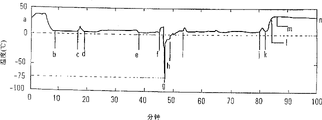
图4显示了作为根据本发明的方法整个大鼠心脏灌注,低温储藏,冷冻,解冻和再灌注的时间的函数的温度。Figure 4 shows temperature as a function of time for whole rat heart perfusion, cryopreservation, freezing, thawing and reperfusion according to the method of the present invention.
图5显示作为温差电偶和瞬时反应的时间的温度;Figure 5 shows the temperature as a thermocouple and the time of the transient response;
图6显示作为在第一套人毒性试验过程中的时间的函数的血浆DMF浓度;Figure 6 shows the plasma DMF concentration as a function of time during the first set of human toxicity tests;
图7显示作为在第二套人毒性试验过程中的时间的函数的血浆DMF浓度;Figure 7 shows the plasma DMF concentration as a function of time during the second set of human toxicity tests;
图8是将根据本发明的低温储藏过程之后的冷冻/解冻大鼠心脏放大22500倍的心瓣膜的显微图;Figure 8 is a micrograph of a heart valve magnified 22,500 times from a frozen/thawed rat heart after a cryopreservation process according to the present invention;
图9是将根据本发明低温储藏过程之后的冷冻/解冻大鼠心脏放大36250倍的心瓣膜的显微图;和Figure 9 is a micrograph of a heart valve magnified 36,250 times from a frozen/thawed rat heart after a cryopreservation process according to the present invention; and
图10是将根据本发明低温储藏过程之后的冷冻/解冻大鼠心脏放大28500倍的心瓣膜的显微图。Fig. 10 is a micrograph of a heart valve magnified 28500 times of a frozen/thawed rat heart after a cryopreservation process according to the present invention.
实施例1Example 1
低温储藏low temperature storage
材料和方法Materials and methods
模型:分离的经灌注的大鼠心脏Model: Isolated perfused rat heart
利用十二只重量各为250-350克的BD9大鼠。根据可接受的方案,用乙基戊基巴比通钠麻醉大鼠。Twelve BD9 rats each weighing 250-350 grams were utilized. Rats were anesthetized with ethylamylbarbiton sodium according to accepted protocols.
Langendorff仪器Langendorff Instruments
利用两个连接到两个水浴的标准Langendorff系统,一个在低温,用于冷冻器官到大约4-5℃,另一个维持在37℃。利用冷的Langendorff系统(称为LD2),用Tyrode-DMF溶液灌注心脏,在缺乏DMF时,即用纯Tyrode,用热的Langendorff系统(称为LD1)灌注心脏。Two standard Langendorff systems connected to two water baths were utilized, one at cryogenic temperature for freezing the organs to approximately 4-5°C and the other maintained at 37°C. Hearts were perfused with Tyrode-DMF solution using a cold Langendorff system (designated LD2) and in the absence of DMF, ie pure Tyrode, with a warm Langendorff system (designated LD1).
每升溶液的灌注组合物(Tyrode)Perfusion composition per liter of solution (Tyrode)
NaCl 137.6mMNaCl 137.6mM
Kcl 5.4mMKcl 5.4mM
MgCl2 1.0mMMgCl 2 1.0mM
CaCl2 1.8mMCaCl 2 1.8mM
葡萄糖 5.0mMGlucose 5.0mM
Hespes-NaOH 11.6mMHespes-NaOH 11.6mM
溶液的pH值 7.45The pH value of the solution is 7.45
DMF特性DMF characteristics
(BASF工业化学,二甲基甲酰胺技术印刷品M5351e,1989年10月)(BASF Industrial Chemistry, Dimethylformamide Technical Print M5351e, October 1989)
N,N-二甲基甲酰胺(DMF)是具有下面特性的细胞分化剂N,N-Dimethylformamide (DMF) is a cell differentiation agent with the following properties
分子式: C3H7ONMolecular formula: C 3 H 7 ON
相对摩尔质量: 73,095克/摩尔Relative molar mass: 73,095 g/mol
冰点: -61℃Freezing point: -61℃
DMF是无色的,高沸点,可动的,极性的,具有微弱特性气味的吸水液体。作为具有高二电常数的惰性溶剂,DMF是良好的溶剂,是水和液体可溶的并在23℃具有低的气压。DMF与强氧化剂,烷基化铝和卤化化学品接触可以导致产生火或爆炸。DMF is a colorless, high-boiling, mobile, polar, hygroscopic liquid with a faint characteristic odor. As an inert solvent with a high dielectric constant, DMF is a good solvent, soluble in water and liquids and has a low gas pressure at 23°C. Contact of DMF with strong oxidizing agents, aluminum alkyls and halogenated chemicals can cause a fire or explosion.
DMF储藏在低于-5℃的密封容器中。当需要时定量混合灌注液/CPA(OV)溶液并不储藏用于以后使用。Store DMF in airtight containers below -5°C. The perfusate/CPA(OV) solution was mixed quantitatively when needed and not stored for later use.
温度测量temperature measurement
如图2显示,通过定位于主动脉套管内的小(0.5毫米直径)的T型温度电偶连续地测量温度。选择这一位置作为心脏附近与对心脏运动的最小干涉之间的最好统一。温差电偶能够精确地以超过45℃/秒的速度跟随温度变化。用具有定制的扩增器(掺入冷点温度补偿)的PC-30 12bitA/D卡(Eagle电子公司)实验期间每秒一次对温度取样。以商品Fluke 52K-型温差电偶温度计校正温度测量系统。在-100℃到+100℃范围内的测量证明精确到真正温度的2%。在液氮中快速冷冻的过程中,将心脏淹没在液氮中刚刚超过主动脉(参见图2)。在左心室内和如上面提到的主动脉导管内进行低温储藏实验过程中的温度测量。淹没在液氮中的心脏在20秒内心脏内的温度达到-196℃,相对的主动脉尖的温度为-75℃。左心室在快速冷冻过程中冷冻速度约为10℃/秒,在主动脉尖为7.5℃/秒。As shown in Figure 2, temperature was measured continuously by a small (0.5 mm diameter) T-type thermocouple positioned within the aortic cannula. This location was chosen as the best unity between proximity to the heart and minimal interference with heart motion. Thermocouples can precisely follow temperature changes at a rate of more than 45°C/sec. Temperature was sampled once per second during the experiment using a PC-30 12 bit A/D card (Eagle Electronics) with a custom amplifier (incorporating cold spot temperature compensation). The temperature measurement system was calibrated with a commercial Fluke 52K-model thermocouple thermometer. Measurements in the range -100°C to +100°C proved accurate to within 2% of the true temperature. During snap freezing in liquid nitrogen, the heart was submerged in liquid nitrogen just above the aorta (see Figure 2). Temperature measurements during cryopreservation experiments were performed in the left ventricle and in the aortic duct as mentioned above. A heart submerged in liquid nitrogen reached a temperature of -196°C within 20 seconds, compared to -75°C at the aortic tip. The freezing rate of the left ventricle is about 10°C/sec during the rapid freezing process, and it is 7.5°C/sec at the aortic tip.
使用的灌注液/CPA(OV)混合物:Perfusate/CPA(OV) mix used:
称为(OV1)溶液的Tyrode 90%和DMF 10%
称为(OV2)溶液的Tyrode 80%和DMF 20%
称为(OV25)溶液的Tyrode 75%和DMF 25%
称为(OV3)溶液的Tyrode 70%和DMF 30%
所有百分数为体积/体积(v/v)百分数。All percentages are volume/volume (v/v) percentages.
技术technology
制备了如上所述的热/冷(37℃/5℃)LD1和冷(5℃)LD2 Langendorff系统。在LD1利用单一纯Tyrode溶液并利用该系统冷冻所有灌注的大鼠心脏。在LD2只在冷温度(5℃)使用纯Tyrode和储藏保护剂的OV混合物。Hot/cold (37°C/5°C) LD1 and cold (5°C) LD2 Langendorff systems were prepared as described above. All perfused rat hearts were frozen at LD1 using a single pure Tyrode's solution and using this system. In LD2 pure Tyrode and an OV mixture of storage protectants were used only at cold temperatures (5°C).
将DMF保持在-5℃的密封的容器内的冷冻储藏区域。在使用之前立即制造Tyrode溶液中的10%,20%,25%和30%DMF溶液。Keep DMF at -5 °C in a sealed container in a freezer storage area. Make 10%, 20%, 25%, and 30% DMF solutions in Tyrode's solution immediately before use.
在第一套实验中,将大鼠麻醉,切除心脏,浸入冷的Tyrode溶液,通过左心室插入套管,连接到37℃的含有纯的Tyrode溶液的热/冷Langendorff系统(LD1)并灌注8分钟以便固定收缩(图4-注解a),然后该系统温度降到5℃并维持这一温度10分钟(图4-注解b-c)。In the first set of experiments, rats were anesthetized, their hearts excised, immersed in cold Tyrode's solution, cannulated through the left ventricle, connected to a hot/cold Langendorff system (LD1) containing pure Tyrode's solution at 37°C and perfused for 8 minutes to fix the shrinkage (Figure 4-note a), then the temperature of the system was lowered to 5°C and maintained at this temperature for 10 minutes (Figure 4-note b-c).
用Mayo剪刀在紧靠肋骨骨架的下面横切腹部,暴露隔膜,然后切除腹部和侧面边缘的隔膜以便暴露心脏和肺。在这时,肺不再起作用,缺血性时钟开始运转。然后切除心脏与肋骨骨架之间的纵隔并将心脏温和地举起并用隔膜剪刀切除。然后将心脏放入冷的Tyrode烧杯中,淹没。然后通过切除主动脉的边缘举起心脏,借助于棉线将主动脉关闭到套管,修剪缝的边缘。The abdomen was transected with Mayo scissors just below the rib cage to expose the diaphragm, and then the diaphragm was excised at the abdominal and lateral margins to expose the heart and lungs. At this point, the lungs are no longer functioning and the ischemic clock kicks in. The mediastinum between the heart and the rib cage was then excised and the heart was gently lifted and excised with diaphragm scissors. The heart is then placed in a cold Tyrode beaker and submerged. The heart is then lifted by cutting the edge of the aorta, closing the aorta to the cannula with the aid of cotton thread, and trimming the edge of the suture.
然后将心脏与LD1系统分开,连接到LD2系统(图4-注解c-d)。用纯Tyrode在5℃开始灌注来自LD2系统的心脏,然后将灌注溶液变化为50毫升OV1溶液(LD2)(图4-注解d)。灌注心脏10分钟直到耗尽OV1溶液。然后用30毫升OV1溶液填充系统LD2,连续灌注8分钟。然后用30毫升OV3溶液填充系统LD2,在耗尽OV3之前8分钟后,停止灌注。然后用薄层棉絮覆盖心脏,用OV3溶液在0℃浸没。然后在液氮中完全浸没心脏,直到左心室的温度达到-196℃。以冷冻速度为-10℃/秒时冷冻20秒。在再加热之前将心脏维持在-196℃的温度10秒到45分钟的时间范围。The heart was then separated from the LD1 system and connected to the LD2 system (Figure 4—notes c–d). Perfusion of hearts from the LD2 system was started at 5°C with pure Tyrode, and then the perfusion solution was changed to 50 ml of OV1 solution (LD2) (Figure 4—note d). Perfuse the heart for 10 min until the OV1 solution is exhausted. System LD2 was then filled with 30 mL of OV1 solution and perfused continuously for 8 min. System LD2 was then filled with 30 ml of OV3 solution, and perfusion was stopped after 8 min before OV3 was depleted. The heart was then covered with a thin layer of cotton wool and immersed in OV3 solution at 0 °C. The heart was then completely submerged in liquid nitrogen until the temperature of the left ventricle reached -196 °C. Freeze for 20 seconds at a freezing rate of -10°C/second. Hearts were maintained at a temperature of -196°C for a period of time ranging from 10 seconds to 45 minutes before reheating.
然后将心脏置于0℃的含有70毫升OV3的100毫升玻璃杯中并保留12分钟进行解冻(图4,注解g-i)。此后,左心室温度在+4℃到-4℃之间。在冷的仍然连接的Langendorff系统(LD2)上,利用20毫升OV3再开始灌注2分钟。然后用20毫升OV2溶液填充LD2系统,继续灌注2分钟,然后用30毫升OV1溶液继续灌注4分钟,然后用100毫升纯Tyrode继续灌注12分钟。总的再灌注时间20分钟。然后移出心脏,再连接到冷/热Langendorff系统LD1(图4-注解j-k),用纯Tyrode溶液在5℃的温度开始灌注(图4-注解k)并再加热系统到温度37℃(图4-注解k-m),直到左心室温度为37℃。在温度达到14到30℃时心脏开始在3到6分钟内收缩。将跳动的心脏保持在温热的Langendorff系统中30分钟,然后实验终止。The heart was then thawed by placing it in a 100 ml glass containing 70 ml of OV3 at 0°C for 12 minutes (Figure 4, annotations g-i). Thereafter, the left ventricular temperature ranged from +4°C to -4°C. On the cold still connected Langendorff system (LD2), perfusion was started for another 2 minutes with 20 ml OV3. The LD2 system was then filled with 20 mL of OV2 solution and perfusion continued for 2 minutes, followed by 30 mL of OV1 solution for 4 minutes, and then 100 mL of pure Tyrode for 12 minutes. The total reperfusion time was 20 minutes. The heart was then removed, reconnected to the cold/warm Langendorff system LD1 (Fig. 4-note j-k), perfusion was started at a temperature of 5°C with pure Tyrode solution (Fig. 4-note k) and the system was reheated to a temperature of 37°C (Fig. 4 - Notes k-m) until the left ventricular temperature is 37°C. The heart begins to contract within 3 to 6 minutes when the temperature reaches 14 to 30°C. The beating heart was kept in a warmed Langendorff system for 30 minutes, after which the experiment was terminated.
在第二套实验中,使用了OV1和OV25溶液。在这套实验中,OV25代替了OV2和OV3。In the second set of experiments, OV1 and OV25 solutions were used. In this set of experiments, OV25 replaced OV2 and OV3.
如果在8℃以上开始在液氮中冷冻,通常发生心脏的脆裂。通过在心脏周围形成隔离囊,棉絮包裹材料减慢温度的下降。Embrittlement of the heart usually occurs if freezing in liquid nitrogen is initiated above 8°C. The cotton-wool wrap slows down the drop in temperature by creating an insulating pouch around the heart.
通过用95%的氧/5%的CO2气体混合物预吹使所有溶液氧化。在细胞中足够快地扩散DMF,没有观察到渗透膨胀。必须避免进入心脏的灌注液中的气泡因为它们会导致引起缺血并干涉CPA的加入和除去的梗塞。大的气泡是致死的。灌注液的压力头优选地是90-100厘米。37.5厘米的压力头导致不恰当的灌注。All solutions were oxidized by pre-blowing with a 95% oxygen/5% CO2 gas mixture. Diffusion of DMF in the cells was fast enough that no osmotic swelling was observed. Air bubbles in the perfusate entering the heart must be avoided as they can cause infarction causing ischemia and interfering with the addition and removal of CPA. Large bubbles are lethal. The pressure head of the perfusate is preferably 90-100 cm. A pressure head of 37.5 cm resulted in improper perfusion.
在实验完成时对所有心脏进行亚心内和亚贲门层的转移电子显微术(参见图8-10)。Transfer electron microscopy of the subendocardia and subcardia was performed on all hearts at the completion of the experiment (see Figures 8-10).
对100个大鼠心脏重复如上所述的实验。The experiment as described above was repeated on 100 rat hearts.
结果result
如图1-注解b可以看到用温度冷却速度-75℃/秒达到快速冷冻。将心脏浸没在液氮中,使主动脉套管尖的温度固定在-75℃。与此相关的心脏内的温度为-196℃。在从液氮中取出心脏后,再加热,温度快速达到-7℃(参见图Ⅰ-注解c)。As shown in Figure 1-note b, it can be seen that rapid freezing can be achieved with a temperature cooling rate of -75°C/sec. The heart was submerged in liquid nitrogen to fix the temperature of the aortic cannula tip at -75°C. The associated temperature inside the heart is -196°C. After the heart was removed from the liquid nitrogen and reheated, the temperature rapidly reached -7°C (see Figure I—note c).
在这一系列实验中,在Langendorff系统热灌注后开始收缩3到6分钟的心脏,在心肌温度为14到30℃的范围下重新启动。观察活动的,有节律跳动的心脏至少30分钟。冠状流回到预冷速度,心脏速度恢复到预冷值。肉眼没有看到损坏。用电子显微镜在22500,28500和36250的放大倍数下观察细胞内的结构没有可见的损坏(附图8-10)。In this series of experiments, hearts that had initially contracted 3 to 6 minutes after hyperperfusion with the Langendorff system were restarted at a myocardial temperature range of 14 to 30 °C. Watch for an active, rhythmic beating heart for at least 30 minutes. Coronary flow returns to precool speed and heart rate returns to precool value. No damage was visible to the naked eye. There was no visible damage to the intracellular structures observed with an electron microscope at magnifications of 22500, 28500 and 36250 (Figs. 8-10).
在肝的低温储藏的情况中,在导入CPA之前阻止肝功能很重要,因为有功能的肝将分解DMF成毒性化合物(AMCC)。DMF是有肝毒性的。肝功能在约8℃时终止,肝必须冷冻到最小4℃,然后导入DMF。在导入DMF溶液之前,整个身体必须保持或低于4℃。为了冷冻整个身体,将身体置于心肺机器中,用纯生理溶液替代血液,并冷冻到4℃。导入CPA(OV溶液)并循环到整个身体直到所有细胞被CPA饱和。然后用吸足CPA溶液的填塞物覆盖身体并在液氮中冷冻。在再加热时,必须维持最小4℃的温度直到所有CPA溶液从身体细胞中冲洗出。然后用纯生理溶液再加热身体直到11℃,然后再将血液导入身体。In the case of cryopreservation of the liver, it is important to arrest liver function prior to the introduction of CPA, since a functioning liver will break down DMF into toxic compounds (AMCC). DMF is hepatotoxic. Liver function ceases at about 8°C and the liver must be frozen to a minimum of 4°C before being introduced into DMF. The whole body must be kept at or below 4°C before introducing the DMF solution. To freeze the whole body, the body is placed in a heart-lung machine, the blood is replaced with a pure physiological solution, and frozen to 4°C. CPA (OV solution) is introduced and circulated throughout the body until all cells are saturated with CPA. The body was then covered with a pad imbibed with CPA solution and frozen in liquid nitrogen. When reheating, a minimum temperature of 4°C must be maintained until all the CPA solution is flushed from the body cells. The body is then reheated with pure physiological solution up to 11°C before the blood is introduced into the body.
讨论discuss
过去通过在达到-196℃的温度冷冻储藏固体器官,同时在冷冻过程后再获得功能状态的尝试没有成功的(Wang T,Banker MC,ClaydenN,Hicks GL Jr,Layne JR Jr,哺乳动物心脏外植体Ⅵ的冷冻储藏。解冻速度对功能恢复的影响,“低温生物学”29期,(470-477),1992;Wang T,Connery CP,Batty PR,在高的亚零下温度成年哺乳动物心脏的冷冻储藏,“低温生物学”29期(171-176),1991;Wicomb WN,Hill DJ,Collins GM,兔心脏的24小时冰储藏,“心肺移植杂志”,13:5,(891-894),1994。就申请人的了解范围,还没有成功的实验,其中在低于-80℃的温度冷冻固体器官,随后在宏观和微观评价都没有显示可见的器官的损坏。Past attempts to store solid organs by cryopreservation at temperatures up to -196°C while reacquiring a functional state after the freezing process have not been successful (Wang T, Banker MC, Clayden N, Hicks GL Jr, Layne JR Jr, Mammalian heart explant Frozen storage of body VI. The effect of thawing speed on functional recovery, "Cryobiology" 29, (470-477), 1992; Wang T, Connery CP, Batty PR, adult mammalian heart Cryopreservation, Cryobiology 29 (171-176), 1991; Wicomb WN, Hill DJ, Collins GM, 24-hour ice storage of rabbit hearts, Journal of Heart and Lung Transplantation, 13:5, (891-894) , 1994. To the best of the applicant's knowledge, there have been no successful experiments in which solid organs were frozen at temperatures below -80°C and subsequent macroscopic and microscopic evaluations showed no visible organ damage.
由结晶,毒性和渗透压引起细胞内的损坏。低温学杂志已经很好地记录了这些问题。以前报道的成功的低温储藏仅限于单个细胞和精子。这些过程通常使用慢的或计划性冷冻,其中,结构的绝对体积非常小(Rall WF,Fahy GM,通过玻璃化作用,在-196℃无冰低温储藏大鼠胚胎,“自然”,313,(573-575),1985)。在单个细胞中,假定高的温度冷却速度和冷冻具有更小的效应,因为体积变化对单个细胞比对完整器官具有更小的损坏效应。Intracellular damage caused by crystallization, toxicity and osmotic stress. The Journal of Cryogenics has well documented these issues. Previously reported successful cryopreservation was limited to single cells and sperm. These procedures often use slow or planned freezing in which the absolute volume of the structures is very small (Rall WF, Fahy GM, Cryopreservation of rat embryos at -196°C by vitrification, Nature, 313, ( 573-575), 1985). In single cells, high temperature cooling rates and freezing are assumed to have less effect because volume changes have less damaging effects on single cells than on intact organs.
当淹没在液氮中,正如电解质-水溶液,25%的DMF和Tyrode溶液不表现体积扩展。所以本发明人在一些鼠心脏实验中利用了这一浓度。When submerged in liquid nitrogen, like the electrolyte-water solution, 25% DMF and Tyrode's solutions do not exhibit volume expansion. So the inventors used this concentration in some rat heart experiments.
在鼠心脏实验中遇到的温度冷却速度并不具有任何毒害效应,没有细胞内的损坏发生。The cooling rates to the temperatures encountered in the rat heart experiments did not have any deleterious effect, and no intracellular damage occurred.
为了成功地低温储藏整个器官,需要具有下面特性的介质和过程:For successful cryopreservation of whole organs, media and processes with the following properties are required:
1.该介质必须快速替代细胞内的水分;1. The medium must quickly replace the water in the cells;
2.该介质必须同时达到器官中所有细胞(Burrows FA,BissonetteB,在新生儿和婴儿的心脏手术中利用深远的体温过低和低的心肺流动或循环时阻止脑的血液流动速度的方式,“Can Anaesth”,40:4,(298-307),1993);2. The medium must reach all cells in the organ simultaneously (Burrows FA, Bissonette B, Ways to block blood flow velocity to the brain when profound hypothermia and low cardiopulmonary flow or circulation are exploited in neonatal and infant cardiac surgery, "Can Anaesth ", 40:4, (298-307), 1993);
3.该介质必须改变水和介质的混合物的特性以致在冷冻时没有或很少体积变化发生;3. The medium must change the properties of the mixture of water and medium so that no or little volume change occurs upon freezing;
4.该介质必须是对细胞和组织没有毒性的;4. The medium must be nontoxic to cells and tissues;
5.必须在广泛的温度范围维持介质特性;5. Dielectric properties must be maintained over a wide temperature range;
6.该介质必须在冷冻温度下具有低粘度,通常接近水;6. The medium must have a low viscosity at freezing temperatures, usually close to water;
7.在亚零下温度呈液态的介质。7. A medium that is liquid at sub-zero temperatures.
本发明人发现二甲基甲酰胺(DMF)符合上面提到的大多数要求。The inventors have found that dimethylformamide (DMF) meets most of the requirements mentioned above.
利用大鼠心脏作模型,因为在实验工作中它容易评价。其中在实验模型中在大鼠心脏中可以测试功能的方式已经很好地建立了,所以比较信息是可得的。兴趣初步集中在进行低温储藏技术后心脏的功能上。但是,在所有情况中进行组织的电子显微术以便研究超级结构变化的可能性。The rat heart was used as a model since it is easy to evaluate in experimental work. The manner in which function can be tested in the rat heart in experimental models is well established, so comparative information is available. Interest initially focused on the function of the heart following cryopreservation techniques. However, electron microscopy of the tissue was performed in all cases in order to investigate the possibility of superstructural changes.
电子显微术显示细胞内结构没有可见的损坏,尽管经过非常细致的对细胞损坏的信号的研究。Electron microscopy showed no visible damage to intracellular structures, despite a very careful study of the signals of cellular damage.
在遭遇了极度温度冷却速度以及非常低的终点温度后,实验中心脏恢复特别好。宏观没有损坏可以看到,正如心脏收缩的运动所表示的,功能性良好。The heart recovered particularly well in the experiment after encountering extreme temperature cooling rates and very low endpoint temperatures. Macroscopically no damage can be seen, as indicated by the systolic movement, and the function is good.
本发明开创了长期储藏固体器官和组织结构和建立器官库的潜能。实施例2The present invention opens up the potential for long-term storage of solid organs and tissue structures and the establishment of organ banks. Example 2
HIV的治疗HIV treatment
如对HIV-1阳性病人利用Virodene PO58皮肤膏药的3期临床实验,对人进行毒性研究。同时本发明人也进行了DMF对细胞培养物的体外研究。Such as the phase 3 clinical trial of Virodene PO58 skin plaster on HIV-1 positive patients, and the toxicity study on humans. At the same time, the inventors also conducted in vitro studies on DMF on cell cultures.
通过将用二甲基甲酰胺凝胶浸泡的皮肤膏药用于病人的身体,利用二甲基甲酰胺(Virodene PO58),治疗感染HIV-1的病人。两块皮肤膏药用于病人身体的不同部分例如前臂。每块皮肤膏药含有7.064克含有DMF(92.5%m/m)和胶质二氧化硅(7.5%m/m)的凝胶。凝胶的作用是防止液体DMF从膏药中漏出。由于DMF快速蒸发,在使用之前不超过12小时制造这些膏药。病人血液中的希望的DMF水平是100ppm。对于重量约为60千克的病人,在12小时的时期生产100ppm的水平需要约14克的量。N-乙酰-半胱氨酸-谷胱甘肽和/或基本磷脂以250毫克到300毫克每天的剂量作为肝加强注射剂量对病人给药。另外,谷氨酸也可以作为肝加强注射剂量对病人给药(口腔或静脉)。根据Marz和Nohova的研究,吸收这一剂量需要的表面面积约为127.2平方厘米。为了获得100ppm的血液水平,每小时必须吸收约1.272克DMF,所以每个张贴物需要约7.064克DMF以传递需要的剂量,表面面积为6.36平方厘米(每个张贴物)。DMF的吸收速度是9.4毫克/平方厘米/小时。在理论上,这一治疗将传递125-135ppm,但由于DMF的蒸发,得到100ppm。根据各种因素如皮肤类型和皮肤厚度吸收能力随不同的病人有变化。为了在病人中获得需要的DMF水平,对每个病人检测血浆DMF的浓度并根据每个病人的DMF水平逐渐调节治疗(参见图6和7,例如在接受同样治疗的病人中各种血浆DMF浓度水平)。DMF (Virodene PO58) is used to treat patients infected with HIV-1 by applying a skin patch soaked in DMF gel to the patient's body. Two skin patches are applied to different parts of the patient's body such as the forearm. Each skin patch contained 7.064 grams of gel containing DMF (92.5% m/m) and colloidal silicon dioxide (7.5% m/m). The role of the gel is to prevent the liquid DMF from leaking out of the plaster. Since DMF evaporates quickly, make these plasters no more than 12 hours before application. The desired DMF level in the patient's blood is 100 ppm. For a patient weighing approximately 60 kg, an amount of approximately 14 grams is required to produce a level of 100 ppm over a 12 hour period. N-acetyl-cysteine-glutathione and/or essential phospholipids are administered to the patient as a hepatic booster injection at a dose of 250 mg to 300 mg per day. Alternatively, glutamate can be administered to patients as a hepatic booster injection (oral or intravenous). According to Marz and Nohova, the surface area required to absorb this dose is approximately 127.2 square centimeters. To obtain a blood level of 100ppm, approximately 1.272 grams of DMF must be absorbed per hour, so approximately 7.064 grams of DMF are required per patch to deliver the required dose, with a surface area of 6.36 square centimeters (per patch) . The absorption rate of DMF is 9.4 mg/cm2/hour. In theory, this treatment would deliver 125-135ppm, but due to evaporation of the DMF, 100ppm was obtained. Absorbency varies from patient to patient according to various factors such as skin type and skin thickness. In order to obtain the desired DMF level in the patient, the plasma DMF concentration was measured for each patient and the treatment was gradually adjusted according to the DMF level of each patient (see Figures 6 and 7, for example, various plasma DMF concentrations in the same treated patients level).
所以每个张贴物加载约7.064克DMF和二氧化硅的凝胶。每块膏药用12小时的时期,每星期一块,12星期一周期,或每星期两块,6星期一周期。So about 7.064 grams of DMF and silica gel was loaded per post. Use each patch for a 12-hour period, one patch per week for a 12-week cycle, or two patches per week for a 6-week cycle.
在某些病人中在三星期内(参见图3),用尽可能少的三次治疗的血液试验表明CD4 T-细胞数量从350增加到1000,PCR(聚合酶链式反应)快速从120000降低(病毒负载)到500/毫升。进行PCR试验的是Roche amplicor HIV检测器。<500/毫升血浆的病毒负载认为是不可检测的。In some patients within three weeks (see Figure 3), blood tests with as few as three treatments showed an increase in CD4 T-cell counts from 350 to 1,000 and a rapid decrease in PCR (polymerase chain reaction) from 120,000 ( viral load) to 500/ml. The PCR test was performed with a Roche amplicor HIV detector. A viral load of <500/ml plasma was considered undetectable.
一些进行治疗的病人在治疗前具有严重的粉刺或展示德国麻疹症状。当用DMF治疗以致病人血液中的DMF水平为50-100ppm时,德国麻疹症状和严重的粉刺在7天内清除或消失。Some treated patients had severe acne or exhibited symptoms of German measles prior to treatment. When treated with DMF so that the DMF level in the patient's blood was 50-100 ppm, German measles symptoms and severe acne cleared or disappeared within 7 days.
在用二甲基甲酰胺治疗前,对病人进行综合的基本临床和心理评估。评估提供了病人的基本生化和血液数据。同时进行详细的病毒血清学试验(HIV-1)以便确定病人整个身体的病毒数,这些试验在每周或每次治疗的进行。Before treatment with DMF, conduct a comprehensive basic clinical and psychological evaluation of the patient. The assessment provides the patient's basic biochemical and hematological data. Simultaneously detailed viral serological tests (HIV-1) are carried out in order to determine the viral count of the patient's whole body, these tests are carried out on a weekly or per treatment basis.
在治疗周期中,每小时确定病人血液中的DMF的浓度。每天早晨导入静脉内细线以便取血样并以20毫升/小时注入普通生理盐水保持开放,同时进行每天监测起源于DMF的活性代谢物AMCC(如通过4小时的尿样)。根据吸收变化性的变化导致的血液水平的DMF的浓度的测定的变化调节随后的DMF的应用并进行每天的整个血液学和生化图谱以便检测肝功能的任何变化。同时进行每天的临床和心理评估。During the treatment period, the concentration of DMF in the patient's blood is determined every hour. Intravenous thin lines were introduced each morning for blood sampling and kept open by infusing normal saline at 20 ml/hr, while daily monitoring of the active metabolite AMCC originating from DMF (eg, via 4-hour urine samples) was performed. Subsequent application of DMF was adjusted according to measured changes in blood levels of DMF concentration resulting from changes in absorption variability and full hematology and biochemical profiles were performed daily to detect any changes in liver function. Daily clinical and psychological assessments were performed concurrently.
同时进行确定每天总的身体病毒数和检测病人免疫状态(CD4T-辅助细胞)和预测因素的改善的每天病毒血清学工作。血清学工作是根据p24抗原和定量的PCR或可选择地通过其它方法。同时也进行CD4数和β-2-巨球蛋白的每周特异性测定以便监测病人免疫状态和预测因素的改善。为了缩短治疗以便使临床效果最大和副作用最小,将所有临床和实验室数据装入集中的数据系统以便简化对任何危害变化的快速应答。Daily viral serology to determine the daily total body viral count and to detect improvement in the patient's immune status (CD4 T-helper cells) and predictors was performed concurrently. Serological work is based on p24 antigen and quantitative PCR or alternatively by other methods. Weekly specific measurements of CD4 count and β-2-macroglobulin are also performed to monitor the patient's immune status and predict improvement of factors. In order to shorten treatment to maximize clinical effect and minimize side effects, all clinical and laboratory data are loaded into a centralized data system to simplify rapid response to any changes in hazards.
试验包括test includes
a)血清:S-Na,S-K,S-Cl,S-CO2,S-脲,Surate,S-Creat,a) Serum: S-Na, SK, S-Cl, S-CO 2 , S-urea, Surate, S-Creat,
S-Ca,S-Ca,S-Mg,S-Phos,总血清,S-Conjd;S-Ca, S-Ca, S-Mg, S-Phos, Total Serum, S-Conjd;
b)红血球:HB Det,红细胞,Haematocrit,MCV,MCH,b) Erythrocytes: HB Det, Erythrocytes, Haematocrit, MCV, MCH,
MCHC,RDW;MCHC, RDW;
c)蛋白质电泳:ST-蛋白质,S-白蛋白,S-总Glob,S-αGlob,c) Protein electrophoresis: ST-protein, S-albumin, S-total Glob, S-αGlob,
S-α2 Glob,S-βGlob,S-γGlob;S-α2 Glob, S-βGlob, S-γGlob;
d)白细胞分化数:白细胞数,Neutro绝对值,Lypho绝对值,d) Differentiation number of white blood cells: number of white blood cells, absolute value of Neutro, absolute value of Lypho,
Mono绝对值,Eosino绝对值,Baso绝对值;Mono absolute value, Eosino absolute value, Baso absolute value;
e)肝酶:S-Alk,Phos,S-γGT,S-Alt(SGPT),S-AST(SGOT),e) Liver enzymes: S-Alk, Phos, S-γGT, S-Alt(SGPT), S-AST(SGOT),
S-LD;S-LD;
f)病毒学:细胞标记,PCR,β2-微球蛋白,P24抗原,C-反应f) Virology: Cell markers, PCR, β2-microglobulin, P24 antigen, C-reaction
性蛋白,和CK-MB浓度;sex protein, and CK-MB concentration;
g)DMF水平的血液分析;g) blood analysis for DMF levels;
h)AMCC水平的尿分析。h) Urinalysis for AMCC levels.
DMF的作用似乎是逆转录酶抑制剂和蛋白酶抑制剂中的一种。进行的体外试验表明似乎是DMF的可溶特性使病毒颗粒如外壳溶解。DMF appears to act as one of a reverse transcriptase inhibitor and a protease inhibitor. In vitro experiments performed indicated that it appears to be the soluble properties of DMF that solubilizes virus particles such as coats.
Claims (51)
Priority Applications (1)
| Application Number | Priority Date | Filing Date | Title |
|---|---|---|---|
| CN 96199028 CN1204232A (en) | 1995-12-15 | 1996-12-13 | Composition for organ cryopreservation and treatment of viral and bacterial infections |
Applications Claiming Priority (3)
| Application Number | Priority Date | Filing Date | Title |
|---|---|---|---|
| ZA95/10674 | 1995-12-15 | ||
| ZA96/5755 | 1996-07-05 | ||
| CN 96199028 CN1204232A (en) | 1995-12-15 | 1996-12-13 | Composition for organ cryopreservation and treatment of viral and bacterial infections |
Publications (1)
| Publication Number | Publication Date |
|---|---|
| CN1204232A true CN1204232A (en) | 1999-01-06 |
Family
ID=5129286
Family Applications (1)
| Application Number | Title | Priority Date | Filing Date |
|---|---|---|---|
| CN 96199028 Pending CN1204232A (en) | 1995-12-15 | 1996-12-13 | Composition for organ cryopreservation and treatment of viral and bacterial infections |
Country Status (1)
| Country | Link |
|---|---|
| CN (1) | CN1204232A (en) |
-
1996
- 1996-12-13 CN CN 96199028 patent/CN1204232A/en active Pending
Similar Documents
| Publication | Publication Date | Title |
|---|---|---|
| US7611830B2 (en) | Device to lavage a blood vessel | |
| CN1200742C (en) | Methods and compositions for use in perfusion applications | |
| US7238469B2 (en) | Carbon monoxide improves outcomes in tissue and organ transplants and suppresses apoptosis | |
| Salehi et al. | Advances in perfusion systems for solid organ preservation | |
| Song et al. | In vivo evaluation of the effects of a new ice-free cryopreservation process on autologous vascular grafts | |
| CN108902132A (en) | A kind of machine perfusion system saved for isolated heart | |
| CN108902131A (en) | A kind of room temperature perfusion liquid saved for isolated heart | |
| CN112602703B (en) | A kind of preparation method and application of cell, tissue or organ cold preservation solution | |
| CN113490414B (en) | Preservation of Stem cells | |
| WO2025102424A1 (en) | Cold storage solution and use thereof in reducing ischemia-reperfusion injury of cells, tissues, or organs | |
| CZ182098A3 (en) | A preparation used in cryopreservation of organs and for the treatment of viral and bacterial infections | |
| CA2591759C (en) | Method of separating pancreatic islet | |
| WO1997022248A9 (en) | Composition for organ cryopreservation and treatment of viral and bacterial infections | |
| CN1204232A (en) | Composition for organ cryopreservation and treatment of viral and bacterial infections | |
| CN113854280A (en) | A novel cryopreservation solution and its preparation method and application | |
| JP3875295B2 (en) | Myocardial protective fluid | |
| TW201446964A (en) | Organ and tissue preservation solution with increased oxygen content, stability and storage life | |
| CN101203231A (en) | Methods, compositions and articles of manufacture for enhancing the viability of cells, tissues, organs and organisms | |
| TAYLOR et al. | Preservation of skin grafts by refrigeration for reconstructive surgery | |
| Lu et al. | Hypothermic perfusion protocol development for donor heart preservation | |
| Zhang et al. | Optimal pulmonary artery perfusion mode and perfusion pressure during cardiopulmonary bypass | |
| RU2777097C1 (en) | Method for reconditioning a donor heart | |
| Kilbride et al. | Cryopreservation in tissue banking | |
| WO2025097235A1 (en) | Choline derivatives and compositions and uses thereof for cryopreservation | |
| HUP0001161A2 (en) | Preparation for the preservation of organs by freezing and for the treatment of viral and bacterial infections |
Legal Events
| Date | Code | Title | Description |
|---|---|---|---|
| C06 | Publication | ||
| PB01 | Publication | ||
| C10 | Entry into substantive examination | ||
| SE01 | Entry into force of request for substantive examination | ||
| ASS | Succession or assignment of patent right |
Owner name: WHARTON DRUGS HOLDINGS CO., LTD. Free format text: FORMER OWNER: CRYOPRESERVATION TECHNOLOGIES C C Effective date: 20010614 |
|
| C41 | Transfer of patent application or patent right or utility model | ||
| TA01 | Transfer of patent application right |
Effective date of registration: 20010614 Applicant after: Walton pharmaceuticals Holdings Ltd Applicant before: Cryopreservation Technologies C C |
|
| C02 | Deemed withdrawal of patent application after publication (patent law 2001) | ||
| WD01 | Invention patent application deemed withdrawn after publication |