CN1220060C - Process for screening active component from plant extract - Google Patents
Process for screening active component from plant extract Download PDFInfo
- Publication number
- CN1220060C CN1220060C CNB011326913A CN01132691A CN1220060C CN 1220060 C CN1220060 C CN 1220060C CN B011326913 A CNB011326913 A CN B011326913A CN 01132691 A CN01132691 A CN 01132691A CN 1220060 C CN1220060 C CN 1220060C
- Authority
- CN
- China
- Prior art keywords
- plant
- iiia
- compound
- active ingredients
- extracts
- Prior art date
- Legal status (The legal status is an assumption and is not a legal conclusion. Google has not performed a legal analysis and makes no representation as to the accuracy of the status listed.)
- Expired - Fee Related
Links
Images



Classifications
-
- G—PHYSICS
- G01—MEASURING; TESTING
- G01N—INVESTIGATING OR ANALYSING MATERIALS BY DETERMINING THEIR CHEMICAL OR PHYSICAL PROPERTIES
- G01N33/00—Investigating or analysing materials by specific methods not covered by groups G01N1/00 - G01N31/00
- G01N33/48—Biological material, e.g. blood, urine; Haemocytometers
- G01N33/50—Chemical analysis of biological material, e.g. blood, urine; Testing involving biospecific ligand binding methods; Immunological testing
- G01N33/68—Chemical analysis of biological material, e.g. blood, urine; Testing involving biospecific ligand binding methods; Immunological testing involving proteins, peptides or amino acids
-
- A—HUMAN NECESSITIES
- A61—MEDICAL OR VETERINARY SCIENCE; HYGIENE
- A61K—PREPARATIONS FOR MEDICAL, DENTAL OR TOILETRY PURPOSES
- A61K31/00—Medicinal preparations containing organic active ingredients
- A61K31/70—Carbohydrates; Sugars; Derivatives thereof
- A61K31/7042—Compounds having saccharide radicals and heterocyclic rings
- A61K31/7052—Compounds having saccharide radicals and heterocyclic rings having nitrogen as a ring hetero atom, e.g. nucleosides, nucleotides
- A61K31/706—Compounds having saccharide radicals and heterocyclic rings having nitrogen as a ring hetero atom, e.g. nucleosides, nucleotides containing six-membered rings with nitrogen as a ring hetero atom
- A61K31/7064—Compounds having saccharide radicals and heterocyclic rings having nitrogen as a ring hetero atom, e.g. nucleosides, nucleotides containing six-membered rings with nitrogen as a ring hetero atom containing condensed or non-condensed pyrimidines
- A61K31/7076—Compounds having saccharide radicals and heterocyclic rings having nitrogen as a ring hetero atom, e.g. nucleosides, nucleotides containing six-membered rings with nitrogen as a ring hetero atom containing condensed or non-condensed pyrimidines containing purines, e.g. adenosine, adenylic acid
-
- A—HUMAN NECESSITIES
- A61—MEDICAL OR VETERINARY SCIENCE; HYGIENE
- A61K—PREPARATIONS FOR MEDICAL, DENTAL OR TOILETRY PURPOSES
- A61K31/00—Medicinal preparations containing organic active ingredients
- A61K31/70—Carbohydrates; Sugars; Derivatives thereof
- A61K31/715—Polysaccharides, i.e. having more than five saccharide radicals attached to each other by glycosidic linkages; Derivatives thereof, e.g. ethers, esters
- A61K31/726—Glycosaminoglycans, i.e. mucopolysaccharides
- A61K31/727—Heparin; Heparan
-
- A—HUMAN NECESSITIES
- A61—MEDICAL OR VETERINARY SCIENCE; HYGIENE
- A61K—PREPARATIONS FOR MEDICAL, DENTAL OR TOILETRY PURPOSES
- A61K45/00—Medicinal preparations containing active ingredients not provided for in groups A61K31/00 - A61K41/00
- A61K45/06—Mixtures of active ingredients without chemical characterisation, e.g. antiphlogistics and cardiaca
-
- A—HUMAN NECESSITIES
- A61—MEDICAL OR VETERINARY SCIENCE; HYGIENE
- A61P—SPECIFIC THERAPEUTIC ACTIVITY OF CHEMICAL COMPOUNDS OR MEDICINAL PREPARATIONS
- A61P7/00—Drugs for disorders of the blood or the extracellular fluid
- A61P7/02—Antithrombotic agents; Anticoagulants; Platelet aggregation inhibitors
-
- A—HUMAN NECESSITIES
- A61—MEDICAL OR VETERINARY SCIENCE; HYGIENE
- A61P—SPECIFIC THERAPEUTIC ACTIVITY OF CHEMICAL COMPOUNDS OR MEDICINAL PREPARATIONS
- A61P9/00—Drugs for disorders of the cardiovascular system
- A61P9/10—Drugs for disorders of the cardiovascular system for treating ischaemic or atherosclerotic diseases, e.g. antianginal drugs, coronary vasodilators, drugs for myocardial infarction, retinopathy, cerebrovascula insufficiency, renal arteriosclerosis
-
- G—PHYSICS
- G01—MEASURING; TESTING
- G01N—INVESTIGATING OR ANALYSING MATERIALS BY DETERMINING THEIR CHEMICAL OR PHYSICAL PROPERTIES
- G01N2333/00—Assays involving biological materials from specific organisms or of a specific nature
- G01N2333/435—Assays involving biological materials from specific organisms or of a specific nature from animals; from humans
- G01N2333/705—Assays involving receptors, cell surface antigens or cell surface determinants
- G01N2333/70546—Integrin superfamily, e.g. VLAs, leuCAM, GPIIb/GPIIIa, LPAM
-
- G—PHYSICS
- G01—MEASURING; TESTING
- G01N—INVESTIGATING OR ANALYSING MATERIALS BY DETERMINING THEIR CHEMICAL OR PHYSICAL PROPERTIES
- G01N2500/00—Screening for compounds of potential therapeutic value
Landscapes
- Health & Medical Sciences (AREA)
- Life Sciences & Earth Sciences (AREA)
- Chemical & Material Sciences (AREA)
- General Health & Medical Sciences (AREA)
- Medicinal Chemistry (AREA)
- Engineering & Computer Science (AREA)
- Pharmacology & Pharmacy (AREA)
- Molecular Biology (AREA)
- Veterinary Medicine (AREA)
- Public Health (AREA)
- Animal Behavior & Ethology (AREA)
- Epidemiology (AREA)
- Urology & Nephrology (AREA)
- Hematology (AREA)
- Immunology (AREA)
- Biomedical Technology (AREA)
- Bioinformatics & Cheminformatics (AREA)
- Biotechnology (AREA)
- Food Science & Technology (AREA)
- Pathology (AREA)
- General Physics & Mathematics (AREA)
- Biochemistry (AREA)
- Chemical Kinetics & Catalysis (AREA)
- Dermatology (AREA)
- Proteomics, Peptides & Aminoacids (AREA)
- General Chemical & Material Sciences (AREA)
- Organic Chemistry (AREA)
- Cell Biology (AREA)
- Nuclear Medicine, Radiotherapy & Molecular Imaging (AREA)
- Microbiology (AREA)
- Analytical Chemistry (AREA)
- Physics & Mathematics (AREA)
- Vascular Medicine (AREA)
- Diabetes (AREA)
- Heart & Thoracic Surgery (AREA)
- Cardiology (AREA)
- Pharmaceuticals Containing Other Organic And Inorganic Compounds (AREA)
- Investigating Or Analysing Biological Materials (AREA)
- Medicines That Contain Protein Lipid Enzymes And Other Medicines (AREA)
- Peptides Or Proteins (AREA)
Abstract
本发明揭示一种自植物的萃取物中筛选出生物活性成份的方法,所述方法包含将植物的粗萃取物的分级成份配置于格状固体载体上,对所述载体加入充作探针的经标记的标的物且适当地培育所述载体,随后检测所预期的信号并回收对应于所述信号的具有生物活性的成份。借助本发明的方法,可自红花(Carthamustinctorius L)的萃取物得到经纯化且具有生物活性的小分子化合物,所述化合物能专一地与血小板膜受体蛋白质gpIIb/IIIa结合。
The present invention discloses a method for screening biologically active components from plant extracts. The method comprises disposing fractionated components of plant crude extracts on a grid-like solid carrier, adding a After labeling the target and incubating the vector appropriately, the expected signal is detected and the biologically active component corresponding to the signal is recovered. By means of the method of the present invention, a purified and biologically active small molecular compound can be obtained from the extract of safflower (Carthamustinctorius L), and the compound can specifically bind to the platelet membrane receptor protein gpIIb/IIIa.
Description
技术领域technical field
本发明有关应用高密度栏格技术以自植物的萃取分级物中筛选出所需的生物活性成份。The present invention relates to the application of high-density grid technology to screen out desired bioactive components from plant extract fractions.
背景技术Background technique
植物,特别是草本植物,是对动物具有药理或治疗功效的生物活性成份的天然来源。许多药物或其前驱物是分离获自植物。通常,借助利用惯用的技术(如萃取、沉淀、离心及复杂的层析技术)以自植物或其萃取物中分离经纯化的生物活性成份需耗费大量的人力和时间。迄今,并没有一种简单的方法能快速地自植物或其萃取物中筛选出所需的生物活性成份。Plants, especially herbs, are natural sources of biologically active ingredients that have pharmacological or therapeutic properties in animals. Many drugs or their precursors are isolated from plants. Usually, it takes a lot of manpower and time to isolate purified biologically active components from plants or their extracts by utilizing conventional techniques such as extraction, precipitation, centrifugation and complicated chromatographic techniques. So far, there is no simple method to quickly screen out the desired bioactive components from plants or their extracts.
近来,高密度栏格技术(high-density gridding technology)已被用于定性或定量地检测于生物样品中是否存有标的物。所述高密度栏格技术是于固体载体已划有栏格的表面上,固定相当多列小体积或微小体积的样品。借助所述高密度栏格技术对可能含有标的物的生物样品是配置或固定于固体载体上,将能与所述标的物杂交或共轭的标记探针加入至所述固体载体上并进一步处理,显影及分析所述经杂交或共轭的固体载体,进而可迅速地筛选出能与所述标记探针进行专一性反应/作用的标的物候选者。Recently, high-density gridding technology has been used to qualitatively or quantitatively detect whether a target exists in a biological sample. The high-density grid technology is to immobilize quite a number of columns of small-volume or micro-volume samples on the surface of a solid carrier that has been drawn with grids. With the help of the high-density column technology, the biological samples that may contain the target are configured or fixed on a solid support, and the labeled probe that can hybridize or conjugate with the target is added to the solid support and further processed , develop and analyze the hybridized or conjugated solid support, and then quickly screen out the target candidates that can specifically react/act with the labeled probe.
然而,迄今借助高密度栏格技术于固体载体上能成功地被检测的标的物仅限于数种大分子标的物,诸如核酸片断/序列或肽或蛋白质。例如,USP 6,004,755揭示一种用于杂交分析的方法,该方法包含于杂交条件下令稳定地载于固体载体表面上的一列探针分子与经终端标记的标的核酸样品接触以产生杂交型态。USP 6,040,138揭示一种使核酸样品杂交至高密度排列的低核苷酸探针类上的方法,其中所述高密度排列的低核苷酸探针类是与所述核酸样品中标的核酸的亚序列互补。USP 6,087,103揭示一种借助配位体结合以筛选标的物的方法,该方法包含利用结合至固体载体上经标记的蛋白质配位体列。先前技术WO99/38013揭示一种利用特定组合标的物筛选固定于载体上的蛋白质的方法,及新疆工学院学报,第18卷,第4期,第270-272页揭示一种自草本植物红花萃取红花的方法。先前技术或现有的技术皆未教示或建议借助利用所述高密度栏格技术可成功地筛选出具有生物活性的小分子标的物。However, so far, the targets that can be successfully detected on solid supports by high-density grid technology are limited to several macromolecular targets, such as nucleic acid fragments/sequences or peptides or proteins. For example, USP 6,004,755 discloses a method for hybridization analysis comprising contacting an array of probe molecules stably supported on the surface of a solid support with a terminally labeled target nucleic acid sample under hybridization conditions to generate a hybridization pattern. USP 6,040,138 discloses a method for hybridizing a nucleic acid sample to high-density arrayed oligonucleotide probes, wherein the high-density arrayed oligonucleotide probes are subsequences of the target nucleic acid in the nucleic acid sample complementary. USP 6,087,103 discloses a method for screening targets by means of ligand binding, which method comprises the use of labeled protein ligand arrays bound to a solid support. Prior Art WO99/38013 discloses a method for screening proteins immobilized on a carrier using a specific combination of targets, and Journal of Xinjiang Institute of Technology,
因此,有需要发展出一种简单且快速的方法,该方法能大量地自植物或其萃取物中筛选出具生物活性的小分子成份。此外,为符合筛选时技术上的要求,亦有需要发展出一种简单的组套,它能用于自植物或其萃取物中筛选出具有生物活性的小分子成份。Therefore, it is necessary to develop a simple and rapid method, which can screen a large number of biologically active small molecular components from plants or their extracts. In addition, in order to meet the technical requirements of screening, it is also necessary to develop a simple kit, which can be used to screen small molecular components with biological activity from plants or their extracts.
发明内容Contents of the invention
本发明的目的是提供一种自植物的萃取物中筛选出具有抑制血小板聚集或抗血栓形成的活性成份的方法,可简单且快速大量地自植物或其萃取物中筛选出具所述生物活性的小分子成份。The purpose of the present invention is to provide a method for screening active ingredients that inhibit platelet aggregation or anti-thrombosis from plant extracts, and can simply and quickly screen out the active ingredients with the biological activity from plants or their extracts. small molecule ingredients.
根据本发明一方面提供一种自植物萃取物中筛选出具有抑制血小板聚集或抗血栓形成的活性成份的方法,所述方法包含:将植物的粗萃取物分级配置于固体载体上,对所述载体加入能够与所述粗萃取物中具有抑制血小板聚集或抗血栓形成的活性成份结合的标记血小板膜受体蛋白质gpIIb/IIIa,及随后检测并回收所述的活性成份。According to one aspect of the present invention, there is provided a method for screening active ingredients that inhibit platelet aggregation or antithrombosis from plant extracts, the method comprising: classifying crude plant extracts on solid carriers, and The carrier adds a labeled platelet membrane receptor protein gpIIb/IIIa capable of binding to the active ingredient that inhibits platelet aggregation or anti-thrombosis in the crude extract, and then detects and recovers the active ingredient.
根据本发明另一方面提供一种用于本发明上述方法自植物的萃取物中筛选出具有抑制血小板聚集或抗血栓形成的活性成份的组套,所述组套包含:固体载体和格状配置于所述固体载体上的所述植物萃取物的分级液、用于探针杂交的标记血小板膜受体蛋白质gpIIb/IIIa、及用于冲洗、信号检测及回收所述活性成份的试剂。According to another aspect of the present invention, there is provided a set for screening active ingredients that inhibit platelet aggregation or anti-thrombosis from plant extracts by the above-mentioned method of the present invention, and the set includes: a solid carrier and a lattice configuration The fractionation solution of the plant extract on the solid carrier, the labeled platelet membrane receptor protein gpIIb/IIIa for probe hybridization, and reagents for washing, signal detection and recovery of the active ingredient.
为更清楚理解本发明的目的、特点和优点,下面将通过结合附图的较佳实施例进一步具体说明本发明。For a clearer understanding of the purpose, features and advantages of the present invention, the present invention will be further specifically described below through preferred embodiments in conjunction with the accompanying drawings.
附图说明Description of drawings
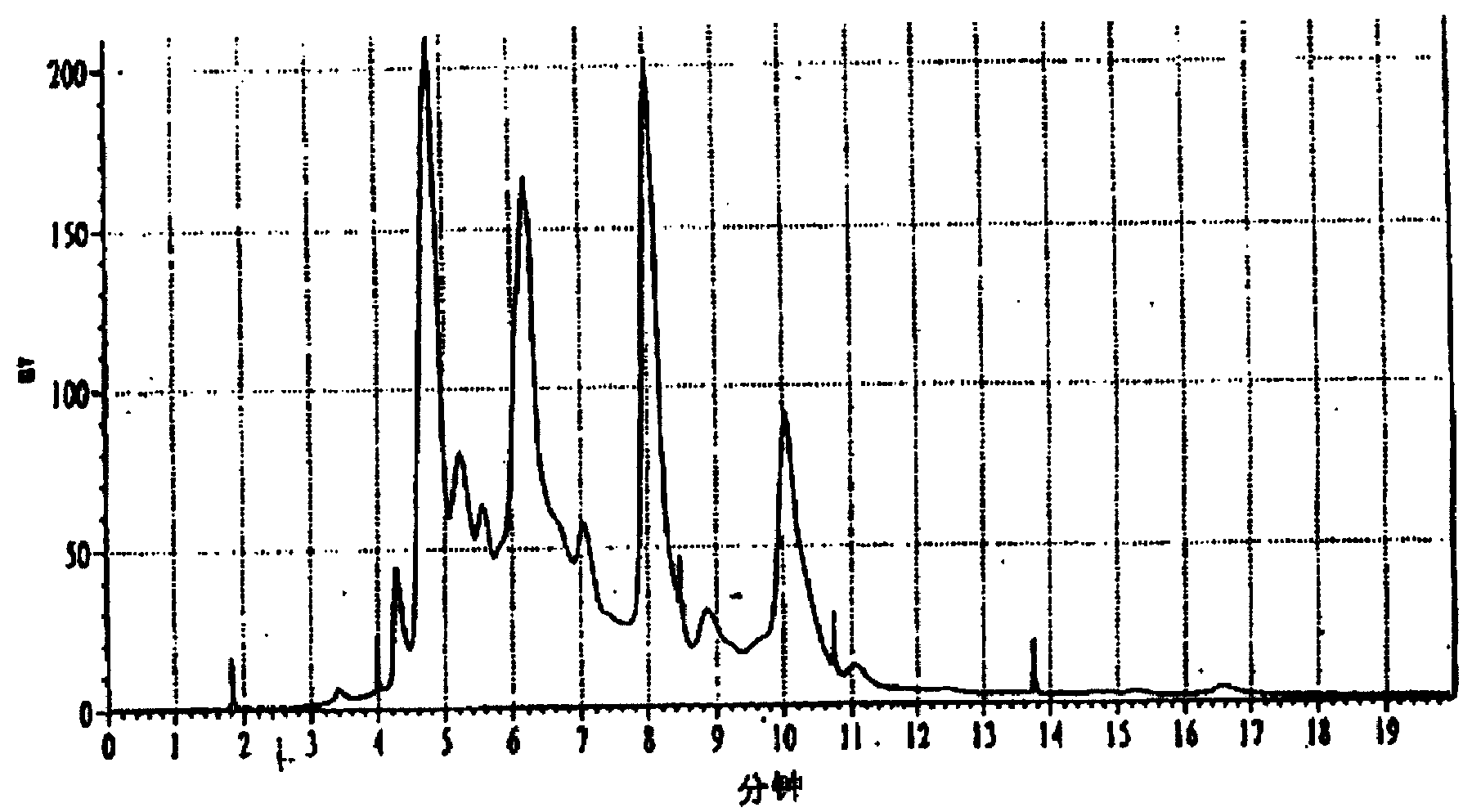
图1A是说明红花(Carthamus tinctorius L)的萃取物于120分钟内的HPLC流洗轮廓图;Fig. 1A is the HPLC flow elution profile diagram illustrating the extract of safflower (Carthamus tinctorius L) within 120 minutes;
图1B是说明借助于波长405nm下的吸旋旋光性检测图1A的流洗样品对蛋白质gpIIb/IIIa的结合轮廓图;Fig. 1B is a diagram illustrating the binding profile of the eluate sample of Fig. 1A to protein gpIIb/IIIa by means of the suction rotation optical rotation detection at a wavelength of 405 nm;
图2A是说明图1A所示的第25至40分级液所收集的样品组于20分钟内的HPLC流洗轮廓图;Figure 2A is a HPLC flow profile diagram illustrating the 25th to 40th fractions collected from the fractionated liquid shown in Figure 1A within 20 minutes;
图2B是说明借助于波长405nm下的吸旋旋光性检测图2A所示的流洗样品对蛋白质gpIIb/IIIa的结合轮廓图;Fig. 2B is a diagram illustrating the binding profile of the eluate sample shown in Fig. 2A to protein gpIIb/IIIa by means of suction rotation optical rotation detection at a wavelength of 405 nm;
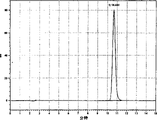
图3是说明图2A所示的第5和6分级液所收集的样品组于15分钟内的HPLC流洗轮廓图,其中存有单一波峰,其滞留时间为10.7分钟且显示对蛋白质gpIIb/IIIa具有最强的结合活性;Figure 3 is a graph illustrating the HPLC elution profile within 15 minutes of the sample set collected from the 5th and 6th fractions shown in Figure 2A, wherein there is a single peak with a retention time of 10.7 minutes and an indication for protein gpIIb/IIIa Has the strongest binding activity;
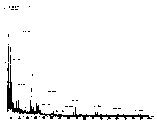
图4A是说明经由电喷雾质谱(electrospray mass spetctrum)检测图3的轮廓图所得到的化合物的分子量为268的曲线图;Figure 4A is a graph illustrating the molecular weight of the compound obtained by detecting the profile of Figure 3 via electrospray mass spectrometry (electrospray mass spectrum);
图4B是说明图3的轮廓图所得到的化合物存有钠盐和寡聚物(2聚物至7聚物)的型式曲线图;Figure 4B is a profile graph illustrating the presence of sodium salts and oligomers (2-mers to 7-mers) of compounds derived from the profile of Figure 3;
图5是说明图3的轮廓图所得到的化合物与蛋白质gpIIb/IIIa的结合曲线,其中当所述化合物的浓度低于10μg/ml时,所述结合是显著地增加且可达至最大结合量的80%;Figure 5 is a graph illustrating the binding of the compound to the protein gpIIb/IIIa obtained from the contour plot of Figure 3, wherein the binding is significantly increased and reaches a maximum binding amount when the concentration of the compound is lower than 10 μg/
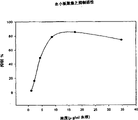
图6A是说明图3的轮廓图所得到的化合物于抑制血小板聚集上的剂量反应的曲线图,其中当所述化合物的浓度是10至15μg/ml血液时,最大抑制活性约为85%;Fig. 6A is a graph illustrating the dose-response of the compound obtained from the profile diagram of Fig. 3 in inhibiting platelet aggregation, wherein the maximum inhibitory activity was about 85% when the concentration of the compound was 10 to 15 μg/ml blood;
图6B是说明当图3的轮廓图所得到的化合物的浓度是17.4μg/ml时,对血小板聚集的抑制活性与时间的关系曲线图,其中于第14至16分钟的时间间隔中,产生的抑制活性约为最大抑制活性的85%;Figure 6B is a graph illustrating the inhibitory activity against platelet aggregation versus time when the concentration of the compound obtained from the contour plot of Figure 3 is 17.4 μg/ml, wherein in the time interval from 14 to 16 minutes, the produced The inhibitory activity is about 85% of the maximum inhibitory activity;
图7A是说明经由投服图3的轮廓图所得到的化合物(400μg/100μl/鼠)后,活体内抑制鼠的肠系膜静脉的血栓形成与时间的关系。Fig. 7A is a graph illustrating the in vivo inhibition of mesenteric vein thrombosis in rats versus time after administration of the compound (400 μg/100 μl/mouse) obtained from the profile diagram in Fig. 3 .
图7B说明静脉内注射图3的轮廓图所得到的化合物于活体内抑制鼠的肠系膜静脉的血栓形成的剂量反应。Figure 7B illustrates the dose-response of intravenous injection of compounds obtained from the profile of Figure 3 for inhibition of murine mesenteric vein thrombosis in vivo.
图7C说明经由口服给予图3的轮廓图所得到的化合物(4mg/鼠)后,活体内抑制鼠的肠系膜静脉的血栓形成与时间的关系图。Figure 7C is a graph illustrating the in vivo inhibition of murine mesenteric vein thrombosis versus time following oral administration of the compound (4 mg/mouse) obtained from the profile of Figure 3 .
具体实施方式Detailed ways
本发明提供一种自植物的萃取物中迅速地筛选出生物活性成份的方法。所述方法包含分级植物的粗萃取物,令每一个分级液成份配置于固体载体上,将充作探针的标记标的物加入至所述固体载体上,培育所述固体载体以使存在于所述粗萃取物中所需的生物活性成份与所加入的探针进行专一性结合,及随后检测并筛选出所需的生物活性成份。The present invention provides a method for rapidly screening biologically active components from plant extracts. The method comprises fractionating crude extracts of plants, disposing each of the fractionated liquid components on a solid support, adding a labeled target to serve as a probe on the solid support, and incubating the solid support so that The desired biologically active components in the crude extract are specifically combined with the added probes, and then the required biologically active components are detected and screened out.
已知植物,特别是草本植物,是从事新药物开发的天然来源。然而,借助惯用的技术以自植物分离得到纯化型式的生物活性成份需耗费大量的人力和时间。Plants, especially herbs, are known to be natural sources for the development of new drugs. However, obtaining purified forms of biologically active ingredients from plants by means of conventional techniques is labor-intensive and time-consuming.
高密度栏格技术(high-density gridding technology)已被用于检测样品中所需的标的物,它涉及于固体载体的栏格表面上固定小量体积或微量体积的多列样品。所述高密度栏格技术的优点是在于能同时进行数百个或更多如于个别试管中不同的实验。借助所述高密度栏格技术,将被怀疑含有所需的标的物的样品固定于固体载体上,加入能与所述标的物杂交或共轭的标记探针至所述固体载体上,处理、显影并分析经杂交或共轭的固体载体,且随后可迅速地检测出能与所述标记探针进行专一性反应/作用的标记物候选者。于实际应用上,所述高密度栏格技术已被用于诊断、药物筛选、开发治疗性标的物及决定药理机转等的领域。High-density gridding technology (high-density gridding technology) has been used to detect the desired target in the sample, which involves immobilizing multiple columns of small or micro volume samples on the grid surface of a solid carrier. The advantage of the high-density grid technique is that it is possible to conduct hundreds or more experiments simultaneously as different as in individual test tubes. With the help of the high-density grid technique, the sample suspected of containing the desired target is immobilized on a solid support, and a labeled probe capable of hybridizing or conjugated to the target is added to the solid support, treated, The hybridized or conjugated solid support is developed and analyzed, and label candidates capable of specifically reacting/acting with the labeled probe can then be rapidly detected. In practice, the high-density column technology has been used in the fields of diagnosis, drug screening, development of therapeutic targets, and determination of pharmacological mechanisms.
然而,迄今借助所述高密度栏格技术能成功地检测出的标的物仅限于数种大分子标的物,诸如核酸片段或蛋白质。先前技术或现有的技术皆未教示或建议借助所述高密度栏格技术可成功地检测并筛选出具有所需的生物活性的小分子标的物。However, the targets that can be successfully detected by means of the high-density grid technique so far are limited to only a few macromolecular targets, such as nucleic acid fragments or proteins. None of the prior art or existing art teaches or suggests that small molecule targets with desired biological activity can be successfully detected and screened by such high density grid technology.
本发明揭示借助所述高密度栏格技术,可自植物的萃取物中成功地检测并分离出纯化型式的具有生物活性的小分子标的物。依据本发明的方法,利用层析法令植物的粗萃取物分级,并令个别的分级物成份固定于具有栏格的固体载体的表面上,随后加入经标记的标的物至所述固体载体上以进行杂交,检测所述固体载体上含有能与所述标记标的物反应/作用的具有生物活性的小分子化合物的位置,且随后回收、分离并最终纯化所述具有生物活性的小分子化合物。The present invention discloses that by means of the high-density column technique, a purified form of a biologically active small molecule target can be successfully detected and isolated from a plant extract. According to the method of the present invention, crude plant extracts are fractionated by chromatography, and individual fraction components are immobilized on the surface of a solid carrier with a grid, and then a labeled target is added to the solid carrier to obtain Hybridization is performed to detect the position on the solid support that contains the biologically active small molecule compound capable of reacting/acting with the labeled target, and then the biologically active small molecule compound is recovered, separated and finally purified.
于本发明的较佳实施例中,起初借助利用HPLC以分级草本植物的萃取物。令个别的分级液配置于具栏格的固体载体的表面上。将经标记的蛋白质加入至所述固体载体的表面上以进行杂交反应。随后除去未结合的蛋白质。筛选出显示与所述标记的蛋白质结合的信号的候选分级液,并重复上述的步骤直到获致能与所述标记的蛋白质结合/作用的单一成份。In a preferred embodiment of the present invention, the herbal extracts are initially fractionated by using HPLC. The individual fractionating liquids are arranged on the surface of the well-equipped solid support. Labeled proteins are added to the surface of the solid support for hybridization reactions. Unbound protein is subsequently removed. Candidate fractions showing a signal binding to the tagged protein are screened, and the above steps are repeated until a single component capable of binding/interacting with the tagged protein is obtained.
于本发明的特定较佳实施例中,起初借助利用HPLC以分级红花(Carthamus tinctorius L)的萃取物。令个别的分级液配置于塑料盘上。将经标记的血小板膜受体蛋白质gpIIb/IIIa(一个重要的作用因子,它能于活体外抑制血小板的聚集及于活体内抑制血栓的形成)加入至所述塑料盘上以进行结合反应。随后除去未结合的蛋白质gpIIb/IIIa。筛选出显示与所述标记的蛋白质gpIIb/IIIa结合的信号的候选分级液,并重复上述的步骤直到获致能与所述标记的蛋白质gpIIb/IIIa结合/作用的单一成份。In certain preferred embodiments of the present invention, the extract of safflower (Carthamus tinctorius L) is initially fractionated by using HPLC. The individual graded liquids were arranged on plastic trays. The labeled platelet membrane receptor protein gpIIb/IIIa (an important factor that can inhibit the aggregation of platelets in vitro and the formation of thrombus in vivo) was added to the plastic disc to carry out the binding reaction. Unbound protein gpIIb/IIIa is subsequently removed. Candidate fractions showing a signal binding to the tagged protein gpIIb/IIIa are screened, and the above steps are repeated until a single component capable of binding/acting to the tagged protein gpIIb/IIIa is obtained.
若能使用取样,高密度排列样品及检测的整合自动化装置,则能更有效率地实施本发明的方法。The method of the present invention can be implemented more efficiently if an integrated automation device for sampling, high-density arrangement of samples and detection can be used.
本发明的方法具有下述技术上的优点及功效上的改良:(1)当将样品配置于固体载体的表面上时,用于筛选的样品体积量可小至微升(microliter)或微微升(Dicoliter)级的量,(2)检测出存有能直接地与标记的标的物反应/作用的所需的小分子化合物,则明确地证实所述小分子化合物能与经标记的标的物进行专一性结合,且所筛选出的小分子化合物可能具有预期的药理功能/作用,(3)配置有植物萃取物的分级液的固体载体可用于充作所述特定植物的萃取物分级片(chip),例如草本植物的萃取物分级片(herbal chip),它是可广泛地作为筛选所需的生物活性成份的平台(platform),及(4)实施所述筛选方法是借助利用小面积高配置样品密度的固体载体以取代使用大量的试管以进行个别的实验/反应。The method of the present invention has the following technical advantages and improvements in efficacy: (1) when the sample is configured on the surface of a solid carrier, the volume of the sample used for screening can be as small as microliter (microliter) or picoliter (Dicoliter) level, (2) detect the presence of the desired small molecular compound that can directly react/act with the labeled target, then clearly confirm that the small molecular compound can interact with the labeled target Specific binding, and the screened small molecular compound may have the expected pharmacological function/action, (3) the solid carrier configured with the graded liquid of the plant extract can be used as the graded tablet of the specific plant extract ( chip), such as herbal extracts (herbal chip), which can be widely used as a platform for screening the desired bioactive ingredients, and (4) implementing the screening method is based on the use of a small area of high Configure sample density solid supports instead of using a large number of test tubes for individual experiments/reactions.
本发明将借助下述的实施例以进行进一步的阐释和说明;但是,须注意的是本发明的范围并不以下述的实施例为限。The present invention will be further illustrated and illustrated with the help of the following examples; however, it should be noted that the scope of the present invention is not limited to the following examples.
实施例Example
实施例1:Example 1:
借助惯用的掺合法,利用甲醇(40ml)萃取5g红花(Carthamus tinctorius L;购自联合中西药局,台中市,台湾)。浓缩萃取液至最终体积为8ml。将浓缩的萃取液(100μl)注入ODS-凝胶OSD 80TM(4.6mm×25cm,TOSOH,日本)管柱中以进行HPLC(Shimadzu 10-AT,日本)分析。起初利用水以流洗所述浓缩的萃取液达5分钟,随后利用乙醇-水流洗液于105分钟内乙醇浓度自0%(v/v)线性增加至70%(v/v)进行流洗。于随后的5分钟流洗中,流洗液的乙醇浓度增加至100%(v/v)。于254nm波长下检测流洗出的样品且以每0.5ml样品进行样品的收集。其流洗轮廓图显示于1A。5 g of safflower (Carthamus tinctorius L; purchased from United Traditional Chinese and Western Medicine Bureau, Taichung City, Taiwan) were extracted with methanol (40 ml) by the usual blending method. The extract was concentrated to a final volume of 8ml. The concentrated extract (100 μl) was injected into an ODS-gel OSD 80TM (4.6 mm×25 cm, TOSOH, Japan) column for HPLC (Shimadzu 10-AT, Japan) analysis. The concentrated extract was initially washed with water for 5 minutes, followed by an ethanol-water wash with a linear increase in ethanol concentration from 0% (v/v) to 70% (v/v) over 105 minutes . During the subsequent 5-minute wash, the ethanol concentration of the wash was increased to 100% (v/v). The eluted sample was detected at a wavelength of 254nm and sample collection was performed every 0.5ml of sample. Its flow profile is shown in 1A.
为进行标的物结合分析,自血小板纯化血小板膜受体蛋白质gpIIb/IIIa,并借助SDS-PAGE和银染色法测定其纯度。依据惯用的方法和步骤,利用生物素(biotin)标记经纯化的蛋白质gpIIb/IIIa,将所收集的120个样品各别地涂覆至384个孔槽的塑料盘上。将经生物素标记的蛋白质gpIIb/IIIa加入至所述经样品涂覆的塑料盘上,并于室温下培育所述塑料盘达30分钟。利用TBST缓冲液冲洗每一个孔槽3次,对每一个孔槽加入抗生物素蛋白质(avidin)外共轭的碱性磷酸酯酶,并且每一个孔槽是进一步进行培育达30分钟。重复上述的冲洗步骤,并对每一个孔槽加入对一硝基苯基磷酸酯基质以进行呈色反应。对每一个孔槽,借助利用自动化ELISA读数计(Dynax)于405nm波长下,进行吸光度的测定。图1B显示对应于图1A所示的样品的OD 405nm测量值,其说明每一个孔槽的内容物与蛋白质gpIIb/IIIa结合的能力。For target binding assays, the platelet membrane receptor protein gpIIb/IIIa was purified from platelets and its purity was determined by means of SDS-PAGE and silver staining. According to the usual methods and procedures, the purified protein gpIIb/IIIa was labeled with biotin, and the collected 120 samples were individually coated on plastic plates with 384 wells. Biotin-labeled protein gpIIb/IIIa was added to the sample-coated plastic dish and the plastic dish was incubated at room temperature for 30 minutes. Each well was washed 3 times with TBST buffer, avidin-exoconjugated alkaline phosphatase was added to each well, and each well was further incubated for 30 minutes. Repeat the washing steps above, and add p-nitrophenyl phosphate substrate to each well for color reaction. Absorbance was measured for each well at a wavelength of 405 nm by using an automated ELISA reader (Dynax). Figure 1B shows the OD405nm measurements corresponding to the samples shown in Figure 1A, illustrating the ability of the contents of each well to bind to the protein gpIIb/IIIa.
实施例2Example 2
收集并集中图1A所示的第25至40分级液,并如实施例1所描述的方法那样,将所得的集中分级液注入至管柱中,并借助利用HPLC进行分析。上述的乙醇-水流洗过程改为20分钟,并且乙醇浓度是自20%线性增加至30%。其流程轮廓示于图2A。The 25th to 40th fractions shown in FIG. 1A were collected and pooled, and the resulting pooled fractions were injected into a column as described in Example 1 and analyzed by means of HPLC. The above-mentioned ethanol-water washing process was changed to 20 minutes, and the ethanol concentration was linearly increased from 20% to 30%. The outline of the process is shown in Figure 2A.
利用实施例1所描述的方法,进行标的蛋白质gpIIb/IIIa的结合分析。对每一个分级液,其对蛋白质gpIIb/IIIa的结合能力的结果示于图2B。Using the method described in Example 1, binding assays for the target protein gpIIb/IIIa were performed. For each fraction, the results of its binding ability to protein gpIIb/IIIa are shown in Fig. 2B.
实施例3Example 3
收集并集中图2A所示的第5和6分级液,随后进行第3次HPLC分析,其中利用一定成份的流洗液(9%乙醇和91%水)进行流洗20分钟。结果得到滞留时间为10.7分钟的单一成份(波峰),其显示出最强的结合活性(参阅图3所示的流洗轮廓图)。
干燥自图3的轮廓图所收集的化合物,并借助利用电喷雾质谱(electrospraymass spectrum)测定其分子量(MW)。如图4A所示,测定主要波峰值为268.04m/z(标准误差为±0.11)同时,亦测定差值为约21.9m/z的另一波峰值289.9m/z,它被认为是主要波峰的化合物的钠盐。另外,亦测定出许多相关多重电荷的波峰值(535.6,802.1,1069.7,1357.9,1604,4及1871.1m/z;参阅图4B)。多重电荷喷雾法通常是用于测定生物性聚合物,且图4B所示的多个波峰是明确地分别对应于主要波峰的化合物的2聚物至7聚物。对于每一个多重电荷波峰值,邻近处(差值为约22m/z)所出现的波峰信号被认为是其对应的共轭钠盐。经由上述的结果可知,所述经分离的化合物的分子量是268gm/莫耳,且其具有形成聚合物的能力。Compounds collected from the profile in Figure 3 were dried and their molecular weight (MW) was determined by using electrospray mass spectrum. As shown in Figure 4A, the main peak was determined to be 268.04m/z (standard error is ±0.11). At the same time, another peak at 289.9m/z with a difference of about 21.9m/z was also measured, which was considered to be the main peak the sodium salt of the compound. In addition, many peaks related to multiple charges were also detected (535.6, 802.1, 1069.7, 1357.9, 1604, 4 and 1871.1 m/z; see Figure 4B). The multiple charge spray method is commonly used to measure biopolymers, and the multiple peaks shown in FIG. 4B are 2-mers to 7-mers of the compounds that clearly correspond to the main peaks, respectively. For each multiple charge peak, the peak signal occurring in the vicinity (difference of about 22 m/z) was considered as its corresponding conjugated sodium salt. From the above results, it can be seen that the molecular weight of the isolated compound is 268 gm/mole, and it has the ability to form a polymer.
实施例4Example 4
图3所示的轮廓图是用于充作界定每批制备的化合物的特性标准。进一步,收集并干燥经纯化的化合物,且验证其与蛋白质gpIIb/IIIa的结合能力。为进行结合分析,制备所述经纯化的化合物的水溶液,并对其进行一系列的稀释以生成最终浓度为0至50μg/ml的溶液。每一种测试溶液含有不同的化合物量,并将其滴点至96孔槽塑料盘的平面孔槽上。随后对每一个测试孔槽加入经标记的蛋白质gpIIb/IIIa,并以如上所述的方法进行呈色反应。其结合曲线是示于图5,其中当所述化合物的浓度低于10μg/ml时,结合现象是显着地增加且可达至最大结合量的80%。The profile plot shown in Figure 3 was used as a standard to define the properties of the compounds prepared in each batch. Further, the purified compound was collected and dried, and its binding ability to protein gpIIb/IIIa was verified. For binding assays, aqueous solutions of the purified compounds were prepared and serially diluted to yield solutions with final concentrations ranging from 0 to 50 μg/ml. Each test solution contained a different amount of compound and was dropped onto the flat wells of a 96-well plastic plate. The labeled protein gpIIb/IIIa was then added to each test well, and a color reaction was performed as described above. Its binding curve is shown in Fig. 5, where when the concentration of the compound is lower than 10 μg/ml, the binding phenomenon is significantly increased and can reach 80% of the maximum binding amount.
实施例5Example 5
为分析所述化合物抑制血小板聚集的活性,使用惯用的活化ADP血小板聚集分析。进行所述分析所用的反应试剂是购自Sigma。图6A显示所述化合物于抑制血小板聚集上的剂量反应。当所述化合物的浓度是10至15μg/ml血液时,其最大抑制活性是为约85%。借助利用所述化合物(浓度为17.4μg/ml)以测定其抑制血小板聚集的活性与时间的关系,其结果是示于图6B,其中于第14至16分钟的时间间隔中,最大抑制活性为约85%。To analyze the platelet aggregation inhibiting activity of the compounds, the conventional activated ADP platelet aggregation assay was used. Reagents used for the analysis were purchased from Sigma. Figure 6A shows the dose response of the compounds on inhibition of platelet aggregation. The maximum inhibitory activity of the compound was about 85% when the concentration of the compound was 10 to 15 μg/ml blood. By using the compound (at a concentration of 17.4 μg/ml) to determine the relationship between its activity of inhibiting platelet aggregation and time, the results are shown in Figure 6B, wherein in the time interval from 14 to 16 minutes, the maximum inhibitory activity was About 85%.
实施例6Example 6
利用鼠的肠系膜静脉的活体内血栓生成模式以评估上述的化合物于抑制静脉血栓生成上的功效。具体说,每一个剂量测试是使用多组实验鼠(每组3只衍生自Wistar的雄鼠,每只鼠重60±10mg)。利用苯巴比妥钠(phenobarbital sodium;50mg/kg,腹膜内注射)麻醉鼠只,并利用氯化琥珀醯胆碱(succinglcholinechloride;2ng/鼠,腹膜内注射)麻痹鼠只。随后暴露出肠系膜环和静脉,并将其针藏于建构平台上。于37℃下,除了置入电极及进行刺激时,利用一般的盐水浸没所暴露的肠系膜环和静脉。借助利用解剖显微镜和显微手术,置入单极钯电极并令其与所述静脉接触。借助Glass S-44刺激器所提供的单一方形波电冲击(1000PPS,100V,300ms),起始所述静脉血栓的生成。随后利用显微镜校正接目镜观察血栓的生成。相对静脉闭塞(测定血栓生成的程度)是以静脉直径(0.36至0.38mm)的百分比加以测定,且于10秒(基础对照值)和每一分钟间隔(持续20分钟)进行记录。于进行肠系膜静脉的电流刺激前5分钟,静脉注射测试化合物或安慰剂。对于安慰剂治疗组,平均20个间隔记录值是达到所述静脉直径范围的45至55%。进而,测试化合物的抗血栓活性是以相对于安慰剂治疗的对照组的抑制%计算表示。若观察到3只鼠所显示的显着抑制功效(>30%),则利用线性回归对所述3只鼠每一剂量单位测定其ED30±SEM值。对每一个时间点,利用一对Student’st测定以进行统计分析以比较安慰剂对照组和测试化合物组(显著水准*P<0.05,**P<0.01)。The in vivo thrombosis model of the murine mesenteric vein was used to evaluate the efficacy of the above-mentioned compounds in inhibiting venous thrombosis. Specifically, each dose was tested using groups of experimental mice (3 males derived from Wistar, each weighing 60±10 mg). Mice were anesthetized with phenobarbital sodium (50 mg/kg, intraperitoneal injection) and paralyzed with succinylcholine chloride (2 ng/mouse, intraperitoneal injection). The mesenteric ring and vein are then exposed and their needles are hidden on the build platform. Exposed mesenteric rings and veins were submerged with normal saline at 37°C except during electrode placement and stimulation. Using a dissecting microscope and microsurgery, a monopolar palladium electrode is placed and brought into contact with the vein. The generation of the venous thrombus was initiated by a single square wave electric shock (1000PPS, 100V, 300ms) provided by a Glass S-44 stimulator. Thrombus formation was then observed using the microscope's corrected eyepiece. Relative venous occlusion (determining the extent of thrombus formation) was measured as a percentage of the vein diameter (0.36 to 0.38 mm) and recorded at 10 seconds (basal control value) and at minute intervals (for 20 minutes). Test compounds or placebo were injected intravenously 5 minutes before electrical stimulation of the mesenteric vein. For the placebo treated group, the average of 20 interval recordings was 45 to 55% of the vein diameter range achieved. Furthermore, the antithrombotic activity of the test compound is expressed as a % inhibition calculation relative to a placebo-treated control group. If significant inhibitory efficacy (>30%) was observed for 3 mice, the ED30 ± SEM value was determined for each dosage unit of the 3 mice using linear regression. For each time point, statistical analysis was performed using a paired Student's t assay comparing the placebo control group to the test compound group (significance level * P<0.05, ** P<0.01).
图7A显示于诱发电流刺激后,在第7,11,12,13,14,15,16,17及19分钟的时间点,相对于安慰剂治疗组,测试化合物(400μg/ml鼠)具有显着的抗血栓活性。测试化合物(20,50,100,200及400μg/ml鼠)于抗血栓活性上的剂量反应是示于图7B。Figure 7A shows that after evoked current stimulation, at time points of 7, 11, 12, 13, 14, 15, 16, 17 and 19 minutes, the test compound (400 μg/ml mouse) had a significant effect relative to the placebo-treated group. Prominent antithrombotic activity. The dose response of test compounds (20, 50, 100, 200 and 400 μg/ml mouse) on antithrombotic activity is shown in Figure 7B.
为评估口服给予所述测试化合物后的抗血栓活性,进行类似于上述的动物实验模式,唯其静脉注射是以口服给药(电流刺激前1小时)取代,其中给药剂量是4mg/鼠。其实验结果是示于图7C,其中相对于安慰剂治疗组在第14,15,16,17,18及20分钟的时间点,观察到显着的抗血栓活性。In order to evaluate the antithrombotic activity after oral administration of the test compound, an animal experiment model similar to the above was carried out, except that the intravenous injection was replaced by oral administration (1 hour before the current stimulation), wherein the administered dose was 4 mg/mouse. The results of the experiment are shown in Figure 7C, where significant antithrombotic activity was observed at
Claims (8)
Applications Claiming Priority (2)
| Application Number | Priority Date | Filing Date | Title |
|---|---|---|---|
| US70830600A | 2000-11-07 | 2000-11-07 | |
| US09/708,306 | 2000-11-07 |
Publications (2)
| Publication Number | Publication Date |
|---|---|
| CN1353003A CN1353003A (en) | 2002-06-12 |
| CN1220060C true CN1220060C (en) | 2005-09-21 |
Family
ID=24845266
Family Applications (2)
| Application Number | Title | Priority Date | Filing Date |
|---|---|---|---|
| CN01120742A Pending CN1352945A (en) | 2000-11-07 | 2001-05-28 | Adenosine as anti-thrombosis medicine |
| CNB011326913A Expired - Fee Related CN1220060C (en) | 2000-11-07 | 2001-09-04 | Process for screening active component from plant extract |
Family Applications Before (1)
| Application Number | Title | Priority Date | Filing Date |
|---|---|---|---|
| CN01120742A Pending CN1352945A (en) | 2000-11-07 | 2001-05-28 | Adenosine as anti-thrombosis medicine |
Country Status (7)
| Country | Link |
|---|---|
| US (1) | US20020082241A1 (en) |
| EP (2) | EP1205754B1 (en) |
| CN (2) | CN1352945A (en) |
| AT (2) | ATE299593T1 (en) |
| AU (1) | AU5178801A (en) |
| CA (1) | CA2348845A1 (en) |
| DE (2) | DE60111906D1 (en) |
Families Citing this family (2)
| Publication number | Priority date | Publication date | Assignee | Title |
|---|---|---|---|---|
| US6855343B2 (en) * | 2002-05-21 | 2005-02-15 | Advanced Gene Technology, Corp | Method to ascertain the quality of herbs |
| CN106501415A (en) * | 2016-12-02 | 2017-03-15 | 丽珠集团丽珠制药厂 | A kind of content assaying method of sodium ferulate, aspirin, cinnarizine and vitamin B1 |
Family Cites Families (8)
| Publication number | Priority date | Publication date | Assignee | Title |
|---|---|---|---|---|
| US5770198A (en) * | 1988-05-18 | 1998-06-23 | The Research Foundation Of The State Of New York | Platelet-specific chimeric 7E3 immunoglobulin |
| WO1991011458A1 (en) * | 1990-02-02 | 1991-08-08 | Genentech, Inc. | CYCLIC PEPTIDES CONTAINING Arg-Gly-Asp FLANKED BY PROLINE |
| US5677290A (en) * | 1990-05-10 | 1997-10-14 | Fukunaga; Atsuo F. | Therapeutic use of adenosine compounds as surgical anesthetics |
| JP3002903B2 (en) * | 1991-04-09 | 2000-01-24 | 第一化学薬品株式会社 | Anticoagulant / antiplatelet agent composition of extravascular blood and method for measuring molecular markers for platelet activation using the same |
| US6137002A (en) * | 1993-07-22 | 2000-10-24 | Eli Lilly And Company | Glycoprotein IIb/IIIa antagonists |
| IL121272A (en) * | 1997-07-10 | 2000-06-01 | Can Fite Technologies Ltd | Pharmaceutical compositions comprising adenosine and their use for treating or preventing leukopenia |
| DE19802576B4 (en) * | 1998-01-23 | 2004-10-28 | Xerion Pharmaceuticals Ag | Methods for the simultaneous identification of proteins and their binding partners |
| US6713309B1 (en) * | 1999-07-30 | 2004-03-30 | Large Scale Proteomics Corporation | Microarrays and their manufacture |
-
2001
- 2001-05-03 EP EP01110765A patent/EP1205754B1/en not_active Expired - Lifetime
- 2001-05-03 AT AT01110765T patent/ATE299593T1/en not_active IP Right Cessation
- 2001-05-03 DE DE60111906T patent/DE60111906D1/en not_active Expired - Lifetime
- 2001-05-10 US US09/853,524 patent/US20020082241A1/en not_active Abandoned
- 2001-05-25 CA CA002348845A patent/CA2348845A1/en not_active Abandoned
- 2001-05-28 CN CN01120742A patent/CN1352945A/en active Pending
- 2001-05-29 DE DE60111905T patent/DE60111905D1/en not_active Expired - Lifetime
- 2001-05-29 AT AT01112092T patent/ATE299374T1/en not_active IP Right Cessation
- 2001-05-29 EP EP01112092A patent/EP1205182B1/en not_active Expired - Lifetime
- 2001-06-06 AU AU51788/01A patent/AU5178801A/en not_active Abandoned
- 2001-09-04 CN CNB011326913A patent/CN1220060C/en not_active Expired - Fee Related
Also Published As
| Publication number | Publication date |
|---|---|
| US20020082241A1 (en) | 2002-06-27 |
| CN1352945A (en) | 2002-06-12 |
| EP1205182B1 (en) | 2005-07-13 |
| EP1205182A2 (en) | 2002-05-15 |
| DE60111905D1 (en) | 2005-08-18 |
| EP1205754A2 (en) | 2002-05-15 |
| DE60111906D1 (en) | 2005-08-18 |
| EP1205754A3 (en) | 2002-07-17 |
| EP1205182A3 (en) | 2002-09-04 |
| CA2348845A1 (en) | 2002-05-07 |
| ATE299374T1 (en) | 2005-07-15 |
| CN1353003A (en) | 2002-06-12 |
| EP1205754B1 (en) | 2005-07-13 |
| ATE299593T1 (en) | 2005-07-15 |
| AU5178801A (en) | 2002-05-09 |
Similar Documents
| Publication | Publication Date | Title |
|---|---|---|
| Goto et al. | Separation and determination of naproxen enantiomers in serum by high-performance liquid chromatography | |
| Zhao et al. | Urinary candidate biomarkers in an experimental autoimmune myocarditis rat model | |
| US7179606B2 (en) | IG heavy chain, IG kappa, IG lambda biopolymer markers predictive of Alzheimer's disease | |
| KR102699674B1 (en) | Biomarker GCN5 for diagnosing neurodegenerative disease and use thereof | |
| CN1220060C (en) | Process for screening active component from plant extract | |
| JP5714285B2 (en) | Pregnancy hypertension marker and diagnosis using it | |
| US20050074805A1 (en) | Specific markers for diabetes | |
| JP4803851B2 (en) | Complexes of oligonucleotides / electron conducting polymers with molecules of interest and uses thereof | |
| Meissen et al. | Differentiation of 3-O-sulfated heparin disaccharide isomers: identification of structural aspects of the heparin CCL2 binding motif | |
| KR100676154B1 (en) | How to identify one or more active chemicals from a mixture containing a plurality of active and inert chemicals | |
| CN117402267A (en) | A homogeneous polysaccharide of Asparagus and its preparation method and its application in preparing drugs for treating neurological diseases | |
| TWI248818B (en) | Novel method for the screening of extract of plant for active ingredients | |
| JP2005510731A (en) | Fibrinogen biopolymer marker and its use for screening for type II diabetes | |
| JP2005510721A (en) | IG lambda biopolymer marker predicts Alzheimer's disease | |
| JP2005253434A (en) | Method for diagnosing type 2 diabetes | |
| JP2005510718A (en) | Complement C3 precursor biopolymer marker to predict type II diabetes | |
| KR102469657B1 (en) | Method for screening biomarkers diagnosing cardiovascular diseases, biomarkers screened thereby and method for diagnosing cardiovascular diseases using the same | |
| JP2005523420A (en) | Complement C3 precursor biopolymer marker indicating Alzheimer's disease | |
| CN1282873C (en) | A detection method for effective components of traditional Chinese medicine | |
| CN1241015C (en) | Novel method for determining herb medicine quality | |
| JP2005523419A (en) | Fibronectin and fibrinogen biopolymer markers exhibiting insulin resistance | |
| US7125678B2 (en) | Protein biopolymer markers predictive of type II diabetes | |
| JP2005525535A (en) | Macroglobulin biopolymer marker showing insulin resistance | |
| US7074576B2 (en) | Protein biopolymer markers indicative of alzheimer's disease | |
| YONAHA et al. | Toxicity of organic mercury compounds. III. Uptake and retention of mercury in several organs of mice by long term exposure of alkoxyethylmercury compounds |
Legal Events
| Date | Code | Title | Description |
|---|---|---|---|
| C10 | Entry into substantive examination | ||
| SE01 | Entry into force of request for substantive examination | ||
| C06 | Publication | ||
| PB01 | Publication | ||
| C14 | Grant of patent or utility model | ||
| GR01 | Patent grant | ||
| ASS | Succession or assignment of patent right |
Owner name: YU ZHEN Free format text: FORMER OWNER: XIANJIN GENE CO LTD Effective date: 20061208 |
|
| C41 | Transfer of patent application or patent right or utility model | ||
| TR01 | Transfer of patent right |
Effective date of registration: 20061208 Address after: Taiwan province Taipei County Sijhih Fude road 159 Lane 2, 4 floor Patentee after: Yu Zhen Address before: No. seven, No. 2-1, industrial zone, Taichung City, Taiwan Patentee before: Xianjin Gene Co., Ltd. |
|
| ASS | Succession or assignment of patent right |
Owner name: SHANGHE PHARMACEUTICAL CO.LTD., BRITISH VIRGIN IS Free format text: FORMER OWNER: YU ZHEN Effective date: 20071228 |
|
| C41 | Transfer of patent application or patent right or utility model | ||
| TR01 | Transfer of patent right |
Effective date of registration: 20071228 Address after: The British Virgin Islands of Tortola Rhodes town new thousand Baez.. Patentee after: British Virgin Islands Shang Ya pharmaceutical Limited by Share Ltd Address before: Taiwan province Taipei County Sijhih Fude road 159 Lane 2, 4 floor Patentee before: Yu Zhen |
|
| C41 | Transfer of patent application or patent right or utility model | ||
| TR01 | Transfer of patent right |
Effective date of registration: 20090306 Address after: No. 222, No. 2 West Ring Road, Kunming hi tech Development Zone, Yunnan Patentee after: Yunnan Baiyao Chinese Herbal Medicament Chip Co., Ltd. Address before: The British Virgin Islands of Tortola Rhodes town new thousand Baez.. Patentee before: British Virgin Islands Shang Ya pharmaceutical Limited by Share Ltd |
|
| ASS | Succession or assignment of patent right |
Owner name: YUNNAN PROV BAIYAO CHINESE MEDICINAL HERB CHIP CO. Free format text: FORMER OWNER: SHANGHE PHARMACEUTICAL CO.LTD., BRITISH VIRGIN ISLANDS Effective date: 20090306 |
|
| CF01 | Termination of patent right due to non-payment of annual fee |
Granted publication date: 20050921 Termination date: 20200904 |
|
| CF01 | Termination of patent right due to non-payment of annual fee |