CN1221103C - communication control method - Google Patents
communication control method Download PDFInfo
- Publication number
- CN1221103C CN1221103C CNB011354712A CN01135471A CN1221103C CN 1221103 C CN1221103 C CN 1221103C CN B011354712 A CNB011354712 A CN B011354712A CN 01135471 A CN01135471 A CN 01135471A CN 1221103 C CN1221103 C CN 1221103C
- Authority
- CN
- China
- Prior art keywords
- terminal
- synchrodata
- data
- communication control
- control method
- Prior art date
- Legal status (The legal status is an assumption and is not a legal conclusion. Google has not performed a legal analysis and makes no representation as to the accuracy of the status listed.)
- Expired - Lifetime
Links
Images




Classifications
-
- H—ELECTRICITY
- H04—ELECTRIC COMMUNICATION TECHNIQUE
- H04L—TRANSMISSION OF DIGITAL INFORMATION, e.g. TELEGRAPHIC COMMUNICATION
- H04L1/00—Arrangements for detecting or preventing errors in the information received
- H04L1/12—Arrangements for detecting or preventing errors in the information received by using return channel
- H04L1/16—Arrangements for detecting or preventing errors in the information received by using return channel in which the return channel carries supervisory signals, e.g. repetition request signals
- H04L1/18—Automatic repetition systems, e.g. Van Duuren systems
- H04L1/1867—Arrangements specially adapted for the transmitter end
- H04L1/1887—Scheduling and prioritising arrangements
-
- H—ELECTRICITY
- H04—ELECTRIC COMMUNICATION TECHNIQUE
- H04L—TRANSMISSION OF DIGITAL INFORMATION, e.g. TELEGRAPHIC COMMUNICATION
- H04L1/00—Arrangements for detecting or preventing errors in the information received
- H04L1/0001—Systems modifying transmission characteristics according to link quality, e.g. power backoff
- H04L1/0002—Systems modifying transmission characteristics according to link quality, e.g. power backoff by adapting the transmission rate
- H04L1/0003—Systems modifying transmission characteristics according to link quality, e.g. power backoff by adapting the transmission rate by switching between different modulation schemes
-
- H—ELECTRICITY
- H04—ELECTRIC COMMUNICATION TECHNIQUE
- H04L—TRANSMISSION OF DIGITAL INFORMATION, e.g. TELEGRAPHIC COMMUNICATION
- H04L1/00—Arrangements for detecting or preventing errors in the information received
- H04L2001/0092—Error control systems characterised by the topology of the transmission link
- H04L2001/0093—Point-to-multipoint
-
- H—ELECTRICITY
- H04—ELECTRIC COMMUNICATION TECHNIQUE
- H04L—TRANSMISSION OF DIGITAL INFORMATION, e.g. TELEGRAPHIC COMMUNICATION
- H04L1/00—Arrangements for detecting or preventing errors in the information received
- H04L2001/0092—Error control systems characterised by the topology of the transmission link
- H04L2001/0095—Ring
-
- H—ELECTRICITY
- H04—ELECTRIC COMMUNICATION TECHNIQUE
- H04W—WIRELESS COMMUNICATION NETWORKS
- H04W74/00—Wireless channel access
- H04W74/02—Hybrid access
Landscapes
- Engineering & Computer Science (AREA)
- Computer Networks & Wireless Communication (AREA)
- Signal Processing (AREA)
- Mobile Radio Communication Systems (AREA)
- Detection And Prevention Of Errors In Transmission (AREA)
- Small-Scale Networks (AREA)
Abstract
在将同步数据与异步数据混合进行串行传输时,若通过传输差错发生率高的传输路径进行通信,则有流重放时图像紊乱或声音混入噪声等问题。为了解决该问题,在接收同步数据出错时,利用异步区重发该数据,以减少同步数据的传输差错,而又不损害其等时性。

When synchronous data is mixed with asynchronous data for serial transmission, if communication is performed through a transmission path with a high incidence of transmission errors, there may be problems such as disturbed images or noise mixed into audio during stream playback. In order to solve this problem, when an error occurs in receiving synchronous data, the asynchronous area is used to resend the data, so as to reduce transmission errors of synchronous data without impairing its isochronism.
Description
技术领域technical field
本发明涉及通信控制方法,特别是涉及在将多台终端互相连接而构成的网络上,对将要求等时性的同步数据与不要求等时性的异步数据混合进行串行传输的各终端的通信进行控制的方法。The present invention relates to a communication control method, and in particular to a method for serially transmitting each terminal which mixes synchronous data requiring isochronism and asynchronous data not requiring isochronism on a network constituted by interconnecting a plurality of terminals. A method of communication for control.
背景技术Background technique
近年来,在家庭及办公室中,将计算机及其外围设备和数字图像设备等互相连接,构成局域网。在这种网络中,要求等时性的同步数据(例如流重放用的图像及声音数据)与不要求等时性的异步数据(例如突发性传输的通信数据等)以互相混合的状态在网络上串行传输。In recent years, in homes and offices, computers and their peripheral devices and digital imaging devices are connected to each other to form a local area network. In such a network, synchronous data that requires isochronism (such as image and sound data for streaming playback) and asynchronous data that does not require isochronism (such as communication data for burst transmission, etc.) are mixed with each other. Serial transmission over the network.
作为将同步数据与异步数据混合进行串行传输用的标准,已知有例如IEEE1394。根据IEEE1394,对构成网络的各设备进行下述通信控制。For example, IEEE1394 is known as a standard for serially transmitting synchronous data and asynchronous data. According to IEEE1394, the following communication control is performed on each device constituting the network.
图23所示为根据IEEE1394标准的已有的局域网209的结构例,图24为说明根据IEEE1394进行的已有的通信控制方法的示意图。图24(A)所示为根据IEEE1394的通信控制周期的结构例,图24(B)所示为在图23的网络209中进行的通信控制之一例。FIG. 23 shows a configuration example of a conventional local area network 209 based on the IEEE1394 standard, and FIG. 24 is a schematic diagram illustrating a conventional communication control method based on the IEEE1394 standard. FIG. 24(A) shows a configuration example of a communication control cycle based on IEEE1394, and FIG. 24(B) shows an example of communication control performed in the network 209 in FIG. 23 .
在图23中,已有的网络209具有控制器210、数字式录像机211、数字式电视机212、机顶盒(下面称为STB)213及计算机214,这些设备210~214通过电缆(根据IEEE1394标准的电缆)串联(或树状)连接。在该网络209中,控制器210对其他各设备211~214之间的通信进行控制。In Fig. 23, the existing network 209 has a controller 210, a digital video recorder 211, a digital television set 212, a set-top box (hereinafter referred to as STB) 213, and a computer 214. cables) connected in series (or tree). In the network 209 , the controller 210 controls communication among the other devices 211 to 214 .
在如上所述构成的网络209中,现在设分别从数字式录像机211向数字式电视机212传输同步数据“I1”,从STB213向计算机214传输同步数据“I2”,从计算机214向数字式录像机211传输异步数据“N”。In the network 209 constituted as described above, suppose now that the synchronous data "I1" is transmitted from the digital video recorder 211 to the digital television set 212, the synchronous data "I2" is transmitted from the STB213 to the computer 214, and the synchronous data "I2" is transmitted from the computer 214 to the digital video recorder. 211 transmits asynchronous data "N".
根据IEEE1394,如图24(A)所示,将控制时间划分为一定周期(例如125μs),在一个个周期内,设置规定时间长度(例如最大为100μs)的同步区。然后,同步区被分别为多个区(图中分割为两个区),将该分割的一个个区作为专用区(Ch.1及Ch.2),分配给具有要发送的同步数据的设备(数字式电视机211及STB213)。According to IEEE1394, as shown in FIG. 24(A), the control time is divided into certain cycles (for example, 125 μs), and in each cycle, a synchronization area of a predetermined length of time (for example, a maximum of 100 μs) is set. Then, the synchronization area is divided into a plurality of areas (divided into two areas in the figure), and each divided area is used as a dedicated area (Ch.1 and Ch.2) and allocated to the device that has the synchronization data to be transmitted. (Digital TV 211 and STB213).
然后,如图24(B)所示,控制器210将与分配给各设备的专用区有关的信息200(记述应进行同步数据发送的时刻)在传输开始前予先通知各设备。一旦传输开始,当前时刻进入最初的周期,则控制器210将表示周期开始的数据包201发送给各设备。若接收了周期开始数据包201,则具有要发送的同步数据的设备(数字式录像机211及STB213)使用自己的专用区(Ch.1及Ch.2)发送同步数据(I1及I2)。Then, as shown in FIG. 24(B), the controller 210 notifies each device in advance of the information 200 (describing the time when synchronous data transmission should be performed) about the dedicated area allocated to each device before the transmission starts. Once the transmission starts and the current moment enters the first cycle, the controller 210 sends the data packet 201 indicating the start of the cycle to each device. When the cycle start packet 201 is received, the device (digital video recorder 211 and STB 213) having the synchronous data to transmit transmits the synchronous data (I1 and I2) using its own dedicated area (Ch. 1 and Ch. 2).
然后,若当前时刻离开了同步区,则控制器210对具有要发送的异步数据的设备(计算机214)提供发送指令202。计算机接受来自控制器的指令202后,发送该异步数据(N)。Then, if the current moment leaves the synchronous zone, the controller 210 provides the sending instruction 202 to the device (the computer 214 ) having the asynchronous data to be sent. The computer transmits the asynchronous data (N) after receiving the instruction 202 from the controller.
接着,作为异步数据(N)的发送目的地的设备(数字式录像机211)接收该异步数据,向作为发信设备的终端(计算机214)及控制器210发回表示接收成功与否的应答包203。控制器210接收来自计算机214的应答包203,判断有无必要进行重发。在这种情况下,由于发送来的应答包203表示接收成功,因此控制器210判断为没有必要重发。然后,一旦一个周期结束,进入下一个周期,控制器210就将表示下一个周期开始的数据包发送给各终端(未图示),以后就重复同样的动作。Next, the device (digital video recorder 211) as the destination of the asynchronous data (N) receives the asynchronous data, and sends back a response packet indicating whether the reception was successful or not to the terminal (computer 214) and the controller 210 as the sending device. 203. The controller 210 receives the response packet 203 from the computer 214, and judges whether retransmission is necessary. In this case, since the transmitted response packet 203 indicates successful reception, the controller 210 determines that retransmission is not necessary. Then, once one cycle ends and the next cycle starts, the controller 210 sends a data packet indicating the start of the next cycle to each terminal (not shown), and then repeats the same operation.
另外,在从数字式录像机211返回的应答包203表示接收出错的情况下,控制器210就对异步数据(N)的发送设备即计算机214发送重发指令。根据该指令,计算机214将异步数据(N)重发。接着,作为重发目的地的数字式录像机211向计算机214及控制器210发回应答包。若来自数字式录像机211的应答包表示接收失败,则控制器210再一次命令计算机214重发(未图示,下同)。Also, when the response packet 203 returned from the digital video recorder 211 indicates a reception error, the controller 210 sends a retransmission command to the computer 214, which is the sending device of the asynchronous data (N). According to the instruction, the computer 214 retransmits the asynchronous data (N). Next, the digital video recorder 211 as the retransmission destination sends back a response packet to the computer 214 and the controller 210 . If the response packet from the digital video recorder 211 indicates that the reception fails, the controller 210 instructs the computer 214 to resend again (not shown, the same below).
这样,根据IEEE1394,将时间分割为周期,在一个个周期内确保一定时间长度的同步区。然后,该同步区被分割为多个区,该分割的一个个区作为专用区,分配给各设备,因此各设备能够在每个周期发送一次同步数据,结果就保证了同步数据的等时性。In this way, according to IEEE1394, time is divided into cycles, and a synchronization area of a certain length of time is secured in each cycle. Then, the synchronization area is divided into multiple areas, and each of the divided areas is used as a dedicated area and allocated to each device, so each device can send synchronization data once in each cycle, and as a result, the isochronism of the synchronization data is guaranteed .
另外,在一个个周期内的同步区以外的区域(下面称为异步区)对具有要发送的非同步数据的设备进行控制(异步控制),使其依序进行发送。这样,能够将同步数据与异步数据混合进行串行传输。In addition, in an area other than the synchronous area (hereinafter referred to as asynchronous area) in each cycle, devices having asynchronous data to be transmitted are controlled (asynchronous control) so that they transmit sequentially. In this way, synchronous data can be mixed with asynchronous data for serial transmission.
但是,根据IEEE1394,即使同步数据接收出错,也不能控制进行重发。为此采用的办法是,将连接各设备之间的电缆的长度限制在规定长度(对于导体电缆为4.5m)以下,以此将传输差错发生率抑制在一定值以下。这是因为,若传输差错发生率在一定值以下,则图像及音质的质量下降可以抑制在用户不能辨别的程度以内。However, according to IEEE1394, even if the synchronous data is received in error, retransmission cannot be controlled. The method adopted for this purpose is to limit the length of the cables connecting the various devices to a specified length (4.5m for conductor cables), so as to suppress the occurrence rate of transmission errors below a certain value. This is because, if the transmission error occurrence rate is below a certain value, the degradation of image and sound quality can be suppressed to the extent that the user cannot recognize it.
然而,最近越来越强烈地希望各设备间的连接实现无线化。这是因为,若连接实现无线化,则可以不需要麻烦的布线工程,而且能够将设备移至所喜欢的地方使用。Recently, however, there has been an increasing desire for wireless connections between devices. This is because, if the connection is made wireless, troublesome wiring work can be eliminated, and the device can be moved to a desired place for use.
但是,无线传输路径比有线传输路径容易发生传输差错。特别是各设备相互离得较远,或各设备之间存在障碍物件时,传输差错发生率显著增加,结果很有可能使流式重放中的图像紊乱或声音中混入噪声。However, wireless transmission paths are more prone to transmission errors than wired transmission paths. Especially when the devices are far away from each other or there is an obstacle between the devices, the occurrence rate of transmission errors will increase significantly, and as a result, the images in the streaming playback may be disturbed or the sound may be mixed with noise.
发明内容Contents of the invention
因此本发明的目的在于提供将同步数据与异步数据混合进行串行传输时,即使通过传输差错发生率高的传输路径进行通信,也不会在流重放时发生图像紊乱或声音中混入噪声的通信控制方法。Therefore, it is an object of the present invention to provide a system that prevents image disturbance or noise from being mixed in the sound during stream playback even when communication is performed through a transmission path with a high transmission error occurrence rate when synchronous data and asynchronous data are mixed and serially transmitted. communication control method.
本发明为了解决上述问题,具有下述特征。In order to solve the above-mentioned problems, the present invention has the following features.
本发明的第1种情况是在多台终端互相连接而构成的网络上,对将要求等时性的同步数据与不要求等时性的异步数据加以混合进行串行传输的各终端的通信进行控制的方法,其特征在于,The first aspect of the present invention is to perform communication between terminals that mix synchronous data requiring isochronism and asynchronous data that does not require isochronism for serial transmission on a network formed by connecting multiple terminals. A method of controlling, characterized in that,
将时间分割为周期,在一个个周期内设置同步区与异步区,Divide time into cycles, set synchronous area and asynchronous area in each cycle,
在一个个周期内,各终端分时利用同步区发送同步数据后,判断发送目的地的终端接收该同步数据有否出错,所述同步数据附加有检错码,所述目的地终端校验该检错码,In each period, after each terminal sends synchronous data by using the synchronous area, it judges whether there is an error in receiving the synchronous data by the terminal of the sending destination. The synchronous data is attached with an error detection code, and the destination terminal checks the error detection code,
当存在接收同步数据出错的终端时,命令发送该同步数据的终端利用异步区重发该同步数据。When there is a terminal receiving an error in the synchronous data, the terminal transmitting the synchronous data is ordered to retransmit the synchronous data using the asynchronous area.
在上述第1种情况中,在接收同步数据出错时,利用异步区重发该数据,因此能够减少同步数据的传输差错,而又不损害其等时性。结果,即使是终端间的传输路径是无线传输路径那样的传输差错发生率较高的传输路径,也没有在流重放时发生图像紊乱或声音中断等情况。In the first case above, when the synchronous data is received in error, the data is retransmitted using the asynchronous area, so the transmission error of the synchronous data can be reduced without impairing its isochronism. As a result, even if the transmission path between terminals is a transmission path with a high transmission error rate such as a wireless transmission path, there is no occurrence of image disturbance or sound interruption during streaming playback.
从同步数据发送目的地的终端发送来在同步数据上附加的检错码的校验结果,因此能够判断接收同步数据有否出错。Since the verification result of the error detection code added to the synchronous data is transmitted from the terminal of the synchronous data transmission destination, it is possible to determine whether or not there is an error in the received synchronous data.
本发明的第2种情况的特征在于,在第1种情况中,The second aspect of the present invention is characterized in that, in the first aspect,
各终端在将同步数据分割成数据块进行发送时,以数据块为单位进行判断,而且以数据块为单位进行重发。When each terminal divides and transmits the synchronous data into data blocks, it judges in units of data blocks, and retransmits in units of data blocks.
在上述第2种情况中,同步数据分割成多个数据块进行发送,因此在仅仅数据的一部分出错时,只要将出错的数据块重发即可。结果是,能够缩短重发所耗费的时间。利用这种方法,可以把在利用异步区重发同步数据时估计到会发生的,发送异步数据的时间不够的可能性大大降低。In the second case above, the synchronous data is divided into multiple data blocks for transmission, so when only part of the data is erroneous, it is only necessary to resend the erroneous data block. As a result, the time taken for retransmission can be shortened. By using this method, the possibility of insufficient time for sending asynchronous data, which is estimated to occur when using the asynchronous area to retransmit synchronous data, can be greatly reduced.
当存在多台接收同步数据出错的终端时,进行下述第3或第4种情况的控制。When there are multiple terminals receiving errors in synchronous data, control in the following
本发明的第3种情况的特征在于,在第1种情况中,当存在多台接收同步数据出错的终端时,对发送该同步数据的各终端依次发出重发指令,使该各终端分时利用异步区重发同步数据。The 3rd aspect of the present invention is characterized in that, in the 1st aspect, when there are multiple terminals receiving synchronous data errors, retransmission instructions are sent sequentially to each terminal that sends the synchronous data, so that each terminal is time-shared Use the asynchronous area to resend the synchronous data.
本发明的第4种情况的特征在于,在第1种情况中,A fourth aspect of the present invention is characterized in that, in the first aspect,
当存在多台接收同步数据出错的终端时,对发送该同步数据的各终端统一通知各终端的发送时刻,使该各终端分时利用异步区重发同步数据。When there are multiple terminals receiving errors in synchronous data, the sending time of each terminal is uniformly notified to each terminal sending the synchronous data, so that each terminal retransmits the synchronous data by using the asynchronous area in time division.
采用上述本发明第3或第4种情况,多台终端能够分时利用异步区重发同步数据。By adopting the above-mentioned third or fourth situation of the present invention, multiple terminals can use the asynchronous area to retransmit synchronous data in time-sharing.
本发明的第5种情况的特征在于,在第1种情况中,在各终端将同步数据进行调制后发送时,改变调制方式后进行重发。A fifth aspect of the present invention is characterized in that, in the first aspect, when each terminal modulates and transmits the synchronous data, it retransmits after changing the modulation method.
本发明的第6种情况的特征在于,在第1种情况中,在各终端将同步数据编码后发送时,改变编码率后进行重发。A sixth aspect of the present invention is characterized in that, in the first aspect, when each terminal encodes and transmits the synchronous data, it retransmits after changing the encoding rate.
本发明的第7种情况的特征在于,在第1种情况中,在各终端将同步数据编码及调制后发送时,改变调制方式及编码率后进行重发。A seventh aspect of the present invention is characterized in that, in the first aspect, when each terminal codes and modulates the synchronous data and transmits it, it retransmits after changing the modulation scheme and coding rate.
采用上述本发明的第5~第7种情况,能够降低重发时再度发生传输差错的概率。结果,能够减少重发次数,大大降低发送异步数据的时间不够的可能性。By adopting the fifth to seventh aspects of the present invention, the probability of recurring transmission errors during retransmission can be reduced. As a result, the number of retransmissions can be reduced, greatly reducing the possibility of insufficient time to transmit asynchronous data.
本发明第8种情况的特征在于,在第1种情况中,The eighth aspect of the present invention is characterized in that, in the first aspect,
在各终端将分别属于特定组的多台终端作为发送目的地将同步数据多点发送时,When each terminal multicasts synchronous data to a plurality of terminals each belonging to a specific group,
判定属于发送目的地组的全部终端接收同步数据有否出错,It is judged whether all the terminals belonging to the sending destination group receive the synchronous data with error,
该组内即使存在一台接收同步数据出错的终端,也将该组内的全部终端作为发送目的地,重新将该同步数据多点发送。Even if there is a terminal in the group that receives an error in receiving the synchronous data, all the terminals in the group are used as transmission destinations, and the synchronous data is re-multicasted.
在上述第8种情况中,即使在各终端进行多点发送那样的网络中,也能够减少同步数据的传输差错,而又不损害其等时性。In the above eighth case, even in a network in which each terminal performs multicast transmission, it is possible to reduce transmission errors of synchronous data without impairing its isochronism.
本发明的第9种情况的特征在于,在第1种情况中,A ninth aspect of the present invention is characterized in that, in the first aspect,
在各终端分别将其他全部终端作为发送目的地,将同步数据广播发送时,When each terminal broadcasts and transmits isochronous data with all other terminals as transmission destinations,
判断发送目的地的全部终端接收同步数据有否出错,Judging whether all the terminals of the sending destination receive the synchronous data with errors,
即使存在一台接收同步数据出错的终端,也将全部终端作为发送目的地,重新广播发送该同步数据。Even if there is a terminal that has received an error in synchronous data, the synchronous data is re-broadcasted and transmitted with all terminals as destinations.
在上述第9种情况中,即使在各终端进行广播发送那样的网络中,也能够减少同步数据的传输差错,而又不损害其等时性。In the above-mentioned ninth case, even in a network in which each terminal performs broadcast transmission, it is possible to reduce transmission errors of synchronous data without impairing its isochronism.
本发明的第10种情况的特征在于,在第1种情况中,A tenth aspect of the present invention is characterized in that, in the first aspect,
将同步区分割为多个区,将该分割的一个个区作为专用区分配给各终端,使得在一个个周期中,各终端分时利用该同步区,分别发送同步数据,而且将与该专用区有关的信息在起始周期开始前预先通知各终端。Divide the synchronization area into multiple areas, and assign each of the divided areas as a dedicated area to each terminal, so that in each cycle, each terminal uses the synchronization area to send synchronization data respectively, and will be connected with the dedicated area. Zone-related information is notified in advance to each terminal before the start of the initial period.
在上述第10种情况中,将专用区信息在起始周期开始前预先通知各终端。各终端参照专用区信息,在一个个周期中,在与分配给自己的专用区对应的时刻发送同步数据。In the tenth case above, each terminal is notified in advance of the dedicated area information before the initial period starts. Each terminal refers to the dedicated area information, and transmits synchronization data at a timing corresponding to the dedicated area allocated to itself in each cycle.
本发明的第11种情况的特征在于,在第1种情况中,将同步区分割为多个区,将该分割的一个个区作为专用区分配给终端,使得在一个个周期中,各终端分时利用该同步区,分别发送同步数据,而且在一个个周期中,在与该专用区对应的时刻依次对各终端发出进行发送的指令。The eleventh aspect of the present invention is characterized in that, in the first aspect, the synchronization area is divided into a plurality of areas, and the divided areas are assigned to terminals as dedicated areas, so that in each cycle, each terminal The synchronous area is used in time-sharing to transmit the synchronous data respectively, and in each cycle, at the time corresponding to the dedicated area, an instruction to transmit is sequentially issued to each terminal.
在上述第11种情况中,在一个个周期中,在与该专用区对应的时刻依次对各终端发出进行发送的指令。各终端根据指令发送同步数据。In the eleventh case above, in each cycle, send instructions to each terminal sequentially at the time corresponding to the dedicated area. Each terminal sends synchronization data according to the instruction.
本发明的第12种情况的特征在于,在第1种情况中,询问发送目的地的终端接收同步数据有否出错,接受其应答后进行判断。A twelfth aspect of the present invention is characterized in that, in the first aspect, the terminal of the transmission destination is asked whether there is an error in receiving the synchronous data, and the determination is made after receiving the response.
在上述第12种情况中,询问发送目的地的终端有无出错。In the above twelfth case, the terminal of the transmission destination is inquired whether or not there is an error.
本发明的第13种情况的特征在于,在第1种情况中,A thirteenth aspect of the present invention is characterized in that, in the first aspect,
接受从发送目的地的终端主动发出的表示接收同步数据有否出错的应答,并进行判断。A response indicating whether there is an error in receiving the synchronous data from the terminal of the transmission destination is received and judged.
在上述第13种情况中,从发送目的地的终端主动对有无出错作出应答。In the above-mentioned thirteenth case, the slave terminal actively responds to the presence or absence of an error.
本发明的第14种情况的特征在于,在第1种情况中,A fourteenth aspect of the present invention is characterized in that, in the first aspect,
在接收重发的同步数据再一次出错时,反复重发该同步数据,直到接收出错消除为止。When receiving and retransmitting the synchronous data has an error again, the synchronous data is repeatedly retransmitted until the receiving error is eliminated.
在上述第14种情况中,反复进行重发,直到接收出错消除为止。In the above fourteenth case, retransmission is repeated until the reception error is eliminated.
本发明的第15种情况的特征在于,在第14种情况中,A fifteenth aspect of the present invention is characterized in that, in the fourteenth aspect,
规定在一个个周期中能够用于重发同步数据的时间最大值,在估计若再执行一个重发则所耗费的时间超过该最大值时,即使接收出错没有消除,也中止该同步数据的重发。It specifies the maximum value of time that can be used to retransmit the synchronization data in each cycle. When it is estimated that if the retransmission is performed, the time spent exceeds the maximum value, even if the receiving error is not eliminated, the retransmission of the synchronization data will be suspended. hair.
在上述第15种情况中,通过将同步数据的重发时间限制在一定值以下,可以防止发生同步数据的等时性受损害或异步数据的发送时间不够的情况。In the above fifteenth case, by limiting the retransmission time of the synchronous data to a certain value or less, it is possible to prevent the isochronism of the synchronous data from being impaired or the transmission time of the asynchronous data from being insufficient.
本发明的第16种情况的特征在于,在第15种情况中,A sixteenth aspect of the present invention is characterized in that, in the fifteenth aspect,
最大值为不超过异步区的时间长度的值。The maximum value is a value that does not exceed the time length of the asynchronous area.
采用上述第16种情况,可以防止进入下一个周期的同步区还重发同步数据的情况发生。若在同步区内进行同步数据重发,就有损害同步数据等时性的危险,但是可以避免发生这种情况。By adopting the above sixteenth case, it is possible to prevent the retransmission of the synchronous data when entering the synchronous area of the next cycle. If the synchronous data is retransmitted in the synchronous area, there is a danger of damaging the isochronism of the synchronous data, but this situation can be avoided.
本发明的第17种情况的特征在于,在第16种情况中,最大值为等于异步区的时间长度的值。A seventeenth aspect of the present invention is characterized in that, in the sixteenth aspect, the maximum value is a value equal to the time length of the asynchronous area.
在上述第17种情况中,能够将整个异步区用于重发同步数据,因此能够最有效地减少同步数据的传输差错。In the above seventeenth case, the entire asynchronous area can be used for retransmitting the synchronous data, so the transmission error of the synchronous data can be reduced most effectively.
本发明的第18种情况的特征在于,在第16种情况中,中止重发的同步数据在下一个周期的异步区重发。The eighteenth aspect of the present invention is characterized in that, in the sixteenth aspect, the synchronous data whose retransmission is suspended is retransmitted in the asynchronous area of the next cycle.
在上述第28种情况中,将中止重发的同步数据在进入下一个周期内的异步区之后重发。In the above 28th case, the synchronous data whose retransmission is suspended is retransmitted after entering the asynchronous area in the next cycle.
本发明的第19种情况的特征在于,在第14种情况中,A nineteenth aspect of the present invention is characterized in that, in the fourteenth aspect,
规定重发同一同步数据的次数的最大值,在重发次数到该最大值时,即使接收出错没有消除,也中止重发该同步数据。The maximum value of the number of retransmissions of the same synchronous data is specified, and when the retransmission times reach the maximum value, even if the receiving error is not eliminated, the retransmission of the synchronous data is suspended.
采用上述第19种情况,能够防止发生无限地反复重发同一同步数据的情况。According to the above nineteenth case, it is possible to prevent infinitely repeated retransmission of the same synchronization data.
附图说明Description of drawings
图1为说明本发明第1实施形态的通信控制方法用的示意图,图1(A)所示为通信控制周期的结构例,图1(B)所示为在图2的网络9中进行的通信控制之一例。Fig. 1 is a schematic diagram for explaining the communication control method of the first embodiment of the present invention, Fig. 1(A) shows a structural example of a communication control cycle, and Fig. 1(B) shows a communication control cycle carried out in the
图2所示为采用图1的方法的无线局域网9的结构例。FIG. 2 shows a configuration example of the
图3所示为在图2的各设备(10~14)设置的无线通信模块20的结构例。FIG. 3 shows a configuration example of the
图4所示为图3的程序存储器24的内容。FIG. 4 shows the contents of the
图5为说明与图1(B)有关的、在接收同步数据(数据块)出错时进行重发控制用的示意图。FIG. 5 is a schematic diagram for explaining retransmission control when the received synchronous data (data block) is erroneous in relation to FIG. 1(B).
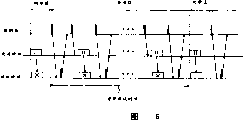
图6所示为图1(B)有关的、在超过最大重发时间的情况下即使接收出错不消除也中止重发同步数据的情况。FIG. 6 shows the situation in which retransmission of synchronous data is suspended even if the reception error is not eliminated when the maximum retransmission time is exceeded in FIG. 1(B).
图7为图2的控制器10(控制台)的工作流程图。FIG. 7 is a working flowchart of the controller 10 (console) in FIG. 2 .
图8所示为图7的步骤S5中通知各终端的专用区信息之一例。FIG. 8 shows an example of exclusive area information notified to each terminal in step S5 of FIG. 7 .
图9所示为图2的各终端(11~14)的工作流程图。Fig. 9 is a flowchart showing the work of each terminal (11-14) in Fig. 2 .
图10所示为图9的步骤S22所示的同步数据发送处理的详细流程图。FIG. 10 is a detailed flowchart of the synchronous data transmission process shown in step S22 of FIG. 9 .
图11所示为图9的步骤S26所示的数据接收处理的详细流程图。FIG. 11 is a detailed flowchart of the data receiving process shown in step S26 of FIG. 9 .
图12所示为图11的步骤S63中发送的应答包的结构例。FIG. 12 shows an example of the structure of the response packet transmitted in step S63 of FIG. 11 .
图13所示为图7的步骤S8的判断结果为肯定因而中止重发的同步数据在下一个周期内的异步区重发的情况。FIG. 13 shows the retransmission of the synchronous data in the asynchronous area in the next cycle when the judgment result of step S8 in FIG. 7 is affirmative and thus the retransmission is suspended.
图14为说明本发明第2实施形态的通信控制方法用的示意图。Fig. 14 is a diagram for explaining a communication control method according to a second embodiment of the present invention.
图15为说明本发明第3实施形态的通信控制方法用的示意图。Fig. 15 is a diagram for explaining a communication control method according to a third embodiment of the present invention.
图16所示为在图15中控制台进行多点发送的统一询问包90的内容。FIG. 16 shows the content of the unified query packet 90 sent by the console in FIG. 15 by multipoint.
图17所示为在图15中控制台进行多点发送的统一重发指令包95的内容。FIG. 17 shows the content of the unified retransmission command packet 95 that the console performs multicast transmission in FIG. 15 .
图18为说明本发明第4实施形态的通信控制方法用的示意图。Fig. 18 is a diagram for explaining a communication control method according to a fourth embodiment of the present invention.
图19为说明本发明第5实施形态的通信控制方法用的示意图,图19(A)所示为通信控制周期的结构例,图19(B)所示为在图2的网络9中进行的通信控制之一例。Fig. 19 is a schematic diagram for explaining the communication control method of the fifth embodiment of the present invention. Fig. 19(A) shows a configuration example of a communication control cycle, and Fig. 19(B) shows a communication control cycle performed in the
图20所示为图2的控制台10的工作(第5实施形态)流程图。Fig. 20 is a flow chart showing the operation (fifth embodiment) of the
图21为图9的步骤S22所示的同步数据发送处理(第5实施形态)的详细流程图。Fig. 21 is a detailed flowchart of the synchronous data transmission process (fifth embodiment) shown in step S22 of Fig. 9 .
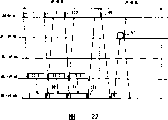
图22所示为与图19(B)有关的、各终端接收同步数据后即主动发送应答包情况的通信控制方法。FIG. 22 shows a communication control method related to FIG. 19(B), where each terminal actively sends a response packet after receiving synchronization data.
图23所示为采用IEEE1394标准的已有的区域网209的结构例。FIG. 23 shows a configuration example of a conventional LAN 209 that adopts the IEEE1394 standard.
图24为说明采用IEEE1394的已有的通信控制方法用的示意图,图24(A)所示为采用IEEE1394的通信控制周期的结构例,图24(B)所示为在图23的网络209中进行的通信控制之一例。FIG. 24 is a schematic diagram illustrating a conventional communication control method using IEEE1394. FIG. 24(A) shows an example of the structure of a communication control cycle using IEEE1394. FIG. 24(B) shows the network 209 in FIG. An example of communication control performed.
具体实施方式Detailed ways
第1实施形态1st embodiment
图1为说明本发明第1实施形态的通信控制方法的示意图,图2所示为采用图1方法的无线局域网9的结构例。在图2中,无线局域网9具有控制器10、数字式录像机11、数字式电视机12、机顶盒(下面称为STB)13及计算机14,这些设备10~14利用无线方式互相连接。该网络9除了由于各设备10~14之间进行无线连接因而传输差错发生率高这一点以外,可以看成是与图23的网络209(参照“背景技术”一节)等效。在该网络9中,控制器10对其他各设备11~14之间的无线通信进行控制。FIG. 1 is a schematic diagram illustrating a communication control method according to a first embodiment of the present invention, and FIG. 2 shows a configuration example of a
在构成局域网9的各设备10~14中,分别设置无线通信模块。图3所示为无线通信模块的结构例。在图3中,无线通信模块20具有天线21、调制解调电路22、处理电路23、程序存储器24及输入输出电路25。Each of the
天线21将信号变换为电波进行发射,并且捕捉电波变换为信号。调制解调电路22对信号进行调制解调。输入输出电路25与安装该模块的设备(10~14)的输入输出电路(未图示)连接,在该设备之间进行信号交换。The
在程序存储器24中存储各种程序。处理电路23包含微型计算机,根据程序存储器24内的程序对信号进行处理。图4所示为程序存储器24的内容。Various programs are stored in the
在图4中,程序存储器24存储有基本程序30、控制台用程序31及终端用程序32。基本程序30以计算机能够处理的形式记述该模块进行无线通信用的基本处理过程,控制台用程序31以计算机能够处理的形式记述该模块作为控制台对各终端的通信进行控制的过程,终端用程序32以计算机能够处理的形式记述该模块作为终端进行通信的过程。In FIG. 4 , the
在控制器10中安装的无线通信模块20中,预先设定使控制用程序起动,而在其他各设备11~14中安装的无线通信模块20,则预先设定使终端用程序32起动。另外,若改变该初始设定,则也可以把例如计算机14或STB13作为控制台使其工作。In the
在上述构成的网络9中,假设现在正在分别从数字式录像机11(第1终端)向数字式电视机12(第2终端)传输同步数据(I1),从STB13(第3终端)向计算机14(第4终端)传输同步数据(I2),从计算机14(第4终端)向数字式录像机11(第1终端)传输异步数据(N)。这时,控制器10(控制台)对在网络9上将要求等时性的同步数据与不要求等时性的异步数据加以混合进行串行传输的各设备(第1~第4终端)的通信进行控制。In the
下面将控制器10称为“控制台”,各设备11~14称为“第1~第4终端”。在该通信控制中,如图1(A)所示,将时间分割为一定周期,在一个个周期内设置同步区与异步区。然后,同步区被分割为多个区(图中分为2个),将该分割的一个个区作为专用区(Ch.1及Ch.2),分配给具有要发送的同步数据的各终端(第1及第3终端)。Hereinafter, the
这里,同步区的时间长度根据单位时间传输的同步数据量来决定。但是限制在规定值以下,使得传输路径不被同步数据占据。现举一例,若一个周期是125μs,则同步区的时间长限制在例如100μs以下。Here, the time length of the synchronization area is determined according to the amount of synchronization data transmitted per unit time. However, the limit is below a specified value so that the transmission path is not occupied by isochronous data. As an example, if one period is 125 μs, then the time length of the synchronization area is limited to less than 100 μs, for example.
另外,同步区设置在从周期开始起规定时间间隔上的位置。因而,在一个周期中,在同步区前后的两个区构成异步区。In addition, the synchronization area is set at a position at a predetermined time interval from the start of the cycle. Thus, in one cycle, two areas before and after the synchronous area constitute the asynchronous area.
另外,控制台识别各终端在单位时间里发送的同步数据量,并根据各终端的发送量将同步区分割为多个区,将该分割的一个个区作为专用区分配给各终端。In addition, the console recognizes the amount of synchronous data sent by each terminal in a unit time, and divides the synchronous area into multiple areas according to the amount of data sent by each terminal, and assigns each divided area as a dedicated area to each terminal.
图1(A)所示为通信控制周期的结构例,图1(B)所示为在图2的网络9进行的通信控制之一例。FIG. 1(A) shows a configuration example of a communication control cycle, and FIG. 1(B) shows an example of communication control performed on the
在图1(A)的例子中,在一个周期中,将周期起始点作为原点(0μs),在5~85μs的位置设置同步区。因而,0~5μs及85~125μs这两个区构成异步区。然后,将同步区分割为5~25μs及25μs~85μs两个专用区(Ch.1及Ch.2),前者(Ch.1)分配给第1终端,后者(Ch.2)分配给第3终端。In the example of FIG. 1(A), in one cycle, the cycle starting point is set as the origin (0 μs), and the synchronization area is set at the position of 5 to 85 μs. Therefore, the two areas of 0 to 5 μs and 85 to 125 μs constitute an asynchronous area. Then, the synchronization area is divided into two dedicated areas (Ch.1 and Ch.2) of 5-25μs and 25μs-85μs. The former (Ch.1) is allocated to the first terminal, and the latter (Ch.2) is allocated to the first terminal. 3 terminals.
在这样进行专用区的分配之后,控制台如图1(B)所示,将与各终端分配的专用区有关的的信息40在传输开始前预先通知各终端。传输开始之后,一旦当前时刻进入最初的周期,控制台就将表示周期开始的数据包41发送给各终端。周期开始包41是在0~5μs的异步区进行发送的。After the exclusive area is allocated in this way, the control station notifies each terminal in advance of the information 40 related to the dedicated area allocated to each terminal as shown in FIG. 1(B) before the transmission starts. After the transmission starts, once the current moment enters the initial period, the console sends a data packet 41 indicating the beginning of the period to each terminal. The cycle start packet 41 is transmitted in the asynchronous range of 0 to 5 μs.
然后,具有要发送的同步数据(I1及I2)的终端(第1及第3终端)使用自己的专用区(Ch.1及Ch.2)发送同步数据(I1及I2)。这时,第3终端将同步数据I2分割成三个数据块(I2-1、I2-2及I2-3)进行发送(理由如下所述)。Then, terminals (first and third terminals) having synchronous data (I1 and I2) to transmit transmit synchronous data (I1 and I2) using their own dedicated areas (Ch. 1 and Ch. 2). At this time, the third terminal divides and transmits the synchronous data I2 into three data blocks (I2-1, I2-2, and I2-3) (the reason is as follows).
一旦当前时刻离开了同步区,则控制台首先询问刚才发送的同步数据(I1及I2)接收时有否出错。具体地说,对I1及I2的发送目的地的各终端(第2及第4终端)依次询问接收是否成功。即首先向第2终端发送询问包42,等待从第2终端得到应答包43。然后,一旦从第2终端得到应答包43,就向第4终端发送询问包44,等待从第4终端得到应答包45。然后,一旦从第4终端得到应答包45。就分析从第2及第4终端来的两个应答包43及45的内容,判断是否有必要重发同步数据I1及I2。在这种情况下,由于发送来的应答包都表示接收成功,因此控制台判断为没有必要重发,转移至异步数据的通信控制。Once the current moment leaves the synchronization area, the console first inquires whether there is any error in receiving the synchronization data (I1 and I2) sent just now. Specifically, each terminal (second and fourth terminal) of the transmission destinations of I1 and I2 is sequentially inquired whether or not the reception has been successful. That is, first, the
也就是说,控制台对具有要发送的异步数据的终端(第4终端)给出发送指令46。第4终端接受来自控制台的指令46后,发送异步数据(N)。作为异步数据的发送目的地的终端(第1终端)向发信的终端(第4终端)及控制台发回表示接收成功与否的应答包47。在这种情况下,由于发送来的应答包47表示接收成功,因此控制台判断为没有必要重发,若还有其他具有要发送的异步数据的终端,则对该终端给出发送许可信号,如果没有则维持原状待机。That is, the console gives a
然后,一旦最初的周期结束,进入下一个周期,控制台就将表示下一个周期开始的数据包发送给各终端,以后就重复同样的动作。以上为在图2的网络9中进行的通信控制之一例。Then, once the first cycle ends and the next cycle starts, the console sends a packet indicating the start of the next cycle to each terminal, and the same operation is repeated thereafter. The above is an example of communication control performed in the
在图1(B)的例子中,发送的全部同步数据(数据块)在被接收时没有出错,而发生接收出错的情况的处理则如图5所示。In the example of FIG. 1(B), all the transmitted synchronous data (data blocks) are received without errors, but the processing in the case of receiving errors is as shown in FIG. 5 .
图5为说明接收同步数据(数据块)出错时进行重发控制用的示意图。图5所示为从第3终端发送的同步数据块I2-3由第4终端接收出错时的重发控制。这种情况下,第4终端接收来自控制台的询问包50,发回表示同步数据块I2-3接收出错这一情况的应答包51。由于从第4终端发回的应答包51表示同步数据块I2-3接收出错,因此控制台判断为有必要重发,将同步数据块I2-3的重发指令52发送给第3终端。据此,第3终端向第4终端重发同步数据块I2-3。Fig. 5 is a diagram for explaining retransmission control when receiving synchronous data (data block) with an error. FIG. 5 shows the retransmission control when the synchronization data block I2-3 transmitted from the third terminal is received by the fourth terminal in error. In this case, the fourth terminal receives an
接着,控制台向同步数据块I2-3的重发目的地即第4终端发送询问接收成功与否用的数据包53。第4终端由于对重新发来的同步数据块I2-3的接收没有出错,因此发回表示该情况的应答包54。由于从第4终端发回来的应答包54表示接收成功,因此控制台判断为没有必要再一次重发,然后转移至异步数据的通信控制。Next, the control station transmits a
这样,采用本通信控制方法,在接收同步数据出错时,由于利用异步区重发该数据,因此能够减少同步数据的传输差错,而又不损害其等时性。Thus, with this communication control method, when synchronous data is received in error, the data is retransmitted using the asynchronous area, so transmission errors of synchronous data can be reduced without impairing its isochronism.
另外,由于终端将同步数据分割成多个数据块进行发送,因此在仅有一部分数据发生差错时,只要将发生差错的数据块重要即可,能够缩短重发所耗费的时间。以此可以进一步减小在利用异步区重发同步数据时估计会发生的、发送异步数据的时间不够的可能性。In addition, since the terminal divides the synchronous data into a plurality of data blocks for transmission, when only part of the data has an error, it only needs to prioritize the data block in which the error occurred, and the time spent on retransmission can be shortened. In this way, the possibility of insufficient time for sending asynchronous data, which is estimated to occur when using the asynchronous area to retransmit synchronous data, can be further reduced.
在图5的例子中,是将同步数据I2分成三个数据块(I2-1、I2-2及I2-3)进行发送的,通常分割数越多,越能够减小异步数据发送时间不足的可能性。但是,在将同步数据分成多个数据块进行发送时,由于必须对一个个数据块进行出错校验,因此分割数越多,出错校验的处理量越大。所以最好是两者兼顾来选择适当的分割数。In the example shown in Figure 5, the synchronous data I2 is divided into three data blocks (I2-1, I2-2 and I2-3) for transmission. Generally, the more the number of divisions is, the more it can reduce the lack of asynchronous data transmission time. possibility. However, when synchronous data is divided into multiple data blocks for transmission, error checking must be performed on each data block, so the more the number of divisions is, the greater the processing capacity of error checking will be. So it is best to take both into account to choose the appropriate number of splits.
另外,在接收异步数据出错时的重发处理与以往相同。例如,在从第1终端返发来的应答包表示接收失败时,控制台对发送异步数据(N)的第4终端发送进行要求重发的指令。据此,第4终端重发异步数据。接着,作为重发目的地的第1终端向第4终端及控制台发回应答包。若应答包表示接收失败,则控制台再一次命令第4终端重发。In addition, the retransmission process when receiving asynchronous data error is the same as the conventional one. For example, when the response packet sent back from the first terminal indicates that the reception failed, the console sends an instruction to request retransmission to the fourth terminal that sent the asynchronous data (N). Accordingly, the fourth terminal retransmits the asynchronous data. Next, the first terminal that is the retransmission destination sends back a response packet to the fourth terminal and the console. If the response packet indicates that the reception fails, the console will order the fourth terminal to resend again.
如上所述,本通信控制方法将时间分割为周期,在一个个周期内设置同步区与异步区。然后,在同步区进行同步数据的通信控制,在异步区进行前面接收出错的同步数据的重发控制,然后进行异步数据的通信控制。As mentioned above, this communication control method divides time into cycles, and sets a synchronous area and an asynchronous area in each cycle. Then, the synchronous data communication control is performed in the synchronous area, the retransmission control of the previously received synchronous data with an error is performed in the asynchronous area, and then the communication control of the asynchronous data is performed.
这样能够将同步数据和异步数据加以混合进行串行传输,而且能够减少同步数据的传输差错,而又不损害其等时性。结果,即使终端间的传输路径是无线传输路径那样的传输差错发生率较高的传输路径,也没有发生流重放时图像紊乱或声音中断等情况。In this way, synchronous data and asynchronous data can be mixed for serial transmission, and transmission errors of synchronous data can be reduced without impairing its isochronism. As a result, even if the transmission path between the terminals is a transmission path with a high incidence of transmission errors such as a wireless transmission path, there is no occurrence of image disturbance or audio interruption during streaming playback.
另外,在图5的例子中,重发的同步数据(数据块I2-3)接收没有出错,但也有再一次接收出错的情况。在那样的情况下,就反复重发,直到接收出错消除为止。但是,预先规定在一个周期中能够用于同步数据重发的时间最大值,在估计若再进行一次重发则总重发时间超过该最大值的情况下,即使接收出错没有消除,也在该时刻中止重发。这一情况如图6所示。In addition, in the example of FIG. 5, the retransmitted synchronous data (data block I2-3) was received without error, but there may be a case where an error is received again. In that case, retransmission is repeated until the reception error is eliminated. However, the maximum value of time that can be used for synchronous data retransmission in one cycle is predetermined, and if the total retransmission time is estimated to exceed the maximum value if the retransmission is performed once more, even if the reception error is not eliminated, the maximum value will still Time to suspend retransmission. This situation is shown in Figure 6.
通常,每一个周期的同步数据重发时间的最大值是这样决定的,即使其不超过异步区的时间长度。这是因为,如果不这样,就不能保证同步数据的等时性。Usually, the maximum value of the synchronous data retransmission time in each cycle is determined in such a way that it does not exceed the time length of the asynchronous area. This is because, without this, the isochronism of the synchronized data cannot be guaranteed.
在图6中,上述最大值设定为与异步区的时间长度相等的值(例如45μs)。这是将消除同步数据的传输差错作为最优先考虑的设定。但是,如果像图6所示那样进行设定,则由于有可能使得异步数据完全不能发送,因此通常设定为小于异步区的时间长度的值(例如30μs)。In FIG. 6, the above maximum value is set to a value equal to the time length of the asynchronous area (for example, 45 μs). This is a setting that puts the highest priority on eliminating transmission errors of synchronous data. However, if it is set as shown in FIG. 6, since it is possible that asynchronous data cannot be transmitted at all, it is usually set to a value shorter than the time length of the asynchronous area (for example, 30 μs).
下面用流程图说明控制台的工作。图7所示为图2的控制台(10)的工作流程图。在图7中,最初控制台将时间分割为周期,在一个个周期内设定同步区与异步区(步骤S1)。接着,设定在一个周期中能够用于同步数据重发的时间最大值(步骤S2)。该最大值设定为不超过异步区的时间长度的值。再设定表示最多可以把同一同步数据重发几次的最大重发次数(步骤S3)。关于最大重发次数将在下面叙述。The following is a flowchart illustrating the work of the console. Fig. 7 shows the working flowchart of the console (10) of Fig. 2 . In FIG. 7, firstly, the console divides time into cycles, and sets a synchronous area and an asynchronous area in each cycle (step S1). Next, the maximum value of time that can be used for synchronous data retransmission in one cycle is set (step S2). The maximum value is set to a value not exceeding the time length of the asynchronous area. The maximum number of retransmissions indicating how many times the same synchronous data can be retransmitted at most is set again (step S3). The maximum number of retransmissions will be described below.
接着,控制台将步骤S1设定的同步区分割成多个区,将该分割的一个个区作为专用区分配给各终端(步骤S4)。然后,将与分配的专用区有关的信息在传输开始前预先通知各终端(步骤S5)。在该专用区信息中,记述各终端进行同步数据发送的时刻。图8所示为专用区信息之一例。Next, the console divides the synchronous area set in step S1 into a plurality of areas, and distributes each divided area as a dedicated area to each terminal (step S4). Then, each terminal is notified in advance of the information on the allocated dedicated area before the start of transmission (step S5). In this dedicated area information, the timing at which each terminal performs synchronous data transmission is described. Fig. 8 shows an example of private area information.
如图8所示,在专用区信息包中对每个数据块记录各同步数据的发送时刻。As shown in FIG. 8, the transmission time of each synchronization data is recorded for each data block in the private area packet.
然后,控制台向各终端通知周期开始(步骤S6),据此,各终端利用分配给自己的专用区进行同步数据的发送。Then, the control station notifies each terminal of the cycle start (step S6), and each terminal transmits the synchronization data by using the dedicated area allocated to itself.
接着,控制台判断发送目的地的终端接收从各终端发送的同步数据有否出错(步骤S7)。在该判断结果为肯定时,进入步骤S11。Next, the console judges whether or not there is an error in receiving the synchronization data transmitted from each terminal by the terminal of the transmission destination (step S7). When the result of this judgment is positive, it proceeds to step S11.
在步骤S7的判断结果为否定时,控制台判断在该一个周期内再执行一次重发时,重发所耗费的总时间是否超过步骤S2设定的最大值(步骤S8)。在该判断结果为肯定时,则中止重发,进入步骤11。When the judgment result of step S7 is negative, the console judges whether the total time spent on retransmission exceeds the maximum value set in step S2 when retransmission is performed again in the one cycle (step S8). When the judgment result is positive, stop the retransmission and go to step 11.
在步骤S8的判断结果为否定时,控制台判断接收出错的同步数据的重发次数是否达到步骤S3设定的最大重发次数(步骤S9)。在该判断结果为肯定时,返回步骤S7,重复与上述同样的处理。When the judgment result of step S8 is negative, the console judges whether the retransmission times of the synchronous data received in error has reached the maximum retransmission times set in step S3 (step S9). When the judgment result is positive, the process returns to step S7, and the same process as above is repeated.
在步骤S9的判断结果为否定时,向发信的终端发出指令,使其将接收出错的同步数据重发(步骤S10)。据此,发信的终端利用异步区重发同步数据。然后,控制台返回步骤S7,重复与上述同样的处理。When the judgment result of step S9 is negative, an instruction is issued to the sending terminal to retransmit the synchronous data received in error (step S10). Accordingly, the transmitting terminal retransmits the synchronous data using the asynchronous area. Then, the console returns to step S7 and repeats the same processing as above.
在步骤S11,控制台在当前时刻到达异步区末尾为止的区间,对异步数据进行发送控制。In step S11, the console controls the transmission of asynchronous data during the period until the current moment reaches the end of the asynchronous area.
在接下来的步骤S12,判断该周期是否为最后周期,在该判断结果为肯定时,结束控制台的工作。In the next step S12, it is judged whether the cycle is the last cycle, and when the judgment result is affirmative, the operation of the console is ended.
在步骤S12的判断结果为否定时,控制台返回步骤S6,通知各终端下一个周期开始,以后重复与上面所述相同的处理。When the judgment result of step S12 is negative, the console returns to step S6, notifies each terminal that the next cycle starts, and repeats the same processing as above.
以上为控制台的工作。下面说明终端的工作。图9所示为图2的各终端(11~14)的工作流程图。在图9中,终端最初判断是否有要发送的同步数据(步骤S21)。在该判断结果为否定时,进入步骤S23。The above works for the console. The operation of the terminal is explained below. Fig. 9 is a flowchart showing the work of each terminal (11-14) in Fig. 2 . In FIG. 9, the terminal initially judges whether there is synchronization data to be sent (step S21). When the result of this determination is negative, it proceeds to step S23.
在步骤S21的判断结果为肯定时,终端执行同步数据的发送处理(步骤22)。接着,判断是否有要发送的异步数据(步骤S23),在该判断结果为否定时,进入步骤S25。When the judgment result of step S21 is affirmative, the terminal executes the transmission process of the synchronous data (step 22). Next, it is judged whether there is asynchronous data to be transmitted (step S23), and if the judgment result is negative, it proceeds to step S25.
在步骤S23的判断结果为肯定时,终端发送异步数据(步骤S24),然后进入步骤S25。在这时发送的异步数据中附加了检错码。When the judgment result of step S23 is affirmative, the terminal sends asynchronous data (step S24), and then enters step S25. An error detection code is added to the asynchronous data sent at this time.
在步骤S25,终端判断是否有要接收的数据。在步骤S25的判断结果为肯定时,终端执行数据的接收处理(步骤S26),然后进入步骤S27。在步骤25的判断结果为否定时,跳过步骤S26,进入步骤S27。In step S25, the terminal judges whether there is data to be received. When the judgment result of step S25 is affirmative, the terminal executes data receiving processing (step S26), and then proceeds to step S27. When the judgment result of
在步骤S27,判断是否继续工作。在该判结果为肯定时,终端结束工作,在否定时,返回步骤S21,重复与上面所述相同的处理。In step S27, it is judged whether to continue working. If the result of the determination is positive, the terminal ends its work, and if it is negative, it returns to step S21 and repeats the same processing as above.
图10为图9的步骤S22所示的同步数据发送处理的详细流程图。在图10中,终端最初从控制台接受专用区信息的通知(步骤S41)。接着,等待周期开始的通知(步骤S42)。FIG. 10 is a detailed flowchart of the synchronous data transmission process shown in step S22 of FIG. 9 . In FIG. 10, the terminal initially receives notification of private area information from the console (step S41). Next, notification of cycle start is waited (step S42).
一旦得到周期开始的通知,终端就利用分配的专用区发送同步数据(步骤S43)。亦即在步骤S41接受的专用区信息记述的时刻发送同步数据。在这时发送的同步数据中附加了检错码。Once notified of the start of the cycle, the terminal transmits synchronization data using the allocated dedicated area (step S43). That is, the synchronization data is transmitted at the time described in the private area information received in step S41. An error detection code is added to the synchronous data transmitted at this time.
接着,终端判断从控制台是否接受了重发指令(步骤S44)。在该判断结果为否定时,终端返回图9的流程,执行步骤S23。Next, the terminal judges whether or not a retransmission command has been received from the console (step S44). When the judgment result is negative, the terminal returns to the flow in FIG. 9 and executes step S23.
在步骤S44的判断结果为肯定时,终端利用异步区重发同步数据(步骤S45)。在这时重发的同步数据中附加了检错码。然后,终端返回图9的流程,执行步骤S23。以上为步骤S22的详细内容。When the judgment result of step S44 is affirmative, the terminal uses the asynchronous area to resend the synchronous data (step S45). An error detection code is added to the synchronous data retransmitted at this time. Then, the terminal returns to the flow in FIG. 9 and executes step S23. The above is the detailed content of step S22.
图11所示为图9的步骤S26所示的数据接收处理的详细流程图。在图11中,终端最初接收发送给自己的数据(步骤S61),接着校验接收的数据有否出错(步骤S62)。由于在发送来的数据中附加了检错码,因此根据该检错码能够校验有无差错。FIG. 11 is a detailed flowchart of the data receiving process shown in step S26 of FIG. 9 . In FIG. 11 , the terminal initially receives the data sent to itself (step S61 ), and then checks whether the received data has errors (step S62 ). Since an error detection code is added to the transmitted data, the presence or absence of an error can be checked based on the error detection code.
接着,终端将包含步骤S62的校验结果的应答包发送给控制台(步骤S63),然后返回图9的流程,执行步骤S27。图12所示为应答包的结构例。Next, the terminal sends a response packet including the verification result of step S62 to the console (step S63), and then returns to the flow in FIG. 9 to execute step S27. Fig. 12 shows an example of the structure of the response packet.
如图12所示,在应答包中对每个数据块记述同步数据的接收状态(有无差错)。以上为步骤S26的详细内容。As shown in FIG. 12 , the reception status (whether or not there is an error) of the synchronous data is described for each data block in the response packet. The above is the detailed content of step S26.
另外,在步骤S8中由于判断为重发时间超过最大值而中止重发的同步数据,在下一个周期内的异步区进行重发。该情况示于图13。在图13中,在周期61的后端暂时中止同步数据I1的重发,在进入下一个周期62中的异步区之后再次进行重发。In addition, in step S8, the synchronous data whose retransmission is suspended because the retransmission time exceeds the maximum value is judged to be retransmitted in the asynchronous area in the next cycle. This situation is shown in FIG. 13 . In FIG. 13, the retransmission of the synchronous data I1 is temporarily suspended at the end of the cycle 61, and retransmission is performed again after entering the asynchronous area in the next cycle 62.
但是,若将同一步骤数据一再重发,则没有时间重发其他同步数据。为了防止发生这种情况,将同一数据的重发限制在规定次数(例如2次)以内,这就是在步骤S3设定的可以重发的次数。在图13的例子中,即使在下一个周期62中的异步区进行第2次重发,传输差错也未消除,但由于同一数据的重发次数限制在2次以内,因此不进行第3次重发。However, if the same step data is retransmitted repeatedly, there is no time to retransmit other synchronization data. In order to prevent this from happening, the retransmission of the same data is limited within a prescribed number of times (for example, 2 times), which is the number of retransmissions set in step S3. In the example of FIG. 13, even if the second retransmission is performed in the asynchronous area in the next cycle 62, the transmission error is not eliminated. However, since the number of retransmissions of the same data is limited to two times, the third retransmission is not performed. hair.
在这里,为了减少重发次数,控制台在对接收出错的同步数据的发送终端发出重发指令时(参照上述步骤S10),也可以命令其改变调制方式及/或编码率。Here, in order to reduce the number of retransmissions, when the console sends a retransmission command to the transmitting terminal receiving the erroneous synchronous data (refer to the above step S10), it may instruct it to change the modulation method and/or coding rate.
亦即各终端在发送同步数据时,以规定的编码率将该数据编码,再以规定的方式进行调制然后发送。在重发时,若将该调制方式改为别的方式,则与采用相同调制方式相比,能够降低传输差错发生的概率。另外,在重发时若将该编码率改为别的编码率,则与采用相同编码率的情况相比,能够降低传输差错发生的概率。而且如果在重发时将该调制方式改为别的方式,同时也将该编码率改为别的编码率,则能够进一步降低传输差错发生的概率。结果能够减少重发次数,能够进一步降低发送异步数据的时间不够的情况发生的可能性。That is, when each terminal transmits synchronous data, it encodes the data at a prescribed coding rate, modulates it in a prescribed manner, and then transmits it. When retransmitting, changing the modulation method to another method can reduce the probability of transmission errors compared to using the same modulation method. In addition, changing the coding rate to another coding rate at the time of retransmission can reduce the probability of transmission errors compared to the case where the same coding rate is used. Moreover, if the modulation method is changed to another method and the coding rate is also changed to another coding rate during retransmission, the probability of transmission errors can be further reduced. As a result, the number of retransmissions can be reduced, and the possibility of insufficient time to transmit asynchronous data can be further reduced.
在第1实施形态中,各终端分别向一个终端发送同步数据,但也可以分别将属于特定组的多台终端作为发送目的地,将同步数据多点发送。或者各终端也可以将其他全部各终端作为发送目的地,将同步数据进行广播发送。在第2实施形态中,对各终端将同步数据多点发送或广播发送时的通信控制进行说明。In the first embodiment, each terminal transmits the synchronous data to one terminal, but it is also possible to transmit the synchronous data in multicast to each of a plurality of terminals belonging to a specific group. Alternatively, each terminal may transmit the synchronous data by broadcasting to all other terminals as transmission destinations. In the second embodiment, communication control when each terminal multicasts or broadcasts synchronous data will be described.
第2实施形态Second Embodiment
图14为说明本发明第2实施形态的通信控制方法用的示意图。采用图14的方法的无线局域网的结构例如图2所示。图2的控制台及在各终端安装的无线通信模块20的构成如图3所示。图3的程序存储器24的内容如图4所示。但是,控制台用程序31及终端用程序32与第1实施形态有一部分不同。Fig. 14 is a diagram for explaining a communication control method according to a second embodiment of the present invention. The structure of the wireless local area network adopting the method in FIG. 14 is shown in FIG. 2 for example. The configuration of the console in FIG. 2 and the
在图14的例子中,在同步区,第1终端向第2~第4终端广播发送三个同步数据块(I1-1、I1-2及I1-3)。而且,在图示以外也存在许多终端,第2~第4终端属于一组的情况下,图14可以看成是向该组所属的终端进行多点发送。In the example of FIG. 14, in the synchronization area, the first terminal broadcasts and transmits three synchronization data blocks (I1-1, I1-2, and I1-3) to the second to fourth terminals. Furthermore, there are many terminals other than those shown in the figure, and when the second to fourth terminals belong to a group, FIG. 14 can be regarded as performing multicast transmission to the terminals belonging to the group.
如图14所示,第2终端接收数据块I1-1出错,接收数据块I1-2及I1-3没有出错。第4终端接收数据块I1-1及I1-2没有出错,接收数据块I1-3出错。而第3终端接收数据块I1-1、I1-2及I1-3都没有出错。As shown in FIG. 14, the second terminal receives data block I1-1 with an error, and receives data blocks I1-2 and I1-3 without errors. The fourth terminal receives data blocks I1-1 and I1-2 without errors, and receives data block I1-3 with errors. However, the third terminal receives the data blocks I1-1, I1-2 and I1-3 without errors.
在异步区,控制台向作为发送目的地的第2~第4终端依次发送询问接收成功与否的数据包70~72。然后,接收从第2~第4终端依次发送来的应答包73~75,对进行发送的第1终端依次发送指令其重发接收出错的同步数据(I1-1及I1-3)的数据包76及77。In the asynchronous area, the control station sequentially transmits data packets 70 to 72 asking whether the reception has been successful or not to the second to fourth terminals as transmission destinations. Then, receive the response packets 73-75 sequentially sent from the second to fourth terminals, and sequentially send a data packet instructing the first terminal to resend the synchronization data (I1-1 and I1-3) received in error 76 and 77.
据此,第1终端广播重发数据块I1-1及I1-3,第2~第4终端将其接收。接着,控制台向接收数据块I1-1及I1-3出错的第2终端及第4终端依次发送询问接收状况的数据包78及79。然后,接受从第2及第4终端发送来的表示接收没有出错的情况的应答包80及81,结束重发处理。Accordingly, the first terminal broadcasts the retransmission data blocks I1-1 and I1-3, and the second to fourth terminals receive them. Next, the control station sequentially transmits packets 78 and 79 inquiring about the reception status to the second terminal and the fourth terminal that received errors in the data blocks I1-1 and I1-3. Then, receiving the response packets 80 and 81 from the second and fourth terminals indicating that there is no error in the reception, the retransmission process ends.
控制台的工作如图7的流程图所示。但是,在各终端分别将属于特定组的多台终端作为发送目的地将同步数据多点发送时,在上述步骤S7中,控制台判断属于该组的全部终端接收同步数据有否出错。然后,在该组内即使存在一台接收同步数据出错的终端,也将该组内的全部终端作为发送目的地再度将该同步数据多点发送。The work of the console is shown in the flow chart of Figure 7. However, when each terminal multicasts synchronous data to a plurality of terminals belonging to a specific group as transmission destinations, in the above-mentioned step S7, the console judges whether all terminals belonging to the group have received the synchronous data incorrectly. Then, even if there is a terminal in the group that has received an error in synchronous data, all the terminals in the group are sent to multicast again the synchronous data.
另外,在各终端将其他全部各终端作为发送目的地将同步数据广播发送时,在上述步骤S7中,控制台判断由发送目的地的全部终端接收的该同步数据有否出错。然后,即使存在一台接收同步数据出错的终端,也将全部终端作为发送目的地再度将该同步数据广播发送。Also, when each terminal broadcasts the synchronous data to all other terminals, in the above step S7, the console judges whether the synchronous data received by all the terminals of the transmission destination has an error. Then, even if there is a terminal that received an error in synchronous data, the synchronous data is rebroadcasted and transmitted to all terminals as transmission destinations.
在第1实施形态中,控制台对作为同步数据发送目的地的各终端依次询问接收成功与否,但也可以对各终端统一进行询问,另外,在第1实施形态中,如果从多台终端发送来表示接收出错的答复,则控制台对接收出错的同步数据的各发送终端依次发出重发指令,但也可以对各终端统一发出重发指令。在第3实施形态中,说明各终端询问接收成功与否及对各终端发出重发指令可以分别统一进行的通信控制方法。In the first embodiment, the control station sequentially inquires whether the reception is successful or not to each terminal as the destination of the synchronous data transmission, but it is also possible to make an inquiry to each terminal collectively. In addition, in the first embodiment, if multiple terminals If the reply is sent to indicate that the reception error is received, the console will sequentially issue resend instructions to each sending terminal receiving the erroneous synchronous data, but it may also issue a resend instruction to all terminals uniformly. In the third embodiment, a communication control method in which each terminal inquires whether the reception is successful or not and issues a retransmission command to each terminal can be separately and collectively performed.
第3实施形态3rd embodiment
图15为说明本发明第3实施形态的通信控制方法用的示意图。采用图15的方法的无线局域网的结构例是在图2中新增加第5终端(例如其他计算机)。图2的控制台及各终端安装的无线通信模块20的结构如图3所示。图3的程序存储器24的内容如图4所示。但是,控制台用程序31及终端用程序32与第1实施形态有一部分不同。Fig. 15 is a diagram for explaining a communication control method according to a third embodiment of the present invention. A configuration example of a wireless LAN using the method shown in FIG. 15 is to add a fifth terminal (for example, another computer) in FIG. 2 . The structure of the
图15所示为将询问接收成功与否及发出重发指令分别统一进行的重发控制之一例。在图15中,在同步区最初从第1终端向第2及第3终端多点发送两个同步数据块(I1-1及I1-2),接着从第4终端向第3及第5终端将一个同步数据块(I2-1)多点发送。在异步区,控制台最初对作为发送目的地的第2、第3及第5终端多点发送统一询问接收成功与否用的数据包90。图16所示为该统一询问包90的内容。FIG. 15 shows an example of retransmission control in which an inquiry about whether reception was successful or not and a retransmission command are issued collectively. In Fig. 15, two synchronous data blocks (I1-1 and I1-2) are initially multicast from the first terminal to the second and third terminals in the synchronous area, and then from the fourth terminal to the third and fifth terminals Multicast a sync block (I2-1). In the asynchronous area, the console initially multicasts a packet 90 for collectively inquiring whether the reception was successful or not to the second, third, and fifth terminals as destinations. FIG. 16 shows the content of the unified query packet 90.
如图16所示,在统一询问包90中记载有想使其发送表示接收成功与否的应答包的终端(即同步数据块发送目的地第2、第3及第5终端)的地址“2”、“3”及“5”;想使其接收该应答包的终端(即发送同步数据块的第1终端及第4终端)的地址“1”及“4”;以及应该发送该应答包的时刻(“t1”~“t4”)。As shown in FIG. 16, the unified inquiry packet 90 contains the addresses "2 ", "3" and "5"; the addresses "1" and "4" of the terminal (that is, the first terminal and the fourth terminal sending the synchronization data block) that want to make it receive the response packet; and the response packet should be sent time ("t1"~"t4").
重新回到图15中,作为同步数据块发送目的地的第2、第3及第5端一旦分别接收图16所示的统一询问包90,就在指定的时刻向控制台及指定的终端依次发送应答包91~94。即最初第2终端在时刻“t1”将表示接收同步数据块I1-1出错而正常接收同步数据块I1-2情况的应答包91向控制台及第1终端发送。Returning to Fig. 15 again, once the 2nd, 3rd and 5th ends as the sending destinations of the synchronous data blocks respectively receive the unified inquiry packet 90 shown in Fig. 16, they will send the information to the control station and the designated terminal in sequence at the appointed time. Response packets 91-94 are sent. That is, first, at time "t1", the second terminal transmits a response packet 91 to the console and the first terminal, indicating that the synchronous data block I1-1 was received in error but the synchronous data block I1-2 was received normally.
接着,第3终端将表示接收两个同步数据块I1-1及I1-2都没有出错的情况的应答包92在时刻“t2”向控制台及第1终端发送,再将接收同步数据块I2-1出错的情况的应答包93在时刻“t3”向控制台及第4终端发送。Then, the 3rd terminal sends the response packet 92 indicating that there is no error in receiving the two synchronous data blocks I1-1 and I1-2 to the console and the 1st terminal at time "t2", and then receives the synchronous data block I2 The response packet 93 in case of -1 error is transmitted to the console and the fourth terminal at time "t3".
接着,第5终端将表示接收同步数据块I2-1没有出错的情况的应答包94在时刻“t4”向控制台及第4终端发送。Next, the fifth terminal transmits a response packet 94 indicating that there is no error in receiving the sync data block I2-1 to the console and the fourth terminal at time "t4".
一旦从第2、第3及第5终端接受应答包91~94,控制台就将统一指示其将接收出错的同步数据块(I1-1及I2-1)重发用的数据包95,向发送该数据块的终端(第1及第4终端)多点发送。图17所示为该统一重发指令包95的内容。Once accepting response packets 91~94 from the 2nd, the 3rd and the 5th terminal, the control station will uniformly indicate that it will receive the data packet 95 for the retransmission of the synchronous data block (I1-1 and I2-1) in error, to The terminals (first and fourth terminals) transmitting the data block perform multicast transmission. FIG. 17 shows the content of the unified resend command packet 95.
如图17所示,在统一重发指令包95中记载有想使其进行重发的终端(第1及第4终端)的地址“1”及“4”;想使其接收由该终端重发的同步数据的终端组(“组1”及“组2”);以及应该进行重发的时刻(“t5”及“t6”)。在这里,“组1”包含第2及第3终端,“组2”包含第3及第5终端。As shown in FIG. 17, the addresses "1" and "4" of the terminals (the first and the fourth terminals) that want to be retransmitted are recorded in the unified retransmission instruction packet 95; terminal groups ("
重新回到图15中,第1及第4终端一旦分别接收到图17所示的统一重发指令包95,就在指定时刻将同步数据块向指定的组中包含的终端多点重发。即第1终端在时刻“t5”将同步数据I1-1向“组1”中包含的第2及第3终端多点重发。第4终端在时刻“t6”将同步数据块I2-1向“组2”中包含的第3及第5终端多点重发。Referring back to FIG. 15 , once the first and fourth terminals respectively receive the unified retransmission instruction packet 95 shown in FIG. 17 , they retransmit the synchronization data block to terminals included in the specified group at a specified time. That is, the first terminal multicasts and retransmits the synchronization data I1-1 to the second and third terminals included in "
然后,控制台对作为发送目的地的第2及第3终端多点发送询问接收成功与否用的统一询问包96。据此,首先第2终端将表示接收成功的应答包97向控制台及第1终端发送,接着第3终端将表示接收成功的应答包98向控制台及第4终端发送。Then, the control station multicasts the collective inquiry packet 96 for inquiring whether the reception was successful or not to the second and third terminals as the transmission destinations. Accordingly, first, the second terminal transmits a response packet 97 indicating successful reception to the console and the first terminal, and then the third terminal transmits a response packet 98 indicating successful reception to the console and the fourth terminal.
还有,在第1实施形态中,是控制台对作为同步数据发送目的地的各终端询问接收成功与否,各终端对应于来自控制台的询问,发送应答包,但是各终端也可以一旦接收到同步数据,就主动发送应答包。在第4实施形态中,说明各终端一旦接收到同步数据就主动发送应答包的情况下的通信控制方法。In addition, in the first embodiment, the control station inquires whether the reception is successful or not to each terminal as the transmission destination of the synchronous data, and each terminal sends a response packet in response to the inquiry from the control station, but each terminal may receive When the synchronization data is received, the response packet is sent actively. In the fourth embodiment, a communication control method in the case where each terminal actively transmits a response packet upon receiving synchronous data will be described.
第4实施形态Fourth Embodiment
图18为说明本发明第4实施形态的的通信控制方法用的示意图。采用图18的方法的无线局域网的结构例如图2所示。图2的控制台及各终端安装的无线通信模块20的构成如图3所示。图3的程序存储器24的内容如图4所示。但是,控制台用程序31及终端用程序32与第1实施形态有一部分不同。Fig. 18 is a diagram for explaining a communication control method according to a fourth embodiment of the present invention. The structure of the wireless local area network adopting the method in FIG. 18 is shown in FIG. 2 for example. The configuration of the
在图1中,在异步区,控制台对作为同步数据I1及I2的发送目的地的第2及第4终端发送询问包42及44,第2及第4终端分别对应于询问,发送应答包43及45。In FIG. 1, in the asynchronous area, the console sends
而与此不同的是,在图18中,作为同步数据块发送目的地的终端(第4终端)一旦接收到同步数据块(I2-1、I2-2及I2-3)就主动发送应答包100~102。因而控制台可以省略在异步区接收成功与否的询问。除了这一点以外,与图1相同。What is different from this is that in FIG. 18, the terminal (the fourth terminal) which is the destination of the synchronization data block sends a response packet on its own initiative once it receives the synchronization data blocks (I2-1, I2-2, and I2-3). 100-102. Thus the console can omit the inquiry about the success or failure of the reception in the asynchronous area. Except for this point, it is the same as FIG. 1 .
在第1实施形态中,是控制台在传输开始前向各终端预先通知专用区信息,各终端在通知信息中记载的时刻进行同步数据的发送,但也可以代之以控制台依序对各终端发送出进行发送的指令,各终端根据该指令执行同步数据的发送。在第5实施形态中,说明对各终端依序发出进行同步数据发送的指令的通信控制方法。In the first embodiment, the console notifies each terminal of the private area information in advance before the transmission starts, and each terminal transmits the synchronization data at the time recorded in the notified information, but it may be replaced by the console sequentially sending the data to each terminal. The terminal sends an instruction for sending, and each terminal executes the sending of the synchronous data according to the instruction. In the fifth embodiment, a communication control method for sequentially issuing commands to transmit synchronous data to each terminal will be described.
第5实施形态Fifth Embodiment
图19为说明本发明第5实施形态的通信控制方法用的示意图。采用图19的方法的无线局域网的结构例如图2所示。图2的控制台及各终端安装的无线通信模块20的构成如图3所示。图3的程序存储器24的内容如图4所示。但是控制台用程序31及终端用程序32与第1实施形态有一部分不同。Fig. 19 is a diagram for explaining a communication control method according to a fifth embodiment of the present invention. The structure of the wireless local area network adopting the method in FIG. 19 is shown in FIG. 2 , for example. The configuration of the
在图1中,控制台在传输开始前对各终端预先通知专用区信息40,各终端在通知的信息中记载的时刻进行同步数据的发送(参照第1实施形态)。而与此不同的是,在图19中,在传输开始后的一个个周期中,控制台对终端在与各专用区对应的时刻依次发出进行发送的指令,各终端按照指令依序执行同步数据块的发送。In FIG. 1, the control station notifies each terminal of dedicated area information 40 before transmission starts, and each terminal transmits synchronization data at the time described in the notified information (see the first embodiment). The difference is that in Figure 19, in each cycle after the start of the transmission, the console sends instructions to the terminals to transmit in sequence at the time corresponding to each dedicated area, and each terminal executes the synchronization data sequentially according to the instructions. sending of blocks.
亦即最初控制台在与Ch.1对应的时刻对第1终端发出进行发送的指令110,据此第1终端发送同步数据块I1。接着,控制台在与Ch.2对应的时刻对第3终端依次发出进行发送的指令111、112及113,据此,第3终端依序发送同步数据块I2-1、I2-2及I2-3。除上面所述以外,与图1相同。That is, first, the console issues a
另外,在同步数据(数据块)接收出错时的处理如图5所示(参照第1实施形态)。In addition, the processing when the synchronous data (data block) receives an error is as shown in Fig. 5 (refer to the first embodiment).
图20所示为控制台的工作流程图。图20的流程图。除下述内容外,与图7的流程图(参照第1实施形态)相同。在图7中,控制台在传输开始前将步骤S4分配的专用区的有关信息预先通知各终端(步骤S5),然后向各终端通知周期开始(步骤S6)。不同的是,在图20中,控制台执行步骤S4后,跳过步骤S5,执行步骤S6。Figure 20 shows the workflow of the console. Figure 20. Flowchart. Except for the following, it is the same as the flowchart in Fig. 7 (refer to the first embodiment). In FIG. 7 , the control station notifies each terminal in advance of information about the dedicated area allocated in step S4 before the transmission starts (step S5 ), and then notifies each terminal of the cycle start (step S6 ). The difference is that in FIG. 20, after the console executes step S4, step S5 is skipped and step S6 is executed.
在步骤S6向各终端通知周期开始后,控制台在与步骤S4分配的专用区对应的时刻,对各终端依次发出进行同步数据发送的指令(步骤S101)。按照指令,各终端依次进行同步数据的发送。然后,执行步骤S7以下的步骤。After the start of the period is notified to each terminal in step S6, the control station sequentially issues an instruction to transmit synchronous data to each terminal at a time corresponding to the dedicated area allocated in step S4 (step S101). According to the instruction, each terminal sequentially transmits the synchronous data. Then, the steps following step S7 are executed.
终端的工作与第1实施形态相同,如图9的流程图所示。图9的步骤S26所示的数据接收处理的详细内容与第1实施形态相同,如图10的流程图所示。步骤S22的详细内容由于与第1实施形态有一部分不同,因此说明如下。The operation of the terminal is the same as that of the first embodiment, as shown in the flowchart of FIG. 9 . The details of the data receiving process shown in step S26 of FIG. 9 are the same as those of the first embodiment, and are shown in the flowchart of FIG. 10 . The details of step S22 are partly different from those of the first embodiment, so they will be described below.
图21是图9的步骤S22所示的同步数据发送处理的详细流程图。图21的流程图,除下述内容外,与图10的流程图(参照第1实施形态)相同。在图10中,终端最初从控制台接受专用区信息的通知(步骤S41),等待周期开始的通知(步骤S42)。然后,一旦得到周期开始的通知,终端就利用分配的专用区发送同步数据(步骤S43)。FIG. 21 is a detailed flowchart of the synchronous data transmission process shown in step S22 of FIG. 9 . The flowchart in Fig. 21 is the same as the flowchart in Fig. 10 (see the first embodiment) except for the following. In FIG. 10, the terminal initially receives notification of private area information from the console (step S41), and waits for notification of cycle start (step S42). Then, upon being notified of the cycle start, the terminal transmits synchronization data using the allocated dedicated area (step S43).
与此不同的是,在图21中,跳过步骤S41,终端最初执行步骤42。然后,一旦得到周期开始的通知,终端就进入等待发送指令的状态(步骤S121),一旦从控制台接受到发送指令,就发送同步数据(步骤S122)。然后,执行步骤S44以下的步骤。The difference is that in FIG. 21 , step S41 is skipped, and the terminal initially executes
另外,在第5实施形态中,是控制台对成为同步数据的发送目的地的各终端询问接收成功与否,各终端对应于来自控制台的询问发送应答包,但是也可以是各终端一旦接收到同步数据,就主动发送应答包。图22所示为各终端一旦接收到同步数据就主动发送应答包的情况的通信控制方法。In addition, in the fifth embodiment, the control station inquires whether the reception is successful or not to each terminal which is the transmission destination of the synchronization data, and each terminal sends a response packet in response to the inquiry from the control station. When the synchronization data is received, the response packet is sent actively. FIG. 22 shows a communication control method in which each terminal actively sends a response packet once receiving synchronization data.
在图22中,第4终端一旦接收到同步数据(I2-1、I2-2及I2-3),就主动发送应答包120~122。因此与图19不同,控制台可以省略在异步区接收成功与否的询问。In FIG. 22, when the fourth terminal receives the synchronization data (I2-1, I2-2, and I2-3), it actively transmits response packets 120-122. Therefore, different from FIG. 19, the console can omit the inquiry of whether the reception is successful or not in the asynchronous area.
Claims (19)
Applications Claiming Priority (2)
| Application Number | Priority Date | Filing Date | Title |
|---|---|---|---|
| JP310392/2000 | 2000-10-11 | ||
| JP2000310392 | 2000-10-11 |
Publications (2)
| Publication Number | Publication Date |
|---|---|
| CN1348283A CN1348283A (en) | 2002-05-08 |
| CN1221103C true CN1221103C (en) | 2005-09-28 |
Family
ID=18790362
Family Applications (1)
| Application Number | Title | Priority Date | Filing Date |
|---|---|---|---|
| CNB011354712A Expired - Lifetime CN1221103C (en) | 2000-10-11 | 2001-10-11 | communication control method |
Country Status (5)
| Country | Link |
|---|---|
| US (1) | US7085233B2 (en) |
| EP (1) | EP1198096B1 (en) |
| CN (1) | CN1221103C (en) |
| CA (1) | CA2358572A1 (en) |
| DE (1) | DE60115575T2 (en) |
Families Citing this family (14)
| Publication number | Priority date | Publication date | Assignee | Title |
|---|---|---|---|---|
| US20020078184A1 (en) * | 2000-12-18 | 2002-06-20 | Eiji Ujyo | Record medium, multicast delivery method and multicast receiving method |
| TW532015B (en) * | 2001-10-26 | 2003-05-11 | Silitek Corp | Encoding and recognition method for transmission protocol of single-band wireless peripheral and system therefor |
| EP1387528A1 (en) * | 2002-07-31 | 2004-02-04 | Deutsche Thomson-Brandt Gmbh | Method and device for performing communication on a bus structured network |
| US8630168B2 (en) * | 2003-06-23 | 2014-01-14 | Intel Corporation | Adaptive use of a transmit opportunity |
| EP1746773A1 (en) * | 2004-06-02 | 2007-01-24 | Matsushita Electric Industrial Co., Ltd. | Radio transmission method |
| JP4381448B2 (en) * | 2005-03-16 | 2009-12-09 | 富士通株式会社 | Multicast tree monitoring method and system in IP network |
| US8223880B2 (en) * | 2005-03-16 | 2012-07-17 | Analog Devices, B.V. | System and method for power line communication |
| JP2008113381A (en) * | 2006-10-31 | 2008-05-15 | Toshiba Corp | Communications system |
| EP2129045B1 (en) * | 2006-12-27 | 2015-05-20 | Kabushiki Kaisha Yaskawa Denki | Master slave communication system and master slave communication method |
| CN101286826B (en) * | 2007-04-10 | 2011-08-24 | 中兴通讯股份有限公司 | Retransmitting method of broadcasted data in network of single frequency |
| US8332557B2 (en) * | 2008-12-12 | 2012-12-11 | Qualcomm, Incorporated | System, apparatus, and method for broadcasting USB data streams |
| TWI423037B (en) * | 2009-05-15 | 2014-01-11 | Etron Technology Inc | Method for increasing efficiency of transferring packet of isochronous transfer type and device thereof |
| CN104660374A (en) * | 2010-11-24 | 2015-05-27 | 钰创科技股份有限公司 | A device for transmitting data in a simultaneous communication protocol |
| EP2575280A1 (en) * | 2011-09-27 | 2013-04-03 | Siemens Aktiengesellschaft | Method for operating an automation device for avoiding data loss and corresponding data transfer method |
Family Cites Families (5)
| Publication number | Priority date | Publication date | Assignee | Title |
|---|---|---|---|---|
| US5802057A (en) * | 1995-12-01 | 1998-09-01 | Apple Computer, Inc. | Fly-by serial bus arbitration |
| US6996096B2 (en) * | 1997-02-14 | 2006-02-07 | Canon Kabushiki Kaisha | Communication apparatus and a method of controlling a communication apparatus |
| US6018816A (en) * | 1997-04-04 | 2000-01-25 | Canon Kabushiki Kaisha | Information processing system and method, image processing system and method, information processing apparatus and computer readable memory |
| US6307974B1 (en) * | 1997-06-23 | 2001-10-23 | Canon Kabushika Kaisha | Image processing apparatus, system, and method with adaptive transfer |
| JPH11252090A (en) * | 1998-02-27 | 1999-09-17 | Sony Corp | Wireless transmission method |
-
2001
- 2001-10-10 CA CA002358572A patent/CA2358572A1/en not_active Abandoned
- 2001-10-10 DE DE60115575T patent/DE60115575T2/en not_active Expired - Lifetime
- 2001-10-10 US US09/972,962 patent/US7085233B2/en not_active Expired - Lifetime
- 2001-10-10 EP EP01123363A patent/EP1198096B1/en not_active Expired - Lifetime
- 2001-10-11 CN CNB011354712A patent/CN1221103C/en not_active Expired - Lifetime
Also Published As
| Publication number | Publication date |
|---|---|
| US7085233B2 (en) | 2006-08-01 |
| CA2358572A1 (en) | 2002-04-11 |
| US20020041586A1 (en) | 2002-04-11 |
| EP1198096A2 (en) | 2002-04-17 |
| CN1348283A (en) | 2002-05-08 |
| EP1198096B1 (en) | 2005-12-07 |
| DE60115575D1 (en) | 2006-01-12 |
| DE60115575T2 (en) | 2006-08-17 |
| EP1198096A3 (en) | 2004-09-08 |
Similar Documents
| Publication | Publication Date | Title |
|---|---|---|
| CN1167282C (en) | Access Control Method in Communication System | |
| CN1224190C (en) | wireless base station and method of selecting wireless base station, method of multicasting and wireless terminal | |
| CN1348283A (en) | Communication control method | |
| CN1198473C (en) | Resource control system, method and base station and mobile station using the system, method | |
| CN1679319A (en) | Image display system, image display method and device | |
| CN1317832C (en) | communication device | |
| CN1602647A (en) | Control apparatus, controllable apparatus, remote control system and remote control method using the same | |
| CN1791205A (en) | Data recording controller, method of controlling data recording controller, program, data recording system, and data recording device | |
| CN1184786C (en) | Data communication system, method, device and digital interface | |
| CN101056439A (en) | Portable electronic device, content information server, and content list providing method | |
| CN1631017A (en) | Transmitter, Receiver and Transmitter/Receiver | |
| CN1143474C (en) | Data communication method and data communication device | |
| CN1296682A (en) | Transmitting method and device | |
| CN1871816A (en) | Radio terminal station and radio communication system | |
| CN1119001C (en) | Data communication system, data communication method and data communication apparatus | |
| CN1229952C (en) | Communication method | |
| CN1898909A (en) | Communication control system | |
| CN1863168A (en) | Transmission and reception system, transmitter, transmission method, receiver, reception method, and program | |
| CN1758755A (en) | Transceiver system, transmitter and receiver and information processing method | |
| CN1856948A (en) | Mobile communication system, mobile communication method, base station, and mobile station | |
| CN1929422A (en) | Communication processing device, communication control method, and computer program | |
| CN101047894A (en) | Communication method and communication device | |
| CN1885942A (en) | Conference terminal device of electronic conference system, electronic conference system, image control method | |
| CN1791249A (en) | Wireless base station and mobile station | |
| CN1518282A (en) | Communication Systems and Terminals |
Legal Events
| Date | Code | Title | Description |
|---|---|---|---|
| C06 | Publication | ||
| PB01 | Publication | ||
| C10 | Entry into substantive examination | ||
| SE01 | Entry into force of request for substantive examination | ||
| C14 | Grant of patent or utility model | ||
| GR01 | Patent grant | ||
| ASS | Succession or assignment of patent right |
Owner name: MATSUSHITA ELECTRIC (AMERICA) INTELLECTUAL PROPERT Free format text: FORMER OWNER: MATSUSHITA ELECTRIC INDUSTRIAL CO, LTD. Effective date: 20140924 |
|
| C41 | Transfer of patent application or patent right or utility model | ||
| TR01 | Transfer of patent right |
Effective date of registration: 20140924 Address after: California, USA Patentee after: PANASONIC INTELLECTUAL PROPERTY CORPORATION OF AMERICA Address before: Japan Osaka Patentee before: Matsushita Electric Industrial Co.,Ltd. |
|
| C41 | Transfer of patent application or patent right or utility model | ||
| TR01 | Transfer of patent right |
Effective date of registration: 20160616 Address after: Texas, USA Patentee after: WI-FI networks LLC Address before: California, USA Patentee before: PANASONIC INTELLECTUAL PROPERTY CORPORATION OF AMERICA |
|
| CX01 | Expiry of patent term |
Granted publication date: 20050928 |
|
| CX01 | Expiry of patent term |