CN1222073C - Battery control equipment - Google Patents
Battery control equipment Download PDFInfo
- Publication number
- CN1222073C CN1222073C CNB00137155XA CN00137155A CN1222073C CN 1222073 C CN1222073 C CN 1222073C CN B00137155X A CNB00137155X A CN B00137155XA CN 00137155 A CN00137155 A CN 00137155A CN 1222073 C CN1222073 C CN 1222073C
- Authority
- CN
- China
- Prior art keywords
- battery
- battery pack
- abnormal
- unit
- variable
- Prior art date
- Legal status (The legal status is an assumption and is not a legal conclusion. Google has not performed a legal analysis and makes no representation as to the accuracy of the status listed.)
- Expired - Lifetime
Links
Images







Classifications
-
- H—ELECTRICITY
- H02—GENERATION; CONVERSION OR DISTRIBUTION OF ELECTRIC POWER
- H02J—ELECTRIC POWER NETWORKS; CIRCUIT ARRANGEMENTS OR SYSTEMS FOR SUPPLYING OR DISTRIBUTING ELECTRIC POWER; SYSTEMS FOR STORING ELECTRIC ENERGY
- H02J7/00—Circuit arrangements for charging or discharging batteries or for supplying loads from batteries
- H02J7/50—Circuit arrangements for charging or discharging batteries or for supplying loads from batteries acting upon multiple batteries simultaneously or sequentially
- H02J7/52—Circuit arrangements for charging or discharging batteries or for supplying loads from batteries acting upon multiple batteries simultaneously or sequentially for charge balancing, e.g. equalisation of charge between batteries
-
- B—PERFORMING OPERATIONS; TRANSPORTING
- B60—VEHICLES IN GENERAL
- B60L—PROPULSION OF ELECTRICALLY-PROPELLED VEHICLES; SUPPLYING ELECTRIC POWER FOR AUXILIARY EQUIPMENT OF ELECTRICALLY-PROPELLED VEHICLES; ELECTRODYNAMIC BRAKE SYSTEMS FOR VEHICLES IN GENERAL; MAGNETIC SUSPENSION OR LEVITATION FOR VEHICLES; MONITORING OPERATING VARIABLES OF ELECTRICALLY-PROPELLED VEHICLES; ELECTRIC SAFETY DEVICES FOR ELECTRICALLY-PROPELLED VEHICLES
- B60L3/00—Electric devices on electrically-propelled vehicles for safety purposes; Monitoring operating variables, e.g. speed, deceleration or energy consumption
- B60L3/0023—Detecting, eliminating, remedying or compensating for drive train abnormalities, e.g. failures within the drive train
- B60L3/0046—Detecting, eliminating, remedying or compensating for drive train abnormalities, e.g. failures within the drive train relating to electric energy storage systems, e.g. batteries or capacitors
-
- B—PERFORMING OPERATIONS; TRANSPORTING
- B60—VEHICLES IN GENERAL
- B60L—PROPULSION OF ELECTRICALLY-PROPELLED VEHICLES; SUPPLYING ELECTRIC POWER FOR AUXILIARY EQUIPMENT OF ELECTRICALLY-PROPELLED VEHICLES; ELECTRODYNAMIC BRAKE SYSTEMS FOR VEHICLES IN GENERAL; MAGNETIC SUSPENSION OR LEVITATION FOR VEHICLES; MONITORING OPERATING VARIABLES OF ELECTRICALLY-PROPELLED VEHICLES; ELECTRIC SAFETY DEVICES FOR ELECTRICALLY-PROPELLED VEHICLES
- B60L50/00—Electric propulsion with power supplied within the vehicle
- B60L50/50—Electric propulsion with power supplied within the vehicle using propulsion power supplied by batteries or fuel cells
- B60L50/60—Electric propulsion with power supplied within the vehicle using propulsion power supplied by batteries or fuel cells using power supplied by batteries
- B60L50/61—Electric propulsion with power supplied within the vehicle using propulsion power supplied by batteries or fuel cells using power supplied by batteries by batteries charged by engine-driven generators, e.g. series hybrid electric vehicles
-
- B—PERFORMING OPERATIONS; TRANSPORTING
- B60—VEHICLES IN GENERAL
- B60L—PROPULSION OF ELECTRICALLY-PROPELLED VEHICLES; SUPPLYING ELECTRIC POWER FOR AUXILIARY EQUIPMENT OF ELECTRICALLY-PROPELLED VEHICLES; ELECTRODYNAMIC BRAKE SYSTEMS FOR VEHICLES IN GENERAL; MAGNETIC SUSPENSION OR LEVITATION FOR VEHICLES; MONITORING OPERATING VARIABLES OF ELECTRICALLY-PROPELLED VEHICLES; ELECTRIC SAFETY DEVICES FOR ELECTRICALLY-PROPELLED VEHICLES
- B60L58/00—Methods or circuit arrangements for monitoring or controlling batteries or fuel cells, specially adapted for electric vehicles
- B60L58/10—Methods or circuit arrangements for monitoring or controlling batteries or fuel cells, specially adapted for electric vehicles for monitoring or controlling batteries
- B60L58/12—Methods or circuit arrangements for monitoring or controlling batteries or fuel cells, specially adapted for electric vehicles for monitoring or controlling batteries responding to state of charge [SoC]
-
- B—PERFORMING OPERATIONS; TRANSPORTING
- B60—VEHICLES IN GENERAL
- B60L—PROPULSION OF ELECTRICALLY-PROPELLED VEHICLES; SUPPLYING ELECTRIC POWER FOR AUXILIARY EQUIPMENT OF ELECTRICALLY-PROPELLED VEHICLES; ELECTRODYNAMIC BRAKE SYSTEMS FOR VEHICLES IN GENERAL; MAGNETIC SUSPENSION OR LEVITATION FOR VEHICLES; MONITORING OPERATING VARIABLES OF ELECTRICALLY-PROPELLED VEHICLES; ELECTRIC SAFETY DEVICES FOR ELECTRICALLY-PROPELLED VEHICLES
- B60L58/00—Methods or circuit arrangements for monitoring or controlling batteries or fuel cells, specially adapted for electric vehicles
- B60L58/10—Methods or circuit arrangements for monitoring or controlling batteries or fuel cells, specially adapted for electric vehicles for monitoring or controlling batteries
- B60L58/18—Methods or circuit arrangements for monitoring or controlling batteries or fuel cells, specially adapted for electric vehicles for monitoring or controlling batteries of two or more battery modules
-
- B—PERFORMING OPERATIONS; TRANSPORTING
- B60—VEHICLES IN GENERAL
- B60L—PROPULSION OF ELECTRICALLY-PROPELLED VEHICLES; SUPPLYING ELECTRIC POWER FOR AUXILIARY EQUIPMENT OF ELECTRICALLY-PROPELLED VEHICLES; ELECTRODYNAMIC BRAKE SYSTEMS FOR VEHICLES IN GENERAL; MAGNETIC SUSPENSION OR LEVITATION FOR VEHICLES; MONITORING OPERATING VARIABLES OF ELECTRICALLY-PROPELLED VEHICLES; ELECTRIC SAFETY DEVICES FOR ELECTRICALLY-PROPELLED VEHICLES
- B60L58/00—Methods or circuit arrangements for monitoring or controlling batteries or fuel cells, specially adapted for electric vehicles
- B60L58/10—Methods or circuit arrangements for monitoring or controlling batteries or fuel cells, specially adapted for electric vehicles for monitoring or controlling batteries
- B60L58/18—Methods or circuit arrangements for monitoring or controlling batteries or fuel cells, specially adapted for electric vehicles for monitoring or controlling batteries of two or more battery modules
- B60L58/22—Balancing the charge of battery modules
-
- B—PERFORMING OPERATIONS; TRANSPORTING
- B60—VEHICLES IN GENERAL
- B60L—PROPULSION OF ELECTRICALLY-PROPELLED VEHICLES; SUPPLYING ELECTRIC POWER FOR AUXILIARY EQUIPMENT OF ELECTRICALLY-PROPELLED VEHICLES; ELECTRODYNAMIC BRAKE SYSTEMS FOR VEHICLES IN GENERAL; MAGNETIC SUSPENSION OR LEVITATION FOR VEHICLES; MONITORING OPERATING VARIABLES OF ELECTRICALLY-PROPELLED VEHICLES; ELECTRIC SAFETY DEVICES FOR ELECTRICALLY-PROPELLED VEHICLES
- B60L58/00—Methods or circuit arrangements for monitoring or controlling batteries or fuel cells, specially adapted for electric vehicles
- B60L58/10—Methods or circuit arrangements for monitoring or controlling batteries or fuel cells, specially adapted for electric vehicles for monitoring or controlling batteries
- B60L58/24—Methods or circuit arrangements for monitoring or controlling batteries or fuel cells, specially adapted for electric vehicles for monitoring or controlling batteries for controlling the temperature of batteries
-
- H—ELECTRICITY
- H02—GENERATION; CONVERSION OR DISTRIBUTION OF ELECTRIC POWER
- H02J—ELECTRIC POWER NETWORKS; CIRCUIT ARRANGEMENTS OR SYSTEMS FOR SUPPLYING OR DISTRIBUTING ELECTRIC POWER; SYSTEMS FOR STORING ELECTRIC ENERGY
- H02J7/00—Circuit arrangements for charging or discharging batteries or for supplying loads from batteries
- H02J7/60—Circuit arrangements for charging or discharging batteries or for supplying loads from batteries including safety or protection arrangements
- H02J7/65—Circuit arrangements for charging or discharging batteries or for supplying loads from batteries including safety or protection arrangements against overtemperature
-
- B—PERFORMING OPERATIONS; TRANSPORTING
- B60—VEHICLES IN GENERAL
- B60L—PROPULSION OF ELECTRICALLY-PROPELLED VEHICLES; SUPPLYING ELECTRIC POWER FOR AUXILIARY EQUIPMENT OF ELECTRICALLY-PROPELLED VEHICLES; ELECTRODYNAMIC BRAKE SYSTEMS FOR VEHICLES IN GENERAL; MAGNETIC SUSPENSION OR LEVITATION FOR VEHICLES; MONITORING OPERATING VARIABLES OF ELECTRICALLY-PROPELLED VEHICLES; ELECTRIC SAFETY DEVICES FOR ELECTRICALLY-PROPELLED VEHICLES
- B60L2210/00—Converter types
- B60L2210/30—AC to DC converters
-
- B—PERFORMING OPERATIONS; TRANSPORTING
- B60—VEHICLES IN GENERAL
- B60L—PROPULSION OF ELECTRICALLY-PROPELLED VEHICLES; SUPPLYING ELECTRIC POWER FOR AUXILIARY EQUIPMENT OF ELECTRICALLY-PROPELLED VEHICLES; ELECTRODYNAMIC BRAKE SYSTEMS FOR VEHICLES IN GENERAL; MAGNETIC SUSPENSION OR LEVITATION FOR VEHICLES; MONITORING OPERATING VARIABLES OF ELECTRICALLY-PROPELLED VEHICLES; ELECTRIC SAFETY DEVICES FOR ELECTRICALLY-PROPELLED VEHICLES
- B60L2210/00—Converter types
- B60L2210/40—DC to AC converters
-
- B—PERFORMING OPERATIONS; TRANSPORTING
- B60—VEHICLES IN GENERAL
- B60L—PROPULSION OF ELECTRICALLY-PROPELLED VEHICLES; SUPPLYING ELECTRIC POWER FOR AUXILIARY EQUIPMENT OF ELECTRICALLY-PROPELLED VEHICLES; ELECTRODYNAMIC BRAKE SYSTEMS FOR VEHICLES IN GENERAL; MAGNETIC SUSPENSION OR LEVITATION FOR VEHICLES; MONITORING OPERATING VARIABLES OF ELECTRICALLY-PROPELLED VEHICLES; ELECTRIC SAFETY DEVICES FOR ELECTRICALLY-PROPELLED VEHICLES
- B60L2240/00—Control parameters of input or output; Target parameters
- B60L2240/40—Drive Train control parameters
- B60L2240/54—Drive Train control parameters related to batteries
- B60L2240/545—Temperature
-
- B—PERFORMING OPERATIONS; TRANSPORTING
- B60—VEHICLES IN GENERAL
- B60L—PROPULSION OF ELECTRICALLY-PROPELLED VEHICLES; SUPPLYING ELECTRIC POWER FOR AUXILIARY EQUIPMENT OF ELECTRICALLY-PROPELLED VEHICLES; ELECTRODYNAMIC BRAKE SYSTEMS FOR VEHICLES IN GENERAL; MAGNETIC SUSPENSION OR LEVITATION FOR VEHICLES; MONITORING OPERATING VARIABLES OF ELECTRICALLY-PROPELLED VEHICLES; ELECTRIC SAFETY DEVICES FOR ELECTRICALLY-PROPELLED VEHICLES
- B60L2240/00—Control parameters of input or output; Target parameters
- B60L2240/40—Drive Train control parameters
- B60L2240/54—Drive Train control parameters related to batteries
- B60L2240/547—Voltage
-
- B—PERFORMING OPERATIONS; TRANSPORTING
- B60—VEHICLES IN GENERAL
- B60L—PROPULSION OF ELECTRICALLY-PROPELLED VEHICLES; SUPPLYING ELECTRIC POWER FOR AUXILIARY EQUIPMENT OF ELECTRICALLY-PROPELLED VEHICLES; ELECTRODYNAMIC BRAKE SYSTEMS FOR VEHICLES IN GENERAL; MAGNETIC SUSPENSION OR LEVITATION FOR VEHICLES; MONITORING OPERATING VARIABLES OF ELECTRICALLY-PROPELLED VEHICLES; ELECTRIC SAFETY DEVICES FOR ELECTRICALLY-PROPELLED VEHICLES
- B60L2240/00—Control parameters of input or output; Target parameters
- B60L2240/40—Drive Train control parameters
- B60L2240/54—Drive Train control parameters related to batteries
- B60L2240/549—Current
-
- Y—GENERAL TAGGING OF NEW TECHNOLOGICAL DEVELOPMENTS; GENERAL TAGGING OF CROSS-SECTIONAL TECHNOLOGIES SPANNING OVER SEVERAL SECTIONS OF THE IPC; TECHNICAL SUBJECTS COVERED BY FORMER USPC CROSS-REFERENCE ART COLLECTIONS [XRACs] AND DIGESTS
- Y02—TECHNOLOGIES OR APPLICATIONS FOR MITIGATION OR ADAPTATION AGAINST CLIMATE CHANGE
- Y02T—CLIMATE CHANGE MITIGATION TECHNOLOGIES RELATED TO TRANSPORTATION
- Y02T10/00—Road transport of goods or passengers
- Y02T10/60—Other road transportation technologies with climate change mitigation effect
- Y02T10/62—Hybrid vehicles
-
- Y—GENERAL TAGGING OF NEW TECHNOLOGICAL DEVELOPMENTS; GENERAL TAGGING OF CROSS-SECTIONAL TECHNOLOGIES SPANNING OVER SEVERAL SECTIONS OF THE IPC; TECHNICAL SUBJECTS COVERED BY FORMER USPC CROSS-REFERENCE ART COLLECTIONS [XRACs] AND DIGESTS
- Y02—TECHNOLOGIES OR APPLICATIONS FOR MITIGATION OR ADAPTATION AGAINST CLIMATE CHANGE
- Y02T—CLIMATE CHANGE MITIGATION TECHNOLOGIES RELATED TO TRANSPORTATION
- Y02T10/00—Road transport of goods or passengers
- Y02T10/60—Other road transportation technologies with climate change mitigation effect
- Y02T10/70—Energy storage systems for electromobility, e.g. batteries
-
- Y—GENERAL TAGGING OF NEW TECHNOLOGICAL DEVELOPMENTS; GENERAL TAGGING OF CROSS-SECTIONAL TECHNOLOGIES SPANNING OVER SEVERAL SECTIONS OF THE IPC; TECHNICAL SUBJECTS COVERED BY FORMER USPC CROSS-REFERENCE ART COLLECTIONS [XRACs] AND DIGESTS
- Y02—TECHNOLOGIES OR APPLICATIONS FOR MITIGATION OR ADAPTATION AGAINST CLIMATE CHANGE
- Y02T—CLIMATE CHANGE MITIGATION TECHNOLOGIES RELATED TO TRANSPORTATION
- Y02T10/00—Road transport of goods or passengers
- Y02T10/60—Other road transportation technologies with climate change mitigation effect
- Y02T10/7072—Electromobility specific charging systems or methods for batteries, ultracapacitors, supercapacitors or double-layer capacitors
-
- Y—GENERAL TAGGING OF NEW TECHNOLOGICAL DEVELOPMENTS; GENERAL TAGGING OF CROSS-SECTIONAL TECHNOLOGIES SPANNING OVER SEVERAL SECTIONS OF THE IPC; TECHNICAL SUBJECTS COVERED BY FORMER USPC CROSS-REFERENCE ART COLLECTIONS [XRACs] AND DIGESTS
- Y02—TECHNOLOGIES OR APPLICATIONS FOR MITIGATION OR ADAPTATION AGAINST CLIMATE CHANGE
- Y02T—CLIMATE CHANGE MITIGATION TECHNOLOGIES RELATED TO TRANSPORTATION
- Y02T10/00—Road transport of goods or passengers
- Y02T10/60—Other road transportation technologies with climate change mitigation effect
- Y02T10/72—Electric energy management in electromobility
Landscapes
- Engineering & Computer Science (AREA)
- Power Engineering (AREA)
- Life Sciences & Earth Sciences (AREA)
- Sustainable Development (AREA)
- Sustainable Energy (AREA)
- Transportation (AREA)
- Mechanical Engineering (AREA)
- Secondary Cells (AREA)
- Charge And Discharge Circuits For Batteries Or The Like (AREA)
- Electric Propulsion And Braking For Vehicles (AREA)
Abstract
提供了控制电池组的输入或输出用的电池组控制设备。电池组包括多个串联连接的单元块。电池组控制设备包括:控制电池组的电池功率输入和输出的电池功率输入和输出部件;检测每个单元块的单元块电压用的单元块电压检测部件;检测电池组的电池电流用的电池电流检测部件;按单元块电压和电池电流检测至少一个电池的异常发热用的异常发热检测部件;和按异常发热检测部件的检测结果控制电池功率输入/输出部件用的运送装置控制部件。
A battery pack control device for controlling input or output of a battery pack is provided. A battery pack includes a plurality of unit blocks connected in series. The battery pack control device includes: a battery power input and output section for controlling battery power input and output of the battery pack; a cell block voltage detection section for detecting a cell block voltage of each cell block; a battery current for detecting a battery current of the battery pack detection means; abnormal heat generation detection means for detecting abnormal heat generation of at least one battery according to the cell block voltage and battery current;
Description
技术领域technical field
本发明涉及电池组控制设备。本发明尤其是涉及用于检测构成电池组的多个单元电池或电池模块中的至少一个电池的异常发热的电池组控制设备。The present invention relates to a battery pack control device. In particular, the present invention relates to a battery pack control device for detecting abnormal heat generation of at least one battery among a plurality of unit cells or battery modules constituting the battery pack.
背景技术Background technique
日本特许公开No.10-270094公开了一种检测电池异常发热的设备。按所公开的检测电池异常发热的设备,其电阻值随温度升高而迅速升高的温度传感器从外部安装到多个单元电池中的每一个单元电池上,并测量串联连接的所有这些温度传感器的电阻值,由此便能检测出单元电池的异常发热。从安全的角度考虑,必需对单元电池的异常发热的进行检测。Japanese Patent Laid-Open No. 10-270094 discloses an apparatus for detecting abnormal heat generation of a battery. According to the disclosed apparatus for detecting abnormal heat generation of a battery, a temperature sensor whose resistance value rapidly increases with temperature rise is externally attached to each of a plurality of unit cells, and all these temperature sensors connected in series are measured The resistance value of the battery can detect abnormal heating of the unit cell. From the viewpoint of safety, it is necessary to detect abnormal heating of the unit cells.
但是,上述日本特许公开No.10-270094所公开的的电池异常发热检测设备需要在多个单元电池中的每个电池上安装温度传感器,以便检测该单元电池的异常发热,因此,花费不合算。However, the battery abnormal heat generation detection device disclosed in the aforementioned Japanese Patent Laid-Open No. 10-270094 needs to install a temperature sensor on each of a plurality of unit cells in order to detect the abnormal heat generation of the unit cell, and therefore, the cost is uneconomical. .
而且,该日本公开特许所公开的设备不能根据单元电池异常发热的检测来控制电池组的输入/输出。Also, the device disclosed in this Japanese laid-open patent cannot control the input/output of the battery pack based on the detection of abnormal heating of the unit cells.
由于有与单元电池数相同数目的串联连接的温度传感器,因此,用于整个电池组的所有传感器的电阻值等于每个温度传感器的电阻值乘以单元电池的数量。Since there are the same number of temperature sensors connected in series as the number of cells, the resistance value of all sensors for the entire battery pack is equal to the resistance value of each temperature sensor multiplied by the number of cells.
因此,为能够用以下方式检测任一单元电池的异常发热,必须采用在拐点的电阻值呈现急剧变化的温度传感器。该方式为该异常发热不会被整个电池组响应于温度变化的内阻变化所掩盖。Therefore, in order to be able to detect abnormal heat generation of any unit cell in the following manner, it is necessary to use a temperature sensor that exhibits a sharp change in resistance value at an inflection point. This is done in such a way that the abnormal heat generation will not be masked by the change in the internal resistance of the entire battery pack in response to the temperature change.
如果每个单元电池温度的增高相对较小,那么,相关温度传感器的电阻值不会达到拐点,从而温度升高会被通过整个电池组的温度传感器的电阻变化所掩盖。因此,不可能按对单元电池的阻值微小变化的检测实现对每个单元电池的输入/输出进行步进式控制。If the increase in temperature of each cell is relatively small, the resistance of the associated temperature sensor does not reach an inflection point, and the temperature increase is masked by the change in resistance of the temperature sensor across the battery pack. Therefore, it is impossible to realize the stepwise control of the input/output of each unit cell by detecting the minute change of the resistance value of the unit cell.
发明内容Contents of the invention
按本发明,提供一种控制电池组输入或输出用的电池组控制设备,其中,电池组包括多个串联单元块;每个单元块包括多个串联电池,电池组控制设备包括:用于控制电池组的电池功率的输入和输出的电池功率输入/输出部件;用于检测多个单元块中的每个单元块的单元块电压用的单元块电压检测部件;用于检测电池组的电池电流的电池电流检测部件;按单元块电压和电池电流检测多个电池中的至少一个电池的异常发热用的异常发热检测部件;基于异常发热检测部件检测的异常发热检测结果来控制电池功率输入/输出部件用的车辆控制部件(vehicle controlling section),其中,异常发热检测部件包括按单元块电压和电池电流来计算多个单元块的每个单元块的内阻用的内阻计算部件,且其中异常发热检测部件按多个单元块的每个单元块的内阻和预定的阈值检测多个电池中的至少一个电池的异常发热。According to the present invention, there is provided a battery pack control device for controlling the input or output of a battery pack, wherein the battery pack includes a plurality of series-connected unit blocks; each unit block includes a plurality of series-connected batteries, and the battery pack control device includes: for controlling A battery power input/output part for inputting and outputting battery power of a battery pack; a cell block voltage detecting part for detecting a cell block voltage of each of a plurality of cell blocks; for detecting a battery current of a battery pack The battery current detection part; the abnormal heat detection part for detecting the abnormal heat generation of at least one of the plurality of batteries according to the cell block voltage and the battery current; and controlling the battery power input/output based on the abnormal heat detection result detected by the abnormal heat detection part A vehicle controlling section for components, wherein the abnormal heating detection section includes an internal resistance calculation section for calculating the internal resistance of each unit block of a plurality of unit blocks according to the unit block voltage and battery current, and wherein the abnormal The heat generation detection unit detects abnormal heat generation of at least one battery among the plurality of cells based on the internal resistance of each of the plurality of cell blocks and a predetermined threshold value.
按本发明的一个实施例,电池组控制设备还包括检测电池组的电池温度用的电池温度检测部件;异常发热检测部件还包括基于电池组的电池温度来设定预定阈值用的阈值设定部件,和根据多个单元块的每个单元块的内阻和由阈值设定组件设定的预定阈值来检测多个电池中的至少一个电池的异常发热用的异常发热检测部件。According to an embodiment of the present invention, the battery pack control device further includes battery temperature detecting means for detecting the battery temperature of the battery pack; the abnormal heating detecting means further includes threshold value setting means for setting a predetermined threshold based on the battery temperature of the battery pack , and abnormal heating detection means for detecting abnormal heating of at least one of the plurality of batteries based on the internal resistance of each of the plurality of unit blocks and the predetermined threshold set by the threshold setting means.
按本发明的另一实施例,车辆控制部件基于异常发热检测部件检测到的异常发热检测结果以步进方式控制电池功率的输入/输出部件。According to another embodiment of the present invention, the vehicle control part controls the battery power input/output part in a stepwise manner based on the abnormal heat generation detection result detected by the abnormal heat generation detection part.
按本发明的又一实施例,异常发热检测部件还包括:用于计算多个单元块的单元块电压的平均值和方差σ2的方差计算部件;基于多个单元块的每个单元块的单元块电压、单元块电压平均值和方差σ2检测多个电池中的至少一个电池的内电阻异常升高用的方差异常发热检测部件,其中,车辆控制部件按方差异常发热检测部件检测到的异常升温结果控制电池功率输入/输出部件。According to yet another embodiment of the present invention, the abnormal heating detection part also includes: a variance calculation part for calculating the average value and variance σ2 of the unit block voltages of a plurality of unit blocks; Unit block voltage, unit block voltage average value and variance σ 2 A variance abnormal heating detection part for detecting an abnormal increase in the internal resistance of at least one of the plurality of batteries, wherein the vehicle control part detects the variance abnormal heating detection part Abnormal temperature rise results in control of battery power input/output components.
按本发明的又一实施例,方差异常发热检测部件,在电充时刻,当至少一个单元块电压等于或大于预定值时,或在放电时刻,至少一个单元块电压等于或小于预定值时,确定多个电池中的至少一个电池内阻异常升高。According to still another embodiment of the present invention, the variance abnormal heating detection unit, at the time of charging, when the voltage of at least one unit block is equal to or greater than a predetermined value, or at the time of discharge, when the voltage of at least one unit block is equal to or less than a predetermined value, It is determined that the internal resistance of at least one of the plurality of batteries is abnormally high.
按本发明的又一实施例,方差计算部件计算代表在第一时间的单元块电压与第二时间的单元块电压之间的压差平均值的平均电压差值,以及代表电压差的方差的电压差的方差值,方差异常发热部件按电压差、平均电压差值和电压差的方差值检测多个电池中的至少一个电池的内阻的异常升高。According to still another embodiment of the present invention, the variance calculating part calculates an average voltage difference value representing the average value of the voltage difference between the cell block voltage at the first time and the cell block voltage at the second time, and a value representing the variance of the voltage difference The variance value of the voltage difference, the variance abnormally heat-generating part detects an abnormal increase in the internal resistance of at least one of the plurality of batteries in terms of the voltage difference, the average voltage difference value, and the variance value of the voltage difference.
按本发明的另一实施例,第一时间包括电池电流检测部件检测到的电池电流基本上为0的时间点。According to another embodiment of the present invention, the first time includes a time point at which the battery current detected by the battery current detecting unit is substantially 0.
按本发明的另一实施例,异常发热检测部件包括现存容量异常发热检测部件,它按对多个单元块中的各个单元块的高现存容量诊断和低现存容量诊断来检测多个电池中的至少一个电池的内阻的异常升高,车辆控制部件按现存容量异常发热检测部件检测到的异常升高的结果来控制电池功率输入/输出部件。According to another embodiment of the present invention, the abnormal heat generation detection part includes an existing capacity abnormal heat generation detection part which detects the high current capacity diagnosis and the low current capacity diagnosis of each of the plurality of cell blocks in the plurality of battery blocks. An abnormal increase in internal resistance of at least one battery, the vehicle control section controls the battery power input/output section as a result of the abnormal increase detected by the existing capacity abnormal heat generation detection section.
因此,这里所述的发明使以下优点成为可能,(1)提供一种不需要为多个单元电池的每个单元电池安装温度传感器的经济的电池组控制设备;(2)提供一种能响应单元电池的温度升高来控制电池组的输入和输出以防止单元电池处于异常状态下的电池组控制设备;(3)提供一种能控制单元电池温度升高,使整个电池组能持续更长的使用周期的电池组控制设备。Accordingly, the invention described herein makes possible the advantages of (1) providing an economical battery pack control device that does not require the installation of a temperature sensor for each of a plurality of unit cells; (2) providing an The temperature of the unit cell is raised to control the input and output of the battery pack to prevent the unit cell from being in an abnormal state; The life cycle of the battery pack control device.
附图说明Description of drawings
参照附图阅读和理解了下面所作的详细说明后,本领域的技术人员将会明白本发明的这些优点和其它优点。These and other advantages of the present invention will become apparent to those skilled in the art upon reading and understanding the following detailed description with reference to the accompanying drawings.
图1是说明按本发明的实施例1的电池组控制设备100的典型结构的方框图;FIG. 1 is a block diagram illustrating a typical structure of a battery
图2是说明按本发明的实施例1的电池组10的控制过程的流程图;FIG. 2 is a flowchart illustrating a control process of the
图3是说明按本发明的实施例1的电池组10的控制过程中获得每个单元块的电压,电流和温度的过程的流程图;3 is a flow chart illustrating the process of obtaining the voltage, current and temperature of each unit block in the control process of the
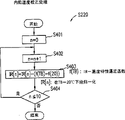
图4是说明按本发明的实施例1的电池组10的控制过程中的内阻温度校正处理过程的流程图;FIG. 4 is a flow chart illustrating the internal resistance temperature correction process in the control process of the
图5是说明按本发明的实施例1的电池组10的控制过程中电池输入/输出限制信号计算处理过程的流程图;5 is a flow chart illustrating the battery input/output limit signal calculation process in the control process of the
图6是说明按本发明的实施例1的电池的内阻与表面温度之间的关系曲线图;Fig. 6 is a graph illustrating the relationship between the internal resistance and the surface temperature of the battery according to Example 1 of the present invention;
图7是表示按本发明的实施例1的正常电池组的电池单元块电压的典型运行记录曲线图;Fig. 7 is a graph showing a typical operation record of the cell block voltage of a normal battery pack according to
图8是表示按本发明的实施例1的正常电池组的内阻的典型运行记录曲线图;Fig. 8 is a graph showing a typical running record of the internal resistance of a normal battery pack according to
图9是表示按本发明的实施例1的包括有异常电阻的单元电池的电池组的电池单元块电压的典型运行记录曲线图;FIG. 9 is a graph showing a typical log of battery cell block voltages of a battery pack including a unit cell having an abnormal resistance according to
图10是表示按本发明的实施例1的包括有异常电阻的单元电池的电池组的内阻的典型运行记录曲线图;Fig. 10 is a graph showing a typical log of the internal resistance of a battery pack including a unit cell having an abnormal resistance according to
图11是表示按本发明的实施例1的包括有异常电阻的单元电池的电池组的电池单元块电压的另一典型运行记录曲线图;11 is another typical log graph showing the battery cell block voltage of the battery pack including the unit cells having abnormal resistance according to
图12是说明按本发明的实施例2的电池组10的控制过程中的电池输入/输出限制信号计算处理的过程流程图;FIG. 12 is a flow chart illustrating the process of battery input/output limit signal calculation processing in the control process of the
图13是说明按本发明的实施例3的电池组10的控制过程中的异常发热处理的过程的流程图;13 is a flow chart illustrating the procedure of abnormal heat generation processing in the control process of the
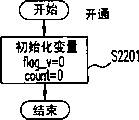
图14是说明按本发明的实施例3的电池组10的控制过程中的变量初始化处理过程流程图;FIG. 14 is a flow chart illustrating variable initialization processing in the control process of the
图15是说明按本发明的实施例3的电池组10的控制过程中的电池异常确定处理流程图;FIG. 15 is a flowchart illustrating battery abnormality determining processing in the control process of the
图16是表示按本发明的实施例3的正常电池组的电池单元块电压的典型运行记录曲线图;Fig. 16 is a graph showing a typical operation log of the cell block voltage of a normal battery pack according to
图17是表示按本发明的实施例3的包括有不正常电阻的单元电池的电池组的电池单元块电压的典型运行记录曲线图;Fig. 17 is a graph showing a typical log of battery cell block voltages of a battery pack including cells having abnormal resistance according to
图18是说明按本发明的实施例4的检测内组异常升高的方法的曲线图;Fig. 18 is a graph illustrating a method for detecting an abnormal increase in an intragroup according to Embodiment 4 of the present invention;
图19是说明如何发生内阻异常升高的错误检测的曲线图;Fig. 19 is a graph illustrating how false detection of an abnormal increase in internal resistance occurs;
图20是说明内阻异常升高的检测故障(或“漏检”)的曲线图;Fig. 20 is a graph illustrating a detection failure (or "missed detection") of an abnormally high internal resistance;
图21是说明按本发明的实施例4按电压差检测内阻异常升高的方法的曲线图;Fig. 21 is a graph illustrating a method for detecting an abnormal increase in internal resistance according to a voltage difference according to Embodiment 4 of the present invention;
图22是说明按本发明的实施例4按电压差检测内阻异常升高的方法的曲线图;Fig. 22 is a graph illustrating a method for detecting an abnormal increase in internal resistance according to a voltage difference according to Embodiment 4 of the present invention;
图23是说明按本发明的实施例4的电池组10的控制过程中异常发热检测处理过程的流程图;Fig. 23 is a flow chart illustrating the abnormal heat generation detection process in the control process of the
图24是说明按本发明的实施例4的电池组10的控制过程中变量初始化处理过程的流程图;Fig. 24 is a flow chart illustrating the variable initialization processing procedure in the control procedure of the
图25是说明按本发明的实施例4的电池组10的控制过程中的电池异常确定处理过程的流程图;FIG. 25 is a flowchart illustrating a battery abnormality determination processing procedure in the control process of the
图26是说明按本发明的实施例5的正常电池组中单元电池的现存容量分布的曲线图;Fig. 26 is a graph illustrating the existing capacity distribution of unit cells in a normal battery pack according to
图27是说明按本发明的实施例5的包括有异常电阻的单元电池的电池组中的单元电池的现存容量分布的曲线图;27 is a graph illustrating the existing capacity distribution of unit cells in a battery pack including unit cells having abnormal resistance according to
图28是说明现存容量(SOC)与单元块电压(VB)之间的关系曲线图;28 is a graph illustrating the relationship between existing capacity (SOC) and cell block voltage (VB);
图29是说明电池电流(IB)与单元块电压(VB)之间的关系曲线图。FIG. 29 is a graph illustrating the relationship between battery current (IB) and cell block voltage (VB).
具体实施方式Detailed ways
实施例1Example 1
图1展示出按本发明的实施例1的电池组控制设备100的典型结构,电池组控制设备100安装在混合车辆中。电池组控制设备100控制电池组10的输入和输出。电池组10包括多个串联连接的单元块10A。每个单元块10A包括多个串联连接的单元电池10B。FIG. 1 shows a typical structure of a battery
电池组控制设备100包括:用于控制电池组10的电池功率的输入/输出的电池功率输入/输出部1,多个单元块电压检测部件2,其中每个单元块电压检测部件检测相关的单元块10A的单元块电压;电池电流检测部件3,用于检测电池组10的电池电流;异常发热检测部件4,用它按单元块电压和电池电流检测单元电池10B的异常发热;车辆控制部件5,用它按异常发热检测部件4检测到的异常发热检测结果来控制电池功率输入/输出部件1;和用于检测电池组10的温度的电池温度检测部件6。The battery
异常发热检测部件4包括:内电阻计算组件4A,用它按单元块电压和电池电流来计算每个单元块10A的内电阻值;阈值电压设定组件4B,用它按电池组10的温度来设定阈值;方差计算组件4C,用于计算多个单元块10A的单元块电压的平均值和方差σ2;方差异常发热检测组件4D,用于按每个单元块10A的单元块电压10A以及单元块电压的平均值和方差σ2检测一个或一个以上的单元电池10B的异常发热;和现存容量异常发热检测组件4E,用它按每个单元块10A的现存容量检测一个或一个以上的单元电池10B的异常发热。The abnormal heating detection part 4 includes: an internal resistance calculation component 4A, which is used to calculate the internal resistance value of each unit block 10A according to the unit block voltage and battery current; a threshold voltage setting component 4B, which is used to calculate the internal resistance value according to the temperature of the
电池功率输入/输出部件1包括:转换器1A和混合车辆的马达/发电机1B。马达/发电机1B通过传动装置11驱动引擎12。引擎控制组件13按车辆控制部件5的输出控制引擎12。车辆控制部件5耦合到加速踏板7、制动踏板8、换档手柄9及现存电池容量检测组件14上。The battery power input/
异常发热检测部件4按每个单元块10A的内阻和阈值设定组件4B设定的阈值来检测一个或一个以上的单元电池10B的异常发热。The abnormal heat generation detection unit 4 detects abnormal heat generation of one or more unit cells 10B in accordance with the internal resistance of each unit block 10A and the threshold value set by the threshold value setting unit 4B.
车辆控制部件5按异常发热检测部件4检测到的异常发热检测结果来控制电池功率输入/输出部件1。车辆控制部件5按加速踏板7的输出,制动踏板8的输出,换档手柄9的输出和现存电池容量检测组件14的输出来控制加到转换器1A上的电流量。通过控制加到转换器1A的电流量和控制作为马达或作为发电机的马达/发电机1B,车辆控制部件5控制电池组10的充电和放电。The
每个单元块电压检测组件2将每个单元块10A的单元块电压进行A/D(模/数)转换。异常发热检测部件4按每个单元块10A的内阻和预定的阈值来检测一个或一个以上的单元电池10B的异常发热。电池温度检测部件6用热敏电阻器测量电池组10的温度,并将测到的电池温度进行A/D转换,并将经转换过的电池温度值输出到异常发热检测部件4。Each cell block
根据构成单元电池10B的材料或与单元电池10B接触的任何材料是否适用于电池组10的给定温度,可用阈值设定组件4B设定阈值。特别是阈值应设定成使每个单元电池10B的任何给出的零部件处于其特性曲线的拐点或拐点以下,由此会防止具有升高的IR(内阻)值的单元电池10B加速损坏。结果能延长电池组的寿命。Depending on whether the material constituting the unit cell 10B or any material in contact with the unit cell 10B is suitable for a given temperature of the
或者,根据有升高的IR值的单个电池(即单元电池10B)发出的总热量(即反应热和焦耳热之和)、单元电池10B的热容量和扩散进周围环境中的热量,计算出由阈值设定组件4B设定的阈值。用阈值设定组件4B设定的阈值也可以按设计的任意单元电池由经验获得,以便提供较大的IR值。一旦确定了阈值,则所确定的阈值就会在IR确定阈值图或输出限制图中反映出来。Alternatively, from the total heat (i.e., the sum of reaction heat and Joule heat) emitted by a single battery (i.e., unit cell 10B) having an elevated IR value, the heat capacity of the unit cell 10B, and the amount of heat diffused into the surrounding environment, calculated by The threshold setting component 4B sets the threshold. The threshold set by the threshold setting component 4B can also be obtained empirically for any unit cell designed to provide a larger IR value. Once the threshold is determined, the determined threshold is reflected in the IR Determination Threshold Map or Output Limit Map.
方差异常发热检测组件4D根据是否有至少一个单元块电压等于或大于充电时的预定值,或是否有至少一个单元块电压等于或小于放电时的预定值,来检测一个或一个以上的单元电池10B的异常发热。车辆控制部件5根据方差异常发热检测组件4D检测到的异常发热检测结果来控制电池功率输入/输出部件1。The square difference abnormal heating detection component 4D detects one or more unit cells 10B according to whether the voltage of at least one unit block is equal to or higher than a predetermined value during charging, or whether the voltage of at least one unit block is equal to or lower than a predetermined value during discharge. abnormal fever. The
与整个电池组10的异常发热相反,以下列出了小量(包括一个)单元电池10B的异常发热的几种可能的情况:In contrast to the abnormal heat generation of the
(1)单元电池10B的内部短路:(1) Internal short circuit of unit cell 10B:
单元电池10B中的电极相互短路时出现的单元电池10B的内部短路。因此,即使外部检测出单元电池的内部短路、输入/输出断开,也无法防止内部短路加剧。An internal short circuit of the unit cell 10B occurs when electrodes in the unit cell 10B are short-circuited to each other. Therefore, even if the internal short circuit of the unit cell is externally detected and the input/output is disconnected, it is impossible to prevent the internal short circuit from aggravating.
(2)单元电池10B过度充电:(2) Overcharging of unit cell 10B:
当多个单元电池10B的自放电程度变化极大时会发生单元电池10B的过度充电。但是,通常极少有电池组中只有一个单元电池具有好的充电效率的情况。通常根据整个电池组10在充电时的I-V(电流-电压)特性,单元块10A的过度充电是可以检测的。Overcharging of the unit cells 10B occurs when the degree of self-discharge of the plurality of unit cells 10B varies greatly. However, it is generally rare that only one cell in a battery pack has good charging efficiency. Overcharging of the cell block 10A is generally detectable based on the I-V (current-voltage) characteristics of the
(3)缺少电解质的电池的焦耳发热可能是单元电池10B的过放电或过充电或电池体损坏的结果。(3) Joule heating of a battery lacking electrolyte may be the result of overdischarge or overcharge of the unit cell 10B or damage to the battery body.
(4)因长期使用或不用而使电极板的活性下降,和电池的正负电极之间的隔板中的电解质的量的减少而退化的电池的焦耳发热。(4) Joule heating of the battery degraded due to the decrease in the activity of the electrode plate due to long-term use or non-use, and the decrease in the amount of electrolyte in the separator between the positive and negative electrodes of the battery.
上述情况中的(3)和(4)可以用要求在每个单元电池上安装温度传感器的常规的异常发热检测部件检测,且能通过断开电池的输入或输出来避免其加剧。(3) and (4) in the above cases can be detected with conventional abnormal heating detection means requiring a temperature sensor on each unit cell, and can be prevented from aggravating by disconnecting the input or output of the battery.
对情况(3)和(4)而言,通过检测单元电池10B的IR值增大来实现其中一个功能。For the cases (3) and (4), one of the functions is realized by detecting an increase in the IR value of the unit cell 10B.
内阻计算组件4A根据车辆在运行过程中的每个单元块10A的电池电流与单元块电压的I-V特性,用最小平方法计算出每个单元块10A的IR(梯度)。阈值设定组件4B按温度检测部件6检测到的电池组10的温度设定阈值。The internal resistance calculation component 4A calculates the IR (gradient) of each unit block 10A by the least square method according to the I-V characteristics of the battery current and the unit block voltage of each unit block 10A during the running of the vehicle. The threshold value setting unit 4B sets a threshold value according to the temperature of the
若由内阻计算组件4A计算出的每个单元块10A的IR值等于或大于由阈值设定组件4B设定的阈值,那么,异常发热检测部件4把限制电池组10输入或输出的信号输出到运送控制部件5。If the IR value of each unit block 10A calculated by the internal resistance calculating unit 4A is equal to or greater than the threshold set by the threshold setting unit 4B, then the abnormal heating detecting unit 4 outputs a signal limiting the input or output of the
以下将参照图2至6说明按本发明的实施例1的电池组10的控制过程。图2是按本发明的实施例1的电池组10的控制流程的流程图,其中,示出每秒钟执行的多个步骤。图3是电池组10的控制中获得每个单元块的电压,电流和温度的流程图。图4是内阻温度校正处理过程的流程图。图5是电池输入/输出限制信号计算处理过程的流程图。图6是电池的内阻与表面温度之间的关系曲线图。The control process of the
变量TB_BUF表示TB值输入/输出缓冲器。变量ISUM[n]表示在60秒中的周期中n个单元块的电流之和。变量I2SUM[n]表示在60秒钟的周期中n个单元块上的电流的平方之和。变量TB[i]表示从程序开始计算的在i秒(i是1到60的整数)的电池组10的温度。电池组10的典型温度是用如图1和3所示的电池温度检测部件6获得的。变量VSUM[n]表示在60秒钟的周期中的单元块电压之和。变量V[n,i]表示从流程开始计算的i秒钟时的n个单元块的单元块电压,(n是从1到10的整数;i是从1到60的整数)。变量IVSUM[n]表示在60秒钟的周期中n个单元块的电流与电压之间的乘积之和。The variable TB_BUF represents a TB value input/output buffer. The variable ISUM[n] represents the sum of the currents of n unit blocks in a period of 60 seconds. The variable I2SUM [n] represents the sum of the squares of the currents on n cell blocks in a period of 60 seconds. The variable TB[i] represents the temperature of the
更新了定时器变量i之后(S201),与每个单元块10A相关的单元块电压检测部件2检测那个单元块10A的电压,电池电流检测部件3检测电池组10中流动的电流,电池温度检测部件6检测电池组10的温度(S202)。After updating the timer variable i (S201), the cell block
如果定时器变量i在60之下,过程终止(从S203继续“是”路径)。如果定时器变量i等于或大于60(从S203继续“否”路径),之后,用“0”代替定时器变量i,单元块数计数器n和变量TB_BUF(S204)。If the timer variable i is below 60, the process is terminated (continuing the "YES" path from S203). If the timer variable i is equal to or greater than 60 (continue to the "No" path from S203), then, "0" is substituted for the timer variable i, the unit block number counter n and the variable TB_BUF (S204).
之后,更新单元块数计数器n(S205)。如果单元块数计数器n的更新值等于或小于10(从S206继续“是”路径),之后,用“0”代替变量ISUM[n],变量I2SUM[n],变量VSUM[n],变量IVSUM[n]和内阻IR[n](S207)。After that, the unit block number counter n is updated (S205). If the update value of the unit block number counter n is equal to or less than 10 (continue "Yes" path from S206), afterwards, with "0" instead of variable ISUM[n], variable I 2 SUM[n], variable VSUM[n], Variable IVSUM[n] and internal resistance IR[n] (S207).
单元块数计数器n清0之后(S208),更新单元块数计数器n(S209)。如果更新的单元块数计数器n等于或小于10(从S210继续“是”路径),之后,将变量TB[i]加到变量TB_BUF上;变量I[i]加到变量ISUM[n]上;变量I[i]加到变量22SUM[n](S211)上。After the unit block number counter n is cleared to 0 (S208), the unit block number counter n is updated (S209). If the unit block number counter n of updating is equal to or less than 10 (continuing " yes " path from S210), afterwards, variable TB[i] is added on the variable TB_BUF; Variable I[i] is added on the variable ISUM[n]; The variable I[i] is added to the variable 2 2 SUM[n] (S211).
更新定时器变量i(S212),确定定时器变量i是否等于或小于60(S213)。如果定时器变量i不等于或小于60,控制返回到S209。The timer variable i is updated (S212), and it is determined whether the timer variable i is equal to or smaller than 60 (S213). If the timer variable i is not equal to or smaller than 60, control returns to S209.
如果定时器变量i等于或小于60,则将变量V[n,i]加到变量VSUM[n]上;(变量I[i]·变量V[n,i])加到变量IVSUM[n](S214)h;控制返回到S212。If the timer variable i is equal to or less than 60, the variable V[n, i] is added to the variable VSUM[n]; (variable I[i] · variable V[n, i]) is added to the variable IVSUM[n] (S214)h; control returns to S212.
如果更新的单元块数计数器n不等于或小于10(从S210继续“否”路径),之后,用“0”替代单元块数计数器n(变量TB_BUF)/10替代变量TB(S215)。If the updated unit block number counter n is not equal to or less than 10 (continuing the "No" path from S210), then, "0" is substituted for the unit block number counter n (variable TB_BUF)/10 for the variable TB (S215).
之后,更新单元块数计数器n(S216)。如果更新的单元块数n等于或小于10(从S217继续“是”路径),之后,按变量ISUM,变量VSUM,变量IVSUM和变量I2SUM计算内阻IR[n](S218)。之后,控制返回到S216。Thereafter, the unit block number counter n is updated (S216). If the updated unit block number n is equal to or less than 10 (continue "Yes" path from S217), then, calculate internal resistance IR[n] by variable ISUM, variable VSUM, variable IVSUM and variable I 2 SUM (S218). After that, control returns to S216.
如果更新的单元块数计数器n不等于或小于10(从S217继续“否”路径),定时器变量i清0(S219),执行内阻温度校正处理(以后说明)(S220)。If the updated unit block number counter n is not equal to or less than 10 (continue "No" path from S217), the timer variable i is cleared to 0 (S219), and internal resistance temperature correction processing (described later) is performed (S220).
如果现存电池容量不大于30%且不小于80%(从S221继续“否”路径),过程终止。如果现存电池容量大于30%并小于80%(从S221继续“是”路径),执行电池输入/输出限制信号计算处理(S222)。异常发热检测部件4输出电池输入/输出值IMAX给车辆控制部件5(S223),并终止该过程。If the existing battery capacity is not more than 30% and not less than 80% (continuing the "No" path from S221), the process is terminated. If the existing battery capacity is greater than 30% and less than 80% (continuing the "YES" path from S221), a battery input/output limit signal calculation process is performed (S222). The abnormal heat generation detection part 4 outputs the battery input/output value IMAX to the vehicle control part 5 (S223), and terminates the process.
参见图3,将详细说明对每个单元块执行的电压/电流/温度获取处理(S202)。首先,单元块数计数器n清0(S301)。用一个单元块电压检测部件2检测到的单元块电压代替变量V[n,i],并更新单元块数计数器n(S302)。如果单元块数计数器n等于或小于10(从S303继续“是”路径),之后重复S302。Referring to FIG. 3, the voltage/current/temperature acquisition process (S202) performed for each cell block will be described in detail. First, the unit block number counter n is cleared to 0 (S301). The variable V[n,i] is replaced with a cell block voltage detected by the cell block
如果单元块数计数器n不等于或小于10(从S303继续“否”路径),之后,用电池电流检测部件3检测到的电池组10的电流值代替变量I[i];用电池温度检测部件6检测到的电池组10的典型温度代替变量TB[i](S304);并终止对各个单元块的电压/电流/温度的获取处理。If the unit block number counter n is not equal to or less than 10 (continue "no" path from S303), afterwards, replace the variable I[i] with the current value of the
参见图4和6,将详细说明内阻温度校正处理(S220)。首先,单元块数计数器n清0(S401),更新单元块数计数器n之后(S402),根据内阻一温度特性的逼近函数f(TB)和f(20)校正内阻IR[n](S403)。Referring to FIGS. 4 and 6, the internal resistance temperature correction process (S220) will be described in detail. First, the unit block number counter n is cleared to 0 (S401), after updating the unit block number counter n (S402), the internal resistance IR[n] is corrected according to the approximation function f(TB) and f(20) of the internal resistance-temperature characteristic ( S403).
因为如图6所示,内阻随电池温度变化而变化,所以用内阻-温度特性逼近函数f(TB)来校正内阻。如果单元块数计数器n等于或小于10(从S404继续“是”路径),之后,控制返回到S402。如果单元块数计数器n不等于或小于10(从S404继续“否”路径),之后,终止内阻温度校正处理。Since the internal resistance varies with the temperature of the battery as shown in Figure 6, the internal resistance is corrected using the internal resistance-temperature characteristic approximation function f(TB). If the unit block number counter n is equal to or smaller than 10 (continuing the "YES" path from S404), after that, control returns to S402. If the unit block number counter n is not equal to or less than 10 (continuing the "No" path from S404), then, the internal resistance temperature correction process is terminated.
参见图5,将详细说明电池输入/输出限制信号计算处理(S217)。单元块数计数器n清0(S501)。更新单元块数计数器n之后,若内阻IR[n]不大于120(从S503继续“否”路径),确定单元块数计数器n是否等于或小于10(S504)。Referring to FIG. 5, the battery input/output limit signal calculation process (S217) will be described in detail. The unit block number counter n is cleared to 0 (S501). After updating the unit block number counter n, if the internal resistance IR[n] is not greater than 120 (continue to the "No" path from S503), determine whether the unit block number counter n is equal to or less than 10 (S504).
若单元块数计数器n等于或小于10(从S04继续“是”路径),控制返回到S502。若单元块数计数器n不等于或小于10(从S504继续“否”路径),用“1”代替变量FLAG_CHG和变量FLAG DCHG,以指示无电池输入/输出限制信号输出(S505),并终止电池输入/输出限制信号计算处理。If the unit block number counter n is equal to or less than 10 (continue "YES" path from S04), control returns to S502. If the unit block number counter n is not equal to or less than 10 (continue "no" path from S504), replace variable FLAG_CHG and variable FLAG DCHG with "1", to indicate that there is no battery input/output limit signal output (S505), and terminate the battery Input/output limit signal calculation processing.
若内阻IR[n]大于120,(从S503继续“是”路径),用“0”代替FLAG_CHG和变量FLAD_DCHG,以指示有电池输入/输出限制信号输出(S506),并终止电池输入/输出限制信号计算处理。If the internal resistance IR[n] is greater than 120, (continue "Yes" path from S503), replace FLAG_CHG and variable FLAD_DCHG with "0" to indicate that there is a battery input/output limit signal output (S506), and terminate the battery input/output Limit signal computation processing.
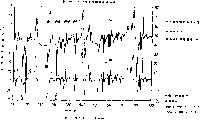
图7是按本发明实施例1的正常(即正常工作)的电池组的电池单元块电压的典型运行记录曲线图。图8是正常电池组的内阻的典型运行记录曲线图。图9是按本发明实施例1的包括有异常电阻的单元电池的电池组的电池单元块电压的典型运行记录曲线图。图10是包括有异常电阻的电池的电池组的内阻的典型运行记录曲线图。Fig. 7 is a graph showing a typical operation record of the battery cell block voltage of a normal (ie normal operation) battery pack according to
参见图7和9,在正常电池组情况下,与8个单元块10A相关的单元块电压VB1到VB8基本相同,如图7所示。另一方面,在包括有异常电阻值的电池的正常电池组的情况下,如图9所示,与包括有异常电阻值的单元电池的单元块(例如,图9所示例中的单元块7)相关的单元块电压VB7与不包括有异常电阻的任何电池的单元块(例如图9所示例中的单元块1至6和单元块8到10)相关的单元块电压VB1到VB6和VB8到VB10的值不同。Referring to FIGS. 7 and 9 , in the case of a normal battery pack, the cell block voltages VB1 to VB8 related to the eight cell blocks 10A are substantially the same, as shown in FIG. 7 . On the other hand, in the case of a normal battery pack including a battery having an abnormal resistance value, as shown in FIG. ) relative to the cell block voltage VB7 and the cell block voltages VB1 to VB6 and VB8 to VB10 has a different value.
参见图8和10,将说明正常电池组和那些包括有异常电阻的电池的电池组的各个单元块内阻。在正常电池组10的情况下,与各个单元块10A相关的内阻IR1到IR10基本相同,如图8所示。另一方面,在包括有异常电阻的电池的异常电池组的情况下,如图10所示,与包括有异常电阻的电池的单元块(例如,图10所示例中的单元块7)相关的内阻IR7与不包括有异常电阻值的任何电池的单元块(例如图10所示例中的单元块1到6和单元块8到10)相关的内阻(IR1到IR6和IR8到IR10)的值不同。Referring to Figs. 8 and 10, the internal resistances of individual blocks of normal battery packs and those battery packs including batteries having abnormal resistance will be explained. In the case of the
图11示出包括有异常电阻的电池的电池组的电池单元块电压的另一典型运行记录曲线。如图9所示运行记录情况下,与包括有异常电阻的电池的单元块(例如图11所示例中的单元块7)相关的单元块电压VB7与不包括有异常电阻的任何电池的单元块(例如图11所示例中的单元块1到6和单元块8到10)相关的单元块电压VB1到VB6和VB8到VB10的值不同。FIG. 11 shows another typical log curve of a battery block voltage of a battery pack including a battery having an abnormal resistance. In the case of running record as shown in Fig. 9, the unit block voltage VB7 related to the unit block (for example, the unit block 7 in the example shown in Fig. 11 ) that includes a battery with abnormal resistance is different from that of any battery unit block that does not include abnormal resistance. (eg
因此,按实施例1,异常发热检测部件4按多个单元块10A的各个内阻值和阈值检测一个或一个以上的单元电池10B的异常发热,并且,车辆控制部件5按异常发热检测部件4检测到的异常发热的检测结果控制电池功率输入/输出部件1。因此,不需要在多个单元电池每个单元电池10B上安装温度传感器,因此,可以用经济的方法控制电池组10。Therefore, according to
实施例2Example 2
本发明的实施例2与实施例1的差别是,以步进方式控制或限制电池组10的输入或输出。车辆控制部件5按异常发热检测部件4检测到的异常发热检测结果以步进方式控制电池功率输入/输出部件1。The difference between
图12是按本发明实施例2,说明在电池组10的控制过程中电池输入/输出限制信号计算处理过程的流程图。按实施例2的电池组10的控制过程与参照图2到5所述的实施例1中的过程相同,只是电池输入/输出限制信号计算处理不同。除电池输入/输出限制信号计算处理之外,其余的处理与实施例1中相应的处理相同,因此这里不再描述。Fig. 12 is a flowchart illustrating the battery input/output limit signal calculation processing procedure in the control process of the
参见图12,通过从步骤S1203至S1212的处理,计算出依据内阻(IR)的最大电流值。通过从步骤S1203到步骤S1212的处理,选出最大电流值ICHGMAX[1]到ICHGMAX[n]中的最小值MIN和最大电流值IDCHGMAX[1]到IDCHGMAX[n]中的最小值MIN。Referring to FIG. 12, through the processing from steps S1203 to S1212, the maximum current value in terms of internal resistance (IR) is calculated. Through the processing from step S1203 to step S1212, the minimum value MIN among the maximum current values ICHGMAX[1] to ICHGMAX[n] and the minimum value MIN among the maximum current values IDCHGMAX[1] to IDCHGMAX[n] are selected.
确定单元电池是否之前已被确定为有故障(S1201)。如果确定单元电池在之前没有被定为有故障(从S1201,继续“否”路径),之后,用“255”替代变量ICHGMAX和变量IDCHGMAX(S1202)。It is determined whether the unit cell has been previously determined to be faulty (S1201). If it is determined that the unit cell has not been determined to be faulty before (from S1201, proceed to the "No" path), then, "255" is substituted for the variable ICHGMAX and the variable IDCHGMAX (S1202).
如果确定单元电池是早已被确定为有故障,(从S1201继续“是”路径),或,如果“255”已代替了变量ICHGMAX和变量IDCHGMAX(S1202),则单元块数计数器n清0(S1203)。If it is determined that the unit cell is already determined to be faulty, (continue "Yes" path from S1201), or if "255" has replaced variable ICHGMAX and variable IDCHGMAX (S1202), then the unit block number counter n is cleared to 0 (S1203 ).
更新单元块数计数器n之后,“255”代替变量ICHGMAX和变量IDCHGMAX(S1204)。确定内阻IR[n]是否大于140(S1205)。若内阻IR[n]大于140,则变量ICHGMAX[n]和变量IDCHGMAX[n]清0(S1208)。After updating the unit block number counter n, "255" is substituted for the variable ICHGMAX and the variable IDCHGMAX (S1204). It is determined whether the internal resistance IR[n] is greater than 140 (S1205). If the internal resistance IR[n] is greater than 140, the variables ICHGMAX[n] and IDCHGMAX[n] are cleared to 0 (S1208).
若内阻IR[n]等于或小于140,确定内阻IR[n]是否大于120(S1206),若内阻IR[n]大于120,则用“5”代替变量ICHGMAX[n],和“-5”代替变量IDCHGMAX[n](S1209)。If the internal resistance IR[n] is equal to or less than 140, determine whether the internal resistance IR[n] is greater than 120 (S1206), if the internal resistance IR[n] is greater than 120, replace the variable ICHGMAX[n] with "5", and " -5" is substituted for the variable IDCHGMAX[n] (S1209).
若内阻IR[n]等于或小于120,则确定内阻IR[n]是否大于110(S1207)。若内阻IR[n]大于110,则用“10”代替变量ICHGMAX[n],“-10”代替变量IDCHGMAX[n](S1210)。If the internal resistance IR[n] is equal to or less than 120, it is determined whether the internal resistance IR[n] is greater than 110 (S1207). If the internal resistance IR[n] is greater than 110, the variable ICHGMAX[n] is replaced by "10", and the variable IDCHGMAX[n] is replaced by "-10" (S1210).
若变量ICHGMAX[n]和变量IDCHGMAX[n]已经清0(S1208),或者,若“5”已经代替变量ICHGMAX[n]和“-5”代替变量IDCHGMAX[n](S1209),或者,若“10”已经代替变量ICHGMAX[n]和“-10”代替变量IDCHGMAX[n](S1210),则确定单元电池为发生了故障(S1211)。If variable ICHGMAX[n] and variable IDCHGMAX[n] have been cleared to 0 (S1208), or if "5" has replaced variable ICHGMAX[n] and "-5" has replaced variable IDCHGMAX[n] (S1209), or if "10" has been substituted for the variable ICHGMAX[n] and "-10" has been substituted for the variable IDCHGMAX[n] (S1210), it is determined that the unit cell has failed (S1211).
若确定单元电池为有故障(S1211),或者,若内阻IR[n]等于或小于110(从S1207继续“否”路径),之后,确定单元块数计数器n是否等于或小于10(S1212)。If it is determined that the unit cell is faulty (S1211), or, if the internal resistance IR[n] is equal to or less than 110 (continuing the "No" path from S1207), then it is determined whether the unit block number counter n is equal to or less than 10 (S1212) .
若单元块数计数器n等于或小于10,则控制返回到S1203。若单元块数计数器n不等于或小于10,则单元块数计数器n清0(S1213)。If the unit block number counter n is equal to or smaller than 10, control returns to S1203. If the unit block number counter n is not equal to or less than 10, the unit block number counter n is cleared to 0 (S1213).
更新单元块数计数器n之后(S1214),确定变量ICHGMAX是否大于变量ICHGMAX[n](S1215)。若变量ICHGMAX大于变量ICHGMAX[n],则用变量ICHGMAX[n]代替ICHGMAX(S1216)。After updating the unit block number counter n (S1214), it is determined whether the variable ICHGMAX is greater than the variable ICHGMAX[n] (S1215). If the variable ICHGMAX is greater than the variable ICHGMAX[n], the variable ICHGMAX[n] is used instead of ICHGMAX (S1216).
若变量ICHGMAX不大于变量ICHGMAX[n],或者,若变量ICHGMAX[n]已经代替了变量ICHGMAX,则确定变量IDCHGMAX是否小于变量IDCHGMAX[n](S1217)。若变量IDCHGMAX小于变量IDCHGMAX[n],则用变量IDCHGMAX[n]代替变量IDCHGMAX(S1218)。If the variable ICHGMAX is not larger than the variable ICHGMAX[n], or if the variable ICHGMAX[n] has replaced the variable ICHGMAX, it is determined whether the variable IDCHGMAX is smaller than the variable IDCHGMAX[n] (S1217). If the variable IDCHGMAX is smaller than the variable IDCHGMAX[n], the variable IDCHGMAX[n] is used instead of the variable IDCHGMAX (S1218).
若变量IDCHGMAX不小于变量IDCHGMAX[n],或者,若变量IDCHGMAX[n]已经代替了变量IDCHGMAX,则确定单元块数计数器n是否等于或小于10(S1219)。If the variable IDCHGMAX is not smaller than the variable IDCHGMAX[n], or if the variable IDCHGMAX[n] has replaced the variable IDCHGMAX, it is determined whether the unit block number counter n is equal to or smaller than 10 (S1219).
若单元块数计数器n等于或小于10,则控制返回到S1214。若单元块数计数器n不等于或小于10,则按变量ICHGMAX和IDCHGMAX输出一个信号(S1220),并终止电池输入/输出限制信号计算处理。If the unit block number counter n is equal to or smaller than 10, control returns to S1214. If the cell block number counter n is not equal to or less than 10, a signal is output according to the variables ICHGMAX and IDCHGMAX (S1220), and the battery input/output limit signal calculation process is terminated.
按实施例2,可按IR的增大以步进方式限制充电或放电电流。由此,除仅防止单元电池10B的异常发热外,还能获得以下效果;According to
(1)即使单元电池10B的内阻IR升高到异常大小,也可以控制单元电池10B,把单元电池10B的温度限制到适合于在单元电池10B中的元件的温度或该温度以下。通过检测单元电池10B的IR的异常升高来限制单元电池10B的输入或输出,可使电池组10在低于或处于某一温度上使用,在高于此温度的情况下,会因单元电池10B的活性材料性质改变而导致单元电池10B的性能加速退化。由此,能延长电池组10的使用寿命。(1) Even if the internal resistance IR of the unit cell 10B rises abnormally, the unit cell 10B can be controlled to limit the temperature of the unit cell 10B to a temperature suitable for the components in the unit cell 10B or below. Limiting the input or output of the unit cell 10B by detecting an abnormal increase in the IR of the unit cell 10B allows the
通过保证电池组10在低于或处于每个单元电池10B的正电极与负电极之间的隔板的软化温度下使用,可以降低单元电池10B的正极与负极之间的内部短路的可能性。By ensuring that the
(2)通过检测单元电池10B的内阻IR的异常升高来限制单元电池10B的输入或输出,可连续使用电池组10且能防止单元电池10B达到异常温度。(2) By detecting an abnormal increase in the internal resistance IR of the unit cell 10B to limit the input or output of the unit cell 10B, the
常规的异常发热检测设备在单元电池10B达到预定的高温时只能检测单元电池的异常性。因此,这些电池用在混合车辆中时,由于电池组10要为车辆提供适当的动力,因此,当检测到异常状况时,必须立即断开电池组10。A conventional abnormal heating detection device can only detect abnormality of the unit cell when the unit cell 10B reaches a predetermined high temperature. Therefore, when these batteries are used in a hybrid vehicle, since the
按本发明实施例2,不可能直接测试单元电池10B的温度升高,但可根据单元电池10B的内阻IR值推断单元电池10B的这种温度的升高,因而能以步进方式相应地限制电池组10的输入或输出。这就允许在延长了的时间周期连续使用电池组10。According to
如图6所示,镍-金属混合电池或类似物的IR有随温度升高而减少的趋势,这种趋势对具有因有故障而有升高了的IR值的电池也很常见。这对于确定电池的可靠性带来了困难。因为,即使当车辆运行一段时间之后,这些单元电池的IR值降低,这种降低也可能是由单元电池的温度升高造成的。按该例,在图12所示的过程开始之后,保证那些早已确定为有故障的单元电池不再回复到它的输入/输出状态,由此能排除错误检测。As shown in Fig. 6, the IR of a nickel-metal hybrid battery or the like tends to decrease with an increase in temperature, and this tendency is also common for batteries having an elevated IR value due to a fault. This creates difficulties in determining the reliability of the battery. Because, even when the IR values of these unit cells decrease after the vehicle is operated for a period of time, this decrease may be caused by the temperature increase of the unit cells. In this example, after the process shown in FIG. 12 is started, it is ensured that those cells which have already been determined to be faulty do not revert to its input/output state, whereby false detection can be eliminated.
实施例3Example 3
本发明的实施例3与实施例1的差别是,方差计算组件4C计算多个单元块10A的单元块电压的平均值和方差σ2,并且,方差异常发热检测组件4D按多个单元块10A的单元块电压的平均值和方差σ2检测一个或一个以上的单元电池10B的异常发热。The difference between
按实施例3,单元块10A的单元块电压的变化经统计处理,并把基本上落入其它区域外的任何单元块10A确定为有故障,由此限制电池组10的输入或输出。According to
如果单元块10A的单元块电压中的至少一个在充电时等于或大于+2.5σ2,或在放电时等于或小于-2.5σ2,方差异常发热检测部件将限制电池组10的输入或输出的信号输出到运送控制部件5。If at least one of the cell block voltages of the cell block 10A is equal to or greater than +2.5σ 2 at the time of charging, or equal to or less than -2.5σ 2 at the time of discharging, the variance abnormal heat generation detection part will limit the input or output of the
按实施例3,根据在理论上单元电池10B一定具有相同特性来确定有故障的电池。该技术优于加标准化的阈值的技术,特别是,当这种阈值必须通过考虑相当复杂需要大量数据的因素,如电池温度,现存电池容量,电池退化和IR值在低温时的波动来确定的情况下,本技术有明显的优点。要想确定该多种因素会增加要求用于获得电池特性数据的实验费用和计算数据的CPU的负担。According to
图13是按本发明实施例3的电池组10的控制过程中的异常发热检测处理过程的流程图。图14是电池组10控制过程中变量初始化处理过程的流程图。图15是电池异常性确定处理过程的流程图。Fig. 13 is a flowchart of the abnormal heat generation detection processing procedure in the control procedure of the
参见图13,对内部变量sum_v、sum_v2,和定时器变量i进行初始化处理(S1301)。将变量V_i加到内部变量sum_v上;(Vi×Vi)加到内部变量sum_v2;并更新定时器变量i(S1302)。若定时器变量i不等于10,(从S1303继续“否”路径),重复S1302的处理。Referring to FIG. 13, the internal variables sum_v, sum_v2, and the timer variable i are initialized (S1301). Add variable V_i to internal variable sum_v; add (Vi×Vi) to internal variable sum_v2; and update timer variable i (S1302). If the timer variable i is not equal to 10, (continue to the "No" path from S1303), repeat the processing of S1302.
若定时器变量i等于10(从S1303继续“是”路径),用10除内部变量sum_v得到的数值代替变量ave_v,作为内部变量sum_v和内部变量sum-v2的函数计算出的值代替变量s1;作为变量s1的函数计算出的值代替变量s_v(S1304)。变量Vn的最大值代替变量max_v;变量Vn的最小值代替变量min_v(S1305)。If the timer variable i is equal to 10 (from S1303 to continue the "yes" path), the numerical value obtained by dividing the internal variable sum_v by 10 replaces the variable ave_v, and the value calculated as the function of the internal variable sum_v and the internal variable sum-v2 replaces the variable s1; A value calculated as a function of the variable s1 is substituted for the variable s_v (S1304). The maximum value of the variable Vn is substituted for the variable max_v; the minimum value of the variable Vn is substituted for the variable min_v (S1305).
确定变量IB是否等于或大于0(S1306)。若变量IB等于或大于0,则确定用变量s_v除(ave_v-min_v)得到的值是否大于2.5(S1307)。若变量IB小于0,则确定用变量s_v除(max_v-ave_v)得到的值是否大于2.5(S1308)。It is determined whether the variable IB is equal to or greater than 0 (S1306). If the variable IB is equal to or greater than 0, it is determined whether the value obtained by dividing (ave_v-min_v) by the variable s_v is greater than 2.5 (S1307). If the variable IB is less than 0, it is determined whether the value obtained by dividing (max_v-ave_v) by the variable s_v is greater than 2.5 (S1308).
若变量s_v除(ave_v-min_v)得到的值大于2.5,或者,若变量s_v除(max_v-ave_v)得到的值大于2.5,则更新校正变量flag_v(S1309)。If the value obtained by dividing the variable s_v by (ave_v-min_v) is greater than 2.5, or if the value obtained by dividing the variable s_v by (max_v-ave_v) is greater than 2.5, update the correction variable flag_v (S1309).
若变量s_v除(ave_v-min_v)得到的值不大于2.5,或者,若变量s_v除(max_v-ave_v)得到的值不大于2.5,或者,若flag_v已被更新,则更新变量count(S1310)。若变量count是60(从S1311继续“是”路径),则确定单元电池为异常(S1312)。若变量count不是60(从S1311继续“否”路径),或者,若单元电池已确定为异常,则终止异常发热检测处理。If the value obtained by dividing the variable s_v by (ave_v-min_v) is not greater than 2.5, or if the value obtained by dividing the variable s_v by (max_v-ave_v) is not greater than 2.5, or if flag_v has been updated, update the variable count (S1310). If the variable count is 60 (continuing the "Yes" path from S1311), it is determined that the unit cell is abnormal (S1312). If the variable count is not 60 (continue to the "No" path from S1311), or if the unit cell has been determined to be abnormal, then the abnormal heating detection process is terminated.
参见图14,说明变量初始化处理。对变量flag_v和count进行初始化处理(S1401),及终止变量初始化处理。Referring to Fig. 14, variable initialization processing will be described. The variables flag_v and count are initialized (S1401), and the variable initialization process is terminated.
参见图15,说明单元电池异常性确定处理。确定变量flag_v是否等于或大于48(S1501)。若变量flag_v等于或大于48,则进行故障处理(S1502)。若变量flag_v不等于或大于48,或者,若已经进行了故障处理,则对变量flag_v和count进行初始化处理(S1503),并终止单元电池的异常性确定处理。Referring to Fig. 15, the cell abnormality determination processing will be described. It is determined whether the variable flag_v is equal to or greater than 48 (S1501). If the variable flag_v is equal to or greater than 48, perform fault processing (S1502). If the variable flag_v is not equal to or greater than 48, or if the fault processing has already been performed, initialization processing is performed on the variables flag_v and count (S1503), and the abnormality determination processing of the unit cell is terminated.
图16是按本发明实施例3的正常电池组的电池单元块电压的典型运行记录曲线图。图17是按本发明的实施例3的包括有异常电阻的电池的电池组的电池单元块电压的典型运行记录曲线图。Fig. 16 is a graph showing a typical operation log of battery cell block voltages of a normal battery pack according to
参见图16和17,可根据估算值HC检测单元电池10B的异常发热,而该估算值HC又基于多个单元块10A的单元块电压的平均值和方差σ2而得。这里,估算HC相当于上述参见图13的异常发热检测处理的步骤S1307中用的(ave_v-min_v)/s_v或(max_v-ave_v)/s_v。单元块10A的单元块电压平均值相当于变量ave_v。单元块10A的单元块电压的方差σ2相当于变量s_v。Referring to FIGS. 16 and 17, abnormal heating of the unit cell 10B can be detected based on the estimated value HC based on the average value and variance σ2 of the unit block voltages of the plurality of unit blocks 10A. Here, the estimated HC corresponds to (ave_v-min_v)/s_v or (max_v-ave_v)/s_v used in step S1307 of the above-mentioned abnormal heat generation detection process referring to FIG. 13 . The average value of the cell block voltage of the cell block 10A corresponds to the variable ave_v. The variance σ2 of the cell block voltage of the cell block 10A corresponds to the variable s_v.
注意,用新电池替换有故障的电池时,新电池具有致使其单元块电压在充电时不大于-2.5σ2的小IR值。但是,按该例,能在充电时确定为是有故障的电池,只是那些其中至少一个单元块10A的单元块电压等于或大于+2.5σ2的电池。因此消除了错误检测的可能性。Note that when replacing a faulty battery with a new battery, the new battery has such a small IR value that its cell block voltage is not greater than -2.5σ2 when charged. However, according to this example, the batteries that can be determined to be faulty at the time of charging are only those batteries in which at least one of the cell blocks 10A has a cell block voltage equal to or greater than + 2.5σ2 . The possibility of false detection is thus eliminated.
因此,按实施例3,方差计算组件4C计算多个单元块10A的单元块电压的平均值和方差σ2,方差异常发热检测组件4D根据多个单元块10A的单元块电压的平均值和方差σ2检测一个或一个以上的单元电池的异常发热。结果,能使与温度补偿相关的误差降到最小,从而提高了对有异常电阻的电池的检测精度。Therefore, according to
在低温条件下电池组10不可能有输入功率或输出功率的情况下,或电池电流只经受小变化的情况下,(如在小负载或恒定电流充电/放电情况下),按本发明实施例3的方法能得到令人满意的检测结果,而最小平方法不能获得高水准的异常电池检测精度。In the case where the
实施例4Example 4
按本发明的实施例4与实施例3的差别是,方差计算组件4C计算表示每个在多个第一时间测到的单元块10A其中之一的单元块的单元块电压值与在第二时间测到的该单元块10A的单元块电压值之间的电压差的平均值的平均电压差值,以及表示电压差的方差的电压差方差值。方差异常发热检测组件4D按电压差,平均电压差值和电压差方差检测一个或一个以上的单元电池10B的内阻的异常升高。The difference between Embodiment 4 and
按实施例4,对第一时间与第二时间之间的各个单元块电压的电压差进行统计处理,把基本上落在其它范围外的任何单元块10A确定为有故障的单元块,由此限制电池组10的输入或输出。According to Embodiment 4, the voltage difference of each cell block voltage between the first time and the second time is statistically processed, and any cell block 10A substantially outside the other range is determined as a faulty cell block, thereby The input or output of the
图18是按本发明实施例4的内阻异常升高的检测方法曲线图。图9是展示为什么会出现内阻异常升高的错误检测的曲线图。图20是展示内阻异常升高的检测故障(或“漏检”)的曲线图。Fig. 18 is a graph showing a method for detecting an abnormal rise in internal resistance according to Embodiment 4 of the present invention. FIG. 9 is a graph showing why false detection of an abnormal increase in internal resistance occurs. FIG. 20 is a graph showing a detected failure (or "missed detection") of an abnormally high internal resistance.
按实施例4,如图18所示,单元块电压经过统计处理,以使与曲线1801对应的任何单元电池10B的内阻被确定为在异常值。因为单元块电压1803基本上落在其它单元块电压分布图形1802之外,该曲线在电流为I1和t1时刻将例如单元块电压1803对应显示在纵轴上。According to Embodiment 4, as shown in FIG. 18, the cell block voltages are statistically processed so that the internal resistance of any unit cell 10B corresponding to the curve 1801 is determined to be at an abnormal value. Because the unit block voltage 1803 is substantially outside the other unit block voltage distribution graphs 1802, the curve displays, for example, the unit block voltage 1803 on the vertical axis at the time of current I1 and t1.
但是,在电流为I1的t1时刻,处理单元块电压的瞬间值容易受单元电池10B的现存容量的波动的影响。结果,OCV(开路电压在纵轴(V)上的交叉点,在该点电流是0(I=0))可能从单元块电压到单元块电压波动,如图19所示。该情况下,与曲线1901对应的单元块中的一个或一个以上的单元电池10B可能会被误定为有异常高的内阻,而其本身不是这种情况(误检)。However, at time t1 when the current is I1, the instantaneous value of the processing cell block voltage is easily affected by fluctuations in the existing capacity of the cell 10B. As a result, OCV (the crossing point of the open circuit voltage on the vertical axis (V) at which the current is 0 (I=0)) may fluctuate from cell block voltage to cell block voltage as shown in FIG. 19 . In this case, one or more unit cells 10B in the unit block corresponding to the
检测单元块电压的瞬时值容易受到未能检测实际上有异常高的内阻的单元电池10B,例如与图20中所示曲线2001对应出的单元电池10B(“检测故障”或“漏检”)的影响。Detecting the instantaneous value of the block voltage is vulnerable to failure to detect cells 10B that actually have abnormally high internal resistance, such as the cells 10B corresponding to
图21和22是按本发明的实施例4的根据电压差检测内阻的异常升高的检测方法的曲线图。按实施例4,如图21和22所示,可根据在电流为I1的时刻t1的多个单元块10A的各个单元块电压与在电流为I2的时刻t2该多个的单元块10A的各个单元块电压之间的电压差的平均值,以及电压差的方差检测一个或一个以上的单元电池10B的内阻的异常升高。21 and 22 are graphs of a detection method for detecting an abnormal increase in internal resistance based on a voltage difference according to Embodiment 4 of the present invention. According to Embodiment 4, as shown in FIGS. 21 and 22 , the voltages of the individual unit blocks 10A of the plurality of unit blocks 10A at the time t1 when the current is I1 and the voltages of the individual unit blocks 10A of the plurality of unit blocks 10A at the time t2 when the current is I2 can be calculated. The average value of the voltage difference between the cell block voltages, and the variance of the voltage difference detect an abnormal increase in the internal resistance of one or more unit cells 10B.
按实施例4,根据在电流为I1的时刻t1的多个单元块10A的各个单元块电压与在电流为I2的时刻t2的该多个单元块10A的各个单元块电压之间的电压差来检测一个或一个以上的单元电池10B的内阻的异常升高,如图21所示。因此,与图19所示例不同,曲线1901被确定为正常的,由此能防止错误检测。According to Embodiment 4, according to the voltage difference between the respective cell block voltages of the plurality of cell blocks 10A at the time t1 when the current is I1 and the respective cell block voltages of the plurality of cell blocks 10A at the time t2 when the current is I2 An abnormal increase in the internal resistance of one or more unit cells 10B is detected, as shown in FIG. 21 . Therefore, unlike the example shown in FIG. 19 , the
按实施例4,根据在电流为I1的时刻t1的多个单元块10A的各个单元块电压与在电流为I2的时刻t2的该多个单元块10A的各个单元块电压之间的电压差,检测一个或一个以上的单元电池10B的内阻的异常升高,如图22所示。因此,与图20所示例不同,曲线2001被确定为异常,由此能防止错误检测。According to Embodiment 4, according to the voltage difference between the respective cell block voltages of the plurality of cell blocks 10A at the time t1 when the current is I1 and the respective cell block voltages of the plurality of cell blocks 10A at the time t2 when the current is I2, An abnormal increase in the internal resistance of one or more unit cells 10B is detected, as shown in FIG. 22 . Therefore, unlike the example shown in FIG. 20 , the
图23是按本发明的实施例4,在电池组10的控制过程中的异常发热检测处理过程的流程图。图24是电池组10的控制过程中变量初始化处理的流程图,图25是单元电池异常性确定处理的流程图。Fig. 23 is a flowchart of the abnormal heat generation detection processing procedure during the control of the
如上所述,按实施例4,采用在预定时间周期(例如1秒钟)出现的单元块电压之间的差的统计处理,而不用瞬间单元块电压值。按该方法,能消除OCV波动带来的影响,如从以下的等式(1)、(2)和(3)看到的。As described above, according to Embodiment 4, the statistical processing of the difference between cell block voltages occurring at a predetermined time period (for example, 1 second) is employed instead of instantaneous cell block voltage values. In this way, the influence of OCV fluctuations can be eliminated, as seen from the following equations (1), (2) and (3).
Vn(t)=OCVn+I(t)·IRn (1)Vn(t)=OCVn+I(t)·IR n (1)
Vn(t+Δt)=OCVn+I(t+Δt)·IRn (2)Vn(t+Δt)=OCVn+I(t+Δt)·IR n (2)
Vn(t+Δt)-Vn(t)=IRn·[I(t+Δt)-I(t)] (3)Vn(t+Δt)-Vn(t)=IR n [I(t+Δt)-I(t)] (3)
由等式(3)可以看到,OCV的波动带来的影响已消除。It can be seen from Equation (3) that the impact of fluctuations in OCV has been eliminated.
可以测出在电流满足I1=0的时刻的单元块电压,例如在整个控制开始时。The cell block voltage can be measured at the moment when the current satisfies I1=0, for example, at the beginning of the entire control.
参见图23,算出相互相差一秒钟的单元块电压Vi(t)与Vi(t-1)之间的电压差Vdi(S2101)。对内部变量sum_v和sum_v2,和定时器变量i进行初始化处理(S2102),变量Vd_i加到内部变量sum_v;(Vdi×Vdi)加到内部变量sum_v2;并校正定时器变量i(S2103)。若定时器变量i不等于19(从S2104继续“否”路径),重复S2103处理。Referring to FIG. 23, the voltage difference Vdi between the cell block voltages Vi(t) and Vi(t-1) which differ by one second from each other is calculated (S2101). Initialize internal variables sum_v and sum_v2, and timer variable i (S2102), add variable Vd_i to internal variable sum_v; add (Vdi×Vdi) to internal variable sum_v2; and correct timer variable i (S2103). If the timer variable i is not equal to 19 (continue to the "No" path from S2104), repeat the process of S2103.
若定时器变量i等于19(从S2104继续“是”路径)。用20除内部变量sum_v得到的值代替变量ave_v;作为内部变量sum_v和内部变量sum_v2的函数计算出的值代替变量s1;作为变量s1的函数算出的值代替变量s_v(S2105)。变量Vdn的最大值代替变量max_v,变量Vdn的最小值代替变量min_v(S2106)。If the timer variable i is equal to 19 (continue "Yes" path from S2104). The variable ave_v is replaced by a value obtained by dividing the internal variable sum_v by 20; the variable s1 is replaced by a value calculated as a function of the internal variable sum_v and the internal variable sum_v2; the variable s_v is replaced by a value calculated as a function of the variable s1 (S2105). The maximum value of the variable Vdn is substituted for the variable max_v, and the minimum value of the variable Vdn is substituted for the variable min_v (S2106).
确定变量IB是否等于或大于0(S2107)。若变量IB等于或大于0,则用变量VAR_V除(ave_v-min_v)的平方得到的值代替变量HENSA2(S2108)。It is determined whether variable IB is equal to or greater than 0 (S2107). If the variable IB is equal to or greater than 0, the variable HENSA2 is replaced by a value obtained by dividing the variable VAR_V by the square of (ave_v-min_v) (S2108).
确定(ave_v-min_v)2的值是否大于16×(变量VAR_V)(S2109)。It is determined whether the value of (ave_v-min_v) 2 is larger than 16*(variable VAR_V) (S2109).
若变量IB小于0,则用(max_v-ave_v)2/(变量VAR_V)的值代替变量HENSA2(S2110)。If the variable IB is less than 0, the value of (max_v-ave_v) 2 /(variable VAR_V) is substituted for the variable HENSA2 (S2110).
确定(max_v-ave_v)2是否大于(16×变量VAR_V)(S2111)。It is determined whether (max_v-ave_v) 2 is larger than (16×variable VAR_V) (S2111).
若(ave_v-min_v)2大于16×(变量VAR_V),或者,若(max_v-ave_v)2大于16×(变量VAR_V),则更新校正变量flag_V(S2112)。If (ave_v-min_v) 2 is greater than 16×(variable VAR_V), or if (max_v-ave_v) 2 is greater than 16×(variable VAR_V), the correction variable flag_V is updated (S2112).
若(ave_v-min_v)2不大于16×(变量VAR_V),或者,(max_v-ave_v)2不大于16×(变量VAR_V),或者,若变量flag_v已更新,则,更新变量count(S2113)。若变量count是60(从S2114继续“是1”路径),则确定单元电池为异常(S2115)。若变量“count”不是60(从2114继续“否”路径),或者,若单元电池已确定为异常,则终止异常发热检测处理。If (ave_v-min_v) 2 is not greater than 16×(variable VAR_V), or (max_v-ave_v) 2 is not greater than 16×(variable VAR_V), or if the variable flag_v has been updated, update the variable count (S2113). If the variable count is 60 (continue to the "yes 1" path from S2114), it is determined that the unit cell is abnormal (S2115). If the variable "count" is not 60 (continue to the "No" path from 2114), or if the unit cell has been determined to be abnormal, then the abnormal heating detection process is terminated.
参见图24,说明变量初始化处理。对变量flag_v和count进行初始化处理(S2201),并终止变量初始化处理。Referring to Fig. 24, variable initialization processing will be described. The variables flag_v and count are initialized (S2201), and the variable initialization process is terminated.
参见图25,说明单元电池的异常性确定处理。确定变量flag_v是否等于或大于48(S2301)。若变量flag_v等于或大于48,则进行故障处理(S2302)。若变量flag_v不等于或大于48,或者,若已经进行了故障处理,则对变量flag_v和count进行初始化处理(S2303)。并终止单元电池的异常性确定处理。Referring to Fig. 25, the abnormality determining process of the unit cell will be described. It is determined whether the variable flag_v is equal to or greater than 48 (S2301). If the variable flag_v is equal to or greater than 48, perform fault processing (S2302). If the variable flag_v is not equal to or greater than 48, or if the fault processing has been performed, the variables flag_v and count are initialized (S2303). And the abnormality determining process of the unit cell is terminated.
因此,按本发明的实施例4,方差计算组件4C计算每个代表在第一时刻测得的多个单元块10A中的一个单元的单元块电压值与在第二时刻测到的该单元块10A的单元块电压值之间的电压差的平均值的平均电压差值;以及代表电压差的方差的电压差方差值,并且,方差异常发热检测组件4D根据电压差,平均电压差和压差方差值检测一个或一个以上单元电池10B的内阻的异常升高。结果,即使在单元电池10B的现存容量和OCV变化的情况下也能防止错误检测和检测故障。Therefore, according to Embodiment 4 of the present invention, the variance calculation component 4C calculates the difference between the unit block voltage value and the unit block voltage value of each unit block 10A measured at the first time moment and the unit block voltage value measured at the second time moment. The average voltage difference value of the average value of the voltage difference between the unit block voltage values of 10A; The difference value detects an abnormal increase in the internal resistance of one or more unit cells 10B. As a result, erroneous detection and detection failure can be prevented even in the case where the existing capacity and OCV of the unit cell 10B vary.
实施例5Example 5
按本发明的实施例5,根据电池电流和电池电压的性能只确定每个单元块的现存容量的电池组控制装置按这种方式使用,若对所给定的单元块给出高现存容量诊断(diagnosis)也给出低现存容量诊断,那么,认定单元块为异常,而且,要限制电池组的输入或输出。According to
现存容量异常发热检测组件4E按每个单元块10A的现存容量检测一个或一个以上的单元电池10B的异常发热。车辆控制部件5按现存容量异常发热检测组件4E检测到的异常发热检测结果控制电池功率输入/输出部件1。Existing capacity abnormal heat generation detection unit 4E detects abnormal heat generation in one or more unit cells 10B for each unit block 10A in accordance with the existing capacity. The
图26是按本发明实施例5的正常电池组中的单元电池的现存容量分布曲线图,图27是包括有异常电阻的电池的电池组中的单元电池的现存容量分布曲线图。具体地说,图26和27分别是电池组10在一范围使用时,包括正常(图26)或异常(图27)单元电池10B的单元块的现存容量分布图形,在该范围内,每个单元块10A的最小现存容量等于或大于10%且每个单元块10A的最大现存容量等于或小于90%。Fig. 26 is a graph showing the current capacity distribution of unit cells in a normal battery pack according to
当只根据放电时的电池电流与电池电压之间的关系来确定电池的现存容量时,如图26所示,会对正常电池组的各个不同的单元块给出高现存容量和低现存容量诊断。另一方面,在电池组包括异常电池的情况下,如图27所示,会对同一单元块既给出高现存容量诊断也给出低现存容量诊断。When the existing capacity of the battery is determined only based on the relationship between the battery current and the battery voltage during discharge, as shown in Figure 26, high existing capacity and low existing capacity diagnoses will be given to each of the different cell blocks of a normal battery pack . On the other hand, in the case where the battery pack includes an abnormal battery, as shown in FIG. 27 , both a high existing capacity diagnosis and a low existing capacity diagnosis are given to the same cell block.
图28是现存容量(SOC)与单元块电压(VB)之间的关系曲线图。图29是电池电流(IB)与单元块电压(VB)之间的关系曲线图。从图28可见,电池的单元块电压随其现存容量(SOC)的减小而减小。FIG. 28 is a graph showing the relationship between existing capacity (SOC) and cell block voltage (VB). FIG. 29 is a graph of the relationship between battery current (IB) and cell block voltage (VB). It can be seen from Figure 28 that the cell block voltage of a battery decreases as its existing capacity (SOC) decreases.
见图28和29,其中,在现存容量的中间区,电池电流和单元块电压的变化如图29中的LM线所示。与中间区的情况相比,高SOC区中的单元块电压(VB)和内阻都增大;因此,电池电流与单元块电压的变化如图29中的LH线所示,与中间区的情况相比,在低SOC区中的单元块电压(VB)下降而内阻升高;因此,用图29中的LL线指示电池电流和单元块电压变化。See Figures 28 and 29, where, in the middle region of the existing capacity, the battery current and cell block voltage change as shown by the LM line in Figure 29. Both the cell block voltage (VB) and the internal resistance in the high SOC region increase compared to the case of the middle region; therefore, the changes in the battery current and the cell block voltage as shown by the LH line in Fig. 29 are the same as those in the middle region Compared to the case, the block voltage (VB) in the low SOC region drops and the internal resistance rises; therefore, battery current and block voltage changes are indicated by the LL line in FIG. 29 .
包括有异常高的内阻的任何异常单元电池的单元块中,电池电流和单元块电压的变化如图29中的LX所示,线LX在P2点与LH线相交,LX线在P1点与LL线相交。In a unit block including any abnormal unit battery having an abnormally high internal resistance, the battery current and the unit block voltage change as shown by LX in FIG. LL lines intersect.
因此,认为包括具有异常高的内阻的任何异常单元电池的单元块可以用作在高SOC区和低SOC区中的电池。因此,根据电池电流(IB)和单元块电压(VB)来识别包括有异常高内阻的任何异常单元电池的单元块的现存容量有可能导致错误检测。Therefore, it is considered that a unit block including any abnormal unit cell having abnormally high internal resistance can be used as a battery in the high SOC region and the low SOC region. Therefore, identifying the existing capacity of a cell block including any abnormal cell having an abnormally high internal resistance based on the battery current (IB) and the cell block voltage (VB) may result in false detection.
若对各不相同的单元块给出高的现存容量诊断和低的现存容量诊断,那么,现存容量异常发热检测组件4E确定电池组是正常的。If a high existing capacity diagnosis and a low existing capacity diagnosis are given for different cell blocks, then the existing capacity abnormal heating detection unit 4E determines that the battery pack is normal.
另一方面,如果对同一单元块既给出了高的现存容量诊断又给出了低的现存容量诊断,那么,现存容量异常发热检测组件4E确定在该单元块中包括的单元电池10B有异常发热。On the other hand, if both a high existing capacity diagnosis and a low existing capacity diagnosis are given for the same cell block, then the existing capacity abnormality heat generation detection component 4E determines that there is an abnormality in the unit cells 10B included in the cell block fever.
因此,按实施例5,现存容量异常发热检测组件4E根据多个单元块10A的高现存容量诊断和低的现存容量诊断检测一个或一个以上的单元电池的异常发热。车辆检测部件5根据现存容量异常发热检测组件4E检测到的异常发热检测结果控制电池功率输入/输出部件1。因此,不需要在每个单元电池10B上安装温度传感器,因此能用节省的方式控制电池组10。Therefore, according to
尽管在上述实施例中以包括多个单元电池10B为例进行说明,但是多个单元块10A中的每个单元块也可以由多个单元模块组合替代。Although the above-mentioned embodiment is described as including a plurality of unit batteries 10B as an example, each of the plurality of unit blocks 10A may be replaced by a combination of a plurality of unit modules.
因此,按本发明,提供了一种不需要在多个单元电池中的每个单元电池上安装温度传感器的经济的电池组控制设备。Therefore, according to the present invention, there is provided an economical battery pack control device which does not require installing a temperature sensor on each of a plurality of unit cells.
而且,按本发明提供了一种可以随着单元电池的温度升高来控制电池组的输入和输出的电池组控制设备,以防止单元电池处于异常状态。Furthermore, according to the present invention, there is provided a battery pack control device capable of controlling the input and output of the battery pack as the temperature of the unit cells rises to prevent the unit cells from being in an abnormal state.
而且,按本发明,提供一种电池组控制设备,它能控制单元电池的温度升高,因此能延长整个电池组的使用寿命。Furthermore, according to the present invention, there is provided a battery pack control device capable of controlling the temperature rise of the unit cells, thereby prolonging the service life of the entire battery pack.
对本行业的技术人员而言,在不脱离本发明精神和范围的情况下还会有各种其它的容易做到的修改,相应地,权利要求的范围并不是限制在本说明书的描述中,而是可以更广泛地去理解。For those skilled in the industry, there will be various other easily-made modifications without departing from the spirit and scope of the present invention. Correspondingly, the scope of the claims is not limited to the description of this specification, but can be understood more broadly.
Claims (8)
Applications Claiming Priority (4)
| Application Number | Priority Date | Filing Date | Title |
|---|---|---|---|
| JP303178/1999 | 1999-10-25 | ||
| JP30317899 | 1999-10-25 | ||
| JP322921/2000 | 2000-10-23 | ||
| JP2000322921A JP4009416B2 (en) | 1999-10-25 | 2000-10-23 | Battery pack control device |
Publications (2)
| Publication Number | Publication Date |
|---|---|
| CN1305240A CN1305240A (en) | 2001-07-25 |
| CN1222073C true CN1222073C (en) | 2005-10-05 |
Family
ID=26563427
Family Applications (1)
| Application Number | Title | Priority Date | Filing Date |
|---|---|---|---|
| CNB00137155XA Expired - Lifetime CN1222073C (en) | 1999-10-25 | 2000-10-25 | Battery control equipment |
Country Status (5)
| Country | Link |
|---|---|
| US (1) | US6486637B1 (en) |
| EP (1) | EP1096636B1 (en) |
| JP (1) | JP4009416B2 (en) |
| CN (1) | CN1222073C (en) |
| DE (1) | DE60034643T2 (en) |
Cited By (1)
| Publication number | Priority date | Publication date | Assignee | Title |
|---|---|---|---|---|
| CN102280668A (en) * | 2010-06-08 | 2011-12-14 | 现代自动车株式会社 | Method of diagnosing deterioration of cell of battery for vehicle |
Families Citing this family (44)
| Publication number | Priority date | Publication date | Assignee | Title |
|---|---|---|---|---|
| JP2003086255A (en) * | 2001-09-12 | 2003-03-20 | Toyota Motor Corp | State estimation method for secondary battery |
| JP3839761B2 (en) * | 2001-09-14 | 2006-11-01 | 松下電器産業株式会社 | Battery control device |
| JP3565271B2 (en) | 2001-11-19 | 2004-09-15 | 日産自動車株式会社 | Battery assembly and method of manufacturing the same |
| JP3939546B2 (en) * | 2001-12-06 | 2007-07-04 | パナソニック・イーブイ・エナジー株式会社 | Battery power device for electric vehicle |
| JP3858986B2 (en) * | 2002-03-26 | 2006-12-20 | 日産自動車株式会社 | Power supply |
| JP4095878B2 (en) * | 2002-10-28 | 2008-06-04 | 松下電器産業株式会社 | Battery management system, battery pack, and charge state measuring method thereof |
| WO2005015252A1 (en) * | 2003-06-27 | 2005-02-17 | The Furukawa Electric Co., Ltd. | Method for judging deterioration of accumulator, method for measuring secondary cell internal impedance, device for measuring secondary cell internal impedance, device for judging deterioration of secondary cell, and power source system |
| US20070069695A1 (en) * | 2003-07-16 | 2007-03-29 | Cheol-Seob Lee | Power controller for vehicle |
| JP4260121B2 (en) * | 2004-04-09 | 2009-04-30 | 三洋電機株式会社 | Power supply |
| CN100375365C (en) * | 2005-06-30 | 2008-03-12 | 复旦大学 | A battery pack intelligent management circuit structure |
| JP5050325B2 (en) * | 2005-07-12 | 2012-10-17 | 日産自動車株式会社 | Battery control device |
| US7759077B2 (en) * | 2005-08-02 | 2010-07-20 | Shariat Shahrokh F | Soluble fas urinary marker for the detection of bladder transitional cell carcinoma |
| JP2007311065A (en) * | 2006-05-16 | 2007-11-29 | Toyota Motor Corp | Battery device, vehicle mounting this, and abnormality determining method of battery device |
| EP2110679B1 (en) | 2007-02-08 | 2013-04-10 | Panasonic EV Energy Co., Ltd. | Device and method for detecting abnormality of electric storage device |
| JP2008204800A (en) * | 2007-02-20 | 2008-09-04 | Matsushita Electric Ind Co Ltd | Non-aqueous electrolyte secondary battery rapid charging method and electronic device using the same |
| FR2918027B1 (en) * | 2007-06-28 | 2010-03-12 | Valeo Equip Electr Moteur | METHOD FOR CONTROLLING MICRO-HYBRID SYSTEM FOR VEHICLE, AND ENERGY STORAGE UNIT AND HYBRID SYSTEM FOR IMPLEMENTING SAID METHOD |
| JP5245334B2 (en) * | 2007-09-11 | 2013-07-24 | パナソニック株式会社 | Power storage device |
| JP4494453B2 (en) * | 2007-11-13 | 2010-06-30 | トヨタ自動車株式会社 | Secondary battery control device and control method |
| JP5343512B2 (en) * | 2008-10-30 | 2013-11-13 | トヨタ自動車株式会社 | Battery pack input / output control device |
| JP5656415B2 (en) * | 2009-03-26 | 2015-01-21 | プライムアースEvエナジー株式会社 | Secondary battery state determination device and control device |
| CN102484228B (en) * | 2009-09-01 | 2016-10-19 | 波士顿电力公司 | Large-sized battery system and the method for assembling |
| CN102035223B (en) * | 2009-09-29 | 2013-03-27 | 旭隼科技股份有限公司 | Output power tracking control method and device |
| JP5148579B2 (en) * | 2009-09-29 | 2013-02-20 | 三菱重工業株式会社 | Secondary battery abnormality prediction system |
| US9140761B2 (en) | 2009-12-25 | 2015-09-22 | Toyota Jidosha Kabushiki Kaisha | Battery pack failure detection device |
| CN102148390B (en) * | 2010-02-10 | 2013-08-28 | 大连融科储能技术发展有限公司 | Battery system for distributing flow energy storage current or voltage and control method |
| EP2566009B1 (en) * | 2010-04-28 | 2017-06-07 | Toyota Jidosha Kabushiki Kaisha | Device for controlling and method for controlling charging of secondary battery |
| KR101569484B1 (en) | 2010-12-03 | 2015-11-16 | 주식회사 엘지화학 | Apparatus and method for controlling battery pack with temperature information |
| FR2970820B1 (en) * | 2011-01-24 | 2013-01-04 | Renault Sa | METHOD FOR MANAGING THE CHARGE OF A RECHARGEABLE BATTERY OF A MOTOR VEHICLE |
| DE102011075361A1 (en) * | 2011-05-05 | 2012-11-08 | Sb Limotive Company Ltd. | Method for monitoring the temperature of a battery cell |
| KR20130013101A (en) * | 2011-07-27 | 2013-02-06 | 현대모비스 주식회사 | Battery sensor and the operation method thereof |
| US9145059B2 (en) * | 2011-09-09 | 2015-09-29 | GM Global Technology Operations LLC | Method and system for estimating cell resistances within a vehicle battery |
| FR2992618B1 (en) * | 2012-06-27 | 2015-10-30 | Renault Sas | METHOD FOR MANAGING ENERGY ON A HYBRID VEHICLE |
| JP5942882B2 (en) * | 2013-02-15 | 2016-06-29 | 株式会社デンソー | Battery system |
| CN103336246B (en) * | 2013-06-28 | 2016-08-24 | 深圳市普禄科智能检测设备有限公司 | Storage battery monitoring device and method |
| JP6102714B2 (en) * | 2013-12-11 | 2017-03-29 | トヨタ自動車株式会社 | Power storage system |
| JP6033210B2 (en) * | 2013-12-12 | 2016-11-30 | 三菱重工業株式会社 | Abnormal state monitoring apparatus, abnormal state monitoring system, abnormal state monitoring method, and program |
| ITUB20169952A1 (en) * | 2016-01-13 | 2017-07-13 | Genport Srl | Electronic regulation device for battery type electrical energy storage devices |
| CN106371350A (en) * | 2016-08-24 | 2017-02-01 | 湖北三江航天红峰控制有限公司 | Isolation circuit and method for multi-channel AD acquisition |
| KR102196270B1 (en) * | 2016-12-12 | 2020-12-29 | 주식회사 엘지화학 | Method and apparatus for detecting short of a battery cell |
| WO2019069390A1 (en) * | 2017-10-04 | 2019-04-11 | 日産自動車株式会社 | Battery pack inspection method and inspection device |
| JP7067909B2 (en) * | 2017-12-04 | 2022-05-16 | トヨタ自動車株式会社 | Rechargeable battery system |
| JP7069837B2 (en) * | 2018-03-02 | 2022-05-18 | トヨタ自動車株式会社 | Battery diagnostic equipment and method |
| US11527792B2 (en) | 2019-03-14 | 2022-12-13 | Generac Power Systems, Inc. | Battery module thermal management |
| KR102630834B1 (en) | 2020-05-15 | 2024-01-30 | 주식회사 엘지에너지솔루션 | Apparatus and method for diagnosing battery |
Family Cites Families (13)
| Publication number | Priority date | Publication date | Assignee | Title |
|---|---|---|---|---|
| US4433294A (en) | 1981-06-05 | 1984-02-21 | Firing Circuits, Inc. | Method and apparatus for testing a battery |
| US4692682A (en) * | 1985-12-23 | 1987-09-08 | Levitt Safety Limited | Nicad battery charger |
| US5281919A (en) * | 1988-10-14 | 1994-01-25 | Alliedsignal Inc. | Automotive battery status monitor |
| CA2018639A1 (en) | 1990-06-08 | 1991-12-08 | James D. Blair | Method and apparatus for comparing fuel cell voltage |
| DE4439785C2 (en) * | 1994-11-07 | 1999-05-12 | Mikron Ges Fuer Integrierte Mi | Method for charging a rechargeable battery and device for carrying out the method |
| JPH08140206A (en) | 1994-11-09 | 1996-05-31 | Fuji Heavy Ind Ltd | Battery managing method for electric motor vehicle |
| US5581170A (en) | 1994-12-12 | 1996-12-03 | Unitrode Corporation | Battery protector |
| US5670861A (en) * | 1995-01-17 | 1997-09-23 | Norvik Tractions Inc. | Battery energy monitoring circuits |
| JP3251499B2 (en) | 1996-05-31 | 2002-01-28 | 矢崎総業株式会社 | Battery remaining capacity measurement device |
| JPH114545A (en) | 1997-06-10 | 1999-01-06 | Toyota Autom Loom Works Ltd | Output restricting device for battery |
| AU2089699A (en) * | 1997-12-23 | 1999-07-12 | Amerigon, Inc. | Radio frequency energy management system |
| JP3379444B2 (en) * | 1998-09-07 | 2003-02-24 | トヨタ自動車株式会社 | Hybrid vehicle charge / discharge state control device |
| JP2001023699A (en) | 1999-07-05 | 2001-01-26 | Yazaki Corp | Battery management device |
-
2000
- 2000-10-23 JP JP2000322921A patent/JP4009416B2/en not_active Expired - Fee Related
- 2000-10-25 CN CNB00137155XA patent/CN1222073C/en not_active Expired - Lifetime
- 2000-10-25 DE DE60034643T patent/DE60034643T2/en not_active Expired - Lifetime
- 2000-10-25 US US09/696,367 patent/US6486637B1/en not_active Expired - Lifetime
- 2000-10-25 EP EP00123108A patent/EP1096636B1/en not_active Expired - Lifetime
Cited By (2)
| Publication number | Priority date | Publication date | Assignee | Title |
|---|---|---|---|---|
| CN102280668A (en) * | 2010-06-08 | 2011-12-14 | 现代自动车株式会社 | Method of diagnosing deterioration of cell of battery for vehicle |
| CN102280668B (en) * | 2010-06-08 | 2015-08-26 | 现代自动车株式会社 | The method of the element cell deterioration of diagnosis Vehicular battery |
Also Published As
| Publication number | Publication date |
|---|---|
| DE60034643T2 (en) | 2007-09-06 |
| DE60034643D1 (en) | 2007-06-14 |
| CN1305240A (en) | 2001-07-25 |
| EP1096636A3 (en) | 2004-06-30 |
| EP1096636A2 (en) | 2001-05-02 |
| US6486637B1 (en) | 2002-11-26 |
| JP4009416B2 (en) | 2007-11-14 |
| JP2001196102A (en) | 2001-07-19 |
| EP1096636B1 (en) | 2007-05-02 |
Similar Documents
| Publication | Publication Date | Title |
|---|---|---|
| CN1222073C (en) | Battery control equipment | |
| CN1300893C (en) | Method and device for estimating remaining capacity of secondary cell, battery pack system, and electric vehicle | |
| CN1144313C (en) | Battery status management system | |
| CN1230962C (en) | Apparatus for battery capacity measurement and for remaining capacity calculation | |
| CN1908407A (en) | Engine control apparatus, control method and control system | |
| CN100345364C (en) | Power supply unit and power supply system having the same | |
| CN1157832C (en) | Charging apparatus and charging system | |
| CN1140033C (en) | Rechargeable battery control circuit | |
| CN1077341C (en) | Charging method and charging device | |
| CN1065486C (en) | Control unit for on-board battery | |
| CN1144060C (en) | Battery pack, charge and discharge count and method for setting remaining capacity of battery pack | |
| CN1732389A (en) | Battery capacity calculating method, battery capacity calculating apparatus, and battery capacity calculating program | |
| CN1120554C (en) | Battery charging device and method and electroic device | |
| CN1703816A (en) | Battery power circuit | |
| CN101040417A (en) | Control apparatus and control method for voltage conversion apparatus | |
| CN1577952A (en) | Degradation judgment circuit for secondary battery | |
| CN1668933A (en) | Battery state-of-charge estimator | |
| CN1821801A (en) | Internal short detection apparatus for secondary-battery, internal short detection method for secondary-battery, battery-pack, and electronic equipment | |
| CN1975453A (en) | Device and method for estimating the inputtable/outputtable power of a secondary battery | |
| CN1835273A (en) | Power supply with status detector and initial characteristic determination means | |
| CN1476142A (en) | Charging device and charging method for secondary battery | |
| CN1719682A (en) | Power supply apparatus for vehicle | |
| KR20160075167A (en) | Apparatus and Method for controlling power for secondary battery | |
| CN1270433A (en) | Battery charging control circuit, battery charging apparatus, and battery charging control method | |
| CN1665061A (en) | Battery packs |
Legal Events
| Date | Code | Title | Description |
|---|---|---|---|
| C10 | Entry into substantive examination | ||
| SE01 | Entry into force of request for substantive examination | ||
| C06 | Publication | ||
| PB01 | Publication | ||
| C14 | Grant of patent or utility model | ||
| GR01 | Patent grant | ||
| CX01 | Expiry of patent term |
Granted publication date: 20051005 |
|
| CX01 | Expiry of patent term |