CN1228126A - Glyceraldehyde-3-phosphate dehydrogenase and nuclear restoration of cytoplasmic male sterility - Google Patents
Glyceraldehyde-3-phosphate dehydrogenase and nuclear restoration of cytoplasmic male sterility Download PDFInfo
- Publication number
- CN1228126A CN1228126A CN97197340A CN97197340A CN1228126A CN 1228126 A CN1228126 A CN 1228126A CN 97197340 A CN97197340 A CN 97197340A CN 97197340 A CN97197340 A CN 97197340A CN 1228126 A CN1228126 A CN 1228126A
- Authority
- CN
- China
- Prior art keywords
- gene
- restorer
- phosphate dehydrogenase
- glyceraldehyde
- dna
- Prior art date
- Legal status (The legal status is an assumption and is not a legal conclusion. Google has not performed a legal analysis and makes no representation as to the accuracy of the status listed.)
- Pending
Links
Images



Classifications
-
- C—CHEMISTRY; METALLURGY
- C12—BIOCHEMISTRY; BEER; SPIRITS; WINE; VINEGAR; MICROBIOLOGY; ENZYMOLOGY; MUTATION OR GENETIC ENGINEERING
- C12N—MICROORGANISMS OR ENZYMES; COMPOSITIONS THEREOF; PROPAGATING, PRESERVING, OR MAINTAINING MICROORGANISMS; MUTATION OR GENETIC ENGINEERING; CULTURE MEDIA
- C12N9/00—Enzymes; Proenzymes; Compositions thereof; Processes for preparing, activating, inhibiting, separating or purifying enzymes
- C12N9/0004—Oxidoreductases (1.)
- C12N9/0008—Oxidoreductases (1.) acting on the aldehyde or oxo group of donors (1.2)
-
- C—CHEMISTRY; METALLURGY
- C12—BIOCHEMISTRY; BEER; SPIRITS; WINE; VINEGAR; MICROBIOLOGY; ENZYMOLOGY; MUTATION OR GENETIC ENGINEERING
- C12N—MICROORGANISMS OR ENZYMES; COMPOSITIONS THEREOF; PROPAGATING, PRESERVING, OR MAINTAINING MICROORGANISMS; MUTATION OR GENETIC ENGINEERING; CULTURE MEDIA
- C12N15/00—Mutation or genetic engineering; DNA or RNA concerning genetic engineering, vectors, e.g. plasmids, or their isolation, preparation or purification; Use of hosts therefor
- C12N15/09—Recombinant DNA-technology
- C12N15/63—Introduction of foreign genetic material using vectors; Vectors; Use of hosts therefor; Regulation of expression
- C12N15/79—Vectors or expression systems specially adapted for eukaryotic hosts
- C12N15/82—Vectors or expression systems specially adapted for eukaryotic hosts for plant cells, e.g. plant artificial chromosomes (PACs)
- C12N15/8241—Phenotypically and genetically modified plants via recombinant DNA technology
- C12N15/8261—Phenotypically and genetically modified plants via recombinant DNA technology with agronomic (input) traits, e.g. crop yield
- C12N15/8287—Phenotypically and genetically modified plants via recombinant DNA technology with agronomic (input) traits, e.g. crop yield for fertility modification, e.g. apomixis
- C12N15/8289—Male sterility
-
- C—CHEMISTRY; METALLURGY
- C12—BIOCHEMISTRY; BEER; SPIRITS; WINE; VINEGAR; MICROBIOLOGY; ENZYMOLOGY; MUTATION OR GENETIC ENGINEERING
- C12Q—MEASURING OR TESTING PROCESSES INVOLVING ENZYMES, NUCLEIC ACIDS OR MICROORGANISMS; COMPOSITIONS OR TEST PAPERS THEREFOR; PROCESSES OF PREPARING SUCH COMPOSITIONS; CONDITION-RESPONSIVE CONTROL IN MICROBIOLOGICAL OR ENZYMOLOGICAL PROCESSES
- C12Q1/00—Measuring or testing processes involving enzymes, nucleic acids or microorganisms; Compositions therefor; Processes of preparing such compositions
- C12Q1/68—Measuring or testing processes involving enzymes, nucleic acids or microorganisms; Compositions therefor; Processes of preparing such compositions involving nucleic acids
- C12Q1/6876—Nucleic acid products used in the analysis of nucleic acids, e.g. primers or probes
- C12Q1/6888—Nucleic acid products used in the analysis of nucleic acids, e.g. primers or probes for detection or identification of organisms
- C12Q1/6895—Nucleic acid products used in the analysis of nucleic acids, e.g. primers or probes for detection or identification of organisms for plants, fungi or algae
-
- C—CHEMISTRY; METALLURGY
- C12—BIOCHEMISTRY; BEER; SPIRITS; WINE; VINEGAR; MICROBIOLOGY; ENZYMOLOGY; MUTATION OR GENETIC ENGINEERING
- C12Q—MEASURING OR TESTING PROCESSES INVOLVING ENZYMES, NUCLEIC ACIDS OR MICROORGANISMS; COMPOSITIONS OR TEST PAPERS THEREFOR; PROCESSES OF PREPARING SUCH COMPOSITIONS; CONDITION-RESPONSIVE CONTROL IN MICROBIOLOGICAL OR ENZYMOLOGICAL PROCESSES
- C12Q2600/00—Oligonucleotides characterized by their use
- C12Q2600/13—Plant traits
-
- C—CHEMISTRY; METALLURGY
- C12—BIOCHEMISTRY; BEER; SPIRITS; WINE; VINEGAR; MICROBIOLOGY; ENZYMOLOGY; MUTATION OR GENETIC ENGINEERING
- C12Q—MEASURING OR TESTING PROCESSES INVOLVING ENZYMES, NUCLEIC ACIDS OR MICROORGANISMS; COMPOSITIONS OR TEST PAPERS THEREFOR; PROCESSES OF PREPARING SUCH COMPOSITIONS; CONDITION-RESPONSIVE CONTROL IN MICROBIOLOGICAL OR ENZYMOLOGICAL PROCESSES
- C12Q2600/00—Oligonucleotides characterized by their use
- C12Q2600/156—Polymorphic or mutational markers
Landscapes
- Life Sciences & Earth Sciences (AREA)
- Chemical & Material Sciences (AREA)
- Health & Medical Sciences (AREA)
- Genetics & Genomics (AREA)
- Engineering & Computer Science (AREA)
- Organic Chemistry (AREA)
- Zoology (AREA)
- Wood Science & Technology (AREA)
- Biotechnology (AREA)
- Bioinformatics & Cheminformatics (AREA)
- Molecular Biology (AREA)
- General Engineering & Computer Science (AREA)
- Microbiology (AREA)
- General Health & Medical Sciences (AREA)
- Proteomics, Peptides & Aminoacids (AREA)
- Analytical Chemistry (AREA)
- Biomedical Technology (AREA)
- Biochemistry (AREA)
- Physics & Mathematics (AREA)
- Biophysics (AREA)
- Medicinal Chemistry (AREA)
- Mycology (AREA)
- Cell Biology (AREA)
- Botany (AREA)
- Plant Pathology (AREA)
- Immunology (AREA)
- Measuring Or Testing Involving Enzymes Or Micro-Organisms (AREA)
- Breeding Of Plants And Reproduction By Means Of Culturing (AREA)
- Saccharide Compounds (AREA)
- Enzymes And Modification Thereof (AREA)
- Pharmaceuticals Containing Other Organic And Inorganic Compounds (AREA)
- Micro-Organisms Or Cultivation Processes Thereof (AREA)
Abstract
本发明涉及胞质雄性不育的核恢复基因的标记,更具体地是将甘油醛-3-磷酸脱氢酶cDNA用作这种标记。提供了胞质雄性不育核恢复的基因,更具体是将编码甘油醛-3-磷酸脱氢酶的某种形式的基因用作此目的。最后,提供了以此基因直接通过植物的遗传转化产生恢复系的方法。The present invention relates to markers of nuclear restorer genes for cytoplasmic male sterility, more specifically glyceraldehyde-3-phosphate dehydrogenase cDNA is used as such a marker. Genes for nuclear restoration of cytoplasmic male sterility are provided, and more particularly certain forms of the gene encoding glyceraldehyde-3-phosphate dehydrogenase are used for this purpose. Finally, methods for producing restorer lines with this gene directly through genetic transformation of plants are provided.
Description
发明背景(a)发明领域Background of the Invention (a) Field of the Invention
本发明涉及胞质雄性不育核恢复的标记,更具体地是涉及将甘油醛-3-磷酸脱氢酶互补DNA用作这种标记的使用。本发明还涉及胞质雄性不育核恢复基因,并且更具体地为此目的而对一种形式的编码甘油醛-3-磷酸脱氢酶的基因的使用。最后,本发明还涉及以这种基团对植物直接通过遗传转化而生产恢复系。(b)现有技术描述The present invention relates to markers for nuclear restoration of cytoplasmic male sterility, and more particularly to the use of glyceraldehyde-3-phosphate dehydrogenase complementary DNA as such a marker. The present invention also relates to the nuclear restorer gene for cytoplasmic male sterility, and more particularly the use of a form of the gene encoding glyceraldehyde-3-phosphate dehydrogenase for this purpose. Finally, the invention also relates to the production of restorer lines by direct genetic transformation of plants with this gene. (b) Description of prior art
不同作物品种杂交可能使其产量比亲本系明显地有增加。这种现象被标为杂交优势。为了实现对杂交优势的利用,有必要建立一种方法以在杂交过程中预防亲本系中的一个或二者的自花授粉。达到这种目的方法有机械、化学和遗传手段。一种成熟的遗传方法是胞质雄性不育(CMS)的性状。CMS的遗传决定因子,即父本传递的在产生可育花粉方面的无能力,位于线粒体基因组中。因为CMS植物是雄性不育的,其上所形成的全部种子都需要经过杂交。但是,由于CMS的父本传递性,其F1杂交后代一般也是雄性不育的因此也不能进行自花授粉和产生种子。为了解决这个问题,可在杂交的授粉亲本中引入被称为育性恢复因子(Rf)的特定的抑制雄性不育表型的核基因。非雄性不育胞质具不育性的基因型可被称为保持者;而携带Rf基因的则称之为恢复者;可将保持和恢复CMS的基因看作是同一座位上的不同等位基因(分别为rf和Rf)。现有方案的缺陷Hybridization of different crop varieties may result in significantly higher yields than the parental lines. This phenomenon has been labeled hybrid vigor. In order to achieve the exploitation of hybrid vigor, it is necessary to establish a method to prevent self-pollination of one or both of the parental lines during the crossing process. There are mechanical, chemical and genetic means to achieve this goal. A well-established genetic method is the trait of cytoplasmic male sterility (CMS). The genetic determinant of CMS, the paternally transmitted inability to produce fertile pollen, is located in the mitochondrial genome. Because CMS plants are male sterile, all seeds formed on them need to be crossed. However, due to the paternal transmission of CMS, its F 1 hybrid offspring are generally male sterile and therefore unable to self-pollination and produce seeds. To address this problem, specific nuclear genes known as fertility restorer factors (Rf) that suppress the male sterile phenotype can be introduced into the pollinated parents of the cross. Genotypes with non-male sterile cytoplasmic sterility can be called maintainers; those carrying the Rf gene are called restorers; genes that maintain and restore CMS can be considered as different alleles at the same locus genes (rf and Rf, respectively). Drawbacks of existing solutions
为了产生不同套系的利用CMS的杂交,必须有足够量的含有Rf基因的恢复系,以及因CMS胞质而不育的“保持者”系。图1中简单示意了这些系在杂交作物生产中的应用。通过传统遗传学来发展这些系是一个缓慢的过程,它至少需要几年的努力,并且目前在某些作物中进行基于CMS的杂交产生了严重的瓶颈问题,这是作物包括加拿大的主要经济作物-Canola。例如,为了产生新的恢复系,有必要首先在一个提供Rf基因的现有保持系与接受(该基因)系之间进行杂交,然后对受体株系进行一系列的回交以在不改变该受体株系其它所需性状的情况下引入该Rf基因,这个过程一般称之为渐渗。即使经过多代之后,与Rf基因在供体DNA上连锁的一些供体DNA还将保持,这种现象被称之为连锁累赘;该供体DNA可能携带有害性状并损害受体株的质量(Jean,M.等,1993,Current Topics inMolecnlar Genetics,1:195-201)。To generate CMS-using crosses of different lines, there must be a sufficient number of restorer lines containing the Rf gene, as well as "maintainer" lines that are cytoplasmically sterile by CMS. The use of these lines in the production of hybrid crops is schematically illustrated in Figure 1 . Developing these lines through traditional genetics is a slow process, it takes at least a few years of effort, and currently there is a serious bottleneck problem with CMS-based crosses in some crops, which are major economic crops, including Canada. -Canola. For example, in order to generate a new restorer line, it is necessary to first cross an existing maintainer line providing the Rf gene with a recipient line, and then perform a series of backcrosses to the recipient line to restore the Rf gene without changing The Rf gene is introduced into the recipient strain without other desired traits, and this process is generally called introgression. Some of the donor DNA linked to the Rf gene on the donor DNA will remain even after many generations, a phenomenon known as linkage drag; this donor DNA may carry deleterious traits and impair the quality of the recipient strain ( Jean, M. et al., 1993, Current Topics in Molecnlar Genetics, 1:195-201).
该过程可通过间接选择的一般方法简化:首先用与恢复基因连锁的遗传标记而非恢复基因本身来筛选后代植株。这些标记的选择是因为它们在植物发育相当早的时期即可进行筛选。这就避免了要将许多后代植株培养到成熟期的昂贵程序并可以大大加速渐渗过程。限制性片段长度多态性(RFLPs)代表了一种适于该目的的理想的DNA标记。RFLPs是用特异性探针检测到的限制性片段图谱之间的差异(在两个基因型之间)。在恢复系和保持系之间检测片段图谱差异以及与Rf基因共分离的探针在植物育种工作中可用来间接地对恢复系进行选择。我们已得到了与Rfp1连锁的一些探针,在杂交种子生产中目前正在用的是Polima的一个恢复因子或称之为polCMS和甘兰菜(Canola)(B.napus)的两种CMS中的一种。这些标记中没有任何一个与基因完全连锁。这就对其在间接选择中的应用产生了一个不确定的因素-任何一个标记在植物中的存在并不能保证该植株中也存在恢复基因。因此有必要应用许多的标记对含有该恢复基因的植株进行间接选择。This process can be simplified by the general method of indirect selection: progeny plants are first selected for a genetic marker linked to the restorer gene rather than the restorer gene itself. These markers were chosen because they allow selection at a relatively early stage in plant development. This avoids the costly procedure of growing many progeny plants to maturity and can greatly speed up the introgression process. Restriction fragment length polymorphisms (RFLPs) represent an ideal DNA marker for this purpose. RFLPs are differences between restriction fragment patterns (between two genotypes) detected with specific probes. Probes that detect fragment profile differences between restorer and maintainer lines and that co-segregate with the Rf gene can be used to indirectly select restorer lines in plant breeding efforts. We have obtained some probes linked to Rfp1 and are currently using a recovery factor from Polima or one of the two CMSs called polCMS and Canola (B.napus) in hybrid seed production A sort of. None of these markers are fully linked to the gene. This creates an element of uncertainty in its use in indirect selection - the presence of any one marker in a plant does not guarantee that the restorer gene is also present in that plant. Therefore, it is necessary to use many markers for indirect selection of plants containing the restorer gene.
提供一个与胞质雄性不育的核恢复紧密联锁的标记是非常有必要的。It is highly desirable to provide a marker that is tightly interlocked with nuclear restoration of cytoplasmic male sterility.
这种方法还可通过直接导入克隆的恢复系基因进一步加快进程。我们认为我们鉴定的与Rfp1完全连锁的探针检测的就是恢复系基因本身。发明简述This approach can further speed up the process by direct introduction of cloned restorer genes. We believe that the probes we identified that are fully linked to Rfp1 detect the restorer gene itself. Brief description of the invention
本发明的目的之一是提供一个与胞质雄性不育核恢复连锁的标记。One of the objects of the present invention is to provide a marker linked to nuclear restoration of cytoplasmic male sterility.
本发明的另一个目的是将甘油醛-3-磷酸脱氢酶互补DNA提供用来作为这种恢复标记。Another object of the present invention is to provide glyceraldehyde-3-phosphate dehydrogenase complementary DNA as such recovery marker.
本发明还有一个目的是用这个基因直接通过遗传转化来产生恢复系。Yet another object of the present invention is to use this gene to produce restorer lines directly by genetic transformation.
根据本发明提供了一个特异于植物胞质雄性不育核恢复的探针,它包含甘油醛-3-磷酸脱氢酶cDNA或基因组DNA序列、其杂交片段或者由其衍生的用来作为引物扩增甘油醛-3-磷酸脱氢酶的任何DNA序列,其中所说的DNA序列或其杂交片段与其特征为具核恢复基因的植物的特定DNA片段在严紧条件下杂交。According to the present invention, there is provided a probe specific for nuclear restoration of plant cytoplasmic male sterility, which comprises glyceraldehyde-3-phosphate dehydrogenase cDNA or genomic DNA sequence, its hybridization fragment or derived from it and used as a primer Any DNA sequence that increases glyceraldehyde-3-phosphate dehydrogenase, wherein said DNA sequence or a hybridizing fragment thereof hybridizes under stringent conditions to a specific DNA fragment of a plant characterized by a nuclear restorer gene.
根据本发明还提供了植物中胞质雄性不育的核恢复基因,它包括编码甘油醛-3-磷酸脱氢酶的DNA序列及周围序列。The present invention also provides a nuclear restorer gene for cytoplasmic male sterility in plants, which includes the DNA sequence encoding glyceraldehyde-3-phosphate dehydrogenase and surrounding sequences.
该周围序列可位于甘油醛-3-磷酸脱氢酶的3′和/或5′端,可以是约可50kb。The surrounding sequence may be located at the 3' and/or 5' end of the glyceraldehyde-3-phosphate dehydrogenase and may be about 50 kb.
根据本发明进一步提供了一种产生恢复系的方法,其包括用本发明的胞质雄性不育核恢复基因对植物进行的遗传转化。According to the present invention, there is further provided a method for producing a restorer line, which comprises the genetic transformation of plants with the cytoplasmic male sterility nuclear restorer gene of the present invention.
根据本发明,只要在该种植物中的恢复基因相应于某种特定形式的GAPC的话就可以使用任何种类的植物。这些植物包括但不限于Brassicanapus、其它芸苔属的种类、玉米(Zea mays)、稻(Oryza sativum)、向日葵(Helianthus amuum)以及高梁(Sorghum bicolor)。附图简要说明According to the present invention, any kind of plant can be used as long as the restorer gene in that kind of plant corresponds to a particular form of GAPC. These plants include, but are not limited to, Brassicanapus, other Brassica species, maize (Zea mays), rice (Oryza sativum), sunflower (Helianthus amuum), and sorghum (Sorghum bicolor). Brief description of the drawings
图1简要示意了杂交种子生产中对胞质雄性不育(CMS)的利用。Figure 1 schematically illustrates the utilization of cytoplasmic male sterility (CMS) in hybrid seed production.
图2表明了用来鉴别与育性基因的Rfp1恢复因子完全连锁的标记的杂交。Figure 2 shows the hybridization of markers used to identify the Rfp1 restorer fully linked to the fertility gene.
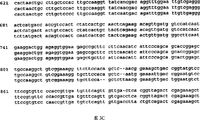
图3A到3E表明的是Brassica napus cDNA克隆cRF1(SEQ ID NO:1)与来自欧白芥(sinapis dlba)(SEQ ID NO:2)与拟南芥(Arabidopsisthaliana)(SEQ ID NO:3)的甘油醛-3-磷酸脱氢酶(GAPc)cDNA比较;以及Figures 3A to 3E show that Brassica napus cDNA clone cRF1 (SEQ ID NO: 1) and DNA from Sinapis dlba (SEQ ID NO: 2) and Arabidopsis thaliana (SEQ ID NO: 3) Glyceraldehyde-3-phosphate dehydrogenase (GAPc) cDNA comparison; and
图4描述了用来自甘兰菜(Brassica napus)的cRF1探针的Rfp1基因的遗传分离群体中检测到多态性的凝胶。发明详述Figure 4 depicts a gel of polymorphisms detected in genetically segregated populations of the Rfp1 gene with the cRF1 probe from Brassica napus. Detailed description of the invention
我们对恢复基因为分离的植物解体的两个遗传杂交继续进行了分析(如图2示意)。在任何情况下,其杂交的本质是绝大部分不育的后代个体都显示了杂交中雄性不育亲本的RFLP特性,而绝大部分可育的后代个体都显示杂交中雄性可育亲本的RFLP特性。一个被命名为cRF1的新标记已发现它是与该基因完全连锁的。尤其是,在两个杂交的175个测试个体中,发现所有的可育后代个体都具有可育亲本的等位基因(或形式),而发现所有的不育植株都有不育亲本的等位基因(表1)。因此cRF1是恢复基因间接选择的特别有用的工具。We proceeded with the analysis of two genetic crosses in which the restorer genes were disintegrated into segregating plants (schematically shown in Figure 2). In any case, the nature of the cross is that the majority of the sterile offspring exhibit the RFLP characteristics of the male sterile parent in the cross and the majority of the fertile offspring exhibit the RFLP of the male fertile parent in the cross characteristic. A new marker, named cRF1 , has been found to be fully linked to this gene. In particular, in two crosses of 175 test individuals, all fertile offspring individuals were found to have the allele (or form) of the fertile parent, whereas all sterile plants were found to have the allele of the sterile parent Genes (Table 1). cRF1 is therefore a particularly useful tool for restoring indirect selection of genes.
表1
由于cRF1与Rfp1完全连锁,因此将该探针用来对该恢复基因进行间接选择时的不确定性实际上已被除去了。Since cRF1 is fully linked to Rfp1, the ambiguity in using this probe for indirect selection on the restorer gene is virtually removed.
另外,并未分离到Polina的恢复基因或pol CMS系统,因此想直接通过遗传转化来产生恢复系是不可能的。这将使得利用间接选择来开发新恢复系(图4)的花费大大降低。In addition, the restorer gene or pol CMS system of Polina has not been isolated, so it is impossible to produce restorer lines directly through genetic transformation. This will make the development of new restorer lines (Figure 4) much less expensive using indirect selection.
检测到这种多态性的DNA探针是B.napus的互补DNA(cDNA),也就是与信使RNA分子(mRNA)互补的DNA。该cDNA的DNA序列是被确定了的。对核苷酸数据库的分析表明该cDNA的序列与来自于拟南芥(Arabidopsis thaliana)的糖酵解酶即由GAPC基因编码(Shih,M.-C.等,1991,Gene,104:133-138)的甘油醛-3-磷酸脱氢酶(图3A和3B)的胞质型有99%的。与恢复基因的完全连锁及GAPC多态性使得我们可以相信恢复基因有可能是GAPC的特定形式。The DNA probe that detected this polymorphism was the complementary DNA (cDNA) of B. napus, that is, DNA that is complementary to the messenger RNA molecule (mRNA). The DNA sequence of the cDNA was determined. Analysis of the nucleotide database shows that the sequence of the cDNA and the glycolytic enzyme from Arabidopsis thaliana are encoded by the GAPC gene (Shih, M.-C., etc., 1991, Gene, 104:133- 138) had 99% cytoplasmic form of glyceraldehyde-3-phosphate dehydrogenase (Fig. 3A and 3B). The complete linkage to the restorer gene and the polymorphism in GAPC lead us to believe that the restorer gene may be a specific form of GAPC.
对BC1群体我们也作了相似类型的分析,其中对另一个不同的B.napusCMS(即nap)系统来说是分离的而且发现nap恢复因子仅仅是同一遗传座位上的不同等位基因而已。因此不同形式的GAPC相应于两种不同形式的B.napus核育性恢复基因。该结果进一步说明其它恢复基因也可能有相应的同种型GAPC,并且还说明GAPC与恢复基因之间的关系可延伸到其它植物种类的其它CMS系统中。在此之前还没有提出过认为任何植物的GAPC与恢复其间之间有关系的。We also performed a similar type of analysis on the BC1 population, which was segregated for a different B. napusCMS (ie nap) system and found that nap restorers were simply different alleles at the same genetic locus. The different forms of GAPC thus correspond to two different forms of the B. napus nuclear fertility restorer gene. This result further suggests that other restorer genes may also have corresponding isoforms GAPC, and also suggests that the relationship between GAPC and restorer genes can be extended to other CMS systems in other plant species. A relationship between GAPC and recovery in any plant has not been suggested before.
因此,对此基因也可能通过单步的利用遗传转化将恢复因子特异性的GAPC基因导入到保持基因型(天然状态下不含恢复因子的基因型)中而建立恢复系。这种方法可能是极其经济的,因为它可以减少在建立这些系所必需的植物育种过程中的许多步骤。如果将GAPC和恢复基因之间的关系延伸到其它作物品种中,这在许多作物中将形成一种分离恢复基因及开发恢复系的基本方法。Therefore, for this gene, it is also possible to establish a restorer line by introducing a restorer factor-specific GAPC gene into a maintainer genotype (a genotype that does not contain a restorer factor in a natural state) by single-step genetic transformation. This method can be extremely economical because it can eliminate many steps in the plant breeding process necessary to establish these lines. If the relationship between GAPC and restorer genes is extended to other crop species, this will form a basic method for isolating restorer genes and developing restorer lines in many crops.
参考下面的实施例将可以很容易地理解本发明,这些实施例是用于描述本发明而并非限制其范围的。实施例ⅠThe present invention will be readily understood by reference to the following examples, which are intended to illustrate the invention and not limit its scope. Example I
在生产新的恢复细胞系中用GAPC探针作为间接的选择标记Use of GAPC probes as indirect selection markers in the production of novel restorer cell lines
所研究的三种植物基因型为:The three plant genotypes studied were:
A.CMS系;A. Department of CMS;
B.不含恢复基因而还含雄性可育胞质的雄性可育系;及B. male-fertile lines that do not contain a restorer gene but also contain male-fertile cytoplasm; and
R.含有恢复基因同时还含雄性不育胞质的雄性可育系。R. A male-fertile line containing a restorer gene and male sterile cytoplasm.
假定A系和B系之间的通过人工遗传杂交产生的杂交种表现出相当程度的杂交优势;A和R之间的杂交则没有杂交优势。由于B系不含有恢复基因,用CMS不可能在A系和B系之间的杂交产生雄性可育的杂种。但是如果可将恢复基因从R系转化到B系中,同时还不改变B系的性状,用CMS就可能使A系和B系之间的杂交得到雄性可育杂种。传统上,通过一下叫做渐渗的过程就可以完成。将R系用作雌株与B系杂交以产生A和B的雄性可育的F1杂种,该杂种含有雄性不育胞质(杂种的胞质全部来自于雌性亲本)但仍是雄性可育的,这是由于它也从R亲本系中接受了一份拷贝的恢复基因。然后在杂种(作雌株)和B系之间进行第二次杂交(称之为回交)。在田间种植大量的后代,期望有同样数目的可育株和不育株。在第二次对B系的杂交中将一株或更多株的可育株用作雌株;可育株被恢复并作为雌株与B系进行第三次杂交。将该过程重复多代,期望新的后代与B系越来越像(除了其具有恢复基因之外)。在每代中评价与B系相关的各种性状。最后,产生了具有B系的所有或绝大部分所需性状的新的恢复系。因此该系可用来大量生产A系和B系的杂种。It is assumed that the hybrids produced by artificial genetic crossing between A and B lines show a considerable degree of hybrid vigor; the cross between A and R has no hybrid vigor. Since line B does not contain a restorer gene, it is not possible to produce male fertile hybrids from crosses between lines A and B using CMS. However, if the restorer gene can be transformed from the R line to the B line without changing the traits of the B line, it is possible to obtain a male fertile hybrid by crossing the A line and the B line by using CMS. Traditionally, this is done through a process called introgression. Line R is used as the female line to be crossed with Line B to produce a male fertile F1 hybrid of A and B that contains male sterile cytoplasm (the hybrid's cytoplasm is all from the female parent) but is still male fertile Yes, because it also received a copy of the restorer gene from the R parental line. A second cross (called a backcross) is then made between the hybrid (female) and the B line. Large numbers of progeny are grown in the field and an equal number of fertile and sterile plants is expected. One or more fertile plants are used as females in a second cross to Line B; the fertile plants are recovered and used as females in a third cross to Line B. This process is repeated for many generations with the expectation that the new progeny will increasingly resemble the B line (except that they have the restorer gene). Various traits associated with the B line were evaluated at each generation. Ultimately, new restorer lines are produced that possess all or most of the desired traits of the B line. Therefore, this line can be used to mass produce hybrids of A line and B line.
GAPC探针将有助于该方法,这是由于它使得在幼苗阶段的后代植株中即可评价恢复基因的存在。从小量的叶物质中提取DNA,用限制性内切酶例如HindⅢ(图4中所用)消化并以GAPC探针分析。作为恢复基因的特征的限制性片段的出现说明该幼苗具有恢复基因。以非常低的花销筛选了相当大量的植物,而这种花销在将同样的植株在田间长至成熟期时是必需的。而且,雄性不育的表型受多种不同条件的影响,通过筛选与其完全连锁的多态性来筛选该基因的存在将更方便地在渐渗过程中检测到该基因的存在。实施例ⅡThe GAPC probe would facilitate this approach as it would allow assessment of the presence of the restorer gene in progeny plants at the seedling stage. DNA was extracted from a small amount of leaf material, digested with a restriction enzyme such as HindIII (used in Figure 4) and analyzed with a GAPC probe. The presence of a restriction fragment characteristic of the restorer gene indicated that the seedling had the restorer gene. A relatively large number of plants were screened at a very low expense that would be necessary to grow the same plants to maturity in the field. Moreover, the phenotype of male sterility is affected by many different conditions, and it will be more convenient to detect the presence of this gene during introgression by screening for the presence of the gene by screening for polymorphisms that are fully linked to it. Example II
经转化通过恢复基因形式的GAPC的导入生产新的恢复因子细胞系Transformed production of new restorer factor cell lines by introduction of a restorer gene form of GAPC
根据本方法在将研究实施例Ⅰ中的三种植物基因型。The three plant genotypes in Example I were studied according to this method.
在本实施例中,问题与实施例中的是一致的,即在不改变B系其它性状的情况下将R系的恢复基因导入到B系中。但是,在这种情况下,我们将假定该种形式的代表恢复基因的GAPC基因已被分离而且可以作为克隆的DNA区段克隆到适当的植物根瘤土壤杆菌(grobacterium tumefaciens)转化载体例如pRD400(Datla Rss,Hammer Lindl JK,Panchuk B,Pelcher LE &Keller W.(1992)Gene 211:383-384)中。与实施例Ⅰ中冗长的回交程序不同,通过农杆菌介导的转化将GAPC基因转入B系中。In this example, the problem is the same as that in the example, that is, to introduce the restorer gene of the R line into the B line without changing other traits of the B line. However, in this case we will assume that this form of the GAPC gene representing the restorer gene has been isolated and can be cloned as a cloned DNA segment into an appropriate plant Agrobacterium tumefaciens transformation vector such as pRD400 (Datla Rss, Hammer Lindl JK, Panchuk B, Pelcher LE & Keller W. (1992) Gene 211:383-384). Unlike the lengthy backcrossing procedure in Example I, the GAPC gene was transferred into line B by Agrobacterium-mediated transformation.
为了本实施例的目的,我们也将假定A系、B系及R系是Brassicanapus系,而且克隆的恢复基因与R系的恢复基因是相同的。用Moloney等人所描述的方法(Moloney,M.,Walker,J.& Sharma,K.(1989)PlantCell.Rep.8:283-242),用含整合了该基因的prRD 400载体的农杆菌株接种来自于菌株B动苗的子叶。通过抗生素处理除去农杆菌,并将所得植物组织置于含抗生素卡那霉素的培养基上。含该基因的pRD 400是卡那霉素抗性,于是在该抗生素上生长的细胞就有可能获得卡那霉素基因,同时还有克隆到pRD 400中的恢复基因。然后用GAPC探针测试特异于恢复因子的植物形式的限制性片段的存在来直接鉴定恢复基因在这些植物中的存在性。期望如果它们含有雄性不育胞质的话这些植株将被变成可育的,同时A系(作为雌性)和新转基因系杂交而来的F1后代也将是雄性可育的。For the purposes of this example, we will also assume that the A, B, and R lines are Brassicanapus lines, and that the cloned restorer genes are identical to those of the R line. Using the method described by Moloney et al. (Moloney, M., Walker, J. & Sharma, K. (1989) PlantCell.Rep.8:283-242), Agrobacterium containing the prRD 400 vector integrated with the gene strain inoculated with cotyledons from strain B motile seedlings. Agrobacterium is removed by antibiotic treatment and the resulting plant tissue is placed on medium containing the antibiotic kanamycin. The pRD 400 containing this gene is kanamycin resistant, so cells grown on this antibiotic are likely to acquire the kanamycin gene, along with the restorer gene cloned into pRD 400. The presence of the restorer gene in these plants was then directly identified by testing with the GAPC probe for the presence of a restriction fragment specific for the plant form of the restorer factor. It was expected that these plants would be made fertile if they contained male sterile cytoplasm, and that F1 progeny from crosses of line A (as females) and the new transgenic lines would also be male fertile.
这种方法具有两个明显特征:它比传统的的植物育种方法更快和更便宜,它仅仅需要很少几个月而不是传统上建立该系所需的数年时间。而且,恢复基因的存在是B系和新恢复系的基因组之间存在的唯一区别。因此B系的性状完整性将更不会被受到损伤。This method has two distinct features: it is faster and cheaper than traditional methods of plant breeding, and it requires only a few months rather than the years traditionally required to establish the line. Moreover, the presence of the restorer gene was the only difference that existed between the genomes of the B line and the new restorer line. Therefore, the integrity of the traits of the B line will not be damaged.
虽然上面的描述涉及了一种特定的植物,甘兰菜(Brassica napus),只要该种中的恢复基因相应于一种特定形式的GAPC,那么本发明也可应用到其它物种中去。在这些情况下,用于转化的方法可能与上面所述的不同。Although the above description refers to one particular plant, Brassica napus, the invention is applicable to other species as long as the restorer gene in that species corresponds to a particular form of GAPC. In these cases, the methods used for transformation may differ from those described above.
虽然本发明与其特定的实施方案一起描述,但应理解它能够有更进一步的修改而且这种应用一般来说,意在覆盖本发明的原理的任何的变通方式、使用或调节,而且还包括本公开的那些偏离,即那些与本发明相关的在本领域的现有或常规技术范围内的并且可应用于此前建立的基本内容之上并且落入附加权利要求范围内的那些偏离。While the invention has been described in conjunction with specific embodiments thereof, it should be understood that it is capable of further modifications and this application is generally intended to cover any adaptations, uses or adaptations of the principles of the invention, and also includes this Those deviations disclosed which are within the prior or conventional skill in the art relevant to the present invention and which are applicable above the heretofore established essential matter and which fall within the scope of the appended claims.
序列表(1)基本信息(ⅰ)申请人:McGill大学等(ⅱ)发明名称:甘油醛-3-磷酸脱氢酶及胞质雄性不育的核恢复(ⅲ)序列数:3(ⅳ)通讯地址:(A)通信人:SWABEY OGILVY RENAULT(B)街道:1981 McGill College Ave.-Suite 1600(C)城市:Montreal(D)州:QC(E)国家:加拿大(F)ZIP:H3A2Y3(ⅴ)计算可读形式:(A)介质类型:软盘(B)计算机:IBM兼容(C)操作系统:DOS(D)软件:FastSEQ for Windows版本2.0(ⅵ)当前申请资料:(A)申请号:(B)申请日:(C)分类:(ⅶ)在先申请资料:(A)申请号:60/020,553(B)申请日:1996年6月26日(ⅷ)律师/代理人信息(A)姓名:Cote,:France(B)注册号:4166(C)案卷号:1770-152“PCT”FC(ⅸ)电信信息:(A)电话:514845-7126(B)电传:514-288-8389 (C)电报:(2)SEQ ID NO:1的信息(ⅰ)序列特征:(A)长度:1207碱基对(B)类型:核酸(C)链型:单链(D)拓扑学:线性(ⅱ)分子类型:cNDA(ⅹⅰ)SEQ ID NO:1的序列描述:TCTCGATCTC ATCGACACCC TCTGATATCG AAATGGCTGA CAAGAAGATT AAGATCGGAA 60TCAACGGTTT CGGAAGAATC GGTCGCTTGG TGGCTAGAGT TATCCTTCAG AGGAACGATG 120TTGAGCTCGT CGCTGTTAAC GACCCCTTCA TCACCACGGA GTACATGACG TACATGTTTA 180AGTATGACAG TGTTCACGGT CAGTGGAAGC ACAACGAGCT CAAGGTTAAG GATGAGAAGA 240CACTTCTCTT CGGTGAGAAG CCTGTCACTG TTTTCGGCAT CAGGAACCCT GAGGATATGC 300CCATGGGGTG AGGCTGGAGC TGACTTTGGG GTTGAGTCTA CTGGTGTCTT CACCGACAAG 360GACAAGGCTG CTGCTCACTT GAAGGGTGGT GCGAAGAAAG TTGTCATCTC TGCACCAAGC 420AAAGATGCTC CCATGTTCGT TGTTGGTGTC AATGAGCATG AGTACAAGTC TGATCTCAAC 480ATTGTTTCCA ACGCTAGTGC ACCACTAACT GCCTTGCTCC ACTTGCCAAG GTTATCANCG 540ACAGGTTTGG AATTGTCGAG GGACTCATGA CCACCGTCCA CTCTATCACT GCAACTCAGA 600AGACAGTTGA TGGTCCATCA ATGAAGGACT GGAGAGGTGG AAGAGCCGCT TCCTTCAACA 660TCATTCCCAG CAGCACCGGA GCTGCCAAGG CTGTCGGAAA GGTTCTTCCA CAGCTCAACG 720GAAAGCTGAC CGGTATGTCC TTCCGTGTTC CCACCGTTGA TGTTTCAGTT GTTGACTCAC 780GGTTAGACTC GAGAAAGCTG CAACCTACGA TGAAATCAAG AAGGCTATCA AGGAGGAATC 840TGAGGGCAAG CTAAAGGGAA TCCTTGGTTA CACAGAGGAT GATGTTGTCT CAACCGACTT 900CGTTGGTGAC AACAGGTCGA GCATTTTTGA CGCAAAGGCT GGAATCGCGT TGAGTGACAA 960CTTTGTGAAG CTGGTGTCGT GGTACGACAA CGAATGGGGT TACAGTACCC GTGTGGTCGA 1020CTTGATCATT CACATGTCCA AGGCCTAAGT CGATGAAGAT CTCGAGTGAT GTAATGGTGT 1080TTTTAAATTG TTGTTTTTAT CGAATAAATT TTCTTGGGTT TTGAAACCTT TATGGTTTTG 1140GCGAATTCTC TACTTTCACG TGACGTGATA AGAAGTTTGT AGACCGGTTG TTTTTTATTT 1200TTACTGA 1207(2)SEQ ID NO:2的信息(ⅰ)序列特征:(A)长度:1091碱基对(B)类型:核酸(C)链型:单链(D)拓扑学:线性SEQ ID NO:2的序列描述TTTCGAAATG GCTGACAAGA AGATTAAGAT CGGAATCAAC GGTTTCGGAA GAATCGGTCG 60TTTGGTGGCT AGAGTTATCC TTCAGAGGAA CGATGTTGAG CTCGTCGCTG TTAACGATCC 120CTTCATCACC ACCGAGTACA TGACGTACAT GTTTAAGTAT GACAGTGTTC ATGGTCAGTG 180GAAGCACAAT GAGCTCAAGG TGAAGGATGA GAAAACACTT CTCTTCGGAG AGAAGCCTGT 240CACTGTTTTC GGCATCAGGA ACCCTGAGGA TATCCCATGG GGTGAGGCCG GAGCTGACTT 300TGTTGTTGAG TCTACTGGTG TCTTCACTGA CAAGGACAAG GCTGCTGCTC ACTTGAAGGG 360TGGTGCCAAG AAAGTTGTCA TCTCTGCACC AAGCAAAGAT GCTCCTATGT TCGTTGTTGG 420TGTCAATGAG CATGAGTACA AGTCTGATCT CAACATTGTT TCCAACGCTA GTTGCACCAC 480TAACTGCCTT GCTCCACTTG CCAAGGTTAT CAACGACAGG TTTGGAATTG TCGAGGGACT 540CATGACTACT GTCCACTCTA TCACTGCTAC TCAGAAGACA GTTGATGGTC CATCAATGAA 600GGACTGGAGA GGTGGAAGAG CCGCTTCCTT CAACATCATT CCCAGCAGCA CCGGAGCTGC 660CAAGGCTGTC GGAAAGGTGC TTCCACAGCT CAATGGAAAA TTGACCGGAA TGTCCTTCCG 720TGTTCCCACC GTTGATGTTT CAGTTGTCGA CCTCACGGTT AGACTCGAGA AAGCTGCAAC 780CTACGATGAA ATCAAGAAGG CTATCAAGGA GGAGTCTCAG GGCAAGCTAA AGGGAATCCT 840TGGTTACACA GAGGATGATG TTGTCTCAAC TGACTTCGTT GGTGACAACA GGTCGAGCAT 900CTTTGACGCC AAGGCTGGAA TCGCATTGAG TGACAACTTC GTGAAGCTGG TGTCGTGGTA 960TGACAACGAA TGGGGTTACA GTACCCGTGT GGTCGACTTG ATCATTCATA TGTCCAAGGC 1020CTAAAACGCT GAAGATCTAC AATGATGTAA TGGTGTCTTA ATTTGTGGTT TTCGAATAAG 1080ATTTCTTTGG G 1091SEQ ID NO:3的信息(ⅰ)序列特征:(A)长度:1295碱基对(B)类型:核酸(C)链型:单链(D)拓扑学:线性(ⅹⅰ)SEQ ID NO:3的序列描述CTCATCTTCA ACCTCTCTCT AACTCTCGTT TTCGATTCTA CAATGGCTGA CAAGAAGATT 60AGGATCGGAA TCAACGGATT CGGAAGAATT GGTCGTTTGG TTGCTAGAGT TGTTCTCCAG 120AGGGACGATG TTGAGCTCGT CGCTGTCAAC GACCCCTTCA TCACTACTGA GTACATGACC 180TACATGTTCA AGTACGACAG TGTTCACGGT CAATGGAAAC ACAATGAACT CAAGATCAAG 240GATGAGAAGA CCCTTCTCTT CGGTGAGAAG CCAGTCACTG TTTTCGGCAT CAGGAACCCT 300GAGGATATCC CATGGGCCGA GGCTGGAGCT GACTACGTTG TTGAGTCTAC TGGTGTCTTC 360ACTGACAAAG ACAAGGCTGC AGCTCACTTG AAGGGTGGTG CCAAGAAGGT TGTTATCTCT 420GAACCCAGCA AAGACGCTCC AATGTTTGTT GTTGGTGTCA ACGAGCACGA ATACAAGTCC 480GACCTTGACA TTGTCTCCAA CGCTAGCTGC ACCACTAACT GCCTTGCTCC CCTTGCCAAG 540GTTATCAATG ACAGATTTGG AATTGTTGAG GGTCTTATGA CTACAGTCCA CTCAATCACT 600GCTACTCAGA AGACTGTTGA TGGGCCTTCA ATGAAGGACT GGAGAGGTGG AAGAGCTGCT 660TCATTCAACA TTATTCCCAG CAGCACTGGA GCTGCCAAGG CTGTCGGAAA GGTGCTTCCA 720GCTCTTAACG GAAAGTTGAC TGGAATGTCT TTCCGTGTCC CAACCGTTGA TGTCTCAGTT 780GTTGACCTTA CTGTCAGACT CGAGAAAGCT GCTACCTACG AAGAAATCAA AAAGGCTATC 840AAGGAGGAAT CCGAAGGCAA ACTCAAGGGA ATCCTTGGAT ACACCGAGGA TGATGTTGTC 900TCAACTGACT TCGTTGGCGA CAACAGGTCG AGCATTTTTG ACGCCAAGGC TGGAATTGCA 960TTGAGCGACA AGTTTGTGAA ATTGGTGTCA TGGTACGACA ACGAATGGGG TTACAGTTCC 1020CGTGTGGTCG ACTTGATCGT CCACATGTCA AAGGCCTAAG CTAAGAAGCA GATCTCGAAT 1080GATAGGGAGT GGAAAGTCAT CTGTTCATCC CCTTTTATGG TCTGAATTTG TCGTTTTCGA 1140ATAAAATTTC TTTGAACTTG GAACTTTTTT TTTTTTTGGT TTTCTTAATT CTCATTCATG 1200TGAGGTGATG GGAGTTTGTA GACCGATGTT TTACTGGAAG CCCTTTGTTT TTGGCTTTTG 1260ATATATTGAG TTAACGTTAT GGTTTTAAAA AAAAA 1295Sequence Listing (1) Basic Information (ⅰ) Applicant: McGill University, etc. (ⅱ) Title of Invention: Glyceraldehyde-3-phosphate dehydrogenase and nuclear restoration of cytoplasmic male sterility (ⅳ) Number of sequences: 3 (ⅳ) Address: (A) Correspondent: SWABEY OGILVY RENAULT (B) Street: 1981 McGill College Ave.-Suite 1600 (C) City: Montreal (D) State: QC (E) Country: Canada (F) ZIP: H3A2Y3 ( ⅴ) Computer-readable form: (A) Media type: floppy disk (B) Computer: IBM compatible (C) Operating system: DOS (D) Software: FastSEQ for Windows version 2.0 (ⅵ) Current application materials: (A) Application number : (B) Filing date: (C) Classification: (ⅶ) Prior application materials: (A) Application number: 60/020,553 (B) Filing date: June 26, 1996 (ⅷ) Lawyer/representative information ( A) Name: Cote,: France (B) Registration number: 4166 (C) Docket number: 1770-152 "PCT" FC (ⅸ) Telecom information: (A) Telephone: 514845-7126 (B) Telex: 514- 288-8389 (C) Telegram: (2) Information on SEQ ID NO: 1 (ⅰ) Sequence characteristics: (A) Length: 1207 base pairs (B) Type: Nucleic acid (C) Strand type: Single strand (D)拓扑学:线性(ⅱ)分子类型:cNDA(ⅹⅰ)SEQ ID NO:1的序列描述:TCTCGATCTC ATCGACACCC TCTGATATCG AAATGGCTGA CAAGAAGATT AAGATCGGAA 60TCAACGGTTT CGGAAGAATC GGTCGCTTGG TGGCTAGAGT TATCCTTCAG AGGAACGATG 120TTGAGCTCGT CGCTGTTAAC GACCCCTTCA TCACCACGGA GTACATGACG TACATGTTTA 180AGTATGACAG TGTTCACGGT CAGTGGAAGC ACAACGAGCT CAAGGTTAAG GATGAGAAGA 240CACTTCTCTT CGGTGAGAAG CCTGTCACTG TTTTCGGCAT CAGGAACCCT GAGGATATGC 300CCATGGGGTG AGGCTGGAGC TGACTTTGGG GTTGAGTCTA CTGGTGTCTT CACCGACAAG 360GACAAGGCTG CTGCTCACTT GAAGGGTGGT GCGAAGAAAG TTGTCATCTC TGCACCAAGC 420AAAGATGCTC CCATGTTCGT TGTTGGTGTC AATGAGCATG AGTACAAGTC TGATCTCAAC 480ATTGTTTCCA ACGCTAGTGC ACCACTAACT GCCTTGCTCC ACTTGCCAAG GTTATCANCG 540ACAGGTTTGG AATTGTCGAG GGACTCATGA CCACCGTCCA CTCTATCACT GCAACTCAGA 600AGACAGTTGA TGGTCCATCA ATGAAGGACT GGAGAGGTGG AAGAGCCGCT TCCTTCAACA 660TCATTCCCAG CAGCACCGGA GCTGCCAAGG CTGTCGGAAA GGTTCTTCCA CAGCTCAACG 720GAAAGCTGAC CGGTATGTCC TTCCGTGTTC CCACCGTTGA TGTTTCAGTT GTTGACTCAC 780GGTTAGACTC GAGAAAGCTG CAACCTACGA TGAAATCAAG AAGGCTATCA AGGAGGAATC 840TGAGGGCAAG CTAAAGGGAA TCCTTGGTTA CACAGAGGAT GATGTTGTCT CAACCGACTT 900CGTTGGTGAC AACAGGTCGA GCATTTTTGA CGCAAAGGCT GGAATCGCGT TGAGTGACAA 960CTTTGTGAAG CTGGTGTCGT GGTACGACAA CGAATGGGGT TACAGTACCC GTGTGGTCGA 1020CTTGATCATT CACATGTCCA AGGCCTAAGT CGATGAAGAT CTCGAGTGAT GTAATGGTGT 1080TTTTAAATTG TTGTTTTTAT CGAATAAATT TTCTTGGGTT TTGAAACCTT TATGGTTTTG 1140GCGAATTCTC TACTTTCACG TGACGTGATA AGAAGTTTGT AGACCGGTTG TTTTTTATTT 1200TTACTGA 1207(2)SEQ ID Information of NO: 2 (ⅰ) Sequence characteristics: (A) Length: 1091 base pairs (B) Type: Nucleic acid (C) Strand type: Single strand (D) Topology: Linear Sequence description of SEQ ID NO: 2 TTTCGAAATG GCTGACAAGA AGATTAAGAT CGGAATCAAC GGTTTCGGAA GAATCGGTCG 60TTTGGTGGCT AGAGTTATCC TTCAGAGGAA CGATGTTGAG CTCGTCGCTG TTAACGATCC 120CTTCATCACC ACCGAGTACA TGACGTACAT GTTTAAGTAT GACAGTGTTC ATGGTCAGTG 180GAAGCACAAT GAGCTCAAGG TGAAGGATGA GAAAACACTT CTCTTCGGAG AGAAGCCTGT 240CACTGTTTTC GGCATCAGGA ACCCTGAGGA TATCCCATGG GGTGAGGCCG GAGCTGACTT 300TGTTGTTGAG TCTACTGGTG TCTTCACTGA CAAGGACAAG GCTGCTGCTC ACTTGAAGGG 360TGGTGCCAAG AAAGTTGTCA TCTCTGCACC AAGCAAAGAT GCTCCTATGT TCGTTGTTGG 420TGTCAATGAG CATGAGTACA AGTCTGATCT CAACATTGTT TCCAACGCTA GTTGCACCAC 480TAACTGCCTT GCTCCACTTG CCAAGGTTAT CAACGACAGG TTTGGAATTG TCGAGGGACT 540CATGACTACT GTCCACTCTA TCACTGCTAC TCAGAAGACA GTTGATGGTC CATCAATGAA 600GGACTGGAGA GGTGGAAGAG CCGCTTCCTT CAACATCATT CCCAGCAGCA CCGGAGCTGC 660CAAGGCTGTC GGAAAGGTGC TTCCACAGCT CAATGGAAAA TTGACCGGAA TGTCCTTCCG 720TGTTCCCACC GTTGATGTTT CAGTTGTCGA CCTCACGGTT AGACTCGAGA AAGCTGCAAC 780CTACGATGAA ATCAAGAAGG CTATCAAGGA GGAGTCTCAG GGCAAGCTAA AGGGAATCCT 840TGGTTACACA GAGGATGATG TTGTCTCAAC TGACTTCGTT GGTGACAACA GGTCGAGCAT 900CTTTGACGCC AAGGCTGGAA TCGCATTGAG TGACAACTTC GTGAAGCTGG TGTCGTGGTA 960TGACAACGAA TGGGGTTACA GTACCCGTGT GGTCGACTTG ATCATTCATA TGTCCAAGGC 1020CTAAAAACGCT GAAGAGAC AATGAAA TGGTGTGTGTGTGTGTGTGTGTGTTTTTTTTTTTTTTTTTTTTTTTTTTTTTTTTTTTTTTTTTTTA :线性(ⅹⅰ)SEQ ID NO:3的序列描述CTCATCTTCA ACCTCTCTCT AACTCTCGTT TTCGATTCTA CAATGGCTGA CAAGAAGATT 60AGGATCGGAA TCAACGGATT CGGAAGAATT GGTCGTTTGG TTGCTAGAGT TGTTCTCCAG 120AGGGACGATG TTGAGCTCGT CGCTGTCAAC GACCCCTTCA TCACTACTGA GTACATGACC 180TACATGTTCA AGTACGACAG TGTTCACGGT CAATGGAAAC ACAATGAACT CAAGATCAAG 240GATGAGAAGA CCCTTCTCTT CGGTGAGAAG CCAGTCACTG TTTTCGGCAT CAGGAACCCT 300GAGGATATCC CATGGGCCGA GGCTGGAGCT GACTACGTTG TTGAGTCTAC TGGTGTCTTC 360ACTGACAAAG ACAAGGCTGC AGCTCACTTG AAGGGTGGTG CCAAGAAGGT TGTTATCTCT 420GAACCCAGCA AAGACGCTCC AATGTTTGTT GTTGGTGTCA ACGAGCACGA ATACAAGTCC 480GACCTTGACA TTGTCTCCAA CGCTAGCTGC ACCACTAACT GCCTTGCTCC CCTTGCCAAG 540GTTATCAATG ACAGATTTGG AATTGTTGAG GGTCTTATGA CTACAGTCCA CTCAATCACT 600GCTACTCAGA AGACTGTTGA TGGGCCTTCA ATGAAGGACT GGAGAGGTGG AAGAGCTGCT 660TCATTCAACA TTATTCCCAG CAGCACTGGA GCTGCCAAGG CTGTCGGAAA GGTGCTTCCA 720GCTCTTAACG GAAAGTTGAC TGGAATGTCT TTCCGTGTCC CAACCGTTGA TGTCTCAGTT 780GTTGACCTTA CTGTCAGACT CGAGAAAGCT GCTACCTACG AAGAAATCAA AAAGGCTATC 840AAGGAGGAAT CCGAAGGCAA ACTCAAGGGA ATCCTTGGAT ACACCGAGGA TGATGTTGTC 900TCAACTGACT TCGTTGGCGA CAACAGGTCG AGCATTTTTG ACGCCAAGGC TGGAATTGCA 960TTGAGCGACA AGTTTGTGAA ATTGGTGTCA TGGTACGACA ACGAATGGGG TTACAGTTCC 1020CGTGTGGTCG ACTTGATCGT CCACATGTCA AAGGCCTAAG CTAAGAAGCA GATCTCGAAT 1080GATAGGGAGT GGAAAGTCAT CTGTTCATCC CCTTTTATGG TCTGAATTTG TCGTTTTCGA 1140ATAAAATTTC TTTGAACTTG GAACTTTTTT TTTTTTTGGT TTTCTTAATT CTCATTCATG 1200TGAGGTGATG GGAGTTTGTA GACCGATGTT TTACTGGAAG CCCTTTGTTT TTGGCTTTTG 1260ATATATTGAG TTAACGTTAT GGTTTTAAAA AAAAA 1295
Claims (5)
Applications Claiming Priority (2)
| Application Number | Priority Date | Filing Date | Title |
|---|---|---|---|
| US2055396P | 1996-06-26 | 1996-06-26 | |
| US60/020,553 | 1996-06-26 |
Publications (1)
| Publication Number | Publication Date |
|---|---|
| CN1228126A true CN1228126A (en) | 1999-09-08 |
Family
ID=21799249
Family Applications (1)
| Application Number | Title | Priority Date | Filing Date |
|---|---|---|---|
| CN97197340A Pending CN1228126A (en) | 1996-06-26 | 1997-06-16 | Glyceraldehyde-3-phosphate dehydrogenase and nuclear restoration of cytoplasmic male sterility |
Country Status (9)
| Country | Link |
|---|---|
| EP (1) | EP0954604A1 (en) |
| JP (1) | JP2000512153A (en) |
| CN (1) | CN1228126A (en) |
| AU (1) | AU732094B2 (en) |
| CA (1) | CA2258561C (en) |
| CZ (1) | CZ424098A3 (en) |
| HU (1) | HUP9904008A3 (en) |
| PL (1) | PL330793A1 (en) |
| WO (1) | WO1997049831A1 (en) |
Families Citing this family (4)
| Publication number | Priority date | Publication date | Assignee | Title |
|---|---|---|---|---|
| CA2445700C (en) | 2001-04-25 | 2012-04-17 | Mitsubishi Chemical Corporation | Protein involved in restoration of cytoplasmic male sterility to fertility and gene encoding the protein and gene |
| US7314971B2 (en) | 2001-07-12 | 2008-01-01 | Basf Plant Science Gmbh | Nuclear fertility restorer genes and methods of use in plants |
| CA2452633A1 (en) * | 2001-07-12 | 2003-01-23 | Mcgill University | Nuclear fertility restorer genes and methods of use in plants |
| AU2008202565B2 (en) * | 2002-07-12 | 2012-04-12 | Basf Plant Science Gmbh | Nuclear fertility restorer genes and methods of use in plants |
-
1997
- 1997-06-16 CN CN97197340A patent/CN1228126A/en active Pending
- 1997-06-16 PL PL97330793A patent/PL330793A1/en unknown
- 1997-06-16 HU HU9904008A patent/HUP9904008A3/en unknown
- 1997-06-16 JP JP10501998A patent/JP2000512153A/en active Pending
- 1997-06-16 CZ CZ984240A patent/CZ424098A3/en unknown
- 1997-06-16 CA CA002258561A patent/CA2258561C/en not_active Expired - Fee Related
- 1997-06-16 AU AU30857/97A patent/AU732094B2/en not_active Ceased
- 1997-06-16 EP EP97925801A patent/EP0954604A1/en not_active Withdrawn
- 1997-06-16 WO PCT/CA1997/000424 patent/WO1997049831A1/en not_active Ceased
Also Published As
| Publication number | Publication date |
|---|---|
| WO1997049831A1 (en) | 1997-12-31 |
| AU732094B2 (en) | 2001-04-12 |
| JP2000512153A (en) | 2000-09-19 |
| EP0954604A1 (en) | 1999-11-10 |
| PL330793A1 (en) | 1999-06-07 |
| HUP9904008A3 (en) | 2001-10-29 |
| CA2258561A1 (en) | 1997-12-31 |
| HUP9904008A2 (en) | 2000-04-28 |
| CZ424098A3 (en) | 1999-09-15 |
| CA2258561C (en) | 2009-09-01 |
| AU3085797A (en) | 1998-01-14 |
Similar Documents
| Publication | Publication Date | Title |
|---|---|---|
| CN102159711B (en) | Method for diagnostic marker development | |
| CN112457386A (en) | Protein EAD1 related to control of ear length and row grain number of corn as well as coding gene and application thereof | |
| CN116769796B (en) | Application of ZmENR1 and its encoded protein in maize fertility control | |
| CN119162200B (en) | Rice fresh seed spike germination resistant OsRDR gene, inDel marker and application thereof | |
| CN111500766A (en) | A molecular marker for detecting dwarf gene ndf1 in Brassica napus and its application | |
| CN1228126A (en) | Glyceraldehyde-3-phosphate dehydrogenase and nuclear restoration of cytoplasmic male sterility | |
| CN108707690B (en) | Molecular marker coseparated with burley tobacco control gene and application thereof | |
| CN111454973B (en) | Application of candidate gene of eggplant fruit color epistatic P gene locus | |
| US6410230B1 (en) | Glyceraldehyde-3-phosphate dehydrogenase and nuclear restoration of cytoplasmic male sterility | |
| CN111575284A (en) | Vector containing oryza sativa promoter and capable of restoring male fertility of rice OsCYP704B2 mutant and application | |
| CN116287403B (en) | Breeding method for creative dominant hybrid japonica rice | |
| CN119286878B (en) | Cotton fiber strength major gene NTL9BS41 and application thereof | |
| CN119799731B (en) | Transposon of tomato male sterile gene SlMs and InDel molecular marker and application thereof | |
| CN114369680B (en) | Application of sequence shown in SEQ ID NO.1 in aspect of regulating and controlling wheat plant height as wheat dwarf gene Rht8, and molecular marker and application thereof | |
| CN108588263B (en) | Method for positioning and cloning double recessive genes for controlling same character in plant | |
| CN108728429B (en) | Application of metalloprotease WS1A in regulation and control of plant chloroplast metabolism | |
| CN108707596B (en) | Application of metalloprotease WS1B in regulation and control of plant chloroplast metabolism | |
| WO2026080835A1 (en) | Compositions and methods for increasing resistance to soybean cyst nematode | |
| CN121591858A (en) | Cloning and application of male gamete killer gene S19g-A1 of rice interspecific hybrid sterility S19 locus | |
| WO2025131041A1 (en) | Rice female sterility related mutant protein and gene, and molecular marker and use thereof | |
| CN116254271A (en) | A rice G1 gene mutant g1-1437 and its molecular marker and application | |
| CN117402991A (en) | Molecular marker of maize male sterile gene zmms2085 and application thereof | |
| CN116103422A (en) | Detection primers and identification method of endogenous and exogenous genes in a transgenic intelligent sterile line material and its progeny | |
| CN120400182A (en) | Application of Rice Dwarfing Genes and Their Mutations in Regulating Rice Plant Height | |
| JP3887683B2 (en) | Genes involved in plant regeneration and their utilization |
Legal Events
| Date | Code | Title | Description |
|---|---|---|---|
| C06 | Publication | ||
| PB01 | Publication | ||
| C10 | Entry into substantive examination | ||
| SE01 | Entry into force of request for substantive examination | ||
| C53 | Correction of patent of invention or patent application | ||
| CB02 | Change of applicant information |
Address after: Quebec, Canada Applicant after: Mc Gill Univ. Co-applicant after: Univ. de Montreal Applicant before: Mc Gill Univ. |
|
| C02 | Deemed withdrawal of patent application after publication (patent law 2001) | ||
| WD01 | Invention patent application deemed withdrawn after publication |