CN1235954C - Heterogeneous ion exchange membrane and method of manufacturing thereof - Google Patents
Heterogeneous ion exchange membrane and method of manufacturing thereof Download PDFInfo
- Publication number
- CN1235954C CN1235954C CNB008092729A CN00809272A CN1235954C CN 1235954 C CN1235954 C CN 1235954C CN B008092729 A CNB008092729 A CN B008092729A CN 00809272 A CN00809272 A CN 00809272A CN 1235954 C CN1235954 C CN 1235954C
- Authority
- CN
- China
- Prior art keywords
- ethylene
- rubber
- phase
- propylene
- ion exchange
- Prior art date
- Legal status (The legal status is an assumption and is not a legal conclusion. Google has not performed a legal analysis and makes no representation as to the accuracy of the status listed.)
- Expired - Fee Related
Links
Images

Classifications
-
- C—CHEMISTRY; METALLURGY
- C08—ORGANIC MACROMOLECULAR COMPOUNDS; THEIR PREPARATION OR CHEMICAL WORKING-UP; COMPOSITIONS BASED THEREON
- C08J—WORKING-UP; GENERAL PROCESSES OF COMPOUNDING; AFTER-TREATMENT NOT COVERED BY SUBCLASSES C08B, C08C, C08F, C08G or C08H
- C08J5/00—Manufacture of articles or shaped materials containing macromolecular substances
- C08J5/20—Manufacture of shaped structures of ion-exchange resins
- C08J5/22—Films, membranes or diaphragms
- C08J5/2206—Films, membranes or diaphragms based on organic and/or inorganic macromolecular compounds
- C08J5/2275—Heterogeneous membranes
-
- B—PERFORMING OPERATIONS; TRANSPORTING
- B29—WORKING OF PLASTICS; WORKING OF SUBSTANCES IN A PLASTIC STATE IN GENERAL
- B29C—SHAPING OR JOINING OF PLASTICS; SHAPING OF MATERIAL IN A PLASTIC STATE, NOT OTHERWISE PROVIDED FOR; AFTER-TREATMENT OF THE SHAPED PRODUCTS, e.g. REPAIRING
- B29C48/00—Extrusion moulding, i.e. expressing the moulding material through a die or nozzle which imparts the desired form; Apparatus therefor
- B29C48/03—Extrusion moulding, i.e. expressing the moulding material through a die or nozzle which imparts the desired form; Apparatus therefor characterised by the shape of the extruded material at extrusion
- B29C48/07—Flat, e.g. panels
- B29C48/08—Flat, e.g. panels flexible, e.g. films
-
- B—PERFORMING OPERATIONS; TRANSPORTING
- B29—WORKING OF PLASTICS; WORKING OF SUBSTANCES IN A PLASTIC STATE IN GENERAL
- B29C—SHAPING OR JOINING OF PLASTICS; SHAPING OF MATERIAL IN A PLASTIC STATE, NOT OTHERWISE PROVIDED FOR; AFTER-TREATMENT OF THE SHAPED PRODUCTS, e.g. REPAIRING
- B29C48/00—Extrusion moulding, i.e. expressing the moulding material through a die or nozzle which imparts the desired form; Apparatus therefor
- B29C48/25—Component parts, details or accessories; Auxiliary operations
- B29C48/30—Extrusion nozzles or dies
- B29C48/305—Extrusion nozzles or dies having a wide opening, e.g. for forming sheets
- B29C48/31—Extrusion nozzles or dies having a wide opening, e.g. for forming sheets being adjustable, i.e. having adjustable exit sections
- B29C48/313—Extrusion nozzles or dies having a wide opening, e.g. for forming sheets being adjustable, i.e. having adjustable exit sections by positioning the die lips
-
- B—PERFORMING OPERATIONS; TRANSPORTING
- B29—WORKING OF PLASTICS; WORKING OF SUBSTANCES IN A PLASTIC STATE IN GENERAL
- B29C—SHAPING OR JOINING OF PLASTICS; SHAPING OF MATERIAL IN A PLASTIC STATE, NOT OTHERWISE PROVIDED FOR; AFTER-TREATMENT OF THE SHAPED PRODUCTS, e.g. REPAIRING
- B29C48/00—Extrusion moulding, i.e. expressing the moulding material through a die or nozzle which imparts the desired form; Apparatus therefor
- B29C48/25—Component parts, details or accessories; Auxiliary operations
- B29C48/92—Measuring, controlling or regulating
-
- B—PERFORMING OPERATIONS; TRANSPORTING
- B29—WORKING OF PLASTICS; WORKING OF SUBSTANCES IN A PLASTIC STATE IN GENERAL
- B29C—SHAPING OR JOINING OF PLASTICS; SHAPING OF MATERIAL IN A PLASTIC STATE, NOT OTHERWISE PROVIDED FOR; AFTER-TREATMENT OF THE SHAPED PRODUCTS, e.g. REPAIRING
- B29C2948/00—Indexing scheme relating to extrusion moulding
- B29C2948/92—Measuring, controlling or regulating
- B29C2948/92009—Measured parameter
- B29C2948/92114—Dimensions
- B29C2948/92152—Thickness
-
- B—PERFORMING OPERATIONS; TRANSPORTING
- B29—WORKING OF PLASTICS; WORKING OF SUBSTANCES IN A PLASTIC STATE IN GENERAL
- B29C—SHAPING OR JOINING OF PLASTICS; SHAPING OF MATERIAL IN A PLASTIC STATE, NOT OTHERWISE PROVIDED FOR; AFTER-TREATMENT OF THE SHAPED PRODUCTS, e.g. REPAIRING
- B29C2948/00—Indexing scheme relating to extrusion moulding
- B29C2948/92—Measuring, controlling or regulating
- B29C2948/92323—Location or phase of measurement
- B29C2948/92428—Calibration, after-treatment, or cooling zone
-
- B—PERFORMING OPERATIONS; TRANSPORTING
- B29—WORKING OF PLASTICS; WORKING OF SUBSTANCES IN A PLASTIC STATE IN GENERAL
- B29C—SHAPING OR JOINING OF PLASTICS; SHAPING OF MATERIAL IN A PLASTIC STATE, NOT OTHERWISE PROVIDED FOR; AFTER-TREATMENT OF THE SHAPED PRODUCTS, e.g. REPAIRING
- B29C2948/00—Indexing scheme relating to extrusion moulding
- B29C2948/92—Measuring, controlling or regulating
- B29C2948/92504—Controlled parameter
- B29C2948/92609—Dimensions
- B29C2948/92647—Thickness
-
- B—PERFORMING OPERATIONS; TRANSPORTING
- B29—WORKING OF PLASTICS; WORKING OF SUBSTANCES IN A PLASTIC STATE IN GENERAL
- B29C—SHAPING OR JOINING OF PLASTICS; SHAPING OF MATERIAL IN A PLASTIC STATE, NOT OTHERWISE PROVIDED FOR; AFTER-TREATMENT OF THE SHAPED PRODUCTS, e.g. REPAIRING
- B29C2948/00—Indexing scheme relating to extrusion moulding
- B29C2948/92—Measuring, controlling or regulating
- B29C2948/92819—Location or phase of control
- B29C2948/92857—Extrusion unit
- B29C2948/92904—Die; Nozzle zone
-
- B—PERFORMING OPERATIONS; TRANSPORTING
- B29—WORKING OF PLASTICS; WORKING OF SUBSTANCES IN A PLASTIC STATE IN GENERAL
- B29C—SHAPING OR JOINING OF PLASTICS; SHAPING OF MATERIAL IN A PLASTIC STATE, NOT OTHERWISE PROVIDED FOR; AFTER-TREATMENT OF THE SHAPED PRODUCTS, e.g. REPAIRING
- B29C45/00—Injection moulding, i.e. forcing the required volume of moulding material through a nozzle into a closed mould; Apparatus therefor
- B29C45/0001—Injection moulding, i.e. forcing the required volume of moulding material through a nozzle into a closed mould; Apparatus therefor characterised by the choice of material
-
- B—PERFORMING OPERATIONS; TRANSPORTING
- B29—WORKING OF PLASTICS; WORKING OF SUBSTANCES IN A PLASTIC STATE IN GENERAL
- B29L—INDEXING SCHEME ASSOCIATED WITH SUBCLASS B29C, RELATING TO PARTICULAR ARTICLES
- B29L2031/00—Other particular articles
- B29L2031/755—Membranes, diaphragms
-
- C—CHEMISTRY; METALLURGY
- C08—ORGANIC MACROMOLECULAR COMPOUNDS; THEIR PREPARATION OR CHEMICAL WORKING-UP; COMPOSITIONS BASED THEREON
- C08J—WORKING-UP; GENERAL PROCESSES OF COMPOUNDING; AFTER-TREATMENT NOT COVERED BY SUBCLASSES C08B, C08C, C08F, C08G or C08H
- C08J2323/00—Characterised by the use of homopolymers or copolymers of unsaturated aliphatic hydrocarbons having only one carbon-to-carbon double bond; Derivatives of such polymers
- C08J2323/02—Characterised by the use of homopolymers or copolymers of unsaturated aliphatic hydrocarbons having only one carbon-to-carbon double bond; Derivatives of such polymers not modified by chemical after treatment
- C08J2323/04—Homopolymers or copolymers of ethene
- C08J2323/06—Polyethene
-
- C—CHEMISTRY; METALLURGY
- C08—ORGANIC MACROMOLECULAR COMPOUNDS; THEIR PREPARATION OR CHEMICAL WORKING-UP; COMPOSITIONS BASED THEREON
- C08J—WORKING-UP; GENERAL PROCESSES OF COMPOUNDING; AFTER-TREATMENT NOT COVERED BY SUBCLASSES C08B, C08C, C08F, C08G or C08H
- C08J2323/00—Characterised by the use of homopolymers or copolymers of unsaturated aliphatic hydrocarbons having only one carbon-to-carbon double bond; Derivatives of such polymers
- C08J2323/02—Characterised by the use of homopolymers or copolymers of unsaturated aliphatic hydrocarbons having only one carbon-to-carbon double bond; Derivatives of such polymers not modified by chemical after treatment
- C08J2323/10—Homopolymers or copolymers of propene
- C08J2323/12—Polypropene
Landscapes
- Engineering & Computer Science (AREA)
- Chemical & Material Sciences (AREA)
- Manufacturing & Machinery (AREA)
- Mechanical Engineering (AREA)
- Health & Medical Sciences (AREA)
- Materials Engineering (AREA)
- Inorganic Chemistry (AREA)
- Chemical Kinetics & Catalysis (AREA)
- Medicinal Chemistry (AREA)
- Polymers & Plastics (AREA)
- Organic Chemistry (AREA)
- Manufacture Of Macromolecular Shaped Articles (AREA)
- Extrusion Moulding Of Plastics Or The Like (AREA)
- Separation Using Semi-Permeable Membranes (AREA)
Abstract
提供了一种非均相离子交换材料,该材料包含一种结合在到一种粘合剂中的离子交换树脂,该粘合剂含有一种选自由下列材料组成的组中的一种材料:(i)茂金属催化的线性低密度聚乙烯,(ii)使用齐格勒-纳塔催化剂或茂金属催化剂处理的极低密度的聚乙烯或超低密度的聚乙烯,(iii)一种包含聚丙烯连续相的热塑性弹性烯烃,其中在整个聚丙烯连续相中分散有乙烯-丙烯-二烯单体或乙烯-丙烯橡胶的橡胶相,和(iv)一种包含聚丙烯连续相的热塑性硫化橡胶,其中在整个聚丙烯连续相中分散有乙烯-丙烯-二烯单体、乙烯-丙烯橡胶、腈-丁二烯橡胶、天然橡胶、乙烯醋酸乙烯酯橡胶相,偏二氟乙烯与六氟丙烯的一种共聚物,或偏二氟乙烯与六氟丙烯和四氟乙烯的一种共聚物。该离子交换膜可以使用先进的挤出技术制造,该先进的挤出技术包括计算机控制进料、具有独立可调的模唇部分的计算机控制自动模具厚度调节装置和具有反馈控制的核子厚度检测。该离子交换膜也可以通过注塑法制造。
A heterogeneous ion exchange material is provided, comprising an ion exchange resin incorporated in an adhesive containing a material selected from the group consisting of: (i) metallocene-catalyzed linear low-density polyethylene, (ii) very low-density polyethylene or ultra-low-density polyethylene treated with a Ziegler-Natta catalyst or a metallocene catalyst, (iii) a thermoplastic elastic olefin comprising a continuous polypropylene phase, wherein a rubber phase of ethylene-propylene-diene monomer or ethylene-propylene rubber is dispersed throughout the continuous polypropylene phase, and (iv) a thermoplastic vulcanizate comprising a continuous polypropylene phase, wherein an ethylene-propylene-diene monomer, ethylene-propylene rubber, acrylonitrile-butadiene rubber, natural rubber, ethylene vinyl acetate rubber phase, a copolymer of vinylidene fluoride and hexafluoropropylene, or a copolymer of vinylidene fluoride with hexafluoropropylene and tetrafluoroethylene is dispersed throughout the continuous polypropylene phase. This ion exchange membrane can be manufactured using advanced extrusion technology, which includes computer-controlled feeding, a computer-controlled automatic die thickness adjustment device with independently adjustable die lip portions, and nucleus thickness detection with feedback control. This ion exchange membrane can also be manufactured by injection molding.
Description
发明领域field of invention
本发明涉及非均相离子交换膜、制造这种膜的方法及使用这种膜的装置。This invention relates to heterogeneous ion exchange membranes, methods of making such membranes and devices using such membranes.
发明背景Background of the invention
允许离子选择性扩散和吸附而将某些其它离子和非离子化的溶质和溶剂排除在外的膜通常称为离子交换膜,其具有多种重要的工业用途。这样的膜用在电渗析和电去离子设备中,以及分馏、迁移消耗和电再生装置中,以及水、食物、饮料、化学品和废液的提纯和处理中。这种膜也用在电化学设备如苛性碱/氯电解设备、电涂层净化设备和电有机合成设备中。此外,离子交换膜用在电泳装置和分析设备中用作吸附剂,并用作离子色谱的抑制器装置。它们用于通过Donnan渗析和扩散渗析方法进行的化学处理和浓缩应用中,它们还用在电池和电力生产燃料电池中。Membranes that allow the selective diffusion and adsorption of ions to the exclusion of certain other ions and non-ionized solutes and solvents are commonly referred to as ion exchange membranes and have a variety of important industrial uses. Such membranes are used in electrodialysis and electrodeionization equipment, as well as in fractionation, transport consumption and electro-regeneration units, and in the purification and treatment of water, food, beverages, chemicals and waste liquids. Such membranes are also used in electrochemical devices such as caustic/chlorine electrolysis devices, electrocoating purification devices, and electro-organic synthesis devices. In addition, ion exchange membranes are used as adsorbents in electrophoretic devices and analytical equipment, and as suppressor devices in ion chromatography. They are used in chemical processing and concentration applications by Donnan dialysis and diffusion dialysis methods, and they are also used in batteries and fuel cells for power production.
在上述的每一种应用中,多种膜性能必须互相保持平衡以获得一种满足特殊应用的预期目的的膜。在这些目的中,一个目的是使用具有高选择性、低溶剂和非离子化溶质的迁移、所选离子的低扩散阻力、高物理强度以及良好的耐化学性能的膜。另外,还希望这样的膜能够以低成本而不使用有害物质容易地制造。此外,在制造包含这种膜的过程中,理想的膜应易于处理和加工,并且也应符合低成本装配工艺。In each of the applications described above, the various membrane properties must be balanced against one another to obtain a membrane that meets the intended purpose of the particular application. Among these purposes, one is to use membranes with high selectivity, low migration of solvents and non-ionized solutes, low diffusion resistance of selected ions, high physical strength and good chemical resistance. In addition, it is also desirable that such membranes can be easily produced at low cost without the use of hazardous substances. Furthermore, ideal membranes should be easy to handle and process during fabrication to incorporate such membranes, and should also be amenable to low-cost assembly processes.
目前可商购的离子交换膜主要有两种类型:均相膜和非均相膜。均相膜是其中膜的整个体相(不包括任何可用来提高强度的支持材料)由活性聚合物制成的一种膜。均相膜的例子包括由磺化的或胺化的苯乙烯-二乙烯基苯聚合物制成的膜(SDVB膜)、聚全氟磺酸制成的膜(PFSO膜)或在基础聚合物上接枝有活性基团的各种热塑性膜。There are two main types of commercially available ion exchange membranes: homogeneous and heterogeneous. A homogeneous membrane is one in which the entire bulk phase of the membrane (excluding any support material that may be used to enhance strength) is made of a reactive polymer. Examples of homogeneous membranes include membranes made of sulfonated or aminated styrene-divinylbenzene polymers (SDVB membranes), membranes made of polyperfluorosulfonic acid (PFSO membranes) or on base polymers Various thermoplastic films grafted with reactive groups.
遗憾的是,均相膜倾向于难以制造。它们也倾向于在其制造过程中使用有害物质,因为在极大程度上,它们必须由基础单体制成。此外,难以对其进行化学改性,因为每种修饰都需要改变膜的基本化学性质。Unfortunately, homogeneous films tend to be difficult to manufacture. They also tend to use hazardous materials in their manufacture since, for the most part, they must be made from base monomers. Furthermore, it is difficult to modify them chemically, as each modification requires changing the basic chemistry of the membrane.
均相膜也倾向于具有有限的物理强度(因此经常需要一个网或布支持物),原因是生成的聚合物不会立即具有在制造好的装置中有效工作所需的物理和电化学性能。均相膜可以是交联的(以使膜具有尺寸稳定性,但是却增加了干燥时的脆性和敏感性),或它们可以是非交联的(以提供可以被干燥的膜,但是这种膜缺乏尺寸稳定性和耐溶胀性以及对多种溶剂的耐受力)。Homogeneous membranes also tend to have limited physical strength (thus often requiring a mesh or cloth support), since the resulting polymer does not immediately possess the physical and electrochemical properties required to function effectively in a fabricated device. Homogeneous films can be cross-linked (to give the film dimensional stability, but increase brittleness and susceptibility to drying), or they can be non-cross-linked (to provide a film that can be dried, but the film Lack of dimensional stability and resistance to swelling and resistance to many solvents).
相反,非均相膜由1)含有一种提供电化学性能的离子交换树脂的复合物和2)提供物理强度和完整性的粘合剂制成。非均相膜也可以包括提供额外强度和稳定性的惰性支持材料。典型的非均相膜有可以通过糊剂法(其中离子交换树脂单体在磨细的惰性粘合剂聚合物存在下发生反应,形成最终的离子交换树脂聚合物)生产的“微观非均相”膜,或作为选择,通过预聚合的离子交换树脂和粘合剂的物理混合生产的“宏观非均相”膜。In contrast, heterogeneous membranes are made from 1) a composite containing an ion exchange resin that provides electrochemical performance and 2) a binder that provides physical strength and integrity. Heterogeneous membranes can also include inert support materials that provide additional strength and stability. Typical heterogeneous membranes are the "microscopic heterogeneous " membranes, or alternatively, "macroscopically heterogeneous" membranes produced by physical mixing of prepolymerized ion exchange resins and binders.
与微观非均相膜相比,目前的宏观非均相膜倾向于具有较差的电化学性能,但是与微观非均相类膜相比,它们确实具有多种优越性。特别是宏观非均相膜易于制造并可被方便地化学改性,原因在于在适当限度为不用显著改变制造方法就能够变化粘合剂和树脂类型以及含量。尤其是对于微观非均相膜,粘合剂必须与前体离子交换单体相容,以使粘合剂不妨碍离子交换树脂单体的聚合,或由于这样的聚合,粘合剂被化学去掉其不合需要的性能。Current macroscopic heterogeneous films tend to have poorer electrochemical performance compared to microscopic heterogeneous films, but they do offer several advantages over microscopic heterogeneous-like films. Macroscopically heterogeneous films in particular are easy to fabricate and can be conveniently chemically modified due to the ability, within reasonable limits, to vary the binder and resin type and content without significantly changing the fabrication process. Especially for microscopically heterogeneous membranes, the binder must be compatible with the precursor ion-exchange monomer so that the binder does not interfere with the polymerization of the ion-exchange resin monomer, or as a result of such polymerization, the binder is chemically removed Its undesirable performance.
在某些板框型单元操作中,离子交换膜通常被置于相邻的框构件之间,以协助限定单个室或隔室。例如,在压滤型电去离子单元中,离子交换膜被置于相邻的框构件或隔板之间,形成独立的稀释和浓缩室。在装配这样的单元时,以平行的置于框构件之间的离子交换膜的方式提供多个框构件。然后通过夹紧方法将所得的结构合为一体,以提供一种闭合的、封紧的单元。破缝和针眼也会造成低劣的去离子性能。In certain plate and frame unit operations, ion exchange membranes are often placed between adjacent frame members to help define individual chambers or compartments. For example, in a filter-press type electrodeionization unit, ion exchange membranes are placed between adjacent frame members or partitions to form separate diluting and concentrating compartments. In assembling such a unit, a plurality of frame members are provided in parallel with ion exchange membranes interposed between the frame members. The resulting structure is then joined together by clamping to provide a closed, sealed unit. Tears and pinholes can also cause poor deionization performance.
不幸的是,目前的离子交换膜材料不具有完全适合的密封特性。上述的单元操作经过长期运作,离子交换膜材料倾向于蠕变,从而与相邻的框构件脱离接触,并对单元的可靠密封具有潜在的损害。目前的离子交换膜也倾向于具有脆性并倾向于产生破缝或针眼,从而进一步潜在损害单元的密封。Unfortunately, current ion exchange membrane materials do not have perfectly suitable sealing properties. Over long periods of operation of the unit described above, the ion exchange membrane material tends to creep out of contact with adjacent frame members and potentially compromise the reliable seal of the unit. Current ion exchange membranes also tend to be brittle and tend to develop cracks or pinholes, further potentially compromising the seal of the unit.
此外,目前的离子交换材料也不是特别适合于高温应用。因此,具有离子交换膜的单元操作不可能作为制药应用的候选操作,因为在制药应用中,在为消毒进行的清洗操作过程中,构成膜将经受高温。Furthermore, current ion exchange materials are not particularly suitable for high temperature applications. Therefore, unit operations with ion-exchange membranes are unlikely candidates for pharmaceutical applications, where the constituent membranes will be subjected to high temperatures during cleaning operations for disinfection.
至于膜的制造,用于制造非均相离子交换膜的现有方法通常包括片材挤出的标准设备。这种设备很常见。但是,挤出象非均相离子交换膜这样的带填料的材料具有特殊困难。厚度控制、齿轮泵压力范围和相分散的均匀性都是当挤出所述的材料时所遇到的特殊困难。通常实际收率低至30%。As for membrane fabrication, existing methods for fabricating heterogeneous ion exchange membranes generally involve standard equipment for sheet extrusion. Such devices are very common. However, extruding filled materials such as heterogeneous ion exchange membranes presents particular difficulties. Thickness control, gear pump pressure range, and uniformity of phase dispersion are all particular difficulties encountered when extruding said materials. Usually the actual yield is as low as 30%.
本发明概述SUMMARY OF THE INVENTION
提供一种包含结合在一种粘合剂中的离子交换树脂的非均相离子交换材料,该粘合剂含有选自由下列材料组成的组中的一种材料:(i)茂金属催化的线性低密度聚乙烯,(ii)使用齐格勒-纳塔(Ziegler-Natta)催化剂或茂金属催化剂处理的极低密度的聚乙烯或超低密度的聚乙烯,(iii)一种包含聚丙烯连续相的热塑性弹性烯烃,其中在整个聚丙烯连续相中分散有乙烯-丙烯-二烯单体或乙烯-丙烯橡胶的橡胶相,和(iv)一种包含聚丙烯连续相的热塑性硫化橡胶,其中在整个聚丙烯连续相中分散有乙烯-丙烯-二烯单体、乙烯-丙烯橡胶、腈-丁二烯橡胶、天然橡胶、乙烯醋酸乙烯酯橡胶相,偏二氟乙烯与六氟丙烯的一种共聚物,或偏二氟乙烯与六氟丙烯和四氟乙烯的一种共聚物。There is provided a heterogeneous ion exchange material comprising an ion exchange resin incorporated in a binder comprising a material selected from the group consisting of: (i) metallocene-catalyzed linear Low-density polyethylene, (ii) very low-density polyethylene or ultra-low-density polyethylene treated with a Ziegler-Natta or metallocene catalyst, (iii) a continuous A thermoplastic elastomeric olefin in the phase wherein a rubber phase of ethylene-propylene-diene monomer or ethylene-propylene rubber is dispersed throughout a continuous polypropylene phase, and (iv) a thermoplastic vulcanizate comprising a continuous polypropylene phase wherein the The whole polypropylene continuous phase is dispersed with ethylene-propylene-diene monomer, ethylene-propylene rubber, nitrile-butadiene rubber, natural rubber, ethylene vinyl acetate rubber phase, one of vinylidene fluoride and hexafluoropropylene Copolymer, or a copolymer of vinylidene fluoride with hexafluoropropylene and tetrafluoroethylene.
在一个方面,该粘合剂为茂金属催化的线性低密度聚乙烯。In one aspect, the binder is metallocene catalyzed linear low density polyethylene.
在另一个方面,该粘合剂为使用齐格勒-纳塔催化剂或茂金属催化剂处理的极低密度聚乙烯或超低密度聚乙烯。In another aspect, the binder is very low density polyethylene or ultra low density polyethylene treated with a Ziegler-Natta catalyst or a metallocene catalyst.
在一个进一步的方面,该粘合剂为一种包含聚丙烯连续相的热塑性弹性烯烃,其中在整个聚丙烯连续相中分散有乙烯-丙烯-二烯单体或乙烯-丙烯橡胶的橡胶相。In a further aspect, the adhesive is a thermoplastic elastomeric olefin comprising a continuous polypropylene phase with a rubber phase of ethylene-propylene-diene monomer or ethylene-propylene rubber dispersed throughout the continuous polypropylene phase.
在一个更进一步的方面,该粘合剂为一种包含聚丙烯连续相的热塑性硫化橡胶,其中在整个聚丙烯连续相中分散有乙烯-丙烯-二烯单体、乙烯-丙烯橡胶、腈-丁二烯橡胶、天然橡胶、乙烯醋酸乙烯酯橡胶相。In a still further aspect, the binder is a thermoplastic vulcanizate comprising a continuous polypropylene phase dispersed throughout the continuous polypropylene phase with ethylene-propylene-diene monomer, ethylene-propylene rubber, nitrile-butylene Diene rubber, natural rubber, ethylene vinyl acetate rubber phase.
还提供了一种使用包括计算机控制进料、具有独立可调的模唇部分的计算机控制的自动模具厚度调节装置以及具有反馈控制的核子厚度检测在内的先进的挤出技术,以制造离子交换膜的方法。在一个方面,该方法包括步骤:(i)通过一个自动模具挤出聚合物材料,该模具包括一个具有多个部分的第一模唇块和一个第二模唇块,至少一个第一模唇块的部分与所说第二模唇块间隔,至少一个第一模唇块的部分置于第一位置上,(ii)用传感器测量被挤出的聚合材料的一个第一厚度,(iii)向中央处理器(CPU)提供一个与该第一厚度对应的输入信号,在所说的CPU中,通过将输入信号跟与期望的厚度对应的给定值进行比较,处理该输入信号,(iv)提供一个输出信号,和(v)将至少一个第一模唇块的部分向与所说的输出信号对应的第二位置移动,以改变该至少一个第一模唇块的部分与第二模唇块之间的间距。Also provided is an advanced extrusion technique including computer-controlled feeding, computer-controlled automatic die thickness adjustment with independently adjustable lip sections, and nuclei thickness detection with feedback control to manufacture ion-exchanged membrane method. In one aspect, the method comprises the steps of: (i) extruding polymeric material through an automated die comprising a first lip block having a plurality of sections and a second lip block, at least one first lip part of the block is spaced from said second lip block, at least one portion of the first lip block is placed in a first position, (ii) measuring a first thickness of extruded polymeric material with a sensor, (iii) An input signal corresponding to the first thickness is provided to a central processing unit (CPU), where the input signal is processed by comparing the input signal with a given value corresponding to the desired thickness, (iv ) providing an output signal, and (v) moving at least one portion of the first lip block to a second position corresponding to said output signal to change the relationship between the at least one portion of the first lip block and the second die block Spacing between lip pieces.
制造离子交换膜的方法也由注塑法提供。A method of making ion exchange membranes is also provided by injection molding.
附图简述Brief description of the drawings
参照附图,将更好地理解本发明,其中The invention will be better understood with reference to the accompanying drawings, in which
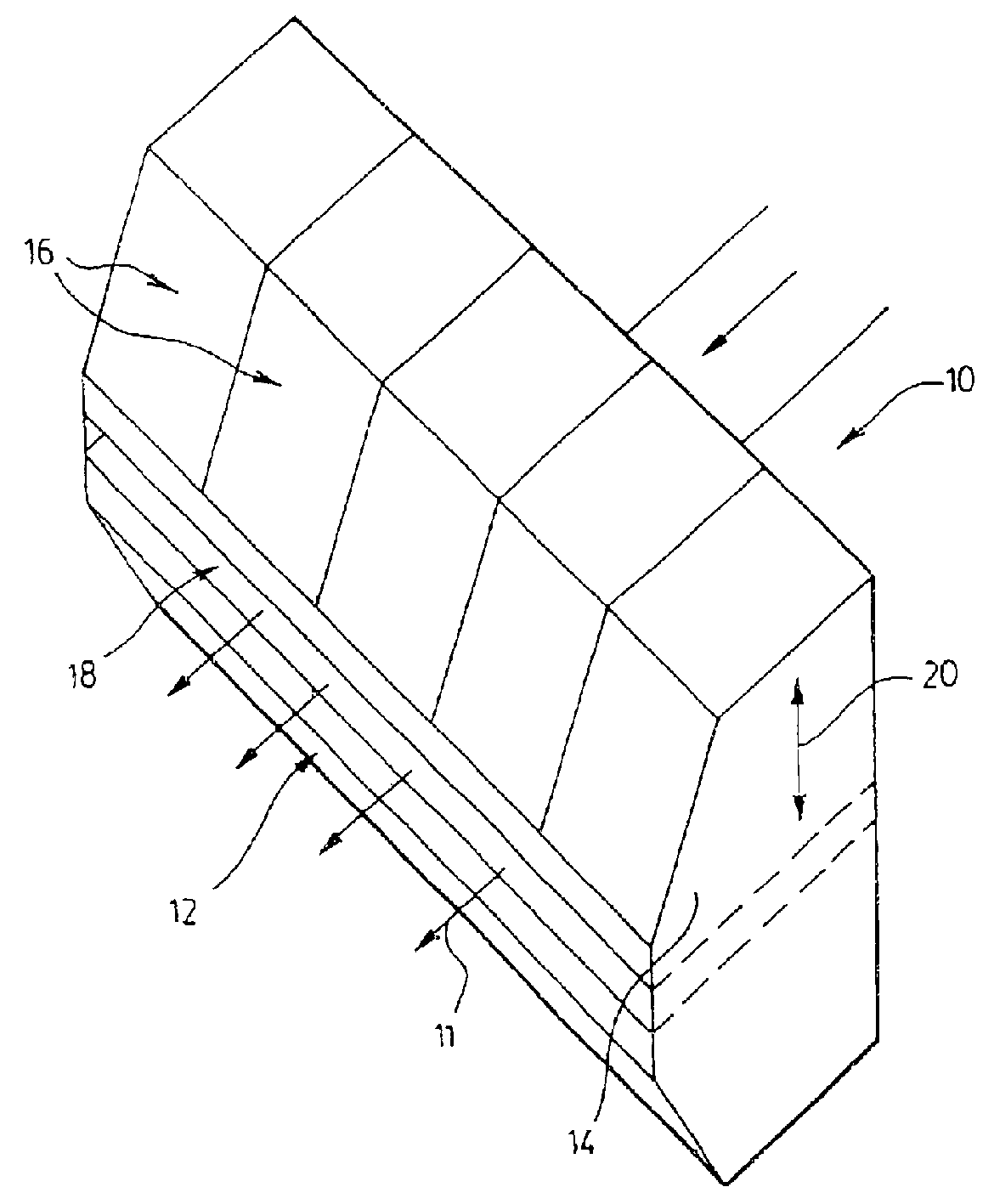
图1为一种自动模具的例图;Fig. 1 is an illustration of an automatic mould;
图2为离子交换膜制造方法的简图。Fig. 2 is a schematic diagram of a method of manufacturing an ion exchange membrane.
本发明详述Detailed description of the invention
本发明的复合膜可以用于多种用途中,包括但不限于,以极性为基础的化学分离如电去离子作用和电渗析、电解、燃料电池和电池、全蒸发过程、气体分离、渗析分离和工业电化学如氯碱生产及其它的电化学应用。The composite membranes of the present invention can be used in a variety of applications including, but not limited to, polarity-based chemical separations such as electrodeionization and electrodialysis, electrolysis, fuel cells and batteries, pervaporation processes, gas separation, dialysis Separation and industrial electrochemistry such as chlor-alkali production and other electrochemical applications.
提供的非均相离子交换膜包含典型的磨过的离子交换树脂如通过聚合粘合剂粘合的Rohmand Haas AMBERLITETM IR120和AMBERLITETM IRA 402,该粘合剂选自:(i)茂金属催化的线性低密度聚乙烯(M-LLDDE),(ii)使用齐格勒-纳塔催化剂或茂金属催化剂处理的极低密度的聚乙烯(VLDPE)或超低密度的聚乙烯(ULDPE),(iii)一种包含聚丙烯连续相的热塑性弹性烯烃,其中在整个聚丙烯连续相中分散有乙烯-丙烯-二烯单体(EPDM)或乙烯-丙烯橡胶(EPR)的橡胶相,和(iv)一种包含聚丙烯连续相的热塑性硫化橡胶,其中在整个聚丙烯连续相中分散有EPDM、EBR、腈-丁二烯橡胶(NBR)、天然橡胶(NR)、乙烯醋酸乙烯酯(EVA)橡胶相,偏二氟乙烯与六氟丙烯的一种共聚物,或偏二氟乙烯与六氟丙烯和四氟乙烯的一种共聚物。M-LLDPE可以为用茂金属催化剂或限制几何形状的催化剂如INSIGHTTM共聚的乙烯α烯烃。热塑性硫化橡胶可以为AES SANTOPRENETM或DSMSARLINKTM,或AES TREFSINTM。Heterogeneous ion exchange membranes are provided comprising typical ground ion exchange resins such as Rohmand Haas AMBERLITE ™ IR120 and AMBERLITE ™ IRA 402 bonded by a polymeric binder selected from: (i) metallocene catalyzed linear low density polyethylene (M-LLDDE), (ii) very low density polyethylene (VLDPE) or ultra low density polyethylene (ULDPE) treated with Ziegler-Natta or metallocene catalysts, ( iii) a thermoplastic elastomeric olefin comprising a continuous polypropylene phase with a rubber phase of ethylene-propylene-diene monomer (EPDM) or ethylene-propylene rubber (EPR) dispersed throughout the polypropylene continuous phase, and (iv ) A thermoplastic vulcanizate comprising a continuous polypropylene phase in which EPDM, EBR, nitrile-butadiene rubber (NBR), natural rubber (NR), ethylene vinyl acetate (EVA) rubber is dispersed throughout the polypropylene continuous phase Phase, a copolymer of vinylidene fluoride and hexafluoropropylene, or a copolymer of vinylidene fluoride, hexafluoropropylene and tetrafluoroethylene. M-LLDPE can be an ethylene alpha olefin copolymerized with a metallocene catalyst or a constrained geometry catalyst such as INSIGHT ™ . The thermoplastic vulcanizate may be AES SANTOPRENE ™ or DSMSARLINK ™ , or AES TREFSIN ™ .
在一个实施方案中,热塑性基弹性体为一种包含M-LLDPE以及聚丙烯(PP)、低密度聚乙烯(LDPE)、高密度聚乙烯(HDPE)、EDPM(交联、部分交联或未交联)、EPR(交联、部分交联或未交联)、EVA或其它合成橡胶如偏二氟乙烯与六氟丙烯的一种共聚物或偏二氟乙烯与六氟丙烯和四氟乙烯的一种共聚物中的任何物质的熔合物。In one embodiment, the thermoplastic-based elastomer is a compound comprising M-LLDPE and polypropylene (PP), low-density polyethylene (LDPE), high-density polyethylene (HDPE), EDPM (cross-linked, partially cross-linked, or cross-linked), EPR (cross-linked, partially cross-linked or uncross-linked), EVA or other synthetic rubber such as a copolymer of vinylidene fluoride and hexafluoropropylene or vinylidene fluoride with hexafluoropropylene and tetrafluoroethylene A fusion of any substance in a copolymer.
在另一个实施方案中,热塑性基弹性体为VLDPE或ULDPE与PP、LDPE、HDPE、M-LLDPE、EPDM(交联、部分交联或未交联)、EPR(交联、部分交联或未交联)或EVA中的任何物质的熔合物。In another embodiment, the thermoplastic based elastomer is VLDPE or ULDPE with PP, LDPE, HDPE, M-LLDPE, EPDM (crosslinked, partially crosslinked or uncrosslinked), EPR (crosslinked, partially crosslinked or uncrosslinked), cross-linking) or a fusion of any substance in EVA.
在另一个实施方案中,热塑性基弹性体为由(i)一种包含聚丙烯连续相的热塑性弹性烯烃,其中在整个聚丙烯连续相中分散有EPDM或EPR橡胶相,和(ii)LDPE、HDPE、M-LLDPE或线性低密度聚乙烯(LLDPE)中的任何物质组成的熔合物。In another embodiment, the thermoplastic-based elastomer is composed of (i) a thermoplastic elastomeric olefin comprising a continuous phase of polypropylene with an EPDM or EPR rubber phase dispersed throughout the continuous phase of polypropylene, and (ii) LDPE, A fusion of any substance in HDPE, M-LLDPE or linear low density polyethylene (LLDPE).
在另一个实施方案中,热塑性基弹性体为由(i)一种包含聚丙烯连续相的热塑性硫化橡胶,其中在整个聚丙烯连续相中分散有EPDM、EBR、NBR、NR或EVA橡胶相,和(ii)LDPE、HDPE、M-LLDPE或线性低密度聚乙烯(LLDPE)中的任何物质的熔合物。In another embodiment, the thermoplastic-based elastomer is composed of (i) a thermoplastic vulcanizate comprising a continuous polypropylene phase wherein an EPDM, EBR, NBR, NR or EVA rubber phase is dispersed throughout the continuous polypropylene phase, and (ii) Melts of any of LDPE, HDPE, M-LLDPE or linear low density polyethylene (LLDPE).
本发明的非均相离子交换膜可以用先进的挤出技术来制造,所述先进技术包括计算机控制进料、具有独立可调的模唇部分的计算机控制自动模具厚度调节装置和具有反馈控制的核子厚度检测。作为选择,本发明的非均相离子交换膜可以使用注塑法制造。The heterogeneous ion exchange membranes of the present invention can be manufactured using advanced extrusion techniques including computer controlled feed, computer controlled automatic die thickness adjustment with independently adjustable lip sections and feedback control Nucleon thickness detection. Alternatively, the heterogeneous ion exchange membranes of the present invention can be fabricated using injection molding.
参照图1和图2,在一个实施方案中,本发明的离子交换膜通过先进的制造交换膜的片材挤出技术制造。本发明的方法包括使用反馈到一台控制计算机的极准确的核子厚度测量仪器,该控制计算机自动调节“自动模具”10(请参见图1)。该自动模具具有一个第一模唇块12和一个第二模唇块14。第二模唇块14被分成许多独立可调的部分或区16,以进行精确厚度控制。其它的挤出机参数和齿轮泵参数也可以自动调节。Referring to Figures 1 and 2, in one embodiment, the ion exchange membrane of the present invention is manufactured by advanced sheet extrusion technology for manufacturing exchange membranes. The method of the present invention involves the use of extremely accurate nucleon thickness gauges fed back to a control computer which automatically adjusts the "automated mold" 10 (see Figure 1). The automatic mold has a first lip block 12 and a second lip block 14 . The second lip block 14 is divided into a number of independently adjustable sections or zones 16 for precise thickness control. Other extruder parameters and gear pump parameters can also be adjusted automatically.
膜成分,包括聚合粘合剂和离子交换树脂,被挤出机8经由门槽18沿箭头11指示的方向进料至自动模具10。离开自动模具10后,被挤出的材料经由轮压对辊机26a、26b进料,以压平并固化被挤出的片材并使其表面光滑。用核子厚度感应器24测量被挤出的和被轮压的材料的厚度。此时,第一模唇块12处于一个第一位置。该感应器向中央处理器(CPU)22提供一个与被挤出的和被轮压的材料的厚度对应的电信号。CPU22将该输入信号跟与被挤出的和被轮压的材料的期望的厚度对应的给定值进行比较。然后CPU22向自动模具10的第二模唇块14的一个或多个区16提供一个输出信号。响应该输出信号,区16被启动并沿箭头20指示的方向相对于第一模唇块12从第一位置向第二位置移动,从而调节一个区或多个区16与第一模唇块12之间的间距并获得期望的间距。The film components, including polymeric binder and ion exchange resin, are fed by
本发明的第二个实施方案包括离子交换膜的注塑。这种方法降低了生产成本并进一步保证尺寸一致性和合适的相分散。注塑减轻了有益的粘合剂材料的加工,该粘合剂材料不能理想地适合于与填料材料如离子交换树脂颗粒的挤出。A second embodiment of the invention involves injection molding of ion exchange membranes. This approach reduces production costs and further ensures dimensional consistency and proper phase dispersion. Injection molding eases the processing of beneficial binder materials that are not ideally suited for extrusion with filler materials such as ion exchange resin particles.
当然,能够理解在不偏离本发明由附带的权利要求书限定的范围和权限的情况下,可以对此处所描述的本发明的实施方案进行修改。It will, of course, be understood that modifications may be made to the embodiments of the invention described herein without departing from the scope and purview of the invention as defined by the appended claims.
Claims (6)
Applications Claiming Priority (2)
| Application Number | Priority Date | Filing Date | Title |
|---|---|---|---|
| CA2,275,999 | 1999-06-21 | ||
| CA2275999 | 1999-06-21 |
Publications (2)
| Publication Number | Publication Date |
|---|---|
| CN1374979A CN1374979A (en) | 2002-10-16 |
| CN1235954C true CN1235954C (en) | 2006-01-11 |
Family
ID=4163660
Family Applications (1)
| Application Number | Title | Priority Date | Filing Date |
|---|---|---|---|
| CNB008092729A Expired - Fee Related CN1235954C (en) | 1999-06-21 | 2000-06-21 | Heterogeneous ion exchange membrane and method of manufacturing thereof |
Country Status (6)
| Country | Link |
|---|---|
| US (1) | US20020128334A1 (en) |
| EP (1) | EP1203049A1 (en) |
| CN (1) | CN1235954C (en) |
| AU (1) | AU5517000A (en) |
| MX (1) | MXPA02000037A (en) |
| WO (1) | WO2000078849A1 (en) |
Families Citing this family (7)
| Publication number | Priority date | Publication date | Assignee | Title |
|---|---|---|---|---|
| US6503957B1 (en) * | 1999-11-19 | 2003-01-07 | Electropure, Inc. | Methods and apparatus for the formation of heterogeneous ion-exchange membranes |
| JP4171978B2 (en) * | 2002-05-27 | 2008-10-29 | ソニー株式会社 | Fuel reformer and manufacturing method thereof, electrode for electrochemical device, and electrochemical device |
| US20040197626A1 (en) * | 2003-04-01 | 2004-10-07 | Yoocharn Jeon | Composite electrolyte for fuel cell |
| KR100601401B1 (en) | 2004-11-02 | 2006-07-13 | 주식회사 익성 | Sound Insulation Composition and Sound Insulation Material |
| DE202006019724U1 (en) | 2006-12-29 | 2007-03-01 | Nordson Corporation, Westlake | Device for dispensing especially adhesive onto relatively movable substrate has basic body and/or slotted nozzle arrangement with segments arranged adjacent to one another in direction of longitudinal extent of outlet orifice |
| JP5651504B2 (en) * | 2011-03-08 | 2015-01-14 | 東洋ゴム工業株式会社 | Sheet rubber molding apparatus and method |
| CN103611425B (en) * | 2013-11-13 | 2016-08-03 | 杭州埃尔环保科技有限公司 | Preparation method of cation exchange membrane with high exchange capacity |
Family Cites Families (14)
| Publication number | Priority date | Publication date | Assignee | Title |
|---|---|---|---|---|
| US2681320A (en) * | 1950-12-23 | 1954-06-15 | Rohm & Haas | Permselective films of cationexchange resins |
| US2681319A (en) * | 1951-01-10 | 1954-06-15 | Rohm & Haas | Permselective films of anionexchange resins |
| GB1245250A (en) * | 1967-09-25 | 1971-09-08 | Hercules Inc | Polyphase compositions and process for their preparation |
| US3758643A (en) * | 1971-01-20 | 1973-09-11 | Uniroyal Inc | D polyolefin plastic thermoplastic blend of partially cured monoolefin copolymer rubber an |
| US4167551A (en) * | 1974-10-21 | 1979-09-11 | Mitsubishi Petrochemical Company Limited | Process for the production of an ion exchange membrane |
| GB1551518A (en) * | 1976-03-31 | 1979-08-30 | Denki Kagaku Kogyo Kk | Immobilized enzyme compositions and process for producing the same |
| US4734922A (en) * | 1986-12-18 | 1988-03-29 | Harrel, Inc. | Nuclear gauge traverse |
| US4964970A (en) * | 1988-10-05 | 1990-10-23 | Hoh Water Technology Corp. | Compact low volume water purification apparatus |
| US5510394A (en) * | 1991-02-19 | 1996-04-23 | Ionics Incorporated | High ionic conductance ion exchange membranes and their preparation |
| US5346924B1 (en) * | 1992-09-23 | 2000-04-25 | Ionpure Techn Corp | Heterogenous ion exchange materials comprising polyethylene of linear low density or high density high molecular weight |
| JP3525633B2 (en) * | 1996-07-24 | 2004-05-10 | 旭硝子株式会社 | Heterogeneous ion exchange membrane |
| JP3644182B2 (en) * | 1997-02-27 | 2005-04-27 | 旭硝子株式会社 | Deionized water production equipment |
| US6190793B1 (en) * | 1997-07-16 | 2001-02-20 | Ballard Power Systems Inc. | Electrochemical fuel cell stack with an improved compression assembly |
| US6503957B1 (en) * | 1999-11-19 | 2003-01-07 | Electropure, Inc. | Methods and apparatus for the formation of heterogeneous ion-exchange membranes |
-
2000
- 2000-06-21 CN CNB008092729A patent/CN1235954C/en not_active Expired - Fee Related
- 2000-06-21 MX MXPA02000037A patent/MXPA02000037A/en unknown
- 2000-06-21 EP EP00940094A patent/EP1203049A1/en not_active Withdrawn
- 2000-06-21 AU AU55170/00A patent/AU5517000A/en not_active Abandoned
- 2000-06-21 WO PCT/CA2000/000741 patent/WO2000078849A1/en not_active Ceased
-
2001
- 2001-12-21 US US10/024,255 patent/US20020128334A1/en not_active Abandoned
Also Published As
| Publication number | Publication date |
|---|---|
| US20020128334A1 (en) | 2002-09-12 |
| MXPA02000037A (en) | 2003-01-28 |
| CN1374979A (en) | 2002-10-16 |
| AU5517000A (en) | 2001-01-09 |
| EP1203049A1 (en) | 2002-05-08 |
| WO2000078849A1 (en) | 2000-12-28 |
Similar Documents
| Publication | Publication Date | Title |
|---|---|---|
| EP0662099B1 (en) | Heterogeneous membrane and method | |
| US6503957B1 (en) | Methods and apparatus for the formation of heterogeneous ion-exchange membranes | |
| JP5948243B2 (en) | Ion exchange membrane | |
| EP2903737B1 (en) | High-performance anion exchange membranes and methods of making same | |
| EP2906330B1 (en) | Coated ion exchange membranes | |
| EP2368933B1 (en) | Bipolar membrane and method for manufacturing same | |
| EP0094679B1 (en) | Process for producing an ion exchange membrane | |
| CA2814699A1 (en) | Anion exchange membranes and process for making | |
| WO2014058470A1 (en) | Ion exchange membranes and methods of making the same | |
| CN1374979A (en) | Heterogeneous ion exchange membrane and method of manufacturing thereof | |
| DE10152192B4 (en) | Process for manufacturing a carrier seal | |
| JP5492890B2 (en) | Laminate manufacturing method and manufacturing apparatus | |
| CA2385346A1 (en) | Heterogeneous ion exchange membrane and method of manufacturing thereof | |
| CN101960658A (en) | Reinforced electrolyte membrane for fuel cell, membrane-electrode assembly for fuel cell, and solid polymer fuel cell including the membrane-electrode assembly | |
| CA2366202A1 (en) | Novel heterogeneous ion exchange membrane and method of manufacturing thereof | |
| Zich et al. | Characterization of ion exchange material behavior under pressure simulating electro-membrane cell conditions | |
| RU2766562C1 (en) | Elastic unreinforced membrane | |
| Rader et al. | POLYMER CONTENTS 73 01996 Elsevier Science Limited |
Legal Events
| Date | Code | Title | Description |
|---|---|---|---|
| C10 | Entry into substantive examination | ||
| SE01 | Entry into force of request for substantive examination | ||
| C06 | Publication | ||
| PB01 | Publication | ||
| C10 | Entry into substantive examination | ||
| SE01 | Entry into force of request for substantive examination | ||
| C14 | Grant of patent or utility model | ||
| GR01 | Patent grant | ||
| C19 | Lapse of patent right due to non-payment of the annual fee | ||
| CF01 | Termination of patent right due to non-payment of annual fee |