CN1237786A - Method and device for visual inspection of objects - Google Patents
Method and device for visual inspection of objects Download PDFInfo
- Publication number
- CN1237786A CN1237786A CN99107911A CN99107911A CN1237786A CN 1237786 A CN1237786 A CN 1237786A CN 99107911 A CN99107911 A CN 99107911A CN 99107911 A CN99107911 A CN 99107911A CN 1237786 A CN1237786 A CN 1237786A
- Authority
- CN
- China
- Prior art keywords
- rod
- pick
- visual inspection
- reflective surface
- deflected
- Prior art date
- Legal status (The legal status is an assumption and is not a legal conclusion. Google has not performed a legal analysis and makes no representation as to the accuracy of the status listed.)
- Granted
Links
Images


Classifications
-
- G—PHYSICS
- G01—MEASURING; TESTING
- G01N—INVESTIGATING OR ANALYSING MATERIALS BY DETERMINING THEIR CHEMICAL OR PHYSICAL PROPERTIES
- G01N21/00—Investigating or analysing materials by the use of optical means, i.e. using sub-millimetre waves, infrared, visible or ultraviolet light
- G01N21/84—Systems specially adapted for particular applications
- G01N21/88—Investigating the presence of flaws or contamination
- G01N21/8806—Specially adapted optical and illumination features
-
- H—ELECTRICITY
- H10—SEMICONDUCTOR DEVICES; ELECTRIC SOLID-STATE DEVICES NOT OTHERWISE PROVIDED FOR
- H10P—GENERIC PROCESSES OR APPARATUS FOR THE MANUFACTURE OR TREATMENT OF DEVICES COVERED BY CLASS H10
- H10P74/00—Testing or measuring during manufacture or treatment of wafers, substrates or devices
-
- G—PHYSICS
- G01—MEASURING; TESTING
- G01N—INVESTIGATING OR ANALYSING MATERIALS BY DETERMINING THEIR CHEMICAL OR PHYSICAL PROPERTIES
- G01N21/00—Investigating or analysing materials by the use of optical means, i.e. using sub-millimetre waves, infrared, visible or ultraviolet light
- G01N21/84—Systems specially adapted for particular applications
- G01N21/88—Investigating the presence of flaws or contamination
- G01N21/8803—Visual inspection
-
- H—ELECTRICITY
- H05—ELECTRIC TECHNIQUES NOT OTHERWISE PROVIDED FOR
- H05K—PRINTED CIRCUITS; CASINGS OR CONSTRUCTIONAL DETAILS OF ELECTRIC APPARATUS; MANUFACTURE OF ASSEMBLAGES OF ELECTRICAL COMPONENTS
- H05K13/00—Apparatus or processes specially adapted for manufacturing or adjusting assemblages of electric components
- H05K13/08—Monitoring manufacture of assemblages
- H05K13/081—Integration of optical monitoring devices in assembly lines; Processes using optical monitoring devices specially adapted for controlling devices or machines in assembly lines
- H05K13/0812—Integration of optical monitoring devices in assembly lines; Processes using optical monitoring devices specially adapted for controlling devices or machines in assembly lines the monitoring devices being integrated in the mounting machine, e.g. for monitoring components, leads, component placement
-
- G—PHYSICS
- G01—MEASURING; TESTING
- G01N—INVESTIGATING OR ANALYSING MATERIALS BY DETERMINING THEIR CHEMICAL OR PHYSICAL PROPERTIES
- G01N21/00—Investigating or analysing materials by the use of optical means, i.e. using sub-millimetre waves, infrared, visible or ultraviolet light
- G01N21/84—Systems specially adapted for particular applications
- G01N21/88—Investigating the presence of flaws or contamination
- G01N21/95—Investigating the presence of flaws or contamination characterised by the material or shape of the object to be examined
- G01N21/956—Inspecting patterns on the surface of objects
- G01N21/95684—Patterns showing highly reflecting parts, e.g. metallic elements
Landscapes
- Engineering & Computer Science (AREA)
- Immunology (AREA)
- Physics & Mathematics (AREA)
- Chemical & Material Sciences (AREA)
- Analytical Chemistry (AREA)
- Biochemistry (AREA)
- General Health & Medical Sciences (AREA)
- Life Sciences & Earth Sciences (AREA)
- Pathology (AREA)
- General Physics & Mathematics (AREA)
- Health & Medical Sciences (AREA)
- Operations Research (AREA)
- Manufacturing & Machinery (AREA)
- Microelectronics & Electronic Packaging (AREA)
- Length Measuring Devices By Optical Means (AREA)
- Investigating Materials By The Use Of Optical Means Adapted For Particular Applications (AREA)
Abstract
一种附接了多个反射面(42、44、46、48)的拾取装置(30)。该拾取装置(30)能拾起一个物体(38)并能将物体(38)在一光源(51)上方移动。这些反射面(42、44、46、48)能够反射从光源(51)发出的光束(61),它们产生的偏转光束(63、65、67、69)可从背面照亮物体(38)。这些偏转光束(63、65、67、69)可在多个相机(52、54、56、58)中产生物体(38)的多个轮廓图像。物体(38)的视觉检测工作可通过分析这些图像而得以实现。
A pickup device (30) to which a plurality of reflective surfaces (42, 44, 46, 48) are attached. The pick-up device (30) can pick up an object (38) and can move the object (38) over a light source (51). These reflective surfaces (42, 44, 46, 48) are capable of reflecting light beams (61) emitted from the light source (51), and the deflected light beams (63, 65, 67, 69) produced by them can illuminate the object (38) from behind. These deflected beams (63, 65, 67, 69) can produce multiple contour images of the object (38) in multiple cameras (52, 54, 56, 58). Visual inspection of objects (38) can be performed by analyzing these images.
Description
本发明一般涉及物体的视觉检测。具体来说,本发明涉及一种用于对物体进行视觉检测的装置和过程。The present invention generally relates to visual detection of objects. In particular, the present invention relates to an apparatus and process for visual inspection of objects.
一般来说,象半导体器件这样的工件都需要经视觉检测以保证它们符合设计规格所要求的参数,如引线共面度、引线长度、引线平直度、标记检测、表面检测、引线间距、等等。半导体器件的视觉检测一般都采用视觉检测台来执行。半导体器件被放置在视觉检测台上。利用正面照明技术或背面照明技术,就可形成半导体器件的图像并通过一图像电脑而得到分析。如果该半导体器件符合预定的设计规格,则它将通过此项检测并进入下一个阶段的制造过程。否则,它就被废弃。传统的视觉检测过程会破坏半导体器件的处理过程而且经常很费时。另外,很难将传统的视觉检测过程与经济省时的自动化的器件处理过程结合使用。In general, workpieces such as semiconductor devices need to be visually inspected to ensure that they meet the parameters required by design specifications, such as lead coplanarity, lead length, lead straightness, mark inspection, surface inspection, lead spacing, etc. wait. Visual inspection of semiconductor devices is generally performed using a visual inspection bench. Semiconductor devices are placed on a visual inspection table. Using front-illumination technology or back-illumination technology, an image of the semiconductor device can be formed and analyzed by an image computer. If the semiconductor device meets predetermined design specifications, it passes this test and proceeds to the next stage of the manufacturing process. Otherwise, it is discarded. Traditional visual inspection processes can disrupt semiconductor device handling and are often time-consuming. Additionally, it is difficult to combine traditional visual inspection processes with cost-effective and time-saving automated device handling.
因此,最好有一种装置和方法能使物体的视觉检测在一个处理物体的自动化过程中进行。这种方法应简单、省时。而且该装置也应价格便宜。另外,该装置最好与现有的物体操纵设备和过程兼容。Accordingly, it would be desirable to have an apparatus and method that would enable the visual inspection of objects in an automated process for handling the objects. This method should be simple and time-saving. And the device should also be inexpensive. Additionally, the device is preferably compatible with existing object manipulation equipment and procedures.
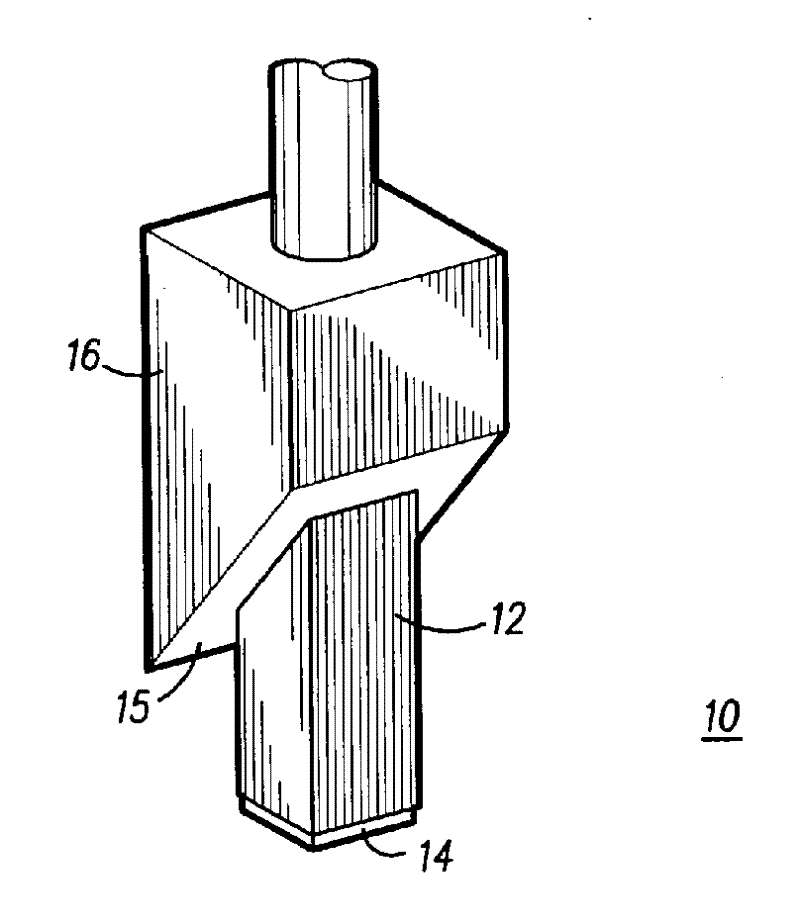
图1等比例地显示出了一种根据本发明第一个实施例的用于对一物体进行视觉检测的装置。Fig. 1 isometrically shows a device for visual inspection of an object according to a first embodiment of the present invention.
图2是一个系统的示意图,该系统使用了如图1所示的根据本发明第一个实施例的用于对一物体进行视觉检测的装置。FIG. 2 is a schematic diagram of a system using the apparatus for visual inspection of an object according to the first embodiment of the present invention as shown in FIG. 1 .
图3是根据本发明第二个实施例的用于对一物体进行视觉检测的装置的截面图。Fig. 3 is a cross-sectional view of an apparatus for visual inspection of an object according to a second embodiment of the present invention.
图4是一个系统的示意图,该系统使用了如图3所示的根据本发明第二个实施例的用于对一物体进行视觉检测的装置。FIG. 4 is a schematic diagram of a system using the apparatus for visual inspection of an object according to the second embodiment of the present invention as shown in FIG. 3 .
图5等比例地显示出了一种根据本发明第三个实施例的用于对一物体进行视觉检测的装置。Fig. 5 isometrically shows a device for visual inspection of an object according to a third embodiment of the present invention.
应该明白,为了使附图清晰简单,所以未按比例绘出。还应明白的是,为了方便起见,在各图中重复使用的参考标号代表了相应或类似的组件。It should be understood that, for the sake of clarity and simplicity of the drawings, they have not been drawn to scale. It should also be appreciated that for convenience, reference numerals have been repeated among the figures to represent corresponding or analogous components.
概括地说,本发明提供了一种能够在自动化的物体处理过程中进行物体视觉检测的装置和方法。根据本发明,物体由一个拾取装置拾起。当该拾取装置处于相对于光源的预定位置时,光源将照亮与物体相邻近的拾取装置的一部分。而根据一个实施例,在拾取装置上的一个偏转器可将光源发出的入射光束的一部分反射出去以形成一束偏转光。这束偏转光在第一方向上从背面照亮该物体并形成该物体的第一轮廓。而入射光束的另一个部分则在第二方向上从背面照亮该物体并且形成该物体的第二轮廓。该物体的第一和第二轮廓图像具有不同的观察方向。根据本发明的另一个实施例,附接在拾取装置上的多个偏转器可反射入射光束的不同部分并且在不同方向上生成多个偏转光束。这些偏转光束从背面照亮物体的不同部分并生成相应的轮廓图形。在这两个实施例中,一个反射面相对于拾取装置的位置和方向是固定的并且可被精确地确定。因此,该拾取装置就能够在图像电脑进行重组物体图像并检查物体的几何特征时起到参考框架的作用。所以,视觉检测就可以在拾取装置拾起物体并将其从一个地方移动至另一个地方的同时得到实现。更具体地说,物体并不需要被放置在一个检测台上以进行视觉检测。In summary, the present invention provides an apparatus and method enabling visual inspection of objects during automated object handling. According to the invention, the objects are picked up by a pick-up device. When the pick-up is in a predetermined position relative to the light source, the light source will illuminate a portion of the pick-up adjacent to the object. However, according to one embodiment, a deflector on the pick-up device can reflect a part of the incident light beam from the light source to form a deflected light beam. The deflected light back illuminates the object in a first direction and forms a first outline of the object. A further part of the incident light beam illuminates the object from behind in a second direction and forms a second contour of the object. The first and second contour images of the object have different viewing directions. According to another embodiment of the present invention, multiple deflectors attached to the pickup device can reflect different parts of the incident beam and generate multiple deflected beams in different directions. These deflected beams illuminate different parts of the object from the back and generate corresponding contour patterns. In both embodiments, the position and orientation of a reflective surface relative to the pick-up device is fixed and can be precisely determined. Thus, the pick-up device can act as a frame of reference when the graphics computer reconstructs the image of the object and checks the geometry of the object. Therefore, visual inspection can be achieved while the pick-up device picks up the object and moves it from one place to another. More specifically, objects do not need to be placed on an inspection table for visual inspection.
图1等比例地显示出了一个根据本发明第一个实施例的视觉检测的装置10。装置10含有一个杆12。在杆12的一端上有一个物体拾取机构14。本实施例中的拾取机构14是一个真空机构。套筒(shaft)16环绕在杆12一个部分的四周。杆12和套筒16可由金属、塑料等制成。杆12和套筒16可被做成一个整体或者也可被做成相互连接在一起的两个部分。套筒16在距杆12一端的一个距离上有一个斜端面。在套筒16的这个斜端面上形成有一个反射面15。反射面15就作为偏转光束的偏转器来使用。在一个实施例中,套筒16由金属制成并且套筒16的斜端面是一个经抛光的金属面,它起到了斜反射面15的作用。在另一个实施例中,斜反射面15是通过在套筒16的斜端面上附接一个镜子而形成的。本实施例中,斜反射面15的法线(未示出)与平行于杆12的方向(图1中的竖直方向)之间的夹角约为45度(°)。装置10的几何参数(如斜反射面15相对于位于杆12端之上的拾取机构14的位置和方向)最好得到高精度的确定。因此,当装置10在视觉检测过程中拾取一个物体时,该物体相对于装置10的位置和方向就可利用一个可作为参考位置的特征(如反射面15的边缘)而得到精确地测定。FIG. 1 isometrically shows a visual detection device 10 according to a first embodiment of the present invention. Device 10 includes a
装置10的功能就是拾取一个物体(如一个半导体器件)并将其从一个地方移动至另一个地方。在物体的移动过程中,该物体的视觉检测就得到了执行。因此,装置10也可被称为是一个视觉检测装置或是一个拾取装置。应该明白,图1仅显示出了装置10中与物体视觉检测有关的一部分。装置10还含有一个操作系统(未示出),如:电子一机械系统、液压系统、气动系统、等等。该系统用于拾取、移动以及释放物体。还应明白的是,装置10的结构并不仅限于上述内容和图1所示的内容。例如,拾取机构14不限于是一个真空机构。任何能够拾取待测物体的机构(如:扣环机构、锁扣机构、磁机构,等等)都可作为装置10的拾取机构14。杆12和套筒16也不限于具有图1所示的直角截面。杆12和套筒16的截面可以具有任何形状,如圆形、椭圆形、三角形、五角形、六角形,等等。另外,装置10中的套筒16是可选的。在本发明的一个替代实施例中(未示出),装置10不含有套筒16,并且斜反射面15是通过在杆12上直接装接一个反射平面(如一个镜子)而形成的。另外,装置10可以在斜反射面15上含有一个或多个参考标记(未示出)。这些参考标记可以有助于对物体相对于装置10的位置和方向进行精确地测量。The function of the apparatus 10 is to pick up an object (such as a semiconductor device) and move it from one place to another. During the movement of the object, the visual detection of the object is performed. Therefore, the device 10 can also be referred to as a visual inspection device or a pick-up device. It should be understood that FIG. 1 only shows a part of the device 10 related to the visual detection of objects. The device 10 also includes an operating system (not shown), such as an electro-mechanical system, a hydraulic system, a pneumatic system, and the like. The system is used to pick up, move and release objects. It should also be understood that the structure of the device 10 is not limited to the content described above and shown in FIG. 1 . For example, pick-
图2示意性地显示出了一个含有图1所示装置10的系统20,该系统可根据本发明的第一个实施例对一物体18进行视觉检测。系统20也可以被称为是一个光学系统或是一个检测系统。本实施例中,物体18是一个半导体器件。在半导体器件的一个封装过程期间,装置10从一个位置上拾取半导体器件18并将其移放至另一个位置。检测系统20还含有一个光源21和相机22及24。在一个实施例中,光源21是一个可发出连续光的光源(如发光二极管)。在半导体器件18的移动过程中,装置10将在一个相对于光源21和相机22及24(如图1所示)的位置上停留一个很短的时间间隔(如0.25秒)。相机22和24就在这个时间间隔内记录下半导体器件18的轮廓图像。在另一个实施例中,光源21是一个脉冲光源,它可在当装置10移动至图2所示位置时发出一个脉冲光束。相机22和24记录下由该脉冲光束形成的半导体器件18的轮廓图像。而与相机22和24相连的一个图像电脑(未示出)将对该图像进行分析并检查出半导体器件18的几何特征以及它相对于装置10的位置和方向。FIG. 2 schematically shows a system 20 including the apparatus 10 shown in FIG. 1 for visual inspection of an object 18 according to a first embodiment of the present invention. System 20 may also be referred to as an optical system or a detection system. In this embodiment, object 18 is a semiconductor device. During a packaging process of the semiconductor device, the apparatus 10 picks up the semiconductor device 18 from one location and transfers it to another location. Detection system 20 also includes a light source 21 and cameras 22 and 24 . In one embodiment, the light source 21 is a light source capable of emitting continuous light (such as a light emitting diode). During the movement of semiconductor device 18, apparatus 10 will stay in a position relative to light source 21 and cameras 22 and 24 (shown in FIG. 1) for a short time interval (eg, 0.25 seconds). Cameras 22 and 24 record contour images of semiconductor device 18 during this time interval. In another embodiment, the light source 21 is a pulsed light source that emits a pulsed light beam when the device 10 is moved to the position shown in FIG. 2 . Cameras 22 and 24 record images of the profile of semiconductor device 18 formed by the pulsed beam. An image computer (not shown) connected to cameras 22 and 24 will analyze the image and check out the geometry of semiconductor device 18 and its position and orientation relative to device 10 .
在视觉检测过程中,光源21发出的一束光25至少可以部分地照亮装置10和半导体器件18。本实施例中,光束25是一个充分共线的光束,它与杆12充分垂直。光束25的一个部分26被斜反射面15反射,因而产生了一条与杆12充分平行的偏转光束27。该偏转光束27从背面照亮了半导体器件18并在相机22中形成了一个轮廓图像。光束25的一个部分28直接照亮了半导体器件18并在相机24中形成了一个轮廓图像。由偏转光束27形成的半导体器件18的轮廓图像和由光束25的部分28形成的半导体器件18的轮廓图像具有不同的视觉方向。如图2所示,偏转光束27提供了半导体器件18的一个顶视图,而光束25的部分28则提供了半导体器件18的一个侧视图。与相机22和24相连的图像电脑(未示出)可对这两幅图像进行分析并可检查半导体器件18的各项参数,如引线共面度、引线长度、引线平直度、标记检测、表面检测、引线间距、等等。如果它们不符合预定的设计规格,则半导体器件18将被废弃。在视觉检测完成之后,废弃的器件将被移动至一个预定位置以进行处理。During visual inspection, a beam of light 25 emitted by light source 21 may at least partially illuminate device 10 and semiconductor device 18 . In this embodiment, beam 25 is a substantially collinear beam which is substantially perpendicular to
应该注意的是,当装置10拾取半导体器件18时,半导体器件18与装置10的相对位置和方向常常会发生改变。这种改变一般会导致半导体器件18在其最终位置中的方向和位置的变化,这将给需要使半导体器件18的最终位置和方向有较高精确度的封装过程带来应该问题。而本发明所述的视觉检测过程则能够解决这个问题。根据本发明所述,相机22和24的图像中最好还包括装置10的一个部分的图像。由于装置10的几何参数(例如:斜反射面15相对于拾取机构14的位置和方向)是得到高精度确定的,所以通过分析这些图像就可以提供出与半导体器件18相对于装置10的位置和方向有关的精确数据。这些数据可被用于在当装置10释放半导体器件18时调整装置10的位置和方向,并籍此使半导体器件18在其最终位置处达到精确的位置和方向。It should be noted that when the device 10 picks up the semiconductor device 18, the relative position and orientation of the semiconductor device 18 and the device 10 will often change. Such changes typically result in changes in the orientation and position of the semiconductor device 18 in its final position, which poses problems for packaging processes that require greater accuracy in the final position and orientation of the semiconductor device 18 . The visual inspection process of the present invention can solve this problem. Preferably, the images from cameras 22 and 24 also include an image of a portion of device 10 in accordance with the present invention. Since the geometric parameters of the device 10 (for example: the position and direction of the inclined
应该明白,检测系统20的结构和操作并不限于上述内容。例如,光源21也可以是一个扩散光源。另外,检测系统20可含有一个偏转器(未示出)且相机22和24可用单个相机(未示出)来取代。此偏转器可由一个或多个透镜、一个或多个镜子、或者多个透镜和镜子的组合而构成。该偏转器可在偏转光27、光束25的部分28或这两条光束穿过半导体器件18之后对它们进行偏转以产生两个相互充分平行的成像光束。因此,具有两个不同视觉方向的半导体器件18的两个轮廓图像就可在一个相机中形成。It should be understood that the structure and operation of the detection system 20 are not limited to those described above. For example, the light source 21 can also be a diffuse light source. Alternatively, detection system 20 could contain a deflector (not shown) and cameras 22 and 24 could be replaced with a single camera (not shown). The deflector may consist of one or more lenses, one or more mirrors, or a combination of lenses and mirrors. The deflector may deflect the deflected light 27, the portion 28 of the beam 25, or both beams after they pass through the semiconductor device 18 to produce two imaging beams substantially parallel to each other. Thus, two profile images of semiconductor device 18 with two different viewing directions can be formed in one camera.
图3是根据本发明第二个实施例的一种视觉检测装置30的截面图。装置30含有一个杆32。在杆32的一端有一个物体拾取机构34。本实施例中的拾取机构34是一个真空机构。装置30的功能是拾取一个物体(如一个半导体器件)并将其从一个位置移动至另一个位置。在物体的移动过程中,该物体的视觉检测就得到了执行。因此,装置30也可以被称为是一个视觉检测装置或是一个拾取装置。在杆32的一个部分外环绕着一个直角形的套箍36。杆32和套箍36可由金属或塑料等制成。套箍36可被安装在杆32上也可与杆32一起被做成一个整体。在套箍36相对的两侧上附接反射面42和反射面44。反射面42和44的各法线(未示出)与平行于杆32的方向(图3中的竖直方向)之间的夹角约为5°至30°之间。这两个角度之间的范围最好在约5°至27°之间。这两个角度值依赖于装置30的大小和形状以及相机的位置(如图4所示)。在一个实施例中,这两个夹角约为17.5°。这两个夹角最好近似相等。因此,反射面42和44将相对于杆32而形成一个装置30的充分对称特征。反射面46和反射面48分别与反射面42和44相连。反射面46的法线(未示出)与平行于杆32的方向之间的夹角最好大于反射面42的法线与平行于杆32的方向之间的夹角。这两个夹角之差约在5°至30°之间并且最好至少为13°。类似地,反射面48的法线(未示出)与平行于杆32的方向之间的夹角最好大于反射面44的法线与平行于杆32的方向之间的夹角。反射面46和48最好相对于杆32而充分对称。这样,反射面46的法线与平行于杆32的方向之间的夹角和反射面48的法线与平行于杆32的方向之间的夹角将近似相等。本实施例中,这两个夹角都约在10°至45°之间。这两个夹角的范围最好取约30°至42°之间。这两个夹角的值依赖于装置30的几何形状以及相机的位置(如图4所示)。在一个实施例中,这两个夹角都约为37.5°。反射面42、44、46和48都起到了偏转器的作用,它们可以是经抛光的金属表面、镜面、等等。另外,装置30在反射面42、44、46和48上分别含有参考标记43、45、47和49。装置30的几何参数(如:反射面42、44、46和48相对于拾取机构34的位置和方向以及位于相应反射面42、44、46和48之上的参考标记43、45、47和49的位置)最好得到高精度的确定。因此,当装置30在视觉检测过程中拾取一个物体时,该物体相对于装置30的位置和方向就可得到精确的测定。Fig. 3 is a cross-sectional view of a
应该明白,图3仅显示出了装置30中与物体视觉检测有关的一部分。装置30还含有一个操作系统(未示出),如:电气一机械系统、液压系统、气动系统、等等。该系统用于拾取、移动以及释放物体。还应明白的是,装置30的结构并不限于上述内容。例如,拾取机构34不限于是一个真空机构。任何能够拾取待侧物体的机构(如:扣环机构、锁扣机构、磁机构,等等)都可作为装置30的拾取机构34。在一个替代实施例中(未示出),装置30不含有套箍36且反射面42和44是直接附接在杆32上。另外,装置30不限于仅具有四个参考标记43、45、47和49。装置30可具有任何数目的参考标记,例如0个、1个、2个、3个、4个、5个、6个、7个、8个,等等。在装置30不含有任何参考标记的一个实施例中,物体相对于装置30的位置和方向可通过利用装置30上的其它特征而得到确定,如反射面42、44、46和48的拐角、反射面42和46间的连线、反射面44和48间的连线,等等。另外,装置30也不限于仅有四个反射面。在多个替代实施例中(未示出),装置30可以含有1个反射面(如反射面42)、2个反射面(如反射面42和44或反射面42和46)或3个反射面(如反射面42、44和46)。在这些替代实施例中,最好对装置30中相机的数目、位置和方向进行相应的调整。It should be understood that FIG. 3 only shows a part of the
图4示意性地显示出了一个含有图3所示装置30的系统50,该系统可根据本发明的第二个实施例对一物体38进行视觉检测。系统50也可以被称为是一个光学系统或是一个检测系统。本实施例中,物体38是一个半导体器件,其相对的两侧具有两组引线37和39。在半导体器件的封装过程期间,装置30从一个位置上拾取半导体器件38并将其移至另一个位置。检测系统50还含有一个光源51和相机52、54、56和58。与图2所示检测系统20中的光源21相类似,光源51可以是一个能够发出连续光的光源(如发光二极管),或者是一个脉冲光源。相机52、54、56和58能记录下由光源51发出的光束61所形成的半导体器件38的各轮廓图像。与相机52、54、56和58相连的一个图像电脑(未示出)可以分析这些图像并能检查半导体器件38的几何特征以及它相对于装置30的位置和方向。FIG. 4 schematically shows a
在视觉检测过程中,光源51发出的光束61能够照亮装置30的反射面42、44、46和48。本实施例中,光束61是一条充分共线的光束,它与杆32充分平行。光束61的一个部分62受到反射面42的反射并因此产生了一条偏转光束63,偏转光束63从背面照亮了半导体器件38的引线组37并在相机52中形成了它的一个轮廓图像。而光束61的一个部分66受到反射面46的反射并因此产生了一条偏转光束67,偏转光束67从背面照亮了半导体器件38的引线组37并在相机56中形成了它的一个轮廓图像。由偏转光束63和67形成的引线组37的轮廓图像具有相互不同的视觉方向。由偏转光束63形成的图像有时被称为是引线组37的深视图,而由偏转光束67形成的图像有时被称为是引线组37的浅视图。类似地,光束61的一个部分64和68分别受到反射面44和48的反射并因此分别产生了偏转光束65和69,它们从背面照亮了半导体器件38的引线组39并分别在相机54和58中形成了轮廓图像。由偏转光束65和69形成的引线组39的轮廓图像具有相互不同的视觉方向。而由偏转光束65和69形成的图像有时被分别称为是引线组39的深视图和浅视图。
与相机52、54、56和58相连的一个图像电脑(未示出)可分析这些轮廓图像并能检测半导体器件38的各个参数,如引线共面度、引线长度、引线平直度、标记检测、表面检测、引线间距、等等。如果它们不符合预定的设计规格,则半导体器件38将被废弃。在视觉检测完成之后,废弃的器件将被移动至一个预定位置以进行处理。A graphics computer (not shown) connected to the
应该注意的是,当装置30拾取半导体器件38时,半导体器件38与装置30的相对位置和方向常常会发生改变。这种改变一般会导致半导体器件38在其最终位置中的方向和位置的变化,这将给需要使半导体器件38的最终位置和方向有较高精确度的封装过程带来应该问题。而本发明所述的视觉检测过程则能够解决这个问题。根据本发明所述,相机52、54、56和58的图像中最好还分别包括参考标记43、45、47和49的图像。由于装置30的几何参数(例如:反射面42、44、46和48相对于拾取机构34的位置和方向以及参考标记43、45、47和49在各反射面42、44、46和48上的位置)是得到高精度确定的,所以通过分析这些图像就可以提供出与半导体器件38相对于装置30的位置和方向有关的精确数据。这些数据可被用于在当装置30释放半导体器件38时调整装置30的位置和方向,并籍此使半导体器件38在其最终位置处达到精确的位置和方向。It should be noted that when the
应该明白,检测系统50的结构和操作并不限于上述内容。例如,光源51也可以发出一个扩散光束。另外,在一个替代实施例中,检测系统50含有一组偏转器(未示出)且相机52、54、56和58被单个相机(未示出)所取代。这些偏转器可由多个透镜、多个镜子、或者多个透镜和镜子的组合而构成。这些偏转器可在偏转光束63、65、67和69穿过半导体器件38之后对它们进行偏转以产生四个相互充分平行的成像光束。因此,具有不同视觉方向的半导体器件38的四个轮廓图像就可在一个相机中形成。在另一个替代实施例中,检测系统50含有两个相机(未示出)。第一相机取代了相机52和56,而第二相机则取代了相机54和58。偏转光束63和67被偏转以形成两条相互充分平行的图像光束,从而在第一相机中分别形成了引线组37的深视图和浅视图。偏转光束65和69受到偏转以形成两条相互充分平行的图像光束,从而在第二相机中分别形成了引线组39的深视图和浅视图。It should be understood that the structure and operation of the
图5等比例地显示出了根据本发明第三个实施例的一种用于对物体81进行视觉检测的检测装置70。装置70的结构和功能与图3所示的装置30相类似。装置70也被称为是一个视觉检测装置或是一个拾取装置。与图3所示的装置30相类似,装置70含有一个杆32、一物体拾取机构34、一套箍36、反射面42、44、46和48以及参考标记43、45、47和49。另外,装置70还含有连接于套箍36两侧且处于反射面42和44之间的反射面72和74。反射面72和74的各法线(未示出)与平行于杆32的方向(图5中的竖直方向)之间的夹角约在5°至30°之间。反射面76和反射面78分别与反射面72和74相连。反射面76的法线(未示出)与平行于杆32的方向之间的夹角最好大于反射面72的法线与平行于杆32的方向之间的夹角。类似地,反射面78的法线(未示出)与平行于杆32的方向之间的夹角最好大于反射面74的法线与平行于杆32的方向之间的夹角。本实施例中,这两个夹角约在10°至45°之间。装置70最好在反射面72、74、76和78上分别含有参考标记73、75、77和79。与反射面42、44、46和48相类似,反射面72、74、76和78起到了偏转器的作用,它们可以是经抛光的金属面、镜子或类似物。FIG. 5 isometrically shows a detection device 70 for visual detection of an object 81 according to a third embodiment of the present invention. Device 70 is similar in structure and function to
在一个优选实施例中,反射面42、44、72和74的法线与平行于杆32的方向之间的四个夹角完全相等,而且反射面46、48、76和78的法线与平行于杆32的方向之间的四个夹角也完全相等。装置70的几何参数(例如:反射面42、44、46、48、72、74、76和78相对于拾取机构34的位置和方向以及参考标记43、45、47、49、73、75、77和79在相应各反射面42、44、46、48、72、74、76和78上的位置)最好得到高精度的确定。因此,物体81相对于装置70的位置和方向就可得到精确地测定。In a preferred embodiment, the four included angles between the normals of the reflecting
利用装置70对物体81进行视觉检测的过程与参考图4所作的说明相似。但是,装置70却能够同时形成物体81不同部分的8个图像。本实施例中,物体81是一个四方封装的半导体器件,其封装的四个侧面上分别有引线组82、84、86和88。在视觉检测过程中,反射面42和46产生了两条偏转光束,它们从背面照亮了引线组82并且分别形成了引线组82的一个深轮廓视图和一个浅轮廓视图。反射面44和48产生了两条偏转光束,它们从背面照亮了引线组84并且分别形成了引线组84的一个深轮廓视图和一个浅轮廓视图。反射面72和76生成了两条偏转光束,它们从背面照亮了引线组86并且分别形成了引线组86的一个深轮廓视图和一个浅轮廓视图。反射面74和78产生了两条偏转光束,它们从背面照亮了引线组88并且分别形成了引线组88的一个深轮廓视图和一个浅轮廓视图。The process of visual inspection of object 81 using device 70 is similar to that described with reference to FIG. 4 . However, device 70 is capable of forming eight images of different parts of object 81 simultaneously. In this embodiment, the object 81 is a semiconductor device in a quadrangular package, and the four sides of the package have lead groups 82, 84, 86 and 88 respectively. During visual inspection,
至此应该明白,一种用于在处理物体的自动化过程中进行物体视觉检测的装置和方法已经被提供出来。根据本发明所述,物体的拾取工作是由一个被赋予光学特性的拾取装置来完成的。该拾取装置可作为一个检测装置来使用。光源可用于在当拾取装置处于相对于光源的预定位置时照亮拾取装置邻近物体的一个部分。附在拾取装置上的多个反射面可反射由光源发出的入射光的多个部分以产生多条偏转光束。这些偏转光束从背面照亮了物体的多个部分并生成了它们的轮廓图像。该拾取装置也可在图像电脑进行重组物体图像并检查物体的几何特征时起到考框架的作用。所以,视觉检测就可以在拾取装置拾起物体并将其从-个地方移至另一个地方的同时得到实现。更具体地说,物体并不需要被放置在一个检测台上以进行视觉检测。通过利用背面照明技术,本发明提供出了普遍不含有热点、冷点或其它图像失真的多个图像,而这些失真经常出现在利用正面照明技术所形成的图像之中。由于拾取装置上的反射面是用于提供背光的,所以它们的光学质量(如光滑度和平整度)不需要象成像透镜和镜子所需的质量那样高。因此,本发明所述的装置易于制造且价格便宜。其用于执行视觉检测的方法也简单和省时。另外,本发明所述的检测过程也与现有的物体操纵过程相兼容。By now it should be appreciated that an apparatus and method for visual inspection of objects in an automated process for handling objects has been provided. According to the invention, the object is picked up by a pick-up device which is endowed with optical properties. The pick-up device can be used as a detection device. The light source may be used to illuminate a portion of the pick-up device adjacent to the object when the pick-up device is in a predetermined position relative to the light source. A plurality of reflective surfaces attached to the pick-up device reflect portions of incident light emitted by the light source to generate a plurality of deflected light beams. These deflected beams illuminate parts of the object from the back and generate images of their silhouettes. The pick-up device can also be used as a frame check when the image computer reconstructs the image of the object and checks the geometric characteristics of the object. So, vision inspection can be done while the pick-up device picks up the object and moves it from one place to another. More specifically, objects do not need to be placed on an inspection table for visual inspection. By utilizing backside illumination techniques, the present invention provides images that are generally free of hot spots, cold spots, or other image distortions that often occur in images formed using frontside illumination techniques. Since the reflective surfaces on the pick-up are used to provide backlighting, their optical qualities (such as smoothness and flatness) do not need to be as high as those required for imaging lenses and mirrors. Therefore, the device according to the invention is easy and inexpensive to manufacture. Its method for performing visual inspections is also simple and time-saving. In addition, the detection process described in the present invention is also compatible with the existing object manipulation process.
Claims (10)
Applications Claiming Priority (3)
| Application Number | Priority Date | Filing Date | Title |
|---|---|---|---|
| US09/087,884 US6160906A (en) | 1998-06-01 | 1998-06-01 | Method and apparatus for visually inspecting an object |
| US09/087,884 | 1998-06-01 | ||
| US09/087884 | 1998-06-01 |
Publications (2)
| Publication Number | Publication Date |
|---|---|
| CN1237786A true CN1237786A (en) | 1999-12-08 |
| CN1127758C CN1127758C (en) | 2003-11-12 |
Family
ID=22207840
Family Applications (1)
| Application Number | Title | Priority Date | Filing Date |
|---|---|---|---|
| CN99107911A Expired - Fee Related CN1127758C (en) | 1998-06-01 | 1999-06-01 | Method and apparatus for visually inspecting object |
Country Status (5)
| Country | Link |
|---|---|
| US (2) | US6160906A (en) |
| KR (1) | KR100605051B1 (en) |
| CN (1) | CN1127758C (en) |
| MY (1) | MY120808A (en) |
| TW (1) | TW384387B (en) |
Cited By (5)
| Publication number | Priority date | Publication date | Assignee | Title |
|---|---|---|---|---|
| CN1328939C (en) * | 2002-09-12 | 2007-07-25 | 松下电器产业株式会社 | Component placing head and component placing method |
| CN103430013A (en) * | 2010-12-30 | 2013-12-04 | 美德客科技(深圳)有限公司 | Visual inspection apparatus |
| CN107328789A (en) * | 2017-06-23 | 2017-11-07 | 宁波韵升智能技术有限公司 | A kind of arc surface and surface defect detecting system |
| CN111133851A (en) * | 2017-09-28 | 2020-05-08 | 环球仪器公司 | Improved pin front end lighting apparatus, systems, and methods |
| CN111780724A (en) * | 2020-08-19 | 2020-10-16 | 易视智瞳科技(深圳)有限公司 | Vision tool alignment device and method |
Families Citing this family (18)
| Publication number | Priority date | Publication date | Assignee | Title |
|---|---|---|---|---|
| US6160906A (en) * | 1998-06-01 | 2000-12-12 | Motorola, Inc. | Method and apparatus for visually inspecting an object |
| JP3678007B2 (en) * | 1998-07-10 | 2005-08-03 | 松下電器産業株式会社 | Electronic component recognition apparatus and electronic component recognition method in electronic component mounting apparatus |
| TW200404485A (en) * | 2002-05-22 | 2004-03-16 | Assembleon Nv | Method of placing a component by means of a placement device at a desired position on a substrate holder, and device suitable for performing such a method |
| US8035094B2 (en) | 2002-06-17 | 2011-10-11 | Quest Metrology, LLC | Methods for measuring at least one physical characteristic of a component |
| US8410466B2 (en) * | 2002-06-17 | 2013-04-02 | Quest Metrology Group, Llc | Non-contact component inspection system |
| US7227163B2 (en) * | 2002-06-17 | 2007-06-05 | Johnson Stanley P | Product inspection system and a method for implementing same |
| US7745805B2 (en) | 2002-06-17 | 2010-06-29 | Johnson Thread-View Systems | Product inspection system and a method for implementing same that incorporates a correction factor |
| US6959487B2 (en) * | 2003-06-04 | 2005-11-01 | Seagate Technology Llc | Head disc merge assembly for use at a merging station |
| US7593565B2 (en) * | 2004-12-08 | 2009-09-22 | Rudolph Technologies, Inc. | All surface data for use in substrate inspection |
| DE102008018586A1 (en) * | 2008-04-12 | 2009-11-05 | Mühlbauer Ag | Optical detection device and method for detecting surfaces of components |
| US8164758B2 (en) * | 2008-07-10 | 2012-04-24 | Quest Metrology, LLC | Internal inspection system and method |
| KR101219843B1 (en) * | 2010-03-31 | 2013-01-08 | 한전케이피에스 주식회사 | Vertical Installed Type Parallel Gate Valve Contact Check Tool |
| JP6261985B2 (en) * | 2014-01-06 | 2018-01-17 | 富士機械製造株式会社 | Mounting device |
| TWI628428B (en) * | 2016-12-16 | 2018-07-01 | 由田新技股份有限公司 | Multi-view image capturing device and multi-view image detecting device thereof |
| US10620608B2 (en) * | 2017-03-07 | 2020-04-14 | Raytheon Company | Collet contrast disk |
| JP7098378B2 (en) * | 2018-03-27 | 2022-07-11 | 株式会社Fuji | Parts mounting machine |
| KR102864165B1 (en) | 2021-10-20 | 2025-09-24 | 주식회사 엘지에너지솔루션 | Side surface inspection deivce for a cylinderrical battery |
| CN115825073A (en) * | 2022-10-31 | 2023-03-21 | 广东利元亨智能装备股份有限公司 | Battery appearance detection method, controller and storage medium |
Family Cites Families (8)
| Publication number | Priority date | Publication date | Assignee | Title |
|---|---|---|---|---|
| US4750035A (en) * | 1986-09-11 | 1988-06-07 | Inex/Vistech Technologies, Inc. | Video container inspection with collimated viewing of plural containers |
| IL99823A0 (en) * | 1990-11-16 | 1992-08-18 | Orbot Instr Ltd | Optical inspection method and apparatus |
| US5214841A (en) * | 1992-09-23 | 1993-06-01 | Emhart Inc. | Machine for placing surface mount components |
| JPH06265323A (en) * | 1993-03-16 | 1994-09-20 | Hitachi Ltd | Outer shape inspection device |
| US5402505A (en) * | 1993-10-18 | 1995-03-28 | Texas Instruments Incorporated | Semiconductor device lead inspection system |
| US5453849A (en) * | 1994-02-07 | 1995-09-26 | Unisys Corporation | Integrating cylinder for object illumination |
| US5617209A (en) * | 1995-04-27 | 1997-04-01 | View Engineering, Inc. | Method and system for triangulation-based, 3-D imaging utilizing an angled scaning beam of radiant energy |
| US6160906A (en) * | 1998-06-01 | 2000-12-12 | Motorola, Inc. | Method and apparatus for visually inspecting an object |
-
1998
- 1998-06-01 US US09/087,884 patent/US6160906A/en not_active Expired - Fee Related
-
1999
- 1999-05-17 TW TW088107995A patent/TW384387B/en not_active IP Right Cessation
- 1999-05-27 KR KR1019990019172A patent/KR100605051B1/en not_active Expired - Fee Related
- 1999-05-28 MY MYPI99002118A patent/MY120808A/en unknown
- 1999-06-01 CN CN99107911A patent/CN1127758C/en not_active Expired - Fee Related
-
2000
- 2000-08-04 US US09/631,751 patent/US6404912B1/en not_active Expired - Lifetime
Cited By (6)
| Publication number | Priority date | Publication date | Assignee | Title |
|---|---|---|---|---|
| CN1328939C (en) * | 2002-09-12 | 2007-07-25 | 松下电器产业株式会社 | Component placing head and component placing method |
| CN103430013A (en) * | 2010-12-30 | 2013-12-04 | 美德客科技(深圳)有限公司 | Visual inspection apparatus |
| CN107328789A (en) * | 2017-06-23 | 2017-11-07 | 宁波韵升智能技术有限公司 | A kind of arc surface and surface defect detecting system |
| CN107328789B (en) * | 2017-06-23 | 2023-09-26 | 宁波韵升智能技术有限公司 | Arc surface and curved surface defect detection system |
| CN111133851A (en) * | 2017-09-28 | 2020-05-08 | 环球仪器公司 | Improved pin front end lighting apparatus, systems, and methods |
| CN111780724A (en) * | 2020-08-19 | 2020-10-16 | 易视智瞳科技(深圳)有限公司 | Vision tool alignment device and method |
Also Published As
| Publication number | Publication date |
|---|---|
| KR100605051B1 (en) | 2006-07-26 |
| MY120808A (en) | 2005-11-30 |
| CN1127758C (en) | 2003-11-12 |
| US6404912B1 (en) | 2002-06-11 |
| KR20000005721A (en) | 2000-01-25 |
| TW384387B (en) | 2000-03-11 |
| US6160906A (en) | 2000-12-12 |
Similar Documents
| Publication | Publication Date | Title |
|---|---|---|
| CN1127758C (en) | Method and apparatus for visually inspecting object | |
| JP4901903B2 (en) | 3D inspection system | |
| EP0501683A2 (en) | Technique for enhanced two-dimensional imaging | |
| CN102439708B (en) | Method of inspecting bonding structure of substrate and bonding structure inspection apparatus | |
| KR100516492B1 (en) | Wire Bonding Method and Apparatus | |
| TWI658524B (en) | System and method for detecting wafer | |
| CN100585615C (en) | Detection Systems | |
| US6934019B2 (en) | Confocal wafer-inspection system | |
| JP2019049556A (en) | System and method for inspecting wafers | |
| JP2001521140A (en) | 3D inspection system | |
| CN1287643A (en) | Three-dimensional detection method and equipment for electronic assembly | |
| CN101603926B (en) | Multi-surface detection system and method | |
| JP3170598B2 (en) | Appearance inspection device | |
| JPH08233742A (en) | Method and equimpment for illumination of clouded semi-transparent material | |
| US6567161B1 (en) | Three dimensional lead inspection system | |
| US20240221145A1 (en) | Method and assembly for non-destructively inspecting a surface structure | |
| US10715790B2 (en) | System and method for lead foot angle inspection using multiview stereo vision | |
| US6445518B1 (en) | Three dimensional lead inspection system | |
| CN1448693A (en) | Side lit, 3d edge location method | |
| HK1023227A (en) | Method and apparatus for visually inspecting an object | |
| CN100390501C (en) | Double-visual-angle three-dimensional shape image linear scanning detection device | |
| JP2009175171A (en) | Optical connector assembling method and apparatus | |
| JPH03136262A (en) | Lead terminal lift check device of ic package | |
| JPH10221271A (en) | Mirror object imaging method | |
| KR20240011556A (en) | Diffuse reflection removal lighting and inspection device including the same |
Legal Events
| Date | Code | Title | Description |
|---|---|---|---|
| C06 | Publication | ||
| PB01 | Publication | ||
| C10 | Entry into substantive examination | ||
| SE01 | Entry into force of request for substantive examination | ||
| C14 | Grant of patent or utility model | ||
| GR01 | Patent grant | ||
| REG | Reference to a national code |
Ref country code: HK Ref legal event code: WD Ref document number: 1023227 Country of ref document: HK |
|
| C17 | Cessation of patent right | ||
| CF01 | Termination of patent right due to non-payment of annual fee |
Granted publication date: 20031112 Termination date: 20130601 |