CN1274111C - Base station control in telecommunications system - Google Patents
Base station control in telecommunications system Download PDFInfo
- Publication number
- CN1274111C CN1274111C CNB018119239A CN01811923A CN1274111C CN 1274111 C CN1274111 C CN 1274111C CN B018119239 A CNB018119239 A CN B018119239A CN 01811923 A CN01811923 A CN 01811923A CN 1274111 C CN1274111 C CN 1274111C
- Authority
- CN
- China
- Prior art keywords
- base station
- district
- sub
- parameter
- objects
- Prior art date
- Legal status (The legal status is an assumption and is not a legal conclusion. Google has not performed a legal analysis and makes no representation as to the accuracy of the status listed.)
- Expired - Fee Related
Links
Images





Classifications
-
- H—ELECTRICITY
- H04—ELECTRIC COMMUNICATION TECHNIQUE
- H04W—WIRELESS COMMUNICATION NETWORKS
- H04W88/00—Devices specially adapted for wireless communication networks, e.g. terminals, base stations or access point devices
- H04W88/08—Access point devices
-
- H—ELECTRICITY
- H04—ELECTRIC COMMUNICATION TECHNIQUE
- H04L—TRANSMISSION OF DIGITAL INFORMATION, e.g. TELEGRAPHIC COMMUNICATION
- H04L41/00—Arrangements for maintenance, administration or management of data switching networks, e.g. of packet switching networks
- H04L41/02—Standardisation; Integration
- H04L41/0233—Object-oriented techniques, for representation of network management data, e.g. common object request broker architecture [CORBA]
Landscapes
- Engineering & Computer Science (AREA)
- Computer Networks & Wireless Communication (AREA)
- Signal Processing (AREA)
- Mobile Radio Communication Systems (AREA)
- Selective Calling Equipment (AREA)
- Time-Division Multiplex Systems (AREA)
Abstract
Description
技术领域technical field
本发明涉及诸如GSM(全球移动通信系统)的电信系统内的基站控制。The present invention relates to base station control within a telecommunication system such as GSM (Global System for Mobile communications).
背景技术Background technique
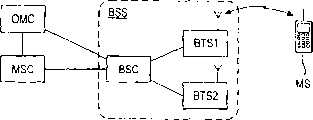
图1示出了GSM系统的简化方框图。移动站MS经由无线电路径连接基站收发器BTS,图1内为连接基站BTS 1。移动站MS接收所选择基站的传输。基站子系统BSS包括基站控制器BSC,以及从属于基站控制器BSC的基站收发器BTS 1和BTS 2,所述的基站收发器还包括一个或多个收发信机TRX,其可在不同的频率范围上操作。整个系统的操作由操作与维护中心OMC控制。基站控制器BSC的任务例如包括信道监控与管理、跳频控制、基站功率控制以及切换控制。通常,多个基站控制器BSC从属于一个移动业务交换中心MSC。Figure 1 shows a simplified block diagram of a GSM system. The mobile station MS is connected via a radio path to a base transceiver station BTS, which is connected to a base station BTS 1 in FIG. 1 . The mobile station MS receives the transmission of the selected base station. The base station subsystem BSS includes a base station controller BSC, and base transceiver stations BTS 1 and BTS 2 subordinate to the base station controller BSC, and the base transceiver station also includes one or more transceivers TRX, which can operate at different frequencies operate on the range. The operation of the whole system is controlled by the operation and maintenance center OMC. The tasks of the base station controller BSC include, for example, channel monitoring and management, frequency hopping control, base station power control and handover control. Usually, several base station controllers BSC are subordinate to one mobile services switching center MSC.
随着移动系统的发展,新的系统版本将会生成,例如GSM的EDGE(GSM演进的增强型数据率),新的频率也会被采用,例如GSM的EGSM 900(增强型GSM 900频带)和GSM 1800。可以借助网络对象模型来控制基站,在所述网络对象模型中,每个基站都由一个或多个基站对象模型化。所述网络对象模型是指代表无线电网络单元的对象模型。可以借助计算机软件来实施所述网络对象模型。在此应用中,术语“基站”是指一种物理实体,而术语“基站对象”是指一个在网络对象模型中代表基站或其一部分的对象。换言之,术语“基站对象”意味着基站或其用于控制目的部分的表现。诸如基站控制器的控制实体将一个基站视为一个或多个基站对象,并将其作为一个或多个基站对象处理。在同一地理区内,不同系统和不同频率范围可能会重叠。一个基站对象通常可以仅包括收发信机,所述的收发信机是同一类型的和/或在一个频率范围上操作,每一频率范围因此需要一个单独的基站对象。With the development of mobile systems, new system versions will be generated, such as GSM's EDGE (Enhanced Data Rate for GSM Evolution), and new frequencies will be adopted, such as GSM's EGSM 900 (Enhanced GSM 900 frequency band) and GSM 1800. The base stations can be controlled by means of a network object model in which each base station is modeled by one or more base station objects. The network object model refers to an object model representing radio network elements. The network object model can be implemented by means of computer software. In this application, the term "base station" refers to a physical entity, and the term "base station object" refers to an object that represents a base station or a part thereof in the network object model. In other words, the term "base station object" means a representation of a base station or part thereof for control purposes. A controlling entity such as a base station controller treats a base station as one or more base station objects and handles it as one or more base station objects. Within the same geographic area, different systems and different frequency ranges may overlap. A base station object may typically only include transceivers that are of the same type and/or operate on one frequency range, each frequency range thus requiring a separate base station object.
图3示出了一个用于控制基站收发器BTS 1、BTS 2和BTS 3的无线电网络对象模型。在该图中,每个基站收发器BTS 1-3都由一个基站对象BTSO1、BTSO2和BTSO3来代表。但是,可借助多个基站对象BTSO来代表一个基站BTS。基站BTS 1包括两个收发信机3和4,它们在常规的GSM 900频率范围(PGSM 900,主要GSM 900)上操作,基站BTS 2包括一个收发信机5,它在EGSM 900频率范围上操作,基站BTS 3则包括一个收发信机6,它在GSM 1800频率范围上操作。如图所示,每个基站BTS 1-BTS 3都具有自己的BCCH信道(广播控制信道)。Figure 3 shows a radio network object model for controlling base transceiver stations BTS 1, BTS 2 and BTS 3. In the figure, each base transceiver station BTS 1-3 is represented by a base station object BTSO1, BTSO2 and BTSO3. However, one base station BTS can be represented by means of several base station objects BTSO. The base station BTS 1 comprises two
根据现有技术,由基站控制器BSC控制的每个基站对象都被分别控制。这产生了一个问题,即当不同类型的和/或在不同频率范围上操作的基站对象的数量增加时,将被管理的对象数量也将增加。According to the prior art, each base station object controlled by the base station controller BSC is controlled separately. This creates a problem that as the number of base station objects of different types and/or operating on different frequency ranges increases, the number of objects to be managed will also increase.
发明内容Contents of the invention
本发明的目的是提供一种方法以及一种实施所述方法的装置,从而解决上述问题。The object of the present invention is to provide a method and a device for implementing said method, so as to solve the above-mentioned problems.
根据本发明的一个方面,提供了一种用于控制电信系统中的基站的方法,所述电信系统包括一个或多个基站,从而借助于代表电信系统单元的对象模型来控制这些电信系统单元,在所述对象模型中,借助一个或多个基站对象来代表每个基站,According to one aspect of the invention, there is provided a method for controlling a base station in a telecommunication system comprising one or more base stations, whereby the telecommunication system elements are controlled by means of an object model representing the telecommunication system elements, In said object model, each base station is represented by means of one or more base station objects,
其特征在于,所述方法包括步骤It is characterized in that the method comprises the steps of
在所述对象模型中生成代表一个或多个基站对象的小区对象,以及generating a cell object representing one or more base station objects in the object model, and
经过所述小区对象控制由所述小区对象所代表的基站对象,从而使得在所述小区对象上执行的操作将被同时在所有由所述小区对象代表的基站对象中执行。The base station object represented by the cell object is controlled through the cell object, so that the operations performed on the cell object will be executed in all the base station objects represented by the cell object simultaneously.
根据本发明的另一个方面,提供了一种控制一个或多个基站收发器(BTS 1、BTS 2、BTS 3)的网络单元,所述网络单元(BSC)由此包括一个代表这些基站收发器的对象模型,借助所述模型控制这些基站收发器,每个基站在所述模型中由一个或多个基站对象(BTSO 1、BTSO 2、BTSO 3)代表,其特征在于,所述对象模型包括:According to another aspect of the invention there is provided a network element controlling one or more base transceiver stations (BTS 1, BTS 2, BTS 3), said network element (BSC) thus comprising a An object model for controlling these base station transceivers by means of the model, each base station is represented in the model by one or more base station objects (BTSO 1, BTSO 2, BTSO 3), characterized in that the object model includes :
代表一个或多个基站对象(BTSO 1、BTSO 2、BTSO 3)的小区对象(CELL),所述网络单元(BSC)由此被设置为经过所述小区对象控制由所述小区对象所代表的基站对象,使得在所述小区对象上执行的操作将被同时在所有基站对象中执行,所述所有基站对象由所述小区对象代表,并且在所述小区对象中执行所述操作。A cell object (CELL) representing one or more base station objects (BTSO 1, BTSO 2, BTSO 3) through which said network element (BSC) is arranged to control the A base station object such that an operation performed on the cell object will be performed simultaneously in all base station objects represented by the cell object and in which the operation is performed.
根据本发明的再一个方面,提供了一种电信系统,包括一个或多个基站收发器(BTS 1、BTS 2、BTS 3)以及代表电信系统单元的对象模型,借助所述对象模型控制这些单元,每个基站在所述对象模型中由一个或多个基站对象(BTSO 1、BTSO 2、BTSO 3)代表,According to a further aspect of the invention there is provided a telecommunication system comprising one or more base transceiver stations (BTS 1, BTS 2, BTS 3) and object models representing elements of the telecommunication system by means of which elements are controlled , each base station is represented in the object model by one or more base station objects (BTSO 1, BTSO 2, BTSO 3),
其特征在于,所述对象模型包括:It is characterized in that the object model includes:
代表一个或多个基站对象(BTSO 1、BTSO 2、BTSO 3)的小区对象(CELL),所述电信系统由此被设置为经过所述小区对象控制由所述小区对象代表的基站对象,使得在所述小区对象上执行的操作将被同时在所有基站对象中执行,所述所有基站对象由所述小区对象代表,并且在所述小区对象中执行所述操作。a cell object (CELL) representing one or more base station objects (BTSO 1, BTSO 2, BTSO 3), through which the telecommunication system is arranged to control the base station object represented by the cell object such that Operations performed on the cell object will be performed simultaneously in all base station objects represented by the cell object and in which the operation is performed.
本发明基于这样一种构思,即生成操作小区,也就是小区对象,它与基站控制器或电信系统网络对象模型内的对应网络单元相关,所述的小区对象代表一个或多个连接基站控制器的基站对象,这样可以经过小区对象同时执行由所述小区对象代表的基站对象的操作,至少可以执行所述小区内使用的所有基站对象的共同操作。The invention is based on the idea of generating an operating cell, i.e. a cell object, which is associated with a base station controller or a corresponding network element within a network object model of a telecommunication system, said cell object representing one or more connected base station controllers In this way, the operation of the base station object represented by the cell object can be performed simultaneously through the cell object, at least the common operation of all the base station objects used in the cell can be performed.
本发明的方法与系统所具有的优点在于,可以同时灵活操作多个不同的基站对象,一方面,将被在特定级上管理的对象的数量会降低。另一方面,操作根据本发明的基站对象的方式并不排除特定于对象地操作基站对象的可能性,相同网络管理系统因而可被用于不同类型的网络内。本发明例如还使得公共BCCH信道(广播控制信道)能够被应用于所有由小区对象代表的基站对象,因为所述的基站对象组合为一个操作小区。The method and system of the invention have the advantage that a number of different base station objects can be flexibly operated simultaneously, on the one hand the number of objects to be managed at a specific level is reduced. On the other hand, the way of operating base station objects according to the invention does not exclude the possibility of operating base station objects object-specifically, the same network management system can thus be used within different types of networks. The invention also enables, for example, a common BCCH channel (Broadcast Control Channel) to be applied to all base station objects represented by cell objects, since said base station objects are combined into one operating cell.
附图说明Description of drawings
以下将结合优选实施例,并参照附图来详细描述本发明,在附图中The present invention will be described in detail below in conjunction with preferred embodiments and with reference to the accompanying drawings.
图1示出了与本发明相关的GSM系统内单元的简化方框图;Figure 1 shows a simplified block diagram of the units within the GSM system relevant to the present invention;
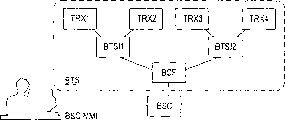
图2示出了根据一个实施例的基站系统的结构;Fig. 2 shows the structure of the base station system according to one embodiment;
图3示出了根据现有技术的用于控制基站的对象模型;Figure 3 shows an object model for controlling a base station according to the prior art;
图4示出了根据本发明的用于控制基站的对象模型;Figure 4 shows an object model for controlling a base station according to the present invention;
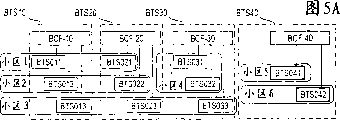
图5A是根据本发明一个实施例的移动系统的方框图;Figure 5A is a block diagram of a mobile system according to one embodiment of the present invention;
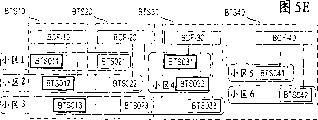
图5B、5C、5D、5E和5F是根据本发明一个实施例的移动系统的方框图;5B, 5C, 5D, 5E and 5F are block diagrams of a mobile system according to one embodiment of the present invention;
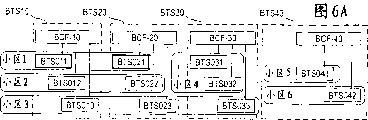
图6A、6B、6C和6D是根据本发明一个实施例的移动系统的方框图;6A, 6B, 6C and 6D are block diagrams of a mobile system according to one embodiment of the present invention;
图7是根据本发明一个实施例的基站参数更新的流程图;以及FIG. 7 is a flow chart of base station parameter update according to one embodiment of the present invention; and
图8是根据本发明一个实施例的基站参数更新的流程图。Fig. 8 is a flow chart of updating base station parameters according to an embodiment of the present invention.
具体实施方式Detailed ways
本发明可应用于任何蜂窝型移动系统。在下文中将主要借助与GSM系统相关的实例来描述本发明。本发明也可被应用在其它电信系统内,例如第三代移动系统,如通用移动电信系统(UMTS)。在UMTS系统中,基站控制器可被称为RNC(无线电网络控制器)。所述术语是指可能会在不同移动系统内有所不同的系统单元,它们对于本发明的基本构思而言并不重要。所使用的表达与术语应被理解为是说明性的而非限制性的。图1示出了先前描述的GSM系统简化结构。至于GSM系统的更为详细的描述,可参考GSM建议书,以及M.Mouly & M-B.Paulet,Palaiseau的The GSM System for MobileCommunications,法国,1992年,ISBN:2-9507190-0-7。The invention is applicable to any cellular type mobile system. In the following the invention will be described mainly by means of an example related to the GSM system. The invention can also be applied in other telecommunication systems, such as third generation mobile systems, such as the Universal Mobile Telecommunications System (UMTS). In UMTS systems, the base station controller may be referred to as RNC (Radio Network Controller). The terms refer to system elements which may differ in different mobile systems and which are not essential to the basic idea of the invention. The expressions and terms used are to be understood as illustrative rather than restrictive. Figure 1 shows a simplified structure of the previously described GSM system. As for a more detailed description of the GSM system, refer to the GSM Recommendation, and M. Mouly & M-B. Paulet, The GSM System for Mobile Communications in Palaiseau, France, 1992, ISBN: 2-9507190-0-7.
在图1的系统中,例如借助CCS 7(公共信道信令NO.7)信令系统执行移动业务交换中心MSC与基站控制器BSC之间的信令,例如借助lapD(D信道上的链路接入协议)执行基站控制器BSC与基站收发器BTS之间的信令。In the system of Fig. 1, for example by means of CCS 7 (Common Channel Signaling NO. Access Protocol) performs signaling between the Base Station Controller BSC and the Base Transceiver Station BTS.
图2详细地示出了根据一个可能实施例的基站系统BSS的结构。该图示出基站BTS的结构。基站BTS包括基站控制功能BCF,其本地控制所述BTS的操作,且所述的基站通过其连接基站控制器BSC。基站BTS还可以被划分为基站实体BTSI 1和BTSI 2。术语“基站实体”意指一个基站的物理部件或部分。基站BTS一般被划分为实体BTSI 1和BTSI 2,从而使得特定频率范围的一个或多个收发信机TRX与每个实体相关。如上所述,一个物理基站内可以有一个或多个这种实体。在图2中,收发信机TRX 1和TRX 2与基站实体BTSI 1相关,而收发信机TRX 3和TRX 4与基站实体BTSI 2相关。基站控制器BSC还连接本地MMI(人机接口)终端BSC MMI,运营商可以经过其控制基站系统,例如改变基站控制器BSC及基站收发器BTS内的参数。Fig. 2 shows in detail the structure of a base station system BSS according to a possible embodiment. The figure shows the structure of a base station BTS. A base station BTS comprises a base station control function BCF which locally controls the operation of said BTS and via which said base station is connected to a base station controller BSC. The base station BTS can also be divided into base station entities BTSI 1 and BTSI 2. The term "base station entity" means a physical component or part of a base station. A base station BTS is generally divided into entities BTSI 1 and BTSI 2, such that one or more transceivers TRX of a specific frequency range are associated with each entity. As mentioned above, there may be one or more such entities within a physical base station. In Fig. 2,
图4示出了根据本发明的用于控制基站收发器BTS 1、BTS 2和BTS 3的无线电网络对象模型。所述无线电网络对象模型是指代表无线电网络单元的对象模型。所述无线电网络对象模型与网络操作与维护系统相关,借助其可以经过操作与维护接口(O&M接口)来控制无线电网络单元,例如本地性地经过BSC MMI终端或经过操作与维护中心OMC来控制无线电网络单元。通常,所述操作与维护系统可借助计算机软件来实施。例如代表从属于特定基站控制器BSC的基站BTS的无线电网络对象模型优选地是被实施在基站控制器BSC内。所述对象模型也可被实施在通过其控制基站BTS的另一网络单元内。在此例中,每个基站收发器BTS1-3都由一个基站对象BTSO 1、BTSO 2和BTSO 3来代表。但是,一个基站BTS可以由多个基站对象BTSO来代表,例如通过这样一种方式,即每个基站实体(图2内BTSI 1和BTSI 2)都由单独的基站对象BTSO代表,或在同一频率范围上操作的基站实体由一个公用基站对象代表。其它的分组同样也是可能的。基站收发器BTS 1包括两个在常规GSM 900频率范围(PGSM 900,基本GSM 900)上操作的收发信机3和4,基站收发器BTS 2包括一个在EGSM 900频率范围上操作的收发信机5,而基站收发器BTS 3包括一个在GSM 1800频率范围上操作的收发信机6。特定于基站的(或特定于基站对象的)操作经过特定于基站的操作与维护接口1发生,每个基站收发器实体由此都被作为独立的对象BTSO 1、BTSO 2和BTSO 3。根据本发明,在无线电网络模型生成小区对象CELL,它使得所代表的所有基站收发器BTSO 1、BTSO 2和BTSO 3从而能够被经过特定于小区对象的接口2同时操作。所有连接基站控制器BSC等的基站收发器BTS可以从属于一个公用小区对象。也可能会存在若干小区对象。在这种情况下,所有连接同一个基站控制器BSC的基站BTS不必从属于同一个小区对象。同样,如果所述的基站由多个基站对象代表,则所有代表基站的基站对象或仅其中一些从属于特定小区对象。基站收发器BTS还可以包括任何数量的收发信机TRX,这与本发明的基本构思无关。由从属于同一小区对象CELL的基站对象代表的基站更可取的应当是共址的,也是相互同步的,这样他们可以相互有效地形成操作小区。Figure 4 shows a radio network object model for controlling base
更可取的是,所述的系统生成小区对象CELL,当用户在无线电网络对象模型内生成新基站对象时,所述的基站对象附加到其上的新小区对象从而将被自动生成。如果用户在生成基站对象时给出现有小区对象识别符,所述的基站对象将被附加到特定小区对象。对应地,当附加到小区对象的最后一个基站被删除时,所述的小区对象可被自动删除。Preferably, said system generates a cell object CELL, and when a user generates a new base station object within the radio network object model, a new cell object to which said base station object is attached will be automatically generated thereby. If the user gives an existing cell object identifier when generating the base station object, said base station object will be attached to the specific cell object. Correspondingly, when the last base station attached to the cell object is deleted, the cell object may be automatically deleted.
如果仅有一个基站对象BTSO 1、BTSO 2和BTSO 3附加到小区对象CELL,所述的基站对象优选的是被以常规方式经过特定于基站的操作与维护接口1来控制,因此在仅使用一个基站小区的系统中,本发明的系统可被如所指出的那样使用,而无需任何改变。If there is only one base
如果多个基站对象BTSO 1、BTSO 2或BTSO 3附加到小区对象CELL,优选的是仅使用小区对象接口2而通过特定于小区的指令来执行所有基站对象共同的特定操作,相应的,可通过特定于基站对象的指令来执行特定于基站对象的操作。这可被执行,从而将某些基站参数附加到小区对象,这些参数由此仅可被经过小区对象设置。因此,经过小区对象设置的特定于小区参数更可取的是包括这种参数,即可为所有附加到小区对象的基站对象BTSO 1、BTSO 2或BTSO 3共同设置的参数。如果一个附加到小区对象的参数改变,系统将自动地在所有附加到小区对象的基站对象内执行相应的改变。这些参数可能包括邻区定义、中继表、切换控制参数以及LAC(位置区代码)、CI(小区身份)和BA(BCCH分配)。通常无法经过小区对象设置,但可以特定于基站对象地设置的特定于基站对象的参数例如包括跳频定义以及维护与操作状态参数。但参数的划分取决于应用本发明的系统,可能与上述的有所不同,这于本发明的基本构思完全无关。If multiple base station objects
小区对象CELL可被以各种方式实施在无线电网络对象模型中:例如,小区对象可以是包括一列代表基站收发器BTS并从属于小区对象的基站对象的对象。附加到小区对象并被经过小区对象设置的参数值可被附加到属于小区对象的特定的基站对象,所述的特定的基站对象被定义为主基站对象,或者可以在所有附加到小区对象的基站对象内寻找到所述的值数据。所述小区对象也可以仅是一列基站对象内的对象,或是除了属于该小区的一列基站对象之外还包括特定于小区参数的值的单独对象。诸如LAC-CI(LAC,位置区代码;CI,小区身份)的无歧义性识别符可以被用作小区对象识别符。特定于小区的参数值如可以由至少包括小区对象识别符、参数识别符以及新参数值的指令来设置。这是如何实施的与本发明的基本构思无关,本发明的基本构思基于这样一种事实,即以运营商的观点来看,从属于小区对象的基站对象可被视为一个对象。The cell object CELL can be implemented in various ways in the radio network object model: for example, the cell object can be an object comprising a list of base station objects representing base transceiver stations BTS and subordinate to the cell object. The parameter value attached to the cell object and set by the cell object can be attached to a specific base station object belonging to the cell object, and the specific base station object is defined as the master base station object, or can be used in all base station objects attached to the cell object Find the described value data within the object. The cell object may also be only an object within a list of base station objects, or a separate object comprising values for cell-specific parameters in addition to the list of base station objects belonging to the cell. An unambiguous identifier such as LAC-CI (LAC, Location Area Code; CI, Cell Identity) can be used as the cell object identifier. A cell-specific parameter value may eg be set by an instruction comprising at least a cell object identifier, a parameter identifier and a new parameter value. How this is implemented is irrelevant to the basic idea of the invention, which is based on the fact that a base station object subordinate to a cell object can be considered as one object from the operator's point of view.
在GSM系统中,确定基站BTS无线电信道之一的所谓广播控制信道,即BCCH信道,是从所述的基站到用户终端的双向信道。在该信道内,基站如以将被使用的功率电平以及相邻小区的BCCH频率来发射特定于小区的数据。移动用户终端借助其锁定系统的同步与均衡数据也被在BCCH信道上发射。在本发明的系统中,公共BCCH信道可被轻易应用于多个附加到同一小区对象的基站收发器,以及可能在不同频率范围上操作的所述基站收发器的收发信机,因为所述的基站收发器属于同一操作小区。例如在图4中,仅收发信机4包括所有收发信机3至6公共的BCCH信道。公共BCCH信道的使用为其它应用节省了信道。In the GSM system, the so-called Broadcast Control Channel, BCCH channel, which defines one of the base station's BTS radio channels, is a bidirectional channel from said base station to the subscriber terminals. Within this channel, the base station transmits cell-specific data eg at the power level to be used and the BCCH frequency of the neighboring cell. Synchronization and equalization data with which the mobile user terminal locks the system is also transmitted on the BCCH channel. In the system of the present invention, a common BCCH channel can be easily applied to multiple base transceiver stations attached to the same cell object, and possibly to the transceivers of said base transceiver stations operating on different frequency ranges, because said The base transceiver stations belong to the same operating cell. For example in FIG. 4
所谓的背景参数是一组基站参数。所述背景参数是这样一种参数,即被在基站内复制,从而使得将被更新的新参数值可被首先输入使用参数预订的二级存储器位置的基站。在将所有将被修改参数输入基站之后,新参数值可被激活,即主要通过将新值传送至参数的主存储器位置来同时更新将被使用的参数。在参数更新期间内,基站或其实体通常处于阻塞状态,这意味其并不处理业务。相应地,代表被阻塞基站或被阻塞基站实体的基站对象也处于阻塞状态。更新诸如跳跃模式参数的某些背景参数可能要求特定的基站的所有基站对象都被阻塞,因为它们在整个的基站内被同时更新,即在与基站相关的所有基站对象内被同时更新。而诸如基站身份码(BSIC)的某些背景参数的更新反过来可以要求所有属于小区对象的基站对象都被阻塞,因为它们在小区对象的所有基站对象内被同时更新。应当注意的是,此处所描述的参数和参数类型仅是参数的实例,下述的优选实施例可应用于更新所述参数。在使用根据本发明的小区对象时,基站可被划分为两个或更多小区对象,而所述小区对象可以包括两个或更多基站的基站对象。那么,如果一些参数需要特定于基站的更新,而其它一些参数需要特定于小区对象的更新,则所有参数的更新不可能仅使用特定于基站的更新或特定于小区对象的更新。在这种情况下,参数更新首先可在一些参数上特定于基站地执行,而在其它一些参数上特定于小区对象地执行(反之亦然)。但在这种方式中,更新将变得不必要的复杂,因为一个或多个基站对象可能在两种单独的情况下都必须被阻塞:首先与特定于基站的更新相关,然后与特定于小区对象的更新相关。此外,当甚至可能借助于单独的特定于基站和特定于小区对象的更新来更新参数都没有必要时,某些参数的更新可能需要同时更新所有参数,即它们被在一个阻塞期间内实现。The so-called background parameters are a set of base station parameters. The background parameter is a parameter that is replicated within the base station so that the new parameter value to be updated can be first entered into the base station using the parameter reserved secondary memory location. After entering all parameters to be modified into the base station, new parameter values can be activated, ie simultaneously update the parameters to be used, mainly by transferring the new values to the main memory location of the parameters. During the parameter update period, the base station or its entity is usually in a blocked state, which means it is not processing traffic. Correspondingly, the base station object representing the blocked base station or the blocked base station entity is also in the blocked state. Updating certain context parameters such as hopping mode parameters may require all base station objects of a particular base station to be blocked since they are updated simultaneously throughout the base station, ie in all base station objects related to the base station. And updating of certain context parameters such as the Base Station Identity Code (BSIC) may in turn require that all BS objects belonging to a cell object be blocked since they are updated simultaneously within all BS objects of a cell object. It should be noted that the parameters and parameter types described here are only examples of parameters, and the preferred embodiments described below are applicable to update the parameters. When using the cell object according to the present invention, a base station can be divided into two or more cell objects, and the cell object can include base station objects of two or more base stations. Then, if some parameters require base station specific updates and some other parameters require cell object specific updates, it is not possible to update all parameters using only base station specific updates or cell object specific updates. In this case, the parameter update can firstly be performed base station-specific on some parameters and cell-object-specific on others (and vice versa). But in this way, updates would become unnecessarily complicated, since one or more base station objects might have to be blocked in two separate cases: first for base station-specific updates, then for cell-specific updates object updates. Furthermore, updating of some parameters may require simultaneous updating of all parameters, ie they are carried out within one blocking period, when it may not even be necessary to update parameters by means of separate base station-specific and cell-object-specific updates.
图5A、5B、5C、5D、5E、5F、6A、6B、6C以及6D描述了移动系统的方框图,所述移动系统包括四个基站BTS 10、BTS 20、BTS30和BTS 40,以及对应的基站控制功能BCF-10、BCF-20、BCF-30和BCF-40。基站BTS 10被划分为由基站对象BTSO 11、BTSO 12以及BTSO 13代表的三个实体,基站BTS 20也被划分为三个部分BTSO 21、BTSO 22以及BTSO 23,基站BTS 30同样被划分为三个部分BTSO 31、BTSO 32以及BTSO 33,基站BTS 40则被划分为两个部分BTSO 41、BTSO 42。此外,该图示出基站对象如何被分组为小区对象CELL 1、CELL 2、CELL 3、CELL 4、CELL 5以及CELL6,籍此小区对象CELL 1包括基站对象BTSO 11和BTSO 21,小区对象CELL 2包括基站对象BTSO 12和BTSO 22,小区对象CELL 3包括基站对象BTSO 13、BTSO 23和BTSO 33,小区对象CELL 4包括基站对象BTSO 31和BTSO 32,小区对象CELL 5包括基站对象BTSO 41,而小区对象CELL 6包括基站对象BTSO 42。在该图中,处于阻塞状态的基站对象BTSO由加粗的轮廓线来区别。Figures 5A, 5B, 5C, 5D, 5E, 5F, 6A, 6B, 6C and 6D depict block diagrams of mobile systems comprising four
因为连接基站BTS 40的基站对象BTSO 41和BTSO 42属于小区对象CELL 5和CELL 6,而小区对象CELL5和CELL 6不包括其它的基站的基站对象,所述的基站参数更新可以特定于基站地执行,例如采用以下方式:基站对象BTSO 41和BTSO 42如图5A所示的被设置为阻塞状态。在基站对象中通过激活新参数来更新参数。如果更新需要基站的重新设置,则在此阶段执行更新。最后,将基站对象BTSO41以及BTSO 42解阻塞,它们由此可以开始连接呼叫。Because the base station objects BTSO 41 and BTSO 42 connected to the
对于包括至少一个基站BTS 10、BTS 20和BTS 30的电信系统来说,其中所述的至少一个基站BTS 10、BTS 20、BTS 30被划分为至少两个单独的小区对象CELL 1、CELL 2、CELL 3和CELL 4,而这些至少两个小区对象的至少一个CELL 1、CELL 2和CELL 3包括至少两个单独的基站的基站对象,基站参数更新更可取的是根据本发明优选实施例来执行。根据本发明的优选实施例,基站对象参数的更新特定于基站地执行,即同时在与基站对象相关的基站的所有基站对象内执行,所述的基站对象参数更新需要阻塞特定的基站的所有基站对象。类似地,根据本发明的优选实施例,基站对象参数的更新特定于小区对象地执行,即同时在小区对象的所有基站对象内执行,所述的基站对象参数更新需要阻塞属于小区对象的所有基站对象。执行所述更新以使在更新第一个所述参数时阻塞基站对象,且所述的基站对象将保持阻塞直至所述所有需要更新的参数都被更新。For a telecommunications system comprising at least one
根据本发明的一个优选实施例,可以参照图5B、5C、5D、5E和5F以及图7的流程图来如下述地执行基站BTS 10、BTS 20以及BTS30的更新。首先,由一个小区对象包括的基站对象(图5B内CELL 1的BTSO 11和BTSO 21)被阻塞(步骤50)。在步骤51中,被阻塞基站对象内的参数被更新,所述参数需要小区对象的所有基站对象的阻塞。其它可被更新的参数在此阶段也被更新。此后,将那些无其它将被更新参数的小区对象(BTSO 21)解阻塞(步骤52)。包括将被更新参数的这种小区对象(BTSO 11)保持阻塞,所述参数需要阻塞所有与特定的基站相关的基站对象。在图5B至5F内所描述的实例中,基站BTS 10代表具有一个或更多这种参数的基站类型,所述参数即其更新需要阻塞整个的基站(即与基站相关的所有基站对象)的参数。其次,对小区对象CELL 2(图5C中的BTSO 12和BTSO 22)、CELL3(图5D中的BTSO 13、BTSO 23和BTSO 33)以及CELL 4(图5E中的BTSO 31和BTSO 32)重复(步骤53)上述进程(步骤50、51和52)。然后,在前述步骤中(在步骤50至53中)尚未阻塞,并且与仍然包括未更新参数的基站(BTS 10)相关的基站对象被阻塞(步骤54),所述的未更新参数被在这样一个基站的所有基站对象(图5F中的BTSO 11、BTSO 12和BTSO 13)内更新(步骤55),所述的未更新参数至少是其更新需要阻塞与基站相关的所有基站对象,且需要其更新的参数。与更新相关,如果需要也可以重新设置基站。在更新之后,将与基站(BTS 10)相关的基站对象(BTSO 11、BTSO 12以及BTSO 13)解阻塞(步骤56)。如果需要,可为不同的基站BTS10、BTSO 20或BTSO 30重复(步骤57)上述进程(步骤54、55和56),所有基站BTS 10、BTSO 20或BTSO 30的参数由此都将被更新,所述参数的更新需要阻塞与基站相关的基站对象。According to a preferred embodiment of the present invention, the update of the
根据本发明的一个优选实施例,可选择性地如以下参照图6A、6B、6C、6D以及图8流程图所描述地更新基站BTS 10、BTS 20以及BTS30。首先,由一个小区对象包括的基站对象(图6内CELL 1的BTSO11和BTSO 21)被阻塞(步骤60),在被阻塞基站对象内更新(步骤61)需要阻塞小区对象的所有基站对象的参数,以及其它可被在此阶段更新的可能参数。其次,检查(步骤62)被阻塞基站对象中任何一个是否与包括这种参数的基站相关,所述参数即其更新需要阻塞基站的所有基站对象且其将被更新的参数。如果否,则将被阻塞基站对象解阻塞(步骤63),并停止更新。如果是,则阻塞(步骤64)与相关基站(BTS 20)相关的基站对象(图6B中的BTSO 22和BTSO 23),且更新(步骤65)其内的参数,所述参数的更新需要阻塞基站的所有基站对象。然后,阻塞(步骤66)所有小区对象(CELL 2和CELL 3)的基站对象(图6C中BTSO 12、BTSO 13和BTSO 33),其中至少一个基站对象已被在先前步骤(步骤64)中阻塞,即所述的基站对象包括至少一个被阻塞基站对象,并且更新(步骤67)这些基站对象的参数,所述参数的更新需要阻塞属于小区对象的所有基站对象。在图6A至6D所示的实例中,基站BTS 20代表具有一个或多个这种参数的基站类型,所述参数即其更新需要阻塞整个的基站(即所有与基站相关的基站对象)的参数。在更新之后,需要时还重新设置所有基站对象都被阻塞的基站(BTS 20),并将基站对象(图6D中的BTSO 21、BTSO 22以及BTSO 23)解阻塞。此后,上述步骤返回至检查(步骤62)任何一个被阻塞基站对象是否与包括这种参数的基站相关的步骤,所述参数即其更新需要阻塞基站的所有基站对象且其将被更新的参数,该过程将如上所述地继续进行。According to a preferred embodiment of the present invention, the
对于本领域技术人员来说,随着技术进步,显然可以各种方式来实施本发明的基本构思。本发明及其实施方式并不局限于上述实例,而是可以在权利要求书范围内改变。It will be obvious to a person skilled in the art that, as the technology advances, the basic idea of the invention can be implemented in various ways. The invention and its embodiments are not restricted to the examples described above but may vary within the scope of the claims.
Claims (21)
Applications Claiming Priority (2)
| Application Number | Priority Date | Filing Date | Title |
|---|---|---|---|
| FI20001566 | 2000-06-30 | ||
| FI20001566A FI20001566L (en) | 2000-06-30 | 2000-06-30 | Base station control in a telecommunications system |
Publications (2)
| Publication Number | Publication Date |
|---|---|
| CN1439209A CN1439209A (en) | 2003-08-27 |
| CN1274111C true CN1274111C (en) | 2006-09-06 |
Family
ID=8558692
Family Applications (1)
| Application Number | Title | Priority Date | Filing Date |
|---|---|---|---|
| CNB018119239A Expired - Fee Related CN1274111C (en) | 2000-06-30 | 2001-06-28 | Base station control in telecommunications system |
Country Status (8)
| Country | Link |
|---|---|
| US (1) | US7266375B2 (en) |
| EP (1) | EP1303943B1 (en) |
| CN (1) | CN1274111C (en) |
| AT (1) | ATE388547T1 (en) |
| AU (1) | AU2001272602A1 (en) |
| DE (1) | DE60133108T2 (en) |
| FI (1) | FI20001566L (en) |
| WO (1) | WO2002003615A1 (en) |
Families Citing this family (9)
| Publication number | Priority date | Publication date | Assignee | Title |
|---|---|---|---|---|
| US7046987B2 (en) * | 2002-10-08 | 2006-05-16 | Northrop Grumman Corporation | Finding cell phones in rubble and related situations |
| KR100520617B1 (en) * | 2003-02-13 | 2005-10-10 | 삼성전자주식회사 | Apparatus and method for resetting in mobile communication system |
| FR2874149B1 (en) * | 2004-08-05 | 2006-11-24 | Evolium Sas Soc Par Actions Si | METHOD AND SYSTEM FOR OPERATING A CELLULAR MOBILE COMMUNICATIONS NETWORK |
| FR2880505B1 (en) * | 2004-12-31 | 2007-05-11 | Evolium Sas Soc Par Actions Si | METHOD AND SYSTEM FOR OPERATING A MOBILE COMMUNICATIONS NETWORK |
| CN100431363C (en) * | 2005-06-06 | 2008-11-05 | 中兴通讯股份有限公司 | Base station transceiver and controller Abis interface networking method and its linking method and system |
| US7974645B2 (en) * | 2006-08-30 | 2011-07-05 | At&T Mobility Ii Llc | Mobile registration using a service area identifier or plurality of service area identifiers |
| US20080212692A1 (en) * | 2006-11-06 | 2008-09-04 | Proxim Wireless Corporation | Method and apparatus for multimode, point to multipoint base station capable of supporting both OFDM and OFDMA subscribers |
| CN101193352B (en) * | 2006-11-28 | 2010-06-23 | 中兴通讯股份有限公司 | A processing method at the base station controller side when multiple types of base stations coexist |
| CN112714455B (en) * | 2019-10-25 | 2025-10-28 | 中兴通讯股份有限公司 | Base station capacity optimization method and device |
Family Cites Families (6)
| Publication number | Priority date | Publication date | Assignee | Title |
|---|---|---|---|---|
| GB2301717B (en) * | 1995-06-02 | 1999-08-11 | Dsc Communications | Network controller for monitoring the status of a network |
| DE19813754C2 (en) * | 1998-03-27 | 2000-04-06 | Siemens Ag | Method and management network for configuring a radio communication network |
| EP1074161B1 (en) * | 1998-04-24 | 2002-07-17 | BRITISH TELECOMMUNICATIONS public limited company | Channel allocation in cellular telephony |
| US6339705B1 (en) * | 1998-10-26 | 2002-01-15 | Telefonaktiebolaget Lm Ericsson | Management of multiple types of radio base stations in a telecommunication system |
| US6408185B1 (en) * | 2000-03-23 | 2002-06-18 | Verizon Laboratories Inc. | Method and system for modeling a radio communications network |
| FR2828621B1 (en) * | 2001-08-10 | 2004-07-30 | Radiotelephone Sfr | METHOD AND DEVICE FOR CREATING CONSTRAINT MATRICES |
-
2000
- 2000-06-30 FI FI20001566A patent/FI20001566L/en unknown
-
2001
- 2001-06-28 AU AU2001272602A patent/AU2001272602A1/en not_active Abandoned
- 2001-06-28 CN CNB018119239A patent/CN1274111C/en not_active Expired - Fee Related
- 2001-06-28 EP EP01951746A patent/EP1303943B1/en not_active Expired - Lifetime
- 2001-06-28 WO PCT/FI2001/000618 patent/WO2002003615A1/en not_active Ceased
- 2001-06-28 AT AT01951746T patent/ATE388547T1/en not_active IP Right Cessation
- 2001-06-28 DE DE60133108T patent/DE60133108T2/en not_active Expired - Lifetime
-
2002
- 2002-12-26 US US10/327,896 patent/US7266375B2/en not_active Expired - Lifetime
Also Published As
| Publication number | Publication date |
|---|---|
| US20030139141A1 (en) | 2003-07-24 |
| CN1439209A (en) | 2003-08-27 |
| EP1303943A1 (en) | 2003-04-23 |
| DE60133108T2 (en) | 2009-03-19 |
| FI20001566A7 (en) | 2001-12-31 |
| FI20001566A0 (en) | 2000-06-30 |
| ATE388547T1 (en) | 2008-03-15 |
| FI20001566L (en) | 2001-12-31 |
| AU2001272602A1 (en) | 2002-01-14 |
| DE60133108D1 (en) | 2008-04-17 |
| WO2002003615A1 (en) | 2002-01-10 |
| US7266375B2 (en) | 2007-09-04 |
| EP1303943B1 (en) | 2008-03-05 |
Similar Documents
| Publication | Publication Date | Title |
|---|---|---|
| US8406759B2 (en) | Systems and methods for managing radio resources unsing extended management information bases in wireless networks | |
| EP1327370B1 (en) | Communication system | |
| CN102187732A (en) | Base station sharing | |
| CN1960527A (en) | Method for adjusting communication resources inside community | |
| CN101426304A (en) | Adjacent cell configuring method, communication device and communication system | |
| CN1439209A (en) | Base station control in telecommunications system | |
| CN100375558C (en) | A method for dynamically adjusting auxiliary carrier frequency in a multi-carrier frequency cell in a wireless communication system | |
| EP2137993B1 (en) | Handling of dynamic neighbouring cell relations using a timetolive concept | |
| CN102045730A (en) | Equivalent public land mobile network (EPLMN)-based wireless network substitution method and device | |
| US10412601B2 (en) | Coordination in self-organizing networks | |
| US20060148466A1 (en) | Method and system for operating a mobile communication network | |
| CN1735259A (en) | Method for adjusting assistant carrier frequency dynamically in multi-carrier frequency cell | |
| WO2002104054A1 (en) | Communication system | |
| CN102056126B (en) | WCDMA network double-neighbor hard replacement method and system | |
| CN102045731A (en) | Wideband code division multiple access (WCDMA) network soft replacement method and system based on areas | |
| Saxena et al. | Auto-configuration of Physical Cell ID in LTE femtocellular systems using Self Organizing Networks | |
| CN102045729B (en) | Network flexible replacing method and device based on flux control | |
| CN100387089C (en) | A method for adjusting high-speed downlink packet access network coverage | |
| KR100329646B1 (en) | Method for adding and deleting base station in digital mobile communication system | |
| CN102131218A (en) | Method and device for network optimization | |
| KR100827163B1 (en) | System expansion and reduction method in mobile communication system | |
| JP4893872B2 (en) | Base station apparatus and program | |
| WO2025116890A1 (en) | Maintaining a neighbor relations table in a cellular communication network | |
| CN102045806B (en) | Network soft substitution method and device | |
| Bauer | Minimization of the Impact of Subscriber Mobility on the Resources of a GSM Network |
Legal Events
| Date | Code | Title | Description |
|---|---|---|---|
| C06 | Publication | ||
| PB01 | Publication | ||
| C10 | Entry into substantive examination | ||
| SE01 | Entry into force of request for substantive examination | ||
| C14 | Grant of patent or utility model | ||
| GR01 | Patent grant | ||
| ASS | Succession or assignment of patent right |
Owner name: NOKIA AND SIEMENS NETWORKS CO., LTD. Free format text: FORMER OWNER: NOKIA NETWORKS OY Effective date: 20080718 |
|
| C41 | Transfer of patent application or patent right or utility model | ||
| TR01 | Transfer of patent right |
Effective date of registration: 20080718 Address after: Espoo, Finland Patentee after: Nokia Siemens Network Co., Ltd. Address before: Espoo, Finland Patentee before: Nokia Oyj |
|
| EE01 | Entry into force of recordation of patent licensing contract |
Assignee: Nokia Siemens Networks Network Technology Services Ltd. Assignor: Nokia Siemens Network Co., Ltd. Contract fulfillment period: 2007.4.1 to 2017.3.31 Contract record no.: 2009990001120 Denomination of invention: Base station control in telecommunications system Granted publication date: 20060906 License type: Exclusive license Record date: 20091009 |
|
| LIC | Patent licence contract for exploitation submitted for record |
Free format text: EXCLUSIVE LICENSE; TIME LIMIT OF IMPLEMENTING CONTACT: 2007.4.1 TO 2017.3.31; CHANGE OF CONTRACT Name of requester: NOKIA SIEMENS COMMUNICATION NETWORK SCIENCE AND TE Effective date: 20091009 |
|
| C56 | Change in the name or address of the patentee |
Owner name: NOKIA SIEMENS NETWORKS OY Free format text: FORMER NAME: NOKIA SIEMENS NETWORK CO., LTD. |
|
| CP01 | Change in the name or title of a patent holder |
Address after: Espoo, Finland Patentee after: Nokia Siemens Networks OY Address before: Espoo, Finland Patentee before: Nokia Siemens Network Co., Ltd. |
|
| CF01 | Termination of patent right due to non-payment of annual fee |
Granted publication date: 20060906 Termination date: 20190628 |
|
| CF01 | Termination of patent right due to non-payment of annual fee |