CN1309727A - Cathodic protection methods and apparatus - Google Patents
Cathodic protection methods and apparatus Download PDFInfo
- Publication number
- CN1309727A CN1309727A CN98811713A CN98811713A CN1309727A CN 1309727 A CN1309727 A CN 1309727A CN 98811713 A CN98811713 A CN 98811713A CN 98811713 A CN98811713 A CN 98811713A CN 1309727 A CN1309727 A CN 1309727A
- Authority
- CN
- China
- Prior art keywords
- anode layer
- anode
- aluminum
- tank
- overlapping
- Prior art date
- Legal status (The legal status is an assumption and is not a legal conclusion. Google has not performed a legal analysis and makes no representation as to the accuracy of the status listed.)
- Granted
Links
Images


Classifications
-
- C—CHEMISTRY; METALLURGY
- C23—COATING METALLIC MATERIAL; COATING MATERIAL WITH METALLIC MATERIAL; CHEMICAL SURFACE TREATMENT; DIFFUSION TREATMENT OF METALLIC MATERIAL; COATING BY VACUUM EVAPORATION, BY SPUTTERING, BY ION IMPLANTATION OR BY CHEMICAL VAPOUR DEPOSITION, IN GENERAL; INHIBITING CORROSION OF METALLIC MATERIAL OR INCRUSTATION IN GENERAL
- C23F—NON-MECHANICAL REMOVAL OF METALLIC MATERIAL FROM SURFACE; INHIBITING CORROSION OF METALLIC MATERIAL OR INCRUSTATION IN GENERAL; MULTI-STEP PROCESSES FOR SURFACE TREATMENT OF METALLIC MATERIAL INVOLVING AT LEAST ONE PROCESS PROVIDED FOR IN CLASS C23 AND AT LEAST ONE PROCESS COVERED BY SUBCLASS C21D OR C22F OR CLASS C25
- C23F13/00—Inhibiting corrosion of metals by anodic or cathodic protection
- C23F13/02—Inhibiting corrosion of metals by anodic or cathodic protection cathodic; Selection of conditions, parameters or procedures for cathodic protection, e.g. of electrical conditions
- C23F13/06—Constructional parts, or assemblies of cathodic-protection apparatus
- C23F13/08—Electrodes specially adapted for inhibiting corrosion by cathodic protection; Manufacture thereof; Conducting electric current thereto
- C23F13/16—Electrodes characterised by the combination of the structure and the material
-
- C—CHEMISTRY; METALLURGY
- C23—COATING METALLIC MATERIAL; COATING MATERIAL WITH METALLIC MATERIAL; CHEMICAL SURFACE TREATMENT; DIFFUSION TREATMENT OF METALLIC MATERIAL; COATING BY VACUUM EVAPORATION, BY SPUTTERING, BY ION IMPLANTATION OR BY CHEMICAL VAPOUR DEPOSITION, IN GENERAL; INHIBITING CORROSION OF METALLIC MATERIAL OR INCRUSTATION IN GENERAL
- C23F—NON-MECHANICAL REMOVAL OF METALLIC MATERIAL FROM SURFACE; INHIBITING CORROSION OF METALLIC MATERIAL OR INCRUSTATION IN GENERAL; MULTI-STEP PROCESSES FOR SURFACE TREATMENT OF METALLIC MATERIAL INVOLVING AT LEAST ONE PROCESS PROVIDED FOR IN CLASS C23 AND AT LEAST ONE PROCESS COVERED BY SUBCLASS C21D OR C22F OR CLASS C25
- C23F13/00—Inhibiting corrosion of metals by anodic or cathodic protection
- C23F13/02—Inhibiting corrosion of metals by anodic or cathodic protection cathodic; Selection of conditions, parameters or procedures for cathodic protection, e.g. of electrical conditions
- C23F13/06—Constructional parts, or assemblies of cathodic-protection apparatus
- C23F13/08—Electrodes specially adapted for inhibiting corrosion by cathodic protection; Manufacture thereof; Conducting electric current thereto
- C23F13/12—Electrodes characterised by the material
- C23F13/14—Material for sacrificial anodes
-
- C—CHEMISTRY; METALLURGY
- C23—COATING METALLIC MATERIAL; COATING MATERIAL WITH METALLIC MATERIAL; CHEMICAL SURFACE TREATMENT; DIFFUSION TREATMENT OF METALLIC MATERIAL; COATING BY VACUUM EVAPORATION, BY SPUTTERING, BY ION IMPLANTATION OR BY CHEMICAL VAPOUR DEPOSITION, IN GENERAL; INHIBITING CORROSION OF METALLIC MATERIAL OR INCRUSTATION IN GENERAL
- C23F—NON-MECHANICAL REMOVAL OF METALLIC MATERIAL FROM SURFACE; INHIBITING CORROSION OF METALLIC MATERIAL OR INCRUSTATION IN GENERAL; MULTI-STEP PROCESSES FOR SURFACE TREATMENT OF METALLIC MATERIAL INVOLVING AT LEAST ONE PROCESS PROVIDED FOR IN CLASS C23 AND AT LEAST ONE PROCESS COVERED BY SUBCLASS C21D OR C22F OR CLASS C25
- C23F2201/00—Type of materials to be protected by cathodic protection
Landscapes
- Chemical & Material Sciences (AREA)
- Engineering & Computer Science (AREA)
- Materials Engineering (AREA)
- Mechanical Engineering (AREA)
- Metallurgy (AREA)
- Organic Chemistry (AREA)
- Prevention Of Electric Corrosion (AREA)
Abstract
Description
发明领域field of invention
本发明一般涉及腐蚀现象,更具体而言,本发明涉及置于腐蚀条件下的金属结构和表面的防腐。特别令人感兴趣的是地面储罐罐底的阴极防腐。The present invention relates generally to the phenomenon of corrosion, and more particularly to the preservation of metallic structures and surfaces exposed to corrosive conditions. Of particular interest is cathodic corrosion protection of above ground storage tank bottoms.
背景background
已熟知,与具有电解质性质的介质相接触的所有金属结构都易于发生腐蚀现象。这样的腐蚀往往导致损坏金属结构,而这种金属结构的毁坏可以在较长的时间内或较短的时间内发生,这取决于现有特定的腐蚀条件。在许多情况下,金属结构的显著损坏可以在较短时间内发生,即使这金属结构的毁坏尚未发生。It is well known that all metallic structures that come into contact with media of an electrolytic nature are susceptible to corrosion phenomena. Such corrosion often results in damage to the metal structure, and the destruction of this metal structure can occur over a longer period of time or a shorter period of time, depending on the specific corrosion conditions present. In many cases, significant damage to the metal structure can occur within a relatively short period of time, even if the destruction of the metal structure has not yet occurred.
有许多结构,包括桥梁、输送管、储罐、混凝土结构的加强筋,结构用钢和桩,易发生腐蚀损坏。在大多数情况下,对上述结构来说这电解质包括含有溶解盐的水和湿的土壤。There are many structures, including bridges, pipelines, storage tanks, stiffeners in concrete structures, structural steel and piles, that are susceptible to corrosion damage. In most cases, the electrolyte includes water containing dissolved salts and wet soil for the structures described above.
已经研究出许多能使腐蚀降至最低程度的技术。使钢的腐蚀降至最低的最普遍的方法大概就是涂油漆。可是,油漆对于埋地的和浸水的条件是不十分有效的,原因可能是由于小气眼和潮气从腐蚀性介质渗透到基质金属造成油漆的电阻逐渐减小之故。所以,钢或钢密封式结构的涂漆防腐经常要补充以另外的通常称为阴极防腐的措施。阴极防腐也可用于未上油漆的那些表面。A number of techniques have been developed to minimize corrosion. Probably the most common method of minimizing corrosion of steel is by painting it. However, paints are not very effective for buried and water-immersed conditions, probably due to the gradual decrease in electrical resistance of the paint due to air pockets and penetration of moisture from the corrosive medium into the base metal. Therefore, the painted protection of steel or steel-enclosed structures is often supplemented by additional measures commonly referred to as cathodic corrosion protection. Cathodic corrosion protection can also be used on those surfaces that are not painted.
当术语“阴极防腐”用于此处时,它包括各类防止或降低结构在诸如水、土壤或化学溶液之类的电解质中的腐蚀所采用的至少部分地是带电的方法。As the term "cathodic corrosion protection" is used herein, it includes all kinds of at least partially charged methods of preventing or reducing the corrosion of structures in electrolytes such as water, soil or chemical solutions.
概括地说,阴极防腐系统的运作方法是利用一种电流来对付在正待防腐的结构和电解质之间的腐蚀电流。基本上有二种熟知的能产生对抗电流的系统,即“牺牲系统”和“外加电流系统”。在牺牲系统中,该电流是由在原电池反应性方面比该结构的金属更大的另一种金属提供的。譬如,一些诸如铝、镁和锌之类的金属在原电池反应性上都是比钢更活泼的金属,故被用作保护钢结构的“牺牲阳极”。在外加电流系统中,自耗金属用来将由外部电源提供的直流电流入到将会转移到待保护结构的电解质中。从其流出电流的那些部件称为“阳极”,而保护结构则称为“阴极”。在阴极防腐的牺牲系统和外加电流系统中,二者的阳极和阴极之间的金属原子路径基本上是用于使保护该结构的电流流动。In a nutshell, cathodic corrosion protection systems operate by utilizing an electric current to counter the corrosion current between the structure being preserved and the electrolyte. There are basically two well-known systems for generating opposing currents, the "sacrificial system" and the "impressed current system". In a sacrificial system, the current is provided by another metal that is greater in galvanic reactivity than the metal of the structure. For example, some metals such as aluminum, magnesium, and zinc are more active than steel in terms of galvanic reactivity, and are therefore used as "sacrificial anodes" to protect steel structures. In impressed current systems, consumable metals are used to feed a direct current, supplied by an external source, into the electrolyte which will be diverted to the structure to be protected. Those parts from which electricity flows are called "anodes" and the protective structure is called "cathode". In sacrificial and impressed current systems for cathodic corrosion protection, the path of metal atoms between the anode and cathode of both is essentially used to flow the current that protects the structure.
阴极防腐系统的设计受许多因素的影响,这些因素包括待保护金属的类型、电解质的性质(化学的、物理的和电的)、温度、细菌的存在与否、结构的形状、设计寿命、可结构性和可维护性。阴极防腐已实现,方法是把各种金属和高分子幅板、带材、线材、带条和棒材用于正待保护的金属结构。例如,属于凯泽等人的US 4,992,337(1991)讲述了一种改进了的用于喷涂包括镁、锌、锂和铝之类的金属或合金的电弧喷涂法。该专利还参考了由H.D.斯特凡斯发表的题为“利用喷涂法的阴极防腐的电化学研究”的论文,该文刊登在第七届国际金属喷涂会议(1974)的会刊第123页上,此文讲述了电弧喷涂的应用和锌、铝、及锌铝假合金涂层的腐蚀试验。更进一步,US4,992,337参考了由P.O.加特兰发表在1987年6月的材料性能第29页上题为“处于海水中的涂铝钢的阴极防腐”的论文,该文评论了以含5wt%镁的铝涂覆钢的电弧喷涂涂层,并总结了在海水中这涂层的性能。The design of a cathodic corrosion protection system is influenced by many factors, including the type of metal to be protected, the nature of the electrolyte (chemical, physical and electrical), temperature, the presence or absence of bacteria, the shape of the structure, the design life, the structure and maintainability. Cathodic corrosion protection has been achieved by applying a variety of metal and polymer webs, strips, wires, strips and rods to the metal structure being protected. For example, US 4,992,337 (1991 ) to Kaiser et al. teaches an improved arc spraying process for spraying metals or alloys including magnesium, zinc, lithium and aluminum. This patent also refers to a paper by H.D. Stefans entitled "An Electrochemical Study of Cathodic Corrosion Protection by Spraying", which was published in the Proceedings of the Seventh International Conference on Metal Spraying (1974), p. 123 Above, this paper describes the application of arc spraying and corrosion tests of zinc, aluminum, and zinc-aluminum pseudo-alloy coatings. Further, US4,992,337 refers to the paper entitled "Chodic corrosion protection of aluminum-coated steel in seawater" published by P.O. Gartland on page 29 of June 1987, which commented on the % Mg in Al-coated steel arc sprayed coatings, and the performance of this coating in seawater is summarized.
使用铝、锌、镁或其合金的带材或条材的阴极防腐,在授予巴纽洛的US4,496,444(1985)中作了叙述。类似地,授予戈塞特的US5,411,646(1995)讲述了使用涂有混合金属氧化物涂层的网状阳极的阴极防腐,和授予勒居亚代的US5,547,560(1996)讲述了处于海水中的钢和合金的阴极防腐,它使用了含有铝基镓和/或镉合金的饱和甘汞电极。Cathodic corrosion protection of strip or rod using aluminium, zinc, magnesium or alloys thereof is described in US 4,496,444 (1985) to Bagullo. Similarly, US5,411,646 (1995) to Gossett teaches cathodic corrosion protection using reticulated anodes coated with mixed metal oxides, and US5,547,560 (1996) to Leguidet teaches Cathodic corrosion protection of steel and alloys in , which uses saturated calomel electrodes containing aluminum-based gallium and/or cadmium alloys.
还已知在阴极防腐领域中,在有限情况下使用箔,但在箔的现有的许多使用中,没有一种是特别可行的。举例来说,授予罗宾斯的US5,167,352讲述了这种双层壁贮罐结构,其中的外壁铝箔壳层被安装在预制的贮罐上。罗宾斯使用的铝箔不是自支撑式的,此箔的物理强度一定要加以增强,其办法是在其安装完毕后涂以树脂涂料。在安装好后需要涂上涂料的要求严格地将此技术的应用范围限制于相对小的贮罐(直径小于100英尺),因为这贮罐在使用铝箔壳层以前必须制造完成和经水压试验。所要求的这些事项的顺序是:(1)将水注入贮罐以检查渗漏;(2)排空贮罐;(3)使贮罐内部干燥,以防内侧腐蚀;(4)将铝箔覆盖到罐底上以形成壳层;(5)在壳层形成和贮罐提升过程中为该箔提供临时物理支承;(6)涂敷铝箔;密封重叠部分,提升贮罐,和把贮罐放在基座上,和最后(7)在十分谨慎不损坏该箔和涂层的情况下,移去此箔的临时物理支承。The use of foils is also known in limited cases in the field of cathodic corrosion protection, but of the many existing uses of foils, none is particularly feasible. For example, US 5,167,352 to Robbins teaches a double wall tank construction in which the outer wall aluminum foil skin is mounted on a prefabricated tank. The aluminum foil used by Robbins is not self-supporting and the physical strength of the foil must be enhanced by coating it with a resin coating after installation. The requirement to apply paint after installation strictly limits the application of this technology to relatively small storage tanks (less than 100 feet in diameter), which must be fabricated and hydrostatically tested before using the aluminum foil shell . The sequence of these things required is: (1) Fill the tank with water to check for leaks; (2) Drain the tank; (3) Dry the inside of the tank to prevent internal corrosion; (4) Cover the tank with aluminum foil onto the bottom of the tank to form the shell; (5) provide temporary physical support for the foil during shell formation and tank lifting; (6) apply aluminum foil; seal overlaps, lift the tank, and place the tank in On the base, and finally (7) the temporary physical support of the foil is removed taking great care not to damage the foil and the coating.
还由于其它原因,罗宾斯的技术的价值是有限的,其中包括当铝箔意图作为辅助外壳时,铝箔的所有重叠部分必须完全密封。这极大地增加了制造难度。此外,罗宾斯的技术不能用于要求更换腐蚀底板的现有地面储罐。Robbins' technique is of limited value for other reasons as well, including that when the foil is intended as a secondary enclosure, all overlapping portions of the foil must be completely sealed. This greatly increases the manufacturing difficulty. Additionally, Robbins' technology cannot be used on existing above-ground storage tanks that require replacement of corroded floors.
其它阴极防腐系统利用线材和金属丝网以代替带材、条材和箔。例如,授予克龙等人的US5,340,455(1994),将一个水平布置的阴极防腐阳极放置在膜片和罐底之间,此阳极是呈电气互连的矩阵状,迷宫网状或网格状的涂钛金属丝或钛包复的铜丝,诸如此类的金属丝及钛棒材或钛带条。这些金属丝都具有混合金属氧化物涂层或贵金属涂层。棒材或带条也可加以涂覆。优选的钛可以用其它合适的金属例如铝、钽、锆或铌及其合金来代替。Other cathodic corrosion protection systems utilize wire and wire mesh instead of strip, rod and foil. For example, in US5,340,455 (1994) granted to Kron et al., a horizontally arranged cathodic anti-corrosion anode is placed between the diaphragm and the bottom of the tank. This anode is in the form of an electrically interconnected matrix, maze or grid Shaped titanium-coated wire or titanium-clad copper wire, such wires and titanium rods or strips. These wires all have a mixed metal oxide coating or a noble metal coating. Rods or strips can also be coated. The preferred titanium can be replaced by other suitable metals such as aluminum, tantalum, zirconium or niobium and alloys thereof.
还有,其它的系统改变了基座的组成。例如,属于鲁塞尔的US5,174,871(1992)讲述了采用高pH回填料的埋地结构的防腐,使用的回填料包括硅酸钙、硝酸钙和诸如氢氧化钙或氢氧化铝之类的氢氧化物。Still, other systems vary the composition of the base. For example, US 5,174,871 (1992) to Russell teaches the corrosion protection of buried structures using high pH backfills including calcium silicate, calcium nitrate and calcium hydroxide such as calcium hydroxide or aluminum hydroxide. hydroxide.
总之,尽管许多年来在阴极防腐系统的研究方面做了大量的工作,但是,利用已知的系统通常不可能得到始终如一的防腐。其中的原因之一是这类系统仍有未定的因素,因为:In conclusion, despite a great deal of work on cathodic corrosion protection systems over the years, it has generally not been possible to achieve consistent corrosion protection with known systems. One of the reasons for this is that there are still undetermined elements in such systems because:
1.设计计算是在电解质“假设”的电阻率条件下进行的,因为实际的电阻率随着时间和罐底在使用过程中所受压力而变化,这在阴极防腐系统的设计阶段是未知的;1. The design calculations are carried out under the conditions of the "assumed" resistivity of the electrolyte, because the actual resistivity changes with time and the pressure on the bottom of the tank during use, which is unknown during the design stage of the cathodic corrosion protection system;
2.阳极之间的间距受“假设”电阻率的影响;和2. The spacing between anodes is affected by the "assumed" resistivity; and
3.没有一种设计方法被证实能准确地根据贮罐钢板上的带条和金属丝系统来预测电流的分布。根据贮罐钢板上的分布式阳极来计算电流分布的方法的准确性也是有问题的。如果“假设的”电阻率不正确,则该系统的校正也许就不可能。3. None of the design methods has been proven to accurately predict the current distribution based on the strap and wire system on the tank steel plate. The accuracy of the method for calculating current distribution based on distributed anodes on tank steel is also questionable. If the "assumed" resistivity is incorrect, calibration of the system may not be possible.
系统的基座的电阻率范围可以是10,000欧姆-厘米~300,000欧姆-厘米,而且即使是在同一个基座内,从一个测位到另一个测位,电阻率通常是变化的。当电阳极按照现行技术埋入基座中时,由于在此阳极和结构之间有高的电压降,故此阳极不能满意地工作。外加电流阳极能用在这类高电阻率介质中,但在化学反应过程中,它们会产生氧气和氯气,并且这些气体聚集在此结构中。除非用惰性气体例如氮气将氧气和氯气彻底清除掉,否则在罐底会发生孔蚀。彻底的氮气清洗和检验它的效果既不实际也不经济。The resistivity of the base of the system can range from 10,000 ohm-cm to 300,000 ohm-cm, and the resistivity often varies from one location to another, even within the same pedestal. When the electrical anode is buried in the base according to the prior art, the anode does not work satisfactorily due to the high voltage drop between the anode and the structure. Impressed current anodes can be used in such high-resistivity media, but during chemical reactions, they generate oxygen and chlorine gas, and these gases collect in the structure. Pitting corrosion will occur on the tank bottom unless the oxygen and chlorine are completely purged with an inert gas such as nitrogen. It is neither practical nor economical to perform a thorough nitrogen purge and test its effectiveness.
更进一步,试验已表明,外加电流阴极防腐设计的装置不应该用在双层底储罐的环状空间里,这是因为由外加电流阳极系统所产生的氧气会残留在这密闭式系统中,从而有助继续腐蚀(参考文献:科诺科公司的里亚尔斯S.R.和基弗J.H.在1993年6月全国腐蚀工程师协会的材料性能学报上发表的论文“关于地面储罐罐底防腐方法的评价”)。Furthermore, tests have shown that devices designed for impressed current cathodic corrosion protection should not be used in the annulus of double bottom tanks because oxygen generated by the impressed current anode system will remain in the closed system, Thereby helping to continue corrosion (references: Rials S.R. and Kiefer J.H. of Konoco Company, "Regarding the Anticorrosion Method of Ground Storage Tank Bottoms", published in the June 1993 Journal of Materials Properties of the National Association of Corrosion Engineers. evaluate").
涉及现有系统的又一问题是关于阳极和阳极接头在被埋入土壤中后的潜在损坏。为了防止该结构下陷,通常要求将周围的土夯实,而夯实措施可能会损坏阳极和阳极接头。夯实措施还会影响电阻率,从而可能会使它不同于在阴极防腐系统设计时所采用的电阻率。A further problem related to existing systems relates to potential damage to the anodes and anode joints after being buried in the soil. To prevent the structure from sagging, the surrounding earth is usually required to be compacted, which can damage the anodes and anode connections. Compaction also affects the resistivity, which may make it different from that used in the design of the cathodic corrosion protection system.
当防腐结构是诸如石油化工储罐这类结构时,这些问题特别明显,因为这类结构的待防腐的表面积大,并有许多与该结构和基座的构造有关的难点。所以,仍有改进阴极防腐系统的必要。These problems are particularly pronounced when the preserved structure is a structure such as a petrochemical storage tank because of the large surface area to be preserved and the many difficulties associated with the construction of the structure and foundation. Therefore, there is still a need to improve the cathodic corrosion protection system.
发明概述Summary of the invention
本发明涉及通过在结构和其下面的基座之间直接放置阳极层来对结构提供阴极防腐的装置,组合构件和方法的。预期按此方法防腐的结构主要包括极大型结构,例如地面储罐。This invention relates to devices, assemblies and methods for providing cathodic corrosion protection to structures by placing an anodic layer directly between the structure and its underlying foundation. Structures expected to be preserved by this method include primarily very large structures such as above ground storage tanks.
就优选实施方案的一个方面而论,这阳极层包括含有至少85%的铝以及其它一些合金元素的薄板,这些合金元素例如镁(0.05~6%)、锌(0.1~8%)、铟(0.005~0.03%)和锡(0.05~0.2%),添加这些元素是为了获得最佳的电流量,极化作用和易于薄板的制造。就优选实施方案的另一方面而论,这阳极层包括至少二层重叠的薄板。In one aspect of the preferred embodiment, the anode layer comprises a sheet comprising at least 85% aluminum and other alloying elements such as magnesium (0.05-6%), zinc (0.1-8%), indium ( 0.005 to 0.03%) and tin (0.05 to 0.2%), these elements are added in order to obtain the best current flow, polarization and easy fabrication of thin plates. As another aspect of the preferred embodiment, the anode layer comprises at least two overlapping sheets.
本发明的许多目的、特点、方面和优点,将由于以下对本发明的优选实施方案的详述以及附图而变得更明显,在这些附图中,相同的数码代表相同的部件。The many objects, features, aspects and advantages of the present invention will become more apparent from the following detailed description of the preferred embodiment of the present invention together with the accompanying drawings in which like numerals represent like parts.
附图简述Brief description of the drawings
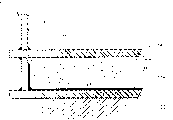
图1-A是采用SALSASM系统的储罐和基座的垂直剖面略图。Figure 1-A is a schematic vertical section view of a tank and foundation using the SALSA SM system.
图1-B是图1-A中所示的二层阳极板的放大图。Figure 1-B is an enlarged view of the two-layer anode plate shown in Figure 1-A.
图1-C是放置在贮罐钢板边缘与阳极板的接合处的抗风化密封层的略图。Figure 1-C is a schematic illustration of a weathering seal placed at the junction of the edge of the tank steel plate and the anode plate.
图1-D是描绘阳极层的对接式阳极板的略图。Figure 1-D is a schematic diagram of a butt anode plate depicting the anode layer.
图1-E是在二层阳极板的重叠界面区中的密封层略图。Figure 1-E is a schematic diagram of the sealing layer in the overlapping interface region of the two-layer anode plate.
图1-F是位于二层阳极板的重叠处的螺钉的略图。Figure 1-F is a sketch of a screw located at the overlap of two layers of anode plates.
图2-A是采用比较的SALSASM系统的储罐和基座的垂直剖面略图。Figure 2-A is a schematic vertical cross-sectional view of the tank and foundation of the comparative SALSA SM system.
图2-B是图2A中所示的三层阳极板的放大图。Figure 2-B is an enlarged view of the three-layer anode plate shown in Figure 2A.
图3是一个储罐,一个旧的锈蚀了的罐底,和一个用SALSASM系统防腐的新的罐底的略图。Figure 3 is a sketch of a storage tank, an old corroded bottom, and a new bottom corroded with the SALSA SM system.
发明详述Detailed description of the invention
根据下文所述的本发明主题,包括装置、组合构件、和方法在内的系统,从属性上说,可以被看作是SALSASM(牺牲铝板阳极)系统。在图1A和1B所示的上述系统的一个优选实施方案中,二层或更多层铝板阳极层10被置于贮罐20的罐底22的下面。铝板10搁置在沙层30上,这沙层包含有塑料衬垫或其它相对不透水的防潮层35。In accordance with the inventive subject matter described below, the system comprising the apparatus, assembly, and method can be considered in nature as a SALSA SM (Sacrificial Aluminum Plate Anode) system. In a preferred embodiment of the above system shown in FIGS. 1A and 1B , two or more anode layers 10 of aluminum sheets are placed beneath the bottom 22 of the
当术语“腐蚀介质”用于此处时,意指含有一种会对结构的金属部件腐蚀的,或加速其腐蚀的电解质的任何介质。腐蚀介质包括基底介质,诸如河沙、石英沙、自然土壤、粘土、碎岩石、砾石和施工用的支承满载贮罐重量的任何介质。沙是最普通的一种基座介质,所以在各种图上都用它来表示腐蚀介质。When the term "corrosive medium" is used herein, it means any medium containing an electrolyte that corrodes, or accelerates, the corrosion of metallic parts of a structure. Corrosive media include substrate media such as river sand, quartz sand, natural soil, clay, crushed rock, gravel and any media used in construction to support the weight of a fully loaded tank. Sand is the most common base medium, so it is used to represent corrosion medium on various diagrams.
当术语“结构”用于此处时,意指有着一个长期处于与电解质相接触,因而易发生腐蚀的金属表面或其它部件的任何结构。预期的结构包括石油化工储罐、储水罐、商业、工业和住宅建筑物、以及桥梁。特别要包括的是单层罐底的地面储罐,和有着腐蚀底板和/或多层罐底的现有地面储罐。When the term "structure" is used herein, it is meant to mean any structure having a metal surface or other part which is in constant contact with an electrolyte and which is therefore susceptible to corrosion. Anticipated structures include petrochemical storage tanks, water storage tanks, commercial, industrial and residential buildings, and bridges. Specifically included are surface tanks with a single bottom, and existing surface tanks with corroded floors and/or multiple bottoms.
当术语“阳极层”用于此处时,意指任何在电流上是活性的薄片,这种薄片从结构上讲,基本上既可和正待防腐的结构分离,又可和腐蚀介质分离。这定义十分广泛,例如,它包括的薄片有箔、薄板或板材、或其组件,即使上述薄片是用螺钉固定于或焊接在结构上。实施方案可以有一层或更多层上述阳极层,而这样的阳极层可按以下方式相邻地放置,重叠或不重叠,交错排列或不交错排列,在重叠部分里有或没有密封层,和在重叠处有或没有机械紧固件。预期的阳极层的又一些实例是其上淀积有金属或金属组合物的塑料板或其它隔板;渗铝塑料板;和镀锌钢板。在上述阳极层中,这淀积物可采用任何合适的方法形成,其中包括涂漆、蒸汽淀积、热喷涂、热浸电镀、电解淀积、机械电镀、等离子涂覆。可以预期,在这些优选实施方案中,至少有一层阳极层是由一种在电流上比在进行防腐的结构更活泼的金属制造的。铝优选用作阳极层,这是因为大多数的罐底基本上是由钢构成的,而铝在电流上比钢更活泼。虽然其它的金属(此术语用于此处时包括合金),当与铁和含有金属的铁相接触时,在电流上可能比铝更活泼,但铝有着另一些优点,例如成本低、重量轻、和有韧性。As used herein, the term "anodic layer" means any galvanically active sheet which is structurally substantially separable from both the structure to be preserved and the corrosive medium. This definition is very broad and includes, for example, foils, sheets or plates, or assemblies thereof, even if said sheets are screwed or welded to a structure. Embodiments may have one or more anode layers as described above, and such anode layers may be placed adjacently, overlapping or not, staggered or not, with or without a sealant layer in the overlapping portions, and With or without mechanical fasteners at the overlap. Still other examples of contemplated anodic layers are plastic sheets or other separators on which metal or metal compositions are deposited; aluminized plastic sheets; and galvanized steel sheets. In the aforementioned anode layer, the deposit may be formed by any suitable method including painting, vapor deposition, thermal spraying, hot dip plating, electrodeposition, mechanical plating, plasma coating. It is contemplated that in these preferred embodiments at least one of the anodic layers will be fabricated from a metal which is more galvanically active than the structure being preserved. Aluminum is preferably used as the anode layer, since most tank bottoms consist essentially of steel, and aluminum is more galvanically reactive than steel. Although other metals (including alloys as the term is used here) may be more galvanically active than aluminum when in contact with iron and iron containing metals, aluminum has other advantages such as low cost and light weight , and resilient.
指出下述一点是重要的,即用于此处的术语“阳极层”,不包括从结构上讲基本上既不可与待防腐的结构分离、也不可与腐蚀介质分离的薄片。于是,例如此处所预期的阳极层不应该包括将其直接喷涂在待防腐的结构的罐底上的铝粉层。上述涂层估计可能会牢固地粘附在结构上,所以,从结构上讲,基本上不会和结构分离。另一方面,这术语“阳极层”应包括与夯实沙土基座上表面相掺合的铝粉涂层,因为这种阳极层基本上仍能和沙土的剩余部分分离。It is important to point out that the term "anode layer" as used here does not include flakes which are structurally essentially inseparable neither from the structure to be preserved nor from the corrosive medium. Thus, for example, the anode layer contemplated here should not include a layer of aluminum powder which is sprayed directly onto the bottom of the tank of the structure to be preserved. The above-mentioned coatings are estimated to be firmly adhered to the structure, so that, structurally speaking, they will not be substantially separated from the structure. On the other hand, the term "anodic layer" shall include a coating of aluminum powder admixed with the upper surface of the compacted sand base, since such an anodic layer is still substantially separable from the remainder of the sand.
在图1A和1B上,铝板10的每一块优选的尺度是宽约为36或48英寸,厚约0.020英寸,并包括含铝量最少约为85%的铝合金3003、3004、3005、3105、5005、5010、7006、7011、7075和7178(ASTMB-209)。但是应当承认,其它序号的金属薄板,薄板的尺寸,和薄板组合构件也可采用。In FIGS. 1A and 1B, the preferred dimensions of each piece of
在其它的实施方案中,这薄板可以含有不同百分率的铝。再进一步,虽然在许多场合这种薄板应是平直和光滑的,但是,可以预期上述薄板可能包含一定程度的波纹、压纹或其它表面花纹,以便在地震造成倾斜的地带上增加摩擦。关于薄板的宽度和长度,它们可以显著地偏离铝材供应商所提供的现有标准。In other embodiments, the sheet may contain different percentages of aluminum. Still further, although in many cases the sheet will be straight and smooth, it is contemplated that the sheet may contain some degree of corrugation, embossing or other surface texture to increase friction on seismically inclined terrain. With regard to sheet width and length, they can deviate significantly from existing standards provided by aluminum suppliers.
图1A和1B的铝板10优选以交错接合的方式,平置在罐底钢板22下面的基座上。最低层的阳极层10A中的铝板直接平置于基座上,并可有一层工厂用的防潮层10P,例如高分子涂层(环氧或聚丙烯)或塑料层压制品(例如TedlarTM)加在地面一侧上。这阳极层10A的上侧面应优选没有任何类型的涂层。对于本系统的性能而言,防潮层10P不是必需的,但是包括它是因为它是成本非常低的产品却预计能延长阳极的寿命。可以预期,所有这类防潮层10P是任选的。The
在上层阳极层10B中的铝板优选二侧都是光的,没有任何电绝缘材料。阳极层10B的铝板应直接放置在阳极层10A的铝板上,并应是和阳极层10A的铝板及贮罐钢板二者直接的金属对金属接触。The aluminum plate in the
图1-D、1-E和1-F表明每层阳极层的铝板10的各种可能的排列形式。1-D, 1-E and 1-F illustrate various possible arrangements of
在图1-D上,铝板10是彼此相接地放置的,没有重叠。In Fig. 1-D, the
在图1-E上,铝板10是呈重叠型式放置的,在重叠部分内有任选的防潮密封层10S。In Fig. 1-E,
在图1-F上,铝板10是呈重叠型式放置的,且重叠部分用螺钉10F机械固紧。In Fig. 1-F,
指出下述一点是重要的,即任一层的铝板10的放置可以不受其它层的排列方式的制约。例如,阳极层10A的铝板10可按图1-E所示进行放置,而阳极层10 B的铝板10则可按图1-D所示进行放置。It is important to point out that the placement of
在本发明的优选实施方案中,阳极层被放置成能100%的遮住其上准备放置结构的腐蚀介质的顶面。但是,如果该结构的局部阴极防腐是可以接受的,则阳极层可放置成遮住的腐蚀介质顶面少于100%。In a preferred embodiment of the invention, the anode layer is positioned so as to cover 100% of the top surface of the corrosive medium on which the structure is to be placed. However, if localized cathodic corrosion protection of the structure is acceptable, the anodic layer may be placed so that less than 100% of the top surface of the corrosive medium is covered.
在图2A和2B上,许多底部铝板10被放置在含有沙土30(腐蚀介质)和防潮层35的基座上。正如以上所论述的,在最低层的阳极层10A中的每块铝板优选均是约0.020英寸的厚度,并优选将其安装成有涂层一面朝下,而裸露的/无涂层的一面朝上。二层或更多层添加的阳极层10B、10C的铝板,其厚度也约为0.020英寸,但二个侧面均是光的(任一侧面上均无电绝缘涂料),然后将这些铝板以交错型式安装在最低层阳极层10A的顶面上,交错重叠部分优选约24英寸。最末的一层阳极层的铝板10C是和罐底22相接触的。按照这种方式,大多数或所有的基底完全为铝板所覆盖,大多数或所有的罐底22是与铝板相接触的。In FIGS. 2A and 2B , a number of
在特别优选的实施方案中,这些金属薄板应延伸超出贮罐钢板边缘最少1/4英寸用于新的贮罐。如果需要,可以在贮罐钢板边缘的露天一侧和铝板上的拐角区涂敷任选的抗雨水的填缝胶36,以防止有任何雨水进入阳极层和贮罐底板的交界面中,如图1C所示。In a particularly preferred embodiment, these metal sheets should extend a minimum of 1/4 inch beyond the edge of the tank steel plate for new tanks. If necessary, an optional rainwater-
在图3中,SALSASM系统连同现有贮罐和基座一起被使用的情况。图中贮罐130具有壳体131和预先安装好通常是腐蚀底板132。介电层(通常为40~80密耳厚的聚乙烯板或整体涂层)134被平放在腐蚀底板132的顶面上,再将优选约4~约6英寸厚的沙层136放置在介电层134的顶面上。然后将一层或更多层阳极层的铝板140放置在沙层136的顶面上,最后将新的罐底150放置在铝板140的顶面上。这些铝板140的排列方式基本上可和图1-D、1-E和1-F所示的铝板10的排列方式相同。本系统替代了以前所知的系统,在以前所知的系统中,介电层顶面上放置的沙层约为1英寸厚。一种由混合型金属氧化物阳极(带条式、网格式或线圈型)组成的常规阴极防腐系统被放置在沙土上,然后接着将一层约5英寸厚的沙层放置在该阳极的顶面上。In Figure 3, the SALSA SM system is used with existing tanks and foundations.
当储罐罐底安置在腐蚀介质上时,此罐底具有了固有电势,即在罐底中部有较高的腐蚀电势,而朝罐底的外缘方向则有相对低的腐蚀电势。为了补偿腐蚀电势的这种变化,阴极防腐系统应设计成罐底中部的阴极防腐电流比罐底四周的阴极防腐电流要大,而这可以通过在中部放置的阳极质量比在四周放置的阳极质量要大的办法来实现。为了形成上述变化的阳极参数,用于诸如有着接地面积的直径至少为100英尺的那些大型石油化工储罐的SALSASM系统,有利的方案可包含有从贮罐中心测得的径向间距不超25英尺的阳极层3层,不超过25~40英尺的阳极层2层和不超过40~50英尺的阳极层一层。在比较的实施方案中,能改变的是金属薄板的厚度而不是层数。影响阳极质量上述变化设计的一些参数是贮罐尺寸,阳极板的厚度,基座的土质,降雨量和雨水排离贮罐的情况,以及贮罐的设计寿命。When the tank bottom is placed on the corrosive medium, the tank bottom has an inherent potential, that is, there is a high corrosion potential in the middle of the tank bottom, and a relatively low corrosion potential towards the outer edge of the tank bottom. In order to compensate for this change in corrosion potential, the cathodic anticorrosion system should be designed so that the cathodic anticorrosion current in the middle of the tank bottom is greater than the cathodic anticorrosion current around the tank bottom. It takes a big way to do it. In order to create the aforementioned varying anode parameters, for SALSA SM systems of large petrochemical storage tanks such as those having a grounded area of at least 100 feet in diameter, advantageous arrangements may include a radial spacing measured from the center of the tank of no more than 3 layers of anode layer for 25 feet, 2 layers of anode layer for no more than 25-40 feet and one layer of anode layer for no more than 40-50 feet. In the comparative embodiment, it is the thickness of the metal sheet that can be varied rather than the number of layers. Some of the parameters that affect the design of the above variations in anode quality are the tank size, the thickness of the anode plate, the soil quality of the foundation, the amount of rainfall and the drainage of rainwater from the tank, and the design life of the tank.
此处所述的SALSASM系统比以前所知系统有着显著的优点。其中包括,铝板基本上是不透湿气的,所以,大概除了在铝板重叠处之外,能防止地面潮气渗到结构上。在铝板的重叠处,也可使用有机密封层10S,以防止地面潮气渗过重叠层。但是,即使没有上述密封层10S,通过底板作用在铝板重叠部位上的压力也能防止潮气在铝板重叠处移动。The SALSA SM system described here has significant advantages over previously known systems. These include that aluminum panels are essentially moisture impermeable, so, except presumably where they overlap, prevent ground moisture from penetrating the structure. At the overlap of the aluminum sheets, an
SALSASM系统的另一优点是能将铝板放置成直接和贮罐钢板最高达100%的接触,这就能提供与基座电阻率无关的均匀的防腐。提高铝板和贮罐钢板之间的接触程度的主要方法是,当贮罐满载时造成有相当大的重量施加在罐底上,提高了贮罐底板搭接处的铝板的整合度。Another advantage of the SALSA SM system is the ability to place the aluminum plate in direct contact with the tank steel plate up to 100%, which provides a uniform corrosion protection independent of the resistivity of the base. The main way to increase the degree of contact between the aluminum plate and the tank steel plate is to increase the integration of the aluminum plate at the tank floor overlap by causing considerable weight to be placed on the bottom of the tank when the tank is fully loaded.
SALSASM系统的又一优点是,在阳极安装之前,贮罐不需完成制造和压力试验。因而,贮罐底板可以直接安装在阳极板的顶面上,或者,阳极的安装和贮罐底板的制造可以一先一后地完成。Another advantage of the SALSA SM system is that the tank does not need to be fabricated and pressure tested prior to anode installation. Thus, the tank floor can be mounted directly on the top surface of the anode plate, or the installation of the anode and the fabrication of the tank floor can be done one after the other.
SALSASM系统还有一些优点,就是待防腐的结构可以,但不要求,应用无机或有机涂层。对于大多数其它所知的阴极防腐系统来说,要求在结构上涂以有机涂层,但在将结构部件和内设的阴极防腐系统的附件焊接到底板的过程中,有机涂层易受损坏。第一个问题可以通过使结构的棱边裸露的办法得到缓解。可是,这裸露表面要求更大的阴极防腐电流,而涂覆表面则要求较小的电流,故用已知的阴极防腐系统难以解决这附加的阴极防腐要求。第二个问题涉及会损坏某处的有机涂层,而该处即是固定内设底板阳极用的附件的焊接处。发生在此底板下面的上述损坏通常是无法修理的,碳化涂层起着阴极作用,故如果不能获得足够的阴极防腐电流,它将加速基座一侧的底板的腐蚀。Another advantage of the SALSA SM system is that the structure to be protected can, but is not required, to be coated with inorganic or organic coatings. For most other known cathodic corrosion protection systems, organic coatings are required on the structure, but the organic coatings are vulnerable to damage during the welding of structural components and attachments to the built-in cathodic corrosion protection system to the baseplate . The first problem can be alleviated by leaving the edges of the structure exposed. However, the exposed surface requires a higher cathodic corrosion protection current, while the coated surface requires a smaller current, so that it is difficult to solve this additional cathodic corrosion protection requirement with known cathodic corrosion protection systems. The second problem involves damage to the organic coating at the point where the soldering of the attachment for the anode of the built-in base plate is held. The above-mentioned damage that occurs under this base plate is usually irreparable, and the carbonized coating acts as a cathode, so if sufficient cathodic corrosion protection current cannot be obtained, it will accelerate the corrosion of the base plate on the base side.
在贮罐钢板上,使用其它阴极防腐技术所要求的有机涂层也会有问题,问题在于在阴极防腐电压低于-1.2V(采用铜-硫酸铜参比电极测得)的情况下,这些有机涂层可能和基质金属发生阴极剥离。为了安全起见,储存易燃液体的贮罐应使其完全接地并应在管嘴处排除电气绝缘,以避免在闪电时发生电火花。在上述情况下,接地系统将大量的电流引出常规的阴极防腐系统,而仅有小部分上述电流用作防腐。一种可能的解决办法是增加从整流器输出的电流,但是,当从整流器输出的电流增加后,靠近阳极的结构涂层区域可能会由于受过大的阴极防腐电压的作用而遭受阴极剥离。剥离涂层通常会屏蔽基质金属,使其不受阴极腐蚀电流的影响,从而降低了阴极防腐的充分作用。使用SALSASM系统就能排除这类问题,这既因为SALSASM系统不要求在结构上涂敷有机涂层,又因为阳极板是直接与无涂层的结构相接触的。On tank steel, the use of organic coatings required by other cathodic corrosion protection techniques can also be problematic. The problem is that these Organic coatings may undergo cathodic disbonding from the base metal. For safety, tanks storing flammable liquids should be fully grounded and the electrical insulation should be excluded at the nozzle to avoid sparking in the event of lightning. In the above cases, the grounding system draws a large amount of current out of the conventional cathodic corrosion protection system, and only a small part of the above current is used for corrosion protection. One possible solution is to increase the current output from the rectifier, however, when the current output from the rectifier is increased, the area of the structural coating near the anode may suffer from cathodic stripping due to excessive cathodic corrosion protection voltage. The stripping coating generally shields the base metal from cathodic corrosion currents, thereby reducing the full effect of cathodic corrosion protection. Such problems can be eliminated by using the SALSA SM system, both because the SALSA SM system does not require organic coatings on the structure, and because the anode plate is in direct contact with the uncoated structure.
SALSASM系统与使用诸如锌带条式锌阳极的系统相比,有一些特殊的优点。锌阳极系统被限制在使用温度低于140°F,因为在温度140°F~250°F下,当有潮气存在时,锌的极性会反向。当锌的极性反向后,它会加速钢的腐蚀,所以不能用作储存作业温度约为250°F的碳氢化合物(渣油)的贮罐的防腐。铝不具有这种反向极性,并能在所有温度直至1200°F下使用。另外,外加电流阳极系统不应该用于热结构,因为在较高温度下所要求的较大的电流输出还会产生较大数量的氧气。结构的孔蚀随着氧气存量的增加而增长。此外,当与外加电流阳极系统相比时,SALSASM系统是一个较好的选择,因为SALSASM系统所产生的氧气是微不足道的。The SALSA SM system has some specific advantages over systems using zinc anodes such as zinc strips. Zinc anode systems are limited to temperatures below 140°F because the polarity of zinc reverses in the presence of moisture at temperatures between 140°F and 250°F. When the polarity of zinc is reversed, it accelerates the corrosion of steel, so it cannot be used as a corrosion protection for storage tanks that store hydrocarbons (residual oil) at operating temperatures of about 250°F. Aluminum does not have this reverse polarity and can be used at all temperatures up to 1200°F. In addition, impressed current anode systems should not be used in hot structures because the greater current output required at higher temperatures will also generate greater quantities of oxygen. The pitting corrosion of the structure increases with the increase of the oxygen storage. Furthermore, the SALSA SM system is a better choice when compared to the impressed current anode system because the oxygen produced by the SALSA SM system is insignificant.
正如上面部分地所述的,与其它系统相比,SALSASM系统还由于该系统与土质或其它基座条件无关而具有的一些优点。例如,虽然其它系统不可能防止地面潮气到达到结构,但SALSASM系统中的阳极板却能完全不透水。类似地,其它系统的设计是基于假定结构下面的土壤电阻率是均等的,和假定贮罐的所有钢表面将接受相等的电流密度。在SALSASM系统中,这些需考虑的问题都是枝节问题,因为电流与土壤电阻率无关。阳极接头的烧毁,电流减弱,和电气接地也和SALSASM系统不相干。类似地,参比电极不需要,且优选不装备SALSASM系统。As stated in part above, the SALSA SM system also has certain advantages over other systems due to the fact that the system is independent of soil or other foundation conditions. For example, while other systems may not prevent ground moisture from reaching the structure, the anode plates in the SALSA SM system are completely impermeable. Similarly, other systems have been designed based on the assumption that the resistivity of the soil beneath the structure is equal, and that all steel surfaces of the tank will receive equal current densities. In the SALSA SM system, these considerations are side issues because current is independent of soil resistivity. Burnout of the anode connector, current loss, and electrical grounding are also irrelevant to the SALSA SM system. Similarly, a reference electrode is not required and is preferably not equipped with the SALSA SM system.
相对于以前所知的系统,SALSASM系统还有其它一些优点。例如,外加电流系统会产生能损坏贮罐环状壁板上钢筋的杂散电流,而使用SALSASM系统就没有上述问题。其它优点涉及工程和构造。例如,SALSASM系统的维修时间减少到1或2小时,这比使用其它系统的要低。SALSASM系统也不需要熟练工进行安装,而且上述系统有助于提高贮罐钢板装运到建筑工地的进度,因为减少了结构的油漆作业。此外,适用的铝很容易买到或订货至交货所需时间短。电缆,试验站等没有要求。再进一步,阳极安装和底板构造能同时进行而不用按序进行。这能节省2~3星期的构造时间。The SALSA SM system has several other advantages over previously known systems. Impressed current systems, for example, can generate stray currents that can damage steel reinforcement on tank ring panels, while using the SALSA SM system does not have such problems. Other advantages relate to engineering and construction. For example, the maintenance time of the SALSA SM system is reduced to 1 or 2 hours, which is lower than with other systems. The SALSA SM system also does not require skilled labor for installation, and the above-mentioned system helps to improve the progress of the storage tank steel plate shipment to the construction site, because the painting work of the structure is reduced. In addition, suitable aluminum is readily available or has a short lead time. Cables, test stations, etc. are not required. Still further, anode installation and chassis construction can be performed simultaneously rather than sequentially. This saves 2-3 weeks of construction time.
SALSASM系统还有一些使用优点。例如,SALSASM系统能自动作业,而且一旦底板放置到了铝板上就立即防护底板。不需要有阴极防腐或临时防腐的起动程序。再进一步,不要求有试验站,因为结构的整个表面是和基座土壤相隔离的。The SALSA SM system also has several advantages in use. For example, the SALSA SM system works automatically and protects the base plate as soon as it is placed on the aluminum plate. A start-up procedure with cathodic or temporary corrosion protection is not required. Furthermore, no test station is required since the entire surface of the structure is isolated from the foundation soil.
于是,SALSASM系统的一些特定的实施方案和应用实例已经公开。但是,除了已叙述过的那些改进外,可能有更多的,不违反本文中发明原理的改进,这点对于本领域的那些技术人员来说,应是显而易见的。所以,除了要符合所附权利要求书的精神实质之外,本发明内容将不受限制。Thus, some specific embodiments and application examples of the SALSA SM system have been disclosed. However, it should be apparent to those skilled in the art that many more modifications than those already described are possible without departing from the principles of the invention herein. The invention, therefore, is not to be restricted except in accordance with the spirit of the appended claims.
Claims (24)
Applications Claiming Priority (2)
| Application Number | Priority Date | Filing Date | Title |
|---|---|---|---|
| US6066697P | 1997-10-02 | 1997-10-02 | |
| US60/060,666 | 1997-10-02 |
Publications (2)
| Publication Number | Publication Date |
|---|---|
| CN1309727A true CN1309727A (en) | 2001-08-22 |
| CN1207443C CN1207443C (en) | 2005-06-22 |
Family
ID=22031010
Family Applications (1)
| Application Number | Title | Priority Date | Filing Date |
|---|---|---|---|
| CNB988117134A Expired - Lifetime CN1207443C (en) | 1997-10-02 | 1998-02-06 | Cathodic protection methods and equipment |
Country Status (8)
| Country | Link |
|---|---|
| EP (1) | EP1100981A4 (en) |
| JP (1) | JP3645180B2 (en) |
| KR (1) | KR100362258B1 (en) |
| CN (1) | CN1207443C (en) |
| AU (1) | AU746899B2 (en) |
| BR (1) | BR9812714A (en) |
| CA (1) | CA2305357C (en) |
| WO (1) | WO1999018261A1 (en) |
Cited By (5)
| Publication number | Priority date | Publication date | Assignee | Title |
|---|---|---|---|---|
| CN102234808A (en) * | 2011-07-08 | 2011-11-09 | 中国石油天然气集团公司 | Aluminum alloy sacrificial anode suitable for sea mud in Bohai Sea Gulf |
| CN101586241B (en) * | 2009-06-20 | 2013-05-08 | 戴明安 | Aluminum zinc series alloy sacrificial anode for electric water heaters |
| CN104451703A (en) * | 2014-12-15 | 2015-03-25 | 山东德瑞防腐材料有限公司 | Abrasion-resistant corrosion-resistant aluminum alloy sacrificial anode |
| CN110338628A (en) * | 2018-04-02 | 2019-10-18 | 佛山市顺德区美的电热电器制造有限公司 | Interior pot and cooking apparatus |
| CN111794549A (en) * | 2020-07-07 | 2020-10-20 | 中国化学工程第十四建设有限公司 | Construction method for lowering height and changing bottom of vertical storage tank |
Families Citing this family (14)
| Publication number | Priority date | Publication date | Assignee | Title |
|---|---|---|---|---|
| KR100485953B1 (en) * | 2002-12-13 | 2005-05-06 | 한국전력기술 주식회사 | Method for cathodic protection for metal structure |
| JP4539199B2 (en) * | 2004-07-05 | 2010-09-08 | 日本防蝕工業株式会社 | Zinc alloy galvanic anode and method for galvanic protection of equipment placed in a high temperature environment using the zinc alloy galvanic anode |
| KR100824187B1 (en) * | 2006-08-07 | 2008-04-21 | 이진희 | Storage tanks, floor structure provided therein and repair method of storage tank floor structure |
| JP2013164120A (en) * | 2012-02-10 | 2013-08-22 | Kyushu Univ | Heat insulation material |
| US9550247B2 (en) | 2013-07-18 | 2017-01-24 | Aps Materials, Inc. | Double coupon reference cell and methods of making same |
| KR101628455B1 (en) | 2014-04-16 | 2016-06-09 | 현대자동차주식회사 | End plate for fuel cell |
| CN105543858A (en) * | 2015-12-31 | 2016-05-04 | 上海纬固防腐工程有限公司 | Monitoring type nonmetal corner fire-resistant antiseptic system |
| NO20160374A1 (en) * | 2016-03-03 | 2017-09-04 | Vetco Gray Scandinavia As | System and method for cathodic protection by distributed sacrificial anodes |
| ES2968464T3 (en) | 2017-11-10 | 2024-05-09 | Construction Research & Technology Gmbh | Microsilica to improve the fluidity of a geopolymer suspension |
| CN110893065B (en) * | 2018-09-12 | 2023-04-25 | 武汉苏泊尔炊具有限公司 | Pot body, processing method of pot body and cooking utensil |
| WO2021158064A1 (en) * | 2020-02-06 | 2021-08-12 | 김현애 | Copper alloy thermal insulation container having anti-corrosion function |
| KR102245071B1 (en) * | 2020-07-22 | 2021-04-26 | 김현애 | Heat Insulated Container Made with Brass |
| KR102140925B1 (en) * | 2020-02-06 | 2020-08-04 | 김현애 | Heat Insulated Container Made with Brass |
| KR20240009064A (en) | 2022-07-13 | 2024-01-22 | 주식회사 케이씨 | construction method of horizontal anode insert for cathode protecting for aboveground welded tank for oil storage |
Family Cites Families (5)
| Publication number | Priority date | Publication date | Assignee | Title |
|---|---|---|---|---|
| US2240021A (en) * | 1935-08-16 | 1941-04-29 | United States Steel Corp | Method of preventing wedge and contact corrosion of metals and alloys |
| US3202596A (en) * | 1961-11-02 | 1965-08-24 | Exxon Research Engineering Co | Sacrificial anode bonded with epoxy resin |
| AR201314A1 (en) * | 1973-04-19 | 1975-02-28 | Bagnulo L | SACRIFICE ANODE FOR THE CATHODIC PROTECTION OF ANY TYPE OF METALLIC SURFACE |
| US5292411A (en) * | 1990-09-07 | 1994-03-08 | Eltech Systems Corporation | Method and apparatus for cathodically protecting reinforced concrete structures |
| US5505826A (en) * | 1994-11-30 | 1996-04-09 | Haglin; Patrick G. | Hydrophilic anode corrosion control system |
-
1998
- 1998-02-06 CN CNB988117134A patent/CN1207443C/en not_active Expired - Lifetime
- 1998-02-06 KR KR1020007003533A patent/KR100362258B1/en not_active Expired - Lifetime
- 1998-02-06 WO PCT/US1998/002308 patent/WO1999018261A1/en not_active Ceased
- 1998-02-06 CA CA002305357A patent/CA2305357C/en not_active Expired - Lifetime
- 1998-02-06 BR BR9812714-4A patent/BR9812714A/en not_active Application Discontinuation
- 1998-02-06 AU AU63202/98A patent/AU746899B2/en not_active Expired
- 1998-02-06 JP JP2000515046A patent/JP3645180B2/en not_active Expired - Lifetime
- 1998-02-06 EP EP98907386A patent/EP1100981A4/en not_active Withdrawn
Cited By (7)
| Publication number | Priority date | Publication date | Assignee | Title |
|---|---|---|---|---|
| CN101586241B (en) * | 2009-06-20 | 2013-05-08 | 戴明安 | Aluminum zinc series alloy sacrificial anode for electric water heaters |
| CN102234808A (en) * | 2011-07-08 | 2011-11-09 | 中国石油天然气集团公司 | Aluminum alloy sacrificial anode suitable for sea mud in Bohai Sea Gulf |
| CN102234808B (en) * | 2011-07-08 | 2013-02-20 | 中国石油天然气集团公司 | Aluminum alloy sacrificial anode suitable for sea mud in Bohai Sea Gulf |
| CN104451703A (en) * | 2014-12-15 | 2015-03-25 | 山东德瑞防腐材料有限公司 | Abrasion-resistant corrosion-resistant aluminum alloy sacrificial anode |
| CN110338628A (en) * | 2018-04-02 | 2019-10-18 | 佛山市顺德区美的电热电器制造有限公司 | Interior pot and cooking apparatus |
| CN110338628B (en) * | 2018-04-02 | 2021-09-24 | 佛山市顺德区美的电热电器制造有限公司 | Inner pot and cooking utensils |
| CN111794549A (en) * | 2020-07-07 | 2020-10-20 | 中国化学工程第十四建设有限公司 | Construction method for lowering height and changing bottom of vertical storage tank |
Also Published As
| Publication number | Publication date |
|---|---|
| JP2001519478A (en) | 2001-10-23 |
| CA2305357A1 (en) | 1999-04-15 |
| AU746899B2 (en) | 2002-05-02 |
| EP1100981A4 (en) | 2002-07-31 |
| KR100362258B1 (en) | 2002-11-23 |
| BR9812714A (en) | 2000-08-22 |
| KR20010030856A (en) | 2001-04-16 |
| AU6320298A (en) | 1999-04-27 |
| CA2305357C (en) | 2004-04-27 |
| WO1999018261A1 (en) | 1999-04-15 |
| EP1100981A1 (en) | 2001-05-23 |
| JP3645180B2 (en) | 2005-05-11 |
| CN1207443C (en) | 2005-06-22 |
Similar Documents
| Publication | Publication Date | Title |
|---|---|---|
| CN1207443C (en) | Cathodic protection methods and equipment | |
| CA2847901C (en) | System, apparatus, and method for utilization of bracelet galvanic anodes to protect subterranean well casing sections shielded by cement at a cellar area | |
| US20230235463A1 (en) | System and method for cathodic protection by distributed sacrificial anodes | |
| US6224743B1 (en) | Cathodic protection methods and apparatus | |
| CN112761247B (en) | Fabricated box plate steel structure anticorrosion building system and construction method | |
| KR20110122797A (en) | Corrosion preventing device for coastal steel structure and manufacturing method thereof | |
| Leng et al. | Zinc mesh cathodic protection systems | |
| KR101347705B1 (en) | Cathodic protection system of concrete structures with both underwater sacrificial anodes and attached sacrificial anodes to the protective jacket | |
| JP3238777U (en) | Screw pile and bracket module with it | |
| Halafawi et al. | External and internal cathodic protection of storage oil tanks | |
| CN118390888A (en) | Foundation bolt reinforcing method and structure for angle steel tower of overhead transmission line | |
| MXPA00003235A (en) | Cathodic protection methods and apparatus | |
| CN205999919U (en) | A kind of water-retaining structure for blower foundation anchoring assembly | |
| CN110172702B (en) | Anti-corrosion method for outer surface of bottom plate of underground vertical storage tank | |
| CN205975703U (en) | A waterproof construction for anchor subassembly | |
| Jackson et al. | Performance of a conductive-paint anode in cathodic protection systems for inland concrete bridge piers in Virginia | |
| US3725225A (en) | Cathodic protection method | |
| Feng et al. | Research on Corrosion Protection and Repair Technology System for Offshore Wind Power Foundations in Complex Marine Environments | |
| JP2951481B2 (en) | High corrosion resistant laminated sprayed steel plate for tank bottom plate | |
| RU2110615C1 (en) | Method of integrated protection against corrosion of elongated steel construction | |
| CN205975605U (en) | Anticorrosive anchor subassembly | |
| US20090148714A1 (en) | Method of preparing high density metal oxide layers and the layers produced thereby | |
| CN122856192A (en) | Corrosion-resistant structure of photovoltaic mounting brackets | |
| Zamanzadeh et al. | Assessment, selection, and specification of cathodic protection measures in reinforced concrete infrastructures and historic buildings | |
| JP2012180556A (en) | Electrolytic protection structure and method for forming the electrolytic protection structure |
Legal Events
| Date | Code | Title | Description |
|---|---|---|---|
| C06 | Publication | ||
| PB01 | Publication | ||
| C10 | Entry into substantive examination | ||
| SE01 | Entry into force of request for substantive examination | ||
| C14 | Grant of patent or utility model | ||
| GR01 | Patent grant | ||
| CX01 | Expiry of patent term |
Granted publication date: 20050622 |
|
| CX01 | Expiry of patent term |