CN1315568C - Filtration media comprising granules of binder-agglomerated active component - Google Patents
Filtration media comprising granules of binder-agglomerated active component Download PDFInfo
- Publication number
- CN1315568C CN1315568C CNB038111853A CN03811185A CN1315568C CN 1315568 C CN1315568 C CN 1315568C CN B038111853 A CNB038111853 A CN B038111853A CN 03811185 A CN03811185 A CN 03811185A CN 1315568 C CN1315568 C CN 1315568C
- Authority
- CN
- China
- Prior art keywords
- binder
- particles
- active
- media
- active material
- Prior art date
- Legal status (The legal status is an assumption and is not a legal conclusion. Google has not performed a legal analysis and makes no representation as to the accuracy of the status listed.)
- Expired - Lifetime
Links
Images


Classifications
-
- B—PERFORMING OPERATIONS; TRANSPORTING
- B01—PHYSICAL OR CHEMICAL PROCESSES OR APPARATUS IN GENERAL
- B01J—CHEMICAL OR PHYSICAL PROCESSES, e.g. CATALYSIS OR COLLOID CHEMISTRY; THEIR RELEVANT APPARATUS
- B01J20/00—Solid sorbent compositions or filter aid compositions; Sorbents for chromatography; Processes for preparing, regenerating or reactivating thereof
- B01J20/28—Solid sorbent compositions or filter aid compositions; Sorbents for chromatography; Processes for preparing, regenerating or reactivating thereof characterised by their form or physical properties
- B01J20/28014—Solid sorbent compositions or filter aid compositions; Sorbents for chromatography; Processes for preparing, regenerating or reactivating thereof characterised by their form or physical properties characterised by their form
- B01J20/2803—Sorbents comprising a binder, e.g. for forming aggregated, agglomerated or granulated products
-
- B—PERFORMING OPERATIONS; TRANSPORTING
- B01—PHYSICAL OR CHEMICAL PROCESSES OR APPARATUS IN GENERAL
- B01J—CHEMICAL OR PHYSICAL PROCESSES, e.g. CATALYSIS OR COLLOID CHEMISTRY; THEIR RELEVANT APPARATUS
- B01J20/00—Solid sorbent compositions or filter aid compositions; Sorbents for chromatography; Processes for preparing, regenerating or reactivating thereof
- B01J20/02—Solid sorbent compositions or filter aid compositions; Sorbents for chromatography; Processes for preparing, regenerating or reactivating thereof comprising inorganic material
- B01J20/20—Solid sorbent compositions or filter aid compositions; Sorbents for chromatography; Processes for preparing, regenerating or reactivating thereof comprising inorganic material comprising free carbon; comprising carbon obtained by carbonising processes
-
- B—PERFORMING OPERATIONS; TRANSPORTING
- B01—PHYSICAL OR CHEMICAL PROCESSES OR APPARATUS IN GENERAL
- B01J—CHEMICAL OR PHYSICAL PROCESSES, e.g. CATALYSIS OR COLLOID CHEMISTRY; THEIR RELEVANT APPARATUS
- B01J20/00—Solid sorbent compositions or filter aid compositions; Sorbents for chromatography; Processes for preparing, regenerating or reactivating thereof
- B01J20/28—Solid sorbent compositions or filter aid compositions; Sorbents for chromatography; Processes for preparing, regenerating or reactivating thereof characterised by their form or physical properties
- B01J20/28002—Solid sorbent compositions or filter aid compositions; Sorbents for chromatography; Processes for preparing, regenerating or reactivating thereof characterised by their form or physical properties characterised by their physical properties
- B01J20/28004—Sorbent size or size distribution, e.g. particle size
-
- B—PERFORMING OPERATIONS; TRANSPORTING
- B01—PHYSICAL OR CHEMICAL PROCESSES OR APPARATUS IN GENERAL
- B01J—CHEMICAL OR PHYSICAL PROCESSES, e.g. CATALYSIS OR COLLOID CHEMISTRY; THEIR RELEVANT APPARATUS
- B01J20/00—Solid sorbent compositions or filter aid compositions; Sorbents for chromatography; Processes for preparing, regenerating or reactivating thereof
- B01J20/28—Solid sorbent compositions or filter aid compositions; Sorbents for chromatography; Processes for preparing, regenerating or reactivating thereof characterised by their form or physical properties
- B01J20/28014—Solid sorbent compositions or filter aid compositions; Sorbents for chromatography; Processes for preparing, regenerating or reactivating thereof characterised by their form or physical properties characterised by their form
- B01J20/28016—Particle form
- B01J20/28019—Spherical, ellipsoidal or cylindrical
-
- B—PERFORMING OPERATIONS; TRANSPORTING
- B01—PHYSICAL OR CHEMICAL PROCESSES OR APPARATUS IN GENERAL
- B01J—CHEMICAL OR PHYSICAL PROCESSES, e.g. CATALYSIS OR COLLOID CHEMISTRY; THEIR RELEVANT APPARATUS
- B01J20/00—Solid sorbent compositions or filter aid compositions; Sorbents for chromatography; Processes for preparing, regenerating or reactivating thereof
- B01J20/28—Solid sorbent compositions or filter aid compositions; Sorbents for chromatography; Processes for preparing, regenerating or reactivating thereof characterised by their form or physical properties
- B01J20/28014—Solid sorbent compositions or filter aid compositions; Sorbents for chromatography; Processes for preparing, regenerating or reactivating thereof characterised by their form or physical properties characterised by their form
- B01J20/28026—Particles within, immobilised, dispersed, entrapped in or on a matrix, e.g. a resin
-
- B—PERFORMING OPERATIONS; TRANSPORTING
- B01—PHYSICAL OR CHEMICAL PROCESSES OR APPARATUS IN GENERAL
- B01J—CHEMICAL OR PHYSICAL PROCESSES, e.g. CATALYSIS OR COLLOID CHEMISTRY; THEIR RELEVANT APPARATUS
- B01J20/00—Solid sorbent compositions or filter aid compositions; Sorbents for chromatography; Processes for preparing, regenerating or reactivating thereof
- B01J20/28—Solid sorbent compositions or filter aid compositions; Sorbents for chromatography; Processes for preparing, regenerating or reactivating thereof characterised by their form or physical properties
- B01J20/28054—Solid sorbent compositions or filter aid compositions; Sorbents for chromatography; Processes for preparing, regenerating or reactivating thereof characterised by their form or physical properties characterised by their surface properties or porosity
- B01J20/28095—Shape or type of pores, voids, channels, ducts
- B01J20/28097—Shape or type of pores, voids, channels, ducts being coated, filled or plugged with specific compounds
-
- B—PERFORMING OPERATIONS; TRANSPORTING
- B01—PHYSICAL OR CHEMICAL PROCESSES OR APPARATUS IN GENERAL
- B01J—CHEMICAL OR PHYSICAL PROCESSES, e.g. CATALYSIS OR COLLOID CHEMISTRY; THEIR RELEVANT APPARATUS
- B01J20/00—Solid sorbent compositions or filter aid compositions; Sorbents for chromatography; Processes for preparing, regenerating or reactivating thereof
- B01J20/30—Processes for preparing, regenerating, or reactivating
- B01J20/3042—Use of binding agents; addition of materials ameliorating the mechanical properties of the produced sorbent
-
- B—PERFORMING OPERATIONS; TRANSPORTING
- B01—PHYSICAL OR CHEMICAL PROCESSES OR APPARATUS IN GENERAL
- B01J—CHEMICAL OR PHYSICAL PROCESSES, e.g. CATALYSIS OR COLLOID CHEMISTRY; THEIR RELEVANT APPARATUS
- B01J20/00—Solid sorbent compositions or filter aid compositions; Sorbents for chromatography; Processes for preparing, regenerating or reactivating thereof
- B01J20/30—Processes for preparing, regenerating, or reactivating
- B01J20/32—Impregnating or coating ; Solid sorbent compositions obtained from processes involving impregnating or coating
- B01J20/3231—Impregnating or coating ; Solid sorbent compositions obtained from processes involving impregnating or coating characterised by the coating or impregnating layer
- B01J20/3234—Inorganic material layers
- B01J20/324—Inorganic material layers containing free carbon, e.g. activated carbon
-
- B—PERFORMING OPERATIONS; TRANSPORTING
- B01—PHYSICAL OR CHEMICAL PROCESSES OR APPARATUS IN GENERAL
- B01J—CHEMICAL OR PHYSICAL PROCESSES, e.g. CATALYSIS OR COLLOID CHEMISTRY; THEIR RELEVANT APPARATUS
- B01J20/00—Solid sorbent compositions or filter aid compositions; Sorbents for chromatography; Processes for preparing, regenerating or reactivating thereof
- B01J20/30—Processes for preparing, regenerating, or reactivating
- B01J20/32—Impregnating or coating ; Solid sorbent compositions obtained from processes involving impregnating or coating
- B01J20/3291—Characterised by the shape of the carrier, the coating or the obtained coated product
- B01J20/3295—Coatings made of particles, nanoparticles, fibers, nanofibers
-
- Y—GENERAL TAGGING OF NEW TECHNOLOGICAL DEVELOPMENTS; GENERAL TAGGING OF CROSS-SECTIONAL TECHNOLOGIES SPANNING OVER SEVERAL SECTIONS OF THE IPC; TECHNICAL SUBJECTS COVERED BY FORMER USPC CROSS-REFERENCE ART COLLECTIONS [XRACs] AND DIGESTS
- Y10—TECHNICAL SUBJECTS COVERED BY FORMER USPC
- Y10S—TECHNICAL SUBJECTS COVERED BY FORMER USPC CROSS-REFERENCE ART COLLECTIONS [XRACs] AND DIGESTS
- Y10S264/00—Plastic and nonmetallic article shaping or treating: processes
- Y10S264/48—Processes of making filters
-
- Y—GENERAL TAGGING OF NEW TECHNOLOGICAL DEVELOPMENTS; GENERAL TAGGING OF CROSS-SECTIONAL TECHNOLOGIES SPANNING OVER SEVERAL SECTIONS OF THE IPC; TECHNICAL SUBJECTS COVERED BY FORMER USPC CROSS-REFERENCE ART COLLECTIONS [XRACs] AND DIGESTS
- Y10—TECHNICAL SUBJECTS COVERED BY FORMER USPC
- Y10T—TECHNICAL SUBJECTS COVERED BY FORMER US CLASSIFICATION
- Y10T428/00—Stock material or miscellaneous articles
- Y10T428/29—Coated or structually defined flake, particle, cell, strand, strand portion, rod, filament, macroscopic fiber or mass thereof
- Y10T428/2982—Particulate matter [e.g., sphere, flake, etc.]
- Y10T428/2991—Coated
-
- Y—GENERAL TAGGING OF NEW TECHNOLOGICAL DEVELOPMENTS; GENERAL TAGGING OF CROSS-SECTIONAL TECHNOLOGIES SPANNING OVER SEVERAL SECTIONS OF THE IPC; TECHNICAL SUBJECTS COVERED BY FORMER USPC CROSS-REFERENCE ART COLLECTIONS [XRACs] AND DIGESTS
- Y10—TECHNICAL SUBJECTS COVERED BY FORMER USPC
- Y10T—TECHNICAL SUBJECTS COVERED BY FORMER US CLASSIFICATION
- Y10T428/00—Stock material or miscellaneous articles
- Y10T428/29—Coated or structually defined flake, particle, cell, strand, strand portion, rod, filament, macroscopic fiber or mass thereof
- Y10T428/2982—Particulate matter [e.g., sphere, flake, etc.]
- Y10T428/2991—Coated
- Y10T428/2998—Coated including synthetic resin or polymer
Landscapes
- Chemical & Material Sciences (AREA)
- Analytical Chemistry (AREA)
- Organic Chemistry (AREA)
- Chemical Kinetics & Catalysis (AREA)
- Inorganic Chemistry (AREA)
- Engineering & Computer Science (AREA)
- Nanotechnology (AREA)
- Dispersion Chemistry (AREA)
- Materials Engineering (AREA)
- Solid-Sorbent Or Filter-Aiding Compositions (AREA)
- Filtering Materials (AREA)
- Glanulating (AREA)
Abstract
Description
发明领域field of invention
本发明涉及用于流体过滤和/或处理的高表面积、高活性的颗粒状介质。更具体地,本发明的优选具体实施方案涉及一两组分的介质组合物,包括结合剂和活性微粒,不含常规的固体支持核。该介质含有结块的结合剂活性材料,其中一结合剂材料与活性组分微粒结合在一起,从而使高百分比的该活性微粒暴露于被过滤/处理的流体。上述颗粒可以是这种形式,如:一种支持被包裹的活性成分的内核和/或结合剂基质形式,或是活性微粒与微粒状、小珠状或无定形状的结合剂结合的形式。The present invention relates to high surface area, high activity granular media for fluid filtration and/or treatment. More specifically, preferred embodiments of the present invention relate to a two-component media composition, comprising a binding agent and active microparticles, free of conventional solid support cores. The media contains agglomerated binder active material, wherein a binder material binds the active ingredient particles such that a high percentage of the active particles are exposed to the fluid being filtered/treated. The particles may be in the form of, for example, a core and/or binder matrix supporting the encapsulated active ingredients, or active particles combined with particulate, beaded or amorphous binders.
背景技术Background technique
用于消除水溶液和气相系统中的重金属污染的颗粒材料已经被公开,例如在Lisenko(美国专利No.5,639,550(″′550″)和5,603,987(″′987″))中。Lisenko的′550专利在图1A中举例说明了一种现有介质,该介质在美国专利No.5,277,931也有公开,其中首先用一种水溶性碱材料(B)喷射一多孔颗粒(S),然后用浓缩的合适金属离子源的水溶性酸溶液喷射。该喷射的合适金属离子源是主材料(P),即活性材料。Lisenko描述的这种喷射的现有介质显示出高损耗。Particulate materials for decontamination of heavy metals in aqueous and gaseous systems have been disclosed, for example, in Lisenko (US Patent Nos. 5,639,550 ("'550") and 5,603,987 ("'987")). Lisenko's '550 patent illustrates in Figure 1A a prior art media also disclosed in U.S. Pat. It is then sprayed with a concentrated water-soluble acid solution of a suitable source of metal ions. A suitable source of metal ions for this spray is the host material (P), ie the active material. Existing media of the type described by Lisenko exhibit high losses.
Lisenko揭露的颗粒状介质是三组分颗粒(G’,图1B),每种颗粒由大的支持物(S)和通过结合剂材料(B)与该支持物的外表面结合的主材料(P)组成。在Lisenko的公开中,该结合剂的软化温度低于支持物的软化温度,还低于主材料的软化温度。因此,Lisenko揭露了一种三组分组合物,其中的中央核是固体颗粒,它支持其外表面的两层,即结合剂中间层和主过滤材料的外层。也就是说,该三组分介质是一种固体支持物,固体主材料通过相对于该支持物的直径来说非常薄的结合层与该支持物结合。The granular media disclosed by Lisenko are three-component particles (G', Figure 1B), each particle consisting of a large support (S) and a host material ( P) Composition. In the Lisenko disclosure, the binder has a softening temperature lower than that of the support and also lower than that of the host material. Thus, Lisenko discloses a three-component composition in which the central core is a solid particle supporting two layers on its outer surface, an intermediate layer of binder and an outer layer of primary filter material. That is, the three-component medium is a solid support to which the solid host material is bound via a binding layer that is very thin relative to the diameter of the support.
在三组分颗粒中,上述固体支持物优选具有完全一致的颗粒直径,该直径的尺寸比上述主材料的颗粒直径要大得多。该支持物可以是颗粒状活性碳、玻璃珠或玻璃泡,多孔或非多孔的火山岩介质,塑料珠或塑料球,塑料纤维,木质纤维,碳纤维,陶瓷介质,烧结或未烧结的粘土,硅藻土,金属颗粒,铁磁性材料,硅胶,磁性不锈钢,有机纤维,纤维素纤维,丙烯酸纤维和碳化硅。In the three-component particle, the above-mentioned solid support preferably has a uniform particle diameter, which is much larger than the particle diameter of the above-mentioned main material. The support can be granular activated carbon, glass beads or bubbles, porous or non-porous volcanic media, plastic beads or spheres, plastic fibers, wood fibers, carbon fibers, ceramic media, sintered or unsintered clay, diatoms Soil, metal particles, ferromagnetic materials, silica gel, magnetic stainless steel, organic fibers, cellulose fibers, acrylic fibers and silicon carbide.
用于上述三组分颗粒的上述主材料可以是无机水合金属氧化物,无定形金属硅酸盐,沸石和其混合物。更优选的是无机的水合氧化钛或硅酸钛,无机的水合氧化锡或硅酸锡和其混合物。更优选的是硅酸钛、硅酸锡和其混合物。用于处理的该主材料根据需要的属性选择,例如根据离子交换能力或金属移除性。优选地,该主材料可以是微粒或粉末的形式。The above-mentioned host material for the above-mentioned three-component particles may be inorganic hydrated metal oxides, amorphous metal silicates, zeolites and mixtures thereof. More preferred are inorganic hydrated titanium oxides or silicates, inorganic hydrated tin oxides or silicates and mixtures thereof. More preferred are titanium silicates, tin silicates and mixtures thereof. The host material used for processing is selected according to the desired properties, for example according to ion exchange capacity or metal removal. Preferably, the host material may be in the form of particles or powder.
在三组分颗粒介质中,结合剂可以选自大量的不同材料,如结晶的热塑性聚合物、热塑性的聚合物、结晶的聚合物和其混合物。优选地选自聚烯烃、聚酰胺和其混合物,更优选选自聚乙烯、聚丙烯、乙烯醋酸乙烯和其混合物。在该组合物基质的制备过程中该结合剂材料可以以特定的形式提供。In three-component granular media, the binder can be selected from a large number of different materials, such as crystalline thermoplastic polymers, thermoplastic polymers, crystalline polymers, and mixtures thereof. It is preferably selected from polyolefins, polyamides and mixtures thereof, more preferably from polyethylene, polypropylene, ethylene vinyl acetate and mixtures thereof. The binder material may be provided in a specific form during preparation of the matrix of the composition.
图5A显示了三组分颗粒的上述成分的一般相对大小,上述大的支持颗粒显示为4-100目(大于140微米的大颗粒),上述主材料微粒显示为230-500目(大约60-25微米),结合剂材料显示为450-500目(大约30微米或更小)。Figure 5A shows the general relative sizes of the aforementioned components of the three-component particles, the aforementioned large support particles appearing as 4-100 mesh (large particles larger than 140 microns), and the aforementioned host material particles appearing as 230-500 mesh (about 60- 25 microns), the binder material appears to be 450-500 mesh (approximately 30 microns or less).
在上述三组分颗粒介质的制备过程中,将上述主材料微粒、结合剂微粒和支持物微粒混合,加热该混合物到结合剂材料的软化温度,即约25℃的范围内。这样,该结合剂材料就不会软化到能流动并覆盖在主材料和支持物的内核的程度。这个步骤使该结合剂材料变形并产生足够的粘性从而使主材料微粒与支持物通过它们之间的结合剂粘接。然后,将混合物冷却到室温,于是在主材料和支持物间的粘接剂的粘接就变得十分牢固。产生的颗粒介质的颗粒的直径一般等于支持物加上结合剂材料和主材料层的直径。In the preparation process of the above-mentioned three-component granular medium, the above-mentioned host material particles, binder particles and support particles are mixed, and the mixture is heated to the softening temperature of the binder material, ie, within the range of about 25°C. In this way, the binder material does not soften to the extent that it can flow and coat the core of the host material and support. This step deforms the binder material and develops sufficient tack so that the host material particles and support are bonded by the binder between them. Then, the mixture is cooled to room temperature, and the bonding of the adhesive between the host material and the support becomes very strong. The diameter of the particles of the resulting particulate media is generally equal to the diameter of the support plus binder material and host material layers.
然而,仍然需要一种改进的颗粒状过滤/处理介质,该介质要具有强活性和非常高的活性表面积,且经济和便于使用,本发明满足了这些需要。However, there remains a need for an improved granular filtration/treatment media that is highly active and has a very high active surface area, is economical and easy to use, and the present invention satisfies these needs.
发明概述Summary of the invention
本发明的基质材料包括结块在一起形成介质颗粒的结合剂和活性材料。该结块的材料优选仅包括两个组分,即结合剂和与其粘接或连接的主活性材料。这些结块的材料可以包括聚合的结合剂核/支持物,其支撑该结合剂表面的活性材料和/或与相对较少的、不连续量的结合剂结合在一起的活性材料。由于该两组分结构和在每一颗粒中存在的许多空隙,该空隙提供了进入该颗粒内部活性部位的通道,因此许多本发明的颗粒具有大的暴露于待过滤/处理流体的活性材料表面积。本发明结块的材料的颗粒优选不包括被结合剂中间层和活性材料外层包被的大固体支持物。The matrix material of the present invention comprises a binder and an active material agglomerated together to form media particles. The agglomerated material preferably comprises only two components, namely the binder and the primary active material bonded or linked thereto. These agglomerated materials may comprise a polymeric binder core/support that supports the active material on the surface of the binder and/or the active material bound together with a relatively small, discrete amount of binder. Many of the particles of the present invention have a large active material surface area exposed to the fluid to be filtered/treated due to the two-component structure and the presence of numerous voids in each particle that provide access to the active sites inside the particle . The particles of the agglomerated material of the invention preferably do not comprise a large solid support coated by an intermediate layer of binding agent and an outer layer of active material.
无论颗粒是呈包被的结合剂基质形式,还是包被的结合在一起的结合剂核的形式,还是通过相对少的、不连续量的结合剂结合在一起的活性微粒的形式,每种颗粒都具有许多内部空隙或通道和大表面积暴露的活性组分。该暴露的活性材料既包括该颗粒外表面的活性材料,也包括在该颗粒内表面环绕而形成空隙的活性材料。因为优选地该颗粒块或团都不是常规的固体支持核,所以每种颗粒的块和团具有更高百分比的活性组分。由于有许多空隙延伸通过该颗粒,甚至有许多路径通过该颗粒,因此该活性组分容易接近待过滤的流体。这些特征使该颗粒比常规的三组分介质颗粒展现出更高的活性,并显示出了良好的压力降和流速,即使是在自流条件下。Whether the particle is in the form of a coated binder matrix, a coated binder core, or active microparticles bound together by a relatively small, discrete amount of binder, each particle Both have many internal voids or channels and a large surface area of exposed active components. The exposed active material includes both the active material on the outer surface of the particle and the active material surrounding the inner surface of the particle to form voids. Each particle mass or mass has a higher percentage of active ingredient since preferably none of the particle mass or mass is a conventional solid support core. Since there are many voids extending through the particle, even many paths through the particle, the active component has easy access to the fluid to be filtered. These features allow the particles to exhibit higher activity than conventional three-component media particles, and exhibit good pressure drop and flow rates, even under free-flowing conditions.
附图的简要说明Brief description of the drawings
图1A和1B是现有技术的过滤介质,其包括一固体支持物、一结合剂材料和一主材料;Figures 1A and 1B are prior art filter media comprising a solid support, a binder material and a host material;
图2显示了本发明的介质的一具体实施方案,其包括由活性主材料包被的结合剂基质;Figure 2 shows a specific embodiment of the media of the present invention comprising a binder matrix coated with an active host material;
图3A显示了发明的颗粒状介质的另一具体实施方案,其包括分别被活性主材料包被的多个一般球状的结合剂核,该结合剂核通过其它结合剂彼此结合或连接;Figure 3A shows another embodiment of the inventive granular medium comprising a plurality of generally spherical binding agent cores each coated with an active host material, the binding agent cores being bound or linked to each other by other binding agents;
图3B显示了发明的颗粒状介质的另一具体实施方案,其包括通过少的、不连续量的结合剂连接子连接的活性主材料;Figure 3B shows another embodiment of the inventive granular media comprising active host materials connected by a small, discrete amount of binding agent linkers;
图4显示了本发明的介质的另一具体实施方案,其被压缩,然后再分成颗粒;Figure 4 shows another embodiment of the medium of the present invention which is compressed and then subdivided into particles;
图5A显示了现有技术制备的颗粒状介质的颗粒大小;Figure 5A shows the particle size of granular media prepared by the prior art;
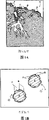
图5B显示了本发明制备的一具体实施方案的颗粒大小。Figure 5B shows the particle size of a specific embodiment prepared in accordance with the present invention.
本发明优选具体实施方案的详细描述DETAILED DESCRIPTION OF PREFERRED EMBODIMENTS OF THE INVENTION
附图显示了现有技术的三组分过滤介质颗粒和一些,而不是全部的本发明的结块的结合剂颗粒状介质。本发明的优选介质在后文和权利要求中称作“处理介质”,该术语包括用于多种用途的介质,如过滤、添加添加剂、吸附、金属移除和流体的其他处理,该流体优选为液体和气体。The figures show prior art three-component filter media particles and some, but not all, agglomerated binder granular media of the present invention. Preferred media of the present invention are referred to hereinafter and in the claims as "processing media", a term that includes media used for a variety of purposes such as filtration, additive addition, adsorption, metal removal, and other treatment of fluids that are preferably for liquids and gases.
上述优选的介质颗粒由两组分组成,这两组分是形成核/支持物或一连接方式的结合剂,和对进行流体过滤和/或处理具有活性的材料。因为该核/支持物/连接方式是结合剂材料,因此不需要这两种组分外的其它组分,也就是说不需要任何固体支持物微粒。本发明颗粒的优选结构是:1)非均一形状的结合剂支持基质,微粒状活性材料与其连接,基质具有许多内部空隙或通道;2)多个被微粒状活性材料包被的结合剂核(通常地保持结合剂微粒的原有形状),其中由于其它结合剂使该核连接在一起或因为部分该结合剂核是暴露的且彼此结合在一起,因此该多个包被核连接在一起形成单一颗粒;3)在不连续部分用相对更少量的结合剂使多个活性微粒结合在一起;和4)某种方式的两两组合结构或这些结构的组合。在稍差的优选具体实施方案中,每种颗粒含有单一的、一般球状的被微粒状活性材料包被的结合剂材料核。The preferred media particles described above are composed of two components which are a binding agent forming the core/support or a means of attachment, and a material active for fluid filtration and/or treatment. Since the core/support/linkage means is the binder material, no other components than these two components are required, ie no solid support particles are required. The preferred structure of the particle of the present invention is: 1) a heterogeneously shaped binding agent support matrix, the particulate active material is connected to it, and the matrix has many internal voids or channels; 2) a plurality of binding agent cores coated by the particulate active material ( Usually retains the original shape of the binding agent particle), wherein the plurality of coated cores are linked together to form A single particle; 3) a plurality of active particles bound together in discrete portions with a relatively smaller amount of binding agent; and 4) a pairwise structure in some way or a combination of these structures. In a less preferred embodiment, each particle contains a single, generally spherical core of binder material coated with particulate active material.
上述结合剂的熔融指数范围是使它在上述介质的制备过程中1)完全变形以使多个结合剂材料结合在一起而形成微粒块/团或结合剂基质,和/或2)产生足够的粘性而使活性材料与其连接。在制备步骤的最后或接近最后时冷却得到的颗粒,从而使该结合剂在都具有内部空隙和通道的“块”、“基质”或“连接形状”中固化/变得牢固。The melt index range of the above-mentioned binder is such that it 1) fully deforms during the preparation of the above-mentioned medium to bind multiple binder materials together to form a particulate mass/agglomerate or binder matrix, and/or 2) produces sufficient sticky so that the active material is attached thereto. The resulting particles are cooled at or near the end of the preparation step so that the binder solidifies/becomes firm in "blocks", "matrixes" or "connected shapes" all having internal voids and channels.
在上述颗粒中,“块”、“基质”和“连接”结合剂形成的形状依赖于该结合剂的软化点/熔融指数、制备过程中的温度和结合剂和活性材料的大小和类型。如果采用较高的熔融指数和/或较长的混合时间或在加热步骤中采用较高的温度,和任选地进行压缩,那么该结合剂材料就倾向于形成“基质”,其以连接在一起的多个结合剂微粒的形式存在,且完全失去其原来的形状,变形或“涂敷”而使不规则形状部分形成有内部空间的网。如果采用较低的熔融指数和/或较短的混合时间或加热步骤中采用较低的温度,和进行低压缩或优选地不进行压缩,那么该结合剂微粒倾向于结合在一起,但一般仍保留原来的形状。如果采用的结合剂的量比活性微粒的量低,那么结合剂微粒倾向于两两结合,形成位于几种活性微粒间的连接子,而不会与多个其它结合剂微粒结合而形成结合剂块或基质。In the above particles, the shape formed by the "block", "matrix" and "linkage" binder depends on the softening point/melt index of the binder, the temperature during preparation and the size and type of binder and active material. If a higher melt index and/or longer mixing time or higher temperature is used in the heating step, and optionally compression, then the binder material tends to form a "matrix" that binds the It exists in the form of multiple binder particles together and completely loses its original shape, deforming or "coating" so that the irregularly shaped parts form a network with internal spaces. If a lower melt index and/or shorter mixing time or lower temperature is used in the heating step, and low or preferably no compression is used, the binder particles tend to bond together, but generally still Keep the original shape. If the amount of binding agent used is lower than the amount of active particles, then the binding agent particles tend to combine two by two, forming a linker between several active particles, and will not combine with multiple other binding agent particles to form a binding agent blocks or substrates.
上述颗粒的两组分可以选自一系列的常规结合剂和主活性材料,该结合剂优选为聚合的结合剂,其对流体无活性或是惰性的,优选对待处理液不产生处理或化学作用,优选对待处理液不产生物理作用。包被的材料优选为根据特定的处理目的选择的活性材料。活性包被材料的例子包括金属吸附剂或碳。另外,金属屑或微粒可以是有效的活性材料。The two components of the above particles can be selected from a series of conventional binders and primary active materials, the binder is preferably a polymeric binder, which is inactive or inert to the fluid, preferably does not produce a treatment or chemical action on the fluid to be treated , preferably the liquid to be treated does not produce physical effects. The coated material is preferably an active material selected for a particular treatment purpose. Examples of active coating materials include metal adsorbents or carbon. Additionally, metal shavings or particulates can be effective active materials.
特定地参考的附图:Drawings specifically referred to:
图1B,现有的三组分颗粒G’,其具有大的支持微粒(S),中等大小的主材料(P)外层和与中间层融合在一起的小的结合剂微粒(B)。当将这三种大小的微粒混合并加热时,就产生需要的现有技术产品,即大的固体核,活性主成分通过结合剂与其外层表面结合。Figure 1B, Existing three-component particle G', which has a large support particle (S), a medium-sized outer layer of host material (P) and a small binder particle (B) fused together with the middle layer. When these three particle sizes are mixed and heated, the desired prior art product is created, a large solid core with the active principal ingredient bound to its outer surface by a binding agent.
参考图2-4,本发明的方法和组合物使每体积的介质产生非常高的活性表面积和良好的压力降特性。该高的活性表面积产生于小的结合剂微粒和包被在该结合剂材料上的小的活性(或“主”)材料,而不依赖于沿着大的固体核包被在结合剂上的主材料。本发明的介质获得这种高的表面积和可接受到优良范围的压力降,是因为每种现有技术的颗粒的固体核被结合剂块或基质或小的、不连续量的与部分活性微粒连接的结合剂代替,该结合剂具有许多内部空隙和通道,从而允许流体流进或流过该颗粒。Referring to Figures 2-4, the methods and compositions of the present invention result in very high active surface area per volume of media and good pressure drop characteristics. The high active surface area results from the small binder particles and the small active (or "host") material coating the binder material, rather than relying on the binding agent coating along the large solid core. main material. The medium of the present invention achieves this high surface area and acceptable to good range of pressure drop because the solid core of each prior art particle is bounded by a mass or matrix of binding agent or a small, discrete amount of active particulate with a portion Instead, an attached binder has many internal voids and channels allowing fluid to flow into or through the particle.
特定地参考图2,显示了本发明一具体实施方案的的介质颗粒20的横切面图,其中该颗粒20的中央核包括一结合剂基质22,即一种具有多个空隙和通道24的不均一结构的结合剂(图2中的交叉阴影线)。图2的具体实施方案是采用使结合剂变形而不使该活性微粒被包被的较高熔融指数(例如,10g/min)和温度制备的。主要的活性微粒26与结合基质22结合,包被部分或整个基质外表面32或基质的所有内表面34,即环绕并形成空隙和通道24的表面。如图2所示,该结合剂基质22不是均一形状的形式,而是具有内部空隙的不规则形状的网。图2的颗粒20的结合剂材料已经软化和充分地变形而连接在一起并完全丧失其原来的形状。Referring specifically to FIG. 2 , there is shown a cross-sectional view of a
在图3A中,本发明的介质颗粒50具有一结合剂微粒组成的中央核,该结合剂微粒已经软化并具有稍微变形,虽然它们彼此结合在一起,但是它们更多地保留了它们通常的原来形状。因此,该结合剂材料形成一具有内部空隙和通道54的核,即结合剂的“块”或“团”或“组”52(图3A中的交叉阴影线)。重要的是,活性微粒56与部分或所有的块52的外表面62,和部分或所有的环绕并形成空隙和通道54的内表面64结合。认为产生这种块或组效果(与基质相对应)的原因是下列一种因素或多种因素的组合:较低的温度,较低的搅动或搅拌时间,没有压缩,非常低的熔融指数和/或结合剂与活性材料的相对高的比例。In FIG. 3A, the
图3B显示了介质颗粒150,其中的结合剂微粒或球152(交叉阴影线显示)通过将活性微粒两两连接而使该活性微粒156连接在一起,而不与许多其他的结合剂微粒或球连接。在这个具体实施方案中,结合剂球分散在活性微粒之间,但是不倾向于形成连续基质或连续块状的结合剂。象上述基质或块状的结合剂结构一样,这种“连接子”结合剂结构也在各颗粒中产生大量的空隙和通道154,从而增加了表面积和产生了良好的压力降。例如,可以通过将相对少量的结合剂与活性微粒混合,来实施该实施例,如下文的实施例I和II。Fig. 3 B has shown
图3B显示了由相对大的、不规则形状的活性碳微粒156组成的颗粒,其中的活性碳微粒通过更小的结合剂微粒/球152结块在一起。在这个具体实施方案中,其中的相对小的、不连续的结合剂部分与相对大的活性材料微粒连接,在各个颗粒中有许多空隙和通道,在该颗粒的各个方向延伸。FIG. 3B shows a particle consisting of relatively large, irregularly shaped activated
本发明的优选具体实施方案不包括压缩结合剂和活性微粒的混合物。但是,一些较优选的具体实施方案可以包括有限量的压缩,如图4所示。当颗粒仍然处于结合剂软化点之上时,对已成形的颗粒进行压缩步骤,例如在1-30psi范围内进行压缩,接着分离并挑选目的大小的颗粒。如图4所示,该活性微粒76更不均一地与结合剂核72(交叉阴影线)结合,在该颗粒的外表面82处和空隙与通道74的内表面84处更深地植入到结合剂材料中。在颗粒70中也有许多容易接近待处理液的内部空隙和通道74,如同其它颗粒20、50一样。A preferred embodiment of the invention does not involve compressing the mixture of binding agent and active microparticles. However, some preferred embodiments may include a limited amount of compression, as shown in FIG. 4 . While the granules are still above the softening point of the binder, the formed granules are subjected to a compression step, for example in the range of 1-30 psi, followed by separation and sorting of granules of desired size. As shown in FIG. 4, the active particle 76 is more heterogeneously bound to the binding agent core 72 (cross-hatched), implanted deeper into the binding agent at the outer surface 82 of the particle and at the inner surface 84 of the void and channel 74. in the agent material. There are also a number of internal voids and channels 74 in the particle 70, as in the
在本发明的结块的结合剂颗粒中,可以使用许多不同大小、类型和混合的结合剂和活性材料。活性材料的大小可以是850微米(大约20目)到1微米,例如,优选的大小为300微米(大约50目)到1微米。一些具体实施方案使用仅150微米和更小的活性材料是非常有效的。优选的活性材料可以选自活性碳,例如50×20目的碳,引导型吸附剂(lead sorbent),合成的和天然的沸石,氧化铝,氢氧化钛,水合金属氧化物,树脂,具有比结合剂更高软化点的带电荷的聚合物和其混合物。可以使用其他的活性微粒来进行不同的处理工艺,这些在理解本发明的说明书和附图后对于本领域的普通技术人员来说是公知的。例如,所述的主材料可以是无机的水合金属氧化物,无定型的金属硅,无机水合氧化钛或硅酸钛,无机水合氧化锡或硅酸锡和其混合物,硅酸钛、硅酸锡和其混合物。例如,主材料可以是微粉化的或粉末形式。Many different sizes, types and combinations of binders and active materials can be used in the agglomerated binder particles of the present invention. The size of the active material can be from 850 microns (approximately 20 mesh) to 1 micron, for example, a preferred size is from 300 microns (approximately 50 mesh) to 1 micron. Some embodiments are very efficient with active materials of only 150 microns and smaller. Preferred active materials can be selected from activated carbon, e.g. 50×20 mesh carbon, lead sorbent, synthetic and natural zeolites, alumina, titanium hydroxide, hydrated metal oxides, resins, with specific binding Charged polymers and mixtures thereof with higher softening points. Other active particles can be used for different treatment processes, which are known to those of ordinary skill in the art after understanding the description and drawings of the present invention. For example, the host material can be inorganic hydrated metal oxide, amorphous metal silicon, inorganic hydrated titanium oxide or titanium silicate, inorganic hydrated tin oxide or tin silicate and mixtures thereof, titanium silicate, tin silicate and its mixture. For example, the host material may be in micronized or powder form.
本发明的结合剂的例子可以是热塑性的聚合物、热塑性的聚合物,结晶的聚合物和其混合物,优选是聚烯烃、聚酰胺和其混合物。例如聚乙烯、聚丙烯、乙烯醋酸乙烯和其混合物是特别有用的。例如,该结合剂材料可以微粒/粉末形式提供。本发明的结合剂最优选具有范围为150-400F度的维卡软化点,因而,本发明颗粒中包含的活性材料具有高于400F度的软化点,一般要比400F度高的多。Examples of binders according to the invention may be thermoplastic polymers, thermoplastic polymers, crystalline polymers and mixtures thereof, preferably polyolefins, polyamides and mixtures thereof. For example polyethylene, polypropylene, ethylene vinyl acetate and mixtures thereof are particularly useful. For example, the binder material may be provided in particulate/powder form. The binders of the present invention most preferably have a Vicat softening point in the range of 150-400°F, thus, the active material contained in the particles of the present invention has a softening point above 400°F, generally much higher than 400°F.
上述结合剂微粒可以具有宽范围的直径,如10-10,000微米,优选的结合剂微粒具有的直径范围为约1-150微米,更优选为75-150微米或大约100×200标准U.S.目。The above-mentioned binding agent particles can have a wide range of diameters, such as 10-10,000 microns, preferably the binding agent particles have a diameter in the range of about 1-150 microns, more preferably 75-150 microns or about 100 x 200 standard U.S. mesh.
在用于使结合剂与活性微粒结块的加热步骤中,该结合剂微粒优选不流动,但是软化和/或使原始形状变形到一定程度以形成优选的结合剂基质,多个结合剂结合在一起形成颗粒,和/或活性材料与不连续的结合剂部分连接。优选的结合微粒的熔融指数为≤10g/min。为形成图2所示的结合剂基质,熔融指数范围为1-10g/min的结合剂微粒是合适的。具有≤1g/min范围的非常低的熔融指数的结合剂微粒更可能形成如图3和图4的具体实施方案所示的结合剂结构。用常规的标准熔融指数测试法测定,称作“零”或非常低熔融指数的结合剂,即熔融指数优选等于或小于1g/10min的结合剂显示出超高的活性和稍高的粉末含量(用ASTM D1238或DIN 53735在190℃和15千克的条件下测定熔融指数。)During the heating step used to agglomerate the binding agent with the active microparticles, the binding agent particles preferably do not flow, but soften and/or deform the original shape to some extent to form a preferred binding agent matrix on which a plurality of binding agents are bound. Particles are formed together, and/or the active material is linked to discrete binder moieties. Preferred bonded particles have a melt index of < 10 g/min. To form the binder matrix shown in Figure 2, binder particles having a melt index in the range of 1-10 g/min are suitable. Binder particles with a very low melt index in the range < 1 g/min are more likely to form binder structures as shown in the embodiments of FIGS. 3 and 4 . Binders referred to as "zero" or very low melt index, ie, binders with a melt index preferably equal to or less than 1 g/10 min, as determined by the conventional standard melt index test, exhibited ultra-high activity and a slightly higher powder content ( Melt index is determined by ASTM D1238 or DIN 53735 at 190°C and 15 kg.)
图5B示意了本发明两组分系统的大小范围的实施例,其中活性微粒的范围为约1-150微米(100-500目),结合剂微粒的范围也为1-150微米。优选地,没有比主微粒和结合剂微粒大的微粒,即没有如三组分颗粒中典型地具有的大支持物微粒。如图5B所示,根据制备、分粒、筛选和处理的方法,在优选目范围的外边存在小百分率材料(约5wt%下的尾巴)。Figure 5B illustrates an example of the size range of the two-component system of the present invention, wherein the active particles range from about 1-150 microns (100-500 mesh), and the binder particles also range from 1-150 microns. Preferably, there are no particles larger than the primary and binder particles, ie no large support particles as is typically found in three-component particles. As shown in Figure 5B, depending on the method of preparation, sizing, screening and handling, there is a small percentage of material (tails at about 5 wt%) outside the preferred mesh range.
由于具有使高的表面积暴露于待处理水或液体的内部空隙和通道,因而本发明的颗粒提供了高的活性和高的表面积。通过将该颗粒分粒成对流过颗粒床不产生阻碍的合适大小范围可以获得良好的压力降,本发明许多具体实施方案的的介质颗粒的总体直径为4-200目(76微米到约4700微米)。优选为4-100目(140微米到约4700微米)。这是因为许多1-150微米(甚至更大)的结合剂微粒结合在一起并被主活性材料(1-150微米或更大)包被。在特定优选的制备工艺中,分粒是优选使任何大于1700微米的颗粒分成多种250-1700微米的颗粒。The particles of the present invention provide high activity and high surface area due to internal voids and channels that expose high surface area to the water or liquid to be treated. Good pressure drop can be obtained by classifying the particles into a suitable size range that does not impede flow through the particle bed. The media particles of many embodiments of the present invention have an overall diameter of 4-200 mesh (76 microns to about 4700 microns) ). 4-100 mesh (140 microns to about 4700 microns) is preferred. This is because many 1-150 micron (or even larger) binder particles are bonded together and coated by the primary active material (1-150 micron or larger). In a particularly preferred preparation process, sizing is preferably such that any particles larger than 1700 microns are separated into a plurality of particles of 250-1700 microns.
为了实施该优选具体实施方案,将两种粉末混合,一种是结合剂粉末,另一种是碳粉或粉末状吸附剂或其他活性材料。所述混合物的许多具体实施方案和由此得到的颗粒含有8-50wt-%的结合剂和92-50wt-%的活性材料,不含其他组分。更优选地,所述的混合物和由此得到的颗粒含有8-35wt-%的结合剂和92-65wt-%的活性材料,不含其他组分。To practice this preferred embodiment, two powders are mixed, one being a binder powder and the other being a carbon powder or a powdered sorbent or other active material. Many embodiments of the mixture and the granules obtained therefrom contain 8-50 wt-% binder and 92-50 wt-% active material, without other components. More preferably, said mixture and granules obtained therefrom contain 8-35 wt-% binder and 92-65 wt-% active material, without other components.
将上述混合物加热到足够使该结合剂软化的温度以形成结合剂基质、块或连接子,由于结合剂,因而该活性材料将结合剂基质或块包被或与其结合在一起。对于许多优选的结合剂,该温度一般为275-350F度,甚至可以更高,例如275-425度或甚至高到500F度。目标温度约在维卡软化点的25度内,但可以根据需要的特定颗粒性质来降低或升高。本发明的许多具体实施方案的质量和效果对所选择的温度并不敏感。如果使用许多聚烯烃结合剂微粒,其在加热前是白色的,人们就会发现当将该颗粒加热到合适颜色时,该颗粒就会丧失其白色并变得明显。The above mixture is heated to a temperature sufficient to soften the binder to form a binder matrix, mass or linker with which the active material coats or binds the binder matrix or mass together. For many preferred binders, this temperature is typically 275-350°F, and can be even higher, such as 275-425°F or even as high as 500°F. The target temperature is within about 25 degrees of the Vicat softening point, but can be lowered or raised depending on the particular particle properties desired. The quality and effectiveness of many embodiments of the invention are insensitive to the temperature chosen. If many polyolefin binder particles are used, which are white before heating, one finds that when the particles are heated to the appropriate color, the particles lose their white color and become apparent.
在保温的情况下,将产生于加热和搅拌步骤的上述材料进行分粒,用不同方法冷却该混合物到室温以获得本发明的介质。在保温的情况下而不是冷却后对热的混合物进行分粒会限制粉末的产生,认为这是因为热颗粒裂开成理想大小的颗粒包括部分结合剂的分离和撕开,而不包括固化的结合剂或活性微粒的裂开,因而不会产生大量的粉末。对冷却的混合物(或冷的颗粒的压缩块)进行分粒,这样可以裂开结合剂和/或活性微粒,而产生更多的结合剂和/或活性材料粉末。The above-mentioned material resulting from the heating and stirring step is classified under heat preservation, and the mixture is cooled to room temperature in various ways to obtain the medium of the present invention. Classification of hot mixtures while held at temperature rather than after cooling limits powder production, thought to be because hot granulation splitting into ideally sized particles involves separation and tearing of part of the binder but not solidified Fragmentation of binders or active particles so that large amounts of powder are not produced. Classification of the cooled mixture (or cold compressed mass of granules) breaks the binder and/or active particles to produce more binder and/or active material powder.
为了使用,将本发明的介质装载到一弹药筒、过滤器、槽、室或其他容器中,该容器具有合适的支持物和筛子和引导流体流向介质和流离介质的流进和流出装置。操作温度应该完全在介质制备温度以下,以防止结合剂足够软而释放出主材料和防止该结合剂进一步变形。本发明的介质在自流式水过滤应用中特别有用。For use, the media of the present invention are loaded into a cartridge, filter, tank, chamber or other container having suitable holders and screens and inflow and outflow means for directing fluid flow to and from the media. The operating temperature should be well below the media preparation temperature to prevent the binder from being soft enough to release the host material and prevent further deformation of the binder. The media of the present invention are particularly useful in self-flowing water filtration applications.
通过仅使用两组分,而不需要第三组分(即不需要常规的无粘性的非粘接支持物),制造者就可以得到高产量的高活性—表面积、合适压力降的介质。优选的方法和组合物产生的颗粒在过滤/处理床或室中显示出合适的包装特性,且显示出优良的处理效果。通过使用本发明的方法,能得到高产量的本说明书所述的产品。By using only two components, without the need for a third component (ie, without the need for conventional non-adhesive, non-adhesive supports), manufacturers can achieve high yields of high active-surface area, moderate pressure drop media. Preferred methods and compositions produce particles that exhibit suitable packaging characteristics in filtration/treatment beds or chambers and exhibit superior treatment results. By using the method of the present invention, a high yield of the product described in this specification can be obtained.
本发明的介质称作“两组分”介质,因为其由结合剂材料和活性材料制备而成,而不是由固体支持物、结合剂材料和活性材料的混合物组成。本发明使用术语“两组分”,并不倾向于将该结合剂限定为仅一种类型的聚合物,例如,而是倾向于包括这种结合剂:该结合剂含有在合适范围的温度时可以软化而使活性材料与该结合剂结合和使多个结合剂微粒彼此结合的一种结合剂或两种或多种结合剂的混合物。另外,本发明并不倾向于用“两组分”来将活性材料限定为仅一种类型的活性材料,而是倾向于包括一种活性材料或两种或多种活性材料的混合物。The media of the present invention are referred to as "two-component" media because they are prepared from a binder material and an active material rather than a mixture of a solid support, binder material and active material. The use of the term "two-component" in the present invention is not intended to limit the binder to only one type of polymer, for example, but is intended to include binders that contain A binding agent or a mixture of two or more binding agents may be softened to bind the active material to the binding agent and bind the binding agent particles to each other. In addition, the present invention does not intend to use "two components" to limit the active material to only one type of active material, but is intended to include one active material or a mixture of two or more active materials.
例如,上述结合剂自身可以是几种不同结合剂微粒的混合物,这几种不同结合剂优选但不必需地具有相接近的同一熔融/软化点。例如,可以使用不同的聚烯烃,或者使用两种不同结合剂,其中一种适于在颗粒中产生空隙和通道,另一种降低粉末性。For example, the aforementioned binder may itself be a mixture of several different binder particles, preferably but not necessarily having similar melting/softening points. For example, different polyolefins can be used, or two different binders can be used, one of which is suitable for creating voids and channels in the particles and the other of which reduces powderiness.
同样,上述活性材料可以是几种用于不同目的的不同活性微粒的混合物,这些微粒优选但不必需地具有相似的同一直径范围。使用两种或多种对待处理液中的不同金属或不同生物体(species)具有特异性的活性材料。该不同的活性材料可以存在于结合剂中的单层或多层中,或者存在于“连接子”形式的结合剂结构中,该不同的活性材料可以通过不连续的结合剂球而与临近的活性材料彼此结合在一起形成活性材料的任意结构。Likewise, the above-mentioned active material may be a mixture of several different active particles for different purposes, preferably but not necessarily having similar diameter ranges. Two or more active materials specific to different metals or different species in the liquid to be treated are used. The different active materials can be present in a single layer or multiple layers in the binder, or in the binder structure in the form of "linkers", which can be connected to adjacent spheres by discrete binder spheres. Active materials are combined with each other to form any structure of active materials.
通过使用低熔融指数的结合剂材料,优选地防止了该结合剂将活性材料包被或将其活性位点覆盖,然而,在在上述介质制备过程中使用的温度下该结合剂的粘性使活性材料与结合剂的外表面和内部空隙的结合剂表面及上述颗粒的通道结合。本发明颗粒的支持结构的优选形状包括结合剂基质、结合剂包被核或位于活性微粒间的相对小的、不连续量的结合剂。该“包被”支持结构包括部分或整个地包被该结合剂的外表面,意思即是该颗粒的外表面被活性微粒包被,在活性微粒包被或附着的颗粒的里面,该颗粒具有由结合剂表面形成的内部空隙和通道。优选地,如上文所述,该不同的结合剂结构使活性材料聚集成块,而不需要除该结合剂之外的任何支持物,具体地在该介质颗粒的中央或中央附近不需要由大固体颗粒支持物组成的第三组分。By using a binder material with a low melt index, the binder is preferably prevented from coating the active material or covering its active sites, however, the viscosity of the binder at the temperatures used in the above media preparation process makes the activity The material binds to the outer surface of the binder and the binder surfaces of the inner voids and channels of the particles described above. Preferred shapes for the support structure of the particles of the invention include a binding agent matrix, a binding agent coated core, or relatively small, discrete amounts of binding agent located between the active particles. The "coated" support structure includes partially or entirely coating the outer surface of the binding agent, meaning that the outer surface of the particle is coated with active particles, and inside the particle coated or attached to the active particles, the particle has Internal voids and channels formed by the surface of the binder. Preferably, as described above, the different binder structures allow the active material to aggregate into agglomerates without requiring any support other than the binder, in particular without the need for large A third component consisting of a solid particulate support.
与现有的材料比较,因为体积没有被大小比上述活性材料大得多的固体支持微粒占据,因此本发明的颗粒提供了增加的活性表面积。由于结合剂和活性材料微粒结合在一起,因此与现有的大固体支持颗粒比较,本发明的介质的压力降得到了一些提高。而且,本发明的颗粒的这种混合的结合剂和活性材料结构具有大量的内部空隙和通道,从而提供了可接受的或良好的压力降,即使在自流应用中,液体会流进或流过颗粒间和颗粒内的空隙。而且,与现有技术的三组分颗粒相比,本发明的颗粒中的活性材料具有更多的量和更高暴露的面积区域,这使每体积介质的活性提高。Compared to existing materials, the particles of the present invention provide increased active surface area because the volume is not taken up by solid support particles that are much larger in size than the active materials described above. Due to the bonding of the binder and active material particles, the media of the present invention provides some increase in pressure drop compared to existing large solid support particles. Moreover, this mixed binder and active material structure of the particles of the present invention has a large number of internal voids and channels, thereby providing acceptable or good pressure drop, even in self-flowing applications, liquid will flow into or through Voids between and within particles. Furthermore, the active material in the particles of the present invention has a higher amount and a higher exposed area area than the prior art three-component particles, which results in increased activity per volume of media.
结块的结合剂活性材料的特别优选的颗粒的实施例包括:与聚烯烃结合剂结块的活性碳,与聚烯烃结合剂结块的水合金属氧化物微粒(含有或不含有活性碳活性微粒),砷还原材料,如与不同结合剂结块的氧化铁,用于去除氯的与聚乙烯结合剂结块的醇金属粉末。Examples of particularly preferred particles of agglomerated binder active material include: activated carbon agglomerated with polyolefin binder, hydrated metal oxide particles (with or without activated carbon active particles) agglomerated with polyolefin binder ), arsenic reducing materials such as iron oxide agglomerated with different binders, metal alcohol powder agglomerated with polyethylene binders for chlorine removal.
实施例IExample I
将50×20目活性碳与聚烯烃结合剂(最小微粒大小为20微米的“Microthene FN510”粉末状聚烯烃结合剂)混合,其中的活性碳占该混合物的85-92wt-%,聚烯烃结合剂占该混合物的15-8wt-%。Mix 50×20 mesh activated carbon with polyolefin binder ("Microthene FN510" powdered polyolefin binder with a minimum particle size of 20 microns), wherein the activated carbon accounts for 85-92wt-% of the mixture, polyolefin binder The agent constitutes 15-8 wt-% of the mixture.
均一地混合并搅拌的情况下,在2-10分钟内将该混合物加热到325-375F度,在该过程中持续搅拌或搅动该混合物。With uniform mixing and agitation, heat the mixture to 325-375°F over 2-10 minutes, continuing to stir or agitate the mixture during this time.
在加热的情况下用20×50目的筛子对得到的颗粒进行分粒,冷却。The obtained granules were classified with a 20×50 mesh sieve under the condition of heating, and cooled.
实施例IIExample II
将40-70微米大小的Alusil粉末(可从Selecto Scientific得到)与微粒大小为20微米的“Microthene FN510”粉末状聚烯烃结合剂混合,其中该Alusil粉末占该混合物的65-90wt-%,结合剂占该混合物的35-10wt-%。可选择地,Alusil粉末占该混合物的80-90wt-%,结合剂占该混合物的20-10wt-%。Alusil powder of 40-70 micron size (available from Selecto Scientific) was mixed with "Microthene FN510" powdered polyolefin binder having a particle size of 20 microns, wherein the Alusil powder accounted for 65-90 wt-% of the mixture, binding The agent constitutes 35-10 wt-% of the mixture. Alternatively, the Alusil powder comprises 80-90 wt-% of the mixture and the binder comprises 20-10 wt-% of the mixture.
均一地混合并搅拌的情况下,在2-10分钟内将该混合物加热到325-375F度,在该过程中持续搅拌或搅动该混合物。With uniform mixing and agitation, heat the mixture to 325-375°F over 2-10 minutes, continuing to stir or agitate the mixture during this time.
在加热的情况下用20×50目的筛子对得到的颗粒进行分粒,冷却。The obtained granules were classified with a 20×50 mesh sieve under the condition of heating, and cooled.
虽然本发明通过参考具体的方式、材料和具体实施方案进行了如上描述,但是并不能理解为将本发明限制为这些具体公开,而使倾向于下列权利要求的范围内所包含的所有等同替换。While the invention has been described with reference to particular means, materials and specific embodiments, it is not to be construed as limiting the invention to such specific disclosure, but to all equivalents encompassed within the scope of the following claims.
Claims (8)
Applications Claiming Priority (2)
| Application Number | Priority Date | Filing Date | Title |
|---|---|---|---|
| US36702802P | 2002-03-23 | 2002-03-23 | |
| US60/367,028 | 2002-03-23 |
Publications (2)
| Publication Number | Publication Date |
|---|---|
| CN1652870A CN1652870A (en) | 2005-08-10 |
| CN1315568C true CN1315568C (en) | 2007-05-16 |
Family
ID=28675312
Family Applications (1)
| Application Number | Title | Priority Date | Filing Date |
|---|---|---|---|
| CNB038111853A Expired - Lifetime CN1315568C (en) | 2002-03-23 | 2003-03-24 | Filtration media comprising granules of binder-agglomerated active component |
Country Status (7)
| Country | Link |
|---|---|
| US (3) | US7293661B2 (en) |
| EP (1) | EP1487561B1 (en) |
| CN (1) | CN1315568C (en) |
| AT (1) | ATE474646T1 (en) |
| AU (1) | AU2003228347A1 (en) |
| DE (1) | DE60333441D1 (en) |
| WO (1) | WO2003082436A2 (en) |
Cited By (1)
| Publication number | Priority date | Publication date | Assignee | Title |
|---|---|---|---|---|
| TWI664999B (en) * | 2014-05-13 | 2019-07-11 | Arkema Inc. | Block products incorporating small particle thermoplastic binders and methods of making same |
Families Citing this family (32)
| Publication number | Priority date | Publication date | Assignee | Title |
|---|---|---|---|---|
| ATE474646T1 (en) * | 2002-03-23 | 2010-08-15 | Omnipure Filter Company | FILTER MEDIUM WITH GRAINS OF A BINDER-AGGLOMERIZED ACTIVE COMPONENT |
| WO2004039494A1 (en) * | 2002-10-29 | 2004-05-13 | Kuraray Chemical Co.,Ltd. | Composite adsorbent and method for production thereof, and water purification material and water purifier |
| US7618606B2 (en) * | 2003-02-06 | 2009-11-17 | The Ohio State University | Separation of carbon dioxide (CO2) from gas mixtures |
| US7303683B2 (en) * | 2003-04-04 | 2007-12-04 | The Clorox Company | Microorganism-removing filter medium having high isoelectric material and low melt index binder |
| US7846333B2 (en) * | 2003-11-24 | 2010-12-07 | Effendorf AG | Porous media |
| WO2006099599A2 (en) * | 2005-03-17 | 2006-09-21 | The Ohio State University | High temperature co2 capture using engineered eggshells: a route to carbon management |
| US7378372B2 (en) * | 2005-10-11 | 2008-05-27 | Layne Christensen Company | Filter and sorbent for removal of contaminants from a fluid |
| WO2008036861A2 (en) * | 2006-09-20 | 2008-03-27 | Omnipure Filter Company, Inc. | Solid profile filters comprising activated carbon fiber rods and methods of making and using same |
| CA2860684C (en) * | 2006-09-25 | 2015-12-01 | The Ohio State University | High purity, high pressure hydrogen production with in-situ co2 and sulfur capture in a single stage reactor |
| WO2008061244A2 (en) * | 2006-11-16 | 2008-05-22 | Multisorb Technologies, Inc. | Clean, compressed sorbent tablets |
| US8116029B2 (en) * | 2007-11-09 | 2012-02-14 | Donaldson Company, Inc. | Contaminant-control material for use in an electronic enclosure |
| CN101952498B (en) * | 2007-12-31 | 2013-02-13 | 3M创新有限公司 | Composite nonwoven web having continuous particulate phase and methods of making and using same |
| DE102008058249A1 (en) * | 2008-11-14 | 2010-05-20 | BLüCHER GMBH | Adsorptive structures and their use |
| WO2010080251A1 (en) | 2008-12-18 | 2010-07-15 | 3M Innovative Properties Company | Filter element utilizing shaped particle-containing nonwoven web |
| DE102009044675A1 (en) * | 2009-11-27 | 2011-06-01 | Wolf Pvg Gmbh & Co. Kg | Filter material for odor- and pollutant filters, comprises an expanded absorbent filling, which comprises agglomerate, which is formed predominantly from absorbent particles, which are adhered with a binding agent |
| US9386803B2 (en) * | 2010-01-06 | 2016-07-12 | Celanese Acetate Llc | Tobacco smoke filter for smoking device with porous mass of active particulate |
| DE202010009493U1 (en) * | 2010-02-15 | 2011-04-07 | BLüCHER GMBH | Agglomerates of adsorbent particles |
| US9839868B2 (en) | 2010-06-15 | 2017-12-12 | Karl J. Fritze | Electrically enhanced filter cartridge and methods for its use |
| CN103237467A (en) * | 2010-10-15 | 2013-08-07 | 塞拉尼斯醋酸纤维有限公司 | Apparatus, system and related method for forming porous mass for smoke filter |
| US20130118987A1 (en) | 2011-11-16 | 2013-05-16 | Ecowater Systems Llc | Anti-scale water treatment system and method |
| US20130134100A1 (en) * | 2011-11-28 | 2013-05-30 | Celanese Acetate Llc | Compacted Filter Beds Comprising Non-Sintered, Buoyant Filter Media and Methods Relating Thereto |
| US20140305643A1 (en) * | 2011-12-06 | 2014-10-16 | Imerys Oilfield Minerals, Inc. | Granulated inorganic particulates and their use in oilfield applications |
| EP2874740B1 (en) | 2012-06-26 | 2019-10-23 | Imerys Filtration Minerals, Inc. | Co-agglomerated composite materials |
| EP2994212A4 (en) * | 2013-05-10 | 2017-01-25 | Arkema Inc. | Block products incorporating small particle thermoplastic binders and methods of making same |
| CN105473229B (en) * | 2013-09-11 | 2017-05-17 | 三井金属矿业株式会社 | Exhaust gas purification catalyst |
| JP6085336B2 (en) * | 2015-06-18 | 2017-02-22 | 関西熱化学株式会社 | Activated carbon molded body, method for producing the activated carbon molded body, adsorbent using the activated carbon molded body, and occlusion material |
| WO2018199995A1 (en) | 2017-04-28 | 2018-11-01 | Hewlett-Packard Development Company, L.P. | Metallic build material granules |
| JP7039395B2 (en) * | 2018-06-08 | 2022-03-22 | 株式会社Lixil | Fibrous binder for granulation |
| WO2021003105A1 (en) * | 2019-06-29 | 2021-01-07 | Aqua Guidance Technologies, Ltd. | Porous filter media |
| KR20210006243A (en) * | 2019-07-08 | 2021-01-18 | 엘지전자 주식회사 | filter for water purifier and water purifier using thereof |
| CA3147676A1 (en) * | 2019-08-13 | 2021-02-18 | Kristopher HOLUB | Methods and compositions for sample filtration |
| US11027987B1 (en) * | 2019-11-20 | 2021-06-08 | Andy Andalibian | Ballast water, bilge water, slop water, or oily water treatment system |
Citations (3)
| Publication number | Priority date | Publication date | Assignee | Title |
|---|---|---|---|---|
| US4102816A (en) * | 1976-10-18 | 1978-07-25 | The United States Of America As Represented By The Secretary Of The Interior | Adsorbent for polynuclear aromatic compounds |
| US5639550A (en) * | 1995-06-21 | 1997-06-17 | Specialty Media Corporation | Composite particulate material and process for preparing same |
| CN1314204A (en) * | 2001-02-28 | 2001-09-26 | 北京峰华铁讯有限责任公司 | Active carbon stick as composite material carrier and its preparing method |
Family Cites Families (37)
| Publication number | Priority date | Publication date | Assignee | Title |
|---|---|---|---|---|
| US53119A (en) * | 1866-03-13 | Improvement in water-closets | ||
| US42719A (en) * | 1864-05-10 | Improvement in safety-doors for churches | ||
| US5776353A (en) | 1996-02-16 | 1998-07-07 | Advanced Minerals Corporation | Advanced composite filtration media |
| US3721072A (en) * | 1970-07-13 | 1973-03-20 | Calgon Corp | Bonded activated carbon air filter |
| US4041961A (en) * | 1976-02-09 | 1977-08-16 | Shaler Amos J | Hair curler with sintered desiccant body |
| US4061807A (en) * | 1976-02-09 | 1977-12-06 | Shaler Amos J | Adsorbent body and method for making same |
| US4147624A (en) | 1976-04-15 | 1979-04-03 | Arthur D. Little, Inc. | Wastewater treatment with desorbing of an adsorbate from an adsorbent with a solvent in the near critical state |
| DE2804154C2 (en) * | 1978-01-31 | 1984-04-19 | Blücher, Hasso von, 4000 Düsseldorf | Filter material and method and device for its manufacture |
| US4299613A (en) | 1979-02-22 | 1981-11-10 | Environmental Chemicals, Inc. | Controlled release of trace nutrients |
| US5017318A (en) | 1986-04-07 | 1991-05-21 | Amway Corporation | Method of making a water filter |
| US4859386A (en) | 1986-04-07 | 1989-08-22 | Amway Corporation | Method of making a water filter |
| US4753728A (en) | 1986-04-07 | 1988-06-28 | Amway Corporation | Water filter |
| GB8804408D0 (en) | 1988-02-25 | 1988-03-23 | Raychem Sa Nv | Polyethylene alkyl acrylate adhesive composition |
| GB8827335D0 (en) | 1988-11-23 | 1988-12-29 | Du Pont Canada | Method for manufacture of modified polypropylene compositions |
| US5019311A (en) * | 1989-02-23 | 1991-05-28 | Koslow Technologies Corporation | Process for the production of materials characterized by a continuous web matrix or force point bonding |
| US5133871A (en) | 1990-06-12 | 1992-07-28 | Ehud Levy | Water filter |
| NL9100385A (en) | 1991-03-04 | 1992-10-01 | Stamicarbon | USE OF A PLASTIC DISPERSION AS A COVER FOR INORGANIC AND ORGANIC PARTICLES. |
| DE4117144A1 (en) | 1991-05-25 | 1992-11-26 | Basf Ag | HIGHLY FLOWABLE PROPYLENE ETHYLENE COPOLYMERISATE |
| US5332426A (en) * | 1992-07-29 | 1994-07-26 | Minnesota Mining And Manufacturing Company | Agglomerated activated carbon air filter |
| US5277931A (en) | 1992-08-21 | 1994-01-11 | Engelhard Corporation | Composite ion-exchange material, preparation and use thereof |
| DE4334767A1 (en) | 1993-10-12 | 1995-04-13 | Mst Micro Sensor Tech Gmbh | Selective carbon filter |
| US5582892A (en) | 1994-04-08 | 1996-12-10 | Minnesota Mining And Manufacturing Company | Dimensionally stable particle-loaded PTFE web |
| JP2766459B2 (en) | 1994-12-26 | 1998-06-18 | 株式会社ノリタケカンパニーリミテド | Adsorbent manufacturing method |
| US5631324A (en) | 1995-06-07 | 1997-05-20 | Acushnet Company | Golf ball covers |
| GB9515827D0 (en) | 1995-08-02 | 1995-10-04 | Scapa Group Plc | Pressure sensitive adhesive tape |
| US5953797A (en) | 1996-10-09 | 1999-09-21 | Velcro Industries B.V. | Hook fasteners and methods of manufacture |
| US5767060A (en) | 1996-10-30 | 1998-06-16 | Advanced Water Systems | Bonded polymer filter medium and its use |
| US6662956B2 (en) | 1997-03-18 | 2003-12-16 | Selecto, Inc. | Nanocrystal-containing filtration media |
| US20030032702A1 (en) | 1997-09-02 | 2003-02-13 | Marshall Medoff | Compositions and composites of cellulosic and lignocellulosic materials and resins, and methods of making the same |
| US5973035A (en) | 1997-10-31 | 1999-10-26 | Xyleco, Inc. | Cellulosic fiber composites |
| DE69841061D1 (en) | 1997-10-31 | 2009-09-24 | Metabolix Inc | Use of organic phosphonic or phosphinic acids, or of metal oxides or hydroxides, or of carboxylic acid salts of a metal as heat stabilizers for polyhydroxyalkanoates |
| EP1073610B1 (en) * | 1998-02-18 | 2009-04-01 | Abtech Industries, Inc. | Curb-inlet storm drain systems for filtering trash and hydrocarbons |
| WO1999054398A1 (en) | 1998-04-16 | 1999-10-28 | Cryovac Inc. | Ternary polymer blend, the film containing it, and the easy-to-open package made therewith |
| US6270609B1 (en) | 1999-01-11 | 2001-08-07 | 3M Innovative Properties Company | Hard disk drive filter |
| US6764601B1 (en) | 2001-04-16 | 2004-07-20 | Selecto Scientific, Inc. | Method for granulating powders |
| US6793866B2 (en) * | 2001-10-23 | 2004-09-21 | Equistar Chemicals, Lp | Process for producing bonded activated carbon structures and articles |
| ATE474646T1 (en) | 2002-03-23 | 2010-08-15 | Omnipure Filter Company | FILTER MEDIUM WITH GRAINS OF A BINDER-AGGLOMERIZED ACTIVE COMPONENT |
-
2003
- 2003-03-24 AT AT03726094T patent/ATE474646T1/en not_active IP Right Cessation
- 2003-03-24 CN CNB038111853A patent/CN1315568C/en not_active Expired - Lifetime
- 2003-03-24 AU AU2003228347A patent/AU2003228347A1/en not_active Abandoned
- 2003-03-24 US US10/396,296 patent/US7293661B2/en not_active Expired - Lifetime
- 2003-03-24 WO PCT/US2003/008755 patent/WO2003082436A2/en not_active Ceased
- 2003-03-24 EP EP03726094A patent/EP1487561B1/en not_active Expired - Lifetime
- 2003-03-24 DE DE60333441T patent/DE60333441D1/en not_active Expired - Lifetime
-
2008
- 2008-01-18 US US12/016,992 patent/US7740141B2/en not_active Expired - Lifetime
-
2010
- 2010-06-22 US US12/821,011 patent/US8167145B2/en not_active Expired - Fee Related
Patent Citations (3)
| Publication number | Priority date | Publication date | Assignee | Title |
|---|---|---|---|---|
| US4102816A (en) * | 1976-10-18 | 1978-07-25 | The United States Of America As Represented By The Secretary Of The Interior | Adsorbent for polynuclear aromatic compounds |
| US5639550A (en) * | 1995-06-21 | 1997-06-17 | Specialty Media Corporation | Composite particulate material and process for preparing same |
| CN1314204A (en) * | 2001-02-28 | 2001-09-26 | 北京峰华铁讯有限责任公司 | Active carbon stick as composite material carrier and its preparing method |
Cited By (1)
| Publication number | Priority date | Publication date | Assignee | Title |
|---|---|---|---|---|
| TWI664999B (en) * | 2014-05-13 | 2019-07-11 | Arkema Inc. | Block products incorporating small particle thermoplastic binders and methods of making same |
Also Published As
| Publication number | Publication date |
|---|---|
| AU2003228347A1 (en) | 2003-10-13 |
| WO2003082436A3 (en) | 2003-12-24 |
| EP1487561A2 (en) | 2004-12-22 |
| US8167145B2 (en) | 2012-05-01 |
| US7740141B2 (en) | 2010-06-22 |
| CN1652870A (en) | 2005-08-10 |
| DE60333441D1 (en) | 2010-09-02 |
| ATE474646T1 (en) | 2010-08-15 |
| WO2003082436A2 (en) | 2003-10-09 |
| US20110152074A1 (en) | 2011-06-23 |
| US20090035460A1 (en) | 2009-02-05 |
| EP1487561B1 (en) | 2010-07-21 |
| AU2003228347A8 (en) | 2003-10-13 |
| US20030224932A1 (en) | 2003-12-04 |
| US7293661B2 (en) | 2007-11-13 |
Similar Documents
| Publication | Publication Date | Title |
|---|---|---|
| US8167145B2 (en) | Method of making a granular media water filter | |
| EP0836553B1 (en) | Composite particulate material and process for preparing same | |
| US7169466B2 (en) | Multiple-component binder systems for porous composite blocks | |
| US6770736B1 (en) | Activated carbon filter | |
| US6712974B1 (en) | Filterable composite adsorbents | |
| EP2684589B1 (en) | Method for producing a composition for filtering and removing particles and/or constituents from a fluid | |
| US20190270067A1 (en) | Composite filter aids and methods of using composite filter aids | |
| AU780072B2 (en) | Method for manufacturing a filter body | |
| TWI248378B (en) | Composite adsorption material composite powder and process for producing the composite adsorption material | |
| CN101918327A (en) | Antimicrobial Substrates and Filtration Systems | |
| JP2012503537A (en) | Production of aggregates composed of phase change materials and having controlled properties | |
| CN108025280A (en) | With the product using resin bonded zeolite granular | |
| JP2012508646A (en) | Adsorbent structures and their use | |
| JPS62503097A (en) | silica structure | |
| US20050221089A1 (en) | Filtration media comprising granules of binder-agglomerated active component | |
| JP5429931B2 (en) | Adsorbent and water purifier using the same | |
| EP1803493B9 (en) | Method for manufacturing filters | |
| JPH06296863A (en) | Active carbon sintered material and its preparation | |
| WO1998030324A2 (en) | Filterable composite adsorbents | |
| MXPA97010493A (en) | Mixed particular material and parapreparing my process | |
| JPH08332381A (en) | Functional adsorptive bead and manufacture thereof |
Legal Events
| Date | Code | Title | Description |
|---|---|---|---|
| C06 | Publication | ||
| PB01 | Publication | ||
| C10 | Entry into substantive examination | ||
| SE01 | Entry into force of request for substantive examination | ||
| C14 | Grant of patent or utility model | ||
| GR01 | Patent grant | ||
| CX01 | Expiry of patent term | ||
| CX01 | Expiry of patent term |
Granted publication date: 20070516 |