CN1317309C - Process for the production of sap - Google Patents
Process for the production of sap Download PDFInfo
- Publication number
- CN1317309C CN1317309C CNB028295560A CN02829556A CN1317309C CN 1317309 C CN1317309 C CN 1317309C CN B028295560 A CNB028295560 A CN B028295560A CN 02829556 A CN02829556 A CN 02829556A CN 1317309 C CN1317309 C CN 1317309C
- Authority
- CN
- China
- Prior art keywords
- super water
- absorbent composite
- continuous production
- exsiccant
- composite according
- Prior art date
- Legal status (The legal status is an assumption and is not a legal conclusion. Google has not performed a legal analysis and makes no representation as to the accuracy of the status listed.)
- Expired - Fee Related
Links
Classifications
-
- B—PERFORMING OPERATIONS; TRANSPORTING
- B01—PHYSICAL OR CHEMICAL PROCESSES OR APPARATUS IN GENERAL
- B01J—CHEMICAL OR PHYSICAL PROCESSES, e.g. CATALYSIS OR COLLOID CHEMISTRY; THEIR RELEVANT APPARATUS
- B01J8/00—Chemical or physical processes in general, conducted in the presence of fluids and solid particles; Apparatus for such processes
- B01J8/08—Chemical or physical processes in general, conducted in the presence of fluids and solid particles; Apparatus for such processes with moving particles
- B01J8/10—Chemical or physical processes in general, conducted in the presence of fluids and solid particles; Apparatus for such processes with moving particles moved by stirrers or by rotary drums or rotary receptacles or endless belts
-
- C—CHEMISTRY; METALLURGY
- C08—ORGANIC MACROMOLECULAR COMPOUNDS; THEIR PREPARATION OR CHEMICAL WORKING-UP; COMPOSITIONS BASED THEREON
- C08F—MACROMOLECULAR COMPOUNDS OBTAINED BY REACTIONS ONLY INVOLVING CARBON-TO-CARBON UNSATURATED BONDS
- C08F6/00—Post-polymerisation treatments
-
- C—CHEMISTRY; METALLURGY
- C08—ORGANIC MACROMOLECULAR COMPOUNDS; THEIR PREPARATION OR CHEMICAL WORKING-UP; COMPOSITIONS BASED THEREON
- C08F—MACROMOLECULAR COMPOUNDS OBTAINED BY REACTIONS ONLY INVOLVING CARBON-TO-CARBON UNSATURATED BONDS
- C08F6/00—Post-polymerisation treatments
- C08F6/001—Removal of residual monomers by physical means
-
- C—CHEMISTRY; METALLURGY
- C08—ORGANIC MACROMOLECULAR COMPOUNDS; THEIR PREPARATION OR CHEMICAL WORKING-UP; COMPOSITIONS BASED THEREON
- C08F—MACROMOLECULAR COMPOUNDS OBTAINED BY REACTIONS ONLY INVOLVING CARBON-TO-CARBON UNSATURATED BONDS
- C08F6/00—Post-polymerisation treatments
- C08F6/008—Treatment of solid polymer wetted by water or organic solvents, e.g. coagulum, filter cakes
-
- F—MECHANICAL ENGINEERING; LIGHTING; HEATING; WEAPONS; BLASTING
- F26—DRYING
- F26B—DRYING SOLID MATERIALS OR OBJECTS BY REMOVING LIQUID THEREFROM
- F26B21/00—Arrangements for supplying or controlling air or other gases for drying solid materials or objects
- F26B21/40—Arrangements for supplying or controlling air or other gases for drying solid materials or objects using gases other than air
-
- F—MECHANICAL ENGINEERING; LIGHTING; HEATING; WEAPONS; BLASTING
- F26—DRYING
- F26B—DRYING SOLID MATERIALS OR OBJECTS BY REMOVING LIQUID THEREFROM
- F26B25/00—Details of general application not covered by group F26B21/00 or F26B23/00
- F26B25/005—Treatment of dryer exhaust gases
- F26B25/006—Separating volatiles, e.g. recovering solvents from dryer exhaust gases
-
- F—MECHANICAL ENGINEERING; LIGHTING; HEATING; WEAPONS; BLASTING
- F26—DRYING
- F26B—DRYING SOLID MATERIALS OR OBJECTS BY REMOVING LIQUID THEREFROM
- F26B3/00—Drying solid materials or objects by processes involving the application of heat
- F26B3/18—Drying solid materials or objects by processes involving the application of heat by conduction, i.e. the heat is conveyed from the heat source, e.g. gas flame, to the materials or objects to be dried by direct contact
- F26B3/20—Drying solid materials or objects by processes involving the application of heat by conduction, i.e. the heat is conveyed from the heat source, e.g. gas flame, to the materials or objects to be dried by direct contact the heat source being a heated surface, e.g. a moving belt or conveyor
- F26B3/205—Drying solid materials or objects by processes involving the application of heat by conduction, i.e. the heat is conveyed from the heat source, e.g. gas flame, to the materials or objects to be dried by direct contact the heat source being a heated surface, e.g. a moving belt or conveyor the materials to be dried covering or being mixed with heated inert particles which may be recycled
-
- F—MECHANICAL ENGINEERING; LIGHTING; HEATING; WEAPONS; BLASTING
- F26—DRYING
- F26B—DRYING SOLID MATERIALS OR OBJECTS BY REMOVING LIQUID THEREFROM
- F26B5/00—Drying solid materials or objects by processes not involving the application of heat
- F26B5/04—Drying solid materials or objects by processes not involving the application of heat by evaporation or sublimation of moisture under reduced pressure, e.g. in a vacuum
- F26B5/041—Drying solid materials or objects by processes not involving the application of heat by evaporation or sublimation of moisture under reduced pressure, e.g. in a vacuum for drying flowable materials, e.g. suspensions, bulk goods, in a continuous operation, e.g. with locks or other air tight arrangements for charging/discharging
-
- B—PERFORMING OPERATIONS; TRANSPORTING
- B01—PHYSICAL OR CHEMICAL PROCESSES OR APPARATUS IN GENERAL
- B01J—CHEMICAL OR PHYSICAL PROCESSES, e.g. CATALYSIS OR COLLOID CHEMISTRY; THEIR RELEVANT APPARATUS
- B01J2208/00—Processes carried out in the presence of solid particles; Reactors therefor
- B01J2208/00008—Controlling the process
- B01J2208/00654—Controlling the process by measures relating to the particulate material
- B01J2208/00672—Particle size selection
-
- B—PERFORMING OPERATIONS; TRANSPORTING
- B01—PHYSICAL OR CHEMICAL PROCESSES OR APPARATUS IN GENERAL
- B01J—CHEMICAL OR PHYSICAL PROCESSES, e.g. CATALYSIS OR COLLOID CHEMISTRY; THEIR RELEVANT APPARATUS
- B01J2219/00—Chemical, physical or physico-chemical processes in general; Their relevant apparatus
- B01J2219/00002—Chemical plants
- B01J2219/00027—Process aspects
- B01J2219/00033—Continuous processes
-
- Y—GENERAL TAGGING OF NEW TECHNOLOGICAL DEVELOPMENTS; GENERAL TAGGING OF CROSS-SECTIONAL TECHNOLOGIES SPANNING OVER SEVERAL SECTIONS OF THE IPC; TECHNICAL SUBJECTS COVERED BY FORMER USPC CROSS-REFERENCE ART COLLECTIONS [XRACs] AND DIGESTS
- Y02—TECHNOLOGIES OR APPLICATIONS FOR MITIGATION OR ADAPTATION AGAINST CLIMATE CHANGE
- Y02P—CLIMATE CHANGE MITIGATION TECHNOLOGIES IN THE PRODUCTION OR PROCESSING OF GOODS
- Y02P20/00—Technologies relating to chemical industry
- Y02P20/50—Improvements relating to the production of bulk chemicals
- Y02P20/582—Recycling of unreacted starting or intermediate materials
Landscapes
- Chemical & Material Sciences (AREA)
- Engineering & Computer Science (AREA)
- Health & Medical Sciences (AREA)
- Organic Chemistry (AREA)
- Chemical Kinetics & Catalysis (AREA)
- General Engineering & Computer Science (AREA)
- Mechanical Engineering (AREA)
- Medicinal Chemistry (AREA)
- Polymers & Plastics (AREA)
- Life Sciences & Earth Sciences (AREA)
- Microbiology (AREA)
- Molecular Biology (AREA)
- Polymerisation Methods In General (AREA)
- Addition Polymer Or Copolymer, Post-Treatments, Or Chemical Modifications (AREA)
- Solid-Sorbent Or Filter-Aiding Compositions (AREA)
- Steroid Compounds (AREA)
Abstract
本发明是关于一种超吸水性复合材料的生产方法。在连续制造干燥超吸水性复合材料(SAPs)的反应过程中,聚合反应既可以在最初为单纯的水溶液(本体水溶液聚合)中进行,还可以在非均相的油包水混合液(反相悬浮或乳液聚合)中进行,反应在连续闭合的聚合反应釜中发生,然后反应产物凝胶在一个连续闭合的干燥器的移动床上进行干燥,避免了使用标准中间产物罐。
This invention relates to a method for producing superabsorbent polymer (SAPs). In the continuous manufacturing process of dried superabsorbent polymers (SAPs), the polymerization reaction can be carried out either initially in a simple aqueous solution (bulk aqueous solution polymerization) or in a heterogeneous water-in-oil mixture (reverse suspension or emulsion polymerization). The reaction occurs in a continuously closed polymerization reactor, and the reaction product gel is then dried on a moving bed in a continuously closed dryer, avoiding the use of standard intermediate product tanks.
Description
技术领域technical field
本发明涉及经改进的连续生产超吸水性复合材料的方法,超吸水性复合材料下文中称作SAPs。本发明特别的涉及如下加工方法,将在连续闭合的聚合反应釜中所进行的反应,与连续移动床以及闭合干燥器组合使用,避免使用标准的中间产物池,并允许浓缩继而循环使用剩余的反应物,添加剂和/或溶剂。The present invention relates to an improved process for the continuous production of superabsorbent composites, hereinafter referred to as SAPs. In particular, the present invention relates to a process that combines reactions performed in continuous closed polymerization reactors with continuous moving beds and closed dryers, avoiding the use of standard intermediate product pools, and allowing concentration and subsequent recycling of the remaining reactants, additives and/or solvents.
背景技术Background technique
超吸水性复合材料是指具有吸收自重的几十倍至几百倍液体能力的聚合物。可以吸收的液体为诸如水,尿,血,盐水溶液,肥料,杀虫剂,墨水等。Superabsorbent composite materials refer to polymers that have the ability to absorb liquids dozens to hundreds of times their own weight. Liquids that can be absorbed are water, urine, blood, saline solution, fertilizers, pesticides, ink, etc.
超吸水性复合材料可以在许多不同的领域中使用,包括个人护理用品(尿布,餐巾等),农业,园艺,易腐货物的运输,消防,通信电缆,施药,等等。Superabsorbent composites can be used in many different fields, including personal care products (diapers, napkins, etc.), agriculture, horticulture, transportation of perishable goods, fire protection, communication cables, pesticide application, and more.
发明内容Contents of the invention
聚合polymerization
生产超吸水性复合材料的聚合反应既可以在最初为均相的单纯水溶液条件下进行(本体溶液聚合),也可以在非均相的油包水的条件下进行(反相乳液或反相悬浮聚合)。在上述的后一种情况下,通常必须至少存在一种表面活性剂和/或其他的乳液稳定剂。Polymerization reactions to produce superabsorbent composites can be carried out either under conditions that are initially homogeneous in pure aqueous solution (bulk solution polymerization) or in heterogeneous water-in-oil conditions (inverse emulsion or inverse suspension). polymerization). In the latter case above, at least one surfactant and/or other emulsion stabilizer must generally be present.
1.本体水溶液聚合:首先准备一份水和同质的反应混合物。通常,水是反应混合物中存在的唯一溶剂,其浓度在15%-90%。但是聚合反应也可以在一种或一种以上其余溶剂存在的条件下发生。当聚合反应发生时,反应混合物变得越来越粘稠,然后一种胶状的超吸水性复合材料就逐渐形成了。1. Bulk aqueous solution polymerization: First prepare a portion of water and a homogeneous reaction mixture. Typically, water is the only solvent present in the reaction mixture, at concentrations ranging from 15% to 90%. However, the polymerization can also take place in the presence of one or more remaining solvents. As polymerization occurs, the reaction mixture becomes more and more viscous, and a gel-like superabsorbent composite gradually forms.
2.反相悬浮或乳液聚合(下文中对于日用品指悬浮聚合):在这些情况下,反应混合物中存在两相:有机连续相以及水的不连续相(滴状),其中溶有(共聚)单体和其他的反应物以及添加剂。通常,至少一种悬浮剂,如表面活性剂可用于稳定非均相混合物。与溶液聚合相比较,悬浮聚合会产生较少的粘稠反应介质和较好的传热效果。2. Inverse suspension or emulsion polymerization (hereinafter referred to as suspension polymerization for daily products): In these cases, there are two phases in the reaction mixture: an organic continuous phase and a discontinuous phase (droplet) of water, in which (copolymerization) Monomers and other reactants and additives. Generally, at least one suspending agent, such as a surfactant, will be used to stabilize the heterogeneous mixture. Compared with solution polymerization, suspension polymerization will produce less viscous reaction medium and better heat transfer effect.
以上所述的两种方法,聚合反应通常在部分真空和/或大多数在惰性条件下进行的,例如在惰性气体存在的条件下发生反应。In the above two methods, the polymerization reaction is usually carried out under partial vacuum and/or mostly under inert conditions, for example, the reaction takes place in the presence of an inert gas.
不同种类的反应物以及材料可用以制备超吸水性复合材料。Different kinds of reactants and materials can be used to prepare superabsorbent composites.
通过聚合反应制备超吸水性复合材料通常使用至少一种水溶性单烯基不饱和单体,和/或至少一种可以通过化学改性,全部或部分可以转化为水溶性单体的非水溶性单烯基不饱和单体进行聚合反应,反应过程中存在至少一种交联剂,引发剂以及,通常还有其他的添加剂。这些类型的超吸水性复合材料交联为柔性高分子链的网状结构。几种有效的超吸水性复合材料如下:交联的聚(甲基)丙烯酸与部分或全部中和的聚(甲基)丙烯酸,交联的聚(甲基)丙烯酰胺与聚(甲基)丙烯酰胺的部分或全部水解产物,聚乙烯醇或聚(烯丙基胺)。The preparation of superabsorbent composites by polymerization generally uses at least one water-soluble monoethylenically unsaturated monomer, and/or at least one water-insoluble monoethylenically unsaturated monomer that can be converted, in whole or in part, into a water-soluble monomer by chemical modification. Monoethylenically unsaturated monomers are polymerized in the presence of at least one crosslinker, an initiator and, usually, other additives. These types of superabsorbent composites are crosslinked into a network of flexible polymer chains. Several effective superabsorbent composites are as follows: cross-linked poly(meth)acrylic acid with partially or fully neutralized poly(meth)acrylic acid, cross-linked poly(meth)acrylamide with poly(meth) Partial or total hydrolysis products of acrylamide, polyvinyl alcohol or poly(allylamine).
另一种制造超吸水性复合材料的方法为允许至少一种水溶性单烯基不饱和单体,在至少一种如环氧高聚物、多糖(如:纤维素、淀粉、树脂等)、聚乙烯醇和/或他们的衍生物的水溶性的,天然或合成的聚合物存在的条件下,发生聚合反应。在这种情况下,所得的产物为接枝,块状的或者酯化的超吸水性复合材料。在反应混合物中,可以加入至少一种交联剂,其他的添加剂或者它们的组合。该类型的超吸水性复合材料如:多糖与聚丙烯腈,(甲基)丙烯酸以及它们的盐,(甲基)丙烯酰胺以及它们的水解产物的接枝共聚物。Another method for making superabsorbent composite materials is to allow at least one water-soluble monoethylenically unsaturated monomer to be mixed in at least one such as epoxy polymer, polysaccharide (such as: cellulose, starch, resin, etc.), Polyvinyl alcohol and/or their derivatives are polymerized in the presence of water-soluble, natural or synthetic polymers. In this case, the resulting products are grafted, bulk or esterified superabsorbent composites. In the reaction mixture, at least one crosslinking agent, other additives or combinations thereof may be added. Such superabsorbent composite materials include graft copolymers of polysaccharides and polyacrylonitrile, (meth)acrylic acid and their salts, (meth)acrylamide and their hydrolyzed products.
还有一种制备超吸水性复合材料的方法为对已有的天然或合成高聚物的官能团进行至少一种改性。改性包括在至少一种水溶性的,天然或合成聚合物(WSP)上,交联分支,和/或接枝反应或他们的组合。另一种改性可以是对于已交联的吸水高聚物进行部分或全部的中和或水解。Yet another method of preparing superabsorbent composites involves at least one modification of the functional groups of existing natural or synthetic polymers. Modifications include crosslinking branches, and/or grafting reactions or combinations thereof on at least one water-soluble, natural or synthetic polymer (WSP). Another modification may be partial or total neutralization or hydrolysis of the cross-linked water-absorbent polymer.
超吸水性复合材料的后处理Post-treatment of superabsorbent composites
在不同情况下,超吸水性复合材料已经转化为胶状细料或干燥的颗粒,也可以对他们进行后处理(后处理阶段)。在后处理阶段,可以在超吸水性复合材料的颗粒中加入一种或多种反应物或添加剂,如水、超吸水性复合材料改性添加剂、表面交联剂、引发剂或他们的组合。后处理可以在空气中、真空中或惰性条件下以及加热或不加热的条件下实现。超吸水性复合材料可以通过加热在空气中、真空中或惰性条件下进行后处理,而无需添加任何其他材料。In each case, superabsorbent composites have been converted into colloidal fines or dry granules, which can also be post-processed (post-processing stage). In the post-treatment stage, one or more reactants or additives can be added to the particles of the superabsorbent composite material, such as water, superabsorbent composite material modification additives, surface crosslinking agents, initiators or their combinations. Workup can be achieved in air, vacuum or under inert conditions, with or without heating. Superabsorbent composites can be post-treated by heating in air, vacuum or under inert conditions without adding any other materials.
后处理阶段可以实现一个或及一个以上的超吸水性复合材料的目标产物,和/或进程性能。后处理超吸水性复合材料的目标之一为提高制备效率,如循环使用干燥的超吸水性复合材料的细料,或通过将聚合物在更高的温度下保持更长的时间,和/或添加另外的引发剂来实现更高的反应转化。另一个后处理的目标为提高超吸水性复合材料的一方面或多方面的性能。这些改善的性能如:胶凝强度(通过增加表面交联剂)、溶胀度、吸收率、相对于尿、盐以及紫外线的稳定性、在潮湿环境下的吸湿性能、残留单体的含量、超吸水性复合材料中多余的可溶性聚合物的含量、细料的程度等。The post-treatment stage may achieve one or more target product, and/or process properties of the superabsorbent composite. One of the goals of post-processing superabsorbent composites is to increase manufacturing efficiency, such as recycling dry superabsorbent composite fines, or by keeping the polymer at higher temperatures for longer periods of time, and/or Additional initiators are added to achieve higher reaction conversions. Another post-treatment goal is to improve one or more properties of the superabsorbent composite. These improved properties are: gel strength (by increasing the surface cross-linking agent), swelling degree, absorption rate, stability with respect to urine, salt and ultraviolet light, hygroscopicity in humid environment, residual monomer content, ultra- The content of excess soluble polymers in the water-absorbent composite material, the degree of fines, etc.
制备超吸水性复合材料的反应物及组分的具体实施例Specific examples of reactants and components for preparing superabsorbent composite materials
水溶性单烯基不饱和单体Water-soluble monoethylenically unsaturated monomer
可以部分或全部与水混合的、聚合后可以生成超吸水性复合材料的任何单体、该单体的盐、水解产物、衍生物或它们的组合或者可以通过水解或中和转化为超吸水性复合材料的聚合物Any monomer, salt, hydrolyzate, derivative or combination thereof, which can be partially or fully mixed with water and which can be polymerized to form a superabsorbent composite, or which can be converted to superabsorbent by hydrolysis or neutralization composite polymer
用于制备超吸水性复合材料的水溶性单烯基不饱和单体包括:如α,β-烯基不饱和羧酸,例如:(甲基)丙烯酸、马来酸、马来酸酐、反丁烯二酸、丁烯酸、柠康酸、它们的酯(如:甲基、乙基、N-丁基、2-羟乙基等的(甲基)丙烯酸酯)、它们的N-取代(烷基)氨基化合物(如:(甲基)丙烯酰胺、N-甲基丙烯酰胺、N-三丁基-丙烯酰胺、N,N-二甲基丙烯酰胺等),或者它们的碱金属和/或铵盐(如:(甲基)丙烯酸钠盐、(甲基)丙烯酸钾盐、(甲基)丙烯酸铵盐等。)Water-soluble monoethylenically unsaturated monomers for the preparation of superabsorbent composites include: such as α, β-ethylenically unsaturated carboxylic acids, such as: (meth)acrylic acid, maleic acid, maleic anhydride, transbutylene Acenoic acid, crotonic acid, citraconic acid, their esters (such as (meth)acrylates of methyl, ethyl, N-butyl, 2-hydroxyethyl, etc.), their N-substituted ( Alkyl)amino compounds (such as: (meth)acrylamide, N-methacrylamide, N-tributyl-acrylamide, N,N-dimethylacrylamide, etc.), or their alkali metal and/or Or ammonium salt (such as: (meth)acrylic acid sodium salt, (meth)acrylic acid potassium salt, (meth)acrylic acid ammonium salt, etc.)
其它的用于制备超吸水性复合材料的水溶性单烯基不饱和单体还包括:如含有腈基(例如:(甲基)丙烯腈等)的单体、含有磺基(乙烯基磺酸等)的单体、通过有机氧化物(环氧乙烷、环氧丙烷等)或羧酸与醇反应制得的酯及其衍生物。Other water-soluble monoethylenically unsaturated monomers used to prepare superabsorbent composite materials also include: monomers containing nitrile groups (for example: (meth)acrylonitrile, etc.), sulfo groups (vinylsulfonic acid etc.), esters and their derivatives prepared by reacting organic oxides (ethylene oxide, propylene oxide, etc.) or carboxylic acids with alcohols.
其它的用于制备超吸水性复合材料的水溶性单烯基不饱和单体还包括:(甲基)丙烯醛、醋酸乙烯、丙酸乙烯、N-乙烯吡咯烷酮、N-乙烯基甲酰胺、N-乙烯基己内酰胺(vinycaprolactame)及其衍生物。Other water-soluble monoethylenically unsaturated monomers used to prepare superabsorbent composites include: (meth)acrolein, vinyl acetate, vinyl propionate, N-vinylpyrrolidone, N-vinylformamide, N - vinylcaprolactam (vinycaprolactame) and its derivatives.
两种或两种以上的上述水溶性单烯基不饱和单体及其衍生物的组合也可以使用。Combinations of two or more of the above water-soluble monoethylenically unsaturated monomers and derivatives thereof may also be used.
交联剂crosslinking agent
已用于制备超吸水性复合材料的任何类型的有机交联剂,无机交联剂或它们的组合。Any type of organic cross-linking agent, inorganic cross-linking agent or combination thereof that has been used to prepare superabsorbent composites.
有机交联剂:每分子单元含有两个及两个以上可聚合双键的分子。包括有:二甘醇、三甘醇、丙二醇、新戊二醇;1,4-丁二醇;1,5-戊二醇;1,6-己二醇;N,N′-亚甲基-二-(甲基)丙烯酰胺;乙二醇的二(甲基)丙烯酸酯;三烯丙基异三聚氰酸酯;季戊四醇的四(甲基)丙烯酸酯;三羟甲基丙烷和五赤藻糖醇;以及三羟甲基丙烷与五赤醇的三甲基丙烯酸酯的三丙烯酸酯(triacrylates of trimethacrylates of trimethylol propaneand pentaerythrol)。Organic crosslinking agent: a molecule containing two or more polymerizable double bonds per molecular unit. Including: diethylene glycol, triethylene glycol, propylene glycol, neopentyl glycol; 1,4-butanediol; 1,5-pentanediol; 1,6-hexanediol; N,N'-methylene - di-(meth)acrylamide; di(meth)acrylate of ethylene glycol; triallyl isocyanurate; tetra(meth)acrylate of pentaerythritol; erythritol; and triacrylates of trimethacrylates of trimethylol propane and pentaerythrol.
非乙烯交联剂如丙三醇、聚乙二醇、乙二醇二缩水甘油醚以及它们的组合也可以使用。也有可能与乙烯基交联剂组合使用。Non-vinyl crosslinkers such as glycerol, polyethylene glycol, ethylene glycol diglycidyl ether, and combinations thereof may also be used. Combinations with vinyl crosslinkers are also possible.
无机交联剂:这类交联剂如多价金属阳离子溶液,例如铝、硅、钛、铁等。Inorganic crosslinking agents: Such crosslinking agents are solutions of polyvalent metal cations, such as aluminum, silicon, titanium, iron, and the like.
一种以上的这些无机溶剂还可以与一种及以上的有机交联剂组合使用。One or more of these inorganic solvents may also be used in combination with one or more organic crosslinking agents.
用于制备超吸水性复合材料的水溶性高聚物Water-soluble polymers used in the preparation of superabsorbent composites
任何天然或合成的水溶性的,或在中和、水解和/或进行官能团改性后部分或全部溶于水的,以及通过交联、接枝、共混、混炼后可转化为超吸水性复合材料的高聚物或他们的组合。这类聚合物如:聚(甲基)丙烯酸、聚(甲基)丙烯酸酯、聚甲基丙烯酰胺、多糖(例如:纤维素、淀粉、树脂、阿里内特(alignates)等)、环氧高聚物、聚(甲基)环氧丙烯腈、聚乙烯醇等。Any natural or synthetic water-soluble, or partially or fully soluble in water after neutralization, hydrolysis and/or functional group modification, and can be converted into superabsorbent after cross-linking, grafting, blending, kneading polymers or their combination. Such polymers as: poly(meth)acrylic acid, poly(meth)acrylate, polymethacrylamide, polysaccharides (such as: cellulose, starch, resin, alignates, etc.), epoxy high polymers, poly(meth)epoxyacrylonitrile, polyvinyl alcohol, etc.
引发剂:任何类型的引发剂或其组合,优选热引发剂或氧化引发剂。Initiator: Any type of initiator or combination thereof, preferably thermal or oxidative initiators.
添加剂:任何类型的可以改进超吸水性复合材料的性能、组分和/或制备效率的添加剂或其组合。Additives: Any type or combination of additives that can improve the properties, composition and/or production efficiency of the superabsorbent composite.
表面活性剂:已用于制造超吸水性复合材料的悬浮或乳液聚合中的任何表面活性剂或其组合。Surfactant: Any surfactant or combination thereof that has been used in suspension or emulsion polymerization to make superabsorbent composites.
II.超吸水性复合材料的制备(反应及干燥)II. Preparation of Superabsorbent Composite (Reaction and Drying)
在第一部分所述的连续制造超吸水性复合材料的方法,该方法包括与水化合(个别为悬浮的)的、可自由流动的、给定颗粒尺寸的胶体颗粒的连续制造,最终将一种或多种添加剂与该颗粒进行混合以进行后处理和/或改进颗粒的自由流动性能,以及这些可自由流动的与水化合的(个别为悬浮的)胶体粒子的连续干燥,其中所述干燥器的特征为一移动的产物床。对于本体溶液聚合,这种方法会取代常规的在一可移动表面、产品保持不动的移动带反应器以及干燥器。对于悬浮聚合,上述方法允许在控制反应效率和混合参数、并保证产品良好性能的同时,提高单体的浓度。A method for the continuous manufacture of superabsorbent composites as described in Part I, which comprises the continuous manufacture of hydrated (individually suspended), free-flowing colloidal particles of a given particle size, resulting in a or various additives are mixed with the particles to post-treat and/or improve the free-flowing properties of the particles, and the continuous drying of these free-flowing and hydrating (individually suspended) colloidal particles, wherein the dryer is characterized by a moving product bed. For bulk solution polymerization, this method replaces conventional moving belt reactors and dryers on a movable surface where the product remains stationary. For suspension polymerizations, the method described above allows increasing the concentration of monomers while controlling the reaction efficiency and mixing parameters and ensuring good product properties.
List反应器的超吸水性复合材料的制造Fabrication of Superabsorbent Composite Materials for List Reactor
按照第一段中所述的超吸水性复合材料的制造方法及工艺可以理想并安全地在公司List AG(例如:ORP-DP、CRP或CKR)中的任一种连续双杆搅拌机反应器中实现。例如,在超吸水性复合材料制造过程的聚合阶段中,随着凝胶体的形成,反应混合物的浓度会增加。各搅拌组件的相互啮合将块状物变为小的、均可自由流动的凝胶颗粒,当转化率达到90%以上时,将这些颗粒释放。搅拌组件的定位角保证了这些面糊状聚合物的轴向传输。搅拌组件的形状是一个附加参数可用以调节啮合区域之间的密集程度。The method and process for the manufacture of superabsorbent composites as described in the first paragraph can ideally and safely be carried out in any continuous twin-bar mixer reactor of the company List AG (for example: ORP-DP, CRP or CKR) accomplish. For example, during the polymerization phase of superabsorbent composite manufacturing, the concentration of the reaction mixture increases as the gel forms. The intermeshing of the mixing components transforms the agglomerates into small, all free-flowing gel particles, which are released when the conversion reaches greater than 90%. The orientation angle of the stirring components ensures the axial transport of these batter-like polymers. The shape of the stirring component is an additional parameter that can be used to adjust the degree of density between meshing areas.
反应可以在任何压力下进行。优选的,通过蒸发冷却移除反应中所产生的热量,特别优选的,出现反应速率自动加速的情况(凝胶或Trommsdorff-Norrish效应)。根据反应器内呈现的真空度的不同,大约0.5%-40%或更多的水和/或其它溶剂会蒸发以移除单体的较高反应热(例如:丙烯酸酯单体约为70KJ/mol)。浓缩阶段可以包括微量的或较低浓度的单体以及添加剂。在悬浮聚合情况下,还可以包括表面活性剂和/或其他添加剂。蒸发的水或液体混合物可以浓缩并最终分离,然后全部(逆流)或部分的在反应混合物中循环使用(蒸发冷却)。可选择的,将其全部分离出来用以部分干燥已制好的超吸水性复合材料粒屑。The reaction can be carried out under any pressure. Preferably, the heat generated in the reaction is removed by evaporative cooling, particularly preferably, an autoacceleration of the reaction rate occurs (gel or Trommsdorff-Norrish effect). Depending on the degree of vacuum present in the reactor, about 0.5%-40% or more of water and/or other solvents will evaporate to remove the higher heat of reaction of the monomer (for example: acrylate monomer is about 70KJ/ mol). The concentration stage may include trace or lower concentrations of monomers and additives. In the case of suspension polymerization, surfactants and/or other additives may also be included. The evaporated water or liquid mixture can be concentrated and finally separated and then recycled in whole (countercurrent) or partly in the reaction mixture (evaporative cooling). Optionally, it is all separated to partially dry the finished superabsorbent composite crumb.
连续搅拌反应器continuous stirred reactor
List的搅拌反应器由于其设计改进了轴/径向自身清洁的性能以及粘稠聚合物轴向传输的性能,并且在反应中有很好的混合效果,非常适合用以制造超吸水性复合材料。因此,该系统可以避免反应器中的全部填充/堵塞以及无效区域,这就允许同时的连续工作。扭矩对于挤压区域非常重要,特别是当固体或凝胶颗粒的情况下。由于超吸水凝胶颗粒在其工艺流程中,对于剪切应力非常敏感,为了防止和避免桶与搅拌组件之间的积压区域,以及搅拌组件之间的相互啮合区域,将双杆搅拌机进行了最优化。在这些条件下,就可以很明显的观察到品质良好、质地均一的超吸水性复合材料,而不是受到挤压或损坏的凝胶颗粒。List's stirred reactors are ideal for superabsorbent composites due to their design for improved axial/radial self-cleaning and axial transport of viscous polymers, as well as good mixing in the reaction . Thus, the system avoids total filling/blockage and dead zones in the reactor, which allows simultaneous continuous operation. Torque is very important for crushing areas, especially in the case of solid or gel particles. Since the superabsorbent gel particles are very sensitive to shear stress in the process flow, in order to prevent and avoid the backlog area between the barrel and the mixing components, as well as the intermeshing area between the mixing components, the twin-rod mixer was optimized. optimization. Under these conditions, good quality, uniform superabsorbent composites were clearly observed, rather than squeezed or damaged gel particles.
上述说明仅是本发明技术方案的概述,为了能够更清楚了解本发明的技术手段,并可依照说明书的内容予以实施,以下以本发明的较佳实施例并配合附图详细说明如后。The above description is only an overview of the technical solutions of the present invention. In order to understand the technical means of the present invention more clearly and implement them according to the contents of the description, the preferred embodiments of the present invention and accompanying drawings are described in detail below.
本发明的具体实施方式由以下实施例及其附图详细给出。The specific embodiment of the present invention is given in detail by the following examples and accompanying drawings.
该具体实施例为利用本体溶液聚合以制备所述的超吸水性复合材料的情况。This specific example is the case of using bulk solution polymerization to prepare the superabsorbent composite material.
附图说明Description of drawings
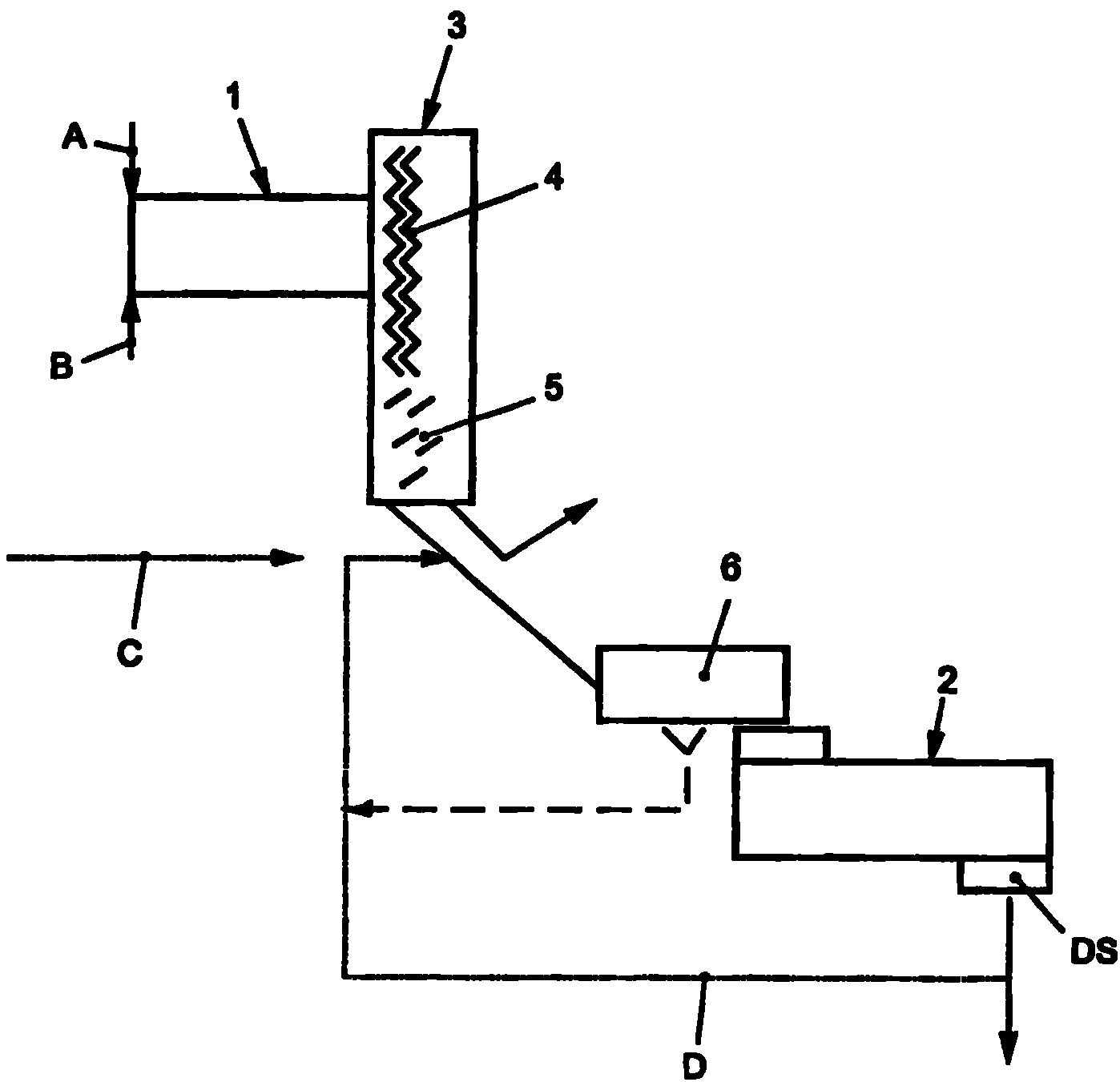
图1是本发明的装置示意图。Figure 1 is a schematic diagram of the device of the present invention.
图2是本发明的工艺流程示意图。Fig. 2 is a schematic diagram of the process flow of the present invention.
具体实施方式Detailed ways
以下结合附图及较佳实施例,对依据本发明提出的超吸水性复合材料的方法、其具体实施方式、结构、特征及其功效,详细说明如后。The method of the superabsorbent composite material according to the present invention, its specific implementation, structure, features and effects will be described in detail below with reference to the accompanying drawings and preferred embodiments.
聚合反应Polymerization
反应物和催化剂沿着箭头A的方向,空气、水蒸气或惰性气体沿着箭头B方向,一起加入到双杆搅拌反应器1中。Reactants and catalysts are fed into the twin-rod stirred reactor 1 along the direction of arrow A, and air, water vapor or inert gas is fed into the double-rod stirred reactor 1 along the direction of arrow B.
如第I段中所述,溶液聚合或反相悬浮(乳液)聚合是在双杆搅拌反应器1(例如:List反应器ORPDP、CRP或CKR)中进行的,该反应器的轴向传输进行了最优化,可以形成可自由流动的、含水的凝胶颗粒。As mentioned in paragraph I, solution polymerization or inverse suspension (emulsion) polymerization is carried out in a twin-rod stirred reactor 1 (for example: List reactor ORPDP, CRP or CKR) with axial transport optimized to form free-flowing, aqueous gel particles.
如果需要,可以在双杆搅拌反应器的末端、带有双螺杆4的排出设备3之后,通过可调节刀具5,调节凝胶颗粒的尺寸。为了保证切割的颗粒可以自由流动,凝胶的切割应在潮湿的阶段(水蒸气氛围)中进行。由于当加工小颗粒(扩散控制)时干燥效率会有所提高,因此连续反应过程的这一阶段中,颗粒尺寸非常重要。例如,直径为1cm的超吸水性复合材料颗粒可以在60分钟内或在低于180℃、30mbar的条件下干燥。The size of the gel particles can be adjusted, if desired, by means of adjustable knives 5 at the end of the twin-screw stirred reactor, after the discharge device 3 with the twin-screw 4 . In order to ensure that the cut particles can flow freely, the cutting of the gel should be carried out in a humid stage (water vapor atmosphere). Particle size is very important at this stage of the continuous reaction process, since drying efficiency increases when processing small particles (diffusion control). For example, superabsorbent composite particles with a diameter of 1 cm can be dried within 60 minutes or at less than 180° C. and 30 mbar.
空气、水蒸气或惰性气体可以在刀具之后从排出设备3中移除出去。Air, water vapor or inert gas can be removed from the discharge device 3 after the tool.
另一种可能就是可自由流动凝胶颗粒的侧向排出。这种情况下,反应器中就会安装一个流量计用以控制填充程度。选择这种方式就不再需要排出双螺杆。Another possibility is the lateral drainage of free-flowing gel particles. In this case, a flow meter is installed in the reactor to control the filling level. Choosing this way eliminates the need for a twin-screw discharge.
干燥dry
由于湿度以及可作为颗粒表面润滑剂的其他组分及其组合最终存在的原因,从双杆搅拌反应器1中排出的超吸水性复合材料颗粒已为可自由流动的粒子。Due to the eventual presence of humidity and other components and combinations thereof which may act as particle surface lubricants, the superabsorbent composite particles discharged from the twin-bar stirred reactor 1 are already free-flowing particles.
在连续的移动床干燥器2(如旋转干燥器、转鼓形干燥器、Discotherm干燥器)中,试图去直接干燥这些含水的凝胶颗粒会,由于润滑剂的移除,而导致这些含水凝胶颗粒的压实。In continuous moving bed dryers 2 (e.g. rotary dryers, drum dryers, Discotherm dryers), attempts to directly dry these aqueous gel particles can lead to the removal of these aqueous gel particles due to lubricant removal. Compaction of glue particles.
但是,在旋转混合管6中,如箭头C所示的一种或一种以上适合的添加剂及其组合,与从双杆搅拌反应器中排出的含水凝胶颗粒流相混合就会避免,当分离表面液膜时,含水凝胶颗粒之间的相互胶粘。这些添加剂,在可移动产物床的连续干燥器2中,担当自由流动剂。所述添加剂可为粉末或液体的形式,优选的为粉末状。适宜的添加剂及其组合例如有高岭土、矿物粉、云母、二氧化钛、二氧化铝、硅或已干燥的超吸水性复合材料细料D,它们可以在加工过程后循环使用,并可以在混合作为自由流动剂前进行研磨。但是,任何在段I中所述的、在后处理中可使用的材料或其组合,也都可以在改善凝胶性能,如改善凝胶强度、吸收率,减少残留单体、粉尘等的同时,起到自由流动剂的作用。对于农业及种植业中应用的超吸水性复合材料,液态或粉末状并优选为粉末状的,肥料、杀虫剂及其组合,可以与含水的凝胶颗粒进行混合,并且在干燥过程中用作自由流动剂。However, in the rotating mixing tube 6, as indicated by arrow C, one or more suitable additives and combinations thereof are mixed with the flow of aqueous gel particles discharged from the twin-rod stirred reactor to avoid, when Mutual adhesion between hydrogel particles when detaching a surface liquid film. These additives act as free flow agents in the continuous dryer 2 which moves the product bed. The additives can be in the form of powder or liquid, preferably in powder form. Suitable additives and combinations thereof are, for example, kaolin, mineral powder, mica, titanium dioxide, aluminum dioxide, silicon or dried superabsorbent composite material D, which can be recycled after the process and can be used as free after mixing. Grind before flowing. However, any of the materials or combinations thereof that can be used in post-processing as described in paragraph I can also improve gel properties, such as improving gel strength, absorption rate, reducing residual monomers, dust, etc. , to act as a free flow agent. For superabsorbent composite materials used in agriculture and planting, liquid or powder and preferably powder, fertilizers, pesticides and combinations thereof can be mixed with hydrous gel particles and used in the drying process. As a free flow agent.
在干燥器2中干燥后的超吸水性复合材料传送至一个图中未显示的滤网。The superabsorbent composite material dried in dryer 2 is transferred to a filter screen not shown in the figure.
前述的干燥前的混合阶段可以在大气压下或惰性气体存在的情况下和/或真空中进行。优选为真空中。同样对于调节过程,也可以通过使用List或其他任何商业的外围设备系统而在真空中进行。The aforementioned mixing stage before drying can be carried out at atmospheric pressure or in the presence of inert gases and/or in vacuum. Preferably in vacuum. Also for the conditioning process, it can also be done in vacuum by using List or any other commercial peripheral system.
相对于常用的连续带式传输机干燥器,新的干燥方法是具有创新性的。单纯以干燥器为基础,使用移动床干燥器所带来的经济影响为,与产物静止于一个可移动表面的传输带干燥器相比,用于干燥方面的投资会大大减少。而且,通过使用移动床干燥器2,特别是List干燥器,还可以避免使用成品产物罐。The new drying method is innovative compared to the commonly used continuous belt conveyor dryer. On a purely dryer basis, the economic impact of using a moving bed dryer is that the investment in drying is significantly reduced compared to a conveyor dryer where the product rests on a moving surface. Also, by using a moving bed dryer 2, in particular a List dryer, the use of finished product tanks can also be avoided.
干燥阶段可以独立进行,也可以与双杆搅拌反应器(如,List反应器ORP-PP、CRP或CKP)组合使用,优选与搅拌反应器组合使用。The drying stage can be carried out independently or in combination with a twin-rod stirred reactor (eg List reactor ORP-PP, CRP or CKP), preferably in combination with a stirred reactor.
反应器1和干燥器2均可以配备浓缩系统。排出部3包括一排出双螺杆4和可调节刀具系统5,并插接于双杆搅拌反应器1与干燥器2之间。如果需要还可以在反应器1和干燥器2之间插接气压锁定箱7。当反应器1和干燥器2在不同压力下工作时,气压锁定箱3非常重要。市场上有售的任何气压锁定箱均可使用。List系统和旋转阀系统非常适于气压锁定箱。Both reactor 1 and dryer 2 can be equipped with a concentration system. The discharge part 3 includes a discharge twin-screw 4 and an adjustable knife system 5 , and is inserted between the twin-rod stirring reactor 1 and the dryer 2 . If necessary, an air pressure lock box 7 can also be inserted between the reactor 1 and the dryer 2 . The air lock box 3 is very important when the reactor 1 and the dryer 2 work at different pressures. Any commercially available air lock box will work. List systems and rotary valve systems are well suited for air lock boxes.
上述方法包括使用反应器1或干燥器2或它们的组合,该生产方法其结构更紧凑(低空间占用),更容易控制反应及干燥参数,避免了成品产物罐的使用,并且可以通过浓缩已蒸发的溶剂、和/或未反应的组分并循环利用而提高循环使用率,从而使得需要处理的残留物和废气减少,因此该方法的优点为在经济方面和环境方面均更有效率,并且能够提高产品的质量。Above-mentioned method comprises using reactor 1 or drier 2 or their combination, and its structure of this production method is more compact (low space occupation), it is easier to control reaction and drying parameter, has avoided the use of finished product tank, and can be concentrated already The evaporated solvent, and/or unreacted components are recycled to increase the recycling rate, so that there is less residue and waste gas to be disposed of, so the method has the advantage of being more efficient both economically and environmentally, and Can improve product quality.
Claims (21)
Applications Claiming Priority (1)
| Application Number | Priority Date | Filing Date | Title |
|---|---|---|---|
| PCT/EP2002/009895 WO2004022608A1 (en) | 2002-09-04 | 2002-09-04 | Process for the production of sap |
Publications (2)
| Publication Number | Publication Date |
|---|---|
| CN1688615A CN1688615A (en) | 2005-10-26 |
| CN1317309C true CN1317309C (en) | 2007-05-23 |
Family
ID=31970247
Family Applications (1)
| Application Number | Title | Priority Date | Filing Date |
|---|---|---|---|
| CNB028295560A Expired - Fee Related CN1317309C (en) | 2002-09-04 | 2002-09-04 | Process for the production of sap |
Country Status (9)
| Country | Link |
|---|---|
| US (1) | US7398606B2 (en) |
| EP (1) | EP1546215B1 (en) |
| CN (1) | CN1317309C (en) |
| AT (1) | ATE448254T1 (en) |
| AU (1) | AU2002342644A1 (en) |
| CA (1) | CA2497251C (en) |
| DE (1) | DE60234391D1 (en) |
| ES (1) | ES2336198T3 (en) |
| WO (1) | WO2004022608A1 (en) |
Families Citing this family (14)
| Publication number | Priority date | Publication date | Assignee | Title |
|---|---|---|---|---|
| WO2005112888A2 (en) * | 2004-05-20 | 2005-12-01 | Mentor Corporation | Methods for making injectable polymer hydrogels |
| US20080004408A1 (en) * | 2004-09-28 | 2008-01-03 | Basf Aktiengesellschaft | Method for the Continuous Production of Crosslinked Particulate Gel-Type Polymers |
| CN102091551B (en) | 2004-09-28 | 2013-07-17 | 巴斯夫欧洲公司 | Kneader mixer and method for the production of poly(meth)acrylates using said kneader mixer |
| DE102005031114A1 (en) | 2005-07-04 | 2007-01-18 | Basf Ag | Use of a device for adding at least one additive into a reactor interior |
| WO2009077100A1 (en) * | 2007-12-17 | 2009-06-25 | Basf Se | Method for producing water-absorbing polymer particles |
| WO2009109563A1 (en) * | 2008-03-05 | 2009-09-11 | Basf Se | Process for producing superabsorbents |
| TWI500663B (en) * | 2008-10-07 | 2015-09-21 | Evonik Degussa Gmbh | A continuous process for the production of a superabsorbent polymer |
| US8420758B2 (en) * | 2010-03-11 | 2013-04-16 | Itaconix Corporation | Regulated and continuous polymerization of polycarboxylic acid polymers |
| KR101126678B1 (en) * | 2010-06-22 | 2012-03-29 | 주식회사 엘지화학 | Polymerization reactores for the preparation of super absorbent polymer and preparation method thereof using the same |
| US9334337B2 (en) | 2014-01-24 | 2016-05-10 | Baker Hughes Incorporated | Enhanced water swellable compositions |
| KR20160084671A (en) * | 2015-01-06 | 2016-07-14 | 한화케미칼 주식회사 | Method for preparing super absorbent polymer |
| CN107207637A (en) * | 2015-01-30 | 2017-09-26 | 巴斯夫欧洲公司 | It is related to the reversed-phase polymerization method of microfluidic device |
| CN104729264B (en) * | 2015-03-27 | 2017-04-12 | 北京宝莲纳新材料技术有限公司 | Multi-level hot-air drying system |
| CN110786456A (en) * | 2019-09-29 | 2020-02-14 | 安徽粮悦大吃兄食品科技有限公司 | Production process of instant rice crust |
Citations (2)
| Publication number | Priority date | Publication date | Assignee | Title |
|---|---|---|---|---|
| US5668252A (en) * | 1995-09-11 | 1997-09-16 | Nippon Shokubai Co., Ltd. | Drying process of viscous solution containing (meth)acrylic acid-based polymer |
| EP1233032A1 (en) * | 2000-07-28 | 2002-08-21 | Dainippon Ink And Chemicals, Inc. | Water-absorbing material and absorbent article employing the same |
Family Cites Families (4)
| Publication number | Priority date | Publication date | Assignee | Title |
|---|---|---|---|---|
| GB1193635A (en) * | 1966-07-06 | 1970-06-03 | Edward Arthur Gill | Improvements in or relating to the Manufacture of Water-Soluble Synthetic Polymers |
| US3634944A (en) * | 1970-06-01 | 1972-01-18 | American Cyanamid Co | Drying of sticky thermosensitive hydrous gels |
| US4138539A (en) * | 1975-06-19 | 1979-02-06 | American Cyanamid Company | Process for water-soluble synthetic polymer in powder form |
| US5891254A (en) * | 1997-06-13 | 1999-04-06 | Cytec Technology Corporation | Method for purifying sugar solutions using polyacrylamides |
-
2002
- 2002-09-04 EP EP02779302A patent/EP1546215B1/en not_active Expired - Lifetime
- 2002-09-04 AT AT02779302T patent/ATE448254T1/en active IP Right Revival
- 2002-09-04 ES ES02779302T patent/ES2336198T3/en not_active Expired - Lifetime
- 2002-09-04 CN CNB028295560A patent/CN1317309C/en not_active Expired - Fee Related
- 2002-09-04 WO PCT/EP2002/009895 patent/WO2004022608A1/en not_active Ceased
- 2002-09-04 US US10/526,540 patent/US7398606B2/en not_active Expired - Fee Related
- 2002-09-04 DE DE60234391T patent/DE60234391D1/en not_active Expired - Lifetime
- 2002-09-04 CA CA002497251A patent/CA2497251C/en not_active Expired - Fee Related
- 2002-09-04 AU AU2002342644A patent/AU2002342644A1/en not_active Abandoned
Patent Citations (2)
| Publication number | Priority date | Publication date | Assignee | Title |
|---|---|---|---|---|
| US5668252A (en) * | 1995-09-11 | 1997-09-16 | Nippon Shokubai Co., Ltd. | Drying process of viscous solution containing (meth)acrylic acid-based polymer |
| EP1233032A1 (en) * | 2000-07-28 | 2002-08-21 | Dainippon Ink And Chemicals, Inc. | Water-absorbing material and absorbent article employing the same |
Also Published As
| Publication number | Publication date |
|---|---|
| CN1688615A (en) | 2005-10-26 |
| CA2497251A1 (en) | 2004-03-18 |
| ATE448254T1 (en) | 2009-11-15 |
| AU2002342644A8 (en) | 2004-03-29 |
| EP1546215A1 (en) | 2005-06-29 |
| CA2497251C (en) | 2009-11-24 |
| EP1546215B1 (en) | 2009-11-11 |
| AU2002342644A1 (en) | 2004-03-29 |
| US7398606B2 (en) | 2008-07-15 |
| US20060032081A1 (en) | 2006-02-16 |
| ES2336198T3 (en) | 2010-04-09 |
| DE60234391D1 (en) | 2009-12-24 |
| WO2004022608A1 (en) | 2004-03-18 |
Similar Documents
| Publication | Publication Date | Title |
|---|---|---|
| CN1688615A (en) | Process for the production of sap | |
| CN1122067C (en) | Superabsorbent polymers with improved processability | |
| CN1060962C (en) | Preparing method for super water absorption polymer and liquid containing water in particle aggregate form | |
| JP3119900B2 (en) | Method for producing superabsorbent polymer | |
| JP3175791B2 (en) | Manufacturing method of water absorbing agent | |
| CN1042346A (en) | Process for preparing acrylates and acrylate-containing polymers | |
| CN1234809A (en) | Post-polymerization of polyacrylate superabsorbents neutralized with solid non-hydroxyl neutralizers | |
| CN1175962A (en) | Process for preparing water-absorbent resin | |
| JPH023405A (en) | Method for producing water-absorbing and water-swellable polysaccharide-graft polymers | |
| JP2011515520A (en) | Method for producing water-absorbing polymer particles having a low centrifuge retention capacity | |
| CN103492422B (en) | Method for producing water-absorbent resin | |
| US8436056B2 (en) | Nanocomposite ion exchange hydrogels | |
| JP5611191B2 (en) | Method for producing water-absorbing polymer particles | |
| US20080081848A1 (en) | Method of manufacturing the super-absorbent polymer (SAP) which is powdery, insoluble in water, and able to absorb water, blood and urine and has slight soluble things | |
| JPS61264006A (en) | Manufacturing method of super absorbent polymer | |
| JP2024509033A (en) | Hydrogel atomization equipment for super absorbent resin | |
| CN1111184C (en) | Carboxylated polymer composition | |
| JPH08134134A (en) | Method for drying granular hydrous gel polymer | |
| CA1279437C (en) | Continuous method for preparing polyacrylate resins | |
| JPH0425062B2 (en) | ||
| CN1272352C (en) | Preparation method of partially crosslinked water-swellable acrylate-acrylic acid copolymer | |
| JPH04339810A (en) | Manufacturing method of super absorbent polymer | |
| JP2557951B2 (en) | Method for producing water absorbent resin with improved particle size | |
| JP2011522942A (en) | Method for continuously thermally post-crosslinking water-absorbing polymer particles | |
| CN101045771A (en) | Production method of water-absorbent resin |
Legal Events
| Date | Code | Title | Description |
|---|---|---|---|
| C06 | Publication | ||
| PB01 | Publication | ||
| C10 | Entry into substantive examination | ||
| SE01 | Entry into force of request for substantive examination | ||
| C14 | Grant of patent or utility model | ||
| GR01 | Patent grant | ||
| CF01 | Termination of patent right due to non-payment of annual fee |
Granted publication date: 20070523 Termination date: 20190904 |
|
| CF01 | Termination of patent right due to non-payment of annual fee |