CN1349366A - Antenna Weight Estimation Method and Mobile Communication Terminal - Google Patents
Antenna Weight Estimation Method and Mobile Communication Terminal Download PDFInfo
- Publication number
- CN1349366A CN1349366A CN01124829A CN01124829A CN1349366A CN 1349366 A CN1349366 A CN 1349366A CN 01124829 A CN01124829 A CN 01124829A CN 01124829 A CN01124829 A CN 01124829A CN 1349366 A CN1349366 A CN 1349366A
- Authority
- CN
- China
- Prior art keywords
- antenna weighting
- component
- obtains
- plus
- interference power
- Prior art date
- Legal status (The legal status is an assumption and is not a legal conclusion. Google has not performed a legal analysis and makes no representation as to the accuracy of the status listed.)
- Granted
Links
Images

Classifications
-
- H—ELECTRICITY
- H04—ELECTRIC COMMUNICATION TECHNIQUE
- H04W—WIRELESS COMMUNICATION NETWORKS
- H04W52/00—Power management, e.g. Transmission Power Control [TPC] or power classes
- H04W52/04—Transmission power control [TPC]
- H04W52/38—TPC being performed in particular situations
- H04W52/42—TPC being performed in particular situations in systems with time, space, frequency or polarisation diversity
-
- H—ELECTRICITY
- H04—ELECTRIC COMMUNICATION TECHNIQUE
- H04B—TRANSMISSION
- H04B7/00—Radio transmission systems, i.e. using radiation field
- H04B7/02—Diversity systems; Multi-antenna system, i.e. transmission or reception using multiple antennas
- H04B7/04—Diversity systems; Multi-antenna system, i.e. transmission or reception using multiple antennas using two or more spaced independent antennas
- H04B7/08—Diversity systems; Multi-antenna system, i.e. transmission or reception using multiple antennas using two or more spaced independent antennas at the receiving station
- H04B7/0837—Diversity systems; Multi-antenna system, i.e. transmission or reception using multiple antennas using two or more spaced independent antennas at the receiving station using pre-detection combining
- H04B7/0842—Weighted combining
- H04B7/0848—Joint weighting
- H04B7/0857—Joint weighting using maximum ratio combining techniques, e.g. signal-to- interference ratio [SIR], received signal strenght indication [RSS]
-
- H—ELECTRICITY
- H04—ELECTRIC COMMUNICATION TECHNIQUE
- H04W—WIRELESS COMMUNICATION NETWORKS
- H04W52/00—Power management, e.g. Transmission Power Control [TPC] or power classes
- H04W52/04—Transmission power control [TPC]
- H04W52/18—TPC being performed according to specific parameters
- H04W52/24—TPC being performed according to specific parameters using SIR [Signal to Interference Ratio] or other wireless path parameters
Landscapes
- Engineering & Computer Science (AREA)
- Computer Networks & Wireless Communication (AREA)
- Signal Processing (AREA)
- Mobile Radio Communication Systems (AREA)
- Radio Transmission System (AREA)
- Variable-Direction Aerials And Aerial Arrays (AREA)
Abstract
Description
本申请是以2000年5月24日在日本申请的专利申请No.2000-153656为基础的,其内容在此供参考。This application is based on Patent Application No. 2000-153656 filed in Japan on May 24, 2000, the contents of which are incorporated herein by reference.
技术领域technical field
本发明涉及一种数字无线电通信系统,特别是涉及在一个移动通信系统中的移动通信终端,更特别是涉及在一个系统中的天线加权估计方法,利用一无线基站中的多个天线的发送分集被应用到该系统中。The present invention relates to a digital radio communication system, in particular to a mobile communication terminal in a mobile communication system, and more particularly to a method for estimating antenna weights in a system, utilizing transmit diversity of multiple antennas in a wireless base station been applied to the system.
本发明假定该系统使用在1999年12月的文件3GPP RAN TS25.214 V3.1.0中描述的闭环方式1作为利用基站天线的发送分集。虽然本发明适用于除CDMA(码分多址)以外的无线接入方案,但是由于前述的文件把发送分集应用到一个CDMA系统中,所以随后的说明也把CDMA假定为无线接入方案。The invention assumes that the system uses the closed-loop approach 1 described in the document 3GPP RAN TS 25.214 V3.1.0 of December 1999 as transmit diversity with base station antennas. Although the present invention is applicable to radio access schemes other than CDMA (Code Division Multiple Access), since the aforementioned documents apply transmit diversity to a CDMA system, the following description also assumes CDMA as the radio access scheme.
背景技术Background technique
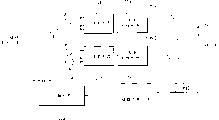
基于闭环方式1的发送分集是一个使用两个基站天线的系统。图1表示利用闭环方式1的发送分集的一张略图。把应用了闭环方式1的一个下行链路专用信道乘以天线加权,然后通过信道复用器11a和11b与其他信道复用,接着通过发射无线电部分12a和12b进行滤波及频率变换。该天线加权是由天线加权控制命令控制,它被映射在一个上行链路专用信道上,以使移动通信终端中的接收信号功率增加。天线加权控制命令被称作反馈信息(从现在开始缩写成FBI),而一个FBI解码器13计算来自映射在上行链路专用信道上的FBI中的天线加权。Transmit diversity based on closed loop mode 1 is a system using two base station antennas. FIG. 1 shows a schematic diagram of transmit diversity using closed-loop scheme 1. As shown in FIG. A downlink dedicated channel to which closed-loop method 1 is applied is multiplied by antenna weights, and then multiplexed with other channels by
对于移动通信终端来说,估计用于接收信号的天线加权以便执行接收信号的瑞克组合或者估计一个接收SNIR(信号噪声干扰功率比)是必需的。如果基站使用由移动通信终端指定的天线加权而没有错误,并且该移动通信终端知道它指定的FBI命令被映射在基站时的定时,则该移动通信终端利用确信它所发送的FBI命令可以决定该天线加权。可是通常由于上行链路FBI命令中的比特差错,所发送的FBI并不总是映射在基站中。鉴于这一点,移动通信终端估计所使用的天线加权,除FBI命令之外,还有包含在从天线发送其正交模式的专用信道中的专用导频码元的接收信号。It is necessary for a mobile communication terminal to estimate antenna weights for received signals in order to perform Rake combining of received signals or to estimate a received SNIR (Signal-to-Noise-Interference Power Ratio). If the base station uses the antenna weighting specified by the mobile communication terminal without error, and the mobile communication terminal knows the timing when its specified FBI command is mapped to the base station, the mobile communication terminal can determine the Antenna weighting. However, usually due to bit errors in the uplink FBI command, the transmitted FBI is not always mapped in the base station. In view of this, the mobile communication terminal estimates the antenna weights used, in addition to the FBI order, the reception signal of the dedicated pilot symbol contained in the dedicated channel whose orthogonal pattern is transmitted from the antenna.
前述的文件描述了天线加权估计方法(简化射束形成装置校验)的一种实例。这种方法如下地估计发送天线加权,在此d是用时隙形式表示的天线加权控制延迟,而i是接收时隙编号,其中在第(i-d)个时隙中的上行链路FBI比特被映射在下行链路天线加权上。<当i-d是一偶数时>The aforementioned document describes an example of an antenna weight estimation method (simplified beamformer verification). This approach estimates transmit antenna weights as follows, where d is the antenna weight control delay expressed in slot form and i is the receive slot number where the uplink FBI bits in the (i-d)th slot are mapped on downlink antenna weighting. <When i-d is an even number>
天线加权的I分量x0通过下列算法来估计。如果
x0=π (3)<当i-d是一奇数时>x 0 = π (3) <when id is an odd number>
天线加权的Q分量x1通过下列算法来估计。如果
在此,


这种方法不估计在每个时隙中天线加权可以从天线2收到的专用导频中产生的前述四个状态(π/4,3π/4,-3π/4,-π/4)的任何一个,但是关于基站在每个时隙中接收的FBI,却使用移动通信终端本身所发送的FBI和由天线2接收的专用导频来估计在每个时隙中更新的相位差。This approach does not estimate the antenna weights that can be generated from the dedicated pilots received by antenna 2 in each slot for the aforementioned four states (π/4, 3π/4, -3π/4, -π/4) Either, but regarding the FBI received by the base station in each slot, the phase difference updated in each slot is estimated using the FBI transmitted by the mobile communication terminal itself and the dedicated pilot received by the antenna 2 .
图2阐明了天线加权的相位差可以产生的值及估计定时。如图2所示,在接收时隙#0+d,2+d,4+d,6+d,8+d,10+d,12+d和14+d中估计该加权的I分量而在剩余的接收时隙中估计Q分量。Figure 2 illustrates the values and estimated timings that the antenna-weighted phase difference can produce. As shown in Figure 2, the weighted I component is estimated in receive slots #0+d, 2+d, 4+d, 6+d, 8+d, 10+d, 12+d and 14+d while The Q component is estimated in the remaining receive slots.
由于上述的传统天线加权估计方法通过FBI只估计相位差改变的定时,所以它不能通过充分利用从天线2馈送的专用导频的接收功率进行估计。更特别是,虽然在偶数号时隙中选定的天线加权的I分量被使用直到下一奇数号时隙到达为止而在奇数号时隙中选定的天线加权的Q分量被使用直到下一偶数号时隙到达为止,但是仅在改变分量之后立即估计加权的这种传统方法却不使用在随后时隙中由天线2接收的专用导频的接收信号。Since the conventional antenna weight estimation method described above estimates only the timing of the phase difference change through the FBI, it cannot perform estimation by fully utilizing the received power of the dedicated pilot fed from the antenna 2 . More specifically, while the I component of the antenna weight selected in an even-numbered time slot is used until the arrival of the next odd-numbered time slot, the Q component of the antenna weight selected in an odd-numbered time slot is used until the next The conventional method of estimating the weights until the even-numbered time slot arrives, but only immediately after changing the components, does not use the received signal of the dedicated pilot received by antenna 2 in the subsequent time slot.
为了更好地使用专用导频码元的接收信号用于估计天线加权,一种方法是有效的,在接收奇数号时隙之后使用在前面偶数号时隙中和在奇数号时隙中的专用导频来估计加权的I分量,并且在接收一偶数号时隙之后使用在前面的奇数号时隙中和在偶数号时隙中的专用导频来估计加权的Q分量。可是,至于用于估计发射功率控制的接收SNIR的天线加权,必须在接收专用导频时的定时即时地估计。In order to better use the received signal of dedicated pilot symbols for estimating antenna weights, a method is effective, after receiving odd-numbered slots, using dedicated pilot symbols in the previous even-numbered slots and in odd-numbered slots The weighted I component is estimated using pilots, and the weighted Q component is estimated after receiving an even-numbered slot using dedicated pilots in the previous odd-numbered slot and in the even-numbered slot. However, the antenna weights for estimating the received SNIR for transmission power control must be estimated in real time at the timing when dedicated pilots are received.
发明内容Contents of the invention
鉴于这一点,本发明的一个目的是通过获得用于具有最小延迟的接收SNIR估计的天线加权和与解调该接收数据的累加估计平行地通过运算用于估计该发射功率控制的接收的SNIR估计的天线加权的瞬时估计、以较高的可靠性解调数据的天线加权来改进通信质量并且增加无线电信道容量。In view of this, it is an object of the present invention to compute the received SNIR estimate for estimating the transmit power control by obtaining the antenna weights for the received SNIR estimate with minimal delay and in parallel with demodulating the accumulated estimate of the received data Instantaneous estimation of antenna weights, antenna weights for demodulating data with higher reliability improves communication quality and increases radio channel capacity.
至于传统方法,虽然它使用后验概率和先验概率来估计天线加权,但是它没有正确地计算后验概率的对数似然率。相反,本发明通过计算瑞克组合之后的专用导频码元和噪声干扰功率的幅度以及通过使用所计算出的值获得对数似然率来进行天线加权估计,改善了天线加权估计值的精度,从而实现改进通信质量和增加无线电信道容量的目的。As for the conventional method, although it uses the posterior probability and the prior probability to estimate the antenna weighting, it does not correctly calculate the log-likelihood of the posterior probability. On the contrary, the present invention improves the accuracy of the antenna weight estimation value by calculating the amplitude of the dedicated pilot symbol and the noise interference power after Rake combination and by using the calculated value to obtain the logarithmic likelihood to perform antenna weight estimation , so as to achieve the purpose of improving communication quality and increasing radio channel capacity.
为了实现本发明的目的,根据本发明的第一方面,在一个移动通信系统中提供一种移动通信终端,该移动通信系统包括该移动通信终端和使用多个天线进行发送的无线基站,该移动通信终端包括:天线加权瞬时估计装置,用于从在估计瞬时接收的信号中估计天线加权的瞬时估计值;天线加权累加估计装置,用于从累加的接收信号中估计天线加权的累加估计值;接收SNIR计算装置,用于从由天线加权瞬时估计装置获得的瞬时估计值中计算接收的SNIR;发射功率控制命令产生器,用于从接收SNIR计算装置计算出的接收SNIR中产生一个发射功率控制命令;以及瑞克组合装置,响应于由天线加权累加估计装置获得的累加估计值,用于进行接收信号的瑞克组合。In order to achieve the purpose of the present invention, according to the first aspect of the present invention, a mobile communication terminal is provided in a mobile communication system, the mobile communication system includes the mobile communication terminal and a radio base station using multiple antennas for transmission, the mobile The communication terminal includes: antenna weight instantaneous estimation means for estimating the instantaneous estimated value of antenna weight from the signal received at the estimated instant; antenna weight cumulative estimation means for estimating the cumulative estimated value of antenna weight from accumulated received signals; receiving SNIR calculating means for calculating the received SNIR from the instantaneous estimated value obtained by the antenna weighting instantaneous estimating means; a transmitting power control command generator for generating a transmitting power control from the receiving SNIR calculated by the receiving SNIR calculating means commands; and rake combining means for performing rake combining of the received signals in response to the accumulated estimated values obtained by the antenna weighted accumulated estimating means.
通过减少由于天线加权估计错误引起的接收信号中的恶化,此结构可以改善通信质量并且增加无线电信道容量,减少接收信号的恶化不仅进行接收的SNIR测量的天线加权瞬时估计,而且进行天线加权累加估计,以及通过使用由用于接收数据解调的天线加权累加估计装置估计的天线加权来实现。This structure can improve the communication quality and increase the radio channel capacity by reducing the deterioration in the received signal due to the antenna weight estimation error, which reduces the deterioration of the received signal not only the antenna weight instantaneous estimation of the received SNIR measurement but also the antenna weight cumulative estimation , and by using the antenna weights estimated by the antenna weight accumulation estimating means for demodulation of received data.
根据本发明的第二方面,在一个移动通信系统中提供一种移动通信终端,该移动通信系统包括该移动通信终端和使用多个天线进行发送的无线基站,该移动通信终端包括接收信号幅度估计装置,用于估计在瑞克组合之后的平均接收信号幅度;噪声干扰功率计算装置,用于计算在瑞克组合之后的噪声干扰功率;天线加权后验概率计算装置,用于从接收信号幅度估计装置获得的接收信号幅度估计值中以及从噪声干扰功率计算装置获得的噪声干扰功率计算值中获得天线加权的后验概率;天线加权先验概率计算装置,响应于从移动通信终端发送的天线加权控制命令,用于获得天线加权的先验概率;以及天线加权估计装置,用于从天线加权后验概率计算装置获得的后验概率中以及从天线加权先验概率计算装置获得的先验概率中估计天线加权。According to a second aspect of the present invention, a mobile communication terminal is provided in a mobile communication system, the mobile communication system includes the mobile communication terminal and a wireless base station using a plurality of antennas for transmission, the mobile communication terminal includes a received signal amplitude estimation Means for estimating the average received signal amplitude after the rake combination; noise interference power calculation means for calculating the noise interference power after the rake combination; antenna weighted posterior probability calculation means for estimating from the received signal amplitude The received signal amplitude estimated value obtained by the device and the posterior probability of antenna weighting are obtained from the noise interference power calculation value obtained by the noise interference power calculation device; a control command for obtaining the prior probability of the antenna weight; and antenna weight estimation means for the posterior probability obtained from the antenna weight posterior probability calculation means and the prior probability obtained from the antenna weight prior probability calculation means Estimate antenna weightings.
通过使用在瑞克组合之后的专用导频码元和噪声干扰功率的幅度获得后验概率来产生非常精确的天线加权估计,此结构可以减少天线加权估计错误,并因此改善通信质量并且增加无线电信道容量。A very accurate antenna weight estimation is produced by obtaining the posterior probability using the magnitude of the dedicated pilot symbols and the noise interference power after rake combining, this structure can reduce the antenna weight estimation error and thus improve the communication quality and increase the radio channel capacity.
在这里,天线加权瞬时估计装置可以包括:接收信号幅度估计装置,用于估计在瑞克组合之后的平均接收信号幅度;噪声干扰功率计算装置,用于计算在瑞克组合之后的噪声干扰功率;天线加权后验概率计算装置,用于从接收信号幅度估计装置获得的接收信号幅度估计值中以及从噪声干扰功率计算装置获得的噪声干扰功率计算值中获得天线加权的后验概率;天线加权先验概率计算装置,响应于从移动通信终端发送的天线加权控制命令,用于获得天线加权的先验概率;以及天线加权估计装置,用于从天线加权后验概率计算装置获得的后验概率中以及从天线加权先验概率计算装置获得的先验概率中估计天线加权。Here, the antenna weighting instantaneous estimating means may include: received signal amplitude estimating means for estimating the average received signal amplitude after the rake combination; noise interference power calculation means for calculating the noise interference power after the rake combination; An antenna weighted posterior probability calculation device, used to obtain the posterior probability of antenna weighting from the received signal amplitude estimated value obtained by the received signal amplitude estimation device and the noise interference power calculation value obtained from the noise interference power calculation device; Posterior probability calculation means, in response to the antenna weight control command sent from the mobile communication terminal, for obtaining the prior probability of the antenna weight; and antenna weight estimation means, for the posterior probability obtained from the antenna weight posterior probability calculation means and estimating the antenna weights from the prior probability obtained by the antenna weight prior probability calculation means.
通过使用在瑞克组合之后的专用导频码元和噪声干扰功率的幅度获得后验概率来产生非常精确的天线加权估计,此结构可以减少天线加权估计错误,并因此改善通信质量并且增加无线电信道容量。A very accurate antenna weight estimation is produced by obtaining the posterior probability using the magnitude of the dedicated pilot symbols and the noise interference power after rake combining, this structure can reduce the antenna weight estimation error and thus improve the communication quality and increase the radio channel capacity.
天线加权累加估计装置可以包括:接收信号幅度估计装置,用于估计在瑞克组合之后的平均接收信号幅度;噪声干扰功率计算装置,用于计算在瑞克组合之后的噪声干扰功率;天线加权后验概率计算装置,用于从接收信号幅度估计装置获得的接收信号幅度估计值中以及从噪声干扰功率计算装置获得的噪声干扰功率计算值中获得天线加权的后验概率;天线加权先验概率计算装置,响应于从移动通信终端发送的天线加权控制命令,用于获得天线加权的先验概率;以及天线加权估计装置,用于从天线加权后验概率计算装置获得的后验概率中以及从天线加权先验概率计算装置获得的先验概率中估计天线加权。The antenna weighted accumulation estimation device may include: a received signal amplitude estimation device, which is used to estimate the average received signal amplitude after the Rake combination; a noise interference power calculation device, which is used to calculate the noise interference power after the Rake combination; The posterior probability calculation device is used to obtain the posterior probability of antenna weighting from the received signal amplitude estimated value obtained by the received signal amplitude estimation device and the noise interference power calculation value obtained from the noise interference power calculation device; the antenna weighted prior probability calculation means for obtaining the prior probability of antenna weighting in response to an antenna weight control command sent from the mobile communication terminal; and antenna weight estimation means for obtaining from the posterior probability obtained by the antenna weight posterior probability calculation means and from the Antenna weights are estimated from the prior probability obtained by the weighted prior probability calculating means.
通过使用在瑞克组合之后的专用导频码元和噪声干扰功率的幅度获得后验概率来产生非常精确的天线加权估计,此结构可以减少天线加权估计错误,并因此改善通信质量并且增加无线电信道容量。A very accurate antenna weight estimation is produced by obtaining the posterior probability using the magnitude of the dedicated pilot symbols and the noise interference power after rake combining, this structure can reduce the antenna weight estimation error and thus improve the communication quality and increase the radio channel capacity.
接收信号幅度估计装置可以包括I分量幅度估计装置和Q分量幅度估计装置,I分量幅度估计装置从包括在专用分支接收的从专用导频信道获得的天线加权的信道估计值中和从公共导频信道中获得的信道估计值中计算接收信号的I分量幅度,而Q分量幅度估计装置从包括在专用分支接收的从专用导频信道获得的天线加权的信道估计值中和从公共导频信道中获得的信道估计值中计算接收信号的Q分量幅度;噪声干扰功率计算装置可以包括用于从包括在分支中的噪声干扰功率的计算值中计算噪声干扰功率计算值的装置;而天线加权后验概率计算装置可以包括天线加权I分量后验概率计算装置和天线加权Q分量后验概率计算装置,天线加权I分量后验概率计算装置从I分量幅度估计装置获得的I分量幅度估计值中以及由噪声干扰功率计算装置获得的噪声干扰功率计算值中计算天线加权I分量的后验概率,而天线加权Q分量后验概率计算装置从Q分量幅度估计装置获得的Q分量幅度估计值中以及由噪声干扰功率计算装置获得的噪声干扰功率计算值中计算天线加权Q分量的后验概率。The received signal amplitude estimating means may comprise I-component amplitude estimating means and Q-component amplitude estimating means, the I-component amplitude estimating means is included in the channel estimation value received in the dedicated branch from the antenna weighting obtained from the dedicated pilot channel and from the common pilot The I component amplitude of the received signal is calculated from the channel estimate obtained in the channel, while the Q component amplitude estimation means is included in the channel estimate received in the dedicated branch with antenna weights obtained from the dedicated pilot channel and from the common pilot channel Calculate the Q component amplitude of the received signal in the obtained channel estimation value; the noise interference power calculation means may include means for calculating the noise interference power calculation value from the calculation value of the noise interference power included in the branch; and the antenna weighted a posteriori The probability calculation device may include an antenna weighted I component posterior probability calculation device and an antenna weighted Q component posterior probability calculation device, and the antenna weighted I component posterior probability calculation device is obtained from the I component amplitude estimation value obtained by the I component amplitude estimation device and by The posterior probability of the antenna weighted I component is calculated in the noise interference power calculation value obtained by the noise interference power calculation means, and the antenna weighted Q component posterior probability calculation means is obtained from the Q component amplitude estimation value obtained by the Q component amplitude estimation means and by the noise The posterior probability of the antenna weighted Q component is calculated from the noise interference power calculation value obtained by the interference power calculation means.
通过使用在瑞克组合之后的专用导频码元和噪声干扰功率的幅度获得后验概率来产生非常精确的天线加权估计,此结构可以减少天线加权估计错误,并因此改善通信质量并且增加无线电信道容量。A very accurate antenna weight estimation is produced by obtaining the posterior probability using the magnitude of the dedicated pilot symbols and the noise interference power after rake combining, this structure can reduce the antenna weight estimation error and thus improve the communication quality and increase the radio channel capacity.
根据本发明的第三方面,在一个移动通信系统中提供一种天线加权估计方法,该移动通信系统包括一个移动通信终端和使用多个天线进行发送的无线基站,该天线加权估计方法包括:天线加权瞬时估计步骤,用于从在估计瞬时处接收的信号中估计天线加权的瞬时估计值;天线加权累加估计步骤,用于从累加的接收信号中估计天线加权的累加估计值;接收SNIR计算步骤,用于从通过天线加权瞬时估计步骤获得的瞬时估计值中计算接收SNIR;发射功率控制命令产生步骤,用于从通过接收SNIR计算步骤计算出的接收SNIR中产生一个发射功率控制命令;以及瑞克组合步骤,响应于通过天线加权累加估计步骤获得的累加估计值,用于进行接收信号的瑞克组合。According to a third aspect of the present invention, a method for estimating antenna weights is provided in a mobile communication system, the mobile communication system includes a mobile communication terminal and a wireless base station that uses multiple antennas for transmission, the method for estimating antenna weights includes: a weighted instantaneous estimation step for estimating an instantaneous estimated value of the antenna weights from the signal received at the estimated instant; an antenna weighted cumulative estimation step for estimating an accumulated estimated value of the antenna weights from the accumulated received signals; a receive SNIR calculation step , for calculating a receive SNIR from the instantaneous estimated value obtained by the antenna weighted instantaneous estimate step; a transmit power control command generation step, for generating a transmit power control command from the receive SNIR calculated by the receive SNIR calculation step; and The Rake combining step is for performing Rake combining of the received signals in response to the accumulated estimated value obtained by the antenna weighted accumulated estimated step.
通过减少由于天线加权估计错误引起的接收信号中的恶化,此方法可以改善通信质量并且增加无线电信道容量,该减少接收信号的恶化不仅进行用于接收SNIR测量的天线加权瞬时估计,而且进行天线加权累加估计,以及通过使用由用于接收数据解调的天线加权累加估计装置估计的天线加权来实现。This method can improve the communication quality and increase the radio channel capacity by reducing the degradation in the received signal due to antenna weight estimation errors, which not only perform antenna weighting instantaneous estimation for receiving SNIR measurements, but also antenna weighting cumulative estimation, and by using the antenna weights estimated by the antenna weight cumulative estimation means for demodulation of the received data.
根据本发明的第四方面,在一个移动通信系统中提供一种天线加权估计方法,该移动通信系统包括一个移动通信终端和使用多个天线进行发送的无线基站,该天线加权估计方法包括:接收信号幅度估计步骤,用于估计在瑞克组合之后的平均接收信号幅度;噪声干扰功率计算步骤,用于计算在瑞克组合之后的噪声干扰功率;天线加权后验概率计算步骤,用于从接收信号幅度估计步骤获得的接收信号幅度估计值中以及从噪声干扰功率计算步骤获得的噪声干扰功率计算值中获得天线加权的后验概率;天线加权先验概率计算步骤,响应于从移动通信终端发送的天线加权控制命令,用于获得天线加权的先验概率;以及天线加权估计步骤,用于从天线加权后验概率计算步骤获得的后验概率中以及从天线加权先验概率计算步骤获得的先验概率中估计天线加权。According to a fourth aspect of the present invention, a method for estimating antenna weights is provided in a mobile communication system, the mobile communication system includes a mobile communication terminal and a wireless base station that uses multiple antennas for transmission, the method for estimating antenna weights includes: receiving The signal amplitude estimation step is used to estimate the average received signal amplitude after the rake combination; the noise interference power calculation step is used to calculate the noise interference power after the rake combination; the antenna weighted posterior probability calculation step is used for receiving The posterior probability of antenna weighting is obtained from the received signal amplitude estimated value obtained by the signal amplitude estimation step and the noise interference power calculation value obtained from the noise interference power calculation step; the antenna weighted prior probability calculation step responds to sending from the mobile communication terminal The antenna weighting control command is used to obtain the prior probability of the antenna weight; and the antenna weight estimation step is used in the posterior probability obtained from the antenna weighted posterior probability calculation step and the prior probability obtained from the antenna weighted prior probability calculation step Antenna weights are estimated in the experimental probability.
通过使用在瑞克组合之后的专用导频码元和噪声干扰功率的幅度获得后验概率来产生非常精确的天线加权估计,此方法可以减少天线加权估计错误,并因此改善通信质量并且增加无线电信道容量。A very accurate antenna weight estimate is produced by obtaining the posterior probability using the magnitude of the dedicated pilot symbols and the noise interference power after rake combining, this method can reduce the antenna weight estimation error and thus improve the communication quality and increase the radio channel capacity.
在这里,天线加权瞬时估计步骤可以包括:接收信号幅度估计步骤,用于估计在瑞克组合之后的平均接收信号幅度;噪声干扰功率计算步骤,用于计算在瑞克组合之后的噪声干扰功率;天线加权后验概率计算步骤,用于从接收信号幅度估计步骤获得的接收信号幅度估计值中以及从噪声干扰功率计算步骤获得的噪声干扰功率计算值中获得天线加权的后验概率;天线加权先验概率计算步骤,响应于从移动通信终端发送的天线加权控制命令,用于获得天线加权的先验概率;以及天线加权估计步骤,用于从天线加权后验概率计算步骤获得的后验概率中以及从天线加权先验概率计算步骤获得的先验概率中估计天线加权。Here, the antenna weighted instantaneous estimation step may include: a received signal amplitude estimation step for estimating an average received signal amplitude after the rake combination; a noise interference power calculation step for calculating the noise interference power after the rake combination; The antenna weighted posterior probability calculation step is used to obtain the posterior probability of antenna weighting from the received signal amplitude estimated value obtained in the received signal amplitude estimated step and the noise interference power calculated value obtained from the noise interference power calculated step; the antenna weighted prior a priori probability calculation step for obtaining a priori probability of antenna weighting in response to an antenna weight control command sent from the mobile communication terminal; and an antenna weight estimation step for obtaining the posterior probability from the antenna weighting posterior probability calculation step and estimating the antenna weights from the prior probability obtained in the antenna weight prior probability calculation step.
通过使用在瑞克组合之后的专用导频码元和噪声干扰功率的幅度获得后验概率来产生非常精确的天线加权估计,此方法可以减少天线加权估计错误,并因此改善通信质量并且增加无线电信道容量。A very accurate antenna weight estimate is produced by obtaining the posterior probability using the magnitude of the dedicated pilot symbols and the noise interference power after rake combining, this method can reduce the antenna weight estimation error and thus improve the communication quality and increase the radio channel capacity.
天线加权累加估计步骤可以包括:接收信号幅度估计步骤,用于估计在瑞克组合之后的平均接收信号幅度;噪声干扰功率计算步骤,用于计算在瑞克组合之后的噪声干扰功率;天线加权后验概率计算步骤,用于从接收信号幅度估计步骤获得的接收信号幅度估计值中以及从噪声干扰功率计算步骤获得的噪声干扰功率计算值中获得天线加权的后验概率;天线加权先验概率计算步骤,响应于从移动通信终端发送的天线加权控制命令,用于获得天线加权的先验概率;以及天线加权估计步骤,用于从天线加权后验概率计算步骤获得的后验概率中以及从天线加权先验概率计算步骤获得的先验概率中估计天线加权。The antenna weighted accumulation estimation step may include: a received signal amplitude estimation step, which is used to estimate the average received signal amplitude after the rake combination; a noise interference power calculation step, which is used to calculate the noise interference power after the rake combination; The posterior probability calculation step is used to obtain the posterior probability of antenna weighting from the received signal amplitude estimated value obtained by the received signal amplitude estimated step and the noise interference power calculated value obtained from the noise interference power calculation step; the antenna weighted prior probability calculation a step of obtaining the prior probability of the antenna weight in response to an antenna weight control command sent from the mobile communication terminal; and an antenna weight estimation step for obtaining the posterior probability from the antenna weight posterior probability calculation step and from the Antenna weights are estimated from the prior probabilities obtained in the weighted prior probability calculation step.
通过使用在瑞克组合之后的专用导频码元和噪声干扰功率的幅度获得后验概率来产生非常精确的天线加权估计,此方法可以减少天线加权估计错误并因此改善通信质量并且增加无线电信道容量。A very accurate antenna weight estimate is produced by obtaining the posterior probability using the magnitude of the dedicated pilot symbols and the noise interference power after rake combining, this method can reduce the antenna weight estimate error and thus improve the communication quality and increase the radio channel capacity .
接收信号幅度估计步骤可以包括I分量幅度估计步骤和Q分量幅度估计步骤,I分量幅度估计步骤从包括在专用分支接收的从专用导频信道获得的天线加权的信道估计值中和从公共导频信道中获得的信道估计值中计算接收信号的I分量幅度,而Q分量幅度估计步骤从包括在专用分支接收的从专用导频信道获得的天线加权的信道估计值中和从公共导频信道中获得的信道估计值中计算接收信号的分量幅度;噪声干扰功率计算步骤可以包括用于从包括在分支中的噪声干扰功率的计算值中计算噪声干扰功率计算值的步骤;而天线加权后验概率计算步骤可以包括天线加权I分量后验概率计算步骤和天线加权Q分量后验概率计算步骤,天线加权I分量后验概率计算步骤从I分量幅度估计步骤获得的I分量幅度估计值中以及由噪声干扰功率计算步骤获得的噪声干扰功率计算值中计算天线加权I分量的后验概率,而天线加权Q分量后验概率计算步骤从Q分量幅度估计步骤获得的Q分量幅度估计值中以及由噪声干扰功率计算步骤获得的噪声干扰功率计算值中计算天线加权Q分量的后验概率。The received signal amplitude estimating step may comprise an I-component amplitude estimating step and a Q-component amplitude estimating step, the I-component amplitude estimating step comprising antenna-weighted channel estimates received at the dedicated branch obtained from dedicated pilot channels and from common pilots The I component amplitude of the received signal is calculated from the channel estimate obtained in the channel, while the Q component amplitude estimation step is included in the antenna weighted channel estimate received in the dedicated branch obtained from the dedicated pilot channel and from the common pilot channel The component magnitude of the received signal is calculated from the obtained channel estimate; the noise interference power calculation step may include a step for calculating the noise interference power calculation value from the calculation values of the noise interference power included in the branch; and the antenna weighted posterior probability The calculation step may include an antenna weighted I component posterior probability calculation step and an antenna weighted Q component posterior probability calculation step, the antenna weighted I component posterior probability calculation step is from the I component amplitude estimated value obtained in the I component amplitude estimation step and the noise The posterior probability of the antenna weighted I component is calculated from the noise interference power calculation value obtained in the interference power calculation step, and the antenna weighted Q component posterior probability calculation step is obtained from the Q component amplitude estimation value obtained in the Q component amplitude estimation step and by the noise interference The posterior probability of the antenna weighted Q component is calculated from the noise interference power calculation value obtained in the power calculation step.
通过使用在瑞克组合之后的专用导频码元和噪声干扰功率的幅度获得后验概率来产生非常精确的天线加权估计,此方法可以减少天线加权估计错误,并因此改善通信质量并且增加无线电信道容量。A very accurate antenna weight estimate is produced by obtaining the posterior probability using the magnitude of the dedicated pilot symbols and the noise interference power after rake combining, this method can reduce the antenna weight estimation error and thus improve the communication quality and increase the radio channel capacity.
附图说明Description of drawings
从组合附图的本发明实施例的下列说明中,本发明上面的及其他目的、效果、特点以及优点将变得显而易见。The above and other objects, effects, features and advantages of the present invention will become apparent from the following description of the embodiments of the present invention combined with the accompanying drawings.
图1是一个方框图,表示使用传统技术的闭环方式1的发送分集的略图;FIG. 1 is a block diagram showing an outline of transmit diversity using closed-loop mode 1 of the conventional art;
图2是一个示意图,阐明了传统技术中天线加权的相位差可以产生的值以及估计定时;Figure 2 is a schematic diagram illustrating the values and estimated timings that phase differences of antenna weights can produce in conventional techniques;
图3是一个方框图,表示如本发明所述实施例1的一个CDMA移动站中的接收机的结构;Fig. 3 is a block diagram showing the structure of a receiver in a CDMA mobile station according to Embodiment 1 of the present invention;
图4是一个方框图,表示如本发明所述的一个天线加权瞬时估计器的结构;以及Fig. 4 is a block diagram showing the structure of an antenna weighted instantaneous estimator according to the present invention; and
图5是一个方框图,表示如本发明所述的一个天线加权累加估计器的结构;Fig. 5 is a block diagram showing the structure of an antenna weighting accumulation estimator according to the present invention;
现在将参考附图描述根据本发明的优选实施例。Preferred embodiments according to the present invention will now be described with reference to the accompanying drawings.
图3表示根据本发明的实施例的一个CDMA移动站中的接收机的实例。该CDMA移动站的接收机包括一个接收无线电频率部分301,一个解扩器302,一个信道估计器303,一个瑞克组合器304,一个接收SNIR测量部分305,一个天线加权瞬时估计器306,一个天线加权累加估计器307,一个数据解码器308,一个发射功率控制命令产生器309,以及一个FBI比特判定部分310。FIG. 3 shows an example of a receiver in a CDMA mobile station according to an embodiment of the present invention. The receiver of this CDMA mobile station comprises a receiving radio frequency part 301, a despreader 302, a channel estimator 303, a rake combiner 304, a receiving SNIR measuring part 305, an antenna weighting instantaneous estimator 306, a Antenna weight accumulation estimator 307, a data decoder 308, a transmission power control command generator 309, and an FBI bit decision section 310.
在此结构中,接收无线电频率部分301接收从一个无线基站发送的一个无线电信号,接着通过频率变换以及滤波,然后输出基带信号。解扩器302解扩该基带信号并把解扩信号提供给信道估计器303、瑞克组合器304以及接收SNIR测量部分305。信道估计器303使用专用导频码元和公共导频信道的解扩信号来产生信道估计,并把该信道估计值提供给天线加权瞬时估计器306、天线加权累加估计器307、瑞克组合器304以及接收SNIR测量部分305。根据各个部分的延迟要求,由信道估计器303提供给这些部分的信道估计值可以是不同时间部分接收的一个平均值。In this configuration, reception radio frequency section 301 receives a radio signal transmitted from a radio base station, then passes through frequency conversion and filtering, and then outputs a baseband signal. Despreader 302 despreads the baseband signal and supplies the despread signal to channel estimator 303 , rake combiner 304 and reception SNIR measurement section 305 . The channel estimator 303 uses the dedicated pilot symbol and the despread signal of the common pilot channel to generate a channel estimate, and provides the channel estimate value to the antenna weighted instantaneous estimator 306, the antenna weighted accumulation estimator 307, the rake combiner 304 and receive SNIR measurement part 305. According to the delay requirements of the various parts, the channel estimation value provided by the channel estimator 303 to these parts can be an average value received by different time parts.
天线加权瞬时估计器306使用从天线2发送的接收信号的信道估计值来计算后验概率,该信道估计值从专用导频和公共导频信道中获得,并且使用移动站经上行链路信道发送的FBI比特来计算先验概率。它使用后验概率与先验概率的组合来一个时隙接着一个时隙地估计天线加权,并且把估计结果提供给接收SNIR估计器305。接收SNIR测量部分305使用从天线加权瞬时估计器306中馈送的天线加权估计值、从信道估计器303中馈送的信道估计值以及从解扩器302中馈送的专用导频或公共导频信道来计算接收SNIR值。由发射功率控制命令产生器309把该SNIR值与参考SNIR相比较以使它从比较结果中产生要通过上行链路信道发送的发射功率控制比特。The antenna weighted instantaneous estimator 306 calculates the posterior probability using the channel estimate of the received signal transmitted from the antenna 2, which is obtained from the dedicated pilot and common pilot channels, and which is transmitted via the uplink channel using the mobile station FBI bits to calculate the prior probability. It uses a combination of a posteriori and a priori probabilities to estimate the antenna weights slot-by-slot and provides the estimated results to the receive SNIR estimator 305 . The reception SNIR measurement section 305 uses the antenna weight estimated value fed from the antenna weight instantaneous estimator 306, the channel estimated value fed from the channel estimator 303, and the dedicated pilot or common pilot channel fed from the despreader 302 to determine Calculate the received SNIR value. This SNIR value is compared with the reference SNIR by the transmit power control command generator 309 so that it generates transmit power control bits to be sent over the uplink channel from the comparison result.
天线加权累加估计器307在天线加权的I分量和Q分量的一个更新周期(两个时隙)累加专用导频和公共导频信道的信道估计值。随后,它通过在两个时隙组合累加信道估计值来计算后验概率,并使用移动站通过上行链路信道发送的FBI比特来计算先验概率。它从该后验概率和先验概率中估计天线加权,并将估计结果提供给瑞克组合器304。The antenna weight accumulation estimator 307 accumulates the channel estimation values of the dedicated pilot channel and the common pilot channel in one update cycle (two time slots) of the I component and the Q component of the antenna weight. It then computes the posterior probability by combining accumulated channel estimates over two slots, and computes the prior probability using the FBI bits sent by the mobile station over the uplink channel. It estimates the antenna weights from the a posteriori and a priori probabilities and provides the estimated results to the rake combiner 304 .
瑞克组合器304使用从信道估计器303中馈送的信道估计值、从解扩器304中馈送的专用信道的接收信号和从天线加权累加估计器307中馈送的天线加权估计值来执行瑞克组合,并将它的结果提供给数据解码器308。数据解码器308执行解交错和FEC解码,从而获得接收数据信号。The RAKE combiner 304 uses the channel estimate fed from the channel estimator 303, the received signal of the dedicated channel fed from the despreader 304, and the antenna weight estimate fed from the antenna weight accumulation estimator 307 to perform RAKE combined, and its result is provided to the data decoder 308. The data decoder 308 performs deinterleaving and FEC decoding to obtain a received data signal.
发射功率控制命令产生器309把来自接收SNIR测量部分305的输出与预确定参考SNIR相比较以便计算发射功率控制比特的值。Transmission power control command generator 309 compares the output from reception SNIR measuring section 305 with a predetermined reference SNIR to calculate the value of the transmission power control bit.
FBI比特判定部分310根据从信道估计器303中馈送的信道估计来选择由基站使用的天线加权,然后输出相应的FBI比特。FBI bit decision section 310 selects antenna weights used by the base station based on channel estimates fed from channel estimator 303, and then outputs corresponding FBI bits.
图4表示根据本发明的天线加权瞬时估计器的一个实例。天线加权瞬时估计器400包括I分量幅度估计器401,Q分量幅度估计器402,噪声干扰功率计算部分403,I分量后验概率计算部分404,Q分量后验概率计算部分405,I分量先验概率计算部分406,Q分量先验概率计算部分407,I分量估计器408,Q分量估计器409以及天线加权判定部分410。Fig. 4 shows an example of an antenna weight instantaneous estimator according to the present invention. Antenna weighted instantaneous estimator 400 includes I component amplitude estimator 401, Q component amplitude estimator 402, noise interference power calculation part 403, I component posterior probability calculation part 404, Q component posterior probability calculation part 405, I component prior Probability calculation section 406 , Q component prior probability calculation section 407 , I component estimator 408 , Q component estimator 409 , and antenna weight decision section 410 .
在此结构中,I分量幅度估计器401使用从专用导频码元和公共导频信道获得的信道估计值来估计专用导频码元的I分量的幅度,而Q分量幅度估计器402估计Q分量的幅度。假设当把上行链路信道的FBI比特映射在下行链路天线加权上时接收一个#_i时隙并且发生d个时隙的延迟,则通过下列算法来进行I分量和Q分量的估计。<当i-d是一偶数时>
在此,

噪声干扰功率计算部分403计算在瑞克组合之后的噪声干扰功率的I分量或Q分量,并输出它。假定输出噪声干扰功率为Sigma2,则它例如被计算如下(通常由于对于I分量和Q分量来说噪声干扰功率是相同的,乘以1/2得到它)。
至于第k个分支的噪声干扰功率的估计值 它可以由噪声干扰功率计算部分403从公共导频信道等等中计算出,或者它可以作为由接收SNIR测量部分305的计算结果来提供,其任一个都可以被使用到本实施例中。As for the estimated value of the noise interference power of the kth branch It may be calculated by the noise interference power calculation section 403 from a common pilot channel or the like, or it may be provided as a calculation result by the reception SNIR measurement section 305, either of which may be used in this embodiment.
I分量后验概率计算部分404和Q分量后验概率计算部分405从I分量幅度估计器401和Q分量幅度估计器402中提供的各自分量的幅度估计值(Amp0和Amp1)中以及从噪声干扰功率计算部分403中提供的噪声干扰功率估计值Sigma2中如下计算后验概率作为似然率。<由I分量后验概率计算部分计算>
在此,metricpost,i是I分量的似然率,metricpost,q是Q分量的似然率,而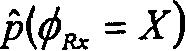
I分量先验概率计算部分406和Q分量先验概率计算部分407使用上行链路FBI比特来计算I和Q分量的先验概率作为似然率。<当i-d是一偶数时>
在此,metricpost,i是I分量似然率,metricpost,q是Q分量似然率,FBIbit(a)是表示在上行链路信道上由#a时隙发送的FBI比特的一个函数,并且当移动通信终端选择0(π/2)作为I分量(Q分量)时输出零,而当它选择π(-π/2)作为I分量(Q分量)时输出一。Err_rate表示移动通信终端估计的上行链路FBI比特的差错率。Here, metric cpost, i is the likelihood of the I component, metric post, q is the likelihood of the Q component, FBIbit(a) is a function representing the FBI bits transmitted by slot #a on the uplink channel, And outputs zero when the mobile communication terminal selects 0(π/2) as the I component (Q component), and outputs one when it selects π(−π/2) as the I component (Q component). Err_rate represents the error rate of uplink FBI bits estimated by the mobile communication terminal.
天线加权I分量估计器408和天线加权Q分量估计器409使用先验概率和后验概率通过下列算法来分别地确定天线加权估计值的I分量和Q分量。<由I分量估计器计算>如果metricpri,i+metricpost,i>0 (15)则x0=0 (16)否则x0=π (17)<由Q分量估计器计算>如果metricpri,q+metricpost,q>0 (18)则The antenna weight I component estimator 408 and the antenna weight Q component estimator 409 respectively determine the I component and the Q component of the antenna weight estimation value by the following algorithm using the prior probability and the posterior probability. <calculated by I component estimator> if metric pri, i + metric post, i > 0 (15) then x 0 = 0 (16) otherwise x 0 = π (17) <calculated by Q component estimator> if metric pri , q +metric post, q > 0 (18) then
x1=π/2 (19)否则x 1 = π/2 (19) otherwise
x1=-π/2 (20)x 1 = -π/2 (20)
天线加权判定部分410,使用从I分量估计器408和Q分量估计器409输出的X0和X1,最后输出满足下列表达式的天线加权
图5表示根据本发明的一个天线加权累加估计器的实例。天线加权累加估计器500包括累加部分501a-501c,I分量幅度估计器502,Q分量幅度估计器503,噪声干扰功率计算部分504,I分量后验概率计算部分505,Q分量后验概率计算部分506,I分量先验概率计算部分507,Q分量先验概率计算部分508,I分量估计器509,Q分量估计器510,以及天线加权判定部分511。Fig. 5 shows an example of an antenna weight accumulation estimator according to the present invention. Antenna weighted accumulation estimator 500 includes accumulation part 501a-501c, I component amplitude estimator 502, Q component amplitude estimator 503, noise interference power calculation part 504, I component posterior probability calculation part 505, Q component posterior probability calculation part 506 , I component prior probability calculation part 507 , Q component prior probability calculation part 508 , I component estimator 509 , Q component estimator 510 , and antenna weight determination part 511 .
在此结构中,每个累加部分501a和501b累加在一个时隙时间间隔的信道估计值。另一方面,累加部分501c累加在一个时隙时间间隔的公共导频接收解扩信号以便使用两个时隙的接收数据始终能进行天线加权估计。以与天线加权瞬时估计器中的I分量幅度估计器401相同的方式,I分量幅度估计器502使用从专用导频码元和公共导频信道中获得的信道估计值来估计专用导频码元的I分量的幅度,同样地,以与Q分量幅度估计器402相同的方式,Q分量幅度估计器503估计Q分量的幅度。假定当把上行链路信道的FBI比特映射在下行链路的天线加权上时估计#i时隙的天线加权并且发生d时隙延迟,则例如通过下列算法可以估计#i时隙的天线加权的I分量和Q分量。<当i-d是一偶数时(2n,在此n是一整数)>
在这里,至于等式(22)-(25)中的

I分量后验概率计算部分505,Q分量后验概率计算部分506,I分量先验概率计算部分507,Q分量先验概率计算部分508,I分量估计器509,Q分量估计器510以及天线加权判定部分511以与在天线加权瞬时估计器中的它们的相应部分相同的方式来操作,从而输出天线加权估计值。I component posterior probability calculation section 505, Q component posterior probability calculation section 506, I component prior probability calculation section 507, Q component prior probability calculation section 508, I component estimator 509, Q component estimator 510, and antenna weighting The decision section 511 operates in the same manner as their corresponding sections in the antenna weight instantaneous estimator, thereby outputting an antenna weight estimated value.
如上所述,本实施例不仅包括天线加权瞬时估计器,而且包括天线加权累加估计器,该天线加权瞬时估计器估计用于测量具有最小延迟的接收SNIR的天线加权,该天线加权累加估计器估计在两个时隙时间间隔累加的接收信号之后的天线加权,其中加权的I分量和Q分量被相继用于基站中,以使由天线加权累加估计器估计的天线加权被用于接收数据解调,从而减少由于天线加权估计错误引起的接收信号中的恶化。As described above, the present embodiment includes not only an antenna weight instantaneous estimator but also an antenna weight cumulative estimator that estimates antenna weights for measuring received SNIR with minimum delay and that estimates Antenna weighting after the received signal accumulated at two slot time intervals, where the weighted I component and Q component are successively used in the base station, so that the antenna weight estimated by the antenna weight accumulation estimator is used for received data demodulation , thereby reducing the degradation in the received signal due to antenna weight estimation errors.
此外,通过在使用专用导频码元的天线加权估计中使用瑞克组合之后的专用导频码元和噪声干扰功率的幅度获得后验概率,本实施例可以实现非常精确的天线加权估计。In addition, the present embodiment can realize very accurate antenna weight estimation by using the magnitude of the dedicated pilot symbols and noise interference power after Rake combination to obtain the posterior probability in antenna weight estimation using dedicated pilot symbols.
相对优选实施例已经详细描述了本发明,因此以前述中对于本领域的技术人员来说很显然,可以进行改变和修改而在广义方面不偏离本发明,因此它的目的是在所附的权利要求中覆盖落在本发明的实际精神之内的所有此类改变和修改。Having described the invention in detail with respect to preferred embodiments, it is therefore apparent from the foregoing to those skilled in the art that changes and modifications may be made without departing from the invention in its broadest aspects, and it is therefore intended that it be set forth in the appended claims All such changes and modifications that fall within the true spirit of the invention are covered by the claims.
Claims (18)
Applications Claiming Priority (2)
| Application Number | Priority Date | Filing Date | Title |
|---|---|---|---|
| JP2000153656A JP2001333002A (en) | 2000-05-24 | 2000-05-24 | Transmit antenna weight estimation method and mobile communication terminal in mobile communication system |
| JP153656/2000 | 2000-05-24 |
Related Child Applications (1)
| Application Number | Title | Priority Date | Filing Date |
|---|---|---|---|
| CNA2004100575611A Division CN1574689A (en) | 2000-05-24 | 2001-05-24 | Antenna weighting estimating method, and mobile communication terminal |
Publications (2)
| Publication Number | Publication Date |
|---|---|
| CN1349366A true CN1349366A (en) | 2002-05-15 |
| CN1231082C CN1231082C (en) | 2005-12-07 |
Family
ID=18658868
Family Applications (2)
| Application Number | Title | Priority Date | Filing Date |
|---|---|---|---|
| CNB011248297A Expired - Fee Related CN1231082C (en) | 2000-05-24 | 2001-05-24 | Antenna Weight Estimation Method and Mobile Communication Terminal |
| CNA2004100575611A Pending CN1574689A (en) | 2000-05-24 | 2001-05-24 | Antenna weighting estimating method, and mobile communication terminal |
Family Applications After (1)
| Application Number | Title | Priority Date | Filing Date |
|---|---|---|---|
| CNA2004100575611A Pending CN1574689A (en) | 2000-05-24 | 2001-05-24 | Antenna weighting estimating method, and mobile communication terminal |
Country Status (4)
| Country | Link |
|---|---|
| US (1) | US6853839B2 (en) |
| EP (1) | EP1158696A3 (en) |
| JP (1) | JP2001333002A (en) |
| CN (2) | CN1231082C (en) |
Cited By (5)
| Publication number | Priority date | Publication date | Assignee | Title |
|---|---|---|---|---|
| CN100461756C (en) * | 2004-09-13 | 2009-02-11 | 阿尔卡特公司 | Channel Quality Estimation for Wireless Communication Networks |
| CN100521584C (en) * | 2002-10-19 | 2009-07-29 | 三星电子株式会社 | Mobile communication apparatus and method including base station and mobile station having multi-antenna |
| CN100555905C (en) * | 2003-06-20 | 2009-10-28 | 西门子公司 | Method for determining antenna weighting factors |
| CN101800610A (en) * | 2002-11-05 | 2010-08-11 | 西门子公司 | Method and device for estimating channel quality |
| CN101944940A (en) * | 2009-07-08 | 2011-01-12 | 中兴通讯股份有限公司 | Antenna selection method and device for mobile terminal |
Families Citing this family (32)
| Publication number | Priority date | Publication date | Assignee | Title |
|---|---|---|---|---|
| EP1187254B1 (en) | 2000-09-01 | 2018-06-27 | Nippon Telegraph And Telephone Corporation | Adaptive antenna control method and adaptive antenna transmission/reception characteristic control method |
| EP1265384B1 (en) | 2001-05-29 | 2004-12-22 | Lucent Technologies Inc. | Method for improving the reception of a CDMA receiver, and corresponding CDMA receiver |
| FR2828034B1 (en) * | 2001-07-25 | 2005-06-10 | Nortel Networks Ltd | RADIO STATION WITH CLOSED LOOP TRANSMIT DIVERSITY AND METHOD OF CONTROLLING THE TRANSMISSION OF SUCH A STATION |
| KR100428709B1 (en) * | 2001-08-17 | 2004-04-27 | 한국전자통신연구원 | Apparatus for Forward Beamforming using Feedback of Multipath Information and Method Thereof |
| US8018903B2 (en) * | 2001-11-21 | 2011-09-13 | Texas Instruments Incorporated | Closed-loop transmit diversity scheme in frequency selective multipath channels |
| RU2232485C2 (en) * | 2001-11-27 | 2004-07-10 | Корпорация "Самсунг Электроникс" | Procedure to form directivity pattern of antenna and device for its realization |
| US7058361B2 (en) * | 2001-12-31 | 2006-06-06 | Lg Electronics Inc. | Channel compensating apparatus and method thereof for mobile communication terminal |
| US7065131B2 (en) * | 2002-01-31 | 2006-06-20 | Intel Corporation | Processor and method for weight detection in a closed loop diversity mode WCDMA system |
| EP1489772B1 (en) * | 2002-03-22 | 2014-09-10 | Huawei Technologies Co., Ltd. | A self - adapting weighted space time transmitting diversity method and system thereof |
| US6801580B2 (en) * | 2002-04-09 | 2004-10-05 | Qualcomm, Incorporated | Ordered successive interference cancellation receiver processing for multipath channels |
| US7010055B2 (en) * | 2002-06-27 | 2006-03-07 | Motorola, Inc. | System implementing closed loop transmit diversity and method thereof |
| US7406102B2 (en) | 2002-07-03 | 2008-07-29 | Freescale Semiconductor, Inc. | Multi-mode method and apparatus for performing digital modulation and demodulation |
| JP3887618B2 (en) * | 2003-08-08 | 2007-02-28 | 松下電器産業株式会社 | Mobile station apparatus and reception method in mobile station apparatus |
| US7154960B2 (en) * | 2002-12-31 | 2006-12-26 | Lucent Technologies Inc. | Method of determining the capacity of each transmitter antenna in a multiple input/multiple output (MIMO) wireless system |
| US7738848B2 (en) | 2003-01-14 | 2010-06-15 | Interdigital Technology Corporation | Received signal to noise indicator |
| JP2005057497A (en) | 2003-08-04 | 2005-03-03 | Science Univ Of Tokyo | Wireless transmission control method, wireless receiver, and wireless transmitter |
| US7263335B2 (en) | 2004-07-19 | 2007-08-28 | Purewave Networks, Inc. | Multi-connection, non-simultaneous frequency diversity in radio communication systems |
| US7460839B2 (en) | 2004-07-19 | 2008-12-02 | Purewave Networks, Inc. | Non-simultaneous frequency diversity in radio communication systems |
| US8897828B2 (en) * | 2004-08-12 | 2014-11-25 | Intellectual Ventures Holding 81 Llc | Power control in a wireless communication system |
| US7715806B2 (en) * | 2004-10-06 | 2010-05-11 | Broadcom Corporation | Method and system for diversity processing including using dedicated pilot method for closed loop |
| US8339930B2 (en) * | 2005-05-16 | 2012-12-25 | Qualcomm Incorporated | Pilot transmission and channel estimation with pilot weighting |
| JP4594822B2 (en) * | 2005-08-09 | 2010-12-08 | 株式会社エヌ・ティ・ティ・ドコモ | Reception apparatus and communication control method in mobile communication system |
| JP2007214750A (en) * | 2006-02-08 | 2007-08-23 | Nec Corp | Radio receiver and method for correcting noise estimation value |
| US7764959B2 (en) * | 2006-04-13 | 2010-07-27 | Carrier Iq, Inc. | Analysis of arbitrary wireless network data using matched filters |
| CN100553184C (en) * | 2006-11-24 | 2009-10-21 | 普天信息技术研究院 | A signal precoding method |
| US9178597B2 (en) | 2008-01-28 | 2015-11-03 | Broadcom Corporation | Method of updating transmission channel information based on eaves-dropping of beamformed signals |
| US8929325B2 (en) * | 2008-02-01 | 2015-01-06 | Apple Inc. | System and method for spatial multiplexing-based multiple antenna broadcast/multicast transmission |
| JP5066550B2 (en) * | 2008-09-25 | 2012-11-07 | 株式会社エヌ・ティ・ティ・ドコモ | Transmission power control method, base station apparatus and mobile station apparatus |
| US8417282B2 (en) * | 2009-06-25 | 2013-04-09 | Qualcomm Incorporated | Methods and apparatus for communicating with multiple antennas |
| FR2983667B1 (en) * | 2011-12-01 | 2014-01-03 | Cassidian Sas | INTERFERENCE REDUCTION METHOD |
| CN103199905B (en) * | 2012-01-09 | 2015-10-14 | 光宝电子(广州)有限公司 | Antenna array control method and the communicator using the method |
| KR102470863B1 (en) | 2018-03-09 | 2022-11-28 | 삼성전자주식회사 | Method and appatus of interference measurement |
Family Cites Families (5)
| Publication number | Priority date | Publication date | Assignee | Title |
|---|---|---|---|---|
| GB2313261B (en) * | 1996-05-17 | 2000-08-30 | Motorola Ltd | Devices for transmitter path weights and methods therefor |
| JP3497672B2 (en) * | 1996-09-18 | 2004-02-16 | 株式会社東芝 | Adaptive antenna and multi-carrier wireless communication system |
| US6108565A (en) * | 1997-09-15 | 2000-08-22 | Adaptive Telecom, Inc. | Practical space-time radio method for CDMA communication capacity enhancement |
| DE19741872C1 (en) * | 1997-09-23 | 1999-02-04 | Deutsche Telekom Ag | Adaptive receiver for CDMA base station |
| JP3641961B2 (en) * | 1999-02-01 | 2005-04-27 | 株式会社日立製作所 | Wireless communication device using adaptive array antenna |
-
2000
- 2000-05-24 JP JP2000153656A patent/JP2001333002A/en active Pending
-
2001
- 2001-05-23 EP EP20010304540 patent/EP1158696A3/en not_active Withdrawn
- 2001-05-23 US US09/863,648 patent/US6853839B2/en not_active Expired - Fee Related
- 2001-05-24 CN CNB011248297A patent/CN1231082C/en not_active Expired - Fee Related
- 2001-05-24 CN CNA2004100575611A patent/CN1574689A/en active Pending
Cited By (6)
| Publication number | Priority date | Publication date | Assignee | Title |
|---|---|---|---|---|
| CN100521584C (en) * | 2002-10-19 | 2009-07-29 | 三星电子株式会社 | Mobile communication apparatus and method including base station and mobile station having multi-antenna |
| CN101800610A (en) * | 2002-11-05 | 2010-08-11 | 西门子公司 | Method and device for estimating channel quality |
| CN101800610B (en) * | 2002-11-05 | 2015-04-01 | 西门子公司 | Method and device for estimating a channel quality |
| CN100555905C (en) * | 2003-06-20 | 2009-10-28 | 西门子公司 | Method for determining antenna weighting factors |
| CN100461756C (en) * | 2004-09-13 | 2009-02-11 | 阿尔卡特公司 | Channel Quality Estimation for Wireless Communication Networks |
| CN101944940A (en) * | 2009-07-08 | 2011-01-12 | 中兴通讯股份有限公司 | Antenna selection method and device for mobile terminal |
Also Published As
| Publication number | Publication date |
|---|---|
| EP1158696A2 (en) | 2001-11-28 |
| CN1574689A (en) | 2005-02-02 |
| CN1231082C (en) | 2005-12-07 |
| JP2001333002A (en) | 2001-11-30 |
| US20020003833A1 (en) | 2002-01-10 |
| US6853839B2 (en) | 2005-02-08 |
| EP1158696A3 (en) | 2004-02-11 |
Similar Documents
| Publication | Publication Date | Title |
|---|---|---|
| CN1349366A (en) | Antenna Weight Estimation Method and Mobile Communication Terminal | |
| JP4197482B2 (en) | Base station transmission method, base station transmission apparatus, and communication terminal | |
| CN1226891C (en) | Transmission antenna diversity method and base station apparatus and mobile station apparatus using the method | |
| US6434366B1 (en) | Method and system for estimating adaptive array weights used to transmit a signal to a receiver in a wireless communication system | |
| CN101958764B (en) | Transmitting device, signal generating apparatus and transmitting method | |
| CN101027886B (en) | Method and apparatus for signal demodulation | |
| CN1146131C (en) | Multipath signal processing method, processing system and demodulation system using the method | |
| CN100518007C (en) | Self-adoptive transmitting antenna diversity device and method for mobile communication system | |
| JP4783737B2 (en) | Multi-input multi-output system and method | |
| CN1190021C (en) | Diversity method of closed ring transmit antenna and base station equipment and movable station equipment | |
| CN1252943C (en) | Self-adaptive beam-formation apparatus and method | |
| JP5624586B2 (en) | Code division multiple access wireless system with closed loop mode using 90 degree phase rotation and beamformer verification | |
| CN1377530A (en) | Adaptive Channel Estimation in Wireless Communication Systems | |
| CN1483250A (en) | Parameter estimation for adaptive antenna system | |
| CN1618220A (en) | Method and apparatus for estimation of phase offset between communication channels | |
| CN1692570A (en) | System and method for realizing closed-loop transmit diversity | |
| CN1820424A (en) | Receiving device with hybrid equalizer and RAKE receiver and corresponding receiving method | |
| US20020097686A1 (en) | Long-range prediction of fading signals for WCDMA high speed downlink packet access (HSDPA) | |
| JP4873190B2 (en) | Channel quality measurement method in closed loop transmit diversity communication system | |
| CN1839602A (en) | Channel estimation using pilot symbols | |
| CN1271868C (en) | Mobile communicating appts. comprising antenna array and mobile communicating method | |
| CN1114296C (en) | Bandwidth-variable channel estimation method for frequency-selective channel and its device | |
| CN1969470A (en) | Data transmission method and receiver | |
| US20070064828A1 (en) | Method and system for multiple input multiple output (MIMO) channel estimation | |
| CN1543252A (en) | Device and method for controlling transmit antenna array of high-speed physical downlink shared channel |
Legal Events
| Date | Code | Title | Description |
|---|---|---|---|
| C10 | Entry into substantive examination | ||
| SE01 | Entry into force of request for substantive examination | ||
| C06 | Publication | ||
| PB01 | Publication | ||
| C14 | Grant of patent or utility model | ||
| GR01 | Patent grant | ||
| C17 | Cessation of patent right | ||
| CF01 | Termination of patent right due to non-payment of annual fee |
Granted publication date: 20051207 Termination date: 20100524 |