CN1392902A - Recovery of nickel and cobalt values from sulfidic flotation concentrate by chloride assisted oxidative pressure leaching in sulfuric acid - Google Patents
Recovery of nickel and cobalt values from sulfidic flotation concentrate by chloride assisted oxidative pressure leaching in sulfuric acid Download PDFInfo
- Publication number
- CN1392902A CN1392902A CN01802786A CN01802786A CN1392902A CN 1392902 A CN1392902 A CN 1392902A CN 01802786 A CN01802786 A CN 01802786A CN 01802786 A CN01802786 A CN 01802786A CN 1392902 A CN1392902 A CN 1392902A
- Authority
- CN
- China
- Prior art keywords
- nickel
- cobalt
- leach
- copper
- solution
- Prior art date
- Legal status (The legal status is an assumption and is not a legal conclusion. Google has not performed a legal analysis and makes no representation as to the accuracy of the status listed.)
- Granted
Links
Images


Classifications
-
- C—CHEMISTRY; METALLURGY
- C22—METALLURGY; FERROUS OR NON-FERROUS ALLOYS; TREATMENT OF ALLOYS OR NON-FERROUS METALS
- C22B—PRODUCTION AND REFINING OF METALS; PRETREATMENT OF RAW MATERIALS
- C22B23/00—Obtaining nickel or cobalt
- C22B23/04—Obtaining nickel or cobalt by wet processes
- C22B23/0453—Treatment or purification of solutions, e.g. obtained by leaching
- C22B23/0461—Treatment or purification of solutions, e.g. obtained by leaching by chemical methods
-
- C—CHEMISTRY; METALLURGY
- C22—METALLURGY; FERROUS OR NON-FERROUS ALLOYS; TREATMENT OF ALLOYS OR NON-FERROUS METALS
- C22B—PRODUCTION AND REFINING OF METALS; PRETREATMENT OF RAW MATERIALS
- C22B23/00—Obtaining nickel or cobalt
- C22B23/04—Obtaining nickel or cobalt by wet processes
- C22B23/0407—Leaching processes
- C22B23/0415—Leaching processes with acids or salt solutions except ammonium salts solutions
- C22B23/0423—Halogenated acids or salts thereof
-
- C—CHEMISTRY; METALLURGY
- C22—METALLURGY; FERROUS OR NON-FERROUS ALLOYS; TREATMENT OF ALLOYS OR NON-FERROUS METALS
- C22B—PRODUCTION AND REFINING OF METALS; PRETREATMENT OF RAW MATERIALS
- C22B23/00—Obtaining nickel or cobalt
- C22B23/04—Obtaining nickel or cobalt by wet processes
- C22B23/0407—Leaching processes
- C22B23/0415—Leaching processes with acids or salt solutions except ammonium salts solutions
- C22B23/043—Sulfurated acids or salts thereof
-
- C—CHEMISTRY; METALLURGY
- C22—METALLURGY; FERROUS OR NON-FERROUS ALLOYS; TREATMENT OF ALLOYS OR NON-FERROUS METALS
- C22B—PRODUCTION AND REFINING OF METALS; PRETREATMENT OF RAW MATERIALS
- C22B3/00—Extraction of metal compounds from ores or concentrates by wet processes
- C22B3/04—Extraction of metal compounds from ores or concentrates by wet processes by leaching
- C22B3/06—Extraction of metal compounds from ores or concentrates by wet processes by leaching in inorganic acid solutions, e.g. with acids generated in situ; in inorganic salt solutions other than ammonium salt solutions
-
- Y—GENERAL TAGGING OF NEW TECHNOLOGICAL DEVELOPMENTS; GENERAL TAGGING OF CROSS-SECTIONAL TECHNOLOGIES SPANNING OVER SEVERAL SECTIONS OF THE IPC; TECHNICAL SUBJECTS COVERED BY FORMER USPC CROSS-REFERENCE ART COLLECTIONS [XRACs] AND DIGESTS
- Y02—TECHNOLOGIES OR APPLICATIONS FOR MITIGATION OR ADAPTATION AGAINST CLIMATE CHANGE
- Y02P—CLIMATE CHANGE MITIGATION TECHNOLOGIES IN THE PRODUCTION OR PROCESSING OF GOODS
- Y02P10/00—Technologies related to metal processing
- Y02P10/20—Recycling
Landscapes
- Chemical & Material Sciences (AREA)
- Engineering & Computer Science (AREA)
- Manufacturing & Machinery (AREA)
- Materials Engineering (AREA)
- Mechanical Engineering (AREA)
- Metallurgy (AREA)
- Organic Chemistry (AREA)
- General Chemical & Material Sciences (AREA)
- Chemical Kinetics & Catalysis (AREA)
- Inorganic Chemistry (AREA)
- Life Sciences & Earth Sciences (AREA)
- Environmental & Geological Engineering (AREA)
- General Life Sciences & Earth Sciences (AREA)
- Geochemistry & Mineralogy (AREA)
- Geology (AREA)
- Manufacture And Refinement Of Metals (AREA)
- Electrolytic Production Of Metals (AREA)
- Extraction Or Liquid Replacement (AREA)
- Inorganic Compounds Of Heavy Metals (AREA)
Abstract
Description
发明领域field of invention
本发明涉及一种湿法冶金分离,萃取及回收硫化物浮选精矿中有用镍及钴的方法。更具体地说,本方法涉及在酸性条件下进行常压氯浸提,接着进行氧化高压酸浸提,和通过电解提取步骤回收镍。The invention relates to a method for hydrometallurgical separation, extraction and recovery of useful nickel and cobalt in sulfide flotation concentrate. More specifically, the process involves atmospheric chlorine leaching under acidic conditions, followed by oxidative high pressure acid leaching, and recovery of nickel through an electrowinning step.
发明背景Background of the invention
长期以来,为了回收硫化物浮选精矿中的基底金属,冶金工作者一直在寻求研发经济可行的湿法冶金方法,作为替代常规熔炼及精炼的方法。由于对环境排放物控制更为严格,熔炉修建及操作都变得越来越昂贵。过去五十年所研究的许多方法都在空气或氧气氛下在高压反应釜中利用对硫化物浮选精矿的一种水浆液进行浸提,实现对该提浓物铁、硫及矸石组分中的有用金属初步分离。但这些方法几乎均未工业成功。For a long time, in order to recover base metals in sulfide flotation concentrates, metallurgists have been seeking to develop economically feasible hydrometallurgical methods as an alternative to conventional smelting and refining. Furnaces are becoming more expensive to build and operate due to tighter controls on environmental emissions. Many of the methods studied over the past fifty years have utilized an aqueous slurry of sulfide flotation concentrates in autoclave leaching under air or oxygen atmospheres to achieve the concentration of iron, sulfur and gangue in the concentrate. Preliminary separation of useful metals in the fraction. However, almost none of these methods have been commercially successful.
1950年代初期,加拿大Sherribt Gordon矿山有限公司,在含氨的硫酸铵溶液中在95℃及空气气氛下对基于加压浸提镍-铜硫化物浮选精矿的湿法冶金方法进行了工业化(J.R.Boldt,Jr.and P.E.Queneau, The Winning of Nickel,Longmans Canada Limited,Toronto,1967,pp 299-314),并成功运行了四十年。由于能耗较高,必需对副产物硫酸铵肥料找寻市场,这种方法并没被其它镍厂家广泛采纳,因为它特别适合于Sherritt Gordon装置的一般位置和可提供的原料。In the early 1950s, Canada Sherribt Gordon Mine Co., Ltd. industrialized the hydrometallurgical method based on the pressure leaching of nickel-copper sulfide flotation concentrate in ammonium sulfate solution containing ammonia at 95 °C and air atmosphere ( JRBoldt, Jr. and PEQueneau, The Winning of Nickel , Longmans Canada Limited, Toronto, 1967, pp 299-314), and has operated successfully for forty years. Because of the higher energy consumption, it was necessary to find a market for the by-product ammonium sulfate fertilizer, an approach that has not been widely adopted by other nickel producers because it is particularly well suited to the general location and feedstock availability of the Sherritt Gordon plant.
自1981年,对硫化锌浮选精矿处理的硫酸基加压浸提方法工业运行取得成功,接着被几家锌厂家采纳,替代了常规煅烧技术。这种方法于150℃下在硫酸溶液中对硫化锌浮选精矿进行氧化加压浸提,产生一种硫酸锌的溶液和一种由元素硫和氧化铁组成的残渣。对硫酸锌溶液进行提纯,脱除微量杂质金属,并用长期确立的电解提取方法从提纯后的浸提溶液中回收金属锌。在加压浸提中,该提浓物中通常不足10%的硫化物被氧化为硫酸盐,其余的则作为固态元素硫加以回收,销售或存储。这种方法中硫的形态大大优于老的煅烧方法,老方法中硫全被转化为硫酸,硫酸必须经常亏本销售,或将其转化为固体废物诸如石膏填埋处理。Since 1981, the sulfuric acid-based pressure leaching method for the treatment of zinc sulfide flotation concentrates has been successfully industrialized, and then adopted by several zinc manufacturers to replace the conventional calcination technology. This process involves oxidative pressure leaching of zinc sulphide flotation concentrates in sulfuric acid solution at 150°C to produce a solution of zinc sulphate and a residue consisting of elemental sulfur and iron oxides. The zinc sulfate solution is purified to remove trace impurity metals, and the long-established electrolytic extraction method is used to recover metal zinc from the purified leaching solution. In pressure leaching, typically less than 10% of the sulfide in the concentrate is oxidized to sulfate, with the remainder recovered as solid elemental sulfur, sold or stored. The form of sulfur in this method is vastly superior to the older calcination method, in which all the sulfur is converted to sulfuric acid, which must often be sold at a loss, or converted to solid waste such as gypsum for landfill disposal.
已经做过许多尝试,以图使这种氧化加压酸浸提技术延伸至直接处理铜和镍-铜硫化物浮选精矿,但迄今这种方法仍未工业化成功。采用在硫熔点以上的温度下氧化加压浸提方法,来处理含黄铜矿浮选精矿的主要障碍在于,熔融硫有覆盖金属硫化物颗粒表面的趋势。这样就抑制并阻碍了金属硫化物与酸溶液的反应。因此,于温度120℃下在硫酸中对铜提浓物的氧化加压浸提一般都导致反应速率慢和金属萃取率低的结果。硫化锌与镍的颗粒对熔融硫亲合力低于硫化铜对熔融硫的亲合力,而且如上所述的锌氧化加压浸提成功方法利用有机添加剂如木素磺化盐类或白坚木,来防止浸提过程中对硫化物颗粒的覆盖。这些添加剂对硫化铜提浓物无效,但最近发现(参见USP 5,730,776,Collins等人的专利),添加劣质煤可阻止在150℃下于硫酸溶液中进行氧化加压浸提中对硫化锌及硫化铜二者的覆盖。Many attempts have been made to extend this oxidative pressure acid leaching technique to direct treatment of copper and nickel-copper sulphide flotation concentrates, but so far this method has not been commercially successful. A major obstacle to the treatment of chalcopyrite-bearing flotation concentrates by oxidative pressure leaching at temperatures above the melting point of sulfur is the tendency of molten sulfur to coat the surface of metal sulphide particles. This inhibits and hinders the reaction of the metal sulfide with the acid solution. Thus, oxidative pressure leaching of copper concentrates in sulfuric acid at temperatures of 120°C generally results in slow reaction rates and low metal extraction rates. Particles of zinc sulfide and nickel have a lower affinity for molten sulfur than copper sulfide, and successful methods of zinc oxidative pressure leaching as described above utilize organic additives such as lignosulfonate salts or quebracho, To prevent coverage of sulfide particles during leaching. These additives are ineffective against copper sulfide concentrates, but it has recently been found (see USP 5,730,776, Collins et al.) that the addition of inferior coal prevents zinc sulfide and Copper covers both.
USP 4,039,406中(Stanley)中描述了一种不同的解决熔融硫阻塞硫化物颗粒表面问题的方法。此专利披露在高于120℃温度的硫酸溶液中对黄铜矿提浓物氧化加压浸提的浸提溶液中添加低浓度的氯离子。添加氯化物的好处表明可大大提高黄铜矿的浸提速率和显著减少硫化物氧化为硫酸盐的数量,其结果回收了实际上所有固体残渣中赤铁矿提浓物的铁含量。于150℃下在硫酸中对黄铜矿的氧化加压浸提,在不添加氯离子时一般产生的浸提溶液含酸及溶解铁浓度高。而添加氯化物时,其浸提液一般pH值2.5-3,铁浓度在1克/升以下。硫氧化深度低的另一后果,以及含氯化物浸提溶液中所造成的低酸度,可使大部分浸提铜被再沉淀为碱性硫酸铜。这种作用的大小可通过调节浸提中添加的酸量而加以改变。这种可对溶液与浸提残渣间铜的形态进行控制的性能,为设计铜回收方法提供了相当大的灵活性。A different approach to the problem of molten sulfur blocking the surface of sulfide particles is described in USP 4,039,406 (Stanley). This patent discloses adding a low concentration of chloride ions to the leaching solution for oxidative pressure leaching of chalcopyrite concentrate in a sulfuric acid solution at a temperature higher than 120°C. The benefits of adding chlorides are shown to greatly increase the chalcopyrite leaching rate and significantly reduce the amount of sulfide oxidation to sulfate, resulting in the recovery of virtually all of the iron content of the hematite concentrate in the solid residue. Oxidative pressure leaching of chalcopyrite in sulfuric acid at 150°C generally produces a leaching solution containing acid and a high concentration of dissolved iron without the addition of chloride ions. When adding chloride, the general pH value of the extract is 2.5-3, and the iron concentration is below 1 g/L. Another consequence of the low sulfur oxidation depth, and the resulting low acidity in the chloride-containing leach solution, is that most of the leached copper is reprecipitated as basic copper sulfate. The size of this effect can be changed by adjusting the amount of acid added in the leaching. This ability to control the speciation of copper between solution and leach residue provides considerable flexibility in designing copper recovery methods.
后来在Subramanian等人标题为“Oxygen pressure Leaching ofFe-Ni-Cu sulfide Concentrates at 110℃-Effect of Low ChlorideAddition”(“110℃下氧压浸提铁-镍-铜硫化物提浓物---氯化物低添加量的影响”)的论文中,对在加压浸提含镍硫化物浮选精矿的硫酸盐溶液中添加氯离于的氧化加压浸提的实用性进行了描述(见(Hydrometallurgy 2,(1976)pp.117-125))。Later in Subramanian et al. titled "Oxygen pressure Leaching of Fe-Ni-Cu sulfide Concentrates at 110°C-Effect of Low ChlorideAddition" ("Oxygen pressure leaching of Fe-Ni-Cu sulfide concentrates at 110°C--Chloride Addition" Effect of low addition of sulfides"), the practicality of oxidative pressure leaching with the addition of chloride ions in sulfate brines for pressure leaching nickel-bearing sulfide flotation concentrates is described (see ( Hydrometallurgy 2, (1976) pp. 117-125)).
近年来,D.L.Jones在USP 5,431,788、5,645,708、5,650,057、5,855,858、5,874,055及5,902,474中,披露了使以氯化物促进的硫酸氧化加压浸提硫化铜提浓物与各种基于常规溶剂萃取及电解提取的工艺流程回收铜的方法结合一起使用。In recent years, in USP 5,431,788, 5,645,708, 5,650,057, 5,855,858, 5,874,055 and 5,902,474, D.L.Jones disclosed the sulfuric acid oxidation pressure leaching copper sulfide concentrate promoted by chloride and various methods based on conventional solvent extraction and electrolytic extraction. A combination of methods for recovering copper from the process flow is used.
Jones在USP 5,650,057中描述了一种萃取矿石或提浓物中的铜的湿法冶金方法。这种方法广义地包括在含卤离子和硫酸氢根或硫酸根离子源的酸性溶液中对矿石或提浓物进行氧化加压浸提。这种方法延伸至萃取无亚铜的金属如锌、镍和钴。显然,在氧化加压浸提过程中,金属可被沉淀为不溶性碱式盐,诸如碱式硫酸铜,或后来又基本完全被增溶并沉淀为碱式铜盐。在也由Jones发布的USP 5,855,858中更详细地描述了这种方法对含镍-钴硫化物提浓物的具体应用。Jones in USP 5,650,057 describes a hydrometallurgical process for the extraction of copper from ores or concentrates. This process broadly includes oxidative pressure leaching of an ore or concentrate in an acidic solution containing halide ions and bisulfate or a source of sulfate ions. This method is extended to the extraction of cuprous-free metals such as zinc, nickel and cobalt. Apparently, during oxidative pressure leaching, metals can be precipitated as insoluble basic salts, such as basic copper sulphate, or later substantially completely solubilized and precipitated as basic copper salts. The specific application of this method to nickel-cobalt containing sulphide concentrates is described in more detail in USP 5,855,858, also issued by Jones.
在USP 5,855,858的图1中说明的方法对本发明是有兴趣的。这种方法涉及对铜-镍浮选精矿进行氧化加压浸提。在分离浸提溶液与浸提残渣后,将浸提溶液送至溶剂萃取铜流程中。然后将来自铜萃取步骤的萃取液送至利用石灰的常规氢氧化镍沉淀步骤。在进行液/固分离后,对基本含全部有用镍及钴的残渣进行含氨浸提,并将其中的浸提溶液先送至一种溶剂萃取流程中脱除钴。最后,将来自钴萃取步骤的萃取液送至进行镍的溶剂萃取和电解提取,从而产出阴极镍。The method illustrated in Figure 1 of USP 5,855,858 is of interest to the present invention. This method involves oxidative pressure leaching of copper-nickel flotation concentrates. After separating the leach solution from the leach residue, the leach solution is sent to the solvent extraction copper process. The extract from the copper extraction step is then sent to a conventional nickel hydroxide precipitation step using lime. After liquid/solid separation, the residue containing substantially all useful nickel and cobalt is subjected to ammonia-containing leaching, and the leaching solution is first sent to a solvent extraction process to remove cobalt. Finally, the extract from the cobalt extraction step is sent to solvent extraction and electrolytic extraction of nickel to produce nickel cathodes.
应当注意的是,在回收矿石或提浓物中的镍的过程中,包括在该方法中的氯化物促进的氧化加压浸提,迄今仍有必要对无铜含镍的浸提物流进行溶剂萃取处理步骤,以便产生一种高浓度的提纯硫酸镍溶液,适于从其中电解提取回收有用镍。It should be noted that during the recovery of nickel in ores or concentrates, including chloride-promoted oxidative pressure leaching in the process, it has hitherto been necessary to solvent-treat the copper-free nickel-containing leach stream. The extractive treatment step to produce a highly concentrated solution of purified nickel sulphate suitable for electrolytic extraction therefrom to recover useful nickel.
在七十年代Gerlach等人(“Activation and Leaching ofChalcopyrite Concentrates in Dilute Sulfuric Acid” (“在稀硫硫酸中对黄铜矿提浓物的活化和浸提”), International Symposium on Hydrometallurgy(湿法冶金国际讨论会),1973,pp.401-416)和Pawlek(“The Influence of Grain Size and MineralogicalComposition on the Leachability of Copper Concentrates”(“粒度和矿物成分对铜提浓物的可浸提性的影响”), International Symposium on Cooper Extraction and Refining(铜萃取和精炼国际讨论会),1976,pp,690-705)首先确定了在氧化加压浸提前使基底金属硫化物浮选精矿研磨得很细的好处。在那时,由于已有研磨技术能耗高,将浮选精矿细研磨至粒度约30微米以下被认为是不经济的。过去了三十年,精细研磨技术出现了明显进步,现在可工业提供各种研磨机,可使基底金属浮选精矿的粒度减小至20微米以下,而不过度消耗能量。最近提出了许多湿法冶金的方法,都依赖于金属溶解步骤之前的精细研磨,以达到高的金属萃取率,而浸提条件比对常规粒径的浮选精矿所需的条件更温和得多。这类方法的实例描述于USP5,232,491(Corrans等人)和5,917,116(Johnson等发布)中。专利USP 5,232,491提出了一种活化矿物物种的方法,采用在氧化湿法冶金处理之前对其进行精细或超细研磨的方法。专利USP 5,917,116提出了一种采用初期研磨矿物至粒径2-20微米范围的处理铜矿物的方法。然后,在氯离子存在下及在低于元素硫熔点的温度下对该矿物进行氧化加压浸提。In the seventies Gerlach et al. (“Activation and Leaching of Chalcopyrite Concentrates in Dilute Sulfuric Acid” (“Activation and Leaching of Chalcopyrite Concentrates in Dilute Sulfuric Acid”), International Symposium on Hydrometallurgy (International Symposium on Hydrometallurgy Symposium), 1973, pp.401-416) and Pawlek ("The Influence of Grain Size and MineralogicalComposition on the Leachability of Copper Concentrates"("The Effect of Grain Size and Mineral Composition on the Leachability of Copper Concentrates") , International Symposium on Cooper Extraction and Refining (Copper Extraction and Refining International Symposium), 1976, pp, 690-705) first identified the benefits of finely grinding base metal sulfide flotation concentrates in advance of oxidative pressure leaching . At that time, fine grinding of flotation concentrates to particle sizes below about 30 microns was considered uneconomical due to the high energy consumption of existing grinding techniques. The past three decades have seen significant advances in fine grinding technology, and the industry now offers a variety of grinders that can reduce the particle size of base metal flotation concentrates to below 20 microns without undue energy consumption. A number of hydrometallurgical processes have recently been proposed, all relying on fine grinding prior to the metal dissolution step to achieve high metal extraction yields under milder leaching conditions than would be required for flotation concentrates of conventional particle size many. Examples of such methods are described in USP 5,232,491 (Corrans et al.) and 5,917,116 (issued by Johnson et al.). Patent USP 5,232,491 proposes a method of activating mineral species by fine or ultrafine grinding of them prior to oxidative hydrometallurgical treatment. Patent USP 5,917,116 proposes a method of treating copper minerals by initially grinding minerals to a particle size range of 2-20 microns. The mineral is then subjected to oxidative pressure leaching in the presence of chloride ions at temperatures below the melting point of elemental sulfur.
不利地是,不管利用混合氯化物-硫酸盐溶液进行氧化加压浸提方法的优点如何,上述系列参考美国专利中由Jones提出的处理含镍矿石或提浓物的工艺流程都比较复杂,而且许多分离步骤的效率低。他们还在寻求工业认可。因此,仍然需要一种硫化镍浮选精矿的处理方法,它兼有在混合氯化物硫酸盐溶液中氧化加压浸提的优点,并使溶液净化和金属回收方法更简单和更直接。Disadvantageously, regardless of the advantages of using mixed chloride-sulphate solution for oxidative pressure leaching process, the above-mentioned series of references in the US patents proposed by Jones for the treatment of nickel-containing ores or concentrates are relatively complicated, and The efficiency of many separation steps is low. They are also seeking industry recognition. Therefore, there remains a need for a process for the treatment of nickel sulfide flotation concentrates which combines the advantages of oxidative pressure leaching in mixed chloride-sulphate brines with simpler and more straightforward solution purification and metal recovery methods.
发明综述Summary of invention
本发明的一个主要目的在于提供一种从硫化物浮选精矿中回收有用镍及钴的新湿法冶金方法,该方法包括常压的酸氯浸提(acidchlorine leach),接着氧化加压浸提,而且其中可将由其所得提纯镍浸提溶液直接送至电解提取流程中,产生阴极镍。此外,重要的要求在于,使有用金属溶解迅速而且元素硫的回收率高。A primary object of the present invention is to provide a new hydrometallurgical process for the recovery of useful nickel and cobalt from sulphide flotation concentrates, the process comprising acid chloride leaching at atmospheric pressure followed by oxidative pressure leaching Extraction, and wherein the resulting purified nickel leach solution can be directly sent to the electrolytic extraction process to produce cathode nickel. Furthermore, important requirements are rapid dissolution of the useful metals and a high recovery of elemental sulfur.
本发明的第二个目的在于提供一种来自常压酸氯浸提的可用于氧化加压浸提的含氯化物进料液,从而达到如上所述的主要目的。The second object of the present invention is to provide a chloride-containing feed liquid from atmospheric pressure acid chlorine leaching that can be used for oxidative pressure leaching, so as to achieve the above-mentioned main object.
本发明的另一目的还在于,利用电解提取镍步骤中产生的氯作为硫化物浮选精矿浸提中的一种氧化剂。Another object of the present invention is to utilize the chlorine produced in the nickel electrowinning step as an oxidizing agent in the leaching of sulfide flotation concentrates.
此外,本发明的目的还在于提供一种工序最少且试剂费用最低的方法。In addition, the object of the present invention is to provide a method with the least number of steps and the lowest cost of reagents.
最后,与采用可能工业可行的所有湿法冶金方法一样,人们总要追求有用金属回收率最大和投资与操作费用最少。Finally, as with all hydrometallurgical processes that may be commercially viable, one seeks to maximize useful metal recovery and minimize capital and operating costs.
按照本发明,这里提供一种从含镍-钴-铜硫化物浮选精矿中萃取,分离和回收镍、钴和铜的方法。该方法包括制备含硫化物浮选精矿的浆液和使所述浆液与在常压酸性浸提阶段含氧及氯的气流进行接触的步骤,从而产生一种其中含预定浓度氯离子的加压浸提进料浆液。然后,在酸性及高温条件下对此加压浸提进料浆液进行氧化加压浸提,从中选择性地浸提出大部分镍、钴和铜,形成一种含镍-钴-铜的浸提溶液和浸取残渣。对从中分离浸取残渣之后的含镍-钴-铜的浸提溶液进行处理,分别回收铜和钴,并脱除杂质,从而形成一种提纯后的镍浸提溶液。然后电解提取出所述提纯后的镍浸提溶液中的镍,由此产生阴极镍及氧、氯及硫酸。优选在常压酰基氯浸提(acidchloride leach)之前将硫化物浮选精矿研磨得很细,最优选研磨至粒度约10-30微米的范围。加压浸提进料浆液中优选氯化物浓度范围应在约2-40克/升之间。According to the present invention, there is provided a method for extracting, separating and recovering nickel, cobalt and copper from a nickel-cobalt-copper sulfide flotation concentrate. The process comprises the steps of preparing a slurry of sulphide-containing flotation concentrate and contacting said slurry with an oxygen- and chlorine-containing gas stream in an acidic leaching stage at atmospheric pressure, thereby producing a pressurized atmosphere containing a predetermined concentration of chloride ions therein. Leach feed slurry. This pressure leach feed slurry is then subjected to oxidative pressure leaching under acidic and high temperature conditions to selectively leach most of the nickel, cobalt and copper from it to form a nickel-cobalt-copper-containing leach solutions and leaching residues. The nickel-cobalt-copper-containing leaching solution after the leaching residue is separated therefrom is treated to recover copper and cobalt respectively and remove impurities, thereby forming a purified nickel leaching solution. The nickel in the purified nickel leach solution is then electrolytically extracted, thereby producing cathode nickel and oxygen, chlorine and sulfuric acid. The sulfide flotation concentrate is preferably ground very finely, most preferably to a particle size in the range of about 10-30 microns, prior to atmospheric acid chloride leach. The preferred range of chloride concentration in the pressure leach feed slurry should be between about 2-40 g/L.
在本发明一组优选实施方案中,广义提供一种用于从含镍-钴-铜硫化物浮选精矿中萃取,分离及回收有用镍、钴及铜的方法,包括制备一种含浮选精矿的浆液和使所述浆液与常压酸性浸提中的含氧及氯的气流进行接触,从而产生一种其中含预定浓度氯离子的加压浸提的进料浆液。对此加压浸提进料浆液在酸性条件及高温下进行氧化加压浸提,从中选择性地浸提出大部分镍、钴和铜,形成含镍-钴-铜的浸提溶液和浸取残渣。随后将此含镍-钴-铜的浸提溶液与所述浸取残渣分离。从所述含镍及钴的浸提溶液中脱除所含的铜,并对此脱铜后的含镍及钴的浸提溶液进行中和,并脱除其中的铁。使此含镍及钴的浸提溶液经历提纯步骤,由此脱除含镍-钴的浸提溶液中的杂质,一般为钙、锌及铅。利用溶剂萃取过程脱除所述含镍钴的浸提溶液中的钴,并通过电解提取方法从所述提纯后的含镍溶液中提取镍。此外,精细研磨后的硫化物浮选精矿的优选粒度应是如上所述的那样,应当达到在加压浸提料液中的氯离子的浓度。In a set of preferred embodiments of the present invention, there is broadly provided a method for extracting, separating and recovering useful nickel, cobalt and copper from nickel-cobalt-copper sulfide flotation concentrate, comprising preparing a flotation Concentrating a slurry of ore and contacting the slurry with an oxygen- and chlorine-containing gas stream in an atmospheric acid leach produces a pressure-leached feed slurry containing a predetermined concentration of chloride ions therein. In this regard, the pressure leaching feed slurry is subjected to oxidative pressure leaching under acidic conditions and high temperature, from which most of the nickel, cobalt and copper are selectively leached to form a nickel-cobalt-copper-containing leaching solution and leaching residue. This nickel-cobalt-copper containing leach solution is then separated from the leach residue. removing contained copper from the leaching solution containing nickel and cobalt, neutralizing the leaching solution containing nickel and cobalt after decoppering, and removing iron therein. The nickel and cobalt containing leach solution is subjected to a purification step whereby impurities in the nickel-cobalt containing leach solution are removed, typically calcium, zinc and lead. The cobalt in the nickel-cobalt-containing leaching solution is removed by a solvent extraction process, and the nickel is extracted from the purified nickel-containing solution by an electrolytic extraction method. In addition, the preferred particle size of the finely ground sulfide flotation concentrate should be as described above and should achieve the concentration of chloride ions in the pressurized leach feed solution.
本发明还延伸至一种由含镍-钴-铜硫化物浮选精矿制备加压浸提进料浆液的方法,包括步骤:精细研磨所述浮选精矿达到预定的粒度;制备含所述精细研磨的浮选精矿酸性溶液的浆液,并使所述浆液与含氧及氯的气流接触,从而产生-种其中含预定浓度的氯离子的加压浸提的进料浆液。The present invention also extends to a method for preparing a feed slurry for pressure leaching from flotation concentrates containing nickel-cobalt-copper sulfides, comprising the steps of: finely grinding the flotation concentrates to a predetermined particle size; A slurry of the finely ground flotation concentrate acidic solution is obtained and the slurry is contacted with a gas stream containing oxygen and chlorine to produce a pressure leached feed slurry having a predetermined concentration of chloride ions therein.
另外,本发明考虑了将电解提取提镍步骤产生的氧/氯形成合并气流再循环至常压酸氯浸提中。此外,使含硫酸的镍阳极液流再循环至常压酸氯浸提步骤中会特别有利。In addition, the present invention considers that the oxygen/chlorine generated in the nickel extraction step of the electrolytic extraction is recycled to the atmospheric acid chlorine leaching to form a combined gas stream. Furthermore, it would be particularly advantageous to recycle the nickel anolyte stream containing sulfuric acid to the atmospheric acid chlorine leaching step.
在氧化加压浸提之前先对硫化物浮选精矿进行常压酸氯浸提,对提高硫化矿物氧化速率并由此显著降低氧化加压浸提方法所需反应釜的尺寸及费用有利。Atmospheric pressure acid chlorine leaching of sulfide flotation concentrate before oxidative pressure leaching is beneficial to increase the oxidation rate of sulfide minerals and thereby significantly reduce the size and cost of the reactor required for the oxidative pressure leaching method.
有利地是,由于实施本发明方法,有可能直接电解提取来自氧化加压浸提的含氯化物高浓度硫酸镍提纯浸提液中的镍,从而产生镍并因此不必进行镍改质及提纯步骤而涉及中间物沉淀、再溶解及溶剂萃取。此外,由于实施了从含氯化物硫酸镍溶液中电解提取镍,和与再循环阳极产生的气流至常压浸提的结合,回收氯可采用溶解氯离子的理想方式,而免除了通过回收气流与氢气反应再产生盐酸的必要性。Advantageously, due to the implementation of the method of the present invention, it is possible to directly electrolytically extract nickel from the chloride-containing high-concentration nickel sulfate purification leach liquor from oxidative pressure leaching, thereby producing nickel and thus eliminating the need for nickel upgrading and purification steps It involves intermediate precipitation, redissolution and solvent extraction. In addition, due to the implementation of the electrolytic extraction of nickel from chloride-containing nickel sulfate solutions, combined with recirculation of the anode-generated gas stream to atmospheric leaching, chlorine recovery can be performed in an ideal manner for dissolving chloride ions, eliminating the need for recirculation of the gas stream. The necessity of reacting with hydrogen to produce hydrochloric acid.
本发明方法的基本要求是,对硫化物浮选精矿的常压酸氯浸提必须在氧化加压浸提之前进行。The basic requirement of the method of the present invention is that the normal pressure acid chlorine leaching of the sulfide flotation concentrate must be carried out before the oxidation pressure leaching.
在这种工艺相对不复杂,涉及步骤比已有技术更少,工业上可行的方法中,镍回收率得以提高,氧化加压浸提中的反应时间也大大缩短。In this relatively uncomplicated process, involving fewer steps than the prior art, and an industrially viable process, nickel recovery is enhanced and reaction time in oxidative pressure leaching is greatly shortened.
同样不想受约束,据认为在氯作为氧化剂的存在下,在进行氧化加压浸提之前新加常压酸浸的步骤有助于达到如上所述目的。Also without wishing to be bound, it is believed that an additional step of atmospheric pressure acid leaching prior to oxidative pressure leaching in the presence of chlorine as the oxidizing agent helps to achieve the above objectives.
其另一优点是,规定在常压酸氯浸提步骤之前对硫化物浮选精矿进行精细研磨的步骤,促进了金属回收率的提高。Another advantage is that providing for a fine grinding step of the sulphide flotation concentrate prior to the atmospheric acid chlorine leaching step facilitates increased metal recovery.
附图简要说明Brief description of the drawings
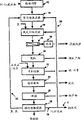
图1是本发明的一般化示意流程图。Figure 1 is a generalized schematic flow diagram of the present invention.
图2是图1方法实施方案的一种示意流程图。Figure 2 is a schematic flow diagram of an embodiment of the process of Figure 1 .
图3是表明间歇氧化加压浸提试验中氧消耗速率的对照图,试验是针对按照本发明方法制得的常压酸氯浸取残渣和针对按照已有技术直接氧化加压浸提处理镍-铜-钴硫化物浮选精矿完成的。Fig. 3 is the control chart showing the oxygen consumption rate in the intermittent oxidation pressure leaching test, and the test is for the normal pressure acid chlorine leaching residue prepared according to the method of the present invention and for the direct oxidation pressure leaching treatment of nickel according to the prior art - Copper-cobalt sulphide flotation concentrate completed.
本发明优选实施方案Preferred Embodiments of the Invention
以数字10表示的图1描述了本方法的流程,图2描述了这种方法的实施方案。现参看图2,本方法包括在步骤12对含镍-铜-钴硫化物浮选精矿进行精细研磨,接着进行常压酸氯浸提14。常压酸氯浸提的残渣在含酸性氯化物溶液中的浆液,此后简称加压浸提进料浆液,被送至氧化加压浸提步骤15。经液/固分离步骤后,含镍-钴-铜的氧化加压浸提溶液被送至脱铜步骤20。脱除铜后,含镍-钴的浸提溶液经合并中和及经历除铁步骤22,然后进行溶液提纯步骤24。在步骤26经分离溶液中的钴之后,镍在电解提取法提镍步骤28中被从所述提纯镍硫酸盐-氯化物浸提溶液中电解提取出来,产生阴极镍,并生成硫酸及释放出氧气及氯气。在精细研磨步骤12中,将一种其粒度d80 40-80微米一般含5-25%Ni、1-10%Cu及0.2-1.0%Co的镍-钴-铜硫化物浮选精矿的水成浆液注入一立式球磨中,使其粒度d80减小至10-30微米范围。将此经过精细研磨的硫化物浮选精矿的浆液与来自电解提取法提镍步骤28的再循环镍阳极液30相混合,它一般含45-55克/升Ni及10-50克/升H2SO4,和在常压酸氯浸提步骤14中进行浸提,用氯与氧的混合物对其进行鼓泡,也通过电解提取法提镍步骤28再循环。这种浸提通过一系列两个或更多个串联排列的搅拌反应槽完成,其反应温度约40-90℃,保留时间至少30分钟。氯、氧及酸与含镍矿物、磁黄铁矿及镍黄铁矿反应按照以下反应式进行:Figure 1, indicated at
一般,常压酸氯浸提14之后,在所述浸提溶液中氯化物浓度在约2-40克/升范围,最优选在约2-20克/升范围。Typically, after atmospheric
在一系列数值前的术语“约”均应当理解为用于系列中的各数值,除非另有陈述。The term "about" preceding a series of values should be understood as being applied to each value in the series, unless otherwise stated.
氯与硫化矿物间的反应快速而完全,所以基本上所有在电解提取法提镍步骤28中的阳极产生的氯气都被回收及转化为常压酸氯浸提产物溶液中,即加压浸提进料浆液中的氯化物。因此,常压浸提槽排放气体中无氯。氧及硫酸与硫化矿物的反应较慢,在常压酸浸提条件下利用氧比较少,所以可能提供附加空气或氧有利,以使硫酸与硫化矿物的反应达到最大。据观察发现,氯与酸二者对磁黄铁矿的选择性攻击都超过对镍黄铁矿的,以致对铁萃取百分比一般比对镍的萃取率高。一般,该提浓物中最多15%含量的铁及5-10%含量的镍被溶解在常压酸氯浸提中。因此,常压酸氯浸提的主要可溶性产物是氯化亚铁和较少量的氯化镍。但更重要地是,在常压酸氯浸提中硫化物浮选精矿有15-20%的硫化物料反应形成了元素硫或硫酸盐。The reaction between chlorine and sulfide minerals is fast and complete, so basically all the chlorine gas produced at the anode in the
通过常压酸氯浸提先处理镍-钴-铜硫化物浮选精矿的氧化加压浸提操作产生了二个明显的好处。令人惊讶地是,现已发现,凡先在常压酸氯浸提步骤中对硫化物浮选精矿进行过处理的,在氧化加压浸提中这种硫化矿的氧化速率就较快。这种有利的结果被认为是由于在常压酸氯浸提中,有很大部分的硫化物浮选精矿的铁含量被溶解,因此提高了氧化加压浸提溶液中溶解铁的浓度。众所周知,溶解的铁会促进硫化矿物在氧化加压浸提中氧的传递。一般,在氧化加压浸提中达到镍提取率93%所需要的时间缩短了约33%,如从30分钟减到20分钟,相应显著增大了反应釜的生产能力。The oxidative pressure leaching operation, which first treats the nickel-cobalt-copper sulfide flotation concentrate by atmospheric acid chlorine leaching, yields two distinct benefits. Surprisingly, it has been found that sulfide flotation concentrates are oxidized faster in oxidative pressure leaching where the sulfide flotation concentrate is first treated in the atmospheric acid chlorine leaching step . This favorable result is believed to be due to the fact that a significant portion of the iron content of the sulphide flotation concentrate is dissolved during atmospheric acid chlorine leaching, thus increasing the concentration of dissolved iron in the oxidative pressure leach solution. Dissolved iron is known to facilitate oxygen transport in oxidative pressure leaching of sulfide minerals. Generally, the time required to achieve a nickel extraction rate of 93% in oxidative pressure leaching is shortened by about 33%, such as reduced from 30 minutes to 20 minutes, correspondingly significantly increasing the production capacity of the reactor.
由于在将浆液引入氧化加压浸提反应釜之前,最多约20%的高发热硫化物氧化反应发生在常压酸浸提中,所以使必须从反应釜中移出的热量显著降低。在工业实施中,氧化加压浸提反应釜的生产能力基本上完全取决于它所能脱除反应热的速率。因此,使很大部分的氧化反应在常压酸氯浸提中完成,会使反应釜的生产能力显著提高。Since up to about 20% of the highly exothermic sulfide oxidation reactions occur in atmospheric acid leaching before the slurry is introduced into the oxidative pressure leach vessel, the amount of heat that must be removed from the vessel is significantly reduced. In industrial implementation, the production capacity of the oxidation pressure leaching reactor basically depends entirely on the rate at which it can remove the heat of reaction. Therefore, a large part of the oxidation reaction is completed in the atmospheric acid chlorine leaching, which will significantly increase the production capacity of the reactor.
将常压酸氯浸提产物的浆液,即加压浸提进料浆液,作为进料直接泵送至步骤16的氧化加压浸提反应釜中,使之在预选总酸对提浓物的比例下进行处理,一般为每公吨硫化物浮选精矿150-250千克的H2SO4,其处理温度100-150℃,氧分压0.5-1.0兆帕。达到镍及钴萃取率98%所需的停留时间一般范围从在130℃时约20-30分钟到在105℃时约1.5-3小时。在氧化加压浸提步骤中发生的主要化学反应可由以下反应式表示:The slurry of the atmospheric pressure acid chlorine leaching product, that is, the pressure leaching feed slurry, is directly pumped as a feed to the oxidation pressure leaching reaction kettle in
在此体系中氯离子的精确作用还未明白,但非常肯定的是,氯化物浓度达到约2克/升以上,会显著增加基底金属的溶解及硫化物氧化为元素硫的速率。同时氯离子会抑制硫化物及/或元素硫氧化为硫酸盐的反应。因此,由于使中和及需要除铁量减至最少,氧化加压浸提过程中消耗的氧量显著降低,同样随后处理氧化加压浸提溶液的费用降低。据报导,硫化物浮选精矿中通常不超过10%含量的的硫化物对氧化加压浸提溶液为溶解硫酸盐,其余部分主要为浸取残渣中的固体元素硫。The precise role of chloride ions in this system is not understood, but it is quite certain that chloride concentrations above about 2 g/l significantly increase the rate of dissolution of the base metal and oxidation of the sulfide to elemental sulfur. At the same time, chloride ions inhibit the oxidation of sulfide and/or elemental sulfur to sulfate. Consequently, the amount of oxygen consumed during the oxidative pressure leaching process is significantly reduced by minimizing the amount of neutralization and iron removal required, as well as the subsequent cost of processing the oxidative pressure leaching solution. It has been reported that usually no more than 10% of the sulfide in the sulfide flotation concentrate is dissolved sulfate in the oxidative pressure leaching solution, and the rest is mainly solid elemental sulfur in the leaching residue.
通过调节固粒对反应釜内总溶液流量的比例,使氧化加压浸提的排放溶液中镍浓度一般维持在70-80克/升的范围。这种氧化加压浸提产物的溶液一般含2~10克/升的Cu及0.5~3克/升的Co,其pH值为1.8~3.0。在这种加压浸提放溶液中溶解铁的含量取决于pH值,其范围为pH 2.5时低于0.1克/升到pH 1.8时达到~5克/升。最终pH值取决于加至浸提步骤14及16的阳极液流中硫酸量和硫化物氧化为硫酸盐的程度。这种氧化加压浸提溶液也含痕量其它金属杂质,如锌和铅,而且可以是硫酸钙饱和的。氧化加压浸提残渣主要由元素硫(20-25%)和赤铁矿(40-45%Fe)及来自硫化物浮选精矿的不溶性矸石材料组成。By adjusting the ratio of solid particles to the total solution flow rate in the reactor, the nickel concentration in the discharge solution from oxidation and pressure leaching is generally maintained in the range of 70-80 g/L. The solution of the oxidative pressure leaching product generally contains 2-10 g/L Cu and 0.5-3 g/L Co, and its pH value is 1.8-3.0. The dissolved iron content in this pressure leach solution was pH dependent and ranged from less than 0.1 g/L at pH 2.5 to ~5 g/L at pH 1.8. The final pH depends on the amount of sulfuric acid in the anolyte stream fed to the leaching steps 14 and 16 and the degree of oxidation of sulfide to sulfate. This oxidative pressure leach solution also contains traces of other metallic impurities, such as zinc and lead, and can be saturated with calcium sulfate. The OPL residue consists mainly of elemental sulfur (20-25%) and hematite (40-45% Fe) with insoluble waste rock material from the sulfide flotation concentrate.
反应釜排放浆液经固液分离步骤18,从高浓度含镍溶液中分离出脱金属后的固体残渣。由于氧化加压浸提溶液含镍浓度高,重要的是应充分洗涤其残渣,保证分离出废弃固粒中所有被夹带的氧化加压浸提溶液。氧化高压残渣洗涤步骤19可包括利用增稠剂的逆流倾注洗涤流程,或利用带式过滤器上的逆流洗涤完成。洗涤后,将贫瘠的氧化加压浸提残渣废弃至适宜保管体系中。任选可通过熔融硫的常规泡沫浮选和过滤方法,分离在氧化加压浸提残渣赤铁矿和矸石成分中的元素硫。只要经济上允许,就可进一步处理这种氧化加压浸提残渣,回收贵重及铂族金属。The slurry discharged from the reaction kettle is subjected to a solid-
氧化加压浸提溶液,在pH 2.0~3.0时通常含不足5克/升的Cu,经脱铜步骤20处理,用硫化物试剂沉淀硫化铜中间产物或通过常规溶剂萃取和电解提取产生铜阴极产物的方法,脱除铜。两种方法都产生硫酸,从而降低了含镍及钴溶液的pH,例如:Oxidative pressure leach solution, typically containing less than 5 g/L Cu at pH 2.0 to 3.0, treated by decoppering
脱除铜步骤20后,脱铜后的镍及钴的硫酸盐-氯化物溶液一般含约10克/升的游离硫酸及约1克/升的Fe,接着在氧化条件下对其进行中和,使pH值升高至2.5-4.0的范围,通过水解作用在中和及除铁步骤22中沉淀铁。工艺步骤22通常在60-80℃温度下在一系列串联排列的搅拌槽中完成。精细粉碎的石灰石及消石灰是优选的中和剂,用空气或氧气对浆液鼓泡,氧化溶解二价铁为三价形态,使之水解沉淀为氢氧化铁及石膏:After
通过过滤(未示出)分离无铁的镍硫酸盐-氯化物溶液中的沉淀硫酸钙及氢氧化铁,并用水充分洗涤固粒,回收夹带的含镍溶液,然后将固粒摈弃至保管体系中。The precipitated calcium sulfate and ferric hydroxide in the iron-free nickel sulfate-chloride solution are separated by filtration (not shown), and the solid particles are washed thoroughly with water to recover the entrained nickel-containing solution, and then the solid particles are discarded to the storage system middle.
在中和及脱铁步骤22后,部分提纯后的高浓度镍-钴溶液仍然含杂质,如锌及铅以及残余痕量的铜及铁,而且是硫酸钙饱和的。在回收溶液中纯产品钴及镍之前,必须脱除基底金属的杂质,而在进一步处理之前还需脱除至少一部分钙,因为硫酸钙可引起后序工艺中的各种问题。利用与可溶性硫化物如硫氢化钠的常规沉淀作用,可以脱除基底金属,同时利用有机磷酸溶剂萃取试剂,如二2-乙基己基磷酸(D2EHPA),可在溶液提纯步骤24中脱除基底金属及钙。两种提纯方法在提纯后的镍-钴溶液中都产生游离硫酸,在处理过程中都必须进行中和。在此步骤中2 4优选中和剂是氢氧化钠、碳酸钠或氢氧化铵,因为此刻应避免用钙试剂。D2EHPA溶剂萃取步骤,在55℃及pH 3.5~4.0下操作,可通过常规混合澄清槽或逆流萃取塔完成。使含镍及钴溶液中的钙含量从500毫克/升以上降低到100毫克/升以下,并使锌及铁定量脱除。铜及铅的含量也显著降低。通过与酸性含氯化物的水溶液如盐酸进行接触的方法,汽提该负荷金属的有机溶液,并进一步对含氯化钙洗提液进行处理,以分离及脱除所含有用金属。After the neutralization and
提纯后的含镍及钴的溶液进至钴分离步骤26,通过溶剂萃取,例如利用Cyanex272(一种有机次膦酸萃取剂,由加拿大Cytec公司制造),选择性地脱除含镍及钴溶液中99%以上的钴。在pH值约4时钴被负荷于有机萃取剂中,经过常规洗涤该负荷的有机溶液,脱除夹带及/或共萃取的镍之后,使之与酸性洗涤水溶液进行接触,再萃取有机溶液中的钴。这个步骤优选在50~55℃下完成。对高浓度钴洗提溶液进一步地处理,回收目的产物形态的钴,如阴极金属、氧化钴、碳酸钴或钴盐。在进行到电解提取法提镍步骤28之前,对来自脱钴步骤26的含镍提余液进行常规处理,脱除任何夹带的有机溶液。这种溶液一般含约80克/升的镍及pH值约4.0。在电解提取法提镍步骤28中,来自步骤26提纯后的镍硫酸盐-氯化物溶液经电解,使金属镍沉淀在阴极上,并在阳极产生氯气、氧气及硫酸。The solution containing nickel and cobalt after the purification enters the
将提纯后的高浓度镍的硫酸盐-氯化物溶液加到常规电解提取池中,电解提取池内装有多个不溶解阳极并交替插入多个阴极,阴极可以是镍起动器薄片或由钛或不锈钢造的永久阴极基材。通过将镍电镀在镍起动器薄片上制成整板阴极,或通过电镀在部分遮盖的不锈钢基材上制成为离散片如ROUNDSTM。(ROUNDS是Inco Limited(国际镍有限公司)的商标)。这种不溶性阳极包括金属钛基材,或为网或整板,其上涂布一层或多层过渡金属氧化物的覆盖层,过渡金属氧化物优选选自钽、钌及铱的氧化物。各阳极被封闭在半透膜制成的鞘或袋子中,采用一种罩盖方法使之隔离氧及氯气及阳极液,如USP4,201,653(O′Neill等)及4,288,305(Garriteen等)专利中所述,两者均授权于Inco Limited公司。The purified high-concentration nickel sulfate-chloride solution is added to a conventional electrolytic extraction cell. The electrolytic extraction cell is equipped with multiple insoluble anodes and alternately inserted multiple cathodes. The cathodes can be nickel starter sheets or made of titanium or Permanent cathode substrate made of stainless steel. The cathodes are made either as bulk cathodes by electroplating nickel onto thin sheets of nickel starter, or as discrete pieces such as ROUNDS ™ by electroplating onto partially covered stainless steel substrates. (ROUNDS is a trademark of Inco Limited (International Nickel Co., Ltd.)). The insoluble anode comprises a metal titanium substrate, or a mesh or a whole plate, coated with one or more coating layers of transition metal oxides, and the transition metal oxides are preferably selected from the oxides of tantalum, ruthenium and iridium. Each anode is enclosed in a sheath or bag made of a semipermeable membrane, and a cover method is used to isolate oxygen, chlorine and anolyte, such as USP4,201,653 (O'Neill et al.) and 4,288,305 (Garriteen et al.) patents As stated, both are licensed to Inco Limited.
电解提取法提镍工艺步骤28操作于电流密度200~350安培/平方米及55~60℃下。应当注意,电解提取法提镍流程的进料液中氯化物浓度始终保持在约2~20克/升范围。提纯后的镍硫酸盐-氯化物溶液一般含70~80克/升的Ni,将其加至阴极室中,使金属镍镀到阴极上,并形成氢离子。脱镍后的酸性溶液渗透穿过封闭阳极空间的薄膜,达到阳极表面,在阳极表面形成氯气及氧气。镍阳极液流30,它与氯气及氧气一起在阳极室被回收,一般含50克/升的Ni,1克/升以下的Cl及20~50克/升的H2SO4。The
氯与氧气流32与部分阳极液30一起被再循环至常压酸氯浸提步骤14中。另一部分阳极液30被再循环至氧化加压浸提步骤16中。为了保持工艺中所需水及硫酸盐的平衡,要从流程中放出平衡的阳极液30和洗涤液,构成一种排放液34。用石灰石及石灰处理排放液34,中和酸并沉淀所含的镍为返回流程中(未示出)的氢氧化镍。现在参考以下非限制性实施例描述本发明的方法。The chlorine and
实施例IExample I
此实施例说明,在氧化加压浸提之前,利用氯及氧的气体混合物作为氧化剂,在硫酸溶液中进行常压酸浸提含镍-铜-钴硫化物浮选精矿的好处。常压浸提试验利用再研磨(d80~24微米)的镍-铜-钴硫化物浮选精矿样品完成,再研磨样品分析结果为10.5%Ni,2.5%Cu,44%Fe及33%S。在环境温度下,对含55%固粒的硫化物浮选精矿浆液在含不同浓度硫酸的酸性水溶液中进行间歇常压浸提试验。在各试验中用一种由氯或氧或其混合物组成的气流对该硫化物浮选精矿浆液进行鼓泡,气流用量示于表1中。This example illustrates the benefits of atmospheric acid leaching of nickel-copper-cobalt sulfide-containing flotation concentrates in sulfuric acid solution using a gaseous mixture of chlorine and oxygen as the oxidizing agent prior to oxidative pressure leaching. Atmospheric pressure leaching tests were performed using reground (d 80 to 24 microns) nickel-copper-cobalt sulfide flotation concentrate samples. The reground samples were analyzed for 10.5% Ni, 2.5% Cu, 44% Fe and 33% S. At ambient temperature, the intermittent atmospheric pressure leaching test was carried out on the sulfide flotation concentrate slurry containing 55% solids in acidic aqueous solutions containing different concentrations of sulfuric acid. The sulphide flotation concentrate slurries were sparged in each test with a gas stream consisting of chlorine or oxygen or mixtures thereof in the amounts indicated in Table 1.
表I
这些试验数据说明,在常压酸浸提中用氯及氧气对浆液进行鼓泡时,增加酸用量对铁溶解程度、对硫化物氧化为元素硫和氧化为硫酸盐的相对程度的影响。These experimental data illustrate the effect of increasing acid levels on the degree of iron dissolution and on the relative degree of oxidation of sulfide to elemental sulfur and oxidation to sulfate when slurries are sparged with chlorine and oxygen in atmospheric acid leaching.
随后用水及/或稀硫酸溶液对试验4及5中形成的常压酸浸提浆液进行稀释,调整溶液中氯离子含量至5克/升,并调整两浸提段中总酸用量至160千克H2SO4/吨提浓物。对各氧化加压浸提(OPL)进料浆液加入少量水溶性木素磺化盐,以保证熔融硫充分分散。然后在间歇反应釜中,在150℃及700千帕氧分压下,对各浆液氧化加压浸提30分钟。在两组OPL试验中,30分钟后镍萃取率超过98%。为了比较,在相同条件即没有以前的常压酸氯气浸提,直接对同样再研磨的含镍-铜-钴硫化物浮选精矿样品进行氧化加压浸提。在这组OPL试验中30分钟后镍萃取率为97%。在所有三组试验中氧化为元素硫(S0)的硫化物量超过75%,氧化为硫酸盐的硫化物量约15%。Water and/or dilute sulfuric acid solution then dilutes the normal-pressure acid leaching slurry formed in Test 4 and 5, adjusts the chloride ion content in the solution to 5 grams per liter, and adjusts the total acid consumption to 160 kg in the two leaching sections H 2 SO 4 /t concentrate. A small amount of water-soluble lignosulfonate was added to each oxidative pressure leaching (OPL) feed slurry to ensure sufficient dispersion of molten sulfur. Then, in a batch reactor, oxidize and pressurize each slurry for 30 minutes at 150° C. and 700 kPa oxygen partial pressure. In both OPL tests, the nickel extraction rate exceeded 98% after 30 minutes. For comparison, the same reground nickel-copper-cobalt sulfide flotation concentrate samples were directly subjected to oxidative pressure leaching under the same conditions, ie without the previous atmospheric acid chlorine gas leaching. The nickel extraction rate in this set of OPL tests was 97% after 30 minutes. The amount of sulfide oxidized to elemental sulfur (S 0 ) was more than 75% and the amount of sulfide oxidized to sulfate was about 15% in all three sets of experiments.
图3表示三组OPL试验的累积耗氧速率图。在间歇氧化加压浸提过程中,按气体质量流量计测定的氧消耗速率,提供了一种对硫化矿物氧化速率的方便和可靠的量度,它对基底金属萃取速率可给出良好显示。图3图形表明,对试验4及5的常压浸取残渣的OPL试验中,在约20分钟后,硫化物氧化反应的氧消耗基本完全。相反,在直接对含镍-铜-钴硫化物浮选精矿的OPL试验中,到30分钟才观察到明显的氧消耗速率。这些数据表明,先在常压酸氯气浸提中对硫化物浮选精矿进行处理后,使氧化加压浸提中镍萃取率达到98%的目标所需的停留时间会大大缩短。Figure 3 shows the graph of the cumulative oxygen consumption rate for the three groups of OPL tests. During batch oxidative pressure leaching, the rate of oxygen consumption as measured by a gas mass flow meter provides a convenient and reliable measure of the rate of oxidation of sulfide minerals, which gives a good indication of the rate of base metal extraction. Figure 3 graphically shows that in the OPL tests on the atmospheric leaching residues of Runs 4 and 5, after about 20 minutes, oxygen consumption by the sulfide oxidation reaction is substantially complete. In contrast, in direct OPL tests on flotation concentrates containing nickel-copper-cobalt sulphides, no appreciable rate of oxygen consumption was observed until 30 min. These data indicate that the residence time required to achieve the target 98% nickel extraction in oxidative pressure leaching is significantly reduced by first treating the sulphide flotation concentrate in atmospheric acid chlorine leaching.
实施例IIExample II
这个实施例说明进料颗粒粒度对含10%Ni、2.6%Cu和29%S的镍-钴-铜硫化物浮选精矿在含5克/升氯化物和35克/升H2SO4的硫酸盐-氯化物溶液中进行浸提的影响。利用立式球磨机精细研磨提浓物(d80~48微米),使其形成分别达到d80值约13和6微米的材料。在常压酸氯浸提溶液中对各硫化物浮选精矿样品进行再浆化,形成一种含250克/固粒的浆液,并使之在150℃下经受氧化加压浸提。间歇试验在约700千帕氧分压下和停留时间在20~60分钟的范围内完成。对氧化加压浸提进料浆液加入了少量水溶性的木素磺化盐,以保证熔融硫充分分散。结果示于以下表II中:This example illustrates the effect of feed particle size on a nickel-cobalt-copper sulfide flotation concentrate containing 10% Ni, 2.6% Cu and 29% S at 5 g/L chloride and 35 g/L H2SO4 The effect of leaching in the sulfate-chloride solution. The concentrate was finely ground (d 80 to 48 microns) using an attritor mill to form materials reaching d 80 values of approximately 13 and 6 microns, respectively. Each sulfide flotation concentrate sample was reslurried in an atmospheric acid chlorine leach solution to form a slurry containing 250 g/solids and subjected to oxidative pressure leaching at 150°C. Batch tests were performed at about 700 kPa oxygen partial pressure and residence times ranging from 20 to 60 minutes. A small amount of water-soluble lignosulfonate is added to the feed slurry for oxidation pressure leaching to ensure that the molten sulfur is fully dispersed. The results are shown in Table II below:
表II
这些试验表明,超细研磨含镍-铜-钴硫化物的浮选精矿,显著地缩短了氧化加压浸提中达到镍萃取率98%目标所需要的浸提时间。较精细研磨也提高了对更难浸提的黄铜矿物中铜的萃取率。但是,氧化加压浸提残渣也因硫化物浮选精矿的粒度降低逐渐变得更难沉降和过滤。实际上,据认为最佳粒度在15-30微米的范围。These experiments showed that ultrafine grinding of flotation concentrates containing nickel-copper-cobalt sulfides significantly shortened the leaching time required to achieve the 98% nickel extraction target in oxidative pressure leaching. Finer grinding also improves the extraction of copper from the more difficult-to-leach chalcopyrite minerals. However, OPL residues also become progressively more difficult to settle and filter due to the reduced particle size of the sulfide flotation concentrate. In practice, the optimum particle size is believed to be in the range of 15-30 microns.
实施例IIIExample III
以下实施例说明氯化物添加量及浸提温度对氧化加压浸提性能的影响。为了比较在100及150℃两个条件下氧化加压浸提的性能,对研磨得非常细的硫化物浮选精矿(d80~7微米)进行了一系列间歇加压浸提试验。镍-铜-钴硫化物浮选精矿含15%镍、2.6%钴及34%硫。采用一种合成氯化物-硫酸盐溶液(5克/升的Cu,5克/升的Cl及10-40克/升的H2SO4)在氯化物-硫酸盐溶液中进行氧化加压浸提试验。采用一种含5克/升的Cu及40克/升的H2SO4的溶液进行在无氯化物的硫酸盐溶液中的氧化加压浸提试验。将水溶性的木素磺化盐加至氧化加压浸提浆液中,在150℃下进行氧化加压浸提试验。其结果列于以下表III中。The following examples illustrate the effect of chloride addition and leaching temperature on the performance of oxidative pressure leaching. To compare the performance of oxidative pressure leaching at 100 and 150°C, a series of batch pressure leaching tests were carried out on very finely ground sulfide flotation concentrates (d 80-7 microns). The nickel-copper-cobalt sulfide flotation concentrate contains 15% nickel, 2.6% cobalt and 34% sulfur. Oxidative pressure leaching in chloride-sulfate solution using a synthetic chloride-sulfate solution (5 g/L Cu, 5 g/L Cl and 10-40 g/L H 2 SO 4 ) mention test. Oxidative pressure leaching tests in chloride-free sulfate solutions were carried out using a solution containing 5 g/l Cu and 40 g/l H2SO4 . Water-soluble lignosulfonate is added to the oxidative pressure leaching slurry, and the oxidative pressure leaching test is carried out at 150°C. The results are listed in Table III below.
表III
实施例IVExample IV
此实施例说明少量氯化物及多量硫酸盐的镍溶液在电解提取法提镍中的性能,试验在电流密度300安培/平方米及电池电压3.0伏特下完成。电解提取池是一种装有不锈钢阴极和双阳极的隔膜电池,双阳极由涂有钽、钌及铱氧化物的组合物的钛基材组成。进料液中含有75克/升Ni,pH 2.5及温度60℃,氯化物浓度范围在2.5~10克/升。产物阳极液的组成列于表IV中。This embodiment illustrates the performance of a small amount of chloride and a large amount of sulfate nickel solution in nickel extraction by electrolytic extraction. The test is completed at a current density of 300 amperes/square meter and a battery voltage of 3.0 volts. The electrolytic extraction cell is a diaphragm cell with a stainless steel cathode and a dual anode consisting of a titanium substrate coated with a combination of tantalum, ruthenium and iridium oxides. The feed liquid contains 75 g/L Ni, pH 2.5 and
表IV
在各试验中,从溶液中以氯气形式脱除约90%的氯离子,同时在阴极以金属态析出进料液中的镍约35%。随进料液中的氯化物量的增加,产物溶液中硫酸量成比例地减少。In each test, about 90% of the chloride ions were removed from the solution as chlorine gas, while about 35% of the nickel in the feed solution was precipitated in the metal state at the cathode. As the amount of chloride in the feed solution increases, the amount of sulfuric acid in the product solution decreases proportionally.
尽管根据章程的规定,这里说明及描述了本发明的具体实施方案,但本领域技术人员会理解,可做出一些为本发明权利要求书所覆盖类型的变化,而且有时可利用本发明的某些特征而不相应利用另一些特征。While specific embodiments of the invention have been illustrated and described herein in accordance with the statutes, it will be understood by those skilled in the art that changes of the type covered by the claims of the invention may be made and that certain aspects of the invention may sometimes be utilized. Some features without corresponding use of other features.
Claims (17)
Applications Claiming Priority (2)
| Application Number | Priority Date | Filing Date | Title |
|---|---|---|---|
| US09/664,475 US6428604B1 (en) | 2000-09-18 | 2000-09-18 | Hydrometallurgical process for the recovery of nickel and cobalt values from a sulfidic flotation concentrate |
| US09/664,475 | 2000-09-18 |
Publications (2)
| Publication Number | Publication Date |
|---|---|
| CN1392902A true CN1392902A (en) | 2003-01-22 |
| CN1210417C CN1210417C (en) | 2005-07-13 |
Family
ID=24666118
Family Applications (1)
| Application Number | Title | Priority Date | Filing Date |
|---|---|---|---|
| CNB018027865A Expired - Fee Related CN1210417C (en) | 2000-09-18 | 2001-02-26 | Hydrometallurgical process for the recovery of nickel, cobalt and copper from sulphide flotation concentrates |
Country Status (13)
| Country | Link |
|---|---|
| US (2) | US6428604B1 (en) |
| EP (1) | EP1325165B1 (en) |
| JP (1) | JP3946633B2 (en) |
| CN (1) | CN1210417C (en) |
| AT (1) | ATE338833T1 (en) |
| AU (1) | AU774519B2 (en) |
| BR (1) | BR0107217A (en) |
| CA (1) | CA2376883C (en) |
| DE (1) | DE60122914T2 (en) |
| FI (1) | FI123376B (en) |
| RU (1) | RU2221881C1 (en) |
| WO (1) | WO2002024966A1 (en) |
| ZA (1) | ZA200202941B (en) |
Cited By (19)
| Publication number | Priority date | Publication date | Assignee | Title |
|---|---|---|---|---|
| CN100420760C (en) * | 2004-05-21 | 2008-09-24 | Wmc资源有限公司 | Nickel recovery |
| CN100516251C (en) * | 2004-09-17 | 2009-07-22 | Bhp比利通Ssm技术有限公司 | Producing ferronickel or nickel through wet metallurgical and fire metallurgical combined method |
| CN101705371B (en) * | 2009-11-20 | 2011-04-06 | 北京矿冶研究总院 | A method for extracting cobalt from copper-cobalt sulfide ore |
| CN102002586A (en) * | 2010-12-04 | 2011-04-06 | 金川集团有限公司 | Nickel-containing high-cobalt sulfide leaching technology |
| CN101760616B (en) * | 2008-12-02 | 2011-08-10 | 中国恩菲工程技术有限公司 | Leaching method of cobalt-containing ore |
| CN102206834A (en) * | 2011-05-03 | 2011-10-05 | 四川省尼科国润新材料有限公司 | Method for directly producing electrolytic nickel by using low nickel matte |
| CN102344118A (en) * | 2011-07-01 | 2012-02-08 | 王嘉兴 | Method for preparing copper sulfide, copper hydroxide and sodium chloride with waste slag copper mud |
| CN102344163A (en) * | 2011-07-01 | 2012-02-08 | 王嘉兴 | Method for preparing copper sulfide, copper carbonate and sodium chloride with waste slag copper mud |
| CN102367176A (en) * | 2011-07-01 | 2012-03-07 | 王嘉兴 | Method for preparing copper sulfide, copper phosphate and sodium phosphate with waste slag copper mud |
| CN102367179A (en) * | 2011-07-01 | 2012-03-07 | 王嘉兴 | Method for preparing copper sulfide, cupric chloride and sodium chloride with waste slag copper mud |
| CN102367173A (en) * | 2011-07-01 | 2012-03-07 | 王嘉兴 | Method for preparing copper sulfide and sodium chloride with waste slag copper mud |
| CN102367175A (en) * | 2011-07-01 | 2012-03-07 | 王嘉兴 | Method for preparing copper sulfide, copper hydroxide and sodium chloride with waste slag copper mud |
| CN101356292B (en) * | 2005-11-10 | 2012-11-14 | 瓦利·德·利奥多斯公司 | Combined leaching process |
| CN103725887A (en) * | 2013-12-13 | 2014-04-16 | 金川集团股份有限公司 | Method for leaching copper sponge |
| CN103958416A (en) * | 2011-12-26 | 2014-07-30 | 住友金属矿山株式会社 | Method for producing cobalt sulfate |
| CN108103311A (en) * | 2017-12-14 | 2018-06-01 | 中南大学 | A kind of Wet-smelting method of cupro-nickel composite ore |
| CN108118149A (en) * | 2017-12-14 | 2018-06-05 | 中南大学 | A kind of method that power battery anode material presoma is prepared with nickel sulfide concentrate |
| CN112680602A (en) * | 2020-12-18 | 2021-04-20 | 衢州华友钴新材料有限公司 | Treatment method for improving leaching efficiency of copper-containing sulfide ore |
| CN113957264A (en) * | 2021-09-13 | 2022-01-21 | 广东邦普循环科技有限公司 | Method for preparing nickel sulfate from low grade nickel matte |
Families Citing this family (45)
| Publication number | Priority date | Publication date | Assignee | Title |
|---|---|---|---|---|
| CA2417417C (en) * | 2000-07-25 | 2008-09-30 | Phelps Dodge Corporation | Method for recovery of copper from sulfidic ore materials using super-fine grinding and medium temperature pressure leaching |
| US6428604B1 (en) * | 2000-09-18 | 2002-08-06 | Inco Limited | Hydrometallurgical process for the recovery of nickel and cobalt values from a sulfidic flotation concentrate |
| US7476308B2 (en) * | 2001-07-25 | 2009-01-13 | Phelps Dodge Corporation | Process for multiple stage direct electrowinning of copper |
| US20050126923A1 (en) * | 2001-07-25 | 2005-06-16 | Phelps Dodge Corporation | Process for recovery of copper from copper-bearing material using medium temperature pressure leaching, direct electrowinning and solvent/solution extraction |
| US6863825B2 (en) | 2003-01-29 | 2005-03-08 | Union Oil Company Of California | Process for removing arsenic from aqueous streams |
| US20040156765A1 (en) * | 2003-02-12 | 2004-08-12 | Nichromet Extraction Inc. | Gold and silver recovery from polymetallic sulfides by treatment with halogens |
| BRPI0419191B1 (en) * | 2004-10-29 | 2013-05-14 | Copper recovery method from a metal material. | |
| US7736487B2 (en) | 2004-10-29 | 2010-06-15 | Freeport-Mcmoran Corporation | Process for recovery of copper from copper-bearing material using pressure leaching, direct electrowinning and solution extraction |
| WO2006119559A1 (en) * | 2005-05-13 | 2006-11-16 | Bhp Billiton Ssm Technology Pty Ltd | An improved process for heap leaching of nickeliferous oxidic ores |
| EA013353B1 (en) * | 2005-10-03 | 2010-04-30 | Ототек Оюй | Method for processing nickel bearing raw material in chloride-based leaching |
| US7572317B2 (en) * | 2005-11-10 | 2009-08-11 | Barrick Gold Corporation | Thiosulfate generation in situ in precious metal recovery |
| US8066874B2 (en) | 2006-12-28 | 2011-11-29 | Molycorp Minerals, Llc | Apparatus for treating a flow of an aqueous solution containing arsenic |
| US20080308429A1 (en) * | 2007-06-18 | 2008-12-18 | Cvrd Inco Limited | Method for improving cathode morphology |
| US7998441B2 (en) * | 2007-09-20 | 2011-08-16 | Cvrd Inco Limited | Method for selective removal of cadmium |
| US8252087B2 (en) | 2007-10-31 | 2012-08-28 | Molycorp Minerals, Llc | Process and apparatus for treating a gas containing a contaminant |
| US8349764B2 (en) | 2007-10-31 | 2013-01-08 | Molycorp Minerals, Llc | Composition for treating a fluid |
| RU2444573C2 (en) * | 2010-01-20 | 2012-03-10 | Открытое акционерное общество "Кольская горно-металлургическая компания" | Manufacturing method of concentrate of precious metals from sulphide copper-nickel raw material |
| CA2788369A1 (en) * | 2010-01-28 | 2011-08-04 | Mcmaster University | Nanoparticle flotation collectors |
| FI122188B (en) * | 2010-03-18 | 2011-09-30 | Outotec Oyj | Hydrometallurgical process for the production of metallic nickel |
| JP5445777B2 (en) * | 2010-07-28 | 2014-03-19 | 住友金属鉱山株式会社 | Method for producing ferronickel smelting raw material from low-grade nickel oxide ore |
| WO2012100293A1 (en) * | 2011-01-25 | 2012-08-02 | The University Of Queensland | Improved method of ore processing |
| US10662503B2 (en) * | 2011-01-25 | 2020-05-26 | The University Of Queensland | Method of ore processing using mixture including acidic leach solution and oxidizing agent |
| US9233863B2 (en) | 2011-04-13 | 2016-01-12 | Molycorp Minerals, Llc | Rare earth removal of hydrated and hydroxyl species |
| FI20110279A7 (en) | 2011-08-29 | 2013-03-01 | Outotec Oyj | Method for recovering metals from material containing them |
| JP5842684B2 (en) * | 2012-03-13 | 2016-01-13 | 住友金属鉱山株式会社 | Hydrometallurgical process |
| JP5424139B2 (en) * | 2012-03-19 | 2014-02-26 | 住友金属鉱山株式会社 | Method for producing hematite for iron making |
| FI124883B (en) | 2012-12-20 | 2015-03-13 | Outotec Oyj | Method and apparatus for acid granulation of pebbles |
| CN103272700B (en) * | 2013-06-07 | 2014-11-05 | 浙江华友钴业股份有限公司 | Method for flotation and recycling of copper and cobalt from copper-cobalt ore acid leached smelt slag |
| CN103386359A (en) * | 2013-07-19 | 2013-11-13 | 广州有色金属研究院 | Beneficiation method for copper oxide cobalt ores |
| JP5440823B1 (en) * | 2013-09-18 | 2014-03-12 | 住友金属鉱山株式会社 | Method for producing hematite for iron making |
| EP3113859A4 (en) | 2014-03-07 | 2017-10-04 | Secure Natural Resources LLC | Cerium (iv) oxide with exceptional arsenic removal properties |
| JP5884870B1 (en) * | 2014-08-13 | 2016-03-15 | 住友金属鉱山株式会社 | How to recover nickel |
| US10457565B2 (en) | 2014-09-18 | 2019-10-29 | Sumitomo Metal Mining Co., Ltd. | Production method for hematite for iron production |
| MX2017007686A (en) * | 2014-12-19 | 2017-11-10 | Smidth As F L | Methods for rapidly leaching chalcopyrite. |
| RU2613823C1 (en) * | 2015-12-18 | 2017-03-21 | Федеральное государственное бюджетное учреждение науки Институт химии и технологии редких элементов и минерального сырья им. И.В. Тананаева Кольского научного центра Российской академии наук (ИХТРЭМС КНЦ РАН) | Method for precious metals concentrate production from copper-nickel converter matte |
| WO2017197417A1 (en) * | 2016-05-09 | 2017-11-16 | Mintek | Method of recovering a target metal |
| JP7062996B2 (en) * | 2017-03-29 | 2022-05-09 | 住友金属鉱山株式会社 | A method for storing and quantifying a solution containing thionic acid, and a method for preparing a sample solution containing thionic acid and its preparation. |
| JP6957974B2 (en) * | 2017-05-23 | 2021-11-02 | 住友金属鉱山株式会社 | Chlorine leaching method, electronickel manufacturing method |
| US20210079495A1 (en) * | 2017-06-08 | 2021-03-18 | Urban Mining Pty Ltd | Process for the recovery of cobalt, lithium, and other metals from spent lithium-based batteries and other feeds |
| AU2019428963B2 (en) * | 2019-02-13 | 2023-08-03 | KEMCO (Korea Energy Materials Company) | Economical method, using combination of wet and dry processes, for smelting nickel from nickel sulfide ores |
| CN116568831A (en) * | 2021-11-26 | 2023-08-08 | 深圳市坤鹏冶金工程技术有限公司 | A method for extracting nickel sulfate from high nickel matte |
| WO2024103106A1 (en) * | 2022-11-14 | 2024-05-23 | Hydromet WA Pty Limited | "method for the preferential leach of value metals from sulphide concentrates" |
| CN115818739B (en) * | 2022-12-22 | 2024-07-09 | 广西中伟新能源科技有限公司 | Method for preparing nickel sulfate using high nickel matte |
| WO2025125584A1 (en) * | 2023-12-15 | 2025-06-19 | Umicore | Process for the oxidative leaching of nickel and/or cobalt with ferric iron |
| WO2026049131A1 (en) * | 2024-08-30 | 2026-03-05 | 고려아연 주식회사 | Method for recovery of nickel from nickel matte in sulfide form |
Family Cites Families (25)
| Publication number | Priority date | Publication date | Assignee | Title |
|---|---|---|---|---|
| US4039406A (en) | 1973-08-10 | 1977-08-02 | Noranda Mines Limited | Recovering copper from concentrates with insoluble sulfate forming leach |
| JPS50115614A (en) * | 1974-02-16 | 1975-09-10 | ||
| US3981962A (en) * | 1975-06-30 | 1976-09-21 | The United States Of America As Represented By The Secretary Of The Interior | Decomposition leach of sulfide ores with chlorine and oxygen |
| CA1092056A (en) | 1977-10-11 | 1980-12-23 | Victor A. Ettel | Electrowinning cell with bagged anode |
| CA1107678A (en) | 1978-04-12 | 1981-08-25 | Kohur N. Subramanian | Nickel recovery from sulfur-deficient mattes |
| CA1125228A (en) | 1979-10-10 | 1982-06-08 | Daniel P. Young | Process for electrowinning nickel or cobalt |
| US4384940A (en) * | 1982-01-21 | 1983-05-24 | Inco Limited | Chlorine leaching of nickel-cobalt-iron sulphides |
| NO833784L (en) * | 1983-10-18 | 1985-04-19 | Thomas Thomassen | AUTOCLAV CHLORINE CLUTCH OF COPPER SULFIDE CONCENTRATES |
| ZA872869B (en) * | 1986-04-24 | 1987-10-12 | ||
| SU1696534A1 (en) * | 1990-01-23 | 1991-12-07 | Красноярский институт цветных металлов им.М.И.Калинина | Method of processing sulfide type polymetallic material |
| US5232491A (en) | 1991-10-25 | 1993-08-03 | Dominion Mining Limited | Activation of a mineral species |
| US5431788A (en) | 1993-06-28 | 1995-07-11 | Cominco Engineering Services Ltd. | Chloride assisted hydrometallurgical copper extraction |
| US5874055A (en) | 1993-07-29 | 1999-02-23 | Cominco Engineering Services Ltd. | Chloride assisted hydrometallurgical extraction of metal |
| US5855858A (en) | 1993-07-29 | 1999-01-05 | Cominco Engineering Services Ltd. | Process for the recovery of nickel and/or cobalt from an ore or concentrate |
| US5650057A (en) | 1993-07-29 | 1997-07-22 | Cominco Engineering Services Ltd. | Chloride assisted hydrometallurgical extraction of metal |
| US5902474A (en) | 1993-07-29 | 1999-05-11 | Cominco Engineering Services Ltd. | Chloride assisted hydrometallurgical extraction of metal |
| US5378262A (en) * | 1994-03-22 | 1995-01-03 | Inco Limited | Process for the extraction and separation of nickel and/or cobalt |
| CA2137124C (en) * | 1994-12-01 | 1999-03-16 | Tao Xue | Pressure leaching of nickel and cobalt sulphides with chlorine under controlled redox potential conditions |
| GB9503877D0 (en) | 1995-02-27 | 1995-04-19 | Sherritt Inc | Recovery of copper from sulphidic concentrates |
| AUPN191395A0 (en) | 1995-03-22 | 1995-04-27 | M.I.M. Holdings Limited | Atmospheric mineral leaching process |
| AUPN476695A0 (en) | 1995-08-14 | 1995-09-07 | Dominion Mining Limited | Method of processing a copper mineral species |
| FI98073C (en) * | 1995-08-14 | 1997-04-10 | Outokumpu Eng Oy | Process for the hydrometallurgical recovery of nickel from two different types of nickel stone |
| JPH10140257A (en) | 1996-11-07 | 1998-05-26 | Sumitomo Metal Mining Co Ltd | Nickel wet refining method by chlorine leaching electrowinning method |
| US5993514A (en) * | 1997-10-24 | 1999-11-30 | Dynatec Corporation | Process for upgrading copper sulphide residues containing nickel and iron |
| US6428604B1 (en) * | 2000-09-18 | 2002-08-06 | Inco Limited | Hydrometallurgical process for the recovery of nickel and cobalt values from a sulfidic flotation concentrate |
-
2000
- 2000-09-18 US US09/664,475 patent/US6428604B1/en not_active Expired - Fee Related
-
2001
- 2001-02-26 BR BR0107217-0A patent/BR0107217A/en not_active IP Right Cessation
- 2001-02-26 CN CNB018027865A patent/CN1210417C/en not_active Expired - Fee Related
- 2001-02-26 RU RU2002113102/02A patent/RU2221881C1/en not_active IP Right Cessation
- 2001-02-26 EP EP01909372A patent/EP1325165B1/en not_active Expired - Lifetime
- 2001-02-26 DE DE60122914T patent/DE60122914T2/en not_active Expired - Lifetime
- 2001-02-26 WO PCT/CA2001/000227 patent/WO2002024966A1/en not_active Ceased
- 2001-02-26 AT AT01909372T patent/ATE338833T1/en not_active IP Right Cessation
- 2001-02-26 CA CA002376883A patent/CA2376883C/en not_active Expired - Lifetime
- 2001-02-26 AU AU37169/01A patent/AU774519B2/en not_active Ceased
- 2001-02-26 JP JP2002529558A patent/JP3946633B2/en not_active Expired - Lifetime
-
2002
- 2002-04-15 ZA ZA200202941A patent/ZA200202941B/en unknown
- 2002-04-23 FI FI20020784A patent/FI123376B/en not_active IP Right Cessation
- 2002-06-19 US US10/175,023 patent/US6569224B2/en not_active Expired - Lifetime
Cited By (22)
| Publication number | Priority date | Publication date | Assignee | Title |
|---|---|---|---|---|
| CN100420760C (en) * | 2004-05-21 | 2008-09-24 | Wmc资源有限公司 | Nickel recovery |
| CN100516251C (en) * | 2004-09-17 | 2009-07-22 | Bhp比利通Ssm技术有限公司 | Producing ferronickel or nickel through wet metallurgical and fire metallurgical combined method |
| CN101356292B (en) * | 2005-11-10 | 2012-11-14 | 瓦利·德·利奥多斯公司 | Combined leaching process |
| CN101760616B (en) * | 2008-12-02 | 2011-08-10 | 中国恩菲工程技术有限公司 | Leaching method of cobalt-containing ore |
| CN101705371B (en) * | 2009-11-20 | 2011-04-06 | 北京矿冶研究总院 | A method for extracting cobalt from copper-cobalt sulfide ore |
| CN102002586A (en) * | 2010-12-04 | 2011-04-06 | 金川集团有限公司 | Nickel-containing high-cobalt sulfide leaching technology |
| CN102002586B (en) * | 2010-12-04 | 2012-09-26 | 金川集团有限公司 | Nickel-containing high-cobalt sulfide leaching technology |
| CN102206834A (en) * | 2011-05-03 | 2011-10-05 | 四川省尼科国润新材料有限公司 | Method for directly producing electrolytic nickel by using low nickel matte |
| CN102206834B (en) * | 2011-05-03 | 2012-12-26 | 四川省尼科国润新材料有限公司 | Method for directly producing electrolytic nickel by using low nickel matte |
| CN102367173A (en) * | 2011-07-01 | 2012-03-07 | 王嘉兴 | Method for preparing copper sulfide and sodium chloride with waste slag copper mud |
| CN102367179A (en) * | 2011-07-01 | 2012-03-07 | 王嘉兴 | Method for preparing copper sulfide, cupric chloride and sodium chloride with waste slag copper mud |
| CN102367175A (en) * | 2011-07-01 | 2012-03-07 | 王嘉兴 | Method for preparing copper sulfide, copper hydroxide and sodium chloride with waste slag copper mud |
| CN102367176A (en) * | 2011-07-01 | 2012-03-07 | 王嘉兴 | Method for preparing copper sulfide, copper phosphate and sodium phosphate with waste slag copper mud |
| CN102344163A (en) * | 2011-07-01 | 2012-02-08 | 王嘉兴 | Method for preparing copper sulfide, copper carbonate and sodium chloride with waste slag copper mud |
| CN102344118A (en) * | 2011-07-01 | 2012-02-08 | 王嘉兴 | Method for preparing copper sulfide, copper hydroxide and sodium chloride with waste slag copper mud |
| CN103958416A (en) * | 2011-12-26 | 2014-07-30 | 住友金属矿山株式会社 | Method for producing cobalt sulfate |
| CN103958416B (en) * | 2011-12-26 | 2016-04-13 | 住友金属矿山株式会社 | The manufacture method of rose vitriol |
| CN103725887A (en) * | 2013-12-13 | 2014-04-16 | 金川集团股份有限公司 | Method for leaching copper sponge |
| CN108103311A (en) * | 2017-12-14 | 2018-06-01 | 中南大学 | A kind of Wet-smelting method of cupro-nickel composite ore |
| CN108118149A (en) * | 2017-12-14 | 2018-06-05 | 中南大学 | A kind of method that power battery anode material presoma is prepared with nickel sulfide concentrate |
| CN112680602A (en) * | 2020-12-18 | 2021-04-20 | 衢州华友钴新材料有限公司 | Treatment method for improving leaching efficiency of copper-containing sulfide ore |
| CN113957264A (en) * | 2021-09-13 | 2022-01-21 | 广东邦普循环科技有限公司 | Method for preparing nickel sulfate from low grade nickel matte |
Also Published As
| Publication number | Publication date |
|---|---|
| EP1325165A1 (en) | 2003-07-09 |
| DE60122914D1 (en) | 2006-10-19 |
| WO2002024966A1 (en) | 2002-03-28 |
| JP3946633B2 (en) | 2007-07-18 |
| ZA200202941B (en) | 2003-04-15 |
| DE60122914T2 (en) | 2007-04-26 |
| US6428604B1 (en) | 2002-08-06 |
| US20030033906A1 (en) | 2003-02-20 |
| FI20020784L (en) | 2002-04-23 |
| BR0107217A (en) | 2002-07-09 |
| RU2221881C1 (en) | 2004-01-20 |
| RU2002113102A (en) | 2004-01-27 |
| US6569224B2 (en) | 2003-05-27 |
| CA2376883C (en) | 2002-12-03 |
| CN1210417C (en) | 2005-07-13 |
| FI123376B (en) | 2013-03-15 |
| CA2376883A1 (en) | 2002-03-28 |
| ATE338833T1 (en) | 2006-09-15 |
| AU774519B2 (en) | 2004-07-01 |
| JP2004509232A (en) | 2004-03-25 |
| AU3716901A (en) | 2002-04-02 |
| EP1325165B1 (en) | 2006-09-06 |
Similar Documents
| Publication | Publication Date | Title |
|---|---|---|
| CN1210417C (en) | Hydrometallurgical process for the recovery of nickel, cobalt and copper from sulphide flotation concentrates | |
| CN1055971C (en) | Extraction of nickel and cobalt from sulfide ores by chloride-assisted hydrometallurgy | |
| CN102859012B (en) | The method of process nickel-bearing raw material | |
| CN101278064B (en) | Process for treating nickel-containing feedstock by chloride-based leaching | |
| AU669906B2 (en) | Production of metals from minerals | |
| US6383460B2 (en) | Process for the recovery of nickel and/or cobalt from a concentrate | |
| EP0574463A1 (en) | Process for recovery of metal | |
| EP3172348A1 (en) | Recovery of zinc and manganese from pyrometallurgy sludge or residues | |
| US1514153A (en) | Metallurgical process | |
| AU728941B2 (en) | Process for the recovery of nickel and/or cobalt from a concentrate | |
| WO2024098097A1 (en) | An improved process for recovery of metals from refractory ores | |
| AU3878201A (en) | Process for the recovery of nickel, and/or cobalt from a concentrate |
Legal Events
| Date | Code | Title | Description |
|---|---|---|---|
| C06 | Publication | ||
| PB01 | Publication | ||
| C10 | Entry into substantive examination | ||
| SE01 | Entry into force of request for substantive examination | ||
| C14 | Grant of patent or utility model | ||
| GR01 | Patent grant | ||
| CF01 | Termination of patent right due to non-payment of annual fee |
Granted publication date: 20050713 Termination date: 20200226 |
|
| CF01 | Termination of patent right due to non-payment of annual fee |