CN1435954A - Blue tooth system and method capable of communicating in distributed network - Google Patents
Blue tooth system and method capable of communicating in distributed network Download PDFInfo
- Publication number
- CN1435954A CN1435954A CN03120047A CN03120047A CN1435954A CN 1435954 A CN1435954 A CN 1435954A CN 03120047 A CN03120047 A CN 03120047A CN 03120047 A CN03120047 A CN 03120047A CN 1435954 A CN1435954 A CN 1435954A
- Authority
- CN
- China
- Prior art keywords
- external device
- bluetooth system
- mode
- request signal
- communication
- Prior art date
- Legal status (The legal status is an assumption and is not a legal conclusion. Google has not performed a legal analysis and makes no representation as to the accuracy of the status listed.)
- Granted
Links
Images



Classifications
-
- H—ELECTRICITY
- H04—ELECTRIC COMMUNICATION TECHNIQUE
- H04W—WIRELESS COMMUNICATION NETWORKS
- H04W84/00—Network topologies
- H04W84/18—Self-organising networks, e.g. ad-hoc networks or sensor networks
- H04W84/20—Leader-follower arrangements
Landscapes
- Engineering & Computer Science (AREA)
- Computer Networks & Wireless Communication (AREA)
- Signal Processing (AREA)
- Mobile Radio Communication Systems (AREA)
- Small-Scale Networks (AREA)
Abstract
Description
技术领域technical field
本发明涉及一种蓝牙系统及其通信方法,特别涉及一种能够与分散网络中多个不同通信设备通信的蓝牙系统及其通信方法。本申请基于在2002年1月24日提交的韩国专利申请No.2002-04104,作为参考,将其合并于此。The invention relates to a bluetooth system and its communication method, in particular to a bluetooth system capable of communicating with multiple different communication devices in a decentralized network and its communication method. This application is based on Korean Patent Application No. 2002-04104 filed on Jan. 24, 2002, which is hereby incorporated by reference.
背景技术Background technique
蓝牙是一种无线数据通信技术的代码名称,其使用在电信、网络、计算和消费者产品工业中。蓝牙技术允许无线链路取代用于连接短范围内设备的杂乱电缆。例如,如果在便携式电话和膝上型电脑中都配备蓝牙无线技术,则有可能不需电缆就可以如已链接一样地使用便携式电话和膝上型电脑。可以成为蓝牙系统一部分的设备包括打印机、个人数字助理(PDA)、桌上型电脑、FAX、键盘以及操纵杆,连同实践中的所有数字设备。Bluetooth is the code name for a wireless data communication technology used in the telecommunications, networking, computing and consumer product industries. Bluetooth technology allows a wireless link to replace the clutter of cables used to connect devices within short range. For example, if both a cellular phone and a laptop are equipped with Bluetooth wireless technology, it is possible to use the cellular phone and the laptop as linked without a cable. Devices that can be part of a Bluetooth system include printers, personal digital assistants (PDAs), desktop computers, FAXs, keyboards, and joysticks, along with practically all digital devices.
总的来说,蓝牙技术具有1Mbps的最大数据传输速率和10m的最大传输距离。1Mbps是在2.4GHz工业科学医学(ISM)频带范围中的传输速率,而2.4GHz工业科学医学(ISM)频带是用户无须许可就可用的,并且可以以低成本实现。另外,作为用户携带的设备和在办公室桌上的PC之间的传输距离,已确定10m的传输距离是足够的。In general, Bluetooth technology has a maximum data transmission rate of 1Mbps and a maximum transmission distance of 10m. 1 Mbps is a transmission rate in the range of the 2.4 GHz Industrial Scientific Medical (ISM) frequency band which is available to users without a license and can be realized at low cost. In addition, as a transmission distance between a device carried by a user and a PC on a desk in an office, it has been determined that a transmission distance of 10 m is sufficient.
另外,由于蓝牙被设计为在具有大量噪声的射频环境中操作,所以蓝牙采用跳频速率(hoppingrate)高达1600hops/s的跳频技术,以便在具有大量噪声的射频中稳定地发射/接收数据。跳频技术也被称为跳频扩频(FHSS)技术。FHSS技术首先把给定频带分成多个跳动信道,并且当把信号变频到射频(RF)带宽(2.4GHz)时,把起先在发射端调制的信号按照预先确定的顺序分配(中间频率)给彼此不同的跳动信道。以高速率改变为其分配了信号的信道,以便减少多信道干扰和窄带基于脉冲噪声的影响。接收端把作为分散信号在多个跳动信道中接收的信号连接到与其在发射端时相同的排列顺序,从而恢复原始信号。IEEE 802.11使用79个跳动信道,其彼此间距1MHz。当这些信号被分配来跳动多个信道时,任何两个相邻信道具有至少6MHz的间距,以避免其间的交互作用。改变跳动信道的速率,即,跳动速率,被调整为至少2.5hops/s。In addition, since Bluetooth is designed to operate in a radio frequency environment with a lot of noise, Bluetooth employs a frequency hopping technology with a hopping rate as high as 1600 hops/s in order to stably transmit/receive data in a radio frequency with a lot of noise. Frequency hopping technology is also known as Frequency Hopping Spread Spectrum (FHSS) technology. FHSS technology first divides a given frequency band into multiple hopping channels, and when converting the signal to a radio frequency (RF) bandwidth (2.4GHz), assigns the signal modulated at the transmitter (intermediate frequency) to each other in a predetermined order Different jitter channels. The channel to which the signal is assigned is changed at a high rate in order to reduce the effects of multi-channel interference and narrowband impulse-based noise. The receiving end connects the signals received as dispersed signals in a plurality of hopping channels to the same arrangement sequence as that at the transmitting end, thereby restoring the original signal. IEEE 802.11 uses 79 hopped channels spaced 1 MHz apart from each other. When these signals are assigned to hop multiple channels, any two adjacent channels have a separation of at least 6 MHz to avoid interaction therebetween. The rate at which the hopping channel is changed, ie, the hopping rate, is adjusted to be at least 2.5 hops/s.
蓝牙系统不但支持一对一链路,而且也支持一对多链路。在蓝牙系统中,如图1所示,能够组织多个通信设备,并将其一起链接在一个通信设备周围。按照彼此不同的跳频顺序来区分每一个通信设备。如上所述,链接这些通信设备,以便组成一个被称为微微网10的网络。微微网10是指蓝牙系统的组件单元,其通过把至少一个从站13连接到一个主站11上来构成。一个微微网10可以具有一个主站11和最多7个从站13。主站11确定在微微网10中信道的整体特性。主站11具有一个蓝牙设备地址(BD_ADDR)用于确定跳频序列和信道接入码。主站11的时钟确定跳动行的相位,并设置其定时。另外,主站11控制信道中的业务量。任何数字设备都可以起到主站11的作用,并且在构成微微网10之后,主站11和从站13可以再一次交换其角色。The Bluetooth system not only supports one-to-one links, but also supports one-to-many links. In the Bluetooth system, as shown in Fig. 1, it is possible to organize multiple communication devices and link them together around one communication device. Each communication device is distinguished by a frequency hopping sequence different from each other. As described above, these communication devices are linked so as to constitute a network called a
主站11和从站13在一个跳动时隙单位(625μs=1/1600秒)中按照时分双工(TDD)实现双向通信。The
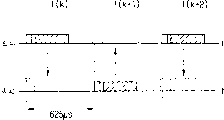
图2示出了在主站和从站之间通过TDD的通信。参见图2,每一个分配给时隙的信道的长度都是625μs。按照微微网主站的蓝牙时钟而确定时隙数目。主站和从站能够通过这些时隙,选择性地发射一个分组。主站只在用偶数指定的时隙中发射分组,而从站只在用奇数指定的时隙中发射分组。另外,有必要实现在5个或者更少的时隙中发射由主站或从站发射的分组。在此,分组是指在微微网信道中发射的数据单位。Fig. 2 shows the communication via TDD between the master station and the slave station. Referring to Fig. 2, the length of each channel allocated to a time slot is 625 μs. The number of slots is determined according to the Bluetooth clock of the piconet master. The master station and the slave station can selectively transmit a packet through these time slots. The master station transmits packets only in time slots designated with even numbers, and the slave stations transmit packets only in time slots designated with odd numbers. In addition, it is necessary to realize that a packet transmitted by a master station or a slave station is transmitted in 5 or less time slots. Here, a packet refers to a unit of data transmitted in a piconet channel.
当蓝牙系统被链接时,主站可以以几种功率节省模式操作,比如保持模式(hold mode)、监听模式(sniff mode)和休眠模式(park mode)。保持模式是指这样一种模式:在这种模式中,当被链接到从站时,在处理工作成员地址(AM_ADDR)的同时,主站变换到睡眠状态中。监听模式是指这样一种模式:在这种模式中,当被链接到从站时,在主站处理AM_ADDR的同时,延长收听间隔。休眠模式是指这样一种模式:在这种模式中,当被链接到从站时,在主站通过打开AM_ADDR而变换到睡眠状态。在转换到休眠模式之前,从主站中发射休眠成员地址(PM_ADDR)或者接入请求地址(AR_ADDR)。When the Bluetooth system is linked, the master station can operate in several power saving modes, such as hold mode (hold mode), sniff mode (sniff mode) and sleep mode (park mode). The hold mode refers to a mode in which the master transitions into the sleep state while being linked to the slave while processing the active member address (AM_ADDR). Listen mode refers to a mode in which, when linked to a slave, the listening interval is extended while the master processes AM_ADDR. Sleep mode refers to a mode in which, when linked to a slave, transitions to a sleep state at the master by turning on AM_ADDR. Before transitioning to sleep mode, the dormant member address (PM_ADDR) or access request address (AR_ADDR) is transmitted from the master.
AM_ADDR被表达为成员地址,并用于区别参与该微微网的工作成员。当至少两个从站链接到一个主站时,该主站分配预备的3比特地址,在每个从站被激活之后使用这些地址,以便区分这些从站。因此,在主站和从站之间交换的所有分组都携带AM_ADDR。从站的AM_ADDR不仅用在从主站到从站的分组中,而且还用在从从站到主站的一个分组中。当从站未被链接到主站或者从站处于休眠模式时,放弃(resign)预分配的AM_ADDR,而当从站再次链接到主站时,分配新的AM_ADDR。因为按照蓝牙标准,主站分配给被激活从站的AM_ADDR被指定为3比特长,所以微微网被限制为一个主站和七个从站。换言之,微微网具有最多八个地址,但是主站使用“000”地址,以对从站广播,而从站使用从“001”到“111”的剩下七个地址。AM_ADDR is expressed as a member address and is used to distinguish working members participating in the piconet. When at least two slave stations are linked to one master station, the master station assigns preliminary 3-bit addresses, which are used after each slave station is activated, in order to distinguish the slave stations. Therefore, all packets exchanged between master and slave carry AM_ADDR. The AM_ADDR of the slave is used not only in a packet from the master to the slave, but also in a packet from the slave to the master. When the slave is not linked to the master or the slave is in sleep mode, the pre-allocated AM_ADDR is resigned, and when the slave is linked to the master again, a new AM_ADDR is allocated. Since the AM_ADDR assigned by the master to the activated slaves is specified to be 3 bits long according to the Bluetooth standard, the piconet is limited to one master and seven slaves. In other words, the piconet has a maximum of eight addresses, but the master uses the "000" address to broadcast to the slaves, and the slaves use the remaining seven addresses from "001" to "111".
在一个微微网中的通信设备可以实现与另一个微微网中的任何通信设备的数据通信。链接多个微微网来组成称为分散网络的网络。A communication device in one piconet can effectuate data communication with any communication device in another piconet. Multiple piconets are linked to form a network called a scatternet.
分散网络由至少两个被聚集起来构成一个新网络的微微网组成,在此每个微微网保持其唯一的跳动频率。另外,要求能够不可避免地在分散网络通信和微微网通信之间变换构成该分散网络的通信设备。A decentralized network consists of at least two piconets that are brought together to form a new network, where each piconet maintains its unique beating frequency. In addition, it is required to be able to unavoidably switch the communication devices constituting the distributed network between distributed network communication and piconet communication.
可是,当一个蓝牙系统属于分散网络时,可能发生随后的情形:该蓝牙系统可以在作为一个从站操作的同时,作为一个主站操作;或者在作为任一个主站的从站操作的同时,作为另一个主站的从站操作。换言之,蓝牙系统有必要能够在防止在发射数据之间的碰撞的同时,向/从分别属于不同微微网的至少两个外部设备发射/接收数据。However, when a Bluetooth system belongs to a decentralized network, the following situation may occur: the Bluetooth system can operate as a master station while operating as a slave station; or while operating as a slave station of any master station, Operates as a slave to another master. In other words, it is necessary for the Bluetooth system to be able to transmit/receive data to/from at least two external devices respectively belonging to different piconets while preventing collisions between transmitted data.
发明内容Contents of the invention
本发明的一个目的是提供一种能够与属于不同微微网的至少两个外部设备通信而没有数据碰撞的无线通信系统和方法。An object of the present invention is to provide a wireless communication system and method capable of communicating with at least two external devices belonging to different piconets without data collision.
根据本发明的一个方面,为了解决上面的目的,这里提供:一种在作为第一外部设备的主站操作的蓝牙系统中的通信方法,该方法包括如下步骤:接收来自第二外部设备的通信请求信号;扫描所接收的通信请求信号,以便把蓝牙系统的操作从作为第一外部设备的主站转换成作为第二外部设备的从站;以及发射模式转换请求信号给第二外部设备,以便当蓝牙系统的操作从作为第二外部设备的从站转换成作为第一外部设备的主站时把蓝牙系统与第二外部设备的链路状态转换成监听模式。According to one aspect of the present invention, in order to solve the above object, there is provided: a communication method in a Bluetooth system operating as a master station of a first external device, the method comprising the steps of: receiving a communication from a second external device request signal; scan the received communication request signal, so that the operation of the bluetooth system is converted from the master station as the first external device to the slave station as the second external device; and transmit the mode switching request signal to the second external device, so that The state of the link between the Bluetooth system and the second external device is switched to a listening mode when the operation of the Bluetooth system is switched from the slave station as the second external device to the master station as the first external device.
优选地,该通信方法还包括如下步骤:响应模式转换请求信号,接收来自第二外部设备的模式转换许可信号;把蓝牙系统与第二外部设备的链路状态转换成为监听模式;如果所发射的模式转换请求信号被第二外部设备拒绝,则断开与第二外部设备的链路,并且把操作转换成作为第一外部设备的主站;当蓝牙系统作为第一外部设备的主站操作时,判断是否是在蓝牙系统和第二外部设备之间设置的监听模式的结束;以及如果是在蓝牙系统和第二外部设备之间设置的监听模式的结束时,则把蓝牙系统的操作从作为第一外部设备的主站转换成作为第二外部设备的从站。Preferably, the communication method further includes the following steps: receiving a mode switching permission signal from the second external device in response to the mode switching request signal; converting the link state between the Bluetooth system and the second external device into a monitoring mode; if the transmitted Mode switching request signal is rejected by the second external device, then disconnect the link with the second external device, and convert the operation into the master station as the first external device; when the bluetooth system operates as the master station of the first external device , judging whether it is the end of the listening mode set between the bluetooth system and the second external device; The master of the first external device is converted to be a slave of the second external device.
根据本发明的另外一个方面,为了解决上面的目的,这里提供:一种作为第一外部设备的主站操作的蓝牙系统的通信方法,该方法包括如下步骤:发射第一模式转换请求信号给第一外部设备,以便把蓝牙系统与第一外部设备的链路状态转换成为第一监听模式;如果该模式转换请求信号被第一外部设备认可,则把蓝牙系统与第一外部设备的链路状态转换成为第一监听模式;接收来自第二外部设备的通信请求信号;扫描所接收的通信请求信号,以便把蓝牙系统的操作从作为第一外部设备的主站转换成作为第二外部设备的从站;以及当蓝牙系统的操作从作为第二外部设备的从站转换成作为第一外部设备的从站时,发射第二模式转换请求信号到第二外部设备,以便把蓝牙系统与第二外部设备的链路状态转换成为第二监听模式。According to another aspect of the present invention, in order to solve the above object, there is provided here: a communication method of a Bluetooth system operated as a master station of a first external device, the method comprising the steps of: transmitting a first mode switching request signal to a first external device An external device, so that the link state of the Bluetooth system and the first external device is converted into a first monitoring mode; if the mode conversion request signal is recognized by the first external device, the link state of the Bluetooth system and the first external device Converting to the first listening mode; receiving a communication request signal from the second external device; scanning the received communication request signal, so that the operation of the Bluetooth system is converted from a master station as the first external device to a slave as the second external device station; and when the operation of the Bluetooth system is converted from the slave station as the second external device to the slave station as the first external device, transmitting a second mode switching request signal to the second external device, so as to connect the Bluetooth system with the second external device The link state of the device transitions to the second listening mode.
优选地,该通信方法还包括如下步骤:响应模式转换请求信号接收来自第二外部设备的模式转换许可信号;把蓝牙系统与第二外部设备的链路状态转换成为第二监听模式;如果所发射的模式转换请求信号被第二外部设备拒绝,则断开与第二外部设备的链路,并且把操作转换成作为第一外部设备的从站;当蓝牙系统作为第一外部设备的从站操作时,判断是否是在蓝牙系统和第二外部设备之间设置的第二监听模式的结束;并且如果是在蓝牙系统和第二外部设备之间设置的第二监听模式的结束,则把蓝牙系统的操作从作为第一外部设备的从站转换成作为第二外部设备的从站的操作,其中在蓝牙系统和第一外部设备之间设置的第一监听模式以及在蓝牙系统和第二外部设备之间设置的第二监听模式最好被设置为按照同一周期和时间间隔交替。Preferably, the communication method further includes the following steps: receiving a mode switching permission signal from the second external device in response to the mode switching request signal; converting the link state between the Bluetooth system and the second external device into the second monitoring mode; if the transmitted The mode conversion request signal of the mode conversion request signal is rejected by the second external device, then disconnect the link with the second external device, and convert the operation into a slave station as the first external device; when the bluetooth system operates as a slave station of the first external device , judge whether it is the end of the second monitoring mode set between the Bluetooth system and the second external device; and if it is the end of the second monitoring mode set between the Bluetooth system and the second external device, then turn the Bluetooth system The operation of the slave station as the first external device is converted into the operation of the slave station as the second external device, wherein the first listening mode is set between the Bluetooth system and the first external device and between the Bluetooth system and the second external device The second monitoring modes set in between are preferably set to alternate according to the same cycle and time interval.
根据本发明的另外一个方面,为了解决上面的目的,这里提供:一种作为第一外部设备的从站操作的蓝牙系统的通信方法,该方法包括如下步骤:发射第一模式转换请求信号给第一外部设备,以便把蓝牙系统与第一外部设备的链路状态转换成为监听模式;如果所发射的模式转换请求信号被第一外部设备认可,则把蓝牙系统与第一外部设备的链路状态转换成为第一监听模式;发射通信请求信号给第二外部设备;以及一旦第二外部设备扫描通信请求信号,把蓝牙系统的操作从作为第一外部设备的从站转换成作为第二外部设备的主站。According to another aspect of the present invention, in order to solve the above object, here is provided: a kind of communication method of the bluetooth system that operates as the slave station of the first external equipment, the method comprises the following steps: transmit the first mode switching request signal to the second An external device, so that the link state of the Bluetooth system and the first external device is converted into a monitoring mode; if the transmitted mode conversion request signal is approved by the first external device, the link state of the Bluetooth system and the first external device Switching to the first listening mode; transmitting a communication request signal to the second external device; and once the second external device scans the communication request signal, switching the operation of the Bluetooth system from being a slave station as the first external device to being a second external device Main site.
优选地,该通信方法还包括如下步骤:当蓝牙系统作为第二外部设备的主站操作时,判断是否是在蓝牙系统和第二外部设备之间设置的监听模式的结束;如果是在蓝牙系统和第一外部设备之间设置的监听模式的结束,则把蓝牙系统的操作从作为第二外部设备的主站转换成作为第一外部设备的从站;当蓝牙系统作为第一外部设备的从站操作时,判断是否是在蓝牙系统和第二外部设备之间设置的监听模式的开始;以及如果是在蓝牙系统和第一外部设备之间设置的监听模式的开始,则把蓝牙系统的操作从作为第一外部设备的从站转换成作为第二外部设备的主站,其中如果所发射的模式转换请求信号被第一外部设备拒绝,则最好在蓝牙系统保持作为第一外部设备的从站的操作的同时,将模式转换请求信号重新发射给第一外部设备。Preferably, the communication method further includes the following steps: when the Bluetooth system operates as the master station of the second external device, judging whether it is the end of the listening mode set between the Bluetooth system and the second external device; and the end of the monitoring mode set between the first external device, the operation of the Bluetooth system is converted from the master station as the second external device to the slave station as the first external device; when the Bluetooth system is used as the slave of the first external device When the station is operated, it is judged whether it is the start of the monitoring mode set between the Bluetooth system and the second external device; and if it is the start of the monitoring mode set between the Bluetooth system and the first external device, the operation of the Bluetooth system is Switching from a slave station as a first external device to a master station as a second external device, wherein if the transmitted mode switching request signal is rejected by the first external device, it is preferable to maintain the slave station as the first external device in the Bluetooth system. Simultaneously with the operation of the station, the mode switching request signal is retransmitted to the first external device.
根据本发明的另外一个方面,为了解决上面的目的,这里提供:一种用于无线发射/接收数据的蓝牙系统,包括:模式转换请求单元,用于当通过扫描来自第一外部设备的通信请求信号而起动与第一外部设备的链路时,随着蓝牙系统被链接到第一外部设备,发送第一转换到监听模式请求给第二外部设备,以便与第一外部设备通信;模式转换单元,用于在该请求被第二外部设备认可的情况下,把与第二外部设备的链路状态转换成为监听模式;以及发射/接收单元,用于在与第二外部设备链路状态被转换成监听模式时,与第一外部设备通信,其中,模式转换请求单元发送第二转换到监听模式请求给第二外部设备,以便与第一外部设备通信,并且如果该请求被第二外部设备认可,则随着与第二外部设备的链路被转换成监听模式,发射/接收单元与第一外部设备通信。According to another aspect of the present invention, in order to solve the above object, there is provided here: a Bluetooth system for wireless transmission/reception of data, including: a mode conversion request unit, used to scan the communication request from the first external device When the link with the first external device is started by the signal, along with the bluetooth system being linked to the first external device, a first conversion to the listening mode request is sent to the second external device to communicate with the first external device; the mode switching unit , for converting the link state with the second external device into a monitoring mode when the request is approved by the second external device; and a transmitting/receiving unit for being converted when the link state with the second external device When in the listening mode, communicate with the first external device, wherein the mode switching request unit sends a second switch to the listening mode request to the second external device, so as to communicate with the first external device, and if the request is recognized by the second external device , the transmit/receive unit communicates with the first external device as the link with the second external device is switched to the listening mode.
根据本发明的另外一个方面,为了解决上面的目的,这里提供:一种用于无线发射/接收数据的蓝牙系统,包括:模式转换请求单元,用于随着蓝牙系统被链接到第一外部设备,发射用于转换到监听模式的模式转换请求信号给第一外部设备,以便把与第一外部设备的链路状态转换成为监听模式,并且发射通信请求信号到第二外部设备中;模式转换单元,用于在该请求被第一外部设备认可的情况下,把与第一外部设备的链路状态转换成为监听模式;链路初始化单元,用于在所发射的模式转换请求信号被第二外部设备扫描到的情况下,把与第二外部设备的链路初始化;以及发射/接收模块,用于在与第一外部设备的链路被转换成监听模式时,与第二外部设备通信,其中,模式转换单元保持与第一外部设备的链路状态,并且如果模式转换请求信号被第一外部设备拒绝,则重新发射模式转换请求信号。According to another aspect of the present invention, in order to solve the above object, here is provided: a bluetooth system for wirelessly transmitting/receiving data, comprising: a mode switching request unit for being linked to the first external device along with the bluetooth system , transmitting a mode switching request signal for switching to the monitoring mode to the first external device, so that the link state with the first external device is converted into the monitoring mode, and transmitting the communication request signal into the second external device; the mode switching unit , used to switch the link state with the first external device into a monitoring mode when the request is approved by the first external device; the link initialization unit is used to switch the mode switching request signal transmitted by the second external device When the device is scanned, initialize the link with the second external device; and the transmitting/receiving module is used to communicate with the second external device when the link with the first external device is converted into a monitoring mode, wherein , the mode switching unit maintains a link state with the first external device, and retransmits the mode switching request signal if the mode switching request signal is rejected by the first external device.
在下文中参考附图将更详细地描述本发明。Hereinafter, the present invention will be described in more detail with reference to the accompanying drawings.
附图说明Description of drawings
从下面结合附图对本发明的详细说明中,将更清楚地理解本发明上面的所描述的目的和其它目的、特征和其他优点,附图中:From the following detailed description of the present invention in conjunction with the accompanying drawings, the above described purpose and other purposes, features and other advantages of the present invention will be more clearly understood, in the accompanying drawings:
图1示出了组织了蓝牙系统的微微网的示例;Figure 1 shows an example of a piconet organizing a Bluetooth system;
图2说明了在主站和从站之间通过TDD的通信;Figure 2 illustrates communication via TDD between a master and a slave;
图3示出了一个示例,其中,在一个分散网络中任意一个微微网的主站作为另外一个微微网的从站操作;Figure 3 shows an example where the master of any one piconet operates as a slave of another piconet in a decentralized network;
图4示出了一个示例,其中,在一个分散网络中任意一个微微网的从站作为另外一个微微网的从站操作;Figure 4 shows an example in which a slave station of any one piconet operates as a slave station of another piconet in a decentralized network;
图5是说明根据本发明实施例的一个蓝牙系统的框图;Figure 5 is a block diagram illustrating a Bluetooth system according to an embodiment of the present invention;
图6是一个流程图,说明了如图5所示的蓝牙系统的处理,其中,示出了其操作从任意一个微微网的主站向另外一个微微网的从站的转换;Fig. 6 is a flowchart illustrating the processing of the Bluetooth system as shown in Fig. 5, wherein the transition of its operation from the master station of any one piconet to the slave station of another piconet is shown;
图7说明了如图6所示的处理;Figure 7 illustrates the processing shown in Figure 6;
图8A和8B是流程图,说明了如图5所示的蓝牙系统的处理,其中,其操作从任意一个微微网的从站转换成为另外一个微微网的主站;8A and 8B are flowcharts illustrating the processing of the Bluetooth system as shown in FIG. 5, wherein its operation is switched from a slave station of any one piconet to a master station of another piconet;
图9是一个流程图,说明了如图5所示的蓝牙系统的处理,其中,其操作从任意一个微微网的从站转换成为另外一个微微网的主站;Fig. 9 is a flowchart illustrating the processing of the Bluetooth system shown in Fig. 5, wherein its operation is switched from a slave station of any one piconet to a master station of another piconet;
图10说明了一个微微网转换处理,其中,按照如图5所示的蓝牙系统,任意一个微微网与另一微微网合作构成一个分散网络;以及FIG. 10 illustrates a piconet switching process in which, according to the Bluetooth system shown in FIG. 5, any one piconet cooperates with another piconet to form a decentralized network; and
图11说明了一个通信方法,其中如图5所示的蓝牙系统作为属于两个不同微微网所共有的任何通信设备的从站操作。FIG. 11 illustrates a communication method in which the Bluetooth system shown in FIG. 5 operates as a slave station belonging to any communication device common to two different piconets.
具体实施方式Detailed ways
图3示出了一个示例,其中,在一个分散网络中任意一个微微网的主站作为另外一个微微网的从站操作,而图4示出了一个示例,其中,在一个分散网络中任意一个微微网的从站作为另外一个微微网的从站操作。Figure 3 shows an example in which the master of any one piconet in a decentralized network operates as a slave in another piconet, while Figure 4 shows an example in which in a decentralized network any A piconet slave operates as another piconet slave.
参见图3,属于第一微微网20的主站21同时作为第二微微网30中主站31的从站21操作。另外如图4所示,属于第一微微网40的主站41的从站43同时作为第二微微网50中主站51的从站43操作。为了实现上述操作的目的,参与分散网络的蓝牙系统满足如下暂时确定的预定规则:Referring to FIG. 3 , the master station 21 belonging to the first piconet 20 simultaneously operates as the slave station 21 of the master station 31 in the second piconet 30 . Also as shown in FIG. 4 , the slave station 43 belonging to the master station 41 of the first piconet 40 simultaneously operates as the slave station 43 of the master station 51 in the second piconet 50 . For the purposes of the above-mentioned operations, the Bluetooth systems participating in the decentralized network satisfy predetermined rules tentatively determined as follows:
1)从与属于任何微微网的蓝牙系统的通信(以下将被称为微微网通信)向与属于另一个微微网的另一个蓝牙系统的通信(以下将被称为分散网络通信)的转换几乎同时发生。1) The transition from communication with a Bluetooth system belonging to any piconet (hereinafter will be referred to as piconet communication) to communication with another Bluetooth system belonging to another piconet (hereinafter will be referred to as decentralized network communication) is almost Simultaneously.
2)当主站21实现与主站31的分散网络通信时,第一微微网20中的从站23不能与主站21通信,或者第二微微网30中的从站33不能与主站31通信。2) When the master station 21 realized the decentralized network communication with the master station 31, the slave station 23 in the first piconet 20 could not communicate with the master station 21, or the slave station 33 in the second piconet 30 could not communicate with the master station 31 communication.
3)当执行分散网络通信的一个通信设备起微微网40中的从站43的作用时,从站43不能在实现分散网络通信的同时,响应主站41。因此,需要实现一种算法来阻止主站41在这个时间间隔中发送分组给从站43。3) When a communication device performing decentralized network communication functions as the slave station 43 in the piconet 40, the slave station 43 cannot respond to the master station 41 while realizing decentralized network communication. Therefore, an algorithm needs to be implemented to prevent the master station 41 from sending packets to the slave station 43 during this time interval.
图5是说明按照本发明实施例的蓝牙系统的框图。FIG. 5 is a block diagram illustrating a Bluetooth system according to an embodiment of the present invention.
参见图5,蓝牙系统60具有模式转换请求块61、模式转换块63、发射/接收块65和链路初始化块67。Referring to FIG. 5 , the Bluetooth system 60 has a mode conversion request block 61 , a mode conversion block 63 , a transmit/receive block 65 and a link initialization block 67 .
当链接到第一外部设备71的蓝牙系统60初始化到第二外部设备73的链路,以便向/从第一外部设备71发射/接收数据时,模式转换请求块61请求第二外部设备73的转换到监听模式(converting-into-sniff),以便与第一外部设备71通信。换言之,当作为第一外部设备71的主站操作的蓝牙系统60初始化与第二外部设备73的通信时,模式转换请求块61把转换到监听模式的请求信号发射给第二外部设备73,以便与第一外部设备71通信。当从模式转换请求块61中发射的请求信号被第二外部设备73认可时,将蓝牙系统60和第二外部设备73之间的链路状态转换到监听模式,然后蓝牙系统60与第一外部设备71通信。When the Bluetooth system 60 linked to the first external device 71 initializes a link to the second external device 73 so as to transmit/receive data to/from the first external device 71, the mode conversion request block 61 requests the second external device 73 Converting into sniffing mode (converting-into-sniff) in order to communicate with the first external device 71 . In other words, when the Bluetooth system 60 operating as the master station of the first external device 71 initiates communication with the second external device 73, the mode switching request block 61 transmits a request signal for switching to the listening mode to the second external device 73, so that Communicate with the first external device 71 . When the request signal transmitted from the mode conversion request block 61 is approved by the second external device 73, the link state between the bluetooth system 60 and the second external device 73 is converted to the monitoring mode, and then the bluetooth system 60 communicates with the first external device Device 71 communicates.
可选择地,当作为第一外部设备71的从站操作的蓝牙系统60初始化与第二外部设备73的通信时,模式转换请求块61向第一外部设备71请求转换到监听模式,以便与第二外部设备73通信,或者向第二外部设备73请求转换到监听模式以便与第一外部设备71通信。Alternatively, when the Bluetooth system 60 operating as a slave station of the first external device 71 initiates communication with the second external device 73, the mode conversion request block 61 requests the first external device 71 to switch to the listening mode in order to communicate with the second external device 73. The two external devices 73 communicate, or request the second external device 73 to switch to the listening mode in order to communicate with the first external device 71 .
如果来自模式转换请求块61的请求被第一外部设备71或者第二外部设备73认可,则模式转换块63把与第一外部设备71或者与第二外部设备73的链路状态转换为监听模式。If the request from the mode conversion request block 61 is approved by the first external device 71 or the second external device 73, then the mode conversion block 63 converts the link state with the first external device 71 or with the second external device 73 into the monitoring mode .
如果来自模式转换请求块61的请求被第一外部设备71拒绝时,则最好是:模式转换块63断开与第一外部设备71的链路,并与第二外部设备73通信。另一方面,如果来自模式转换请求块61的请求被第二外部设备73拒绝时,则最好是:模式转换块63断开与第二外部设备73的链路,并与第一外部设备71通信。If the request from the mode switching request block 61 is rejected by the first external device 71 , then preferably: the mode switching block 63 disconnects the link with the first external device 71 and communicates with the second external device 73 . On the other hand, if the request from the mode conversion request block 61 is rejected by the second external device 73, then preferably: the mode conversion block 63 disconnects the link with the second external device 73 and communicates with the first external device 71 communication.
发射/接收块65处理从外部接收的信号,例如,RF信号,并且发射遭受对外部发射的一个数据分组。在这种情况中,随着模式转换块63将与第一外部设备71或第二外部设备73的链路状态转换到监听模式,发射/接收块65与第二外部设备73或者第一外部设备71通信。The transmission/reception block 65 processes a signal received from the outside, for example, an RF signal, and transmits a data packet subjected to transmission to the outside. In this case, as the mode transition block 63 transitions the link state with the first external device 71 or the second external device 73 to the listening mode, the transmitting/receiving block 65 communicates with the second external device 73 or the first external device 71 Communications.
当与第一外部设备71通信时,链路初始化块67初始化与第二外部设备73的通信,以发射/接收数据。换言之,因此蓝牙系统60可以与作为主站的第二外部设备73的通信,链路初始化块67把一个通信请求信号发射给第二外部设备73。只要第二外部设备73扫描到被发射的通信请求信号,则蓝牙系统60就与第二外部设备73通信。可选择地,因此蓝牙系统60可以与作为从站的第二外部设备73通信,链路初始化块67扫描来自第二外部设备73的通信请求信号。然后,蓝牙系统60与第二外部设备73通信。在这种情形中,蓝牙系统60与主机70通信,主机70执行与蓝牙系统60安装在一起的设备的初始功能。蓝牙系统60向/从主机70无线发射/接收数据,但是数据被向/从第一外部设备71或者第二外部设备73发射/接收。因此,当从微微网通信转换到分散网络通信时(反之亦然),与蓝牙系统60安装在一起的无线通信设备可以与外部设备通信。When communicating with the first external device 71, the link initialization block 67 initializes communication with the second external device 73 to transmit/receive data. In other words, so that the Bluetooth system 60 can communicate with the second external device 73 as a master, the link initialization block 67 transmits a communication request signal to the second external device 73 . As long as the second external device 73 scans the transmitted communication request signal, the Bluetooth system 60 communicates with the second external device 73 . Alternatively, so that the Bluetooth system 60 can communicate with the second external device 73 as a slave, the link initialization block 67 scans for a communication request signal from the second external device 73 . Then, the Bluetooth system 60 communicates with the second external device 73 . In this case, the Bluetooth system 60 communicates with the host 70 , and the host 70 performs an initial function of a device installed with the Bluetooth system 60 . The Bluetooth system 60 wirelessly transmits/receives data to/from the host 70 , but data is transmitted/received to/from the first external device 71 or the second external device 73 . Thus, a wireless communication device installed with the Bluetooth system 60 can communicate with external devices when transitioning from piconet communication to decentralized network communication (and vice versa).
图6是说明如图5所示蓝牙系统将其操作从任意微微网的一个主站转换成另一个微微网的一个从站的处理的流程图,而图7图解了图6所示的处理。FIG. 6 is a flow chart illustrating a process by which the Bluetooth system shown in FIG. 5 switches its operation from a master station of an arbitrary piconet to a slave station of another piconet, and FIG. 7 illustrates the process shown in FIG. 6 .
参见图6和图7,在S601中蓝牙系统作为一个任意微微网中第一外部设备71的主站操作。当蓝牙系统60作为第一外部设备71的主站操作时,在S603中,一旦从第二外部设备73中接收到一个通信请求信号,则在S605中,链路初始化块67就扫描该通信请求信号。该通信请求信号利用查询和寻呼过程,而对通信请求信号的扫描利用与查询处理和寻呼处理相关的扫描处理。在这种情况中,查询处理查找在给定范围中存在的设备的地址和时钟。主站定期地执行寻呼过程,以便唤醒至少一个从站。Referring to Fig. 6 and Fig. 7, in S601 the Bluetooth system operates as the master station of the first external device 71 in an arbitrary piconet. When the Bluetooth system 60 operates as the master station of the first external device 71, in S603, once a communication request signal is received from the second external device 73, then in S605, the link initialization block 67 scans the communication request Signal. The communication request signal utilizes the inquiry and paging process, and the scanning for the communication request signal utilizes the scanning process associated with the inquiry process and the paging process. In this case, the query process looks up the addresses and clocks of devices present in a given range. The master station periodically performs a paging procedure in order to wake up at least one slave station.
链路初始化块67扫描从第二外部设备73中接收的通信请求信号,并且蓝牙系统60从作为第一外部设备71主站的操作转换为作为第二外部设备73从站的操作。在这种情况中,第一外部设备71和蓝牙系统60之间传送的数据,在蓝牙系统60转换为作为第二外部设备73从站的操作之前,被完全发射/接收。The link initialization block 67 scans for communication request signals received from the second external device 73 , and the Bluetooth system 60 switches from operating as a master of the first external device 71 to operating as a slave of the second external device 73 . In this case, data transferred between the first external device 71 and the Bluetooth system 60 is completely transmitted/received before the Bluetooth system 60 switches to operation as a slave of the second external device 73 .
因此蓝牙系统60可以与第一外部设备71通信,蓝牙系统60的模式转换请求块61发射模式转换请求信号给第二外部设备73,以使在S607中,蓝牙系统60和第二外部设备73之间的链路状态能够转换到一个监听模式。如果在S609中被发射的模式转换请求信号被第二外部设备73认可,则在S613中,蓝牙系统接收来自第二外部设备73的模式转换认可信号。在接收到模式转换认可信号之后,在S615中,蓝牙系统60的模式转换块63把第二外部设备和蓝牙系统之间的链路状态转换到监听模式。当与第二外部设备73的链路状态被转换到监听模式时,蓝牙系统60的发射/接收块65作为第一外部设备的主站,与第一外部设备71通信。Therefore the bluetooth system 60 can communicate with the first external device 71, and the mode switching request block 61 of the bluetooth system 60 transmits a mode switching request signal to the second external device 73, so that in S607, between the bluetooth system 60 and the second external device 73 The link state between them can transition to a listening mode. If the mode switching request signal transmitted in S609 is approved by the second external device 73 , then in S613 , the Bluetooth system receives the mode switching approval signal from the second external device 73 . After receiving the mode switching approval signal, in S615, the mode switching block 63 of the Bluetooth system 60 switches the link state between the second external device and the Bluetooth system to the listening mode. When the link state with the second external device 73 is switched to the listening mode, the transmitting/receiving block 65 of the Bluetooth system 60 communicates with the first external device 71 as a master of the first external device.
如果被发射的模式转换请求信号被第二外部设备73拒绝,则蓝牙系统70的模式转换块63断开与第二外部设备73的链路,随着与第二外部设备73的链路被断开,蓝牙系统60的发射/接收块65与第一外部设备71通信。If the transmitted mode switching request signal is rejected by the second external device 73, the mode switching block 63 of the Bluetooth system 70 disconnects the link with the second external device 73, and the link with the second external device 73 is disconnected. On, the transmit/receive block 65 of the Bluetooth system 60 communicates with the first external device 71.
以预定时间间隔定期地重复在蓝牙系统和第二外部设备73之间设置的监听模式。换言之,在S617中,在除了在蓝牙系统60和第二外部设备73之间设置监听模式的时间间隔之外的一个特定时间范围期间,蓝牙系统60作为第二外部设备的从站与第二外部设备73通信。在S619中在蓝牙系统60和第二外部设备73之间设置的监听模式的初始化时间,在S621中,蓝牙系统60的模式转换块63从作为第二外部设备73从站的操作转换为作为第一外部设备71主站的操作。在S623中在蓝牙系统60和第二外部设备73之间设置的监听模式结束时,在S617中,蓝牙系统60的模式转换块63从作为第一外部设备71主站的操作转换为第二外部设备73从站的操作。按照监听模式的预定时间间隔而定期地重复上述操作转换处理。The listening mode set between the Bluetooth system and the second external device 73 is periodically repeated at predetermined time intervals. In other words, in S617, during a specific time range except the time interval in which the listening mode is set between the Bluetooth system 60 and the second external device 73, the Bluetooth system 60 communicates with the second external device as a slave station of the second external device 73. Device 73 communicates. In S619, the initialization time of the listening mode set between the Bluetooth system 60 and the second external device 73, in S621, the mode conversion block 63 of the Bluetooth system 60 is converted from the operation as the second external device 73 slave station to the operation as the second external device 73. Operation of an external device 71 master. When the listening mode set between the Bluetooth system 60 and the second external device 73 in S623 ends, in S617, the mode switching block 63 of the Bluetooth system 60 switches from operating as the master station of the first external device 71 to the second external device 71. Device 73 slave operation. The above-described operation switching process is periodically repeated at predetermined time intervals in the listening mode.
按照上述处理,本发明的蓝牙系统在作为任意一个微微网的主站操作的同时,作为另一个微微网的从站操作。According to the above processing, the Bluetooth system of the present invention operates as a master of any one piconet while operating as a slave of another piconet.
图8A和8B是说明图5所示蓝牙系统将其操作从任一个微微网的从站转换为另一个微微网的主站的处理的流程图。8A and 8B are flow charts illustrating the process by which the Bluetooth system shown in FIG. 5 switches its operation from a slave of one piconet to a master of another piconet.
参见图8A和8B,蓝牙系统60在S801作为任意一个微微网中第一外部设备71的从站操作。因此蓝牙系统60可以在作为第一外部设备71的从站操作的同时,作为从站链接到第二外部设备73,蓝牙系统60的模式转换请求信号把一个模式转换请求信号发射给第一外部设备71,以使在S803中,蓝牙系统60和第一外部设备71之间的链路状态可以转换为监听模式。如果在S805中,从模式转换请求块61发射的模式转换请求信号被第一外部设备71认可,则在S807中蓝牙系统60接收来自第一外部设备71的一个模式转换认可信号。如果在S805中,从模式转换请求块61中发射的模式转换请求信号未被第一外部设备71认可,则在S801中,蓝牙系统60保持作为第一外部设备71从站的操作。8A and 8B, the Bluetooth system 60 operates as a slave of the first external device 71 in any one piconet at S801. Therefore, the Bluetooth system 60 can be linked to the second external device 73 as a slave station while operating as a slave station of the first external device 71, and the mode conversion request signal of the Bluetooth system 60 transmits a mode conversion request signal to the first external device 71, so that in S803, the link state between the Bluetooth system 60 and the first external device 71 can be converted to the monitoring mode. If the mode switching request signal transmitted from the mode switching request block 61 is approved by the first external device 71 in S805, the Bluetooth system 60 receives a mode switching approval signal from the first external device 71 in S807. If in S805, the mode switching request signal transmitted from the mode switching request block 61 is not recognized by the first external device 71, then in S801, the Bluetooth system 60 maintains the operation as the first external device 71 slave.
在接收到该模式转换认可信号之后,在S809中,蓝牙系统60的模式转换块63把与第一外部设备71的链路状态转换为监听模式。After receiving the mode switching approval signal, in S809, the mode switching block 63 of the Bluetooth system 60 switches the link state with the first external device 71 into the listening mode.
在蓝牙系统60和第一外部设备71之间设置的监听模式开始时,在S811中,蓝牙系统60的发射/接收块65接收来自第二外部设备73的一个通信请求信号。一旦接收到来自第二外部设备73的通信请求信号,在S813中,蓝牙系统60的链路初始化块67就扫描接收到的通信请求信号。如上所阐明的,通信请求信号利用查询和寻呼处理,而对该通信请求信号的扫描利用与查询和寻呼过程相关的一个扫描处理。When the listening mode set between the Bluetooth system 60 and the first external device 71 starts, the transmission/reception block 65 of the Bluetooth system 60 receives a communication request signal from the second external device 73 in S811. Upon receiving the communication request signal from the second external device 73, in S813, the link initialization block 67 of the Bluetooth system 60 scans for the received communication request signal. As explained above, the communication request signal utilizes the inquiry and paging process, and the scanning of the communication request signal utilizes a scanning process associated with the inquiry and paging process.
链路初始化块67扫描从第二外部设备73接收的通信请求信号,以使蓝牙系统60可以从作为第一外部设备71从站的操作转换为作为第二外部设备73从站的操作。The link initialization block 67 scans for a communication request signal received from the second external device 73 so that the Bluetooth system 60 can switch from operating as a slave of the first external device 71 to operating as a slave of the second external device 73 .
因此蓝牙系统60可以在作为第二外部设备73的从站操作的同时,与第一外部设备71通信,在S815中,蓝牙系统60的模式转换请求块61发射模式转换请求信号给第二外部设备73。如果被发射的模式转换请求信号被第二外部设备73所认可,则在S821中,蓝牙系统60接收来自第二外部设备73的模式转换认可信号。一旦接收到该模式转换认可信号,在S823中,蓝牙系统60的模式转换块63就把蓝牙系统60与第二外部设备73的链路状态转换为监听模式。随着与第二外部设备73的链路状态被转换为监听模式,蓝牙系统60的发射/接收块65作为第一外部设备71的从站,与第一外部设备71通信。Therefore, the Bluetooth system 60 can communicate with the first external device 71 while operating as a slave station of the second external device 73. In S815, the mode switching request block 61 of the Bluetooth system 60 transmits a mode switching request signal to the second external device 73. If the transmitted mode switching request signal is approved by the second external device 73 , then in S821 , the Bluetooth system 60 receives a mode switching approval signal from the second external device 73 . Once the mode switching approval signal is received, in S823, the mode switching block 63 of the Bluetooth system 60 switches the link state between the Bluetooth system 60 and the second external device 73 into a listening mode. As the link state with the second external device 73 is switched to the listening mode, the transmit/receive block 65 of the Bluetooth system 60 communicates with the first external device 71 as a slave of the first external device 71 .
如果该被发射的模式转换请求信号被第二外部设备73所拒绝,则在S819,蓝牙系统60的模式转换块63断开与第二外部设备73的链路,并且随着与第二外部设备的链路被断开,蓝牙系统60的发射/接收块65作为第一外部设备71的从站,与第一外部设备71通信。If the transmitted mode switching request signal is rejected by the second external device 73, then at S819, the mode switching block 63 of the Bluetooth system 60 disconnects the link with the second external device 73, and along with the connection with the second external device The link of the Bluetooth system 60 is disconnected, and the transmitting/receiving block 65 of the Bluetooth system 60 communicates with the first external device 71 as a slave station of the first external device 71 .
正如对在蓝牙系统与第一外部设备71之间设置的监听模式所执行的一样,也按照一个预定时间间隔来定期地重新设置在蓝牙系统60和第二外部设备73之间设置的监听模式。换言之,在除了在蓝牙系统60和第二外部设备73之间设置的监听模式的时间间隔之外的时间范围期间,在S825中,蓝牙系统60作为第二外部设备73的从站与第二外部设备73通信。在S827中,在蓝牙系统60和第二外部设备73之间设置的监听模式开始时,在S829中,蓝牙系统60的模式转换块63从作为第二外部设备73从站的操作转换为作为第一外部设备71从站的操作。在S831中在蓝牙系统60和第二外部设备73之间设置的监听模式结束时,在S825中,蓝牙系统60的模式转换块63从作为第一外部设备71从站的操作转换为第二外部设备73从站。按照监听模式的预定时间间隔来定期地重复上述操作转换过程。优选地,将在蓝牙系统和第一外部设备之间及在蓝牙系统和第二外部设备73之间设置的监听模式设置为根据相同的时间间隔和相同周期而交替。As performed for the listening mode set between the Bluetooth system and the first external device 71, the listening mode set between the Bluetooth system 60 and the second external device 73 is also periodically reset at a predetermined time interval. In other words, during a time range other than the time interval of the listening mode set between the Bluetooth system 60 and the second external device 73, in S825, the Bluetooth system 60 communicates with the second external device 73 as a slave station of the second external device 73. Device 73 communicates. In S827, when the listening mode set between the Bluetooth system 60 and the second external device 73 starts, in S829, the mode conversion block 63 of the Bluetooth system 60 is converted from operating as a slave station of the second external device 73 to operating as a second external device 73. An external device 71 operates from the station. When the listening mode set between the Bluetooth system 60 and the second external device 73 in S831 ends, in S825, the mode switching block 63 of the Bluetooth system 60 switches from operating as a slave station of the first external device 71 to the second external device 71. Device 73 slaves. The above-described operation switching process is periodically repeated at predetermined time intervals of the listening mode. Preferably, the listening modes set between the Bluetooth system and the first external device and between the Bluetooth system and the second external device 73 are set to alternate according to the same time interval and the same cycle.
因此,本发明的蓝牙系统60可以在作为任意微微网中的从站操作的同时,作为另一个微微网中的从站操作。Thus, the Bluetooth system 60 of the present invention can operate as a slave in any piconet while simultaneously operating as a slave in another piconet.
图9是说明图5所示蓝牙系统将其操作从作为任意一个微微网的从站转换为另一个微微网的主站的处理的流程图。FIG. 9 is a flowchart illustrating a process in which the Bluetooth system shown in FIG. 5 switches its operation from being a slave of any one piconet to a master of another piconet.
参见图9,在S901中,蓝牙系统60在任一个微微网中作为第一外部设备71的从站操作。因此蓝牙系统60可以在作为第一外部设备71的从站操作的同时,与第二外部设备73通信,在S903中,蓝牙系统60的模式转换请求块61首先发射模式转换请求信号给第一外部设备71,以使蓝牙系统60与第一外部设备71的链路状态可以转换为监听模式。如果在S905中来自模式转换请求块61的模式转换请求信号被第一外部设备71所认可,则在S907中,蓝牙系统60接收来自第一外部设备71的模式转换认可信号。如果在S905中,来自模式转换请求块61的模式转换请求信号未被第一外部设备所认可,则在S901中,蓝牙系统60保持其操作为第一外部设备71的从站。Referring to FIG. 9, in S901, the Bluetooth system 60 operates as a slave of the first external device 71 in any piconet. Therefore, the Bluetooth system 60 can communicate with the second external device 73 while operating as a slave station of the first external device 71. In S903, the mode switching request block 61 of the Bluetooth system 60 first transmits a mode switching request signal to the first external device 71. device 71, so that the link state between the Bluetooth system 60 and the first external device 71 can be converted to a listening mode. If the mode switching request signal from the mode switching request block 61 is approved by the first external device 71 in S905, the Bluetooth system 60 receives the mode switching approval signal from the first external device 71 in S907. If the mode switching request signal from the mode switching request block 61 is not recognized by the first external device in S905, the Bluetooth system 60 maintains its operation as a slave of the first external device 71 in S901.
一旦接收到该模式转换认可信号,在S909中,蓝牙系统60的模式转换块63把与第一外部设备71的链路状态转换为监听模式。在这种情况中,在蓝牙系统60和第一外部设备71之间设置的监听模式开始时,在S911中,蓝牙系统60的链路初始化块67经过发射/接收块65发射通信请求信号给第二外部设备73。在S913中,当来自蓝牙系统60的链路初始化块67中的通信请求信号被第二外部设备73扫描到时,则在S915中,蓝牙系统60作为第二外部设备73的主站,与第二外部设备73通信。Once the mode switching approval signal is received, in S909, the mode switching block 63 of the Bluetooth system 60 switches the link state with the first external device 71 into the listening mode. In this case, when the listening mode set between the Bluetooth system 60 and the first external device 71 starts, in S911, the link initialization block 67 of the Bluetooth system 60 transmits a communication request signal to the first external device 71 via the transmission/reception block 65. Two external devices 73 . In S913, when the communication request signal from the link initialization block 67 of the Bluetooth system 60 is scanned by the second external device 73, then in S915, the Bluetooth system 60 acts as the master station of the second external device 73, and communicates with the second external device 73 The two external devices 73 communicate.
按照一个预定时间间隔来定期地重复在蓝牙系统和第一外部设备之间设置的监听模式。换言之,在S917中在蓝牙系统和第一外部设备71之间设置的监听模式结束时,在S919中,蓝牙系统60的模式转换块从作为第二外部设备73主站的操作转换为作为第一外部设备71从站的操作。在S921中在蓝牙系统60和第一外部设备71之间设置的监听模式开始时,在S915中,蓝牙系统60的模式转换块63从其作为第一外部设备71从站的操作转换为其作为第二外部设备73主站的操作。按照S915中监听模式的一个预定时间间隔而定期地重复上述操作转换过程。The listening mode set between the Bluetooth system and the first external device is periodically repeated at a predetermined time interval. In other words, when the listening mode set between the Bluetooth system and the first external device 71 in S917 ends, in S919, the mode switching block of the Bluetooth system 60 is switched from operating as the second external device 73 master to operating as the first external device 73. Operation of the external device 71 from the station. When the listening mode set between the Bluetooth system 60 and the first external device 71 starts in S921, in S915, the mode switching block 63 of the Bluetooth system 60 switches from its operation as a slave station of the first external device 71 to its operation as a slave station. Operation of the second external device 73 master. The above-mentioned operation switching process is periodically repeated according to a predetermined time interval of the listening mode in S915.
因此,本发明蓝牙系统可以在作为任意微微网中的从站操作的同时,作为另一个微微网中的主站操作。Thus, the Bluetooth system of the present invention can operate as a slave in any piconet while simultaneously operating as a master in another piconet.
图10说明了一个微微网转换过程,其中按照图5所示的蓝牙系统,一个任意的微微网与另一个微微网协作构成一个分散网络;而图11说明了一种通信方法,其中图5所示的蓝牙系统作为属于两个不同微微网所共有的任意通信设备的从站操作。Fig. 10 illustrates a piconet conversion process in which an arbitrary piconet cooperates with another piconet to form a decentralized network according to the Bluetooth system shown in Fig. 5; and Fig. 11 illustrates a communication method in which Fig. 5 The illustrated Bluetooth system operates as a slave belonging to any communication device common to two different piconets.
参见图10和图11,在与两个不同通信设备通信的蓝牙系统60中,当蓝牙系统与第一外部设备71通信时,第二外部设备73和蓝牙系统60之间的链路状态是监听模式。另一方面,当蓝牙系统60与第二外部设备73通信时,第一设备71与蓝牙系统60之间的链路状态是监听模式。这允许有效地发射/接收与第一外部设备71通信的以及与第二外部设备73通信的数据,而在其间没有碰撞。10 and 11, in the Bluetooth system 60 communicating with two different communication devices, when the Bluetooth system communicates with the first external device 71, the link state between the second external device 73 and the Bluetooth system 60 is listening model. On the other hand, when the Bluetooth system 60 communicates with the second external device 73, the link state between the first device 71 and the Bluetooth system 60 is the listening mode. This allows efficient transmission/reception of data in communication with the first external device 71 and in communication with the second external device 73 without collision therebetween.
虽然上述说明有关与两个不同通信设备通信的蓝牙系统,但是按照与上述相同的形式,该蓝牙系统可以与至少三个不同通信设备通信。Although the above description relates to a Bluetooth system communicating with two different communication devices, in the same form as above, the Bluetooth system can communicate with at least three different communication devices.
根据本发明,当在分散网络中,该蓝牙系统与多个不同蓝牙系统通信时,可以有效地发射/接收数据,而没有任何相互碰撞。According to the present invention, when the Bluetooth system communicates with a plurality of different Bluetooth systems in a decentralized network, data can be efficiently transmitted/received without any collision with each other.
虽然为了说明的目的,公开了本发明的优选实施例,但是本领域的技术人员应该理解,在不偏离在随后权利要求中所公开的本发明的范围和精神的情况下,可以作各种修改、附加和替代。Although the preferred embodiment of the invention has been disclosed for illustrative purposes, those skilled in the art will appreciate that various modifications can be made without departing from the scope and spirit of the invention as disclosed in the following claims , addition and substitution.
Claims (18)
Applications Claiming Priority (3)
| Application Number | Priority Date | Filing Date | Title |
|---|---|---|---|
| KR4104/02 | 2002-01-24 | ||
| KR10-2002-0004104A KR100447304B1 (en) | 2002-01-24 | 2002-01-24 | Bluetooth system capable of communicating on a scatternet and communicating method thereof |
| KR4104/2002 | 2002-01-24 |
Publications (2)
| Publication Number | Publication Date |
|---|---|
| CN1435954A true CN1435954A (en) | 2003-08-13 |
| CN1249930C CN1249930C (en) | 2006-04-05 |
Family
ID=19718814
Family Applications (1)
| Application Number | Title | Priority Date | Filing Date |
|---|---|---|---|
| CNB031200478A Expired - Fee Related CN1249930C (en) | 2002-01-24 | 2003-01-24 | Blue tooth system and method capable of communicating in distributed network |
Country Status (5)
| Country | Link |
|---|---|
| US (1) | US7522933B2 (en) |
| EP (1) | EP1331763A3 (en) |
| JP (1) | JP3792656B2 (en) |
| KR (1) | KR100447304B1 (en) |
| CN (1) | CN1249930C (en) |
Cited By (5)
| Publication number | Priority date | Publication date | Assignee | Title |
|---|---|---|---|---|
| CN100433690C (en) * | 2004-12-14 | 2008-11-12 | 电子部品研究院 | Method of implementing scatternet in wireless personal area network |
| CN102461078A (en) * | 2009-04-23 | 2012-05-16 | 三星电子株式会社 | Apparatus and method for operating piconets in body area networks |
| CN103607787A (en) * | 2009-06-09 | 2014-02-26 | 索尼公司 | Communication method, information processing apparatus, and recording medium recording computer readable program |
| CN105120499A (en) * | 2015-08-21 | 2015-12-02 | 深圳Tcl数字技术有限公司 | Bluetooth master-slave mode automatic switching method and system |
| CN106028433A (en) * | 2016-05-21 | 2016-10-12 | 深圳市京弘全智能科技股份有限公司 | Low power consumption intelligent scheduling algorithm based on mobile network |
Families Citing this family (15)
| Publication number | Priority date | Publication date | Assignee | Title |
|---|---|---|---|---|
| KR20030087746A (en) * | 2002-05-09 | 2003-11-15 | 한국전자통신연구원 | Method and apparatus for communication between two piconets within bluetooth scatternet |
| KR100555872B1 (en) * | 2003-02-28 | 2006-03-03 | 삼성전자주식회사 | Wireless communication method and apparatus using algorithm for adaptive redistribution of credit |
| US7209471B2 (en) * | 2003-05-09 | 2007-04-24 | Institute For Information Technology | Data transfer method for a bluetooth scatternet |
| CN101036345A (en) * | 2004-09-29 | 2007-09-12 | 皇家飞利浦电子股份有限公司 | Interconnection of wireless networks using a master/slave node |
| EP1672841B1 (en) | 2004-12-16 | 2008-11-05 | Canon Kabushiki Kaisha | Communication apparatus and control method thereof |
| EP1851983B1 (en) * | 2005-02-25 | 2018-08-22 | Thomson Licensing | Radio communication device and radio communication system comprising same |
| KR100693537B1 (en) * | 2006-03-17 | 2007-03-14 | 주식회사 팬택앤큐리텔 | Method and apparatus for sending and receiving messages with Bluetooth mobile communication terminal |
| WO2008026868A2 (en) | 2006-08-31 | 2008-03-06 | Lg Electronics Inc. | Methods of changing channels and configuring a sub-networ in a wireless network |
| WO2008026874A2 (en) | 2006-08-31 | 2008-03-06 | Lg Electronics Inc. | Method of communicating in wireless network |
| KR100790812B1 (en) | 2006-10-24 | 2008-01-02 | 삼성광주전자 주식회사 | Communication error detection device and method of multi-type air conditioner |
| EP2165460B1 (en) * | 2007-06-14 | 2012-04-11 | Siemens Aktiengesellschaft | Method and system for operating a communication network |
| US8139553B2 (en) * | 2008-01-11 | 2012-03-20 | Mediatek Inc. | Methods and apparatuses for link management in a scatternet |
| TWI519194B (en) * | 2012-03-05 | 2016-01-21 | 葉宏堯 | Portable routing device and the power saving method thereof |
| TWI736378B (en) * | 2019-10-03 | 2021-08-11 | 瑞昱半導體股份有限公司 | Multi-member bluetooth device capable of dynamically switching operation mode, and related main bluetooth circuit and auxiliary bluetooth circuit |
| CN114827974B (en) * | 2022-06-29 | 2022-11-29 | 成都市安比科技有限公司 | Bandwidth optimization method of TWS system |
Family Cites Families (20)
| Publication number | Priority date | Publication date | Assignee | Title |
|---|---|---|---|---|
| US6026297A (en) * | 1997-09-17 | 2000-02-15 | Telefonaktiebolaget Lm Ericsson | Contemporaneous connectivity to multiple piconets |
| EP1052867A1 (en) | 1999-05-12 | 2000-11-15 | Lucent Technologies Inc. | Establishing a communication link based on previous channel property negotiation |
| US8041359B1 (en) * | 1999-08-02 | 2011-10-18 | Alcatel Lucent | Method for maintaining a communication link in wireless network groups |
| US6683886B1 (en) * | 1999-10-19 | 2004-01-27 | Koninklijke Philips Electronics N.V. | Bluetooth communication units, wireless communication systems, wireless communication devices, bluetooth communications methods, and wireless communication methods |
| KR100677078B1 (en) * | 1999-11-26 | 2007-02-01 | 삼성전자주식회사 | How to operate network between Bluetooth equipped devices |
| US6975613B1 (en) | 1999-12-06 | 2005-12-13 | Telefonaktiebolaget L M Ericsson (Publ) | System and method for scheduling communication sessions in an ad-hoc network |
| WO2001097455A1 (en) | 2000-06-13 | 2001-12-20 | Red-M (Communications) Limited | A communications device |
| US6834192B1 (en) | 2000-07-03 | 2004-12-21 | Nokia Corporation | Method, and associated apparatus, for effectuating handover of communications in a bluetooth, or other, radio communication system |
| US7502591B2 (en) * | 2000-08-29 | 2009-03-10 | Texas Instruments Incorporated | Multi-mode radio piconet/scatternet |
| KR100403767B1 (en) * | 2000-09-01 | 2003-11-01 | 주식회사 모리아테크놀로지 | Method and system for providing wireless multimedia services by using bluetooth |
| US6950645B1 (en) * | 2000-09-28 | 2005-09-27 | Palmsource, Inc. | Power-conserving intuitive device discovery technique in a bluetooth environment |
| JP4652640B2 (en) * | 2000-10-17 | 2011-03-16 | キヤノン株式会社 | Device having communication function, control method thereof, and storage medium storing program for controlling device |
| US7046644B1 (en) * | 2000-11-27 | 2006-05-16 | Nokia Mobile Phones Ltd. | Adaptive transmission channel allocation method and system for ISM and unlicensed frequency bands |
| US7058050B2 (en) * | 2000-12-01 | 2006-06-06 | Telefonaktiebolaget L M Ericsson (Publ) | Flexible inter-network communication scheduling |
| US7145934B2 (en) * | 2001-03-03 | 2006-12-05 | Oxford Semiconductor Inc | Multichannel signal transmission and reception for bluetooth systems |
| KR100761257B1 (en) * | 2001-04-27 | 2007-09-28 | 엘지전자 주식회사 | How Bluetooth extends network topology |
| US20030013411A1 (en) * | 2001-07-13 | 2003-01-16 | Memcorp, Inc. | Integrated cordless telephone and bluetooth dongle |
| WO2003024031A1 (en) * | 2001-09-10 | 2003-03-20 | Nokia Corporation | Method of transmitting time-critical scheduling information between single network devices in a wireless network using slotted point-to point links |
| US7043205B1 (en) * | 2001-09-11 | 2006-05-09 | 3Com Corporation | Method and apparatus for opening a virtual serial communications port for establishing a wireless connection in a Bluetooth communications network |
| US20030081603A1 (en) * | 2001-10-26 | 2003-05-01 | Johan Rune | Pending data announcements |
-
2002
- 2002-01-24 KR KR10-2002-0004104A patent/KR100447304B1/en not_active Expired - Fee Related
- 2002-11-21 US US10/300,912 patent/US7522933B2/en not_active Expired - Lifetime
-
2003
- 2003-01-24 EP EP20030001627 patent/EP1331763A3/en not_active Withdrawn
- 2003-01-24 CN CNB031200478A patent/CN1249930C/en not_active Expired - Fee Related
- 2003-01-24 JP JP2003015898A patent/JP3792656B2/en not_active Expired - Fee Related
Cited By (10)
| Publication number | Priority date | Publication date | Assignee | Title |
|---|---|---|---|---|
| CN100433690C (en) * | 2004-12-14 | 2008-11-12 | 电子部品研究院 | Method of implementing scatternet in wireless personal area network |
| CN102461078A (en) * | 2009-04-23 | 2012-05-16 | 三星电子株式会社 | Apparatus and method for operating piconets in body area networks |
| CN102461078B (en) * | 2009-04-23 | 2014-07-09 | 三星电子株式会社 | Apparatus and method for operating piconets in body area networks |
| CN103607787A (en) * | 2009-06-09 | 2014-02-26 | 索尼公司 | Communication method, information processing apparatus, and recording medium recording computer readable program |
| CN103607787B (en) * | 2009-06-09 | 2017-07-28 | 索尼公司 | Communication means, message processing device, the recording medium of logger computer readable program |
| US10171932B2 (en) | 2009-06-09 | 2019-01-01 | Sony Corporation | Communication method, information processing apparatus, and recording medium recording computer readable program |
| US11470460B2 (en) | 2009-06-09 | 2022-10-11 | Sony Corporation | Communication method, information processing apparatus, and recording medium recording computer readable program |
| CN105120499A (en) * | 2015-08-21 | 2015-12-02 | 深圳Tcl数字技术有限公司 | Bluetooth master-slave mode automatic switching method and system |
| CN105120499B (en) * | 2015-08-21 | 2019-01-01 | 深圳Tcl数字技术有限公司 | The method and system that bluetooth master slave mode automatically switches |
| CN106028433A (en) * | 2016-05-21 | 2016-10-12 | 深圳市京弘全智能科技股份有限公司 | Low power consumption intelligent scheduling algorithm based on mobile network |
Also Published As
| Publication number | Publication date |
|---|---|
| KR100447304B1 (en) | 2004-09-07 |
| JP3792656B2 (en) | 2006-07-05 |
| EP1331763A2 (en) | 2003-07-30 |
| CN1249930C (en) | 2006-04-05 |
| US20030140110A1 (en) | 2003-07-24 |
| EP1331763A3 (en) | 2004-01-21 |
| JP2003218884A (en) | 2003-07-31 |
| US7522933B2 (en) | 2009-04-21 |
| KR20030063793A (en) | 2003-07-31 |
Similar Documents
| Publication | Publication Date | Title |
|---|---|---|
| CN1249930C (en) | Blue tooth system and method capable of communicating in distributed network | |
| CN1631013A (en) | Short-range RF access point design enabling services to master and slave mobile devices | |
| EP1107522A1 (en) | Intelligent piconet forming | |
| EP1210794B1 (en) | Dynamic control of talk groups in a wireless network | |
| JP4900999B2 (en) | Communication device | |
| JP5410611B2 (en) | Configurable contention period in MMWAVE wireless system | |
| CN1977496B (en) | Method and device for ad hoc mode of operation in wireless personal area network | |
| CN1217501C (en) | Radio telecommunication system | |
| CN1156996C (en) | Radio communication apparatus, radio communication system and method thereof | |
| CN1510846A (en) | Wireless communication device and method capable of connectionless broadcasting | |
| CN1659827A (en) | Wireless technology co-existence | |
| CN1389050A (en) | Communication system | |
| KR20040040040A (en) | Wireless communication system and a hand-off method using the same | |
| KR101240551B1 (en) | Bluetooth-based chatting system and method | |
| US7286541B2 (en) | Wireless communication apparatus capable of improving connection rate | |
| CN101036345A (en) | Interconnection of wireless networks using a master/slave node | |
| Lansford et al. | The design and implementation of HomeRF: A radio frequency wireless networking standard for the connected home | |
| US7366534B2 (en) | Wireless communication apparatus, method thereof, and wireless communication system employing the same | |
| KR20050008468A (en) | Apparatus and method for routing path establishment in scatternet | |
| CN1389988A (en) | Multiplex commuicator with radio transceivers in several regions and its working method | |
| Dideles | Bluetooth: a technical overview | |
| CN1635772A (en) | Voice Communication Method Based on Bluetooth ACL Link | |
| Kettimuthu et al. | Is Bluetooth suitable for large-scale sensor networks? | |
| US20250338264A1 (en) | Dynamic sub-band operation under coexistence constraint | |
| KR100365157B1 (en) | Method for transmitting remote control information by FHS packet in bluetooth |
Legal Events
| Date | Code | Title | Description |
|---|---|---|---|
| C06 | Publication | ||
| PB01 | Publication | ||
| C10 | Entry into substantive examination | ||
| SE01 | Entry into force of request for substantive examination | ||
| C14 | Grant of patent or utility model | ||
| GR01 | Patent grant | ||
| CF01 | Termination of patent right due to non-payment of annual fee |
Granted publication date: 20060405 Termination date: 20150124 |
|
| EXPY | Termination of patent right or utility model |