CN1522467A - Fixing Motherboard Chipset Heat Sink Using Wave Soldering Process - Google Patents
Fixing Motherboard Chipset Heat Sink Using Wave Soldering Process Download PDFInfo
- Publication number
- CN1522467A CN1522467A CNA02813155XA CN02813155A CN1522467A CN 1522467 A CN1522467 A CN 1522467A CN A02813155X A CNA02813155X A CN A02813155XA CN 02813155 A CN02813155 A CN 02813155A CN 1522467 A CN1522467 A CN 1522467A
- Authority
- CN
- China
- Prior art keywords
- heat
- substrate
- radiator
- fixing pin
- producing components
- Prior art date
- Legal status (The legal status is an assumption and is not a legal conclusion. Google has not performed a legal analysis and makes no representation as to the accuracy of the status listed.)
- Granted
Links
Images





Classifications
-
- H—ELECTRICITY
- H10—SEMICONDUCTOR DEVICES; ELECTRIC SOLID-STATE DEVICES NOT OTHERWISE PROVIDED FOR
- H10W—GENERIC PACKAGES, INTERCONNECTIONS, CONNECTORS OR OTHER CONSTRUCTIONAL DETAILS OF DEVICES COVERED BY CLASS H10
- H10W40/00—Arrangements for thermal protection or thermal control
- H10W40/60—Securing means for detachable heating or cooling arrangements, e.g. clamps
- H10W40/611—Bolts or screws
-
- H—ELECTRICITY
- H05—ELECTRIC TECHNIQUES NOT OTHERWISE PROVIDED FOR
- H05K—PRINTED CIRCUITS; CASINGS OR CONSTRUCTIONAL DETAILS OF ELECTRIC APPARATUS; MANUFACTURE OF ASSEMBLAGES OF ELECTRICAL COMPONENTS
- H05K7/00—Constructional details common to different types of electric apparatus
- H05K7/20—Modifications to facilitate cooling, ventilating, or heating
-
- H—ELECTRICITY
- H10—SEMICONDUCTOR DEVICES; ELECTRIC SOLID-STATE DEVICES NOT OTHERWISE PROVIDED FOR
- H10W—GENERIC PACKAGES, INTERCONNECTIONS, CONNECTORS OR OTHER CONSTRUCTIONAL DETAILS OF DEVICES COVERED BY CLASS H10
- H10W40/00—Arrangements for thermal protection or thermal control
- H10W40/60—Securing means for detachable heating or cooling arrangements, e.g. clamps
-
- H—ELECTRICITY
- H10—SEMICONDUCTOR DEVICES; ELECTRIC SOLID-STATE DEVICES NOT OTHERWISE PROVIDED FOR
- H10W—GENERIC PACKAGES, INTERCONNECTIONS, CONNECTORS OR OTHER CONSTRUCTIONAL DETAILS OF DEVICES COVERED BY CLASS H10
- H10W40/00—Arrangements for thermal protection or thermal control
- H10W40/70—Fillings or auxiliary members in containers or in encapsulations for thermal protection or control
-
- H—ELECTRICITY
- H05—ELECTRIC TECHNIQUES NOT OTHERWISE PROVIDED FOR
- H05K—PRINTED CIRCUITS; CASINGS OR CONSTRUCTIONAL DETAILS OF ELECTRIC APPARATUS; MANUFACTURE OF ASSEMBLAGES OF ELECTRICAL COMPONENTS
- H05K3/00—Apparatus or processes for manufacturing printed circuits
- H05K3/30—Assembling printed circuits with electric components, e.g. with resistors
- H05K3/32—Assembling printed circuits with electric components, e.g. with resistors electrically connecting electric components or wires to printed circuits
- H05K3/34—Assembling printed circuits with electric components, e.g. with resistors electrically connecting electric components or wires to printed circuits by soldering
- H05K3/3447—Lead-in-hole components
-
- H—ELECTRICITY
- H05—ELECTRIC TECHNIQUES NOT OTHERWISE PROVIDED FOR
- H05K—PRINTED CIRCUITS; CASINGS OR CONSTRUCTIONAL DETAILS OF ELECTRIC APPARATUS; MANUFACTURE OF ASSEMBLAGES OF ELECTRICAL COMPONENTS
- H05K3/00—Apparatus or processes for manufacturing printed circuits
- H05K3/30—Assembling printed circuits with electric components, e.g. with resistors
- H05K3/32—Assembling printed circuits with electric components, e.g. with resistors electrically connecting electric components or wires to printed circuits
- H05K3/34—Assembling printed circuits with electric components, e.g. with resistors electrically connecting electric components or wires to printed circuits by soldering
- H05K3/3465—Application of solder
- H05K3/3468—Application of molten solder, e.g. dip soldering
-
- H—ELECTRICITY
- H10—SEMICONDUCTOR DEVICES; ELECTRIC SOLID-STATE DEVICES NOT OTHERWISE PROVIDED FOR
- H10W—GENERIC PACKAGES, INTERCONNECTIONS, CONNECTORS OR OTHER CONSTRUCTIONAL DETAILS OF DEVICES COVERED BY CLASS H10
- H10W40/00—Arrangements for thermal protection or thermal control
- H10W40/20—Arrangements for cooling
- H10W40/22—Arrangements for cooling characterised by their shape, e.g. having conical or cylindrical projections
- H10W40/226—Arrangements for cooling characterised by their shape, e.g. having conical or cylindrical projections characterised by projecting parts, e.g. fins to increase surface area
- H10W40/228—Arrangements for cooling characterised by their shape, e.g. having conical or cylindrical projections characterised by projecting parts, e.g. fins to increase surface area the projecting parts being wire-shaped or pin-shaped
-
- H—ELECTRICITY
- H10—SEMICONDUCTOR DEVICES; ELECTRIC SOLID-STATE DEVICES NOT OTHERWISE PROVIDED FOR
- H10W—GENERIC PACKAGES, INTERCONNECTIONS, CONNECTORS OR OTHER CONSTRUCTIONAL DETAILS OF DEVICES COVERED BY CLASS H10
- H10W40/00—Arrangements for thermal protection or thermal control
- H10W40/20—Arrangements for cooling
- H10W40/231—Arrangements for cooling characterised by their places of attachment or cooling paths
-
- H—ELECTRICITY
- H10—SEMICONDUCTOR DEVICES; ELECTRIC SOLID-STATE DEVICES NOT OTHERWISE PROVIDED FOR
- H10W—GENERIC PACKAGES, INTERCONNECTIONS, CONNECTORS OR OTHER CONSTRUCTIONAL DETAILS OF DEVICES COVERED BY CLASS H10
- H10W40/00—Arrangements for thermal protection or thermal control
- H10W40/20—Arrangements for cooling
- H10W40/231—Arrangements for cooling characterised by their places of attachment or cooling paths
- H10W40/235—Arrangements for cooling characterised by their places of attachment or cooling paths attached to package parts
-
- H—ELECTRICITY
- H10—SEMICONDUCTOR DEVICES; ELECTRIC SOLID-STATE DEVICES NOT OTHERWISE PROVIDED FOR
- H10W—GENERIC PACKAGES, INTERCONNECTIONS, CONNECTORS OR OTHER CONSTRUCTIONAL DETAILS OF DEVICES COVERED BY CLASS H10
- H10W72/00—Interconnections or connectors in packages
- H10W72/071—Connecting or disconnecting
- H10W72/072—Connecting or disconnecting of bump connectors
- H10W72/07251—Connecting or disconnecting of bump connectors characterised by changes in properties of the bump connectors during connecting
-
- H—ELECTRICITY
- H10—SEMICONDUCTOR DEVICES; ELECTRIC SOLID-STATE DEVICES NOT OTHERWISE PROVIDED FOR
- H10W—GENERIC PACKAGES, INTERCONNECTIONS, CONNECTORS OR OTHER CONSTRUCTIONAL DETAILS OF DEVICES COVERED BY CLASS H10
- H10W72/00—Interconnections or connectors in packages
- H10W72/20—Bump connectors, e.g. solder bumps or copper pillars; Dummy bumps; Thermal bumps
-
- H—ELECTRICITY
- H10—SEMICONDUCTOR DEVICES; ELECTRIC SOLID-STATE DEVICES NOT OTHERWISE PROVIDED FOR
- H10W—GENERIC PACKAGES, INTERCONNECTIONS, CONNECTORS OR OTHER CONSTRUCTIONAL DETAILS OF DEVICES COVERED BY CLASS H10
- H10W72/00—Interconnections or connectors in packages
- H10W72/851—Dispositions of multiple connectors or interconnections
- H10W72/874—On different surfaces
- H10W72/877—Bump connectors and die-attach connectors
-
- Y—GENERAL TAGGING OF NEW TECHNOLOGICAL DEVELOPMENTS; GENERAL TAGGING OF CROSS-SECTIONAL TECHNOLOGIES SPANNING OVER SEVERAL SECTIONS OF THE IPC; TECHNICAL SUBJECTS COVERED BY FORMER USPC CROSS-REFERENCE ART COLLECTIONS [XRACs] AND DIGESTS
- Y10—TECHNICAL SUBJECTS COVERED BY FORMER USPC
- Y10T—TECHNICAL SUBJECTS COVERED BY FORMER US CLASSIFICATION
- Y10T29/00—Metal working
- Y10T29/49—Method of mechanical manufacture
- Y10T29/4935—Heat exchanger or boiler making
- Y10T29/49359—Cooling apparatus making, e.g., air conditioner, refrigerator
Landscapes
- Physics & Mathematics (AREA)
- Thermal Sciences (AREA)
- Engineering & Computer Science (AREA)
- Microelectronics & Electronic Packaging (AREA)
- Cooling Or The Like Of Electrical Apparatus (AREA)
- Cooling Or The Like Of Semiconductors Or Solid State Devices (AREA)
Abstract
Description
技术领域technical field
本发明一般涉及印刷电路板和与其耦合的部件,特别涉及将要与印刷电路板耦合的部件。The present invention relates generally to printed circuit boards and components coupled thereto, and more particularly to components to be coupled to printed circuit boards.
背景技术Background technique
随着容量增加而使处理器和相关计算机部件也变成更大功率的,导致这些部件的热损耗量增加。同样,部件的封装和管芯尺寸减小或保持不变,对于表面面积给定单元,这增加了由该部件发出的热能量。此外,随着计算机相关部件变成大功率的,更多个芯片表面安装在印刷电路板上,并且更多部件将设置在设备或机壳内部,这也减小了尺寸,导致在较小体积空间中产生附加的热量。升高的温度可能潜在地损害设备的部件,或者减少单独部件和设备的寿命。此外,一些部件容易被测试、封装和使用期间的应力和应变损伤。Processors and related computer components have become more powerful as capacity has increased, resulting in an increased amount of heat loss from these components. Likewise, the package and die size of a component decreases or remains the same, which increases the thermal energy emitted by the component for a given unit of surface area. In addition, as computer-related components become high-power, more chips are surface-mounted on printed circuit boards, and more components will be placed inside the device or enclosure, which also reduces size, resulting in smaller volumes Additional heat is generated in the space. Elevated temperatures could potentially damage components of the equipment, or reduce the life of individual components and equipment. Additionally, some components are susceptible to damage from stress and strain during testing, packaging, and use.
散热器已经用于帮助分散来自处理器和外壳内的其它产热部件的热量。然而,散热器的总体尺寸受到外壳的体积制约、以及台面面积(footprint)和/或尺寸制约的限制。通过使用固定器如机械夹子、环氧树脂和/或胶、和/或铆钉已经增加了散热效果,其中这些固定器物理地将散热器固定到安装在印刷电路板上的处理器封装上。对于某些散热器,使用弹簧承载固定器将散热器耦合到产热部件上,以便增强耗散来自产热部件的热量。但是,这种固定器需要一个或多个附加最后组装工艺步骤,这导致在完成所有焊接步骤之后需要附加的制造资源。这些附加制造步骤增加了给产热部件如芯片组提供热解决方案的成本。Heat sinks have been used to help spread the heat from the processor and other heat producing components within the housing. However, the overall size of the heat sink is limited by volume constraints of the housing, as well as footprint and/or size constraints. Heat dissipation has been increased through the use of retainers such as mechanical clips, epoxies and/or glues, and/or rivets that physically secure the heat sink to the processor package mounted on the printed circuit board. For some heat sinks, a spring loaded retainer is used to couple the heat sink to the heat generating component in order to enhance the dissipation of heat from the heat generating component. However, such fixtures require one or more additional final assembly process steps, which result in additional manufacturing resources after all soldering steps are completed. These additional manufacturing steps increase the cost of providing thermal solutions to heat generating components such as chipsets.
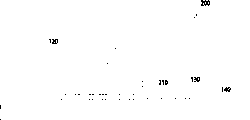
图1、2、3和4分别示出了将散热器耦合到产热部件如芯片组和/或微处理器上的常规方式100、200、300和400。图1示出了使用机械夹子110将散热器120耦合到安装在印刷电路板140上的产热部件130上,由此增强来自产热部件130的热耗散。图2示出了使用环氧树脂和/或胶210将散热器120耦合到产热部件130上。图3示出了使用弹簧承载固定器310将散热器120耦合到产热部件130上。图4示出了使用铆钉410将散热器120耦合到产热部件130。所有这些现有技术都需要一个或多个附加最后组装工艺步骤,这就增加了给产热部件提供热解决方案的成本。此外,图1、3和4中所示的现有技术要求实际电路板空间机械地原位保持散热器。Figures 1, 2, 3 and 4 illustrate
针对上述原因和针对本领域普通技术人员通过阅读和理解本说明书而显而易见的下述其它原因,本领域中需要一种消耗基本上比现有技术中给产热部件提供低成本热解决方案少的电路板空间的低成本技术。For the above reasons and for other reasons described below that will be apparent to those of ordinary skill in the art upon reading and understanding this specification, there is a need in the art for a thermal solution that consumes substantially less than the prior art to provide low cost thermal solutions to heat producing components. Low cost technology for board space.
附图简述Brief description of the drawings
图1-4表示将散热器耦合到安装在印刷电路板上的产热部件的Figures 1-4 illustrate the coupling of a heat sink to a heat-generating component mounted on a printed circuit board.
现有技术。current technology.
图5-8表示根据本发明的散热器的不同实施例的正视图。5-8 show front views of different embodiments of heat sinks according to the invention.
图9-12表示根据本发明的教导使用图5-8所示的散热器组装电子器件的工艺步骤。9-12 illustrate process steps for assembling an electronic device using the heat sink shown in FIGS. 5-8 in accordance with the teachings of the present invention.
图13-15表示使用图9-12所示的工艺步骤组装的电子器件。Figures 13-15 illustrate electronic devices assembled using the process steps shown in Figures 9-12.
图16和17表示通过波预加热器之后在散热器和产热部件之间的热界面材料的覆盖率/湿润性。Figures 16 and 17 show the coverage/wetting of the thermal interface material between the heat sink and the heat generating component after passing through the wave preheater.
具体实施方式Detailed ways
在实施例的下面详细说明中,将参考示出了本发明及其实施方式的附图。在所有附图中,相同的标记基本上表示相同的部件。将充分详细地介绍这些实施例,使得本领域技术人员能够实施本发明。也可以使用其它实施例,并且在不脱离本发明的范围的情况下可以做结构、逻辑和电气改变。而且,应该理解本发明的各种实施例尽管不同但是也不一定彼此不相容。例如,在一个实施例中所述的特别特征、结构或特性可以被包含于其它实施例中。因此,下列详细说明不起限制意义,本发明的范围只由所附权利要求书以及这些被授权的权利要求等效的全部范围限定。In the following detailed description of the embodiments, reference will be made to the accompanying drawings which illustrate the invention and embodiments thereof. The same reference numerals denote substantially the same parts throughout the drawings. These embodiments are described in sufficient detail to enable those skilled in the art to practice the invention. Other embodiments may be utilized and structural, logical, and electrical changes may be made without departing from the scope of the present invention. Furthermore, it should be understood that the various embodiments of the invention, although different, are not necessarily incompatible with each other. For example, a particular feature, structure or characteristic described in one embodiment may be included in other embodiments. Accordingly, the following detailed description is not to be taken in a limiting sense, but the scope of the invention is to be defined only by the appended claims, along with the full scope of equivalents to which such claims are entitled.
本文献介绍了低成本技术,其比用于提供芯片组热解决方案的传统方案消耗更少的电路板空间。This document presents a low-cost technique that consumes less board space than conventional approaches used to provide chipset thermal solutions.
图5-8示出了根据本发明的散热器的不同实施例的正视图。图5表示根据本发明的散热器500的一个实施例的同尺寸的示意图。如图5所示,散热器500包括两个固定管脚510和导热板520。在一些实施例中,散热器500可包括至少一个固定管脚。这些固定管脚适于穿过基板中的对应安装孔设置,以便当散热器500热耦合到产热部件上时,在预组装操作期间,固定管脚510穿过这些孔设置,用于在这些孔中焊接固定管脚510,由此机械地将散热器500固定到基板上,以便提供低成本热解决方案。在某些实施例中,散热器500可包括多个固定管脚和在基板中的对应的多个孔。5-8 show front views of different embodiments of heat sinks according to the invention. FIG. 5 shows an isometric schematic view of one embodiment of a
在某些实施例中,固定管脚延伸到导热板520外部,以便在导热板520热耦合到产热部件上时可以焊接固定管脚510。该散热器可以由如铜、铝等材料和适合于耗散来自产热部件的热量的其它材料形成。在某些实施例中,可使用波动焊接、表面安装焊接等工艺和其它这种焊接工艺将固定管脚510焊接到基板上。在某些实施例中,固定管脚510可包括2个或多个波动焊接管脚。In some embodiments, the fixing pins extend outside the
图6示出了根据本发明的散热器600的另一实施例的立体图。图6中所示的散热器600与图5中所示的散热器500相同,除了图6中所示的散热器600还包括在固定管脚510对面设置的热交换部分610。在某些实施例中,热交换部分610包括从导热板520向上延伸的多个散热片610。Fig. 6 shows a perspective view of another embodiment of a
图7和8分别示出了根据本发明的散热器700和800的其它实施例的立体图。散热器700和800分别与图5和6中所示的散热器500和600相同,除了散热器700和800包括4个固定管脚代替图5和6中所示的2个固定管脚之外。而且,导热板710构成为包括图7和8中所示的4个固定管脚。7 and 8 show perspective views of other embodiments of heat sinks 700 and 800 according to the present invention, respectively.
图9-12分别示出了根据本发明的教导使用图5-8中所示的散热器将电子器件组装到安装在印刷电路板140上的至少一个产热部件130所需要的方法900、1000、1110和1210的一个实施例。9-12 illustrate methods 900, 1000, respectively, required to assemble an electronic device to at least one
图9中所示的方法900开始是将产热部件130的正面930安装到基板140上。基板140也包括多个孔950。在某些实施例中,安装产热部件130包括将该部件130电气和/或机械耦合到基板140上。产热部件130包括集成电路器件,如芯片组、微处理器、数字信号处理器、和/或专用集成电路器件。The method 900 shown in FIG. 9 begins by mounting the front side 930 of the
图9中所示的方法900还包括在产热部件130的背面940定位热界面材料层910。产热部件130的背面940设置在正面930的对面。在某些实施例中,热界面材料910是人任一相位改变热界面材料如Chomerics T725、Chomerics 705、Chomerics 710和/或Chomerics454,或者热油脂,如Thermalloy TC1、Shinetsu G749、和/或ShinetsuG750。虽然热油脂如Shinetsu G749和Shinetsu G750在室温下为液体形式(viscus),相位改变热材料如Chomerics T725、Chomerics 705、Chomerics 710和/或Chomerics 454在室温下为软固体膏形式,但加热它们可以熔化。当在波动焊接温度下加热热界面材料安装在其上的如散热器的有源器件时,这些热界面材料将熔化。通常,这些相位改变热界面材料的相位转变(从类似膏状转变为液态)温度在55℃到65℃左右。通常波动焊接机内部的环境温度(预加热器和焊接波室周围)将高于70℃。高于70℃的温度通常足以使上述相位改变热界面材料熔化。方法900与上述任一种热界面材料的使用是相容的。The method 900 shown in FIG. 9 also includes positioning a thermal
图9中所示的方法900还包括在热界面材料910上对准包括至少一个固定管脚510的散热器600,并进一步通过基板140中的对应至少一个孔950,以便固定管脚510可以被波动焊接到基板140上。还可以想象的是固定管脚510可设计成在预组装操作期间使用其它电路板组装技术如管脚粘贴、表面固定和适于将散热器600固定到产热部件130上的其它方法而被焊接到基板140上。The method 900 shown in FIG. 9 also includes aligning the
在某些实施例中,散热器600形成为包括导热板,以便固定管脚延伸到导热板以外。在某些实施例中,该散热器形成为进一步包括延伸到导热板以外的热交换部分610。热交换部分610形成为使其设置在产热部件的对面。在某些实施例中,形成热交换部分610包括形成从导热板延伸出来的多个散热片。散热器600由如铜、铝的材料和适于从热源消耗掉热量的其它这类材料制成。In some embodiments, the
图10中所示的方法1000包括通过在波动焊接预热器中预热1010热界面材料910而降低热界面材料910的粘度,使热界面材料910湿润该部件,由此将散热器600热耦合到产热部件130上。The method 1000 shown in FIG. 10 includes reducing the viscosity of the
在某些实施例中,降低热界面材料910的粘度还包括将包括产热部件、热界面材料和散热器的基板装载到波动焊接机的传送机上,和通过预热1010设置在产热部件130的背面940和散热器600之间的热界面材料,降低热界面材料的粘度,以使热界面材料910熔化并充分湿润背面940和散热器600,从而提供产热部件130和散热器600之间的充分热耦合。在传统波动焊接机中,在15-25秒的期间将热界面材料910暴露于预热器上的高于70℃的温度,并且在8-12秒的期间将热界面材料910进一步暴露于焊接波上的80℃以上的温度。这一般足以使热界面材料910熔化和湿润背面940和散热器600,由此在产热部件130和散热器600之间产生必须的热耦合。在典型的波动焊接机中很容易改变/调整上述暴露时间和温度,以便适于特殊工艺要求。In some embodiments, reducing the viscosity of the
图11中所示的方法1110包括通过将至少一个固定管脚510焊接到基板140上,并在热界面材料910仍然是热的时候,将散热器600固定到产热部件130和基板140上的固定位置。在某些实施例中,在固定位置固定散热器600包括通过将至少一个固定管脚510焊接到基板140上以形成焊接头1120,将散热器600放在产热部件130和基板140上的固定位置上。焊接固定管脚510锁定在由在预热期间湿润热油脂910建立的热耦合中,由此提供针对产热部件130的低成本热解决方案。在某些实施例中,将固定管脚焊接到基板上包括将至少一个固定管脚510波动焊接到基板140上,由此将散热器600机械地固定到基板140上。The method 1110 shown in FIG. 11 includes securing the
图12中所示的方法1210包括冷却被焊接的固定管脚,以便原位机械固定散热器600,由此形成焊接头1120和进一步锁定在产热部件130的背面940和散热器600之间建立的热耦合中,同时热界面材料910仍然保持是热的。The method 1210 shown in FIG. 12 includes cooling the soldered mounting pins to mechanically secure the
图13-15分别示出了电子器件的顶视图1300、侧视图1400和正视图1500,该电子器件包括组装基板140,该组装基板140包括使用参照图9-12所述的工艺热粘接到产热部件130上的散热器500。参照图9-12将更详细地介绍根据本发明将散热器500耦合到产热部件130的工艺。可以想象的是一个以上的产热部件可以被夹在基板140和散热器500之间,并且更进一步可以使用参照图9-12所述的工艺将散热器热粘接到一个以上的产热部件上。尽管图13-15中未示出,可以想象空气移动器件如风扇可以安装在散热器500上,以便进一步增强从散热器500散热。在某些实施例中,产热部件130是集成电路器件,如芯片组、微处理器、数字信号处理器和/或专用集成电路器件。13-15
图16和17示出了通过波动预热器之后的散热器一侧1600和产热部件一侧1700上的热界面材料的覆盖率/湿润性。图16示出了通过波动预热器之后散热器一侧1620上的热界面材料覆盖率。图16中的虚线还示出了在通过波动预热器之前设置在散热器500和产热部件130之间的初始热膏1610的轮廓。图17示出了通过波动预热器之后产热部件130一侧1710上的热界面材料910的覆盖率。从图16和17可以看出,在通过典型波动焊接机中的波动预热器之后,热界面材料910已经完全湿润产热部件130,并扩散到原始设置的热膏1610的轮廓以外。Figures 16 and 17 show the coverage/wetting of the thermal interface material on the
结论in conclusion
通过在预组装操作期间将产热部件与散热器热耦合,上述方法和器件提供低成本热解决方案。The methods and devices described above provide a low-cost thermal solution by thermally coupling the heat-generating component with the heat sink during the pre-assembly operation.
Claims (30)
Applications Claiming Priority (2)
| Application Number | Priority Date | Filing Date | Title |
|---|---|---|---|
| US09/897,320 US6822867B2 (en) | 2001-06-29 | 2001-06-29 | Electronic assembly with solderable heat sink and methods of manufacture |
| US09/897,320 | 2001-06-29 |
Publications (2)
| Publication Number | Publication Date |
|---|---|
| CN1522467A true CN1522467A (en) | 2004-08-18 |
| CN1307715C CN1307715C (en) | 2007-03-28 |
Family
ID=25407749
Family Applications (1)
| Application Number | Title | Priority Date | Filing Date |
|---|---|---|---|
| CNB02813155XA Expired - Fee Related CN1307715C (en) | 2001-06-29 | 2002-05-10 | Using the wave soldering process to attach motherboard chipset heat sinks |
Country Status (7)
| Country | Link |
|---|---|
| US (3) | US6822867B2 (en) |
| JP (1) | JP4130802B2 (en) |
| KR (1) | KR100627197B1 (en) |
| CN (1) | CN1307715C (en) |
| AU (1) | AU2002351683A1 (en) |
| MY (1) | MY133470A (en) |
| WO (1) | WO2003003455A2 (en) |
Cited By (4)
| Publication number | Priority date | Publication date | Assignee | Title |
|---|---|---|---|---|
| CN102683302A (en) * | 2011-03-08 | 2012-09-19 | 中国科学院微电子研究所 | A heat dissipation structure for single-chip packaging and system-in-package |
| CN103857264A (en) * | 2012-11-30 | 2014-06-11 | 通用电气航空系统有限责任公司 | Phase change heat sink for transient thermal management |
| CN111048481A (en) * | 2019-12-06 | 2020-04-21 | 青岛歌尔智能传感器有限公司 | A module packaging structure and packaging method thereof |
| CN111601495A (en) * | 2020-06-02 | 2020-08-28 | 广州视源电子科技股份有限公司 | A kind of assembly method of PCBA component, assembly fixture and PCBA component |
Families Citing this family (35)
| Publication number | Priority date | Publication date | Assignee | Title |
|---|---|---|---|---|
| US6822867B2 (en) | 2001-06-29 | 2004-11-23 | Intel Corporation | Electronic assembly with solderable heat sink and methods of manufacture |
| US7161238B2 (en) * | 2002-12-31 | 2007-01-09 | Intel Corporation | Structural reinforcement for electronic substrate |
| US20070164424A1 (en) * | 2003-04-02 | 2007-07-19 | Nancy Dean | Thermal interconnect and interface systems, methods of production and uses thereof |
| JP2007527105A (en) * | 2003-06-06 | 2007-09-20 | ハネウエル・インターナシヨナル・インコーポレーテツド | Thermal coupling system and manufacturing method thereof |
| US7158381B2 (en) * | 2003-06-27 | 2007-01-02 | Intel Corporation | Heat sink assembly and method of attaching a heat sink to an electronic device on a motherboard |
| WO2005096731A2 (en) * | 2004-03-30 | 2005-10-20 | Honeywell International Inc. | Heat spreader constructions, integrated circuitry, methods of forming heat speader contruictions, and methods of forming integrated circuitry |
| TWI259755B (en) * | 2004-10-12 | 2006-08-01 | Delta Electronics Inc | Heat sink fixing device |
| CN2904597Y (en) * | 2006-05-15 | 2007-05-23 | 番禺得意精密电子工业有限公司 | Radiating device |
| US20080089031A1 (en) * | 2006-10-17 | 2008-04-17 | Hon Hai Precision Industry Co., Ltd. | Heat sink assembly |
| DE102007045418B4 (en) * | 2007-09-21 | 2011-05-12 | Sew-Eurodrive Gmbh & Co. Kg | Manufacturing method for an arrangement for cooling an electrical component |
| TWI421982B (en) * | 2008-11-21 | 2014-01-01 | 先進封裝技術私人有限公司 | Semiconductor wire element and method of manufacturing same |
| CN101778553A (en) * | 2009-01-12 | 2010-07-14 | 鸿富锦精密工业(深圳)有限公司 | Radiator |
| US8023267B2 (en) * | 2009-06-19 | 2011-09-20 | General Electric Company | Avionics chassis |
| US8059409B2 (en) * | 2009-06-19 | 2011-11-15 | General Electric Company | Avionics chassis |
| US7911796B2 (en) * | 2009-06-19 | 2011-03-22 | General Electric Company | Avionics chassis |
| US8222541B2 (en) * | 2009-06-19 | 2012-07-17 | General Electric Company | Avionics chassis |
| CN101936817A (en) * | 2009-06-30 | 2011-01-05 | 富准精密工业(深圳)有限公司 | Fastening device for use in radiator performance test and method for fastening radiator with heat source |
| US8908373B2 (en) * | 2009-09-30 | 2014-12-09 | Nec Corporation | Cooling structure for an electronic component and electronic instrument |
| JP5733893B2 (en) * | 2009-12-22 | 2015-06-10 | 新光電気工業株式会社 | Electronic component equipment |
| EP2608258A1 (en) * | 2011-12-20 | 2013-06-26 | STMicroelectronics (Grenoble 2) SAS | A package |
| KR101519187B1 (en) * | 2012-09-07 | 2015-05-11 | 엘지이노텍 주식회사 | The radiant heat member, the radiant heat circuit board and the heat generating device package |
| US9754899B2 (en) * | 2013-02-21 | 2017-09-05 | Advanpack Solutions Pte Ltd | Semiconductor structure and method of fabricating the same |
| ITMI20130520A1 (en) * | 2013-04-05 | 2014-10-06 | St Microelectronics Srl | CONSTRUCTION OF A HEAT SINK THROUGH WELDING |
| US10239164B2 (en) | 2013-10-23 | 2019-03-26 | Onanon, Inc. | Robotic wire termination system |
| US9258881B2 (en) * | 2014-01-22 | 2016-02-09 | Foxconn Interconnect Technology Limited | SMT heat sink anchor |
| US9863882B2 (en) * | 2015-01-30 | 2018-01-09 | The United States Of America, As Represented By The Secretary Of Agriculture | Variable thermodynamic raman spectroscopy system and method |
| KR20190058228A (en) | 2017-11-20 | 2019-05-29 | (주)케이티엔에프 | Wave jig that can prevent overheating of pcb during wave soldering process and wave soldering method using the same |
| US10782749B2 (en) | 2018-10-10 | 2020-09-22 | Hewlett Packard Enterprise Development Lp | Compute assembly for high speed ultra dense compute blades |
| US10886685B2 (en) * | 2019-03-08 | 2021-01-05 | Onanon, Inc. | Preformed solder-in-pin system |
| US11482461B2 (en) * | 2019-12-31 | 2022-10-25 | Taiwan Semiconductor Manufacturing Co., Ltd. | Semiconductor package and method for making the same |
| US10868401B1 (en) | 2020-03-04 | 2020-12-15 | Onanon, Inc. | Robotic wire termination system |
| TWI759199B (en) * | 2021-05-07 | 2022-03-21 | 艾姆勒車電股份有限公司 | Thermal conductive substrate structure with a non-rectangular heat-dissipation layer |
| US11910518B2 (en) * | 2021-05-26 | 2024-02-20 | Huawei Technologies Canada Co., Ltd. | Method and apparatus for heat sink mounting |
| US12678876B2 (en) | 2022-10-18 | 2026-07-14 | Onanon, Inc. | Resistive heating wire termination system |
| CN115942599A (en) * | 2023-01-10 | 2023-04-07 | 珠海格力电器股份有限公司 | Heat dissipation device for circuit board and circuit board |
Family Cites Families (26)
| Publication number | Priority date | Publication date | Assignee | Title |
|---|---|---|---|---|
| US4254447A (en) * | 1979-04-10 | 1981-03-03 | Rca Corporation | Integrated circuit heat dissipator |
| US4403102A (en) * | 1979-11-13 | 1983-09-06 | Thermalloy Incorporated | Heat sink mounting |
| US4321423A (en) * | 1980-05-15 | 1982-03-23 | Aavid Engineering, Inc. | Heat sink fastenings |
| US4602315A (en) * | 1984-08-24 | 1986-07-22 | Thermalloy Incorporated | Compensating roll pin for heat sink mounting |
| US4605058A (en) * | 1985-04-01 | 1986-08-12 | The Staver Company, Inc. | Heat dissipating retainer for electronic package |
| US4890196A (en) | 1986-03-24 | 1989-12-26 | Thermalloy Incorporated | Solderable heat sink fastener |
| US4945401A (en) * | 1987-07-20 | 1990-07-31 | The Staver Company Inc. | Heat dissipator for semiconductor unit |
| US4849856A (en) * | 1988-07-13 | 1989-07-18 | International Business Machines Corp. | Electronic package with improved heat sink |
| JPH0439957A (en) | 1990-06-05 | 1992-02-10 | Fujitsu Ltd | Heat sink of semiconductor package |
| JP2868868B2 (en) | 1990-09-03 | 1999-03-10 | 富士通株式会社 | Semiconductor device |
| NO175686C (en) * | 1992-06-30 | 1994-11-16 | Spilka International Ltd As | Side hinge, 180 |
| US5311395A (en) * | 1992-10-29 | 1994-05-10 | Ncr Corporation | Surface mount heat sink |
| JP2902531B2 (en) * | 1992-12-25 | 1999-06-07 | 富士通株式会社 | Heat dissipation device for semiconductor device |
| JPH0864732A (en) | 1994-08-26 | 1996-03-08 | Mitsubishi Electric Corp | Semiconductor integrated circuit device |
| US5566052A (en) * | 1995-06-08 | 1996-10-15 | Northern Telecom Limited | Electronic devices with electromagnetic radiation interference shields and heat sinks |
| US5901781A (en) * | 1996-02-17 | 1999-05-11 | Arai; Seihachi | Heat radiator for electronic parts |
| JPH10189841A (en) * | 1996-12-25 | 1998-07-21 | Nec Shizuoka Ltd | heatsink |
| US5808236A (en) | 1997-04-10 | 1998-09-15 | International Business Machines Corporation | High density heatsink attachment |
| US5926371A (en) * | 1997-04-25 | 1999-07-20 | Advanced Micro Devices, Inc. | Heat transfer apparatus which accommodates elevational disparity across an upper surface of a surface-mounted semiconductor device |
| US5875097A (en) * | 1997-06-09 | 1999-02-23 | Power Trends, Inc. | Heat sink for auxiliary circuit board |
| US6068051A (en) * | 1998-03-23 | 2000-05-30 | Intel Corporation | Channeled heat sink |
| JP3152209B2 (en) | 1998-07-07 | 2001-04-03 | 日本電気株式会社 | Semiconductor device and manufacturing method thereof |
| JP2000138483A (en) | 1998-10-30 | 2000-05-16 | Matsushita Electric Ind Co Ltd | Printed wiring board unit |
| US6219241B1 (en) * | 1999-06-11 | 2001-04-17 | Intel Coroporation | Advanced zero-insertion force (ZIF) socket with heat sink alignment and retention mechanisms |
| US6396697B1 (en) | 2000-12-07 | 2002-05-28 | Foxconn Precision Components Co., Ltd. | Heat dissipation assembly |
| US6822867B2 (en) | 2001-06-29 | 2004-11-23 | Intel Corporation | Electronic assembly with solderable heat sink and methods of manufacture |
-
2001
- 2001-06-29 US US09/897,320 patent/US6822867B2/en not_active Expired - Fee Related
-
2002
- 2002-05-10 AU AU2002351683A patent/AU2002351683A1/en not_active Abandoned
- 2002-05-10 WO PCT/US2002/014870 patent/WO2003003455A2/en not_active Ceased
- 2002-05-10 CN CNB02813155XA patent/CN1307715C/en not_active Expired - Fee Related
- 2002-05-10 KR KR1020037017056A patent/KR100627197B1/en not_active Expired - Fee Related
- 2002-05-10 JP JP2003509531A patent/JP4130802B2/en not_active Expired - Fee Related
- 2002-06-24 MY MYPI20022348A patent/MY133470A/en unknown
-
2004
- 2004-11-23 US US10/996,332 patent/US7333335B2/en not_active Expired - Fee Related
-
2007
- 2007-11-21 US US11/944,201 patent/US7595991B2/en not_active Expired - Fee Related
Cited By (6)
| Publication number | Priority date | Publication date | Assignee | Title |
|---|---|---|---|---|
| CN102683302A (en) * | 2011-03-08 | 2012-09-19 | 中国科学院微电子研究所 | A heat dissipation structure for single-chip packaging and system-in-package |
| CN103857264A (en) * | 2012-11-30 | 2014-06-11 | 通用电气航空系统有限责任公司 | Phase change heat sink for transient thermal management |
| CN111048481A (en) * | 2019-12-06 | 2020-04-21 | 青岛歌尔智能传感器有限公司 | A module packaging structure and packaging method thereof |
| CN111048481B (en) * | 2019-12-06 | 2021-09-07 | 青岛歌尔智能传感器有限公司 | A module packaging structure and packaging method thereof |
| CN111601495A (en) * | 2020-06-02 | 2020-08-28 | 广州视源电子科技股份有限公司 | A kind of assembly method of PCBA component, assembly fixture and PCBA component |
| CN111601495B (en) * | 2020-06-02 | 2021-12-14 | 广州视源电子科技股份有限公司 | A kind of assembly method of PCBA component, assembly fixture and PCBA component |
Also Published As
| Publication number | Publication date |
|---|---|
| US7595991B2 (en) | 2009-09-29 |
| CN1307715C (en) | 2007-03-28 |
| KR100627197B1 (en) | 2006-09-25 |
| MY133470A (en) | 2007-11-30 |
| US20030011997A1 (en) | 2003-01-16 |
| US7333335B2 (en) | 2008-02-19 |
| WO2003003455A3 (en) | 2003-08-21 |
| US20060050484A1 (en) | 2006-03-09 |
| JP2005522017A (en) | 2005-07-21 |
| WO2003003455A2 (en) | 2003-01-09 |
| JP4130802B2 (en) | 2008-08-06 |
| US20080130242A1 (en) | 2008-06-05 |
| KR20040030713A (en) | 2004-04-09 |
| AU2002351683A1 (en) | 2003-03-03 |
| US6822867B2 (en) | 2004-11-23 |
Similar Documents
| Publication | Publication Date | Title |
|---|---|---|
| CN1307715C (en) | Using the wave soldering process to attach motherboard chipset heat sinks | |
| CN1120399C (en) | Heat conductive substrate mounted in PC board hole for transferring heat from IC heat sink | |
| JP3274642B2 (en) | Electronic package having compressible heat sink structure and method of manufacturing the same | |
| US5930114A (en) | Heat sink mounting assembly for surface mount electronic device packages | |
| CN100359676C (en) | Heat spreader with down bracket attachment feature | |
| US7286352B2 (en) | Thermally expanding base of heatsink to receive fins | |
| US4794981A (en) | Cooling system | |
| CN1969397A (en) | Thermoelectric module | |
| CN107889338A (en) | Heat sink assemblies for surface mount devices | |
| JP2856193B2 (en) | Multi-chip module mounting structure | |
| US6097603A (en) | Heat sink for direct attachment to surface mount electronic device packages | |
| US6449158B1 (en) | Method and apparatus for securing an electronic power device to a heat spreader | |
| CN100376127C (en) | Heating element radiating structure | |
| US7268427B2 (en) | Semiconductor package, printed board mounted with the same, and electronic apparatus having the printed board | |
| TWI522032B (en) | Heat dissipating module | |
| JPH1168360A (en) | Semiconductor element cooling structure | |
| TW200808162A (en) | Light-emitting heat-dissipating device and manufacturing method thereof | |
| CN106469693A (en) | Assembling structure of high-power semiconductor and radiator | |
| JP4493026B2 (en) | Method for manufacturing circuit board with cooling device | |
| JPH11186766A (en) | Semiconductor device | |
| JP4193618B2 (en) | Heat dissipation structure | |
| JP3134860B2 (en) | Hybrid integrated circuit device | |
| TWI911937B (en) | Thermal conductive block and combination of heat dissipation device and printed circuit board assembly | |
| CN220417603U (en) | Control panel, electric control assembly and air conditioner | |
| CN100362654C (en) | Ball grid array package with heat sink |
Legal Events
| Date | Code | Title | Description |
|---|---|---|---|
| C06 | Publication | ||
| PB01 | Publication | ||
| C10 | Entry into substantive examination | ||
| SE01 | Entry into force of request for substantive examination | ||
| C14 | Grant of patent or utility model | ||
| GR01 | Patent grant | ||
| CF01 | Termination of patent right due to non-payment of annual fee | ||
| CF01 | Termination of patent right due to non-payment of annual fee |
Granted publication date: 20070328 Termination date: 20170510 |