CN1550086A - Communication system and communication method - Google Patents
Communication system and communication method Download PDFInfo
- Publication number
- CN1550086A CN1550086A CNA028168887A CN02816888A CN1550086A CN 1550086 A CN1550086 A CN 1550086A CN A028168887 A CNA028168887 A CN A028168887A CN 02816888 A CN02816888 A CN 02816888A CN 1550086 A CN1550086 A CN 1550086A
- Authority
- CN
- China
- Prior art keywords
- wireless communication
- terminal
- communication unit
- information
- synchronization
- Prior art date
- Legal status (The legal status is an assumption and is not a legal conclusion. Google has not performed a legal analysis and makes no representation as to the accuracy of the status listed.)
- Granted
Links
Images










Classifications
-
- H—ELECTRICITY
- H04—ELECTRIC COMMUNICATION TECHNIQUE
- H04W—WIRELESS COMMUNICATION NETWORKS
- H04W4/00—Services specially adapted for wireless communication networks; Facilities therefor
- H04W4/80—Services using short range communication, e.g. near-field communication [NFC], radio-frequency identification [RFID] or low energy communication
-
- H—ELECTRICITY
- H04—ELECTRIC COMMUNICATION TECHNIQUE
- H04B—TRANSMISSION
- H04B7/00—Radio transmission systems, i.e. using radiation field
- H04B7/24—Radio transmission systems, i.e. using radiation field for communication between two or more posts
-
- H—ELECTRICITY
- H04—ELECTRIC COMMUNICATION TECHNIQUE
- H04L—TRANSMISSION OF DIGITAL INFORMATION, e.g. TELEGRAPHIC COMMUNICATION
- H04L45/00—Routing or path finding of packets in data switching networks
- H04L45/02—Topology update or discovery
-
- H—ELECTRICITY
- H04—ELECTRIC COMMUNICATION TECHNIQUE
- H04M—TELEPHONIC COMMUNICATION
- H04M1/00—Substation equipment, e.g. for use by subscribers
- H04M1/72—Mobile telephones; Cordless telephones, i.e. devices for establishing wireless links to base stations without route selection
- H04M1/724—User interfaces specially adapted for cordless or mobile telephones
- H04M1/72403—User interfaces specially adapted for cordless or mobile telephones with means for local support of applications that increase the functionality
- H04M1/72409—User interfaces specially adapted for cordless or mobile telephones with means for local support of applications that increase the functionality by interfacing with external accessories
- H04M1/72412—User interfaces specially adapted for cordless or mobile telephones with means for local support of applications that increase the functionality by interfacing with external accessories using two-way short-range wireless interfaces
-
- H—ELECTRICITY
- H04—ELECTRIC COMMUNICATION TECHNIQUE
- H04W—WIRELESS COMMUNICATION NETWORKS
- H04W12/00—Security arrangements; Authentication; Protecting privacy or anonymity
- H04W12/50—Secure pairing of devices
-
- H—ELECTRICITY
- H04—ELECTRIC COMMUNICATION TECHNIQUE
- H04W—WIRELESS COMMUNICATION NETWORKS
- H04W56/00—Synchronisation arrangements
-
- H—ELECTRICITY
- H04—ELECTRIC COMMUNICATION TECHNIQUE
- H04W—WIRELESS COMMUNICATION NETWORKS
- H04W8/00—Network data management
- H04W8/005—Discovery of network devices, e.g. terminals
-
- H—ELECTRICITY
- H04—ELECTRIC COMMUNICATION TECHNIQUE
- H04W—WIRELESS COMMUNICATION NETWORKS
- H04W84/00—Network topologies
- H04W84/18—Self-organising networks, e.g. ad-hoc networks or sensor networks
-
- H—ELECTRICITY
- H04—ELECTRIC COMMUNICATION TECHNIQUE
- H04J—MULTIPLEX COMMUNICATION
- H04J3/00—Time-division multiplex systems
- H04J3/02—Details
- H04J3/06—Synchronising arrangements
- H04J3/0635—Clock or time synchronisation in a network
- H04J3/0638—Clock or time synchronisation among nodes; Internode synchronisation
- H04J3/0658—Clock or time synchronisation among packet nodes
-
- H—ELECTRICITY
- H04—ELECTRIC COMMUNICATION TECHNIQUE
- H04L—TRANSMISSION OF DIGITAL INFORMATION, e.g. TELEGRAPHIC COMMUNICATION
- H04L63/00—Network architectures or network communication protocols for network security
- H04L63/08—Network architectures or network communication protocols for network security for authentication of entities
- H04L63/0869—Network architectures or network communication protocols for network security for authentication of entities for achieving mutual authentication
-
- H—ELECTRICITY
- H04—ELECTRIC COMMUNICATION TECHNIQUE
- H04L—TRANSMISSION OF DIGITAL INFORMATION, e.g. TELEGRAPHIC COMMUNICATION
- H04L63/00—Network architectures or network communication protocols for network security
- H04L63/18—Network architectures or network communication protocols for network security using different networks or channels, e.g. using out of band channels
-
- H—ELECTRICITY
- H04—ELECTRIC COMMUNICATION TECHNIQUE
- H04L—TRANSMISSION OF DIGITAL INFORMATION, e.g. TELEGRAPHIC COMMUNICATION
- H04L7/00—Arrangements for synchronising receiver with transmitter
- H04L7/04—Speed or phase control by synchronisation signals
- H04L7/10—Arrangements for initial synchronisation
-
- H—ELECTRICITY
- H04—ELECTRIC COMMUNICATION TECHNIQUE
- H04M—TELEPHONIC COMMUNICATION
- H04M2250/00—Details of telephonic subscriber devices
- H04M2250/02—Details of telephonic subscriber devices including a Bluetooth® interface
-
- H—ELECTRICITY
- H04—ELECTRIC COMMUNICATION TECHNIQUE
- H04M—TELEPHONIC COMMUNICATION
- H04M2250/00—Details of telephonic subscriber devices
- H04M2250/14—Details of telephonic subscriber devices including a card reading device
-
- H—ELECTRICITY
- H04—ELECTRIC COMMUNICATION TECHNIQUE
- H04W—WIRELESS COMMUNICATION NETWORKS
- H04W12/00—Security arrangements; Authentication; Protecting privacy or anonymity
- H04W12/06—Authentication
-
- H—ELECTRICITY
- H04—ELECTRIC COMMUNICATION TECHNIQUE
- H04W—WIRELESS COMMUNICATION NETWORKS
- H04W12/00—Security arrangements; Authentication; Protecting privacy or anonymity
- H04W12/60—Context-dependent security
- H04W12/63—Location-dependent; Proximity-dependent
-
- H—ELECTRICITY
- H04—ELECTRIC COMMUNICATION TECHNIQUE
- H04W—WIRELESS COMMUNICATION NETWORKS
- H04W40/00—Communication routing or communication path finding
- H04W40/24—Connectivity information management, e.g. connectivity discovery or connectivity update
- H04W40/246—Connectivity information discovery
Landscapes
- Engineering & Computer Science (AREA)
- Computer Networks & Wireless Communication (AREA)
- Signal Processing (AREA)
- Computer Security & Cryptography (AREA)
- Human Computer Interaction (AREA)
- Databases & Information Systems (AREA)
- Mobile Radio Communication Systems (AREA)
- Small-Scale Networks (AREA)
Abstract
Description
技术领域technical field
本发明涉及特别在蓝牙(Bluetooth)通信中通过识别通信伙伴以简单快捷方式开始通信的通信系统和通信方法。The present invention relates to a communication system and a communication method for initiating communication in a simple and quick manner by identifying a communication partner, particularly in Bluetooth (Bluetooth) communication.
背景技术Background technique
已经开发并可商用作为无线短程通信装置备受关注的蓝牙命令和多种蓝牙装置。 Bluetooth (R) commands and various Bluetooth devices have been developed and commercialized, which have attracted attention as wireless short-range communication devices.
蓝牙是由蓝牙SIG(特殊兴趣组)标准化的无线通信标准,蓝牙装置与具有使用2.4GHZ频带之蓝牙模块的另一装置进行通信(IMS(工业科学医学))。Bluetooth is a wireless communication standard standardized by Bluetooth SIG (Special Interest Group), and a Bluetooth device communicates with another device having a Bluetooth module using a 2.4 GHZ frequency band (IMS (Industrial Science Medical)).
使用蓝牙形成的网络称为微微网(piconet)或者称为散射网(scatternet),依赖于其结构,散射网包括多个互连的微微网。网络中包含起主要角色和从属角色作用的蓝牙装置。为了方便,起主要角色作用的蓝牙装置简单称为主机(master),起从属角色作用的蓝牙装置简单称为从机(slave)。A network formed using Bluetooth is called a piconet or a scatternet, and depending on its structure, a scatternet includes a plurality of interconnected piconets. The network consists of Bluetooth devices that act as masters and slaves. For convenience, the Bluetooth device that plays a master role is simply called a master, and the Bluetooth device that plays a slave role is simply called a slave.
图1说明微微网和散射网之概念。Figure 1 illustrates the concepts of piconets and scatternets.
如图所示,微微网包括一个主机,以及一个或多个从机,执行在主机控制下的通信。本例中,微微网1包括主机1,从机1-1和从机1-2。微微网2包括主机2和从机2-1。As shown, a piconet includes a master, and one or more slaves that perform communications under the control of the master. In this example,
散射网是由相互连接的微微网1和微微网2形成的。如图1所示,在微微网1和微微网2之间的通信连接是禁止的。A scatternet is formed by interconnecting
为了在微微网中发送和接收各种信息,微微网中所有的蓝牙装置必须在频率轴和时间轴上同步。In order to transmit and receive various information in the piconet, all the Bluetooth devices in the piconet must be synchronized on the frequency axis and the time axis.
现在讨论频率轴上的同步和时间轴上的同步。Synchronization on the frequency axis and synchronization on the time axis are now discussed.
蓝牙中,使用79MHZ的频宽来将信号从主机发送到从机。主机通过按照1MHZ频宽随机改变(跳跃)信息的发送频率而不是同时占用79MHZ频宽来发送信号。In Bluetooth, a bandwidth of 79MHZ is used to send signals from the master to the slave. The host sends signals by randomly changing (jumping) the sending frequency of information according to the 1MHZ bandwidth instead of occupying the 79MHZ bandwidth at the same time.
接收从机与主机的随机改变发送频率同步,由此可合适改变其接收频率以接收从主机发送的信息。The receiving slave is synchronized with the randomly changing sending frequency of the master, so that its receiving frequency can be appropriately changed to receive information sent from the master.
主机和从机的变频模式被称作频率跳跃模式,其中频率跳跃模式被主机和从机共同共享的状态被定义为频率轴同步已建立状态。The frequency conversion mode of the master and the slave is called the frequency hopping mode, and the state in which the frequency hopping mode is shared by the master and the slave is defined as the frequency axis synchronization established state.
为了允许主机与蓝牙系统中的多个从机相通信,在主机和从机之间的通信路径(信道)以625μs为单位被时分复用。625μs的时间间隔称为时隙。其中时隙被共享的状态定义为时间轴同步已建立状态。In order to allow the host to communicate with multiple slaves in the Bluetooth system, the communication paths (channels) between the host and the slaves are time-multiplexed in units of 625 μs. The time intervals of 625 μs are called time slots. A state in which time slots are shared is defined as a time axis synchronization established state.
如后面要详细讨论的,所有从机基于主机的蓝牙地址计算频率跳跃模式以在频率轴上建立同步,根据主机的蓝牙时钟将偏移加到由自己的从机管理的蓝牙时钟,并且设置时隙的定时(timing)以在时间轴上建立同步。As will be discussed in detail later, all slaves calculate the frequency hopping pattern based on the master's Bluetooth address to establish synchronization on the frequency axis, add an offset to the Bluetooth clock managed by their own slave according to the master's Bluetooth clock, and set the time slot timing to establish synchronization on the time axis.
每个蓝牙装置具有唯一的48位蓝牙地址,并且基于该蓝牙地址唯一地计算跳跃模式。所有的蓝牙装置管理它们自己的蓝牙时钟。Each Bluetooth device has a unique 48-bit Bluetooth address, and the skip pattern is uniquely calculated based on this Bluetooth address. All Bluetooth devices manage their own Bluetooth clocks.
在形成微微网之前,主机和从机交换包括蓝牙地址和蓝牙时钟的多种信息以建立频率轴同步和时间轴同步。Before forming the piconet, the master and the slave exchange various information including a Bluetooth address and a Bluetooth clock to establish frequency axis synchronization and time axis synchronization.
下面参考图2和3所示的流程图说明建立频率轴同步和时间轴同步以及形成微微网的传统蓝牙装置的过程。The process of establishing frequency axis synchronization and time axis synchronization and forming a piconet of conventional Bluetooth devices will be described below with reference to flowcharts shown in FIGS. 2 and 3 .
在下面讨论的过程中,图1所示的主机1、从机1-1和从机1-2同步,并且配置成微微网1。在其之间交换的包等将在后面讨论,这里讨论处理的一般流程。In the process discussed below,
在步骤S1,主机1广播IQ(查询)包以检测在主机周围出现的从机。In step S1, the
例如,如果从机1-1和从机1-2在主机1中出现,如图1所示,则从机1-1在步骤S31接收由主机1发送的IQ包。在步骤S32,从机1-1用表示自己属性信息的包(FHS包)回答主机。For example, if the slave 1-1 and the slave 1-2 are present in the
类似地,从机1-2在步骤S51接收IQ包和在步骤S52用其FHS包回答主机。Similarly, the slave 1-2 receives the IQ packet at step S51 and replies to the master with its FHS packet at step S52.
作为从机的属性信息,从从机发送到主机的FHS包含有从机的蓝牙地址和蓝牙时钟。As the attribute information of the slave, the FHS sent from the slave to the host includes the slave's Bluetooth address and Bluetooth clock.
主机1在步骤S2接收来自从机1-1的FHS包和在步骤S3接收来自从机1-2的FHS包。The
“查询”涉及主机的一系列步骤,包括广播IQ包和接收响应发送的FHS包,和涉及从机的一系列步骤,包括接收所发送的IQ包和响应发送FHS包。"Inquiry" involves a sequence of steps by the master, including broadcasting an IQ packet and receiving an FHS packet sent in response, and a sequence of steps involving a slave, including receiving an IQ packet sent and sending an FHS packet in response.
在步骤S4,主机1将ID包发送到从机1-1,该ID包是基于在步骤S2接收的FHS包产生的。At step S4, the
从机1-1在步骤S33接收ID包。在步骤S34,从机1-1发送与所接收ID包相同的ID包以通知主机这些包的发送和接收被启动。The slave 1-1 receives the ID packet in step S33. In step S34, the slave 1-1 transmits the same ID packet as the received ID packet to notify the master that the transmission and reception of these packets is started.
当在步骤S5接收了由从机1-1发送的ID包时,主机1处理步骤S6。主机1将FHS包发送到从机1-1,并将作为自己属性信息的蓝牙地址和蓝牙时钟通知从机1-1。When receiving the ID packet transmitted by the slave 1-1 at step S5, the
在步骤S35,从机1-1从主机1接收FHS包,建立微微网内同步所要求的蓝牙地址和蓝牙时钟现在在主机1和从机1-1之间交换。In step S35, the slave 1-1 receives the FHS packet from the
在步骤S36,从机1-1将ID包发送到主机1,并且承认已经接收到FHS包。In step S36, the slave 1-1 sends the ID packet to the
在步骤S37,基于由主机1通知的蓝牙地址和蓝牙时钟,从机1-1建立与主机1的同步。后面将详细地讨论基于由主机通知的信息从机建立同步的过程。In step S37, based on the Bluetooth address and the Bluetooth clock notified by the
当在步骤S7接收了来自从机1-1的通知时,主机1处理步骤S8。在将FHS包和ID包与从机1-1交换之后,主机1将这些信息块与从机1-2交换。换言之,主机1在步骤S8到步骤S11的处理步骤和从机1-2在步骤S53到步骤S57的处理步骤分别与在步骤S4到步骤S7的处理步骤和在步骤S33到步骤S37的处理步骤等同。When receiving the notification from the slave 1-1 at step S7, the
更具体地说,主机1在步骤S8将ID包发送到从机1-2。响应它,从机1-2发送ID包以承认接收了ID包。在步骤S10,主机1发送FHS包给从机1-2以将自己的属性信息通知从机1-2。More specifically, the
在步骤S55,从机1-2从主机1接收FHS包。在步骤S56,从机1-2将ID包发送给主机1。在步骤S57,基于从主机1发送的蓝牙地址和蓝牙时钟,从机1-2建立与主机1的同步。In step S55, the slave 1-2 receives the FHS packet from the
从“查询”到同步建立的一系列处理步骤称为“页”。The series of processing steps from "query" to synchronization establishment is called "page".
在步骤S12,主机1请求从机1-1通报蓝牙装置名。每个蓝牙装置具有为此设置的其自己的蓝牙装置名,蓝牙装置名的修改由用户进行。In step S12, the
例如,蓝牙装置名被用作为用户操作主机来选择通信伙伴(从机)。如果基于蓝牙地址选择了通信伙伴,用户必须记住在微微网中出现的所有蓝牙装置的地址。蓝牙地址是用48位表示的数字。For example, the Bluetooth device name is used as the user operates the master to select a communication partner (slave). If a communication partner is selected based on Bluetooth addresses, the user must remember the addresses of all Bluetooth devices present in the piconet. A Bluetooth address is a number represented by 48 bits.
当在步骤S38接收了来自主机1的请求时,从机1-1处理步骤S39。从机1-1通知主机1该设置的蓝牙装置名。When receiving the request from the
在步骤S13,主机1接收由从机1-1通知的蓝牙装置名。In step S13, the
在步骤S14,主机1还请求从机1-2通知蓝牙装置名。In step S14, the
已经在步骤S58接收了该请求的从机1-2在步骤S59将所设置的蓝牙装置名通知主机1。The slave 1-2 having received the request at step S58 notifies the
当在步骤S15接收了来自从机1-2的通知时,主机1在步骤S16显示用于选择从机的选择屏幕以根据其显示进行通信。选择屏幕上出现的是在步骤S13和S15获得的蓝牙装置名。看该选择屏幕,用户可以选择与其进行通信的从机。When receiving the notification from the slave 1-2 at step S15, the
图4说明在同步建立之后提供的蓝牙装置(主机)上出现的选择屏幕。Fig. 4 illustrates the selection screen appearing on the provided Bluetooth device (host) after synchronization is established.
如图所示,选择窗口1出现。由用户操作的显示主机显示信息的主机屏幕11出现在选择窗口的左侧。As shown,
主机屏幕11包括装置名屏幕分区11A和地址屏幕分区11B。主机的蓝牙装置名显示在装置名屏幕分区11A上,蓝牙装置地址显示在地址屏幕分区11B。The
更详细地,主机之蓝牙装置的类别显示在装置名屏幕分区11A上部的行上,同时根据用户偏爱可修改的蓝牙装置名显示在装置名屏幕分区11A下部的行上。本例中,类别是“(个人)计算机”,装置名是“Red的计算机”。In more detail, the category of the host's Bluetooth device is displayed on the upper row of the device
简档文件(proile)选择按钮12配置在选择窗口1接近中心的垂直列中。用户选择用于从机的简档文件。简档文件定义了从机的通信系统。如图4中所示,出现了八个简档文件选择按钮12。
在选择窗口1右部显示的是从机屏幕分区13到19。类似于主机屏幕11,每个从机屏幕分区包括装置名屏幕分区和地址屏幕分区。Displayed in the right part of the
图4所示的例子中,通信是在从机屏幕分区16和主机之间进行的。在从机屏幕分区16上显示的蓝牙装置类别是“蜂窝电话”,在从机屏幕分区16上显示的蓝牙装置名是“Red的蜂窝电话”。In the example shown in FIG. 4, the communication is between the
图5说明在同步建立之后在蓝牙装置上显示的选择屏幕的另一个例子。FIG. 5 illustrates another example of a selection screen displayed on a Bluetooth device after synchronization is established.
选择窗口31在其左侧出现了简档文件,具有空白箭头标记的从机的蓝牙装置名插在其间。例如,主机在开工文档上完成蓝牙通信用于将音乐文件传送到在选择窗口31的第一行上显示的从机(Black广播器)。The selection window 31 appears on its left side with the profile file, with the bluetooth device name of the slave machine marked with a blank arrow inserted in between. For example, the master completes Bluetooth communication on the start document for transferring music files to the slave (Black broadcaster) displayed on the first line of the selection window 31 .
如此建立了微微网。为了开始通信,表列出可通信的蓝牙装置,如图4和5中所示。然后用户必须选择通信伙伴。A piconet is thus established. To start communication, the Bluetooth devices that can communicate are listed, as shown in FIGS. 4 and 5 . The user must then select a communication partner.
选择通信伙伴之后,用户必须进一步选择根据通信伙伴装置的开工文档。After selecting a communication partner, the user must further select a start-up document according to the communication partner device.
已经提出了使用蓝牙通信的系统,其中从自动售货机购买的商品费用是使用具有蓝牙模块的蜂窝电话进行付费的。这种系统中,用户可以期望以较大或者较小程度来选择通信伙伴。A system using Bluetooth communication has been proposed in which the cost of goods purchased from a vending machine is paid using a cellular phone having a Bluetooth module. In such a system, a user may desire to select a communication partner to a greater or lesser degree.
与使用钞票的购买过程相比,使用自动售货机系统的购买过程可以变得复杂。The purchasing process using a vending machine system can become complicated compared to that using banknotes.
发明内容Contents of the invention
鉴于上述问题提出了本发明,本发明通过在蓝牙通信执行时识别通信伙伴的终端而允许容易快速地开始通信。The present invention has been made in view of the above-mentioned problems, and the present invention allows easy and quick start of communication by identifying a communication partner's terminal when Bluetooth communication is performed.
本发明通信系统的信息处理设备包括:第一获得处理装置,用于使用通过环形天线向邻近通信终端供电和发送数据,以及从邻近通信终端接收数据的第一无线通信单元获得邻近通信终端的识别信息;第一同步处理装置,用于使用第二无线通信单元建立与包括该邻近通信终端之多个通信终端的用于无线通信的同步;第二获得处理装置,用于使用第二无线通信单元从通过第一同步处理装置建立了同步的多个通信终端获得终端名信息;以及识别处理装置,用于使用由第一获得处理装置获得的识别信息和由第二获得处理装置获得的终端名信息识别通信伙伴。The information processing device of the communication system of the present invention includes: first obtaining processing means for obtaining the identification of the adjacent communication terminal using the first wireless communication unit that supplies power to and transmits data to the adjacent communication terminal through the loop antenna, and receives data from the adjacent communication terminal information; first synchronization processing means for using the second wireless communication unit to establish synchronization for wireless communication with a plurality of communication terminals including the adjacent communication terminal; second acquisition processing means for using the second wireless communication unit Obtain terminal name information from a plurality of communication terminals that have established synchronization by the first synchronization processing means; and identification processing means for using the identification information obtained by the first acquisition processing means and the terminal name information obtained by the second acquisition processing means Identify communication partners.
通信系统的通信终端包括:第一提供处理装置,用于使用第三无线通信单元将自带终端的识别信息提供给信息处理设备,该第三无线通信单元使用通过环形天线感应的至少一部分功率发送和接收数据;第二同步处理装置,用于当使用第二无线通信单元建立了无线通信的同步时,通过响应于来自信息处理设备的请求发送和接收经过第四无线通信单元的预定信号来建立同步;以及第二提供处理装置,用于响应通过第二无线通信单元传输的来自信息处理设备的请求,使用发送和接收数据的第四无线通信单元提供自带终端的终端名。The communication terminal of the communication system includes: a first providing processing means for providing identification information of the self-contained terminal to the information processing device using a third wireless communication unit, the third wireless communication unit using at least a part of the power induced by the loop antenna to transmit and receiving data; second synchronization processing means for establishing, when synchronization of wireless communication is established using the second wireless communication unit, by transmitting and receiving a predetermined signal via the fourth wireless communication unit in response to a request from the information processing device synchronization; and second providing processing means for providing the terminal name of the self-contained terminal using the fourth wireless communication unit that transmits and receives data in response to the request from the information processing device transmitted through the second wireless communication unit.
构成本发明通信方法的用于信息处理设备的信息处理方法,包括:第一获得处理步骤,用于使用通过环形天线向邻近通信终端供电和发送数据,以及从邻近通信终端接收数据的第一无线通信单元获得邻近通信终端的识别信息;第一同步处理步骤,用于使用第二无线通信单元建立与包括该邻近通信终端之多个通信终端的用于无线通信的同步;第二获得处理步骤,用于使用第二无线通信单元从在第一同步处理步骤被建立同步的多个通信终端获得终端名信息;以及识别处理步骤,用于使用在第一获得处理步骤获得的识别信息和在第二获得处理步骤获得的终端名信息识别通信伙伴。The information processing method for an information processing device constituting the communication method of the present invention includes: a first obtaining processing step for using a first wireless device that supplies power to and transmits data to and receives data from a neighboring communication terminal through a loop antenna. The communication unit acquires identification information of the adjacent communication terminal; a first synchronization processing step for establishing synchronization for wireless communication with a plurality of communication terminals including the adjacent communication terminal using the second wireless communication unit; a second obtaining processing step, for obtaining terminal name information from a plurality of communication terminals whose synchronization is established in the first synchronization processing step using the second wireless communication unit; and an identification processing step for using the identification information obtained in the first obtaining processing step and the identification information obtained in the second synchronization processing step The terminal name information obtained by the obtain processing step identifies a communication partner.
构成本发明通信方法的用于通信终端的通信方法,包括:第一提供处理步骤,用于使用第三无线通信单元将自带终端的识别信息提供给信息处理设备,该第三无线通信单元使用通过环形天线感应的至少一部分功率发送和接收数据;第二同步处理步骤,用于当使用第二无线通信单元建立了无线通信的同步时,通过响应于来自信息处理设备的请求发送和接收经过第四无线通信单元的预定信号来建立同步;以及第二提供处理步骤,用于响应通过第二无线通信单元传输的来自信息处理设备的请求,使用发送和接收数据的第四无线通信单元提供自带终端的终端名信息。The communication method for a communication terminal constituting the communication method of the present invention includes: a first providing processing step for providing identification information of a self-contained terminal to an information processing device using a third wireless communication unit using Transmitting and receiving data by at least a part of power induced by the loop antenna; a second synchronization processing step for, when synchronization of wireless communication is established using the second wireless communication unit, transmitting and receiving through the first transmission in response to a request from the information processing device A predetermined signal of the four wireless communication units to establish synchronization; and a second providing processing step for providing a self-contained using the fourth wireless communication unit that transmits and receives data in response to a request from the information processing device transmitted through the second wireless communication unit The terminal name information of the terminal.
本发明的信息处理设备包括:第一获得处理装置,用于使用发送和接收预定数据的第一无线通信单元获得通信终端的识别信息;同步处理装置,用于使用发送和接收希望数据的第二无线通信单元建立与包括该通信终端之多个通信终端的用于无线通信的同步;第二获得处理装置,用于使用第二无线通信单元从通过同步处理装置建立了同步的多个通信终端获得终端名信息;以及识别处理装置,用于使用由第一获得处理装置获得的识别信息和由第二获得处理装置获得的终端名信息识别通信伙伴。The information processing apparatus of the present invention includes: first obtaining processing means for obtaining identification information of a communication terminal using a first wireless communication unit that transmits and receives predetermined data; synchronization processing means for using a second wireless communication unit that transmits and receives desired data The wireless communication unit establishes synchronization for wireless communication with a plurality of communication terminals including the communication terminal; second obtaining processing means for obtaining, using the second wireless communication unit, from the plurality of communication terminals for which synchronization has been established by the synchronization processing means terminal name information; and identification processing means for identifying a communication partner using the identification information obtained by the first obtaining processing means and the terminal name information obtained by the second obtaining processing means.
第一无线通信单元的无线通信覆盖距离可以比第二无线通信单元的无线通信覆盖距离短。The wireless communication coverage distance of the first wireless communication unit may be shorter than the wireless communication coverage distance of the second wireless communication unit.
第一获得处理装置可以使用通过环形天线向邻近通信终端供电和发送数据,以及从邻近通信终端接收数据的第一无线通信单元获得邻近通信终端的识别信息。The first obtaining processing means may obtain the identification information of the adjacent communication terminal using the first wireless communication unit that supplies power and transmits data to and receives data from the adjacent communication terminal through the loop antenna.
识别信息和终端名信息的每一个可以包含蓝牙装置名。Each of the identification information and the terminal name information may contain a Bluetooth device name.
识别信息和终端名信息的每一个可以包含对通信终端为唯一的IP地址。Each of the identification information and the terminal name information may contain an IP address unique to the communication terminal.
信息处理设备还可以包括启动处理装置,用于响应由第一获得处理装置获得的识别信息来启动第二无线通信单元。The information processing apparatus may further include activation processing means for activating the second wireless communication unit in response to the identification information obtained by the first obtaining processing means.
本发明用于信息处理设备的信息处理方法包括:第一获得处理步骤,用于使用发送和接收预定数据的第一无线通信单元获得通信终端的识别信息;同步处理步骤,用于使用发送和接收希望数据的第二无线通信单元建立与包括该通信终端之多个通信终端的用于无线通信的同步;第二获得处理步骤,用于使用第二无线通信单元从在同步处理步骤被建立同步的多个通信终端获得终端名信息;以及识别处理步骤,用于使用在第一获得处理步骤获得的识别信息和在第二获得处理步骤获得的终端名信息识别通信伙伴。The information processing method for an information processing device of the present invention includes: a first obtaining processing step for obtaining identification information of a communication terminal using a first wireless communication unit that transmits and receives predetermined data; a synchronization processing step for using a first wireless communication unit that transmits and receives predetermined data The second wireless communication unit desiring data establishes synchronization for wireless communication with a plurality of communication terminals including the communication terminal; a second obtaining processing step for using the second wireless communication unit from the one whose synchronization is established at the synchronization processing step a plurality of communication terminals obtaining terminal name information; and an identification processing step for identifying a communication partner using the identification information obtained at the first obtaining processing step and the terminal name information obtained at the second obtaining processing step.
识别信息可以包含蓝牙装置名,第一获得处理步骤可以包括使用通过环形天线向邻近通信终端供电和发送数据,以及从邻近通信终端接收数据的第一无线通信单元获得邻近通信终端的识别信息。The identification information may include a Bluetooth device name, and the first obtaining processing step may include obtaining the identification information of the adjacent communication terminal using the first wireless communication unit that supplies power to, transmits data to, and receives data from the adjacent communication terminal through the loop antenna.
本发明的通信终端包括:第一提供处理装置,用于使用发送和接收预定数据的第一无线通信单元响应于来自信息处理设备的预定请求而提供自带终端的识别信息;同步处理装置,用于通过发送和接收希望数据的第二无线通信单元来发送和接收预定信号而建立与信息处理设备的同步;以及第二提供处理装置,用于响应通过第二无线通信单元接收的来自信息处理设备的请求,使用第二无线通信单元提供自带终端的终端名信息。The communication terminal of the present invention includes: a first providing processing means for providing identification information of a self-contained terminal in response to a predetermined request from an information processing device using a first wireless communication unit that transmits and receives predetermined data; a synchronization processing means for establishing synchronization with the information processing device by transmitting and receiving a predetermined signal through a second wireless communication unit that transmits and receives desired data; and second providing processing means for responding to the information received from the information processing device through the second wireless communication unit request, using the second wireless communication unit to provide the terminal name information of the self-contained terminal.
第一无线通信单元的无线通信覆盖距离可以比第二无线通信单元的无线通信覆盖距离短。The wireless communication coverage distance of the first wireless communication unit may be shorter than the wireless communication coverage distance of the second wireless communication unit.
第一提供处理装置可以使用第一无线通信单元将自带终端的识别信息提供给信息处理设备,该第一无线通信单元使用通过环形天线感应的至少一部分功率来发送和接收数据。The first providing processing means may provide the identification information of the BYOD to the information processing device using a first wireless communication unit that transmits and receives data using at least a part of power induced by the loop antenna.
识别信息和终端名信息的每一个可以至少包含蓝牙装置名。Each of the identification information and the terminal name information may contain at least a Bluetooth device name.
识别信息和终端名信息的每一个可以包含对通信终端为唯一的IP地址。Each of the identification information and the terminal name information may contain an IP address unique to the communication terminal.
本发明用于通信终端的通信方法:第一提供处理步骤,用于使用发送和接收预定数据的第一无线通信单元响应于来自信息处理设备的预定请求而提供自带终端的识别信息;同步处理步骤,用于通过发送和接收希望数据的第二无线通信单元来发送和接收预定信号而建立与信息处理设备的同步;以及第二提供处理步骤,用于响应通过第二无线通信单元接收的来自信息处理设备的请求,使用第二无线通信单元提供自带终端的终端名信息。The communication method for a communication terminal of the present invention: a first providing processing step for providing identification information of a self-contained terminal in response to a predetermined request from an information processing device using a first wireless communication unit that transmits and receives predetermined data; synchronous processing a step of establishing synchronization with the information processing device by transmitting and receiving a predetermined signal through the second wireless communication unit that transmits and receives desired data; and a second providing processing step of responding to the information received from In response to a request from the information processing device, use the second wireless communication unit to provide terminal name information of the self-contained terminal.
识别信息和终端名信息的每一个可以至少包含蓝牙装置名。第一提供处理步骤可以包括使用第一无线通信单元将自带终端的识别信息提供给信息处理设备,该第一无线通信单元使用通过环形天线感应的至少一部分功率来发送和接收数据。Each of the identification information and the terminal name information may contain at least a Bluetooth device name. The first providing processing step may include providing the identification information of the BYOD to the information processing device using a first wireless communication unit that transmits and receives data using at least a part of power induced through the loop antenna.
本发明的第一扩展装置包括:被电连接到信息处理设备的用于发送和接收数据的连接终端;第一获得处理装置,用于使用通过环形天线向邻近通信终端供电和发送数据,以及从邻近通信终端接收数据的第一无线通信单元获得邻近通信终端的识别信息;同步处理装置,用于使用第二无线通信单元建立与包括该邻近通信终端之多个通信终端的用于无线通信的同步;第二获得处理装置,用于使用第二无线通信单元从通过同步处理装置建立了同步的多个通信终端获得终端名信息;识别处理装置,用于使用由第一获得处理装置获得的识别信息和从多个通信终端获得的终端名信息识别通信伙伴。The first extension means of the present invention includes: a connection terminal electrically connected to an information processing device for transmitting and receiving data; a first acquisition processing means for using a loop antenna to supply power and transmit data to an adjacent communication terminal, and from The first wireless communication unit for receiving data by the adjacent communication terminal obtains the identification information of the adjacent communication terminal; the synchronization processing means is used to use the second wireless communication unit to establish synchronization for wireless communication with a plurality of communication terminals including the adjacent communication terminal ; The second obtaining processing means, for using the second wireless communication unit to obtain terminal name information from a plurality of communication terminals that have established synchronization by the synchronization processing means; Identification processing means, for using the identification information obtained by the first obtaining processing means A communication partner is identified with terminal name information obtained from a plurality of communication terminals.
本发明的第二扩展装置包括:被电连接到通信终端的用于发送和接收数据的连接终端;第一提供处理装置,用于使用第一无线通信单元响应于来自信息处理设备的请求而提供自带终端的识别信息,该第一无线通信单元使用通过环形天线感应的至少一部分功率发送和接收数据;同步处理装置,用于通过发送和接收希望数据的第二无线通信单元来发送和接收预定信号而建立与信息处理设备的同步;以及第二提供处理装置,用于响应通过第二无线通信单元接收的来自信息处理设备的请求,使用第二无线通信单元提供自带终端的终端名信息。The second extension device of the present invention includes: a connection terminal for transmitting and receiving data electrically connected to a communication terminal; first provision processing means for providing identification information of a self-contained terminal, the first wireless communication unit transmits and receives data using at least a part of the power induced by the loop antenna; a synchronization processing means for transmitting and receiving a predetermined signal to establish synchronization with the information processing device; and second providing processing means for providing terminal name information of the own terminal using the second wireless communication unit in response to a request received from the information processing device through the second wireless communication unit.
本发明的第一程序使图像处理设备执行:第一获得处理步骤,用于使用发送和接收预定数据的第一无线通信单元获得通信终端的识别信息;同步处理步骤,用于使用发送和接收希望数据的第二无线通信单元建立与包括该通信终端之多个通信终端的用于无线通信的同步;第二获得处理步骤,用于使用第二无线通信单元从在同步处理步骤被建立同步的多个通信终端获得终端名信息;以及识别处理步骤,用于使用在第一获得处理步骤获得的识别信息和在第二获得处理步骤获得的终端名信息识别通信伙伴。The first program of the present invention causes the image processing apparatus to execute: a first obtaining processing step for obtaining identification information of a communication terminal using a first wireless communication unit that transmits and receives predetermined data; a synchronization processing step for using a first wireless communication unit that transmits and receives predetermined data; The second wireless communication unit of the data establishes synchronization for wireless communication with a plurality of communication terminals including the communication terminal; a second obtaining processing step for using the second wireless communication unit from the multiple communication terminals whose synchronization is established in the synchronization processing step obtaining terminal name information by a communication terminal; and an identification processing step for identifying a communication partner using the identification information obtained in the first obtaining processing step and the terminal name information obtained in the second obtaining processing step.
本发明的第二程序使通信终端执行:第一提供处理步骤,用于使用发送和接收预定数据的第一无线通信单元响应于来自信息处理设备的预定请求而提供自带终端的识别信息;同步处理步骤,用于通过发送和接收希望数据的第二无线通信单元来发送和接收预定信号而建立与信息处理设备的同步;以及第二提供处理步骤,用于响应通过第二无线通信单元接收的来自信息处理设备的请求,使用第二无线通信单元提供自带终端的终端名信息。The second program of the present invention causes the communication terminal to execute: a first provision processing step for providing identification information of a self-contained terminal in response to a reservation request from an information processing device using a first wireless communication unit that transmits and receives predetermined data; synchronizing a processing step for establishing synchronization with the information processing device by transmitting and receiving a predetermined signal through the second wireless communication unit that transmits and receives the desired data; and a second providing processing step for responding to the information received through the second wireless communication unit The request from the information processing device provides the terminal name information of the self-contained terminal using the second wireless communication unit.
在本发明的通信系统和通信方法中,通信终端的识别信息是使用通过环形天线向邻近通信终端供电和发送数据,以及从邻近通信终端接收数据的第一无线通信单元获得的,与包括该邻近通信终端之多个通信终端的用于无线通信的同步是使用第二无线通信单元建立的,终端名信息是从被建立同步的多个通信终端使用第二无线通信单元获得的。通信伙伴是使用所获得的识别信息和所获得的终端名信息识别的。自带终端的识别信息使用第三无线通信单元被提供给信息处理设备,该第三无线通信单元使用通过环形天线感应的至少一部分功率发送和接收数据;同步是当使用第二无线通信单元建立了无线通信的同步时,通过响应于来自信息处理设备的请求发送和接收经过第四无线通信单元的预定信号建立的;以及自带终端的终端名是响应通过第二无线通信单元传输的来自信息处理设备的请求、使用发送和接收数据的第四无线通信单元被提供的。In the communication system and communication method of the present invention, the identification information of the communication terminal is obtained by using the first wireless communication unit that supplies power and transmits data to and receives data from the adjacent communication terminal through the loop antenna, and includes the adjacent Synchronization for wireless communication of a plurality of communication terminals of the communication terminals is established using the second wireless communication unit, and terminal name information is obtained from the plurality of communication terminals whose synchronization is established using the second wireless communication unit. The communication partner is identified using the obtained identification information and the obtained terminal name information. Identification information of the self-contained terminal is provided to the information processing device using a third wireless communication unit that transmits and receives data using at least a part of power induced through the loop antenna; synchronization is when the second wireless communication unit is established Synchronization of wireless communication is established by sending and receiving a predetermined signal through the fourth wireless communication unit in response to a request from the information processing device; The request of the device, using the fourth wireless communication unit for sending and receiving data is provided.
在本发明的信息处理设备、信息处理方法和程序中,通信终端的识别信息是使用发送和接收预定数据的第一无线通信单元获得的,与包括该通信终端之多个通信终端的用于无线通信的同步是使用发送和接收希望数据的第二无线通信单元建立的,以及终端名信息是从被建立同步的多个通信终端使用第二无线通信单元获得的。通信伙伴是使用所获得的识别信息和所获得的终端名信息识别的。In the information processing device, information processing method, and program of the present invention, the identification information of the communication terminal is obtained using the first wireless communication unit that transmits and receives predetermined data, and is related to the communication terminals used for wireless communication of a plurality of communication terminals including the communication terminal. Synchronization of communication is established using the second wireless communication unit that transmits and receives desired data, and terminal name information is obtained from a plurality of communication terminals for which synchronization is established using the second wireless communication unit. The communication partner is identified using the obtained identification information and the obtained terminal name information.
在本发明的通信终端、通信方法和程序中,自带终端的识别信息是使用发送和接收预定数据的第一无线通信单元响应来自信息处理设备的预定请求被提供的;与信息处理设备的同步是通过发送和接收希望数据的第二无线通信单元来发送和接收预定信号建立的;以及自带终端的终端名是响应通过第二无线通信单元接收的来自信息处理设备的请求、使用第二无线通信单元被提供的。In the communication terminal, communication method, and program of the present invention, the identification information of the self-contained terminal is provided in response to a reservation request from an information processing device using a first wireless communication unit that transmits and receives predetermined data; synchronization with the information processing device is established by transmitting and receiving a predetermined signal through the second wireless communication unit that transmits and receives desired data; and the terminal name of the self-contained terminal is established by using the second wireless communication unit is provided.
在本发明的第一扩展装置中,连接终端被电连接到信息处理设备;邻近通信终端的识别信息是使用通过环形天线向邻近通信终端供电和发送数据,以及从邻近通信终端接收数据的第一无线通信单元获得的,以及与包括该邻近通信终端之多个通信终端的用于无线通信的同步是使用第二无线通信单元建立的。终端名信息是从被建立同步的多个通信终端使用第二无线通信单元获得的,和通信伙伴是使用所获得的识别信息和所获得的终端名信息识别的。In the first extension device of the present invention, the connection terminal is electrically connected to the information processing device; the identification information of the adjacent communication terminal is used to supply power and transmit data to the adjacent communication terminal through the loop antenna, and to receive data from the adjacent communication terminal. The wireless communication unit acquires, and synchronization for wireless communication with a plurality of communication terminals including the adjacent communication terminal is established using the second wireless communication unit. The terminal name information is obtained from the plurality of communication terminals whose synchronization is established using the second wireless communication unit, and the communication partner is identified using the obtained identification information and the obtained terminal name information.
在本发明的第二扩展装置中,连接终端被电连接到通信终端;自带终端的识别信息是使用第一无线通信单元响应于来自信息处理设备的请求被提供的,该第一无线通信单元使用通过环形天线感应的至少一部分功率发送和接收数据;与信息处理设备的同步是通过发送和接收希望数据的第二无线通信单元来发送和接收预定信号建立的;以及自带终端的终端名信息是响应通过第二无线通信单元接收的来自信息处理设备的请求、使用第二无线通信单元被产生的。In the second extension device of the present invention, the connection terminal is electrically connected to the communication terminal; the identification information of the self-contained terminal is provided in response to a request from the information processing device using a first wireless communication unit that Data is transmitted and received using at least a part of power induced by the loop antenna; synchronization with the information processing device is established by transmitting and receiving a predetermined signal through the second wireless communication unit that transmits and receives desired data; and terminal name information of the self-contained terminal is generated using the second wireless communication unit in response to a request from the information processing device received through the second wireless communication unit.
附图说明Description of drawings
图1表示微微网和散射网的概念。Figure 1 shows the concepts of piconets and scatternets.
图2是表示用于建立微微网内同步之已知过程的流程图。Figure 2 is a flow chart representing a known procedure for establishing synchronization within a piconet.
图3是图2流程图的继续,表示用于建立微微网内同步之已知过程。Figure 3 is a continuation of the flow chart of Figure 2, showing a known procedure for establishing synchronization within a piconet.
图4表示用于选择通信终端的屏幕。Fig. 4 shows a screen for selecting a communication terminal.
图5表示用于选择通信终端的另一个屏幕。Fig. 5 shows another screen for selecting a communication terminal.
图6表示实现本发明的通信系统的结构。Fig. 6 shows the structure of a communication system implementing the present invention.
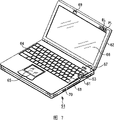
图7是图6个人计算机的外部图。Fig. 7 is an external view of the personal computer of Fig. 6 .
图8是图6个人计算机的另一个外部图。Fig. 8 is another external view of the personal computer of Fig. 6 .
图9是图6个人计算机的又一个外部图。Fig. 9 is still another external view of the personal computer of Fig. 6 .
图10是图6个人计算机的侧视图。FIG. 10 is a side view of the personal computer of FIG. 6. FIG.
图11是图6个人计算机的方框图。Fig. 11 is a block diagram of the personal computer of Fig. 6 .
图12是表示图11的非接触IC卡阅读器/写入器结构的方框图。Fig. 12 is a block diagram showing the structure of the non-contact IC card reader/writer of Fig. 11.
图13是表示图11的蓝牙模块结构的方框图。Fig. 13 is a block diagram showing the structure of the Bluetooth module in Fig. 11 .
图14是图6蜂窝电话的外部视图。FIG. 14 is an external view of the cellular phone of FIG. 6. FIG.
图15是图6蜂窝电话的另一个外部视图。FIG. 15 is another external view of the cellular phone of FIG. 6. FIG.
图16是表示图6蜂窝电话结构的方框图。FIG. 16 is a block diagram showing the structure of the cellular phone of FIG. 6. FIG.
图17是表示图11的非接触IC卡结构的方框图。Fig. 17 is a block diagram showing the structure of the non-contact IC card of Fig. 11 .
图18表示图17的非接触IC卡的规格。FIG. 18 shows specifications of the non-contact IC card shown in FIG. 17 .
图19是图6蜂窝电话的功能方框图。FIG. 19 is a functional block diagram of the cellular phone of FIG. 6. FIG.
图20是表示图6通信系统过程的流程图。FIG. 20 is a flowchart showing the process of the communication system of FIG. 6. FIG.
图21是图20流程图的继续,表示图6通信系统的过程。FIG. 21 is a continuation of the flowchart of FIG. 20, showing the process of the communication system of FIG.
图22是表示图6通信系统另一个过程的流程图。FIG. 22 is a flowchart showing another process of the communication system of FIG. 6. FIG.
图23是图22流程图的继续,表示图6通信系统的另一个过程。FIG. 23 is a continuation of the flowchart of FIG. 22, showing another process of the communication system of FIG.
图24A表示图6蜂窝电话的另一个结构。FIG. 24A shows another configuration of the cellular phone of FIG. 6. FIG.
图24B表示图6蜂窝电话的又一个结构。Fig. 24B shows still another structure of the cellular phone of Fig. 6 .
图25A表示图6蜂窝电话的另一个结构。FIG. 25A shows another structure of the cellular phone of FIG. 6. FIG.
图25B表示图6蜂窝电话的又一个结构。Fig. 25B shows still another structure of the cellular phone of Fig. 6 .
图26A表示图6蜂窝电话的另一个结构。FIG. 26A shows another structure of the cellular phone of FIG. 6. FIG.
图26B表示图6蜂窝电话的又一个结构。Fig. 26B shows still another structure of the cellular phone of Fig. 6 .
图27是表示图6蜂窝电话的过程的流程图。FIG. 27 is a flowchart showing the process of the cellular phone of FIG. 6. FIG.
图28是表示图6蜂窝电话的另一个过程的流程图。FIG. 28 is a flowchart showing another process of the cellular phone of FIG. 6. FIG.
图29是表示图6蜂窝电话的又一个过程的流程图。FIG. 29 is a flowchart showing still another process of the cellular phone of FIG. 6. FIG.
图30是表示图6蜂窝电话的另一个过程的流程图。FIG. 30 is a flowchart showing another process of the cellular phone of FIG. 6. FIG.
图31是表示图6蜂窝电话的又一个过程的流程图。FIG. 31 is a flowchart showing still another process of the cellular phone of FIG. 6. FIG.
图32是表示图6蜂窝电话的再一个过程的流程图。FIG. 32 is a flow chart showing still another process of the cellular phone of FIG. 6. FIG.
图33表示实现本发明的普遍存在社区的概念。Figure 33 illustrates the concept of ubiquitous communities implementing the present invention.
具体实施方式Detailed ways
图6表示实现本发明的通信系统的结构。Fig. 6 shows the structure of a communication system implementing the present invention.
在图6表示的通信系统中,每个都包含蓝牙模块的个人计算机51、蜂窝电话52和PDA(个人数字助手)在短程无线蓝牙通信中发送和接收多种信息。In the communication system shown in FIG. 6, a
蜂窝电话52具有内置非接触IC卡(IC标签)246(见图16),以及个人计算机51包括将各种信息写到该非接触IC卡246和从该非接触IC卡246读出各种信息的非接触IC卡读/写器105(见图11)。在个人计算机51和蜂窝电话52之间不仅完成蓝牙通信,而且完成使用从非接触IC卡读/写器105发射的电磁波的通信。The
如果个人计算机51在实现本发明之通信系统的微微网中是主机,个人计算机51基于通过电磁波从蜂窝电话52获得的信息将蜂窝电话52识别为完成蓝牙通信的从机。If the
下面参考流程图更详细地讨论通信系统的过程。当用户定位靠近个人计算机51的蜂窝电话52并且接收从个人计算机51之非接触IC卡读/写器105发射的电磁波时,内置了蜂窝电话52的非接触IC卡246给个人计算机51提供设置的识别信息(以后称为卡ID)。The processes of the communication system are discussed in more detail below with reference to flowcharts. When the user locates the
例如,卡ID是与每个蜂窝电话中涉及蓝牙装置名的信息相同的信息。当个人计算机51建立微微网内同步和获得蓝牙装置名时,个人计算机51将具有与卡ID等同的蓝牙装置名的蜂窝电话52识别为通信伙伴。For example, the card ID is the same information as the information related to the Bluetooth device name in each cellular phone. When the
该过程中,通过按所示简单地定位靠近个人计算机51的蜂窝电话而不需要在上述选择屏幕上选择通信伙伴,蜂窝电话52的用户启动蓝牙通信。In this process, the user of the
为了将预定数据从PDA 53发送到个人计算机51,用户必须在上述参考屏幕上将个人计算机51选择作为通信伙伴装置。为了将数据从蜂窝电话52发送到个人计算机51,不需要这种不方便的过程。In order to send predetermined data from the PDA 53 to the
现在讨论图6通信系统的单元。The elements of the communication system of FIG. 6 are now discussed.
图7到图10是图6个人计算机51的外部视图。作为主要单元,笔记本个人计算机51包括装置主体61和可折叠连接到装置主体61的显示器62。图7是具有从装置主体61打开的显示器62的个人计算机51的外部透视图。图8是装置主体61的平面视图,以及图9是安装在装置主体61和其周围区域的嵌合刻度转盘(jogdial)63的放大视图。图10是装置主体61的嵌合刻度转盘63的侧视图。7 to 10 are external views of the
装置主体61在其顶部包括用于输入各种字符和符号的键盘64、作为指针装置用于移动指针的触垫(touchpad)65(鼠标)和电源开关67,在其侧面包括嵌合刻度转盘63、槽68、IEEE1394端口70等。代替触垫65,可以安装棒型(stick-type)指向装置。The device
用于显示图像的LCD(液晶显示器)66安装在显示器62的前面。在顶部右区配置的是电源灯PL、电池灯BL、消息灯ML和必须的其它灯。电源灯PL、电池灯BL、消息灯ML等可以安装在显示器62的下部。An LCD (Liquid Crystal Display) 66 for displaying images is installed in front of the
嵌合刻度转盘63在装置主体61上被安装在键盘64的键之间,并与键处于相同的水平面上。嵌合刻度转盘63响应于由箭头a表示的旋转方向完成预定过程,同时响应于由箭头b表示的转换(shift)完成预定过程。嵌合刻度转盘63可以安装在装置主体61的左侧。另外,嵌合刻度转盘63可以安装在具有LCD 66之显示器62的左端面或者右端面,或者安装在键盘64的G键和H键之间的垂直对齐位置上。另外,嵌合刻度转盘63可以安装在装置主体61的前中心部分上,使得用户用其拇指控制嵌合刻度转盘63的同时该用户的食指在触垫65上操作。另外,嵌合刻度转盘63可以安装沿着触垫65的上边缘或者下边缘的水平对齐位置上,或者安装在触垫65的右按钮和左按钮之间的垂直对齐位置上。嵌合刻度转盘63可以不位于垂直对齐位置或者水平对齐位置,而安装在以一角度对齐的位置,使得用户使用任何手指都可容易地操作嵌合刻度转盘63。嵌合刻度转盘63可以安装在作为指向装置的鼠标的侧面上,使得用户使用拇指可以操作嵌合刻度转盘63。The fitted
图11是表示个人计算机51的电结构的方框图。FIG. 11 is a block diagram showing the electrical configuration of the
CPU(中央处理单元)81是因特尔奔腾处理器,并连接到主机总线82。还被连接到主机总线82的是桥接器(bridge)83,其又连接到AGP(加速图形端口)84和PCI总线85。例如,桥接器83是因特尔制造的400BX,并且控制CPU 81和RAM(随机存取存储器)86的外围。桥接器83通过AGP 84被连接到视频控制器87。桥接器83和桥接器107构成所谓的芯片组(chip set)。A CPU (Central Processing Unit) 81 is an Intel Pentium processor, and is connected to a host bus 82 . Also connected to the host bus 82 is a bridge 83 , which in turn is connected to an AGP (Accelerated Graphics Port) 84 and a PCI bus 85 . The bridge 83 is, for example, 400BX manufactured by Intel, and controls the CPU 81 and the periphery of a RAM (Random Access Memory) 86. Bridge 83 is connected to video controller 87 through AGP 84. The bridge 83 and the bridge 107 constitute a so-called chip set.
桥接器83还连接到RAM 86和高速缓冲存储器88。高速缓冲存储器88高速缓冲由CPU 81使用的数据。CPU 81在其中包含主高速缓冲存储器,尽管没有表示出该高速缓冲存储器。Bridge 83 is also connected to RAM 86 and cache memory 88. The cache memory 88 caches data used by the CPU 81. The CPU 81 contains a main cache memory therein, although this cache memory is not shown.
RAM 86是DRAM(动态随机存取存储器)并且存储由CPU 81执行的程序和CPU 81操作需要的数据。更具体地说,电子邮件程序86A、自动导航程序86B、嵌合刻度转盘状态监控程序86C、嵌合刻度转盘驱动器86D、操作程序(OS)86E、读/写器控制程序86F、蓝牙控制程序86G以及其它应用程序86H1到86Hn在引导(booting)完成时从HDD 114传送到用于存储的RAM 86。The RAM 86 is a DRAM (Dynamic Random Access Memory) and stores programs executed by the CPU 81 and data necessary for the CPU 81 to operate. More specifically, e-mail program 86A, autopilot program 86B, fitting dial status monitoring program 86C, fitting dial driver 86D, operating program (OS) 86E, reader/writer control program 86F, Bluetooth control program 86G and other applications 86H1 to 86Hn are transferred from HDD 114 to RAM 86 for storage when booting is complete.
电子邮件程序84A通过调制解调器92从诸如电话线93的通信线路中接收通信消息。电子邮件程序84A具有作为特殊功能的到达邮件获得功能。到达邮件获得功能用因特网服务提供器94中的邮件服务器95检查标注地址为个人计算机51(用户)的邮件是否已经到达邮箱96,如果邮件已到达则获得标注地址为该用户的邮件。Email program 84A receives communication messages from a communication line such as telephone line 93 via modem 92 . The e-mail program 84A has an incoming mail obtaining function as a special function. The mail server 95 in the Internet service provider 94 checks whether the mail addressed to the personal computer 51 (user) has arrived at the mailbox 96 with the mail server 95 in the arrived mail acquisition function, and if the mail has arrived, then obtain the mail addressed to the user.
自动导航程序86B随后以预定次序开始和执行多个已经设置的处理(或者程序)。The autopilot program 86B then starts and executes a plurality of already set processes (or programs) in a predetermined order.
嵌合刻度转盘状态监控程序86C接收应用程序86H1到86Hn是否是嵌合刻度转盘兼容的通知。如果应用程序86H1到86Hn是嵌合刻度转盘兼容的,则嵌合刻度转盘状态监控程序86C起到使用应用程序的用户界面功能表示出由使用嵌合刻度转盘63执行的操作之显示的作用。嵌合刻度转盘状态监控程序86C通常等待来自嵌合刻度转盘63的事件,和支持从应用程序接收的通知列表。嵌合刻度转盘驱动器86D执行响应于嵌合刻度转盘63之操作的各种功能。The fitting dial status monitoring program 86C receives notification of whether the application programs 86H1 to 86Hn are fitting dial compatible. If the applications 86H1 to 86Hn are fit dial compatible, the fit dial status monitor program 86C functions as a display showing operations performed using the
OS(操作系统)86E是操作系统,其控制计算机的基本操作,例如为微软的Windows 95或者Windows 98,或者Macintosh的Mac OS。OS (Operating System) 86E is an operating system that controls basic operations of the computer, such as Windows 95 or Windows 98 of Microsoft, or Mac OS of Macintosh.
读/写器控制程序86F控制非接触IC卡读/写器105(以后按需要也称为读/写器105),并且检测包含靠近个人计算机51之非接触IC卡246的终端的出现,以及使用电磁波向该终端发送各种信息和从该终端接收各种信息。The reader/writer control program 86F controls the non-contact IC card reader/writer 105 (hereinafter also referred to as the reader/writer 105 as required), and detects the presence of a terminal including the
蓝牙控制程序86G控制蓝牙模块106,由此检测在附近出现的蓝牙装置,和建立与蓝牙装置的同步用于通信。The Bluetooth control program 86G controls the Bluetooth module 106, thereby detecting a Bluetooth device appearing nearby, and establishing synchronization with the Bluetooth device for communication.
连接到PCI总线85的视频控制器87还通过AGP 84连接到桥接器83,并且基于从PCI总线85和AGP 84提供的数据控制LCD 66的显示。The video controller 87 connected to the PCI bus 85 is also connected to the bridge 83 through the AGP 84, and controls the display of the
PCI总线85连接到声音控制器89,其又连接到喇叭90和麦克风66。声音控制器89捕捉从麦克风66输入的声音和将声音信号提供给喇叭90。PCI bus 85 is connected to sound controller 89 , which in turn is connected to speaker 90 and
还连接到PCI总线85的是调制解调器92和PC卡槽接口98。Also connected to PCI bus 85 is modem 92 and PC card slot interface 98 .
通过电话线路93和因特网服务提供器94,调制解调器92可以连接到因特网97、邮件服务器95等。Through a telephone line 93 and an Internet service provider 94, the modem 92 can be connected to the Internet 97, a mail server 95, and the like.
为了增加选择功能,接口卡99适当地插入连接到PC卡槽接口98的槽68中,由此向和从外部装置发送和接收数据。接口卡99连接到驱动器100,并且向和从安装在驱动器中的磁盘101、光盘102、磁光盘103和半导体存储器104发送和接收数据。To add optional functionality, an interface card 99 is suitably inserted into
与磁盘101、光盘102、磁光盘103和半导体存储器104之每一个交换数据的驱动器100可以通过USB端口115连接。The
桥接器107连接到PCI总线85。桥接器107例如是因特尔制造的PIIX4E,控制各个输入和输出信号。更具体地说,桥接器107控制连接到IDE总线113的装置,并且包含IDE(集成驱动电子学)控制器/结构寄存器108、IDE接口109、定时器电路110和USB(通用串行总线)接口111,以及连接到USB端口115的装置和通过ISA/EIO(工业标准结构/扩充输入输出)总线112连接的装置和I/O接口117。The bridge 107 is connected to the PCI bus 85 . The bridge 107 is, for example, PIIX4E manufactured by Intel, and controls various input and output signals. More specifically, the bridge 107 controls devices connected to the IDE bus 113, and includes an IDE (Integrated Drive Electronics) controller/architecture register 108, an IDE interface 109, a timer circuit 110, and a USB (Universal Serial Bus) interface 111 , and devices connected to USB port 115 and devices connected via ISA/EIO (Industry Standard Architecture/Extended Input Output) bus 112 and I/O interface 117 .
如果GPS(全球定位系统)天线116安装在USB端口115,USB接口111就将从GPS天线116提供的位置数据和时间数据通过PCI总线85、桥接器83和主机总线82发送到CPU 81。If the GPS (Global Positioning System) antenna 116 is installed in the USB port 115, the USB interface 111 will send the position data and time data provided from the GPS antenna 116 to the CPU 81 through the PCI bus 85, the bridge 83 and the host bus 82.
IDE控制器/结构寄存器108是由两个IDE控制器即所谓主IDE控制器和所谓次IDE控制器以及结构寄存器等构成的。The IDE controller/architecture register 108 is composed of two IDE controllers, a so-called primary IDE controller and a so-called secondary IDE controller, and an architecture register and the like.
主IDE控制器通过IDE总线113连接到连接器(未示出),其又连接到HDD 114。次IDE控制器通过另一个IDE总线(未示出)与外部装置保持为可连接的。The main IDE controller is connected via IDE bus 113 to a connector (not shown), which in turn is connected to HDD 114. The secondary IDE controller remains connectable to external devices through another IDE bus (not shown).
HDD 114存储电子邮件程序114A、自动导航程序114B、嵌合刻度转盘程序状态监控程序114C、嵌合刻度转盘驱动器114D、OS(操作系统软件)114E、读/写器控制程序114F、蓝牙控制程序114G、多个其它应用程序114H1到114Hn和在这些程序中使用的数据。在启动(引导)处理时,被存储在HDD114的程序114A到114Hn依次传送和存储在RAM 86中。HDD 114 stores e-mail program 114A, autopilot program 114B, fitting scale dial program status monitoring program 114C, fitting scale dial driver 114D, OS (operating system software) 114E, reader/writer control program 114F, bluetooth control program 114G , a plurality of other application programs 114H1 to 114Hn and data used in these programs. The programs 114A to 114Hn stored in the HDD 114 are sequentially transferred and stored in the RAM 86 at startup (boot) processing.
还被连接到ISA/EIO总线112的是I/O接口117。I/O接口117被互连到ROM 118、RAM 119和CPU 120。Also connected to ISA/EIO bus 112 is I/O interface 117 . I/O interface 117 is interconnected to ROM 118, RAM 119 and CPU 120.
ROM 118预先存储IEEE1394 I/F程序118A、LED控制程序118B、触垫输入监控程序118C、键输入监控程序118D、唤醒程序118E和嵌合刻度转盘状态监控程序118F。ROM 118 pre-stores IEEE1394 I/F program 118A, LED control program 118B, touch pad input monitoring program 118C, key input monitoring program 118D, wake-up program 118E and fitting scale dial status monitoring program 118F.
IEEE1394 I/F程序118A通过IEEE1394输入/输出端口70输入和输出基于IEEE1394的数据。LED控制程序118B控制点亮灯,其包括电源灯PL和电池灯BL,以及如需要也点亮消息灯ML和其它LED灯。触垫输入监控程序118C监控到触垫65的用户输入。键输入监控程序118D监控到键盘64或者另外键开关的用户输入。基于在桥接器108从定时器电路110提供的当前时间数据,唤醒程序118E检查发现其是否是预定时间。如果其是预定时间,唤醒程序118E就管理给引导预定过程(或者程序)的每个芯片供电。嵌合刻度转盘状态监控程序118F不变地监控嵌合刻度转盘63之旋转编码器的旋转和嵌合刻度转盘的按压。The IEEE1394 I/F program 118A inputs and outputs IEEE1394-based data through the IEEE1394 input/
ROM 118还存储BIOS(基本输入/输出系统)118G。BIOS,即基本输入/输出系统,是软件程序,用于控制在OS和应用程序以及外围装置(显示器、键盘、HDD等)之间数据的输入和输出。The ROM 118 also stores BIOS (Basic Input/Output System) 118G. The BIOS, Basic Input/Output System, is a software program for controlling the input and output of data between the OS and application programs, and peripheral devices (display, keyboard, HDD, etc.).
RAM 119,作为寄存器119A到119F,包括:用于LED控制、触垫输入状态、键输入状态和时间设置的寄存器;和用于嵌合刻度转盘状态监控的I/O寄存器,IEEE1394 I/F寄存器等。例如,当嵌合刻度转盘63被按压时,LED控制寄存器控制消息灯ML的点亮用来显示电子邮件的即时启动状态。当嵌合刻度转盘63被按压时,键输入状态寄存器存储操作键标志。时间设置寄存器允许设置任何时间。RAM 119, as registers 119A to 119F, includes: registers for LED control, touch pad input status, key input status, and time setting; and I/O registers for fitting dial status monitoring, IEEE1394 I/F registers wait. For example, when the
通过未示出连接器连接到I/O接口117的是嵌合刻度转盘63、键盘64、触垫65和IEEE1394输入/输出端口70。当用户操作了嵌合刻度转盘63、键盘64和触垫65时,I/O接口117接收通过嵌合刻度转盘63、键盘64和触垫65分别输入的信号,并将各个信号输出到ISA/EIO总线112。I/O接口117还通过IEEE1394输入/输出端口70与外部交换数据。连接到I/O接口117的是电源灯PL、电池灯BL、消息灯ML、电源控制电路121和其它LED灯。Connected to the I/O interface 117 through unshown connectors are a
电源控制电路121连接到内部电池122或者AC电源。电源控制电路121给每个块供电,同时控制给外围装置中的内部电池122或者次电池充电。通过接口117,CPU 120监控开或关电源的电源开关67。The power control circuit 121 is connected to an internal battery 122 or an AC power source. A power control circuit 121 supplies power to each block, while controlling charging of an internal battery 122 or a secondary battery in a peripheral device. Through the interface 117, the CPU 120 monitors the
即使当电源关时,由内部电源操作的CPU 120能够通过BIOS 118G执行IEEE1394 I/F程序118A。更具体地说,即使当显示器62的LCD 66上没有打开窗口,通过BIOS 118G的IEEE1394 I/F程序118A不变地保持激活。如果OS 86E用被关的电源开关67而不在CPU 81上运行,CPU 120连续地执行用于监控嵌合刻度转盘状态的唤醒程序118E。不用需要在个人计算机51上的专用键,个人计算机51具有可编程电源键(PPK)功能。即使在省电状态或者在电源关状态期间,用户通过简单按压嵌合刻度转盘63而启动优选软件或者脚本文件(scipt file)Even when the power is off, the CPU 120 operated by the internal power supply can execute the IEEE1394 I/F program 118A through the BIOS 118G. More specifically, even when no window is opened on the
图12是详细表示图11非接触IC卡读/写器105结构的方框图。FIG. 12 is a block diagram showing in detail the structure of the non-contact IC card reader/writer 105 of FIG. 11. Referring to FIG.
IC 131包括CPU 151,SPU(信号处理单元)152,SCC(串行通信控制器)153和存储器154。存储器154包括ROM 161和RAM 161。CPU 151到存储器154通过总线155互连。The IC 131 includes a CPU 151, an SPU (Signal Processing Unit) 152, an SCC (Serial Communication Controller) 153 and a memory 154. The memory 154 includes a ROM 161 and a RAM 161. The CPU 151 to the memory 154 are interconnected by a bus 155.
CPU 151将ROM 161中存储的控制程序扩展到RAM 162,并且根据从非接触IC卡246发送的响应数据和由图11所示CPU81提供的控制信号完成各种处理。例如,CPU 151产生被发送到非接触IC卡246的命令,通过总线155将命令输出到SPU 152,以及对从非接触IC卡246发送的数据完成验证处理。The CPU 151 expands the control program stored in the ROM 161 to the RAM 162, and performs various processes in accordance with response data sent from the
当CPU 151由附近的蜂窝电话52告知后面要讨论的每个处理中的卡ID时,CPU 151响应于来自CPU 81的命令将该卡ID通知蓝牙模块106。When the CPU 151 is notified of the card ID in each process to be discussed later by the nearby
SPU 152在来自非接触IC卡246的响应数据从解调器134进来时完成BPSK(二进制相移键控)解调数据(解码Manchester代码),并且将所得解码数据提供给CPU 151。SPU 152在提供给非接触IC卡246的命令通过总线155进来时完成BPSK调制命令(将该命令编码成Manchester代码),并且将所得数据输出到调制器132。The SPU 152 performs BPSK (Binary Phase Shift Keying) demodulation of data (decoding Manchester code) when response data from the
SCC 153通过总线155将数据从CPU 81提供到CPU 151,同时通过总线155将从CPU 151输入的数据输出到CPU 81。The SCC 153 supplies data from the CPU 81 to the CPU 151 via the bus 155, while outputting data input from the CPU 151 to the CPU 81 via the bus 155.
调制器132用从SPU 152提供的数据ASK(幅移键控)调制从振荡器电路(OSC)133提供的具有预定频率(例如为13.56MHZ)的载波,并且作为电磁波从天线135输出该调制的信号。另一方面,解调器134解调通过天线135获得的调制波(ASK调制波),并将解调数据输出到SPU 152。The modulator 132 modulates a carrier wave having a predetermined frequency (for example, 13.56 MHz) supplied from the oscillator circuit (OSC) 133 with data supplied from the SPU 152 ASK (Amplitude Shift Keying), and outputs the modulated carrier wave from the antenna 135 as an electromagnetic wave. Signal. On the other hand, the demodulator 134 demodulates the modulated wave (ASK modulated wave) obtained through the antenna 135, and outputs the demodulated data to the SPU 152.
天线135辐射预定电磁波,并且基于其负载的变化,确定非接触IC卡246(蜂窝电话52)是否位于附近。当非接触IC卡246在附近时,天线135与非接触IC卡246交换各种数据。The antenna 135 radiates predetermined electromagnetic waves, and based on changes in its load, it is determined whether the non-contact IC card 246 (cellular phone 52 ) is located nearby. The antenna 135 exchanges various data with the
图13是详细表示图11蓝牙模块106的方框图。FIG. 13 is a block diagram showing in detail the Bluetooth module 106 of FIG. 11 .
CPU 171将ROM 172中存储的控制程序扩展到RAM 173,并且通常控制蓝牙模块106。CPU 171到RAM 173通过总线175互连。闪速存储器174连接到总线175。The CPU 171 expands the control program stored in the ROM 172 to the RAM 173, and generally controls the Bluetooth module 106. CPU 171 to RAM 173 are interconnected by bus 175. The flash memory 174 is connected to the bus 175 .
闪速存储器174存储在每个蓝牙装置中设置并根据用户偏爱修改的蓝牙装置名,以及对蓝牙装置为唯一的蓝牙地址。The flash memory 174 stores a Bluetooth device name set in each Bluetooth device and modified according to the user's preference, and a Bluetooth address unique to the Bluetooth device.
蓝牙地址即48位识别符对每个蓝牙装置是唯一的(仅仅一个)。蓝牙地址用于各种管理目的。A Bluetooth address, a 48-bit identifier, is unique (only one) to each Bluetooth device. Bluetooth addresses are used for various management purposes.
例如,如上述讨论的,为了建立微微网内同步,所有的从机必须获得涉及频率跳跃模式的信息。从机计算基于主机蓝牙地址的频率跳跃模式。For example, as discussed above, in order to establish intra-piconet synchronization, all slaves must obtain information concerning the frequency hopping pattern. The slave calculates a frequency hopping pattern based on the master's Bluetooth address.
详细地,作为段,蓝牙地址包含:低24位的LAP(低地址部分);下一个8位的UAP(高地址部分);以及剩余16位的NAP(非有效地址部分)。整个28位即整个LAP的24位和UAP的低4位被用来计算频率跳跃模式。In detail, as segments, the Bluetooth address includes: LAP (low address part) of the lower 24 bits; UAP (high address part) of the next 8 bits; and NAP (non-effective address part) of the remaining 16 bits. The entire 28 bits, namely the entire 24 bits of the LAP and the lower 4 bits of the UAP are used to calculate the frequency hopping pattern.
基于在用于建立微微网同步的内存分页(paging)中获得的上述28位主机蓝牙地址和此刻由主机通知的蓝牙时钟,每个从机计算频率跳跃模式。Each slave calculates a frequency hopping pattern based on the above-mentioned 28-bit master Bluetooth address obtained in memory paging for establishing piconet synchronization and the Bluetooth clock notified by the master at the moment.
频率跳跃模式定义了在分页期间使用的分页频率跳跃模式、在查询期间使用的查询频率跳跃模式和在微微网内同步建立之后在主机和从机之间的通信中使用的信道频率跳跃模式。在下面的讨论中,当不需要区分这三种频率跳跃模式时,这三种频率跳跃模式被简单称为频率跳跃模式。The frequency hopping pattern defines the paging frequency hopping pattern used during paging, the query frequency hopping pattern used during inquiry, and the channel frequency hopping pattern used in communication between master and slave after intra-piconet synchronization is established. In the following discussion, when there is no need to distinguish these three frequency hopping modes, these three frequency hopping modes are simply referred to as frequency hopping modes.
返回图13,闪速存储器174存储连接密钥(link key),其在微微网内同步建立之后验证蓝牙装置作为通信伙伴并且加密要发送的数据。根据需要,将连接密钥提供给CPU 171。Returning to FIG. 13, the flash memory 174 stores a link key, which authenticates the Bluetooth device as a communication partner and encrypts data to be sent after intra-piconet synchronization is established. The connection key is provided to the CPU 171 as required.
输入/输出接口176管理从图11所示的CPU 81提供的数据以及从基带控制器177提供的数据的输入和输出。The input/output interface 176 manages input and output of data supplied from the CPU 81 shown in FIG. 11 and data supplied from the baseband controller 177.
基带控制器177将来自输入/输出接口176的数据提供给GFSK(高斯频移键控)调制器191以将数据发送到蜂窝电话52。当被提供了来自GFSK解调器197的数据时,基带控制器177将数据传递到总线175和输入/输出接口176之一上。The baseband controller 177 provides data from the input/output interface 176 to a GFSK (Gaussian Frequency Shift Keying) modulator 191 to transmit the data to the
GFSK调制器191限制从基带控制器177提供的数据的高频分量,以主调制完成有关该数据的频率调制,以及将所得数据输出到频谱扩展器192。The GFSK modulator 191 limits the high-frequency components of the data supplied from the baseband controller 177 , performs frequency modulation on the data with main modulation, and outputs the resulting data to the spectrum spreader 192 .
频谱扩展器192根据按上述计算并由跳跃合成器195通知的频率跳跃模式转换载波频率,由此频谱扩展所提供的数据和将所得信号输出到通信控制器193。在蓝牙系统中,频谱扩展器192每隔625μs就跳跃频率,并且发送数据。The spectrum spreader 192 converts the carrier frequency according to the frequency hopping pattern calculated as above and notified by the hopping synthesizer 195, thereby spectrum spreading the supplied data and outputting the resultant signal to the communication controller 193. In a Bluetooth system, the spectrum spreader 192 hops frequency every 625 μs and transmits data.
通信控制器193使用2.4GHZ的频带从天线194发射频谱扩展信号。通信控制器193将通过天线194接收的信号输出到频谱解扩器196。The communication controller 193 transmits a spectrum spread signal from the antenna 194 using a frequency band of 2.4 GHz. The communication controller 193 outputs the signal received through the antenna 194 to the spectrum despreader 196 .
频谱解扩器196根据由跳跃合成器195通知的频率跳跃模式跳跃所接收的频率,和获得来自蜂窝电话52的信号。频谱解扩器196还解扩所获得信号以再现来自蜂窝电话52的信号,并且将所得信号输出到GFSK解调器197。GFSK解调器197 GFSK解调从频谱解扩器196提供的信号和将所得数据输出到基带控制器177。The spectrum despreader 196 hops the received frequency according to the frequency hopping pattern notified by the hopping synthesizer 195, and obtains the signal from the
现在讨论蜂窝电话52的结构。The structure of the
图14是图6的蜂窝电话52的外部视图。FIG. 14 is an external view of the
如图所示,蜂窝电话52包括显示器212和装置主体213,显示器212和装置主体213连接在枢纽部分211上。As shown, the
显示器212在其左上角具有可伸缩的天线214,用于发送和接收。通过天线214,蜂窝电话52向和从作为固定无线终端的基站发送和接收无线电波。The
显示器212在其中心顶部还具有摄像机部分215,其在大约180度范围内是可旋转的。蜂窝电话52用摄像机部分215的CCD(电荷耦合器件)拍摄所希望的图像。The
当用户通过将摄像机部分215旋转180度而将摄像机部分215设置成一直线时,显示器212出现如图15所示,朝前看,具有在摄像机部分215的后背安装的喇叭224。这样,蜂窝电话52被变换成其标准语音通信状态。When the user aligns the
液晶显示器217安装在显示器212的中心。显示器212显示无线电波接收状态、电池剩余量、电话目录中寄存的目的地的名称和电话号码、通信记录、邮件内容、简单格式主页、由摄像机部分215的CCD摄像机216拾取的图像等。A
装置主体213在其顶部表面具有包括从“0”键到“9”键之数字键、呼叫键、重拨键、结束键、电源键、清除键、电子邮件键等的操作键218。响应操作键218之操作的各种命令被输入到蜂窝电话52。The device
装置主体213还具有存储按钮219和在操作键218下面的麦克风220。蜂窝电话52记录在存储按钮219被操作时在通信期间的通信伙伴的声音。借助麦克风220,蜂窝电话52拾取在通信期间用户的声音。The device
嵌合刻度转盘221以其稍微突出位置在操作键218之上被可旋转地安装在装置主体213上。响应于嵌合刻度转盘221的旋转,蜂窝电话52完成各种操作,包括在液晶显示器217上显示的电话目录或者电子邮件的滚动操作、简单格式主页的翻页操作、图像滚动操作等。The
用户旋转装置主体213上的嵌合刻度转盘221以从在液晶显示器217显示的电话目录的多个电话号码中选择希望的电话号码,并且将嵌合刻度转盘221向内按压到装置主体213中以确定所选择的电话号码。装置主体213完成对该电话号码的呼叫过程。The user rotates the
装置主体213在其后部安装有未示出的电池部件。当通话结束/电源键被接通时,电池部件给每个电路供电,由此准备用于操作的每个电路。The device
装置主体213在其左上端表面具有记忆棒槽222以用可拆装方式接纳记忆棒。当按压存储按钮219时,蜂窝电话52在记忆棒223中开始记录通信期间的通信伙伴的声音。响应于用户操作,蜂窝电话52在安装的记忆棒223中记录电子邮件、简单格式主页和通过CCD摄像机216捕捉的图像。The device
记忆棒223是一种闪速存储器卡,由索尼公司即本专利申请的申请人开发的。记忆棒223具有内置闪速存储单元,其是一种EEPROM(电可擦除和可编程只读存储器),是可电擦除、可编程和非易失性存储器,装在垂直尺寸21.5mm x水平尺寸50mm x厚度尺寸2.8mm的平坦和密闭的塑料壳中。诸如图像、声音和音乐之数据的写和读可以通过10个管脚实现。
蜂窝电话52通过插入其中的记忆棒223与另一个电子设备共享数据。The
如果记忆棒223被安装到记忆棒槽222中,该记忆棒223具有安装在记忆棒223中的扩充预定功能的模块(芯片),则蜂窝电话52具有扩充功能。If a
如后面讨论的,具有蓝牙模块或者其中组装了非接触IC卡的记忆棒可以插入到蜂窝电话52中。即使蜂窝电话52没有这种模块,蜂窝电话52也因此能享受到用于与个人计算机51进行蓝牙通信和用于与非接触IC卡进行通信的扩展功能。As discussed later, a memory stick having a Bluetooth module or a non-contact IC card incorporated therein can be inserted into the
图16表示蜂窝电话52的内部结构。FIG. 16 shows the internal structure of the
通过主要总线241被连接到通常控制显示器212和装置主体213之主控制器231的是电源电路235、操作输入控制器232、图像编码器233、摄像机接口(I/F)单元234、LCD控制器236、多路复用器/多路分用器238、调制解调器电路239、语音编解码器240、红外线通信单元245、非接触IC卡246和蓝牙模块247。图像编码器233、图像解码器237、多路复用器/多路分用器238、记忆棒控制器243、调制解调器电路239和语音编解码器240通过同步总线242互连。Connected to the main controller 231, which generally controls the
当用户接通谈话结束/电源键以使电池部件给每个电路块供电时,电源电路235准备好操作蜂窝电话。如后面所述,当非接触IC卡246发出启动蓝牙模块247的指令时,电源电路235供电和启动蓝牙模块247。The power circuit 235 is ready to operate the cell phone when the user engages the end-talk/power key to cause the battery pack to power each circuit block. As described later, when the
响应于来自具有断电状态的蓝牙模块247的非接触IC卡246的指令的上电的启动时刻,是非接触IC卡246从具有靠近个人计算机51的蜂窝电话52的非接触IC卡读/写器105发射的电磁波的时刻。The starting moment of power-on in response to an instruction from the
在包含CPU、ROM、RAM等的主控制器231的控制下,蜂窝电话52将由麦克风220拾取的声音信号在声音通信模式期间使用声音编解码器240转换成数字声音数据。蜂窝电话52使用调制解调器电路239频谱扩展该数字声音数据,并将所得数据通过收发器电路244进行数字-模拟转换处理和频率转换处理,然后从天线214发射该所得信号。Under the control of the main controller 231 including CPU, ROM, RAM, etc., the
在声音通信模式期间,蜂窝电话52放大由天线214接收的信号,对放大信号完成频率转换处理和模拟-数字转换处理,使用调制解调器电路239频谱解扩(depread)所得信号,和使用声音编解码器240将该解扩的信号变换成模拟声音信号。蜂窝电话52从喇叭224输出对应于该模拟声音信号的声音。During the voice communication mode, the
为了在数据通信模式期间发送电子邮件,蜂窝电话52将由操作操作键218和嵌合刻度转盘221输入的文本数据通过该操作输入控制器232发送到主控制器231。To send e-mail during the data communication mode, the
主控制器231使用调制解调器电路239频谱扩展文本数据,使用收发器电路244对该频谱扩展数据完成数字-模拟转换处理和频率转换处理,和从天线214将所得信号发送到基站。The main controller 231 spectrum-spreads the text data using the modem circuit 239, performs digital-to-analog conversion processing and frequency conversion processing on the spectrum-spread data using the transceiver circuit 244, and transmits the resulting signal from the antenna 214 to the base station.
为了在数据通信模式期间接收电子邮件,蜂窝电话52使用调制解调器电路239频谱解扩从基站通过天线214接收的信号。在再现原始测试数据之后,蜂窝电话52通过LCD控制器236在液晶显示器217上显示文本数据作为电子邮件。To receive electronic mail during the data communication mode, the
蜂窝电话52通过记忆棒控制器243将响应于用户操作所接收的电子邮件记录到记忆棒223。The
为了在数据通信模式期间发送图像数据,蜂窝电话52通过摄像机接口单元234给图像编码器233提供由CCD摄像机216捕捉的图像数据。In order to transmit image data during the data communication mode, the
如果蜂窝电话52不发送图像数据,由CCD摄像机216捕捉的图像数据通过摄像机接口单元234和LCD控制器236能够被直接显示在液晶显示器217上。If the
图像编码器233根据诸如MPEG(移动图像专家组)2或者MPEG 4之类的预定编码方法压缩编码从CCD摄像机216提供的图像,并将编码的图像数据发送到多路复用器/多路分用器238。The image encoder 233 compression-encodes the image supplied from the
同时,蜂窝电话52通过声音编解码器240将在图像捕捉期间通过麦克风220拾取的声音作为数字声音数据发送到多路复用器/多路分用器238。Meanwhile, the
多路复用器/多路分用器238多路复用从图像编码器233提供的编码图像数据和从声音编解码器240提供的声音数据,调制解调器电路239频谱扩展所得的多路复用信号,以及收发器电路244对该频谱扩展信号完成数字-模拟转换处理和频率转换处理。所得信号然后通过天线214发射。The multiplexer/demultiplexer 238 multiplexes the encoded image data supplied from the image encoder 233 and the sound data supplied from the sound codec 240, and the modem circuit 239 spectrum-spreads the multiplexed signal , and the transceiver circuit 244 performs digital-to-analog conversion processing and frequency conversion processing on the spectrum spread signal. The resulting signal is then transmitted via antenna 214 .
当蜂窝电话52在数据通信模式期间接收了被连接到简单格式主页的移动图像文件的数据时,调制解调器电路239频谱解扩通过天线214从基站接收的信号。所得的多路复用数据被发送到多路复用器/多路分用器238。When the
多路复用器/多路分用器238将多路复用数据多路分用成编码的图像数据和声音数据,并且通过同步总线242给图像解码器237提供编码的图像数据和给声音编解码器240提供声音数据。The multiplexer/demultiplexer 238 demultiplexes the multiplexed data into encoded image data and sound data, and supplies the encoded image data and the encoded sound data to the image decoder 237 through the synchronous bus 242. Decoder 240 provides sound data.
图像解码器237根据对应于诸如MPEG 2或者MPEG 4之类的预定编码方法的解码方法解码编码的图像数据,由此产生再现的移动图像数据。移动图像数据通过LCD控制器236被提供给液晶显示器217。蜂窝电话52显示在被连接到简单格式主页的移动图像文件中包含的移动数据。The image decoder 237 decodes encoded image data according to a decoding method corresponding to a predetermined encoding method such as
声音编解码器240将声音数据变换成模拟声音信号,并将模拟声音信号输出到喇叭224。这样,蜂窝电话52再现在被连接到简单格式主页的移动图像文件中包含的声音数据。The audio codec 240 converts the audio data into an analog audio signal, and outputs the analog audio signal to the
类似于电子邮件,响应于用户操作,蜂窝电话52通过记忆棒控制器243能够将连接到所接收简单格式主页的数据存储到记忆棒223。Similar to e-mail, the
当靠近个人计算机51的非接触IC卡246接收了从非接触IC卡读/写器105发射的电磁波时,响应之,提供各种信息给非接触IC卡读/写器105。When the
图17是详细表示非接触IC卡246结构的方框图。FIG. 17 is a block diagram showing the structure of the
例如,非接触IC卡246包括:所示天线(环形天线)270、电容器271和包括在一个芯片中封装剩余元件的IC。非接触IC卡246以半双工操作与非接触IC卡读/写器105通信各种数据。非接触IC卡246不必为卡类结构。IC卡是仅仅为方便而使用的名字,并具有已经说明的功能和后面要说明的功能。还可利用的是Felica,其提供基本上类似于非接触IC卡246的功能。For example, the
CPU 261将在ROM 262中存储的控制程序展开到RAM 263,和通常控制非接触IC卡246。例如,当天线270接收了从非接触IC卡读/写器105发射的电磁波时,CPU 261将作为非接触IC卡246中设置的识别信息的卡ID通知非接触IC卡读/写器105。The
卡ID被自由地修改。例如,卡ID可以是与蓝牙模块247(蜂窝电话52)中设置的蓝牙装置名或者蓝牙装置名相同的名称。Card ID is freely modified. For example, the card ID may be the same name as the Bluetooth device name or the Bluetooth device name set in the Bluetooth module 247 (cellular phone 52 ).
接口269中的ASK解调器283解调在包络检测方法中通过天线270接收的调制波(ASK调制波),和将解调的信号输出到BPSK解调器272。具有预定频率的从非接触IC卡读/写器105发射的电磁波与由天线270和电容器271构成的LC电路共振。The ASK demodulator 283 in the
接口269使用ASK解调器283整流在天线270感应的AC磁场,使用电压调节器281调节整流的信号,和将该调节信号馈给每个电路块作为DC电源。从非接触IC卡读/写器105发射的电磁波的功率被调节到产生给非接触IC卡提供足够功率的磁场,如后面讨论。The
接口269中的振荡器电路284振荡具有与数据相同频率的信号,并且将信号提供给未示出的PLL。The
当诸如卡ID的数据被发送到非接触IC卡读/写器105时,接口269响应于从BPSK调制器268提供的数据而开和关预定的开关元件,并且仅仅在开关元件的开周期期间通过连接与天线270并联的预定负载而改变天线270的负载。When data such as a card ID is transmitted to the non-contact IC card reader/writer 105, the
ASK调制器282根据天线270的负载的变化ASK调制从非接触IC卡读/写器105接收的调制波。调制分量然后通过天线270被发送到读/写器105(读/写器105的天线135上的终端电压被改变)(负载开关方法)。The ASK modulator 282 ASK-modulates the modulated wave received from the non-contact IC card reader/writer 105 according to the variation of the load of the
如果由ASK解调器283解调的数据是BPSK调制数据,BPSK解调器272根据从未示出PLL提供的时钟信号解调该数据(解码Manchester代码),和将该解调数据输出到数据接收器273。数据接收器273按需要将所提供的数据输出到CPU 261等。If the data demodulated by the
BPSK调制器268 BPSK调制从数据发射器267提供的数据(将数据编码成Manchester代码),和将该调制数据输出到ASK调制器282。The BPSK modulator 268 BPSK-modulates the data supplied from the data transmitter 267 (encodes the data into Manchester code), and outputs the modulated data to the
非接触IC卡246不仅给个人计算机51通知卡ID,而且完成各种处理,包括与读/写器105的验证处理和要发送数据的加密处理。The
图18列出非接触IC卡246的规格。FIG. 18 lists specifications of the
如所讨论,读/写器105和非接触IC卡246之间的通信是以半双工操作进行的。通信的数据速率是211.875kbps。As discussed, communication between the reader/writer 105 and the
也如图所示,13.56MHZ是在功率发射和从读/写器105到非接触IC卡246进行数据传送以及从非接触IC卡246到读/写器105进行数据传送中使用的频带的中心频率。Also as shown in the figure, 13.56MHZ is the center of the frequency band used in power transmission and data transfer from the reader/writer 105 to the
例如,用于功率发射的从读/写器105输出的无线电波是350mW。无线电波的覆盖距离典型为大约10cm,尽管其根据通信环境例如天线特性而改变也是如此。For example, the radio wave output from the reader/writer 105 for power transmission is 350 mW. The coverage distance of radio waves is typically about 10 cm, although it varies depending on the communication environment such as antenna characteristics.
从读/写器105到非接触IC卡246的数据传送是通过按上述ASK调制Manchester编码数据完成的。调制度(数据信号/载波最大振幅的最大幅值)是大约0.1。从非接触IC卡246到读/写器105的数据传送是通过在已经说明的负载转换方法中将输出数据变换成发送信号完成的(天线135的负载是通过响应于输出数据开和关开关单元改变的)。Data transfer from the reader/writer 105 to the
返回参考图16的讨论,蓝牙模块247与个人计算机51的蓝牙模块106一起形成微微网,并且响应于来自主控制器231的命令发送和接收各种数据。Referring back to the discussion of FIG. 16 , the
蓝牙模块247的结构等同于图13所示的,这里省略其详细讨论。在下面的说明中,蓝牙模块106的CPU称为CPU 171A,蓝牙模块247的CPU称为CPU 171B。这对其它单元也是相同的。The structure of the
在上面的讨论中,非接触IC卡246和蓝牙模块247包含在蜂窝电话52中。另外,非接触IC卡246和蓝牙模块247可以被组装在记忆棒223中,并且具有这些单元的记忆棒223可以被装入蜂窝电话52中。非接触IC卡246和蓝牙模块247由记忆棒控制器243控制。In the above discussion, the
图19表示蜂窝电话52的功能方框图。FIG. 19 shows a functional block diagram of the
主机程序301提供蜂窝电话52的基本功能,诸如通信功能和电子邮件的发送和接收功能。非接触IC卡控制程序302控制非接触IC卡246的操作,同时与卡ID设置程序303、蓝牙控制程序304等合作完成各种处理。The host program 301 provides basic functions of the
当蜂窝电话52靠近个人计算机51时,非接触IC卡控制程序302给读/写器105提供设置的卡ID,并且响应于从读/写器105接收的电磁波启动蓝牙模块247(蓝牙控制程序304)。When the
卡ID设置程序303管理在EEPROM 264中存储的卡ID,和响应于来自用户的命令按需要重写卡ID。卡ID设置程序303设置卡ID,使得卡ID至少包含蓝牙装置名。The card ID setting program 303 manages the card ID stored in the
蓝牙控制程序304控制蓝牙模块247的操作,以及建立与另一个蓝牙装置的通信。蓝牙装置名设置程序305管理在闪速存储器174B(蓝牙模块247的闪速存储器)中设置的蓝牙装置名。蓝牙装置名设置程序305设置与卡ID相同的蓝牙装置名,并且在闪速存储器174B中存储蓝牙装置名。The Bluetooth control program 304 controls the operation of the
现在讨论图6所示通信系统的操作。The operation of the communication system shown in FIG. 6 is now discussed.
首先,参考图20和图21的流程图讨论在微微网内同步建立之后,用于识别通信伙伴的个人计算机51的一系列处理步骤。First, a series of processing steps for identifying the communication partner's
在下面的处理中,个人计算机51是主机,而其它蓝牙装置(诸如蜂窝电话52或者PDA 53)是从机。在下面流程图的讨论中,通信是指在微微网内同步建立之后执行的蓝牙通信和通信伙伴的识别。In the following processing, the
在步骤S121,读/写器控制程序86F使得发射电磁波来检测封装了非接触IC卡的终端(蜂窝电话52)。使用预定命令,读/写器控制程序86F控制读/写器105,由此使得用预定周期从天线135发射电磁波。In step S121, the reader/writer control program 86F causes electromagnetic waves to be emitted to detect the terminal (cellular phone 52) in which the non-contact IC card is packaged. Using a predetermined command, the reader/writer control program 86F controls the reader/writer 105, thereby causing electromagnetic waves to be emitted from the antenna 135 with a predetermined cycle.
当在步骤S131电磁波靠近个人计算机51的蜂窝电话52接收时,非接触IC卡控制程序302处理步骤S132。非接触IC卡控制程序302从EEPROM 264中读出卡ID(蓝牙装置名)和将该卡ID通知读/写器105。When the electromagnetic wave is received near the
如所讨论,通知给读/写器105的卡ID是与蓝牙装置名相同的信息或者包含蓝牙装置名的信息。As discussed, the card ID notified to the reader/writer 105 is the same information as the Bluetooth device name or information including the Bluetooth device name.
在步骤S122,读/写器控制程序86F接收由非接触IC卡246通知的蓝牙装置名。在步骤S123,读/写器控制程序86F将蓝牙装置名通知蓝牙控制程序86G。In step S122 , the reader/writer control program 86F receives the Bluetooth device name notified by the
在步骤S101,蓝牙控制程序86G获得在蜂窝电话52中设置的蓝牙装置名。在完成参考图2和图3讨论的各种处理之前,蓝牙控制程序86G获得在微微网内同步建立之后与之进行通信的终端(蜂窝电话52)的蓝牙装置名。In step S101 , the Bluetooth control program 86G obtains the Bluetooth device name set in the
通过蓝牙控制程序86G完成的在步骤S102到S116中的处理步骤、通过蓝牙控制程序304完成的在步骤S141到随后的步骤中的处理步骤、以及通过PDA53的蓝牙控制程序完成的在步骤S161到随后的步骤中的处理步骤是与参考图2和图3已经讨论的查询和分页中的步骤等同的。The processing steps in step S102 to S116 completed by the bluetooth control program 86G, the processing steps in step S141 to subsequent steps completed by the bluetooth control program 304, and the processing steps in step S161 to subsequent steps completed by the bluetooth control program of PDA53 The processing steps in the steps of are equivalent to the steps in querying and paging already discussed with reference to FIGS. 2 and 3 .
换言之,蓝牙控制程序86G在步骤S102控制蓝牙模块106,由此广播IQ包。In other words, the Bluetooth control program 86G controls the Bluetooth module 106 at step S102, thereby broadcasting the IQ packet.
更具体地说,蓝牙控制程序86G使用24位(9E8B33)预置LAP和4位(全为0)预置UAP以及所有28位蓝牙时钟,产生查询频率跳跃模式。More specifically, the Bluetooth control program 86G uses 24-bit (9E8B33) preset LAP and 4-bit (all 0) preset UAP and all 28-bit Bluetooth clocks to generate an inquiry frequency hopping pattern.
蓝牙控制程序86G使用从预置LAP的9E8B00到9E8B3F的一个地址块产生IAC(查询访问代码),和以所计算的查询跳跃模式广播由访问代码形成的IQ包。The Bluetooth control program 86G generates an IAC (Inquiry Access Code) using an address block from 9E8B00 to 9E8B3F of the preset LAP, and broadcasts an IQ packet formed of the access code in the calculated inquiry skip pattern.
蓝牙通信中发送和接收的包包含:用作为发送包目的地之基点(base)68位或者72位访问代码、包含管理通信链路之参数的54位包头、以及0到2745位作为用户数据的有效载荷(payload)(可变长度)。Packets sent and received in Bluetooth communication include: a 68-bit or 72-bit access code used as a base point (base) for sending the packet destination, a 54-bit header containing parameters for managing the communication link, and 0 to 2745 bits as user data payload (variable length).
在蓝牙模块106的单元处理之后从天线194广播的IQ包在步骤S141由蜂窝电话52的蓝牙控制程序304接收,和在步骤S161由PDA 53的蓝牙控制程序接收。The IQ packet broadcast from the antenna 194 after the unit processing of the Bluetooth module 106 is received by the Bluetooth control program 304 of the
在步骤S142,蓝牙控制程序304将FHS包发送给个人计算机51以通知从机的属性,由此回答查询。涉及蓝牙模块247之蓝牙地址和蓝牙时钟的信息包含在FHS包的有效载荷中。In step S142, the Bluetooth control program 304 sends an FHS packet to the
蓝牙控制程序86G在步骤S103接收FHS包,和从蜂窝电话52中获得属性信息。The Bluetooth control program 86G receives the FHS packet, and obtains attribute information from the
在步骤S162,表示PDA 53之属性的FHS包被类似发送,蓝牙控制程序86G在步骤S104接收FHS包。In step S162, the FHS packet representing the attribute of the PDA 53 is sent similarly, and the bluetooth control program 86G receives the FHS packet in step S104.
在上述查询处理之后,蓝牙控制程序86G已经获得了附近出现的所有从机的属性信息。After the above inquiry processing, the Bluetooth control program 86G has obtained the attribute information of all the slaves appearing nearby.
在步骤S105,蓝牙控制程序86G基于从蜂窝电话52获得的FHS包中说明的信息产生ID包,和将ID包发送到蜂窝电话52。In step S105 , the Bluetooth control program 86G generates an ID packet based on the information specified in the FHS packet obtained from the
具体地说,蓝牙控制程序86G基于在蓝牙模块247中设置的蓝牙地址的24位LAP和低4位UAP以及28位的蓝牙时钟计算分页频率跳跃模式。Specifically, the Bluetooth control program 86G calculates the page frequency hopping pattern based on the 24-bit LAP and lower 4-bit UAP of the Bluetooth address set in the
根据所计算的分页频率跳跃模式,蓝牙控制程序86G使用蓝牙模块247的LAP产生DAC(装置访问代码)和将由DAC形成的ID包发送到蜂窝电话52。Based on the calculated paging frequency hopping pattern, the Bluetooth control program 86G generates a DAC (Device Access Code) using the LAP of the
当在步骤S143接收了ID包时,蓝牙控制程序304处理步骤S144。蓝牙控制程序304将相同的ID包发送到个人计算机51以通知个人计算机51该ID包已经被正常接收。When the ID packet is received in step S143, the Bluetooth control program 304 processes step S144. The Bluetooth control program 304 sends the same ID packet to the
在步骤S106,蓝牙控制程序86G接收从蜂窝电话52发送的ID包。在步骤S107,蓝牙控制程序86G将FHS包发送到蜂窝电话52以通知自身的属性。In step S106 , the Bluetooth control program 86G receives the ID packet transmitted from the
在步骤S145,蓝牙控制程序304接收从个人计算机51发送的FHS包,以及获得主机的属性信息。在步骤S146,蓝牙控制程序304将ID包发送到个人计算机51以通知FHS包已经被接收。In step S145, the Bluetooth control program 304 receives the FHS packet transmitted from the
蓝牙控制程序304处理步骤S147和与个人计算机51建立微微网内同步。The Bluetooth control program 304 processes step S147 and establishes intra-piconet synchronization with the
具体地说,蓝牙控制程序304基于在个人计算机51(蓝牙模块106)中设置的蓝牙地址的24位LAP和低4位UAP以及27位蓝牙时钟产生信道频率跳跃模式,以及建立频率轴同步。Specifically, the Bluetooth control program 304 generates channel frequency hopping patterns based on the 24-bit LAP and lower 4-bit UAP of the Bluetooth address set in the personal computer 51 (Bluetooth module 106) and the 27-bit Bluetooth clock, and establishes frequency axis synchronization.
蓝牙控制程序304基于由个人计算机51通知的蓝牙时钟给自己管理的蓝牙时钟加一个偏移(差值),并建立时间轴同步。The Bluetooth control program 304 adds an offset (difference) to the Bluetooth clock it manages based on the Bluetooth clock notified by the
在步骤S108,蓝牙控制程序86G接收从蜂窝电话52发送的ID包。In step S108, the Bluetooth control program 86G receives the ID packet transmitted from the
为了与多个从机建立同步,作为主机作用的个人计算机51对每个从机重复分页操作,由此连续地增加形成微微网的从机数目。具体地说,在步骤S109到步骤S112和在步骤S163到步骤S167中,在个人计算机51和PDA53之间完成类似的分页操作并由此建立微微网内同步。In order to establish synchronization with a plurality of slaves, the
当与所有从机建立了微微网内同步时,蓝牙控制程序86G请求每个从机中设置的蓝牙装置名的通知。在步骤S113,蓝牙控制程序86G请求蜂窝电话52通知蓝牙装置名。When intra-piconet synchronization is established with all slaves, the Bluetooth control program 86G requests notification of the Bluetooth device name set in each slave. In step S113, the Bluetooth control program 86G requests the
当在步骤S149接收了该请求时,蓝牙控制程序304处理步骤S149。蓝牙控制程序304读出闪速存储器174B中设置的蓝牙装置名,并通知该蓝牙装置名。When the request is received in step S149, the Bluetooth control program 304 processes step S149. The Bluetooth control program 304 reads out the Bluetooth device name set in the flash memory 174B, and notifies the Bluetooth device name.
在步骤S114,蓝牙控制程序86G接收从蜂窝电话52发送的蓝牙装置名。In step S114, the Bluetooth control program 86G receives the Bluetooth device name transmitted from the
在步骤S115,蓝牙控制程序86G请求PDA 53通知蓝牙装置名,并在步骤S116接收响应。In step S115, the Bluetooth control program 86G requests the PDA 53 to notify the Bluetooth device name, and receives a response in step S116.
在步骤S117,蓝牙控制程序86G从已经通知蓝牙装置名的多个从机之中识别具有其中设置并由读/写器105已经通知的蓝牙装置名的从机作为通信伙伴,和开始与所识别从机的通信。由于已经使用电磁波通知了蜂窝电话52的蓝牙装置名,个人计算机51完成与蜂窝电话52的后续通信。In step S117, the Bluetooth control program 86G identifies, as a communication partner, a slave having a Bluetooth device name set therein and notified by the reader/writer 105 from among a plurality of slaves that have notified the Bluetooth device name, and starts communicating with the identified Slave communication. Since the
蓝牙控制程序86G请求蜂窝电话52将从蜂窝电话52可获得的简档文件(服务)通知蓝牙控制程序86G。蓝牙通信中,所有协议和用户接口的说明是为其上希望安装蓝牙模块的每个装置规定的,简档文件是通过使用中的协议规定的。简档文件是与每层蓝牙的功能联系和与以每个应用为基础的层协作而规定的。The Bluetooth control program 86G requests the
蓝牙控制程序86G从由蜂窝电话52通知的简档文件中选择预定的简档文件,和基于所选择的简档文件完成通信。The Bluetooth control program 86G selects a predetermined profile from the profiles notified by the
在获得可利用的简档文件之前或者在选择了简档文件之后的通信之前,有时可以要求相互验证。个人计算机51和蜂窝电话52在其各个数据库中设置连接密钥和使用连接密钥相互验证。Mutual authentication may sometimes be required prior to obtaining available profiles or prior to communication after a profile has been selected. The
例如,当个人计算机51和蜂窝电话52第一次相互通信时,用户在连接密钥的设置中被要求输入PIN(个人识别号)代码。基于该输入的PIN代码和所产生的随机数设置该连接密钥。设置的连接密钥与通信伙伴的蓝牙地址相联系,然后被寄存在各个数据库中。For example, when the
根据应用,连接密钥被定义成“初始化密钥”、“专一密钥”、“合成密钥”或者“主机密钥”。如上所述,基于用于首次通信的PIN代码和随机数而设置的链路密钥是初始化密钥。使用初始化密钥的验证处理需要初始化密钥、请求验证的终端的蓝牙地址和由完成验证的终端产生的128位随机数。Depending on the application, the join key is defined as an "initialization key", "unique key", "synthetic key" or "host key". As described above, the link key set based on the PIN code and the random number used for the first communication is an initialization key. The authentication process using the initialization key requires the initialization key, the Bluetooth address of the terminal requesting authentication, and a 128-bit random number generated by the terminal completing the authentication.
如上所述,通过读/写器105的通信,个人计算机51从非接触IC卡246获得微微网内同步建立之后与之通信的终端的蓝牙装置名。基于该信息,区别出与之通信的伙伴。如图6所示,蓝牙通信仅仅在个人计算机51和蜂窝电话52之间开始,不用选择终端,即使PDA 53出现在个人计算机51的附近也是如此。As described above, through the communication of the reader/writer 105, the
为了完成与个人计算机51的蓝牙通信,通过将蜂窝电话52简单靠近个人计算机51,蜂窝电话52的用户能够启动蓝牙通信。为了将数据从个人计算机51传递到蜂窝电话52,通过将蜂窝电话52简单定位到个人计算机51,用户也能够类似地开始通信。To accomplish the Bluetooth communication with the
在上面的讨论中,个人计算机51、蜂窝电话52和PDA53的蓝牙模块已经启动了。如果蓝牙模块没有启动,则蓝牙模块可以在接收电磁波时刻被激活,接着可以建立微微网内同步。In the above discussion, the Bluetooth modules of the
下面参考图22和图23流程图讨论的通信系统的一系列处理步骤建立了与处于未引导(unbooted)状态的蓝牙模块的微微网同步。The series of processing steps of the communication system discussed below with reference to the flowcharts of FIGS. 22 and 23 establish piconet synchronization with a Bluetooth module in an unbooted state.
参考图22和图23讨论的处理基本上等同于参考图20和图21讨论的同步建立处理。这两个处理之间的差别是:蜂窝电话52的蓝牙模块247响应于接收从读/写器105发射的电磁波而启动,而个人计算机51的蓝牙模块106响应于从非接触IC卡246发送并通过读/写器105接收的卡ID而启动。The processing discussed with reference to FIGS. 22 and 23 is basically equivalent to the synchronization establishment processing discussed with reference to FIGS. 20 and 21 . The difference between these two processes is that the
在步骤S201,读/写器控制程序86F发射电磁波以检测包含非接触IC卡的终端。In step S201, the reader/writer control program 86F emits electromagnetic waves to detect a terminal including a non-contact IC card.
在步骤S211,非接触IC卡控制程序302接收电磁波。在步骤S212,非接触IC卡控制程序302命令蓝牙控制程序304(非接触IC卡246)启动。In step S211, the non-contact IC card control program 302 receives electromagnetic waves. In step S212, the non-contact IC card control program 302 instructs the Bluetooth control program 304 (non-contact IC card 246) to start up.
例如,非接触IC卡控制程序302将接收电磁波通知主机程序301。响应该通知,主机程序301启动蓝牙控制程序304,同时控制电源电路235给蓝牙模块247供电。For example, the non-contact IC card control program 302 notifies the host program 301 of the received electromagnetic wave. In response to the notification, the host program 301 starts the Bluetooth control program 304 and at the same time controls the power supply circuit 235 to supply power to the
蓝牙控制程序304在步骤S221启动,和等待来自主机(个人计算机51)的查询(查询扫描中)。The Bluetooth control program 304 starts in step S221, and waits for an inquiry from the host (personal computer 51) (inquiry scanning).
在启动了蓝牙控制程序304之后,非接触IC卡控制程序302处理步骤S213以将设置的卡ID通知读/写器105。After the Bluetooth control program 304 is activated, the non-contact IC card control program 302 processes step S213 to notify the reader/writer 105 of the set card ID.
读/写器控制程序86F在步骤S202接收卡ID,和在步骤S203启动蓝牙控制程序86G以给蓝牙模块106馈电。The reader/writer control program 86F receives the card ID at step S202, and starts the Bluetooth control program 86G to feed power to the Bluetooth module 106 at step S203.
蓝牙控制程序86G在步骤S181启动。在步骤S182,蓝牙控制程序86G接收读/写器控制程序86F已经从蜂窝电话52获得的蓝牙装置名(卡ID)。The Bluetooth control program 86G is started in step S181. In step S182, the Bluetooth control program 86G receives the Bluetooth device name (card ID) that the reader/writer control program 86F has obtained from the
在步骤S203启动了蓝牙控制程序86G之后,读/写器控制程序86F处理步骤S204,由此将从蜂窝电话52获得的卡ID通知蓝牙控制程序86G。After the Bluetooth control program 86G is activated in step S203, the reader/writer control program 86F processes step S204, thereby notifying the Bluetooth control program 86G of the card ID obtained from the
在后续处理步骤(步骤S183到S191的处理步骤)和步骤S222到S231的处理步骤中,蓝牙控制程序86G完成与非接触IC卡246的查询和分页,如参考图20和图21已经讨论的。根据由读/写器105通知的蓝牙装置名,蓝牙控制程序86G将蜂窝电话52识别为通信伙伴。In subsequent processing steps (processing steps of steps S183 to S191) and processing steps of steps S222 to S231, the Bluetooth control program 86G completes inquiry and paging with the
由于PDA53没有接收到来自读/写器105的电磁波,PDA 53被保持在其未引导状态。因此更容易识别通信伙伴。Since the PDA 53 does not receive electromagnetic waves from the reader/writer 105, the PDA 53 is kept in its unbooted state. It is thus easier to identify communication partners.
由于非接触IC卡246是响应于接收电磁波作为触发器而启动的,通过简单地将蜂窝电话52靠近个人计算机51而不用引导蓝牙控制程序304的操作,蜂窝电话52的用户就引导蓝牙控制程序304。与已经讨论的相同方法中,通信伙伴是基于由非接触IC卡246通知的卡ID被识别的,并且不用任何特别的操作,蓝牙通信是用个人计算机51实现的。Since the
在上述讨论中,蜂窝电话52的蓝牙模块247是响应于接收从读/写器105发射的电磁波启动的,个人计算机51的蓝牙模块106是响应于接收从蜂窝电话52发送的卡ID启动的。但是,蓝牙模块可以在各种时刻启动。In the above discussion, the
例如,在个人计算机51通知了卡ID的时刻(紧跟在步骤S213之后的时刻)可以引导蜂窝电话52的蓝牙控制程序304。For example, the Bluetooth control program 304 of the
在整个蜂窝电话52的断电状态,响应于电磁力(其是响应于接收电磁波产生的),整个蜂窝电话可以被接通,并且随后,可以引导蓝牙控制程序304。In the power-off state of the entire
在上述讨论中,非接触IC卡246和蓝牙模块247两者都包含在蜂窝电话52中。另外,其中安装了这些模块的记忆棒223可以被装载到记忆棒槽222中,并可以执行上述处理。In the above discussion, both the
图24A是说明蜂窝电话52的示意图。作为装载了其中安装有非接触IC卡246和蓝牙模块247的记忆棒223的结果,蜂窝电话52具有扩展了的功能。FIG. 24A is a schematic diagram illustrating the
借助安装的记忆棒223,即使当蜂窝电话52既没有内置非接触IC卡246又没有内置蓝牙模块247时,蜂窝电话52也扩展其功能。由此完成用于建立微微网内同步的上述涉及的同步处理。With the
用于控制扩展功能或者新功能的控制程序从记忆棒223中读出,并被安装在蜂窝电话52中。另外,通过USB电缆,可以从诸如图11所示的磁盘101到半导体存储器104之一的记录媒体安装该控制程序。A control program for controlling extended functions or new functions is read from the
除了通过使用记忆棒223,通过使用其中安装有非接触IC卡246和蓝牙模块247的外部单元321,如图24B中所示,在功能上可以扩展蜂窝电话52。外部单元321被连接到在蜂窝电话52的预定位置上安装的USB连接器或者用于充电电缆(charging cable)的连接器上。Besides by using the
图25A是蜂窝电话52的示意图,其具有内置蓝牙模块247和仅仅通过使用记忆棒223扩展非接触IC卡246的功能。FIG. 25A is a schematic diagram of a
记忆棒223被装载到蜂窝电话52中,并且在非接触IC卡246中设置的卡ID被设置成包含蓝牙模块247中设置的蓝牙装置名。由此实现用于建立微微网内同步的上述涉及的建立处理。卡ID或者蓝牙装置名的重写过程将在后面参考流程图讨论。The
仅仅非接触IC卡246的功能是通过使用外部单元321和蜂窝电话52扩展的,如图25B中所示。Only the function of the
与图25A相反,图26A是蜂窝电话52的示意图,其具有内置非接触IC卡246。蓝牙模块247的功能是通过使用记忆棒223扩展的。图26B是蜂窝电话52的示意图,其中蓝牙模块247的功能是通过使用外部单元321扩展的。Contrary to FIG. 25A , FIG. 26A is a schematic diagram of a
如果不需要区分记忆棒223和用于下面讨论的扩展非接触IC卡246的功能、蓝牙模块247的功能或者两者的外部单元321,则这两个单元的每一个都称为功能扩展单元。If there is no need to distinguish the
按需要用于重写卡ID和蓝牙装置名之一的蜂窝电话52的处理参考流程图讨论。The processing of the
如所讨论,用户可根据用户自己的偏爱修改卡ID和蓝牙装置名。为了基于使用电磁波提供的蓝牙装置名来建立微微网内同步,至少蓝牙装置名必须包含在卡ID中。As discussed, the user can modify the card ID and Bluetooth device name according to the user's own preferences. In order to establish intra-piconet synchronization based on the Bluetooth device name provided using electromagnetic waves, at least the Bluetooth device name must be included in the card ID.
用于基于卡ID写蓝牙装置名的蜂窝电话52的处理现在将参考图27说明的流程图进行讨论。The process for the
在步骤S251,主机程序301从卡ID设置程序303查询卡ID以检查卡ID。当在步骤S271接收了该查询时,卡ID设置程序303处理步骤S272以读出在EEPROM 264中设置的卡ID和将卡ID通知主机程序301。In step S251, the host program 301 queries the card ID from the card ID setting program 303 to check the card ID. When the inquiry is received in step S271, the card ID setting program 303 processes step S272 to read out the card ID set in the
在步骤S252,主机程序301接收卡ID。在步骤S253,主机程序301从蓝牙装置名设置程序305查询蓝牙装置名以检查蓝牙装置名。In step S252, the host program 301 receives the card ID. In step S253, the host program 301 inquires the Bluetooth device name from the Bluetooth device name setting program 305 to check the Bluetooth device name.
在步骤S281,蓝牙装置名设置程序305接收查询。在步骤S282,蓝牙装置名设置程序305读出在闪速存储器174B中存储的蓝牙装置名和将蓝牙装置名通知主机程序301。In step S281, the Bluetooth device name setting program 305 receives an inquiry. In step S282, the Bluetooth device name setting program 305 reads out the Bluetooth device name stored in the flash memory 174B and notifies the host program 301 of the Bluetooth device name.
在步骤S254,主机程序301获得由蓝牙装置名设置程序305通知的蓝牙装置名,并将蓝牙装置名与一个已经通知卡ID比较。在步骤S255,主机程序301确定所获得卡ID是否至少包含蓝牙装置名(涉及蓝牙装置名的信息)。In step S254, the host program 301 obtains the Bluetooth device name notified by the Bluetooth device name setting program 305, and compares the Bluetooth device name with a notified card ID. In step S255, the host program 301 determines whether the obtained card ID contains at least the Bluetooth device name (information related to the Bluetooth device name).
如果主机程序301在步骤S255确定出卡ID是等同于蓝牙装置名或者卡ID包含蓝牙装置名,则处理结束。如果主机程序301在步骤S255确定出卡ID不包含蓝牙装置名,则算法处理步骤S256。主机程序301将所获得卡ID通知蓝牙装置名设置程序305。If the host program 301 determines in step S255 that the card ID is equal to the bluetooth device name or the card ID contains the bluetooth device name, then the process ends. If the host program 301 determines in step S255 that the card ID does not contain the Bluetooth device name, then the algorithm proceeds to step S256. The host program 301 notifies the Bluetooth device name setting program 305 of the obtained card ID.
在步骤S283,蓝牙装置名设置程序305接收卡ID。在步骤S284,蓝牙装置名设置程序305设置等同于卡ID的蓝牙装置名。具体地说,蓝牙装置名设置程序305用等同于卡ID的信息重写闪速存储器174B中设置的蓝牙装置名。In step S283, the Bluetooth device name setting program 305 receives the card ID. In step S284, the Bluetooth device name setting program 305 sets the Bluetooth device name equivalent to the card ID. Specifically, the Bluetooth device name setting program 305 rewrites the Bluetooth device name set in the flash memory 174B with information equivalent to the card ID.
这样,卡ID包含蓝牙装置名。如所讨论,靠近个人计算机51简单定位蜂窝电话52,使起主机作用的个人计算机51识别出微微网内同步建立之后的通信伙伴。Thus, the card ID contains the Bluetooth device name. As discussed, simply locating the
包括下面要讨论处理的卡ID或者蓝牙装置名的重写操作可以用预定周期完成。除蓝牙通信之外,非接触IC卡246可以在各种场合中找到应用,包括检票口通道和付款购买商品,并且按需要可以被修改。如果重写操作是用预定周期完成的,则每次进行蓝牙通信时用户免于复位卡ID。The rewriting operation including the card ID or the bluetooth device name to be discussed below can be performed with a predetermined cycle. In addition to Bluetooth communication, the
在从读/写器105接收了电磁波时刻可以完成重写操作。这样,具有读/写器的主机更可靠地识别通信伙伴。The rewriting operation can be completed at the moment when electromagnetic waves are received from the reader/writer 105 . In this way, the host with the reader/writer recognizes the communication partner more reliably.
现在参考图28说明的流程图讨论用于基于蓝牙装置名重写卡ID的蜂窝电话52的处理,以设置等同于蓝牙装置名的卡ID。The processing of the
图28说明的处理基本上等同于参考图27讨论的处理。具体地说,主机程序301分别从卡ID设置程序303和蓝牙装置名设置程序305中查询卡ID和蓝牙装置名以获得卡ID和蓝牙装置名。在步骤S295,主机程序301确定卡ID是否至少包含蓝牙装置名。如果主机程序301确定卡ID包含蓝牙装置名,则处理结束。The processing illustrated in FIG. 28 is substantially equivalent to the processing discussed with reference to FIG. 27 . Specifically, the host program 301 queries the card ID and the Bluetooth device name from the card ID setting program 303 and the Bluetooth device name setting program 305 to obtain the card ID and the Bluetooth device name, respectively. In step S295, the host program 301 determines whether the card ID contains at least the Bluetooth device name. If the host program 301 determines that the card ID contains the Bluetooth device name, the process ends.
如果在步骤S295主机程序301确定卡ID不包含蓝牙装置名,则算法处理步骤S296。主机程序301将所获得的蓝牙装置名通知蓝牙装置名设置程序305。If the host program 301 determines in step S295 that the card ID does not contain the Bluetooth device name, the algorithm proceeds to step S296. The host program 301 notifies the Bluetooth device name setting program 305 of the obtained Bluetooth device name.
当在步骤S313接收了蓝牙装置名时,卡ID设置程序303处理步骤S314。卡ID设置程序303用与蓝牙装置名相同的卡ID(或者包含蓝牙装置名的卡ID)重写在EEPROM 264中设置的卡ID。When the Bluetooth device name is received in step S313, the card ID setting program 303 processes step S314. The card ID setting program 303 rewrites the card ID set in the
参考图29到图32讨论用于重写卡ID或者蓝牙装置名的蜂窝电话52的处理。蜂窝电话52通过功能扩展单元扩展了功能。The processing of the
首先,参考图29所示流程图讨论具有扩展非接触IC卡246功能的功能扩展单元之蜂窝电话52的处理。First, the processing of the
在步骤S331,主机程序301确定用于扩展非接触IC卡246之功能的功能扩展单元是否被装载。主机程序301等待备用直到确定出装载了功能扩展单元。如果主机程序301在步骤S331确定出图25A所示记忆棒223和图25B所示外部单元321之一被装载,则算法处理步骤S332。In step S331, the host program 301 determines whether a function expansion unit for expanding the functions of the
后续处理与参考图27讨论的处理保持不变。具体地说,主机程序301获得卡ID和蓝牙装置名,并且在步骤S336确定出卡ID是否至少包含了蓝牙装置名。Subsequent processing remains unchanged from that discussed with reference to FIG. 27 . Specifically, the host program 301 obtains the card ID and the Bluetooth device name, and determines whether the card ID includes at least the Bluetooth device name in step S336.
如果主机程序301在步骤S336确定出卡ID包含蓝牙装置名,则处理结束,否则算法处理步骤S337。主机程序301将卡ID通知蓝牙装置名设置程序305。If the host program 301 determines in step S336 that the card ID includes the name of the Bluetooth device, then the processing ends, otherwise the algorithm proceeds to step S337. The host program 301 notifies the card ID to the Bluetooth device name setting program 305 .
蓝牙装置名设置程序305用与所接收卡ID相同的卡ID重写所设置的蓝牙装置名。The Bluetooth device name setting program 305 rewrites the set Bluetooth device name with the same card ID as the received card ID.
这样,已经购买了用于扩展非接触IC卡246功能的记忆棒223的用户,按照需要通过将记忆棒223简单地装载到蜂窝电话52中就重写了蓝牙模块247的蓝牙装置名。Like this, the user who has purchased the
使用功能扩展蜂窝电话52,用户执行用于建立微微网内同步的上述涉及的建立处理。不需要选择通信伙伴,用户就可开始蓝牙通信。Using the function-expanded
类似于图29说明的流程图,图30的流程图说明了蜂窝电话52的处理,该蜂窝电话52具有扩展非接触IC卡246功能的在其中装载的功能扩展单元。图30的流程图不同于图29的流程图在于要重写的信息。Similar to the flowchart illustrated in FIG. 29 , the flowchart of FIG. 30 illustrates the processing of the
更具体地说,如果确定出用于扩展非接触IC卡246功能的功能扩展单元安装了,以及确定出至少蓝牙装置名没有包含在所设置卡ID中,则卡ID在图30所示流程图中基于蓝牙装置名被重写。More specifically, if it is determined that a function expansion unit for expanding the function of the
参考图31所示流程图讨论其中安装了用于扩展蓝牙模块247之功能的功能扩展单元的蜂窝电话52的处理。The processing of the
在步骤S411,主机程序301确定用于蓝牙模块247之功能的功能扩展单元是否被装载,并且等待直到确定出装载了功能扩展单元。如果主机程序301在步骤S411确定出图26A所示记忆棒223和图26B所示外部单元321之一被装载,则算法处理步骤S412。In step S411, the host program 301 determines whether the function expansion unit for the function of the
后续处理与参考图27说明的处理保持不变。更具体地说,主机程序301获得卡ID和蓝牙装置名,并且在步骤S416确定出卡ID是否至少包含了蓝牙装置名。Subsequent processing remains the same as the processing explained with reference to FIG. 27 . More specifically, the host program 301 obtains the card ID and the Bluetooth device name, and determines whether the card ID includes at least the Bluetooth device name in step S416.
如果主机程序301在步骤S416确定出卡ID至少包含蓝牙装置名,则处理结束,否则算法处理步骤S417。主机程序301将卡ID通知蓝牙装置名设置程序305。If the host program 301 determines in step S416 that the card ID contains at least the name of the Bluetooth device, then the processing ends, otherwise the algorithm proceeds to step S417. The host program 301 notifies the card ID to the Bluetooth device name setting program 305 .
蓝牙装置名设置程序305用与所接收卡ID相同的卡ID重写蓝牙装置名。The Bluetooth device name setting program 305 rewrites the Bluetooth device name with the same card ID as the received card ID.
在上述处理中,用户按照需要通过简单地购买用于扩展蓝牙模块247功能的记忆棒223和将记忆棒223装载到蜂窝电话52中,就重写了蓝牙装置名。使用蜂窝电话52,用户执行用于建立微微网内同步的上述涉及的建立处理。In the above processing, the user rewrites the Bluetooth device name by simply purchasing the
类似于图31说明的流程图,图32的流程图说明了蜂窝电话52的处理,该蜂窝电话52安装了扩展蓝牙模块247之功能的功能扩展单元。图32的流程图不同于图31的流程图在于要重写的信息。Similar to the flowchart illustrated in FIG. 31 , the flowchart in FIG. 32 illustrates the processing of the
更具体地说,如果确定出用于扩展蓝牙模块247功能的功能扩展单元安装了,以及确定出至少蓝牙装置名没有包含在所设置卡ID中,则卡ID在图32所示流程图中基于蓝牙装置名被重写。More specifically, if it is determined that a function expansion unit for extending the functions of the
在上述讨论中,配置了用于分别存储卡ID和蓝牙装置名的存储器。另外,这些信息块可以被存储在由非接触IC卡246和蓝牙模块247共享的物理上的单一存储器中。共享存储器可以被组装成记忆棒223或者可以包含在蜂窝电话52中。In the above discussion, memories for separately storing the card ID and the Bluetooth device name are configured. Alternatively, these pieces of information may be stored in a physically single memory shared by the
在上述讨论中,个人计算机51是主机,蜂窝电话52是从机。两个设备在角色上可以互换。如果读/写器也配置在蜂窝电话52中,则蜂窝电话52可以检测个人计算机的出现,并且微微网内同步可以基于由个人计算机51中的非接触IC卡通知的卡ID而建立。In the above discussion, the
在通信系统中,蓝牙装置名是通过在非接触IC卡和读/写器之间的通信获得的,以及微微网内不同是基于蓝牙装置名建立的。该通信系统不仅可以适用于在个人计算机51和蜂窝电话52之间的通信,而且适用于在各种设备之间的通信。In the communication system, the Bluetooth device name is obtained through communication between the non-contact IC card and the reader/writer, and intra-piconet differences are established based on the Bluetooth device name. This communication system can be applied not only to communication between the
例如,在诸如蜂窝电话52或者PDA 53之类的终端和诸如电视接收机、汽车导航系统、自动售货机和ATM(自动取款机)之类的设备之间可以构成上述涉及的通信系统。只要至少蓝牙模块和非接触IC卡两者被配置在蜂窝电话52和PDA 52的每一个中,以及蓝牙模块和非接触IC卡的读/写器被配置在电视接收机、汽车导航系统、自动售货机和ATM的每一个中就够了。For example, the communication system referred to above can be constituted between a terminal such as a
如果这两个设备中的一个具有读/写器,则本发明可适用于在蜂窝电话之间、在PDA之间、在PDA和数字摄像机之间、或者在PDA和数字视频摄像机之间建立微微网内同步。If one of the two devices has a reader/writer, the invention is applicable to establishing a picophone between a cell phone, between a PDA, between a PDA and a digital video camera, or between a PDA and a digital video camera. Synchronization within the network.
电磁感应单元(包括读/写器和非接触IC卡)和蓝牙模块不仅被用于设备之间的连接,而且被安装在诸如汽车、电力机车、轮船或者飞机之类的移动目标、建筑物内或者大街上任何地方。通过蓝牙模块,电磁感应单元被连接到诸如因特网、LAN(局域网)或者WAN(广域网)的网络上,并且因此构建普遍存在的社区(诸如普遍存在的网络社区或者普遍存在的计算社区)。Electromagnetic induction units (including readers/writers and non-contact IC cards) and Bluetooth modules are not only used for connection between devices, but also installed in moving objects such as automobiles, electric locomotives, ships or airplanes, buildings Or anywhere on the street. Via the Bluetooth module, the electromagnetic induction unit is connected to a network such as the Internet, LAN (Local Area Network) or WAN (Wide Area Network), and thus builds a ubiquitous community such as a ubiquitous networking community or a ubiquitous computing community.
图33说明由实现本发明的通信系统构成的普遍存在社区的概念。Figure 33 illustrates the concept of a ubiquitous community formed by communication systems implementing the present invention.
按所示连接到因特网354的是访问节点351和352,服务器355和356,以及客户PC357。各种信息在因特网354上交换。Connected to
连接到访问节点351的是非接触IC卡371、蓝牙模块372和读/写器373。蜂窝电话52的用户简单地将蜂窝电话52靠近访问节点351以完成识别通信伙伴的上述涉及处理。随后,用户获得通过蓝牙通信访问因特网354的权利。Connected to the
读/写器381和无线LAN访问点382被配置在访问点352上。当具有非接触IC卡391和无线LAN客户392的PDA353的用户简单将PDA353定位靠近访问点352时,完成识别通信伙伴的上述处理。用户因此获得通过无线LAN访问因特网354的权利。A reader/
通过将蜂窝电话52简单定位到街上普遍安装的访问点351,蜂窝电话52的用户可以从服务器355获得希望的内容,参与服务器356发展的社团,容易和在任何时候来操作远程客户PC357。By simply positioning the
除了蓝牙通信之外,本发明适用于诸如在访问点352和PDA 353之间形成的无线LAN(IEEE(电气和电子工程师学会)802.11b)的通信。例如,为了获得通过无线LAN访问因特网354的权利,非接触IC卡391将MAC(媒体访问控制)地址、信道号、ESS-ID(扩展服务集识别)等通知访问点352的读/写器381。In addition to Bluetooth communication, the present invention is applicable to communication such as a wireless LAN (IEEE (Institute of Electrical and Electronics Engineers) 802.11b) formed between the
除了蓝牙通信之外的通信包括IrDA,HomeRF(SWAP),无线1394等,并且本发明适用于这些通信。Communications other than Bluetooth communication include IrDA, HomeRF (SWAP), Wireless 1394, etc., and the present invention is applicable to these communications.
代替其中上述非接触IC卡246使用环形天线来完成功率传输和数据传递的通信方法,只要通过降低输出功率通信方法被预先设置成具有比蓝牙通信更短的通信覆盖距离,则可以使用任何其它的通信方法。Instead of the communication method in which the above-mentioned
在上述讨论中,个人计算机51基于由非接触IC卡246通知的卡ID和由蓝牙模块247通知的蓝牙装置名来确定与之通信的设备。另外,只要信息是唯一识别信息,则可以使用任何信息。In the above discussion, the
例如,当128位的Ipv6(因特网协议版本6)被指定给每个设备时,起主机作用的个人计算机51基于由非接触IC卡246通知的识别信息识别与之通信的设备。For example, when 128-bit Ipv6 (Internet Protocol Version 6) is assigned to each device, the
在上述讨论中,与之通信的终端是基于由非接触IC卡通知的卡ID识别的。另外,ID可以通过读/写器发给邻近的终端。在这种情况下,当读/写器通知了ID时,邻近终端基于ID完成重写自己蓝牙装置名的处理。通过参考所发行ID和在微微网内同步建立之后被通知的蓝牙装置名,具有该读/写器的主机识别与之通信的终端。这样,区分出不具有非接触IC卡的蓝牙装置和具有非接触IC卡的蓝牙装置。各种方法被用作为识别通信伙伴。In the above discussion, the terminal to communicate with is identified based on the card ID notified by the non-contact IC card. In addition, the ID can be sent to the adjacent terminal through the reader/writer. In this case, when the ID is notified by the reader/writer, the neighboring terminal completes the process of rewriting the own Bluetooth device name based on the ID. The host having the reader/writer identifies the terminal to communicate with by referring to the issued ID and the Bluetooth device name notified after establishment of synchronization within the piconet. In this way, a Bluetooth device that does not have a non-contact IC card and a Bluetooth device that has a non-contact IC card are distinguished. Various methods are used to identify communication partners.
如上所述,当伙伴终端在同步建立之后首次完成蓝牙通信时,一定要给两终端输入相同的PIN代码。但是,根据本发明,通信伙伴是基于通过使用电磁波的通信而获得的识别信息来识别的,并且启动蓝牙通信。在这种情况下,可以预先设置终端以消除输入PIN代码的需要。例如,使用电磁感应的通信允许两个终端共享预定的PIN代码。As mentioned above, when the partner terminal completes the Bluetooth communication for the first time after the synchronization is established, be sure to input the same PIN code for both terminals. However, according to the present invention, a communication partner is identified based on identification information obtained through communication using electromagnetic waves, and Bluetooth communication is started. In this case, the terminal can be pre-programmed to eliminate the need to enter a PIN code. For example, communication using electromagnetic induction allows two terminals to share a predetermined PIN code.
当基于通过使用电磁感应的通信而获得的识别信息识别出通信伙伴并且启动了蓝牙通信时,可以基于预定简档文件进行通信。在这种情况下,使用电磁感应的通信允许两个终端共享由自带终端提供的简档文件,并且从简档文件之中选择预定的简档文件。When a communication partner is recognized based on identification information obtained through communication using electromagnetic induction and Bluetooth communication is started, communication can be performed based on a predetermined profile. In this case, communication using electromagnetic induction allows two terminals to share profiles provided by the BYOD terminal, and to select a predetermined profile from among the profiles.
只要卡大小是预定槽可接受的,则可用任何类型的卡来替换上述记忆棒223。作为可利用的记忆棒223的替换物例如可以是SD卡和CF卡。Any type of card may be used in place of the
在上述例子中,读/写器105和非接触IC卡246是分离部件。个人计算机51和蜂窝电话52的每一个可以具有带有等同功能的单元。例如,具有各自功能的单元可以被组装成上述记忆棒223,以扩展个人计算机51和蜂窝电话52的功能。In the above example, the reader/writer 105 and the
上述系列处理步骤可以使用硬件或者软件执行。The series of processing steps described above can be executed using hardware or software.
如果系列处理步骤是使用软件实现的,构成软件的计算机程序可以从网络或者记录媒体安装到组装成专用硬件或者通过安装各种程序实现各种功能之通用目的计算机的计算机上。If the series of processing steps is implemented using software, the computer programs constituting the software can be installed from a network or recording medium to a computer assembled as dedicated hardware or a general-purpose computer that realizes various functions by installing various programs.
记录媒体可以是封装媒体,其与设备分开配置以给用户提供软件程序。如图11中所示,封装媒体可以是磁盘101(包括软盘)、光盘102(包括紧密盘-只读存储器(CD-ROM)、数字通用盘(DVD))、磁光盘103(包括MD(迷你盘))以及半导体存储器104。记录媒体还可以是HDD 114和ROM118之一,其每一个都以其安装状态提供在设备中,并且具有在其中存储的计算机程序。The recording medium may be a package medium, which is configured separately from the device to provide the software program to the user. As shown in FIG. 11, the packaging medium may be a magnetic disk 101 (including floppy disk), optical disk 102 (including compact disk-read-only memory (CD-ROM), digital versatile disk (DVD)), magneto-optical disk 103 (including MD (miniature Disk)) and semiconductor memory 104. The recording medium may also be one of HDD 114 and ROM 118, each of which is provided in the device in its installed state and has a computer program stored therein.
说明在记录媒体中存储的软件程序的处理步骤一般以每个流程图中所表示的时间顺序执行。但处理步骤以该时间顺序执行不是必须的。几个处理步骤可以并行或者独立地执行。The processing steps illustrating the software program stored in the recording medium are generally executed in chronological order shown in each flowchart. However, it is not necessary that the processing steps be performed in this chronological order. Several processing steps can be performed in parallel or independently.
本说明书中,系统是指包含多个设备的整个系统。In this specification, a system refers to an entire system including multiple devices.
实用性Practicality
在上述本发明通信系统和通信方法中,通信终端的识别信息是使用通过环形天线向邻近通信终端供电和发送数据,以及从邻近通信终端接收数据的第一无线通信单元获得的,用于与包括该邻近通信终端之多个通信终端的用于无线通信的同步是使用第二无线通信单元建立的,以及终端名信息是使用第二无线通信单元从被建立同步的多个通信终端获得的。通信伙伴是使用获得的识别信息和获得的终端名信息识别的。自带终端的识别信息是使用第三无线通信单元提供给信息处理设备,该第三无线通信单元使用通过环形天线感应的至少一部分功率发送和接收数据;同步是当使用第二无线通信单元建立了无线通信的同步时,通过响应于来自信息处理设备的请求发送和接收经过第四无线通信单元的预定信号建立的;以及自带终端的终端名是响应通过第二无线通信单元传输的来自信息处理设备的请求、使用发送和接收数据的第四无线通信单元被提供的。这样,在同步建立之后识别出通信伙伴,并且容易和快速地开始通信。In the above-mentioned communication system and communication method of the present invention, the identification information of the communication terminal is obtained by using the first wireless communication unit that supplies power and transmits data to and receives data from the adjacent communication terminal through the loop antenna, and is used to communicate with the Synchronization for wireless communication of a plurality of communication terminals of the neighboring communication terminals is established using the second wireless communication unit, and terminal name information is obtained from the plurality of communication terminals for which synchronization is established using the second wireless communication unit. The communication partner is identified using the obtained identification information and the obtained terminal name information. The identification information of the self-contained terminal is provided to the information processing device using a third wireless communication unit that transmits and receives data using at least a part of the power induced by the loop antenna; synchronization is established when using the second wireless communication unit Synchronization of wireless communication is established by sending and receiving a predetermined signal through the fourth wireless communication unit in response to a request from the information processing device; The request of the device, using the fourth wireless communication unit for sending and receiving data is provided. In this way, the communication partner is recognized after synchronization is established, and communication is easily and quickly started.
在本发明的信息处理设备、信息处理方法和程序中,通信终端的识别信息是使用发送和接收预定数据的第一无线通信单元获得的,与包括该通信终端之多个通信终端的用于无线通信的同步是使用发送和接收希望数据的第二无线通信单元建立的,以及终端名信息是从被建立同步的多个通信终端使用第二无线通信单元获得的。通信伙伴是使用所获得的识别信息和所获得的终端名信息识别的。这样,在同步建立之后识别出通信伙伴,并且容易和快速地开始通信。In the information processing device, information processing method, and program of the present invention, the identification information of the communication terminal is obtained using the first wireless communication unit that transmits and receives predetermined data, and is related to the communication terminals used for wireless communication of a plurality of communication terminals including the communication terminal. Synchronization of communication is established using the second wireless communication unit that transmits and receives desired data, and terminal name information is obtained from a plurality of communication terminals for which synchronization is established using the second wireless communication unit. The communication partner is identified using the obtained identification information and the obtained terminal name information. In this way, the communication partner is recognized after synchronization is established, and communication is easily and quickly started.
在本发明的通信终端、通信方法和程序中,自带终端的识别信息是使用发送和接收预定数据的第一无线通信单元响应来自信息处理设备的预定请求被提供的;与信息处理设备的同步是通过发送和接收希望数据的第二无线通信单元来发送和接收预定信号建立的;以及自带终端的终端名信息是响应通过第二无线通信单元接收的来自信息处理设备的请求、使用第二无线通信单元被提供的。In the communication terminal, communication method, and program of the present invention, the identification information of the self-contained terminal is provided in response to a reservation request from an information processing device using a first wireless communication unit that transmits and receives predetermined data; synchronization with the information processing device is established by transmitting and receiving a predetermined signal through the second wireless communication unit that transmits and receives desired data; and the terminal name information of the self-contained terminal is established by using the second A wireless communication unit is provided.
在本发明的第一扩展装置中,连接终端被电连接到信息处理设备;邻近通信终端的识别信息是使用通过环形天线向邻近通信终端供电和发送数据,以及从邻近通信终端接收数据的第一无线通信单元获得的,以及与包括该邻近通信终端之多个通信终端的用于无线通信的同步是使用第二无线通信单元建立的。终端名信息是从通过同步处理装置建立了同步的多个通信终端使用第二无线通信单元获得的,和通信伙伴是使用所获得的识别信息和所获得的终端名信息识别的。即使第一和第二无线通信单元没有配置在信息处理设备中,第一扩展装置也扩展信息处理设备的功能,并且通信被容易和快速地开始。In the first extension device of the present invention, the connection terminal is electrically connected to the information processing device; the identification information of the adjacent communication terminal is used to supply power and transmit data to the adjacent communication terminal through the loop antenna, and to receive data from the adjacent communication terminal. The wireless communication unit acquires, and synchronization for wireless communication with a plurality of communication terminals including the adjacent communication terminal is established using the second wireless communication unit. The terminal name information is obtained using the second wireless communication unit from a plurality of communication terminals whose synchronization has been established by the synchronization processing means, and the communication partner is identified using the obtained identification information and the obtained terminal name information. Even if the first and second wireless communication units are not configured in the information processing device, the first expansion means expands the functions of the information processing device, and communication is started easily and quickly.
在本发明的第二扩展装置中,连接终端被电连接到通信终端;自带终端的识别信息是使用第一无线通信单元响应于来自信息处理设备的请求被提供的,该第一无线通信单元使用通过环形天线感应的至少一部分功率发送和接收数据;与信息处理设备的同步是通过发送和接收希望数据的第二无线通信单元来发送和接收预定信号建立的;以及自带终端的终端名信息是响应通过第二无线通信单元接收的来自信息处理设备的请求、使用第二无线通信单元被产生的。即使第一和第二无线通信单元没有配置在信息处理设备中,第二扩展装置也扩展信息处理设备的功能,并且通信被容易和快速地开始。In the second extension device of the present invention, the connection terminal is electrically connected to the communication terminal; the identification information of the self-contained terminal is provided in response to a request from the information processing device using a first wireless communication unit that Data is transmitted and received using at least a part of power induced by the loop antenna; synchronization with the information processing device is established by transmitting and receiving a predetermined signal through the second wireless communication unit that transmits and receives desired data; and terminal name information of the self-contained terminal is generated using the second wireless communication unit in response to a request from the information processing device received through the second wireless communication unit. Even if the first and second wireless communication units are not configured in the information processing device, the second expansion means expands the functions of the information processing device, and communication is started easily and quickly.
Claims (21)
Applications Claiming Priority (2)
| Application Number | Priority Date | Filing Date | Title |
|---|---|---|---|
| JP2001218520A JP3671880B2 (en) | 2001-07-18 | 2001-07-18 | COMMUNICATION SYSTEM AND METHOD, INFORMATION PROCESSING DEVICE AND METHOD, COMMUNICATION TERMINAL AND METHOD, EXPANSION DEVICE, AND PROGRAM |
| JP218520/2001 | 2001-07-18 |
Publications (2)
| Publication Number | Publication Date |
|---|---|
| CN1550086A true CN1550086A (en) | 2004-11-24 |
| CN1327660C CN1327660C (en) | 2007-07-18 |
Family
ID=19052688
Family Applications (1)
| Application Number | Title | Priority Date | Filing Date |
|---|---|---|---|
| CNB028168887A Expired - Fee Related CN1327660C (en) | 2001-07-18 | 2002-07-16 | Communication system and method |
Country Status (7)
| Country | Link |
|---|---|
| US (4) | US7885249B2 (en) |
| EP (1) | EP1408649B1 (en) |
| JP (1) | JP3671880B2 (en) |
| KR (2) | KR20100005729A (en) |
| CN (1) | CN1327660C (en) |
| DE (1) | DE60239272D1 (en) |
| WO (1) | WO2003009534A1 (en) |
Cited By (11)
| Publication number | Priority date | Publication date | Assignee | Title |
|---|---|---|---|---|
| CN101675400A (en) * | 2007-04-30 | 2010-03-17 | 惠普开发有限公司 | Audio information playback through a wireless docking station |
| CN1881846B (en) * | 2005-06-16 | 2010-05-26 | 索尼株式会社 | Wireless communication system, wireless communication apparatus, and wireless communication setting method |
| CN102197691A (en) * | 2008-10-24 | 2011-09-21 | 三星电子株式会社 | Method and system for synchronizing attributes among multiple electronic devices |
| CN102405649A (en) * | 2009-04-28 | 2012-04-04 | 索尼公司 | Remote control device, communication device, remote control method, and program |
| CN101807994B (en) * | 2009-12-18 | 2012-07-25 | 北京握奇数据系统有限公司 | Method and system for application data transmission of IC card |
| CN102780516A (en) * | 2006-06-02 | 2012-11-14 | 飞力凯网路股份有限公司 | Data communications system, information processing terminal, IC card, reader/writer, and program |
| CN101741423B (en) * | 2008-11-21 | 2013-11-13 | 诺基亚公司 | Method, apparatus and computer program product for analyzing data associated with proximate devices |
| CN104956763A (en) * | 2013-01-28 | 2015-09-30 | 三星电子株式会社 | Method and apparatus for device-to-device communication |
| CN105472545A (en) * | 2015-12-31 | 2016-04-06 | 福建联迪商用设备有限公司 | Bluetooth automatic connecting method, master device, slave device and system |
| CN105940693A (en) * | 2014-02-06 | 2016-09-14 | 亚普知识产权控股有限公司 | Communication system |
| CN101834636B (en) * | 2005-06-16 | 2016-12-14 | 索尼株式会社 | Wireless communication system and device, wireless communication method |
Families Citing this family (71)
| Publication number | Priority date | Publication date | Assignee | Title |
|---|---|---|---|---|
| US7213764B2 (en) | 2002-11-07 | 2007-05-08 | American Express Travel Related Services Company, Inc. | Foldable transaction card |
| JP4655427B2 (en) * | 2001-07-19 | 2011-03-23 | ソニー株式会社 | Communication system and method, communication terminal and method, expansion device, and program |
| JP4655439B2 (en) * | 2001-09-13 | 2011-03-23 | ソニー株式会社 | Information processing apparatus and method, and program |
| EP1437864A1 (en) * | 2001-10-16 | 2004-07-14 | Sony Corporation | Communication system and method, and information processing apparatus and method |
| DE10222115B4 (en) * | 2002-05-17 | 2018-02-15 | Advanced Micro Devices, Inc. | Shared circuits for functional units of a WLAN receiver |
| DE10227558A1 (en) * | 2002-06-20 | 2004-01-15 | Infineon Technologies Ag | System for data exchange between at least two contactless data carriers |
| JP3870882B2 (en) * | 2002-09-12 | 2007-01-24 | ソニー株式会社 | Information communication system, information communication apparatus, information communication method, and computer program |
| US7278584B1 (en) * | 2002-11-07 | 2007-10-09 | American Express Travel Related Services Company, Inc. | Portable electronic music devices with convenient or foldable transaction cards |
| US7540426B1 (en) | 2002-11-07 | 2009-06-02 | American Express Travel Related Services Company, Inc. | Foldable transaction cards and methods of making the same |
| JP2004214994A (en) * | 2002-12-27 | 2004-07-29 | Matsushita Electric Ind Co Ltd | Information processing apparatus and its equipment and communication equipment |
| JP3926277B2 (en) | 2003-02-17 | 2007-06-06 | 株式会社東芝 | Service providing apparatus, service providing program, and service providing method |
| JP4092692B2 (en) | 2003-06-06 | 2008-05-28 | ソニー株式会社 | COMMUNICATION SYSTEM, COMMUNICATION DEVICE, COMMUNICATION METHOD, AND PROGRAM |
| DE602004005991T2 (en) * | 2003-06-26 | 2008-01-17 | Koninklijke Philips Electronics N.V. | METHOD FOR TAKT-ON SYNCHRONIZATION OF WIRELESS 1394 BUSES FOR NODES CONNECTED BY IEEE 802.11 LAN NETWORK |
| US7673066B2 (en) * | 2003-11-07 | 2010-03-02 | Sony Corporation | File transfer protocol for mobile computer |
| JP4483271B2 (en) * | 2003-11-19 | 2010-06-16 | ソニー株式会社 | Wireless communication apparatus and response data processing method for wireless communication apparatus |
| DE10356676B4 (en) * | 2003-12-04 | 2012-07-19 | Giesecke & Devrient Gmbh | Electronic device with a security module |
| US7721956B2 (en) | 2003-12-10 | 2010-05-25 | American Express Travel Related Services Company, Inc. | Foldable transaction card systems |
| US7631812B2 (en) | 2003-12-10 | 2009-12-15 | Williams Troy P | Foldable transaction card systems |
| JP2005318528A (en) * | 2004-03-29 | 2005-11-10 | Sanyo Electric Co Ltd | Radio transmission device, mutual authentication method and mutual authentication program |
| JP2005354136A (en) * | 2004-06-08 | 2005-12-22 | Sanyo Electric Co Ltd | Communication terminal, connection management server and communication system |
| JP2006041944A (en) * | 2004-07-27 | 2006-02-09 | Nissan Motor Co Ltd | Communication device and communication device registration method |
| JP2006101293A (en) | 2004-09-30 | 2006-04-13 | Sanyo Electric Co Ltd | COMMUNICATION DEVICE, COMMUNICATION PROGRAM, AND COMMUNICATION METHOD |
| JP2006201959A (en) | 2005-01-19 | 2006-08-03 | Fuji Photo Film Co Ltd | Print system, print terminal device, image storage system, and image storage device |
| JP4426482B2 (en) * | 2005-02-28 | 2010-03-03 | Okiセミコンダクタ株式会社 | Package base, method for manufacturing the same, and semiconductor package including the package base |
| JP2006287767A (en) * | 2005-04-04 | 2006-10-19 | Sony Corp | Wireless communication system and wireless communication method |
| JP4900891B2 (en) * | 2005-04-27 | 2012-03-21 | キヤノン株式会社 | Communication apparatus and communication method |
| US7643798B2 (en) * | 2005-12-09 | 2010-01-05 | Sony Ericsson Mobile Communications Ab | Passive NFC activation of short distance wireless communication |
| US20070135112A1 (en) * | 2005-12-13 | 2007-06-14 | Lessing Simon R | Method for configuring the functionality of a mobile multimedia or communication device |
| US7720166B2 (en) | 2006-03-30 | 2010-05-18 | Intel Corporation | System, method and device of decoding spatially multiplexed signals |
| US8644396B2 (en) * | 2006-04-18 | 2014-02-04 | Qualcomm Incorporated | Waveform encoding for wireless applications |
| US8406794B2 (en) * | 2006-04-26 | 2013-03-26 | Qualcomm Incorporated | Methods and apparatuses of initiating communication in wireless networks |
| US8289159B2 (en) * | 2006-04-26 | 2012-10-16 | Qualcomm Incorporated | Wireless localization apparatus and method |
| KR101124785B1 (en) * | 2006-04-26 | 2012-03-23 | 콸콤 인코포레이티드 | Dynamic distribution of device functionality and resource management |
| US7792792B2 (en) * | 2006-05-22 | 2010-09-07 | Microsoft Corporation | Synchronizing structured web site contents |
| US8918905B2 (en) * | 2006-06-06 | 2014-12-23 | Future Dial, Inc. | Method and system to provide secure exchange of data between mobile phone and computer system |
| JP2008028852A (en) * | 2006-07-24 | 2008-02-07 | Felica Networks Inc | Information processing terminal, data selection processing method, and program |
| US20090031251A1 (en) * | 2007-07-24 | 2009-01-29 | Gofertech, Llc | Wireless Management Interface |
| EP2026615B1 (en) | 2007-07-30 | 2014-10-29 | Ricoh Company, Ltd. | Information processing apparatus, information processing system, and program product |
| US20090159705A1 (en) * | 2007-12-24 | 2009-06-25 | Dynamics Inc. | Payment cards and devices operable to receive point-of-sale actions before point-of-sale and forward actions at point-of-sale |
| US8905309B2 (en) * | 2008-03-10 | 2014-12-09 | Infineon Technologies Ag | Reader application device |
| US8812699B2 (en) * | 2008-12-04 | 2014-08-19 | Lenovo (Singapore) Pte. Ltd. | Apparatus, system, and method for data synchronization in a multi-path environment |
| JP5454864B2 (en) * | 2009-03-18 | 2014-03-26 | 株式会社東芝 | IC card and portable terminal system |
| US8090351B2 (en) * | 2009-09-01 | 2012-01-03 | Elliot Klein | Geographical location authentication method |
| KR101674903B1 (en) * | 2009-10-20 | 2016-11-11 | 삼성전자주식회사 | Method and apparatus for providing service using personal network |
| US20130073617A1 (en) | 2010-05-31 | 2013-03-21 | Nec Corporation | Information appliance data connection system, authentication device, client appliance, information appliance data connection method and recording medium |
| TWI423691B (en) * | 2010-06-14 | 2014-01-11 | Pixart Imaging Inc | Salve device for a bluetooth system and related authentication method |
| US20130217334A1 (en) * | 2010-09-21 | 2013-08-22 | Nationz Technologies Inc. | Fast access short-range communication system and method |
| IL210169A0 (en) * | 2010-12-22 | 2011-03-31 | Yehuda Binder | System and method for routing-based internet security |
| JP5691745B2 (en) * | 2011-03-31 | 2015-04-01 | ソニー株式会社 | Information processing apparatus, information processing method, program, and information processing system |
| KR20130060556A (en) | 2011-11-30 | 2013-06-10 | 삼성전자주식회사 | Device and method for connecting device in wireless terminal |
| JP6003279B2 (en) * | 2012-06-20 | 2016-10-05 | 株式会社リコー | Information processing apparatus, information processing system, method, and program |
| US9649165B2 (en) * | 2012-07-16 | 2017-05-16 | Cardiac Innovation, Llc | Medical device identifier |
| JP6103872B2 (en) * | 2012-10-02 | 2017-03-29 | キヤノン株式会社 | COMMUNICATION DEVICE, COMMUNICATION DEVICE CONTROL METHOD, AND COMPUTER PROGRAM |
| KR101995251B1 (en) * | 2012-10-08 | 2019-09-30 | 삼성전자주식회사 | Apparatus and method for controlling a power in near field communication device |
| CN103856622A (en) * | 2012-12-06 | 2014-06-11 | 中兴通讯股份有限公司 | Method for setting mobile terminal function module name and mobile terminal |
| EP2768272B1 (en) * | 2013-01-28 | 2017-03-22 | Samsung Electronics Co., Ltd | Methods and apparatuses for device to device communication |
| MX368032B (en) | 2013-10-03 | 2019-09-13 | Vendwatch Telematics Llc | Vending system. |
| IN2014KO00113A (en) * | 2014-01-28 | 2015-07-31 | Visteon Global Tech Inc | |
| JP6368107B2 (en) * | 2014-02-28 | 2018-08-01 | キヤノン株式会社 | Communication device, control method, and program |
| US20150280990A1 (en) * | 2014-03-28 | 2015-10-01 | General Luminaire Co., Ltd. | Outdoor device management system |
| JP6352672B2 (en) * | 2014-04-22 | 2018-07-04 | 富士通コンポーネント株式会社 | Control device and communication system |
| WO2016072635A1 (en) * | 2014-11-03 | 2016-05-12 | Samsung Electronics Co., Ltd. | User terminal device and method for control thereof and system for providing contents |
| JP6701676B2 (en) * | 2015-11-11 | 2020-05-27 | 株式会社リコー | Device, program and system |
| JP7083226B2 (en) | 2016-06-10 | 2022-06-10 | 任天堂株式会社 | Game controller |
| JP6782567B2 (en) * | 2016-06-10 | 2020-11-11 | 任天堂株式会社 | Game controller |
| EP3254739B1 (en) | 2016-06-10 | 2020-03-25 | Nintendo Co., Ltd. | Game controller |
| JP6893763B2 (en) * | 2016-06-10 | 2021-06-23 | 任天堂株式会社 | Game controller |
| JP6576432B2 (en) | 2016-06-10 | 2019-09-18 | 任天堂株式会社 | Game controller |
| US9992318B1 (en) * | 2017-03-31 | 2018-06-05 | Sorenson Ip Holdings, Llc | Storing messages |
| EP3718352B1 (en) * | 2017-11-28 | 2021-07-07 | Telefonaktiebolaget LM Ericsson (publ) | Message transmission with reduced interference |
| US10887765B2 (en) * | 2018-07-30 | 2021-01-05 | Qualcomm Incorporated | Relay protection using authentication packets in Bluetooth communications |
Family Cites Families (23)
| Publication number | Priority date | Publication date | Assignee | Title |
|---|---|---|---|---|
| US6859650B1 (en) * | 1997-06-16 | 2005-02-22 | Swisscom Mobile Ag | Mobile device, chip card and method of communication |
| TW439377B (en) * | 1998-07-31 | 2001-06-07 | Sony Computer Entertainment Inc | Data transmission method, data transmitter, data receiver, data reception method and data transmission and reception system |
| US7236271B2 (en) * | 1998-11-09 | 2007-06-26 | Silverbrook Research Pty Ltd | Mobile telecommunication device with printhead and media drive |
| US6493550B1 (en) * | 1998-11-20 | 2002-12-10 | Ericsson Inc. | System proximity detection by mobile stations |
| US6725061B1 (en) * | 1999-01-12 | 2004-04-20 | Qualcomm, Incorporated | System and method for the automatic identification of accessories coupled to a wireless communication device |
| SE514264C2 (en) * | 1999-05-07 | 2001-01-29 | Ericsson Telefon Ab L M | A communication system |
| AUPQ439299A0 (en) * | 1999-12-01 | 1999-12-23 | Silverbrook Research Pty Ltd | Interface system |
| US6574266B1 (en) | 1999-06-25 | 2003-06-03 | Telefonaktiebolaget Lm Ericsson (Publ) | Base-station-assisted terminal-to-terminal connection setup |
| US6691173B2 (en) * | 1999-07-06 | 2004-02-10 | Widcomm, Inc. | Distributed management of an extended network containing short-range wireless links |
| JP4167367B2 (en) * | 1999-11-18 | 2008-10-15 | 株式会社東芝 | COMMUNICATION SYSTEM, COMMUNICATION DEVICE, AND COMMUNICATION METHOD |
| JP3670541B2 (en) * | 1999-11-26 | 2005-07-13 | 株式会社エヌ・ティ・ティ・ドコモ | Wireless communication terminal and wireless communication method |
| KR100677078B1 (en) | 1999-11-26 | 2007-02-01 | 삼성전자주식회사 | How to operate network between Bluetooth equipped devices |
| SE515289C2 (en) * | 1999-11-29 | 2001-07-09 | Tagmaster Ab | Portable communication device for reading and / or writing data in identification tags |
| EP1107512A1 (en) * | 1999-12-03 | 2001-06-13 | Sony International (Europe) GmbH | Communication device and software for operating multimedia applications |
| SE9904683L (en) * | 1999-12-17 | 2001-06-18 | Ericsson Telefon Ab L M | Method and system for establishing a short-range radio connection |
| JP4479040B2 (en) * | 2000-03-07 | 2010-06-09 | ソニー株式会社 | Communication apparatus and communication method |
| GB2364202A (en) * | 2000-06-27 | 2002-01-16 | Nokia Mobile Phones Ltd | Mobile phone for opening locks |
| TW484249B (en) * | 2000-10-20 | 2002-04-21 | Hon Hai Prec Ind Co Ltd | Antenna module |
| JP2002163584A (en) * | 2000-11-24 | 2002-06-07 | Fujitsu Ltd | Card payment method and system using portable information terminal |
| US20080032738A1 (en) * | 2001-03-07 | 2008-02-07 | Palm, Inc. | Portable wireless network |
| WO2004107185A1 (en) * | 2003-05-27 | 2004-12-09 | Macdonald, Dettwiler And Associates Ltd. | Satellite communications system for providing global, high quality movement of very large data files |
| US8422944B2 (en) * | 2008-08-12 | 2013-04-16 | Sony Corporation | Personal function pad |
| DE102009049435A1 (en) | 2009-10-14 | 2011-04-28 | Wobben, Aloys | Process for the manufacture of precast concrete elements and formwork unit for the production of precast concrete parts |
-
2001
- 2001-07-18 JP JP2001218520A patent/JP3671880B2/en not_active Expired - Fee Related
-
2002
- 2002-07-16 KR KR1020097025130A patent/KR20100005729A/en not_active Ceased
- 2002-07-16 DE DE60239272T patent/DE60239272D1/en not_active Expired - Lifetime
- 2002-07-16 US US10/483,910 patent/US7885249B2/en not_active Expired - Fee Related
- 2002-07-16 EP EP02746080A patent/EP1408649B1/en not_active Expired - Lifetime
- 2002-07-16 WO PCT/JP2002/007197 patent/WO2003009534A1/en not_active Ceased
- 2002-07-16 KR KR1020047000686A patent/KR100954008B1/en not_active Expired - Fee Related
- 2002-07-16 CN CNB028168887A patent/CN1327660C/en not_active Expired - Fee Related
-
2011
- 2011-01-11 US US13/004,569 patent/US8213986B2/en not_active Expired - Fee Related
-
2012
- 2012-06-06 US US13/490,417 patent/US8331986B2/en not_active Expired - Fee Related
- 2012-11-07 US US13/670,548 patent/US8538334B2/en not_active Expired - Fee Related
Cited By (16)
| Publication number | Priority date | Publication date | Assignee | Title |
|---|---|---|---|---|
| CN101834636B (en) * | 2005-06-16 | 2016-12-14 | 索尼株式会社 | Wireless communication system and device, wireless communication method |
| CN1881846B (en) * | 2005-06-16 | 2010-05-26 | 索尼株式会社 | Wireless communication system, wireless communication apparatus, and wireless communication setting method |
| CN101834636A (en) * | 2005-06-16 | 2010-09-15 | 索尼株式会社 | Wireless communication system and device, wireless communication setting method |
| CN102780516B (en) * | 2006-06-02 | 2015-02-11 | 飞力凯网路股份有限公司 | Data communications system, information processing terminal, IC card, reader/writer, and operation method |
| CN102780516A (en) * | 2006-06-02 | 2012-11-14 | 飞力凯网路股份有限公司 | Data communications system, information processing terminal, IC card, reader/writer, and program |
| CN101675400A (en) * | 2007-04-30 | 2010-03-17 | 惠普开发有限公司 | Audio information playback through a wireless docking station |
| CN102197691A (en) * | 2008-10-24 | 2011-09-21 | 三星电子株式会社 | Method and system for synchronizing attributes among multiple electronic devices |
| CN101741423B (en) * | 2008-11-21 | 2013-11-13 | 诺基亚公司 | Method, apparatus and computer program product for analyzing data associated with proximate devices |
| US9614951B2 (en) | 2008-11-21 | 2017-04-04 | Nokia Technologies Oy | Method, apparatus and computer program product for analyzing data associated with proximate devices |
| CN102405649A (en) * | 2009-04-28 | 2012-04-04 | 索尼公司 | Remote control device, communication device, remote control method, and program |
| CN101807994B (en) * | 2009-12-18 | 2012-07-25 | 北京握奇数据系统有限公司 | Method and system for application data transmission of IC card |
| CN104956763A (en) * | 2013-01-28 | 2015-09-30 | 三星电子株式会社 | Method and apparatus for device-to-device communication |
| CN104956763B (en) * | 2013-01-28 | 2019-08-06 | 三星电子株式会社 | Method and apparatus for device-to-device communication |
| CN105940693A (en) * | 2014-02-06 | 2016-09-14 | 亚普知识产权控股有限公司 | Communication system |
| CN105472545A (en) * | 2015-12-31 | 2016-04-06 | 福建联迪商用设备有限公司 | Bluetooth automatic connecting method, master device, slave device and system |
| WO2017113791A1 (en) * | 2015-12-31 | 2017-07-06 | 福建联迪商用设备有限公司 | Bluetooth automatic connection method, master device, slave device, and system |
Also Published As
| Publication number | Publication date |
|---|---|
| JP3671880B2 (en) | 2005-07-13 |
| KR100954008B1 (en) | 2010-04-20 |
| WO2003009534A1 (en) | 2003-01-30 |
| US8538334B2 (en) | 2013-09-17 |
| KR20040022458A (en) | 2004-03-12 |
| CN1327660C (en) | 2007-07-18 |
| DE60239272D1 (en) | 2011-04-07 |
| US20050025117A1 (en) | 2005-02-03 |
| US20120244855A1 (en) | 2012-09-27 |
| JP2003032175A (en) | 2003-01-31 |
| US7885249B2 (en) | 2011-02-08 |
| US8213986B2 (en) | 2012-07-03 |
| US20110117849A1 (en) | 2011-05-19 |
| KR20100005729A (en) | 2010-01-15 |
| EP1408649A1 (en) | 2004-04-14 |
| EP1408649B1 (en) | 2011-02-23 |
| US8331986B2 (en) | 2012-12-11 |
| US20130095762A1 (en) | 2013-04-18 |
| EP1408649A4 (en) | 2007-11-14 |
Similar Documents
| Publication | Publication Date | Title |
|---|---|---|
| CN1305263C (en) | Communication system and method | |
| CN1550086A (en) | Communication system and communication method | |
| CN1272939C (en) | Information providing system, information processing apparatus, and communication terminal and method | |
| CN1633781A (en) | Information processing apparatus and method | |
| CN1240202C (en) | Information processing apparatus and method, and recording medium | |
| CN1572087A (en) | Communication system and method, information processing apparatus and method, and information processing terminal and method | |
| CN1631004A (en) | Communication system, communication method, information processing device, and information processing method | |
| CN1265588C (en) | Communication device and method | |
| CN1229738C (en) | Communication system and method, information processing terminal and method, and information processing apparatus and method | |
| CN1663181A (en) | Communication system, information processing device, and method | |
| CN1266845C (en) | Ad hoc network discovery menu | |
| CN1160982C (en) | Communication system and method therefor | |
| CN2692738Y (en) | Printing system | |
| CN1745543A (en) | Communication device and method, recording medium, and program | |
| CN1223157C (en) | Receiver and method, transmitting equipment and method, recording medium and communication system | |
| CN1554207A (en) | Remote control system and remote control method, device for performing remote control and control method thereof, device operable by remote control and control method thereof, and recording medium | |
| CN1701560A (en) | Connection authentication in wireless communication network system | |
| CN1484798A (en) | Information processing device and information processing method | |
| CN1498370A (en) | information processing device | |
| CN1378405A (en) | Method for setting radio local network parameter between communication equipment by directly contacting or adjacent connection | |
| CN1406430A (en) | Portable information terminal, digital camera for portable information terminal, and portable digital camera information terminal system | |
| CN1556960A (en) | A Naming Distribution Method for Ad Hoc Networks | |
| CN1613050A (en) | Printer, server and print system, and data receiving device and data sending/receiving system | |
| CN1209934C (en) | Database system and method of obtaining information | |
| CN1692566A (en) | Communication system, communication method and data processing device |
Legal Events
| Date | Code | Title | Description |
|---|---|---|---|
| C06 | Publication | ||
| PB01 | Publication | ||
| C10 | Entry into substantive examination | ||
| SE01 | Entry into force of request for substantive examination | ||
| C14 | Grant of patent or utility model | ||
| GR01 | Patent grant | ||
| CF01 | Termination of patent right due to non-payment of annual fee | ||
| CF01 | Termination of patent right due to non-payment of annual fee |
Granted publication date: 20070718 Termination date: 20180716 |