CN1552001A - Image conversion device with recording and playback capabilities - Google Patents
Image conversion device with recording and playback capabilities Download PDFInfo
- Publication number
- CN1552001A CN1552001A CNA028066553A CN02806655A CN1552001A CN 1552001 A CN1552001 A CN 1552001A CN A028066553 A CNA028066553 A CN A028066553A CN 02806655 A CN02806655 A CN 02806655A CN 1552001 A CN1552001 A CN 1552001A
- Authority
- CN
- China
- Prior art keywords
- image
- image picture
- data
- display device
- order
- Prior art date
- Legal status (The legal status is an assumption and is not a legal conclusion. Google has not performed a legal analysis and makes no representation as to the accuracy of the status listed.)
- Pending
Links
Images







Classifications
-
- G—PHYSICS
- G03—PHOTOGRAPHY; CINEMATOGRAPHY; ANALOGOUS TECHNIQUES USING WAVES OTHER THAN OPTICAL WAVES; ELECTROGRAPHY; HOLOGRAPHY
- G03B—APPARATUS OR ARRANGEMENTS FOR TAKING PHOTOGRAPHS OR FOR PROJECTING OR VIEWING THEM; APPARATUS OR ARRANGEMENTS EMPLOYING ANALOGOUS TECHNIQUES USING WAVES OTHER THAN OPTICAL WAVES; ACCESSORIES THEREFOR
- G03B31/00—Associated working of cameras or projectors with sound-recording or sound-reproducing means
- G03B31/06—Associated working of cameras or projectors with sound-recording or sound-reproducing means in which sound track is associated with successively-shown still pictures
-
- G—PHYSICS
- G03—PHOTOGRAPHY; CINEMATOGRAPHY; ANALOGOUS TECHNIQUES USING WAVES OTHER THAN OPTICAL WAVES; ELECTROGRAPHY; HOLOGRAPHY
- G03B—APPARATUS OR ARRANGEMENTS FOR TAKING PHOTOGRAPHS OR FOR PROJECTING OR VIEWING THEM; APPARATUS OR ARRANGEMENTS EMPLOYING ANALOGOUS TECHNIQUES USING WAVES OTHER THAN OPTICAL WAVES; ACCESSORIES THEREFOR
- G03B23/00—Devices for changing pictures in viewing apparatus or projectors
- G03B23/02—Devices for changing pictures in viewing apparatus or projectors in which pictures are removed from, and returned to, magazines; Magazines therefor
Landscapes
- Physics & Mathematics (AREA)
- General Physics & Mathematics (AREA)
- Television Signal Processing For Recording (AREA)
- Facsimiles In General (AREA)
- Electrically Operated Instructional Devices (AREA)
- Projection-Type Copiers In General (AREA)
- Indexing, Searching, Synchronizing, And The Amount Of Synchronization Travel Of Record Carriers (AREA)
Abstract
Description
本发明系关于用以显示影像图片(image print)与用以录音及回放注解之方法与设备,其中,该注解系与影像图片结合成一体。The present invention relates to methods and devices for displaying image prints and annotations for recording and playback, wherein the annotations are integrated with the image prints.
【发明之背景】【Background of the invention】
影像注解系为添加关于影像图片之补充资讯之处理,用以增加乐趣或提供作将来参考之用。如此,影像图片之注解进行录音与回放之能力可广泛应用在多数不同的领域中。举例而言,在摄影领域中,可随后回放自己的声音注解之录音,提高了本身之乐趣与围绕著相片之事件之回忆。在观光事业之领域中,可记载声音旁白之明信片可作为参访地点的旅游指南,并作为后来保存之纪念品。在儿童教育之领域中,故事图画卡可叙述它们的故事句子,为儿童提供了一种有趣的方式来学习阅读技巧。Video annotation is the process of adding supplementary information about a video image, either for fun or for future reference. In this way, the ability to record and playback annotations of video images can be widely used in many different fields. For example, in the field of photography, recordings of one's own voice annotations can then be played back, enhancing the enjoyment of the self and the recollection of events surrounding the photo. In the field of tourism, postcards that can record audio narration can be used as a tourist guide for visiting places and as a souvenir for later preservation. In the field of children's education, story picture cards narrate their story sentences, providing children with a fun way to learn reading skills.
过去已有人做过各种尝试欲针对传统相片进行注解之录音与回放。许多习知技术参考文献教导我们使用一种分离式储存媒体(例如磁片、磁带、电子记忆元件、或光学记忆元件)以保留声音资讯。然后,透过特殊相簿或显示设备而使声音资讯与相片合乎逻辑地结合。这种方法之缺点系为声音储存媒体经由处理可能变得容易与相片分离。储存媒体亦易受到实体遗失、摧毁或洗掉之影响。其他习知技术参考文献教导我们将声音资讯与影像图片予以整合。这种方法可消除影像图片与声音资讯分离及混错的风险,且其乃为下述讨论之主题。Various attempts have been made in the past to annotate recording and playback of traditional photographs. Many prior art references teach us to use a separate storage medium (such as a magnetic disk, magnetic tape, electronic memory device, or optical memory device) to retain audio information. Then, combine sound information and photos logically through special albums or display devices. The disadvantage of this method is that the sound storage media may be easily separated from the photos through processing. Storage media are also vulnerable to physical loss, destruction or washing. Other prior art references teach us to integrate audio information with video images. This approach eliminates the risk of separation and confusion of video and audio information, and is the subject of the following discussion.
在这种方法中,可於习知技术中寻得整合含有声音资讯与影像图片之磁性、半导体与光学记忆体之各种方法。此外,有一些习知技术参考文献教导吾人在不需使用分离式储存装置之情况下,直接於媒体上使用光学编码。揭露磁性储存方法之某些习知技术说明如下:In this approach, various methods of integrating magnetic, semiconductor and optical memories containing audio information and video pictures can be found in the prior art. Additionally, there are some prior art references that teach the use of optical encoding directly on media without the need for a separate storage device. Some prior art disclosures of magnetic storage methods are described below:
在美国专利第4,270,854号(於1981年6月2日发证给Stemme等人)中,藉由在相片退出后将相片装入照相机之一辅助插槽,然后将声音录在与相片边缘成一体之磁条上,而得以将声音录制在一即得相片(instant print)上。所揭露之用以回放的方法仅为采用照相机而达成。In U.S. Patent No. 4,270,854 (issued to Stemme et al. on June 2, 1981), by loading the photo into an auxiliary slot of the camera after the photo is ejected, the sound is then recorded integrally with the edge of the photo On the magnetic strip, it is possible to record the sound on an instant print. The disclosed method for playback is only achieved using a camera.
同样地,在美国专利第4,905,029号(於1990年2月27日发证给Kelly)中,系藉由使用与即得相片材料一体形成或可分离以供日后接合用之磁条以录制声音。其提供有限的声音储存空间,并且在观看相片时难以回放声音。其需要藉由磁头与磁条间之相对移动以供信号回放用之磁头阅读机。这种系统系易於受制机械故障。Likewise, in U.S. Patent No. 4,905,029 (issued to Kelly on February 27, 1990), sound is recorded by using a magnetic strip that is either integral to the ready-made photographic material or detachable for later attachment. It offers limited sound storage and it is difficult to play back sound while viewing photos. It requires a magnetic head reader for signal playback through the relative movement between the magnetic head and the magnetic stripe. Such systems are susceptible to mechanical failure.
又,美国专利第5,920,737号(在1999年7月6日发证给Marzen等人)揭露了具有录音/贴附(recording/applicator)机之构造,其乃在相片置於贴附机之内时,自动将录音之磁带条贴附於相片。不幸的是,所有此等磁性纪录媒体均具有有限寿命,包含磁性纪录资料随著时间之固有耗损。Also, U.S. Patent No. 5,920,737 (issued to Marzen et al. on July 6, 1999) discloses a construction with a recording/applicator machine, which is used when the photo is placed in the applicator , automatically attach the recording tape to the photo. Unfortunately, all such magnetic recording media have a finite life, including the inherent wear and tear of magnetically recorded data over time.
揭露半导体记忆方法之其他习知技术之参考文献如下:References to other known technologies disclosing semiconductor memory methods are as follows:
美国专利第5,365,686号公报(在1994年11月22日发证给Scott),揭示一种用以容置相片之U形塑胶套筒,该套筒包含积体IC记忆晶片,其中,声音资料可被录音於记忆晶片中,且声音资料可从记忆晶片中取得。套筒可被『插入』至回放机,藉以与回放机达成电性接触。这种系统具有增加影像图片之成本与体积之缺点。U.S. Patent No. 5,365,686 (issued to Scott on November 22, 1994), discloses a U-shaped plastic sleeve for accommodating photos, which includes an integrated IC memory chip, wherein the audio data can be It is recorded in the memory chip, and the sound data can be obtained from the memory chip. The sleeve can be "plugged" into the player to make electrical contact with the player. Such systems have the disadvantage of increasing the cost and size of the video picture.
又,美国专利第5,878,292号公报(在1999年3月2日发证给Bell等人)揭露制造影音相片之方法,藉以使影像图片黏附於包含声音储存装置(例如EPROM或EEPROM)之照相底板。当这种影音相片被插入至回放机时,其乃与回放机设备电性接触,藉以回放储存於一体声音储存体之讯息。依据本发明,此种照相底板材料将『重量』加至相片上。对於多数人而言,这种增加重量的作法可能是不受欢迎的。Also, U.S. Patent No. 5,878,292 (issued to Bell et al. on March 2, 1999) discloses a method of making audio-visual photographs, whereby video images are adhered to photographic substrates containing audio storage devices such as EPROM or EEPROM. When this kind of audio-visual photo is inserted into the playback machine, it is in electrical contact with the playback machine equipment, so as to play back the information stored in the integrated sound storage body. In accordance with the present invention, such photographic master materials add "weight" to the print. For most people, this practice of adding weight may be undesirable.
另有一些揭露光学方法之其他习知技术参考文献如下:Some other prior art references disclosing optical methods are as follows:
美国专利第4,983,996号公报揭露一种照相机,具有一麦克风,该麦克风以光学方式将声音资料录制於沿著底片边缘之条码图案。此照相机系设有以可离合方式连接的条码读取器,当底片完成冲印时,即藉由该条码读取器沿著相片边缘扫描条码,以播放与相片相关的录制之语音或声音。这种系统提供有限度的录音量。US Patent No. 4,983,996 discloses a camera with a microphone that optically records sound data on a barcode pattern along the edge of the film. The camera is equipped with a barcode reader that can be connected in a detachable manner. When the film is finished printing, the barcode reader is used to scan the barcode along the edge of the photo to play the recorded voice or sound related to the photo. This system provides a limited recording volume.
又,美国专利第5,276,472号公报(在1994年1月4日发证给Bell等人)描述一种声音收录照相机,其乃首先将一笔声音纪录储存於底片上之透明磁性涂层之上。然后,以喷墨式印表机或热气泡将这种声音纪录转移至相片之背面,或将声音记录成为条码而写在邻接於相片正面之影像的区域。一种手持式装置被使用於相片上,以从相片读取声音记录并回放声音记录。这种系统需要将整个声音纪录写於相片上,如按此提议下将产生一种有声音记录的不雅观图案紧邻接於相片上之影像。Also, US Patent No. 5,276,472 (issued to Bell et al. on Jan. 4, 1994) describes a sound recording camera that first stores a sound record on a transparent magnetic coating on the film. This sound recording is then transferred to the back of the print using an inkjet printer or hot air bubbles, or the sound recording is written as a barcode in the area adjacent to the image on the front of the print. A handheld device is used on photos to read sound recordings from photos and play back sound recordings. Such a system would require writing the entire sound recording on the photo, as proposed would produce an image of an unsightly pattern with the sound recording next to the photo.
美国专利第5,521,663号公报(在1996年5月8日发证给Norris)揭露使用一种潜像二进码,并藉由照相机而直接将声音录制至底片之上的技术。二进码系在底片曝光时被印制至相片之上。二进码系被回放装置中之扫描器解码成声音。这种系统系为了声音码而耗尽影像图片上之宝贵的影像区域。US Patent No. 5,521,663 (issued to Norris on May 8, 1996) discloses a technology of using a latent image binary code and directly recording sound onto the film by a camera. The binary code is printed onto the print when the negative is exposed. The binary code is decoded into sound by a scanner in the playback device. Such systems use up valuable video area on the video picture for audio coding.
又,美国专利第5,995,193号公报(在1999年11月30日发证给Stephany等人)揭露一种用以在例如照片之媒体上录音并回放资料之自足式装置。录音动作可单用或双用肉眼可见墨水与隐形墨水进行,而回放动作可侦测肉眼可见墨水或隐形墨水。一张照片系被插入至此装置以供录音与回放。这种装置并不适合於声音再现之携带式享乐。Also, US Patent No. 5,995,193 (issued to Stephany et al. on November 30, 1999) discloses a self-contained device for recording and playing back data on media such as photographs. The recording action can be performed with single or dual use of visible ink and invisible ink, and the playback action can detect both visible ink and invisible ink. A photograph is inserted into the device for audio recording and playback. Such devices are not suitable for portable enjoyment of sound reproduction.
同样地,美国专利第6,094,279号公报(於2000年7月25日发证给Soscia)揭露了一种将隐形码印刷在相片影像上以录制声音资讯之技术。隐形影像系藉由相片乳剂层之显影、喷墨列印、热颜料传送列印或其他列印方法而产生。编码系为一维或二维阵列的编码资料。这种方法需要列印於相片面上,而为了避免产生问题,必须选择所使用之材料,包括在相片层中之材料,以避免发生不佳之交互作用。这对新的相片而言是可接受,但是却难以适用於既存的相片。对於大多数人而言,将珍贵相片进行选择性的修改,即使损坏或损失之机会很小,这风险仍可能无法被接受。Similarly, US Patent No. 6,094,279 (issued to Soscia on July 25, 2000) discloses a technique of printing invisible codes on photo images to record audio information. The covert image is produced by development of a photographic emulsion layer, inkjet printing, thermal pigment transfer printing, or other printing methods. The coding system is a one-dimensional or two-dimensional array of coding data. This method requires printing on the photo side, and to avoid problems, the materials used, including those in the photo layer, must be chosen to avoid undesirable interactions. This is acceptable for new photos, but difficult for existing photos. For most people, the risk of selectively altering precious photos may not be acceptable, even if the chances of damage or loss are small.
鉴於以上描述,可清楚地理解到将声音及其他资料与相片影像结合之需要确实存在。不幸的是,如上所述,每一个前述系统都具有一个或更多的缺点。In view of the above description, it can be clearly understood that the need to combine sound and other data with photographic images does exist. Unfortunately, as noted above, each of the aforementioned systems has one or more disadvantages.
【发明概要】【Invention Outline】
要言之,本发明之一较佳实施样态的总目的系提供一种设备与方法用以显示影像图片和回放整合於其背面上的注解藉以克服上述缺点。In short, a general purpose of a preferred embodiment of the present invention is to provide an apparatus and method for displaying video pictures and playback annotations integrated on the back thereof so as to overcome the above disadvantages.
本发明之另一较佳实施样态的目的系提供一种设备与方法用以录音和结合对应影像图片之注解和用以回放注解当对应影像图片被显示时。Another preferred implementation aspect of the present invention is to provide an apparatus and method for recording and combining annotations corresponding to images and for playing back annotations when the corresponding images are displayed.
本发明之又一较佳实施样态的目的系提供一种方法用以编码相关一影像图片的注解和整合注解以一种二维编码格式在影像图片的背面。Another preferred implementation aspect of the present invention is to provide a method for encoding annotations related to an image and integrating annotations in a two-dimensional encoding format on the back of the image.
本发明之一进一步较佳实施样态的目的系提供一种设备与方法用以录音与影像图片相关联的注解,整合注解於对应一影像图片的背面,并显示影像图片同时回放对应的注解。The purpose of a further preferred implementation aspect of the present invention is to provide a device and method for recording annotations associated with images, integrating the annotations on the back of a corresponding image, and displaying the images while playing back the corresponding annotations.
本发明之另一较佳实施样态的目的系提供一种方法来取得影像和对应影像之声音讯息,整合声音讯息从影像产生的影像图片,并显示影像图片同时回放对应的注解。The purpose of another preferred implementation aspect of the present invention is to provide a method to obtain images and audio information corresponding to the images, integrate the audio information from the images generated from the images, and display the images while playing back the corresponding annotations.
本发明之另一较佳实施样态的目的系提供一种设备与方法来录音,储存和回放资料对应一选集之影像图片。Another preferred implementation aspect of the present invention aims to provide a device and method for recording, storing and playing back data corresponding to an anthology of images.
本发明之其他较佳实施样态的目的系使设备为可携带,自给自足和电池操作。It is an object of other preferred embodiments of the present invention to make the device portable, self-sufficient and battery operated.
依据本发明之一较佳实施样态有提供一种显示设备具有显示装置用以容置复数之影像图片和用以於观察窗孔中相继地显示影像图片,和推进装置用以将影像图片一次一件地依序推进至观察窗孔,显示设备包含:扫描装置用以扫描位在复数之影像图片中的至少一影像图片之背面上之机器可读资料,这机器可读资料与至少一影像图片之背面整合为一体;解码装置用以解码机器可读资料其中机器可读资料包含声音资料、机器资料、或文字资料;储存装置用以储存对应於至少一扫描影像图片之解码的机器可读资料;及回放装置用以回放从储存装置的解码机器可读资料对应至少一扫描影像图片当至少一扫描影像图片被显示於观察窗孔时,因此显示设备是方便的用来显示影像图片和用来回放对应解码的机器可读资料。According to a preferred embodiment of the present invention, there is provided a display device with a display device for accommodating a plurality of image pictures and for sequentially displaying the image pictures in the observation window, and a propulsion device for moving the image pictures one at a time One piece is sequentially advanced to the viewing window, and the display device includes: a scanning device for scanning machine-readable data on the back of at least one of the plurality of image pictures, the machine-readable data and at least one image The back of the picture is integrated; the decoding device is used to decode the machine-readable data, wherein the machine-readable data includes sound data, machine data, or text data; the storage device is used to store the decoded machine-readable data corresponding to at least one scanned image data; and playback means for playing back the decoded machine-readable data from the storage device corresponding to at least one scanned image when at least one scanned image is displayed on the viewing window, so that the display device is convenient for displaying the image and using Play back and forth the corresponding decoded machine-readable material.
依据本发明之另一较佳实施样态有提供一种显示设备具有显示装置用以容置复数之影像图片和用以於观察窗孔中相继地显示影像图片,和推进装置用以将影像图片一次一件地依序推进至观察窗孔,显示设备包含:扫描装置用以扫描位在复数之影像图片中的至少一影像图片之背面上之手写标记,手写标记与至少一影像图片之背面整合为一体;解码装置用以解码手写标记其中手写标记包含所特有之识别资讯对应於至少一扫描影像图片之解码的手写标记;录音装置用以录制对应於至少一扫描影像图片之声音;储存装置用以储存对应於至少一扫描影像图片之录制的声音储存於唯一与识别资讯相关的特定储存位置;回放装置用以回放在至少一扫描影像图片显示於观察窗孔时从特定的储存位置回放对应於至少一扫描影像图片之录制的声音,其中手写标记作为媒介以至少一影像图片对应至对应的录音,因此显示设备便於显示影像图片及回放与影像图片相关的声音。According to another preferred embodiment of the present invention, there is provided a display device with a display device for accommodating a plurality of image pictures and for sequentially displaying the image pictures in the observation window, and a propulsion device for moving the image pictures Sequentially advance to the observation window one at a time, the display device includes: a scanning device for scanning the handwritten mark on the back of at least one image among the plurality of image pictures, the handwritten mark is integrated with the back of at least one image In one body; the decoding device is used to decode the handwritten mark, wherein the handwritten mark contains unique identification information corresponding to the decoded handwritten mark of at least one scanned image picture; the recording device is used to record the sound corresponding to at least one scanned image picture; the storage device is used The recorded sound corresponding to at least one scanned image is stored in a specific storage location uniquely related to the identification information; the playback device is used to play back from the specific storage location when at least one scanned image is displayed on the viewing window. The recorded sound of at least one scanned video picture, wherein the handwritten mark is used as a medium to correspond to the corresponding audio recording with at least one video picture, so the display device is convenient for displaying the video picture and playing back the sound related to the video picture.
一种方法用以在显示设备中依序显示一叠影像图片,包含步骤:置放一叠影像图片至显示设备中;扫描堆叠在最底部之影像图片之背面机器可读取资料其中机器可读取资料包含声音资料、机器资料、或文字资料,且其中机器可读取资料系整合至堆叠在最底部之影像图片之背面;解码对应於堆叠在最底部之影像图片之扫描机器可读取资料并储存对应於堆叠在最底部之影像图片之扫描机器可读取资料於储存装置中;推进堆叠在最底部之影像图片至堆叠之最顶端位置显示於观察窗孔;回放解码的扫描过的机器可读取资料储存於储存装置对应於显示於观察窗孔中之堆叠在最顶端之影像图片,因此显示设备便於显示影像图片和回放与影像图片相关的机器可读取资料。A method for sequentially displaying a stack of image pictures in a display device, comprising the steps of: placing a stack of image pictures in a display device; scanning machine-readable data on the back of the stacked image picture at the bottom where the machine is readable Extraction data includes audio data, machine data, or text data, and wherein the machine-readable data is integrated on the back of the bottom-most image picture in the stack; decodes the scanned machine-readable data corresponding to the bottom-most image picture in the stack And store the scanning machine-readable data corresponding to the image picture stacked at the bottom in the storage device; push the image picture stacked at the bottom to the topmost position of the stack and display it in the viewing window; playback the decoded scanned machine The readable data stored in the storage device corresponds to the topmost stacked image displayed in the viewing window, so that the display device facilitates display of the image and playback of machine-readable data associated with the image.
一种方法用以在显示设备中依序显示一叠影像图片,包含步骤:置放一叠影像图片至显示设备中;扫描位於堆叠在最底部之影像图片之背面上之手写标记;解码扫描标记其中标记包含堆叠在最底部之影像图片所特有之识别资讯;推进堆叠在最底部之影像图片至堆叠之最顶端位置并进入观察窗孔;录制对应於堆叠在最顶端之影像图片之声音;储存对应於堆叠在最顶端之影像图片之录制的声音於储存装置中之唯一与对应於堆叠在最顶端之影像图片之识别资讯相关之储存位置;回放储存装置对应於显示於显示设备之观察窗孔之堆叠在最顶端之影像图片之录制的声音,其中标记作为媒介以堆叠於最顶端的一影像图片对应至对应的录音,因此显示设备便於显示影像图片和回放与影像图片相关的声音。A method for sequentially displaying a stack of image pictures in a display device, comprising the steps of: placing a stack of image pictures in a display device; scanning a handwritten mark on the back of the stacked image picture at the bottom; decoding the scanned mark Wherein the mark contains the identification information unique to the image picture stacked at the bottom; advance the image picture stacked at the bottom to the topmost position of the stack and enter the observation window; record the sound corresponding to the image picture stacked at the top; store The unique storage location in the storage device of the recorded sound corresponding to the topmost video picture and the identification information corresponding to the stacked topmost video picture; the playback storage device corresponds to the viewing window displayed on the display device The recording sound of the video picture stacked on the top, wherein the mark is used as a medium to correspond to the corresponding sound recording of a video picture stacked on the top, so the display device is convenient for displaying the video picture and playing back the sound related to the video picture.
一种位於影像图片背面上之机器可读取资料之录音方法,机器可读取资料代表对应於影像图片之声音录音,包含步骤:从用以录制声音录音之显示设备输出声音录音;使用演算编码处理将声音录音转换成机器可读取资料,其中机器可读取资料系为二维编码格式;使用列印装置列印机器可读取资料和整合机器可读取资料於相对应的影像图片之背面,因此使声音录音与影像图片整合成一体。A method of recording machine-readable data on the back of an image, the machine-readable data representing a sound recording corresponding to the image, comprising the steps of: outputting the sound recording from a display device for recording the sound recording; using arithmetic coding Processing converts sound recordings into machine-readable data, wherein the machine-readable data is in a two-dimensional coded format; prints machine-readable data using a printing device and integrates machine-readable data into corresponding images The back, so that the sound recording and video pictures are integrated into one.
一种注解和显示设备,包含:显示装置用以容置复数之影像图片并用以於观察窗孔中相继地显示影像图片;推进装置用以将影像图片一次一件地依序推进至观察窗孔;录音装置用以录制一个声音讯息对应到至少一影像图片;编码装置用以编码录制的声音讯息成为一机器可读资料;列印装置用以列印机器可读资料并整合机器可读资料到至少一影像图片的背面;扫瞄装置用以扫瞄机器可读资料整合於至少一影像图片的背面;解码装置用以解码机器可读资料成为一被解码的声音讯息对应到至少一影像图片;回放装置用以回放被解码的声音讯息当至少一影像图片被显示於观察窗孔中之显示设备,因此显示设备是方便的用以显示影像图片和用以列印并回放对应解码的声音讯息。An annotation and display device, comprising: a display device for accommodating a plurality of image pictures and for sequentially displaying the image pictures in the observation window; a pusher for advancing the image pictures to the observation window one by one at a time The recording device is used to record a sound message corresponding to at least one video picture; the encoding device is used to encode the recorded sound message into a machine-readable data; the printing device is used to print the machine-readable data and integrate the machine-readable data into The backside of at least one image picture; the scanning device is used to scan the machine-readable data integrated on the backside of the at least one image picture; the decoding device is used to decode the machine-readable data into a decoded audio message corresponding to the at least one image picture; The playback device is used to play back the decoded audio message when at least one video picture is displayed on the display device in the observation window, so the display device is convenient for displaying the video picture and for printing and playing back the corresponding decoded audio message.
一种方法其使用显示设备来注解和显示影像图片,包含步骤:录制一个声音讯息对应於至少一影像图片;编码录制之声音讯息成为一机器可读资料;列印机器可读资料用附著於显示设备的一个印表机,并整合机器可读资料於至少一影像图片之背面;扫瞄机器可读资料整合於至少一影像图片之背面;解码机器可读资料成为一解码的声音讯息对应至少一影像图片;显示至少一影像图片於显示设备的观察窗孔中;和回放解码的声音讯息对应到显示的影像图片,因此录制的声音讯息是整合於至少一影像图片之背面并回放当至少一影像图片被显示在观察窗孔中。A method for annotating and displaying images using a display device comprising the steps of: recording an audio message corresponding to at least one image; encoding the recorded audio message into a machine-readable data; printing the machine-readable data for attachment to a display A printer of the device, and integrate machine-readable data on the back of at least one image; scan machine-readable data on the back of at least one image; decode machine-readable data into a decoded audio message corresponding to at least one video pictures; displaying at least one video picture in the observation window of the display device; and playing back decoded audio messages corresponding to the displayed video pictures, so that the recorded audio messages are integrated on the back of the at least one video picture and played back as the at least one video The picture is displayed in the viewing window.
一种方法用以合并影像与对应声音讯息和用显示影像和回放在显示设备中对应声音讯息,包含步骤为:使用一照相机取得至少一影像,照相机亦能录音对应的声音讯息;使用照相机录音为至少一影像的至少一对应声音讯息到一个储存媒介;产生一个影像图片从至少一取得的影像;编码被储存在储存媒介中至少一录制的对应声音讯息成为一机器可读资料;列印机器可读资料和整合机器可读资料在影像图片的背面上;扫瞄整合於位在影像图片之背面的机器可读资料;解码机器可读资料成为一解码的声音讯息对应到影像图片;显示影像图片於显示设备的观察窗孔中;和回放解码的声音讯息对应显示的影像图片,因此当取得至少一影像时至少一录制的声音讯息被录音系整合於对应影像图片的背面并回放当影像图片在显示设备中被显示。A method for merging images and corresponding audio messages and displaying images and playing back corresponding audio messages in a display device, comprising the steps of: using a camera to obtain at least one image, and the camera can also record corresponding audio messages; using the camera to record as at least one corresponding audio message of at least one image to a storage medium; generating an image picture from at least one obtained image; encoding and storing at least one recorded corresponding audio message in the storage medium into a machine-readable data; printing machine can Read data and integrate machine-readable data on the back of the image; scan and integrate machine-readable data on the back of the image; decode the machine-readable data into a decoded audio message corresponding to the image; display the image In the observation window of the display device; and playback the decoded audio message corresponding to the displayed image picture, so when at least one image is obtained, at least one recorded audio message is recorded and integrated on the back of the corresponding image picture and played back when the video picture is in displayed on the display device.
一个选集注解设备,包含:一个可分离的卡匣用以容置影像图片,卡匣和影像图片组成一个选集;一个选集录音装置用以录制选集之特徵资料,其中资料包含声音资料,机器资料或文字资料;一个储存装置用以储存附著於卡匣之资料;和一个选集回放装置用以从储存装置回放选集之特徵的资料;所以卡匣是用以编制和分类影像图片的一个方便的装置并且选集录音装置是一个方便的方法来描述选集的内容特徵用以储存和稍后回放用。An anthology annotation device, including: a detachable cassette for accommodating video pictures, the cassette and video pictures form an anthology; an anthology recording device for recording feature data of an anthology, wherein the data includes sound data, machine data or Text data; a storage device for storing data attached to the cassette; and an anthology playback device for replaying data characteristic of the collection from the storage device; thus the cassette is a convenient device for organizing and sorting video pictures and Anthology recordings are a convenient way to characterize the content of an anthology for storage and later playback.
一种方法来注解一个选集之影像图片,包含步骤:放置至少一影像图片入一个可分离的卡匣之内,至少一影像图片和卡匣组成选集;放置选集进一个设备之内,设备有录音和回放装置;录音资料对应选集,其中资料包含声音资料,机器资料或文字资料;储存资料於附著卡匣的一个储存元件里;和回放从储存元件资料对应於选集;因此使用可分离的卡匣是一个方便的方法来编制和分类影像图片属於选集,并且录音资料来对应於选集是一个方便的方法来描述选集的内容特徵用以储存和稍后回放用。A method to annotate images of a collection, comprising the steps of: placing at least one image in a detachable cassette, at least one image and the cassette forming the collection; placing the collection in a device, the device having a recording and playback device; recording data corresponding to an anthology, wherein the data includes audio data, machine data or text data; storing data in a storage element attached to a cassette; and playing back data from a storage element corresponding to an anthology; therefore using a detachable cassette It is a convenient way to organize and classify images belonging to an anthology, and audio recordings to correspond to an anthology are a convenient way to characterize the content of an anthology for storage and later playback.
本发明之较佳实施例之数个有利的特徵列举如下:Several advantageous features of preferred embodiments of the present invention are listed below:
(a)用以注解照片之设备和方法系与既存和最新冲印的相片两者均相容;(a) the equipment and methods used to annotate photographs are compatible with both existing and newly developed photographs;
(b)用以注解照片之设备与方法提供与相片成一体之注解,藉以防止注解由照片脱离;(b) equipment and methods for annotating photographs to provide annotations integrated with photographs so as to prevent annotations from becoming detached from photographs;
(c)注解照片之设备与方法,不会在注解程序期间於照片之影像表面上产生妨碍之标记,而能避免对於影像之享乐受到减损;(c) equipment and methods for annotating photographs which do not impair the enjoyment of the image during the annotation process by producing interfering marks on the image surface of the photograph;
(d)用以注解照片之设备与方法所产生之注解,会与照片本身维持同样长久,不会随著使用或随著时间而大幅劣化,亦不会受到意外的抹除;(d) Annotations produced by the equipment and methods used to annotate photographs will last as long as the photograph itself, will not substantially deteriorate with use or over time, and will not be accidentally erased;
(e)照片上所产生之注解,系经由非接触装置而得以回放,俾能避免照片或注解之本质劣化;(e) Annotations generated on photos are played back through non-contact devices to avoid deterioration of the nature of photos or annotations;
(f)关于照片上之声音注解,此设备可让每张照片有至少10秒钟的录音时间;(f) With regard to audio annotations on photographs, the device allows at least 10 seconds of recording time for each photograph;
(g)此设备保存复数张照片,而此设备在使用者操作下会连续显示每张照片同时回放与特定照片相关的注解,藉以提高每张照片之视觉享受;(g) The device saves multiple photos, and under the operation of the user, the device will continuously display each photo and replay the annotations related to the specific photo, so as to improve the visual enjoyment of each photo;
(h)用以回放照片上之注解之设备系为可携带式设备,并可靠电池运作;(h) the equipment used to playback the annotations on the photographs is portable and battery-operated;
(i)此设备包含用以录制对应於照片之注解,与用以将录音的注解连同相对应的照片储存於设备内之装置;(i) the device includes means for recording annotations corresponding to the photographs, and means for storing the recorded annotations together with the corresponding photographs in the device;
(j)此设备包含用以保存储存的注解之可拆卸的储存元件;(j) the device includes a removable storage element for holding stored annotations;
(k)此方法与设备包含可让一般的使用者於不需要任何繁复设备的情况下在家中注解照片之装置;(k) the method and apparatus include means that allow the average user to annotate photographs at home without the need for any complicated equipment;
(l)此方法与设备包含用来以人类可读取的资讯注解照片之装置;(l) the methods and apparatus include means for annotating photographs with human-readable information;
(m)此方法与设备包含即使当将照片装入於相簿时,亦可藉以回放照片上之注解之装置;(m) the method and apparatus comprising means for replaying annotations on photographs even when the photographs are loaded into an album;
(n)此设备系能产生合成言语,藉以容许包含比数位化声音来得长的声音讯息之注解的回放;(n) The device is capable of generating synthetic speech to allow playback of annotations containing audio messages longer than digitized audio;
(o)此设备系能将注解资料传送至外部装置;(o) the device is capable of transmitting annotation data to an external device;
(p)此设备更进一步能透过触控萤幕与使用者产生交互作用;以及(p) the device is further capable of interacting with the user through a touch screen; and
(q)此设备亦能以电子方式显示资讯给使用者。(q) This device is also capable of displaying information electronically to the user.
本发明之较佳实施例之更进一步的优点如下:The further advantage of the preferred embodiment of the present invention is as follows:
(a)可提供一种与商业上可得到的影像图片装置相容之系统,从而排除发展与制造特殊印刷机器之需要;(a) provide a system compatible with commercially available imaging devices, thereby obviating the need to develop and manufacture special printing machinery;
(b)用以显示相片与回放那些相片上之注解的设备为耐用与可靠;(b) the equipment used to display the photographs and playback annotations on those photographs is durable and reliable;
(c)用以注解相片与回放该注解之设备可以低成本制造,因而得以低价出售,而使得一般消费者在经济上有能力购取此一相片注解与显示设备。(c) The equipment for annotating photos and replaying the annotations can be manufactured at low cost and thus sold at a low price, making such photo annotation and display equipment economically affordable to the average consumer.
本发明之其他目的与优点,将由以下之说明与附图而得以更清楚,於该说明与附图中清楚地描述并显示本发明之较佳实施例。Other objects and advantages of the present invention will be more clearly understood from the following description and accompanying drawings, in which the preferred embodiments of the present invention are clearly described and shown.
【图式之简单说明】[Simple description of the diagram]
本发明将藉由下列图式之简单说明被更佳理解:The present invention will be better understood by the simple description of the following drawings:
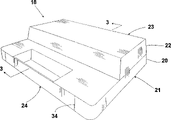
图1系为本发明之一个较佳实施例之抽屉完全开启之面朝上的显示设备之立体图。FIG. 1 is a perspective view of a face-up display device with the drawer fully opened according to a preferred embodiment of the present invention.
图2A系为图1所示之抽屉完全封闭之面朝下的设备之立体图。Figure 2A is a perspective view of the face-down appliance shown in Figure 1 with the drawer fully closed.
图2B系为控制器壳体与框架壳体分离之图2A所示之显示设备。FIG. 2B is the display device shown in FIG. 2A with the controller housing separated from the frame housing.
图3系为沿著图2A之线3--3所示之显示设备之剖面图。FIG. 3 is a cross-sectional view of the display device shown along
图4系为使用於图1所示之显示设备之影像图片的背面之例示说明。FIG. 4 is an illustration of the backside of an image picture used in the display device shown in FIG. 1 .
图5系为图1所示之显示设备之电力次系统的方块概要图。FIG. 5 is a schematic block diagram of the power subsystem of the display device shown in FIG. 1 .
图6系为显示图1所示之显示设备之运作的逻辑流程图。FIG. 6 is a logic flow diagram showing the operation of the display device shown in FIG. 1 .
图7系为本发明之面朝上的显示设备之更进一步的较佳实施例之立体图。FIG. 7 is a perspective view of a further preferred embodiment of the face-up display device of the present invention.
图8系为使用於图7所示之本发明之较佳实施例的影像图片之背面之例示说明。FIG. 8 is an illustration of the backside of the image picture used in the preferred embodiment of the present invention shown in FIG. 7. FIG.
图9系为图7所示之本发明之显示设备的较佳实施例之电力次系统之方块概要图。FIG. 9 is a schematic block diagram of the power subsystem of the preferred embodiment of the display device of the present invention shown in FIG. 7 .
图10A与10B系为显示图7所示之本发明之显示设备的较佳实施例之运作的逻辑流程图。10A and 10B are logic flow diagrams showing the operation of the preferred embodiment of the display device of the present invention shown in FIG. 7 .
图11A至11D系为本发明之第二进一步较佳实施例的四个结构设定之立体图,展示装置用以列印影像图片。11A to 11D are three-dimensional views of four structural settings of the second further preferred embodiment of the present invention, showing that the device is used to print images.
图12系为图11A至11D及图13所示之显示设备的电力次系统之方块概要图。12 is a schematic block diagram of the power subsystem of the display device shown in FIGS. 11A to 11D and 13 .
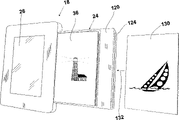
图13系为本发明之第四进一步较佳实施例的一可分离卡匣之立体图。Fig. 13 is a perspective view of a detachable cassette according to a fourth further preferred embodiment of the present invention.
【符号之说明】【Description of symbols】
18显示设备 48最底部的影像图片 96资料连接器18
20框架壳体 49最顶端之影像图片 100图像ID(PID)20
21图片容置部 52扫描窗 110处理PID资讯之常式21
22控制器壳体 25 54编码资料 45 112用以执行录音之常式22 Controller shell 25 54 Coding data 45 112 Used to perform recording routines
23控制器 56反射镜 115袖珍印表机23
24滑动抽屉 58影像感测器 120滑动抽屉手把24 sliding
26观察窗孔 59照明器 124输入插槽26
28侧壁 60光学路径 126输出槽28
30前壁 30 61光学路径 50 130一影像图片30
32底板 66人类可读取的资讯 134选集录音开关32
33底板中之开 72处理器 140记忆体插槽33 openings in the
34插槽 74非挥发性记忆体 142储存元件34
36一叠或选集之影像图 76随机存取记忆体 144标签36 stack or collection of
片 35 77唯读记忆体 55 224可分离的卡匣35 77 read-only memory 55 224 detachable cassettes
38扬声器 78声音放大器 44,50,132,133,150箭38
40支撑表面 80数位讯号处理器 号40 supporting
41分离杆 82电池41
42抽屉开关 90麦克风42
43启动贡杆 40 92录音开关43
46影像图片之背面 94收发器The back of 46 image pictures 94 transceivers
【词汇】【vocabulary】
以下系为使用於随后说明之用语之定义,并帮助理解申请人之发明。The following are the definitions of the terms used in the subsequent description, and help to understand the applicant's invention.
影像图片(IMAGE PRINT):最通常之型式系为照片,但亦可为任何可感知视觉影像之印刷薄片,例如明信片、美术明信片、闪示卡片、图画、图案文字等等。IMAGE PRINT: The most common type is a photo, but it can also be any printed sheet that can perceive visual images, such as postcards, art postcards, flash cards, pictures, patterned text, etc.
注解(ANNOTATION):关于影像图片之资讯。注解可包含人类可读取的资讯与机器可读取资料。人类可读取的资讯可包含文字、笔迹、图画等等。收录於储存装置中之机器可读取资料可包含声音资料、机器资料、文字资料等等。声音资料可包含人类言语、声音、歌唱、音乐,动物噪音、合成言语、合成声音等等。机器资料可包含二进位资料、机器指令等等。Annotation (ANNOTATION): Information about the video image. Annotations can contain both human-readable information and machine-readable data. Human-readable information may include text, handwriting, pictures, etc. The machine-readable data recorded in the storage device may include audio data, machine data, text data, and so on. Sound data may include human speech, voices, singing, music, animal noises, synthetic speech, synthetic voices, and the like. Machine data may include binary data, machine instructions, and so on.
声音资料(AUDIO DATA):被数位化与压缩以供数位储存和传输之声音资料。Audio data (AUDIO DATA): Audio data that is digitized and compressed for digital storage and transmission.
编码资料(ENCODED DATA):以二维符号呈现并印刷於薄片上之机器可读取资料。ENCODED DATA: Machine-readable data presented in two-dimensional symbols and printed on a sheet.
本发明之实施例之下述说明系参照各种惯例,例如『顶端』、『底部』、『上部』、『下部』,『在下方』,『在下面』等等。此等描述词汇系仅为提供一个参考架构,而不应限制於此所作之说明。虽然本发明以影像图片表示照片,并以注解表示人类言语或声音,但是吾人应理解此处词汇所定义之其他型式之影像图片与注解亦可应用本发明。The following descriptions of embodiments of the present invention refer to various conventions such as "top", "bottom", "upper", "lower", "below", "below" and the like. These descriptors are provided as a frame of reference only and should not be limiting to what is described here. Although the present invention uses images to represent photographs and annotations to represent human speech or sound, it should be understood that other types of images and annotations defined by the terms herein can also be applied to the present invention.
【较佳实施例之说明】[Description of a preferred embodiment]
第一较佳实施例之说明---图1至6Description of the first preferred embodiment --- Figures 1 to 6
以下参考图1至6详细说明本发明之第一较佳实施例,此将有助於吾人更进一步理解说明於后之其他较佳实施例。The first preferred embodiment of the present invention will be described in detail below with reference to FIGS. 1 to 6 , which will help us to further understand other preferred embodiments described later.
参见图1,显示设备18包含两个主要部分:一图片容置部(print holder)21与一控制器23。图片容置部21包含一个框架壳体20与一个滑动抽屉24,框架壳体20具有一个由透明之塑胶材料所构成之观察窗孔26,而滑动抽屉24系可滑动衔合於框架壳体20之内。滑动抽屉24最好为一单体元件,具有共同形成抽屉状构造之底板32、两个侧壁28、接合侧壁28之前壁30、与分离杆41(显示於图3)。滑动抽屉24系制成可沿著箭号50所示之方向滑动衔合於框架壳体20中之插槽34内。滑动抽屉24可从框架壳体20被拉出一段距离,该一距离系由分离杆41上之止动构件(未显示)与框架壳体20上之互补式止动构件(未显示)加以限定。滑动抽屉24之尺寸系设成用以容纳与支撑置放於其中以透过观察窗孔26显示之一叠影像图片36。观察窗孔26系由透明之塑胶材料所制成,并制造成可从这叠影像图片36显示个别的影像图片之尺寸。关于框架壳体20与滑动抽屉24之构造之额外细节,系更详细说明於美国专利号第4,939,860公报(发证给P.Ackeret并让渡给Licinvist,AG),於此列入作为参考资料。控制器23包含控制器壳体22及容纳於其中之零件。扬声器38系附著於控制器壳体22之外部支撑表面40。控制器壳体22附著於框架壳体20之底部。框架壳体20与控制器壳体22两者最好是由射出成型塑胶所形成。Referring to FIG. 1 , the
图2A系为显示设备18之底视图,其显示控制器23、控制器壳体22、图片容置部21、框架壳体20、处於完全关闭位置之滑动抽屉24、与框架壳体20中之插槽34。图2B显示图2A之显示设备18,其中之控制器壳体22系被分离以露出包含於其中之光学相关的元件。容纳於控制器壳体22中之光学元件包含一个影像感测器58,一个固定於预定角度并位於扫描窗52上之反射镜56,一个位於扫描窗52之端缘之照明器59,与另一个位於扫描窗52相对端缘之同样的照明器(未显示以求简化)。影像感测器58包含一固态感测器与一预定透镜,以沿著光学路径60、61达成聚焦与编码资料54之实质上全影像之视图。反射镜56系为一种前表面或第一表面型式,以使光损失与二次折射最小化。照明器59包含一排安装得彼此非常靠近之发光二极体(LED),俾能把均匀照明投射於最底部的影像图片48之背面46(参见图3)上之编码资料54上。又,照明器59亦可为能照明编码资料54之任何其他发光装置。亦配置一个抽屉开关42以感测滑动抽屉24之开启与关闭。2A is a bottom view of the
反射镜56系用以使显示设备18之外形或厚度维持最小,以便让吾人可轻易地以单手抓紧显示设备18。在没有反射镜56的情况下,影像感测器58则必需直接置於扫描窗52后方一段等於光学路径60、61之距离。达成低外形之另一种替代装置系为在扫描窗52之上直接使用线性平移扫描机构(未显示),用以执行影像扫描之功能。这种线性平移扫描机构系可基於与桌上型平台式扫描器相同的原理运作,其乃采用安装於电动式移动滑架(未显示)上之电荷耦合元件(CCD)感测器或接触式影像感测器(CIS)。如果将滑架固定(未显示)至滑动抽屉24,以使使用者在拉出/推入滑动抽屉24时达成扫描所需之线性平移运动之动作,则不需要将滑架予以电动化。此等扫描技术系为熟习本项技艺者所熟知的。在又另一替代方案中,影像感测器58可藉由使用广角透镜(未显示)而位於相当靠近扫描窗52之处。广角透镜会产生球状失真,然而,藉由适当使用熟知之数学演算法,即可校正这种失真。The
图3系显示沿著图2A之线3--3之显示设备18之剖面图。於此面向下之视图中,滑动抽屉24系完全衔合於框架壳体20之内。当於此位置时,形成抽屉状构造之最内部之分离杆41系与抽屉开关42之启动贡杆43衔合。启动贡杆43系沿著箭号44所示之方向而受弹力作用以对抗分离杆41。如图3所示,以滑动抽屉24完全衔合於框架壳体20之内的状态,抽屉开关42系电性断路。当滑动抽屉24系如图1所示地脱离框架壳体20时,抽屉开关42系电性导通或被启动。这叠影像图片36系装载於滑动抽屉24之内。最顶端之影像图片49系可透过观察窗孔26看见。印记於最底部的影像图片48之背面46之编码资料54,系经由在滑动抽屉24之底板32中之开口33并经由扫描窗52而暴露至反射镜56。装设至框架壳体20之底面的控制器壳体22支撑前表面反射镜56於一个预定角度。FIG. 3 shows a cross-sectional view of the
概括言之,说明於此之光学元件容许编码资料54之影像沿著光学路径60、61运行,首先经由滑动抽屉24之底板32之开口33,然后经由扫描窗52,接著,反射离开前表面反射镜56,最后照在影像感测器58上。In summary, the optical components described herein allow the image of the encoded
图4显示位於影像图片之背面46之例示的印记。人类可读取的资讯66与包含声音资料之编码资料54,实质上系一起配置於这叠影像图片36之每个影像图片的相同位置。具体而言,编码资料54系位於影像图片上,而当影像图片系位於滑动抽屉24之底部时,编码资料54实质上将位於在扫描窗52内之中心,且滑动抽屉24系完全衔合於框架壳体20之内编码资料54之格式可以是具有保存数位化人类语言之容量之任何二维编码,其将更详细说明於下。最好的情况是,编码格式系为由美国麻萨诸塞州(Massachusetts)之Lexington之Cobblestone软体公司所销售之PaperDisk(TM)的格式。PaperDisk(TM)编码格式之一例系由图4之编码资料54所显示。又,亦可利用二维高密度条码格式,例如传统上乃是熟习本项技艺者所熟知之Aztec码、超码(SuperCode)、资料矩阵(Data Matrix)、与QR码。一般而言,编码资料54保留至少2,000位元组,较佳状况是至少大约4,000位元组,而更佳之状况是至少大约6,000位元组之数位资讯。印记程序系可由使用者在自己之屋内使用电脑、印表机与预定软体,或由相片冲印(photofinishing)工作室施行作为相片冲印处理之一步骤,而得以完成之。编码资料54系藉由下述方式而与背面46制成一体藉由列印装置(未显示)而直接列印於影像图片之背面46,或藉由首先列印於黏著标签(未显示),然后固定至影像图片之背面46。再者,编码资料54并不需要可由肉眼看见或识别。编码资料54可用可见波长范围之内或之外的墨水或颜料列印,其中可见波长大约为400至大约700nm。於此情况下,影像感测器58将需要回应选择之波长,并必须选择照明器59以激发相对应的波长。FIG. 4 shows exemplary imprints located on the
图5显示包含於控制器壳体22内之控制器23之主要电性元件。以电池82之型式存在之电源供应部提供所有电源至控制器23。处理器72协调声音资料之扫描、解码与回放之整体任务。最好的情况是,处理器72系为低成本之8位元或16位元微处理器,而更好的情况是为由Intel与其他公司所制造之80C51家族之其一或其衍生物。安置成能感测滑动抽屉24之开启与关闭的抽屉开关42,系交互连接至处理器72以作为当启动时传输到达处理器72之开机与启动信号。虽然不启动抽屉开关42并不会使处理器72回至关机模式,但是当处理器72通电时之抽屉开关42之任何重新启动的确会强迫处理器72从头开始。FIG. 5 shows the main electrical components of the
非挥发性记忆体74作为在处理器72变成关机模式时保存资料之媒介。两个离散记忆体区域系逻辑地部署於非挥发性记忆体74之内,用以保留与两个特定影像图片相关的声音资料:区域B(未显示)系用以保留与目前最底部的影像图片48(参见图3)相关的声音资料,与区域T(未显示)系用以保留与目前最顶端的影像图片49(参见图3)相关的声音资料。最顶端之影像图片49系为可於观察窗孔26看见的相片。随机存取记忆体(RAM)76为处理器72提供暂时工作记忆体。不像非挥发性记忆体74的是,随机存取记忆体76之内容会在处理器72变成关机模式时消失。唯读记忆体(ROM)77储存用以供处理器72执行之机器码常式,例如用以解码编码资料54之演算法。The
照明器59包含一排安装得彼此相当靠近之发光二极体(LED),俾能扮演编码资料54之均匀照明的角色。在处理器72之控制之下,照明器59系在影像感测器58经由扫描窗52扫描编码资料54之影像时启动。处理器72把照明器59在不使用时关掉,用以节省电池82之电力。又,照明器59可以是能照明编码资料54之任何其他发光装置。影像感测器58包含固态感测器与预定透镜以获得聚焦,并沿著光学路径60、61获得编码资料54之实质上全影像视图。最好的情况是,固态感测器系为由位於美国之Sunnyvale,CA之OmniVision Technologies公司所制造之OV7110感测器。OV7110系为低成本之具有容许外部直接存取影像资料之数位输出线之单色单晶片CMOS感测器,并具有644×484画素之解析度。当处理器72解码编码资料54时,来自影像感测器58之编码资料54之扫描影像系储存於随机存取记忆体76中。The
一数位讯号处理器(DSP)80包含一个用以压缩与解压缩声音之CODEC(编码器/解码器),与一个类比至数位/数位至类比(A/D-D/A)转换器。最好的情况是,CODEC系为基於Cybit ASC101A低率声音编码器之晶片组解决方法,而此声音编码器系在由美国之Rockville,MD之Cybernetics InfoTech公司所制造的ASM100Vocoder Module中实现。Cybit ASC101A具有每秒0.9千位元至每秒2.8千位元之高压缩之可计量声音资料速率的特徵。依据工业标准,此等为很低的声音位元速率。举例而言,电话品质CODEC一般系在8位元解析度之每秒8,000取样下运作,相当於每秒64千位元之声音位元速率。如读者所将明白的,较低声音位元速率意味者较低的声音品质。然而,在每秒2.0千位元之情况下,ASC101A仍然能达成具有平均意见分数Mean Opinion Score(MOS)3.2之高通讯品质。平均意见分数系於通讯工业发展以决定声音通讯系统或产品之一般的合格率或品质。鉴定器利用五种额定刻度(其具有指定给每个等级之分数)评估言语/声音取样之整体品质,等级如下:5-优越;4-良好;3-合理;2-较差;及1-差。A digital signal processor (DSP) 80 includes a CODEC (coder/decoder) for compressing and decompressing sound, and an analog-to-digital/digital-to-analog (A/D-D/A) converter. At best, the CODEC is a chipset solution based on the Cybit ASC101A low-rate vocoder implemented in the ASM100 Vocoder Module manufactured by Cybernetics InfoTech Inc. of Rockville, MD, USA. The Cybit ASC101A features highly compressed, scalable audio data rates from 0.9 kbits per second to 2.8 kbits per second. By industry standards, these are very low audio bit rates. For example, telephone-quality CODECs typically operate at 8,000 samples per second at 8-bit resolution, which equates to an audio bit rate of 64 kilobits per second. As the reader will appreciate, lower sound bit rate means lower sound quality. However, at 2.0 kilobits per second, ASC101A can still achieve a high communication quality with a Mean Opinion Score (MOS) of 3.2. The average opinion score is developed in the communication industry to determine the general pass rate or quality of a voice communication system or product. The evaluator evaluates the overall quality of speech/sound samples using five rating scales (with scores assigned to each grade) on the following scales: 5-excellent; 4-good; 3-fair; 2-poor; and 1- Difference.
A/D-D/A转换器系为传统上所熟知,而最好是德州仪器TLC320AD50晶片或其等效晶片。解压缩的声音资料系藉由D/A转换器而转换成代表原始声音之类比信号。然后,此类比信号行进到声音放大器78以作放大,接著行进到扬声器38之上以作声音再现,这两种装置乃为传统上所熟知的。吾人应可从此等说明而清楚理解到亦可使用能解压缩声音资料之其他装置;举例而言,除了传统上广为人知之许多其他之多重IC元件设计替代物以外,例如由德州仪器所制造之TMS320C54X数位讯号处理器之家族的其他积体电路(IC)晶片亦是有用的。吾人应理解到此等晶片组之功能亦可以定制的大型积体电路(LSI)之型式整合进入单一晶片。又,亦可利用处理器72所欲执行之软体演算法而完全实现声音之压缩/解压缩。The A/D-D/A converter is conventionally known and is preferably a Texas Instruments TLC320AD50 chip or its equivalent. The decompressed sound data is converted into an analog signal representing the original sound by a D/A converter. This analog signal then goes to the
在已经说明图片容置部21与控制器23之主要特徵之后,现在将说明影响声音资料容量之因素,亦即,影像感测器58之解析度,数位讯号处理器80之编码格式间接费用(overhead)与声音资料速率。After having described the main features of the
藉由使用上述参考之较佳影像感测器58(具有644×484画素之解析度),假设编码资料54之每一笔资料特徵系正确并精确地反应至影像感测器58中之对应画素,且每笔资料特徵具有二进位値,则理论上可从影像感测器58解码的资料最大容量系为311,696位元,或38,962位元组。实际上,因为每种编码型式必须容纳多数的真实世界的条件,并亦刊载其本身之识别与解码所需要的间接费用资讯,所以将不会得到这种理想化的容量。藉由使用先前提及的较佳PaperDisk(TM)编码格式,减少理论上最大容量之某些因素系为:(a)由所描述系统之光学元件与影像感测器58所产生之失真与不精确;(b)编码资料54与影像感测器58之视野间的不对准;(c)资料特徵映射至影像感测器画素会产生量化误差,愈不对准愈严重;(d)内建错误校正码(ECC)之间接费用,以在编码资料54受到外表损坏的情况下容许资料复原;(e)帮助解码之编码格式中之识别标印的间接费用,等等。实际上,此等因子之净综合效应使理论上容量减少了大约10之因子。因此,38,962位元组之理论上最大容量等於几乎3,896位元组之实际最大容量。这个容量表示吾人可藉由使用前述影像感测器58与PaperDisk(TM)编码格式而编码於影像图片之背面上的声音资料之实际数量。基於3,896位元组之资料容量,表1系显示藉由使用先前提及的较佳数位讯号处理器80的声音资料速率与录音时间之间的关系。By using the above-referenced preferred image sensor 58 (with a resolution of 644 x 484 pixels), it is assumed that each data feature of the encoded
表1Table 1
声音资料速率 录音时间Audio Data Rate Recording Time
0.9千位元/秒 34秒0.9 kbit/s 34 seconds
1.0千位元/秒 31秒1.0 kbit/s 31 seconds
1.4千位元/秒 22秒1.4 kbit/s 22 seconds
1.8千位元/秒 17秒1.8 kbit/s 17 seconds
2.0千位元/秒 15秒2.0 kbit/s 15 seconds
2.4千位元/秒 13秒2.4 kbit/s 13 seconds
2.8千位元/秒 11秒2.8 kbit/s 11 seconds
如表1所记载,如果希望的话,可在声音品质与录音时间之间有所取舍。最好的情况是,这种最佳化将藉由以下更详细说明之编码软体而自动完成,藉以将自动选择符合想要录音的时间之最高声音速率。最好的情况是,将使用2.0千位元/秒之声音资料速率(具有3.2之通讯品质平均意见分数)或较高的声音资料速率,而产生每个影像图片至少十五秒之声音讯息长度。As noted in Table 1, there is a trade-off between sound quality and recording time if desired. In the best case, this optimization will be done automatically by the encoding software in more detail below, whereby the highest sound rate corresponding to the desired recording time will be automatically selected. Optimally, an audio data rate of 2.0 kbit/s (with a Communication Quality Average Opinion Score of 3.2) or higher will be used to produce an audio message length of at least fifteen seconds per video picture .
甚至较长的录音时间可经由以下手段(未显示)而获得,例如:(a)充分运用光学元件以增加精度并减少失真;(b)使用具有较佳画素解析度之影像感测器,举例而言,使用1024×768画素之影像感测器将表示增加了超过上述较佳影像感测器58之两倍半的声音容量;(c)使用每笔资料特徵,以藉由色彩影像感测器而使用不同灰阶或藉由使用不同色彩来表示二进位値以上之数値;(d)使用有色与隐形墨水或颜料,用以印记编码资料54以在本质上增加资料容量;(e)於多重相异的波长使用多重编码,以在本质上增加编码资料容量,譬如,使一个编码资料成为红色,而使另一个编码资料成为绿色,并使用一种适当的滤波器以读取每一个编码资料;(f)使用其他提供较高密度与容量之编码格式;(g)使用在较高MOS等等中具有较高压缩率之其他CODEC。Even longer recording times can be achieved by means (not shown) such as: (a) full use of optics to increase precision and reduce distortion; (b) use of image sensors with better pixel resolution, such as For example, using an image sensor of 1024×768 pixels will represent an increase of more than two and a half times the sound capacity of the above-mentioned
第一较佳实施例之运作----图1至6Operation of the first preferred embodiment ---- Fig. 1 to 6
首先将参考图1至3说明图片容置部21之运作。起先准备图片容置部21用以藉由把垂直排列的这叠影像图片36装於滑动抽屉24中而这叠影像图片36系受到滑动抽屉24之前壁30、侧壁28、底板32、与分离杆41所支撑。假设本说明中之每个影像图片之背面46系印记有代表人类语言之编码资料54。接著,装有影像图片36之滑动抽屉24系按照箭号50经由插槽34而推入框架壳体20。此时已经备妥图片容置部21,用以相继地在观察窗孔26一次一个地显示滑动抽屉24内的这叠影像图片36,如下:First, the operation of the
当滑动抽屉24脱离或被拉离框架壳体20,直到藉由先前所说明的止动构件(未显示)而停止为止时,堆叠36之最底部的影像图片48会藉由分离杆41而与堆叠36之其余部分分离。分离的影像图片系被保留在框架壳体20之内,并被引导至观察窗孔26,其中,影像图片系位於观察窗孔26之中心以供显示用,而堆叠36之其余部分系原封不动地维持在滑动抽屉24之内以靠著分离杆41。按照箭号50将滑动抽屉24衔合或推回框架壳体20,此时会使显示相片排位至堆叠36之上端,而显示相片仍位於相对於观察窗孔26之中央。总括而言,在框架壳体20内的滑动抽屉24之分离与衔合之每个完全循环始末,亦即,将滑动抽屉24完全拉出框架壳体20并再将其完全滑动回至框架壳体20一张影像图片系从堆叠36之底端移动回转至堆叠36之顶端。为简化之便,从现在起,拉出滑动抽屉24使其远离框架壳体20直到由止动构件所中止之动作系以完全『拉出』表示,将滑动抽屉24推入至框架壳体20直到完全衔合为止之动作系以完全『推入』表示,而两个动作之依序组合系以完全『拉出/推入』表示。关于所说明之装置之构造,尤其是包含分离与容置装置之相片前进特徵的构造之额外细节,系更详细说明於先前之参考文献:美国专利号第4,939,860号公报,於1990年7月10日发证给P.Ackeret并让渡给Licinvist,AG。When the sliding
上述与在交互参考资料之专利中具有更多细节之图片容置部21,提供了用以容置一叠影像图片与用以相继地推进在供观察之堆叠中之每张相片之便利装置。然而,吾人应可从以下之讨论理解到,本发明可用其他能容置与推进之装置,以取代上述构造。The
现在将参见图1至6,尤其是图6之逻辑流程图,说明显示设备18之全体运作。图6所提及之所有记忆体区域,系存在於非挥发性记忆体74中,所以电源关闭并不会导致资料之损失。Referring now to FIGS. 1 to 6, and particularly the logic flow diagram of FIG. 6, the overall operation of
控制器23系通常处於关闭模式以节省电池82。在使用者打开滑动抽屉24之时,抽屉开关42受到启动并启动处理器72。处理器72等待滑动抽屉24再次关闭以使抽屉开关42止动。处理器72测量抽屉开关42受到启动时间的长短,并与显示设备18之两种运作模式相关:第一,在不导致影像图片36之前进的情况下,回放与显示於观察窗孔26之影像图片49相关的声音资料;第二,推进影像图片36,接著回放最新显示於观察窗孔26之下的影像图片49之声音资料。The
为了回放与显示於观察窗孔26之影像图片49相关的声音资料,使用者仅部分地拉出滑动抽屉24,只要足以启动抽屉开关42即可,然后立即推入滑动抽屉24。由於图片容置部21之本身设计,这种滑动抽屉24之部分开启与关闭只在瞬间启动了抽屉开关42(最好的情况是少於1秒),所以并不会导致影像图片之前进。In order to play back the audio data associated with the
为了推进影像图片并回放最新显示於观察窗孔26之下的影像图片49之声音资料,使用者执行滑动抽屉24之完全拉出/推入动作。推进影像图片所需之完全拉出/推入动作,在本质上所花的时间比上述滑动抽屉24之部分推入/拉出移动来得长,最好是比1秒来得长。In order to advance the video picture and play back the audio data of the
首先,在滑动抽屉24之部分推入/拉出移动中,当抽屉开关42被启动少於1秒时,处理器72检查非挥发性记忆体74中之区域T是否在观察窗孔26之下有对应最顶端之影像图片49的声音资料。如果该声音资料存在的话,则处理器72会将此种声音资料传途至数位讯号处理器80以供声音回放。如果没有发现任何资料,则不会执行任何任务。在上述之任一情况下,一旦完成时,处理器72会成为关机模式。First, during the partial push-in/pull-out movement of the sliding
其次,当抽屉开关42在滑动抽屉24之完全拉出/推入期间被启动1秒或更久,且堆叠36之最底部的影像图片48被移动以在观察窗孔26之下变成堆叠36之最顶端之影像49时,处理器72会将在区域B发现之任何声音资料移动至区域T,以便维持在观察窗孔26之下之最顶端的影像图片49与其相关的声音资料之间的正确对应。因为影像感测器58总是从最底部的影像图片48扫描编码资料54,而最顶端之影像图片49系为显示於观察窗孔26之下的影像,所以,每当影像图片前进时,处理器72必须将声音资料从区域B移动至区域T以维持同步。然后,处理器72打开照明器59,而影像感测器58执行经由扫描窗52所见之编码资料54之影像扫描。扫描影像系由处理器72所解码,而合成的声音资料系储存於区域B;此种声音资料并不会立即回放,此乃因为其系属於堆叠36之最底部的影像图片48。然后,处理器72检查区域T是否目前在观察窗孔26之下有属於最顶端之影像图片49之声音资料。如果在区域T中发现声音资料,则处理器72会将其传途至数位讯号处理器80以供声音回放。如果不是的话,则不会执行任务。在任一种情况下,一旦完成之后,处理器72会变成关机模式。Next, when the
在上述说明中,运作模式系由抽屉开关42启动之时间长短所决定。又,可使用位於止动构件(提及於图1之下但未显示)之第二开关(未显示)。只有当滑动抽屉24完全脱离框架壳体20时,这种第二开关才会启动。第二开关与抽屉开关42两者之启动将表示使用者已经推进至下一影像图片。亦可采用感测运作模式之其他方法,此等方法包含但并未受限於光学、磁性、声音辨识等等。In the above description, the operation mode is determined by the length of time that the
图6说明已经於影像图片之背面46上编码的声音资料之回放之过程。其次,将说明录音与用以将编码资料54印记於影像图片上之步骤。下述步骤所需要之额外设备与软体会被说明但不会显示於图中。FIG. 6 illustrates the process of playback of audio data that has been encoded on the
关于录音方面,将需要装有麦克风之电脑、印表机、以及预定录音与编码软体。录音软体最好是基於先前提及之来自美国之Rockville,MD之CyberneticsInfoTech公司的声音压缩演算法。Cybernetics公司系以ANSIC码、16位元定点C码、或Windows 95/NT DLL(动态链结资料库)提供这种演算法。最好的情况是,录音软体自动选择最高的声音资料速率以配合特定录音之时间长短,因而使声音品质最佳化。编码声音资料最好是基於来自先前提及的美国麻萨诸塞州(Massachusetts)之Lexington之Cobblestone软体公司之PaperDisk(TM)软体。PaperDisk(TM)软体系供PC相容的386或以上之Windows 3.1或Windows 95使用。For recording, a computer with a microphone, a printer, and custom recording and encoding software will be required. The recording software is preferably based on the previously mentioned sound compression algorithm from CyberneticsInfoTech, Inc. of Rockville, MD, USA. Cybernetics provides this algorithm in ANSIC code, 16-bit fixed-point C code, or Windows 95/NT DLL (Dynamic Link Database). In the best case, the recording software automatically selects the highest sound data rate to match the length of a particular recording, thus optimizing the sound quality. The encoded audio data is preferably based on PaperDisk(TM) software from the previously mentioned Cobblestone Software Corporation of Lexington, Massachusetts, USA. PaperDisk(TM) software system is compatible with Windows 3.1 or Windows 95 on PC 386 or above.
如先前关于图4之说明,印记程序可由使用者使用电脑、印表机、与预定软体所达成,或藉由相片冲印工作室之相片冲印处理步骤而达成。如果印记系由使用者完成,则对於使用上述预定软体之每个影像图片的简要之步骤系如下:(a)将影像图片上所想要的任何文字资讯输入电脑;(b)经由电脑麦克风录制影像图片所想要的声音讯息;(c)将相对应的影像图片放置至印表机,并启动印刷,用以将编码资料54印记於其背面上。图4显示为典型输出之例子。直接印记於影像图片之背面46上的动作,最好是藉由使用树脂墨水热转移式列印技术例如由CA之San Jose之Alps Electric(USA)公司所制造之Alps MicroDry(TM)MD-2010印表机而完成。可作为直接印记的替代方法的是,编码资料54可首先使用雷射印表机或喷墨印表机而列印於黏著标签上。然后,可将标签固定至影像图片之背面46。As previously described with regard to FIG. 4 , the stamping process can be achieved by the user using a computer, a printer, and predetermined software, or through the photo-processing steps of a photo-processing studio. If the imprint is done by the user, the brief steps for each image picture using the above predetermined software are as follows: (a) input any text information desired on the image picture into the computer; (b) through the computer microphone Recording the desired audio message of the video picture; (c) placing the corresponding video picture on the printer, and starting printing, so as to imprint the coded
如果要藉由相片冲印工作室而在相片之相片冲印处理之步骤完成印记,则相片冲印工作室将需要使用者传送代表人类可读取的资讯与声音资料及图像影像资料三样一起。简言之,步骤如下:(a)将影像图片上所想要的任何文字资讯输入电脑中;(b)经由麦克风而将影像图片所想要的声音讯息录进电脑中;(c)将每个影像图片所特有的文字资料、声音资料、及影像资料传送至相片冲印工作室。此等资料可能在实体上经由传统储存媒体(例如磁性媒体、光学媒体、固态记忆装置等等)之使用,或电子式地经由电子邮件、FIP、或网际网路等等之使用而得以传输。使用这种印记编码资料54之方法特别适合於以数位相机照的照相。当提供这种印记服务给客户时,相片冲印工作室只需要一点设备或软体。If the stamp is to be completed in the step of photo-processing of the photo by the photo-development studio, the photo-development studio will require the user to send three pieces of information representing human-readable information together with audio data and image and video data. In short, the steps are as follows: (a) input any desired text information on the video picture into the computer; (b) record the desired sound information of the video picture into the computer through a microphone; (c) input each The text data, sound data, and video data unique to an image picture are sent to the photo development studio. Such information may be transmitted physically through the use of traditional storage media (such as magnetic media, optical media, solid-state memory devices, etc.), or electronically through the use of email, FIP, or the Internet, etc. The method of using this imprint coded
一进一步较佳实施例之说明---图7至10Description of a further preferred embodiment --- Figures 7 to 10
现在将详细说明本发明之一进一步较佳实施例。这进一步较佳实施例合并第一较佳实施例之所有功能,加上容许利用显示设备18进行录音之额外功能、用以使录音关联影像图片之额外功能、以及用以将声音资料传送至外部装置以印记编码资料54之额外功能。A further preferred embodiment of the present invention will now be described in detail. This further preferred embodiment incorporates all of the functionality of the first preferred embodiment, plus the additional functionality of allowing audio recording using the
图7显示装设至控制器壳体22之外部支撑表面40之上述额外元件,亦即:麦克风90、用以启动录音之录音开关92、用以与外部装置(未显示)无线通讯之收发器94、以及用以与外部装置(未显示)有线通讯之资料连接器96。收发器94最好是利用工业标准IrDA(红外线资料公会)串列协定技术。资料连接器96最好是经由串列界面而提供了到外部装置之有线连接。FIG. 7 shows the above-mentioned additional components mounted to the
图8显示影像图片之背面46之示范配置,其表示在这进一步较佳实施例之注解程序中之第一步骤。使用者所指定之特有图像识别标记(PID)100系被手写於影像图片之背面46上。最好的情况是,PID 100系受限於为减轻处理器72之解码起见而写入之三字元文数。当影像图片系为位於滑动抽屉24之底部之最底部的影像图片48,且滑动抽屉24系完全衔合於框架壳体20之内时,PID 100系被置於影像图片之背面46上的实质上位於扫描窗52之中心之位置。因为PID100仅暂时作为使影像图片在注解程序期间与其对应的声音资料相关,并且在印记编码资料54后将不再需要PID 100,所以PID 100最好是可容易移除。市场上已经存在有可容易抹除之多数标记设备。一个例子系为由PaperMate(TM)所制造之Erasemate(TM)Pen,其中,来自笔中之墨水可像铅笔标记一样地轻易被抹除。又,可将PID 100手写於可移除的黏著标签,并固定至影像图片之背面46。然后,可在印记编码资料54之前移除标签。Figure 8 shows an exemplary configuration of the
图9显示在本发明之进一步较佳实施例中之控制器23之额外电气元件,亦即:麦克风90,最好是传统上所熟知之袖珍型式;用以启动录音之录音开关92;收发器94,用以与外部装置(未显示)无线通讯;以及资料连接器96,用以与外部装置(未显示)有线通讯。首先藉由数位讯号处理器80之A/D功能而将来自麦克风90之类比信号转换成数位格式,接著藉由数位讯号处理器80之CODEC功能而将其压缩成为声音资料。收发器94最好是利用工业标准IrDA(红外线资料公会)串列协定技术,或可包含一双RF发送器与接收器,或其他熟知之无线通讯装置与协定。资料连接器96最好是经由串列界面而提供有线连接至外部装置,但是亦可经由平行或任何其他适当的输入/输出界面以完成数位资料传输。Figure 9 shows additional electrical components of the
非挥发性记忆体74具有超过上述第一较佳实施例所说明之范围之额外记忆体配置。离散储存区域系逻辑地部署於非挥发性记忆体74之内以保留目录(未显示)资讯。目录系为由两个栏位所组成之一连串的登录资讯:PID 100与PID位址(未显示)。PID位址指向在非挥发性记忆体74中用以储存对应於PID 100之声音资料之区域。根据永续先进先出(FIFO)之基准执行目录,藉此保持最现行预定数量之PID 100登录。The
处理器72具有解码手稿与合成言语之额外功能。解码手稿之功能系经由熟知之光学文字识别(OCR)之程序,尤其是手稿识别(HWR)之程序而执行。手稿识别之演算法系可从数个商业来源得到。申请人已经发现来自美国犹他州(UT)的盐湖城(Salt Lake City)之Fonix Corporation之Allegro手稿识别系统特别有用。这种演算法系被并入至唯读记忆体77中。为减轻解码起见,PID 100最好是受限於三字元文数笔迹。又,PID 100可包含可变长度之文数字元以适合增加之多用途。合成言语之功能系经由被称为文字至言语之演算法而执行,藉以将以文字资料型式之输入合成为人类可识别之言语。市场上有许多商业上可得到的文字至言语演算法,其在传统上乃为熟习本项技艺者所熟知的。这种演算法亦被并入至唯读记忆体77中。
一进一步较佳实施例之运作---图10A至10BOperation of a further preferred embodiment --- Figures 10A to 10B
本发明之一进一步较佳实施例合并第一较佳实施例之所有功能,加上录音、结合录音至影像图片、与传送声音资料至外部装置以供印记编码资料54之额外功能。於本实施例中,可直接使用显示设备18而完成录音,而於第一较佳实施例中,注解程序需要使用独立电脑以执行录音。因此,本较佳实施例具有可在任何地方完成录音之优点。只有在将编码资料54印记於影像图片上时,才需要电脑与印表机。A further preferred embodiment of the present invention incorporates all the functions of the first preferred embodiment, plus the additional functions of recording, combining recordings into video images, and sending audio data to an external device for stamping coded
以下将首先说明使用显示设备18之录音动作,接著说明印记编码资料54於影像图片之动作。In the following, the recording operation using the
图10A与10B系为本较佳实施例之逻辑流程图。比较结果将显示本较佳实施例之逻辑流程系为对第一较佳实施例逻辑流程添加两个常式之延伸:处理PID100资讯之常式110与用以执行录音之常式112。其他程序系与第一较佳实施例相同。现在将说明两个额外常式110与112。於图10所提及的所有记忆体区域系存在於非挥发性记忆体74中,所以电源关闭并不会导致资料遗失。10A and 10B are logic flow diagrams of the preferred embodiment. The comparison results will show that the logic flow of this preferred embodiment is an extension of the logic flow of the first preferred embodiment by adding two routines: routine 110 for
在将这叠影像图片36装载进入显示设备18之前,使用者将特有的手写PID100置放於每个影像图片之背面46上。本发明使用此等特有的PID 100以结合录音与每个影像图片。当影像图片系为滑动抽屉24中之最底部的影像图片48,且滑动抽屉24系完全衔合於框架壳体20之内时,PID 100系被写入於影像图片上之实质上位於扫描窗52之中心的位置。PID 100最好是受限於三字元文数写入,且最好是使用后可容易移除。Before loading the stack of
现在假设已将上述这叠影像图片36装载入滑动抽屉24中。参见图10A,到达常式110之进入点系在发现解码资料包含有PID 100时启动。最底部的影像图片48之PID 100将不会在目录中被发现,因为是这叠新的影像图片36之开始。因此,一登录将被加至包含此种PID 100与其相对应的PID位址之目录。PID 100本身亦储存於非挥发性记忆体74之区域B中。为了理解并断定接著发生了什么,吾人认为最底部的影像图片48系於现在被推进成最顶端之影像图片49。当发生这种情形时,区域B之内容会移动至区域T。现在参考图10B,至常式112之进入点会在发现区域T之内容包含有PID 100时开始。来自区域T之PID 100系透过扬声器38宣告,所以使用者具有目前显示在观察窗孔26之下的最顶端之影像图片49之识别的声音确认。此宣告系以由文字至言语演算法与数位讯号处理器80所产生之合成言语之型式进行。每个文数字元系作一次一个宣告,例如使用显示於图8之PID 100之例子『W...2...7』。处理器72等待使用者启动录音开关92以为最顶端之影像图片49进行录音。在录音开关92被启动之期间,处理器72将声音资料储存於对应於PID 100之PID位址,亦储存入区域T中。在录音开关92止动之时,处理器72经由扬声器38回放来自区域T之储存声音资料,以供使用者确认。如果在声音回放之后,使用者不满意,则可藉由再次压下录音开关92而进行重新录音,并重复这程序直到满意为止。於此存在有逾时特徵,藉以在录音开关92维持闲置或止动持续一段预定时间,最好是在30秒之后,则将假设使用者并不要对录音作更进一步的修改,然后,处理器72变成关机模式。如可从常式112观察到的,一旦录音开关92已经逾时,则不能再提供对既存的录音作修改的功能。为简化之便,已从流程图省略这种功能的提供。吾人亦可采用开始与中止录音之其他替代模式。举例而言,启动录音开关92可给予使用者一段可进行录音之固定时间,或者,可藉由一次启动录音开关92而开始录音,并藉由再一次启动录音开关92而中止录音。Assume now that the above-mentioned stack of
上述说明表示PID 100起先并未存在於目录中之情况。当PID 100已经存在於目录中(再次参见图10A之常式110)时,处理器72检查以查询PID 100之相对应的PID位址是否包含声音资料。如果发现声音资料,则其意谓著使用者以前已经有对这种影像图片进行录音,所以处理器72会将此种声音资料重放至区域B。在逻辑流程图之剩下步骤显示在这种影像图片被推进至堆叠36之最顶端之影像图片49时,这种声音资料之回放。如果没有发现声音资料,则其意谓著使用者尚未对这种影像图片进行录音,所以处理器72将PID 100储存於区域B中,而给予使用者利用如前所述之相同方式为这种影像图片进行录音之机会。The above description represents the case where
在为堆叠36之每个影像图片完成上述处理之后,每个影像图片将具有储存於显示设备18之非挥发性记忆体74之相关录音。现在将说明将编码资料54印记於影像图片之背面46之下一步骤。After the above processing is completed for each video frame of the
最好的情况是,收发器94系透过无线装置之通讯而将PID 100与其相关声音资料从显示设备18之非挥发性记忆体74传送至电脑,这可消除实体连结之需要。在无法得到无线连结之情况下,吾人系使用资料连接器96以藉由有线装置传送资料。资料传输系藉由於电脑上启动预定软体而开始。一旦将PID 100与其相关的声音资料传送至电脑,剩下的印记程序系与上述关于第一较佳实施例之程序相同。因为一旦将相关的声音资料编码於影像图片之背面46上,则不再需要PID 100,唯一的例外系为PID 100会在紧接著将影像图片放入印表机以供印记编码资料54之前被移除。Optimally, the
在图10B之常式112中,数位讯号处理器80最好是使用最高的声音资料速率以供录音。然后,在将编码资料54印记於影像图片之背面46上之前,电脑上之软体选择将容纳相关录音期间之最高声音资料速率,俾能使编码资料54之声音品质得以最大化。In routine 112 of FIG. 10B,
当PID 100系为暂时标记以作为将编码资料54印记於正确对应的影像图片之终端目的时,使用者可在未曾将编码资料54印记於影像图片上之情况下,选择无限期地使用PD 100以操作显示设备18。这种使用仅受限於非挥发性记忆体74之录音储存容量。When the
其他较佳实施例Other preferred embodiments
其他较佳实施例系说明於下,但未显示於附图中。Other preferred embodiments are described below but not shown in the drawings.
在另一个较佳实施例中,系将控制器壳体22内之控制器23和内部零件以可分离方式固定於框架壳体20。当控制器壳体22与框架壳体20分离时,即使相片系储存於相簿之内,只要控制器23之光学元件很容易取得相片之背面46,这种独立之控制器23可扫描并回放来自相片之编码资料54。於本实施例中,系使控制器23抵住相片之背面46,启动回放开关(未显示)以促使控制器23扫描影像、解码编码资料54、接著回放解码之声音资料。本发明之本实施例具有超过影像图片与相关录音之宽广应用,例如从印刷品传送非声音资料至电子手持式装置。In another preferred embodiment, the
在又另一较佳实施例中,非挥发性记忆体74系可分离地固定至控制器23,俾能在以后将其从控制器壳体22实体上移除,并将其插入至电脑或其他印记装置,以完成将资料传送至电脑。这亦具有藉由下述方式而容许同时完成多数个注解之优点:藉由每当非挥发性记忆元件74变成『满载』就仅卸下非挥发性记忆元件74,并以另一非挥发性记忆元件74将其置换,以继续以其他影像图片进行注解。In yet another preferred embodiment, the
在又另一实施例中,编码资料54可包含文字资料以取代声音资料,藉以经由文字至言语转换回放这种文字资料以作为合成言语。比起人类言语数位化,这种配置有容许较长声音回放之优点。本实施例具有许多宽广应用,例如儿童故事书,藉以使每张故事图画卡有著较长篇故事,或其可作为视觉障碍者之读取装置。In yet another embodiment, the encoded
於另一实施例中,电脑与印表机之功能系由能提供下述功能之可独立运作之装置所置换:(a)录音或从显示设备18接收数位声音资料;(b)将录制声音数位化并压缩成为声音资料;(c)从输入匣取影像图片,将编码资料54印记至影像图片之背面46之上,并将其运送至输出匣。这种独立装置具有小巧之优点。In another embodiment, the functions of the computer and printer are replaced by a stand-alone device capable of: (a) recording or receiving digital audio data from the
使用不同材料作为观察窗孔之又其他较佳实施例系说明於下。新材料系说明於下,但是并未显示於图中。Still other preferred embodiments using different materials as viewing windows are described below. The new materials are described below, but not shown in the drawings.
在一进一步较佳实施例中,观察窗孔26系由透明之触控式萤幕材料(未显示)所构成。最好的情况是,触控萤幕系基於类比电阻型技术容许由手指、戴有手套的手、或尖笔启动。触控萤幕技术在传统上系为熟习本项技艺者所熟知。触控萤幕之电性输出系连接至处理器72,并在使用者输入资讯时受到处理。於此配置中,每个影像图片上之编码资料54正包含与各影像图片相关的机器指令、文字资料等等。因此,当将影像图片推至观察窗孔26时,会与来自触控萤幕之使用者输入相关联地执行包含於编码资料54内之机器指令。因此,於此运作中,藉由对应於可经由观察窗孔26视得之资讯以后动触控萤幕之特定区域,使用者可与显示设备18进行互动。举例而言,当用作儿童学习辅助工具时,影像图片可包含数个不同动物之图像。那个影像图片之编码资料54将包含位於影像图片上之每个动物之位置之相关资讯。当使用者按下对应於如由编码资料54所表示之特定动物的触控萤幕之区域时,显示设备18经由言语合成而回放动物之名称,例如:『这是一只老虎』。当使用者进行到下一张影像图片时,会显示不同的动物,并读取且储存对应於新影像图片之编码资料54。因此,当启动触控萤幕上之不同区域时,会回放不同的讯息。又,显示设备可询问使用者:『老虎在哪里?』,此时想要使用者碰触可看到老虎之触控萤幕之区域。於使用本发明以作为儿童学习辅助工具之另一例子中,每个影像图片可包含字母。可教导使用者在触控萤幕上使用尖笔以手写描绘显示之字母。然后,利用手稿识别或简单的图案匹配演算法,由处理器72分析手写描绘。如果描绘正确,则回放祝贺讯息给使用者。In a further preferred embodiment, the
於另一较佳实施例中,观察窗孔26系由液晶显示器(LCD)(未显示)材料所构成。最好的情况是,LCD系为容许光通过LCD之透射型式,因此LCD上之影像呈现为犹如覆盖於观察窗孔26下视得之一影像图片上。为增加可视性,所以光源(未显示)可直接位於观察窗孔26之下以提供照明给影像图片之前表面。透射式LCD技术在传统上系为熟习本项技艺者所熟知。LCD系电连接至处理器72,并用以提供动态可变的视觉资讯给使用者。每个影像图片上之编码资料54包含与各影像图片相关的机器指令、文字资料等等。因此,当将影像图片推至观察窗孔26时,会执行包含於其中之机器指令,且资讯系因而显示於LCD上。於此运作中,当使用者将影像图片推至观察窗孔26时,处理器72经由扬声器38回放声音资讯,并经由LCD显示器回放视觉资讯。LCD上之视觉资讯亦可利用相对於影像图片之静态背景图像启动LCD萤幕之连续区域而建立动画效果。举例而言,当使用作为儿童故事书时,一个男孩可对著以建筑物之背景图像而显示於LCD上的简单棒状图来表示。处理器72经由言语合成回放故事句子,例如:『看到强尼离开他的房子。看到强尼走路经过祖母的房子。看到强尼到学校去。』;同时相继地启动对应於强尼依据旁白之所在处的LCD之区域,因而建立强尼从他家移动到他的学校之动画效果。当使用者进行到下一张影像图片时,会从编码资料54读取不同的图像与故事句子,然后如上所述进行回放。In another preferred embodiment, the
於又另一较佳实施例中,上述触控萤幕与LCD之特徵系同时并入显示设备18中。结果系为可接收使用者输入资讯并输出资讯给使用者之互动显示设备。举例而言,当使用作为儿童问答工具时,可能要求使用者选择显示於属於厨房之影像图片之所有物体,例如深底锅与平底锅。当使用者透过触控萤幕选择每个正确物体时,检查标记系对应於物体位於影像上之处而出现於LCD上。当已正确地选择所有物体时,将祝贺讯息回放给使用者。再者,使用者的回应可储存於非挥发性记忆体74中,并输出至例如电脑之外部装置以供保持正确回应之纪录。这种资料可经由资料连接器96或收发器94之使用而传输。In yet another preferred embodiment, the aforementioned touch screen and LCD features are incorporated into the
第二进一步较佳实施例之说明---图11A至11D和图12Description of the second further preferred embodiment --- Figures 11A to 11D and Figure 12
在这个较佳实施例中,列印在影像图片的背面上的机器可读资料之功能是合并在显示设备18里面,如此不像先前实施例中需要一台单独的电脑和印表机。这第二进一步较佳实施例因此能够:(a)录制声音,(b)把录制的声音转换成机器可读资料,和(c)用显示设备18里面之一个印表机,列印机器可读资料以编码资料54的形式在影像图片的背面上。更在这一较佳实施例中,反之先前录制声音的程序和列印的程序是被分批次处理,每个声音录音完成紧接著是列印对应之影像图片,这些步骤是循序地完成。因此不再需要先前所需先手写图像ID 100在每张影像图片之背面的程序。In this preferred embodiment, the function of printing the machine-readable information on the backside of the image is incorporated in the
参见图11A至11D,其显示这一较佳实施例之四个不同的结构设定。这一较佳实施例合并来自上述进一步较佳实施例的所有零件和功能并在图7至10中所显示,藉由另外添加的袖珍印表机115(见举例,图11D)用以列印编码资料54。在每个结构设定中,袖珍印表机115是在显示设备18里面以不同的位置被配置。袖珍印表机115其特徵是为极度轻巧,量轻和低耗电量,适合为携带式电池操作使用。如此的袖珍印表机的例子能从制造业者,像是在Alps Electric公司,Seiko仪器公司,美国Epson公司,和Fujicopian有限公司可找到。参见图12,袖珍印表机115是连接到处理器72来接收机器可读资料用以列印。唯读记忆体77包括附加的软体常式把声音的资料转换成机器可读资料然后送这机器可读资料给袖珍印表机115用以列印编码资料54。Referring to Figures 11A to 11D, four different configurations of this preferred embodiment are shown. This preferred embodiment incorporates all the parts and functions from the further preferred embodiment described above and is shown in Figures 7 to 10, with the addition of a pocket printer 115 (see example, Figure 11D) Coding Profile54. In each configuration setting, the
在图11A中,袖珍印表机115(在图11A未显示)是位在显示设备18的框架壳体20内。一个输入插槽124是位於框架壳体20的前表面和一个输出槽(未显示)是位於在框架壳体20的背面相反於输入插槽124。In FIG. 11A , a pocket printer 115 (not shown in FIG. 11A ) is located within the
在图11B中,显示的是显示设备18的背面。袖珍印表机115(在图11B未显示)是位在控制器壳体22内。在这一个结构设定中,如图11B所显示的显示设备18之背面,输入插槽124是位於控制器壳体22的右边,而输出槽126是位於左边。In FIG. 11B , the back side of the
在图11C中,袖珍印表机115(在图11C未显示)是位於滑动抽屉24的滑动抽屉手把部分120。在滑动抽屉手把120朝外面的边上,有一个输入插槽124,而一个输出槽(未显示)位於滑动抽屉手把120朝内面的边上,直接与输入插槽124相对。In FIG. 11C , the pocket printer 115 (not shown in FIG. 11C ) is located on the sliding
在图11D中,袖珍印表机115被显示是位於滑动抽屉24的分离杆(在图11D未显示)。在这一个结构设定中,在滑动抽屉24的关闭期间中,袖珍印表机115的印字头(未显示)直接地印刷过在观察窗孔26中所显示的影像图片130的背面46上。编码资料54之列印可被完成当袖珍印表机115在滑动抽屉24的关闭期间直接地列印在影像图片130的背面46上。或者,与其直接地列印在背面46上,它也可先列印编码资料54在一个标签上,并在滑动抽屉24的关闭期间,袖珍印表机115黏贴标签在影像图片130的背面46上。In FIG. 11D , the
第二进一步较佳实施例之运作---图11A至11D和图12The operation of the second further preferred embodiment --- Fig. 11A to 11D and Fig. 12
本发明的第二进一步较佳实施例运作的四个结构设定之运作现在将被说明於图11A至11D。在所有的结构设定中,使用者开始用显示设备18的录音功能录制与其相对应影像图片的声音并藉由观察窗孔26来观看。录音的过程与先前描述的一进一步较佳实施例类似---图10A至10B。如此情况,因为在录制每一声音录音后机器可读的资料可马上列印上去所以并不需要先手写图像ID100在每一张影像图片的背面。The operation of the four configuration settings of the operation of the second further preferred embodiment of the present invention will now be illustrated in Figures 11A to 11D. In all configuration settings, the user starts to use the recording function of the
在图11A所显示的结构设定,使用者开始为那在观察窗孔26所显示一影像图片130录音。一旦录音完成,使用者完全地拉开滑动抽屉24并由滑动抽屉24内一叠影像图片36取出那一影像图片130。使用者然后完全关闭滑动抽屉24并用那一影像图片130以影像面向上方式插入输入插槽124。一影像图片130在如袖珍印表机之推送纸构造(未显示)以箭号132所显示之方向被拉入输入插槽124,同时机器可读资料以编码资料54方式被袖珍印表机115列印在一影像图片130的背面46。那被列印的一影像图片130再由位於显示设备18的背后之输出槽取回。那一影像图片130现在有以编码方式列印机器可读资料之编码资料54在影像图片之背面46,并可立刻或稍后被放回滑动抽屉24。可为每一个影像图片重复这注解和列印机器可读资料的过程。在另可一替换运作模式,使用者首先完全拉开滑动抽屉24,取出整叠影像图片36然后完全关闭滑动抽屉24。使用者然后选出一影像图片130并用显示设备18来录制与影像图片相对应的声音。当录音满意之后使用者插一影像图片130入输入插槽124并从输出槽取回被列印过的影像图片。使用者然后可为每一张影像图片重复这注解与列印编码资料54的过程。当所有的影像图片都被注解并列印完毕,使用者打开滑动抽屉24,放回一叠影像图片36,并完全关闭滑动抽屉24。In the configuration shown in FIG. 11A , the user starts to record an
在图11B中所显示的结构设定,其运作方式与上述结构设定并在图11A所显示相同。影像图片130以影像面向上被插入输入插槽124内。影像图片130被袖珍印表机115的推送纸构造(未显示)拉入输入插槽124由箭号132显示的方向,同时机器可读资料,以编码资料54的形式,由袖珍印表机115列印在影像图片130的背面46。被列印过的影像图片130然后从输出槽126取回。The configuration setup shown in FIG. 11B operates in the same manner as the configuration setup described above and shown in FIG. 11A. The
在图11C所显示的结构设定,使用者开始为位於观察窗孔26所显示之影像图片130录制一声音录音。一旦录音完成,使用者完全拉开滑动抽屉24和将影像图片130从一叠影像图片36取出。使用者以影像面向上方式将影像图片130插入位於滑动抽屉手把120外侧表面的输入插槽124内。影像图片130被袖珍印表机115的推途纸构造(未显示)拉入输入插槽124由箭号132显示的方向,同时机器可读资料,以编码资料54的形式,由袖珍印表机115列印在影像图片130的背面46。影像图片130再经由输出槽(未显示)推送出,因此被列印的影像图片130被存放到滑动抽屉24的一叠影像图片36的顶端。影像图片130现有以编码资料54的形式列印机器可读资料在它的背面46上。现在可关闭滑动抽屉及这程序能被重复。在另一可运作的一个的模态中,使用者首先完全拉开滑动抽屉24,取出整叠的影像图片36和让滑动抽屉24完全拉开。使用者然后选择一影像图片130和使用显示设备18来录制与那影像相对应的声音录音。当录音满意后,使用者插影像图片130入输入插槽124之内列印。列印之后,影像图片130经过输出槽推送出并在滑动抽屉24里面存放。使用者为每个影像图片重覆这程序,全程保留滑动抽屉24完全拉开的状态。当所有的影像图片都被注解并列印之后,一叠影像图片36将方便地回归於滑动抽屉24里面。使用者然后可关闭滑动抽屉24。In the configuration shown in FIG. 11C , the user starts to record an audio recording for the
在图11D中所显示之结构设定,使用者先完全拉开滑动抽屉24。当滑动抽屉24完全拉开,使用者为位在观察窗孔26中被显示的影像图片130录制一个声音录音。一旦录音完成,使用者关闭滑动抽屉24。在滑动抽屉24的关闭期间中,位於分离杆之上的袖珍印表机115之印字头(未显示在图11D),直接地以箭号133显示方向为位在观察窗孔26之影像图片130的背面46上以编码资料54的形式来列印机器可读资料。因此,不像先前的结构设定说明,在这一个结构设定中,影像图片130不需要从显示设备18移出来放入袖珍印表机115之内来列印影像图片130的背面46上编码资料54。取而代之,与其直接地列印在背面46上,它也可先列印机器可读资料在标签上,并在滑动抽屉24的关闭期间,袖珍印表机115为影像图片130的背面46贴上标签。In the configuration shown in FIG. 11D , the user first fully opens the sliding
如同其他讨论的结构设定,直接列印机器可读资料是最令人想要的,它也可先列印在一个标签上然后让印表机机械装置贴到影像图片的背面,或者,使用者亦可用手贴标签。袖珍印表机也可被设计为一个可选择的扩充附件另外加装至显示设备,消费者可轻易地在日后购买。并且,当四个结构设定和袖珍印表机115的可能的位置均被展示而且讨论后,那些熟习本项技艺者将很快地明白到其他的结构设定是可能的,且其他的结构设定均为如陈述於以下申请专利范围的发明范畴之内。As with the other configurations discussed, direct printing of the machine readable material is most desirable, it can also be printed on a label and have the printer mechanism affixed to the back of the image, or, using Can also be labeled by hand. The pocket printer can also be designed as an optional expansion accessory that can be added to the display device, which can be easily purchased by the consumer at a later date. Also, when four configuration settings and possible positions for
概括言之,本发明能不需要一部单独的电脑和印表机来列印以编码资料54的形式之机器可读资料是方便和省时间的。这个附加的功能,合并显示设备18的显示和储存功能,结果成一个自给自足之携带式并用电池操作的注解和显示设备。In summary, it is convenient and time-saving that the present invention eliminates the need for a separate computer and printer to print machine-readable material in the form of coded
第三进一步较佳实施例之说明Description of the third further preferred embodiment
在这较佳实施例中,来说明一个为照相时取得与影像相对应的声音并为日后回放之方法。此方法包含使用一个能够录制声音录音的照相机,把声音录音转换成机器可读资料,列印机器可读资料在相对应之冲印的影像图片上,然后回放显示设备内被列印过的影像图片。对於这一个方法,可使用在第一较佳实施例或进一步较佳实施例的显示设备。In this preferred embodiment, a method of obtaining the sound corresponding to the image when taking a picture and playing it back later will be described. This method involves using a camera capable of recording audio recordings, converting the audio recordings into machine-readable data, printing the machine-readable data on the corresponding printed images, and then playing back the printed images in the display device . For this method, the display device in the first preferred embodiment or the further preferred embodiment can be used.
一般惯例知道的有录音声音能力的照相机,它可是一个一次使用之软片照相机,一个传统的软片照相机,一个即可拍的软片照相机或一个数位相机。在一般能够在拍摄时录制相对应声音录音的照相机,它可在拍摄之前,同时或之后录制一个声音录音。声音录音通常经由使用者开始启动一个在照相机上之录音按钮。被这照相机录制的声音录音能以如此多种的媒介来储存,举例来说,如光学地,在负片本身上,如磁石地,在负片上一层磁石涂料,或在一个固态媒介中。由习知技术可知为增加声音容量可在软片卷筒或软片壳罐本身上加固态声音储存媒介和为避免在影像和声音录音之间的损失或分离。每一个这些要件是传统的已知,因此省略为了解本发明不特定相关联的细节。本发明之方法现来说明,先以一次使用软片照相机的情形,再传统的软片照相机的情形,和最后数位相机的情形。A camera capable of recording sound is conventionally known as a single-use film camera, a conventional film camera, a ready-to-shoot film camera or a digital camera. In a camera that is generally capable of recording a corresponding sound recording when the shot is taken, it can record a sound recording before, at the same time as or after the shot. Voice recording is usually initiated by the user activating a record button on the camera. The sound recordings recorded by the camera can be stored in such a variety of media, for example, as optically, on the negative itself, as magnetite, on a magnetite coating on the negative, or in a solid state medium. It is known from the prior art that a solid sound storage medium can be added to the film reel or the film case itself to increase the sound capacity and to avoid loss or separation between video and sound recordings. Each of these elements is conventionally known and thus details not specifically relevant to an understanding of the present invention are omitted. The method of the present invention is now described, first using the situation of a film camera, then the situation of a traditional film camera, and finally the situation of a digital camera.
一次使用软片照相机:Single use film camera:
当拍摄每个影相的时候,适当的相对应声音的录音被录下。一旦所有的底片被拍摄完,通常整个一次使用照相机被拿去一装备完善地的相片冲洗店来冲洗加印。相片冲洗店取出所有的声音录音并用传统方法来冲印负片,产生一组影像图片。相片冲洗店再转换相关声音录音成为机器可读资料并在每个对应的影像图片的背面上以编码资料54形式列印。现在那一组影像图片载有以编码资料54形式列印在它们的背面之相对应声音录音被交还给消费者。那消费者把影像图片放入显示设备18内并且可以边观赏每一影像图片边听相对应声音录音。When each image is taken, an appropriate corresponding sound recording is recorded. Once all the negatives have been taken, usually the entire one-use camera is taken to a well-equipped photo lab for processing and printing. The photo lab takes all the sound recordings and develops the negatives in the traditional way, producing a set of video pictures. The photo lab then converts the associated sound recording into machine readable material and prints it as coded
传统的软片照相机:Traditional film cameras:
当拍摄每个影相的时候,适当的相对应声音的录音被录下。一旦所有的底片被拍摄完,软片卷筒和其相结合之声音录音被拿去一装备完善地的相片冲洗店来冲洗印加印。相片冲洗店取出所有的声音录音并用传统方法来冲印负片,产生一组影像图片。相片冲洗店再转换相关声音录音成为机器可读资料并且在每个对应的影像图片的背面上以编码资料54形式列印。现在那载有以编码资料54形式列印在它们的背面之相对应声音录音的一组影像图片被交还给消费者。那消费者把影像图片放入显示设备18内并且可以边观赏每一影像图片边听相对应声音录音。When each image is taken, an appropriate corresponding sound recording is recorded. Once all the negatives had been shot, the film reels and their associated sound recordings were taken to a fully equipped photo lab for processing and printing. The photo lab takes all the sound recordings and develops the negatives in the traditional way, producing a set of video pictures. The photo lab then converts the associated sound recording into machine readable material and prints it as coded
数位相机:Digital camera:
当拍摄每个影相的时候,适当的相对应声音的录音被录下。一旦拍摄有想要之定量的影像和相对应的声音录音,使用者拿影像和声音档案去一装备完善地的相片冲洗店。在一替代选择中,档案亦能经由网路传送至一线上冲洗站或一零售店之照片处理台其装备能直接地从特定储存媒介读取如此档案。影像和声音档案能个别地被储存和传送,举例来说,如图形影像档案(JPEG)和储存声音及波形档案(WAV),或每个影像和它的对应声音能被合并成单一声音影像档案格式,像是SoundPix(TM),由位於内华达州之Incline Village市的SoundPix公司发展。相片冲洗店由影像档案产出一组像片并把声音的录音转换成机器可读资料。相片冲洗店然后以编码资料54的形式列印机器可读资料在每个对应的影像图片的背面上。现在那一组影像图片载有以编码资料54形式列印在它们的背面之相对应声音录音被交还给消费者。那消费者把影像图片放入显示设备18内并且可以边观赏每一影像图片边听相对应声音录音。When each image is taken, an appropriate corresponding sound recording is recorded. Once the desired amount of video and corresponding audio recordings have been captured, the user takes the video and audio files to a well-equipped photo lab. In an alternative, the files can also be sent via the network to an on-line processing station or a photo processing station in a retail store equipped to read such files directly from a specific storage medium. Image and sound files can be stored and transmitted individually, for example, as graphic image files (JPEG) and stored audio and waveform files (WAV), or each image and its corresponding sound can be combined into a single audio image file Formats, such as SoundPix(TM), were developed by SoundPix, Inc., Incline Village, Nevada. Photo labs produce a set of photos from image files and convert sound recordings into machine-readable data. The photo lab then prints machine-readable material in the form of coded
概括言之,当在录制声音录音并同时拍摄对应影像之最主要好处是与影像有关讯息较可能被录制下来与其当观赏相片时也许是在数天或数个星期之后再录制拍摄之后的声音录音。这比喻尤其贴切当一个人有一次较长的旅行或去度假的时候。这一个方法提供使用者用本发明之显示设备为一个便利的方法来录制声音录音对应到拍摄的影像并且从相片冲洗店取回的影像图片就有声音录音对应影像的机器可读资料直接列印在影像图片上以供使用者立即的回放和观赏乐趣。这一个方法特别让使用者觉得容易因为使用者勿需直接牵涉影像图片上之机器可读资料的复杂列印。In summary, the main benefit when recording a sound recording and shooting the corresponding image at the same time is that the information related to the image is more likely to be recorded than when viewing a photo which may be days or weeks later and the post-shooting sound recording is recorded . This analogy is especially apt when one is on a longer trip or going on vacation. This method provides a convenient way for users to use the display device of the present invention to record audio recordings corresponding to captured images, and the image pictures retrieved from photo labs have machine-readable data corresponding to the audio recordings and images to be printed directly. On the video picture, it can be played back and watched by the user immediately. This method is particularly user-friendly because the user does not need to be directly involved in the complex printing of machine-readable data on image images.
第四进一步较佳实施例之说明---图12至图13Description of the fourth further preferred embodiment --- Figure 12 to Figure 13
在这一较佳实施例中,如图12和13图解说明的滑动抽屉24,如说明在一较佳实施例的说明---图1至6,是被一可分离的滑动盒或卡匣代替。每个可分离的滑动卡匣224能容纳一叠影像图片36,当一起在卡匣224里面的时候被称为”注解影像图片之选集”,或简称为”选集”。虽然被包含在一选集影像图片36的每一张影像图片可依先前说明之装置注解,直到目前为止并没有条例为整个选集本身来注解的描述。举例来说,使用者可希望为选集录制一个声音注解来提供介绍评论,像是:”这三十六张假期相片的选集是取至我们2000年夏天义大利之旅″。理想地,这介绍评论当每一次卡匣224被新插入显示设备18之内就被回放。In this preferred embodiment, the sliding
以下是选集注解系统之说明因其让使用者创造一个与选集内容相对应之注解。The following is a description of the anthology annotation system as it allows the user to create an annotation corresponding to the content of the anthology.
这一较佳实施例合并一进一步较佳实施例之说明的所有零件和功能---图7至10,其一些添加和修改部分说明如下。图13展示一个可分离的卡匣224从显示设备18完全分离。卡匣224藉由在一较佳实施例之说明---图1至6中所描述的停止构件(未显示)可自显示设备18的框架壳体20分离。卡匣224包含一个记忆体插槽140其内一个储存元件142可在箭号150显示的方向中被插入内。记忆体插槽140有透过在卡匣224之内电接触(未显示)和在框架壳体20内之相对的电接触(未显示)电连接至处理器72。记忆体插槽140可被构造来容纳多种储存元件142,最好是使用一种轻巧的储存元件,像是在加州Sunnyvale的SanDisk公司在市场上销售的多媒体卡MultiMediaCard其尺寸大约像邮票一般。储存元件142是用来保存使用者注解,像是选集的声音资料。既然储存元件142是可移动的,改变容量的元件可按想要的注解长度来被使用。除此之外,储存元件142除了可容纳声音的资讯,像是机器资料或文字资料,用以在其他的电子设备或用以与其他的装置交换资料。This preferred embodiment incorporates all the parts and functions described in a further preferred embodiment - Figures 7 to 10, with some additions and modifications described below. FIG. 13 shows a detachable cassette 224 completely detached from the
在卡匣224的外部表面上,有一个地方为放置用以标示特别选集名称之标签144。On the exterior surface of the cassette 224, there is a place for a label 144 to indicate the title of the special collection.
控制器23的唯读记忆体77含有二个附加的软体常式(未显示),一为追踪掌握那一个可分离的卡匣224被插入框架壳体20之内,另一个是为追踪掌握在每个相关的卡匣224里面之选集中那些影像图片正在被观看并回放。为了要达成这个追踪功能,一个方法是让控制器23为每个卡匣和影像图片产生及储存总和检查。总和检查是一个计算数値其变化靠被检查的一区段资料之内容。产生总和检查的技术被照惯例知道。举例来说,为每个可分离的卡匣224,控制器23产生一个卡匣总和检查来自储存元件142的读取资料。控制器23比较一个卡匣总和检查与先前产生并储存在非挥发性记忆体74中的卡匣总和检查。如果总和检查是不同的,控制器23确定一个新的卡匣224已经被插入。相同的技术能用来掌握那一张注解的影像图片正在被观看和回放。每一次声音的资料从在影像图片的背面46上的机器可读资料被解码,控制器23使用机器可读资料产生一个影像总和检查其被储存在储存元件142中供日后的撷取和比较。或者,在框架壳体20里面策略性地装上一个感测器可只用来侦查卡匣224的改变。The
为了录制一个与选集相对应的声音讯息,显示设备18包括一个选集录音开关134,连接到处理器72(见图12)。选集之相对应的录制声音资料被储存在储存元件142。In order to record an audio message corresponding to the selection, the
第四进一步较佳实施例之运作---图12至图13The operation of the fourth further preferred embodiment --- Fig. 12 to Fig. 13
上述选集注解系统的运作及追踪资讯的使用现在将被说明特参见图12到13。首先说明选集回放的程序,假定储存元件142已经含有对卡匣224的一叠影像图片36相对应的注解(在一起被称为一个选集)。使用者经由插槽34插入卡匣224进框架壳体20之内(见图1)。当卡匣224是在完全推入的位置,储存元件142经由记忆体插槽140作与处理器72的电接触。控制器23当发现那一个储存元件142已被电连接,就读取储存元件142的内容并产生一个卡匣总和检查。控制器23比较这一个总和检查与先前产生并储存在非挥发性记忆体74的卡匣总和检查。如果不同,控制器23确定一个不同的卡匣224已经被插入并开始回放被包含在储存元件142里面之介绍的声音资讯来相对应新的选集。举例来说,引导的声音资讯可能是:这是在2000年夏天我们到义大利的渡假旅行相片的收集″,如此将给使用者观看相片的一个概观。之后,每个卡匣224的拉出和推入,注解的讯息对应於每个显示影像图片会依照先前的描述被回放。无论何时一个不同的卡匣224被插入框架壳体20之内,它会被发现,而且相关的介绍讯息会被回放。The operation of the above-described anthology annotation system and the use of tracking information will now be illustrated with reference to FIGS. 12-13. First, the procedure of anthology playback is described, assuming that the storage element 142 already contains annotations corresponding to a stack of
现在来说明选集注解之录音程序。大体上,选集注解是描述选集的特徵之讯息录音,其描述包括在可分离的卡匣224里面的整选集影像图片36。举例来说,选集录音可说:”这是在2000年夏天我们到义大利度假旅行照片的收集″,然而在选集里面一个别的影像图片注解可说:”这是我的家人站在比萨斜塔前″,”这是一个我们在威尼斯看见的美丽小船″和等等。当卡匣224是在完全推入位置并有安装储存元件142时便可录制选集录音。选集录音之录制是以启动选集录音开关134并对麦克风90说话。来自选集录音之声音资料被储存在储存元件142内。还包括是抹除和再录音选集讯息的装置。Now let's explain the recording procedure of anthology annotations. In general, an anthology note is a recording of a message describing the characteristics of an anthology, which describes the
以下说明是上述录音和回放情景之差异情况其中几个不同的选集声音讯息是为同一个的选集来录音和回放。The following description is the difference between the above recording and playback scenarios in which several different collection audio messages are recorded and played back for the same collection.
在一如此差异情况中,当卡匣224首先插入框架壳体20内时,与其要一个使用者听到一个非常长的介绍讯息,选集讯息被分为几个较短讯息当观看和倾听影像图片注解时以各种不同的间隔时间回放。举例来说,下列顺序可被使用:选集讯息#1,第一相片注解,第二相片注解,选集讯息#2,第三相片注解,第四相片注解,选集讯息#3等等。达成这种回放型式的一个可能的方法如下:使用者首先录下二个非常短(各少於1秒钟)无声的选集录音,接著是一系列不同的选集声音讯息,以供使用者希望在影像图片注解之间插入并回放用。被程式预定过的控制器23解析二个非常短且空白录音意谓在回放二个相片注解之后,下一个被回放的应该是其一系列选集讯息之下一个声音讯息。这插入回放的选集讯息和影像图片讯息然后被连续地重复。那些熟习本项技艺者会明白其他的方法来达成这个相同或其他回放方法是可能的。In one such case, when the cassette 224 is first inserted into the
在另一如此差异情况中,一个特定的选集讯息和被显示一张特定的影像图片相结合,如此提供附加或补充的注解给那一特定的影像图片。这可是渴望的因为个别的影像图片的注解不够长,或自从录制个别的影像图片注解后已有新的资讯。为达成这结果的一个可能的方法如下:使用者从卡匣224在推入位置,内已载有注解的一选集影像图片36,且安装好储存元件142来开始。使用者循环过各不同的影像图片直到寻找到被需要附加注解的影像图片。使用者启动选集录音开关134并且录制与被显示的影像图片相对应的一个讯息。当录音完成时,控制器23储存声音的资料进入储存元件142内,连同一个影像图片总和检查一起,用来结合声音的讯息在被显示的特定影像图片。这能为任何数目的影像图片重复此程序。在回放的期间,当一个影像图片在观察窗孔26被显示的时候控制器23回放注解在影像图片之背面46上编码的声音。同时,控制器23产生一个影像总和检查并搜寻储存元件142之相同的一影像总和检查。如果一个相同的影像总和检查被发现,在那影像图片的注解回放之后,控制器23拮取相结合之选集讯息来回放。如果一个相同的影像总和检查不被发现,没有进一步的动作因没有选集讯息与被显示的影像图片相关联。那些熟习本项技艺者会明白其他的方法来达成这个结果是可能的。In another such variation, a particular collection of information is associated with being displayed with a particular video image, thus providing additional or supplementary annotations to that particular video image. This is desirable because the annotations for individual video images are not long enough, or there is new information since recording individual image annotations. One possible way to achieve this result is as follows: the user starts with the cassette 224 in the pushed-in position, which already contains an annotated collection of
即使储存元件142已经被说明为可拆除地可分离的,因为制造业成本因素考量,储存元件142也可非移动地固定在卡匣224。如此情况,每个卡匣也可在制造过程期间固定上一个独特识别编号在储存元件142里面。然后这变成另一个方法来识别不同的卡匣224。Even though the storage element 142 has been illustrated as being removably detachable, the storage element 142 may be non-removably fixed to the cassette 224 due to manufacturing cost considerations. As such, each cassette may also be affixed with a unique identification number within storage element 142 during the manufacturing process. This then becomes another method to identify different cassettes 224 .
照相影像图片的主要的问题之一是他们时常被留置在鞋盒内或藏在抽屉内因为:A)除了使用耗费时间整理,笨重地携带,和占用许多储存空间的传统相片相簿之外,还没有实际方法来整理并且展示这些相片;及B)除了在相片的背后上手写一些附注外,还没有容易的方法来注解相片。One of the main problems with photographic images is that they are often left in shoe boxes or hidden in drawers because: A) In addition to using traditional photo albums that take time to organize, are bulky to carry, and take up a lot of storage space, There is no practical way to organize and display these photos; and B) there is no easy way to annotate photos other than handwriting some notes on the back of the photos.
在此说明的影像和选集注解之系统有利地允许使用者整理和分类他们的相片收藏成为轻小和容易可拮取的选集。除此之外,一个概略性之声音注解为每个选集提供使用者较多的乐趣和理解。The image and collection annotation system described herein advantageously allows users to organize and categorize their photo collections into small and easily accessible collections. In addition, a summary voice commentary provides users with more enjoyment and understanding for each collection.
因此,读者将明白到用以注解影像图片之上述方法与设备是方便、有效、经济与可靠。影像图片本身将不会随著使用或随著时间降质,亦不受到意外的抹除,则所产生之注解将一直持续下去。包含整合於影像图片之声音注解的能力系大幅地改善影像图片之档案管理、故事叙述、与记忆刺激特徵,从而增进静态影像摄影之主要的目的。新旧相片两者都可在不需要购买复杂与昂贵的设备之下作注解。Therefore, readers will understand that the above method and device for annotating images are convenient, effective, economical and reliable. The image itself will not be degraded with use or over time, nor will it be accidentally erased, and the annotations generated will continue. The ability to include audio annotations integrated into video images is to substantially improve the file management, storytelling, and memory stimulation characteristics of video images, thereby enhancing the primary purpose of still image photography. Both old and new photos can be annotated without purchasing complex and expensive equipment.
虽然目前无法可经济化实现,那些熟习本项技艺者会得知在光学科技的最新进展,如那些被用在唯读光碟,数位影像光碟等等,承诺更高的资料密度和容量,其可用於本发明来储存资料。雷射摄影的资料储藏是另一充满希望的光学技术。举例来说,所知雷射摄影的材料是照片聚合物,为Du Pont(TM)所发展的,已经被用於实验储存一千页的点点图型用100个微米厚的聚合物薄膜。一旦用以读取和录写这资料的技术被完全发展和迷你小型化,声音和其他的资料可被储存在一照片聚合物薄膜中并像标签一样的直接地贴在於影像图片的背后。一种显示设备,类似在此处所描述的显示设备,之后可用来显示影像图片和扫瞄及回放被储存在聚合物薄膜中的相关联资料。Although not currently economically achievable, those skilled in the art will know that recent advances in optical technology, such as those used in CD-ROMs, DVDs, etc., promise higher data densities and capacities, which are available In the present invention to store data. Data storage in radiography is another promising optical technology. For example, the known material for radiography is photopolymer, developed by Du Pont(TM), which has been used experimentally to store a thousand pages of dot patterns with a 100 micron thick polymer film. Once the technology to read and write this data is fully developed and miniaturized, sound and other data can be stored in a photopolymer film and affixed directly to the back of the video image like a label. A display device, similar to that described herein, can then be used to display video pictures and scan and playback associated data stored in the polymer film.
以上所述系为本发明之特定较佳实施例之详细说明。熟习本项技艺者应可依据本揭露书而轻易明白到,在不背离本发明之精神与范畴下,对於在此所揭露之上述实施例所作出显而易见的变形例皆属於本发明之范围。所有揭露之实施例与於此所请求之权力范围,系可依据本揭露书而在不需过度实验下完成与执行。本发明之全部范畴系陈述於以下之申请专利范围与其等效设计。因此,不应将申请专利范围与说明书解释成过度限缩本发明之名称所要保护之全部范畴。The foregoing is a detailed description of specific preferred embodiments of the present invention. Those skilled in the art should be able to easily understand based on this disclosure that, without departing from the spirit and scope of the present invention, obvious modifications made to the above-mentioned embodiments disclosed here fall within the scope of the present invention. All of the disclosed embodiments and the claims made herein can be made and executed in light of this disclosure without undue experimentation. The entire scope of the present invention is stated in the following claims and their equivalents. Therefore, the scope of the patent application and the description should not be interpreted as excessively restricting the entire scope of the title of the present invention to be protected.
Claims (45)
Applications Claiming Priority (2)
| Application Number | Priority Date | Filing Date | Title |
|---|---|---|---|
| US09/808,353 | 2001-03-15 | ||
| US09/808,353 US20020158129A1 (en) | 2001-03-15 | 2001-03-15 | Picture changer with recording and playback capability |
Publications (1)
| Publication Number | Publication Date |
|---|---|
| CN1552001A true CN1552001A (en) | 2004-12-01 |
Family
ID=25198549
Family Applications (1)
| Application Number | Title | Priority Date | Filing Date |
|---|---|---|---|
| CNA028066553A Pending CN1552001A (en) | 2001-03-15 | 2002-03-14 | Image conversion device with recording and playback capabilities |
Country Status (7)
| Country | Link |
|---|---|
| US (1) | US20020158129A1 (en) |
| JP (1) | JP2004524757A (en) |
| CN (1) | CN1552001A (en) |
| AU (1) | AU2002245962A1 (en) |
| CA (1) | CA2440755C (en) |
| GB (1) | GB2390218B (en) |
| WO (1) | WO2002075452A2 (en) |
Cited By (4)
| Publication number | Priority date | Publication date | Assignee | Title |
|---|---|---|---|---|
| CN101128863B (en) * | 2005-02-25 | 2011-06-15 | 维视雅株式会社 | Portable code recognition voice-outputting device |
| CN103662897A (en) * | 2012-09-14 | 2014-03-26 | 株式会社Pfu | Paper conveyance apparatus |
| US9829991B2 (en) | 2015-04-28 | 2017-11-28 | Jiashao Chen | Interactive image device and interactive method thereof |
| CN112070860A (en) * | 2020-08-03 | 2020-12-11 | 广东以诺通讯有限公司 | Picture processing method |
Families Citing this family (14)
| Publication number | Priority date | Publication date | Assignee | Title |
|---|---|---|---|---|
| US7193688B2 (en) * | 2001-12-12 | 2007-03-20 | Matsushita Electric Industrial Co., Ltd. | Image forming device capable of reproducing sound, and content reproducing method |
| GB0129787D0 (en) * | 2001-12-13 | 2002-01-30 | Hewlett Packard Co | Method and system for collecting user-interest information regarding a picture |
| GB2383247A (en) * | 2001-12-13 | 2003-06-18 | Hewlett Packard Co | Multi-modal picture allowing verbal interaction between a user and the picture |
| US6965862B2 (en) * | 2002-04-11 | 2005-11-15 | Carroll King Schuller | Reading machine |
| US6910718B2 (en) * | 2002-12-12 | 2005-06-28 | Nick Chareas | Writing pad for cellphone |
| US7415667B2 (en) * | 2003-01-31 | 2008-08-19 | Ricoh Company, Ltd. | Generating augmented notes and synchronizing notes and document portions based on timing information |
| US20050041120A1 (en) * | 2003-08-18 | 2005-02-24 | Miller Casey Lee | System and method for retrieving audio information from a captured image |
| US7634134B1 (en) * | 2004-03-15 | 2009-12-15 | Vincent So | Anti-piracy image display methods and systems |
| US7693330B2 (en) * | 2004-03-15 | 2010-04-06 | Vincent So | Anti-piracy image display methods and systems with sub-frame intensity compensation |
| US7629989B2 (en) * | 2004-04-02 | 2009-12-08 | K-Nfb Reading Technology, Inc. | Reducing processing latency in optical character recognition for portable reading machine |
| US7855810B2 (en) * | 2005-02-18 | 2010-12-21 | Eastman Kodak Company | Method for automatically organizing a digitized hardcopy media collection |
| US20060243807A1 (en) * | 2005-04-29 | 2006-11-02 | Tse-Min Tien | Method of controlling computer through reading bar code as well as control software and means therefor |
| US20110054906A1 (en) * | 2008-04-17 | 2011-03-03 | Talking Pix Systems Llc | Multimedia Keepsake with Customizable Content |
| US20100332404A1 (en) * | 2009-06-29 | 2010-12-30 | David Valin | Method and mechanism for protection, sharing, storage, accessing, authentication, certification, attachment and tracking anything in an electronic network |
Family Cites Families (14)
| Publication number | Priority date | Publication date | Assignee | Title |
|---|---|---|---|---|
| US3861793A (en) * | 1972-06-29 | 1975-01-21 | Sanyo Electric Co | Sound-on slide projector |
| US4038691A (en) * | 1976-03-26 | 1977-07-26 | Gerry Martin E | Still image slide combination with sequentially activated audio channels per slide |
| EP0139779A1 (en) * | 1983-10-27 | 1985-05-08 | Licinvest AG | Picture viewing and sound record/playback arrangement |
| EP0139778A1 (en) * | 1983-10-27 | 1985-05-08 | Licinvest AG | Arrangement for viewing picture cards and for the co-ordinated recording/replay of sound information |
| JPH0236825U (en) * | 1988-09-02 | 1990-03-09 | ||
| US4905029A (en) * | 1988-09-28 | 1990-02-27 | Kelley Scott A | Audio still camera system |
| US5276472A (en) * | 1991-11-19 | 1994-01-04 | Eastman Kodak Company | Photographic film still camera system with audio recording |
| JP3244371B2 (en) * | 1993-12-22 | 2002-01-07 | オリンパス光学工業株式会社 | Audio information processing system and audio information processing method |
| US5878292A (en) * | 1996-08-29 | 1999-03-02 | Eastman Kodak Company | Image-audio print, method of making and player for using |
| JPH10111638A (en) * | 1996-10-07 | 1998-04-28 | Dainippon Printing Co Ltd | Printed matter with data code and data code reader |
| AUPO939597A0 (en) * | 1997-09-23 | 1997-10-16 | Silverbrook Research Pty Ltd | Data processing method and apparatus (ART4) |
| US5920737A (en) * | 1998-01-08 | 1999-07-06 | Marzen; Michael P. | Photograph recording and playback device |
| US6078758A (en) * | 1998-02-26 | 2000-06-20 | Eastman Kodak Company | Printing and decoding 3-D sound data that has been optically recorded onto the film at the time the image is captured |
| US6561429B2 (en) * | 1998-07-21 | 2003-05-13 | Eastman Kodak Company | Adjustable reader arrangement and method of reading encoded indicia formed on an object |
-
2001
- 2001-03-15 US US09/808,353 patent/US20020158129A1/en not_active Abandoned
-
2002
- 2002-03-14 WO PCT/CA2002/000339 patent/WO2002075452A2/en not_active Ceased
- 2002-03-14 AU AU2002245962A patent/AU2002245962A1/en not_active Abandoned
- 2002-03-14 JP JP2002573998A patent/JP2004524757A/en active Pending
- 2002-03-14 CA CA002440755A patent/CA2440755C/en not_active Expired - Fee Related
- 2002-03-14 CN CNA028066553A patent/CN1552001A/en active Pending
- 2002-03-14 GB GB0321273A patent/GB2390218B/en not_active Expired - Fee Related
Cited By (5)
| Publication number | Priority date | Publication date | Assignee | Title |
|---|---|---|---|---|
| CN101128863B (en) * | 2005-02-25 | 2011-06-15 | 维视雅株式会社 | Portable code recognition voice-outputting device |
| CN103662897A (en) * | 2012-09-14 | 2014-03-26 | 株式会社Pfu | Paper conveyance apparatus |
| CN103662897B (en) * | 2012-09-14 | 2016-05-25 | 株式会社Pfu | Original document feeder |
| US9829991B2 (en) | 2015-04-28 | 2017-11-28 | Jiashao Chen | Interactive image device and interactive method thereof |
| CN112070860A (en) * | 2020-08-03 | 2020-12-11 | 广东以诺通讯有限公司 | Picture processing method |
Also Published As
| Publication number | Publication date |
|---|---|
| GB0321273D0 (en) | 2003-10-08 |
| AU2002245962A1 (en) | 2002-10-03 |
| WO2002075452A3 (en) | 2003-05-22 |
| JP2004524757A (en) | 2004-08-12 |
| US20020158129A1 (en) | 2002-10-31 |
| GB2390218A (en) | 2003-12-31 |
| CA2440755C (en) | 2009-12-15 |
| WO2002075452A2 (en) | 2002-09-26 |
| GB2390218B (en) | 2005-05-11 |
| CA2440755A1 (en) | 2002-09-26 |
Similar Documents
| Publication | Publication Date | Title |
|---|---|---|
| US6990293B2 (en) | Picture changer with recording and playback capability | |
| CN1552001A (en) | Image conversion device with recording and playback capabilities | |
| US6102505A (en) | Recording audio and electronic images | |
| US6930713B1 (en) | Method and system for providing a printed image with a related sound | |
| US20020057440A1 (en) | Document with embedded information | |
| US6561429B2 (en) | Adjustable reader arrangement and method of reading encoded indicia formed on an object | |
| CN1637698A (en) | Optical system design for a universal computing device | |
| JP2001113783A (en) | Method and apparatus for editing and reading edited invisible code on medium | |
| CN1678031A (en) | Digital camera and method of controlling same | |
| JP4240867B2 (en) | Electronic album editing device | |
| JPH11167173A (en) | Method and device for reading sound data on object encoded invisibly | |
| US20060054702A1 (en) | Method,System and Program to Record Sound to Photograph and to Play Back | |
| JP5120716B2 (en) | Imaging apparatus, imaging control method, and program | |
| CN1231827C (en) | New multi-purpose visual-language system based on braille raised letters | |
| TW507156B (en) | Picture changer with recording and playback capability | |
| JP3181866B2 (en) | Information reproduction system | |
| US20050149336A1 (en) | Voice to image printing | |
| WO2006113693A2 (en) | Method & apparatus for correlation and mobile playback of bird songs and animal calls | |
| JPH11328303A (en) | Information reproducing device | |
| JPH117511A (en) | Information recording system | |
| JP2001160120A (en) | Recording medium, and device and method for information reproduction | |
| JP2006185224A (en) | Electronic album generation device | |
| GB2428125A (en) | Digital pen with speech input | |
| JP2001175822A (en) | Recording medium, information reproducing device, and information reproducing method | |
| TWM244535U (en) | 2D barcode voice generator |
Legal Events
| Date | Code | Title | Description |
|---|---|---|---|
| C06 | Publication | ||
| PB01 | Publication | ||
| C10 | Entry into substantive examination | ||
| SE01 | Entry into force of request for substantive examination | ||
| C02 | Deemed withdrawal of patent application after publication (patent law 2001) | ||
| WD01 | Invention patent application deemed withdrawn after publication |