CN1612902A - Films comprising isotactic propylene copolymers - Google Patents
Films comprising isotactic propylene copolymers Download PDFInfo
- Publication number
- CN1612902A CN1612902A CNA028268474A CN02826847A CN1612902A CN 1612902 A CN1612902 A CN 1612902A CN A028268474 A CNA028268474 A CN A028268474A CN 02826847 A CN02826847 A CN 02826847A CN 1612902 A CN1612902 A CN 1612902A
- Authority
- CN
- China
- Prior art keywords
- ethylene
- propylene
- polymer
- copolymer
- film
- Prior art date
- Legal status (The legal status is an assumption and is not a legal conclusion. Google has not performed a legal analysis and makes no representation as to the accuracy of the status listed.)
- Granted
Links
Images










Classifications
-
- C—CHEMISTRY; METALLURGY
- C08—ORGANIC MACROMOLECULAR COMPOUNDS; THEIR PREPARATION OR CHEMICAL WORKING-UP; COMPOSITIONS BASED THEREON
- C08J—WORKING-UP; GENERAL PROCESSES OF COMPOUNDING; AFTER-TREATMENT NOT COVERED BY SUBCLASSES C08B, C08C, C08F, C08G or C08H
- C08J5/00—Manufacture of articles or shaped materials containing macromolecular substances
- C08J5/18—Manufacture of films or sheets
-
- B—PERFORMING OPERATIONS; TRANSPORTING
- B32—LAYERED PRODUCTS
- B32B—LAYERED PRODUCTS, i.e. PRODUCTS BUILT-UP OF STRATA OF FLAT OR NON-FLAT, e.g. CELLULAR OR HONEYCOMB, FORM
- B32B27/00—Layered products comprising a layer of synthetic resin
- B32B27/32—Layered products comprising a layer of synthetic resin comprising polyolefins
-
- C—CHEMISTRY; METALLURGY
- C07—ORGANIC CHEMISTRY
- C07F—ACYCLIC, CARBOCYCLIC OR HETEROCYCLIC COMPOUNDS CONTAINING ELEMENTS OTHER THAN CARBON, HYDROGEN, HALOGEN, OXYGEN, NITROGEN, SULFUR, SELENIUM OR TELLURIUM
- C07F7/00—Compounds containing elements of Groups 4 or 14 of the Periodic Table
-
- C—CHEMISTRY; METALLURGY
- C08—ORGANIC MACROMOLECULAR COMPOUNDS; THEIR PREPARATION OR CHEMICAL WORKING-UP; COMPOSITIONS BASED THEREON
- C08F—MACROMOLECULAR COMPOUNDS OBTAINED BY REACTIONS ONLY INVOLVING CARBON-TO-CARBON UNSATURATED BONDS
- C08F10/00—Homopolymers and copolymers of unsaturated aliphatic hydrocarbons having only one carbon-to-carbon double bond
-
- C—CHEMISTRY; METALLURGY
- C08—ORGANIC MACROMOLECULAR COMPOUNDS; THEIR PREPARATION OR CHEMICAL WORKING-UP; COMPOSITIONS BASED THEREON
- C08F—MACROMOLECULAR COMPOUNDS OBTAINED BY REACTIONS ONLY INVOLVING CARBON-TO-CARBON UNSATURATED BONDS
- C08F110/00—Homopolymers of unsaturated aliphatic hydrocarbons having only one carbon-to-carbon double bond
- C08F110/04—Monomers containing three or four carbon atoms
- C08F110/06—Propene
-
- C—CHEMISTRY; METALLURGY
- C08—ORGANIC MACROMOLECULAR COMPOUNDS; THEIR PREPARATION OR CHEMICAL WORKING-UP; COMPOSITIONS BASED THEREON
- C08F—MACROMOLECULAR COMPOUNDS OBTAINED BY REACTIONS ONLY INVOLVING CARBON-TO-CARBON UNSATURATED BONDS
- C08F210/00—Copolymers of unsaturated aliphatic hydrocarbons having only one carbon-to-carbon double bond
- C08F210/04—Monomers containing three or four carbon atoms
- C08F210/06—Propene
-
- C—CHEMISTRY; METALLURGY
- C08—ORGANIC MACROMOLECULAR COMPOUNDS; THEIR PREPARATION OR CHEMICAL WORKING-UP; COMPOSITIONS BASED THEREON
- C08F—MACROMOLECULAR COMPOUNDS OBTAINED BY REACTIONS ONLY INVOLVING CARBON-TO-CARBON UNSATURATED BONDS
- C08F210/00—Copolymers of unsaturated aliphatic hydrocarbons having only one carbon-to-carbon double bond
- C08F210/16—Copolymers of ethene with alpha-alkenes, e.g. EP rubbers
-
- C—CHEMISTRY; METALLURGY
- C08—ORGANIC MACROMOLECULAR COMPOUNDS; THEIR PREPARATION OR CHEMICAL WORKING-UP; COMPOSITIONS BASED THEREON
- C08L—COMPOSITIONS OF MACROMOLECULAR COMPOUNDS
- C08L23/00—Compositions of homopolymers or copolymers of unsaturated aliphatic hydrocarbons having only one carbon-to-carbon double bond; Compositions of derivatives of such polymers
- C08L23/02—Compositions of homopolymers or copolymers of unsaturated aliphatic hydrocarbons having only one carbon-to-carbon double bond; Compositions of derivatives of such polymers not modified by chemical after-treatment
- C08L23/10—Homopolymers or copolymers of propene
-
- C—CHEMISTRY; METALLURGY
- C08—ORGANIC MACROMOLECULAR COMPOUNDS; THEIR PREPARATION OR CHEMICAL WORKING-UP; COMPOSITIONS BASED THEREON
- C08L—COMPOSITIONS OF MACROMOLECULAR COMPOUNDS
- C08L23/00—Compositions of homopolymers or copolymers of unsaturated aliphatic hydrocarbons having only one carbon-to-carbon double bond; Compositions of derivatives of such polymers
- C08L23/02—Compositions of homopolymers or copolymers of unsaturated aliphatic hydrocarbons having only one carbon-to-carbon double bond; Compositions of derivatives of such polymers not modified by chemical after-treatment
- C08L23/10—Homopolymers or copolymers of propene
- C08L23/12—Polypropene
-
- C—CHEMISTRY; METALLURGY
- C08—ORGANIC MACROMOLECULAR COMPOUNDS; THEIR PREPARATION OR CHEMICAL WORKING-UP; COMPOSITIONS BASED THEREON
- C08L—COMPOSITIONS OF MACROMOLECULAR COMPOUNDS
- C08L23/00—Compositions of homopolymers or copolymers of unsaturated aliphatic hydrocarbons having only one carbon-to-carbon double bond; Compositions of derivatives of such polymers
- C08L23/02—Compositions of homopolymers or copolymers of unsaturated aliphatic hydrocarbons having only one carbon-to-carbon double bond; Compositions of derivatives of such polymers not modified by chemical after-treatment
- C08L23/10—Homopolymers or copolymers of propene
- C08L23/14—Copolymers of propene
- C08L23/142—Copolymers of propene at least partially crystalline copolymers of propene with other olefins
-
- C—CHEMISTRY; METALLURGY
- C08—ORGANIC MACROMOLECULAR COMPOUNDS; THEIR PREPARATION OR CHEMICAL WORKING-UP; COMPOSITIONS BASED THEREON
- C08L—COMPOSITIONS OF MACROMOLECULAR COMPOUNDS
- C08L23/00—Compositions of homopolymers or copolymers of unsaturated aliphatic hydrocarbons having only one carbon-to-carbon double bond; Compositions of derivatives of such polymers
- C08L23/02—Compositions of homopolymers or copolymers of unsaturated aliphatic hydrocarbons having only one carbon-to-carbon double bond; Compositions of derivatives of such polymers not modified by chemical after-treatment
- C08L23/10—Homopolymers or copolymers of propene
- C08L23/14—Copolymers of propene
- C08L23/147—Copolymers of propene with monomers containing atoms other than carbon or hydrogen
-
- C—CHEMISTRY; METALLURGY
- C09—DYES; PAINTS; POLISHES; NATURAL RESINS; ADHESIVES; COMPOSITIONS NOT OTHERWISE PROVIDED FOR; APPLICATIONS OF MATERIALS NOT OTHERWISE PROVIDED FOR
- C09K—MATERIALS FOR MISCELLANEOUS APPLICATIONS, NOT PROVIDED FOR ELSEWHERE
- C09K3/00—Materials not provided for elsewhere
- C09K3/10—Materials in mouldable or extrudable form for sealing or packing joints or covers
-
- D—TEXTILES; PAPER
- D01—NATURAL OR MAN-MADE THREADS OR FIBRES; SPINNING
- D01F—CHEMICAL FEATURES IN THE MANUFACTURE OF ARTIFICIAL FILAMENTS, THREADS, FIBRES, BRISTLES OR RIBBONS; APPARATUS SPECIALLY ADAPTED FOR THE MANUFACTURE OF CARBON FILAMENTS
- D01F6/00—Monocomponent artificial filaments or the like of synthetic polymers; Manufacture thereof
- D01F6/02—Monocomponent artificial filaments or the like of synthetic polymers; Manufacture thereof from homopolymers obtained by reactions only involving carbon-to-carbon unsaturated bonds
- D01F6/04—Monocomponent artificial filaments or the like of synthetic polymers; Manufacture thereof from homopolymers obtained by reactions only involving carbon-to-carbon unsaturated bonds from polyolefins
- D01F6/06—Monocomponent artificial filaments or the like of synthetic polymers; Manufacture thereof from homopolymers obtained by reactions only involving carbon-to-carbon unsaturated bonds from polyolefins from polypropylene
-
- D—TEXTILES; PAPER
- D01—NATURAL OR MAN-MADE THREADS OR FIBRES; SPINNING
- D01F—CHEMICAL FEATURES IN THE MANUFACTURE OF ARTIFICIAL FILAMENTS, THREADS, FIBRES, BRISTLES OR RIBBONS; APPARATUS SPECIALLY ADAPTED FOR THE MANUFACTURE OF CARBON FILAMENTS
- D01F6/00—Monocomponent artificial filaments or the like of synthetic polymers; Manufacture thereof
- D01F6/28—Monocomponent artificial filaments or the like of synthetic polymers; Manufacture thereof from copolymers obtained by reactions only involving carbon-to-carbon unsaturated bonds
- D01F6/30—Monocomponent artificial filaments or the like of synthetic polymers; Manufacture thereof from copolymers obtained by reactions only involving carbon-to-carbon unsaturated bonds comprising olefins as the major constituent
-
- D—TEXTILES; PAPER
- D01—NATURAL OR MAN-MADE THREADS OR FIBRES; SPINNING
- D01F—CHEMICAL FEATURES IN THE MANUFACTURE OF ARTIFICIAL FILAMENTS, THREADS, FIBRES, BRISTLES OR RIBBONS; APPARATUS SPECIALLY ADAPTED FOR THE MANUFACTURE OF CARBON FILAMENTS
- D01F6/00—Monocomponent artificial filaments or the like of synthetic polymers; Manufacture thereof
- D01F6/44—Monocomponent artificial filaments or the like of synthetic polymers; Manufacture thereof from mixtures of polymers obtained by reactions only involving carbon-to-carbon unsaturated bonds as major constituent with other polymers or low-molecular-weight compounds
- D01F6/46—Monocomponent artificial filaments or the like of synthetic polymers; Manufacture thereof from mixtures of polymers obtained by reactions only involving carbon-to-carbon unsaturated bonds as major constituent with other polymers or low-molecular-weight compounds of polyolefins
-
- C—CHEMISTRY; METALLURGY
- C07—ORGANIC CHEMISTRY
- C07B—GENERAL METHODS OF ORGANIC CHEMISTRY; APPARATUS THEREFOR
- C07B2200/00—Indexing scheme relating to specific properties of organic compounds
- C07B2200/11—Compounds covalently bound to a solid support
-
- C—CHEMISTRY; METALLURGY
- C08—ORGANIC MACROMOLECULAR COMPOUNDS; THEIR PREPARATION OR CHEMICAL WORKING-UP; COMPOSITIONS BASED THEREON
- C08F—MACROMOLECULAR COMPOUNDS OBTAINED BY REACTIONS ONLY INVOLVING CARBON-TO-CARBON UNSATURATED BONDS
- C08F4/00—Polymerisation catalysts
- C08F4/42—Metals; Metal hydrides; Metallo-organic compounds; Use thereof as catalyst precursors
- C08F4/44—Metals; Metal hydrides; Metallo-organic compounds; Use thereof as catalyst precursors selected from light metals, zinc, cadmium, mercury, copper, silver, gold, boron, gallium, indium, thallium, rare earths or actinides
- C08F4/60—Metals; Metal hydrides; Metallo-organic compounds; Use thereof as catalyst precursors selected from light metals, zinc, cadmium, mercury, copper, silver, gold, boron, gallium, indium, thallium, rare earths or actinides together with refractory metals, iron group metals, platinum group metals, manganese, rhenium technetium or compounds thereof
- C08F4/62—Refractory metals or compounds thereof
- C08F4/64—Titanium, zirconium, hafnium or compounds thereof
- C08F4/659—Component covered by group C08F4/64 containing a transition metal-carbon bond
- C08F4/65916—Component covered by group C08F4/64 containing a transition metal-carbon bond supported on a carrier, e.g. silica, MgCl2, polymer
-
- C—CHEMISTRY; METALLURGY
- C08—ORGANIC MACROMOLECULAR COMPOUNDS; THEIR PREPARATION OR CHEMICAL WORKING-UP; COMPOSITIONS BASED THEREON
- C08J—WORKING-UP; GENERAL PROCESSES OF COMPOUNDING; AFTER-TREATMENT NOT COVERED BY SUBCLASSES C08B, C08C, C08F, C08G or C08H
- C08J2323/00—Characterised by the use of homopolymers or copolymers of unsaturated aliphatic hydrocarbons having only one carbon-to-carbon double bond; Derivatives of such polymers
- C08J2323/02—Characterised by the use of homopolymers or copolymers of unsaturated aliphatic hydrocarbons having only one carbon-to-carbon double bond; Derivatives of such polymers not modified by chemical after treatment
- C08J2323/10—Homopolymers or copolymers of propene
- C08J2323/12—Polypropene
-
- C—CHEMISTRY; METALLURGY
- C08—ORGANIC MACROMOLECULAR COMPOUNDS; THEIR PREPARATION OR CHEMICAL WORKING-UP; COMPOSITIONS BASED THEREON
- C08J—WORKING-UP; GENERAL PROCESSES OF COMPOUNDING; AFTER-TREATMENT NOT COVERED BY SUBCLASSES C08B, C08C, C08F, C08G or C08H
- C08J2323/00—Characterised by the use of homopolymers or copolymers of unsaturated aliphatic hydrocarbons having only one carbon-to-carbon double bond; Derivatives of such polymers
- C08J2323/02—Characterised by the use of homopolymers or copolymers of unsaturated aliphatic hydrocarbons having only one carbon-to-carbon double bond; Derivatives of such polymers not modified by chemical after treatment
- C08J2323/10—Homopolymers or copolymers of propene
- C08J2323/14—Copolymers of propene
-
- C—CHEMISTRY; METALLURGY
- C08—ORGANIC MACROMOLECULAR COMPOUNDS; THEIR PREPARATION OR CHEMICAL WORKING-UP; COMPOSITIONS BASED THEREON
- C08J—WORKING-UP; GENERAL PROCESSES OF COMPOUNDING; AFTER-TREATMENT NOT COVERED BY SUBCLASSES C08B, C08C, C08F, C08G or C08H
- C08J2367/00—Characterised by the use of polyesters obtained by reactions forming a carboxylic ester link in the main chain; Derivatives of such polymers
- C08J2367/02—Polyesters derived from dicarboxylic acids and dihydroxy compounds
-
- C—CHEMISTRY; METALLURGY
- C08—ORGANIC MACROMOLECULAR COMPOUNDS; THEIR PREPARATION OR CHEMICAL WORKING-UP; COMPOSITIONS BASED THEREON
- C08L—COMPOSITIONS OF MACROMOLECULAR COMPOUNDS
- C08L101/00—Compositions of unspecified macromolecular compounds
-
- C—CHEMISTRY; METALLURGY
- C08—ORGANIC MACROMOLECULAR COMPOUNDS; THEIR PREPARATION OR CHEMICAL WORKING-UP; COMPOSITIONS BASED THEREON
- C08L—COMPOSITIONS OF MACROMOLECULAR COMPOUNDS
- C08L2205/00—Polymer mixtures characterised by other features
- C08L2205/02—Polymer mixtures characterised by other features containing two or more polymers of the same C08L -group
-
- C—CHEMISTRY; METALLURGY
- C08—ORGANIC MACROMOLECULAR COMPOUNDS; THEIR PREPARATION OR CHEMICAL WORKING-UP; COMPOSITIONS BASED THEREON
- C08L—COMPOSITIONS OF MACROMOLECULAR COMPOUNDS
- C08L23/00—Compositions of homopolymers or copolymers of unsaturated aliphatic hydrocarbons having only one carbon-to-carbon double bond; Compositions of derivatives of such polymers
- C08L23/02—Compositions of homopolymers or copolymers of unsaturated aliphatic hydrocarbons having only one carbon-to-carbon double bond; Compositions of derivatives of such polymers not modified by chemical after-treatment
-
- C—CHEMISTRY; METALLURGY
- C08—ORGANIC MACROMOLECULAR COMPOUNDS; THEIR PREPARATION OR CHEMICAL WORKING-UP; COMPOSITIONS BASED THEREON
- C08L—COMPOSITIONS OF MACROMOLECULAR COMPOUNDS
- C08L23/00—Compositions of homopolymers or copolymers of unsaturated aliphatic hydrocarbons having only one carbon-to-carbon double bond; Compositions of derivatives of such polymers
- C08L23/02—Compositions of homopolymers or copolymers of unsaturated aliphatic hydrocarbons having only one carbon-to-carbon double bond; Compositions of derivatives of such polymers not modified by chemical after-treatment
- C08L23/16—Ethylene-propylene or ethylene-propylene-diene copolymers
-
- C—CHEMISTRY; METALLURGY
- C08—ORGANIC MACROMOLECULAR COMPOUNDS; THEIR PREPARATION OR CHEMICAL WORKING-UP; COMPOSITIONS BASED THEREON
- C08L—COMPOSITIONS OF MACROMOLECULAR COMPOUNDS
- C08L2314/00—Polymer mixtures characterised by way of preparation
- C08L2314/06—Metallocene or single site catalysts
-
- C—CHEMISTRY; METALLURGY
- C09—DYES; PAINTS; POLISHES; NATURAL RESINS; ADHESIVES; COMPOSITIONS NOT OTHERWISE PROVIDED FOR; APPLICATIONS OF MATERIALS NOT OTHERWISE PROVIDED FOR
- C09K—MATERIALS FOR MISCELLANEOUS APPLICATIONS, NOT PROVIDED FOR ELSEWHERE
- C09K2200/00—Chemical nature of materials in mouldable or extrudable form for sealing or packing joints or covers
- C09K2200/06—Macromolecular organic compounds, e.g. prepolymers
- C09K2200/0615—Macromolecular organic compounds, e.g. prepolymers obtained by reactions only involving carbon-to-carbon unsaturated bonds
- C09K2200/0617—Polyalkenes
-
- C—CHEMISTRY; METALLURGY
- C09—DYES; PAINTS; POLISHES; NATURAL RESINS; ADHESIVES; COMPOSITIONS NOT OTHERWISE PROVIDED FOR; APPLICATIONS OF MATERIALS NOT OTHERWISE PROVIDED FOR
- C09K—MATERIALS FOR MISCELLANEOUS APPLICATIONS, NOT PROVIDED FOR ELSEWHERE
- C09K2200/00—Chemical nature of materials in mouldable or extrudable form for sealing or packing joints or covers
- C09K2200/06—Macromolecular organic compounds, e.g. prepolymers
- C09K2200/0615—Macromolecular organic compounds, e.g. prepolymers obtained by reactions only involving carbon-to-carbon unsaturated bonds
- C09K2200/0617—Polyalkenes
- C09K2200/062—Polyethylene
-
- Y—GENERAL TAGGING OF NEW TECHNOLOGICAL DEVELOPMENTS; GENERAL TAGGING OF CROSS-SECTIONAL TECHNOLOGIES SPANNING OVER SEVERAL SECTIONS OF THE IPC; TECHNICAL SUBJECTS COVERED BY FORMER USPC CROSS-REFERENCE ART COLLECTIONS [XRACs] AND DIGESTS
- Y02—TECHNOLOGIES OR APPLICATIONS FOR MITIGATION OR ADAPTATION AGAINST CLIMATE CHANGE
- Y02P—CLIMATE CHANGE MITIGATION TECHNOLOGIES IN THE PRODUCTION OR PROCESSING OF GOODS
- Y02P20/00—Technologies relating to chemical industry
- Y02P20/50—Improvements relating to the production of bulk chemicals
- Y02P20/52—Improvements relating to the production of bulk chemicals using catalysts, e.g. selective catalysts
-
- Y—GENERAL TAGGING OF NEW TECHNOLOGICAL DEVELOPMENTS; GENERAL TAGGING OF CROSS-SECTIONAL TECHNOLOGIES SPANNING OVER SEVERAL SECTIONS OF THE IPC; TECHNICAL SUBJECTS COVERED BY FORMER USPC CROSS-REFERENCE ART COLLECTIONS [XRACs] AND DIGESTS
- Y10—TECHNICAL SUBJECTS COVERED BY FORMER USPC
- Y10S—TECHNICAL SUBJECTS COVERED BY FORMER USPC CROSS-REFERENCE ART COLLECTIONS [XRACs] AND DIGESTS
- Y10S526/00—Synthetic resins or natural rubbers -- part of the class 520 series
- Y10S526/943—Polymerization with metallocene catalysts
Landscapes
- Chemical & Material Sciences (AREA)
- Chemical Kinetics & Catalysis (AREA)
- Organic Chemistry (AREA)
- Health & Medical Sciences (AREA)
- Medicinal Chemistry (AREA)
- Polymers & Plastics (AREA)
- Engineering & Computer Science (AREA)
- General Chemical & Material Sciences (AREA)
- Textile Engineering (AREA)
- Materials Engineering (AREA)
- Manufacturing & Machinery (AREA)
- Crystallography & Structural Chemistry (AREA)
- Transition And Organic Metals Composition Catalysts For Addition Polymerization (AREA)
- Manufacture Of Macromolecular Shaped Articles (AREA)
- Laminated Bodies (AREA)
- Compositions Of Macromolecular Compounds (AREA)
- Addition Polymer Or Copolymer, Post-Treatments, Or Chemical Modifications (AREA)
- Sealing Material Composition (AREA)
Abstract
Description
本申请与2001年11月6日提交的临时申请No.60/338,881和2002年5月5日提交的USSN 10/139,786有关,这些文献的公开内容在此引入作为参考。This application is related to Provisional Application Nos. 60/338,881, filed November 6, 2001, and USSN 10/139,786, filed May 5, 2002, the disclosures of which are incorporated herein by reference.
本发明涉及包含聚丙烯的膜。在一个方面,本发明涉及包括乙烯及不饱和共聚单体中的至少一种与丙烯的共聚物的全同立构共聚物的膜,而在另一方面,本发明涉及包含聚合物共混物的膜,其中至少一种共混物组分是乙烯及不饱和共聚单体中的至少一种与丙烯的共聚物的的全同立构共聚物。The present invention relates to films comprising polypropylene. In one aspect, the invention relates to films comprising isotactic copolymers of ethylene and at least one of unsaturated comonomers with propylene, while in another aspect the invention relates to films comprising polymer blends The film wherein at least one of the blend components is an isotactic copolymer of a copolymer of ethylene and at least one of an unsaturated comonomer with propylene.
以它的众多且变化的形式存在的聚丙烯是聚合物工业的长期建立的主要产物。依赖于它的形式,它显示许多所需的性能,该性能包括韧性(如由各种冲击测试的任何测试,如缺口冲击、落镖等测量)、刚度(如由各种模量测试的任何测试,如扬氏模量测量)、透明度、耐化学性能和耐热性。通过所需性能的特定结合,该结合要求彼此对抗的各种性能的平衡(如与韧性相对的刚度)。Polypropylene, in its numerous and varied forms, is a long established staple of the polymer industry. Depending on its form, it exhibits a number of desirable properties including toughness (as measured by any of the various impact tests, such as notched impact, dart drop, etc.), stiffness (as measured by any of the various modulus tests), tests, such as Young's modulus measurement), transparency, chemical resistance and heat resistance. With a specific combination of desired properties, the combination requires a balance of properties that compete against each other (eg stiffness versus toughness).
由于它显示所需的机械性能(如刚性)和耐化学性能,典型的均聚物结晶聚丙烯广泛用于各种模塑件。对于要求抗冲击性的应用(如汽车部件、器具招牌、包装等),使用丙烯和乙烯和/或一种或多种α-烯烃的共聚物,或结晶聚丙烯与如下物质的共混物:一种或多种显示良好抗冲击性的聚合物,如,乙烯-丙烯(EP)和/或乙烯-丙烯-二烯烃(EPDM)橡胶。对于要求韧性和/或耐热性的应用(如膜),优选聚丙烯具有相对低的熔体流动速率(MFR)或另外表达的、相对高的重均分子量(Mw)。对于要求良好加工特性的应用(如纤维),优选聚丙烯具有相对窄多分散性或分子量分布(MWD),如小于3.5。The typical homopolymer crystalline polypropylene is widely used in various molded parts since it exhibits desirable mechanical properties such as rigidity and chemical resistance. For applications requiring impact resistance (such as automotive parts, appliance signs, packaging, etc.), copolymers of propylene and ethylene and/or one or more alpha-olefins, or blends of crystalline polypropylene with: One or more polymers exhibiting good impact resistance, such as ethylene-propylene (EP) and/or ethylene-propylene-diene (EPDM) rubbers. For applications requiring toughness and/or heat resistance, such as films, it is preferred that the polypropylene has a relatively low melt flow rate (MFR), or otherwise expressed, a relatively high weight average molecular weight ( Mw ). For applications requiring good processing characteristics (such as fibers), it is preferred that the polypropylene has a relatively narrow polydispersity or molecular weight distribution (MWD), such as less than 3.5.
结晶聚丙烯具有全同立构结构,且容易使用齐格勒-纳塔(Z-N)或金属茂催化剂生产。尽管金属茂催化剂有效用于生产具有高全同立构指数和相对窄MWD的丙烯均聚物和共聚物,采用金属茂催化剂经济地生产高Mw,如大于300,000的丙烯均聚物或共聚物相对困难,特别是在溶液方法中。另外,工业上对新聚丙烯聚合物保持持续的兴趣,特别是用于膜应用的那些。Crystalline polypropylene has an isotactic structure and is readily produced using Ziegler-Natta (Z-N) or metallocene catalysts. Although metallocene catalysts are effective for the production of propylene homopolymers and copolymers with high isotactic index and relatively narrow MWD, the use of metallocene catalysts to economically produce high Mw, such as greater than 300,000, of propylene homopolymers or copolymers is relatively Difficulty, especially in solution methods. In addition, the industry maintains a continuing interest in new polypropylene polymers, especially those for membrane applications.
在第一实施方案中,本发明是具有优异纵向(MD)撕裂性能的膜。此膜含有至少一个MD撕裂至少为75克/密耳的层,并从包括如下物质的聚合物制备此层:(A)至少50重量%(wt%)丙烯;和(B)至少5wt%乙烯和/或一种或多种不饱和共聚单体。In a first embodiment, the present invention is a film having excellent machine direction (MD) tear properties. The film contains at least one layer having an MD tear of at least 75 g/mil, and the layer is prepared from a polymer comprising: (A) at least 50 weight percent (wt %) propylene; and (B) at least 5 wt % Ethylene and/or one or more unsaturated comonomers.
组分(B)不饱和共聚单体的代表是C4-20α-烯烃、C4-20二烯烃、苯乙烯类化合物等。优选地,膜具有至少一种如下性能:(i)小于约10的光雾度值、(ii)大于约65的45度光泽、和(iii)和大于约100g/密耳,更优选大于约150g/密耳,进一步更优选大于175g/密耳,和在一些情况下大于200g/密耳,最优选大于250g/密耳,进一步最优选大于300g/密耳的落镖值。Representative of component (B) unsaturated comonomers are C 4-20 α-olefins, C 4-20 dienes, styrenic compounds, and the like. Preferably, the film has at least one of the following properties: (i) a haze value of less than about 10, (ii) a 45 degree gloss of greater than about 65, and (iii) and greater than about 100 g/mil, more preferably greater than about Dart values of 150 g/mil, still more preferably greater than 175 g/mil, and in some cases greater than 200 g/mil, most preferably greater than 250 g/mil, still more preferably greater than 300 g/mil.
在第二实施方案中,本发明是包括至少一个聚合物层的膜,该聚合物包括全同立构丙烯均聚物,该均聚物的特征为在约14.6和约15.7ppm下相应于区域-误差的13C NMR峰,所述峰强度大约相等。优选地,所述丙烯均聚物的特征在于具有基本全同立构丙烯序列,即序列由13C NMR测量的全同立构三单元组(mm)大于约0.85。与采用齐格勒-纳塔催化剂制备的可比聚丙烯均聚物相比,这些丙烯均聚物典型地具有至少多50%的此区域-误差。在此使用的“可比”聚丙烯表示具有相同重均分子量,即在正负10wt%以内的全同立构丙烯均聚物。In a second embodiment, the invention is a film comprising at least one layer of a polymer comprising an isotactic propylene homopolymer characterized at about 14.6 and about 15.7 ppm corresponding to the region- erroneous13C NMR peaks, which are approximately equal in intensity. Preferably, the propylene homopolymer is characterized as having substantially isotactic propylene sequences, ie, sequences having an isotactic triad (mm) greater than about 0.85 as measured by13C NMR. These propylene homopolymers typically have at least 50% more of this regio-error than comparable polypropylene homopolymers prepared using Ziegler-Natta catalysts. As used herein, "comparable" polypropylene means isotactic propylene homopolymers having the same weight average molecular weight, ie within plus or minus 10 wt%.
在第三实施方案中,本发明是包括至少一个共聚物层的膜,该共聚物包括丙烯、乙烯和非必要地一种或多种不饱和共聚单体,如C4-20α-烯烃、C4-20二烯烃、乙烯基芳族化合物(如苯乙烯)等。这些共聚物的特征为包括至少约60wt%(wt%)衍生自丙烯的单元,约0.1-35wt%衍生自乙烯的单元,和0-约35wt%衍生自一种或多种不饱和共聚单体的单元,条件是衍生自乙烯和不饱和共聚单体的单元的结合重量百分比不超过约40。这些共聚物的特征也为具有至少一种如下性能:(i)在约14.6和约15.7ppm下相应于区域-误差的13C NMR峰,所述峰强度大约相等、(ii)当共聚物的共聚单体含量,即衍生自乙烯和/或不饱和共聚单体的单元至少为约3wt%时大于约1.4的B-值、(iii)大于约-1.20的倾斜度指数Six、(iv)具有Tme保持基本不变和Tmax在共聚物中共聚单体,即衍生自乙烯和/或不饱和共聚单体的单元的数量增加时该Tmax降低的DSC曲线、和(v)X-射线衍射图样,与由齐格勒-纳塔(Z-N)催化剂制备的可比共聚物相比,该衍射图样表现更多的γ-形式晶体。In a third embodiment, the present invention is a film comprising at least one layer of a copolymer comprising propylene, ethylene and optionally one or more unsaturated comonomers such as C4-20 α-olefins, C 4-20 dienes, vinyl aromatic compounds (such as styrene), etc. These copolymers are characterized as comprising at least about 60 weight percent (wt%) units derived from propylene, about 0.1 to 35 wt% units derived from ethylene, and 0 to about 35 wt% units derived from one or more unsaturated comonomers of units, provided that the combined weight percent of units derived from ethylene and unsaturated comonomers does not exceed about 40. These copolymers are also characterized by at least one of the following properties: (i) 13 C NMR peaks corresponding to regio-errors at about 14.6 and about 15.7 ppm that are approximately equal in intensity, (ii) a monomer content, i.e., a B-value greater than about 1.4 when units derived from ethylene and/or unsaturated comonomers are at least about 3 wt%, (iii) a slope index Six greater than about -1.20, ( iv ) having DSC curves, and (v) X-rays where Tme remains substantially constant and Tmax decreases as the number of comonomers in the copolymer, i.e. units derived from ethylene and/or unsaturated comonomers, increases Diffraction pattern, which exhibits more crystals of the gamma-form compared to comparable copolymers prepared with Ziegler-Natta (ZN) catalysts.
典型地,此实施方案的共聚物的特征为具有这些性能的至少两种。此实施方案的某些共聚物特征为具有这些性能的至少三种,此实施方案的其它共聚物特征为具有这些性能的至少四种或甚至所有五种。Typically, the copolymers of this embodiment are characterized by at least two of these properties. Certain copolymers of this embodiment are characterized by at least three of these properties, and other copolymers of this embodiment are characterized by at least four or even all five of these properties.
关于以上分段(v)的X射线性能,“可比”共聚物是具有在10wt%之内的相同单体组成,和在10wt%之内的相同Mw的共聚物。例如,如果丙烯/乙烯/1-己烯共聚物是9wt%乙烯和1wt%1-己烯而Mw为250,000,则采用齐格勒-纳塔催化剂制备的可比聚合物含有8.1-9.9wt%乙烯,0.9-1.1wt%1-己烯,而Mw为225,000-275,000。With respect to the X-ray properties of subparagraph (v) above, a "comparable" copolymer is a copolymer having the same monomer composition within 10 wt%, and the same Mw within 10 wt%. For example, if a propylene/ethylene/1-hexene copolymer is 9 wt% ethylene and 1 wt% 1-hexene and has a Mw of 250,000, a comparable polymer prepared with a Ziegler-Natta catalyst would contain 8.1-9.9 wt% ethylene , 0.9-1.1 wt% 1-hexene, and Mw is 225,000-275,000.
在第四实施方案中,本发明是包含至少一个共聚物层的膜,该共聚物包括丙烯和一种或多种不饱和共聚单体。这些共聚物的特征在于含有至少约60wt%衍生自丙烯的单元,和约0.1-40wt%衍生自不饱和共聚单体的单元。这些共聚物的特征也为具有至少一种如下性能:(i)在约14.6和约15.7ppm下相应于区域-误差的13C NMR峰,所述峰强度大约相等、(ii)当共聚物的共聚单体含量,即衍生自乙烯和/或不饱和共聚单体的单元至少为约3wt%时大于约1.4的B-值、(iii)大于约-1.20的倾斜度指数Six、(iv)具有Tme保持基本不变和Tmax在共聚物中共聚单体,即衍生自乙烯和/或不饱和共聚单体的单元的数量增加时该Tmax降低的DSC曲线、和(v)X-射线衍射图样,与由齐格勒-纳塔(Z-N)催化剂制备的可比共聚物相比,该衍射图样表现更多的γ-形式晶体。典型地此实施方案的共聚物的特征为具有这些性能的至少两种。此实施方案的某些共聚物特征为具有这些性能的至少三种,此实施方案的其它共聚物特征为具有这些性能的至少四种或甚至所有五种。In a fourth embodiment, the invention is a film comprising at least one layer of a copolymer comprising propylene and one or more unsaturated comonomers. These copolymers are characterized as containing at least about 60% by weight of units derived from propylene, and from about 0.1 to 40% by weight of units derived from unsaturated comonomers. These copolymers are also characterized by at least one of the following properties: (i) 13 C NMR peaks corresponding to regio-errors at about 14.6 and about 15.7 ppm that are approximately equal in intensity, (ii) a monomer content, i.e., a B-value greater than about 1.4 when units derived from ethylene and/or unsaturated comonomers are at least about 3 wt%, (iii) a slope index Six greater than about -1.20, ( iv ) having DSC curves, and (v) X-rays where Tme remains substantially constant and Tmax decreases as the number of comonomers in the copolymer, i.e. units derived from ethylene and/or unsaturated comonomers, increases Diffraction pattern, which exhibits more crystals of the gamma-form compared to comparable copolymers prepared with Ziegler-Natta (ZN) catalysts. Typically the copolymers of this embodiment are characterized by at least two of these properties. Certain copolymers of this embodiment are characterized by at least three of these properties, and other copolymers of this embodiment are characterized by at least four or even all five of these properties.
在第五实施方案中,本发明是包含至少一层两种或更多种聚合物的共混物的膜,其中共混物的至少一种组分,即第一组分包括如下物质的至少一种:(i)在第三和第四实施方案中描述的丙烯/乙烯和丙烯/不饱和共聚单体共聚物的一种或多种(有时单个或总体称为“P/E*共聚物”或相似术语)、和(ii)一种或多种第二实施方案的丙烯均聚物(有时称为“P*均聚物”或相似术语)。In a fifth embodiment, the invention is a film comprising at least one layer of a blend of two or more polymers, wherein at least one component of the blend, the first component, comprises at least One: (i) one or more of the propylene/ethylene and propylene/unsaturated comonomer copolymers described in the third and fourth embodiments (sometimes individually or collectively referred to as "P/E * copolymers " or similar term), and (ii) one or more propylene homopolymers of the second embodiment (sometimes referred to as "P * homopolymer" or similar term).
尽管优选第一组分构成共混物的至少约50wt%,共混物中存在的每种聚合物组分数量在较宽范围变化。The amount of each polymer component present in the blend can vary widely, although it is preferred that the first component constitutes at least about 50% by weight of the blend.
共混物可以是均相或多相的。如果是后者,P*均聚物和/或P/E*共聚物可以是连续或间断(即分散)相。Blends can be homogeneous or heterogeneous. If the latter, the P * homopolymer and/or the P/E * copolymer may be the continuous or discontinuous (ie dispersed) phase.
P/E*共聚物是P/E共聚物的独特子集。对于此公开内容的目的,P/E共聚物包括50wt%或更多的丙烯而EP(乙烯-丙烯)共聚物包括51wt%或更多的乙烯。在此使用的″包括...丙烯″,″包括...乙烯″和相似的术语表示聚合物包括衍生自丙烯,乙烯等的单元,而不是化合物自身。P/E * copolymers are a unique subset of P/E copolymers. For the purposes of this disclosure, P/E copolymers include 50 wt% or more propylene and EP (ethylene-propylene) copolymers include 51 wt% or more ethylene. As used herein, "comprising ... propylene", "comprising ... ethylene" and similar terms indicate that the polymer comprises units derived from propylene, ethylene, etc., rather than the compound itself.
在此第五实施方案的共混物中的其它聚合物组分可以是构成共混物第一组分的P*和/或P/E*聚合物以外的一种或多种热塑性聚合物。典型地和优选,此其它聚合物是聚烯烃如一种或多种如下物质:聚乙烯、乙烯/α-烯烃(如LLDPE、HDPE、LDPE等)、丁烯/α-烯烃、乙烯/苯乙烯等。共混物可包含任何重量百分比的这些其它组分,基于共混物的总重量。The other polymer component in the blend of this fifth embodiment may be one or more thermoplastic polymers other than the P * and/or P/E * polymers making up the first component of the blend. Typically and preferably, this other polymer is a polyolefin such as one or more of the following: polyethylene, ethylene/alpha-olefin (such as LLDPE, HDPE, LDPE, etc.), butene/alpha-olefin, ethylene/styrene, etc. . The blend may contain any weight percent of these other components, based on the total weight of the blend.
本发明的其它实施方案包括从本发明膜制备的制品和制备这些制品的方法。作为说明性的制品包括食品和非食品包装膜、瓶子、带子、带状物、挤出涂层等。许多这些制品包括多层膜。用于制备这些制品的方法包括吹制膜、铸塑膜、压延、挤出涂敷、双轴取向和压缩模塑。Other embodiments of the invention include articles made from the films of the invention and methods of making these articles. Illustrative articles include food and non-food packaging films, bottles, tapes, ribbons, extrusion coatings, and the like. Many of these articles include multilayer films. Methods for making these articles include blown film, cast film, calendaring, extrusion coating, biaxial orientation, and compression molding.
图1说明采用金属为中心的,杂芳基配体催化剂制备的丙烯/乙烯(P/E*)共聚物的不寻常共聚单体分布。Figure 1 illustrates the unusual comonomer distribution of propylene/ethylene (P/E * ) copolymers prepared using metal-centered, heteroaryl ligand catalysts.
图2A和2B分别显示对比例1的丙烯/乙烯(P/E)共聚物和实施例2的P/E*共聚物DSC加热痕迹的比较。Figures 2A and 2B show a comparison of the DSC heating traces of the propylene/ethylene (P/E) copolymer of Comparative Example 1 and the P/E * copolymer of Example 2, respectively.
图3显示在相等结晶度下P/E*共聚物和常规齐格勒-纳塔(Z-N)催化的P/E共聚物Tg数据的比较。Figure 3 shows a comparison of Tg data for P/E * copolymers and conventional Ziegler-Natta (ZN) catalyzed P/E copolymers at equal crystallinity.
图4显示在相同乙烯含量下P/E*共聚物和常规受限几何催化剂(CGC)P/E共聚物Tg数据的比较。Figure 4 shows a comparison of Tg data for P/E * copolymers and conventional constrained geometry catalyst (CGC) P/E copolymers at the same ethylene content.
图5显示常规金属茂催化的P/E共聚物和P/E*共聚物的TREF曲线比较。Figure 5 shows a comparison of TREF curves for conventional metallocene catalyzed P/E copolymers and P/E * copolymers.
图6显示使用催化剂G制备的,实施例7的丙烯(P*)均聚物产物的13C NMR光谱。此光谱显示产物的高全同立构规整度程度。Figure 6 shows the13C NMR spectrum of the propylene (P * ) homopolymer product of Example 7, prepared using Catalyst G. This spectrum shows a high degree of isotacticity of the product.
图7显示使用催化剂H制备的实施例8的P*均聚物产物的13CNMR光谱。在相对于图6的扩展Y轴刻度下显示此光谱以更清楚地显示区域-误差峰。Figure 7 shows the 13 CNMR spectrum of the P * homopolymer product of Example 8 prepared using Catalyst H. This spectrum is shown on an expanded Y-axis scale relative to Figure 6 to more clearly show the region-error peak.
图8显示使用催化剂G制备的实施例2的P/E*共聚物产物的13CNMR光谱。Figure 8 shows the13CNMR spectrum of the P/E * copolymer product of Example 2 prepared using Catalyst G.
图9显示使用金属茂催化剂E制备的对比例1的P/E共聚物的13CNMR光谱,展示在15ppm附近区域中不存在区域-误差峰。Figure 9 shows the 13 CNMR spectrum of the P/E copolymer of Comparative Example 1 prepared using Metallocene Catalyst E, showing the absence of a region-error peak in the region around 15 ppm.
图10是比较未拉伸P/E*共聚物对各种常规未拉伸热塑性弹性体的弹性的柱形图。Figure 10 is a bar graph comparing the elasticity of unstretched P/E * copolymers to various conventional unstretched thermoplastic elastomers.
图11是比较预拉伸P/E*共聚物对各种常规预拉伸热塑性弹性体的弹性的柱形图。Figure 11 is a bar graph comparing the elasticity of pre-stretched P/E * copolymers to various conventional pre-stretched thermoplastic elastomers.
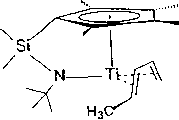
图12A-12J显示各种催化剂的化学结构。12A-12J show the chemical structures of various catalysts.
图13A和13B显示使用催化剂H制备的,实施例8的P*均聚物的DSC加热和冷却曲线。Figures 13A and 13B show the DSC heating and cooling curves for the P * homopolymer of Example 8, prepared using Catalyst H.
图14显示P/E*共聚物和几种P/E共聚物倾斜度指数的比较。Figure 14 shows a comparison of the slope indices of P/E * copolymers and several P/E copolymers.
图15比较实施例11的样品8和11a的熔融吸热线。15 compares the melting endotherms of
图16展示对于实施例11的P/E*共聚物,峰值熔融温度向更低温度的移动。Figure 16 shows the shift of the peak melting temperature to lower temperatures for the P/E * copolymer of Example 11.
图17是在其下保留大约1%结晶度的在实施例11的DSC样品中的温度图。Figure 17 is a graph of the temperature in the DSC sample of Example 11 at which approximately 1% crystallinity remains.
图18显示作为实施例11各种样品的熔融热函数的相对于熔融吸热线第一时刻的方差。Figure 18 shows the variance versus the first instant of the melting endotherm as a function of the heat of fusion for various samples of Example 11.
图19显示作为实施例11各种样品的熔融热函数的由熔融热规格化的最大热流。Figure 19 shows the maximum heat flow normalized by the heat of fusion as a function of the heat of fusion for various samples of Example 11.
图20说明在P/E*聚合物中末端部分结晶度消失的速率显著低于金属茂催化的聚合物。Figure 20 illustrates that the rate of terminal moiety crystallinity loss in P/E * polymers is significantly lower than in metallocene catalyzed polymers.
图21说明采用第一膜的A层与第二膜的B层接触测试的两个A/B膜结构的粘附百分比,其中两个结构中的A层从P/E*共聚物制备。Figure 21 illustrates the percent adhesion of two A/B film structures tested with layer A of the first film in contact with layer B of the second film, where layer A in both structures was made from a P/E * copolymer.
图22说明采用第一膜的A层与第二膜的A层接触测试的两个A/B膜结构的粘附百分比。两个A层均从P/E*共聚物制备。Figure 22 illustrates the percent adhesion of two A/B film structures tested with Layer A of the first film in contact with Layer A of the second film. Both A layers were prepared from P/E * copolymers.
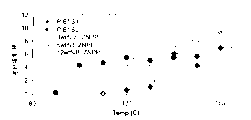
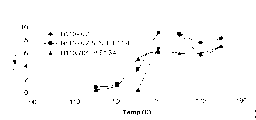
图23显示与齐格勒-纳塔催化的聚合物(″ZN催化的聚合物″)相比P/E*聚合物的热密封行为。Figure 23 shows the heat sealing behavior of P/E * polymers compared to Ziegler-Natta catalyzed polymers ("ZN catalyzed polymers").
图24显示与齐格勒-纳塔催化的聚合物相比P/E*聚合物的热粘性行为。Figure 24 shows the hot tack behavior of P/E * polymers compared to Ziegler-Natta catalyzed polymers.
图25显示丙烯-乙烯共聚物与金属茂催化的乙烯/α-烯烃共聚物的共混物的热密封行为。Figure 25 shows the heat sealing behavior of blends of propylene-ethylene copolymers with metallocene catalyzed ethylene/α-olefin copolymers.
图26显示微小无规丙烯-乙烯共聚物与P/E*共聚物的共混物的热密封行为。Figure 26 shows the heat sealing behavior of blends of microscopic random propylene-ethylene copolymers and P/E * copolymers.
图27显示P/E*共聚物与微小无规丙烯-乙烯共聚物的共混物的热密封行为。Figure 27 shows the heat sealing behavior of blends of P/E * copolymers and microrandom propylene-ethylene copolymers.
图28显示P/E*共聚物与微小无规丙烯-乙烯共聚物的共混物的2%正割模量(如由ASTM D882测量)。Figure 28 shows the 2% secant modulus (as measured by ASTM D882) of blends of P/E * copolymers and microrandom propylene-ethylene copolymers.
图29显示P/E*共聚物与无规丙烯-乙烯共聚物的共混物的热密封行为。Figure 29 shows the heat sealing behavior of blends of P/E * copolymers and random propylene-ethylene copolymers.
图30比较P/E*共聚物与无规丙烯-乙烯共聚物的共混物的热密封行为与P/E*共聚物与微小无规丙烯-乙烯共聚物的共混物的热密封行为。Figure 30 compares the heat seal behavior of blends of P/E * copolymers with random propylene-ethylene copolymers to the heat seal behavior of blends of P/E * copolymers with microrandom propylene-ethylene copolymers.
图31显示采用和不采用加入成核剂的P/E*共聚物的共混物的热密封行为。Figure 31 shows the heat seal behavior of blends of P/E * copolymers with and without the addition of nucleating agents.
图32显示P/E*共聚物与无规丙烯-乙烯共聚物的共混物的热粘性行为。Figure 32 shows the hot tack behavior of blends of P/E * copolymers and random propylene-ethylene copolymers.
图32显示P/E*共聚物与无规丙烯-乙烯共聚物的共混物的热粘性行为。Figure 32 shows the hot tack behavior of blends of P/E * copolymers and random propylene-ethylene copolymers.
图33显示P/E*共聚物与微小无规丙烯-乙烯共聚物的共混物的热粘性行为。Figure 33 shows the hot tack behavior of blends of P/E * copolymers with microscopic random propylene-ethylene copolymers.
分子量molecular weight
用于本发明的聚合物的重均分子量(Mw)可较宽地变化,但典型地是约30,000-1,000,000(应理解对最小或最大Mw的唯一限制是由实际考虑设定)。优选最小Mw是约50,000,更优选约75,000和甚至更优选100,000。″高分子量″、″高重均分子量″、″高Mw″和相似术语表示至少约250,000,优选至少约300,000和更优选350,000,和更优选至少约400,000的重均分子量。The weight average molecular weight (Mw) of the polymers useful in this invention can vary widely, but is typically about 30,000-1,000,000 (it is understood that the only limitation on minimum or maximum Mw is set by practical considerations). Preferably the minimum Mw is about 50,000, more preferably about 75,000 and even more preferably 100,000. "High molecular weight", "high weight average molecular weight", "high Mw" and like terms mean a weight average molecular weight of at least about 250,000, preferably at least about 300,000 and more preferably 350,000, and more preferably at least about 400,000.
多分散性Polydispersity
用于本发明膜的聚合物的多分散性典型地为约2-约6。″窄多分散性″、″窄分子量分布″、″窄MWD″和相似术语表示小于约3.5,优选小于约3.0,更优选小于约2.8,更优选小于约2.5,最优选小于约2.3的重均分子量(Mw)对数均分子量(Mn)的比例(Mw/Mn)。用于挤出涂层应用的聚合物典型地具有窄多分散性。The polymers used in the films of the present invention typically have a polydispersity of from about 2 to about 6. "Narrow polydispersity", "narrow molecular weight distribution", "narrow MWD" and similar terms mean a weight average of less than about 3.5, preferably less than about 3.0, more preferably less than about 2.8, more preferably less than about 2.5, most preferably less than about 2.3 The ratio (Mw/Mn) of molecular weight (Mw) to number average molecular weight (Mn). Polymers used in extrusion coating applications typically have narrow polydispersities.
部分依赖于单个共混物组分的分子量,用于本发明膜的聚合物共混物的多分散性可大于共混物单个聚合物组分的多分散性。特别地,采用多个反应器方法,如以上公开的那些生产的共混物可具有宽范围的多分散性,如低至约2到高至约100或更大。优选地,这样共混物的Mw/Mn是约2-约50,更优选约2-约20,最优选约2-约10。Depending in part on the molecular weight of the individual blend components, the polydispersity of the polymer blends used in the films of the invention can be greater than the polydispersity of the individual polymer components of the blend. In particular, blends produced using multiple reactor processes, such as those disclosed above, can have a wide range of polydispersities, such as as low as about 2 to as high as about 100 or more. Preferably, such blends have a Mw / Mn of from about 2 to about 50, more preferably from about 2 to about 20, most preferably from about 2 to about 10.
凝胶渗透色谱法gel permeation chromatography
使用凝胶渗透色谱法(GPC)在装配有四个线性混合床柱(PolymerLaboratories(20-微米粒度))的Polymer Laboratories PL-GPC-220高温色谱单元上,测量可结晶丙烯聚合物的分子量分布。烘箱温度是在160℃而自动取样器热区在160℃和保温区在145℃。溶剂是包含200ppm2,6-二叔丁基-4-甲基苯酚的1,2,4-三氯苯。流量是1.0毫升/分钟和注射规格是100微升。在160℃下采用轻微混合,通过在包含200ppm 2,6-二叔丁基-4-甲基苯酚的氮气净化的1,2,4-三氯苯中溶解样品2.5小时制备约0.2wt%样品溶液用于注射。The molecular weight distribution of crystallizable propylene polymers was measured using gel permeation chromatography (GPC) on a Polymer Laboratories PL-GPC-220 high temperature chromatography unit equipped with four linear mixed bed columns (Polymer Laboratories (20-micron particle size)). The oven temperature was at 160°C while the autosampler hot zone was at 160°C and the holding zone was at 145°C. The solvent was 1,2,4-trichlorobenzene containing 200
通过与它们的洗脱体积结合使用十个窄分子量分布聚苯乙烯标准物(购自Polymer Laboratories,EasiCal PSI为580-7,500,000g/摩尔)推导出分子量分布。在马克-豪温克公式中:Molecular weight distributions were deduced by using ten narrow molecular weight distribution polystyrene standards (available from Polymer Laboratories, EasiCal PSI 580-7,500,000 g/mole) in combination with their elution volumes. In the Mark-Howink formula:
{N}=KMa其中Kpp=1.90E-04,app=0.725和Kps=1.26E-04,aps=0.702,使用聚丙烯(如由以下文献描述:Th.G.Scholte,N.L.J.Meijerink,H.M.Schoffeleers,和A.M.G.Brands,J.Appl.Polym.Sci.,29,3763-3782(1984))和聚苯乙烯(如由以下文献描述:E.P.Otocka,R.J.Roe,N.Y.Hellman,P.M.Muglia,Macromolecules,4,507(1971))的适当马克-豪温克系数确定当量聚丙烯分子量。{N}=KM a where K pp =1.90E-04, a pp =0.725 and K ps =1.26E-04, a ps =0.702, using polypropylene (as described by: Th.G.Scholte, NLJ Meijerink , HMSchoffeleers, and AMG Brands, J.Appl.Polym.Sci., 29, 3763-3782 (1984)) and polystyrene (as described by: EPOtocka, RJRoe, NY Hellman, PMMuglia, Macromolecules, 4, 507 (1971 )) appropriate Mark-Howwink coefficient to determine the equivalent polypropylene molecular weight.
差示扫描量热法Differential Scanning Calorimetry
差示扫描量热法(DSC)是可用于检验半结晶聚合物熔融和结晶的通常技术。用于研究半结晶聚合物的DSC测量和DSC应用的一般原理描述于标准文本(如,E.A.Turi,ed.,Thermal Characterization ofPolymeric Materials,Academic Press,1981)。用于本发明实施的某些共聚物的特征为具有保持基本不变的Tme和Tmax在共聚物中共聚单体数量增加时该Tmax降低的DSC曲线。Tme表示在其下熔融结束的温度。Tmax表示峰值熔融温度。Differential Scanning Calorimetry (DSC) is a common technique that can be used to examine melting and crystallization of semi-crystalline polymers. The general principles of DSC measurements and DSC applications for the study of semi-crystalline polymers are described in standard texts (eg, EATuri, ed., Thermal Characterization of Polymeric Materials, Academic Press, 1981). Certain copolymers useful in the practice of this invention are characterized by DSC curves having T me and T max that remain substantially constant as the amount of comonomer in the copolymer increases. T me denotes the temperature at which melting ends. T max represents the peak melting temperature.
使用购自TA Instruments,Inc的型号Q1000 DSC测定差示扫描量热法(DSC)分析。DSC的校准进行如下。首先,通过从90℃到290℃运行DSC且在DSC盘中没有任何样品而获得基线。然后由如下方式分析7毫克新鲜铟样品:加热样品到180℃,在10℃/min的冷却速率下冷却样品到140℃,随后在140℃下等温保持样品1分钟,随后在10℃/min的加热速率下将样品从140℃加热到180℃。测定和检查铟样品的熔化热和熔融开始,对于熔融开始是在从156.6℃的0.5℃内和对于熔化热是在从28.71J/g的0.5J/g内。然后通过在在10℃/min的冷却速率下将DSC盘中的新鲜样品小滴从25℃冷却到-30℃而分析去离子水。将样品保持等温在-30℃下2分钟和在10℃/min的加热速率下加热到30℃。测定和检查熔融开始到从0℃的0.5℃内。Differential Scanning Calorimetry (DSC) analysis was determined using a Model Q1000 DSC available from TA Instruments, Inc. Calibration of the DSC is performed as follows. First, a baseline was obtained by running the DSC from 90°C to 290°C without any sample in the DSC pan. A 7 mg sample of fresh indium was then analyzed by heating the sample to 180 °C, cooling the sample to 140 °C at a cooling rate of 10 °C/min, then holding the sample isothermally at 140 °C for 1 min, followed by cooling at 10 °C/min The sample was heated from 140°C to 180°C at a heating rate. The heat of fusion and onset of fusion of the indium samples were determined and examined to be within 0.5°C from 156.6°C for the onset of fusion and within 0.5J/g from 28.71J/g for the heat of fusion. Deionized water was then analyzed by cooling fresh sample droplets in the DSC pan from 25°C to -30°C at a cooling rate of 10°C/min. The sample was kept isothermally at -30°C for 2 minutes and heated to 30°C at a heating rate of 10°C/min. The onset of melting was measured and checked to within 0.5°C from 0°C.
在190℃的温度下将聚丙烯样品压挤成薄膜。Polypropylene samples were extruded into films at a temperature of 190°C.
将约5-8mg样品称出并放入DSC盘。将盖子卷曲在盘上以保证密闭气氛。将样品盘放入DSC池和在约100℃/min的高速率下加热到熔融温度以上约30℃的温度。将样品保持在此温度下约3分钟。然后将样品在10℃/min的速率下冷却到-40℃,并等温保持在该温度下3分钟。随后在10℃/min的速率下加热样品直到完全熔融。分析获得的焓曲线的峰值熔融温度、开始和峰值结晶温度、熔化热和结晶热、Tme、以及感兴趣的任何其它DSC分析。About 5-8 mg of sample was weighed out and placed into the DSC pan. Crimp the lid on the pan to ensure an airtight atmosphere. The sample pan was placed into the DSC cell and heated at a high rate of about 100°C/min to a temperature of about 30°C above the melting temperature. The samples were kept at this temperature for about 3 minutes. The sample was then cooled to -40°C at a rate of 10°C/min and held isothermally at this temperature for 3 minutes. The sample was then heated at a rate of 10°C/min until completely melted. The obtained enthalpy curves were analyzed for peak melting temperature, onset and peak crystallization temperatures, heats of fusion and crystallization, T me , and any other DSC analysis of interest.
B-值B-value
″高B-值″和相似术语表示丙烯和乙烯共聚物,或丙烯、乙烯和至少一种不饱和共聚单体的共聚物的乙烯单元以非无规的方式与聚合物链交叉分布。B-值为0-2及指定共聚单体单元的完全无规分布。B-值越高,共聚物中的共聚单体分布越交替。B-值越低,共聚物中的共聚单体分布越嵌段或成群。本发明聚合物的高B-值典型地至少为约1.3,优选至少约1.4,更优选至少约1.5和最优选至少约1.7。B-值计算如下。"High B-value" and similar terms mean that a copolymer of propylene and ethylene, or a copolymer of propylene, ethylene and at least one unsaturated comonomer, has ethylene units distributed across the polymer chains in a non-random manner. B-value 0-2 and a completely random distribution of the specified comonomer units. The higher the B-value, the more alternating the comonomer distribution in the copolymer. The lower the B-value, the more blocky or clustered the comonomer distribution in the copolymer. The high B-value of the polymers of the present invention is typically at least about 1.3, preferably at least about 1.4, more preferably at least about 1.5 and most preferably at least about 1.7. The B-value is calculated as follows.
对于丙烯/乙烯共聚物B定义为:For propylene/ethylene copolymer B is defined as:
其中f(EP+PE)=EP和PE二单元组分数的和;而Fe和Fp=共聚物中乙烯和丙烯各自的摩尔分数。可以采用类似方式通过各自共聚物二单元组的赋值计算其它共聚物的B-值。例如,丙烯/1-辛烯共聚物的B-值计算使用如下公式:where f(EP+PE) = sum of EP and PE diad fractions; and Fe and Fp = respective mole fractions of ethylene and propylene in the copolymer. The B-values of other copolymers can be calculated in a similar manner by the assignment of the respective copolymer dyads. For example, the B-value calculation for propylene/1-octene copolymers uses the following formula:
对于采用金属茂催化剂制备的丙烯聚合物,B-值典型地为1.1-1.3。对于采用受限几何催化剂制备的丙烯聚合物,B-值典型地为0.9-1.0。相反地,采用活化非金属茂、金属中心、杂芳基配体催化剂制备的本发明丙烯聚合物的B-值大于约1.4,典型地约1.5-约1.85。依次,这意味着对于任何P/E*共聚物,除非聚合物的乙烯含量非常高,在共聚物中不仅仅存在对于给定乙烯百分比相对短的丙烯嵌段长度,而且如果有的话,也只有非常少的3个或更多连续的长序列乙烯插入。图1和如下表的数据是说明性的。催化剂是活化非金属茂、金属中心、杂芳基配体催化剂,和这些物质制备的P/E*聚合物。催化剂E是金属茂催化剂,而它并不制备P/E*聚合物。感兴趣地,甚至对于具有相对大数量,如>30摩尔%乙烯的聚合物,P/E*聚合物的B-值高。For propylene polymers prepared using metallocene catalysts, the B-value is typically 1.1-1.3. For propylene polymers prepared using constrained geometry catalysts, the B-value is typically 0.9-1.0. In contrast, the B-values of the propylene polymers of the present invention prepared using activated non-metallocene, metal-centered, heteroaryl ligand catalysts are greater than about 1.4, typically from about 1.5 to about 1.85. In turn, this means that for any P/E * copolymer, unless the ethylene content of the polymer is very high, not only are there relatively short propylene block lengths for a given ethylene percentage in the copolymer, but also, if any, There are very few 3 or more contiguous long sequence ethylene insertions. Figure 1 and the data in the table below are illustrative. Catalysts are activated non-metallocene, metal-centered, heteroaryl ligand catalysts, and P/E * polymers prepared from these. Catalyst E is a metallocene catalyst and it does not produce P/E * polymer. Interestingly, the B-values for P/E * polymers are high even for polymers with relatively large amounts, such as >30 mole % ethylene.
表A:选择的丙烯聚合物的B-值
催化剂I是二甲基酰氨基硼烷-双-η5-(2-甲基-4-亚萘-1-基)η4-1,4,-二苯基-1,3-丁二烯。HPP表示聚丙烯均聚物。Catalyst I is dimethylamidoborane-bis- η5- (2-methyl-4-naphthalene-1-yl) η4-1,4 ,-diphenyl-1,3-butadiene . HPP stands for polypropylene homopolymer.
表B:选择的丙烯/乙烯共聚物的B-值
以下描述的方法可用于生产乙烯和非必要地C4-20α-烯烃的丙烯共聚体,该共聚体在DSC加热曲线中具有相对宽的熔点。尽管不希望坚持任何特定的操作理论,相信新颖丙烯/乙烯共聚体的高B值和它们的制造方法导致聚合物链中的乙烯分布,该乙烯分布导致宽的熔融行为。例如,在图2A和2B中,对于作为对比例(对比例1)使用金属制备的丙烯/乙烯共聚物,观察到相对窄的熔融峰,而根据此处教导制备的丙烯和乙烯的相似共聚物显示宽的熔点。这样的宽熔融行为用于要求,例如,相对低热密封初始温度,或宽热粘性和/或热密封窗的应用。The process described below can be used to produce propylene interpolymers of ethylene and optionally a C4-20 alpha-olefin, which interpolymers have relatively broad melting points in the DSC heating curve. While not wishing to be bound to any particular theory of operation, it is believed that the high B values of the novel propylene/ethylene interpolymers and their method of manufacture result in an ethylene distribution in the polymer chain that results in broad melting behavior. For example, in Figures 2A and 2B, a relatively narrow melting peak is observed for a propylene/ethylene copolymer prepared using metal as a comparative example (Comparative Example 1), whereas a similar copolymer of propylene and ethylene prepared according to the teachings herein Shows a broad melting point. Such broad melting behavior is useful for applications requiring, for example, relatively low heat seal initiation temperatures, or broad thermal viscosities and/or heat seal windows.
热性能thermal performance
图3和4进一步说明用于本发明实施的P/E*聚合物的热性能。图3说明在同等结晶度下P/E*聚合物比可比金属茂催化的丙烯聚合物具有高的玻璃化转变温度(Tg)。这意味着P/E*共聚物同样显示比常规金属茂催化的丙烯共聚物好的耐蠕变性。此外,表A的Tmax数据显示在与金属茂催化的丙烯聚合物相同的结晶度下,P/E*共聚物具有低的熔点。这依次意味着P/E*共聚物同样比常规金属茂催化的丙烯聚合物容易加工(如要求更少的加热)。Figures 3 and 4 further illustrate the thermal properties of the P/E * polymers used in the practice of this invention. Figure 3 illustrates that P/E * polymers have higher glass transition temperatures (Tg) than comparable metallocene catalyzed propylene polymers at equivalent crystallinity. This means that P/E * copolymers also show better creep resistance than conventional metallocene catalyzed propylene copolymers. Furthermore, the T max data of Table A shows that the P/E * copolymers have low melting points at the same crystallinity as the metallocene catalyzed propylene polymers. This in turn means that P/E * copolymers are also easier to process (eg require less heating) than conventional metallocene catalyzed propylene polymers.
图4说明在与采用受限几何催化剂(CGC)制备的丙烯聚合物同等乙烯含量下,P/E*聚合物也具有低的Tg且这依次意味着P/E*聚合物同样比CGC丙烯聚合物显示好的低温韧性,使P/E*聚合物成为食品包装应用的有吸引力的侯选物。Figure 4 illustrates that at the same ethylene content as propylene polymers made with constrained geometry catalysts (CGC), P/E * polymers also have a lower Tg and this in turn means that P/E * polymers also polymerize propylene more efficiently than CGC propylene polymers. Materials exhibit good low temperature toughness, making P/E * polymers attractive candidates for food packaging applications.
升温洗脱分级temperature rise elution fractionation
可以在制造规模上由升温洗脱分级(TREF)完成可结晶序列长度分布的测量。Measurement of the crystallizable sequence length distribution can be accomplished on a manufacturing scale by temperature-rising elution fractionation (TREF).
单个级分的相对质量可用作预测更连续分布的基础。L.Wild等人.,Journal of Polymer Science:Polymer.PhysicsEd.,20,441(1982)按比例缩小样品尺寸并加入质量检测器以产生作为洗脱温度函数的分布的连续表示。此按比例缩小的版本,分析的升温洗脱分级(ATREF),不涉及级分的实际分离,但更精确测定级分的重量分布。The relative masses of individual fractions can be used as a basis for predicting a more continuous distribution. L. Wild et al., Journal of Polymer Science: Polymer. Physics Ed., 20, 441 (1982) Scale down the sample size and add a mass detector to produce a continuous representation of the distribution as a function of elution temperature. This scaled-down version, Analytical Temperature Rising Elution Fractionation (ATREF), does not involve actual separation of the fractions, but more accurately determines the weight distribution of the fractions.
尽管TREF最初应用于乙烯和高级α-烯烃的共聚物,它也可用于丙烯与乙烯(或高级α-烯烃)共聚物的分析。丙烯共聚物的分析要求用于纯的、全同立构聚丙烯溶解和结晶的更高温度,但大多数感兴趣的共聚产物在与乙烯共聚物观察的相似温度下洗脱。下表是用于丙烯共聚物分析的条件总结。区别在于如注意到TREF的条件与如下文献的那些一致:Wild等人,出处同上,和Hazlitt,Journal of Applied PolymerScience:Appl.Polym.Symp.,45,25(1990)。Although TREF was originally applied to copolymers of ethylene and higher α-olefins, it can also be used for the analysis of copolymers of propylene and ethylene (or higher α-olefins). Analysis of propylene copolymers requires higher temperatures for the dissolution and crystallization of pure, isotactic polypropylene, but most copolymerization products of interest elute at similar temperatures to those observed for ethylene copolymers. The table below is a summary of the conditions used for the analysis of propylene copolymers. The difference is as noted that the conditions for TREF correspond to those of Wild et al., supra, and Hazlitt, Journal of Applied Polymer Science: Appl. Polym. Symp., 45, 25 (1990).
表C:用于TREF的参数
将从TREF获得的数据表达为作为洗脱温度函数的重量分率的规格化图。分离机理类似于乙烯共聚物,因此可结晶组分(乙烯)的摩尔含量是确定洗脱温度的主要因素。在丙烯共聚物的情况下,全同立构丙烯单元的摩尔含量主要确定洗脱温度。图5是对于采用金属茂聚合物制备的丙烯/乙烯共聚物和P/E*共聚物例子,人们期望的典型分布类型的表示。Data obtained from TREF are expressed as a normalized plot of weight fraction as a function of elution temperature. The separation mechanism is similar to that of ethylene copolymers, so the molar content of the crystallizable component (ethylene) is the main factor determining the elution temperature. In the case of propylene copolymers, the molar content of isotactic propylene units primarily determines the elution temperature. Figure 5 is a representation of the typical type of distribution one would expect for examples of propylene/ethylene copolymers and P/E * copolymers prepared using metallocene polymers.
图5中金属茂曲线的形状对于均匀共聚物是典型的。形状来自共聚单体的固有、无规引入。与在更低洗脱温度下曲线的锐度或陡度比较,曲线形状的突出特征是在更低洗脱温度下的谱尾。反映此类型不对称的统计量是倾斜度。公式1数学地表达倾斜度指数Six,作为此不对称的量度。The shape of the metallocene curves in Figure 5 is typical for homogeneous copolymers. The shape arises from the inherent, random incorporation of comonomers. A prominent feature of the shape of the curve is the tail at the lower elution temperature compared to the sharpness or steepness of the curve at the lower elution temperature. A statistic that reflects this type of asymmetry is slope.
公式1
数值TMax定义为TREF曲线中在50-90℃之间洗脱最大重量级分的温度。Ti和wi分别为TREF分布中任意的、第i级分的洗脱温度和重量分率。关于30℃以上洗脱的曲线总面积分布已经进行了规格化(wi的总和等于100%)。因此,指数仅反映结晶聚合物的形状且已经从公式1所示的计算中省略任何未结晶聚合物(在等于或低于30℃的在溶液中的聚合物)。The value T Max is defined as the temperature at which the largest weight fraction elutes between 50-90°C in the TREF curve. T i and w i are the elution temperature and weight fraction of fraction i in any TREF distribution, respectively. The distribution of the total area of the curves for elution above 30°C has been normalized (sum of w i equals 100%). Therefore, the index only reflects the shape of the crystalline polymer and any uncrystallized polymer (polymer in solution at or below 30°C) has been omitted from the calculation shown in
聚合物定义和描述Polymer Definition and Description
″聚合物″表示通过聚合相同或不同类型单体制备的大分子化合物。″聚合物″包括均聚物、共聚物、三元共聚物、共聚体等。术语″共聚体″表示通过至少两种类型单体或共聚单体的聚合制备的聚合物。它包括,但不限于,共聚物(尽管它通常与″共聚体″互换使用以表示从三种或更多种不同类型单体或共聚单体制备的聚合物,共聚物通常表示从两种不同类型单体或共聚单体制备的聚合物)、三元共聚物(三元共聚物通常表示从三种不同类型单体或共聚单体制备的聚合物)、四元共聚物(四元共聚物通常表示从四种不同类型单体或共聚单体制备的聚合物)等。术语″单体″或″共聚单体″互换使用,且它们表示含有可聚合部分的任何化合物,将它们加入到反应器中以生产聚合物。在其中将聚合物描述为包括一种或多种单体,如包括丙烯和乙烯的聚合物的情况下,聚合物当然包括衍生自单体的单元,如-CH2-CH2-,且不包括单体自身,如CH2=CH2。"Polymer" means a macromolecular compound prepared by polymerizing monomers of the same or different type. "Polymer" includes homopolymers, copolymers, terpolymers, interpolymers, and the like. The term "interpolymer" means a polymer prepared by the polymerization of at least two types of monomers or comonomers. It includes, but is not limited to, copolymers (although it is often used interchangeably with "interpolymer" to mean a polymer prepared from three or more different types of polymers prepared from different types of monomers or comonomers), terpolymers (a terpolymer generally means a polymer prepared from three different types of monomers or comonomers), tetrapolymers (a tetrapolymer of A compound generally represents a polymer prepared from four different types of monomers or comonomers), etc. The terms "monomer" or "comonomer" are used interchangeably and they mean any compound containing a polymerizable moiety which is added to a reactor to produce a polymer. Where a polymer is described as comprising one or more monomers, such as polymers comprising propylene and ethylene, the polymer of course comprises units derived from the monomers, such as -CH2 - CH2- , and not Including the monomer itself, eg CH2 = CH2 .
″金属茂催化的聚合物″或相似术语表示在金属茂催化剂存在下制备的任何聚合物。″受限几何催化剂催化的聚合物″、″CGC-催化的聚合物″或相似术语表示在受限几何催化剂存在下制备的任何聚合物。″齐格勒-纳塔催化的聚合物″、″Z-N-催化的聚合物″或相似术语表示在齐格勒-纳塔催化剂存在下制备的任何聚合物。″金属茂″表示含有至少一个结合到金属上的取代或未取代环戊二烯基的含金属化合物。在此使用的″受限几何催化剂″或″CGC″具有与在USP 5,272,236和5,278,272中定义和描述的所述术语的相同意义。"Metallocene-catalyzed polymer" or similar terms means any polymer prepared in the presence of a metallocene catalyst. "Constrained geometry catalyst catalyzed polymer", "CGC-catalyzed polymer" or similar terms means any polymer prepared in the presence of a constrained geometry catalyst. "Ziegler-Natta catalyzed polymer", "Z-N-catalyzed polymer" or similar terms means any polymer prepared in the presence of a Ziegler-Natta catalyst. "Metallocene"means a metal-containing compound containing at least one substituted or unsubstituted cyclopentadienyl group bound to a metal. "Constrained geometry catalyst" or "CGC" as used herein has the same meaning as that term is defined and described in USP 5,272,236 and 5,278,272.
″无规共聚物″表示其中单体沿聚合物链无规分布的共聚物。"Random copolymer" means a copolymer in which the monomers are randomly distributed along the polymer chain.
″丙烯均聚物″和相似术语表示仅或基本由所有衍生自丙烯的单元组成的聚合物。″丙烯共聚物″和相似术语表示包括衍生自丙烯和乙烯和/或一种或多种不饱和共聚单体的单元的聚合物。术语″共聚物″包括三元共聚物、四元共聚物等。"Propylene homopolymer" and like terms mean a polymer consisting only or substantially all of units derived from propylene. "Propylene copolymer" and like terms mean a polymer comprising units derived from propylene and ethylene and/or one or more unsaturated comonomers. The term "copolymer" includes terpolymers, tetrapolymers, and the like.
用于本发明实施的不饱和共聚单体包括C4-20α-烯烃,特别是C4-12α-烯烃如1-丁烯、1-戊烯、1-己烯、4-甲基-1-戊烯、1-庚烯、1-辛烯、1-癸烯、1-十二碳烯等;C4-20二烯烃,优选1,3-丁二烯、1,3-戊二烯、降冰片二烯、5-亚乙基-2-降冰片烯(ENB)和二环戊二烯;C8-40乙烯基芳族化合物,该芳族化合物包括苯乙烯、邻,间,和对甲基苯乙烯、二乙烯基苯、乙烯基联苯、乙烯基萘;和卤素取代的C8-40乙烯基芳族化合物如氯苯乙烯和氟苯乙烯。对于本发明的目的,乙烯和丙烯不包括在不饱和共聚单体的定义中。Unsaturated comonomers useful in the practice of this invention include C 4-20 α-olefins, especially C 4-12 α-olefins such as 1-butene, 1-pentene, 1-hexene, 4-methyl- 1-pentene, 1-heptene, 1-octene, 1-decene, 1-dodecene, etc.; C 4-20 dienes, preferably 1,3-butadiene, 1,3-pentadiene ene, norbornadiene, 5-ethylidene-2-norbornene (ENB) and dicyclopentadiene; C 8-40 vinyl aromatic compounds including styrene, ortho, meta, and p-methylstyrene, divinylbenzene, vinylbiphenyl, vinylnaphthalene; and halogen-substituted C8-40 vinylaromatic compounds such as chlorostyrene and fluorostyrene. For the purposes of this invention, ethylene and propylene are not included in the definition of unsaturated comonomers.
用于本发明实施的丙烯共聚物典型地包括数量至少为共聚物约60wt%,优选至少约80wt%和更优选至少约85wt%的衍生自丙烯的单元。丙烯/乙烯共聚物中衍生自乙烯的单元的典型数量为共聚物的至少约0.1wt%,优选至少约1wt%和更优选至少约5wt%,且这些共聚物中存在的衍生自乙烯的最大数量典型地不超过共聚物的约35wt%,优选不超过约30wt%和更优选不超过约20wt%。如果存在的话,衍生自不饱和共聚单体的单元的数量为共聚物的至少约0.01wt%,优选至少约1wt%和更优选至少约5wt%,且衍生自不饱和共聚单体的典型最大数量典型地不超过共聚物的约35wt%,优选它不超过约30wt%和更优选它不超过约20wt%。衍生自乙烯和不饱和共聚单体的单元的结合总量典型地不超过共聚物的约40wt%,优选它不超过约30wt%和更优选它不超过约20wt%。Propylene copolymers useful in the practice of this invention typically comprise units derived from propylene in an amount of at least about 60 wt%, preferably at least about 80 wt% and more preferably at least about 85 wt% of the copolymer. Typical amounts of units derived from ethylene in propylene/ethylene copolymers are at least about 0.1 wt%, preferably at least about 1 wt% and more preferably at least about 5 wt% of the copolymer, and the maximum amount of units derived from ethylene present in these copolymers Typically there will be no more than about 35 wt%, preferably no more than about 30 wt% and more preferably no more than about 20 wt% of the copolymer. The amount of units derived from unsaturated comonomers, if present, is at least about 0.01 wt%, preferably at least about 1 wt%, and more preferably at least about 5 wt% of the copolymer, with a typical maximum amount of units derived from unsaturated comonomers Typically it will not exceed about 35% by weight of the copolymer, preferably it will not exceed about 30% by weight and more preferably it will not exceed about 20% by weight. The combined total of units derived from ethylene and unsaturated comonomer typically does not exceed about 40 wt% of the copolymer, preferably it does not exceed about 30 wt% and more preferably it does not exceed about 20 wt%.
包括丙烯和一种或多种不饱和共聚单体(乙烯除外)用于本发明实施的共聚物也典型地包括数量至少为共聚物的约60wt%,优选至少约70wt%和更优选至少约80wt%的衍生自丙烯的单元。共聚物的一种或多种不饱和单体构成至少约至少约0.1wt%,优选至少约1wt%和更优选至少约3wt%,和不饱和共聚单体的典型的最大数量不超过共聚物的约40wt%,和优选它不超过约30wt%。Copolymers comprising propylene and one or more unsaturated comonomers (other than ethylene) for use in the practice of this invention also typically comprise an amount of at least about 60 wt%, preferably at least about 70 wt% and more preferably at least about 80 wt% of the copolymer % of units derived from propylene. The one or more unsaturated monomers of the copolymer constitute at least about at least about 0.1 wt%, preferably at least about 1 wt% and more preferably at least about 3 wt%, and the typical maximum amount of unsaturated comonomer does not exceed the About 40 wt%, and preferably it does not exceed about 30 wt%.
1313 C NMRC NMR
用于本发明实施的P/E*聚合物进一步的特征为具有基本全同立构的丙烯序列。″基本全同立构的丙烯序列″和相似术语表示序列由13CNMR测量的全同立构三单元组(mm)大于约0.85,优选大于约0.90,更优选大于约0.92和最优选大于约0.93。全同立构三单元组是本领域公知的和描述于,例如,USP 5,504,172和WO00/01745,它表示按照由13C NMR光谱测量的共聚物分子链中三单元组单元的全同立构序列。NMR光谱测量如下。The P/E * polymers useful in the practice of this invention are further characterized as having substantially isotactic propylene sequences. "Substantially isotactic propylene sequence" and like terms mean that the sequence has an isotactic triad (mm) as measured by CNMR of greater than about 0.85 , preferably greater than about 0.90, more preferably greater than about 0.92 and most preferably greater than about 0.93 . Isotactic triads are well known in the art and described in, for example, USP 5,504,172 and WO00/01745, which represent the isotactic sequence of triad units in a copolymer molecular chain as measured by 13 C NMR spectroscopy . NMR spectrum measurements were as follows.
13C NMR光谱是测量引入聚合物的单体的本领域许多已知技术的一种。用于乙烯/α-烯烃共聚物共聚单体含量测量的此技术的例子描述于Randall(Journal of Macromolecular Science,Reviews inMacromolecular Chemistry and Physics,C29(2 & 3)、201-317(1989))。测量烯烃共聚体的共聚单体含量的基本程序包括在一定条件下获得13CNMR光谱,其中相应于样品中不同碳的峰强度直接与样品中贡献核的总数目成比例。保证此比例性的方法是本领域已知的并包括在脉冲之后允许用于松弛的足够时间、门控解耦技术的使用、松弛剂等。实际上从它的计算机产生积分获得峰或峰组的相对强度。在获得光谱和积分峰之后,将与共聚单体相关的那些峰赋值。可以通过考虑已知光谱或文献,或由模型化合物的合成和分析,或通过使用同位素标记的共聚单体进行此赋值。可以由相应于共聚单体摩尔数的积分对相应于共聚体中所有单体摩尔数的积分的比例确定摩尔%共聚单体,例如在Randall中所述。 13 C NMR spectroscopy is one of many techniques known in the art to measure monomer incorporation into polymers. An example of this technique for measurement of comonomer content in ethylene/α-olefin copolymers is described by Randall (Journal of Macromolecular Science, Reviews in Macromolecular Chemistry and Physics, C29(2 & 3), 201-317 (1989)). The basic procedure for measuring the comonomer content of olefin interpolymers involves obtaining 13 CNMR spectra under conditions where the intensities of the peaks corresponding to the different carbons in the sample are directly proportional to the total number of contributing nuclei in the sample. Methods to ensure this proportionality are known in the art and include allowing sufficient time for relaxation after the pulse, use of gated decoupling techniques, relaxation agents, and the like. The relative intensity of a peak or group of peaks is actually obtained from its computer-generated integration. After obtaining spectra and integrating peaks, those peaks related to comonomer were assigned a value. This assignment can be made by consideration of known spectra or literature, or from the synthesis and analysis of model compounds, or by the use of isotopically labeled comonomers. Mole % comonomer can be determined from the ratio of the integral corresponding to the number of moles of comonomer to the integral corresponding to the number of moles of all monomers in the interpolymer, as described, for example, in Randall.
使用Varian UNITY Plus400MHz NMR光谱计收集数据,相应于100.4MHz的13C共振频率。在松弛剂存在下选择获得参数以保证定量13C数据获得。使用门控1H解耦,每个数据文件4000个瞬时峰值电压,7sec脉冲重复延迟,24,200Hz的光谱宽度和32K数据点的文件大小,采用加热到130℃的探头获得数据。由如下方式制备样品:向10mmNMR管中的0.4g样品中加入大约3mL在乙酰丙酮铬(松弛剂)中0.025M的四氯乙烷-d2/邻二氯苯的50/50混合物。由采用纯氮气的置换净化管子顶部空间的氧气。采用由热枪引发的周期性回流加热管子和它的内容物到150℃溶解和均化样品。Data were collected using a Varian UNITY Plus 400MHz NMR spectrometer, corresponding to a13C resonance frequency of 100.4MHz. Acquisition parameters were selected in the presence of relaxation agents to ensure quantitative13C data acquisition. Using gated 1 H decoupling, 4000 instantaneous peak voltages per data file, a 7sec pulse repetition delay, a spectral width of 24,200Hz and a file size of 32K data points, the data were acquired with a probe heated to 130°C. Samples were prepared by adding approximately 3 mL of a 50/50 mixture of 0.025 M tetrachloroethane-d2/o-dichlorobenzene in chromium acetylacetonate (relaxation agent) to 0.4 g of sample in a 10 mm NMR tube. The headspace of the tube was purged of oxygen by displacement with pure nitrogen. The tube and its contents were heated to 150°C using periodic reflux initiated by a heat gun to dissolve and homogenize the sample.
在数据收集之后,在21.90ppm下将化学位移内部适用于mmmm五单元组。After data collection, chemical shifts were internally fitted to mmmm pentads at 21.90 ppm.
对于丙烯/乙烯共聚物,如下程序用于计算聚合物中的乙烯百分比。积分区域确定如下:For propylene/ethylene copolymers, the following procedure is used to calculate the percent ethylene in the polymer. The integration area is determined as follows:
表D:用于确定%乙烯的积分区域
区域D计算为D=P×(G×Q)/2。区域E=R+Q+(G×Q)/2。The region D is calculated as D=P×(G×Q)/2. Area E=R+Q+(G×Q)/2.
表E:区域D的计算
C2数值计算为以上两种方法(三单元组合计和代数的)的平均值,尽管两个通常并不变化。The C2 value was calculated as the average of the above two methods (triad counting and algebraic), although the two usually do not vary.
导致区域-误差的丙烯插入部分摩尔分率的计算为在14.6和15.7ppm下显现的两个甲基总和一半,除以可归于丙烯的在14-22ppm下的总甲基。区域-误差的摩尔百分比是摩尔分率乘100。The mole fraction of propylene insertions leading to a regio-error was calculated as half the sum of the two methyl groups present at 14.6 and 15.7 ppm, divided by the total methyl groups attributable to propylene at 14-22 ppm. Mole percent of area-error is 100 times the mole fraction.
从mm三单元组(22.70-21.28ppm)、mr三单元组(21.28-20.67ppm)和rr三单元组(20.67-19.74)的积分确定三单元组水平(mm)的全同立构规整度。通过将mm三单元组的强度除以mm、mr和rr三单元组总和确定mm全同立构规整度。对于乙烯共聚物,通过减去37.5-39ppm积分来校正mr区域。对于含有其它单体的共聚物,该其它单体在mm、mr和rr三单元组区域中产生峰,一旦已经确定峰,使用标准NMR技术通过减去干扰峰的强度相似地校正这些区域的积分。例如,这可以通过一系列各种单体引入水平的共聚物的分析,通过文献赋值,通过同位素标记,或本领域已知的其它措施完成。Isotacticity at the triad level (mm) was determined from the integration of mm triads (22.70-21.28 ppm), mr triads (21.28-20.67 ppm) and rr triads (20.67-19.74). The mm isotacticity was determined by dividing the intensity of the mm triad by the sum of the mm, mr and rr triads. For ethylene copolymers, correct the mr region by subtracting the 37.5-39ppm integral. For copolymers containing other monomers that give rise to peaks in the mm, mr, and rr triad regions, once the peaks have been identified, the integrals for these regions are similarly corrected by subtracting the intensities of interfering peaks using standard NMR techniques . For example, this can be accomplished by analysis of a series of copolymers at various levels of monomer incorporation, by literature assignment, by isotopic labeling, or other means known in the art.
相信在约14.6和约15.7ppm下相应于区域-误差的13C NMR峰是丙烯单元向生长聚合物链中立体选择性2,1-插入误差的结果。在典型的P/E*聚合物中,这些峰具有大约相等的强度,且它们表示向均聚物或共聚物链中插入约0.02-约7摩尔%的丙烯。在某些实施方案中,他们表示约0.005-约20摩尔%或更多的丙稀插入部分。一般情况下,更高的区域-误差水平导致聚合物熔点和模量的降低,而更低的水平导致聚合物更高的熔点和更高的模量。It is believed that the13C NMR peaks at about 14.6 and about 15.7 ppm corresponding to regio-errors are the result of stereoselective 2,1-insertion errors of propylene units into the growing polymer chain. In typical P/E * polymers, these peaks are of about equal intensity, and they represent insertion of about 0.02 to about 7 mole percent propylene into the homopolymer or copolymer chain. In certain embodiments, they represent about 0.005 to about 20 mole percent or more of the propylene insertion moiety. In general, higher levels of region-error lead to lower melting point and modulus of the polymer, while lower levels lead to higher melting point and higher modulus of the polymer.
丙烯以外的共聚单体的本质和水平也控制共聚物的熔点和模量。在任何特定的应用中,可能需要具有高或低的熔点或者高或低的模量。可以由几种措施控制区域-误差的水平,该措施包括聚合温度、工艺中丙烯和其它单体的浓度、(共聚)单体的类型,和其它因素。各种单个催化剂结构可与其它催化剂固有地产生更多或更少的区域-误差。例如,在以上表A中,采用催化剂G制备的丙烯均聚物具有比采用催化剂H制备的丙烯均聚物更高的区域-误差水平和更低的熔点,采用催化剂H制备的丙烯均聚物具有更高的熔点。如果需要更高熔点(或更高模量)的聚合物,则优选具有小于约3摩尔%丙烯插入部分,更优选小于约1.5摩尔%丙烯插入部分,仍然更优选小于约1.0摩尔%丙烯插入部分,和最优选小于约0.5摩尔%丙烯插入部分的更小区域-误差。如果需要更低熔点(或模量)的聚合物,则优选具有大于约3摩尔%丙烯插入部分,更优选大于约5摩尔%丙烯插入部分,仍然更优选大于约6摩尔%丙烯插入部分,和最优选大于约10摩尔%丙烯插入部分的区域-误差。The nature and level of comonomers other than propylene also control the melting point and modulus of the copolymer. In any particular application, it may be desirable to have a high or low melting point or a high or low modulus. The level of regio-error can be controlled by several measures including polymerization temperature, concentration of propylene and other monomers in the process, type of (comon)monomer, and other factors. Various individual catalyst structures may inherently produce more or less zone-errors with other catalysts. For example, in Table A above, the propylene homopolymer prepared using Catalyst G has a higher regio-error level and lower melting point than the propylene homopolymer prepared using Catalyst H, which Has a higher melting point. If a higher melting point (or higher modulus) polymer is desired, it preferably has less than about 3 mole % propylene insertions, more preferably less than about 1.5 mole % propylene insertions, still more preferably less than about 1.0 mole % propylene insertions , and most preferably smaller regio-errors of less than about 0.5 mole % propylene insertion moiety. If a lower melting point (or modulus) polymer is desired, it preferably has greater than about 3 mole % propylene insertions, more preferably greater than about 5 mole % propylene insertions, still more preferably greater than about 6 mole % propylene insertions, and A regio-error of greater than about 10 mole percent propylene insertion moieties is most preferred.
那些熟练技术人员认为是共混物组分的P/E*聚合物的区域-误差摩尔%表示共混物特定P/E*聚合物组分的区域-误差摩尔%,和不作为总体共混物的摩尔%。Those skilled artisans consider the regio-error mole percent of the P/E * polymer component of the blend to represent the regio-error mole percent of the specific P/E * polymer component of the blend, and not blended as a whole The mole % of the substance.
几个13C NMR光谱的比较进一步说明P/E*聚合物的独特区域-误差。图6和7分别是实施例7和8丙烯均聚物产物的光谱,每种聚合物采用活化非金属茂、金属中心的杂芳基配体催化剂制备。每种聚合物的光谱表现这些本发明聚合物的高全同立构规整度程度和独特区域-误差。图8是采用与用于制备实施例7的丙烯均聚物相同的催化剂制备的,实施例2的丙烯-乙烯共聚物的13C NMR光谱,且它也表现图9的丙烯均聚物的高全同立构规整度程度和相同的区域-误差。乙烯共聚单体的存在并不排除这些独特区域-误差的发生。图9的13C NMR光谱是对比例1的丙烯-乙烯共聚物产物的13C NMR光谱,使用金属茂催化剂制备对比例1的丙烯-乙烯共聚物产物。此光谱并不表现P/E*聚合物的区域-误差(约15ppm)特征。A comparison of several 13 C NMR spectra further illustrates the unique region-error of P/E * polymers. Figures 6 and 7 are the spectra of the propylene homopolymer products of Examples 7 and 8, respectively, each prepared using an activated non-metallocene, metal-centered heteroaryl ligand catalyst. The spectra of each polymer represent the high degree of isotacticity and unique regio-errors of these inventive polymers. Figure 8 is the 13 C NMR spectrum of the propylene-ethylene copolymer of Example 2 prepared using the same catalyst as that used to prepare the propylene homopolymer of Example 7, and it also shows the high Degree of isotacticity and same area-error. The presence of ethylene comonomers does not preclude the occurrence of these unique regio-errors. The 13 C NMR spectrum of FIG. 9 is the 13 C NMR spectrum of the propylene-ethylene copolymer product of Comparative Example 1, which was prepared using a metallocene catalyst. This spectrum does not exhibit the regio-error (about 15 ppm) characteristic of the P/E * polymer.
熔体流动速率(MFR)Melt flow rate (MFR)
用于本发明的丙烯均聚物和共聚物的MFR典型地为至少约0.01,优选至少约0.05,更优选至少约0.1和最优选至少约0.2。最大MFR典型地不超过约1,000,优选它不超过约500,更优选它不超过约100,更优选它不超过约80和最优选它不超过约50。根据STM D-1238,条件L(2.16kg,230℃)下测量如下物质的MFR:丙烯均聚物以及丙烯和乙烯和/或一种或多种C4-C20α-烯烃的共聚物。The MFR of the propylene homopolymers and copolymers used in the present invention is typically at least about 0.01, preferably at least about 0.05, more preferably at least about 0.1 and most preferably at least about 0.2. The maximum MFR typically does not exceed about 1,000, preferably it does not exceed about 500, more preferably it does not exceed about 100, more preferably it does not exceed about 80 and most preferably it does not exceed about 50. The MFR of propylene homopolymers and copolymers of propylene and ethylene and/or one or more C 4 -C 20 α-olefins is measured according to STM D-1238, Condition L (2.16 kg, 230° C.).
丙烯共聚物Propylene Copolymer
特别感兴趣的用于本发明的丙烯共聚物包括丙烯/乙烯、丙烯/1-丁烯、丙烯/1-己烯、丙烯/4-甲基-1-戊烯、丙烯/1-辛烯、丙烯/乙烯/1-丁烯、丙烯/乙烯/ENB、丙烯/乙烯/1-己烯、丙烯/乙烯/1-辛烯、丙烯/苯乙烯、和丙烯/乙烯/苯乙烯。Propylene copolymers of particular interest for use in the present invention include propylene/ethylene, propylene/1-butene, propylene/1-hexene, propylene/4-methyl-1-pentene, propylene/1-octene, Propylene/ethylene/1-butene, propylene/ethylene/ENB, propylene/ethylene/1-hexene, propylene/ethylene/1-octene, propylene/styrene, and propylene/ethylene/styrene.
催化剂定义和描述Catalyst Definition and Description
与一种或多种活化剂,如铝氧烷结合使用金属中心的、杂芳基配体催化剂制备用于本发明实施的P*和P/E*聚合物。在某些实施方案中,金属是铪和锆的一种或多种。The P * and P/E * polymers useful in the practice of this invention are prepared using metal-centered, heteroaryl ligand catalysts in combination with one or more activators, such as aluminoxanes. In certain embodiments, the metal is one or more of hafnium and zirconium.
更具体地,在催化剂的某些实施方案中,对于杂芳基催化剂配体与锆金属相比,发现优选是铪金属的使用。宽范围的辅助配体取代基提供增强的催化性能。在某些实施方案中的催化剂是包括配体和金属前体的组合物,和非必要地,可另外包括活化剂、活化剂结合物或活化剂包。More specifically, in certain embodiments of the catalyst, the use of hafnium metal was found to be preferred for heteroaryl catalyst ligands over zirconium metal. A wide range of ancillary ligand substituents provides enhanced catalytic performance. A catalyst in certain embodiments is a composition comprising a ligand and a metal precursor, and optionally, may additionally comprise an activator, activator combination or activator package.
用于制备P*和P/E*聚合物的催化剂另外包括如下的催化剂,所述催化剂包括辅助配体-铪配合物、辅助配体-锆配合物和非必要地活化剂,该催化剂催化聚合和共聚反应,特别是与如下单体的聚合和共聚反应:烯烃、二烯烃或其它不饱和化合物。锆配合物、铪配合物、使用公开配体的组合物或化合物是在用于本发明实施的催化剂范围内。金属-配体配合物可以为中性或带电荷状态。配体对金属的比例也可以变化,真实比例依赖于配体和金属-配体配合物的本质。金属-配体配合物可采用不同的形式,例如,它们可以是单体、二聚体或为甚至更高等级。Catalysts for the preparation of P * and P/E * polymers additionally include catalysts comprising ancillary ligand-hafnium complexes, ancillary ligand-zirconium complexes and optionally activators which catalyze the polymerization And copolymerization, especially with the following monomers: olefins, dienes or other unsaturated compounds. Zirconium complexes, hafnium complexes, compositions or compounds using the disclosed ligands are within the scope of catalysts useful in the practice of this invention. Metal-ligand complexes can be in a neutral or charged state. The ratio of ligand to metal may also vary, the actual ratio being dependent on the nature of the ligand and metal-ligand complex. The metal-ligand complexes can take different forms, for example, they can be monomeric, dimeric or even higher order.
″非金属茂″表示催化剂的金属不连接到取代或未取代环戊二烯基环上。代表性非金属茂、金属中心、杂芳基配体催化剂描述于2000年11月7日提交的U.S.临时专利申请Nos.60/246,781和2001年6月28日提交的60/301,666。"Non-metallocene"means that the metal of the catalyst is not attached to the substituted or unsubstituted cyclopentadienyl ring. Representative non-metallocene, metal-centered, heteroaryl ligand catalysts are described in U.S. Provisional Patent Application Nos. 60/246,781, filed November 7, 2000 and 60/301,666, filed June 28, 2001.
在此使用的″非金属茂、金属中心、杂芳基配体催化剂″表示衍生自式I中描述的配体的催化剂。在此词语中使用的″杂芳基″包括取代杂芳基。As used herein, "non-metallocene, metal-centered, heteroaryl ligand catalyst" means a catalyst derived from a ligand described in Formula I. "Heteroaryl" as used in this term includes substituted heteroaryls.
在此使用的词语″特征为通式″并不是限制性的和与通常使用″包括″的相同方式使用。术语″独立选择的″在此用于指示R基团,如R1、R2、R3、R4、和R5可以相同或不同(如R1、R2、R3、R4、和R5可以是取代烷基或R1和R2可以是取代烷基和R3可以是芳基等)。单数形式的使用包括复数形式的使用和反之亦然(如己烷溶剂包括各种己烷)。命名的R基团一般具有在本领域认可为相应于具有该名称的R基团的结构。术语″化合物″和″配合物″一般在此说明书可互换使用,但本领域技术人员可认可某些化合物为配合物和反之亦然。对于说明的目的,在此定义代表性的某些基团。这些定义用于补充和说明,不排除本领域技术人员已知的定义。The word "characterized by the general formula" as used herein is not limiting and is used in the same way as "comprising" is generally used. The term "independently selected" is used herein to indicate that the R groups, such as R 1 , R 2 , R 3 , R 4 , and R 5 may be the same or different (such as R 1 , R 2 , R 3 , R 4 , and R5 can be substituted alkyl or R1 and R2 can be substituted alkyl and R3 can be aryl, etc.). The use of the singular includes the use of the plural and vice versa (eg hexane solvent includes every hexane). A named R group generally has a structure recognized in the art as corresponding to the R group of that name. The terms "compound" and "complex" are generally used interchangeably in this specification, although one skilled in the art may recognize that certain compounds are complexes and vice versa. For purposes of illustration, representative certain groups are defined herein. These definitions are for supplementary and illustrative purposes and do not exclude definitions known to those skilled in the art.
″烃基″表示包含1-约30个碳原子,优选1-约24个碳原子,最优选1-约12个碳原子的单价烃基,包括支化或未支化、饱和或不饱和种类,如烷基、烯基、芳基等。″取代烃基″表示由一个或多个取代基取代的烃基,和术语″含杂原子的烃基″和″杂烃基″表示其中至少一个碳原子由杂原子替代的烃基。"Hydrocarbyl" means a monovalent hydrocarbyl group comprising 1 to about 30 carbon atoms, preferably 1 to about 24 carbon atoms, most preferably 1 to about 12 carbon atoms, including branched or unbranched, saturated or unsaturated species, such as Alkyl, alkenyl, aryl, etc. "Substituted hydrocarbyl" means a hydrocarbyl group substituted with one or more substituents, and the terms "heteroatom-containing hydrocarbyl" and "heterohydrocarbyl" mean a hydrocarbyl group in which at least one carbon atom is replaced by a heteroatom.
术语″烷基″在此用于表示支化或未支化、饱和或不饱和的无环烃基。合适的烷基包括,例如,甲基、乙基、正丙基、异丙基、2-丙烯基(或烯丙基)、乙烯基、正丁基、叔丁基、异丁基(或2-甲基丙基)等。在特定的实施方案中,烷基含有1-200个碳原子,1-50个碳原子或1-20个碳原子。The term "alkyl" is used herein to denote a branched or unbranched, saturated or unsaturated acyclic hydrocarbon group. Suitable alkyl groups include, for example, methyl, ethyl, n-propyl, isopropyl, 2-propenyl (or allyl), vinyl, n-butyl, tert-butyl, isobutyl (or 2- -methylpropyl) etc. In particular embodiments, the alkyl group contains 1-200 carbon atoms, 1-50 carbon atoms or 1-20 carbon atoms.
″取代烷基″表示刚刚所述的烷基,其中结合到任何烷基碳上的一个或多个氢原子由如下另一种基团代替:如卤素、芳基、取代芳基、环烷基、取代环烷基、杂环烷基、取代杂环烷基、卤素、烷基卤代(如CF3)、羟基、氨基、磷基、烷氧基、氨基、硫代、硝基、及其结合物。合适的取代烷基包括,例如,苄基、三氟甲基等。"Substituted alkyl" means an alkyl group as just described wherein one or more hydrogen atoms bonded to any alkyl carbon are replaced by another group such as halo, aryl, substituted aryl, cycloalkyl , substituted cycloalkyl, heterocycloalkyl, substituted heterocycloalkyl, halogen, alkylhalogenated (such as CF 3 ), hydroxyl, amino, phosphoryl, alkoxy, amino, thio, nitro, and conjugates. Suitable substituted alkyl groups include, for example, benzyl, trifluoromethyl, and the like.
术语″杂烷基″表示以上所述的烷基,其中结合到任何烷基碳上的一个或多个碳原子由杂原子代替,该杂原子选自N、O、P、B、S、Si、Sb、Al、Sn、As、Se和Ge。杂原子的此相同列举在整个此说明书中有用。在碳原子和杂原子之间的键可以是饱和或不饱和的。因此,由如下基团取代的烷基是在术语杂烷基的范围内:杂环烷基、取代杂环烷基、杂芳基、取代杂芳基、烷氧基、芳氧基、硼基、膦基、氨基、甲硅烷基、硫代、或硒基。合适的杂烷基包括氰基、苯甲酰基、2-吡啶基、2-呋喃基等。The term "heteroalkyl" means an alkyl group as described above wherein one or more carbon atoms bonded to any alkyl carbon are replaced by a heteroatom selected from the group consisting of N, O, P, B, S, Si , Sb, Al, Sn, As, Se and Ge. This same listing of heteroatoms is useful throughout this specification. Bonds between carbon atoms and heteroatoms can be saturated or unsaturated. Thus, within the scope of the term heteroalkyl is alkyl substituted by: heterocycloalkyl, substituted heterocycloalkyl, heteroaryl, substituted heteroaryl, alkoxy, aryloxy, boryl , phosphino, amino, silyl, thio, or seleno. Suitable heteroalkyl groups include cyano, benzoyl, 2-pyridyl, 2-furyl, and the like.
术语″环烷基″在此用于表示含有单环或多个稠环的饱和或不饱和环状非芳族烃基。合适的环烷基包括,例如,环戊基、环己基、环辛烯基、二环辛基等。在一个特定的实施方案中,环烷基含有3-200个碳原子,3-50个碳原子或3-20个碳原子。The term "cycloalkyl" is used herein to denote a saturated or unsaturated cyclic non-aromatic hydrocarbon group containing a single ring or multiple fused rings. Suitable cycloalkyl groups include, for example, cyclopentyl, cyclohexyl, cyclooctenyl, bicyclooctyl, and the like. In a particular embodiment, the cycloalkyl group contains 3-200 carbon atoms, 3-50 carbon atoms or 3-20 carbon atoms.
″取代环烷基″表示刚刚所述的环烷基,包括其中结合到任何环烷基碳上的一个或多个氢原子由如下另一个基团代替:如卤素、烷基、取代烷基、芳基、取代芳基、环烷基、取代环烷基、杂环烷基、取代杂环烷基、杂芳基、取代杂芳基、烷氧基、芳氧基、硼基、膦基、甲硅烷基、硫代、硒基及其结合物。合适的取代环烷基包括,例如,4-二甲基氨基环己基、4,5-二溴环庚-4-烯基等。"Substituted cycloalkyl" means a cycloalkyl group as just described, including wherein one or more hydrogen atoms bonded to any cycloalkyl carbon are replaced by another group such as halo, alkyl, substituted alkyl, Aryl, substituted aryl, cycloalkyl, substituted cycloalkyl, heterocycloalkyl, substituted heterocycloalkyl, heteroaryl, substituted heteroaryl, alkoxy, aryloxy, boronyl, phosphino, Silyl, Thio, Selenyl and their combinations. Suitable substituted cycloalkyl groups include, for example, 4-dimethylaminocyclohexyl, 4,5-dibromocyclohept-4-enyl, and the like.
术语″杂环烷基″在此用于表示所述的环烷基,但其中饱和或不饱和环状基团的一个或多个或所有碳原子由如下杂原子代替:如氮、磷、氧、硫、硅、锗、硒、或硼。合适的杂环烷基包括,例如,哌嗪基、吗啉基、四氢吡喃基、四氢呋喃基、哌啶基、吡咯烷基、噁唑啉基等。The term "heterocycloalkyl" is used herein to denote a cycloalkyl group in which one or more or all of the carbon atoms of a saturated or unsaturated cyclic group are replaced by heteroatoms such as nitrogen, phosphorus, oxygen , sulfur, silicon, germanium, selenium, or boron. Suitable heterocycloalkyl groups include, for example, piperazinyl, morpholinyl, tetrahydropyranyl, tetrahydrofuranyl, piperidinyl, pyrrolidinyl, oxazolinyl, and the like.
″取代杂环烷基″表示刚刚所述的杂环烷基,包括其中结合到杂环烷基任何原子上的一个或多个氢原子由如下另一种基团代替:如卤素、烷基、取代烷基、芳基、取代芳基、杂芳基、取代杂芳基、烷氧基、芳氧基、硼基、膦基、甲硅烷基、硫代、硒基及其结合物。合适的取代杂环烷基包括,例如,N-甲基哌嗪基、3-二甲基氨基吗啉基等。"Substituted heterocycloalkyl" means a heterocycloalkyl just described, including wherein one or more hydrogen atoms bonded to any atom of the heterocycloalkyl is replaced by another group such as halogen, alkyl, Substituted alkyl, aryl, substituted aryl, heteroaryl, substituted heteroaryl, alkoxy, aryloxy, boronyl, phosphino, silyl, thio, selenyl, and combinations thereof. Suitable substituted heterocycloalkyl groups include, for example, N-methylpiperazinyl, 3-dimethylaminomorpholinyl, and the like.
术语″芳基″在此用于表示芳族取代基,它可以是单芳族环或多个芳族环,该多个芳族环可以稠合在一起、共价连接、或连接到通常的基团如亚甲基或亚乙基部分。芳族环可尤其包括苯基、萘基、蒽基、和联苯。在特定的实施方案中,芳基含有1-200碳原子,1-50个碳原子或1-20个碳原子。The term "aryl" is used herein to denote an aromatic substituent, which may be a single aromatic ring or multiple aromatic rings, which may be fused together, covalently linked, or attached to the usual Groups such as methylene or ethylene moieties. Aromatic rings may include phenyl, naphthyl, anthracenyl, and biphenyl, among others. In particular embodiments, aryl groups contain 1-200 carbon atoms, 1-50 carbon atoms or 1-20 carbon atoms.
″取代芳基″表示刚刚所述的芳基,其中结合到任何碳上的一个或多个氢原子由一种或多种如下官能团代替:如烷基、取代烷基、环烷基、取代环烷基、杂环烷基、取代杂环烷基、卤素、烷基卤代(如CF3)、羟基、氨基、磷基、烷氧基、氨基、硫代、硝基,和饱和以及不饱和环状烃两者,它们稠合到芳族环、共价连接或连接到通常的基团如亚甲基或亚乙基部分。通常的连接基团也可以是如在二苯酮中的羧基或如在二苯醚的氧中或二苯胺中的氮。"Substituted aryl" means an aryl group as just described wherein one or more hydrogen atoms bonded to any carbon are replaced by one or more of the following functional groups such as alkyl, substituted alkyl, cycloalkyl, substituted ring Alkyl, heterocycloalkyl, substituted heterocycloalkyl, halogen, alkylhalogenated (eg CF 3 ), hydroxy, amino, phospho, alkoxy, amino, thio, nitro, and saturated and unsaturated Both cyclic hydrocarbons, which are fused to an aromatic ring, covalently attached, or attached to a usual group such as a methylene or ethylene moiety. Typical linking groups may also be carboxyl as in benzophenone or nitrogen as in oxygen in diphenyl ether or diphenylamine.
术语″杂芳基″在此用于表示芳族或不饱和环,其中芳族环的一个或多个碳原子由如下杂原子代替:如氮、氧、硼、硒、磷、硅或硫。杂芳基表示这样的结构,该结构可以是单个芳族环、多个芳族环、或偶合到一个或多个非芳族环上的一个或多个芳族环。在含有多个环的结构中,环可以稠合在一起、共价连接、或连接到通常的基团如亚甲基或亚乙基部分。通常的连接基团也可以是如在苯基吡啶基酮中的羰基。在此使用的环如噻吩、吡啶、异噁唑、吡唑、吡咯、呋喃等、或这些环的苯并稠合类似物由术语″杂芳基″定义。The term "heteroaryl" is used herein to denote an aromatic or unsaturated ring in which one or more carbon atoms of the aromatic ring are replaced by a heteroatom such as nitrogen, oxygen, boron, selenium, phosphorus, silicon or sulfur. Heteroaryl means a structure which may be a single aromatic ring, multiple aromatic rings, or one or more aromatic rings coupled to one or more non-aromatic rings. In structures containing multiple rings, the rings may be fused together, covalently linked, or linked to a common group such as a methylene or ethylene moiety. A typical linking group may also be a carbonyl group as in phenylpyridinyl ketone. As used herein, rings such as thiophene, pyridine, isoxazole, pyrazole, pyrrole, furan, etc., or benzo-fused analogs of these rings are defined by the term "heteroaryl".
″取代杂芳基″表示刚刚所述的杂芳基,包括其中结合到杂芳基任何原子上的一个或多个氢原子由如下另一种基团代替:如卤素、烷基、取代烷基、芳基、取代芳基、杂芳基、取代杂芳基、烷氧基、芳氧基、硼基、膦基、氨基、甲硅烷基、硫代、硒基及其结合物。合适的取代杂芳基包括,例如,4-N,N-二甲基氨基吡啶。"Substituted heteroaryl" means a heteroaryl as just described, including wherein one or more hydrogen atoms bonded to any atom of the heteroaryl is replaced by another group such as halogen, alkyl, substituted alkyl , aryl, substituted aryl, heteroaryl, substituted heteroaryl, alkoxy, aryloxy, boryl, phosphino, amino, silyl, thio, selenyl, and combinations thereof. Suitable substituted heteroaryl groups include, for example, 4-N,N-dimethylaminopyridine.
术语″烷氧基″在此用于表示-OZ1基团,其中Z1选自烷基、取代烷基、环烷基、取代环烷基、杂环烷基、取代杂环烷基、甲硅烷基及在此所述的其结合物。合适的烷氧基包括,例如,甲氧基、乙氧基、苄氧基、叔丁氧基等。相关的术语是″芳氧基″其中Z1选自芳基、取代芳基、杂芳基、取代杂芳基、及其结合物。合适芳氧基的例子包括苯氧基、取代苯氧基、2-吡啶氧基、8-喹啉氧基等。The term "alkoxy" is used herein to denote the -OZ group, wherein Z is selected from the group consisting of alkyl, substituted alkyl, cycloalkyl, substituted cycloalkyl, heterocycloalkyl, substituted heterocycloalkyl, methyl Silyl groups and combinations thereof as described herein. Suitable alkoxy groups include, for example, methoxy, ethoxy, benzyloxy, tert-butoxy, and the like. A related term is "aryloxy" wherein Z1 is selected from aryl, substituted aryl, heteroaryl, substituted heteroaryl, and combinations thereof. Examples of suitable aryloxy groups include phenoxy, substituted phenoxy, 2-pyridyloxy, 8-quinolinyloxy, and the like.
在此使用的术语″甲硅烷基″表示-SiZ1Z2Z3基团,其中Z1、Z2和Z3的每一个独立地选自氢、烷基、取代烷基、环烷基、杂环烷基、杂环、芳基、取代芳基、杂芳基、取代杂芳基、烷氧基、芳氧基、氨基、甲硅烷基及其结合物。The term "silyl" as used herein means a -SiZ 1 Z 2 Z 3 group, wherein each of Z 1 , Z 2 and Z 3 is independently selected from the group consisting of hydrogen, alkyl, substituted alkyl, cycloalkyl, Heterocycloalkyl, heterocycle, aryl, substituted aryl, heteroaryl, substituted heteroaryl, alkoxy, aryloxy, amino, silyl, and combinations thereof.
在此使用的术语″硼基″表示-BZ1Z2基团,其中Z1和Z2的每一个独立地选自氢、烷基、取代烷基、环烷基、杂环烷基、杂环、芳基、取代芳基、杂芳基、取代杂芳基、烷氧基、芳氧基、氨基、甲硅烷基及其结合物。The term "boryl" as used herein means a -BZ 1 Z 2 group, wherein each of Z 1 and Z 2 is independently selected from hydrogen, alkyl, substituted alkyl, cycloalkyl, heterocycloalkyl, hetero Ring, aryl, substituted aryl, heteroaryl, substituted heteroaryl, alkoxy, aryloxy, amino, silyl, and combinations thereof.
在此使用的术语″膦基″表示基团-PZ1Z2,其中Z1和Z2的每一个独立地选自氢、取代或未取代烷基、环烷基、杂环烷基、杂环、芳基、取代芳基、杂芳基、甲硅烷基、烷氧基、芳氧基、氨基及其结合物。The term "phosphino" as used herein denotes the group -PZ 1 Z 2 , wherein each of Z 1 and Z 2 is independently selected from hydrogen, substituted or unsubstituted alkyl, cycloalkyl, heterocycloalkyl, hetero Ring, aryl, substituted aryl, heteroaryl, silyl, alkoxy, aryloxy, amino, and combinations thereof.
在此使用的术语″膦″表示基团:PZ1Z2Z3,其中Z1、Z3和Z2的每一个独立地选自氢、取代或未取代烷基、环烷基、杂环烷基、杂环、芳基、取代芳基、杂芳基、甲硅烷基、烷氧基、芳氧基、氨基及其结合物。The term "phosphine" as used herein denotes the group: PZ 1 Z 2 Z 3 , wherein Z 1 , Z 3 and Z 2 are each independently selected from hydrogen, substituted or unsubstituted alkyl, cycloalkyl, heterocycle Alkyl, heterocyclic, aryl, substituted aryl, heteroaryl, silyl, alkoxy, aryloxy, amino, and combinations thereof.
术语″氨基″在此用于表示基团-NZ1Z2,其中Z1和Z2的每一个独立地选自氢、烷基、取代烷基、环烷基、取代环烷基、杂环烷基、取代杂环烷基、芳基、取代芳基、杂芳基、取代杂芳基、烷氧基、芳氧基、甲硅烷基及其结合物。The term "amino" is used herein to denote the group -NZ 1 Z 2 , wherein Z 1 and Z 2 are each independently selected from the group consisting of hydrogen, alkyl, substituted alkyl, cycloalkyl, substituted cycloalkyl, heterocyclic Alkyl, substituted heterocycloalkyl, aryl, substituted aryl, heteroaryl, substituted heteroaryl, alkoxy, aryloxy, silyl, and combinations thereof.
术语″胺″在此用于表示基团:NZ1Z2Z3,其中Z1、Z2和Z2的每一个独立地选自氢、烷基、取代烷基、环烷基、取代环烷基、杂环烷基、取代杂环烷基、芳基(包括吡啶)、取代芳基、杂芳基、取代杂芳基、烷氧基、芳氧基、甲硅烷基及其结合物。The term "amine" is used herein to denote the group: NZ 1 Z 2 Z 3 , wherein Z 1 , Z 2 and Z 2 are each independently selected from hydrogen, alkyl, substituted alkyl, cycloalkyl, substituted ring Alkyl, heterocycloalkyl, substituted heterocycloalkyl, aryl (including pyridine), substituted aryl, heteroaryl, substituted heteroaryl, alkoxy, aryloxy, silyl, and combinations thereof.
术语″硫代″在此用于表示基团-SZ1,其中Z1选自氢、烷基、取代烷基、环烷基、取代环烷基、杂环烷基、取代杂环烷基、芳基、取代芳基、杂芳基、取代杂芳基、烷氧基、芳氧基、甲硅烷基及其结合物。The term "thio" is used herein to denote the group -SZ 1 , wherein Z 1 is selected from the group consisting of hydrogen, alkyl, substituted alkyl, cycloalkyl, substituted cycloalkyl, heterocycloalkyl, substituted heterocycloalkyl, Aryl, substituted aryl, heteroaryl, substituted heteroaryl, alkoxy, aryloxy, silyl, and combinations thereof.
术语″硒基″在此用于表示基团-SeZ1,其中Z1选自氢、烷基、取代烷基、环烷基、取代环烷基、杂环烷基、取代杂环烷基、芳基、取代芳基、杂芳基、取代杂芳基、烷氧基、芳氧基、甲硅烷基及其结合物。The term "selenyl" is used herein to denote the group -SeZ 1 , wherein Z 1 is selected from the group consisting of hydrogen, alkyl, substituted alkyl, cycloalkyl, substituted cycloalkyl, heterocycloalkyl, substituted heterocycloalkyl, Aryl, substituted aryl, heteroaryl, substituted heteroaryl, alkoxy, aryloxy, silyl, and combinations thereof.
术语″饱和的″表示在基团的原子之间没有双键和三键如乙基、环己基、吡咯烷基等。The term "saturated" means that there are no double and triple bonds between atoms of the group such as ethyl, cyclohexyl, pyrrolidinyl, and the like.
术语″不饱和的″表示在基团原子之间存在一个或多个双键和/或三键如乙烯基、乙炔化物、恶唑啉基、环己烯基、乙酰基等。The term "unsaturated" denotes the presence of one or more double and/or triple bonds between atoms of a group such as vinyl, acetylide, oxazolinyl, cyclohexenyl, acetyl, and the like.
配体Ligand
用于制备用于本发明的实施的P*和P/E*聚合物的合适配体可以较宽地特征为含有胺和杂芳基或取代杂芳基的单阴离子配体。对于本发明的目的,这些催化剂的配体称为非金属茂配体,并可以由如下通式表征:Suitable ligands for preparing P * and P/E * polymers for use in the practice of this invention can be broadly characterized as monoanionic ligands containing amines and heteroaryl or substituted heteroaryl groups. For the purposes of this invention, the ligands of these catalysts are referred to as non-metallocene ligands and can be characterized by the general formula:

其中R1非常一般地选自烷基、取代烷基、环烷基、取代环烷基、杂烷基、取代杂烷基、杂环烷基、取代杂环烷基、芳基、取代芳基、杂芳基、取代杂芳基及其结合物。在许多实施方案中,R1是在环中含有4-8个原子的环,一般选自取代环烷基、取代杂环烷基、取代芳基和取代杂芳基,使得R1可以由如下通式表征:wherein R is very typically selected from the group consisting of alkyl, substituted alkyl, cycloalkyl, substituted cycloalkyl, heteroalkyl, substituted heteroalkyl, heterocycloalkyl, substituted heterocycloalkyl, aryl, substituted aryl , heteroaryl, substituted heteroaryl and combinations thereof. In many embodiments, R is a ring containing 4-8 atoms in the ring, typically selected from substituted cycloalkyl, substituted heterocycloalkyl, substituted aryl, and substituted heteroaryl, such that R can be represented by Formula representation:

其中Q1和Q5是环上在原子E邻位的取代基,及E选自碳和氮及Q1或Q5的至少一个是大体积的(定义为含有至少2个原子)。Q1和Q5独立地选自烷基、取代烷基、环烷基、取代环烷基、芳基、取代芳基和甲硅烷基,但条件是Q1和Q5两者不都是甲基。Q″q表示环上另外可能的取代基,及q是1、2、3、4或5和Q″选自氢、烷基、取代烷基、环烷基、取代环烷基、杂烷基、取代杂烷基、杂环烷基、取代杂环烷基、芳基、取代芳基、杂芳基、取代杂芳基、烷氧基、芳氧基、甲硅烷基、硼基、膦基、氨基、硫代、硒基、卤根、硝基、及其结合物。T是选自-CR2R3-和-SiR2R3-的桥接基团,及R2和R3独立地选自氢、烷基、取代烷基、环烷基、取代环烷基、杂烷基、取代杂烷基、杂环烷基、取代杂环烷基、芳基、取代芳基、杂芳基、取代杂芳基、烷氧基、芳氧基、甲硅烷基、硼基、膦基、氨基、硫代、硒基、卤根、硝基、及其结合物。J″一般选自杂芳基和取代杂芳基,并在此描述用于特定反应的特定实施方案。wherein Q and Q are substituents on the ring ortho to atom E, and E is selected from carbon and nitrogen and at least one of Q or Q is bulky (defined as containing at least 2 atoms). Q and Q are independently selected from the group consisting of alkyl, substituted alkyl, cycloalkyl, substituted cycloalkyl, aryl, substituted aryl, and silyl, with the proviso that neither of Q and Q are methyl base. Q" q represents another possible substituent on the ring, and q is 1, 2, 3, 4 or 5 and Q" is selected from hydrogen, alkyl, substituted alkyl, cycloalkyl, substituted cycloalkyl, heteroalkyl , substituted heteroalkyl, heterocycloalkyl, substituted heterocycloalkyl, aryl, substituted aryl, heteroaryl, substituted heteroaryl, alkoxy, aryloxy, silyl, boronyl, phosphino , Amino, Thio, Selenium, Halide, Nitro, and their combinations. T is a bridging group selected from -CR 2 R 3 - and -SiR 2 R 3 -, and R 2 and R 3 are independently selected from hydrogen, alkyl, substituted alkyl, cycloalkyl, substituted cycloalkyl, Heteroalkyl, substituted heteroalkyl, heterocycloalkyl, substituted heterocycloalkyl, aryl, substituted aryl, heteroaryl, substituted heteroaryl, alkoxy, aryloxy, silyl, boryl , phosphino, amino, thio, seleno, halide, nitro, and combinations thereof. J" is generally selected from heteroaryl and substituted heteroaryl, and specific embodiments for specific reactions are described herein.
在更具体的实施方案中,合适的非金属茂配体可以由如下通式表征:In more specific embodiments, suitable non-metallocene ligands can be characterized by the general formula:

其中R1和T如以上所定义和R4、R5、R6和R7的每一个独立地选自氢、烷基、取代烷基、环烷基、取代环烷基、杂烷基、取代杂烷基、杂环烷基、取代杂环烷基、芳基、取代芳基、杂芳基、取代杂芳基、烷氧基、芳氧基、甲硅烷基、硼基、膦基、氨基、硫代、硒基、卤根、硝基、及其结合物。非必要地,可以在环结构中结合R1、R2、R3和R4的任何结合。wherein R 1 and T are as defined above and R 4 , R 5 , R 6 and R 7 are each independently selected from hydrogen, alkyl, substituted alkyl, cycloalkyl, substituted cycloalkyl, heteroalkyl, Substituted heteroalkyl, heterocycloalkyl, substituted heterocycloalkyl, aryl, substituted aryl, heteroaryl, substituted heteroaryl, alkoxy, aryloxy, silyl, boryl, phosphino, Amino, Thio, Seleno, Halide, Nitro, and their combinations. Optionally, any combination of R 1 , R 2 , R 3 and R 4 may be combined in a ring structure.
在某些更具体的实施方案中,配体可以由如下通式表征:In certain more specific embodiments, ligands can be characterized by the general formula:

其中Q1、Q5、R2、R3、R5、R5、R6和R7如上所定义。Q2、Q3和Q4独立地选自氢、烷基、取代烷基、环烷基、取代环烷基、杂烷基、取代杂烷基、杂环烷基、取代杂环烷基、芳基、取代芳基、杂芳基、取代杂芳基、烷氧基、芳氧基、甲硅烷基、硼基、膦基、氨基、硫代、硒基、硝基、及其结合物。wherein Q 1 , Q 5 , R 2 , R 3 , R 5 , R 5 , R 6 and R 7 are as defined above. Q 2 , Q 3 and Q 4 are independently selected from hydrogen, alkyl, substituted alkyl, cycloalkyl, substituted cycloalkyl, heteroalkyl, substituted heteroalkyl, heterocycloalkyl, substituted heterocycloalkyl, Aryl, substituted aryl, heteroaryl, substituted heteroaryl, alkoxy, aryloxy, silyl, boryl, phosphino, amino, thio, seleno, nitro, and combinations thereof.
在其它更具体的实施方案中,合适配体可以由如下通式表征:In other more specific embodiments, suitable ligands can be characterized by the general formula:

其中R1、R2、R3、R4、R5、和R6如上所定义。在此实施方案中,R7取代基已经由芳基或取代芳基代替,及R10、R11、R12和R13独立地选自氢、卤代、烷基、取代烷基、环烷基、取代环烷基、杂烷基、取代杂烷基,杂环烷基、取代杂环烷基、芳基、取代芳基、杂芳基、取代杂芳基、烷氧基、芳氧基、甲硅烷基、硼基、膦基、氨基、硫代、硒基、硝基、及其结合物;非必要地,R10、R11、R12和R13基团的两个或更多个可以结合以形成含有3-50个非氢原子的稠环体系。R14选自氢、烷基、取代烷基、环烷基、取代环烷基、杂烷基、取代杂烷基、杂环烷基、取代杂环烷基、芳基、取代芳基、杂芳基、取代杂芳基、烷氧基、芳氧基、甲硅烷基、硼基、膦基、氨基、硫代、硒基、卤根、硝基、及其结合物。wherein R 1 , R 2 , R 3 , R 4 , R 5 , and R 6 are as defined above. In this embodiment, the R substituent has been replaced by aryl or substituted aryl, and R 10 , R 11 , R 12 and R 13 are independently selected from hydrogen, halo, alkyl, substituted alkyl, cycloalkane radical, substituted cycloalkyl, heteroalkyl, substituted heteroalkyl, heterocycloalkyl, substituted heterocycloalkyl, aryl, substituted aryl, heteroaryl, substituted heteroaryl, alkoxy, aryloxy , silyl, boryl, phosphino, amino, thio, seleno, nitro, and combinations thereof; optionally, two or more of the R 10 , R 11 , R 12 and R 13 groups can combine to form fused ring systems containing 3-50 non-hydrogen atoms. R is selected from hydrogen, alkyl, substituted alkyl, cycloalkyl, substituted cycloalkyl, heteroalkyl, substituted heteroalkyl, heterocycloalkyl, substituted heterocycloalkyl, aryl, substituted aryl, hetero Aryl, substituted heteroaryl, alkoxy, aryloxy, silyl, boryl, phosphino, amino, thio, selenyl, halide, nitro, and combinations thereof.
在仍然更具体的实施方案中,配体可以由如下通式表征:In still more specific embodiments, the ligand can be characterized by the following general formula:

其中R2-R6,R10-R14和Q1-Q5都如上所定义。wherein R 2 -R 6 , R 10 -R 14 and Q 1 -Q 5 are all as defined above.
在某些实施方案中,R2优选是氢。同样优选,R4和R5的每一个是氢和R6是氢或结合到R7以形成稠环体系。同样优选是其中R3选自苄基、苯基、2-联苯、叔丁基、2-二甲基氨基苯基(2-(NMe2)-C6H4-)、2-甲氧基苯基(2-MeO-C6H4-)、蒽基、2,4,6-三甲苯基、2-吡啶基、3,5-二甲基苯基、邻甲苯基、9-菲基。同样优选是其中R1选自2,4,6-三甲苯基、4-异丙基苯基(4-Pri-C6H4-)、萘基、3,5-(CF3)2-C6H3-、2-Me-萘基、2,6-(Pri)2-C6H3-、2-联苯、2-Me-4-MeO-C6H3-;2-But-C6H4-、2,5-(But)2-C6H3-、2-Pri-6-Me-C6H3-;2-But-6-Me-C6H3-、2,6-Et2-C6H3-、2-仲丁基-6-Et-C6H3-。同样优选是其中R7选自氢、苯基、萘基、甲基、蒽基、9-菲基、2,4,6-三甲苯基、3,5-F2-C6H3-、4-F-C6H4-、2,4-F2-C6H3-、4-(NMe2)-C6H4-、3-MeO-C6H4-、4-MeO-C6H4-、3,5-Me2-C6H3-、邻甲苯基、2,6-F2-C6H3-或其中R7与R6结合在一起以形成稠环体系,如喹啉。In certain embodiments, R2 is preferably hydrogen. Also preferably, each of R4 and R5 is hydrogen and R6 is hydrogen or bonded to R7 to form a fused ring system. Also preferred are those wherein R 3 is selected from benzyl, phenyl, 2-biphenyl, tert-butyl, 2-dimethylaminophenyl (2-(NMe 2 )-C 6 H 4 -), 2-methoxy phenyl (2-MeO-C 6 H 4 -), anthracenyl, 2,4,6-trimethylphenyl, 2-pyridyl, 3,5-dimethylphenyl, o-tolyl, 9-phenanthrene base. Also preferred are those wherein R 1 is selected from 2,4,6-trimethylphenyl, 4-isopropylphenyl (4-Pr i -C 6 H 4 -), naphthyl, 3,5-(CF 3 ) 2 -C 6 H 3 -, 2-Me-naphthyl, 2,6-(Pr i ) 2 -C 6 H 3 -, 2-biphenyl, 2-Me-4-MeO-C 6 H 3 -; 2 -Bu t -C 6 H 4 -, 2,5-(Bu t ) 2 -C 6 H 3 -, 2-Pr i -6-Me-C 6 H 3 -; 2-Bu t -6-Me- C 6 H 3 -, 2,6-Et 2 -C 6 H 3 -, 2-sec-butyl-6-Et-C 6 H 3 -. Also preferred are those wherein R 7 is selected from the group consisting of hydrogen, phenyl, naphthyl, methyl, anthracenyl, 9-phenanthrenyl, 2,4,6-trimethylphenyl, 3,5-F 2 -C 6 H 3 -, 4-FC 6 H 4 -, 2, 4-F 2 -C 6 H 3 -, 4-(NMe 2 )-C 6 H 4 -, 3-MeO-C 6 H 4 -, 4-MeO-C 6 H 4 -, 3,5-Me 2 -C 6 H 3 -, o-tolyl, 2,6-F 2 -C 6 H 3 - or where R 7 and R 6 are combined to form a fused ring system, such as quinoline.
同样非必要地,R4、R5、R6、R7基团的两个或更多个可以结合以形成除吡啶环以外的含有3-50个非氢原子的稠环体系,如产生喹啉基团。在这些实施方案中,R3选自芳基、取代芳基、杂芳基、取代杂芳基、伯和仲烷基,和-PY2,其中Y选自芳基、取代芳基、杂芳基、和取代杂芳基。Also optionally, two or more of R 4 , R 5 , R 6 , R 7 groups may combine to form a condensed ring system containing 3-50 non-hydrogen atoms other than the pyridine ring, such as producing quinone phylloline group. In these embodiments, R3 is selected from aryl, substituted aryl, heteroaryl, substituted heteroaryl, primary and secondary alkyl, and -PY2 , wherein Y is selected from aryl, substituted aryl, heteroaryl base, and substituted heteroaryl.
非必要在以上通式IV和V中,R6和R10可以结合以形成含有5-50个非氢原子的环体系。例如,如果R6和R10一起形成亚甲基,环会在环主链中含有5个原子,它们可以由或不由其它原子取代。同样例如,如果R6和R10一起形成亚乙基,环会在环主链中含有6个原子,它们可以由或不由其它原子取代。从环的取代基可以选自卤代、烷基、取代烷基、环烷基、取代环烷基、杂烷基、取代杂烷基、杂环烷基、取代杂环烷基、芳基、取代芳基、杂芳基、取代杂芳基、烷氧基、芳氧基、甲硅烷基、硼基、膦基、氨基、硫代、硒基、硝基、及其结合物。Optionally in Formulas IV and V above, R6 and R10 may combine to form a ring system containing 5-50 non-hydrogen atoms. For example, if R6 and R10 together form methylene, the ring will contain 5 atoms in the ring backbone, which may or may not be substituted with other atoms. Also for example, if R6 and R10 together form ethylene, the ring will contain 6 atoms in the ring backbone, which may or may not be substituted by other atoms. Substituents from the ring may be selected from halo, alkyl, substituted alkyl, cycloalkyl, substituted cycloalkyl, heteroalkyl, substituted heteroalkyl, heterocycloalkyl, substituted heterocycloalkyl, aryl, Substituted aryl, heteroaryl, substituted heteroaryl, alkoxy, aryloxy, silyl, boronyl, phosphino, amino, thio, seleno, nitro, and combinations thereof.
在某些实施方案中,配体是新颖化合物。新颖配体化合物的一个例子包括一般特征为以上通式(III)的那些化合物,其中R2选自氢、烷基、取代烷基、环烷基、取代环烷基、芳基、和取代芳基;和R3是特征为通式-PZ1Z2的膦基,其中Z1和Z2的每一个独立地选自氢、取代或未取代烷基、环烷基、杂环烷基、杂环,芳基、取代芳基、杂芳基、甲硅烷基、烷氧基、芳氧基、氨基及其结合物。这些化合物特别优选的实施方案包括那些其中Z1和Z2每个独立地选自烷基、取代烷基、环烷基、杂环烷基、芳基、和取代芳基;和更特别地苯基;其中Q1、Q3、和Q5每个选自烷基和取代烷基且Q2和Q4是氢;以及其中R4、R5、R6和R7每个是氢。In certain embodiments, the ligand is a novel compound. An example of a novel ligand compound includes those compounds generally characterized by the general formula (III) above, wherein R is selected from the group consisting of hydrogen, alkyl, substituted alkyl, cycloalkyl, substituted cycloalkyl, aryl, and substituted aryl and R 3 is a phosphino group characterized by the general formula -PZ 1 Z 2 , wherein Z 1 and Z 2 are each independently selected from hydrogen, substituted or unsubstituted alkyl, cycloalkyl, heterocycloalkyl, Heterocycle, aryl, substituted aryl, heteroaryl, silyl, alkoxy, aryloxy, amino and combinations thereof. Particularly preferred embodiments of these compounds include those wherein Z and Z are each independently selected from the group consisting of alkyl, substituted alkyl, cycloalkyl, heterocycloalkyl, aryl, and substituted aryl; and more particularly benzene wherein Q 1 , Q 3 , and Q 5 are each selected from alkyl and substituted alkyl and Q 2 and Q 4 are hydrogen; and wherein R 4 , R 5 , R 6 and R 7 are each hydrogen.
可以使用已知过程制备配体。参见,例如,Advanced OrganicChemistry,March,Wiley,纽约1992(4th Ed.)。具体地,可以使用方案1中说明的两步骤过程制备本发明的配体。Ligands can be prepared using known procedures. See, eg, Advanced Organic Chemistry, March, Wiley, New York 1992 (4th Ed.). Specifically, the ligands of the invention can be prepared using the two-step process illustrated in
方案1
在方案1中,当R2和R3不同时*表示手性中心;同样,R基团具有以上相同的定义。一般情况下,R3M2是亲核试剂如烷基化试剂或芳基化试剂或氢化试剂和M2是金属如主族金属,或半金属如硼。烷基化试剂、芳基化试剂或氢化试剂可以格氏试剂、烷基、芳基-锂或氢硼化物试剂。方案1,步骤2首先使用络合试剂。优选地,如在方案1的情况下,溴化镁用作络合试剂。络合试剂的作用是选择性导引亲核试剂R3M2到亚胺碳。在存在官能团阻碍此合成途径的情况下,可以采用另外的合成战略。例如,可以根据USP 6,034,240和6,043,363的教导制备其中R3=膦基的配体。此外,根据USP 6,103,657的教导,四烷基铪化合物或四取代烷基铪化合物或四芳基铪化合物或四取代芳基铪化合物可用于步骤2。方案2进一步描述合成工艺:In
*=手性中心,其中R2不等于R3 * = chiral center where R2 is not equal to R3
方案2
在方案2中,h=1或2和溴离子可以结合或不结合到镁。络合的效果是导引由R3M2对亚胺碳随后的亲核攻击。如在方案2中由*所示,其中R2和R3不同,此途径也导致在本发明辅助配体上手性中心的形成,它促进树脂立构性。在一些情况下,在络合试剂不存在下可以成功地将R3M2加入到亚胺上。具有手性的辅助配体可能在某些烯烃聚合反应是中重要的,特别是导致立构规整聚合物的那些,参见″采用手性金属茂催化剂的立构规整烯烃聚合″,Brintzinger等人,Angew.Chem.Int.Ed.Engl.,1995,Vol.34,pp.1143-1170,和其中的参考文献;Bercaw等人,J.Am.Chem.Soc.,1999,Vol.121,564-573;和Bercaw等人,J.Am.Chem.Soc.,1996,Vol.118,11988-11989。In
组合物combination
一旦形成所需的配体,可以将它与金属原子、离子、化合物或其它金属前体化合物结合。在一些应用中,配体与金属化合物或前体结合且如果形成产物,不确定这样结合的产物。例如,可以在与金属或金属前体化合物同时与反应物、活化剂、清除剂等一起将配体加入到反应容器中。另外,可以在金属前体的加入之前或之后,如通过脱质子反应或一些其它改进而改性配体。Once the desired ligand is formed, it can be combined with a metal atom, ion, compound or other metal precursor compound. In some applications, the ligand binds to the metal compound or precursor and if a product is formed, the product of such binding is not determined. For example, the ligand can be added to the reaction vessel at the same time as the metal or metal precursor compound along with reactants, activators, scavengers, etc. Additionally, the ligand can be modified before or after the addition of the metal precursor, such as by a deprotonation reaction or some other modification.
对于通式I、II、III、IV和V,金属前体化合物可以由通式Hf(L)n表征,其中L独立地选自卤根(F、Cl、Br、I)、烷基、取代烷基、环烷基、取代环烷基、杂烷基、取代杂烷基、杂环烷基、取代杂环烷基、芳基、取代芳基、杂芳基、取代杂芳基、烷氧基、芳氧基、羟基、硼基、甲硅烷基、氨基、胺、烃氧基、烯丙基、二烯烃、硒基、膦基、膦、羧酸根、硫代、1,3-二酮化物、草酸根、碳酸根、硝酸根、硫酸根、及其结合物。n是1、2、3、4、5、或6。铪前体可以是单体、二聚体或其更高等级。公知的是铪金属典型地包含一些数量的锆杂质。因此,本发明使用如商业上合理的纯铪。合适铪前体的具体例子包括,但不限于HfCl4、Hf(CH2Ph)4、Hf(CH2CMe3)4、Hf(CH2SiMe3)4、Hf(CH2Ph)3Cl、Hf(CH2CMe3)3Cl、Hf(CH2SiMe3)3Cl、Hf(CH2Ph)2Cl2、Hf(CH2CMe3)2Cl2、Hf(CH2SiMe3)2Cl2、Hf(NMe2)4、Hf(NEt2)4、和Hf(N(SiMe3)2)2Cl2。这些例子的路易斯碱加合物也合适作为铪前体,例如,醚、胺、硫醚、膦等合适作为路易斯碱。For general formulas I, II, III, IV and V, metal precursor compounds can be characterized by the general formula Hf(L) n , where L is independently selected from halides (F, Cl, Br, I), alkyl, substituted Alkyl, cycloalkyl, substituted cycloalkyl, heteroalkyl, substituted heteroalkyl, heterocycloalkyl, substituted heterocycloalkyl, aryl, substituted aryl, heteroaryl, substituted heteroaryl, alkoxy Aryl, aryloxy, hydroxyl, boronyl, silyl, amino, amine, alkoxyl, allyl, diene, selenyl, phosphino, phosphine, carboxylate, thio, 1,3-diketone compounds, oxalates, carbonates, nitrates, sulfates, and combinations thereof. n is 1, 2, 3, 4, 5, or 6. Hafnium precursors can be monomeric, dimer or higher order. It is well known that hafnium metal typically contains some amount of zirconium impurities. Therefore, the present invention uses pure hafnium as commercially reasonable. Specific examples of suitable hafnium precursors include, but are not limited to, HfCl 4 , Hf(CH 2 Ph) 4 , Hf(CH 2 CMe 3 ) 4 , Hf(CH 2 SiMe 3 ) 4 , Hf(CH 2 Ph) 3 Cl, Hf(CH 2 CMe 3 ) 3 Cl, Hf(CH 2 SiMe 3 ) 3 Cl, Hf(CH 2 Ph) 2 Cl 2 , Hf(CH 2 CMe 3 ) 2 Cl 2 , Hf(CH 2 SiMe 3 ) 2 Cl 2 , Hf(NMe 2 ) 4 , Hf(NEt 2 ) 4 , and Hf(N(SiMe 3 ) 2 ) 2 Cl 2 . Lewis base adducts of these examples are also suitable as hafnium precursors, for example, ethers, amines, thioethers, phosphines, etc. are suitable as Lewis bases.
对于通式IV和V,金属前体化合物可以由通式M(L)n表征,其中M是铪或锆和每个L独立地选自卤根(F、Cl、Br、I)、烷基、取代烷基、环烷基、取代环烷基、杂烷基、取代杂烷基、杂环烷基、取代杂环烷基、芳基、取代芳基、杂芳基、取代杂芳基、烷氧基、芳氧基、羟基、硼基、甲硅烷基、氨基、胺,烃氧基、烯丙基、二烯烃、硒基、膦基、膦、羧酸根、硫代、1,3-二酮化物、草酸根、碳酸根、硝酸根、硫酸根、及其结合物。n典型地是4。公知的是铪金属典型地包含一些数量的锆杂质。因此,本发明使用如商业上合理的纯铪。合适铪和锆前体的具体例子包括,但不限于HfCl4、Hf(CH2Ph)4、Hf(CH2CMe3)4、Hf(CH2SiMe3)4、Hf(CH2Ph)3Cl、Hf(CH2CMe3)3Cl、Hf(CH2SiMe3)3Cl、Hf(CH2Ph)2Cl2、Hf(CH2CMe3)2Cl2、Hf(CH2SiMe3)2Cl2、Hf(NMe2)4、Hf(NEt2)4、和Hf(N(SiMe3)2)2Cl2;ZrCl4、Zr(CH2Ph)4、Zr(CH2CMe3)4、Zr(CH2SiMe3)4、Zr(CH2Ph)3Cl、Zr(CH2CMe3)3Cl、Zr(CH2SiMe3)3Cl、Zr(CH2Ph)2Cl2、Zr(CH2CMe3)2Cl2、Zr(CH2SiMe3)2Cl2、Zr(NMe2)4、Zr(NEt2)4、Zr(NMe2)2Cl2、Zr(NEt2)2Cl2、和Zr(N(SiMe3)2)2Cl2。这些例子的路易斯碱加合物也合适作为铪前体,例如,醚、胺、硫醚、膦等合适作为路易斯碱。For general formulas IV and V, metal precursor compounds can be characterized by the general formula M(L)n, where M is hafnium or zirconium and each L is independently selected from halides (F, Cl, Br, I), alkyl , substituted alkyl, cycloalkyl, substituted cycloalkyl, heteroalkyl, substituted heteroalkyl, heterocycloalkyl, substituted heterocycloalkyl, aryl, substituted aryl, heteroaryl, substituted heteroaryl, Alkoxy, aryloxy, hydroxyl, boronyl, silyl, amino, amine, alkoxyl, allyl, diene, selenyl, phosphino, phosphine, carboxylate, thio, 1,3- Diketides, oxalates, carbonates, nitrates, sulfates, and combinations thereof. n is typically 4. It is well known that hafnium metal typically contains some amount of zirconium impurities. Therefore, the present invention uses pure hafnium as commercially reasonable. Specific examples of suitable hafnium and zirconium precursors include, but are not limited to, HfCl 4 , Hf(CH 2 Ph) 4 , Hf(CH 2 CMe 3 ) 4 , Hf(CH 2 SiMe 3 ) 4 , Hf(CH 2 Ph) 3 Cl, Hf(CH 2 CMe 3 ) 3 Cl, Hf(CH 2 SiMe 3 ) 3 Cl, Hf(CH 2 Ph) 2 Cl 2 , Hf(CH 2 CMe 3 ) 2 Cl 2 , Hf(CH 2 SiMe 3 ) 2 Cl 2 , Hf(NMe 2 ) 4 , Hf(NEt 2 ) 4 , and Hf(N(SiMe 3 ) 2 ) 2 Cl 2 ; ZrCl 4 , Zr(CH 2 Ph) 4 , Zr(CH 2 CMe 3 ) 4. Zr(CH 2 SiMe 3 ) 4 , Zr(CH 2 Ph) 3 Cl, Zr(CH 2 CMe 3 ) 3 Cl, Zr(CH 2 SiMe 3 ) 3 Cl, Zr(CH 2 Ph) 2 Cl 2 , Zr(CH 2 CMe 3 ) 2 Cl 2 , Zr(CH 2 SiMe 3 ) 2 Cl 2 , Zr(NMe 2 ) 4 , Zr(NEt 2 ) 4 , Zr(NMe 2 ) 2 Cl 2 , Zr(NEt 2 ) 2 Cl 2 , and Zr(N(SiMe 3 ) 2 ) 2 Cl 2 . Lewis base adducts of these examples are also suitable as hafnium precursors, for example, ethers, amines, thioethers, phosphines, etc. are suitable as Lewis bases.
配体对金属前体化合物比例典型地为约0.01∶1-约100∶1,更优选为约0.1∶1-约10∶1。The ratio of ligand to metal precursor compound is typically from about 0.01:1 to about 100:1, more preferably from about 0.1:1 to about 10:1.
金属-配体配合物metal-ligand complexes
一般情况下,在使得混合物与反应物(如单体)接触之前或同时,将配体与合适的金属前体化合物混合。当将配体与金属前体化合物混合时,可以形成金属-配体配合物,该配合物可以是催化剂或者是需要被活化以成为催化剂。在此讨论的金属-配体配合物提及为2,1配合物或3,2配合物,及第一个数字表示配位原子的数目和第二数字表示金属上占据的电荷。2,1-配合物因此含有两个配位原子和单一阴离子电荷。其它实施方案是那些配合物,该配合物具有对金属中心的一般的3,2配位方案,其中3,2表示在金属上占据三个配位位置且那些位置中的两个是阴离子和剩余的位置是中性路易斯碱类型配位。Typically, the ligand is mixed with a suitable metal precursor compound either before or simultaneously with contacting the mixture with the reactant (eg, monomer). When a ligand is mixed with a metal precursor compound, a metal-ligand complex can be formed, which can be a catalyst or need to be activated to become a catalyst. The metal-ligand complexes discussed herein are referred to as 2,1 complexes or 3,2 complexes, and the first number indicates the number of coordinating atoms and the second number indicates the charge occupied on the metal. 2,1-complexes thus contain two coordinating atoms and a single anionic charge. Other embodiments are those complexes that have a general 3,2 coordination scheme to the metal center, where 3,2 means that three coordination sites are occupied on the metal and two of those positions are anions and the remaining The position of is a neutral Lewis base type coordination.
首先看2,1-非金属茂金属-配体配合物,金属-配体配合物可以由如下通式表征:First look at 2,1-non-metallocene metal-ligand complexes, metal-ligand complexes can be characterized by the following general formula:
其中T、J″、R1、L和n如先前所定义;和x是1或2。J″杂芳基可以是或可以不配价键合,但在上图中画为键合。更具体地,非金属茂-配体配合物可以由如下通式表征:wherein T, J", R1 , L and n are as previously defined; and x is 1 or 2. J"heteroaryl may or may not be datively bonded, but is drawn as bonded in the figure above. More specifically, non-metallocene-ligand complexes can be characterized by the general formula:
其中R1、T、R4、R5、R6、R7、L和n如先前所定义,和x是1或2。在一个优选的实施方案中,x=1和n=3。另外,可以使用这些金属-配体配合物的路易斯碱加合物,例如,醚、胺、硫醚、膦等合适作为路易斯碱。wherein R 1 , T, R 4 , R 5 , R 6 , R 7 , L and n are as previously defined, and x is 1 or 2. In a preferred embodiment, x=1 and n=3. In addition, Lewis base adducts of these metal-ligand complexes can be used, for example, ethers, amines, thioethers, phosphines, etc. are suitable as Lewis bases.
更具体地,非金属茂金属-配体配合物可以由如下通式表征:More specifically, non-metallocene metal-ligand complexes can be characterized by the following general formula:

其中变量一般如上所定义。因此,如Q2、Q3、Q4、R2、R3、R4、R5、R6和R7独立地选自氢、烷基、取代烷基、环烷基、取代环烷基、杂烷基、取代杂烷基、杂环烷基、取代杂环烷基、芳基、取代芳基、杂芳基、取代杂芳基、烷氧基、芳氧基、甲硅烷基、硼基、膦基、氨基、硫代、硒基、硝基、及其结合物;非必要地,R4、R5、R6、R7基团的两个或更多个可对结合以形成除吡啶环以外含有3-50个非氢原子的稠环体系,如产生喹啉基团;同样,非必要地,可以在环结构中结合R2、R3和R4的任何结合;Q1和Q5选自烷基、取代烷基、环烷基、取代环烷基、芳基、取代芳基,条件是Q1和Q5两者不都是甲基;和每个L独立地选自卤根、烷基、取代烷基、环烷基、取代环烷基、杂烷基、取代杂烷基杂环烷基、取代杂环烷基、芳基、取代芳基、杂芳基、取代杂芳基、烷氧基、芳氧基、羟基、硼基、甲硅烷基、氨基、胺、烃氧基、烯丙基、二烯烃、硒基、膦基、膦、羧酸根、硫代、1,3-二酮化物、草酸根、碳酸根、硝酸根、硫酸根及其结合物;n是1、2、3、4、5、或6;和x=1或2。where the variables are generally as defined above. Thus, for example, Q2 , Q3 , Q4 , R2 , R3 , R4 , R5 , R6 and R7 are independently selected from hydrogen, alkyl, substituted alkyl, cycloalkyl, substituted cycloalkyl , heteroalkyl, substituted heteroalkyl, heterocycloalkyl, substituted heterocycloalkyl, aryl, substituted aryl, heteroaryl, substituted heteroaryl, alkoxy, aryloxy, silyl, boron group, phosphino group, amino group, thio group, seleno group, nitro group, and combinations thereof; optionally, two or more of R 4 , R 5 , R 6 , R 7 groups can be combined to form A condensed ring system containing 3-50 non-hydrogen atoms other than a pyridine ring, such as yielding a quinoline group; also, optionally, any combination of R 2 , R 3 and R 4 may be incorporated in the ring structure; Q 1 and Q are selected from alkyl, substituted alkyl, cycloalkyl, substituted cycloalkyl, aryl, substituted aryl, with the proviso that both Q and Q are not methyl; and each L is independently selected from From halide, alkyl, substituted alkyl, cycloalkyl, substituted cycloalkyl, heteroalkyl, substituted heteroalkylheterocycloalkyl, substituted heterocycloalkyl, aryl, substituted aryl, heteroaryl, Substituted heteroaryl, alkoxy, aryloxy, hydroxyl, boronyl, silyl, amino, amine, alkoxy, allyl, diene, selenyl, phosphino, phosphine, carboxylate, thio , 1,3-diketone, oxalate, carbonate, nitrate, sulfate, and combinations thereof; n is 1, 2, 3, 4, 5, or 6; and x=1 or 2.
在其它实施方案中,2,1金属-配体配合物可以由如下通式表征:In other embodiments, 2,1 metal-ligand complexes can be characterized by the general formula:

其中变量一般如上所定义。where the variables are generally as defined above.
在仍然其它实施方案中,2,1金属-配体配合物可以由如下通式表征:In still other embodiments, the 2,1 metal-ligand complex can be characterized by the general formula:
其中变量一般如上所定义。where the variables are generally as defined above.
以上关于配体和金属前体所述的具体情况解释通式VI,VII,VIII,IX和X的非金属茂金属-配体配合物的更具体的实施方案。2,1金属-配体配合物的具体例子包括,但不限于:The particulars described above with respect to ligands and metal precursors illustrate more specific embodiments of the non-metallocene metal-ligand complexes of general formulas VI, VII, VIII, IX and X. Specific examples of 2,1 metal-ligand complexes include, but are not limited to:
其中L、n和x如上所定义(如x=1或2)和Ph=苯基。在优选的实施方案中,x=1和n=3。此外在优选的实施方案中,L选自烷基、取代烷基、wherein L, n and x are as defined above (eg x = 1 or 2) and Ph = phenyl. In a preferred embodiment, x=1 and n=3. Also in a preferred embodiment, L is selected from alkyl, substituted alkyl,
芳基、取代芳基或氨基。Aryl, substituted aryl, or amino.
转到3,2金属-配体非金属茂配合物,金属-配体配合物可以由如下通式表征:Turning to 3,2 metal-ligand non-metallocene complexes, metal-ligand complexes can be characterized by the general formula:
其中M是锆或铪;wherein M is zirconium or hafnium;
R1和T如上所定义; R and T are as defined above;
J选自含有2个原子键合到金属M上的取代杂芳基,这2个原子的至少一个是杂原子,和J的一个原子通过配价键键合到M,其它通过共价键;和J'' is selected from substituted heteroaryl groups containing 2 atoms bonded to metal M, at least one of which is a heteroatom, and one atom of J'' is bonded to M by a dative bond, the other by a covalent key; and
L1和L2独立地选自卤根、烷基、取代烷基、环烷基、取代环烷基、杂烷基、取代杂烷基、杂环烷基、取代杂环烷基、芳基、取代芳基、杂芳基、取代杂芳基、烷氧基、芳氧基、羟基、硼基、甲硅烷基、氨基、胺、烃氧基、烯丙基、二烯烃、硒基、膦基、膦、羧酸根、硫代、1,3-二酮化物、草酸根、碳酸根、硝酸根、硫酸根、及其结合物。L and L are independently selected from halide, alkyl, substituted alkyl, cycloalkyl, substituted cycloalkyl, heteroalkyl, substituted heteroalkyl, heterocycloalkyl, substituted heterocycloalkyl, aryl , substituted aryl, heteroaryl, substituted heteroaryl, alkoxy, aryloxy, hydroxyl, boronyl, silyl, amino, amine, alkoxy, allyl, diene, selenyl, phosphine radical, phosphine, carboxylate, thio, 1,3-diketonate, oxalate, carbonate, nitrate, sulfate, and combinations thereof.
更具体地,3,2金属-配体非金属茂配合物可以由如下通式表征:More specifically, 3,2 metal-ligand nonmetallocene complexes can be characterized by the general formula:

其中M是锆或铪;wherein M is zirconium or hafnium;
T、R1、R4、R5、R6、L1和L2如上所定义;和T, R 1 , R 4 , R 5 , R 6 , L 1 and L 2 are as defined above; and
E″是碳或氮和是环状芳基、取代芳基、杂芳基、或取代杂芳基的一部分。E" is carbon or nitrogen and is part of a cyclic aryl, substituted aryl, heteroaryl, or substituted heteroaryl group.
甚至更具体地,3,2金属-配体非金属茂配合物可以由如下通式表征:Even more specifically, 3,2 metal-ligand nonmetallocene complexes can be characterized by the general formula:

其中M是锆或铪;和T、R1、R4、R5、R6、 R10、R11、R12、R13、L1和L2如上所定义。wherein M is zirconium or hafnium; and T, R 1 , R 4 , R 5 , R 6 , R 10 , R 11 , R 12 , R 13 , L 1 and L 2 are as defined above.
仍然甚至更具体地,3,2金属-配体非金属茂配合物可以由如下通式表征:Still even more specifically, 3,2 metal-ligand non-metallocene complexes can be characterized by the general formula:

其中M是锆或铪;和where M is zirconium or hafnium; and
T、R1、R4、R5、R6、R10、R11、R12、R13、Q1、Q2、Q3、Q4、Q5、L1和L2如上所定义。T, R 1 , R 4 , R 5 , R 6 , R 10 , R 11 , R 12 , R 13 , Q 1 , Q 2 , Q 3 , Q 4 , Q 5 , L 1 and L 2 are as defined above.
以上关于配体和金属前体所述的具体情况解释通式XI、XII、XIII和XIV的金属-配体配合物的更具体实施方案。The particulars described above for the ligands and metal precursors illustrate more specific embodiments of the metal-ligand complexes of the general formulas XI, XII, XIII and XIV.
在以上通式中,R10、R11、R12和R13独立地选自氢、卤代、烷基、取代烷基、环烷基、取代环烷基、杂烷基、取代杂烷基、杂环烷基、取代杂环烷基、芳基、取代芳基、杂芳基、取代杂芳基、烷氧基、芳氧基、甲硅烷基、硼基、膦基、氨基、硫代、硒基、硝基、及其结合物;非必要地,R10、R11、R12和R13基团的两个或更多个可以结合以形成含有3-50个非氢原子的稠环体系。In the above general formula, R 10 , R 11 , R 12 and R 13 are independently selected from hydrogen, halo, alkyl, substituted alkyl, cycloalkyl, substituted cycloalkyl, heteroalkyl, substituted heteroalkyl , heterocycloalkyl, substituted heterocycloalkyl, aryl, substituted aryl, heteroaryl, substituted heteroaryl, alkoxy, aryloxy, silyl, boronyl, phosphino, amino, thio , seleno, nitro, and combinations thereof; optionally, two or more of the R 10 , R 11 , R 12 and R 13 groups may combine to form a condensed group containing 3-50 non-hydrogen atoms ring system.
此外,以上通式中金属-配体配合物的路易斯碱加合物也是合适的,例如,醚、胺、硫醚、膦等合适作为路易斯碱。In addition, Lewis base adducts of metal-ligand complexes in the above general formula are also suitable, for example, ethers, amines, thioethers, phosphines, etc. are suitable as Lewis bases.
可以由本领域技术人员已知的技术形成金属-配体配合物。在一些实施方案中,R14是氢而金属-配体配合物由以下方案3中所示的金属化反应(原位或不是原位)形成:Metal-ligand complexes can be formed by techniques known to those skilled in the art. In some embodiments, R is hydrogen and the metal-ligand complex is formed from a metalation reaction (in situ or not) as shown in Scheme 3 below:
2,1配合物 3,2配合物2,1 complex 3,2 complex
方案3Option 3
在方案3中,R14是氢(但参见以上对于其它实施方案中R14的完全定义)。可能依赖于对于L1、L2和L3选择的取代基和其它取代基如Q1-Q5、R2-R6、R10-R13,可通过许多机理发生转化左边2,1-配合物到右边3,2配合物的金属化反应。在一个实施方案中,当L1、L2和L3每个是N(CH3)2时,可以通过加热2,1配合物到约100℃以上的温度进行反应。在此实施方案中,相信L1和L2在3,2配合物中保持N(CH3)2。在另一个实施方案中,其中L1、L2和L3每个是N(CH3)2,可以在合适温度(如室温)下通过向2,1配合物中加入13族试剂(如下所述)而进行反应。优选用于此目的的13族试剂是氢化二异丁基铝、三异丁基铝或三甲基铝。在此实施方案中,L1和L2典型地转化成来自13族试剂(如来自三甲基铝,L1和L2每个在3,2配合物中是CH3)的配体(如烷基或氢化物)。由以上讨论的方法形成方案3中的2,1配合物。In Scheme 3, R14 is hydrogen (but see above for the full definition of R14 in other embodiments). Conversion of the left 2,1- _ _ _ _ Metallation of the complex to the right 3,2 complex. In one embodiment, when L1 , L2 , and L3 are each N( CH3 ) 2 , the reaction can be performed by heating the 2,1 complex to a temperature above about 100°C. In this embodiment, it is believed that L1 and L2 remain N( CH3 ) 2 in the 3,2 complex. In another embodiment, wherein each of L 1 , L 2 and L 3 is N(CH 3 ) 2 , it can be obtained by adding a Group 13 reagent (as shown below) to the 2,1 complex at a suitable temperature (such as room temperature). described) to react. Preferred Group 13 reagents for this purpose are diisobutylaluminum, triisobutylaluminum or trimethylaluminum. In this embodiment , L 1 and L 2 are typically converted to ligands ( such as alkyl or hydride). The 2,1 complexes in Scheme 3 are formed by the methods discussed above.
在可能的方案3范围以外的另外实施方案中,对于全同立构聚丙烯生产,目前优选R14是氢或甲基。In further embodiments outside the scope of possible scheme 3, for isotactic polypropylene production it is presently preferred that R14 is hydrogen or methyl.
3,2配合物的具体例子包括:Specific examples of 3,2 complexes include:
各种参考文献公开了可显现为相似的金属配合物;参见例如,USP6,103,657和5,637,660。然而,相对于那些参考文献中公开的实施方案,此处的某些实施方案提供出人意料改进的聚合性能(如更高的活性和/或更高的聚合温度和/或更高的共聚单体引入和/或来自聚合期间高立体选择性的结晶聚合物)。特别地,如此处某些实施例中所示,铪金属催化剂的活性远优于锆催化剂的活性。Various references disclose metal complexes that may appear similar; see, eg, USP 6,103,657 and 5,637,660. However, certain embodiments herein provide unexpectedly improved polymerization properties (such as higher activity and/or higher polymerization temperature and/or higher comonomer incorporation) relative to the embodiments disclosed in those references. and/or from crystalline polymers with high stereoselectivity during polymerization). In particular, as shown in certain examples herein, hafnium metal catalysts are much more active than zirconium catalysts.
可以将配体、配合物或催化剂负载在有机或无机载体上。合适的载体包括二氧化硅、氧化铝、粘土、沸石、氯化镁、聚乙二醇、聚苯乙烯、聚酯、聚酰胺、肽等。聚合物载体可以是交联的或不交联的。相似地,可以将配体、配合物或催化剂负载在本领域技术人员已知的相似载体上。此外,催化剂可以与其它催化剂在单一反应器中结合和/或用于一系列反应器(并联或串联),以形成聚合物产物的共混物。尽管这些MWD典型地小于约6,优选小于约5和更优选小于约4,与那些未负载催化剂生产的那些相比,负载的催化剂典型地生产MWD更大的P/E*共聚物。Ligands, complexes or catalysts can be supported on organic or inorganic supports. Suitable supports include silica, alumina, clays, zeolites, magnesium chloride, polyethylene glycols, polystyrenes, polyesters, polyamides, peptides, and the like. The polymeric carrier may be crosslinked or non-crosslinked. Similarly, the ligands, complexes or catalysts can be supported on similar supports known to those skilled in the art. In addition, catalysts can be combined with other catalysts in a single reactor and/or used in a series of reactors (in parallel or in series) to form a blend of polymer products. Although these MWDs are typically less than about 6, preferably less than about 5 and more preferably less than about 4, supported catalysts typically produce P/E * copolymers with greater MWDs than those produced by unsupported catalysts.
通过与活化助催化剂结合或通过使用活化技术使金属配合物为催化活性的。合适的活化助催化剂包括中性路易斯酸如铝氧烷(改性和未改性的)、C1-30烃基取代的13族化合物,特别是在每个烃基或卤化烃基中含有1-10个碳的三(烃基)铝或三(烃基)硼化合物及其卤代(包括全卤代)衍生物,更特别地全氟化三(芳基)硼化合物,和最特别地三(五氟苯基)硼烷;非聚合物、兼容、非配位、离子形成化合物(包括在氧化条件下使用这样的化合物),特别使用兼容、非配位阴离子的铵、磷鎓、氧鎓、碳鎓、甲硅烷基鎓或锍盐,或兼容、非配位阴离子的二茂铁鎓盐;本体电解(以下更详细解释);和上述活化助催化剂和活化技术的结合。先前关于不同的金属配合物在如下参考文献中教导上述活化助催化剂和活化技术:USP 5,153,157、5,064,802、5,721,185和5,350,723、和EP-A-277,003和-A-468,651(等同于USSN 07/547,718)。Metal complexes are made catalytically active by combining with an activating cocatalyst or by using activation techniques. Suitable activating cocatalysts include neutral Lewis acids such as aluminoxanes (modified and unmodified), C 1-30 hydrocarbyl substituted Group 13 compounds, especially those containing 1-10 Carbon tris(hydrocarbyl)aluminum or tri(hydrocarbyl)boron compounds and their halogenated (including perhalogenated) derivatives, more particularly perfluorinated tris(aryl)boron compounds, and most particularly tris(pentafluorobenzene) base) borane; non-polymeric, compatible, non-coordinating, ion-forming compounds (including the use of such compounds under oxidizing conditions), especially ammonium, phosphonium, oxonium, carbenium, silylium or sulfonium salts, or ferrocenium salts of compatible, non-coordinating anions; bulk electrolysis (explained in more detail below); and a combination of the activation co-catalysts and activation techniques described above. The above activating cocatalysts and activation techniques have previously been taught on various metal complexes in the following references: USP 5,153,157, 5,064,802, 5,721,185 and 5,350,723, and EP-A-277,003 and -A-468,651 (equivalent to USSN 07/547,718).
用作活化助催化剂的铝氧烷具有通式(R4 x(CH3)yAlO)n,其中R4是线性、支化或环状C1-C6烃基,x是0-约1,y是约1-0,和n是约3-约25的包括性整数。称为改性甲基铝氧烷的优选铝氧烷组分是那些物质,其中R4是线性、支化或环状C3-C9烃基,x是约0.15-约0.50,y是约0.85-约0.5,和n是4-20的包括性整数;仍然更优选,R4是异丁基、叔丁基或正辛基,x是约0.2-约0.4,y是约0.8-约0.6和n是4-15的包括性整数。也可以采用上述铝氧烷的混合物。Aluminoxanes useful as activating cocatalysts have the general formula (R 4 x (CH 3 ) y AlO) n , wherein R 4 is a linear, branched or cyclic C 1 -C 6 hydrocarbon group, x is 0 to about 1, y is about 1-0, and n is about 3 to about 25 inclusive integers. Preferred aluminoxane components known as modified methylalumoxanes are those wherein R4 is a linear, branched or cyclic C3 - C9 hydrocarbon group, x is from about 0.15 to about 0.50, and y is about 0.85 - about 0.5, and n is an inclusive integer of 4-20; still more preferably, R is isobutyl, t - butyl or n-octyl, x is about 0.2 to about 0.4, y is about 0.8 to about 0.6 and n is an inclusive integer of 4-15. Mixtures of the above alumoxanes may also be used.
最优选地,铝氧烷具有通式(R4 x(CH3)yAlO)n,其中R4是异丁基或叔丁基,x是约0.25,y是约0.75和n是约6-约8。Most preferably, aluminoxanes have the general formula (R 4 x (CH 3 ) y AlO) n , wherein R 4 is isobutyl or tert-butyl, x is about 0.25, y is about 0.75 and n is about 6- about 8.
特别优选的铝氧烷是所谓的改性铝氧烷,优选改性甲基铝氧烷(MMAO),它完全溶于烷烃溶剂,例如庚烷,并可以包括非常少量的,如果有的话,三烷基铝。制备这样改性铝氧烷的技术公开于U.S.专利No.5,041,584(该文献引入作为参考)。也可制备用作活化助催化剂的铝氧烷,如公开于USP 4,542,199;4,544,762;4,960,878;5,015,749;5,041,583和5,041,585。各种铝氧烷可以从商业来源,例如,Akzo-NobelCorporation获得,和包括MMAO-3A、MMAO-12、和PMAO-IP。Particularly preferred alumoxanes are so-called modified alumoxanes, preferably modified methylalumoxane (MMAO), which are completely soluble in alkane solvents, such as heptane, and may contain very small amounts, if any, of Trialkylaluminum. Techniques for preparing such modified aluminoxanes are disclosed in U.S. Patent No. 5,041,584 (which is incorporated by reference). Aluminoxanes for use as activating cocatalysts can also be prepared as disclosed in USP 4,542,199; 4,544,762; 4,960,878; 5,015,749; 5,041,583 and 5,041,585. Various aluminoxanes are available from commercial sources, eg, Akzo-Nobel Corporation, and include MMAO-3A, MMAO-12, and PMAO-IP.
中性路易斯酸的结合物,特别是在每个烷基中含有1-4个碳的三烷基铝化合物和在每个烃基中含有1-10个碳的卤代三(烃基)硼化合物,特别是三(五氟苯基)硼烷的结合物,以及中性路易斯酸,特别是三(五氟苯基)硼烷与非聚合物,兼容非配位离子形成化合物的结合物也是有用的活化助催化剂。Combinations of neutral Lewis acids, especially trialkylaluminum compounds containing 1 to 4 carbons in each alkyl group and halogenated tri(hydrocarbyl)boron compounds containing 1 to 10 carbons in each hydrocarbyl group, Especially combinations of tris(pentafluorophenyl)borane, and combinations of neutral Lewis acids, especially tris(pentafluorophenyl)borane, with non-polymeric, compatible non-coordinating ion-forming compounds are also useful Activate co-catalyst.
可用作助催化剂的合适离子形成化合物包括阳离子,该阳离子是能够给出质子的布朗斯台德酸,和兼容、非配位阴离子A-。在此使用的术语″非配位″表示阴离子或物质,该阴离子或物质不配位到含4族金属的前体配合物及从其衍生的催化衍生物,或仅弱配位到这样的配合物,因此保持足够易于由中性路易斯碱代替。非配位阴离子具体地表示当在阳离子金属配合物中用作电荷平衡阴离子时,阴离子不转移阴离子取代基或其片段到所述阳离子,因此形成中性配合物。″兼容阴离子″是这样的阴离子,该阴离子在初始形成的配合物分解时不降解成中性且不干扰随后的所需聚合或配合物的其它用途。Suitable ion-forming compounds useful as cocatalysts include cations which are Bronsted acids capable of donating a proton, and compatible, non-coordinating anions A-. The term "non-coordinating" as used herein means an anion or species that does not coordinate to the
优选的阴离子是包含单一配位配合物的那些,该配合物包括带电荷的金属或半金属核,该阴离子能够平衡活性催化剂种(金属阳离子)的电荷,当结合两种组分时形成该活性催化剂种。同样,所述阴离子应当足够易于由烯烃、二烯烃和炔属不饱和化合物或其它中性路易斯碱如醚或腈代替。合适的金属包括,但不限于,铝、金和铂。合适的半金属包括,但不限于,硼、磷、和硅。包含阴离子的化合物,该阴离子包括含单一金属或半金属原子的配位配合物,事实上是公知的和许多,特别是在阴离子部分中包含单一硼原子的这样化合物可市购。Preferred anions are those comprising a single coordination complex comprising a charged metal or semimetal core capable of balancing the charge of the active catalyst species (metal cation) which forms the active catalyst species (metal cation) when the two components are combined. catalyst species. Likewise, the anion should be easily replaced by alkenes, dienes and acetylenically unsaturated compounds or other neutral Lewis bases such as ethers or nitriles. Suitable metals include, but are not limited to, aluminum, gold and platinum. Suitable semimetals include, but are not limited to, boron, phosphorus, and silicon. Compounds containing anions, including coordination complexes containing a single metal or semimetal atom, are in fact well known and many, especially such compounds containing a single boron atom in the anion portion are commercially available.
在一个实施方案中,活化助催化剂可以由如下通式表示:In one embodiment, the activating cocatalyst can be represented by the general formula:
[L*-H]+ d[Ad-][L * -H] + d [A d- ]
其中:in:
L*是中性路易斯碱;L * is a neutral Lewis base;
[L*-H]+是布朗斯台德酸;[L * -H] + is a Bronsted acid;
Ad-是具有d-电荷的非配位、兼容阴离子,和A d- is a noncoordinating, compatible anion with a d - charge, and
d是1-3的整数。d is an integer of 1-3.
更优选Ad-相应于通式:[M’k+Qn’]d-,其中:More preferably A d- corresponds to the general formula: [M' k+ Q n '] d- , wherein:
k是1-3的整数;k is an integer of 1-3;
n’是2-6的整数;n' is an integer of 2-6;
n’-k=d;n'-k=d;
M’是选自元素周期表13族的元素;和M' is an element selected from Group 13 of the Periodic Table of Elements; and
Q在每种情况下独立地选自氢、二烷基酰氨基、卤根、烃基、烃氧基、卤素取代-烃基、卤素取代烃氧基、和卤素取代甲硅烷基烃基(包括全卤代烃基-全卤代烃氧基-和全卤代甲硅烷基烃基),所述Q含有至多20个碳,条件是在不多于一种情况下Q是卤根。合适烃氧根Q基团公开于USP 5,296,433。Each occurrence of Q is independently selected from the group consisting of hydrogen, dialkylamido, halide, hydrocarbyl, hydrocarbyloxy, halogen-substituted-hydrocarbyl, halogen-substituted hydrocarbyloxy, and halogen-substituted silylhydrocarbyl (including perhalogenated hydrocarbyl-perhaloalkoxy- and perhalosilylhydrocarbyl), said Q containing up to 20 carbons, with the proviso that Q is halide in not more than one instance. Suitable alkoxyl Q groups are disclosed in USP 5,296,433.
在更优选的实施方案中,d是1,即反荷离子具有单一负电荷和是A-。特别可用于催化剂制备包括硼的活化助催化剂可以由如下通式表示:In a more preferred embodiment, d is 1, ie the counterion has a single negative charge and is A − . An activating cocatalyst that is particularly useful in catalyst preparation comprising boron can be represented by the general formula:
[L*-H]+[BQ4]-[L * -H] + [BQ 4 ]-
其中:in:
[L*-H]+如先前所定义;[L * -H]+ as previously defined;
B是氧化态为3的硼;和B is boron in oxidation state 3; and
Q是至多20个非氢原子的烃基-、烃氧基-、氟化烃基-、氟化烃氧基-或氟化甲硅烷基烃基-,条件是在不多于一种情况下Q是烃基。最优选,Q在每种情况下是氟化芳基,特别是五氟苯基。Q is hydrocarbyl-, hydrocarbyloxy-, fluorinated hydrocarbyl-, fluorinated hydrocarbyloxy- or fluorinated silylhydrocarbyl- of up to 20 non-hydrogen atoms, provided that in not more than one instance Q is hydrocarbyl . Most preferably, Q is in each case a fluorinated aryl group, especially pentafluorophenyl.
可用作催化剂制备中活化助催化剂的硼化合物的说明性的而非限制性例子是三取代铵盐如:Illustrative, non-limiting examples of boron compounds useful as activating cocatalysts in catalyst preparation are trisubstituted ammonium salts such as:
四苯基硼酸三乙基铵、Triethylammonium tetraphenylborate,
四苯基硼酸N,N-二甲基苯胺鎓、N, N-dimethylanilinium tetraphenyl borate,
四(五氟苯基)硼酸三丙基铵、Tripropylammonium tetrakis(pentafluorophenyl)borate,
正丁基三(五氟苯基)硼酸N,N-二甲基苯胺鎓、n-Butyltri(pentafluorophenyl)borate N,N-dimethylanilinium,
四(2,3,4,6-四氟苯基)硼酸三乙基铵、Triethylammonium tetrakis(2,3,4,6-tetrafluorophenyl)borate,
四(2,3,4,6-四氟苯基)N,N-二乙基苯胺鎓、和Tetrakis(2,3,4,6-tetrafluorophenyl)N,N-diethylanilinium, and
四(2,3,4,6-四氟苯基)N,N-二甲基-2,4,6-三甲基苯胺鎓;Tetrakis(2,3,4,6-tetrafluorophenyl)N,N-dimethyl-2,4,6-trimethylanilinium;
二烷基铵盐如:Dialkyl ammonium salts such as:
四(五氟苯基)硼酸二(异丙基)铵、和Di(isopropyl)ammonium tetrakis(pentafluorophenyl)borate, and
四(五氟苯基)硼酸二环己基铵;Dicyclohexylammonium tetrakis(pentafluorophenyl)borate;
三取代磷鎓盐如:Trisubstituted phosphonium salts such as:
四(五氟苯基)硼酸三苯基磷鎓、Triphenylphosphonium tetrakis(pentafluorophenyl)borate,
四(五氟苯基)硼酸三(邻甲苯基)磷鎓、和Tris(o-tolyl)phosphonium tetrakis(pentafluorophenyl)borate, and
四(五氟苯基)硼酸三(2,6-二甲基苯基)磷鎓;Tris(2,6-dimethylphenyl)phosphonium tetrakis(pentafluorophenyl)borate;
二取代氧鎓盐如:Disubstituted oxonium salts such as:
四(五氟苯基)硼酸二苯基氧鎓、Diphenyloxonium tetrakis(pentafluorophenyl)borate,
四(五氟苯基)硼酸二(邻甲苯基)氧鎓、和Bis(o-tolyl)oxonium tetrakis(pentafluorophenyl)borate, and
四(五氟苯基)硼酸二(2,6-二甲基苯基)氧鎓;Bis(2,6-dimethylphenyl)oxonium tetrakis(pentafluorophenyl)borate;
二取代锍盐如:Disubstituted sulfonium salts such as:
四(五氟苯基)硼酸二苯基锍、Diphenylsulfonium tetrakis(pentafluorophenyl)borate,
四(五氟苯基)硼酸二(邻甲苯基)锍、和Bis(o-tolyl)sulfonium tetrakis(pentafluorophenyl)borate, and
四(五氟苯基)硼酸二(2,6-二甲基苯基)锍。Bis(2,6-dimethylphenyl)sulfonium tetrakis(pentafluorophenyl)borate.
优选的[L*-H]+阳离子是N,N-二甲基苯胺鎓和三丁基铵。Preferred [L * -H] + cations are N,N-dimethylanilinium and tributylammonium.
另一种合适的离子形成、活化助催化剂包括由如下通式表示的阳离子氧化剂和非配位、兼容阴离子的盐:Another suitable ion-forming, activating co-catalyst includes a salt of a cationic oxidizing agent and a non-coordinating, compatible anion represented by the general formula:
(OXe+)d(Ad-)e (OX e+ ) d (A d- ) e
其中:in:
OXe+具有e+电荷的阳离子氧化剂;OX e+ cationic oxidizing agent with e+ charge;
e是1-3的整数;和e is an integer from 1 to 3; and
Ad-和d如先前所定义。A d- and d are as previously defined.
阳离子氧化剂的例子包括:二茂铁鎓、烃基取代的二茂铁鎓、Ag+、或Pb+2。Ad-的优选实施方案是关于含布朗斯台德酸的活化助催化剂先前定义的那些阴离子,特别是四(五氟苯基)硼酸根。Examples of cationic oxidizing agents include: ferrocenium, hydrocarbyl substituted ferrocenium, Ag + , or Pb +2 . Preferred embodiments of A d- are those anions previously defined in relation to the Bronsted acid-containing activating cocatalyst, in particular tetrakis(pentafluorophenyl)borate.
另一种合适的离子形成、活化助催化剂包括如下化合物,该化合物是由如下通式表示的碳正离子和非配位、兼容阴离子的盐:Another suitable ion-forming, activating co-catalyst includes a compound which is a salt of a carbocation and a non-coordinating, compatible anion represented by the general formula:
+A- + A -
其中:in:
+是C1-20碳正离子;和 + is a C 1-20 carbocation; and
A-如先前所定义。A - as previously defined.
优选的碳正离子是三苯甲基阳离子,即三苯基甲基鎓。A preferred carbocation is the trityl cation, ie triphenylmethylium.
进一步合适的离子形成、活化助催化剂包括如下化合物,该化合物是由如下通式表示的甲硅烷基鎓离子和非配位、兼容阴离子的盐:Further suitable ion-forming, activating co-catalysts include compounds which are salts of a silylium ion and a non-coordinating, compatible anion represented by the general formula:
R3Si(X′)q +A- R 3 Si(X′) q + A -
其中:in:
R是C1-10烃基,和X′、q和A-如先前所定义。R is C 1-10 hydrocarbyl, and X', q and A - are as previously defined.
优选的甲硅烷基鎓盐活化助催化剂是四(五氟苯基)硼酸三甲基甲硅烷基鎓、(四-五氟)苯基硼酸三乙基甲硅烷基鎓及其醚取代加合物。甲硅烷基鎓盐先前已经属类公开于 J.Chem Soc.Chem.Comm.,1993,383-384,以及Lambert,J.B.,等人, Organometallics,1994,13,2430-2443。Preferred silylium salt activating cocatalysts are trimethylsilylium tetrakis(pentafluorophenyl)borate, triethylsilylium (tetrafluoro)phenylborate and ether substituted adducts thereof . Silylium salts have previously been generically disclosed in J.Chem Soc.Chem.Comm., 1993, 383-384, and Lambert, J.B., et al., Organometallics, 1994, 13, 2430-2443.
醇、硫醇、硅烷醇、和肟与三(五氟苯基)硼烷的某些配合物也是有效的催化剂活化剂和可以根据本发明使用。这样的助催化剂公开于USP 5,296,433。Certain complexes of alcohols, mercaptans, silanols, and oximes with tris(pentafluorophenyl)borane are also effective catalyst activators and can be used in accordance with the present invention. Such cocatalysts are disclosed in USP 5,296,433.
也可以由本体电解技术活化金属配合物,本体电解包括在电解条件下在包括非配位、惰性阴离子的承载电解质存在下,金属配合物的电化学氧化。用于活化助催化剂产生的进一步发现的电化学技术是在非配位兼容阴离子源存在下乙硅烷化合物的电解。此技术更完全公开和要求于USP 5,625,087。Metal complexes can also be activated by bulk electrolysis techniques, which involve the electrochemical oxidation of metal complexes under electrolytic conditions in the presence of a supporting electrolyte comprising a non-coordinating, inert anion. A further discovered electrochemical technique for the generation of activated cocatalysts is the electrolysis of disilane compounds in the presence of non-coordination compatible anion sources. This technique is more fully disclosed and claimed in USP 5,625,087.
上述活化技术和离子形成助催化剂也优选与在每个烃基含有1-4个碳的三(烃基)铝或三(烃基)硼烷化合物结合使用。The activation techniques and ion-forming cocatalysts described above are also preferably used in combination with tri(hydrocarbyl)aluminum or tri(hydrocarbyl)borane compounds containing 1 to 4 carbons per hydrocarbyl group.
采用的催化剂/助催化剂摩尔比优选为1∶10,000-100∶1,更优选1∶5000-10∶1,最优选1∶100-1∶1。在一个实施方案中,助催化剂可以与在每个烃基中含有1-10个碳的三(烃基)铝化合物结合使用。也可以采用活化助催化剂的混合物。用于它们的有益能力可以采用这些铝化合物以从聚合混合物清除杂质如氧气、水、和醛。优选的铝化合物包括在每个烷基中含有1-6个碳原三烷基铝化合物,特别是其中烷基是甲基、乙基、丙基、异丙基、正丁基、异丁基、戊基、新戊基或异戊基的那些。金属配合物对铝化合物的摩尔比优选为1∶10,000-100∶1,更优选1∶1000-10∶1,最优选1∶500-1∶1。最优选的硼烷活化助催化剂包括强路易斯酸,特别是三(五氟苯基)硼烷。The catalyst/cocatalyst molar ratio employed is preferably 1:10,000-100:1, more preferably 1:5000-10:1, most preferably 1:100-1:1. In one embodiment, a cocatalyst may be used in combination with a tri(hydrocarbyl)aluminum compound containing 1-10 carbons in each hydrocarbyl group. Mixtures of activating cocatalysts may also be used. These aluminum compounds can be employed for their beneficial ability to scavenge impurities such as oxygen, water, and aldehydes from the polymerization mixture. Preferred aluminum compounds include trialkyl aluminum compounds containing 1 to 6 carbons in each alkyl group, especially wherein the alkyl group is methyl, ethyl, propyl, isopropyl, n-butyl, isobutyl , pentyl, neopentyl or isopentyl those. The molar ratio of metal complex to aluminum compound is preferably 1:10,000-100:1, more preferably 1:1000-10:1, most preferably 1:500-1:1. Most preferred borane activating cocatalysts include strong Lewis acids, especially tris(pentafluorophenyl)borane.
在一些实施方案中,可以采用两种或多种不同的催化剂,包括混合催化剂的使用。除了非金属茂、金属中心、杂芳基配体催化剂以外,当使用多种催化剂时,能够共聚一种或多种烯烃单体以制备共聚体或均聚物的任何催化剂,可以与非金属茂、金属中心、杂芳基配体催化剂结合用于本发明的实施方案。对于某些实施方案,优选应当满足另外的选择标准,如分子量性能和/或共聚单体引入能力。两种或更多种含有不同取代基的非金属茂、金属中心、杂芳基配体催化剂可用于此处公开的某些实施方案的实施。可以与此处公开的非金属茂、金属中心、杂芳基配体催化剂结合使用的合适催化剂包括,但不限于,齐格勒-纳塔、金属茂和受限几何催化剂和一种或多种这些物质的变体。它们包括用于烯烃聚合的任何已知和目前未知的催化剂。应当理解在此使用的术语″催化剂″表示含金属的化合物,与活化助催化剂一起使用该化合物以形成催化剂体系。在助催化剂或其它活化技术不存在下,在此使用的催化剂通常是催化活性的。然而,不是所有的合适催化剂在没有助催化剂时是催化活性的。In some embodiments, two or more different catalysts may be employed, including the use of mixed catalysts. With the exception of non-metallocene, metal-centered, heteroaryl ligand catalysts, when multiple catalysts are used, any catalyst capable of copolymerizing one or more olefin monomers to produce interpolymers or homopolymers, can be combined with non-metallocene , metal-centered, heteroaryl ligand catalyst combinations are useful in embodiments of the present invention. For certain embodiments, preferably additional selection criteria should be met, such as molecular weight properties and/or comonomer incorporation capabilities. Two or more non-metallocene, metal-centered, heteroaryl ligand catalysts containing different substituents may be used in the practice of certain embodiments disclosed herein. Suitable catalysts that can be used in conjunction with the non-metallocene, metal-centered, heteroaryl ligand catalysts disclosed herein include, but are not limited to, Ziegler-Natta, metallocene and constrained geometry catalysts and one or more variants of these substances. They include any known and currently unknown catalysts for olefin polymerization. It should be understood that the term "catalyst" as used herein means a metal-containing compound which is used with an activating cocatalyst to form a catalyst system. The catalysts used herein are generally catalytically active in the absence of cocatalysts or other activation techniques. However, not all suitable catalysts are catalytically active in the absence of cocatalysts.
一类合适的催化剂是公开于如下方面的受限几何催化剂:USP5,064,802、5,132,380、5,703,187和6,034,021;EP 0 468 651和0 514828;和WO 93/19104和95/00526。另一类合适的催化剂是公开于如下文献的金属茂催化剂:USP 5,044,438、5,057,475、5,096,867和5,324,800。受限几何催化剂可以考虑为金属茂催化剂,且两者有时在本领域称为单点催化剂。One class of suitable catalysts is the constrained geometry catalysts disclosed in USP 5,064,802, 5,132,380, 5,703,187 and 6,034,021;
另一类合适的催化剂是公开于如下文献的含取代茚基的金属配合物:USP 5,965,756和6,015,868。其它催化剂公开于在先未决申请USSN09/230,185、09/715,380、60/215,456、60/170,175和60/393,862。这些催化剂倾向于具有生产更高分子量聚合物的能力。可以使用的仍然其它催化剂、助催化剂、催化剂体系和活化技术包括公开于如下文献的那些:WO 96/23010、99/14250、98/41529和97/42241;Scollard,等人,在J.Am.Chem.Soc 1996,118,10008-10009中;EP 0 468 537 B1;WO97/22635;EP 0 949 278 A2、0 949 279 A2、和1 063 244 A2;USP5,408,017、5,767,208和5,907,021;WO 88/05792、88/05793和93/25590;USP 5,599,761和5,218,071;WO 90/07526;USP 5,972,822、6,074,977、6,013,819、5,296,433、4,874,880、5,198,401、5,621,127、5,703,257、5,728,855、5,731,253、5,710,224、5,883,204、5,504,049、5,962,714、5,965,677和5,427,991;WO 93/21238、94/03506、93/21242、94/00500、96/00244和98/50392;Wang,等人,Organometallics 1998,17,3149-3151;Younkin,等人,Science 2000,287,460-462;Chen和Marks,Chem.Rev.2000,100,1391-1434;Alt和Koppl,Chem.Rev.2000,100,1205-1221;Resconi,等人,Chem.Rev.2000,100,1253-1345;Ittel,等人,ChemRev.2000,100,1169-1203;Coates,Chem.Rev.,2000,100,1223-1251;USP 5,093,415,6,303,719和5,874,505;和WO 96/13530。同样有用的是公开于如下文献的那些催化剂,助催化剂和催化剂体系:USSN 09/230,185和09/715,380、和USP 5,965,756和6,150,297。Another class of suitable catalysts is the metal complexes containing substituted indenyl groups disclosed in USP 5,965,756 and 6,015,868. Other catalysts are disclosed in prior pending applications USSNs 09/230,185, 09/715,380, 60/215,456, 60/170,175, and 60/393,862. These catalysts tend to have the ability to produce higher molecular weight polymers. Still other catalysts, cocatalysts, catalyst systems and activation techniques that may be used include those disclosed in WO 96/23010, 99/14250, 98/41529 and 97/42241; Scollard, et al., in J. Am. Chem.Soc 1996, 118, 10008-10009; EP 0 468 537 B1; WO97/22635; EP 0 949 278 A2, 0 949 279 A2, and 1 063 244 A2; 05792、88/05793和93/25590;USP 5,599,761和5,218,071;WO 90/07526;USP 5,972,822、6,074,977、6,013,819、5,296,433、4,874,880、5,198,401、5,621,127、5,703,257、5,728,855、5,731,253、5,710,224、5,883,204、5,504,049、5,962,714、5,965,677 and 5,427,991; WO 93/21238, 94/03506, 93/21242, 94/00500, 96/00244 and 98/50392; Wang, et al., Organometallics 1998, 17, 3149-3151; Younkin, et al., Science 2000, 287, 460-462; Chen and Marks, Chem.Rev.2000, 100, 1391-1434; Alt and Koppl, Chem.Rev.2000, 100, 1205-1221; Resconi, et al., Chem.Rev.2000, 100 , 1253-1345; Ittel, et al., ChemRev. 2000, 100, 1169-1203; Coates, Chem. Rev., 2000, 100, 1223-1251; USP 5,093,415, 6,303,719 and 5,874,505; and WO 96/13530. Also useful are those catalysts, cocatalysts and catalyst systems disclosed in USSN 09/230,185 and 09/715,380, and USP 5,965,756 and 6,150,297.
工艺描述Process Description
可以由任何方便的方法制备用于本发明实施方案的聚合物,该聚合物包括P*和P/E*聚合物。在一个实施方案中,将工艺试剂即,(i)丙烯,(ii)乙烯和/或一种或多种不饱和共聚单体,(iii)催化剂,和(iv)非必要地,溶剂和/或分子量调节剂(如氢气)加入到任何合适设计的单一反应容器,如搅拌罐反应器、环流反应器、流化床反应器等。工艺试剂在反应容器中在适当的条件(如溶液、浆态、气相、悬浮、高压)下接触以形成所需的聚合物,并随后回收反应器的输出用于反应后加工。可以一次回收从反应器的所有输出(如在单程或间歇反应器中的情况),或它可以采用排放物流的形式回收,该排放物流仅形成反应本体的一部分,典型地少部分(如在连续工艺反应器中的情况,其中在相同速率下从反应器排出输出物流,在该速率下加入试剂以使聚合保持在稳态条件下)。″反应本体″表示典型地在聚合期间或之后反应器中的内容物。反应本体包括反应物、溶剂(如果有的话)、催化剂、以及产物和副产物。可以将回收的溶剂和未反应的单体循环回反应容器。Polymers for use in embodiments of the present invention, including P * and P/E * polymers, may be prepared by any convenient method. In one embodiment, the process reagents, namely, (i) propylene, (ii) ethylene and/or one or more unsaturated comonomers, (iii) catalyst, and (iv) optionally, solvent and/or Or a molecular weight regulator (such as hydrogen) is added to any suitably designed single reaction vessel, such as a stirred tank reactor, a loop reactor, a fluidized bed reactor, and the like. Process reagents are contacted in a reaction vessel under appropriate conditions (eg, solution, slurry, gas phase, suspension, high pressure) to form the desired polymer, and the output of the reactor is subsequently recovered for post-reaction processing. All output from the reactor may be recovered at once (as is the case in a single pass or batch reactor), or it may be recovered in the form of a bleed stream which forms only a part of the bulk of the reaction, typically a small portion (as in a continuous The situation in a process reactor where the output stream is withdrawn from the reactor at the same rate at which the reagents are added to keep the polymerization under steady state conditions). "Reaction bulk"means the contents of a reactor typically during or after polymerization. The reaction body includes reactants, solvent (if any), catalyst, and products and by-products. Recovered solvent and unreacted monomer can be recycled back to the reaction vessel.
在其下操作反应器的聚合条件相似于使用已知、常规齐格勒-纳塔催化剂用于丙烯聚合的那些。典型地,在约-50~约200,优选约-10~约150℃,和更优选约20~约150℃和最优选约80~150℃的聚合温度下进行丙烯的溶液聚合,和聚合压力典型地为约大气压-约7,优选约0.2-约5Mpa。如果存在氢气,则它通过在如下分压(如在聚合的气相部分中测量)下存在:约0.1kPa-约5Mpa,优选约1kPa-约3Mpa。气相、悬浮和其它聚合方案会使用对于那些方案通常的条件。对于气相或浆态相聚合方法,需要在低于聚合物熔点的温度下进行聚合。The polymerization conditions under which the reactor is operated are similar to those used for propylene polymerization using known, conventional Ziegler-Natta catalysts. Typically, the solution polymerization of propylene is carried out at a polymerization temperature of about -50 to about 200, preferably about -10 to about 150°C, and more preferably about 20 to about 150°C and most preferably about 80 to 150°C, and a polymerization pressure Typically from about atmospheric pressure to about 7, preferably from about 0.2 to about 5 MPa. If hydrogen is present, it is generally present at a partial pressure (as measured in the gas phase portion of the polymerization) of from about 0.1 kPa to about 5 MPa, preferably from about 1 kPa to about 3 MPa. Gas phase, suspension and other polymerization protocols will use conditions typical for those protocols. For gas phase or slurry phase polymerization processes, it is desirable to conduct the polymerization at a temperature below the melting point of the polymer.
对于在此描述的丙烯/乙烯共聚物方法,该方法非必要地包含另外的不饱和单体,对反应器的进料中丙烯对乙烯的重量比优选为10,000∶1-1∶10,更优选1,000∶1-1∶1,仍然更优选500∶1-3∶1。对于丙烯/C4-20α-烯烃共聚物方法,进料中丙烯对C4-20α-烯烃的重量比优选为10,000∶1-1∶20,更优选1,000∶1-1∶1,仍然更优选1,000∶1-3∶1。For the propylene/ethylene copolymer process described herein, which optionally contains additional unsaturated monomers, the weight ratio of propylene to ethylene in the feed to the reactor is preferably from 10,000:1 to 1:10, more preferably 1,000:1 to 1:1, still more preferably 500:1 to 3:1. For the propylene/C 4-20 α-olefin copolymer process, the weight ratio of propylene to C 4-20 α-olefin in the feed is preferably 10,000:1-1:20, more preferably 1,000:1-1:1, still More preferably 1,000:1 to 3:1.
从聚合容器回收的反应本体的反应器后加工典型地包括催化剂的失活/催化剂残余物的脱除、产物的干燥等。然后回收的聚合物准备用于贮存和/或使用。Post-reactor processing of the reaction bulk recovered from the polymerization vessel typically includes deactivation of the catalyst/removal of catalyst residues, drying of the product, and the like. The recovered polymer is then ready for storage and/or use.
在单一反应容器中生产的P*和P/E*聚合物会具有所需的MFR、窄MWD、在14.6和15.7ppm的13C NMR峰(峰强度大约相等)、高B-值(如果P/E*共聚物)、以及它的其它定义特性。然而,如果需要更宽的MWD,如约2.5-约3.5或甚至更高的MWD,而没有对丙烯共聚物其它定义特性的任何实质性变化,则优选在多个反应器系统中制备共聚物。在多个反应器系统中,可以制备宽至15,优选10,最优选4-8的MWD。P * and P/E * polymers produced in a single reaction vessel would have desired MFR, narrow MWD, 13 C NMR peaks at 14.6 and 15.7 ppm (peak intensities approximately equal), high B-values (if P /E * copolymer), and its other defining properties. However, if a broader MWD is required, such as a MWD of about 2.5 to about 3.5 or even higher, without any substantial change to the other defined properties of the propylene copolymer, it is preferred to prepare the copolymer in a multiple reactor system. In multiple reactor systems, MWDs as wide as 15, preferably 10, most preferably 4-8 can be produced.
优选地,为获得宽MWD,用于单一反应器的至少两种催化剂的高重均分子量(MWH)/低重均分子量(MwL)比例(MwH/MwL,如以后定义)为约1.5-约10,和使用的方法是气相、浆态、或溶液方法。更优选地,用于单一反应器的至少两种催化剂的MwH/MwL为约1.5-约10,和使用的方法是连续溶液方法,特别是这样的连续溶液方法,其中在稳态下反应器中的聚合物浓度是反应器内容物的至少15wt%。仍然更优选地,用于单一反应器的至少两种催化剂的MwH/MwL为约1.5-约10,和使用的方法是连续溶液方法,其中在稳态下反应器中的聚合物浓度是反应器内容物的至少18wt%。最优选地,用于单一反应器的至少两种催化剂的MwH/MwL为约1.5-约10,和使用的方法是连续溶液方法,其中在稳态下反应器中的聚合物浓度是反应器内容物的至少20wt%。Preferably, to obtain a broad MWD, at least two catalysts used in a single reactor have a high weight average molecular weight (M WH )/low weight average molecular weight (M wL ) ratio (M wH /M wL , as defined hereinafter) of about 1.5- about 10, and the method used was a gas phase, slurry, or solution method. More preferably, the MwH / MwL of the at least two catalysts used in a single reactor is from about 1.5 to about 10, and the process used is a continuous solution process, especially such a continuous solution process wherein the reaction at steady state The polymer concentration in the vessel is at least 15% by weight of the reactor contents. Still more preferably, the at least two catalysts used in a single reactor have a MwH / MwL of from about 1.5 to about 10, and the process used is a continuous solution process wherein the polymer concentration in the reactor at steady state is At least 18% by weight of the reactor contents. Most preferably, the MwH / MwL of the at least two catalysts used in a single reactor is from about 1.5 to about 10, and the process used is a continuous solution process where the polymer concentration in the reactor at steady state is At least 20% by weight of the container contents.
在一个实施方案中,单体包括丙烯和至少一种选自如下的烯烃:C4-C10α-烯烃,特别是1-丁烯、1-己烯、和1-辛烯,和共聚体的熔体流动速率(MFR)优选为约0.1-约500,更优选为约0.1-约100,进一步更优选约0.2-80,最优选为0.3-50。在一些实施方案中,非金属茂、在此描述的催化剂可以在串联或并联连接的独立反应器中与至少一种另外的均相或多相聚合催化剂结合使用,以制备具有所需性能的聚合物共混物。这样方法的例子公开于WO 94/00500,等同于USSN 07/904,770,以及1993年1月29日提交的USSN 08/10958。包括在这些实施方案中的是使用两种不同非金属茂、金属中心、杂芳基配体催化剂。In one embodiment, the monomers comprise propylene and at least one olefin selected from the group consisting of C 4 -C 10 α-olefins, especially 1-butene, 1-hexene, and 1-octene, and interpolymers The melt flow rate (MFR) of is preferably about 0.1-about 500, more preferably about 0.1-about 100, still more preferably about 0.2-80, most preferably 0.3-50. In some embodiments, the non-metallocene, catalysts described herein may be used in combination with at least one additional homogeneous or heterogeneous polymerization catalyst in separate reactors connected in series or in parallel to produce polymeric polymers with desired properties. material blends. Examples of such methods are disclosed in WO 94/00500, equivalent to USSN 07/904,770, and USSN 08/10958, filed January 29,1993. Included in these embodiments is the use of two different non-metallocene, metal centered, heteroaryl ligand catalysts.
可以通过向溶剂中加入必要组分而将催化剂体系制备为均相催化剂,其中由溶液聚合过程进行聚合。也可以通过在催化剂载体材料如硅胶、氧化铝或其它合适的无机载体材料上吸附必要组分而将催化剂体系制备并使用为多相催化剂。当以多相或负载形式制备时,优选使用二氧化硅作为载体材料。催化剂体系的多相形式可用于浆态或气相聚合。作为实际限制,浆态聚合在液体稀释剂中进行,其中聚合物产物基本不溶。优选地,用于浆态聚合的稀释剂是一种或多种含有小于5个碳原子的烃。如需要,饱和烃如乙烷、丙烷或丁烷可整体或部分用作稀释剂。同样α-烯烃共聚单体或不同α-烯烃共聚单体的混合物可以整体或部分用作稀释剂。最优选地,稀释剂的主要部分至少包括要聚合的α-烯烃单体。The catalyst system can be prepared as a homogeneous catalyst by adding the necessary components to a solvent, wherein the polymerization is carried out by a solution polymerization process. Catalyst systems can also be prepared and used as heterogeneous catalysts by adsorption of the necessary components on catalyst support materials such as silica gel, alumina or other suitable inorganic support materials. When prepared in heterogeneous or supported form, preference is given to using silica as support material. The heterogeneous form of the catalyst system can be used in slurry or gas phase polymerizations. As a practical limitation, slurry polymerizations are carried out in a liquid diluent in which the polymer product is substantially insoluble. Preferably, the diluent used in the slurry polymerization is one or more hydrocarbons containing less than 5 carbon atoms. If desired, saturated hydrocarbons such as ethane, propane or butane can be used in whole or in part as diluents. Likewise the α-olefin comonomers or mixtures of different α-olefin comonomers can be used in whole or in part as diluents. Most preferably, the major part of the diluent comprises at least the alpha-olefin monomer to be polymerized.
溶液聚合条件采用用于各自反应组分的溶剂。优选的溶剂包括,但不限于,在反应温度和压力下为液体的矿物油和各种烃。有用溶剂的说明性例子包括,但不限于,烷烃如戊烷、异戊烷、己烷、庚烷、辛烷和壬烷,以及包括煤油的烷烃混合物和购自Exxon Chemicals Inc.的IsoparETM;环烷烃如环戊烷、环己烷、和甲基环己烷;和芳族化合物如苯、甲苯、二甲苯、乙苯和二乙苯。Solution polymerization conditions employ the solvents used for the respective reaction components. Preferred solvents include, but are not limited to, mineral oil and various hydrocarbons that are liquid at the reaction temperature and pressure. Illustrative examples of useful solvents include, but are not limited to, alkanes such as pentane, isopentane, hexane, heptane, octane, and nonane, and mixtures of alkanes including kerosene and IsoparE ™ available from Exxon Chemicals Inc.; cycloalkanes such as cyclopentane, cyclohexane, and methylcyclohexane; and aromatic compounds such as benzene, toluene, xylene, ethylbenzene, and diethylbenzene.
聚合可以以为间歇或连续聚合方法进行。优选的是连续方法,在该情况下将催化剂、溶剂或稀释剂(如果采用的话)、和共聚单体(或单体)连续加入到反应区并从反应区连续除去聚合物产物。尽管应用并不限于此,用于制备共聚体的聚合条件一般是用于溶液聚合方法的那些。也相信气相和浆态聚合方法是有用的,条件是采用合适的催化剂和聚合条件。Polymerization can be carried out as a batch or continuous polymerization process. Preferred is a continuous process, in which case catalyst, solvent or diluent (if employed), and comonomer (or monomer) are continuously added to the reaction zone and polymer product is continuously removed from the reaction zone. Although the application is not limited thereto, the polymerization conditions used to prepare the interpolymers are generally those used in the solution polymerization process. It is also believed that gas phase and slurry polymerization methods are useful, provided that suitable catalysts and polymerization conditions are employed.
可以进行以下过程以获得P/E*共聚物。在搅拌罐反应器中,将丙烯单体与溶剂和乙烯单体一起连续引入。反应器包含基本由如下物质组成的液相:乙烯和丙烯单体以及任何溶剂或另外的稀释剂。如需要,也可以加入少量″H″-支链诱导二烯烃如降冰片二烯、1,7-辛二烯或1,9-癸二烯。在反应器液相中连续引入非金属茂、金属中心、杂芳基配体催化剂和合适的助催化剂。可以通过调节溶剂/单体比例、催化剂加入速率、以及通过冷却或加热盘管、夹套或这两者来控制反应器温度和压力。由催化剂的加入速率控制聚合速率。由反应器中乙烯对丙烯的比例确定聚合物产物的乙烯含量,通过调整这些组分对反应器的各自进料速率而控制该比例。如本领域已知的,非必要地,通过控制其它聚合变量如温度、单体浓度、或由引入反应器的氢气物流控制聚合物产物分子量。将反应器流出物与催化剂消除剂,如水接触。非必要地加热聚合物溶液,和通过在减压下闪蒸出未反应的气体乙烯和丙烯以及残余溶剂或稀释剂,和如果必须,在设备在脱挥发份挤出机或在减压下操作的其它脱挥发份设备中进行进一步的脱挥发份回收聚合物产物。对于溶液聚合方法,特别是连续溶液聚合,在稳态下丙烯浓度的优选范围是约总反应器内容物的约0.05wt%-总反应器内容物的约50wt%,更优选总反应器内容物的约0.5wt%-总反应器内容物的约30wt%,和最优选总反应器内容物的约1wt%-总反应器内容物的约25wt%。聚合物浓度的优选范围(另外已知为%固体)是反应器内容物的约3wt%-反应器内容物的约45%或更高,更优选反应器内容物的约10%-反应器内容物的约40%,和最优选反应器内容物的约15%-反应器内容物的约40%。The following procedure can be performed to obtain P/E * copolymers. In a stirred tank reactor, propylene monomer is continuously introduced together with solvent and ethylene monomer. The reactor contains a liquid phase consisting essentially of ethylene and propylene monomers and any solvent or additional diluent. Small amounts of "H"-branch inducing dienes such as norbornadiene, 1,7-octadiene or 1,9-decadiene may also be added if desired. The non-metallocene, metal-centered, heteroaryl ligand catalyst and suitable co-catalysts are continuously introduced in the liquid phase of the reactor. Reactor temperature and pressure can be controlled by adjusting the solvent/monomer ratio, catalyst addition rate, and by cooling or heating coils, jackets, or both. The rate of polymerization is controlled by the rate of catalyst addition. The ethylene content of the polymer product is determined from the ratio of ethylene to propylene in the reactor, which ratio is controlled by adjusting the respective feed rates of these components to the reactor. Polymer product molecular weight is optionally controlled by controlling other polymerization variables such as temperature, monomer concentration, or by the flow of hydrogen gas introduced into the reactor, as is known in the art. The reactor effluent is contacted with a catalyst scavenger, such as water. Optionally heating the polymer solution, and by flashing off unreacted gaseous ethylene and propylene and residual solvent or diluent under reduced pressure, and if necessary, operating the equipment in a devolatilizing extruder or under reduced pressure Further devolatilization is carried out in other devolatilization equipment to recover polymer product. For solution polymerization processes, especially continuous solution polymerization, the preferred range of propylene concentration at steady state is from about 0.05% by weight of the total reactor content to about 50% by weight of the total reactor content, more preferably the total reactor content From about 0.5 wt% to about 30 wt% of the total reactor contents, and most preferably from about 1 wt% to about 25 wt% of the total reactor contents. A preferred range of polymer concentration (otherwise known as % solids) is about 3% by weight of the reactor contents to about 45% of the reactor contents or higher, more preferably about 10% of the reactor contents to the reactor contents About 40% of the contents of the reactor, and most preferably about 15% of the contents of the reactor - about 40% of the contents of the reactor.
在连续方法中,催化剂和聚合物在反应器中的平均停留时间一般为5分钟-8小时,和优选10分钟-6小时,更优选10分钟-1小时。In a continuous process, the average residence time of catalyst and polymer in the reactor is generally from 5 minutes to 8 hours, and preferably from 10 minutes to 6 hours, more preferably from 10 minutes to 1 hour.
在一些实施方案中,以一定的数量将乙烯加入到反应容器以保持超过丙烯和二烯烃单体结合蒸气压的差压。聚合物的乙烯含量由乙烯差压对总反应器压力的比例确定。一般情况下采用10-1000psi(70-7000kPa),最优选40-800psi(30-600kPa)的乙烯压力进行聚合工艺。一般在25-250℃,优选75-200℃,和最优选大于95-200℃的温度下进行聚合。In some embodiments, ethylene is added to the reaction vessel in an amount to maintain a differential pressure above the combined vapor pressure of the propylene and diene monomers. The ethylene content of the polymer is determined from the ratio of the ethylene differential pressure to the total reactor pressure. Generally, the polymerization process is carried out at an ethylene pressure of 10-1000 psi (70-7000 kPa), most preferably 40-800 psi (30-600 kPa). The polymerization is generally carried out at a temperature of 25-250°C, preferably 75-200°C, and most preferably greater than 95-200°C.
在另一个实施方案中,生产丙烯与至少一种选自乙烯或C4-20α-烯烃的另外烯烃单体的丙烯均聚物或共聚体的方法包括如下步骤:1)提供非金属茂、金属中心、杂芳基配体催化剂向反应器的受控加入,该催化剂包括助催化剂和非必要地清除剂组分;2)向反应器中连续加入丙烯和非必要地一种或多种独立选自乙烯或C4-20α-烯烃的另外烯烃单体,非必要地与溶剂或稀释剂,以及非必要地与受控数量的H2;和3)回收聚合物产物。优选地,所述方法是连续溶液方法。可以将新颖方法中的助催化剂和非必要清除剂组分独立地与催化剂组分在引入反应器之前混合,或可以使用单独的物流将它们每种独立地加入到反应器中,导致″反应器中的″活化。清除剂组分是本领域已知的且包括,但不限于,包括铝氧烷的烷基铝化合物。清除剂的例子包括,但不限于,三甲基铝、三乙基铝、三异丁基铝、三辛基铝、甲基铝氧烷(MAO)、和其它铝氧烷,该其它铝氧烷包括,但不限于,MMAO-3A、MMAO-7、PMAO-IP(都购自Akzo Nobel)。In another embodiment, a process for producing a propylene homopolymer or interpolymer of propylene with at least one additional olefin monomer selected from ethylene or C4-20 alpha-olefins comprises the steps of: 1) providing non-metallocene, The controlled addition of a metal-centered, heteroaryl ligand catalyst, including a cocatalyst and optionally a scavenger component, to the reactor; 2) continuous addition of propylene and optionally one or more independent an additional olefin monomer selected from ethylene or a C4-20 alpha-olefin, optionally with a solvent or diluent, and optionally with a controlled amount of H2 ; and 3) recovering the polymer product. Preferably, the process is a continuous solution process. The co-catalyst and optional scavenger components of the novel process can be mixed independently with the catalyst components prior to introduction into the reactor, or they can each be added to the reactor independently using separate streams, resulting in a "reactor "Activation in. Scavenger components are known in the art and include, but are not limited to, alkylaluminum compounds including aluminoxanes. Examples of scavengers include, but are not limited to, trimethylaluminum, triethylaluminum, triisobutylaluminum, trioctylaluminum, methylalumoxane (MAO), and other alumoxanes, which Alkanes include, but are not limited to, MMAO-3A, MMAO-7, PMAO-IP (all available from Akzo Nobel).
如先前所述,上述方法可非必要地使用多于一个反应器。第二反应器的使用特别用于那些实施方案,其中采用另外的催化剂,特别是齐格勒-纳塔或铬催化剂,或金属茂催化剂,特别是CGC。第二反应器典型地具有另外的催化剂。As previously stated, the above process may optionally use more than one reactor. The use of a second reactor is particularly useful in those embodiments where an additional catalyst is employed, especially a Ziegler-Natta or chromium catalyst, or a metallocene catalyst, especially CGC. The second reactor typically has additional catalyst.
通过工艺条件的合适选择,该合适选择包括催化剂选择,可以生产具有定制性能的聚合物。对于溶液聚合方法,特别是连续溶液聚合,在稳态下乙烯浓度的优选范围是小于总反应器内容物的约0.02wt%-总反应器内容物的约5wt%,和聚合物浓度的优选范围是反应器内容物的约10wt%-反应器内容物的约45wt%或更高。Through proper selection of process conditions, including catalyst selection, polymers with tailored properties can be produced. For solution polymerization processes, especially continuous solution polymerization, the preferred range of ethylene concentration at steady state is less than about 0.02 wt% of total reactor content to about 5 wt% of total reactor content, and the preferred range of polymer concentration From about 10 wt% of reactor contents to about 45 wt% of reactor contents or higher.
一般情况下,催化剂效率(按照每克过渡金属生产的聚合物克数表达)随温度的增加和乙烯浓度的降低而降低。此外,聚合物产物的分子量一般随增加的反应器温度降低并随降低的丙烯和乙烯浓度而降低。也可以加入链转移化合物,特别是通过加入H2控制聚烯烃的分子量。In general, catalyst efficiency (expressed in grams of polymer produced per gram of transition metal) decreases with increasing temperature and decreasing ethylene concentration. In addition, the molecular weight of the polymer product generally decreases with increasing reactor temperature and decreases with decreasing propylene and ethylene concentrations. Chain transfer compounds can also be added, especially to control the molecular weight of the polyolefin by adding H2 .
气相方法是连续方法,该方法提供对反应器反应区的反应物的连续供应和产物从反应器反应区的脱除,因此在反应器反应区中在宏观尺度上提供稳态环境。根据已知技术容易由在减压和非必要地高温下曝露(脱挥发份)回收产物。典型地,在大于50℃,优选约60℃-约110℃,更优选约70℃-约110℃的温度下操作气相方法的流化床。The gas phase process is a continuous process that provides a continuous supply of reactants to and removal of products from the reactor reaction zone, thus providing a steady state environment on a macroscopic scale in the reactor reaction zone. The product is readily recovered by exposure (devolatilization) under reduced pressure and optionally elevated temperature according to known techniques. Typically, the fluidized bed of the gas phase process is operated at a temperature greater than 50°C, preferably from about 60°C to about 110°C, more preferably from about 70°C to about 110°C.
许多专利和专利申请描述了气相方法,特别是USP 4,588,790;4,543,399;5,352,749;5,436,304;5,405,922;5,462,999;5,461,123;5,453,471;5,032,562;5,028,670;5,473,028;5,106,804;5,556,238;5,541,270;5,608,019;5,616,661;和EP申请659,773;692,500;780,404;697,420;628,343;593,083;676,421;683,176;699,212;699,213;721,798;728;150;728,151;728,771;728,772;735,058;和PCT申请WO-94/29032、WO-94/25497、WO-94/25495、WO-94/28032、WO-95/13305、WO-94/26793、WO-95/07942、WO-97/25355、WO-93/11171、WO-95/13305和WO-95/13306。许多专利和专利申请描述了气相方法,特别是USP 4,588,790;4,543,399;5,352,749;5,436,304;5,405,922;5,462,999;5,461,123;5,453,471;5,032,562;5,028,670;5,473,028;5,106,804;5,556,238;5,541,270;5,608,019;5,616,661;和EP申请659,773; 692,500;780,404;697,420;628,343;593,083;676,421;683,176;699,212;699,213;721,798;728;150;728,151;728,771;728,772;735,058;和PCT申请WO-94/29032、WO-94/25497、WO-94 /25495, WO-94/28032, WO-95/13305, WO-94/26793, WO-95/07942, WO-97/25355, WO-93/11171, WO-95/13305 and WO-95/13306 .
应用application
根据本发明实施方案制备的聚合物具有许多有用的应用。例如,可以使用所有的常规聚烯烃加工技术制备从聚合物生产的制造制品。有用的膜制品包括流延膜、吹制膜、压延膜和挤出涂敷膜(包括多层膜、温室膜、包括透明收缩膜的收缩膜、层压膜、双轴拉伸膜、挤出涂层、衬里、透明衬里、缠绕膜和农用膜)。可以根据USP 5,685,128中描述的膜结构和制造方法制备单层和多层膜。Polymers prepared according to embodiments of the present invention have many useful applications. For example, articles of manufacture produced from polymers can be prepared using all conventional polyolefin processing techniques. Useful film products include cast films, blown films, calendered films, and extrusion coated films (including multilayer films, greenhouse films, shrink films including clear shrink films, laminated films, biaxially stretched films, extruded Coatings, Linings, Clear Liners, Stretch Films and Agricultural Films). Monolayer and multilayer films can be prepared according to the film structures and fabrication methods described in USP 5,685,128.
根据本发明制备的膜具有许多功用,该功用包括缠绕膜如组织缠绕物、集束瓶状水缠绕物;透明膜如糖果袋、面包袋、信封窗膜;食品和特种包装膜,如产品袋、肉包裹物、奶酪包裹物等;小药袋如奶袋,箱中袋如葡萄酒和其它verical填充和密封技术,如由Dow,DuPont和Exxon教导的那些。收缩膜也在本发明的范围内,和可以使用各种技术,如双泡膜、拉幅机框技术、双轴取向技术(如由Pahlke教导的那些)制备这些膜。本发明的膜也可以是弹性的。Films prepared in accordance with the present invention have many uses including stretch films such as tissue wraps, bundled bottle water wraps; transparent films such as candy bags, bread bags, envelope window films; food and specialty packaging films such as produce bags, Meat wraps, cheese wraps, etc.; sachets such as milk bags, bag-in-boxes such as wine and other verical fill and seal techniques such as those taught by Dow, DuPont and Exxon. Shrink films are also within the scope of the present invention and these films can be prepared using various techniques such as double bubble film, tenter frame techniques, biaxial orientation techniques such as those taught by Pahlke. The films of the present invention may also be elastic.
关于吹制膜应用,包括P*和/或P/E*聚合物的膜显示优异的光学性能,如低光雾度和高光泽,和在可比乙烯含量下比传统齐格勒-纳塔催化聚丙烯更好的韧性(如撕裂和落镖)。这些特性见图和实施例。此外,从P*和/或P/E*聚合物制备的吹制膜显示优异的热粘性和热密封性能(如与可比齐格勒-纳塔催化聚丙烯相比,前者的宽温度窗和后者的低密封温度,甚至当后者具有更高的乙烯含量时)。Regarding blown film applications, films comprising P * and/or P/E * polymers exhibit excellent optical properties, such as low haze and high gloss, and are superior to conventional Ziegler-Natta catalyzed Polypropylene for better toughness (eg tear and dart drop). These properties are shown in the figures and examples. Furthermore, blown films prepared from P * and/or P/E * polymers showed excellent hot tack and heat seal properties (such as the former's wide temperature window and The latter's low sealing temperature, even when the latter has a higher ethylene content).
P*和P/E*聚合物也用于电线和电缆涂料操作、电缆和电缆护套、包括低,中和高电压电缆护套、用于电线和电缆动力应用的半导层、电线和电缆绝缘层,特别是中和高电压电缆绝缘层、通信电缆夹套、光纤夹套、以及用于真空成形操作的片挤出。此外,P*和P/E*聚合物可用于泡沫,该泡沫包括高强度泡沫、软泡沫、硬质泡沫、交联泡沫、用于缓冲应用的高强度泡沫、和隔声泡沫、吹塑瓶、冷冻食品包装;热成形、特别是杯和盘、托盘和容器;注塑;吹塑;管子,该管子包括饮用水管和高压管;和汽车部件。熟练技术人员应认识到在此公开的新颖聚合物和组合物的其它用途。P * and P/E * polymers are also used in wire and cable coating operations, cable and cable sheathing, including low, medium and high voltage cable sheathing, semiconducting layers for wire and cable power applications, wire and cable Insulation, especially medium and high voltage cable insulation, telecommunication cable jackets, fiber optic jackets, and sheet extrusion for vacuum forming operations. Additionally, P * and P/E * polymers can be used in foams including high-strength foams, flexible foams, rigid foams, cross-linked foams, high-strength foams for cushioning applications, and acoustic foams, blown bottles , frozen food packaging; thermoforming, especially cups and plates, trays and containers; injection molding; blow molding; pipes, including drinking water pipes and high-pressure pipes; and automotive components. The skilled artisan will recognize other uses for the novel polymers and compositions disclosed herein.
也合适地制备包括如下物质的有用组合物:根据本发明实施方案的P*和/或P/E*聚合物和至少一种其它天然或合成聚合物。优选的其它聚合物包括,但不限于,热塑性塑料,如苯乙烯-丁二烯嵌段共聚物、聚苯乙烯(包括高抗冲聚苯乙烯)、乙烯乙烯醇共聚物、乙烯丙烯酸共聚物、其它烯烃共聚物(特别是聚乙烯共聚物)和均聚物(如使用常规多相催化剂制备的那些)。例子包括由USP 4,076,698的方法制备的聚合物、如在USP 5,272,236中描述的其它线性或基本线性聚合物、及其混合物。其它基本线性聚合物和常规Other substantially HDPE和/或LDPE也可用于热塑性组合物。Useful compositions comprising a P * and/or P/E * polymer according to an embodiment of the invention and at least one other natural or synthetic polymer are also suitably prepared. Preferred other polymers include, but are not limited to, thermoplastics such as styrene-butadiene block copolymers, polystyrene (including high impact polystyrene), ethylene vinyl alcohol copolymers, ethylene acrylic acid copolymers, Other olefin copolymers (especially polyethylene copolymers) and homopolymers (such as those prepared using conventional heterogeneous catalysts). Examples include polymers prepared by the method of USP 4,076,698, other linear or substantially linear polymers as described in USP 5,272,236, and mixtures thereof. Other substantially linear polymers and conventional Other substantially HDPE and/or LDPE may also be used in the thermoplastic composition.
在本发明的一个方面,P*和P/E*聚合物用于宽范围的应用,其中良好的光学性能是有益的。根据ASTM D-1746测量光泽。根据ASTMD-1003测量光雾度和根据ASTM D-2457测量透明度。采用P*和P/E*聚合物,可以生产光雾度小于10%的膜。此外,这些聚合物也可以生产透明度大于91%的膜。In one aspect of the invention, the P * and P/E * polymers are used in a wide range of applications where good optical properties are beneficial. Gloss is measured according to ASTM D-1746. Haze was measured according to ASTM D-1003 and clarity was measured according to ASTM D-2457. With P * and P/E * polymers, films with a haze of less than 10% can be produced. In addition, these polymers can also produce films with a transparency greater than 91%.
如果需要或必须,可以将单独的或者与一种或多种其它聚合物(如P*和P/E*聚合物以外的聚合物)结合的P*和P/E*聚合物与各种添加剂,如抗氧化剂、紫外吸收剂、抗静电剂、成核剂、润滑剂、阻燃剂、防粘连剂、着色剂、无机或有机填料等共混。 P * and P/E* polymers alone or in combination with one or more other polymers (such as polymers other than P * and P/E * polymers) can be combined with various additives if desired or necessary , Such as antioxidants, UV absorbers, antistatic agents, nucleating agents, lubricants, flame retardants, anti-blocking agents, colorants, inorganic or organic fillers, etc. blending.
可以将P*和P/E*聚合物与其它聚合物共混以形成本发明的膜层。用于与P*和P/E*聚合物共混的合适聚合物是从各种供应商市购的和包括,但不限于,其它聚烯烃如乙烯聚合物(如低密度聚乙烯(LDPE)、ULDPE、中密度聚乙烯(MDPE)、LLDPE、HDPE、均匀支化的线性乙烯聚合物、基本线性乙烯聚合物、接枝改性乙烯聚合物乙烯-苯乙烯共聚体、乙烯醋酸乙烯酯共聚体、乙烯丙烯酸共聚体、乙烯乙酸乙酯共聚体、乙烯甲基丙烯酸共聚体、乙烯甲基丙烯酸离子交联聚合物等)、聚碳酸酯、聚苯乙烯、常规聚丙烯(如均聚物聚丙烯、聚丙烯共聚物、无规嵌段聚丙烯共聚体等)、热塑性聚氨酯、聚酰胺、聚乳酸共聚体、热塑性嵌段聚合物(如苯乙烯丁二烯共聚物、苯乙烯丁二烯苯乙烯三嵌段共聚物、苯乙烯乙烯-丁烯苯乙烯三嵌段共聚物等)、聚醚嵌段共聚物(如PEBAX)、共聚酯聚合物、聚酯/聚醚嵌段聚合物(如HYTEL)、乙烯一氧化碳共聚体(如乙烯/一氧化碳(ECO)、共聚物、乙烯/丙烯酸/一氧化碳(EAACO)共聚体、乙烯/甲基丙烯酸/一氧化碳(EMAACO)共聚体、乙烯/醋酸乙烯酯/一氧化碳(EVACO)共聚体和苯乙烯/一氧化碳(SCO))、聚对苯二甲酸乙二醇酯(PET)、氯化聚乙烯等及其混合物。换言之,用于本发明实施的聚烯烃可以是两种或更多种聚烯烃的共混物,或一种或多种聚烯烃与一种或多种聚烯烃以外聚合物的共混物。如果用于本发明实施的聚烯烃是一种或多种聚烯烃与一种或多种聚烯烃以外聚合物的共混物,则聚烯烃构成共混物总重量的至少约1wt%,优选至少约50wt%和更优选至少约90wt%。The P * and P/E * polymers can be blended with other polymers to form the film layers of the present invention. Suitable polymers for blending with P * and P/E * polymers are commercially available from various suppliers and include, but are not limited to, other polyolefins such as ethylene polymers (e.g. low density polyethylene (LDPE) , ULDPE, medium density polyethylene (MDPE), LLDPE, HDPE, homogeneously branched linear ethylene polymer, substantially linear ethylene polymer, graft modified ethylene polymer ethylene-styrene copolymer, ethylene vinyl acetate copolymer , ethylene acrylic acid copolymer, ethylene ethyl acetate copolymer, ethylene methacrylic acid copolymer, ethylene methacrylic acid ionomer, etc.), polycarbonate, polystyrene, conventional polypropylene (such as homopolymer polypropylene , polypropylene copolymer, random block polypropylene copolymer, etc.), thermoplastic polyurethane, polyamide, polylactic acid copolymer, thermoplastic block polymer (such as styrene butadiene copolymer, styrene butadiene styrene Triblock copolymers, styrene ethylene-butylene styrene triblock copolymers, etc.), polyether block copolymers (such as PEBAX), copolyester polymers, polyester/polyether block polymers (such as HYTEL), ethylene carbon monoxide copolymers (such as ethylene/carbon monoxide (ECO), copolymers, ethylene/acrylic acid/carbon monoxide (EAACO) copolymers, ethylene/methacrylic acid/carbon monoxide (EMAACO) copolymers, ethylene/vinyl acetate/carbon monoxide (EVACO) copolymer and styrene/carbon monoxide (SCO)), polyethylene terephthalate (PET), chlorinated polyethylene, etc. and their mixtures. In other words, the polyolefin used in the practice of this invention may be a blend of two or more polyolefins, or a blend of one or more polyolefins with one or more polymers other than polyolefins. If the polyolefin used in the practice of this invention is a blend of one or more polyolefins with one or more polymers other than polyolefins, the polyolefin constitutes at least about 1 wt. % of the total weight of the blend, preferably at least About 50% by weight and more preferably at least about 90% by weight.
在一个实施方案中,将一种或多种P*和P/E*聚合物与常规聚丙烯聚合物共混。用于本发明的合适常规聚丙烯聚合物,包括无规丙烯乙烯聚合物,购自多个制造商,例如,Montell Polyolefins和ExxonChemical Company。以名称ESCORENE和ACHIEVE提供来自Exxon的合适常规聚丙烯聚合物。In one embodiment, one or more of the P * and P/E * polymers are blended with conventional polypropylene polymers. Suitable conventional polypropylene polymers for use in the present invention, including atactic propylene ethylene polymers, are commercially available from various manufacturers, eg Montell Polyolefins and Exxon Chemical Company. Suitable conventional polypropylene polymers are available from Exxon under the names ESCORENE and ACHIEVE.
用于本发明的合适接枝改性聚合物是本领域公知的,和包括带有马来酸酐和/或另一种含羰基、烯属不饱和有机基团的各种乙烯聚合物。代表性接枝改性聚合物描述于USP 5,883,188,如由马来酸酐接枝改性的均匀支化乙烯聚合物。Suitable graft-modified polymers for use in the present invention are well known in the art, and include various ethylene polymers bearing maleic anhydride and/or another carbonyl-containing, ethylenically unsaturated organic group. Representative graft-modified polymers are described in USP 5,883,188, such as homogeneously branched ethylene polymers graft-modified by maleic anhydride.
用于本发明的合适聚乳酸(PLA)是文献中公知的(如参见D.M.Bigg等人,″共聚物比例对聚乳酸共聚物结晶度和性能的影响″,ANTEC′96,pp.2028-2039;WO 90/01521;EP 0 515 203A和EP 0 748846 A2。合适的聚乳酸聚合物由Cargill Dow以名称EcoPLA商业提供。Suitable polylactic acid (PLA) for use in the present invention is well known in the literature (see e.g. D.M. Bigg et al., "Effect of Copolymer Ratio on Crystallinity and Properties of Polylactic Acid Copolymers", ANTEC '96, pp. 2028-2039 ; WO 90/01521;
用于本发明的合适热塑性聚氨酯聚合物以名称PELLETHANE购自The Dow Chemical Company。Suitable thermoplastic polyurethane polymers for use in the present invention are available from The Dow Chemical Company under the name PELLETHANE.
可以使用公知的高压自由基聚合方法制备合适的聚烯烃一氧化碳共聚体。然而,也可以采用所谓的均相催化剂体系如以上描述和提及的那些制造它们。Suitable polyolefin carbon monoxide interpolymers can be prepared using well known high pressure free radical polymerization methods. However, they can also be produced using so-called homogeneous catalyst systems such as those described and mentioned above.
可以由本领域已知的任何技术制造合适的自由基引发高压含羰基乙烯共聚物如乙烯丙烯酸共聚体,该任何技术包括由和Thomson和Waples在USP 3,520、861,4,988,781、4,599,392和5,384,373中教导的方法。Suitable free radical initiated high pressure carbonyl-containing ethylene copolymers such as ethylene acrylic acid interpolymers can be made by any technique known in the art, including the methods taught by and Thomson and Waples in USP 3,520, 861, 4,988,781, 4,599,392 and 5,384,373 .
用于本发明的合适乙烯醋酸乙烯酯共聚体购自多个供应商,该供应商包括Exxon Chemical Company和Du Pont Chemical Company。Suitable ethylene vinyl acetate interpolymers for use in the present invention are commercially available from a number of suppliers including Exxon Chemical Company and Du Pont Chemical Company.
合适的乙烯/丙烯酸烷基酯共聚体购自各个供应商。合适的乙烯/丙烯酸共聚体以名称PRIMACOR购自The Dow Chemical Company。合适的乙烯/甲基丙烯酸共聚体以名称NUCREL购自Du PontChemical Company。Suitable ethylene/alkyl acrylate interpolymers are available from various suppliers. Suitable ethylene/acrylic acid interpolymers are available from The Dow Chemical Company under the name PRIMACOR. Suitable ethylene/methacrylic acid interpolymers are available from Du Pont Chemical Company under the name NUCREL.
可以根据公知技术将聚乙烯氯化而制备氯化聚乙烯(CPE),特别是氯化基本线性的乙烯聚合物。优选地,氯化聚乙烯包括等于或大于30wt%氯。用于本发明的合适氯化聚乙烯由The Dow ChemicalCompany以名称TYRIN商业提供。Chlorinated polyethylenes (CPE), especially chlorinated substantially linear ethylene polymers, can be prepared by chlorinating polyethylene according to known techniques. Preferably, the chlorinated polyethylene comprises equal to or greater than 30 wt% chlorine. Suitable chlorinated polyethylenes for use in the present invention are commercially available under the name TYRIN from The Dow Chemical Company.
P*和P/E*聚合物,如果是弹性的,也可以成形或制造为弹性膜、涂层、片材、条、带子、带状物等。本发明的弹性膜、涂层和片材可以由本领域已知的任何方法制造,该方法包括吹泡工艺(如简单泡以及双轴取向技术如捕集泡、双泡和拉幅机分幅)、流延挤出、注塑工艺、热成形工艺、挤出涂敷工艺、型材挤出、和片材挤出工艺。简单吹制泡膜工艺,例如,描述于 The Encyclopedia of Chemical Technology,Kirk-Othmer,第三版,John Wiley & Sons,纽约,1981,Vol.16,pp.416-417和Vol.18,pp.191-192。流延挤出方法,例如,描述于ModernPlastics 1989年10月中旬百科全书期,66卷,11号,256-257页。注塑,热成形,挤出涂敷,型材挤出,和片材挤出工艺,例如,描述于PlasticsMaterials and Processes,Seymour S.Schwartz和Sidney H.Goodman,VanNostrand Reinhold Company,纽约,1982,pp.527-563,pp.632-647,和pp.596-602。P * and P/E * polymers, if elastic, can also be formed or fabricated into elastic films, coatings, sheets, strips, tapes, ribbons, etc. The elastic films, coatings and sheets of the present invention can be made by any method known in the art, including blown bubble processes (such as simple bubble and biaxial orientation techniques such as trapping bubble, double bubble and tenter frame) , Cast extrusion, injection molding process, thermoforming process, extrusion coating process, profile extrusion, and sheet extrusion process. A simple blown film process is described, for example, in The Encyclopedia of Chemical Technology, Kirk-Othmer, Third Edition, John Wiley & Sons, New York, 1981, Vol.16, pp.416-417 and Vol.18, pp. 191-192. Cast extrusion methods are described, for example, in Modern Plastics Encyclopedia, Volume 66, Number 11, pp. 256-257, Mid-October 1989. Injection molding, thermoforming, extrusion coating, profile extrusion, and sheet extrusion processes, e.g., described in Plastics Materials and Processes, Seymour S. Schwartz and Sidney H. Goodman, VanNostrand Reinhold Company, New York, 1982, pp.527 -563, pp.632-647, and pp.596-602.
P*和P/E*聚合物不仅仅可以与一种或多种其它聚合物共混,而且它们也可以与各种添加剂如成核剂、澄清剂、刚度和/或结晶速率剂共混。在常规物质中并以常规数量使用这些试剂。Not only can P * and P/E * polymers be blended with one or more other polymers, but they can also be blended with various additives such as nucleating agents, clarifying agents, stiffness and/or crystallization rate agents. These reagents are used in conventional materials and in conventional amounts.
也可以通过在反应后的操作中向聚合物链中加入一种或多种官能团,如通过使用官难化叠氮化物,而官能化P*和P/E*聚合物。非必要地,可以将P*和P/E*聚合物经历反应后处理,如交联、减粘等。减粘特别用于降低高分子量聚合物的粘度。也以常规方式使用这些后处理。The P * and P/E * polymers can also be functionalized by adding one or more functional groups to the polymer chain in a post-reaction operation, such as by using functionalized azides. Optionally, the P * and P/E * polymers can be subjected to post-reaction treatments such as crosslinking, visbreaking, and the like. Viscosity breaking is used in particular to reduce the viscosity of high molecular weight polymers. These post-processing are also used in a conventional manner.
给出如下实施例以说明本发明的各种实施方案。它们并不会如在此另外所述和要求那样限制本发明。所有的数值是近似值。当给出数字范围时,应当理解除非另外说明,在范围以外的实施方案仍然在本发明的范围内。在以下实施例中,由许多方法表征各种聚合物。也获得这些聚合物的性能数据。如果适用则根据ASTM标准,或已知程序进行大多数方法或测试。除非另外说明,所有的份数和百分比按重量计。图12A-J说明在如下实施例中描述的各种催化剂的化学结构。The following examples are given to illustrate various embodiments of the invention. They do not limit the invention as otherwise described and claimed herein. All values are approximate. Where a numerical range is given, it should be understood that embodiments outside the range will still be within the scope of the invention unless otherwise stated. In the following examples, various polymers are characterized by a number of methods. Property data for these polymers were also obtained. Most methods or tests were performed according to ASTM standards, or known procedures, as applicable. All parts and percentages are by weight unless otherwise indicated. Figures 12A-J illustrate the chemical structures of various catalysts described in the Examples below.
具体实施方式 Detailed ways
在采用纯的干燥氮气净化和通过装有活性氧化铝和氧化铝负载混合金属催化剂(Q-5催化剂,购自Engelhard Corp)之后,使用四氢呋喃(THF)、乙醚、甲苯、己烷、和ISOPAR E(可从Exxon Chemicals获得)。除非另外说明,使用严格干燥和脱氧的溶剂,在氮气或氩气的惰性气氛下,使用手套箱、高真空、或Schlenk技术进行催化剂组分的所有合成和处理。MMAO-3A,PMAO,和PMAO-IP可以购自Akzo-NobelCorporation。Tetrahydrofuran (THF), diethyl ether, toluene, hexane, and ISOPAR E (available from Exxon Chemicals). All syntheses and handling of catalyst components were performed using strictly dry and deoxygenated solvents under an inert atmosphere of nitrogen or argon, unless otherwise stated, using glove box, high vacuum, or Schlenk techniques. MMAO-3A, PMAO, and PMAO-IP can be purchased from Akzo-Nobel Corporation.
(C5Me4SiMe2N t Bu)Ti(η4 -1,3-戊二烯)(催化剂A)的合成Synthesis of (C 5 Me 4 SiMe 2 N t Bu)Ti(η 4 -1,3-pentadiene) (Catalyst A)
可以根据USP 5,556,928的实施例17合成催化剂A。Catalyst A can be synthesized according to Example 17 of USP 5,556,928.
二甲基甲硅烷基(2-甲基-s-引达省基)(叔丁基酰氨基)钛1,3-戊二烯(催化剂B)的合成
Synthesis of dimethylsilyl(2-methyl-s-indacene)(tert-butylamido)
根据USP 5,965,756的实施例23合成催化剂B。Catalyst B was synthesized according to Example 23 of USP 5,965,756.
(N-(1,1-二甲基乙基)-1,1-二对甲苯基-1-((1,2,3,3a,7a-η)-3-(1,3-二氢-2H-异吲哚-2-基)-1H-茚-1-基)硅烷胺并-(2-)-N-)二甲基钛(催化剂C)的合成 (N-(1,1-dimethylethyl)-1,1-di-p-tolyl-1-((1,2,3,3a,7a-η)-3-(1,3-dihydro Synthesis of -2H-isoindol-2-yl)-1H-inden-1-yl)silylamino-(2-)-N-)dimethyltitanium (catalyst C)
(1)二氯(N-(1,1-二甲基乙基)-1,1-二(对甲苯基)-1-((1,2,3,3a,7a-η)-3-(1,3-二氢-2H-异吲哚-2-基)-1H-茚-1-基)硅烷胺并-(2-)-N-)-钛的制备(1) Dichloro(N-(1,1-dimethylethyl)-1,1-bis(p-tolyl)-1-((1,2,3,3a,7a-η)-3- Preparation of (1,3-dihydro-2H-isoindol-2-yl)-1H-inden-1-yl)silaneamino-(2-)-N-)-titanium

(A)N-(叔丁基)-N-(1,1-对甲苯基)-1-(3-(1,3-二氢-2H-异吲哚-2-基)-1H-茚基)甲硅烷基)胺的制备:(A) N-(tert-butyl)-N-(1,1-p-tolyl)-1-(3-(1,3-dihydro-2H-isoindol-2-yl)-1H-indene The preparation of base) silyl) amine:
向溶于20mL THF的1.70g(5.35mmol)N-(叔丁基)-N-(1-氯-1,1-二(3-对甲苯基)甲硅烷基胺加入溶于20mL THF的1.279g(5.35mmol)1-(1H-3-茚基)-1-(2,3-二氢-1H-异二氢吲哚基)锂盐。在加入之后,将反应混合物搅拌9小时并随后在减压下除去溶剂。将残余物采用40mL己烷萃取和过滤。在减压下除去溶剂,得到为灰色固体的2.806产物。To 1.70 g (5.35 mmol) N-(tert-butyl)-N-(1-chloro-1,1-bis(3-p-tolyl) silylamine dissolved in 20 mL THF was added 1.279 g dissolved in 20 mL THF g (5.35 mmol) 1-(1H-3-indenyl)-1-(2,3-dihydro-1H-isoindolinyl) lithium salt. After the addition, the reaction mixture was stirred for 9 hours and then The solvent was removed under reduced pressure. The residue was extracted with 40 mL hexanes and filtered. The solvent was removed under reduced pressure to give the product 2.806 as a gray solid.
1H(C6D6)δ:1.10(s,9H),2.01(s,3H),2.08(s,3H),4.12(d,1H,3JH-H=1.5Hz),4.39(d,1H,2JH-H=11.1Hz),4.57(d,1H,2JH-H=11.7Hz),5.55(d,1H,3JH-H=2.1Hz),6.9-7.22(m,10H),7.56(d,1H,3JH-H=7.8Hz),7.62(d,1H,3JH-H=6.9Hz),7.67(d,1H,3JH-H=7.8Hz),7.83(d,1H,3JH-H=7.8Hz). 1 H(C 6 D 6 )δ: 1.10(s, 9H), 2.01(s, 3H), 2.08(s, 3H), 4.12(d, 1H, 3 J HH = 1.5Hz), 4.39(d, 1H , 2 J HH =11.1Hz), 4.57(d, 1H, 2 J HH =11.7Hz), 5.55(d, 1H, 3 J HH =2.1Hz), 6.9-7.22(m, 10H), 7.56(d, 1H, 3 J HH = 7.8Hz), 7.62 (d, 1H, 3 J HH = 6.9Hz), 7.67 (d, 1H, 3 J HH = 7.8Hz), 7.83 (d, 1H, 3 J HH = 7.8Hz ).
13C{1H}(C6D6)δ:21.37,21.43,33.78,41.09,50.05,56.56,104.28,120.98,122.46,123.84,124.71,124.84,126.98,128.29,128.52,129.05,132.99,133.68,135.08,135.90,136.01,138.89,139.05,139.09,141.27,146.39,148.48. 13 C{1H}(C 6 D 6 )δ: 21.37, 21.43, 33.78, 41.09, 50.05, 56.56, 104.28, 120.98, 122.46, 123.84, 124.71, 124.84, 126.98, 128.29, 128.52, 1233.96, 8, 13 , 135.90, 136.01, 138.89, 139.05, 139.09, 141.27, 146.39, 148.48.
(B)N-(叔丁基)-N-(1,1-对甲苯基)-1-(1,3-二氢-2H-异吲哚-2-基)-1H-茚基)甲硅烷基)胺、二锂盐的制备:(B) N-(tert-butyl)-N-(1,1-p-tolyl)-1-(1,3-dihydro-2H-isoindol-2-yl)-1H-indenyl)methyl The preparation of silyl) amine, dilithium salt:
向包含2.7268(5.61mmol)N-(叔丁基)-N-(1,1-对甲苯基)-1-(3-(1,3-二氢-2H-异吲哚-2-基)-1H-茚基)甲硅烷基)胺的50mL己烷溶液中加入7.4mL 1.6M n-BuLi溶液。在n-BuLi的加入期间,出现黄色沉淀物。在搅拌6小时之后,将黄色沉淀物收集在玻璃料上,采用2×25mL己烷洗涤,和在减压下干燥以得到2.262g为黄色粉末的产物。To containing 2.7268 (5.61mmol) N-(tert-butyl)-N-(1,1-p-tolyl)-1-(3-(1,3-dihydro-2H-isoindol-2-yl) Add 7.4mL 1.6M n-BuLi solution to 50mL hexane solution of -1H-indenyl)silyl)amine. During the addition of n-BuLi, a yellow precipitate appeared. After stirring for 6 hours, the yellow precipitate was collected on a frit, washed with 2 x 25 mL of hexane, and dried under reduced pressure to give 2.262 g of the product as a yellow powder.
1H(C6D6)δ:1.17(s,9H),2.30(s,6H),4.51(s,4H),6.21(s,1H),6.47(m,2H),6.97(d,4H,3JH-H=8.1Hz),7.15(m,2H),7.23(m,2H),7.50(m,1H),7.81(d,4H,3JH-H=7.8Hz),8.07(d,1H,3JH-H=-7.2Hz).13C{1H}(C6D6)δ:21.65,38.83,52.46,59.82,95.33,112.93,114.15,115.78,118.29,122.05,122.60,124.16,124.78,126.94,127.30,133.06,134.75,137.30, 141.98,148.17. 1 H(C 6 D 6 )δ: 1.17(s, 9H), 2.30(s, 6H), 4.51(s, 4H), 6.21(s, 1H), 6.47(m, 2H), 6.97(d, 4H , 3 J HH =8.1Hz), 7.15(m, 2H), 7.23(m, 2H), 7.50(m, 1H), 7.81(d, 4H, 3 J HH =7.8Hz), 8.07(d, 1H, 3 J HH =-7.2Hz). 13 C{ 1 H}(C 6 D 6 )δ: 21.65, 38.83, 52.46, 59.82, 95.33, 112.93, 114.15, 115.78, 118.29, 122.05, 122.60, 124.16, 124.78, 126.94 , 127.30, 133.06, 134.75, 137.30, 141.98, 148.17.
(C)二氯(N-(1,1-二甲基乙基)-1,1-二对甲苯基-1-((1,2,3,3a,7a-η)-3-(1,3-二氢-2H-异吲哚-2-基)-1H-茚-1-基)硅烷胺并-(2-)-N-)钛的制备:(C) dichloro (N-(1,1-dimethylethyl)-1,1-di-p-tolyl-1-((1,2,3,3a,7a-η)-3-(1 , Preparation of 3-dihydro-2H-isoindol-2-yl)-1H-inden-1-yl)silaneamino-(2-)-N-)titanium:
在干燥箱中将1.5528(4.19mmol)TiCl3(THF)3悬浮在20mL THF中。向此溶液中在1分钟内加入溶于30mL THF的2.2068(4.19mmol)N-(叔丁基)-N-(1,1-对甲苯基)-1-(1,3-二氢-2H-异吲哚-2-基)-1H-茚基)甲硅烷基)胺、二锂盐。然后搅拌溶液60分钟。在此时间之后,加入0.76g PbCl2(2.75mmol)并搅拌溶液60分钟。然后在减压下除去THF。将残余物首先采用60mL二氯甲烷萃取和过滤。在减压下除去溶剂,留下结晶固体。加入己烷(30mL)并搅拌黑色悬浮液10小时。将固体收集在玻璃料中,采用30mL己烷洗涤和在减压下干燥以得到2.23g为深紫色固体的所需产物。1.5528 (4.19 mmol) TiCl 3 (THF) 3 was suspended in 20 mL THF in a dry box. To this solution was added 2.2068 (4.19 mmol) N-(tert-butyl)-N-(1,1-p-tolyl)-1-(1,3-dihydro-2H) dissolved in 30 mL THF within 1 minute -Isoindol-2-yl)-1H-indenyl)silyl)amine, dilithium salt. The solution was then stirred for 60 minutes. After this time, 0.76 g PbCl2 (2.75 mmol) was added and the solution was stirred for 60 minutes. THF was then removed under reduced pressure. The residue was first extracted with 60 mL of dichloromethane and filtered. The solvent was removed under reduced pressure to leave a crystalline solid. Hexanes (30 mL) were added and the black suspension was stirred for 10 hours. The solid was collected in a frit, washed with 30 mL of hexane and dried under reduced pressure to give 2.23 g of the desired product as a dark purple solid.
1H(THF-d8)δ:1.40(s,9H),2.46(s,3H),2.48(s,3H),5.07(d,2H,2JH-H=12.3Hz),5.45(d,2H,2JH-H=12.6Hz),5.93(s,1H),6.95(d,1H,3JH-H=9.0Hz),7.08(d,1H,3JH-H=7.8Hz),7.15-7.4(m,9H),7.76(d,1H,3JH-H=7.8Hz),7.82(d,1H,3JH-H=7.5Hz),8.05(d,1H,3JH-H=8.7Hz).13C{1H}(THF-d8)δ:21.71,21.76,33.38,56.87,61.41,94.5,107.95,122.86,125.77,126.68,127.84,127.92,128.40,128.49,129.36,129.79,131.23,131.29,135.79,136.43,136.73,141.02,141.22,150.14. 1 H(THF-d 8 )δ: 1.40(s, 9H), 2.46(s, 3H), 2.48(s, 3H), 5.07(d, 2H, 2 J HH = 12.3Hz), 5.45(d, 2H , 2 J HH =12.6Hz), 5.93(s, 1H), 6.95(d, 1H, 3 J HH =9.0Hz), 7.08(d, 1H, 3 J HH =7.8Hz), 7.15-7.4(m, 9H), 7.76(d, 1H, 3 J HH =7.8Hz), 7.82(d, 1H, 3 J HH =7.5Hz), 8.05(d, 1H, 3 J HH =8.7Hz). 13 C{ 1 H }(THF-d 8 )δ:21.71,21.76,33.38,56.87,61.41,94.5,107.95,122.86,125.77,126.68,127.84,127.92,128.40,128.49,129.36,129.79,131.23,131.29,135.79,136.43,136.73 , 141.02, 141.22, 150.14.
(2)(N-(1,1-二甲基乙基)-1,1-二对甲苯基-1-((1,2,3,3a,7a-η)-3-(1,3-二氢-2H-异吲哚-2-基)-1H-茚-1-基)硅烷胺并-(2-)-N-)二甲基钛的制备:(2) (N-(1,1-dimethylethyl)-1,1-di-p-tolyl-1-((1,2,3,3a,7a-η)-3-(1,3 - Preparation of dihydro-2H-isoindol-2-yl)-1H-inden-1-yl)silazino-(2-)-N-)dimethyltitanium:

在干燥箱中,将0.50g二氯(N-(1,1-二甲基乙基)-1,1-二对甲苯基-1-((1,2,3,3a,7a-η)-3-(1,3-二氢-2H-异吲哚-2-基)-1H-茚-1-基)硅烷胺并-(2-)-N-)钛配合物(0.79mmol)溶于30mL二乙醚。向此溶液中,滴加1.14mL(1.6mmol)MeLi(在醚中1.6M)同时在1分钟内搅拌。在完成MeLi的加入之后,搅拌溶液1.5小时。在减压下除去二乙醚并将残余物采用45mL己烷萃取。在减压下除去己烷,得到红色结晶材料。将此固体溶于约7mL甲苯和25mL己烷,过滤,和将溶液放入冰箱(-27℃)2天。然后滗析溶剂和将获得的晶体采用冷的己烷洗涤和在减压下干燥以得到156mg产物。In a dry box, 0.50 g of dichloro (N-(1,1-dimethylethyl)-1,1-di-p-tolyl-1-((1,2,3,3a,7a-η) -3-(1,3-dihydro-2H-isoindol-2-yl)-1H-inden-1-yl)silaneamino-(2-)-N-)titanium complex (0.79mmol) In 30mL diethyl ether. To this solution, 1.14 mL (1.6 mmol) of MeLi (1.6 M in ether) was added dropwise while stirring within 1 min. After the addition of MeLi was complete, the solution was stirred for 1.5 hours. Diethyl ether was removed under reduced pressure and the residue was extracted with 45 mL of hexane. The hexane was removed under reduced pressure to give a red crystalline material. This solid was dissolved in approximately 7 mL of toluene and 25 mL of hexane, filtered, and the solution was placed in the refrigerator (-27°C) for 2 days. Then the solvent was decanted and the obtained crystals were washed with cold hexane and dried under reduced pressure to obtain 156 mg of the product.
1H(C6D6)δ:0.25(s,3H),0.99(3H),1.72(s,9H),2.12(s,3H),2.15(s,3H),4.53(d,2H,2JH-H=11.7Hz),4.83(d,2H,2JH-H=11.7Hz),5.68(s,1H),6.72(dd,1H,3JH-H=8.6Hz,,3JH-H=6.6Hz),6.9-7.2(m,11H),7.30(d,1H,3JH-H=8.6Hz).7.71(d,1H,3JH-H=8.5Hz),7.93(d,1H,3JH-H=7.8Hz),8.11(d,1H,3JH-H=7.8Hz).13C{1H}(C6D6)δ:21.45,21.52,35.30,50.83,56.03,56.66,57.65,83.80,105.64,122.69,124.51,124.56,125.06,125.35,127.33,128.98,129.06,129.22,133.51,134.02,134.62,136.49,136.84,137.69,139.72,139.87,143.84. 1 H(C 6 D 6 )δ: 0.25(s, 3H), 0.99(3H), 1.72(s, 9H), 2.12(s, 3H), 2.15(s, 3H), 4.53(d, 2H, 2 J HH =11.7Hz), 4.83(d, 2H, 2 J HH =11.7Hz), 5.68(s, 1H), 6.72(dd, 1H, 3 J HH =8.6Hz, 3 J HH =6.6Hz), 6.9-7.2(m, 11H), 7.30(d, 1H, 3 J HH =8.6Hz).7.71(d, 1H, 3 J HH =8.5Hz), 7.93(d, 1H, 3 J HH =7.8Hz) , 8.11(d, 1H, 3 J HH =7.8Hz). 13 C{ 1 H}(C 6 D 6 )δ: 21.45, 21.52, 35.30, 50.83, 56.03, 56.66, 57.65, 83.80, 105.64, 122.69, 124.51 ,124.56,125.06,125.35,127.33,128.98,129.06,129.22,133.51,134.02,134.62,136.49,136.84,137.69,139.72,139.87,143.84
(1H-环五[1]菲-2-基)二甲基(叔丁基酰氨基)硅烷二甲基钛(催化剂D)的合成 Synthesis of (1H-cyclopenta[1]phenanthrene-2-yl)dimethyl(tert-butylamido)silane dimethyltitanium (catalyst D)
可以根据USP 6,150,297的实施例2合成催化剂D。Catalyst D can be synthesized according to Example 2 of USP 6,150,297.
外消旋-[二甲基甲硅烷基双(1-(2-甲基-4-苯基)茚基]锆(1,4-二苯基-1,3-丁二烯)(催化剂E)的合成 rac-[dimethylsilylbis(1-(2-methyl-4-phenyl)indenyl]zirconium(1,4-diphenyl-1,3-butadiene) (catalyst E )Synthesis
可以根据USP 5,616,664的实施例15合成催化剂E。Catalyst E can be synthesized according to Example 15 of USP 5,616,664.
外消旋-[1,2-乙烷二基双(1-茚基)]锆(1.4-二苯基-1,3-丁二烯)(催化剂F)的合成 Synthesis of rac-[1,2-ethanediylbis(1-indenyl)]zirconium (1.4-diphenyl-1,3-butadiene) (catalyst F)
可以根据USP 5,616,664的实施例11合成催化剂F。Catalyst F can be synthesized according to Example 11 of USP 5,616,664.
催化剂G的合成Synthesis of Catalyst G
铪四-二甲基胺.在干燥箱内部进行反应。向包含搅拌棒的500mL圆底烧瓶中加入200mL甲苯和LiNMe2(21g,95%,0.39mol)。在2h内缓慢加入HfCl4(29.9g,0.093mol)。温度达到55℃。将混合物在环境温度下搅拌过夜。滤出LiCl。从产物仔细蒸馏出甲苯。通过采用连接到冷(-78℃)接收烧瓶的真空转移线路的蒸馏达到最后精制。在干燥箱外在Schlenk线上进行此工艺。在110-120℃下在300-600微米下蒸馏材料。收集19.2g白色固体。Hafnium tetra-dimethylamine. Reactions were performed inside a dry box. To a 500 mL round bottom flask containing a stir bar was added 200 mL of toluene and LiNMe2 (21 g, 95%, 0.39 mol). HfCl 4 (29.9 g, 0.093 mol) was added slowly over 2 h. The temperature reached 55°C. The mixture was stirred overnight at ambient temperature. LiCl was filtered off. Toluene was carefully distilled off from the product. Final refinement was achieved by distillation using a vacuum transfer line connected to a cold (-78°C) receiving flask. The process is carried out on a Schlenk line outside a drying oven. The material was distilled at 110-120°C at 300-600 microns. Collected 19.2 g of white solid.
2-甲酰基-6-萘基吡啶.在干燥箱内部,将萘基硼酸(9.12g,53.0mmol)和Na2CO3(11.64g,110mmol)溶于290mL脱气的4∶1 H2O/MeOH。将此溶液加入到8g(43mmol)2-溴-6-甲酰基吡啶和810mg(0.7mmol)Pd(PPh3)4的在290mL脱气甲苯中溶液中。将加料的反应器从干燥箱取出,在N2保护下的同时和连接到室内N2线路。将两相溶液剧烈搅拌和加热到70℃下4h。在冷却到RT时,分离有机相。将水层采用3×75mL Et2O洗涤。将结合的有机萃取物采用3×100mL H2O和1×100mL盐水洗涤和通过Na2SO4干燥。在真空下除去挥发性物质之后,通过采用己烷的研碎来精制获得的淡黄色油。从热己烷溶液使分离的材料再结晶和最终得到8.75g,收率87%。mp65-66℃。2-Formyl-6-naphthylpyridine. Naphthylboronic acid (9.12 g, 53.0 mmol) and Na2CO3 (11.64 g, 110 mmol) were dissolved in 290 mL of degassed 4:1 H2O inside a dry box /MeOH. This solution was added to a solution of 8 g (43 mmol) 2-bromo-6-formylpyridine and 810 mg (0.7 mmol) Pd( PPh3 ) 4 in 290 mL of degassed toluene. The fed reactor was removed from the dry box while under N2 protection and connected to the indoor N2 line. The biphasic solution was vigorously stirred and heated to 70 °C for 4 h. On cooling to RT, the organic phase was separated. The aqueous layer was washed with 3 x 75 mL Et2O . The combined organic extracts were washed with 3×100 mL H 2 O and 1×100 mL brine and dried over Na 2 SO 4 . After removal of volatiles under vacuum, the light yellow oil obtained was refined by trituration with hexane. The isolated material was recrystallized from hot hexane solution and finally 8.75 g was obtained, 87% yield. mp65-66°C.
1H NMR(CDCl3)δ7.2-8.3(m,10H),10.25(s,1H)ppm.13C NMR(CDCl3)120.3,125.64,125.8,126.6,127.26,128.23,129.00,129.74,130.00,131.39,134.42,137.67,137.97,153.07,160.33,194.23ppm. 1 H NMR (CDCl 3 ) δ7.2-8.3 (m, 10H), 10.25 (s, 1H) ppm. 13 C NMR (CDCl 3 ) 120.3, 125.64, 125.8, 126.6, 127.26, 128.23, 129.00, 129.74, 130.00 , 131.39, 134.42, 137.67, 137.97, 153.07, 160.33, 194.23ppm.
6-萘基吡啶-2-(2,6-二异丙基苯基)亚胺:向干燥、500mL的3颈圆底烧瓶中加入在238mL无水THF中的5.57g(23.9mmol)2-甲酰基-6-萘基吡啶和4.81g(27.1mmol)2,6-二异丙基苯胺的溶液,该溶液包含3分子筛(6g)和80mg的p-TsOH。在N2下进行反应器的加载。反应器装配有冷凝器、顶部机械搅拌器和热电偶管。将混合物在N2下加热到回流12h。在过滤和真空下挥发性物质的脱除之后,采用己烷研碎粗制棕色油。将产物滤出并采用冷己烷清洗。轻微米色固体重6.42g。不进行进一行的精制。mp142-144℃。6-Naphthylpyridine-2-(2,6-diisopropylphenyl)imine: To a dry, 500 mL, 3-neck round bottom flask was added 5.57 g (23.9 mmol) of 2- A solution of formyl-6-naphthylpyridine and 4.81 g (27.1 mmol) of 2,6-diisopropylaniline containing 3 Å molecular sieves (6 g) and 80 mg of p-TsOH. The loading of the reactor was performed under N2 . The reactor was equipped with a condenser, overhead mechanical stirrer and thermocouple tubes. The mixture was heated to reflux under N2 for 12h. After filtration and stripping of volatiles under vacuum, the crude brown oil was triturated with hexanes. The product was filtered off and washed with cold hexane. The light beige solid weighed 6.42 g. No further refinement was performed. mp142-144°C.
1H NMR(CDCl3)δ1.3(d,12H),3.14(m,2H),7.26(m,3H),7.5-7.6(m,5H),7.75-7.8(m,3H),8.02(m 1H),8.48(m,2H)ppm.13C NMR(CDCl3)23.96,28.5,119.93,123.50,124.93,125.88,125.94,126.49,127.04,127.24,128.18,128.94,129.7,131.58,134.5,137.56,137.63,138.34,148.93,154.83,159.66,163.86ppm. 1 H NMR (CDCl 3 ) δ1.3 (d, 12H), 3.14 (m, 2H), 7.26 (m, 3H), 7.5-7.6 (m, 5H), 7.75-7.8 (m, 3H), 8.02 ( m 1H), 8.48 (m, 2H) ppm. 13 C NMR (CDCl 3 ) 23.96, 28.5, 119.93, 123.50, 124.93, 125.88, 125.94, 126.49, 127.04, 127.24, 128.18, 128.94, 129.7, 137.56, 137.56, , 137.63, 138.34, 148.93, 154.83, 159.66, 163.86ppm.
(6-萘基-2-吡啶基)-N-(2,6-二异丙基苯基)苄胺:向装配有机械搅拌器和N2喷雾的250mL的3颈烧瓶中加入6-萘基吡啶-2-(2,6-二异丙基苯基)亚胺(6.19mg,15.8mmol)和80mL无水脱气Et2O。将溶液冷却到-78℃同时在10min内滴加苯基锂(13.15mL环己烷中1.8M,23.7mmol)。在1h内升温到RT之后,将溶液在RT下搅拌12小时。然后采用~50mL的aq.NH4Cl使反应骤冷。将有机层分离,采用盐水和H2O洗涤,然后通过Na2SO4干燥。使用Biotage色谱系统(柱#FKO-1107-19073,5%THF/95%己烷),将产物分离为无色油。通过在50mL己烷中溶解粗制油进行色谱分析。采用2x~25mL批次物,使用对于每次运行的一半己烷原液进行精制。分离7.0g油(93%收率)。(6-Naphthyl-2-pyridyl)-N-(2,6-diisopropylphenyl)benzylamine: Add 6-naphthalene to a 250 mL 3-necked flask equipped with a mechanical stirrer and N2 spray Pyridine-2-(2,6-diisopropylphenyl)imine (6.19 mg, 15.8 mmol) and 80 mL of anhydrous degassed Et2O. The solution was cooled to -78°C while phenyllithium (1.8 M in 13.15 mL cyclohexane, 23.7 mmol) was added dropwise over 10 min. After warming to RT over 1 h, the solution was stirred at RT for 12 h. The reaction was then quenched with -50 mL of aq. NH4Cl . The organic layer was separated, washed with brine and H2O , then dried over Na2SO4 . The product was isolated as a colorless oil using a Biotage chromatography system (column #FKO-1107-19073, 5% THF/95% hexane). Chromatography was performed by dissolving the crude oil in 50 mL of hexane. Polishing was done with 2x-25 mL batches using half of the hexane stock for each run. 7.0 g of oil were isolated (93% yield).
1H NMR(CDCl3)δ0.90(d,12H),3.0(m,2H),4.86(s,1H),5.16(s,1H),7.00(m,3H),7.1-7.6(m,12H),7.8-7.88(m,2H),7.91-7.99(d,1H)ppm.13C NMR(CDCl3)24.58,28.30,70.02,121.14,123.62,123.76,123.95,125.71,126.32,126.55,126.74,127.45,128.04,128.74,129.47,131.66,134.49,137.4,138.95,142.68,143.02,143.89,159.36,162.22ppm. 1 H NMR (CDCl 3 ) δ0.90(d, 12H), 3.0(m, 2H), 4.86(s, 1H), 5.16(s, 1H), 7.00(m, 3H), 7.1-7.6(m, 12H), 7.8-7.88 (m, 2H), 7.91-7.99 (d, 1H) ppm. 13 C NMR (CDCl 3 ) 24.58, 28.30, 70.02, 121.14, 123.62, 123.76, 123.95, 125.71, 126.32, 126.55, 126.74 , 127.45, 128.04, 128.74, 129.47, 131.66, 134.49, 137.4, 138.95, 142.68, 143.02, 143.89, 159.36, 162.22ppm.
催化剂G-(Nme2)3:在干燥箱内部进行反应。向100mL圆底烧瓶中加入Hf(Nme2)4(2.5g,5.33mmol)、30mL戊烷和搅拌棒。将胺1溶于40mL戊烷,然后加入到Hf(Nme2)4的搅拌溶液中。将混合物在环境温度下搅拌16h(过夜)。将淡黄色固体滤出和采用冷戊烷清洗。粉末的干燥重量是2.45g。从滤液收集重0.63g的第二收获物。总体收率是74%。Catalyst G-(Nme 2 ) 3 : The reaction was carried out inside a dry box. To a 100 mL round bottom flask was added Hf(Nme 2 ) 4 (2.5 g, 5.33 mmol), 30 mL pentane and a stir bar.
1H NMR(C6D6)δ0.39(d,3H,J=6.77Hz),1.36(d,3H,J=6.9Hz),1.65(d,3H,J=6.68Hz),1.76(d,3H,J=6.78Hz),2.34(brs,6H),2.80(brs,6H),2.95(brs,6H),3.42(m,1H,J=6.8Hz),3.78(m,1H,J=6.78Hz),6.06(s,1H),6.78(m,2H),6.94(m,1H),7.1-7.4(m,13H),7.8(m,2H)ppm. 1 H NMR (C 6 D 6 ) δ0.39(d, 3H, J=6.77Hz), 1.36(d, 3H, J=6.9Hz), 1.65(d, 3H, J=6.68Hz), 1.76(d , 3H, J=6.78Hz), 2.34(brs, 6H), 2.80(brs, 6H), 2.95(brs, 6H), 3.42(m, 1H, J=6.8Hz), 3.78(m, 1H, J= 6.78Hz), 6.06(s, 1H), 6.78(m, 2H), 6.94(m, 1H), 7.1-7.4(m, 13H), 7.8(m, 2H)ppm.
催化剂G:在干燥箱内部进行反应。向100mL圆底烧瓶中加入70mL戊烷和15mL己烷溶液中的2.0M三甲基铝。将溶液冷却到-40℃。以小部分在5-10分钟内加入来自先前反应的铪三酰胺化合物(1.07g,1.28mmol)。在加入时,形成白色凝胶状残余物。在45-60min之后,反应变黄且细的黄色粉末从混合物沉淀。在2.5h的总反应时间之后,过滤混合物和将615mg催化剂G分离为亮黄色粉末。不进行进一步的精制。Catalyst G: The reaction was carried out inside a dry box. To a 100 mL round bottom flask was added 2.0 M trimethylaluminum in 70 mL of pentane and 15 mL of hexane. The solution was cooled to -40°C. The hafnium triamide compound (1.07 g, 1.28 mmol) from the previous reaction was added in small portions over 5-10 minutes. Upon addition, a white gelatinous residue formed. After 45-60 min, the reaction turned yellow and a fine yellow powder precipitated from the mixture. After a total reaction time of 2.5 h, the mixture was filtered and 615 mg of Catalyst G was isolated as a bright yellow powder. No further refining was carried out.
1H NMR(C6D6)δ0.51(d,3H,J=6.73Hz),0.79(s,3H),1.07(s,3H),1.28(d,3H,J=6.73Hz),1.53(m,6H),3.37(m,1H,J=6.75Hz),3.96(m,1H,J=6.73Hz),6.05(s,1H),6.50(d,1H,J=7,75Hz),6.92(t,1H,J=7.93Hz),7.1-7.59(m,12H),7.6(d,1H),7.8-8.0(m,2H),8.3(m,1H),8.69(d,1H,J=7.65Hz)ppm. 1 H NMR (C 6 D 6 ) δ0.51(d, 3H, J=6.73Hz), 0.79(s, 3H), 1.07(s, 3H), 1.28(d, 3H, J=6.73Hz), 1.53 (m, 6H), 3.37(m, 1H, J=6.75Hz), 3.96(m, 1H, J=6.73Hz), 6.05(s, 1H), 6.50(d, 1H, J=7,75Hz), 6.92(t, 1H, J=7.93Hz), 7.1-7.59(m, 12H), 7.6(d, 1H), 7.8-8.0(m, 2H), 8.3(m, 1H), 8.69(d, 1H, J=7.65Hz)ppm.
催化剂H的合成Synthesis of Catalyst H
在N2下,向冷却到-40℃在132mL无水脱气Et2O中的9-溴菲(10.36mg,41mmol)的溶液中,加入在己烷中27mL(43.2mmol)1.6M的n-BuLi溶液。将溶液起漩涡以混合并使得在-40℃下反应3小时,在此期间无色晶体从溶液沉淀。向冷却到-40℃在130mLEt2O中的6-萘基吡啶-2-(2,6-二异丙基苯基)亚胺(10.6g,27.04mmol)的充分混合溶液中加入为浆态的9-菲基锂。在1h内升温到环境温度之后,将溶液在环境温度下搅拌2小时。然后将反应采用aq.NH4Cl骤冷,和经历含水/有机整理。将有机洗涤物结合和通过Na2SO4干燥。在采用旋转蒸发脱除挥发性物质时,产物从溶液中沉淀。采用冷己烷清洗分离的固体。使用室内真空使材料在70℃下真空干燥过夜。将干燥的材料分离为白色固体,对于80%收率重12.3g。分离重0.37g的第二收获物。Mp166-168℃。To a solution of 9-bromophenanthrene (10.36 mg, 41 mmol) in 132 mL of anhydrous degassed Et2O cooled to -40 °C under N2 was added 27 mL (43.2 mmol) of 1.6M n in hexane - BuLi solution. The solution was vortexed to mix and allowed to react at -40°C for 3 hours during which time colorless crystals precipitated from solution. Add as a slurry to a well mixed solution of 6-naphthylpyridine-2-(2,6-diisopropylphenyl)imine (10.6 g, 27.04 mmol) in 130 mL of Et2O cooled to -40 °C 9-phenanthrene lithium. After warming to ambient temperature over 1 h, the solution was stirred at ambient temperature for 2 hours. The reaction was then quenched with aq. NH4Cl , and subjected to aqueous/organic work-up. The organic washings were combined and dried over Na2SO4 . Upon removal of volatiles using rotary evaporation, the product precipitated from solution. The separated solid was washed with cold hexane. The material was vacuum dried overnight at 70°C using house vacuum. The dried material was isolated as a white solid weighing 12.3 g for 80% yield. A second crop weighing 0.37 g was isolated. Mp166-168°C.
1H NMR(C6D6)δ1.08(dd,12H),3.43(m,2H),5.47(m,1H),6.16(d,1H),7.0-7.8(m,14H),8.2(d,1H),8.5-8.6(m,4H),ppm.13C NMR(CDCl3)24.68,28.22,68.87,120.56,122.89,123.63,123.73,124.07,124.1,125.5,125.59,126.24,126.42,126.52,126.76,126.83,126.9,127.05,127.14,128.0,128.55,129.49,129.55,130.67,130.71,131.52,131.55,132.24,134.39,137.57,143.31,159.1,162ppm. 1 H NMR (C 6 D 6 ) δ1.08 (dd, 12H), 3.43 (m, 2H), 5.47 (m, 1H), 6.16 (d, 1H), 7.0-7.8 (m, 14H), 8.2 ( d, 1H), 8.5-8.6 (m, 4H), ppm. 13 C NMR (CDCl 3 ) 24.68, 28.22, 68.87, 120.56, 122.89, 123.63, 123.73, 124.07, 124.1, 125.5, 125.59, 126.24, 126.42, 126.5 , 126.76, 126.83, 126.9, 127.05, 127.14, 128.0, 128.55, 129.49, 129.55, 130.67, 130.71, 131.52, 131.55, 132.24, 134.39, 137.57, 143.31, 1629.1, 1
催化剂H-(Nme2)3:在干燥箱内部,向六个不同特氟隆-螺杆封头的玻璃压力管反应器每个加入Hf(Nme2)4(1.55g,4.37mmol,总共9.3g,26.2mmol)、10mL甲苯和从以上先前过程分离的配体(2.1g,3.68mmol,总体12.6g,22.1mmol)。将紧密密封的反应器从干燥箱取出和放入温度设定为125℃的加热器块。将反应器管加热过夜(~16h)。将冷却的管送入干燥箱和在500mL圆底烧瓶中结合反应器管的内容物。将烧瓶放置在真空下以除去二甲胺和甲苯。将留下的淡黄色/绿色固体采用~125mL冷戊烷清洗和过滤,对于65%收率得到13.6g的淡黄色粉末。Catalyst H-(Nme 2 ) 3 : Inside the drybox, to each of six glass pressure tube reactors with different Teflon-screw heads was added Hf(Nme 2 ) 4 (1.55 g, 4.37 mmol, 9.3 g in total , 26.2 mmol), 10 mL of toluene, and the ligand isolated from the previous procedure above (2.1 g, 3.68 mmol, 12.6 g, 22.1 mmol overall). The tightly sealed reactor was removed from the drybox and placed into a heater block set at 125°C. The reactor tube was heated overnight (~16h). The cooled tubes were sent to a dry box and the contents of the reactor tubes were combined in a 500 mL round bottom flask. The flask was placed under vacuum to remove dimethylamine and toluene. The remaining pale yellow/green solid was washed with -125 mL of cold pentane and filtered to give 13.6 g of a pale yellow powder for 65% yield.
催化剂H:在干燥箱内部进行反应。向500mL广口瓶中加入250mL戊烷和在刚刚以上说明过程中分离的铪酰胺(13.6g,15.5mmol)。将混合物冷却到-40℃。向搅拌混合物中缓慢加入70mL己烷溶液中的2.0M三甲基铝(140mmol)。在3h之后,反应变黄且细的粉末从混合物沉淀。然后将混合物冷却到-40℃和过滤。将初始收集的产物采用2×60mL冷戊烷清洗。分离10.24g按1H NMR纯度>99%的催化剂H(84%收率)。Catalyst H: The reaction was carried out inside a dry box. To a 500 mL jar was added 250 mL of pentane and the hafnium amide (13.6 g, 15.5 mmol) isolated during the description immediately above. The mixture was cooled to -40°C. To the stirred mixture was slowly added 70 mL of 2.0 M trimethylaluminum (140 mmol) in hexane. After 3 h, the reaction turned yellow and a fine powder precipitated from the mixture. The mixture was then cooled to -40°C and filtered. The initially collected product was washed with 2 x 60 mL of cold pentane. 10.24 g of Catalyst H were isolated with a purity >99% by 1 H NMR (84% yield).
硼酸Armeenium[四(五氟苯基)硼酸甲基双(氢化牛脂烷基)铵]的合成Synthesis of Armeenium Borate[Methylbis(hydrogenated tallow alkyl)ammonium tetrakis(pentafluorophenyl)borate]
可以从ARMEENM2HT(购自Akzo-Nobel),HCI,和Li[B(C6F5)4]根据USP 5,919,983的实施例2制备硼酸Armeenium。Armeenium boronic acid can be prepared from ARMEEN® M2HT (available from Akzo-Nobel), HCI, and Li[B(C 6 F 5 ) 4 ] according to Example 2 of USP 5,919,983.
通用1加仑连续溶液丙烯/乙烯Universal 1 Gallon Continuous Solution Propylene/Ethylene
I. 共聚过程 I. Copolymerization process
将精制甲苯溶剂、乙烯、氢气、和丙烯提供到装配有温度控制用夹套和内部热电偶的1加仑反应器。由质量流量控制器测量到反应器的溶剂进料。变速膜式泵控制溶剂流量和提高加到反应器的溶剂压力。由质量流量计测量丙烯进料和由变速膜式泵控制流动。在泵排出侧,取侧线物流以提供用于催化剂注入管线和反应器搅拌器的冲洗物流。将剩余的溶剂与乙烯和氢气结合和输送到反应器。将乙烯物流采用质量流量计测量和由Research调节阀控制。质量流量控制器用于在乙烯调节阀出口输送氢气进入乙烯物流。通过在进入反应器之前使用换热器控制溶剂/单体的温度。此物流进入反应器的底部。将催化剂组分溶液使用泵和质量流量计计量,并与催化剂冲洗溶剂结合。此物流进入反应器的底部,但在与单体物流不同的端口。在500psig下采用剧烈搅拌在装满液体下操作反应器。工艺流是从底部进入和顶部出。从反应器的所有出料管线是加热蒸汽管道和保温的。采用加入少量水停止聚合,并可以在此点加入其它添加剂和稳定剂。物流通过静态混合器和换热器流动以加热溶剂/聚合物混合物。在减压下除去溶剂和未反应的单体,并使用脱挥发份挤出机由挤出回收产物。将挤出的条在水下冷却和切成粒料。采用工艺控制计算机控制反应器的操作。Refined toluene solvent, ethylene, hydrogen, and propylene were supplied to a 1 gallon reactor equipped with a jacket for temperature control and an internal thermocouple. The solvent feed to the reactor was measured by a mass flow controller. A variable speed membrane pump controls solvent flow and increases solvent pressure to the reactor. The propylene feed was measured by a mass flow meter and the flow was controlled by a variable speed membrane pump. On the discharge side of the pump, a side stream is taken to provide a flush stream for the catalyst injection line and reactor agitator. The remaining solvent is combined with ethylene and hydrogen and sent to the reactor. The ethylene stream was measured with a mass flow meter and controlled by a Research regulator valve. A mass flow controller is used to feed hydrogen into the ethylene stream at the outlet of the ethylene regulating valve. The temperature of the solvent/monomer is controlled by using a heat exchanger before entering the reactor. This stream enters the bottom of the reactor. The catalyst component solution is metered using a pump and mass flow meter and combined with the catalyst flush solvent. This stream enters the bottom of the reactor, but at a different port than the monomer stream. The reactor was operated full of liquid at 500 psig with vigorous agitation. The process flow is bottom entry and top exit. All discharge lines from the reactor are heated steam lines and insulated. The polymerization is stopped with the addition of a small amount of water, and other additives and stabilizers may be added at this point. The stream flows through static mixers and heat exchangers to heat the solvent/polymer mixture. Solvent and unreacted monomers were removed under reduced pressure, and the product was recovered from extrusion using a devolatilizing extruder. The extruded strands were cooled under water and cut into pellets. A process control computer is used to control the operation of the reactor.
实施例1Example 1
使用金属茂催化剂E的丙烯/乙烯聚合(对比)Propylene/Ethylene Polymerization Using Metallocene Catalyst E (Comparison)
采用以上说明的用于1加仑连续溶液聚合的通用过程。将包含2.6ppm Zr的催化剂溶液由催化剂E制备并加入到4L催化剂贮存罐中。将此溶液在连续流中与在甲苯中包含四(五氟苯基)硼酸Armeenium的溶液的连续流和在甲苯中PMAO-IP溶液的连续流结合,以得到1∶1.2∶30的总Ti∶B∶Al比例。在足以保持反应器温度在大约80℃和聚合物生产率大约3磅每小时的速率下,将活化的催化剂溶液连续加入到反应器中。将聚合物溶液从反应器出口连续除去和与对于每份聚合物溶液包含100ppm水的溶液,和聚合物稳定剂(即1000ppm Irgaphos 168和1000ppm Irganox1010每份聚合物)接触。将获得的出料物流混合,在换热器中加热,和将混合物引入分离器,其中将熔融聚合物与溶剂和未反应的单体分离。将获得的熔融聚合物挤出和在水浴中冷却之后切成粒料。对于此实施例,丙烯对乙烯比例是22.0。在1小时时间内收集产物样品,在该时间之后测量每个样品的熔体流动速率。图9是对比例1的13C NMR,和它展示在15ppm附近区域中不存在区域-误差峰。The general procedure described above for 1 gallon continuous solution polymerization was used. A catalyst solution containing 2.6 ppm Zr was prepared from Catalyst E and added to a 4L catalyst storage tank. This solution was combined in a continuous stream with a continuous stream of a solution containing Armeenium tetrakis(pentafluorophenyl)borate in toluene and a PMAO-IP solution in toluene to obtain a 1:1.2:30 total Ti: B: Al ratio. The activated catalyst solution was fed continuously to the reactor at a rate sufficient to maintain the reactor temperature at about 80°C and the polymer production rate at about 3 pounds per hour. The polymer solution was continuously removed from the reactor outlet and contacted with a solution comprising 100 ppm water per part polymer solution, and polymer stabilizers (ie 1000 ppm Irgaphos 168 and 1000 ppm Irganox 1010 per part polymer). The resulting effluent streams are mixed, heated in a heat exchanger, and the mixture is introduced into a separator where molten polymer is separated from solvent and unreacted monomer. The molten polymer obtained was extruded and cut into pellets after cooling in a water bath. For this example, the propylene to ethylene ratio was 22.0. Product samples were collected over a 1 hour period, after which time the melt flow rate of each sample was measured. Fig. 9 is 13 C NMR of Comparative Example 1, and it shows that there is no region-error peak in the region around 15 ppm.
实施例2-6Example 2-6
相似于实施例1进行实施例2-6,区别如以下表2-6-1和2-6-2中另外说明。列出催化剂E用于对比目的。图8是实施例2丙烯/乙烯共聚物产物的13C NMR光谱。图2A和2B显示对比例1和实施例2丙烯/乙烯共聚物DSC加热曲线的比较。Examples 2-6 were carried out similarly to Example 1, with the differences as otherwise explained in Tables 2-6-1 and 2-6-2 below. Catalyst E is listed for comparison purposes. Fig. 8 is the 13 C NMR spectrum of the propylene/ethylene copolymer product of Example 2. Figures 2A and 2B show a comparison of the DSC heating curves of the propylene/ethylene copolymers of Comparative Example 1 and Example 2.
表2-6-1-聚合条件 Table 2-6-1-polymerization conditions
实施例 反应器 SOLV C2流量 C3流量 H2流量 POLYExample Reactor SOLV C2 Flow C3 Flow H2 Flow POLY
温度℃ 流量 LB/HR LB/HR SCCM LBS/HR
LB/HR 生产率
1(对比) 80.5 36.0 0.50 11.00 0 3.131(comparison) 80.5 36.0 0.50 11.00 0 3.13
2 80.5 33.0 0.20 6.00 20.8 3.472 80.5 33.0 0.20 6.00 20.8 3.47
3 80.1 26.0 0.10 6.00 14.1 3.093 80.1 26.0 0.10 6.00 14.1 3.09
4 79.9 26.0 0.20 6.00 20.1 3.254 79.9 26.0 0.20 6.00 20.1 3.25
5 80.0 26.0 0.30 6.00 26.1 3.165 80.0 26.0 0.30 6.00 26.1 3.16
6 80.3 26.0 0.40 6.00 32.1 3.326 80.3 26.0 0.40 6.00 32.1 3.32
表2-6-2-单体转化率和活性 Table 2-6-2-monomer conversion rate and activity
实施例 催化剂 C3/C2 丙烯 乙烯 催化剂浓度 效率Example Catalyst C3/C2 Propylene Ethylene Catalyst Concentration Efficiency
比例 转化率 转化率 ppm(金属) g金属每g聚合物Ratio Conversion Conversion ppm (metal) g metal per g polymer
1(对比) E 22.00 25.7% 64.8% 2.6 6,145,9441(comparison) E 22.00 25.7% 64.8% 2.6 6,145,944
2 G 30.17 53.1% 99.1% 25.6 235,8232 G 30.17 53.1% 99.1% 25.6 235,823
3 H 61.07 48.7% 98.4% 55.0 225,6663 H H 61.07 48.7% 98.4% 55.0 225,666
4 H 30.34 49.7% 99.0% 55.0 259,5454 H H 30.34 49.7% 99.0% 55.0 259,545
5 H 20.17 46.8% 98.6% 55.0 259,2825 H 20.17 46.8% 98.6% 55.0 259,282
6 H 15.00 48.0% 98.7% 55.0 278,5796 H H 15.00 48.0% 98.7% 55.0 278,579
表2-6-3-聚合物分析数据的总结 Table 2-6-3-Summary of polymer analysis data
DSCDSC
实施例 MFR 密度 从密度的 Tg Tc,o Tc,pExample MFR Density From Density Tg Tc,o Tc,p
(g/10min) (kg/dm3) Cryst.(%) (℃) (℃) (℃)(g/10min) (kg/dm3) Cryst.(%) (℃) (℃) (℃)
1 72 0.8809 37.9 -26.1 52.3 47.61 72 0.8809 37.9 -26.1 52.3 47.6
2 1.7 0.8740 29.6 -24.8 59.0 49.32 1.7 0.8740 29.6 -24.8 59.0 49.3
3 2.2 0.8850 42.8 -10.0 76.6 64.53 2.2 0.8850 42.8 -10.0 76.6 64.5
4 2.3 0.8741 29.7 -23.2 50.8 41.64 2.3 0.8741 29.7 -23.2 50.8 41.6
5 2 0.8648 18.3 -27.1 30.4 10.95 2 0.8648 18.3 -27.1 30.4 10.9
6 2.0 0.8581 9.9 -29.6 - -6 2.0 0.8581 9.9 -29.6 - -
表2-6-4-聚合物分析数据的总结续 Table 2-6-4 - Summary of Polymer Analytical Data Continued
实施例 ΔHc Cryst.(%) Tm,p Tm,e ΔHf Cryst.(%)Example ΔHc Cryst.(%) Tm, p Tm, e ΔHf Cryst.(%)
(J/g) (来自Hc) (℃) (℃) (J/g) (来自Hf)(J/g) (from Hc) (°C) (°C) (J/g) (from Hf)
1 40.8 24.7 91.9 114.3 52.1 31.61 40.8 24.7 91.9 114.3 52.1 31.6
2 27.1 16.4 64.5 128.9 38.0 23.02 27.1 16.4 64.5 128.9 38.0 23.0
3 45.0 27.3 102.2 145.7 65.3 39.63 45.0 27.3 102.2 145.7 65.3 39.6
4 30.6 18.5 67.4 145.6 42.9 26.04 30.6 18.5 67.4 145.6 42.9 26.0
5 8.7 5.3 50.0 119.4 13.0 7.95 8.7 5.3 50.0 119.4 13.0 7.9
6 - - - - - -6 - - - - - - - - -
表2-6-5-聚合物分析数据的总结续 Table 2-6-5 - Summary of Polymer Analytical Data Continued
实施例 乙烯 乙烯 区域-误差 Mn Mw MWDExample Ethylene Ethylene Area-Error Mn Mw MWD
(wt%) (mol%)* 14-16ppm(mol%) (kg/mol) (kg/mol)(wt%) (mol%) * 14-16ppm (mol%) (kg/mol) (kg/mol)
1 9.5 13.6 0.00 58.5 117.4 2.01 9.5 13.6 0.00 58.5 117.4 2.0
2 8.2 11.8 0.24 132.6 315.7 2.42 8.2 11.8 0.24 132.6 315.7 2.4
3 5.6 8.2 0.46 146.0 318.3 2.23 5.6 8.2 0.46 146.0 318.3 2.2
4 8.2 11.8 0.34 138.5 305.7 2,24 8.2 11.8 0.34 138.5 305.7 2,2
5 11.1 15.8 0.355 11.1 15.8 0.35
6 13.2 18.6 0.37 127.5 306.8 2.46 13.2 18.6 0.37 127.5 306.8 2.4
表2-6-6-聚合物分析数据的总结续 Table 2-6-6 - Summary of Polymer Analytical Data Continued
实施例 %mm* %mr* %rr* Example %mm * %mr * %rr *
1 98.55 0 1.451 98.55 0 1.45
2 98.23 1.09 5.682 98.23 1.09 5.68
3 94.3 2.21 3.433 94.3 2.21 3.43
4 96.37 0 3.634 96.37 0 3.63
5 95.3 0.0 4.665 95.3 0.0 4.66
6 95.17 0 4.836 95.17 0 4.83
*校正的PPE+ * Corrected PPE+
EPEEPE
实施例7-8Example 7-8
使用催化剂B和C的丙烯均聚Propylene Homopolymerization Using Catalysts B and C
相似于实施例1但没有乙烯进行实施例7-8。过程相似于实施例1,区别如下表7-8-1和7-8-2中说明。图6显示使用催化剂G制备的实施例7的丙烯均聚物产物的13C NMR光谱。图7显示使用催化剂H制备的实施例8的丙烯均聚物产物的13C NMR光谱。两个光谱显示高立构规整度程度,和相对于图6的图7扩展Y轴刻度更清楚地显示区域-误差峰。图13A和13B显示实施例8丙烯均聚物的DSC加热和冷却曲线。Examples 7-8 were carried out analogously to Example 1 but without ethylene. The process is similar to Example 1, with the differences described in Tables 7-8-1 and 7-8-2 below. Figure 6 shows the13C NMR spectrum of the propylene homopolymer product of Example 7 prepared using Catalyst G. Figure 7 shows the13C NMR spectrum of the propylene homopolymer product of Example 8 prepared using Catalyst H. Both spectra show a high degree of tacticity, and the expanded Y-axis scale of Figure 7 relative to Figure 6 more clearly shows the region-error peak. Figures 13A and 13B show the DSC heating and cooling curves for the propylene homopolymer of Example 8.
表7-8-1-反向器条件和催化剂活性 Table 7-8-1-Reverser conditions and catalyst activity
实 反应器 SOLV C3 H2 POLY 催化剂 丙烯 催化剂 效率Real Reactor SOLV C3 H2 POLY Catalyst Propylene Catalyst Efficiency
施 温度℃ 流量 流量 流量 LBS/HR 转化率 浓度 g金属每Application temperature ℃ flow rate flow rate flow rate LBS/HR conversion rate concentration g metal per
例 LB/HR LB/HR SCCM 称重的 ppm(金属) g聚合物Example LB/HR LB/HR SCCM Weighed ppm (Metal) g Polymer
7 99.8 33.1 6.00 1.9 2.30 G 38.3% 25.6 111,6077 99.8 33.1 6.00 1.9 2.30 G 38.3% 25.6 111,607
8 100.3 26.0 6.00 2.6 2.57 H 42.8% 32.5 100,9878 100.3 26.0 6.00 2.6 2.57 H 42.8% 32.5 100,987
表7-8-2-聚合物分析 Table 7-8-2- Polymer analysis
DSCDSC
实 MFR 密度 从密度的 Tg Tc,o Tc,p Mn Mw NWDActual MFR Density From Density Tg Tc,o Tc,p Mn Mw NWD
施 (g/10min) (kg/dm3) Cryst.(%) (℃) (℃) (℃) (kg/mol) (kg/mol)Application (g/10min) (kg/dm3) Cryst.(%) (℃) (℃) (℃) (kg/mol) (kg/mol)
例example
7 1.9 0.8995 59.7 -6.0 104.2 100.4 114.6 350.8 2.77 1.9 0.8995 59.7 -6.0 104.2 100.4 114.6 350.8 2.7
8 2.5 0.9021 62.7 -8.1 105.7 103.3 125.5 334.0 2.78 2.5 0.9021 62.7 -8.1 105.7 103.3 125.5 334.0 2.7
表7-8-3-聚合物分析续 Table 7-8-3-Polymer analysis continued
实 ΔHc Cryst.(%) Tm,p Tm,e ΔHf Cryst. 区域-误差 %m %m %Real ΔHc Cryst.(%) Tm, p Tm, e ΔHf Cryst. Area - Error %m %m %
施 (J/g) (来自Hc) ( ( (J/g(%) (来 14-16ppm m** r** ** Shi (J/g) (from Hc) ( ( (J/g(%) (from 14-16ppm m ** r ** **
例 ℃) ℃) ) 自Hf) (mol%)* Example ℃) ℃) ) from Hf) (mol%) *
7 76.9 46.6 139.7 153.5 93.7 56 2.69 92.1 5.79 2.7 76.9 46.6 139.7 153.5 93.7 56 2.69 92.1 5.79 2.
8 2 88 8 2 8
8 83.6 50.7 144.5 158.2 100.6 61 2.36 93.9 4.45 1.8 83.6 50.7 144.5 158.2 100.6 61 2.36 93.9 4.45 1.
0 3 20 0 3 2
*由NMR测量 * measured by NMR
**校正的PPE+EPE ** Corrected PPE+EPE
实施例9Example 9
此实施例展示在此公开的某些实施例B值的计算。对比例1的聚合物分析如下。使用Varian UNITY Plus400MHz NMR光谱计,相应于100.4MHz的13C共振频率收集数据。在松弛剂存在下选择获得参数以保证定量13C数据获得。使用门控1H解耦,每个数据文件4000个瞬时峰值电压,7sec脉冲重复延迟,24,200Hz的光谱宽度和32K数据点的文件大小,采用加热到130℃的探头获得数据。由如下方式制备样品:向10mm NMR管中的0.4g样品中加入大约3mL四氯乙烷-d2/邻二氯苯的50/50混合物,它是在乙酰丙酮铬(松弛剂)中的0.025M。由采用纯氮气的置换净化管子顶部空间的氧气。采用由热枪引发的周期性回流加热管子和它的内容物到150℃使其溶解并均化样品。This example demonstrates the calculation of B values for certain examples disclosed herein. The analysis of the polymer of Comparative Example 1 is as follows. Data were collected using a
在数据收集之后,在21.90ppm下将化学位移内部适用于mmmm五单元组。After data collection, chemical shifts were internally fitted to mmmm pentads at 21.90 ppm.
对于丙烯/乙烯共聚物,如下程序用于计算聚合物中的乙烯百分比。积分区域确定如下:For propylene/ethylene copolymers, the following procedure is used to calculate the percent ethylene in the polymer. The integration area is determined as follows:
表9-1:用于计算%乙烯的积分区域
区域D计算如下:D=P×(G×Q)/2。The area D is calculated as follows: D=P*(G*Q)/2.
区域E计算如下:E=R+Q+(G×Q)/2。The area E is calculated as follows: E=R+Q+(G×Q)/2.
三单元组计算如下:Triads are calculated as follows:
表9-2:三单元组计算 Table 9-2: Triad Calculations
PPP=(F+A-0.5D)/2PPP=(F+A-0.5D)/2
PPE=DPPE=D
EPE=CEPE=C
EEE=(E-0.5G)/2EEE=(E-0.5G)/2
PEE=GPEE=G
PEP=HPEP=H
摩尔数P=(B+2A)/2The number of moles P=(B+2A)/2
摩尔数E=(E+G+0.5B+H)/2 Mole number E=(E+G+0.5B+H)/2
对于此实施例,摩尔%乙烯计算为13.6摩尔%。For this example, the mole percent ethylene was calculated to be 13.6 mole percent.
对于此实施例,三单元组摩尔分率计算如下:For this example, the triad mole fraction is calculated as follows:
表9-3:三单元组摩尔计算 Table 9-3: Triad Mole Calculations
PPP=0.6706PPP=0.6706
PPE=0.1722PPE=0.1722
EPE=0.0224EPE=0.0224
EEE=0.0097EEE=0.0097
PEE=0.0442PEE=0.0442
EPE=0.0811EPE=0.0811
从此,B值计算为:From then on, the B value is calculated as:
(0.172+0.022+0.044+0.081)/2(.136×.864)=1.36(0.172+0.022+0.044+0.081)/2(.136×.864)=1.36
以相似的方式,以下实施例的B值计算为:In a similar manner, the B values for the following examples were calculated as:
表9-4:B-值计算
实施例10Example 10
表10是显示本发明和现有技术样品倾斜度指数Six的总结。如表C中所述,在优选实施方案的描述中和在称为用于TREF的参数中,制备和测量所有的样品。本发明共聚物的倾斜度指数大于约(-1.2)。在图14中图示说明表10的结果。Table 10 is a summary showing the slope exponent S ix of the inventive and prior art samples. All samples were prepared and measured as described in Table C, in the description of the preferred embodiment and in the parameters referred to for TREF. The slope index of the copolymers of the present invention is greater than about (-1.2). The results of Table 10 are illustrated graphically in FIG. 14 .
当由TREF检验结果时,本发明的实施例显示不寻常和出人预料的结果。分布倾向于覆盖大的洗脱温度范围同时得到突出的窄峰。此外,在宽的乙烯引入范围内,峰值温度TMax接近60℃-65℃。在现有技术中,对于相似的乙烯引入水平,此峰移动到更高的洗脱温度与更低的乙烯引入。The examples of the present invention showed unusual and unexpected results when the results were examined by TREF. The distribution tends to cover a large elution temperature range while giving prominent narrow peaks. Furthermore, the peak temperature T Max is close to 60°C-65°C over a wide range of ethylene introduction. In the prior art, for similar ethylene incorporation levels, this peak shifts to higher elution temperatures with lower ethylene incorporation.
对于常规金属茂催化剂,由如下公式给出丙烯摩尔分率XP对最大峰TREF洗脱温度TMax的大约关系:For conventional metallocene catalysts, the approximate relationship of the propylene mole fraction XP to the maximum peak TREF elution temperature T Max is given by the following formula:
Loge(Xp)=-289/(273+Tmax)+0.74Log e (X p )=-289/(273+T max )+0.74
对于本发明共聚物,丙烯摩尔分率的自然对数LnP大于常规金属茂的自然对数,如由下公式所示:For the copolymer of the present invention, the natural logarithm LnP of the propylene mole fraction is greater than the natural logarithm of conventional metallocenes, as shown by the following formula:
LnP>-289/(273+Tmax)+0.75LnP>-289/(273+T max )+0.75
表10:倾斜度指数结果的总结
实施例11Example 11
DSC分析显示使用非金属茂、金属中心、吡啶基-胺配体催化剂由溶液聚合方法生产的丙烯/乙烯共聚物的熔融行为,以令人惊奇的方式不同于本领域已知的由金属茂聚合方法生产的丙烯/乙烯共聚物。与本领域已知共聚物比较这些共聚物的不同熔融行为不仅仅展示这些材料的新颖性,而且可用于推断出这些材料对于一些应用的某些优点。在首先描述DSC分析方法之后,以下讨论这些共聚物熔融行为的新颖方面和它们的相关功用。DSC analysis reveals that the melting behavior of propylene/ethylene copolymers produced by solution polymerization using a non-metallocene, metal-centered, pyridyl-amine ligand catalyst differs in a surprising manner from that known in the art for polymerization by metallocenes Propylene/ethylene copolymer produced by the method. The different melting behavior of these copolymers compared to copolymers known in the art not only demonstrates the novelty of these materials, but can be used to infer certain advantages of these materials for some applications. After first describing the DSC analysis method, novel aspects of the melting behavior of these copolymers and their related utility are discussed below.
在DSC分析之前从聚合物除去任何挥发性材料(如溶剂或单体)。将少量聚合物,典型地5-15毫克精确称重入具有盖子的铝DSC盘。密封或标准类型的盘子是合适的。然后将包含样品的盘子放置在DSC池的一侧上,将具有盖子的空盘放置在DSC池的参考侧上。然后关闭DSC池,在测试期间使氮气通过池进行缓慢净化。然后将样品经历按程序的温度顺序,该温度顺序典型地既具有等温区段而且其中将温度编程以在恒定速率下增加或降低的区段。在此都使用由TAInstruments制造的热流类型DSC仪器(如型号2910 DSC)获得在此呈现的结果。成为热流DSC基础的测量原理描述在Turi的第16页,出处同上。由这样仪器产生的主要信号是温度(单位:℃)和作为过去时间函数的进出样品(即相对于参考样)的差示热流(单位:瓦)。熔融是吸热的并包括相对于参考样进入样品的过度热流,而结晶是放热的并包括流出样品的过度热流。使用铟和其它窄熔融标准物校准这些仪器。校准保证温度刻度正确和用于不可避免热损失的合适校正。Any volatile materials (such as solvents or monomers) were removed from the polymer prior to DSC analysis. A small amount of polymer, typically 5-15 mg, is accurately weighed into an aluminum DSC pan with a lid. Sealed or standard type dishes are suitable. The plate containing the sample was then placed on one side of the DSC cell and the empty plate with the lid placed on the reference side of the DSC cell. The DSC cell was then closed and nitrogen gas was passed through the cell for a slow purge during the test. The sample is then subjected to a programmed temperature sequence, typically having both an isothermal segment and a segment in which the temperature is programmed to increase or decrease at a constant rate. The results presented here were all obtained using a heat flow type DSC instrument manufactured by TA Instruments (eg, Model 2910 DSC). The measurement principle that underlies the heat flow DSC is described on page 16 of Turi, supra. The main signals produced by such an instrument are temperature (in °C) and differential heat flow (in watts) into and out of the sample (ie relative to a reference) as a function of elapsed time. Melting is endothermic and involves excess heat flow into the sample relative to a reference, while crystallization is exothermic and involves excess heat flow out of the sample. These instruments are calibrated using indium and other narrow fusion standards. Calibration ensures that the temperature scale is correct and that proper corrections are made for unavoidable heat losses.
用于半结晶聚合物DSC分析的温度程序包括几个步骤。尽管用于产生在此呈现的数据的温度程序在一些详细方面不同,在整个过程中保持关键步骤不变。第一步骤是初始加热到足以完全熔融样品的温度;对于聚丙烯均聚物和共聚物,即210℃或更高。此第一步骤也有助于确保聚合物样品与盘子的优异热接触。尽管对于在此呈现的数据-例如,加热速率、上部温度、和在上部温度下的保持时间,此第一步骤的详细情况不同-在所有的情况下,选择项足以达到将所有样品带到通常完全熔融开始点与良好热接触的此步骤主要目标。第二步骤包括在10℃/min的恒定速率下从至少210℃的上部温度冷却到0℃或更低的下部温度。选择下部温度在等于或略低于特定丙烯聚合物的玻璃化转变温度。结晶速率在玻璃化转变温度下变得非常缓慢,因此,另外的冷却会对结晶程度具有较小的影响。在检验随后的熔融行为之前,此第二步骤用于提供标准结晶条件。在此下部温度限度下简短保持后,典型地1-3分钟之后,开始第三步骤。第三步骤包括在10℃/min的恒定速率下将样品从0℃或更低的温度(即先前步骤的最终温度)加热到210℃或高。此第三步骤用于提供标准熔融条件,如由标准结晶条件进行的那样。从此第三步骤,即,从样品的第二次熔融获得在此呈现的所有熔融行为。The temperature program for DSC analysis of semi-crystalline polymers consists of several steps. Although the temperature programs used to generate the data presented here differed in some detailed respects, key steps remained the same throughout the procedure. The first step is initial heating to a temperature sufficient to completely melt the sample; for polypropylene homopolymers and copolymers, ie 210°C or higher. This first step also helps to ensure excellent thermal contact of the polymer sample to the plate. Although the details of this first step vary for the data presented here—for example, heating rate, upper temperature, and hold time at upper temperature—in all cases, the options are sufficient to bring all samples to the usual The main goals of this step are complete melting onset and good thermal contact. The second step involves cooling from an upper temperature of at least 210°C to a lower temperature of 0°C or less at a constant rate of 10°C/min. The lower portion temperature is selected to be at or slightly below the glass transition temperature of the particular propylene polymer. The rate of crystallization becomes very slow at the glass transition temperature, so additional cooling will have little effect on the degree of crystallization. This second step was used to provide standard crystallization conditions before examining the subsequent melting behavior. After a brief hold at this lower temperature limit, typically 1-3 minutes later, the third step begins. The third step involves heating the sample from a temperature of 0°C or lower (ie the final temperature of the previous step) to 210°C or higher at a constant rate of 10°C/min. This third step serves to provide standard melting conditions, as performed by standard crystallization conditions. All the melting behavior presented here is obtained from this third step, ie from the second melting of the sample.
从DSC的输出数据由时间(sec)、温度(℃)、和热流(瓦)组成。熔融吸热线分析中的随后步骤如下。首先,将热流除以样品质量以得到比热流(单位:W/g)。其次,对基线进行构造和从比热流减去以得到减去基线的热流。对于在此呈现的分析,使用直线基线。将用于基线的温度下限选择为在玻璃化转变高温侧上的点。将用于基线的温度上限选择为在熔融吸热线完成以上约5-10℃的点。尽管直线基线理论上不存在,但它提供更大的方便性和分析一致性,以及对于熔融比热为约15-20焦每克或更高的样品,引入的误差相地较小。尽管希望结果的细致详细情况不随仪器基线的不同规定而变化,采用直线基线代替更理论上正确的基线并不基本影响以下呈现的任何结果或结论。The output data from the DSC consists of time (sec), temperature (°C), and heat flow (watts). Subsequent steps in the melting endotherm analysis are as follows. First, divide the heat flow by the sample mass to obtain the specific heat flow (unit: W/g). Next, the baseline is constructed and subtracted from the specific heat flow to obtain the baseline-subtracted heat flow. For the analysis presented here, a straight baseline was used. The lower temperature limit for the baseline was chosen as the point on the high temperature side of the glass transition. The upper temperature limit for the baseline was chosen to be a point about 5-10°C above the completion of the melting endotherm. Although a straight baseline does not theoretically exist, it provides greater convenience and consistency of analysis, and introduces considerably less error for samples with a specific heat of fusion of about 15-20 joules per gram or higher. While it is hoped that the fine details of the results will not vary with different specifications for instrumental baselines, the use of straight baselines in place of more theoretically correct baselines does not substantially affect any of the results or conclusions presented below.
存在许多可以从DSC熔融数据提出的数量。特别用于展示不同聚合物中差异或相似性的数量是:(1)峰值熔融温度Tmax(℃),它是在其下减去基线的热流最大的温度(在此约定在于进入样品的热量是正值);(2)熔融比热Δhm(J/g),它是通过在基线极限之间通过对时间积分减去基线的热流(dq/dt)(W/g)获得的熔融吸热线下的面积;(3)在峰值熔融温度下的比热流(dq/dt)max(W/g);(4)由熔融比热规格化的峰值比热流{(dq/dt)max/Δhm}(sec-1);(5)如下所述定义和计算的熔融吸热线第一时刻T1;(6)如下所述定义和计算的相对于第一时刻T1的熔融吸热线的方差V1(℃2);和(7)方差的平方根V1 1/2(℃),它是熔融吸热线宽度的一个量度。There are many quantities that can be derived from DSC melting data. Quantities specifically used to demonstrate differences or similarities in different polymers are: (1) the peak melting temperature Tmax (°C), which is the temperature at which the heat flow minus the baseline is maximum (the convention here is that the heat into the sample is a positive value); (2) the specific heat of fusion Δh m (J/g), which is obtained by subtracting the heat flow of the baseline (dq/dt) (W/g) by integrating over time between the baseline limits Area under the hot line; (3) specific heat flux (dq/dt) max (W/g) at peak melting temperature; (4) peak specific heat flux normalized by melting specific heat {(dq/dt) max /Δh m }(sec −1 ); (5) first time T1 of the melting endotherm defined and calculated as described below; (6) variance of the melting endotherm relative to the first time T1 defined and calculated as described below V 1 (°C 2 ); and (7) the square root of the variance, V 1 1/2 (°C), which is a measure of the width of the melting endotherm.
对作为分布的熔融吸热线的处理是定量计算其宽度的有用方式。分布为温度函数的数量是减去基线的热流(dq/dt)。使用微积分学链规则,(dq/dt)=(dq/Dt)(Dt/dt),其中(Dt/dt)是加热速率,可清楚地了解这也是温度的分布。此分布第一时刻T1的标准定义由如下公式给出,其中在基线极限之间进行积分。所有的积分最可靠地由(dq/dt)对时间进行,与另外的(dq/Dt)对温度相对。在如下公式中,(dq/dt)和T是比热流和在时间t的温度。Treatment of melting endotherms as distributions is a useful way to quantify their width. The quantity distributed as a function of temperature is the heat flux (dq/dt) minus the baseline. Using the chain rule of calculus, (dq/dt) = (dq/Dt)(Dt/dt), where (Dt/dt) is the heating rate, it is clear that this is also a distribution of temperature. The standard definition of the first instant T1 of this distribution is given by the following formula, where the integration is performed between the baseline limits. All integrations are most reliably performed by (dq/dt) versus time, as opposed to additionally (dq/Dt) versus temperature. In the formula below, (dq/dt) and T are the specific heat flow and the temperature at time t.
相对于第一时刻的方差V1随后标准化定义为:The variance V1 with respect to the first instant is then normalized and defined as:
V1和V1 1/2两者是熔融吸热线宽度的量度。Both V 1 and V 1 1/2 are measures of the width of the melting endotherm.
在表11-1中显示本发明和对比聚合物两者DSC分析的结果。所有的样品是丙烯/乙烯共聚物,例外是样品1-4和17,它们是均聚物。使用催化剂H在溶液方法中制备聚合物1-16。采用催化剂E在溶液方法中制备聚合物17-27。由平行测定(聚合物17、20和22)和由成套聚合物结果的一致性提供试验方法加数据分析程序的精度的办法,在几乎相同条件下合成该成套聚合物(聚合物1-4、7-9、10-12和13-16)。The results of the DSC analysis of both the inventive and comparative polymers are shown in Table 11-1. All samples are propylene/ethylene copolymers, with the exception of samples 1-4 and 17, which are homopolymers. Polymers 1-16 were prepared in a solution process using Catalyst H. Polymers 17-27 were prepared using Catalyst E in a solution process. The precision of the test method plus data analysis program is provided by the parallel determination (
借助于图最容易看出熔融行为中的差异。图15比较样品8和22a的熔融吸热线。这两种丙烯/乙烯共聚物具有几乎相等的熔融热和乙烯含量摩尔分率,约71J/g和8摩尔%。然而,不管这些相似性,本发明共聚物(样品8)的熔融行为令人惊奇地不同于对比共聚物(样品22a)的熔融行为。当在相同熔融热下比较时,样品8的熔融吸热线朝更低的温度移动并显著变宽。熔融行为中的这些变化对于本发明共聚物是独特的且是本发明共聚物的特性。The difference in melting behavior is most easily seen with the aid of a graph. Figure 15 compares the melting endotherms of
在同等熔融热下的比较是特别有意义的和相关的。这是由于同等熔融热意味着大约相等的结晶度水平,它依次意味着室温模量应当相似。因此,在给定的模量或刚度下,与典型非本发明共聚物相比本发明的共聚物具有有用变宽的熔融范围。Comparisons at equivalent heats of fusion are particularly interesting and relevant. This is because equal heats of fusion mean approximately equal crystallinity levels, which in turn means that room temperature moduli should be similar. Thus, at a given modulus or stiffness, the inventive copolymers have usefully broadened melting ranges compared to typical non-inventive copolymers.
来自表11-1的结果的图16-20进一步突出与典型共聚物相比本发明共聚物熔融行为中的差异。对于所有这五个图,将数量作为熔融热的函数作图,它如下所述对进行相互比较和干扰功用的是特别有意义的且是相关基础。对于这些图,根据用于制备聚合物的催化剂类型,金属茂或非金属茂类型,将数据分成两个系列。Figures 16-20 of the results from Table 11-1 further highlight the differences in the melting behavior of the inventive copolymers compared to typical copolymers. For all five of these graphs, the quantities are plotted as a function of the heat of fusion, which is particularly interesting and relevant basis for mutual comparisons and interference functions as described below. For these figures, the data are divided into two series according to the type of catalyst used to make the polymer, metallocene or non-metallocene type.
图16展示对于本发明的共聚物,峰值熔融温度如何朝更低的温度移动。熔融行为的所有变化,其中峰值熔融温度的此移动仅是一个例子,意味着在主要结晶元素的晶体片或其它类型水平下在结晶结构中存在差异。依次地,结晶结构中这样的差异可最合理地来自于微结构的差异,例如,表征本发明聚合物的不同类型误插入误差或更高的B值。不管引起熔融行为中变化的微结构特征的真实本质,在它们自身证据中的变化和它们自身证据的变化在于本发明的共聚物是新颖的组合物。Figure 16 shows how the peak melting temperature shifts towards lower temperatures for the copolymers of the invention. All changes in melting behavior, of which this shift in peak melting temperature is but one example, imply that there are differences in the crystalline structure at the level of crystal plates or other types of major crystalline elements. In turn, such differences in crystalline structure can most likely arise from differences in microstructure, eg, different types of misinsertion errors or higher B values that characterize the polymers of the invention. Regardless of the true nature of the microstructural features that give rise to changes in melting behavior, variations in their evidence and variations in their own evidence, the copolymers of the present invention are novel compositions.
图17显示温度T1%c的图,在该温度下存在大约1%残余结晶度,展示本发明共聚物熔融行为的另一个令人惊奇的方面。用于转换熔融比热成公称wt%结晶度的因子是165J/g=100wt%结晶度。(使用不同的转换因子可改变结果的详细情况但不是实质结论。)采用此转换因子,样品的总结晶度(单位:wt%结晶度)计算为100%乘以Δhm除以165J/g。和采用此转换因子,1%残余结晶度相应于1.65J/g。因此,T1%c定义为熔融吸热线部分积分的上限,使得Δhm减部分积分等于1.65J/g,其中与用于完全积分的相同下限和基线用于此部分积分。令人惊奇地,与金属茂催化的共聚物相比,对于非金属茂-催化的共聚物,此1%残余结晶度温度随乙烯水平的增加(即随熔融热的增加)较不快速地向下移动。T1%c的此行为相似于熔融时间最终温度的行为。Figure 17 shows a graph of temperature T 1%c at which approximately 1% residual crystallinity exists, demonstrating another surprising aspect of the melting behavior of the copolymers of the present invention. The factor used to convert the specific heat of fusion to nominal wt% crystallinity is 165 J/g = 100 wt% crystallinity. (Using a different conversion factor can change the details of the results but not the substantial conclusions.) Using this conversion factor, the total crystallinity of the sample (in wt% crystallinity) was calculated as 100% times Δh m divided by 165 J/g. And using this conversion factor, 1% residual crystallinity corresponds to 1.65 J/g. Thus, T 1%c is defined as the upper limit of the partial integration of the melting endotherm such that Δh m minus the partial integration equals 1.65 J/g, with the same lower limit and baseline as for the full integration used for this partial integration. Surprisingly, this 1% residual crystallinity temperature increases less rapidly with increasing ethylene level (i.e., with increasing heat of fusion) for non-metallocene-catalyzed copolymers than for metallocene-catalyzed copolymers. Move down. This behavior of T 1%c is similar to that of melting time final temperature.
图18显示作为熔融热函数相对于熔融吸热线第一时刻的方差,对于本发明共聚物直接展示熔融吸热线的更大宽度。Figure 18 shows the variance as a function of the heat of fusion versus the first instant of the melting endotherm, which directly exhibits a greater width of the melting endotherm for the copolymers of the invention.
图19显示作为熔融热函数由熔融热规格化的最大热流,进一步展示熔融吸热线的变宽。这是由于,在同等熔融热下,更低的峰值意味着必须将分布加宽以得到相同的面积。大概近似这些熔融曲线为三角形,对于该三角形面积由公式底的一半乘高度给出,则b1/b2=h2/h1。本发明共聚物显示多达四倍的高度降低,意味着宽度的显著增加。Figure 19 shows the maximum heat flow normalized by the heat of fusion as a function of the heat of fusion, further demonstrating the broadening of the melting endotherm. This is because, at the same heat of fusion, a lower peak means that the distribution must be broadened to obtain the same area. Roughly approximating these melting curves is a triangle, for which the area is given by half the base times the height, then b1/b2=h2/h1. The inventive copolymers show up to a four-fold reduction in height, implying a significant increase in width.
图20说明本发明聚合物更宽熔融范围的有用方面,即在其下最后部分结晶度消失的速率(单位:wt%结晶度每℃)显示低于金属茂聚合物。Figure 20 illustrates the useful aspect of the wider melting range of the polymers of the present invention, ie the rate at which the last fraction of crystallinity disappears (in wt % crystallinity per °C) appears to be lower than for metallocene polymers.
表11-2中的数据展示在实际意义上熔融吸热线这种变宽的功用。表11-2中的登录项说明:(1)在更低温度下发生更大熔融分率所达到的程度,它对于热密封和粘合应用是重要的,且它对于本发明共聚物更大;和(2)在更高温度下结晶度保持到的程度和在其下最后部分结晶度消失的速率,它们对于制造操作如热成形、发泡、吹塑等可能是重要的,它们两者对于本发明共聚物更大。The data in Table 11-2 demonstrate the utility of this broadening of the melting endotherm in a practical sense. The entries in Table 11-2 illustrate: (1) the extent to which a greater melt fraction occurs at lower temperatures, which is important for heat sealing and bonding applications, and which is greater for the inventive copolymers and (2) the extent to which crystallinity is maintained at higher temperatures and the rate at which the final fraction of crystallinity disappears, which may be important for manufacturing operations such as thermoforming, foaming, blow molding, etc., both of which greater for the copolymers of the invention.
表11-1.来自DSC的熔融结果
*采用催化剂G制备样品11-1-到-4,采用催化剂H制备样品-5到-16,和采用催化剂E制备样品-17到-24。 * Samples 11-1- to -4 were prepared using Catalyst G, Samples -5 to -16 were prepared using Catalyst H, and Samples -17 to -24 were prepared using Catalyst E.
**Rf的单位:wt%结晶度每℃ ** Units of Rf : wt % crystallinity per °C
表11-2:熔融吸热线的变宽
实施例12Example 12
图10和11报导本发明聚合物和某些对比聚合物的某些弹性数据。表12-1描述弹性体。Figures 10 and 11 report certain elastic data for the inventive polymers and certain comparative polymers. Table 12-1 describes the elastomers.
将测试样品压缩模塑成试样。将粒料形式的聚合物在190℃下压缩模塑成1.5mm厚片材。通过将每个片材放置在两个压盘之间在25℃下在轻微压力下而使其冷却。在测试之前允许试样在环境条件下至少老化七天。The test samples were compression molded into test specimens. The polymer in pellet form was compression molded at 190°C into 1.5 mm thick sheets. Each sheet was allowed to cool by placing it between two platens at 25°C under light pressure. The specimens were allowed to age at ambient conditions for at least seven days prior to testing.
根据ASTM D-1708使用刀从片材冲压出拉伸″八字试块″。通过切割出老化试样的5-10mg片测量第一熔融行为。将试样装入铝盘和在由TA Instruments Incorporated制造的差示扫描量热仪中分析。加热在10C/min下从-50扩展到230C。Tensile "figure-eight test pieces" were punched out of the sheet using a knife according to ASTM D-1708. The first melting behavior was measured by cutting out 5-10 mg pieces of aged samples. Samples were loaded into aluminum pans and analyzed in a Differential Scanning Calorimeter manufactured by TA Instruments Incorporated. Heating was extended from -50 to 230C at 10C/min.
在单轴伸长中采用装配有气动握柄的机械测试设备(Instron Corp.)测试试样。工程应变速率是400%每分钟。使用断裂应变和多循环加载应变历史。在多循环加载的情况下,将试样对各种应变(100-900%)加载和卸载至多10个循环。在连续循环之间不间断。Specimens were tested in uniaxial extension using a mechanical testing apparatus (Instron Corp.) equipped with a pneumatic grip. The engineering strain rate is 400% per minute. Strain history at break and multi-cycle loading are used. In the case of multi-cycle loading, the specimens were loaded and unloaded to various strains (100-900%) for up to 10 cycles. No breaks between successive loops.
表12-2报导图10和11中的数据。表12-2中的数据报导同组弹性体的弹性对结晶度。由于结晶度在较大程度上控制材料刚度(即模量),它是弹性体应用中的重要性能。原始或未拉伸金属茂聚丙烯显示的弹性对结晶度相似于均匀聚乙烯和乙烯-苯乙烯弹性体,而本发明的弹性体聚合物在相同结晶度下显示更高的弹性。甚至在预拉伸之后,与金属茂丙烯和均匀聚乙烯和乙烯-苯乙烯弹性体两者相比,本发明的弹性体聚合物在相同结晶度下继续显示优异的弹性。本发明的聚合物在拉伸之后展示相似的弹性,如商业牌号SEBS聚合物,如KraytonG-1657那样。Table 12-2 reports the data in Figures 10 and 11. The data in Table 12-2 report elasticity versus crystallinity for the same set of elastomers. Because crystallinity controls material stiffness (ie, modulus) to a large extent, it is an important property in elastomer applications. Virgin or unstretched metallocene polypropylene exhibits elasticity versus crystallinity similar to homogeneous polyethylene and ethylene-styrene elastomers, whereas the elastomeric polymers of the present invention exhibit higher elasticity at the same crystallinity. Even after pre-stretching, the elastomeric polymers of the present invention continue to exhibit superior elasticity at the same crystallinity compared to both metallocene propylene and homogeneous polyethylene and ethylene-styrene elastomers. The polymers of the present invention exhibit similar elasticity after stretching as do commercial grades of SEBS polymers such as Krayton G-1657.
表12-1:弹性体
表12-2 Table 12-2
图10和11中数据的弹性值
实施例13Example 13
将表13-1中报导的P*和P/E*聚合物(采用催化剂J在溶液聚合方法中制备的样品13-1到13-4)加入到以型号名称KN-125购自KillionExtruders INC.的Killion的吹制膜生产线中。在膜吹制期间,将Killion生产线装配1.5英寸(3.81cm)直径的螺杆、3英寸(7.62cm)直径的模头和70密耳(1778微米)的模头间隙。挤出机50英寸(125cm)长且长径比(L/D)为30。列举的温度情况下如下:区域1、2、3、4、换筛器、模头1和模头2为370、370、380、380、390、425、395、396F。熔融温度是约425F(218.2C)及吹胀比(BUR)是2.0和输出量是10磅/h。螺杆速度是65rpm,背压1650psi,螺杆安培数7amp和平折度约9.5英寸。The P * and P/E * polymers reported in Table 13-1 (samples 13-1 to 13-4 prepared in a solution polymerization process using Catalyst J) were added to a polymer commercially available from Killion Extruders INC. under the model designation KN-125. Killion's blown film line. During film blowing, the Killion line was equipped with a 1.5 inch (3.81 cm) diameter screw, a 3 inch (7.62 cm) diameter die, and a 70 mil (1778 micron) die gap. The extruder was 50 inches (125 cm) long and had a length to diameter ratio (L/D) of 30. The enumerated temperature cases are as follows: 370, 370, 380, 380, 390, 425, 395, 396F for
获得的膜的厚度是2.0密耳(50微米)和根据标准ASTM方法测量膜性能,如表13-2所示。The thickness of the film obtained was 2.0 mils (50 microns) and film properties were measured according to standard ASTM methods, as shown in Table 13-2.
为了比较,也采用Killion生产线在以上的相似操作参数下制造各种市售或试验得到的齐格勒-纳塔催化无规聚丙烯树脂,该树脂也在表1中所示(样品13-1-C到13-5-C)。也根据标准ASTM方法测量膜性能,如表13-2所示。For comparison, the Killion production line was also used to produce various commercially available or experimental Ziegler-Natta catalyzed atactic polypropylene resins under the above similar operating parameters, which were also shown in Table 1 (sample 13-1 -C to 13-5-C). Film properties were also measured according to standard ASTM methods, as shown in Table 13-2.
在表13-3中显示所有以上膜的膜性能。如可以从这些数据看出的那样,其中P/E*共聚物包括至少5wt%乙烯的P/E*共聚物膜的纵向(MD)撕裂大于100g/密耳。此外,其中的P/E*共聚物包括至少5wt%乙烯的那些P/E*共聚物膜的光雾度数值小于10%,和45度光泽大于65%。这些膜的落镖冲击强度大于200g。The membrane properties of all the above membranes are shown in Table 13-3. As can be seen from these data, the machine direction (MD) tear of the P/E * copolymer film wherein the P/E * copolymer comprises at least 5 wt% ethylene is greater than 100 g/mil. Additionally, those P/E * copolymer films in which the P/E * copolymer includes at least 5% by weight ethylene have a haze value of less than 10%, and a 45 degree gloss of greater than 65%. These films have a dart impact strength greater than 200 g.
表13-1
表13-2 Table 13-2
测试方法
表13-3Table 13-3
膜性能比较
实施例14Example 14
市售齐格勒-纳塔聚丙烯、成核的NA-11(由Asahi Denka制造的亚甲基-双-(4,6-二叔丁基苯基)磷酸钠盐)用作共混研究的基础树脂。在表14中所示比例下,将各种P/E*共聚物和市售聚丙烯树脂与Z-N PP熔体共混。然后将熔体共混的材料加入实施例13中所述的Killion生产线以生产吹制膜。如实施例13中所述测量膜性能。Commercially available Ziegler-Natta polypropylene, nucleated NA-11 (methylene-bis-(4,6-di-tert-butylphenyl)phosphate sodium salt manufactured by Asahi Denka) was used for blending studies base resin. Various P/E * copolymers and commercially available polypropylene resins were melt blended with ZN PP at the ratios shown in Table 14. The melt blended material was then added to the Killion line described in Example 13 to produce blown film. Membrane properties were measured as described in Example 13.
在表14中显示这些共混膜的膜性能。通过将P/E*共聚物共混入Z-N PP制备膜且包括P/E*共聚物及在总体共混物中包含至少5wt%乙烯的膜的纵向撕裂大于100g/密耳。此外,包含至少5wt%乙烯的这些P/E*共聚物膜的光雾度值小于10%,45度光泽大于65%,和落镖冲击强度大于200克。In Table 14 the membrane properties of these blend membranes are shown. Films prepared by blending P/E * copolymers into ZN PP and including P/E * copolymers and comprising at least 5 wt% ethylene in the overall blend had MD tear greater than 100 g/mil. In addition, these P/E * copolymer films comprising at least 5 wt% ethylene have a haze value of less than 10%, a 45 degree gloss of greater than 65%, and a dart impact strength of greater than 200 grams.
表14
H10是包含0.5wt%乙烯,MFR为2和由1000ppmNA-11成核的Z-N无规PP。H10 is a Z-N random PP containing 0.5 wt% ethylene,
PF1140是由The Dow Chemical Company制造的,密度为0.896g/cc和MI为1.6的乙烯-辛烯共聚物。PF1140 is manufactured by The Dow Chemical Company, an ethylene-octene copolymer having a density of 0.896 g/cc and a MI of 1.6.
实施例15Example 15
表15-1和15-2及图21和22中的数据显示的是当连接到另一个本发明的膜或聚乙烯膜时,本发明的膜显示所需的粘附性能。膜具有A/B结构且A层构成膜的15wt%。膜是23-27微米厚。A层是粘附层。根据ASTM D4649测试膜的粘附。The data in Tables 15-1 and 15-2 and Figures 21 and 22 show that the films of the present invention exhibit the desired adhesion properties when attached to another film of the present invention or a polyethylene film. The film has an A/B structure with the A layer constituting 15 wt% of the film. The film is 23-27 μm thick. Layer A is the adhesive layer. Adhesion of the films was tested according to ASTM D4649.
表15-1显示当用第一膜的A层接触第二膜的B层来测试两个A/B膜时的粘附值。规格化粘附值以得到膜Nos.15-1-AB和15-2-AB的100%粘附值。Table 15-1 shows the adhesion values when two A/B films were tested with layer A of the first film contacting layer B of the second film. Adhesion values were normalized to give 100% adhesion values for Film Nos. 15-1-AB and 15-2-AB.
识别为PP-0125、1952、0136、1734的树脂是使用催化剂J在溶液聚合方法中制备的P/E*共聚物。Attane SC 4106是MFR为3.3g/10min和密度为0.912g/cc的聚乙烯树脂,和Attane SC 4107是MFR为4g/10min和密度为0.904g/cc的聚乙烯树脂。DOWLEX SC 2106是MFR为3.3g/10min和密度为0.917g/cc的聚乙烯树脂。所有三个MFR在190C下测量和由The Dow Chemical Company制造。Resins identified as PP-0125, 1952, 0136, 1734 are P/E * copolymers prepared using Catalyst J in a solution polymerization process. Attane SC 4106 is a polyethylene resin with a MFR of 3.3 g/10 min and a density of 0.912 g/cc, and Attane SC 4107 is a polyethylene resin with a MFR of 4 g/10 min and a density of 0.904 g/cc. DOWLEX SC 2106 is a polyethylene resin with a MFR of 3.3 g/10 min and a density of 0.917 g/cc. All three MFRs are measured at 190C and manufactured by The Dow Chemical Company.
表15-1Table 15-1
粘附性能,B/A-B/A测试
表15-2显示用第一膜的A层接触第二膜的A层来测试两个A/B膜结构时的粘附值。规格化粘附值以得到膜Nos.15-1-AA和15-2-AA的100%粘附值。Table 15-2 shows the adhesion values for two A/B film constructions tested with Layer A of the first film in contact with Layer A of the second film. Adhesion values were normalized to give 100% adhesion values for Film Nos. 15-1-AA and 15-2-AA.
表15-2Table 15-2
粘附性能,B/A-A/B测试
实施例16和17:含P/EExamples 16 and 17: with P/E ** 的密封剂组合物sealant composition
以下实施例显示本发明P/E*聚合物作为用于密封应用的密封剂组合物的用途。密封剂应用包括,但不限于,膜、层压材料、和用于这样应用的其它制品如双轴取向聚丙烯膜工艺(BOPP)膜密封剂、流延膜密封剂、用于各种膜和层压材料结构的结合层,如袋子、麻布袋、外套、表示接触保护物、和快餐容器。膜可以是单层或多层和可以由各种方法,如吹制膜工艺、压延膜工艺、流延膜工艺、BOPP、拉幅机膜工艺、和片材和型材挤出工艺形成。The following examples show the use of the P/E * polymers of the present invention as sealant compositions for sealing applications. Sealant applications include, but are not limited to, films, laminates, and other articles for such applications such as biaxially oriented polypropylene film process (BOPP) film sealants, cast film sealants, for various films and Bonding layer for laminate structures such as bags, sacks, outerwear, display contact protection, and snack containers. Films can be monolayer or multilayer and can be formed by various methods such as blown film process, calendared film process, cast film process, BOPP, tenter film process, and sheet and profile extrusion processes.
密封剂组合物可以仅由P/E*聚合物组成,或可以由与其它α-烯烃均聚物和/或共聚物共混的P/E*聚合物组成。要与P/E*聚合物共混的优选α-烯烃聚合物是丙烯均聚物、丙烯和如下其它α-烯烃的共聚物:如乙烯、1-丁烯、1-戊烯、1-己烯、4-甲基戊烯、1-庚烯、和1-辛烯。The sealant composition may consist of the P/E * polymer alone, or may consist of the P/E * polymer blended with other alpha-olefin homopolymers and/or copolymers. Preferred alpha-olefin polymers to be blended with the P/E * polymers are propylene homopolymers, copolymers of propylene and other alpha-olefins such as ethylene, 1-butene, 1-pentene, 1-hex ene, 4-methylpentene, 1-heptene, and 1-octene.
当单独用于密封剂组合物时,P/E*聚合物优选含有至少3wt%衍生自乙烯的单元,更优选至少5wt%衍生自乙烯的单元,进一步更优选约6wt%-10wt%衍生自乙烯的单元,最优选约7wt%-9wt%衍生自乙烯的单元。When used alone in a sealant composition, the P/E * polymer preferably contains at least 3% by weight of units derived from ethylene, more preferably at least 5% by weight of units derived from ethylene, still more preferably from about 6% to 10% by weight of units derived from ethylene of units, most preferably about 7% to 9% by weight of units derived from ethylene.
当与另一种丙烯乙烯共聚物共混时,共混物优选含有约4wt%-9wt%衍生自乙烯的单元,更优选,约5wt%-9wt%衍生自乙烯的单元,和P/E*聚合物优选含有约7wt%-15wt%衍生自乙烯的单元,更优选约8wt%-14wt%衍生自乙烯的单元,进一步更优选约9wt%-13wt%衍生自乙烯的单元,最优选约10wt%-12wt%衍生自乙烯的单元。When blended with another propylene ethylene copolymer, the blend preferably contains from about 4 wt% to 9 wt% units derived from ethylene, more preferably, from about 5 wt% to 9 wt% units derived from ethylene, and P/E * The polymer preferably contains from about 7% to 15% by weight of units derived from ethylene, more preferably from about 8% to 14% by weight of units derived from ethylene, even more preferably from about 9% to 13% by weight of units derived from ethylene, most preferably from about 10% by weight - 12% by weight of units derived from ethylene.
对于如下实施例,使用″JB仪器热粘性测试方法″测量膜的热粘性,该方法在密封件有机会完全冷却(结晶)之前测量要求分离密封件的力量。此测试模拟在密封件有机会完全冷却之前材料进入小袋或袋子的填充。For the following examples, the hot tack of the films was measured using the "JB Instruments Hot Tack Test Method", which measures the force required to separate the seal before the seal has had a chance to cool completely (crystallize). This test simulates the filling of material into a pouch or bag before the seal has had a chance to cool completely.
″JB仪器热粘性测试方法″是使用JB仪器热粘性测试仪根据如下条件物测试方法:"JB Instrument Hot Tack Test Method" is a test method using JB Instrument Hot Tack Tester according to the following conditions:
试样宽度: 25.4mmSample width: 25.4mm
密封时间: 0.5秒Sealing time: 0.5 seconds
密封压力: 0.27N/mm/mmSealing pressure: 0.27N/mm/mm
延迟时间: 0.2Delay time: 0.2
剥离速度: 250mm/秒Peeling speed: 250mm/sec
每个温度的取样品数目 5Number of samples taken at each
温度增量: 5℃Temperature increment: 5℃
使用″JB仪器热密封强度测试方法″测量样品膜的热密封强度,设计该方法以在材料完全冷却到23℃之后要求分离密封件的力量。在测试之前将膜样品曝露于50%的相对湿度和23℃的温度最少24小时。The heat seal strength of the sample films was measured using the "JB Instruments Heat Seal Strength Test Method", which is designed to require the force to separate the seal after the material has cooled completely to 23°C. Film samples were exposed to a relative humidity of 50% and a temperature of 23°C for a minimum of 24 hours prior to testing.
使用Instron拉伸测试仪型号#1122根据如下测试条件测量膜样品的密封强度:Seal strength of film samples was measured using an Instron Tensile Tester Model #1122 according to the following test conditions:
拉动方向: 对密封件的90°Pulling direction: 90° to the seal
十字头速度: 500mm/分钟Crosshead Speed: 500mm/min
满刻度负荷: 5kgFull scale load: 5kg
样品数目/临界值 1%的FSLNumber of samples / cut-off
断裂标准: 80%Fracture standard: 80%
线规长度: 2.0英寸(50.8毫米)Wire Gauge Length: 2.0 inches (50.8mm)
样品宽度: 1.0英寸(25.4毫米)Sample Width: 1.0 inches (25.4mm)
热密封起始温度定义为对于2磅/in(0.4Kg/cm)密封强度的最小温度。Heat seal initiation temperature is defined as the minimum temperature for a 2 lb/in (0.4 Kg/cm) seal strength.
实施例16和17的所有膜是根据实施例13和14中给出的描述制备的吹制膜。All films of Examples 16 and 17 were blown films prepared according to the description given in Examples 13 and 14.
如下树脂用于实施例16和17:The following resins were used in Examples 16 and 17:
A.P/E*S1是包含3wt%衍生自乙烯的单元和如在USP 5,977,251中所述采用催化剂J使用环流聚合工艺制备的丙烯乙烯共聚物。AP/E * S1 is a propylene ethylene copolymer comprising 3 wt% of units derived from ethylene and prepared using catalyst J using a loop polymerization process as described in USP 5,977,251.
B.P/E*S2是包含5wt%衍生自乙烯的单元和如在USP 5,977,251中所述采用催化剂J使用环流聚合工艺制备的丙烯乙烯共聚物。BP/E * S2 is a propylene ethylene copolymer comprising 5 wt% of units derived from ethylene and prepared using catalyst J using a loop polymerization process as described in USP 5,977,251.
C.P/E*S3是包含8wt%衍生自乙烯的单元和如在USP 5,977,251中所述采用催化剂J使用环流聚合工艺制备的丙烯乙烯共聚物。CP/E * S3 is a propylene ethylene copolymer comprising 8 wt% of units derived from ethylene and prepared using catalyst J using a loop polymerization process as described in USP 5,977,251.
D.P/E*S4是包含11wt%衍生自乙烯的单元和如在USP 5,977,251中所述采用催化剂J使用环流聚合工艺制备的丙烯乙烯共聚物。DP/E * S4 is a propylene ethylene copolymer comprising 11 wt% of units derived from ethylene and prepared using a loop polymerization process using catalyst J as described in USP 5,977,251.
E.P/E*S5是包含13wt%衍生自乙烯的单元和如在USP 5,977,251中所述采用催化剂J使用环流聚合工艺制备的丙烯乙烯共聚物。EP/E * S5 is a propylene ethylene copolymer comprising 13 wt% of units derived from ethylene and prepared using catalyst J using a loop polymerization process as described in USP 5,977,251.
F.H308-02Z是购自The Dow Chemical Company,含有0.5wt%衍生自乙烯的单元的Z-N催化的丙烯和乙烯的无规共聚物。含有小于1wt%衍生自乙烯的单元的丙烯-乙烯共聚物以下有时称为″微小-无规丙烯-乙烯共聚物″。F.H308-02Z is a Z-N catalyzed random copolymer of propylene and ethylene containing 0.5 wt% of units derived from ethylene, available from The Dow Chemical Company. Propylene-ethylene copolymers containing less than 1% by weight of units derived from ethylene are sometimes referred to below as "micro-random propylene-ethylene copolymers".
G.SR256M是购自Basell,含有3wt%衍生自乙烯的单元的Z-N催化的丙烯和乙烯的无规共聚物。这些类型的无规共聚物通常称为″RCPPP″。G. SR256M is a Z-N catalyzed random copolymer of propylene and ethylene containing 3 wt% of units derived from ethylene, available from Basell. These types of random copolymers are commonly referred to as "RCPPP".
H.PF1140是熔融指数为1.6和密度为0.896g/cc的单点催化的乙烯/1-辛烯共聚物和该共聚物购自The Dow Chemical Company。H.PF1140 is a single site catalyzed ethylene/1-octene copolymer having a melt index of 1.6 and a density of 0.896 g/cc and is available from The Dow Chemical Company.
I.H110-02Z是含有0.5wt%衍生自乙烯的单元和1000 ppmNA-11成核剂(购自Asahi-Denka)的Z-N催化的丙烯和乙烯无规共聚物,该共聚物购自The Dow Chemical Company。I. H110-02Z is a Z-N catalyzed random copolymer of propylene and ethylene containing 0.5 wt% units derived from ethylene and 1000 ppm NA-11 nucleating agent (available from Asahi-Denka) from The Dow Chemical Company.
实施例16:P/EExample 16: P/E ** 密封剂Sealants
参考图23,可以看出含有5wt%衍生自乙烯的单元的P/E*树脂比典型的Z-N-催化丙烯-乙烯共聚物(称为3和5wt%E,ZNPP)具有更好的热密封行为,和甚至比含有12wt%衍生自1-丁烯单元的Z-N-催化丙烯-1-丁烯共聚物(称为12wt%B,ZNPP)显示更好的热密封行为。令人惊奇地,P/E*树脂显示100C的热密封起始温度。Referring to Figure 23, it can be seen that P/E * resins containing 5 wt% units derived from ethylene have better heat-sealing behavior than typical ZN-catalyzed propylene-ethylene copolymers (known as 3 and 5 wt% E, ZNPP) , and even showed better heat-sealing behavior than a ZN-catalyzed propylene-1-butene copolymer containing 12 wt% of units derived from 1-butene (called 12 wt% B, ZNPP). Surprisingly, the P/E * resin exhibits a heat seal initiation temperature of 100C.
参考图24,可以看出P/E*树脂的热粘性窗比典型的Z-N-催化丙烯-α-烯烃共聚物宽。Referring to Figure 24, it can be seen that P/E * resins have a wider thermal tack window than typical ZN-catalyzed propylene-α-olefin copolymers.
实施例17:P/EExample 17: P/E ** /α-烯烃聚合物共混物/α-Olefin Polymer Blends
参考图25,可以看出Z-N-催化微小-无规丙烯-乙烯共聚物和乙烯/1-辛烯共聚物的共混物的热密封行为正常地根据共混物的组分重量平均值而表现。特别地,与单独微小无规的热密封起始温度比较,这样共混物的热密封起始温度正常较为降低。Referring to Figure 25, it can be seen that the heat seal behavior of blends of Z-N-catalyzed micro-random propylene-ethylene copolymers and ethylene/1-octene copolymers normally behaves according to the blend's component weight averages . In particular, the heat seal initiation temperature of such blends is normally lower compared to that of microrandom alone.
参考图26图27,可以看出当与微小-无规丙烯-乙烯共聚物共混时,P/E*聚合物并不遵循正常的共混规则。可以从图26和27看出P/E*共聚物与丙烯均聚物和与微小-无规丙烯-乙烯共聚物的共混物的热密封行为,对P/E*共聚物的乙烯含量和/或组成共混物的P/E*共聚物数量相对不敏感。Referring to Figures 26 to 27, it can be seen that P/E * polymers do not follow normal blending rules when blended with micro-random propylene-ethylene copolymers. It can be seen from Figures 26 and 27 that the heat sealing behavior of the blends of P/E * copolymers with propylene homopolymers and with micro-random propylene-ethylene copolymers has a significant effect on the ethylene content of the P/E * copolymers and And/or the amount of P/E * copolymer that makes up the blend is relatively insensitive.
图28显示当共混物中P/E*共聚物的wt%增加时,共混物的模量降低。图26-28一起显示可以采用具有相对高热密封起始温度的P/E*共聚物制备更低模量密封剂组合物。更低的模量导致刚性更低的制品的制造。对于蒸馏器应用和其中要求更高热密封起始温度,但不需要刚性密封区域的类似应用,这是特别重要的。Figure 28 shows that as the wt% of P/E * copolymer in the blend increases, the modulus of the blend decreases. Figures 26-28 together show that lower modulus sealant compositions can be prepared using P/E * copolymers with relatively high heat seal initiation temperatures. Lower modulus results in the manufacture of less rigid articles. This is especially important for retort applications and similar applications where higher heat seal initiation temperatures are required, but rigid seal areas are not required.
现在参考图29和30,可以看出与无规丙烯-乙烯共聚物比较,以及与微小-无规丙烯-乙烯共聚物与P/E*共聚物的共混物比较,P/E*共聚物与含有大于1wt%衍生自乙烯的单元的无规丙烯-乙烯共聚物的共混物具有极大降低的密封起始温度。Referring now to Figures 29 and 30, it can be seen that P/E* copolymers, compared to random propylene-ethylene copolymers, and compared to blends of micro-random propylene -ethylene copolymers with P/E* copolymers , Blends with random propylene-ethylene copolymers containing greater than 1 wt% of units derived from ethylene have greatly reduced seal initiation temperatures.
图31显示将成核剂,例如NA-11,优选地加入到两种或更多种P/E*共聚物的共混物中,以改进这样共混物的热密封行为。这样的成核剂主要降低密封起始温度同时保持密封强度。Figure 31 shows that nucleating agents, such as NA-11, are preferably added to blends of two or more P/E * copolymers to improve the heat sealing behavior of such blends. Such nucleating agents primarily lower the seal initiation temperature while maintaining seal strength.
图32显示衍生自乙烯的单元重量百分比为5.5-6.5wt%的P/E*共聚物的共混物具有非常良好的热粘性性能。Figure 32 shows that blends of 5.5-6.5 wt% P/E * copolymers of units derived from ethylene have very good hot tack properties.
图32和33显示与含有大于2wt%衍生自乙烯的单元的无规丙烯-乙烯共聚物比较,P/E*共聚物与微小-无规丙烯-乙烯共聚物的共混物在更高温度下具有良好的热粘性性能,但在更低温度下具有更差的热粘性性能。Figures 32 and 33 show that blends of P/E * copolymers with micro-random propylene-ethylene copolymers perform at higher temperatures compared to random propylene-ethylene copolymers containing greater than 2 wt% of units derived from ethylene. Has good hot tack properties, but poorer hot tack properties at lower temperatures.
实施例18Example 18
测试根据实施例13描述制备的膜的氧气渗透率(O2渗透率)和水汽透过率(WVTR)。根据ASTM D3985-81在1%的O2浓度下,在1个大气压下在23℃下测量O2渗透率。根据ASTM F 1249-90在37.8℃下测量WVTR。结果见表18。The membranes prepared as described in Example 13 were tested for oxygen permeability (O 2 permeability) and water vapor transmission rate (WVTR). O2 permeability was measured at 23 °C at 1 atmosphere pressure at 1 % O2 concentration according to ASTM D3985-81. WVTR is measured according to ASTM F 1249-90 at 37.8°C. The results are shown in Table 18.
如可以从表18看出的那样,与具有同等乙烯水平的对比Z-N催化丙烯-乙烯共聚物比较,本发明的P/E*聚合物具有相对更高的WVTR和O2渗透率。增强的渗透率对于利用更高O2渗透率和WVTR的膜应用,如新鲜生产品缠绕是特别有益的。As can be seen from Table 18, the inventive P/E * polymers have relatively higher WVTR and O2 permeability compared to the comparative ZN catalyzed propylene-ethylene copolymers with equivalent ethylene levels. The enhanced permeability is particularly beneficial for membrane applications utilizing higher O2 permeability and WVTR, such as fresh produce winding.
表18
实施例19Example 19
相信与具有同等数量衍生自乙烯的单元的对比齐格勒-纳塔(Z-N)催化丙烯-乙烯共聚物比较,P/E*聚合物会具有更低的收缩起始温度。除对于P/E*聚合物列出的其它物理性能以外,这会导致可在更低温度下操作的收缩膜。例如,这对于食品包装准备过程可能是有利的。对于此应用的收缩起始温度定义为在横向(CD)或纵向(MD)导致至少20%收缩的温度,根据ASTM 2732测量该收缩。It is believed that the P/E * polymer will have a lower shrinkage onset temperature than a comparative Ziegler-Natta (ZN) catalyzed propylene-ethylene copolymer having an equivalent number of units derived from ethylene. In addition to the other physical properties listed for the P/E * polymers, this results in shrink films that can be operated at lower temperatures. For example, this may be advantageous for food packaging preparation processes. Shrinkage onset temperature for this application is defined as the temperature that results in at least 20% shrinkage in the cross direction (CD) or machine direction (MD), as measured according to ASTM 2732.
P/E*聚合物与聚烯烃(特别是聚乙烯)的良好相容性和P/E*聚合物优异的光学性能(与典型Z-N-催化的聚丙烯比较)导致用于收缩膜应用的P/E*聚合物与聚烯烃的有利共混物。特别地,与对比Z-N-催化的丙烯-乙烯共聚物比较,P/E*聚合物与低密度聚乙烯(LDPE)的共混物会提供具有更平衡的光学性能和收缩性能的收缩膜。The good compatibility of P/E * polymers with polyolefins (especially polyethylene) and the excellent optical properties of P/E * polymers (compared to typical ZN-catalyzed polypropylenes) lead to excellent P/E for shrink film applications. /E * Favorable blends of polymers with polyolefins. In particular, blends of P/E * polymers with low density polyethylene (LDPE) would provide shrink films with more balanced optical and shrink properties than comparative ZN-catalyzed propylene-ethylene copolymers.
此外,以上说明的相同优点应用于多层结构(如多层膜结构),其中不将P/E*聚合物和聚烯烃共混在一起,但包含有多层结构的相邻层中。Furthermore, the same advantages described above apply to multilayer structures, such as multilayer film structures, where the P/E * polymer and polyolefin are not blended together, but are included in adjacent layers of the multilayer structure.
尽管已经以相当的详细程度描述了本发明,此详细情况用于说明的目的。可以对以上所述的本发明进行许多变化和改进而不背离所附权利要求中描述的本发明的精神和范围。以上确定的所有公开文献,具体地包括所有的U.S.专利和允许的U.S.专利申请在此全文引入作为参考。Although the invention has been described in considerable detail, this detail is for purposes of illustration. Many changes and modifications can be made to the invention described above without departing from the spirit and scope of the invention as described in the appended claims. All publications identified above, including specifically all U.S. patents and permitted U.S. patent applications, are hereby incorporated by reference in their entirety.
Claims (29)
Applications Claiming Priority (4)
| Application Number | Priority Date | Filing Date | Title |
|---|---|---|---|
| US33888101P | 2001-11-06 | 2001-11-06 | |
| US60/338,881 | 2001-11-06 | ||
| US10/139,786 | 2002-05-05 | ||
| US10/139,786 US6960635B2 (en) | 2001-11-06 | 2002-05-05 | Isotactic propylene copolymers, their preparation and use |
Related Child Applications (2)
| Application Number | Title | Priority Date | Filing Date |
|---|---|---|---|
| CN200810131872.6A Division CN101319071B (en) | 2001-11-06 | 2002-11-05 | Films comprising isotactic propylene copolymers |
| CN200810131873.0A Division CN101319050A (en) | 2001-11-06 | 2002-11-05 | Films comprising isotactic propylene copolymers |
Publications (2)
| Publication Number | Publication Date |
|---|---|
| CN1612902A true CN1612902A (en) | 2005-05-04 |
| CN100467501C CN100467501C (en) | 2009-03-11 |
Family
ID=26837536
Family Applications (1)
| Application Number | Title | Priority Date | Filing Date |
|---|---|---|---|
| CNB028268474A Expired - Fee Related CN100467501C (en) | 2001-11-06 | 2002-11-05 | Membrane comprising isotactic propylene copolymer |
Country Status (7)
| Country | Link |
|---|---|
| US (3) | US6960635B2 (en) |
| EP (2) | EP1448630A2 (en) |
| JP (4) | JP5118286B2 (en) |
| CN (1) | CN100467501C (en) |
| CA (1) | CA2463588C (en) |
| DE (1) | DE60229426D1 (en) |
| WO (2) | WO2003040195A1 (en) |
Cited By (6)
| Publication number | Priority date | Publication date | Assignee | Title |
|---|---|---|---|---|
| CN101479299B (en) * | 2006-05-05 | 2012-08-15 | 陶氏环球技术有限责任公司 | Hafnium complexes of heterocyclic organic ligands |
| CN101809084B (en) * | 2007-09-27 | 2013-01-09 | 博里利斯技术有限公司 | Polyolefin compositions having improved optical and mechanical properties |
| CN104812782A (en) * | 2012-11-30 | 2015-07-29 | 陶氏环球技术有限责任公司 | Ethylene/α-olefin/non-conjugated polyene-based composition and foam formed therefrom |
| CN110575758A (en) * | 2019-09-26 | 2019-12-17 | 中海石油气电集团有限责任公司 | A new detection tube permeable membrane and its preparation method and application |
| WO2024051442A1 (en) * | 2022-09-08 | 2024-03-14 | 中国石油天然气股份有限公司 | Main catalyst for preparing poly(4-methyl-1-pentene) and use of main catalyst |
| GB2629722A (en) * | 2022-08-22 | 2024-11-06 | Petrochina Co Ltd | Main catalyst for preparing poly(4-methyl-1-pentene) and use of main catalyst |
Families Citing this family (461)
| Publication number | Priority date | Publication date | Assignee | Title |
|---|---|---|---|---|
| US6576583B1 (en) | 2000-02-11 | 2003-06-10 | Phillips Petroleum Company | Organometal catalyst composition |
| US6843595B2 (en) * | 2001-01-26 | 2005-01-18 | Waters Investment Limited | Differential scanning calorimeter accounting for heat leakage |
| US6960635B2 (en) * | 2001-11-06 | 2005-11-01 | Dow Global Technologies Inc. | Isotactic propylene copolymers, their preparation and use |
| JP2003176321A (en) * | 2001-12-12 | 2003-06-24 | Sumitomo Chem Co Ltd | Polypropylene stretched film |
| KR101186268B1 (en) | 2002-06-26 | 2012-09-27 | 애버리 데니슨 코포레이션 | Oriented films comprising polypropylene/olefin elastomer blends |
| US8003725B2 (en) | 2002-08-12 | 2011-08-23 | Exxonmobil Chemical Patents Inc. | Plasticized hetero-phase polyolefin blends |
| US7271209B2 (en) | 2002-08-12 | 2007-09-18 | Exxonmobil Chemical Patents Inc. | Fibers and nonwovens from plasticized polyolefin compositions |
| US7998579B2 (en) | 2002-08-12 | 2011-08-16 | Exxonmobil Chemical Patents Inc. | Polypropylene based fibers and nonwovens |
| US7531594B2 (en) | 2002-08-12 | 2009-05-12 | Exxonmobil Chemical Patents Inc. | Articles from plasticized polyolefin compositions |
| US7662885B2 (en) * | 2002-08-12 | 2010-02-16 | Exxonmobil Chemical Patents Inc. | Method to make an article comprising polymer concentrate |
| CN100345896C (en) | 2002-08-12 | 2007-10-31 | 埃克森美孚化学专利公司 | Plasticized polyolefin compositions |
| US7476441B2 (en) * | 2002-08-30 | 2009-01-13 | Ishida Co., Ltd. | Display strip and display strip and product assembly |
| EP1394042B1 (en) | 2002-08-30 | 2005-08-10 | Ishida Co., Ltd. | Display strip |
| DE60304778T2 (en) * | 2002-08-30 | 2006-09-21 | Ishida Co., Ltd. | Display Strip |
| EP1543049B1 (en) * | 2002-09-17 | 2009-02-11 | Dow Global Technologies Inc. | Improved process for manufacture of polymers |
| ES2394304T3 (en) | 2002-10-15 | 2013-01-30 | Exxonmobil Chemical Patents, Inc. | Multiple catalyst system for the polymerization of olefins and polymers produced from them |
| US8618219B2 (en) * | 2002-10-15 | 2013-12-31 | Exxonmobil Chemical Patents Inc. | Propylene copolymers for adhesive applications |
| US8653169B2 (en) | 2002-10-15 | 2014-02-18 | Exxonmobil Chemical Patents Inc. | Propylene copolymers for adhesive applications |
| US7700707B2 (en) | 2002-10-15 | 2010-04-20 | Exxonmobil Chemical Patents Inc. | Polyolefin adhesive compositions and articles made therefrom |
| US7541402B2 (en) | 2002-10-15 | 2009-06-02 | Exxonmobil Chemical Patents Inc. | Blend functionalized polyolefin adhesive |
| US7550528B2 (en) | 2002-10-15 | 2009-06-23 | Exxonmobil Chemical Patents Inc. | Functionalized olefin polymers |
| US7459500B2 (en) * | 2002-11-05 | 2008-12-02 | Dow Global Technologies Inc. | Thermoplastic elastomer compositions |
| US7579407B2 (en) | 2002-11-05 | 2009-08-25 | Dow Global Technologies Inc. | Thermoplastic elastomer compositions |
| WO2004054895A1 (en) * | 2002-12-17 | 2004-07-01 | Ishida Co., Ltd. | Display strip |
| EP1581390B2 (en) † | 2003-01-08 | 2016-08-31 | ExxonMobil Chemical Patents Inc. | Elastic articles and processes for their manufacture |
| JP2006521225A (en) * | 2003-02-26 | 2006-09-21 | オムリドン・テクノロジーズ・エルエルシー | Polymer gel processing and high modulus products |
| US20050032959A1 (en) * | 2003-05-05 | 2005-02-10 | Cheung Yunwa Wilson | Filled thermoplastic olefin composition |
| US8192813B2 (en) | 2003-08-12 | 2012-06-05 | Exxonmobil Chemical Patents, Inc. | Crosslinked polyethylene articles and processes to produce same |
| US8357749B2 (en) | 2003-08-25 | 2013-01-22 | Dow Global Technologies Llc | Coating composition and articles made therefrom |
| US8722787B2 (en) | 2003-08-25 | 2014-05-13 | Dow Global Technologies Llc | Coating composition and articles made therefrom |
| US8349929B2 (en) * | 2003-08-25 | 2013-01-08 | Dow Global Technologies Llc | Coating composition and articles made therefrom |
| US8946329B2 (en) | 2003-08-25 | 2015-02-03 | Dow Global Technologies Llc | Coating compositions |
| US7763676B2 (en) | 2003-08-25 | 2010-07-27 | Dow Global Technologies Inc. | Aqueous polymer dispersions and products from those dispersions |
| US7803865B2 (en) * | 2003-08-25 | 2010-09-28 | Dow Global Technologies Inc. | Aqueous dispersion, its production method, and its use |
| US8158711B2 (en) | 2003-08-25 | 2012-04-17 | Dow Global Technologies Llc | Aqueous dispersion, its production method, and its use |
| US8779053B2 (en) | 2003-08-25 | 2014-07-15 | Dow Global Technologies Llc | Coating compositions |
| US9169406B2 (en) | 2003-08-25 | 2015-10-27 | Dow Global Technologies Llc | Coating compositions |
| EP1514893A1 (en) * | 2003-09-12 | 2005-03-16 | Borealis Technology OY | Polypropylene blown film |
| US7605217B2 (en) * | 2003-11-14 | 2009-10-20 | Exxonmobil Chemical Patents Inc. | High strength propylene-based elastomers and uses thereof |
| US20050106978A1 (en) | 2003-11-18 | 2005-05-19 | Cheng Chia Y. | Elastic nonwoven fabrics made from blends of polyolefins and processes for making the same |
| EP1942152A1 (en) | 2003-12-24 | 2008-07-09 | Dow Gloval Technologies Inc. | Polymeric composition |
| US8273838B2 (en) * | 2004-03-17 | 2012-09-25 | Dow Global Technologies Llc | Propylene/α-olefins block interpolymers |
| US8273826B2 (en) | 2006-03-15 | 2012-09-25 | Dow Global Technologies Llc | Impact modification of thermoplastics with ethylene/α-olefin interpolymers |
| RU2375381C2 (en) | 2004-03-17 | 2009-12-10 | Дау Глобал Текнолоджиз Инк. | Catalyst composition, containing shuttle agent, for formation of multi-block-copolymer of higher olefin |
| NZ549262A (en) | 2004-03-17 | 2010-08-27 | Dow Global Technologies Inc | Catalyst composition comprising shuttling agent for higher olefin multi-block copolymer formation |
| JP5159302B2 (en) | 2004-03-17 | 2013-03-06 | ダウ グローバル テクノロジーズ エルエルシー | Catalyst composition comprising a shuttling agent for forming an ethylene copolymer |
| US7101623B2 (en) * | 2004-03-19 | 2006-09-05 | Dow Global Technologies Inc. | Extensible and elastic conjugate fibers and webs having a nontacky feel |
| US20050215972A1 (en) | 2004-03-29 | 2005-09-29 | Roe Donald C | Disposable absorbent articles with zones comprising elastomeric components |
| US7820875B2 (en) | 2004-03-29 | 2010-10-26 | The Procter & Gamble Company | Disposable absorbent articles being adaptable to wearer's anatomy |
| US8182456B2 (en) * | 2004-03-29 | 2012-05-22 | The Procter & Gamble Company | Disposable absorbent articles with components having both plastic and elastic properties |
| US7598328B2 (en) | 2004-04-07 | 2009-10-06 | Dow Global Technologies, Inc. | Supported catalysts for manufacture of polymers |
| US7645829B2 (en) | 2004-04-15 | 2010-01-12 | Exxonmobil Chemical Patents Inc. | Plasticized functionalized propylene copolymer adhesive composition |
| CA2563043C (en) * | 2004-04-19 | 2013-04-02 | Shaun Parkinson | Composition suitable for single-sided, low-noise, stretch cling film and films made therefrom |
| US20070173162A1 (en) * | 2004-04-30 | 2007-07-26 | Samuel Ethiopia | Nonwoven fabric and fibers |
| US20090255882A1 (en) * | 2004-06-11 | 2009-10-15 | Ishida Co., Ltd. | Display Strip and Package Assembly |
| EP1763542B1 (en) | 2004-06-16 | 2011-04-06 | Dow Global Technologies Inc. | Technique for selecting polymerization modifiers |
| GB2438843B (en) * | 2004-07-08 | 2009-04-29 | Ishida Seisakusho | Display strip and commodity display unit |
| JP2008509277A (en) * | 2004-08-09 | 2008-03-27 | ダウ グローバル テクノロジーズ インコーポレイティド | Supported bis (hydroxyarylaryloxy) catalysts for the production of polymers |
| CN101001891B (en) * | 2004-08-09 | 2010-12-08 | 陶氏环球技术公司 | Functionalized poly(4-methyl-1-pentene) |
| US8071681B2 (en) * | 2004-08-13 | 2011-12-06 | Exxonmobil Chemical Patents Inc. | Polymeric compositions including their uses and methods of production |
| EP1778780B1 (en) * | 2004-08-18 | 2009-01-14 | Basell Poliolefine Italia S.r.l. | Stretch blow-molded containers from ziegler natta propylene polymer compositions |
| EP1802699B1 (en) * | 2004-10-13 | 2011-07-27 | ExxonMobil Chemical Patents Inc. | Elastomeric reactor blend compositions |
| JP2008517802A (en) * | 2004-10-22 | 2008-05-29 | ダウ グローバル テクノロジーズ インコーポレイティド | Improved microlayer structure and method |
| JP4043471B2 (en) | 2004-10-26 | 2008-02-06 | 株式会社イシダ | Display strip and product display |
| US7829623B2 (en) * | 2004-11-05 | 2010-11-09 | Exxonmobil Chemical Patents Inc. | Thermoplastic vulcanizates having improved fabricability |
| US7745526B2 (en) | 2004-11-05 | 2010-06-29 | Exxonmobil Chemical Patents Inc. | Transparent polyolefin compositions |
| US7473750B2 (en) * | 2004-12-07 | 2009-01-06 | Fina Technology, Inc. | Random copolymers and formulations useful for thermoforming and blow molding applications |
| JP2008523231A (en) * | 2004-12-13 | 2008-07-03 | バーゼル・ポリオレフィン・イタリア・ソチエタ・ア・レスポンサビリタ・リミタータ | Polyolefin fiber |
| US20070202285A1 (en) * | 2004-12-15 | 2007-08-30 | Fina Technology, Inc. | Articles having improved clarity, prepared from propylene-ethylene copolymers |
| CN101107310A (en) * | 2004-12-16 | 2008-01-16 | 埃克森美孚化学专利公司 | Polymer compositions, including their uses and methods of preparation |
| JP4809845B2 (en) | 2004-12-17 | 2011-11-09 | エクソンモービル・ケミカル・パテンツ・インク | Polymer blends and nonwoven products from the Brent |
| US8389615B2 (en) | 2004-12-17 | 2013-03-05 | Exxonmobil Chemical Patents Inc. | Elastomeric compositions comprising vinylaromatic block copolymer, polypropylene, plastomer, and low molecular weight polyolefin |
| ATE440908T1 (en) | 2004-12-17 | 2009-09-15 | Exxonmobil Chem Patents Inc | HETEROGENEOUS POLYMER BLENDS AND MOLDED BODIES THEREOF |
| US7683129B2 (en) | 2004-12-17 | 2010-03-23 | Exxonmobil Chemical Patents Inc. | Films from polymer blends |
| DE602005021248D1 (en) | 2004-12-17 | 2010-06-24 | Exxonmobil Chem Patents Inc | HOMOGENEOUS POLYMER BLEND AND ARTICLES THEREOF |
| AU2005319179B2 (en) * | 2004-12-21 | 2011-10-13 | Dow Global Technologies Llc | Polypropylene-based adhesive compositions |
| SG160338A1 (en) | 2005-01-31 | 2010-04-29 | Exxonmobil Chem Patents Inc | Polymer blends and pellets and methods of producing same |
| US7803876B2 (en) * | 2005-01-31 | 2010-09-28 | Exxonmobil Chemical Patent Inc. | Processes for producing polymer blends and polymer blend pellets |
| ATE502080T1 (en) * | 2005-02-03 | 2011-04-15 | Basell Polyolefine Gmbh | METHOD FOR PRODUCING HOT-FORMED ARTICLES |
| US7414006B2 (en) * | 2005-03-09 | 2008-08-19 | Exxonmobil Chemical Patents Inc. | Methods for oligomerizing olefins |
| US7425661B2 (en) * | 2005-03-09 | 2008-09-16 | Exxonmobil Chemicals Patents Inc. | Methods for oligomerizing olefins |
| EP1861439B1 (en) | 2005-03-17 | 2013-01-30 | Dow Global Technologies LLC | Catalyst composition comprising shuttling agent for tactic/ atactic multi-block copolymer formation |
| CN103172961B (en) | 2005-03-17 | 2016-08-17 | 陶氏环球技术有限责任公司 | Utilize impact-resistant modified to thermoplastic of ethylene/alpha-olefin interpolymer |
| US20060210741A1 (en) * | 2005-03-17 | 2006-09-21 | Cryovac, Inc. | Retortable packaging film with having seal/product-contact layer containing blend of polyethylenes and skin layer containing propylene-based polymer blended with polyethylene |
| CN101360769B (en) | 2005-03-17 | 2012-12-26 | 陶氏环球技术有限责任公司 | Functionalized ethylene/alpha-olefin interpolymer compositions |
| US7910658B2 (en) | 2005-03-17 | 2011-03-22 | Dow Global Technologies Llc | Compositions of ethylene/α-olefin multi-block interpolymer for elastic films and laminates |
| TWI375685B (en) | 2005-03-17 | 2012-11-01 | Dow Global Technologies Llc | Compositions of ethylene/alpha-olefin multi-block interpolymer suitable for films |
| US9410009B2 (en) | 2005-03-17 | 2016-08-09 | Dow Global Technologies Llc | Catalyst composition comprising shuttling agent for tactic/ atactic multi-block copolymer formation |
| EP1861438B1 (en) | 2005-03-17 | 2015-03-04 | Dow Global Technologies LLC | Catalyst composition comprising shuttling agent for regio-irregular multi-block copolymer formation |
| AU2006240252A1 (en) * | 2005-04-19 | 2006-11-02 | Dow Global Technologies Inc. | Composition suitable for high gloss blown film and films made therefrom |
| US7517569B2 (en) | 2005-06-06 | 2009-04-14 | Cryovac, Inc. | Shrink packaging barrier film |
| US7812085B2 (en) | 2005-06-24 | 2010-10-12 | Exxonmobil Chemical Patents Inc. | Functionalized propylene copolymer adhesive composition |
| US8287949B2 (en) * | 2005-07-07 | 2012-10-16 | Dow Global Technologies Inc. | Aqueous dispersions |
| CN101218296B (en) | 2005-07-15 | 2010-12-08 | 埃克森美孚化学专利公司 | Elastomer composition |
| US7935301B2 (en) | 2005-08-01 | 2011-05-03 | Cryovac, Inc. | Method of thermoforming |
| TW200713336A (en) * | 2005-08-05 | 2007-04-01 | Dow Global Technologies Inc | Polypropylene-based wire and cable insulation or jacket |
| JP5230426B2 (en) | 2005-09-15 | 2013-07-10 | ダウ グローバル テクノロジーズ エルエルシー | Control of polymer structure and molecular weight distribution by multi-center shuttling agent (MULTI-CENTERRED SHUTTLINGAGENT) |
| SG156614A1 (en) | 2005-09-15 | 2009-11-26 | Dow Global Technologies Inc | Catalytic olefin block copolymers via polymerizable shuttling agent |
| KR20080058429A (en) * | 2005-09-28 | 2008-06-25 | 다우 글로벌 테크놀로지스 인크. | High activity low molecular weight olefin polymerization method |
| TWI386310B (en) * | 2005-10-07 | 2013-02-21 | Dow Global Technologies Llc | Multilayer elastic film structures |
| WO2007051103A2 (en) * | 2005-10-26 | 2007-05-03 | Dow Global Technologies Inc. | Multi-layer, pre-stretched elastic articles |
| JP2009513396A (en) | 2005-10-26 | 2009-04-02 | ダウ グローバル テクノロジーズ インコーポレイティド | Multilayer elastic article |
| BRPI0619716B1 (en) * | 2005-10-31 | 2019-07-09 | Dow Global Technologies Inc | Elastomeric Polyolefin Composition Based on Propylene and Mixture |
| US7737206B2 (en) | 2005-11-18 | 2010-06-15 | Exxonmobil Chemical Patents Inc. | Polyolefin composition with high filler loading capacity |
| US8362162B2 (en) * | 2005-12-09 | 2013-01-29 | Dow Global Technologies Llc | Processes of controlling molecular weight distribution in ethylene/alpha-olefin compositions |
| US8153243B2 (en) | 2005-12-09 | 2012-04-10 | Dow Global Technologies Llc | Interpolymers suitable for multilayer films |
| US7879191B2 (en) | 2005-12-15 | 2011-02-01 | Kimberly-Clark Worldwide, Inc. | Wiping products having enhanced cleaning abilities |
| US8282776B2 (en) | 2005-12-15 | 2012-10-09 | Kimberly-Clark Worldwide, Inc. | Wiping product having enhanced oil absorbency |
| US7893159B2 (en) * | 2005-12-22 | 2011-02-22 | Dow Global Technologies Inc. | Blends of styrenic block copolymers and propylene-alpha olefin copolymers |
| US7982085B2 (en) * | 2006-02-03 | 2011-07-19 | Exxonmobil Chemical Patents Inc. | In-line process for generating comonomer |
| EP1987047B1 (en) * | 2006-02-03 | 2015-07-01 | ExxonMobil Chemical Patents Inc. | Process for generating alpha olefin comonomers |
| US8003839B2 (en) * | 2006-02-03 | 2011-08-23 | Exxonmobil Chemical Patents Inc. | Process for generating linear apha olefin comonomers |
| CA2644907A1 (en) * | 2006-03-15 | 2007-09-20 | Dow Global Technologies Inc. | Propylene/alpha-olefins block interpolymers |
| EP1840164A1 (en) | 2006-03-30 | 2007-10-03 | SOLVAY INDUSTRIAL FOILS MANAGEMENT AND RESEARCH (Société Anonyme) | Retortable composition |
| KR20080110830A (en) * | 2006-04-19 | 2008-12-19 | 다우 글로벌 테크놀로지스 인크. | Method for blending materials in an extruder, the manufactured article and material pre-mix |
| US9163141B2 (en) * | 2006-04-27 | 2015-10-20 | Cryovac, Inc. | Polymeric blend comprising polylactic acid |
| US8206796B2 (en) * | 2006-04-27 | 2012-06-26 | Cryovac, Inc. | Multilayer film comprising polylactic acid |
| EP2018390B1 (en) * | 2006-05-05 | 2016-03-09 | Dow Global Technologies LLC | Ortho-metallated hafnium complexes of imidazole ligands |
| WO2007130307A2 (en) * | 2006-05-05 | 2007-11-15 | Dow Global Technologies Inc. | Improved hafnium complexes of heterocyclic organic ligands |
| US20080003332A1 (en) * | 2006-05-12 | 2008-01-03 | Dimitrios Ginossatis | Multilayer heat shrinkable cook-in film |
| CN101490094B (en) | 2006-05-17 | 2013-06-26 | 陶氏环球技术有限责任公司 | High temperature polyethylene solution polymerization process |
| US9662867B2 (en) | 2006-06-14 | 2017-05-30 | Avery Dennison Corporation | Conformable and die-cuttable machine direction oriented labelstocks and labels, and process for preparing |
| WO2007149900A2 (en) * | 2006-06-20 | 2007-12-27 | Avery Dennison Corporation | Multilayered polymeric film for hot melt adhesive labeling and label stock and label thereof |
| CA2656615C (en) | 2006-06-29 | 2012-07-24 | Dow Global Technologies Inc. | Thermoplastic articles and processes for making the same using an improved masterbatch |
| US8785531B2 (en) * | 2006-07-06 | 2014-07-22 | Dow Global Technologies Llc | Dispersions of olefin block copolymers |
| US8202467B2 (en) | 2006-08-02 | 2012-06-19 | Exxonmobil Chemical Patents Inc. | Propylene-based polymer article |
| US8404915B2 (en) * | 2006-08-30 | 2013-03-26 | Exxonmobil Chemical Patents Inc. | Phosphine ligand-metal compositions, complexes, and catalysts for ethylene trimerizations |
| US8476326B2 (en) * | 2006-09-22 | 2013-07-02 | Dow Global Technologies Llc | Fibrillated polyolefin foam |
| CN103788882B (en) | 2006-10-30 | 2016-09-14 | 陶氏环球技术有限责任公司 | The method preparing film composition, film and laminated product |
| JP5061842B2 (en) * | 2006-11-01 | 2012-10-31 | 王子製紙株式会社 | Biaxially stretched polypropylene film |
| CA2668397A1 (en) | 2006-11-01 | 2008-05-15 | Dow Global Technologies Inc. | Articles comprising nonpolar polyolefin and polyurethane, and methods for their preparation and use |
| AU2007325009A1 (en) | 2006-11-30 | 2008-06-05 | Dow Global Technologies Inc. | Olefin block compositions for heavy weight stretch fabrics |
| KR101433983B1 (en) * | 2006-11-30 | 2014-08-25 | 다우 글로벌 테크놀로지스 엘엘씨 | A foam comprising elastic fibers of a crosslinked ethylene polymer |
| TW200835742A (en) * | 2006-11-30 | 2008-09-01 | Dow Global Technologies Inc | Olefin block compositions for stretch fabrics with wrinkle resistance |
| EP2091981A2 (en) * | 2006-12-05 | 2009-08-26 | Dow Global Technologies Inc. | Polar group functionalized co-polymers |
| US7785443B2 (en) * | 2006-12-07 | 2010-08-31 | Kimberly-Clark Worldwide, Inc. | Process for producing tissue products |
| MX2009003414A (en) * | 2006-12-15 | 2009-04-09 | Fina Technology | Polypropylene blown film. |
| US8242237B2 (en) | 2006-12-20 | 2012-08-14 | Exxonmobil Chemical Patents Inc. | Phase separator and monomer recycle for supercritical polymerization process |
| AR064670A1 (en) | 2006-12-21 | 2009-04-15 | Dow Global Technologies Inc | FUNCTIONED OLEFINE POLYMERS, COMPOSITIONS AND ARTICLES PREPARED FROM THEM AND METHODS TO PREPARE THEM |
| JP5007116B2 (en) * | 2006-12-27 | 2012-08-22 | 日本ポリプロ株式会社 | Process for producing olefin copolymer |
| WO2008082975A1 (en) * | 2006-12-29 | 2008-07-10 | Dow Global Technologies Inc. | Compositions |
| US8017204B2 (en) * | 2007-01-12 | 2011-09-13 | Dow Global Technologies Llc | Composition suitable for thin-wall injection molded articles |
| AU2008206340A1 (en) | 2007-01-16 | 2008-07-24 | Dow Global Technologies Inc. | Cone dyed yarns of olefin block compositions |
| JP2010516909A (en) | 2007-01-16 | 2010-05-20 | ダウ グローバル テクノロジーズ インコーポレイティド | Dye fastness fabrics and clothing of olefin block compositions |
| US8728960B2 (en) * | 2007-01-19 | 2014-05-20 | Exxonmobil Chemical Patents Inc. | Spunbond fibers and fabrics from polyolefin blends |
| US7951732B2 (en) | 2007-01-26 | 2011-05-31 | Exxonmobil Chemical Patents Inc. | Elastomeric laminates for consumer products |
| US8247512B2 (en) * | 2007-03-05 | 2012-08-21 | Fina Technology, Inc. | Metallocene random copolymers with cool temperature impact properties |
| CN101600742B (en) * | 2007-03-06 | 2014-07-09 | 埃克森美孚化学专利公司 | Polymer preparation under supersolution conditions |
| WO2008109628A1 (en) | 2007-03-07 | 2008-09-12 | Dow Global Technologies Inc. | Tethered supported transition metal complex |
| CN101679697B (en) * | 2007-04-24 | 2014-05-21 | 陶氏环球技术有限责任公司 | Thermoformable, scratch-resistant, low-gloss compositions comprising interpolymers of ethylene/α-olefins |
| ES2380973T3 (en) * | 2007-04-26 | 2012-05-22 | Flexopack S.A. Plastics Industry | Overlay sealable shrink film |
| WO2008134173A1 (en) * | 2007-05-01 | 2008-11-06 | Advanced Elastomer Systems, L.P. | Method for preparing thermoplastic vulcanizates |
| ITMI20070877A1 (en) | 2007-05-02 | 2008-11-03 | Dow Global Technologies Inc | PROCESS FOR THE PRODUCTION OF MULTI-BLOCKED COPOLYMERS WITH THE USE OF POLAR SOLVENTS |
| ITMI20070878A1 (en) * | 2007-05-02 | 2008-11-03 | Dow Global Technologies Inc | PROCESS FOR POLYMERIZZAINE OF TACTICAL POLYMERS USING CHIRAL CATALYSTS |
| US8241753B2 (en) | 2007-06-04 | 2012-08-14 | Exxonmobil Chemical Patents Inc. | Composite thermoplastic elastomer structures with high adhesion performance and uses for the same |
| EP2167574A2 (en) * | 2007-07-09 | 2010-03-31 | Dow Global Technologies Inc. | Olefin block interpolymer composition suitable for fibers |
| CN101802150A (en) * | 2007-07-13 | 2010-08-11 | 陶氏环球技术公司 | Viscosity index modifiers for lubricant compositions |
| WO2009012215A1 (en) | 2007-07-13 | 2009-01-22 | Dow Global Technologies Inc. | Ethylene/a-olefin interpolymers containing low crystallinity hard blocks |
| CN101802086B (en) * | 2007-07-13 | 2013-10-02 | 陶氏环球技术有限责任公司 | Catalytic olefin block copolymers with controlled block sequence distribution and at least one low crystallinity hard block |
| US8492322B2 (en) * | 2007-07-13 | 2013-07-23 | Dow Global Technologies, Llc | Viscosity index improver for lubricant compositions |
| ES2353038T3 (en) | 2007-08-13 | 2011-02-24 | Tesa Se | ADHESIVE BAND WITH A SUPPORT OF AT LEAST A FOAM COAT. |
| EP2025507B1 (en) | 2007-08-13 | 2010-12-22 | Tesa Se | Separating agent based on ethyl-multi-block copolymers |
| GB0717376D0 (en) | 2007-09-07 | 2007-10-17 | Exxonmobil Chem Patents Inc | Composition and manufacture thereof |
| JP5201923B2 (en) * | 2007-09-19 | 2013-06-05 | 日本ポリプロ株式会社 | Propylene polymer production method |
| CN101878265A (en) * | 2007-09-28 | 2010-11-03 | 陶氏环球技术公司 | Thermoplastic olefin composition with improved heat deflection temperature |
| BRPI0816523B1 (en) | 2007-10-22 | 2018-12-11 | Dow Global Technologies Inc | polymer composition and process for making a molded article |
| US8609772B2 (en) | 2007-10-23 | 2013-12-17 | Exxonmobil Chemical Patents Inc. | Elastic films having improved mechanical and elastic properties and methods for making the same |
| US8420760B2 (en) * | 2007-11-19 | 2013-04-16 | Dow Global Technologies Llc | Long chain branched propylene-alpha-olefin copolymers |
| BRPI0819051A2 (en) * | 2007-12-05 | 2015-05-05 | Dow Global Technologies Inc | Resin, film and retort pouch composition |
| CN103254513B (en) | 2007-12-20 | 2015-08-26 | 埃克森美孚研究工程公司 | The blend of isotactic polyprophlene and ethylene-propylene copolymer |
| PL2077297T3 (en) * | 2008-01-02 | 2012-10-31 | Flexopack Sa | PVDC formulation and heat shrinkable film |
| AU2008264215A1 (en) * | 2008-01-03 | 2009-07-23 | Flexopack S.A. | Thermoforming film |
| EP2085216B1 (en) * | 2008-01-29 | 2016-04-20 | Flexopack S A | Thin film for waste packing cassettes |
| WO2009097529A1 (en) * | 2008-01-30 | 2009-08-06 | Dow Global Technologies Inc. | PROPYLENE/α-OLEFIN BLOCK INTERPOLYMERS |
| ES2682264T3 (en) | 2008-02-29 | 2018-09-19 | Dow Global Technologies Llc | Oriented films comprising an ethylene / alpha-olefin block interpolymer |
| US7858817B2 (en) | 2008-03-10 | 2010-12-28 | Exxonmobil Chemical Patents Inc. | Metallocene-substituted pyridyl amines, their metal complexes, and processes for production and use thereof |
| KR101661484B1 (en) * | 2008-03-14 | 2016-09-30 | 다우 글로벌 테크놀로지스 엘엘씨 | Improved process for shaping polymeric articles |
| ATE541699T1 (en) * | 2008-04-21 | 2012-02-15 | Flexopack S A Plastics Industry | STACK SEAL SHRINK FILM |
| US8669329B2 (en) | 2008-04-24 | 2014-03-11 | Sumitomo Chemical Company, Limited | Thermoplastic elastomer composition, a method for producing a molded body, and a molded body |
| US7867433B2 (en) | 2008-05-30 | 2011-01-11 | Exxonmobil Chemical Patents Inc. | Polyolefin-based crosslinked articles |
| US8765832B2 (en) | 2011-10-14 | 2014-07-01 | Exxonmobil Chemical Patents Inc. | Polyolefin-based crosslinked compositions and methods of making them |
| US8242198B2 (en) | 2008-06-09 | 2012-08-14 | Exxonmobil Chemical Patents Inc. | Polyolefin adhesive compositions |
| US8283400B2 (en) * | 2008-06-09 | 2012-10-09 | Exxonmobil Chemical Patents Inc. | Polyolefin adhesive compositions |
| US8431642B2 (en) * | 2008-06-09 | 2013-04-30 | Exxonmobil Chemical Patents Inc. | Polyolefin adhesive compositions and articles made therefrom |
| CA2727437A1 (en) | 2008-06-18 | 2009-12-23 | Dow Global Technologies Inc. | Processes to control fouling and improve compositions |
| US8202941B2 (en) | 2008-06-27 | 2012-06-19 | Exxonmobil Chemical Patents Inc. | High shrinkage propylene-based films |
| BRPI0910190A2 (en) * | 2008-07-02 | 2016-01-19 | Dow Global Technologies Inc | film, film bag and composition |
| PL2147783T3 (en) * | 2008-07-23 | 2018-10-31 | Flexopack S.A. | Stack sealable heat shrinkable film |
| CN102171318A (en) | 2008-08-08 | 2011-08-31 | 埃克森美孚化学专利公司 | Improved olefinic copolymer compositions for motor oil viscosity improvement |
| BRPI0912921A2 (en) * | 2008-08-21 | 2017-05-23 | Dow Global Technologies Llc | metal-binder complex, catalyst and process for preparing a polyolefin |
| US9498932B2 (en) | 2008-09-30 | 2016-11-22 | Exxonmobil Chemical Patents Inc. | Multi-layered meltblown composite and methods for making same |
| US8664129B2 (en) | 2008-11-14 | 2014-03-04 | Exxonmobil Chemical Patents Inc. | Extensible nonwoven facing layer for elastic multilayer fabrics |
| US10161063B2 (en) | 2008-09-30 | 2018-12-25 | Exxonmobil Chemical Patents Inc. | Polyolefin-based elastic meltblown fabrics |
| US9168718B2 (en) | 2009-04-21 | 2015-10-27 | Exxonmobil Chemical Patents Inc. | Method for producing temperature resistant nonwovens |
| WO2010043084A1 (en) | 2008-10-17 | 2010-04-22 | Dow Global Technologies Inc. | Biaxially oriented film |
| US20100119855A1 (en) * | 2008-11-10 | 2010-05-13 | Trazollah Ouhadi | Thermoplastic Elastomer with Excellent Adhesion to EPDM Thermoset Rubber and Low Coefficient of Friction |
| US8088872B2 (en) * | 2008-11-25 | 2012-01-03 | Dow Global Technologies Llc | Procatalyst composition including silyl ester internal donor and method |
| US9221940B2 (en) | 2008-12-12 | 2015-12-29 | Dow Global Technologies Llc | Coating composition, a process of producing a coating composition, a coated article, and a method of forming such articles |
| WO2010074865A1 (en) | 2008-12-16 | 2010-07-01 | Dow Global Technologies Inc. | A coating composition comprising polymer encapsulated metal oxide opacifying pigments and a process of producing the same |
| CN104438026B (en) | 2008-12-22 | 2018-05-15 | 陶氏环球技术有限责任公司 | Woven carpet coating compound, relevant application method and the product as made from the mixture |
| KR101288676B1 (en) * | 2008-12-25 | 2013-07-22 | 미쓰이 가가쿠 가부시키가이샤 | Aqueous dispersion for treatment of fibers |
| JP5731988B2 (en) | 2008-12-31 | 2015-06-10 | ダブリュー・アール・グレイス・アンド・カンパニー−コネチカット | Propylene-based polymer, article and manufacturing process thereof |
| PL2373702T3 (en) | 2008-12-31 | 2018-07-31 | W.R. Grace & Co.-Conn. | Procatalyst composition with substituted 1,2-phenylene aromatic diester internal donor and method |
| BRPI1005329B1 (en) | 2009-01-30 | 2019-06-18 | Dow Global Technologies Llc | POLYMERIC COMPOSITION, COMPLETED THERMOPLASTIC POLYOLEFIN COMPOSITION AND PROCESS FOR THE MANUFACTURE OF A MOLDED ARTICLE |
| CN102388092B (en) | 2009-02-25 | 2014-03-12 | 陶氏环球技术有限责任公司 | Dragon Process for Making Foam Articles Comprising Ethylene/α-Olefin Block Interpolymers |
| CN106564255A (en) | 2009-02-27 | 2017-04-19 | 埃克森美孚化学专利公司 | Biaxially elastic nonwoven laminates having inelastic zones |
| JP5689455B2 (en) | 2009-03-16 | 2015-03-25 | ダウ グローバル テクノロジーズ エルエルシー | Dispersion and process for producing the dispersion |
| JP5596776B2 (en) | 2009-03-20 | 2014-09-24 | ダウ グローバル テクノロジーズ エルエルシー | Multilayer structure and manufacturing method thereof |
| US8105463B2 (en) | 2009-03-20 | 2012-01-31 | Kimberly-Clark Worldwide, Inc. | Creped tissue sheets treated with an additive composition according to a pattern |
| US20120046409A1 (en) | 2009-03-30 | 2012-02-23 | Dow Global Technologies Llc | Hybrid dispersions and methods for producing the same |
| EP2435526A4 (en) * | 2009-05-29 | 2012-10-31 | Exxonmobil Chem Patents Inc | Polyolefin adhesive compositions and method of making thereof |
| US8318874B2 (en) | 2009-06-26 | 2012-11-27 | Dow Global Technologies Llc | Process of selectively polymerizing ethylene and catalyst therefor |
| WO2011008336A1 (en) * | 2009-07-16 | 2011-01-20 | Dow Global Technologies Inc. | Polyolefin-based artificial leather |
| US8158733B2 (en) | 2009-07-22 | 2012-04-17 | Equistar Chemicals, Lp | Catalysts based on 2-(2-aryloxy)quinoline or 2-(2-aryloxy)dihydroquinoline ligands |
| US7858718B1 (en) | 2009-07-22 | 2010-12-28 | Equistar Chemicals, Lp | Catalysts based on 2-aryl-8-anilinoquinoline ligands |
| US8153544B2 (en) | 2009-07-22 | 2012-04-10 | Equistar Chemicals, Lp | Method for preparing non-metallocene catalysts |
| US8975334B2 (en) | 2009-07-23 | 2015-03-10 | Exxonmobil Chemical Patents Inc. | Crosslinkable propylene-based copolymers, methods for preparing the same, and articles made therefrom |
| CN104691907B (en) | 2009-07-24 | 2017-09-08 | 陶氏环球技术有限责任公司 | The case of coating or the closing device of coating |
| WO2011011705A2 (en) | 2009-07-24 | 2011-01-27 | Dow Global Technologies Inc. | A coated container device, method of making the same |
| CA2768987A1 (en) | 2009-07-29 | 2011-02-03 | Dow Global Technologies Llc | Multifunctional chain shuttling agents |
| JP5726873B2 (en) | 2009-07-29 | 2015-06-03 | ダウ グローバル テクノロジーズ エルエルシー | Two-headed or multi-headed chain shuttling agents and their use for the preparation of block copolymers |
| US20120128907A1 (en) * | 2009-08-06 | 2012-05-24 | Michael Mounts | Radio frequency sealable film, sealed film structure and method of making the same |
| US20110054117A1 (en) * | 2009-08-27 | 2011-03-03 | Hall Gregory K | Polyolefin Adhesive Compositions and Method of Making Thereof |
| US20110054122A1 (en) * | 2009-08-31 | 2011-03-03 | Jerzy Klosin | Catalyst and process for polymerizing an olefin and polyolefin prepared thereby |
| US8394892B2 (en) * | 2009-09-14 | 2013-03-12 | Sumitomo Chemical Company, Ltd. | High performance thermoplastic elastomer composition |
| CN106176289A (en) | 2009-09-15 | 2016-12-07 | 联合碳化化学品及塑料技术公司 | Polysiloxanes substitute for personal care composition |
| CN102791251B (en) | 2009-09-15 | 2015-07-01 | 联合碳化化学品及塑料技术公司 | Personal care compositions containing aqueous dispersions of ethylene acrylic acid copolymers |
| US8686087B2 (en) | 2009-10-02 | 2014-04-01 | Dow Global Technologies Llc | Block composites in soft compounds |
| JP2013506743A (en) | 2009-10-02 | 2013-02-28 | ダウ グローバル テクノロジーズ エルエルシー | Block copolymers in soft compounds |
| US8563658B2 (en) | 2009-10-02 | 2013-10-22 | Dow Global Technologies, Llc | Block composites in thermoplastic vulcanizate applications |
| US8742019B2 (en) * | 2009-10-02 | 2014-06-03 | Exxonmobil Chemical Patents Inc. | Crosslinked polyolefin polymer blends |
| WO2011041696A1 (en) | 2009-10-02 | 2011-04-07 | Dow Global Technologies Inc. | Block composites and impact modified compositions |
| US9458310B2 (en) | 2009-10-16 | 2016-10-04 | Exxonmobil Chemical Patents Inc. | Modified polyethylene film compositions |
| EP2493955A1 (en) * | 2009-10-30 | 2012-09-05 | Dow Global Technologies LLC | Alkyd dispersion, and a process for producing the same |
| US8829106B2 (en) | 2009-11-20 | 2014-09-09 | Dow Global Technologies Llc | Thermoplastic elastomer for cold and wet applications |
| US8668975B2 (en) | 2009-11-24 | 2014-03-11 | Exxonmobil Chemical Patents Inc. | Fabric with discrete elastic and plastic regions and method for making same |
| GB2475961B (en) * | 2009-12-02 | 2015-07-08 | Flexopack Sa | Thin film for waste packing cassettes |
| EP2507031B1 (en) | 2009-12-04 | 2018-03-28 | Union Carbide Chemicals & Plastics Technology LLC | Extruder screw system and process for producing an aqueous dispersion |
| KR101996322B1 (en) | 2009-12-23 | 2019-07-05 | 인비스타 테크놀러지스 에스.에이 알.엘. | Elastic fiber containing an anti-tack additive |
| KR101914794B1 (en) | 2009-12-23 | 2018-11-02 | 인비스타 테크놀러지스 에스.에이 알.엘. | Fabric including polyolefin elastic fiber |
| KR101851409B1 (en) | 2009-12-23 | 2018-05-31 | 인비스타 테크놀러지스 에스.에이 알.엘. | Polyolefin elastic fiber |
| BR112012015382A2 (en) | 2009-12-23 | 2016-03-15 | Invista Tech Sarl | stretch article and method for production |
| BR112012016262B1 (en) | 2009-12-31 | 2022-05-10 | Dow Global Technologies Llc | Halogen-free flame retardant polymer composition and wire or cable coating |
| CN102639769B (en) * | 2010-01-28 | 2014-03-26 | 北欧化工公司 | Melt blown fiber |
| ES2874670T3 (en) | 2010-02-19 | 2021-11-05 | Dow Global Technologies Llc | Process for polymerizing an olefin monomer and catalyst for it |
| US8202954B2 (en) * | 2010-02-19 | 2012-06-19 | Dow Global Technologies Llc | Metal-ligand complexes and catalysts |
| KR101167172B1 (en) | 2010-02-26 | 2012-07-24 | 현대제철 주식회사 | Method for calculating length and width in rolling process |
| US20110218283A1 (en) * | 2010-03-02 | 2011-09-08 | Nadeem Akhtar Bokhari | Reactor thermoplastic polyolefin elastomer composition |
| CN103189045B (en) * | 2010-03-26 | 2015-08-26 | 联合碳化化学品及塑料技术公司 | Personal care composition for coloring hair |
| KR20130106277A (en) | 2010-05-10 | 2013-09-27 | 다우 글로벌 테크놀로지스 엘엘씨 | Adhesion promoter system, and method of producing the same |
| EP2569382B1 (en) | 2010-05-10 | 2018-01-17 | Dow Global Technologies LLC | Adhesion promoter system, and method of producing the same |
| KR101861865B1 (en) | 2010-05-10 | 2018-07-02 | 다우 글로벌 테크놀로지스 엘엘씨 | Adhesion promoter system, and method of producing the same |
| US20130059149A1 (en) | 2010-05-10 | 2013-03-07 | Dow Global Technologies Llc | Adhesion promoter system, and method of producing the same |
| CN103025522B (en) | 2010-05-18 | 2016-01-20 | 陶氏环球技术有限责任公司 | Multi-layer sheet, thermoformed articles and preparation method thereof |
| US20110305653A1 (en) | 2010-06-10 | 2011-12-15 | Jordan Susan L | Personal care compositions with ethylene acrylic acid copolymer aqueous dispersions |
| KR20190141798A (en) | 2010-06-18 | 2019-12-24 | 다우 글로벌 테크놀로지스 엘엘씨 | Coated polymeric particulates, and a process for coating polymeric particulates |
| SG186417A1 (en) | 2010-06-21 | 2013-01-30 | Dow Global Technologies Llc | Crystalline block composites as compatibilizers |
| KR101826210B1 (en) | 2010-06-21 | 2018-02-06 | 다우 글로벌 테크놀로지스 엘엘씨 | Crystalline block composites as compatibilizers |
| CN103180379B (en) | 2010-06-21 | 2015-07-08 | 陶氏环球技术有限责任公司 | Crystalline block composites as compatibilizers |
| US8822599B2 (en) | 2010-06-21 | 2014-09-02 | Dow Global Technologies Llc | Crystalline block composites as compatibilizers |
| JP2013529701A (en) | 2010-06-23 | 2013-07-22 | ダウ グローバル テクノロジーズ エルエルシー | Masterbatch composition |
| US20120016092A1 (en) | 2010-07-14 | 2012-01-19 | Sandor Nagy | Catalysts based on quinoline precursors |
| US8445393B2 (en) | 2010-07-27 | 2013-05-21 | Kimberly-Clark Worldwide, Inc. | Low-density web and method of applying an additive composition thereto |
| MX386536B (en) | 2010-07-27 | 2025-03-18 | Dow Global Technologies Llc | LOW DENSITY NETWORK AND METHOD FOR APPLYING AN ADDITIVE COMPOSITION THERETO. |
| ES2659733T3 (en) | 2010-08-25 | 2018-03-19 | Dow Global Technologies Llc | Polymerizable olefin polymerization process and catalyst for it |
| US8883870B2 (en) | 2010-09-15 | 2014-11-11 | Dow Global Technologies Llc | Propylene-alpha-olefin copolymer compositions with improved foaming window |
| WO2012037180A1 (en) | 2010-09-16 | 2012-03-22 | Dow Global Technologies Llc | Coextruded multilayer film structure |
| US8907034B2 (en) | 2010-09-30 | 2014-12-09 | Dow Global Technologies Llc | Comb architecture olefin block copolymers |
| JP2013540153A (en) | 2010-10-20 | 2013-10-31 | ユニオン カーバイド ケミカルズ アンド プラスティックス テクノロジー エルエルシー | Hair fixative |
| BR112012005698B1 (en) | 2010-11-02 | 2021-05-25 | Dow Global Technologies Llc | sealing composition, method of making a sealing composition, sealing layer, article and method of forming an article |
| EP2635251B1 (en) | 2010-11-04 | 2015-04-15 | Union Carbide Chemicals & Plastics Technology LLC | Skin care compositions |
| WO2012061706A1 (en) | 2010-11-04 | 2012-05-10 | Dow Global Technologies Llc | Double shuttling of polyolefin polymeryl chains |
| US20120116034A1 (en) * | 2010-11-08 | 2012-05-10 | Dow Global Technologies, Inc. | Solution polymerization process and procatalyst carrier systems useful therein |
| CN103328564B (en) | 2010-11-24 | 2016-08-24 | 陶氏环球技术有限责任公司 | Including propylene-alpha-olefin copolymers, olefin block copolymers and the compositions of DPO-BSA molecule melt |
| JP5952296B2 (en) | 2010-12-17 | 2016-07-13 | ダウ グローバル テクノロジーズ エルエルシー | Ethylene acrylic acid copolymer aqueous dispersion for fragrance release in laundry detergents |
| CA2821015C (en) | 2010-12-17 | 2017-09-26 | Dow Global Technologies Llc | Halogen-free, flame retardant composition for wire and cable applications |
| CN103403086B (en) | 2010-12-30 | 2016-12-07 | 陶氏环球技术有限责任公司 | Thermoplastic vulcanizate composition, its preparation method and goods prepared therefrom |
| WO2012094315A1 (en) | 2011-01-03 | 2012-07-12 | Dow Global Technologies Llc | Microcapillary films and foams containing functional filler materials |
| US9493337B2 (en) | 2011-01-03 | 2016-11-15 | Dow Global Technologies Llc | Reinforced microcapillary films and foams |
| WO2012103080A1 (en) | 2011-01-26 | 2012-08-02 | Dow Global Technologies Llc | Process for making a polyolefin-polysiloxane block copolymer |
| AU2011364953B2 (en) | 2011-04-08 | 2016-04-21 | Dow Global Technologies Llc | A coating composition, and a process for producing the same |
| EP2520518B1 (en) | 2011-05-03 | 2020-09-23 | Flexopack S.A. | Waste packaging device |
| WO2012155022A1 (en) | 2011-05-12 | 2012-11-15 | Dow Global Technologies Llc | Non-cyclopentadienyl-based chromium catalysts for olefin polymerization |
| DE202011110797U1 (en) | 2011-06-16 | 2016-08-10 | Flexopack S.A. | Waste packaging system and foil |
| MX339301B (en) | 2011-06-21 | 2016-05-19 | Dow Global Technologies Llc | Halogen-free flame-retardant polymer composition comprising piperazine based intumescent flame retardant. |
| EP2723825B1 (en) | 2011-06-27 | 2015-08-26 | H. B. Fuller Company | Free radical initiator modified hot melt adhesive composition including functionalized polyethylene and propylene-alpha-olefin polymer |
| BR112013033142A2 (en) | 2011-06-27 | 2017-01-24 | Fuller H B Co | propylene alpha olefin polymers, hot melt adhesive compositions comprising propylene alpha olefin polymers and articles including them |
| US9156195B2 (en) | 2011-06-30 | 2015-10-13 | Dow Global Techologies LLC | Clear graphic cling films |
| KR101918175B1 (en) * | 2011-07-08 | 2019-01-29 | 보레알리스 아게 | Heterophasic copolymers |
| BR112014000748B1 (en) | 2011-07-28 | 2020-03-31 | Dow Global Technologies Llc | POLYMERIC MIXTURE FORMULATION, MULTILAYER STRUCTURE AND METHOD FOR CONFIGURING A MULTILAYER STRUCTURE |
| US9580533B2 (en) * | 2011-09-23 | 2017-02-28 | Exxonmobil Chemical Patents Inc. | Modified polyethylene compositions |
| US20160272798A1 (en) | 2011-09-23 | 2016-09-22 | Exxonmobil Chemical Patents Inc. | Modified Polyethylene Compositions with Enhanced Melt Strength |
| EP2751203B1 (en) | 2011-09-30 | 2015-12-16 | Dow Global Technologies LLC | Flame retardant thermoplastic composition of polycarbonate and polypropylene |
| KR101858787B1 (en) | 2011-10-24 | 2018-05-16 | 미쯔비시 케미컬 주식회사 | Thermoplastic elastomer composition and method for producing same |
| US8629217B2 (en) | 2011-11-22 | 2014-01-14 | Exxonmobil Chemical Patents Inc. | Modified polyethylene blown film compositions having excellent bubble stability |
| EP2602367B1 (en) * | 2011-12-06 | 2015-05-13 | Borealis AG | PP copolymers for melt blown/pulp fibrous nonwoven structures with improved mechanical properties and lower hot air consumption |
| BR112014014469B1 (en) | 2011-12-14 | 2020-09-08 | Dow Global Technologies Llc | COMPOSITION |
| SG11201402927SA (en) | 2011-12-14 | 2014-07-30 | Dow Global Technologies Llc | Functionalized block composite and crystalline block composite compositions |
| MX348270B (en) | 2011-12-20 | 2017-06-05 | Dow Global Technologies Llc | A rotomolding composition. |
| CN104136197B (en) | 2011-12-21 | 2017-05-17 | 陶氏环球技术有限责任公司 | Comprise zeolite can high-frequency welding polyolefin composition |
| WO2013096711A1 (en) | 2011-12-21 | 2013-06-27 | Dow Global Technologies Llc | High frequency weldable polyolefin compositions including polar polymers |
| US20130165354A1 (en) | 2011-12-22 | 2013-06-27 | Exxonmobil Research And Engineering Company | Method for improving engine fuel efficiency |
| JP6196631B2 (en) | 2011-12-22 | 2017-09-13 | ダウ グローバル テクノロジーズ エルエルシー | Microcapillary film and foam suitable for fluid transfer by capillary action |
| US9604430B2 (en) | 2012-02-08 | 2017-03-28 | Flexopack S.A. | Thin film for waste packing cassettes |
| US9145498B2 (en) | 2012-03-07 | 2015-09-29 | Dow Global Technologies Llc | Polyolefin based formulations for membranes and fabrics |
| WO2013154860A1 (en) | 2012-04-12 | 2013-10-17 | Dow Global Technologies Llc | Polyolefin blend composition and articles made therefrom |
| US8691916B2 (en) | 2012-05-07 | 2014-04-08 | Dow Global Technologies Llc | Retortable easy opening seals for film extrusion |
| KR102072593B1 (en) | 2012-06-19 | 2020-02-03 | 다우 글로벌 테크놀로지스 엘엘씨 | Aqueous based blend composition and method of producing the same |
| EP3103832B1 (en) | 2012-06-19 | 2018-08-15 | Dow Global Technologies LLC | Aqueous based blend composition and method of producing the same |
| BR112014030661A2 (en) | 2012-06-28 | 2017-06-27 | Dow Global Technologies Llc | method for producing a multilayer microcapillary film, multilayer microcapillary film, multilayer structure and article |
| CN104602892B (en) | 2012-06-28 | 2019-05-17 | 陶氏环球技术有限责任公司 | The system for manufacturing multilayer microcapillary film, method and apparatus |
| US9676532B2 (en) | 2012-08-15 | 2017-06-13 | Avery Dennison Corporation | Packaging reclosure label for high alcohol content products |
| US11292234B2 (en) | 2012-09-13 | 2022-04-05 | Dow Global Technologies Llc | Polyolefin based films suitable for thermoforming |
| JP6408470B2 (en) | 2012-09-24 | 2018-10-17 | ローム アンド ハース カンパニーRohm And Haas Company | Personal care sensation |
| SG10201703271QA (en) | 2012-10-09 | 2017-07-28 | Dow Global Technologies Llc | Sealant Composition |
| EP2732963A1 (en) | 2012-11-15 | 2014-05-21 | Dow Global Technologies LLC | Extrusion coated textile laminate with improved peel strength |
| JP6342411B2 (en) | 2012-11-21 | 2018-06-13 | ダウ グローバル テクノロジーズ エルエルシー | Coating composition |
| WO2014081516A1 (en) | 2012-11-21 | 2014-05-30 | Dow Global Technologies Llc | A film composition, film made from the film composition and a multi-layer film including the film and articles made therefrom |
| WO2014081777A1 (en) | 2012-11-21 | 2014-05-30 | Dow Global Technologies Llc | A film composition, film made from the film composition and a multi-layer film including the film and articles made therefrom |
| US9840613B1 (en) | 2012-11-29 | 2017-12-12 | K. Jabat, Inc. | Elastomeric composition having high impact strength |
| US9427938B2 (en) | 2012-12-17 | 2016-08-30 | Dow Global Technologies Llc | Multi-layered structure and a method of sealing or shaping using a multi-layered structure |
| WO2014099305A1 (en) | 2012-12-19 | 2014-06-26 | Dow Global Technologies Llc | Flexible film composition forheat seals and container with same |
| BR112015014043B1 (en) | 2012-12-27 | 2021-09-08 | Dow Global Technologies Llc | PROCESS FOR PRODUCING A THERMOPLASTIC POLYOLEFIN MEMBRANE FOR ROOFING |
| CN105026502B (en) | 2012-12-28 | 2020-12-04 | 陶氏环球技术有限责任公司 | Coating compositions and articles made therefrom |
| EP2922925B1 (en) | 2012-12-28 | 2019-12-04 | Dow Global Technologies LLC | Coating compositions |
| US20140187114A1 (en) | 2012-12-28 | 2014-07-03 | Dow Brasil S.A. | Elastic nonwovens with improved haptics and mechanical properties |
| KR102034917B1 (en) | 2012-12-31 | 2019-10-21 | 다우 글로벌 테크놀로지스 엘엘씨 | Thermoplastic vulcanizate with crosslinked olefin block copolymer |
| US9593235B2 (en) | 2013-02-15 | 2017-03-14 | H.B. Fuller Company | Reaction product of propylene polymer and wax, graft copolymers derived from polypropylene polymer and wax, hot melt adhesive compositions including the same, and methods of using and making the same |
| US9267060B2 (en) | 2013-02-15 | 2016-02-23 | H.B. Fuller Company | Reaction product of propylene polymer and wax, graft copolymers derived from polypropylene polymer and wax, hot melt adhesive compositions including the same, and methods of using and making the same |
| US20140235127A1 (en) * | 2013-02-21 | 2014-08-21 | Henkel Corporation | Elastic attachment adhesive and use thereof |
| EP2961796B1 (en) | 2013-02-28 | 2019-02-13 | Dow Global Technologies LLC | A blend composition suitable for injection molding applications |
| US9034477B2 (en) | 2013-03-05 | 2015-05-19 | Dow Global Technologies Llc | Coating composition, a film containing the same, and a method for forming a sealable film |
| TWI617489B (en) | 2013-04-09 | 2018-03-11 | 陶氏全球科技有限責任公司 | Method for manufacturing ultrasonic sealing and film structure and soft container having the same |
| WO2014186953A1 (en) | 2013-05-22 | 2014-11-27 | Dow Global Technologies Llc | Paper composition and process for making the same |
| EP2813362B1 (en) | 2013-06-14 | 2019-05-22 | Flexopack S.A. | Heat shrinkable film |
| WO2015002747A1 (en) * | 2013-07-02 | 2015-01-08 | Exxonmobile Chemical Patents Inc. | Carpet backing compositions and carpet backing comprising the same |
| US9469753B2 (en) | 2013-07-22 | 2016-10-18 | Exxonmobil Chemical Patents Inc. | Propylene copolymers in elastomeric compositions |
| WO2015021201A1 (en) | 2013-08-08 | 2015-02-12 | Dow Global Technologies Llc | A composite material, articles made therefrom |
| WO2015042820A1 (en) | 2013-09-26 | 2015-04-02 | Dow Global Technologies Llc | A polymeric blend composition |
| KR20160072128A (en) | 2013-10-15 | 2016-06-22 | 다우 글로벌 테크놀로지스 엘엘씨 | Compatibilized polyolefin blends |
| EP2862712A1 (en) | 2013-10-16 | 2015-04-22 | Dow Global Technologies LLC | Flexible film composition for heat seals and container thereof |
| WO2015061440A1 (en) | 2013-10-25 | 2015-04-30 | Dow Global Technologies Llc | Polyethylene and polypropylene composition suitable for the use as retortable easy opening seals |
| CN105683312A (en) | 2013-11-08 | 2016-06-15 | 陶氏环球技术有限责任公司 | Primerless paint composition, method for its manufacture, and articles comprising same |
| EP3068809B1 (en) * | 2013-11-15 | 2021-03-03 | W.R. Grace & CO. - CONN. | Propylene-based polymer with reduced high-molecular weight portion |
| RU2731442C2 (en) * | 2013-11-21 | 2020-09-02 | У.Р. Грейс Энд Ко.-Конн | Obtaining propylene-based polymers with high content of comonomer |
| US10066102B2 (en) | 2013-11-22 | 2018-09-04 | Trinseo Europe Gmbh | Polycarbonate containing compositions |
| KR101890500B1 (en) | 2013-11-22 | 2018-08-21 | 트린세오 유럽 게엠베하 | Polycarbonate containing compositions |
| US20160304676A1 (en) | 2013-12-16 | 2016-10-20 | Dow Global Technologies Llc | Process to make storage stable polymer formulations |
| US10486402B2 (en) | 2013-12-31 | 2019-11-26 | Dow Global Technologies Llc | Multilayered films, methods of manufacture thereof and articles comprising the same |
| US9428598B2 (en) | 2014-02-07 | 2016-08-30 | Eastman Chemical Company | Amorphous propylene-ethylene copolymers |
| US10308740B2 (en) | 2014-02-07 | 2019-06-04 | Eastman Chemical Company | Amorphous propylene-ethylene copolymers |
| US10723824B2 (en) | 2014-02-07 | 2020-07-28 | Eastman Chemical Company | Adhesives comprising amorphous propylene-ethylene copolymers |
| US10647795B2 (en) | 2014-02-07 | 2020-05-12 | Eastman Chemical Company | Adhesive composition comprising amorphous propylene-ethylene copolymer and polyolefins |
| US10696765B2 (en) | 2014-02-07 | 2020-06-30 | Eastman Chemical Company | Adhesive composition comprising amorphous propylene-ethylene copolymer and propylene polymer |
| US11267916B2 (en) | 2014-02-07 | 2022-03-08 | Eastman Chemical Company | Adhesive composition comprising amorphous propylene-ethylene copolymer and polyolefins |
| WO2015123829A1 (en) | 2014-02-19 | 2015-08-27 | Dow Global Technologies Llc | Multilayer film, methods of manufacture thereof and articles comprising the same |
| WO2015123827A1 (en) | 2014-02-19 | 2015-08-27 | Dow Global Technologies Llc | High performance sealable co-extruded oriented film, methods of manufacture thereof and articles comprising the same |
| US20150231861A1 (en) | 2014-02-19 | 2015-08-20 | Dow Global Technologies Llc | Multilayered polyolefin films, methods of manufacture thereof and articles comprising the same |
| US20150231862A1 (en) | 2014-02-19 | 2015-08-20 | Dow Global Technologies Llc | Multilayered polyolefin films, methods of manufacture thereof and articles comprising the same |
| EP3116468B1 (en) | 2014-03-10 | 2018-11-14 | Dow Global Technologies LLC | Hair care sensory agents |
| EP2921519A1 (en) | 2014-03-17 | 2015-09-23 | Dow Global Technologies LLC | A multilayer structure |
| CN106163800B (en) | 2014-04-01 | 2019-12-06 | 陶氏环球技术有限责任公司 | Multilayer films and articles made therefrom |
| US9694564B2 (en) | 2014-05-30 | 2017-07-04 | Inteplast Group Corporation | Peelable puncture-resistant film for packaging |
| CA2951030C (en) | 2014-06-02 | 2023-03-28 | Christopher J. Blackwell | Films with enhanced scuff resistance, clarity, and conformability |
| WO2015188358A1 (en) | 2014-06-12 | 2015-12-17 | Dow Global Technologies Llc | Coated substrates and articles made therefrom |
| KR20170026500A (en) | 2014-07-03 | 2017-03-08 | 다우 글로벌 테크놀로지스 엘엘씨 | A composition, injection molded article made therefrom and process to make injection molded article |
| US10421258B2 (en) | 2014-08-13 | 2019-09-24 | Performance Materials Na, Inc. | Multilayer structure comprising polypropylene |
| JP2017534485A (en) | 2014-09-26 | 2017-11-24 | ダウ グローバル テクノロジーズ エルエルシー | Multilayer structure |
| JP5933139B1 (en) * | 2014-09-30 | 2016-06-08 | 積水化学工業株式会社 | Laminated glass interlayer film and laminated glass |
| US10428210B2 (en) | 2014-10-29 | 2019-10-01 | Exxonmobil Chemical Patents Inc. | Polyolefin adhesive compositions for elastic applications |
| AU2015258191B2 (en) | 2014-11-19 | 2020-02-27 | Flexopack S.A. | Oven skin packaging process |
| EP3227380B1 (en) | 2014-12-02 | 2019-09-04 | Dow Global Technologies LLC | Dynamic vulcanization of a blend composition, methods of manufacture thereof and articles comprising the same |
| BR112017012919B1 (en) | 2014-12-23 | 2021-12-07 | Dow Global Technologies Llc. | THERMOPLATIC VULCANIZED COMPOSITION |
| KR102626721B1 (en) | 2014-12-23 | 2024-01-19 | 다우 글로벌 테크놀로지스 엘엘씨 | Thermoplastic vulcanizate including rubber block interpolymer |
| EP3070134B1 (en) | 2015-03-18 | 2021-03-03 | Dow Global Technologies LLC | Protective films, blends, and methods of making thereof |
| KR101953799B1 (en) | 2015-05-08 | 2019-03-04 | 주식회사 엘지화학 | Ligand compound and transition metal compound |
| KR102620055B1 (en) | 2015-06-30 | 2024-01-03 | 다우 글로벌 테크놀로지스 엘엘씨 | Polypropylene/inorganic particle blend composition for PVC-free wear layer in resilient flooring |
| US20180291169A1 (en) | 2015-06-30 | 2018-10-11 | Dow Global Technologies Llc | Blends for foams, foams manufactured therefrom and articles comprising the same |
| AR105371A1 (en) | 2015-07-27 | 2017-09-27 | Dow Global Technologies Llc | ELASTIC COMPOSITIONS BASED ON POLYOLEFINE, METHODS FOR THEIR MANUFACTURING AND ARTICLES THAT INCLUDE THEM |
| BR112018004316B1 (en) | 2015-09-17 | 2023-03-14 | Dow Global Technologies Llc | COMPOSITION AND COMPOSITION IN POWDER |
| WO2017058910A1 (en) | 2015-09-30 | 2017-04-06 | Dow Global Technologies Llc | Multi- or dual-headed compositions useful for chain shuttling and process to prepare the same |
| JP6936795B2 (en) | 2015-10-29 | 2021-09-22 | ダウ グローバル テクノロジーズ エルエルシー | Crosslinkable polymer compositions for flexible crosslinked cable insulators, and methods for making flexible crosslinked cable insulators. |
| WO2017088168A1 (en) | 2015-11-27 | 2017-06-01 | Dow Global Technologies Llc | Adhesive formulations for fabric/poe adhesion |
| US11034823B2 (en) | 2015-12-10 | 2021-06-15 | Dow Global Technologies Llc | High modulus olefin compounds for fiber optic cable buffer tubes |
| EP3386468B1 (en) | 2015-12-11 | 2019-11-13 | Rohm and Haas Company | Concentrated polyolefin emulsions and personal care compositions containing them |
| JP6646161B2 (en) | 2015-12-11 | 2020-02-14 | ローム アンド ハース カンパニーRohm And Haas Company | Concentrated polyolefin emulsions and hair care compositions containing them |
| EP3390475B1 (en) | 2015-12-15 | 2025-05-21 | Dow Global Technologies LLC | Cross-linked foams made from interpolymers of ethylene/alpha-olefins |
| TW201723001A (en) | 2015-12-16 | 2017-07-01 | 陶氏全球科技有限責任公司 | Package with peelable and non-detachable heat seals |
| BR112018011444B1 (en) | 2015-12-18 | 2022-03-22 | Dow Global Technologies Llc | Multi-layer film and article |
| KR101910232B1 (en) | 2015-12-24 | 2018-12-19 | 주식회사 엘지화학 | Catalyst composition comprising novel transition metal compound |
| WO2017120093A1 (en) | 2016-01-05 | 2017-07-13 | Dow Global Technologies Llc | Thermoformed microcapillary sheeting |
| JP6807943B2 (en) | 2016-03-25 | 2021-01-06 | ダウ グローバル テクノロジーズ エルエルシー | Buffer tube for fiber optic cable |
| US11279780B2 (en) | 2016-05-27 | 2022-03-22 | Cornell University | Polyethylene and polypropylene block copolymers |
| US11013671B2 (en) | 2016-06-15 | 2021-05-25 | Rohm And Haas Company | Synergistic hair care formulations |
| JP2019518014A (en) | 2016-06-15 | 2019-06-27 | ダウ グローバル テクノロジーズ エルエルシー | Improved hair care composition |
| EP3260295A1 (en) | 2016-06-22 | 2017-12-27 | Dow Global Technologies LLC | Multilayer films and packages formed from same |
| JP7011654B2 (en) | 2016-09-29 | 2022-01-26 | ダウ グローバル テクノロジーズ エルエルシー | Blends for foams, foams produced from them and articles containing them |
| EP4435013A3 (en) | 2016-09-30 | 2024-12-25 | Dow Global Technologies LLC | Process for preparing multi- or dual-headed compositions useful for chain shuttling |
| JP7096236B2 (en) | 2016-09-30 | 2022-07-05 | ダウ グローバル テクノロジーズ エルエルシー | Multi-head or dual-head compositions useful for chain shuttling, and the process of preparing them |
| TWI756272B (en) | 2016-09-30 | 2022-03-01 | 美商陶氏全球科技有限責任公司 | Capped multi- or dual-headed compositions useful for chain shuttling and process to prepare the same |
| EP3526033B1 (en) | 2016-10-12 | 2020-12-02 | Dow Global Technologies Llc | Multilayer structures, articles comprising the same, and methods of making multilayer structures |
| AR110303A1 (en) | 2016-12-01 | 2019-03-13 | Dow Global Technologies Llc | MULTI-PATH FILMS |
| US10221267B2 (en) | 2016-12-13 | 2019-03-05 | Afton Chemical Corporation | Microstructure-controlled copolymers of ethylene and C3-C10 alpha-olefins |
| US10584297B2 (en) | 2016-12-13 | 2020-03-10 | Afton Chemical Corporation | Polyolefin-derived dispersants |
| KR102648625B1 (en) | 2017-03-15 | 2024-03-19 | 다우 글로벌 테크놀로지스 엘엘씨 | Catalyst system for forming multi-block copolymers |
| JP7179750B2 (en) | 2017-03-15 | 2022-11-29 | ダウ グローバル テクノロジーズ エルエルシー | Catalyst system for forming multi-block copolymers |
| SG11201908307XA (en) | 2017-03-15 | 2019-10-30 | Dow Global Technologies Llc | Catalyst system for multi-block copolymer formation |
| SG11201908306TA (en) | 2017-03-15 | 2019-10-30 | Dow Global Technologies Llc | Catalyst system for multi-block copolymer formation |
| CN110582518B (en) | 2017-03-15 | 2022-08-09 | 陶氏环球技术有限责任公司 | Catalyst system for forming multi-block copolymers |
| EP3676068A1 (en) | 2017-08-31 | 2020-07-08 | ExxonMobil Chemical Patents Inc. | Methods of making thermoplastic vulcanizates (tpv) |
| MX2020005377A (en) | 2017-12-20 | 2020-08-17 | Dow Global Technologies Llc | Multilayer cast films and methods of making thereof. |
| EP3501822A1 (en) | 2017-12-22 | 2019-06-26 | Flexopack S.A. | Fibc liner film |
| SG11202005532YA (en) | 2017-12-29 | 2020-07-29 | Dow Global Technologies Llc | Capped dual-headed organoaluminum compositions |
| WO2019134120A1 (en) * | 2018-01-05 | 2019-07-11 | Baxter International Inc | Multi-layer articles and methods for producing the same |
| WO2019156802A1 (en) | 2018-02-12 | 2019-08-15 | Exxonmobil Chemical Patents Inc. | Metallocene catalyst feed system for solution polymerization process |
| BR112020019165A2 (en) | 2018-03-19 | 2021-01-05 | Dow Global Technologies Llc | PROCESS FOR FUNCTIONING ORGANOMETAL COMPOUNDS WITH SILILA-BASED FUNCTIONALIZING AGENTS AND SILILA-FUNCTIONING COMPOUNDS PREPARED BY THE SAME |
| WO2019182983A1 (en) | 2018-03-19 | 2019-09-26 | Dow Global Technologies Llc | Silicon-terminated organo-metal compounds and processes for preparing the same |
| CN111868110A (en) | 2018-03-19 | 2020-10-30 | 陶氏环球技术有限责任公司 | Silicon-terminated telechelic polyolefin compositions and methods of making the same |
| EP3768686A1 (en) | 2018-03-19 | 2021-01-27 | Dow Global Technologies, LLC | Silicon-terminated organo-metal compounds and processes for preparing the same |
| KR102855872B1 (en) | 2018-06-29 | 2025-09-08 | 다우 글로벌 테크놀로지스 엘엘씨 | Storage-stable aqueous dispersion suitable for use in food contact applications |
| WO2020081279A1 (en) | 2018-10-17 | 2020-04-23 | Dow Global Technologies Llc | A coating composition, a coated fabric, a method of making a coated fabric, and an article made from the coated fabric |
| EP3867105A1 (en) | 2018-10-17 | 2021-08-25 | Dow Global Technologies, LLC | A coating composition, a coated fabric, a method of making a coated fabric, and an article made from the coated fabric |
| US12227141B2 (en) | 2018-10-17 | 2025-02-18 | Dow Global Technologies Llc | Coating composition, a coated fabric, a method of making a coated fabric, and an article made from the coated fabric |
| WO2020128668A1 (en) * | 2018-12-17 | 2020-06-25 | King Abdullah University Of Science And Technology | Heterogenized ru amine or imine catalysts for hydrogen generation from formic acid |
| WO2020140067A1 (en) | 2018-12-28 | 2020-07-02 | Dow Global Technologies Llc | Curable compositions comprising unsaturated polyolefins |
| SG11202107067RA (en) | 2018-12-28 | 2021-07-29 | Dow Global Technologies Llc | Organometallic chain transfer agents |
| EP3902809A1 (en) | 2018-12-28 | 2021-11-03 | Dow Global Technologies LLC | Curable compositions comprising unsaturated polyolefins |
| SG11202107051UA (en) | 2018-12-28 | 2021-07-29 | Dow Global Technologies Llc | Telechelic polyolefins and processes for preparing the same |
| KR102880619B1 (en) | 2018-12-28 | 2025-11-04 | 다우 글로벌 테크놀로지스 엘엘씨 | Curable composition comprising telechelic polyolefin |
| EP3892624B1 (en) | 2019-04-26 | 2024-09-25 | LG Chem, Ltd. | Ligand compound, transition metal compound, and catalyst composition comprising same |
| US12031091B2 (en) | 2019-05-24 | 2024-07-09 | Eastman Chemical Company | Recycle content cracked effluent |
| US11946000B2 (en) | 2019-05-24 | 2024-04-02 | Eastman Chemical Company | Blend small amounts of pyoil into a liquid stream processed into a gas cracker |
| US12497467B2 (en) | 2019-05-24 | 2025-12-16 | Exxon Mobil Product Solutions Company | Recycle content cellulose ester |
| CN113891928B (en) | 2019-05-24 | 2024-10-29 | 伊士曼化工公司 | C4-C7 fraction of cracked pyrolysis oil |
| US12338211B2 (en) | 2019-07-29 | 2025-06-24 | Eastman Chemical Company | Recycle content (C4)alkanal |
| CN119912669A (en) | 2019-07-29 | 2025-05-02 | 伊士曼化工公司 | Recycled content cyclobutanediol polyester |
| EP4017915B1 (en) | 2019-08-20 | 2023-03-08 | ExxonMobil Chemical Patents Inc. | Films and methods of making the same |
| US11939457B2 (en) | 2019-08-29 | 2024-03-26 | Dow Global Technologies Llc | Polymer blends having improved thermal properties |
| EP3797988A1 (en) * | 2019-09-30 | 2021-03-31 | Dow Global Technologies Llc | Plastomer toughened/stiffened polyolefin multilayer films and laminates comprising same |
| EP4051762A4 (en) | 2019-10-31 | 2023-12-27 | Eastman Chemical Company | PYROLYSIS METHOD AND SYSTEM FOR RECYCLED WASTE |
| US11945998B2 (en) | 2019-10-31 | 2024-04-02 | Eastman Chemical Company | Processes and systems for making recycle content hydrocarbons |
| EP4055001A4 (en) | 2019-11-07 | 2024-02-14 | Eastman Chemical Company | MIXED ESTERS WITH RECYCLED CONTENT AND SOLVENTS |
| CN114728868B (en) | 2019-11-07 | 2024-09-03 | 伊士曼化工公司 | Recycled content Oxo alcohols and Oxo plasticizers |
| CN118851872A (en) | 2019-11-07 | 2024-10-29 | 伊士曼化工公司 | Recycled Propanol |
| US11939534B2 (en) | 2019-11-07 | 2024-03-26 | Eastman Chemical Company | Recycle content alpha olefins and fatty alcohols |
| US11518154B2 (en) | 2020-01-27 | 2022-12-06 | Exxonmobil Chemical Patents Inc. | Barrier films for packaging |
| EP4130113A4 (en) * | 2020-03-30 | 2024-04-24 | Toyobo Co., Ltd. | POLYOLEFIN-BASED RESIN FILM, AND LAMINATE USING THE SAME |
| AR121793A1 (en) | 2020-04-14 | 2022-07-13 | Dow Global Technologies Llc | ABSORBENT LAYERS SUITABLE FOR USE IN ABSORBENT ARTICLES AND METHODS OF MAKING THEM |
| CN115885010B (en) | 2020-05-12 | 2025-01-03 | 国际人造丝公司 | Thermoplastic elastomer composition for pharmaceutical products |
| CN115802993A (en) | 2020-07-16 | 2023-03-14 | 陶氏环球技术有限责任公司 | Reusable outer cover formed from nonwoven |
| US12606647B2 (en) | 2020-07-17 | 2026-04-21 | Dow Global Technologies Llc | Hydrocarbyl-modified methylaluminoxane cocatalysts for bis-phenylphenoxy metal-ligand complexes |
| KR20230039698A (en) | 2020-07-17 | 2023-03-21 | 다우 글로벌 테크놀로지스 엘엘씨 | Hydrocarbyl-modified methylaluminoxane cocatalyst for bis-phenylphenoxy metal-ligand complexes |
| WO2022015370A1 (en) | 2020-07-17 | 2022-01-20 | Dow Global Technologies Llc | Hydrocarbyl-modified methylaluminoxane cocatalyst for bis-phenylphenoxy metal-ligand complexes |
| EP4182365A1 (en) | 2020-07-17 | 2023-05-24 | Dow Global Technologies LLC | Hydrocarbyl-modified methylaluminoxane cocatalysts for constrained geometry procatalysts |
| KR20230065319A (en) * | 2020-10-06 | 2023-05-11 | 미쓰이 가가쿠 가부시키가이샤 | resin composition |
| KR20230132560A (en) | 2021-01-25 | 2023-09-15 | 다우 글로벌 테크놀로지스 엘엘씨 | Hydrocarbyl-modified methylaluminoxane cocatalyst for bis-phenylphenoxy metal-ligand complexes |
| BR112023022572A2 (en) | 2021-05-12 | 2024-01-16 | Dow Global Technologies Llc | PROCESS FOR FORMING A MODIFIED RHEOLOGY COMPOSITION, MODIFIED RHEOLOGY COMPOSITION, AND, ARTICLE |
| US12195674B2 (en) | 2021-09-21 | 2025-01-14 | Eastman Chemical Company | Using spent caustic solution from pygas treatment to neutralize halogens from liquified waste plastic |
| US12180356B2 (en) | 2022-07-26 | 2024-12-31 | Synthomer Adhesive Technologies Llc | Propylene-ethylene copolymers and adhesives containing propylene-ethylene copolymers |
| US12152136B2 (en) | 2022-07-26 | 2024-11-26 | Synthomer Adhesive Technologies Llc | Propylene-ethylene copolymers and adhesives containing propylene-ethylene copolymers |
| CN115710326B (en) * | 2022-10-27 | 2024-06-25 | 万华化学集团股份有限公司 | A dioxan-bridged aryloxy metal complex catalyst, method and application thereof |
Family Cites Families (164)
| Publication number | Priority date | Publication date | Assignee | Title |
|---|---|---|---|---|
| USB632416I5 (en) * | 1956-03-01 | 1976-03-09 | ||
| US3485706A (en) * | 1968-01-18 | 1969-12-23 | Du Pont | Textile-like patterned nonwoven fabrics and their production |
| US3520861A (en) * | 1968-12-26 | 1970-07-21 | Dow Chemical Co | Copolymers of ethylene |
| US4330646A (en) * | 1979-08-13 | 1982-05-18 | Asahi Kasei Kogyo Kabushiki Kaisha | Polymerization of an α-olefin |
| US4322027A (en) * | 1980-10-02 | 1982-03-30 | Crown Zellerbach Corporation | Filament draw nozzle |
| US4413110A (en) * | 1981-04-30 | 1983-11-01 | Allied Corporation | High tenacity, high modulus polyethylene and polypropylene fibers and intermediates therefore |
| DE3127133A1 (en) * | 1981-07-09 | 1983-01-27 | Hoechst Ag, 6000 Frankfurt | METHOD FOR PRODUCING POLYOLEFINS AND THEIR COPOLYMERISATS |
| US4430563A (en) * | 1982-04-30 | 1984-02-07 | Minnesota Mining And Manufacturing Company | Data processing form |
| DE3240383A1 (en) * | 1982-11-02 | 1984-05-03 | Hoechst Ag, 6230 Frankfurt | METHOD FOR PRODUCING OLIGOMER ALUMINOXANES |
| EP0115940B2 (en) * | 1983-01-25 | 1997-03-19 | Mitsui Petrochemical Industries, Ltd. | Film-forming propylene copolymer, film thereof and process for production of the film |
| US5324800A (en) * | 1983-06-06 | 1994-06-28 | Exxon Chemical Patents Inc. | Process and catalyst for polyolefin density and molecular weight control |
| US4599392A (en) * | 1983-06-13 | 1986-07-08 | The Dow Chemical Company | Interpolymers of ethylene and unsaturated carboxylic acids |
| US4612300A (en) * | 1985-06-06 | 1986-09-16 | The Dow Chemical Company | Novel catalyst for producing relatively narrow molecular weight distribution olefin polymers |
| US4663220A (en) * | 1985-07-30 | 1987-05-05 | Kimberly-Clark Corporation | Polyolefin-containing extrudable compositions and methods for their formation into elastomeric products including microfibers |
| US4668566A (en) * | 1985-10-07 | 1987-05-26 | Kimberly-Clark Corporation | Multilayer nonwoven fabric made with poly-propylene and polyethylene |
| US5153157A (en) * | 1987-01-30 | 1992-10-06 | Exxon Chemical Patents Inc. | Catalyst system of enhanced productivity |
| US5384299A (en) * | 1987-01-30 | 1995-01-24 | Exxon Chemical Patents Inc. | Ionic metallocene catalyst compositions |
| US5408017A (en) * | 1987-01-30 | 1995-04-18 | Exxon Chemical Patents Inc. | High temperature polymerization process using ionic catalysts to produce polyolefins |
| US5096867A (en) * | 1990-06-04 | 1992-03-17 | Exxon Chemical Patents Inc. | Monocyclopentadienyl transition metal olefin polymerization catalysts |
| US5198401A (en) * | 1987-01-30 | 1993-03-30 | Exxon Chemical Patents Inc. | Ionic metallocene catalyst compositions |
| US4874880A (en) * | 1987-03-10 | 1989-10-17 | Chisso Corporation | Bis(di-, tri- or tetra-substituted-cyclopentadienyl)-zirconium dihalides |
| US4988781A (en) * | 1989-02-27 | 1991-01-29 | The Dow Chemical Company | Process for producing homogeneous modified copolymers of ethylene/alpha-olefin carboxylic acids or esters |
| US5093415A (en) * | 1987-05-19 | 1992-03-03 | Union Carbide Chemicals & Plastics Technology Corporation | Process for producing stereoregular polymers having a narrow molecular weight distribution |
| US5015749A (en) * | 1987-08-31 | 1991-05-14 | The Dow Chemical Company | Preparation of polyhydrocarbyl-aluminoxanes |
| IT1221653B (en) * | 1987-11-27 | 1990-07-12 | Ausimonti Spa | PROPYLENE CRYSTALLINE COPOLYMERS |
| US5229478A (en) * | 1988-06-16 | 1993-07-20 | Exxon Chemical Patents Inc. | Process for production of high molecular weight EPDM elastomers using a metallocene-alumoxane catalyst system |
| US4960878A (en) * | 1988-12-02 | 1990-10-02 | Texas Alkyls, Inc. | Synthesis of methylaluminoxanes |
| US5041584A (en) * | 1988-12-02 | 1991-08-20 | Texas Alkyls, Inc. | Modified methylaluminoxane |
| US5218071A (en) * | 1988-12-26 | 1993-06-08 | Mitsui Petrochemical Industries, Ltd. | Ethylene random copolymers |
| DE69132371T2 (en) * | 1989-02-27 | 2001-04-26 | The Dow Chemical Co., Freeport | METHOD FOR PRODUCING HOMOGENIC, MODIFIED COPOLYMERS FROM ETHYLENE AND ALPHA-OLEFINE CARBONIC ACIDS OR ESTERS |
| NZ235032A (en) * | 1989-08-31 | 1993-04-28 | Dow Chemical Co | Constrained geometry complexes of titanium, zirconium or hafnium comprising a substituted cyclopentadiene ligand; use as olefin polymerisation catalyst component |
| US5057475A (en) * | 1989-09-13 | 1991-10-15 | Exxon Chemical Patents Inc. | Mono-Cp heteroatom containing group IVB transition metal complexes with MAO: supported catalyst for olefin polymerization |
| US5064802A (en) * | 1989-09-14 | 1991-11-12 | The Dow Chemical Company | Metal complex compounds |
| US6001933A (en) * | 1989-11-28 | 1999-12-14 | Idemitsupetrochemical Co., Ltd. | Flexible polypropylene resins, propylene based elastomer compositions and process for production of olefin polymers |
| US6156846A (en) | 1989-11-28 | 2000-12-05 | Idemitsu Petrochemical Co., Ltd. | Flexible polypropylene resins, propylene bases elastomer compositions and process for production of olefin polymers |
| US5044438A (en) * | 1990-03-16 | 1991-09-03 | Young Joe A | Wellhead bowl protector and retrieving tool |
| US5041585A (en) * | 1990-06-08 | 1991-08-20 | Texas Alkyls, Inc. | Preparation of aluminoxanes |
| US5041583A (en) * | 1990-06-28 | 1991-08-20 | Ethyl Corporation | Preparation of aluminoxanes |
| US5272236A (en) * | 1991-10-15 | 1993-12-21 | The Dow Chemical Company | Elastic substantially linear olefin polymers |
| IL99741A0 (en) * | 1990-11-01 | 1992-08-18 | Himont Inc | Propylene polymer films and laminates |
| US5134209A (en) | 1990-12-26 | 1992-07-28 | Shell Oil Company | Process of producing ethylene-propylene rubbery copolymer |
| MX9200724A (en) * | 1991-02-22 | 1993-05-01 | Exxon Chemical Patents Inc | HEAT SEALABLE MIX OF POLYETHYLENE OR PLASTOMER OF VERY LOW DENSITY WITH POLYMERS BASED ON POLYPROPYLENE AND THERMAL SEALABLE FILM AS WELL AS ARTICLES MADE WITH THOSE. |
| US5721185A (en) * | 1991-06-24 | 1998-02-24 | The Dow Chemical Company | Homogeneous olefin polymerization catalyst by abstraction with lewis acids |
| US5710224A (en) * | 1991-07-23 | 1998-01-20 | Phillips Petroleum Company | Method for producing polymer of ethylene |
| US6448355B1 (en) * | 1991-10-15 | 2002-09-10 | The Dow Chemical Company | Elastic fibers, fabrics and articles fabricated therefrom |
| US5278272A (en) * | 1991-10-15 | 1994-01-11 | The Dow Chemical Company | Elastic substantialy linear olefin polymers |
| US5525695A (en) * | 1991-10-15 | 1996-06-11 | The Dow Chemical Company | Elastic linear interpolymers |
| BE1006840A5 (en) * | 1992-05-04 | 1995-01-03 | Solvay | Catalyst system for olefin polymerisation; method for the polymerization and polymers therefrom. |
| ES2108861T3 (en) * | 1991-11-25 | 1998-01-01 | Exxon Chemical Patents Inc | POLYTONIC CATALYTIC COMPOSITIONS OF TRANSITIONAL METALS. |
| DE69304681D1 (en) * | 1992-03-03 | 1996-10-17 | Exxon Chemical Patents Inc | HEAT-SEALED, STERILIZABLE CONTAINER FROM FILMS OF STATISTICAL COPOLYMER WITH HIGH AETHYLENE CONTENT AND METHOD |
| US5296433A (en) * | 1992-04-14 | 1994-03-22 | Minnesota Mining And Manufacturing Company | Tris(pentafluorophenyl)borane complexes and catalysts derived therefrom |
| US5350723A (en) * | 1992-05-15 | 1994-09-27 | The Dow Chemical Company | Process for preparation of monocyclopentadienyl metal complex compounds and method of use |
| ES2137266T3 (en) * | 1992-07-01 | 1999-12-16 | Exxon Chemical Patents Inc | OLEPHINE POLYMERIZATION CATALYSTS BASED ON TRANSITIONAL METALS. |
| CA2102542A1 (en) * | 1992-11-12 | 1994-05-13 | Thaddeus W. Klimek | Gas-phase process for producing copolymer of propylene and ethylene and polyolefin films made therefrom |
| US5322728A (en) * | 1992-11-24 | 1994-06-21 | Exxon Chemical Patents, Inc. | Fibers of polyolefin polymers |
| JP3417023B2 (en) * | 1992-12-22 | 2003-06-16 | 住友化学工業株式会社 | Polyolefin composition and film comprising the composition |
| IT1256260B (en) * | 1992-12-30 | 1995-11-29 | Montecatini Tecnologie Srl | ATACTIC POLYPROPYLENE |
| US5883188A (en) * | 1993-04-28 | 1999-03-16 | The Dow Chemical Company | Paintable olefinic interpolymer compositions |
| DE4317655A1 (en) * | 1993-05-27 | 1994-12-01 | Basf Ag | Multi-phase block copolymers of propylene |
| DE69434709T2 (en) * | 1993-06-07 | 2006-10-19 | Mitsui Chemicals, Inc. | propylene elastomers |
| JP2736938B2 (en) * | 1993-06-24 | 1998-04-08 | ザ ダウ ケミカル カンパニー | Titanium (II) or zirconium (II) complex and addition polymerization catalyst comprising the same |
| US6005049A (en) * | 1993-07-19 | 1999-12-21 | Union Carbide Chemicals & Plastics Technology Corporation | Process for the production of polypropylene |
| US6284857B1 (en) | 1993-07-22 | 2001-09-04 | Mitsui Chemical, Inc. | Propylene polymer, propylene block copolymer, process for preparing said polymer and said block copolymer, and propylene polymer composition |
| CA2128920C (en) * | 1993-07-28 | 1999-06-01 | Akihiko Yamamoto | Propylene polymer compositions |
| US5472775A (en) * | 1993-08-17 | 1995-12-05 | The Dow Chemical Company | Elastic materials and articles therefrom |
| US5504223A (en) * | 1994-01-25 | 1996-04-02 | The Dow Chemical Company | Synthesis of cyclopentadienyl metal coordination complexes from metal hydrocarbyloxides |
| DE4416876A1 (en) * | 1994-05-13 | 1995-11-16 | Basf Ag | Process for the production of bridged half-sandwich complexes |
| IT1270256B (en) * | 1994-06-20 | 1997-04-29 | Himont Inc | POLYOLEFINIC COMPOSITIONS FOR SHEETS AND FILM WELDABLE WITH RADIOFREQUENCES |
| EP0696616A3 (en) * | 1994-07-11 | 1999-01-13 | Tonen Chemical Corporation | Polypropylene resin composition |
| US5972822A (en) * | 1994-08-02 | 1999-10-26 | The Dow Chemical Company | Biscyclopentadienyldiene complex containing addition polymerization catalysts |
| US5625087A (en) * | 1994-09-12 | 1997-04-29 | The Dow Chemical Company | Silylium cationic polymerization activators for metallocene complexes |
| CA2164461C (en) * | 1994-12-06 | 2000-08-08 | Tatsuya Tanizaki | Polypropylene composition and uses thereof |
| DE69518830T2 (en) * | 1994-12-20 | 2001-03-22 | Montell Technology Co. B.V., Hoofddorp | POLYPROPYLENE REACTION MIXTURE AND METHOD FOR THE PRODUCTION THEREOF |
| US5645542A (en) * | 1994-12-29 | 1997-07-08 | Kimberly-Clark Worldwide, Inc. | Elastomeric absorbent structure |
| IT1275857B1 (en) * | 1995-03-03 | 1997-10-24 | Spherilene Srl | ATACTIC PROPYLENE COPOLYMERS WITH ETHYLENE |
| US5637660A (en) * | 1995-04-17 | 1997-06-10 | Lyondell Petrochemical Company | Polymerization of α-olefins with transition metal catalysts based on bidentate ligands containing pyridine or quinoline moiety |
| EP0745638A1 (en) * | 1995-05-31 | 1996-12-04 | Hoechst Aktiengesellschaft | Biaxially oriented film of polypropylene with improved tear-through resistance |
| TW420692B (en) * | 1995-06-26 | 2001-02-01 | Japan Polyolefins Co Ltd | Propylene block copolymer, process for preparation thereof and propylene resin composition comprising same |
| US5731253A (en) * | 1995-07-27 | 1998-03-24 | Albemarle Corporation | Hydrocarbylsilloxy - aluminoxane compositions |
| US5869575A (en) * | 1995-08-02 | 1999-02-09 | The Dow Chemical Company | Ethylene interpolymerizations |
| US5962714A (en) * | 1995-10-02 | 1999-10-05 | Mccullough; Laughlin Gerard | Monocyclopentadienyl transition metal catalyst and olefin polymerization process |
| AT405286B (en) * | 1995-10-16 | 1999-06-25 | Danubia Petrochem Polymere | POLYPROPYLENE WITH REDUCED WHITE BREAKAGE |
| US5728855A (en) * | 1995-10-19 | 1998-03-17 | Akzo Nobel Nv | Modified polyalkylaluminoxane composition formed using reagent containing carbon-oxygen double bond |
| US5767208A (en) * | 1995-10-20 | 1998-06-16 | Exxon Chemical Patents Inc. | High temperature olefin polymerization process |
| ES2153136T3 (en) * | 1996-01-26 | 2001-02-16 | Dow Chemical Co | IMPROVED COMPOSITION OF OLEFIN ADDITION POLYMERIZATION CATALYST. |
| DE19606510A1 (en) * | 1996-02-22 | 1997-08-28 | Hoechst Ag | High molecular weight polypropylene with a broad molecular weight distribution |
| BR9708335A (en) * | 1996-03-27 | 1999-08-03 | Dow Chemical Co | Solution polymerization process to polymerize olefins |
| ATE194629T1 (en) * | 1996-03-27 | 2000-07-15 | Dow Chemical Co | HIGHLY SOLUBLE ACTIVATION AGENT FOR OLEFIN POLYMERIZATION CATALYST |
| US5929147A (en) * | 1996-06-18 | 1999-07-27 | Montell North America Inc. | Embrittlement-resistant polyolefin composition and flexible articles therefrom |
| KR20000067941A (en) * | 1996-07-22 | 2000-11-25 | 그래햄 이. 테일러 | Metal complexes containing bridged, non-aromatic, anionic, dienyl groups and addition polymerization catalysts therefrom |
| EP0854155A4 (en) | 1996-07-31 | 2002-01-02 | Japan Polyolefins Co Ltd | HIGH CRYSTALLINITY POLYPROPYLENE |
| DE69730718T2 (en) | 1996-08-08 | 2005-09-22 | Dow Global Technologies, Inc., Midland | METAL COMPLEXES INCLUDED A CYCLOPENTADIENY GROUP SUBSTITUTED IN POSITION 3 AND AN OLEFIN POLYMERIZATION PROCESS |
| US6015868A (en) * | 1996-10-03 | 2000-01-18 | The Dow Chemical Company | Substituted indenyl containing metal complexes and olefin polymerization process |
| US5910224A (en) * | 1996-10-11 | 1999-06-08 | Kimberly-Clark Worldwide, Inc. | Method for forming an elastic necked-bonded material |
| TW442528B (en) * | 1996-12-02 | 2001-06-23 | Chisso Corp | Polypropylene composition |
| US6245856B1 (en) | 1996-12-17 | 2001-06-12 | Exxon Chemical Patents, Inc. | Thermoplastic olefin compositions |
| BR9713748A (en) | 1996-12-17 | 2000-03-21 | Exxon Chemical Patents Inc | Thermoplastic elastomeric compositions |
| US5783512A (en) * | 1996-12-18 | 1998-07-21 | The Dow Chemical Company | Catalyst component dispersion comprising an ionic compound and solid addition polymerization catalysts containing the same |
| US5965756A (en) * | 1996-12-19 | 1999-10-12 | The Dow Chemical Company | Fused ring substituted indenyl metal complexes and polymerization process |
| JPH10202720A (en) * | 1997-01-22 | 1998-08-04 | Mitsui Chem Inc | Extruded polypropylene film |
| US5994482A (en) * | 1997-03-04 | 1999-11-30 | Exxon Chemical Patents, Inc. | Polypropylene copolymer alloys and process for making |
| US5922822A (en) * | 1997-04-09 | 1999-07-13 | Eastman Kodak Company | (2-(sulfonamidomethylene)-2-cyanoacetamido)phenyl acrylate polymers |
| TWI246520B (en) * | 1997-04-25 | 2006-01-01 | Mitsui Chemicals Inc | Processes for olefin polymerization |
| TW400341B (en) | 1997-05-22 | 2000-08-01 | Chisso Corp | Propyene polymer blends, processes of producing the same, and polypropylene resin compositions |
| ES2209159T3 (en) | 1997-06-24 | 2004-06-16 | Borealis Technology Oy | PROCEDURE FOR THE PREPARATION OF HETEROPHASIC PROPYLENE COPOLYMER. |
| US6103657A (en) * | 1997-07-02 | 2000-08-15 | Union Carbide Chemicals & Plastics Technology Corporation | Catalyst for the production of olefin polymers |
| US6268447B1 (en) | 1998-12-18 | 2001-07-31 | Univation Technologies, L.L.C. | Olefin polymerization catalyst |
| CA2210131C (en) * | 1997-07-09 | 2005-08-02 | Douglas W. Stephan | Supported phosphinimine-cp catalysts |
| US6635715B1 (en) | 1997-08-12 | 2003-10-21 | Sudhin Datta | Thermoplastic polymer blends of isotactic polypropylene and alpha-olefin/propylene copolymers |
| US6525157B2 (en) * | 1997-08-12 | 2003-02-25 | Exxonmobile Chemical Patents Inc. | Propylene ethylene polymers |
| US6921794B2 (en) | 1997-08-12 | 2005-07-26 | Exxonmobil Chemical Patents Inc. | Blends made from propylene ethylene polymers |
| US6153702A (en) * | 1997-09-12 | 2000-11-28 | Eastman Chemical Company | Polymers, and novel compositions and films therefrom |
| US6150297A (en) * | 1997-09-15 | 2000-11-21 | The Dow Chemical Company | Cyclopentaphenanthrenyl metal complexes and polymerization process |
| WO1999014270A1 (en) | 1997-09-18 | 1999-03-25 | Chisso Corporation | Polypropylene composition |
| AU9601298A (en) | 1997-10-03 | 1999-04-27 | Kimberly-Clark Worldwide, Inc. | High performance elastic composite materials made from high molecular weight thermoplastic triblock elastomers |
| US6117962A (en) * | 1997-12-10 | 2000-09-12 | Exxon Chemical Patents Inc. | Vinyl-containing stereospecific polypropylene macromers |
| JPH11255825A (en) * | 1997-12-26 | 1999-09-21 | Tokuyama Corp | Non-stretched film polypropylene based resin and non-stretched film |
| US6169151B1 (en) | 1998-01-09 | 2001-01-02 | The Board Of Trustees Of The Leland Stanford Junior University | High-melting polyolefin copolymer elastomers, catalysts and methods of synthesis |
| US6518378B2 (en) | 1998-01-09 | 2003-02-11 | The Board Of Trustees Of The Leland Stanford Junior University | High-melting polyolefin copolymer elastomers, catalysts and methods of synthesis |
| EP1060212B1 (en) | 1998-03-04 | 2004-05-06 | ExxonMobil Chemical Patents Inc. | Product and method for making polyolefin polymer dispersions |
| US6034240A (en) * | 1998-03-09 | 2000-03-07 | Symyx Technologies, Inc. | Substituted aminomethylphosphines, coordination complexes of aminomethylphosphines and their synthesis |
| DE19812229A1 (en) | 1998-03-20 | 1999-09-23 | Basf Ag | Polymers of propene |
| US6211300B1 (en) | 1998-04-10 | 2001-04-03 | Chisso Corporation | Propylene-ethylene block copolymer compositions and processes for production thereof |
| US6288171B2 (en) | 1998-07-01 | 2001-09-11 | Advanced Elastomer Systems, L.P. | Modification of thermoplastic vulcanizates using random propylene copolymers |
| EP1522553B1 (en) | 1998-07-01 | 2007-04-11 | ExxonMobil Chemical Patents Inc. | Elastic blends comprising crystalline polymer and crystallizable polymers of propylene |
| JP2000044003A (en) * | 1998-07-27 | 2000-02-15 | Monteru J P O Kk | Container bag for waste transport equipment |
| US6225243B1 (en) | 1998-08-03 | 2001-05-01 | Bba Nonwovens Simpsonville, Inc. | Elastic nonwoven fabric prepared from bi-component filaments |
| US6037417A (en) * | 1998-08-18 | 2000-03-14 | Montell Technology Company Bv | Polypropylene composition useful for making solid state oriented film |
| DE69909689T2 (en) | 1998-08-25 | 2004-04-15 | Idemitsu Petrochemical Co., Ltd. | Propylene resin compositions, method of manufacture and use |
| US6258903B1 (en) * | 1998-12-18 | 2001-07-10 | Univation Technologies | Mixed catalyst system |
| US6303719B1 (en) | 1998-12-18 | 2001-10-16 | Univation Technologies | Olefin polymerization catalyst system |
| KR100565151B1 (en) | 1999-02-04 | 2006-03-30 | 미쓰이 가가쿠 가부시키가이샤 | Polypropylene block-copolymer resin and process for producing it |
| JP2000281844A (en) | 1999-03-31 | 2000-10-10 | Mitsui Chemicals Inc | Olefin resin composition and molded article thereof |
| AU4186500A (en) | 1999-04-01 | 2000-10-23 | Symyx Technologies, Inc. | Polymerization catalyst ligands, catalytic metal complexes and compositions and processes using and methods of making same |
| JP2000313777A (en) | 1999-04-28 | 2000-11-14 | Idemitsu Petrochem Co Ltd | Propylene copolymer and molded article obtained by molding the copolymer |
| US6750284B1 (en) | 1999-05-13 | 2004-06-15 | Exxonmobil Chemical Patents Inc. | Thermoplastic filled membranes of propylene copolymers |
| US6500563B1 (en) | 1999-05-13 | 2002-12-31 | Exxonmobil Chemical Patents Inc. | Elastic films including crystalline polymer and crystallizable polymers of propylene |
| AU5007500A (en) | 1999-05-13 | 2000-12-05 | Exxon Chemical Patents Inc. | Elastic fibers and articles made therefrom, including crystalline and crystallizable polymers of propylene |
| RU2247132C2 (en) | 1999-05-19 | 2005-02-27 | Эксон Кемикэл Пейтентс Инк. | Isobutylene-based elastomer mixtures showing elevated strength and elasticity and reduced permeability |
| JP2001048911A (en) * | 1999-08-13 | 2001-02-20 | Mitsui Chemicals Inc | PRODUCTION OF alpha-OLEFIN RANDOM COPOLYMER |
| US6444302B1 (en) | 1999-09-01 | 2002-09-03 | Exxonmobil Chemical Patents Inc. | Breathable films and method for making |
| CA2387258A1 (en) * | 1999-10-12 | 2001-04-19 | Dow Global Technologies Inc. | Dicationic non-metallocene group 4 metal complexes |
| US6399722B1 (en) * | 1999-12-01 | 2002-06-04 | Univation Technologies, Llc | Solution feed of multiple catalysts |
| EP1226191B1 (en) * | 1999-10-22 | 2005-07-20 | Univation Technologies LLC | Catalyst systems and their use in a polymerization process |
| US6340730B1 (en) * | 1999-12-06 | 2002-01-22 | Univation Technologies, Llc | Multiple catalyst system |
| US6825295B2 (en) | 1999-12-10 | 2004-11-30 | Dow Global Technologies Inc. | Alkaryl-substituted group 4 metal complexes, catalysts and olefin polymerization process |
| US20020165329A1 (en) | 1999-12-10 | 2002-11-07 | Jerzy Klosin | Alkylphenyl-substituted group 4 metal complexes, catalysts and olefin polymerization process |
| KR100714508B1 (en) | 1999-12-10 | 2007-05-07 | 다우 글로벌 테크놀로지스 인크. | Substituted group 4 metal complexes, catalysts and olefin polymerization process |
| WO2001046201A1 (en) * | 1999-12-21 | 2001-06-28 | The Dow Chemical Company | Gallium or indium-bridged group 4 metal complexes |
| JP4966463B2 (en) | 1999-12-22 | 2012-07-04 | エクソンモービル・ケミカル・パテンツ・インク | Propylene-base-adhesive composition |
| US6384142B1 (en) | 2000-02-08 | 2002-05-07 | Exxonmobil Chemical Patents Inc. | Propylene impact copolymers |
| US20020049288A1 (en) | 2000-04-04 | 2002-04-25 | Christopher Goh | Ether-amine based polymerization catalysts, compositions and processes using same |
| DE60138708D1 (en) | 2000-06-30 | 2009-06-25 | Dow Global Technologies Inc | POLYCYCLIC, CONDENSED RING COMPOUNDS, META |
| US6806327B2 (en) | 2000-06-30 | 2004-10-19 | Dow Global Technologies Inc. | Substituted polycyclic, fused ring compounds, metal complexes and polymerization process |
| US6673869B2 (en) | 2000-07-27 | 2004-01-06 | Basell Poliolefine Italia S.P.A. | Transparent elastomeric thermoplastic polyolefin compositions |
| US6458738B1 (en) * | 2000-09-22 | 2002-10-01 | Union Carbide Chemicals & Plastics Technology Corporation | Spray-drying compositions and methods of spray-drying |
| WO2002038628A2 (en) | 2000-11-07 | 2002-05-16 | Symyx Technologies, Inc. | Substituted pyridyl amine ligands, complexes and catalysts therefrom; processes for producing polyolefins therewith |
| KR20030064415A (en) | 2000-12-22 | 2003-07-31 | 엑손모빌 케미칼 패턴츠 인코포레이티드 | Multicomponent thermoset structures |
| EP1363773B1 (en) | 2000-12-22 | 2014-06-25 | ExxonMobil Chemical Patents Inc. | Polymer composite structure |
| US6653417B2 (en) * | 2001-10-12 | 2003-11-25 | Univation Technologies, Llc | Catalyst precursor and olefin polymerization processes |
| US6960635B2 (en) * | 2001-11-06 | 2005-11-01 | Dow Global Technologies Inc. | Isotactic propylene copolymers, their preparation and use |
| AU2003301438A1 (en) | 2002-10-17 | 2004-05-04 | Exxonmobil Chemical Patents Inc. | Hetero phase polymer compositions |
| AU2003297134A1 (en) | 2002-12-17 | 2004-07-29 | Exxonmobil Chemical Patents Inc. | Elastic blends comprising elastic crystalline polymer and crystallizable polymers for ethylene |
| EP1581390B2 (en) | 2003-01-08 | 2016-08-31 | ExxonMobil Chemical Patents Inc. | Elastic articles and processes for their manufacture |
-
2002
- 2002-05-05 US US10/139,786 patent/US6960635B2/en not_active Expired - Lifetime
- 2002-11-05 CA CA2463588A patent/CA2463588C/en not_active Expired - Fee Related
- 2002-11-05 US US10/492,139 patent/US7115689B2/en not_active Expired - Lifetime
- 2002-11-05 EP EP02780584A patent/EP1448630A2/en not_active Withdrawn
- 2002-11-05 CN CNB028268474A patent/CN100467501C/en not_active Expired - Fee Related
- 2002-11-05 WO PCT/US2002/035617 patent/WO2003040195A1/en not_active Ceased
- 2002-11-05 EP EP02776467A patent/EP1448615B1/en not_active Expired - Lifetime
- 2002-11-05 JP JP2003542240A patent/JP5118286B2/en not_active Expired - Fee Related
- 2002-11-05 WO PCT/US2002/035566 patent/WO2003040202A2/en not_active Ceased
- 2002-11-05 DE DE60229426T patent/DE60229426D1/en not_active Expired - Lifetime
- 2002-11-05 JP JP2003542247A patent/JP5027378B2/en not_active Expired - Fee Related
-
2004
- 2004-11-15 US US10/988,964 patent/US7238759B2/en not_active Expired - Lifetime
-
2009
- 2009-02-04 JP JP2009023872A patent/JP2009173936A/en active Pending
- 2009-02-04 JP JP2009023845A patent/JP5179395B2/en not_active Expired - Fee Related
Cited By (8)
| Publication number | Priority date | Publication date | Assignee | Title |
|---|---|---|---|---|
| CN101479299B (en) * | 2006-05-05 | 2012-08-15 | 陶氏环球技术有限责任公司 | Hafnium complexes of heterocyclic organic ligands |
| CN101809084B (en) * | 2007-09-27 | 2013-01-09 | 博里利斯技术有限公司 | Polyolefin compositions having improved optical and mechanical properties |
| CN104812782A (en) * | 2012-11-30 | 2015-07-29 | 陶氏环球技术有限责任公司 | Ethylene/α-olefin/non-conjugated polyene-based composition and foam formed therefrom |
| CN104812782B (en) * | 2012-11-30 | 2018-10-12 | 陶氏环球技术有限责任公司 | Ethylene/α-olefin/non-conjugated polyene-based composition and foam formed therefrom |
| CN110575758A (en) * | 2019-09-26 | 2019-12-17 | 中海石油气电集团有限责任公司 | A new detection tube permeable membrane and its preparation method and application |
| CN110575758B (en) * | 2019-09-26 | 2024-01-26 | 中海石油气电集团有限责任公司 | A new type of permeable membrane for detection tubes and its preparation method and application |
| GB2629722A (en) * | 2022-08-22 | 2024-11-06 | Petrochina Co Ltd | Main catalyst for preparing poly(4-methyl-1-pentene) and use of main catalyst |
| WO2024051442A1 (en) * | 2022-09-08 | 2024-03-14 | 中国石油天然气股份有限公司 | Main catalyst for preparing poly(4-methyl-1-pentene) and use of main catalyst |
Also Published As
| Publication number | Publication date |
|---|---|
| US20030204017A1 (en) | 2003-10-30 |
| CN100467501C (en) | 2009-03-11 |
| WO2003040195A1 (en) | 2003-05-15 |
| US6960635B2 (en) | 2005-11-01 |
| US7238759B2 (en) | 2007-07-03 |
| CA2463588A1 (en) | 2003-05-15 |
| EP1448615B1 (en) | 2008-10-15 |
| JP2009173936A (en) | 2009-08-06 |
| JP5118286B2 (en) | 2013-01-16 |
| WO2003040195B1 (en) | 2003-08-28 |
| JP2009138205A (en) | 2009-06-25 |
| EP1448630A2 (en) | 2004-08-25 |
| JP2005508413A (en) | 2005-03-31 |
| WO2003040202A3 (en) | 2003-08-28 |
| US20040220051A1 (en) | 2004-11-04 |
| JP2005508416A (en) | 2005-03-31 |
| DE60229426D1 (en) | 2008-11-27 |
| JP5179395B2 (en) | 2013-04-10 |
| EP1448615A1 (en) | 2004-08-25 |
| US7115689B2 (en) | 2006-10-03 |
| US20050113524A1 (en) | 2005-05-26 |
| JP5027378B2 (en) | 2012-09-19 |
| WO2003040202A2 (en) | 2003-05-15 |
| CA2463588C (en) | 2012-04-10 |
Similar Documents
| Publication | Publication Date | Title |
|---|---|---|
| CN1612902A (en) | Films comprising isotactic propylene copolymers | |
| US7897679B2 (en) | Isotactic propylene copolymers, their preparation and use | |
| US7250471B2 (en) | Impact resistance polymer blends of crystalline polypropylene and partially crystalline, low molecular weight impact modifiers | |
| CN1732220A (en) | Thermoplastic elastomer compositions | |
| US6927256B2 (en) | Crystallization of polypropylene using a semi-crystalline, branched or coupled nucleating agent | |
| CN1184256C (en) | Propylene polymer composition and film prepared therefrom | |
| WO2003040233A2 (en) | Impact resistant polymer blends of crystalline polypropylene and partially crystalline, low molecular weight impact modifiers | |
| WO2003040095A2 (en) | Crystallization of polypropylene using a semi-crystalline, branched or coupled nucleating agent | |
| CN1934150A (en) | Catalyst composition comprising shuttling agent for ethylene copolymer formation | |
| US20040242784A1 (en) | Thermoplastic elastomer compositions | |
| CN1112383C (en) | Olefin polymers prepared from metal complexes containing substituted indenyl groups | |
| CN1384849A (en) | Polypropylene film and multilayered laminate |
Legal Events
| Date | Code | Title | Description |
|---|---|---|---|
| C06 | Publication | ||
| PB01 | Publication | ||
| C10 | Entry into substantive examination | ||
| SE01 | Entry into force of request for substantive examination | ||
| C14 | Grant of patent or utility model | ||
| GR01 | Patent grant | ||
| CF01 | Termination of patent right due to non-payment of annual fee |
Granted publication date: 20090311 Termination date: 20151105 |
|
| EXPY | Termination of patent right or utility model |