CN1833033A - Methods and materials for identifying agents which modulate bone remodeling and agents identified thereby - Google Patents
Methods and materials for identifying agents which modulate bone remodeling and agents identified thereby Download PDFInfo
- Publication number
- CN1833033A CN1833033A CNA2004800222995A CN200480022299A CN1833033A CN 1833033 A CN1833033 A CN 1833033A CN A2004800222995 A CNA2004800222995 A CN A2004800222995A CN 200480022299 A CN200480022299 A CN 200480022299A CN 1833033 A CN1833033 A CN 1833033A
- Authority
- CN
- China
- Prior art keywords
- bone
- wnt
- gene expression
- cell
- load
- Prior art date
- Legal status (The legal status is an assumption and is not a legal conclusion. Google has not performed a legal analysis and makes no representation as to the accuracy of the status listed.)
- Pending
Links
Images




Landscapes
- Medicines That Contain Protein Lipid Enzymes And Other Medicines (AREA)
Abstract
The invention discloses compositions, compounds, apparatuses and methods of using them to study bone mineralization and identify agents that regulate bone mineralization. Methods of using bone mineralization gene profiles and signatures for compound screening and research are also disclosed. Reagents for modulating bone mineralization are provided for both therapeutic and research usage.
Description
Background of invention
In the U.S., relate to the osteopathy that bone mineral loses and expended a large amount of health care spendings, be the poor main cause of elderly population health condition. Osteoporosis is to cause the large main illness of health care spending.
Bone mineral is lost and is come from bone and rebuild stable state and keep unbalance between the normal calcium level. Blood calcium is mobilized by the absorption of intestines calcium, RE and bone or the interaction of calcium pickup is decided. Although blood calcium accounts for the less than 1% of overall calcium, serum levels is extremely important to keeping the normal cell function.
Blood calcium is regulated and is modulated in three kinds of major hormone. Parathyroid hormone (PTH) and 1,25-dihydroxyvitamin D are the main instrumentalities of calcium and bone stable state. PTH acts on kidney, and increase calcium heavily absorbs, phosphorus is drained and 1,25-dihydroxyvitamin D produces. PTH increases bone and absorbs. 1,25-dihydroxyvitamin D effective stimulus bone absorbs, and the absorption of intestines calcium (and phosphorus) is stimulated even more effective. 1,25-dihydroxyvitamin D also is that the bone mineralising is essential. The third hormone that participates in the blood calcium adjusting is calcitonin. The degree that calcitonin is regulated calcium homeostasis is lower than PTH and 1,25-dihydroxyvitamin D.
Many backfeed loops are controlled the level of blood calcium and two kinds of main stable state hormones. That in parathyroid gland and kidney cell, identify and also be present in other tissue to born of the same parents outside the quick acceptor of calcium sensitive calcium, calcium homeostasis is played a crucial role. Low calcium level is directly synthetic by stimulating PTH to discharge (with synthetic) stimulation 1,25-dihydroxyvitamin D. For preventing that calcium level from improving, second group of backfeed loop controlled PTH and the reduction of 1,25-dihydroxyvitamin D level. These backfeed loops remain on blood calcium in the narrow physiological range, and are irrelevant with the calcium amount that individuality is taken in.
Except the hormone control of calcium homeostasis and calcium, the bone mineralising also is subject to the very big impact that the cell bone is rebuild. Bone is comprised of extracellular matrix (most of mineralising), collagen and cell. Collagenous fibres are the I type, account for 90% of bone total protein. Be spindle-type or dish-type hydroxyapatite [3Ca in collagenous fibres inside3(PO
4)
2]·(OH)
2Crystal. These spindle-types or dish-type crystal are the calcic-phosphorus compounds derived from blood calcium and phosphorus. Hydroxyapatite also is present on " matrix ". Matrix mainly is comprised of glycoprotein and proteoglycans. These height anionization compounds have the macroion binding ability, therefore are considered to calcification is played an important role.
Except collagen, also have several cells that bone reconstruction and mineralising are played great function. Main cell in the bone is osteoclast and Gegenbaur's cell (also comprising endosteal cell and osteocyte). Osteoclast is responsible for bone and is absorbed, and is produced by candidate stem cell. Gegenbaur's cell is produced by local mesenchymal cell, directly is responsible for bone and forms. Gegenbaur's cell indirectly is responsible for regulating osteoclastic bone by paracrine factor and is absorbed.
Bone continues to upgrade; This is called as bone and rebuilds. In normal adult, new bone is deposited by Gegenbaur's cell. New bone produces with osteoclastic bone and absorbs quite. Most of bone metabolism occurs in bone surface, particularly on the perimyelis surface. The reconstruction speed difference of diverse location will be owing to acting on physics load on the particular bone, having hematopoietic tissue rather than adipose tissue and bone type near synovial joint or in marrow. Spinal bone is rebuild than the fast 2-9 of compact bone doubly.
Orderly order is followed in reconstruction, and this is called basic multicellular unit or the bone reconstructive unit (BMU) of bone metabolism. In this circulation, bone absorbs the startup of raising by osteoclast, and osteoclast works to the matrix that is exposed to the protease that is produced by endosteal cell. Absorption lacuna (being the Howship lacuna) is produced by osteoclast. Lacuna discharges lysosomal enzyme by osteoclast and produces in the chamber that produces matrix absorption. Then, be that Gegenbaur's cell forms the phase with the bone that osteoid fills up lacuna after this absorption phase. Then, hydroxyapatite mineralising osteoid forms new bone matrix. What observe in osteoporosis and other bone mineralising disease is exactly this reconstruction circulant solution coupling that causes harmful reticulated bone to change.
Bone mineral is lost self does not have clinical effect, unless fracture. The common site of losing the fracture that disease produces owing to osteoporosis or bone mineralising comprises spine, carpal bone, hipbone or the os pelvicum fracture after the slight wound. Fracture can also show as front high attenuating (being wedge fracture), middle cone is high lowers (being the cod cone) or front height, middle height and rear high attenuating (being repressive or comminuted fracture). Other disease that contains bone loss comprises osteomalacia and rickets.
Increase the bone generation and also can cause fracture. In the Piget disease, owing to making the bone regional area, the osteoclast overacfivity shows that the bone metabolism increases. Rebuilding to increase causes potential cacomelia, ostalgia and risk of bone fracture to increase.
At present, prevent or the method that suppresses bone loss comprises the corticosteroid that exercise, women's dietary calcium every day absorbed 800-1200mg/ days and avoided detrimentally affecting calcium metabolism (for example being suppressed to the osteocyte bone forms). When having calcium malabsorption sign, the suggestion vitamin D. For the women, controversies in hormone replacement in the elderly also is a kind of common treatment, produces because this therapy reduces osteoclast by the generation that reduces cell factor such as IL-1 and RANK. At last, diphosphonate is the effective ways for the treatment of bone loss. These compounds work by suppressing osteoclast function. But, not strengthening the treatment of bone mineralising, existing treatment is not very effective to the crowd's bone loss that suppresses to catch an illness. Great majority are treated the bone loss process that only slowed down, but the bone density of infective continues loss, even if treat.
Rebuild the complexity of stable state, the methods for the treatment of of controlling their feedback mechanism and can be used at present treating osteopathy in view of blood calcium stable state and bone, need other treatment bone to rebuild the method for disease. Also need to screen the method for the material of regulating bone reconstruction and mineralising.
Summary of the invention
The invention provides the novel agent of regulating bone reconstruction and/or mineralising. The present invention is based on the bone of newly illustrating and rebuild adjusting path Wnt path, further provide and to screen bone reconstruction and/or the compound of mineralising and the recent studies on instrument of composition regulated.
One aspect of the present invention relates to the gene expression profile of the osteocyte that bears bone load, and wherein bone load is subject to the adjusting of Wnt path instrumentality. Gene expression profile comprises any two or more genes of any table among the table 1-5 or 12, or relates to any gene and the derived protein thereof of Figure 16 path model. Wnt path instrumentality is preferably Wnt path activator. Described activator is GSK-3 inhibitor or Wnt 3A, Wnt 3A analogies or Wnt 3A activator more preferably. Other preferred instrumentality also has discussion at this paper. Preferred GSK-3 inhibitor comprises lithium chloride or other lithium salts, maleimide, muscarinic agonists, aloisine, hymeninidisine or inidirubin. Preferred maleimide is 3-(2,4-dichlorophenyl)-4-(1-Methyl-1H-indole-3-yl)-1H-pyrroles-2,5-diketone or 3-(3-chloro-4-hydroxyl phenyl amino)-4-(2-nitrobenzophenone)-1H-pyrroles-2,5-diketone.
In another aspect of this invention, gene profile derives from cultured cell, preferred osteocyte. Preferred osteocyte is Gegenbaur's cell, osteoclast, osteocyte, preosteoblast, osteogenic cell or mescenchymal stem cell, or any combination of these cells.
Another target of the present invention provides a kind of Wnt of discriminating path instrumentality and regulates thus the method that bone is rebuild, and the method may further comprise the steps:
(A) acquisition is exposed to the gene expression profile of the osteocyte of material standed for; With
(B) gene expression profile of contrast step (A) and preferred gene expression profile determine thus whether the Wnt path is regulated.
Of the present invention more on the other hand, the cell that gene expression profile can derive from cultured cell or be obtained by animal (body in). Cell is preferably osteocyte or stem cell, for example Gegenbaur's cell, osteoclast, osteocyte or mesenchymal cell. The gene profile that obtains comprises and derives from mechanical load cell or the data of load cell not. Other express spectra can be made by the cell (HBM cell) of expressing the LRP5 sudden change, and this cell produces high sclerotin phenotype.
Another target of the present invention provides a kind of method of making bone load gene expression profile, and the method may further comprise the steps:
(A) acquisition is not exposed to the gene expression profile and the gene expression profile that is exposed to the osteocyte group of mechanical stress of the osteocyte group of mechanical pressure; With
(B) gene expression profile of contrast machinery-free pressure and the gene expression profile that is exposed to mechanical pressure obtain bone load gene expression profile thus.
The method can further comprise following steps:
(C) acquisition has given the gene expression profile of the osteocyte group of Wnt path instrumentality and mechanical pressure; With
(D) gene expression profile and step (A) and the gene expression profile (B) of contrast step (C) obtain the bone load gene expression profile of expanding thus.
The method is preferably used osteoclast, Gegenbaur's cell or other osteocyte.
In again one side of the present invention, the instrumentality of above method is Wnt path activator or antagonist. Preferred activator comprises Dkk antagonist (preferred Dkk1 antagonist), Wnt 3A activator or analogies (and Wnt 3A), GSK-3 antagonist, LRP5 activator, LRP6 activator, beta-catenin activator.
Another target of the present invention provides a kind of screening technique that strengthens the material of bone reconstruction owing to mechanical load, the method may further comprise the steps: do not have material standed for and have the gene expression profile data collection that produces in the situation of material standed for by contrast, determine that material standed for is to the effect of the load reaction of the osteocyte of cultivation. Described screening implement and method preferably include reference compound (contrast). Positive control comprises such as GSK-3 inhibitor and parathyroid hormone etc. Clear this specification that is shown in of other reference sample.
The material of being differentiated by above method can be used for treating for example following disease and obstacle: osteoporosis, fracture, chondrodystrophy, drug-induced property osteopathy, processus styloideus radii metabolism, hypercalcemia, hyperostosis, osteoarthritis, osteomyelitis and Paget are sick. Fracture preferably includes but is not limited to hip fracture, Colle fracture or vertebra comminuted fracture. Drug-induced property disease preferably includes but is not limited to glucocorticoid inducible osteoporosis, heparin-induced property osteoporosis, aluminium hydroxide inductivity osteomalacia, antispastic inductivity osteomalacia or glutethimide inductivity osteomalacia.
More on the other hand, the present invention relates to contain the composition of multiple probe, described probe is corresponding to the gene in the bone load gene expression profile. Multiple probe preferably comprises in conjunction with connecting protein 43, COX-2, eNOS, SFRP1, Jun and Fos or listing in the probe of the nucleotide sequence of table 1-5, any gene of 11 or 12.
The present invention considers to regulate bone mineralising in the cell with producing a kind of reagent in above bone load or the mechanical load express spectra on the other hand. Preferred reagent is the GSK-3 antagonist, such as but not limited to maleimide, muscarinic agonists, aloisine, hymeninidisine or inidirubin. Also preferred Wnt 3A, its analogies or its functional variety and Wnt 3A activator.
On the other hand, these reagent can make up with the therapy of approved. For example, Wnt path activator can make up with existing bone mineralising instrumentality, and described bone mineralising instrumentality is such as but not limited to parathyroid hormone, estrogen, vitamin D, vitamin D analog, selective ERs instrumentality, glucocorticoid, calcium preparation or diphosphonate.
Another target of the present invention provides the composition that contains plurality of reagents (for example immunoglobulin (Ig) or other protein combination part), two or more albumen of the gene code among the wherein said plurality of reagents identification associative list 1-5,11 or 12. The albumen of these reagent identifications and combination is preferably two or more following albumen: eNOS, connects protein 43, SFRP1, cyclin D1, Wnt10B, Jun, Fos and COX-2.
The present invention provides the research bone composition that load is regulated on the other hand, and it comprises (A) matrix; (B) multiple osteocyte lysate, wherein two or more lysates derive from the cell that (i) do not have mechanical pressure; (ii) cell of mechanical pressure is arranged; (iii) there is not the HBM cell of mechanical pressure; (iv) the HBM cell of mechanical pressure is arranged; (v) aforementioned any cell and Wnt path instrumentality.
Then, these compositions can be used for screening protein-bonded reagent.
Another target of the present invention is to consider to determine whether compound or composition strengthen bone load to the method for the effect of osteocyte activity/function and/or mineralising, and the method comprises:
(A) give clone compound or composition;
(B) after this give the clone mechanical stimulus;
(C) obtain cell lysate by clone;
(D) be suitable for making the albumen in the cell lysate under condition that solid matrix is combined, cell lysate to be contacted with solid matrix (such as plate, sheet, pearl etc.); With
(E) express spectra that obtains by contrast step (D) and the express spectra that is obtained by the cell lysate that only gives the cell that mechanical load stimulates determine whether compound or composition strengthen bone load to the effect of osteocyte activity/function and/or mineralising.
The accompanying drawing summary
Fig. 1. Figure 1A is presented at GSK-3 inhibitor dose dependent activation TCF-signal in the HEK-293A cell. This figure is presented at the TCF-acceptor of the iGSK-3 activation transfection of 30 μ M-60 μ M concentration in the 293A cell, therefore activates the Wnt signal transduction. Figure 1B shows the contrast of GSK-3 inhibitor dose dependent activation TCF-signal in HEK-293A cell and U2OS osteocyte. Data show that except the 293A cell, the iGSK-3 inhibitor also activates the TCF-signal in the U2OS osteocyte. The U2OS cell is stronger than 293A cell to the reaction of the TCF-signal activation of iGSK-3 mediation. TCF-induces to begin than dosage low in the 293A cell (10 μ M), and peak value is 30 μ M, and is different from the 293A cell.
Fig. 2. The GSK-3 inhibitor can be used for removing the TCF-signal inhibition of Dkk1 mediation in the U2OS cell. As illustrated, Wnt1 and Wnt3A activation TCF-signal is 15 times of about 10-of contrast. Add Dkk1 and suppress the TCF-signal that Wnt mediates. GSK-3 inhibitor reversible should suppress. This proves that itself and other GSK-3 inhibitor can be used as contrast or activator in Dkk1-antagonist indication experiment. Other Wnt antagonist can the standardization by using the GSK-3 inhibitor.
Fig. 3. The part gives the effect of iGSK-3 to mouse braincap thickness. Injected rear 18 days giving the local iGSK-3 of mouse, the parietal bone cross section of mouse is processed in H﹠E dyeing. IGSK-3 obviously had local anabolic action to the right side half braincap in 1mg/kg/ days.
Fig. 4. IGSK-3 is to the local action of mouse braincap thickness, and it represents with the change percentage in arid of not injecting the laterocranium lid. The cranium thickness of the mouse that employment PTH (hPTH), iGSK-3 and carrier (50%DMSO that contains 2%Tween 80 and 0.5% methylcellulose) are processed carries out quantitatively. 20 μ g/kg/ days people PTH (1-34) is as positive control, and it significantly increases braincap thickness. 18 days the right side half braincap of iGSK-3 injection is compared with left half braincap of the not injection of this mouse, and observing braincap thickness significantly increases (11.8%, p<0.005).
Fig. 5. Compare with the braincap that carrier is processed, iGSK-3 processes the local action to braincap thickness in 18 days. The cranium thickness of the mouse of processing with hPTH, iGSK-3 and carrier (50%DMSO that contains 2%Tween 80 and 0.5% methylcellulose) carries out quantitatively. 20 μ g/kg/ days people PTH (1-34) is as positive control, and it significantly increases braincap thickness. 18 days the right side half braincap of iGSK-3 injection is when comparing with independent carrier, and observing braincap thickness increases (6%).
Fig. 6. Compare with the braincap that carrier is processed, PTH 1-34 and iGSK-3 process the local action to braincap thickness in 7 days (upper figure). The cranium thickness of processing 7 days mouse with hPTH, iGSK-3 and use different carriers (10%DMSO that namely contains 2%Tween 80 and 0.5% methylcellulose) carries out quantitatively, compare with the braincap of carrier control treatment, braincap thickness has statistically significant 10% increase (figure below).
Fig. 7. IGSK-3 is to the effect of endogenous alkaline phosphatase activities on the mouse braincap (ALP enzyme) and β-Lian protein expression. The Immunohistochemical Evaluation iGSK-3 that expresses by ALP enzyme staining and beta-catenin is to the effect of cranium. ALP enzymatic activity after giving iGSK-3 or PTH in the Gegenbaur's cell significantly strengthens (upper figure). The immunohistochemistry of the braincap of iGSK-3 injection discloses, and beta-catenin is strong expression in the Gegenbaur's cell that covers periosteum. On the contrary, PTH is to the not effect (figure below) of beta-catenin expression.
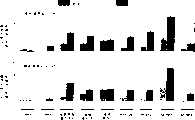
Fig. 8. Strain to the clear monogenic load of expansion in the MC3T3 cell after the effect of instant Gene response. Cyclin D1, connection protein 43, SFRP1, Wnt 10B, COX-2 and eNOS gene expression are induced, and FZ 2, Fos and Jun express and also be induced in the situation of imposed load. After 5 hours load to the minimum of inducing of WISP2 gene expression.
Fig. 9. Independent load and iGSK-3 and load combination iGSK-3 are to the effect of activation beta-catenin path. Data show, compare with load contrast not, and independent load induces each gene (except the WISP2) to express. Independent GSK-3 inhibitor (5 μ M) induces FZ 2 and WISP2 to express, but to connecting not effect of protein 43, cyclin D1, Wnt 10B, SFRP1, COX-2, eNOS, Fos or Jun. But, in the presence of load, process the MC3T3 cell with 5 μ M GSK-3 inhibitor, the gene expression of every kind of target gene is all produced co-induction.
Figure 10. IGSK-3 is to the dose-dependent effects of Wnt expression of target gene when having load. Data show, compare with load contrast not, and independent load is induced each gene expression. The independent GSK-3 inhibitor of arbitrary concentration (unlisted data) does not all have effect to the gene expression of listed gene. But the GSK-3 inhibitor with cumulative concentration (0.05-20 μ M) in the presence of load is processed the MC3T3 cell, the gene expression of every kind of target gene is all produced the co-induction of dose dependent.
Figure 11. To load in the fluorescein-labeled body of calcium. With 6N power load female mice, simultaneously with 7N load male mice. Compare with non-load contrast, all increase at the non-transgenic of two kinds of sexes and the calcium fluorescein labeled surface in the HBM transgenosis load mouse tibia, observe accordingly strong bone and form reaction.
Figure 12. TaqMan data show not load and COX-2, PTGS in the load shin bone and the eNOS expression of non--TG and LRP5 G171V TG mouse. The increase of the mRNA level of all three kinds of genes that load is induced in LRP5 G171V TG mouse all is higher than non--TG mouse.
Figure 13. The TaqMan data that Figure 13 A shows show, Wnt related gene and Wnt target gene after load 4 hours non--express in TG and LRP5 G171V TG (HBM TG) mouse. Load all induces the beta-catenin target gene to transcribe increase in non--TG and the LRP5 G171V TG mouse. But this induces in LRP5 G171V TG mouse more obvious. The TaqMan data that Figure 13 B shows show, Wnt related gene and Wnt target gene after load 24 hours non--express in TG and LRP5 G171V TG (HBM TG) mouse.
Figure 14. TAQMAN data show, RANKL and OPG after load 4 and 24 hours non--express in TG and G171V LRP5 TG (HBM TG) mouse. The RANKL genetic transcription is not all obviously induced in non--TG or LRP5 G171V TG mouse. The OPG genetic transcription only is induced in LRP5 G171V TG mouse, and is not induced in non--TG mouse.
Figure 15. Suppress the effect that COX-2 expresses the gene expression that load is induced. Front 1 hour of load (3,400 μ ε strains, 5 hours), add the cox 2 inhibitor NS-398 of variable concentrations (1-60 μ M) in the cell. Cox 2 inhibitor is proved to be inducing of connection protein 43, cyclin D1, Wnt 10b, SFRP1 and COX-2 gene expression that load capable of blocking induces, and to not effect of FZ 2, eNOS, Fos or Jun. These data show that COX-2 expresses the Wnt expression of target gene reaction under the stimulation of mediation imposed load is played an important role.
Figure 16. The model of LRP5 participating in activation Wnt/ beta-catenin path is described.
Figure 17. Natural Wnt part (Wnt 3A) co-induction beta-catenin expression of target gene.
Detailed Description Of The Invention
Method disclosed herein, composition and experiment are used for the purposes of discriminating and analysis of compounds and composition and treatment bone mineralising obstacle and disease. Any other obstacle and the disease of the bone loss that such obstacle or disease include but not limited to that bone development is sick, fracture (for example spine, hipbone, carpal bone or os pelvicum fracture, wedge fracture, repressive and comminuted fracture), age are relevant, chondrodystrophy (for example Pfeiffer syndrome of the Jackson-Weiss syndrome of achondroplasia, thanatophoric dysplasia, FGFR-2 sudden change and FGFR-1 sudden change), medicine inductivity osteopathy (for example glucocorticoid induce bone loss), processus styloideus radii metabolism, hypercalcemia, hyperostosis, osteomyelitis, osteoporosis, osteopetrosis, middle cone height, front height, middle height or rear high attenuating, Paget disease or this paper discussion.
1. definition and abbreviation
1.1 definition
Described " patient " means any animal. Preferred animal comprises fowl, fish, mammal and rodent. The animal of other classification comprises performing animal or agricultural animal (poultry for example is such as chicken, turkey, duck and crane quail, and pig, sheep, goat, cat, buffalo etc.). Preferred mammal comprises horse, pig, sheep, goat, ox and primate, and preferred primate is the people.
Described " material " and " reagent " are intended to comprise preferred adjusting Wnt path or its member's compound or composition.
Described " reference compound " is intended to comprise and regulates the Wnt path, more preferably regulates simultaneously the compound that can be used as contrast that Wnt path and bone are rebuild. Reference compound includes but not limited to parathyroid hormone (PTH) and GSK inhibitor.
Described " adjusting " mean by raise or downward modulation albumen, encoding histone nucleic acid, path (such as the Wnt path), path in the ability that changes of the activity of albumen etc.
Described " osteocyte adjusting " is intended to comprise the adjusting of bone density and/or bone mineralising. Can be by estimating the adjusting of the external definite osteocyte of variation that bone mineralising, alkaline phosphatase enzyme induction or Gegenbaur's cell induce. Can pass through any identical in vitro study method, and the variation of studying bone density by bone scanning, or organize the beta-catenin of sample or the variation of other bone aignment mark thing described herein research Wnt path activity by dyeing, estimate the body in-seam and regulate.
Term " power ", " load ", " pressure " and " strain " can use alternately at this paper, relate to the principle of power of tending to keep in mechanics or changing any action of position or distortion position, and this term can use with load alternately at this paper. The power of measuring with per unit area is defined as " pressure ", is also referred to as in this article " mechanical pressure ", and can how to apply according to power (load) and be categorized as pressure, tension force or shearing force. Specifically, if imposed load makes material become shorter, then show as pressure, then show as tension force when material is stretched. When sliding with respect to adjacent area, a zone of material then shows as shearing force. The result of pressure is defined as deformation, and the percentage of relative deformation or the variation of length are defined as " strain ". For example, if a kind of material is stretched to 101% of its former length, then its strain is 0.01 or 1%. Because strain does not have unit, thus itself or with relative deformation report, wherein 0.01 strain equals 1% deformation, perhaps with the microstrain report, wherein 10,000 microstrains equal 0.01 strain or 1% deformation (Turner etc., Bone, 14:595-608 (1993)).
Described " Wnt path " is intended to comprise any albumen (referring to Figure 16) of Wnt protein active downstream or upstream. For example, it should comprise any other albumen that LRP5, LRP6, Dkk, GSK-3, Wnt10B, Wnt6, Wnt3 (for example Wnt 3A), Wnt1 or this paper discuss, and the gene of these albumen of encoding. The Wnt path of discussing also is intended to comprise the Wnt downstream, and all participate in the path that bones are rebuild, such as LRP5 or HBM path, Dkk path, beta-catenin path, MAPKAPK2 path, OPG/RANK path etc.
Described " GSK inhibitor " refers to the material of any inhibition GSK activity. These materials comprise non-selective GSK inhibitor, for example LiCl or other lithium salts, and selective GSK inhibitor. Preferred GSK inhibitor is the GSK-3 inhibitor. Preferred GSK inhibitor is GSK-3 isotype specific inhibitor, for example GSK-3 β or GSK-3 alpha inhibitor. Other inhibitor includes but not limited to monoclonal or polyclonal antibody or its immunocompetence fragment, peptide is fit, GSK is in conjunction with antisense molecule, rnai molecule, morpholino oligonucleotides, peptide nucleic acid (PNA), ribozyme and the peptide of albumen, GSK nucleic acid.
Described " Dkk1 antagonist " be intended to include but not limited in the Wnt path, suppress the Dkk1 activity monoclonal or polyclonal antibody or its immunocompetence fragment, peptide is fit, GSK is in conjunction with antisense molecule, rnai molecule, morpholino oligonucleotides, peptide nucleic acid (PNA), ribozyme and the peptide of albumen, GSK nucleic acid.
Described " Wnt 3A activator " is intended to comprise that raising Wnt 3A synthesizes and/or active reagent. Described " Wnt 3A analogies " refer to preferred molecule of simulating the Wnt3A activity in the mode that is found in embodiment 9. Described " Wnt 3A variant " is included in any functional variety that can strengthen when giving load the activation of Wnt/ beta-catenin reaction.
Described " bone imbalance " or " osteopathy " expression comprises that wherein patient's bone mineralising stable state has been harmful to the imbalance that destroys. Harmful destruction can be to be increased bone mineralising form and reduces bone mineralising form. The bone imbalance comprises any imbalance that this paper discusses. Preferred bone imbalance comprises that bone loss and bone mineralising stable state lose. For example, preferred bone imbalance and osteopathy include but not limited to that osteoporosis, fracture, chondrodystrophy, medicine inductivity osteopathy, processus styloideus radii metabolism, hypercalcemia, hyperostosis, osteoarthritis, osteomyelitis and Paget are sick. Preferred fracture includes but not limited to hip fracture, Colle fracture or vertebra comminuted fracture. Preferred medicine inductivity disease includes but not limited to glucocorticoid inductivity osteoporosis, heparin-induced property osteoporosis, aluminium hydroxide inductivity osteomalacia, antispastic inductivity osteomalacia or glutethimide inductivity osteomalacia.
The cell that described " osteocyte " is intended to comprise tissue culture cell (" cultured cell ") or derives from bone tissue. Such cell includes but not limited to Gegenbaur's cell, preosteoblast, osteogenic cell, osteoclast, osteocyte, mescenchymal stem cell or its any combination. Described bone tissue is intended to comprise the combination of these cells, and it can be obtained by biopsy of bone equally.
Described " bone reconstruction " is the process of phalanges growth and metabolism. Described " bone reconstruction thing " refers to regulate compound or the composition that bone is rebuild. This material preferably strengthens bone to be rebuild, and the bone mineralising is enhanced, and bone absorbs suppressed. Therefore, this class material also can comprise " bone mineralising instrumentality ". Bone is rebuild and both can be studied in vivo, also can be in vitro study.
Described " bone mineralising " refers to form the process of hydroxyapatite in bone. This paper has considered to regulate the bone mineralising adjusting reagent of the hydroxyapatite amount that forms in the bone. For example, bone mineralising activator should increase the amount of the hydroxyapatite that forms among the patient who needs it. Bone is rebuild and both can be studied in vivo, also can be in vitro study.
Described " LRP5 path " and " HBM path " refer to that the albumen/gene of any LRP5 of containing or HBM mutant and LRP5 or HBM mutant downstream participate in the albumen of the signal transduction relevant with the bone reconstruction. The preferred material of the present invention is the LRP5 path activator that is used for the treatment of bone loss correlation disease. Also considered the material for relevant LRP6 path activator. Because great similitude between LRP5 and the LRP6, imagination is used for LRP6 so all LRP5 that mention and HBM regulate also.
Described " HBM " is intended to comprise high sclerotin and the phenotype relevant with HBM1 family. In people LRP5, there is a kind of G171V of sudden change to produce the phenotype that can in HBM1 family, observe. But, all imagine the gene for people LRP5 in any sudden change in this site, or any mammal LRP5 gene or in β-spiral of LRP6, be equal to the site.
Described " HBM phenotype " is intended to comprise that all produce the sudden change of phenotype (such as the phenotype that observes) in HBM1 family. Sudden change can be positioned at the residue 171 of people LRP5, or similar site among other site among the LRP5 or the LRP6, induces high sclerotin when it is expressed in animal.
Described " beta-catenin path " refers to any albumen/gene that comprises the beta-catenin downstream albumen of the beta-catenin signal transduction relevant with the bone reconstruction with participation. The preferred material of the present invention is the material (being the beta-catenin activator) of activation beta-catenin path.
Described " MAPKAPK2 path " refers to the albumen/gene of the MAPKAPK2 downstream albumen of the signal transduction that any MAPKAPK2 of comprising is relevant with the bone reconstruction with participation.
Described " OPG/RANKL path " refers to that any OPG/RANKL of comprising or participation and bone rebuild the albumen/gene of the OPG/RANKL downstream albumen of relevant signal transduction.
Described " Dkk path " is intended to comprise any participation Dkk-1 and LRP5 and/or the interactional albumen/gene of LRP6, and this interaction is the part of Wnt path. It is active that Dkk-1 suppresses LRP5. So concerning bone loss diseases, preferred Dkk-1 antagonist.
" albumen " refers to the polymer of the amino acid residue that links together by peptide bond. This term used herein refers to albumen, polypeptide and the peptide of arbitrary size, structure or function. But albumen is at least 6 amino acid longs usually. If preferably albumen is small peptide, it is long that then it is at least about 10 amino acid residues. " albumen " also comprises natural, restructuring or synthetic proteins. This term also can be used for referring to protein fragments. Albumen can be single molecule, perhaps can be the polymolecular compound. Term albumen also can be applicable to wherein one or more amino acid residues and is the amino acid polymer of corresponding natural amino acid whose artificial chemical analog. Employed term " albumen " comprises that also wherein one or more amino acid residues are not for corresponding to any natural amino acid whose " non-natural " amino acid whose amino acid polymer. Albumen preferably has the biologically active that relates to bone reconstruction and/or bone mineralising.
Described " fragment of albumen " or " protein fragments " refer to the protein/polypeptide for the part of another kind of albumen. For example, protein fragments can be by digestion and separates the polypeptide that the total length albumen from cultured cell obtains. Protein fragments comprises at least 6 amino acid usually. Fragment more generally comprises at least 10 amino acid. Fragment preferably comprises at least about 16 amino acid. Such protein fragments preferably has biologically active. Described biologically active is preferably regulated the bone mineralising is produced the Wnt path of regulating.
Described " immunoglobulin (Ig) " is intended to comprise antibody, antibody fragment and is the recombinant protein of an antibody part. The term " antibody " that uses refers to immunoglobulin (Ig), no matter is natural, and is still complete synthetic or the synthetic generation of part. This term also comprises its all derivatives that keep the special binding ability of antigen. This term also comprises anyly having and immunoglobulin (Ig) binding structural domain homology or the albumen of the binding structural domain of homology basically. These albumen can be from natural source, or part or all of synthetic the generation. Antibody can be monoclonal or polyclonal antibody. Antibody can be a member in any immunoglobulin (Ig) type, comprises in human-like any: IgG, IgM, IgA, IgD and IgE, and hypotype (for example IgG1, IgG2). But, the preferred IgG type of the present invention source.
Term " antibody fragment " refers to be less than any antibody derivatives of total length. Antibody fragment preferably keeps at least live part of full length antibody specificity binding ability. The example of antibody fragment includes but not limited to Fab, Fab ', F (ab ')2, scFv, Fv, dsFv double antibody and Fd fragment. Antibody fragment can produce by any method. For example, antibody fragment can pass through the fragmentation complete antibody and enzyme process or chemical method generation, perhaps can be produced by the genetic recombination of coded portion antibody sequence. Perhaps, antibody fragment can all or part of synthetic generation. Antibody fragment is optional to be single chain antibody fragments. Perhaps, fragment can comprise many chains that for example link together by disulfide bond. Fragment can also be chosen wantonly and be the polymolecular compound. The functional antibodies fragment comprises usually at least about 50 amino acid, more generally comprises at least about 200 amino acid, perhaps any length between these values.
" scFv " (" scFv ") is only by variable light chain (VL) and variable heavy chain (VH) recombinant antibody fragment that forms, variable light chain and variable heavy chain are covalently bound by peptide linker each other. VLOr VHAll can be NH2-terminal domain. Peptide linker length and composition are variable, as long as two variable domains are not having bridge joint in the serious three-dimensional situation about disturbing. Usually, joint mainly is comprised of glycine and serine residue skeleton, and is scattered with some and is beneficial to deliquescent glutamic acid or lysine residue.
" double antibody " is dimer scFv. The component of double antibody has the peptide linker shorter than most of scFv usually, and they show and are combined into dimeric skewed popularity.
" Fv " fragment is by a VHWith a VLThe antibody fragment that domain forms, VHAnd VLDomain keeps together by noncovalent interaction. Term " dsFv " is used in reference at this paper has in the molecule engineering disulfide bond to stablize VH-V
LRight Fv.
“F(ab′)
2" fragment is the antibody fragment that substantially is equal to the fragment of using pepsin to obtain in pH 4.0-4.5 digestion immunoglobulin (Ig) (being generally IgG). The generation of can also recombinating of this fragment.
" Fab ' " fragment is and reduces F (ab ')2The antibody fragment that the fragment that one or more disulfide bond of two heavy chains parts of connection obtain in the fragment is equal to substantially. The generation of also can recombinating of Fab ' fragment.
" Fab " fragment is the antibody fragment that substantially is equal to the fragment of using papain digestion immunoglobulin (Ig) (being generally IgG) to obtain. The generation of also can recombinating of Fab fragment. The heavy chain section of Fab fragment is the Fd part.
Term " albumen capturing agent " refers to self can protein-bonded molecule or polymolecular compound. The albumen capturing agent preferably in specific mode roughly in conjunction with its binding partners. Dissociation constant (the K of albumen capturing agentD) preferably less than about 10-6 Antibody or antibody fragment are particularly suitable for as the albumen capturing agent. Antigen also can be used as the albumen capturing agent, because they can binding antibody. Acceptor in conjunction with protein ligands is another kind of possible albumen capturing agent example. It being understood that the albumen capturing agent is not limited to only by noncovalent interaction and the interactional material of its binding partners. The albumen capturing agent is covalently bound albumen to their combinations randomly. For example, the albumen capturing agent is in conjunction with its binding partners of rear Photocrosslinkable.
Term " binding partners " refers to by specific albumen capturing agent preferably with the albumen of specific mode combination roughly. In some cases, binding partners can be generally the albumen by combination in albumen (for the albumen capturing agent) body. But in other embodiments, binding partners can be albumen or peptide, by its selection (by in the body or external selection) or produce (for example situation of antibody) albumen capturing agent. Binding partners can be shared by more than one albumen capturing agent. For example, by the multiple different epi-position of the binding partners portability of multiple polyclonal antibody combination. A kind of albumen capturing agent also can be in conjunction with multiple binding partners (for example, supposing that a plurality of binding partners have identical epi-position).
" be suitable for protein bound condition " and refer to the condition (with expressions such as salinity, pH, detergent, protein concentration, temperature) that allows albumen and binding partners thereof that combination occurs in solution. A large amount of nonspecific proteins combinations does not appear in preferred strict the getting of this condition.
" array " is the entity of arranging with certain pattern on matrix. Although this pattern often is two-dimensional pattern, this pattern also can be three-dimensional pattern, so that material is applied to array substrate in a larger amount.
Term " matrix " refers to the material at main body, basis and the center of array of the present invention. Matrix is the material that nucleic acid, antibody, immunoglobulin (Ig) and other compound adhere to.
Term " micromachining " and " fine processing " all refer to the multiple technologies for generation of fine structure (being characterized as the structure of the following scale size of millimeter). Such technology includes but not limited to gas deposition, photoetch and humidifying and the dry ecthing of laser ablation, electro-deposition, physics and chemistry. Also comprise relevant technology, for example injection moulding and LIGA (for example X ray etching, electro-deposition and molding). Major part in these technology all is developed at first for semiconductor, microelectronics and microelectromechanical-systems (MEMS), but also can be applicable to the present invention.
Term " coating " refers in natural on the stromal surface or synthetic formation or is applied to one deck on the stromal surface. For example, matrix such as silicon are exposed to air and cause the surface oxidation that exposes. In the situation that matrix is made by silicon, when being exposed to air, form from the teeth outwards silica dioxide coating. In other cases, coating is not to be produced by matrix, but can place on the surface by machinery, physics, electronics or chemical method. The example of this type coating is the silicon nitride coating that is applied to the metal coating of silicon or polymeric matrices or is applied to silicon matrix. Although coating can be any thickness, coating layer thickness is usually less than stromal thickness.
" intermediate layer " is other coating or the layer between first coating and matrix. Choose wantonly and can use together a plurality of intermediate layers. The main purpose in typical case intermediate layer is to help first coating and matrix adhesion. For example, titanium or chromium intermediate layer are used for gold plating is adhered to silicon or glass surface. But, the function that the expection intermediate layer also has other to exist. For example, (for example semiconductor layer between dielectric substrate and the insulating coating or metal level) can work in the array detection system in some intermediate layer.
" affinity labelling thing " is the functional moiety that can directly or indirectly polypeptide be fixed on the organic film exposed functional group. The affinity labelling thing preferably can site specificity immobilization, strengthens thus polypeptide or the nucleic acid orientation on organic film. In some cases, the affinity labelling thing can be simple chemical functional group. Other possible affinity labelling thing comprises nucleic acid, amino acid, polymerization (amino acid) label or total length albumen. Other possible affinity labelling thing comprises carbohydrate and nucleic acid again. For example, the affinity labelling thing can be the polynucleotides that are used as the multi-nucleotide hybrid of attachment with another kind at organic film as the polynucleotides of functional group or another kind. The affinity labelling thing also can be the synthetic chemistry part. If every organic film all comprises liquid bilayer or individual layer, then the film deadman is suitable affinity labelling thing. The affinity labelling thing can covalently or non-covalently be connected to albumen. For example, if the affinity labelling thing is covalently bound to polypeptide, then it can connect by chemical coupling or as fusion. The affinity labelling thing can also be connected to albumen by cutting key. Perhaps, the affinity labelling thing can directly not contact with polypeptide. Can separate alternatively affinity labelling thing and albumen by attachment. By noncovalent interaction or by covalent bond, the affinity labelling thing can be with proteopexy on organic film.
" attachment " is for any entity that the present invention seeks to the affinity labelling thing is connected to the immobilization albumen on the array film. Attachment can but not necessarily be the isolated molecule of non-covalent connection affinity labelling thing and albumen simultaneously. The alternatively covalently bound affinity labelling thing of attachment or albumen or these two (for example by chemical coupling or as fusion). Typical attachment is albumen, for example total length albumen, polypeptide or peptide. Other possible attachment comprises carbohydrate and nucleic acid.
Term " fusion " refers to the albumen that is comprised of two or more peptide species: although the usually not combination of its native state, its separately amino and c-terminus by the peptide bond combination, form single continuous polypeptide. That described two or more polypeptide fractions or directly connection are perhaps by peptide linker/sept indirect joint with being appreciated that.
Term " normal physiological condition " refers to typical condition in living body biological or cell. Has extreme condition although have recognized that some organ or biology, but organism environment outer and that born of the same parents are interior generally changes at pH about 7 (namely by pH 6.5 to pH 7.5), contain water as primary solvent, and remain on more than 0 ℃ and the temperature below 50 ℃. Will be appreciated that the concentration of various salt depends on organ, organism, cell or the cellular compartment as reference. The normal physiological condition can further comprise load and the non-loaded-up condition in bone tissue and the osteocyte.
" proteomics " refers to the research of protein group or some part of protein group or feature are identified. " protein group " is cell or cell mass intracellular protein and by total gleanings of the albumen of cell or cell mass secretion. This feature identifies that whether generally include the albumen that detects cellular expression most exists and common amount. Can also study function, architectural feature (for example posttranslational modification) and the location of albumen in cell. " functional proteomics " refers to the research to the functional character of the protein expressioning product of cell or cell mass, activity level and architectural feature.
1.2 abbreviation
Akt-3 protein kinase B (PKB) or RAC-PK
The AlPASE alkaline phosphatase
AP1 connects protein relative protein 1
AP1B1 connects albumen composition AP-1, β 1 subunit
AXIN axle albumen
B.i.d. bis in die (twice of every day)
BGN bone specificity disaccharide catenin glycan
BMP1 bone morphogenetic protein 1
The BMP4 bone morphogenetic protein 4
The BMU bone reconstructive unit
The BSA bovine serum albumin(BSA)
BTG2 B cell transposition gene 2, antiproliferative
CBFB nuclear binding factor β
The CCND1 cyclin D1
CCND3 cyclin D3
CCNI cyclin I
CELSR2 cadherin EGF LAG seven-transmembrane G receptor 2
The conservative helix-loop-helix of CHUK/IKK α is all at kinases, IkB kinases α
CK1 α Casein kinase 1, α 1
The CKB creatine kinase, brain
CNK1 KSR sample attachment enhancer
The Col1A1 collagen, 1 type, α 1
The Col3A1 collagen, 3 types, α 1
The Col6A3 collagen, the VI type, α 3
Connx43 connects protein 43
The COX-2 cyclooxygenase-2
CRABP2 cellular retinoic acid binding protein II
CSF1R colony-stimulating factor 1 acceptor
The CSPG2 chondroitin sulfate proteoglycan
The CTGF CTGF
CTSK cathepsin K
CX3CR1 chemotactic factor (CF) (C-X3-C) acceptor 1
Cyclin D1 is also referring to CCND1
DELTEX Deltex homologue 2 (fruit bat) is referring to EphB2
The DMSO dimethyl sulfoxide (DMSO)
(Disheveled) that DVL1 is fluffy and disorderly, dsh homologue (fruit bat)
The EDTA ethylenediamine tetra-acetic acid
EGTA ethylene glycol-O-O '-two (2-amino-ethyl)-N, N, N ' N '-tetraacethyl
EPHB2 KSR sample attachment enhancer (fruit bat ras kinase inhibitor)
EPHB6 Eph acceptor B6
ERBB3 GRO1 oncogene
ERK is also referred to as mitogen-activated protein kinase p44/42 (MAPK)
The FAP fibroblast activation protein, α
The fine albumen 1 of FBLN1
The FBS hyclone
FGF-2 fibroblast growth factor (alkalescence)
FGF-7 fibroblast growth factor 7 (keratinocyte growth factor)
FOS FBJ mouse osteosarcoma virus oncogene homologue
FOSL1 Fos-sample antigen 1
Frizzled2 FZ (fruit bat) homologue 2 also is called FZD2
FZD2 FZ (fruit bat) homologue 2
G171V is in the sudden change to valine of 171 glycine of people LRP5
GADD45A growth retardation and dna damage inducible protein, α
GADD45B growth retardation and dna damage inducible protein 45, β
GADD45G growth retardation and dna damage inducible protein 45, γ
GAS6 growth retardation specificity 6
GJA1 slit junctional membrane channel protein α 1 (be also referred to as and connect protein 43)
GJB3 slit junctional membrane channel protein β 3
GSK-3 Glycogensynthase kinases-3
GSK-3 α Glycogensynthase kinases-3, the α isotype
GSK-3 β Glycogensynthase kinases-3, the β isotype
IGSK GSK inhibitor
IGSK-3 GSK-3 inhibitor
The high sclerotin of HBM
The ubiquitin sample knot that the HERPUD1 homocysteine is induced, that endoplasmic reticulum pressure is induced
The HRT HRT
I.m. intramuscular
I.v. intravenous
IDB2 DNA binding inhibitors 2
IDB3 DNA binding inhibitors 3
IGF2 IGF 2 (SM-A)
The IGFBP6 IGFBP6
The IL-1 il-1
The IL1R1 interleukin-1 receptor, the I type
IL1RL1 interleukin-1 receptor sample 1
IL4RA IL-4 acceptor, α
The IL-6 interleukin-6
ITGA5 integrin α 5 (fibronectin receptor α)
The ITGB5 integrin, β
The ITGBL1 integrin, β sample 1
The amino kinase pathway of JNK c-jun
JUN v-jun avian sarcomata virus 17 oncogene homologues
JUND1 Jun proto-oncogene related gene d1
The part binding structural domain of LBD LRP5
The LDLR LDL receptor
The LOX lysyloxidase
LRP5 LDL receptor-GAP-associated protein GAP 5
LRP6 LDL receptor-GAP-associated protein GAP 6
LSP1 lymphocyte specific albumen 1
LUM chamber proteoglycans
The mitogen-activated protein kinase (p42,44) of MAPK (ERK)
The protein kinase 2 of the protein kinase activation that MAPKAPK2 is mitogen-activated, also
Be called MK2
Sudden change in the MCC colorectal cancer
MDSC mesenchyma source property stem cell
MET met proto-oncogene (hepatocyte growth factor receptor)
The MMP-14 Matrix metalloproteinase-14
The MMP-9 GELB
MSX1 homology frame, msh sample 1
MYBL1 v-myb medulloblastoma virus oncogene homologue (fowl)-sample 1
MYC v-myc avian myelocytomatosis poison oncogene homologue
MYCS Myc-sample oncogene, s-myc albumen
NCAM1 N-CAM 1
The nuclear factor of NFATC1 activating T cell, kytoplasm 1
The nuclear factor of the κ light chain gene enhancer in the NFKB1B cell, p105
Non-TG is not genetically modified
NOS3 nitricoxide synthase 3 (NOS3) is also referred to as eNOS
NR4A1 nuclear receptor subunit family 4, the A group, the member 1
OGN osteoglycin
The OPG OPG
OSMR oncostatin m receptor
P.o. per os (per os)
PCOLCE precollagen c-proteinase enhancing protein
PDGFA Cluster Incl.M29464: the growth factor α that blood platelet is derived
The growth factor receptors α polypeptide that the PDGFRA blood platelet is derived
The PKA PKA
The PKC protein kinase C
PLAT tissue plasminogen activator, t-PA
The albumen that PRDC-is relevant with DAC and Cerberus
PENDING
The PTGIS prostaglandin synthase
PTGS1 prostaglandin-endoperoxide synthase 1 also is called COX-1
PTGS2 prostaglandin-endoperoxide synthase 2 (PGG/H synthase
Or COX-2) or COX-2
The PTH parathyroid hormone
Q.d. quaque die (every day)
Q.n. quaque hora (for example per 24 hours, per 6 hours)
Q.o.d. quaque altera die (every other day)
RAMP3 acceptor (calcitonin) activity modifying albumen 3
The agent of RANK NF-κ B receptor activation
The receptor activation agent of RANKL NF-κ B part
RNAi RNA disturbs
The RUNX1 runt associated retroviral factor 1
The RUNX2/CBFA1 runt associated retroviral factor 2
S.c. subcutaneous
The similar calbindin of S100A10 and calcium-dependent protein
The SDF1 matrix factor 1 of deriving
The selective ERs instrumentality of SERM
SERPINE1 serine (or cysteine) protease inhibitors, clade E (connects
Connect albumen, plasminogen activator inhibitor 1 type), the member 1
SFRP1 secretion property frizzled related protein 1
SFRP4 secretion property frizzled related protein 4
ShRNA bobby pin RNA
The little RNA interfering of siRNA
SPARC sparc/ osteonectin
SPARCL1 SPARC-sample 1 (mast9, hevin)
SPP1 secretion property phosphoprotein 1
The SPR surface plasma resonance
STAT1 signal transduction and activator protein-1
STAT3 RIKEN cDNA 1110034C02 gene
The Nf-kB activation agent that TANK TRAF family member is correlated with
TG is genetically modified
The TGFB1 TGF, β 1
The TGFBR2 TGF, beta receptor II
The THBD thrombomodulin
TIEG TGFB inductivity early gene
TIMP1 TIMP
The TNF TNF
The TNFRSF10B tumor necrosis factor receptor super family, member 10b
The TNFRSF11B tumor necrosis factor receptor super family, member 11b (expansion SPP1)
TNFSF11 TNF (part) superfamily, member 11 (referring to
RANKL)
The transducer of TOB1 ErbB-2.1
TRAF3 TNF receptor associated factor 3
TUNEL terminal deoxynucleotidyl transferase dUTP otch end-labelling
UNK_D83402 prostacyclin I2 (prostacyclin) synthase
The VCAM1 Vcam1
The VEH carrier
WIF Wnt inhibiting factor
WISP1 WNT1 inductivity path albumen 1
WISP2 WNT1 inductivity signal transduction pathway albumen 2
Wk week
Wnt is aptery type MMTV integration site
Wnt 3A is aptery type MMTV integration site family member 3A
Wnt6 is aptery type MMTV integration site family member 6
Wnt10B is aptery type MMTV integration site family member 10B
2. bone load gene expression profile
A new aspect of the present invention has been illustrated the Wnt path and has been related to bone mineralising stable state, and also can regulate mineralising by regulating this path. Use simultaneously the gene expression profile of illustrating bone load with experiment in vitro in the body. The most normally be to make and the direct or indirect gene expression profile of relevant range gene (discriminating of the gene of namely being reduced by upper mediation) of Wnt signal transduction pathway, more specifically say and make its gene expression characteristics spectrum (be genetic transcription phase mutually between the amount reduced of upper mediation).
Carry out gene expression analysis disclosed herein (referring to following other chapters and sections and embodiment), find that many genes are raised under the bone load of bone load and enhancing, comprise the most especially COX-2, eNOS, connection protein 43, Fos, Jun and SFRP1 (other gene is listed in hereinafter the table). Determined that further beta-catenin is the essential component in the classical Wnt path. This path is in case activation, and beta-catenin is phosphorylation no longer just. The beta-catenin of non-phosphorylating form is accumulated in kytoplasm, and is transported in the nuclear. One enters in the nuclear, and beta-catenin just can be removed the inhibitor of target transcription factor, comprises TCF and LEF, and activated transcription again.
Signal transduction pathway activator (being Wnt path activator) includes but not limited to the GSK inhibitor. Other signal transduction pathway inhibitor comprises but is not limited to Wnt 3A, Wnt 3A analogies, Wnt 3A activator, pkc inhibitor (for example SQ22536), PKA inhibitor (H89 for example, Calbiochem), the signal transduction inhibitor (for example pertussis toxin) of MEK1/2 inhibitor (for example U0126 of Calbiochem, PD98059), P38MAPK inhibitor (for example SB203580, Calbiochem), JNK inhibitor (SP-600125 of Calbiochem), MAPKAPK2 inhibitor (Calbiochem catalog number (Cat.No.) No.3850880), calcium mobilization's inhibitor (for example TMB-8HCl), G albumen coupling, nitric oxide synthase inhibitors (for example L-NAME) and cox 2 inhibitor (for example NS-398, Indomethacin).
Therefore, activator discussed above and antagonist all can be used as research tool research (1) Wnt path; (2) the Wnt path signal transduction relevant with the bone stable state; (3) regulate for the Wnt path of bone stable state; (4) impact of the collaborative Wnt path signal transduction of other signal transduction pathway; (5) the interior and external bone load gene expression profile of the reaction of bone load and body; And (6) bone stable state and adjusting thereof. Described reagent for example can be used for differentiating new bone anabolism gene target; It also can be used for treating the patient that need to carry out the bone steady-state adjustment. For example, Wnt path activator can be used for treating bone loss, and Wnt path antagonist can be used for treating the illness of the bone mineralising rising of for example observing in osteopetrosis.
2.1 gene expression spectrum analysis
To the transcribing of RNA, carry out gene expression spectrum analysis by analyzing gene. The method for optimizing that carries out this work is to utilize PCR in real time and TaqMan methodology. PCR in real time provides the method for transcribing spectrum and genetic transcription feature under the quick and reproducible making spread effect, especially at post-stimulatory instant time point. The method is therefore particularly useful to the reaction of bone load to analyzing osteocyte. The signal that detects with the reaction in PCR product amount be directly proportional. By recording the fluorescent emission amount of each circulation, can monitor the PCR reaction in PCR index stage, wherein the first time of PCR product, remarkable increasing was associated with the primary quantity of target template.
Therefore, the application of PCR in real time and TaqMan technology also allows a plurality of targets on the same flat board are analyzed, as long as all primers are to all using identical thermal circulation parameters. Therefore can obtain the analysis to a plurality of genes, for example under the effect of bone Pressure stimulation, show by the gene of mediation downward modulation. This paper and embodiment disclose the method for using PCR in real time. Other method also is known to the skilled. Referring to for example RAPID CYCLE REAL-TIME PCR:METHODS AND APPLICATION (S.Meuer et al., eds., Springer Verlag 2001) and RAPID CYCLE REAL-TIME PCR-METHODS AND APPLICATIONS (W.Dietmaieretal., eds., Springer Verlag 2002).
Although PCR in real time is the method for optimizing that carries out gene expression spectrum analysis, also can use other RNA to analyze and quantitative approach. Other rna expression analytical method is known in the art, comprises that eTAG (ACLARA Biosciences), rna blot analysis, S1 nuclease are analyzed, the RNA enzyme protection is tested and Western blotting (observing variation at protein level). The method of carrying out these experiments is known in the art. Referring to for example USING ANTIBODIES:A LABORATORY MANUAL, Harlow, Ed and Lane, David (Cold Spring Harbor Press, 1999); Sambrook et al., MOLECULAR CLONING:A LABORATORY MANUAL (2nd Ed.Cold Spring Harbor Laboratory Press, 1989); With Maniatis et al., MOLECULAR CLONING, A LABORATORY MANUAL, (NY 1982 for Cold Spring Harbor Laboratory, Cold Spring Harbor).
Can carry out gene expression spectrum analysis to the cell of incubation growth, be used for analyzed in vitro bone load, and the body inner analysis derives from transcribing in the cell of bone tissue. Below further discuss and give the method that spur swashs in the body and in the analyzed in vitro. In brief, obtain load cell not, the cell that gives load, the cell that gives Wnt path instrumentality, static and the gene expression profile and the feature that give the HBM cell of load and derive from the previous classification cell of HBM transgenosis (TG) or intact animal. Compilation derives from the gene expression profile of each cell mass, this both provided individual gene express spectra and the gene expression characteristics group that can carry out screening substances by it, one group of gene expression profile of optimizing also is provided, it provides one group of gene of being reduced by upper mediation, and they are same group of genes with observe the gene of being reduced by mediation under the natural bone spread effect.
Obtain the bone gene expression profile by following parameter group:
(1) uncharged vitro cell culture;
(2) stand the vitro cell culture that load stimulates;
(3) giving Wnt pathway activity adjusting compound by the vitro cell culture that stimulated by load;
(4) derive from the cell of the HBM animal of standing load;
(5) derive from and stand the cell that load and Wnt path are regulated the HBM TG animal of compound;
(6) derive from the cell of the non-TG animal of standing load;
(7) derive from the cell of the non-TG animal of standing load and Wnt path instrumentality; With
(8) derive from cell without the TG that is subjected to load or non-TG animal.
According to the data that obtained by each groups of cells, obtain gene expression profile (indication of the gene of namely being reduced by upper mediation) and allelic expression (namely comparing the degree that mediation is reduced in the gene expression with inactive state). By these data acquisition core gene groups, the gene of often having been reduced by upper mediation when it has consisted of response bone load.
Following table is classified to the gene expression profile that is obtained by above parameters.
Table 1
The HBM gene expression profile
| Gene | Path | The HBM genotype that observes is to the effect of gene expression |
| ACP5 CollA1 connects protein 43 CTSK cyclin | HBM HBM Wnt HBM Wnt load sensing thing Wnt HBM HBM HBM load sensing thing pressure and osteoclast function pressure and osteoclast function pressure and osteoclast function HBM load sensing thing pressure and osteoclast function Wnt Wnt | In the HBM cell, raised in the HBM cell, to be raised in the HBM cell, to be raised in the HBM cell to be raised in the HBM cell without remarkable effect without remarkable effect without remarkable effect without remarkable effect by downward modulation in the HBM cell by downward modulation in the HBM cell by downward modulation by downward modulation in the HBM cell by downward modulation in the HBM cell without remarkable effect without remarkable effect without remarkable effect without remarkable effect without remarkable effect and in the HBM cell, raised |
| TGFβ TIMP3 WISP2 Wnt10B | HBM HBM Wnt Wnt | In the HBM cell, raised in the HBM cell, to be raised in the HBM cell, to be raised and in the HBM cell, raised |
Table 1 described " pressure and osteoclast function " refers to be the gene of stress reaction type and Osteoclastogenesis and the necessary gene of function. The term " load sensing thing " that is used for table 1 refers to the gene that mechanical load is reacted that document is known. The term " HBM feature " that is used for table 1 and whole application is intended to comprise one group of gene, and it is differential expression in the clone of expressing the HBM sudden change or in infected people HBM1 family individuality.
Table 2
The load of contrast HBM TG and non-TG animal is to the effect of gene expression in vivo
| Gene | Path | Load is to the effect of gene expression |
| ACP5 Col1A1 connects protein 43 CTSK cyclin D1 ENOS FZ 2 GADD45A IGF2 IGFBP6 IL-6 IL-8 | HBM HBM Wnt HBM Wnt load sensing thing Wnt HBM HBM HBM load sensing thing pressure and osteoclast function | In male HBM-TG, raised comparably, in female HBM-TG, be induced more significantly in the two, all to be raised without marked change; The more remarkable rise comparably in two kinds of animals raised in HBM-TG; More remarkable quilt raises in HBM-TG; More remarkable quilt raises in HBM-TG; More remarkable all the rise in two kinds of bucks by downward modulation in two kinds of animals raised in HBM-TG; More remarkable quilt raises in HBM-TG; More remarkable quilt raises in HBM-TG; More remarkable in HBM-TG |
| Gene | Path | Load is to the effect of gene expression |
| LRP5 MK2 OPG osteonectin PTGS RANKL SFRP1 SFRP4 TGF β TIMP3 WISP2 Wnt10B | -pressure and osteoclast function pressure and osteoclast function HBM load sensing thing pressure and osteoclast function Wnt Wnt HBM HBM Wnt Wnt | In the two, all only in non-TG animal, raised only in the HBM-TG animal, to be raised without marked change and raised; More remarkable quilt raises in HBM-TG; More significantly in HBM-TG in the two, all raised without marked change; More remarkable quilt raises in HBM-TG; More significantly in HBM-TG in the two, all raised without marked change in the two without marked change; More remarkable quilt raises in HBM-TG; More remarkable in HBM-TG |
Table 3
The effect that load is expressed outer-gene
| Gene | Gene type | The MC3T3 cell is to the reaction of gravitational load |
| AP1B1 AXIN BMP1 CBFB CCND1 CCND3 CELSR2 CHUK/IKK α CK1α | Pressure adjustment type gene Wnt path component observes by iGSK-3 induced osteogenesis cell function Wnt target gene cell cycle G-receptor and promotes beta-catenin nuclear translocation Wnt path component | Raised to be raised to be raised to be raised to be raised to be raised to be raised to be raised and raised |
| Gene | Gene type | MC3T3 cell pair |
| CKB CRABP2 CSF1R CTGF DVL1 EPHB6 FOSL1 GADD45B GADD45G GJA1 GJB3 HERPUD1 IGFBP6 IL1R1 IL1RL1 IL4RA ITGA5 JUN JUND1 LDLR LOX MAPKAPK2 MSX1 MYCS NCAM1 NFATC1 | The signal transduction of kinases osteoblast differentiation Osteoclastogenesis growth factor Wnt signal transduction intermediate Wnt target gene pressure adjustment type gene cell cycle cell cycle Wnt target gene Wnt target gene Wnt target gene igf binding protein IL-1 mediation, the signal transduction of inflammation IL-1 mediation, the kinases Wnt target gene Wnt target gene Wnt target gene inflammation in the transduction of inflammation inflammation integrin signal transduction pressure adjustment type gene pressure adjustment type gene lipoprotein receptor lysyloxidase pressure adjustment signal | The reaction of gravitational load is raised to be raised to be raised to be raised to be raised to be raised to be raised to be raised to be raised to be raised to be raised to be raised to be raised to be raised to be raised to be raised to be raised to be raised to be raised to be raised to be raised to be raised to be raised to be raised to be raised and is raised |
| Gene | Gene type | MC3T3 cell pair |
| NFKB1 PDGFA PRDC-PENDING PTGS1 PTGS2 RAMP3 RUNX RUNX2/CBFA1 SDC1 SERPINE1 SPARCL1 STAT3 TANK TGFB1 THBD TIEG TIMP1 TIMP3 TNFRSF11B/OPG TRAF3 WISP1 | Inflammation, the proliferate factor, Gegenbaur's cell is grown essential proteoglycans protease function of osteoblast propagation and the Growth of Cells inflammation of Cereberus sample albumen inflammation Wnt target gene calcium signal transduction function of osteoblast function of osteoblast Wnt signal transduction, NF-κ B signal transduction TGF signal beta transducible gene inner skin cell function TGF signal beta transducible gene matrix metalloproteinase matrix metalloproteinase Wnt target gene NF-κ B signal transduction Wnt target gene | The reaction of gravitational load is raised to be raised to be raised to be raised to be raised to be raised to be raised to be raised to be raised to be raised to be raised to be raised to be raised to be raised to be raised to be raised to be raised to be raised to be raised to be raised and is raised |
Under the effect to the MC3T3 cell weight application load of cultivating, gene listed above is conditioned.
Table 4
When having and do not have Wnt/ beta-catenin signal pathway activated agent iGSK-3
Use the effect of FlexerCell load
| Treatment/gene | CCND1 | CXN43 | SFRP1 | Wnt10b | eNOS | COX-2 | FOS |
| Without the iGSK/ no-load | 1.00 | 1.00 | 1.00 | 1.00 | 1.00 | 1.00 | 1.00 |
| Without iGSK+ load | 3.64 | 3.39 | 3.05 | 2.76 | 2.35 | 2.48 | 3.20 |
| IGSK 0.05 μ M+ load | 3.80 | 4.27 | 3.04 | 3.70 | 2.54 | 2.56 | 3.66 |
| IGSK 0.2 μ M+ load | 4.39 | 4.42 | 3.36 | 3.53 | 2.65 | 2.74 | 3.76 |
| | 5.17 | 4.76 | 3.59 | 3.69 | 3.06 | 3.16 | 4.51 ** |
| | 6.93 * | 5.38 | 5.41 * | 4.40 * | 4.33 * | 6.50 ** | 6.20 ** |
| IGSK 20 μ M+ load | 7.13 ** | 7.72 ** | 10.00 ** | 6.95 ** | 5.95 ** | 8.17 ** | 10.77 ** |
“
*" expression inducing near 2 times of load. "**" expression is equal to or greater than inducing of 2 times of load.
For being in harmonious proportion the gene of reducing in other the acquisition, referring to embodiment provided herein and other table.
3. study the method for body in-seam load
3.1 bone research
For understanding the mechanism as HBM sudden change anabolism characteristic basis, make HBM transgenosis (TG) mouse mechanical load in acceptor, (non--TG) changes in gene expression compared of the brood mouse of contrast with its non-transgenic to probe into. This can be undertaken by shin bone and the braincap that obtains to have given the animal that bone load stimulates, but also can use other suitable bone, includes but not limited to ulna, femur and vertebra. RNA derives from and gives the post-stimulatory HBM TG of load and the brood mouse of non-TG. Then by extracting RNA in braincap or the shin bone (or other bone), and between animal, compare (being the post-stimulatory HBM TG of inactive state and load and non-TG mouse).
The Wnt pathway gene significant reaction of observing the HBM mouse is larger than the brood mouse contrast of its non-TG. By this observed result deducibility, the HBM sudden change makes bone more responsive to mechanical load. Load stimulates a lower gene expression characteristics group that produces to comprise the rise that connects protein 43, osteonectin, OPG, eNOS, COX-2, prostaglandin synthase (PTGS), interleukin-6 (ILK-6), cyclin D1, Wnt 10B, SFRP1 and SFRP4 in vivo. Other gene is also raised, as hereinafter with the more detailed discussion of embodiment.
The method of inducing bone load to stimulate comprises the four-point loading system that embodiment discusses. The method that gives load in other the body is (for example three point load systems) known in the art, also can use as those skilled in the art are known.
Be used in any combination of other gene that the above express spectra that obtains in the HBM TG mouse or this paper discusses, can in non-TG and HBM TG animal, screen material, whether strengthen the activation of Wnt path and strengthen thus the bone mineralising to determine concrete material. The several positive controls that are used for research mineralising reinforce comprise PTH and strengthen the GSK-3 inhibitor 3-(3-chloro-4-hydroxyl phenyl amino) of mineralising-4-(2-nitrobenzophenone)-1-H-pyrroles-2,5-diketone by activation Wnt path. Other GSK-3 inhibitor described herein also can be used as positive control.
Change except obtain gene expression profile and the feature, can also study to regulate the Animal Bone pathology that produce by load and/or Wnt path by standing the animal that load stimulates and/or the Wnt path is regulated. For example, list in the variation of braincap thickness (or variation of other bone thickness) or the arbitrary table of this paper, independent or rebuild any RNA of being upward or downward under the bone load spread effect of regulating compound combinations with one or more bones or the protein expression of albumen changes.
Can for example give the animal testing thing by the amount with about 0.01mg/kg/ days to about 100mg/kg/ days, cranium is analyzed. More preferably material provides with about 0.1mg/kg/ days to about 50 mg/kg/ days amount. For example can about 0.5,10 and gave animal substance in 50mg/kg/ days. Usually, with every group of 6 mouse batch give mouse material (having 72 mouse in the research), and after giving, studied in 5,15 and 30 days. Parathyroid hormone (PTH) can be used as positive control, GSK-3 inhibitor 3-(3-chloro-4-hydroxyl phenyl amino)-4-(2-nitrobenzophenone)-1-H-pyrroles-2, and the 5-diketone also can be used as positive control. After giving the stimulation of bone load in the situation that has and do not exist these reagent, can detect the difference of braincap size.
The method that other research osteopathy reason changes is apparent to those skilled in the art. Then these pathology of bone can be changed with body in and the gene expression profile of external acquisition and gene expression characteristics spectrum and further relevant data compare. As previously mentioned, gene expression profile can obtain by any method that this paper discusses, and maybe can obtain by the method that those of ordinary skill is obviously understood.
Although it is active all can to test its adjusting under bone load stimulates to any gene discussed above, the gene of preferably evaluating and testing includes but not limited to: SFRP1, TIMP3, GJA1, CTSK, Col1A1, CCND1, TIMP2, GADD45A, WISP2, FZD2, SFRP4, IGFBP6, LRP5, LRP6, IL6, IGF2, SPARC, MAPKAPK2, TNF, TNFRSF11B, TNFSF11, PTGS2 (COX-2), eNOS, GRO1 and Wnt10B. In addition referring in any table of this paper, list, independent or rebuild the gene that is upward or downward under the bone load spread effect of regulating compound combinations with one or more bones.
4. the method for in vitro study bone load
One aspect of the present invention is the effect of the external bone load of research and the method that can strengthen bone load benefit (namely increasing the bone mineralising). Research bone load strengthens both can carry out (as mentioned above) in vivo, also can carry out external. Bone load strengthens and preferably at first carries out external, then carries out experiment in the body as indicated above.
Therefore, one aspect of the present invention comprises cell is placed under the condition that simulation load stimulates. There is several method with effects of strain in cell culture, to react with the bone load that simulation observes in vivo. These methods include but not limited to fluid shearing, hydrostatic pressing, uniaxial tension, biaxial stretch-formed, gravitational load and use FlexercellOr be equal to the load that system is induced.
4.1 bone load stimulates
The bone load that is provided by for example above any method stimulates the gene of regulating to preferably include but is not limited to SFRP1, connects protein 43, CCND1, Wnt10b, Jun, Fos, PTGS2 (COX-2) and eNOS. Other gene that can monitor its active increasing (for example mRNA transcript and albumen increase) is shown in the many genes in this paper table. Have 6 genes to show under the bone load all the time to be raised that (be that Jun, Fos, eNOS, SFRP1, COX-2 and connection protein 43 are connected, these genes also are added into Wnt signal pathway activated thing to be strengthened at least. Add Wnt signal pathway activated reagent (for example GSK-3 inhibitor and Wnt 3A and activator, analogies and variant) and do not strengthen other gene such as Wnt2, it only responds to bone load.
4.1.1 fluid shearing stimulates
It is a kind of that to induce the method for bone load be to utilize fluid shearing. Fluid shearing comprises the cone and plate viscometer that produces lasting laminar shear by agitating device. Perhaps, the flow circuits device can produce such shearing in the PARALLEL FLOW culture chamber. A rear method and apparatus illustrates with the Streamer system that Flexcell International Corporation produces. Also known mobile loop apparatus produces and can reappear and consistent stimulation. Shortcoming only be terminal point usually of short duration and these change whether affect differentiation osteoblastic function (Basso et al., Bone 30 (2): 347-51 (2002)).
4.1.2 hydrostatic pressing stimulates
The second method of inducing bone load is to use hydrostatic pressing. Hydrostatic pressing utilizes compressed air to produce lasting or intermittent power, and these power are considered to be oriented to specifically cell and the interactional zone of extracellular matrix protein/attachment proteins.
4.1.3 uniaxial tension stimulates
The third method of external evoked bone load is to use uniaxial tension to stimulate. The uniaxial tension method is utilized the tensile force of a direction. The method is included in the polystyrene film bar processed or the tissue culture on other film tape and cultivates cell, and wherein said film tape is fixed on the soft siloxane layer. Siloxane layer also is connected with two metal bars. Use electromagnet or some other moving methods that metal bar is controlled each other. The method does not produce any fluid shearing. Do not have fluid shearing to make the method more not preferred because interstitial fluid be flowing in bone rebuild in role larger than mechanical stretching. Therefore, the method can not be simulated esoteric situation fully, although its generation can reappear and consistent stimulation (Basso et al., Bone 30 (2): 347-51 (2002)).
4.1.4 biaxial stretch-formed stimulation
Biaxial stretch-formed is exactly the Flexercell system that this paper discusses basically. The method is utilized the coated silicone rubber membrane of collagen, and cell is grown thereon. Then plate is placed the dish of special connection vavuum pump. Vavuum pump stretches and m flac by stretching or twisting cell membrane. In addition, any medium or fluid move all will further increase fluid shearing.
4.1.5 gravitational load stimulates
Gravitational load is the method that another kind can external evoked bone load. Power acts on the cell basically, makes cell become flat. About other details, referring to for example Hatton et al., J.Bone ﹠ Min.Res.18 (1): 58-66 (2003); With Fitzgerald et al., Exp.Cell.Res. 228:168-71 (1996). Specifically, then cultured cell onboard or on the cover glass is exposed to cumulative G power.
4.1.6Flexercell stimulates
Evaluation is to use Flexercell system based on the Wnt path of reagent and a method for optimizing of bone mineralising enhancing, and it is a kind of biaxial stretch-formed stimulation. In brief, make osteocyte (for example MC3T3 cell) bear 3,400 μ ε. Also about 50 μ ε can be stimulated as mechanical load to the load of about 5,000 μ ε (and any value between this). Physiology bone load is all simulated in any stimulation in this scope to stimulate. The above stimulation of 5,000 μ ε produces Pathological Physiology load, therefore not by preferably. Cell also can bear biaxial stretch-formed before the contact Wnt path instrumentality (for example GSK inhibitor).
Include but not limited to COX-2, eNOS, connection protein 43 and SFRP1 by the gene that gives separately or raised together with the GSK inhibitor gives load. The express spectra of being studied external acquisition by Flexercell exactly likes load gene expression profile in the body (namely HBM TG mouse tibia cell is carried out RNA and analyze, wherein use four dot systems that mouse is carried out bone load). Therefore, the application of other mechanical load method of various clones disclosed herein is tested or used to this mechanical load, can be used for differentiating adjusting and the preferred little molecule that activates the classical Wnt path and simulate the HBM phenotype, peptide, immunoglobulin (Ig) etc.
The in-vitro method that mechanical pressure on the inducing cell stimulates also can be used for studying cell proliferation and apoptosis, and it is relevant with the needs that propagation and the osteoclast of bone reconstruction and Gegenbaur's cell and osteoclast absorb. For example, HBM and unaltered Gegenbaur's cell can be inoculated in the Bioflex 6 hole flat boards, in containing the growth medium of 10%FBS, cultivate 2-3 days, until cell about 60% converges. In mechanical load front 24 hours, contain about minimal medium of 2 to about 4%FBS with 1mL and replace culture medium. Then make cell bear about 50 to the load of about 5,000 μ ε about 1 to about 5 hours.
After load, cultured cell a period of time again. Subsequently, use various commercial experiments or experiment known in the art evaluation and test cell number and propagation situation, wherein said experiment include but not limited to [3H]-thymidine mixes, 5-bromo-2 '-BrdU (BrdU) mixes, 3-(4,5-dimethylthiazole-2-yl)-5-(3-carboxymethoxyl phenyl)-2-(4-sulfo group phenyl)-2H-tetrazolium salts (trazolium alts) (MTS) is tested, TUNEL experiment (being terminal deoxynucleotidyl transferase dUTP otch end-labelling) or annexin V experiment.
Can use the external bone load method of above discussion, the Wnt path activator of analyzing other strengthens the ability of bone load, and wherein said other Wnt path activator comprises other GSK-3 inhibitor compound, natural Wnt path part, synthetic ligands, little molecule and known antagonist Cerebrus, SFRP and the WIF (Wnt inhibiting factor) that this paper discusses. Known Wnt signal pathway activated agent comprises Wnt1 and Wnt 3A, little molecule Wnt analogies, interact with LRP5 and the peptide of activation Wnt signal transduction fit. Preferably peptide is fit comprises:
Fit sequence (aminoterminal is to c-terminus)
262 METDTLLLWVLLLWVPGSTGDGSMSDKIIHLTDDSFDTDVLKADG
AILVDFWAEWCGPNSGGGGMIWEAWSCYACGTSGPCKMIAPILD
EIADEYQGKLTVAKLNIDQNPGTAPKYGIRGIPTLLLFKNGEVAAT
KVGALSKGQLKEFLDANLA
In another embodiment, can screen or use the Wnt antagonist for treating to need the individuality of bone demineralization (for example osteopetrosis). The Wnt antagonist includes but not limited to the Dkk1 antagonist.
4.2 cell culture
The cell that can carry out external load test stabilization includes but not limited to following human cell line: osteocyte (Wyeth) and the elementary Gegenbaur's cell of people before U2OS cell (ATCC), MG-63 cell (ATCC), SAOS-2 cell (ATCC), HOS-TE85 cell (ATCC), HOBO3CE6 cell (Wyeth), the HOBO1C1. In addition, cell can be cultivated by any mammal system. The preferred animal system that is used for research comprises rat and Mouse Bone cell. For example, the Mouse Bone cell that can be used for above any method includes but not limited to MC3T3 cell (ATCC) and the elementary Gegenbaur's cell that embodiment discusses, or the similar clone of any and above human cell line. The rat cell that can be used for any disclosed external pressure inducement method includes but not limited to UMR-106 cell (ATCC), ROS17/2.8 cell and elementary Gegenbaur's cell, or the clone of any and above human cell line's class system. The method of cultivating these cells is known to the skilled. Referring to for example IAN FRESHNEY, CULTURE OF ANIMAL CELLS-A MANUAL OF BASIC TECHNIQUE (4th ed.,Wiley-Liss,New York,2000)。
In another aspect of this invention, can take out cell by bone, cell can comprise Gegenbaur's cell, osteoclast and osteocyte and CFU-GM and stem cell. Preferred Gegenbaur's cell and CFU-GM thereof and stem cell comprise that ripe Gegenbaur's cell, preosteoblast (ripe with immature) and mescenchymal stem cell (are also referred to as the stem cell that mesenchyma is derived, MDSC).
In another aspect of this invention, derive from HBM and change the bone load methodology coupling that individual human cell line can discuss with this paper. These clones can be used for studying by load test stabilization in the body that HBM and non-transgenic mouse carry out differentiate gene induced.
4.3TCF luciferase experiment
It is active that TCF luciferase experimental system also can be used for monitoring the Wnt signal transduction. The construction that is used for the experiment of TCF luciferase can prepare as known in the art. For example, the burst of Kozak and the secretion of guiding peptide be can use, Wnt path albumen such as LRP5, LRP6 and HBM etc. in pcDNA3.1, expressed.
One prepares construction, just cell such as Gegenbaur's cell and HEK293 cell are seeded in the orifice plate, and with construction DNA, CMV beta galactosidase DNA and TCF luciferase reporter gene DNA transfection. Then cell lysis detects beta galactosidase and the uciferase activity of cell, whether affects the Wnt signal transduction to determine Wnt path interact protein or other molecule such as antibody. Other details about the method for using TCF-fluorescein construction is provided by following examples.
In another embodiment, FlexercellMachinery cell load system (or method of the load on any external evoked cell) can with TCF luciferase reporter gene system or other Reporter System coupling, to detect mechanical load to the effect of Wnt path. Such experiment can followingly be carried out. For these experiments, plating MC3T3 cell (or the another kind of this paper discussion is equal to cell) was as mentioned above cultivated 3 days or until is converged. Then culture medium is replaced by the serum free medium that contains BSA or contains the low blood serum medium (1%FBS) of α MEM. Then the cell on or the serum free medium low at this was induced 24 hours again. Mechanical load precontract 1 hour, one dull and stereotyped with 1 dose of Wnt path instrumentality (for example GSK inhibitor, natural Wnt part include but not limited to Wnt 1 and Wnt 3A) preliminary treatment, and another flat board is untreated. After with preliminary treatment such as any Wnt simulation part, little molecules, then make as previously mentioned cell bear mechanical load (for example 3,400 μ ε) about 5 hours. After instant after the load and load 24 hours, use as mentioned above the small-sized kit of Qiagen by load and the control sample collection RNA of load not.
Then the load characteristic group gene of each time point carried out PCR in real time (or any suitable RNA experiment known in the art), to observe the change of processing gene expression. Perhaps, but the methods analyst RNA that known other method of operation technique personnel or this paper discuss.
5. array
Utilization relates to a kind of method of the gene expression profile of the Wnt path that bone is rebuild and regulate and feature and is nucleic acid and the protein arrays form of preparation. Then the relation that can use these arrays further to study the Wnt path and rebuild with bone. These arrays also can be used for screening by the Wnt path regulates the material that bone is rebuild.
5.1 nucleic acid array
Prepare as is known to persons skilled in the art nucleic acid array. The preparation and use the method for these arrays to be described in for example P.Baldi et al., DNA MICROARRAYS AND GENE EXPRESSION:FROM EXPERIMENTS TO DATA ANALYSIS AND MODELING (Cambridge University Press 2002); With DNA MICROARRAYS:A MOLECULAR CLONING MANUAL (David Bowtell and Joseph Sambrook, eds., Cold Spring Harbor Laboratory, 2002).
The nucleic acid that preferred nucleic acid array comprises is corresponding with the Wnt signal transduction pathway member of any gene in showing 1-5 or Figure 16. For example, this array can comprise 2,3,4,5,6,7,8,9,10,15,20,25,30,35,40,45,50 or more (or any integer values between this) are individual relates to gene that bone is rebuild. Any modulated gene that such gene comprises in any table, lists among the embodiment, or the part of path shown in Figure 16. These nucleic acid are examples of the nucleic acid relevant with bone load reaction.
The array that can prepare in another embodiment, the gene that comprises Wnt path bone reconstruction gene and participation such as blood calcium adjusting, osteoclast apoptosis, osteoblastic proliferation etc.
Table 5
Be used for developing the gene inventory of high sclerotin microarray or albumen/antibody array
| Gene | Describe | Express the position |
| ACP5 CCND1 CNK1 COL1A1 COL6A3 CTGF CTSK CX3CR1 DELTEX EPHB2 | Acid phosphatase 5, tartrate resisting cell cyclin D1 (PRAD1: parathyroid adenoma 1) v-erb-b2 EBL viral oncogene homologue 3 (bird) collagen, the I type, α 1 collagen, the VI type, α 3 CTGF cathepsin K (pyknodysostosis) chemotactic factor (CF) (C-X3-C) acceptors 1 Deltex homologue 2 (fruit bat), EphB2 KSR sample attachment enhancer (fruit bat ras kinase inhibitor) | Bone and colon cancer HBM bone bone and colon cancer HBM bone HBM bone HBM bone HBM bone inflammation of bone bone and colon cancer bone and colon cancer |
| Gene | Describe | Express the position |
| ERBB3 | The GRO1 oncogene (melanoma growth-stimulating activity, α) | Bone and colon cancer |
| FAP FBLN1 FGF-2 FGF-7 FOS FZD2 GADD45A GAS6 GJA1 IGF2 IGF2R IGFBP6 IL-6 ITGB5 ITGBL1 JUN LOX LRP5 | Fibroblast activation protein, fine albumen 1 FGF2 (alkalescence) fibroblast growth factor 7 (keratinocyte growth factor) fos FBJ mouse osteosarcoma virus oncogene homologue FZ (fruit bat) homologue 2 growth retardations of α and dna damage inducible protein, α growth retardation specific proteins 6 inserted by connexins, α 1,43kD (connection protein 43) IMA-IGF2BP3-001 (SM-A) IMA-IGF2BP3-001 acceptor IGFBP6 interleukin 6 (interferon, β 2) integrin, β 5 integrins, β sample 1 (having EGF sample repetitive sequence domain) v-jun avian sarcomata virus 17 oncogene homologue lysyloxidase LDL receptor-GAP-associated protein GAPs 5 | Bone and colon cancer HBM bone inflammation of bone inflammation of bone bone and colon cancer/Load Sensitive gene HBM bone HBM bone HBM bone HBM bone inflammation of bone inflammation of bone HBM bone inflammation of bone HBM bone HBM bone bone and colon cancer/Load Sensitive gene HBM bone HBM bone |
| Gene | Describe | Express the position |
| LRP6 | LDL receptor-GAP-associated protein GAP | The HBM bone |
| LSP1 MAPKAPK2 MCC MET MYBL1 MYC Enos OSMR PDGFRA PTGS2/COX-2 SFRP1 SFRP4 SPARC STAT1 | Sudden change Met proto-oncogene (hepatocyte growth factor receptor) v-myb medulloblastoma virus oncogene homologue (fowl) in protein kinase 2 colorectal cancers that 6 lymphocyte specific albumen, 1 mitogen-activated protein kinase activates-sample 1 v-myc Avian myelocytomatosis virus oncogene homologue nitricoxide synthase 3 (endothelial cell) oncostatin m receptor platelet-derived growth factor acceptor, α polypeptide prostaglandin-endoperoxide synthase 2 (PGG/H synthase and cyclo-oxygenase) secretion property frizzled related protein 1 secretion property frizzled related protein 4 sparc/ osteonectins, cwcv and kazal spline structure territory proteoglycans (testis proteoglycans) signal transduction and activator protein-1,91kD | Inflammation of bone osteoclast activity bone and colon cancer HBM bone HBM bone bone and colon cancer load response type gene HBM bone HBM bone load response type gene HBM bone HBM bone inflammation of bone inflammation of bone |
| Gene | Describe | Express the position |
| TGFBR2 | TGF, beta receptor II (70-80 kD) | Inflammation of bone |
| THBS1 TIMP2 TIMP3 TNF TNFRSF10B TNFRSF11B/OPG TNFSF11/RANKL UNK_D83402 VCAM1 WISP2 WNT10B WNT6 | Thrombospondin 1 TIMP 2 TIMP 3 (Sorsby fundus dystrophies, false inflammation) TNF (TNF superfamily, the member 2) tumor necrosis factor receptor super family, member 10b tumor necrosis factor receptor super family, member 11b (OPG) TNF (part) superfamily, member's 11 prostacyclin I2s (prostacyclin) synthase Vcam1 WNT1 inductivity signal transduction pathway albumen 2 is aptery type MMTV integration site family, member 10B is aptery type MMTV integration site family, the member 6 | HBM bone HBM bone HBM osteoclastic bone active bone inflammation osteoclast activity osteoclast activity HBM bone inflammation of bone HBM bone bone and colon cancer HBM bone |
Nucleic acid array preferably comprises two or more corresponding to the sequence that observes the gene of expressing in " HBM bone ". Such array can comprise at least 2,3,4,5,10,15,20,25,30 or more (and any integer value between this) plant sequence, these sequences are upward or downward under the bone load, such as table, embodiment or shown in Figure 16. Can prepare and similarly be the specific albumen/antibody array of high sclerotin, at least 2,3,4,5,10,15,20,25,30 or more (and any integer value between this) that its albumen that comprises, peptide and/or immunoglobulin (Ig) associative list 5 are listed planted albumen, or combination relates to any albumen of arbitrary path of this paper discussion.
5.1.2 dna microarray makes up
Before hybridization, often need the amplification of nucleic acid sample. Suitable amplification method includes but not limited to polymerase chain reaction (PCR) (Innis, et al., PCR PROTOCOLS.A GUIDE TO METHODS AND APPLICATION.ACADEMIC PRESS, Inc.San Diego, (1990)), ligase chain reaction (LCR) is (referring to Wu et al., Genomics, 4:560 (1989); Landegren et al., Science, 241:1077 (1988); And Barringeretal., Gene, 89:117 (1990)), transcription amplification (Kwoh et al., Proc.Natl.Acad.Sci.USA 86:1173 (1989)) and automatically keep sequence replicating (Guatelli et al., Proc.Nat.Acad.Sci. USA, 87:1874 (1990)).
In a preferred embodiment, detect the nucleic acid of hybridization by detecting one or more marks that are connected to sample nucleic acid. Mark can mix by any numerous methods well-known in the art. But, preferably be marked in the amplification step for preparing sample nucleic acid and mix simultaneously. Therefore, for example, the polymerase chain reaction of usage flag primer or labeled nucleotide (PCR) will produce the amplified production of mark. In a preferred embodiment, the transcription amplification of usage flag nucleotides (for example fluorescein-labeled UTP and/or CTP) is incorporated into mark in the nucleic acid of transcribing as mentioned above.
Perhaps, mark directly can be joined in the initial nucleic acid samples (such as mRNA, polyadenylic acid mRNA, cDNA etc.), or after finishing amplification, directly join in the amplified production. Linkage flag thing to the method for nucleic acid is that those skilled in the art are known, comprise for example nick translation or end mark (for example using labeled rna), method is to add kinases in the reactant mixture that contains nucleic acid, and the nucleic acid joint that will connect subsequently sample nucleic acid is connected to label (for example fluorogen).
Being applicable to detectable of the present invention comprises any by spectroscopy, photochemistry, biochemistry, immunochemistry, electricity, light or the detectable composition of chemical method. The label that the present invention uses comprises with the biotin of the streptavidin conjugate dyeing of mark, magnetic bead (Dynabeads for exampleTM), fluorescent dye (, rhodamine red such as fluorescein, Texas, green fluorescent protein etc.), radioactive label (for example3H、
125I、
35S、
14C or32P), enzyme (for example horseradish peroxidase (HRP), alkaline phosphatase be usually used in the enzyme of ELISA with other) and calorimetric label, such as collaurum or coloured glass or plastics (such as polystyrene, polypropylene, latex etc.) pearl. The patent of telling about this label application comprises U.S. Patent No. 3,817,837,3,850,752,3,939,350,3,996,345,4,277,437,4,275,149 and 4,366,241.
The reference sequence that derives from other gene such as COX-2 can be in the full-length gene group to chromosome, episome, gene, gene element (for example extron or adjusting sequence) extensively change between a small amount of nucleotides separately. Reference sequence is about the individual nucleotides of 2,5,10,20,50,100,500,1000,5,000 or 10,000,20,000 or 100,000 (and any integer value between this) usually. Have and only have the specific region to be only the target area in the time series.
Method of the present invention is used oligonucleotide arrays, and it comprises the complementary probe of the selected reference sequence known with one or more sequences (for example eNOS, COX-2, Jun, Fox, be connected any other gene that protein 43, SFRP or this paper discuss). Usually, these arrays are fixed on the surface of solids with high density arrays (" DNA on the chip "), for example United States Patent (USP) 5,143,854 and PCT patent specification WO 90/15070, WO 92/10092 and WO 95/11995 described, each is incorporated herein by reference for these documents.
Can utilize various strategies that oligonucleotide probe array is arranged and is illustrated on the chip, make thus and can be maximized by crossing pattern and the sequence information that target nucleic acid is derived. Representational displaying and arrangement strategy are described in PCT WO 94/12305, and this patent is incorporated herein by reference. For more abundant description, elementary tactics has been described simply hereinafter.
Basic imbrication strategy provides a kind of immobilization probe array, is used for analyzing with one or more selected reference sequence demonstrating the consistent target sequence of height sequence. As an example of the array that is further divided into 4 probe groups example this strategy is described, although just obviously can obtain gratifying result by the probe groups probe groups of previous described reference sequence complementation (namely with).
First probe groups comprises a plurality of probes, these probes and the reference sequence complete complementary of selecting. Complete complementary is present on the whole probe length usually. But, also can use the probe with one or more complete complementary sections, these section both sides are not for having complementary targeting sequencing or tailer sequence with reference sequence. In complementary segment, each probe in first probe groups has at least one sniffing position corresponding to the nucleotides in the reference sequence (interrogation position). Be probe and reference sequence when arranging to such an extent that make complementary maximum between the two, aim at the corresponding nucleotides in sniffing position and the reference sequence. If probe has more than one sniffing position, then each is corresponding to separately nucleotides in the reference sequence. The uniformity of the corresponding nucleotides in sniffing position and first probe groups particular probe can not be simply by checking that the probe in first group determines. That the structure of the corresponding probe by the probe in first probe groups relatively and other probe groups is determined sniffing position and corresponding nucleotides apparently.
In principle, probe can have sniffing position on each position of reference sequence complementary segment. Sometimes, when sniffing position was terminal away from complementary segment, it provided more accurate data. Therefore, complementary segment length is no more than " x-2 " usually for the sniffing position that the probe of " x " contains. Because probe is generally 9-21 nucleotides, and probe is all complementary usually, so probe has 1-19 sniffing position usually. Probe usually probe central authorities or near contain single sniffing position.
In order to demonstrate the invention, each probe in first group has maximum 3 corresponding probes from other three probe groups. Therefore, 4 probes are arranged corresponding to each purpose nucleotides in the reference sequence. Each has the sniffing position of aiming at purpose nucleotides 4 corresponding probes. Usually, the probe of other three probe groups is identical with the corresponding probe of first probe groups, but an exception is arranged. This exception is that at least one (usually only having one) sniffing position is occupied by the different IPs thuja acid in 4 probe groups, and wherein said sniffing position appears in 4 probe groups each same position of 4 corresponding probes. For example, for the adenine in the reference sequence (A) nucleotides, the sniffing position of the corresponding probe of first probe groups is occupied by thymidine (T), and its sniffing position separately of corresponding probe of 3 probe groups is occupied by adenine (A), cytimidine (C) or guanine (G) in addition, and the nucleotides of each probe is different. Certainly, do not have complementary trailing or flanking sequence if the probe of first probe groups comprises with reference sequence, then these sequences do not need to be present in the corresponding probe of other 3 probe groups. The corresponding probe of 3 groups can contain non-existent leading or tailer sequence in the corresponding probe in first probe groups in complementary section outside equally, in addition. Sometimes, the probe identical with the continuous subsequence of the complete complementary section of the corresponding probe of first probe groups (except the sniffing position) of other 3 probe groups. In the case, subsequence comprises sniffing position, and the difference of itself and total length probe has been only to omit one or two terminal nucleotide of complementary segment end usually. That is, if the complementary segment length of the probe of first probe groups is " n ", then the corresponding probe of other group generally includes the section subsequence that length is at least " n-2 ". Therefore, sub-sequence length is at least the individual nucleotides of 3,4,7,9,15,21 or 25 (and any integer value between this) usually, and is the most common in the scope of 9-21 nucleotides. Subsequence answers long enough, and perhaps hybridization conditions self makes probe with stronger than the hybridization of itself and reference sequence in the detected hybridization of the reference sequence variant of sniffing position sudden change.
Probe can be oligodeoxyribonucleotide (few DNA) or oligoribonucleotide (few RNA), maybe can be by any modified forms of complementary base pairing with these polymer of target nucleic acid sequence hybridization. The complementary base pairing refers to the sequence-specific base pairing, comprises the base pairing of for example Watson-Crick base pairing and other form, for example Hoogsteen base pairing. Modified forms comprises 2 '-O-methyl oligoribonucleotide and so-called PNA, oligodeoxyribonucleotide connects by peptide bond rather than phosphodiester bond in PNA. Probe can by any key connect matrix (for example 3 ', 5 '-or pass through base). 3 ' connection is more common, because this direction is suitable mutually with the preferred chemical reaction of solid phase synthetic oligonucleotide.
Number of probes in first probe groups (and number of probes of resultant other probe groups) depends on the number of purpose nucleotides in the length, reference sequence of reference sequence and the sniffing position number of each probe. In general, each purpose nucleotides need to have identical sniffing position in the reference sequence in 4 probe groups.
In some reference sequence, each nucleotides is purpose nucleotides. In other reference sequence, the part of only having some variant (for example sudden change or polymorphic) to concentrate is target. In other reference sequence, only having specific sudden change or the nucleotides polymorphic and next-door neighbour is target. Usually, the sniffing position of first probe groups selection is corresponding at least one nucleotides (for example showing as point mutation) and a next-door neighbour's nucleotides. Usually, the sniffing position of first probe groups middle probe is corresponding at least 3,10,50,100,1000,20,000,100,000,1,000,000,10,000,000 (or any integer value between this) or more continuous nucleotide. Usually, the probe sniffing position is corresponding at least 5,10,30,50,75,90,99 or sometimes 100% (and any integer value between this) of reference sequence nucleotides. Probe in first probe groups often covers reference sequence fully, and overlapping each other with respect to reference sequence. For example, in a common arrangement, each probe in first probe groups is different from other probe in this group, and difference is to have omitted 3 ' base with the reference sequence complementation, has obtained 5 ' base with the reference sequence complementation.
The quantity of probe can be quite large (for example 10 on the chip5-10
6). But, the given length probe only has the part (namely being less than about 50%, 25%, 10%, 5% or 1%) of the less of sum to be selected to carry out special imbrication strategy usually, and the imbrication strategy should reflect that bone load gene expression profile and bone load gene strengthen express spectra in the case. For example, eight complete aggressiveness probe ancestrals comprise 65,536 probes; Therefore, array of the present invention is less than 32,768 eight aggressiveness probes usually. Ten complete aggressiveness probe arrays comprise 1,048,576 probes; Therefore, array of the present invention is less than about 500,000 ten aggressiveness probes usually. Usually the lower of array is limited to 25,50 or 100 probes, but probe as many as 104、10
5、10
6、10
7、10
8、10
9、10
10Deng a probe. Except probe, array also can have other component, for example the joint of linking probe and support.
Only using, some advantages of a certain proportion of all possible given length probe comprise: (i) position of each in array advanced IT application, no matter whether hybridize; (ii) non-specific hybridization is minimum; (iii) hybridization difference and sequence difference direct correlation is especially for the crossing pattern of known standard; (iv) use the high resolution lithography method can be in building-up process each probe of location-independent, make array design and optimize for arbitrary sequence. For example, the length of any probe can be independent of other probe and change.
Although probe array is laid with row and column usually as mentioned above, this physical arrangement of probe not necessarily on the chip. As long as the locus of each probe is known in the array, then just can collect and process the data of probe, the irrelevant target sequence of the physical arrangement of probe on generation and the chip. When deal with data, regardless of the physical arrangement of probe on the chip, the hybridization signal of each probe all can be regarded as the required any concept array of data reduction subsequently again.
Can use the probe of certain-length scope in the chip. As mentioned above, probe can only be comprised of complementary segment, perhaps can have one or more complementary segment, these sections and flank, trails and/or to insert section arranged side by side. Under latter event, the total length of complementary segment is more important than probe length. On function, the complementary segment of first probe groups is answered long enough, so that the detected hybridization of probe and reference sequence is stronger than the hybridization of itself and reference sequence variant, wherein said reference sequence variant contains single base mutation at the nucleotides place corresponding to the probe sniffing position. Equally, the complementary segment in the corresponding probe of other probe groups is answered long enough, so that the detected hybridization of probe and the reference sequence variant that has mononucleotide displacement at sniffing position than the hybridization of itself and reference sequence more consumingly. Probe has with the reference sequence complete complementary usually (except sniffing position may be not complementary, this depends on probe groups) complementary segment, its length is at least 3 nucleotides, more generally is at least 5,6,7,8,9,10,11,12,13,14,15,16,17,18,19,20,21,22,23,24,25 or 30 or more base.
In some chip, the length of all probes is all identical. Other chip uses the probe groups of different grouping, and the probe size in grouping is identical in the case, but different between the different grouping. For example, some chip has two groupings, and a grouping comprises aforesaid 4 groups of probes, and wherein all probes all are 15 aggressiveness, and another grouping comprises 4 groups of probes, and wherein all probes all are 20 aggressiveness. The probe groups that certainly, can add other. Therefore, some chip comprises for example 4 probe packet of 15 aggressiveness, 20 aggressiveness, 26 aggressiveness and 30 aggressiveness sizes. Other chip can have the probe of different sizes in the same grouping of 4 groups of probes. In these chips, the length of first group of middle probe is variable independently of each other. Probe in other group is usually with to occupy the probe length of same column identical in first group. But sometimes the same column position in 4 roads can comprise the probe of different length. The probe that comprises different length is in order to compensate the hybridization signal of probe, and these hybridization signals depend on the hybridization stability of oligonucleotide probe under pH, temperature and the ion condition of reaction.
Probe length is to distinguishing very important with the probe with single base mispairing with the probe of target sequence perfect matching. The short common resolving power of probe is higher. Short probe is difficult for forming secondary structure usually. But absolute magnitude and the consequent signal in conjunction with target sequence of larger probe are larger. The most suitable probe length of taking into account these competition factors can change to some extent according to GC content, secondary structure, combined coefficient and the crisscrossing of for example target DNA sequence specific region. In some zone of target sequence, according to hybridization conditions, short probe (for example 11 aggressiveness) can provide by the information that is difficult for than long probe (for example 19 aggressiveness) obtaining, and vice versa. Maximal sequence information can obtain by the different big or small probes that comprise several groupings at chip as mentioned above. But for the many zones in the target sequence, such strategy provides superfluous information, and namely same sequence is read repeatedly by the probe of different grouping. Can obtain the information of equivalent by the different big or small probe of single grouping, the sequence maximization of wherein selecting probe size to make to can read in the specific region of target sequence.
5.2 protein arrays
Two kinds of main Types of protein arrays are positive array (being that antibody, antibody fragment, immunoglobulin (Ig) or peptide are fixed on the matrix) and anti-phase array (be that cell lysate is fixed on the matrix, use subsequently for example antibody screening). Can utilize these protein arrays rapid screening Wnt path instrumentality, Wnt pathway activity reinforce, different stimulated effect sending down the fishbone protein expression, be determined at other albumen of expressing in the different stimulated effect sending down the fishbone etc.
5.2.1 positive array
A kind of preferred method is the positive protein arrays, and it contains one or more (preferably more than one) identification and in conjunction with antibody, antibody fragment, immunoglobulin (Ig) or the peptide of the albumen of listed gene in any table. Therefore, in one aspect, imagined a kind of array, wherein be stained with 1,2,3,4,5,6,7,8,9,10 or more kinds of destination protein/polypeptide is had immunocompetent antibody, its immunogenic fragments or immunoglobulin polypeptides in suitable matrix, maybe can identify also other peptide of binding purpose protein/polypeptide, or its any combination. Then under suitable condition, make cell lysate contact positive array, and detect the antibody of binding partner by methods known in the art. Referring to for example MacBeath, Nat.Genet.Suppl.32:526-32 (2002).
Positive array (being also referred to as the Protein Detection microarray) can comprise many different affinity reagents, and they are arranged on the solid support with high spatial density. Every kind of material all can be caught its target protein or the polypeptide in the complex mixture (for example serum, cell culture fluid or cell lysate). Then the albumen that detects and quantitatively catch. The positive array can develop into sandwich array format, and (namely catching immunoglobulin (Ig) is the peptide that is fixed on the solid support, use the second mark to detect antibody test in conjunction with albumen) or antigen capture array format (be that albumen is caught by immobilized antibody equally, but usually the albumen that comes direct-detection to catch of the complex mixture by chemical labeling albumen before being used for array). As for discussion, referring to MacBeath, (2002) and the list of references of wherein mentioning.
In a preferred embodiment, the albumen that is fixed on the every film all is antibody or antibody fragment. The antibody of array or antibody fragment are optional to be scFv (scFv), Fab fragment, Fab ' fragment, F (ab ')2Fragment, Fv fragment, dsFv double antibody, Fd fragment, full length antibody, antigentic specificity polyclonal antibody or full length monoclonal antibodies. In a preferred embodiment, the immobilization albumen on each diaphragm of array is monoclonal antibody, Fab fragment or scFv.
Antibody or antibody fragment identification and in conjunction with following any albumen: the albumen that (1) is upward or downward under the bone load; (2) Wnt path albumen; (3) adding the Wnt path albumen that is upward or downward under Wnt path activator or the antagonist action; (4) bone load stimulate and/or the agonist/antagonist spread effect under any albumen that is described as the genes/proteins reduced by upper mediation listed in the albumen of in HBM TG animal or HBM clone, expressing or (5) table. Antibody or its fragment more preferably are identified in the albumen that is upward or downward under the Wnt pathway activity effect of enhancing. Preferably can be detected the albumen of being reduced by the antibody of down-regulation protein and whether exist, but the perhaps difference of test example such as phosphorylation pattern can detect the activated state (for example phosphorylation pattern of GSK-3) of albumen thus.
The immunoglobulin (Ig) that these immunoglobulin (Ig) arrays comprise preferably identify 1,2,3,4,5,6,7,8,9,10,15,20,25,30,35,40,45,50 and 100 or more (any integer value between this) plant the albumen that (such as imposed load, load reinforce etc.) is upward or downward under various conditions as herein described. Therefore, such array can comprise 1,2,3,4,5,6,7,8,9,10,15 or more kinds of immunoglobulin (Ig), and it is identified by detected every kind of albumen in cell lysate, cell culture fluid or serum or the cellular component (for example nuclear consitution and kytoplasm component). Any albumen of mentioning in the gene expression profile of this paper discussion or the allelic expression is preferably identified or be combined in to the peptide of antibody or its fragment, immunoglobulin (Ig) or identification albumen or the other parts of this paper discussion. Use poly-L-Lysine or other bridging agent antibody can be put on the array substrate. Details is referring to Sreekumar et al., Cancer Res.61:7585-93 (2001). Antibody microarray is known in the art. Referring to the Silzel et al. that for example uses sandwich microarray form, (Clin.Chem.44:2036-43 (1998)).
Antibody and peptide array use the inkjet technology preparation usually, and wherein printer on matrix, forms the point of specified quantitative (for example 200 μ M) with monoclonal antibody point. Perhaps, can use 96 hole polystyrene microtiter plates with 3 * 3 pattern Dispersal risk arrays, monitor the albumen that produces in the cell. About other dot matrix method, referring to for example Moody et al., Biotechniques 31:186-194 (2001); Huang et al., Anal.Biochem.294:55-62 (2001); Wiese et al., Clin.Chem.47:1451-7 (2001); Jenison et al., Clin.Chem.47:1894-1900 (2001); Tam et al., J ImmunoL Methods 261:157-165 (2002); With Schweitzer et al., Nature Biotechnol.20:359-65 (2002).
5.2.2 anti-phase array
On the other hand, consider to use anti-phase array (being also referred to as direct array), wherein the osteocyte lysate sticks on the suitable cell surface, and whether the screening substances albumen that then uses immunoglobulin (Ig) or other to put together detectable label exists. Osteocyte can derive from cell culture or mouse, for example expresses FBM, people LRP5, people LRP6, unites the LRP5 that knocks out and knock in same animals and transgenic mice or the brood mouse of non-TG of LRP6 gene (alone or in combination). Other clone can be the transient transfection clone of using the nucleic acid transfection of expressing hbm protein, LRP5, LRP6 or other Wnt path albumen. Can the lysate Dot blot on the matrix be screened, make the miniaturization of anti-phase lysate array. Counting according to the screened mode of lysate of every matrix and changing to some extent. About other discussion, referring to for example Sreekumaretal., Cancer Res.61:7585-93 (2001).
Lysate one sticks on the matrix, just can screen it with detectable ligand, described detectable ligand is such as being antibody, RNA (if known protein combination RNA), DNA (if known protein combination DNA), peptide (known and protein-interacting), another kind of albumen etc., wherein these parts each can have the detectable label that adheres to.
In another aspect of this invention, the above cell type lysate that mixes can be placed on the array substrate. For example, the animal lysate that gives the stimulation of bone load and/or Wnt path instrumentality can mix with the lysate of cell culture. The lysate of cell culture can be the lysate that gives or do not give the cell of mechanical load. It can be the lysate of the cell culture that gives Wnt path instrumentality and load or the cell lysate of any combination. That such array can be used for is that rapid screening is expressed under load and/or candidate compound effects, regulate the Wnt path and regulate thus the albumen that bone is rebuild.
5.2.3 be used for the device of protein arrays
For the array of any form, all detectable label such as radio isotope, chromophore, fluorogen or chemiluminescent substance can be connected to test section (detecting antibody, peptide etc. such as second). Then under suitable condition with test section and microchip incubation, with in conjunction with first antibody or antigen.
Behind the excessive probe albumen of flush away, the marking signal on analysis chip surface. Signal detection shows that one or more exclusive members in labelled protein and albumen library interact. Then can by the speckle displacement on the chip (if use positive array) or measure by the antibody (if using anti-phase array) of detectable label and combination can bonding probes albumen or the uniformity of the albumen of other probe portion. Other method can be used for detecting the interaction of protein-protein, albumen-part or protein-nucleic acid. For example, when the surface of solids that is used to form protein arrays is the gold layer, can use surface plasma resonance (SPR) to detect the mass change on surface. When using the gold layer, the reactive moieties on the oligonucleotide capture probe is sulfydryl (rather than amino), and gold surface does not need the functionalized capture probe of realizing to connect. Mass spectrum (particularly MALDI-TOF) also can be used for analyzing the material classification in conjunction with the exclusive member in albumen library.
In another embodiment, the present invention also provides albumen coated matrix (for example antibody sandwich matrix), it contains a plurality of diaphragms, these diaphragms are arranged in the known region (if using the positive array) on the matrix dispersedly, wherein every diaphragm all comprises the immobilization albumen with different known arrays, and wherein the interval of every diaphragm and adjacent diaphragms all is that about 50nm is to about 500 μ m. In a preferred embodiment, the coated matrix of albumen comprises 9 or polylith diaphragm more.
The biology sensor, micro machine equipment and the medical supply that contain the coated matrix of albumen have also been imagined, these matrix contain a plurality of diaphragms, these diaphragms are arranged in the known region on the matrix dispersedly, wherein every block of film liner all comprises the immobilization albumen with different known arrays, and wherein the interval of every diaphragm and adjacent diaphragms all is that about 50nm is to about 500 μ m.
Perhaps, can be at the different diaphragm of lysate zone design, using different antibody to screen, every diaphragm all is wherein a kind of (such as contrast, vivo sample, vitro samples, bone load, bone load and known Wnt path activator etc.) of each different purpose cell lysates that will screen. Therefore, diaphragm can have 1,2,3,4,5,6,7,8,9,10 or the cell lysate of more kinds of different experiments groups, and each array substrate has the polylith diaphragm.
In one embodiment, protein arrays comprises the diaphragm of polylith dispersed arrangement known region on matrix, preferred 9 or polylith more, wherein every diaphragm all comprises the immobilization albumen with different known arrays, and wherein the interval of every diaphragm and adjacent diaphragms all is that about 50 nm are to about 500 μ m. In a preferred embodiment, diaphragm and adjacent diaphragms is spaced apart about 200nm to about 500 μ m.
In the array of some version, the diameter of every diaphragm and diaphragm spacing distance are proportional. Therefore, the area of every diaphragm can be about 100nm2To about 40,000 μ m2 The area of every diaphragm is preferably about 1 μ m2To about 10,000 μ m2。
In an array implement scheme, array contains 9 or the about 1cm of the polylith gross area more2Diaphragm. In a preferred array implement scheme, array contains 100 or the about 1cm of the polylith gross area more2Diaphragm. In another embodiment, array contains 103Piece or the about 1cm of the polylith gross area more2Diaphragm.
In an array implement scheme, it is different from the albumen that is fixed on on another piece diaphragm on an array to be fixed on the albumen on the diaphragm. For example the antibody of the GSK-3 of anti-a kind of phosphorylation form adjoins the antibody (if using the positive protein arrays) of the GSK-3 of anti-different phosphorylation forms.
In an alternate embodiment of array of the present invention, the albumen on the different diaphragms is identical. These diaphragms can be used as the check plot.
Array substrate can be any combination of organic matter or inorganic matter, biomaterial or non-biological material or these materials. In one embodiment, matrix is transparent or translucent. The resident stromal surface of diaphragm partly is preferably flat and hard or semi-stiff.
Multiple material all is suitable as the matrix in the array implement scheme of the present invention. For example, the matrix of array of the present invention can comprise and is selected from following material: silicon, silica, quartz, glass, controlled pore glass, carbon, aluminium oxide, titanium dioxide, germanium, silicon nitride, zeolite and GaAs. Many metals like gold, platinum, aluminium copper, titanium and alloy thereof are also optional as array substrate. In addition, many potteries and polymer also can be used as matrix. The polymer that can be used as matrix includes but not limited to following material: polystyrene, poly-(four) PVF, (gathering) vinylidene fluoride, Merlon, polymethyl methacrylate, polyvinyl ethene, polymine, poly-(ether ether) ketone, polyformaldehyde (POM), polyvinyl phenol, polyactide, Polymethacrylimide (PMI), polyalkylene sulfone (PAS), poly hydroxy ethyl acrylate, dimethyl silicone polymer, polyacrylamide, polyimides, block copolymer; EupergitTM, Photoresist, polymerization Langmuir-Blodgett film and LIGA structure also can be used as matrix of the present invention. The preferred substrate of array comprises silicon, silica, glass or polymer.
In a preferred embodiment of array of the present invention, diaphragm also contains individual layer in stromal surface, and the diaphragm proteopexy is on individual layer. Individual layer is preferably the self-assembly individual layer. The optional molecule that comprises formula X-R-Y of this individual layer, wherein R is the interval base, X be in conjunction with R to surperficial functional group, and Y is in conjunction with the functional group of albumen to the individual layer.
Various chemical parts all can play the individual layer effect in array. But, preferably use the active Ω of the high-density biology functional group on 3 types the form of single sheet contact array diaphragm: (i) at the lip-deep alkylsiloxane individual layer of hydroxylation (" silane "); (ii) alkyl-sulfydryl on noble metal (preferred Au (111))/dialkyl disulphides individual layer; (iii) the alkyl form of single sheet on the oxide-free passivation. Persons skilled in the art will appreciate that many possible parts can replace X, R and/or Y, and this depends primarily on matrix, encrusting substance and the affinity labelling of selection. Many examples of individual layer are described in Ulman, AN INTRODUCTION TO ULTRATHIN ORGANIC FILMS:FROM LANGMUIR-BLODGETT TO SELF ASSEMBLY (Academic Press, 1991).
The deposition of encrusting substance on the matrix (if present) or the biologically active individual layer diaphragm formation that forms are thereon carried out before. The optional any combination of photoetching process, micro shaping (PCT specification WO 96/29629), wet chemical etching or these methods of using is made the surface membrane compatible with individual layer. Then form the biologically active individual layer at diaphragm. Perhaps, can produce biologically active individual layer functionalized surfaces diaphragm array by little punching press (referring to for example U.S. Patent No. 5,512,131 and 5,731,152) or little tactile printing (μ CP) (referring to for example PCT specification WO 96/29629). The two-dimentional protein arrays of the subsequently fixing generation of biomolecule. Ink jet type chemical dispenser (inkjet chemical dispenser) provides selects (referring to for example Lemmo et al., Anal Chem.69:543-551 (1997)) with nanometer to the another kind that micron scale position forms pattern with individual layer X-R-Y molecule or its component on matrix or encrusting substance surface.
Diffusion term between the diaphragm can be integrated into topological mode or the surface functional group with vertical wetting characteristics. For example, the wall of host material or photoresist can be used for separating some diaphragm and other diaphragm, or is used for the chaffy each other separation of institute. In a preferred embodiment, diaphragm is separated mutually by the surface without X-R-Y type individual layer. Perhaps, the abiotic active single-layer that has a DIFFERENT WET lubricant nature can be used for diaphragm separation each other.
In another preferred embodiment of the present invention, the albumen that is fixed on each diaphragm of array is the albumen capturing agent.
In the alternate embodiment of array of the present invention, the albumen on the different diaphragms is identical.
About how making the out of Memory of protein arrays, referring to for example U.S. Patent No. 6,475,808,6,537,749,6,495,314,6,406,921 and 6,406,840. In addition referring to PROTEINS AND PROTEOMICS:A LABORATORY MANUAL (Richard J.Simpson, ed., Cold Spring Harbor Laboratory Press 2002).
7. regulate the material of bone density
The material of regulating bone density by the classical Wnt path includes but not limited to little compound, RNA interfering, antisensenucleic acids, polypeptide, fit, immunoglobulin (Ig) and albumen analogies. The research reagent that these compounds can be used as further analysis bone load reaction and strengthen, and can be used as the instrument of in the patient, regulating bone density. These compounds are preferred for activating the Wnt path, strengthen thus the bone mineralising in its patient's (for example sufferers of osteoporosis face) of needs.
7.1 little compound
Little compound can be used as contrast, is used for the gene expression profile of developmental research bone load. Little compound also can be used for treating the bone mineralising disease that relates to the Wnt path. Little compound can be used for being adjusted under the bone load or the beta-catenin of expressing in the Wnt path, GSK-3, Wnt (for example Wnt 3A), LRP5 (or LRP6) and any other albumen.
7.1.1 GSK-3 inhibitor
Glycogen synthase kinase-3 (GSK-3) is the multi-functional serine/threonine kinase that is present in all eucaryotes. When identifying GSK-3 at first, it shows the phosphorylation Glycogensynthase, makes thus its activation. The activity of GSK-3 is regulated by the degree of GSK-3 phosphorylation. Reduce phosphorylation and cause the active increase of GSK-3. At present, GSK-3 and diabetes, Alzheimer is sick, bipolar disorder is relevant with cancer. Also having shown GSK-3 by activating the mitochondrial death path, is important mediators (Loberg et al., J.Biol.Chem.277 (44): the 41667-73 (2002) of hypoxia inducible apoptosis.
GSK-3 is regulated by phosphoinositide 3-kinase, and this kinases is responsible for phosphorylation GSK-3, and makes thus the albumen inactivation.
Well-known GSK-3 inhibitor is LiCl. But LiCl is nonselective, regulates many albumen, not only regulates GSK-3, and is therefore more not preferred. Preferred selective GSK inhibitor and activator are regulated the GSK protein active and are not regulated other protein active. Preferred GSK inhibitor and activator have selectively GSK-3, and not selective to other GSK albumen. Most preferred GSK inhibitor and activator can be distinguished (having selective) specific GSK-3 isotype (being GSK-3 α or GSK-3 β). Selective GSK inhibitor comprises Aloisine A, amiloride (Na+、H
+The antiporter protein inhibitor) and maleimide compound.
Aloisine A has high selectivity to CDK1/ cell periodic protein B, CDK2/ cyclin A-E, CDK25/p25 and two kinds of GSK-3 isotypes. As if it works by interacting with the ATP binding pocket, and suppresses cell proliferation (Mettey et al., J.Med. Chem.46 (2): 222-36 (2003)).
Specifically, the compounds of this invention comprises a series of pyrazolo [3,4-b] pyridines [pyridazine] that have been accredited as the agent of GSK-3 establishment. These pyrazolos [3,4-b] pyridines [pyridazine] are following formula:
The automatic part docking of pyridyl derivatives (automated ligand dockeing) is to the interaction of GSK-3 α homologue model prompting with ATP-binding site.
Also imagine the described maleimide derivatives of WO 00/38675 (SmithKline Beecham) is used for this paper, the document by reference integral body is attached to herein.
With WO 00/38675 tell about the same, disclosed patent and patent application EP 470490 (Roche), WO 93/18766 (Wellcome), WO 93/18765 (Wellcome), EP 397060 (Goedecke), WO 98/11105 (Astra), WO 98/11103 (Astra), WO 98/11102 (Astra), WO 98/04552 (Roche), WO 98/04551 (Roche), DE 4243321 (Goedecke), DE 4005970 (Boehringer), DE 3914764 (Goedecke), WO 96/04906 (Wellcome), WO 95/07910 (Wellcome), DE 4217964 (Goedecke), US 5856517 (Roche), US 5891901 (Roche) and WO 99/42100 (Sagami) (described patent and patent application are also referred to as " group (IA) is open " later) disclose some bisindole maleimide, indoles aryl maleimide and indolocarbazole (being also referred to as later " group (IA) compound ") and preparation method thereof.
Disclosed patent and patent application EP 328026 (Roche), EP 384349 (Roche), EP 540956 (Roche) and DE 4005969 (Boehringer) (described patent and patent application are also referred to as " group (IB) is open " later) disclose some bisindole maleimide, indoles aryl maleimide and indolocarbazole (being also referred to as later " group (IB) compound ") and preparation method thereof.
Disclosed patent application EP 508792 (Schering) (described patent application is also referred to as " group (IC) is open " later) discloses some maleimide derivatives (being also referred to as later " group (IC) compound ") and preparation method thereof.
Open group that is comprised of " group (IA) open ", " group (IB) is open " and " group (IC) is open " is called " organizing (I) openly " later.
The compound group that is comprised of " group (IA) compound ", " group (IB) compound " and " group (IC) compound " is called " group (I) compound " later.
Disclosed patent and patent application WO 95/17182 (Lilly), WO 95/35294 (Lilly), EP 624586 (Roche), EP 657458 (Lilly), EP 776899 (Lilly), EP 805158 (Lilly), US 5491242 (Lilly), US 5541347 (Lilly), US 5545636 (Lilly), US 5552396 (Lilly), US 5624949 (Lilly), US 5710145 (Lilly), US 5721272 (Lilly), WO 97/18809 (Lilly) and WO 98/07693 (Lilly) (described patent and patent application are also referred to as " group (II) is open " later) disclose some compound for selective protein kinase C (PKC) β 1 and PKC β 2 inhibitor (being also referred to as later " group (II) compound "), and these compounds can be used for treating the illness relevant with diabetes and complication thereof according to description.
Hers et al., FEBS Letters 460 (1999) 433-436 disclose some and have been the bisindolylmaleimidesfor of GSK-3 inhibitor.
The disclosure of " group (I) is open " and " group (II) is open " is incorporated herein by reference.
A series of some bisindole maleimide, indoles aryl maleimide and indolocarbazole are GSK-3 inhibitor especially effectively and optionally. These compounds have been pointed out can be used for to treat and/or prevent the illness relevant with needing the GSK-3 inhibitor.
Therefore, on the one hand, maleimide derivatives used herein is the compound that is selected from " group (I) compound ". The suitable combination thing that is selected from " group (I) compound " is the compound of formula (I), and it is respectively by EP 470490, WO 93/18766, WO 93/18765, EP 397060, WO 98/11105, WO 98/11103, WO 98/11102, WO 98/04552, WO 98/04551, DE 4243321, DE 4005970, DE 3914764, WO 96/04906, WO 95/07910, DE 4217964, US 5856517, US 5891901, WO 99/42100, EP 328026, EP 384349, EP 540956, DE 4005969 or EP 508792 (group (I) is open) definition.
Specifically, be selected from the compound that the compound of " group (I) compound " comprises and be selected from concrete as an example disclosed compound in " group (I) is open ".
The examples of compounds that is selected from " group (I) compound " is selected from disclosed compound in " group (IA) is open " or " group (IB) is open ", has formula (A):

Wherein:
R is hydrogen;
R
2Be hydrogen, 5-On-Pr, 5-Ph, 5-CO2Me or 5-NO2;
R
3Be Me or (CH2)
3OH;
R
4For Me, n-Pr ,-(CH2)
3X, wherein X is selected from CN, NH2、CO
2H、CONH
2Or OH.
Other example that is selected from the compound of " group (I) compound " is selected from disclosed compound in " group (IB) is open ", and has formula (B):

Wherein:
R is hydrogen;
R
2Be hydrogen;
R
3Be Me or (CH2)
3Y group, wherein Y is NH2Or OH;
R
4Be 2-Cl or 2,4-, two-Cl.
The compound that is selected from " group (I) compound " again other example is selected from disclosed compound in " group (IC) is open ", and it is 9,10,11,12-tetrahydrochysene-10-carboxyl-9,12 ,-epoxy-1H-two indoles also [1,2,3-fg:3 ', 2 ', 1 '-k1] pyrrolo-[3,4-i] benzodiazepine * Fang Xin-1,3 (2H)-diketone (formula (C)).
The suitable combination thing that is selected from " group (II) compound " is the compound of formula (I), and it is respectively by WO 95/17182, WO 95/35294, EP 624586, EP 657458, EP 776899, EP 805158, US 5491242, US 5541347, US 5545636, US 5552396, US 5624949, US 5710145, US 5721272, WO 97/18809 or WO 98/07693 (" group (II) is open ") definition.
Specifically, the compound that is selected from " group (II) compound " is included in concrete as an example disclosed compound in " group (II) is open ".
The example of formula (A) compound comprises lists in following compound (hereinafter being called " inventory A "):
Two (1-methyl-3-indyl) pyrroles-2 of 3,4-, the 5-diketone,
3-(1-methyl-3-indyl)-4-(1-propyl group-3-indyl) pyrroles-2, the 5-diketone,
3-(1-methyl-3-indyl)-4-(the 1-[3-cyanopropyl]-the 3-indyl) pyrroles-2, the 5-diketone,
3-(1-methyl-3-indyl)-4-(the 1-[3-aminopropyl]-the 3-indyl) pyrroles-2, the 5-diketone,
3-(1-methyl-3-indyl)-4-(1-[3-carbamoyl propyl group]-the 3-indyl) pyrroles-2, the 5-diketone,
3-(1-methyl-5-propoxyl group-3-indyl)-4-(the 1-[3-aminopropyl]-the 3-indyl) pyrroles-2, the 5-diketone,
3-(1-methyl-5-phenyl-3-indyl)-4-(the 1-[3-hydroxypropyl]-the 3-indyl) pyrroles-2, the 5-diketone,
3-(1-methyl-5-phenyl-3-indyl)-4-(the 1-[3-aminopropyl]-the 3-indyl) pyrroles-2, the 5-diketone,
3-(1-methyl-5-methoxycarbonyl group-3-indyl)-4-(the 1-[3-hydroxypropyl]-the 3-indyl) pyrroles-2, the 5-diketone,
3-(1-methyl-5-nitro-3-indyl)-4-(the 1-[3-hydroxypropyl]-the 3-indyl) pyrroles-2, the 5-diketone,
3-(the 1-[3-hydroxypropyl]-5-nitro-3-indyl)-4-(1-methyl-3-indyl) pyrroles-2,5-diketone, or its medicine acceptable derivates.
The example of formula (B) compound comprises lists in following compound (hereinafter being called " inventory B "):
3-(1-methyl-3-indyl)-4-(2-chlorphenyl) pyrroles-2, the 5-diketone,
3-(1-methyl-3-indyl)-4-(2,4-dichlorophenyl) pyrroles-2, the 5-diketone,
3-(1-[3-hydroxypropyl)-3-indyl)-and 4-(2-chlorphenyl) pyrroles-2, the 5-diketone, and
3-(1-[3-aminopropyl-3-indyl)-4-(2-chlorphenyl) pyrroles-2,5-diketone, or its medicine acceptable derivates.
The example of formula (C) compound is: 9,10,11,12-tetrahydrochysene-10-carboxyl-9,12 ,-epoxy-1H-two indoles also [1,2,3-fg:3 ', 2 ', 1 '-k1] pyrrolo-[3,4-i] benzodiazepine * Fang Xin-1,3 (2H)-diketone or its medicine acceptable derivates.
Aptly, the compound that is selected from " group (I) compound " is selected from disclosed compound in " group (IA) is open " or " group (IB) is open ", and has the formula (A) of preamble definition.
Aptly, the compound that is selected from " group (I) compound " is selected from disclosed compound in " group (IC) is open ", and has the formula (C) of preamble definition.
Advantageously, be selected from the compound of " group (I) compound " for being selected from formula (A) compound of " inventory A ".
Advantageously, the compound that is selected from " group (I) compound " is 9,10,11,12-tetrahydrochysene-10-carboxyl-9,12 ,-epoxy-1H-two indoles also [1,2,3-fg:3 ', 2 ', 1 '-k1] pyrrolo-[3,4-i] benzodiazepine * Fang Xin-1,3 (2H)-diketone or its medicine acceptable derivates.
The compound that is selected from " group (I) compound " is preferably selected from disclosed compound in " group (B) is open ", and has the formula (B) of preamble definition.
The compound that is selected from " group (I) compound " more preferably is selected from formula (B) compound of " inventory B ".
The compound that is selected from " group (I) compound " most preferably is 3-(1-methyl-3-indyl)-4-(2,4-dichlorophenyl) pyrroles-2,5-diketone.
Some " group (I) compound " and " group (II) compound " can comprise at least one chiral atom and/or can comprise a plurality of keys, therefore can have one or more stereoisomeric forms in any ratio.
The present invention comprises all isomeric forms of " group (I) compound " and " group (II) compound ", comprises enantiomer and geometric isomer, no matter is single isomers or isomer mixture, comprises the racemic modification.
The present invention also comprises the pharmaceutical active derivative of " group (I) compound " and " group (II) compound " of describing respectively in " group (I) is open " and " group (II) is open ".
The suitable pharmaceutical active derivative of the compounds of this invention is included in salt and the solvate of describing in " group (I) is open " and " group (II) is open ".
Suitable " group (I) compound " and the medicine of " group (II) compound " can be accepted derivative and comprise the acceptable salt of medicine and the acceptable solvate of medicine.
Consider that also the maleimide derivatives that will describe among the WO 00/21927 (SmithKline Beecham) is used for this paper, the document by reference integral body is attached to herein.
WO 00/21927 discloses compound or its medicine acceptable derivates of following formula (I):
Wherein:
R is hydrogen, alkyl, aryl or aralkyl;
R
1Be hydrogen, alkyl, aralkyl, hydroxy alkyl or alkoxyalkyl;
R
2For replacing or unsubstituted aryl or replacement or unsubstituted heterocyclic radical;
R
3Be hydrogen, replacement or unsubstituted alkyl, cycloalkyl, alkoxyalkyl, replacement or unsubstituted aryl, replacement or unsubstituted heterocyclic radical or aralkyl, wherein aryl moiety is replacement or unsubstituted; Or
R
1And R3And the N that connects them forms single or that condense, optional replace, saturated or unsaturated heterocycle together.
Aptly, R is hydrogen, C1-6Alkyl, for example methyl or ethyl, perhaps R is phenyl or benzyl.
R is preferably hydrogen.
Aptly, R1Be hydrogen, C1-6Alkyl, for example methyl, ethyl, perhaps R1Be hydroxyethyl or methoxy ethyl.
R
1Be preferably hydrogen.
Work as R2During for replacement or unsubstituted aryl, the example of aryl comprises phenyl and naphthyl.
Work as R2During for replacement or unsubstituted heterocyclic radical, the example of heterocyclic radical comprises indyl, benzofuranyl, thienyl and benzothienyl.
Work as R2During for substituted aryl, suitable substituting group comprises maximum three groups, and it is independently selected from: halogen, C1-6Alkoxyl, nitro, perfluoro C1-6Alkyl, benzoyl, C1-6Alkoxy carbonyl, C1-6Alkyl sulphonyl, hydroxyl ,-O (CH2)
wO-(wherein w is 1-4), phenoxy group, benzyloxy, C1-6Alkoxy C1-6Alkyl, perfluoro C1-6Alkoxyl, C1-6Alkyl S-, perfluoro C1-6Alkyl S-, (two C1-6Alkyl) N-, amino, C1-6Alkyl-carbonyl-amino, replacement or unsubstituted urea groups, phenylcarbonyl group are amino, benzyloxycarbonyl group is amino, styryl carbonylamino, (two C1-6Alkoxyl) (phenyl) C-, C1-6Alkyl and phenyl. The substituting group that is applicable to urea groups comprises fluorophenyl, phenyl C1-6Alkyl-, cyclohexyl, C1-6Thiazolinyl, C1-6Alkyl and C1-6Alkoxyl phenyl.
Work as R2During for the indyl that replaces, suitable substituting group comprises C1-6Alkyl.
Work as R2During for the benzothienyl that replaces, suitable substituting group comprises C1-6Alkyl.
Aptly, R2For replacing or unsubstituted phenyl.
Advantageously, R2The phenyl that the following substituting group of serving as reasons replaces: 4-Cl, 3-Cl, 2-Cl, 2,4-two-Cl, 3,4-two-Cl, 3,5-two-Cl, 2,6-two-Cl, 2-F-6-Cl, 2-F, 3-F, 4-F, 2,3-two-F, 2,5-two-F, 2,6-two-F, 3,4-two-F, 3,5-two-F, 2,3,5-three-F, 3,4,5-three-F, 2-Br, 3-Br, 4-Br, 2-I, 4-I, 3-Cl-4-OMe, 3-NO2-4-Cl、2-OMe-5-Br、
2-NO
2、3-NO
2、4-NO
2、2-CF
3、3-CF
3、4-CF
3, 3,5-two-CF3、4-PhC(O)-、
4-MeO(O)C-、4-MeSO
2-, 4-OH, 2-OMe, 3-OMe, 4-OMe, 2,4-two-OMe, 2,5-two-OMe, 3,4-two-OMe, 3,4-OCH2O-, 3,4,5-three-OMe, 3-NO2-4-OMe、
4-OnBu、2-OEt、2-OPh、3-OPh、4-OPh、2-OCH
2Ph、4-OCH
2Ph、
4-(MeOCH
2)、2-OCF
3、4-OCF
3、4-SMe、3-SCF
3、4-NMe
2、3-NH
2、
3-(NHC(O)Me)、3-[NHC(O)NH(3-F-Ph)]、3-[NHC(O)NH(CH
2)
2Ph], 3-[NHC (O) NH cyclohexyl], 3-[NHC (O) NHCH2CH=CH
2]、3-[NHC(O)Ph]、
3-[NHC(O)CH
2Ph], 3-[is anti--NHC (O) CH=CHPh], 3-[NHC (O) nPr], 3-[NHC (O) NHEt], 3-[NHC (O) NH (3-OMe-Ph)], 4-[C (OMe)2Ph], 2-Me, 3-Me, 4-Me, 4-iPr, 2,5-two-Me, 3,5-two-Me, 4-Ph, 2,3-[(-CH2=CH
2-)] or 3,4-[(-CH2=CH
2-)]。
Work as R3During for alkyl, example comprises methyl and ethyl.
Work as R3During for cycloalkyl, example comprises cyclohexyl.
Work as R3During for alkoxyalkyl, example comprises methoxy ethyl.
Work as R3During for aralkyl, example comprises benzyl and phenethyl.
Work as R3During for replacement or unsubstituted aryl, example comprises fluorenyl, phenyl and dibenzofuran group.
Work as R3During for replacement or unsubstituted heterocyclic radical, example comprises thienyl, oxazolyl, benzoxazolyl, pyridine radicals and pyrimidine radicals.
Work as R1And R3When forming annelated heterocycles with the N atom that connects them, this ring can be not replacement or replacement, example comprises that indolinyl, indyl, hydroxyindole base, benzoxazolinone base, tetrahydric quinoline group, tetrahydro isoquinolyl, benzimidazolyl, benzo-aza heptan is because of base, isoindoline-2-base and 1,3,3-trimethyl-6-azabicyclic [3,2,1] suffering-6-base.
Work as R1And R3When forming single heterocycle with the N atom that connects them, this ring can be not replacement or replacement, and example comprises 1-phenyl-1,3,8-thriazaspiro-[4,5]-last of the ten Heavenly stems-4-ketone-8-base, piperazinyl, pyrrolidinyl, piperidyl, morpholinyl, thio-morpholinyl and pyridine ring.
Work as R3During for the phenyl that replaces, suitable substituting group comprises maximum three groups, and it is independently selected from: replace or unsubstituted C1-6Alkyl, phenyl, benzyl, replacement or unsubstituted C1-6Alkyl S-, halogen, hydroxyl, replacement or unsubstituted C1-6Alkoxyl, replacement or unsubstituted phenoxy group, indyl, naphthyl, carboxyl, C1-6Alkoxy carbonyl, benzyloxy, phenyl-pentafluoride oxygen base, nitro, N-replace or unsubstituted carbamyl, replacement or unsubstituted C1-6Alkyl-carbonyl, benzoyl, cyano group, perfluor C1-6Alkyl SO2-、C
1-6Alkyl NHSO2-,, oxazolyl, C1-6Alkyl-carbonyl piperazinyl, replacement or unsubstituted phenyl S-, C1-6Alkylpiperazinyl, cyclohexyl, adamantyl, trityl, replacement or unsubstituted C1-6Thiazolinyl, perfluor C1-6Alkyl, perfluor C1-6Alkoxyl, perfluor C1-6Alkyl S-, amino-sulfonyl, alkyl amino sulfonyl, dialkyl amino sulfonyl, n-aryl sulfonyl, morpholino, (two C1-6Alkyl) amino, wherein n is the C of 1-61-6Alkyl CONH-(two C1-6Alkoxyl) phenyl (CH2)
nNHC (O) CH (phenyl) S-; And C1-6Alkyl CON (C1-6Alkyl)-, thiazolidinedione base C1-6Alkyl, phenyl CH (OH)-, replacement or unsubstituted piperazinyl C1-6Alkoxyl, replacement or unsubstituted benzamido; Or-[CH=CH-C (O) O]-,-[(CH=CH)2]-、
-[(CH
2)
xN(C
1-6Alkyl-carbonyl)]-,-(CH2)
x-、-SCH=N-、-SC(C
1-6Alkyl)=N-,-OCF2O-、-CH=N-NH-、-CH=CH-NH-、-OC(NHC
1-6Alkyl)-N-,-OC (O) NH-,-C (O) NC1-6Alkyl C (O)-,-[CH=CH-CH=N]-,-[CH=C (C1-6Alkyl-carbonyl) O]-,-C (O) NHC (O)-,-[(CH2)
xC(O)]-、-N=N-NH-、-N=C(C
1-6Alkyl) O-,-O (CH2)
xO-、(CH
2)
xSO
2(CH
2)
y-、-N(C
1-6Alkyl-carbonyl) (CH2)
x-, wherein x and y are 1-4 independently; Pyrimidine-2-yloxy, phenyl amino, N-[pyrimidine-2-yl]-N-[C1-6Alkyl] amino, C1-6Alkyl sulfonyl-amino and 1,2,3-thiadiazolyl group.
Be suitable for C1-6The substituting group of alkyl comprises hydroxyl, carboxyl, do not replace or carbamyl, N-morpholinyl carbonyl, C that N-replaces1-6Alkyl amino-carbonyl, fluoro, cyano group, C1-6Alkyl, C1-6Alkoxycarbonyl amino, amino, C1-6Alkyl-carbonyl-amino, benzoyl-amido, phenyl amino carbonylamino, C1-6Alkoxy carbonyl, phosphono, list or two C1-6Alkyl phosphonate, C1-6Alkyl amino sulfonyl and C1-6Alkyl-carbonyl-amino C1-6Alkyl amino CO-.
Be suitable for C1-6The substituting group of alkyl S-comprises carboxyl, C1-6Alkyl-carbonyl, C1-6Alkoxy C1-6Alkyl amino-carbonyl, do not replace or carbamyl and fluorine that N-replaces.
Be suitable for C1-6The substituting group of alkoxyl comprises C1-6Alkoxyl, phenyl, carboxyl, C1-6Alkoxy carbonyl, do not replace or carbamyl and phenyl that N-replaces.
The substituting group that is suitable for carbamyl comprises C1-6Alkyl and C1-6Alkoxy C1-6Alkyl.
Be suitable for C1-6The substituting group of alkyl-carbonyl comprises carboxyl and C1-6Alkoxy carbonyl.
The substituting group that is suitable for phenyl S-comprises chlorine, nitro, carboxyl, C1-6Alkyl amino-carbonyl, do not replace or carbamyl and C that N-replaces1-6Alkoxy carbonyl.
Be suitable for C1-6The substituting group of thiazolinyl comprises (two C1-6Alkyl) amino carbonyl, carboxyl, C1-6Alkoxy carbonyl, carbamyl and phenyl.
Be suitable for piperazinyl C1-6The substituting group of alkoxyl comprises methyl.
The substituting group that is suitable for phenoxy group comprises chlorine.
The substituting group that is suitable for benzoyl-amido comprises hydroxyl.
Work as R3During for the benzofuranyl that replaces, suitable substituting group comprises C1-6Alkyl-carbonyl.
Work as R3During for the thienyl that replaces, suitable substituting group comprises C1-6Alkyl-carbonyl.
Work as R3During for replacement De oxazolyl, suitable substituting group comprises C1-6Alkyl.
Work as R3During for the benzoxazolyl that replaces, suitable substituting group comprises halogen.
Work as R3During for the pyridine radicals that replaces, suitable substituting group comprises maximum three substituting groups, and it is independently selected from: C1-6Alkyl, C1-6Alkoxyl and halogen.
Aptly, R3For replacing or unsubstituted phenyl.
Advantageously, R3Phenyl for following substituting group replacement: 2-Me, 2-Et, 2-iPr, 2-CH2OH、2-Ph、2-CH
2Ph, 2-SMe, 2-F, 2-Cl, 2-OH, 2-OMe, 2-OPh, 2-Me-5-F, 2-Me-3-Cl, 2-Me-4-Cl, 2-Me-5-Cl, 2-Me-3-Br, 2,3-two-Me, 2,4-two-Me, 2-Me-4-OH, 2-Me-4-OMe, 2-Me-5-CH2OH, 2,4,6-three-Me, 2-(2-indyl), (1-naphthyl), 2-Me-5-COOH, 2-Me-5-COOMe, 2-OH-5-COOH, 2-[O (CH2)
2OMe]-5-[(CH
2)
2-COOH]、
2- [SCH(Ph)CONH(CH
2)
2(3,4-two-OMePh)], 3-Me, 3-Et, 3-CH2OH、
3-CH
2OH-6-Me、3-CH
2OH-4-OMe、3-(CH
2NMe
2)-4-OMe、
3-[CH
2COOH]、3-[CH
2COOMe]、3-[CH
2CONH
2]、3-[CH
2CONHMe]、
3-[CH
2-(thiazolidine-2,4-diketone-5-yl)], 3-SMe, 3-F, 3-Cl, 3-Br, 3-I, 3-CF3、
3-OH、3-OMe、3-OCH
2Ph, 3-OiPr, 3-OPh, 3-O-pentafluorophenyl group, 3-(OCH2CO
2H)、3-(OCH
2CO
2Me)、3-(OCH
2CO
2Et)、3-NO
2、3-CO
2H、
3-CO
2Me、3-CONH
2、3-CONHMe、3-CONHCH
2CH
2OMe、3-COMe、
3-COPh、3-(COCH
2CH
2CO
2H)、3-(COCH
2CH
2CO
2Me)、3-CN、
3-SO
2CF
3、3-SO
2NH-nBu, 3-(5-oxazolyl), 3-[4-methylpiperazine-1-yl]-4-OMe, 3-[O-(pyrimidine-2-base)], 3-OH-4-OMe, 3,4-two-OMe, 3,5-two-OMe, 3,4-two-Me, 3,5-two-Me, 3-[be anti--CH=CHCONMe2]-4-Cl, 3-F-4-Me, 3-Cl-4-Me, 3-Br-4-Me, 3,5-two-F, 3,4-two-Cl, 3,5-two-Cl, 3,5-two-Br, 3-Cl-4-Br, 3-Cl-4-I, 3-Cl-4-OH, 3-Br-4-OH, 3-F-4-OMe, 3-Cl-4-OMe, 3-Cl-4-SMe, 3-Br-4-Cl, 3-Br-4-OCF3、3-Br-5-CF
3, 3,5-two-Cl-4-OH, 3,5-two-Br-4-OH, 3,5-two-Cl-4-Me, 3,5-two-Br-4-Me, 3-[CH2CH(Me)CO
2H]、
3-CO
2H-4-Cl、3-CO
2Me-4-Cl、3-CO
2H-4-OH、3-CONH
2-4-Me、
3-NO
2-4-OH、3-CO
2H-4-SPh、3-CO
2H-4-[S-(2-CO
2H-Ph)]、
3-CO
2H-4-[S-(2-CONHMe-Ph)]、3-CO
2Et-4-[S-(2-CO
2Et-Ph)]、
3-CO
2H-4-[S-(3-CO
2H-Ph)]、3-CO
2Me-4-[S-(4-Cl-Ph)], 4-[N (Me) (pyrimidine-2-base)], 4-Me, 4-nBu, 4-tBu, 4-cyclohexyl, 4-adamantyl, 4-CPh3、4-CH
2CN、4-CH(OH)Me、
4-CH(OMe)Me、4-CH
2OH、4-CH
2NHC(O)t-Bu、4-CH
2NH
2、
4-CH
2NHCOMe、4-CH
2NHCOPh、4-CH
2NHCONHPh、4-CH
2CO
2H、
4-CH
2CO
2Me、4-[CH
2P(O)(OH)
2]、4-[CH
2P(O)(OEt)
2]、
4-[CH
2SO
2NHMe]、4-(CH
2)
2OH、4-(CH
2)
2NH
2、4-(CH
2)
2NHCOPh、
4-(CH
2)
2NHC(O)Ot-Bu、4-[(CH
2)
2CO
2H]、4-[(CH
2)
2CO
2Me]、
4-[(CH
2)
2CH
2CONH
2)、4-[CH
2CH
2CONH(CH
2)
6NHCOMe]、
4-[(CH
2)
3CO
2H]、4-[(CH
2)
3CO
2Me]、4-[CH=CH
2]、4-(CH=CHCO
2H)、
4-(CH=CHCO
2Et)、4-(CH=CHCONH
2), 4-(CH=CHPh), 4-(CH=CH (4-OHPh)), 4-[1,2,3-thiadiazoles-4-yl], 4-[OCH2-(1-methyl-piperazine-4-yl)], the 4-[4-methylpiperazine-1-yl], 4-CF3、4-SMe、4-(SCH
2CO
2H)、
4-(SCH
2CO
2Me)、4-[SCH
2CONH(CH
2)
2OMe]、4-SCF
3、4-[S-(4-NO
2-Ph)]、
4-[S-(2-CO
2H-Ph)]、4-[S-(3-CO
2H-Ph)]、4-SO
2NH
2、4-F、4-Cl、4-Br、
4-I、4-OH、4-OMe、4-OnBu、4-OPh、4-[O-(4-Cl-Ph)]、4-OCH
2Ph、
4-OCH
2CO
2Me、4-COPh、4-COMe、4-CONH
2、4-CO
2H、4-CN、
4-NO
2, 4-morpholinyl, 4-[CH2CO-morpholine-1-yl)], 4-[CH2CONH(CH
2)
2OMe]、
4-[(CH
2)
2CONH(CH
2)
6NHC(O)Ot-Bu]、4-[(CH
2)
2CONH(CH
2)
6NH
2]、4-
[(CH
2)
2CONH(CH
2)
6The NH-biotinyl], 4-NMe2, 4-NHCOMe, 4-N (Me) COMe, 2,3-two-F, 4-[NHCO (Ph-2-OH)], 4-(phenyl amino), 4-methyl sulphonyl be amino, 2,4-two-F, 2,5-two-F, 2-OMe-3-F, 3-CH2OMe, 3-CH (OH) Ph, 3,4-two-F, 3-CO2H-4-CH
2CO
2H、
3-CO
2H-4-[S-(2-CO
2Et)Ph]、3-CO
2Et-4-[S-(4-CO
2H) Ph], 3-CONHMe-4-[S-(2-CONHMe)-Ph], 3-[4-(dichloro-acetyl) piperazine-1-yl]-4-OMe, 4-CH2CONH
2、
4-SPh、4-[S(4-CO
2And 4-OCH H-Ph)]2CO
2H。
Work as R1And R3When forming indolinyl with the N atom that connects them, suitable substituting group comprises C1-6Alkyl, perfluor C1-6Alkyl, C1-6Alkyl SO2NH-hydroxyl C1-6Alkyl, carboxyl, C1-6Alkoxy carbonyl, C1-6Alkoxyl, halogen, uncle-butoxy carbonyl piperazine-1-base, 4-(C1-6Alkyl) piperazinyl, piperazinyl, acylamino-and nitro.
Work as R1And R3When forming piperazinyl with the N atom that connects them, suitable substituting group comprises alkyl-carbonyl, alkyl or aryl.
Work as R1And R3When forming tetrahydric quinoline group with the N atom that connects them, suitable substituting group comprises perfluor C1-6Alkyl.
Work as R1And R3When forming pyridine ring with the N atom that connects them, suitable substituting group comprises amino.
Work as R1And R3When forming pyrrolidinyl with the N atom that connects them, suitable substituting group comprises hydroxyl.
Work as R1And R3When forming piperidyl with the N atom that connects them, suitable substituting group comprises benzyl, hydroxyl C1-6Alkyl, C1-6Alkyl, hydroxyl, carbamyl and C1-6Alkoxy carbonyl.
Work as R1And R3When forming the hydroxyindole base with the N atom that connects them, suitable substituting group comprises C1-6Alkyl.
Disclosed such as WO 00/21927, have belong to fully formula (I), be the compound subgroup of formula (IA), wherein R, R1、R
2And R3Define suc as formula (I), do not comprise the following compound that hereinafter is called inventory A but condition is formula (IA):
1) 3-phenyl-4-(the 4-methyl piperazine is also)-pyrroles-2, the 5-diketone;
2) 3-[4-(diphenyl methyl)-1-piperazinyl]-4-(1H-indol-3-yl)-1-methyl isophthalic acid H-pyrroles-2, the 5-diketone;
3) 3-phenyl-4-(the 4-phenylpiperazine is also)-pyrroles-2, the 5-diketone;
4) 1-methyl-3-phenyl-4-(the 4-phenylpiperazine is also)-pyrroles-2, the 5-diketone;
5) 1-ethyl-3-phenyl-4-(4-chlorphenyl piperazine is also)-pyrroles-2, the 5-diketone;
6) 1-pi-allyl-3-phenyl-4-(the 4-methyl piperazine is also)-pyrroles-2, the 5-diketone;
7) 3-indoles-1-base-4-(1-Methyl-1H-indole-3-yl)-pyrroles-2, the 5-diketone;
8) chlorination 1-(1-methyl-2,5-dioxo-4-phenyl amino-2,5-dihydro-1H-pyrroles-3-yl) pyridine;
9) chlorination 1-[1-(4-methyl-amyl group)-2,5-dioxo-4-phenyl amino-2,5-dihydro-1H-pyrroles-3-yl] pyridine;
10) chlorination 1-(1-dodecyl-2,5-dioxo-4-phenyl amino-2,5-dihydro-1H-pyrroles-3-yl)-pyridine;
11) 3-[2-benzo [b] thiophene-2-base-3-[4-(dimethylamino)-2,5-dihydro-2,5-dioxo-1H-pyrroles-3-yl]-1H-indoles-1-yl]-the amino first thio-acid (carbamimidothioic acid) of imino group, propyl ester;
12) 3-(dimethylamino)-4-(1H-indol-3-yl)-1-methyl isophthalic acid H-pyrroles-2, the 5-diketone;
13) 3-(1H-indol-3-yl)-1-methyl-4-(phenyl amino)-1H-pyrroles-2, the 5-diketone;
14) 3-(1H-indol-3-yl)-1-methyl-4-[[4-(trifluoromethyl) phenyl] amino]-1H-pyrroles-2, the 5-diketone;
15) 3-(1H-indol-3-yl)-1-methyl-4-(methylamino)-1H-pyrroles-2, the 5-diketone;
16) 3-(1H-imidazo [4,5-b] pyridine-1-yl)-4-(1H-indol-3-yl)-1-methyl isophthalic acid H-pyrroles-2, the 5-diketone;
17) 3-(6-chloro-9H-purine-9-yl)-4-(1H-indol-3-yl)-1-methyl isophthalic acid H-pyrroles-2, the 5-diketone;
18) 3-(6-amino-9H-purine-9-yl)-4-(1H-indol-3-yl)-1-methyl isophthalic acid H-pyrroles-2, the 5-diketone;
19) 3-(1H-indol-3-yl)-1-methyl-4-(1H-pyrrolo-[2,3-b] pyridine-1-yl)-1H-pyrroles-2, the 5-diketone;
20) 3-(1H-indol-3-yl)-1-methyl-4-(1-piperazinyl)-1H-pyrroles-2, the 5-diketone;
21) 1-acetyl group-3-[2,5-dihydro-1-methyl-2,5-dioxo-4-[[4-(trifluoromethyl) phenyl] amino]-1H-pyrroles-3-yl]-the 1H-indoles;
22) 3-(1H-benzimidazole-1-yl)-4-(1H-indol-3-yl)-1-methyl isophthalic acid H-pyrroles-2, the 5-diketone;
23) 3-(1H-BTA-1-yl)-4-(1H-indol-3-yl)-1-methyl isophthalic acid H-pyrroles-2, the 5-diketone;
24) 3-(1H-imidazoles-1-yl)-4-(1H-indol-3-yl)-1-methyl isophthalic acid H-pyrroles-2, the 5-diketone;
25) 3-(1H-indoles-1-yl)-4-(1H-indol-3-yl)-1-methyl isophthalic acid H-pyrroles-2, the 5-diketone;
26) 3-(1H-indazole-1-yl)-4-(1H-indol-3-yl)-1-methyl isophthalic acid H-pyrroles-2, the 5-diketone;
27) 3-[3-[(dimethylamino) methyl]-1H-indoles-1-yl]-4-(1H-indol-3-yl)-1-methyl-1H-pyrroles-2, the 5-diketone;
28) 3-(1H-benzimidazole-1-yl)-4-(1H-indol-3-yl)-1H-pyrroles-2, the 5-diketone;
29) 3-(1H-indoles-1-yl)-4-(1-Methyl-1H-indole-3-yl)-1H-pyrroles-2, the 5-diketone;
30) 3-amino-4-(1H-indol-3-yl)-1H-pyrroles-2, the 5-diketone;
31) 3-amino-4-(5-methoxyl group-1H-indol-3-yl)-1H-pyrroles-2, the 5-diketone;
32) 1H-indoles-1-carboxylic acid, 3-(4-amino-2,5-dihydro-1-methyl-2,5-dioxo-1H-pyrroles-3-yl)-1,1-dimethyl ethyl ester;
33) 3-(1H-indol-3-yl)-1-methyl-4-[(phenyl methyl) amino]-1H-pyrroles-2, the 5-diketone;
34) glycine, N-[2,5-dihydro-4-(1H-indol-3-yl)-1-methyl-2,5-dioxo-1H-pyrroles-3-yl]-, ethyl ester;
35) 3-amino-4-(1H-indol-3-yl)-1-methyl isophthalic acid H-pyrroles-2, the 5-diketone;
36) 3-[[3-[(3-aminopropyl) amino) propyl group] amino]-4-(1H-indol-3-yl)-1H-pyrroles-2, the 5-diketone;
37) [[3-[4-(3-aminopropyl)-1-piperazinyl] propyl group] amino]-4-(1H-indol-3-yl)-1H-pyrroles-2, the 5-diketone;
38) 3-(1H-indol-3-yl)-4-[[3-(4-methyl isophthalic acid-piperazinyl) propyl group] amino]-1H-pyrroles-2, the 5-diketone;
39) 1-[3-[(3-aminopropyl) amino] propyl group]-the 3-[[3-[(3-aminopropyl) amino] propyl group] amino] 4-(1H-indol-3-yl)-1H-pyrroles-2, the 5-diketone;
40) 1-[3-[4-(3-aminopropyl)-1-piperazinyl] propyl group]-3-[[3-[4-(3-aminopropyl)-1-piperazinyl] propyl group] amino]-4-(1H-indol-3-yl)-1H-pyrroles-2, the 5-diketone;
41) 3-(1H-indol-3-yl)-1-[3-(4-methyl isophthalic acid-piperazinyl) propyl group]-4-[[3-(4-methyl isophthalic acid-piperazinyl) propyl group] amino]-1H-pyrroles-2, the 5-diketone;
42) 3,3 '-[imino group two (3,1-glyceryl imino group)] two [4-(1H-indol-3-yl)-1H-pyrroles-2,5-diketone;
43) 3,3 '-[Isosorbide-5-Nitrae-piperazine two bases two (3,1-glyceryl imino group)] two [4-(1H-indol-3-yl)-1H-pyrroles-2,5-diketone;
44) the amino amyl group of 3-[(5-) amino]-4-(1H-indol-3-yl)-1H-pyrroles-2, the 5-diketone;
45) 3-[[5-[(2-amino-ethyl) amino] amyl group] amino]-4-(1H-indol-3-yl)-1-H-pyrroles-2, the 5-diketone;
46) 3-[(2-amino-ethyl) amino]-4-(1H-indol-3-yl)-1H-pyrroles-2, the 5-diketone;
47) the amino hexyl of 3-[(6-) amino]-4-(1H-indol-3-yl)-1H-pyrroles-2, the 5-diketone;
48) the amino heptyl of 3-[(7-) amino]-4-(1H-indol-3-yl)-1H-pyrroles-2, the 5-diketone;
49) 3-[[2-[(2-amino-ethyl) amino] ethyl] amino]-4-(1H-indol-3-yl)-1H-pyrroles-2, the 5-diketone;
50) hydrocinnamamide, alpha-amido-N-[5-[[2,5-dihydro 4-(1H-indol-3-yl)-2,5-dioxo-1H-pyrroles-3-yl] amino] amyl group]-, (S)-;
51) valeric acid, 4-amino-5-[[5-[[2,5-dihydro-4-(1H-indol-3-yl)-2,5-dioxo-1H-pyrroles-3-yl] amino] amyl group] amino]-the 5-oxo-, (S)-;
52) pentanamide, 2-amino-5-[(aminoiminomethyl) amino]-N-[2-[[5-[[2,5-dihydro 4-(1H-indol-3-yl)-2,5-oxo-1H-pyrroles-3-yl] amino] amyl group] amino] ethyl, (S)-;
53) hydrocinnamamide, alpha-amido-N-[2-[[5-[[2,5-dihydro 4-(1H-indol-3-yl)-2,5-dioxo-1H-pyrroles-3-yl] amino] amyl group] amino] ethyl-, (S)-;
54) butyramide, 4-(aminoiminomethyl) amino-N-[5-[[2,5-dihydro-4-(1H-indoles-3-yl)-2,5-dioxo-1H-pyrroles-3-yl] amino] amyl group]-, (S)-;
55) 3-phenyl-4-(lignocaine)-pyrroles-2, the 5-diketone;
56) 3-phenyl-4-(benzylamino)-pyrroles-2, the 5-diketone;
57) 1-methyl-3-phenyl-4-(2-lignocaine ethylamino)-pyrroles-2, the 5-diketone;
58) 1-pi-allyl-3-phenyl-4-(2-dimethylamino ethylamino)-pyrroles-2, the 5-diketone; With
59) 1,3-diphenyl-4-piperidines also-pyrroles-2, the 5-diketone.
Disclosed such as WO 00/21927, belong to fully in addition formula (I), be the compound subgroup of formula (IB), wherein R, R1、R
2And R3Define suc as formula (I), do not comprise the following compound that hereinafter is called inventory B but condition is formula (IB);
1) 3-(4-methylpiperazine-1-yl)-4-phenyl-pyrroles-2, the 5-diketone;
2) 3-(4-ethyl piperazidine-1-yl)-4-phenyl-pyrroles-2, the 5-diketone;
3) 3-(4-chlorphenyl)-4-(4-methyl-piperazine-1-yl)-pyrroles-2, the 5-diketone;
4) 3-[4-(diphenyl methyl)-1-piperazinyl]-4-(1H-indol-3-yl)-1-methyl isophthalic acid H-pyrroles-2, the 5-diketone;
5) 3-phenyl-4-(the 4-methyl piperazine is also)-pyrroles-2, the 5-diketone;
6) 3-phenyl-4-(the 4-phenylpiperazine is also)-pyrroles-2, the 5-diketone;
7) 1-methyl-3-phenyl-4-(the 4-phenylpiperazine is also)-pyrroles-2, the 5-diketone;
8) 1-ethyl-3-phenyl-4-(4-chlorphenyl piperazine is also)-pyrroles-2, the 5-diketone;
9) 1-pi-allyl-3-phenyl-4-(the 4-methyl piperazine is also)-pyrroles-2, the 5-diketone;
10) 3-phenyl amino-4-phenyl-1H-pyrroles-2, the 5-diketone;
11) 3-phenyl-4-piperidin-1-yl-pyrroles-2, the 5-diketone;
12) 3-(3,5-dimethyl-1-phenyl-1H-pyrazoles-4-yl)-4-morpholine-4-base-pyrroles-2, the 5-diketone;
13) 3-indoles-1-base-4-(1-Methyl-1H-indole-3-yl)-pyrroles-2, the 5-diketone;
14) chlorination 1-(1-methyl-2,5-dioxo-4-phenyl amino-2,5-dihydro-1H-pyrroles-3-yl)-pyridine;
15) chlorination 1-1-(4-methyl-amyl group)-2,5-dioxo-4-phenyl amino-2,5-dihydro-1H-pyrroles-3-yl)-pyridine;
16) chlorination 1-(1-dodecyl-2,5-dioxo-4-phenyl amino-2,5-dihydro-1H-pyrroles-3-yl)-pyridine;
17) 3-[2,5-dihydro-4-(1H-imidazoles-1-yl)-1-methyl-2,5-dioxo-1H-pyrroles-3-yl]-1H-indoles-1-carboxylic acid, 1,1-dimethyl ethyl ester;
18) 3-[2-benzo [b] thiophene-2-base-3-[4-(dimethylamino)-2,5-dihydro-2,5-dioxo-1H-pyrroles-3-yl]-1H-indoles-1-yl]-the amino first thio-acid of imino group, propyl ester;
19) 3-(dimethylamino)-4-(1H-indol-3-yl)-1-methyl isophthalic acid H-pyrroles-2, the 5-diketone;
20) 3-(1H-indol-3-yl)-1-methyl-4-(phenyl amino)-1H-pyrroles-2, the 5-diketone;
21) 3-(1H-indol-3-yl)-1-methyl-4-[[4-(trifluoromethyl) phenyl] amino]-1H-pyrroles-2, the 5-diketone;
22) 3-(1H-indol-3-yl)-1-methyl-4-(methylamino)-1H-pyrroles-2, the 5-diketone;
23) 3-(1H-imidazo [4,5-b] pyridine-1-yl)-4-(1H-indol-3-yl)-1-methyl isophthalic acid H-pyrroles-2, the 5-diketone;
24) 3-(6-chloro-9H-purine-9-yl)-4-(1H-indol-3-yl)-1-methyl isophthalic acid H-pyrroles-2, the 5-diketone;
25) 3-(6-amino-9H-purine-9-yl)-4-(1H-indol-3-yl)-1-methyl isophthalic acid H-pyrroles-2, the 5-diketone;
26) 3-(1H-indol-3-yl)-1-methyl-4-(1H-pyrrolo-[2,3-b] pyridine-1-yl)-1H-pyrroles-2, the 5-diketone;
27) 3-(1H-indol-3-yl)-1-methyl-4-(1-piperidyl)-1H-pyrroles-2, the 5-diketone;
28) 1-acetyl group-3-[2,5-dihydro-1-methyl-2,5-dioxo-4-[[4-(trifluoromethyl) phenyl] amino]-1H-pyrroles-3-yl]-the 1H-indoles;
29) 3-(1H-benzimidazole-1-yl)-4-(1H-indol-3-yl)-1-methyl isophthalic acid H-pyrroles-2, the 5-diketone;
30) 3-(1H-BTA-1-yl)-4-(1H-indol-3-yl)-1-methyl isophthalic acid H-pyrroles-2, the 5-diketone;
31) 3-(1H-imidazoles-1-yl)-4-(1H-indol-3-yl)-1-methyl isophthalic acid H-pyrroles-2,5-ketone;
32) 3-(1H-indoles-1-yl)-4-(1H-indol-3-yl)-1-methyl isophthalic acid H-pyrroles-2, the 5-diketone;
33) 3-(1H-indazole-1-yl)-4-(1H-indol-3-yl)-1-methyl isophthalic acid H-pyrroles-2, the 5-diketone;
34) 3-[3-[(dimethylamino) methyl]-1H-indoles-1-yl]-4-(1H-indol-3-yl)-1-methyl-1H-pyrroles-2,5-ketone;
35) 3-(1H-benzimidazole-1-yl)-4-(1H-indol-3-yl)-1H-pyrroles-2, the 5-diketone;
36) 3-(1H-indoles-1-yl) 4-(1-Methyl-1H-indole-3-yl)-1H-pyrroles-2, the 5-diketone;
37) 3-(3,5-dimethyl-1-phenyl-1H-pyrazoles-4-yl)-4-(4-morpholinyl)-1H-pyrroles-2, the 5-diketone;
38) 3-amino-4-(1H-indol-3-yl)-1H-pyrroles-2, the 5-diketone;
39) 3-amino-4-(5-methoxyl group-1H-indol-3-yl)-1H-pyrroles-2, the 5-diketone;
40) 1H-indoles-1-carboxylic acid, 3-(4-amino-2,5-dihydro-1-methyl-2,5-dioxo-1H-pyrroles-3-yl)-, 1,1-dimethyl ethyl ester;
41) 3-(1H-indol-3-yl)-1-methyl-4-[(phenyl methyl) amino]-1H-pyrroles-2, the 5-diketone;
42) glycine, N-[2,5-dihydro-4-(1H-indol-3-yl)-1-methyl-2,5-dioxo-1H-pyrroles-3-yl]-, ethyl ester;
43) 3-amino-4-(1H-indol-3-yl)-1-methyl isophthalic acid H-pyrroles-2, the 5-diketone;
44) 1-(4-aminomethyl phenyl)-3-[(4-aminomethyl phenyl) amino]-4-phenyl-1H-pyrroles-2, the 5-diketone;
45) 3-[[3-[(3-aminopropyl) amino] propyl group] amino]-4-(1H-indol-3-yl)-1H-pyrroles-2, the 5-diketone;
46) 3-[[3-[4-(3-aminopropyl)-1-piperazinyl] propyl group] amino]-4-(1H-indol-3-yl)-1H-pyrroles-2, the 5-diketone;
47) 3-(1H-indol-3-yl)-4-[[3-(4-methyl isophthalic acid-piperazinyl) propyl group] amino] 1H-pyrroles-2, the 5-diketone;
48) 1-[3-[(3-aminopropyl) amino] propyl group]-the 3-[[3-[(3-aminopropyl) amino] propyl group] amino]-4-(1H-indol-3-yl)-1H-pyrroles-2, the 5-diketone;
49) 1-[3-[4-(3-aminopropyl)-1-piperazinyl] propyl group]-3-[[3-[4-(3-aminopropyl)-1-piperazinyl) propyl group] [amino]-4-(1H-indol-3-yl)-1H-pyrroles-2, the 5-diketone;
50) 3-(1H-indol-3-yl)-1-[3-(4-methyl isophthalic acid-piperazinyl) propyl group]-4-[[3-(4-methyl isophthalic acid-piperazinyl) propyl group] amino]-1H-pyrroles-2, the 5-diketone;
51) 3,3 '-[imino group two (3,1-glyceryl imino group)] two [4-(1H-indol-3-yl)-1H-pyrroles-2,5-diketone;
52) 3,3 '-[Isosorbide-5-Nitrae-piperazine two bases two (3,1-glyceryl imino group)] two [4-(1H-indol-3-yl)-1H-pyrroles-2,5-diketone;
53) 3-amino-4-(3,4-Dimethoxyphenyl)-1H-pyrroles-2, the 5-diketone;
54) the amino amyl group of 3-[(5-) amino]-4-(1H-indol-3-yl)-1H-pyrroles-2, the 5-diketone;
55) 3-[[5-[(2-amino-ethyl) amino] amyl group] amino]-4-(1H-indol-3-yl)-1H-pyrroles-2, the 5-diketone;
56) 3-[(2-amino-ethyl) amino]-4-(1H-indol-3-yl)-1H-pyrroles-2, the 5-diketone;
57) the amino hexyl of 3-[(6-) amino]-4-(1H-indol-3-yl)-1H-pyrroles-2, the 5-diketone;
58) the amino heptyl of 3-[(7-) amino]-4-(1H-indol-3-yl)-1H-pyrroles-2, the 5-diketone;
59) 3-[[2-[(2-amino-ethyl) amino] ethyl] amino]-4-(1H-indol-3-yl)-1H-pyrroles-2, the 5-diketone;
60) hydrocinnamamide, alpha-amido-N-[5-[[2,5-dihydro-4-(1H-indol-3-yl)-2,5-dioxo-1H-pyrroles-3-yl) amino] amyl group]-, (S)-;
61) valeric acid, 4-amino-5-[[5-[[2,5-dihydro-4-(1H-indol-3-yl)-2,5-dioxo-1H-pyrroles-3-yl] amino] amyl group] amino]-the 5-oxo-, (S)-;
62) pentanamide, 2-amino-5-[(aminoiminomethyl) amino]-N-[2-[[5-[[2,5-dihydro-4-(1H-indol-3-yl)-2,5-dioxo-1H-pyrroles-3-yl] amino] amyl group] amino] ethyl]-, (S)-;
63) hydrocinnamamide, alpha-amido-N-[2-[[5-[[2,5-dihydro-4-(1H-indol-3-yl)-2,5-dioxo-1H-pyrroles-3-yl] amino] amyl group] amino] ethyl]-, (S)-;
64) butyramide, the 4-[(aminoiminomethyl) amino]-N-[5-[[2,5-dihydro-4-(1H-indoles-3-yl)-2,5-oxo-1H-pyrroles-3-yl] amino] amyl group]-, (S)-;
65) 3-(4-aminomethyl phenyl)-1-phenyl-4-(phenyl amino)-1H-pyrroles-2, the 5-diketone;
66) 1, two (4-the aminomethyl phenyl)-4-[(4-aminomethyl phenyls of 3-) amino]-1H-pyrroles-2, the 5-diketone;
67) 3-amino-Isosorbide-5-Nitrae-diphenyl-1H-pyrroles-2, the 5-diketone;
68) 3-(4-aminomethyl phenyl)-4-(4-morpholinyl)-1-phenyl-1H-pyrroles-2, the 5-diketone;
69) 3-(4-aminomethyl phenyl)-1-phenyl-4-[(phenyl methyl) amino]-1H-pyrroles-2, the 5-diketone;
70) 3-amino-4-(4-aminomethyl phenyl)-1-phenyl-1H-pyrroles-2, the 5-diketone;
71) 3-(3,5-dimethyl-1-phenyl-1H-pyrazoles-4-yl)-4-(4-morpholinyl)-1H-pyrroles-2, the 5-diketone;
72) 3-(4-nitrobenzophenone)-1-phenyl-4-phenyl amino-1H-pyrroles-2, the 5-diketone;
73) the p-tolyl of 3-amino-1-methyl-4--1H-pyrroles-2, the 5-diketone;
74) 3-(2-lignocaine-ethylamino)-4-phenyl-pyrroles-2, the 5-diketone;
75) 3-[butyl-(2-lignocaine-ethyl)-amino]-4-phenyl-pyrroles-2, the 5-diketone;
76) 3-[benzyl-(2-dimethylamino-ethyl)-amino]-4-phenyl-pyrroles-2, the 5-diketone;
77) 3-[benzyl-(2-methylamino-ethyl)-amino]-1-methyl 4-phenyl-pyrroles-2, the 5-diketone;
78) 3-[benzyl-(2-dimethylamino-ethyl)-amino]-4-(4-chloro-phenyl)-pyrroles-2, the 5-diketone;
79) 3-[benzyl-(2-lignocaine-ethyl)-amino]-4-phenyl-pyrroles-2, the 5-diketone;
80) 3-[benzyl-(2-dimethylamino-ethyl)-amino]-4-(3-methoxyl group-phenyl)-pyrroles-2, the 5-diketone;
81) 3-(4-chloro-phenyl)-4-[2-(4-methyl-piperazine-1-yl)-ethylamino]-pyrroles-2, the 5-diketone;
82) 3-[2-(4-methyl-piperazine-1-yl)-ethylamino]-4-phenyl-pyrroles-2, the 5-diketone;
83) 3-phenyl-4-(lignocaine)-pyrroles-2, the 5-diketone;
84) 3-phenyl-4-(benzylamino)-pyrroles-2, the 5-diketone;
85) 1-methyl-3-phenyl-4-(2-lignocaine ethylamino)-pyrroles-2, the 5-diketone;
86) 1-pi-allyl-3-phenyl-4-(2-dimethylamino ethylamino)-pyrroles-2, the 5-diketone; With
87) 1,3-diphenyl-4-piperidines also-pyrroles-2, the 5-diketone.
Disclosed such as WO 00/21927, have belong to fully formula (I), be the compound subgroup of formula (IC):
Wherein:
R and R1Define suc as formula (I);
R
10Expression hydrogen or one or more substituting group, maximum three aptly, it is selected from: alkoxy carbonyl, alkoxyalkyl, perfluoroalkyl, perfluoroalkyl S-, perfluoroalkyl O-, phenyl (two-C1-6Alkoxyl) C-, benzoyl, C1-6Alkyl SO2-、-[(CH=CH)
2]-, phenyl, nitro ,-OCH2O-, benzyloxy, phenoxy group, halogen, hydroxyl, alkyl, alkoxyl, amino, one or dialkyl amido or alkylthio;
R
11Expression hydrogen or one or more substituting group, maximum three aptly, it is selected from: replace or unsubstituted C1-6Alkyl, phenyl, benzyl, replacement or unsubstituted C1-6Alkyl S-, halogen, hydroxyl, replacement or unsubstituted C1-6Alkoxyl, replacement or unsubstituted phenoxy group, indyl, naphthyl, carboxyl, C1-6Alkoxy carbonyl, benzyloxy, phenoxy group, phenyl-pentafluoride oxygen base, nitro, replacement or unsubstituted carbamyl, replacement or unsubstituted C1-6Alkyl-carbonyl, benzoyl, cyano group, perfluor C1-6Alkyl SO2-、C
1-6Alkyl NHSO2-,, oxazolyl, replacement or unsubstituted phenyl S-, C1-6Alkylpiperazinyl, C1-6Alkyl-carbonyl piperazinyl, 1,2,3-thiadiazolyl group, pyrimidine-2-yloxy, N-[pyrimidine-2-base]-N-methylamino, phenyl amino, C1-6Alkyl sulfonyl-amino, N-morpholinyl carbonyl, cyclohexyl, adamantyl, trityl, replacement or unsubstituted C1-6Thiazolinyl, perfluor C1-6Alkyl, perfluor C1-6Alkoxyl, perfluor C1-6Alkyl S-, amino-sulfonyl, morpholino, (two C1-6Alkyl) amino, C1-6Alkyl CONH-, wherein n is (two C of 1-61-6Alkoxyl) phenyl (CH2) nNHC (O) CH (phenyl) S-; And C1-6Alkyl CON (C1-6Alkyl)-, thiazolidinedione base C1-6Alkyl, phenyl CH (OH)-, replacement or unsubstituted piperazinyl C1-6Alkoxyl, replacement or unsubstituted benzamido; Or-(CH2)
x-、-SCH=N-、-SC(C
1-6Alkyl)=N-,-OCF2O-、-[CH=CHC(O)O]-、
-[N=CH-CHCH]-、-CH=N-NH-、-CH=CH-NH-、-OC(NHC
1-6Alkyl)=N-,-OC (O) NH-,-C (O) NMeC (O)-,-C (O) NHC (O)-,-[(CH2)
xC(O)]-、
-N=N-NH-、-N=C(C
1-6Alkyl) O-,-O (CH2)
xO-、(CH
2)
xSO
2(CH
2)
y-and-N (C1-6Alkyl-carbonyl) (CH2)
x-, wherein x and y are 1-4 independently.
Disclosed such as WO 00/21927, have belong to formula (IC), for formula (IC ') compound subgroup, wherein R, R1、R
10And R11Define suc as formula (IC), condition is that formula (IC ') does not comprise:
3-phenyl amino-4-phenyl-1H-pyrroles-2, the 5-diketone;
1-(4-aminomethyl phenyl)-3-[(4-aminomethyl phenyl) amino]-4-phenyl-1H-pyrroles-2, the 5-diketone;
3-(4-aminomethyl phenyl)-1-phenyl-4-(phenyl amino)-1H-pyrroles-2, the 5-diketone;
Two (4-the aminomethyl phenyl)-4-[(4-aminomethyl phenyls of 1,3-) amino]-1H-pyrroles-2, the 5-diketone; Or
3-(4-nitrobenzophenone)-1-phenyl-4-phenyl amino-1H-pyrroles-2, the 5-diketone.
Aptly, R is hydrogen.
Aptly, R1Be hydrogen.
Aptly, R10Represent hydrogen or one or more substituting groups, it is selected from: halogen, hydroxyl, alkyl, alkylthio group, alkoxyl, amino or methylene-dioxy, particularly one or more halogens and alkyl group.
Advantageously, R10Represent hydrogen or substituting group, it is selected from: 2-Br, 2-Cl, 2-F, 2-OMe, 3-Cl, 3-F, 3-Me, 3-NH2, 3-OMe, 4-Br, 4-Cl, 4-I, 4-Me, 4-OH, 4-OMe, 4-SMe, 2,3-two-F, 2,5-two-F, 2,6-two-F, 3,4-two-F, 3,5-two-F, 2,3,5-three-F, 2,4-two-Cl, 2,4-two-OMe, 3,4-(OCH2O) and 3,5-, two-Me.
More advantageously, R10Representative is selected from following substituting group: 2-Br, 2-Cl, 2-F, 2-OMe, 3-Cl, 3-F, 3-Me, 4-Br, 4-Cl, 4-I, 2,3-two-F, 2,5-two-F, 2,6-two-F, 3,4-two-F, 3,5-two-F, 2,3,5-three-F, 2,4-two-Cl and 3,5-, two-Me.
Preferably, R10Representative is selected from the substituting group of 2-F, 2-OMe, 3-F, 4-Cl and 2,3-, two-F.
Aptly, R11Represent hydrogen or one or more substituting groups, it is selected from: 2-F, 2-Me, 3-Br, 3-Cl, 3-F, 3-I, 3-OH, 3-OMe, 3-OPh, 3-SMe, 3-CO2H、
3-CH
2CO
2H、3-CH
2CO
2Me、3-CH
2CONH
2、3-CH
2CONHMe、3-CH
2OH、
4-Cl、4-F、4-Me、4-NHCOMe、4-NHPh、4-NHSO
2Me、4-NMe
2、
4-OMe、4-COPh、4-SMe、4-CH
2CN、4-SO
2NH
2、4-(CH
2)
2OH、
4-CH(OH)Ph、4-CH
2SO
2NHMe、4-CH
2CO
2H、4-(CH
2)
2CO
2H、
4-(CH
2)
2CO
2Me、4-(CH
2)
2CONH
2、4-(CH
2)
3-CO
2H、4-(CH
2)
3CONH
2、
4-CH=CHCO
2H、4-CH=CHCONH
2、4-OCh
2CO
2H、4-SCH
2CO
2H、
4-S-[2-CO
2H-Ph]、4-S-[3-CO
2H-Ph]、4-CH
2(1,3-thiazoles alkane-2,4-diketone-5-yl), 2,3-two-F, 2,4-two-F, 3,4-two-F, 3,5-two-F, 3-Cl-4-Br, 3-Cl-4-Me, 3-Br-4-Me, 3-Cl-4-OH, 3-Cl-4-OMe, 3,5-two-Me, 3,5-two-OMe, 3,4-OC (O) NH-, 3,4-OCF2O-, 3,5-two-Br-4-OH, 3,5-two-Cl-4-Me, 3,5-two-Cl-4-OH, 3-CO2H-4-[S-(2-CO
2H)-Ph]、3-CO
2H-4-[S-(2-CONHMe)-Ph]、
3-CO
2H-4-Cl、3-F-4-Me、3-F-4-OMe、3,4-[(CH=N-NH)]-、
3,4-[(N=N-NH)]-、3,4-[(NH-N=CH)]-、3,4-[(CH
2)
3]-、3,4-[(O(CH
2)
3O)]-、
3,4-[O-C(NHMe)=N]-、3,4-[OCH
2O]-, 3,4-[S-C (NHMe)=N]-and 3,4-[S-CH=N]-.
Advantageously, R11Represent hydrogen or be selected from following substituting group: 2-F, 2-Me, 3-Cl, 3-F, 3-I, 3-OMe, 3-OPh, 3-SMe, 3-CH2CO
2H、3-CH
2CO
2Me、
3-CH
2CONH
2、3-CH
2CONHMe、3-CH
2OH、4-Cl、4-F、4-Me、4-NHCOMe、
4-NHPh、4-NHSO
2Me、4-NMe
2、4-OMe、4-COPh、4-SMe、4-CH
2CN、
4-SO
2NH
2、4-(CH
2)
2OH、4-CH(OH)Ph、4-CH
2SO
2NHMe、4-CH
2CO
2H、
4-(CH
2)
2CO
2H、4-(CH
2)
2CO
2Me、4-(CH
2)
2CONH
2、4-(CH
2)
3CO
2H、
4-(CH
2)
3CONH
2、4-CH=CHCONH
2、4-OCH
2CO
2H、4-SCH
2CO
2H、
4-S-[2-CO
2H-Ph]、4-S-[3-CO
2H-Ph]、4-CH
2(1, the 3-thiazolidine-2,4-diketone-5-yl), 2,3-two-F, 2,4-two-F, 3,4-two-F, 3,5-two-F, 3-Cl-4-Br, 3-Cl-4-Me, 3-Br-4-Me, 3-Cl-4-OH, 3-Cl-4-OMe, 3,5-two-Me, 3,5-two-OMe, 3,4-[OC (O) NH], 3,4-[OCF2O], 3,5-two-Cl-4-Me, 3-CO2H-4-[S-(2-C(NHMe)-Ph]、3-F-4-Me、3-F-4-OMe、3,4-[(CH=N-NH)]-、
3,4-[(N=N-NH)]-、3,4-[(NH-N=CH)]-、3,4-[(CH
2)
3]-、3,4-[O(CH
2)
3O]-、
3,4-[O-C(NHMe)=N]-、3,4-[OCH
2O]-, 3,4-[S-C (NHMe)=N] and 3,4-[S-CH=N].
More advantageously, R11Representative is selected from following substituting group: 3-Cl, 3-Br, 4-OMe, 3,5-two-F, 4-CH2SO
2NHMe、4-(CH
2)
3CO
2H and 4-S-[3-CO2H-Ph]。
The particular compound of formula (IC) is wherein R and R1Each represents hydrogen, and R10And R11Each has respectively following implication:
R 10
R 11
4-Cl 3-Cl
4-Cl 3-Br
2-OMe 4-OMe
4-Cl 4-CH
2SO
2NHMe
2-OMe 3,5-two-F
2-F 3,5-two-F
3-F 4-(CH
2)
3CO
2H
2,3-, two-F-Ph 3,5-two-F
Disclosed such as WO 00/21927, have belong to fully formula (I), be the compound subgroup of formula (ID):

Wherein R and R1Define suc as formula (I);
R
2′Phenyl or indyl for phenyl, replacement;
R
3′Be the phenyl of hydrogen, alkyl, cycloalkyl, phenyl, replacement, the optional substituted C of phenyl wherein1-6Alkyl phenyl, alkoxyalkyl, replacement or unsubstituted heterocyclic radical.
On the one hand, provide the compound of formula (I) as previously defined, it does not comprise the compound of formula (ID).
Have belong to formula (ID), for formula (ID ') compound subgroup, wherein R, R1、R
2′And R3′Define suc as formula (ID), do not comprise the following compound that hereinafter is called inventory D ' but condition is formula (ID '):
1) 3-[2-benzo [b] thiophene-2-base-3-[4-(dimethylamino)-2,5-dihydro-2,5-dioxo-1H-pyrroles-3-yl]-1H-indoles-1-yl]-the amino first thio-acid of imino group, propyl ester;
2) 3-(dimethylamino)-4-(1H-indol-3-yl)-1-methyl isophthalic acid H-pyrroles-2, the 5-diketone;
3) 3-(1H-indol-3-yl)-1-methyl-4-(phenyl amino)-1H-pyrroles-2, the 5-diketone;
4) 3-(1H-indol-3-yl)-1-methyl-4-[[4-(trifluoromethyl) phenyl] amino]-1H-pyrroles-2, the 5-diketone;
5) 3-(1H-indol-3-yl)-1-methyl-4-(methylamino)-1H-pyrroles-2, the 5-diketone;
6) 3-(6-chloro-9H-purine-9-yl)-4-(1H-indol-3-yl)-1-methyl isophthalic acid H-pyrroles-2, the 5-diketone;
7) 3-(6-amino-9H-purine-9-yl)-4-(1H-indol-3-yl)-1-methyl isophthalic acid H-pyrroles-2, the 5-diketone;
8) 1-acetyl group-3-[2,5-dihydro-1-methyl-2,5-dioxo-4-[[4-(trifluoromethyl) phenyl] amino]-1H-pyrroles-3-yl]-the 1H-indoles;
9) 3-amino-4-(1H-indol-3-yl)-1H-pyrroles-2,5-ketone;
10) 3-amino-4-(5-methoxyl group-1H-indol-3-yl)-1H-pyrroles-2, the 5-diketone;
11) 1H-indoles-1-carboxylic acid, 3-(4-amino-2,5-dihydro-1-methyl-2,5-dioxo-1H-pyrroles-3-yl)-, 1,1-dimethyl ethyl ester;
12) 3-(1H-indol-3-yl)-1-methyl-4-[(phenyl methyl) amino]-1H-pyrroles-2, the 5-diketone;
13) glycine, N-[2,5-dihydro-4-(1H-indol-3-yl)-1-methyl-2,5-dioxo-1H-pyrroles-3-yl]-, ethyl ester;
14) 3-amino-4-(1H-indol-3-yl)-1-methyl isophthalic acid H-pyrroles-2, the 5-diketone;
15) 3-[[3-[(3-aminopropyl) amino] propyl group] amino]-4-(1H-indol-3-yl)-1H-pyrroles-2, the 5-diketone;
16) 3-[[3-[4-(3-aminopropyl)-1-piperazinyl] propyl group] amino]-4-(1H-indol-3-yl)-1H-pyrroles-2, the 5-diketone;
17) 3-(1H-indol-3-yl)-4-[[3-(4-methyl isophthalic acid-piperazinyl) propyl group] amino]-1H-pyrroles-2, the 5-diketone;
18) 1-[3-[(3-aminopropyl) amino] propyl group]-the 3-[[3-[(3-aminopropyl) amino] propyl group] amino]-4-(1H-indol-3-yl)-1H-pyrroles-2, the 5-diketone;
19) 1-[3-[4-(3-aminopropyl)-1-piperazinyl] propyl group]-3-[[3-[4-(3-aminopropyl)-1-piperazinyl) propyl group] amino]-4-(1H-indol-3-yl)-1H-pyrroles-2, the 5-diketone;
20) 3-(1H-indol-3-yl)-1-[3-(4-methyl isophthalic acid-piperazinyl) propyl group]-4-[[3-(4-methyl isophthalic acid-piperazinyl) propyl group] amino]-1H-pyrroles-2, the 5-diketone;
21) 3,3 '-[imino group two (3,1-glyceryl imino group)] two [4-(1H-indol-3-yl)-1H-pyrroles-2,5-diketone;
22) 3,3 '-[Isosorbide-5-Nitrae-piperazine two bases two (3,1-glyceryl imino group)] two [4-(1H-indol-3-yl)-1H-pyrroles-2,5-diketone;
23) 3-amino-4-(3,4-Dimethoxyphenyl)-1H-pyrroles-2, the 5-diketone;
24) the amino amyl group of 3-[(5-) amino]-4-(1H-indol-3-yl)-1H-pyrroles-2, the 5-diketone;
25) 3-[[5-[(2-amino-ethyl) amino] amyl group] amino]-4-(1H-indol-3-yl)-1H-pyrroles-2, the 5-diketone;
26) 3-[(2-amino-ethyl) amino]-4-(1H-indol-3-yl)-1H-pyrroles-2, the 5-diketone;
27) the amino hexyl of 3-[(6-) amino]-4-(1H-indol-3-yl)-1H-pyrroles-2, the 5-diketone;
28) the amino heptyl of 3-[(7-) amino]-4-(1H-indol-3-yl)-1H-pyrroles-2, the 5-diketone;
29) 3-[[2-[(2-amino-ethyl) amino] ethyl] amino]-4-(1H-indol-3-yl)-1H-pyrroles-2, the 5-diketone;
30) hydrocinnamamide, alpha-amido-N-[5-[[2,5-dihydro-4-(1H-indol-3-yl)-2,5-dioxo-1H-pyrroles-3-yl) amino] amyl group]-, (S)-;
31) valeric acid, 4-amino-5-[[5-[[2,5-dihydro-4-(1H-indol-3-yl)-2,5-dioxo-1H-pyrroles-3-yl] amino] amyl group] amino]-the 5-oxo-, (S)-;
32) pentanamide, 2-amino-5-[(aminoiminomethyl) amino]-N-[2-[[5-[[2,5-dihydro-4-(1H-indol-3-yl)-2,5-dioxo-1H-pyrroles-3-yl] amino] amyl group] amino] ethyl]-, (S)-;
33) hydrocinnamamide, alpha-amido-N-[2-[[5-[[2,5-dihydro-4-(1H-indol-3-yl)-2,5-dioxo-1H-pyrroles-3-yl] amino] amyl group] amino] ethyl]-, (S)-;
34) butyramide, the 4-[(aminoiminomethyl) amino]-N-[5-[[2,5-dihydro-4-(1H-indoles-3-yl)-2,5-dioxo-1H-pyrroles-3-yl] amino] amyl group]-, (S)-;
35) 3-amino-Isosorbide-5-Nitrae-diphenyl-1H-pyrroles-2, the 5-diketone;
36) 3-(4-aminomethyl phenyl)-1-phenyl-4-[(phenyl methyl) amino]-1H-pyrroles-2, the 5-diketone;
37) 3-amino-4-(4-aminomethyl phenyl)-1-phenyl-1H-pyrroles-2, the 5-diketone;
38) the p-tolyl of 3-amino-1-methyl-4--1H-pyrroles-2, the 5-diketone;
39) 3-(2-lignocaine-ethylamino)-4-phenyl-pyrroles-2, the 5-diketone;
40) 3-[butyl-(2-lignocaine-ethyl)-amino]-4-phenyl-pyrroles-2, the 5-diketone;
41) 3-[benzyl-(2-dimethylamino-ethyl)-amino]-4-phenyl-pyrroles-2, the 5-diketone;
42) 3-[benzyl-(2-dimethylamino-ethyl)-amino]-1-methyl 4-phenyl-pyrroles-2, the 5-diketone;
43) 3-[benzyl-(2-dimethylamino-ethyl)-amino]-4-(4-chloro-phenyl)-pyrroles-2, the 5-diketone;
44) 3-[benzyl-(2-lignocaine-ethyl)-amino]-4-phenyl-pyrroles-2, the 5-diketone;
45) 3-[benzyl-(2-dimethylamino-ethyl)-amino]-4-(3-methoxyl group-phenyl)-pyrroles-2, the 5-diketone;
46) 3-(4-chloro-phenyl)-4-[2-(4-methyl-piperazine-1-yl)-ethylamino]-pyrroles-2, the 5-diketone;
47) 3-[2-(4-methyl-piperazine-1-yl)-ethylamino]-4-phenyl-pyrroles-2, the 5-diketone;
48) 3-phenyl-4-(lignocaine)-pyrroles-2, the 5-diketone;
49) 3-phenyl-4-(benzyl is amino)-pyrroles-2, the 5-diketone;
50) 1-methyl-3-phenyl-(2-lignocaine ethylamino)-pyrroles-2, the 5-diketone;
51) 1-pi-allyl-3-phenyl-4-(2-dimethylamino ethylamino)-pyrroles-2, the 5-diketone.
Aptly, R2′Be indyl, phenyl or the phenyl that replaced by one or more (maximum three aptly) substituting group, wherein said substituting group is selected from: halogen, haloalkyl, alkoxyl, nitro, alkyl and alkoxyl.
R
2′Example comprise phenyl, indol-3-yl, 2-methoxyphenyl, 3-fluorophenyl, 3-nitrobenzophenone, 4-chlorphenyl, 4-iodophenyl, 4-(trifluoromethyl) phenyl and 2,3-difluorophenyl.
Aptly, R3′Represent hydrogen, C1-6Alkyl, cyclohexyl, phenyl, fluorenyl, C1-2Alkyl phenyl, C1-6Alkoxy C1-2Alkyl, or the heterocyclic group of replacement or unsubstituted monocycle or fused rings, it has 5 or 6 annular atomses, 3 hetero atoms is arranged at most, Li such as oxazolyl, benzofuranyl, dibenzofuran group, pyridine radicals, quinolyl and pyrimidine radicals on each ring.
R
3′Example comprise hydrogen, ethyl, cyclohexyl, phenyl, fluorenes-2-base, benzyl, phenyl (CH2)
2-、MeO(CH
2)
2-, 4-first base oxazole-2-base, 2-acetyl group benzo furans-5-base, dibenzofurans-2-base, dibenzofurans-3-base, 2-picoline-3-base, 2,6-lutidines-3-base, 2-chloropyridine-5-base, quinoline-3-base, pyrimidine-2-base.
Disclosed such as WO 00/21927, have belong to fully formula (I), be the compound subgroup of formula (IE):
Wherein R defines suc as formula (I);
R
10′Represent hydrogen or one or more (maximum three aptly) substituting group, it is selected from: alkoxyl, halogen and nitro.
P '-Q ' representative (CH2)
aO(CH
2)
b-、(CH
2)
aS(CH
2)
b-、-(CH
2)
c-、
-(CH
2)
dCH(G)(CH
2)
e-、-(CH
2)
aN(ZZ)(CH
2)
b-, wherein a, b, d and e are 1-4 independently, and c is 1-6, and ZZ is hydrogen, alkyl, aryl or alkyl-carbonyl, and G is alkyl, acylamino-, hydroxy alkyl, aralkyl or hydroxyl.
Have belong to formula (I), be the compound subgroup of formula (IE '), wherein R, R10′And P '-Q ' defines suc as formula (IE), do not comprise but condition is formula (IE '):
3-phenyl-4-piperidin-1-yl-pyrroles-2, the 5-diketone;
3-(4-methylpiperazine-1-yl)-4-phenyl-pyrroles-2, the 5-diketone;
3-(4-ethyl piperazidine-1-yl)-4-phenyl-pyrroles-2, the 5-diketone;
3-(4-chlorphenyl)-4-(4-methyl-piperazine-1-yl)-pyrroles-2, the 5-diketone;
3-(4-aminomethyl phenyl)-4-(4-morpholinyl)-1-phenyl-1H-pyrroles-2, the 5-diketone;
3-phenyl-4-(the 4-methyl piperazine is also)-pyrroles-2, the 5-diketone;
3-phenyl-4-(the 4-phenylpiperazine is also)-pyrroles-2, the 5-diketone;
1-methyl-3-phenyl-4-(the 4-phenylpiperazine is also)-pyrroles-2, the 5-diketone;
1-ethyl-3-phenyl-4-(4-chlorphenyl piperazine is also)-pyrroles-2, the 5-diketone;
1-pi-allyl-3-phenyl-4-(the 4-methyl piperazine is also)-pyrroles-2, the 5-diketone; With
1,3-diphenyl-4-piperidines also-pyrroles-2, the 5-diketone.
Aptly, R10′Be methoxyl group, chlorine or nitro.
R
10′Example comprise 4-methoxyl group, 4-chlorine, 2,4-dichloro and 3-nitro.
-P '-Q '-example comprise-(CH2)
4-、-(CH
2)
2O(CH
2)
2-、
-(CH
2)
3CH(Me)CH
2-、-(CH
2)
3-CH(CONH
2)CH
2-、
-(CH
2)
3CH(CH
2OH)CH
2-、-(CH
2)
2CH(CH
2Ph)(CH
2)
2-、
-(CH
2)
2CH(OH)(CH
2)
2-、-(CH
2)
5-and (CH2)S(CH
2)
2-。
Disclosed such as WO 00/21927, have belong to fully formula (I), be the compound subgroup of formula (IF):
Wherein R defines suc as formula (I);
R
10″Be one or more (maximum three aptly) substituting group, it is selected from: perfluoroalkyl, halogen, nitro, alkoxyl, aryl carbonyl, alkyl;
Z is key or alkylidene chain;
-X-Y-is-CH=N, (CH2)
t-、-(CH
2)
uCH(U)-、-(U)CH(CH
2)
u-、
-CH=CH-、-(CH
2)
vC (alkyl)2-,-C (O) C (alkyl)2-,-C (O) O-, wherein t, u and v are 1-4 independently, U is alkyl, carboxyl, alkoxy carbonyl, hydroxy alkyl and acylamino-;
R
12a′、R
12b′And R12c′Be hydrogen, nitro, alkoxyl, 4-ethyl piperazidine-1-base, 4-BOC-piperazine-1-base, 4-methyl-piperazine-1-base, 4-methyl-piperazine-1-base, halogen, alkyl, piperazine-1-base, perfluoroalkyl and alkyl sulfonyl-amino independently of one another. Aptly, Z is key or C1-2Alkylidene chain.
The example of Z comprises key, methylene or ethylidene.
The example of-X-Y-is-CH=N, (CH2)
2-、-CH(Me)CH
2-、-CH=CH-、
-CH(CO
2H)CH
2-、-CH(CO
2Me)CH
2-、-(CH
2)
3-、-CH(CH
2OH)CH
2-、
-CH
2CH(CH
2OH)-、-CH
2CH(Me)-、-CH
2C(Me)
2-、-CH(CONH
2)CH
2-、
-C(O)C(Me)
2-and-C (O) O-.
R
12a′、R
12b′And R12c′Example comprise that hydrogen, nitro, fluorine, methoxyl group, 4-ethyl piperazidine-1-base, 4-BOC-piperazine-1-base, 4-methyl-piperazine-1-base, 4-methyl-piperazine-1-base, chlorine, bromine, trifluoromethyl and mesyl are amino.
Z is preferably key.
-X-Y-is preferably-(CH2)
2-or-CH (CH2OH)CH
2-、-CH(Me)CH
2-、
-CH
2CH (Me)-or-CH2C(Me)
2-。
R
12b′Be preferably fluorine.
R
12a′Be preferably fluorine.
R
10″Most preferably be 2-Br, 2-Cl, 2-F, 2-OMe, 3-Cl, 3-F, 3-Me, 4-Br, 4-Cl, 4-I, 2,3-two-F, 2,5-two-F, 2,6-two-F, 3,4-two-F, 3,5-two-F, 2,3,5-three-F, 2,4-two-Cl, 3,5-two-Me;
Z is key;
-X-Y-is-(CH2)
2-、-CH(CH
2OH)CH
2-、-CH(Me)CH
2-、-CH
2CH (Me)-or CH2C(Me)
2-;
R
12b′Be fluorine;
R
12a′Be fluorine.
Disclosed such as WO 00/21927, have belong to fully formula (I), be the compound subgroup of formula (IG):
Wherein R and R1Define suc as formula (I);
A is N (alkyl), oxygen or sulphur.
The example of A is N (methyl), oxygen and sulphur.
A is preferably sulphur.
R
11″Be selected from the substituting group of following group for one or more (maximum three aptly): hydrogen, halogen, alkyl, alkylthio group ,-S-CH=N-, phenoxy group ,-(CH2)
w-, hydroxyl, carboxyl ,-O (CH2)
xO-, hydroxy alkyl and alkyl amino sulfonyl alkyl, wherein w and x are 1-4 independently.
R
11″Example be hydrogen, bromine, methyl, methyl mercapto, chlorine ,-S-CH=N-, phenoxy group ,-(CH2)
3-, hydroxyl, carboxyl ,-O (CH2) O-, fluorine, methylol and MeNHSO2CH
2-。
R
11″Be preferably 3-Br, 4-Me, 4-SMe, 3-Br-4-Me, 3-Cl, 3,4-[S-CH=N]-, 3-OPh, 3,4-[(CH2)
3]-, 3-SMe, hydrogen, 3,5-two Br-4-OH, 3,5-two Cl-4-OH, 3-CO2H-4-Cl、3,4-[-OCH
2O]-, 3-Cl-4-OH, 3,5-two F, 3-CH2OH, 3-OH or 4-CH2SO
2NHMe。
R
13′Be selected from the substituting group of following group for one or more (maximum two aptly) :-(CH=CH)2-and hydrogen.
R
13′Example comprise 4,5-[(CH=CH)2]-and hydrogen.
R
13′Be preferably hydrogen.
Disclosed such as WO 00/21927, have belong to fully formula (I), be the compound subgroup of formula (IH):
Wherein R and R1Define suc as formula (I);
R
11For aa wherein be 1-4-[(CH2)
aa];
R
14′Be hydrogen;
R
15′For alkyl, the phenylamino that do not replace or replace, the octadecyloxy phenyl that do not replace or replace is amino, cyclohexyl is amino, alkenyl amino, phenyl, benzyl, styryl or alkylamino.
R
11Example comprise 3,4-[(CH2)
3]
Aptly, R15′Be C1-6Alkyl, (halobenzene base) are amino, octadecyloxy phenyl is amino, cyclohexyl is amino, acrylic is amino, phenyl, benzyl, styryl, propyl group, ethylamino or (methoxyphenyl) amino.
R
15′Example comprise that methyl, (3-fluorophenyl) amino, phenyl ethylamino, cyclohexyl are amino, acrylic is amino, phenyl, benzyl, anti--styryl, n-pro-pyl, ethylamino or (3-methoxyphenyl) amino.
Disclosed such as WO 00/21927, have belong to fully formula (I), be the compound subgroup of formula (IJ):

Wherein R and R1Define suc as formula (I);
R
10Represent one or more (maximum three aptly) and be independently selected from following substituting group: alkoxy or halogen.
R
16′Represent one or more (maximum three aptly) and be independently selected from following substituting group: hydrogen, carboxyl, alkoxy carbonyl or alkyl amino-carbonyl;
R
17′Represent one or more (maximum three aptly) and be independently selected from following substituting group: carboxyl, alkoxy carbonyl, halogen, alkyl amino-carbonyl, nitro or hydrogen;
W is sulphur, oxygen or replacement or unsubstituted NH.
Aptly, W is sulphur or oxygen. Advantageously, W is sulphur.
Aptly, R10Be C1-6Alkoxyl, chlorine or fluorine.
R
1Example be methoxyl group, 4-Cl, 2-Cl and 2,3-, two F.
Advantageously, R10Be 2,3-, two F.
Aptly, R16′Be hydrogen, carboxyl, C1-6Alkoxy carbonyl or C1-6Alkyl amino-carbonyl.
R
16′Example be carboxyl, hydrogen, ethoxy carbonyl, methoxycarbonyl and amino-carbonyl.
Advantageously, R16′Be hydrogen.
Aptly, R17′Be carboxyl, C1-6Alkoxy carbonyl, halogen, C1-6Alkyl amino-carbonyl, nitro or hydrogen;
R
17′Example be 2-carboxyl, 3-carboxyl, 4-carboxyl, 4-Cl, 2-amino-carbonyl, 4-nitro, hydrogen and 2-ethoxy carbonyl.
Advantageously, R17′Be the 3-carboxyl.
Disclosed such as WO 00/21927, have belong to fully formula (I), be the compound subgroup of formula (IK):

Wherein R and R1Define suc as formula (I);
R
11″″Represent one or more (maximum three aptly) and be independently selected from following substituting group: halogen or hydroxyl;
R
18′Represent one or more (maximum three aptly) and be independently selected from following substituting group: hydrogen, alkyl and-(CH=CH)2-;
A is sulphur.
Aptly, R11″″Be chlorine or hydroxyl.
R
11″″Example be 3-Cl and 3,5-, two Cl-4-hydroxyls.
Aptly, R18′Be hydrogen, C1-6Alkyl or-(CH=CH)2-。
R
18′Example comprise hydrogen, methyl and 3-methyl-4,5-[(CH=CH)2]-。
Disclosed such as WO 00/21927, have belong to fully formula (I), be the compound subgroup of formula (IL):
Wherein R defines suc as formula (I);
R
2Be the heterocyclic radical that does not replace or replace or the aryl that does not replace or replace;
R
19′Be heterocyclic radical or its quaternary ammonium salt that does not replace or replace.
Have belong to formula (IL), be the compound subgroup of formula (IL '), wherein R, R2And R19′Define suc as formula (IL), do not comprise the following compound that is called as later list L ' but condition is (IL '):
3-indoles-1-base-4-(1-Methyl-1H-indole-3-yl)-pyrroles-2, the 5-diketone;
Chlorination 1-(1-methyl-2,5-dioxo-4-phenyl amino-2,5-dihydro-1H-pyrroles-3-yl)-pyridine;
Chlorination 1-1-(4-methyl-amyl group)-2,5-dioxo-4-phenyl amino-2,5-dihydro-1H-pyrroles-3-yl)-pyridine;
Chlorination 1-(1-dodecyl-2,5-dioxo-4-phenyl amino-2,5-dihydro-1H-pyrroles-3-yl)-pyridine;
3-[2,5-dihydro-4-(1H-imidazoles-1-yl)-1-methyl-2,5-dioxo-1H-pyrroles-3-yl]-1H-indoles-1-carboxylic acid, 1,1-dimethyl ethyl ester;
3-(1H-imidazo [4,5-b] pyridine-1-yl)-4-(1H-indol-3-yl)-1-methyl isophthalic acid H-pyrroles-2, the 5-diketone;
3-(1H-indol-3-yl)-1-methyl-4-(1H-pyrrolo-[2,3-b] pyridine-1-yl)-1H-pyrroles-2, the 5-diketone;
3-(1H-indol-3-yl)-1-methyl-4-(1-piperidyl)-1H-pyrroles-2, the 5-diketone;
3-[4-(diphenyl methyl)-1-piperazinyl]-4-(1H-indol-3-yl)-1-methyl isophthalic acid H-pyrroles-2, the 5-diketone;
3-(1H-benzimidazole-1-yl)-4-(1H-indol-3-yl)-1-methyl isophthalic acid H-pyrroles-2, the 5-diketone;
3-(1H-BTA-1-yl)-4-(1H-indol-3-yl)-1-methyl isophthalic acid H-pyrroles-2, the 5-diketone;
3-(1H-imidazoles-1-yl)-4-(1H-indol-3-yl)-1-methyl isophthalic acid H-pyrroles-2, the 5-diketone;
3-(1H-indoles-1-yl)-4-(1H-indol-3-yl)-1-methyl isophthalic acid H-pyrroles-2, the 5-diketone;
3-(1H-indazole-1-yl)-4-(1H-indol-3-yl)-1-methyl isophthalic acid H-pyrroles-2, the 5-diketone;
The 3-[3-[(dimethylamino) methyl]-1H-indoles-1-yl]-4-(1H-indol-3-yl)-1-methyl-1H-pyrroles-2, the 5-diketone;
3-(1H-benzimidazole-1-yl)-4-(1H-indol-3-yl)-1H-pyrroles-2, the 5-diketone;
3-(1H-indoles-1-yl)-4-(1-Methyl-1H-indole-3-yl)-1H-pyrroles-2, the 5-diketone; With
3-(3,5-dimethyl-1-phenyl-1H-pyrazoles-4-yl)-4-(4-morpholinyl)-1H-pyrroles-2, the 5-diketone.
Aptly, R2Phenyl for thienyl, phenyl or the replacement of one or more halogen group.
R
2Example comprise phenyl, 3-thienyl, 2-thienyl, 4-chlorphenyl and 2,4-dichlorophenyl.
Advantageously, R2Be phenyl, 3-thienyl, 4-chlorphenyl or 2,4-dichlorophenyl.
Aptly, R19′Be indolinyl, halogenation pyridine, azabicyclo octyl group or thriazaspiro decanone base.
R
19′Example comprise indoline-1-base, chlorination 3-amino-1-pyridine, 2-methyl indoline-1-base, 1,3,3-trimethyl-6-azabicyclo [3,2,1] suffering-6-base and 1-phenyl-1,3,8-thriazaspiro-[4,5]-last of the ten Heavenly stems-4-ketone-8-is basic.
Advantageously, R19′Be indoline-1-base or 2-methyl indoline-1-base.
Some compound of formula (I) can comprise at least one chiral carbon, so can there be one or more stereoisomeric forms in any ratio in it. No matter the present invention includes all stereoisomeric forms in any ratio of formula (I) compound, be single isomers or the mixture of isomers, comprises racemate.
The particularly preferred compound of the present invention comprises 3-(2, the 4-dichlorophenyl)-4-(1-Methyl-1H-indole-3-yl)-1H-pyrroles-2,5-diketone and 3-(3-chloro-4-hydroxyl phenyl amino)-4-(2-nitrobenzophenone)-1H-pyrroles-2, the 5-diketone. These maleimides are respectively with the K of 9nM and 31nM1The external inhibition of s GSK-3 α (Coghlan et al., Chem.﹠ Biol.7 (10): 793-803 (2000)). The effectiveness of two kinds of compound inhibition GSK-3 β isoforms is similar.
Used the automation array approach to identify other maleimide amine inhibitors (being 3-anilino--4-aryl maleimide) (Smith et al., Bioorg.Med.Chem. Lett.11 (5): 635-9 (2001)) of GSK-3.
This paper also imagines the maleimide compound that uses as protein kinase C (PKC) inhibitor. Such maleimide comprises RO-31-8220, bisindolylmaleimidesfor, indolocarbazole K-252a, pyrene quinone, Calphostin C, Calphostin C, Go 6976, Go 6983 and isoquinoline sulfonaide H7. About the activity of these maleimides, referring to Debais et al., J. Cell.Biochem.81 (1): 68-81 (2001) and Yang et al., Mol.Pharm. 61 (5): 1163-73 (2002). Preferred material be PKC optionally, for example RO-31-8220, it has significant specificity to PKC α isoform, and (Schwaller et al., Br.J. Cancer 76 (12): 1554-7 (1997)).
It is SB-216763 and SB-415286 that the two breeds of horses of inhibition GSK-3 comes acid imide. These maleimides are respectively with the K of 9nM and 31nM1The external inhibition of s GSK-3 α (Coghlan et al., Chem.﹠ Biol.7 (10): 793-803 (2000)). The effectiveness of two kinds of compound inhibition GSK-3 β isoforms is similar.
Another group maleimide is bisindolylmaleimidesfor I and IX, and it is shown as effective GSK-3 inhibitor (Hers et al., FEBS Lett.460 (3): 433-6 (1999)). (Smith et al., Bioorg.Med.Chem.Lett. 11 (5): 635-9 (2001)) to have used the automation array approach to identify other maleimide amine inhibitors (being 3-anilino--4-aryl maleimide) of GSK-3.
The compound that another group can be regulated GSK-3 is that Akt-3 (being also referred to as protein kinase B or RAC-PK) regulates compound. For example, Akt-3 inhibitor RO 31-8220, staurosporin (Masure et al., Eur.J Biochem.265 (1): 353-60 (1999)) and Hycamtin (Nakashio et al., Cancer Res.60:5303-09 (2000)) can be used for regulating GSK-3. Although RO 31-8220 is pkc inhibitor, and staurosporin is the wide spectrum inhibitors of kinases, they two all establishment Akt-3 is active.
One histone kinase C inhibitor also may be effectively. Preferred inhibitor is selective depressant, for example RO 31-7549, RO 31-8220, Calphostin C and ilmofosine (Amon et al., Agents ﹠ Actions 39 (1-2): 13-9 (1993)).
Other GSK-3 inhibitor and conditioning agent can use following experiment well known by persons skilled in the art to determine. Then, the material for these experiments of use are differentiated can use in the body for estimating the enhancing of bone mineralising disclosed herein and further estimate with experiment in vitro.
A kind of experiment use GSK-3 peptide for estimating GSK-3 adjusting compound. The GSK-3 specific peptide that is used for described experiment derives from the phosphorylation site of Glycogensynthase, and the sequence of this peptide is: YRRAAVPPSPSLSRHSSPHQ (S) EDEEE. This serine (S) is pre-phosphorylation.
For the preparation of the Glycogensynthase peptide and [γ-33P] buffer solution of ATP is comprised of 25mM MOPS, 0.2 mM EDTA, 10mM magnesium acetate, 0.01%Tween-20 and 7.5mM mercaptoethanol, and pH 7. Compound is dissolved in the dimethyl sulfoxide (DMSO) (DMSO), and final concentration is 100mM. The DMSO solution of preparation variable concentrations, and with substrate (being the GSK-3 peptide) solution (to final concentration be 20 μ M) mix together with rabbit or people GSK-3 α and GSK-3 β (final concentration 0.5U/ml enzyme). The adding admixture [γ-33P] the ATP mixture (final concentration 10 μ M) of ATP (500cpm/pmol) starts reaction. In room temperature after 30 minutes, by adding 10 μ L H3PO
4/ 0.01%Tween-20 (2.5%) cessation reaction. With the mixing object point of certain volume (10 μ L) on P-30 cellulose phosphate paper. This paper H3PO
4(0.5%) rinsing is 4 times, each rinsing 2 minutes, and air is dry, and radioactivity phosphoric acid mixes in the glycogen biosynthesis synthase peptide in conjunction with P-30 cellulose phosphate paper, and uses the scintillation counter counting.
The method of another kind of screening GSK-3 Inhibitor is based on the ability of tyrosine phosphorylation biotinylation peptide, the sequence of biotinylation peptide derives from the phosphorylation site of Glycogensynthase, its sequence is: Biot-KYRRAAVPPSPSLSRHSSPHQ (S) EDEEE, wherein " Biot " refers to biotin moiety. Serine (S) is pre-phosphorylation serine, such as the Glycogensynthase in the consubstantiality. Then the biotinylation peptide with phosphorylation is captured on the coated SPA pearl (Amersham Technology) of streptavidin, wherein33The signal of P can amplify by the scintillator that contains in the pearl.
Kinases is measured with the 10nM final concentration in 25mM MOPS pH of buffer 7.0, this buffer solution contain 0.01%Tween-20,7.5mM2-mercaptoethanol, 10mM magnesium acetate and 10 μ M[γ-33P]-ATP. After 60 minutes, add the EDTA solution cessation reaction that 50mM contains the coated SPA pearl of streptavidin in the room temperature incubation, finally in each instrument connection of 384 hole microtiter plates, obtain the 0.5mg pearl. Suitable words also can be used other plate.
The 10mM mother liquor of preparation the compounds of this invention in 100%DMSO is as the first step of screening sequence. Second step comprises establishment dose-response plate, and wherein these compounds on the whole plate all dilute, and wherein final low the and high concentration in the kinases experiment is 0.008 and 10 μ M. The 3rd step comprised the establishment brassboard. This can realize by compound is transferred to 384 hole brassboards by 4 96 hole dose-response plates. The 4th step was to test as described, the plate that uses Microbeta liquid scintillation and luminescent counter counting to obtain. Final step is data acquisition and analysis, and wherein each compound generates the IC50 value.
The IC50 value that the most effective the compounds of this invention shows is preferred in the scope of about 1-10nM.
In another is tested again, use protein kinase C (PKC). The PKC peptide can be the fragment (residue 4-14) of ox MBP ELISA. This sequence is the PKC specific substrate. For the preparation of MBP ELISA and [γ-33P]-buffer solution of ATP is by 1 of L-a-phosphatidyl-Serine of 10mM Tris, 0.9 mM EGTA, 200 μ M calcium chloride, 10mM magnesium chloride and the final concentration 40 μ g/ml of pH 7.50 and 1 μ g/ml, and the 3-diolein forms.
In dimethyl sulfoxide (DMSO) (DMSO), final concentration is 100mM with candidate compound or other agent dissolves. The DMSO solution of preparation variable concentrations, and with above-mentioned substrate (being MBP ELISA) solution (final concentration 0.1mg/mL) together with relevant people PKC isoform (final concentration 88mU/mL) mixing of recombinating. The adding admixture [γ-33P] the ATP mixture (final concentration 10 μ M) of ATP (500cpm/pmol) starts reaction. After 20 minutes, 15 μ L are reacted object point on P-30 cellulose phosphate paper in room temperature. This paper 0.5%H3PO
4Rinsing 4 times, each rinsing 2 minutes, air is dry, and radioactivity phosphoric acid mixes in the MBP ELISA in conjunction with P-30 cellulose phosphate paper, and it is with Microbeta scintillation counter counting. These experiments can improve, to be used for differentiating the compound of other albumen of regulating any participation bone reconstruction described herein.
7.1.2 PKA inhibitor
To the discussion of GSK-3 inhibitor, the PKA inhibitor should have similar purposes as mentioned. Preferred PKA inhibitor comprises but is not limited to H89 (Calbiochem). Other PKA inhibitor comprises but is not limited to: PKA inhibitor 5-24, inhibitor 6-22 Amide and inhibitor 14-22Amide (Calbiochem).
7.1.3 pkc inhibitor
To the discussion of GSK-3 inhibitor, pkc inhibitor should have similar purposes as mentioned. The pkc inhibitor of imagination includes but not limited to: the pkc inhibitor of 20-28 myristoyl base, the EGF-R fragment of 651-658 myristoyl base, (Calbiochem) such as Ro31-8425, Ro32-0432.
7.1.4 MEK1/2 inhibitor
To the discussion of GSK-3 inhibitor, MEK 1/2 inhibitor should have similar purposes as mentioned. MEK 1/2 inhibitor comprises but is not limited to U0126 (Calbiochem) and PD98059 (Calbiochem).
7.1.5 MAPK inhibitor
To the discussion of GSK-3 inhibitor, the MAPK inhibitor should have similar purposes as mentioned. The P38MAPK inhibitor of imagination comprises but is not limited to: SB203580 (Ishizuka et al., J.Immunol.167 (4): 2298-304 (2001), can be obtained by Calbiochem), SB202190 (Karahashi et al., Biochim.Biophys.Acta 1502 (2): 207-23 (2000)), PD169316 (Paine et al., J.Biol.Chem.275 (15): 11284-290 (2000)), fr-167653 (Matsuoka et al., Am.J.Physiol.Lung Cell Mol.Phsiol. 283:L103-12 (2002)), [anti--1-(4-hydroxy-cyclohexyl)-4-(4-fluorophenyl)-5-(2-methoxypyridine imido-4-yl) imidazoles) (Underwood et al., Am.J.Physiol.Lung Cell Mol. Physiol.279 (5): L895-902 (2000)) and 2-(4-chlorphenyl)-4-) 4-fluorophenyl)-5-pyridine-4-base-1,2-pyrazoline-3-ketone (Calbiochem).
7.1.6 jnk inhibitor
To the discussion of GSK-3 inhibitor, amino kinases (JNK) pathway inhibitor of c-Jun should have similar purposes as mentioned. The jnk inhibitor that imagination is used includes but not limited to: the indolocarbazole of SP-600125 (Calbiochem), the CEP-1347/KT-7515 of K252a family (Saporito et al., Prog.Med.Chem.40:23-62 (2002); With Maroney et al., J. Neurochem.73 (5): 1901-12)), with JNK-interaction protein-1 (JIP-1) peptide (Barr et al., J.Biol.Chem.277 (13): 10987-97 (2002)) in conjunction with JNK.
7.1.7 calcium mobilization's inhibitor
As mentioned to the discussion of GSK-3 inhibitor, calcium mobilization's inhibitor should have similar purposes aspect bone mineralising and Wnt path and the research thereof regulating. Preferred calcium mobilization's inhibitor is that Calbiochem produces [ hydrochloric acid 3,4,5-trimethoxybenzoic acid 8-(lignocaine) monooctyl ester (TMB-8).
7.1.8 MAPKAPK2 inhibitor
Protein kinase-2 (MAPKAPK2) inhibitor of mitogen-activated protein kinase activation also can be used for and the identical purpose of described GSK-3 inhibitor. MAPKAPK2 is the downstream substrate of above-mentioned MAPK. Therefore, the MAPK inhibitor also suppresses MAPKAPK2. The MAPKAPK2 inhibitor comprises but is not limited to: Hsp25 inhibitors of kinases (Calbiochem, catalog number (Cat.No.) No.385880) and SB203580 (Ishizuka et al., J.Immunol.167 (4): 2298-304 (2001)).
7.1.9 the signal transduction inhibitor of G-albumen coupling
G-albumen coupling signal transduction inhibitor such as pertussis toxin (Sigma) can be used for the experiment that is used for the GSK-3 inhibitor that this paper discusses. Also can use other G-albumen coupling signal transduction inhibitor.
7.1.10 nitric oxide synthase inhibitors
Also imagine to use nitricoxide synthase (NOS) inhibitor with the similar mode of GSK-3 inhibitor purposes that this paper discusses. 101-8 (2003)) and L-NAME (Sigma) no inhibitor of imagination includes but not limited to: (Clark et al., Resuscitation 57 (1): for N (G)-nitro-L-arginine (L-NNA).
7.1.11 cox 2 inhibitor
Also imagined the purposes that cox 2 inhibitor is similar to the GSK-3 inhibitor that this paper discusses. The COX inhibitor comprises but is not limited to: Indomethacin (Sigma), VIOXX (rofecoxib; Merck ﹠ Co.), CELEBREX (celecoxib; G.D.Searle ﹠ Co.), 2-amino-sulfonyl phenyl-3-phenyl-indole 5a (Hu et al.; Bioorg.Med Chem.11 (7): 1153-60 (2003)) and SC-560 (Pinheiro et al., Inflamm.Res.51 (12): 603-10 (2002)).
7.2. nucleic acid and polypeptide
This paper has also considered nucleic acid, its adjusting (preferred activation) Wnt path or any be listed in independent or with the bone load of other combinations of substances under albumen/gene of being reduced by upper mediation. These nucleic acid preferably strengthen bone to be rebuild, so that bone density is larger. The nucleic acid that this paper considers comprises in conjunction with the sense or antisense chain of gene or the antisense compounds of genetic transcription thing. The nucleic acid of considering also comprises the little inhibition RNA (siRNA) that promotes that RNA disturbs. The suitable target of antisense and siRNA molecule comprises any other member of GSK and connection albumen, LRP5, LRP6, Axin and Wnt path.
Also considered to regulate the polypeptide of Wnt path. Such polypeptide comprises that immunoglobulin (Ig), the peptide that hereinafter will further discuss are fit, closure compound etc.
7.2.1.RNA disturb
For therapeutic purposes, can also use RNA to disturb (RNAi) to analyze or be adjusted in the albumen that participates in the bone mineralising in the Wnt path. This is a kind of PTGS technology, and wherein target gene is active eliminates with connection double-stranded RNA (dsRNA) specificity. RNAi is similar to the PTGS in the plant in many aspects, and is detected in many invertebrates, comprises trypanosome, hydra, turbellarian worm, nematode and fruit bat (Drosophila melanogaster). RNA disturbs and can participate in regulating the movable and antiviral state formation of transposable element. RNA in the mammlian system disturbs and is disclosed in PCT application WO 00/63364, and this application by reference integral body is attached to herein. Basically, will with target (for example describe in any table of GSK-3 or beta-catenin or this paper separately or with the bone load of other combinations of substances under be in harmonious proportion any gene RNA of downward modulation) dsRNA of homology imports in the cell, and the sequence-specific of observing gene activity descends. Imagination is used for this purposes with siRNA (siRNA) and short hairpin RNA (shRNA). Referring to for example Yu et al., Proc.Natl.Acad.Sci.USA, 99:6047-6052 (2002); Paddison et al., Genes ﹠ Dev., 16:948-58 (2002); Brummelkamp et al., Science 296:550-53 (2002); Tuschl, (2002) Nature Biotechnology 20:446-8 (2002); And the list of references of wherein mentioning. These parts can be used as the research tool that further sign bone is rebuild, and as in the patient, regulating the reagent that bone is rebuild.
Using a specific purposes gene of RNAi technical research in the Wnt path is beta-catenin. Beta-catenin is the solvent of classical Wnt path. This path one activation, beta-catenin just no longer is phosphorylated, and therefore accumulate in kytoplasm, and transhipment enters in the nuclear. One enters in the nuclear, and beta-catenin is just removed the inhibitor of the transcription factor of target, comprises TCF and LEF, and then activation is transcribed.
These experiments can be used any gene in the path that Figure 15 illustrates, perhaps can use the gene of being reduced by upper mediation of listing in any table. For example, beta-catenin RNAi can be transfected in the MC3T3 cell (or other suitable osteocyte system). Then make as previously mentioned cell bearing load 5 hours. Then can carry out PCR in real time (or other RNA analytical method) to gene. Estimate the gene expression of gene or any gene that under bone load and/or Wnt path regulating action, is conditioned that this paper discusses of connection protein 43, osteonectin, OPG, eNOS, COX-2, PTGS, IL-6, cyclin D1, FZ 2, Wnt 10B, SFRP1 and SFRP4 and so on.
For specificity is differentiated the load response type gene that depends on the LRP5 expression, available LRP5 RNAi transfection MC3T3 cell. Similar with the experiment of using beta-catenin RNAi, estimating is having and is not having the reaction of the gene expression between the load cell in the LRP5 RNAi situation. Being closed if confirmed the LRP5 expression, and not observing the difference that LRP5 RNAi processes sample, then might be that LRP6 (the tight family member of LRP5) can compensate the LRP5 function. For verifying this point and know whether can be observed LRP6 to the impact of load reaction, available independent LRP6 RNAi and LRP6 and LRP5 RNAi combination transfection MC3T3 cell. Therefore, in this case, RNAi can be used for further characterizing LRP5 and LRP6 relative activity and bone each other rebuild.
More particularly, can followingly carry out the RNA interference experiment. In Bioflex 6 orifice plates, cultivated osteocyte such as MC3T3 cell 3 days with growth medium, until 80% converges. Then remove culture medium, with 2mL OptiMEM (Invitrogen) rinsing cell. By with the pre-dilution of 250 μ L OptiMEM 10 μ L Lipofectamine 2000 (every hole), prepare DNA/Lipofectamine 2000 mixtures. Then this mixture is mixed with 4 μ g double-stranded RNA i among the 250 μ L OptiMEM. OptiMEM is removed from cell, add the DNA/Lipofectamine mixture (totally 500 μ L) that mixes in the cell, and in 37 ℃ of incubations 4 hours. Then culture medium is replaced by growth medium or contains the serum free medium of 0.25%BSA, and incubation 24 hours. Make as described earlier in this article subsequently cell bear 50-5, the mechanical load of 000 μ ε (for example 3,400 μ ε).
Then gather in the crops RNA. Can be after giving mechanical load immediately and the point of any time after this (for example after the load 24 hours) results RNA. Then use any method described herein such as real-time pcr analysis RNA.
7.2.2 antisense compounds
In another aspect of this invention, can use antisense compounds to change and participate in the albumen that the Wnt path is regulated (preferably activating Wnt path and bone mineralising), be used for diagnosis, research and therapeutic purposes.
As an example, can be prepared as follows ASON. Use antisense technology in Gegenbaur's cell sample mouse cell line MC3T3, to study. Can trigger these cells and break up sequential development along bone. The initial multiplicative stage is characterised in that the minimum expression of differentiation marker and collagen extracellular matrix begin to synthesize. The synthetic differentiation marker subsequently that needs of collagen stroma is induced. Matrix is synthetic at the beginning, and the Gegenbaur's cell marker gene just is activated with clear and definite time sequencing: the early evoking alkaline phosphatase, and bone sialoprotein and osteocalcin occurred in the atomization later stage. This time sequencing of gene expression is used for monitoring maturation and mineralization process. Matrix Mineralization until after the ripe beginning a couple of days just begin, it comprise mineral deposit on the collagenous fibril and among, collagenous fibril is positioned at matrix inside, near cellular layer-culture plate interface. The fibriilar mineral matter of incorporating collagen that is formed by the Gegenbaur's cell of cultivating is similar to the material that exists in the woven bone in vivo, so through being commonly used for research reagent.
According to manufacturer's explanation (U.S. Patent No. 5,849,902), break up the MC3T3 cell (or other suitable osteocyte system) in the first week with Antisense OligodeoxynucleotideTransfection Transfection. Usually, Antisense OligodeoxynucleotideTransfection Transfection is entered among osteocyte such as the MC3T3. Then according to manufacturer's explanation or other method known in the art by isolating RNA in the cell. Carry out RNA trace, PCR in real time or substituting RNA experiment, analyze the effect of antisense polynucleotides. In addition, can transcribe analysis of spectrum, participate in the antisense compounds of its encoding gene of albumen of Wnt signal transduction with research on the impact of Wnt path.
7.3 polypeptide
Except the nucleic acid of regulating (the preferred rise) Wnt path (strengthening thus the bone mineralising), polypeptide and bioactive fragment thereof and fit have also been considered. Suitable albumen and bioactive fragment comprise polypeptide and fit (it regulates the albumen of path shown in Figure 16, for example GSK-3 and β-Lian albumen). Also considered the immunoglobulin (Ig) (for example antibody) (for example monoclonal, polyclone, bacteriophage lambda antibody (Cat technology) and fragment thereof) of any type of adjustable activity.
The external load test stabilization of more than discussing also can be used for studying load response type gene and encoding proteins (being bone load gene profile) thereof to the Gene response of other known synthetic Wnt path activator (for example other GSK-3 inhibitor-like compound), natural Wnt path part and synthetic ligands.
Can use to interact with LRP5 and the level of Wnt signal pathway activated is estimated in the known Wnt signal pathway activated agent of activation Wnt signal transduction in MC3T3 cell (or other suitable osteocyte system), the agent of wherein said Wnt signal pathway activated includes but not limited to Wnt 1 and Wnt 3A, little molecule Wnt analogies and peptide fit (for example fit 262). Such experiment also can be used for studying the Wnt antagonist.
The Wnt antagonist includes but not limited to Dkk1 and little molecule Dkk1 antagonist. Equally, can use for example TCF-luciferase reporter gene construction evaluation for gene activity and the adjusting of Wnt antagonist. The TCF-luciferase reporter gene can be used for detecting mechanical load self to the effect of Wnt pathway activity.
For example, previous described plating MC3T3 cell as mentioned, and cultivate 3 days, until converge. Culture medium is replaced by the serum free medium that contains BSA or contains low serum (1%FBS) culture medium of α MEM, then incubation is 24 hours. In load front 1 hour, dull and stereotyped with one group of Wnt activator (for example GSK-3 inhibitor or the Dkk1 antagonist) preliminary treatment of range of doses, and similar control group does not carry out preliminary treatment. For the experiment that comprises Wnt1, Wnt3A and Dkk1, can be used as the source of these albumen with 293 cell conditioned mediums of these specificitys cDNA construction (or control vector) transient transfection. About the preparation of Wnt1, Wnt3A and Dkk1 conditioned medium, can as described in the manufacturer, use Lipofectamine 2000 (Invitrogen), use 10 μ g DNAs/100mm culture dish rotaring redyeing 293 cell. Behind 293 cell transfectings 48 hours, collection condition culture medium (altogether 10mL), centrifugal removal cell fragment, the equivalent packing is also frozen in-70 ℃, is used for MC3T3 cell FlexerCell experiment subsequently. Therefore, after with any Wnt analogies part, little molecule or other Wnt path instrumentality preliminary treatment MC3T3 cell, follow and as described herein the MC3T3 osteocyte is applied mechanical load. Use the small-sized kit of Qiagen Rneasy or other method, at instant after the load and several time points after load by load with do not collect RNA in the load control sample. Time point at needs carries out PCR in real time to load characteristic group gene, to observe the variation of gene expression under the disposition.
For comprising the experiment that detects the Wnt signal pathway activated, available for example TCF-luciferase reporter gene system is carried out transient transfection. More particularly, as described in the manufacturer, use TransFast transfection reagent (Promega, Madison WI), with about 2.5 μ g 16x-TCF (TK)-luciferases and 0.5 osteocyte that μ g TK-sea pansy-luciferase/hole transfection 80% converges. Then with prediluted DNA (in 1mL alkalescence α MEM) and 8 μ L TransFast reagent mix, and incubation 30 minutes. At this moment, remove the growth medium of cell, 1mL alkalescence α MEM is joined in each hole, and incubation 30 minutes. Behind 30 minutes incubations, culture medium by sucking-off in the cell, is then added the TransFast/DNA mixture in cell, and in 37 ℃ of incubations 1 hour. For a sample sets, add the serum free medium (2 mL) that contains 0.25%BSA. In another group, add the 2mL growth medium. Then the incubation culture that spends the night is removed culture medium, and replaces with the serum-free α MEM that 1mL contains BSA. Cell is applied mechanical load, and incubation 24 hours or other suitable time span, the luciferase that is used for subsequently detects. Behind the passive lysis buffer of 300-500 μ L (Promega, Madison, WI) cell lysis, detect uciferase activity with luciferase reporter gene experimental system (Promega).
7.4 immunoglobulin (Ig)
On the other hand, immunoglobulin (Ig) or be used for the treatment of alone or in combination, diagnosis, screening, therapeutic alliance etc. If use with the protein arrays form, then immunoglobulin (Ig) or its binding fragment (for example Fab) can be used for being bonded to suitable matrix, the albumen that the increase of bone load/pressure, bone load/pressure etc. is reacted with screening. Suitable immunoglobulin (Ig) is then in conjunction with what this paper listed mechanical load or mechanical load to be strengthened the albumen that reacts or the immunoglobulin (Ig) of protein fragments. Antibody comprises that the commodity production merchant of monoclonal antibody comprises Abcam, Bethyl Laboratories Inc., BioSource International Inc., Boston Biologicals Inc., Calbiochem-Novabiochem Corp., ICN Biomedicals Inc., MoBiTec, Oxford Biomedical Research, Promega Corp., Research Diagnostics Inc., Rockland Immunochemicals Inc., Santa Cruz Biotechnology, Sigma-Aldrich, Sigma-RBI, Stratagene, United States Biological, Upstate and Zymed Laboratories Inc.. Also known have other manufacturer who produces antibody, the antibody that can use them to produce.
8. therapeutic alliance
Also considered therapeutic alliance, therapeutic alliance is used in optimizes the bone mineralising among the patient who needs it. This comprises use material disclosed herein and existing front therapy, for example HRT (HRT), selective estrogen receptor instrumentality (SERMS), calcitonin, diphosphonate, Raloxifene, calcitonin and vitamin D or any reagent discussed below. Also consider instrumentality and separately (for example GSK-3 inhibitor and diphosphonate) or combination (for example Alendros, HRT and the GSK-3 inhibitor) use of following any material with Wnt path and bone spectrum gene. These other amount of substances change with the patient, but the amount that usually gives when probably using as one matter less than this medicine.
8.1 HRT
HRT (HRT) is usually included in and uses estrogen and progesterone among the postmenopausal women with complete uterus and only use estrogen in implementing the women of uterectomy. Typical estrogen and alternative dosage thereof comprise oral combination premarin (0.625mg/ days), oral ethinylestradiol (0.2mg/ days) and transdermal estradiol (0.05mg/ days, be generally weekly twice, at every turn a slice). Oral formulations is the most frequently used, but the transdermal estrogen alternative medicine may be more effective to the smoking individuality, because the liver metabolism of their oral estrogen increases. Progesterone can periodically give (as Medroxyprogesterone, 10mg/ days, 10-12 days per month) or give continuously (2.5 mg/ days). The dosage larger (for example 20mg/ days Medroxyprogesterone Acetates or 5mg/ days norethindrones) that estrogen deficiency women needs. With the reagent coupling of the albumen that regulate to participate in the bone mineralising time, the amount that substitutes hormone is probably less. About available approved pharmaceutical dosage form, referring to following table 6.
HRT and vitamin D and calcium replenish the male patient who also is used for suffering from bone loss. In the male sex of hypogonadism, the testosterone alternative medicine has demonstrated the increase sclerotin. Therefore, on the one hand, the agent combination of these materials and adjusting bone mineralising disclosed herein can need its male patient altogether.
8.2 selective estrogen receptor instrumentality
Selective estrogen receptor instrumentality (SERM) includes but not limited to Raloxifene (Evista), tamoxifen, Toremifene, acetic acid bazedoxifene (1H-indoles-5-alcohol, 1-[[4-[2-(six hydrogen-1H-azepine heptan because of-1-yl) ethyoxyl] phenyl] methyl]-2-(4-hydroxy phenyl) 3-3-methyl-monoacetate or 1-[p-[2-(six hydrogen-1H-azepine heptan because of-1-yl) ethyoxyl] benzyl]-the pure monoacetate of 2-(p-hydroxy phenyl)-3-methyl indol-5-), Tibolone and the acceptable salt of medicine thereof. Raloxifene (a kind of on-steroidal benzothiophene) is the most normal SERM that gives, and other material has other indication that the FDA approval is used. Raloxifene gives with 60mg/ days dosage usually.
8.3 calcitonin
Calcitonin is a kind of anti-again peptide of absorption characteristic that has. Biologically active form contains 32 amino acid, and N-end disulfide bond is between residue 1 and 7. Salmon calcitonin see calcimar is the calcitonin form of FDA approval, goes through as estrogenic substitute, is used for the treatment of but prevention of osteoporosis not. Salmon calcitonin see calcimar is the most effective, and ironically, the HCT renders a service minimum in available calcitonin.
Salmon calcitonin see calcimar gave in the nose with 200U/ days usually, gave every day 1 time. But sick for Paget, subcutaneous or intramuscular gives 3-7 time weekly to salmon calcitonin see calcimar with about dosage of 50 to about 100IU. The HCT can use in about 100IU (0.5mg)/sky. The nose dose comparison is high, for example about 400IU. For osteoporosis, salmon calcitonin see calcimar gives by injection with 100IU speed, or with 200IU speed by giving in the nose. As for other the relevant information that gives calcitonin, consult Zaidi et al., Molecular and Clinical Pharmacology of Calcitonin is stated from: PRINCIPLES OF BONE BIOLOGY 1423-40 (2ndEd., John P.Bilezikian et al., eds., 2002). The calcitonin of also imagining other form is used for the combination medicine therapy.
8.4 diphosphonate
Rebuild inhibitor although diphosphonate is effective bone, prove that these materials can prevent that the reason of bone loss is unknown so far. Diphosphonate includes but not limited to Alendros, clodronate, EB-1053, etidronate, ibandronate, incadronate, YM 529, Neridronic Acid salt, olpadronate, Pamidronate, Risedronate, Tiludronate and zoledronate. Diphosphonate is the compound that is characterized as two C-P keys. When two C-P keys are on same carbon atom (P-C-P), then they are analogs of pyrophosphate (being P-O-P).
Be used for the treatment of in the osteoporotic diphosphonate at present approved, Alendros be study the most comprehensive. It is diphosphonate or pyrophosphate derivative, and it has anti-resorption to bone. For osteoporosis prevention, Alendros gives with about 5mg/ days amount usually, and for osteoporosis therapy, administered dose is 10mg/ days, and treats for Paget is sick, and administered dose is 40mg/ days (referring to following table 6). Alendros gives jointly with HRT also usually that (B. Dawson-Hughes, Pharmacologic Treatment of Postmenopausal Osteoporosis is stated from: PRIMER ON THE METABOLIC BONE DISEASES AND DISORDERS OF MINERAL METABOLISM 283-288 (4thEd., Lippincott Williams ﹠ Wilkins, 1999). About the out of Memory of diphosphonate, consult H.Fleisch et al., Bisphosphonates:Mechanisms of Action is stated from: PRINCIPLES OF BONE BIOLOGY 1361-85 (2ndEd., John P.Bilezikian et al., eds., 2002) and following table 6, table 6 provides present available diphosphonate and dosage.
8.5 vitamin D and novel vitamin D analogues
Only synthesize at present the compound that represents vitamin D activation major avenues of approach and be used as medicine. It comprises vitamin D3, be called 25-hydroxy-vitamin D3Or 25-OH-D3(calcium glycol (calcidiol)) and 1 α, 25-(OH)2D
3(calcitriol). An exception is 24 (R), 25-(OH)2D
3(Secalciferol). Therefore, also can give natural prodrug and the metabolin of vitamin D. Vitamin D be age-dependent. For example, the general oral administered dose of vitamin D is that 200IU is up to 50 years old, and 400IU is up to 70 years old, is 600-800IU more than 70 years old. About the out of Memory of vitamin D and analog thereof, consult G.Jones, Vitamin D and Analogs is stated from PRINCIPLES OF BONE BIOLOGY 1407-22 (2ndEd., John P.Bilezikian et al., eds., 2002). About other Vitamin D preparation, referring to following table 6.
8.6 calcium replenishes
Wnt path instrumentality and above any methodology and/or calcium can also be replenished combination. Can provide with the form of calcium carbonate, calcium citrate, bionate calcium, calcium gluconate, calcium lactate, calcium phosphate and tricalcium phosphate calcium to replenish. Dosage commonly used includes but not limited to dosage that table 6 provides or less dosage.
8.7 other medicines
Some other medicines have shown them and can help to prevent bone loss or strengthen the bone mineralising. Progesterone such as Tibolone can be used for treating osteoporosis or other bone loss diseases. Another kind of substitute is the antiestrogenic TAM. TAM is in women in the breast cancer risk with about 20 to about 30mg/ days dosage usually. These medicines also are not approved for treatment bone mineralising disease at present.
Other medicament such as Omeprazole, amiloride and NEM have also shown the establishment bone and have absorbed. The inhibitory action of the inhibitory action of amiloride and NEM combination during than their independent giving is much better than. Matsuda, J Osaka City Medical Ctr.41 (2): 653-61 (1992).
Table 6
| Medicine | Purposes in treatment bone and mineral matter disease | Dosage (adult) |
| Hormone and analog | ||
| Calcitonin people (Cibacalcin) salmon (Calcimar, Miacalcin) calcitonin nasal spray estrogen ethinyloestradiol estradiol 17 β estradiol (Estrace) transdermal patch (Estraderm) CEE (Premarin) esterified estriol (Estratab) Piperazine Estrone Sulfate (Ortho-Est.625) CEEs and Medroxyprogesterone Acetate (MPA) be Prempro (Premphase) | The sick Paget disease of Paget, osteoporosis, hypercalcemia osteoporosis PMO | 0.25-0.5mg intramuscular or subcutaneous; Per 24 hours for Paget disease or osteoporosis, 50-100IU, and intramuscular or subcutaneous, every other day or every day; For hypercalcemia, 4-6IU/kg intramuscular or subcutaneous, four times a day 200IU every day nose 0.02-0.05mg every day; 3/4 every day 0.5mg 0.05-0.1mg 2x/ week every day week 0.625-1.25mg 0.3-1.25mg 0.75mg every day 3/4 every day in week at 0.625mg estrogen 1-14 days every days, 15-28 days every days 0.625mg estrogen and 5mg MPA 0.625mg every day estrogen and |
| 2.5 or 5mg MPA | ||
| Medicine | Purposes in treatment bone and mineral matter disease | Dosage (adult) |
| Selective estrogen receptor instrumentality (SERM) Raloxifene (Evista ) | PMO (prevention) | Every day 60mg |
| Glucocorticoid metacortandracin (Deltasone) | Because the hypercalcemia that sarcoidosis, poisoning by vitamin D and some malignant tumour such as Huppert's disease and relevant lymphocytic hyperplasia disease cause | Every day 10-60mg |
| Parathyroid hormone people 1-34 (Parathor) | The diagnosis pseudohypoparathyroidism | 200U; Transfusion in 10 minutes |
| Testosterone cyclopentyl propionic acid testis testosterone testosterone enanthatas transdermal patch Testoderm Testoderm TTS | Male hypogonadism | Per 24 hours 4-6mg scrotum sheets of the every 2-3 week intramuscular 200-300mg of every 2-3 week intramuscular 200-300mg 5-mg body panel |
| Androderm | Per 24 hours two 2.5mg sheets | |
| Vitamin D preparation | ||
| Vitamin D3 | Trophism vitamin D shortage, osteoporosis, malabsorption, hypoparathyroidism, intractable rickets | 400-1000U; With meal supplement |
| Sick | ||
| Medicine | Purposes in treatment bone and mineral matter disease | Dosage (adult) |
| Vitamin D2(Calciferol) calcifediol or 25 (OH) D3(Calderol) calcitriol or 1,25 (OH)2D 3(Rocaltrol) or (Calcijex) dihydrotachysterol (DHT) diphosphonate etidronate Alendros (Fosamax) | The hypercalcemia osteoporosis prevention of malabsorption, renal osteodystrophy renal osteodystrophy, hypoparathyroidism, resistant rickets renal osteodystrophy, hypoparathyroidism Paget disease, ectopic ossification, malignant tumour and treatment, Paget disease | 25,000-100,000U; 3X/ thoughtful every day of 20-50 μ g; 3X/ thoughtful every day of 0.25-1.0 μ g; Every day is to twice 0.2-1.0mg every day; Every day is sick for Paget, in 6/12 month every day oral 5mg/kg; Front 1 month of whole coxa substitution to after 3 months every days 20mg/kg; For ectopic ossification, after the spinal cord injury in 3 months every day 10/20mg/kg; For the hypercalcemia of malignant tumour, give 7.5 mg/kgs with 250-500mL normal saline solution intravenous every day, totally 3 days; For osteoporosis prevention, every day 5mg. Osteoporosis prevention 5mg every day; Osteoporosis therapy every |
| Mg; Paget sick every day of 40mg | ||
| Medicine | Purposes in treatment bone and mineral matter disease | Dosage (adult) |
| Pamidronate (Aredia) Risedronate (Actonal) Tiludronate (Skelid) | The hypercalcemia of malignant tumour, the sick Paget disease of the sick Paget of Paget | For the hypercalcemia of malignant tumour, give with 60-90mg single dose venous transfusion in 24 hours; For 30 or 60mg dosage, transfusion in 4 hours is also effective. Sick for Paget, in 4 hours, give for three days on end 30mg dosage, 90mg 30mg every day altogether, two months every days 400mg, three months |
| Mineral matter | ||
| Sodium acid carbonate | Cause the chronic metabolic acidosis of osteopathy | Must be to each patient's titration |
| Calcium preparation calcium carbonate (40%Ca) calcium citrate (21%Ca) calcium chloride (36%Ca) | Low blood calcium (if Symptomatic words are answered vein treatment), osteoporosis, rickets, malacosteon, chronic renal failure, hypoparathyroidism, malabsorption, intestines source property oxaluria | With divided dose oral 400-2000mg every day element calcium |
| Bionate calcium (6.5%Ca) | ||
| Medicine | Purposes in treatment bone and mineral matter disease | Dosage (adult) |
| Calcium gluconate (9%Ca) calcium lactate (13%Ca) calcium monohydrogen phosphate (23%Ca) tricalcium phosphate (39%Ca) | Give 2-20 mL 10% calcium gluconate at several hours internal jugular veins | |
| Magnesium preparation magnesia (Mag-Ox, Uro-Mag), oral (84.5,241.3Mg) | Hypomagnesemia | Every day 240-480mg element M g |
| Phosphate preparation Neutra-Phos, oral (250mg P, 278mg K, 164mg Na) Neutra-Phos-K, oral (250mg P, 556mg K) Fleet Phospha-Soda oral (the 5mL solution of 815mg P, 760 mg Na) | Hypophosphatemia, vitamin D resistance rickets, hypercalcemia, hypercalciuria | With dosage oral 1-3g every day that separates |
| In-Phos, vein (the 40mL solution of 1g P) Hyper-Phos-K, vein (the 15mL solution of 1g P) | Internal jugular vein gave 1.5g in 6-8 hour | |
| Diuretics | ||
| Thiazide | ||
| Medicine | Purposes in treatment bone and mineral matter disease | Dosage (adult) |
| Hydrochioro, oral (25,50,100mg) chlorthalidone, oral (25,50 mg) | Hypercalciuria, renal lithiasis | 25-50mg; Twice of every day or every day |
| The loop diuretic frusemide, oral (20,40,80mg), vein (10 mg/mL) | Hypercalcemia; If Symptomatic words use vein to give | Per 6 hours oral 20-80mg once as required; A few minutes internal jugular vein give 20-80mg, repeat as required to give |
| Mix mithramycin or plicamycin mithramycin, vein (2.5 mg/ bottle) | Hypercalcemia or malignant tumour | 1L D5W or the normal saline solution of 25 μ g/kg are in 4-6 hour |
Above reagent can make up in any combination mode with compound and the composition of regulating and preferably activate Wnt path (also strengthening thus bone rebuilds). Modally be, existing therapeutic compound is when regulating compound with a kind of Wnt path and give, and it gives the dosage recommended when dosage is lower than existing therapeutic compound and gives separately.
9. pharmaceutical formulation
Pharmaceutical formulation of the present invention comprises the little compound of alone or in combination or immunoglobulin (Ig). The little compound and the composition that are combined as little compound and make up with existing therapy of imagination.
9.1 little compound formulation
When compound of the present invention was used as medicine, it gave with the form of pharmaceutical composition usually. Pharmaceutical formulation of the present invention comprises little compound combination and little compound and the polypeptide (for example immunoglobulin (Ig)) of this paper discussion or the combination of nucleic acid.
These compounds and conjoint therapy can give by all means, comprise that oral, stomach and intestine are outer, in transdermal, part, rectum and the nose. These compounds and conjoint therapy all are effective as injection and oral composition. Such composition can the well-known mode of pharmaceutical field prepare, and it comprises at least a reactive compound.
The present invention also comprises and contains one or more above-claimed cpds that combine with drug acceptable carrier as the pharmaceutical composition of active component. In preparation during the present composition, active component is usually with mixed with excipients, diluted or be encapsulated in the carrier by excipient, and carrier can be capsule, sachet, paper or other container. The excipient that uses is generally and is suitable for giving human patients or other mammiferous excipient. When excipient was used as diluent, it can be solid, semisolid or fluent material, plays solvent, carrier or the medium of active component. Therefore, the form of composition can be tablet, pill, powder, lozenge, sachets, cachet, elixir, suspending agent, emulsion, solution, syrup, aerosol (for solid or in liquid medium), contains for example pulvis of ointment, soft hard gelatin capsule, suppository, aseptic parenteral solution and the aseptic packaging of maximum 10% (weight) reactive compound.
When the preparation preparation, possibility must be levigate with reactive compound, so that suitable granular size to be provided, then mixes with other composition. If reactive compound is basically insoluble, then usually with its levigate be less than 200 purpose granular sizes. If reactive compound is basically water-soluble, then usually regulate granular size by grinding, so that the distribution of basic homogeneous to be provided in preparation, about 40 orders for example.
Some examples of appropriate excipients comprise lactose, glucose, sucrose, D-sorbite, sweet mellow wine, starch, gum arabic, calcium phosphate, alginates, tragacanth, gelatin, calcium silicates, microcrystalline cellulose, polyvinylpyrrolidone, cellulose, sterilized water, syrup and methylcellulose. Preparation can comprise in addition: lubricant, for example talcum powder, dolomol and mineral oil; Wetting agent; Emulsifying agent and suspending agent; Anticorrisive agent, for example methyl hydroxybenzoate and nipasol; Sweetener and flavor enhancement. By using methods known in the art to prepare composition of the present invention, discharge with the active component that after giving the patient, provides fast, continues or postpone.
The amount and the UD thereof that are the active component of the compounds of this invention in pharmaceutical composition can be according to the effectiveness of concrete application, particular compound and concentration wide variation or the adjustings of needs.
Composition preferably is formulated as unit dosage forms, and every dose contains about 5 to about 100mg active component, more generally contains about 20 to about 30mg active component. Term " unit dosage forms " refers to physically separated unit, is fit to be used for people patient and other mammal with single dose, and the estimation that per unit contains scheduled volume produces the active material of required result for the treatment of, and it makes up with suitable pharmaceutical excipient. The invention described above compound that uses preferably is no more than about 20% (weight) of pharmaceutical composition, more preferably no more than about 15% (weight) of pharmaceutical composition, and balances each other with the pharmacy inert carrier.
Reactive compound is effectively in dosage range widely, generally gives with pharmacy or treatment effective dose. But, be with being to be understood that, the amount of the actual compound that gives determined according to correlation circumstance by the doctor, comprises the seriousness that the illness for the treatment of, the bacterium that will treat infect, the approach that gives of selection, the pragmatize compound that gives, age, body weight and the reaction of individual patient, the seriousness of patient's symptom etc.
In the treatment for the treatment of or the infection of antagonism warm-blooded animal bacterium is used, compound and pharmaceutical composition thereof are to obtain and to keep the amount of concentration, the i.e. effective amount of active ingredients of antibacterium or blood levels in the animal for the treatment of, oral, local, transdermal and/or stomach and intestine give outward. In general, this antibacterium of active component or treatment effective dose (being effective dose) are about 0.1 to the scope of about 100mg/kg body weight/day, and more preferably about 1.0 to about 50mg/kg body weight/day.
For preparation solid composite such as tablet, main active component is mixed with pharmaceutical excipient, contain the solid preformulation composite of the uniform homogeneous blend of the compounds of this invention with formation. When speaking of these pre-preparation compositions and be homogeneous, the meaning is that active component is evenly distributed in the whole composition, so that composition can easily be subdivided into equal effectively unit dosage forms, for example tablet, pill and capsule. Then this solid preformulation is further divided into the unit dosage forms of above description type, it comprises for example 0.1 to about 500mg active component of the present invention.
But tablet of the present invention or pill dressing or compound have the formulation that prolongs Action advantage to provide. For example, tablet or pill can comprise internal dose component and outside dosage component, and the latter is for covering the former form. Two kinds of components can be separated by enteric layers, and enteric layers plays opposing at stomach decomposes, and allows internal composition intactly by duodenum or delayed release. Have many kinds of substance to can be used as such enteric layers or dressing, such material comprises the mixture of multiple polymer acid and polymer acid and lac, cetanol and cellulose acetate and so on material.
New compositions of the present invention can mix wherein with liquid form oral or that injection gives and comprise syrup, water or the oily suspensions of the aqueous solution, suitable taste and with the seasoning emulsion of edible oil (for example corn oil, cottonseed oil, sesame oil, coconut oil or peanut oil), and elixir and similar pharmaceutical carrier.
The composition that is used for sucking or be blown into is included in solution and the suspension of the acceptable water-based of medicine or organic solvent or its mixture, and powder. Liquid and solid composite can contain the acceptable aforementioned excipients of suitable medicine. For playing part or general action, composition preferably gives by oral or snuffing approach. Composition in preferred medicine acceptable solvent can be by using the inert gas spraying. Spray solution can directly be sucked by sprayer unit, maybe sprayer unit can be connected to face shield or Intermittent positive pressure lung ventilator. Solution, suspension or powder composition can be given by the device that transmits preparation with suitable method, and preferred oral or nose give.
Following example of formulations has exemplified representational pharmaceutical composition of the present invention.
Example of formulations 1
Preparation contains the hard gelatin capsule of following composition:
Become component (mg/ capsule)
Active component 30.0
Starch 305.0
Dolomol 5.0
Above composition mixes, and injects hard gelatin capsule with the amount of 340mg.
Example of formulations 2
Use following composition to prepare tablet:
Become component (mg/ tablet)
Active component 25.0
Microcrystalline cellulose 200.0
Cataloid 10.0
Stearic acid 5.0
With the component blend, be pressed into tablet form, every heavy 240mg.
Example of formulations 3
Preparation contains the dry powder inhaler formulations of following component:
Composition weight (%)
Lactose 95
Active component is mixed with lactose, mixture is joined in the powder inhaler.
Example of formulations 4
Be prepared as follows every tablet of tablet that contains the 30mg active component:
Become component (mg/ tablet)
Active component 30.0mg
Starch 45.0mg
Microcrystalline cellulose 35.0mg
Polyvinylpyrrolidone
(be 10% aseptic aqueous solution) 4.0mg
Sodium carboxymethyl starch 4.5mg
Dolomol 0.5mg
Talcum powder1.0mg
Add up to 120mg
Make active component, starch and cellulose by 20 order U.S. sieves, and thoroughly mix. Polyvinylpyrrolidonesolution solution is mixed with the powder of acquisition, then by 16 order U.S. sieves. The particle of so producing is in 50 ℃ of-60 ℃ of dryings, and by 16 order U.S. sieves. Before make sodium carboxymethyl starch, dolomol and talcum powder by 30 order U.S. sieves, then it had been joined in the particle, on tablet press machine, it had been suppressed after mixing, obtained the tablet of every heavy 120mg.
Example of formulations 5
Be prepared as follows every capsule that contains the 40mg medicine:
Become component (mg/ capsule)
Active component 40.0mg
Starch 109.0mg
Dolomol1.0mg
Add up to 150.0mg
With active component, starch and dolomol blend, by 20 order U.S. sieves, and insert in the hard gelatin capsule with the amount of 150 mg.
Example of formulations 6
Be prepared as follows every suppository that contains the 25mg active component:
Become component
Active component 25mg
Saturated fatty acid glyceride to 2,000mg
Active component is passed through 60 order U.S. sieves, and be suspended in the previous saturated fatty acid glyceride with minimum necessary heat dissolving. Then mixture is injected the suppository mold of nominal 2.0g capacity, and make its cooling.
Example of formulations 7
Be prepared as follows every part of suspending agent that contains 50mg medicine/5.0mL dosage:
Become component
Active component 50.0mg
Xanthans 4.0mg
Sodium carboxymethylcellulose (11%)
Microcrystalline cellulose (89%) 50.0mg
Sucrose 1.75g
Sodium Benzoate 10.0mg
Flavor enhancement and colouring agent are an amount of
Purified water is to 5.0mL
Blend active component, sucrose and xanthans by 10 order U.S. sieves, then mix with previously prepared microcrystalline cellulose and sodium carboxymethyl cellulose solution. With some water dilution Sodium Benzoate, flavor enhancement and colouring agent, in situation about stirring, add. Then the water that adds capacity obtains the volume that needs.
Example of formulations 8
Become component (mg/ capsule)
Active component 15.0mg
Starch 407.0mg
Dolomol3.0mg
Add up to 425.0mg
With active component, starch and dolomol blend, by 20 order U.S. sieves, and insert in the hard gelatin capsule with the amount of 425.0mg.
Example of formulations 9
Can be prepared as follows subcutaneous preparations:
Become component
Active component 5.0mg
Corn oil 1.0mL
Example of formulations 10
Can be prepared as follows topical formulations:
Become component
Active component 1-10g
Emulsifying wax 30g
Atoleine 20g
The white soft paraffin is to 100g
Heat white soft paraffin until fusing. Add atoleine and emulsifying wax, stir, until dissolving. Add active component, continue to stir, until disperse. Then cooling mixture is until become solid.
Example of formulations 11
Can be prepared as follows iv formulation:
Become component
Active component 250mg
Isotonic saline solution 1000mL
The another kind of preferred formulation that is used for the inventive method uses transdermal delivery device (" paster "). Such percutaneous plaster can be used for providing the compounds of this invention of or discontinuous conveying continuous with controlled amounts. Formation and use for the percutaneous plaster that transmits medicine are well-known in this area. Referring to for example United States Patent (USP) 5,023,252, this patent is incorporated herein by reference. This paster can make for continuously, pulsation or transmit medicine in the needs mode.
Other is applicable to preparation of the present invention and is found in REMINGTON ' S PHARMACEUTICAL SCIENCES, Mace Publishing Company, Philadelphia, PA, 17th ed. (1985).
As mentioned above, compound described herein is applicable to various drug delivery system described above. In addition, in order to strengthen serum half-life in the body that gives compound, can be with the compound capsule, import in the lipid body cavity, be prepared into colloid, perhaps can use other that routine techniques of the compound serum half-life of prolongation is provided. There is several different methods to can be used for preparing liposome, such as Szoka, et al., U.S. Patent No. 4,235,871,4,501,728 and 4,837,028 is described, and each is incorporated herein by reference for these patents.
As mentioned above, the compound that gives the patient is the aforementioned pharmaceutical compositions form. These compositions can by conventional sterilization technology sterilization, perhaps can carry out aseptic filtration. The aqueous solution that obtains can wire up former state and use, perhaps freeze-drying, and lyophilized formulations and sterile aqueous carrier are mixed before giving. The pH of compound formulation between 3-11, more preferably between 5-9, most preferably is 7-8 usually. To use aforesaid some excipient, carrier or stabilizing agent can cause forming the salt of medicine with being to be understood that.
In general, to give the compounds of this invention for the acceptable any mode that gives of the material that plays similar action with the treatment effective dose. The toxicity of this compound and result for the treatment of can be determined in cell culture or animal used as test by standard pharmaceutical procedures, for example measure LD50(making 50% dosage that causes death of colony) and ED50(to the effective dosage of 50% treatment of colony). Dosage rate between toxicity and the therapeutic action is therapeutic index, and it can be expressed as LD50/ED
50Ratio. The compound that preferably has large therapeutic index.
The data that obtained by cell culture experiment and zooscopy can be used for formulating the dosage range that uses among the people. The dosage of this compound preferably is in the calculating concentration scope, and calculating concentration comprises does not have or do not have virose ED substantially50 Dosage can change in this scope, and this depends on the dosage of use and the approach that gives of employing. For any compound that uses in the methods of the invention, can at first estimate the treatment effective dose by the cell culture experiment. Dosage can be formulated in animal model, to obtain to be included in the IC that determines in the cell culture50The circulating plasma concentration range of (concentration of test compounds has reached half maximum inhibition the to symptom). The useful dosage of this Information Availability in determining more accurately the people. Blood plasma level can detect by for example high performance liquid chroma-tography.
9.2 immunoglobulin preparation
An aspect of of the present present invention imagination use immunoglobulin (Ig), its identification and combination participate in the albumen of bone mineralising, for example any albumen of this paper discussion. Immunoglobulin (Ig) preferably is adjusted to osteocyte-osteoclast stable state, so that the bone mineralising strengthens. In some disease, preferably reduce compound and the composition of bone mineralising.
Preferred immunoglobulin (Ig) is antibody and fragment thereof. Preferred antibody is monoclonal antibody, but has also considered to use the embodiment of polyclonal antibody. Preferred monoclonal antibody comprises people, humanization and primate sourceTMMonoclonal antibody.
Term " pharmacy or pharmacology are acceptable " refers to when giving the animal or human suitably, does not produce molecular entity and the composition of side reaction, allergy or other inappropriate reaction. For animalsly be included in herein equally, and " the acceptable preparation of medicine " comprises all spendable preparations clinical and/or for animals. For example, composition can be given some agricultural animal, for example poultry with increase bone mineralising, thereby prevents bone split and fracture.
" medicine acceptable carrier " used herein look is drawn together any and whole solvent, decentralized medium, dressing, antibacterial agent and antifungal agent, isotonic agent and absorption delay agent etc. These media and material are well-known in this area for the purposes of pharmaceutically active substances. Remove with the inconsistent any conventional media of active component or material outside, also imagined its purposes in therapeutic combination. For giving the people, that preparation should satisfy that FDA biological standard office requires is aseptic, pyrogen, general security and purity rubric. The auxiliary activity composition also can be incorporated in the composition.
" UD " formulation is to contain the formulation that doses or sub-doses give composition, and it is suitable for specifically regularly transmitting. For example, representational " UD " formulation contains every daily dose or unit, or every day sub-doses or every weekly dose or unit, or sub-doses etc. weekly.
For example, the active component in the humanized antibody useful as drug composition is with treatment bone mineralising disease. Pharmaceutical composition more may be formulated into the form of intravenous, intramuscular or other form that can local give. Composition can comprise the non-activity composition that is generally used for pharmaceutical formulation, for example diluent, filler, disintegrant, sweetener, lubricant and flavor enhancement. Pharmaceutical composition preferably be formulated into by fast dense penetrate or continue to splash into intravenous give, perhaps discharged by implantable capsule. Typical intravenous gives preparation and utilizes physiological saline as diluent.
Also imagination is used the immunoglobulin fragment of regulating the bone mineralising. Preferred fragment is to derive from the fragment of monoclonal antibody or the fragment that is re-combined into. The preparation of these antibody fragments is considered to known in this area.
The dosage that is used for patient's immune globulin composite depends on the antibody specific of use, body weight, age, sex, health status, diet, the disease that gives time and combination dosage form, gives approach and will treat. Exemplary dosage is 0.1mg/kg/ days to 100mg/kg/ days. More typical dosage is 1mg/kg/ days to 50mg/kg/ days.
9.2.1 diagnostic immunoglobulin (Ig)
Antibody of the present invention also can be used for diagnostic test. A kind of preferred form that is used for diagnostic test of the present invention is quantitative sample is expressed any albumen relevant with the bone mineralising at cell surface cell. The method of counting the cell that carries the particular surface mark is well-known in this area. For example, can use fluorescence-activated cell sorting (FACS). The another kind of form of diagnostic test of the present invention is the amount of purpose bone mineralization protein in the quantitative sample. Known in the art have many forms of carrying out the experiment of this class, for example enzyme-linked immunosorbent assays of antigen immobilization or sandwich form.
9.2.2 injectable dosage formulations
The most normal stomach and intestine that are configured to of antibody, immunoglobulin (Ig) or immunoconjugates that identification and combination participate in the albumen of bone mineralising give outward, for example be formulated as by vein (i.v.), intramuscular (i.m.), subcutaneous (s.c.), transdermal or other this approach injection, comprise that wriggling (peristaltic) gives and directly be instilled into position (namely giving the long bone zone). Those skilled in the art know how to prepare according to this specification disclosure and contain this immunoglobulin (Ig) as the waterborne compositions of active component. Usually, this composition can be prepared into injectable liquid solution or suspension; Can also prepare solid form, it is applicable to add liquid before injection and prepares solution or suspension; Can also the emulsification prepared product.
The pharmaceutical dosage form that is suitable for injecting purposes comprises aseptic aqueous solution or dispersion liquid; The preparation that comprises sesame oil, peanut oil or aqueous propylene glycol; With the sterile powder that is used for interim preparation sterile injectable solution or dispersion liquid. In all cases, preparation should be aseptic, and its mobile performance reaches the degree of injection. It should be stable under production and condition of storage, should be got the contamination that can resist microorganism (for example bacterium and fungi) by preservation.
The immunoglobulin (Ig) of the albumen of identification and combination participation bone mineralising can be configured to the sterile aqueous composition of neutrality or salt form. Can with water that surfactant (for example hydroxypropyl cellulose) suitably mixes in be prepared as the solution of free alkali or drug acceptable salt. Drug acceptable salt comprises acid-addition salts (forming with the free amine group of albumen), and and the acid-addition salts of inorganic acid (such as being hydrochloric acid or phosphoric acid) or organic acid (such as acetic acid, trifluoroacetic acid, oxalic acid, tartaric acid, mandelic acid etc.) formation. The salt that forms with free carboxy can also be obtained by inorganic base (such as NaOH, potassium hydroxide, ammonium hydroxide, calcium hydroxide or iron hydroxide) or organic base (such as isopropylamine, trimethylamine, histidine, procaine etc.).
The carrier that is applicable to immunoglobulin (Ig) comprises solvent and decentralized medium, and it contains such as water, ethanol, polyalcohol (such as glycerine, propane diols and liquid macrogol etc.), its suitable mixture and vegetable oil. In many cases, it preferably comprises isotonic agent, for example sugar or sodium chloride. Can keep suitable flowability, for example by using dressing such as lecithin, keep the granular size (in the situation of dispersant) that needs and/or using surfactant.
Under common storage and service condition, all this preparations all should contain anticorrisive agent, to prevent growth of microorganism. Can pass through various antibacterial agents and antifungal agent, such as p-hydroxybenzoate, methaform, phenol, sorbic acid, thimerosal etc. prevents growth of microorganism. Can be by in composition, using the material (for example monostearate aluminium and gelatin) that postpones absorption, the absorption that prolongs Injectable composition.
Be mixed in the suitable solvent then aseptic filtration, preparation sterile injectable solution together with above various other compositions (if necessary) of enumerating by the active material with requirement. In general, by being incorporated into, various sterile active compositions contain basic decentralized medium and discussed above other needs in the sterile carrier of composition, the preparation dispersant.
For the aseptic powdery for the preparation of sterile injectable solution, preferred preparation method is vacuum drying and freeze drying technology, produces the active component powder by previous filtration sterilization solution and adds any other required composition.
9.2.3 sustained release preparation
Identification, be easy to give with various formulations in conjunction with albumen and the preparation of regulating thus the immunoglobulin (Ig) of bone mineralising, example Injectable solution form described above, but the medicine of also having considered other can be accepted form, is used for the oral solid that gives, suppository, vaginal plug, nose solution or spray, aerosol, inhalant, topical formulations, liposome form etc. such as tablet, pill, capsule or other. The formulation that gives should be mated with disease or the illness that will treat.
Can use pharmacy " slowly-releasing " capsule or " slowly-releasing " composition or preparation, and it is suitable for all generally. The general design of sustained release preparation is used for producing stable levels of drugs within time expand. Sustained release preparation is implanted near the focus usually, for example in long bone.
The suitable example of sustained release preparation comprises the semi permeability matrix of solid hydrophobic polymer, and it contains antibody or immunoconjugates, and its mesostroma is the formed article form, for example film or microcapsules. The example of sustained-release matrix comprises polyester; Hydrogel, for example poly-(HEMA) or polyvinyl alcohol; Polyactide; The copolymer of Pidolidone and Pidolidone-γ-ethyl ester; Nondegradable ethane-acetic acid ethyenyl ester; Degradable lactic acid-ethanol copolymer, for example Lupron DepotTM(the Injectable microspheres body that is formed by lactic acid-ethanol copolymer and TAP-144); And poly--D-(-)-3-hydroxybutyrate.
Surpass 100 days although polymer such as ethane-acetic acid ethyenyl ester and lactic acid-ethanol can discharge molecule, it is shorter that some hydrogel discharges the time span of albumen. When capsule antibody kept in vivo for a long time, they can therefore sex change or gathering have reduced biologically active and/or have changed immunogenicity owing to contacting 37 ℃ moisture. Available reasonable strategy is according to the machine-processed stabilisation that relates to. For example, form intermolecular S-S key if aggregation of multiple comprises exchanging by sulfydryl-disulphide, then by modify sulfhydryl residue, by acid solution freeze-drying, control water content, use suitable additive, exploitation specificity polymeric matrices composition etc. to realize stabilisations. The composition that contains required immunoglobulin (Ig) also can be mixed with liposome or nano particle.
Embodiment
Use the TCF-luciferase experiment of GSK inhibitor
Some GSK inhibitor is known. Lithium gives with the form of lithium chloride (LiCl) usually, and its specificity is low, only can suppress GSK-3 (Stambolic et al., Curr. Biol.6:1664-68 (1996)) when high mM of dosage. Selective stronger GSK inhibitor 3-(the 3-Cl-4-hydroxy phenyl is amino)-4-(2-nitrobenzophenone)-1H-pyrroles-2, the 5-diketone has more selectively the β isoform of GSK-3. This compound, its derivative, homologue and analog can be used for calibration experiment, to differentiate living bone molecule. For example, the GSK-3 inhibitor can be used for demarcating the TCF experiment based on osteocyte and non-osteocyte, contains the noise channel specificity cis/trans element of reporter gene to differentiate LRP5/6 activator, Wnt activator, LRP5/6-Dkk1 antagonist and other. These compounds also can be used for postgraduate's bone gene activity, about the secondary experiment of Gegenbaur's cell/osteoclast function, propagation, differentiation and apoptosis; Be with or without the interior Gegenbaur's cell gene profile analysis experiment of external or body of strain or mechanical load; Use the interior local action experiment of body of braincap model; The bone metabolism in braincap or other bone source in vitro; Use for example systemic effect evaluation experimental of children's rat model in age; Or uselessly in the body test and also can use these compounds with/oophorectomize type.
The experiment of TCF reporter gene comprises the TCF reporter gene that contains 16 copies (being 16X) Wnt-beta-catenin signal reaction type TCF element, basic TK-promoter and luciferase gene. Dulbecco is minimum must culture medium (DMEM, Invitrogen) or add and cultivate the osteocyte system (for example U2OS) that human embryo kidney (HEK) (HEK)-293A cell (ATCC) or other osteosarcoma are derived among the RPMI (Invitrogen) of 10% heat inactivation FBS, 1%GlutaMAX (Invitrogen) and 1% penicillin-streptomysin (Invitrogen). Plating HEK-293A cell (about 40,000 cells/well) or U2OS cell (25,000 cells/well). Incubation is after 24 hours (namely until 80-90% converge), and culture medium is replaced by the fresh serum-free OPTIM of 100 μ L (Gibco/BRI) or RPMI or DMEM culture medium. As described in the manufacturer, use Lipofectamine 2000 transfection reagent (Promega, Madison, W1), with 16X-TCF (TK)-firefly luciferase (0.3 μ g/ hole) and TK-sea pansy-luciferase (0.06 μ g/ hole) two kinds of cell types of transfection. Then in room temperature incubation DNA mixture and reagent 20 minutes. The DNA-reagent mixture in 50 μ l/ holes is joined among every hole 100 μ L OPTIM, and in 37 ℃ of incubations 4 hours. The transfection media of replacing respectively 293A or U2OS cell with the fresh DMEM of 140 μ L or RPMI culture medium. GSK inhibitor (3-(the 3-Cl-4-hydroxy phenyl is amino)-4-(2-nitrobenzophenone)-1H-pyrroles-2,5-diketone) is diluted in the corresponding culture medium, obtains the 10X mother liquor of every hole final quantity 150 μ L. Every hole adds the 10X mother liquor of 10 μ L and solvent (the being DMSO) contrast of suitably dilution. At CO2After 37 ℃ of incubation 20-24 hours, remove the culture medium that contains compound in the incubator. The cell monolayer that 1X Dual Luci Reagent lysis buffer (Promega Corp., Madison, WI) cracking transfection by adding 150 μ L and GSK-3 inhibitor are processed. After 10 minutes, 20 μ L lysates are transferred in the 96 hole blanks (Packard/Costar). Cell lysate is mixed with the LARII buffer solution (Dual Luci Reagent) in 100 μ L/ holes, detect relative fluorescence element enzyme unit (RLU). Then " the stop ﹠ glo " reagent (Dual Luci Reagent) that adds 100 μ L/ holes, and detect the internal contrast renilla luciferase. Calculate TCF-firefly-luciferase to the ratio of sea pansy, and be shown in Fig. 1-2.
Figure 1A and 1B show that when TCF-reporter gene construction was transfected into HEK-293A and U2OS osteocyte, iGSK-3 can rely on mode trans-activation reporter gene by dosage. TCF-luciferase signal induce and consequent Wnt-signal in the U2OS osteocyte than more remarkable in the HEK-293 cell. In addition, Figure 1B shows that in the U2OS cell, the iGSK-3 of 10 μ M concentration observes the TCF-signal and significantly induces, and almost reaches maximum during 30 μ M, and is different from the 293A cell. This shows that the U2OS osteocyte is more responsive to Wnt signal regulating ratio HEK-293A cell.
The GSK inhibitor is removed in the U2OS human osteoblast cell
The tcf signal transduction of Dkk1 mediation suppresses
This embodiment shows that the TCF signal transduction that GSK inhibitor (3-(the 3-Cl-4-hydroxy phenyl is amino)-4-(2-nitrobenzophenone)-1H-pyrroles-2,5-diketone) can be used for removing Dkk1 mediation in the U2OS cell suppresses. As shown in Figure 2, Wnt1 and Wnt3A doubly activate the TCF-signal with about 10-15 of contrast. Add Dkk1 and suppress the tcf signal transduction that Wnt mediates. But GSK-3 inhibitor reversible should suppress. And, these data show, iGSK-3 can be used as little molecular tool and checks and demarcate the experiment based on the TCF-of another kind of cell, and this experiment is used for differentiating can seal Dkk1 and the interactional compound of LRP5 in the presence of Wnt part (for example Wnt 3A). Final reading is the activation of the TCF-signal suppressing of Dkk1 mediation. Do not having the known Dkk1-LRP5 of sealing to interact and then activating in the micromolecular situation of TCF-signal, iGSK-3 shows activation TCF-signal. Even this shows that at the internal regulation path, people also can remove the inhibition that Dkk1 externally shows by LRP5. The experiment that Fig. 2 lists comprises U2OS (ATCC) osteocyte, and based on the endogenous expression of LRP5/6 acceptor. With cell with 25,000 cells/well platings, incubation 24 hours (namely until 80-90% converge) then. Culture medium is replaced by the fresh serum-free OPTIM of 100 μ L (Gibco/BRL) or RPMI culture medium. As described in the manufacturer, use Lipofectamine 2000 transfection reagent (Promega, Madison, Wl), with 16X-TCF (TK)-firefly luciferase (0.3 μ g/ hole), TK-sea pansy-luciferase (0.06 μ g/ hole), Wnt1 or Wnt3a (0.0025 μ g/ hole) and Dkk1 (0.1 μ g/ hole) cotransfection cell. Then in room temperature incubation DNA mixture and reagent 20 minutes. The DNA-reagent mixture in 50 μ l/ holes is joined among every hole 100 μ L OPTIM, and in 37 ℃ of incubations 4 hours. Replace transfection media with the fresh RPMI culture medium of 140 μ L. The GSK-3 inhibitor is diluted in the RPMI culture medium, obtains the 15X mother liquor of every hole 150 μ L, final concentration 30 μ M. Every hole adds the 15X mother liquor of 10 μ L and solvent (the being DMSO) contrast of suitably dilution. At CO2After 37 ℃ of incubation 20-24 hours, remove the culture medium that contains compound in the incubator. The cell monolayer that 1X Dual Luci Reagent lysis buffer (Promega Corp., Madison, WI) cracking transfection by adding 150 μ L and GSK-3 inhibitor are processed. After 10 minutes, 20 μ L lysates are transferred in the 96 hole blanks (Packard/Costar). Cell lysate is mixed with the LARII buffer solution (Dual Luci Reagent) in 100 μ L/ holes, detect relative fluorescence element enzyme unit (RLU). Then " the stop ﹠ glo " reagent (Dual Luci Reagent) that adds 100 μ L/ holes, and detect the internal contrast renilla luciferase. Calculate TCF-firefly-luciferase to the ratio of sea pansy, and be shown in Fig. 2.
The result shows, makes respectively tcf signal increase about 10-15 doubly than foundation level with Wnt1 or Wnt 3A. When with Dkk1 and Wnt1 or Wnt 3A cotransfection, the TCF activity is almost completely suppressed. But, when in the cell that iGSK-3 is joined Wnt1/Wnt 3A and Dkk1 transfection, suppress almost completely to be disengaged for Wnt1, and suppress to be disengaged about 75% for Wnt 3A. Even if should experiment based on the endogenous expression of LRP5/6 acceptor, but the LRP5/6 that this experiment can be by the overexpression transfection or utilize specific siRNA to suppress endogenous LRP5/6 and design interacts with the specificity that shows molecule and LRP5/6.
Glycogen synthase kinase-3 (GSK-3) inhibitor in mouse braincap model to osteogenetic effect
For determining whether suppress activation Wnt path by GSK-3 in vivo induces ostosis, the research part gives the effect of GSK-3 inhibitor (iGSK-3) (being 3-(the 3-Cl-4-hydroxy phenyl is amino)-4-(2-nitrobenzophenone)-1H-pyrroles-2, the 5-diketone) to the mouse braincap.
Every day to 4 ages in week male Swiss-Webster mouse the iGSK-3 of braincap right side hypodermic injection 1 mg/kg or independent carrier, continue 7 days and 18 days. Histological section by utilizing alkaline phosphatase (ALPase) histochemical stain, quantitative tissue morphometry are learned and are utilized immunohistochemical beta-catenin to express, and estimate iGSK-3 to the effect of cranium. Utilizing CO2Anesthesia is intactly taken out braincap after putting to death, and separates lightly soft tissue, bone is fixed on reach 24 hours in 70% ethanol, with further processing and analysis. Then with braincap perpendicular to sagittal suture, cut in half by the parietal bone of head middle body abreast with lambdoidal suture and coronal suture. The front portion of braincap is used for paraffin section, and the rear portion of braincap is used for frozen section. Downcut the section of the thick representative discontinuous step of 4-5 sheet 5 μ m. Paraffin section is with haematine and eosin (H﹠E) normal dyeing, to detect braincap thickness. Frozen section is used for alkaline phosphatase and detects. Learn detection for ease of tissue morphology measurement, use every bone lateral border by each section to the 2mm full-length of muscle insertion of sagittal suture edge. All detections all use R﹠M Biometrics Inc.Bioquant Image Analysis System to carry out.
After fixing, to the anterior decalcification of braincap 7-8 hour, then use the classification dehydration of alcohols with Surgipath Decalcifier II (Richmond, IL). Downcut the thick representative discontinuous crown step paraffin section of 4-5 sheet 5 μ m. Use the non-phosphorylating beta-catenin in the mouse monoclonal antibody detection histotomy, wherein mouse monoclonal antibody uses synthetic peptide CGGSYLDSGIHSGATTTAPSLSGK as immunogene production by Upstate Biotechnology (Lake Placid, NY). The beta-catenin (catalog number (Cat.No.) 06-734, Upstate Biotech) of this monoclonal antibody identification non-phosphorylating form. Use AP system (Vector Laboratories, Burlingame, CA) range estimation (the 1 μ g/ml) antibody of connection avidin and the combination of epi-position. Contrast comprises sample and the avidin-AP that does not have first antibody.
Mouse parietal bone 6 μ m freezing microtome sections after fixing for 70% ethanol, use Vector Red alkaline phosphatase substrate kit (Vector Laboratories, Inc.Burlingame, CA) carry out histochemical stain, estimate alkaline phosphatase (ALPase) activity with this.
Experiment (Fig. 3-4) shows that a not left side half braincap of injection of the same mouse of braincap Thickness Ratio of the right side half braincap of 18 days GSK-3 inhibitor of injection has the increase (11.8%, p<0.005) of statistical significance. But, when contrasting the GSK3 inhibitor to the time spent of doing of braincap thickness with the mouse of only using vehicle Control (carrier is the 50%DMSO that contains 2%Tween 80 and 0.5% methylcellulose) to process, braincap thickness only has 6% non-statistical to learn the increase (Fig. 5) of meaning. Important part is, when the GSK-3 inhibitor is dissolved in contain in the 10%DMSO different carriers of (containing 2%Tween 80 and 0.5% methylcellulose) and every day with hypodermic injection in 1mg/kg/ days in the time of 7 days, compare with the braincap that vehicle Control is processed, braincap thickness has 10% of statistically significant to increase (Fig. 6).
For determining in mechanism how the GSK3 inhibitor excites its anabolic action, and alkaline phosphatase, osteoblast differentiation and functional label are carried out histochemical stain. Compare with vehicle Control, observing alkaline phosphatase in the part gives the Gegenbaur's cell of 7 days braincap of GSK-3 inhibitor significantly increases (Fig. 7). The immunohistochemistry (IHC) of the braincap of injection GSK-3 inhibitor discloses, and beta-catenin is strong expression (Fig. 7) in the preosteoblast that covers periosteum and Gegenbaur's cell. In a word, these results show, suppress GSK-3 by local injection iGSK and have the bone anabolic action, and this effect increases relevant with the beta-catenin level that causes osteoblast activity to be induced.
Flexercell in the Gegenbaur's cellLoad and gene expression
Flexercell
Experiment can be used following Gegenbaur's cell system: osteocyte (Wyeth) and the elementary Gegenbaur's cell of people before U2OS (ATCC), MG-63 (ATCC), SAOS-2 (ATCC), HOS-TE85 (ATCC), HOBO3CE6 (Wyeth), the HOBO1C1. This experiment also can be used MC3T3 cell (ATCC) and the elementary Gegenbaur's cell of mouse. In addition, for example equally also can use the elementary osteoblastic rat cell of UMR-106 (ATCC), ROS17/2.8 and rat system. Spendable other mammal cell line is apparent to those skilled in the art.
In this experiment, mouse bone-forming cell MC3T3 cell is carried out cell in vitro load and genetic analysis. The Flexercell that uses this paper to discussSystem applies mechanical strain (5 hours) to the MC3T3 cell, the result shows, compare with the contrast of load not, induce immediately COX-2 (2.5 times), eNOS (2.5 times) after the load, connect protein 43 (3.5 times), Jun (3.5 times), cyclin D1 (3.5 times), Wnt 10B (3 times), SFRP1 (3 times), c-Fos (3.5 times) and FZ 2 (3 times) (Fig. 8). Give after the load minimum of inducing to WISP2 gene expression.
For these experiments, the α that adds 10% heat inactivation FBS, 1%GlutaMAX (Invitrogen) and 1% penicillin-streptomysin (Invitrogen) minimum must culture medium (α MEM) (Invitrogen) in the cultivation mouse MC3T3 osteoblast. With the MC3T3 cell with 80,000-, 100,000 cells/well platings in coated Bioflex 6 holes dull and stereotyped (Flexcell International Corp., McKeesport, PA) of Collagen type I, then cultivated 3-4 days or until converge. In load front 24 hours, with the 2mL fresh growth medium or contain α MEM, 0.25%BSA (Serologicals Proteins Inc., Kankakee, IL), shown in the serum free medium of GlutaMAX and penicillin/streptomycin replace culture medium. For pretreated sample in serum free medium, respectively clean cell twice with 2mL basis α MEM culture medium, then add the culture medium that contains BSA. Just before mechanical load, remove culture medium (twice in the sample that namely contains growth medium with basic α MEM culture medium cleaning), and in every hole, add the α MEM/BSA that 1mL is with or without compound (being GSK-3 beta inhibitor 3-(the 3-Cl-4-hydroxy phenyl is amino)-4-(2-nitrobenzophenone)-1H-pyrroles-2, the 5-diketone). Then use FX-3000 Flexercell strain device (Flexcell International Corp) to cell apply equal 3,400 μ ε (2Hz, 7200 the circulation/hour) mechanical distortion reach 5 hours. Then after instant after the load or load, collected the RNA of (using the small-sized kit of Qiagen Rneasy) mechanical strain sample and non-strain contrast in 24 hours. The RNA of instant results after all data that show in utilizing the embodiment of FlexerCell all derive from load. Although the only medium variation of the regulating degree of Wnt/ beta-catenin expression of target gene, the gene that is subjected to load control when collecting RNA in 24 hours after load is (unlisted data) too.
Then use mouse gene-specific primer described above and probe that the gene of appointment is carried out PCR in real time. The primer and the probe that use are listed in table 13.
Strengthen bone load by activating first the Wnt path
Based on embodiment 4 viewed gene expression results, next step is to observe to activate first the Wnt path and whether strengthen bone load reaction. At this, with glycogen synthase kinase-3 inhibitors (be 3-(3-Cl-4-hydroxy phenyl amino)-4-(2-nitrobenzophenone)-1H-pyrroles-2, the 5-diketone) processes the MC3T3 cell, with enhancing beta-catenin nuclear translocation, and activate thus classical Wnt/beta-catenin path. After giving the GSK-3 inhibitor, make immediately the cell bearing load (such as 3, the 400 μ ε that above embodiment 4 describes, 2Hz, 72000 circulations/hour) 5 hours. GSK-3 inhibitor (5 μ M) produces co-induction to connecting protein 43, cyclin D1, Wnt 10B, SFRP1, FZD2, WISP2, COX-2, eNOS, FOS and JUN, and it is higher than the load response gene that reaches and expresses (Fig. 9) in the cell that does not give inhibitor. And we prove that it is dose dependent (referring to Figure 10 and table 4) to iGSK-3 concentration that there is the co-induction of lower these Wnt/ beta-catenin target genes in load.
Based on these data, the material of using activation Wnt path can strengthen the gene expression reaction that produces under the bone load spread effect. This humidification that bone load stimulates can be used for differentiating other material with similar enhancing characteristic, and differentiates the material that can be used for preventing bone loss or treatment bone loss diseases.
The signal transduction pathway that beta-catenin mediates in the activation bone under the mechanical load function in vivo
The increase of sclerotin is all relevant with the sudden change of Wnt co-receptor LDH receptor related protein (LRP) 5 with reduction. After the shin bone that uses shin bone 4 point (4-pt.) bending system to LRP5 G171V transgenic mice and the brood mouse of non-transgenic thereof applies mechanical load, the gene expression pattern of observing several important component of osteocyte signal transduction pathway have significant change (table 2). The genetic transcription of beta-catenin mediation increases relevant with osteoblast activity, all raised in its non-transgenic after load and the LRP5 G171V transgenic mice, but the rise of observing in LRP5 G171V transgenosis (being also referred to as the HBM transgenosis) mouse is larger. Also observe LRP5 G171V inhibition from mutation RNAKL/OPG signal transduction, this signal transduction weakens osteoblastic raising and function. The result shows that HBM sudden change (G171V) oppositely affects the catabolic activity in the bone, thus enhance bone growth.
With the device that for example is used for 4 bending system of rodent shin bone bone is applied circulation machinery load, stimulate the effect of loading training, and propagation, differentiation and activity (Tanner et al., the J.Bone Miner.Res.16:S203 (2001) of increase Osteoblastic Cells Derived from Periosteum; Boppart et al., Bone 23 (5): 409-415 (1998); Raab-Cullen et al., Calcif Tissue Iht.55:473-78 (1994); Cullen et al., J Appl.Playsiol.88:1943-48 (2002)). Although 4 crooked gene expressions that stimulate several growth factors, being scarcely acquainted with the mechanical signal transition of control is the accurate molecular events of biochemical reaction, and this transformation reaches the highest in activation bone process of reconstruction.
LDH receptor related protein (LRP) is a cell surface receptor family that participates in various bioprocess. LRP5 and 6 is two members of these families, and they are the Wnt co-receptors of generally acknowledging, helps signal is transduceed to the promoter of TCF/LEF activation by beta-catenin. Sclerotin reduces relevant with LRP5 gene mutation inactivation. The LRP5 knock-out mice is shown as the osteocyte proliferation and function and descends, and causes low BMD, although the Runx2/CBFA1 normal expression. On the other hand, sclerotin increases relevant with other sudden change of this gene. A kind of specific sudden change in the LRP5 gene is that glycine 171 sports valine (G171V), and this sudden change independently all produces high sclerotin phenotype (being HBM) among all influenced members of human family at two. The transgenic mice (LRP5 G171V TG) of expressing people LRP5 G171V gene has verily copied high sclerotin phenotype. Therefore, as if Gegenbaur's cell biology, propagation and differentiation are relevant with the signal transduction of LRP5/Wnt mediation.
Following data show that after load, LRP5 G171V transgenosis (TG) mouse shows stronger bone formation and pressure activated reaction than non--TG mouse. And after load, the protein mediated genetic transcription of β-Lian is (non--as TG) He in LRP5 G171V TG (HBM TG) mouse all to be induced at non-transgenic. HBM TG mouse strengthens signal transduction through beta-catenin signal transduction pathway (even when not having load) genotype dependence ground, and this mouse reacts to load by the genetic transcription of further rise beta-catenin mediation. This paper proves that also HBM sudden change (the being G171V) downward modulation among the LRP5 participates in osteoclast propagation and active gene. We have also discussed the effect of G171V sudden change among the not bright so far LRP5, and its downward modulation participates in the expression of osteoclast propagation and active key gene, suppresses thus bone and absorbs.
For the experiment that relates to the mouse diaphysis and contain lotus, use to be described in Babij et.al., the heterozygosis TIC-LRP5 G171V mouse of J.Bone Mineral Res.18 (6): 960-974 (2003). These animals are showing the increase (30-55%) of statistically significant aspect the cumulative volume bone density. (Akhter et al., Calcif.Tissue Int.63 (5): 442-9 (1998) is passed to right shin bone with mechanical load with 4 bending apparatus of mouse. Characterization is also demarcated this device, to apply in vivo accurately external force. Ibid; Pedersen et al., Calcif.Tissue Int.65 (1): 41-6 (1999); Akhter et al., J Clin.Densitom.5 (2): 207-16 (2002). This device applies power by 4 planchets, and this planchet is made of cork wood, is coated with the thick surgery rubber tube of 1mm. The pad on the top 4.5mm of being separated by, and be in the central authorities of bottom pad, the bottom pad 12mm of being separated by produces crooked at middle side direction. In loading process, use the isoflurane anesthesia animal, to allow to carry out correctly shank location.
In these experiments, left leg proves that as not load contrast size difference is because of sudden change. Right shin bone was with 4 bending loads 5 days. In the 5th day and the 12nd day injection calcium fluorescein, the 15th day collection organization. Female load 6 newton (N) (i.e. non--TG 2,231 ± 110 μ ε; HBM TG 1,525 ± 81 μ ε), and male be 7N (i.e. non--TG 2,740 ± 157 μ ε; HBM TG 1,841 ± 131 μ ε). Obtained the cross section of shin bone by the load zones of LRP5 G171V TG and non--TG mouse. Use fluorescence microscope to measure the distance of two calcium fluorescein front ends that produce in the bone, calculate mineralising deposition (MAR). Extract the result of linear detection of single labeled surface (SLS), double labelling surface (DLS) and bone surface (BS), use formula DLS+ (1/2 SLS)/BS * 100 to calculate the MS/BS percentage. Use 0.03mm2Frame also covers about 1.67 mm2The zone, section detects to undyed 10 μ m with the 40X multiplication factor. All detections all use R﹠M Biometrics Inc.Bioquant Image Analysis System to carry out.
For obtaining elementary Gegenbaur's cell, with load not about 4 age in week TIC-be 19LRP5 G171V TG mouse and wild type thereof non--tibial resection of the brood mouse of TG, be cut into fractionlet, digested 30 minutes in 37 ℃ in shaking bath with the clostridiopetidase A (1mg/mL) that is dissolved among the DMEM. Centrifugal removal digestion supernatant; Repeat in addition twice again collagenase digesting. The fragment that obtains after for the third time digestion is transferred to fresh growth medium (adding the DMEM of 10% hyclone), and cultivates according to standard technique, until obtain the flat board that converges of cell. This flat board is called seed 1. Then fragment is inoculated cultivation, again the seeds of having collected twice more.
Use the RNA that separates from front twice bone chip seed to produce cRNA (being complementary RNA), be used for and Affymetrix MGU74Av2 hybridization array. Use QIAGEN RNA kit to converge the total RNA of plate isolation according to manufacturer's explanation by 80%. Target complementary RNA (cRNA) prepares and carries out substantially as described with the hybridization of Affymetrix MGU74Av2 array. Hill et.al., Science 290 (5492): 809-12 (2000).
Data are used one group of Spike-in contrast normalization, and press descriptive analysis early. Hill et. al., Genome Biol.2 (12): RESEARCH0055 (2001).
Analyze for TaqMan , use AMBION RNA kit according to manufacturer's explanation by the total RNA of osteodiastasis. Total RNA is carried out DNA enzyme I processes, then in TaqMan reaction, analyze according to the standard method of following discussion:
1.ABI 4322171 high power capacity cDNA Archive kits
2.ABI 4313663 sticking type loam cakes start bag
3.ABI 4311971 sticking type loam cakes, 100/PK
4.ABI 4318157 2x master's mixtures (Master Mix)
5.ABI 450025 or 4316034 are labeled as the probe of 6FAM or VIC
6.ABI 4304971 Sequence Detection primers, minimum 40,000pmol
7.Marsh AB-0626 viscosity PCR paper tinsel sealing
8.Matrix 8095 25mL Reservoir w/Divider
9.Ambion the water of 9937 nuclease free
10.Ambion 2684 RNA enzyme inhibitors
Reverse transcription (ABI 4322171 high power capacity cDNA Archive kits)
Be prepared as follows the cDNA mixture:
Reagent volume/reaction (hole)
10X RT buffer solution 10 μ L
Multiscribe RTase(50U/μL) 5μL
10X random primer 10 μ L
H
2O X (to 100 μ L)
The RNA Y (to 10 μ L) that the DNA enzyme is processed
Add up to 100 μ L
Stir evenly, and in room temperature incubation 10 minutes, in 37 ℃ of incubations 2 hours. Flat board can store maximum 1 year in-80 ℃.
II.QC and PCR
The every hole of dull and stereotyped 50ng/10 μ L cDNA. The cDNA of dilution can store for 1 week in-20 ℃. Prepare 50 μ M primer mixtures. Use ABI (the 100 μ M) probe of equal portions.
Be prepared as follows the PCR mixture:
Reagent volume/reaction (hole)
2X PCR master mixture 12.5 μ L
50 μ M primer mixtures, 0.2 μ L
100 μ M probes, 0.05 μ L
H
2O 2.25μL
cDNA 10μL
Add up to 25 μ L
Briefly, Rotating Plates, and put into ABI 7000, analyze data according to the explanation of ABI. Other aspect that will consider comprises:
1. primer dilution and PCR mixture should in the preparation of front PCR district, preferably use preparation on the same day.
2. for the gene of low expression level, baseline may need to adjust.
3. if possible, every block of plate all should comprise positive control, and this helps the data of the different plates of normalization and equipment.
(being used for load test stabilization in the body)
1 digestion of DNA enzyme
The reagent of Ambion
On a small scale
RNA 10μg
DNA enzyme 12 μ L
DEPC H
2O to 50 μ L
Add up to 50 μ L
In 37 ℃ of incubations 45 minutes to 1 hour. Add 1X phenol CHCl3Extract (with 14,000 rotations 15 minutes).
Precipitation
EA
1 digestion of DNA enzyme all
DEPC H
2O to 200 μ L
5M NaOAC 5μL
Glycogen 5 μ L
Stir evenly. Kept 3 hours or in dry ice, kept 20 minutes at-80 ℃. In 4 ℃ of rotations 15 minutes. Clean 1 time with 75%ETOH. At DEPC H2Resuspension among the O. For quantitatively, carry out dilution in 1: 50, and detect OD. Also can use other method, for example the method for Qiagen. Arnold et al., BioTechniques 25 (1): 98-106 (1998). All probe-primers are to all deriving from Applied Biosystems. The right inventory of TaqMan probe-primer that is used for this research is found in table 13.
Compare with non--TG mouse, observing the bone size in LRP5 G171V TG mouse increases. This result is more directly related with the structural strength properties of femur and vertebra, and the actual strain of every newton (N) external load is far below non--TG mouse in the LRP5 G171V TG mouse. Therefore, the brood mouse of-TG non-with it is opposite, LRP5 G171V TG mouse only experience actual imposed load about 70% as strain.
The using-system form detects method, after 4 bending system load, estimates the ostosis of the male and female mice of non-transgenic and LRP5 G171V transgenosis. Female mice load 6N (the suitable strain in non--TG mouse is 2,231 ± 110 μ ε, and the suitable strain in LRP5 G171V TG mouse is 1,525 ± 81 μ ε). Male mice load 7N (the suitable strain in non--TG mouse is 2,740 ± 157 μ ε, and the suitable strain in LRP5 G171V TG mouse is 1,841 ± 131 μ ε). The ostosis reaction of observing in two kinds of genotype after load and the mouse tibia of sex is than the load contrast is strong, and evidence is that the fluorescein-labeled surface of calcium increases (Figure 11) in the periosteum. Load is non--TG and load L RP5 G171V transgenic mice in the fluorescein-labelled increase of calcium do not have significant difference. But, consider the strain ratio that LRP5 G171V TG mouse experiences non--the TG mouse is low about 30%, so the ostosis of LRP5 G171V TG mouse reaction is larger when applying external load.
Before about the research of mechanical load function and the growth of anabolism bone, test LRP5 G171V sudden change changes osteocyte to the bone Load Sensitive and increases thus osteoplastic ability according to us. Referring to Boppart et al., Bone 23 (5): 409-415 (1998); Cullen et al., Exercise:Basic and Applied Science 227-237 (MD 2000 for Lippincott Williams ﹠ Wilkins, Baltimore); Akhter et al., Calci.Tissue Int.63 (5): 442-9 (1998); With Akhter et al., J.Clin.Densitom.5 (2): 207-16 (2002). Extracorporal circulatory system machinery load is induced the release of PGE (PGE) and the expression of prostaglandin synthase (COX-2), prostacyclin synthase (PTGIS) and endothelial nitric oxide synthase (eNOS) gene, and this plays an important role to function of osteoblast. Use PCR in real time (TAQMAN ) further to analyze the RNA of genetic transcription under the bone load, RNA derive from the body behind the imposed load (female mice 6N, male mice 7N) 4 and 24 hours 17 age in week male and female LRP5 G171V TG mouse and the shin bone of non--TG mouse. Transcribing all of whole three kinds of genes (being COX-2, eNOS and PTGIS) in all Mouse Bones raised (P<0.01) (Figure 12). But this rise is that about 4-10 of its non--brood mouse of TG is doubly high in LRP5 G171V TG mouse.
After load non--TG and LRP5 G171V TG mouse in, several osteocyte marker gene such as osteonectin (SPARC), cathepsin K (CTSK) and transcribing all of TIMP (TIMP) are raised. This can use the primer of table 13 and probe to measure by TaqMan . But as in the situation of gene discussed above, the reaction in the LRP5 G171V TG mouse is larger, shows active the increasing of ostosis in these mouse. Table 7 has been described the gene of being reduced by mediation in these mouse under the bone load.
Table 7
Transcribing of the HBM characterizing gene that genotype and load are induced
| Path | The gene title | The genotype effect | Load |
| Wnt HBM1 | Cyclin D1 connects the special IGFBP6 of protein 43 | In HBM TG mouse, increase in HBM TG mouse, to be increased in to be increased in the HBM TG mouse in the HBM TG mouse without marked change without marked change without marked change and be increased in HBM TG | In TG and non--TG mouse, all increase. More in HBM TG mouse. In TG and non--TG mouse, all increase. More in HBM TG mouse. In TG and non--TG mouse, all increase. More in HBM TG mouse. In TG and non--TG mouse, all increase. More in HBM TG mouse. In TG and non--TG mouse, all increase. More in HBM TG mouse. In TG and non--TG mouse, all increase. More in HBM TG mouse. In TG and non--TG mouse, all increase. More in HBM TG mouse. In TG and non--TG mouse, all increase |
| Levy gene | Increase in the mouse | Add. More in HBM TG mouse. |
| Path | The gene title | The genotype effect | Load |
| Load sensing thing gene pressure and osteoclast function gene | CTSK osteonectin IGF2 GADD45 A Col1A1 TGF β TIMP3 ACP5 eNOS PTGS IL-6 IL-8 MK2 OPG | In HBM TG mouse, increase without marked change in HBM TG mouse, descends in HBM TG mouse, descend without marked change in HBM TG mouse, be increased in be increased in the HBM TG mouse increase in the HBM TG mouse without marked change without marked change in HBM TG mouse, descends in HBM TG mouse decline in HBM TG mouse decline without marked change | Increase at TG and non--TG mouse moderate. In TG and non--TG mouse, all increase. More in HBM TG mouse. In TG and non--TG mouse, all increase. More in HBM TG mouse. In TG and non--TG mouse, all increase. More in HBM TG mouse. In TG and non--TG mouse, all increase. More in HBM TG mouse. In TG and non--TG mouse, all increase. More in HBM TG mouse. Only in non--TG mouse, increase. In HBM TG mouse without marked change. Only in HBM TG, increase. Non-- |
| Among the TG without marked change. |
| Path | The gene title | The genotype effect | Load |
| RANKL LRP5 | Increase a little in HBM TG mouse without marked change | In the two, all there is not marked change. In the two, all there is not marked change. |
Described " genotype effect " refers to how the gene activity in HBM TG or the brood Mouse Bone of non--TG reacts. Also analyzed the protein expression (row that are entitled as " load ") of in bone, monitoring.
Statistically, the gene expression of observation produces following result, shown in table 8-10.
Table 8
Wnt/ beta-catenin target gene non--TG and
Genotype dependent transcription in the LRP5 G171V TG mouse
| The target gene that Wnt is relevant | Change multiple HBM TG: non--the TG animal |
| CCND1 DKK3 MT2 NOTCH1 SFRP1 SFRP2 WISP2 WNT10B | 1.17 0.33 3.00 1.67 7.00 2.36 2.33 1.55 |
Table 9
NF-κ B and JNK signal transduction pathway gene non--TG and
Genotype dependent transcription in the LRP5G171V TG mouse
| NF-κ B and JNK signaling genes | Change multiple HBM TG: non--the TG mouse |
| GRO1 Jun B MAPKAPK5 NFkB1 | 0.63 0.38 0.50 0.35 |
Table 10
In non--TG and LRP5 G171V TG mouse
The difference of bone cell function genetic transcription
| Bone function related gene | Change multiple HBM TG: non--the TG mouse |
| BGN BMP1 Col1A1 Col3A1 CSF1R CSPG2 CTSK IGFBP5 LUM MMP-14 MMP-9 OGN PCOLCE PLAT S100A10 SDF1 SERPINE1 SPP1 TOB1 | 1.67 0.52 1.64 3.14 0.42 5.00 2.42 0.48 4.20 1.56 5.29 3.00 2.00 0.45 1.89 6.80 3.09 2.16 0.66 |
The relevant P value of all changes multiple of reporting in above three tables is all less than 0.05.
Observe the maximum of inducing of Wnt antagonist SRFP1 genetic transcription. This may show that homeostatic reaction in the osteocyte prevents the high proliferation effect of the beta-catenin signal transduction of chronic activation. Also observing Wnt10B RNA is raised in the HBM Mouse Bone. Furtherd investigate Wnt/ β-in early days developmental effect of Lian protein signal transduction, and shown that it works in tumour. Therefore, be that the sudden change in the Wnt co-receptor (being LRP5) produces high sclerotin, does not occur the malignant phenotype in affected individuals or animal interestingly. In addition, although beta-catenin extensively is described as participating in growing, this is to propose first the beta-catenin signal transduction pathway to be activated in the normal adult bone, and the bone density that participates under the mechanical sense signal function is regulated.
The expression of beta-catenin target gene is not proved having in the situation of load and is raised in the osteocyte of HBM TG mouse (mouse that namely contains the G171V sudden change). For the Serotype-dependent difference of understanding LRP5 G171V TG or non--TG Mouse Bone cell transcription spectrum may affect osteogenetic difference, analyze the RNA (as described in above materials and methods) of tibial bone fragment seed. Observed transcribing of many genes that affect osteoblast activity, these genes comprise: procollagen C-proteinase enhancing protein (PCOLCE), collagen 1 and 3, bone specificity disaccharide catenin glycan (BGN), osteoglycin (OGN), GELB and 14 (being respectively MMP-9 and MMP-14), chondroitin sulfate proteoglycan (CSPG2), colony-stimulating factor 1 acceptor (CSF1R), ErbB-2.1 transducin (TOB1) and Lumican (LUM). These genes of listing are induced in G171V LRP5 TG Mouse Bone, show that the osteogenic activity in these Mouse Bones increases. There is the transcriptional activity of some genes to be set forth in table 8-10 in these genes.
Except these bone specific genes, the advantage of observing Wnt/ beta-catenin signal transduction related gene is that otherness is transcribed in LRP5 G171V TG mouse. Transcribing in the bone of LRP5 G171V TG mouse of Wnt signal transduction constitutive protein (for example Wnt 10B, SFRP1, SFRP2 and DKK3) and beta-catenin target gene (being metallothionein 2 (MT2), cyclin D1 (CCND1) and WNT1 inductivity signal transduction pathway albumen 2 (WISP2)) is induced (table 8-11). These observed results are consistent with the research that the effect of LRP5 G171V sudden change in the Wnt signal transduction pathway is carried out. We are also noted that the downward modulation of transcribing of the several signal transduction components of NF-κ B and JNK path in these mouse and target gene (being NF-κ B1, GRO1, JUN B). Therefore, the LRP5G171V sudden change can affect bone density by the signal transduction of regulating in several paths, but is the beta-catenin signal transduction pathway the most significantly.
After the bone to non--TG and HBM TG mouse applied mechanical load, the signal transduction demonstration of beta-catenin mediation was activated. The rise of LRP5 dependence Wnt/ beta-catenin signal transduction is relevant with the enhancing of osteoblastic proliferation and function. For evaluation applies after the mechanical load beta-catenin path not load and several path components of load shin bone and the rna level of target gene of HBM TG and non--TG mouse analyzed in the effect of osteogenic activity as previously mentioned with TaqMan .
In the bone of non--TG mouse, after applying mechanical load 4 hours and 24 hours, the level of Wnt 10B, SFRP1, CCND1, connection protein 43 and WISP2 RNA is all significantly raised (on average increased Log21-2) (Figure 13 A and 13B). Transcribing after load of FZ 2 was induced in 4 hours, but the rna level of FZ 2 was got back to baseline in the time of 24 hours. The SFRP4 genetic transcription of 4 hours or 24 hours does not all have marked change after non--TG mouse load. These data show that mechanical pressure is induced several signal transduction components of beta-catenin signal transduction pathway and transcribing of downstream target gene in the osteocyte of non--TG wild-type mice.
In LRP5 G171V TG mouse, observing the relevant more obvious increase of having transcribed with beta-catenin target gene (comprising SFRP4) of all Wnt of analyzing (is Log21.5-5.0). The rna level of FZ 2 after load 4 hours non--all be induced to approximately identical level in TG and the HBM TG mouse. But, different from non--TG mouse, even HBM TG mouse also kept this increase in the time of 24 hours. It all is statistically significant that these of genetic transcription change at two time points, P<0.01 (Figure 13 A and 13B). These observed results show, the signal transduction of mechanical load activation beta-catenin mediation, and LRP5 G171V sudden change plays the sudden change of gain-of-function type in the Wnt path.
Also in HBM TG and non--TG mouse, studied the effect of mechanical load to the signal transduction of OPG/RANKL mediation. In HBM TG Mouse Bone, observe the gene downward modulation of the signal transduction that participates in NF-κ B and Jun/Fos mediation. This observed result may show that (Romas et al., Bone 30 (2): 340-6 (2002)) for the path that NF-κ B and Jun/Fos drive in the change stimulation osteoclast that upstream element such as RANK part (RANKL) are expressed. RANKL is the part of NF-κ B receptor activation thing (being RANK). RANK/RANKL interacts and orders about differentiation of osteoclast. This process is entrapped effectively blocking-up of (decoy) RANKL acceptor OPG (OPG). As observing in vitro and in vivo, the OPG in Gegenbaur's cell and the stroma cell and RANKL level are often regulated mutually. Suppose to have this mutual adjusting, analyze RANKL and OPG level in non--TG and the LRP5 G171V TG Mouse Bone. Do not having in the situation of load, RANKL and the OPG rna level of observing non--TG and G171V LRP5-TG mouse do not have difference. The impact of the mechanical load that two kinds of genotypic RANKL rna levels are not applied. Significantly do not induced (0.9Log although in non--TG mouse, observe the OPG rna level2Multiple, P<0.01), but the OPG rna level in the HBM TG mouse significantly to increase (be 3.5Log2Multiple, P<0.01) (Figure 14). RANKL shows without any the remarkable increase of OPG level in the situation about increasing simultaneously in HBM TG mouse, differentiation of osteoclast and the active inhibition that is subject to LRP5 G171V sudden change.
Embodiment 7
MC3T3 cell transcription spectrum after the weight application load
By centrifugal 15 minutes to MC3T3 cell weight application load (being 1G, 6G, 12G and 25G). 15 minutes harvestings after load, and process the total RNA of acquisition. Use RNA produces the target that is used for Affymetrix MG U74Av2 hybridization array.
Under experiment condition, ERK (being also referred to as p42/44MAPK) phosphorylation; Phosphorylation is maximum when 25G. Rna level to Fos, Jun and COX-2 is all estimated, and the maximum that determines all three genes is induced and also appeared at 25G. In addition, most of genes that raised are Wnt/ beta-catenin path components. Table 11 provides the oligogene of being differentiated as being upward or downward under the gravitational load effect.
Table 11
After weight application load in the MC3T3 mouse bone-forming cell
Transcribing of several Wnt/ beta-catenin target genes is induced
| Up-regulated gene | The gene kind | Down-regulated gene | The gene kind |
| AP1 AXIN BMP1 CBFA1 CK1 connects protein 31 and connects protein 43 CRABP2 CTGF DVL EPHB6 FOS GADD45B GADD45G HERPUD1 IKK α IL1R1 JUN LDLR MAPKAPK2 MSX-1 MYC NCAM1 OPG PTGS1 PTGS2 STAT3 | Wnt target gene Wnt signal transduction intermediate GSK inhibitor inducible genes function of osteoblast Wnt target gene Wnt target gene Wnt target gene osteoblast differentiation growth factor Wnt signal transduction intermediate Wnt signaling genes Wnt target gene Wnt target gene Cycle Regulation agent Wnt target gene beta-catenin nuclear translocation inflammation pressure signal transduction lipoprotein receptor kinases-pressure signal transduction Wnt target gene Wnt target gene Wnt target gene Wnt target gene inflammation Wnt target gene Growth of Cells and propagation | BMP4 BTG2 IDB2 IDB3 NRA1 TOB1 | Wnt target gene growth inhibitor Wnt target gene Wnt target gene Wnt target gene growth inhibitor |
| Up-regulated gene | The gene kind | Down-regulated gene | The gene kind |
| TIMP1 TIMP3 WISP1 | Matrix metalloproteinase matrix metalloproteinase Wnt target gene |
About being in harmonious proportion the more detailed summary of gene of downward modulation on the load referring to following table 12. Described " Wnt target gene " refers to include but not limited to that it transcribes derivative gene (Figure 16) under Wnt/ beta-catenin signal transduction activation. Described " Wnt signal transduction intermediate " refers to include but not limited to relate to the encoding gene of the albumen that activates Wnt cell signalling downstream. The term " inflammation " that table 11 uses refers to participate in the encoding gene of the albumen of inflammatory reaction. The term " Growth of Cells and propagation " that table 11 uses refers to include but not limited to participate in the encoding gene of the albumen of Growth of Cells and propagation. The encoding gene of the albumen that the term " growth factor " that table 11 uses refers to include but not limited to that Growth of Cells needs. The term " matrix metalloproteinase " that table 11 uses refers to include but not limited to participate in cut the encoding gene of the protease of matrix metalloprotease. The term that table 11 uses " kinases-pressure signal transduction " refers to include but not limited to participate in the kinase whose encoding gene in the signal transduction cascade downstream (for example p38 MAPK path) of pressure-acting. The term " lipoprotein receptor " that table 11 uses refers to include but not limited to the encoding gene of lipoprotein receptor. The term " beta-catenin nuclear translocation " that table 11 uses refers to include but not limited to participate in the encoding gene that the kytoplasm beta-catenin is transported to the albumen of nuclear. The term " Cycle Regulation agent " that table 11 uses refers to include but not limited to participate in the encoding gene of the albumen of Cycle Regulation. The term " function of osteoblast " that table 11 uses refers to include but not limited to participate in the encoding gene of function of osteoblast and the albumen of activity. The term " osteoblast differentiation " that table 11 uses refers to that including but not limited to participate in skeletonization pedigree Cell Differentiation is the encoding gene of the albumen of ripe Gegenbaur's cell and osteocyte. The term " growth inhibition " that table 11 uses refers to include but not limited to the encoding gene of cytostatic albumen. The term " iGSK induces " that table 11 uses refers to include but not limited to that it is transcribed is observed the gene of being induced by iGSK.
Table 12
MC3T3 mouse bone-forming cell otherness after the weight application load is transcribed spectrum
| Call number | Average 1G | Average 6G | 6G/1G | FC2 | The 6G score | Average 1G | Average 12G | 12G/ 1G | FC2 | The 12G score | Average 1G | Average 25G | 25G/ 1G | FC2 | The 25G score | Title | Gene is described |
| 102044_ at 103039_ at 92368_ at 93294_ at 160519_ at 102209_ at 102021_ at | 18.98 1.19 1.19 17.82 38.36 2.55 9.45 | 22.25 1.84 2.84 26.66 49.86 2.68 12.07 | 1.17 1.55 2.39 1.50 1.30 1.05 1.28 | 1.17 1.55 2.39 1.50 1.30 1.05 1.28 | -3.00 6.31 -1.61 7.25 -1.00 -9.00 -7.00 | 18.98 1.19 1.19 17.82 38.36 2.55 9.45 | 134.47 9.15 15.66 183.10 191.87 31.58 101.60 | 7.08 7.70 13.16 10.28 5.00 12.36 10.76 | 7.08 7.70 13.16 10.28 5.00 12.36 10.76 | 15.73 9.17 15.79 15.92 15.87 15.80 15.81 | 18.98 1.19 1.19 17.82 38.36 2.55 9.45 | 184.53 25.46 18.56 238.20 248.46 50.67 104.49 | 9.72 21.42 15.60 13.37 6.48 19.84 11.06 | 9.72 21.42 15.60 13.37 6.48 19.84 11.06 | 16.00 16.00 16.00 16.00 15.91 15.89 15.89 | WISP1-Wnt target gene ITGA5 RAMP3 CTGF TIMP3 NFATC1 IL4RA | WNT1 induction type signal transduction pathway albumen 1 beta 2 integrin alpha 5 (fibronectin receptor α) acceptor (calcitonin) activity modifying albumen 3 CTGF TIMP 3 nuclear factor of activated T cells, kytoplasm 1 IL-4 acceptor, α |
| Call number | Average 1G | Average 6G | 6G/1 G | FC2 | The 6G score | Average 1G | Average 12G | 12G/ 1G | FC2 | The 12G score | Average 1G | Average 25G | 25G/ 1G | FC2 | The 25G score | Title | Gene is described |
| 9960 3_g_ at 1042 32_at 9414 7_at 1000 64_f_ at 1046 01_at 9267 6_at | 2.66 5.32 62.32 55.07 44.37 7.76 | 3.58 6.16 104.83 57.32 56.90 7.92 | 1.35 1.16 1.68 1.04 1.28 1.02 | 1.35 1.16 1.68 1.04 1.28 1.02 | -9.00 -9.00 8.63 -3.00 -3.00 -9.00 | 2.66 5.32 62.32 55.07 44.37 7.76 | 16.02 38.39 207.98 133.29 135.61 24.15 | 6.03 7.21 3.34 2.42 3.06 3.11 | 6.03 7.21 3.34 2.42 3.06 3.11 | 15.05 15.33 15.30 9.42 13.19 15.36 | 2.66 5.32 62.32 55.07 44.37 7.76 | 20.24 47.19 245.17 222.29 159.78 26.85 | 7.61 8.87 3.93 4.04 3.60 3.46 | 7.61 8.87 3.93 4.04 3.60 3.46 | 15.81 15.63 15.49 15.48 15.43 15.39 | TIEG GJB3-Wnt target gene SERPIN E1 GJA1-Wnt target gene THBD RUNX2/ CBFA1 | Slit junctional membrane channel protein β 3 serines (or cysteine) protease inhibitors is replied in the early growth of TGFB induction type, clade E (connects albumen, plasminogen activator inhibitor 1 type), member 1 slit junctional membrane channel protein α 1 thrombomodulin runt associated transcription factor 2 |
| Call number | Average 1G | Average 6G | 6G/1G | FC2 | The 6G score | Average 1G | Average 12G | 12G/ 1G | FC2 | The 12G score | Average 1G | Average 25G | 25G/ 1G | FC2 | The 25G score | Title | Gene is described |
| 100130_ at 160832_ at 161666_ f_at 161177_ f_at 101526_ at 98500_a t 102887_ at 92877_a t | 8.13 12.31 3.83 38.98 3.40 9.66 6.52 18.14 | 12.15 16.87 5.29 40.69 14.08 11.56 6.37 19.18 | 1.49 1.37 1.38 1.04 4.14 1.20 0.98 1.06 | 1.49 1.37 1.38 1.04 4.14 1.20 1.02 1.06 | -0.04 -3.00 -9.00 -3.00 11.00 -1.84 -9.00 -3.00 | 8.13 12.31 3.83 38.98 3.40 9.66 6.52 18.14 | 40.63 45.82 32.10 55.16 18.45 22.33 28.05 49.18 | 5.00 3.72 8.37 1.42 5.43 2.31 4.30 2.71 | 5.00 3.72 8.37 1.42 5.43 2.31 4.30 2.71 | 12.53 15.44 13.91 -3.00 13.96 9.31 15.39 12.65 | 8.13 12.31 3.83 38.98 3.40 9.66 6.52 18.14 | 47.19 95.71 27.28 87.84 21.18 41.00 48.38 67.91 | 5.80 7.77 7.12 2.25 6.23 4.25 7.42 3.74 | 5.80 7.77 7.12 2.25 6.23 4.25 7.42 3.74 | 15.36 15.29 15.27 15.25 15.18 15.15 15.13 15.09 | JUN-Wnt target gene LDLR GADD45B-Wnt target gene LOX MSX1-Wnt target gene IL1RL1 TNFRSF1 1B/OPG-Wnt target gene TGFB1 | The LDL receptor growth retardation of Jun oncogene and dna damage inducible protein 45 β lysyloxidase homology frames, msh sample 1 interleukin 1 receptor sample 1 tumor necrosis factor receptor super family, member 11b (OPG) TGF, beta induced, 68 kDa |
| Call number | Average 1G | Average 6G | 6G/1 G | FC2 | The 6G score | Average 1G | Average 12G | 12G/ 1G | FC2 | The 12G score | Average 1G | Average 25G | 25G/ 1G | FC2 | The 25G score | Title | Gene is described |
| 9850 1_at 9236 4_at 9493 2_at 9559 7_at 9960 2_at | 41.72 7.02 11.61 5.17 5.74 | 47.42 10.58 19.40 7.10 6.42 | 1.14 1.51 1.67 1.37 1.12 | 1.14 1.51 1.67 1.37 1.12 | -1.00 5.96 5.02 -9.00 -9.00 | 41.72 7.02 11.61 5.17 5.74 | 163.79 10.64 63.00 11.45 24.64 | 3.93 1.52 5.43 2.22 4.30 | 3.93 1.52 5.43 2.22 4.30 | 15.63 -1.91 15.38 5.22 12.22 | 41.72 7.02 11.61 5.17 5.74 | 208.34 18.88 90.48 15.19 30.38 | 4.99 2.69 7.79 2.94 5.30 | 4.99 2.69 7.79 2.94 5.30 | 15.08 14.96 13.99 13.88 13.58 | IL1RL1 CELSR2 PDGFA PTGS1 TIEG | Interleukin-1 receptor sample 1 cadherin EGF LAG seven-transmembrane G receptor 2 Cluster Incl M29464: platelet-derived growth factor α/cds=(62,6 52)/gb=M29 464/gi=2002 72/ug=Mm. 2675/len=90 6/STRA=for prostaglandin-endoperoxide synthase 1 TGFB inductivity early growth is replied |
| Call number | Average 1G | Average 6G | 6G/1G | FC2 | The 6G score | Average 1G | Average 12G | 12G/ 1G | FC2 | The 12G score | Average 1G | Average 25G | 25G/ 1G | FC2 | The 25G score | Title | Gene is described |
| 103328_ at 100065_ r_at 100127_ at 93546_s at 96033a t 99070_a t 93914_a t 92399_a t 162371_ r_at | 7.20 13.95 42.07 34.86 8.55 9.12 16.86 3.38 3.47 | 12.43 10.52 44.53 40.83 9.08 10.15 21.65 2.47 9.72 | 1.73 0.75 1.06 1.17 1.06 1.11 1.28 0.73 2.80 | 1.73 1.33 1.06 1.17 1.06 1.11 1.28 1.37 2.80 | 1.36 -7.00 -1.00 -3.00 -9.00 -7.00 -3.00 -9.00 1.80 | 7.20 13.95 42.07 34.86 8.55 9.12 16.86 3.38 3.47 | 13.92 34.44 83.88 64.06 18.68 17.39 42.12 10.45 8.63 | 1.93 2.47 1.99 1.84 2.19 1.91 2.50 3.09 2.49 | 1.93 2.47 1.99 1.84 2.19 1.91 2.50 3.09 2.49 | 2.60 12.03 8.99 8.03 9.19 6.44 9.50 9.44 1.49 | 7.20 13.95 42.07 34.86 8.55 9.12 16.86 3.38 3.47 | 28.12 42.27 117.86 106.90 24.30 27.50 53.40 15.52 23.30 | 3.91 3.03 2.80 3.07 2.84 3.02 3.17 4.59 6.72 | 3.91 3.03 2.80 3.07 2.84 3.02 3.17 4.59 6.72 | 13.56 13.51 13.18 13.08 13.04 13.00 12.89 12.39 12.19 | TANK GJA1-Wnt target gene CRABP2 CBFB SDC1 CHUK/IK K α-promotion beta-catenin nuclear translocation IL1R1 RUNX1 EPHB6-Wnt target gene | Nf- |
| Call number | Average 1G | Average 6G | 6G/1 G | FC2 | The 6G score | Average 1G | Average 12G | 12G/ 1G | FC2 | The 12G score | Average 1G | Average 25G | 25G/ 1G | FC2 | The 25G score | Title | Gene is described |
| 9307 6_at 1027 79_at 1603 19_at 1039 04_at 9570 4_at 1019 18_at 9501 0_at | 44.37 1.24 9.21 56.45 1.33 1.25 6.69 | 49.28 1.40 12.56 86.00 4.81 2.33 7.70 | 1.11 1.13 1.36 1.52 3.61 1.87 1.15 | 1.11 1.13 1.36 1.52 3.61 1.87 1.15 | -3.00 -9.00 -5.00 8.10 2.00 -0.30 -9.00 | 44.37 1.24 9.21 56.45 1.33 1.25 6.69 | 71.31 23.06 15.26 91.28 1.26 5.34 10.17 | 1.61 18.63 1.66 1.62 0.95 4.28 1.52 | 1.61 18.63 1.66 1.62 1.06 4.28 1.52 | 2.64 15.13 2.94 2.70 -9.00 4.00 -1.88 | 44.37 1.24 9.21 56.45 1.33 1.25 6.69 | 110.55 12.48 19.30 124.06 10.30 7.93 18.54 | 2.49 10.08 2.10 2.20 7.72 6.35 2.77 | 2.49 10.08 2.10 2.20 7.72 6.35 2.77 | 11.99 11.81 11.57 11.55 11.49 10.00 9.77 | CK1 α-Wnt path component GADD4 5B-Wnt target gene SPARCL 1 IGFBP6 AP1B1-Wnt target gene TGFB1 TRAF3 | |
| Call number | Average 1G | Average 6G | 6G/1 G | FC2 | The 6G score | Average 1G | Average 12G | 12G/ 1G | FC2 | The 12G score | Average 1G | Average 25G | 25G/ 1G | FC2 | The 25G score | Title | Gene is described |
| 98427_s _at 93547_a t 160701_ at 95557_a t 95721_a t 103975_ at | 18.20 32.35 10.08 10.82 14.59 1.37 | 22.39 36.22 15.90 12.21 21.14 1.75 | 1.23 1.12 1.58 1.13 1.45 1.28 | 1.23 1.12 1.58 1.13 1.45 1.28 | -3.00 -1.00 2.47 -7.00 1.99 -14.00 | 18.20 32.35 10.08 10.82 14.59 1.37 | 41.13 56.86 15.96 18.24 29.03 4.37 | 2.26 1.76 1.58 1.69 1.99 3.20 | 2.26 1.76 1.58 1.69 1.99 3.20 | 9.26 7.55 2.50 3.12 8.99 9.29 | 18.20 32.35 10.08 10.82 14.59 1.37 | 50.30 87.52 27.07 28.59 38.34 9.33 | 2.76 2.71 2.69 2.64 2.63 6.83 | 2.76 2.71 2.69 2.64 2.63 6.83 | 9.76 9.71 9.69 9.64 9.63 9.50 | NFKB1 CBFB AXIN-Wnt target gene (?); Wnt path component BMP1-observes by iGSK and induces MAPKA PK2 PRDC-PENDIN G | The |
| Call number | Average 1G | Average 6G | 6G/1 G | FC2 | The 6G score | Average 1G | Average 12G | 12G/ 1G | FC2 | The 12G score | Average 1G | Average 25G | 25G/ 1G | FC2 | The 25G score | Title | Gene is described |
| 98418 _at 10197 9_at 92701 _at 10146 4_at 99100 _at 95057 _at | 7.19 14.76 8.04 267.45 19.86 8.47 | 9.09 20.79 8.16 308.38 27.06 7.95 | 1.26 1.41 1.01 1.15 1.36 0.94 | 1.26 1.41 1.01 1.15 1.36 1.07 | -1.65 -3.00 -9.00 -3.00 -3.00 -9.00 | 7.19 14.76 8.04 267.45 19.86 8.47 | 11.40 33.81 10.36 451.79 34.24 22.90 | 1.59 2.29 1.29 1.69 1.72 2.71 | 1.59 2.29 1.29 1.69 1.72 2.71 | 0.51 9.29 -7.00 8.01 3.35 9.71 | 7.19 14.76 8.04 267.45 19.86 8.47 | 17.97 33.55 17.70 587.13 43.36 18.10 | 2.50 2.27 2.20 2.20 2.18 2.14 | 2.50 2.27 2.20 2.20 2.18 2.14 | 9.50 9.27 9.20 9.20 9.18 9.14 | DVL1-Wnt path component GADD45 G BMP1-observes by iGSK-3 and induces TIMP1 STAT3 HERPUD 1-Wnt target gene | Disheveled, (fruit bat) growth retardation of dsh homologue and the dna damage inducible protein 45 γ bone |
| Call number | Average 1G | Average 6G | 6G/1 G | FC2 | The 6G score | Average 1G | Average 12G | 12G/ 1G | FC2 | The 12G score | Average 1G | Average 25G | 25G/ 1G | FC2 | The 25G score | Title | Gene is described |
| 99835 _at 10015 2_at 93126 _at 10236 4_at 10435 4_at 10464 7_at 94231 _at 16054 5-at 10258 1_at | 58.37 2.28 3.15 6818 1.78 73.47 9.85 6.70 3.02 | 72.72 3.76 3.79 9310 2.54 76.91 9.49 13.85 3.26 | 1.25 1.65 1.20 1.37 1.43 1.05 0.96 2.07 1.08 | 1.25 1.65 1.20 1.37 1.43 1.05 1.04 2.07 1.08 | -1.00 3.71 -9.00 -1.00 -12.00 -3.00 -9.50 10.83 -9.00 | 58.37 2.28 3.15 68.18 1.78 73.47 9.85 6.70 3.02 | 53.64 3.41 6.30 86.33 6.32 88.97 11.24 11.95 4.18 | 0.92 1.50 2.00 1.27 3.55 1.21 1.14 1.78 1.38 | 1.09 1.50 2.00 1.27 3.55 1.21 1.14 1.78 1.38 | -3.00 -4.51 5.82 -3.00 6.43 -3.00 -7.50 3.69 -9.50 | 58.37 2.28 3.15 68.18 1.78 73.47 9.85 6.70 3.02 | 116.08 8.79 6.52 128.57 10.49 129.55 17.92 14.13 7.86 | 1.99 3.86 2.07 1.89 5.89 1.76 1.82 2.11 2.60 | 1.99 3.86 2.07 1.89 5.89 1.76 1.82 2.11 2.60 | 8.99 8.85 8.70 8.31 8.02 7.58 5.41 5.11 6.45 | FOSL1 NCAM1-Wnt target gene CKB JUND1 CSF1R PTGS2-Wnt target gene CCND1-Wnt target gene CCND3 MYCS-Wnt target gene | Fos-sample antigen 1 N-CAM creatine kinase, brain Jun proto-oncogene related gene d1 colony-stimulating |
| Call number | Average 1G | Average 6G | 6G/1 G | FC2 | The 6G score | Average 1G | Average 12G | 12G/ 1G | FC2 | The 12G score | Average 1G | Average 25G | 25G/ 1G | FC2 | The 25G score | Title | Gene is described |
| 16237 1_r_at 99532 _at 10237 1_at 92614 _at 93013 _at 16090 1_at | 3.47 33.19 154.66 64.65 27.81 224.53 | 9.72 37.56 172.23 92.80 31.19 258.08 | 2.80 1.13 1.11 1.44 1.12 1.15 | 2.80 1.13 1.11 1.44 1.12 1.15 | 1.80 2.03 -3.00 -1.00 -3.00 -3.00 | 3.47 33.19 154.66 64.65 27.81 224.53 | 8.63 15.81 9.31 3.01 3.11 12.27 | 2.49 0.48 0.06 0.05 0.11 0.05 | 2.49 2.10 16.62 21.46 8.95 18.30 | 1.49 9.10 15.71 15.98 16.00 16.00 | 3.47 33.19 154.66 64.65 27.81 224.53 | 23.30 34.25 36.71 2.88 3.27 35.45 | 6.72 1.03 0.24 0.04 0.12 0.16 | 6.72 1.03 4.21 22.45 8.49 6.33 | 12.19 -3.00 16.00 16.00 15.73 15.64 | EPHB6-Wnt target gene TOB1 NR4A1-Wnt target gene; Raise/reduce IDB3 IDB2-Wnt target gene according to cell type; Raise/reduce FOS according to cell type | The transducer nuclear |
| Call number | Average 1G | Average 6G | 6G/1 G | FC2 | The 6G score | Average 1G | Average 12G | 12G/ 1G | FC2 | The 12G score | Average 1G | Average 25G | 25G/ 1G | FC2 | The 25G score | Title | Gene is described |
| 94820 _r_at 93456 _r_at 10158 3_at | 22.51 20.57 140.08 | 6.05 20.29 182.43 | 0.27 0.99 1.30 | 3.72 1.01 1.30 | 10.00 -3.00 -3.00 | 22.51 20.57 140.08 | 13.15 7.90 18.54 | 0.58 0.38 0.13 | 1.71 2.61 7.56 | 5.28 12.51 15.87 | 22.51 20.57 140.08 | 5.85 7.14 49.79 | 0.26 0.35 0.36 | 3.85 2.88 2.81 | 12.40 9.88 9.81 | CCN1 BMP4-Wnt target gene; Raise/reduce BTG2 according to cell type | Cyclin I bone morphogenetic protein 4 B |
Other experiment (namely estimate be in harmonious proportion on the gene under the bone load downward modulation) that can be used for transcribing analysis of spectrum can use the preparation such as Metrigenix other oligonucleotide arrays, use array, albumen and antibody array (for example Becton Dickenson, Clontech and other supplier's array) that cDNA array (such as Incyte, Becton Dickinson, Clontech etc.) or this paper discusses, use conventional method (referring to for example PCR PROTOCOLS:A GUIDE TO METHODS AND APPLICATIONS (Michael Innis et al., ed., 1990)) or use polymerase chain reaction, eTAG (ACLARA Biosciences), rna blot analysis, the S1 nuclease of TaqMan (being the PCR in real time of ABI) to analyze, the experiment of RNA enzyme protection and Western blotting. The method of carrying out these experiments is known in this area. Referring to for example USING ANTIBODIES:A LABORATORY MANUAL, Harlow, Ed and Lane, David (Cold Spring Harbor Press, 1999); Sambrook et al., MOLECULAR CLONING:A LABORATORY MANUAL (2nd Ed.Cold Spring Harbor Laboratory Press, 1989); With Maniatis et al., MOLECULAR CLONING, A LABORATORY MANUAL, (NY 1982 for Cold Spring Harbor Laboratory, Cold Spring Harbor).
Table 13 provides primer and the probe that is used for analyzing gene.
Table 13
Be used for the probe that TaqMan analyzes-primer inventory
| Gene | Symbol | Accession number | Forward primer | Reverse primer | Probe |
| 100064_f_at connects protein 43 101918_at 102801_at 103709-at 103904_at 103991_at 160406_at 160519_at 161515_i_at 161666_f_at 92469_at 94231_at 94704_at 97997_at 98623_g_at 98859_at | GJA1 TGFB1 BGLAP-RS COL1A1 IGFBP6 AKP5 cathepsin TIMP3 TIMP2 GADD45B SFRP4 CCND1 WISP2 SFRP1 IGF2 ACP5 | M63801 X61576 AJ009862 L24430 AA763466 X81584 M61704 KAJ006033 U26437 AV156389 AV138783 AF117709 M64403 AF100778 U88566 X71922 M99054 | F1:TGAAGGGAAGAAGCGATCCTT F1:GGCCGGAAGCACCATCT F1:GGAGCCTGGACACACAGTACAG F1:TGCATGTTGAAAGGTTCCTGAA F1:AGTTCCTGGGCCTATCTGATCTC F1:CGGCCCAATCCTGTTCAA F1:TGTTGGCAGGGAAAATGTTGA F1:GGTGCAAGATATTGGTGGCTTT F1:AGTCGGCTGTTTGGGTTGAG F1:TTCCCGCGATGAGTGCTT F1:TGCGGAACAGTGAAATGTGTATAA F1:TGGAGCCACCCTTACAGGAT F1:AGAAATGTACTCTGCTTTGCTGAA F1:GGTGACCTTGTAAGTGTGCCTTT F1:CCCTCCAAGGCTTGAGTAAAAG F1:CCTCCCTTTGTCATCATGTGAA F1:TCCTATATGTGGAAGCCTCTGGAA | R1:GGAGATCCGCAGTCTTTGGA R1:TGGCTGTCGTCAGGGAAATC R1:GCTTGCGACCCACGTAGTAGA R1:CACCCTCCTGTTGCCTCTGA R1:CCTGATGCAGGACAGACCAA R1:CGCCTCGGAAGACCTCAGT R1:GGCACTGAACAAGCCAACAA R1:TCGCTGCGTCCCTCTCA R1:ACAGCTGGCTTGCTAGAGGAA R1:ATTTGGCCTGGTGCTCATTAA R1:AGATTTGCTGTAGCTGCGAAGTC R1:GCAAGTGGTATGTGGCCTTCTG R1:GGGCTGTAGGCACTGAGCAA R1:TCCATCTCTTCATGTTCCCAGAA R1:AGCACATGCATAGGCGGTGTA R1:GGACAGTGGCACAGGTGACA R1:GCAGGACTCTCGTGGTGTTCA | ACGCCACCACCGGCCCACT CAAGTCCCACGCCCAGCCGTT ACCAACACAACCCGGGCGCTT AGTGTCGTCGTTTCTTTCTGCTGGTCA GA TCCCCTCTTGCTGCTGCTCCCTC CCCCTGCCGCAGACACTTGGA TTCAGCCGCCGGCATCAGC AGCGCCATGCCCACTCCCTTC CCCGAGGAAATGACCATGCTCTGG TGCTCTTCTCTGTGACCCAGTCCATCC ACGACCCTTGCCGCGGGAC AGGCTGTCCCAGGCAGCACCA AGGCCCTCAGCCTCACTCCCTGG TCTGAGAACACCCTGCCCGGCT TCGTTGACTGCCCAAGGCTGCC TTCCCACGCGTCGAACGCC CCAGCCTCCCAAGGAGACCCAGA |
| Gene | Symbol | Accession number | Forward primer | Reverse primer | Probe |
| FZ 2 mLPR5 104,647 104538 Wnt10B 95348_at 93416_at 99333_at 102802_at 96574_at 97497_at 92560_at mIL6 | FZ 2 Catnbip1 osteonectin beta2M Lrp5 PTGIS PTGS2 eNOS Wnt10B MK2 GRO1 OPG RANKL H_mk2 E select albumen mlL18 mlL9 mNOTCH1 mVCAM IL6 | af363723 NM_023465 M20692 AF064984 M88242 AB001607 nm_008713 AF029307 XM_129464 J04596_ NM_008764 M80778 D49949 M30136 Z11886 U12884 PDAR #4329 | F1:GCCCGACTTCACAGTCTACATG F1:GGAGCAAGGACAGTGGAGAATC F1:CGGGCGTTTCTTTCCATGT F1:GAGAATGGGAAGCCGAACATAC F1:CCCCTCTATGACCGGAATCAC F1:AGGCTGTTGGAATTTACGCATAA F1:TGGCTTCGGTCTGATGCA F1:TCTGCGGCGATGTCACTATG F1:CCTCGGGCTCAGGTTCCTA F1:CATTTCATGCATCTCCCCTGATC F1:CCCCAAGTAACGGAGAAAGAAGA F1:CCACTCGAACCTCACCACAGA F1:GACTTGTCAAAACTATGCAAGCAA F1:ACCAGCCCGTCTTCTCTCTCT F1:TGTTCTGTGTCCTGGCACTGA F1:GGACACTTTCTTGCTTGCCAA F1:AAGCCATGCAACCAGACCAT F1:TCCGAACCAGTAGCTCCTAA F1:CCCTCCACAAGGCTTCAAGA | R1:GCCGGACCAGATCCAGAA R1:CCTGAGAGGAGAGCGTCATTG R1:GCCCAATTGCAGTTGAGTGA R1:TTTCCCGTTCTTCAGCATTTG R1:CGGATATAGTGTGGCCTTTGTG R1:CATGCTTGGGTCAGTCAATATTG R1:CCCAGGTGAGTCTGCTCCAT R1:GCCCTCTGTTGCCAGAATTC R1:AAGAGGAGTGGCCAAAAGATAGACT R1:GCGAAGACTGTCCCATCCA R1:GTTGTCAGAAGCCAGCGTTCA R1:CAATCTCTTCTGGGCTGATCTTC R1:TGGCTATGTCAGCTCCTAAAGTCA R1:CAGCACCAGGAAGGGTACAGA R1:TTTGACCCTTGAGCTGACATAAGAA R1:CAGATTTATCCCCATTTCATCCT R1:GTCCCCAGGAGACTCTTCAGAA R1:ACTTGGTGGGCAGCAGATG R1:GGTAGACCCTCGCTGGAACA | CCGACGTGATGCCCACGATGA CCAACCCCAGCCTGACCAGCAA TTCTGGCCCACCCATGGCTCA CACAGTTCCACCCGCCTCACATTG CATCCAGCAGCTCGT(MGB) AGCAGACTGCATAGAT(MGB) CCAGAGGAAGACGTGCCCATCCG AGCGTCCTGCAAACCGTGCA CCCTATCCAAAGGAAG(MGB) CACGTGGTCCTGCCCTTGTCGA CAGACTGCTCTGATGGCACCGTCTG CAGGCAGGCTCTCCATCAAGGCA TGTTGGTCACCAGGTGCCTTTCAAATT T TGCCGCCTCACCTGCCCTTGT CCAGCATGAGATCCA(MGB) TGAAAGCATCATCTTC(MGB) AGGCAACACACTGTCA(MGB) AGCACAACCCAGGATG(MGB) TGCTGTGACAATGAC(MGB) |
| Gene | Symbol | Accession number | Forward primer | Reverse primer | Probe |
| hlL6 mFOS mJUN | hlL6 mFOS mJUN | 592F PDAR: #4327040F PDAR PDAR | Deriving from ABI-derives from ABI-without sequence information and derives from ABI-without sequence information without sequence information |
Embodiment 8
Cox 2 inhibitor is induced on the adjusting of Wnt pathway activity with on the impact of bone load
As mentioned above, COX-2 genetic transcription inducing by the mechanical bone load that applies in external and the body. COX-2 expresses can be induced by Wnt 1 (Howe et al., J Biol.Chem.276 (23): 20108-15 (2001)). The promoter of further known COX-2 has TCF-4 binding site (Araki et al, Cancer Res.63 (3): 728-34 (2003)). Therefore, be that the COX-2 activity Wnt/ beta-catenin target gene whether load is induced is transcribed necessary with probing into. Following experiment has been answered this problem with relevant data.
MC3T3 cell or let alone and not process is perhaps being used previously discussed Flexercell Front 1 hour of load is processed with 1,10 and 60 μ m cox 2 inhibitor NS-398 ([N-(2-cyclohexyl oxygen base-4-nitrobenzophenone) Methanesulfomide]).
Immediately isolation of RNA and processing behind imposed load analyzed to carry out TaqMan . The transcript of analyzing is COX-2, eNOS, connection protein 43, SFRP1, Wnt10B, cyclin D1, FZ 2, WISP2, Fos and Jun (Figure 15).
The result shows that load induces FzD2, eNOS, FOS, JUN, COX-2, connection protein 43, cyclin D1, SFRP1 and Wnt10B to transcribe. Rear 4 kinds of genes all are the COX-2 activity dependent enzymes, because in the situation that cox 2 inhibitor exists, load is not induced these genetic transcriptions. FZ 2, eNOS, Fos and the Jun that load is induced transcribes with COX-2 active irrelevant (Figure 15). WISP2 gene expression in the MC3T3 cell is not induced by load. These utilize the experiment of cox 2 inhibitor and the conclusion that is drawn by these experiments, only are how to use this signal transduction pathway instrumentality and other signal transduction pathway instrumentality to differentiate the bone anabolic action of load and an example of the needed essential element/factor of activation Wnt/ beta-catenin path effect.
Embodiment 9
Wnt 3A co-induction beta-catenin expression of target gene
Exist and process MC3T3 cell (referring to embodiment 1) and the same to the experiment of the effect of beta-catenin expression of target gene with the GSK3-beta inhibitor down with the above load that is included in, carry out following load test stabilization, whether can strengthen bone load to observe another kind of compound. This experiment is carried out in the situation that has natural Wnt part Wnt 3A. Purpose is to be determined at whether activation Wnt/ beta-catenin path has the similar co-induction with the result who observes with the GSK-3 inhibitor (above embodiment) to the β under the load existence-Lian protein targets gene expression on the LRP5/6/ FZ co-receptor level.
At this, by the mouse L-cell acquisition Wnt 3A conditioned medium of mouse Wnt 3A transfection. As mentioned above, inoculation MC3T3 cell, and in growth medium, cultivated 3 days, until converge. Then the culture medium of MC3T3 cell is replaced by the culture medium that contains BSA, and incubation cell 24 hours. Then remove the culture medium that contains BSA, replace with the fresh BSA culture medium of final volume 1mL, this culture medium contains the L-cell Wnt 3A conditioned medium of various amounts or derives from the collating condition culture medium of untransfected L-cell. In the serum-free BSA of final volume 1mL culture medium, the amount of Wnt 3A conditioned medium does not wait from 0.5,2.0,5.0,10.0,20.0 to 100 μ L. Then as described in the previous embodiment, reach 5 hours with 2Hz, 7200 circulations/hour make the MC3T3 cell bear 3,400 μ ε.
Gather in the crops as described above in Example and process cell. The results are shown in Figure 17, it shows independent Wnt 3A (being no-load) cell cycle protein D 1, connects not effect of protein 43, SFRP1, Wnt 10B, WISP2, COX-2, FOS and JUN gene expression. But, in the presence of load, Wnt 3A dosage independently (namely in the two-phase mode) be connected inducing cell cyclin D1, connect protein 43, SFRP1, Wnt 10B, WISP2, COX-2, FOS and JUN and express. More than separately load induce multiple in 1.8 times to 2.6 times scopes of inducing. Strengthen the amount of the most effective Wnt 3A of load conditioned medium in the scope of about 2 μ L to 20 μ L, more preferably between 2-10 μ L. The contrast L-cell conditioned medium that does not contain Wnt 3A does not have extra effect to the beta-catenin expression of target gene in the presence of load.
These data have further been supported to make the osteocyte viewpoint stronger to the reaction of mechanical load with natural Wnt ligand activation Wnt/ beta-catenin path. Therefore, Wnt 3A and analogies thereof can be used for the identical purpose of purpose of the GSK inhibitor discussed with this paper. For example, strengthen the Wnt3A expression or use Wnt 3A analogies or functional variety to can be used for strengthening bone load, in order to increase patient's sclerotin.
Whole body gives the effect of GSK inhibitor to mechanical load reaction in the body
We have proposed a kind of hypothesis: process with GSK inhibitor whole body and will activate the Wnt signal transduction, simulate thus the bone reaction for mechanical load. Anticipation reaction is similar to the result who observes with high sclerotin (" HBM ") transgenic animal model, when the dependent variable that namely acts on bone is lower than the wild type animal in the HBM animal bone experience anabolism load (the Wnt signal transduction of activation) (referring to Figure 12,13a and 13b; Embodiment 6). Use following materials and methods to check this hypothesis.
Materials and methods. Inject respectively the wild females mouse in 17 ages in week with 10 μ g/mL/kg (low), 50 μ g/mL/kg (height) or carrier (contrast). Inject subcutaneous giving, every day twice, the cycle is 14 days. Each grouping has 20 mouse. The GSK inhibitor that uses is 3-(3-Cl-4-hydroxy phenyl is amino)-4-(2-nitrobenzophenone)-1H-pyrroles-2,5-diketone.
The right shin bone load 6N of mouse, 36 circulations, 2Hz. The left tibia of mouse is not load contrast. After this step, 4 hours execution mouse after load. Process tissue this moment, and quick freezing in liquid nitrogen. With the load (left side) of each grouping and not load (right side) shin bone merge into 4 groups, every group of 5 mouse. By shin bone (load and not load), liver,spleen,kidney, brain, colon and skin purified mRNA. By Taqman real-time RT-PCR the load selected in the shin bone sample and Wnt response type gene are carried out transcription analysis and (be described in Figure 12,13a and 13b; Embodiment 6). Use Affymetrix genetic chip, use manufacturer's genetic chip explanation, more fully transcribe analysis of spectrum.
All mouse have all been finished complete scheme. The expression of following gene in the monitoring shin bone: Cox2, eNos, Wnt10B, SFRP1, Cxn43, CCND1, Fzd2 and WISP2. In the GSK inhibitor is processed mouse, observe and transcribe strong variations, give to have dose dependent trend between the mouse of low dosage and high dose GSK inhibitor. When high dose GSKi processes, to compare with load shin bone not, all genes of monitoring in the load shin bone are all significantly induced. In this contrast, COX-2 is induced about 27 times, 7 times of 5 times of eNOS, Wnt10B, 2.5 times of SFRP1, Cx435 doubly, 4 times of CCND1,7 times of Fzd2, and 3 times of WISP2. When having load, compare with vehicle treated, process the gene expression of the following gene of co-induction with high dose GSKi: Cox2, eNos, Wnt10B, SFRP1, Cx43, CCND1 and Fzd2. In a word, these data acknowledgements the observed result of previous HBM transgenic mice (embodiment 6) and external Flexercell research (embodiment 9), this result confirms: the activation of Wnt signal transduction pathway has strengthened the normal bone reaction for mechanical load, causes answering step-down what equal load sending down the fishbone was experienced or perceived.
Although describe the present invention in detail with reference to above embodiment, be, can carry out various modifications and do not depart from spirit of the present invention, this is to understand easily for the skilled person. with being to be understood that
The application relates to the U.S. Provisional Application No.60/476 of submission on June 6th, 2003, the U.S. Provisional Application No.60/501 that on September 10th, 164 and 2003 submitted to, and 398, its whole content by reference integral body is attached to herein. For all purposes, all references patent of the application's reference and publication all by reference integral body be attached to herein.
Claims (51)
Applications Claiming Priority (3)
| Application Number | Priority Date | Filing Date | Title |
|---|---|---|---|
| US47616403P | 2003-06-06 | 2003-06-06 | |
| US60/476,164 | 2003-06-06 | ||
| US60/501,398 | 2003-09-10 |
Publications (1)
| Publication Number | Publication Date |
|---|---|
| CN1833033A true CN1833033A (en) | 2006-09-13 |
Family
ID=36994659
Family Applications (1)
| Application Number | Title | Priority Date | Filing Date |
|---|---|---|---|
| CNA2004800222995A Pending CN1833033A (en) | 2003-06-06 | 2004-06-07 | Methods and materials for identifying agents which modulate bone remodeling and agents identified thereby |
Country Status (1)
| Country | Link |
|---|---|
| CN (1) | CN1833033A (en) |
Cited By (7)
| Publication number | Priority date | Publication date | Assignee | Title |
|---|---|---|---|---|
| CN102099484B (en) * | 2006-05-22 | 2013-10-23 | 怡发科技股份有限公司 | A method for identifying tumor tissues and subtypes using expression signatures of specific gene combinations, and for predicting patient prognosis and metastasis |
| CN105879057A (en) * | 2015-05-14 | 2016-08-24 | 首都医科大学附属北京口腔医院 | Application of SFRP2 in promoting osteoblastic/odontoblastic differentiation of odontogenic mesenchymal stem cells |
| CN109709341A (en) * | 2019-01-17 | 2019-05-03 | 浙江大学 | The biomarker and purposes of the second hypotype of osteoarthritis |
| CN110484628A (en) * | 2019-07-31 | 2019-11-22 | 扬州大学 | A kind of relevant molecular labeling of the black chicken ventral fat character of gold thatch and application |
| CN112795566A (en) * | 2020-12-08 | 2021-05-14 | 南京启真基因工程有限公司 | OPG gene editing system for constructing osteoporosis clone pig nuclear donor cell line and application thereof |
| CN114540290A (en) * | 2022-02-21 | 2022-05-27 | 赛尔生命科技(深圳)有限公司 | Supernatant gel stem cell culture medium for bone injury repair and preparation method thereof |
| CN115770297A (en) * | 2022-12-19 | 2023-03-10 | 重庆医科大学 | Application of TGF beta signal agonist and inhibitor in preparation of medicines for promoting or inhibiting osteoclast differentiation and bone resorption |
-
2004
- 2004-06-07 CN CNA2004800222995A patent/CN1833033A/en active Pending
Cited By (9)
| Publication number | Priority date | Publication date | Assignee | Title |
|---|---|---|---|---|
| CN102099484B (en) * | 2006-05-22 | 2013-10-23 | 怡发科技股份有限公司 | A method for identifying tumor tissues and subtypes using expression signatures of specific gene combinations, and for predicting patient prognosis and metastasis |
| CN105879057A (en) * | 2015-05-14 | 2016-08-24 | 首都医科大学附属北京口腔医院 | Application of SFRP2 in promoting osteoblastic/odontoblastic differentiation of odontogenic mesenchymal stem cells |
| CN105879057B (en) * | 2015-05-14 | 2019-06-07 | 首都医科大学附属北京口腔医院 | SFRP2 promote Odontogenic cysts mescenchymal stem cell skeletonization/at tooth break up in application |
| CN109709341A (en) * | 2019-01-17 | 2019-05-03 | 浙江大学 | The biomarker and purposes of the second hypotype of osteoarthritis |
| CN110484628A (en) * | 2019-07-31 | 2019-11-22 | 扬州大学 | A kind of relevant molecular labeling of the black chicken ventral fat character of gold thatch and application |
| CN112795566A (en) * | 2020-12-08 | 2021-05-14 | 南京启真基因工程有限公司 | OPG gene editing system for constructing osteoporosis clone pig nuclear donor cell line and application thereof |
| CN112795566B (en) * | 2020-12-08 | 2023-03-17 | 南京启真基因工程有限公司 | OPG gene editing system for constructing osteoporosis clone pig nuclear donor cell line and application thereof |
| CN114540290A (en) * | 2022-02-21 | 2022-05-27 | 赛尔生命科技(深圳)有限公司 | Supernatant gel stem cell culture medium for bone injury repair and preparation method thereof |
| CN115770297A (en) * | 2022-12-19 | 2023-03-10 | 重庆医科大学 | Application of TGF beta signal agonist and inhibitor in preparation of medicines for promoting or inhibiting osteoclast differentiation and bone resorption |
Similar Documents
| Publication | Publication Date | Title |
|---|---|---|
| US20060252045A1 (en) | Methods and materials for identifying agents which modulate bone remodeling and agents identified thereby | |
| Palla et al. | Primary cilia on muscle stem cells are critical to maintain regenerative capacity and are lost during aging | |
| Roodman et al. | Paget disease of bone | |
| Thomas et al. | Adenoviral-directed expression of the type 1A angiotensin receptor promotes cardiomyocyte hypertrophy via transactivation of the epidermal growth factor receptor | |
| Liu et al. | Canonical Wnts function as potent regulators of osteogenesis by human mesenchymal stem cells | |
| Hikosaka et al. | The cytokine RANKL produced by positively selected thymocytes fosters medullary thymic epithelial cells that express autoimmune regulator | |
| Schambony et al. | Wnt-5A/Ror2 regulate expression of XPAPC through an alternative noncanonical signaling pathway | |
| Pedram et al. | Estrogen receptor-β prevents cardiac fibrosis | |
| Chang et al. | Ligand-independent regulation of transforming growth factor β1 expression and cell cycle progression by the aryl hydrocarbon receptor | |
| Wong et al. | Lrig1 controls intestinal stem-cell homeostasis by negative regulation of ErbB signalling | |
| Gohda et al. | Sphingosine 1-phosphate regulates the egress of IgA plasmablasts from Peyer’s patches for intestinal IgA responses | |
| Takeshita et al. | Osteoclast-secreted CTHRC1 in the coupling of bone resorption to formation | |
| Massacand et al. | Intestinal bacteria condition dendritic cells to promote IgA production | |
| Endo-Munoz et al. | Loss of osteoclasts contributes to development of osteosarcoma pulmonary metastases | |
| Soysa et al. | The pivotal role of the alternative NF‐κB pathway in maintenance of basal bone homeostasis and osteoclastogenesis | |
| Hudson et al. | SOST inhibits prostate cancer invasion | |
| Ranzoni et al. | Counteracting bone fragility with human amniotic mesenchymal stem cells | |
| Vomhof-DeKrey et al. | Schlafen 3 knockout mice display gender-specific differences in weight gain, food efficiency, and expression of markers of intestinal epithelial differentiation, metabolism, and immune cell function | |
| Raimondo et al. | Changes in gene expression in human skeletal stem cells transduced with constitutively active Gsα correlates with hallmark histopathological changes seen in fibrous dysplastic bone | |
| Shen et al. | Functional study of ectodysplasin-A mutations causing non-syndromic tooth agenesis | |
| CN1993136A (en) | Use of serum amyloid a gene in diagnosis and treatment of glaucoma and identification of anti-glaucoma agents | |
| Jeschke et al. | Deficiency of thrombospondin-4 in mice does not affect skeletal growth or bone mass acquisition, but causes a transient reduction of articular cartilage thickness | |
| Zamani et al. | Diacylglycerol kinase ζ (DGKζ) Is a critical regulator of bone homeostasis via modulation of c‐Fos levels in osteoclasts | |
| Gleason et al. | Role of insulin-like growth factor-binding protein 5 (IGFBP5) in organismal and pancreatic β-cell growth | |
| Cho et al. | A novel role for mixed-lineage kinase-like mitogen-activated protein triple kinase α in neoplastic cell transformation and tumor development |
Legal Events
| Date | Code | Title | Description |
|---|---|---|---|
| C06 | Publication | ||
| PB01 | Publication | ||
| C10 | Entry into substantive examination | ||
| SE01 | Entry into force of request for substantive examination | ||
| CI02 | Correction of invention patent application |
Correction item: Priority Correct: 2003.09.10 US 60/501,398 False: Lack of priority second Number: 37 Page: The title page Volume: 22 |
|
| COR | Change of bibliographic data |
Free format text: CORRECT: PRIORITY; FROM: MISSING THE SECOND ARTICLE OF PRIORITY TO: 2003.9.10 US 60/501,398 |
|
| C02 | Deemed withdrawal of patent application after publication (patent law 2001) | ||
| WD01 | Invention patent application deemed withdrawn after publication |
Open date: 20060913 |