CN1929338A - Amalgamation method and equipment for honeycomb network and ubiquitous network - Google Patents
Amalgamation method and equipment for honeycomb network and ubiquitous network Download PDFInfo
- Publication number
- CN1929338A CN1929338A CNA2005100984162A CN200510098416A CN1929338A CN 1929338 A CN1929338 A CN 1929338A CN A2005100984162 A CNA2005100984162 A CN A2005100984162A CN 200510098416 A CN200510098416 A CN 200510098416A CN 1929338 A CN1929338 A CN 1929338A
- Authority
- CN
- China
- Prior art keywords
- ubiquitous network
- terminal
- base station
- ubiquitous
- portable terminal
- Prior art date
- Legal status (The legal status is an assumption and is not a legal conclusion. Google has not performed a legal analysis and makes no representation as to the accuracy of the status listed.)
- Granted
Links
Images




Classifications
-
- H—ELECTRICITY
- H04—ELECTRIC COMMUNICATION TECHNIQUE
- H04W—WIRELESS COMMUNICATION NETWORKS
- H04W72/00—Local resource management
- H04W72/20—Control channels or signalling for resource management
-
- H—ELECTRICITY
- H04—ELECTRIC COMMUNICATION TECHNIQUE
- H04W—WIRELESS COMMUNICATION NETWORKS
- H04W28/00—Network traffic management; Network resource management
- H04W28/02—Traffic management, e.g. flow control or congestion control
- H04W28/10—Flow control between communication endpoints
- H04W28/14—Flow control between communication endpoints using intermediate storage
-
- H—ELECTRICITY
- H04—ELECTRIC COMMUNICATION TECHNIQUE
- H04W—WIRELESS COMMUNICATION NETWORKS
- H04W72/00—Local resource management
- H04W72/12—Wireless traffic scheduling
- H04W72/1263—Mapping of traffic onto schedule, e.g. scheduled allocation or multiplexing of flows
- H04W72/1268—Mapping of traffic onto schedule, e.g. scheduled allocation or multiplexing of flows of uplink data flows
-
- H—ELECTRICITY
- H04—ELECTRIC COMMUNICATION TECHNIQUE
- H04W—WIRELESS COMMUNICATION NETWORKS
- H04W88/00—Devices specially adapted for wireless communication networks, e.g. terminals, base stations or access point devices
- H04W88/02—Terminal devices
- H04W88/04—Terminal devices adapted for relaying to or from another terminal or user
-
- H—ELECTRICITY
- H04—ELECTRIC COMMUNICATION TECHNIQUE
- H04W—WIRELESS COMMUNICATION NETWORKS
- H04W88/00—Devices specially adapted for wireless communication networks, e.g. terminals, base stations or access point devices
- H04W88/02—Terminal devices
- H04W88/06—Terminal devices adapted for operation in multiple networks or having at least two operational modes, e.g. multi-mode terminals
Landscapes
- Engineering & Computer Science (AREA)
- Computer Networks & Wireless Communication (AREA)
- Signal Processing (AREA)
- Mobile Radio Communication Systems (AREA)
- Data Exchanges In Wide-Area Networks (AREA)
Abstract
本发明涉及一种融合泛在网和蜂窝网的方法,蜂窝网可以采用时分或频分双工通信,通信模式可以为时分、频分或分组复用,该方法包括如下步骤:移动终端判断是否有分组需要发送,如果有,产生预约请求,并将预约请求信号发送到基站;基站产生移动终端和泛在网终端的上行时隙或频段资源分配信息,并发送,移动终端接收到所述资源分配信息后,有上行分组需要发送的移动终端发送上行分组,泛在网终端可以独立接收基站发送的资源分配信息,也可以通过移动终端转发所述资源分配信息,然后泛在网终端与移动终端利用泛在网可用的时隙资源或频段资源进入随机接入过程。分组复用时,移动终端和基站的上行通信,以及移动终端和泛在网终端的通信均采用随机接入过程。

The invention relates to a method for integrating ubiquitous network and cellular network. The cellular network can adopt time division or frequency division duplex communication, and the communication mode can be time division, frequency division or packet multiplexing. The method includes the following steps: the mobile terminal judges whether There is a packet to be sent, if so, generate a reservation request, and send the reservation request signal to the base station; the base station generates the uplink time slot or frequency band resource allocation information of the mobile terminal and the ubiquitous network terminal, and sends it, and the mobile terminal receives the resource After the information is allocated, the mobile terminal that needs to send an uplink packet sends an uplink packet, and the ubiquitous network terminal can independently receive the resource allocation information sent by the base station, or forward the resource allocation information through the mobile terminal, and then the ubiquitous network terminal and the mobile terminal Use the time slot resources or frequency band resources available in the ubiquitous network to enter the random access process. During packet multiplexing, the uplink communication between the mobile terminal and the base station, as well as the communication between the mobile terminal and the ubiquitous network terminal all adopt the random access process.
Description
技术领域technical field
本发明涉及一种网络融合方法及设备,尤其涉及一种将蜂窝网和泛在网进行融合的方法以及实施这种方法的设备。The invention relates to a network fusion method and equipment, in particular to a method for integrating a cellular network and a ubiquitous network and equipment for implementing the method.
背景技术Background technique
目前,具有低发射功率的通信终端应用越来越广泛,形成一个无处不在的网络,也称为泛在网,如无线局域网,个人网PAN(Personal Area Network)中的终端。由于泛在网的应用越来越广泛,将泛在网与普及的蜂窝网相融合就变的非常有意义,这样移动用户可以很容易的与大量的泛在网资源互联。At present, communication terminals with low transmission power are more and more widely used, forming a ubiquitous network, also known as ubiquitous network, such as wireless local area network, terminals in personal area network (PAN). As the ubiquitous network is more and more widely used, it is very meaningful to integrate the ubiquitous network with the popular cellular network, so that mobile users can easily interconnect with a large number of ubiquitous network resources.
将泛在网与蜂窝网进行融合的方案中,传统的融合方法有双模终端法,即使用双模终端用来中继泛在网的信息。但它要求移动终端始终开启两个模式的发送接收机,虽然这种模式可以大大减少两种模式之间的干扰,但是在不同的系统中却缺少兼容性,而且这种移动终端消耗太多电力。In the scheme of integrating the ubiquitous network and the cellular network, the traditional fusion method includes the dual-mode terminal method, that is, the dual-mode terminal is used to relay the information of the ubiquitous network. But it requires the mobile terminal to always turn on the two modes of the transceiver, although this mode can greatly reduce the interference between the two modes, but it lacks compatibility in different systems, and this mobile terminal consumes too much power .
传统的融合方法还有多跳法。在基于TDD的多跳通信中,特别是使用了家庭天线的情况下,在反向通信的时隙中会产生严重的干扰。在基于FDD的多跳通信中,由于要给中继链路(家庭天线)提供独立的信道资源,将带来资源利用率的下降。此外,此方法是解决泛在网终端通过移动终端中继分组到基站,上下行链路都要确保后通信才能成立。不能满足将来移动终端从周围的泛在网终端收集信息(分组只从泛在网终端到移动终端为止)的需要。The traditional fusion method also has a multi-hop method. In TDD-based multi-hop communication, especially when a home antenna is used, serious interference will occur in the time slot of reverse communication. In the multi-hop communication based on FDD, since an independent channel resource is provided for the relay link (home antenna), the resource utilization rate will decrease. In addition, this method solves the problem that the ubiquitous network terminal relays packets to the base station through the mobile terminal, and the communication can only be established after the uplink and downlink are ensured. It cannot satisfy the requirement that the mobile terminal collects information from surrounding ubiquitous network terminals in the future (grouping is only from the ubiquitous network terminal to the mobile terminal).
发明内容Contents of the invention
本发明的目的提供一种蜂窝网和泛在网的融合方法,本方法不需要增加移动终端的消耗,也不需要占用额外的频率资源,可以根据蜂窝分组的多少来实现蜂窝网和泛在网的动态融合。下面是本发明的技术方案:The purpose of the present invention is to provide a fusion method of cellular network and ubiquitous network. This method does not need to increase the consumption of mobile terminals, nor does it need to occupy additional frequency resources. The cellular network and ubiquitous network can be realized according to the number of cellular groups. dynamic fusion. Below is technical scheme of the present invention:
一种融合泛在网和蜂窝网的方法,其中移动终端与基站之间采用双工通信,通信模式为时分多路复用模式,蜂窝网中的移动终端与泛在网终端能够采取随机接入、轮询或预约的方式通信,该方法包括如下步骤:A method for integrating the ubiquitous network and the cellular network, wherein duplex communication is adopted between the mobile terminal and the base station, the communication mode is a time division multiplexing mode, and the mobile terminal and the ubiquitous network terminal in the cellular network can adopt random access , polling or reservation mode communication, the method includes the following steps:
1)移动终端判断是否有分组需要发送到基站;1) The mobile terminal judges whether there is a packet that needs to be sent to the base station;
2)如果有,进入步骤3);如果没有,接收基站发送的时隙分配结果,进入步骤6);2) If yes, enter step 3); if not, receive the time slot allocation result sent by the base station, and enter step 6);
3)移动终端将预约请求信号发送到基站;3) The mobile terminal sends the reservation request signal to the base station;
4)基站接收到所有移动终端的预约请求后,产生移动终端和泛在网终端的上行时隙资源分配信息,并发送到移动终端;4) After the base station receives the reservation requests of all mobile terminals, it generates the uplink time slot resource allocation information of the mobile terminal and the ubiquitous network terminal, and sends it to the mobile terminal;
5)移动终端接收到上述通知后,有分组的移动终端发送上行分组;5) After the mobile terminal receives the above notification, the mobile terminal with packets sends an uplink packet;
6)移动终端在泛在网时隙段开始时向周围的泛在网终端发送泛在网资源开始和结束时隙的通知;6) When the mobile terminal starts the ubiquitous network time slot segment, it sends the ubiquitous network resource start and end time slot notifications to the surrounding ubiquitous network terminals;
7)泛在网终端接收到该通知后,进入与移动终端的通信过程,移动终端将从泛在网终端接收分组并处理;需要转发到基站的分组则存入缓冲存储器中;7) After receiving the notification, the ubiquitous network terminal enters the communication process with the mobile terminal, and the mobile terminal will receive and process the packets from the ubiquitous network terminal; the packets that need to be forwarded to the base station are stored in the buffer memory;
8)在下一帧的上行链路时间段进入步骤1)。8) Go to step 1) in the uplink period of the next frame.
当移动终端与泛在网终端的接入方式相同时,技术方案如下:When the access methods of the mobile terminal and the ubiquitous network terminal are the same, the technical solution is as follows:
1)移动终端判断是否有分组需要发送到基站;1) The mobile terminal judges whether there is a packet that needs to be sent to the base station;
2)如果有,进入步骤3);如果没有,接收基站发送的时隙分配结果,进入步骤6);2) If yes, enter step 3); if not, receive the time slot allocation result sent by the base station, and enter step 6);
3)移动终端将预约请求信号发送到基站;3) The mobile terminal sends the reservation request signal to the base station;
4)基站接收到所有移动终端的预约请求后,产生移动终端和泛在网终端的上行时隙资源分配信息,将资源分配信息通过广播信道发送;4) After receiving the reservation requests of all mobile terminals, the base station generates uplink time slot resource allocation information of mobile terminals and ubiquitous network terminals, and sends the resource allocation information through the broadcast channel;
5)移动终端接收到上述信息后,有分组的移动终端发送上行分组,泛在网终端接收到资源分配信息后,在泛在网可用时隙期间与移动终端进入通信过程;5) After the mobile terminal receives the above information, the mobile terminal with packets sends an uplink packet, and after the ubiquitous network terminal receives the resource allocation information, it enters the communication process with the mobile terminal during the available time slot of the ubiquitous network;
6)移动终端在泛在网使用时隙期间与泛在网终端进入通信过程,移动终端将处理从泛在网终端接收的分组,需要转发到基站的分组则存入缓冲存储器中;6) The mobile terminal enters the communication process with the ubiquitous network terminal during the time slot used by the ubiquitous network, the mobile terminal will process the packets received from the ubiquitous network terminal, and the packets that need to be forwarded to the base station are stored in the buffer memory;
7)在下一帧的上行链路时隙进入步骤1)。7) Go to step 1) in the uplink time slot of the next frame.
通信模式为频分多路复用模式时,该方法包括如下步骤:When the communication mode is a frequency division multiplexing mode, the method includes the following steps:
1)移动终端判断是否有分组需要发送到基站;1) The mobile terminal judges whether there is a packet that needs to be sent to the base station;
2)如果有,进入步骤3);如果没有,接收基站发送的频段分配结果,进入步骤6);2) If yes, enter step 3); if not, receive the frequency band allocation result sent by the base station, and enter step 6);
3)移动终端将预约请求信号发送到基站;3) The mobile terminal sends the reservation request signal to the base station;
4)基站接收到所有移动终端的预约请求后,产生移动终端和泛在网终端的上行频段资源分配信息,并通过发送机发送到移动终端;4) After the base station receives the reservation requests of all mobile terminals, it generates the uplink frequency band resource allocation information of the mobile terminal and the ubiquitous network terminal, and sends it to the mobile terminal through the transmitter;
5)移动终端接收到上述信息后,有分组的移动终端发送上行分组;5) After the mobile terminal receives the above information, the mobile terminal with packets sends an uplink packet;
6)移动终端在泛在网频带向周围的泛在网终端发送泛在网资源分配信息,并进入与泛在网的通信过程;6) The mobile terminal sends ubiquitous network resource allocation information to surrounding ubiquitous network terminals in the ubiquitous network frequency band, and enters the communication process with the ubiquitous network;
7)泛在网终端接收到移动终端发送的泛在网资源分配信息后,进入与移动终端的通信过程,移动终端将处理从泛在网终端接收的分组,需要转发到基站的分组则存入缓冲存储器中;7) After receiving the ubiquitous network resource allocation information sent by the mobile terminal, the ubiquitous network terminal enters the communication process with the mobile terminal. The mobile terminal will process the packets received from the ubiquitous network terminal, and store the packets that need to be forwarded to the base station into the in buffer memory;
8)在下一帧上行链路频段进入步骤1)。8) Enter step 1) in the uplink frequency band of the next frame.
当移动终端与泛在网终端的接入方式相同时,技术方案如下:When the access methods of the mobile terminal and the ubiquitous network terminal are the same, the technical solution is as follows:
1)移动终端判断是否有分组需要发送到基站;1) The mobile terminal judges whether there is a packet that needs to be sent to the base station;
2)如果有,进入步骤3);如果没有,接收基站发送的频段分配结果,进入步骤6);2) If yes, enter step 3); if not, receive the frequency band allocation result sent by the base station, and enter step 6);
3)移动终端将预约请求信号发送到基站;3) The mobile terminal sends the reservation request signal to the base station;
4)基站接收到所有移动终端的预约请求后,产生移动终端和泛在网终端的上行频段资源分配信息,并广播该资源分配信号;4) After receiving the reservation requests of all mobile terminals, the base station generates uplink frequency band resource allocation information of mobile terminals and ubiquitous network terminals, and broadcasts the resource allocation signal;
5)移动终端接收到上述资源分配信号后,有分组的移动终端发送上行分组;泛在网终端接收到所述泛在网可用频段的通知后,在泛在网可用频段与移动终端进入通信过程;5) After the mobile terminal receives the above-mentioned resource allocation signal, the mobile terminal with packets sends an uplink packet; after the ubiquitous network terminal receives the notification of the available frequency band of the ubiquitous network, it enters the communication process with the mobile terminal in the available frequency band of the ubiquitous network ;
6)移动终端在泛在网可用频段与泛在网终端进入通信过程;移动终端将处理从泛在网终端接收的分组,需要转发到基站的分组则存入缓冲存储器中;6) The mobile terminal enters the communication process with the ubiquitous network terminal in the available frequency band of the ubiquitous network; the mobile terminal will process the packets received from the ubiquitous network terminal, and store the packets that need to be forwarded to the base station into the buffer memory;
7)在下一帧上行链路频段进入步骤1)。7) Enter step 1) in the uplink frequency band of the next frame.
当基站与移动终端的通信模式为分组复用模式,泛在网终端与移动终端采取随机接入、轮询或预约的方式通信时,该方法包括如下步骤:When the communication mode between the base station and the mobile terminal is a packet multiplexing mode, and the ubiquitous network terminal communicates with the mobile terminal in a manner of random access, polling or reservation, the method includes the following steps:
1)移动终端判断是否有分组需要发送到基站;1) The mobile terminal judges whether there is a packet that needs to be sent to the base station;
2)如果有,进入步骤3);如果没有,进入步骤4);2) If yes, go to step 3); if not, go to step 4);
3)随机选择接入信道直接向基站发送上行分组;3) Randomly select an access channel to directly send an uplink packet to the base station;
4)没有上行分组的终端或已发送完上行分组的移动终端同时监听多个上行信道;4) A terminal without an uplink packet or a mobile terminal that has sent an uplink packet simultaneously monitors multiple uplink channels;
5)附近有泛在网终端的移动终端与泛在网终端进行通信;5) A mobile terminal with a ubiquitous network terminal nearby communicates with the ubiquitous network terminal;
6)移动终端将处理从泛在网终端接收的分组,需要转发到基站的分组则存入缓冲存储器中。6) The mobile terminal will process the packets received from the ubiquitous network terminal, and store the packets that need to be forwarded to the base station into the buffer memory.
移动终端与泛在网终端可以采用发送RTS和CTS的方式进行随机接入通信;也可以不需要发送RTS、CTS,有分组要发的终端先侦听信道,发现没有终端在发送时,等待DIFS后发送分组,如果发现有终端在发送,则继续侦听等待它发送完毕后,等待DIFS后,经过退避过程开始发送分组。该方案通过现有的随机接入设备就可以实现。The mobile terminal and the ubiquitous network terminal can use the method of sending RTS and CTS for random access communication; or do not need to send RTS and CTS, the terminal that has a packet to send first listens to the channel, and when it finds that no terminal is sending, it waits for DIFS After sending the packet, if it is found that there is a terminal sending, it will continue to listen and wait for it to send, wait for DIFS, and start sending the packet after the backoff process. This solution can be realized through the existing random access equipment.
移动终端和泛在网终端之间的通信还可以是集中控制的方式,如轮询(polling),和预约方式。The communication between the mobile terminal and the ubiquitous network terminal can also be in a centralized control mode, such as polling (polling) and reservation mode.
所述双工模式可以为时分双工或频分双工。The duplex mode may be time division duplex or frequency division duplex.
所述移动终端将接收到的基站发送给泛在网终端的分组存储在缓冲存储器中,在移动终端与泛在网终端通信时,再将分组转发给泛在网终端。The mobile terminal stores the received packets sent from the base station to the ubiquitous network terminal in the buffer memory, and forwards the packets to the ubiquitous network terminal when the mobile terminal communicates with the ubiquitous network terminal.
本发明提供的一种通信系统,包括基站、移动终端和泛在网终端,其中基站和移动终端中的发送机和接收机能够在时分多路复用模式上具有时分双工通信的功能,移动终端还包括:上行信号预约单元,其与发送机相连,用于产生预约请求;泛在网资源通知单元,其与所述发送机相连,用于在基站通知的泛在网时隙发送泛在网资源通知信息和通知发送机和接收机与泛在网终端进行通信的时隙或者仅仅通知发送机和接收机与泛在网终端进行通信的时隙;下行指令识别器,其与接收机相连,用于识别基站发送的下行指令,并将下行指令中关于分配给泛在网终端的资源分配信息传送到泛在网资源通知单元;缓冲存储器,与所述发送机和所述接收机相连,用于存储从接收机接收的由泛在网发送的分组和由接收机接收的基站发送给泛在网终端的分组;泛在网终端包括:泛在网资源通知指令识别器,与接收机和通信控制单元相连,用于识别移动终端的泛在网资源通知单元在泛在网时隙段开始时向周围的泛在网终端发送的泛在网资源开始和结束时隙或基站发送的泛在网资源分配信息的指令,并将该指令发送到通信控制单元;通信控制单元,用于根据通知指令控制该泛在网终端与移动终端进入通信过程;基站还包括:预约请求识别器,其与接收机和蜂窝泛在资源分配器相连,用于接收移动终端发送的上行信号预约分组信号,并将该信号中的信息发送到蜂窝泛在资源分配器;蜂窝泛在资源分配器,产生移动终端和泛在网终端时隙资源分配信息,并将该信息传送到资源分配信号生成器;资源分配信号生成器用于产生资源分配信号。A communication system provided by the present invention includes a base station, a mobile terminal and a ubiquitous network terminal, wherein the transmitter and the receiver in the base station and the mobile terminal can have the function of time division duplex communication in the time division multiplexing mode, and the mobile The terminal also includes: an uplink signal reservation unit, which is connected to the transmitter and used to generate a reservation request; a ubiquitous network resource notification unit, which is connected to the transmitter and used to send the ubiquitous network resource notification unit in the ubiquitous network time slot notified by the base station. The network resource notification information and the time slot for notifying the sender and receiver to communicate with the ubiquitous network terminal or only the time slot for notifying the sender and receiver to communicate with the ubiquitous network terminal; the downlink command recognizer, which is connected to the receiver , used to identify the downlink instruction sent by the base station, and transmit the resource allocation information allocated to the ubiquitous network terminal in the downlink instruction to the ubiquitous network resource notification unit; the buffer memory is connected to the transmitter and the receiver, It is used to store the packets sent by the ubiquitous network received from the receiver and the packets received by the receiver and sent by the base station to the ubiquitous network terminal; the ubiquitous network terminal includes: a ubiquitous network resource notification command recognizer, which communicates with the receiver and The communication control unit is connected and is used to identify the ubiquitous network resource notification unit of the mobile terminal at the beginning of the ubiquitous network time slot segment to send the ubiquitous network resource start and end time slots to the surrounding ubiquitous network terminals or the ubiquitous network resources sent by the base station An instruction of network resource allocation information, and send the instruction to the communication control unit; the communication control unit is used to control the ubiquitous network terminal and the mobile terminal to enter the communication process according to the notification instruction; the base station also includes: a reservation request identifier, which communicates with the mobile terminal The receiver is connected to the cellular ubiquitous resource allocator, and is used to receive the uplink signal reservation packet signal sent by the mobile terminal, and send the information in the signal to the cellular ubiquitous resource allocator; the cellular ubiquitous resource allocator generates the mobile terminal and ubiquitous network terminal time slot resource allocation information, and transmit the information to the resource allocation signal generator; the resource allocation signal generator is used to generate the resource allocation signal.
一种通信系统,包括基站、移动终端和泛在网终端,其中基站和移动终端中的发送机和接收机能够在频分多路复用模式上具有时分双工通信的功能,移动终端还包括:上行信号预约单元,其与第一路发送机相连,用于发送移动终端的上行预约分组数和需要发送的分组数据;泛在网资源通知单元,其与第二路发送机相连,用于在基站通知的泛在网频段发送泛在网资源通知指令和通知第二路发送机和接收机与泛在网终端进行通信的频段或者仅仅通知第二路发送机和接收机与泛在网终端进行通信的频段;下行指令识别器,其与接收机相连,用于识别基站发送的下行指令,并将下行指令中关于分配给泛在网终端的资源分配信息传送到泛在网资源通知单元;缓冲存储器,与所述第一路发送机、第二路发送机和所述接收机相连,用于存储由泛在网终端发送的分组和由基站发送给泛在网终端的分组;泛在网终端包括:泛在网资源通知指令识别器,与接收机和通信控制单元相连,用于识别移动终端的泛在网资源通知单元发送的或基站发送的泛在网资源分配信息指令,并将该指令发送到通信控制单元;通信控制单元,用于根据在通知指令中指定的频段控制该泛在网终端与移动终端进入通信过程;基站还包括:预约请求识别器,其与接收机和蜂窝泛在资源分配器相连,用于接收移动终端发送的上行信号预约信号,并将该信号中的信息发送到蜂窝泛在资源分配器;蜂窝泛在资源分配器根据所有移动终端发送的上行信号预约信息,同时统计泛在网可用资源,产生移动终端和泛在网终端频段资源分配信息。A kind of communication system, comprises base station, mobile terminal and ubiquitous network terminal, wherein the transmitter and the receiver in base station and mobile terminal can have the function of time division duplex communication on frequency division multiplexing mode, mobile terminal also includes : an uplink signal reservation unit, which is connected with the first sender, and is used to send the number of uplink reserved packets of the mobile terminal and the packet data to be sent; a ubiquitous network resource notification unit, which is connected with the second sender, for Send ubiquitous network resource notification instructions in the ubiquitous network frequency band notified by the base station and notify the second channel transmitter and receiver of the frequency band for communication with the ubiquitous network terminal or only notify the second channel transmitter and receiver and the ubiquitous network terminal A frequency band for communication; a downlink command recognizer, which is connected to the receiver, for identifying the downlink command sent by the base station, and transmitting the resource allocation information allocated to the ubiquitous network terminal in the downlink command to the ubiquitous network resource notification unit; The buffer memory is connected with the first transmitter, the second transmitter and the receiver, and is used to store the packets sent by the ubiquitous network terminal and the packets sent by the base station to the ubiquitous network terminal; the ubiquitous network The terminal includes: a ubiquitous network resource notification instruction recognizer, which is connected to the receiver and the communication control unit, and is used to identify the ubiquitous network resource allocation information instruction sent by the ubiquitous network resource notification unit of the mobile terminal or sent by the base station, and send the The instruction is sent to the communication control unit; the communication control unit is used to control the ubiquitous network terminal and the mobile terminal to enter the communication process according to the frequency band specified in the notification instruction; the base station also includes: a reservation request identifier, which communicates with the receiver and the cellular ubiquitous Connected to the resource allocator, used to receive the uplink signal reservation signal sent by the mobile terminal, and send the information in the signal to the cellular ubiquitous resource allocator; the cellular ubiquitous resource allocator according to the uplink signal reservation information sent by all mobile terminals At the same time, the available resources of the ubiquitous network are counted, and the frequency band resource allocation information of the mobile terminal and the ubiquitous network terminal is generated.
一种通信系统,包括基站、移动终端和泛在网终端,其中基站和移动终端中的发送机和接收机能够在分组复用模式上具有时分或频分双工通信的功能,移动终端还包括:两个RTS信号识别单元,分别用于识别泛在网终端和基站发送的RTS信号,每个RTS信号识别单元与一个通信控制单元和接收机相连;每个通信控制单元与一个发送机相连接,控制移动终端与泛在网终端、移动终端与基站的通信;随机信道选择单元,与上行分组单元和每个发送机相连接,用于随机选择信道发送上行分组;缓冲存储器,与每个发送机和接收机连接,用于存储基站发送给泛在网终端的分组和泛在网终端发送给基站的分组;泛在网终端包括:CTS信号识别单元,其与接收机和通信控制单元连接,用于识别移动终端发送的CTS信号,然后将CTS信号发送到通信控制单元,通信控制单元与发送机连接,控制该泛在网终端与移动终端的通信。A communication system, including a base station, a mobile terminal and a ubiquitous network terminal, wherein the transmitter and receiver in the base station and the mobile terminal can have the function of time division or frequency division duplex communication in the packet multiplexing mode, and the mobile terminal also includes : Two RTS signal identification units, respectively used to identify the RTS signals sent by ubiquitous network terminals and base stations, each RTS signal identification unit is connected with a communication control unit and a receiver; each communication control unit is connected with a transmitter , to control the communication between the mobile terminal and the ubiquitous network terminal, and between the mobile terminal and the base station; the random channel selection unit is connected with the uplink grouping unit and each transmitter, and is used to randomly select channels to send uplink packets; the buffer memory is connected with each sending The machine is connected with the receiver, and is used for storing the grouping sent by the base station to the terminal of the ubiquitous network and the grouping sent by the terminal of the ubiquitous network to the base station; the terminal of the ubiquitous network includes: a CTS signal identification unit, which is connected with the receiver and the communication control unit, It is used to identify the CTS signal sent by the mobile terminal, and then send the CTS signal to the communication control unit, and the communication control unit is connected to the transmitter to control the communication between the ubiquitous network terminal and the mobile terminal.
在上述系统中,移动终端可以不包含RTS信号识别单元,泛在网终端可以不包含CTS信号识别单元,但是都包含帧听信道的单元,有分组要发的终端先侦听信道,发现没有终端在发送时,等待DIFS后发送分组,如果发现有终端在发送,则继续侦听等待它发送完毕后,等待DIFS后,经过退避过程开始发送分组。In the above system, the mobile terminal may not include the RTS signal identification unit, and the ubiquitous network terminal may not include the CTS signal identification unit, but they all include the frame listening channel unit. The terminal that has a packet to send first listens to the channel and finds that there is no terminal. When sending, wait for DIFS to send packets. If a terminal is found to be sending, continue to listen and wait for it to finish sending. After waiting for DIFS, start sending packets through the backoff process.
一种通信系统,包括基站、移动终端和泛在网终端,其中基站和移动终端中的发送机和接收机能够在时分多路复用模式上具有频分双工通信的功能,移动终端还包括:上行信号预约单元,其与发送机相连,用于发送移动终端的上行预约分组数;泛在网资源通知单元,其与所述发送机相连,用于在基站通知的泛在网时隙发送泛在网资源通知信息和通知发送机和接收机与泛在网终端进行通信的时隙或仅仅通知发送机和接收机与泛在网终端进行通信的时隙;下行指令识别器,其与第一路接收机相连,用于识别基站发送的下行指令,并将下行指令中关于分配给泛在网终端资源的资源分配信息传送到泛在网资源通知单元;缓冲存储器,与所述发送机和第二路接收机相连,用于存储由泛在网发送的分组和由基站发送给泛在网终端的分组;泛在网终端包括:泛在网资源通知指令识别器,与接收机和通信控制单元相连,用于识别移动终端的泛在网资源通知单元在泛在网时隙段开始时向周围的泛在网终端发送的泛在网资源开始和结束时隙或由基站发送的泛在网资源分配信息指令,并将该指令发送到通信控制单元;通信控制单元,用于根据通知指令控制该泛在网终端与移动终端进入通信过程;基站还包括:预约请求识别器,其与接收机和蜂窝泛在资源分配器相连,用于接收移动终端发送的上行信号预约分组数信号,并将该信号中的信息发送到蜂窝泛在资源分配器;蜂窝泛在资源分配器根据所有移动终端发送的上行信号预约分组数信息,同时统计泛在网可用资源,产生移动终端和泛在网终端时隙资源分配信息。A communication system, comprising a base station, a mobile terminal and a ubiquitous network terminal, wherein the transmitter and the receiver in the base station and the mobile terminal can have the function of frequency division duplex communication in the time division multiplexing mode, and the mobile terminal also includes : an uplink signal reservation unit, which is connected with the transmitter, and is used to send the number of uplink reservation packets of the mobile terminal; a ubiquitous network resource notification unit, which is connected with the transmitter, and is used for sending in the ubiquitous network time slot notified by the base station The ubiquitous network resource notification information and the time slot for notifying the sender and the receiver to communicate with the ubiquitous network terminal or only the time slot for notifying the sender and the receiver to communicate with the ubiquitous network terminal; One receiver is connected to identify the downlink instruction sent by the base station, and transmit the resource allocation information about the resources assigned to the ubiquitous network terminal in the downlink instruction to the ubiquitous network resource notification unit; the buffer memory is connected with the transmitter and The second receiver is connected to store the packets sent by the ubiquitous network and the packets sent by the base station to the ubiquitous network terminal; the ubiquitous network terminal includes: a ubiquitous network resource notification command recognizer, which communicates with the receiver and the communication control The unit is connected to identify the ubiquitous network resource notification unit of the mobile terminal at the beginning of the ubiquitous network time slot segment to send the ubiquitous network resource start and end time slots to the surrounding ubiquitous network terminals or the ubiquitous network resource notification sent by the base station Resource allocation information instruction, and the instruction is sent to the communication control unit; the communication control unit is used to control the ubiquitous network terminal and the mobile terminal to enter the communication process according to the notification instruction; the base station also includes: a reservation request identifier, which communicates with the receiver Connected with the cellular ubiquitous resource allocator, it is used to receive the uplink signal reservation packet number signal sent by the mobile terminal, and send the information in the signal to the cellular ubiquitous resource allocator; The information on the number of reserved groups of the uplink signal is collected, and the available resources of the ubiquitous network are counted at the same time, and the time slot resource allocation information of the mobile terminal and the ubiquitous network terminal is generated.
一种通信系统,包括基站、移动终端和泛在网终端,其中基站和移动终端中的发送机和接收机能够在频分多路复用模式上具有频分双工通信的功能,移动终端还包括:上行信号预约单元,其与第一路发送机相连,用于发送移动终端的上行预约分组数;下行指令识别器,其与第一路接收机相连,用于识别基站发送的下行指令,并将下行指令中关于分配给泛在网终端的资源分配信息传送到泛在网资源通知单元;泛在网资源通知单元,其与泛在网发送机相连,用于在基站通知的泛在网频段向泛在网终端发送泛在网资源通知信息和通知泛在网发送机和泛在网接收机与泛在网终端进行通信的时隙或仅仅通知泛在网发送机和泛在网接收机与泛在网终端进行通信的时隙;泛在网接收机,用于接收泛在网发送的分组,并将分组存储在缓冲存储器中;泛在网发送机用于发送信息到泛在网;缓冲存储器,其与所述第一路发送机、第一路接收机和所述泛在网接收机、泛在网发送机相连,用于存储接收的由泛在网发送的分组和由基站发送给泛在网终端的分组;泛在网终端包括:泛在网资源通知指令识别器,与接收机和通信控制单元相连,用于识别移动终端的泛在网资源通知单元发送的或由基站发送的泛在网资源分配信息指令,并将该指令发送到通信控制单元;通信控制单元,用于根据在通知指令中指定的频段控制该泛在网终端与移动终端进入通信过程;基站还包括:预约请求识别器,其与接收机和蜂窝泛在资源分配器相连,用于接收移动终端发送的上行信号预约信号,并将该信号中的信息发送到蜂窝泛在资源分配器;蜂窝泛在资源分配器根据所有移动终端发送的上行信号预约信息,同时统计泛在网可用资源,产生移动终端和泛在网终端频段资源分配信息。A communication system, including a base station, a mobile terminal and a ubiquitous network terminal, wherein the transmitter and receiver in the base station and the mobile terminal can have the function of frequency division duplex communication in the frequency division multiplexing mode, and the mobile terminal also It includes: an uplink signal reservation unit, which is connected to the first transmitter, and is used to send the number of uplink reservation packets of the mobile terminal; a downlink command recognizer, which is connected to the first receiver, and is used to identify the downlink command sent by the base station, And transmit the resource allocation information allocated to the ubiquitous network terminal in the downlink instruction to the ubiquitous network resource notification unit; The frequency band sends ubiquitous network resource notification information to the ubiquitous network terminal and notifies the ubiquitous network transmitter and ubiquitous network receiver to communicate with the ubiquitous network terminal or only notifies the ubiquitous network transmitter and ubiquitous network receiver The time slot for communicating with the ubiquitous network terminal; the ubiquitous network receiver is used to receive the packets sent by the ubiquitous network and store the packets in the buffer memory; the ubiquitous network transmitter is used to send information to the ubiquitous network; A buffer memory, which is connected to the first transmitter, the first receiver, the ubiquitous network receiver, and the ubiquitous network transmitter, and is used to store received packets sent by the ubiquitous network and those sent by the base station Grouping for the ubiquitous network terminal; the ubiquitous network terminal includes: the ubiquitous network resource notification command recognizer, connected with the receiver and the communication control unit, used to identify the ubiquitous network resource notification unit sent by the mobile terminal or sent by the base station Ubiquitous network resource allocation information instruction, and send the instruction to the communication control unit; the communication control unit is used to control the ubiquitous network terminal and the mobile terminal to enter the communication process according to the frequency band specified in the notification instruction; the base station also includes: The reservation request identifier is connected with the receiver and the cellular ubiquitous resource allocator, and is used to receive the uplink signal reservation signal sent by the mobile terminal, and send the information in the signal to the cellular ubiquitous resource allocator; the cellular ubiquitous resource According to the uplink signal reservation information sent by all mobile terminals, the allocator counts available resources of the ubiquitous network at the same time, and generates frequency band resource allocation information for mobile terminals and ubiquitous network terminals.
本发明的上述技术方案高效的将蜂窝网与泛在网进行融合,不需要既节约了能源,又提高了频谱利用率。并可以根据蜂窝网的上行分组数的多少来自适应地调节泛在网的资源,实现动态自适应的融合。The above technical solution of the present invention efficiently integrates the cellular network and the ubiquitous network without saving energy and improving spectrum utilization. And according to the number of uplink packets of the cellular network, the resource of the ubiquitous network can be adjusted adaptively, so as to realize the fusion of dynamic self-adaptation.
附图说明Description of drawings
图1本发明的应用场景;Fig. 1 application scenario of the present invention;
图2本发明中实施例1a、1b中的TDD/TD模式的概念图;The conceptual diagram of the TDD/TD mode among the embodiment 1a, 1b in Fig. 2 of the present invention;
图3本发明中实施例1a、4a的流程图;The flowchart of embodiment 1a, 4a among Fig. 3 the present invention;
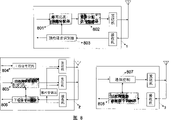
图4本发明中实施例1a、1b的结构图;The structural diagram of embodiment 1a, 1b among Fig. 4 the present invention;
图5本发明中实施例1b、4b的流程图;The flowchart of embodiment 1b, 4b in Fig. 5 of the present invention;
图6本发明中实施例2a、2b中的TDD/FD模式的概念图;Figure 6 is a conceptual diagram of the TDD/FD mode in Embodiment 2a and 2b of the present invention;
图7本发明中实施例2a、5a的流程图;The flowchart of embodiment 2a, 5a among Fig. 7 the present invention;
图8本发明中实施例2a、2b的结构图;The structural diagram of embodiment 2a, 2b among Fig. 8 the present invention;
图9本发明中实施例2b、5b的流程图;The flowchart of embodiment 2b, 5b among Fig. 9 the present invention;
图10本发明中实施例3中的TDD/PD模式的概念图;Figure 10 is a conceptual diagram of the TDD/PD mode in Embodiment 3 of the present invention;
图11本发明中实施例3、6的流程图;The flowchart of embodiment 3,6 in Fig. 11 the present invention;
图12本发明中实施例3、6的移动终端和泛在网终端的结构图;Fig. 12 is a structural diagram of the mobile terminal and the ubiquitous network terminal in Embodiments 3 and 6 of the present invention;
图13本发明中实施例4a、4b中的FDD/TD模式的概念图;Figure 13 is a conceptual diagram of the FDD/TD mode in Embodiments 4a and 4b of the present invention;
图14本发明中实施例4a、4b的基站,移动终端和泛在网终端的结构图;FIG. 14 is a structural diagram of the base station, mobile terminal and ubiquitous network terminal of Embodiment 4a and 4b of the present invention;
图15本发明中实施例5a、5b中的FDD/FD模式的概念图;Figure 15 is a conceptual diagram of the FDD/FD mode in Embodiments 5a and 5b of the present invention;
图16本发明中实施例5a、5b的基站,移动终端和泛在网终端的结构图;Fig. 16 is a structural diagram of the base station, the mobile terminal and the ubiquitous network terminal in Embodiments 5a and 5b of the present invention;
图17本发明中实施例6中的FDD/PD模式的概念图;Figure 17 is a conceptual diagram of the FDD/PD mode in Embodiment 6 of the present invention;
图18(a)和18(b)为传统的随机接入方法;Figures 18(a) and 18(b) are traditional random access methods;
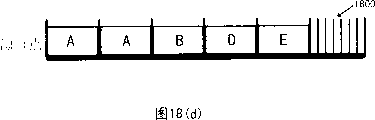
图18(c)和18(d)为传统的集中控制的概念图。18(c) and 18(d) are conceptual diagrams of conventional centralized control.
具体实施方式Detailed ways
下面结合附图对本发明做进一步的说明。The present invention will be further described below in conjunction with the accompanying drawings.
本发明中下行流程和传统的一样,由基站发送分组到移动终端用传统的下行链路,如果有基站到泛在网终端的分组,当移动终端与泛在网终端采用相同的模式时,由基站直接发送分组到泛在网终端;当移动终端与泛在网终端采用不同的模式时,则由移动终端将接收的发送到泛在网终端的分组转发到泛在网终端,因此本发明对下行链路不作详细的描述,在下行链路上的通信都是采用相应的现有通信手段,本发明只对上行链路进行细致的描述。In the present invention, the downlink process is the same as the traditional one. The base station sends the grouping to the mobile terminal using the traditional downlink. If there is a grouping from the base station to the ubiquitous network terminal, when the mobile terminal and the ubiquitous network terminal adopt the same mode, by The base station directly sends packets to the ubiquitous network terminal; when the mobile terminal and the ubiquitous network terminal adopt different modes, the mobile terminal forwards the received packet sent to the ubiquitous network terminal to the ubiquitous network terminal. The downlink is not described in detail, and the communication on the downlink adopts corresponding existing communication means, and the present invention only describes the uplink in detail.
实施例1aExample 1a
[TDD/TD]蜂窝网采用时分双工(TDD)模式,泛在网和蜂窝网采用TD(Time Divided Multiplex)模式组合且泛在网和蜂窝网采用不同的接入方式,这里可以将蜂窝网接入方式采用WCDMA,而泛在网的接入方式采用UWB或蓝牙,泛在网终端与移动终端的不同可以体现在发送机和接收机,本申请中所涉及到的发送机和接收机均具有现有技术中的发送数据或接收数据以及相应的处理数据的功能,如通信模式为WCDMA,则本发明中的基站和终端分别具备现有技术中的在WCDMA系统中的基站和终端的所有功能,其中与发送有关的信号处理、调制到发送都包含在本申请的发送机中,信号接收、解调及与接收信号有关的信号处理都包含在本申请的接收机中。[TDD/TD] The cellular network adopts the time division duplex (TDD) mode, the ubiquitous network and the cellular network adopt the TD (Time Divided Multiplex) mode combination and the ubiquitous network and the cellular network adopt different access methods, here the cellular network can be The access method adopts WCDMA, while the ubiquitous network access method adopts UWB or Bluetooth. The difference between the ubiquitous network terminal and the mobile terminal can be reflected in the transmitter and receiver. The transmitter and receiver involved in this application are both It has the function of sending data or receiving data and corresponding data processing in the prior art. If the communication mode is WCDMA, then the base station and the terminal in the present invention have all the functions of the base station and the terminal in the WCDMA system in the prior art respectively. Functions, including signal processing related to transmission, modulation to transmission are all included in the transmitter of the present application, signal reception, demodulation and signal processing related to received signals are all included in the receiver of the present application.
基本概念图如图2所示,上下行链路采用时分双工模式,基站与终端之间采用时分多路模式进行通信。参见图3,具体流程如下(基站1、移动终端2和泛在网终端3的结构图如图4所示):The basic concept diagram is shown in Figure 2. The uplink and downlink adopt time-division duplex mode, and the communication between the base station and the terminal adopts time-division multiplex mode. Referring to Fig. 3, the specific process is as follows (the structural diagram of
1)移动终端判断是否有分组需要发送;1) The mobile terminal judges whether there is a packet to be sent;
2)如果有,进入步骤3);如果没有,接收基站发送的时隙分配结果,进入步骤7),其中所有移动终端都能够接收到时隙分配结果;2) If yes, enter step 3); if not, receive the time slot allocation result sent by the base station, and enter step 7), wherein all mobile terminals can receive the time slot allocation result;
3)上行信号预约单元404产生预约请求,并通过发送机将预约请求信号发送到基站,预约请求中包含上行预约分组数;3) The uplink
4)基站的预约请求识别器403接收到所有移动终端的预约请求后,将预约请求信息传送到蜂窝泛在资源分配器401;4) After receiving the reservation requests of all mobile terminals, the
5)蜂窝泛在资源分配器401向各个移动终端分配上行时隙资源,并统计可分配给泛在网的时隙段,产生移动终端和泛在网终端的上行时隙资源分配信息(由于每一桢移动终端所要发送的上行分组数不同,基站分配给泛在网的时隙段也不同),将资源分配信息传送到资源分配信号生成器402,资源分配信号生成器402产生资源分配信号,并通过发送机在下行信道203发送该资源分配信号,向各个移动终端通知上行使用的时隙201和泛在网可用的时隙202(见图2);5) The cellular
6)移动终端接收到上述通知后,通过下行指令识别器406识别通知中的信息,并将分配给泛在网的资源信息传送到泛在网资源通知单元405,有分组的移动终端发送上行分组;6) After receiving the above notification, the mobile terminal identifies the information in the notification through the
7)泛在网资源通知单元405通过发送机在泛在网时隙段开始时向周围的泛在网终端发送泛在网资源开始和结束时隙的通知;7) The ubiquitous network resource notification unit 405 sends the ubiquitous network resource start and end time slot notifications to the surrounding ubiquitous network terminals through the transmitter when the ubiquitous network time slot segment begins;
8)泛在网资源通知指令识别器408识别到该通知后,通过通信控制单元407控制泛在网终端进入随机接入过程;在随机接入过程中,移动终端将从基站接收到的发送给泛在网终端的分组信息发送给泛在网终端,也可以接收泛在网终端发送给自己或通过自己转发到基站的分组信息,并将通过自己转发到基站的分组信息存储在缓冲存储器409中,在下一帧的属于移动终端的上行时隙期间,将存储在缓冲存储器409中的泛在网发送的分组转发给基站;8) After the ubiquitous network resource
9)在下一帧的上行链路时间段进入步骤1)。9) Go to step 1) in the uplink period of the next frame.
这里泛在网终端与移动终端的模式不同,不能够识别基站发送的信号,只能通过移动终端先接收基站发送给泛在网终端的分组,并将其存储在缓冲存储器409中,然后在泛在网通信时隙转发给泛在网终端,同样,泛在网终端发送给基站的分组通过移动终端转发,在移动终端与泛在网终端进行随机接入期间,移动终端与基站不进行通信。该泛在网终端可以是无线局域网中的终端,UWB终端,蓝牙终端或类似的低功率无线终端,它们可以与移动终端进行随机接入;其中移动终端包括:上行信号预约单元404,其与发送机相连,用于产生预约请求,包括上行预约分组数,通过发送机向基站发送;泛在网资源通知单元405,其与所述发送机相连,用于在基站通知的泛在网时隙发送泛在网资源通知信息和通知发送机和接收机与泛在网终端进行随机接入的时隙;下行指令识别器406,其与接收机相连,用于识别基站发送的下行指令,并将下行指令中关于分配给泛在网终端的资源分配信息传送到泛在网资源通知单元405;缓冲存储器409,与所述发送机和所述接收机相连,用于存储从接收机接收的由泛在网发送的分组,并通过发送机在移动终端的上行使用时隙发送给基站,也用于存储由接收机接收的基站发送给泛在网终端的分组,然后通过发送器在泛在网使用时隙发送给泛在网终端。泛在网终端包括:泛在网资源通知指令识别器408,与接收机和通信控制单元407相连,用于识别移动终端的泛在网资源通知单元405在泛在网时隙段开始时向周围的泛在网终端发送的泛在网资源开始和结束时隙的通知指令,并将该指令发送到通信控制单元407;通信控制单元407,用于根据通知指令与移动终端进入随机接入过程,如图18所示,控制随机接入的发送和接收。基站包括:预约请求识别器403,其与接收机和蜂窝泛在资源分配器401相连,用于接收移动终端发送的上行信号预约分组信号,并将该信号中的信息发送到蜂窝泛在资源分配器401;蜂窝泛在资源分配器401根据所有移动终端发送的上行信号预约分组信息,同时统计泛在网可用资源,产生移动终端和泛在网终端时隙资源分配信息,并将该信息传送到资源分配信号生成器402;资源分配信号生成器402用于产生资源分配信号,将该信号通过发送机发送到移动终端。Here, the ubiquitous network terminal has a different mode from the mobile terminal, and cannot recognize the signal sent by the base station. The mobile terminal can only receive the packet sent by the base station to the ubiquitous network terminal first, and store it in the
随机接入协议采用具有冲突避免的载波监听多路访问(CSMA/CA)协议,由各节点独立的决定接入信道并在接入失败时进入退避过程重新接入信道,如无线局域网中的分布协调功能(DCF,Distributed CoordinationFunction),它定义了基于请求发送分组/清除发送分组/数据分组/应答分组(RTS/CTS/DATA/ACK)的握手过程。具体来说,如图18(a)所示,当某一节点有分组到达时侦听信道,如果侦听到信道空闲并且空闲时间大于或者等于DCF帧间隔(DIFS)时,该节点立即发送一个短的请求发送分组RTS(Request to Send);反之如果信道忙或者信道空闲时间未到达DIFS时侦听到信道忙,则等到信道空闲并且空闲时间等于DCF帧间隔(DIFS)时,进入退避(Backoff)过程,并在退避过程结束之后发送RTS(请求发送),退避过程由退避窗完成,它指示退避的时间长短。接收节点在正确接收到RTS并等待一个短的帧间隔(SIFS)后回应一个短的清除发送分组(CTS,Clear to send),其内容包含从RTS中的发送节点地址TA复制而来的接收节点地址RA以及完成其后分组传输所需的持续时间Duration,此处的Duration等于收到的RTS中的Duration减去用来发送CTS(清除发送)分组的时间以及一个SIFS的时间。发送节点在成功接收到CTS之后等待一个SIFS并发送数据(DATA)分组,接收节点在成功接收该分组时等待一个SIFS后发送应答分组(ACK,acknowledgement)进行确认。The random access protocol adopts the carrier sense multiple access (CSMA/CA) protocol with collision avoidance, and each node independently decides to access the channel and enters the backoff process to re-access the channel when the access fails, such as the distribution in the wireless local area network Coordination function (DCF, Distributed CoordinationFunction), which defines the handshake process based on request to send packets/clear to send packets/data packets/response packets (RTS/CTS/DATA/ACK). Specifically, as shown in Figure 18(a), when a certain node has a packet arriving, it senses the channel, and if it detects that the channel is idle and the idle time is greater than or equal to the DCF frame interval (DIFS), the node immediately sends a Short request to send packet RTS (Request to Send); on the contrary, if the channel is busy or the channel idle time does not reach DIFS, it detects that the channel is busy, then wait until the channel is idle and the idle time is equal to the DCF frame interval (DIFS), then enter the backoff (Backoff ) process, and send RTS (request to send) after the backoff process ends, the backoff process is completed by the backoff window, which indicates the length of time for backoff. After receiving the RTS correctly and waiting for a short frame interval (SIFS), the receiving node responds with a short clear to send packet (CTS, Clear to send), which contains the receiving node copied from the sending node address TA in the RTS The address RA and the duration Duration required to complete the subsequent packet transmission, where the Duration is equal to the Duration in the received RTS minus the time used to send a CTS (clear to send) packet and a SIFS time. The sending node waits for a SIFS and sends a data (DATA) packet after successfully receiving the CTS, and the receiving node waits for a SIFS and then sends an acknowledgment packet (ACK, acknowledgment) for confirmation after successfully receiving the packet.
图18(b)中举出的是另一个随机接入的例子,即不需要发送RTS、CTS,有分组要发的终端先侦听信道,发现没有终端在发送时,等待DIFS后发送分组,如果发现有终端在发送,则继续侦听等待它发送完毕后,等待DIFS后,经过退避过程开始发送分组。Figure 18(b) is another example of random access, that is, there is no need to send RTS, CTS, the terminal that has a packet to send first listens to the channel, and when it finds that no terminal is sending, it waits for DIFS and then sends the packet. If it is found that a terminal is sending, it will continue to listen and wait for it to send, wait for DIFS, and start sending packets through the backoff process.
另外如果移动终端和泛在网终端之间的通信采用集中控制模式的话,可以有轮询,和预约方式。In addition, if the communication between the mobile terminal and the ubiquitous network terminal adopts a centralized control mode, there may be polling and reservation methods.
轮询方式如图18(c)所示。移动终端每隔一个超帧长度,发出开始的Beacon(信标)帧。在发送Beacon帧之前,移动终端先侦听信道,等待PIFS[PCF(Point Coordination Function)帧间间隔]后发送Beacon(信标)帧。移动终端对Polling(轮询)列表中的泛在网终端进行轮询,轮询过程如图所示,其中CF-Di为移动终端发出的Poll帧,捎带发往泛在网终端i的下行数据帧,CF-Ui为轮询的泛在网终端i传输的上行数据帧。轮询结束有两种情况:(1)Polling List(轮询表)中的终端全部轮询完毕;(2)没有足够时间使下一个将被轮询的终端传输一个最小协议单元。The polling method is shown in Figure 18(c). The mobile terminal sends out a first Beacon (beacon) frame every other superframe length. Before sending the Beacon frame, the mobile terminal first listens to the channel, waits for the PIFS [PCF (Point Coordination Function) inter-frame space], and then sends the Beacon (beacon) frame. The mobile terminal polls the ubiquitous network terminals in the Polling (polling) list. The polling process is shown in the figure, where CF-Di is the Poll frame sent by the mobile terminal, and piggybacks the downlink data sent to the ubiquitous network terminal i frame, and CF-Ui is the uplink data frame transmitted by polled ubiquitous network terminal i. There are two situations for the end of polling: (1) all terminals in the Polling List (polling list) are polled; (2) there is not enough time for the next terminal to be polled to transmit a minimum protocol unit.
预约方式如图18(d)所示。每个站点发送数据之前必须进行预约。每个复用帧前面的各时隙用于发送数据,最后一个时隙再分成子时隙1800,专门用于预约。请求按时隙ALOHA方式进行。The reservation method is shown in Figure 18(d). Each station must make a reservation before sending data. The time slots in front of each multiplexing frame are used to send data, and the last time slot is further divided into sub-slots 1800, which are specially used for reservation. Requests are made in a slotted ALOHA manner.
实施例1bExample 1b
[TDD/TD]蜂窝网采用时分双工(TDD)模式,泛在网和蜂窝网采用TD采用时分多路模式组合,泛在网和蜂窝网采用相同的接入方式,例如都可以采用时分多路复用模式。[TDD/TD] The cellular network adopts the time division duplex (TDD) mode, the ubiquitous network and the cellular network adopt the combination of TD and time division multiplexing modes, and the ubiquitous network and the cellular network adopt the same access mode, for example, both can adopt time division multiplexing multiplexing mode.
基本概念图如图2所示,上下行链路采用时分双工模式,基站与终端之间采用时分多路模式进行通信。The basic concept diagram is shown in Figure 2. The uplink and downlink adopt time-division duplex mode, and the communication between the base station and the terminal adopts time-division multiplex mode.
流程如图5所示,具体流程如下(基站、移动终端和泛在网终端的结构图如图4所示):The process is shown in Figure 5, and the specific process is as follows (the structure diagram of the base station, mobile terminal and ubiquitous network terminal is shown in Figure 4):
1)移动终端判断是否有分组需要发送;1) The mobile terminal judges whether there is a packet to be sent;
2)如果有,进入步骤3);如果没有,接收基站发送的时隙分配结果,进入步骤7);其中所有移动终端都能够接收到时隙分配结果;2) If yes, enter step 3); if not, receive the time slot allocation result sent by the base station, and enter step 7); wherein all mobile terminals can receive the time slot allocation result;
3)上行信号预约单元404产生预约请求,并通过发送机将预约请求信号发送到基站;3) The uplink
4)基站的预约请求识别器403接收到所有移动终端的预约请求后,将预约请求信息传送到蜂窝泛在资源分配器401;4) After receiving the reservation requests of all mobile terminals, the
5)蜂窝泛在资源分配器401向各个移动终端分配上行时隙资源,并统计可分配给泛在网的时隙段,产生移动终端和泛在网终端的上行时隙资源分配信息(由于每一桢移动终端所要发送的上行分组数不同,基站分配给泛在网的时隙段也不同),将资源分配信息传送到资源分配信号生成器402,资源分配信号生成器402产生资源分配信号,并通过广播信道在下行信道3发送该资源分配信号,向各个移动终端通知上行使用的时隙1和泛在网可用的时隙2(见图2);5) The cellular
6)移动终端接收到上述通知后,通过下行指令识别器406识别资源分配信号中的信息,有分组的移动终端发送上行分组,泛在网终端与移动终端同时接收到所述泛在网可用时隙的通知后,经泛在网资源通知指令识别器408识别后,通过通信控制单元407控制泛在网终端在泛在网可用时隙期间与移动终端进入随机接入过程;6) After the mobile terminal receives the above notification, it identifies the information in the resource allocation signal through the
7)移动终端在泛在网使用时隙期间与泛在网终端进入随机接入过程;在随机接入过程中,移动终端将从基站接收到的发送给泛在网终端的分组信息发送给泛在网终端,也可以接收泛在网终端发送给自己或基站的分组信息,并将发送给基站的分组信息存储在缓冲存储器409中,在下一帧的属于移动终端的上行时隙期间,将存储在缓冲存储器409中的泛在网发送的分组转发给基站;7) The mobile terminal enters the random access process with the ubiquitous network terminal during the time slot used by the ubiquitous network; during the random access process, the mobile terminal sends the packet information received from the base station to the ubiquitous network terminal to the ubiquitous network terminal. The network terminal can also receive the grouping information sent by the ubiquitous network terminal to itself or the base station, and store the grouping information sent to the base station in the
8)在下一帧的上行链路时隙进入步骤1)。8) Go to step 1) in the uplink time slot of the next frame.
在本实施例中,泛在网与蜂窝网的接入方式相同,泛在网终端能够识别基站发送的信号,泛在网终端可以直接接收基站发送的分组数据,但是泛在网终端发送给基站的分组要通过移动终端转发,在移动终端与泛在网终端进行随机接入期间,移动终端与基站不进行通信。该泛在网终端可以是无线局域网中的终端,或类似的低功率无线终端,它们可以与移动终端进行随机接入;其中移动终端包括:上行信号预约单元404,其与发送机相连,用于产生预约请求,包括上行预约分组数,通过发送机向基站发送;泛在网资源通知单元405,其与所述发送机相连,用于通知发送机和接收机与泛在网终端进行随机接入的时隙;下行指令识别器406,其与接收机相连,用于识别基站发送的下行指令,并将下行指令中关于分配给泛在网终端的资源分配信息传送到泛在网资源通知单元405;缓冲存储器409,与所述发送机和所述接收机相连,用于存储从接收机接收的由泛在网发送的分组,并通过发送机在移动终端的上行使用时隙发送给基站。泛在网终端包括:泛在网资源通知指令识别器408,与接收机和通信控制单元407相连,用于识别基站发送给泛在网终端的泛在网资源分配信息,并将该信息发送到通信控制单元407;通信控制单元407,用于根据泛在网资源分配信息与移动终端进入随机接入过程,如图18所示,控制随机接入的发送和接收。基站包括:预约请求识别器403,其与接收机和蜂窝泛在资源分配器401相连,用于接收移动终端发送的上行信号预约分组信号,并将该信号中的信息发送到蜂窝泛在资源分配器401;蜂窝泛在资源分配器401根据所有移动终端发送的上行信号预约分组信息,同时统计泛在网可用资源,产生移动终端和泛在网终端时隙资源分配信息,并将该信息传送到资源分配信号生成器402;资源分配信号生成器402用于产生资源分配信号,将该信号通过发送机发送到移动终端。In this embodiment, the access mode of the ubiquitous network and the cellular network is the same, the ubiquitous network terminal can recognize the signal sent by the base station, and the ubiquitous network terminal can directly receive the packet data sent by the base station, but the ubiquitous network terminal sends the signal to the base station The packets of the mobile terminal are forwarded by the mobile terminal, and during the random access period between the mobile terminal and the ubiquitous network terminal, the mobile terminal does not communicate with the base station. The ubiquitous network terminal can be a terminal in a wireless local area network, or a similar low-power wireless terminal, and they can perform random access with a mobile terminal; wherein the mobile terminal includes: an uplink
实施例2aExample 2a
[TDD/FD]蜂窝网采用时分双工(TDD)模式,泛在网和蜂窝网采用频分多路(Frequency Divided Multiplex)模式组合。泛在网和蜂窝网采用不同的接入方式。[TDD/FD] The cellular network adopts the time division duplex (TDD) mode, and the ubiquitous network and the cellular network adopt the frequency division multiplex (Frequency Divided Multiplex) mode combination. The ubiquitous network and the cellular network adopt different access methods.
基本概念图如图6所示,上下行链路采用时分双工模式,基站与终端之间采用频分多路模式进行通信。The basic concept diagram is shown in Figure 6. The uplink and downlink adopt time-division duplex mode, and the communication between the base station and the terminal adopts frequency-division multiplex mode.
流程如图7所示。具体流程如下(基站、移动终端和泛在网终端的结构图如图8所示):The process is shown in Figure 7. The specific process is as follows (the structural diagram of the base station, mobile terminal and ubiquitous network terminal is shown in Figure 8):
1)移动终端判断是否有分组需要发送;1) The mobile terminal judges whether there is a packet to be sent;
2)如果有,进入步骤3);如果没有,接收基站发送的频段分配结果,进入步骤7);其中所有终端都能够接收到频段分配结果;2) If yes, enter step 3); if not, receive the frequency band allocation result sent by the base station, and enter step 7); wherein all terminals can receive the frequency band allocation result;
3)上行信号预约单元804产生预约请求,并通过发送机将预约请求信号发送到基站;3) The uplink
4)基站的预约请求识别器803接收到所有移动终端的预约请求后,将预约请求信息传送到蜂窝泛在资源分配器801;4) After receiving the reservation requests of all mobile terminals, the
5)蜂窝泛在资源分配器801向各个移动终端分配上行频段资源,并统计可分配给泛在网的频段,产生移动终端和泛在网终端的上行频段资源分配信息(由于每一桢移动终端所要发送的上行分组数不同,基站分配给泛在网的带宽也不同),将资源分配信息传送到资源分配信号生成器802,资源分配信号生成器802产生资源分配信号,并通过发送机在下行信道603发送该资源分配信号,向各个移动终端通知上行使用的频段601和泛在网可用的频段602(见图6);5) The cellular
6)移动终端接收到上述通知后,通过下行指令识别器806识别通知中的信息,并将分配给泛在网的资源信息传送到泛在网资源通知单元805,有分组的移动终端发送上行分组;6) After receiving the above notification, the mobile terminal identifies the information in the notification through the
7)泛在网资源通知单元805通过发送机在泛在网频带向周围的泛在网终端发送泛在网资源分配信息,并进入与泛在网的随机接入过程;7) The ubiquitous network
8)泛在网资源通知指令识别器808识别到该泛在网资源分配信息后,通过通信控制单元807控制泛在网终端进入与移动终端的随机接入过程;在随机接入过程中,移动终端将从基站接收到的发送给泛在网终端的分组信息缓存然后发送给泛在网终端,也可以接收泛在网终端发送给自己或基站的分组信息,并将发送给基站的分组信息存储在缓冲存储器409中,在下一帧的属于移动终端的上行频段期间,将存储在缓冲存储器409中的泛在网发送的分组转发给基站;8) After the ubiquitous network resource
9)在下一帧上行链路频段进入步骤1);9) Enter step 1) in the next frame uplink frequency band;
这里泛在网终端与移动终端的模式不同,不能够识别基站发送的信号。其中移动终端包括:上行信号预约单元804,其与第一路发送机相连,用于发送移动终端的上行预约分组数和需要发送的分组数据;泛在网资源通知单元805,其与第二路发送机相连,用于在基站通知的泛在网频段发送泛在网资源通知指令和通知第二路发送机和接收机与泛在网终端进行随机接入的频段;下行指令识别器806,其与接收机相连,用于识别基站发送的下行指令,并将下行指令中关于分配给泛在网终端的资源分配信息传送到泛在网资源通知单元805;缓冲存储器809,与所述第一路发送机、第二路发送机和所述接收机相连,用于存储从接收机接收的由泛在网发送的分组,并通过第一路发送机在移动终端的上行使用频段将分组发送给基站,也用于存储由接收机接收的基站发送给泛在网终端的分组,然后通过第二路发送机在泛在网使用频段发送给泛在网终端。泛在网终端包括:泛在网资源通知指令识别器808,与接收机和通信控制单元807相连,用于识别移动终端的泛在网资源通知单元805发送的泛在网资源通知指令,并将该指令发送到通信控制单元807;通信控制单元807,用于根据在通知指令中指定的频段与移动终端进入随机接入过程。基站包括:预约请求识别器803,其与接收机和蜂窝泛在资源分配器801相连,用于接收移动终端发送的上行信号预约信号,并将该信号中的信息发送到蜂窝泛在资源分配器801;蜂窝泛在资源分配器801根据所有移动终端发送的上行信号预约信息,同时统计泛在网可用资源,产生移动终端和泛在网终端频段资源分配信息,并将该信息传送到资源分配信号生成器802;资源分配信号生成器802用于产生资源分配信号,将该信号通过发送机发送到移动终端。Here, the mode of the ubiquitous network terminal is different from that of the mobile terminal, and cannot recognize the signal sent by the base station. Wherein the mobile terminal includes: an uplink signal reservation unit 804, which is connected with the first transmitter for sending the number of uplink reserved packets of the mobile terminal and packet data to be sent; a ubiquitous network resource notification unit 805, which is connected with the second channel The transmitter is connected, and is used to send the ubiquitous network resource notification command in the ubiquitous network frequency band notified by the base station and notify the second channel transmitter and receiver of the frequency band for random access with the ubiquitous network terminal; the downlink command recognizer 806, which Connected to the receiver, used to identify the downlink instruction sent by the base station, and transmit the resource allocation information about the ubiquitous network terminal allocated to the ubiquitous network terminal in the downlink instruction to the ubiquitous network resource notification unit 805; the buffer memory 809, and the first channel The transmitter and the second transmitter are connected to the receiver, and are used to store the packets received from the receiver and sent by the ubiquitous network, and send the packets to the base station through the first transmitter in the uplink frequency band of the mobile terminal , which is also used to store the packets received by the receiver and sent by the base station to the ubiquitous network terminal, and then sent to the ubiquitous network terminal through the second transmitter in the frequency band used by the ubiquitous network. The ubiquitous network terminal includes: a ubiquitous network resource
实施例2bExample 2b
[TDD/FD]蜂窝网采用时分双工(TDD)模式,泛在网和蜂窝网采用频分多路(FD)模式组合,泛在网和蜂窝网采用相同的接入方式。[TDD/FD] The cellular network adopts the time division duplex (TDD) mode, the ubiquitous network and the cellular network adopt the frequency division multiplexing (FD) mode combination, and the ubiquitous network and the cellular network adopt the same access mode.
基本概念图如图6所示,上下行链路采用时分双工模式,基站与终端之间采用频分多路模式进行通信。The basic concept diagram is shown in Figure 6. The uplink and downlink adopt time-division duplex mode, and the communication between the base station and the terminal adopts frequency-division multiplex mode.
流程如图9所示。具体流程如下(基站、移动终端和泛在网终端的结构图如图8所示):The process is shown in Figure 9. The specific process is as follows (the structural diagram of the base station, mobile terminal and ubiquitous network terminal is shown in Figure 8):
1)移动终端判断是否有分组需要发送;1) The mobile terminal judges whether there is a packet to be sent;
2)如果有,进入步骤3);如果没有,接收基站发送的频段分配结果,进入步骤7);其中所有移动终端都能够接收到频段分配结果;2) If yes, enter step 3); if not, receive the frequency band allocation result sent by the base station, and enter step 7); wherein all mobile terminals can receive the frequency band allocation result;
3)上行信号预约单元804产生预约请求,并通过发送机将预约请求信号发送到基站;3) The uplink
4)基站的预约请求识别器803接收到所有移动终端的预约请求后,将预约请求信息传送到蜂窝泛在资源分配器801;4) After receiving the reservation requests of all mobile terminals, the
5)蜂窝泛在资源分配器801向各个移动终端分配上行频段资源,并统计可分配给泛在网的频段,产生移动终端和泛在网终端的上行频段资源分配信息(由于每一桢移动终端所要发送的上行分组数不同,基站分配给泛在网的带宽也不同),将资源分配信息传送到资源分配信号生成器802,资源分配信号生成器802产生资源分配信号,并通过下行信道603广播该资源分配信号,向各个移动终端通知上行使用的频段601和泛在网可用的频段602(见图6);5) The cellular
6)移动终端接收到上述通知后,通过下行指令识别器806识别通知中的信息,有分组的移动终端发送上行分组,泛在网终端接收到所述泛在网可用频段的通知后,经泛在网资源通知指令识别器识别后,如有分组发送,通过通信控制单元807控制泛在网终端在泛在网可用频段与移动终端进入随机接入过程;6) After the mobile terminal receives the above notification, it identifies the information in the notification through the
7)移动终端在泛在网子载波段与泛在网终端进入随机接入过程;在随机接入过程中,移动终端将从基站接收到的发送给泛在网终端的分组信息存储在缓冲存储器809中,在泛在网频段发送给泛在网终端,也可以接收泛在网终端的信息,如有发送给基站的分组信息,则将该分组信息存储在缓冲存储器809中,在下一帧的属于移动终端的上行频段,将存储在缓冲存储器809中的泛在网发送的分组转发给基站;7) The mobile terminal enters the random access process with the ubiquitous network terminal in the sub-carrier segment of the ubiquitous network; during the random access process, the mobile terminal stores the packet information received from the base station and sent to the ubiquitous network terminal in the buffer memory In 809, the ubiquitous network frequency band is sent to the ubiquitous network terminal, and the information of the ubiquitous network terminal can also be received. If there is group information sent to the base station, the group information is stored in the buffer memory 809, and in the next frame Belonging to the uplink frequency band of the mobile terminal, forwarding the packet sent by the ubiquitous network stored in the buffer memory 809 to the base station;
8)在下一帧上行链路频段进入步骤1);8) Enter step 1) in the uplink frequency band of the next frame;
这里泛在网终端具有与移动终端相同的工作模式,可以接收基站发送的资源分配信息。其中移动终端包括:上行信号预约单元804,其与第一路发送机相连,用于发送移动终端的上行预约分组数和需要发送的分组数据;泛在网资源通知单元805,其与第二路发送机相连,用于通知第二路发送机和接收机与泛在网终端进行随机接入的频段;下行指令识别器806,其与接收机相连,用于识别基站发送的下行指令,并将下行指令中关于分配给泛在网终端的资源分配信息传送到泛在网资源通知单元805;缓冲存储器809,与所述第一路发送机、第二路发送机和所述接收机相连,用于存储从接收机接收的由泛在网发送的分组,并通过第一路发送机在移动终端的上行使用频段将分组发送给基站,也用于存储由接收机接收的基站发送给泛在网终端的分组,然后通过第二路发送机在泛在网使用频段发送给泛在网终端。泛在网终端包括:泛在网资源通知指令识别器808,与接收机和通信控制单元807相连,用于识别基站发送的泛在网资源分配通知指令,并将该指令发送到通信控制单元807;通信控制单元807,用于根据在通知指令中指定的频段与移动终端进入随机接入过程。基站包括:预约请求识别器803,其与接收机和蜂窝泛在资源分配器801相连,用于接收移动终端发送的上行信号预约信号,并将该信号中的信息发送到蜂窝泛在资源分配器801;蜂窝泛在资源分配器801根据所有移动终端发送的上行信号预约信息,同时统计泛在网可用资源,产生移动终端和泛在网终端频段资源分配信息,并将该信息传送到资源分配信号生成器802;资源分配信号生成器802用于产生资源分配信号,将该信号通过发送机发送到移动终端。Here, the ubiquitous network terminal has the same working mode as the mobile terminal, and can receive resource allocation information sent by the base station. Wherein the mobile terminal includes: an uplink
实施例3Example 3
[TDD/PD]蜂窝网采用时分双工(TDD)模式,泛在网和蜂窝网采用PD(Packet Divided Multiplex)模式组合。在泛在网和蜂窝上行共享的时间段,移动终端可以和基站通信(上行),也可以和泛在网终端通信,在下行信道中,移动终端如果接收到基站发送给泛在网终端的分组,则将分组存储在缓冲存储器1209中,在移动终端与泛在网终端随机接入后,将该分组发送给泛在网终端。[TDD/PD] The cellular network adopts the time division duplex (TDD) mode, and the ubiquitous network and the cellular network adopt the PD (Packet Divided Multiplex) mode combination. In the time period shared by the ubiquitous network and the cellular uplink, the mobile terminal can communicate with the base station (uplink), and can also communicate with the ubiquitous network terminal. In the downlink channel, if the mobile terminal receives the packet sent by the base station to the ubiquitous network terminal , store the packet in the buffer memory 1209, and send the packet to the ubiquitous network terminal after the mobile terminal and the ubiquitous network terminal randomly access.
基本概念图如图10所示,其中标记101表示蜂窝上行链路信道,标记102表示泛在网随机接入信道。蜂窝网的上行和泛在网共享一个或几个随机接入信道。The basic conceptual diagram is shown in FIG. 10 , where the
流程如图11所示。The process is shown in Figure 11.
1)移动终端判断是否有分组需要发送到基站;1) The mobile terminal judges whether there is a packet that needs to be sent to the base station;
2)如果有,进入步骤3);如果没有,进入步骤4);2) If yes, go to step 3); if not, go to step 4);
3)在上行链路时间段随机选择接入信道直接向基站发送上行分组;3) Randomly select an access channel during the uplink time period and directly send uplink packets to the base station;
4)没有上行分组的终端或已发送完上行分组的移动终端同时监听多个随机接入信道;4) A terminal without an uplink packet or a mobile terminal that has sent an uplink packet simultaneously monitors multiple random access channels;
5)泛在网终端同时监听多个随机接入信道;5) The ubiquitous network terminal simultaneously monitors multiple random access channels;
6)泛在网终端判断是否有分组需要发送;6) The ubiquitous network terminal judges whether there is a packet to be sent;
7)如果有,选择可使用的随机接入信道,向移动终端发送RTS(请求发送)信号,进入步骤8);如果没有,返回步骤5);7) If there is, select an available random access channel, send an RTS (request to send) signal to the mobile terminal, and enter step 8); if not, return to step 5);
8)移动终端的RTS信号识别单元识别到泛在网终端发送的RTS之后,判断泛在网终端选择的随机接入信道是否可用;8) After the RTS signal recognition unit of the mobile terminal recognizes the RTS sent by the ubiquitous network terminal, it judges whether the random access channel selected by the ubiquitous network terminal is available;
9)如果可用,移动终端向泛在网终端发送CTS(如果此信道有其他用途,如本终端的上行分组发送,可以延缓发送CTS);9) If available, the mobile terminal sends a CTS to the ubiquitous network terminal (if this channel has other uses, such as the uplink packet sending of the terminal, the sending of the CTS can be delayed);
10)泛在网终端的CTS(清除发送)信号识别单元1207识别到CTS后,将信息反馈给通信控制单元1208,通信控制单元1208控制泛在网终端开始向移动终端发送分组;10) After the CTS (clear to send) signal identification unit 1207 of the ubiquitous network terminal recognizes the CTS, it feeds back the information to the communication control unit 1208, and the communication control unit 1208 controls the ubiquitous network terminal to start sending packets to the mobile terminal;
在移动终端与泛在网终端的随机接入过程中,移动终端接收泛在网终端发送给自己或基站的分组信息,并将发送基站的分组信息存储在缓冲存储器1209中,在移动终端与基站随机接入后,将存储在缓冲存储器1209中的泛在网发送的分组转发给基站;同样移动终端先将基站发送给泛在网终端的分组接收并存储在缓冲存储器1209中,在移动终端与泛在网终端接入后,再将存储的分组转发给泛在网终端。During the random access process between the mobile terminal and the ubiquitous network terminal, the mobile terminal receives the grouping information sent by the ubiquitous network terminal to itself or the base station, and stores the grouping information of the sending base station in the buffer memory 1209. After random access, the packet sent by the ubiquitous network stored in the buffer memory 1209 is forwarded to the base station; similarly, the mobile terminal first receives and stores the packet sent by the base station to the ubiquitous network terminal in the buffer memory 1209. After the ubiquitous network terminal accesses, the stored packet is forwarded to the ubiquitous network terminal.
本实施例中的移动终端包括:两个RTS信号识别单元1203,1205,分别用于识别泛在网终端和基站发送的RTS信号,每个RTS信号识别单元1203与一个通信控制单元1204,1206和接收机相连;每个通信控制单元1204与一个发送机相连接,控制移动终端与泛在网终端、移动终端与基站的随机接入;随机信道选择单元1202,与上行分组单元1201和每个发送机相连接,用于随机选择信道发送上行分组;缓冲存储器1209,与每个发送机和接收机连接,用于存储基站发送给泛在网终端的分组和泛在网终端发送给基站的分组。泛在网终端包括:CTS信号识别单元1207,其与接收机和通信控制单元连接1208,用于识别移动终端发送的CTS信号,然后将CTS信号发送到通信控制单元1208,通信控制单元1208与发送机连接,控制该泛在网终端与移动终端的随机接入。这里基站为常用的具有分组复用功能的基站。The mobile terminal in this embodiment includes: two RTS signal identification units 1203, 1205, which are respectively used to identify the RTS signals sent by ubiquitous network terminals and base stations, and each RTS signal identification unit 1203 communicates with a communication control unit 1204, 1206 and The receiver is connected; each communication control unit 1204 is connected with a transmitter to control the random access between the mobile terminal and the ubiquitous network terminal, and between the mobile terminal and the base station; the random channel selection unit 1202 is connected with the uplink grouping unit 1201 and each sending The machine is connected to randomly select a channel to send uplink packets; the buffer memory 1209 is connected to each transmitter and receiver, and is used to store the packets sent by the base station to the ubiquitous network terminal and the packets sent by the ubiquitous network terminal to the base station. The ubiquitous network terminal includes: a CTS signal identification unit 1207, which is connected to the receiver and the communication control unit 1208, and is used to identify the CTS signal sent by the mobile terminal, and then sends the CTS signal to the communication control unit 1208, and the communication control unit 1208 communicates with the sending machine connection to control the random access between the ubiquitous network terminal and the mobile terminal. Here, the base station is a commonly used base station with a packet multiplexing function.
同样还可以采用如下接入方式:You can also use the following access methods:
1)移动终端如果有分组需要发送到基站,侦听信道,发现没有终端在发送时,等待DIFS后发送分组,如果发现有终端在发送,则继续侦听等待它发送完毕后,等待DIFS后,经过退避过程开始发送分组;1) If the mobile terminal has a packet to send to the base station, listen to the channel, and when it finds that no terminal is sending, it waits for DIFS and then sends the packet. If it finds that there is a terminal sending, it continues to listen and wait for it to be sent. After waiting for DIFS, Start sending packets after the backoff process;
2)泛在网终端如果有分组需要发送,侦听信道,发现没有终端在发送时,等待DIFS后发送分组,如果发现有终端在发送,则继续侦听等待它发送完毕后,等待DIFS后,经过退避过程开始发送分组;2) If the ubiquitous network terminal needs to send a packet, it listens to the channel, and when it finds that no terminal is sending, it waits for DIFS to send the packet. If it finds that there is a terminal sending, it continues to listen and wait for it to be sent. After waiting for DIFS, Start sending packets after the backoff process;
3)移动终端处理从泛在网终端或基站接收的分组,需要转发到基站或泛在网终端的分组则存入缓冲存储器中。3) The mobile terminal processes the packets received from the ubiquitous network terminal or the base station, and stores the packets that need to be forwarded to the base station or the ubiquitous network terminal into the buffer memory.
这里移动终端不包含RTS信号识别单元,泛在网终端可以不包含CTS信号识别单元,但是都包含帧听信道的装置,有分组要发的终端先侦听信道,发现没有终端在发送时,等待DIFS后发送分组,如果发现有终端在发送,则继续侦听等待它发送完毕后,等待DIFS后,经过退避过程开始发送分组。Here, the mobile terminal does not include the RTS signal identification unit, and the ubiquitous network terminal may not include the CTS signal identification unit, but they all include a device for listening to the channel of the frame. The terminal that has a packet to send first listens to the channel, and when it finds that no terminal is sending, wait After DIFS, send packets. If a terminal is found to be sending, continue to listen and wait for it to finish sending. After waiting for DIFS, start sending packets through the backoff process.
实施例4aExample 4a
[FDD/TD]蜂窝网采用FDD模式,泛在网和蜂窝网采用TD模式组合。泛在网和蜂窝网采用不同的接入方式。[FDD/TD] The cellular network adopts the FDD mode, and the ubiquitous network and the cellular network adopt the TD mode combination. The ubiquitous network and the cellular network adopt different access methods.
基本概念图如图13所示。The basic conceptual diagram is shown in Figure 13.
流程如图3所示。The process is shown in Figure 3.
1)移动终端判断是否有分组需要发送;1) The mobile terminal judges whether there is a packet to be sent;
2)如果有,进入步骤3);如果没有,接收基站发送的时隙分配结果,进入步骤7),其中所有移动终端都能够接收到时隙分配结果;2) If yes, enter step 3); if not, receive the time slot allocation result sent by the base station, and enter step 7), wherein all mobile terminals can receive the time slot allocation result;
3)上行信号预约单元1404产生预约请求,并通过发送机将预约请求信号发送到基站,预约请求中包含上行预约分组数;3) The uplink signal reservation unit 1404 generates a reservation request, and sends the reservation request signal to the base station through the transmitter, and the reservation request includes the number of uplink reservation groups;
4)基站的预约请求识别器1403接收到所有移动终端的预约请求后,将预约请求信息传送到蜂窝泛在资源分配器1401;4) After receiving the reservation requests of all mobile terminals, the reservation request identifier 1403 of the base station transmits the reservation request information to the cellular ubiquitous resource allocator 1401;
5)蜂窝泛在资源分配器1401向各个移动终端分配上行时隙资源,并统计可分配给泛在网的时隙段,产生移动终端和泛在网终端的上行时隙资源分配信息(由于每一桢移动终端所要发送的上行分组数不同,基站分配给泛在网的时隙段也不同),将资源分配信息传送到资源分配信号生成器1402,资源分配信号生成器1402产生资源分配信号,并通过发送机在下行信道1303发送该资源分配信号,向各个移动终端通知上行使用的时隙1301和泛在网可用的时隙1302(见图13);5) The cellular ubiquitous resource allocator 1401 allocates uplink time slot resources to each mobile terminal, and counts the time slot segments that can be allocated to the ubiquitous network, and generates the uplink time slot resource allocation information of the mobile terminal and the ubiquitous network terminal (because each The number of uplink packets to be sent by the mobile terminal in one frame is different, and the time slot segment allocated by the base station to the ubiquitous network is also different), the resource allocation information is sent to the resource allocation signal generator 1402, and the resource allocation signal generator 1402 generates the resource allocation signal, And send the resource allocation signal on the
6)移动终端接收到上述通知后,通过下行指令识别器1406识别通知中的信息,并将分配给泛在网的资源信息传送到泛在网资源通知单元1405,有分组的移动终端发送上行分组;6) After receiving the above notification, the mobile terminal identifies the information in the notification through the downlink command recognizer 1406, and transmits the resource information assigned to the ubiquitous network to the ubiquitous network resource notification unit 1405, and the mobile terminal with packets sends uplink packets ;
7)泛在网资源通知单元1405通过发送机在泛在网时隙段开始时向周围的泛在网终端发送泛在网资源开始和结束时隙的通知;然后移动终端在泛在网时隙进入随机接入过程;7) The ubiquitous network resource notification unit 1405 sends the notice of the ubiquitous network resource start and end time slot to the ubiquitous network terminals around when the ubiquitous network time slot segment begins by the transmitter; enter the random access process;
8)泛在网资源通知指令识别器1408识别到该通知后,通过通信控制单元1407控制泛在网终端进入随机接入过程;在随机接入过程中,移动终端将从基站接收到的发送给泛在网终端的存储在缓冲存储器1409中的分组信息发送给泛在网终端,也可以接收泛在网终端发送给自己或发送给基站的分组信息,并将发送给基站的分组信息存储在缓冲存储器1409中,在下一帧的属于移动终端的上行时隙期间,将存储在缓冲存储器1409中的泛在网发送的分组转发给基站;8) After the ubiquitous network resource notification command identifier 1408 recognizes the notification, it controls the ubiquitous network terminal to enter the random access process through the communication control unit 1407; in the random access process, the mobile terminal sends the information received from the base station to the The ubiquitous network terminal sends the grouping information stored in the buffer memory 1409 to the ubiquitous network terminal, and can also receive the grouping information sent to itself or to the base station by the ubiquitous network terminal, and store the grouping information sent to the base station in the buffer In the memory 1409, during the uplink time slot belonging to the mobile terminal in the next frame, the packet sent by the ubiquitous network stored in the buffer memory 1409 is forwarded to the base station;
9)在下一帧的上行链路时间段进入步骤1)。9) Go to step 1) in the uplink period of the next frame.
这里泛在网终端与移动终端的模式不同,不能够识别基站发送的信号。其中移动终端包括:上行信号预约单元1404,其与发送机相连,用于发送移动终端的上行预约分组数;泛在网资源通知单元1405,其与所述发送机相连,用于在基站通知的泛在网时隙发送泛在网资源通知信息和通知发送机和接收机与泛在网终端进行随机接入的时隙;下行指令识别器1406,其与第一路接收机相连,用于识别基站发送的下行指令,并将下行指令中关于分配给泛在网终端资源的资源分配信息传送到泛在网资源通知单元1405;缓冲存储器1409,与所述发送机和第二路接收机相连,用于存储从第二路接收机接收的由泛在网发送的分组,并通过发送机在移动终端的上行使用时隙发送给基站,也用于存储由第一路接收机接收的基站发送给泛在网终端的分组,然后通过发送器在泛在网使用时隙发送给泛在网终端。泛在网终端包括:泛在网资源通知指令识别器1408,与接收机和通信控制单元1407相连,用于识别移动终端的泛在网资源通知单元1405在泛在网时隙段开始时向周围的泛在网终端发送的泛在网资源开始和结束时隙的通知指令,并将该指令发送到通信控制单元1407;通信控制单元1407,用于根据通知指令与移动终端进入随机接入过程,如图18(a)和18(b)所示,控制随机接入的发送和接收。基站包括:预约请求识别器1403,其与接收机和蜂窝泛在资源分配器1401相连,用于接收移动终端发送的上行信号预约分组数信号,并将该信号中的信息发送到蜂窝泛在资源分配器1401;蜂窝泛在资源分配器1401根据所有移动终端发送的上行信号预约分组数信息,同时统计泛在网可用资源,产生移动终端和泛在网终端时隙资源分配信息,并将该信息传送到资源分配信号生成器1402;资源分配信号生成器1402用于产生资源分配信号,将该信号通过发送机发送到移动终端。Here, the mode of the ubiquitous network terminal is different from that of the mobile terminal, and cannot recognize the signal sent by the base station. Wherein the mobile terminal includes: an uplink signal reservation unit 1404, which is connected with the transmitter, and is used to send the number of uplink reserved packets of the mobile terminal; a ubiquitous network resource notification unit 1405, which is connected with the transmitter, and is used for notification at the base station The ubiquitous network time slot sends the ubiquitous network resource notification information and notifies the time slot for random access between the sender and the receiver and the ubiquitous network terminal; the downlink command identifier 1406 is connected to the first receiver for identifying The downlink instruction sent by the base station, and the resource allocation information about the resources allocated to the ubiquitous network terminal in the downlink instruction is sent to the ubiquitous network resource notification unit 1405; the buffer memory 1409 is connected to the transmitter and the second receiver, It is used to store the packets sent by the ubiquitous network received from the second receiver, and sent to the base station through the uplink time slot of the mobile terminal through the transmitter, and is also used to store the packets received by the first receiver and sent to the base station The grouping of the ubiquitous network terminal is then sent to the ubiquitous network terminal by the transmitter using the time slot in the ubiquitous network. The ubiquitous network terminal includes: a ubiquitous network resource notification instruction recognizer 1408, which is connected with the receiver and the communication control unit 1407. The ubiquitous network terminal sends the ubiquitous network resource start and end time slot notification instruction, and sends the instruction to the communication control unit 1407; the communication control unit 1407 is used to enter the random access process with the mobile terminal according to the notification instruction, As shown in FIGS. 18(a) and 18(b), transmission and reception of random access are controlled. The base station includes: a reservation request identifier 1403, which is connected to the receiver and the cellular ubiquitous resource allocator 1401, and is used to receive the uplink signal reservation packet number signal sent by the mobile terminal, and send the information in the signal to the cellular ubiquitous resource The allocator 1401; the cellular ubiquitous resource allocator 1401 makes statistics on the available resources of the ubiquitous network according to the information on the number of reserved groups of uplink signals sent by all mobile terminals, generates time slot resource allocation information for mobile terminals and ubiquitous network terminals, and sends the information The resource allocation signal generator 1402 is used to generate the resource allocation signal, and send the signal to the mobile terminal through the transmitter.
实施例4bExample 4b
[FDD/TD]蜂窝网采用FDD模式,泛在网和蜂窝网采用TD模式组合。泛在网和蜂窝网采用相同的接入方式。[FDD/TD] The cellular network adopts the FDD mode, and the ubiquitous network and the cellular network adopt the TD mode combination. Ubiquitous network and cellular network use the same access method.
基本概念图如图13所示。The basic conceptual diagram is shown in Figure 13.
流程如图5所示,具体流程如下(基站、移动终端和泛在网终端的结构图如图14所示):The process is shown in Figure 5, and the specific process is as follows (the structure diagram of the base station, mobile terminal and ubiquitous network terminal is shown in Figure 14):
1)移动终端判断是否有分组需要发送;1) The mobile terminal judges whether there is a packet to be sent;
2)如果有,进入步骤3);如果没有,接收基站发送的时隙分配结果,进入步骤7);其中所有移动终端都能够接收到时隙分配结果;2) If yes, enter step 3); if not, receive the time slot allocation result sent by the base station, and enter step 7); wherein all mobile terminals can receive the time slot allocation result;
3)上行信号预约单元1404产生预约请求,并通过发送机将预约请求信号发送到基站;3) The uplink signal reservation unit 1404 generates a reservation request, and sends the reservation request signal to the base station through a transmitter;
4)基站的预约请求识别器1403接收到所有移动终端的预约请求后,将预约请求信息传送到蜂窝泛在资源分配器1401;4) After receiving the reservation requests of all mobile terminals, the reservation request identifier 1403 of the base station transmits the reservation request information to the cellular ubiquitous resource allocator 1401;
5)蜂窝泛在资源分配器1401向各个移动终端分配上行时隙资源,并统计可分配给泛在网的时隙段,产生移动终端和泛在网终端的上行时隙资源分配信息(由于每一桢移动终端所要发送的上行分组数不同,基站分配给泛在网的时隙段也不同),将资源分配信息传送到资源分配信号生成器1402,资源分配信号生成器1402产生资源分配信号,并通过广播信道在下行信道1303发送该资源分配信号,向各个移动终端通知上行使用的时隙1301和泛在网可用的时隙1302(见图13);5) The cellular ubiquitous resource allocator 1401 allocates uplink time slot resources to each mobile terminal, and counts the time slot segments that can be allocated to the ubiquitous network, and generates the uplink time slot resource allocation information of the mobile terminal and the ubiquitous network terminal (because each The number of uplink packets to be sent by the mobile terminal in one frame is different, and the time slot segment allocated by the base station to the ubiquitous network is also different), the resource allocation information is sent to the resource allocation signal generator 1402, and the resource allocation signal generator 1402 generates the resource allocation signal, And send the resource allocation signal on the
6)移动终端接收到上述通知后,通过下行指令识别器1406识别资源分配信号中的信息,有分组的移动终端发送上行分组,泛在网终端与移动终端同时接收到所述泛在网可用时隙的通知后,经泛在网资源通知指令识别器1408识别后,通过通信控制单元1407控制泛在网终端在泛在网可用时隙期间与移动终端进入随机接入过程;6) After receiving the above notification, the mobile terminal recognizes the information in the resource allocation signal through the downlink command recognizer 1406, and the mobile terminal with packets sends uplink packets, and the ubiquitous network terminal and the mobile terminal simultaneously receive the information when the ubiquitous network is available. After being notified of the ubiquitous network resource notification instruction recognizer 1408, the ubiquitous network terminal is controlled by the communication control unit 1407 to enter a random access process with the mobile terminal during the available time slot of the ubiquitous network;
7)移动终端在泛在网使用时隙期间与泛在网终端进入随机接入过程;在随机接入过程中,移动终端将从基站接收到的发送给泛在网终端的分组信息发送给泛在网终端,也可以接收泛在网终端发送给自己或发送给基站的分组信息,并将发送给基站的分组信息存储在缓冲存储器1409中,在下一帧的属于移动终端的上行时隙期间,将存储在缓冲存储器1409中的泛在网发送的分组转发给基站;7) The mobile terminal enters the random access process with the ubiquitous network terminal during the time slot used by the ubiquitous network; during the random access process, the mobile terminal sends the packet information received from the base station to the ubiquitous network terminal to the ubiquitous network terminal. The terminal in the network can also receive the packet information sent to itself or to the base station by the terminal in the ubiquitous network, and store the packet information sent to the base station in the buffer memory 1409. During the uplink time slot belonging to the mobile terminal in the next frame, Forwarding the packet sent by the ubiquitous network stored in the buffer memory 1409 to the base station;
8)在下一帧的上行链路时隙进入步骤1)。8) Go to step 1) in the uplink time slot of the next frame.
这里泛在网终端与移动终端的模式相同,能够识别基站发送的信号。其中移动终端包括:上行信号预约单元1404,其与发送机相连,用于发送移动终端的上行预约分组数;泛在网资源通知单元1405,其与所述发送机相连,用于通知发送机和接收机与泛在网终端进行随机接入的时隙;下行指令识别器1406,其与第一路接收机相连,用于识别基站发送的下行指令,并将下行指令中关于分配给泛在网终端资源的资源分配信息传送到泛在网资源通知单元1405;缓冲存储器1409,与所述发送机和第二路接收机相连,用于存储从第二路接收机接收的由泛在网发送的分组,并通过发送机在移动终端的上行使用时隙发送给基站,也用于存储由第一路接收机接收的基站发送给泛在网终端的分组,然后通过发送器在泛在网使用时隙发送给泛在网终端。泛在网终端包括:泛在网资源通知指令识别器1408,与接收机和通信控制单元1407相连,用于识别基站发送的泛在网资源分配信息指令,并将该指令发送到通信控制单元1407;通信控制单元1407,用于根据通知指令与移动终端进入随机接入过程,如图18(a)和18(b)所示,控制随机接入的发送和接收。基站包括:预约请求识别器1403,其与接收机和蜂窝泛在资源分配器1401相连,用于接收移动终端发送的上行信号预约分组数信号,并将该信号中的信息发送到蜂窝泛在资源分配器1401;蜂窝泛在资源分配器1401根据所有移动终端发送的上行信号预约分组数信息,同时统计泛在网可用资源,产生移动终端和泛在网终端时隙资源分配信息,并将该信息传送到资源分配信号生成器1402;资源分配信号生成器1402用于产生资源分配信号,将该信号通过发送机发送到移动终端。Here, the ubiquitous network terminal is in the same mode as the mobile terminal, and can identify the signal sent by the base station. Wherein the mobile terminal includes: an uplink signal reservation unit 1404, which is connected to the transmitter, and is used to send the number of uplink reserved packets of the mobile terminal; a ubiquitous network resource notification unit 1405, which is connected to the transmitter, and is used to notify the transmitter and The time slot for random access between the receiver and the ubiquitous network terminal; the downlink command recognizer 1406, which is connected to the first receiver, is used to identify the downlink command sent by the base station, and allocate the downlink command to the ubiquitous network The resource allocation information of the terminal resources is sent to the ubiquitous network resource notification unit 1405; the buffer memory 1409 is connected with the transmitter and the second receiver, and is used to store the information received from the second receiver and sent by the ubiquitous network. Packets are sent to the base station by the transmitter in the uplink time slot of the mobile terminal, and are also used to store the packets received by the first receiver from the base station to the ubiquitous network terminal, and then used by the transmitter in the ubiquitous network Slots are sent to ubiquitous network terminals. The ubiquitous network terminal includes: a ubiquitous network resource notification instruction recognizer 1408, connected to the receiver and the communication control unit 1407, used to identify the ubiquitous network resource allocation information instruction sent by the base station, and send the instruction to the communication control unit 1407 ; The communication control unit 1407 is used to enter the random access process with the mobile terminal according to the notification instruction, as shown in Figure 18(a) and 18(b), to control the sending and receiving of random access. The base station includes: a reservation request identifier 1403, which is connected to the receiver and the cellular ubiquitous resource allocator 1401, and is used to receive the uplink signal reservation packet number signal sent by the mobile terminal, and send the information in the signal to the cellular ubiquitous resource The allocator 1401; the cellular ubiquitous resource allocator 1401 makes statistics on the available resources of the ubiquitous network according to the information on the number of reserved groups of uplink signals sent by all mobile terminals, generates time slot resource allocation information for mobile terminals and ubiquitous network terminals, and sends the information The resource allocation signal generator 1402 is used to generate the resource allocation signal, and send the signal to the mobile terminal through the transmitter.
实施例5aExample 5a
[FDD/FD]蜂窝网采用FDD模式,泛在网和蜂窝网采用FD模式组合。泛在网和蜂窝网采用不同的接入方式。[FDD/FD] The cellular network adopts the FDD mode, and the ubiquitous network and the cellular network adopt the FD mode combination. The ubiquitous network and the cellular network adopt different access methods.
基本概念图如图15所示。The basic conceptual diagram is shown in Figure 15.
流程如图7所示,具体流程如下(基站、移动终端和泛在网终端的结构图如图16所示):The process is shown in Figure 7, and the specific process is as follows (the structure diagram of the base station, mobile terminal and ubiquitous network terminal is shown in Figure 16):
1)移动终端判断是否有分组需要发送;1) The mobile terminal judges whether there is a packet to be sent;
2)如果有,进入步骤3);如果没有,接收基站发送的频段分配结果,进入步骤7);其中所有终端都能够接收到频段分配结果;2) If yes, enter step 3); if not, receive the frequency band allocation result sent by the base station, and enter step 7); wherein all terminals can receive the frequency band allocation result;
3)上行信号预约单元1604产生预约请求,并通过发送机将预约请求信号发送到基站;3) The uplink
4)基站的预约请求识别器1603接收到所有移动终端的预约请求后,将预约请求信息传送到蜂窝泛在资源分配器1601;4) After receiving the reservation requests of all mobile terminals, the
5)蜂窝泛在资源分配器1601向各个移动终端分配上行频段资源,并统计可分配给泛在网的频段,产生移动终端和泛在网终端的上行频段资源分配信息(由于每一桢移动终端所要发送的上行分组数不同,基站分配给泛在网的带宽也不同),将资源分配信息传送到资源分配信号生成器1602,资源分配信号生成器1602产生资源分配信号,并通过发送机在下行信道1503发送该资源分配信号,向各个移动终端通知上行使用的频段1501和泛在网可用的频段1502(见图15);5) The cellular
6)移动终端接收到上述通知后,通过下行指令识别器1606识别通知中的信息,并将分配给泛在网的资源信息传送到泛在网资源通知单元1605,有分组的移动终端发送上行分组;6) After receiving the above notification, the mobile terminal identifies the information in the notification through the
7)泛在网资源通知单元1605通过发送机在泛在网频带向周围的泛在网终端发送泛在网资源使用的频段范围,然后进入与泛在网的随机接入过程;7) The ubiquitous network
8)泛在网资源通知指令识别器1608识别到该泛在网资源使用范围的通知后,通过通信控制单元1607控制泛在网终端进入与移动终端的随机接入过程;在随机接入过程中,移动终端将从基站接收到的发送给泛在网终端的分组信息缓存然后发送给泛在网终端,也可以接收泛在网终端发给自己或发送给基站的分组信息,并将发送给基站的分组信息存储在缓冲存储器1609中,在下一帧的属于移动终端的上行频段期间,将存储在缓冲存储器1609中的泛在网发送的分组转发给基站;8) After the ubiquitous network resource
9)在下一帧上行链路频段进入步骤1);9) Enter step 1) in the next frame uplink frequency band;
这里泛在网终端与移动终端的模式不同,不能够识别基站发送的信号。其中移动终端包括:上行信号预约单元1604,其与第一路发送机相连,用于发送移动终端的上行预约分组数;下行指令识别器1606,其与第一路接收机相连,用于识别基站发送的下行指令,并将下行指令中关于分配给泛在网终端的资源分配信息传送到泛在网资源通知单元1605;泛在网资源通知单元1605,其与泛在网发送机1611相连,用于在基站通知的泛在网频段向泛在网终端发送泛在网资源通知信息和通知泛在网发送机和泛在网接收机与泛在网终端进行随机接入的时隙;泛在网接收机1610,用于接收泛在网发送的分组,并将分组存储在缓冲存储器1609中;泛在网发送机1609用于发送信息到泛在网;缓冲存储器1609,其与所述第一路发送机、第一路接收机和所述泛在网接收机、泛在网发送机相连,用于存储从泛在网接收机接收的由泛在网发送的分组,并通过第一路发送机在移动终端的上行使用时隙发送给基站,也用于存储由第一路接收机接收的基站发送给泛在网终端的分组,然后通过泛在网发送机在泛在网使用时隙发送给泛在网终端。泛在网终端包括:泛在网资源通知指令识别器1608,与接收机和通信控制单元1607相连,用于识别移动终端的泛在网资源通知单元1605发送的频段使用范围的通知指令,并将该指令发送到通信控制单元1607;通信控制单元1607,用于根据在通知指令中指定的频段与移动终端进入随机接入过程。基站包括:预约请求识别器1603,其与接收机和蜂窝泛在资源分配器1601相连,用于接收移动终端发送的上行信号预约信号,并将该信号中的信息发送到蜂窝泛在资源分配器1601;蜂窝泛在资源分配器1601根据所有移动终端发送的上行信号预约信息,同时统计泛在网可用资源,产生移动终端和泛在网终端频段资源分配信息,并将该信息传送到资源分配信号生成器1602;资源分配信号生成器1602用于产生资源分配信号,将该信号通过发送机发送到移动终端。Here, the mode of the ubiquitous network terminal is different from that of the mobile terminal, and cannot recognize the signal sent by the base station. Wherein the mobile terminal includes: an uplink signal reservation unit 1604, which is connected to the first transmitter for sending the number of uplink reservation packets of the mobile terminal; a downlink command identifier 1606, which is connected with the first receiver and used for identifying the base station The downlink instruction sent, and the resource allocation information assigned to the ubiquitous network terminal in the downlink instruction is sent to the ubiquitous network resource notification unit 1605; the ubiquitous network resource notification unit 1605, which is connected with the ubiquitous network transmitter 1611, uses Send ubiquitous network resource notification information to ubiquitous network terminals in the ubiquitous network frequency band notified by the base station and notify ubiquitous network transmitters and ubiquitous network receivers to perform random access time slots with ubiquitous network terminals; ubiquitous network The receiver 1610 is used to receive the packet sent by the ubiquitous network, and store the packet in the buffer memory 1609; the ubiquitous network sender 1609 is used to send information to the ubiquitous network; the buffer memory 1609 is connected to the first channel The transmitter and the first receiver are connected to the ubiquitous network receiver and the ubiquitous network transmitter, and are used to store the packets received from the ubiquitous network receiver and sent by the ubiquitous network, and pass the first channel transmitter The uplink of the mobile terminal uses the time slot to send to the base station, and is also used to store the packet sent by the base station to the ubiquitous network terminal received by the first receiver, and then sends it to the ubiquitous network through the ubiquitous network transmitter using the time slot ubiquitous network terminal. The ubiquitous network terminal includes: a ubiquitous network resource
实施例5bExample 5b
[FDD/FD]蜂窝网采用FDD模式,泛在网和蜂窝网采用FD模式组合。泛在网和蜂窝网采用相同的接入方式。[FDD/FD] The cellular network adopts the FDD mode, and the ubiquitous network and the cellular network adopt the FD mode combination. Ubiquitous network and cellular network use the same access method.
基本概念图如图15所示。The basic conceptual diagram is shown in Figure 15.
流程如图9所示,具体流程如下(基站、移动终端和泛在网终端的结构图如图16所示):The process is shown in Figure 9, and the specific process is as follows (the structure diagram of the base station, mobile terminal and ubiquitous network terminal is shown in Figure 16):
1)移动终端判断是否有分组需要发送;1) The mobile terminal judges whether there is a packet to be sent;
2)如果有,进入步骤3);如果没有,接收基站发送的频段分配结果,进入步骤7);其中所有移动终端都能够接收到频段分配结果;2) If yes, enter step 3); if not, receive the frequency band allocation result sent by the base station, and enter step 7); wherein all mobile terminals can receive the frequency band allocation result;
3)上行信号预约单元1604产生预约请求,并通过发送机将预约请求信号发送到基站;3) The uplink
4)基站的预约请求识别器1603接收到所有移动终端的预约请求后,将预约请求信息传送到蜂窝泛在资源分配器1601;4) After receiving the reservation requests of all mobile terminals, the
5)蜂窝泛在资源分配器1601向各个移动终端分配上行频段资源,并统计可分配给泛在网的频段,产生移动终端和泛在网终端的上行频段资源分配信息(由于每一桢移动终端所要发送的上行分组数不同,基站分配给泛在网的带宽也不同),将资源分配信息传送到资源分配信号生成器1602,资源分配信号生成器802产生资源分配信号,并通过下行信道1503广播该资源分配信号,向各个移动终端通知上行使用的频段1501和泛在网可用的频段1502(见图15);5) The cellular
6)移动终端接收到上述通知后,通过下行指令识别器1606识别通知中的信息,并将泛在网资源分配信息发送到泛在网资源通知单元1605,有分组的移动终端发送上行分组,泛在网终端接收到所述泛在网可用频段的通知后,经泛在网资源通知指令识别器识别后,如有分组发送,通过通信控制单元1607控制泛在网终端在泛在网可用频段与移动终端进入随机接入过程;6) After receiving the above notification, the mobile terminal identifies the information in the notification through the
7)移动终端在泛在网子载波段与泛在网终端进入随机接入过程;在随机接入过程中,移动终端将从基站接收到的发送给泛在网终端的分组信息存储在缓冲存储器1609中,在泛在网频段发送给泛在网终端,也可以接收泛在网终端发送给自己或基站的分组信息,并将发送给基站的分组信息存储在缓冲存储器1609中,在下一帧的属于移动终端的上行频段,将存储在缓冲存储器1609中的泛在网发送的分组转发给基站;7) The mobile terminal enters the random access process with the ubiquitous network terminal in the sub-carrier segment of the ubiquitous network; during the random access process, the mobile terminal stores the packet information received from the base station and sent to the ubiquitous network terminal in the buffer memory In 1609, the ubiquitous network frequency band is sent to the ubiquitous network terminal, and the group information sent by the ubiquitous network terminal to itself or the base station can also be received, and the group information sent to the base station is stored in the
8)在下一帧上行链路频段进入步骤1);8) Enter step 1) in the uplink frequency band of the next frame;
这里泛在网终端具有与移动终端相同的工作模式,可以接收基站发送的资源分配信息,其中移动终端包括:上行信号预约单元1604,其与第一路发送机相连,用于发送移动终端的上行预约分组数;下行指令识别器1606,其与第一路接收机相连,用于识别基站发送的下行指令,并将下行指令中关于分配给泛在网终端的资源分配信息传送到泛在网资源通知单元1605;泛在网资源通知单元1605,其与泛在网发送机1611相连,用于通知泛在网发送机和泛在网接收机与泛在网终端进行随机接入的时隙;泛在网接收机1610,用于接收泛在网发送的分组,并将分组存储在缓冲存储器1609中;泛在网发送机1609用于发送信息到泛在网;缓冲存储器1609,其与所述第一路发送机、第一路接收机和所述泛在网接收机、泛在网发送机相连,用于存储从泛在网接收机接收的由泛在网发送的分组,并通过第一路发送机在移动终端的上行使用时隙发送给基站,也用于存储由第一路接收机接收的基站发送给泛在网终端的分组,然后通过泛在网发送机在泛在网使用时隙发送给泛在网终端。泛在网终端包括:泛在网资源通知指令识别器1608,与接收机和通信控制单元1607相连,用于识别基站发送的泛在网资源分配信息指令,并将该指令发送到通信控制单元1607;通信控制单元1607,用于根据在通知指令中指定的频段与移动终端进入随机接入过程。基站包括:预约请求识别器1603,其与接收机和蜂窝泛在资源分配器1601相连,用于接收移动终端发送的上行信号预约信号,并将该信号中的信息发送到蜂窝泛在资源分配器1601;蜂窝泛在资源分配器1601根据所有移动终端发送的上行信号预约信息,同时统计泛在网可用资源,产生移动终端和泛在网终端频段资源分配信息,并将该信息传送到资源分配信号生成器1602;资源分配信号生成器1602用于产生资源分配信号,将该信号通过发送机发送到移动终端。Here, the ubiquitous network terminal has the same working mode as the mobile terminal, and can receive the resource allocation information sent by the base station, wherein the mobile terminal includes: an uplink signal reservation unit 1604, which is connected to the first transmitter for sending the uplink signal of the mobile terminal The number of reserved groups; the downlink instruction recognizer 1606, which is connected to the first receiver, is used to identify the downlink instruction sent by the base station, and transmit the resource allocation information allocated to the ubiquitous network terminal in the downlink instruction to the ubiquitous network resource The notification unit 1605; the ubiquitous network resource notification unit 1605, which is connected to the ubiquitous network transmitter 1611, is used to notify the ubiquitous network transmitter and the ubiquitous network receiver and the ubiquitous network terminal to perform random access time slots; The network receiver 1610 is used to receive the packets sent by the ubiquitous network, and store the packets in the buffer memory 1609; the ubiquitous network transmitter 1609 is used to send information to the ubiquitous network; the buffer memory 1609 is connected to the first A transmitter and a first receiver are connected to the ubiquitous network receiver and the ubiquitous network transmitter, and are used to store the packets received from the ubiquitous network receiver and sent by the ubiquitous network, and pass the first channel The transmitter uses the time slot to send to the base station in the uplink of the mobile terminal, and is also used to store the packets sent by the base station to the ubiquitous network terminal received by the first receiver, and then uses the time slot in the ubiquitous network through the ubiquitous network transmitter sent to ubiquitous network terminals. The ubiquitous network terminal includes: a ubiquitous network resource
实施例6Example 6
[FDD/PD]蜂窝网采用频分双工(FDD)模式,泛在网和蜂窝网采用PD模式组合,泛在网和蜂窝网采用同一的接入方式。[FDD/PD] The cellular network adopts the frequency division duplex (FDD) mode, the ubiquitous network and the cellular network adopt the PD mode combination, and the ubiquitous network and the cellular network adopt the same access mode.
基本概念图如图17所示,其中标记1701表示蜂窝上行链路信道,标记1702表示泛在网随机接入信道。蜂窝网的上行和泛在网共享一个或几个随机接入信道。The basic concept diagram is shown in Fig. 17, in which the mark 1701 represents the cellular uplink channel, and the mark 1702 represents the random access channel of the ubiquitous network. The uplink of the cellular network and the ubiquitous network share one or several random access channels.
流程如图11所示。本实施例与实施例3的流程,不同之处在于本实施例蜂窝网采用频分双工模式,基站和移动终端的发送和接收为全双工,接入方式都采用分组复用模式。The process is shown in Figure 11. The difference between this embodiment and the process of Embodiment 3 is that the cellular network of this embodiment adopts the frequency division duplex mode, the transmission and reception of the base station and the mobile terminal are full-duplex, and the access mode adopts the packet multiplexing mode.
以上所述仅是本发明的优选实施方式,应当指出,对于本技术领域的普通技术人员来说,在不脱离本发明原理的前提下,还可以作出若干改进和润饰,这些改进和润饰也应视为本发明的保护范围。The above is only a preferred embodiment of the present invention, it should be pointed out that for those of ordinary skill in the art, without departing from the principle of the present invention, some improvements and modifications can also be made, and these improvements and modifications should also be It is regarded as the protection scope of the present invention.
Claims (26)
Priority Applications (4)
| Application Number | Priority Date | Filing Date | Title |
|---|---|---|---|
| CN2005100984162A CN1929338B (en) | 2005-09-06 | 2005-09-06 | Convergence method and equipment of cellular network and ubiquitous network |
| EP06018646.7A EP1760946B1 (en) | 2005-09-06 | 2006-09-06 | Method and system for integrating a cellular network and a ubiquitous network |
| US11/516,916 US20070115904A1 (en) | 2005-09-06 | 2006-09-06 | Method and device for integrating a cellular network and a ubiquitous network |
| JP2006242167A JP4785682B2 (en) | 2005-09-06 | 2006-09-06 | Method and device for integrating cellular network and ubiquitous network |
Applications Claiming Priority (1)
| Application Number | Priority Date | Filing Date | Title |
|---|---|---|---|
| CN2005100984162A CN1929338B (en) | 2005-09-06 | 2005-09-06 | Convergence method and equipment of cellular network and ubiquitous network |
Publications (2)
| Publication Number | Publication Date |
|---|---|
| CN1929338A true CN1929338A (en) | 2007-03-14 |
| CN1929338B CN1929338B (en) | 2011-08-24 |
Family
ID=37309092
Family Applications (1)
| Application Number | Title | Priority Date | Filing Date |
|---|---|---|---|
| CN2005100984162A Expired - Fee Related CN1929338B (en) | 2005-09-06 | 2005-09-06 | Convergence method and equipment of cellular network and ubiquitous network |
Country Status (4)
| Country | Link |
|---|---|
| US (1) | US20070115904A1 (en) |
| EP (1) | EP1760946B1 (en) |
| JP (1) | JP4785682B2 (en) |
| CN (1) | CN1929338B (en) |
Cited By (7)
| Publication number | Priority date | Publication date | Assignee | Title |
|---|---|---|---|---|
| CN101960905A (en) * | 2008-03-12 | 2011-01-26 | 日本电信电话株式会社 | Wireless communication method, wireless communication system, base station, and terminal station |
| CN102413581A (en) * | 2011-12-02 | 2012-04-11 | 电信科学技术研究院 | Method and system for initial access node to reserve channel time slot |
| CN103686862A (en) * | 2012-09-07 | 2014-03-26 | 电信科学技术研究院 | A method and device for applying for time slot resources |
| CN105357769A (en) * | 2015-11-23 | 2016-02-24 | 王家城 | Random access and safety control of wireless SIM card transmission protocol |
| CN109690983A (en) * | 2016-09-15 | 2019-04-26 | 索尼公司 | Transmission device, transmission method, reception device, and reception method |
| WO2020034768A1 (en) * | 2018-08-14 | 2020-02-20 | 北京展讯高科通信技术有限公司 | Method and device for determining uplink multiplexing time-frequency resource, storage medium, and user terminal |
| CN113099539A (en) * | 2021-04-12 | 2021-07-09 | 北京贝耀信科技有限公司 | Big data transmission method and system for intelligent mine management |
Families Citing this family (10)
| Publication number | Priority date | Publication date | Assignee | Title |
|---|---|---|---|---|
| US7397774B1 (en) * | 2003-05-23 | 2008-07-08 | The United States Of America As Represented By The Administrator Of The National Aeronautics And Space Administration | Downlink data multiplexer |
| JP5600060B2 (en) * | 2007-08-10 | 2014-10-01 | アルカテル−ルーセント | Communication method and apparatus for controlling data transmission and retransmission of mobile station at base station |
| ES2373869T3 (en) * | 2007-12-12 | 2012-02-09 | Telefonaktiebolaget L M Ericsson (Publ) | CONFIGURATION OF EXTENDED RANDOM ACCESS TRANSMITTED BY A BASE STATION OF AN E-UTRAN FOR RANDOM ACCESS OF A USER EQUIPMENT TO A RADIO CHANNEL. |
| US20160095029A1 (en) * | 2013-05-20 | 2016-03-31 | Nokia Technologies Oy | Method and apparatus for facilitating improved access for efficient cell change |
| CN104378828B (en) * | 2013-08-15 | 2018-03-09 | 华为技术有限公司 | A kind of methods, devices and systems of channel access |
| CN103747015B (en) * | 2014-01-26 | 2017-03-01 | 中国科学技术大学苏州研究院 | ubiquitous resource authentication control method based on Web |
| WO2016186473A1 (en) * | 2015-05-20 | 2016-11-24 | 엘지전자 주식회사 | Method for performing random access in wireless lan system and device for same |
| US10405348B2 (en) * | 2016-10-25 | 2019-09-03 | Qualcomm Incorporated | Slotted transmission and directional reception of RTS |
| JP7259955B2 (en) * | 2019-06-14 | 2023-04-18 | 日本電信電話株式会社 | Collection device, measurement terminal, collection system, collection method, measurement method, collection program, and measurement program |
| CN112533216B (en) * | 2020-11-18 | 2023-06-23 | 深圳创维数字技术有限公司 | Wireless network communication method, device, equipment and computer-readable storage medium |
Family Cites Families (8)
| Publication number | Priority date | Publication date | Assignee | Title |
|---|---|---|---|---|
| US5612948A (en) * | 1994-11-18 | 1997-03-18 | Motorola, Inc. | High bandwidth communication network and method |
| BR0012814A (en) * | 1999-07-30 | 2002-07-02 | Iospan Wireless Inc | Wireless cellular network, subscriber unit, methods for transmitting subscriber downlink data streams, and for receiving subscriber downlink data streams, wireless cellular remote unit, methods for transmitting a data stream from a remote unit , and for communication between a remote location and one or more base stations on a cellular network, repeater base station, communications network, and, unit for use on a communications network |
| US6895255B1 (en) * | 2000-10-20 | 2005-05-17 | Symbol Technologies, Inc. | Dual mode wireless data communications |
| JP2002199450A (en) * | 2000-12-26 | 2002-07-12 | Canon Inc | Communications system |
| CN1568055A (en) * | 2003-06-12 | 2005-01-19 | 普天信息技术研究院 | A networking method for time division duplexing mode cellular network |
| EP1639844B1 (en) * | 2003-06-23 | 2015-10-21 | Spreadtrum Communications Inc. | Time interleaved multiple standard single radio system apparatus and method |
| GB0329322D0 (en) * | 2003-12-18 | 2004-01-21 | Univ Court The University Of E | Cellular communications system |
| EP1545139A1 (en) * | 2003-12-19 | 2005-06-22 | Telefonaktiebolaget LM Ericsson (publ) | Method and system to provide a continous wireless connection using a MS as relay |
-
2005
- 2005-09-06 CN CN2005100984162A patent/CN1929338B/en not_active Expired - Fee Related
-
2006
- 2006-09-06 JP JP2006242167A patent/JP4785682B2/en not_active Expired - Fee Related
- 2006-09-06 US US11/516,916 patent/US20070115904A1/en not_active Abandoned
- 2006-09-06 EP EP06018646.7A patent/EP1760946B1/en not_active Ceased
Cited By (16)
| Publication number | Priority date | Publication date | Assignee | Title |
|---|---|---|---|---|
| CN101960905A (en) * | 2008-03-12 | 2011-01-26 | 日本电信电话株式会社 | Wireless communication method, wireless communication system, base station, and terminal station |
| US8532140B2 (en) | 2008-03-12 | 2013-09-10 | Nippon Telegraph And Telephone Corporation | Wireless communication method, wireless communication system, base station, and terminal station |
| CN101960905B (en) * | 2008-03-12 | 2014-06-25 | 日本电信电话株式会社 | Wireless communication method, wireless communication system, base station, and terminal station |
| CN102413581A (en) * | 2011-12-02 | 2012-04-11 | 电信科学技术研究院 | Method and system for initial access node to reserve channel time slot |
| CN102413581B (en) * | 2011-12-02 | 2014-08-06 | 电信科学技术研究院 | Method and system for reserving channel time slot by using initial access node |
| CN103686862A (en) * | 2012-09-07 | 2014-03-26 | 电信科学技术研究院 | A method and device for applying for time slot resources |
| CN103686862B (en) * | 2012-09-07 | 2016-12-28 | 电信科学技术研究院 | A kind of method and apparatus applying for time interval resource |
| CN105357769A (en) * | 2015-11-23 | 2016-02-24 | 王家城 | Random access and safety control of wireless SIM card transmission protocol |
| CN109690983A (en) * | 2016-09-15 | 2019-04-26 | 索尼公司 | Transmission device, transmission method, reception device, and reception method |
| CN111541522A (en) * | 2016-09-15 | 2020-08-14 | 索尼公司 | Sending device, sending method, receiving device, and receiving method |
| US11177895B2 (en) | 2016-09-15 | 2021-11-16 | Sony Corporation | Transmission apparatus, transmission method, reception apparatus, and reception method |
| WO2020034768A1 (en) * | 2018-08-14 | 2020-02-20 | 北京展讯高科通信技术有限公司 | Method and device for determining uplink multiplexing time-frequency resource, storage medium, and user terminal |
| CN110831195A (en) * | 2018-08-14 | 2020-02-21 | 北京展讯高科通信技术有限公司 | Method and device for determining uplink multiplexing time-frequency resource, storage medium and user terminal |
| CN110831195B (en) * | 2018-08-14 | 2020-12-25 | 北京紫光展锐通信技术有限公司 | Method and device for determining uplink multiplexing time-frequency resource, storage medium and user terminal |
| US11470585B2 (en) | 2018-08-14 | 2022-10-11 | Beijing Unisoc Communications Technology Co., Ltd. | Method and device for determining uplink multiplexed time-frequency resource, storage medium, and user equipment |
| CN113099539A (en) * | 2021-04-12 | 2021-07-09 | 北京贝耀信科技有限公司 | Big data transmission method and system for intelligent mine management |
Also Published As
| Publication number | Publication date |
|---|---|
| JP4785682B2 (en) | 2011-10-05 |
| EP1760946A2 (en) | 2007-03-07 |
| EP1760946B1 (en) | 2017-08-16 |
| JP2007074736A (en) | 2007-03-22 |
| US20070115904A1 (en) | 2007-05-24 |
| CN1929338B (en) | 2011-08-24 |
| EP1760946A3 (en) | 2011-07-06 |
Similar Documents
| Publication | Publication Date | Title |
|---|---|---|
| CN1929338A (en) | Amalgamation method and equipment for honeycomb network and ubiquitous network | |
| CN100347969C (en) | Wireless communication apparatus, wireless communication method, and computer program | |
| CN1172463C (en) | Method for allocating uplink random access channel in code division multiple access mobile communication system | |
| CN1237841C (en) | Radio communication system, base station, trunking station, mobile station and group transmitting control method | |
| CN1722632A (en) | Wireless communication system, wireless communication apparatus, wireless communication method, and computer program | |
| CN2852545Y (en) | Control system for accessing wireless communication medium | |
| CN100344165C (en) | System and method for collision-free transmission scheduling using neighborhood information and advertised transmission times | |
| CN1082291C (en) | Access method, mobile station and base station for CDMA mobile communication system | |
| CN1430434A (en) | Resource control system, method and base station and mobile station using the system, method | |
| CN1069154A (en) | Digital cellular overlay network | |
| CN1757201A (en) | Communication method, communication device, and computer program | |
| CN1757257A (en) | Method and device for establishing and maintaining point-to-point peer-to-peer communication wireless link in wireless communication network | |
| CN1780240A (en) | Distributed wireless access method and device based on network allocation vector table | |
| CN1347201A (en) | Radio communication device and radio channel allocation method | |
| CN101040550A (en) | Method and apparatus for power savings in wireless systems | |
| CN1788518A (en) | Radio base station device, communication terminal device, and control information transmission method | |
| CN1665208A (en) | Wireless communication system, wireless communication device, wireless communication method and computer program | |
| CN1717879A (en) | Method and device for link establishment in ad hoc wireless system | |
| CN101040458A (en) | Terminal transmit power control with link adaptation | |
| CN1792105A (en) | Quality packet radio service for a general packet radio system | |
| CN1714587A (en) | assigning time slots during transmission gaps of first protocol communications to second protocol communications | |
| CN1555636A (en) | Method for enhancing communication capabilities in a wireless telecommunication system | |
| CN1698317A (en) | Radio communication system, radio communication device, radio communication method, and computer program | |
| CN1863122A (en) | Wireless communication system, wireless communication apparatus, wireless communication method, and computer program | |
| CN1444348A (en) | Method for time slot selection and time slot distribution, base station and moving station |
Legal Events
| Date | Code | Title | Description |
|---|---|---|---|
| C06 | Publication | ||
| PB01 | Publication | ||
| C10 | Entry into substantive examination | ||
| SE01 | Entry into force of request for substantive examination | ||
| C14 | Grant of patent or utility model | ||
| GR01 | Patent grant | ||
| CF01 | Termination of patent right due to non-payment of annual fee |
Granted publication date: 20110824 |