EP0010249A2 - Herbicidal agents, process for their preparation and their use in combating weeds - Google Patents
Herbicidal agents, process for their preparation and their use in combating weeds Download PDFInfo
- Publication number
- EP0010249A2 EP0010249A2 EP79103854A EP79103854A EP0010249A2 EP 0010249 A2 EP0010249 A2 EP 0010249A2 EP 79103854 A EP79103854 A EP 79103854A EP 79103854 A EP79103854 A EP 79103854A EP 0010249 A2 EP0010249 A2 EP 0010249A2
- Authority
- EP
- European Patent Office
- Prior art keywords
- carbon atoms
- bis
- formula
- alkyl
- für
- Prior art date
- Legal status (The legal status is an assumption and is not a legal conclusion. Google has not performed a legal analysis and makes no representation as to the accuracy of the status listed.)
- Withdrawn
Links
- 0 C*c1cc(**NC)c(C)cc1NS(=O)=O Chemical compound C*c1cc(**NC)c(C)cc1NS(=O)=O 0.000 description 3
Classifications
-
- C—CHEMISTRY; METALLURGY
- C07—ORGANIC CHEMISTRY
- C07C—ACYCLIC OR CARBOCYCLIC COMPOUNDS
- C07C323/00—Thiols, sulfides, hydropolysulfides or polysulfides substituted by halogen, oxygen or nitrogen atoms, or by sulfur atoms not being part of thio groups
-
- A—HUMAN NECESSITIES
- A01—AGRICULTURE; FORESTRY; ANIMAL HUSBANDRY; HUNTING; TRAPPING; FISHING
- A01N—PRESERVATION OF BODIES OF HUMANS OR ANIMALS OR PLANTS OR PARTS THEREOF; BIOCIDES, e.g. AS DISINFECTANTS, AS PESTICIDES OR AS HERBICIDES; PEST REPELLANTS OR ATTRACTANTS; PLANT GROWTH REGULATORS
- A01N41/00—Biocides, pest repellants or attractants, or plant growth regulators containing organic compounds containing a sulfur atom bound to a hetero atom
- A01N41/02—Biocides, pest repellants or attractants, or plant growth regulators containing organic compounds containing a sulfur atom bound to a hetero atom containing a sulfur-to-oxygen double bond
- A01N41/04—Sulfonic acids; Derivatives thereof
- A01N41/06—Sulfonic acid amides
-
- A—HUMAN NECESSITIES
- A01—AGRICULTURE; FORESTRY; ANIMAL HUSBANDRY; HUNTING; TRAPPING; FISHING
- A01N—PRESERVATION OF BODIES OF HUMANS OR ANIMALS OR PLANTS OR PARTS THEREOF; BIOCIDES, e.g. AS DISINFECTANTS, AS PESTICIDES OR AS HERBICIDES; PEST REPELLANTS OR ATTRACTANTS; PLANT GROWTH REGULATORS
- A01N41/00—Biocides, pest repellants or attractants, or plant growth regulators containing organic compounds containing a sulfur atom bound to a hetero atom
- A01N41/02—Biocides, pest repellants or attractants, or plant growth regulators containing organic compounds containing a sulfur atom bound to a hetero atom containing a sulfur-to-oxygen double bond
- A01N41/04—Sulfonic acids; Derivatives thereof
- A01N41/08—Sulfonic acid halides; alpha-Hydroxy-sulfonic acids; Amino-sulfonic acids; Thiosulfonic acids; Derivatives thereof
-
- A—HUMAN NECESSITIES
- A01—AGRICULTURE; FORESTRY; ANIMAL HUSBANDRY; HUNTING; TRAPPING; FISHING
- A01N—PRESERVATION OF BODIES OF HUMANS OR ANIMALS OR PLANTS OR PARTS THEREOF; BIOCIDES, e.g. AS DISINFECTANTS, AS PESTICIDES OR AS HERBICIDES; PEST REPELLANTS OR ATTRACTANTS; PLANT GROWTH REGULATORS
- A01N41/00—Biocides, pest repellants or attractants, or plant growth regulators containing organic compounds containing a sulfur atom bound to a hetero atom
- A01N41/02—Biocides, pest repellants or attractants, or plant growth regulators containing organic compounds containing a sulfur atom bound to a hetero atom containing a sulfur-to-oxygen double bond
- A01N41/10—Sulfones; Sulfoxides
-
- A—HUMAN NECESSITIES
- A01—AGRICULTURE; FORESTRY; ANIMAL HUSBANDRY; HUNTING; TRAPPING; FISHING
- A01N—PRESERVATION OF BODIES OF HUMANS OR ANIMALS OR PLANTS OR PARTS THEREOF; BIOCIDES, e.g. AS DISINFECTANTS, AS PESTICIDES OR AS HERBICIDES; PEST REPELLANTS OR ATTRACTANTS; PLANT GROWTH REGULATORS
- A01N47/00—Biocides, pest repellants or attractants, or plant growth regulators containing organic compounds containing a carbon atom not being member of a ring and having no bond to a carbon or hydrogen atom, e.g. derivatives of carbonic acid
- A01N47/02—Biocides, pest repellants or attractants, or plant growth regulators containing organic compounds containing a carbon atom not being member of a ring and having no bond to a carbon or hydrogen atom, e.g. derivatives of carbonic acid the carbon atom having no bond to a nitrogen atom
-
- A—HUMAN NECESSITIES
- A01—AGRICULTURE; FORESTRY; ANIMAL HUSBANDRY; HUNTING; TRAPPING; FISHING
- A01N—PRESERVATION OF BODIES OF HUMANS OR ANIMALS OR PLANTS OR PARTS THEREOF; BIOCIDES, e.g. AS DISINFECTANTS, AS PESTICIDES OR AS HERBICIDES; PEST REPELLANTS OR ATTRACTANTS; PLANT GROWTH REGULATORS
- A01N47/00—Biocides, pest repellants or attractants, or plant growth regulators containing organic compounds containing a carbon atom not being member of a ring and having no bond to a carbon or hydrogen atom, e.g. derivatives of carbonic acid
- A01N47/08—Biocides, pest repellants or attractants, or plant growth regulators containing organic compounds containing a carbon atom not being member of a ring and having no bond to a carbon or hydrogen atom, e.g. derivatives of carbonic acid the carbon atom having one or more single bonds to nitrogen atoms
- A01N47/28—Ureas or thioureas containing the groups >N—CO—N< or >N—CS—N<
- A01N47/30—Derivatives containing the group >N—CO—N aryl or >N—CS—N—aryl
-
- A—HUMAN NECESSITIES
- A01—AGRICULTURE; FORESTRY; ANIMAL HUSBANDRY; HUNTING; TRAPPING; FISHING
- A01N—PRESERVATION OF BODIES OF HUMANS OR ANIMALS OR PLANTS OR PARTS THEREOF; BIOCIDES, e.g. AS DISINFECTANTS, AS PESTICIDES OR AS HERBICIDES; PEST REPELLANTS OR ATTRACTANTS; PLANT GROWTH REGULATORS
- A01N47/00—Biocides, pest repellants or attractants, or plant growth regulators containing organic compounds containing a carbon atom not being member of a ring and having no bond to a carbon or hydrogen atom, e.g. derivatives of carbonic acid
- A01N47/40—Biocides, pest repellants or attractants, or plant growth regulators containing organic compounds containing a carbon atom not being member of a ring and having no bond to a carbon or hydrogen atom, e.g. derivatives of carbonic acid the carbon atom having a double or triple bond to nitrogen, e.g. cyanates, cyanamides
- A01N47/48—Biocides, pest repellants or attractants, or plant growth regulators containing organic compounds containing a carbon atom not being member of a ring and having no bond to a carbon or hydrogen atom, e.g. derivatives of carbonic acid the carbon atom having a double or triple bond to nitrogen, e.g. cyanates, cyanamides containing —S—C≡N groups
-
- C—CHEMISTRY; METALLURGY
- C07—ORGANIC CHEMISTRY
- C07C—ACYCLIC OR CARBOCYCLIC COMPOUNDS
- C07C317/00—Sulfones; Sulfoxides
Definitions
- the present invention relates to the use of certain sulfonanilides as herbicides.
- the sulfonanilides of the formula (I) which can be used according to the invention have, in addition to a good weed action, above all a very good activity against Cyperus species which cannot always be adequately combated with previously known, constitutionally similar sulfonanilides.
- relatively high amounts of known herbicides are required to control Cyperus species, but these can then no longer be used to select tive control of Cyperus species can be used in cultures.
- the substances that can be used according to the invention thus represent a valuable addition to the technology.
- R preferably represents straight-chain or branched alkyl having 1 to 4 carbon atoms, chloroalkyl having 1 to 4 carbon atoms and up to 5 chlorine atoms.
- R preferably represents aryl optionally substituted by alkyl having 1 to 4 carbon atoms, halogen, haloalkyl having 1 to 4 carbon atoms and up to 5 halogen atoms, in particular fluorine and / or chlorine atoms, and / or nitro having 6 to 10 carbon atoms.
- R preferably represents the grouping wherein R 4 and R 5 independently of one another preferably represent alkyl having 1 to 4 carbon atoms, or R 4 and R together with the adjacent nitrogen atom preferably represent a saturated or unsaturated heterocyclic ring having 5 or 6 ring members which, in addition to the nitrogen atom, also contains oxygen, May contain sulfur and / or further nitrogen atoms as heteroatoms.
- R in the formula (I) preferably represents alkoxy having 1 to 4 carbon atoms, optionally by alkyl having 1 to 4 carbon atoms, Alkylthio with 1 to 4 carbon atoms, alkylsulfonyl with 1 to 4 carbon atoms and / or halogen substituted phenoxy, alkylthio with 1 to 4 carbon atoms, alkenylthio with up to 4 carbon atoms, alkylsulfonylamino-alkylthio with 1 to 4 carbon atoms in the alkylsulfonyl group and 1 to 4 carbon atoms in the alkylthio group, optionally substituted by alkyl having 1 to 4 carbon atoms, alkylthio having 1 to 4 carbon atoms and or halogen, phenylthio
- R in the formula (I) preferably represents hydrogen, fluorine, chlorine, bromine, straight-chain or branched alkyl having 1 to 4 carbon atoms, haloalkyl having up to 4 carbon atoms and up to 5 identical or different halogen atoms, in particular fluorine or chlorine atoms, but not for 2-trifluoromethyl, when R is methyl or chloromethyl and R is simultaneously para-methylthio, methylsulfinyl or methylsulfonyl.
- R furthermore preferably represents nitro or the grouping of the formula -NH-CO-NH-R 7 , where R preferably represents straight-chain or branched alkyl having 1 to 4 carbon atoms stands.
- R 3 in the formula (I) preferably represents hydrogen, fluorine, chlorine or bromine.
- Formula (II) generally defines the anilines to be used as starting materials in process (a).
- R 1 , R 2 and R 3 preferably represent those radicals which have already been mentioned for these radicals in connection with the description of the sulfonanilides of the formula (I) which can be used according to the invention.
- anilines of the formula (II) are known or can be prepared by processes which are known in principle (cf., for example, Houben-Weyl, "Methods of Organic Chemistry", Volume IX, page 105 ff; 4th edition 1955 and DE-OS 2 551 027).
- Formula (III) provides a general definition of the sulfochlorides also required as starting materials in process (a).
- R preferably has those meanings which have already been mentioned for the radical R in connection with the description of the sulfonanilides of the formula (I) which can be used according to the invention.
- the sulfochlorides of the formula (III) are known or can be prepared by processes which are known in principle.
- Formula (Ia) generally defines the sulfonanilides to be used as starting materials in process (b).
- R , R 2 , R and R preferably have those meanings which have already been mentioned for these radicals in connection with the description of the sulfonanilides of the formula (1) which can be used according to the invention.
- the sulfonanilides of the formula (Ia) have hitherto not been known. However, they can be produced in a simple manner by process (a).
- Suitable oxidants for carrying out process (b) are all customary oxygen-donating oxidizing agents. These preferably include hydrogen peroxide, peracetic acid and m-chloroperbenzoic acid.
- Formula ( IV ) provides a general definition of the sulfonanilides to be used as starting materials in process (c).
- R preferably has those meanings which have already been used in connection with the description of the invention baren sulfonanilides of formula (I) were preferably mentioned for this radical.
- R preferably represents alkyl having 1 to 4 carbon atoms or haloalkyl having up to 4 carbon atoms and up to 5 identical or different halogen atoms, in particular fluorine or chlorine atoms.
- R preferably represents alkyl having 1 to 4 carbon atoms or chloroalkyl having up to 4 carbon atoms and up to 5 chlorine atoms.
- the sulfonanilides of the formula (IV) are not yet known. However, they can be produced in a simple manner by processes (a) and (b).
- a mixture of sulfuric acid and nitric acid (nitrating acid) is used as the nitrating agent when carrying out process (c).
- Formula (V) provides a general definition of the nitro-substituted sulfonanilides to be used as starting materials in process (d).
- R 3 preferably has those meanings which have already been mentioned for this radical in connection with the description of the sulfonanilides of the formula (I) which can be used according to the invention.
- R 8 and R 9 preferably have those meanings which have already been mentioned preferably in connection with the description of the compounds of the formula (IV) for these radicals.
- nitro-substituted sulfonanilides of the formula (V) are hitherto unknown. However, they can be produced in a simple manner by process (c).
- Formula (VII) provides a general definition of the isocyanates required as reaction components in process (d).
- R preferably represents those radicals which have already been mentioned for this radical in connection with the description of the sulfonanilides of the formula (I) which can be used according to the invention.
- the isocyanates of the formula (VII) are known.
- all customary acid binders can act as acid acceptors.
- These preferably include alkali hydroxides such as sodium hydroxide and potassium hydroxide, furthermore alkali carbonates such as sodium carbonate and potassium carbonate, furthermore alkali alcohols such as sodium methylate and sodium ethylate, furthermore aliphatic, aromatic or heterocyclic amines such as, for example, triethylamine, dimethylamine, dimethylaniline, dimethylbenzylamine and pyridine.
- All inert organic solvents can be used as diluents in the reaction according to process (a).
- These preferably include aliphatic or aromatic hydrocarbons, white petroleum ether, gasoline, benzene, toluene and xylene, furthermore chlorinated aliphatic or aromatic hydrocarbons, such as methylene chloride, chloroform, carbon tetrachloride and chlorobenzene, furthermore ethers, such as diethyl ether, dibutyl ether, tetrahydrofuran and dioxane, and also ketones such as acetone. Water can also be used as a diluent.
- reaction temperatures can be varied within a substantial range in process (a). In general, temperatures between 0 ° C and 100 ° C, preferably between 100C and 50 ° C.
- sulfochloride of the formula (III) When carrying out process (a), 1 to 3 moles of sulfochloride of the formula (III) are employed per mole of aniline of the formula (II). If sulfochloride is used in more than the equimolar amount, the second hydrogen atom on the nitrogen of the aniline can also be substituted by the radical -S0 2 R. However, the latter compounds can be converted into the desired product by treatment with strong bases, such as, for example, potassium hydroxide.
- strong bases such as, for example, potassium hydroxide.
- the reaction products are isolated by customary methods. The general procedure is to add a dilute strong acid to the reaction mixture. In many cases, the reaction product separates out in crystalline form.
- inert organic solvents which can customarily be used for such oxidations as diluents. These preferably include glacial acetic acid and methylene chloride.
- reaction temperatures can be varied within a substantial range in the oxidation according to process (b). In general, temperatures between 0 ° C and 120 ° C, preferably between 50 ° C and 100 ° C.
- an equimolar amount or an excess of oxidizing agent is employed per mol of sulfonanilide of the formula (Ib), depending on whether the sulfinyl or the sulfonyl compound of the formula (I) should be synthesized.
- the processing takes place according to usual methods. In general, the procedure is such that water is added after the reaction has ended. The reaction product often separates out directly in crystalline form. If this is not the case, the reaction mixture is extracted with a water-immiscible organic solvent, separates the phases and removes the solvent.
- reaction in process (c) is generally carried out without an additional solvent.
- reaction temperatures can be varied within a substantial range in process (c). In general, temperatures between 0 0 C and 60 ° C, preferably between 10 ° C and 50 C.
- reaction according to process (d) is carried out both in the implementation of the first stage and in the implementation of the second stage in the presence of a diluent.
- organic solvents that can usually be used for such hydrogenations can be used. These preferably include alcohols such as methanol and ethanol, furthermore ethers such as tetrahydrofuran and dioxane.
- all inert organic solvents can be used as diluents.
- These preferably include ethers, such as diethyl ether and dioxane, furthermore hydrocarbons, such as benzene and toluene, chlorinated hydrocarbons, such as methylene chloride and chlorobenzene, and furthermore ketones, such as acetone and cyclohexanone.
- catalysts which can usually be used for such hydrogenations are suitable as catalysts. These preferably include Raney nickel and cobalt sulfide.
- the hydrogen pressure can be varied within a substantial range. Generally one works at pressures between 1 bar and 150 bar, preferably between 20 bar and 50 bar.
- the reaction temperatures can be varied within a substantial range in both the first and the second stage.
- the reaction is preferably carried out in the first stage at temperatures between 0 ° C and 100 0 C, between 10 ° C and 50 ° C.
- the second stage is generally carried out at temperatures between 20 ° C and 100 ° C, preferably between 40 ° C and 80 ° C.
- nitro compounds of the formula (V) are hydrogenated with an excess of hydrogen in the first stage.
- the reaction products are isolated in the usual way Methods.
- 1 mol to 1.5 mol of isocyanate of the formula (VII) is used per 1 mol of a compound of the formula (VI).
- processing is carried out using customary methods.
- the active compounds according to the invention influence plant growth and can therefore be used as defoliants, desiccants, herbicides, germ inhibitors and in particular as weed killers. Weeds in the broadest sense are to be understood as all plants that grow on crops where they are undesirable. Whether the substances according to the invention act as total or selective herbicides depends essentially on the amount used.
- Monocotyledonous weeds of the species Echinochloa, Setaria, Paricum, Digitaria, Phleum, Poa, Festuca, Eleusine, Brachiaria, I.olium, Bromus, Avena, Cyperus, Sorghum, Agropyron, Cynodon, Monochoria, Fimbristylis, Sagittaria, Eleocharis, Scirpus, Paspalum, Ischaemum, Sphenoclea, Dactyloctenium, Agrostis, Alopecurus, Apera.
- the compounds are suitable for total weed control, e.g. on industrial and track systems and on paths and squares with and without tree cover.
- the compounds for weed control in permanent crops can e.g. Forestry, ornamental wood, fruit, wine, citrus, nut, banana, coffee, tea, rubber, oil palm, cocoa, berry fruit and hop plants and for selective weed control in annual crops.
- the sulfonanilides which can be used according to the invention not only have an excellent weed action, but are also suitable for selective weed control.
- they can be used for selective weed control in cotton, cereals, corn, soybeans, rice, beets and vegetable crops.
- the active ingredients can be converted into the customary formulations, such as solutions, emulsions, wettable powders, suspensions, powders, dusts, pastes, soluble powders, granules, suspension emulsion concentrates, active ingredient-impregnated natural and synthetic substances, very fine encapsulations in polymeric substances.
- formulations are prepared in a known manner, for example by mixing the active ingredients with extenders, that is to say liquid solvents and / or solid carriers, if appropriate using surface-active agents, that is to say emulsifiers and / or dispersants and / or foam-generating agents. If water is used as an extender, organic solvents can, for example, also be used as auxiliary solvents.
- extenders that is to say liquid solvents and / or solid carriers
- surface-active agents that is to say emulsifiers and / or dispersants and / or foam-generating agents.
- organic solvents can, for example, also be used as auxiliary solvents.
- aromatics such as xylene, toluene, or alkylnaphthalenes
- chlorinated aromatics or chlorinated aliphatic hydrocarbons such as chlorobenzenes, chloroethylene or methylene chloride
- aliphatic hydrocarbons such as cyclohexane or paraffins, for example petroleum fractions
- alcohols such as butanol or glycol and their ethers and esters
- ketones such as acetone, methyl ethyl ketone, methyl isobutyl ketone or cyclohexanone
- strongly polar solvents such as dimethylformamide and dimethyl sulfoxide, and water.
- Adhesives such as carboxymethyl cellulose and natural and synthetic polymers in the form of powders, granules or latices, such as gum arabic, polyvinyl alcohol and polyvinyl acetate, can be used in the formulations.
- Dyes such as inorganic pigments, e.g. Iron oxide, titanium oxide, ferrocyan blue and organic dyes such as alizarin, azole-metal phthalocyanine dyes and trace nutrients such as salts of iron, manganese, boron, copper, cobalt, molybdenum and zinc can be used.
- the formulations generally contain between 0.1 and 95 percent by weight of active compound, preferably between 0.5 and 90%.
- the active compounds according to the invention can also be used for combating weeds in admixture with known kerbicides, it being possible in the case of a finished formulation or tank mix.
- a mixture with other known active compounds such as fungicides, insecticides, acaricides, ne-aticides, senate tofion against bird damage, repellents, plant nutrients and agents which improve soil structure, is also possible.
- the active compounds can be used as such, in the form of their formulations or the use forms prepared therefrom by further dilution, such as ready-to-use solutions, suspensions, emulsions, powders, pastes and granules.
- the application history in the usual way, e.g. by pouring, spraying, spraying, sprinkling.
- the active compounds according to the invention can be applied both before and after emergence of the plants. It is preferably used before the plants emerge, that is to say in the pre-emergence process. They can also be worked into the soil before sowing.
- the amount of active ingredient used can fluctuate in larger areas. It essentially depends on the type of effect you want. In general, the application rates are between 0.1 and 10 kg of active ingredient per ha, preferably between 0.1 and 5 kg / ha.
- active compound 1 part by weight of active compound is mixed with the stated amount of solvent, the stated amount of emulsifier is added and the concentrate is diluted with water to the desired concentration.
- the compound of the formula is obtained by nitrating 2-chloro-5-chloromethylsulfonylchloromethylsulfonanilide
- 4-nitro-phenyl-trifluoromethylsulfone is dissolved in methanol and hydrogenated in an autoclave in the presence of Raney nickel as a catalyst at 50 ° C under a hydrogen pressure of 50 bar. Working up is carried out by filtering the reaction mixture and then concentrating it. 4-Trifluoromethylsulfonylaniline is obtained in 95% yield in the form of crystals with a melting point of 94-95 ° C.
- a solution of 53 g of 4-trifluoromethylmercaptonitrobenzene in 100 ml of acetic acid is added dropwise at room temperature with stirring to a mixture of 66 g of chromium trioxide in 100 ml of acetic acid.
- the mixture is heated to 90 ° C. and stirring is continued for 1 hour at this temperature.
- the reaction mixture is then poured onto ice, extracted with methylene chloride and the solvent is stripped off. 35 g of 4-nitro-phenyl-trifluoromethylsulfone with a melting point of 83-84 ° C. are obtained.
- 4-Nitrophenyl-difluorochloromethylsulfone is dissolved in methanol and hydrogenated in an autoclave in the presence of Raney nickel as a catalyst at 50 ° C under a hydrogen pressure of 50 bar. The processing takes place in the Way, that the reaction mixture is filtered and then concentrated. 4- D ifluorochloromethylsulfonyl-aniline is obtained which melts between 98-101 ° C.
- a solution of 4-difluorochloromethyl-mercaptonitrobenzene in acetic acid is added dropwise at room temperature with stirring to a mixture of chromium trioxide and acetic acid. When the addition is complete, the mixture is heated to 90 ° C. and stirring is continued for 1 hour at this temperature. The reaction mixture is then poured onto ice, extracted with methylene chloride and the solvent is stripped off. 4-Difluorochloromethylsulfonyl-nitrobenzene with a melting point of 101 ° C. is obtained. 273 g of 4-trichloromethylmercapto-nitrobenzene are introduced and 200 ml of hydrofluoric acid are added at 0.degree. The mixture is left to react at room temperature up to 20 ° C.
Landscapes
- Life Sciences & Earth Sciences (AREA)
- Wood Science & Technology (AREA)
- Chemical & Material Sciences (AREA)
- Plant Pathology (AREA)
- Health & Medical Sciences (AREA)
- Engineering & Computer Science (AREA)
- Dentistry (AREA)
- Pest Control & Pesticides (AREA)
- Zoology (AREA)
- General Health & Medical Sciences (AREA)
- Environmental Sciences (AREA)
- Agronomy & Crop Science (AREA)
- Organic Chemistry (AREA)
- Agricultural Chemicals And Associated Chemicals (AREA)
- Organic Low-Molecular-Weight Compounds And Preparation Thereof (AREA)
- Pyridine Compounds (AREA)
Abstract
Sulfonanilide der Formel

- R für Alkyl mit 1 bis 6 Kohlenstoffatomen, Chloralkyl mit 1 bis 6 Kohlenstoffatomen und bis zu 6 Chloratomen, gegebenenfalls substituierten Aryl oder für die Gruppierung der Formel
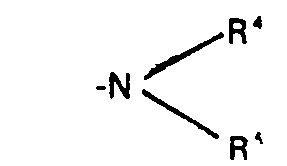
R' und R5 gemeinsam mit dem angrenzenden Stickstoffatom für einen gesättigten oder ungesättigten heterocyclischen Ring stehen, der auch weitere Heteroatome enthalten kann, - R' für Alkoxy mit 1 bis 5 Kohlenstoffatomen, gegebenenfalls substituiertes Phenoxy, Alkylthio mit 1 bis 6 Kohlenstoffatomen, Alkenylthio mit bis zu 6 Kohlenstoffatomen, Alkylsulfonylaminoalkylthio mit 1 bis 6 Kohlenstoffatomen in der Alkylsulfonyl-Gruppe und 1 bis 6 Kohlenstoffatomen in der Alkylthio-Gruppe, gegebenenfalls substituiertes Phenylthio, Thiocyanato oder die Gruppierung der Formel -S(O)nR6 steht, worin
R6 für Alkyl mit 1 bis 6 Kohlenstoffatomen, Halogenalkyl mit 1 bis 6 Kohlenstoffatomen und bis zu 6 Halogenatomen, gegebenenfalls substituiertes Phenyl oder gegebenenfalls substituiertes Benzyl steht und n für 1 oder 2 steht, - R2 für Wasserstoff, Halogen, Alkyl mit 1 bis 6 Kohlenstoffatomen, Halogenalkyl mit 1 bis 6 Kohlenstoffatomen und bis zu 6 Halogenatomen steht, jedoch nicht für 2-Trifluormethyl steht, wenn R für Methyl oder Chlormethyl steht und gleichzeitig R' für para-ständiges Methylthio, Methylsulfinyl oder Methylsulfonyl steht, und
- R2 weiterhin für Nitro oder die Gruppierung der Formel -NH-CO-NH-R7 steht, worin R7 für Alkyl mit 1 bis 6 Kohlenstoffatomen steht, und
- R3 für Wasserstoff oder Halogen steht,
besitzen starke herbizide Eigenschaften.Sulfonanilides of the formula
- R for alkyl with 1 to 6 carbon atoms, chloroalkyl with 1 to 6 carbon atoms and up to 6 chlorine atoms, optionally substituted aryl or for the grouping of the formula
R 'and R 5 together with the adjacent nitrogen atom represent a saturated or unsaturated heterocyclic ring which can also contain further heteroatoms, - R 'for alkoxy with 1 to 5 carbon atoms, optionally substituted phenoxy, alkylthio with 1 to 6 carbon atoms, alkenylthio with up to 6 carbon atoms, alkylsulfonylaminoalkylthio with 1 to 6 carbon atoms in the alkylsulfonyl group and 1 to 6 carbon atoms in the alkylthio group, optionally substituted phenylthio, thiocyanato or the grouping of the formula -S (O) n R 6 , in which
R 6 represents alkyl having 1 to 6 carbon atoms, haloalkyl having 1 to 6 carbon atoms and up to 6 halogen atoms, optionally substituted phenyl or optionally substituted benzyl and n represents 1 or 2, - R 2 represents hydrogen, halogen, alkyl having 1 to 6 carbon atoms, haloalkyl having 1 to 6 carbon atoms and up to 6 halogen atoms, but does not represent 2-trifluoromethyl if R represents methyl or chloromethyl and at the same time R 'represents para Methylthio, methylsulfinyl or methylsulfonyl, and
- R 2 furthermore represents nitro or the grouping of the formula -NH-CO-NH-R 7 , in which R 7 represents alkyl having 1 to 6 carbon atoms, and
- R 3 represents hydrogen or halogen,
have strong herbicidal properties.
Description
Die vorliegende Erfindung betrifft die Verwendung von bestimmten Sulfonaniliden als Herbizide.The present invention relates to the use of certain sulfonanilides as herbicides.
Es ist bereits bekannt geworden, daß zahlreiche Fluoralkyl-sulfonanilide herbizide Eigenschaften besitzen (vgl. US-PS 3 639 474, DE-OS 2 118 190, DE-OS 2 551 027 und DE-OS 2 703 477). So läßt sich zum Beispiel Methansulfonsäure-2-trifluormethyl-4-methylthio-anilid zur Bekämpfung von Unkraut verwenden. Dieser Wirkstoff befriedigt allerdings nicht immer hinsichtlich der Unkrautwirkung und auch nicht in der Selektivität gegenüber Kulturpflanzen.It has already become known that numerous fluoroalkyl sulfonanilides have herbicidal properties (cf. US Pat. No. 3,639,474, DE-OS 2 118 190, DE-OS 2 551 027 and DE-OS 2 703 477). For example, methanesulfonic acid-2-trifluoromethyl-4-methylthio-anilide can be used to control weeds. However, this active ingredient is not always satisfactory in terms of weed action and also not in selectivity towards crop plants.
Es wurde nun gefunden, daß die Sulfonanilide der Formel

- R für Alkyl mit 1 bis 6 Kohlenstoffatomen, Chloralkyl mit 1 bis 6 Kohlenstoffatomen und bis zu 6 Chloratomen, gegebenenfalls substituierten Aryl oder für die Gruppierung der Formel

- R für Alkoxy mit 1 bis 6 Kohlenstoffatomen, gegebenenfalls substituiertes Phenoxy, Alkylthio mit 1 bis 6 Kohlenstoffatomen, Alkenylthio mit bis zu 6 Kohlenstoffatomen, Alkylsulfonylaminoalkylthio mit 1 bis 6 Kohlenstoffatomen in der Alkylsulfonyl-Gruppe und 1 bis 6 Kohlenstoffatomen in der Alkylthio-Gruppe, gegebenenfalls substituiertes Phenylthio, Thiocyanato oder für die Gruppierung der Formel -S(O)nR6 steht, worin
für Alkyl mit 1 bis 6 Kohlenstoffatomen, Halogenalkyl mit 1 bis 6 Kohlenstoffatomen und bis zu 6 Halogenatomen, gegebenenfalls substituiertes Phenyl oder gegebenenfalls substituiertes Benzyl steht und - n für 1 oder 2 steht,
- R 2 für Wasserstoff, Halogen, Alkyl mit 1 bis 6 Kohlenstoffatomen, Halogenalkyl mit 1 bis 6 Kohlenstoffatomen und bis zu 6 Halogenatomen steht, jedoch nicht für 2-Trifluormethyl steht, wenn R für Methyl oder Chlormethyl steht und gleichzeitig R1 für para-ständiges Methylthio, Methylsulfinyl oder Methylsulfonyl steht, und
- R 2 weiterhin für Nitro oder die Gruppierung der Formel -NH-CO-NH-R7 steht, worin R7 für Alkyl mit 1 bis 6 Kohlenstoffatomen steht, und
- R 3 für Wasserstoff oder Halogen steht,
sehr gut zur Unkrautbekämpfung geeignet sind.It has now been found that the sulfonanilides of the formula
- R for alkyl with 1 to 6 carbon atoms, chloroalkyl with 1 to 6 carbon atoms and up to 6 chlorine atoms, optionally substituted aryl or for the grouping of the formula
- R represents alkoxy with 1 to 6 carbon atoms, optionally substituted phenoxy, alkylthio with 1 to 6 carbon atoms, alkenylthio with up to 6 carbon atoms, alkylsulfonylaminoalkylthio with 1 to 6 carbon atoms in the alkylsulfonyl group and 1 to 6 carbon atoms in the alkylthio group, optionally substituted phenylthio, thiocyanato or for the grouping of the formula -S (O) n R 6 , in which
for alkyl with 1 to 6 carbon atoms, haloalkyl with 1 to 6 carbon atoms and up to 6 halogen atoms, optionally substituted phenyl or optionally substituted benzyl and - n represents 1 or 2,
- R 2 represents hydrogen, halogen, alkyl having 1 to 6 carbon atoms, haloalkyl having 1 to 6 carbon atoms and up to 6 halogen atoms, but does not represent 2-trifluoromethyl if R represents methyl or chloromethyl and at the same time R 1 represents para Methylthio, methylsulfinyl or methylsulfonyl, and
- R 2 furthermore represents nitro or the grouping of the formula -NH-CO-NH-R 7 , in which R 7 represents alkyl having 1 to 6 carbon atoms, and
- R 3 represents hydrogen or halogen,
are very suitable for weed control.
Uberraschenderweise zeigen die erfindungsgemäß verwendbaren Sulfonanilide der Formel (I) neben einer guten Unkrautwirkung vor allem eine sehr gute Wirksamkeit gegen Cyperus-Arten, die mit vorbekannten, konstitutionell ähnlichen Sulfonaniliden nicht immer ausreichend bekämpfbar sind. In der Regel benötigt man zur Bekämpfung von Cyperus-Arten relativ hohe Aufwandmengen an bekannten Herbiziden, diese können dann aber nicht mehr zur selektiven Bekämpfung von Cyperus Arten in Kulturen eingesetzt werden. Die erfindungsgemäß verwendbaren Stoffe stellen somit eine wertvolle Bereicherung der Technik dar.Surprisingly, the sulfonanilides of the formula (I) which can be used according to the invention have, in addition to a good weed action, above all a very good activity against Cyperus species which cannot always be adequately combated with previously known, constitutionally similar sulfonanilides. As a rule, relatively high amounts of known herbicides are required to control Cyperus species, but these can then no longer be used to select tive control of Cyperus species can be used in cultures. The substances that can be used according to the invention thus represent a valuable addition to the technology.
Die erfindungsgemäß verwendbaren Sulfonanilide sind durch die Formel (I) allgemein definiert. In dieser Formel steht R vorzugsweise für geradkettiges oder verzweigtes Alkyl mit 1 bis 4 Kohlenstoffatomen, Chloralkyl mit 1 bis 4 Kohlenstoffatomen und bis zu 5 Chloratomen. Weiterhin steht R vorzugsweise für gegebenen- falls durch Alkyl mit 1 bis 4 Kohlenstoffatomen, Halogen, Halogenalkyl mit 1 bis 4 Kohlenstoffatomen und bis zu 5 Halogenatomen, insbesondere Fluor und/oder Chloratomen, und/oder Nitro substituiertes Aryl mit 6 bis 10 Kohlenstoffatomen. Außerdem steht R vorzugsweise für die Gruppierung

Als heterocyclische Reste seien Pyrrolidinyl, Piperidinyl, Hexamethylenimidinyl, Morpholinyl und Thiamorpholinyl beispielhaft genannt. R steht in der Formel (I) vorzugsweise für Alkoxy mit 1 bis 4 Kohlenstoffatomen, gegebenenfalls durch Alkyl mit 1 bis 4 Kohlenstoffatomen, Alkylthio mit 1 bis 4 Kohlenstoffatomen, Alkylsulfonyl mit 1 bis 4 Kohlenstoffatomen und/oder Halogen substituiertes Phenoxy, Alkylthio mit 1 bis 4 Kohlenstoffatomen, Alkenylthio mit bis zu 4 Kohlenstoffatomen, Alkylsulfonylamino-alkylthio mit 1 bis 4 Kohlenstoffatomen in der Alkylsulfonyl-Gruppe und 1 bis 4 Kohlenstoffatomen in der Alkylthio-Gruppe, gegebenenfalls durch Alkyl mit 1 bis 4 Kohlenstoffatomen, Alkylthio mit 1 bis 4 Kohlenstoffatomen und oder Halogen substituiertes Phenylthio, für Thiocyanato oder für die Gruppierung -S(O)nR6, worin n für 1 oder 2 steht und R 6 vorzugsweise für Alkyl mit 1 bis 4 Kohlenstoffatomen, Halogenalkyl mit bis zu 4 Kohlenstoffatomen und bis zu 5 gleichen oder verschiedenen Halogenatomen, insbesondere Fluor- oder Chloratomen, für gegebenenfalls durch Alkyl mit 1 bis 4 Kohlenstoffatomen und/oder Halogen, insbesondere Fluor oder Chlor, substituiertes Phenyl oder für gegebenenfalls durch Alkyl mit 1 bis 4 Kohlenstoffatomen und/oder Halogen, insbesondere Fluor oder Chlor, substituiertes Benzyl steht. R steht in der Formel (I) vorzugsweise für Wasserstoff, Fluor, Chlor, Brom, geradkettiges oder verzweigtes Alkyl mit 1 bis 4 Kohlenstoffatomen, Halogenalkyl mit bis zu 4 Kohlenstoffatomen und bis zu 5 gleichen oder verschiedenen Halogenatomen, insbesondere Fluor oder Chloratomen, jedoch nicht für 2-Trifluormethyl, wenn R für Methyl oder Chlormethyl steht und R gleichzeitig für para-ständiges Methylthio, Methylsulfinyl oder Methylsulfonyl steht. R steht weiterhin vorzugsweise für Nitro oder die Gruppierung der Formel -NH-CO-NH-R7, worin R vorzugsweise für geradkettiges oder verzweigtes Alkyl mit 1 bis 4 Kohlenstoffatomen steht. R3 steht in der Formel (I) vorzugsweise für Wasserstoff, Fluor, Chlor oder Brom.Pyrrolidinyl, piperidinyl, hexamethyleneimidinyl, morpholinyl and thiamorpholinyl may be mentioned as examples of heterocyclic radicals. R in the formula (I) preferably represents alkoxy having 1 to 4 carbon atoms, optionally by alkyl having 1 to 4 carbon atoms, Alkylthio with 1 to 4 carbon atoms, alkylsulfonyl with 1 to 4 carbon atoms and / or halogen substituted phenoxy, alkylthio with 1 to 4 carbon atoms, alkenylthio with up to 4 carbon atoms, alkylsulfonylamino-alkylthio with 1 to 4 carbon atoms in the alkylsulfonyl group and 1 to 4 carbon atoms in the alkylthio group, optionally substituted by alkyl having 1 to 4 carbon atoms, alkylthio having 1 to 4 carbon atoms and or halogen, phenylthio for thiocyanato or for the grouping -S (O) n R 6 , where n is 1 or 2 and R 6 preferably represents alkyl having 1 to 4 carbon atoms, haloalkyl having up to 4 carbon atoms and up to 5 identical or different halogen atoms, in particular fluorine or chlorine atoms, for optionally by alkyl having 1 to 4 carbon atoms and / or halogen, in particular fluorine or chlorine, substituted phenyl or for optionally by alkyl having 1 to 4 carbon atoms and / or halogen, in particular other fluorine or chlorine, substituted benzyl. R in the formula (I) preferably represents hydrogen, fluorine, chlorine, bromine, straight-chain or branched alkyl having 1 to 4 carbon atoms, haloalkyl having up to 4 carbon atoms and up to 5 identical or different halogen atoms, in particular fluorine or chlorine atoms, but not for 2-trifluoromethyl, when R is methyl or chloromethyl and R is simultaneously para-methylthio, methylsulfinyl or methylsulfonyl. R furthermore preferably represents nitro or the grouping of the formula -NH-CO-NH-R 7 , where R preferably represents straight-chain or branched alkyl having 1 to 4 carbon atoms stands. R 3 in the formula (I) preferably represents hydrogen, fluorine, chlorine or bromine.
Als Beispiele für erfindungsgemäß verwendbare Sulfonanilide seien im einzelnen die folgenden Verbindungen der Formel (I) genannt:


Die erfindungsgemäß verwendbaren Sulfonanilide der Formel (I) sind bisher noch nicht bekannt. Sie lassen sich jedoch in einfacher Weise nach im Prinzip bekannten Verfahren herstellen. So erhält man
- a) Sulfonanilide der Formel (I), indem man Aniline der Formel

- R1, R und R die oben angegebene Bedeutung haben,
mit Sulfochloriden der Formel
R die oben angegebene Bedeutung hat,
in Gegenwart eines Säureakzeptors sowie gegebenenfalls in Gegenwart eines Verdünnungsmittels umsetzt, - b) diejenigen Sulfonanilide der Formel (I), in denen R1 für die Gruppierung der Formel -S(O)nR6 steht, worin R6 und n die oben angegebene Bedeutung haben, indem man Sulfonanilide der Formel

R, R2, R und R6 die oben angegebene Bedeutung haben,
gegebenenfalls in Gegenwart eines Verdünnungsmittels oxidiert, - c) diejenigen Verbindungen der Fcrmel (I), in denen
- R für Alkyl mit 1 bis 6 Kohlenstoffatomen oder Chloralkyl mit 1 bis 6 Kohlenstoffatomen urd bis zu 6 Chloratomen steht,
- R für die Gruppierung -S(O)2R8 steht, wobei R8 für Alkyl mit 1 bis 6 Kohlenstoffatomen oder Halogenalkyl mit bis zu 6 Kohlenstoffatomen und bis zu 6 Halogenatomen steht,
- R 2 für Nitro steht und
- R3 für Wasserstoff oder Halogen steht,
in dem man Sulfonanilide der Formel
- R 3 die oben angegebene Bedeutung hat,
- R 8 für Alkyl mit 1 bis 6 Kohlenstoffatomen oder Halogenalkyl mit bis zu 6 Kohlenstoffatomen und bis zu 6 Halogenatomen steht und
- R 9 für Alkyl mit 1 bis 6 Kohlenstoffatomen oder Chloralkyl mit bis zu 6 Kohlenstoffatomen und bis zu 6 Chloratomen steht,
in Gegenwart von Schwefelsäure mit Salpetersäure nitriert, - d) diejenigen Verbindungen der Formel (I), in denen
- R für Alkyl mit 1 bis 6 Kohlenstoffatomen oder Chloralkyl mit 1 bis 6 Kohlenstoffatomen und bis zu 6 Chloratomen steht,
- R1 für die Gruppierung -S(O)2R8 steht, wobei R 8 die oben angegebene Bedeutung hat,
- R2 für die Gruppierung -NH-CO-NH-R7 steht, worin R7 die oben angegebene Bedeutung hat, und
- R 3 die oben angegebene Bedeutung hat,
indem man Nitro-Verbindungen der Formel
- R 3, R und R9 die oben angegebene Bedeutung haben,
in Gegenwart eines Katalysators sowie in Gegenwart eines Verdünnungsmittels mit Wasserstoff hydriert und die dabei entstehenden Verbindungen der Formel
- R 3, R und R9 die oben angegebene Bedeutung haben,
mit Isocyanaten der Formel
- R7 die oben angegebene Bedeutung hat, in Gegenwart eines Verdünnungsmittels umsetzt.
- a) sulfonanilides of formula (I) by using anilines of formula
- R 1 , R and R have the meaning given above,
with sulfochlorides of the formula
R has the meaning given above,
in the presence of an acid acceptor and optionally in the presence of a diluent, - b) those sulfonanilides of the formula (I) in which R 1 represents the grouping of the formula —S (O) n R 6 , in which R 6 and n have the meaning given above, by using sulfonanilides of the formula
R, R 2 , R and R 6 have the meaning given above,
optionally oxidized in the presence of a diluent, - c) those compounds of formula (I) in which
- R represents alkyl having 1 to 6 carbon atoms or chloroalkyl having 1 to 6 carbon atoms and up to 6 chlorine atoms,
- R represents the grouping -S (O) 2 R 8 , where R 8 represents alkyl having 1 to 6 carbon atoms or haloalkyl having up to 6 carbon atoms and up to 6 halogen atoms,
- R 2 stands for N itro and
- R 3 represents hydrogen or halogen,
in which sulfonanilides of the formula- R 3 has the meaning given above,
- R 8 is alkyl of 1 to 6 carbon atoms or haloalkyl having up to 6 carbon atoms and up to 6 halogen atoms and
- R 9 represents alkyl having 1 to 6 carbon atoms or chloroalkyl having up to 6 carbon atoms and up to 6 chlorine atoms,
nitrated with nitric acid in the presence of sulfuric acid, - d) those compounds of formula (I) in which
- R represents alkyl having 1 to 6 carbon atoms or chloroalkyl having 1 to 6 carbon atoms and up to 6 chlorine atoms,
- R 1 represents the grouping -S (O) 2 R 8 , where R 8 has the meaning given above,
- R 2 represents the grouping -NH-CO-NH-R 7 , wherein R 7 has the meaning given above, and
- R 3 has the meaning given above,
by using nitro compounds of the formula- R 3 , R and R 9 have the meaning given above,
hydrogenated in the presence of a catalyst and in the presence of a diluent and the resulting compounds of the formula - R 3 , R and R 9 have the meaning given above,
with isocyanates of the formula - R 7 has the meaning given above, in the presence of a diluent.
Die erfindungsgemäß verwendbaren Sulfonanilide der Formel (I) sowie deren Herstellung nach den Verfahren (a) bis (d) sind Gegenstand eines gesonderten Schutzbegehrens.The sulfonanilides of the formula (I) which can be used according to the invention and their preparation by processes (a) to (d) are the subject of a separate request for protection.
Verwendet man 3-Chlor-4-ethylmercapto-anilin und Methansulfochlorid als Ausgangsstoffe, so läßt sich der Verlauf des Verfahrens (a) durch das folgende Formelschema wiedergeben:

Verwendet man 3-Chlor-4-ethylmercapto-methan-sulfonanilid als Ausgangsstoff und Wasserstoffperoxid als Oxidationsmittel, so läßt sich der Verlauf des Verfahrens (b) durch das folgende Formelschema wiedergeben:

Verwendet man 2-Chlor-5-ethylsulfonyl-methansulfon- anilid als Ausgangsstoff und ein Gemisch aus Salpetersäure und Schwefelsäure als Nitrierungsmittel, so läßt sich der Verlauf des Verfahrens (c) durch das folgende Formelschema wiedergeben:

Verwendet man 2-Chlor-4-nitro-5-ethylsulfonyl-methan- sulfonanilid als Ausgangsstoff, Wasserstoff in Gegenwart von Raney-Nickel als Hydrierungsmittel und Ethylisocyanat als Reaktionskomponente, so läßt sich der Verlauf des Verfahrens (d) durch das folgende Formelschema wiedergeben:

Die bei dem Verfahren (a) als Ausgangsstoffe zu verwendenden Aniline sind durch die Formel (II) allge-1 2 mein definiert. In dieser Formel stehen R1, R2 und R3 vorzugsweise für diejenigen Reste, die bereits im Zusammenhang mit der Beschreibung der erfindungsgemäß verwendbaren Sulfonanilide der Formel (I) vorzugsweise für diese Reste genannt wurden.Formula (II) generally defines the anilines to be used as starting materials in process (a). In this formula, R 1 , R 2 and R 3 preferably represent those radicals which have already been mentioned for these radicals in connection with the description of the sulfonanilides of the formula (I) which can be used according to the invention.
Als Beispiele für Aniline der Formel (II) seien im einzelnen aufgeführt:


Die Aniline der Formel (II) sind bekannt oder lassen sich nach im Prinzip bekannten Verfahren herstellen (vgl. z.B. Houben-Weyl, "Methoden der organischen Chemie", Band IX, Seite 105 ff; 4. Auflage 1955 sowie DE-OS 2 551 027).The anilines of the formula (II) are known or can be prepared by processes which are known in principle (cf., for example, Houben-Weyl, "Methods of Organic Chemistry", Volume IX, page 105 ff; 4th edition 1955 and DE-OS 2 551 027).
Man erhält Aniline der Formel (II) zum Beispiel, indem man M an receives anilines of formula (II), for example, by
α) Nitroverbindungen der Formel

in welcher
- R 1 und R 3 die oben angegebene Bedeutung haben und
- R 10 für Wasserstoff, Halogen, Alkyl mit 1 bis 6 Kohlenstoffatomen oder Halogenalkyl mit 1 bis 6 Kohlenstoffatomen und bis zu 6 Halogenatomen steht
mit Wasserstoff in Gegenwart eines Katalysators, wie Raney-Nickel oder Cobaltsulfid, sowie in Gegenwart eines Verdünnungsmittels, wie z.B. Methanol, bei Temperaturen zwischen 20 C und 150°C reduziert,
oder indem man
- β) Amino-thiophenole der Formel

R 2 und R 3 die oben angegebene Bedeutung haben,
mit Halogenverbindungen der Formel
R11 für Alkyl mit 1 bis 6 Kohlenstoffatomen, Alkenyl mit bis zu 6 Kohlenstoffatomen, gegebenenfalls substituiertes Phenyl oder gegebenenfalls substituiertes Benzyl steht und
Hal für Chlor oder Brom steht,
in Geqenwart eines Verdünnungsmittels, wie Methylenchlorid sowie gegebenenfalls in Gegenwart eines Säurebindemittels, wie Pyridin, bei Temperaturen zwischen 0°C und 120°C umsetzt, und gegebenenfalls anschließend oxidiert,
oder indem man
- f) Isocyanate der Formel

R1, R2 und R3 die oben angegebene Bedeutung haben,
mit starken Säuren, wie zum Beispiel Schwefelsäure, in Gegenwart eines Verdünnungsmittels, wie zum Beispiel Chlorbenzol, bei Temperaturen zwischen 20 °C und 100°C behandelt.
in which
- R 1 and R 3 have the meaning given above and
- R 10 represents hydrogen, halogen, alkyl having 1 to 6 carbon atoms or haloalkyl having 1 to 6 carbon atoms and up to 6 halogen atoms
reduced with hydrogen in the presence of a catalyst, such as Raney nickel or cobalt sulfide, and in the presence of a diluent, such as methanol, at temperatures between 20 ° C. and 150 ° C.,
or by
- β) Amino-thiophenols of the formula
R 2 and R 3 have the meaning given above,
with halogen compounds of the formula
R 11 is alkyl with 1 to 6 carbon atoms, Alkenyl with up to 6 carbon atoms, optionally substituted phenyl or optionally substituted benzyl and
Hal represents chlorine or bromine,
in the presence of a diluent, such as methylene chloride and, if appropriate, in the presence of an acid binder, such as pyridine, at temperatures between 0 ° C. and 120 ° C., and if appropriate subsequently oxidized,
or by
- f) isocyanates of the formula
R 1 , R 2 and R 3 have the meaning given above,
treated with strong acids, such as sulfuric acid, in the presence of a diluent, such as chlorobenzene, at temperatures between 20 ° C and 100 ° C.
Die Verbindungen der Formeln (VIII) bis (XI) sind bekannt oder lassen sich nach im Prinzip bekannten Verfahren herstellen (vgl. nach Herstellungsbeispiele). Die bei dem Verfahren (a) weiterhin als Ausgangsstoffe benötigten Sulfochloride sind durcn die Formel (III) allgemein definiert. In dieser Formel hat R vorzugsweise diejenigen Bedeutungen, die bereits im Zusammenhang mit der Beschreibung der erfindungsgemäß verwendbaren Sulfonanilide der Formel (I) vorzugsweise für den Rest R genannt wurden.The compounds of the formulas (VIII) to (XI) are known or can be prepared by processes which are known in principle (cf. according to preparation examples). Formula (III) provides a general definition of the sulfochlorides also required as starting materials in process (a). In this formula, R preferably has those meanings which have already been mentioned for the radical R in connection with the description of the sulfonanilides of the formula (I) which can be used according to the invention.
Als Beispiele für Sulfochloride der Formel (III) seien im einzelnen genannt:
- Methansulfochlorid
- Ethansulfochlorid
- Propansulfochlorid
- Chlormethansulfochlorid
- Trifluormethansulfochlorid
- Phenyl-sulfochlorid
- 4-Methyl-phenyl-sulfochlorid
- 4-Fluor-phenyl-sulfochlorid
- 4-Chlor-phenyl-sulfochlorid
- 4-Trifluormethyl-phenyl-sulfochlorid
- 4-Nitro-phenyl-sulfochlorid
- Dimethylamino-sulfochlorid
- Diethylamino-sulfochlorid
- Di-n-propyl-amino-sulfochlorid
- N-Chlorsulfonyl-piperidin
- N-Chlorsulfonyl-pyrrolidin
- N-Chlorsulfonyl-hexamethylenimin
- N-Chlorsulfonyl-morpholin
- N-Chlorsulfonyl-thiamorpholin
- Methanesulfochloride
- Ethanesulfochloride
- Propane sulfochloride
- Chloromethanesulfochloride
- Trifluoromethanesulfochloride
- Phenyl sulfochloride
- 4-methylphenyl sulfochloride
- 4-fluorophenyl sulfochloride
- 4-chlorophenyl sulfochloride
- 4-trifluoromethylphenyl sulfochloride
- 4-nitro-phenyl sulfochloride
- Dimethylamino sulfochloride
- Diethylamino sulfochloride
- Di-n-propylamino sulfochloride
- N-chlorosulfonyl piperidine
- N-chlorosulfonyl pyrrolidine
- N-chlorosulfonyl hexamethyleneimine
- N-chlorosulfonyl morpholine
- N-chlorosulfonylthiamorpholine
Die Sulfochloride der Formel (III) sind bekannt oder lassen sich nach im Prinzip bekannten Verfahren herstellen.The sulfochlorides of the formula (III) are known or can be prepared by processes which are known in principle.
Die bei dem Verfahren (b) als Ausgangsstoffe zu verwendenden Sulfonanilide sind durch die Formel (Ia) allgemein definiert. In dieser Fcrmel haben R, R 2, R und R vorzugsweise diejenigen Bedeutungen, die bereits im Zusammenhang mit der Beschreibung der erfindungsgemäß verwendbaren Sulfonanilide der Formel (1) vorzugsweise für diese Reste genannt wurden.Formula (Ia) generally defines the sulfonanilides to be used as starting materials in process (b). In this formula, R , R 2 , R and R preferably have those meanings which have already been mentioned for these radicals in connection with the description of the sulfonanilides of the formula (1) which can be used according to the invention.
Die Sulfonanilide der Formel (Ia) sind bislang noch nicht bekannt. Sie lassen sich jedoch nach dem Verfahren (a) in einfacher Weise herstellen.The sulfonanilides of the formula (Ia) have hitherto not been known. However, they can be produced in a simple manner by process (a).
Als Oxidationsmittel kommen bei der Durchführung des Verfahrens (b) alle üblichen sauerstoff-abgebenden Oxidationsmittel in Frage. Hierzu gehören vorzugsweise Wasserstoffperoxid, Peressigsäure und m-Chlorperbenzoesäure.Suitable oxidants for carrying out process (b) are all customary oxygen-donating oxidizing agents. These preferably include hydrogen peroxide, peracetic acid and m-chloroperbenzoic acid.
Die bei dem Verfahren (c) als Ausgangsstoffe zu verwendenden Sulfonanilide sind durch die Formel (IV) allgemein definiert. In dieser Formel hat R vorzugsweise diejenigen Bedeutungen, die bereits im Zusammenhang mit der Beschreibung der erfindungsgemäß verwendbaren Sulfonanilide der Formel (I) vorzugsweise für diesen Rest genannt wurden. R steht vorzugsweise für Alkyl mit 1 bis 4 Kohlenstoffatomen oder für Halogenalkyl mit bis zu 4 Kohlenstoffatomen und bis zu 5 gleichen oder verschiedenen Halogenatomen, insbesondere Fluor- oder Chloratomen. R steht vorzugsweise für Alkyl mit 1 bis 4 Kohlenstoffatomen oder für Chloralkyl mit bis zu 4 Kohlenstoffatomen und bis zu 5 Chloratomen.Formula ( IV ) provides a general definition of the sulfonanilides to be used as starting materials in process (c). In this formula, R preferably has those meanings which have already been used in connection with the description of the invention baren sulfonanilides of formula (I) were preferably mentioned for this radical. R preferably represents alkyl having 1 to 4 carbon atoms or haloalkyl having up to 4 carbon atoms and up to 5 identical or different halogen atoms, in particular fluorine or chlorine atoms. R preferably represents alkyl having 1 to 4 carbon atoms or chloroalkyl having up to 4 carbon atoms and up to 5 chlorine atoms.
Die Sulfonanilide der Formel (IV) sind bisher noch nicht bekannt. Sie lassen sich jedoch nach den Verfahren (a) bzw. (b) in einfacher Weise herstellen.The sulfonanilides of the formula (IV) are not yet known. However, they can be produced in a simple manner by processes (a) and (b).
Als Nitrierungsmittel wird bei der Durchführung des Verfahrens (c) ein Gemisch aus Schwefelsäure und Salpetersäure (Nitriersäure) verwendet.A mixture of sulfuric acid and nitric acid (nitrating acid) is used as the nitrating agent when carrying out process (c).
Die bei dem Verfahren (d) als Ausgangsstoffe zu verwendenden Nitro-substituierten Sulfonanilide sind durch die Formel (V) allgemein definiert. In dieser Formel hat R3 vorzugsweise diejenigen Bedeutungen, die bereits im Zusammenhang mit der Beschreibung der erfindungsgemäß verwendbaren Sulfonanilide der Formel (I) vorzugsweise für diesen Rest genannt wurden.Formula (V) provides a general definition of the nitro-substituted sulfonanilides to be used as starting materials in process (d). In this formula, R 3 preferably has those meanings which have already been mentioned for this radical in connection with the description of the sulfonanilides of the formula (I) which can be used according to the invention.
R 8 und R 9 haben vorzugsweise diejenigen Bedeutungen, die bereits im Zusammenhang mit der Beschreibung der Verbindungen der Formel (IV) vorzugsweise für diese Reste genannt wurden. R 8 and R 9 preferably have those meanings which have already been mentioned preferably in connection with the description of the compounds of the formula (IV) for these radicals.
Die Nitro-substituierten Sulfonanilide der Formel (V) sind bisher noch nicht bekannt. Sie lassen sich jedoch in einfacher Weise nach dem Verfahren (c) herstellen.The nitro-substituted sulfonanilides of the formula (V) are hitherto unknown. However, they can be produced in a simple manner by process (c).
Die bei dem Verfahren (d) als Reaktionskomponenten benötigten Isocyanate sind durch die Formel (VII) allgemein definiert. In dieser Formel steht R vorzugsweise für diejenigen Reste, die bereits im Zusammenhang mit der Beschreibung der erfindungsgemäß verwendbaren Sulfonanilide der Formel (I) vorzugsweise für diesen Rest genannt wurden.Formula (VII) provides a general definition of the isocyanates required as reaction components in process (d). In this formula, R preferably represents those radicals which have already been mentioned for this radical in connection with the description of the sulfonanilides of the formula (I) which can be used according to the invention.
Als Beispiele für Isocyanate der Formel (VII) seien im einzelnen genannt:
- Methylisocyanat
- Ethylisocyanat
- Propylisocyanat
- n-Butylisocyanat.
- Methyl isocyanate
- Ethyl isocyanate
- Propyl isocyanate
- n-butyl isocyanate.
Die Isocyanate der Formel (VII) sind bekannt.The isocyanates of the formula (VII) are known.
Bei der Durchführung des Verfahrens (a) können als Säureakzeptoren alle üblichen Säurebindemittel fungieren. Hierzu gehören vorzugsweise Alkalihydroxide wie Natriumhydroxid und Kaliumhydroxid, ferner Alkalicarbonate wie Natriumcarbonat und Kaliumcarbonat, außerdem Alkalialkohole wie Natriummethylat und Natriumethylat, weiterhin aliphatische, aromatische oder heterocyclische Amine wie beispielsweise Triethylamin, Dimethylamin, Dimethylanilin, Dimethylbenzylamin und Pyridin.When carrying out process (a), all customary acid binders can act as acid acceptors. These preferably include alkali hydroxides such as sodium hydroxide and potassium hydroxide, furthermore alkali carbonates such as sodium carbonate and potassium carbonate, furthermore alkali alcohols such as sodium methylate and sodium ethylate, furthermore aliphatic, aromatic or heterocyclic amines such as, for example, triethylamine, dimethylamine, dimethylaniline, dimethylbenzylamine and pyridine.
Als Verdünnungsmittel können bei der Umsetzung nach dem Verfahren (a) alle inerten organischen Lösungsmittel verwendet werden. Hierzu gehören vorzugsweise aliphatische oder aromatische Kohlenwasserstoffe, wei Petrolether, Benzin, Benzol, Toluol und Xylol, ferner chlorierte aliphatische oder aromatische Kohlenwasserstoffe, wie Methylenchlorid, Chloroform, Tetrachlorkohlenstoff und Chlorbenzol, weiterhin Ether, wie Diethylether, Dibutylether, Tetrahydrofuran und Dioxan, und außerdem Ketone, wie Aceton. Darüber hinaus kann auch Wasser als Verdünnungsmittel eingesetzt werden.All inert organic solvents can be used as diluents in the reaction according to process (a). These preferably include aliphatic or aromatic hydrocarbons, white petroleum ether, gasoline, benzene, toluene and xylene, furthermore chlorinated aliphatic or aromatic hydrocarbons, such as methylene chloride, chloroform, carbon tetrachloride and chlorobenzene, furthermore ethers, such as diethyl ether, dibutyl ether, tetrahydrofuran and dioxane, and also ketones such as acetone. Water can also be used as a diluent.
Die Reaktionstemperaturen können bei dem Verfahren (a) innerhalb eines größeren Bereiches variiert werden. Im allgemeinen arbeitet man die Temperaturen zwischen 0°C und 100°C, vorzugsweise zwischen 100C und 50°C.The reaction temperatures can be varied within a substantial range in process (a). In general, temperatures between 0 ° C and 100 ° C, preferably between 100C and 50 ° C.
Bei der Durchführung des Verfahrens (a) setzt man auf 1 Mol Anilin der Formel (II) 1 bis 3 Mol an Sulfochlorid der Formel (III) ein. Bei Verwendung von Sulfochlorid in mehr als der äquimolaren Menge kann auch das zweite Wasserstoffatom am Stickstoff des Anilins durch den Rest -S02R substituiert werden. Letztere Verbindungen lassen sich jedoch durch Behandlung mit starken Basen, wie z.B. Kaliumhydroxid, in das gewünschte Produkt überführen. Die Isolierung der Reaktionsprodukte erfolgt nach üblichen Methoden. Im allgemeinen geht man so vor, daß man das Reaktionsgemisch mit einer verdünnten starken Säure versetzt. Dabei scheidet sich das Reaktionsprodukt in vielen Fällen kristallin ab. Ist im Reaktionsprodukt ein größerer Anteil an solchen Substanzen vorhanden, in denen das Stickstoffatom des eingesetzten Anilins durch 2 - S02R Gruppen substituiert ist, so empfiehlt es sich, nach dem Versetzen mit verdünnter Säure anschließend mit einem mit Wasser nicht mischbaren organischen Lösungsmittel zu extrahieren, dann das Lösungsmittel zu entfernen, der. verbleibenden Rückstand mit einer starken Base zu behandeln und anschließend anzusäuern.When carrying out process (a), 1 to 3 moles of sulfochloride of the formula (III) are employed per mole of aniline of the formula (II). If sulfochloride is used in more than the equimolar amount, the second hydrogen atom on the nitrogen of the aniline can also be substituted by the radical -S0 2 R. However, the latter compounds can be converted into the desired product by treatment with strong bases, such as, for example, potassium hydroxide. The reaction products are isolated by customary methods. The general procedure is to add a dilute strong acid to the reaction mixture. In many cases, the reaction product separates out in crystalline form. Is a larger one in the reaction product If there is a proportion of such substances in which the nitrogen atom of the aniline used is substituted by 2 - SO 2 R groups, it is advisable, after adding dilute acid, to subsequently extract it with a water-immiscible organic solvent, then add the solvent remove the. treat remaining residue with a strong base and then acidify.
Bei der Durchführung des Verfahrens (b) können als Verdünnungsmittel alle üblicherweise für derartige Oxidationen verwendbaren inerten organischen Lösungsmittel eingesetzt werden. Hierzu gehören vorzugsweise Eisessig und Methylenchlorid.When carrying out process (b), it is possible to use all inert organic solvents which can customarily be used for such oxidations as diluents. These preferably include glacial acetic acid and methylene chloride.
Die Reaktionstemperaturen können bei der Oxidation gemäß Verfahren (b) innerhalb eines größeren Bereiches variiert werden. Im allgemeinen arbeitet man bei Temperaturen zwischen 0°C und 120°C, vorzugsweise zwischen 50°C und 100°C.The reaction temperatures can be varied within a substantial range in the oxidation according to process (b). In general, temperatures between 0 ° C and 120 ° C, preferably between 50 ° C and 100 ° C.
Bei der Durchführung des Verfahrens (b) setzt man auf 1 Mol an Sulfonanilid der Formel (Ib) eine äquimolare Menge oder einen Überschuß an Oxidationsmittel ein, und zwar in Abhängigkeit davon, ob die Sulfinyl-oder die Sulfonyl-Verbindung der Formel (I) synthetisiert werden soll. Die Aufarbeitung erfolgt nach üblichen Methoden. Im allgemeinen verfährt man in der Weise, daß man nach beendeter Umsetzung mit Wasser versetzt. Dabei scheidet sich das Reaktionsprodukt häufig unmittelbar in kristalliner Form ab. Ist dies nicht der Fall, so extrahiert man das Reaktionsgemisch mit einem mit Wasser nicht mischbaren organischen Lösungsmittel, trennt die Phasen und entfernt das Lösungsmittel.When carrying out process (b), an equimolar amount or an excess of oxidizing agent is employed per mol of sulfonanilide of the formula (Ib), depending on whether the sulfinyl or the sulfonyl compound of the formula (I) should be synthesized. The processing takes place according to usual methods. In general, the procedure is such that water is added after the reaction has ended. The reaction product often separates out directly in crystalline form. If this is not the case, the reaction mixture is extracted with a water-immiscible organic solvent, separates the phases and removes the solvent.
Bei der Umsetzung gemäß Verfahren (c) arbeitet man im allgemeinen ohne zusätzliches Lösungsmittel.The reaction in process (c) is generally carried out without an additional solvent.
Die Reaktionstemperaturen können bei dem Verfahren (c) innerhalb eines größeren Bereiches variiert werden. Im allgemeinen arbeitet man bei Temperaturen zwischen 00C und 60°C, vorzugsweise zwischen 10°C und 50 C. ,The reaction temperatures can be varied within a substantial range in process (c). In general, temperatures between 0 0 C and 60 ° C, preferably between 10 ° C and 50 C.
Bei der Durchführung des Verfahrens (c) setzt man die Sulfonanilide der Formel (IV) mit einem Überschuß an Nitrierungsmittel um. Die Aufarbeitung erfolgt nach üblichen Methoden.When carrying out process (c), the sulfonanilides of the formula (IV) are reacted with an excess of nitrating agent. The processing takes place according to usual methods.
Bei der Umsetzung gemäß Verfahren (d) arbeitet man sowohl bei der Durchführung der ersten Stufe als auch bei der Durchführung der zweiten Stufe in Gegenwart eines Verdünnungsmittels. In der ersten Stufe können alle üblicherweise für derartige Hydrierungen verwendbaren organischen Lösungsmittel eingesetzt werden. Hierzu gehören vorzugsweise Alkohole, wie Methanol und Ethanol, ferner Ether, wie Tetrahydrofuran und Dioxan.The reaction according to process (d) is carried out both in the implementation of the first stage and in the implementation of the second stage in the presence of a diluent. In the first stage, all organic solvents that can usually be used for such hydrogenations can be used. These preferably include alcohols such as methanol and ethanol, furthermore ethers such as tetrahydrofuran and dioxane.
In der zweiten Stufe kommen als Verdünnungsmittel alle inerten organischen Lösungsmittel in Betracht. Hierzu gehören vorzugsweise Ether, wie Diethylether und Dioxan, ferner Kohlenwasserstoffe, wie Benzol und Toluol, Chlorkohlenwasserstoffe, wie Methylenchlorid und Chlorbenzol, weiterhin Ketone, wie Aceton und Cyclohexanon.In the second stage, all inert organic solvents can be used as diluents. These preferably include ethers, such as diethyl ether and dioxane, furthermore hydrocarbons, such as benzene and toluene, chlorinated hydrocarbons, such as methylene chloride and chlorobenzene, and furthermore ketones, such as acetone and cyclohexanone.
Bei der Durchführung der ersten Stufe des Verfahrens (d) kommen als Katalysatoren alle für derartige Hydrierungen üblicherweise verwendbaren Katalysatoren in Frage. Hierzu gehören vorzugsweise Raney-Nickel und Cobaltsulfid.When carrying out the first stage of process (d), all catalysts which can usually be used for such hydrogenations are suitable as catalysts. These preferably include Raney nickel and cobalt sulfide.
Bei der in der ersten Stufe des Verfahrens (d) ablaufenden Hydrierung kann der Wasserstoffdruck innerhalb eines größeren Bereiches variiert werden. Im allgemeinen arbeitet man bei Drucken zwischen 1 bar und 150 bar, vorzugsweise zwischen 20 bar und 50 bar.In the hydrogenation taking place in the first stage of process (d), the hydrogen pressure can be varied within a substantial range. Generally one works at pressures between 1 bar and 150 bar, preferably between 20 bar and 50 bar.
Die Reaktionstemperaturen können bei dem Verfahren (d) sowohl in der ersten als auch in der zweiten Stufe innerhalb eines größeren Bereichs variiert werden. Im allgemeinen arbeitet man in der ersten Stufe bei Temperaturen zwischen 0 °C und 100 0C, vorzugsweise zwischen 10 °C und 50°C. In der zweiten Stufe arbeitet man im allgemeinen bei Temperaturen zwischen 20°C und 100°C, vorzugsweise zwischen 40°C und 80°C.In process (d), the reaction temperatures can be varied within a substantial range in both the first and the second stage. In general, the reaction is preferably carried out in the first stage at temperatures between 0 ° C and 100 0 C, between 10 ° C and 50 ° C. The second stage is generally carried out at temperatures between 20 ° C and 100 ° C, preferably between 40 ° C and 80 ° C.
Bei der Durchführung des Verfahrens (d) werden in der ersten Stufe Nitro-Verbindungen der Formel (V) mit einem Überschuß an Wasserstoff hydriert. Die Isolierung der Reaktionsprodukte erfolgt nach üblichen Methoden. In der zweiten Stufe des Verfahrens (d) setzt man auf 1 Mol an einer Verbindung der Formel (VI) 1 Mol bis 1,5 Mol an Isocyanat der Formel (VII) ein. Die Aufarbeitung erfolgt auch hierbei nach üblichen Methoden.When carrying out process (d), nitro compounds of the formula (V) are hydrogenated with an excess of hydrogen in the first stage. The reaction products are isolated in the usual way Methods. In the second stage of process (d), 1 mol to 1.5 mol of isocyanate of the formula (VII) is used per 1 mol of a compound of the formula (VI). Here, too, processing is carried out using customary methods.
Die erfindungsgemäßen Wirkstoffe beeinflussen das Pflanzenwachstum und können deshalb als Defoliants, Desiccants, Krau.tabtbtungsmittel, Keimhemmungsnittel unu insbesondere als Unkrautvernichtungsmittel verwendet werden. Unter Unkraut im weitesten Sinne sind alle Pflanzen zu verstehen, die an urten aufwachsen, wo sie unerwünscht sind. Ob die erfindungsgemäßen Stoffe als totale oder selektive Herbizide wirken, hängt im wesentlicnen von der angewendeten Menge ab.The active compounds according to the invention influence plant growth and can therefore be used as defoliants, desiccants, herbicides, germ inhibitors and in particular as weed killers. Weeds in the broadest sense are to be understood as all plants that grow on crops where they are undesirable. Whether the substances according to the invention act as total or selective herbicides depends essentially on the amount used.
Die erfindungsgemäßen Wirkstoffe können z.E. bei den folgenden Pflanzen verwendet werden:
- Dikotyle Unkräuter der Gattunqen: Sinapis, Lepiäium, Galium, Stellaria, Matricaria, Anthemis, Galinsoga, Chenopodium, Urtica, Senecio, Amaranthus, Portulaca, Xanthium, Convolvulus, Ipomoea, Polygonum, Sesbania, Ambrosia, Cirsium, Carduus, Sonchus, Solanum, Rorippa, Rotala, Lindernia, Lamium, Veronica, Abutilon, Emex, Datura, Viola, Galeopsis, Papaver, Centaurea.
- Dicotyledonous weeds of the genera: Sinapis, Lepiäium, Galium, Stellaria, Matricaria, Anthemis, Galinsoga, Chenopodium, Urtica, Senecio, Amaranthus, Portulaca, Xanthium, Convolvulus, Ipomoea, Polygonum, Sesbania, Ambrosia, Cirsiumcholum, Sol , Rotala, Lindernia, Lamium, Veronica, Abutilon, Emex, Datura, Viola, Galeopsis, Papaver, Centaurea.
Dicotyle Kulturen der Gattungen: Gossypium, Glycine, Beta, Daucus, Phaseolus, Pisum, Solanum, Linum, Ipomoea, Vicia, Nicotiana, Lycopersicon, Arachis, Brassica, Lactuca, Cucumis, Cuburbita.Dicotyle cultures of the genera: Gossypium, Glycine, Beta, Daucus, Phaseolus, Pisum, Solanum, Linum, Ipomoea, Vicia, Nicotiana, Lycopersicon, Arachis, Brassica, Lactuca, Cucumis, Cuburbita.
Monokotyle Unkräuter der Gattunqen: Echinochloa, Setaria, Paricum, Digitaria, Phleum, Poa, Festuca, Eleusine, Brachiaria, I.olium, Bromus, Avena, Cyperus, Sorghum, Agropyron, Cynodon, Monochoria, Fimbristylis, Sagittaria, Eleocharis, Scirpus, Paspalum, Ischaemum, Sphenoclea, Dactyloctenium, Agrostis, Alopecurus, Apera.Monocotyledonous weeds of the species: Echinochloa, Setaria, Paricum, Digitaria, Phleum, Poa, Festuca, Eleusine, Brachiaria, I.olium, Bromus, Avena, Cyperus, Sorghum, Agropyron, Cynodon, Monochoria, Fimbristylis, Sagittaria, Eleocharis, Scirpus, Paspalum, Ischaemum, Sphenoclea, Dactyloctenium, Agrostis, Alopecurus, Apera.
Morokotyle Kulturen der Gattungen: Oryza, Zea, Triticum, nordeum, Aver.a, Secale, Sorghum, Panicum, Saccharum, Ananas, Asparagus, Allum.Morocot cultures of the genera: Oryza, Zea, Triticum, nordeum, Aver.a, Secale, Sorghum, Panicum, Saccharum, Pineapple, Asparagus, Allum.
Die verwendung der erfindungsgemäßen Wirkstoffe ist jedoch 
Die Verbindungen eignen sich in Abhängigkeit von der Konzentration zur Totalunkrautbekämpfung z.B. auf Industrie- und Gleisanlagen und auf Wegen und Plätzen mit und ohne Baumbewichs. Ebenso können die Verbindungen zur Unkrautbekämpfung in Dauerkulturen z.B. Forst-, Ziergehölz-, Obst-, Wein-, Citrus-, Nuss-, Bananen-, Kaffee-, Tee-, Gummi-, ölpalm-, Kakao-, Beerenfrucht- und Hopfenanlagen und zur selektiven Unkrautbekämpfung in einjährigen Kulturen eingesetzt werden.Depending on the concentration, the compounds are suitable for total weed control, e.g. on industrial and track systems and on paths and squares with and without tree cover. Likewise, the compounds for weed control in permanent crops can e.g. Forestry, ornamental wood, fruit, wine, citrus, nut, banana, coffee, tea, rubber, oil palm, cocoa, berry fruit and hop plants and for selective weed control in annual crops.
Die erfindungsgemäß verwendbaren Sulfonanilide zeigen nicht nur eine ausgezeichnete Unkrautwirkung, sondern sind darüber hinaus auch zur selektiven Unkrautbekämpfung geeignet. Sie lassen sich zum Beispiel zur selektiven Unkrautbekämpfung in Baumwolle, Getreide, Mais, Soja, Reis, Rüben und Gemüse- kulturen verwenden.The sulfonanilides which can be used according to the invention not only have an excellent weed action, but are also suitable for selective weed control. For example, they can be used for selective weed control in cotton, cereals, corn, soybeans, rice, beets and vegetable crops.
Die Wirkstoffe können in die üblichen Formulierungen übergeführt werden, wie Lösungen, Emulsionen, Spritzpulver, Suspensionen, Pulver, Stäubemittel, Pasten, lösliche Pulver, Granulate, Suspensions-Emulsions-Konzentrate, wirkstoff-imprägnierte Natur- und synthetische Stoffe, Feinstverkapselungen in polymeren Stoffen.The active ingredients can be converted into the customary formulations, such as solutions, emulsions, wettable powders, suspensions, powders, dusts, pastes, soluble powders, granules, suspension emulsion concentrates, active ingredient-impregnated natural and synthetic substances, very fine encapsulations in polymeric substances.
Diese Formulierungen werden in bekannter Weise hergestellt, z.B. durch Vermischen der Wirkstoffe mit Streckmitteln, also flüssigen Lösungsmitteln und/oder festen Trägerstoffen, gegebenenfalls unter Verwendung von oberflächenaktiven Mitteln, also Emulgiermitteln und/oder Dispergiermitteln und/oder schaumerzeugenden Mitteln. Im Falle der Benutzung von Wasser als Streckmittel können z.B. auch organische Lösungsmittel als Hilfslösungsmittel verwendet werden. Als flüssige Lösungsmittel kommen im wesentlichen in Frage: Aromaten, wie Xylol, Toluol, oder Alkylnaphthaline, chlorierte Aromaten oder chlorierte aliphatische Kohlenwasserstoffe, wie Chlorbenzole, Chloräthylene oder Methylenchlorid, aliphatische Kohlenwasserstoffe, wie Cyclohexan oder Paraffine, z.B. Erdölfraktionen, Alkohole, wie Butanol oder Glycol sowie deren Äther und Ester, Ketone wie Aceton, Methyläthylketon, Methylisobutylketon oder Cyclohexanon, stark polare Lösungsmittel, wie Dimethylformamid und Dimethylsulfoxid, sowie Wasser.These formulations are prepared in a known manner, for example by mixing the active ingredients with extenders, that is to say liquid solvents and / or solid carriers, if appropriate using surface-active agents, that is to say emulsifiers and / or dispersants and / or foam-generating agents. If water is used as an extender, organic solvents can, for example, also be used as auxiliary solvents. The following are essentially suitable as liquid solvents: aromatics, such as xylene, toluene, or alkylnaphthalenes, chlorinated aromatics or chlorinated aliphatic hydrocarbons, such as chlorobenzenes, chloroethylene or methylene chloride, aliphatic hydrocarbons, such as cyclohexane or paraffins, for example petroleum fractions, alcohols, such as butanol or glycol and their ethers and esters, ketones such as acetone, methyl ethyl ketone, methyl isobutyl ketone or cyclohexanone, strongly polar solvents such as dimethylformamide and dimethyl sulfoxide, and water.
Als feste Trägerstoffe kommen in Frage:
- z.B. natürliche Gesteinsmehle, wie Kaoline, Tonerden, Talkum, Kreide, Quarz, Attapulgit, Montmorillonit oder Diatomeenerde und synthetische Gesteinsmehle, wie hochdisperse Kieselsäure, Aluminiumoxid und Silikate; als feste Trägerstoffe für Granulate kommen in Frage: z.B. gebrochene und fraktionierte natürliche Gesteine wie Calcit, Marmor, Bims, Sepiolith, Dolomit sowie synthetische Granulate aus anorganischen und organischen Mehlen sowie Granulate aus organischem Material wie Sägemehl, Kokosnußschalen, Maiskolben und Tabakstengel; als Emulgier- und/oder schaumerzeugende Mittel kommen in Frage: z.B. nichtionogene und anionische Emulgatoren, wie Polyoxyäthylen-FettsäureEster, Polyoxyäthylen-Fettalkohol-Äther, z.B. Alkylarylpolyglykol-äther, Alkylsulfonate, Alkylsulfate, Arylsulfonate sowie Eiweißhydrolysate; als Dispergiermittel kommen in Frage: z.B. Lignin-Sulfitablaugen und Methylcellulose.
- For example, natural rock powders such as kaolins, alumina, talc, chalk, quartz, attapulgite, montmorillonite or diatomaceous earth and synthetic rock powders such as highly disperse silica, aluminum oxide and silicates; Possible solid carriers for granules are: broken and fractionated natural rocks such as calcite, marble, pumice, sepiolite, dolomite and synthetic granules made from inorganic and organic flours as well as granules made from organic materials such as sawdust, coconut shells, corn cobs and tobacco stalks; suitable emulsifying and / or foam-generating agents are: for example nonionic and anionic emulsifiers, such as polyoxyethylene fatty acid esters, polyoxyethylene fatty alcohol ethers, for example alkylarylpolyglycol ether, alkyl sulfonates, alkyl sulfates, aryl sulfonates and protein hydrolyzates; The following may be used as dispersants: for example lignin sulfite waste liquor and methyl cellulose.
Es können in den Formulierungen Haftmittel wie Carboxymethylcellulose, natürliche und synthetische pulverige, körnige oder latexförmige Polymere verwendet werden, wie Gummiarabicum, Polyvinylalkohol, Polyvinylacetat.Adhesives such as carboxymethyl cellulose and natural and synthetic polymers in the form of powders, granules or latices, such as gum arabic, polyvinyl alcohol and polyvinyl acetate, can be used in the formulations.
Es können Farbstoffe wie anorganische Pigmente, z.B. Eisenoxid, Titanoxid, Ferrocyanblau und organische Farbstoffe, wie Alizarin-, Azol-Metallphthalocyaninfarbstoffe und Spurennährstoffe wie Salze von Eisen, Mangan, Bor, Kupfer, Kobalt, Molybdän und Zink verwendet werden.Dyes such as inorganic pigments, e.g. Iron oxide, titanium oxide, ferrocyan blue and organic dyes such as alizarin, azole-metal phthalocyanine dyes and trace nutrients such as salts of iron, manganese, boron, copper, cobalt, molybdenum and zinc can be used.
Die Formulierungen enthalten im allgemeinen zwischen 0,1 und 95 Gewichtsprozent Wirkstoff, vorzugsweise zwischen 0,5 und 90 %.The formulations generally contain between 0.1 and 95 percent by weight of active compound, preferably between 0.5 and 90%.
Die erfindungsgemäßen Wirkstoffe können als solche oder in ihren formulierungen auch in mischung mit bekannten Kerbiziden zur Unkrautbekämpfung Verwendung finden, we- bei Fertigformulierung oder Tankmischung nöglich ist. Auch eine Mischung mit anderen bekannten Wirkstoffen, wie Fungiziden, Insektiziden, Akariziden, Ne-atiziden, Senatestofion gegen Vogelfraß, Wucksstoffen, Pflanzen- nanrstoffen und Bodenstrukturverbesserungsmittein ist meglich.The active compounds according to the invention, as such or in their formulations, can also be used for combating weeds in admixture with known kerbicides, it being possible in the case of a finished formulation or tank mix. A mixture with other known active compounds, such as fungicides, insecticides, acaricides, ne-aticides, senate tofion against bird damage, repellents, plant nutrients and agents which improve soil structure, is also possible.
Die Wirkstoffe können als solche, in Form ihrer Fomulierungen oder der daraus durch weiteres Verdunnen bereiteten Anwendungsformen, wie gebrauchsfertine Lösungen, Suspensionen, Emulsionen, Pulver, Pasten und Granulate angewandt werden. Die Anwendung geschicht in üblicher Weise, z.B. durch Gießen, Spritzen, Sprthen, Streuen.The active compounds can be used as such, in the form of their formulations or the use forms prepared therefrom by further dilution, such as ready-to-use solutions, suspensions, emulsions, powders, pastes and granules. The application history in the usual way, e.g. by pouring, spraying, spraying, sprinkling.
Die erfindungsgemäßen Wirkstoffe können sowohl vor als auch nach dem Auflaufen der Pflanzen appliziert werden. Die Anwendung wird vorzugsweise vor dem Auflaufen der Pflanzen, also im pre-emergence-Verfahren, vorgenommen. Sie können auch vor der Saat in den Boden eingearbeitet werden.The active compounds according to the invention can be applied both before and after emergence of the plants. It is preferably used before the plants emerge, that is to say in the pre-emergence process. They can also be worked into the soil before sowing.
Die aufgewandte Wirkstoffmenge kann in größeren Bereichen schwanken. Sie hängt im wesentlichen von der Art des gewünschten Effekts ab. Im allgemeinen liegen die Aufwandmengen zwischen 0,1 und 10 kg Wirkstoff pro ha, vorzugsweise zwischen 0,1 und 5 kg/ha.The amount of active ingredient used can fluctuate in larger areas. It essentially depends on the type of effect you want. In general, the application rates are between 0.1 and 10 kg of active ingredient per ha, preferably between 0.1 and 5 kg / ha.
Die gute herbizide Wirksamkeit der erfindungsgemäß verwendbaren Sulfonanilide geht aus dem folgenden Beispiel hervor.The good herbicidal activity of the sulfonanilides which can be used according to the invention can be seen from the following example.
Lösungsmittel: 5 Gewichtsteile Aceton Emulgator: 1 Gewichtsteil AlkylarylpolyglycoletherSolvent: 5 parts by weight of acetone Emulsifier: 1 part by weight of y Alk lar ylpolyglycolether
Zur Herstellung einer zweckmäßigen Wirkstoffzubereitung vermischt man 1 Gewichtsteil Wirkstoff mit der angegebenen Menge Lösungsmittel, gibt die angegebene Menge Emulgator zu und verdünnt das Konzentrat mit Wasser auf die gewünschte Konzentration.To produce a suitable preparation of active compound, 1 part by weight of active compound is mixed with the stated amount of solvent, the stated amount of emulsifier is added and the concentrate is diluted with water to the desired concentration.
Samen der Testpflanzen werden in normalen Boden ausgesät und nach 24 Stunden mit der Wirkstoffzubereitung begossen. Dabei hält man die Wassermenge pro Flächeneinheit zweckmäßigerweise konstant. Die Wirkstoffkonzentration in der Zubereitung spielt keine Rolle, entscheidend ist nur die Aufwandmenge des Wirkstoffs pro Flächeneinheit. Nach drei Wochen wird der Schädigungsgrad der Pflanzen bonitiert in % Schädigung im Vergleich zur Entwicklung der unbehandelten Kontrolle. Es bedeuten:
- 0 % = keine Wirkung (wie unbehandelte Kontrolle)
- 100 % = totale Vernichtung
- 0% = no effect (like untreated control)
- 100% = total annihilation
Wirkstoffe, Aufwandmengen und Resultate gehen aus der nachfolgenden Tabelle hervor:


HerstellungsbeispieleManufacturing examples

Eine Lösung von 13 g (70 mMol) 3-Chlor-4-ethylmercapto- anilin in 100 ml Pyridin wird bei 0°C bis 50C unter Rühren tropfenweise mit 8,5 g (74 mMol) Methansulfochlorid versetzt. Man rührt noch etwa 30 Minuten bei Raumtemperatur, gießt dann das Reaktionsgemisch in verdünnte wäßrige Salzsäure und saugt den ausfallenden Feststoff ab. Dieses Produkt wird in verdünnter wäßriger Natronlauge gelöst. Man behandelt die Lösung mit Aktivkohle, filtriert und säuert mit verdünnter wäßriger Salzsäure an. Dabei fällt das Reaktionsprodukt in kristalliner Form aus. Man erhält auf diese Weise 15 g (81,5% der Theorie) an 3-Chlor-4-ethylmercapto- methylsulfonanilid vom Schmelzpunkt 115-116°C.A solution of 13 g (70 mmol) of 3-chloro-4-ethylmercapto aniline in 100 ml of pyridine at 0 ° C to 5 0 C under stirring dropwise with 8.5 g (74 mmol) of methanesulfonyl chloride was added. The mixture is stirred at room temperature for about 30 minutes, then the reaction mixture is poured into dilute aqueous hydrochloric acid and the solid which precipitates is filtered off with suction. This product is dissolved in dilute aqueous sodium hydroxide solution. The solution is treated with activated carbon, filtered and acidified with dilute aqueous hydrochloric acid. The reaction product precipitates in crystalline form. In this way, 15 g (81.5% of theory) of 3-chloro-4-ethylmercapto-methylsulfonanilide with a melting point of 115-116 ° C.
In analoger Weise werden die in der nachfolgenden Tabelle 1 formelmäßig aufgeführten Sulfonanilide der Formel (I) hergestellt.


17 g Methyl-(4-aminophenyl)-sulfon werden unter Zusatz von 30 ml Triethylamin in 100 ml Dioxan gelöst und tropfenweise mit 30 g Chlormethansulfochlorid versetzt. Die Temperatur steigt hierbei auf etwa 75°C an. Nach dem Abkühlen trägt man das Reaktionsprodukt in Wasser ein, saugt das dabei entstehende kristalline Produkt ab und löst es in methanolisch-wäßriqer Natronlauge. Man filtriert und fällt das Reaktionsprodukt durch Zugabe von wäßriger Salzsäure aus. Fp.: 175-177°C; Ausbeute: 10 g = 35 % d. Th.17 g of methyl (4-aminophenyl) sulfone are dissolved in 100 ml of dioxane with the addition of 30 ml of triethylamine, and 30 g of chloromethanesulfonyl chloride are added dropwise. The temperature rises to about 75 ° C. After cooling, carrying the reaction product in water, filtered off the resulting crystalline product and solves it in methanolic-wäßri q he caustic soda. It is filtered and the reaction product is precipitated by adding aqueous hydrochloric acid. Mp 175-177 ° C; Yield: 10 g = 35% of theory. Th.
In analoger Weise werden die in der nachfolgenden Tabelle 2 formelmäßig aufgeführten Sulfonanilide der Formel (I) hergestellt.


120 g 2-Chlor-5-chlormethansulfonyl-anilin werden in 500 ml Pyridin gelöst und unter Kühlung bei 0-5°C tropfen weise mit 150 g Chlormethansulfochlorid versetzt. Man rührt eine weitere Stunde und gießt dann das Reaktionsgemisch in verdünnte wäßrige Salzsäure. Das ausfallende Produkt wird in verdünnter wäßriger Natronlauge gelöst. Man behandelt die Lösung mit Aktivkohle, filtrier und fügt verdünnte wäßrige Salzsäure hinzu. Der ausgefallene Feststoff wird abgesaugt und aus Methanol umkristallisiert. Man erhält auf diese Weise 100 g (56 der Theorie) des Reaktionsproduktes vom Schmelzpunkt 145-1460C.120 g of 2-chloro-5-chloromethanesulfonyl-aniline are dissolved in 500 ml of pyridine, and 150 g of chloromethanesulfonyl chloride are added dropwise while cooling at 0-5 ° C. The mixture is stirred for a further hour and then poured into dilute aqueous hydrochloric acid. The product which precipitates is dissolved in dilute aqueous sodium hydroxide solution. The solution is treated with activated carbon, filtered and dilute aqueous hydrochloric acid is added. The precipitated solid is filtered off and recrystallized from methanol. Obtained in this way 100 g (56 of theory) of the reaction product of melting point 145-146 0 C.

- a) 300 g 2-Chlor-S-ethylsulfonylanilin werden in 1 Liter Pyridin gelöst und unter Kühlung bei O-5oC tropfenweise mit 190 g Chlormethan-sulfochlorid versetzt. Man rührt noch eine weitere Stunde und arbeitet dann nach der im Beispiel 39 angegebenen Methode auf. Man erhält auf diese Weise 247 g (55 % der Theorie) an 2-Chlor-5-ehtylsulfonyl-chlormethansulfonanilid vom Schmelzpunkt 127-129°C.a) 300 g of 2-chloro-S-ethylsulfonylaniline are dissolved in 1 liter of pyridine and 190 g of chloromethane sulfochloride are added dropwise with cooling at O-5 ° C. The mixture is stirred for another hour and then worked up according to the method given in Example 39. You get on in this way 247 g (55% of theory) of 2-chloro-5-ethylsulfonylchloromethanesulfonanilide with a melting point of 127-129 ° C.
- b) 70 g 2-Chlor-5-ethylsulfonyl-chlormethan-sulfonanilid werden in 200 ml konzentrierter Schwefelsäure gelöst und tropfenweise mit 15 ml konzentrierter Salpetersäure versetzt. Die Temperatur steigt dabei auf etwa 50°C an. Danach wird das Reaktionsgemisch auf Eis gegeben. Der anfallende Feststoff wird mit Wasser gewaschen und aus Methanol umkristallisiert.b) 70 g of 2-chloro-5-ethylsulfonyl-chloromethane-sulfonanilide are dissolved in 200 ml of concentrated sulfuric acid and 15 ml of concentrated nitric acid are added dropwise. The temperature rises to about 50 ° C. The reaction mixture is then poured onto ice. The resulting solid is washed with water and recrystallized from methanol.
Man erhält auf diese Weise 65 g (82 der Theorie) an 2-Chlor-4-nitro-5-ethyl-sulfonyl-chlormethylsul- fonanilid vom Schmelzpunkt 185-187°C.This gives 65 g (82 of theory) of 2-chloro-4-nitro-5-ethyl-sulfonyl-chloromethylsulfonanilide with a melting point of 185-187 ° C.
Nach der im Beispiel 40 angegebenen Methode erhält man durch Nitrierung von 2-Chlor-5-chlormethylsulfonyl- chlormethyl-sulfonanilid die Verbindung der Formel


- a) 2-Chlor-4-nitro-S-chlormethylsulfonyl-chlormethyl- sulfonanilid wird in Methanol gelöst und in Gegenwart von Cobaltsulfid mit Wasserstoff hydriert. Nach dem Aufarbeiten erhält man 2-Chlor-4-amino-5-chlormethylsulfonyl-chlormethylsulfonanilid in Form eines Feststoffes vom Schmelzpunkt 228-229°C.a) 2-Chloro-4-nitro-S-chloromethylsulfonyl-chloromethyl-sulfonanilide is dissolved in methanol and hydrogenated with hydrogen in the presence of cobalt sulfide. After working up, 2-chloro-4-amino-5-chloromethylsulfonyl-chloromethylsulfonanilide is obtained in the form of a solid with a melting point of 228-229 ° C.
- b) 8 g 2-Chlor-4-amino-5-chlormethylsulfonyl-chlor- methylsulfonanilid werden in 100 ml Dioxan gelöst und unter Zusatz einer katalytischen Menge Triethylamin bei 30-40°C mit 2 g Methylisocynanat umgesetzt. Man rührt noch eine kurze Zeit bei der.genannten Temperatur und fügt dann Wasser hinzu. Das dabei anfallende Festprodukt wird abgesaugt. Man erhält auf diese Weise 4,5 g des Reaktionsproduktes in Form eines Feststoffes vom Schmelzpunkt 188-190°C.b) 8 g of 2-chloro-4-amino-5-chloromethylsulfonyl-chloromethylsulfonanilide are dissolved in 100 ml of dioxane and reacted with 2 g of methyl isocyanate at 30-40 ° C. with the addition of a catalytic amount of triethylamine. The mixture is stirred for a short time at the temperature mentioned and then water is added. The resulting solid product is suctioned off. In this way 4.5 g of the reaction product are obtained in the form of a solid with a melting point of 188-190 ° C.

17 g 2-(ß-Aminoethylmercapto)-anilin werden in 100 ml Pyridin gelöst und bei 0-5°C mit 23 g Methansulfochlorid versetzt. Man rührt noch eine Weile nach und gießt dann das Reaktionsgemisch in verdünnte wäßrige Salzsäure. Das dabei anfallende Produkt wird in Methylenchlorid aufgenommen. Man trocknet und engt ein. Auf diese Weise erhält man 25 g (28 % der Theorie) des gewünschten Reaktionsproduktes in Form eines zähen Öles. Die Struktur der Substanz wurde mit Hilfe den Kernresonanx-Spektrums bestimmt.17 g of 2- (β-aminoethylmercapto) aniline are dissolved in 100 ml of pyridine, and 23 g of methanesulfonyl chloride are added at 0-5 ° C. The mixture is stirred for a while and then the reaction mixture is poured into dilute aqueous hydrochloric acid. The product obtained is taken up in methylene chloride. You dry and concentrate. In this way, 25 g (28% of theory) of the desired reaction product are obtained in the form of a viscous oil. The structure of the substance was determined using the nuclear resonance spectrum.

Nach dem Abkühlen und Entspannen wird das Reaktionsgemisch filtriert und nach dem Abziehen des Lösungsmittels destilliert. Man erhält 158 g (93,5 % der Theorie) an 3-Trifluormethyl-4-amino-4'-chlor-diphenyl- äther.After cooling and releasing the pressure, the reaction mixture is filtered and, after the solvent has been stripped off, distilled. 158 g (93.5% of theory) of 3-trifluoromethyl-4-amino-4'-chloro-diphenyl ether are obtained.
Fp. 48-490C.
Kp0,1 138-141°CMp 48-49 0 C.
Bp 0.1 138-141 ° C

1 Mol 4-Chlorphenol und 56 g Kaliumhydroxid werden in 600 ml Dimethylsulfoxid vorgelegt und unter Rühren auf 130°C erwärmt. Bei dieser Temperatur werden 226 g (1 Mol) 2-Nitro-5-chlor-benzotrifluorid zugegeben. Anschließend wird der Ansatz 2 Stunden bei 145°C gerührt. Danach wird das Lösungsmittel unter vermindertem Druck abgezogen und der Rückstand auf Wasser gegeben. Die organische Phase wird abgetrennt. Der wäßrige Rückstand wird mit Methylenchlorid extrahiert. Man vereinigt die organischen Phasen, wäscht zweimal mit Wasser, trocknet über Natriumsulfat und destilliert. Nach einem Verlauf von unverändertem Ausgangsmaterial erhält man 187 g (59 % der Theorie) an 3-Trifluormethyl-4-nitro-4'-chlor- diphenylether als Flüssigkeit die bei Kp0,2: 159-161°C siedet.

In analoger Weise erhält man die nachstehend aufgeführten Aniline:


Eine Lösung von 53 g 4-Trifluormethylmercaptonitrobenzol in 100 ml Essigsäure wird bei Raumtemperatur unter Rühren in ein Gemisch aus 66 g Chromtrioxid in 100 ml Essigsäure getropft. Nach Ende der Zugabe erwärmt man auf 90°C und rührt bei dieser Temperatur noch 1 Stunde nach. Anschließend gibt man das Reaktionsgemisch auf Eis, extrahiert mit Methylenchlorid und zieht das Lösungsmittel ab. Man erhält 35 g 4-Nitro-phenyl-trifluormethylsulfon vom Schmelzpunkt 83-84°C.A solution of 53 g of 4-trifluoromethylmercaptonitrobenzene in 100 ml of acetic acid is added dropwise at room temperature with stirring to a mixture of 66 g of chromium trioxide in 100 ml of acetic acid. When the addition is complete, the mixture is heated to 90 ° C. and stirring is continued for 1 hour at this temperature. The reaction mixture is then poured onto ice, extracted with methylene chloride and the solvent is stripped off. 35 g of 4-nitro-phenyl-trifluoromethylsulfone with a melting point of 83-84 ° C. are obtained.

Nach der im Beispiel (II-7) angegebenen Methode erhält man ausgehend von 2-Chlor-5-ethylsulfonyl-nitro-benzol das 2-Chlor-5-ethylsulfonyl-anilin als Feststoff vom Schmelzpunkt 80-83°C.According to the method given in Example (II-7), starting from 2-chloro-5-ethylsulfonyl-nitro-benzene, 2-chloro-5-ethylsulfonyl-aniline is obtained as a solid with a melting point of 80-83 ° C.


Eine Lösung von 4-Difluorchlormethyl-mercaptonitrobenzol in Essigsäure wird bei Raumtemperatur unter Rühren in ein Gemisch aus Chromtrioxid und Essigsäure getropft. Nach Ende der Zugabe erwärmt man auf 90°C und rührt bei dieser Temperatur noch 1 Stunde nach. Anschließend gibt man das Reaktionsgemisch auf Eis, extrahiert mit Methylenchlorid und zieht das Lösungsmittel ab. Man erhält 4-Difluorchlormethylsulfonyl-nitrobenzol vom Schmelzpunkt 101°C.


Die Reinigung des Produktes erfolgt durch Destillation. Kp0,3: 120°C 

Nach beendeter Zugabe läßt man das Gemüse bei 20°C noch weitere 8 Stunden reagieren bis sich kein Chlorwasserstoff mehr entwickelt. Danach wird die überschüssige Flußsäure abgezogen, und der Rückstand wird destilliert. Man erhält 1225 g an 3-Chlor-4-difluorchlor- methylmercaptophenylisocyanat.
Kp14: 139°C

Bp 14 : 139 ° C
Claims (4)


worin
wherein
Applications Claiming Priority (2)
| Application Number | Priority Date | Filing Date | Title |
|---|---|---|---|
| DE2845996 | 1978-10-23 | ||
| DE19782845996 DE2845996A1 (en) | 1978-10-23 | 1978-10-23 | HERBICIDAL AGENTS, METHOD FOR THE PRODUCTION THEREOF AND THEIR USE FOR CONTROLLING WEEDS |
Publications (2)
| Publication Number | Publication Date |
|---|---|
| EP0010249A2 true EP0010249A2 (en) | 1980-04-30 |
| EP0010249A3 EP0010249A3 (en) | 1980-06-25 |
Family
ID=6052838
Family Applications (1)
| Application Number | Title | Priority Date | Filing Date |
|---|---|---|---|
| EP79103854A Withdrawn EP0010249A3 (en) | 1978-10-23 | 1979-10-08 | Herbicidal agents, process for their preparation and their use in combating weeds |
Country Status (10)
| Country | Link |
|---|---|
| EP (1) | EP0010249A3 (en) |
| JP (1) | JPS5557507A (en) |
| AU (1) | AU5202779A (en) |
| BR (1) | BR7906785A (en) |
| DE (1) | DE2845996A1 (en) |
| DK (1) | DK445179A (en) |
| IL (1) | IL58503A0 (en) |
| PL (1) | PL219106A1 (en) |
| PT (1) | PT70323A (en) |
| ZA (1) | ZA795628B (en) |
Cited By (6)
| Publication number | Priority date | Publication date | Assignee | Title |
|---|---|---|---|---|
| FR2447370A1 (en) * | 1979-01-29 | 1980-08-22 | Minnesota Mining & Mfg | ALKYLTHIOALCANESULFONANILIDES AND COMPOSITIONS CONTAINING SAME |
| FR2447369A1 (en) * | 1979-01-29 | 1980-08-22 | Minnesota Mining & Mfg | ALCANESULFONANILIDES AND COMPOSITIONS COMPRISING THE SAME |
| EP0062836A1 (en) * | 1981-04-08 | 1982-10-20 | BASF Aktiengesellschaft | Diphenyl ether herbicides, their preparation and use as herbicides |
| EP0219429A1 (en) * | 1985-10-09 | 1987-04-22 | Merck & Co. Inc. | Substituted benzenesulfonamide and antiglaucoma formulations containing them |
| EP0306222A3 (en) * | 1987-09-01 | 1989-10-04 | Hokko Chemical Industry Co., Ltd | Benzenesulfonanilide derivatives and fungicides for agriculture and horticulture |
| EP0416684A3 (en) * | 1989-09-05 | 1991-06-05 | Eastman Kodak Company | Photographic yellow couplers, method for their preparation and intermediates therefor |
Families Citing this family (2)
| Publication number | Priority date | Publication date | Assignee | Title |
|---|---|---|---|---|
| US4795826A (en) * | 1982-05-24 | 1989-01-03 | Atwell Graham J | Ortho-phenylenediamine compounds |
| IL86462A (en) * | 1987-05-29 | 1992-12-01 | Fujisawa Pharmaceutical Co | Alkanesulfonanilide derivatives, processes for preparation thereof and pharmaceutical compositions comprising the same |
Family Cites Families (8)
| Publication number | Priority date | Publication date | Assignee | Title |
|---|---|---|---|---|
| US3531522A (en) * | 1967-07-18 | 1970-09-29 | Upjohn Co | 4'-phenoxyalkanesulfonanilides |
| US3639474A (en) * | 1969-06-12 | 1972-02-01 | Minnesota Mining & Mfg | N-substituted perfluoroalkane-sulfonamides |
| NL174644C (en) * | 1970-04-13 | 1984-07-16 | Minnesota Mining & Mfg | METHOD FOR PREPARING A HERBICIDE COMPOUND; ALSO METHOD FOR PREPARING A PREPARATION WITH HERBICIDE ACTION. |
| AR206496A1 (en) * | 1972-07-03 | 1976-07-30 | Riker Laboratories Inc | PROCEDURE FOR THE PREPARATION OF 2-PHENOXY-4-NITRO-ALKYL OR HALOALKYLSULPHONANILIDES |
| US3856859A (en) * | 1973-06-08 | 1974-12-24 | Riker Laboratories Inc | Selective nitration process |
| US3996277A (en) * | 1974-11-14 | 1976-12-07 | Minnesota Mining And Manufacturing Company | 4-Methylthio-2-trifluoromethylmethanesulfonanilide and derivatives thereof |
| DE2703477A1 (en) * | 1977-01-28 | 1978-08-03 | Bayer Ag | CHLORMETHANESULPHONIC ACID ANILIDE, METHOD FOR THE PRODUCTION THEREOF AND THEIR USE AS HERBICIDES |
| CA1091695A (en) * | 1977-04-11 | 1980-12-16 | Sharon L. Ruffing | 4-alkylthio-2-trifluoromethylalkane-sulfonanilides and derivatives thereof |
-
1978
- 1978-10-23 DE DE19782845996 patent/DE2845996A1/en active Pending
-
1979
- 1979-10-08 EP EP79103854A patent/EP0010249A3/en not_active Withdrawn
- 1979-10-16 PT PT70323A patent/PT70323A/en unknown
- 1979-10-19 IL IL58503A patent/IL58503A0/en unknown
- 1979-10-22 AU AU52027/79A patent/AU5202779A/en not_active Abandoned
- 1979-10-22 BR BR7906785A patent/BR7906785A/en unknown
- 1979-10-22 ZA ZA00795628A patent/ZA795628B/en unknown
- 1979-10-22 PL PL21910679A patent/PL219106A1/xx unknown
- 1979-10-22 JP JP13533379A patent/JPS5557507A/en active Pending
- 1979-10-22 DK DK445179A patent/DK445179A/en unknown
Cited By (7)
| Publication number | Priority date | Publication date | Assignee | Title |
|---|---|---|---|---|
| FR2447370A1 (en) * | 1979-01-29 | 1980-08-22 | Minnesota Mining & Mfg | ALKYLTHIOALCANESULFONANILIDES AND COMPOSITIONS CONTAINING SAME |
| FR2447369A1 (en) * | 1979-01-29 | 1980-08-22 | Minnesota Mining & Mfg | ALCANESULFONANILIDES AND COMPOSITIONS COMPRISING THE SAME |
| EP0062836A1 (en) * | 1981-04-08 | 1982-10-20 | BASF Aktiengesellschaft | Diphenyl ether herbicides, their preparation and use as herbicides |
| US4523034A (en) * | 1981-04-08 | 1985-06-11 | Basf Aktiengesellschaft | Herbicidal diphenyl ethers, their preparation and their use as herbicides |
| EP0219429A1 (en) * | 1985-10-09 | 1987-04-22 | Merck & Co. Inc. | Substituted benzenesulfonamide and antiglaucoma formulations containing them |
| EP0306222A3 (en) * | 1987-09-01 | 1989-10-04 | Hokko Chemical Industry Co., Ltd | Benzenesulfonanilide derivatives and fungicides for agriculture and horticulture |
| EP0416684A3 (en) * | 1989-09-05 | 1991-06-05 | Eastman Kodak Company | Photographic yellow couplers, method for their preparation and intermediates therefor |
Also Published As
| Publication number | Publication date |
|---|---|
| EP0010249A3 (en) | 1980-06-25 |
| DE2845996A1 (en) | 1980-04-30 |
| PL219106A1 (en) | 1980-07-01 |
| AU5202779A (en) | 1980-05-01 |
| PT70323A (en) | 1979-11-01 |
| DK445179A (en) | 1980-04-24 |
| JPS5557507A (en) | 1980-04-28 |
| ZA795628B (en) | 1981-06-24 |
| IL58503A0 (en) | 1980-01-31 |
| BR7906785A (en) | 1980-07-08 |
Similar Documents
| Publication | Publication Date | Title |
|---|---|---|
| EP0030676B1 (en) | Derivatives of phenoxybenzoic acid, process for their preparation and their use as herbicides and as plant growth regulators | |
| EP0096354B1 (en) | Substituted pyridyl-phenyl ethers | |
| EP0074595A1 (en) | Substituted phenylsulfonyl urea derivatives, process and intermediates for their preparation, and their use as herbicides | |
| EP0077962A1 (en) | Derivatives of silicium of trifluoromethylphenoxyphenyl, process for their preparation and their use as herbicides and plant growth regulators | |
| EP0014900B1 (en) | Carbonylalkyl esters of phenoxycarboxylic acids, process for their preparation and their use as herbicides as well as defoliants and desiccants | |
| EP0010249A2 (en) | Herbicidal agents, process for their preparation and their use in combating weeds | |
| EP0003584B1 (en) | Phenoxypropanoic acid derivatives, process for their preparation and their use as herbicides | |
| EP0112531B1 (en) | Optically active derivatives of phenoxypropionic acid | |
| DE69321012T2 (en) | N-substituted-3- (substituted hydrazino) -benzenesulfonamide derivative, process for its preparation and herbicidal compositions | |
| EP0010163A1 (en) | N-Diazolylalkyl-chloroacetanilides, process for their preparation and their use as herbicides | |
| EP0084774A1 (en) | 3-Alken(yn)yl-mercapto(amino)-4-amino-6-tert.-butyl-1,2,4-triazin-5-ones, process for their preparation and their use as herbicides | |
| EP0010166B1 (en) | N-(1,2-azolyl)alkyl-chloroacetanilides, process for their preparation and their use as herbicides | |
| DE2703477A1 (en) | CHLORMETHANESULPHONIC ACID ANILIDE, METHOD FOR THE PRODUCTION THEREOF AND THEIR USE AS HERBICIDES | |
| EP0009693B1 (en) | N-(1,3-thiazolyl)-alkyl-chloroacetanilides, process for their preparation and their use as herbicides | |
| EP0037526A1 (en) | Substituted acetanilides, process for their preparation and their utilization as herbicides | |
| EP0023307A1 (en) | N-(alpha-chloropropionyl)-1,2,3,4-tetrahydroisoquinoline, process for its preparation and its use as antidote in the protection of crop plants against damage by herbicides | |
| EP0151945A1 (en) | Phentoxypropionyloxylakanphosphonic acid esters | |
| EP0089538B1 (en) | Optically active derivatives of phenoxy-benzoic acid, process for their preparation and their use as herbicides | |
| EP0175199A2 (en) | Phenoxypropionic acid derivatives | |
| DE3219789A1 (en) | PHENOXYPROPIONIC ACID DERIVATIVES, METHOD FOR THE PRODUCTION THEREOF AND THEIR USE AS HERBICIDES | |
| EP0086392B1 (en) | Herbicidal agent containing metamitron in combination with certain phenoxypropionic-acid esters | |
| EP0127808A1 (en) | Optically active derivatives of phenoxy propionic acid | |
| EP0126358A2 (en) | Optically active propionic-acid ester derivatives | |
| EP0063741A1 (en) | Derivatives of 5-(2,6-dichloro-4-trifluoromethyl-phenoxy)-2-nitrobenzoic acid, method for their preparation and their use as herbicides and plant growth regulators | |
| EP0074539A1 (en) | Azomethines of 4-amino-6-halogen-tert.butyl-1,2,4-triazin-5-ones, process for their preparation and their use as herbicides |
Legal Events
| Date | Code | Title | Description |
|---|---|---|---|
| PUAI | Public reference made under article 153(3) epc to a published international application that has entered the european phase |
Free format text: ORIGINAL CODE: 0009012 |
|
| PUAL | Search report despatched |
Free format text: ORIGINAL CODE: 0009013 |
|
| 17P | Request for examination filed | ||
| AK | Designated contracting states |
Designated state(s): AT BE CH DE FR GB IT NL SE |
|
| AK | Designated contracting states |
Designated state(s): AT BE CH DE FR GB IT NL SE |
|
| STAA | Information on the status of an ep patent application or granted ep patent |
Free format text: STATUS: THE APPLICATION HAS BEEN WITHDRAWN |
|
| 18W | Application withdrawn | ||
| RIN1 | Information on inventor provided before grant (corrected) |
Inventor name: KUEHLE, ENGELBERT, DR. Inventor name: SCHMIDT, ROBERT R., DR. Inventor name: KLAUKE, ERICH, DR. Inventor name: EUE, LUDWIG, DR. |