EP0033578A2 - Lignée de cellules hybrides pour la préparation d'anticorps monoclonaux contre un antigène T humain, anticorps et procédés - Google Patents
Lignée de cellules hybrides pour la préparation d'anticorps monoclonaux contre un antigène T humain, anticorps et procédés Download PDFInfo
- Publication number
- EP0033578A2 EP0033578A2 EP81300047A EP81300047A EP0033578A2 EP 0033578 A2 EP0033578 A2 EP 0033578A2 EP 81300047 A EP81300047 A EP 81300047A EP 81300047 A EP81300047 A EP 81300047A EP 0033578 A2 EP0033578 A2 EP 0033578A2
- Authority
- EP
- European Patent Office
- Prior art keywords
- cells
- antibody
- normal human
- hybridoma
- okt11
- Prior art date
- Legal status (The legal status is an assumption and is not a legal conclusion. Google has not performed a legal analysis and makes no representation as to the accuracy of the status listed.)
- Granted
Links
Images
Classifications
-
- C—CHEMISTRY; METALLURGY
- C07—ORGANIC CHEMISTRY
- C07K—PEPTIDES
- C07K16/00—Immunoglobulins [IG], e.g. monoclonal or polyclonal antibodies
- C07K16/18—Immunoglobulins [IG], e.g. monoclonal or polyclonal antibodies against material from animals or humans
- C07K16/28—Immunoglobulins [IG], e.g. monoclonal or polyclonal antibodies against material from animals or humans against receptors, cell surface antigens or cell surface determinants
- C07K16/2803—Immunoglobulins [IG], e.g. monoclonal or polyclonal antibodies against material from animals or humans against receptors, cell surface antigens or cell surface determinants against the immunoglobulin superfamily
- C07K16/2806—Immunoglobulins [IG], e.g. monoclonal or polyclonal antibodies against material from animals or humans against receptors, cell surface antigens or cell surface determinants against the immunoglobulin superfamily against CD2
-
- A—HUMAN NECESSITIES
- A61—MEDICAL OR VETERINARY SCIENCE; HYGIENE
- A61P—SPECIFIC THERAPEUTIC ACTIVITY OF CHEMICAL COMPOUNDS OR MEDICINAL PREPARATIONS
- A61P37/00—Drugs for immunological or allergic disorders
-
- A—HUMAN NECESSITIES
- A61—MEDICAL OR VETERINARY SCIENCE; HYGIENE
- A61K—PREPARATIONS FOR MEDICAL, DENTAL OR TOILETRY PURPOSES
- A61K38/00—Medicinal preparations containing peptides
-
- Y—GENERAL TAGGING OF NEW TECHNOLOGICAL DEVELOPMENTS; GENERAL TAGGING OF CROSS-SECTIONAL TECHNOLOGIES SPANNING OVER SEVERAL SECTIONS OF THE IPC; TECHNICAL SUBJECTS COVERED BY FORMER USPC CROSS-REFERENCE ART COLLECTIONS [XRACs] AND DIGESTS
- Y10—TECHNICAL SUBJECTS COVERED BY FORMER USPC
- Y10S—TECHNICAL SUBJECTS COVERED BY FORMER USPC CROSS-REFERENCE ART COLLECTIONS [XRACs] AND DIGESTS
- Y10S435/00—Chemistry: molecular biology and microbiology
- Y10S435/8215—Microorganisms
- Y10S435/948—Microorganisms using viruses or cell lines
-
- Y—GENERAL TAGGING OF NEW TECHNOLOGICAL DEVELOPMENTS; GENERAL TAGGING OF CROSS-SECTIONAL TECHNOLOGIES SPANNING OVER SEVERAL SECTIONS OF THE IPC; TECHNICAL SUBJECTS COVERED BY FORMER USPC CROSS-REFERENCE ART COLLECTIONS [XRACs] AND DIGESTS
- Y10—TECHNICAL SUBJECTS COVERED BY FORMER USPC
- Y10S—TECHNICAL SUBJECTS COVERED BY FORMER USPC CROSS-REFERENCE ART COLLECTIONS [XRACs] AND DIGESTS
- Y10S530/00—Chemistry: natural resins or derivatives; peptides or proteins; lignins or reaction products thereof
- Y10S530/806—Antigenic peptides or proteins
-
- Y—GENERAL TAGGING OF NEW TECHNOLOGICAL DEVELOPMENTS; GENERAL TAGGING OF CROSS-SECTIONAL TECHNOLOGIES SPANNING OVER SEVERAL SECTIONS OF THE IPC; TECHNICAL SUBJECTS COVERED BY FORMER USPC CROSS-REFERENCE ART COLLECTIONS [XRACs] AND DIGESTS
- Y10—TECHNICAL SUBJECTS COVERED BY FORMER USPC
- Y10S—TECHNICAL SUBJECTS COVERED BY FORMER USPC CROSS-REFERENCE ART COLLECTIONS [XRACs] AND DIGESTS
- Y10S530/00—Chemistry: natural resins or derivatives; peptides or proteins; lignins or reaction products thereof
- Y10S530/808—Materials and products related to genetic engineering or hybrid or fused cell technology, e.g. hybridoma, monoclonal products
-
- Y—GENERAL TAGGING OF NEW TECHNOLOGICAL DEVELOPMENTS; GENERAL TAGGING OF CROSS-SECTIONAL TECHNOLOGIES SPANNING OVER SEVERAL SECTIONS OF THE IPC; TECHNICAL SUBJECTS COVERED BY FORMER USPC CROSS-REFERENCE ART COLLECTIONS [XRACs] AND DIGESTS
- Y10—TECHNICAL SUBJECTS COVERED BY FORMER USPC
- Y10S—TECHNICAL SUBJECTS COVERED BY FORMER USPC CROSS-REFERENCE ART COLLECTIONS [XRACs] AND DIGESTS
- Y10S530/00—Chemistry: natural resins or derivatives; peptides or proteins; lignins or reaction products thereof
- Y10S530/808—Materials and products related to genetic engineering or hybrid or fused cell technology, e.g. hybridoma, monoclonal products
- Y10S530/809—Fused cells, e.g. hybridoma
-
- Y—GENERAL TAGGING OF NEW TECHNOLOGICAL DEVELOPMENTS; GENERAL TAGGING OF CROSS-SECTIONAL TECHNOLOGIES SPANNING OVER SEVERAL SECTIONS OF THE IPC; TECHNICAL SUBJECTS COVERED BY FORMER USPC CROSS-REFERENCE ART COLLECTIONS [XRACs] AND DIGESTS
- Y10—TECHNICAL SUBJECTS COVERED BY FORMER USPC
- Y10S—TECHNICAL SUBJECTS COVERED BY FORMER USPC CROSS-REFERENCE ART COLLECTIONS [XRACs] AND DIGESTS
- Y10S530/00—Chemistry: natural resins or derivatives; peptides or proteins; lignins or reaction products thereof
- Y10S530/868—Chemistry: natural resins or derivatives; peptides or proteins; lignins or reaction products thereof involving autoimmunity, allergy, immediate hypersensitivity, delayed hypersensitivity, immunosuppression, or immunotolerance
Definitions
- This invention relates generally to new hybrid cell lines and more specifically to hybrid cell lines for production of monoclonal antibody to an antigen found on essentially all normal human peripheral T cells and on approximately 95% of normal human thymocytes, to the antibody so produced, and to therapeutic and diagnostic methods and compositions employing this antibody.
- lymphocytes there are two principal classes of lymphocytes involved in the immune system of humans and animals.
- the first of these (the thymus- derived cell or T cell) is differentiated in the thymus from haemopoietic stem cells. While within the thymus, the differentiating cells are termed "thymocytes.”
- the mature T cells emerge from the thymus and circulate between the tissues, lymphatics, and the bloodstream. These T cells form a large proportion of the pool of recirculating small lymphocytes. They have immunological specificity and are directly involved in cell-mediated immune responses (such as graft rejection) as effector cells.
- T cells do not secrete humoral antibodies, they are sometimes required for the secretion of these antibodies by the second class of lymphocytes discussed below. Some types of T cells play a regulating function in other aspects of the immune system. The mechanism of this process of cell cooperation is not yet completely understood.
- the second class of lymphocytes are those which secrete antibody. They also develop from haemopoietic stem cells, but their differentiation is not determined by the thymus. In birds, they are differentiated in an organ analogous to the thymus, called the Bursa of Fabricius. In mammals, however, no equivalent organ has been discovered, and it is thought that these B cells differentiate within the bone marrow.
- T cells are divided into at least several subtypes, termed “helper”, “suppressor”” and “killer” T cells, which have the function of (respectively) promoting a reaction, suppressing a reaction, or killing (lysing) foreign cells.
- helper et al.
- S. F. Schlossman et al.
- T cells The ability to identify or suppress classes or subclasses of T cells is important for diagnosis or treatment of various immunoregulatory disorders or conditions.
- leukemias and lymphomas have differing prognosis depending on whether they are of B cell or T cell origin.
- evaluation of the disease prognosis depends upon distinguishing between these two classes of lymphocytes. See, for example, A. C. Aisenberg and J. C. Long, The American Journal of Medicine, 58:300 (March, 1975); D. Belpomme, et al., in "Immunological Diagnosis of Leukemias and Lymphomas", S. Thierfelder, et al., eds, Springer, Heidelberg, 1977, 33-45; and D. Belpomme, et al., British Journal of Haematology, 1978, 38, 85.
- Certain disease states e.g., juvenile rheumatoid arthritis, malignancies, and agammaglobulinemia
- autoimmune diseases generally are associated with an excess of "helper” T cells or a deficiency of certain "suppressor” T cells
- agammaglobulinemia is associated with an excess of certain "suppressor” T cells or a deficiency of "helper” T cells.
- Malignancies generally are associated with an excess of "suppressor” T cells.
- T cells are produced in an arrested stage of development. Diagnosis may thus depend on the ability to detect this imbalance or excess and to determine which developmental stage is in excess. See, for example, J. Kersey, et al., "Surface Markers Define Human Lymphoid Malignancies with Differing Prognoses” in Haematology and Blood Transfusion, Volume 20, Springer-Verlag, 1977, 17-24, and references contained therein; and E. L. Reinherz, et al., J. Clin. Invest., 64, 392-397 (1979).
- Acquired agammaglobulinemia a disease state in which no immune globulin is produced, comprises at least two distinct types.
- type I the failure to produce immune globulin is due to an excess of suppressor T cells
- type II it is due to a lack of helper T cells.
- both types there appears to be no defect or lack in the patients' B cells, the lymphocytes which are responsible for the actual secretion of the antibody; however, these B cells are being either suppressed or "not helped", resulting in greatly decreased or absent immune globulin production.
- the type of acquired agammaglobulinemia may thus be determined by testing for an excess of suppressor T cells or an absence of helper T cells.
- autoimmune disease or malignancies may have therapeutic benefit in autoimmune disease or malignancies.
- a helper T cell cancer certain cutaneous T cell lymphomas and certain T cell acute lymphoblastic leukemias
- Treatment of autoimmune disease caused by an excess of helper cells may also be accomplished in the same fashion.
- Treatment of diseases e.g., malignancies or type I acquired agammaglobulinemia
- Treatment of diseases due to an excess of suppressor T cells may be treated by administration of an antibody to a suppressor T cell antigen.
- Antisera against the entire class of human T cells has been reported useful therapeutically in patients receiving organ transplants. Since the cell-mediated immune response (the mechanism whereby transplants are rejected) depends upon T cells, administration of antibody to T cells prevents or retards this rejection process. See, for example, Cosimi, et al., "Randomized Clinical Trial of ATG in Cadaver Renal Allgraft Recipients: Importance of T Cell Monitoring", Surgery 40:155-163 (1976) and references contained therein; and Wechter, et al., “Manufacture of Antithymocyte Globulin for Clinical Trials", Transplantation, 28 (4), 303-307 (1979).
- the identification and suppression of human T cell classes and subclasses has previously been accomplished by the use of spontaneous autoantibodies or selective antisera for human T cells obtained by immunizing animals with human T cells, bleeding the animals to obtain serum, and adsorbing the antiserum with (for example) autologous but not allo- geneic B cells to remove antibodies with unwanted reactivities.
- the preparation of these antisera is extremely difficult, particularly in the adsorption and purification steps. Even the adsorbed and purified antisera contain many impurities in addition to the desired antibody, for several reasons.
- the serum contains millions of antibody molecules even before the T cell immunization.
- the immunization causes production of antibodies against a variety of antigens found on all human T cells injected.
- the titer of specific antibody obtained by such methods is usually quite low, (e.g., inactive at dilutions greater than 1:100) and the ratio of specific to non-specific antibody is less than 1/ 10 6 .
- OKT11 a novel hybridoma which is capable of producing novel monoclonal antibody against an antigen found on essentially all normal human peripheral T cells and on approximately 95% of normal human thymocytes, but not on normal human B cells or null cells.
- the antibody so produced is monospecific for a single determinant on essentially all normal human peripheral T cells and contains essentially no other anti-human immune globulin, in contrast to prior art antisera (which are inherently contaminated with antibody reactive to numerous human antigens) and to prior art monoclonal antibodies (which are not monospecific for a human T cell and thymocyte antigen).
- this hybridoma can be cultured to produce antibody without the necessity of immunizing and killing animals, followed by the tedious adsorption and purification steps necessary to obtain even the impure antisera of the prior art.
- a further object of the invention is to provide essentially homogeneous antibody against an antigen found on essentially all normal human peripheral T cells.
- a still further object is to provide methods for treatment or diagnosis of disease employing this antibody.
- this invention a novel hybridoma producing novel antibody to an antigen found on essentially all normal human peripheral T cells and on approximately 95% of normal human thymocytes (but not on normal human B cells or null cells), the antibody itself, and diagnostic and therapeutic methods employing the antibody.
- the hybridoma was prepared generally following the method of Milstein and Kohler.
- mice with leukemic cells from a human with T-cell acute lymphoblastic leukemia T-ALL
- the spleen cells of the immunized mice were fused with cells from a mouse myeloma line and the resultant hybridomas screened for those with supernatants containing antibody which gave selective binding to normal E rosette positive human T cells and/or E- human cells.
- the desired hybridomas were subsequently cloned and characterized.
- a hybridoma was obtained which produces antibody (designated OKT11) against an antigen on essentially all normal human peripheral T cells. Not only does this antibody react with essentially all normal human peripheral T cells, but it also reacts with about 95% of normal human thymocytes but does not react with normal human B cells or null cells.
- Both the subject hybridoma and the antibody produced thereby are identified herein by the designation "OKT11", the particular material referred to being apparent from the context.
- the subject hybridoma was deposited on December 13, 1979 at the American Type Culture Collection, 12301 Parklawn Drive, Rockville, Maryland 20852, and was given the ATCC accession number CRL 8027.
- the method of preparing the hybridoma generally comprises the following steps:
- the resultant antibody may be produced in one of two ways.
- the purest monoclonal antibody is produced by in vitro culturing of the desired hybridoma in a suitable medium for a suitable length of time, followed by recovery of the desired antibody from the supernatant.
- the suitable medium and suitable length of culturing time are known or are readily determined.
- This in vitro technique produces essentially monospecific monoclonal antibody, essentially free from other specific antihuman immune globulin. There is a small amount of other immune globulin present since the medium contains xenogeneic serum (e.g., fetal calf serum). However, this in vitro method may not produce a sufficient quantity or concentration of antibody for some purposes, since the concentration of monoclonal antibody is only about 50 ug/ml.
- the desired hybridoma may be injected into mice, preferably syngenic or semi-s y ngenic mice.
- the hybridoma will cause formation of antibody-producing tumors after a suitable incubation time, which will result in a high concentration of the desired antibody (about 5-20 mg/ml) in the bloodstream and peritoneal exudate (ascites) of the host mouse.
- the concentration of these normal antibodies is only about 5% of the monoclonal antibody concentration.
- the monoclonal antibody obtained from the harvested ascites or from the serum is essentially free of any contaminating antihuman immune globulin.
- This monoclonal antibody is high titer (active at dilutions of 1:50,000 or higher) and high ratio of specific to non-specific immune globulin (about 1/20).
- Immune globulin produced incorporating the light myeloma chains are non-specific, "nonsense" peptides which merely dilute the monoclonal antibody without detracting from its specificity.
- mice Female CAF 1 mice (Jackson Laboratories; 6-8 weeks old) were immunized intraperitoneally with 2 x 10 7 human leukemic T-ALL cells in 0.2 ml of phosphate buffered saline at 14-day intervals. Four days after the third immunization, spleens were removed from the mice, and a single cell suspension was made by pressing the tissue -through a stainless steel mesh.
- splenocytes were fused in 0.5 ml of a fusion medium comprising 35% polyethylene glycol (PEG 1000) and 5% dimethylsulfoxide in RPMI 1640 medium (Gibco, Grand Island, NY) with 2 x 10 7 P 3X63Ag8Ul myeloma cells supplied by Dr. M. Scharff, Albert Einstein College of Medicine, Bronx, NY. These myeloma cells secrete IgG l light chains.
- PEG 1000 polyethylene glycol
- RPMI 1640 medium Gibco, Grand Island, NY
- mice After cell fusion, cells were cultured in HAT medium (hypoxanthine, aminopterin, and thymidine) at 37°C with 5% C0 2 in a humid atmosphere. Several weeks later, 40 to 100 1 of supernatant from cultures containing hybridomas were added to a pellet of 10 6 peripheral lymphocytes separated into E rosette positive (E + ) and E rosette negative (E-) populations, which were prepared from blood of healthy human donors as described by Mendes (J. Immunol. 111:860, 1973). Detection of mouse hybridoma antibodies binding to these cells was determined by indirect immunofluorescence.
- HAT medium hyperxanthine, aminopterin, and thymidine
- the clones were transferred intraperitoneally by injecting 1 x 10 7 cells of a given clone (0.2 ml volume) into CAF 1 mice primed with 2,6,10,14-tetramethylpentadecane, sold by Aldrich Chemical Company under the name Pristine.
- the malignant ascites from these mice were then used to characterize lymphocytes as described below in Example II.
- the subject hybrid antibody OKT11 was demonstrated by standard techniques to be of IgG l subclass.
- T cells were recovered by E rosetting the Ig- population with 5% sheep erythrocytes (microbiological Associates, Bethesda, MD). The rosetted mixture was layered over Ficoll-Hypaque and the recovered E + pellet treated with 0.155M NH 4 Cl (10 ml per 10 8 cells). The T cell population so obtained was ⁇ 2% EAC rosette positive and >95% E rosette positive as determined by standard methods. In addition, the non-rosetting Ig- (Null cell) population was harvested from the Ficoll interface. This latter population was ⁇ 5% E + and ⁇ 2% sIg + . The surface Ig + (B) population was obtained from the Sephadex G-200 column following elution with normal human gamma globulin as previously described. This population was >95% surface Ig + and ⁇ 5% E + .
- thymocytes so obtained were >95% viable and >90% E rosette positive.
- G/M FITC fluorescein-conjugated goat anti-mouse IgG
- Cytofluorograf FC200/4800A Ortho Instruments.
- 1 x 10 6 cells were treated with 0.15 ml OKT5 at a 1:500 dilution, incubated at 4°C for 30 minutes, and washed twice. The cells were then reacted with 0.15 ml of a 1:40 dilution G/M FITC at 4°C for 30 minutes, centrifuged, and washed three times.
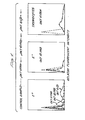
- Figure 1 shows the fluorescence pattern obtained on the Cytofluorograf after reacting normal human thymocytes and E + and E- periperhal cells with OKT11 and other monoclonal antibodies at a 1:500 dilution and G/M FITC. Background fluorescence staining was obtained by incubating each population with a 1:500 dilution of ascitic fluid from a mouse injected with a non-producing clone.
- hybridoma The production of the hybridoma and the production and characterization of the resulting monoclonal antibody were conducted as described in the above Examples. Although large quantities of the subject antibody were prepared by injecting the subject hybridoma intraperitoneally into mice and harvesting the malignant ascites, it is clearly contemplated that the hybridoma could be cultured in vitro by techniques well-known in the art and the antibody removed from the supernatant.
- Table 1 shows the reactivity of OKT1, OKT3-6, and OKT8-11 with various human lymphoid cell populations. This pattern of reactivity is one test by which the subject antibody OKT11 may be detected and distinguished from other antibodies.
- Figure 1 shows a representative fluorescence pattern obtained on the Cytofluorograf after reacting normal human thymocyte suspensions, and E- and E + peripheral cells with a 1:500 dilution of OKT11, OKT10, OKT8, and G/M FITC.
- OKTl and OKT3 T cell antigens which increase when thymocytes mature to peripheral T cells
- that of OKT11 antigen concomitantly decreases.
- the pattern of reactivity in Figure 1 is another test by which the subject antibody OKT11 may be detected and distinguished from other antibodies.
- Table 2 shows the antigen phenotypes of human T lineage lymphocytes, using OKT11 and other monoclonal antibodies. This phenotype pattern provides a still further way to detect OKT11 antibody and distinguish it from other antibodies.
- Table 3 shows the relationship between levels of peripheral T cells and T cell subsets and various disease states. These relationships may be used for diagnostic purposes (e.g., to detect acute infectious mononucleosis) by analyzing the blood sample of an individual suspected of having one of these disease states to determine the levels of T cells and T cell subsets. These relationships may also be used for therapeutic purposes where the cause of the disease state is an elevated level of a T cell subset (e.g., Type I acquired agammaglobulinemia). For therapeutic use, administration of the appropriate monoclonal antibody to a patient with an elevated T cell subset level will decrease or-eliminate the excess. The relationships shown in Table 3 are a further way in which OKT11 antibody may be detected and distinguished from other antibodies.
- a further hybridoma prepared by the present applicants (designated OKM1) is described and claimed in a European patent application filed on even date herewith and entitled: Hybrid Cell Line for Producing Monoclonal Antibody to a Human Monocyte Antigen, Antibody, and Methods, and numbered These applications are incorporated herein by reference.
- a hybridoma capable of producing antibody against an antigen found on essentially all peripheral T cells and approximately 95% of normal human thymocytes
- a method for producing this hybridoma, monoclonal antibody against an antigen found on essentially all normal human peripheral T cells and on approximately 95% of normal human thymocytes methods for producing the antibody, and methods and compositions for treatment or diagnosis of disease or identification of T cell subclasses employing this antibody.
- the present invention encompasses all monoclonal antibodies exhibiting the characteristics described herein. It was determined that the subject antibody OKT11 belongs to the subclass IgG l , which is one of four subclasses of murine IgG. These subclasses of immune globulin G differ from one another in the so-called “fixed” regions, although an antibody to a specific antigen will have a so-called "variable” region which is functionally identical regardless of which subclass of immune globulin G it belongs to.
- a monoclonal antibody exhibiting the characteristic described herein may be of subclass I gG l , IgG 2 a, IgG 2 b, or IgG 3 , or of classes IgM, IgA, or other known Ig classes.
- the differences among these classes or subclasses will not affect the selectivity of the reaction pattern of the antibody, but may affect the further reaction of the antibody with other materials, such as (for example) complement or anti-mouse antibodies.
- the subject antibody is specifically IgG l , it is contemplated that antibodies having the patterns of reactivity illustrated herein are included within the subject invention regardless of the immune globulin class or subclass to which they belong.
- Further aspects of the invention are methods of treatment or diagnosis of disease employing the monoclonal antibody OKT11 or any other monoclonal antibody exhibiting the pattern of reactivity provided herein.
- the subject antibody may be employed to diagnose disease states as shown in Table 3. These techniques may be employed using OKT11 antibody alone or in combination with other antibodies (e.g., OKT3 - OKT10). Patterns of reactivity with a panel of antibodies to T cells and T cell subsets will allow more precise detection of certain disease states then is possible using prior diagnostic methods.
- Treatment of undesired states manifesting themselves as an excess of OKT11 + cells may be accomplished by administration of a therapeutically effective amount of OKT11 antibody to an individual in need of such treatment.
- the effective amount of OKT11 antibody will reduce the excess of OKT11 + cells, thus ameliorating the effects of the excess.
- Diagnostic and therapeutic compositions comprising effective amounts of OKT11 antibody in admixture with diagnostically or pharmaceutically acceptable carriers, respectively, are also included within the present invention.
- OKT11 antibody Since peripheral T cells are responsible for graft rejection, one example of a therapeutic use of OKT11 antibody is the administration to a graft recipient of an amount of OKT11 antibody effective to reduce or eliminate the graft rejection. In this way OKT11 antibody could be substituted for the anti-thymocyte globulin discussed above with a significant increase in specificity.
Landscapes
- Health & Medical Sciences (AREA)
- Immunology (AREA)
- Chemical & Material Sciences (AREA)
- Organic Chemistry (AREA)
- General Health & Medical Sciences (AREA)
- Medicinal Chemistry (AREA)
- Life Sciences & Earth Sciences (AREA)
- Proteomics, Peptides & Aminoacids (AREA)
- Molecular Biology (AREA)
- Genetics & Genomics (AREA)
- Biophysics (AREA)
- Biochemistry (AREA)
- Public Health (AREA)
- Bioinformatics & Cheminformatics (AREA)
- Pharmacology & Pharmacy (AREA)
- Veterinary Medicine (AREA)
- Nuclear Medicine, Radiotherapy & Molecular Imaging (AREA)
- General Chemical & Material Sciences (AREA)
- Chemical Kinetics & Catalysis (AREA)
- Animal Behavior & Ethology (AREA)
- Engineering & Computer Science (AREA)
- Preparation Of Compounds By Using Micro-Organisms (AREA)
- Peptides Or Proteins (AREA)
- Micro-Organisms Or Cultivation Processes Thereof (AREA)
- Medicines Containing Antibodies Or Antigens For Use As Internal Diagnostic Agents (AREA)
- Liquid Developers In Electrophotography (AREA)
- Microwave Amplifiers (AREA)
- Control Of Motors That Do Not Use Commutators (AREA)
Priority Applications (1)
| Application Number | Priority Date | Filing Date | Title |
|---|---|---|---|
| AT81300047T ATE13198T1 (de) | 1980-01-08 | 1981-01-07 | Hybridzellinie zur herstellung monoklonaler antikoerper gegen ein menschliches t-zellenantigen, antikoerper und verfahren. |
Applications Claiming Priority (2)
| Application Number | Priority Date | Filing Date | Title |
|---|---|---|---|
| US06/110,510 US4364937A (en) | 1980-01-08 | 1980-01-08 | Monoclonal antibody to a human T cell antigen and methods of preparing same |
| US110510 | 1980-01-08 |
Publications (3)
| Publication Number | Publication Date |
|---|---|
| EP0033578A2 true EP0033578A2 (fr) | 1981-08-12 |
| EP0033578A3 EP0033578A3 (en) | 1981-12-30 |
| EP0033578B1 EP0033578B1 (fr) | 1985-05-08 |
Family
ID=22333406
Family Applications (1)
| Application Number | Title | Priority Date | Filing Date |
|---|---|---|---|
| EP81300047A Expired EP0033578B1 (fr) | 1980-01-08 | 1981-01-07 | Lignée de cellules hybrides pour la préparation d'anticorps monoclonaux contre un antigène T humain, anticorps et procédés |
Country Status (22)
| Country | Link |
|---|---|
| US (1) | US4364937A (fr) |
| EP (1) | EP0033578B1 (fr) |
| JP (2) | JPS56103115A (fr) |
| AT (1) | ATE13198T1 (fr) |
| AU (1) | AU545225B2 (fr) |
| CA (1) | CA1171006A (fr) |
| DE (2) | DE33578T1 (fr) |
| DK (1) | DK154092C (fr) |
| ES (1) | ES8303098A1 (fr) |
| FI (1) | FI75184C (fr) |
| GR (1) | GR72758B (fr) |
| HK (1) | HK24486A (fr) |
| IE (1) | IE50801B1 (fr) |
| IL (1) | IL61876A (fr) |
| MY (1) | MY8700060A (fr) |
| NO (1) | NO159621C (fr) |
| NZ (1) | NZ195939A (fr) |
| PH (2) | PH20275A (fr) |
| PT (1) | PT72312B (fr) |
| SG (1) | SG7286G (fr) |
| YU (1) | YU45069B (fr) |
| ZA (1) | ZA8199B (fr) |
Cited By (4)
| Publication number | Priority date | Publication date | Assignee | Title |
|---|---|---|---|---|
| EP0123945A1 (fr) * | 1983-03-31 | 1984-11-07 | The Scripps Research Institute | Nouveaux polypeptides coagulants du type factor VIII |
| EP0210970A3 (fr) * | 1985-07-25 | 1988-01-13 | The Regents Of The University Of Minnesota | Détection, visualisation et thérapie de carcinomes de cellules rénales utilisant des anticorps monoclonaux |
| EP0235805A3 (fr) * | 1986-03-04 | 1989-03-22 | The Royal Free Hospital School Of Medicine | Immunosuppression |
| US5362854A (en) * | 1983-03-31 | 1994-11-08 | Scripps Clinic & Research Foundation | Factor VIII coagulant polypeptides: method of making |
Families Citing this family (29)
| Publication number | Priority date | Publication date | Assignee | Title |
|---|---|---|---|---|
| US4614720A (en) * | 1980-01-08 | 1986-09-30 | Ortho Pharmaceutical Corporation | Hybrid cell line for producing monoclonal antibody to a human T cell antigen, antibody, and methods |
| US4743681A (en) * | 1980-01-08 | 1988-05-10 | Ortho Pharmaceutical Corporation | Hybrid cell line for producing monoclonal antibody to a human T cell antigen, antibody, and methods |
| US4582797A (en) * | 1980-09-25 | 1986-04-15 | The Salk Institute For Biological Studies | Monoclonal antibodies specific for human hematopoietic cell surface glycoproteins |
| US4434156A (en) | 1981-10-26 | 1984-02-28 | The Salk Institute For Biological Studies | Monoclonal antibodies specific for the human transferrin receptor glycoprotein |
| USRE32011E (en) * | 1981-12-14 | 1985-10-22 | Scripps Clinic And Research Foundation | Ultrapurification of factor VIII using monoclonal antibodies |
| US4511662A (en) * | 1982-06-18 | 1985-04-16 | Bio-Rad Laboratories, Inc. | Simultaneous assay for T and B lymphocyte populations and subpopulations |
| US4443427A (en) * | 1982-06-21 | 1984-04-17 | Sidney Farber Cancer Institute, Inc. | Monoclonal antibody |
| US4950598A (en) * | 1982-09-22 | 1990-08-21 | The Board Of Trustees Of The Leland Stanford Junior University | Process for making T cell hybridomas |
| US4579827A (en) * | 1983-03-11 | 1986-04-01 | Sloan-Kettering Institute For Cancer Research | Monoclonal antibodies to human gastrointestinal cancers and hybridoma method of production of the monoclonal antibodies |
| US4645738A (en) * | 1983-09-30 | 1987-02-24 | Memorial Sloan-Kettering Institute Cancer Center | Method for differential diagnosis of T cell leukemias using monoclonal antibodies |
| JPS60231699A (ja) * | 1983-11-09 | 1985-11-18 | Aichiken | 正常及び悪性ヒト造血器細胞に対するモノクローナル抗体 |
| US4965204A (en) * | 1984-02-06 | 1990-10-23 | The Johns Hopkins University | Human stem cells and monoclonal antibodies |
| US5130144B1 (en) * | 1984-02-06 | 1995-08-15 | Univ Johns Hopkins | Human stem cells and monoclonal antibodies |
| FR2560212B1 (fr) * | 1984-02-24 | 1989-12-29 | Unicet | Anticorps monoclonaux contre l'interferon a2 et hybridomes produisant de tels anticorps |
| US4649106A (en) * | 1984-06-01 | 1987-03-10 | Dana-Farber Cancer Institute, Inc. | Distinguishing subsets of human cells |
| US5431897A (en) * | 1985-04-19 | 1995-07-11 | Sloan-Kettering Institute For Cancer Research | Method of imaging colorectal carcinoma lesion and composition for use therein |
| US4886743A (en) * | 1985-04-24 | 1989-12-12 | California Institute Of Technology | Diagnostic reagents based on unique sequences within the variable region of the T cell receptor and uses thereof |
| US6407209B1 (en) | 1986-04-15 | 2002-06-18 | Novartis Ag | Interferon-induced human protein in pure form, monoclonal antibodies thereto and test kits containing these antibodies |
| US5466585A (en) * | 1986-04-15 | 1995-11-14 | Ciba-Geigy Corporation | Interferon-induced human protein in pure form, monoclonal antibodies thereto, and test kits containing these antibodies |
| US4970299A (en) * | 1986-07-03 | 1990-11-13 | Sloan-Kettering Institute For Cancer Research | Monoclonal antibodies selective for prostate cancer |
| US4882424A (en) * | 1987-05-11 | 1989-11-21 | Dana-Farber Cancer Institute, Inc. | Activation antigen |
| JP2530210B2 (ja) * | 1988-07-29 | 1996-09-04 | 株式会社日本抗体研究所 | 臓器移殖による異常応答リンパ球の検出方法並びにこれに用いる検出用試薬及びキット |
| US5601819A (en) * | 1988-08-11 | 1997-02-11 | The General Hospital Corporation | Bispecific antibodies for selective immune regulation and for selective immune cell binding |
| JPH02137655U (fr) * | 1989-04-20 | 1990-11-16 | ||
| US5118618A (en) * | 1989-10-05 | 1992-06-02 | Foodscience Corporation | Dimethylglycine enhancement of antibody production |
| US6498006B2 (en) | 1997-11-24 | 2002-12-24 | Johnson T. Wong | Methods for treatment of HIV and other infections using A T cell or viral activator and anti-retroviral combination therapy |
| US7653260B2 (en) | 2004-06-17 | 2010-01-26 | Carl Zeis MicroImaging GmbH | System and method of registering field of view |
| US8582924B2 (en) | 2004-06-30 | 2013-11-12 | Carl Zeiss Microimaging Gmbh | Data structure of an image storage and retrieval system |
| RU2264826C1 (ru) * | 2004-12-30 | 2005-11-27 | Голубева Вера Леонидовна | Способ получения антитимоцитарного глобулина для внутривенного введения |
-
1980
- 1980-01-08 US US06/110,510 patent/US4364937A/en not_active Expired - Lifetime
- 1980-12-15 CA CA000366807A patent/CA1171006A/fr not_active Expired
- 1980-12-23 NZ NZ195939A patent/NZ195939A/en unknown
- 1980-12-25 YU YU3275/80A patent/YU45069B/xx unknown
-
1981
- 1981-01-06 AU AU66001/81A patent/AU545225B2/en not_active Expired
- 1981-01-06 PH PH25059A patent/PH20275A/en unknown
- 1981-01-06 PT PT72312A patent/PT72312B/pt unknown
- 1981-01-06 JP JP18981A patent/JPS56103115A/ja active Granted
- 1981-01-07 FI FI810026A patent/FI75184C/fi not_active IP Right Cessation
- 1981-01-07 ZA ZA00810099A patent/ZA8199B/xx unknown
- 1981-01-07 IE IE18/81A patent/IE50801B1/en not_active IP Right Cessation
- 1981-01-07 IL IL61876A patent/IL61876A/xx not_active IP Right Cessation
- 1981-01-07 DK DK005381A patent/DK154092C/da active
- 1981-01-07 NO NO810034A patent/NO159621C/no not_active IP Right Cessation
- 1981-01-07 EP EP81300047A patent/EP0033578B1/fr not_active Expired
- 1981-01-07 DE DE198181300047T patent/DE33578T1/de active Pending
- 1981-01-07 AT AT81300047T patent/ATE13198T1/de not_active IP Right Cessation
- 1981-01-07 ES ES498360A patent/ES8303098A1/es not_active Expired
- 1981-01-07 DE DE8181300047T patent/DE3170352D1/de not_active Expired
- 1981-01-08 GR GR63816A patent/GR72758B/el unknown
-
1982
- 1982-03-11 PH PH26979A patent/PH20552A/en unknown
-
1986
- 1986-01-23 SG SG72/86A patent/SG7286G/en unknown
- 1986-04-03 HK HK244/86A patent/HK24486A/en not_active IP Right Cessation
-
1987
- 1987-12-30 MY MY60/87A patent/MY8700060A/xx unknown
-
1988
- 1988-05-17 JP JP63118393A patent/JPS6413989A/ja active Granted
Non-Patent Citations (5)
| Title |
|---|
| CHEMICAL & ENGINEERING NEWS, Vol. 57, No. 1, January 1, 1979, J.L. FOX: "Antibody reagents revolutionizing immunology", pages 15-17 * |
| NATURE, Vol. 256, August 7, 1975, G. KOHLER et al.: "Continuous cultures of fused cells secreting antiobdy of predefined specificity", pages 495-497 * |
| SCIENCE, Vol. 206, October 19, 1979, P.C. KUNG et al.: "Monoclonal antibodies defing distinctive human T cell surface antigens", pages 347-349 * |
| THE JOURNAL OF IMMUNOLOGY, Vol. 123, No. 3, September 1979, E. REINHERZ et al.: "A monoclonal antibody with selective reactivity with functionally mature human thymocytes and all peripheral human T cells", pages 1312-1317 * |
| TRANSPLANTATION PROCEEDINGS, Vol. 12, No. 3, Suppl. 1, September 1980, P.C. KUNG et al.: "Strategies for generating monoclonal antibodies defining human T-lymphocyte differentiation antigens", pages 141-146 * |
Cited By (4)
| Publication number | Priority date | Publication date | Assignee | Title |
|---|---|---|---|---|
| EP0123945A1 (fr) * | 1983-03-31 | 1984-11-07 | The Scripps Research Institute | Nouveaux polypeptides coagulants du type factor VIII |
| US5362854A (en) * | 1983-03-31 | 1994-11-08 | Scripps Clinic & Research Foundation | Factor VIII coagulant polypeptides: method of making |
| EP0210970A3 (fr) * | 1985-07-25 | 1988-01-13 | The Regents Of The University Of Minnesota | Détection, visualisation et thérapie de carcinomes de cellules rénales utilisant des anticorps monoclonaux |
| EP0235805A3 (fr) * | 1986-03-04 | 1989-03-22 | The Royal Free Hospital School Of Medicine | Immunosuppression |
Also Published As
Similar Documents
| Publication | Publication Date | Title |
|---|---|---|
| EP0033578B1 (fr) | Lignée de cellules hybrides pour la préparation d'anticorps monoclonaux contre un antigène T humain, anticorps et procédés | |
| EP0030815B1 (fr) | Lignée de cellules hybrides pour la préparation d'anticorps monoclonaux contre un antigène prothymocyte humain; anticorps; procédé pour préparer cet anticorps, applications diagnostiques et thérapeutiques et compositions pharmaceutiques contenant cet anticorps | |
| EP0018795B2 (fr) | Lignée cellulaire hybride produisant un anticorps monoclonal, anticorps et procédé pour sa préparation, composition thérapeutique le contenant et ses applications diagnostiques et thérapeutiques | |
| EP0030450B1 (fr) | Lignée de cellules hybrides pour la préparation d'anticorps monoclonaux fixant le complément contre les cellules suppresseur T humaines; anticorps; procédé pour préparer cet anticorps; applications diagnostiques et thérapeutiques et compositions pharmaceutiques contenant cet anticorps | |
| EP0018794B1 (fr) | Anticorps monoclonal contre les cellules-T-promoteur humaines, procédé pour sa préparation, lignée cellulaire hybride le produisant, ses applications diagnostiques et thérapeutiques et compositions diagnostiques et thérapeutiques le contenant | |
| US4658019A (en) | Complement-fixing monoclonal antibody to human T cells | |
| US4364936A (en) | Monoclonal antibody to a human monocyte antigen and methods of preparing same | |
| EP0030814B1 (fr) | Lignée de cellules hybrides pour la préparation d'anticorps monoclonaux contre un antigène thymocyte précoce humain; anticorps; procédé pour préparer cet anticorps; applications diagnostiques et thérapeutiques et compositions pharmaceutiques contenant cet anticorps | |
| EP0025722B2 (fr) | Anticorps monoclonal contre les cellules T humaines cytotoxiques et suppressives et son procédé de préparation | |
| EP0030449B1 (fr) | Lignée de cellules hybrides pour la préparation d'anticorps monoclonaux contre un antigène thymocyte humain, anticorps, procédé pour préparer cet anticorps, applications diagnostiques et thérapeutiques et compositions pharmaceutiques contenant cet anticorps | |
| US4709015A (en) | Monoclonal antibody to human suppressor T cells | |
| US4624925A (en) | Hybrid cell line for producing monoclonal antibody to a human early thymocyte antigens, antibody, and methods | |
| US4798806A (en) | Compositions and methods using a monoclonal antibody to a human T cell antigen | |
| US4614720A (en) | Hybrid cell line for producing monoclonal antibody to a human T cell antigen, antibody, and methods | |
| US4743681A (en) | Hybrid cell line for producing monoclonal antibody to a human T cell antigen, antibody, and methods | |
| US4725543A (en) | Hybrid cell line for producing complement-fixing monoclonal antibody to human suppressor T cells, antibody and methods | |
| US4806349A (en) | Hybrid cell line for producing monoclonal antibody to a human prothymocyte antigen, antibody, and methods | |
| US4691010A (en) | Hybrid cell line for producing monoclonal antibody to a human early thymocyte antigen, antibody, and methods | |
| CA1183468A (fr) | Lignee cellulaire hybride pour la production d'un anticorps monoclonal contre l'antigene des cellules t humaines, anticorps et methode de production | |
| US4806629A (en) | Monoclonal antibody to a human thymocyte antigen | |
| US4828995A (en) | Hybrid cell line for producing monoclonal antibody to a human thymocyte antigen, antibody, and methods | |
| US4784951A (en) | Hybrid cell line for producing monoclonal antibody to antigen on human thymocytes |
Legal Events
| Date | Code | Title | Description |
|---|---|---|---|
| PUAI | Public reference made under article 153(3) epc to a published international application that has entered the european phase |
Free format text: ORIGINAL CODE: 0009012 |
|
| AK | Designated contracting states |
Designated state(s): AT BE CH DE FR GB IT NL SE |
|
| PUAL | Search report despatched |
Free format text: ORIGINAL CODE: 0009013 |
|
| AK | Designated contracting states |
Designated state(s): AT BE CH DE FR GB IT NL SE |
|
| 17P | Request for examination filed |
Effective date: 19820603 |
|
| ITCL | It: translation for ep claims filed |
Representative=s name: SOCIETA' ITALIANA BREVETTI S.P.A. |
|
| EL | Fr: translation of claims filed | ||
| TCNL | Nl: translation of patent claims filed | ||
| TCAT | At: translation of patent claims filed | ||
| DET | De: translation of patent claims | ||
| ITF | It: translation for a ep patent filed | ||
| GRAA | (expected) grant |
Free format text: ORIGINAL CODE: 0009210 |
|
| AK | Designated contracting states |
Designated state(s): AT BE CH DE FR GB IT LI NL SE |
|
| REF | Corresponds to: |
Ref document number: 13198 Country of ref document: AT Date of ref document: 19850515 Kind code of ref document: T |
|
| REF | Corresponds to: |
Ref document number: 3170352 Country of ref document: DE Date of ref document: 19850613 |
|
| ET | Fr: translation filed | ||
| PLBI | Opposition filed |
Free format text: ORIGINAL CODE: 0009260 |
|
| PLBI | Opposition filed |
Free format text: ORIGINAL CODE: 0009260 |
|
| 26 | Opposition filed |
Opponent name: BOEHRINGER MANNHEIM GMBH Effective date: 19860206 Opponent name: SANDOZ AG Effective date: 19860206 Opponent name: BEHRINGWERKE AKTIENGESELLSCHAFT Effective date: 19860203 |
|
| 26 | Opposition filed |
Opponent name: F. HOFFMANN-LA ROCHE & CO. AKTIENGESELLSCHAFT Effective date: 19860207 Opponent name: BECTON, DICKINSON AND COMPANY Effective date: 19860206 |
|
| NLR1 | Nl: opposition has been filed with the epo |
Opponent name: F. HOFFMANN-LA ROCHE & CO. AKTIENGESELLSCHAFT Opponent name: BECTON, DICKINSON AND COMPANY Opponent name: BOEHRINGER MANNHEIM GMBH Opponent name: SANDOZ AG Opponent name: BEHRINGWERKE AKTIENGESELLSCHAFT |
|
| ITTA | It: last paid annual fee | ||
| EAL | Se: european patent in force in sweden |
Ref document number: 81300047.8 |
|
| APAC | Appeal dossier modified |
Free format text: ORIGINAL CODE: EPIDOS NOAPO |
|
| APAC | Appeal dossier modified |
Free format text: ORIGINAL CODE: EPIDOS NOAPO |
|
| PGFP | Annual fee paid to national office [announced via postgrant information from national office to epo] |
Ref country code: GB Payment date: 19971229 Year of fee payment: 18 |
|
| PGFP | Annual fee paid to national office [announced via postgrant information from national office to epo] |
Ref country code: FR Payment date: 19980109 Year of fee payment: 18 |
|
| PGFP | Annual fee paid to national office [announced via postgrant information from national office to epo] |
Ref country code: AT Payment date: 19980114 Year of fee payment: 18 |
|
| PGFP | Annual fee paid to national office [announced via postgrant information from national office to epo] |
Ref country code: SE Payment date: 19980116 Year of fee payment: 18 Ref country code: DE Payment date: 19980116 Year of fee payment: 18 |
|
| PGFP | Annual fee paid to national office [announced via postgrant information from national office to epo] |
Ref country code: CH Payment date: 19980121 Year of fee payment: 18 |
|
| PGFP | Annual fee paid to national office [announced via postgrant information from national office to epo] |
Ref country code: NL Payment date: 19980128 Year of fee payment: 18 |
|
| PGFP | Annual fee paid to national office [announced via postgrant information from national office to epo] |
Ref country code: BE Payment date: 19980320 Year of fee payment: 18 |
|
| APAC | Appeal dossier modified |
Free format text: ORIGINAL CODE: EPIDOS NOAPO |
|
| RDAH | Patent revoked |
Free format text: ORIGINAL CODE: EPIDOS REVO |
|
| RDAG | Patent revoked |
Free format text: ORIGINAL CODE: 0009271 |
|
| STAA | Information on the status of an ep patent application or granted ep patent |
Free format text: STATUS: PATENT REVOKED |
|
| REG | Reference to a national code |
Ref country code: CH Ref legal event code: PL |
|
| 27W | Patent revoked |
Effective date: 19980622 |
|
| GBPR | Gb: patent revoked under art. 102 of the ep convention designating the uk as contracting state |
Free format text: 980622 |
|
| NLR2 | Nl: decision of opposition | ||
| APAH | Appeal reference modified |
Free format text: ORIGINAL CODE: EPIDOSCREFNO |