EP0035454A2 - Desacetyl-thymosin-alpha-1, Verfahren zu dessen Herstellung und dessen Verwendung - Google Patents
Desacetyl-thymosin-alpha-1, Verfahren zu dessen Herstellung und dessen Verwendung Download PDFInfo
- Publication number
- EP0035454A2 EP0035454A2 EP81400317A EP81400317A EP0035454A2 EP 0035454 A2 EP0035454 A2 EP 0035454A2 EP 81400317 A EP81400317 A EP 81400317A EP 81400317 A EP81400317 A EP 81400317A EP 0035454 A2 EP0035454 A2 EP 0035454A2
- Authority
- EP
- European Patent Office
- Prior art keywords
- alpha
- polypeptide
- thymosin alpha
- desacetylthymosin
- thymosin
- Prior art date
- Legal status (The legal status is an assumption and is not a legal conclusion. Google has not performed a legal analysis and makes no representation as to the accuracy of the status listed.)
- Ceased
Links
Images

Classifications
-
- C—CHEMISTRY; METALLURGY
- C07—ORGANIC CHEMISTRY
- C07K—PEPTIDES
- C07K5/00—Peptides containing up to four amino acids in a fully defined sequence; Derivatives thereof
- C07K5/04—Peptides containing up to four amino acids in a fully defined sequence; Derivatives thereof containing only normal peptide links
- C07K5/10—Tetrapeptides
- C07K5/1002—Tetrapeptides with the first amino acid being neutral
- C07K5/1005—Tetrapeptides with the first amino acid being neutral and aliphatic
- C07K5/1013—Tetrapeptides with the first amino acid being neutral and aliphatic the side chain containing O or S as heteroatoms, e.g. Cys, Ser
-
- C—CHEMISTRY; METALLURGY
- C07—ORGANIC CHEMISTRY
- C07K—PEPTIDES
- C07K14/00—Peptides having more than 20 amino acids; Gastrins; Somatostatins; Melanotropins; Derivatives thereof
- C07K14/435—Peptides having more than 20 amino acids; Gastrins; Somatostatins; Melanotropins; Derivatives thereof from animals; from humans
- C07K14/575—Hormones
- C07K14/57581—Thymosin; Related peptides
-
- A—HUMAN NECESSITIES
- A61—MEDICAL OR VETERINARY SCIENCE; HYGIENE
- A61K—PREPARATIONS FOR MEDICAL, DENTAL OR TOILETRY PURPOSES
- A61K38/00—Medicinal preparations containing peptides
Definitions
- This invention relates to the microbial expression of the polypeptide thymosin alpha 1 in non-acetylated form and to the polypeptide so produced.
- thymus gland produces a family of polypeptides termed thymosin. Publications referred to herein are incorporated by reference to illuminate the background of the invention and, to avoid repetitive citation, are grouped in the following section.
- Thymosin fraction 5 is a partially purified bovine thymic preparation containing over 30 peptides with molecular weights ranging from 1,000 to 15, 000 (1). Fraction 5 has been demonstrated to be an effective immuno-potentiating agent and can act in lieu of the thymus gland to reconstitute immune function in immunosuppressed animals . and in humans with a number of primary and secondary immunodeficiency diseases (2). Thymosin alpha t, a purified polypeptide component of this preparation, possesses a subset of fraction 5 activities associated with helper and amplifier functions and is a potent inducer of several of the later stages in T .cell differentiation (3-5).
- thymosin alpha 1 and fraction 5 may be useful restorative therapeutic agents in the treatment of immunodeficiency diseases (6;7) and immunosuppressed conditions (7,8) associated with thymic malfunction.
- Thymosin alpha 1 is an acidic polypeptide (pl 4.2, MW 3, 108) of 28 amino acid residues blocked at the N-terminus by an acetyl group (9).
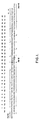
- the amino acid sequence of human thymosin alpha 1 (3) is probably identical to the bovine sequence (4,9) ( Figure 1). With the elucidation of the sequence., it became possible to synthesize thymosin alpha 1 by chemical means (10,11).
- thymosin alpha 1 namely, desacetylthymosin alpha 1 is made available by expression from specially constructed strains of E. coli and shown to exhibit essentially the same bioactivity as naturally derived, N-acetylated thymosin alpha 1 in in vitro testing, and essentially identical RIA activity, such that the novel product of the invention is seen as a candidate for administration in the therapy of immuno-incompetent and immune-suppressed patients.
- T cell thymus-dependent lymphocyte
- TPSTe 2, 4, 6-triisopropylbenzenesulfonyl- tetrazole
- BSA benzene sulfonic acid
- tlc thin layer chromatography
- HPLC high performance liquid chromatography
- MIF macrophage migration inhibitory factor
- TdT terminal deoxyribonucleotidyl transferase
- RIA radioimmunoassay
- FBL peripheral blood lymphocytes
- PEC peritoneal exudate cells
- 3-SPITC 3-sulfophenyl- isothiocyanate
- DMSO dimethyl sulfoxide
- DMT 4,4'-dimethoxytrityl
- CE 2-cyanoethyl
- R p-chlorophenyl
- Bz benzoyl
- An anisoyl; iBu
- the synthetic gene for desacetylthymosin alpha 1 was based on the known amino acid sequence (9).
- the primary nucleotide sequence was derived from the restrictive criteria applied previously (12) (ie.. use of preferred prokaryotic codons, elimination of sequences with multiple complementarities, and minimization of AT or GC rich regions.) Additional features of the gene include: (a) the terminal restriction endonuclease site sticky ends, to facilitate incorporation into plasmids, (b) a methionine (ATG) codon placed just before the N-terminal codon to allow thymosin alpha 1 to be released from the chimeric protein by CNBr cleavage, (c) a central restriction site (Bgl II) for analysis of plasmids containing the gene, and (d) tandem stop codons.
- Oligodeoxyribonucleotides T 1 to T 16 were synthesized by a modified phosphotriester method using fully protected trideoxyribonucleotide building blocks,(12,17).
- Trimers 1 and 3 (270 mg, 0.15 mmol; 145 mg, 0.075 mmol) were converted into their phosphodiesters (5 and 7) by treatment with triethylamine/pyridine/water (1:3:1, v/v, 10 ml) for 25 min at R.T. Reagents were removed by rotary evaporation and the residues dried by repeated evaporations with anhydrous pyridine (3 x 10 ml). Trimer 8 (0.05 mmol) and trimer 1 were combined with TPSTe (50 mg, 0.15 mmol) in anhydrous pyridine (3 ml) and the reaction mixture left in vacuo at R.T. for two hours.
- trimer 5 was coupled to 6 and the fully protected product directly purified on silica gel. This latter compound was deblocked at the 3' end by triethylamine/pyridine/water as described above to give fragment 9.
- hexamers 9 and 10 were coupled in anhydrous pyridine (2 ml) with TPSTe (75 mg, 0.225 mmol) as the condensing agent. Upon completion (4 hr, R.T.) the mixture was rotary evaporated and the residue chromatographed on silica gel. Product 11 (160 mg) was obtained by precipitation with petroleum ether and appeared homogeneous on tlc. A portion of compound.11 (20 mg) in pyridine (0.5 ml) was completely deblocked by treatment with concentrated ammonium hydroxide (7 ml, 8 h, 60°C) and subsequent treatment in 80% acetic acid (15 min, R.T.).
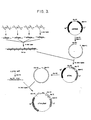
- the desacetylthymosin alpha 1 gene was assembled from the 16 synthetic oligo-nucleotides by methods previously described in detail for somatostatin (12), insulin (13) and growth hormone (14).
- Ten microgram quantities of oligonucleotides T 2 through T 15 were quantitatively phosphorylated with [ ⁇ - 32 P] - ATP (New England Nuclear) in the presence of T 4 polynucleotide kinase (13) to give specific activities of approximately 1 Ci/mmol.
- Radiolabelled fragments were purified by 20% poiyacrylamide/7 M urea gel electrophoresis and sequences of the eluted fragments were verified by two-dimensional eleqtrophoresis/homochromatography (18) of partial snake venom digests.
- T 1 and T 16 were left unphosphorylated to minimize undesired polymerization during subsequent ligation reactions. These oligo- nucleotides (2 ⁇ g each) were assembled in four groups of four fragments by T 4 DNA ligase using published procedures (13) (see Figure 3). The reaction products were purified by gel electrophoresis on a 15% polyacrylamide gel containing 7 M urea (19) The four isolated products were ligated together and the reaction mixture resolved by 10% polyacrylamide gel electrophoresis. DNA in the size range for the thymosin alpha 1 gene (90-105 base pairs) was electroeluted.
- Plasmid pBR322 (20)(0.5 ⁇ g) was treated with Bam HI and Eco RI restriction endonucleases and the fragments separated by 10 polyacrylamide gel electrophoresis. The large fragment was recovered from the gel by electro- elution and subsequently ligated to the assembled synthetic DNA (14). This'mixture was used to transform E. coli K12 strain 294 (21), ATCC No. 31446. Plasmid DNA was prepared from ampicillin-resistant, tetracycline- sensitive transformants (13).
- lysis buffer (10% sucrose, 0.2 M sodium chloride, 50 mM EDTA, 0.1 M TRIS-HC1 pH 7.9, 0.1 mM phenylmethylsulfonylfluoride).
- the lysate was centrifuged (7000 rpm, 20 min) and the pellet suspended in 100 ml 7M guanidine hydrochloride by stirring overnight at 4°C. This slurry was centrifuged (7000 rpm, 30 min) and the supernatant added to ten volumes of cold water. The precipitate (1.8 g dry weight) was collected by centrifugation (400Q.
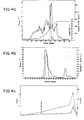
- the desacetyl thymosin alpha ⁇ -containing fractions were further purified by preparative HPLC (Figure 4c) on a 0.4 x 30 cm LiChrosorb C-18, 10 ⁇ m (Merck) column at 35° with a resolving gradient from 6 to 21% acetonitrile (Fisher HPLC grade) in 50 mM ammonium acetate, pH 7.1 at 0.6% per min and a flow rate of 1.5 ml/min. About 0.2 mg desacetylthymosin alpha 1 (elution time 18.3 min) was purified in this run. By comparison, synthetic N-acetyl thymosin alpha 1 elutes at 18.7 min.
- Enzymatic Digestion - Thermolysin digestion was performed in IM ammonium bicarbonate at pH 8.3 at 37°C. Thermolysin was added to the protein solution to a final ratio of enzyme to substrate of 1:50 (W/W). The enzymatic digest was lyophilized immediately after 2.5 hr.
- Peptide Mapping - Thermolysin digests were separated by paper chromatography and electrophoresis as described in (9). Peptides were detected by staining with cadmium-- dinhydrin reagent. To analyze the amino acid composition of the peptides, the unstained chromatogram was stained with fluorescamine. The fluorescent spots were cut out, eluted with water, hydrolyzed and analyzed.
- One unit of enzyme activity is defined as the amount catalyzing the incorporation of 1 pmol of [8- 3 H]-dGTP into acid insoluble material in one hour at 37°C. Specific activity was calculated from the enzyme activity per 10 8 viable cells.
- the MIF assay is a modification of a method reported previously by Thurman et al. (28). Hartley guinea pigs (400-600 gm) were injected intradermally with 0.1 ml of Freund's complete adjuvant (3113-60, Difco, Detroit, MI) containing 10 ⁇ g of preservative-free tuberculin purified protein derivative (PPD-CT68, Connaught Labs, LTD, Willowdale, Toronto, Canada). Ten days later, the animals were thymectomized.
- PBL peripheral blood mononuclear cells
- PEC Peritoneal exudate cells
- PPD was added at 5 ⁇ g/ml, and thymosin preparations at various concentrations.
- the areas of migration were measured using a B and L Tri-Simplix Microprojector.
- the areas of migration are considered to be ellipsoid in shape.
- the major and minor axes were measured, and the areas of each ellipsoid computed.
- the major and minor axes of the agarose droplet were subtracted from the total area to give the area of cellular migration.
- the means and standard errors of the areas of migration of replicate cultures were computed. The percent specific inhibition was calculated using the formula given below.
- Radioimmunoassay for Thymosin alpha 1 A detailed description of the radioimmunoassay for thymosin alpha 1 is in preparation (McClure, Lameris, Wara, and Goldstein). Antiserum to synthetic thymosin alpha 1, produced in rabbits by immunization with the synthetic peptide coupled to hemocyanin by means of glutaraldehyde, was used in the RIA without purification and at final dilutions between 1:10,000 and 1:20,000.
- Labelled thymosin alpha 1 was prepared by radioiodination (immobilized lactoperoxidase, Enzymobead Radioiodination Kit, Bio-Rad, Richmond, CA) of a synthetic, tyrosine-containing analog, (Tyr 1 ) ⁇ 1 .
- Labelled thymosin alpha 1 of high specific activity (150-200 Ci/ ⁇ g) was purified by gel filtrations on Sephadex G-10 and G-25 and found to retain immunoreactive integrity as assessed by incubation with excess antibody.
- the assay conditions included incubation of standard or unknown with antiserum in phosphate- buffered saline for 1 hour, addition of radioactive thymosin alpha 1, and successive incubations at 37°C (1 hour) and 4°C (48 hours).
- Second antibody goat anti- rabbit gamma globulins
- a calibration curve was generated which had a minimal detectable dose of 30-50 pg and an E.D. 50 (50 response) of 150-400 pg.
- Measurements of the radioactivity bound in the immunoprecipitate were reduced by a four-parameter logistics program to a graph of counts bound at defined dose divided by counts bound at zero dose (Bi/Bo X 100) versus log 10 dose of peptide.
- Oligomers T 1 to T 16 were synthesized as described for fragment T 15 in Methods using the fully protected trimer building blocks listed in Table I.
- [ 32 P]- labelled oligomers were built into the desacetylthymosin alpha 1 gene by a series of T4 DNA ligase catalyzed reactions using the complementarity of overlapping fragments to insure proper ordering. Since fragments T 1 and T 16 contain restriction site sequences, they are self-complementary and could polymerize during the ligation reaction; to avoid this they were used in the unphosphorylated forms.
- the final ligation product was partially purified by electrophoresis on 10% polyacrylamide slab gel and elution of the region between 90 and 105 base pairs. This fraction was ligated into the large Eco RI-Bam HI fragment of pBR322 and transformed into E. coli K12/294.
- plasmids Five per cent of the transformation mixture was plated on LB plates containing 20 ⁇ g/ml ampicillin. The four ampicillin resistant colonies obtained were sensitive to tetracycline, suggesting insertion into the tetracycline resistance gene. Analysis of the plasmids from these four colonies showed that in each case the plasmid contained (a) a Bgl II site not found in pBR322 itself, indicating the presence of the thymosin alpha 1 gene (Fig. 1) and (b) a fragment of approximately 105 base pairs generated by Bam HI/Eco RI cleavage. The desacetylthymosin alpha 1 DNA sequence of one of these plasmids (pTh ⁇ 1 ) was confirmed by Maxam/Gilbert sequencing techniques (19).
- E. coli K12/294 containing pTh ⁇ 1 ⁇ gal was grown to an OD 600 of about 1.0 in Luria broth containing ampicillin and the pelleted cells were treated overnight with CNBr/formic acid.
- RIA analysis of the residues gave values in the vicinity of one ⁇ g desacetylthymosin alpha 1 per ml fermentation broth (about 100,000 molecul- es/cell).
- a control of E. coli K12/294 containing pBR322 gave RIA interference levels of about 0.01 ⁇ g/ml.
- the RIA profile of the DEAE column ( Figure 4a) indicates the presence in small amounts of other RIA- positive peptides. Amino acid analysis of the largest of these minor peaks shows it to be a peptide containing a ⁇ -galactosidase fragment as well as thymosin alpha 1, consistent with incomplete.CNBr cleavage.
- Desacetylthymosin alpha 1 synthesized in E. coli has an elution time (18.3 min) almost identical to that (18.7 min) of synthetic thymosin alpha 1 in the HPLC gradient described in Figure 4c, the difference due tothe absence of the N-acetyl group in the former.
- the HPLC-purified material gave an amino acid analysis consistent with the proposed structure (Table III). Analysis of the intact molecule gave a sequence identical to natural thymosin alpha 1 at 26 identifiable positions (Table IV).
- thermolysin digest contained all the peptides found in authentic N-acetyl thymosin alpha 1,' plus the N-terminal peptide which could not previously be visualized by amine-dependent stains. Amino acid analysis and N-terminal end group analysis on each of the eluted thermolysin peptides were consistent with the thymosin alpha 1 sequence.
- E. coli desacetylthymosin alpha 1 is indistinguishable from both bovine and synthetic N-acetyl thymosin alpha 1.
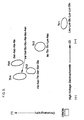
- the slopes of the curves for binding to rabbit anti-synthetic thymosin alpha 1 antibody ( Figure 6) indicate that the three preparations share complete immunochemical identity.
- TdT Assay Although the biological function of TdT is not clear, its restricted localization in thymus and low levels in bone marrow cells but not in spleen or peripheral lymphocytes (31) makes it a specific marker for T cell differentiation and maturation. It has previously been shown (25) that thymosin fraction 5 and thymosin alpha 1 (both natural and chemically synthesized) are able to induce a marked decrease of TdT activity by various thymosin alpha 1 preparations. The results (Table VI) indicate that E. coli desacetylthymosin alpha 1 suppresses TdT activity in murine thymocytes in a similar manner to the chemically synthesized thymosin alpha 1 (10).
- This assay demonstrates the ability of an added factor, like thymosin alpha 1, to induce development of immature lymphocytes, as measured by their ability to respond to an antigenic challenge by releasing the lymphokine MIF. As expected, crude fraction 5 is much less active and antigen alone gave no MIF release.
- the product of the invention though bioactive in its own right, may be selectively acetylated to form thymosin alpha 1, by reaction with acetic anhydride in buffered aqueous media under conditions favoring acetylation of the alpha amino group and disfavoring acetylation of the epsilon amino groups of the polypeptide's lysine residues.
- acetic anhydride in buffered aqueous media under conditions favoring acetylation of the alpha amino group and disfavoring acetylation of the epsilon amino groups of the polypeptide's lysine residues.
- approximately 70 yields of the N-terminal acetylated product were obtained by adjusting pH of a sodium acetate (ca. 2M)-buffered aqueous solution on non-acetylated product (ca.
- the compound of the invention because capable of enhancing the immune response, will find wide application as an immunopotentiating agent in the treatment of immunoincompetent and immunosuppressed conditions in human and other subjects, ie, the same conditions which appear amenable to treatment with N-terminaily acetylated thymosin alpha 1.
- the compound should.prove particularly useful as an adjunct to treatment of the neoplastic diseases with cancer chemotherapeutic agents (ie, agents which are cytostatic or cytocidal for dividing cells), as a means of off-setting the immunosuppressive side-effects of such agents on the normal bodily defensive mechanisms.
- Dosage will vary according to the effect desired and in general be identical to that in which naturally derived thymosin alpha 1 is administered, eg,.effective immunopotentiating dosage, preferably from about 0.1 to about 1 mg per square meter of body surface area, most preferably from about 0.3 to about 0.9 mg/M 2 .
- effective immunopotentiating dosage will, of course, depend upon the dcsage of the latter agent(s) and the magnitude of the concomitant immunosuppression effect.
- the compound of the invention will be administered in combination with a pharmaceutically acceptable excip- ie-nt, eg, pyrogen-free distilled water, suitably buffered with, eg, sodium bicarbonate and containing other addends appropriate to the delivery systems employed.
- a pharmaceutically acceptable excip- ie-nt eg, pyrogen-free distilled water
- the polypeptide may be combined with antioxidants, targeting agents, slow release adjuvants, carbohydrate and other stabilizing agents and so on.
- parenteral administration ie, by injection
- the compound may be'administered in combination with serum albumin or other blood carrier proteins.
- the compound might be provided in combination with aerosol delivery means for, eg, nasal administration.
- an aerosol pump or propellant gas-containing vehicle could be employed, possibly in combination with effective amounts of vasodilation agents.
- the polypeptide of the invention will be administered intravenously, intraperitoneally or, in the case of tumor treatment, intralesionally.
- the product may be packaged in sterile ampoules, vials and multiple dose vials.
- cancer chemotherapeutic agents ie, agents which are cytostatic or cytocidal for dividing cells
Landscapes
- Chemical & Material Sciences (AREA)
- Health & Medical Sciences (AREA)
- Organic Chemistry (AREA)
- Life Sciences & Earth Sciences (AREA)
- General Health & Medical Sciences (AREA)
- Biophysics (AREA)
- Genetics & Genomics (AREA)
- Medicinal Chemistry (AREA)
- Molecular Biology (AREA)
- Proteomics, Peptides & Aminoacids (AREA)
- Biochemistry (AREA)
- Endocrinology (AREA)
- Toxicology (AREA)
- Zoology (AREA)
- Gastroenterology & Hepatology (AREA)
- Medicines That Contain Protein Lipid Enzymes And Other Medicines (AREA)
- Peptides Or Proteins (AREA)
- Preparation Of Compounds By Using Micro-Organisms (AREA)
- Micro-Organisms Or Cultivation Processes Thereof (AREA)
- Medicines Containing Material From Animals Or Micro-Organisms (AREA)
Applications Claiming Priority (2)
| Application Number | Priority Date | Filing Date | Title |
|---|---|---|---|
| US12568580A | 1980-02-28 | 1980-02-28 | |
| US125685 | 1980-02-28 |
Publications (2)
| Publication Number | Publication Date |
|---|---|
| EP0035454A2 true EP0035454A2 (de) | 1981-09-09 |
| EP0035454A3 EP0035454A3 (de) | 1982-03-03 |
Family
ID=22420929
Family Applications (1)
| Application Number | Title | Priority Date | Filing Date |
|---|---|---|---|
| EP81400317A Ceased EP0035454A3 (de) | 1980-02-28 | 1981-02-27 | Desacetyl-thymosin-alpha-1, Verfahren zu dessen Herstellung und dessen Verwendung |
Country Status (2)
| Country | Link |
|---|---|
| EP (1) | EP0035454A3 (de) |
| JP (1) | JPS56138154A (de) |
Cited By (8)
| Publication number | Priority date | Publication date | Assignee | Title |
|---|---|---|---|---|
| EP0094233A1 (de) * | 1982-05-11 | 1983-11-16 | Scripps Clinic And Research Foundation | Peptidimmunomodulatoren |
| EP0056594B1 (de) * | 1981-01-14 | 1984-09-12 | Max-Planck-Gesellschaft zur Förderung der Wissenschaften e.V. | Thymosin-alpha-1-Fragmente enthaltende Arzneimittel mit immunregulierender Wirkung und Thymosin-alpha-1-Fragmente |
| US4874702A (en) * | 1980-09-08 | 1989-10-17 | Biogen, Inc. | Vectors and methods for making such vectors and for expressive cloned genes |
| US5854018A (en) * | 1981-02-25 | 1998-12-29 | Washington Research Foundation | Expression of polypeptides in yeast |
| CN1316028C (zh) * | 2003-04-25 | 2007-05-16 | 长春金赛药业有限责任公司 | Nα-脱乙酰化人胸腺素α1单体的表达载体、工程菌及其制备方法 |
| WO2009046863A3 (en) * | 2007-09-11 | 2009-06-25 | Mondobiotech Lab Ag | Use of thymosin alpha 1 peptide or the combination with the human pancreatic polypeptide as a therapeutic agent |
| WO2009033816A3 (en) * | 2007-09-11 | 2009-07-23 | Mondobiotech Lab Ag | Use of the combination of thymosin beta 10 and thymosin alpha 1 peptides as a therapeutic agent |
| CN112450316A (zh) * | 2020-12-02 | 2021-03-09 | 通化承诚药业有限公司 | 小牛胸腺肽粉制备方法 |
Family Cites Families (2)
| Publication number | Priority date | Publication date | Assignee | Title |
|---|---|---|---|---|
| US4079127A (en) * | 1976-10-28 | 1978-03-14 | Board Of Regents Of The University Of Texas | Thymosin alpha 1 |
| AT373281B (de) * | 1977-11-08 | 1984-01-10 | Genentech Inc | Verfahren zur herstellung eines strukturgens |
-
1981
- 1981-02-27 JP JP2709281A patent/JPS56138154A/ja active Pending
- 1981-02-27 EP EP81400317A patent/EP0035454A3/de not_active Ceased
Cited By (10)
| Publication number | Priority date | Publication date | Assignee | Title |
|---|---|---|---|---|
| US4874702A (en) * | 1980-09-08 | 1989-10-17 | Biogen, Inc. | Vectors and methods for making such vectors and for expressive cloned genes |
| EP0056594B1 (de) * | 1981-01-14 | 1984-09-12 | Max-Planck-Gesellschaft zur Förderung der Wissenschaften e.V. | Thymosin-alpha-1-Fragmente enthaltende Arzneimittel mit immunregulierender Wirkung und Thymosin-alpha-1-Fragmente |
| US5854018A (en) * | 1981-02-25 | 1998-12-29 | Washington Research Foundation | Expression of polypeptides in yeast |
| US5856123A (en) * | 1981-02-25 | 1999-01-05 | Washington Research Foundation | Expression of polypeptides in yeast |
| US5919651A (en) * | 1981-02-25 | 1999-07-06 | Washington Research Foundation | Expression of polypeptides in yeast |
| EP0094233A1 (de) * | 1982-05-11 | 1983-11-16 | Scripps Clinic And Research Foundation | Peptidimmunomodulatoren |
| CN1316028C (zh) * | 2003-04-25 | 2007-05-16 | 长春金赛药业有限责任公司 | Nα-脱乙酰化人胸腺素α1单体的表达载体、工程菌及其制备方法 |
| WO2009046863A3 (en) * | 2007-09-11 | 2009-06-25 | Mondobiotech Lab Ag | Use of thymosin alpha 1 peptide or the combination with the human pancreatic polypeptide as a therapeutic agent |
| WO2009033816A3 (en) * | 2007-09-11 | 2009-07-23 | Mondobiotech Lab Ag | Use of the combination of thymosin beta 10 and thymosin alpha 1 peptides as a therapeutic agent |
| CN112450316A (zh) * | 2020-12-02 | 2021-03-09 | 通化承诚药业有限公司 | 小牛胸腺肽粉制备方法 |
Also Published As
| Publication number | Publication date |
|---|---|
| EP0035454A3 (de) | 1982-03-03 |
| JPS56138154A (en) | 1981-10-28 |
Similar Documents
| Publication | Publication Date | Title |
|---|---|---|
| Wetzel et al. | Production of biologically active N. alpha.-deacetylthymosin. alpha. 1 in Escherichia coli through expression of a chemically synthesized gene | |
| CA1339365C (en) | Oligopeptides and intermediates and processes for their manufacture | |
| US5422249A (en) | Process for the manufacture of thrombin inhibitors | |
| US5214132A (en) | Polypeptide derivatives of human granulocyte colony stimulating factor | |
| US4457867A (en) | Physiologically active peptide | |
| JP2515308B2 (ja) | ヒト免疫インタ−フエロン | |
| Robbins et al. | Primary structure of the Streptomyces enzyme endo-beta-N-acetylglucosaminidase H. | |
| US5362853A (en) | Polypeptide derivatives of human granulocyte colony stimulating factor | |
| JP2882775B2 (ja) | ヒトーグリア由来神経突起因子 | |
| US4395404A (en) | Synthetic thymosin β3 and β4 analogues | |
| US5714581A (en) | Polypeptide derivatives of human granulocyte colony stimulating factor | |
| EP0225633B1 (de) | Herstellung von Thrombin-Inhibitoren | |
| CZ280822B6 (cs) | Rekombinantní plasmid, způsob jeho přípravy a bakterie jím transformované | |
| US4614731A (en) | Peptide having immunopotentiating activity similar to thymosin alpha1 | |
| EP0016611B1 (de) | Tripeptide, Verfahren zu ihrer Herstellung, sie enthaltende therapeutische Zusammensetzungen und Methoden ihrer Anwendung | |
| CA2002261A1 (en) | High molecular weight human angiogenic factors | |
| EP0569042A1 (de) | Medizinische Verwendungen von iL-1 Beta | |
| EP0753577B1 (de) | Gen eines zelloberflächenpolypeptids | |
| US5317011A (en) | Cloning and expression of a variant gene of platelet factor 4 and compositions thereof to modulate immune responses | |
| US4293455A (en) | N.sup.α -Desacetylthymosinα1 and process | |
| NO172547B (no) | Fremgangsmaate til fremstilling av nalfa-acetyl-eglin b og -c | |
| EP0259891B1 (de) | [Leu 13] Motilin, dessen kodierende DNS-Moleküle und Verfahren zu dessen Herstellung | |
| EP0138616A2 (de) | Nona- und Dekapeptiden mit vergrösserter zellentötender Wirksamkeit, Verfahren für deren Herstellung und deren pharmazeutische Zusammensetzungen | |
| GB2143534A (en) | A modified antibiotic resistance gene | |
| US5175251A (en) | Antimetastatic peptides with laminin activity |
Legal Events
| Date | Code | Title | Description |
|---|---|---|---|
| PUAI | Public reference made under article 153(3) epc to a published international application that has entered the european phase |
Free format text: ORIGINAL CODE: 0009012 |
|
| AK | Designated contracting states |
Designated state(s): AT BE CH DE FR GB IT LU NL SE |
|
| ITCL | It: translation for ep claims filed |
Representative=s name: BARZANO' E ZANARDO ROMA S.P.A. |
|
| TCAT | At: translation of patent claims filed | ||
| PUAL | Search report despatched |
Free format text: ORIGINAL CODE: 0009013 |
|
| DET | De: translation of patent claims | ||
| AK | Designated contracting states |
Designated state(s): AT BE CH DE FR GB IT LU NL SE |
|
| 17P | Request for examination filed |
Effective date: 19820222 |
|
| STAA | Information on the status of an ep patent application or granted ep patent |
Free format text: STATUS: THE APPLICATION HAS BEEN REFUSED |
|
| 18R | Application refused |
Effective date: 19850805 |
|
| RIN1 | Information on inventor provided before grant (corrected) |
Inventor name: WETZEL, RONALD B. Inventor name: CREA, ROBERTO |