EP0062321A2 - New cephem compounds, processes for their preparation, pharmaceutical compositions containing them and their starting compounds - Google Patents
New cephem compounds, processes for their preparation, pharmaceutical compositions containing them and their starting compounds Download PDFInfo
- Publication number
- EP0062321A2 EP0062321A2 EP82102818A EP82102818A EP0062321A2 EP 0062321 A2 EP0062321 A2 EP 0062321A2 EP 82102818 A EP82102818 A EP 82102818A EP 82102818 A EP82102818 A EP 82102818A EP 0062321 A2 EP0062321 A2 EP 0062321A2
- Authority
- EP
- European Patent Office
- Prior art keywords
- amino
- group
- cephem
- thiadiazol
- acetamido
- Prior art date
- Legal status (The legal status is an assumption and is not a legal conclusion. Google has not performed a legal analysis and makes no representation as to the accuracy of the status listed.)
- Granted
Links
- 0 CCC(C)[C@@](C)C=*C(*(C)CC)N Chemical compound CCC(C)[C@@](C)C=*C(*(C)CC)N 0.000 description 3
- NXDADSJFLUCFBO-UHFFFAOYSA-N CC(C)(N)ON=C Chemical compound CC(C)(N)ON=C NXDADSJFLUCFBO-UHFFFAOYSA-N 0.000 description 1
Classifications
-
- C—CHEMISTRY; METALLURGY
- C07—ORGANIC CHEMISTRY
- C07D—HETEROCYCLIC COMPOUNDS
- C07D501/00—Heterocyclic compounds containing 5-thia-1-azabicyclo [4.2.0] octane ring systems, i.e. compounds containing a ring system of the formula:, e.g. cephalosporins; Such ring systems being further condensed, e.g. 2,3-condensed with an oxygen-, nitrogen- or sulfur-containing hetero ring
- C07D501/14—Compounds having a nitrogen atom directly attached in position 7
- C07D501/16—Compounds having a nitrogen atom directly attached in position 7 with a double bond between positions 2 and 3
- C07D501/20—7-Acylaminocephalosporanic or substituted 7-acylaminocephalosporanic acids in which the acyl radicals are derived from carboxylic acids
- C07D501/24—7-Acylaminocephalosporanic or substituted 7-acylaminocephalosporanic acids in which the acyl radicals are derived from carboxylic acids with hydrocarbon radicals, substituted by hetero atoms or hetero rings, attached in position 3
- C07D501/38—Methylene radicals, substituted by nitrogen atoms; Lactams thereof with the 2-carboxyl group; Methylene radicals substituted by nitrogen-containing hetero rings attached by the ring nitrogen atom; Quaternary compounds thereof
- C07D501/46—Methylene radicals, substituted by nitrogen atoms; Lactams thereof with the 2-carboxyl group; Methylene radicals substituted by nitrogen-containing hetero rings attached by the ring nitrogen atom; Quaternary compounds thereof with the 7-amino radical acylated by carboxylic acids containing hetero rings
-
- A—HUMAN NECESSITIES
- A61—MEDICAL OR VETERINARY SCIENCE; HYGIENE
- A61P—SPECIFIC THERAPEUTIC ACTIVITY OF CHEMICAL COMPOUNDS OR MEDICINAL PREPARATIONS
- A61P31/00—Antiinfectives, i.e. antibiotics, antiseptics, chemotherapeutics
- A61P31/04—Antibacterial agents
Definitions
- the present invention relates to new cephem compounds and pharmaceutically acceptable salts thereof. More particularly, it relates to new cephem compounds and pharmaceutically acceptable salts thereof, which have antimicrobial activities and to processes for preparation thereof, to pharmaceutical composition comprising the same and to a method of using the same therapeutically in the treatment of infectious diseases in human being and animals.
- Another object of the present invention is to provide processes for the preparation of new cephem compounds and pharmaceutically acceptable salts thereof.
- Still further object of the present invention is to provide a method for the treatment of infectious diseases caused by pathogenic bacteria in human being and animals.
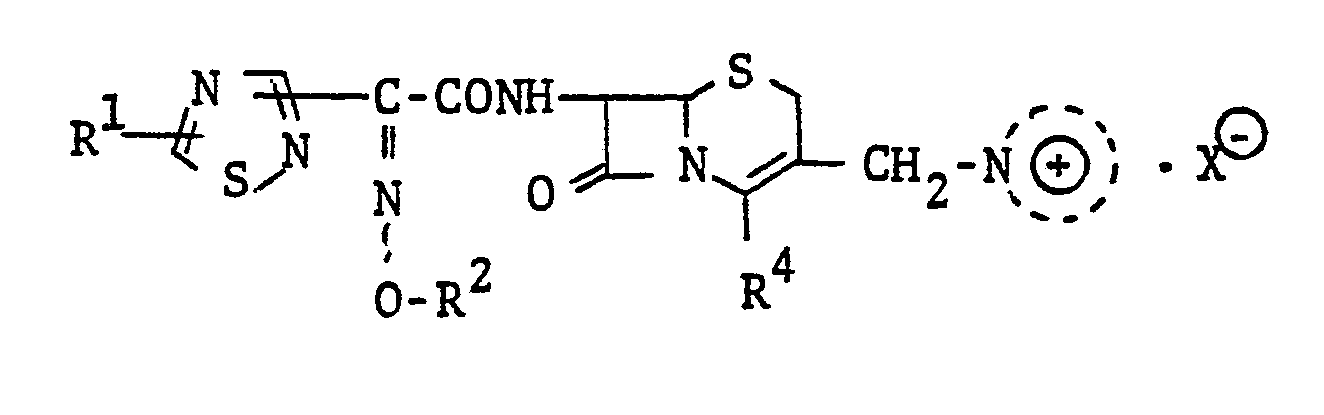
- the object new cephem compounds are novel and can be represented by the following general formula (I).
- the new cephem compounds (I) can be prepared by some processes which are illustrated in the following scheme.
- the compound (IV) is novel and can be prepared by the following methods. or its reactive derivative or its reactive derivative at the carboxy group or a at the amino group or a salt thereof salt thereof or a salt thereof or a salt thereof wherein R 1 , R 2 , R 4 , X, a compound of the formula: and a group of the formula: are each as defined above.
- syn isomer means one geometrical isomer having the partial structure represented by the following formula: (wherein R 1 and R2 are each as defined above) and anti isomer means the other geometrical isomer having the partial structure represented by the following formula: (wherein R1 and R 2 are each as defined above).
- the syn isomer and the anti isomer can also be referred to the same geometrical isomers as illustrated for the compound (I).
- acetate maleate, tartrate, methanesulfonate, benzenesulfonate, formate, toluenesulfonate, etc.
- an inorganic acid salt e.g. hydrochloride, hydrobromide, hydroiodide, sulfate, phosphate, etc.
- a salt with an amino acid e.g. arginine, aspartic acid, glutamic acid, etc.
- Suitable "protected amino" for R 1 may include an acylamino or an amino group substituted by a conventional protecting group such as ar(lower)alkyl which may have at least one suitable substituent(s)(e.g. benzyl, trityl, etc.) or the like.
- Suitable acyl. moiety in the terms “acylamino” and “acyloxy” may include carbamoyl, aliphatic acyl group and acyl group containing an aromatic or heterocyclic ring, .And, suitable examples of the said acyl may be lower alkanoyl (e.g. formyl, acetyl, propionyl, butyryl, isobutyryl, valeryl, isovaleryl, oxalyl, succinyl, pivaloyl, etc.); lower alkoxycarbonyl (e.g.
- acyl moiety as stated above may have at least one suitable substituent(s) such as acyl (e.g. lower alkanoyl), halogen (chlorine, bromine, fluorine and iodine) or the like.
- Suitable "lower alkyl” is one having 1 to 6 carbon atom(s) and may include methyl, ethyl, propyl, isopropyl, butyl, isobutyl, tert-butyl, pentyl, tert- pentyl, hexyl and the like, and preferably one having 1 to 4 carbon atom(s).
- the lower aliphatic hydrocarbon group as mentioned above may be substituted with 1 to 3 suitable substituent(s) such as carboxy, protected carboxy as mentioned below, halogen (e.g. chlorine, bromine, etc.), lower alkylthio (e.g. methylthio, ethylthio, propylthio, isopropylthio, butylthio, pentylthio, hexylthio, etc.) or the like.
- suitable substituent(s) such as carboxy, protected carboxy as mentioned below, halogen (e.g. chlorine, bromine, etc.), lower alkylthio (e.g. methylthio, ethylthio, propylthio, isopropylthio, butylthio, pentylthio, hexylthio, etc.) or the like.
- Suitable "cyclo(lower)alkenyl” may include one having 3 to 6 carbon atoms, for example, cyclopentenyl, cyclohexenyl or the like, preferably one having 5 to 6 carbon atoms.
- Suitable R 3 may include an acid residue such as acyloxy, halogen (e.g. chlorine, bromine, iodine or fluorine), azido or the like, wherein acyl moiety in the term "acyloxy" can be referred to the ones as exemplified above.
- acyloxy e.g. chlorine, bromine, iodine or fluorine
- Suitable heterocyclic cation group containing more than one nitrogen atom means saturated or unsaturated, monocyclic or polycyclic heterocyclic cation group containing more than one nitrogen atom.
- halogen e.g. chlorine, bromine, iodine or fluorine
- lower alkoxy e.g. methoxy, ethoxy, propoxy, etc.
- lower alkylthio e.g. methylthio, eth
- ethynyl ester propynyl ester, etc.
- mono(or di or tri)-halo(lower)alkyl ester e.g. 2-iodoethyl ester, 2,2,2-trichloroethyl ester, etc.
- lower alkanoyloxy(lower)alkyl ester e.g.
- acetoxymethyl ester propionyloxymethyl ester, butyryloxymethyl ester, valeryloxymethyl ester, pivaloyloxymethyl ester, hexanoyloxymethyl ester, 2-acetoxyethyl ester, 2-propionyloxyethyl ester, etc.); lower alkanesulfonyl(lower)alkyl ester (e.g. mesyl- methyl ester, 2-mesylethyl ester etc.); ar(lower)alkyl ester, for example, phenyl(lower)alkyl ester which may be substituted with one or more suitable substituent(s)(e.g.
- benzyl ester 4-methoxybenzyl ester, 4-nitrobenzyl ester, phenethyl ester, trityl ester, diphenylmethyl ester, bis(methoxyphenyl)methyl ester, 3,4-dimethoxybenzyl ester, 4-hydroxy-3,5- ditertiarybutylbenzyl ester, etc.); aryl ester which may have one or more suitable substituent(s)(e.g. phenyl ester, tolyl ester, tertiary- butylphenyl ester, xylyl ester, mesityl ester, cumenyl ester, etc.), and the like.
- suitable substituent(s) e.g. phenyl ester, tolyl ester, tertiary- butylphenyl ester, xylyl ester, mesityl ester, cumenyl ester, etc.
- Suitable acid residue for X can be referred to the ones as stated above.
- Preferred embodiments of the object compounds (I) are as follows.
- R 1 is amino
- R 2 is lower alkyl, carboxy(lower)alkyl, lower alkylthio(lower)alkyl, lower alkenyl, lower alkynyl or cyclo(lower)alkenyl
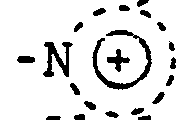
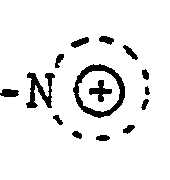
- a group of the formula: is triazolio, imidazolio, pyrimidinio, pyrazolio, pyridazinio or pyrazinio, each of which may be substituted with one lower alkyl, amino, lower alkenyl, halogen, hydroxy or hydroxy(lower)alkyl.
- the object compound (I) or a salt thereof can be prepared by reacting the compound (II) or a salt thereof with the compound (III).
- Suitable salt of the compound (II) can be referred to the ones exemplified for the compound (I).
- the reaction is preferably conducted in the presence of a base, for example, inorganic base such as alkali metal hydroxide, alkali metal carbonate, alkali metal bicarbonate, organic base such as trialkylamine, and the like.
- a base for example, inorganic base such as alkali metal hydroxide, alkali metal carbonate, alkali metal bicarbonate, organic base such as trialkylamine, and the like.
- the reaction temperature is not critical, and the reaction is usually carried out at ambient temperature,, under warming or under heating.
- the present reaction is preferably carried out in the . presence of alkali metal halide (e.g. sodium iodide, potassium iodide, etc.), alkali metal thiocyanate (e.g. sodium thiocyanate, potassium thiocyanate, etc.) etc.
- alkali metal halide e.g. sodium iodide, potassium iodide, etc.
- alkali metal thiocyanate e.g. sodium thiocyanate, potassium thiocyanate, etc.
- the compound (I) or a salt thereof can be prepared by subjecting the compound (IV) to elimination reaction of carboxy-protective group.
- the present hydrolysis is usually carried out in an organic solvent, water or a mixed solvent thereof.
- the reaction temperature is not critical, and it may suitably be selected in accordance with the kind of the carboxy protective group and the elimination method.
- the reductive elimination can be applied preferably for elimination of the protective group such as halo(lower)alkyl (e.g. 2-iodoethyl, 2,2,2-trichloroethyl, etc.) ester, ar(lower)alkyl (e.g. benzyl, nitrobenzyl, etc.) ester or the like.
- the reduction method applicable for the elimination reaction may include, for example, reduction by using a combination of a metal (e.g. zinc, zinc amalgam, etc.) or a salt of chromium compound (e.g. chromous chloride, chro l uous acetate, etc.) and an organic or inorganic acid (e.g. acetic acid, propionic acid, hydrochloric acid, etc.); and conventional catalytic reduction in the presence of a conventional metallic catalyst (e.g. palladium on carbon, Raney nickel, etc.).
- a metal e.g. zinc, zinc amalgam, etc.
- This reduction is usually carried out in a solvent such as water, alcohol (e.g. methanol, ethanol, etc.), tetrahydrofuran or any other solvent which does not adversely affect the reaction. These solvents may be used as a mixture thereof.
- the reaction temperature is not critical, and the reaction is usually carried out under cooling, at ambient temperature or under warming.
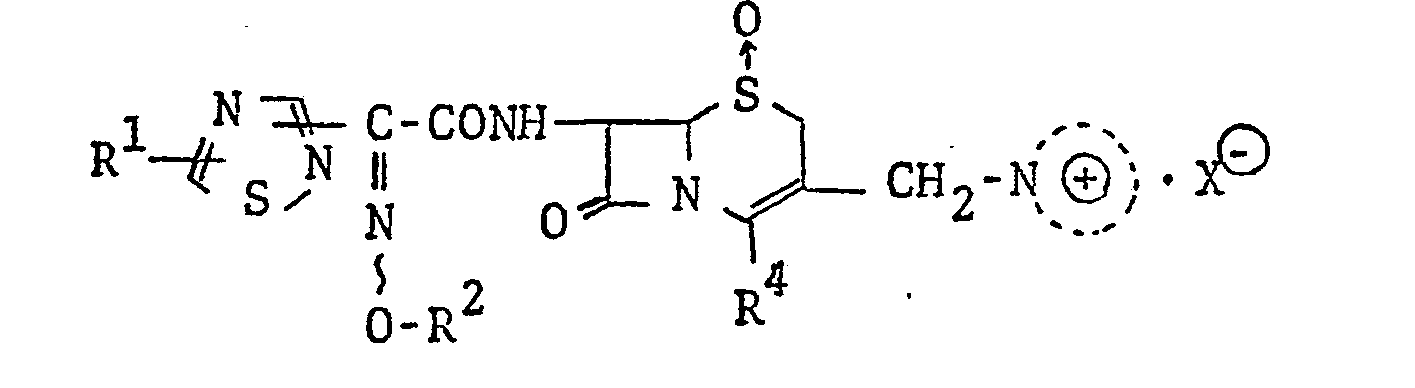
- the compound (IV) can be prepared by reducing the compound (IX).
- the present reduction can be carried out in the presence of conventional reducing agent which can reduce group in cephalosporin compound to -S- group, for example, phosphorus halide such as phosphorus trihalide (e.g. phosphorus trichloride, etc.).
- conventional reducing agent which can reduce group in cephalosporin compound to -S- group
- phosphorus halide such as phosphorus trihalide (e.g. phosphorus trichloride, etc.).
- the cephalosporin compounds according to the present invention are used in the form of pharmaceutical preparation which contain said compounds in admixture with a pharmaceutically acceptable carriers such as an organic or inorganic solid or liquid excipient suitable for oral, parenteral or external administration.
- a pharmaceutically acceptable carriers such as an organic or inorganic solid or liquid excipient suitable for oral, parenteral or external administration.
- the pharmaceutical preparations may be in solid form such as capsule, tablet, dragee, ointment or suppository, or in liquid form such as solution, suspension, or emulsion.
- auxiliary substances stabilizing agents, wetting or emulsifying agents, buffers and other commonly used additives.
- While the dosage of the compounds may vary from and also depend upon the age and condition of the patient, an average single dose of about 50 mg., 100 mg., 250 mg., and 500 mg. of the compounds according to the present invention has proved to be effective for treating of infectious diseases caused by a number of pathogenic bacteria. In general amounts, daily dose between 1 mg/body and about 1000 mg/body or even more may be administered.
- the cold solution was added to the above activated mixture and the mixture was stirred for 1 hour at -10°C.
- the reaction mixture was poured into an aqueous solution (450 ml) of sodium bicarbonate (42 g) and stirred for 1 hour at room temperature.
- the aqueous layer was separated out, adjusted to pH 2 with 6N hydrochloric acid and extracted with ethyl acetate. The extract was washed with water, dried over anhydrous magnesium sulfate and evaporated to dryness.
- the reaction mixture was cooled to ambient temperature, diluted with a mixture of water (150 ml) and ethyl acetate (100 ml) and then adjusted to pH 2 with 1N hydrochloric acid.
- the aqueous layer was separated out, washed with ethyl acetate, evaporated to remove ethyl acetate and subjected to column chromatography on a non ionic adsorption resin Diaion HP-20 (150 ml). After the column was washed with water, the elution was carried out with 30% aqueous methanol.
- the powder was suspended in water (50 ml), adjusted to pH 4 to 5 with aqueous solution of sodium bicarbonate and an insoluble material was filtered off.
- the filtrate was subjected to column chromatography on a non ionic adsorption resin "Diaion HP-20"(Trademark: Prepared by Mitsubishi Chemical Industries)(100 ml). After the column was washed with water, the elution was carried out with 20% aqueous methanol.
- the reaction mixture was diluted with a mixed solvent of methylene chloride (100 ml) and water (200 ml) and adjusted to pH 2 with IN hydrochloric acid.
- the organic layer was separated out, washed with water, dried over magnesium sulfate and evaporated to dryness.
- the residue was triturated in diethyl ether to give diphenylmethyl 7-[2-ethoxyimino-2-(5-amino-1,2,4-thiadiazol-3-yl)acetamido]-3-chloromethyl-3-cephem-4-carboxylate (syn isomer) (32.4 g), mp. 120 to 125°C (dec.).
Landscapes
- Chemical & Material Sciences (AREA)
- Organic Chemistry (AREA)
- Health & Medical Sciences (AREA)
- Communicable Diseases (AREA)
- Oncology (AREA)
- Chemical Kinetics & Catalysis (AREA)
- General Chemical & Material Sciences (AREA)
- Medicinal Chemistry (AREA)
- Nuclear Medicine, Radiotherapy & Molecular Imaging (AREA)
- Pharmacology & Pharmacy (AREA)
- Life Sciences & Earth Sciences (AREA)
- Animal Behavior & Ethology (AREA)
- General Health & Medical Sciences (AREA)
- Public Health (AREA)
- Veterinary Medicine (AREA)
- Cephalosporin Compounds (AREA)
- Pharmaceuticals Containing Other Organic And Inorganic Compounds (AREA)
Abstract
Description
- The present invention relates to new cephem compounds and pharmaceutically acceptable salts thereof. More particularly, it relates to new cephem compounds and pharmaceutically acceptable salts thereof, which have antimicrobial activities and to processes for preparation thereof, to pharmaceutical composition comprising the same and to a method of using the same therapeutically in the treatment of infectious diseases in human being and animals.
- Accordingly, it is one object of the present invention to provide new cephem compounds and pharmaceutically acceptable salts thereof, which are active againsg a number of pathogenic microorganisms.
- Another object of the present invention is to provide processes for the preparation of new cephem compounds and pharmaceutically acceptable salts thereof.
- A further object of the present invention is to provide pharmaceutical composition comprising, as active ingredients, said new cephem compounds and pharmaceutically acceptable salts thereof.
- Still further object of the present invention is to provide a method for the treatment of infectious diseases caused by pathogenic bacteria in human being and animals.
- The object new cephem compounds are novel and can be represented by the following general formula (I).

- wherein R1 is amino or a protected amino group;
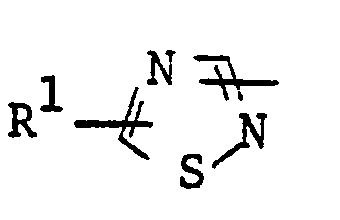
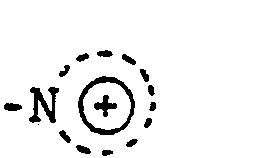
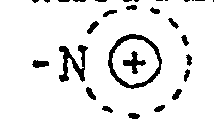
- R2 is lower aliphatic hydrocarbon group which may be substituted with suitable substituent(s), or cyclo (lower) alkenyl ; and a group of the formula:

- According to the present invention, the new cephem compounds (I) can be prepared by some processes which are illustrated in the following scheme.
-


-


- Among the starting compounds of the present invention, the compound (IV) is novel and can be prepared by the following methods.
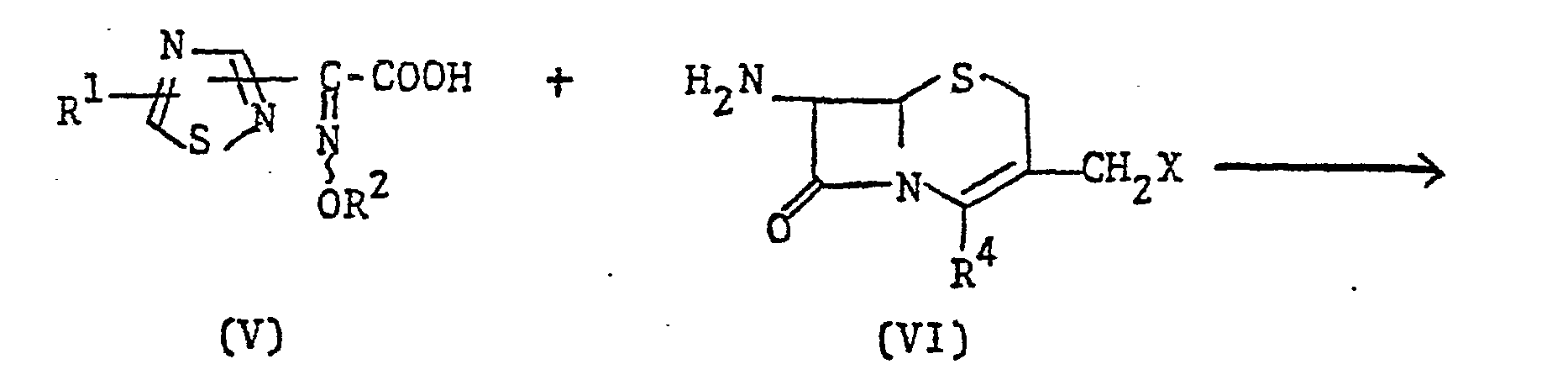
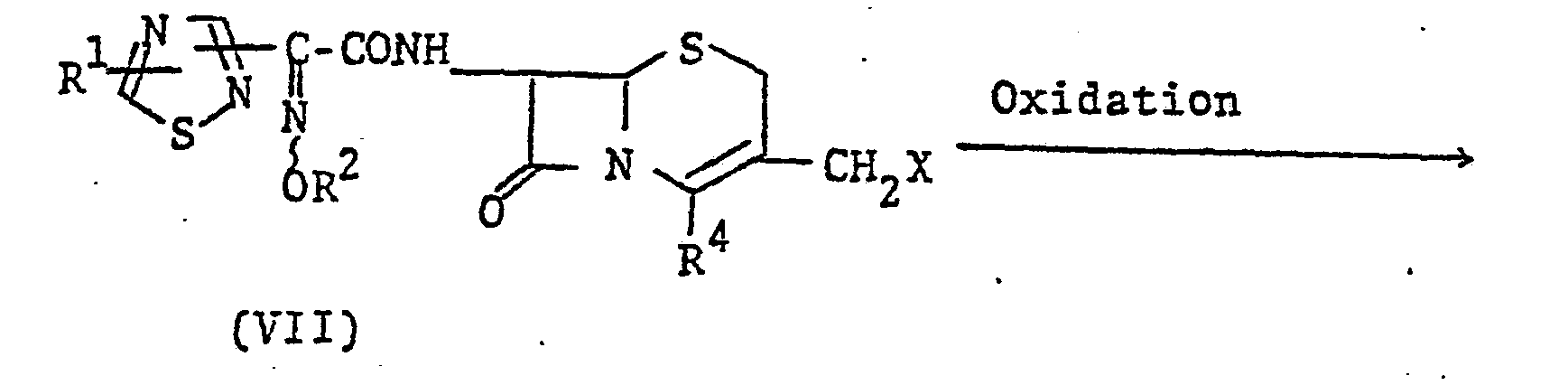


- Regarding the object compound (I) and the starting compounds (II), (IV), (V), (VII), (VIII) and (IX), it is to be understood that said object and starting compounds include syn isomer, anti isomer and a mixture thereof. For example, with regard to the object compounds (I), syn isomer means one geometrical isomer having the partial structure represented by the following formula:


- Regarding the starting compounds (II), (IV), (V), (VII), (VIII) and (IX) as mentioned above, the syn isomer and the anti isomer can also be referred to the same geometrical isomers as illustrated for the compound (I).
- Suitable pharmaceutically acceptable salts of the object compound (I) are conventional non-toxic salt and include a metal salt such as an alkali metal salt (e.g. sodium salt, potassium salt, etc.) and an alkaline earth metal salt (e.g. calcium salt, magnesium salt, etc.), an ammonium salt, an organic base salt (e.g. trimethylamine salt, triethylamine salt, pyridine salt, picoline salt, dicyclohexylamine salt, N,N'- dibenzylethylenediamine salt, etc.), an organic acid salt (e.g. acetate, maleate, tartrate, methanesulfonate, benzenesulfonate, formate, toluenesulfonate, etc.), an inorganic acid salt (e.g. hydrochloride, hydrobromide, hydroiodide, sulfate, phosphate, etc.), or a salt with an amino acid (e.g. arginine, aspartic acid, glutamic acid, etc.), and the like.
- In the above and subsequent descriptions of the present specification,suitable examples and illustrations of the various definitions. which the present invention include within the scope thereof are explained in details as follows.
- Th.e term "lower" is intended to mean 1 to 6 carbon atoms, unless otherwise indicated.
- Suitable "protected amino" for R1 may include an acylamino or an amino group substituted by a conventional protecting group such as ar(lower)alkyl which may have at least one suitable substituent(s)(e.g. benzyl, trityl, etc.) or the like.
- Suitable acyl. moiety in the terms "acylamino" and "acyloxy" may include carbamoyl, aliphatic acyl group and acyl group containing an aromatic or heterocyclic ring, .And, suitable examples of the said acyl may be lower alkanoyl (e.g. formyl, acetyl, propionyl, butyryl, isobutyryl, valeryl, isovaleryl, oxalyl, succinyl, pivaloyl, etc.); lower alkoxycarbonyl (e.g. methoxycarbonyl, ethoxycarbonyl, propoxycarbonyl, 1-cyclopropylethoxycarbonyl, isopropoxycarbonyl, butoxycarbonyl, tertiarybutoxy- carbonyl, pentyloxycarbonyl, hexyloxycarbonyl, etc.); lower alkanesulfonyl (e.g. mesyl, ethanesulfonyl, propanesulfonyl, isopropanesulfonyl, butanesulfonyl, etc.); arenesulfonyl (e.g. benzenesulfonyl, tosyl, etc.); aroyl (e.g. benzoyl, toluoyl, xyloyl, naphthoyl, phthaloyl, indancarbonyl, etc.); ar(lower)alkanoyl (e.g. phenylacetyl, phenylpropionyl, etc.); ar(lower)alkoxycarbonyl (e.g. benzyloxycarbonyl, phenethyloxycarbonyl, etc.), and the like. The acyl moiety as stated above may have at least one suitable substituent(s) such as acyl (e.g. lower alkanoyl), halogen (chlorine, bromine, fluorine and iodine) or the like.
- Suitable lower aliphatic hydrocarbon group may . include lower alkyl, lower alkenyl, lower alkynyl and the like.
- Suitable "lower alkyl" is one having 1 to 6 carbon atom(s) and may include methyl, ethyl, propyl, isopropyl, butyl, isobutyl, tert-butyl, pentyl, tert- pentyl, hexyl and the like, and preferably one having 1 to 4 carbon atom(s).
- Suitable "lower alkenyl" is one having 2 to 6 carbon atoms and may include vinyl, allyl, isopropenyl, 1-propenyl, 2-butenyl, 3-pentenyl and the like, and preferably one having 2 to 4 carbon atoms.
- Suitable "lower alkynyl" is one having 2 to 6 carbon atoms and may include ethynyl, 2-propynyl, 2-butynyl, 3-pentynyl, 3-hexynyl and the like, and preferably one having 2 to 4 carbon atoms.
- The lower aliphatic hydrocarbon group as mentioned above may be substituted with 1 to 3 suitable substituent(s) such as carboxy, protected carboxy as mentioned below, halogen (e.g. chlorine, bromine, etc.), lower alkylthio (e.g. methylthio, ethylthio, propylthio, isopropylthio, butylthio, pentylthio, hexylthio, etc.) or the like.
- Suitable "cyclo(lower)alkenyl" may include one having 3 to 6 carbon atoms, for example, cyclopentenyl, cyclohexenyl or the like, preferably one having 5 to 6 carbon atoms.
- Suitable R3 may include an acid residue such as acyloxy, halogen (e.g. chlorine, bromine, iodine or fluorine), azido or the like, wherein acyl moiety in the term "acyloxy" can be referred to the ones as exemplified above.
- Suitable heterocyclic cation group containing more than one nitrogen atom means saturated or unsaturated, monocyclic or polycyclic heterocyclic cation group containing more than one nitrogen atom.
- Preferable heterocyclic cation group containing more than one nitrogen atom-may be unsaturated 5 to 6-membered heteromonocyclic cation group containing more than one nitrogen atom, for example, imidazolio, pyrazolio, triazolio (e.g. 1,2,3-triazolio, 1,3,4-triazolio or 1,2,4-triazolio), tetrazolio, pyridazinio, pyrimidinio, pyrazinio, triazinio (e.g. 1,2,3-triazinio, 1,2,4-triazinio or 1,3,5-triazinio), tetrazinio, etc.; unsaturated condensed heterocyclic cation group containing more than one nitrogen atom, for example, indazolio, benzimidazolio, cinnolinio, phthalazinio, quinazolinio, quinoxalinio, 1,5-naphthyridinio, purinio, pteridinio, etc,; or the like: wherein said heterocyclic cation group containing more than one nitrogen atom may be substituted with 1 to 3 suitable substituent(s) such as hydroxy; lower alkyl (e.g. methyl, ethyl, propyl, isopropyl, butyl, isobutyl, pentyl, hexyl, etc.);amino; halogen (e.g. chlorine, bromine, iodine or fluorine); lower alkoxy (e.g. methoxy, ethoxy, propoxy, etc.); lower alkylthio (e.g. methylthio, ethylthio, propylthio, isopropylthio, etc.); carboxy; protected carboxy; lower alkenyl as mentioned above; hydroxy-(lower)alkyl(e.g., hydroxymethyl, hydroxyethyl, etc.); or the like.
- Suitable "protected carboxy" may include "esterified carboxy" and suitable ester moiety in the term "esterified carboxy" may be the ones such as lower alkyl ester (e.g. methyl ester, ethyl ester, propyl ester, isopropyl ester, butyl ester, isobutyl ester, t-butyl ester, pentyl ester, t-pentyl ester, hexyl ester, 1-cyclopropylethyl ester, etc.); lower alkenyl ester (e.g. vinyl ester, allyl ester, etc.); lower alkynyl ester (e.g. ethynyl ester, propynyl ester, etc.); mono(or di or tri)-halo(lower)alkyl ester (e.g. 2-iodoethyl ester, 2,2,2-trichloroethyl ester, etc.); lower alkanoyloxy(lower)alkyl ester (e.g. acetoxymethyl ester, propionyloxymethyl ester, butyryloxymethyl ester, valeryloxymethyl ester, pivaloyloxymethyl ester, hexanoyloxymethyl ester, 2-acetoxyethyl ester, 2-propionyloxyethyl ester, etc.); lower alkanesulfonyl(lower)alkyl ester (e.g. mesyl- methyl ester, 2-mesylethyl ester etc.); ar(lower)alkyl ester, for example, phenyl(lower)alkyl ester which may be substituted with one or more suitable substituent(s)(e.g. benzyl ester, 4-methoxybenzyl ester, 4-nitrobenzyl ester, phenethyl ester, trityl ester, diphenylmethyl ester, bis(methoxyphenyl)methyl ester, 3,4-dimethoxybenzyl ester, 4-hydroxy-3,5- ditertiarybutylbenzyl ester, etc.); aryl ester which may have one or more suitable substituent(s)(e.g. phenyl ester, tolyl ester, tertiary- butylphenyl ester, xylyl ester, mesityl ester, cumenyl ester, etc.), and the like.
- Heterocyclic compound containing more than one nitrogen atom means corresponding heterocyclic compound to a heterocyclic cation group containing more than one nitrogen atom as mentioned above.
- Suitable acid residue for X can be referred to the ones as stated above.
- Preferred embodiments of the object compounds (I) are as follows.
- Preferred embodiment of R1 is amino; R2 is lower alkyl, carboxy(lower)alkyl, lower alkylthio(lower)alkyl, lower alkenyl, lower alkynyl or cyclo(lower)alkenyl; and a group of the formula:

- The processes for preparing the object compounds of the present invention are explained in details in the following.
- The object compound (I) or a salt thereof can be prepared by reacting the compound (II) or a salt thereof with the compound (III).
- Suitable salt of the compound (II) can be referred to the ones exemplified for the compound (I).
- The present reaction may be carried out in a solvent such as water,.phosphate buffer, acetone, chloroform, acetonitrile, nitrobenzene, methylene chloride, ethylene chloride, formamide, dimethylformamide, methanol, ethanol, ether, tetrahydrofuran, dimethylsulfoxide, or any other organic solvent which does not adversely affect the reaction, preferably in ones having strong polarities. Among the solvents, hydrophilic solvents may be used in a mixture with water. The reaction is preferably carried out in around neutral medium. When the compound (II) is used in a free form, the reaction is preferably conducted in the presence of a base, for example, inorganic base such as alkali metal hydroxide, alkali metal carbonate, alkali metal bicarbonate, organic base such as trialkylamine, and the like. The reaction temperature is not critical, and the reaction is usually carried out at ambient temperature,, under warming or under heating.
- The present reaction is preferably carried out in the . presence of alkali metal halide (e.g. sodium iodide, potassium iodide, etc.), alkali metal thiocyanate (e.g. sodium thiocyanate, potassium thiocyanate, etc.) etc.
- The compound (I) or a salt thereof can be prepared by subjecting the compound (IV) to elimination reaction of carboxy-protective group.
- In the present elimination reaction, all conventional methods used in the elimination reaction of the carboxy protective group, for example, hydrolysis, reduction, elimination using Lewis acid, etc, are applicable. When the carboxy protective group is an ester, it can be eliminated by hydrolysis or elimination using Lewis acid. The hydrolysis is preferably carried out in the presence of a base or an acid. Suitable base may include an inorganic base and an organic base.
- Suitable .acid may include an organic acid (e.g. formic acid, acetic acid, propionic acid, etc.) and an inorganic acid (e.g. hydrochloric acid, hydrobromic acid, sulfuric acid, etc.).
- The present hydrolysis is usually carried out in an organic solvent, water or a mixed solvent thereof.
- The reaction temperature is not critical, and it may suitably be selected in accordance with the kind of the carboxy protective group and the elimination method.
- The elimination using Lewis acid is carried out by reacting the compound (IV) with Lewis acid such as boron trihalide (e.g. boron trichloride, boron trifluoride, etc.), titanium tetrahalide (e.g. titanium tetrachloride, titanium tetrabromide, etc.), tin tetrahalide (e.g. tin tetrachloride, tin tetrabromide etc.), aluminum halide (e.g. aluminum chloride, aluminum bromide, etc.), trihaloacetic acid (e.g. trichloroacetic acid, trifluoroacetic acid, etc.) or the like. This elimination reaction is preferably carried out in the presence of cation trapping agents (e.g. anisole, phenol, etc.) and is usually carried out in a solvent such as nitroalkane (e.g. nitromethane, nitroethane, etc.), alkylene halide (e.g. methylene chloride, ethylene chloride, etc.), diethyl ether, carbon disulfide or-any other solvent which does not adversely affect the reaction. These solvents may be used as a mixture thereof. The reaction temperature is not critical, and the reaction is usually carried out under cooling, at ambient temperature or under warming.
- The reductive elimination can be applied preferably for elimination of the protective group such as halo(lower)alkyl (e.g. 2-iodoethyl, 2,2,2-trichloroethyl, etc.) ester, ar(lower)alkyl (e.g. benzyl, nitrobenzyl, etc.) ester or the like. The reduction method applicable for the elimination reaction may include, for example, reduction by using a combination of a metal (e.g. zinc, zinc amalgam, etc.) or a salt of chromium compound (e.g. chromous chloride, chroluous acetate, etc.) and an organic or inorganic acid (e.g. acetic acid, propionic acid, hydrochloric acid, etc.); and conventional catalytic reduction in the presence of a conventional metallic catalyst (e.g. palladium on carbon, Raney nickel, etc.).
- This reduction is usually carried out in a solvent such as water, alcohol (e.g. methanol, ethanol, etc.), tetrahydrofuran or any other solvent which does not adversely affect the reaction. These solvents may be used as a mixture thereof. The reaction temperature is not critical, and the reaction is usually carried out under cooling, at ambient temperature or under warming.
- The Preparations of the starting compound (IV) are explained in detail in the following.
- The compound (IX) can be prepared by reacting the compound (VIII) or a salt thereof with the compound of the formula:
-

- The reaction can be carried out according to a similar manner to that of Process 1.
- The compound (IV) can be prepared by reducing the compound (IX).
- The present reduction can be carried out in the presence of conventional reducing agent which can reduce

- The object compounds (I) of the present invention exhibit high antimicrobial activity and inhibit the growth of a number of microorganisms including pathogenic Gram-positive and Gram-negative bacteria,
- For therapeutic administration, the cephalosporin compounds according to the present invention are used in the form of pharmaceutical preparation which contain said compounds in admixture with a pharmaceutically acceptable carriers such as an organic or inorganic solid or liquid excipient suitable for oral, parenteral or external administration. The pharmaceutical preparations may be in solid form such as capsule, tablet, dragee, ointment or suppository, or in liquid form such as solution, suspension, or emulsion. If desired, there may be included in the above preparations auxiliary substances, stabilizing agents, wetting or emulsifying agents, buffers and other commonly used additives.
- While the dosage of the compounds may vary from and also depend upon the age and condition of the patient, an average single dose of about 50 mg., 100 mg., 250 mg., and 500 mg. of the compounds according to the present invention has proved to be effective for treating of infectious diseases caused by a number of pathogenic bacteria. In general amounts, daily dose between 1 mg/body and about 1000 mg/body or even more may be administered.
- Now in order to show the utility of the object compounds (I), test data on anti-microbial activity of representative compounds of the present invention are shown below.
- One loopful of an overnight culture of each test strain in Trypticase-soy broth (10 viable cells per ml,) was streaked on heart infusion agar (HI-agar) containing graded concentrations of antibiotics, and the minimal inhibitory concentration (MIC) was expressed in terms of µg/ml after incubation at 37°C for 20 hours.
-
- (1) 7-[2-Ethoxyimino-2-(5-amino-1,2,4-thiadiazol-3-yl)acetamido]-3-(2-methyl-l-pyrazoliomethyl)-3-cephem-4-carboxylate (syn isomer).
- (2) 7-[2-Ethoxyimino-2-(5-amino-1,2,4-thiadiazol-3-yl)acetamido]-3-(1-pyridaziniomethyl)-3-cephem-4-carboxylate (syn isomer).
- (3) 7-[2-Methoxyimino-2-(5-amino-1,2,4-thiadiazol-3-yl)acetamido)-3-(1-pyridaziniomethyl)-3-cephem-4-carboxylate (syn isomer).
-

- The following Preparations and Examples are given for the purpose of illustrating the present invention.
- To a cold solution of phosphorus pentachloride (16.6 g) in methylene chloride (150 m1) was added 2-ethoxyimino-2-(S-amino-1.2,4-thiadiazol-3-yl)acetic acid (syn isomer)(17.3 g) at -18°C and the mixture was stirred for 15 minutes at -13 to -10°C. On the other hand, a mixture of 7-amino-3-acetoacetoxymethyl-3-cephem-4-carboxylic acid (25.1 g) and trimethylsilylacetamide (80 g) in methylene chloride (400 ml) was warmed to make a clear solution and to be continued to the next page cooled to -10°C. The cold solution was added to the above activated mixture and the mixture was stirred for 1 hour at -10°C. The reaction mixture was poured into an aqueous solution (450 ml) of sodium bicarbonate (42 g) and stirred for 1 hour at room temperature. The aqueous layer was separated out, adjusted to pH 2 with 6N hydrochloric acid and extracted with ethyl acetate. The extract was washed with water, dried over anhydrous magnesium sulfate and evaporated to dryness. The residue was triturated with diethyl ether to give a powder of 7-[2-ethoxyimino-2-(5-amino-l,2,4-thiadiazol-3-yl)acetamido]-3-acetoacetoxymethyl-3-cephem-4-carboxylic acid (syn isomer)(24.5 g), mp. 101 to 106°C (dec.). IR (Nujol) : 3400, 3300, 3170, 1770, 1710, 1660, 1620, 1525, 1145, 1035 cm-1
-

- IR (Nujol) : 3400-3100, 1770, 1660, 1610, 1530, 1035 cm-1
- NMR (DMSO-d6, δ): 1.23 (3H, t, J-7Hz), 3.15 and 3.55 (2H, ABq, J=18Hz), 4.13 (2H, q, J=7Hz), 4.30 (3H, s), 5.00 (1H, d, J=5Hz), 5.30 and 5.59 (2H, ABq, J=14Hz), 5.67 (1H, 2d, J=5 and 8Hz), 8.16 (2H, bs), 8.82 (1H, s), 9.06 (1H, s), 9.42 (1H, d, J=8Hz)
- To a mixture of sodium iodide (12.25 g), 5-methylpyrimidine (1.867 g), water (2.5 ml) and acetonitrile (7.5 ml) was added 7-[2-ethoxyimino-2-(5-amino-1,2,4-thiadiazol-3-yl)acetamido]-3-acetoacetoxy- methyl-3-cephem-4-carboxylic acid (syn isomer)(5.0 g) at 60°C under stirring, which was continued for one hour at the same temperature. The reaction mixture was cooled to ambient temperature, diluted with a mixture of water (150 ml) and ethyl acetate (100 ml) and then adjusted to pH 2 with 1N hydrochloric acid. The aqueous layer was separated out, washed with ethyl acetate, evaporated to remove ethyl acetate and subjected to column chromatography on a non ionic adsorption resin Diaion HP-20 (150 ml). After the column was washed with water, the elution was carried out with 30% aqueous methanol. The eluants containing an object compound were collected, concentrated to 40 ml under reduced pressure, passed through acidic alumina (10 g) and lyophilized to give 7-[2- ethoxyimino-2-(5-amino-l,2,4-thiadiazol-3-yl)acetamido]-3-(5-methyl-1-pyrimidiniomethyl)-3-cephem-4-carboxylate (syn isomer)(1.45 g), mp. 135 to 140°C (dec.).
- IR (Nujol) : 3250, 3150, 1770, 1660, 1610, 1520 cm-1 NMR (D20, 6) : 1.32 (3H, t, J=7Hz) , 2.58 (3H, s), 3.28 and 3.72 (2H, ABq, J=18Hz), 4.33 (2H, q, J=7Hz), 5.30 (lH, d, J=5Hz), 5.37 and 5.60 (2H, ABq, J=14Hz), 5.90 (1H, d, J=5Hz), 9.25 (2H, s), 9.60 (1H, s)
- The following compounds were obtained according to similar manners to those of Examples 1 and 2.
- (1) 7-[2-Ethoxyimino-2-(5-amino-1,2,4-thiadiazol-3-yl)-acetamido]-3-(2-methyl-1-pyrazoliomethyl)-3-cephem-4-carboxylate (syn isomer), mp. 148 to 158°C (dec.). IR (Nujol) : 3400-3100, 1770, 1665, 1610, 1530 cm-1 NMR (D20, 6) : 1.34 (3H, t, J=7Hz), 3.19, 3.57 (2H, ABq, J=18Hz), 4.11 (3H, s), 4.37 (2H, q, J=7Hz), 5.27 (1H, d, J=5Hz), 5.23 and 5.57 (2H, ABq, J=15Hz) , 5.88 (1H, d, J=5Hz), 6.78 (1H, t, J=3Hz), 8.21 (2H, d, J=3Hz)
- (2) 7-[2-Ethoxyimino-2-(5-amino-1,2,4-thiadiazol-3-yl)acetamidol-3-Cl-pyridaziniomethyl)-3-cephem-4-carboxylate (syn isomer), mp. 155 to 160°C (dec.). IR (Nujol) : 3400-3100, 1770, 1660, 1610, 1530, 1350, 1040 cm-1 NMR (D20,δ): 1.23 (3H, t,J=7Hz), 3.03-3.92 (2H, m), 4.20 (2H, q, J=7Hz), 5.10 (1H, d, J=5Hz), 5.4-5.9 (2H, m), 5.77 (1H, d, J=5Hz), 7.67 (1H, m), 8.42 (1H, m), 9.20 (1H, m), 9.52 (1H, m)
- (3) 7-[2-Ethoxyimino-2-(5-amino-1,2,4-thiadiazol-3-yl)acetamido]-3-(1-pyraziniomethyl)-3-cephem-4-carboxylate (syn isomer), mp. 165 to 170°C (dec.). IR (Nujol) : 3250, 3150, 1770, 1660, 1610, 1520 cm-1 NMR (D2O, 6) : 1.30 (3H, t, J=7Hz), 3.27 and 3.72 (2H, ABq, J=18Hz), 4.33 (2H, q, J=7Hz), 5.30 (1H, d, J=5Hz), 5.47 and 5.75 (2H, ABq, J=14Hz), 5.90 (1H, d, J=5Hz), 9.13 (2H, bs), 9.45 (2H, bs)
- (4) 7-[2-Methoxyimino-2-(5-amino-1,2,4-thiadiazol-3-yl)acetamido]-3-(1-pyridaziniomethyl)-3-cephem-4-carboxylate (syn isomer), mp. 165 to 170°C (dec.). IR (Nujol) : 3400-3100, 1770, 1660-1580, 1530, 1040 cm-1 NMR (D20, 6) : 3.47 and 3.83 (2H, ABq, J=18Hz), 4.05 (3H, s), 5.25 (1H, d, J=5Hz), 5.72 (2H, broad s), 5.87 (1H, d, J=5Hz), 8.5-8.7 (2H, m), 9.4-9.6 (1H, m), 9.7-9.9 (1H, m)
- (5) 7-[2-Methoxyimino-2-(5-amino-1,2,4-thiadiazol-3-yl)acetamido]-3-(2-methyl-1-pyrazoliomethyl)-3-cephem-4-carboxylate (syn isomer), mp. 100 to 110°C (dec.). IR (Nujol) : 3400-3100, 1770, 1660, 1610, 1530, 1285, 1035 cm-1 NMR (D20, δ ) : 3.15 and 3.87 (2H, ABq, J=18Hz), 4.05 (3H, s), 4.08 (3H, s), 5.21 (1H, d, J=5Hz), 5.22 and 5.49 (2H, ABq, J=14Hz), 5.83 (1H, d, J=5Hz), 6.7-6.8 (lH, m), 8.1-8.3 (2H, m)
- (6) 7-[2-Ethoxyimino-2-(5-amino-1,2,4-thiadiazol-3-yl)-acetamido]-3-(2-ethyl-1-pyrazoliomethyl)-3-cephem-4-carboxylate (syn isomer), mp. 150 to 155°C (dec.). IR (Nujol) : 3300, 3100, 1770, 1670, 1610, 1525 cm-1 NMR (D2O, 6) : 1.32 (3H, t, J=7Hz), 1.53 (3H, t, J=7Hz), 3.13 and 3.54 (2H, ABq, J=18Hz), 4.33 (4H, q, J=7Hz), 5.25 (1H, d, J=5Hz), 5.4 (2H, m), 5.85 (1H, d, J=5Hz), 6.7-6.9 (1H, m), 8.2-8.3 (2H, m)
- (7) 7-[2-Allyloxyimino-2-(5-amino-1,2,4-thiadiazol-3-yl)acetamido]-3-(2-methyl-l-pyrazoliomethyl)-3-cephem-4-carboxylate (syn isomer), mp. 165 to 175°C (dec.). IR (Nujol) : 3200, 3100, 1770, 1670, 1610, 1520 cm-1 NMR (D2O, 6) : 3.20 and 3.60 (2H, ABq, J=18Hz), 4.13 (3H, s), 4.60-4.93 (2H, m), 5.30 (1H, d, J=5Hz), 5.16-5.63 (4H, m), 5.8-6.4 (2H, m), 6.80 (1H, t, J=3Hz), 8.20 (2H, d, J=3Hz)
- (8) 7-[2-(2-Propynyloxyimino)-2-(5-amino-1,2,4-thiadiazol-3-yl)acetamido]-3-(1-pyridaziniomethyl)-3-cephem-4-carboxylate (syn isomer), mp. 160 to 165°C (dec.). IR (Nujol) : 3250, 3200, 3100, 1770, 1660, 1620, 1520 cm-1 NMR (D20, 6) : 3.03 (1H, t, J=2Hz), 3.48 and 3.83 (2H, ABq, J=18Hz), 4.93 (2H, d, J=2Hz), 5.27 (1H, d, J=5Hz), 5.73 (2H, broad s), 5.88 (1H, d, J=5Hz), 8.60 (2H, m), 9.47 (lH, m), 9.83 (1H, m)
- (9) 7-[2-(2-Propynyloxyimino)-2-(5-amino-1,2,4-thiadiazol-3-yl)acetamido]-3-(2-methyl-1-pyrazoliomethyl)-3-cephem-4-carboxylate (syn isomer), mp. 160 to 70°C (dec.). IR (Nujol) : 3250-3 00, 1760, 1670, 1610, 1520 cm-1 NMR (D2O, 6) : 3.05 (1H, t, J=2Hz), 3.20 and 3.58 (2H, ABq, J=18Hz), 4.13 (3H, s), 4.97 (2H, d, J=2Hz), 5.30 (lH, d, J=5Hz), 5.27 and 5.57 (2H, ABq, J=14Hz), 5.92 (1H, d, J=5Hz), 6.80 (1H, t, J=3Hz), 8.23 (2H, broad s)
- (10) 7-[2-Methylthiomethoxyimino-2-(5-amino-1,2,4-thiadiazol-3-yl)acetamido]-3-(2-methyl-1-pyrazoliomethyl)-3-cephem-4-carboxylate (syn isomer), mp. 145 to 150°C (dec.). IR (Nujol) : 3280, 3100, 1770, 1665, 1605, 1525 cm-1 NMR (D2O+CD3OD, 6) : 2.23 (3H, s), 3.25 and 3.47 (2H, ABq, J=18Hz), 4.10 (3H, s), 5.25 (1H, d, J=5Hz), 5.35 (2H, s), 5.28 and 5.48 (2H, ABq, J=14Hz), 5.87 (1H, d, J=5Hz), 6.77 (1H, m), 8.20 (2H, m)
- (11) 7-[2-Carboxymethoxyimino-2-(5-amino-1,2,4-thiadiazol-3-yl)acetamido]-3-(2-methyl-1-pyrazoliomethyl)-3-cephem-4-carboxylate (syn isomer), mp. 165 to 170°C (dec.). IR (Nujol) : 3400, 3290, 3160, 3110, 1770, 1670, 1615, 1525 cm-1 NMR (D2O+NaHCO3, 6) : 3.27 and 3.47 (2H, ABq, J=18Hz), 4.10 (3H, s), 4.70 (2H, s), 5.27 (1H, d, J=5Hz), 5.32 and 5.45 (2H, ABq, J=14Hz), 5.92 (1H, d, J=5Hz), 6.78 (1H, m), 8.22 (2H, m)
- (12) 7-[2-(2-Cyclopenten-1-yloxyimino)-2-(5-amino-1,2,4-thiadiazol-3-yl)acetamido]-3-(2-methyl-l-pyrazoliomethyl)-3-cephem-4-carboxylate (syn isomer), mp 155 to 160°C (dec.). IR (Nujol) : 3250, 3100, 1770, 1660, 1605, 1525 cm-1 NMR (D2O+CD3OD, 6) : 1.83-2.63 (4H, m), 3.20 and 3.43 (2H, ABq, J=18Hz), 4.12 (3H, s), 5.17 (1H, d, J=5Hz), 5.13-5.67 (3H, m), 5.80 (1H, d, J=5Hz), 5.73-6.33 (2H, m), 6.77 (1H, m), 8.20 (2H, m)
- (13) 7-[2-Ethoxyimino-2-(5-amino-1,2,4-thiadiazol-3-yl)-acetamido]-3-(2-allyl-1-pyrazoliomethyl)-3-cephem-4-carboxylate (syn isomer), mp. 130 to 140°C (dec.). IR (Nujol) : 3400-3100, 1770, 1660, 1610, 1530 cm-1 NMR (D2O, 6) : 1.32 (3H, t, J=7Hz), 3.13 and 3.46 (2H, ABq, J=l8Hz), 4.31 (2H, q, J=7Hz), 5.0-5.3 (4H, m), 5.20 (1H, d, J=5Hz), 5.29 and 5.39 (2H, ABq, J=14Hz), 5.82 (1H, d, J=5Hz), 5.8-6.2 (1H, m), 6.8 (1H, m), 8.2 (2H, m)
- (14) 7-[2-Ethoxyimino-2-(5-amino-1,2,4-thiadiazol-3-yl)-acetamido]-3-(3-chloro-1-pyridaziniomethyl)-3-cephem-4-carboxylate (syn isomer), mp. 145 to 150°C (dec.). IR (Nujol) : 3300-3100, 1775, 1670, 1610, 1530 cm-1
- (15) 7-[2-Ethoxyimino-2-(5-amino-1,2,4-thiadiazol-3-yl)-acetamido]-3-[3-methyl-1-(1,3,4-triazoliomethyl)]-3-cephem-4-carboxylate (syn isomer), mp. 153 to 157°C (dec.). IR (Nujol) : 3400-3100, 1770, 1660, 1610, 1530 cm-1 NMR (DMSO-d6, 6) : 1.22 (3H, t, J=7Hz), 3.3-3.7 (2H, m), 4.05 (3H, s), 4.13 (2H, q, J=7Hz), 4.7-5.3 (2H, m), 4.98 (lH, d, J=5Hz), 5.63 (1H, 2d, J=5 and 8Hz), 8.10 (2H, broad s), 9.30 (1H, s), 9.33 (1H, d, J=8Hz), 10.25 (1H, s)
- (16) 7-[2-Ethoxyimino-2-(5-amino-1,2,4-thiadiazol-3-yl)-acetamido]-3-[4-methyl-1-(1,2,4-triazoliomethyl)]-3-cephem-4-carboxylate (syn isomer), mp. 159 to 164°C (dec.). IR (Nujol) : 3400-3100, 1770, 1660, 1605, 1530 cm-1 NMR (DMSO-d6, 6) : 1.23 (3H, t, J=7Hz), 3.1-3.8 (2H, m), 3.91 (3H, s), 4.12 (2H, q, J=7Hz), 4.98 (1H, d, J=5Hz), 5.0-5.5 (2H, m), 5.63 (1H, 2d, J=5 and 8Hz), 8.13 (2H, broad s), 9.03 (1H, s), 9. (1H, d, J=8Hz), 10.25 (1H, s)
- (17) 7-[2-Ethoxyimino-2-( -amino-1,2,4-thiadiazol-3-yl)-acetamido]-3-(3-hydroxy-1-pyridaziniomethyl)-3-cephem-4-carboxylate (syn isomer), mp. 159 to 163°C (dec.). IR (Nujol) : 3400-3100, 1775, 1670, 1610, 1520 cm-1 NMR (DMSO-d6, 6) : 1.27 (3H, t, J=7Hz), 3.56 (2H, broad s), 4.16 (2H, q, J=7Hz), 4.9-5.6 (3H, m), 5.83 (1H, 2d, J=5 and 8Hz), 6.91 (1H, d, J=9Hz), 7.6 (lH, m), 8.09 (2H, broad s), 8.44 (1H, d, J=4Hz), 9.54 (1H, d, J=8Hz)
- (18) 7-[2-Ethoxyimino-2-(5-amino-1,2,4-thiadiazol-3-yl)acetamido]-3-(3-methyl-1-imidazoliomethyl)-3-cephem-4-carboxylate (syn isomer), mp. 156 to 165°C (dec.). IR (Nujol) : 3300, 3150, 1770, 1660, 1605, 1530 cm-1 NMR (DMSO-d6, 6) : 1.23 (3H, t, J=7Hz), 3.12 and 3.54 (2H, ABq, J=18Hz), 3.86 (3H, s), . 4.15 (2H, q, J=7Hz), 5.02 (1H, d, J=5Hz), 5.02 and 5,18 (2H, ABq, J=14Hz), 5.66 (1H, 2d, J=5 and 9Hz), 7.65 (1H, s), 7.97 (1H, s), 8.25 (2H, broad s), 9.32 (1H, s), 9,45 (1H, d, J=9Hz)
- A mixture of diphenylmethyl 7-[2-ethoxyimino-2-(5-amino-1,2,4-thiadiazol-3-yl)acetamido]-3-(3-methyl-l-imidazoliomethyl)-3-cephem-4-carboxylate trifluoroacetate (syn isomer)(3 g) and anisole (7.5 ml) in trifluoroacetic acid (20 ml) was stirred for 20 minutes under cooling in an ice bath. The mixture was poured into cold diisopropyl ether (120 ml) under stirring and resulting precipitates were collected by filtration. The powder was suspended in water (50 ml), adjusted to pH 4 to 5 with aqueous solution of sodium bicarbonate and an insoluble material was filtered off. The filtrate was subjected to column chromatography on a non ionic adsorption resin "Diaion HP-20"(Trademark: Prepared by Mitsubishi Chemical Industries)(100 ml). After the column was washed with water, the elution was carried out with 20% aqueous methanol. The eluates containing an object compound were collected, evaporated to remove methanol under reduced pressure and lyophilized to give 7-[2- ethoxyimino-2-(5-amino-1,2,4-thiadiazol-3-yl)acetamido]-3-(3-methyl-l-imidazoliomethyl)-3-cephem-4-carboxylate (syn isomer)(1.46 g), mp. 156 to 165°C (dec.).
- IR (Nujol) : 3300, 3150, 1770, 1660, 1605, 1530 cm-1 NMR (DMSO-d6, 6) : 1.23 (3H, t, J=7Hz), 3.12 and 3.54 (2H, ABq, J=18Hz), 3.86 (3H, s), 4.15 (2H, q, J=7Hz), 5.02 (1H, d, J=5Hz), 5.02 and 5.18 (2H, ABq, J=14Hz), 5.66 (1H, 2d, J=5 and 9Hz), 7.65 (1H, s), 7.97 (1H, s), 8.25 (2H, broad s), 9.32 (1H, s), 9.45 (1H, d, J=9Hz)
- The following compounds were obtained according to a similar manner to that of Example 4.
- (1) 7-[2-Ethoxyimino-2-(5-amino-1,2,4-thiadiazol-3-yl)acetamido-3-[3-methyl-1-(1,2,3-triazolio)methyl]-3-cephem-4-carboxylate (syn isomer), mp. 141 to 145°C (dec.). IR (Nujol) : 3400-3100, 1770, 1660, 1610, 1530, 1035 cm-1
- (2) 7-[2-Ethoxyimino-2-(5-amino-1,2,4-thiadiazol-3-yl)-acetamido]-3-(5-methyl-1-pyrimidiniomethyl)-3-cephem-4-carboxylate (syn isomer), mp. 135 to 140°C (dec.). IR (Nujol) : 3250, 3150, 1770, 1660, 1610, 1520 cm-1
- (3) 7-[2-Ethoxyimino-2-(5-amino-1,2,4-thiadiazol-3-yl)-acetamido]-3-(2-methyl-1-pyrazoliomethyl)-3-cephem-4-carboxylate (syn isomer), mp. 148 to 158°C (dec.). IR (Nujol) : 3400-3100, 1770, 1665, 1610, 1530 cm-1
- (4) 7-[2-Ethoxyimino-2-(5-amino-1,2,4-thiadiazol-3-yl)acetamido]-3-(l-pyridaziniomethyl)-3-cephem-4-carboxylate (syn isomer), mp. 155 to 160°C. (dec.). IR (Nujol) : 3400-3100, 1770, 1660, 1610, 1530, 1350, 1040 cm-1
- (5) 7-[2-Ethoxyimino-2-(5-amino-1,2,4-thiadiazol-3-yl)acetamido]-3-(1-pyraziniomethyl)-3-cephem-4-carboxylate (syn isomer), mp. 165 to 170°C (dec.). IR (Nujol) : 3250, 3150, 1770, 1660, 1610, 1520 cm-1
- (6) 7-[2-Methoximino-2-(5-amino-1,2,4-thiadiazol-3-yl)-acetamido]-3-(l-pyridaziniomethyl)-3-cephem-4-carboxylate (syn isomer), mp. 165 to 170°C (dec.). IR (Nujol) : 3400-3100, 1770, 1660-1580, 1530, 1040 cm-1
- (7) 7-[2-Methoxyimino-2-(5-amino-1,2,4-thiadiazol-3-yl)acetamidol-3-(2-methyl-1-pyrazoliomethyl)-3-cephem-4-carboxylate (syn isomer), mp. 100 to 110°C (dec.). IR (Nujol) : 3400-3100, 1770, 1660, 1610, 1530, 1285, 1035 cm-1
- (8) 7-[2-Ethoxyimino-2-(5-amino-1,2,4-thiadiazol-3-yl)acetamidol-3-(2-ethyl-1-pyrazoliomethyl)-3-cephem-4-carboxylate (syn isomer), mp. 150 to 155°C (dec.). IR (Nujol) : 3300, 3100, 1770, 1670, 1610, 1525 cm-1
- (9) 7-[2-Allyloxyimino-2-(5-amino-1,2,4-thiadiazol-3-yl)acetamido]-3-(2-methyl-l-pyrazoliomethyl)-3-cephem-4-carboxylate (syn isomer), mp. 165 to 175°C (dec.). IR (Nujol); 3200, 3100, 1770, 1670, 1610, 1520 cm-1
- (10) 7-[2-(2-Propynyloxyimino)-2-(5-amino-1,2,4-thiadiazol-3-yl)acetamido]-3-(1-pyridaziniomethyl)-3-cephem-4-carboxylate (syn isomer), mp. 160 to 165°C (dec.). IR.(Nujol) : 3250, 3200, 3100, 1770, 1660, 1620, 1520 cm-1
- (11) 7-[2-(2-Propynyloxyimino)-2-(5-amino-1,2,4- thiadiazol-3-yl)acetamido]-3-(2-methyl-1-pyrazoliomethyl)-3-cephem-4-carboxylate (syn isomer), mp. 160 to 170°C (dec.). IR (Nujol) : 3250-3100, 1760, 1670, 1610, 1520 cm-1
- (12) 7-[2-Methylthiomethoxyimino-2-(5-amino-1,2,4-thiadiazol-3-yl)acetamido]-3-(2-methyl-l-pyrazoliomethyl)-3-cephem-4-carboxylate (syn isomer), mp. 145 to 150°C (dec.), IR (Nujol) : 3280, 3100, 1770, 1665, 1605, 1525 cm-1
- (13) 7-[2-Carboxymethoxyimino-2-(5-amino-1,2,4-thiadiazol-3-yl)acetamido]-3-(2-methyl-l-pyrazoliomethyl)-3-cephem-4-carboxylate (syn isomer), mp. 165 to 170°C (dec.). IR (Nujol) : 3400, 3290, 3160, 3110, 1770, 1670, 1615, 1525 cm-1
- (14) 7-[2-(2-Cyclopenten-1-yloxyimino)-2-(5-amino-1,2,4-thiadiazol-3-yl)acetamido]-3-(2-methyl-1-pyrazoliomethyl)-3-cephem-4-carboxylate (syn isomer), mp. 155 to 160°C (dec.). IR (Nujol) : 3250, 3100, 1770, 1660, 1605, 1525 cm-1
- (15) 7-[2-Ethoxyimino-2-(5-amino-1,2,4-thiadiazol-3-yl)acetamido]-3-(2-allyl-l-pyrazoliomethyl)-3-cephem-4-carboxylate (syn isomer), mp. 130 to 140°C (dec.). IR (Nujol) : 3400-3100, 1770, 1660, 1610, 1530 cm-1
- (16) 7-[2-Ethoxyimino-2-(5-amino-1,2,4-thiadiazol-3-yl)acetamido]-3-(3-chloro-l-pyridaziniomethyl)-3-cephem-4-carboxylate (syn isomer), mp. 145 to 150°C (dec.). IR (Nujol) : 3300-, 1775, 1670, 1610, 1530 cm-1

- (17) 7-[2-Ethoxyimino-2- -amino-1,2,4-thiadiazol-3-yl)-acetamido]-3-[3-methyl-1-(1,3,4-triazoliomethyl)]- 3-cephem-4-carboxylate (syn isomer), mp. 153 to 157°C (dec.). IR.(Nujol) : 3400-3100, 1770, 1660, 1610, 1530 cm-1
- (18) 7-[2-Ethoxyimino-2-(5-amino-1,2,4-thiadiazol-3-yl)acetamido]-3-[4-methyl-l-(1,2,4-triazoliomethyl]- 3-cephem-4-carboxylate (syn isomer), mp. 159 to 164°C (dec.). IR (Nujol) : 3400-3100, 1770, 1660, 1605, 1530 cm-1
- (19) 7-[2-Ethoxyimino-2-(5-amino-1,2,4-thiadiazol-3-yl)acetamido]-3-(3-hydroxy-1-pyridaziniomethyl)-3-cephem-4-carboxylate (syn isomer), mp, 159 to 163°C (dec.). IR (Nujol) : 3400-3100, 1775, 1670, 1610, 1520 cm-1 Preparation 2
- To a solution of phosphorus pentachloride (54.6 g) in methylene chloride (500 ml) was added 2-ethoxyimino-2-(5-amino-l,2,4-thiadiazol-3-yl)acetic acid (syn isomer) (54.0 g) under stirring and cooling at -20°C. The mixture was stirred for 30 minutes at -15 to -12°C and for 2 hours at -5°C. To the mixture containing precipitates of an object compound was added diisopropyl ether (500 ml) at -5°C and the mixture was stirred for 30 minutes at -5 to 10°C. The resulting precipitates were collected by filtration, washed with diisopropyl ether and dried to give 2-ethoxyimino-2-(5-amino-1,2,4-thiadiazol-3-yl)acetyl chloride hydrochloride (syn isomer) (60.17 g), mp. 125 to 127°C (dec.).
- I.R. (Nujol) : 1785, 1625, 1055 cm-1 Analysis for C6H8O2N4SCl2

- To a suspension of diphenylmethyl 7-amino-3-chloromethyl-3-cephem-4-carboxylate hydrochloride (27 g) in methylene chloride (300 ml) was added N,N-dimethylaniline (36.2 g) under cooling in an ice bath at 5°C. To the solution was added portionwise 2-ethoxyimino-2-(5-amino-1,2,4-thiadiazol-3-yl)acetyl chloride hydrochloride (syn isomer) (16.2 g) below 11°C and the mixture was stirred for 45 minutes at 5°C. The reaction mixture was diluted with a mixed solvent of methylene chloride (100 ml) and water (200 ml) and adjusted to pH 2 with IN hydrochloric acid. The organic layer was separated out, washed with water, dried over magnesium sulfate and evaporated to dryness. The residue was triturated in diethyl ether to give diphenylmethyl 7-[2-ethoxyimino-2-(5-amino-1,2,4-thiadiazol-3-yl)acetamido]-3-chloromethyl-3-cephem-4-carboxylate (syn isomer) (32.4 g), mp. 120 to 125°C (dec.).
- I.R. (Nujol) : 3300, 3150, 1780, 1725, 1675, 1625, 1530, 1495 cm-1
- N.M.R. (DMSO-d6, 6) : 1.28 (3H, t, J=7Hz), 3.68 (2H, broad s), 4.23 (2H, q, J=7Hz), 4.47 (2H, s), 5.27 (1H, d, J=5Hz), 5.97 (1H, 2d, J=5 and 8Hz), 7.0 (lH, s), 7.2-7.7 (10H, m), 8.17 (2H, broad s), 9.62 (lH, d, J=8Hz)
- To a cold solution of diphenylmethyl 7-[2-ethoxy- imino-2-(5-amino-1,2,4-thiadiazol-3-yl)acetamido]-3-chloromethyl-3-cephem-4-carboxylate (syn isomer) (10 g) in a mixed solution of methylene chloride (100 ml) and acetic acid (10 ml) were added 30% hydrogen peroxide (1.84 ml) and sodium tungstate (0.3 g).
- The mixture was stir d for 45 minutes in an ice bath and poured into diet yl ether (300 ml). The precipitates were collect d by filtration and washed with diethyl ether to give diphenylmethyl 7-[2- ethoxyimino-2-(5-amino-1,2,4-thiadiazol-3-yl)acetamido]-3-chloromethyl-3-cephem-4-carboxylate-l-oxide (syn isomer) (8.9 g), mp 150 to 155°C (dec.).
- I.R. (Nujol) : 3280, 3170, 1785, 1723, 1667, 1628, 1530 cm-1
- N.M.R. (DMSO-d6, 6) : 1.30 (3H, t, J=7Hz), 3.90 (2H, broad s), 4.23 (2H, q, J=7Hz), 4.58 (2H, broad s), 5.12 (1H, d, J=5Hz), 6.10 (1H, 2d, J=5 and 8Hz), 7.02 (lH, s), 7.20-7.73 (10H, m), 8.15 (2H, broad s), 9.00 (1H, d, J=8Hz)
- To a cold solution of diphenylmethyl 7-[2-ethoxyimino-2-(5-amino-1,2,4-thiadiazol-3-yl)acetamido]-3-chloromethyl-3-cephem-4-carboxylate-l-oxide (syn isomer) (9.85 g) in acetone (222 ml) was added sodium iodide (8.22.g) and the mixture was stirred for 2 hours under cooling in an ice bath. The solvent was evaporated under reduced pressure and the residue was dissolved in a mixture of methylene chloride (200 ml) and water (100 ml). The organic layer was separated out, washed with an aqueous solution of sodium thiosulfate and water successively, dried over magnesium sulfate and evaporated to dryness. The residue was triturated in diethyl ether to give diphenylmethyl 7-[2-ethoxy- imino-2-(5-amino-1,2,4-thiadiazol-3-yl)acetamido]-3-iodomethyl -3-cephem-4-carboxylate-1-oxide (syn isomer) (10.39 g), mp. 159 to 163°C (dec.).
- I.R. (Nujol) : 3250, 3150, 1780, 1720, 1670, 1620, 1520 cm-1
- N.M.R. (DMSO-d6, 6) : 1.29 (3H, t, J=7Hz), 3.95 (2H, m), 4.25 (2H, q, J=7Hz), 4.50 (2H, m), 5.12 (1H, d, J=5Hz), 6.05 (1H, 2d, J=5 and 9Hz), 7.00 (lH, s), 7.4 (10H, m), 8.13 (2H, broad s), 8.96 (1H, d, J=9Hz)
-

- A mixture of diphenylmethyl 7-[2-ethoxyimino-2-(5-amino-1,2,4-thiadiazol-3-yl)acetamido]-3-iodomethyl-3-cephem-4-carboxylate-l-oxide (syn isomer) (4 g) and 1-methylimidazole (0.5 g) in tetrahydrofuran (7 ml) was stirred for 40 minutes at room temperature. The resulting precipitates were collected by filtration, washed with tetrahydrofuran and dried to give diphenylmethyl 7-[2-ethoxyimino-2-(5-amino-l,2,4-thiadiazol-3-yl)acetamido]-3-(3-methyl-l-imidazolio- methyl)-3-cephem-4-carboxylate-l-oxide iodide (syn isomer)(4.20 g), mp. 105 to 114°C (dec.).
- IR (Nujol) : 3250, 3150, 1790, 1720, 1670, 1610, 1520 cm-1
- NMR (DMSO-d6, 6) : 1.21 (3H, t, J=7Hz), 3.77 (3H, s), 4.10 (2H, m), 4.15 (2H, q, J=7Hz), 5.1 (3H, m), 6.07 (2d, 1H, J=5 and 8Hz), 6.87 (1H, s), 7.33 (11H, m), ".60 (1H, s), 8.00 (2H, broad s), 8.91 (1H, d, J=8Hz), 8.93 (1H, broad s)
- To a mixture of diphenylmethyl 7-[2-ethoxyimino-2-(5-amino-1,2,4-thiadiazol-3-yl)acetamido]-3-(3-methyl-1-imidazoliomethyl)-3-cephem-4-carboxylate-1- oxide iodide (syn isomer)(4 g) and N,N-dimethylaniline (1.21 g) in acetonitrile (40 ml) was dropped phosphorus trichloride (1.37 g) below 8°C under stirring and cooling in an ice bath. The mixture was stirred for 2.5 hours at the same temperature and diethyl ether (45 ml) was added thereto. The resulting precipitates were collected by filtration, washed with diethyl ether and dried to give diphenylmethyl 7-[2-ethoxyimino-2-(5-amino-l,2,4-thiadiazol-3-yl)acetamido]-3-(3-methyl- l-imidazoliomethyl)-3-cephem-4-carboxylate iodide (syn isomer)(4.18 g), mp. 115.5 to 120.5°C (dec.).
- IR (Nujol) : 1780, 1720, 1680, 1630, 1530 cm-1 NMR (DMSO-d6, 6) : 1.22 (3H, t, J=7Hz), 3.09 (3H, s), 3.86 (2H, m), 4.18 (2H, q, J=7Hz), 5.18 (3H, m), 6.05 (1H, 2d, J=5 and 9Hz), 6.94 (1H, s), 7.4 (15H, m), 9.60 (lH, d, J=9Hz)
- A solution of diphenylmethyl 7-[2-ethoxyimino-2-(5-amino-1,2,4-thiadiazol-3-yl)acetamido]-3-(3-methyl- l-imidazoliomethyl)-3-cephem-4-carboxylate iodide (syn isomer)(3.9 g) in a mixed solvent (10 ml) of tetrahydrofuran and methanol (1:1) was subjected to a column packed with an ion-exchange resin [Amberlite IRA-400 (trademark: Prepared by Rohm and Haas Co.) trifluoroacetate-form] (40 ml). The elution was carried out with the same solvent (80 ml) and the eluate was evaporated to dryness. The residue was triturated in diethyl ether to give diphenylmethyl 7-[2-ethoxyimino-2-(5-amino-l,2,4-thiadiazol-3-yl)acetamido]-3-(3-methyl-l-imidazoliomethyl)-3-cephem-4-carboxylate trifluoroacetate (syn isomer)(2.74 g), mp. 110 to 119.5°C (dec.).
- IR (Nujol) : 3250, 3150, 1790, 1720, 1690, 1670, 1630, 1530, 1500 cm-1
- The following compound was obtained according to a similar manner to that of Preparation 1. 7-[2-Methylthiomethoxyimino-2-(5-amino-1,2,4-thiadiazol-3-yl)acetamido]cephalosporanic acid (syn isomer), mp. 95.5 to 103.5°C (dec.).
- IR (Nujol) : 3400, 3300, 3190, 1770, 1720, 1670, 1620, 1525 cm-1
- NMR (DMSO-d6, 6) : 2.00 (3H, s), 2.17 (3H, s), 3.50 (2H, broad s), 4.68 and 4.92 (2H, ABq, J=13Hz), 5.10 (1H, d, J=5Hz), 5.20 (2H, s), 5.77 (1H, 2d, J=5 and 8Hz), 8.07 (2H, broad s), 9.53 (1H, d, J=8Hz)
- The following compounds were obtained according to similar manners to those of aforesaid Examples.
- (1) 7-[2-Ethoxyimino-2-(5-amino-1,2,4-thiadiazol-3-yl)-acetamido]-3-[2-(2-hydroxyethyl)-1-pyrazoliomethyl]-3-cephem-4-carboxylate (syn isomer), mp 140 to 147°C (dec.) IR (Nujol): 3400-3100, 1770, 1660, 1610, 1525, 1280, 1035cm-1 NMR (D20, 6): 1.35 (3H, t, J=7Hz), 3.17 and 3.55 (2H, ABq, J=18Hz), 3.99 (2H, t, J=5Hz), 4.37 (2H, q, J=7Hz), 4.72 (2H, t, J=5Hz), 5.30 (1H, d, J=5Hz), 5.48 (2H, broad s), 5.92 (1H, d, J=5Hz), 6.89 (1H, m), 8.35 (2H, m)
- (2) 7-[2-Ethoxyimino-2-(5-amino-1,2,4-thiadiazol-3-yl)-acetamido]-3-(2-amino-1-pyrimidiniomethyl)-3-cephem-4-carboxylate (syn isomer), mp 195 to 200°C (dec.). IR (Nujol): 3280, 3160, 1765, 1660, 1635, 1610, 1565, 1520, 1030cm-1 NMR (DMSO-d6, δ): 1.34 (3H, t, J=7Hz), 3.40 and 3.83 (2H, ABq, J=18Hz), 4.14 (2H, q, J=7Hz), 4.70 and 5.45 (2H, ABq; J=14Hz), 5.08 (1H, d, J=5Hz), 5.70 (1H, dd, J=5 and 8Hz), 7.0 (1H, m), 8.1 (2H, broad s) , 8.5 (1H, m), 8.7 (1H, m), 9.46 (1H, d, J=8Hz)
Claims (18)










Priority Applications (1)
| Application Number | Priority Date | Filing Date | Title |
|---|---|---|---|
| AT82102818T ATE41004T1 (en) | 1981-04-03 | 1982-04-02 | CEPHALOSPORIN DERIVATIVES, PROCESS FOR THEIR MANUFACTURE, PHARMACEUTICAL PREPARATIONS CONTAINING THEM AND THEIR BASIC PRODUCTS. |
Applications Claiming Priority (6)
| Application Number | Priority Date | Filing Date | Title |
|---|---|---|---|
| GB8110556 | 1981-04-03 | ||
| GB8110556 | 1981-04-03 | ||
| GB8122896 | 1981-07-24 | ||
| GB8122896 | 1981-07-24 | ||
| GB8132775 | 1981-10-30 | ||
| GB8132775 | 1981-10-30 |
Publications (3)
| Publication Number | Publication Date |
|---|---|
| EP0062321A2 true EP0062321A2 (en) | 1982-10-13 |
| EP0062321A3 EP0062321A3 (en) | 1983-11-09 |
| EP0062321B1 EP0062321B1 (en) | 1989-03-01 |
Family
ID=27261154
Family Applications (1)
| Application Number | Title | Priority Date | Filing Date |
|---|---|---|---|
| EP82102818A Expired EP0062321B1 (en) | 1981-04-03 | 1982-04-02 | New cephem compounds, processes for their preparation, pharmaceutical compositions containing them and their starting compounds |
Country Status (4)
| Country | Link |
|---|---|
| EP (1) | EP0062321B1 (en) |
| JP (1) | JPH02218685A (en) |
| DE (1) | DE3279470D1 (en) |
| ES (1) | ES511101A0 (en) |
Cited By (27)
| Publication number | Priority date | Publication date | Assignee | Title |
|---|---|---|---|---|
| EP0149487A3 (en) * | 1984-01-16 | 1986-05-14 | Fujisawa Pharmaceutical Co., Ltd. | New cephem compounds, process for preparation thereof and pharmaceutical compositions containing them |
| US4609653A (en) * | 1982-12-28 | 1986-09-02 | Hoechst Aktiengesellschaft | Crystalline cephem-acid addition salts and processes for their preparation |
| WO1986005183A1 (en) * | 1985-03-01 | 1986-09-12 | Takeda Chemical Industries, Ltd. | Antibacterial compounds, their production and use |
| EP0160252A3 (en) * | 1984-04-23 | 1987-01-14 | Takeda Chemical Industries, Ltd. | Antibacterial compounds |
| EP0164113A3 (en) * | 1984-06-07 | 1987-01-28 | Takeda Chemical Industries, Ltd. | Antibacterial compounds |
| US4668782A (en) * | 1984-05-02 | 1987-05-26 | Teijin Limited | Anhydrous crystalline or crystalline hemihydrate monohydrate or trihydrate of cephalosporin derivative |
| EP0223246A2 (en) | 1985-11-22 | 1987-05-27 | Fujisawa Pharmaceutical Co., Ltd. | New cephem compounds and processes for preparation thereof |
| US4698336A (en) * | 1985-01-30 | 1987-10-06 | Eisai Co., Ltd. | 3-(pyrrolidinio)methyl-3-cephem derivatives |
| US4748171A (en) * | 1985-01-14 | 1988-05-31 | Eisai Co., Ltd. | Cephem compounds having at the 3-position a (1,4-methylene-1-piperidinio)methyl group or a (1-quinuclidinio)methyl group |
| EP0214600A3 (en) * | 1985-09-03 | 1988-09-28 | Otsuka Kagaku Kabushiki Kaisha | Cephalosporin derivatives |
| US4788185A (en) * | 1984-04-23 | 1988-11-29 | Takeda Chemical Industries, Ltd. | Cephalosporin compounds |
| US4826834A (en) * | 1985-09-27 | 1989-05-02 | Takeda Chemical Industries, Ltd. | Cephem compounds |
| US4864022A (en) * | 1985-04-17 | 1989-09-05 | Takeda Chemical Industries, Ltd. | 3-Condensed imidazolium-cephem compounds |
| EP0261615A3 (en) * | 1986-09-22 | 1989-09-20 | Fujisawa Pharmaceutical Co., Ltd. | New cephem compounds, processes for preparation thereof and pharmaceutical compositions comprising them |
| EP0306863A3 (en) * | 1987-09-07 | 1989-11-08 | Fujisawa Pharmaceutical Co., Ltd. | New cephem compounds and processes for preparation thereof |
| EP0332156A3 (en) * | 1988-03-09 | 1991-10-16 | Fujisawa Pharmaceutical Co., Ltd. | Cephem compounds and processes for preparation thereof |
| EP0427248A3 (en) * | 1989-11-10 | 1992-03-11 | Fujisawa Pharmaceutical Co., Ltd. | New cephem compounds and processes for preparation thereof |
| EP0485808A3 (en) * | 1990-11-13 | 1992-08-26 | Bristol-Myers Squibb Company | Antibiotic c-3 catechol-substituted cephalosporin compounds, compositions and use thereof |
| WO1992021681A1 (en) * | 1991-05-25 | 1992-12-10 | Dae Wong Pharmaceutical Co., Ltd. | Novel cephalosporins and processes for preparation thereof |
| US5202315A (en) * | 1989-05-11 | 1993-04-13 | Lucky, Ltd. | Cephalosporin compounds |
| US5210080A (en) * | 1987-09-07 | 1993-05-11 | Fujisawa Pharmaceutical Co., Ltd. | Cephem compounds |
| EP0307804B1 (en) * | 1987-09-14 | 1993-11-18 | Fujisawa Pharmaceutical Co., Ltd. | Cephem compound and a process for preparation thereof |
| WO1994007898A1 (en) * | 1992-10-01 | 1994-04-14 | Yuhan Corporation | Novel cephalosporin derivatives and processes for the preparation thereof |
| US5366970A (en) * | 1988-03-09 | 1994-11-22 | Fujisawa Pharmaceutical Co., Ltd. | Cephem compounds and pharmaceutically acceptable salts thereof |
| EP0835102A4 (en) * | 1995-06-07 | 2000-07-19 | Andrx Pharmaceuticals Inc | Controlled release formulation having a preformed passageway |
| US6518263B1 (en) | 1998-11-27 | 2003-02-11 | Shionogi & Co., Ltd. | Imidazo[4,5-b]pyridiniummethyl-containing cephem compounds having broad antibacterial spectrum |
| WO2005027909A1 (en) * | 2003-09-18 | 2005-03-31 | Astellas Pharma Inc. | Cephem compounds |
Family Cites Families (13)
| Publication number | Priority date | Publication date | Assignee | Title |
|---|---|---|---|---|
| JPS4970990A (en) * | 1973-09-29 | 1974-07-09 | ||
| GB2036724B (en) * | 1978-10-27 | 1983-01-19 | Glaxo Group Ltd | Cephalosporin compounds |
| JPS5559197A (en) * | 1978-10-27 | 1980-05-02 | Glaxo Group Ltd | Novel cephalosporin compound |
| JPS5566591A (en) * | 1978-11-15 | 1980-05-20 | Glaxo Group Ltd | Cephalosporin antibiotic |
| ES485938A1 (en) * | 1978-11-15 | 1980-07-01 | Glaxo Group Ltd | Cephalosporin antibiotics |
| JPS55105689A (en) * | 1978-12-29 | 1980-08-13 | Fujisawa Pharmaceut Co Ltd | Novel cephem and cepham compounds, their preparation and preventive and remedy for microbism |
| ES8103103A1 (en) * | 1979-02-23 | 1981-02-16 | Glaxo Group Ltd | Cephalosporin antibiotics |
| JPS55115888A (en) * | 1979-02-23 | 1980-09-06 | Glaxo Group Ltd | Cephalosporin antibiotic |
| EP0025017A1 (en) * | 1979-08-28 | 1981-03-11 | Ciba-Geigy Ag | Polyazathia compounds, process for their preparation, pharmaceutical preparations containing such compounds and use of the latter |
| KR830007698A (en) * | 1980-09-12 | 1983-11-04 | 아놀드 자일러, 에론스트 알레르 | Method for preparing ammoniomethyl compound |
| GR78245B (en) * | 1980-09-12 | 1984-09-26 | Ciba Geigy Ag | |
| JPS584789A (en) * | 1981-04-03 | 1983-01-11 | Fujisawa Pharmaceut Co Ltd | Novel cephem compound, its preparation, preventive and remedy for microbism |
| US4401668A (en) * | 1981-10-02 | 1983-08-30 | Eli Lilly And Company | Pyrazinium substituted cephalosporins |
-
1982
- 1982-04-02 ES ES511101A patent/ES511101A0/en active Granted
- 1982-04-02 EP EP82102818A patent/EP0062321B1/en not_active Expired
- 1982-04-02 DE DE8282102818T patent/DE3279470D1/en not_active Expired
-
1989
- 1989-12-28 JP JP1344049A patent/JPH02218685A/en active Granted
Cited By (38)
| Publication number | Priority date | Publication date | Assignee | Title |
|---|---|---|---|---|
| US4609653A (en) * | 1982-12-28 | 1986-09-02 | Hoechst Aktiengesellschaft | Crystalline cephem-acid addition salts and processes for their preparation |
| US4590186A (en) * | 1984-01-16 | 1986-05-20 | Fujisawa Pharmaceutical Co., Ltd. | Cephem compounds having 3-bicyclic heterocyclic cation groups |
| EP0149487A3 (en) * | 1984-01-16 | 1986-05-14 | Fujisawa Pharmaceutical Co., Ltd. | New cephem compounds, process for preparation thereof and pharmaceutical compositions containing them |
| US4788185A (en) * | 1984-04-23 | 1988-11-29 | Takeda Chemical Industries, Ltd. | Cephalosporin compounds |
| EP0160252A3 (en) * | 1984-04-23 | 1987-01-14 | Takeda Chemical Industries, Ltd. | Antibacterial compounds |
| US4668782A (en) * | 1984-05-02 | 1987-05-26 | Teijin Limited | Anhydrous crystalline or crystalline hemihydrate monohydrate or trihydrate of cephalosporin derivative |
| EP0164113A3 (en) * | 1984-06-07 | 1987-01-28 | Takeda Chemical Industries, Ltd. | Antibacterial compounds |
| US4665065A (en) * | 1984-06-07 | 1987-05-12 | Takeda Chemical Industries, Ltd. | 3-pyrazolo(1,5-aαpyridinium cephem compounds |
| US4748171A (en) * | 1985-01-14 | 1988-05-31 | Eisai Co., Ltd. | Cephem compounds having at the 3-position a (1,4-methylene-1-piperidinio)methyl group or a (1-quinuclidinio)methyl group |
| US5008260A (en) * | 1985-01-14 | 1991-04-16 | Eisai Co., Ltd. | Cephem derivatives |
| US4698336A (en) * | 1985-01-30 | 1987-10-06 | Eisai Co., Ltd. | 3-(pyrrolidinio)methyl-3-cephem derivatives |
| EP0203271A3 (en) * | 1985-03-01 | 1988-06-01 | Takeda Chemical Industries, Ltd. | Antibacterial compounds, their production and use |
| WO1986005183A1 (en) * | 1985-03-01 | 1986-09-12 | Takeda Chemical Industries, Ltd. | Antibacterial compounds, their production and use |
| US4864022A (en) * | 1985-04-17 | 1989-09-05 | Takeda Chemical Industries, Ltd. | 3-Condensed imidazolium-cephem compounds |
| EP0214600A3 (en) * | 1985-09-03 | 1988-09-28 | Otsuka Kagaku Kabushiki Kaisha | Cephalosporin derivatives |
| US4906623A (en) * | 1985-09-03 | 1990-03-06 | Otsuka Kagaku Kabushiki Kaisha | 3-Imidazolium cephalosporin derivatives |
| US4826834A (en) * | 1985-09-27 | 1989-05-02 | Takeda Chemical Industries, Ltd. | Cephem compounds |
| EP0223246A2 (en) | 1985-11-22 | 1987-05-27 | Fujisawa Pharmaceutical Co., Ltd. | New cephem compounds and processes for preparation thereof |
| EP0223246A3 (en) * | 1985-11-22 | 1988-11-23 | Fujisawa Pharmaceutical Co., Ltd. | New cephem compounds and processes for preparation thereof |
| EP0261615A3 (en) * | 1986-09-22 | 1989-09-20 | Fujisawa Pharmaceutical Co., Ltd. | New cephem compounds, processes for preparation thereof and pharmaceutical compositions comprising them |
| US4927818A (en) * | 1986-09-22 | 1990-05-22 | Fujisawa Pharmaceutical Co., Ltd. | Cephem compounds and processes for preparation thereof |
| US5108997A (en) * | 1986-09-22 | 1992-04-28 | Fujisawa Pharmaceuticals Co., Ltd. | Cephem compounds |
| EP0306863A3 (en) * | 1987-09-07 | 1989-11-08 | Fujisawa Pharmaceutical Co., Ltd. | New cephem compounds and processes for preparation thereof |
| US5210080A (en) * | 1987-09-07 | 1993-05-11 | Fujisawa Pharmaceutical Co., Ltd. | Cephem compounds |
| EP0307804B1 (en) * | 1987-09-14 | 1993-11-18 | Fujisawa Pharmaceutical Co., Ltd. | Cephem compound and a process for preparation thereof |
| EP0332156A3 (en) * | 1988-03-09 | 1991-10-16 | Fujisawa Pharmaceutical Co., Ltd. | Cephem compounds and processes for preparation thereof |
| US5366970A (en) * | 1988-03-09 | 1994-11-22 | Fujisawa Pharmaceutical Co., Ltd. | Cephem compounds and pharmaceutically acceptable salts thereof |
| US5202315A (en) * | 1989-05-11 | 1993-04-13 | Lucky, Ltd. | Cephalosporin compounds |
| US5215982A (en) * | 1989-11-10 | 1993-06-01 | Fujisawa Pharmaceutical Co., Ltd. | Cephem compounds |
| EP0427248A3 (en) * | 1989-11-10 | 1992-03-11 | Fujisawa Pharmaceutical Co., Ltd. | New cephem compounds and processes for preparation thereof |
| EP0485808A3 (en) * | 1990-11-13 | 1992-08-26 | Bristol-Myers Squibb Company | Antibiotic c-3 catechol-substituted cephalosporin compounds, compositions and use thereof |
| WO1992021681A1 (en) * | 1991-05-25 | 1992-12-10 | Dae Wong Pharmaceutical Co., Ltd. | Novel cephalosporins and processes for preparation thereof |
| WO1994007898A1 (en) * | 1992-10-01 | 1994-04-14 | Yuhan Corporation | Novel cephalosporin derivatives and processes for the preparation thereof |
| EP0835102A4 (en) * | 1995-06-07 | 2000-07-19 | Andrx Pharmaceuticals Inc | Controlled release formulation having a preformed passageway |
| US6518263B1 (en) | 1998-11-27 | 2003-02-11 | Shionogi & Co., Ltd. | Imidazo[4,5-b]pyridiniummethyl-containing cephem compounds having broad antibacterial spectrum |
| US6800621B2 (en) | 1998-11-27 | 2004-10-05 | Shionogi & Co., Ltd. | Imidazo[4,5-b]-pyridiniummethyl-containing cephem compounds having broad antibacterial spectrum activity |
| WO2005027909A1 (en) * | 2003-09-18 | 2005-03-31 | Astellas Pharma Inc. | Cephem compounds |
| US7192943B2 (en) | 2003-09-18 | 2007-03-20 | Astellas Pharma Inc. | Cephem compounds |
Also Published As
| Publication number | Publication date |
|---|---|
| JPH02218685A (en) | 1990-08-31 |
| EP0062321A3 (en) | 1983-11-09 |
| DE3279470D1 (en) | 1989-04-06 |
| ES8306160A1 (en) | 1983-05-01 |
| ES511101A0 (en) | 1983-05-01 |
| JPH0524159B2 (en) | 1993-04-06 |
| EP0062321B1 (en) | 1989-03-01 |
Similar Documents
| Publication | Publication Date | Title |
|---|---|---|
| EP0062321B1 (en) | New cephem compounds, processes for their preparation, pharmaceutical compositions containing them and their starting compounds | |
| EP0261615B1 (en) | Cephem compounds, processes for preparation thereof and pharmaceutical compositions comprising them | |
| EP0074645B1 (en) | New cephem compounds, processes for their preparation and pharmaceutical antibacterial composition containing them | |
| EP0069872B1 (en) | New cephem compounds and processes for preparation thereof | |
| EP0074653B1 (en) | New cephem compounds, processes for their preparation, pharmaceutical compositions containing them and intermediate products for their preparation | |
| US4487767A (en) | 7-[Amino or carboxy substituted oxyimino]-3-[amino or alkoxy substituted heterocyclic thiomethyl] cephalosporin derivatives | |
| CA1340638C (en) | Cephalosporin derivatives | |
| EP0099553B1 (en) | Cephem compounds, process and intermediates for their preparation and pharmaceutical compositions containing them | |
| EP0149487B1 (en) | New cephem compounds, process for preparation thereof and pharmaceutical compositions containing them | |
| EP0045937B1 (en) | New cephem compounds and processes for preparation thereof | |
| EP0025199B1 (en) | Cephem compounds, processes for their preparation and pharmaceutical compositions containing them | |
| DE68926981T2 (en) | Cephem compounds and processes for their preparation | |
| EP0010313B1 (en) | 3,7-disubstituted-2- or -3-cephem-4-carboxylic acid compounds, pharmaceutical compositions containing them and processes for the preparation thereof | |
| EP0046964B1 (en) | New cephem compounds and processes for preparation thereof | |
| JPH0261479B2 (en) | ||
| EP0055466A2 (en) | Cephem compounds, processes for their preparation, pharmaceutical compositions containing them and their starting compounds | |
| EP0188254A2 (en) | Cephem compounds, processes for preparation thereof and pharmaceutical compositions containing them | |
| US4332800A (en) | Cephem compounds | |
| CA2070616A1 (en) | Cephem compounds | |
| GB2103205A (en) | New cephem compounds | |
| EP0048915B1 (en) | New cephem compounds, processes for preparation thereof and pharmaceutical composition comprising the same | |
| EP0214462A2 (en) | 3,7-Disubstituted-3-cephem compounds and processes for production of the same | |
| US4408042A (en) | Cephem compounds | |
| JPS61243090A (en) | Novel cephem compound and salt thereof | |
| JPS6322094A (en) | New cephem compounds |
Legal Events
| Date | Code | Title | Description |
|---|---|---|---|
| PUAI | Public reference made under article 153(3) epc to a published international application that has entered the european phase |
Free format text: ORIGINAL CODE: 0009012 |
|
| AK | Designated contracting states |
Designated state(s): AT BE CH DE FR GB IT LU NL SE |
|
| PUAL | Search report despatched |
Free format text: ORIGINAL CODE: 0009013 |
|
| AK | Designated contracting states |
Designated state(s): AT BE CH DE FR GB IT LI LU NL SE |
|
| 17P | Request for examination filed |
Effective date: 19840501 |
|
| GRAA | (expected) grant |
Free format text: ORIGINAL CODE: 0009210 |
|
| AK | Designated contracting states |
Kind code of ref document: B1 Designated state(s): AT BE CH DE FR GB IT LI LU NL SE |
|
| REF | Corresponds to: |
Ref document number: 41004 Country of ref document: AT Date of ref document: 19890315 Kind code of ref document: T |
|
| REF | Corresponds to: |
Ref document number: 3279470 Country of ref document: DE Date of ref document: 19890406 |
|
| ET | Fr: translation filed | ||
| ITF | It: translation for a ep patent filed | ||
| PLBE | No opposition filed within time limit |
Free format text: ORIGINAL CODE: 0009261 |
|
| STAA | Information on the status of an ep patent application or granted ep patent |
Free format text: STATUS: NO OPPOSITION FILED WITHIN TIME LIMIT |
|
| 26N | No opposition filed | ||
| ITTA | It: last paid annual fee | ||
| EPTA | Lu: last paid annual fee | ||
| EAL | Se: european patent in force in sweden |
Ref document number: 82102818.0 |
|
| PGFP | Annual fee paid to national office [announced via postgrant information from national office to epo] |
Ref country code: GB Payment date: 19950323 Year of fee payment: 14 |
|
| PGFP | Annual fee paid to national office [announced via postgrant information from national office to epo] |
Ref country code: DE Payment date: 19950410 Year of fee payment: 14 |
|
| PGFP | Annual fee paid to national office [announced via postgrant information from national office to epo] |
Ref country code: FR Payment date: 19950411 Year of fee payment: 14 |
|
| PGFP | Annual fee paid to national office [announced via postgrant information from national office to epo] |
Ref country code: AT Payment date: 19950412 Year of fee payment: 14 |
|
| PGFP | Annual fee paid to national office [announced via postgrant information from national office to epo] |
Ref country code: CH Payment date: 19950413 Year of fee payment: 14 |
|
| PGFP | Annual fee paid to national office [announced via postgrant information from national office to epo] |
Ref country code: SE Payment date: 19950419 Year of fee payment: 14 |
|
| PGFP | Annual fee paid to national office [announced via postgrant information from national office to epo] |
Ref country code: NL Payment date: 19950430 Year of fee payment: 14 |
|
| PGFP | Annual fee paid to national office [announced via postgrant information from national office to epo] |
Ref country code: BE Payment date: 19950510 Year of fee payment: 14 |
|
| PGFP | Annual fee paid to national office [announced via postgrant information from national office to epo] |
Ref country code: LU Payment date: 19950601 Year of fee payment: 14 |
|
| PG25 | Lapsed in a contracting state [announced via postgrant information from national office to epo] |
Ref country code: LU Free format text: LAPSE BECAUSE OF NON-PAYMENT OF DUE FEES Effective date: 19960402 Ref country code: GB Effective date: 19960402 Ref country code: AT Effective date: 19960402 |
|
| PG25 | Lapsed in a contracting state [announced via postgrant information from national office to epo] |
Ref country code: SE Effective date: 19960403 |
|
| PG25 | Lapsed in a contracting state [announced via postgrant information from national office to epo] |
Ref country code: LI Effective date: 19960430 Ref country code: CH Effective date: 19960430 Ref country code: BE Effective date: 19960430 |
|
| BERE | Be: lapsed |
Owner name: FUJISAWA PHARMACEUTICAL CO. LTD Effective date: 19960430 |
|
| PG25 | Lapsed in a contracting state [announced via postgrant information from national office to epo] |
Ref country code: NL Effective date: 19961101 |
|
| GBPC | Gb: european patent ceased through non-payment of renewal fee |
Effective date: 19960402 |
|
| REG | Reference to a national code |
Ref country code: CH Ref legal event code: PL |
|
| PG25 | Lapsed in a contracting state [announced via postgrant information from national office to epo] |
Ref country code: FR Effective date: 19961227 |
|
| PG25 | Lapsed in a contracting state [announced via postgrant information from national office to epo] |
Ref country code: DE Effective date: 19970101 |
|
| NLV4 | Nl: lapsed or anulled due to non-payment of the annual fee |
Effective date: 19961101 |
|
| EUG | Se: european patent has lapsed |
Ref document number: 82102818.0 |
|
| REG | Reference to a national code |
Ref country code: FR Ref legal event code: ST |