EP0062827A2 - Novel benzamide derivatives - Google Patents
Novel benzamide derivatives Download PDFInfo
- Publication number
- EP0062827A2 EP0062827A2 EP82102632A EP82102632A EP0062827A2 EP 0062827 A2 EP0062827 A2 EP 0062827A2 EP 82102632 A EP82102632 A EP 82102632A EP 82102632 A EP82102632 A EP 82102632A EP 0062827 A2 EP0062827 A2 EP 0062827A2
- Authority
- EP
- European Patent Office
- Prior art keywords
- group
- straight
- carbon atoms
- amino
- branched alkyl
- Prior art date
- Legal status (The legal status is an assumption and is not a legal conclusion. Google has not performed a legal analysis and makes no representation as to the accuracy of the status listed.)
- Granted
Links
Classifications
-
- C—CHEMISTRY; METALLURGY
- C07—ORGANIC CHEMISTRY
- C07D—HETEROCYCLIC COMPOUNDS
- C07D295/00—Heterocyclic compounds containing polymethylene-imine rings with at least five ring members, 3-azabicyclo [3.2.2] nonane, piperazine, morpholine or thiomorpholine rings, having only hydrogen atoms directly attached to the ring carbon atoms
- C07D295/16—Heterocyclic compounds containing polymethylene-imine rings with at least five ring members, 3-azabicyclo [3.2.2] nonane, piperazine, morpholine or thiomorpholine rings, having only hydrogen atoms directly attached to the ring carbon atoms acylated on ring nitrogen atoms
- C07D295/18—Heterocyclic compounds containing polymethylene-imine rings with at least five ring members, 3-azabicyclo [3.2.2] nonane, piperazine, morpholine or thiomorpholine rings, having only hydrogen atoms directly attached to the ring carbon atoms acylated on ring nitrogen atoms by radicals derived from carboxylic acids, or sulfur or nitrogen analogues thereof
- C07D295/182—Radicals derived from carboxylic acids
- C07D295/192—Radicals derived from carboxylic acids from aromatic carboxylic acids
-
- C—CHEMISTRY; METALLURGY
- C07—ORGANIC CHEMISTRY
- C07D—HETEROCYCLIC COMPOUNDS
- C07D295/00—Heterocyclic compounds containing polymethylene-imine rings with at least five ring members, 3-azabicyclo [3.2.2] nonane, piperazine, morpholine or thiomorpholine rings, having only hydrogen atoms directly attached to the ring carbon atoms
- C07D295/04—Heterocyclic compounds containing polymethylene-imine rings with at least five ring members, 3-azabicyclo [3.2.2] nonane, piperazine, morpholine or thiomorpholine rings, having only hydrogen atoms directly attached to the ring carbon atoms with substituted hydrocarbon radicals attached to ring nitrogen atoms
- C07D295/12—Heterocyclic compounds containing polymethylene-imine rings with at least five ring members, 3-azabicyclo [3.2.2] nonane, piperazine, morpholine or thiomorpholine rings, having only hydrogen atoms directly attached to the ring carbon atoms with substituted hydrocarbon radicals attached to ring nitrogen atoms substituted by singly or doubly bound nitrogen atoms
- C07D295/125—Heterocyclic compounds containing polymethylene-imine rings with at least five ring members, 3-azabicyclo [3.2.2] nonane, piperazine, morpholine or thiomorpholine rings, having only hydrogen atoms directly attached to the ring carbon atoms with substituted hydrocarbon radicals attached to ring nitrogen atoms substituted by singly or doubly bound nitrogen atoms with the ring nitrogen atoms and the substituent nitrogen atoms attached to the same carbon chain, which is not interrupted by carbocyclic rings
- C07D295/13—Heterocyclic compounds containing polymethylene-imine rings with at least five ring members, 3-azabicyclo [3.2.2] nonane, piperazine, morpholine or thiomorpholine rings, having only hydrogen atoms directly attached to the ring carbon atoms with substituted hydrocarbon radicals attached to ring nitrogen atoms substituted by singly or doubly bound nitrogen atoms with the ring nitrogen atoms and the substituent nitrogen atoms attached to the same carbon chain, which is not interrupted by carbocyclic rings to an acyclic saturated chain
Definitions
- the present invention relates to novel compounds useul a4 agents and more specifically as agents which inhibit blood platelet aggregation.
- cerebral apoplexy and myocardial infarction are mainly caused by thrombosis.
- a thrombus formed by various reasons proceeds arteriosclerosis as thrombus on the vessel wall; and when thrombus in the blood flow turns to emboli, the thus formed embolism causes blood circulation disorders.
- Arteriosclerosis and blood circulation disorders are considered to cause cerebral apoplexy and myocardial infarction.
- the blood platelets mainly contribute to formation of the thrombus. That is, the blood platelets in the blood flow are in equilibrium state with the normal vessel walls, and causes no aggregate. However, when the blood vessels are injured, the blood platelets adhere to the collagen or the basement membrane in subintimal tissue of the blood vessels. This adhesion causes a release reaction of ADP and Serotonin from the dense body of the blood platelets. The ADP and Serotonin released from the platelets causes an aggregate reaction of the blood platelets thereselves, thus causing formation of a platelet aggregate.
- drugs which inhibit the functions such as adhesion, release aggregation, etc. have been tried in the prevention or cure of thrombosis.
- Typical drugs which inhibit platelet aggregation are non-steroidal anti-inflammatory agents such as aspirin, indometacin, etc.; pyrasol derivatives such as sulphinpyrazone; pyrimidopyrimidine derivatives such as dipyridamole; adenosine derivatives, paraverine, etc.
- superior drugs in pharmaceutical effect and safety are in demand.
- the present invention pertains to novel benzamide derivatives having a strong activity of inhibiting platelet aggregation represented by the general formula (1') wherein (1) when X 1 ' is a hydrogen atom, R 1 ' is a diphenyl- amino group; a mono-hydroxy substituted straight alkylamino group having 1 carbon atom or 4 to 10 carbon atoms; a mono- hydroxy substituted branched alkylamino group having 3 to 10 carbon atoms; a di- or tri-hydroxyalkylamino group having 3 to 10 carbon atoms wherein the alkyl part may be straight or branched; a piperidinylmethylamino, piperidinylethylamino or piperidinylpropylamino group; an alkyloxyalkylamino group represented bv the general formula wherein when R 3 represents a straight or branched alkyl group having 1 to 5 carbon atoms other than an ethyl group and an n-progyl group,
- X 1 and X 2 are a chlorine atom, a hydroxy group, a nitro group, a cyano group, an amino group, a lower alkyl group or a lower alkoxy group and R 1 and R 2 are a hydroxyamino group.
- Example 3 the same reactions are carried out as in Example 3, using the amine compounds set forth in the following Table A in place of 2-hydroxypropylamine used in Example 3 to obtain the compounds set forth in the following Table B.
- Example 5 the same reactions are carried out as in Example 5 using the benzamide compound and the chloride set forth in the following Table C in place of 2,2'-dithiobis(N-2-hydroxyalkylbenzamide) and dodecanoyl chloride to yield the compounds set forth in Table D.
- Example 2 the same reactions are carried out as in Example 1 using the amine compounds set forth in the following Table E in place of benzylpiperadine to yield the compounds set forth in the following Table F.
- Example 8 the same reactions are carried out as in Example 8 using 2-(2-hydroxy-ethylamino)-ethylamine in place of N-(3-aminopropyl) morpholine to yield 2,2'-dithiobis[N-2-(2-hydroxyethylamino)-ethylbenzamide] having the following physicochemical properties.
- R 1 and R 2 are the alkylpiperadine group or an aralkylpiperadino group
- metal salts such as sulfates, hydrochlorides, hydrobromides, etc.
- organic acid salts such as benzoates, fumarates, succinates, tartrates, citrates, etc. are appropriate.
- the PRP (0.9 ml) is placed in a silicon-coated cuvett of the aggregometer. Then, 0.05 ml of physiological saline solution containing various concentrations of test reagents or control reagents is added and the mixture is allowed to stand for one minute. Compounds promoting aggregation are then added and the absorbancy of the solution is measured and the percent inhibition of aggregation is calculated according to the following equation:
- mice prevention of death of mice by ADP addition (in vivo) is tested. It is known that intravenous administration of a great amount of ADP.-to mice causes aggregated blood platelets to be captured in the pulmonary capillaries so that the mice die of respiratory. distress.
- the test is carried out according to Roba's method. [Eur. J. Pharmacol. 37, 265-274 (1976)]. Specifically, CMC solution (0.3%) and CMC suspension containing the test compound and control compounds are orally administered to mice in a ratio of 0.1 ml/10 g (body weight). After one hour, an aqueous solution of ADP (60 mg/ml) is injected into the tail vein in a volume of 0.1 ml/10 g (body weight) every 10 seconds and the mortality is calculated.
- physiological saline solution and physiological saline solution containing the test reagents (0.5 mg/ml) is injected into the tail vein in a volume of 0.2 ml/10 g (body weight).
- Ten minutes thereafter (10 mg/kg) ADP-Na is injected into the tail vein as in the oral test, and the mortality is calculated.
- the acute toxicity of compounds of the invention is determined by Behrens-Karber's method using, 5 male dd-strain mice for each group weighing 20 ⁇ 1 g. A 0.3% CMC suspension of the test compound (concentration of the test compound: 100 mg/ml) is then orally administered to each mouse.
- the results are shown in the following Table 4 wherein the mortality rate for Compound III was 0/5 at 1 g/Kg administration, 1/5 at 2 g/kg administration, 4/5 at 3 g/Kg administration, 4/5 at 4 g/Kg administration.
- the mortality rate for compound V was 0/5 at 2 g/Kg administration, 2/5 at 3 g/Kg administration, and 4/5 at 4 g/Kg administration.
- the medicine is orally administered to test animals and thereafter arachidonic acid is administered.
- the test was carried out according to the method by Uzunova A.D. et al. [Prostaglandins 13, p. 995 (1977)] Specifically, a CMC suspension consisting of 0.3 % CMC solution and a medicine (test compound and reference medicine) was orally administered to mice (male dd-strain, 22-24 g). Two hours thereafter, 50 mg/Kg of sodium arachidonate was intravenously administered to the mice. The mortality results are set forth in the following Table 5.
- Example 10 the same procedures are repeated as in Example 10 except that human platelet rich plasma is used in place of rabbit platelet rich plasma.
- the compounds of the invention effectively prevent or supress aggregation of blood platelets in animals and humans. Such compounds are, therefore, useful as antithrombotic agents in suitable pharmaceutical formulations.
- Compounds represented by the general formula (1) may be used in form of tablets, powders, capsules, injections, and the like according to usual formulation methods.
- the compounds may be formulated using the usual excipients, disintegrators, binders, lubricants, pigments, vehicles, diluents, and the like as is well known in the pharmaceutical industry.
- glucose, lactose, etc. may be used as excipients; starch, sodium alginate, etc. as disintegrators; magnesium stearate, liquid paraffin, talc, etc. as a lubricant; and syrupus simplex, ethanol, gelatine, etc. as binders.
- a vehicle methylcellulose, ethylcellulose, etc. are used as dispersing agents and glycerol, starch, etc. as plasticizers.
- crystalline cellulose may preferably be used as it has the properties of a disintegrator, lubricant, binder and excipient.
- Administration of the compounds represented by the general formula (1) is carried out orally or by injection.
- the compounds having high LD50 values are safe for administration in fairly high dosage levels.
- Minimum effective dose is about 10 - 500 mg/ human adult, one run.
- a tableted form of the invention is prepared by thoroughly mixing the following components in a mixing device.
- a kneading liquid containing 100 g polyvinyl alcohol (PVA) is added to the thus obtained powder.
- PVA polyvinyl alcohol
- the mixture is then granulated by a known wet granulating method, dried and selected.
- 25 g magnesium stearate is added to the granules and mixed.
- the material is then passed through a rotary tablet press with a pestle having a diameter of 9 mm to prepare tablets having a diameter of 9 mm, a thickness of 4 mm and a weight of 252.5 mg, each having a dosage strength of 200 mg.
- a film coated tablet is prepared by dissolving the following vehicle components in a mixed solvent (of acetone-dichloromethane (1:1 by volume)):
- Example 1 The liquid is then coated on the tablets obtained in Example 1 by a standard method.
- an injectable form of the invention is prepared by adding distilled water to 500 mg of Compound IV and 50 g of glucose to make 1 L. of a solution.
- the solution is filtered under pressure (0.5 K g/c m 2 ) using a membrane filter having a 0.22 p pore size (Millipore Company, FGLD 14200) and N 2 gas. Portions of the filtrate are then poured into 20 ml-white ampules and sealed under'standard practices.
Landscapes
- Chemical & Material Sciences (AREA)
- Organic Chemistry (AREA)
- Acyclic And Carbocyclic Compounds In Medicinal Compositions (AREA)
- Organic Low-Molecular-Weight Compounds And Preparation Thereof (AREA)
- Pharmaceuticals Containing Other Organic And Inorganic Compounds (AREA)
Abstract

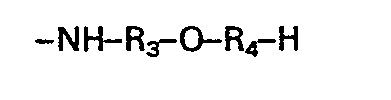

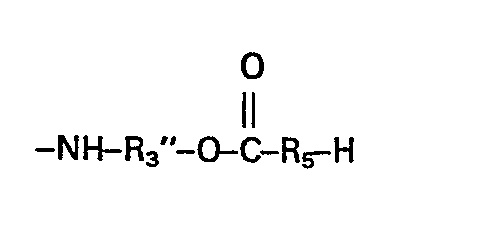
- (2) when X1' is a halogen atom, R1' is a mono-, di- or trihydroxyalkylamino group having 1 to 10 carbon atoms wherein the alkyl part may be straight or branched;
- (3) when X1' is a nitro group, R1' is a hydroxymethylamino group;
- (4) when X1' is an amino group, R1' is a propylamino group or a 2-hydroxyethylamino group;
- (5) when X,' is a hydroxyl group, R1' is a 2-hydroxyethylamino group or a cyclohexylamino group;
- (6) when X1' is a methyl or ethyl group, R1' is a 2-hydroxyethylamino group or a 2-butanoyloxyethyl group;
- (7) when X1' is a cyano group; R1 is an aniline group; and
- (8) when X1' is a methoxy group, R,' is a benzylamino group.
Description
- antithrombotic The present invention relates to novel compounds useul a4 agents and more specifically as agents which inhibit blood platelet aggregation.
- It is considered that cerebral apoplexy and myocardial infarction are mainly caused by thrombosis. In this regard, a thrombus formed by various reasons proceeds arteriosclerosis as thrombus on the vessel wall; and when thrombus in the blood flow turns to emboli, the thus formed embolism causes blood circulation disorders. Arteriosclerosis and blood circulation disorders are considered to cause cerebral apoplexy and myocardial infarction.
- Recent developments in the research of the function of blood platelets have established that the blood platelets mainly contribute to formation of the thrombus. That is, the blood platelets in the blood flow are in equilibrium state with the normal vessel walls, and causes no aggregate. However, when the blood vessels are injured, the blood platelets adhere to the collagen or the basement membrane in subintimal tissue of the blood vessels. This adhesion causes a release reaction of ADP and Serotonin from the dense body of the blood platelets. The ADP and Serotonin released from the platelets causes an aggregate reaction of the blood platelets thereselves, thus causing formation of a platelet aggregate. At the same time, released ADP and Serotonin also cause a release reaction of blood platelet factor 3; and the thus released blood platelet factor 3 accelerates Thrombin formation. As a result, the blood coagulation mechanism is accelerated by the thus formed Thrombin and a thrombus is formed.
- Considering the important function of the blood platelets in the formation of thrombus as above described, drugs which inhibit the functions such as adhesion, release aggregation, etc. have been tried in the prevention or cure of thrombosis. Typical drugs which inhibit platelet aggregation are non-steroidal anti-inflammatory agents such as aspirin, indometacin, etc.; pyrasol derivatives such as sulphinpyrazone; pyrimidopyrimidine derivatives such as dipyridamole; adenosine derivatives, paraverine, etc. However, superior drugs in pharmaceutical effect and safety, are in demand.
- The present invention pertains to novel benzamide derivatives having a strong activity of inhibiting platelet aggregation represented by the general formula (1')


- (2) when X1' is a halogen atom, R1' is a mono-, di- or tri- hydroxyalkylamino group having 1 to 10 carbon atoms wherein the alkyl part may be straight or brnached;
- (3) when X1' is a nitro group, R1' is a hydroxymethylamino group;
- (4) when X1' is an amino group, R1' is a propylamino group or a 2-hydroxyethylamino group;
- (5) when X1' is a hydroxyl group, R1' is a 2-hydroxyethylamino group or a cyclohexylamino group;
- (6) when X1' is a methyl or ethyl group, R1' is a 2-hydroxy- ethlamino group or a 2-butanoyloxythyl group;
- (7) when X1 is a cyano group,R1' is an niline group ; and '8) when Xl' is a methoxy group, R1' is a benzylamino group.
- Preferred compounds of the invention are as follow
- 1) In the general- formula I, X1' is a hydrogen atom and R1' is a mono-hydroxy substituted straight alkylamino group selected from hydroxymethylamino, 2-hydroxypropylamino, 4-hydroxybutylamino, 10-hydroxydecylamino, 4-(2-hydroxyethyl)butylamino, 4-(2-hydroxyethyl) butylamino and 5-(2-hydroxypropyl)pentylamino groups.
- 2)In the general formula I, X1' is a hydrogen atom and R1' is a mono-hydroxy substituted branched alkylamino group selected from 1-(hydroxymethyl) propylamino,and 1-(3-hydroxymethyl)isobutylamino groups.
- 3) In the general formula I, X1' is- a hydrogen atom and Rl' is a di- or tri-hydroxyalkylamino group selected from 1,1-(dihydroxymethyl)propyiamino, 2,3-dihydroxyhexylamino and 2-hydroxy-1,1-di-(1'-hydroxymethyl) ethylamino groups.
- 4) In the general formula I, X1' is a hydrogen atom and R1' is an alkyloxyalkylamino group selected from ethoxypropylamino, 4-methoxybutylamino, 5-methoxy- pentylamino, 6-ethoxyhexylamino and 2-methoxyisobutylamino groups.
- 5) In the general formula I, X1' is a hydrogen atom and R1' is a dialkyloxyalkylamino group selected from 2,2-dimethoxyethylamino, 3,3-dimethoxypropylamino, 4,4-dimethoxybutylamino, 2,2-diethoxyethylamino, and 4,4-diethoxybutylamino groups.
- 6) In the general formula I, X1' is: a hydrogen atom and R1' is an acyloxyalkylamino group selected from 2-acetoxyethylamino, 3-acetoxypropylamino, 2-propionyloxy- butylamino, 2-dodecanoyloxyethylamino, 2-hexadecanoyloxy- ethylamino, dodecanoyloxypropylamino, hexadecanoyloxypropylamino, 2-dodecanoyloxypropylamino and 2-hexadecanoyloxypopyl- amino groups.
- 7) In the general formula I, X1' is a hydrogen atom and R1' is a 4-hydroxvcvclohexylamino group.
- 8) In the general formula I, X1', is a ir is a chlorine atom at 5- or 6-position or a bromine or fluorine atom at 3-position and R1' is a 2-hydroxyethylamino group.
- Compounds useful as antithrombotic agents of the invention as defin by the foregoing general formulae are as follows :
- 2,2'-dithiobis(N-diphenylbenzamide) (referred to as "Compound XIII" hereinafter)
- 2,21-dithiobis[N-(I-methyl-3-phenylpropyl)]benzamide / (referred to as "Compound XIV" hereinafter)
- 2,2'-dithiobis(N-2-hydroxy-2-phenylethylbenzamide), (referred to as "Compound XXXVIII" hereinafter)
- 2,2'-dithiobis(N-hydroxymethylbenzamide) (referred to as "Compound XV" hereinafter)
- 2,2'-dithiobis(N-4-hydroxybutylbenzamide) (referred to as "Compound XVII" hereinafter)
- 2,2'-dithiobis(N-2-hydroxypropylbenzamide) (referred to as "Compound V" hereinafter)
- 2,2'-dithiobis(N-2,3-dihydroxyhexylbenzamide)
- 2,2'-dithiobis(N-10-hydroxydecylbenzamide)
- 2,2'-dithiobis(N-3-dihydroxymethylpropylbenzamide)
- 2,2'-dithiobis[N-3-(2-hydroxyethyl)-propylbenzamide]
- 2,2'-dithiobis[N-9-(2-hydroxyethyl)-butylbenzamide]
- 2,2'-dithiobis[N-5-(2-hydroxypropyl)-pentylbenzamide]
- 2,2'-dithiobis[N-3-(3-hydroxypropyl)-iso-butylbenzamide]
- 2,2'-dithiobis[N-2-hydroxy-1,1-di-(1'-hydroxymethyl) -ethylbenzamide]
- 2,2'-dithiobis(N-piperidinylmethylbenzamide)
- (referred to as "Compound XXXVII" hereinafter)
- 2,2'-dithiobis(N-piperidinylethylbenzamide)
- 2,2'-dithiobis(N-2-piperidinylpropylbenzamide)
- 2,2'-dithiobis(N-ethyloxypropylbenzamide) (referred to as "Compound XXXV" hereinafter)
- 2,2'-dithiobis(N-4-methoxybutylbenzamide)
- 2,2'-dithiobis(N-5-methoxypentylbenzamide)
- 2,2'-dithiobis(N-6-ethoxyhexylbenzamide)
- 2,2t-dithiobis(N-2,2-di-methoxyethylbenzamide) (referred to as "Compound XXXIV" hereinafter)
- 2,2'-dithiobis(N-3,3-di-methoxypropylbenzamide)
- 2,2'-dithiobis(N-4,4-di-methoxybutylbenzamide)
- 2,2'-dithiobis(N-2,2-di-ethoxyethylbenzamide)
- 2,2'-dithiobis(N-4,4-di-ethoxybutylbenzamide)
- 2,2'-dithiobis(N-2-methoxyisobutylbenzamide)
- 2,2'-dithiobis(N-2-acethoxyethylbenzamide)
- 2,2'-dithiobis(N-3-acsthoxypropylbenzamide)
- 2,2'-dithiobis(N-2-propionyloxybutylbenzamide)
- 2,2'-dithiobis(N-2-dodecanoyloxyethylbenzamide) (referred to as "Compound XIX" hereinafter)
- 2,2'-dithiobis(N-2-hexadecanoyloxyethylbenzamide) (referred to as "Compound XX" hereinafter)
- 2,2'-dithiobis(N-dodecanoyloxypropylbenzamide) (referred to as "Compound XXI" hereinafter)
- 2,2'-dithiobis(N-hexadecanoyloxypropylbenzamide) (referred to as "Compound XXII" hereinafter)
- 2,2'-dithiobis(N-2-dodecanoyloxypropylbenzamide) (referred to as "Compound XXIII" hereinafter)
- 2,2'-dithiobis(N-2-hexadecanoyloxypropylbenzamide) (referred to as "Compound XXIV" hereinafter)
- 2,2'-dithiobis [N-2- (2-hydroxyethyl amino) -ethylbenzamide] (referred to as "Compound XXV" hereinafter)
- 2,2'-dithiobis[N-(4-hydroxycyclohexyl)benzamide] (referred to as "Compound XXXVI" hereinafter) (referred to as "Compound XXVII" hereinafter)
- 2,2'-dithiobis(N-morpholinomethylbenzamide)
- 2,2'-dithiobis(N-morpholinopropylbenzamide) (referred to as Compound XL" hereinafter)
- 2,2'-dithiobis(N-morpholinoisobutylbenzamide)
- 2,2'-dithiobis(N'-phenylbenzpiperadide) (referred to as "Compound XXVIII" hereinafter)
- 2,2'-dithiobis(N'-benzylbenzpiperadide) (referred to as "Compound IV" hereinafter)
- 2,2'-dithiobis(N'-diphenylmethylbenzpiperadide) (referred to as "Compound XXXIII" hereinafter)
- 2,2'-dithiobis[N'-(2-phenyl-2-ethyloxyethyl)benzpiperadide] (referred to as "Compound XXIX" hereinafter)
- 7) In the general formula (1), X1 and X2 are a chlorine atom, a hydroxy group, a nitro group, a cyano group, an amino group, a lower alkyl group or a lower alkoxy group and R1 and R 2 are a hydroxyamino group.
- 2,2'-dithiobis(5-chloro-N-2-hydroxyethyl)benzamide (referred to as "Compound XXXI" hereinafter)
- 2,2'-dithiobis(4-nitro-N-hydroxymethyl)benzamide
- 2,2 '-dithiobis (4-amino-N-propyl)benzamide
- 2,2'-dithiobis(5-chloro-N-2-hydroxyethyl)benzamide
- 2,2'-dithiobis(6-chloro-N-2-hydroxyethyl)benzamide
- 2,2'-dithiobis(3-bromo-N-2-hydroxyethyl)benzamide
- 2,2'-dithiobis(3-fluoro-N-2-hydroxyethyl)benzamide
- 2,2'-dithiobis(3-amino-N-2-hydroxyethyl)benzamide
- 2,2'-dithiobis(5-hydroxy-N-2-hydroxyethyl)benzamide
- 2,2'-dithiobis(5-methyl-N-2-hydroxyethyl)benzamide
- 2,2'-dithiobis(5-cyano-N-phenyi)benzamide
- 2,2'-dithiobis(5-methoxy-N-benzyl)benzamide
- 2,2'-dithiobis(5-hydroxy-N-cyclohexyl)benzamide
- 2,2'-dithiobis(5-ethyl-N-2-butanoyloxyethyl)benzamide
- Suitable processes for producing the compounds set forth above are described in Japanese Patent Publication No. 41399/71; United States Patent Nos. 3,736,280 and 3,663,616; Farmmaco Ed. Sci. 14, 216-239 (1959), ibid. 14, 648-665 (1959), ibid. 16, 411 (1961), Mycopathal Mycal. Appl. 24, 163 (1964). cesses for producing these compounds are described in the reference examples below.
- Preparation of 2,2'-dithiobis(N'-benzybenz- piperadide)-hydrochloride (Compound IV), that is, the compound represented by the general formula (1) wherein X1 and X2 are the same and represent a hydrogen atom, and R1 and R2 are the same and represent an N'-benzylpiperadino group:

- In this example, 6.9 g (0.02 mole) of 2,2'-dithio-1,1'-bis(benzoylchloride) is dispersed in 50 ml of dioxane and the mixture is cooled to 10°C in an ice bath. To this solution, a solution of 7.0 g (0.04 mole) of benzylpiperadine dissolved in 50 ml of dioxane is added dropwise in 30 minutes. The mixture is stirred at 10°C for one hour and then subjected to reaction with stirring at 70°C for 2 hours. After completion of the reaction, the reaction mixture is filtered.
- The filtrate is washed with acetone and recrystallized in ethanol to give 11.1 g of the desired compound as white crystals (yield 80%) having the following physicochemical properties.
- 1) Elementary analysis: -(as 2HCl)

- 2) Melting point: above 230°C (decomposition)
- 3) IR spectrum (KBr tablet cm-1): 3400, 2950, 2550, 1639(s), 1580, 1480, 1430(s), 1290, 1260, 1150, 1040, 955, 743, 700.
- 4) Solubility:
- Readily soluble in water, etc. and slightly soluble in methanol, ethanol, and the like. Insoluble in ether, benzene, chloroform, and the like.
- Preparation of 2,2'-dithiobis(N-hydroxymethyl- benzamide), that is, the compound represented by the general formula (1) wherein R1 and R2 are the same and represent a hydroxymethyl group (-CH2OH)
- In this example, 3 g (0.01 mole) of 2,2'-dithio-1,1'-bis (benzamide) is dissolved in 30 ml of dimethylsulfoxide. To this mixture, 1.6 g (0.02 mole) of formalin (37% aqueous formaldehyde), is slowly added with stirring at room temperature. After completion of the addition, two drops of 1N-sodium hydroxide is added thereto and then stirring is continued at room temperature for one hour. The temperature of a water bath is raised and the reaction mixture is stirred for an additional 2 hours at 65-70°C in the bath. After cooling to room temperature, the reaction mixture is poured into 300 ml of cold water. The solution is allowed to stand overnight to form a white crystalline precipitate which is collected by suction filtration. The thus obtained crystaline product is washed with water three times and dried to give 3.0 g of the desired product (yield 82.5%) having the following physiocochemical properties.
-
- 1) Melting point: 181°C (decomposition)
- 2) Elementary analysis:

- 3) IR spectrum (KBr tablet, cm-1): 3300, 2960(w), 1640(s), 1585, 1530(s), 1460, 1430, 1395, 1311, 1285, 1163, 1025, 750.
- 4) Solubility:
- Soluble in DMSO, DMF, etc., poorly soluble in ethanol, water, and the like. Insoluble in ether, benzene, chloroform and the like.
- Preparation of 2,2'-dithiobis(N-2-hydroxy- propylbenzamide), that is, the compound represented by the general formula (1) wherein R1 and R2 are the same and represent a 2-hydroxypro- pylamido group

- In this example, 10.3 g (0.03 mole) of 2,2'-dithio-1,1'-bis (benzoylchloride) is suspended in 50 ml of dioxane and the mixture is cooled to 10-12°C in an ice bath. To this solution a solution of 9.0 g (0.12 mole) of 2-hy-- droxypropylamine dissolved in 50 ml of dioxane is added dropwise in 60 minutes with stirring. After completion of the addition, the mixture is allowed to react at room temperature for 2 hours. After completion of the reaction, the reaction mixture is poured with stirring into 300 ml of ice water to form a white precipitate. The precipitate is filtered and dried. The thus obtained precipitate is recrystallized from 30 ml of a mixture of dioxane and water (80:20 by volume) to give 10.1 g of a white crystalline product having the following physiocochemical properties.
-
- 1) Melting point: 175-177°C
- 2) Elementary analysis:

- In this example, the same reactions are carried out as in Example 3, using the amine compounds set forth in the following Table A in place of 2-hydroxypropylamine used in Example 3 to obtain the compounds set forth in the following Table B.


- Preparation of 2,2'-dithiobis(N-2-dodecanoyloxy- ethylbenzamide)(Compound XIX), that is, the compound represented by the general formula (1) wherein X1 and X2 are the same and represent a hydrogen atom, R1 and R2 are also the same and represent N-dodecanoyloxyethylamino group

- In this example, 7.9 g (0.02 mole) of 2,2'-dithio- l,l'-bis(N-2-hydroxyethylbenzamide) is dispersed in 50 ml of dioxane and the mixture is cooled to 10-12°C in an ice bath. To this solution, a solution of 8.8 g (0.04 mole) of dodecanoyl chloride dissolved in 50 ml of dioxane is added dropwise for 30 minutes. After completion of the addition, the mixture is allowed to react with stirring at room temperature for 2 hours. Then, the reaction mixture is poured into 300 ml of ice water to form a white precipitate. The precipitate is filtered and dried and then recrystallized from methanol to give 12.5 g of a white crystalline product having the following physiocochemical properties.
-
- 1) Melting point: 115-118°C
- 2) Elementary analysis:

- In this Example, the same reactions are carried out as in Example 5 using the benzamide compound and the chloride set forth in the following Table C in place of 2,2'-dithiobis(N-2-hydroxyalkylbenzamide) and dodecanoyl chloride to yield the compounds set forth in Table D.


- In this Example, the same reactions are carried out as in Example 1 using the amine compounds set forth in the following Table E in place of benzylpiperadine to yield the compounds set forth in the following Table F.

- In this Example, 10.3 g (0.03 mole) of 2,2'-dithio-1,1'-bis(benzoylchloride) is dispersed in 50 ml of dioxane and the mixture is cooled to 10-12°C in an ice bath. To this solution a solution of 8.7 g (0.06 mole) of N-(3-aminopropyl)morpholine dissolved in 50 ml of dioxane is added with stirring in about 30 minutes. After completion of the addition, the reaction mixture is allowed to react at room temperature for 2 hours. Then, the reaction mixture is poured into 300 ml of ice water and neutralized by aqueous sodium carbonate to form a crystalline precipitate. The precipitate is filtered and dried and then recrystallized from benzene to obtain 13.5 g of a white crystalline product having the following physicochemical properties.
-
- 1) Melting point: 147-150°c
- 2) Elementary analysis:
- In this Example, the same reactions are carried out as in Example 8 using 2-(2-hydroxy-ethylamino)-ethylamine in place of N-(3-aminopropyl) morpholine to yield 2,2'-dithiobis[N-2-(2-hydroxyethylamino)-ethylbenzamide] having the following physicochemical properties.
-
- 1) Melting point: 181-183°C
- 2) Elementary analysis:

- As pharmaceutically accepted non-toxic salts of the disulfide compounds represented by the general formula (1) wherein R1 and R2 are the alkylpiperadine group or an aralkylpiperadino group, metal salts such as sulfates, hydrochlorides, hydrobromides, etc. and organic acid salts such as benzoates, fumarates, succinates, tartrates, citrates, etc. are appropriate.
- In the following representative examples the utility of the compounds of the invention and certain specific embodiments thereof is illustrated. In these examples, the compounds are identified by the Roman numerals assigned above.
- In this example, the inhibition of platelet aggregation in rabbit platelet rich plasma (in vitro) is tested.
- In this test, 9 vol. of blood is sampled from the carotid artery of rabbits (2 to 2.5 Kg) and placed in a silicon-coated flask containing 1 vol. of 3.8% sodium citrate. The thus obtained blood is centrifuged at 1,000 rpm for 15 minutes to obtain platelet rich plasma (referred to as "PRP" hereinafter). The aggregation of blood platelets is observed using an aggregometer (made by Bryston Co.) and the degree of aggregation after the addition of aggregation promoting substances is measured'by nephelometry, i.e., through increase in light transmission.
- The PRP (0.9 ml) is placed in a silicon-coated cuvett of the aggregometer. Then, 0.05 ml of physiological saline solution containing various concentrations of test reagents or control reagents is added and the mixture is allowed to stand for one minute. Compounds promoting aggregation are then added and the absorbancy of the solution is measured and the percent inhibition of aggregation is calculated according to the following equation:
- In this example, prevention of death of mice by ADP addition (in vivo) is tested. It is known that intravenous administration of a great amount of ADP.-to mice causes aggregated blood platelets to be captured in the pulmonary capillaries so that the mice die of respiratory. distress.
- The test is carried out according to Roba's method. [Eur. J. Pharmacol. 37, 265-274 (1976)]. Specifically, CMC solution (0.3%) and CMC suspension containing the test compound and control compounds are orally administered to mice in a ratio of 0.1 ml/10 g (body weight). After one hour, an aqueous solution of ADP (60 mg/ml) is injected into the tail vein in a volume of 0.1 ml/10 g (body weight) every 10 seconds and the mortality is calculated.
- In order to check the effect by intravenous administration, physiological saline solution and physiological saline solution containing the test reagents (0.5 mg/ml) is injected into the tail vein in a volume of 0.2 ml/10 g (body weight). Ten minutes thereafter (10 mg/kg) ADP-Na is injected into the tail vein as in the oral test, and the mortality is calculated.
- The results are shown in the following Table 3.

- As is evident from the foregoing Table 3, compounds of the present invention are more effective in reducing mortality than control reagents in either oral or intravenous administration. On the other hand, control reagents, i.e. Aspirin and papaverin, are ineffective.
- In this example, the acute toxicity of compounds of the invention is determined by Behrens-Karber's method using, 5 male dd-strain mice for each group weighing 20 ± 1 g. A 0.3% CMC suspension of the test compound (concentration of the test compound: 100 mg/ml) is then orally administered to each mouse.
- The results are shown in the following Table 4 wherein the mortality rate for Compound III was 0/5 at 1 g/Kg administration, 1/5 at 2 g/kg administration, 4/5 at 3 g/Kg administration, 4/5 at 4 g/Kg administration. The mortality rate for compound V was 0/5 at 2 g/Kg administration, 2/5 at 3 g/Kg administration, and 4/5 at 4 g/Kg administration.

- From the results illustrated in Table 4, it will be appreciated that all of the compounds have high LD50 values and are, therefore, safe for administration at therapeutic levels.
- When a large amount of arachidonic acid is intravenously administered to a mouse, blood platelet aggregates are formed and caught by the microvasculature system of the lung. As a result, the mouse expires due to dyspnea.
- To examine the effect of a medicine in vivo, the medicine is orally administered to test animals and thereafter arachidonic acid is administered.
- In this example, the test was carried out according to the method by Uzunova A.D. et al. [Prostaglandins 13, p. 995 (1977)] Specifically, a CMC suspension consisting of 0.3 % CMC solution and a medicine (test compound and reference medicine) was orally administered to mice (male dd-strain, 22-24 g). Two hours thereafter, 50 mg/Kg of sodium arachidonate was intravenously administered to the mice. The mortality results are set forth in the following Table 5.

- As is evident from the foregoing Table 5, compounds of the invention have a good effect upon disorders involving dyspnea..
- In this example, the same procedures are repeated as in Example 10 except that human platelet rich plasma is used in place of rabbit platelet rich plasma.
- The results are shown in the following Table 6.

- Those skilled in the art will appreciate from the foregoing that the compounds of the invention effectively prevent or supress aggregation of blood platelets in animals and humans. Such compounds are, therefore, useful as antithrombotic agents in suitable pharmaceutical formulations.
- Compounds represented by the general formula (1) may be used in form of tablets, powders, capsules, injections, and the like according to usual formulation methods.
- The compounds may be formulated using the usual excipients, disintegrators, binders, lubricants, pigments, vehicles, diluents, and the like as is well known in the pharmaceutical industry. For example, glucose, lactose, etc. may be used as excipients; starch, sodium alginate, etc. as disintegrators; magnesium stearate, liquid paraffin, talc, etc. as a lubricant; and syrupus simplex, ethanol, gelatine, etc. as binders. As a vehicle, methylcellulose, ethylcellulose, etc. are used as dispersing agents and glycerol, starch, etc. as plasticizers. Moreover, crystalline cellulose may preferably be used as it has the properties of a disintegrator, lubricant, binder and excipient.
- Administration of the compounds represented by the general formula (1) is carried out orally or by injection. The compounds having high LD50 values, are safe for administration in fairly high dosage levels. Minimum effective dose is about 10 - 500 mg/ human adult, one run.
- In this example, a tableted form of the invention is prepared by thoroughly mixing the following components in a mixing device.

- To the thus obtained powder a kneading liquid containing 100 g polyvinyl alcohol (PVA) is added. The mixture is then granulated by a known wet granulating method, dried and selected. Then, 25 g magnesium stearate is added to the granules and mixed. The material is then passed through a rotary tablet press with a pestle having a diameter of 9 mm to prepare tablets having a diameter of 9 mm, a thickness of 4 mm and a weight of 252.5 mg, each having a dosage strength of 200 mg.
- In this example, a film coated tablet is prepared by dissolving the following vehicle components in a mixed solvent (of acetone-dichloromethane (1:1 by volume)):

- The liquid is then coated on the tablets obtained in Example 1 by a standard method.
- In this example, an injectable form of the invention is prepared by adding distilled water to 500 mg of Compound IV and 50 g of glucose to make 1 L. of a solution. The solution is filtered under pressure (0.5 Kg/cm 2) using a membrane filter having a 0.22 p pore size (Millipore Company, FGLD 14200) and N2 gas. Portions of the filtrate are then poured into 20 ml-white ampules and sealed under'standard practices.
- In this example, the same procedures are repeated as in Examples 16 and 17 except that 2,2'-dithiobis(N-2-hydroxypropylbenzamide) is used in place of Compound (IV), i.e. 2, 2'-dithiobis(N-benzylpiperadinobenzamide) to prepare similar tablets.
(referred to as "Compound XLI" hereinafter)
Claims (9)




Applications Claiming Priority (4)
| Application Number | Priority Date | Filing Date | Title |
|---|---|---|---|
| JP7296578A JPS55324A (en) | 1978-06-16 | 1978-06-16 | Antithrombotic |
| JP72965/78 | 1978-06-16 | ||
| JP154114/78 | 1978-12-15 | ||
| JP15411478A JPS5581856A (en) | 1978-12-15 | 1978-12-15 | Novel benzamide compounds and antithrombotic containing them |
Related Parent Applications (2)
| Application Number | Title | Priority Date | Filing Date |
|---|---|---|---|
| EP79101934.2 Division | 1979-06-13 | ||
| EP79101934A Division-Into EP0006227B1 (en) | 1978-06-16 | 1979-06-13 | Antithrombotic pharmaceutical preparation containing 2,2'-dithiobis benzamide derivatives and new 2,2'-dithiobis benzamide derivatives |
Publications (3)
| Publication Number | Publication Date |
|---|---|
| EP0062827A2 true EP0062827A2 (en) | 1982-10-20 |
| EP0062827A3 EP0062827A3 (en) | 1983-02-09 |
| EP0062827B1 EP0062827B1 (en) | 1986-07-23 |
Family
ID=26414099
Family Applications (2)
| Application Number | Title | Priority Date | Filing Date |
|---|---|---|---|
| EP82102632A Expired EP0062827B1 (en) | 1978-06-16 | 1979-06-13 | Novel benzamide derivatives |
| EP79101934A Expired EP0006227B1 (en) | 1978-06-16 | 1979-06-13 | Antithrombotic pharmaceutical preparation containing 2,2'-dithiobis benzamide derivatives and new 2,2'-dithiobis benzamide derivatives |
Family Applications After (1)
| Application Number | Title | Priority Date | Filing Date |
|---|---|---|---|
| EP79101934A Expired EP0006227B1 (en) | 1978-06-16 | 1979-06-13 | Antithrombotic pharmaceutical preparation containing 2,2'-dithiobis benzamide derivatives and new 2,2'-dithiobis benzamide derivatives |
Country Status (6)
| Country | Link |
|---|---|
| US (1) | US4705805A (en) |
| EP (2) | EP0062827B1 (en) |
| CA (1) | CA1140549A (en) |
| DE (1) | DE2967337D1 (en) |
| DK (1) | DK250779A (en) |
| NO (1) | NO147876C (en) |
Cited By (2)
| Publication number | Priority date | Publication date | Assignee | Title |
|---|---|---|---|---|
| US5463122A (en) * | 1994-08-05 | 1995-10-31 | Warner-Lambert Company | Arylthio compounds |
| US5668291A (en) * | 1994-08-05 | 1997-09-16 | Warner-Lambert Company | Arylthio compounds |
Families Citing this family (8)
| Publication number | Priority date | Publication date | Assignee | Title |
|---|---|---|---|---|
| DE3468622D1 (en) * | 1983-05-17 | 1988-02-18 | Sanofi Sa | Pharmaceutical compositions containing symmetrical disulfides |
| FR2546063B1 (en) * | 1983-05-17 | 1985-08-30 | Sanofi Sa | PHARMACEUTICAL COMPOSITIONS BASED ON DISULFIDES |
| ZA886812B (en) * | 1987-11-23 | 1989-07-26 | Bristol Myers Co | Anti-tumor prodrugs |
| GB9020933D0 (en) * | 1990-09-26 | 1990-11-07 | Ici Plc | Compound,preparation and use |
| ES2222370T3 (en) * | 2000-05-19 | 2005-02-01 | Alcon Inc. | ANILINE DISULFIDE DERIVATIVES TO TREAT ALLERGIC DISEASES. |
| ATE302601T1 (en) | 2000-05-19 | 2005-09-15 | Alcon Inc | COMPOSITIONS CONTAINING A BENZAMIDE DISULFIDE DERIVATIVE FOR THE TREATMENT OF ALLERGY DISEASES |
| DK1282599T3 (en) | 2000-05-19 | 2006-07-31 | Alcon Inc | Disulfide derivatives suitable for the treatment of allergic diseases |
| US6818613B2 (en) * | 2001-11-07 | 2004-11-16 | Ortho-Mcneil Pharmaceutical, Inc. | Aqueous sustained-release formulations of proteins |
Family Cites Families (6)
| Publication number | Priority date | Publication date | Assignee | Title |
|---|---|---|---|---|
| DE1147947B (en) * | 1961-07-25 | 1963-05-02 | Knoll Ag | Process for the preparation of new 1,2-benzisothiazolones |
| US3574858A (en) * | 1968-07-09 | 1971-04-13 | Fmc Corp | Microbiocide for controlling bacteria in water |
| US3663616A (en) * | 1969-10-13 | 1972-05-16 | Sherwin Williams Co | Bis(2-carbamylphenyl)disulfides |
| US3736280A (en) * | 1969-10-13 | 1973-05-29 | Sherwin Williams Co | Fungicidal compositions and methods of prohibiting the growth thereof |
| BE759473A (en) * | 1969-11-29 | 1971-05-26 | Bayer Ag | |
| AU470113B2 (en) * | 1972-03-06 | 1976-03-04 | American Home Products Corporation | Mercaptans and disulphides |
-
1979
- 1979-06-13 EP EP82102632A patent/EP0062827B1/en not_active Expired
- 1979-06-13 DE DE7979101934T patent/DE2967337D1/en not_active Expired
- 1979-06-13 EP EP79101934A patent/EP0006227B1/en not_active Expired
- 1979-06-15 DK DK250779A patent/DK250779A/en not_active Application Discontinuation
- 1979-06-15 NO NO792002A patent/NO147876C/en unknown
- 1979-06-18 CA CA000329986A patent/CA1140549A/en not_active Expired
-
1987
- 1987-02-17 US US07/016,473 patent/US4705805A/en not_active Expired - Fee Related
Cited By (5)
| Publication number | Priority date | Publication date | Assignee | Title |
|---|---|---|---|---|
| US5463122A (en) * | 1994-08-05 | 1995-10-31 | Warner-Lambert Company | Arylthio compounds |
| US5668178A (en) * | 1994-08-05 | 1997-09-16 | Warner-Lambert Company | Arylthio compounds |
| US5668291A (en) * | 1994-08-05 | 1997-09-16 | Warner-Lambert Company | Arylthio compounds |
| US5734081A (en) * | 1994-08-05 | 1998-03-31 | Warner-Lambert Company | Arylthio compounds |
| US5929114A (en) * | 1994-08-05 | 1999-07-27 | Warner-Lambert Company | Arylthio compounds |
Also Published As
| Publication number | Publication date |
|---|---|
| EP0062827B1 (en) | 1986-07-23 |
| EP0006227A1 (en) | 1980-01-09 |
| NO147876C (en) | 1983-06-29 |
| DK250779A (en) | 1979-12-17 |
| NO147876B (en) | 1983-03-21 |
| NO792002L (en) | 1979-12-18 |
| EP0062827A3 (en) | 1983-02-09 |
| CA1140549A (en) | 1983-02-01 |
| DE2967337D1 (en) | 1985-02-07 |
| EP0006227B1 (en) | 1984-12-27 |
| US4705805A (en) | 1987-11-10 |
Similar Documents
| Publication | Publication Date | Title |
|---|---|---|
| EP0482939A1 (en) | Isoquinolinone derivative | |
| EP0062827B1 (en) | Novel benzamide derivatives | |
| US4014934A (en) | Substituted 4'-hydroxyphenyl guanidines and methods of using the same | |
| US3769427A (en) | Pharmaceutical compositions and methods of using same | |
| US3976787A (en) | Pharmaceutical guanidine preparations and methods of using same | |
| CA1095532A (en) | Hydroxamic acids and process for making same | |
| EP0198456A2 (en) | 1,7-Naphthyridine derivatives and medicinal preparations containing same | |
| KR870000545B1 (en) | Process for the preparation of dihydroxy benzamide derivative | |
| US4173652A (en) | Pharmaceutical hydroxamic acid compositions and uses thereof | |
| JPS609716B2 (en) | 1,2-Benzinthiazolin-3-ones, their production method and use as medicine | |
| PT91783B (en) | PROCESS FOR THE PREPARATION OF {(DIARYMETHYL) ALKYL} -1-PYRROLIDINS AND PIPERIDINES | |
| EP0089634B1 (en) | Phenoxypropanolamine derivatives | |
| JPS6340784B2 (en) | ||
| EP0010120A1 (en) | 1-(benzothiazol-2-yl)-4-dialkoxyphosphinyl methylbenzene derivatives and pharmaceutical compositions containing them | |
| EP0132124B1 (en) | Novel pharmaceutical compounds and their preparation | |
| US4029803A (en) | Method of treatment with 2-iminothiazolidines and thiazolines | |
| KR880002706B1 (en) | Sulfonyl urea preparation process | |
| JPH01190632A (en) | Application of benzothiazepine derivative to medicine | |
| US3060206A (en) | 2, 4-disulfamyl-5-alkoxy-aniline | |
| US3780041A (en) | N(2,4,6-triiodo-3-acetylamino methyl)phenyl glutarimide or succinimide | |
| US4703048A (en) | Novel 1-benzhydryl-4-cinnamylpiperazine derivatives, and pharmaceutical compositions comprising said compounds as active ingredient for treating a cerebrovascular disease | |
| US3275635A (en) | Certain 2-benzenesulfonamide-5-alkyl (or alkoxy) pyrimidine compounds | |
| US3917679A (en) | Quaternary ammonium salts of N-dialkylaminoalkyl-N-(2-indanyl)anilines | |
| US3829488A (en) | Bis-(o-n-substituted-carbamylphenyl)disulfide and mercapto reduction product | |
| US3947455A (en) | 5'-(8'-Hydroxyquinolyl)guanidine compounds |
Legal Events
| Date | Code | Title | Description |
|---|---|---|---|
| PUAI | Public reference made under article 153(3) epc to a published international application that has entered the european phase |
Free format text: ORIGINAL CODE: 0009012 |
|
| 17P | Request for examination filed |
Effective date: 19820329 |
|
| AC | Divisional application: reference to earlier application |
Ref document number: 6227 Country of ref document: EP |
|
| AK | Designated contracting states |
Designated state(s): CH DE FR GB IT SE |
|
| PUAL | Search report despatched |
Free format text: ORIGINAL CODE: 0009013 |
|
| AK | Designated contracting states |
Designated state(s): CH DE FR GB IT SE |
|
| GRAA | (expected) grant |
Free format text: ORIGINAL CODE: 0009210 |
|
| AC | Divisional application: reference to earlier application |
Ref document number: 6227 Country of ref document: EP |
|
| AK | Designated contracting states |
Kind code of ref document: B1 Designated state(s): CH DE FR GB IT SE |
|
| PG25 | Lapsed in a contracting state [announced via postgrant information from national office to epo] |
Ref country code: CH Effective date: 19860723 |
|
| PG25 | Lapsed in a contracting state [announced via postgrant information from national office to epo] |
Ref country code: SE Effective date: 19860731 |
|
| REF | Corresponds to: |
Ref document number: 2967609 Country of ref document: DE Date of ref document: 19860828 |
|
| ITF | It: translation for a ep patent filed | ||
| ET | Fr: translation filed | ||
| REG | Reference to a national code |
Ref country code: CH Ref legal event code: PL |
|
| PLBE | No opposition filed within time limit |
Free format text: ORIGINAL CODE: 0009261 |
|
| STAA | Information on the status of an ep patent application or granted ep patent |
Free format text: STATUS: NO OPPOSITION FILED WITHIN TIME LIMIT |
|
| 26N | No opposition filed | ||
| ET | Fr: translation filed | ||
| ET | Fr: translation filed |
Free format text: BO 33/87 PAGE 147: ANNULATION |
|
| ET1 | Fr: translation filed ** revision of the translation of the patent or the claims | ||
| PGFP | Annual fee paid to national office [announced via postgrant information from national office to epo] |
Ref country code: FR Payment date: 19890322 Year of fee payment: 11 |
|
| PGFP | Annual fee paid to national office [announced via postgrant information from national office to epo] |
Ref country code: GB Payment date: 19900611 Year of fee payment: 12 |
|
| PGFP | Annual fee paid to national office [announced via postgrant information from national office to epo] |
Ref country code: DE Payment date: 19900623 Year of fee payment: 12 |
|
| ITTA | It: last paid annual fee | ||
| PG25 | Lapsed in a contracting state [announced via postgrant information from national office to epo] |
Ref country code: FR Effective date: 19910228 |
|
| REG | Reference to a national code |
Ref country code: FR Ref legal event code: ST |
|
| PG25 | Lapsed in a contracting state [announced via postgrant information from national office to epo] |
Ref country code: GB Effective date: 19910613 |
|
| GBPC | Gb: european patent ceased through non-payment of renewal fee | ||
| PG25 | Lapsed in a contracting state [announced via postgrant information from national office to epo] |
Ref country code: DE Effective date: 19920401 |