EP0089062B1 - Agent immunoprophylactique et immunothérapeutique - Google Patents
Agent immunoprophylactique et immunothérapeutique Download PDFInfo
- Publication number
- EP0089062B1 EP0089062B1 EP83102562A EP83102562A EP0089062B1 EP 0089062 B1 EP0089062 B1 EP 0089062B1 EP 83102562 A EP83102562 A EP 83102562A EP 83102562 A EP83102562 A EP 83102562A EP 0089062 B1 EP0089062 B1 EP 0089062B1
- Authority
- EP
- European Patent Office
- Prior art keywords
- cells
- human
- immunoprophylactic
- immunotherapeutic
- mice
- Prior art date
- Legal status (The legal status is an assumption and is not a legal conclusion. Google has not performed a legal analysis and makes no representation as to the accuracy of the status listed.)
- Expired - Lifetime
Links
Images


Classifications
-
- C—CHEMISTRY; METALLURGY
- C07—ORGANIC CHEMISTRY
- C07K—PEPTIDES
- C07K14/00—Peptides having more than 20 amino acids; Gastrins; Somatostatins; Melanotropins; Derivatives thereof
- C07K14/435—Peptides having more than 20 amino acids; Gastrins; Somatostatins; Melanotropins; Derivatives thereof from animals; from humans
- C07K14/52—Cytokines; Lymphokines; Interferons
- C07K14/54—Interleukins [IL]
- C07K14/55—IL-2
-
- A—HUMAN NECESSITIES
- A61—MEDICAL OR VETERINARY SCIENCE; HYGIENE
- A61K—PREPARATIONS FOR MEDICAL, DENTAL OR TOILETRY PURPOSES
- A61K31/00—Medicinal preparations containing organic active ingredients
- A61K31/70—Carbohydrates; Sugars; Derivatives thereof
- A61K31/715—Polysaccharides, i.e. having more than five saccharide radicals attached to each other by glycosidic linkages; Derivatives thereof, e.g. ethers, esters
- A61K31/716—Glucans
-
- A—HUMAN NECESSITIES
- A61—MEDICAL OR VETERINARY SCIENCE; HYGIENE
- A61K—PREPARATIONS FOR MEDICAL, DENTAL OR TOILETRY PURPOSES
- A61K38/00—Medicinal preparations containing peptides
- A61K38/16—Peptides having more than 20 amino acids; Gastrins; Somatostatins; Melanotropins; Derivatives thereof
- A61K38/17—Peptides having more than 20 amino acids; Gastrins; Somatostatins; Melanotropins; Derivatives thereof from animals; from humans
- A61K38/19—Cytokines; Lymphokines; Interferons
- A61K38/21—Interferons [IFN]
-
- A—HUMAN NECESSITIES
- A61—MEDICAL OR VETERINARY SCIENCE; HYGIENE
- A61P—SPECIFIC THERAPEUTIC ACTIVITY OF CHEMICAL COMPOUNDS OR MEDICINAL PREPARATIONS
- A61P35/00—Antineoplastic agents
-
- A—HUMAN NECESSITIES
- A61—MEDICAL OR VETERINARY SCIENCE; HYGIENE
- A61K—PREPARATIONS FOR MEDICAL, DENTAL OR TOILETRY PURPOSES
- A61K38/00—Medicinal preparations containing peptides
Definitions
- the present invention relates to an immunoprophylactic and immunotherapeutic agent which is useful against neoplastic diseases, bacterial, parasitic and viral infections, immune disorder diseases such as immune deficiency and autoimmune diseases.
- Interleukin 2 (hereinafter referred to as "IL-2”), formerly referred to as T cell growth factor, is a soluble protein (generally known as "lymphokine”), and is produced from T cells activated with a lectin or an antigen [Morgan D. A., et al., Science, 193,1007-1008 (1976), Gillis, S. et al., J. Immunol., 120, 2027-2033 (1978)].
- Interleukin 2 (lL-2) is capable of modulating lymphocyte reactivity and promoting the in vitro long- term culture of antigen specific effector T-lymphocytes [Gillis, S. et al., Nature 268,154-156 (1977)].
- IL-2 is also known to manifest other relevant biological activities such as enhancement of thymocyte mitogenesis (Chen. B. M. et al., Cell. Immunol. 22,211-224,(1977), Shaw, J. et al., J. Immunol. 120, 1967 ⁇ 1973, (1978)], induction of cytotoxic T cell reactivity [Wagner, H. et al., Nature, 284, 278-280, (1980)] and anti SRBC plaque forming cell responses [Gillis, S. et al., J. Exp. Med., 149, 1960-1968, (1979)] in cultures of nude mouse spleen cells.
- this lymphocyte regulatory substance is useful in potentiating humoral and cellular immune responses and in restoring immune deficient state to a normal humoral and cellular immune state.
- These identified immunlogical activities of IL-2 indicate that IL-2 is useful for medical immunotherapy against immunological disorders including neoplastic diseases, bacterial or viral infections, immune deficient diseases and autoimmune diseases [Papermaster, B. et al., Adv. Immunopharm. 507, (1980)].
- IL-2 has been shown to augment natural killer cell activity.
- IL-2 has been produced in the prior art by stimulating mouse, rat or human lymphocytes with a mitogen [Gillis, S. et al., Nature, 268,154-156, (1977), Farrat, J. et al., J. lmmunol., 121,1353-1360, (1978), Gillis, S. et al., J. Immunol., 120, 2027-2033, (1978)], and by stimulating human peripheral blood mononuclear lymphocytes with a mitogen [Gillis, S. et al., J. Immuno., 124,1954-1962, (1980)].
- Lentinan an antitumor polysaccharide, Lentinan, discovered and developed by the present inventors and coworkers. Lentinan exerts its antitumor effects by augmenting the reactivity of preeffector cells to several kinds of lymphokines including interleukin 2.
- Human interleukin 2 provided by the present invention plays the relevant role for the activation and proliferation of T lymphocytes as described later in in vitro experiments. In vivo effects of human IL-2 in animal model have not been so far clarified at all. So far several reports describe the immunological actions of murine IL-2 preparations containing other functionally active lymphokines and/or monokines in animal models. Therefore it cannot be clarified whether the reported immunological-biological activities are surely due to purified murine IL-2 or not.
- Murine IL-2 is known to be different from human IL-2 in its chemical and physico-chemical nature such as molecular weight, isoelectric point and so on.
- antigens or immunogens containing the antigens are also used as vaccines in active immunotherapy.
- the active immunotherapy does not function when the immunological functions of host are depressed or defected such as in cancer, infections and viral diseases.
- the administration of y-globulin together with the vaccines might be useful.
- lymphokines such as IL-2 might be useful when used in combination with vaccines such as tumor specific antigens instead of y-globulin in the augmentation of humoral immune responses.
- the present inventors analysed the detailed action mode of T cells oriented immune adjuvant Lentinan and found that an efficient immune regulation can be achieved by modulating the reactivity of immune effector precursor cells to lymphokines, when combined with the administration of lymphokines as the first signal. Triggering of the induction of immune effector cells activation in such way results in prominent therapeutic effects against various types of immunological diseases.
- the present inventors have already established methods to produce sufficient amount of purified human IL-2 from eucaryote cells or from procaryote cells possessing the recombinant DNA. Thus obtained purified human IL-2 does not contain any trace amount of other biologically-immunologically active substances such as lymphokines and monokines. Subsequently, the inventors could firstly confirm the therapeutic effects and immunological activities of purified human IL-2 in animal models, which may provide a human IL-2 as a therapeutic and prophylactic drug to open a new way against various immunological diseases.
- the present invention provides an immunoprophylactic and immunotherapeutic agent consisting of human interleukin 2 of human cell origin, wherein said human interleukin 2 possesses a specific activity of more than 2 X 1Q 5 units/mg protein and does not contain other human lymphokines and monokines and shows a single band in the SDS-polyacrylamide gel electrophoresis.
- the invention furthermore provides an immunoprophylactic and immunotherapeutic composition which comprises the above defined immunopropylactic and immunotherapeutic agent and other chemotherapeutic agents and/or other immunotherapeutic agents, or which is present in the form of a kit consisting of a component containing the above defined immunoprophylactic and immunotherapeutic agent and other chemotherapeutic agents and/or other immunotherapeutic agents, and, furthermore, an immunoprophylactic and immunotherapeutic composition, comprising the above-defined immunoprophylactic and immunotherapeutic agent and antigens as immunogens, or which is present in the form of a kit consisting of a component containing the above-defined immunoprophylactic and immunotherapeutic agent and of a component containing antigens as immunogens.
- the mammalian cells capable of producing IL-2 which are the source of human IL-2 of the present invention, may be T-lymphocytes such as peripheral blood mononuclear cells, tonsil cells or spleen cells which are operationally obtainable from mammals.
- the cells may be conventionally pretreated such as with a nylon column, antiserum-complement, density gradient fractionation, multiple enzyme treatment such as a combination of neuraminidase and galactose oxidase, by X-ray irradiation or with trypsin to confer IL-2 productivity on the cells or to increase the IL-2 activity.
- cloned T lymphocytes obtained from the said mammalian cells after cultivation in the presence of T cell growth factor, may be used as a source of human IL-2 and are the preferred T lymphocytes.
- Transformed lymphocyte cell lines such as T lymphocytes derived leukemia or lymphoma cell line per se or their derivatives obtained by pretreatment or mutation by the methods mentioned above, orthe cloned transformed cell lines are preferred as sources of the human IL-2.
- cloned cell lines usually produce larger amounts of IL-2 as compared with the parent bulk cell lines.
- T cell hybridomas obtained by fusion of the lymphocyte derived cells mentioned above with tumor cell lines, such as CEM, Molt 4F, and BW5147, are also preferred mammalian cell lines for use in this invention.
- the lymphocyte derived cell lines include (1) constitutive producers of IL-2 and (2) those which are producers of IL-2 only in the presence of a mitogen introduced into the culture, either in the absence or presence of other IL-2 production co-stimulatory cells.
- the constitutive IL-2 producer cells are cultured under conditions commonly known in the field of cell culture.
- cultured cells are washed extensively with culture medium and resuspended in culture medium, such as Rosewell Park Memorial Institute 1640 (hereinafter "RPMI 1640"), Dulbecco Modified Eagle Medium (hereinafter "DMEM”) or in Click's medium, which may or may not contain serum.
- RPMI 1640 Rosewell Park Memorial Institute 1640
- DMEM Dulbecco Modified Eagle Medium
- Click's medium which may or may not contain serum.
- These culture media may be supplemented with various additives, such as penicillin, streptomycin or other antibiotics, or with fresh L-glutamine, Hepes buffer and sodium bicarbonate in concentrations as generally used in the field of cell culture.
- the preferred cell density may be from 0.5 to 4x10 6 cells/ml.
- appropriate stimulants include mitogens, neuraminidase, galactose oxidase, zinc derivatives such as zinc chloride, or lymphocyte activating substances originated from microorganisms, such as protein A, streptomycin-O.
- the stimulated cells are recovered and washed.
- the co-presence of macrophages or dendritic cells during the mitogen stimulation may also increase the amount of IL-2.
- the co-presence of cell lines derived from B lymphocytes or B lymphocyte lines, such as Raji, Daudi, K562, and BALL-1 may increase the amount of IL-2 produced.
- the mammalian cells are maintained in an in vitro cell culture or in animals having histocompatibilty under normal conditions.
- the cells When in vitro culture maintenance is used, the cells may be grown in any of the culture media previously found to foster the growth of T cells. These culture media may or may not be supplemented with mammal serum, serum components or serum albumin.
- phorbol esters such as PMA or TPA may preferably utilized in a concentration from 10 to 50 ng/ml to boost the level of activation.
- IL-2 may be carried out at temperatures ranging from 32 to 38°C in a humidified atmosphere and in a pH of 7.0 to 7.4.
- human IL-2 produced by a living cell line (eucaryotic or procaryotic) possessing the recombinant DNA carrying the gene coding for IL-2 polypeptides is also included in this invention as far as its biological activities coincide with those described later.
- the IL-2 produced extracellularly is recovered by any known method, such as precipitation with ammonium sulfate, dialysis to remove salts (under normal or vacuum pressure), gel filtration, chromatography, preparative flat-bed iso-electric focusing, gel electrophoresis, high performance liquid chromatography (hereinafter "HPLC"), (ion exchange, gel filtration and reverse phase chromatography), and affinity chromatography on dye bound carriers, on activated Sepharose° 4B coupled with monoclonal antibody against said IL-2 or on lectin bound Sepharose® 4B.
- HPLC high performance liquid chromatography
- affinity chromatography on dye bound carriers, on activated Sepharose° 4B coupled with monoclonal antibody against said IL-2 or on lectin bound Sepharose® 4B.
- Human IL-2 used in this invention may be purified and isolated according to the following procedures.
- the culture supernatant or the extract of procaryote cells is brought to 70-85% saturation with ammonium sulfate, after a concentration step using holofibre HIP5 (Amicon DC2), if necessary.
- the resultant precipitate is collected by centrifugation and the precipitated proteins are dissolved in 0.1 M Tris-HCI buffer (pH 7.7) containing 0.2 M NaCI and absorbed at CPG (pore size 350 A, 120-200 mesh, Electro Nucleonics).
- Human IL-2 activity is eluted with 0.1 M Tris-HCI buffer (pH 7.7) containing 0.75 M potassium thiocyanate.
- the eluate containing IL-2 activity is brought to 75-85% saturation with ammonium sulfate and the precipitate is collected by centrifugation.
- the precipitate is dissolved in a 0.07 M sodium acetate buffer (pH 6.0) and is dialysed extensively. The dialysate is then centrifuged and the supernatant is applied to CM-Sephadex® C-25 (Pharmacia).
- Human IL-2 activity is eluted from the column with 0.5 M sodium acetate buffer (pH 6.0) and the eluate is brought to 80% saturation with ammonium sulfate.
- the collected resultant precipitate is dissolved in a minimum volume of 0.05 M sodium phosphate buffer (pH 7.0) containing 1.25 M NaCI.
- the IL-2 preparation is then subjected to gel filtration using Sephadex® G-25 superfine (Pharmacia) equilibrated with 0.05 M sodium phosphate buffer (pH 7.0) containing 1.25 M NaCI and eluted with the same buffer.
- IL-2 activity is eluted in fractions with a molecular weight of approximately 15,000 daltons.
- the fractions containing IL-2 activity are collected and adjusted to 1 M glucose concentration.
- the solution is then applied to phenyl Sepharose® CL 6B (Pharmacia) equilibrated with 0.05 M sodium phosphate buffer (pH 7.0) containing 1.25 M NaCI and 1 M glucose.
- human IL-2 can be purified 2,000 fold with a specific activity of 1.0 ⁇ 10 6 unit/mg protein and does not contain any trace amount of other lymphokines or cytokines such as monokines, and the preparation can be easily used for the present invention.
- the IL-2 preparation described above is then applied to a reverse-phase HPLC column (e.g. Ultrapore" RPSC, Beckmann). Proteins absorbed on the gel can be removed by washing with triethylamine-acetic acid (hereinafter "TEAA”) buffer and eluted with a 1-propanol gradient in TEAA buffer.
- TEAA triethylamine-acetic acid
- Human IL-2 is strongly bound on the gel and is eluted at about 50% of 1-propanol after most of the contaminating proteins are eluted off. At this stage the human IL-2 shows a single band corresponding to molecular weight 15,500 on SDS-polyacrylamide gel electrophoresis, and shows a specific activity of 1-2x10 7 unit/mg.
- the polypeptide thus obtained shows the same biochemical and biological behavior as has been known for IL-2 produced by mammalian cells by mitogen stimulation, and has IL-2 activity [Gillis, S. et al., Immunological Rev. 54, 81-109 (1981)].
- the molecular weight is around 15,000 dalton and the IL-2 activity was completely neutralized or precipitated with monoclonal anti-IL-2 antibody in the presence or absence of immunoadsorbents, such as Igsorb (Encyme Center).
- immunoadsorbents such as Igsorb (Encyme Center).
- the IL-2 polypeptide shows only a single precipitate against the corresponding anti-IL-2 antibody.
- the IL-2 activity remains stable after reduction with 2-mercaptoethanol, and is resistant to treatment with DNAse and RNAse as well as to heat treatment at 56°C for 30 min.
- the activity is stable at a pH between pH 2 to 9.
- the activity of IL-2 may be ascertained by the microassay procedure principally discussed by Gillis et al., [Gillis, S. et al., J. Immunol., 120, 2027-2033 (1978)].
- the assay monitors the IL-2 dependent cellular proliferation of a cytotoxic T lymphocyte cell line (hereinafter "CTLL") generated according to the methods described by Gillis et al. That is, 4x10 3 CTLL cells are inoculated into 100 ⁇ l of RPMI 1640 medium containing 2% FCS in 96 well flat-bottomed microplates together with 100 ⁇ l of the serially diluted test samples.
- CTLL cytotoxic T lymphocyte cell line
- the cells After 20 hours incubation at 37°C in 5% C0 2 incubator, the cells are treated for 4 hours with 0.5 pCi of "H-TdR, harvested onto glass fibre strips with the aid of an automated cell harvester and then the incorporated radioactivity is measured by liquid scintillation counting.
- H-TdR histone deacetylase
- the CTLL cells cultured in the presence of IL-2 were found to incorporate 3 H-TdR in a dose dependent manner resulting in the definite calculation of the amount of IL-2 contained in test samples.
- Human IL-2 used as a therapeutic drug according to the present invention does not contain any other known lymphokines and cytokines, such as T cell replacing factor, colony stimulating factor, immune interferon, interleukin 1 (hereinafter "IL-1"), macrophage activating factor, lymphotoxin, tumor necrotizing factor or B cell growth factor.
- IL-1 interleukin 1
- T cell replacing factor was tested by assaying the activity to generate the plaque forming cells in spleen cells deprived of T cells by anti Thy 1 antibody
- colony stimulating activity was tested by assaying the formation of colony in bone marrow cell culture in methylcellulose
- immune interferon activity was tested by assaying the presence of antibiotic activity in the preparation
- IL-1 activity was tested by assaying the conversion of IL-2 nonproducer LBRM33-1A5 to producer in the presence of the IL-2 preparation for 4 hrs
- macrophage activating factor was checked by assaying the cytostatic activity of macrophages against tumor cells after exposure of macrophages to the IL-2 preparation.
- the present inventors succeeded in isolating and producing on a large scale human IL-2 of defined and characterized nature and function, free from any other biologically active lymphokines or monokines and subsequently succeeded to confirm the pharmacological and the therapeutic effects in animal models against bacterial, viral and parasitic infections, immune deficient diseases, neoplastic diseases and autoimmune diseases, all of which accompany the immunological disorders.
- the present invention newly established provides the relevant and useful immunotherapeutic drug possessing prophylactic and therapeutic effects against a wide range of diseases of immunological disorder.
- the human IL-2 according to the present invention promotes the growth of activated or antigen primed T lymphocytes (monoclonal functional T cells) and thus the pharmacological effects against diseases accompanying the disorders of T lymphocyte function can be most important.
- the pharmacological effects found in the human IL-2 comprising the present invention are as follows: (1) the promotion of the growth of long term cultured cytotoxic T lymphocyte cell line against murine tumor cell FBL-3, (2) the promotion of the growth of allo-killer T lymphocytes generated in mixed lymphocytes or in mixed lymphocyte-tumor cultures in histocompatibility incompatible combinations and of hapten- specific, H-2 restricted killer T lymphocytes, and the induction of killer activity from the memory state of these killer T cells in the absence of antigen, (3) augmentation of natural killer cells (hereinafter "NK cells") activity during in vitro culture of splenic cells, (4) synergistic augmentation of NK cell activity with interferon or interferon inducers during in vitro culture of splenic cells, (5) synergistic augmentation of NK cells activity during in vitro culture of splenic cells with in vivo Lentinan administration, (6) augmentation or restoration of the inducibility of killer T lymphocytes from splenic T lymph
- the human IL-2 comprising the present invention is distinct from other lymphokines, is capable of promoting the growth and differentiation of T lymphocytes, is capable of augmenting the induction of cytotoxic T lymphocytes (hereinafter "CTL") and NK cells playing key roles as immune effectors, is exerting synergistic effects in the induction of immune effectors with Lentinan, interferon and interferon inducers, and is capable of restorating the induction of immune effectors even from the lymphocytes originated from immune depressed hosts.
- CTL cytotoxic T lymphocytes
- human IL-2 not only shows diverse immunological activity, but also augments or restorates the activation of CTL and NK cells clearly demonstrates that the human IL-2 comprising the present invention is significantly useful for prophylaxis and therapy of immunological diseases.
- the biological and immunological effects found by in vivo administration of human IL-2 comprising the present invention are as follows; (9) augmentation of NK cells activity by administration either with interferon, interferon inducers or solely, (10) augmentation of the allo-killer T cells induction, (11) augmentation of CTL induction in mice bearing syngeneic tumors by administration either with Lentinan, picibanil or solely, (12) augmentation of cell mediated immune responses measured by delayed type hypersensitivity using antigens such as sheep red blood cells (hereinafter "SRBC"), (13) augmentation of tumor specific immune responses measured by delayed type hypersensitivity against tumor associated transplantation antigens, (14) restoration of cell mediated immune responses in immune depressed mice bearing syngeneic tumors, measured by CTL induction, NK cells activation and delayed type hypersensitivity, (15) induction of anti SRBC antibody forming cells and CTL in nude mice defective in intact T lymphocyte functions.
- SRBC sheep red blood cells
- human IL-2 is able to exert immunological activity even by in vivo application in animal models, although the absorption, decomposition and metabolism of IL-2 in animal host have been completely unknown.
- human IL-2 comprising the present invention shows also in vivo as was observed in vitro the capability to promote the growth and differentiation of T lymphocytes, to augment the induction of CTL and NK cells relevant as immune effectors, and to restore these immunological functions even in host accompanied with depression, defect and deficiency, in immune reactivity.
- human IL-2 was firstly clarified to be useful by in vivo application for prophylaxis and therapy of immunological diseases. Above all the most important are the findings that the in vivo application of human IL-2 in animal model, certainly augments the induction of CTL as specific immune effectors and augment the activity of NK cells functioning as nonspecific immune effector cells. It is well known that various immunological functions are depressed in aged hosts. Recently Gillis, S. et al., [J. Clin. Invest., 67, 937, (1980)] discussed the depression of IL-2 production in aged hosts. The finding described above demonstrates the availability of the human IL-2 comprising the present invention as a therapeutic drug widely for the improvement of immunological function.
- the usefulness of the human IL-2 according to the present invention as a drug is not limited to the scope illustrated in the followings, but includes those diseases immunologically related within a wide and equivalent range of conditions without affecting the spirit or scope of the invention or of any embodiment thereof.
- the confirmed therapeutic effects are as follows, (1) prolongation of survival time of mice after resection of syngeneic tumors, (2) prolongation of survival time of mice bearing syngeneic tumors when IL-2 was administered together with cyclophosphamide or FT207, (3) prolongation of survival time of mice bearing syngeneic tumors when IL-2 was administered with tumor vaccines, (4) prolongation of survival time of mice bearing syngeneic tumors and the growth inhibition of syngeneic tumors when IL-2 was administered solely, (5) prolongation of survival time of mice suffering from bacterial infection, (6) prolongation of survival time of mice suffering from viral infection, (7) the synergistic growth inhibition of syngeneic tumors with Lentinan administration, (8) prolongation of survival time of autoimmune MLR (Ipr/ lpr) mice.
- the human IL-2 comprising the present invention should possess a specific activity more than 2x 10⁵ units/mg protein to avoid any kind of reverse effects or detrimental side effects. According to the kind of disease, to the condition of the patients and to the immune state, the amount of the drug administered and the frequency of administration as well as administration routes and vehicles should be determined although in the following examples only intravaneous injection is illustrated.
- the present invention was achieved by finding of in vivo pharmacological, therapeutic and prophylactic effects detailed in the art, and therefore the drugs containing any other kinds of components not interfering with the in vivo effects of the human IL-2 comprising the present invention may also be included in the present invention.
- Human peripheral blood T lymphocytes were harvested from peripheral blood by the well known procedures in this field and suspended at a cell density of 1 x10⁶/ml.
- a human B lymphocyte-derived cell line was added to the suspension the same volume of a suspension of Raji cells at a cell density of 1 x 10 6 /ml and then 25 pg/ml of Concanavalin A (Con A) and 10 ng/ml of Phorbol myristate acetate (PMA) were added to a final volume of 2000 ml.
- This cell suspension was incubated in a 10 I jar fermenter at 37°C for 48 hrs. and the IL-2 containing culture supernatant was obtained by removing the cells and their debris by centrifugation.
- the medium for the above IL-2 production was a fetal bovine serum (1%)-containing Roswell Park Memorial Institute (RPMI)-1640. Culture supernatant obtained as above contained 36 p/ml of IL-2, where "unit” was abbreviated as "u”.
- an established cell line of human T cell leukemia J-111 (ATCC CRL 8129), was suspended at a cell density of 4x 10 6 /ml in 1000 ml at 0.5% bovine serum albumine (BSA)-containing RITC-55-9 medium (serum-free medium), and then Con A was added at a final concentration of 10 pg/ml.
- BSA bovine serum albumine
- This cell suspension was incubated in a Roller Bottle (Falcon Co.) without air supply (under air-excluding condition) in the Roller incubator at 37°C for 24 hrs. In the supernatant obtained by centrifugation after the incubation, the activity of IL-2 was 4096 u/ml.
- T lymphocytes which were obtained by culturing human peripheral blood lymphocytes in the presence of T cell growth factor, and T cell hybridoma which was obtained by hybridizing human T lymphocytes with human T cell leukemia cell line, CEM, were stimulated by Con A under the same condition as the above and found to give 24 and 12 u/ml of IL-2 activity, respectively.
- IL-2-containing culture supernatant obtained from Jurkat-III cell line was firstly concentrated to ten- times by using holofiber ultra filtrating concentrator HIP5 (Amicon Co; Type DC2), and this concentrate was salted out by adding ammonium sulfate at a final concentration of 85%, followed by passing through Sephadex® G-15 (Pharmacia Co., Sweden) column to remove the salts, and then by passing through DEAE- cellulose column and by eluting stepwisely under a varied ion concentration.
- IL-2 activity-containing fractions eluted by 0.06 M Tris-buffer (pH 7.6) were pooled, which were then lyophilized to dryness and chromatographed on a column filled with controlled-pore-glass beads, followed by eluting with 0.3 M glycine-HCI buffer.
- IL-2 activity containing eluates were pooled and adsorbed an orange-sepharose column in the presence of 0.01 M Tris-buffer (pH: 7.6) and again eluted by 0.01 M Tris-buffer-1.0 M NaCI.
- IL-2 activity containing solution thus obtained was dialyzed against 50 mM ammonium bicarbonate, and ammonium bicarbonate was removed by freeze-drying.
- the obtained fraction was subjected to preparative electrophoresis using apparatus FBE 3000 (Pharmacia Co., Sweden), and the get plate developed was cut into 30 pieces, from which protein was extracted with sterilized distilled water and lyophilized against it. Finally human IL-2 preparation, after IL-2 activity and the amount of its protein were determined, was obtained for the present invention.
- IL-2 preparation obtained in grade E did not show any toxicity even after i.v. injection in amounts of 10x106 unit per mouse.
- 10 5 u/ml of IL-2 did not show any cytocidal effect against human L cell in vitro
- IL-2 preparation in grade A and C did inhibit the in vitro growth of the above L cells at a concentration of 10 5 u/ml, which showed these IL-2 preparations contained some substances directly cytotoxic against the cells.
- CTLL cell suspension was added into RPMI-1640 medium at a cell density of 1 x10 4 1m1, and serially diluted IL-2 sample at 2" was added in amount of 100 ⁇ l/ml.
- the growth of CTLL in 1 ml/well of 24 well culture plate was followed by staining the cells with Eosin and by observing viable and dead cells under the microscope, as shown in Fig. 1 B.
- partially purified IL-2 sample was found to contain an inhibitory activity against CTLL.
- IL-2 grade given in Fig. 1A and 1 B was the same as shown in Table 1.
- Splenocytes 4x10 6 cells, from CBA/J mice and splenocytes (1 x10 6 cells) which were X-ray irradiated at 2,000 R and from BALB/C mice were suspended in 2 ml of Crick medium containing 5% FCS and cultured in 24-well Nunc culture plate for 10 days, and then memory cells of allo-killer T lymphocytes were prepared, in which killer activity was not detected in these memory cells.
- Splenocytes were prepared as a single cell suspension as usual from C3H/HeN mice in a Dulbecco modified Eagle medium (DMEM) at a cell density of 107 cells/2 ml, which were added in 24 well culture plate (Nunc Co.). 100 ⁇ l of a IL-2 preparation were added to each well, and the mixtures were incubated at 37°C for 24 hrs in 5% CO 2 incubator. Thus prepared cells were resuspended in 2 ml of fresh medium, and 1 ml each of cell suspension was added in small test tube, to which 2x 10 4 cells of 51 Cr-labelled YAC-1 cells were added. After 4 hrs incubation, the amounts of 51 Cr released into the supernatant were assayed, by auto Medr counter, to know the specific lysis of YAC-1 cell, as target cell, that is, to test the activation of natural killer activity.
- DMEM Dulbecco modified Eagle medium
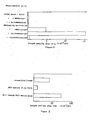
- IL-2 in collaboration with a-interferon were determined by adding 10 3 u/ml of ⁇ -interferon together with IL-2 to the Nunc assay plate, as shown in Fig. 3, where IL-2 preparation employed was grade E mentioned in Table 1.
- IL-2 preparation (0.1 ml) was intravenously injected into the tail of C3H/HeN mice. Splenocytes were harvested from said mice on the 3rd day after IL-2 injection and suspended in DMEM at a cell density of 2x 10 6 cells/ml. At the same time, 51 Cr labelled YAC-1 cells (2 ⁇ 10 4 /100 ⁇ l) were added and then augmenting effects of IL-2 on NK activity were determined by 51 Cr release-experiment as described in Example 4.
- mice C 57 BU6 mice were i.p. injected with P815-X 2 mastcytoma cells suspended at 1 ⁇ 10 6 cells/0.5 ml of saline. 100 pl of IL-2 each was intravenously injected to their tail on the 3rd day and the 5th day, followed by harvesting splenocytes on the 10th day. These splenocytes, as effector cells, and 51 Cr-labelled P815, as target cells, were mixed at the ratio of 100:1, and augmenting effects of IL-2 on killer T lymphocyte activation were determined by assaying the amounts of 51 Cr released from target cells.
- P815-X 2 mastocytoma cells (5x10 6 /0.1 ml) were subcutaneously injected into DBA/2 mice.
- IL-2 preparation 100 units/0.1 ml was intravenously injected into the tail of these mice on the 18th day after tumor transplantation, and on the 5th day after IL-2 administration splenocytes and tumor cells were harvested to prepare the respective single cell suspensions.
- the tumor cell fraction was further subjected to the Ficol (Pharmacia Co.) density gradient to get lymphocytes in 88% purity.
- Splenocytes or lymphocytes were mixed with 51 Cr-labelled P815, as target cells, at the effector/target cell ratio of 100:1 and the mixture was incubated for 4 hours, followed by analyzing the amounts of 51 Cr released from target cells.
- the killing activities of splenic T lymphocytes and T lymphocytes obtained from solid tumor against syngeneic tumor were analyzed.
- Syngeneic tumor cells MM46 were transplanted in amounts of 1 x10 6 cells/0.1 ml to C3H/HeN, and a IL-2 preparation, 100 u/0.1 ml saline, was intravenously injected into the tail of this mouse on the 13th day after tumor cell transplantation, in which tumor cells were observed to be growing up.
- tumor antigen was extracted by known procedure from MM46 cells with 3 M-KCI.
- tumor antigen was injected in amounts of 0.60 mg as protein into the foot-pad of a syngeneic tumor, MM46, bearing mouse on the 20th day after tumor transplanation, or on the 7th day after IL-2 injection, and, after 24 hours, the thickness of food pad was measured, whereby the augmenting effect of IL-2 on tumor specific delayed type hypersensitivity reaction, which is a specific cellular immune reaction to tumor antigen in syngeneic tumor bearing mouse, was detected.
- the same amount of IL-2 was injected to C3H/HeN without MM46 transplantation and the same amount of antigen prepared from MM102, as equivalent amount of protein to the above experiment, was injected, as given in Fig.
- IL-2 preparation employed was the grade E, obtained in Table 1.
- the enhancement of antigen specific delayed type hypersensitivity against MM46 tumor was observed only in the case in which IL-2 was administered to MM46 tumor bearing mouse, and these data strongly indicate that the administration of IL-2 can augment an antigen specific cellular immune response against the syngeneic tumor in a syngeneic tumor bearing mouse.
- IL-2 was injected to a tumor bearing mouse to examine whether immunosuppressive state was recovered or not.
- DBA/2 mice were subcutaneously transplanted with P815-X 2 mastocytoma (1 x 10 6 cells/ 0.1 ml) and, at the stage in which the tumor had sufficiently grown in size, IL-2 was administered.
- the effects of IL-2 were demonstrated in terms of (i) recovery of NK cell-activation, (ii) recovery of allo-killer T lymphocytes induction and (iii) delayed type hypersensitivity reaction against sheep red blood cells.
- NK cell activation was assayed as follows: IL-2 preparation (50 u/0.1 ml saline) was intravenously injected to the tail of the mouse on the 16th and 18th days after P815-X 2 transplantation, and splenocytes were harvested on 20th day after P815-X 2 transplantation. The cytotoxicity against YAC-1, as target cells, was determined to measure the amounts of 51Cr released from target cells after 4 hrs incubation in the assay mixture containing effector cells and 51 Cr labelled target cells at the ratio of 200:1.
- NK cell activity of normal (non-tumor bearing) mouse was 19.8% in term of specific lysis, but in P815-X 2 bearing mice, NK cell activity was depressed as much as 7.6%. Comparing with the above controls, IL-2 was observed to markedly recover the NK cell activity from its immunosuppressive state to the level as much as 22.3% in the experimental group wherein purified IL-2, grade E (as shown in Table 1), was intravenously administered.
- NK cell activation was also observed in the case wherein ascites fluid (0.5 ml) obtained from P815 bearing mice (ascites type) was i.p. injected 3 times (from 19.8% to 6.4% in term of specific lysis), but this depression of NK cell activation was recovered up to 23.4% by IL-2 administration as mentioned above.
- Splenocytes were harvested, on the 20th day after P815-X 2 s.c. transplantation, from the mouse treated as described in the case (i), and these splenocytes, as responder cells, and splenocytes, as stimualtor cells, which were harvested from C 57 BU6 and X-ray-irradiated (2000R), were subjected to the mixed lymphocyte culture (MLR) to induce allo-killer T lymphocytes under the same condition as described in Example 3. Effector cells were recovered on the 5th day after MLR and mixed with 51 Cr-labelled EL-4 thymoma cells as target cells, at an effector/target cell ratio of 10:1. After 3 hours incubation, the activity of allo-killer T lymphocytes was determined as specific lysis (%) against the target, EL-4 cells.
- MLR mixed lymphocyte culture
- mice were intravenously injected with 50 u/0.1 ml of IL-2 on the 20th day after s.c. transplantation of P815-X 2 mastocytoma (1x10 6 /head), as described in the above case (i), and then were injected into foot-pad with SRBC (1 x 10 6 cells/head) on the 25th day after P815 transplantation, followed by injecting again with SRBC (1 x 10 6 cells/head) on the 6th day after the above treatment. Then the thickness of foot-pad caused by the above treatments was measured. As given in Fig. 5, the depressed-delayed type hypersensitivity reaction in terms of the foot pad reaction in tumor bearing- and immuno-deficient animals was clearly indicated to be recovered or enhanced up to the normal level or more by the administration of IL-2.
- mice BALB/C nu/nu mice were injected at their foot-pads with X-ray irradiated (2,000 R) splenocytes (2x10 7 cells) from C57BU6 mice, followed by sensitizing continuously for 2 days with allo-antigen.
- splenocytes (4x10 6 cells) from this BALB/C nu/nu mice were incubated with X-ray irradiated (2,000 R) splenocytes (1 x10 6 cells) from C57B/6 in 2 ml of Crick-RPM/medium for 5 days, and the induction of killer activity against 51 Cr-labelled EL-4 cells, as target cells, was determined.
- X-ray irradiated (2,000 R) splenocytes (1 x10 6 cells) from C57B/6 in 2 ml of Crick-RPM/medium for 5 days, and the induction of killer activity against 51 Cr-labelled EL-4 cells, as target cells, was determined.
- IL-2 killer T lymphocytes were induced in nude mice deficient in T cell functions.
- BALB/C nu/nu mice were injected (i.p.) with SRBC (1x10 6 cells) as antigen, and, at the same time, intravenously administered with IL-2 sample E (100 u/100 pl), followed by i.v. injection of IL-2 3 times every 3 days. Then the splenocytes (0.75x10 6 cells) from BALB/C nu/nu mice and SRBC (1 x 10 5 cells) were mixed in 200 ⁇ l of RPMI-1640 medium and incubated for 5 days at the volume of 200 ⁇ l/well in a 96 well- microplate (Coster Co., USA). After 5 days splenocytes were recovered from each well, and the antibody forming cells appeared were determined by Cunningham's method. As stated in Table 7, induction of antibody formation was observed only in the group to which IL-2 sample was administered.
- mice were subcutaneously transplanted with syngeneic tumor, EL-4, (3x 10 6 cells/0.1 ml), and, on the 14th day wherein tumor grew enough, this solid tumor was surgically removed by a nylon string and the wound was sutured by cut-band.
- IL-2 100 u/0.1 ml
- IL-2 3 times in every 4 days, and the survival numbers of mice in each group were counted.
- Table 8 marked elongation of life span was observed only in the group wherein purified IL-2, prepared as in Table 1, was administered.
- mice metastatic syngeneic tumors in mice, such as L1210, P388D, and MH134, were used as target.
- Tumor cells L1210, (1 x 10 4 cells) were subcutaneously transplanted into foot-pad of BDF, mice, and on the 10th day the transplanted portion was removed.
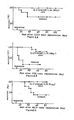
- 100 u/0.1 ml of IL-2 was administered, all of the mice treated as above were completely cured, while in the control group without administration of IL-2 40% of mice died. (Fig. 6A).
- mice When P388D i cells (1x10 5 cells) were administered in BDF, mice as well as the above mentioned, 80% of mice were completely cured in the IL-2-administered group, while 80% of mice died in the group without IL-2 administration. (Fig. 6B).
- mice MH134 cells (1x10 5 cells) were subcutaneously transplanted into foot-pad of C3H/HeN mice, followed by treating with or without IL-2 as well as the above, all of the mice administered with IL-2 were completely cured. In the control group, 60% of mice died within 60 days after surgical operation. (Fig. 6C).
- 3-Methylchroanthren (MC) was suspended in olive oil (0.5 mg/0.1 ml) was subcutaneously injected into the waist part of SWM/MS mice, and all mice in which tumors of a size around 0.5 cm in diameter enough to be detected, grew within 15 weeks were divided into 3 groups.
- the 1st group was used as control and mice of the 2nd group were i.p. administered with 100 mg/kg of cyclophosphamide (on the first day).
- 100 u/0.1 ml of IL-2 was intravenously injected into the tail of mice on the 20th, 22nd, 24th, 26th, 28th and 30th day after administration of cyclophosphamide (100 mg/kg). Then the average survival days were measured in each group.
- the average survival days were 45.0 days, 45.5 days and 123.8 days in control group, cyclophosphamide administration group (2nd group) and combination therapy group, that is cyclophosphamide and IL-2 (3rd group), respectively. Marked elongation of life span was observed only in the combination therapy group, and IL-2 was proved to have anti-neoplastic effects against autologous tumor, too, in combination with a chemotherapeutic agent.
- LSTRA Mouse leukemic cells, LSTRA, were X-ray irradiated (8,OOOR) to remove tumorgenesity and employed as tumor vaccine, or tumor antigen.
- X-ray irradiated LSTRA, or the dead cells (1 x10 6 cells) were injected into the foot-pad of BALB/C mice.
- IL-2 50-100 u/0.05 ml was intravenously injected on the 5th, 7th and 9th day after vaccine injection, followed by injecting viable LSTRA cells (1 x10 6 cells) into the foot-pad of these mice on the 28th day, and the survival of mice was observed.
- mice in 50 days after tumor transplantation are shown in Table 9, wherein the effect of medical treatment with IL-2 in combination with tumor antigen was proved, and IL-2 was proved to have some role as adjuvant against various antigens and to be effective not only in medical treatment but also in prevention.
- DBA/2 mice were subcutaneously transplanted in their back with 1x10 6 P815-X 2 mastocytoma, and IL-2 (100 u/0.1 ml) was intravenously injected 5 times on 14th, 16th, 18th, 20th and 22nd days, respectively. Both tumor regression ratio from solid tumor weight in 4 weeks and survival number of DBA/2 mice in 100 days were determined. As shown in Table 10, marked anti-neoplastic effects were observed in terms of tumor regression and life span elongation, and IL-2 was found to give anti-neoplastic effects even by single therapy.
- ddY mice Life span elongation against bacterial infection ddY mice were i.p. injected with E. coli No. 42 (5x10 7 / 0.2 ml) grown in Difco nutrient broth, followed by intravenously injecting IL-2 (10-200 u/0.1 ml) into the tail of mice on the 3rd day before and on the 1st day after E. Coli infection, and survival number of mice on the 2nd day after bacterial infection were determined as shown in Table 11A. Similarly ddY mice were i.p. injected with Klebsiella pneumoniae No. 19 (5x10 6 /0.2 ml), followed by administrating IL-2 (10-200 u/head) one hour after bacterial infection, and survival number of mice on the 5th day after infection was determined as shown in Table 11B.
- VSV Vesicular stomatitis virus
- IL-2 (50 u/0.05 ml each) was i.v. administered every day from the 3rd day before to the 5th day after viral infection.
- 80% of mice were dead in 8 days, while 100% of mice were still surviving in 15 days in the experimental group with IL-2 administration and marked anti-viral effects with IL-2 was observed in term of medical treatment effect.
- C3H/HeN mice were s.c. transplanted with syngeneic tumor, MM102 (3x10 6 /O.1 ml), followed by administrating Lentinan on the 0, 7th, and 14th day after tumor transplanation (1 mg/kg, i.v.) and, at the same time, 10 u/0.1 ml of IL-2 were i.p. injected on the 2nd day after Lentinan administration. Inhibition ratio of tumor growth was determined in terms of tumor size on the 35th day after tumor transplantation, and the survival number of mice was counted in 70 days after tumor transplantation. As shown in Table 12, anti-tumor effects of IL-2 was observed in combination therapy with Lentinan.
Landscapes
- Health & Medical Sciences (AREA)
- Life Sciences & Earth Sciences (AREA)
- Chemical & Material Sciences (AREA)
- General Health & Medical Sciences (AREA)
- Medicinal Chemistry (AREA)
- Veterinary Medicine (AREA)
- Public Health (AREA)
- Organic Chemistry (AREA)
- Pharmacology & Pharmacy (AREA)
- Animal Behavior & Ethology (AREA)
- Epidemiology (AREA)
- Zoology (AREA)
- Proteomics, Peptides & Aminoacids (AREA)
- Molecular Biology (AREA)
- Gastroenterology & Hepatology (AREA)
- Biophysics (AREA)
- Engineering & Computer Science (AREA)
- Immunology (AREA)
- Biochemistry (AREA)
- Toxicology (AREA)
- Genetics & Genomics (AREA)
- Bioinformatics & Cheminformatics (AREA)
- Nuclear Medicine, Radiotherapy & Molecular Imaging (AREA)
- General Chemical & Material Sciences (AREA)
- Chemical Kinetics & Catalysis (AREA)
- Medicines That Contain Protein Lipid Enzymes And Other Medicines (AREA)
- Medicines Containing Material From Animals Or Micro-Organisms (AREA)
- Preparation Of Compounds By Using Micro-Organisms (AREA)
- Medicines Containing Plant Substances (AREA)
- Peptides Or Proteins (AREA)
Claims (8)
Applications Claiming Priority (2)
| Application Number | Priority Date | Filing Date | Title |
|---|---|---|---|
| JP57040369A JPH0751511B2 (ja) | 1982-03-15 | 1982-03-15 | インターロイキン2を含有してなる癌治療剤 |
| JP40369/82 | 1982-03-15 |
Publications (3)
| Publication Number | Publication Date |
|---|---|
| EP0089062A2 EP0089062A2 (fr) | 1983-09-21 |
| EP0089062A3 EP0089062A3 (en) | 1986-02-05 |
| EP0089062B1 true EP0089062B1 (fr) | 1990-12-05 |
Family
ID=12578723
Family Applications (1)
| Application Number | Title | Priority Date | Filing Date |
|---|---|---|---|
| EP83102562A Expired - Lifetime EP0089062B1 (fr) | 1982-03-15 | 1983-03-15 | Agent immunoprophylactique et immunothérapeutique |
Country Status (4)
| Country | Link |
|---|---|
| US (1) | US4789658A (fr) |
| EP (1) | EP0089062B1 (fr) |
| JP (1) | JPH0751511B2 (fr) |
| DE (1) | DE3382040D1 (fr) |
Cited By (1)
| Publication number | Priority date | Publication date | Assignee | Title |
|---|---|---|---|---|
| US7527791B2 (en) | 2004-03-31 | 2009-05-05 | Genentech, Inc. | Humanized anti-TGF-beta antibodies |
Families Citing this family (60)
| Publication number | Priority date | Publication date | Assignee | Title |
|---|---|---|---|---|
| EP0091539B2 (fr) * | 1982-03-31 | 1996-11-27 | Ajinomoto Co., Inc. | Gène codant pour interleukin-2 polypeptide, ADN recombinant portant ledit gène, lignées cellulaires possédant le recombinant ADN et procédé pour la préparation d'interleukin-2 utilisant lesdites cellules |
| US4925919A (en) * | 1984-04-25 | 1990-05-15 | Roland Mertelsmann | Purified interleukin 2 |
| ATE37564T1 (de) * | 1982-04-20 | 1988-10-15 | Sloan Kettering Inst Cancer | Reinigung von interleukin-2. |
| JPS58198293A (ja) * | 1982-05-12 | 1983-11-18 | Shionogi & Co Ltd | インタ−ロイキン等免疫調節因子の製造方法 |
| US4992271A (en) * | 1982-09-23 | 1991-02-12 | Cetus Corporation | Formulation for lipophilic IL-2 proteins |
| JPS61501486A (ja) * | 1983-10-03 | 1986-07-24 | ジエネテイクス・インステイチユート・インコーポレーテツド | T−細胞の生長因子 |
| JPS60115528A (ja) * | 1983-11-28 | 1985-06-22 | Takeda Chem Ind Ltd | ヒトインタ―ロイキン―2蛋白質を含有する抗腫瘍用または免疫機能低下疾患治療用組成物 |
| JPS60120821A (ja) * | 1983-12-05 | 1985-06-28 | Asahi Chem Ind Co Ltd | 悪性腫瘍治療用白血球刺激材および刺激方法 |
| US5082658A (en) * | 1984-01-16 | 1992-01-21 | Genentech, Inc. | Gamma interferon-interleukin-2 synergism |
| FR2562421B1 (fr) * | 1984-04-09 | 1989-02-17 | Sandoz Sa | Perfectionnements a la therapie par l'interleukine |
| US4883662A (en) * | 1984-04-10 | 1989-11-28 | Clinical Biotechnologies, Inc. | Method of increasing natural killer cell population of cancer patients |
| US4908433A (en) * | 1984-04-25 | 1990-03-13 | Sloan-Kettering Institute For Cancer Research | Uses of interleukin-2 |
| US4908434A (en) * | 1984-04-25 | 1990-03-13 | Sloan-Kettering Institute For Cancer Research | Process for preparing purified interleukin-2 |
| NZ212645A (en) * | 1984-07-06 | 1990-02-26 | Sandoz Ltd | Method for producing primate granulocyte-macrophage colony stimulating factor (gm-csf) |
| US4690915A (en) * | 1985-08-08 | 1987-09-01 | The United States Of America As Represented By The Department Of Health And Human Services | Adoptive immunotherapy as a treatment modality in humans |
| US5643565A (en) * | 1985-09-20 | 1997-07-01 | Chiron Corporation | Human IL-2 as a vaccine adjuvant |
| US5102872A (en) * | 1985-09-20 | 1992-04-07 | Cetus Corporation | Controlled-release formulations of interleukin-2 |
| CA1297003C (fr) * | 1985-09-20 | 1992-03-10 | Jack H. Nunberg | Composition et methode pour traiter les animaux |
| US4818769A (en) * | 1985-09-20 | 1989-04-04 | Cetus Corporation | Method of controlling stress-related disease in livestock by administration of human IL-2 |
| US5503841A (en) * | 1985-09-20 | 1996-04-02 | Cetus Oncology Corporation | Human IL-2 as a vaccine adjuvant |
| US4689224A (en) * | 1985-10-07 | 1987-08-25 | Neogen Corporation | Method for administering vaccines containing equine leukokines and compositions therefor |
| DK585886A (da) * | 1985-12-24 | 1987-06-25 | Takeda Chemical Industries Ltd | Immunstimulerende middel og anvendelse deraf |
| DE3782960T2 (de) * | 1986-03-17 | 1993-04-29 | Boehringer Ingelheim Int | Impfstoffe. |
| US4863727A (en) * | 1986-04-09 | 1989-09-05 | Cetus Corporation | Combination therapy using interleukin-2 and tumor necrosis factor |
| US4879111A (en) * | 1986-04-17 | 1989-11-07 | Cetus Corporation | Treatment of infections with lymphokines |
| DE3621828A1 (de) * | 1986-06-28 | 1988-01-14 | Biotest Pharma Gmbh | Stabilisierung eines fuer therapeutische zwecke, insbesondere beim menschen, bestimmten interleukin-2-praeparates sowie dieses praeparat enthaltende stabilisierte waessrige loesung oder feststoff |
| IL83350A0 (en) * | 1986-08-13 | 1987-12-31 | Takeda Chemical Industries Ltd | Pharmaceutical compositions comprising interleukin and intterferon active substances |
| US4938956A (en) * | 1987-04-01 | 1990-07-03 | International Minerals & Chemical Corp. | Synergistic immunostimulating composition and method |
| JPH01193227A (ja) * | 1988-01-29 | 1989-08-03 | Res Dev Corp Of Japan | 癌免疫療法補助剤 |
| DE3818054C2 (de) * | 1988-05-27 | 1994-02-17 | Biotest Pharma Gmbh | Verwendung einer Kombination aus einem Antigen bzw. einer Vakzine und humanem Interleukin zur Behandlung der Non-Responsiveness gegenüber immunologischen Defektzuständen |
| US6221675B1 (en) | 1989-04-21 | 2001-04-24 | Amgen, Inc. | TNF receptors, TNF binding proteins and DNAs coding for them |
| US7264944B1 (en) * | 1989-04-21 | 2007-09-04 | Amgen Inc. | TNF receptors, TNF binding proteins and DNAs coding for them |
| DK0393438T3 (da) * | 1989-04-21 | 2005-05-30 | Amgen Inc | TNF-receptor, TNF-bindende proteiner og DNAér, der koder herfor |
| IL95031A (en) | 1989-07-18 | 2007-03-08 | Amgen Inc | Method for the production of a human recombinant tumor necrosis factor inhibitor |
| US6143866A (en) * | 1989-07-18 | 2000-11-07 | Amgen, Inc. | Tumor necrosis factor (TNF) inhibitor and method for obtaining the same |
| US5753237A (en) * | 1989-09-25 | 1998-05-19 | University Of Utah Research Foundation | Method for augmenting immunological responses |
| DE69033541D1 (de) * | 1989-09-25 | 2000-06-15 | Univ Utah Res Found | Verwendung von steroidhormonen in zubereitungen zur induzierung von t-zell-lymphokin-erzeugung |
| WO1991012334A1 (fr) * | 1990-02-15 | 1991-08-22 | Cetus Corporation | Inhibiteur de l'activite des cytokines et applications de celui-ci |
| US6552170B1 (en) | 1990-04-06 | 2003-04-22 | Amgen Inc. | PEGylation reagents and compounds formed therewith |
| US5250296A (en) * | 1990-11-29 | 1993-10-05 | Takeda Chemical Industries, Ltd. | Immunostimulant agent containing interleukin-2 and 5'-deoxy-5-fluorouridine |
| GEP20033082B (en) * | 1991-03-15 | 2003-10-27 | Amgen Inc | Pegylation of Polypeptides |
| US5449691A (en) * | 1991-12-31 | 1995-09-12 | Sterling Winthrop Inc. | 3,4-disubstituted anilines-immunomodulating agents |
| US5258407A (en) * | 1991-12-31 | 1993-11-02 | Sterling Winthrop Inc. | 3,4-disubstituted phenols-immunomodulating agents |
| US5536642A (en) * | 1993-09-09 | 1996-07-16 | Barbera-Guillem; Emilio | Diagnostic and prognostic methods for solid non-lymphoid tumors and their metastases |
| TW555765B (en) * | 1996-07-09 | 2003-10-01 | Amgen Inc | Low molecular weight soluble tumor necrosis factor type-I and type-II proteins |
| US6790604B1 (en) | 1998-05-12 | 2004-09-14 | Stefan A. Cohen | Methods for identifying or diagnosing carcinoma cells with metastatic potential based on the measurement of lymphoid genes or their products in carcinoma cells |
| US6660843B1 (en) * | 1998-10-23 | 2003-12-09 | Amgen Inc. | Modified peptides as therapeutic agents |
| JP2000157203A (ja) * | 1998-11-27 | 2000-06-13 | Kobayashi Pharmaceut Co Ltd | シイタケ菌糸体抽出物を含むγδT細胞免疫活性増強剤 |
| GB2359561B (en) * | 1998-11-27 | 2004-04-14 | Kobayashi Pharma | LAK activity enhancers derived from extract of Lentinus edodes mycelium and LAKactivity-enhancing formulations containing the extract |
| RU2175242C1 (ru) * | 2000-09-27 | 2001-10-27 | Московский НИИ глазных болезней имени Гельмгольца | Способ лечения увеальной меланомы |
| US20070122904A1 (en) * | 2000-09-29 | 2007-05-31 | Unisearch Limited | Method and apparatus for culturing cells |
| DE10112851C1 (de) * | 2001-03-16 | 2002-10-10 | Gsf Forschungszentrum Umwelt | Semi-allogene Antitumor-Vakzine mit HLA-haplo-identischen Antigen-präsentierenden Zellen |
| DE10132502A1 (de) * | 2001-07-05 | 2003-01-23 | Gsf Forschungszentrum Umwelt | Angriff auf Tumorzellen mit fehlender, niedriger oder anormaler MHC-Expression durch kombinieren von nicht MHC-Restringierten T-Zellen/NK-Zellen und MHC-Restringierten Zellen |
| JPWO2005067981A1 (ja) * | 2004-01-13 | 2007-12-27 | 株式会社ディナベック研究所 | 免疫刺激性サイトカインをコードするマイナス鎖rnaウイルスベクターを用いる腫瘍の遺伝子治療 |
| CN102272153B (zh) | 2008-11-24 | 2015-04-15 | 德国慕尼黑亥姆霍兹研究中心健康和环境有限公司 | 高亲和力t细胞受体及其应用 |
| US8895291B2 (en) | 2010-10-08 | 2014-11-25 | Terumo Bct, Inc. | Methods and systems of growing and harvesting cells in a hollow fiber bioreactor system with control conditions |
| WO2016049421A1 (fr) | 2014-09-26 | 2016-03-31 | Terumo Bct, Inc. | Alimentation programmée |
| WO2017205667A1 (fr) | 2016-05-25 | 2017-11-30 | Terumo Bct, Inc. | Expansion cellulaire |
| WO2018184028A2 (fr) | 2017-03-31 | 2018-10-04 | Terumo Bct, Inc. | Expansion cellulaire |
| US11624046B2 (en) | 2017-03-31 | 2023-04-11 | Terumo Bct, Inc. | Cell expansion |
Family Cites Families (7)
| Publication number | Priority date | Publication date | Assignee | Title |
|---|---|---|---|---|
| NL7907791A (nl) * | 1979-10-23 | 1981-04-27 | Stichting Rega V Z W | Werkwijze voor het zuiveren van interferon. |
| DE3013724A1 (de) * | 1980-04-10 | 1981-10-15 | Behringwerke Ag, 3550 Marburg | Neues protein pp (pfeil abwaerts)9(pfeil abwaerts), verfahren zu seiner anreicherung und gewinnung sowieseine verwendung |
| US4350687A (en) * | 1980-02-10 | 1982-09-21 | Research Corporation | Platelet derived cell growth factor |
| EP0049611B2 (fr) * | 1980-10-02 | 1993-12-08 | Hooper Trading Co. N.V. | Facteur de croissance pour cellules T et son procédé de préparation |
| US4390623A (en) * | 1980-10-02 | 1983-06-28 | Hooper Trading Company | Serum-free and mitogen-free T-cell growth factor and process for making same |
| US4411992A (en) * | 1981-04-14 | 1983-10-25 | Immunex Corporation | Process for preparing murine interleukin 2 |
| US4406830A (en) * | 1981-04-17 | 1983-09-27 | Shanksville Corporation, N.V. | Regulatory glycoprotein for immune response and the use thereof in the production of T-cell growth factor |
-
1982
- 1982-03-15 JP JP57040369A patent/JPH0751511B2/ja not_active Expired - Lifetime
-
1983
- 1983-03-15 EP EP83102562A patent/EP0089062B1/fr not_active Expired - Lifetime
- 1983-03-15 DE DE8383102562T patent/DE3382040D1/de not_active Expired - Lifetime
-
1986
- 1986-06-09 US US06/873,302 patent/US4789658A/en not_active Expired - Lifetime
Cited By (2)
| Publication number | Priority date | Publication date | Assignee | Title |
|---|---|---|---|---|
| US7527791B2 (en) | 2004-03-31 | 2009-05-05 | Genentech, Inc. | Humanized anti-TGF-beta antibodies |
| US8012482B2 (en) | 2004-03-31 | 2011-09-06 | Genentech, Inc. | Humanized anti-TGF-beta antibodies |
Also Published As
| Publication number | Publication date |
|---|---|
| JPS58157723A (ja) | 1983-09-19 |
| EP0089062A3 (en) | 1986-02-05 |
| DE3382040D1 (de) | 1991-01-17 |
| US4789658A (en) | 1988-12-06 |
| JPH0751511B2 (ja) | 1995-06-05 |
| EP0089062A2 (fr) | 1983-09-21 |
Similar Documents
| Publication | Publication Date | Title |
|---|---|---|
| US4789658A (en) | Immunoprophylactic and immunotherapeutic agents | |
| EP1007630B1 (fr) | Lignees de cellules tueuses naturelles et procedes d'utilisation | |
| EP0257406B1 (fr) | Facteur de différenciation recombinant de cellule B | |
| JP4416839B2 (ja) | 二次性免疫不全症の治療法 | |
| US4778879A (en) | Highly purified human interleukin 2 and method | |
| EP0739212B1 (fr) | Utilisation de l'interleukine-12 pour prevenir la reaction du greffon contre l'hote | |
| US20040052770A1 (en) | Interleukin-secreting natural killer cell lines and methods of use | |
| US4908433A (en) | Uses of interleukin-2 | |
| CA1265444A (fr) | Effet du facteur humain de necrose des tumeurs et de l'interferon humain sur des cellules cancereuses humaines et methodes utilisees | |
| US4683199A (en) | Interleukin-2 dependent cytotoxic T-cell clones | |
| JPH10510147A (ja) | 二次性免疫不全症の治療用薬剤の製造方法 | |
| EP0159289B1 (fr) | Facteur immunosuppresseur | |
| US4908434A (en) | Process for preparing purified interleukin-2 | |
| US4925919A (en) | Purified interleukin 2 | |
| GB2121053A (en) | Production of interleukin and its analogous immune regulating factors | |
| Nishimura et al. | Generation of lymphokine-activated killer (LAK) cells from tumor-infiltrating lymphocytes | |
| Lacerna Jr et al. | Adoptive cancer immunotherapy utilizing lymphokine activated killer cells and gamma interferon activated killer monocytes | |
| EP0132359A2 (fr) | Interleucine-2 naturelle humaine et sa préparation | |
| Palladino et al. | Characterization of interleukin 2 (IL-2)-dependent cytotoxic T-cell clones: V. Transfer of resistance to allografts and tumor grafts requires exogenous IL-2 | |
| US5824330A (en) | Highly purified interleukin-2 and method | |
| Lear et al. | Restoration of allograft responsiveness in B rats | |
| JPH072690A (ja) | インターロイキン2を含有してなる免疫療法剤 | |
| EP0415666A1 (fr) | Composition pour la culture de cellules humaines et son utilisation | |
| JP2837856B2 (ja) | リンフォカイン活性化キラー細胞及びその製造法 | |
| KR950008569B1 (ko) | 신규 림포카인(lymphokine) 및 그 제조방법과 사용방법 |
Legal Events
| Date | Code | Title | Description |
|---|---|---|---|
| PUAI | Public reference made under article 153(3) epc to a published international application that has entered the european phase |
Free format text: ORIGINAL CODE: 0009012 |
|
| AK | Designated contracting states |
Designated state(s): CH DE FR GB LI SE |
|
| 17P | Request for examination filed |
Effective date: 19841224 |
|
| PUAL | Search report despatched |
Free format text: ORIGINAL CODE: 0009013 |
|
| AK | Designated contracting states |
Designated state(s): CH DE FR GB LI SE |
|
| 17Q | First examination report despatched |
Effective date: 19880502 |
|
| GRAA | (expected) grant |
Free format text: ORIGINAL CODE: 0009210 |
|
| AK | Designated contracting states |
Kind code of ref document: B1 Designated state(s): CH DE FR GB LI SE |
|
| ET | Fr: translation filed | ||
| REF | Corresponds to: |
Ref document number: 3382040 Country of ref document: DE Date of ref document: 19910117 |
|
| PLBE | No opposition filed within time limit |
Free format text: ORIGINAL CODE: 0009261 |
|
| STAA | Information on the status of an ep patent application or granted ep patent |
Free format text: STATUS: NO OPPOSITION FILED WITHIN TIME LIMIT |
|
| 26N | No opposition filed | ||
| EAL | Se: european patent in force in sweden |
Ref document number: 83102562.2 |
|
| PGFP | Annual fee paid to national office [announced via postgrant information from national office to epo] |
Ref country code: SE Payment date: 20011227 Year of fee payment: 20 Ref country code: CH Payment date: 20011227 Year of fee payment: 20 |
|
| REG | Reference to a national code |
Ref country code: GB Ref legal event code: IF02 |
|
| PGFP | Annual fee paid to national office [announced via postgrant information from national office to epo] |
Ref country code: FR Payment date: 20020228 Year of fee payment: 20 |
|
| PGFP | Annual fee paid to national office [announced via postgrant information from national office to epo] |
Ref country code: GB Payment date: 20020301 Year of fee payment: 20 |
|
| PGFP | Annual fee paid to national office [announced via postgrant information from national office to epo] |
Ref country code: DE Payment date: 20020328 Year of fee payment: 20 |
|
| PG25 | Lapsed in a contracting state [announced via postgrant information from national office to epo] |
Ref country code: LI Free format text: LAPSE BECAUSE OF EXPIRATION OF PROTECTION Effective date: 20030314 Ref country code: GB Free format text: LAPSE BECAUSE OF EXPIRATION OF PROTECTION Effective date: 20030314 Ref country code: CH Free format text: LAPSE BECAUSE OF EXPIRATION OF PROTECTION Effective date: 20030314 |
|
| REG | Reference to a national code |
Ref country code: GB Ref legal event code: PE20 |
|
| REG | Reference to a national code |
Ref country code: CH Ref legal event code: PL |
|
| EUG | Se: european patent has lapsed |