EP0103960B1 - DNS-Sequenzenkodieren für den DR-beta-Kettenlocus des menschlichen Lymphocytantigenkomplexes und Polypeptiden, diagnostische Typierungsverfahren und Produkte die darauf Bezug haben - Google Patents
DNS-Sequenzenkodieren für den DR-beta-Kettenlocus des menschlichen Lymphocytantigenkomplexes und Polypeptiden, diagnostische Typierungsverfahren und Produkte die darauf Bezug haben Download PDFInfo
- Publication number
- EP0103960B1 EP0103960B1 EP83304378A EP83304378A EP0103960B1 EP 0103960 B1 EP0103960 B1 EP 0103960B1 EP 83304378 A EP83304378 A EP 83304378A EP 83304378 A EP83304378 A EP 83304378A EP 0103960 B1 EP0103960 B1 EP 0103960B1
- Authority
- EP
- European Patent Office
- Prior art keywords
- dna
- hla
- sequence
- dna sequence
- sequences
- Prior art date
- Legal status (The legal status is an assumption and is not a legal conclusion. Google has not performed a legal analysis and makes no representation as to the accuracy of the status listed.)
- Expired - Lifetime
Links
Images



Classifications
-
- C—CHEMISTRY; METALLURGY
- C12—BIOCHEMISTRY; BEER; SPIRITS; WINE; VINEGAR; MICROBIOLOGY; ENZYMOLOGY; MUTATION OR GENETIC ENGINEERING
- C12Q—MEASURING OR TESTING PROCESSES INVOLVING ENZYMES, NUCLEIC ACIDS OR MICROORGANISMS; COMPOSITIONS OR TEST PAPERS THEREFOR; PROCESSES OF PREPARING SUCH COMPOSITIONS; CONDITION-RESPONSIVE CONTROL IN MICROBIOLOGICAL OR ENZYMOLOGICAL PROCESSES
- C12Q1/00—Measuring or testing processes involving enzymes, nucleic acids or microorganisms; Compositions therefor; Processes of preparing such compositions
- C12Q1/68—Measuring or testing processes involving enzymes, nucleic acids or microorganisms; Compositions therefor; Processes of preparing such compositions involving nucleic acids
- C12Q1/6876—Nucleic acid products used in the analysis of nucleic acids, e.g. primers or probes
- C12Q1/6881—Nucleic acid products used in the analysis of nucleic acids, e.g. primers or probes for tissue or cell typing, e.g. human leukocyte antigen [HLA] probes
-
- C—CHEMISTRY; METALLURGY
- C07—ORGANIC CHEMISTRY
- C07K—PEPTIDES
- C07K14/00—Peptides having more than 20 amino acids; Gastrins; Somatostatins; Melanotropins; Derivatives thereof
- C07K14/435—Peptides having more than 20 amino acids; Gastrins; Somatostatins; Melanotropins; Derivatives thereof from animals; from humans
- C07K14/705—Receptors; Cell surface antigens; Cell surface determinants
- C07K14/70503—Immunoglobulin superfamily
- C07K14/70539—MHC-molecules, e.g. HLA-molecules
Definitions
- This invention relates to DNA sequences that code for the DR ⁇ -chain locus of the human lymphocyte antigen complex. More particularly, it relates to the use of those DNA sequences in diagnostic typing processes and products. Such processes and products are useful in determining an individual's susceptibility to a wide variety of diseases and an individual's characteristics as a donor or acceptor of a tissue or organ transplant. The DNA sequences of this invnetion are also useful in the expression of polypeptides encoded by them.
- HLA human lymphocyte antigen
- HLA-A, B and C encode one class of codominantly expressed alloantigens (Class 1).
- HLA-DIDR encodes a second class of codominant alloantigens with a high degree of recognized polymorphism (Class 2).
- C2, C4 and factor Bf three other loci, controlling some of the initial components (C2, C4 and factor Bf) of the complement cascade, also belong to the HLA system (Class 3).
- la there is a non-specific region in the HLA complex designated la. Region la appears related to, but different than, the DR locus.
- HLA-DR antigens appear to be involved in immunological phenomena - immune responsiveness, T-cell suppression, T-cell and ⁇ -cell cooperation and T-cell and macrophage presentation [B. Benacerraf in "The Role of The Major Histocompatibility Complex In Immunobiology", M. E. Dorf, ed., Garland SPTM Press, pp. 255-69 (1981)].
- the HLA-DR antigens are composed of two non-covalently-linked glycosylated peptide chains, a heavy or a-chain of about 35000 molecular weight and a light or ⁇ -chain of about 29000 molecular weight, that span the cellular membrane [Strominger et al., supra; and Ryder et al., supra]. Intracellularly, a third peptide chain of about 32000 molecular weight is associated with the a- and ⁇ -chains [D. J. Charron and H. O. McDevitt, J. Exp. Med., 152, pp. 18s-36s (1980); Strominger, supra].
- HLA-DR antigens Several serologically distinct HLA-DR antigens have been identified - HLA-DR1 through HLA-DR8 - and monoclonal antibodies have defined subparts of DR antigens within homozygous cell lines [V. Quaranta et al., J. lmmunol., 125, pp. 1421-25 (1980); S.
- At least two DR ⁇ -chains can also be distinguished in several homozygous cell lines by peptide analysis [R. S. Accolla et al., Proc. Natl. Acad. Sci. USA, 78, pp. 4549-51 (1981)].
- HLA-DR antigens are isolated serologically by precipitation with antisera. Therefore, the exact nature of the HLA-DR determinants is uncertain.
- these antigens have found use in typing processes and products to determine the compatibility of donors and acceptors for tissue or organ transplants and to determine susceptibility of an individual to a wide variety of diseases. For example, Ryder et al., supra, has reported the following disease susceptibilities based on DR1 through DR8 typing:
- a disease is more severe in patients having the disease-associated antigen than in those who do not have that antigen.
- multiple sclerosis progresses more rapidly in D/DR2-positive patients than in D/DR2-negative patients.
- relapses in certain diseases are more common in patients positive for the disease-associated antigens.
- HLA-DR typing has great diagnostic and prognostic value.
- the present invention solves the problems referred to by providing DNA sequences coding for the DR-0-chains, the major polymorphic regions of the DR locus of the human lymphocyte antigen complex, and diagnostic typing processes and products related thereto.
- the DNA sequences encoding the HLA-DR light or ⁇ -chains are now for the first time made available for use in HLA-DR typing processes and products.
- the DNA sequences of this invention able to be produced economically and in large amount, their use in typing processes and products substantially simplifies and reduces the cost of the former HLA-DR antigen-based typing processes and products.
- the DNA typing process of this invention is simple, can be performed with as little as 10-20 ml of blod and can easily be scaled-up to several thousand typings.
- DNA sequences of this invention permit the expression of those sequences in appropriate hosts and the production of the specific DR ⁇ -chain antigens encoded by them, uncontaminated by other HLA-DR factors, for use as diagnostic, preventive or therapeutic agents.
- mRNA-encoding DR antigen-rich fractions identified in the above assay, we prepared cDNA from the mRNA, cloned it and selected and isolated clones containing the DNA sequences encoding the DR ⁇ -chain antigens of this invention. These DNA sequences were then employed in the processes and products of this invention to determine compatibility for tissue and organ transplants and to determine increased susceptibility of an individual to a wide variety of diseases. These DNA sequences are also useful in appropriate hosts to produce the antigens for which they encode, substantially uncontaminated by other HLA-DR factors, for use in diagnosis, therapy and the prevention of disease.
- RNA To recover the RNA from the tubes, we inverted the tubes and cut off the bottoms. We then dissolved the RNA in 10 mM Tris-HCI (pH 7.4), 1 mM EDTA, adjusted the mixture to 0.3 M sodium acetate (pH 5.0) and precipitated the RNA with 2 vol ethanol. We again dissolved the RNA in 10 mM Tris-HCI (pH 7.4), 1 mM EDTA and 1 % SDS, heated it at 100°C for 2 min and cooled the mixture to room temperature.
- glycosylated material from the lentil lectin column was then adjusted to pH 8.0 with Tris-HCI (pH 7.0) and to 1% Aprotenin (Sigma) and we added 20 ul PX63 ascites per ml. After incubation for more than 2 h in the cold and incubation for another 2 h in the presence of excess protein-A-Sepharose (Pharmacia), we added 20 pl per ml of a mixture of anti-DR monoclonal antibodies (D1-12, D4-22, BT 2.2) in the form of ascites fluid. This corresponds to 1 ⁇ l of ascites per injected ooctyte. After incubation overnight at 4°C, we spun down the samples for 3 min (Eppendorf microfuge) and discarded the pellets. This centrifugation is important in avoiding high background in the assay due to aggregated material.
- fraction 31 containing mRNA's 1200-1300 nucleotides long as the fraction containing RNAs coding for the a, intermediate and B-chains of HLA-DR.
- the RNA of this fraction was enriched about 20-fold over total poly A+ RNA.
- RNAs and DR antigens from Raji cells. From these analyses we had determined that the oocytes translated the RNA coding for the a, intermediate and B-chains of HLA-DR, glycosylated those antigens and assembled them. We had also determined that the assembly was immunoprecipitated by monoclonal antibodies D1-12, D4-22 and BT 2.2, but that only the B-chains were immunoprecipitated with BT 2.2, after the antigen assemblies were denatured. We had also determined that the a-chain had an apparent molecular weight of 35000-36000, the intermediate chain had about a 33000 apparent molecular weight
- RNA RNA 1 ml/40 ⁇ g RNA of a buffer (50 mM Tris-HCI (pH 8.3), 10 mM MgCl 2 , 70 mM KCI, 30 mM ⁇ -mercaptoethanol, 4 mM sodium pyrophosphate), 0.5 mM dGTP, dATP and dTTP, 0.3 mM ⁇ - 32 P-dCTP (-0.5 ⁇ Ci/nmole), 40 ug/ml oligo (dT) 12-18 (Collaborative Research) and 300 units/ml reverse transcriptase (Life Sciences, Inc.) and heated the mixture at 37°C for 10 min and at 42°C for 60 min [Wahli et al., Dev.
- a wide variety of host/cloning vehicle combinations may be employed in cloning double-stranded cDNA.
- various sites may be selected for insertions of the double-stranded cDNA. It should be understood that the particular selection from among these various alternatives for cloning the DNA sequences of this invnetion may be made by one of skill in the art without departing from the scope of this invention.
- plasmid pBR322 includes the genes coding for ampicillin resistance and tetracycline resistance and since the former gene is inactivated by cDNA insertion at the Pstl site, colonies that have been transformed with recombinant DNA molecules having cDNA inserts at the Pstl site may be selected from colonies that have not been so transformed. Accordingly, we plated out E. coli cells transformed, as above, on washed and autoclaved Schleicher & Schuell nitrocellulose filters containing 10 ⁇ g/ml tetracycline [D. Hanahan and M. Meselson, Gene, 10, pp. 63-67 (1980)]. Using this procedure we prepared 550 cDNA clones ( Figure 2).
- RNA from above was complemented with mRNA for the HLA-DR a-chain and intermediate chain (selected from 25 pg poly A+ RNA under conditions of cDNA excess and confirmed by oocyte assay) and injected the complemented RNA into occytes for assay as previously described.
- mRNA for the HLA-DR a-chain and intermediate chain selected from 25 pg poly A+ RNA under conditions of cDNA excess and confirmed by oocyte assay
- RNA was complemented the RNA to increase the level of immunoprecipitation and to enhance our chances of finding a possible clone.
- Clone 83-7 selected DR- ⁇ chain mRNA very efficiently under the conditions of hybridization. This mRNA produced in oocytes an antigen that was immunoprecipitated with the pool of anti-DR monoclonal antibodies (D1-12, D4-22, BT 2.2) in the absence of complementation with a and intermediate chain RNA. Conversely, clone 68-6 was much less efficient in selecting DR-(3-chain mRNA. Clone 83-7 had an insert of 180 bp and clone 68-6 an insert of 470 bp. The inserts did not cross hybridize.
- the la-like domain refers to a region of the HLA loci ( Figure 1).
- Clone 68-6 is designated la because it represents a region that is related to, but is not identical to, HLA/DR.
- RNA homologous to these two cDNA clones by gel-transfer hybridization. Both cDNA clones hybridized with poly A+ RNA of about 1300 nucleotides in length, expressed in two B-cell lines and in B-cells from a patient with chronic lymphocytic leukemia, but absent in three T-cell lines, pancreas and liver.
- the 68-6 cDNA insert also hybridized to a minor RNA band 1650 nucleotides long, while the 83-7 cDNA insert hybridized to another RNA band 1900 nucleotides long.
- DNA sequences from the 3' untranslated portion of the cDNA clones did not cross-hybridize at a high criterium (5°C below Tm), at an intermediate criterium (24°C below Tm) or even at a low criterium (43°C below Tm).
- DNA sequences, at the 5' end of clones, encoding the first domain of la-like region, rather than the DR ⁇ -chain loci did cross-hybridize at the intermediate criteria. Therefore DR-related DNA sequences do not cross-hybridize to la-related sequences, but la-related sequences cross-hybridize a to other la-related sequences.
- Raji cells are heterozygous, i.e., DR 3/6. Therefore, the fact that two different sequences DR- ⁇ 1 and DR-P2 were located in cDNA produced from those cells does not convincingly demonstrate that the two DNA sequences that characterize those clones originate from different families of ⁇ -chain coding sequences. Instead, the two may be allelic varients of the two DR types of the heterozygous cell line.
- IBW 9 is a cell line that was originally thought to be homozygous for HLA by consanguinity. It was, however, subsequently typed independently by two laboratories as a DR4, w6 heterozygous line.
- Such families are part of this invention because they may be selected using the DR- ⁇ 1 , DR- ⁇ 2, DR- ⁇ -A, DR-P-B, DR- ⁇ -C or DR- ⁇ -D sequences of this invention or fragments thereof in high criterium hybridization, substantially as described heretofore or using other similar procedures.
- Clones in our four families of DR- ⁇ clones cross-hybridize a well throughout their coding and noncoding regions. They may be distinguished by restriction mapping and also by cross-hybridization at very high stringencies (Figure 4). Therefore, they most likely represent four mRNAs derived from four different DR-genes. Because they are derived from a cell line heterozygous for DR (4, w6), the four DR- ⁇ genes are believed to represent at least two non-allelic loci encoding DR- ⁇ chains. This conclusion is also supported by an analysis of genomic DNA clones that we isolated from the same ⁇ -cell line using our ⁇ 1 probe.
- restriction fragments as above, from the DNA inserts DR- ⁇ -A, DR- ⁇ -B, DR- ⁇ -C and DR-P-D, extracted them from acrylamide gels and purified them over DEAE-cellulose columns.
- a_ 32p cordyapin-5'-triphosphate
- P-L Biochemicals terminal deoxynucleotidyl transferase
- P-L Biochemicals 5' labelled them with calf intestinal phosphatase (a gift of S. Clarkson) and polynucleotide kinase (P-L Biochemicals).
- the first 29 amino acids (numbered -1 to -29 in Figure 5) likely represent the signal sequence and the remaining 237 amino acids (numbered 1 to 237 in Figure 5) represent the mature protein (199 amino acids), the transmembrane region (22 amino acids) and a cytoplasmic tail (16 amino acids).
- the remaining 237 amino acids (numbered 1 to 237 in Figure 5) represent the mature protein (199 amino acids), the transmembrane region (22 amino acids) and a cytoplasmic tail (16 amino acids).
- there are four cysteins in the extracellular portion of the coding sequence positions 15, 79, 117 and 173.
- the cDNA inserts coding for families of HLA-DR- ⁇ -chain antigens or fragments thereof may be used in DR typing processes and kits.
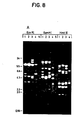
- such typing processes comprise the steps of (1) restricting an individual's DNA using conventional endonucleases and conditions, (2) size fractionating the restricted DNA, for example on conventional gels, (3) hybridizing the size fractionated DNA to the HLA/DR- ⁇ -chain related probes of this invention or fragments thereof and (4) detecting the areas of hybridization.
- the detection of the hybridizing portions of the restricted particular DNA need not be done by a 32 P-labelled probe. Instead, other methods of detecting hybridization may be equally well employed. Such methods include coupling the probe to dye activators, detectable enzymes, avidin, or other detection means.
- Hybridization under conditions of Southern blotting with short (19 base) oligonucleotide DNA fragments has been shown to allow the discrimination of perfect matching sequences (identical or allele) from mismatching sequences (a different sequence or allele). See, e.g., B. J. Conner et al. Proc. Natl. Acad. Sci. USA, 80, pp. 278-282 (1983).
- the level of production of a protein is governed by two major factors: the number of copies of its gene within the cell and the efficiency with which those gene copies are transcribed and translated. Efficiency of transcription and translation (which together comprise expression) is in turn dependent upon nucleotide
- useful vectors may consist of segments of chromosomal, non-chromosomal and synthetic DNA sequences, such as various known bacterial plasmids from E. coli including col E1, pCR1, pBR322 and their derivatives, wider host range plasmids, e.g., RP4, phage DNA, e.g.
- Useful hosts may include bacterial hosts such as strains of E. coli e.g. E. coli K12 MC1061, E. coli HB101, E. coli X1776, E. coli X2282, E. coli MRC1 and strains of Pseudomonas, Bacillus subtilis, Bacillus stearothermophilus and other bacilli, yeasts and other fungi, animal or plant hosts such as animal (including human) or plant cells in culture or other hosts.
- Useful expression control sequences may include the operator, promoter and ribosome binding and interaction sequences of the lactose operon of E. coli ("The lac system"), the corresponding sequences of the tryptophan synthetase system of E. coli ("the trp system”), the major operator and promoter regions of phage ⁇ (O L P L and O R P' R ), the control region of the phage fd coat protein, or other sequences which control or aid the expression of genes of prokaryotic or eukaryotic cells and their viruses or various combinations of them.
- HLA/DR- ⁇ -chain coding sequences of this invention are operatively linked to an expression control sequence in a vector and there employed to transform a host such that culturing the host produces the polypeptide coded for by the inserted coding sequence
- HLA/DR- ⁇ -chain coding sequences expressed in a chosen host-expression control sequence-vector combination of this invention may result in products which are not identical to the authentic HLA-DR- ⁇ chain antigens.
- the coding sequence expressed might code for HLA-DR- ⁇ chains plus a methionine or other amino acids unrelated to HLA-DR- ⁇ chains.
- the DNA sequences expressed might alternatively code for only a part or parts of HLA-DR- ⁇ chains alone or together with methionine or other amino acids.
- a host transformed with a nucleotide sequence coding for a HLA-DR- ⁇ chain-like polypeptide might product that compound alone or fused to other amino acids or it might secrete that product. All that is necessary is that the product, either after isolation from the fermentation culture or after conventional treatment such as cleavage, synthetic linking or other well-known processes displays an immunological or biological activity of the HLA-DR- ⁇ chain antigens.
- HLA-DR polypeptides after purification or antibodies raised against them may be employed to type individuals in conventional HLA-DR typing processes or kits or may be employed in other diagnostic, preventive or therapeutic agents or processes.
- Microorganisms and recombinant DNA molecules prepared by the processes of this invention are exemplified by cultures deposited in the American Type Culture Collection in Rockville, Maryland on July 28, 1982, and identified as DR-P-A, DR-P-B and DR-(3-C: These cultures were assigned accession numbers ATCC 39164, 39163 and 39165, respectively.
Landscapes
- Health & Medical Sciences (AREA)
- Life Sciences & Earth Sciences (AREA)
- Chemical & Material Sciences (AREA)
- Organic Chemistry (AREA)
- Immunology (AREA)
- Proteomics, Peptides & Aminoacids (AREA)
- Zoology (AREA)
- Biophysics (AREA)
- Biochemistry (AREA)
- Engineering & Computer Science (AREA)
- Genetics & Genomics (AREA)
- General Health & Medical Sciences (AREA)
- Molecular Biology (AREA)
- Analytical Chemistry (AREA)
- Wood Science & Technology (AREA)
- Cell Biology (AREA)
- Physics & Mathematics (AREA)
- Medicinal Chemistry (AREA)
- General Engineering & Computer Science (AREA)
- Microbiology (AREA)
- Biotechnology (AREA)
- Toxicology (AREA)
- Gastroenterology & Hepatology (AREA)
- Bioinformatics & Cheminformatics (AREA)
- Measuring Or Testing Involving Enzymes Or Micro-Organisms (AREA)
- Preparation Of Compounds By Using Micro-Organisms (AREA)
- Peptides Or Proteins (AREA)
- Saccharide Compounds (AREA)
- Medicines Containing Antibodies Or Antigens For Use As Internal Diagnostic Agents (AREA)
- Micro-Organisms Or Cultivation Processes Thereof (AREA)
Claims (18)
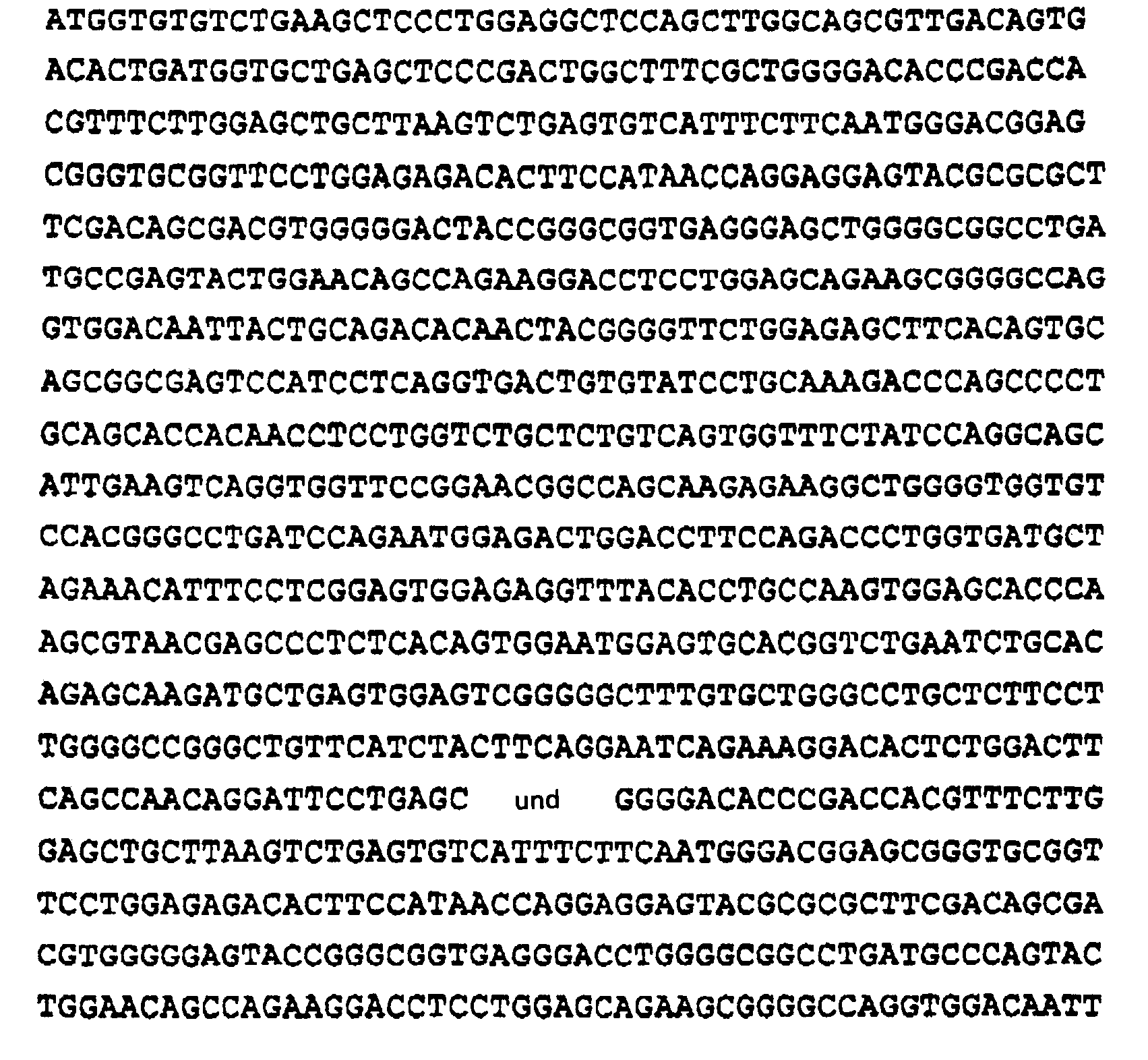
DR-β-C (ATCC 39165) und DNA-Sequenzen, die, wenn sie exprimiert werden, für Polypeptide codieren, für die bei der Expression eines der vorstehenden DNA-Inserts codiert wird.


Priority Applications (1)
| Application Number | Priority Date | Filing Date | Title |
|---|---|---|---|
| AT83304378T ATE60357T1 (de) | 1982-07-30 | 1983-07-28 | Dns-sequenzenkodieren fuer den dr-beta-kettenlocus des menschlichen lymphocytantigenkomplexes und polypeptiden, diagnostische typierungsverfahren und produkte die darauf bezug haben. |
Applications Claiming Priority (4)
| Application Number | Priority Date | Filing Date | Title |
|---|---|---|---|
| GB8222066 | 1982-07-30 | ||
| GB8230441 | 1982-10-25 | ||
| GB8222066 | 1982-10-25 | ||
| GB8230441 | 1982-10-25 |
Publications (3)
| Publication Number | Publication Date |
|---|---|
| EP0103960A2 EP0103960A2 (de) | 1984-03-28 |
| EP0103960A3 EP0103960A3 (en) | 1985-05-29 |
| EP0103960B1 true EP0103960B1 (de) | 1991-01-23 |
Family
ID=26283470
Family Applications (1)
| Application Number | Title | Priority Date | Filing Date |
|---|---|---|---|
| EP83304378A Expired - Lifetime EP0103960B1 (de) | 1982-07-30 | 1983-07-28 | DNS-Sequenzenkodieren für den DR-beta-Kettenlocus des menschlichen Lymphocytantigenkomplexes und Polypeptiden, diagnostische Typierungsverfahren und Produkte die darauf Bezug haben |
Country Status (5)
| Country | Link |
|---|---|
| US (2) | US5169941A (de) |
| EP (1) | EP0103960B1 (de) |
| JP (7) | JP3195784B2 (de) |
| CA (1) | CA1295562C (de) |
| DE (1) | DE3382137D1 (de) |
Families Citing this family (17)
| Publication number | Priority date | Publication date | Assignee | Title |
|---|---|---|---|---|
| US4582788A (en) * | 1982-01-22 | 1986-04-15 | Cetus Corporation | HLA typing method and cDNA probes used therein |
| EP0103960B1 (de) * | 1982-07-30 | 1991-01-23 | Mach, Bernard François, Prof. | DNS-Sequenzenkodieren für den DR-beta-Kettenlocus des menschlichen Lymphocytantigenkomplexes und Polypeptiden, diagnostische Typierungsverfahren und Produkte die darauf Bezug haben |
| US6818393B1 (en) * | 1982-07-30 | 2004-11-16 | Biomirieux Sa | DNA sequences coding for the DR beta-chain locus of the human lymphocyte antigen complex and polypeptides, diagnostic typing processes and products related thereto |
| JP2614853B2 (ja) * | 1985-06-14 | 1997-05-28 | ジェネティック システムズ コーポレイション | 増加した危機の糖尿病に関連する対立遺伝子を同定するための方法 |
| US5066581A (en) * | 1987-02-25 | 1991-11-19 | The Trustees Of Columbia University In The City Of New York | Differentiation antigen, nda3, associated with the receptor for b cell growth factor |
| WO1992015711A1 (en) * | 1991-03-06 | 1992-09-17 | Regents Of The University Of Minnesota | Dna sequence-based hla typing method |
| FR2684688B1 (fr) * | 1991-12-04 | 1994-03-18 | Bertin Et Cie | Procede de selection d'au moins un crible de mutations, son application a un procede d'identification rapide d'alleles de systemes polymorphes et dispositif pour sa mise en óoeuvre. |
| CA2125871A1 (en) * | 1992-10-15 | 1994-04-28 | Keishi Miwa | Process for preparing major histocompatibility antigen class ii protein and materials in which the same is bound |
| WO1997033904A1 (en) * | 1996-03-12 | 1997-09-18 | Human Genome Sciences, Inc. | Death domain containing receptors |
| FR2749308B1 (fr) * | 1996-06-03 | 1998-07-24 | Bio Merieux | Sondes nucleotidiques et procede pour determiner le typage hla dqb1 |
| US6391550B1 (en) * | 1996-09-19 | 2002-05-21 | Affymetrix, Inc. | Identification of molecular sequence signatures and methods involving the same |
| AU4495497A (en) * | 1996-09-19 | 1998-04-14 | Affymetrix, Inc. | Identification of molecular sequence signatures and methods involving the same |
| WO1998036091A1 (en) * | 1997-02-14 | 1998-08-20 | Medical Research Council | Method of determining susceptibility to late-onset alzheimer's disease and dementia with lewy bodies |
| US7175988B2 (en) * | 2001-02-09 | 2007-02-13 | Human Genome Sciences, Inc. | Human G-protein Chemokine Receptor (CCR5) HDGNR10 |
| JP3668942B2 (ja) * | 2002-10-18 | 2005-07-06 | 独立行政法人理化学研究所 | アフリカツメガエル卵母細胞抽出液を用いるタンパク質合成システム |
| CA2560349C (en) * | 2006-09-21 | 2014-04-22 | Mohini H. Sain | Manufacturing process for hybrid organic and inorganic fibre-filled composite materials |
| US20080283557A1 (en) * | 2007-05-17 | 2008-11-20 | Julianne Desautels | Spout for food stuff container |
Family Cites Families (10)
| Publication number | Priority date | Publication date | Assignee | Title |
|---|---|---|---|---|
| DE2860875D1 (en) * | 1977-09-28 | 1981-10-15 | Nat Res Dev | Immunological preparations incorporating mhc antigens and their production |
| FR2422956A1 (fr) * | 1978-04-13 | 1979-11-09 | Pasteur Institut | Procede de detection et de caracterisation d'un acide nucleique ou d'une sequence de celui-ci, et reactif enzymatique pour la mise en oeuvre de ce procede |
| WO1980001986A1 (en) * | 1979-03-27 | 1980-10-02 | A Sanderson | Improvements in or relating to immunological preparations |
| DE3047860A1 (de) * | 1980-12-18 | 1982-07-15 | Boehringer Mannheim Gmbh, 6800 Mannheim | Verfahren zur bestimmung von hla-antigenen |
| US4394443A (en) * | 1980-12-18 | 1983-07-19 | Yale University | Method for cloning genes |
| US4582788A (en) * | 1982-01-22 | 1986-04-15 | Cetus Corporation | HLA typing method and cDNA probes used therein |
| US5110920A (en) * | 1982-01-22 | 1992-05-05 | Cetus Corporation | HLA typing method and DNA probes used therein |
| EP0084796B1 (de) * | 1982-01-22 | 1990-05-02 | Cetus Corporation | Verfahren zur Charakterisierung von HLA und die darin benutzten cDNS-Testmittel |
| DK105582A (da) * | 1982-03-11 | 1983-09-12 | Nordisk Insulinlab | Fremgangsmaade til bestemmelse af humane hla-d(r) vaevstyper og gensonde til brug ved fremgangsmaaden |
| EP0103960B1 (de) * | 1982-07-30 | 1991-01-23 | Mach, Bernard François, Prof. | DNS-Sequenzenkodieren für den DR-beta-Kettenlocus des menschlichen Lymphocytantigenkomplexes und Polypeptiden, diagnostische Typierungsverfahren und Produkte die darauf Bezug haben |
-
1983
- 1983-07-28 EP EP83304378A patent/EP0103960B1/de not_active Expired - Lifetime
- 1983-07-28 DE DE8383304378T patent/DE3382137D1/de not_active Expired - Lifetime
- 1983-07-28 CA CA000433424A patent/CA1295562C/en not_active Expired
- 1983-07-29 US US06/518,393 patent/US5169941A/en not_active Expired - Lifetime
- 1983-07-30 JP JP14043383A patent/JP3195784B2/ja not_active Expired - Lifetime
-
1992
- 1992-06-23 US US07/902,999 patent/US5503976A/en not_active Expired - Lifetime
-
1993
- 1993-06-08 JP JP13767993A patent/JP3195859B2/ja not_active Expired - Lifetime
-
1994
- 1994-09-08 JP JP6214865A patent/JPH07147988A/ja active Pending
-
1995
- 1995-01-26 JP JP7010867A patent/JPH07238095A/ja active Pending
- 1995-10-11 JP JP29048595A patent/JP3195894B2/ja not_active Expired - Lifetime
- 1995-10-11 JP JP29048495A patent/JP3195893B2/ja not_active Expired - Lifetime
-
1996
- 1996-08-06 JP JP8207450A patent/JPH09117289A/ja active Pending
Non-Patent Citations (2)
| Title |
|---|
| Hoppe Sexler's Z. Physiol Chem. Vol.362, p1665-69 (1981) * |
| Immunological Review (1982) Vol. 66, p.133-87 * |
Also Published As
| Publication number | Publication date |
|---|---|
| JP3195893B2 (ja) | 2001-08-06 |
| DE3382137D1 (de) | 1991-02-28 |
| CA1295562C (en) | 1992-02-11 |
| JP3195784B2 (ja) | 2001-08-06 |
| EP0103960A2 (de) | 1984-03-28 |
| JPH06172389A (ja) | 1994-06-21 |
| JPH09117289A (ja) | 1997-05-06 |
| JPS5995889A (ja) | 1984-06-02 |
| JP3195894B2 (ja) | 2001-08-06 |
| US5503976A (en) | 1996-04-02 |
| JPH08205877A (ja) | 1996-08-13 |
| JPH08205867A (ja) | 1996-08-13 |
| JPH07238095A (ja) | 1995-09-12 |
| EP0103960A3 (en) | 1985-05-29 |
| JP3195859B2 (ja) | 2001-08-06 |
| US5169941A (en) | 1992-12-08 |
| JPH07147988A (ja) | 1995-06-13 |
Similar Documents
| Publication | Publication Date | Title |
|---|---|---|
| US5169941A (en) | DNA sequences coding for the DR β-chain locus of the human lymphocyte antigen complex and polypeptides, diagnostic typing processes and products related thereto | |
| Bronson et al. | Isolation and characterization of yeast artificial chromosome clones linking the HLA-B and HLA-C loci. | |
| Owerbach et al. | Susceptibility to insulin-dependent diabetes defined by restriction enzyme polymorphism of HLA-D region genomic DNA | |
| Camuzat et al. | A gene for Leber's congenital amaurosis maps to chromosome 17p | |
| Calman et al. | Mutant human B cell lines deficient in class II major histocompatibility complex transcription. | |
| EP0103000B1 (de) | Verfahren zur determinierung von gewebetypen kodiert durch mhc-gene | |
| CA2490903A1 (en) | Compositions and methods for the detection of human t cell receptor variable family gene expression | |
| Schwarz et al. | Severe combined immunodeficiency (SCID) in man: B cell-negative (B-) SCID patients exhibit an irregular recombination pattern at the JH locus. | |
| Xu et al. | Both DQB genes are expressed in BoLA haplotypes carrying a duplicated DQ region | |
| US6818393B1 (en) | DNA sequences coding for the DR beta-chain locus of the human lymphocyte antigen complex and polypeptides, diagnostic typing processes and products related thereto | |
| US7005276B1 (en) | Nucleic acid molecules correlated with the Rhesus weak D phenotype | |
| EP0200350A2 (de) | Nukleinsäure mit Code für ein T-Zellen-Antigenrezeptor-Polypeptid | |
| Powers et al. | Assignment of the human gene for the α1 subunit of the cardiac DHP-sensitive Ca2+ channel (CCHL1A1) to chromosome 12p12-pter | |
| US7553629B2 (en) | Nucleic acid molecules correlated with the Rhesus weak D phenotype | |
| Matthews et al. | Central MHC genes affect IgA levels in the human: reciprocal effects in IgA deficiency and IgA nephropathy | |
| KR100381902B1 (ko) | 녹내장-코딩 dna 및 단백질 | |
| US5518880A (en) | Methods for diagnosis of XSCID and kits thereof | |
| US7252949B2 (en) | Nucleic acid molecules correlated with the rhesus weak D phenotype | |
| Shaman et al. | Analysis of HLA-DMB mutants and-DMB genomic structure | |
| Wong et al. | An exon map of the AZFc male infertility region of the human Y chromosome | |
| Siddique et al. | Type II Hereditary Angio-Oedema Associated with Two Mutations in One Allele of the C1-lnhibitor Gene around the Reactive-Site Coding Region | |
| US20050112613A1 (en) | Methods and reagents for predicting the likelihood of developing short stature caused by FRAXG | |
| Reynaud et al. | Restriction mapping of cDNA recombinants including the adult chicken and duck globin messenger sequences: a comparative study | |
| Hongming et al. | Reduced complexity of RFLP for HLA‐DR typing by the use of a DRβ3’cDNA probe | |
| O'Reilly | Physical and genetic mapping of the X-linked agammaglobulinemia locus |
Legal Events
| Date | Code | Title | Description |
|---|---|---|---|
| PUAI | Public reference made under article 153(3) epc to a published international application that has entered the european phase |
Free format text: ORIGINAL CODE: 0009012 |
|
| AK | Designated contracting states |
Designated state(s): AT BE CH DE FR GB IT LI LU NL SE |
|
| PUAL | Search report despatched |
Free format text: ORIGINAL CODE: 0009013 |
|
| AK | Designated contracting states |
Designated state(s): AT BE CH DE FR GB IT LI LU NL SE |
|
| 17P | Request for examination filed |
Effective date: 19851127 |
|
| 17Q | First examination report despatched |
Effective date: 19870514 |
|
| RAP1 | Party data changed (applicant data changed or rights of an application transferred) |
Owner name: BIOGEN, INC. |
|
| RAP1 | Party data changed (applicant data changed or rights of an application transferred) |
Owner name: MACH, BERNARD FRANCOIS, PROF. |
|
| GRAA | (expected) grant |
Free format text: ORIGINAL CODE: 0009210 |
|
| AK | Designated contracting states |
Kind code of ref document: B1 Designated state(s): AT BE CH DE FR GB IT LI LU NL SE |
|
| REF | Corresponds to: |
Ref document number: 60357 Country of ref document: AT Date of ref document: 19910215 Kind code of ref document: T |
|
| REF | Corresponds to: |
Ref document number: 3382137 Country of ref document: DE Date of ref document: 19910228 |
|
| ITF | It: translation for a ep patent filed | ||
| ET | Fr: translation filed | ||
| PLBE | No opposition filed within time limit |
Free format text: ORIGINAL CODE: 0009261 |
|
| STAA | Information on the status of an ep patent application or granted ep patent |
Free format text: STATUS: NO OPPOSITION FILED WITHIN TIME LIMIT |
|
| 26N | No opposition filed | ||
| REG | Reference to a national code |
Ref country code: CH Ref legal event code: PUE Owner name: BIOMERIEUX S.A. |
|
| REG | Reference to a national code |
Ref country code: FR Ref legal event code: TP |
|
| NLS | Nl: assignments of ep-patents |
Owner name: BIOMERIEUX SA TE MARCY L'ETOILE, FRANKRIJK. |
|
| ITPR | It: changes in ownership of a european patent |
Owner name: CESSIONE;BIOMERIEUX S.A. |
|
| REG | Reference to a national code |
Ref country code: GB Ref legal event code: 732E |
|
| EPTA | Lu: last paid annual fee | ||
| EAL | Se: european patent in force in sweden |
Ref document number: 83304378.9 |
|
| K2C3 | Correction of patent specification (complete document) published |
Effective date: 19910123 |
|
| K2C3 | Correction of patent specification (complete document) published |
Effective date: 19910123 |
|
| ET1 | Fr: translation filed ** revision of the translation of the patent or the claims | ||
| NLR4 | Nl: receipt of corrected translation in the netherlands language at the initiative of the proprietor of the patent | ||
| REG | Reference to a national code |
Ref country code: GB Ref legal event code: IF02 |
|
| PGFP | Annual fee paid to national office [announced via postgrant information from national office to epo] |
Ref country code: GB Payment date: 20020430 Year of fee payment: 20 |
|
| PGFP | Annual fee paid to national office [announced via postgrant information from national office to epo] |
Ref country code: BE Payment date: 20020508 Year of fee payment: 20 |
|
| PGFP | Annual fee paid to national office [announced via postgrant information from national office to epo] |
Ref country code: LU Payment date: 20020619 Year of fee payment: 20 |
|
| PGFP | Annual fee paid to national office [announced via postgrant information from national office to epo] |
Ref country code: CH Payment date: 20020712 Year of fee payment: 20 |
|
| PGFP | Annual fee paid to national office [announced via postgrant information from national office to epo] |
Ref country code: SE Payment date: 20020717 Year of fee payment: 20 |
|
| PGFP | Annual fee paid to national office [announced via postgrant information from national office to epo] |
Ref country code: AT Payment date: 20020724 Year of fee payment: 20 |
|
| PGFP | Annual fee paid to national office [announced via postgrant information from national office to epo] |
Ref country code: FR Payment date: 20020730 Year of fee payment: 20 |
|
| PGFP | Annual fee paid to national office [announced via postgrant information from national office to epo] |
Ref country code: NL Payment date: 20020731 Year of fee payment: 20 Ref country code: DE Payment date: 20020731 Year of fee payment: 20 |
|
| PG25 | Lapsed in a contracting state [announced via postgrant information from national office to epo] |
Ref country code: LI Free format text: LAPSE BECAUSE OF EXPIRATION OF PROTECTION Effective date: 20030727 Ref country code: GB Free format text: LAPSE BECAUSE OF EXPIRATION OF PROTECTION Effective date: 20030727 Ref country code: CH Free format text: LAPSE BECAUSE OF EXPIRATION OF PROTECTION Effective date: 20030727 |
|
| PG25 | Lapsed in a contracting state [announced via postgrant information from national office to epo] |
Ref country code: NL Free format text: LAPSE BECAUSE OF EXPIRATION OF PROTECTION Effective date: 20030728 Ref country code: LU Free format text: LAPSE BECAUSE OF EXPIRATION OF PROTECTION Effective date: 20030728 Ref country code: AT Free format text: LAPSE BECAUSE OF EXPIRATION OF PROTECTION Effective date: 20030728 |
|
| REG | Reference to a national code |
Ref country code: GB Ref legal event code: PE20 |
|
| REG | Reference to a national code |
Ref country code: CH Ref legal event code: PL |
|
| EUG | Se: european patent has lapsed | ||
| NLV7 | Nl: ceased due to reaching the maximum lifetime of a patent |
Effective date: 20030728 |