EP0124891A2 - Agent anti-mutagène et procédé pour inactiver la mutagénicité de produits alimentaires et boissons utilisant cet agent - Google Patents
Agent anti-mutagène et procédé pour inactiver la mutagénicité de produits alimentaires et boissons utilisant cet agent Download PDFInfo
- Publication number
- EP0124891A2 EP0124891A2 EP84105030A EP84105030A EP0124891A2 EP 0124891 A2 EP0124891 A2 EP 0124891A2 EP 84105030 A EP84105030 A EP 84105030A EP 84105030 A EP84105030 A EP 84105030A EP 0124891 A2 EP0124891 A2 EP 0124891A2
- Authority
- EP
- European Patent Office
- Prior art keywords
- coffee
- powder
- germ
- mutagenicity
- wheat germ
- Prior art date
- Legal status (The legal status is an assumption and is not a legal conclusion. Google has not performed a legal analysis and makes no representation as to the accuracy of the status listed.)
- Withdrawn
Links
- 231100000299 mutagenicity Toxicity 0.000 title claims abstract description 86
- 230000007886 mutagenicity Effects 0.000 title claims abstract description 86
- 238000000034 method Methods 0.000 title claims abstract description 36
- 235000013361 beverage Nutrition 0.000 title claims abstract description 26
- 235000013305 food Nutrition 0.000 title claims abstract description 17
- 239000002592 antimutagenic agent Substances 0.000 title claims abstract description 8
- 230000000415 inactivating effect Effects 0.000 title claims description 8
- 239000003795 chemical substances by application Substances 0.000 title description 2
- 239000000843 powder Substances 0.000 claims abstract description 124
- 241000209140 Triticum Species 0.000 claims abstract description 80
- 235000021307 Triticum Nutrition 0.000 claims abstract description 80
- 235000007340 Hordeum vulgare Nutrition 0.000 claims abstract description 44
- 244000068988 Glycine max Species 0.000 claims abstract description 43
- 235000010469 Glycine max Nutrition 0.000 claims abstract description 43
- GXCLVBGFBYZDAG-UHFFFAOYSA-N N-[2-(1H-indol-3-yl)ethyl]-N-methylprop-2-en-1-amine Chemical compound CN(CCC1=CNC2=C1C=CC=C2)CC=C GXCLVBGFBYZDAG-UHFFFAOYSA-N 0.000 claims abstract description 42
- 235000007164 Oryza sativa Nutrition 0.000 claims abstract description 38
- 235000009566 rice Nutrition 0.000 claims abstract description 38
- 240000007594 Oryza sativa Species 0.000 claims abstract 4
- 235000016213 coffee Nutrition 0.000 claims description 113
- 235000013353 coffee beverage Nutrition 0.000 claims description 113
- 238000002360 preparation method Methods 0.000 claims description 83
- 241000209219 Hordeum Species 0.000 claims description 43
- 244000269722 Thea sinensis Species 0.000 claims description 26
- 235000020086 bourbon whiskey Nutrition 0.000 claims description 21
- 235000006468 Thea sinensis Nutrition 0.000 claims description 16
- 235000020279 black tea Nutrition 0.000 claims description 16
- 230000003505 mutagenic effect Effects 0.000 claims description 6
- 231100000219 mutagenic Toxicity 0.000 claims description 5
- UFHFLCQGNIYNRP-UHFFFAOYSA-N Hydrogen Chemical compound [H][H] UFHFLCQGNIYNRP-UHFFFAOYSA-N 0.000 claims 1
- 239000003937 drug carrier Substances 0.000 claims 1
- 229910052739 hydrogen Inorganic materials 0.000 claims 1
- 239000001257 hydrogen Substances 0.000 claims 1
- 238000004519 manufacturing process Methods 0.000 claims 1
- 239000000463 material Substances 0.000 claims 1
- 239000000126 substance Substances 0.000 abstract description 8
- 230000002790 anti-mutagenic effect Effects 0.000 abstract description 3
- 240000005979 Hordeum vulgare Species 0.000 abstract 1
- 239000004615 ingredient Substances 0.000 abstract 1
- MHAJPDPJQMAIIY-UHFFFAOYSA-N Hydrogen peroxide Chemical compound OO MHAJPDPJQMAIIY-UHFFFAOYSA-N 0.000 description 58
- 241000209094 Oryza Species 0.000 description 34
- XLYOFNOQVPJJNP-UHFFFAOYSA-N water Chemical compound O XLYOFNOQVPJJNP-UHFFFAOYSA-N 0.000 description 30
- 239000012153 distilled water Substances 0.000 description 26
- 239000000284 extract Substances 0.000 description 26
- 210000004027 cell Anatomy 0.000 description 25
- 239000000243 solution Substances 0.000 description 25
- AIJULSRZWUXGPQ-UHFFFAOYSA-N Methylglyoxal Chemical compound CC(=O)C=O AIJULSRZWUXGPQ-UHFFFAOYSA-N 0.000 description 22
- 235000021539 instant coffee Nutrition 0.000 description 21
- 206010028980 Neoplasm Diseases 0.000 description 16
- 241000293869 Salmonella enterica subsp. enterica serovar Typhimurium Species 0.000 description 14
- 239000000203 mixture Substances 0.000 description 14
- 231100000135 cytotoxicity Toxicity 0.000 description 12
- 230000003013 cytotoxicity Effects 0.000 description 12
- 238000002474 experimental method Methods 0.000 description 12
- IAZDPXIOMUYVGZ-UHFFFAOYSA-N Dimethylsulphoxide Chemical compound CS(C)=O IAZDPXIOMUYVGZ-UHFFFAOYSA-N 0.000 description 10
- 235000013616 tea Nutrition 0.000 description 10
- LYAHJFZLDZDIOH-VURMDHGXSA-N (Z)-2-(2-furyl)-3-(5-nitro-2-furyl)acrylamide Chemical compound C=1C=COC=1/C(C(=O)N)=C/C1=CC=C([N+]([O-])=O)O1 LYAHJFZLDZDIOH-VURMDHGXSA-N 0.000 description 9
- YHQDZJICGQWFHK-UHFFFAOYSA-N 4-nitroquinoline N-oxide Chemical compound C1=CC=C2C([N+](=O)[O-])=CC=[N+]([O-])C2=C1 YHQDZJICGQWFHK-UHFFFAOYSA-N 0.000 description 9
- 239000012091 fetal bovine serum Substances 0.000 description 9
- 239000003471 mutagenic agent Substances 0.000 description 9
- 231100000707 mutagenic chemical Toxicity 0.000 description 9
- 229920001817 Agar Polymers 0.000 description 8
- 239000008272 agar Substances 0.000 description 8
- 239000007787 solid Substances 0.000 description 8
- 201000011510 cancer Diseases 0.000 description 7
- 239000002245 particle Substances 0.000 description 7
- 241000533293 Sesbania emerus Species 0.000 description 6
- 230000002354 daily effect Effects 0.000 description 6
- 230000002779 inactivation Effects 0.000 description 6
- 206010007269 Carcinogenicity Diseases 0.000 description 5
- 231100000260 carcinogenicity Toxicity 0.000 description 5
- 230000007670 carcinogenicity Effects 0.000 description 5
- 239000006228 supernatant Substances 0.000 description 5
- 108091003079 Bovine Serum Albumin Proteins 0.000 description 4
- 230000000694 effects Effects 0.000 description 4
- 238000011534 incubation Methods 0.000 description 4
- 210000004185 liver Anatomy 0.000 description 4
- 210000004072 lung Anatomy 0.000 description 4
- 230000035772 mutation Effects 0.000 description 4
- 239000012064 sodium phosphate buffer Substances 0.000 description 4
- 235000002637 Nicotiana tabacum Nutrition 0.000 description 3
- 244000061176 Nicotiana tabacum Species 0.000 description 3
- 239000007864 aqueous solution Substances 0.000 description 3
- 230000000711 cancerogenic effect Effects 0.000 description 3
- 231100000357 carcinogen Toxicity 0.000 description 3
- 239000003183 carcinogenic agent Substances 0.000 description 3
- 230000035622 drinking Effects 0.000 description 3
- HNDVDQJCIGZPNO-UHFFFAOYSA-N histidine Natural products OC(=O)C(N)CC1=CN=CN1 HNDVDQJCIGZPNO-UHFFFAOYSA-N 0.000 description 3
- 230000000968 intestinal effect Effects 0.000 description 3
- 238000005259 measurement Methods 0.000 description 3
- 238000005498 polishing Methods 0.000 description 3
- 239000011148 porous material Substances 0.000 description 3
- 210000002784 stomach Anatomy 0.000 description 3
- MBAJNQDWJUHYOF-UHFFFAOYSA-N 7h-purin-6-amine;pyridine-3-carboxamide Chemical compound NC(=O)C1=CC=CN=C1.NC1=NC=NC2=C1NC=N2 MBAJNQDWJUHYOF-UHFFFAOYSA-N 0.000 description 2
- CSCPPACGZOOCGX-UHFFFAOYSA-N Acetone Chemical compound CC(C)=O CSCPPACGZOOCGX-UHFFFAOYSA-N 0.000 description 2
- FMMWHPNWAFZXNH-UHFFFAOYSA-N Benz[a]pyrene Chemical compound C1=C2C3=CC=CC=C3C=C(C=C3)C2=C2C3=CC=CC2=C1 FMMWHPNWAFZXNH-UHFFFAOYSA-N 0.000 description 2
- 102000016938 Catalase Human genes 0.000 description 2
- 108010053835 Catalase Proteins 0.000 description 2
- 241000699802 Cricetulus griseus Species 0.000 description 2
- WQZGKKKJIJFFOK-GASJEMHNSA-N Glucose Natural products OC[C@H]1OC(O)[C@H](O)[C@@H](O)[C@@H]1O WQZGKKKJIJFFOK-GASJEMHNSA-N 0.000 description 2
- 241000282412 Homo Species 0.000 description 2
- ACFIXJIJDZMPPO-NNYOXOHSSA-N NADPH Chemical compound C1=CCC(C(=O)N)=CN1[C@H]1[C@H](O)[C@H](O)[C@@H](COP(O)(=O)OP(O)(=O)OC[C@@H]2[C@H]([C@@H](OP(O)(O)=O)[C@@H](O2)N2C3=NC=NC(N)=C3N=C2)O)O1 ACFIXJIJDZMPPO-NNYOXOHSSA-N 0.000 description 2
- FAPWRFPIFSIZLT-UHFFFAOYSA-M Sodium chloride Chemical compound [Na+].[Cl-] FAPWRFPIFSIZLT-UHFFFAOYSA-M 0.000 description 2
- 102000004142 Trypsin Human genes 0.000 description 2
- 108090000631 Trypsin Proteins 0.000 description 2
- QVGXLLKOCUKJST-UHFFFAOYSA-N atomic oxygen Chemical compound [O] QVGXLLKOCUKJST-UHFFFAOYSA-N 0.000 description 2
- RYYVLZVUVIJVGH-UHFFFAOYSA-N caffeine Chemical compound CN1C(=O)N(C)C(=O)C2=C1N=CN2C RYYVLZVUVIJVGH-UHFFFAOYSA-N 0.000 description 2
- 238000006243 chemical reaction Methods 0.000 description 2
- WDECIBYCCFPHNR-UHFFFAOYSA-N chrysene Chemical compound C1=CC=CC2=CC=C3C4=CC=CC=C4C=CC3=C21 WDECIBYCCFPHNR-UHFFFAOYSA-N 0.000 description 2
- 238000011161 development Methods 0.000 description 2
- 230000018109 developmental process Effects 0.000 description 2
- 210000003238 esophagus Anatomy 0.000 description 2
- 230000003203 everyday effect Effects 0.000 description 2
- 210000002950 fibroblast Anatomy 0.000 description 2
- 239000000706 filtrate Substances 0.000 description 2
- 239000000796 flavoring agent Substances 0.000 description 2
- 235000019634 flavors Nutrition 0.000 description 2
- 235000013312 flour Nutrition 0.000 description 2
- 239000008103 glucose Substances 0.000 description 2
- 238000005469 granulation Methods 0.000 description 2
- 230000003179 granulation Effects 0.000 description 2
- 238000000227 grinding Methods 0.000 description 2
- 210000005260 human cell Anatomy 0.000 description 2
- XMBWDFGMSWQBCA-UHFFFAOYSA-N hydrogen iodide Chemical compound I XMBWDFGMSWQBCA-UHFFFAOYSA-N 0.000 description 2
- 230000005764 inhibitory process Effects 0.000 description 2
- 239000007788 liquid Substances 0.000 description 2
- 238000002156 mixing Methods 0.000 description 2
- UMFJAHHVKNCGLG-UHFFFAOYSA-N n-Nitrosodimethylamine Chemical compound CN(C)N=O UMFJAHHVKNCGLG-UHFFFAOYSA-N 0.000 description 2
- 229930027945 nicotinamide-adenine dinucleotide Natural products 0.000 description 2
- 210000000056 organ Anatomy 0.000 description 2
- 229910052760 oxygen Inorganic materials 0.000 description 2
- 239000001301 oxygen Substances 0.000 description 2
- 235000019629 palatability Nutrition 0.000 description 2
- 239000008363 phosphate buffer Substances 0.000 description 2
- 239000000047 product Substances 0.000 description 2
- 239000012588 trypsin Substances 0.000 description 2
- 239000011782 vitamin Substances 0.000 description 2
- 235000013343 vitamin Nutrition 0.000 description 2
- 229940088594 vitamin Drugs 0.000 description 2
- 229930003231 vitamin Natural products 0.000 description 2
- 235000015041 whisky Nutrition 0.000 description 2
- DXBHBZVCASKNBY-UHFFFAOYSA-N 1,2-Benz(a)anthracene Chemical compound C1=CC=C2C3=CC4=CC=CC=C4C=C3C=CC2=C1 DXBHBZVCASKNBY-UHFFFAOYSA-N 0.000 description 1
- RYHBNJHYFVUHQT-UHFFFAOYSA-N 1,4-Dioxane Chemical compound C1COCCO1 RYHBNJHYFVUHQT-UHFFFAOYSA-N 0.000 description 1
- NZRLNLVUUYPAGG-UHFFFAOYSA-N 1,4‐dimethyl‐2H‐pyrido[4,3‐b]indol‐3‐amine Chemical compound C1=CC=C2C3=C(C)NC(N)=C(C)C3=NC2=C1 NZRLNLVUUYPAGG-UHFFFAOYSA-N 0.000 description 1
- SJODITPGMMSNRF-UHFFFAOYSA-N 2-aminofluoren-9-one Chemical compound C1=CC=C2C(=O)C3=CC(N)=CC=C3C2=C1 SJODITPGMMSNRF-UHFFFAOYSA-N 0.000 description 1
- JBIJLHTVPXGSAM-UHFFFAOYSA-N 2-naphthylamine Chemical compound C1=CC=CC2=CC(N)=CC=C21 JBIJLHTVPXGSAM-UHFFFAOYSA-N 0.000 description 1
- ARSRBNBHOADGJU-UHFFFAOYSA-N 7,12-dimethyltetraphene Chemical compound C1=CC2=CC=CC=C2C2=C1C(C)=C(C=CC=C1)C1=C2C ARSRBNBHOADGJU-UHFFFAOYSA-N 0.000 description 1
- 238000010953 Ames test Methods 0.000 description 1
- 231100000039 Ames test Toxicity 0.000 description 1
- TXVHTIQJNYSSKO-UHFFFAOYSA-N BeP Natural products C1=CC=C2C3=CC=CC=C3C3=CC=CC4=CC=C1C2=C34 TXVHTIQJNYSSKO-UHFFFAOYSA-N 0.000 description 1
- 241000283690 Bos taurus Species 0.000 description 1
- 241001362614 Crassa Species 0.000 description 1
- LFQSCWFLJHTTHZ-UHFFFAOYSA-N Ethanol Chemical compound CCO LFQSCWFLJHTTHZ-UHFFFAOYSA-N 0.000 description 1
- LPHGQDQBBGAPDZ-UHFFFAOYSA-N Isocaffeine Natural products CN1C(=O)N(C)C(=O)C2=C1N(C)C=N2 LPHGQDQBBGAPDZ-UHFFFAOYSA-N 0.000 description 1
- WNYADZVDBIBLJJ-UHFFFAOYSA-N N-Nitrosopyrrolidine Chemical compound O=NN1CCCC1 WNYADZVDBIBLJJ-UHFFFAOYSA-N 0.000 description 1
- VZUNGTLZRAYYDE-UHFFFAOYSA-N N-methyl-N'-nitro-N-nitrosoguanidine Chemical compound O=NN(C)C(=N)N[N+]([O-])=O VZUNGTLZRAYYDE-UHFFFAOYSA-N 0.000 description 1
- 206010061902 Pancreatic neoplasm Diseases 0.000 description 1
- 102000003992 Peroxidases Human genes 0.000 description 1
- 241000607142 Salmonella Species 0.000 description 1
- GLNADSQYFUSGOU-GPTZEZBUSA-J Trypan blue Chemical compound [Na+].[Na+].[Na+].[Na+].C1=C(S([O-])(=O)=O)C=C2C=C(S([O-])(=O)=O)C(/N=N/C3=CC=C(C=C3C)C=3C=C(C(=CC=3)\N=N\C=3C(=CC4=CC(=CC(N)=C4C=3O)S([O-])(=O)=O)S([O-])(=O)=O)C)=C(O)C2=C1N GLNADSQYFUSGOU-GPTZEZBUSA-J 0.000 description 1
- 238000009825 accumulation Methods 0.000 description 1
- 230000002411 adverse Effects 0.000 description 1
- OQIQSTLJSLGHID-WNWIJWBNSA-N aflatoxin B1 Chemical compound C=1([C@@H]2C=CO[C@@H]2OC=1C=C(C1=2)OC)C=2OC(=O)C2=C1CCC2=O OQIQSTLJSLGHID-WNWIJWBNSA-N 0.000 description 1
- 239000002115 aflatoxin B1 Substances 0.000 description 1
- 235000013334 alcoholic beverage Nutrition 0.000 description 1
- 150000001413 amino acids Chemical class 0.000 description 1
- 239000007900 aqueous suspension Substances 0.000 description 1
- 230000015572 biosynthetic process Effects 0.000 description 1
- 238000009835 boiling Methods 0.000 description 1
- 229960001948 caffeine Drugs 0.000 description 1
- VJEONQKOZGKCAK-UHFFFAOYSA-N caffeine Natural products CN1C(=O)N(C)C(=O)C2=C1C=CN2C VJEONQKOZGKCAK-UHFFFAOYSA-N 0.000 description 1
- 231100000315 carcinogenic Toxicity 0.000 description 1
- 238000005119 centrifugation Methods 0.000 description 1
- 235000013339 cereals Nutrition 0.000 description 1
- 239000002962 chemical mutagen Substances 0.000 description 1
- 210000000349 chromosome Anatomy 0.000 description 1
- 239000003280 clastogen Substances 0.000 description 1
- 231100000506 clastogen Toxicity 0.000 description 1
- 231100000505 clastogenic Toxicity 0.000 description 1
- 230000003541 clastogenic effect Effects 0.000 description 1
- 150000001875 compounds Chemical class 0.000 description 1
- 239000012141 concentrate Substances 0.000 description 1
- 231100000433 cytotoxic Toxicity 0.000 description 1
- 230000001472 cytotoxic effect Effects 0.000 description 1
- 230000001419 dependent effect Effects 0.000 description 1
- BNIILDVGGAEEIG-UHFFFAOYSA-L disodium hydrogen phosphate Chemical compound [Na+].[Na+].OP([O-])([O-])=O BNIILDVGGAEEIG-UHFFFAOYSA-L 0.000 description 1
- 229910000397 disodium phosphate Inorganic materials 0.000 description 1
- 230000008030 elimination Effects 0.000 description 1
- 238000003379 elimination reaction Methods 0.000 description 1
- 238000011156 evaluation Methods 0.000 description 1
- 230000001605 fetal effect Effects 0.000 description 1
- 210000003754 fetus Anatomy 0.000 description 1
- 238000001914 filtration Methods 0.000 description 1
- 238000004108 freeze drying Methods 0.000 description 1
- 230000035784 germination Effects 0.000 description 1
- 239000011521 glass Substances 0.000 description 1
- 238000010438 heat treatment Methods 0.000 description 1
- 230000001771 impaired effect Effects 0.000 description 1
- 230000000937 inactivator Effects 0.000 description 1
- 238000010348 incorporation Methods 0.000 description 1
- 230000002427 irreversible effect Effects 0.000 description 1
- 210000000867 larynx Anatomy 0.000 description 1
- 208000032839 leukemia Diseases 0.000 description 1
- 244000005700 microbiome Species 0.000 description 1
- 238000000386 microscopy Methods 0.000 description 1
- 230000011278 mitosis Effects 0.000 description 1
- MEFBJEMVZONFCJ-UHFFFAOYSA-N molybdate Chemical compound [O-][Mo]([O-])(=O)=O MEFBJEMVZONFCJ-UHFFFAOYSA-N 0.000 description 1
- 229910000402 monopotassium phosphate Inorganic materials 0.000 description 1
- 210000000214 mouth Anatomy 0.000 description 1
- 230000000050 nutritive effect Effects 0.000 description 1
- 239000003960 organic solvent Substances 0.000 description 1
- 210000001672 ovary Anatomy 0.000 description 1
- 210000000496 pancreas Anatomy 0.000 description 1
- 108040007629 peroxidase activity proteins Proteins 0.000 description 1
- 210000003800 pharynx Anatomy 0.000 description 1
- 238000007747 plating Methods 0.000 description 1
- 238000011533 pre-incubation Methods 0.000 description 1
- 210000002307 prostate Anatomy 0.000 description 1
- 238000011160 research Methods 0.000 description 1
- 229940065287 selenium compound Drugs 0.000 description 1
- 150000003343 selenium compounds Chemical class 0.000 description 1
- 210000003491 skin Anatomy 0.000 description 1
- 239000011780 sodium chloride Substances 0.000 description 1
- 230000002269 spontaneous effect Effects 0.000 description 1
- 238000001694 spray drying Methods 0.000 description 1
- 230000004083 survival effect Effects 0.000 description 1
- 238000012360 testing method Methods 0.000 description 1
- -1 thiol compounds Chemical class 0.000 description 1
- 231100000331 toxic Toxicity 0.000 description 1
- 230000002588 toxic effect Effects 0.000 description 1
- 229960001814 trypan blue Drugs 0.000 description 1
- 230000002485 urinary effect Effects 0.000 description 1
- 238000005303 weighing Methods 0.000 description 1
- 229940075487 wheat germ preparation Drugs 0.000 description 1
Images



Classifications
-
- A—HUMAN NECESSITIES
- A23—FOODS OR FOODSTUFFS; TREATMENT THEREOF, NOT COVERED BY OTHER CLASSES
- A23F—COFFEE; TEA; THEIR SUBSTITUTES; MANUFACTURE, PREPARATION, OR INFUSION THEREOF
- A23F5/00—Coffee; Coffee substitutes; Preparations thereof
- A23F5/24—Extraction of coffee; Coffee extracts; Making instant coffee
- A23F5/36—Further treatment of dried coffee extract; Preparations produced thereby, e.g. instant coffee
- A23F5/40—Further treatment of dried coffee extract; Preparations produced thereby, e.g. instant coffee using organic additives, e.g. milk, sugar
-
- A—HUMAN NECESSITIES
- A23—FOODS OR FOODSTUFFS; TREATMENT THEREOF, NOT COVERED BY OTHER CLASSES
- A23F—COFFEE; TEA; THEIR SUBSTITUTES; MANUFACTURE, PREPARATION, OR INFUSION THEREOF
- A23F3/00—Tea; Tea substitutes; Preparations thereof
- A23F3/06—Treating tea before extraction; Preparations produced thereby
- A23F3/14—Tea preparations, e.g. using additives
-
- A—HUMAN NECESSITIES
- A23—FOODS OR FOODSTUFFS; TREATMENT THEREOF, NOT COVERED BY OTHER CLASSES
- A23F—COFFEE; TEA; THEIR SUBSTITUTES; MANUFACTURE, PREPARATION, OR INFUSION THEREOF
- A23F5/00—Coffee; Coffee substitutes; Preparations thereof
- A23F5/10—Treating roasted coffee; Preparations produced thereby
- A23F5/14—Treating roasted coffee; Preparations produced thereby using additives, e.g. milk or sugar; Coating
-
- A—HUMAN NECESSITIES
- A23—FOODS OR FOODSTUFFS; TREATMENT THEREOF, NOT COVERED BY OTHER CLASSES
- A23L—FOODS, FOODSTUFFS OR NON-ALCOHOLIC BEVERAGES, NOT OTHERWISE PROVIDED FOR; PREPARATION OR TREATMENT THEREOF
- A23L29/00—Foods or foodstuffs containing additives; Preparation or treatment thereof
- A23L29/03—Organic compounds
-
- A—HUMAN NECESSITIES
- A23—FOODS OR FOODSTUFFS; TREATMENT THEREOF, NOT COVERED BY OTHER CLASSES
- A23L—FOODS, FOODSTUFFS OR NON-ALCOHOLIC BEVERAGES, NOT OTHERWISE PROVIDED FOR; PREPARATION OR TREATMENT THEREOF
- A23L7/00—Cereal-derived products; Malt products; Preparation or treatment thereof
- A23L7/10—Cereal-derived products
- A23L7/152—Cereal germ products
-
- C—CHEMISTRY; METALLURGY
- C12—BIOCHEMISTRY; BEER; SPIRITS; WINE; VINEGAR; MICROBIOLOGY; ENZYMOLOGY; MUTATION OR GENETIC ENGINEERING
- C12G—WINE; PREPARATION THEREOF; ALCOHOLIC BEVERAGES; PREPARATION OF ALCOHOLIC BEVERAGES NOT PROVIDED FOR IN SUBCLASSES C12C OR C12H
- C12G3/00—Preparation of other alcoholic beverages
Definitions
- the present invention relates to an antimutagenic agent capable of reducing or eliminating the mutagenicity of foods and beverages, as well as a method of inactivating the mutagenicity of foods and beverages by using said agent.
- the antimutagenic agent used in the present invention is produced from wheat germ, barley malt, soybeans, powders thereof, rice bran including rive germ, and extracted fractions thereof.
- Salmonella test also known as the Ames test
- Ames, B.N. et al. Mutation Res., Vol. 31, 347, 1975
- Many research institutes checked the mutagenicity of compounds by the Ames method and have confirmed that the correlation of the result with their carcinogenicity is as high as 80 to 90% (McCann, J. et al.: Proc. Natl. Acad. Sci. (U.S.A.), Vol. 72, 5153, 1975; Maron, D.M. and Ames, B.N.: Mutation Res., vol. 113, 173, 1983).
- mutagens would be of great help in protecting humans from the risk of cancer development. Furthermore, mutation is the result of damage to chromosomes and DNA, and mutagens will have certain adverse effects on human health even if they do not cause cancers. This is why foods and beverages that can be ingested without the fear of mutagenicity are desired in modern life.
- Mutagens that have been proved to be present in foods and beverages include benzo(a)pyrene, aflatoxin B 1 , 2-aminofluorenone, benz(a)anthracene, chrysene, dimethyl- nitrosoamine, ⁇ -naphthylamine, nitrosopyrrolidine and methylglyoxal, and many of these have been demonstrated to have carcinogenicity as well as mutagenicity.
- people are unable to do without common foods and beverages even if they have been proved to contain mutagens, and putting a legal ban on their daily intake is certainly out of the question.
- a particular problem here is that tobacco and beverages that are daily taken in not for their nutritive values but for their refreshing and soothing effects often have higher levels of mutagenicity than daily foods and beverages, as shown in Table 1 below.
- the present invention provides a method of eliminating or attenuating the mutagenicity of foods and beverages, thereby increasing their safety and even restoring the confidence that they can be ingested without causing any hazard to human health.
- germ preparations wheat germ, barley malt, soybeans, powders thereof, rice bran and extracted fractions thereof (these are hereunder collectively referred to as germ preparations) have a great ability to inactivate the mutagenicity of foods and beverages such as coffee, black tea, and bourbon whiskey.
- the present invention has been accomplished on the basis of this finding.
- the present invention relates to a method of inactivating the mutagenicity of foods and beverages by causing the germ preparations to act on them.
- the present invention also relates to an antimutagenic agent comprising such germ preparations.
- the present invention aims not only at reducing or eliminating the mutagenicity of foods and beverages but also at reducing their cytotoxicity.
- the amount of the germ preparation required to suppress the mutagenicity of coffee is from 0.25 to 10 mg, preferably from 0.25 to 2.5 mg, in terms of wheat germ powder, barley malt powder, soybean powder or rice bran (these will be hereunder referred to as the germ powder), and from 0.05 to 5 mg, preferably from 0.05 to 0.5 mg in terms of a powder of extracted wheat germ, barley malt, soybean or rice bran fraction (these will be hereunder referred to as the extracted germ powder) for 1 ml of a solution with a concentration normal to ordinary persons (5 - 20 mg of coffee powder per ml). These amounts are sufficient for achieving the results to be described later in this invention.
- the germ preparation according to the present invention may be added to coffee in various methods; it may be blended with roasted, either milled or unmilled, coffee beans (to make regular coffee), or it may be added to the coffee solution extracted from roasted coffee beans (to make liquid coffee or canned coffee), or it may be uniformly mixed with a spray-dried or freeze-dried coffee powder (to make instant coffee) or a liquid form of the germ preparation may be sprayed onto coffee powder by granulation in a fluidized bed (also to make instant coffee).
- the coffee whose mutagenicity has been reduced or completely inactivated by the method of the present invention retains its initial flavor and can be drunk every day without increasing hazards to human health.
- the germ preparation used in the mehtod of the present invention is sufficiently effective in inactivating the mutagenicity of coffee. However, if this preparation is loaded with temperatures of 80°C or higher immediately after adding it to coffee, the mutagenicity of coffee may develop again, and if the preparation is subjected to 120°C for a period of 20 minutes or longer, nearly 90% of coffee's mutagenicity will be restored. Since coffee is usually served hot, it is desired to ensure that the mutagens in coffee are permanently inactivated.
- the amount of the germ preparation required to suppress the mutagenicity of coffee is from 0.25 to 10 mg, preferably from 0.25 to 2.5 mg, in terms of wheat germ powder, barley malt powder, soybean powder or rice bran, and from 0.05 to 5 mg, preferably from 0.05 to 0.5 mg, in terms of a powder of extracted wheat germ, barley malt, soybean or rice bran fraction, for 1 ml of a solution with a concentration which is normal to ordinary persons (i.e., 5 - 20 mg of coffee powder per ml).
- the necessary amount of hydrogen peroxide will range from 0.03 to 4 mM, but it may be used in excess of this amount.
- the mutagenicity of coffee can be reduced to about 50% of the initial level, or it can be eliminated almost completely.
- the mutagens in coffee that has been once suppressed will not revive even if the coffee is subsequently heated.
- instant coffee rather than regular coffee is preferred and may be produced by the following procedure: the germ preparation and hydrogen peroxide are added to the coffee solution extracted from roasted coffee beans, and after optional filtration, the mixture is reduced into particles by spray-drying or freeze-drying.
- the hydrogen peroxide may be removed from the coffee by heat treatment or during the formation of dry particles.
- the germ preparation of the present invention is capable of inactivating the mutagenicity of black tea and straight bourbon whiskey as well as that of coffee.
- a powder of the germ preparation may be mixed with fire-dried tea leaves, or the germ preparation may be deposited on tea leaves by granulation in a fluidized bed.
- the germ preparation either in a powder or solution form may be added to black tea just before drinking.
- the mutagenicity of balck tea can be sufficiently reduced.
- the mutagenicity of bourbon whiskey can also be inactivated either by incorporating the germ preparation in bottled whiskey or by adding a powder or solution of the germ preparation to a glass of whiskey.
- extracted fractions of wheat germ, barley malt, soybean or rice bran are preferably used so as not to impair the appearance and other factors that affect the commercial value of the product.
- the extracted germ powder is typically used in an amount of 0.05 to 5 mg per ml of black tea having a concentration usual to ordinary persons, whereas 0.05 to 2 mg of the powder is usually added to 1 ml of bourbon whiskey.
- Histidine-requiring Salmonella typhimurium TA 100 (hereunder S. TA 100) was used.
- Instant coffee powder was dissolved in distilled water.
- Predetermined amounts of wheat germ preparations were also dissolved in distilled water, and 50 ⁇ l of each solution was mixed with an equal amount of the aqueous coffee solution.
- Roasted coffee beans (20 g) were extracted with hot distilled water (250 ml), and the extract was filtered through coffee filter paper No. 12 manufactured by Kalita Co., Ltd.
- the extract was freeze-dried, and after measuring the weight of the dry product, it was dissolved in distilled water.
- Predetermined amounts of wheat germ preparations were also dissolved in distilled water, and 50 ⁇ l of each solution was mixed with an equal amount of the aqueous solution of coffee concentrate.
- a commercial straight bourbon whiskey was concentrated to dryness under vacuum at 40°C in an evaporator.
- the dry residue was dissolved again in DMSO.
- Predetermined amounts of wheat germ preparations were dissolved in distilled water. Each solution of germ preparation was mixed with the solution of the residue in equal amounts to make 1.00 1.
- 4-Nitroquinoline 1-oxide (4NQO), methylglyoxal (MG) and 2-(2-furyl)-3-(5-nitro-2-furyl)acrylamide (AF-2) were each dissolved in DMSO.
- Predetermined amounts of wheat germ preparations were dissolved in distilled water, and each solution was mixed with the DMSO solution of each chemical substance in a ratio of 1:4 to make 100 ⁇ l.
- Wheat germ that separated from grains upon polishing was used in this example either directly or after grinding it into particles with a flour mill.
- Predetermined amounts of wheat germ and its powder were dissolved in distilled water for use in the experiment.
- a powder of extracted wheat germ was prepared as follows: 1 g of wheat germ was extracted with 10 ml of distilled water at 4°C for 30 minutes; the extract was centrifuged (1,000 G); the supernatant was filtered through a millipore filter (pore size: 0.45 u m); and the filtrate was freeze-dried to form particles.
- Predetermined amounts of the resulting powder were dissolved in distilled water for use in the experiment.
- CHL cells Chinese hamster lung fibroblasts or CHL cells (5 x 10⁴) were transferred onto VAMEM or an MEM medium supplemented with vitamins, amino acids and 10% fetal bovine serum, and incubation was made at 37°C for 48 hours in 5% C0 2 atmosphere. A flat-bottom (5.5 cm ) tube was used as an incubator. The cells were treated for 3 hours with predetermined concentrations of sample with 1 ml of VAMEM containing 3.5% fetal bovine serum. After the treatment with sample, the CHL cells were washed once with VAMEM and twice with a phosphate buffer (135 mM NaCl, 2.7 mM KC1, 5.3 mM Na 2 HPO 4 , and 1.45 mM KH 2 P0 4 ).
- a phosphate buffer (135 mM NaCl, 2.7 mM KC1, 5.3 mM Na 2 HPO 4 , and 1.45 mM KH 2 P0 4 ).
- the cells were removed by treatment with trypsin, and 200 to 400 cells were transferred to a petri dish (60 mm ⁇ ) and incubated in 5 ml of VAM E M containing 10% fetal bovine serum. The plating efficiency was checked on the 7th day of the incubation.
- Fetal human intestinal cells (Flow 11000, 3 x 10 5 cells) were transferred onto MEM (Hanks) medium supplemented with 10 % fetal bovine serum FBS, and were incubated at 37°C overnight in 5 % C0 2 atmosphere. Then, the medium was changed to MEM (Earle) medium supplemented with 10 % FBS, and the cells were further incubated for 48 hours. The cells were treated for 3 hours with predetermined concentrations of sample, and were incubated overnight in MEM (Hanks) medium supplemented with 10 % FBS after being washed with MEM (Earle) medium. Then, the cells were washed again with MEM (Earle) medium, and were treated with 0.25 % trypsin.
- the percent survival of the cells was determined by the following formula:
- the concentration of hydrogen peroxide in coffee was determined by measuring the concentration of oxygen which was generated from catalase treated hydrogen peroxide as shown in the following reaction.
- Electrode for oxygen (Type DG-5) and reaction system (Type BOM-11) were obtained from Ishikawa Seisakusho Ltd. Catalase prepared from bovine liver was purchased from P-L biochemicals, Inc. USA. The method we used was able to detect as little as 0.2 ppm of hydrogen peroxide. However, the method of detecting it by measuring the amount of iodide released from potossium iodide in the presence of molybdate ion could hardly detect even 30 ppm of hydrogen peroxide.
- a powder of extracted coffee beans (15 mg) as prepared by the method shown in I)(iii)(b) was dissolved in distilled water to make 50 ⁇ l.
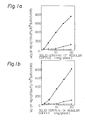
- Predetermined amount of wheat germ preparations were dissolved or suspended in distilled water to make a total of 50 ul, and each solution was mixed with the aqueous solution of coffee extract. After leaving the mixture to stand at room temperature for 20 minutes, 0.5 ml of 0.1 M sodium phosphate buffer (pH 7.4) and 0.1 ml of a culture of S. TA 100 were added sequentially.
- the mutagenicity of each mixture was determined by the method shown in I)(i). The results are shown in Fig. 1.
- the greater part of the mutagenicity of regular coffee could be inactivated by incorporating 8% (w/w) of wheat germ or its powder, of 1.6% (w/w) of a powder of extract from germ with respect to the extracted coffee powder.
- the extract coffee powder must be mixed with 62.5% of wheat germ or its powder, or 12.5% of a powder of extracted wheat germ.
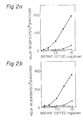
- Samples of commercial soluble instant coffee (1.5 mg, 3.75 mg, 7.5 mg, 11.25 mg and 15.0 mg) were dissolved in distilled water to make solutions each weighing 50 ⁇ l.
- Predetermined amounts of wheat germ preparations were also dissolved in distilled water to make 50 ⁇ l, and each solution was mixed with the aqueous coffee solutions.
- 0.1 M phosphate buffer (pH 7.4) and 100 ⁇ l of a culture of S. TA 100 were added, and the mutagenicity of instant coffee was determined as in (a). The results are shown in Fig. 2.
- the mutagenicity of instant coffee was markedly reduced or completely eliminated by addition of wheat germ preparations.
- the greater part of the mutagenicity of instant coffee could be inactivated by incorporating 8% (w/w) of wheat germ or its powder, or 1.6% (w/w) of a powder of extracted wheat germ with respect to the coffee powder.
- coffee powder must be mixed with 62.5% of wheat germ or its powder, or 12.5% of a powder of extracted wheat germ.
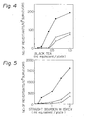
- the tea samples prepared by the method shown in I) (iii)(c) is mutagenic to S. TA 100 (ca'. 200 revertants/10 8 survivors per ml).
- This mutagenicity could be reduced to less than a half by adding a wheat germ powder and a powder of extracted wheat germ to give respective concentrations of 55 mg/ml (tea) and 2.75 mg/ml (tea).
- the straight bourbon whiskey samples prepared by the mehtod shown in I)(iii)(d) is highly mutagenic in S. TA 100 (ca. 800 revertants/10 8 survivors).
- the mutagenicity levels of the samples were reduced to 21.6% and 32.5%, respectively.
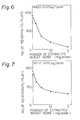
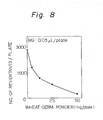
- 4NQO is a carcinogen that induces cancer in the skin, lungs or stomach; AF-2 is also a carcinogen that induces cancer in the stomach; and MG (methylglyoxal) is a mutagen that has been proved to be present in coffee.
- Wheat germ preparations according to the present invention exhibit a strong antimutagenicity against these substances. When 3 mg of a powder of extracted wheat germ was added to each of 4NQO (0.125 ⁇ g) and AF-2 (0.02 ⁇ g), their mutagenicity levels were inactivated by 93.7% and 68.1%, respectively. When 50 mg of wheat germ was added to 0.05 ⁇ l of MG, its mutagenicity was inactivated by 92.3%. For the efficacy against the three mutagens, see Figs. 6, 7 and 8.
- Example 1 The procedure of Example 1 was repeated except that the barley malt, soybean and rice bran prepared as shown below were used as germ preparations and that no experiment was conducted with 4NQO, AF-2 and MG. Water-insoluble germ preparations were used in the form of aqueous suspensions rather than solutions.
- Rice bran that separated from rice grans as a result of polishing was used.
- Barley wheat and soybean powders were prepared by grinding barley malt and soybean in a mill. Predetermined amounts of rice bran, barley malt and soybean were dissolved or suspended in distilled water. Dried powders of the extracted fractions of rice bran, barley malt and soybean were prepared as follows: 1 g of each substance was extracted with 10 ml of distilled water at 4°C for 30 minutes; the extract was centrifuged (1,000 G); the supernatant was filtered through a millipore filter (pore size: 0.45 pm); and the filtrate was freeze-dried to form particles. Predetermined amounts of the so prepared dry particles of extracts were dissolved or suspended in distilled water for use in the experiment.
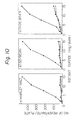
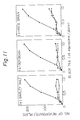
- the greater part of the mutagenicity of regular coffee can be inactivated by incorporating 5% (w/w) of barley malt, soybean or rice bran or 1.0% (w/w) of a dried powder of extracted barley malt, soybean or rice bran with respect to the extracted coffee powder.
- 5% (w/w) of barley malt, soybean or rice bran or 1.0% (w/w) of a dried powder of extracted barley malt, soybean or rice bran with respect to the extracted coffee powder.
- 20% of barley malt, soybean or rice bran or 4% of a dried powder of extracted barley malt, soybean or rice bran is necessary.
- Germ preparations were checked for their abiility to suppress the mutagenicity of commercial soluble instant coffee samples by repeating the procedure used with regular coffee. The results are shown in Fig. 10. As in the case of regular coffee, the mutagenicity of instant coffee was markedly reduced or completely eliminated by addition of germ preparations. The greater part of the mutagenicity of instant coffee could be inactivated by incorporating 5% (w/w) of barley malt powder, soybean powder or rice bran, or 1% (w/w) of a dried powder of extracted barley malt, soybean or rice bran fraction, with respect to the coffee powder.
- the tea samples prepared by the method shown in Example 1, I)(iii)(c) caused high mutagenicity in S. TA 100 (ca. 200 revertants/10 survivors).
- This mutagenicity could be significantly reduced by adding barley malt, soybean or rice bran to give a concentration of 20%, or by adding a dried powder of extracted barley malt, soybean or rice bran fraction in a concentration of 4%.
- the straight bourbon whiskey samples prepared by the method shown in Examole 1 I)(iii)(d) caused high mutagenicity in S. TA 100 cells (ca. 800 revertants/10 8 survivors).
- Souble instant coffee was dissolved in either aqueous hydrogen peroxide or distilled water. Predetermined amounts of germ preparations were also dissolved in distilled water to make 50 ⁇ l, and each solution was mixed with 50 u l of coffee solution in either aqueous the hydrogen peroxide or distilled water.
- Wheat germ that separated during polishing was used either immediately or after being grounded into particles by a flour mill. Barley seeds either before or after germination were used as barley malt. Their powders were also used. Soybean powder was used, too. Predetermined amounts of these germ preparations were suspended or dissolved in distilled water for use in the experiment. Powders of germ extract were prepared by the following procedure: 1 g of wheat germ or germ powder was extracted with 10 ml of distilled water or a mixture of water and an organic solvent (e.g.
- the mutagenicity of coffee could be substantially inactivated by addition of germ preparations either alone or in combination with hydrogen peroxide.
- the number of spontaneous mutant colonies (control) of S. TA 100 was 107.
- the number of revertant colonies forming on the plates treated with coffee samples containing the germ preparations and/or hydrogen peroxide according to the present invention was in the range of 13 to 41, which is significantly lower than 107. Therefore, it can be safely concluded that the mutagenicity of coffee could be substantially inactivated by the present invention.
- a soluble instant coffee (15 mg) was mixed with 1 mg of a dried powder of extracted wheat germ, and to the mixture, 30% aqueous hydrogen peroxide was added in the amounts indicated in Table 3. After standing at room temperature for 30 minutes, the respective samples were autoclaved at 120°C for 20 minutes. The mutagenicity data for the tested samples is also shown in Table 3.
- Hydrogen peroxide is mutagenic (160 revertants/10 8 survivors/Pmole) to S. TA 100, and is also mutagenic to Neuros p era crassa (C. Auerbach and D. Ramsey, Mol. Gen. Genet., Vol, 117,1-13, 1972), and is clastogenic to human cells (A. Tonomura, Proac. E.M.S. Japan, 33, 1981).
- carcinogenicity 0.1 % of hydrogen peroxide proved to cause malignant tumors in mouse deodenum (A. Ito et al., Grann, Vol. 73, 315-322, 1982).
- the mutagenicity of foods and beverages can be reduced or eliminated by mixing them with the germ preparations according to the present invention.
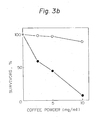
- the cytotoxicity of foods and beverages can also be reduced by using the germ preparations.
- the taste and flavor of beverages will not be impaired by treated them according to the method of the present invention.
- the vitamins contained in the germ preparations are taken in together with the preparations and may be effectively used to promote human health.
Landscapes
- Chemical & Material Sciences (AREA)
- Life Sciences & Earth Sciences (AREA)
- Engineering & Computer Science (AREA)
- Polymers & Plastics (AREA)
- Food Science & Technology (AREA)
- Health & Medical Sciences (AREA)
- Organic Chemistry (AREA)
- Nutrition Science (AREA)
- Biochemistry (AREA)
- Genetics & Genomics (AREA)
- Wood Science & Technology (AREA)
- Zoology (AREA)
- General Health & Medical Sciences (AREA)
- General Engineering & Computer Science (AREA)
- Bioinformatics & Cheminformatics (AREA)
- Medicines Containing Plant Substances (AREA)
- Tea And Coffee (AREA)
- Non-Alcoholic Beverages (AREA)
Applications Claiming Priority (10)
| Application Number | Priority Date | Filing Date | Title |
|---|---|---|---|
| JP58078562A JPS59204127A (ja) | 1983-05-04 | 1983-05-04 | 抗変異原性剤 |
| JP78562/83 | 1983-05-04 | ||
| JP78563/83 | 1983-05-04 | ||
| JP58078563A JPS59204125A (ja) | 1983-05-04 | 1983-05-04 | 抗変異原性剤を含有する嗜好飲料配合物 |
| JP58124244A JPS6016933A (ja) | 1983-07-08 | 1983-07-08 | 抗変異原性剤 |
| JP124245/83 | 1983-07-08 | ||
| JP124244/83 | 1983-07-08 | ||
| JP58124245A JPS6016579A (ja) | 1983-07-08 | 1983-07-08 | 抗変異原性剤を含有する嗜好飲料配合物 |
| JP58160879A JPS6054638A (ja) | 1983-09-01 | 1983-09-01 | コ−ヒ−飲料の製造法 |
| JP160879/83 | 1983-09-01 |
Publications (2)
| Publication Number | Publication Date |
|---|---|
| EP0124891A2 true EP0124891A2 (fr) | 1984-11-14 |
| EP0124891A3 EP0124891A3 (fr) | 1987-12-02 |
Family
ID=27524730
Family Applications (1)
| Application Number | Title | Priority Date | Filing Date |
|---|---|---|---|
| EP84105030A Withdrawn EP0124891A3 (fr) | 1983-05-04 | 1984-05-04 | Agent anti-mutagène et procédé pour inactiver la mutagénicité de produits alimentaires et boissons utilisant cet agent |
Country Status (2)
| Country | Link |
|---|---|
| EP (1) | EP0124891A3 (fr) |
| CA (1) | CA1220720A (fr) |
Cited By (3)
| Publication number | Priority date | Publication date | Assignee | Title |
|---|---|---|---|---|
| EP0799578A3 (fr) * | 1996-04-03 | 1997-12-17 | Norbert Mag. Fuchs | Préparation combinée comprenant des germes enrichis en électrolytes |
| USRE36824E (en) * | 1995-10-09 | 2000-08-22 | Tinca-Beteiligungs-Gmbh | Method of producing electrolyte enriched plant embryos |
| JP2012136475A (ja) * | 2010-12-27 | 2012-07-19 | Nippon Menaade Keshohin Kk | 抗変異原性剤 |
Family Cites Families (6)
| Publication number | Priority date | Publication date | Assignee | Title |
|---|---|---|---|---|
| FR363969A (fr) * | 1905-03-10 | 1906-08-10 | Henry Samuel William Palmer | Préparation de thé |
| GB191405001A (en) * | 1913-03-03 | 1914-04-30 | Fritz Hoffmann | Improvements relating to Malt Preparations. |
| DE852938C (de) * | 1948-10-02 | 1952-10-20 | Georg Plange Fa | Verfahren zur Behandlung von Getreidekeimen und zur Herstellung von Kraeftigungsmitteln daraus |
| US2676888A (en) * | 1949-06-17 | 1954-04-27 | Merck & Co Inc | Manufacture of nutrient material from wheat germ |
| FR1182623A (fr) * | 1957-09-11 | 1959-06-26 | Manufactures De Chicoree Willi | Nouveaux mélanges alimentaires solubles sans addition de solubilisant et comprenant notamment du café, de la chicorée et du malt |
| JPS5820163A (ja) * | 1981-07-28 | 1983-02-05 | Toshihiro Yamada | 錠剤形胚芽加工食品 |
-
1984
- 1984-05-03 CA CA000453505A patent/CA1220720A/fr not_active Expired
- 1984-05-04 EP EP84105030A patent/EP0124891A3/fr not_active Withdrawn
Cited By (4)
| Publication number | Priority date | Publication date | Assignee | Title |
|---|---|---|---|---|
| USRE36824E (en) * | 1995-10-09 | 2000-08-22 | Tinca-Beteiligungs-Gmbh | Method of producing electrolyte enriched plant embryos |
| EP0799578A3 (fr) * | 1996-04-03 | 1997-12-17 | Norbert Mag. Fuchs | Préparation combinée comprenant des germes enrichis en électrolytes |
| US5973224A (en) * | 1996-04-03 | 1999-10-26 | Fuchs; Norbert | Dietetical combination preparations |
| JP2012136475A (ja) * | 2010-12-27 | 2012-07-19 | Nippon Menaade Keshohin Kk | 抗変異原性剤 |
Also Published As
| Publication number | Publication date |
|---|---|
| EP0124891A3 (fr) | 1987-12-02 |
| CA1220720A (fr) | 1987-04-21 |
Similar Documents
| Publication | Publication Date | Title |
|---|---|---|
| Nagao et al. | Mutagens in coffee and tea | |
| EP2266415B1 (fr) | Agent améliorant le goût et boisson à base de thé contenant celui-ci | |
| US4051264A (en) | Cold water extractable tea leaf and process | |
| JPH0222755B2 (fr) | ||
| Purwoko et al. | Chlorogenic acid and caffeine content of fermented robusta bean. | |
| KR102386296B1 (ko) | 증진된 항당뇨 및 항비만 활성을 갖는 파바톤 콩잎과 오미자 복합발효 조성물 및 그 제조방법 | |
| EP2627191B1 (fr) | Procede de fabrication de the vert | |
| CA1220720A (fr) | Agent antimutagene et methode pour inactiver la mutagenicite de produits alimentaires et de boissons a l'aide dudit agent | |
| MX2011004413A (es) | Recuperacion de antioxidantes de procesos de descafeinizacion. | |
| EP0721740A1 (fr) | Procédé de préparation d'un extrait de café | |
| Jalal et al. | Secondary metabolism in tissue cultures of Theobroma cacao | |
| CN111122729A (zh) | 茶叶制品在稳定血糖中的应用及质量分级方法和筛选方法 | |
| CA1206413A (fr) | Preparation de vitamine c sans danger | |
| EP0128333B1 (fr) | Agent pour inactiver la mutagéniticité du café et procédé pour la mise en oeuvre | |
| JP2011172514A (ja) | 加熱された生茶葉と微生物用培地中で培養された茶細胞とを用いるテアフラビンの製造方法 | |
| JP5525150B2 (ja) | 焙煎茶葉粉砕物及びこれを含有する茶飲料 | |
| JPH0429326B2 (fr) | ||
| EP0720818A1 (fr) | Correctif pour le cafe | |
| JP3498154B2 (ja) | コーヒー抽出液の製造法 | |
| KR20230039796A (ko) | 면역력 증진 사포닌 강화 흑삼 커피 | |
| KR20220076950A (ko) | 마이크로바이옴을 이용한 발효 콤부차 및 그의 제조 방법 | |
| JPS6054638A (ja) | コ−ヒ−飲料の製造法 | |
| JPS6016579A (ja) | 抗変異原性剤を含有する嗜好飲料配合物 | |
| KR20210030677A (ko) | 커피가 함유된 막걸리의 제조방법 | |
| JPS59204127A (ja) | 抗変異原性剤 |
Legal Events
| Date | Code | Title | Description |
|---|---|---|---|
| PUAI | Public reference made under article 153(3) epc to a published international application that has entered the european phase |
Free format text: ORIGINAL CODE: 0009012 |
|
| AK | Designated contracting states |
Designated state(s): AT BE CH DE FR GB IT LI LU NL SE |
|
| PUAL | Search report despatched |
Free format text: ORIGINAL CODE: 0009013 |
|
| AK | Designated contracting states |
Kind code of ref document: A3 Designated state(s): AT BE CH DE FR GB IT LI LU NL SE |
|
| STAA | Information on the status of an ep patent application or granted ep patent |
Free format text: STATUS: THE APPLICATION HAS BEEN WITHDRAWN |
|
| 18W | Application withdrawn |
Withdrawal date: 19880112 |
|
| RIN1 | Information on inventor provided before grant (corrected) |
Inventor name: KIYOTA, NORIKO Inventor name: SUWA, YOSHIHIDE Inventor name: KOBAYASHI, TAKUMI Inventor name: YOSHIZUMI, HAJIME |