EP0135332B1 - Herbizid wirkende Benzolsulfonamide, Benzylsulfonamide und Benzolsulfamate - Google Patents
Herbizid wirkende Benzolsulfonamide, Benzylsulfonamide und Benzolsulfamate Download PDFInfo
- Publication number
- EP0135332B1 EP0135332B1 EP84305305A EP84305305A EP0135332B1 EP 0135332 B1 EP0135332 B1 EP 0135332B1 EP 84305305 A EP84305305 A EP 84305305A EP 84305305 A EP84305305 A EP 84305305A EP 0135332 B1 EP0135332 B1 EP 0135332B1
- Authority
- EP
- European Patent Office
- Prior art keywords
- och
- compounds
- alkyl
- formula
- compound
- Prior art date
- Legal status (The legal status is an assumption and is not a legal conclusion. Google has not performed a legal analysis and makes no representation as to the accuracy of the status listed.)
- Expired
Links
- 230000002363 herbicidal effect Effects 0.000 title description 20
- 150000008331 benzenesulfonamides Chemical class 0.000 title description 2
- BEHLMOQXOSLGHN-UHFFFAOYSA-N benzenamine sulfate Chemical class OS(=O)(=O)NC1=CC=CC=C1 BEHLMOQXOSLGHN-UHFFFAOYSA-N 0.000 title 1
- ABOYDMHGKWRPFD-UHFFFAOYSA-N phenylmethanesulfonamide Chemical class NS(=O)(=O)CC1=CC=CC=C1 ABOYDMHGKWRPFD-UHFFFAOYSA-N 0.000 title 1
- 150000001875 compounds Chemical class 0.000 claims description 73
- 125000002496 methyl group Chemical group [H]C([H])([H])* 0.000 claims description 64
- 239000000203 mixture Substances 0.000 claims description 56
- 150000003456 sulfonamides Chemical class 0.000 claims description 47
- 229940124530 sulfonamide Drugs 0.000 claims description 40
- 125000000956 methoxy group Chemical group [H]C([H])([H])O* 0.000 claims description 39
- 238000000034 method Methods 0.000 claims description 32
- -1 CH2OCH3 Chemical group 0.000 claims description 29
- 239000007787 solid Substances 0.000 claims description 26
- 125000006273 (C1-C3) alkyl group Chemical group 0.000 claims description 16
- 150000003839 salts Chemical class 0.000 claims description 16
- 239000012948 isocyanate Substances 0.000 claims description 10
- YBBRCQOCSYXUOC-UHFFFAOYSA-N sulfuryl dichloride Chemical compound ClS(Cl)(=O)=O YBBRCQOCSYXUOC-UHFFFAOYSA-N 0.000 claims description 10
- QUPDWYMUPZLYJZ-UHFFFAOYSA-N ethyl Chemical group C[CH2] QUPDWYMUPZLYJZ-UHFFFAOYSA-N 0.000 claims description 9
- 125000004178 (C1-C4) alkyl group Chemical group 0.000 claims description 8
- 229910052801 chlorine Inorganic materials 0.000 claims description 8
- 230000012010 growth Effects 0.000 claims description 7
- 229910052739 hydrogen Inorganic materials 0.000 claims description 7
- XSXHWVKGUXMUQE-UHFFFAOYSA-N osmium dioxide Inorganic materials O=[Os]=O XSXHWVKGUXMUQE-UHFFFAOYSA-N 0.000 claims description 7
- 230000008635 plant growth Effects 0.000 claims description 7
- 125000000217 alkyl group Chemical group 0.000 claims description 5
- 150000001412 amines Chemical class 0.000 claims description 5
- 239000003085 diluting agent Substances 0.000 claims description 5
- 125000001997 phenyl group Chemical group [H]C1=C([H])C([H])=C(*)C([H])=C1[H] 0.000 claims description 5
- 239000004094 surface-active agent Substances 0.000 claims description 5
- YMSUNWOQIZSGQG-UHFFFAOYSA-N 1-(4,6-dimethoxypyrimidin-2-yl)-3-[2-[(4,6-dimethoxypyrimidin-2-yl)carbamoylsulfamoyl]phenyl]sulfonylurea Chemical compound COC1=CC(OC)=NC(NC(=O)NS(=O)(=O)C=2C(=CC=CC=2)S(=O)(=O)NC(=O)NC=2N=C(OC)C=C(OC)N=2)=N1 YMSUNWOQIZSGQG-UHFFFAOYSA-N 0.000 claims description 4
- 125000004793 2,2,2-trifluoroethoxy group Chemical group FC(CO*)(F)F 0.000 claims description 4
- 229910052794 bromium Inorganic materials 0.000 claims description 4
- 125000002147 dimethylamino group Chemical group [H]C([H])([H])N(*)C([H])([H])[H] 0.000 claims description 4
- 229910052731 fluorine Inorganic materials 0.000 claims description 4
- GTCAXTIRRLKXRU-UHFFFAOYSA-N methyl carbamate Chemical compound COC(N)=O GTCAXTIRRLKXRU-UHFFFAOYSA-N 0.000 claims description 4
- UJYAZVSPFMJCLW-UHFFFAOYSA-N n-(oxomethylidene)benzenesulfonamide Chemical compound O=C=NS(=O)(=O)C1=CC=CC=C1 UJYAZVSPFMJCLW-UHFFFAOYSA-N 0.000 claims description 4
- 229910052760 oxygen Inorganic materials 0.000 claims description 4
- 229910052717 sulfur Inorganic materials 0.000 claims description 4
- IRSXDYUGLLJWGO-UHFFFAOYSA-N 1-[2-(azetidin-1-ylsulfonyl)phenyl]sulfonyl-3-(4,6-dimethoxy-1,3,5-triazin-2-yl)urea Chemical compound COC1=NC(OC)=NC(NC(=O)NS(=O)(=O)C=2C(=CC=CC=2)S(=O)(=O)N2CCC2)=N1 IRSXDYUGLLJWGO-UHFFFAOYSA-N 0.000 claims description 3
- 125000004432 carbon atom Chemical group C* 0.000 claims description 3
- 230000001276 controlling effect Effects 0.000 claims description 3
- 125000000623 heterocyclic group Chemical group 0.000 claims description 3
- 239000007788 liquid Substances 0.000 claims description 3
- BSCCSDNZEIHXOK-UHFFFAOYSA-N phenyl carbamate Chemical compound NC(=O)OC1=CC=CC=C1 BSCCSDNZEIHXOK-UHFFFAOYSA-N 0.000 claims description 3
- 238000002360 preparation method Methods 0.000 claims description 3
- VGVCHCYKMYKHCP-UHFFFAOYSA-N 1-(4,6-dimethoxypyrimidin-2-yl)-3-(2-methylsulfonyl-6-phenylphenyl)sulfonylurea Chemical compound COC1=CC(OC)=NC(NC(=O)NS(=O)(=O)C=2C(=CC=CC=2C=2C=CC=CC=2)S(C)(=O)=O)=N1 VGVCHCYKMYKHCP-UHFFFAOYSA-N 0.000 claims description 2
- QFIRDDOFLMTPRQ-UHFFFAOYSA-N 1-[2,6-bis(methylsulfanyl)phenyl]sulfonyl-3-(4,6-dimethoxy-1,3,5-triazin-2-yl)urea Chemical compound COC1=NC(OC)=NC(NC(=O)NS(=O)(=O)C=2C(=CC=CC=2SC)SC)=N1 QFIRDDOFLMTPRQ-UHFFFAOYSA-N 0.000 claims description 2
- OUJYTNQLAZIXED-UHFFFAOYSA-N 1-[2-(azetidin-1-ylsulfonyl)phenyl]sulfonyl-3-(4-methoxy-6-methyl-1,3,5-triazin-2-yl)urea Chemical compound COC1=NC(C)=NC(NC(=O)NS(=O)(=O)C=2C(=CC=CC=2)S(=O)(=O)N2CCC2)=N1 OUJYTNQLAZIXED-UHFFFAOYSA-N 0.000 claims description 2
- HATAZPSJIIZNGP-UHFFFAOYSA-N 1-[2-(azetidin-1-ylsulfonyl)phenyl]sulfonyl-3-(4-methoxy-6-methylpyrimidin-2-yl)urea Chemical compound COC1=CC(C)=NC(NC(=O)NS(=O)(=O)C=2C(=CC=CC=2)S(=O)(=O)N2CCC2)=N1 HATAZPSJIIZNGP-UHFFFAOYSA-N 0.000 claims description 2
- 125000004200 2-methoxyethyl group Chemical group [H]C([H])([H])OC([H])([H])C([H])([H])* 0.000 claims description 2
- RMRFFCXPLWYOOY-UHFFFAOYSA-N allyl radical Chemical group [CH2]C=C RMRFFCXPLWYOOY-UHFFFAOYSA-N 0.000 claims description 2
- 231100001184 nonphytotoxic Toxicity 0.000 claims description 2
- 230000001105 regulatory effect Effects 0.000 claims description 2
- 125000004206 2,2,2-trifluoroethyl group Chemical group [H]C([H])(*)C(F)(F)F 0.000 claims 1
- YMWUJEATGCHHMB-UHFFFAOYSA-N Dichloromethane Chemical compound ClCCl YMWUJEATGCHHMB-UHFFFAOYSA-N 0.000 description 68
- 238000006243 chemical reaction Methods 0.000 description 45
- 239000002904 solvent Substances 0.000 description 38
- RTZKZFJDLAIYFH-UHFFFAOYSA-N Diethyl ether Chemical compound CCOCC RTZKZFJDLAIYFH-UHFFFAOYSA-N 0.000 description 37
- WYURNTSHIVDZCO-UHFFFAOYSA-N Tetrahydrofuran Chemical compound C1CCOC1 WYURNTSHIVDZCO-UHFFFAOYSA-N 0.000 description 37
- 239000000243 solution Substances 0.000 description 34
- XEKOWRVHYACXOJ-UHFFFAOYSA-N Ethyl acetate Chemical compound CCOC(C)=O XEKOWRVHYACXOJ-UHFFFAOYSA-N 0.000 description 33
- VLKZOEOYAKHREP-UHFFFAOYSA-N n-Hexane Chemical compound CCCCCC VLKZOEOYAKHREP-UHFFFAOYSA-N 0.000 description 30
- XLYOFNOQVPJJNP-UHFFFAOYSA-N water Substances O XLYOFNOQVPJJNP-UHFFFAOYSA-N 0.000 description 28
- QTBSBXVTEAMEQO-UHFFFAOYSA-N Acetic acid Chemical compound CC(O)=O QTBSBXVTEAMEQO-UHFFFAOYSA-N 0.000 description 22
- 0 *C(CCC1S(N)(=O)=O)(CCC1S(N)(=O)=O)C1CCCCC1 Chemical compound *C(CCC1S(N)(=O)=O)(CCC1S(N)(=O)=O)C1CCCCC1 0.000 description 20
- VEXZGXHMUGYJMC-UHFFFAOYSA-N Hydrochloric acid Chemical compound Cl VEXZGXHMUGYJMC-UHFFFAOYSA-N 0.000 description 19
- YLQBMQCUIZJEEH-UHFFFAOYSA-N tetrahydrofuran Natural products C=1C=COC=1 YLQBMQCUIZJEEH-UHFFFAOYSA-N 0.000 description 19
- 229910002092 carbon dioxide Inorganic materials 0.000 description 17
- 239000000543 intermediate Substances 0.000 description 16
- 239000000047 product Substances 0.000 description 16
- WEVYAHXRMPXWCK-UHFFFAOYSA-N Acetonitrile Chemical compound CC#N WEVYAHXRMPXWCK-UHFFFAOYSA-N 0.000 description 15
- OKKJLVBELUTLKV-UHFFFAOYSA-N Methanol Chemical compound OC OKKJLVBELUTLKV-UHFFFAOYSA-N 0.000 description 15
- ZMANZCXQSJIPKH-UHFFFAOYSA-N Triethylamine Chemical compound CCN(CC)CC ZMANZCXQSJIPKH-UHFFFAOYSA-N 0.000 description 15
- 238000010992 reflux Methods 0.000 description 14
- 238000003756 stirring Methods 0.000 description 14
- HEMHJVSKTPXQMS-UHFFFAOYSA-M Sodium hydroxide Chemical compound [OH-].[Na+] HEMHJVSKTPXQMS-UHFFFAOYSA-M 0.000 description 12
- YXFVVABEGXRONW-UHFFFAOYSA-N Toluene Chemical compound CC1=CC=CC=C1 YXFVVABEGXRONW-UHFFFAOYSA-N 0.000 description 12
- 239000000725 suspension Substances 0.000 description 12
- 229940100389 Sulfonylurea Drugs 0.000 description 11
- 239000002253 acid Substances 0.000 description 11
- 239000000460 chlorine Substances 0.000 description 11
- 239000004009 herbicide Substances 0.000 description 11
- 239000011541 reaction mixture Substances 0.000 description 11
- RAHZWNYVWXNFOC-UHFFFAOYSA-N sulfur dioxide Inorganic materials O=S=O RAHZWNYVWXNFOC-UHFFFAOYSA-N 0.000 description 11
- HEDRZPFGACZZDS-UHFFFAOYSA-N Chloroform Chemical compound ClC(Cl)Cl HEDRZPFGACZZDS-UHFFFAOYSA-N 0.000 description 10
- LFQSCWFLJHTTHZ-UHFFFAOYSA-N Ethanol Chemical compound CCO LFQSCWFLJHTTHZ-UHFFFAOYSA-N 0.000 description 10
- 238000009472 formulation Methods 0.000 description 10
- CSCPPACGZOOCGX-UHFFFAOYSA-N Acetone Chemical compound CC(C)=O CSCPPACGZOOCGX-UHFFFAOYSA-N 0.000 description 9
- 238000001914 filtration Methods 0.000 description 9
- QGZKDVFQNNGYKY-UHFFFAOYSA-N Ammonia Chemical compound N QGZKDVFQNNGYKY-UHFFFAOYSA-N 0.000 description 8
- IAZDPXIOMUYVGZ-WFGJKAKNSA-N Dimethyl sulfoxide Chemical compound [2H]C([2H])([2H])S(=O)C([2H])([2H])[2H] IAZDPXIOMUYVGZ-WFGJKAKNSA-N 0.000 description 8
- 241000196324 Embryophyta Species 0.000 description 8
- MZRVEZGGRBJDDB-UHFFFAOYSA-N N-Butyllithium Chemical compound [Li]CCCC MZRVEZGGRBJDDB-UHFFFAOYSA-N 0.000 description 8
- VYPSYNLAJGMNEJ-UHFFFAOYSA-N Silicium dioxide Chemical compound O=[Si]=O VYPSYNLAJGMNEJ-UHFFFAOYSA-N 0.000 description 8
- 229960000583 acetic acid Drugs 0.000 description 8
- 239000012298 atmosphere Substances 0.000 description 8
- VFWCMGCRMGJXDK-UHFFFAOYSA-N 1-chlorobutane Chemical compound CCCCCl VFWCMGCRMGJXDK-UHFFFAOYSA-N 0.000 description 7
- YUDYNAYYRODHGK-UHFFFAOYSA-N 1-n,2-n-didiazobenzene-1,2-disulfonamide Chemical compound [N-]=[N+]=NS(=O)(=O)C1=CC=CC=C1S(=O)(=O)N=[N+]=[N-] YUDYNAYYRODHGK-UHFFFAOYSA-N 0.000 description 7
- DTQVDTLACAAQTR-UHFFFAOYSA-N Trifluoroacetic acid Chemical compound OC(=O)C(F)(F)F DTQVDTLACAAQTR-UHFFFAOYSA-N 0.000 description 7
- 239000002585 base Substances 0.000 description 7
- 230000015572 biosynthetic process Effects 0.000 description 7
- 239000004615 ingredient Substances 0.000 description 7
- 239000000741 silica gel Substances 0.000 description 7
- 229910002027 silica gel Inorganic materials 0.000 description 7
- BUXTXUBQAKIQKS-UHFFFAOYSA-N sulfuryl diisocyanate Chemical compound O=C=NS(=O)(=O)N=C=O BUXTXUBQAKIQKS-UHFFFAOYSA-N 0.000 description 7
- 238000003786 synthesis reaction Methods 0.000 description 7
- IMNIMPAHZVJRPE-UHFFFAOYSA-N triethylenediamine Chemical compound C1CN2CCN1CC2 IMNIMPAHZVJRPE-UHFFFAOYSA-N 0.000 description 7
- UHOQOZLYSJNPJR-UHFFFAOYSA-N 2-chlorosulfonylbenzenesulfonyl fluoride Chemical compound FS(=O)(=O)C1=CC=CC=C1S(Cl)(=O)=O UHOQOZLYSJNPJR-UHFFFAOYSA-N 0.000 description 6
- VHUUQVKOLVNVRT-UHFFFAOYSA-N Ammonium hydroxide Chemical compound [NH4+].[OH-] VHUUQVKOLVNVRT-UHFFFAOYSA-N 0.000 description 6
- IJGRMHOSHXDMSA-UHFFFAOYSA-N Atomic nitrogen Chemical compound N#N IJGRMHOSHXDMSA-UHFFFAOYSA-N 0.000 description 6
- OAKJQQAXSVQMHS-UHFFFAOYSA-N Hydrazine Chemical compound NN OAKJQQAXSVQMHS-UHFFFAOYSA-N 0.000 description 6
- JUJWROOIHBZHMG-UHFFFAOYSA-N Pyridine Chemical compound C1=CC=NC=C1 JUJWROOIHBZHMG-UHFFFAOYSA-N 0.000 description 6
- PXIPVTKHYLBLMZ-UHFFFAOYSA-N Sodium azide Chemical compound [Na+].[N-]=[N+]=[N-] PXIPVTKHYLBLMZ-UHFFFAOYSA-N 0.000 description 6
- 239000000908 ammonium hydroxide Substances 0.000 description 6
- WQOXQRCZOLPYPM-UHFFFAOYSA-N dimethyl disulfide Chemical compound CSSC WQOXQRCZOLPYPM-UHFFFAOYSA-N 0.000 description 6
- 239000008187 granular material Substances 0.000 description 6
- 229910052943 magnesium sulfate Inorganic materials 0.000 description 6
- 239000003921 oil Substances 0.000 description 6
- BWHMMNNQKKPAPP-UHFFFAOYSA-L potassium carbonate Chemical compound [K+].[K+].[O-]C([O-])=O BWHMMNNQKKPAPP-UHFFFAOYSA-L 0.000 description 6
- YGYAWVDWMABLBF-UHFFFAOYSA-N Phosgene Chemical compound ClC(Cl)=O YGYAWVDWMABLBF-UHFFFAOYSA-N 0.000 description 5
- 239000012267 brine Substances 0.000 description 5
- 230000003197 catalytic effect Effects 0.000 description 5
- 150000001768 cations Chemical class 0.000 description 5
- 239000012973 diazabicyclooctane Substances 0.000 description 5
- 235000019441 ethanol Nutrition 0.000 description 5
- 239000000706 filtrate Substances 0.000 description 5
- 239000012442 inert solvent Substances 0.000 description 5
- 239000012044 organic layer Substances 0.000 description 5
- 239000008188 pellet Substances 0.000 description 5
- HPALAKNZSZLMCH-UHFFFAOYSA-M sodium;chloride;hydrate Chemical compound O.[Na+].[Cl-] HPALAKNZSZLMCH-UHFFFAOYSA-M 0.000 description 5
- YROXIXLRRCOBKF-UHFFFAOYSA-N sulfonylurea Chemical class OC(=N)N=S(=O)=O YROXIXLRRCOBKF-UHFFFAOYSA-N 0.000 description 5
- JLTRXTDYQLMHGR-UHFFFAOYSA-N trimethylaluminium Chemical compound C[Al](C)C JLTRXTDYQLMHGR-UHFFFAOYSA-N 0.000 description 5
- GQHTUMJGOHRCHB-UHFFFAOYSA-N 2,3,4,6,7,8,9,10-octahydropyrimido[1,2-a]azepine Chemical compound C1CCCCN2CCCN=C21 GQHTUMJGOHRCHB-UHFFFAOYSA-N 0.000 description 4
- HEDRZPFGACZZDS-MICDWDOJSA-N Trichloro(2H)methane Chemical compound [2H]C(Cl)(Cl)Cl HEDRZPFGACZZDS-MICDWDOJSA-N 0.000 description 4
- 239000004480 active ingredient Substances 0.000 description 4
- 239000000010 aprotic solvent Substances 0.000 description 4
- 238000001816 cooling Methods 0.000 description 4
- SBZXBUIDTXKZTM-UHFFFAOYSA-N diglyme Chemical compound COCCOCCOC SBZXBUIDTXKZTM-UHFFFAOYSA-N 0.000 description 4
- 238000001704 evaporation Methods 0.000 description 4
- 230000008020 evaporation Effects 0.000 description 4
- 238000006263 metalation reaction Methods 0.000 description 4
- HNHVTXYLRVGMHD-UHFFFAOYSA-N n-butyl isocyanate Chemical compound CCCCN=C=O HNHVTXYLRVGMHD-UHFFFAOYSA-N 0.000 description 4
- 239000002245 particle Substances 0.000 description 4
- 239000002244 precipitate Substances 0.000 description 4
- 239000003586 protic polar solvent Substances 0.000 description 4
- LPXPTNMVRIOKMN-UHFFFAOYSA-M sodium nitrite Chemical compound [Na+].[O-]N=O LPXPTNMVRIOKMN-UHFFFAOYSA-M 0.000 description 4
- 238000003860 storage Methods 0.000 description 4
- 125000001424 substituent group Chemical group 0.000 description 4
- OBTWBSRJZRCYQV-UHFFFAOYSA-N sulfuryl difluoride Chemical compound FS(F)(=O)=O OBTWBSRJZRCYQV-UHFFFAOYSA-N 0.000 description 4
- 238000012360 testing method Methods 0.000 description 4
- FYSNRJHAOHDILO-UHFFFAOYSA-N thionyl chloride Chemical compound ClS(Cl)=O FYSNRJHAOHDILO-UHFFFAOYSA-N 0.000 description 4
- 238000010792 warming Methods 0.000 description 4
- 239000004563 wettable powder Substances 0.000 description 4
- WSLDOOZREJYCGB-UHFFFAOYSA-N 1,2-Dichloroethane Chemical compound ClCCCl WSLDOOZREJYCGB-UHFFFAOYSA-N 0.000 description 3
- RYHBNJHYFVUHQT-UHFFFAOYSA-N 1,4-Dioxane Chemical compound C1COCCO1 RYHBNJHYFVUHQT-UHFFFAOYSA-N 0.000 description 3
- AFOYAERXCKDWPL-UHFFFAOYSA-N 2,6-bis(methylsulfanyl)benzenesulfonamide Chemical compound CSC1=CC=CC(SC)=C1S(N)(=O)=O AFOYAERXCKDWPL-UHFFFAOYSA-N 0.000 description 3
- ZWEHNKRNPOVVGH-UHFFFAOYSA-N 2-Butanone Chemical compound CCC(C)=O ZWEHNKRNPOVVGH-UHFFFAOYSA-N 0.000 description 3
- QYUOKAGGHJTWKR-UHFFFAOYSA-N 2-chloro-n-(difluoromethyl)-n-methylbenzenesulfonamide Chemical compound FC(F)N(C)S(=O)(=O)C1=CC=CC=C1Cl QYUOKAGGHJTWKR-UHFFFAOYSA-N 0.000 description 3
- NLXLAEXVIDQMFP-UHFFFAOYSA-N Ammonia chloride Chemical compound [NH4+].[Cl-] NLXLAEXVIDQMFP-UHFFFAOYSA-N 0.000 description 3
- UHOVQNZJYSORNB-UHFFFAOYSA-N Benzene Chemical compound C1=CC=CC=C1 UHOVQNZJYSORNB-UHFFFAOYSA-N 0.000 description 3
- CURLTUGMZLYLDI-UHFFFAOYSA-N Carbon dioxide Chemical compound O=C=O CURLTUGMZLYLDI-UHFFFAOYSA-N 0.000 description 3
- ZAMOUSCENKQFHK-UHFFFAOYSA-N Chlorine atom Chemical compound [Cl] ZAMOUSCENKQFHK-UHFFFAOYSA-N 0.000 description 3
- VOPWNXZWBYDODV-UHFFFAOYSA-N Chlorodifluoromethane Chemical compound FC(F)Cl VOPWNXZWBYDODV-UHFFFAOYSA-N 0.000 description 3
- BWGNESOTFCXPMA-UHFFFAOYSA-N Dihydrogen disulfide Chemical compound SS BWGNESOTFCXPMA-UHFFFAOYSA-N 0.000 description 3
- JCXJVPUVTGWSNB-UHFFFAOYSA-N Nitrogen dioxide Chemical compound O=[N]=O JCXJVPUVTGWSNB-UHFFFAOYSA-N 0.000 description 3
- 240000007594 Oryza sativa Species 0.000 description 3
- 235000007164 Oryza sativa Nutrition 0.000 description 3
- KWYUFKZDYYNOTN-UHFFFAOYSA-M Potassium hydroxide Chemical compound [OH-].[K+] KWYUFKZDYYNOTN-UHFFFAOYSA-M 0.000 description 3
- UCKMPCXJQFINFW-UHFFFAOYSA-N Sulphide Chemical compound [S-2] UCKMPCXJQFINFW-UHFFFAOYSA-N 0.000 description 3
- 235000021307 Triticum Nutrition 0.000 description 3
- 244000098338 Triticum aestivum Species 0.000 description 3
- 229910021529 ammonia Inorganic materials 0.000 description 3
- 239000007864 aqueous solution Substances 0.000 description 3
- VJDZMZAZDFKMSV-UHFFFAOYSA-N benzene-1,2-disulfonamide Chemical compound NS(=O)(=O)C1=CC=CC=C1S(N)(=O)=O VJDZMZAZDFKMSV-UHFFFAOYSA-N 0.000 description 3
- 239000003153 chemical reaction reagent Substances 0.000 description 3
- 150000001805 chlorine compounds Chemical class 0.000 description 3
- 150000001879 copper Chemical class 0.000 description 3
- 238000010438 heat treatment Methods 0.000 description 3
- 150000002513 isocyanates Chemical class 0.000 description 3
- 239000000463 material Substances 0.000 description 3
- 238000002156 mixing Methods 0.000 description 3
- UXBLYUPQZGEDGW-UHFFFAOYSA-N n-(difluoromethyl)-n-methyl-2-propylsulfanylbenzenesulfonamide Chemical compound CCCSC1=CC=CC=C1S(=O)(=O)N(C)C(F)F UXBLYUPQZGEDGW-UHFFFAOYSA-N 0.000 description 3
- 229910052757 nitrogen Inorganic materials 0.000 description 3
- 239000012299 nitrogen atmosphere Substances 0.000 description 3
- 239000003960 organic solvent Substances 0.000 description 3
- 229910000027 potassium carbonate Inorganic materials 0.000 description 3
- 239000000843 powder Substances 0.000 description 3
- UMJSCPRVCHMLSP-UHFFFAOYSA-N pyridine Natural products COC1=CC=CN=C1 UMJSCPRVCHMLSP-UHFFFAOYSA-N 0.000 description 3
- 150000003230 pyrimidines Chemical class 0.000 description 3
- 235000009566 rice Nutrition 0.000 description 3
- 239000012279 sodium borohydride Substances 0.000 description 3
- 229910000033 sodium borohydride Inorganic materials 0.000 description 3
- 239000012265 solid product Substances 0.000 description 3
- 239000000126 substance Substances 0.000 description 3
- 125000000565 sulfonamide group Chemical group 0.000 description 3
- 150000003918 triazines Chemical class 0.000 description 3
- 125000002023 trifluoromethyl group Chemical group FC(F)(F)* 0.000 description 3
- 238000001665 trituration Methods 0.000 description 3
- 239000008096 xylene Substances 0.000 description 3
- SCYULBFZEHDVBN-UHFFFAOYSA-N 1,1-Dichloroethane Chemical compound CC(Cl)Cl SCYULBFZEHDVBN-UHFFFAOYSA-N 0.000 description 2
- WFPOKMACPISFGW-UHFFFAOYSA-N 1-[2,6-bis(methylsulfanyl)phenyl]sulfonyl-3-butylurea Chemical compound CCCCNC(=O)NS(=O)(=O)C1=C(SC)C=CC=C1SC WFPOKMACPISFGW-UHFFFAOYSA-N 0.000 description 2
- HIXDQWDOVZUNNA-UHFFFAOYSA-N 2-(3,4-dimethoxyphenyl)-5-hydroxy-7-methoxychromen-4-one Chemical compound C=1C(OC)=CC(O)=C(C(C=2)=O)C=1OC=2C1=CC=C(OC)C(OC)=C1 HIXDQWDOVZUNNA-UHFFFAOYSA-N 0.000 description 2
- LLKNWQMAYKZTOK-UHFFFAOYSA-N 2-(azetidin-1-ylsulfonyl)benzenesulfonamide Chemical compound NS(=O)(=O)C1=CC=CC=C1S(=O)(=O)N1CCC1 LLKNWQMAYKZTOK-UHFFFAOYSA-N 0.000 description 2
- UUWWNRYPAVRGPK-UHFFFAOYSA-N 2-(azetidin-1-ylsulfonyl)benzenesulfonyl fluoride Chemical compound FS(=O)(=O)C1=CC=CC=C1S(=O)(=O)N1CCC1 UUWWNRYPAVRGPK-UHFFFAOYSA-N 0.000 description 2
- OQQWKOASXPJBNW-UHFFFAOYSA-N 2-methylsulfanyl-6-phenylbenzenesulfonamide Chemical compound CSC1=CC=CC(C=2C=CC=CC=2)=C1S(N)(=O)=O OQQWKOASXPJBNW-UHFFFAOYSA-N 0.000 description 2
- NOKRHQKRODYWQS-UHFFFAOYSA-N 2-methylsulfonyl-6-phenylbenzenesulfonamide Chemical compound CS(=O)(=O)C1=CC=CC(C=2C=CC=CC=2)=C1S(N)(=O)=O NOKRHQKRODYWQS-UHFFFAOYSA-N 0.000 description 2
- PDQALIDSEHZNIT-UHFFFAOYSA-N 2-n-(difluoromethyl)-2-n-methylbenzene-1,2-disulfonamide Chemical compound FC(F)N(C)S(=O)(=O)C1=CC=CC=C1S(N)(=O)=O PDQALIDSEHZNIT-UHFFFAOYSA-N 0.000 description 2
- 235000007320 Avena fatua Nutrition 0.000 description 2
- 241000219310 Beta vulgaris subsp. vulgaris Species 0.000 description 2
- KXDHJXZQYSOELW-UHFFFAOYSA-M Carbamate Chemical compound NC([O-])=O KXDHJXZQYSOELW-UHFFFAOYSA-M 0.000 description 2
- BVKZGUZCCUSVTD-UHFFFAOYSA-L Carbonate Chemical compound [O-]C([O-])=O BVKZGUZCCUSVTD-UHFFFAOYSA-L 0.000 description 2
- 244000277285 Cassia obtusifolia Species 0.000 description 2
- 235000006719 Cassia obtusifolia Nutrition 0.000 description 2
- 229910021595 Copper(I) iodide Inorganic materials 0.000 description 2
- 229920000742 Cotton Polymers 0.000 description 2
- 244000075634 Cyperus rotundus Species 0.000 description 2
- 244000058871 Echinochloa crus-galli Species 0.000 description 2
- 244000068988 Glycine max Species 0.000 description 2
- 235000010469 Glycine max Nutrition 0.000 description 2
- WHXSMMKQMYFTQS-UHFFFAOYSA-N Lithium Chemical compound [Li] WHXSMMKQMYFTQS-UHFFFAOYSA-N 0.000 description 2
- BAVYZALUXZFZLV-UHFFFAOYSA-N Methylamine Chemical compound NC BAVYZALUXZFZLV-UHFFFAOYSA-N 0.000 description 2
- CTQNGGLPUBDAKN-UHFFFAOYSA-N O-Xylene Chemical compound CC1=CC=CC=C1C CTQNGGLPUBDAKN-UHFFFAOYSA-N 0.000 description 2
- OFBQJSOFQDEBGM-UHFFFAOYSA-N Pentane Chemical compound CCCCC OFBQJSOFQDEBGM-UHFFFAOYSA-N 0.000 description 2
- PMZURENOXWZQFD-UHFFFAOYSA-L Sodium Sulfate Chemical compound [Na+].[Na+].[O-]S([O-])(=O)=O PMZURENOXWZQFD-UHFFFAOYSA-L 0.000 description 2
- 235000021536 Sugar beet Nutrition 0.000 description 2
- QAOWNCQODCNURD-UHFFFAOYSA-N Sulfuric acid Chemical compound OS(O)(=O)=O QAOWNCQODCNURD-UHFFFAOYSA-N 0.000 description 2
- ISAKRJDGNUQOIC-UHFFFAOYSA-N Uracil Chemical compound O=C1C=CNC(=O)N1 ISAKRJDGNUQOIC-UHFFFAOYSA-N 0.000 description 2
- XSQUKJJJFZCRTK-UHFFFAOYSA-N Urea Chemical compound NC(N)=O XSQUKJJJFZCRTK-UHFFFAOYSA-N 0.000 description 2
- 244000067505 Xanthium strumarium Species 0.000 description 2
- 240000008042 Zea mays Species 0.000 description 2
- 235000005824 Zea mays ssp. parviglumis Nutrition 0.000 description 2
- 235000002017 Zea mays subsp mays Nutrition 0.000 description 2
- 238000005054 agglomeration Methods 0.000 description 2
- 230000002776 aggregation Effects 0.000 description 2
- 229910052783 alkali metal Inorganic materials 0.000 description 2
- 150000001340 alkali metals Chemical class 0.000 description 2
- 229910052784 alkaline earth metal Inorganic materials 0.000 description 2
- 150000001408 amides Chemical class 0.000 description 2
- 150000001450 anions Chemical class 0.000 description 2
- 239000008346 aqueous phase Substances 0.000 description 2
- 229960000892 attapulgite Drugs 0.000 description 2
- HONIICLYMWZJFZ-UHFFFAOYSA-N azetidine Chemical compound C1CNC1 HONIICLYMWZJFZ-UHFFFAOYSA-N 0.000 description 2
- 238000009835 boiling Methods 0.000 description 2
- 239000006227 byproduct Substances 0.000 description 2
- 235000013877 carbamide Nutrition 0.000 description 2
- 239000003638 chemical reducing agent Substances 0.000 description 2
- FZFAMSAMCHXGEF-UHFFFAOYSA-N chloro formate Chemical compound ClOC=O FZFAMSAMCHXGEF-UHFFFAOYSA-N 0.000 description 2
- 238000004587 chromatography analysis Methods 0.000 description 2
- 239000012141 concentrate Substances 0.000 description 2
- ORTQZVOHEJQUHG-UHFFFAOYSA-L copper(II) chloride Chemical compound Cl[Cu]Cl ORTQZVOHEJQUHG-UHFFFAOYSA-L 0.000 description 2
- LSXDOTMGLUJQCM-UHFFFAOYSA-M copper(i) iodide Chemical compound I[Cu] LSXDOTMGLUJQCM-UHFFFAOYSA-M 0.000 description 2
- 235000005822 corn Nutrition 0.000 description 2
- USIUVYZYUHIAEV-UHFFFAOYSA-N diphenyl ether Chemical compound C=1C=CC=CC=1OC1=CC=CC=C1 USIUVYZYUHIAEV-UHFFFAOYSA-N 0.000 description 2
- 238000006073 displacement reaction Methods 0.000 description 2
- 239000000428 dust Substances 0.000 description 2
- 230000000694 effects Effects 0.000 description 2
- 125000001495 ethyl group Chemical group [H]C([H])([H])C([H])([H])* 0.000 description 2
- 239000000284 extract Substances 0.000 description 2
- 230000002349 favourable effect Effects 0.000 description 2
- 239000000446 fuel Substances 0.000 description 2
- 239000012362 glacial acetic acid Substances 0.000 description 2
- 239000005457 ice water Substances 0.000 description 2
- HVTICUPFWKNHNG-UHFFFAOYSA-N iodoethane Chemical compound CCI HVTICUPFWKNHNG-UHFFFAOYSA-N 0.000 description 2
- INQOMBQAUSQDDS-UHFFFAOYSA-N iodomethane Chemical compound IC INQOMBQAUSQDDS-UHFFFAOYSA-N 0.000 description 2
- 239000010410 layer Substances 0.000 description 2
- 238000006138 lithiation reaction Methods 0.000 description 2
- 229910052744 lithium Inorganic materials 0.000 description 2
- 229910003002 lithium salt Inorganic materials 0.000 description 2
- 159000000002 lithium salts Chemical class 0.000 description 2
- SXQHLUZVBVEABP-UHFFFAOYSA-N n-tert-butyl-2,6-bis(methylsulfanyl)benzenesulfonamide Chemical compound CSC1=CC=CC(SC)=C1S(=O)(=O)NC(C)(C)C SXQHLUZVBVEABP-UHFFFAOYSA-N 0.000 description 2
- JBERAPAGLXATRM-UHFFFAOYSA-N n-tert-butyl-2-methylsulfanyl-6-phenylbenzenesulfonamide Chemical compound CSC1=CC=CC(C=2C=CC=CC=2)=C1S(=O)(=O)NC(C)(C)C JBERAPAGLXATRM-UHFFFAOYSA-N 0.000 description 2
- 229910052625 palygorskite Inorganic materials 0.000 description 2
- 230000001376 precipitating effect Effects 0.000 description 2
- 238000010791 quenching Methods 0.000 description 2
- 230000000171 quenching effect Effects 0.000 description 2
- 235000010288 sodium nitrite Nutrition 0.000 description 2
- 229910052938 sodium sulfate Inorganic materials 0.000 description 2
- 235000011152 sodium sulphate Nutrition 0.000 description 2
- 241000894007 species Species 0.000 description 2
- JOXIMZWYDAKGHI-UHFFFAOYSA-N toluene-4-sulfonic acid Chemical compound CC1=CC=C(S(O)(=O)=O)C=C1 JOXIMZWYDAKGHI-UHFFFAOYSA-N 0.000 description 2
- 125000004768 (C1-C4) alkylsulfinyl group Chemical group 0.000 description 1
- 125000004769 (C1-C4) alkylsulfonyl group Chemical group 0.000 description 1
- 125000004767 (C1-C4) haloalkoxy group Chemical group 0.000 description 1
- 125000004765 (C1-C4) haloalkyl group Chemical group 0.000 description 1
- 125000000229 (C1-C4)alkoxy group Chemical group 0.000 description 1
- 125000004169 (C1-C6) alkyl group Chemical group 0.000 description 1
- JYEUMXHLPRZUAT-UHFFFAOYSA-N 1,2,3-triazine Chemical compound C1=CN=NN=C1 JYEUMXHLPRZUAT-UHFFFAOYSA-N 0.000 description 1
- NWUYHJFMYQTDRP-UHFFFAOYSA-N 1,2-bis(ethenyl)benzene;1-ethenyl-2-ethylbenzene;styrene Chemical compound C=CC1=CC=CC=C1.CCC1=CC=CC=C1C=C.C=CC1=CC=CC=C1C=C NWUYHJFMYQTDRP-UHFFFAOYSA-N 0.000 description 1
- KCZIUKYAJJEIQG-UHFFFAOYSA-N 1,3,5-triazin-2-amine Chemical class NC1=NC=NC=N1 KCZIUKYAJJEIQG-UHFFFAOYSA-N 0.000 description 1
- RGJQUBMHSADZMU-UHFFFAOYSA-N 1-(4-methoxy-6-methylpyrimidin-2-yl)-3-(2-methylsulfonyl-6-phenylphenyl)sulfonylurea Chemical compound COC1=CC(C)=NC(NC(=O)NS(=O)(=O)C=2C(=CC=CC=2C=2C=CC=CC=2)S(C)(=O)=O)=N1 RGJQUBMHSADZMU-UHFFFAOYSA-N 0.000 description 1
- GIBNAIOGKCCEIU-UHFFFAOYSA-N 1-[2,6-bis(methylsulfanyl)phenyl]sulfonyl-3-(4-chloro-6-methoxypyrimidin-2-yl)urea Chemical compound COC1=CC(Cl)=NC(NC(=O)NS(=O)(=O)C=2C(=CC=CC=2SC)SC)=N1 GIBNAIOGKCCEIU-UHFFFAOYSA-N 0.000 description 1
- OGMBXKYJNLWIIG-UHFFFAOYSA-N 1-aminotriazole-4-thiol Chemical compound NN1C=C(S)N=N1 OGMBXKYJNLWIIG-UHFFFAOYSA-N 0.000 description 1
- NGNBDVOYPDDBFK-UHFFFAOYSA-N 2-[2,4-di(pentan-2-yl)phenoxy]acetyl chloride Chemical compound CCCC(C)C1=CC=C(OCC(Cl)=O)C(C(C)CCC)=C1 NGNBDVOYPDDBFK-UHFFFAOYSA-N 0.000 description 1
- NPTGVVKPLWFPPX-UHFFFAOYSA-N 2-amino-4-chloro-6-methylpyrimidine Chemical compound CC1=CC(Cl)=NC(N)=N1 NPTGVVKPLWFPPX-UHFFFAOYSA-N 0.000 description 1
- PMGFHEJUUBDCLU-UHFFFAOYSA-N 2-aminoguanidine;nitric acid Chemical compound O[N+]([O-])=O.NN=C(N)N PMGFHEJUUBDCLU-UHFFFAOYSA-N 0.000 description 1
- 150000005006 2-aminopyrimidines Chemical class 0.000 description 1
- OSFAUZAAZLLTSW-UHFFFAOYSA-N 2-chloro-n-methylbenzenesulfonamide Chemical compound CNS(=O)(=O)C1=CC=CC=C1Cl OSFAUZAAZLLTSW-UHFFFAOYSA-N 0.000 description 1
- JCCBZCMSYUSCFM-UHFFFAOYSA-N 2-chlorobenzenesulfonamide Chemical compound NS(=O)(=O)C1=CC=CC=C1Cl JCCBZCMSYUSCFM-UHFFFAOYSA-N 0.000 description 1
- YCMLQMDWSXFTIF-UHFFFAOYSA-N 2-methylbenzenesulfonimidic acid Chemical class CC1=CC=CC=C1S(N)(=O)=O YCMLQMDWSXFTIF-UHFFFAOYSA-N 0.000 description 1
- GWJSQKNYHPYZRN-UHFFFAOYSA-N 2-methylpropane-2-sulfonamide Chemical class CC(C)(C)S(N)(=O)=O GWJSQKNYHPYZRN-UHFFFAOYSA-N 0.000 description 1
- JSIAIROWMJGMQZ-UHFFFAOYSA-N 2h-triazol-4-amine Chemical class NC1=CNN=N1 JSIAIROWMJGMQZ-UHFFFAOYSA-N 0.000 description 1
- NHQDETIJWKXCTC-UHFFFAOYSA-N 3-chloroperbenzoic acid Chemical compound OOC(=O)C1=CC=CC(Cl)=C1 NHQDETIJWKXCTC-UHFFFAOYSA-N 0.000 description 1
- JUHWLXRDVSBGOO-UHFFFAOYSA-N 3-methoxy-1h-1,2,4-triazol-5-amine Chemical compound COC1=NNC(N)=N1 JUHWLXRDVSBGOO-UHFFFAOYSA-N 0.000 description 1
- XGWWZKBCQLBJNH-UHFFFAOYSA-N 3-methylsulfanyl-1h-1,2,4-triazol-5-amine Chemical compound CSC1=NN=C(N)N1 XGWWZKBCQLBJNH-UHFFFAOYSA-N 0.000 description 1
- SMTGVJNPFRLURH-UHFFFAOYSA-N 4-ethyltriazol-1-amine Chemical compound CCC1=CN(N)N=N1 SMTGVJNPFRLURH-UHFFFAOYSA-N 0.000 description 1
- PSTGSSGTRNEEBA-UHFFFAOYSA-N 4-methyltriazol-1-amine Chemical compound CC1=CN(N)N=N1 PSTGSSGTRNEEBA-UHFFFAOYSA-N 0.000 description 1
- 125000002373 5 membered heterocyclic group Chemical group 0.000 description 1
- 125000004070 6 membered heterocyclic group Chemical group 0.000 description 1
- WDYVUKGVKRZQNM-UHFFFAOYSA-N 6-phosphonohexylphosphonic acid Chemical compound OP(O)(=O)CCCCCCP(O)(O)=O WDYVUKGVKRZQNM-UHFFFAOYSA-N 0.000 description 1
- 241000209764 Avena fatua Species 0.000 description 1
- 244000075850 Avena orientalis Species 0.000 description 1
- NOWKCMXCCJGMRR-UHFFFAOYSA-N Aziridine Chemical compound C1CN1 NOWKCMXCCJGMRR-UHFFFAOYSA-N 0.000 description 1
- BVKZGUZCCUSVTD-UHFFFAOYSA-M Bicarbonate Chemical compound OC([O-])=O BVKZGUZCCUSVTD-UHFFFAOYSA-M 0.000 description 1
- CKDWPUIZGOQOOM-UHFFFAOYSA-N Carbamyl chloride Chemical compound NC(Cl)=O CKDWPUIZGOQOOM-UHFFFAOYSA-N 0.000 description 1
- 235000014552 Cassia tora Nutrition 0.000 description 1
- TWLBRQVYXPMCFK-UHFFFAOYSA-N Cc(cccc1)c1N=O Chemical compound Cc(cccc1)c1N=O TWLBRQVYXPMCFK-UHFFFAOYSA-N 0.000 description 1
- KZBUYRJDOAKODT-UHFFFAOYSA-N Chlorine Chemical compound ClCl KZBUYRJDOAKODT-UHFFFAOYSA-N 0.000 description 1
- 229910021591 Copper(I) chloride Inorganic materials 0.000 description 1
- 235000016854 Cyperus rotundus Nutrition 0.000 description 1
- 235000017896 Digitaria Nutrition 0.000 description 1
- 241001303487 Digitaria <clam> Species 0.000 description 1
- 235000001602 Digitaria X umfolozi Nutrition 0.000 description 1
- 240000003176 Digitaria ciliaris Species 0.000 description 1
- 235000017898 Digitaria ciliaris Nutrition 0.000 description 1
- 235000005476 Digitaria cruciata Nutrition 0.000 description 1
- 235000006830 Digitaria didactyla Nutrition 0.000 description 1
- 235000005804 Digitaria eriantha ssp. eriantha Nutrition 0.000 description 1
- 235000010823 Digitaria sanguinalis Nutrition 0.000 description 1
- 235000014716 Eleusine indica Nutrition 0.000 description 1
- 241000160765 Erebia ligea Species 0.000 description 1
- WSFSSNUMVMOOMR-UHFFFAOYSA-N Formaldehyde Chemical compound O=C WSFSSNUMVMOOMR-UHFFFAOYSA-N 0.000 description 1
- 241000219146 Gossypium Species 0.000 description 1
- 206010053759 Growth retardation Diseases 0.000 description 1
- UFHFLCQGNIYNRP-UHFFFAOYSA-N Hydrogen Chemical compound [H][H] UFHFLCQGNIYNRP-UHFFFAOYSA-N 0.000 description 1
- DGAQECJNVWCQMB-PUAWFVPOSA-M Ilexoside XXIX Chemical compound C[C@@H]1CC[C@@]2(CC[C@@]3(C(=CC[C@H]4[C@]3(CC[C@@H]5[C@@]4(CC[C@@H](C5(C)C)OS(=O)(=O)[O-])C)C)[C@@H]2[C@]1(C)O)C)C(=O)O[C@H]6[C@@H]([C@H]([C@@H]([C@H](O6)CO)O)O)O.[Na+] DGAQECJNVWCQMB-PUAWFVPOSA-M 0.000 description 1
- 235000021506 Ipomoea Nutrition 0.000 description 1
- 241000207783 Ipomoea Species 0.000 description 1
- 240000001549 Ipomoea eriocarpa Species 0.000 description 1
- 235000005146 Ipomoea eriocarpa Nutrition 0.000 description 1
- 241001300479 Macroptilium Species 0.000 description 1
- KDLHZDBZIXYQEI-UHFFFAOYSA-N Palladium Chemical compound [Pd] KDLHZDBZIXYQEI-UHFFFAOYSA-N 0.000 description 1
- 235000011999 Panicum crusgalli Nutrition 0.000 description 1
- ZLMJMSJWJFRBEC-UHFFFAOYSA-N Potassium Chemical compound [K] ZLMJMSJWJFRBEC-UHFFFAOYSA-N 0.000 description 1
- 241000220317 Rosa Species 0.000 description 1
- UIIMBOGNXHQVGW-UHFFFAOYSA-M Sodium bicarbonate Chemical class [Na+].OC([O-])=O UIIMBOGNXHQVGW-UHFFFAOYSA-M 0.000 description 1
- UIIMBOGNXHQVGW-DEQYMQKBSA-M Sodium bicarbonate-14C Chemical class [Na+].O[14C]([O-])=O UIIMBOGNXHQVGW-DEQYMQKBSA-M 0.000 description 1
- 240000003829 Sorghum propinquum Species 0.000 description 1
- 235000011684 Sorghum saccharatum Nutrition 0.000 description 1
- 235000005373 Uvularia sessilifolia Nutrition 0.000 description 1
- 208000027418 Wounds and injury Diseases 0.000 description 1
- 239000003929 acidic solution Substances 0.000 description 1
- 239000011149 active material Substances 0.000 description 1
- 239000000654 additive Substances 0.000 description 1
- 150000001298 alcohols Chemical class 0.000 description 1
- 150000007933 aliphatic carboxylic acids Chemical class 0.000 description 1
- 239000003513 alkali Substances 0.000 description 1
- 150000001336 alkenes Chemical class 0.000 description 1
- 150000004703 alkoxides Chemical class 0.000 description 1
- 125000005083 alkoxyalkoxy group Chemical group 0.000 description 1
- 125000004453 alkoxycarbonyl group Chemical group 0.000 description 1
- 150000003973 alkyl amines Chemical class 0.000 description 1
- 238000005576 amination reaction Methods 0.000 description 1
- 235000019270 ammonium chloride Nutrition 0.000 description 1
- 125000003118 aryl group Chemical group 0.000 description 1
- 150000001503 aryl iodides Chemical class 0.000 description 1
- YCOXTKKNXUZSKD-UHFFFAOYSA-N as-o-xylenol Natural products CC1=CC=C(O)C=C1C YCOXTKKNXUZSKD-UHFFFAOYSA-N 0.000 description 1
- YBGQXNZTVFEKEN-UHFFFAOYSA-N benzene-1,2-disulfonyl chloride Chemical compound ClS(=O)(=O)C1=CC=CC=C1S(Cl)(=O)=O YBGQXNZTVFEKEN-UHFFFAOYSA-N 0.000 description 1
- KHBQMWCZKVMBLN-IDEBNGHGSA-N benzenesulfonamide Chemical compound NS(=O)(=O)[13C]1=[13CH][13CH]=[13CH][13CH]=[13CH]1 KHBQMWCZKVMBLN-IDEBNGHGSA-N 0.000 description 1
- 125000001797 benzyl group Chemical group [H]C1=C([H])C([H])=C(C([H])=C1[H])C([H])([H])* 0.000 description 1
- IULFXBLVJIPESI-UHFFFAOYSA-N bis(methylsulfanyl)methylidenecyanamide Chemical compound CSC(SC)=NC#N IULFXBLVJIPESI-UHFFFAOYSA-N 0.000 description 1
- 244000309464 bull Species 0.000 description 1
- 159000000007 calcium salts Chemical class 0.000 description 1
- 150000004657 carbamic acid derivatives Chemical class 0.000 description 1
- 239000004202 carbamide Substances 0.000 description 1
- 229910052799 carbon Inorganic materials 0.000 description 1
- 239000001569 carbon dioxide Substances 0.000 description 1
- 239000000969 carrier Substances 0.000 description 1
- 238000010531 catalytic reduction reaction Methods 0.000 description 1
- 239000003729 cation exchange resin Substances 0.000 description 1
- 125000002091 cationic group Chemical group 0.000 description 1
- 238000003889 chemical engineering Methods 0.000 description 1
- 239000007810 chemical reaction solvent Substances 0.000 description 1
- 125000001309 chloro group Chemical group Cl* 0.000 description 1
- 238000004440 column chromatography Methods 0.000 description 1
- 238000009833 condensation Methods 0.000 description 1
- 230000005494 condensation Effects 0.000 description 1
- OXBLHERUFWYNTN-UHFFFAOYSA-M copper(I) chloride Chemical compound [Cu]Cl OXBLHERUFWYNTN-UHFFFAOYSA-M 0.000 description 1
- 230000007797 corrosion Effects 0.000 description 1
- 238000005260 corrosion Methods 0.000 description 1
- 229960003280 cupric chloride Drugs 0.000 description 1
- 229940045803 cuprous chloride Drugs 0.000 description 1
- 230000006378 damage Effects 0.000 description 1
- 230000035613 defoliation Effects 0.000 description 1
- 230000001419 dependent effect Effects 0.000 description 1
- 238000010511 deprotection reaction Methods 0.000 description 1
- 239000003599 detergent Substances 0.000 description 1
- AQEFLFZSWDEAIP-UHFFFAOYSA-N di-tert-butyl ether Chemical compound CC(C)(C)OC(C)(C)C AQEFLFZSWDEAIP-UHFFFAOYSA-N 0.000 description 1
- 238000006193 diazotization reaction Methods 0.000 description 1
- 125000000118 dimethyl group Chemical group [H]C([H])([H])* 0.000 description 1
- ROORDVPLFPIABK-UHFFFAOYSA-N diphenyl carbonate Chemical compound C=1C=CC=CC=1OC(=O)OC1=CC=CC=C1 ROORDVPLFPIABK-UHFFFAOYSA-N 0.000 description 1
- 239000012153 distilled water Substances 0.000 description 1
- 238000001035 drying Methods 0.000 description 1
- 239000004495 emulsifiable concentrate Substances 0.000 description 1
- 239000003995 emulsifying agent Substances 0.000 description 1
- 239000000839 emulsion Substances 0.000 description 1
- 150000002148 esters Chemical class 0.000 description 1
- 239000012259 ether extract Substances 0.000 description 1
- PLVWUINOWYHRAA-UHFFFAOYSA-N ethyl n-cyanoethanimidate Chemical compound CCOC(C)=NC#N PLVWUINOWYHRAA-UHFFFAOYSA-N 0.000 description 1
- ATZIPACKTBIFAX-UHFFFAOYSA-N ethyl propanimidate;hydrochloride Chemical compound Cl.CCOC(=N)CC ATZIPACKTBIFAX-UHFFFAOYSA-N 0.000 description 1
- 238000000605 extraction Methods 0.000 description 1
- 239000012530 fluid Substances 0.000 description 1
- 238000005187 foaming Methods 0.000 description 1
- 125000002541 furyl group Chemical group 0.000 description 1
- 238000000227 grinding Methods 0.000 description 1
- 231100000001 growth retardation Toxicity 0.000 description 1
- 125000005843 halogen group Chemical group 0.000 description 1
- 125000001072 heteroaryl group Chemical group 0.000 description 1
- 125000005842 heteroatom Chemical group 0.000 description 1
- 150000002391 heterocyclic compounds Chemical class 0.000 description 1
- 239000012456 homogeneous solution Substances 0.000 description 1
- 150000002429 hydrazines Chemical class 0.000 description 1
- 150000004678 hydrides Chemical class 0.000 description 1
- 239000001257 hydrogen Substances 0.000 description 1
- IXCSERBJSXMMFS-UHFFFAOYSA-N hydrogen chloride Substances Cl.Cl IXCSERBJSXMMFS-UHFFFAOYSA-N 0.000 description 1
- 229910000041 hydrogen chloride Inorganic materials 0.000 description 1
- XMBWDFGMSWQBCA-UHFFFAOYSA-N hydrogen iodide Chemical compound I XMBWDFGMSWQBCA-UHFFFAOYSA-N 0.000 description 1
- XLYOFNOQVPJJNP-UHFFFAOYSA-M hydroxide Chemical compound [OH-] XLYOFNOQVPJJNP-UHFFFAOYSA-M 0.000 description 1
- CBOIHMRHGLHBPB-UHFFFAOYSA-N hydroxymethyl Chemical compound O[CH2] CBOIHMRHGLHBPB-UHFFFAOYSA-N 0.000 description 1
- 208000006278 hypochromic anemia Diseases 0.000 description 1
- 238000010348 incorporation Methods 0.000 description 1
- 239000003701 inert diluent Substances 0.000 description 1
- 230000005764 inhibitory process Effects 0.000 description 1
- 208000014674 injury Diseases 0.000 description 1
- 229910052500 inorganic mineral Inorganic materials 0.000 description 1
- 239000002917 insecticide Substances 0.000 description 1
- SNHMUERNLJLMHN-UHFFFAOYSA-N iodobenzene Chemical compound IC1=CC=CC=C1 SNHMUERNLJLMHN-UHFFFAOYSA-N 0.000 description 1
- DBYQHFPBWKKZAT-UHFFFAOYSA-N lithium;benzene Chemical compound [Li+].C1=CC=[C-]C=C1 DBYQHFPBWKKZAT-UHFFFAOYSA-N 0.000 description 1
- 238000004949 mass spectrometry Methods 0.000 description 1
- 229910052751 metal Inorganic materials 0.000 description 1
- 239000002184 metal Substances 0.000 description 1
- WSFSSNUMVMOOMR-NJFSPNSNSA-N methanone Chemical compound O=[14CH2] WSFSSNUMVMOOMR-NJFSPNSNSA-N 0.000 description 1
- 150000004702 methyl esters Chemical class 0.000 description 1
- RLVKLOFHIMTEHE-UHFFFAOYSA-N methyl n-(4,6-dimethoxy-1,3,5-triazin-2-yl)carbamate Chemical compound COC(=O)NC1=NC(OC)=NC(OC)=N1 RLVKLOFHIMTEHE-UHFFFAOYSA-N 0.000 description 1
- XLJBDAKTFZJTAY-UHFFFAOYSA-N methyl n-(4,6-dimethoxypyrimidin-2-yl)carbamate Chemical compound COC(=O)NC1=NC(OC)=CC(OC)=N1 XLJBDAKTFZJTAY-UHFFFAOYSA-N 0.000 description 1
- VGYWBWHGPATCBZ-UHFFFAOYSA-N methyl n-(4-methoxy-6-methylpyrimidin-2-yl)carbamate Chemical compound COC(=O)NC1=NC(C)=CC(OC)=N1 VGYWBWHGPATCBZ-UHFFFAOYSA-N 0.000 description 1
- 230000002906 microbiologic effect Effects 0.000 description 1
- 239000011707 mineral Substances 0.000 description 1
- 235000010755 mineral Nutrition 0.000 description 1
- 238000012986 modification Methods 0.000 description 1
- 230000004048 modification Effects 0.000 description 1
- 125000004123 n-propyl group Chemical group [H]C([H])([H])C([H])([H])C([H])([H])* 0.000 description 1
- LOCGFNHACMETTE-UHFFFAOYSA-N n-tert-butyl-2-methylsulfanylbenzenesulfonamide Chemical compound CSC1=CC=CC=C1S(=O)(=O)NC(C)(C)C LOCGFNHACMETTE-UHFFFAOYSA-N 0.000 description 1
- FFUBXANSXRGVKW-UHFFFAOYSA-N n-tert-butylbenzenesulfonamide Chemical compound CC(C)(C)NS(=O)(=O)C1=CC=CC=C1 FFUBXANSXRGVKW-UHFFFAOYSA-N 0.000 description 1
- 125000001624 naphthyl group Chemical group 0.000 description 1
- 230000017074 necrotic cell death Effects 0.000 description 1
- 150000002828 nitro derivatives Chemical class 0.000 description 1
- LYGJENNIWJXYER-UHFFFAOYSA-N nitromethane Chemical compound C[N+]([O-])=O LYGJENNIWJXYER-UHFFFAOYSA-N 0.000 description 1
- 230000000269 nucleophilic effect Effects 0.000 description 1
- 239000012053 oil suspension Substances 0.000 description 1
- 238000005580 one pot reaction Methods 0.000 description 1
- 239000005416 organic matter Substances 0.000 description 1
- 239000012074 organic phase Substances 0.000 description 1
- 238000004806 packaging method and process Methods 0.000 description 1
- 235000020030 perry Nutrition 0.000 description 1
- 230000002688 persistence Effects 0.000 description 1
- 238000005191 phase separation Methods 0.000 description 1
- 230000000704 physical effect Effects 0.000 description 1
- 230000019612 pigmentation Effects 0.000 description 1
- 239000002798 polar solvent Substances 0.000 description 1
- 229910052700 potassium Inorganic materials 0.000 description 1
- 239000011591 potassium Substances 0.000 description 1
- LPNYRYFBWFDTMA-UHFFFAOYSA-N potassium tert-butoxide Chemical compound [K+].CC(C)(C)[O-] LPNYRYFBWFDTMA-UHFFFAOYSA-N 0.000 description 1
- 230000003389 potentiating effect Effects 0.000 description 1
- SUVIGLJNEAMWEG-UHFFFAOYSA-N propane-1-thiol Chemical compound CCCS SUVIGLJNEAMWEG-UHFFFAOYSA-N 0.000 description 1
- 238000000425 proton nuclear magnetic resonance spectrum Methods 0.000 description 1
- 238000000746 purification Methods 0.000 description 1
- 125000000714 pyrimidinyl group Chemical group 0.000 description 1
- 229910052903 pyrophyllite Inorganic materials 0.000 description 1
- 239000002516 radical scavenger Substances 0.000 description 1
- 239000000376 reactant Substances 0.000 description 1
- 230000009467 reduction Effects 0.000 description 1
- 238000006722 reduction reaction Methods 0.000 description 1
- 239000011347 resin Substances 0.000 description 1
- 229920005989 resin Polymers 0.000 description 1
- 230000004044 response Effects 0.000 description 1
- 238000012552 review Methods 0.000 description 1
- 238000002390 rotary evaporation Methods 0.000 description 1
- 239000004576 sand Substances 0.000 description 1
- 239000002002 slurry Substances 0.000 description 1
- 229910052708 sodium Inorganic materials 0.000 description 1
- 239000011734 sodium Substances 0.000 description 1
- 159000000000 sodium salts Chemical class 0.000 description 1
- 239000002689 soil Substances 0.000 description 1
- 239000008247 solid mixture Substances 0.000 description 1
- 239000007921 spray Substances 0.000 description 1
- 238000005507 spraying Methods 0.000 description 1
- 239000007858 starting material Substances 0.000 description 1
- 239000012258 stirred mixture Substances 0.000 description 1
- WZHRJGWXUCLILI-UHFFFAOYSA-N sulfonylcarbamic acid Chemical compound OC(=O)N=S(=O)=O WZHRJGWXUCLILI-UHFFFAOYSA-N 0.000 description 1
- 239000004546 suspension concentrate Substances 0.000 description 1
- 125000000999 tert-butyl group Chemical group [H]C([H])([H])C(*)(C([H])([H])[H])C([H])([H])[H] 0.000 description 1
- YBRBMKDOPFTVDT-UHFFFAOYSA-N tert-butylamine Chemical compound CC(C)(C)N YBRBMKDOPFTVDT-UHFFFAOYSA-N 0.000 description 1
- 150000003512 tertiary amines Chemical class 0.000 description 1
- 238000010998 test method Methods 0.000 description 1
- 125000004055 thiomethyl group Chemical group [H]SC([H])([H])* 0.000 description 1
- 125000004306 triazinyl group Chemical group 0.000 description 1
- 150000003852 triazoles Chemical class 0.000 description 1
- YNJBWRMUSHSURL-UHFFFAOYSA-N trichloroacetic acid Chemical compound OC(=O)C(Cl)(Cl)Cl YNJBWRMUSHSURL-UHFFFAOYSA-N 0.000 description 1
- 229940035893 uracil Drugs 0.000 description 1
- 150000003672 ureas Chemical class 0.000 description 1
- 238000005292 vacuum distillation Methods 0.000 description 1
- 238000005406 washing Methods 0.000 description 1
- 238000001238 wet grinding Methods 0.000 description 1
- 239000002023 wood Substances 0.000 description 1
- 150000003738 xylenes Chemical class 0.000 description 1
Classifications
-
- C—CHEMISTRY; METALLURGY
- C07—ORGANIC CHEMISTRY
- C07C—ACYCLIC OR CARBOCYCLIC COMPOUNDS
- C07C309/00—Sulfonic acids; Halides, esters, or anhydrides thereof
- C07C309/78—Halides of sulfonic acids
- C07C309/79—Halides of sulfonic acids having halosulfonyl groups bound to acyclic carbon atoms
- C07C309/81—Halides of sulfonic acids having halosulfonyl groups bound to acyclic carbon atoms of an unsaturated carbon skeleton
-
- A—HUMAN NECESSITIES
- A01—AGRICULTURE; FORESTRY; ANIMAL HUSBANDRY; HUNTING; TRAPPING; FISHING
- A01N—PRESERVATION OF BODIES OF HUMANS OR ANIMALS OR PLANTS OR PARTS THEREOF; BIOCIDES, e.g. AS DISINFECTANTS, AS PESTICIDES OR AS HERBICIDES; PEST REPELLANTS OR ATTRACTANTS; PLANT GROWTH REGULATORS
- A01N47/00—Biocides, pest repellants or attractants, or plant growth regulators containing organic compounds containing a carbon atom not being member of a ring and having no bond to a carbon or hydrogen atom, e.g. derivatives of carbonic acid
- A01N47/08—Biocides, pest repellants or attractants, or plant growth regulators containing organic compounds containing a carbon atom not being member of a ring and having no bond to a carbon or hydrogen atom, e.g. derivatives of carbonic acid the carbon atom having one or more single bonds to nitrogen atoms
- A01N47/28—Ureas or thioureas containing the groups >N—CO—N< or >N—CS—N<
- A01N47/36—Ureas or thioureas containing the groups >N—CO—N< or >N—CS—N< containing the group >N—CO—N< directly attached to at least one heterocyclic ring; Thio analogues thereof
-
- C—CHEMISTRY; METALLURGY
- C07—ORGANIC CHEMISTRY
- C07C—ACYCLIC OR CARBOCYCLIC COMPOUNDS
- C07C205/00—Compounds containing nitro groups bound to a carbon skeleton
- C07C205/49—Compounds containing nitro groups bound to a carbon skeleton the carbon skeleton being further substituted by carboxyl groups
- C07C205/57—Compounds containing nitro groups bound to a carbon skeleton the carbon skeleton being further substituted by carboxyl groups having nitro groups and carboxyl groups bound to carbon atoms of six-membered aromatic rings of the carbon skeleton
- C07C205/58—Compounds containing nitro groups bound to a carbon skeleton the carbon skeleton being further substituted by carboxyl groups having nitro groups and carboxyl groups bound to carbon atoms of six-membered aromatic rings of the carbon skeleton the carbon skeleton being further substituted by halogen atoms
-
- C—CHEMISTRY; METALLURGY
- C07—ORGANIC CHEMISTRY
- C07C—ACYCLIC OR CARBOCYCLIC COMPOUNDS
- C07C309/00—Sulfonic acids; Halides, esters, or anhydrides thereof
- C07C309/78—Halides of sulfonic acids
- C07C309/86—Halides of sulfonic acids having halosulfonyl groups bound to carbon atoms of six-membered aromatic rings of a carbon skeleton
- C07C309/89—Halides of sulfonic acids having halosulfonyl groups bound to carbon atoms of six-membered aromatic rings of a carbon skeleton containing carboxyl groups bound to the carbon skeleton
-
- C—CHEMISTRY; METALLURGY
- C07—ORGANIC CHEMISTRY
- C07C—ACYCLIC OR CARBOCYCLIC COMPOUNDS
- C07C311/00—Amides of sulfonic acids, i.e. compounds having singly-bound oxygen atoms of sulfo groups replaced by nitrogen atoms, not being part of nitro or nitroso groups
- C07C311/50—Compounds containing any of the groups, X being a hetero atom, Y being any atom
- C07C311/52—Y being a hetero atom
- C07C311/54—Y being a hetero atom either X or Y, but not both, being nitrogen atoms, e.g. N-sulfonylurea
- C07C311/55—Y being a hetero atom either X or Y, but not both, being nitrogen atoms, e.g. N-sulfonylurea having sulfur atoms of the sulfonylurea groups bound to acyclic carbon atoms
-
- C—CHEMISTRY; METALLURGY
- C07—ORGANIC CHEMISTRY
- C07C—ACYCLIC OR CARBOCYCLIC COMPOUNDS
- C07C311/00—Amides of sulfonic acids, i.e. compounds having singly-bound oxygen atoms of sulfo groups replaced by nitrogen atoms, not being part of nitro or nitroso groups
- C07C311/65—N-sulfonylisocyanates
-
- C—CHEMISTRY; METALLURGY
- C07—ORGANIC CHEMISTRY
- C07C—ACYCLIC OR CARBOCYCLIC COMPOUNDS
- C07C335/00—Thioureas, i.e. compounds containing any of the groups, the nitrogen atoms not being part of nitro or nitroso groups
- C07C335/30—Isothioureas
- C07C335/32—Isothioureas having sulfur atoms of isothiourea groups bound to acyclic carbon atoms
-
- C—CHEMISTRY; METALLURGY
- C07—ORGANIC CHEMISTRY
- C07D—HETEROCYCLIC COMPOUNDS
- C07D205/00—Heterocyclic compounds containing four-membered rings with one nitrogen atom as the only ring hetero atom
- C07D205/02—Heterocyclic compounds containing four-membered rings with one nitrogen atom as the only ring hetero atom not condensed with other rings
- C07D205/04—Heterocyclic compounds containing four-membered rings with one nitrogen atom as the only ring hetero atom not condensed with other rings having no double bonds between ring members or between ring members and non-ring members
-
- C—CHEMISTRY; METALLURGY
- C07—ORGANIC CHEMISTRY
- C07D—HETEROCYCLIC COMPOUNDS
- C07D521/00—Heterocyclic compounds containing unspecified hetero rings
Definitions
- This invention relates to novel 2-sulfamoyl benzenesulfonamides and novel 2,6-disubstituted benzenesulfonamides, agriculturally suitable compositions thereof and a method of their use as preemergent or postemergent herbicides or plant growth regulants.
- Herbicidal sulfonamides of the type described herein are generally referred to in the art as "sulfonylurea” herbicides.
- the "sulfonylurea” herbicides are an extremely potent class of herbicides discovered within the last few years. This class of herbicides generally consists of a sulfonylurea bridge, -S0 2 NHCOHN-, linking two aromatic or heteroaromatic rings.
- New compounds effective for controlling the growth of undesired vegetation are in constant demand. In the most common situation, such compounds are sought to selectively control the growth of undesired vegetation to permit the growth of useful crops such as cotton, rice, corn, wheat and soybeans, to name a few. Unchecked weed growth in such useful crops can cause significant losses, reducing profit to the farmer and increasing costs to the consumer. In other situations, herbicides are desired which will control all plant growth. Examples of areas in which complete control of all vegetation is desired are areas around fuel storage tanks, ammunition depots and industrial storage areas. There are many products commercially available for these purposes, but the search continues for products which are more effective, less costly and environmentally safe.
- EP-A-7,767 discloses herbicidal sulfonylureas bearing ortho-carboxylic acid ester groups.
- EP-A-44,211 discloses herbicidal sulfonylureas bearing ortho-phenyl groups.
- EP-A-44,209 discloses herbicidal sulfonylureas bearing -CH 2 0R and CH 2 CO 2 R 8 ortho-groups.
- EP-A-35,893 discloses herbicidal sulfonylureas bearing an ortho-sulfonyl group.
- EP-A-44,212 discloses herbicidal sulfonylureas bearing ortho-sulfonate groups.
- EP-A-83,975 discloses herbicidal sulfonylureas bearing ortho-heterocyclic substituents.
- EP-A-85,476, discloses herbicidal sulfonylureas bearing ortho-pyridyl, pyrimidyl, triazinyl and furanyl groups.
- herbicidal sulfonylurea compounds include: EP-A-30,433, EP-A-46,677, EP-A-101,407, US-A-4,302,241 and EP-A-73,562.
- novel compounds suitable agricultural compositions thereof and a method for their use as preemergent or postemergent herbicides or plant growth regulants have been found.
- the novel compounds of this invention are of the formula wherein
- the preferred compounds of the invention for their higher herbicidal activity, greater plant growth regulant activity and/or more favorable ease of synthesis are:
- the most preferred compounds of the invention for their highest herbicidal activity, greatest plant growth regulating activity and/or more favorable ease of synthesis are:
- the compounds of Formula (la) where D is D-1, or D-4 may be prepared by one or more of the methods described below in Equations 1 to 4. The method of choice depends on the acid or base lability of the substituents and would be obvious to one skilled in the art.
- compounds of Formula (la) can be prepared by the reaction of an appropriately substituted sulfonamide of Formula (II) with the appropriate methyl carbamate of Formula (III) in the presence of an equimolar amount oftrimethylaluminum.
- the reactions are best carried out at 25° to 85° in an inert solvent such as methylene chloride or 1,2-dichloroethane under an inert atmosphere.
- Compounds of Formula (la) can also be prepared by reacting a sulfonylcarbamate of Formula (IV) with an appropriate amine of Formula (V) as shown in Equation 2. The reaction is carried out at 50° to 100° in a solvent such as dioxane for 0.5 to 24 hours as taught in EP-A-44807, published January 27, 1982.
- the required carbamates are prepared by reacting the preformed sodium salt of II with diphenylcarbonate.
- the reaction of Equation 3a can be carried out by contacting equimolar amounts of a sulfonamide of Formula (II) with a heterocyclic phenyl carbamate of Formula (VI) in the presence of an equimolar amount of 1,8-diazabicyclo[5.4.0]undec-7-ene (DBU), by methods analogous to those described in South African Patent Application 830441.
- the phenyl carbamates of Formula (VI) can be prepared by methods, or modifications thereof known to those skilled in the art, described in South African Patent Application 825671 and South African Patent Application 825045.
- the sulfonyl isocyanate (VIII) can be made as an unisolated intermediate by treating the corresponding sulfonyl chloride (VII), where D is D-1, or D-4, with isocyanate anion in the presence of the heterocyclic amine (V). The amine reacts with the sulfonyl isocyanate as it is formed to give the desired compound of Formula (la).
- the reaction is best carried out by adding over one to six hours a solution of at least one equivalent of a tetraalkylammonium isocyanate, such as tetra-n-butylammonium isocyanate, in a suitable aprotic organic solvent, such as dichloromethane or tetrahydrofuran, to a well-stirred mixture of one equivalent of sulfonyl chloride (VII) and at least one equivalent of heterocyclic amine (V) in a similar suitable organic solvent at 20 ⁇ 40°C.
- a suitable aprotic organic solvent such as dichloromethane or tetrahydrofuran
- the compounds of Formula (I) may be prepared as shown below in Equation 4 by the reaction of an appropriate benzenesulfonyl isocyanate (VIII) with an appropriate aminoheterocycle (V).
- Equation 4 is best carried out in an inert aprotic solvent such as methylene chloride, tetrahydrofuran or acetonitrile at a temperature between 20 and 80°.
- a catalytic amount of 1,4-diazabicyclo[2,2,2]octane (DABCO) may be used to accelerate the reaction.
- DABCO 1,4-diazabicyclo[2,2,2]octane
- the products may be isolated by simple filtration.
- solvents such as 1-chlorobutane, diethyl ether or methanol and filtration.
- Impure products may be purified by column chromatography on silica gel.
- benzenesulfonyl isocyanates of Formula (Vllla), where D is D-1 or D-4, may be prepared as shown in Equation 5, by phosgenation of the sulfonamides (II) in the presence of butyl isocyanate.
- the above reaction is carried out by heating a mixture of the appropriate sulfonamide (II), an alkyl isocyanate such as butyl isocyanate and a catalytic amount of a tertiary amine such as 1,4-diazabicyclo[2,2,2]octane (DABCO) in xylene, or other inert solvent of boiling point ⁇ 135°, to approximately 135°.
- Phosgene is then added to the mixture over a 1-6 hour period at 125-135° until an excess of phosgene is present as indicated by a permanent drop in the boiling point to less than 130°.
- the mixture is cooled and filtered to remove a small amount of insoluble by-products.
- Vllla sulfonyl isocyanates
- D is 0-1 or D-4.
- the compounds of Formula (IX) are conveniently prepared by stirring a mixture of sulfonamides (II) anhydrous potassium carbonate, and n-butyl isocyanate in a solvent such as acetone or methyl ethyl ketone at 25-80° until all of the isocyanate has reacted.
- the products are isolated by quenching in dilute mineral acid and recrystallizing the solid product.
- the compounds (IX) are treated with phosgene and a catalytic amount of DABCO in refluxing toluene or a similar solvent in a manner analogous to that described in Equation 5.
- Sulfonyl isocyanates of Formula (VIIIa) may also be prepared by the procedure shown below in Equation 7 starting from the appropriate sulfonamides.
- D is D-1 or D-4.
- Equation 7 The reactions of Equation 7 are best carried out according to the procedure of Ulrich et al., in J. Org. Chem., 34, 3200 (1969).
- the sulfonamide is boiled under reflux with an excess of thionyl chloride which functions as both a reactant and solvent.
- the thionyl chloride is removed under reduced pressure and the residue is dissolved in an inert solvent such as toluene, benzene, xylenes.
- a catalytic amount of pyridine is added.
- the mixture is treated with at least one equivalent of phosgene and heated to 60°-140° with 80°-100°C preferred.
- Conversion to the isocyanate is substantially complete within about 1 ⁇ 4 to 3 hours.
- the mixture containing the sulfonyl isocyanate can be used directly or the sulfonyl isocyanate can be isolated in pure form by filtration and evaporation of the filtrate followed by vacuum distillation if necessary.
- intermediate sulfonamides for Formula (Ila) where D is D-1 can be prepared from t-butyl sulfonamides (XII).
- R 1 is inert to lithium reagents under the conditions employed.
- esters can be protected as amides and alcohols protected as tetrahydrofuran ethers.
- R is not CH 2 CO 2 R 11 , CO 2 R 11 , OSO 2 R 16 or CH 2 OR 17 ; where R 1 is as defined above:
- Reaction step (9a) is best carried out under nitrogen in an inert anhydrous aprotic solvent such as tetrahydrofuran, diethyl ether or hexane at temperatures between -78 and 40°C in a manner similar to that of J. G. Lombardino [J. Org. Chem., 36, 1843 (1971)].
- an inert anhydrous aprotic solvent such as tetrahydrofuran, diethyl ether or hexane
- the preferred mode of addition is to add at least two equivalents of the alkyllithium or phenyllithium reagent to a -45° solution of the sulfonamide (XII) in tetrahydrofuran. After 15 minutes to 3 hours at room temperature, the lithium salt Xlla is obtained.
- Equation 9b the reaction mixture is cooled to between 0 to -78° and a disulfide, carbon dioxide, chloroformate, dialkyl carbonate, formaldehyde, methyl iodide or ethyl iodide added to the lithium salt.
- the mixture is then allowed to warm and is stirred at ambient to reflux temperature for 6 to 20 hours.
- the addition of dilute acetic acid or ammonium chloride removes inorganic salts from the product contained in the organic phase to provide sulfonamides (Xllla).
- reaction 9c XIIa is reacted with cuprous iodide at temperatures below 0°C, presumably forming Xllb.
- the aryl iodide or heterocyclic iodide is added and the mixture heated at reflux for 12 to 24 hours.
- ammonium hydroxide can be added in the presence of air to facilitate removal of the copper salts.
- the product may be extracted with solvents such as ethyl acetate or ether.
- the residue may be purified by chromatography or triturated using solvents such as hexane/chloroform or hexane/ether.
- Reaction step (9e) is best carried out in trifluoroacetic acid or ethanolic hydrogen chloride between ambient and reflux temperatures for 18 to 48 hours according to the method of J. G. Lombardino [J. Org. Chem., 36, 1843 (1971)].
- the deprotection appears to be concentration dependent.
- the yield of sulfonamide (Ila) can usually be increased by using a large excess of the acid as a solvent or by stripping off the by-products after 18 hours and redissolving or resuspending the residue in the acid of choice and stirring an additional 20 to 30 hours.
- the solvent is distilled off in vacuo and the residue can be triturated and recrystallized with solvents such as 1-chlorobutane or chloroform/hexane.
- the products can also be purified by chromatography.
- This reaction is best carried out in an inert atmosphere in an anhydrous aprotic solvent such as tetrahydrofuran, dimethylethylether or diethyl ether at temperatures between -78 and 40°C in a manner similar to that described for Equation 9a.
- anhydrous aprotic solvent such as tetrahydrofuran, dimethylethylether or diethyl ether
- the method of choice is to treat a -45°C solution of sulfonamide (Xlld) in tetrahydrofuran sequentially with 1) 2.2'equivalents of alkyllithium at -45°C followed by warming to room temperature and stirring for 2 hours, 2) 1.0 equivalent of dialkyl disulfide at 0°C followed by warming to ambient temperature and stirring for 2 hours, 3) 1.1 equivalent of alkyllithium at -45°C followed by warming to room temperature and stirring for 2 hours, and 4) 1.2 equivalents of dialkyl disulfide at 0°C followed by stirring at ambient temperature for 18 hours.
- Xlld sulfonamide
- the sulfonamides of Formula (Xllle) can be prepared from compounds of Formula (Xllld) as shown in Equation 9g.
- the sulfonamides of Formula (Xllld) can be prepared as described in Equation 9b.
- sulfonamides of Formula (XII) can be prepared from the corresponding sulfonyl chlorides in a manner similar to that taught by J. G. Lombardino [J. Org. Chem., 36, 1843 (1971)] as shown below.
- Equation 9h The reaction of Equation 9h is accomplished by treating a 0°C solution of at least two equivalents of t-butyl amine in a solvent such as chloroform with the sulfonyl chloride (XIV). The temperature is kept at 0 to 15°C for 1 hour then raised to 50 to 80°C and held at that temperature for 1 to 3 hours. This mixture is then poured into cold acid such as hydrochloric acid and extracted into a solvent such as methylene chloride or ethyl ether. Products are isolated by evaporation of the solvent and trituration of the solid residues with solvents such as hexane, chloroform or 1-chlorobutane.
- solvents such as hexane, chloroform or 1-chlorobutane.
- the intermediate sulfonamides of Formula (Ild) where D is D-4 and R 23 is H can be prepared by reacting a 1,2-benzenedisulfonylazide of Formula (XXII) with a reducing agent such as sodium borohydride as shown in Equation 10.
- the reaction is carried out at -20 to 70°C in a solvent such as ethanol for 10 to 96 hours.
- the required 1,2-benzenedisulfonylazide (XXII) can be prepared by reacting a o-fluorosulfonylbenzenesulfonyl chloride of Formula (XXIII) with sodium azide as shown in Equation 11.
- the reaction is carried out at 0° to 60°C in a solvent such as water or methanol for 10 to 96 hours.
- compounds of Formula (XXII) can be prepared by reacting a 1,2-benzenedisulfonyl chloride of Formula (XXIV) with sodium azide as shown in Equation 12.
- reaction is carried out at 0°C to 50°C in a solvent such as methanol or water for 0.2 to 96 hours according to the teaching of R. A. Abramovitch and G. N. Knaus, J. Org. Chem., 40, 883 (1975).
- the intermediate sulfonamides of Formula (lie), where D is D-4 and R 23 is C 1 ⁇ C 3 alkyl, can be prepared by reacting a 2-(alkylamino)sulfonylbenzenesulfonylazide of Formula (XXV) with a reducing agent such as sodium borohydride as shown in Equation 13.
- R 23 is C 1 -C 3 alkyl.
- the reaction is carried out at -20°C to 60°C in a protic solvent such as ethanol for 10 to 96 hours under an inert atmosphere.
- a protic solvent such as ethanol
- the required 2-(alkylamino)sulfonylbenzenesulfonylazide (XXV) can be prepared by reacting a N-alkyl-o-fluorosulfonylbenzenesulfonamide of Formula (XXVI) with sodium azide as shown in Equation 14.
- R 23 is C l -C 3 alkyl.
- the reaction is carried out at -20° to 80°C in a protic solvent such as water or methanol for 0.5 to 90 hours.
- a protic solvent such as water or methanol
- N-alkyl-o-fluorosulfonylbenzenesulfonamide (XXVI) can be prepared by reacting a o-fluorosulfonylbenzenesulfonyl chloride (XXIII) with two equivalents of an appropriate alkylamine as shown in Equation 15.
- R 23 is C l -C 3 alkyl.
- reaction is carried out at -20° to 60°C in an inert protic solvent such as tetrahydrofuran for 0.5 to 96 hours.
- inert protic solvent such as tetrahydrofuran
- the intermediate sulfonamides of Formula (IIf) where D is D-4 and E is can be prepared by reacting a sulfonyl fluoride of Formula (XXVII) with ammonia as shown in Equation 16.
- the reaction is carried out at 20 ⁇ 80°C in an inert protic solvent such as tetrahydrofuran for 2-90 hours.
- the required sulfonyl fluoride (XXVII) is prepared by reacting a o-fluorosulfonylbenzenesulfonyl chloride of Formula (XXII) with azetidine or aziridine in the presence of a base such as triethylamine as shown in Equation 17 where E is either
- the reaction is carried out at -20°C to 60°C in an inert solvent such as acetonitrile for 2-90 hours.
- the intermediate sulfonamides of Formula (Ilg), where D is D-4 and E is NR 23 C(O)NR 42 R 43 with R 42 and R 43 being other than H, can be prepared by reacting the sulfonamides of Formula (Ild) or (Ile) with a carbamyl chloride of Formula (XXVIII) in the presence of a base such as triethylamine as shown in Equation 18.
- the reaction is carried out at 25-110°C in a solvent such as diglyme for 10 to 296 hours.
- the intermediate sulfonamides of Formula (Ilg) can be prepared by reacting the sulfonamides of Formula (IId) or (Ile) with a carbamate of Formula (XXIX) in the presence of trimethylaluminum as shown in Equation 19.
- the reaction is carried out at 25° to 80°C in a solvent such as methylene chloride or 1,2-dichloroethane for 10 to 96 hours under an inert atmosphere.
- a solvent such as methylene chloride or 1,2-dichloroethane for 10 to 96 hours under an inert atmosphere.
- the intermediate sulfonamides of Formula (IIh) where D is D-4 and E is ⁇ N(R 23 )C(O)R 41 can be prepared by reacting the sulfonamides of Formula (Ild) or (Ile) with an acid chloride of Formula (XXX) in the presence of a base such as triethylamine as shown in Equation 20
- the reaction is carried out 25-110°C in a solvent such as diglyme for 10 to 296 hours.
- the intermediate sulfonamides of Formula (IIh) can be prepared by reacting the sulfonamides of Formula (Ild) or (Ile) with a methyl ester of Formula XXXI in the presence of trimethylaluminum as shown in Equation 21.
- the reaction is carried out at 25° to 80°C in a solvent such as methylene chloride or 1,2-dichloroethane for 10 to 96 hours under an inert atmosphere.
- a solvent such as methylene chloride or 1,2-dichloroethane for 10 to 96 hours under an inert atmosphere.
- the intermediate sulfonamides of Formula (Ili) where D is D-4 and E is N(R 23 )CO 2 R 44 can be prepared by reacting the sulfonamides of Formula (IId) or (Ile) with a chloroformate of Formula (XXXII) in the .presence of a base such as triethylamine as shown in Equation 22
- the reaction is carried out at 25 ⁇ 110°C in a solvent such as diglyme for 10 to 296 hours under an inert atmosphere.
- the intermediate sulfonamides of Formula (Ilj) where D is D-4 and E is N(R 23 )C(O)NHR 45 can be prepared by reacting the sulfonamide of Formula (Ild) or (Ile) with the isocyanate of Formula (XXXIII) in the presence of a base such as 4-N,N-dimethylaminopyridine as shown in Equation 23.
- This reaction is carried out at 25-110°C in a solvent such as diglyme for 10 to 296 hours.
- the intermediate sulfonamides (Ilk) where D is D-4 and E 1 is can be prepared by reacting a sulfonyl chloride of Formula (XXXIV) with ammonia as shown in Equation 24.
- the reaction is carried out at 20-80 0 C in an inert aprotic solvent such as tetrahydrofuran for 2-90 hours.
- aprotic solvent such as tetrahydrofuran
- the required sulfonyl chloride (XXXIV) can be prepared from the corresponding chlorides of Formula (XXXV) by the two step sequence shown in Equation 25.
- the first step involves nucleophilic displacement of the chlorine atom with an alkyl or benzyl mercaptide to give an intermediate sulfide.
- the reaction can be carried out at 25° to 80°C in a polar solvent such as DMF for 0.5 to 24 hours.
- the sulfide is then oxidatively chlorinated to the desired sulfonyl chloride by the addition of molecular chlorine or a chlorine equivalent to the sulfide in the presence of water at 15 to 80°C in an aliphatic carboxylic acid solvent such as acetic acid or an inert organic solvent such as dichloroethane for 1 to 24 hours.
- the required chlorides of Formula (XXXVa) can be prepared by reacting a o-chlorosulfonyl isocyanate of Formula (XXXVI) with an alkene of Formula (XXXVII) as shown in Equation 26.
- the reaction is carried out at 25-120°C in a solvent such as nitromethane for 2-90 hours under an inert atmosphere.
- the required chlorides of Formula (XXXVb) can be prepared by reacting a o-chlorobenzene- sulfonamide of Formula (XXXVIII) with ClCF 2 H in the presence of a base such as sodium hydroxide, potassium hydroxide or potassium carbonate as shown in Equation 27.
- reaction is carried out at 25-1700C in a solvent such as DMF or dioxane for 2-90 hours under an inert atmosphere.
- Reaction step 28a is best carried out in a solvent which will also act as an acid scavenger such as pyridine at temperatures below 10°C during the addition of alkylsulfonyl chloride. After 2 to 20 hours at ambient temperature, the products can be isolated by pouring the mixture into a cold solution of acid such as hydrochloric acid and washing the resulting precipitate with dilute acid.
- a solvent which will also act as an acid scavenger such as pyridine at temperatures below 10°C during the addition of alkylsulfonyl chloride. After 2 to 20 hours at ambient temperature, the products can be isolated by pouring the mixture into a cold solution of acid such as hydrochloric acid and washing the resulting precipitate with dilute acid.
- Equation 28b can be run by any of several methods in the literature.
- the reaction can be run using catalytic reduction with 10% palladium-on-charcoal in an inert solvent such as methanol or tetrahydrofuran at 25° to 45°C at 1 to 3 atmospheres of hydrogen.
- an inert solvent such as methanol or tetrahydrofuran at 25° to 45°C at 1 to 3 atmospheres of hydrogen.
- Equation 28c The reaction of Equation 28c is accomplished by treating a solution of amine such as (XXXX) in a mixture of concentrated hydrochloric acid and glacial acetic acid with a solution of sodium nitrite in water at -5° to 5°C. After stirring for 10-30 minutes at about 0°C to insure complete diazotization, the solution is added to a mixture of an excess of sulfur dioxide and a catalytic amount of cuprous chloride or cupric chloride in glacial acetic acid at about 10°C. The temperature is kept at about 10°C for 1/4 to 1 hour, then raised to 20° to 30°C and held at that temperature for 2 to about 24 hours. This solution is then poured into a large excess of ice water.
- the sulfonyl chloride can be isolated by filtration or by extraction into a solvent such as ethyl ether, methylene chloride or preferably, 1-chlorobutane, followed by evaporation of the solvent.
- heterocyclic amines of Formula (V) in Equations 2 and 4 are also important intermediates for the preparation of the compounds of this invention and may be prepared by the following methods.
- pyrimidines and triazines of Formula (Va) to (Vd) below are either known or can be prepared by obvious methods by one skilled in the art.
- the synthesis of pyrimidines and triazines of the general formula (Va) has been reviewed in "The Chemistry of Heterocyclic Compounds", a series published by Interscience Publishers, Inc., New York and London: 2-Aminopyrimidines are described by D. J. Brown in "The Pyrimidines", Vol. 16 of this series.
- 2-Amino-1,3,5-triazines are reviewed by E. M. Smolin and L. Rapaport in “s-Triazines and Derivatives", Vol. 13 of the same series.
- triazine amines of Formula (Vf) where X 3 is CH 3 or OCH 3 can be prepared according to the teachings of EP-A-94,260, published November 16, 1983.
- Agriculturally suitable salts of compounds of Formula (I) are also useful herbicides and can be prepared in a number of ways known to the art.
- metal salts can be made by treating compounds of Formula (I) with a solution of alkali or alkaline earth metal salt having a sufficiently basic anion (e.g., hydroxide, alkoxide, carbonate or hydride).
- Quaternary amine salts can be made by similar techniques.
- Salts of compounds of Formula (I) can also be prepared by exchange of one cation to another.
- Cationic exchange can be effected by direct treatment of an aqueous solution of a salt of a compound of Formula (I) (e.g., alkali metal or quaternary amine salt) with a solution containing the cation to be exchanged. This method is most effective when the desired salt containing the exchanged cation is insoluble in water, e.g., a copper salt, and can be separated by filtration.
- a salt of a compound of Formula (I) e.g., alkali metal or quaternary amine salt
- Exchange may also be effected by passing an aqueous solution of a salt of a compound of Formula (I) (e.g., an alkali metal or quaternary amine salt) through a column packed with a cation exchange resin containing the cation to be exchanged.
- a salt of a compound of Formula (I) e.g., an alkali metal or quaternary amine salt
- the cation of the resin is exchanged for that of the original salt and the desired product is eluted from the column.
- This method is particularly useful when the desired salt is water-soluble, e.g., a potassium, sodium or calcium salt.
- Acid addition salts useful in this invention, can be obtained by reacting a compound of Formula (I) with a suitable acid, e.g., p-toluenesulfonic acid or trichloroacetic acid.
- a suitable acid e.g., p-toluenesulfonic acid or trichloroacetic acid.
- Acetic acid (10 ml) was added after cooling the mixture to 15°, then 200 ml concentrated ammonium hydroxide plus 200 ml ethyl acetate was introduced and the mixture was stirred vigorously in the presence of air to facilitate removal of the copper salts.
- the aqueous phase was separated, extracted with more ethyl acetate and the combined organic extracts were washed successively with concentrated ammonium hydroxide, water and brine, then dried (MgS0 4 ) and evaporated to an oil.
- the product crystallized from ether/hexanes to afford 10 g of material, m.p. 162-165°.
- the CH 2 CI 2 layer was separated, washed with brine, dried over MgS0 4 , and concentrated to give 10.16 g of a light yellow oil.
- the solid and the oil were then combined and dissolved in 300 ml of anhydrous THF.
- 50 ml of ammonium hydroxide dropwise The reaction mixture was heated to reflux. After refluxing for 4 hours, an additioanl 30 ml of ammonium hydroxide was added. The reaction was refluxed for another 12 hours. To this mixture was then added another 50 ml of ammonium hydroxide. The solution was then refluxed for another 12 hours.
- To the reaction mixture was then added 50 ml of ethyl acetate.
- Useful formulations of the compounds of Formula I can be prepared in conventional ways. They include dusts, granules, pellets, solutions, suspensions, emulsions, wettable powders, emulsifiable concentrates and the like. Many of these may be applied directly. Sprayable formulations can be extended in suitable media and used at spray volumes of from a few liters to several hundred liters per hectare. High strength compositions are primarily used as intermediates for further formulation.
- the formulations broadly, contain about 0.1 % to 99% by weight of active ingredient(s) and at least one of (a) about 0.1 % to 20% surfactant(s) and (b) about 1% to 99.9% solid or liquid inert diluent(s). More specifically, they will contain these ingredients in the following approximate proportions:
- Typical solid diluents are described in Watkins, et al., "Handbook of Insecticide Dust Diluents and Carrriers", 2nd Ed., Dorland Books, Caldwell, New Jersey, but other solids, either mined or manufactured, may be used. The more absorptive diluents are preferred for wettable powders and the denser ones for dusts.
- Typical liquid diluents and solvents are described in Marsden, “Solvents Guide”, 2nd Ed., Interscience, New York, 1950. Solubility under 0.1% is preferred for suspension concentrates; solution concentrates are preferably stable against phase separation at 0°C.
- compositions are well known. Solutions are prepared by simply mixing the ingredients. Fine solid compositions are made by blending and, usually, grinding as in a hammer or fluid energy mill. Suspensions are prepared by wet milling (see, for example, Littler, U.S. Patent 3,060,084). Granules and pellets may be made by spraying the active material upon preformed granular carriers or by agglomeration techniques. See J. E. Browning, "Agglomeration”, Chemical Engineering, December 4, 1967, pp. 147ff and "Perry's Chemical Engineer's Handbook", 5th Ed., McGraw-Hill, New York, 1973, pp. 8-57ff.
- the ingredients are blended, hammer-milled until all the solids are essentially under 50 microns, reblended, and packaged.
- the ingredients are blended, coarsely hammer-milled and then air-milled to produce particles essentially all below 10 microns in diameter.
- the product is reblended before packaging.
- a slurry of wettable powder containing 25% solids is sprayed on the surface of attapulgite granules in a double-cone blender. The granules are dried and packaged.
- the ingredients are blended, hammer-milled and then moistened with about 12% water.
- the mixture is extruded as cylinders about 3 mm diameter which are cut to produce pellets about 3 mm long. These may be used directly after drying, or the dried pellets may be crushed to pass a U.S.S. No. 20 sieve (0.84 mm openings).
- the granules held on a U.S.S. No. 40 sieve (0.42 mm openings) may be packaged for use and the fines recycled.
- the ingredients are blended and ground in a hammer-mill to produce particles essentially all below 100 microns.
- the material is sifted through a U.S.S. No. 50 screen and then packaged.
- the active ingredient is blended with attapulgite and then passed through a hammer-mill to produce particles substantially all below 200 microns.
- the ground concentrate is then blended with powdered pyrophyllite until homogeneous.
- the ingredients are ground together in a sand mill until the solid particles have been reduced to under about 5 microns.
- the resulting thick suspension may be applied directly, but preferably after being extended with oils or emulsified in water.
- the rates of application for the compounds of the invention are determined by a number of factors, including their use as selective or general herbicides, the crop species involved, the types of weeds to be controlled, weather and climate, formulations selected, mode of application, amount of foliage present, etc.
- the subject compounds should be applied at levels of around 0.005 to 10 kg/ha, the lower rates being suggested for use on lighter soils and/or those having a low organic matter content, or for situations where only short-term persistence is required.
- the compounds of the invention may be used in combination with any other commercial herbicide, examples of which are those of the triazine, triazole, uracil, urea, amide, diphenylether, carbamate and bipyridylium types.
Landscapes
- Chemical & Material Sciences (AREA)
- Organic Chemistry (AREA)
- Life Sciences & Earth Sciences (AREA)
- Health & Medical Sciences (AREA)
- Pest Control & Pesticides (AREA)
- Plant Pathology (AREA)
- Agronomy & Crop Science (AREA)
- Engineering & Computer Science (AREA)
- Dentistry (AREA)
- General Health & Medical Sciences (AREA)
- Wood Science & Technology (AREA)
- Zoology (AREA)
- Environmental Sciences (AREA)
- Plural Heterocyclic Compounds (AREA)
- Agricultural Chemicals And Associated Chemicals (AREA)
Claims (20)

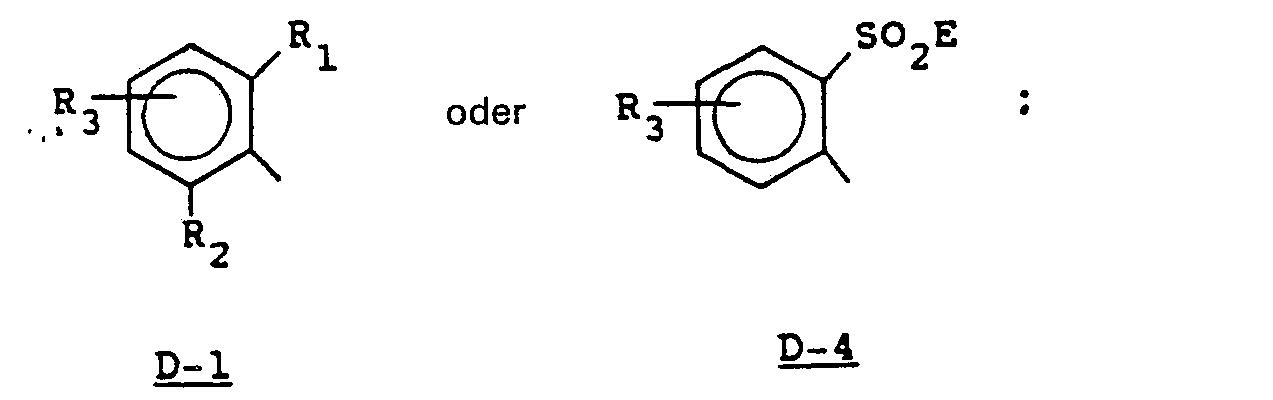

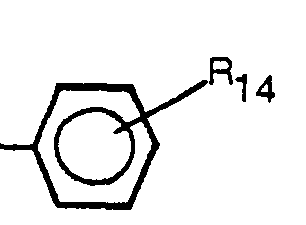


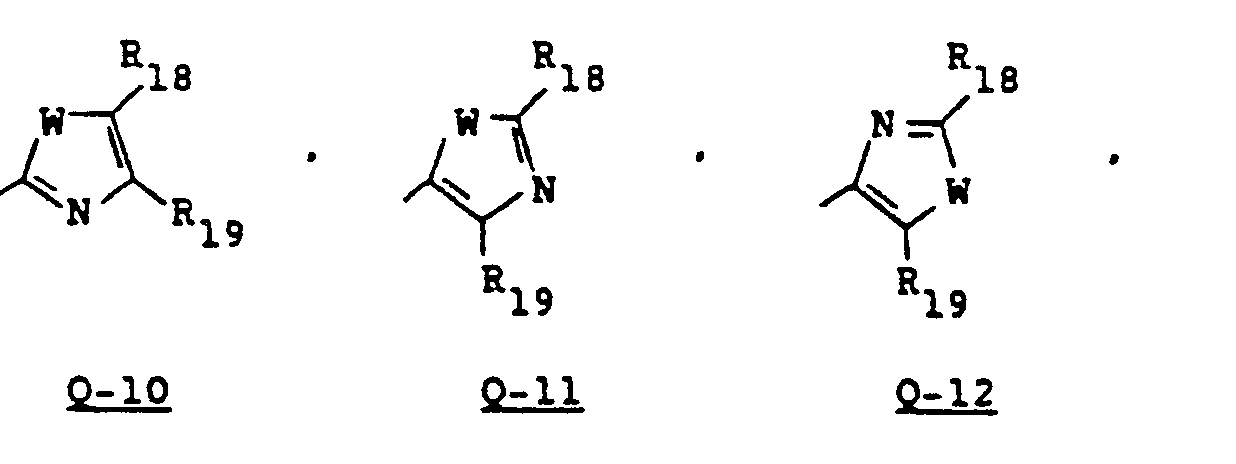

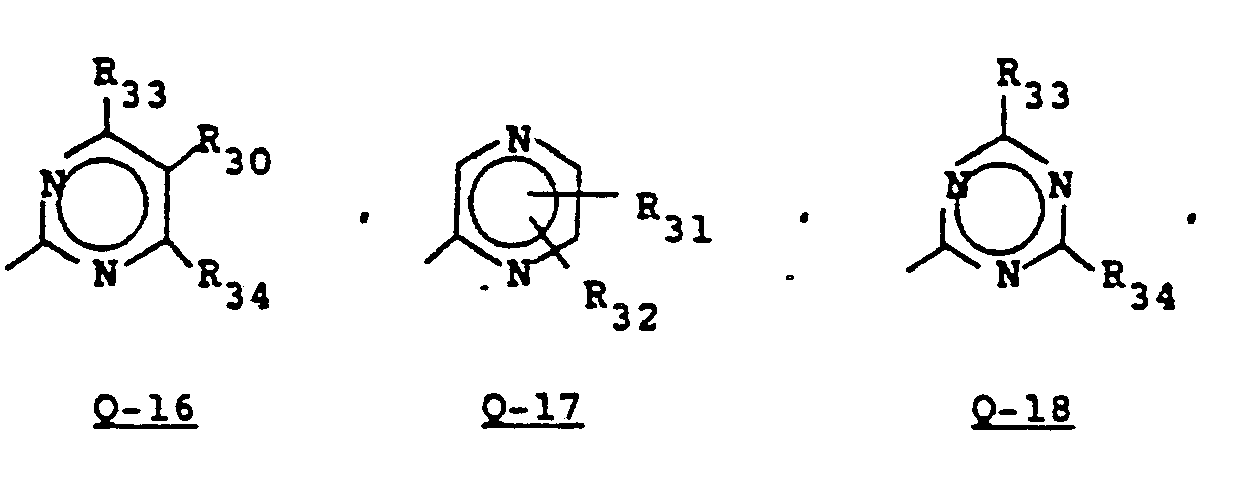


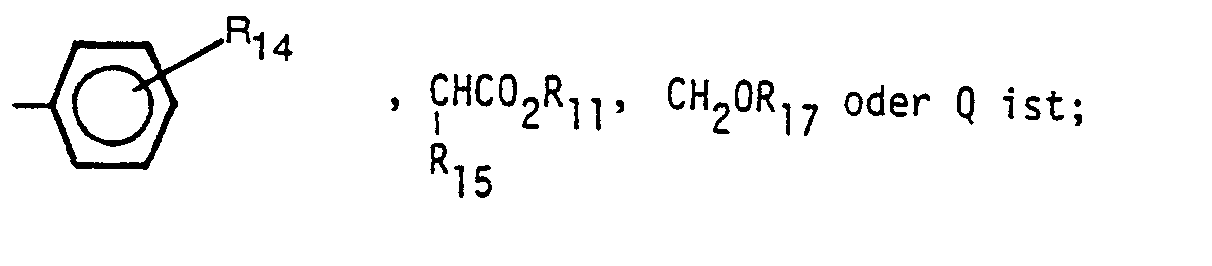

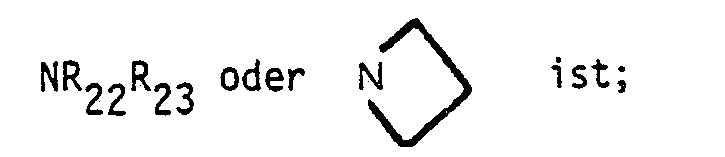




Priority Applications (1)
| Application Number | Priority Date | Filing Date | Title |
|---|---|---|---|
| AT84305305T ATE39118T1 (de) | 1983-08-05 | 1984-08-03 | Herbizid wirkende benzolsulfonamide, benzylsulfonamide und benzolsulfamate. |
Applications Claiming Priority (12)
| Application Number | Priority Date | Filing Date | Title |
|---|---|---|---|
| US52080183A | 1983-08-05 | 1983-08-05 | |
| US520801 | 1983-08-05 | ||
| US53377183A | 1983-09-19 | 1983-09-19 | |
| US533771 | 1983-09-19 | ||
| US55937283A | 1983-12-08 | 1983-12-08 | |
| US559372 | 1983-12-08 | ||
| US62484384A | 1984-06-29 | 1984-06-29 | |
| US624843 | 1984-06-29 | ||
| US628259 | 1984-07-12 | ||
| US06/628,259 US4604131A (en) | 1983-08-05 | 1984-07-12 | Herbicidal sulfonamides |
| US628939 | 1984-07-13 | ||
| US06/628,939 US4652304A (en) | 1983-09-19 | 1984-07-13 | Herbicidal ortho-sulfamoyl sulfonamides |
Publications (2)
| Publication Number | Publication Date |
|---|---|
| EP0135332A1 EP0135332A1 (de) | 1985-03-27 |
| EP0135332B1 true EP0135332B1 (de) | 1988-12-07 |
Family
ID=27560093
Family Applications (1)
| Application Number | Title | Priority Date | Filing Date |
|---|---|---|---|
| EP84305305A Expired EP0135332B1 (de) | 1983-08-05 | 1984-08-03 | Herbizid wirkende Benzolsulfonamide, Benzylsulfonamide und Benzolsulfamate |
Country Status (3)
| Country | Link |
|---|---|
| EP (1) | EP0135332B1 (de) |
| AU (1) | AU575335B2 (de) |
| DE (1) | DE3475518D1 (de) |
Families Citing this family (11)
| Publication number | Priority date | Publication date | Assignee | Title |
|---|---|---|---|---|
| US4699649A (en) * | 1984-06-08 | 1987-10-13 | E. I. Du Pont De Nemours And Company | Herbicidal heterocyclicbenzylsulfonamides |
| US4662932A (en) * | 1985-02-26 | 1987-05-05 | E. I. Du Pont De Nemours And Company | Herbicidal sulfonamides |
| CA1226862A (en) * | 1985-02-21 | 1987-09-15 | Donald J. Dumas | Herbicidal sulfonamides |
| US4802906A (en) * | 1985-02-21 | 1989-02-07 | E. I. Du Pont De Nemours And Company | Herbicidal ortho-sulfonamide benzenesulfonylureas |
| US4718938A (en) * | 1985-11-27 | 1988-01-12 | E. I. Du Pont De Nemours And Company | Herbicidal sulfonamides |
| US4956005A (en) * | 1985-12-23 | 1990-09-11 | E. I. Du Pont De Nemours And Company | Herbicidal orthosulfonamide benzene sulfonylureas |
| ES2061570T3 (es) * | 1987-08-05 | 1994-12-16 | Hoechst Schering Agrevo Gmbh | Sulfonamidatos de fenilo con sustituyentes heterociclicos, procedimiento para su preparacion y su utilizacion como herbicidas y reguladores del crecimiento de las plantas. |
| DE4105518A1 (de) * | 1991-02-22 | 1992-08-27 | Basf Ag | Sulfonylharnstoffderivate, verfahren zu ihrer herstellung und ihre verwendung |
| EP0537585B1 (de) * | 1991-10-15 | 1997-08-20 | E.I. Du Pont De Nemours And Company | Verfahren zur Herstellung von Sulfonylharnstoffen |
| WO2002062768A1 (en) * | 2001-02-07 | 2002-08-15 | E. I. Du Pont De Nemours And Company | Herbicidal sulfonylureas |
| CN101335004B (zh) * | 2007-11-02 | 2010-04-21 | 华为技术有限公司 | 一种多级量化的方法及装置 |
Citations (5)
| Publication number | Priority date | Publication date | Assignee | Title |
|---|---|---|---|---|
| EP0007687A1 (de) * | 1978-05-30 | 1980-02-06 | E.I. Du Pont De Nemours And Company | Sulfonamide, Verfahren zu ihrer Herstellung, diese Sulfonamide enthaltende Zusammensetzungen und ein Verfahren zur Beeinflussung des Pflanzenwachstums |
| EP0023141A2 (de) * | 1979-07-20 | 1981-01-28 | E.I. Du Pont De Nemours And Company | Herbizide Sulfonamide, deren Herstellung und Verwendung, sie enthaltende Zusammensetzungen, Zwischenverbindungen dafür und deren Herstellung |
| EP0035893A2 (de) * | 1980-03-07 | 1981-09-16 | E.I. Du Pont De Nemours And Company | Benzol- und Pyridin-sulfonamid-Derivate mit herbizider Wirkung |
| US4369058A (en) * | 1977-10-06 | 1983-01-18 | E. I. Du Pont De Nemours And Company | N-(Heterocyclicaminocarbonyl)arylsulfonamides |
| EP0083975A2 (de) * | 1982-01-07 | 1983-07-20 | E.I. Du Pont De Nemours And Company | Herbizide Sulfonamide |
Family Cites Families (6)
| Publication number | Priority date | Publication date | Assignee | Title |
|---|---|---|---|---|
| CA1330438C (en) * | 1980-07-17 | 1994-06-28 | Willy Meyer | N-phenylsulfonyl-n'-pyrimidinyl-and-triazinylureas |
| AU550945B2 (en) * | 1981-07-10 | 1986-04-10 | E.I. Du Pont De Nemours And Company | Triazolyl-(imidazolyl)-sulphonyl-ureas |
| US4491467A (en) * | 1981-08-24 | 1985-01-01 | E. I. Du Pont De Nemours And Company | Herbicidal sulfonamides |
| US4461640A (en) * | 1981-12-07 | 1984-07-24 | E. I. Du Pont De Nemours And Company | Herbicidal alkenyl sulfonamides |
| EP0103537B1 (de) * | 1982-07-16 | 1987-07-08 | Ciba-Geigy Ag | N-Arylsulfonyl-N'-triazolylharnstoffe |
| EP0111442A1 (de) * | 1982-11-12 | 1984-06-20 | Ciba-Geigy Ag | N-2-Heterocyclyl-phenylsulfonyl-N'-pyrimidinyl- und -triazinyl-harnstoffe |
-
1984
- 1984-08-03 EP EP84305305A patent/EP0135332B1/de not_active Expired
- 1984-08-03 AU AU31494/84A patent/AU575335B2/en not_active Ceased
- 1984-08-03 DE DE8484305305T patent/DE3475518D1/de not_active Expired
Patent Citations (5)
| Publication number | Priority date | Publication date | Assignee | Title |
|---|---|---|---|---|
| US4369058A (en) * | 1977-10-06 | 1983-01-18 | E. I. Du Pont De Nemours And Company | N-(Heterocyclicaminocarbonyl)arylsulfonamides |
| EP0007687A1 (de) * | 1978-05-30 | 1980-02-06 | E.I. Du Pont De Nemours And Company | Sulfonamide, Verfahren zu ihrer Herstellung, diese Sulfonamide enthaltende Zusammensetzungen und ein Verfahren zur Beeinflussung des Pflanzenwachstums |
| EP0023141A2 (de) * | 1979-07-20 | 1981-01-28 | E.I. Du Pont De Nemours And Company | Herbizide Sulfonamide, deren Herstellung und Verwendung, sie enthaltende Zusammensetzungen, Zwischenverbindungen dafür und deren Herstellung |
| EP0035893A2 (de) * | 1980-03-07 | 1981-09-16 | E.I. Du Pont De Nemours And Company | Benzol- und Pyridin-sulfonamid-Derivate mit herbizider Wirkung |
| EP0083975A2 (de) * | 1982-01-07 | 1983-07-20 | E.I. Du Pont De Nemours And Company | Herbizide Sulfonamide |
Also Published As
| Publication number | Publication date |
|---|---|
| DE3475518D1 (de) | 1989-01-12 |
| AU575335B2 (en) | 1988-07-28 |
| EP0135332A1 (de) | 1985-03-27 |
| AU3149484A (en) | 1985-02-07 |
Similar Documents
| Publication | Publication Date | Title |
|---|---|---|
| EP0045196B1 (de) | Herbizid wirkende Benzothiophen- und Benzofuran-sulfonamide | |
| EP0177163B1 (de) | Herbizide Acetale und Ketale | |
| EP0044210B1 (de) | Sulfonamide mit herbizider Wirkung | |
| EP0044209B1 (de) | Herbizide Sulfonamide | |
| EP0165003B1 (de) | Herbizide Sulfonamide | |
| EP0051466B1 (de) | Herbizide Sulfonamide | |
| EP0204513A2 (de) | Herbizide Sulfonamide | |
| EP0094790A2 (de) | Herbizide O-Alkoxybenzensulfonamide | |
| CA1221689A (en) | Herbicidal ortho-alkyl- and ortho-alkenyl-substituted benzenesulfonamides | |
| EP0030139B1 (de) | Herbizide Harnstoffe und Isoharnstoff, ihre Herstellung und Verwendung, und sie enthaltende Zusammensetzungen | |
| EP0155767A1 (de) | Herbizide Sulfonamide | |
| US4786314A (en) | Herbicidal sulfonamides | |
| EP0135332A1 (de) | Herbizid wirkende Benzolsulfonamide, Benzylsulfonamide und Benzolsulfamate | |
| EP0171286A2 (de) | Azetylenische Pyrimidine und Triazine mit Herbizidwirkung | |
| EP0187489B1 (de) | Herbizid-wirkende Sulfonamide | |
| EP0164268B1 (de) | Herbizide Sulfonamide | |
| US4699649A (en) | Herbicidal heterocyclicbenzylsulfonamides | |
| US4609397A (en) | Herbicidal 3-[[(4,6-dimethoxypyrimidine-2-yl)aminocarbonyl]aminosulfonylmethyl]-1,5-dimethyl-1H-pyrazole-4-carboxylic acids, ethyl esters | |
| EP0174212A1 (de) | Herbizide Sulfonamide | |
| EP0207609B1 (de) | Thiophensulfonamide mit herbizider Wirkung | |
| US4604131A (en) | Herbicidal sulfonamides | |
| US4514213A (en) | Herbicidal sulfonamides | |
| EP0168135B1 (de) | Herbizide Sulfonamide | |
| CA1183846A (en) | Herbicidal ortho-(alkoxy)-benzenesulfonamides | |
| EP0269386A2 (de) | Thiophenesulfonamid-Herbizide |
Legal Events
| Date | Code | Title | Description |
|---|---|---|---|
| PUAI | Public reference made under article 153(3) epc to a published international application that has entered the european phase |
Free format text: ORIGINAL CODE: 0009012 |
|
| AK | Designated contracting states |
Designated state(s): AT BE CH DE FR GB IT LI LU NL SE |
|
| 17P | Request for examination filed |
Effective date: 19850522 |
|
| 17Q | First examination report despatched |
Effective date: 19860901 |
|
| D17Q | First examination report despatched (deleted) | ||
| GRAA | (expected) grant |
Free format text: ORIGINAL CODE: 0009210 |
|
| AK | Designated contracting states |
Kind code of ref document: B1 Designated state(s): AT BE CH DE FR GB IT LI LU NL SE |
|
| REF | Corresponds to: |
Ref document number: 39118 Country of ref document: AT Date of ref document: 19881215 Kind code of ref document: T |
|
| ITF | It: translation for a ep patent filed | ||
| REF | Corresponds to: |
Ref document number: 3475518 Country of ref document: DE Date of ref document: 19890112 |
|
| ET | Fr: translation filed | ||
| PGFP | Annual fee paid to national office [announced via postgrant information from national office to epo] |
Ref country code: BE Payment date: 19890621 Year of fee payment: 6 |
|
| PGFP | Annual fee paid to national office [announced via postgrant information from national office to epo] |
Ref country code: SE Payment date: 19890725 Year of fee payment: 6 |
|
| PGFP | Annual fee paid to national office [announced via postgrant information from national office to epo] |
Ref country code: LU Payment date: 19890802 Year of fee payment: 6 |
|
| PGFP | Annual fee paid to national office [announced via postgrant information from national office to epo] |
Ref country code: CH Payment date: 19890821 Year of fee payment: 6 |
|
| PGFP | Annual fee paid to national office [announced via postgrant information from national office to epo] |
Ref country code: AT Payment date: 19890824 Year of fee payment: 6 |
|
| PG25 | Lapsed in a contracting state [announced via postgrant information from national office to epo] |
Ref country code: LU Free format text: LAPSE BECAUSE OF NON-PAYMENT OF DUE FEES Effective date: 19890831 |
|
| PGFP | Annual fee paid to national office [announced via postgrant information from national office to epo] |
Ref country code: NL Payment date: 19890831 Year of fee payment: 6 |
|
| PLBE | No opposition filed within time limit |
Free format text: ORIGINAL CODE: 0009261 |
|
| STAA | Information on the status of an ep patent application or granted ep patent |
Free format text: STATUS: NO OPPOSITION FILED WITHIN TIME LIMIT |
|
| 26N | No opposition filed | ||
| PG25 | Lapsed in a contracting state [announced via postgrant information from national office to epo] |
Ref country code: AT Effective date: 19900803 |
|
| PG25 | Lapsed in a contracting state [announced via postgrant information from national office to epo] |
Ref country code: SE Effective date: 19900804 |
|
| PG25 | Lapsed in a contracting state [announced via postgrant information from national office to epo] |
Ref country code: LI Effective date: 19900831 Ref country code: CH Effective date: 19900831 Ref country code: BE Effective date: 19900831 |
|
| BERE | Be: lapsed |
Owner name: E.I. DU PONT DE NEMOURS AND CY Effective date: 19900831 |
|
| PG25 | Lapsed in a contracting state [announced via postgrant information from national office to epo] |
Ref country code: NL Effective date: 19910301 |
|
| NLV4 | Nl: lapsed or anulled due to non-payment of the annual fee | ||
| REG | Reference to a national code |
Ref country code: CH Ref legal event code: PL |
|
| ITTA | It: last paid annual fee | ||
| PGFP | Annual fee paid to national office [announced via postgrant information from national office to epo] |
Ref country code: FR Payment date: 19940601 Year of fee payment: 11 |
|
| PGFP | Annual fee paid to national office [announced via postgrant information from national office to epo] |
Ref country code: DE Payment date: 19940621 Year of fee payment: 11 |
|
| PGFP | Annual fee paid to national office [announced via postgrant information from national office to epo] |
Ref country code: GB Payment date: 19940623 Year of fee payment: 11 |
|
| EUG | Se: european patent has lapsed |
Ref document number: 84305305.9 Effective date: 19910410 |
|
| PG25 | Lapsed in a contracting state [announced via postgrant information from national office to epo] |
Ref country code: GB Effective date: 19950803 |
|
| GBPC | Gb: european patent ceased through non-payment of renewal fee |
Effective date: 19950803 |
|
| PG25 | Lapsed in a contracting state [announced via postgrant information from national office to epo] |
Ref country code: FR Effective date: 19960430 |
|
| PG25 | Lapsed in a contracting state [announced via postgrant information from national office to epo] |
Ref country code: DE Effective date: 19960501 |
|
| REG | Reference to a national code |
Ref country code: FR Ref legal event code: ST |