EP0138150A2 - Membranes pour électrodes de diagnostic à paires spécifiques d'enzyme/ionophore - Google Patents
Membranes pour électrodes de diagnostic à paires spécifiques d'enzyme/ionophore Download PDFInfo
- Publication number
- EP0138150A2 EP0138150A2 EP84111795A EP84111795A EP0138150A2 EP 0138150 A2 EP0138150 A2 EP 0138150A2 EP 84111795 A EP84111795 A EP 84111795A EP 84111795 A EP84111795 A EP 84111795A EP 0138150 A2 EP0138150 A2 EP 0138150A2
- Authority
- EP
- European Patent Office
- Prior art keywords
- membrane
- layer
- ionophore
- poly
- ion
- Prior art date
- Legal status (The legal status is an assumption and is not a legal conclusion. Google has not performed a legal analysis and makes no representation as to the accuracy of the status listed.)
- Withdrawn
Links
Images
Classifications
-
- C—CHEMISTRY; METALLURGY
- C12—BIOCHEMISTRY; BEER; SPIRITS; WINE; VINEGAR; MICROBIOLOGY; ENZYMOLOGY; MUTATION OR GENETIC ENGINEERING
- C12Q—MEASURING OR TESTING PROCESSES INVOLVING ENZYMES, NUCLEIC ACIDS OR MICROORGANISMS; COMPOSITIONS OR TEST PAPERS THEREFOR; PROCESSES OF PREPARING SUCH COMPOSITIONS; CONDITION-RESPONSIVE CONTROL IN MICROBIOLOGICAL OR ENZYMOLOGICAL PROCESSES
- C12Q1/00—Measuring or testing processes involving enzymes, nucleic acids or microorganisms; Compositions therefor; Processes of preparing such compositions
- C12Q1/001—Enzyme electrodes
- C12Q1/002—Electrode membranes
Definitions
- This invention relates to an electrode membrane useful in determining the concentration of a specific constituent (analyte) in a body fluid or other liquid test sample.
- This invention also relates to electrode half cells making use of this membrane as well as methods for the determination of analyte concentrations in liquid test samples by means of these half cells.
- urea electrode comprising a Beckman cationic glass electrode coated with a 60-350pm thick layer of acrylamide having urease physically immobilized therein.
- the urease catalyzes the conversion of urea to ammonium ion (NH4) and carbon dioxide (C0 2 ).
- NH4 ammonium ion
- C0 2 carbon dioxide
- the ammonium ion so generated reacts with the glass electrode to produce an observable change in potential.
- the electrodes described by these workers are subject to serious limitations which render them disadvantageous for certain clinical applications.
- the electrode responses are affected by ions other than NH4, notably sodium (Na + ) and potassium (K + ) ions.
- Na + ion concentration must be less than one-half the urea concentration.
- K + ion concentration must be less than one-fifth the urea concentration to obtain electrode responses which are substantially independent of these ions.
- these workers speculate that these restraints on Na + ion and K + ion are such that adequate buffering capacity could not be obtained with traditional phosphate salt buffers and that buffers such as Tris would be required. Tris buffers, in turn, could pose serious limitations on the use of such electrodes for analytical purposes.
- the stability and the response times (typically 25 to 60 seconds to reach 98% of the steady state value) of these electrodes were found to be a function of the thickness of the enzyme-polymer membrane. Because of the inherent difficulty and expense of manufacturing such electrodes with a high degree of uniformity, it would be necessary to calibrate individually each electrode before making a measurement of clinical importance. These electrodes suffer from a further disadvantage in that even with a cellophane coating which retards leaching of enzyme from the polymer membrane, these electrodes begin to lose activity after three weeks.
- urea sensitive electrode comprising a Beckman cation-sensitive glass electrode dip coated with a membrane consisting of bovine serum albumin (BSA), glutaraldehyde and urease.
- BSA bovine serum albumin
- glutaraldehyde glutaraldehyde
- urease contacts urea in the test solution
- NH4 is generated.
- the NH + 4 interacts with the cation-sensitive glass electrode to produce a change in potential.
- the electrode is sensitive to NH + 4 , it is affected by the presence of monovalent cations other than NH;, notably K + . Because of the interference by cations other than that generated by the enzyme, these workers tested the electrode in solutions using Tris buffer rather than a Na + or K based buffer.
- Electrodes would be difficult to manufacture with a high degree of uniformity. Therefore, individual calibration would be required before making measurements of clinical importance. In addition, enzyme leaching would cause the electrode to lose activity with the passage of time. Because such an electrode would be expensive to fabricate, it would be wasteful to discard one after a single use. If one electrode were to be used for periodic measurements, re-calibration would be necessary before each use because of the leaching problem. Finally, these electrodes, like all the electrodes described above, require a substantial volume of test sample to operate effectively.
- the electrode membrane of this invention comprises a hydrophobic, chemically inert, dielectric polymer having an ionophore dispersed therein and an enzyme bound to a surface thereof, wherein the enzyme is capable of reacting with a substrate of interest to produce an ion for which the ionophore has specific affinity.
- the enzyme is covalently bound to the electrode membrane.
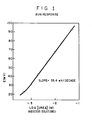
- Figure 1 is a graph showing measured potential vs. Log [Urea] in aqueous solution
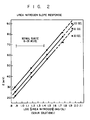
- Figure 2 is a graph showing measured potential vs. Log [Urea Nitrogen] in serum solutions.
- the membrane of this invention achieves its specificity for the analyte of interest by coupling together two highly selective chemical reactions and localizing these chemical reactions at a single interface, the membrane/test-solution interface.
- An enzyme is localized at the test-solution side of the interface where it specifically catalyzes the breakdown of analyte leading to the production of an ion.
- the ion so produced is selectively bound by an ionophore localized within the membrane.
- two highly selective reactions occur on either side of the interface, one is the enzymatic production of an ion, and the other is the specific complexation of the ion with an ionophore which is preselected for its affinity for the ion.
- the complexation reaction results in a chemical equilibrium among ion, free ionophore, and complex.
- This complexation reaction is localized within a zone extending about 50A into the interior of the membrane because the ionophore is insoluble in aqueous solution and the ion is not significantly soluble in the membrane unless it is complexed by the ionophore whose migration into the membrane interior is limited by the high viscosity of the membrane and the relatively large size of the ion/ionophore complex.
- no significant ion depletion occurs within the time frame of the measurement (i.e., minutes).
- the entire enzymatic action occurs within a zone extending about 1000A from the interface into the test-solution.
- the overall response of a half cell using the - membrane of this invention is controlled by the rate of mass transport of substrate (analyte) to the enzyme layer on the membrane surface, the rate of enzyme catalysis, and the rate of ion diffusion away from the interface.
- the mass transport is the rate limiting step so that the half cell is insensitive to enzyme activity variations.
- a steady state signal may be measured which reflects a rate of ion generation equal to the rate of ion diffusion away from the membrane surface.
- the rate of potential change may be measured.
- a charge gradient is established on each side of the interface.
- the charge gradient that is established at the membrane side of the interface is compact.
- An unbound counter-ion on the solution side of the interface readily diffuses in the low viscosity aqueous test solution, resulting in a diffuse gradient of charge on the solution side.
- Charge neutrality is maintained by the counter-ion which does not play a significant role in the generation of an electrical potential.
- the polymer from which the electrode membrane can be fabricated must be hydrophobic, chemically inert and dielectric, having a dielectric constant typically about 4.55.
- Various polymers are suitable: these include at least the following:
- the polymer is combined with a plasticizer to provide a certain amount of polymer swelling. This is necessary to allow for mobility of ionophore in the membrane.
- Suitable plasticizers include dioctyl adipate, tris(2-ethyl-hexyl) phosphate, dibutyl sebacate, o-nitrophenyl octyl ether, diphenyl ether, dinonyl phthalate, dipentyl phthalate, di-2-nitrophenyl ether. glycerol triacetate, tributyl phosphate, and dioctyl phenyl phosphate.
- the membranes of this invention are usually made by forming a solution of the ionophore, polymer and plasticizer (if one is used) in a volatile organic solvent, screen printing or casting the solution onto the desired surface or into the desired shape and then removing the solvent by evaporation. The enzyme is then bound to the polymer surface as described below.
- the ionophore which is to be dispersed within the membrane and the enzyme which is to be bound to the membrane, either physically or chemically. must be chosen to form a chemically complementary pair, i.e. the enzyme must react with a substrate (the analyte of interest) to produce an ionic product for which the ionophore has specific affinity.
- a substrate the analyte of interest
- the enzyme will be urease which reacts with urea to produce NH + 4 .
- the ionophore will be nonactin because of its specific affinity for NH + 4 . Examples of analyte, immobilized enzyme, ionic species monitored, and ionophore are displayed in Table 1 below:
- concentration of ionophore in the membrane is not critical. Typical concentrations are from about 0.5% to about 3.0% (ionophore weight to total membrane weight).
- the preferred method of enzyme immobilization is covalent attachment of the enzyme to a glutaraldehyde modified surface of the membrane.
- the resulting configuration possesses the desirable characteristics discussed above.
- the membrane surface of the polymer lacks suitable reactive groups for covalent attachment. Therefore, the surface must be derivatized, i.e., a reactive group must be attached or exposed and then reacted with a coupling agent which serves to link the membrane surface to the enzyme.
- Table 2 lists suitable reactive groups, coupling agents, reactive groups on enzymes, and resulting linkage after coupling.
- the preferred polymer for making the membrane of this invention is PVC.
- the preferred reactive group is COOH.
- Carboxylated PVC is commercially available or can be made from PVC by using the method of copolymerization of PVC with maleic anhydride, J. Polysci. Vol. 5, p. 253 (1950).
- the preferred coupling agent is glutaraldehyde, and the resulting linkage between the glutaraldehyde and the enzyme after coupling will be an amide.
- the membrane of this invention can be used to make a solid state half cell for diagnostic applications.
- the half cell is described extensively in copending application S.N. 461.479, filed January 27, 1983.
- the half cell using the membrane of this invention is a multilayered device comprised of
- half cell refers to an assemblage of interfaces at which ionic motion is converted to electron motion.
- a complete sensor is comprised of two such half cells which may also be referred to as electrodes, one of which is an indicator and the other a reference half cell.
- the dispersed carbon layer consists essentially of a dispersion of finely divided particles of carbon in a matrix of dielectric organic hydrophobic polymer.
- the precise configuration of the carbon particles is not critical. For example, carbon black as well as finely divided pellets and charcoal particles can be used. However, it is essential that the amount of carbon be sufficient that the carbon polymer dispersion layer has an electrical impedance of less than about 1% of the impedance of the ion-selective membrane.
- the carbon particles must be finely divided; that is, they must be substantially smaller than the thickness of either the membrane layer or the carbon layer.
- a particle size of from 1 to 20 ⁇ m is preferred, from 1 to 10 ⁇ m being particularly preferred.
- the particular organic polymer used as matrix for the carbon particles is, likewise, not particularly critical so long as the polymer is a dielectric and forms a matrix which is nonreactive with both the carbon and the ion-selective membrane layer.
- all of the polymers which are suitable for the matrix of the membrane layer are also suitable as the matrix for the dispersed carbon layer.
- more highly crystalline polymers such as polyethylene and polypropylene can be used.
- Suitable matrix polymers for the dispersed carbon layer also include film-forming oleophilic polymers such as poly(caprolactone): polyacrylate and alpha-alkyl polyacrylate esters, e.g., polymethacrylate. polymethyl methacrylate and polyethyl methacrylate: vinylidene chloride copolymers, e.g., vinylidene chloride/acrylonitrile, vinylidene chloride/methacryl- ate and vinylidene chloride/vinylacetate copolymers.
- film-forming oleophilic polymers such as poly(caprolactone): polyacrylate and alpha-alkyl polyacrylate esters, e.g., polymethacrylate. polymethyl methacrylate and polyethyl methacrylate: vinylidene chloride copolymers, e.g., vinylidene chloride/acrylonitrile, vinylidene chloride/methacryl- ate and vinylidene chloride
- ethylene/vinyl acetate copolymers polyethylene; polyvinyl esters, e.g., polyvinyl acetate/acrylate, polyvinyl acetate/methacrylate and polyvinyl acetate; copolyesters, e.g., those prepared from the reaction product of a polymethylene glycol of the formula HO(CH 2 ) n OH.
- n is a whole number 2 to 10 inclusive, and (1) hexahydroterephthalic, sebacic and terephthalic acids, (2) terephthalic, isophthalic and sebacic acids, (3) terephthalic and sebacic acids, (4) terephthalic and isophthalic acids, and (5) mixtures of copolyesters prepared from said glycols and (i) terephthalic, isophthalic, sebacic and adipic acids: nylons or polyamides, e.g., N-methoxymethyl polyhexamethylene adipamide: synthetic rubbers, e.g., buta- diene/acrylonitrile copolymers.
- polystyrene-polybutadiene-polystyrene and polystyrene- polyisoprene poly(vinyl chloride) and copolymers, e.g., poly(vinyl chloride/acetate); polyvinyl acetal. e.g., poly(vinyl butyral), poly(vinyl formal) polyurethanes; polycarbonates; polystyrene: phenolic resins: and melamine-formaldehyde resins.
- plasticization of the matrix polymer for the dispersed carbon layer may not be needed.
- use of the same, or at least similar, polymers in the two layers is preferred.
- PVC plasticized with dioctyl phthalate is used as the matrix for the membrane layer
- a most convenient and economical way of minimizing migration of species between the layers is to use the same plasticized PVC composition as the matrix for the dispersed carbon layer.
- interdiffusion of the layers is facilitated by the mutual solubility of the matrices.
- the dispersed carbon layer matrix polymer be plasticized to some extent to facilitate interdiffusion of the membrane and carbon layers.
- conductive materials can be used in the half cells so long as the interface with the dispersed carbon layer has a stable conductor contact potential difference and is free from oxidation.
- noble metals such as silver and gold are often preferred as the conductive material, because of their chemical inertness, base metals such as copper, nickel, iron, tin, cadmium and aluminum can also be used, because they are not subject to stringent oxidative conditions in the device of the invention.
- the conductive layer(s) of the half cell must be provided with terminations by which the electrode can be connected to an electrometer-amplifier to measure any potential difference between the half cells.
- terminations may merely be an extension of the conductive layer or they may be made by specially printing a contiguous conductive layer of either the same or a different conductive metal. The precise method of termination is not critical and will largely be determined by fabrication economics for any given performance level.
- the conductor pattern which is not in contact with the dispersed carbon layer be shielded from test sample by a layer which is both electrically insulating and chemically inert with respect to the test sample.
- a layer which is both electrically insulating and chemically inert with respect to the test sample is normally done by covering the nonchemically functional portion of the conductor pattern with a layer of chemically inert insulating material such as a polymer or glass.
- the polymers which are suitable for the matrix of the membrane and carbon layers are also in general suitable as an insulator for those portions of the conductive layer which need to be shielded.
- the electrode half cell and the sensors made therefrom have a further advantage in that they can be fabricated in very small sizes and as very thin layers.
- the half cell is essentially a simple multilayer laminate. i.e., it is a stack of thin layers or films.
- a particularly convenient method of forming the layers is to screen print them on whatever substrate is used. For example, in the case of the conductive material, a dispersion of finely divided particles of the conductive material in an inert organic medium is formed, screen-printed in the desired pattern onto the insulating substrate and fired to sinter the conductive material and form a "continuous" conductive layer.
- finely divided particles of the conductive material can be dispersed in a photosensitive medium, coated on the insulating substrate. exposed through an appropriate phototool to harden the dispersion in the desired pattern, and developed to remove the unexposed dispersion.
- successive carbon and ionophore/ enzyme layers can be applied by the same techniques or others which will be well known by those skilled in the art.
- the interdiffusion zone must not extend completely through either the ionophore/ enzyme membrane or the carbon layer. However, the zone must be extensive enough to diffuse any charge gradient developed by the passage of current as required by the electrometer-amplifier used for the measurement. The reason for this is that there must exist zones of substantially pure ionophore/enzyme layer and substantially pure conductive layer to effect the transition from electron flow to ion flow in support of the electrical current without altering the half-cell potential.
- the concentration gradient is developed at the sample solution/ionophore/enzyme layer interface and extends inwardly toward the interdiffusion zone and a substantially zero concentration gradient should reside at the carbon layer side of the zone.
- the carbon layer provides a conductive path for electrons and also allows the transport of ions at the interface to support current flow by the electrometer-amplifier.
- the interdiffusion zone it is essential that the interdiffusion zone have a high-to-low dielectric gradient from the membrane to the carbon layer.
- the interdiffused zone it is essential that the interdiffused zone be stable. For this last reason, it is very desirable to incorporate a cross-linking agent in the binder component of either or both of the polymer matrices to effect both physical and chemical stabilization of both the membrane and carbon layers as well as the interposed interdiffusion layer.
- the various layers are built up on a planar substrate which typically has dimensions 1" x 2" x 0.025" (2.5 x 5.0 x 0.06 cm).
- the resultant structure is commonly referred to as a chip.
- the substrate must be chemically inert with respect to analyte and the layers placed thereon. It must also be dimensionally stable and immiscible with respect to the analyte and/or overlying layers. The dimensions, however, are not critical and may be varied.
- the composition of the substrate is chosen on the basis of cost, ease of manufacture, and durability. Although for the purposes of this discussion ceramic is chosen as the substrate, other substrates, for example, Mylar4b polyester film, can be employed.
- the first or bottommost functional layer of the device is the conductor, usually silver.
- a silver paste is screened over a ceramic substrate using a 250 mesh screen and allowed to dry for 5 to 10 minutes at room temperature. It is then dried for an additional 10 minutes at 150°C and finally fired for 30 minutes at 850°C.
- the second functional layer of the device is the insulator, usually glass, which is printed over the conductor pattern using a 165 mesh screen in such manner that the conductor paths are protected, but the contact area of the electrode is exposed. It is dried for approximately 5 minutes at room temperature and for an additional 10 minutes at 150°C. Finally, it is fired for 30 minutes at 850°C. If a polymeric substrate is used then the same function can be served by use of a dielectric photosensitive polymer system (e.g., a dry film photoresist) to form the appropriate protective pattern.
- a dielectric photosensitive polymer system e.g., a dry film photoresist
- the third functional layer of the device is printed above the conductor pattern.
- a 165 mesh screen is employed.
- the carbon layer is dried for approximately 5 minutes at room temperature and cured for another 20 minutes at 160°C.
- the fourth layer of the device is printed above the carbon pattern using a 165 mesh screen.
- the composition of this layer is variable, depending on the species to be detected.
- a preferred method of binding consists of layering an aqueous solution of glutaraldehyde on the surface, incubating for roughly ten minutes at room temperature and then suctioning off the excess. Next, the enzyme is layered on the glutaraldehyde treated surface.
- V * is the maximum, substrate independent, reaction rate and 0 is the permeability of substrate through the sample and barrier layer.
- the interdiffusion zone can be formed so easily by this method, it is a preferred way of fabricating this segment of the electrode half cells of the invention.
- the extent and rate of interdiffusion can be adjusted by increasing or decreasing the mutual solubility of the layers, e.g., by changing the composition and/or concentration of the plasticizer in either or both layers.
- the layered electrode half cell be disposed on the same substrate as a reference half cell similar to the sensing half cell, but in which a nonenzymatic protein, generally an albumin such as BSA, substitutes for the enzyme.
- a nonenzymatic protein generally an albumin such as BSA
- the sensing half cell and reference half cell will be in spaced apart relationship.
- the resulting whole cell is coated with a continuous barrier layer of a hydrophilic polymer which allows 0 small molecules «500A) to penetrate to the enzyme. Examples of such polymers are cellulose, polyacrylamide and Carboset (available from Du Pont).
- the whole cell self-corrects for ionic effects not attributable to enzyme catalysis of the analyte, i.e., background ion concentration in the test sample.
- both the enzyme-containing half cell and the reference half cell are constructed on the same ceramic substrate layer and the optional barrier layer covers both half cells, thereby isolating them from large molecules as well as restricting diffusion of enzymatically generated ions from the enzymatically active half cell to the reference half cell.
- the enzymatic reaction is localized at the polymer/ionophore surface where ion detection occurs, the ion produced by the enzymatic reaction will not interfere with the reference half cell potential within the time frame of a typical measurement. This is because the ion will not diffuse sufficiently fast to affect the reference half cell potential even if the two half cells are only about 1 mm apart.
- differential potentiometry (same sample applied to sensing and reference half cells) may be practiced to remove all sources of interferences encountered in biological specimens.
- the preferred whole cell is connected to an electrometer-amplifier to measure voltage change as a function of analyte concentation in the test sample.
- the ceramic chip containing both half cells can be immersed in the test solution of interest or an aliquot of test sample can be applied to the surface of the whole cell.
- ammonium ion (NH + 4 )-sensing element was fabricated essentially as described in copending patent application S.N. 461,479 filed January 27, 1983, which is incorporated herein by reference.
- the sensor consisted of a 1" x 2" x 0.025" (2.5 x 5 x 0.06 cm) alumina chip upon which were printed two terminated silver conductor patterns.
- the entire uncoated area of the substrate chip was covered with a layer of glass to shield the sides of the conductor pattern from analyte.
- the sides of the dispersed carbon layer were shielded by the overlying ionophoric layer.
- the entire element was covered with a layer of Silasticm polymer film except for one side of the ion-selective membrane which was left exposed to provide for limited ionic contact with the analyte.
- the first or bottommost functional layer of the sensing element, the silver conductor was screen printed over the substrate using a silver paste and a 250 mesh screen. It was air-dried for 5 to 10 minutes, then dried for an additional 10 minutes at 150°C, and finally fired for 30 minutes at 850°C.
- the second functional layer of the device was printed over the conductor pattern using a 165 mesh screen, in such manner that the conductor paths were protected but the contact area of the electrode was exposed.
- the layer was air-dried for 5 minutes, then dried for an additional 10 minutes at 150°C, and finally fired for 30 minutes at 850°C.
- the third functional layer consisted essentially of finely divided carbon in a vinyl chloride/vinyl acetate copolymer matrix containing butyl cellulose acetate. This was screen printed above the conductor pattern using a 165 mesh screen. This layer was air-dried for 5 minutes and then cured for 20 minutes at 160°C.
- the fourth layer of the device consisted of 5 parts nonactin per hundred parts of a solution consisting of 30% carboxylated poly-(vinyl chloride) and 70% diocytladipate in cyclohexanone. This layer was printed above the carbon pattern using a 165 mesh screen. It was air-dried for 10 minutes and then cured for 30 minutes at 35°C.
- the reference half-cell was prepared exactly as described above except that albumin was coupled to the ionophoric layer rather than urease.
- Both the reference and the sensing half-cells were then overlaid with Silastic® printed witn a lb5 mesh screen. They were air-dried for 10 minutes and cured for 1 hour at 50°C in a humidified C0 2 atmosphere.
- FIG. 1 shows the electrode response in millivolts (mV) as a function of the log molar urea concentration using a two minute measurement period. The response was linear over two orders of magnitude in concentration and had a slope sensitivity of 35.4 mV/decade change in urea concentration.
- BUN was measured in human serum samples using the electrodes fabricated in Example 1 above. Prior to use, each electrode was calibrated with a 20 mM urea standard.
- Figure 2 shows the electrode response in mV as a function of the log BUN concentration in mg/dL for 3 different times.
- the table below shows the performance of the electrodes in terms of accuracy and precision at 3 different concentrations of BUN.
- the reference method was the acaTM discrete clinical analyzer BUN method.
Landscapes
- Chemical & Material Sciences (AREA)
- Organic Chemistry (AREA)
- Life Sciences & Earth Sciences (AREA)
- Zoology (AREA)
- Wood Science & Technology (AREA)
- Proteomics, Peptides & Aminoacids (AREA)
- Health & Medical Sciences (AREA)
- Engineering & Computer Science (AREA)
- Microbiology (AREA)
- Biochemistry (AREA)
- Physics & Mathematics (AREA)
- Molecular Biology (AREA)
- Biotechnology (AREA)
- Biophysics (AREA)
- Analytical Chemistry (AREA)
- Immunology (AREA)
- Bioinformatics & Cheminformatics (AREA)
- General Engineering & Computer Science (AREA)
- General Health & Medical Sciences (AREA)
- Genetics & Genomics (AREA)
- Measuring Or Testing Involving Enzymes Or Micro-Organisms (AREA)
- Investigating Or Analysing Biological Materials (AREA)
Applications Claiming Priority (2)
| Application Number | Priority Date | Filing Date | Title |
|---|---|---|---|
| US53925383A | 1983-10-05 | 1983-10-05 | |
| US539253 | 1990-06-18 |
Publications (2)
| Publication Number | Publication Date |
|---|---|
| EP0138150A2 true EP0138150A2 (fr) | 1985-04-24 |
| EP0138150A3 EP0138150A3 (fr) | 1988-06-01 |
Family
ID=24150454
Family Applications (1)
| Application Number | Title | Priority Date | Filing Date |
|---|---|---|---|
| EP84111795A Withdrawn EP0138150A3 (fr) | 1983-10-05 | 1984-10-03 | Membranes pour électrodes de diagnostic à paires spécifiques d'enzyme/ionophore |
Country Status (3)
| Country | Link |
|---|---|
| EP (1) | EP0138150A3 (fr) |
| JP (1) | JPS6097250A (fr) |
| CA (1) | CA1219908A (fr) |
Cited By (11)
| Publication number | Priority date | Publication date | Assignee | Title |
|---|---|---|---|---|
| GB2195450A (en) * | 1986-09-22 | 1988-04-07 | Atomic Energy Authority Uk | Sensor |
| WO1990002327A1 (fr) * | 1988-08-18 | 1990-03-08 | AUSTRALIAN MEMBRANE AND BIOTECHNOLOGY RESEARCH INSTITUTE LTD., Commonwealth Scientific and Industrial Research Organization | Ameliorations apportees a la sensibilite et a la selectivite de biocapteurs avec membranes a canaux ioniques |
| AU623747B2 (en) * | 1989-01-27 | 1992-05-21 | Ambri Limited | Receptor membranes and ionophore gating |
| AU633839B2 (en) * | 1988-08-18 | 1993-02-11 | Ambri Limited | Improvements in sensitivity and selectivity of ion channel membrane biosensors |
| WO1995020050A1 (fr) * | 1994-01-25 | 1995-07-27 | The Victoria University Of Manchester | Dispositif de detection |
| WO1997017607A1 (fr) * | 1995-11-08 | 1997-05-15 | The Victoria University Of Manchester | Membrane pour produits chimiques et biodetecteurs |
| WO1997043633A1 (fr) * | 1996-05-17 | 1997-11-20 | Encelle, Inc. | Biocapteurs electrochimiques |
| US5922339A (en) * | 1998-01-27 | 1999-07-13 | Usala; Anton-Lewis | Compositions and methods for biocompatible implants |
| WO2004072606A3 (fr) * | 2003-02-11 | 2005-01-13 | Instrumentation Lab Co | Membranes polymeres pour capteurs electrochimiques |
| WO2005103664A3 (fr) * | 2004-04-27 | 2005-12-22 | Aic | Electrode potentiometrique, gradient de polymere, utilisation et procede de preparation associes |
| US7422903B2 (en) | 2002-12-11 | 2008-09-09 | Instrumentation Laboratory Company | Multi-analyte reference solutions |
Family Cites Families (1)
| Publication number | Priority date | Publication date | Assignee | Title |
|---|---|---|---|---|
| DE3332745A1 (de) * | 1983-09-10 | 1985-03-28 | Jens 8520 Erlangen Höper | Anordnung zum messen der konzentration eines stoffes |
-
1984
- 1984-10-03 EP EP84111795A patent/EP0138150A3/fr not_active Withdrawn
- 1984-10-04 CA CA000464750A patent/CA1219908A/fr not_active Expired
- 1984-10-05 JP JP59208411A patent/JPS6097250A/ja active Pending
Cited By (17)
| Publication number | Priority date | Publication date | Assignee | Title |
|---|---|---|---|---|
| EP0261887A3 (fr) * | 1986-09-22 | 1989-11-23 | United Kingdom Atomic Energy Authority | Capteur |
| GB2195450A (en) * | 1986-09-22 | 1988-04-07 | Atomic Energy Authority Uk | Sensor |
| WO1990002327A1 (fr) * | 1988-08-18 | 1990-03-08 | AUSTRALIAN MEMBRANE AND BIOTECHNOLOGY RESEARCH INSTITUTE LTD., Commonwealth Scientific and Industrial Research Organization | Ameliorations apportees a la sensibilite et a la selectivite de biocapteurs avec membranes a canaux ioniques |
| AU633839B2 (en) * | 1988-08-18 | 1993-02-11 | Ambri Limited | Improvements in sensitivity and selectivity of ion channel membrane biosensors |
| US5234566A (en) * | 1988-08-18 | 1993-08-10 | Australian Membrane And Biotechnology Research Institute Ltd. | Sensitivity and selectivity of ion channel biosensor membranes |
| AU623747B2 (en) * | 1989-01-27 | 1992-05-21 | Ambri Limited | Receptor membranes and ionophore gating |
| WO1995020050A1 (fr) * | 1994-01-25 | 1995-07-27 | The Victoria University Of Manchester | Dispositif de detection |
| US5906719A (en) * | 1994-01-25 | 1999-05-25 | The Victoria University Of Manchester | Sensor device |
| US6706532B2 (en) | 1995-11-08 | 2004-03-16 | The Victoria University Of Manchester | Membrane for chemical and biosensors |
| WO1997017607A1 (fr) * | 1995-11-08 | 1997-05-15 | The Victoria University Of Manchester | Membrane pour produits chimiques et biodetecteurs |
| WO1997043633A1 (fr) * | 1996-05-17 | 1997-11-20 | Encelle, Inc. | Biocapteurs electrochimiques |
| US5922339A (en) * | 1998-01-27 | 1999-07-13 | Usala; Anton-Lewis | Compositions and methods for biocompatible implants |
| US7422903B2 (en) | 2002-12-11 | 2008-09-09 | Instrumentation Laboratory Company | Multi-analyte reference solutions |
| US7732210B2 (en) | 2002-12-11 | 2010-06-08 | Instrumentation Laboratory Company | Multi-analyte reference solutions |
| WO2004072606A3 (fr) * | 2003-02-11 | 2005-01-13 | Instrumentation Lab Co | Membranes polymeres pour capteurs electrochimiques |
| WO2005103664A3 (fr) * | 2004-04-27 | 2005-12-22 | Aic | Electrode potentiometrique, gradient de polymere, utilisation et procede de preparation associes |
| US7857962B2 (en) | 2004-04-27 | 2010-12-28 | Universiteit Antwerpen | Potentiometric electrode, gradient polymer, uses and method of preparation therefor |
Also Published As
| Publication number | Publication date |
|---|---|
| JPS6097250A (ja) | 1985-05-31 |
| CA1219908A (fr) | 1987-03-31 |
| EP0138150A3 (fr) | 1988-06-01 |
Similar Documents
| Publication | Publication Date | Title |
|---|---|---|
| US4454007A (en) | Ion-selective layered sensor and methods of making and using the same | |
| US4214968A (en) | Ion-selective electrode | |
| US4966671A (en) | Method and apparatus for electrochemical analysis | |
| US5141868A (en) | Device for use in chemical test procedures | |
| EP0170375B1 (fr) | Dispositifs utilisés pour des méthodes d'analyse chimique | |
| EP0551769B1 (fr) | Electrodes solides à sélectivité ionique à base de graphite avec membrane polymère | |
| Liu et al. | Potentiometric ion-and bioselective electrodes based on asymmetric polyurethane membranes | |
| CA2486501A1 (fr) | Membranes echangeuses d'ions et detecteurs de gaz dissous | |
| US5531870A (en) | Potentiometric ion determinations using enhanced selectivity asymmetric ion-selective membranes | |
| EP0343203A1 (fr) | Electrodes a enzyme immobilisee et procede de reduction de la sensibilite a l'alcool | |
| Shin et al. | Potentiometric biosensors using immobilized enzyme layers mixed with hydrophilic polyurethane | |
| EP0868662A1 (fr) | Membranes composites micro-usinees, permeables aux ions pour la detection ionique amperometrique | |
| US6197172B1 (en) | Electrochemical sensor with gelled membrane and method of making | |
| Alegret et al. | Response characteristics of conductive polymer composite substrate all-solid-state poly (vinyl chloride) matrix membrane ion-selective electrodes in aerated and nitrogen-saturated solutions | |
| JPS6097250A (ja) | 特定の酵素/イオン発生団対を使用する診断用電極膜 | |
| US5958201A (en) | Sodium ion-selective-electrode membrane having extended uselife | |
| AU639005B2 (en) | Electrochemical cell, reference electrode and electrochemical method | |
| KR101163678B1 (ko) | 크레아틴의 방해영향을 줄인 크레아티닌 바이오센서 | |
| Hampp et al. | Design and application of thick-film multisensors | |
| EP0288724B1 (fr) | Electrode sélective aux ions pour mesurer la concentration de carbonate | |
| CA1134911A (fr) | Dispositifs selectifs pour halogenures | |
| US5906719A (en) | Sensor device | |
| Chang et al. | Healthcare chip based on integrated electrochemical sensors used for clinical diagnostics of BUN | |
| EP0241991A2 (fr) | Transistor à effet de champ ayant une membrane par-dessus l'isolant de porte | |
| CA1207027A (fr) | Demi-pile stratifiee selectrice d'ions |
Legal Events
| Date | Code | Title | Description |
|---|---|---|---|
| PUAI | Public reference made under article 153(3) epc to a published international application that has entered the european phase |
Free format text: ORIGINAL CODE: 0009012 |
|
| AK | Designated contracting states |
Designated state(s): BE DE FR GB IT LU NL |
|
| PUAL | Search report despatched |
Free format text: ORIGINAL CODE: 0009013 |
|
| AK | Designated contracting states |
Kind code of ref document: A3 Designated state(s): BE DE FR GB IT LU NL |
|
| STAA | Information on the status of an ep patent application or granted ep patent |
Free format text: STATUS: THE APPLICATION HAS BEEN WITHDRAWN |
|
| 18W | Application withdrawn |
Withdrawal date: 19880602 |
|
| RIN1 | Information on inventor provided before grant (corrected) |
Inventor name: PACE, SALVATORE JOSEPH |