EP0158179A2 - L'antibiotique 6270, son procédé de préparation, son emploi en tant qu'agent d'anticoccidiose et comme additif alimentaire - Google Patents
L'antibiotique 6270, son procédé de préparation, son emploi en tant qu'agent d'anticoccidiose et comme additif alimentaire Download PDFInfo
- Publication number
- EP0158179A2 EP0158179A2 EP85103255A EP85103255A EP0158179A2 EP 0158179 A2 EP0158179 A2 EP 0158179A2 EP 85103255 A EP85103255 A EP 85103255A EP 85103255 A EP85103255 A EP 85103255A EP 0158179 A2 EP0158179 A2 EP 0158179A2
- Authority
- EP
- European Patent Office
- Prior art keywords
- antibiotic
- fowls
- animals
- feed
- domestic
- Prior art date
- Legal status (The legal status is an assumption and is not a legal conclusion. Google has not performed a legal analysis and makes no representation as to the accuracy of the status listed.)
- Granted
Links
Images


Classifications
-
- C—CHEMISTRY; METALLURGY
- C12—BIOCHEMISTRY; BEER; SPIRITS; WINE; VINEGAR; MICROBIOLOGY; ENZYMOLOGY; MUTATION OR GENETIC ENGINEERING
- C12P—FERMENTATION OR ENZYME-USING PROCESSES TO SYNTHESISE A DESIRED CHEMICAL COMPOUND OR COMPOSITION OR TO SEPARATE OPTICAL ISOMERS FROM A RACEMIC MIXTURE
- C12P1/00—Preparation of compounds or compositions, not provided for in groups C12P3/00 - C12P39/00, by using microorganisms or enzymes
- C12P1/06—Preparation of compounds or compositions, not provided for in groups C12P3/00 - C12P39/00, by using microorganisms or enzymes by using actinomycetales
-
- A—HUMAN NECESSITIES
- A23—FOODS OR FOODSTUFFS; TREATMENT THEREOF, NOT COVERED BY OTHER CLASSES
- A23K—FODDER
- A23K20/00—Accessory food factors for animal feeding-stuffs
- A23K20/10—Organic substances
- A23K20/195—Antibiotics
-
- A—HUMAN NECESSITIES
- A23—FOODS OR FOODSTUFFS; TREATMENT THEREOF, NOT COVERED BY OTHER CLASSES
- A23K—FODDER
- A23K50/00—Feeding-stuffs specially adapted for particular animals
- A23K50/30—Feeding-stuffs specially adapted for particular animals for swines
-
- A—HUMAN NECESSITIES
- A61—MEDICAL OR VETERINARY SCIENCE; HYGIENE
- A61P—SPECIFIC THERAPEUTIC ACTIVITY OF CHEMICAL COMPOUNDS OR MEDICINAL PREPARATIONS
- A61P3/00—Drugs for disorders of the metabolism
-
- A—HUMAN NECESSITIES
- A61—MEDICAL OR VETERINARY SCIENCE; HYGIENE
- A61P—SPECIFIC THERAPEUTIC ACTIVITY OF CHEMICAL COMPOUNDS OR MEDICINAL PREPARATIONS
- A61P31/00—Antiinfectives, i.e. antibiotics, antiseptics, chemotherapeutics
- A61P31/04—Antibacterial agents
-
- A—HUMAN NECESSITIES
- A61—MEDICAL OR VETERINARY SCIENCE; HYGIENE
- A61P—SPECIFIC THERAPEUTIC ACTIVITY OF CHEMICAL COMPOUNDS OR MEDICINAL PREPARATIONS
- A61P31/00—Antiinfectives, i.e. antibiotics, antiseptics, chemotherapeutics
- A61P31/12—Antivirals
-
- A—HUMAN NECESSITIES
- A61—MEDICAL OR VETERINARY SCIENCE; HYGIENE
- A61P—SPECIFIC THERAPEUTIC ACTIVITY OF CHEMICAL COMPOUNDS OR MEDICINAL PREPARATIONS
- A61P33/00—Antiparasitic agents
- A61P33/02—Antiprotozoals, e.g. for leishmaniasis, trichomoniasis, toxoplasmosis
-
- C—CHEMISTRY; METALLURGY
- C12—BIOCHEMISTRY; BEER; SPIRITS; WINE; VINEGAR; MICROBIOLOGY; ENZYMOLOGY; MUTATION OR GENETIC ENGINEERING
- C12N—MICROORGANISMS OR ENZYMES; COMPOSITIONS THEREOF; PROPAGATING, PRESERVING, OR MAINTAINING MICROORGANISMS; MUTATION OR GENETIC ENGINEERING; CULTURE MEDIA
- C12N1/00—Microorganisms; Compositions thereof; Processes of propagating, maintaining or preserving microorganisms or compositions thereof; Processes of preparing or isolating a composition containing a microorganism; Culture media therefor
- C12N1/20—Bacteria; Culture media therefor
- C12N1/205—Bacterial isolates
-
- C—CHEMISTRY; METALLURGY
- C12—BIOCHEMISTRY; BEER; SPIRITS; WINE; VINEGAR; MICROBIOLOGY; ENZYMOLOGY; MUTATION OR GENETIC ENGINEERING
- C12R—INDEXING SCHEME ASSOCIATED WITH SUBCLASSES C12C - C12Q, RELATING TO MICROORGANISMS
- C12R2001/00—Microorganisms ; Processes using microorganisms
- C12R2001/01—Bacteria or Actinomycetales ; using bacteria or Actinomycetales
- C12R2001/04—Actinomyces
Definitions
- the present invention relates to a novel antibiotic 6270, a process for its production, and its use as an anticoccidiosis agent or as a feed additive to accelerate the growth of domestic animals or fowls.
- the present inventors have isolated a number of microorganisms from various soils for the purpose of searching new antibiotics and studied the antibiotics produced by the isolated microorganisms. As a result, they have found that when a microorganism belonging to the genus Nocardio p sis isolated from soil collected in Abashiri city, Hokkaido, Japan, is cultured in a proper culture medium, an antibiotic having a high antibacterial activity against gram positive bacteria is accumulated in the culture medium. This antibiotic was isolated and examined for the physicochemical properties and biological properties, whereby it has been confirmed to be a new antibiotic and named an antibiotic 6270.
- the present invention is based on this discovery, and provides the new antibiotic 6270 and a process for its production which comprises culturing an antibiotic 6270-producing microorganism belonging to the genus Nocardiopsis and isolating the antibiotic 6270 from the culture product.
- the present invention provides an anticoccidiosis agent which contains the antibiotic 6270 as the active ingredient, and a method for preventing and curing coccidiosis of domestic fowls and animals which comprises administering an effective amount of the antibiotic 6270 to the domestic fowls and animals.
- the present invention provides a growth accelerating and feed efficiency increasing agent for domestic animals and fowls, which comprises the antibiotic 6270 as the effective ingredient, and a method for accelerating the growth of domestic animals and fowls and increasing the feed efficiency thereof, which comprises administering an effective amount of the antibiotic 6270 to the animals and fowls.
- the present invention provides a feed of domestic animals and fowls, which contains an effective amount of the antibiotic 6270.
- the effective amount in this respect is usually from 0.5 to 200 ppm,-preferably from 1 to 100 ppm.
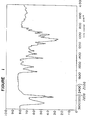
- Figure 1 is the infrared absorption spectrum of the antibiotic 6270 as measured by means of potassium bromide tablet.
- Figure 2 is the H-NMR spectrum of the antibiotic 6270 as measured in heavy chloroform by using TMS as internal standard.
- Figure 3 is the 13C-NMR spectrum of the antibiotic 6270 as measured in heavy chloroform by using TMS as internal standard.
- the microorganism which may be employed for the production of the antibiotic 6270 may be any microorganism belonging to genus Nocardioosis so long as it is capable of producing the antibiotic 6270. However, it is preferred to employ Nocardioosis sp. 6270 strain isolated afresh by the present inventors (deposited in Fermentation Research Institute of Japan as FERM BP-717).
- the Nocardio p sis sp. 6270 strain used in the present invention has branched mycelia, and aerial mycelia extending in air are fragmented to constitute long spore chains. From the hydrolyzate of the whole cells, meso-diaminopimeric acid, and galactose and ribose as sugar components are detected. However, arabinose and madurose are not detected. Further, mycolic acid is not detected.
- the menaquinone composition comprises MK-9 (H 6 ) and (H 8 ) as the main components and MK-9 (H 4 ) was detected as a trace component. The width of substratal mycelium is about 0.5 ⁇ m. From the foregoing characteristics, the 6270 strain is determined to be a strain belonging to genus Nocardiopsis among Actinomyces.
- the Nocardiopsis sp. 6270 strain has the following microbiological properties.
- the substratal mycelia are well developed and branched, whereby the width of each mycelium is about 0.4 um.
- Aerial mycelia grow well in some culture media such as a sucrose-nitrate agar culture medium (Difco. Czapeck's Solution Agar), a starch agar culture medium (ISP-4, Difco-Inorganic Salt Starch Agar), an oatmeal agar culture medium (ISP-8) or a glucose-asparagine agar culture medium.
- the aerial mycelia are straight or curved, and they constitute a cobweb as a whole. When matured, the aerial mycelia have a width of from 0.4 to 0.6 ⁇ m.
- the aerial mycelia Upon expiration of 10 days from the initiation of the cultivation, the aerial mycelia undergo fragmentation and form long spore chains each comprising at least 10 spores.
- the spore chains are not spiral.
- the surface of the spores are smooth, and the shape is cylindrical.
- the size is about 0.4 x 1.2 ⁇ m. No sporangium, sclerotium or synnema was observed.
- the color was determined under the standard light source of xenon lump by using Color Harmony Manual, 4th edition, 1958 as the color standards. When the corresponding color tab was found, it was shown by the common names first, and then the color tab code was shown in parenthesis. When the same color appeared repeatedly, only the color tab code was indicated.
- the following data represent the growth condition as cultured for three weeks at 28°C on a agar plate culture medium.
- Item (a) indicates the growth; item (b) indicates the state of aerial mycelia; item (c) indicates a soluble pigment; and item (d) presents other characteristics.
- the 6270 strain has been identified to be a strain belonging to Nocardiopsis Meyer 1976 among Actinomyces, since among the above-mentioned various characteristics, it forms long spore chains on the aerial mycelia, and the whole cell hydrolizate contains meso-diaminopimeric acid and galactose, but does not contain arabinose and madurose, and further no mycolic acid is detected.
- the antibiotic 6270-producing microorganism may be _cultured in accordance with the conventional methods for ' cultivation of known actinomyces.
- a method of cultivation with aeration-agitation there may be employed materials which are commonly used for the cultivation of actinomyces. Namely, various carbon sources, nitrogen sources and organic or inorganic salts, as well as a defoaming agent, if necessary, may be used in a suitable combination.
- the carbon sources there may be used glucose, starch, glycerol, dextrin, sucrose and animal or vegetable oils.
- the nitrogen sources there may be -employed soybean meal, corn steep liquor, wheat embryo, and ammonia. Further, if necessary, inorganic salts such as calcium carbonate, sodium chloride, potassium chloride, and phosphates may be added. It is also possible to add organic or inorganic salts having an action to assist the growth of the microorganism and thereby facilitate the production of the antibiotic 6270.
- the temperature for the cultivation is usually within a range of from 25 to 35°C, preferably around 30°C.
- the cultivation time may vary depending upon the various conditions. However, usually the accumulation of the produced antibiotic 6270 reaches to the maximum within from 72 to 148 hours.
- the antibiotic 6270 may be isolated from the culture medium and purified by utilizing its physicochemical properties by means of conventional methods such as a method of utilizing the difference in the solubility from impurities, a method of utilizing the difference in the adsorption to ion exchange resins or various adsorbing agents, a method of extracting with an organic solvent immiscible with water, or a proper combination of various means such as precipitation, removal of impurities, dialysis, drying and recrystallization.
- conventional methods such as a method of utilizing the difference in the solubility from impurities, a method of utilizing the difference in the adsorption to ion exchange resins or various adsorbing agents, a method of extracting with an organic solvent immiscible with water, or a proper combination of various means such as precipitation, removal of impurities, dialysis, drying and recrystallization.
- the antibiotic 6270 produced in the culture medium may preferably be recovered as follows. After addition of a filter aid such as diatomaceous earth or Radiolite 700, the culture broth is filtered, and the filtrate and the microbial cells are respectively extracted with suitable solvents such as ethyl acetate and acetone. Then, the cell extract and the filtrate extract are combined. The solvent is distilled off from this extract solution, whereby the antibiotic 6270 is obtained as crude crystals.
- the crude crystals are subjected to, for example, chromatography. The eluate is concentrated under reduced pressure, and the residue is dissolved in a suitable solvent such as ethyl acetate and then treated with a dilute hydrochloric acid. The solvent layer is concentrated, whereby the antibiotic 6270 crystallizes as free acid.
- the above-mentioned solvent layer treated with a dilute hdyrochloric acid solution is treated with a dilute sodium carbonate solution, and then the solvent layer is concentrated, whereby the antibiotic 6270 is obtainable in the form of a sodium salt.
- the free acid-type or sodium salt-type antibiotic 6270 thus obtained can be recrystallized from a suitable solvent such as n-hexane-ethylacetate to obtain pure crystals.
- the free acid-type antibiotic 6270 thus obtained has the following properties:
- the 6270 antibiotic differs from these known substances in the characteristics such as the melting point, specific rotation, elementary analytical values or infrared absorption spectrum, and is apparently a new antibiotic.
- the antibiotic 6270 has particularly strong antibacterial effects against gram-positive bacteria, and is useful as an antibacterial agent.
- anticoccidiosis acaricidal and antiviral activities at a low concentration
- it is useful as anticoccidiosis agent of domestic fowls such as chicken, quail, duck, goose and turkey, and domestic animals such as cattle, swine, rabbit, buffalo, goat and sheep, as an agent for treating diarrhea of domestic animals, or as an agent to increase feed efficiency or to accelerate the growth of domestic animals and fowls.
- Nocardio p sis sp. 6270 strain (FERM BP-717) was inoculated to 1 liter of a culture medium (pH 6.0) comprising 6.0% of glucose, 2.0% of soybean meal, 1.0% of torula yeast and 0.5% of calcium carbonate, and cultivated at 30°C for 48 hours.
- This culture broth was inoculated to 100 liters of a culture medium having the same composition as above, and cultured at 30°C for 96 hours under stirring and aeration in a tank having a capacity of 200 liters.
- the rate of aeration was 100, liters per minute, and the rotation of the stirrer was 250 rpm.
- this culture broth was filtered to separate the filtrate and cells. Then, the filtrate was extracted with 40 liters of ethyl acetate, and the cells were . extracted with 30 liters of acetone. The acetone extract of the cells was concentrated under reduced pressure to remove acetone, and extracted with 20 liters of ethyl acetate. This extract was combined with the extract from the filtrate, and the combined solution was concentrated under reduced pressure.
- a filter aid Radiolite 700, trademark
- the residue was adsorbed on a column of 750 g of silica gel (Wako gel C-200, tradename) packed w;th cnloroform, and a mixture of chloroform and methanol (100 : 1) was passed through the column.
- the active fraction was concentrated under reduced pressure to dryness, whereby an oily residue was obtained.
- the residue was dissolved in a small amount of acetone, and the solution was adsorbed on a column of Sephadex LH-20 filled with acetone, and eluted with acetone.
- the active fraction thereby obtained was concentrated to obtain crude crystals of the antibiotic 6270.
- the crystals were dissolved in ethyl acetate, and shaked with dilute hydrochloric acid.
- the ethyl acetate layer was concentrated under reduced pressure.
- the formed crystals are recrystallized from n-hexane-ethylacetate, whereby 23.4 g of free acid of the antibiotic 6270 was obtained as colorless needle-like crystals.
- the free acid of the antibiotic 6270 thus obtained exhibited the above-mentioned physicochemical and biological characteristics.
- Monensin As a comparative agent, Monensin was used which is known to be an anticoccidiosis agent.
- Chickens used in this test were healthy cocks of egg-laying fowl (Shever Starcross) which were 7 days old (9 days old when infected) and had been bred under the conditions of perfect prevention of coccidiosis infection. Every group had five chickens.
- the oocyst used for the infection was a sensitive strain of Eimeria tenella. Every chicken was inoculated to the crop With full grown ooeysts (3 x 10 4 ), orally by using metal zonde.
- the increase in weight i.e. the weight at the end of the test - the weight at the time of infection
- the relative increase in weight was calculated based on the weight of the control group (100) which were bred with the anticoccidiosis agent free feed and not inoculated.
- the number of oocyst in the caecum was counted on 8 days after the inoculation by homogenizing the intestinal canal.
- the oocyst index was defined as follows:
- the chickens tested were anatomized at the end of the test (8 days after the fection), and the intestinal canal was examined with the naked eye to determine the disease index.
- the disease index was defined as follows and the disease value was defined ten times as many as the value of the disease index.
- Groups 1-to 3 were fed with the feed containing a predetermined concentration of the antibiotic 6270 from two days prior to the inoculation of oocyst.
- Group 4 was fed with the feed containing the antibiotic Monensin as a comparative agent.
- Group 5 is the infected non-treated control group inoculated with oocyst and fed with the basic feed containing no anticoccidiosis agent.
- Group 6 is a non-infected, non-treated control group.
- Test Example 2 Feed efficiency test on swine
- the feed demand index was improved by from 5 to 8% by feeding the feed containing the antibiotic 6270.
- the weight increase was improved by from 5 to 11%. Further, it was observed that diarrhea of pigs was substantially reduced.
- Test Example 3 Feed efficiency of ruminant
- the concentrated feed demand index was improved by from 7 to 10% by feeding the feed containing the antibiotic 6270.
- the weight increase was improved by from 9 to 11%.
Landscapes
- Life Sciences & Earth Sciences (AREA)
- Chemical & Material Sciences (AREA)
- Health & Medical Sciences (AREA)
- Organic Chemistry (AREA)
- Engineering & Computer Science (AREA)
- Zoology (AREA)
- General Health & Medical Sciences (AREA)
- Wood Science & Technology (AREA)
- Chemical Kinetics & Catalysis (AREA)
- General Chemical & Material Sciences (AREA)
- Medicinal Chemistry (AREA)
- Bioinformatics & Cheminformatics (AREA)
- Veterinary Medicine (AREA)
- Animal Behavior & Ethology (AREA)
- Public Health (AREA)
- Pharmacology & Pharmacy (AREA)
- Biotechnology (AREA)
- Nuclear Medicine, Radiotherapy & Molecular Imaging (AREA)
- Genetics & Genomics (AREA)
- Polymers & Plastics (AREA)
- General Engineering & Computer Science (AREA)
- Biochemistry (AREA)
- Microbiology (AREA)
- Mycology (AREA)
- Animal Husbandry (AREA)
- Food Science & Technology (AREA)
- Virology (AREA)
- Tropical Medicine & Parasitology (AREA)
- Oncology (AREA)
- Communicable Diseases (AREA)
- Biomedical Technology (AREA)
- Birds (AREA)
- Diabetes (AREA)
- Hematology (AREA)
- Obesity (AREA)
- Pharmaceuticals Containing Other Organic And Inorganic Compounds (AREA)
- Preparation Of Compounds By Using Micro-Organisms (AREA)
- Compounds Of Unknown Constitution (AREA)
- Fodder In General (AREA)
- Medicines Containing Material From Animals Or Micro-Organisms (AREA)
Applications Claiming Priority (2)
| Application Number | Priority Date | Filing Date | Title |
|---|---|---|---|
| JP59072912A JPS60217896A (ja) | 1984-04-13 | 1984-04-13 | 新抗生物質6270物質及びその製造法 |
| JP72912/84 | 1984-04-13 |
Publications (3)
| Publication Number | Publication Date |
|---|---|
| EP0158179A2 true EP0158179A2 (fr) | 1985-10-16 |
| EP0158179A3 EP0158179A3 (en) | 1987-07-22 |
| EP0158179B1 EP0158179B1 (fr) | 1990-09-19 |
Family
ID=13503029
Family Applications (1)
| Application Number | Title | Priority Date | Filing Date |
|---|---|---|---|
| EP85103255A Expired - Lifetime EP0158179B1 (fr) | 1984-04-13 | 1985-03-20 | L'antibiotique 6270, son procédé de préparation, son emploi en tant qu'agent d'anticoccidiose et comme additif alimentaire |
Country Status (13)
| Country | Link |
|---|---|
| EP (1) | EP0158179B1 (fr) |
| JP (1) | JPS60217896A (fr) |
| KR (1) | KR900005858B1 (fr) |
| CN (1) | CN1007267B (fr) |
| AT (1) | ATE56722T1 (fr) |
| AU (1) | AU580992B2 (fr) |
| CA (1) | CA1240278A (fr) |
| DE (1) | DE3579725D1 (fr) |
| ES (1) | ES8608044A1 (fr) |
| HU (2) | HU196626B (fr) |
| RO (1) | RO91600B1 (fr) |
| SU (1) | SU1409132A3 (fr) |
| ZA (1) | ZA852408B (fr) |
Cited By (1)
| Publication number | Priority date | Publication date | Assignee | Title |
|---|---|---|---|---|
| EP0293787A1 (fr) * | 1987-05-30 | 1988-12-07 | Kaken Pharmaceutical Co., Ltd. | Antibiotique 6270B, procédé de sa production, et son utilisation comme agent anticoccidiosique et un additif de fourrage |
-
1984
- 1984-04-13 JP JP59072912A patent/JPS60217896A/ja active Granted
-
1985
- 1985-03-20 AT AT85103255T patent/ATE56722T1/de not_active IP Right Cessation
- 1985-03-20 EP EP85103255A patent/EP0158179B1/fr not_active Expired - Lifetime
- 1985-03-20 DE DE8585103255T patent/DE3579725D1/de not_active Expired - Lifetime
- 1985-03-29 ZA ZA852408A patent/ZA852408B/xx unknown
- 1985-04-01 CN CN85101157A patent/CN1007267B/zh not_active Expired
- 1985-04-01 KR KR1019850002175A patent/KR900005858B1/ko not_active Expired
- 1985-04-09 ES ES542079A patent/ES8608044A1/es not_active Expired
- 1985-04-10 RO RO118349A patent/RO91600B1/ro unknown
- 1985-04-11 HU HU851330A patent/HU196626B/hu unknown
- 1985-04-11 HU HU851315A patent/HU197981B/hu not_active IP Right Cessation
- 1985-04-12 AU AU41217/85A patent/AU580992B2/en not_active Ceased
- 1985-04-12 SU SU853892105A patent/SU1409132A3/ru active
- 1985-04-12 CA CA000478990A patent/CA1240278A/fr not_active Expired
Cited By (2)
| Publication number | Priority date | Publication date | Assignee | Title |
|---|---|---|---|---|
| EP0293787A1 (fr) * | 1987-05-30 | 1988-12-07 | Kaken Pharmaceutical Co., Ltd. | Antibiotique 6270B, procédé de sa production, et son utilisation comme agent anticoccidiosique et un additif de fourrage |
| US5017561A (en) * | 1987-05-30 | 1991-05-21 | Kaken Pharmaceutical Co., Ltd. | Antibotic 6270B and its use as an anticoccidiosis agent and a feed additive |
Also Published As
| Publication number | Publication date |
|---|---|
| HU196626B (en) | 1988-12-28 |
| ES8608044A1 (es) | 1986-06-01 |
| KR900005858B1 (ko) | 1990-08-13 |
| ATE56722T1 (de) | 1990-10-15 |
| HU197981B (en) | 1989-07-28 |
| AU580992B2 (en) | 1989-02-09 |
| KR850007276A (ko) | 1985-12-02 |
| CN1007267B (zh) | 1990-03-21 |
| RO91600A2 (fr) | 1987-05-15 |
| EP0158179B1 (fr) | 1990-09-19 |
| JPS60217896A (ja) | 1985-10-31 |
| ES542079A0 (es) | 1986-06-01 |
| AU4121785A (en) | 1985-10-17 |
| CN85101157A (zh) | 1987-02-11 |
| CA1240278A (fr) | 1988-08-09 |
| EP0158179A3 (en) | 1987-07-22 |
| HUT37816A (en) | 1986-02-28 |
| DE3579725D1 (de) | 1990-10-25 |
| JPH0153876B2 (fr) | 1989-11-15 |
| RO91600B1 (ro) | 1987-05-31 |
| SU1409132A3 (ru) | 1988-07-07 |
| ZA852408B (en) | 1985-11-27 |
Similar Documents
| Publication | Publication Date | Title |
|---|---|---|
| US4582822A (en) | Antibiotic A80190, pharmaceutical compositions containing same and method of use | |
| SU818492A3 (ru) | Способ получени деоксинаразино-ВОгО АНТибиОТичЕСКОгО КОМплЕКСА | |
| US4683201A (en) | Antibiotic A80190-producing Actinomadura oligospora and process | |
| DE3880845T2 (de) | Durch fermentation hergestellte antibiotika. | |
| US4279894A (en) | Streptomyces metabolite | |
| EP0071970B1 (fr) | Antibiotique 76-11, procédé pour sa préparation, agent anticoccidiosique et agent accélérateur de croissance d'animaux domestiques contenant celui-ci comme ingrédient actif | |
| US4824863A (en) | Antibiotic A80438 | |
| EP0158179B1 (fr) | L'antibiotique 6270, son procédé de préparation, son emploi en tant qu'agent d'anticoccidiose et comme additif alimentaire | |
| CS229936B2 (en) | Production method of polycyclic ehter type new acid antibiotic | |
| US4670260A (en) | Antibiotic for animal feeds | |
| NZ228935A (en) | Polyether antibiotic a82810, anticoccidial compositions, and microorganisms which produce it | |
| EP0235795B1 (fr) | L'antibiotique F-0769, son procédé de production et son emploi comme agent de promotion de croissance et améliorant l'efficacité alimentaire et comme agent antitumoral | |
| US5073369A (en) | Efomycins as performance promoters in animals | |
| US4461723A (en) | Antibiotic A-4696 factor G | |
| US4927810A (en) | Efomycin G and it's use as yield promoter in animals | |
| US3932619A (en) | Metabolite A-27106 and processes for its preparation and use | |
| EP0184291A2 (fr) | Antibiotique polyéther A80190 | |
| EP0293787B1 (fr) | Antibiotique 6270B, procédé de sa production, et son utilisation comme agent anticoccidiosique et un additif de fourrage | |
| EP0209971B1 (fr) | Antibiotique polyéther et sa méthode de fabrication | |
| US4637981A (en) | Antibiotic A-4696 factor G | |
| PL147419B1 (en) | Method of obtaining a new antibiotic capable of speedingup the growth of domestic animals and poultry as well as of increasing efficiency fodder utlization | |
| CA1320464C (fr) | Antibiotique a80190 | |
| IL44065A (en) | Metabolite a-27106 and process for its preparation and its use as coccidiostatic agent and feed additive | |
| EP0553106B1 (fr) | Antibiotique anticoccidien et stimulateur de croissance du groupe ether polycyclique d'antibiotiques | |
| CS209848B2 (cs) | Způsob přípravy polyetberických antibiotik A-28086 |
Legal Events
| Date | Code | Title | Description |
|---|---|---|---|
| PUAI | Public reference made under article 153(3) epc to a published international application that has entered the european phase |
Free format text: ORIGINAL CODE: 0009012 |
|
| AK | Designated contracting states |
Designated state(s): AT BE CH DE FR GB IT LI LU NL SE |
|
| PUAL | Search report despatched |
Free format text: ORIGINAL CODE: 0009013 |
|
| RHK1 | Main classification (correction) |
Ipc: C07G 11/00 |
|
| AK | Designated contracting states |
Kind code of ref document: A3 Designated state(s): AT BE CH DE FR GB IT LI LU NL SE |
|
| 17P | Request for examination filed |
Effective date: 19870909 |
|
| 17Q | First examination report despatched |
Effective date: 19881028 |
|
| GRAA | (expected) grant |
Free format text: ORIGINAL CODE: 0009210 |
|
| AK | Designated contracting states |
Kind code of ref document: B1 Designated state(s): AT BE CH DE FR GB IT LI LU NL SE |
|
| REF | Corresponds to: |
Ref document number: 56722 Country of ref document: AT Date of ref document: 19901015 Kind code of ref document: T |
|
| ITF | It: translation for a ep patent filed | ||
| REF | Corresponds to: |
Ref document number: 3579725 Country of ref document: DE Date of ref document: 19901025 |
|
| ET | Fr: translation filed | ||
| ITTA | It: last paid annual fee | ||
| PLBE | No opposition filed within time limit |
Free format text: ORIGINAL CODE: 0009261 |
|
| STAA | Information on the status of an ep patent application or granted ep patent |
Free format text: STATUS: NO OPPOSITION FILED WITHIN TIME LIMIT |
|
| 26N | No opposition filed | ||
| PGFP | Annual fee paid to national office [announced via postgrant information from national office to epo] |
Ref country code: AT Payment date: 19930311 Year of fee payment: 9 |
|
| PGFP | Annual fee paid to national office [announced via postgrant information from national office to epo] |
Ref country code: SE Payment date: 19930315 Year of fee payment: 9 |
|
| PGFP | Annual fee paid to national office [announced via postgrant information from national office to epo] |
Ref country code: CH Payment date: 19930325 Year of fee payment: 9 |
|
| PGFP | Annual fee paid to national office [announced via postgrant information from national office to epo] |
Ref country code: NL Payment date: 19930331 Year of fee payment: 9 |
|
| PGFP | Annual fee paid to national office [announced via postgrant information from national office to epo] |
Ref country code: LU Payment date: 19930421 Year of fee payment: 9 |
|
| PGFP | Annual fee paid to national office [announced via postgrant information from national office to epo] |
Ref country code: BE Payment date: 19930504 Year of fee payment: 9 |
|
| EPTA | Lu: last paid annual fee | ||
| PG25 | Lapsed in a contracting state [announced via postgrant information from national office to epo] |
Ref country code: LU Free format text: LAPSE BECAUSE OF NON-PAYMENT OF DUE FEES Effective date: 19940320 Ref country code: AT Effective date: 19940320 |
|
| PG25 | Lapsed in a contracting state [announced via postgrant information from national office to epo] |
Ref country code: SE Free format text: LAPSE BECAUSE OF NON-PAYMENT OF DUE FEES Effective date: 19940321 |
|
| PG25 | Lapsed in a contracting state [announced via postgrant information from national office to epo] |
Ref country code: LI Effective date: 19940331 Ref country code: CH Effective date: 19940331 Ref country code: BE Effective date: 19940331 |
|
| BERE | Be: lapsed |
Owner name: KAKEN PHARMACEUTICAL CO. LTD Effective date: 19940331 |
|
| PG25 | Lapsed in a contracting state [announced via postgrant information from national office to epo] |
Ref country code: NL Effective date: 19941001 |
|
| NLV4 | Nl: lapsed or anulled due to non-payment of the annual fee | ||
| REG | Reference to a national code |
Ref country code: CH Ref legal event code: PL |
|
| EUG | Se: european patent has lapsed |
Ref document number: 85103255.7 Effective date: 19941010 |
|
| PGFP | Annual fee paid to national office [announced via postgrant information from national office to epo] |
Ref country code: FR Payment date: 19960126 Year of fee payment: 12 |
|
| PGFP | Annual fee paid to national office [announced via postgrant information from national office to epo] |
Ref country code: GB Payment date: 19960311 Year of fee payment: 12 |
|
| PGFP | Annual fee paid to national office [announced via postgrant information from national office to epo] |
Ref country code: DE Payment date: 19960329 Year of fee payment: 12 |
|
| PG25 | Lapsed in a contracting state [announced via postgrant information from national office to epo] |
Ref country code: GB Effective date: 19970320 |
|
| GBPC | Gb: european patent ceased through non-payment of renewal fee |
Effective date: 19970320 |
|
| PG25 | Lapsed in a contracting state [announced via postgrant information from national office to epo] |
Ref country code: FR Free format text: LAPSE BECAUSE OF NON-PAYMENT OF DUE FEES Effective date: 19971128 |
|
| PG25 | Lapsed in a contracting state [announced via postgrant information from national office to epo] |
Ref country code: DE Effective date: 19971202 |
|
| REG | Reference to a national code |
Ref country code: FR Ref legal event code: ST |