EP0162319A2 - Procédé de ligation de gènes hétérogènes - Google Patents
Procédé de ligation de gènes hétérogènes Download PDFInfo
- Publication number
- EP0162319A2 EP0162319A2 EP85104976A EP85104976A EP0162319A2 EP 0162319 A2 EP0162319 A2 EP 0162319A2 EP 85104976 A EP85104976 A EP 85104976A EP 85104976 A EP85104976 A EP 85104976A EP 0162319 A2 EP0162319 A2 EP 0162319A2
- Authority
- EP
- European Patent Office
- Prior art keywords
- dna
- gene
- genes
- vector
- cell
- Prior art date
- Legal status (The legal status is an assumption and is not a legal conclusion. Google has not performed a legal analysis and makes no representation as to the accuracy of the status listed.)
- Granted
Links
Images



Classifications
-
- C—CHEMISTRY; METALLURGY
- C12—BIOCHEMISTRY; BEER; SPIRITS; WINE; VINEGAR; MICROBIOLOGY; ENZYMOLOGY; MUTATION OR GENETIC ENGINEERING
- C12N—MICROORGANISMS OR ENZYMES; COMPOSITIONS THEREOF; PROPAGATING, PRESERVING, OR MAINTAINING MICROORGANISMS; MUTATION OR GENETIC ENGINEERING; CULTURE MEDIA
- C12N15/00—Mutation or genetic engineering; DNA or RNA concerning genetic engineering, vectors, e.g. plasmids, or their isolation, preparation or purification; Use of hosts therefor
- C12N15/09—Recombinant DNA-technology
- C12N15/63—Introduction of foreign genetic material using vectors; Vectors; Use of hosts therefor; Regulation of expression
- C12N15/79—Vectors or expression systems specially adapted for eukaryotic hosts
- C12N15/85—Vectors or expression systems specially adapted for eukaryotic hosts for animal cells
- C12N15/86—Viral vectors
-
- C—CHEMISTRY; METALLURGY
- C07—ORGANIC CHEMISTRY
- C07K—PEPTIDES
- C07K16/00—Immunoglobulins [IG], e.g. monoclonal or polyclonal antibodies
-
- C—CHEMISTRY; METALLURGY
- C12—BIOCHEMISTRY; BEER; SPIRITS; WINE; VINEGAR; MICROBIOLOGY; ENZYMOLOGY; MUTATION OR GENETIC ENGINEERING
- C12N—MICROORGANISMS OR ENZYMES; COMPOSITIONS THEREOF; PROPAGATING, PRESERVING, OR MAINTAINING MICROORGANISMS; MUTATION OR GENETIC ENGINEERING; CULTURE MEDIA
- C12N15/00—Mutation or genetic engineering; DNA or RNA concerning genetic engineering, vectors, e.g. plasmids, or their isolation, preparation or purification; Use of hosts therefor
- C12N15/09—Recombinant DNA-technology
- C12N15/10—Processes for the isolation, preparation or purification of DNA or RNA
-
- C—CHEMISTRY; METALLURGY
- C12—BIOCHEMISTRY; BEER; SPIRITS; WINE; VINEGAR; MICROBIOLOGY; ENZYMOLOGY; MUTATION OR GENETIC ENGINEERING
- C12N—MICROORGANISMS OR ENZYMES; COMPOSITIONS THEREOF; PROPAGATING, PRESERVING, OR MAINTAINING MICROORGANISMS; MUTATION OR GENETIC ENGINEERING; CULTURE MEDIA
- C12N2740/00—Reverse transcribing RNA viruses
- C12N2740/00011—Details
- C12N2740/10011—Retroviridae
- C12N2740/11011—Alpharetrovirus, e.g. avian leucosis virus
- C12N2740/11041—Use of virus, viral particle or viral elements as a vector
- C12N2740/11043—Use of virus, viral particle or viral elements as a vector viral genome or elements thereof as genetic vector
Definitions
- the present invention relates to a method of linking heterogenes. More particularly, the invention relates to a method of linking two or more heterogenes of biologically different origins with their introns eliminated by the splicing technique using a retrovirus vector and a eucaryo" tic cell.
- RNA transcribed from the operon goes through the process of splicing to become meture mRNA which in turn is translated to a protein.
- the structural gene of a eucaryotic operon consists of alternating exons and introns; the RNA transcribed from each intron is eliminated by splicing to form mature mRNA consisting of only a sequence of RNAs from the exons, and only the protein that is translated from this mature mRNA is produced as the final product.
- Eucaryotes have the capability of splicing but this is not possessed by procaryotes such as E. coli.
- a microorganism such as E. coli produce a protein that'is usually produced by higher animals or plants
- the following method is currently used: mature mRNA corresponding to the desired protein is isolated from a cell or tissue capable of producing that protein, and cDNA prepared from the isolated mature mRNA is cloned in a suitable expression vector. Since the cloned gene orinigates from the mature mRNA that has been freed of all intron regions, even a microorganism having no capability . of splicing can be used to produce a substance, particularly protein, that is produced by higher animals. As a matter of fact, this method is aften used to have microorganisms (e.g. E. coli and yeasts) produce interferons, growth hormones and many other useful proteins produced by higher organisms.
- microorganisms e.g. E. coli and yeasts
- a method has also been developed that enables the linking in vitro of the exon regions alone in a certain genome by means of chemically synthesized DNA (Adelman, J.P. et al., DNA 2: 183-193, 1983), but if the genome has a large molecular weight and contains many exons, it requires much time and labor to determine and even synthesize the exon regions and their DNA sequence.
- single gene as used hereunder is meant a single gene fragment originating from one organism.
- the present invetnors therefore made various efforts to develop a method of simultaneously splicing genes fro% two or more organisms by studying the lifecycles of retroviruses and the splicing capability of eucaryotes.
- the inventors have found that their object can be achieved by first inserting genes from two or more different organisms, particularly warm-blooded animals, into a retrovirus-drived DNA vector and by then splicing the DNA with introns by a eucaryotic cell.
- the other finding of the inventors is that "artificial" introns separating these two or more genes within the vector are also spliced to provide the direct linking of these genes.
- the present invention has been accomplished on the basis of these new findings.
- One object of the present invention is to provide a method of producing and cloning an intron-free cDNA gene from genes in a higher animal or plant by making use of a retrovirus vector and the splicing capability of a eucaryotic cell without separating and purifying mRNA.
- Another object of the present invention is to provide a method for obtaining a single, intron-free gene by splicing two or more genes of different biological origins that are separated by introns within a retrovirus vector.
- the intron-free gene obtained by these methods of the present invention can be used for direct production in a eucaryotic cell of a single functional hybrid protein that does not occur in nature and which is composed of the two or more linked proteins encoded by the individual genes subjected to the splicing.
- a gene encoding a hybrid immunoglobulin protain whose molecular structure originates partly from man and partly from another animal can be obtained.
- a hybrid immunoglobulin protein can be prepared that has both a mouse-derived variable region (V region) having specificity to a particular antigen and a human-derived constant region (C region) which has species-specific functions and activates the immune system of the human body.
- V region mouse-derived variable region
- C region human-derived constant region
- Still another object of the present invention is to provide a method by which human and mouse genes respectively encoding for the above described C and V regions are exclusively linked in their exon regions.
- the linked genes can be used for producing the hybrid immunoglobulin protein by genetic engineering techniques.
- Genes encoding the C region of human immunoglobulins can be separated from the genome of any human-cells and clones of such genes are already available. Genes coding for the V region having the desired antigen specificity can also be separated with relative ease from a hybridoma produced by using as one parent cell the spleen cells in a mouse sensitized by that antigen.
- the present invention has been accomplished on the basis of this technical background and provides a process for producing a new gene, as well as a process for producing a hybrid protein useful in biological fields, particularly for curing and diagnosing diseases in humans.
- the method of the present invention comprises the following steps: inserting two or more DNA sequences (genes) with introns of different biological origins into a retrovirus-derived DNA vector; incorporating said vector in a eucaryotic cell and cultivating said cell; treating another eucaryotic cell by contact with the culture medium; collecting the DNA produced by the treated cell; and selectively recovering DNA wherein the original two or more DNA sequences have been linked and all introns eliminated by splicing.
- the DNA vector used in the present invention is derived from a retrovirus.
- the retrovirus is an RNA virus consisting of two homogeneous RNA molecules encapsulated in a coat protein, and has a life cycle that may be represented by:
- the characteristic feature of this life cycle is that the virus goes through the same mode of transcription as with the eucaryotic host cell at the stage of DNA Q RNA. Therefore, if for some reason an intron exists in the genome DNA of that virus, it is subjected to the splicing action of the host cell at the stage of DNA RNA and an intron-free DNA is obtained through the stage of RNA DNA.
- the present invention makes use of this interesting phenomenon and has as its prerequisite the use of a retrovirus-derived DNA vector and eucaryotic cells.
- retroviruses from which the DNA vector used in the present invention can be elicited include chick retroviruses and mouse retroviruses.
- An advantageous example is the hybrid vector pSNV-TK ⁇ ter(R) which is a chick retrovirus-derived DNA vector containing E. coli pBR 322 DNA and thymidine kinase gene and which is described in Shimotohno, K & Temin, H.M., Cell, 26, 67-77, 1981 (according to the contribution rules of "Cell", all cell strains and plasmids described in the journal should be freely distributed to a third party who has made a request for research purposes).
- Another preferred example is a mouse-derived retrovirus such as the Monoly murine leukemia virus (M-MuLV: Herman van der Puptten, et. al., Cell 24: 729-739, 1981).
- the eucaryotic cells used in the present invention may be derived from any eucaryotes.
- the DNA vector used is derived from a chick retrovirus, chick cells such as chick embryonic fibroblasts are preferably used.
- the DNA vector is derived from a mouse retrovirus, cell lines such as mouse SC-1 (Hartley, J.W. & Rowe, W. P., Virology 65: 128-134, 1975) may advantageously be used as host cells.
- the two or more different genes of biological origin that are expected to be linked by the method of the present invention are any two or more genes or portions of such genes. that can be functionally expressed as a result of splicing in eucaryotic cells.
- the advantages of the method of the present invention are particularly great if the respective genes have different biological origins.
- Examples of the sets of genes of different biological origins include the gene for the C region of the heavy chain of a human immunoglobulin and the gene for the V region of the heavy chain of a mouse immunoglobulin, as well as the genes for the light chains of the respective immunoglobulins.
- the method of the present invention will also be applied for the purpose of directly linking various other intron-containing genes at the exon regions.
- the genes to be linked may be inserted into the DNA vector by any known techniques using suitable restriction enzymes. Methods are also known for transforming eucaryotic cells by incorporating the vector with the gene inserts in such cells; an illustrative technique is the calcium phosphate method described in Example (3) given later in this specification: In this case, it is preferred that an intact or complete retrovirus DNA is simultaneously incorporated in the cells as a helper virus together with the vector containing the gene inserts. This helper virus produces a viral protein coat for the RNA transcribed from the vector DNA within the cell nucleus. This coat protein enhances the efficiency of the subsequent contagious infection of the eucaryotic cells with the transcribed RNA, thereby increas - ing the efficiency of the method of the present invention in linking heterogenes.
- RNA derived from the DNA vector contained in the viral particles obtained in the culture medium of the transfected cells has been freed of any introns by the splicing capability of the cells when said RNA was transcribed from the vector DNA.
- the eucaryotic cells are infected by contact with the culture medium containing the RNA virus particles, either directly or in a suitable concentrated form. By cultivating the infected cells, a gene wherein the original genes are directly linked without being separated by any intron can be obtained. This desired gene may be selectively recovered by any known method, for example, the method of Hirt et al. described in Example (4) to be given later in this specification.
- the retrovirus DNA vector, pSNV-TKAter (R) DNA is treated by restriction enzyme Sac II so as to have said DNA freed of the Sac II DNA fragment of the thymidine kinase gene (TKAter(R)). Then, 4.75 kb of the V T15 Xba I fragment having the V region of the gene in the heavy chain of the mouse immunoglobulin (Nakanishi, K. et al., Proc. Natl. Acad.
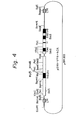
- plasmid pSNV-V T15 +hC ⁇ l has the restriction map depicted in Fig. 4, wherein open rectangle and solid rectangle represent the foreign genes, with solid rectangle particularly referring to the exons.
- E. Coli HB 101 is then transfected with the plasmid and pSNV-V T15 +hC ⁇ l DNA is separated from cultured cells of the transfected strain.
- the splicing in chick embryonic fibroblast host cells with this DNA is performed by the following procedures. The purpose of the splicing is to remove from the sSNV-V T15 +hC ⁇ l (see Fig.
- the chick embryonic fibroblasts (hereunder CEF) used in the splicing are prepared from the embryos in commercially available chick eggs of 10 days or so (details of the CEF preparation are described in the Example (2) to be given later in this specification).
- the CEF is transfected by challenge with the previously obtained DNA, pSNV-V T15 +hCYl, together with a helper virus (e.g. reticuloendotheliosis virus strain A (REV-A)).
- the occurrence of transfection can be confirmed by measuring the reverse transcriptase activity (R.T. activity) of the virus particles present in the supernatant of the culture of the treated CEF.
- the transfected CEF cells are cultivated for several days with the culture medium replaced every day.
- the supernatant of the culture (which contains the RNA virus particles derived from the helper virus DNA and those derived form the spliced pSNV-V T15 +hC ⁇ l DNA) is subsequently used to cause viral infection of CEF.
- the infected CEF cells are cultured for 2 - 3 days, and the virus DNA produced by reverse transcription from RNA in the CEF is recovered from the culture by the Hirt method (Hirt, B., J. Mol. Biol. 26: 365-369, 1967), so as to obtain the desired intron-free gene.
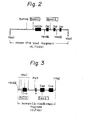
- the complete elimination of the introns from the gene may be verified by analyzing the recovered DNA by performing the Southern hybridization (Southern, E.M., J . M ol. B iol. 98: 503-517, 1975) with the V T15 Xba I fragment and hCYl Hind III-Hha I fragment (see Figs. 2 and 3, respectively).
- the intron-free pSNV-V T15 +hC ⁇ l DNA could be recovered only from the CEF that was subjected to viral infection by the supernatant of the culture of CEF that had been transfected by the pSNV-V T15 +hC ⁇ l DNA in the presence of helper virus DNA.
- the intron-free DNA was then treated with Bam HI to produce about 1.7 kb of the Bam HI DNA fragment.
- This fragment was inserted into a Charon 28 vector, packaged in vitro and brought into contact with E. coli LE 392 for its infection (E. coli LE 392 is a phage host strain commonly used in laboratories).
- E. coli LE 392 is a phage host strain commonly used in laboratories.
- a phage containing about 1.7 kb of the desired DNA fragment was obtained by selecting clones that enter into plaque hybridization with two probes, VT15 Bam HI and hC ⁇ l Sac II fragments.
- the method of the present invention is very useful in producing a single, intron-free gene from heterogenes having intervening sequences.
- the obtained gene can express a functional hybrid protein in a procaryote (e.g., E. coli) or a eucaryote (e.g., yeast) by linking said gene to a suitable expression vector.
- a procaryote e.g., E. coli
- a eucaryote e.g., yeast
- hybrid protein is an immunotherapeutic agent, it can be used as an immunodiagnostic or immunotherapeutic agent.
- Colonies having pSNV-TK ⁇ ter(R) DNA which had been depleted of about 1:6 kb of the Sac II-Sac II DNA fragment were selected from the transfcrmed cells (selected by using ampicillin resistance as a marker) by subjecting the plasmid DNA of the cultured transformant to agarose gel electrophoresis. The deficient DNA was separated from the selected transformant by the conventional method.
- the deficient DNA (5 pg) was cleaved by treatment with 10 units of restriction enzyme Xba I (product of BRL Co.) for 1 hr at 37°C, followed by treatment with an alkaline phosphatase (product of Takara Shuzo Co., Ltd.). A portion (270 ng) of the so treated DNA was reacted with 200 ng of a 4.75 kb V T15 Xba I fragment of the variable region (hereunder V region) of a mouse immunoglobulin gene (Nakanishi, K. et al., Proc. Natl. Acad.
- the cell colonies were transferred onto a nitrocellulose filter and checked for the occurrence of hybridization by using about 1.1 kb of the V T15 Barn HI fragment containing V H DJ Hl (see Fig. 2) as a probe (for the method of colony hybridization, see Maniatis et al., supra, pp. 312-319). Plasmid DNA was separated from the cloned colonies and its restriction map was prepared for the purpose of confirming the correct insertion of the V T15 DNA fragment. The cloned colonies of the transformed cells were then cultivated in 1,000 ml of L-broth so as to obtain 270 pg of the desired plasmid DNA.
- the DNA was cleaved with restriction enzyme Sma I, and at the cleavage site was inserted 2.2 kb of hC ⁇ l Hind III-Hha I fragment from the constant region (hereunder C region) of a human immunoglobulin gene (Fig. 3; see Takahashi, N. et al., Cell 29: 671-679, 1982) that had been treated with DNA polymerase Klenow fragment (product of BRL Co.) to produce flush ends. The insertion of this flush-ended fragment was accomplished by the method already described hereinbefore.
- the obtained DNA was used to transform E. Coli HB 101 cells.
- the transformed colonies were selected by the colony hybridization method (already described) using hC ⁇ l Sac II fragment DNA (see Fig.
- the correct insertion of the desired fragment was confirmed by preparing a restriction map for the plamid DNA in the transformed cells. Clones of the transformed cells were grown in 3,000 ml of L-broth. By extracting plasmid DNA from the cultured cells and purifying the same, about 800 pg of the desired recombinant DNA, PSNV-V T15 +hC ⁇ l was obtained (see Fig. 4). The extraction and purification of plasmid DNA were performed by referring to "Idensh Sosa Manual (Gene Manipulation Manual)", pp. 3-10, Kodansha Scientific, 1982. The plasmid DNA obtained in (1) was a recombinant DNA having one type of retrovirus DNA as a vector. This plasmid DNA was used in splicing the introns in V T15 -hC ⁇ l DNA by chick embryonic fribroflasts, as shown below.
- the flask was also added with 10-20 ml of Dulbecco's PBS(-) (product of Nissui Seiyaku Co., Ltd.: a powder composed of NaCl 8 g, KC1 0.2 g, Na 2 HPO 4 1.15 g and KH 2 P0 4 0.2 g was dissolved in 1,000 ml of thrice distilled water; the solution is hereunder simply referred to as PBS(-)) and the mixture of PBS(-) and the minced embryos was gently stirred with a stirrer for 10 minutes at 37°C.
- the dispersed cells were collected and mixed with 2-4 volumes of a ice-cooled culture medium (for its composition, see Table 1 below).
- the remainder of the minced embryos was again mixed with a 0.2% trypsin solution and the mixture was subjected to 2 - 3 cycles of the same procedure.
- the medium and wet supernatant (cell suspension) were passed through a filter of 4 - 8 sheets of gauze.
- the filtrate was centrifuged at 1,000 rpm for 2 - 3 minutes and the precipitate (cells) was re-suspended in a fresh culture medium. If sufficient cell precipitate cannot be obtained by a single centrifugation because of the high viscosity of the supernatant, it must be subjected to another cycle of centrifugation after adding 1 - 2 volumes of a medium. By these procedures, ca. 3 x 10 7 cells were obtained per single embryo.
- the cells were mixed with a culture medium to give a final concentration of 8 - 12 x 10 5 cells/ml.
- the suspension was distributed in 15-ml portions among 250-ml plastic flasks (product of Halcon International, Inc.) and cultivated at 37.5°C in 5% CO 2 .
- the frozen CEF cells in a single serum tube were seeded in one dish (10 cm in dia.) and immediately after the formation of a monolayer, the cells were subcultured to three dishes (dia. 10 cm) and cultivated to 80 - 100% growth before use.
- a liquid mixture of these components was passed through a membrane filter (0.22 ⁇ m, Millipore Co.) to prepare the desired culture medium.
- the activity of reverse transcriptase (hereunder R.T.) in the culture medium was measured (by the method which will be described later in this specification), and the occurrence of the transfection or the presence of viruses in the medium was confirmed by the increased R.T. activity. If the transfection has occurred, the R.T. activity (evaluated in terms of the count of 3 H- T T P in the TCA insoluble fractions) increases to a level several times as great as with the control. After confirming the establishment of transfection, the supernatant of the culture medium was daily replaced with a fresh medium, and the recovered supernatant of the culture was stored at -80°C.
- the R.T. activity measurement was conducted in accordance with the methos of Hagino, K. et al., (Virology 107: 174-179, 1980) except that a mixture of 20 ⁇ l of the medium in the flask and 10 ul of distilled water was initially added to the reaction solution described in that reference.
- CEF cells that had achieved 50 - 80% growth on a 10 cm ⁇ dish were infected with the recombinant virus by addition of 3 - 4 ml of the culture supernatant recovered in (3).
- virus DNA that was reverse transcribed from RNA in the CEF was recovered by the Hirt method (Hirt, B., J. Mol. Biol., 26: 365-369, 1967) and dissolved in distilled water (20 ul of distilled water per DNA in one dish of a dia. of 10 cm). A few pg (picogram) of the spliced recombinant virus DNA was recovered from said one dish.
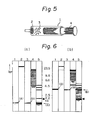
- Fig. 6(a) and (b) show that bands having a length of about 1.7 kb (indicated by ⁇ ) and located at the same position were only observed in lane 5. These bands were not observed in the DNA sample that was obtained by transfection with the recombinant DNA (pSNV-V T15 +hC ⁇ l: see Fig. 4) in the absence of helper virus DNA (lane 3 in Fig. 6(a) and (b)). It could therefore be concluded that the Bam HI DNA fragment occurring on lane 5 in Fig.
- DNA of about 1.7 kb has been freed of all introns that exist between V T15 and hC ⁇ l (i.e. the DNA wherein the exons shadowed in Fig. 4 have been brought into direct contact to provide the sequence of V H DJ Hl ⁇ C Hl ⁇ H ⁇ CH 2 ⁇ CH 3 ).
- This assumption was verified conclusively by determination of the base sequence of the DNA fragment concerned, as will be shown later in (6).
- Band (A) in Fig. 6(a) corresponds to the length 1.1 kb of Barn HI fragment of V T15
- band (B) in Fig. 6(b) corresponds to the length 3.75 kb of Bam HI fragment of pSNV-V T15 +hC ⁇ l.
- the DNA obtained in (4) by cultivating the infected CEF in accordance with the Hirt method was dissolved in 20 ul of distilled water per dish of a diameter of 10 cm. After addition of 10 units of Bam HI, the solution was held at 37°C for 2 hrs. The solution was then subjected to a gel electrophoresis on 0.8% agarase gel and a small DNA fragment (ca. 1.7 kb) obtained by cutting the spliced V T15 -hC ⁇ l DNA with Bam HI was separated by the DEAE paper method (described in Maniatis, T. et al., Supra p 473). The separated DNA was cloned as follows using modified Charon 28 as a vector.
- the DNA was treated with Barn HI and subjected to a gel electrophoresis on 0.8% agarose.
- the desired DNA of a length of about 1.7 kb was separated by the DEAE paper method (already described in (1)).
- a portion (5 ug) of the separated DNA was cleaved with Ava II and Sma I and the DNA sequences on the resulting fragments were determined by the Maxam-Gilbert method (already described).
- Fig. 7 shows the sequences of immunoglobulin genes on the Bam HI DNA fragment of the recombinant DNA, pSNV-V T15 + hC ⁇ l, and on the Barn HI DNA fragment (ca. 1.7 kb) of that recombinant DNA after splicing.
- Fig. 7 also shows the strategy for the DNA sequencing of the gene linkages around the Bam HI fragment of the spliced recombinant DNA.
- the DNA sequences around the linkages between V H DJ Hl and C Hl , between C Hi and H and between H and C H2 on the Bam HI fragment were determined by the Maxam-Gilbert method in accordance with the strategy shown in Fig. 7 after cleaving said DNA fragment with Ava II, followed by further cleaving of the resulting DNA fragment with H ha I .
- the DNA sequence around the linkage between C H2 and C H3 was also determined by the Maxam-Gilbert method in accordance with the same strategy after cleaving said DNA fragment with Sma I, followed by further cleaving of the resulting DNA fragment with Ava II. The results of the sequence determination are shown in Fig.
- Fig. 8(a) refers to the DNA sequence around the linkage between V H DJ H1 of V T15 and C H1 of hCYl; Fi g . 8(b) illustrates the DNA sequence around the linkage between C Hl and H of hC ⁇ l; Fig. 8(c) describes the DNA sequence around H and C H2 of hCYl; and Fig. 8(d) shows the DNA sequence around the linkage between C H2 and C H3 of hCyl.
- (i) refers to the state before splicing and (ii) the state after splicing.
- the DNA sequences before splicing that contained introns had already been determined (for hC Y l, see Ellison, J.W. et al., Nucl. Acid. Res. 10: 4071-4079, 1982, and for the J Hl region of mouse V H DJ Hl , see Early, P. et al., Cell, 19: 981-992, 1980).
- Each of the vertical wavy lines inserted in the DNA sequences in Fig. 8 denotes the region where two exons are linked.
- Fig. 8 The data shown in Fig. 8 reveal that the introns were eliminated at any of the linkage sites of the spliced DNA and the exons were linked directly in accordance with the GT-AG rule. More specifically, the introns on the recombinant DNA, pSNV-V T15 +hC ⁇ l, shown in Fig. 4 (or Fig. 7) were correctly spliced as intended, whereupon the two genes of different origins (the V region of the mouse immunoblobulin gene and the C region of the human immunoglobulin gene) were linked together to produce a single, intron-free functional gene.
- the resulting DNA if inserted into a suitable expression vector, can be expressed as a single functional bound protein not only in eucaryotes but also in procaryotes such as E. coli.
- the expressed bound protein will be useful as an immunodiagnostic or immunotherapeutic agent.
Landscapes
- Health & Medical Sciences (AREA)
- Genetics & Genomics (AREA)
- Chemical & Material Sciences (AREA)
- Life Sciences & Earth Sciences (AREA)
- Organic Chemistry (AREA)
- Engineering & Computer Science (AREA)
- Biotechnology (AREA)
- Zoology (AREA)
- General Engineering & Computer Science (AREA)
- Biomedical Technology (AREA)
- Bioinformatics & Cheminformatics (AREA)
- Wood Science & Technology (AREA)
- Biophysics (AREA)
- Molecular Biology (AREA)
- Biochemistry (AREA)
- General Health & Medical Sciences (AREA)
- Microbiology (AREA)
- Plant Pathology (AREA)
- Physics & Mathematics (AREA)
- Crystallography & Structural Chemistry (AREA)
- Immunology (AREA)
- Medicinal Chemistry (AREA)
- Proteomics, Peptides & Aminoacids (AREA)
- Virology (AREA)
- Preparation Of Compounds By Using Micro-Organisms (AREA)
- Measuring Or Testing Involving Enzymes Or Micro-Organisms (AREA)
- Steroid Compounds (AREA)
- Medicines Containing Antibodies Or Antigens For Use As Internal Diagnostic Agents (AREA)
- Micro-Organisms Or Cultivation Processes Thereof (AREA)
Priority Applications (1)
| Application Number | Priority Date | Filing Date | Title |
|---|---|---|---|
| AT85104976T ATE82591T1 (de) | 1984-04-24 | 1985-04-24 | Verfahren zur ligation von heterogenen genen. |
Applications Claiming Priority (2)
| Application Number | Priority Date | Filing Date | Title |
|---|---|---|---|
| JP82432/84 | 1984-04-24 | ||
| JP59082432A JPS60224492A (ja) | 1984-04-24 | 1984-04-24 | 異種遺伝子の結合法 |
Publications (3)
| Publication Number | Publication Date |
|---|---|
| EP0162319A2 true EP0162319A2 (fr) | 1985-11-27 |
| EP0162319A3 EP0162319A3 (en) | 1987-12-02 |
| EP0162319B1 EP0162319B1 (fr) | 1992-11-19 |
Family
ID=13774396
Family Applications (1)
| Application Number | Title | Priority Date | Filing Date |
|---|---|---|---|
| EP85104976A Expired EP0162319B1 (fr) | 1984-04-24 | 1985-04-24 | Procédé de ligation de gènes hétérogènes |
Country Status (4)
| Country | Link |
|---|---|
| EP (1) | EP0162319B1 (fr) |
| JP (1) | JPS60224492A (fr) |
| AT (1) | ATE82591T1 (fr) |
| DE (1) | DE3586830T2 (fr) |
Cited By (9)
| Publication number | Priority date | Publication date | Assignee | Title |
|---|---|---|---|---|
| EP0217916A4 (fr) * | 1985-03-18 | 1989-02-23 | Gene Labs Inc | Vecteur cassette de gene hybride. |
| FR2629469A1 (fr) * | 1988-03-31 | 1989-10-06 | Pasteur Institut | Retrovirus recombinant defectif, son application a l'integration de sequences codantes pour des proteines determinees dans le genome de cultures cellulaires infectables par le retrovirus sauvage correspondant et adns recombinants pour la production de ce retrovirus recombinant |
| EP0385558A3 (fr) * | 1984-04-20 | 1990-12-27 | Genentech, Inc. | Matières et méthodes de "genome walking" |
| EP0364096A3 (fr) * | 1988-09-06 | 1992-08-05 | International Genetic Engineering, Inc. (Ingene) | Eléments d'expression de gènes et production d'anticorps souris-humains chimériques |
| US5155027A (en) * | 1988-01-22 | 1992-10-13 | Zymogenetics, Inc. | Method of producing secreted receptor analogs and biologically active peptide dimers |
| US5567584A (en) * | 1988-01-22 | 1996-10-22 | Zymogenetics, Inc. | Methods of using biologically active dimerized polypeptide fusions to detect PDGF |
| US5576184A (en) * | 1988-09-06 | 1996-11-19 | Xoma Corporation | Production of chimeric mouse-human antibodies with specificity to human tumor antigens |
| US5750375A (en) * | 1988-01-22 | 1998-05-12 | Zymogenetics, Inc. | Methods of producing secreted receptor analogs and biologically active dimerized polypeptide fusions |
| US6018026A (en) * | 1988-01-22 | 2000-01-25 | Zymogenetics, Inc. | Biologically active dimerized and multimerized polypeptide fusions |
-
1984
- 1984-04-24 JP JP59082432A patent/JPS60224492A/ja active Pending
-
1985
- 1985-04-24 DE DE8585104976T patent/DE3586830T2/de not_active Expired - Fee Related
- 1985-04-24 EP EP85104976A patent/EP0162319B1/fr not_active Expired
- 1985-04-24 AT AT85104976T patent/ATE82591T1/de active
Non-Patent Citations (3)
| Title |
|---|
| NATURE, vol. 299, 16th September 1982, pages 265-268, Macmillan Journals Ltd; K. SHIMOTOHNO et al.: "Loss of intervening sequences in genomic mouse alpha-globin DNA inserted in an infectious retrovirus vector" * |
| NATURE, vol. 308, 29th March 1984, pages 425-428; S. LEWIS et al.: "Joining of Vk to Jk gene segments in a retroviral vector introduced into lymphoid cells" * |
| PROCEEDINGS OF THE NATIONAL ACADEMY OF SCIENCES OF THE USA, vol. 79, no. 7, April 1982, pages 2268-2272, Washington, US; J. DOEHMER et al.: "Introduction of rat growth hormone gene into mouse fibroblasts via a retroviral DNA vector: Expression and regulation" * |
Cited By (16)
| Publication number | Priority date | Publication date | Assignee | Title |
|---|---|---|---|---|
| EP0385558A3 (fr) * | 1984-04-20 | 1990-12-27 | Genentech, Inc. | Matières et méthodes de "genome walking" |
| EP0217916A4 (fr) * | 1985-03-18 | 1989-02-23 | Gene Labs Inc | Vecteur cassette de gene hybride. |
| US6323323B1 (en) | 1988-01-22 | 2001-11-27 | Zymogenetics, Inc. | Ligand-binding, dimerized polypeptide fusions |
| US6018026A (en) * | 1988-01-22 | 2000-01-25 | Zymogenetics, Inc. | Biologically active dimerized and multimerized polypeptide fusions |
| US5843725A (en) * | 1988-01-22 | 1998-12-01 | Zymogenetics, Inc. | Methods of producing secreted receptor analogs and biologically active dimerized polypeptide fusions |
| US5155027A (en) * | 1988-01-22 | 1992-10-13 | Zymogenetics, Inc. | Method of producing secreted receptor analogs and biologically active peptide dimers |
| US5567584A (en) * | 1988-01-22 | 1996-10-22 | Zymogenetics, Inc. | Methods of using biologically active dimerized polypeptide fusions to detect PDGF |
| US5750375A (en) * | 1988-01-22 | 1998-05-12 | Zymogenetics, Inc. | Methods of producing secreted receptor analogs and biologically active dimerized polypeptide fusions |
| US5583022A (en) * | 1988-03-31 | 1996-12-10 | Institut Pasteur | Defective recombinant retrovirus |
| EP0336822A1 (fr) * | 1988-03-31 | 1989-10-11 | Institut Pasteur | Rétrovirus recombinant défectif, son application à l'intégration de séquences codantes pour des protéines déterminées dans le génome de cultures cellulaires infectables par le rétrovirus sauvage correspondant et ADNs recombinants pour la production de ce rétrovirus recombinant |
| FR2629469A1 (fr) * | 1988-03-31 | 1989-10-06 | Pasteur Institut | Retrovirus recombinant defectif, son application a l'integration de sequences codantes pour des proteines determinees dans le genome de cultures cellulaires infectables par le retrovirus sauvage correspondant et adns recombinants pour la production de ce retrovirus recombinant |
| US5576184A (en) * | 1988-09-06 | 1996-11-19 | Xoma Corporation | Production of chimeric mouse-human antibodies with specificity to human tumor antigens |
| US5843685A (en) * | 1988-09-06 | 1998-12-01 | Xoma Corporation | Production of chimeric mouse-human antibodies with specificity to human tumor antigens |
| EP0364096A3 (fr) * | 1988-09-06 | 1992-08-05 | International Genetic Engineering, Inc. (Ingene) | Eléments d'expression de gènes et production d'anticorps souris-humains chimériques |
| US6461824B1 (en) | 1988-09-06 | 2002-10-08 | Xoma Technology Ltd. | Production of chimeric antibodies with specificity to human tumor antigens |
| EP0967277A3 (fr) * | 1988-09-06 | 2003-10-15 | Xoma Corporation | Production d' anticorps chimèriques murins/humains contre des antigènes de tumeurs humains |
Also Published As
| Publication number | Publication date |
|---|---|
| DE3586830T2 (de) | 1993-04-22 |
| ATE82591T1 (de) | 1992-12-15 |
| JPS60224492A (ja) | 1985-11-08 |
| EP0162319A3 (en) | 1987-12-02 |
| EP0162319B1 (fr) | 1992-11-19 |
| DE3586830D1 (de) | 1992-12-24 |
Similar Documents
| Publication | Publication Date | Title |
|---|---|---|
| US6867020B2 (en) | Method of making glycoprotein exhibiting erythropoiesis regulating and glycoprotein produced by this method | |
| CA1294879C (fr) | Hormone de croissance bovine secretee par des cellules encapsulees de souris transformees par un retrovirus aviaire, et methode d'administration del'hormone in vivo | |
| US4840896A (en) | Heteropolymeric protein | |
| US4980286A (en) | In vivo introduction and expression of foreign genetic material in epithelial cells | |
| KR100257457B1 (ko) | 인간응집인자 viii 단백질 복합체의 제조방법 | |
| JP3015383B2 (ja) | 形質導入した線維芽およびそれらの使用 | |
| US5639639A (en) | Recombinant heterodimeric human fertility hormones, and methods, cells, vectors and DNA for the production thereof | |
| JP2852515B2 (ja) | ベクターウイルスおよびベクターウイルスを含む薬用組成物 | |
| US4769328A (en) | Expression of biologically active PDGF analogs in yeast | |
| JP2001299367A (ja) | 内皮細胞の遺伝的変性 | |
| JPH03503718A (ja) | 修飾された肝細胞およびその用途 | |
| EP0957167A1 (fr) | Production d'hormones hétérodimériques de la fertilité humaine | |
| JPH06343477A (ja) | 医薬的および診断的使用のための組み換えフオーミーウイルスベクター、および組み換えフオーミーウイルスベクターの作製方法 | |
| EP0162319B1 (fr) | Procédé de ligation de gènes hétérogènes | |
| Gilboa | Retrovirus vectors and their uses in molecular biology | |
| JPH10505745A (ja) | 後天性疾患治療用の新規移植組織片および新規ベクター | |
| US5364761A (en) | Method for isolating a DNA encoding an autonomously replicating sequence | |
| EP0254315B1 (fr) | Fragments d'ADN a replication autonome, derivés de cellules de mammifères et ayant une affinité envers les proteines se fixant sur le ADN. | |
| EP0232845A2 (fr) | Systèmes d'amplification et de choc thermique inductibles | |
| JPH08501210A (ja) | 遺伝子産物の持続的放出のための筋芽細胞の利用 | |
| JP2832358B2 (ja) | モノクローナル抗体の増収法 | |
| De Ronde et al. | Two domains within the early coding region of SV40 involved in the transformation of human fibroblasts | |
| JPH029388A (ja) | 生理活性タンパク質の製造法 | |
| Choi | REGULATION OF CHICKEN BETA-GLOBIN GENE EXPRESSION (RETROVIRUS VECTOR, AVIAN ERYTHROBLASTOSIS VIRUS) | |
| EP0160091A1 (fr) | Production d'hormones heterodimeriques de la fertilite chez l'homme |
Legal Events
| Date | Code | Title | Description |
|---|---|---|---|
| PUAI | Public reference made under article 153(3) epc to a published international application that has entered the european phase |
Free format text: ORIGINAL CODE: 0009012 |
|
| 17P | Request for examination filed |
Effective date: 19850424 |
|
| AK | Designated contracting states |
Designated state(s): AT BE CH DE FR GB IT LI LU NL SE |
|
| PUAL | Search report despatched |
Free format text: ORIGINAL CODE: 0009013 |
|
| AK | Designated contracting states |
Kind code of ref document: A3 Designated state(s): AT BE CH DE FR GB IT LI LU NL SE |
|
| 17Q | First examination report despatched |
Effective date: 19900209 |
|
| GRAA | (expected) grant |
Free format text: ORIGINAL CODE: 0009210 |
|
| ITF | It: translation for a ep patent filed | ||
| AK | Designated contracting states |
Kind code of ref document: B1 Designated state(s): AT BE CH DE FR GB IT LI LU NL SE |
|
| REF | Corresponds to: |
Ref document number: 82591 Country of ref document: AT Date of ref document: 19921215 Kind code of ref document: T |
|
| RAP2 | Party data changed (patent owner data changed or rights of a patent transferred) |
Owner name: HONJO, TASUKU |
|
| ET | Fr: translation filed | ||
| REF | Corresponds to: |
Ref document number: 3586830 Country of ref document: DE Date of ref document: 19921224 |
|
| ITTA | It: last paid annual fee | ||
| PLBE | No opposition filed within time limit |
Free format text: ORIGINAL CODE: 0009261 |
|
| STAA | Information on the status of an ep patent application or granted ep patent |
Free format text: STATUS: NO OPPOSITION FILED WITHIN TIME LIMIT |
|
| 26N | No opposition filed | ||
| EPTA | Lu: last paid annual fee | ||
| EAL | Se: european patent in force in sweden |
Ref document number: 85104976.7 |
|
| PGFP | Annual fee paid to national office [announced via postgrant information from national office to epo] |
Ref country code: SE Payment date: 19970306 Year of fee payment: 13 |
|
| PGFP | Annual fee paid to national office [announced via postgrant information from national office to epo] |
Ref country code: AT Payment date: 19970317 Year of fee payment: 13 |
|
| PGFP | Annual fee paid to national office [announced via postgrant information from national office to epo] |
Ref country code: CH Payment date: 19970319 Year of fee payment: 13 |
|
| PGFP | Annual fee paid to national office [announced via postgrant information from national office to epo] |
Ref country code: LU Payment date: 19970402 Year of fee payment: 13 |
|
| PGFP | Annual fee paid to national office [announced via postgrant information from national office to epo] |
Ref country code: GB Payment date: 19970415 Year of fee payment: 13 |
|
| PGFP | Annual fee paid to national office [announced via postgrant information from national office to epo] |
Ref country code: FR Payment date: 19970425 Year of fee payment: 13 |
|
| PGFP | Annual fee paid to national office [announced via postgrant information from national office to epo] |
Ref country code: NL Payment date: 19970428 Year of fee payment: 13 Ref country code: BE Payment date: 19970428 Year of fee payment: 13 |
|
| PGFP | Annual fee paid to national office [announced via postgrant information from national office to epo] |
Ref country code: DE Payment date: 19970522 Year of fee payment: 13 |
|
| PG25 | Lapsed in a contracting state [announced via postgrant information from national office to epo] |
Ref country code: LU Free format text: LAPSE BECAUSE OF NON-PAYMENT OF DUE FEES Effective date: 19980424 Ref country code: GB Free format text: LAPSE BECAUSE OF NON-PAYMENT OF DUE FEES Effective date: 19980424 Ref country code: AT Free format text: LAPSE BECAUSE OF NON-PAYMENT OF DUE FEES Effective date: 19980424 |
|
| PG25 | Lapsed in a contracting state [announced via postgrant information from national office to epo] |
Ref country code: SE Free format text: LAPSE BECAUSE OF NON-PAYMENT OF DUE FEES Effective date: 19980425 |
|
| PG25 | Lapsed in a contracting state [announced via postgrant information from national office to epo] |
Ref country code: LI Free format text: LAPSE BECAUSE OF NON-PAYMENT OF DUE FEES Effective date: 19980430 Ref country code: FR Free format text: THE PATENT HAS BEEN ANNULLED BY A DECISION OF A NATIONAL AUTHORITY Effective date: 19980430 Ref country code: CH Free format text: LAPSE BECAUSE OF NON-PAYMENT OF DUE FEES Effective date: 19980430 Ref country code: BE Free format text: LAPSE BECAUSE OF NON-PAYMENT OF DUE FEES Effective date: 19980430 |
|
| BERE | Be: lapsed |
Owner name: HONJO TASUKU Effective date: 19980430 |
|
| PG25 | Lapsed in a contracting state [announced via postgrant information from national office to epo] |
Ref country code: NL Free format text: LAPSE BECAUSE OF NON-PAYMENT OF DUE FEES Effective date: 19981101 |
|
| REG | Reference to a national code |
Ref country code: CH Ref legal event code: PL |
|
| GBPC | Gb: european patent ceased through non-payment of renewal fee |
Effective date: 19980424 |
|
| NLV4 | Nl: lapsed or anulled due to non-payment of the annual fee |
Effective date: 19981101 |
|
| EUG | Se: european patent has lapsed |
Ref document number: 85104976.7 |
|
| PG25 | Lapsed in a contracting state [announced via postgrant information from national office to epo] |
Ref country code: DE Free format text: LAPSE BECAUSE OF NON-PAYMENT OF DUE FEES Effective date: 19990202 |
|
| REG | Reference to a national code |
Ref country code: FR Ref legal event code: ST |