EP0175286A2 - In vitro-Zellkultur-System und Verfahren - Google Patents
In vitro-Zellkultur-System und Verfahren Download PDFInfo
- Publication number
- EP0175286A2 EP0175286A2 EP85111548A EP85111548A EP0175286A2 EP 0175286 A2 EP0175286 A2 EP 0175286A2 EP 85111548 A EP85111548 A EP 85111548A EP 85111548 A EP85111548 A EP 85111548A EP 0175286 A2 EP0175286 A2 EP 0175286A2
- Authority
- EP
- European Patent Office
- Prior art keywords
- cells
- calcium
- cell culture
- culture
- collagen
- Prior art date
- Legal status (The legal status is an assumption and is not a legal conclusion. Google has not performed a legal analysis and makes no representation as to the accuracy of the status listed.)
- Granted
Links
- 238000012606 in vitro cell culture Methods 0.000 title claims abstract description 24
- 238000000034 method Methods 0.000 title claims description 34
- 210000004027 cell Anatomy 0.000 claims abstract description 130
- 239000007787 solid Substances 0.000 claims abstract description 90
- 239000000758 substrate Substances 0.000 claims abstract description 87
- XYJRXVWERLGGKC-UHFFFAOYSA-D pentacalcium;hydroxide;triphosphate Chemical compound [OH-].[Ca+2].[Ca+2].[Ca+2].[Ca+2].[Ca+2].[O-]P([O-])([O-])=O.[O-]P([O-])([O-])=O.[O-]P([O-])([O-])=O XYJRXVWERLGGKC-UHFFFAOYSA-D 0.000 claims abstract description 64
- 229910052588 hydroxylapatite Inorganic materials 0.000 claims abstract description 62
- 239000008187 granular material Substances 0.000 claims abstract description 60
- 239000011575 calcium Substances 0.000 claims abstract description 35
- OYPRJOBELJOOCE-UHFFFAOYSA-N Calcium Chemical compound [Ca] OYPRJOBELJOOCE-UHFFFAOYSA-N 0.000 claims abstract description 32
- QORWJWZARLRLPR-UHFFFAOYSA-H tricalcium bis(phosphate) Chemical group [Ca+2].[Ca+2].[Ca+2].[O-]P([O-])([O-])=O.[O-]P([O-])([O-])=O QORWJWZARLRLPR-UHFFFAOYSA-H 0.000 claims abstract description 32
- VTYYLEPIZMXCLO-UHFFFAOYSA-L Calcium carbonate Chemical compound [Ca+2].[O-]C([O-])=O VTYYLEPIZMXCLO-UHFFFAOYSA-L 0.000 claims abstract description 30
- 229910052791 calcium Inorganic materials 0.000 claims abstract description 30
- 229940043430 calcium compound Drugs 0.000 claims abstract description 20
- 150000001674 calcium compounds Chemical class 0.000 claims abstract description 20
- 239000001506 calcium phosphate Substances 0.000 claims abstract description 20
- 230000010261 cell growth Effects 0.000 claims abstract description 19
- 239000002245 particle Substances 0.000 claims abstract description 17
- 229910000019 calcium carbonate Inorganic materials 0.000 claims abstract description 15
- 210000004962 mammalian cell Anatomy 0.000 claims abstract description 15
- 235000011010 calcium phosphates Nutrition 0.000 claims abstract description 14
- 230000001419 dependent effect Effects 0.000 claims abstract description 14
- 229910000389 calcium phosphate Inorganic materials 0.000 claims abstract description 13
- 230000002297 mitogenic effect Effects 0.000 claims abstract description 11
- 238000004113 cell culture Methods 0.000 claims description 78
- 102000008186 Collagen Human genes 0.000 claims description 38
- 108010035532 Collagen Proteins 0.000 claims description 38
- 229920001436 collagen Polymers 0.000 claims description 38
- 210000001612 chondrocyte Anatomy 0.000 claims description 35
- 239000010410 layer Substances 0.000 claims description 32
- 230000012010 growth Effects 0.000 claims description 25
- 210000001519 tissue Anatomy 0.000 claims description 22
- 210000002950 fibroblast Anatomy 0.000 claims description 20
- 239000001963 growth medium Substances 0.000 claims description 20
- 210000000963 osteoblast Anatomy 0.000 claims description 19
- 239000013078 crystal Substances 0.000 claims description 18
- 238000000338 in vitro Methods 0.000 claims description 18
- 230000014509 gene expression Effects 0.000 claims description 17
- 210000002997 osteoclast Anatomy 0.000 claims description 15
- 235000015097 nutrients Nutrition 0.000 claims description 14
- 210000000845 cartilage Anatomy 0.000 claims description 13
- 230000015572 biosynthetic process Effects 0.000 claims description 12
- 229960002424 collagenase Drugs 0.000 claims description 12
- 239000011159 matrix material Substances 0.000 claims description 12
- 241000282465 Canis Species 0.000 claims description 11
- 241000283973 Oryctolagus cuniculus Species 0.000 claims description 10
- 230000000694 effects Effects 0.000 claims description 10
- 102000029816 Collagenase Human genes 0.000 claims description 9
- 108060005980 Collagenase Proteins 0.000 claims description 9
- 239000002356 single layer Substances 0.000 claims description 9
- 206010003246 arthritis Diseases 0.000 claims description 8
- ATDGTVJJHBUTRL-UHFFFAOYSA-N cyanogen bromide Chemical compound BrC#N ATDGTVJJHBUTRL-UHFFFAOYSA-N 0.000 claims description 8
- WCDDVEOXEIYWFB-VXORFPGASA-N (2s,3s,4r,5r,6r)-3-[(2s,3r,5s,6r)-3-acetamido-5-hydroxy-6-(hydroxymethyl)oxan-2-yl]oxy-4,5,6-trihydroxyoxane-2-carboxylic acid Chemical compound CC(=O)N[C@@H]1C[C@H](O)[C@@H](CO)O[C@H]1O[C@@H]1[C@@H](C(O)=O)O[C@@H](O)[C@H](O)[C@H]1O WCDDVEOXEIYWFB-VXORFPGASA-N 0.000 claims description 7
- 238000004458 analytical method Methods 0.000 claims description 7
- 229940014041 hyaluronate Drugs 0.000 claims description 7
- 108090000765 processed proteins & peptides Proteins 0.000 claims description 7
- 238000003786 synthesis reaction Methods 0.000 claims description 7
- 102000000503 Collagen Type II Human genes 0.000 claims description 6
- 108010041390 Collagen Type II Proteins 0.000 claims description 6
- 210000002449 bone cell Anatomy 0.000 claims description 6
- 210000002437 synoviocyte Anatomy 0.000 claims description 6
- 108090000445 Parathyroid hormone Proteins 0.000 claims description 5
- 238000012512 characterization method Methods 0.000 claims description 5
- 238000004090 dissolution Methods 0.000 claims description 5
- 230000003834 intracellular effect Effects 0.000 claims description 5
- 239000000203 mixture Substances 0.000 claims description 5
- 231100000252 nontoxic Toxicity 0.000 claims description 5
- 230000003000 nontoxic effect Effects 0.000 claims description 5
- 210000002966 serum Anatomy 0.000 claims description 5
- 102000003982 Parathyroid hormone Human genes 0.000 claims description 4
- 230000007246 mechanism Effects 0.000 claims description 4
- 230000000877 morphologic effect Effects 0.000 claims description 4
- 239000000199 parathyroid hormone Substances 0.000 claims description 4
- 102000004169 proteins and genes Human genes 0.000 claims description 4
- 108090000623 proteins and genes Proteins 0.000 claims description 4
- 210000001626 skin fibroblast Anatomy 0.000 claims description 4
- 102000010780 Platelet-Derived Growth Factor Human genes 0.000 claims description 3
- 108010038512 Platelet-Derived Growth Factor Proteins 0.000 claims description 3
- 230000001851 biosynthetic effect Effects 0.000 claims description 3
- 210000000988 bone and bone Anatomy 0.000 claims description 3
- 210000004748 cultured cell Anatomy 0.000 claims description 3
- 238000002955 isolation Methods 0.000 claims description 3
- 238000005259 measurement Methods 0.000 claims description 3
- 238000004264 monolayer culture Methods 0.000 claims description 3
- 102000004196 processed proteins & peptides Human genes 0.000 claims description 3
- 239000000523 sample Substances 0.000 claims description 3
- 239000013638 trimer Substances 0.000 claims description 3
- 241001529936 Murinae Species 0.000 claims description 2
- 239000012847 fine chemical Substances 0.000 claims description 2
- 210000002540 macrophage Anatomy 0.000 claims description 2
- 210000001616 monocyte Anatomy 0.000 claims description 2
- 229960001319 parathyroid hormone Drugs 0.000 claims description 2
- 230000000638 stimulation Effects 0.000 claims description 2
- 241000219061 Rheum Species 0.000 claims 7
- 102000055006 Calcitonin Human genes 0.000 claims 2
- 108060001064 Calcitonin Proteins 0.000 claims 2
- 210000001188 articular cartilage Anatomy 0.000 claims 2
- BBBFJLBPOGFECG-VJVYQDLKSA-N calcitonin Chemical compound N([C@H](C(=O)N[C@@H](CC(C)C)C(=O)NCC(=O)N[C@@H](CCCCN)C(=O)N[C@@H](CC(C)C)C(=O)N[C@@H](CO)C(=O)N[C@@H](CCC(N)=O)C(=O)N[C@@H](CCC(O)=O)C(=O)N[C@@H](CC(C)C)C(=O)N[C@@H](CC=1NC=NC=1)C(=O)N[C@@H](CCCCN)C(=O)N[C@@H](CC(C)C)C(=O)N[C@@H](CCC(N)=O)C(=O)N[C@@H]([C@@H](C)O)C(=O)N[C@@H](CC=1C=CC(O)=CC=1)C(=O)N1[C@@H](CCC1)C(=O)N[C@@H](CCCNC(N)=N)C(=O)N[C@@H]([C@@H](C)O)C(=O)N[C@@H](CC(N)=O)C(=O)N[C@@H]([C@@H](C)O)C(=O)NCC(=O)N[C@@H](CO)C(=O)NCC(=O)N[C@@H]([C@@H](C)O)C(=O)N1[C@@H](CCC1)C(N)=O)C(C)C)C(=O)[C@@H]1CSSC[C@H](N)C(=O)N[C@@H](CO)C(=O)N[C@@H](CC(N)=O)C(=O)N[C@@H](CC(C)C)C(=O)N[C@@H](CO)C(=O)N[C@@H]([C@@H](C)O)C(=O)N1 BBBFJLBPOGFECG-VJVYQDLKSA-N 0.000 claims 2
- 229960004015 calcitonin Drugs 0.000 claims 2
- OLSDWRNWUGHKSY-UHFFFAOYSA-J dicalcium;phosphonato phosphate;dihydrate Chemical compound O.O.[Ca+2].[Ca+2].[O-]P([O-])(=O)OP([O-])([O-])=O OLSDWRNWUGHKSY-UHFFFAOYSA-J 0.000 claims 2
- 230000007704 transition Effects 0.000 claims 2
- WOVKYSAHUYNSMH-RRKCRQDMSA-N 5-bromodeoxyuridine Chemical compound C1[C@H](O)[C@@H](CO)O[C@H]1N1C(=O)NC(=O)C(Br)=C1 WOVKYSAHUYNSMH-RRKCRQDMSA-N 0.000 claims 1
- KHOITXIGCFIULA-UHFFFAOYSA-N Alophen Chemical compound C1=CC(OC(=O)C)=CC=C1C(C=1N=CC=CC=1)C1=CC=C(OC(C)=O)C=C1 KHOITXIGCFIULA-UHFFFAOYSA-N 0.000 claims 1
- WOVKYSAHUYNSMH-UHFFFAOYSA-N BROMODEOXYURIDINE Natural products C1C(O)C(CO)OC1N1C(=O)NC(=O)C(Br)=C1 WOVKYSAHUYNSMH-UHFFFAOYSA-N 0.000 claims 1
- 108090000145 Bacillolysin Proteins 0.000 claims 1
- 206010065687 Bone loss Diseases 0.000 claims 1
- 241000283690 Bos taurus Species 0.000 claims 1
- KRKNYBCHXYNGOX-UHFFFAOYSA-K Citrate Chemical compound [O-]C(=O)CC(O)(CC([O-])=O)C([O-])=O KRKNYBCHXYNGOX-UHFFFAOYSA-K 0.000 claims 1
- 101100282615 Drosophila melanogaster Gycalpha99B gene Proteins 0.000 claims 1
- 102000016359 Fibronectins Human genes 0.000 claims 1
- 108010067306 Fibronectins Proteins 0.000 claims 1
- 229920002683 Glycosaminoglycan Polymers 0.000 claims 1
- 102000035092 Neutral proteases Human genes 0.000 claims 1
- 108091005507 Neutral proteases Proteins 0.000 claims 1
- 102100036893 Parathyroid hormone Human genes 0.000 claims 1
- 102000016611 Proteoglycans Human genes 0.000 claims 1
- 108010067787 Proteoglycans Proteins 0.000 claims 1
- QAOWNCQODCNURD-UHFFFAOYSA-L Sulfate Chemical compound [O-]S([O-])(=O)=O QAOWNCQODCNURD-UHFFFAOYSA-L 0.000 claims 1
- 206010069771 Thyroid dermatopathy Diseases 0.000 claims 1
- 238000009825 accumulation Methods 0.000 claims 1
- 238000003556 assay Methods 0.000 claims 1
- 239000003462 bioceramic Substances 0.000 claims 1
- 230000004071 biological effect Effects 0.000 claims 1
- 239000012620 biological material Substances 0.000 claims 1
- 230000022159 cartilage development Effects 0.000 claims 1
- 230000020411 cell activation Effects 0.000 claims 1
- 230000024245 cell differentiation Effects 0.000 claims 1
- 239000003795 chemical substances by application Substances 0.000 claims 1
- 210000003837 chick embryo Anatomy 0.000 claims 1
- 230000036570 collagen biosynthesis Effects 0.000 claims 1
- 230000003328 fibroblastic effect Effects 0.000 claims 1
- 230000035876 healing Effects 0.000 claims 1
- 230000001900 immune effect Effects 0.000 claims 1
- 238000010348 incorporation Methods 0.000 claims 1
- 230000006698 induction Effects 0.000 claims 1
- 210000001161 mammalian embryo Anatomy 0.000 claims 1
- 230000002503 metabolic effect Effects 0.000 claims 1
- 230000004060 metabolic process Effects 0.000 claims 1
- 230000000399 orthopedic effect Effects 0.000 claims 1
- 229940094443 oxytocics prostaglandins Drugs 0.000 claims 1
- 238000002360 preparation method Methods 0.000 claims 1
- 230000002062 proliferating effect Effects 0.000 claims 1
- 150000003180 prostaglandins Chemical class 0.000 claims 1
- 230000002285 radioactive effect Effects 0.000 claims 1
- 230000000284 resting effect Effects 0.000 claims 1
- 238000013341 scale-up Methods 0.000 claims 1
- 238000005063 solubilization Methods 0.000 claims 1
- 230000007928 solubilization Effects 0.000 claims 1
- 208000035736 spondylodysplastic type Ehlers-Danlos syndrome Diseases 0.000 claims 1
- 239000013589 supplement Substances 0.000 claims 1
- 238000012795 verification Methods 0.000 claims 1
- 239000002609 medium Substances 0.000 description 23
- 229920003023 plastic Polymers 0.000 description 16
- 239000000463 material Substances 0.000 description 12
- 235000019731 tricalcium phosphate Nutrition 0.000 description 12
- 239000006144 Dulbecco’s modified Eagle's medium Substances 0.000 description 11
- 230000005499 meniscus Effects 0.000 description 11
- 239000000047 product Substances 0.000 description 10
- 238000011160 research Methods 0.000 description 10
- 239000011521 glass Substances 0.000 description 9
- 229950003937 tolonium Drugs 0.000 description 9
- HNONEKILPDHFOL-UHFFFAOYSA-M tolonium chloride Chemical compound [Cl-].C1=C(C)C(N)=CC2=[S+]C3=CC(N(C)C)=CC=C3N=C21 HNONEKILPDHFOL-UHFFFAOYSA-M 0.000 description 9
- DBMJMQXJHONAFJ-UHFFFAOYSA-M Sodium laurylsulphate Chemical compound [Na+].CCCCCCCCCCCCOS([O-])(=O)=O DBMJMQXJHONAFJ-UHFFFAOYSA-M 0.000 description 8
- 238000004519 manufacturing process Methods 0.000 description 7
- 229910000391 tricalcium phosphate Inorganic materials 0.000 description 7
- FAPWRFPIFSIZLT-UHFFFAOYSA-M Sodium chloride Chemical compound [Na+].[Cl-] FAPWRFPIFSIZLT-UHFFFAOYSA-M 0.000 description 6
- QVGXLLKOCUKJST-UHFFFAOYSA-N atomic oxygen Chemical compound [O] QVGXLLKOCUKJST-UHFFFAOYSA-N 0.000 description 6
- 239000001301 oxygen Substances 0.000 description 6
- 229910052760 oxygen Inorganic materials 0.000 description 6
- 239000011148 porous material Substances 0.000 description 6
- 229940078499 tricalcium phosphate Drugs 0.000 description 6
- QTBSBXVTEAMEQO-UHFFFAOYSA-N Acetic acid Chemical compound CC(O)=O QTBSBXVTEAMEQO-UHFFFAOYSA-N 0.000 description 5
- BHPQYMZQTOCNFJ-UHFFFAOYSA-N Calcium cation Chemical compound [Ca+2] BHPQYMZQTOCNFJ-UHFFFAOYSA-N 0.000 description 5
- ONIBWKKTOPOVIA-BYPYZUCNSA-N L-Proline Chemical compound OC(=O)[C@@H]1CCCN1 ONIBWKKTOPOVIA-BYPYZUCNSA-N 0.000 description 5
- UFWIBTONFRDIAS-UHFFFAOYSA-N Naphthalene Chemical compound C1=CC=CC2=CC=CC=C21 UFWIBTONFRDIAS-UHFFFAOYSA-N 0.000 description 5
- ONIBWKKTOPOVIA-UHFFFAOYSA-N Proline Natural products OC(=O)C1CCCN1 ONIBWKKTOPOVIA-UHFFFAOYSA-N 0.000 description 5
- 230000008901 benefit Effects 0.000 description 5
- 238000012258 culturing Methods 0.000 description 5
- 238000000386 microscopy Methods 0.000 description 5
- 102000013563 Acid Phosphatase Human genes 0.000 description 4
- 108010051457 Acid Phosphatase Proteins 0.000 description 4
- 102000002260 Alkaline Phosphatase Human genes 0.000 description 4
- 108020004774 Alkaline Phosphatase Proteins 0.000 description 4
- CIWBSHSKHKDKBQ-JLAZNSOCSA-N Ascorbic acid Chemical compound OC[C@H](O)[C@H]1OC(=O)C(O)=C1O CIWBSHSKHKDKBQ-JLAZNSOCSA-N 0.000 description 4
- 102000057297 Pepsin A Human genes 0.000 description 4
- 108090000284 Pepsin A Proteins 0.000 description 4
- 239000002253 acid Substances 0.000 description 4
- 229910002092 carbon dioxide Inorganic materials 0.000 description 4
- 230000001413 cellular effect Effects 0.000 description 4
- 150000001875 compounds Chemical class 0.000 description 4
- 238000001962 electrophoresis Methods 0.000 description 4
- 239000000499 gel Substances 0.000 description 4
- 238000012007 large scale cell culture Methods 0.000 description 4
- 229940111202 pepsin Drugs 0.000 description 4
- YBYRMVIVWMBXKQ-UHFFFAOYSA-N phenylmethanesulfonyl fluoride Chemical compound FS(=O)(=O)CC1=CC=CC=C1 YBYRMVIVWMBXKQ-UHFFFAOYSA-N 0.000 description 4
- 230000002797 proteolythic effect Effects 0.000 description 4
- GZCWLCBFPRFLKL-UHFFFAOYSA-N 1-prop-2-ynoxypropan-2-ol Chemical compound CC(O)COCC#C GZCWLCBFPRFLKL-UHFFFAOYSA-N 0.000 description 3
- 102000004190 Enzymes Human genes 0.000 description 3
- 108090000790 Enzymes Proteins 0.000 description 3
- WQZGKKKJIJFFOK-GASJEMHNSA-N Glucose Natural products OC[C@H]1OC(O)[C@H](O)[C@@H](O)[C@@H]1O WQZGKKKJIJFFOK-GASJEMHNSA-N 0.000 description 3
- 102000055008 Matrilin Proteins Human genes 0.000 description 3
- 108010072582 Matrilin Proteins Proteins 0.000 description 3
- 241000699670 Mus sp. Species 0.000 description 3
- 229910019142 PO4 Inorganic materials 0.000 description 3
- 239000007983 Tris buffer Substances 0.000 description 3
- 102000004142 Trypsin Human genes 0.000 description 3
- 108090000631 Trypsin Proteins 0.000 description 3
- 229910001424 calcium ion Inorganic materials 0.000 description 3
- 210000003321 cartilage cell Anatomy 0.000 description 3
- 230000037319 collagen production Effects 0.000 description 3
- 229940088598 enzyme Drugs 0.000 description 3
- 210000003953 foreskin Anatomy 0.000 description 3
- 239000008103 glucose Substances 0.000 description 3
- 238000010438 heat treatment Methods 0.000 description 3
- 230000007935 neutral effect Effects 0.000 description 3
- 230000010412 perfusion Effects 0.000 description 3
- 235000021317 phosphate Nutrition 0.000 description 3
- 238000004626 scanning electron microscopy Methods 0.000 description 3
- 239000011780 sodium chloride Substances 0.000 description 3
- LENZDBCJOHFCAS-UHFFFAOYSA-N tris Chemical compound OCC(N)(CO)CO LENZDBCJOHFCAS-UHFFFAOYSA-N 0.000 description 3
- 239000012588 trypsin Substances 0.000 description 3
- CSCPPACGZOOCGX-UHFFFAOYSA-N Acetone Chemical compound CC(C)=O CSCPPACGZOOCGX-UHFFFAOYSA-N 0.000 description 2
- CURLTUGMZLYLDI-UHFFFAOYSA-N Carbon dioxide Chemical compound O=C=O CURLTUGMZLYLDI-UHFFFAOYSA-N 0.000 description 2
- 102000012422 Collagen Type I Human genes 0.000 description 2
- 108010022452 Collagen Type I Proteins 0.000 description 2
- 241000699800 Cricetinae Species 0.000 description 2
- LFQSCWFLJHTTHZ-UHFFFAOYSA-N Ethanol Chemical compound CCO LFQSCWFLJHTTHZ-UHFFFAOYSA-N 0.000 description 2
- 102000010834 Extracellular Matrix Proteins Human genes 0.000 description 2
- 108010037362 Extracellular Matrix Proteins Proteins 0.000 description 2
- DHMQDGOQFOQNFH-UHFFFAOYSA-N Glycine Chemical compound NCC(O)=O DHMQDGOQFOQNFH-UHFFFAOYSA-N 0.000 description 2
- 229920002527 Glycogen Polymers 0.000 description 2
- 239000012981 Hank's balanced salt solution Substances 0.000 description 2
- 102000014150 Interferons Human genes 0.000 description 2
- 108010050904 Interferons Proteins 0.000 description 2
- 241000699666 Mus <mouse, genus> Species 0.000 description 2
- 102000004160 Phosphoric Monoester Hydrolases Human genes 0.000 description 2
- 108090000608 Phosphoric Monoester Hydrolases Proteins 0.000 description 2
- 229940127321 Structural Macromolecules Drugs 0.000 description 2
- 229960000583 acetic acid Drugs 0.000 description 2
- 230000004075 alteration Effects 0.000 description 2
- 238000010420 art technique Methods 0.000 description 2
- 239000011324 bead Substances 0.000 description 2
- 230000005540 biological transmission Effects 0.000 description 2
- 239000000872 buffer Substances 0.000 description 2
- 230000004663 cell proliferation Effects 0.000 description 2
- 230000008859 change Effects 0.000 description 2
- 239000003153 chemical reaction reagent Substances 0.000 description 2
- 238000003776 cleavage reaction Methods 0.000 description 2
- 238000003745 diagnosis Methods 0.000 description 2
- 230000029087 digestion Effects 0.000 description 2
- 201000010099 disease Diseases 0.000 description 2
- 208000037265 diseases, disorders, signs and symptoms Diseases 0.000 description 2
- 230000006862 enzymatic digestion Effects 0.000 description 2
- 210000002744 extracellular matrix Anatomy 0.000 description 2
- 229940096919 glycogen Drugs 0.000 description 2
- 229940088597 hormone Drugs 0.000 description 2
- 239000005556 hormone Substances 0.000 description 2
- 238000011534 incubation Methods 0.000 description 2
- 229940047124 interferons Drugs 0.000 description 2
- 230000001788 irregular Effects 0.000 description 2
- 210000003292 kidney cell Anatomy 0.000 description 2
- 210000003712 lysosome Anatomy 0.000 description 2
- 230000001868 lysosomic effect Effects 0.000 description 2
- 239000007758 minimum essential medium Substances 0.000 description 2
- 238000012986 modification Methods 0.000 description 2
- 230000004048 modification Effects 0.000 description 2
- 102000039446 nucleic acids Human genes 0.000 description 2
- 108020004707 nucleic acids Proteins 0.000 description 2
- 210000000056 organ Anatomy 0.000 description 2
- NBIIXXVUZAFLBC-UHFFFAOYSA-K phosphate Chemical compound [O-]P([O-])([O-])=O NBIIXXVUZAFLBC-UHFFFAOYSA-K 0.000 description 2
- 239000010452 phosphate Substances 0.000 description 2
- 239000000843 powder Substances 0.000 description 2
- 238000000746 purification Methods 0.000 description 2
- 239000012266 salt solution Substances 0.000 description 2
- 230000007017 scission Effects 0.000 description 2
- 238000005245 sintering Methods 0.000 description 2
- 238000002415 sodium dodecyl sulfate polyacrylamide gel electrophoresis Methods 0.000 description 2
- 239000000243 solution Substances 0.000 description 2
- 238000010186 staining Methods 0.000 description 2
- 239000000126 substance Substances 0.000 description 2
- 230000014616 translation Effects 0.000 description 2
- XREXPQGDOPQPAH-QKUPJAQQSA-K trisodium;[(z)-18-[1,3-bis[[(z)-12-sulfonatooxyoctadec-9-enoyl]oxy]propan-2-yloxy]-18-oxooctadec-9-en-7-yl] sulfate Chemical compound [Na+].[Na+].[Na+].CCCCCCC(OS([O-])(=O)=O)C\C=C/CCCCCCCC(=O)OCC(OC(=O)CCCCCCC\C=C/CC(CCCCCC)OS([O-])(=O)=O)COC(=O)CCCCCCC\C=C/CC(CCCCCC)OS([O-])(=O)=O XREXPQGDOPQPAH-QKUPJAQQSA-K 0.000 description 2
- 229960005486 vaccine Drugs 0.000 description 2
- 230000003612 virological effect Effects 0.000 description 2
- XLYOFNOQVPJJNP-UHFFFAOYSA-N water Chemical compound O XLYOFNOQVPJJNP-UHFFFAOYSA-N 0.000 description 2
- WHTVZRBIWZFKQO-AWEZNQCLSA-N (S)-chloroquine Chemical compound ClC1=CC=C2C(N[C@@H](C)CCCN(CC)CC)=CC=NC2=C1 WHTVZRBIWZFKQO-AWEZNQCLSA-N 0.000 description 1
- SQDAZGGFXASXDW-UHFFFAOYSA-N 5-bromo-2-(trifluoromethoxy)pyridine Chemical compound FC(F)(F)OC1=CC=C(Br)C=N1 SQDAZGGFXASXDW-UHFFFAOYSA-N 0.000 description 1
- QGZKDVFQNNGYKY-UHFFFAOYSA-O Ammonium Chemical compound [NH4+] QGZKDVFQNNGYKY-UHFFFAOYSA-O 0.000 description 1
- 241000271566 Aves Species 0.000 description 1
- OKTJSMMVPCPJKN-UHFFFAOYSA-N Carbon Chemical compound [C] OKTJSMMVPCPJKN-UHFFFAOYSA-N 0.000 description 1
- 229920001287 Chondroitin sulfate Polymers 0.000 description 1
- ZZZCUOFIHGPKAK-UHFFFAOYSA-N D-erythro-ascorbic acid Natural products OCC1OC(=O)C(O)=C1O ZZZCUOFIHGPKAK-UHFFFAOYSA-N 0.000 description 1
- KCXVZYZYPLLWCC-UHFFFAOYSA-N EDTA Chemical compound OC(=O)CN(CC(O)=O)CCN(CC(O)=O)CC(O)=O KCXVZYZYPLLWCC-UHFFFAOYSA-N 0.000 description 1
- 239000004471 Glycine Substances 0.000 description 1
- 239000002211 L-ascorbic acid Substances 0.000 description 1
- 235000000069 L-ascorbic acid Nutrition 0.000 description 1
- 235000019738 Limestone Nutrition 0.000 description 1
- 102000035195 Peptidases Human genes 0.000 description 1
- 108091005804 Peptidases Proteins 0.000 description 1
- 206010057249 Phagocytosis Diseases 0.000 description 1
- 239000004365 Protease Substances 0.000 description 1
- 229920005654 Sephadex Polymers 0.000 description 1
- 239000012507 Sephadex™ Substances 0.000 description 1
- 229910000831 Steel Inorganic materials 0.000 description 1
- 229930003268 Vitamin C Natural products 0.000 description 1
- MZVQCMJNVPIDEA-UHFFFAOYSA-N [CH2]CN(CC)CC Chemical group [CH2]CN(CC)CC MZVQCMJNVPIDEA-UHFFFAOYSA-N 0.000 description 1
- 230000002378 acidificating effect Effects 0.000 description 1
- 230000009471 action Effects 0.000 description 1
- 239000003242 anti bacterial agent Substances 0.000 description 1
- 229940088710 antibiotic agent Drugs 0.000 description 1
- 229960005070 ascorbic acid Drugs 0.000 description 1
- 230000001580 bacterial effect Effects 0.000 description 1
- MSWZFWKMSRAUBD-QZABAPFNSA-N beta-D-glucosamine Chemical compound N[C@H]1[C@H](O)O[C@H](CO)[C@@H](O)[C@@H]1O MSWZFWKMSRAUBD-QZABAPFNSA-N 0.000 description 1
- AGSPXMVUFBBBMO-UHFFFAOYSA-N beta-aminopropionitrile Chemical compound NCCC#N AGSPXMVUFBBBMO-UHFFFAOYSA-N 0.000 description 1
- 238000010256 biochemical assay Methods 0.000 description 1
- 238000011325 biochemical measurement Methods 0.000 description 1
- 239000007975 buffered saline Substances 0.000 description 1
- 230000002308 calcification Effects 0.000 description 1
- 244000309466 calf Species 0.000 description 1
- 229910052799 carbon Inorganic materials 0.000 description 1
- 239000001569 carbon dioxide Substances 0.000 description 1
- 150000001768 cations Chemical class 0.000 description 1
- 238000012832 cell culture technique Methods 0.000 description 1
- 210000000170 cell membrane Anatomy 0.000 description 1
- 230000003833 cell viability Effects 0.000 description 1
- 210000003850 cellular structure Anatomy 0.000 description 1
- 239000000919 ceramic Substances 0.000 description 1
- 239000002738 chelating agent Substances 0.000 description 1
- 229960003677 chloroquine Drugs 0.000 description 1
- WHTVZRBIWZFKQO-UHFFFAOYSA-N chloroquine Natural products ClC1=CC=C2C(NC(C)CCCN(CC)CC)=CC=NC2=C1 WHTVZRBIWZFKQO-UHFFFAOYSA-N 0.000 description 1
- 229940059329 chondroitin sulfate Drugs 0.000 description 1
- 239000003636 conditioned culture medium Substances 0.000 description 1
- 210000002808 connective tissue Anatomy 0.000 description 1
- 239000000470 constituent Substances 0.000 description 1
- 238000001816 cooling Methods 0.000 description 1
- 210000000172 cytosol Anatomy 0.000 description 1
- 230000006378 damage Effects 0.000 description 1
- 230000007423 decrease Effects 0.000 description 1
- 230000003247 decreasing effect Effects 0.000 description 1
- 230000004069 differentiation Effects 0.000 description 1
- 239000012153 distilled water Substances 0.000 description 1
- 239000000975 dye Substances 0.000 description 1
- DNJIEGIFACGWOD-UHFFFAOYSA-N ethyl mercaptane Natural products CCS DNJIEGIFACGWOD-UHFFFAOYSA-N 0.000 description 1
- 238000000605 extraction Methods 0.000 description 1
- 230000001605 fetal effect Effects 0.000 description 1
- 238000001502 gel electrophoresis Methods 0.000 description 1
- 239000012362 glacial acetic acid Substances 0.000 description 1
- BBKFSSMUWOMYPI-UHFFFAOYSA-N gold palladium Chemical compound [Pd].[Au] BBKFSSMUWOMYPI-UHFFFAOYSA-N 0.000 description 1
- 239000003102 growth factor Substances 0.000 description 1
- 238000003306 harvesting Methods 0.000 description 1
- 239000012510 hollow fiber Substances 0.000 description 1
- 210000003035 hyaline cartilage Anatomy 0.000 description 1
- 230000036571 hydration Effects 0.000 description 1
- 238000006703 hydration reaction Methods 0.000 description 1
- 238000001727 in vivo Methods 0.000 description 1
- 210000004020 intracellular membrane Anatomy 0.000 description 1
- 238000011835 investigation Methods 0.000 description 1
- 238000005342 ion exchange Methods 0.000 description 1
- 238000002372 labelling Methods 0.000 description 1
- 239000006028 limestone Substances 0.000 description 1
- ZLNQQNXFFQJAID-UHFFFAOYSA-L magnesium carbonate Chemical compound [Mg+2].[O-]C([O-])=O ZLNQQNXFFQJAID-UHFFFAOYSA-L 0.000 description 1
- 239000001095 magnesium carbonate Substances 0.000 description 1
- 229910000021 magnesium carbonate Inorganic materials 0.000 description 1
- 238000012423 maintenance Methods 0.000 description 1
- 239000003550 marker Substances 0.000 description 1
- 239000002207 metabolite Substances 0.000 description 1
- 230000008747 mitogenic response Effects 0.000 description 1
- 238000012544 monitoring process Methods 0.000 description 1
- 239000004570 mortar (masonry) Substances 0.000 description 1
- 150000007523 nucleic acids Chemical class 0.000 description 1
- 239000007793 ph indicator Substances 0.000 description 1
- 230000008782 phagocytosis Effects 0.000 description 1
- 150000003013 phosphoric acid derivatives Chemical class 0.000 description 1
- 239000002244 precipitate Substances 0.000 description 1
- 238000001556 precipitation Methods 0.000 description 1
- 230000008569 process Effects 0.000 description 1
- 238000001243 protein synthesis Methods 0.000 description 1
- 238000012958 reprocessing Methods 0.000 description 1
- 230000004044 response Effects 0.000 description 1
- 230000000717 retained effect Effects 0.000 description 1
- 150000003839 salts Chemical class 0.000 description 1
- 230000003248 secreting effect Effects 0.000 description 1
- 230000028327 secretion Effects 0.000 description 1
- 230000009758 senescence Effects 0.000 description 1
- -1 sera Substances 0.000 description 1
- 241000894007 species Species 0.000 description 1
- 239000007858 starting material Substances 0.000 description 1
- 239000010959 steel Substances 0.000 description 1
- 238000003756 stirring Methods 0.000 description 1
- 238000003860 storage Methods 0.000 description 1
- 238000000352 supercritical drying Methods 0.000 description 1
- 239000006228 supernatant Substances 0.000 description 1
- 239000000725 suspension Substances 0.000 description 1
- 230000002459 sustained effect Effects 0.000 description 1
- 238000012546 transfer Methods 0.000 description 1
- 238000004627 transmission electron microscopy Methods 0.000 description 1
- 230000007306 turnover Effects 0.000 description 1
- 210000003934 vacuole Anatomy 0.000 description 1
- 235000019154 vitamin C Nutrition 0.000 description 1
- 239000011718 vitamin C Substances 0.000 description 1
- 239000002699 waste material Substances 0.000 description 1
- DGVVWUTYPXICAM-UHFFFAOYSA-N β‐Mercaptoethanol Chemical compound OCCS DGVVWUTYPXICAM-UHFFFAOYSA-N 0.000 description 1
Images






Classifications
-
- C—CHEMISTRY; METALLURGY
- C12—BIOCHEMISTRY; BEER; SPIRITS; WINE; VINEGAR; MICROBIOLOGY; ENZYMOLOGY; MUTATION OR GENETIC ENGINEERING
- C12N—MICROORGANISMS OR ENZYMES; COMPOSITIONS THEREOF; PROPAGATING, PRESERVING, OR MAINTAINING MICROORGANISMS; MUTATION OR GENETIC ENGINEERING; CULTURE MEDIA
- C12N5/00—Undifferentiated human, animal or plant cells, e.g. cell lines; Tissues; Cultivation or maintenance thereof; Culture media therefor
- C12N5/0068—General culture methods using substrates
-
- C—CHEMISTRY; METALLURGY
- C12—BIOCHEMISTRY; BEER; SPIRITS; WINE; VINEGAR; MICROBIOLOGY; ENZYMOLOGY; MUTATION OR GENETIC ENGINEERING
- C12N—MICROORGANISMS OR ENZYMES; COMPOSITIONS THEREOF; PROPAGATING, PRESERVING, OR MAINTAINING MICROORGANISMS; MUTATION OR GENETIC ENGINEERING; CULTURE MEDIA
- C12N2533/00—Supports or coatings for cell culture, characterised by material
- C12N2533/10—Mineral substrates
- C12N2533/18—Calcium salts, e.g. apatite, Mineral components from bones, teeth, shells
Definitions
- This invention relates generally to the art of growing anchorage-dependent mammalian cells; more particularly, this invention is based upon the discovery that certain substrate materials not heretofore used for in vitro cell culture yield remarkable results not attainable with known solids previously employed for cell culture.
- the culture of mammalian cells is biologically important to the scientific community and the pharmaceutical industry for a number of reasons.
- Research and study of cell structure and morphology are fundamental to continued progress in the diagnosis and treatment of human diseases.
- Numerous cell products are of vital importance therapeutically and commercially, including hormones, enzymes, viral products, vaccines, interferons, nucleic acids, etc., and require large scale cell culture systems for their production.
- Normal and primary diploid mammalian cells can be grown and maintained in vitro but are anchorage-dependent, i.e. they require a solid surface or.substrate for growth.
- the solid substrate is covered by, immersed or suspended in a nutrient medium appropriate to the particular cell type to be cultured.
- the nutrient medium and solid substrates generally are contained in a suitable vessel to which an adequate supply of oxygen and carbon dioxide is furnished in order to support cell growth and maintenance.
- Cell cultures may be batch systems in which nutrients are not replenished during cultivation but oxygen is added as required, fed-batch systems in which both nutrient and oxygen concentrations are monitored and replenished as necessary, and perfusion systems in which nutrient and waste product concentrations are monitored and controlled.
- Anchorage-dependent mammalian cells were grown initially in sealed glass bottles, dishes or other suitable vessels, the glass providing a solid substrate appropriate for cell culture.
- Plastic vessels replaced glass vessels as the preferred surface for in vitro cell growth since they offered a number of advantages such as reasonableness of price, reduced breakage, and biocompatibility with most types of cells.
- Roller bottle techniques were developed to increase the surface-to-volume ratio of the vessel and thereby aid large scale cell culture; this method involves rotating plastic or glass bottles to alternately expose the cells to oxygen in the air space of the bottles and to the growth medium contained in the bottles.
- roller bottle systems are said to be cumbersome, expensive in labor and materials, and subject to variations which make it impractical to monitor cellular kinetics and change the growth environment (1).
- microcarriers very small spheres
- the microcarriers are kept in suspension in the growth medium by gentle stirring in a suitable vessel.
- the large surface-to-volume ratio of the microcarrier system provides the potential for high cell yield.
- Microcarriers of various types are marketed extensively for cell culture by Pharmacia Fine Chemicals AB under its Registered Trademark Cytodex, and they are fully described in a book published by the company (6).
- the present invention provides a cell culture system for growing anchorage-dependent mammalian cells on a solid substrate in an appropriate nutrient growth solution in which the solid substrate is a mitogenic calcium compound that is non-toxic to cells in an in vitro culture system.
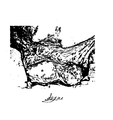
- Figs. 1 - 16 relate to Example 1, wherein
- the novel feature of this invention resides in the discovery that certain calcium compounds provide new and useful results when used as a solid substrate for in vitro cell culture. Examples 1-12 show the effectiveness of several types of these materials for the growth of eleven different types of anchorage-dependent mammalian cells as follows:
- mitogenic calcium solids are demonstrated to be useful for in vitro cell culture in the illustrative examples which follow, all of which are mitogenic calcium solids that are very slightly soluble in the nutrient medium and non-toxic to mammalian cells.
- the specific calcium compounds presently considered most efficacious for the practice of this invention include the hydroxyapatite (HA) form of calcium phosphate, Ca 10 (P0 4 ) 6 (OH) 2 ; the tricalcium phosphate (TCP) form of calcium phosphate, Ca 3 (P0 4 ) 2 ; and calcium carbonate, Ca C0 3.
- Both hydroxyapatite (HA) and tricalcium phosphate (TCP) can be produced from tribasic calcium phosphate by methods known in the art.
- TCP can be made by heating tribasic calcium phosphate to a temperature below its unstable temperature of 875°C and quickly cooling the material down to room temperature.
- HA can be made by heating tribasic calcium phosphate to a temperature in the range of 900°C up to about 1250°C to yield a material composed of from 72 to 96% HA and the balance TCP, with the proportion of HA increasing with heating at the higher end of the temperature range.
- HA was prepared starting with commercially- available tribasic calcium phosphate purchased from the T. J. Baker Chemical Co.
- tribasic calcium phosphate powder was compacted into a selected shape in a Reichle press and sintered at 1100°C.
- tribasic calcium phosphate powder was mixed with napthalene particles of about 500 micron average size, compacted in a Reichle press and heated in a Globar furnace at 400°C. for four hours to sublimate and remove the napthalene and thereby produce a porous material; the porous material was thereafter sintered for 8 hours at 1100°C.
- Both the porous and non-porous forms of Examples 1-11 when analyzed by energy dispersive analysis comprised about 90% HA and the balance TCP, with an average molar ratio of calcium to phosphate of about 1.60.
- Granules of these materials are used in some of the examples; the materials were ground by hand and sieved to a particle size in the range of about 0.1 to 0.5 millimeters to prepare the granules. Methods for sintering calcium phosphate and producing porous forms thereof are known in the art and described in the literature (1, 7, 8).
- Calcium carbonate suitable for the present cell culture systems is available from numerous companies and can be prepared by various known techniques.
- the calcium carbonate used in Example 12 was a commerically-available granular grade produced from high calcium calcitic limestone quarried from underground mines, but calcium carbonate made from other starting materials also can be used.
- the calcium solids were ultrasonically cleansed, sterilized at 121°C. for 30 minutes in an autoclave, washed twice for five minutes each time with the specific culture medium to be used in a particular example to remove any extra debris, and stored in the medium until used for cell culture.
- Hyaline cartilage is a specialized connective tissue whose major function depends on the state of hydration and the structural arrangement of a vast extracellular matrix.
- cartilage is characterized by a rather homogeneous cell population, which cells produce structural macromolecules (e.g., type II collagen and cartilage-specific proteoglycan) that are the biochemical expressions of the cell's phenotype.
- structural macromolecules e.g., type II collagen and cartilage-specific proteoglycan
- the chondrocyte establishes a specialized microenvironment, the territorial matrix, and in contrast to the majority of cells found in other tissues, exists without direct cell-cell contact.
- Each cell can be thought of as a functional unit of cartilage and, as such, is ultimately responsible for the turnover of the extracellular matrix of the entire tissue.
- chondrocytes have been isolated for culture from different cartilages (9,10,11,12). As noted above, chondrocytes produce two well characterized structural macromolecules that have been used to define their specific differentiated phenotype, cartilage proteoglycan and type II collagen. However, when chondrocytes from avian and mammalian species are released from the cartilage matrix and grown in monolayer cell culture systems, they stop producing these characteristic molecules in a variety of situations (13-19). The collagen phenotype of the progeny of a cloned chondrocyte has been shown to change from type II to type I and type I trimer collagen during growth to senescence (20). This observation has been verified with mass cultures and expanded to describe a complex dedifferentiated phenotype of collagen types I, I trimer, III and V (21,22).
- DMEM Dulbecco's Modified Eagle Medium
- HSF horse serum
- PSF penicillin-strepo- mycin-fungizone
- Pepsin PM grade collagenase (type II), and trypsin were purchased from Worthington Biochemicals. Reagents for SDS electrophoresis were purchased from Bio-Rad Laboratory. Aquasol and [2,3, 3 H] proline (30-50 Ci/mMol) were obtained from Amersham (Arlington Heights, IL). Falcon culture plates were from Becton-Dickerson (Oxnard, CA).
- Part (a) porous HA was used as the solid substrate for the cell culture.
- the HA was ground into granulated form with a mortar and pestle and sieved to uniform size (about 500 microns) with a sieve.
- the released cells were suspended in growth medium consisting of DMEM supplemented with 10% (v/v) horse serum and 1% (v/v) PSF. Approximately 5 X 10 5 cells were seeded on 500 mg of the porous HA granules in 60 mm X 15 mm petri dishes. Four ml of growth medium was added per dish and the cultures were maintained in a C0 2 incubator (Forma Scientific, Marietta OH), with replacement of medium twice a week. By the end of the second week, the calcium granules were usually completely covered with cells. For biochemical and morphological studies, some of these cultures were maintained for more than 13 months.
- Phenylmethyl- sulfonyl fluoride (PMSF) and mercaptoethanol were added to inhibit any protease activities. After extraction, they were centrifuged and the insoluble HA residue was discarded. The supernatant was added back to the original medium.
- the CNBr cleavage of the chain was performed according to the procedure of Miller (24).
- the resulting peptides were subjected to SDS polyacrylamide gel electrophoresis.
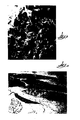
- Fig. 1 is a scanning electron photomicrograph (SEM) at 50X of the porous HA granules A before being seeded with cells; the porous nature of the granules and the nature of their surface configuration is readily apparent.
- chondrocyte cells B completely covered the surface of the granules A as illustrated in Fig. 2, an SEM at 200X and Fig. 3 an SEM at SOOX.
- Transmission electron microscopic (TEM) examination of the culture after two weeks revealed large intracellular glycogen droplets G, which are typical of canine chondrocytes, and extracellular collagen fibrils F are also evident as shown in Fig. 4, a TEM at 6,200X.
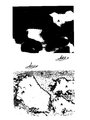
- Fig. 5 is a photomicrograph at 125X of an H and E stained section. Individual cells B appear as dark spots on the photomicrograph. It can be seen in Fig. 5 that the cells have multiplied and grown in a multi-cell layer form on the surface of the granules B. The granules A appear as white areas surrounded by dark boundaries in Fig. 5 because they become gouged out when sectioned. Another section of the culture at this stage was stained with toluidine blue stain, which is specific for acid proteoglycan, a compound found in cartilage matrix formation. Fig.
- FIG. 6 is a light photomicrograph at 200X of an toluidine blue stained cross-section in which the intercellular zones such as indicated by the reference letter C were very densely stained in a dark bluish or purplish color, thereby demonstrating the formation of acid proteoglycan within these areas.
- Fig. 7 is a light photomicrograph at 75X, and it will be noted that the cell layers B on the granules A are almost as thick as the diameter of the granules themselves and resemble cartilage in appearance. This tissue was also stained very heavily with toluidine blue stain.
- Fig. 8 is a light photomicrograph at 125X of the stained cross-section, in which the areas such as indicated with the reference letter C are heavily stained and appear dark bluish or purplish in the original colored photomicrograph.
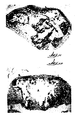
- Fig. 9 is a light photomicrograph at 50X of the culture at this stage, and it will be noted that the cells B have continued their growth and differentiation throughout this long period of time.
- Fig. 10 is a light photomicrograph at 125X illustrating an enlarged view of the left hand section of Fig. 9 to further emphasize the multiple layers of cells B grown on a granule of substrate A.
- Figs. 11 and 12 are light photomicrographs of the cell culture after 13 months of growth.
- Fig. 11 illustrates a section of the cell culture stained with toluidine blue at 125X magnification in which the blue staining demonstrates matrix formation characteristic of the cartilage cells.
- the section of Fig. 12 is also at 125X magnification but is stained with safran-0 red stain; the red stain is specific to chondroitin sulfate which is a major component for cartilage matrix.
- the blue stain of Fig. 11 also shows the presence of the same compound, but the red stain of Fig. 12 is more specific to the compound.
- Figs. 11 and 12 demonstrate that the cartilage cells grown with the present invention maintain their phenotype for up to as long as 13 months. The cell culture was terminated at the end of 13 months of growth, but it could have been continued for an even longer time.
- Fig. 13 illustrates the profile, determined by sodium dodecyl sulfate (SDS) gel electrophoresis, of collagen from three different sources:
- Part (b) In this second part of Example 1, discs 7mm in diameter and 1mm thick were made by fusing by sintering (as previously described) granules of HA with 3 different sizes of napthalene particles having diameters of 100 microns, 500 microns and 1,000 microns. The same cells and all other materials and culture conditions as in part (a) were utilized. Approximately 5 x 10 5 chondrocyte cells were seeded onto 6 such discs made with the 500 micron napthalene particles in each 60 mm x 15 mm petri dish. The pore size of the discs averaged about 300-500 microns. Fig.
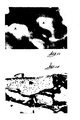
- a light photomicrograph at 40X taken after 6 weeks of growth shows a portion of a disc A, and it will be noted that the cells B have grown many layers thick about the boundary of the disc and also within the pores about the surface of the disc.
- Fig. 16 is a light photomicrograph at 200X taken after 12 weeks of growth of a cross section of a disc that illustrates the manner in which the cells B have grown many layers thick in pores of the disc A. Discs made with the 100 and 1,000 micron napthalene particles yielded the same results when used as a solid substrate for cell culture.
- the cell growth on the discs of part (b) was the same in all respects as cell growth on the granules of part (a), except that there was a greater number of cells per unit weight of substrate with the granules as compared to the discs. It is estimated that cell density per unit weight of substrate when cultured on the granules as in part (a) is about 1,000 times that when cultured on the discs as in part (b). Thus, granules as part (a) would be the substrate of choice in most instances.
- Rabbit articular chondrocyte cells were cultured on the same HA granules and HA discs used in Example 1.
- the growth medium was DMEM supplemented with 10% fetal calf cerum (FCS) and 1% PSF.
- FCS fetal calf cerum
- the cultures were maintained for 9 months for the granules and for 10 weeks with the discs, following which both light microscopy and SEM were performed. The results were as follows:
- Human articular chondrocyte cells were cultured on the same HA granules and HA discs used in Example 1.
- the growth medium was DMEM supplemented with 10% FCS and 1% PSF. Both forms of culture were maintained for 15 weeks. The cells grew more slowly on both forms of solid substrates in comparison to the cells of Examples 1 and 2.
- Cell layers approximately 3 to 4 cells thick were formed after 10 weeks of culture; when stained with toluidine blue stain, cross sections of the cultures were stained in a dark bluish or purplish color, indicating the formation of cartilaginous matrix.
- Bone tissue is composed of two major compartments, the cellular and extra-cellular constituents.
- the latter compartment consists of a calcified organic matrix which dominates the tissue in terms of volume, but whose formation and destruction are under the control of the cellular compartment.
- the cellular compartment contains a variety of differentiated cells that probably differ in origin and in function.
- the culturing medium for this Example was Earle's Minimum Essential Medium (EMEM) with high glucose (4.5 g/liter), supplemented with 10% (v/v) horse serum (HS) and 1% (v/v) penicillin-streptomycin-fungizone (PSF); all of these were obtained from M.A. Bioproducts (Walkerville, MD).
- EMEM Eagle's Minimum Essential Medium
- HHS horse serum
- PSF penicillin-streptomycin-fungizone
- Pepsin PM grade collagenase (type II), and trypsin were purchased from Worthington Biochemicals. Reagents for SDS electrophoresis were purchased from Bio-Rad Laboratory. Aquasol and [2,3, 3 H] proline (30-50 Ci/mMol) were obtained from Amersham (Arlington Heights, IL). Falcon culture plates were products of Becton-Dickerson, Oxnard, CA).
- HA granules sieved to a uniform size of about 500 mircons
- HA discs about 7mm in diameter and lmm thick. These are the same substrates used in parts (a) and (b) respectively of Example 1. Before use, the substrates were ultrasonically cleansed and sterilized at 121°C for 30 minutes in an autoclave.
- Osteoclast (OC) and osteoblast(OB) cell populations were obtained by limited sequential enzymatic digestion of neonatal mice (CD-1) calvaria as described by Luben et al (25).
- OC and OB cells consisted, respectively, of cells released in the second and third (population 2 and 3) and in the fifth and sixth (population 5 and 6) periods of digestion.
- both OC and OB cells were labeled in 5ml of EMEM containg 3 H proline (10 micro Ci/ml), Vitamin C (50 micrograms/ml), BAPN (100 micrograms/ml), 10% FCS and 1% PSF.
- Collagen was measured as the radioactivity rendered and soluble by purified bacterial collagenase, (28). The radioactivity remaining after collagenase digestion were used as non-collaginous protein.
- Table I summarizes acid and alkaline phosphatase activities of OC and OB cells grown on plastic petri dishes and HA granules. Phosphatase activities and the ratio between the two phosphates are similar with both types of solid substrates after 1 week of culture. The value of lines (1) and (4) of Table I are comparable to those reported by other investigators (26). However, after 10 weeks of culture, cells grown on the HA granules still maintained similar levels of phosphatase activities, see lines (3) and (6) of Table I, thereby showing they still maintained their phenotypic expression. In contrast, concurrent cultures on the plastic dishes died off after only three weeks in culture. Furthermore, Luben et al. (25) have reported that the acid phosphatase/alkaline phosphatase ratio decreases rapidly after one week of culture in plastic dishes; in other words, they lose their phenotypic expression.
- Table II summarizes hyaluronate and collagen production by OC and OB cells grown on plastic petri dishes and HA granules. At one week, their values were similar, regardless of culturing substrate, as shown by lines (1), (2), (4) and (5). However, cells grown on HA granules maintained the same level of hyaluronate and collagen production after 10 weeks of culture, as shown by lines (3) and (6). In contrast, cells grown in plastic dishes began to die off after 2 weeks. The levels of hyaluronate and collagen production of all cultures were comparable to published data (29, 30).
- Collagen constitutes about 5% of total protein synthesized in OC cells and approximately 12% on OB cells grown in ceramics after one week and 10 weeks (data not shown). Again, values are similar to reported values, (29).
- OC and OB cell cultures on HA granules showed multi-layers of cells grown on the surface of the granules after 24 weeks of culture, Fig. 17.
- OC and OB cells cultured on the HA discs also developed multilayers of cells on the surface and, in addition, migrated and grew into the pores of the discs, as illustrated in Fig. 18, a photomicrograph taken after 10 weeks of culture.
- OB cells Rabbit osteoblast (OB) cells were cultured with both the HA granular forms and disc forms as used in Example 1.
- the growth median was EMEM supplemented with 10% (v/v) FCS and 1% (v/v) PSF.
- the cell cultures were maintained for 10 weeks. Multi-cell layers of tissue were observed with both the granular and disc forms of solid substrate. Analysis showed that the OB cells of both cultures produced only type I collagen, thereby indicating the cells maintained their phenotype. von Kassa stain failed to reveal any calcification in the multicell layer tissues.
- Examples 6-9 demonstrate the in vitro culture of fibroblast cells with the solid substrates according to this invention. Both the granular and disc forms of HA as used in Example 1 were used in Examples 6 and 8, and only the granular form of HA as in Example 1 was used in Examples 7 and 9.
- the growth medium was DMEM fortified with 10% (v/v) FCS and 1% PSF in Examples 6 and 8, and DMEM fortified with 10% (v/v) horse serum and 1% (v/v) PSF in Examples 7 and 9. The results are summarized as follows.
- Rabbit periosteal fibroblast cells were cultured for a period of 10 weeks. The cells were fed twice each week. Light microscopy of the cultures showed: (a) the cells filled the porous interior of the disc form of the HA substrate and grew as a multi-cell layer on the surface of the discs by 5 weeks, and (b) the cells formed multi- cell layers on the surface of the HA granules within 2 weeks. The multi-cell layers continued to grow thicker throughout the 10 week culture period.
- Canine meniscus fibroblast cells cultured on HA granules formed multi-cell layers within 2 weeks and the layers continued to grow thicker throughout the 8 week period for which the culture was maintained. Further, the cells continued to secrete meniscus collagenase into the culture medium throughout the entire 8 week period. In contrast, concurrent culture of the same cells under the same conditions but using plastic petri dishes as the substrate stopped secretion of this enzyme after one week in culture.
- Human foreskin fibroblast cell cultures were maintained for 10 weeks with the disc form of HA substrate and for 6 months with the granule form of HA substrate. The cells grew extremely well on both forms of substrates. Multi-cell layers of cells were observed by the end of the first week and continued to increase in thickness throughout the culture periods. Collagen synthesis per mg cell protein was nearly two-fold greater than that obtained with the same cells grown under the same conditions with plastic petri dishes as the substrate.
- mice skin fibroblast cells were cultured for 5 weeks. The cells grew extremely well on the HA granules. Multi-cell layers formed on the granules by the end of the first week and continued to increase in thickness throughout the culture period. The biosynthetic rate of protein production (measured by the uptake of 3 H glycine into TCA precipitable fraction) of the cell cultures of this Example was twice that of the same cells grown on plastic petri dishes.
- Examples 10 and 11 illustrate the growth of additional types of cells on the solid substrates of this invention.
- Rabbit synovial cells were cultured on both the HA granules and HA discs of Example 1.
- the growth medium was DMEM fortified with 10% (v/v) FCS and 1% (v/v) PSF.
- the cultures were maintained for 10 weeks, and were fed twice a week. Light microscopy and histology were performed. Multicell layers grew on the surfaces of both forms of HA substrates; the layers were evident by the second week of culture and continued to increase in thickness throughout the 10 week period. Synovial cells and fibroblast cells appeared to grow the fastest.
- Baby hamster kidney cells (BHK-21, purchased from American Type Culture Collection, Rockville, MD, U.S.A.) were grown on the HA granules of Example 1 using a growth medium of EMEM fortified with 10% (v/v) FCS and 1% (v/v) PSF. The culture was maintained for 4 weeks. Again, multi-cell layers formed about the surface of the granules by the end of the second week and continued to increase in thickness throughout the 4 week culture period.
- This example demonstrates the efficacy of calcium carbonate as a solid substrate for in vitro cell growth and establishes that cells grown on this substrate will maintain their phenotypic expression for extended periods of time.
- the solid substrate used for the cell cultures of this example comprised calcium carbonate granules produced by Omya Inc. (Proctor, VT 05765). Chemical analysis of the calcium carbonate established that the granules comprise 98% calcium carbonate, 1% magnesium carbonate and 1% other acid-insoluble elements. The granules were washed extensively with distilled water, following which the water was removed from the granules with 95% ethanol and acetone washes. The granules were then air dried and sieved, and granules with a particle size larger than 0.05 mm. (and an upper particle size of about 0.10 mm.) were employed as the solid substrate in this example.
- the granules were ultrasonically cleansed, sterilized at 121°C. for 30 minutes in an autoclave, washed twice for five minutes each time with the specified medium to remove any extra debris, and stored in the medium until used for the cell cultures.
- the cells employed for this example were primary and secondary meniscus fibroblasts obtained from sequential enzymatic digestion of whole meniscus according to the method of Cheung and Ryan (23).
- the medium employed for this example was DMEM supplemented with 10% HS and 1% PSF.
- FIG. 19 is a light photomicrograph at 75X of a cell culture of this example taken at the end of twelve weeks in which the calcium carbonate solid substrate is shown by the reference letter A, and the multi-cell layers are shown by the reference letter B.
- Figs. 20 and 21 are light photomicrographs at 125X and 150X of H and E stained sections of cell cultures of this example illustrating in further detail the multi-cell layers of cell growth.
- the cell cultures of this example were examined for their ability to maintain their phenotypic expression which was determined by analyzing for proteolytic enzyme-collagenase as first described above. It was found that primary meniscus cells retained their phenotypic expression throughout the twelve weeks of culture under this example. Further, the secondary passaged meniscus cells also maintained their phenotypic expression, albeit at a reduced level of approximately 40% of that of the primary cell cultures, when tested at six weeks of culture; the secondary cells were not thusly tested after six weeks, but it is believed they continued their phenotypic expression. Production of Collagenase by canine meniscus fibroblast cell cultures of this example as compared to the same cells grown on the prior art plastic dish solid substrates are compared and summarized in Table III.
- the new solid substrates for in vitro culture of mammalian anchorage-dependent cells in accordance with this invention are to include mitogenic calcium compounds which are non-toxic to cells.
- the calcium compounds are used as a solid on which the anchorage-dependent cells grow in culture, and may be in the form of granules or in the form of a solid body.
- the calcium compound is to have a particle size of at least about 0.050 millimeters (at least about 50 microns), by which is meant that the solids have an average particle size of at least about 0.050 mm. in their largest dimension, it being understood that the particles may.have an irregular or regular shape. This minimum particle size is required to provide a solid substrate with sufficient surface area to support the growth of anchorage-dependent cells.
- Calcium solid substrates in granular form, having a particle size range of about 0.050 mm. to 1.0 mm. have been found especially useful.
- the calcium solid substrate When used in the form of a solid body, the calcium solid substrate may be a disc-shaped member of any selected size such as described in Example 1.
- Solid bodies can be made in numerous other configurations, however, and may be made in the form of dishes, flasks or other vessels in which cells are grown with an appropriate medium.
- the solid body can be in the form of a lining of a cell culture vessel.
- the solid bodies can be formed with irregular or textured surfaces to increase the surface area available for cell growth.
- the calcium solid substrates may be used in porous or non-porous form.
- the presently-preferred calcium solid substrates include porous granules of the hydroxyapatite or tricalcium phosphate forms of calcium phosphate, solid bodies of porous hydroxyapatite or tricalcium phosphate forms of calcium phosphate made by compacting granules of such compounds, and non-porous granules or solid bodies of calcium carbonate.
- the data of the examples further establish that cells grown on mitogenic calcium solid substrates of the present method maintain their phenotype and that phenotype expression is sustained throughout the period of cell culture. This is in contrast to the situation most often found in connection with cell growth on prior art solid substrates, in which systems the cells generally do not maintain their phenotype expression or, in the few instances where phenotype is maintained, sustain it for only a very short period of time.
- the data of the examples establish that cell cultures utilizing calcium solid substrates of the present method can be maintained for extraordinary lengths of time, for at least as long as 13 months as reported in Example 1.
- the research work to date indicates that cells will continue to grow for an even longer time when cultured with the solid substrates of the present invention. This, again, is a significant advance over the short periods of time during which cells will grow with prior art substrates, as with most such prior systems the cell culture will reach confluency in as short a time as two weeks or sometimes even less.
- tissue grown in the present cell culture systems therapeutically for tissue transplant, such as by employing cartilage cells cultured as in Example 1 in the treatment of arthritis or skin fibroblast cells cultured as in Example 9 for skin transplants.
- the cell culture system of this invention can be used in the production of cell products, such as metabolites, hormones, viral products, vaccines, interferons and various cell components such as nucleic acids cell membrane.
- the growth of large masses of cells by reason of the multi-cell thick layers will allow increased production of cell products; further, being able to maintain the cell cultures for extended periods of time will reduce the cost of producing cell products because it will not be necessary to provide fresh cultures every 2 to 3 weeks or some other short period of time as is necessary with the typical prior art procedures.
- the ability of my present cell culture methods to provide for the growth of large masses of cells (multi-cell layers) that retain their phenotype and can be cultured for extended periods of time results in significant advantages in both research and commercial uses of cell culture systems.
- Calcium solid substrates employed for in vitro cell culture according to the present invention can be used in any commercially available culture vessel, for example Petri dishes, flasks, roller bottles, etc.
- the calcium solid substrate can be either at rest or in motion in the vessel, with an appropriate medium.
- a wide variety of culture medium are available commercially, and any presently-used nutrient growth medium, i.e. culture medium, which supports the growth of a particular type of cell desired to be cultured can be employed with the calcium solid substrates of the present invention.
- the medium can be at rest in a culture vessel or circulated through the vessel.
- Cell growth with the present in vitro systems can be monitored by microscopic examination directly in the culture vessels; also, part of the solid substrate can be removed from the culture vessel and stained with appropriate specific dyes and then examined microscopically.
- Removal of cultured cells from the present calcium solid substrates, as required when subculturing or when cells are to be biochemically analyzed, can be accomplished with either chelating agents typically used in the art, such as for example 0.05% EDTA in Ca 3+ , M g 2+ free physiologic buffered saline, or protelytic enzymes, such as for example 0.01% w/v trypsin or collagenase.
- chelating agents typically used in the art such as for example 0.05% EDTA in Ca 3+ , M g 2+ free physiologic buffered saline
- protelytic enzymes such as for example 0.01% w/v trypsin or collagenase.
- the procedures of cell removal and subculturing are identical to those employed in current techniques for removal in
- Another advantage of the present cell culture systems is that subculturing can be accomplished by removal of a portion of the calcium solid substrate with cells attached and adding to fresh calcium solid substrate. This procedure has the advantage that no chemicals or mechanical devices are needed and that fewer cells are damaged in the process.
- the medium from the cell culture employing the present calcium solid substrates can be removed at any time during the culture and harvested for extracellular products.
Landscapes
- Health & Medical Sciences (AREA)
- Life Sciences & Earth Sciences (AREA)
- Engineering & Computer Science (AREA)
- Organic Chemistry (AREA)
- Chemical & Material Sciences (AREA)
- Biomedical Technology (AREA)
- Bioinformatics & Cheminformatics (AREA)
- Genetics & Genomics (AREA)
- Biotechnology (AREA)
- Wood Science & Technology (AREA)
- Zoology (AREA)
- Biochemistry (AREA)
- Microbiology (AREA)
- General Engineering & Computer Science (AREA)
- General Health & Medical Sciences (AREA)
- Cell Biology (AREA)
- Micro-Organisms Or Cultivation Processes Thereof (AREA)
- Apparatus Associated With Microorganisms And Enzymes (AREA)
- Preparation Of Compounds By Using Micro-Organisms (AREA)
- Materials For Medical Uses (AREA)
Priority Applications (1)
| Application Number | Priority Date | Filing Date | Title |
|---|---|---|---|
| AT85111548T ATE62932T1 (de) | 1984-09-14 | 1985-09-12 | In vitro-zellkultur-system und verfahren. |
Applications Claiming Priority (2)
| Application Number | Priority Date | Filing Date | Title |
|---|---|---|---|
| US06/651,392 US4757017A (en) | 1984-09-14 | 1984-09-14 | In vitro cell culture system |
| US651392 | 1984-09-14 |
Publications (3)
| Publication Number | Publication Date |
|---|---|
| EP0175286A2 true EP0175286A2 (de) | 1986-03-26 |
| EP0175286A3 EP0175286A3 (en) | 1988-07-27 |
| EP0175286B1 EP0175286B1 (de) | 1991-04-24 |
Family
ID=24612692
Family Applications (1)
| Application Number | Title | Priority Date | Filing Date |
|---|---|---|---|
| EP85111548A Expired - Lifetime EP0175286B1 (de) | 1984-09-14 | 1985-09-12 | In vitro-Zellkultur-System und Verfahren |
Country Status (6)
| Country | Link |
|---|---|
| US (1) | US4757017A (de) |
| EP (1) | EP0175286B1 (de) |
| JP (1) | JPS61108386A (de) |
| AT (1) | ATE62932T1 (de) |
| CA (1) | CA1247542A (de) |
| DE (1) | DE3582639D1 (de) |
Cited By (13)
| Publication number | Priority date | Publication date | Assignee | Title |
|---|---|---|---|---|
| GB2175602A (en) * | 1985-04-11 | 1986-12-03 | Asahi Optical Co Ltd | Medium, apparatus and method for cell separation |
| WO1991016072A1 (en) * | 1990-04-16 | 1991-10-31 | President And Fellows Of Harvard College | Hydroxyapatite-antigen conjugates and methods for generating a poly-ig immune response |
| FR2667324A1 (fr) * | 1990-10-01 | 1992-04-03 | Mitsubishi Materials Corp | Support pour culture des cellules dans un milieu exempt de serum et dispositif du type colonne garni dudit support. |
| FR2673431A1 (fr) * | 1991-03-02 | 1992-09-04 | Mitsubishi Materials Corp | Support pour la culture des cellules dans un milieu exempt de serum et dispositif du type a colonne rempli dudit support. |
| FR2679250A1 (fr) * | 1991-07-19 | 1993-01-22 | Inoteb | Utilisation de carbonate de calcium poreux comme materiau support de culture in vitro de cellules eucaryotes. |
| WO1993019168A1 (en) * | 1992-03-18 | 1993-09-30 | Mount Sinai Hospital Corporation | Reconstituted cartilage tissue |
| WO1997005238A1 (en) * | 1995-07-26 | 1997-02-13 | University College London | Site-directed bone formation |
| GB2304732A (en) * | 1995-08-31 | 1997-03-26 | Ashby Scient Ltd | Culture vessel comprising pitted growth substrate |
| US5618718A (en) * | 1994-12-30 | 1997-04-08 | Universite Laval | Production of a contractile smooth muscle |
| US6130080A (en) * | 1995-08-31 | 2000-10-10 | Ashby Scientific, Inc. | Roller bottle having pitted or cratered inner surface for cell growth |
| WO2001029189A3 (en) * | 1999-10-15 | 2001-11-01 | Mount Sinai Hospital Corp | Synthetic substrate for tissue formation |
| US6464729B1 (en) | 1995-11-06 | 2002-10-15 | Mount Sinai Hospital Corporation | Reconstituted mineralized cartilage tissue |
| US8138147B2 (en) | 1999-05-14 | 2012-03-20 | Skinmedica, Inc. | Conditioned cell culture medium compositions and methods of use |
Families Citing this family (40)
| Publication number | Priority date | Publication date | Assignee | Title |
|---|---|---|---|---|
| US5736372A (en) * | 1986-11-20 | 1998-04-07 | Massachusetts Institute Of Technology | Biodegradable synthetic polymeric fibrous matrix containing chondrocyte for in vivo production of a cartilaginous structure |
| US5041138A (en) * | 1986-11-20 | 1991-08-20 | Massachusetts Institute Of Technology | Neomorphogenesis of cartilage in vivo from cell culture |
| US5804178A (en) * | 1986-11-20 | 1998-09-08 | Massachusetts Institute Of Technology | Implantation of cell-matrix structure adjacent mesentery, omentum or peritoneum tissue |
| US6309635B1 (en) | 1986-11-20 | 2001-10-30 | Children's Medical Center Corp. | Seeding parenchymal cells into compression resistant porous scaffold after vascularizing in vivo |
| GB8721018D0 (en) * | 1987-09-07 | 1987-10-14 | Alcan Int Ltd | Porous inorganic membrane support |
| US5496722A (en) * | 1988-06-30 | 1996-03-05 | The United States Of America As Represented By The Administrator Of The National Aeronautics And Space Administration | Method for producing non-neoplastic, three dimensional, mammalian tissue and cell aggregates under microgravity culture conditions and the products produced therefrom |
| US5153132A (en) * | 1988-06-30 | 1992-10-06 | The United States Of America As Represented By The Administrator Of The National Aeronautics And Space Administration | Three-dimensional co-culture process |
| US5162225A (en) * | 1989-03-17 | 1992-11-10 | The Dow Chemical Company | Growth of cells in hollow fibers in an agitated vessel |
| US5242806A (en) * | 1990-05-07 | 1993-09-07 | Baxter Diagnostics Inc. | Method for conducting the cytotoxicity assays on tumor cells |
| US5262320A (en) * | 1990-06-18 | 1993-11-16 | Massachusetts Institute Of Technology | Cell-culturing apparatus and method employing a macroporous support |
| IL103919A0 (en) * | 1992-11-29 | 1993-04-04 | Yeda Res & Dev | Carriers for cell culture |
| US5858783A (en) * | 1993-05-25 | 1999-01-12 | The United States Of America As Represented By The Administrator Of The National Aeronautics And Space Administration | Production of normal mammalian organ culture using a medium containing mem-alpha, leibovitz L-15, glucose galactose fructose |
| US6146890A (en) * | 1994-07-03 | 2000-11-14 | Danon; David | Method and system for cultivating macrophages |
| IL110195A (en) * | 1994-07-03 | 2003-10-31 | David Danon | Method and system for cultivating macrophages |
| US5716404A (en) * | 1994-12-16 | 1998-02-10 | Massachusetts Institute Of Technology | Breast tissue engineering |
| US6123727A (en) * | 1995-05-01 | 2000-09-26 | Massachusetts Institute Of Technology | Tissue engineered tendons and ligaments |
| US5855610A (en) | 1995-05-19 | 1999-01-05 | Children's Medical Center Corporation | Engineering of strong, pliable tissues |
| US5741685A (en) * | 1995-06-07 | 1998-04-21 | Children's Medical Center Corporation | Parenchymal cells packaged in immunoprotective tissue for implantation |
| US6129761A (en) * | 1995-06-07 | 2000-10-10 | Reprogenesis, Inc. | Injectable hydrogel compositions |
| US20020111695A1 (en) * | 1995-11-06 | 2002-08-15 | Mount Sinai Hospital Corporation | Reconstituted mineralized cartilage tissue |
| AU6946198A (en) | 1997-04-01 | 1998-10-22 | Cap Biotechnology, Inc. | Calcium phosphate microcarriers and microspheres |
| US6514522B2 (en) | 1998-04-08 | 2003-02-04 | Chondros, Inc. | Polymer constructs |
| US8389017B1 (en) * | 1999-07-08 | 2013-03-05 | Cap Biotechnology, Inc. | Calcium-containing structures and methods of making and using the same |
| BR0307033A (pt) * | 2002-01-22 | 2004-12-07 | Pfizer | ácidos 3-(imidazolil)-2-aminopropanóicos para o uso como inibidores tafi-a para o tratamento de doenças trombóticas |
| US7642092B2 (en) * | 2003-03-03 | 2010-01-05 | Technion Research & Development Foundation Ltd. | Cultured cartilage/bone cells/tissue, method of generating same and uses thereof |
| US7067123B2 (en) | 2003-04-29 | 2006-06-27 | Musculoskeletal Transplant Foundation | Glue for cartilage repair |
| US7901457B2 (en) | 2003-05-16 | 2011-03-08 | Musculoskeletal Transplant Foundation | Cartilage allograft plug |
| US7488348B2 (en) | 2003-05-16 | 2009-02-10 | Musculoskeletal Transplant Foundation | Cartilage allograft plug |
| JP2006034200A (ja) * | 2004-07-28 | 2006-02-09 | Pentax Corp | 細胞培養担体、細胞培養担体の製造方法および細胞培養方法 |
| US7837740B2 (en) * | 2007-01-24 | 2010-11-23 | Musculoskeletal Transplant Foundation | Two piece cancellous construct for cartilage repair |
| US7815926B2 (en) * | 2005-07-11 | 2010-10-19 | Musculoskeletal Transplant Foundation | Implant for articular cartilage repair |
| JP2009508596A (ja) | 2005-09-19 | 2009-03-05 | ヒストジェニックス コーポレイション | 細胞支持基材及びその調製方法 |
| EP2264149A1 (de) * | 2005-11-10 | 2010-12-22 | Carticure Ltd. | Verfahren zur nichtautologen Knorpelregeneration |
| US8435551B2 (en) | 2007-03-06 | 2013-05-07 | Musculoskeletal Transplant Foundation | Cancellous construct with support ring for repair of osteochondral defects |
| WO2009111069A1 (en) * | 2008-03-05 | 2009-09-11 | Musculoskeletal Transplant Foundation | Cancellous constructs, cartilage particles and combinations of cancellous constructs and cartilage particles |
| US10077420B2 (en) | 2014-12-02 | 2018-09-18 | Histogenics Corporation | Cell and tissue culture container |
| ES3052833T3 (en) | 2016-01-18 | 2026-01-15 | Amorphical Ltd | Stabilized amorphous calcium carbonate as a supplement for cell culture media |
| JP6873389B2 (ja) | 2016-01-18 | 2021-05-19 | アモーフィカル リミテッド. | 神経学的、筋肉、および不妊の疾患または症状の治療のための安定化無定形炭酸カルシウム |
| CN106434538A (zh) * | 2016-09-29 | 2017-02-22 | 广州赛莱拉干细胞科技股份有限公司 | 软骨细胞的三维培养方法、制得的软骨组织与应用 |
| IL289237B2 (en) | 2019-07-23 | 2026-03-01 | Amorphical Ltd | Amorphous calcium carbonate for improving athletic performance |
Family Cites Families (3)
| Publication number | Priority date | Publication date | Assignee | Title |
|---|---|---|---|---|
| FR2053565A5 (de) * | 1969-07-09 | 1971-04-16 | Pasteur Institut | |
| GB1586364A (en) * | 1976-06-17 | 1981-03-18 | Atomic Energy Authority Uk | Porous inorganic materials |
| US4485096A (en) * | 1982-02-26 | 1984-11-27 | Massachusetts Institute Of Technology | Tissue-equivalent and method for preparation thereof |
-
1984
- 1984-09-14 US US06/651,392 patent/US4757017A/en not_active Expired - Fee Related
-
1985
- 1985-09-12 EP EP85111548A patent/EP0175286B1/de not_active Expired - Lifetime
- 1985-09-12 AT AT85111548T patent/ATE62932T1/de not_active IP Right Cessation
- 1985-09-12 DE DE8585111548T patent/DE3582639D1/de not_active Expired - Lifetime
- 1985-09-13 JP JP60203214A patent/JPS61108386A/ja active Pending
- 1985-09-13 CA CA000490716A patent/CA1247542A/en not_active Expired
Non-Patent Citations (42)
Cited By (26)
| Publication number | Priority date | Publication date | Assignee | Title |
|---|---|---|---|---|
| GB2175602B (en) * | 1985-04-11 | 1989-06-21 | Asahi Optical Co Ltd | Medium, apparatus and method for cell separation |
| GB2175602A (en) * | 1985-04-11 | 1986-12-03 | Asahi Optical Co Ltd | Medium, apparatus and method for cell separation |
| WO1991016072A1 (en) * | 1990-04-16 | 1991-10-31 | President And Fellows Of Harvard College | Hydroxyapatite-antigen conjugates and methods for generating a poly-ig immune response |
| US5443832A (en) * | 1990-04-16 | 1995-08-22 | Institut Swisse De Recherches Experimentales Sur Le Cancer | Hydroxyapatite-antigen conjugates and methods for generating a poly-Ig immune response |
| GB2248628B (en) * | 1990-10-01 | 1994-09-07 | Mitsubishi Materials Corp | Cell culturing in serum-free media |
| FR2667324A1 (fr) * | 1990-10-01 | 1992-04-03 | Mitsubishi Materials Corp | Support pour culture des cellules dans un milieu exempt de serum et dispositif du type colonne garni dudit support. |
| GB2248628A (en) * | 1990-10-01 | 1992-04-15 | Mitsubishi Materials Corp | Cell culture in media comprising a calcium phosphate compound as carrier |
| GB2254085B (en) * | 1991-03-02 | 1995-05-31 | Mitsubishi Materials Corp | Cell culturing in serum-free media |
| GB2254085A (en) * | 1991-03-02 | 1992-09-30 | Mitsubishi Materials Corp | Carriers for culturing adhering cells |
| FR2673431A1 (fr) * | 1991-03-02 | 1992-09-04 | Mitsubishi Materials Corp | Support pour la culture des cellules dans un milieu exempt de serum et dispositif du type a colonne rempli dudit support. |
| FR2679250A1 (fr) * | 1991-07-19 | 1993-01-22 | Inoteb | Utilisation de carbonate de calcium poreux comme materiau support de culture in vitro de cellules eucaryotes. |
| US5480827A (en) * | 1991-07-19 | 1996-01-02 | Inoteb | Use of porous polycrystalline aragonite as a support material for in vitro culture of cells |
| WO1993002181A1 (fr) * | 1991-07-19 | 1993-02-04 | Inoteb | Utilisation de carbonate de calcium poreux comme materiau support de culture de cellules in vitro |
| AU677953B2 (en) * | 1992-03-18 | 1997-05-15 | Mount Sinai Hospital Corporation | Reconstituted cartilage tissue |
| WO1993019168A1 (en) * | 1992-03-18 | 1993-09-30 | Mount Sinai Hospital Corporation | Reconstituted cartilage tissue |
| US5326357A (en) * | 1992-03-18 | 1994-07-05 | Mount Sinai Hospital Corporation | Reconstituted cartridge tissue |
| US5618718A (en) * | 1994-12-30 | 1997-04-08 | Universite Laval | Production of a contractile smooth muscle |
| WO1997005238A1 (en) * | 1995-07-26 | 1997-02-13 | University College London | Site-directed bone formation |
| GB2304732A (en) * | 1995-08-31 | 1997-03-26 | Ashby Scient Ltd | Culture vessel comprising pitted growth substrate |
| US6130080A (en) * | 1995-08-31 | 2000-10-10 | Ashby Scientific, Inc. | Roller bottle having pitted or cratered inner surface for cell growth |
| US6444459B1 (en) | 1995-08-31 | 2002-09-03 | Ashby Scientific Ltd. | Apparatus having pitted or cratered inner surface for culturing biological material and methods thereof |
| US6464729B1 (en) | 1995-11-06 | 2002-10-15 | Mount Sinai Hospital Corporation | Reconstituted mineralized cartilage tissue |
| US8138147B2 (en) | 1999-05-14 | 2012-03-20 | Skinmedica, Inc. | Conditioned cell culture medium compositions and methods of use |
| US8476231B2 (en) | 1999-05-14 | 2013-07-02 | Allergan, Inc. | Conditioned cell culture medium compositions and methods of use |
| US9458486B2 (en) | 1999-05-14 | 2016-10-04 | Allergen, Inc. | Conditioned cell culture medium compositions and methods of use |
| WO2001029189A3 (en) * | 1999-10-15 | 2001-11-01 | Mount Sinai Hospital Corp | Synthetic substrate for tissue formation |
Also Published As
| Publication number | Publication date |
|---|---|
| DE3582639D1 (de) | 1991-05-29 |
| CA1247542A (en) | 1988-12-28 |
| US4757017A (en) | 1988-07-12 |
| EP0175286A3 (en) | 1988-07-27 |
| EP0175286B1 (de) | 1991-04-24 |
| ATE62932T1 (de) | 1991-05-15 |
| JPS61108386A (ja) | 1986-05-27 |
Similar Documents
| Publication | Publication Date | Title |
|---|---|---|
| EP0175286B1 (de) | In vitro-Zellkultur-System und Verfahren | |
| JP3310291B2 (ja) | 骨組織のin vitro合成のための生物活性物質テンプレート | |
| Lindenhayn et al. | Retention of hyaluronic acid in alginate beads: aspects for in vitro cartilage engineering | |
| AU784024B2 (en) | Synthetic substrate for tissue formation | |
| US5306305A (en) | Methods of coating implants with bony structure | |
| US8389017B1 (en) | Calcium-containing structures and methods of making and using the same | |
| JP2002529071A (ja) | 軟骨細胞様細胞のための無血清培地 | |
| CA2248769A1 (en) | Bioactive material substrate for enhanced cellular attachment and function | |
| RU2007114846A (ru) | Стволовые клетки и решетки, полученные из жировой ткани | |
| US20040030404A1 (en) | Method for cultivating a cartilage replacement and a biomatrix produced according to this method | |
| US6558664B1 (en) | Chondrocyte cell-lines | |
| Labat et al. | Effects of γ‐alumina and hydroxyapatite coatings on the growth and metabolism of human osteoblasts | |
| JP4233646B2 (ja) | 種々の基質の安定性および/または貯蔵寿命を増加させる方法 | |
| Gundle et al. | Isolation and culture of human bone-derived cells | |
| Mendes et al. | In vivo bone formation by human bone marrow cells: effect of osteogenic culture supplements and cell densities | |
| CN109943526B (zh) | 一种促间充质干细胞增殖的无血清多肽组合物 | |
| Halabian et al. | Composite nanoscaffolds modified with bio-ceramic nanoparticles (Zn2SiO4) prompted osteogenic differentiation of human induced pluripotent stem cells | |
| Lanotte et al. | Collagen gels as a matrix for haemopoiesis | |
| CN116942912A (zh) | 诱导组织再生的细胞外基质支架及其制备方法和应用 | |
| Cheung | In vitro cartilage formation on porous hydroxyapatite ceramic granules | |
| Sohier et al. | Hydrogel/calcium phosphate composites require specific properties for three-dimensional culture of human bone mesenchymal cells | |
| Tong et al. | Novel scaffold containing transforming growth factor-β1 DNA for cartilage tissue engineering | |
| Koskinen et al. | An electron microscopic demonstration of induction of chondrogenesis in neonatal rat muscle outgrowth cells in monolayer cultures | |
| Dubois et al. | Effects of new machinable ceramic on behavior of rat bone cells cultured in vitro | |
| EP0795008B1 (de) | Humane hypertrophe chrondrozyten zelllinien |
Legal Events
| Date | Code | Title | Description |
|---|---|---|---|
| PUAI | Public reference made under article 153(3) epc to a published international application that has entered the european phase |
Free format text: ORIGINAL CODE: 0009012 |
|
| AK | Designated contracting states |
Kind code of ref document: A2 Designated state(s): AT BE CH DE FR GB IT LI LU NL SE |
|
| PUAL | Search report despatched |
Free format text: ORIGINAL CODE: 0009013 |
|
| AK | Designated contracting states |
Kind code of ref document: A3 Designated state(s): AT BE CH DE FR GB IT LI LU NL SE |
|
| 17P | Request for examination filed |
Effective date: 19890105 |
|
| 17Q | First examination report despatched |
Effective date: 19900319 |
|
| GRAA | (expected) grant |
Free format text: ORIGINAL CODE: 0009210 |
|
| AK | Designated contracting states |
Kind code of ref document: B1 Designated state(s): AT BE CH DE FR GB IT LI LU NL SE |
|
| REF | Corresponds to: |
Ref document number: 62932 Country of ref document: AT Date of ref document: 19910515 Kind code of ref document: T |
|
| REF | Corresponds to: |
Ref document number: 3582639 Country of ref document: DE Date of ref document: 19910529 |
|
| ET | Fr: translation filed | ||
| ITF | It: translation for a ep patent filed | ||
| PG25 | Lapsed in a contracting state [announced via postgrant information from national office to epo] |
Ref country code: GB Effective date: 19910912 Ref country code: AT Effective date: 19910912 |
|
| PG25 | Lapsed in a contracting state [announced via postgrant information from national office to epo] |
Ref country code: SE Effective date: 19910913 |
|
| PG25 | Lapsed in a contracting state [announced via postgrant information from national office to epo] |
Ref country code: LU Free format text: LAPSE BECAUSE OF NON-PAYMENT OF DUE FEES Effective date: 19910930 Ref country code: LI Effective date: 19910930 Ref country code: CH Effective date: 19910930 Ref country code: BE Effective date: 19910930 |
|
| PLBE | No opposition filed within time limit |
Free format text: ORIGINAL CODE: 0009261 |
|
| STAA | Information on the status of an ep patent application or granted ep patent |
Free format text: STATUS: NO OPPOSITION FILED WITHIN TIME LIMIT |
|
| BERE | Be: lapsed |
Owner name: MCW RESEARCH FOUNDATION INC. Effective date: 19910930 |
|
| PG25 | Lapsed in a contracting state [announced via postgrant information from national office to epo] |
Ref country code: NL Effective date: 19920401 |
|
| 26N | No opposition filed | ||
| GBPC | Gb: european patent ceased through non-payment of renewal fee | ||
| NLV4 | Nl: lapsed or anulled due to non-payment of the annual fee | ||
| PG25 | Lapsed in a contracting state [announced via postgrant information from national office to epo] |
Ref country code: FR Effective date: 19920529 |
|
| REG | Reference to a national code |
Ref country code: CH Ref legal event code: PL |
|
| PG25 | Lapsed in a contracting state [announced via postgrant information from national office to epo] |
Ref country code: DE Effective date: 19920602 |
|
| REG | Reference to a national code |
Ref country code: FR Ref legal event code: ST |
|
| EUG | Se: european patent has lapsed |
Ref document number: 85111548.5 Effective date: 19920408 |