EP0182769B1 - 2,6-Substituierte Pyridinverbindungen - Google Patents
2,6-Substituierte Pyridinverbindungen Download PDFInfo
- Publication number
- EP0182769B1 EP0182769B1 EP85870151A EP85870151A EP0182769B1 EP 0182769 B1 EP0182769 B1 EP 0182769B1 EP 85870151 A EP85870151 A EP 85870151A EP 85870151 A EP85870151 A EP 85870151A EP 0182769 B1 EP0182769 B1 EP 0182769B1
- Authority
- EP
- European Patent Office
- Prior art keywords
- lower alkyl
- composition according
- mol
- ethyl
- methyl
- Prior art date
- Legal status (The legal status is an assumption and is not a legal conclusion. Google has not performed a legal analysis and makes no representation as to the accuracy of the status listed.)
- Expired - Lifetime
Links
- 0 CC[C@]1(CC2)C2C*C1 Chemical compound CC[C@]1(CC2)C2C*C1 0.000 description 4
- AIPVTTKYSPOWFO-UHFFFAOYSA-N O=CN1CCCCCC1 Chemical compound O=CN1CCCCCC1 AIPVTTKYSPOWFO-UHFFFAOYSA-N 0.000 description 1
Classifications
-
- C—CHEMISTRY; METALLURGY
- C07—ORGANIC CHEMISTRY
- C07D—HETEROCYCLIC COMPOUNDS
- C07D213/00—Heterocyclic compounds containing six-membered rings, not condensed with other rings, with one nitrogen atom as the only ring hetero atom and three or more double bonds between ring members or between ring members and non-ring members
- C07D213/02—Heterocyclic compounds containing six-membered rings, not condensed with other rings, with one nitrogen atom as the only ring hetero atom and three or more double bonds between ring members or between ring members and non-ring members having three double bonds between ring members or between ring members and non-ring members
- C07D213/04—Heterocyclic compounds containing six-membered rings, not condensed with other rings, with one nitrogen atom as the only ring hetero atom and three or more double bonds between ring members or between ring members and non-ring members having three double bonds between ring members or between ring members and non-ring members having no bond between the ring nitrogen atom and a non-ring member or having only hydrogen or carbon atoms directly attached to the ring nitrogen atom
- C07D213/60—Heterocyclic compounds containing six-membered rings, not condensed with other rings, with one nitrogen atom as the only ring hetero atom and three or more double bonds between ring members or between ring members and non-ring members having three double bonds between ring members or between ring members and non-ring members having no bond between the ring nitrogen atom and a non-ring member or having only hydrogen or carbon atoms directly attached to the ring nitrogen atom with hetero atoms or with carbon atoms having three bonds to hetero atoms with at the most one bond to halogen, e.g. ester or nitrile radicals, directly attached to ring carbon atoms
- C07D213/78—Carbon atoms having three bonds to hetero atoms, with at the most one bond to halogen, e.g. ester or nitrile radicals
-
- C—CHEMISTRY; METALLURGY
- C07—ORGANIC CHEMISTRY
- C07D—HETEROCYCLIC COMPOUNDS
- C07D213/00—Heterocyclic compounds containing six-membered rings, not condensed with other rings, with one nitrogen atom as the only ring hetero atom and three or more double bonds between ring members or between ring members and non-ring members
- C07D213/02—Heterocyclic compounds containing six-membered rings, not condensed with other rings, with one nitrogen atom as the only ring hetero atom and three or more double bonds between ring members or between ring members and non-ring members having three double bonds between ring members or between ring members and non-ring members
-
- A—HUMAN NECESSITIES
- A01—AGRICULTURE; FORESTRY; ANIMAL HUSBANDRY; HUNTING; TRAPPING; FISHING
- A01N—PRESERVATION OF BODIES OF HUMANS OR ANIMALS OR PLANTS OR PARTS THEREOF; BIOCIDES, e.g. AS DISINFECTANTS, AS PESTICIDES OR AS HERBICIDES; PEST REPELLANTS OR ATTRACTANTS; PLANT GROWTH REGULATORS
- A01N43/00—Biocides, pest repellants or attractants, or plant growth regulators containing heterocyclic compounds
- A01N43/34—Biocides, pest repellants or attractants, or plant growth regulators containing heterocyclic compounds having rings with one nitrogen atom as the only ring hetero atom
- A01N43/40—Biocides, pest repellants or attractants, or plant growth regulators containing heterocyclic compounds having rings with one nitrogen atom as the only ring hetero atom six-membered rings
-
- A—HUMAN NECESSITIES
- A01—AGRICULTURE; FORESTRY; ANIMAL HUSBANDRY; HUNTING; TRAPPING; FISHING
- A01N—PRESERVATION OF BODIES OF HUMANS OR ANIMALS OR PLANTS OR PARTS THEREOF; BIOCIDES, e.g. AS DISINFECTANTS, AS PESTICIDES OR AS HERBICIDES; PEST REPELLANTS OR ATTRACTANTS; PLANT GROWTH REGULATORS
- A01N43/00—Biocides, pest repellants or attractants, or plant growth regulators containing heterocyclic compounds
- A01N43/34—Biocides, pest repellants or attractants, or plant growth regulators containing heterocyclic compounds having rings with one nitrogen atom as the only ring hetero atom
- A01N43/44—Biocides, pest repellants or attractants, or plant growth regulators containing heterocyclic compounds having rings with one nitrogen atom as the only ring hetero atom three- or four-membered rings
-
- A—HUMAN NECESSITIES
- A01—AGRICULTURE; FORESTRY; ANIMAL HUSBANDRY; HUNTING; TRAPPING; FISHING
- A01N—PRESERVATION OF BODIES OF HUMANS OR ANIMALS OR PLANTS OR PARTS THEREOF; BIOCIDES, e.g. AS DISINFECTANTS, AS PESTICIDES OR AS HERBICIDES; PEST REPELLANTS OR ATTRACTANTS; PLANT GROWTH REGULATORS
- A01N43/00—Biocides, pest repellants or attractants, or plant growth regulators containing heterocyclic compounds
- A01N43/34—Biocides, pest repellants or attractants, or plant growth regulators containing heterocyclic compounds having rings with one nitrogen atom as the only ring hetero atom
- A01N43/46—Biocides, pest repellants or attractants, or plant growth regulators containing heterocyclic compounds having rings with one nitrogen atom as the only ring hetero atom rings with more than six members
-
- A—HUMAN NECESSITIES
- A01—AGRICULTURE; FORESTRY; ANIMAL HUSBANDRY; HUNTING; TRAPPING; FISHING
- A01N—PRESERVATION OF BODIES OF HUMANS OR ANIMALS OR PLANTS OR PARTS THEREOF; BIOCIDES, e.g. AS DISINFECTANTS, AS PESTICIDES OR AS HERBICIDES; PEST REPELLANTS OR ATTRACTANTS; PLANT GROWTH REGULATORS
- A01N43/00—Biocides, pest repellants or attractants, or plant growth regulators containing heterocyclic compounds
- A01N43/48—Biocides, pest repellants or attractants, or plant growth regulators containing heterocyclic compounds having rings with two nitrogen atoms as the only ring hetero atoms
- A01N43/50—1,3-Diazoles; Hydrogenated 1,3-diazoles
-
- A—HUMAN NECESSITIES
- A01—AGRICULTURE; FORESTRY; ANIMAL HUSBANDRY; HUNTING; TRAPPING; FISHING
- A01N—PRESERVATION OF BODIES OF HUMANS OR ANIMALS OR PLANTS OR PARTS THEREOF; BIOCIDES, e.g. AS DISINFECTANTS, AS PESTICIDES OR AS HERBICIDES; PEST REPELLANTS OR ATTRACTANTS; PLANT GROWTH REGULATORS
- A01N43/00—Biocides, pest repellants or attractants, or plant growth regulators containing heterocyclic compounds
- A01N43/48—Biocides, pest repellants or attractants, or plant growth regulators containing heterocyclic compounds having rings with two nitrogen atoms as the only ring hetero atoms
- A01N43/56—1,2-Diazoles; Hydrogenated 1,2-diazoles
-
- A—HUMAN NECESSITIES
- A01—AGRICULTURE; FORESTRY; ANIMAL HUSBANDRY; HUNTING; TRAPPING; FISHING
- A01N—PRESERVATION OF BODIES OF HUMANS OR ANIMALS OR PLANTS OR PARTS THEREOF; BIOCIDES, e.g. AS DISINFECTANTS, AS PESTICIDES OR AS HERBICIDES; PEST REPELLANTS OR ATTRACTANTS; PLANT GROWTH REGULATORS
- A01N43/00—Biocides, pest repellants or attractants, or plant growth regulators containing heterocyclic compounds
- A01N43/64—Biocides, pest repellants or attractants, or plant growth regulators containing heterocyclic compounds having rings with three nitrogen atoms as the only ring hetero atoms
- A01N43/647—Triazoles; Hydrogenated triazoles
- A01N43/653—1,2,4-Triazoles; Hydrogenated 1,2,4-triazoles
-
- A—HUMAN NECESSITIES
- A01—AGRICULTURE; FORESTRY; ANIMAL HUSBANDRY; HUNTING; TRAPPING; FISHING
- A01N—PRESERVATION OF BODIES OF HUMANS OR ANIMALS OR PLANTS OR PARTS THEREOF; BIOCIDES, e.g. AS DISINFECTANTS, AS PESTICIDES OR AS HERBICIDES; PEST REPELLANTS OR ATTRACTANTS; PLANT GROWTH REGULATORS
- A01N43/00—Biocides, pest repellants or attractants, or plant growth regulators containing heterocyclic compounds
- A01N43/72—Biocides, pest repellants or attractants, or plant growth regulators containing heterocyclic compounds having rings with nitrogen atoms and oxygen or sulfur atoms as ring hetero atoms
- A01N43/74—Biocides, pest repellants or attractants, or plant growth regulators containing heterocyclic compounds having rings with nitrogen atoms and oxygen or sulfur atoms as ring hetero atoms five-membered rings with one nitrogen atom and either one oxygen atom or one sulfur atom in positions 1,3
- A01N43/78—1,3-Thiazoles; Hydrogenated 1,3-thiazoles
-
- A—HUMAN NECESSITIES
- A01—AGRICULTURE; FORESTRY; ANIMAL HUSBANDRY; HUNTING; TRAPPING; FISHING
- A01N—PRESERVATION OF BODIES OF HUMANS OR ANIMALS OR PLANTS OR PARTS THEREOF; BIOCIDES, e.g. AS DISINFECTANTS, AS PESTICIDES OR AS HERBICIDES; PEST REPELLANTS OR ATTRACTANTS; PLANT GROWTH REGULATORS
- A01N43/00—Biocides, pest repellants or attractants, or plant growth regulators containing heterocyclic compounds
- A01N43/90—Biocides, pest repellants or attractants, or plant growth regulators containing heterocyclic compounds having two or more relevant hetero rings, condensed among themselves or with a common carbocyclic ring system
-
- A—HUMAN NECESSITIES
- A01—AGRICULTURE; FORESTRY; ANIMAL HUSBANDRY; HUNTING; TRAPPING; FISHING
- A01N—PRESERVATION OF BODIES OF HUMANS OR ANIMALS OR PLANTS OR PARTS THEREOF; BIOCIDES, e.g. AS DISINFECTANTS, AS PESTICIDES OR AS HERBICIDES; PEST REPELLANTS OR ATTRACTANTS; PLANT GROWTH REGULATORS
- A01N57/00—Biocides, pest repellants or attractants, or plant growth regulators containing organic phosphorus compounds
- A01N57/18—Biocides, pest repellants or attractants, or plant growth regulators containing organic phosphorus compounds having phosphorus-to-carbon bonds
- A01N57/24—Biocides, pest repellants or attractants, or plant growth regulators containing organic phosphorus compounds having phosphorus-to-carbon bonds containing heterocyclic radicals
-
- C—CHEMISTRY; METALLURGY
- C07—ORGANIC CHEMISTRY
- C07D—HETEROCYCLIC COMPOUNDS
- C07D213/00—Heterocyclic compounds containing six-membered rings, not condensed with other rings, with one nitrogen atom as the only ring hetero atom and three or more double bonds between ring members or between ring members and non-ring members
- C07D213/02—Heterocyclic compounds containing six-membered rings, not condensed with other rings, with one nitrogen atom as the only ring hetero atom and three or more double bonds between ring members or between ring members and non-ring members having three double bonds between ring members or between ring members and non-ring members
- C07D213/04—Heterocyclic compounds containing six-membered rings, not condensed with other rings, with one nitrogen atom as the only ring hetero atom and three or more double bonds between ring members or between ring members and non-ring members having three double bonds between ring members or between ring members and non-ring members having no bond between the ring nitrogen atom and a non-ring member or having only hydrogen or carbon atoms directly attached to the ring nitrogen atom
- C07D213/60—Heterocyclic compounds containing six-membered rings, not condensed with other rings, with one nitrogen atom as the only ring hetero atom and three or more double bonds between ring members or between ring members and non-ring members having three double bonds between ring members or between ring members and non-ring members having no bond between the ring nitrogen atom and a non-ring member or having only hydrogen or carbon atoms directly attached to the ring nitrogen atom with hetero atoms or with carbon atoms having three bonds to hetero atoms with at the most one bond to halogen, e.g. ester or nitrile radicals, directly attached to ring carbon atoms
- C07D213/78—Carbon atoms having three bonds to hetero atoms, with at the most one bond to halogen, e.g. ester or nitrile radicals
- C07D213/79—Acids; Esters
- C07D213/80—Acids; Esters in position 3
-
- C—CHEMISTRY; METALLURGY
- C07—ORGANIC CHEMISTRY
- C07D—HETEROCYCLIC COMPOUNDS
- C07D213/00—Heterocyclic compounds containing six-membered rings, not condensed with other rings, with one nitrogen atom as the only ring hetero atom and three or more double bonds between ring members or between ring members and non-ring members
- C07D213/02—Heterocyclic compounds containing six-membered rings, not condensed with other rings, with one nitrogen atom as the only ring hetero atom and three or more double bonds between ring members or between ring members and non-ring members having three double bonds between ring members or between ring members and non-ring members
- C07D213/04—Heterocyclic compounds containing six-membered rings, not condensed with other rings, with one nitrogen atom as the only ring hetero atom and three or more double bonds between ring members or between ring members and non-ring members having three double bonds between ring members or between ring members and non-ring members having no bond between the ring nitrogen atom and a non-ring member or having only hydrogen or carbon atoms directly attached to the ring nitrogen atom
- C07D213/60—Heterocyclic compounds containing six-membered rings, not condensed with other rings, with one nitrogen atom as the only ring hetero atom and three or more double bonds between ring members or between ring members and non-ring members having three double bonds between ring members or between ring members and non-ring members having no bond between the ring nitrogen atom and a non-ring member or having only hydrogen or carbon atoms directly attached to the ring nitrogen atom with hetero atoms or with carbon atoms having three bonds to hetero atoms with at the most one bond to halogen, e.g. ester or nitrile radicals, directly attached to ring carbon atoms
- C07D213/78—Carbon atoms having three bonds to hetero atoms, with at the most one bond to halogen, e.g. ester or nitrile radicals
- C07D213/81—Amides; Imides
- C07D213/82—Amides; Imides in position 3
-
- C—CHEMISTRY; METALLURGY
- C07—ORGANIC CHEMISTRY
- C07D—HETEROCYCLIC COMPOUNDS
- C07D213/00—Heterocyclic compounds containing six-membered rings, not condensed with other rings, with one nitrogen atom as the only ring hetero atom and three or more double bonds between ring members or between ring members and non-ring members
- C07D213/02—Heterocyclic compounds containing six-membered rings, not condensed with other rings, with one nitrogen atom as the only ring hetero atom and three or more double bonds between ring members or between ring members and non-ring members having three double bonds between ring members or between ring members and non-ring members
- C07D213/04—Heterocyclic compounds containing six-membered rings, not condensed with other rings, with one nitrogen atom as the only ring hetero atom and three or more double bonds between ring members or between ring members and non-ring members having three double bonds between ring members or between ring members and non-ring members having no bond between the ring nitrogen atom and a non-ring member or having only hydrogen or carbon atoms directly attached to the ring nitrogen atom
- C07D213/60—Heterocyclic compounds containing six-membered rings, not condensed with other rings, with one nitrogen atom as the only ring hetero atom and three or more double bonds between ring members or between ring members and non-ring members having three double bonds between ring members or between ring members and non-ring members having no bond between the ring nitrogen atom and a non-ring member or having only hydrogen or carbon atoms directly attached to the ring nitrogen atom with hetero atoms or with carbon atoms having three bonds to hetero atoms with at the most one bond to halogen, e.g. ester or nitrile radicals, directly attached to ring carbon atoms
- C07D213/78—Carbon atoms having three bonds to hetero atoms, with at the most one bond to halogen, e.g. ester or nitrile radicals
- C07D213/83—Thioacids; Thioesters; Thioamides; Thioimides
-
- C—CHEMISTRY; METALLURGY
- C07—ORGANIC CHEMISTRY
- C07D—HETEROCYCLIC COMPOUNDS
- C07D213/00—Heterocyclic compounds containing six-membered rings, not condensed with other rings, with one nitrogen atom as the only ring hetero atom and three or more double bonds between ring members or between ring members and non-ring members
- C07D213/02—Heterocyclic compounds containing six-membered rings, not condensed with other rings, with one nitrogen atom as the only ring hetero atom and three or more double bonds between ring members or between ring members and non-ring members having three double bonds between ring members or between ring members and non-ring members
- C07D213/04—Heterocyclic compounds containing six-membered rings, not condensed with other rings, with one nitrogen atom as the only ring hetero atom and three or more double bonds between ring members or between ring members and non-ring members having three double bonds between ring members or between ring members and non-ring members having no bond between the ring nitrogen atom and a non-ring member or having only hydrogen or carbon atoms directly attached to the ring nitrogen atom
- C07D213/60—Heterocyclic compounds containing six-membered rings, not condensed with other rings, with one nitrogen atom as the only ring hetero atom and three or more double bonds between ring members or between ring members and non-ring members having three double bonds between ring members or between ring members and non-ring members having no bond between the ring nitrogen atom and a non-ring member or having only hydrogen or carbon atoms directly attached to the ring nitrogen atom with hetero atoms or with carbon atoms having three bonds to hetero atoms with at the most one bond to halogen, e.g. ester or nitrile radicals, directly attached to ring carbon atoms
- C07D213/78—Carbon atoms having three bonds to hetero atoms, with at the most one bond to halogen, e.g. ester or nitrile radicals
- C07D213/84—Nitriles
- C07D213/85—Nitriles in position 3
-
- C—CHEMISTRY; METALLURGY
- C07—ORGANIC CHEMISTRY
- C07D—HETEROCYCLIC COMPOUNDS
- C07D231/00—Heterocyclic compounds containing 1,2-diazole or hydrogenated 1,2-diazole rings
- C07D231/02—Heterocyclic compounds containing 1,2-diazole or hydrogenated 1,2-diazole rings not condensed with other rings
- C07D231/10—Heterocyclic compounds containing 1,2-diazole or hydrogenated 1,2-diazole rings not condensed with other rings having two or three double bonds between ring members or between ring members and non-ring members
- C07D231/12—Heterocyclic compounds containing 1,2-diazole or hydrogenated 1,2-diazole rings not condensed with other rings having two or three double bonds between ring members or between ring members and non-ring members with only hydrogen atoms, hydrocarbon or substituted hydrocarbon radicals, directly attached to ring carbon atoms
-
- C—CHEMISTRY; METALLURGY
- C07—ORGANIC CHEMISTRY
- C07D—HETEROCYCLIC COMPOUNDS
- C07D233/00—Heterocyclic compounds containing 1,3-diazole or hydrogenated 1,3-diazole rings, not condensed with other rings
- C07D233/54—Heterocyclic compounds containing 1,3-diazole or hydrogenated 1,3-diazole rings, not condensed with other rings having two double bonds between ring members or between ring members and non-ring members
- C07D233/56—Heterocyclic compounds containing 1,3-diazole or hydrogenated 1,3-diazole rings, not condensed with other rings having two double bonds between ring members or between ring members and non-ring members with only hydrogen atoms or radicals containing only hydrogen and carbon atoms, attached to ring carbon atoms
-
- C—CHEMISTRY; METALLURGY
- C07—ORGANIC CHEMISTRY
- C07D—HETEROCYCLIC COMPOUNDS
- C07D249/00—Heterocyclic compounds containing five-membered rings having three nitrogen atoms as the only ring hetero atoms
- C07D249/02—Heterocyclic compounds containing five-membered rings having three nitrogen atoms as the only ring hetero atoms not condensed with other rings
- C07D249/08—1,2,4-Triazoles; Hydrogenated 1,2,4-triazoles
-
- C—CHEMISTRY; METALLURGY
- C07—ORGANIC CHEMISTRY
- C07D—HETEROCYCLIC COMPOUNDS
- C07D401/00—Heterocyclic compounds containing two or more hetero rings, having nitrogen atoms as the only ring hetero atoms, at least one ring being a six-membered ring with only one nitrogen atom
- C07D401/02—Heterocyclic compounds containing two or more hetero rings, having nitrogen atoms as the only ring hetero atoms, at least one ring being a six-membered ring with only one nitrogen atom containing two hetero rings
- C07D401/04—Heterocyclic compounds containing two or more hetero rings, having nitrogen atoms as the only ring hetero atoms, at least one ring being a six-membered ring with only one nitrogen atom containing two hetero rings directly linked by a ring-member-to-ring-member bond
-
- C—CHEMISTRY; METALLURGY
- C07—ORGANIC CHEMISTRY
- C07D—HETEROCYCLIC COMPOUNDS
- C07D401/00—Heterocyclic compounds containing two or more hetero rings, having nitrogen atoms as the only ring hetero atoms, at least one ring being a six-membered ring with only one nitrogen atom
- C07D401/02—Heterocyclic compounds containing two or more hetero rings, having nitrogen atoms as the only ring hetero atoms, at least one ring being a six-membered ring with only one nitrogen atom containing two hetero rings
- C07D401/06—Heterocyclic compounds containing two or more hetero rings, having nitrogen atoms as the only ring hetero atoms, at least one ring being a six-membered ring with only one nitrogen atom containing two hetero rings linked by a carbon chain containing only aliphatic carbon atoms
-
- C—CHEMISTRY; METALLURGY
- C07—ORGANIC CHEMISTRY
- C07D—HETEROCYCLIC COMPOUNDS
- C07D401/00—Heterocyclic compounds containing two or more hetero rings, having nitrogen atoms as the only ring hetero atoms, at least one ring being a six-membered ring with only one nitrogen atom
- C07D401/02—Heterocyclic compounds containing two or more hetero rings, having nitrogen atoms as the only ring hetero atoms, at least one ring being a six-membered ring with only one nitrogen atom containing two hetero rings
- C07D401/12—Heterocyclic compounds containing two or more hetero rings, having nitrogen atoms as the only ring hetero atoms, at least one ring being a six-membered ring with only one nitrogen atom containing two hetero rings linked by a chain containing hetero atoms as chain links
-
- C—CHEMISTRY; METALLURGY
- C07—ORGANIC CHEMISTRY
- C07D—HETEROCYCLIC COMPOUNDS
- C07D405/00—Heterocyclic compounds containing both one or more hetero rings having oxygen atoms as the only ring hetero atoms, and one or more rings having nitrogen as the only ring hetero atom
- C07D405/02—Heterocyclic compounds containing both one or more hetero rings having oxygen atoms as the only ring hetero atoms, and one or more rings having nitrogen as the only ring hetero atom containing two hetero rings
- C07D405/12—Heterocyclic compounds containing both one or more hetero rings having oxygen atoms as the only ring hetero atoms, and one or more rings having nitrogen as the only ring hetero atom containing two hetero rings linked by a chain containing hetero atoms as chain links
-
- C—CHEMISTRY; METALLURGY
- C07—ORGANIC CHEMISTRY
- C07D—HETEROCYCLIC COMPOUNDS
- C07D417/00—Heterocyclic compounds containing two or more hetero rings, at least one ring having nitrogen and sulfur atoms as the only ring hetero atoms, not provided for by group C07D415/00
- C07D417/02—Heterocyclic compounds containing two or more hetero rings, at least one ring having nitrogen and sulfur atoms as the only ring hetero atoms, not provided for by group C07D415/00 containing two hetero rings
- C07D417/12—Heterocyclic compounds containing two or more hetero rings, at least one ring having nitrogen and sulfur atoms as the only ring hetero atoms, not provided for by group C07D415/00 containing two hetero rings linked by a chain containing hetero atoms as chain links
-
- C—CHEMISTRY; METALLURGY
- C07—ORGANIC CHEMISTRY
- C07D—HETEROCYCLIC COMPOUNDS
- C07D491/00—Heterocyclic compounds containing in the condensed ring system both one or more rings having oxygen atoms as the only ring hetero atoms and one or more rings having nitrogen atoms as the only ring hetero atoms, not provided for by groups C07D451/00 - C07D459/00, C07D463/00, C07D477/00 or C07D489/00
- C07D491/02—Heterocyclic compounds containing in the condensed ring system both one or more rings having oxygen atoms as the only ring hetero atoms and one or more rings having nitrogen atoms as the only ring hetero atoms, not provided for by groups C07D451/00 - C07D459/00, C07D463/00, C07D477/00 or C07D489/00 in which the condensed system contains two hetero rings
- C07D491/04—Ortho-condensed systems
-
- C—CHEMISTRY; METALLURGY
- C07—ORGANIC CHEMISTRY
- C07F—ACYCLIC, CARBOCYCLIC OR HETEROCYCLIC COMPOUNDS CONTAINING ELEMENTS OTHER THAN CARBON, HYDROGEN, HALOGEN, OXYGEN, NITROGEN, SULFUR, SELENIUM OR TELLURIUM
- C07F9/00—Compounds containing elements of Groups 5 or 15 of the Periodic Table
- C07F9/02—Phosphorus compounds
- C07F9/547—Heterocyclic compounds, e.g. containing phosphorus as a ring hetero atom
- C07F9/553—Heterocyclic compounds, e.g. containing phosphorus as a ring hetero atom having one nitrogen atom as the only ring hetero atom
- C07F9/576—Six-membered rings
- C07F9/58—Pyridine rings
Definitions
- This invention relates to a new class of 2,6-substituted pyridinecarboxylic acid derivatives having a wide range of activity as herbicides.
- Pyridine derivatives have, for many years, been investigated for use in the biological sciences. For example, 2,6-bis(trifluoromethyl)-4-pyridols have been found useful as herbicides and fungicides as disclosed in U.S. Patent 3,748,334. Such compounds are characterized by substitution in the 4-position by a hydroxyl radical. In addition to the hydroxyl radical, the pyridine nucleus may also be substituted with bromo, chloro or iodo radicals. Trifluoromethyl pyridine derivatives have also been disclosed in U.S. Patent Nos. 2,516,402 and 3,705,170 wherein the nucleus is further substituted by halogens as well as numerous other substituents. Some of these compounds are also noted to be useful as herbicides.
- lower alkenyl and “lower alkynyl” herein mean alkenyl and alkynyl groups having 3 to 7 carbon atoms wherein the unsaturation is remote from the moiety attaching the lower alkenyl or alkynyl group to the pyridine ring.
- alkenyl groups include 2-propenyl, 2-butenyl, 3-butenyl, 2-methyl-2-propenyl, and the like.
- Examples of such lower alkynyl groups include 2-propynyl, and so forth.
- lower alkyl means both straight and branched chain radicals having 1 to 7 carbon atoms, which include, but are not limited to ethyl, methyl, n-propyl, 1-ethylpropyl, 1-methylpropyl, n-butyl, 2,2-dimethylpropyl, pentyl, isobutyl, isopropyl.
- cycloalkyl is intended to mean saturated and unsaturated cyclic radicals such as cyclopropyl, cyclobutyl, cyclopentyl, and cyclohexyl.
- cycloalkylalkyl means alkyl radicals substituted with a C 3 -C 6 cycloalkyl radical.
- haloalkyl means alkyl radicals substituted with one or more halogen atoms.
- heterocyclic alkyl means alkyl radical substituted by a 3 to 6 membered heterocyclic radical such as furanyl, tetrahydrofuranyl, and the like radicals.
- aryl means a substituted or unsubstituted phenyl radical.
- Substituents include one or more halogen atoms, nitro radicals, lower alkyl, lower alkoxy, lower haloalkyl, lower haloalkoxy, and carboalkoxy groups.
- saturated or unsaturated heterocyclic ring moiety optionally containing one or more additional atoms selected from 0, S and N, and optionally substituted with one or more groups selected from lower alkyl and epoxy
- radicals such as aziridinyl, piperidinyl, azetidinyl, pyrrolidinyl, hexahydroazepinyl, imidazolyl, pyrrolyl, triazolyl, pyrazolyl, and morpholino, optionally substituted with lower alkyl substituents, as well as radicals such as
- cation means any cation derived from a base providing a salt. Typical cations include, but are not limited to, alkali metals such as sodium, potassium, and lithium; alkaline earth metals such as calcium, organic amines, and ammonium salts, sulfonium, phosphonium salts, and other salt complexes.
- fluorinated methyl means herein methyl radicals having one or more fluorine atoms attached thereto including radicals wherein all hydrogen atoms replaced by fluorine.
- chlorofluorinated methyl means herein a methyl radical having at least one hydrogen replaced by fluorine and at least one other hydrogen replaced by chlorine.
- Another object of this invention is to provide herbicical methods and compositions utilizing novel pyridines of this invention represented by generic formula I, defined hereinbefore, but provided that
- a further objection of this invention is to provide novel methods for preparaing the novel compounds of this invention and novel intermediates useful therein.
- Route 1 schematically depicts a method whereby the pyridine dicarboxylate compounds of this invention may be prepared from compounds which are readily available commercially, proceeding by way of a pyridine monocarboxylate intermediate.
- a 3-ketoester of the formula shown is reacted with trifluoroacetonitrile in the presence of a base.
- suitable bases are potassium-t-butoxide, sodium, sodium acetate, and the like.
- the result of this reaction is a 2-acetyl-3-amino-2-alkenoate ester; i.e., an enamine monoester.
- the enamine compound so produced is then reacted with 2-2.5 equivalents of a strong base, suitably as lithium diisopropylamide (LDA) in a suitable solvent such as tetrahydrofuran or 1,2-dimethoxyethane to produce a dianion of a structural formula (1).
- a strong base suitably as lithium diisopropylamide (LDA)
- a suitable solvent such as tetrahydrofuran or 1,2-dimethoxyethane
- the dianion (1) so produced is then reacted with an ester of a carboxylic acid of the formula shown wherein R 2 is selected from trifluoromethyl and chlorofluorinated methyl in which all hydrogens are replaced by chlorine and fluorine.
- the reaction product is a mixture of the substituted 2,3-dihydro-2-hydroxy-4-pyridone (Formula (2)) and 4-hydroxy-2-(trifluoromethyl)-3-pyridinecarboxylate (Formula A), which dehydrates readily when heated to form only the pyridinecarboxylate product.
- the 4-hydroxy pyridine monoester compound shown in Formula A may be converted to a 4-alkoxy compound (Formula B) by alkylation with an alkyl halide in the presence of a base.
- a 4-alkoxy compound (Formula B)
- Alkali metal carbonates or hydroxides, amines, and the like, are examples of suitable bases which promote the alkylation reaction.
- the 4-haio-substituted pyridine monoester intermediate compounds (Formula C) are prepared by reaction of the 4-hydroxy pyridine with a halogenating agent such as phosphorus oxychloride, in the presence of a suitable base.
- a halogenating agent such as phosphorus oxychloride
- the 4-halopyridines are intermediates in the preparation of compounds of this invention having a sulfur, nitrogen, or oxygen atom substituted at the 4-position on the pyridine ring.
- An alternative means of preparation of oxygen-substituted compounds of Formula B involves the 4- halo-substituted compounds as an intermediate.
- the 4-halopyridine is reacted with a compound having the formula R 5 0H in the presence of a base.
- pyridinedicarboxylate compounds of the present invention having oxygen, halogen, or sulfur substitution at the 4-position of the pyridine ring (Formula F, H, or J, respectively) may be prepared by first reacting the pyridinemonocarboxylate intermediate compounds of Formula B, C, or D with 1-2 equivalents of LDA to generate an anion of the structure of formula 3, 4 or 5 which then is reacted with carbon dioxide and worked up with diluted hydrochloric acid to generate the acid of a structure formula of E, G or I.
- pyridinedicarboxylate monoacids E, G or I may then be reacted with thionyl chloride followed by an appropriate alcohol R'OH to give pyridinedicarboxylates F, H or J.
- pyridinedicarboxylate monoacids E, G, or I can be alkylated with an appropriate alkyl halide R'X to give pyridinedicarboxylates F, H or J.
- dicarboxylate compounds of Formula F or J may be prepared from the 4-halo- dicarboxylate (Formula H, L, or M) by reaction with an alcohol or mercaptan compound as in the case of pyridinemonocarboxylates.
- Dicarboxylates of Formula K having a nitrogen atom substituted at the 4- position may be prepared via the 4-halo-substituted dicarboxylate compounds (Formula H, L, or M) as intermediates by reaction with a primary or secondary amine, a nitrogen containing heterocycle having a hydrogen attached to the nitrogen, an appropriate hydrazine, an alkali metal azide or the like.
- the pyridinedicarboxylate may be prepared by reaction of the monocarboxylate anion of Formula (3) with an alkyl chloroformate directly.
- the 4-halo-substituted pyridinedicarboxylate compounds of Formula L may alternatively be prepared by first diazotizing a 4-amino-substituted pyridinedicarboxylate with a diazotization agent such as t-butyl nitrite followed by reacting the resulting diazonium salt with a copper (11) halide in an appropriate solvent such as acetonitrile.
- a diazotization agent such as t-butyl nitrite
- the 4-fluoro-substituted pyridinedicarboxylate of Formula M may be prepared from the corresponding 4-chloro-substituted compound by reaction with metal fluoride, suitably potassium fluoride in a solvent, suitably acetonitrile optionally in the presence of a phase transfer catalyst, suitably 18- crown-6.
- metal fluoride suitably potassium fluoride
- a solvent suitably acetonitrile
- a phase transfer catalyst suitably 18- crown-6.
- the dicarboxylate compounds (Formula 0) of this invention may also be transformed to monoacids (Formula P), diacids (Formula S), monoamides (Formula Q), mononitriles (Formula R) and other dicarboxylates (Formula T) by standard synthetic organic methods well known in the arts.
- X is a dialkoxyphosphonyl, haloalkylamino or haloalkoxy
- X is a dialkoxyphosphonyl, haloalkylamino or haloalkoxy
- X is a dialkoxyphosphonyl, haloalkylamino or haloalkoxy
- Route 2 A more preferred method of preparation of pyridine dicarboxylate compounds of the present invention is shown schematically in Route 2 below.
- This route employs an enamine diester intermediate and may be employed to make any of the compounds of this invention in which R 1 is a halomethyl radical.
- a 2-pentene-3-one-dioate ester also referred to as an acetonedicarboxylate
- an appropriate primary amine in a suitable reaction medium to provide a 3-amino-2-pentenedicarboxylate (enamine diester).
- the reaction medium employed in this step is not narrowly critical the acetonedicarboxylate may be employed alone or a solvent such as an ether may be used.
- the reaction proceeds smoothly at low temperatures (0-50°C) and is exothermic.
- the enamine diester is reacted with a fluorinated or chlorofluorinated alkanoic acid anhydride or fluorinated or chlorfluorinated alkanoyl halide or a mixed anhydride in which one alkyl group is fluorinated or chlorofluorinated and the other is not.
- fluorinated and chlorofluorinated alkyl moiety becomes the radical R 2 in the ultimate pyridinedicarboxylate compound.
- suitable solvent media include diethyl ether, THF, and the like with or without a suitable base. Temperatures in the range of about 0°C to ambient are sufficient for this reaction, although lower or higher temperatures may be used.
- the third step of Route 2 involves the reaction of the 2-(fluorinated or chlorofluorinated alkanoyl)-3-amino-2-pentenedicarboxylate produced in step 2 with a perfluorinated or perchlorofluorinated alkylnitrile in the presence of a base to form a 4-aminopyridinedicarboxylate compound of this invention.
- Suitable bases include but are not limited to triethylamine and DBU.
- diethyl ether, tetrahydrofuran and 1,2-dimethoxyethane or the like are suitable solvent media. Temperatures of -60°C to 50°C are generally sufficient for this reaction step.
- the 4-aminopyridinedicarboxylate compound of this invention wherein R 3 is hydrogen can be prepared from 4-aminopyridinedicarboxylate compound of this invention wherein R 8 is benzyl by hydrogenolysis.
- the 4-halo-substituted compounds of the invention are conveniently prepared from the 4-amino compounds wherein R 8 is hydrogen from the third step of Route 2 by the same manner as in Route 1.
- the 4-oxy and 4-thio-substituted pyridinedicarboxylates of this invention are readily prepared from the 4-halo compounds so produced in the same manner as in Route 1.
- the 4-phosphorus compounds are likewise prepared from the 4-halo compounds, preferably the 4-fluoropyridinedicarboxylate compounds.
- the magnesium chelate is dehydrated by heating and then reacted with an acid halide or an acid anhydride to form a haloalkanoyl-, or alkanoylacetonediester, which is then reacted with a differently-substituted acid anhydride or halide to form a y-pyrone.
- the y-pyrone is reacted with NH 3 to from a 4-hydroxy pyridine compound.
- the 4-hydroxy pyridine compound can also be prepared by treating the haloalkanoyl- or alkanoyl- acetonediester with a perhaloalkylnitrile to form the pyridine compound in one step.
- Nitrogen-substituted compounds are conveniently prepared from the 4-halo pyridines by reaction with a primary or secondary amine, an alkali metal azide in the same manner as in Route 1.
- Compounds of this invention in which the 5-position is an acid chloride on the same side as the 6-trifluoro methyl group and the 2-position has a difluoromethyl substituent are prepared by reacting a 3,5- diacid pyridine compound with PCI 5 to form the diacidchloride, and then reacting the diacidchloride with one equivalent of an alcohol.
- the alcohol selectively reacts on the same side as the CF 2 H substituent, forming the desired compound.
- the diacid may be reacted with a benzyl halide (2 equivalents) in presence of base to form the bis(3,5-benzyl) ester.
- the benzyl ester group on the CF 2 H side of the molecule is then selectively hydrolyzed in the presence of a base and then reesterified with the desired alcohol.
- the benzyl ester group on the CF 3 side is then removed by hydrogenolysis using a catalyst such as palladium on carbon.
- the resulting monoacid is then reacted with PC1 5 to form the desired product.
- Examples 2-3 illustrate the preparation of compounds of Formula A in Route 1 by the reaction of an enamine compound from Example 1 with an appropriate fluorinated ester.
- This pyridine compound was prepared as described in Example 2, but instead of using ethyl trifluoroacetate, 188 g (1.300 mol) of ethyl chlorodifluoroacetate, were reacted affording 75 g (78%) of product after kugelrohr distillation at 60 Pa and pot temperature of 85°C; mp 56.5-58.5°C
- Pyridine monocarboxylate compounds of Formula B shown in Route 1 may be prepared from the 4-hydroxy pyridine compounds of Examples 2-3 above via alkylation using a haloalkyl compound R 5 X and a basic compound such as K 2 C0 3 as is illustrated in the following Examples 4-8.
- This product was prepared as described in Example 4, 25.5 g (0.080 mol) of product of Example 3, 14.3 g (0.103 mol) of K 2 CO 3 , 37.5 ml (0.470 mol) of ethyl iodide in 100 ml of acetone were reacted affording 22.86 g of oil which was purified by HPLC using 3% ethyl acetate/cyclohexane as eluting solvent to give 14.73 g of solid. Crystallization in hot hexane gave 11.11 g (41.6%) of solid. A portion (0.98 g) of this solid was kugelrohr distilled at 29 Pa, pot temperature 70°C, to give 0.81 g of product as a white solid; mp 54.5-56.5°C.
- Compounds of Formula C in Route 1 are prepared as precursors for compounds having an 0, S, or N atom substituted on the pyridine ring at the 4-position.
- the 4-halo-substituted compounds are conveniently prepared by treatment of a 4-hydroxy pyridine compound such as from Examples 2 or 3, with a halogenating agent such as POCI 3 in the presence of a base. Preparation of these compounds is exemplified in the following Examples 9-10.
- a 500 ml round bottom flask equipped with nitrogen inlet and magnetic stirrer is charged with 40 g (0.132 mol) of product from Example 2 and 24.97 g (0.233 mol) of 2,6-lutidine. To this is slowly added (exothermic) 185 ml (1.98 mol) of phosphorous oxychloride. The flask is fitted with a condenser and the mixture is heated to reflux. After refluxing for 18 hours the material is cooled, concentrated, and the mixture was poured into 150 g of ice slowly. The ice mixture was then poured into 200 ml of 10% HCI (aqueous) and extracted twice with ether.
- HCI aqueous
- This compound was prepared as described in Example 9: 75 g (0.235 mol) of product of Example 3, 50.29 g (55 ml, 0.469 mol) of 2,6-lutidine and 252.66 g (214 ml, 2.3 mol) of phosphorous oxychloride were reacted affording 68 g of a black oil.
- the crude product was purified by kugelrohr distillation at 200 Pa, pot temperature 110°C, to give 48 g (60%) of product as a yellow oil, 1.4466.
- Pyridinedicarboxylate compounds of this invention having an oxygen atom substituted on the pyridine ring in the 4-position have been prepared in two ways.
- the first preparative procedure is by carboxylation at the 5-position on the pyridine of a 4-alkoxy-3-pyridinemonocarboxylate from one of Examples 4-8 above, the 4-substituent group being the same in the dicarboxylate compounds as in the monocarboxylate. This technique and compounds derived from are illustrated in the following Examples 12-25.
- reaction mixture was poured into 450 ml of H 2 0 containing 50 ml of concentrated HCI, extracted with ether, dried (MgS0 4 ) and concentrated in vacuo to a dark oil.
- This oil 5.5 g (0.040 mol) of K 2 C0 3 and 11.2 ml (0.180 mol) of methyl iodide in 125 ml of acetone was refluxed for 17 hours.
- the cooled reaction mixture was concentrated in vacuo.
- This material was prepared in 52.7% yield from 0.06 mol of LDA and 0.024 mol of product of Example 6 according to the following general procedure as a beige solid, mp 115-117°C.
- the resulting dark colored solution was stirred for 30 minutes at -78°C.
- To the above solution was added excess of dry ice.
- the reaction mixture was stirred at -78°C for 15 minutes and warmed to room temperature in 1 hour.
- the reaction mixture was poured into ice water (100 ml) and extracted with ether.
- the aqueous layer was made acidic.
- the oil precipitate was extracted with ether.
- the ether extract was dried (MgS0 4 ) and concentrated in vacuo to give the desired product.
- This compound was prepared as described for Example 14, 84 ml of dry THF, 19 ml (0.134 mol) of diisopropylamine, 85 ml (0.129 mol) of 1.53 M n-BuLi in hexane, 35.89 g (0.108 mol) of product of Example 7, and small pieces of dry ice were reacted affording a tan solid, which was recrystallized in hot hexane to give 23.84 g (56.4%) of product as a tan solid; mp 8-83°C.
- This material was obtained from product of Example 14 and ethanol according to the following general procedure: A 5.0 g portion of the acid product of Example 14 was refluxed with excess thionyl chloride until the reaction was completed. Excess thionyl chloride was removed in vacuo. The residual acid chloride was refluxed with an excess of appropriate alcohol (ethanol in this Example) for 2-4 hours and concentrated to give the desired product. The crude product was purified by a wash with 20% K 2 CO 3 and isolated as a solid (20.3%), mp 28-30°C.
- Example 18 The product from Example 18 (12.34 g, 0.032 mol), 9.0 mol (0.054 mol) of triethylamine and 0.62 g of Pd-C (10%) in 100 ml of ethanol were reacted as described in Example 22 above affording 9.99 g of dark orange oil. A portion of this oil (5.0 g, 0.014 mol), ⁇ 51 g (0.070 mol) of 87% KOH, 1 ml of H 2 0 in 30 ml of ethanol was stirred at reflux for 5 days. The reaction mixture was concentrated and the residue was poured into water and washed with ether.
- the aqueous layer was acidified with concentrated HCI, extracted with ether, dried (MgS0 4 ) and concentrated in vacuo to 4.26 g of foamy oil, which was further treated as described in Example 19; 4.26 g (0.013 mol) of this foamy oil and 25 ml of thionyl chloride were reacted.
- the resulting acid chloride was reacted with methanol to afford a dark solid residue which was taken up in ether and extracted with 15% of K Z C0 3 and water, acidified with concentrated HCI, extracted with ether, dried (MgS0 4 ) and concentrated in vacuo to 2.7 g of solid. Recrystallization in hot hexane-ether afforded 1.37 g (32.0%) of product as a tan solid; mp 83-84.5°C.
- Pyridinedicarboxylate derivatives of this invention substituted with a halogen in the 4-position may be prepared by carboxylation of monocarboxylates having the same 4-halogen such as those of Examples 9-10 above. Examples of this preparation method and compounds derived from are shown in the following Examples 26-30.
- the residue was kugelrohr distilled at 53 Pa.
- the low bp distillate (pot temperature 50-60°C) was identified as ethyl N,N-diisopropylurethane.
- the higher bp distillate (pot temperature 100°C) was 1.64 g of a solid which was recrysallized from hexane at low temperature to give 1.2 g (30%) of product; mp 76 ⁇ 77°C.
- the material was prepared by the method shown in Example 28: 20.0 g (0.052 mol) of crude monoacid, 8.0 g (0.058 ml) of K 2 C0 3 and 12.6 ml (0.157 mol) of ethyl iodide in 100 ml of acetone were reacted affording 17.51 g of a dark oil. Crude product was purified by HPLC using 1% ethyl acetate/cyclohexane as eluting solvent to give 10.04 g (47%) of product as a beige solid; mp 45 ⁇ 47°C.
- Pyridinedicarboxylate derivatives which are substituted with a sulfur atom at the 4-position may be prepared in either of two ways; they may be made by reaction of the corresponding 4-chloro- pyridinedicarboxylate defivative with an alkali metal derivative of a thiol, or they may be obtained by carboxylation of the corresponding 4-sulfur substituted monocarboxylate. These two methods and compounds derived from them are illustrated in the following Examples 31-36.
- Example 11 This material was prepared as describned in Example 11: 3.36 g (0.009 mol) of product of Example 27, 0.86 g (0.006 mol) of K 2 CO 3 and 12 ml (0.180 ml) of ethanethiol in 25 mol of acetone were reacted affording an orange oil which was kugelrohr distilled at 33 Pa, pot temperature 79°C to give 2.11 g (58.8%) of product as a clear oil, 1.4507.
- Example 34 This material was prepared as described in Example 34: 4.5 g (0.011 mol) of product of Example 33, 7.66 g (0.024 mol) of MCPBA in 30 ml of CH 2 Cl 2 were heated to reflux for 8 hours to afford 2.66 g of yellow oil. This oil, along with 1.52 g of solid, eluted with 8% ethyl acetate/cyclohexane in the purification of the compound of Example 34 above, were combined and chromatographed giving 3.39 g of solid. Recrystallization in hot hexane-ether afforded 2.14 g (44.5%) of product as a white solid: mp 99 ⁇ 100.5°C.
- This thio compound was prepared as described for the corresponding 4-oxy compound of Example 14 above by carboxylation: 14 ml of dry THF, 3.0 ml (0.022 mol) of diisopropylamine, 13.6 ml (0.021 mol) of 1.53 M n-BuLi in hexane, 6.0 g (0.017 mol) of monocarboxylate product of Example 11, small pieces of dry ice were reacted affording a solid which was recrystallized in hot hexane to give 0.92 g (13.8%) of product as a beige solid; mp 108-109.5°C.
- Nitrogen-substituted compounds according to this invention may be prepared from the corresponding 4-halo-substituted pyridinedicarboxylate compound derived from Route 1 such as those of Examples 26-30 above. Representative of such compounds substituted in the 4-position with a nitrogen atom are those made in the following Examples 37-91.
- This amino compound was prepared as described in Example 37: A 5.0 g (0.013 mol) portion of product of Example 28,1.32 g (0.013 mol) of triethylamine, 0.98 ml (0.013 mol) of allylamine in 30 ml of DMF were reacted at room temperature affording 4.69 g of yellow semi-solid oil which was kugelrohr distilled at 47 Pa, pot temperature 107°C, affording 4.45 g (82.1%) of product as a light yellow oil, 1.4865.
- This amino compound was prepared as described in Example 37: A 5.0 g (0.013 mol) portion of product of Example 28, 1.32 g (0.013 mol) of triethylamine, 1.20 ml (0.013 mol) of furfurylamine in 30 ml of DMF were reacted affording 5.54 g of solid which was kugelrohr distilled at 40 Pa, pot temperature 129°C, to give 4.94 g of solid. This solid was chromatographed by HPLC using 5% ethyl acetate/cyclohexane as eluting solvent affording 4.54 g (76.5%) of a white solid. A portion of this solid, 2.2.
- This amino compound was prepared as described in Example 22: 2.36 g (0.005 mol) of product of Example 39, 51 g (0.005 mol) of triethylamine and 0.12 g of Pd/C (10%) in 30 ml of ethanol were hydrogenated affording a yellow oil which was kugelrohr distilled at 28 Pa, pot temperature 133°C, affordina 1.67 a (78.3%) of D roduct as a vellow oil. 1.4884.
- This amino compound was prepared as described in Example 37: 5.0 g (0.013 mol) of product of Example 28, 2.63 g (0.026 mol) of triethylamine, 1.4 g (.013 mol) of aminomethylcyclopropane hydrochloride in 30 ml of DMF were reacted at room temperature affording 4.86 g of orange oil which was chromatographed by HPLC using 10% ethyl acetate/cyclohexane as eluting solvent to give 3.87 g (69.1 %) of product as a yellow oil, 1.4837.
- This amino compound was prepared as described in Example 37: 5.0 g (0.013 mol) of product of Example 28, 2.63 g (0.026 mol) of triethylamine, 0.89 g (0.013 mol) of imidazole in 30 ml of DMF were reacted at room temperature for 16 hours affording an oil which was chromatographed by HPLC using 10% acetic acid/cyclohexane as eluting solvent to give 3.41 g of yellow oil. This oil was kugelrohr distilled at 40 Pa, pot temperature 80°C, in order to remove the excess traces of acetic acid. The pot residue was dissolved in ether, concentrated in vacuo and the solid which remained was recrystallized in hot hexane to afford 1.24 g (22.3%) of product as a tan solid; mp 81-82°C.
- This amino compound was prepared as described in Example 22: 2.2 g (0.005 mol) of product of Example 38, 0.53 g (0.005 mol) of triethylamine and 0.12 g of Pd/C (10%) in 30 ml of ethanol were hydrogenated affording 1.76 g of solid which was recystallized in hot hexane to give 1.45 g (75.5%) of product as a white solid, mp 84--86°C.
- This amino compound was prepared as described in Example 22: 2.15 g (0.005 mol) of product of Example 41, 0.51 g (0.005 mol) of triethylamine and 0.12 g of Pd/C (10%) in 30 ml of ethanol were hydrogenated affording 1.45 g of solid which was recrystallized in hot ethyl acetate/hexane affording 1.32 g (66.6%) of product as a white solid; mp 101-103°C.
- This amino compound was prepared as described in Example 37: 5.0 g (0.013 mol) of product of Example 28 and 1.12 g (0.026 mol) of aziridine in 30 ml of DMF were reacted at room temperature for 16 hours affording 4.82 g of an orange oil containing a 65:35 mixture of reaction products.
- the crude mixture was purified by HPLC using 10% ethyl acetate/cyclohexane as eluting solvent to give two fractions. The first fraction gave 2.08 g (40%) of the above product, after kugelrohr distillation at 128-130°C/53 Pa, as a white solid; mp 67-69°C.
- This amino compound was prepared as described in Example 37: 5.0 g (0.013 mol) of product of Example 28,1.32 g (0.013 mol) of triethylamine, 0.92 g (0.013 mol) of cyclobutylamine in 30 ml of DMF were reacted at room temperature for hour affording an orange oil.
- the crude product was purified by HPLC using 2% ethyl acetate/cyclohexane as eluting solvent followed by kugelrohr distillation at 128°C/60 Pa to give 3.64 g (65%) of product as a white solid; mp 51-53°C.
- This compound was prepared as described in Example 37: 5.0 g (0.013 mol) of product of Example 27, 1.83 ml (0.026 mol) of cyclopropylamine in 30 ml of DMF were reacted at room temperature affording 4.95 g of dark oil oil which was purified by HPLC using 5% ethyl acetate/cyclohexane as eluting solvent to give 3.87 g (74.4%) of product as a yellow oil, 1.4708.
- This compound was prepared as described in Example 37: 6.0 g (0.015 mol) of product of Example 28, 2.1 ml (0.030 mol) of cyclopropylamine in 25 ml of DMF were reacted at room temperature affording 7.24 g of oil. Purification by HPLC using 5% ethyl acetate/cyclohexane as eluting solvent afforded 4.77 g of solid which was recrystallized in hot hexane to give 3.92 g (62.7%) of product as a beige solid; mp 72-73.5°C.
- This compound was prepared as described in Example 22: 2.2 g (0.005 mol) of product of Example 57, 0.53 g (0.005 mol) of triethylamine and 0.12 g of Pd/C (10%) in 30 ml of ethanol were hydrogenated affording a residue which was recrystallized in hot hexane to give 1.28 g (66.4%) of product as a yellow solid; mp 98.5-100°C.
- Example 37 This compound was prepared as described in Example 37: 5.0 g (0.013 mol) of product of Example 28 in 30 ml of DMF was stirred at room temperature while NH 3 was bubbled in. Reaction was monitored by GC. The residue was kugelrohr distilled at 80 Pa, pot temperature 106°C, giving 4.17 g (85.2%) of product as a yellow solid; mp 69-70°C.
- This compound was prepared as described in Example 37: 5.0 g (0.013 mol) of product of Example 28, 1.54 g (0.026 mol) of N-ethylmethylamine in 30 ml of DMF were reacted at room temperature for 16 hours affording a residue which was kugelrohr distilled at 80 Pa, pot temperature 104°C, to give 4.7 g of oil. Purification by HPLC using 5% ethyl acetate/cyclohexane as eluting solvent afforded 4.0 g of oil which was purified by kugelrohr distillation at 67 Pa, pot temperature 107°C, to give 3.85 g (70.7%) of product as a yellow solid; mp 33-35°C.
- This compound was prepared as described in Example 54: 2.7 g (0.006 mol) of product of Example 60, 0.65 g (0.006 mol) of triethylamine and 0.12 g of Pd/C (10%) in 30 ml of ethanol were reacted affording an oil residue which was kugelrohr distilled at 80 Pa, pot temperature 104°C, to give 2.07 g (89.8%) of product as a white solid; mp 53-55°C.
- This compound was prepared as described in Example 54: 2.0 g (0.005 mol) of product of Example 61, 0.54 ml (0.005 mol) of triethylamine and 0.12 g of Pd/C (10%) in 35 ml of ethanol were hydrogenated affording a residue which was recrystallized in hot hexane etherto give 1.19 g (69.5%) of product as a white solid; mp 60-69°C.
- This compound was prepared also by alkylation of the product of Example 101.
- This compound was prepared as described in Example 54: 2.0 g (0.005 mol) of product of Example 62, 0.48 g (0.005 mol) of triethylamine and 0.12 g of Pd/C (10%) in 30 ml of ethanol were reacted affording a yellow oil which was kugelrohr distilled at 67 Pa, pot temperature 107°C, to give 0.97 g (50.5%) of product as a yellow oil 1.4706.
- This compound was prepared as described in Example 37: 5.0 g (0.013 mol) of product of Example 28, 1.82 g (0.013 mol) of ethyl glycinate hydrochloride, 2.63 g (0.026 mol) of triethylamine in 30 ml of DMF were reacted at room temperature for 16 hours affording a residue which was kugelrohr distilled at 67 Pa, pot temperature 150°C, to give 4.96 g of solid. Recrystallization in hot hexane afforded 4.60 g (73.3%) of product as a beiae solid; mo 60-61.5°C.
- This compound was prepared as described in Example 37: 5.0 g (0.013 mol) of product of Example 28, 3.6 ml (0.039 mol) of aniline, 1.3 g (0.013 mol) of triethylamine in 30 ml of DMF were reacted at room temperature for 16 hours and heated to 35°C for 20 minutes. The residue was recrystallized in hot hexane affording 4.0 g (68.0%) of product as a beige solid; mp 91-92°C.
- This compound was prepared as described in Example 37: 5.0 g (0.013 mol) of product of Example 28, 1.32 g (0.013 mol) of triethylamine, 0.75 g (0.013 mol) of azetidine in 30 ml of DMF were reacted at room temperature for 16 hours affording 4.71 g of solid which was recrystallized in hot hexane to give 3.93 g (72.5%) of white solid. A portion of this solid, 1.93 g, was recrystallized a second time in hot hexane to give 1.43 q of product as a white solid; mp 74.5-75.5°C.
- This compound was prepared as described in Example 54: 2.0 g (0.0024 mol) of product of Example 69, 0.24 g (0.0024 mol) of triethylamine and 0.12 g of Pd/C (10%) in 30 ml of ethanol were hydrogenated affording a dark oil which was kugelrohr distilled at 80 Pa, pot temperature 146°C, to give 1.1 g of a clear oil which crystallized. Recrystallization in hot hexane-ether afforded 0.60 g (65.4%) of product as a white solid; mp 78.5-80.5°C.
- This compound was prepared as described in Example 54: 2.36 g (0.006 mol) of product of Example 71, 0.61 g (0.006 mol) of triethylamine, 0.22 g (0.006 mol) of magnesium oxide and 0.12 g of Pd/C (10%) in 30 ml of ethanol were hydrogenated affording 1.69 g of solid which was recrystallized in hot hexane to give 1.34 g (56.4%) of product as a white solid; mp 102-103°C.
- This compound was prepared as described in Example 37: 5.0 g (0.013 mol) of product of Example 28, 1.81 ml (0.013 mol) of triethylamine, 1.1 ml (0.013 mol) of 2,2,2-trifluoromethylamine in 30 ml of DMF were reacted at 40°C for 48 hours affording 4.71 g of oil. This oil was kugelrohr distilled at 53 Pa, pot temperature 110-120°C to give 2.82 q (47.3%) of product as a vellow oil, 1.4496.
- This compound was prepared as described in Example 54: 1.73 g (0.004 mol) of product of Example 73, 0.40 (0.004 mol) of triethylamine, 0.08 g (0.002 mol) of magnesium oxide and 0.12 g of Pd/C (10%) in 35 ml of ethanol were reacted affording 1.28 g of yellow solid which was recrystallized in hot hexane affording 0.97 g.
- This solid was kugelrohr distilled at 53 Pa, pot temperature 105°C and 0.86 g of solid was collected. This solid was purified on the chromatotron using 10% ethyl acetate/cyclohexane as eluting solvent and 0.75 g (44.2%) of product as a light yellow solid; mp 64-66°C.
- This compound was prepared as described in Example 37: 5.0 g (0.013 mol) of product of Example 28, 1.94 g (0.013 mol) of 2,2,3,3,3-pentafluoropropylamine, 1.81 ml (0.013 mol) oftriethylamine in 30 ml of DMF were reacted at 50°C for 64 hours, affording 5.36 g of oil.
- This oil was purified by HPLC using 1% ethyl acetate/cyclohexane as eluting solvent to give 1.82 g of oil which was kugelrohr distilled at 41 Pa, pot temoerature 95°C. to aive 1.55 a (23.4%) of D roduct as a clear oil; 1.4351.
- This product was prepared as described in Example 54: 2.0 g (0.005 mol) of product of Example 47, 0.12 g of 10% Pd/C and 0.47 g (0.005 mol) of triethylamine in 30 ml of ethanol were hydrogenated affording 1.6 g of solid. Crude was recrystallized in hexane to give 1.31 g (66%) of product as a tan solid: mp 65-67°C.
- This compound was prepared as described in Example 87: 1.5 g (0.0044 mol) of product of Example 88, 2.74 g (1.4 ml, 0.0176 mol) of ethyl iodide and 0.69 g (0.005 mol) of K 2 C0 3 in 25 ml of DMF were reacted affording 1.5 g of an oil. Crude was kugelrohr distilled at 110-130°C/60 Pa to give 1.22 g (73%) of product as a white solid; mp 52-53°C.
- Examples 94-173 illustrate the preparation of compounds of this invention using the enamine diester method designated above as Route 2.
- Examples 94 and 97 illustrate the preparation of the enamine diester compounds themselves from the acetonedicarboxylate starting material, and reaction of the enamine diester with a fluorinated or chlorofluorinated acetic anhydride.
- Examples 94, 97, and 99 show the preparation of 4-aminopyridinedicarboxylate compounds by reaction of the resulting 3-amino-2-haloacetyl-2-pentenedioate intermediate with a fluorinated or chlorofluorinated acetonitrile.
- Step A Preparation of diethyl 3-cyclopropylamino-2-pentenedioate:
- Step B Preparation of pyridine dicarboxylate product:
- This compound was prepared as described in Example 22: 10.62 g (0.024 mol) of product of Example 94, 4.86 g (6.7 ml, 0.048 mol) of triethylamine, 0.53 g of 5% Pd/C and 100 ml ethanol were hydrogenated affording 6.51 g of a light yellow solid. Crude was recrystallized in ethyl acetate/hexane affording 3.12 g (34%) of product as a light beige solid; mp 84 ⁇ 85°C.
- the ether phase was washed with 2% NaOH, dried (MgS0 4 ), and concentrated in vacuo to 348 g of a black semi-solid oil.
- the crude product was kugelrohr distilled at 53 Pa and collected at a pot temperature of 154-155°C affording 140 g (37%) of product as a yellow solid; mp 49-53°C.
- the ether phase was dried (MgS0 4 ) and concentrated in vacuo to 161.7 g (65%) of a brown oil, 90% pure by GC analysis. Then 5.0 g were purified by HPLC in 5% ethyl acetate/cyclohexane affording 3.9 g of product as a yellow solid; mp 29-30°C.
- the reaction temperature was warmed to -55°C, and stirred for 1 hour, then warmed to 0°C and stirred for 45 minutes.
- the reaction mixture was quenched with 5% aqueous NaOH. This was accomplished at such a rate that the reaction temperature did not rise above 5°C.
- 50 ml of CH 2 CI 2 was added. This was stirred for 5 minutes then separated.
- the H 2 0 phase was extracted again with CH 2 CI 2 .
- the combined CH 2 CI 2 phases were washed with H 2 0, and dried (Na 2 S0 4 ).
- the dry CH 2 CI 2 phase was concentrated in vacuo to 4.3 g of a yellow solid.
- the crude product was recrystallized in hexane/methylene chloride affording 1.8 g (34%) of a white solid product; mp 121-122°C.
- the reagent was prepared dissolving 0.37 g (0.001 mol) of 18-crown-6 in 30 ml of dry CH 3 CN (distilled over CaH 2 ) and then adding 3.25 g (0.056 mol) of dry KF (dried in an oven at 50°C/67 Pa). After the heterogeneous system was mechanically stirred for 30 minutes, 10 g (0.028 mol) of product of Example 103 was added and the resulting mixture was refluxed for 6 days. The reaction mixture was poured into H 2 0, extracted with diethyl ether (2X), dried (MgS0 4 ) and solvent removed in vacuo affording 9.45 g of a brown oil. The crude product was purified by HPLC using 1% ethyl acetate/cyclohexane as eluting solvent affordinq 6.72 a (70%) of product as a white solid; mp 40-41°C.
- Example 108 This compound was prepared as described in Example 108: 8.4 g (0.02 mol) of product of Example 106, 0.88 g (0.022 mol) of 60% NaH, and 2.45 g (0.024 mol) of cyclopentylmercaptan in 100 ml of dry THF were reacted affording 8.85 g of a light brown oil.
- the crude product mixture was kugelrohr distilled at 110-130°C/67 Pa affording 8.44 g (96%) of product as a light yellow oil, 1.4808.
- This product was prepared as described in Example 108: 3 g (0.0083 mol) of product of Example 103, 0.90 g (1.13 ml, 0.01 mol) of t-butylmercaptan and 0.36 g (0.009 mol) of 60% NaH in 50 ml of dry THF were reacted affording 2.92 g (85%) of product after kugelrohr distillation at 100-110°C/67 Pa as a light yellow oil. 1.4710.
- This compound was prepared as described in Example 108: 3 g (0.0083 mol) of product of Example 103, 1.02 g (0.01 mol) of cyclopentylmercaptan and 0.36 g (0.009 mol) of 60% NaH in 50 ml of dry THF were reacted affording 3.8 g of a red oil. Crude was purified by HPLC using 1% ethyl acetate/cyclohexane as eluting solvent to give 2.5 g of a light yellow oil which gas chromatography showed to be 94% pure.
- Step B Preparation of dimethyl 3-(cyclopropylamino)-2-(trifluoroacetyl ⁇ -2-pentenedioate.
- Step C Preparation of pyridine dicarboxylate product:
- This compound was prepared by reacting the corresponding trifluoroacetylated enamine diester with CF 2 CICN as described in Example 174; mp 34-36°C.
- This compound was prepared by reacting the corresponding trifluoroacetylated enamine diester with CF 2 CICN as described in Example 174; mp 77-78°C.
- the dry ether phase was concentrated in vacuo to 1.55 g (0.004 mol) of the 4-chloropyridine as a yellow solid.
- Example 18 Product of Example 18 (23.34 g, 0.032 mol), 9.0 ml (0.064 mol) of triethylamine and 0.62 g of Pd/C (10%) in 100 ml of EtOH were reacted as described by the preparation of product of Example 22 affording 9.99 g of dark orange oil. A portion of this oil (5.0 g, 0.014 mol), 4.51 g (0.070 mol) of 87% KOH, 1 ml of H 2 0 in 30 ml of EtOH was stirred at reflux for 5 days.
- Step A Preparation of Diethyl 3-hydroxy - 2-pentenedioate, magnesium complex dihydrate
- Step B Preparation of diethyl 4-oxo-2,6-bis(trifluoromethyl)-4-H-pyran-3,5-dicarboxylate
- Step C Preparation of pyridinedicarboxylate product
- Example 205 Two grams (0.005 mol) of product of Example 205 were dissolved in 2.5 N NaOH and then acidified with concentrated HCI. This aqueous layer was extracted with Et 2 0 (2X), dried (MgS0 4 ) and concentrated in vacuo affording 1.85 g. The crude was purified by kugelrohr distillation at 0.6 mm Hg and pot temperature of 90-100°C to give 1.65 g (88%) of product as a colorless oil: no 5 1.4372.
- Step A Preparation of diethyl 4-oxo-2,6-bis(pentafluoroethyl)-4-H-pyran-3,5-dicarboxylate
- This compound was prepared as described in Step B of Example 205: 21.5 g (0.05 mol) of product of Step A of Example 205 and 108.5 g (0.35 mol) of pentafluoropropionic anhydride in 100 ml of anhydrous Et 2 0 were reacted affording 54.38 g of a yellow foamy thick oil.
- the crude was purified by HPLC using 7% EtOAc/cyclohexane as eluting solvent to give 9.87 g (21 %) of product as a white solid: mp 49.5-51°C.
- Step B Preparation of pyridinedicarboxylate product
- Step A Preparation of dimethyl 3-hydroxy-2-pentenedioate magnesium complex hydrate
- This product can be prepared as described in Step A of Example 205, in 69% yield by using dimethyl acetonedicarboxylate as starting material.
- Step B Preparation of dimethyl 4-oxo-2-(trifluoromethyl)-6-(isopropyl)-4-H-pyran-3,5-dicarboxylate
- This product can be prepared in one step without isolating the dimethyl 2-(isobutyryl)-3-oxo-1,5-pentanedioate in 48% overall yield.
- Step C Preparation of pyridine dicarboxylate product
- This compound was prepared as described in Example 209, but using CH 3 1 as the alkylating agent, affording 1.31 g (83%) of product as a colorless oil, 1.4571.
- Example 208 To a solution of 1.5 g (0.0047 mol) of Example 208 in 25 ml of anhydrous Et 2 0 was added 0.48 g (0.66 ml, 0.0047 mol) of diisopropylamine and left stirred for 15 minutes. The white precipitate was filtered and washed with Et 2 O affording 1.71 g (86%) of product as a white solid; mp 148-150°C
- the pre-emergent tests are conducted as follows:
- the post-emergence herbicidal activity of some of the various compounds of this invention was demonstrated by greenhouse testing in the following manner.
- Top soil was placed in aluminum pans having holes in the bottom and compacted to a depth of 0.95 to 1.27 cm. from the top of the pan.
- a predetermined number of seeds of each of several dicotyledonous and monocotyledonous annual plant species and/or vegetative propagules for the perennial plant species were placed on the soil and pressed into the soil surface.
- the seeds and/or vegetative propagules are covered with soil and leveled.
- the pans are then placed on a sand bench in the greenhouse and watered from below as needed.
- each pan except for the control pans, is removed individually to a spraying chamber and sprayed by means of an atomizer at the rated noted.
- the spray solution is an amount of an emulsifying agent mixture to give a spray solution or suspension which contains about 0.4% by volume of the emulsifier.
- the spray solution or suspension contains a sufficient amount of the candidate chemical in order to give application rates of 11.2 kg/ha of active ingredient.
- the pans were returned to the greenhouse and watered as before and the injury to the plants as compared to the control is observed at approximately 10-14 days (usually 11 days) and in some instances observed again at24-28 days (usually 25 days) after spraying.
- the post-emergence herbicidal activity index used in Table 5 is as follows:
- the compound of this invention were further tested at the application rates shown in the following Table 6 by utilizing the above planting or spraying procedures on the following plant species, which include several useful crop plants to determine the relative preemergence herbicidal activity to plants usually regarded as crops relative to those usually regarded as weeds:
- the asterisk ( * ) denotes a retest.
- compositions of this invention may contain at least one active ingredient and an adjuvant in liquid or solid form.
- the compositions are prepared by admixing the active ingredient with an adjuvant including diluents, extenders, carriers, and conditioning agents to provide compositions in the form of finely-divided particulate solids, granules, pellets, solutions, dispersions or emulsions.
- an adjuvant such as a finely-divided solid, a liquid of organic origin, water, a wetting agent, a dispersing agent, an emulsifying agent or any suitable combination of these.
- Suitable wetting agents are believed to include alkyl benzene and alkyl naphthalene sulfonates, sulfated fatty alcohols, amines or acid amides, long chain acid esters of sodium isothionate, esters of sodium sulfosuccinate, sulfated or sulfonated fatty acid esters, petroleum sulfonates, sulfonated vegetable oils, ditertiary acetylenic glycols, polyoxyethylene derivatives of alkylphenols (particularly isooctylphenol and nonylphenol) and polyoxyethylene derivatives of the mono-higher fatty acid esters of hexitol anhydrides (e.g., sorbitan) and polyoxyethylene derivatives of castor oil.
- alkyl benzene and alkyl naphthalene sulfonates sulfated fatty alcohols, amines or acid amides
- Preferred dispersants are methyl cellulose, polyvinyl alcohol, sodium lignin sulfonates, polyoxyethylene/polyoxypropylene block copolymers, polymeric alkyl naphthalene sulfonates, sodium naphthalene sulfonate, and the polymethylene bisnaphthalene sulfonate.
- Wettable powders are water-dispersible compositions containing one or more active ingredients, an inert solid extender and one or more wetting and dispersing agents.
- the inert solid extenders are usually of mineral origin such as the natural clays, diatomaceous earth and synthetic minerals derived from silica and the like. Examples of such extenders include kaolinites, bentonite, attapulgite clay and synthetic magnesium silicate.
- the wettable powders compositions of this invention usually contain from above 0.5 to 60 parts (preferably from 5-20 parts) of active ingredient, from about 0.25 to 25 parts (preferably 1-15 parts) of wetting agent, from about 0.25 to 25 parts (preferably 1.0-15 parts) of dispersant and from 5 to about 95 parts (preferably 5-50 parts) of inert solid extender, all parts being by weight of the total composition.
- active ingredient preferably from 5-20 parts
- wetting agent from about 0.25 to 25 parts (preferably 1.0-15 parts) of dispersant
- dispersant from 5 to about 95 parts (preferably 5-50 parts) of inert solid extender, all parts being by weight of the total composition.
- from about 0.1 to 2.0 parts of the solid inert extender can be replaced by a corrosion inhibitor or anti-foaming agent or both.
- compositions include dust concentrates comprising from 0.1 to 60% by weight of the active ingredient on a suitable extender; these dusts may be diluted for application at concentrations within the range of from about 0.1-10% by weight.
- Aqueous suspensions or emulsions may be prepared by stirring a nonaqueous solution of a water- insoluble active ingredient and an emulsification agent with water until uniform and then homogenizing to give stable emulsion of very finely-divided particles.
- the resulting concentrated aqueous suspension is characterized by its extremely small particle size, so that when diluted and sprayed, coverage is very uniform.
- Suitable concentrations of these formulations contain from about 0.1-60% preferably 5-50% by weight of active ingredient, the upper limit being determined by the solubility limit of active ingredient in the solvent.
- Concentrates are usually solutions of active ingredient in water-immiscible or partially water-immiscible solvents together with a surface active agent.
- Suitable solvents for the active ingredient of this invention include chlorinated solvents dimethylformamide, dimethylsulfoxide, N-methyl-pyrrolidone, hydrocarbons, and water-immiscible ethers, esters, or ketones.
- other high strength liquid concentrates may be formulated by dissolving the active ingredient in a solvent then diluting, e.g., with kerosene, to spray concentration.
- the concentrate compositions herein generally contain from about 0.1 to 95 parts (preferably 5-60 parts) active ingredient, about 0.25 to 50 parts (preferably 1-25 parts) surface active agent and where required about 4 to 94 parts solvent, all parts being by weight based on the total weight of emulsifiable oil.
- Granules are physically stable particulate compositions comprising active ingredient adhering to or distributed through a basic matrix of an inert, finely-divided particulate extender.
- a surface active agent such as those listed hereinbefore can be present in the composition.
- Natural clays, pyrophyllites, illite, and vermiculite are examples of operable classes of particulate mineral extenders.
- the preferred extenders are the porous, absorptive, preformed particules such as preformed and screened particulate attapulgite or heat expanded, particulate vermiculite and the finely-divided clays such as kaolin clays, hydrated attapulgite or bentonitic clays. These extenders are sprayed or blended with the active ingredient to form the herbicidal granules.
- the granular compositions of this invention may contain from about 0.1 to about 30 parts by weight of active ingredient per 100 parts by weight of clay and 0 to about 5 parts by weight of surface active agent per 100 parts by weight of particulate clay.
- compositions of this invention can also contain other additaments, for example, fertilizers, other herbicides, other pesticides, safeners and the like used as adjuvants or in combination with any of the above-described adjuvants.
- Chemicals useful in combination with the active ingredients of this invention included, for example, triazines, ureas, carbamates, acetamides, acetanilides, uracils, acetic acid or phenol derivatives, thiolcarbamates, triazoles, benzoic acids, nitrites, biphenyl ethers and the like such as:
- Fertilizers useful in combination with the active ingredients include, for example ammonium nitrate, urea, potash and superphosphate.
- Other useful additaments include materials in which plant organisms take root and grow such as compost, manure, humus, sand and the like.
- Herbicidal formulations of the types described above are exemplified in several illustrative embodiments below.
- effective amounts of the compounds of this invention are applied to the soil containing the seeds, or vegetative propagules or may be incorporated into the soil media in any convenient fashion.
- the application of liquid and particulate solid compositions to the soil can be carried out by conventional methods, e.g., power dusters, boom and hand sprayers and spray dusters.
- the compositions can also be applied from airplanes as a dust or a spray because of their effectiveness at low dosages.
- the exact amount of active ingredients to be employed is dependent upon various factors, including the plant species and stage of development thereof, the type and condition of soil, the amount of rainfall and the specific compounds employed. In selective preemergence application or to the soil, a dosage of from about 0.02 to about 11.2 kg/ha, preferably from about 0.1 to about 5.60 kg/ha, is usually employed. Lower or higher rates may be required in some instances. One skilled in the art can readily determine from this specification, including the above examples, the optimum rate to be applied in any particular case.
- soil is employed in its broadest sense to be inclusive of all conventional "soils” as defined in Webster's New International Dictionary, Second Edition, Unabridged (1961). Thus, the term refers to any substance or media in which vegetation may take root and grow, and includes not only earth but also compost, manure, muck, humus, sand, and the like, adapted to support plant growth.
Landscapes
- Chemical & Material Sciences (AREA)
- Organic Chemistry (AREA)
- Life Sciences & Earth Sciences (AREA)
- Health & Medical Sciences (AREA)
- General Health & Medical Sciences (AREA)
- Dentistry (AREA)
- Environmental Sciences (AREA)
- Engineering & Computer Science (AREA)
- Pest Control & Pesticides (AREA)
- Agronomy & Crop Science (AREA)
- Wood Science & Technology (AREA)
- Zoology (AREA)
- Plant Pathology (AREA)
- Biochemistry (AREA)
- Molecular Biology (AREA)
- Pyridine Compounds (AREA)
- Plural Heterocyclic Compounds (AREA)
- Hydrogenated Pyridines (AREA)
- Agricultural Chemicals And Associated Chemicals (AREA)
Claims (143)


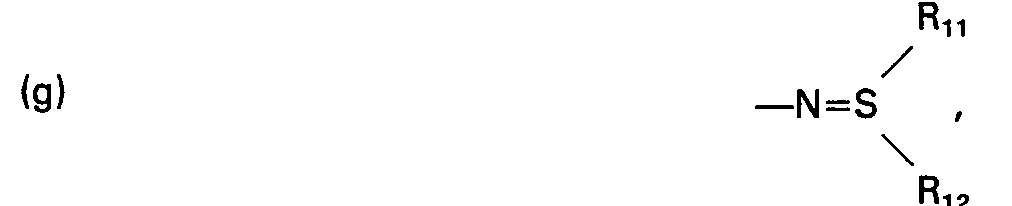
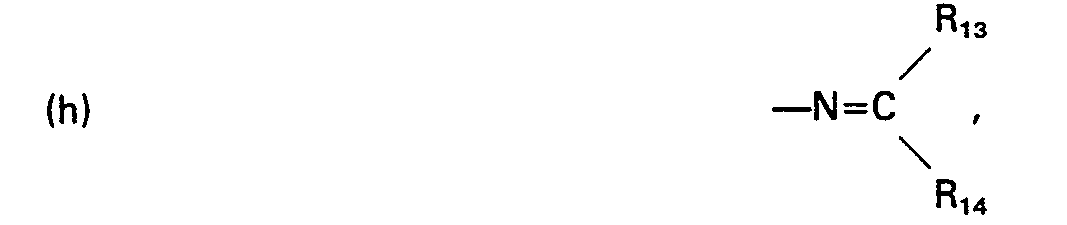


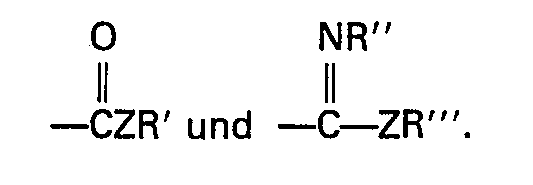


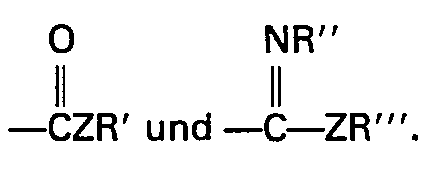





Priority Applications (1)
| Application Number | Priority Date | Filing Date | Title |
|---|---|---|---|
| AT85870151T ATE55124T1 (de) | 1984-11-06 | 1985-11-05 | 2,6-substituierte pyridinverbindungen. |
Applications Claiming Priority (4)
| Application Number | Priority Date | Filing Date | Title |
|---|---|---|---|
| US66892984A | 1984-11-06 | 1984-11-06 | |
| US668929 | 1984-11-06 | ||
| US06/768,659 US4698093A (en) | 1984-11-06 | 1985-08-27 | Herbicidal (2 or 6)-fluoroalkyl-4-amino pyridine derivatives |
| US768659 | 1985-08-27 |
Publications (2)
| Publication Number | Publication Date |
|---|---|
| EP0182769A1 EP0182769A1 (de) | 1986-05-28 |
| EP0182769B1 true EP0182769B1 (de) | 1990-08-01 |
Family
ID=27100025
Family Applications (1)
| Application Number | Title | Priority Date | Filing Date |
|---|---|---|---|
| EP85870151A Expired - Lifetime EP0182769B1 (de) | 1984-11-06 | 1985-11-05 | 2,6-Substituierte Pyridinverbindungen |
Country Status (9)
| Country | Link |
|---|---|
| US (1) | US4698093A (de) |
| EP (1) | EP0182769B1 (de) |
| JP (1) | JPH0667906B2 (de) |
| KR (1) | KR880000430B1 (de) |
| AU (1) | AU577164B2 (de) |
| CA (1) | CA1296007C (de) |
| DE (1) | DE3578981D1 (de) |
| IL (1) | IL76955A0 (de) |
| NZ (1) | NZ214075A (de) |
Cited By (1)
| Publication number | Priority date | Publication date | Assignee | Title |
|---|---|---|---|---|
| US6794396B2 (en) | 1998-02-13 | 2004-09-21 | Pharmacia Corporation | Substituted pyridines useful for inhibiting cholesteryl ester transfer protein activity |
Families Citing this family (30)
| Publication number | Priority date | Publication date | Assignee | Title |
|---|---|---|---|---|
| US4826530A (en) * | 1983-08-11 | 1989-05-02 | Monsanto Company | 2,6-substituted pyridine compounds |
| US4978384A (en) * | 1984-04-24 | 1990-12-18 | Monsanto Company | Substituted 2, 6-substituted pyridine compounds |
| US4655816A (en) * | 1984-11-06 | 1987-04-07 | Monsanto Company | Herbicidal 2-trifluoromethyl 3-pyridine carboxylic acid derivatives |
| US4824954A (en) * | 1984-11-06 | 1989-04-25 | Monsanto Company | Process for preparation of substituted pyridines |
| US4789395A (en) * | 1986-05-12 | 1988-12-06 | Monsanto Company | 5-sulfur substituted pyridine monocarboxylic herbicides |
| US5100461A (en) * | 1987-12-24 | 1992-03-31 | Monsanto Company | Substituted 2,6-substituted pyridine compounds having herbicidal activity |
| US4826532A (en) * | 1987-02-09 | 1989-05-02 | Monsanto Company | Substituted 2,6-substituted pyridine compounds |
| DE3879024T2 (de) * | 1987-07-31 | 1993-10-07 | Takeda Chemical Industries Ltd | Pyridinium-Derivate, ihre Herstellung und Verwendung. |
| US4992503A (en) * | 1988-09-29 | 1991-02-12 | Ici Americas Inc. | Fungicidal pyridyl amides |
| US4908057A (en) * | 1988-08-01 | 1990-03-13 | Monsanto Company | Substituted 2,6-substituted 1,2- or 1,6-dihydro pyridine compounds |
| US5071992A (en) * | 1990-12-07 | 1991-12-10 | Monsanto Company | Process for preparation of aromatic thiol esters |
| US5228897A (en) * | 1991-02-25 | 1993-07-20 | Monsanto Company | Substituted pyridine compounds |
| US5169432A (en) * | 1991-05-23 | 1992-12-08 | Monsanto Company | Substituted 2,6-Substituted Pyridine Herbicides |
| US5156670A (en) * | 1991-06-03 | 1992-10-20 | Monsanto Company | Cyclic alkylidene substituted pyridine herbicides |
| DE4331181A1 (de) * | 1993-09-14 | 1995-03-16 | Hoechst Schering Agrevo Gmbh | Substituierte Pyridine, Verfahren zu ihrer Herstellung und ihre Verwendung als Schädlingsbekämpfungsmittel und Fungizide |
| DE4331179A1 (de) * | 1993-09-14 | 1995-03-16 | Hoechst Schering Agrevo Gmbh | Substituierte Pyridine, Verfahren zu ihrer Herstellung und ihre Verwendung als Schädlingsbekämpfungsmittel und Fungizide |
| DE4331180A1 (de) * | 1993-09-14 | 1995-03-16 | Hoechst Schering Agrevo Gmbh | Substituierte Pyridine, Verfahren zu ihrer Herstellung und ihre Verwendung als Schädlingsbekämpfungsmittel und Fungizide |
| AR008789A1 (es) | 1996-07-31 | 2000-02-23 | Bayer Corp | Piridinas y bifenilos substituidos |
| MX2012012085A (es) * | 2010-04-23 | 2012-11-29 | Bayer Ip Gmbh | Procedimiento para la preparacion de cloruros y fluoruros de 5-fluoro-1-alquil-3-fluoroalquil-1h-pirazol-4-carbonilo. |
| US8981116B2 (en) * | 2010-07-23 | 2015-03-17 | Solvay Sa | Process for the preparation of esters of 1-substituted-3-fluoroalkyl-pyrazole-4-carboxylic acids |
| EP2821399A1 (de) * | 2013-07-04 | 2015-01-07 | Lonza Ltd | Verfahren zur Herstellung von 6-Trifluormethylpyridin-3-Carboxyl-Säurederivaten aus 4,4,4-Trifluor-3-Oxobutanoylchlorid |
| EP3621439B1 (de) * | 2017-05-10 | 2022-11-30 | Corteva Agriscience LLC | 4-amino-6-(heterocyclische)picolinate und 6-amino-2-(heterocyclische)pyrimidin-4-carboxylate und deren verwendung als herbizide |
| DK3876726T3 (da) | 2018-11-06 | 2025-03-03 | Corteva Agriscience Llc | Sammensætninger, som omfatter pyridincarboxylat-herbicider og azolcarboxylat-safeners |
| PL3876722T3 (pl) | 2018-11-06 | 2026-02-23 | Corteva Agriscience Llc | Zabezpieczone kompozycje zawierające herbicydy pirydynokarboksylanowe i klokwintocet |
| EP3876723B1 (de) | 2018-11-06 | 2025-09-03 | Corteva Agriscience LLC | Safener-zusammensetzungen mit pyridincarboxylat-herbiziden und isoxazadifen |
| HUE072472T2 (hu) | 2018-11-07 | 2025-11-28 | Corteva Agriscience Llc | Piridin-karboxilát herbicideket acetolaktát-szintáz (ALS) gátló herbicidekkel tartalmazó készítmények |
| EA202191264A1 (ru) | 2018-11-07 | 2021-07-27 | КОРТЕВА АГРИСАЙЕНС ЭлЭлСи | Композиции, содержащие гербициды на основе пиридинкарбоксилата с гербицидами, представляющими собой ингибиторы фотосистемы ii и необязательно hppd |
| EP3876730B1 (de) | 2018-11-07 | 2025-07-02 | Corteva Agriscience LLC | Zusammensetzungen mit pyridincarboxylatherbiziden und 4-hydroxyphenyl-pyruvat-dioxygenase (hppd)-inhibitorherbiziden |
| EA202191265A1 (ru) | 2018-11-07 | 2021-07-27 | КОРТЕВА АГРИСАЙЕНС ЭлЭлСи | Композиции, содержащие гербицид на основе пиридинкарбоксилата и гербициды, представляющие собой ингибиторы протопорфириногеноксидазы (protox) |
| KR102860839B1 (ko) | 2018-11-07 | 2025-09-17 | 코르테바 애그리사이언스 엘엘씨 | 피리딘 카르복실레이트 제초제를 합성 옥신 제초제 또는 옥신 수송 억제제와 함께 포함하는 조성물 |
Family Cites Families (10)
| Publication number | Priority date | Publication date | Assignee | Title |
|---|---|---|---|---|
| DE1908947A1 (de) * | 1969-02-22 | 1970-10-01 | Merck Patent Gmbh | Neue substituierte Pyridinderivate |
| US3705170A (en) * | 1969-03-17 | 1972-12-05 | Dow Chemical Co | Polyhalo-(trifluoromethyl)pyridyloxy amides and hydrazides |
| US3651070A (en) * | 1969-07-09 | 1972-03-21 | Diamond Shamrock Corp | Polychloro hydroxy derivatives of monocarboxy pyridines |
| US3637716A (en) * | 1969-07-09 | 1972-01-25 | Diamond Shamrock Corp | Polychloro derivatives of monocarboxy pyridines |
| US3748334A (en) * | 1972-04-12 | 1973-07-24 | Dow Chemical Co | 2,6-bis(trifluoromethyl)-4-pyridinols |
| GR74919B (de) * | 1980-07-16 | 1984-07-12 | Rhone Poulenc Agrochimie | |
| EP0067511A3 (de) * | 1981-05-19 | 1983-04-06 | Imperial Chemical Industries Plc | Verfahren zur Induktion von Wurzelschösslingen mit Pyridinderivaten sowie einigen Pyridinen, Verfahren zu ihrer Herstellung und diese enthaltende landwirtschaftliche Zusammensetzungen |
| US4609399A (en) * | 1984-11-06 | 1986-09-02 | Monsanto Company | Substituted 4,6-alkoxy pyridinecarboxylate compounds and herbicidal use |
| US4655816A (en) * | 1984-11-06 | 1987-04-07 | Monsanto Company | Herbicidal 2-trifluoromethyl 3-pyridine carboxylic acid derivatives |
| US4824954A (en) * | 1984-11-06 | 1989-04-25 | Monsanto Company | Process for preparation of substituted pyridines |
-
1985
- 1985-08-27 US US06/768,659 patent/US4698093A/en not_active Expired - Lifetime
- 1985-11-04 AU AU49337/85A patent/AU577164B2/en not_active Ceased
- 1985-11-05 CA CA000494610A patent/CA1296007C/en not_active Expired - Lifetime
- 1985-11-05 IL IL76955A patent/IL76955A0/xx not_active IP Right Cessation
- 1985-11-05 DE DE8585870151T patent/DE3578981D1/de not_active Expired - Lifetime
- 1985-11-05 KR KR1019850008259A patent/KR880000430B1/ko not_active Expired
- 1985-11-05 JP JP60247868A patent/JPH0667906B2/ja not_active Expired - Lifetime
- 1985-11-05 EP EP85870151A patent/EP0182769B1/de not_active Expired - Lifetime
- 1985-11-05 NZ NZ214075A patent/NZ214075A/xx unknown
Cited By (1)
| Publication number | Priority date | Publication date | Assignee | Title |
|---|---|---|---|---|
| US6794396B2 (en) | 1998-02-13 | 2004-09-21 | Pharmacia Corporation | Substituted pyridines useful for inhibiting cholesteryl ester transfer protein activity |
Also Published As
| Publication number | Publication date |
|---|---|
| DE3578981D1 (de) | 1990-09-06 |
| JPH0667906B2 (ja) | 1994-08-31 |
| KR870002075A (ko) | 1987-03-30 |
| AU4933785A (en) | 1986-05-15 |
| EP0182769A1 (de) | 1986-05-28 |
| CA1296007C (en) | 1992-02-18 |
| NZ214075A (en) | 1988-11-29 |
| AU577164B2 (en) | 1988-09-15 |
| US4698093A (en) | 1987-10-06 |
| IL76955A0 (en) | 1986-04-29 |
| JPS61158965A (ja) | 1986-07-18 |
| KR880000430B1 (ko) | 1988-03-23 |
Similar Documents
| Publication | Publication Date | Title |
|---|---|---|
| US4698093A (en) | Herbicidal (2 or 6)-fluoroalkyl-4-amino pyridine derivatives | |
| US4692184A (en) | 2,6-substituted pyridine compounds | |
| EP0133612B1 (de) | 2,6-Substituierte Pyridinverbindungen | |
| CA1309405C (en) | Substituted 2,6-substituted pyridine compounds | |
| EP0181852B1 (de) | 2,6-Substituierte Pyridinverbindungen mit weiteren Substituenten | |
| KR890003849B1 (ko) | 치환된 피리딘 제초제 | |
| EP0586556B1 (de) | Substituierte, 2,6-substituierte pyridine als herbizide | |
| US4835279A (en) | 2,6-substituted pyridine compounds | |
| EP0181311B1 (de) | Substituierte 4,6-Alkoxypyridincarboxylat-Verbindungen | |
| DE69009962T2 (de) | Substituierte Pyridin-Verbindungen. | |
| EP0422456B1 (de) | Pyridinderivate und ihre Verwendung zur Bekämpfung unerwünschten Pflanzenwuchses | |
| EP0278945B1 (de) | Substituierte 2,6-substituierte Pyridin-Verbindungen | |
| US4921530A (en) | Certain 3,5-pyridine dicarboxylates, their thio analogues having herbicidal activity | |
| US4797149A (en) | 2,6-substituted pyridine compounds | |
| EP0245230A1 (de) | Substituierte 2,6-substituierte Pyridinverbindungen | |
| JP2834482B2 (ja) | 除草剤組成物 | |
| US4826530A (en) | 2,6-substituted pyridine compounds | |
| US5142055A (en) | Method of preparing 2, 6-substituted pyridine compounds | |
| US4978384A (en) | Substituted 2, 6-substituted pyridine compounds | |
| US5196045A (en) | Substituted pyridine herbicides | |
| BG60331B2 (bg) | 2,6-заместени пиридинови съединения |
Legal Events
| Date | Code | Title | Description |
|---|---|---|---|
| PUAI | Public reference made under article 153(3) epc to a published international application that has entered the european phase |
Free format text: ORIGINAL CODE: 0009012 |
|
| AK | Designated contracting states |
Kind code of ref document: A1 Designated state(s): AT BE CH DE FR GB IT LI LU NL SE |
|
| 17P | Request for examination filed |
Effective date: 19861024 |
|
| 17Q | First examination report despatched |
Effective date: 19890309 |
|
| GRAA | (expected) grant |
Free format text: ORIGINAL CODE: 0009210 |
|
| AK | Designated contracting states |
Kind code of ref document: B1 Designated state(s): AT BE CH DE FR GB IT LI LU NL SE |
|
| REF | Corresponds to: |
Ref document number: 55124 Country of ref document: AT Date of ref document: 19900815 Kind code of ref document: T |
|
| ET | Fr: translation filed | ||
| REF | Corresponds to: |
Ref document number: 3578981 Country of ref document: DE Date of ref document: 19900906 |
|
| ITF | It: translation for a ep patent filed | ||
| PLBE | No opposition filed within time limit |
Free format text: ORIGINAL CODE: 0009261 |
|
| STAA | Information on the status of an ep patent application or granted ep patent |
Free format text: STATUS: NO OPPOSITION FILED WITHIN TIME LIMIT |
|
| 26N | No opposition filed | ||
| PGFP | Annual fee paid to national office [announced via postgrant information from national office to epo] |
Ref country code: SE Payment date: 19911014 Year of fee payment: 7 |
|
| PGFP | Annual fee paid to national office [announced via postgrant information from national office to epo] |
Ref country code: CH Payment date: 19911015 Year of fee payment: 7 |
|
| ITTA | It: last paid annual fee | ||
| PGFP | Annual fee paid to national office [announced via postgrant information from national office to epo] |
Ref country code: NL Payment date: 19911130 Year of fee payment: 7 |
|
| PG25 | Lapsed in a contracting state [announced via postgrant information from national office to epo] |
Ref country code: SE Effective date: 19921106 |
|
| PGFP | Annual fee paid to national office [announced via postgrant information from national office to epo] |
Ref country code: LU Payment date: 19921109 Year of fee payment: 8 |
|
| PG25 | Lapsed in a contracting state [announced via postgrant information from national office to epo] |
Ref country code: LI Effective date: 19921130 Ref country code: CH Effective date: 19921130 |
|
| EPTA | Lu: last paid annual fee | ||
| PG25 | Lapsed in a contracting state [announced via postgrant information from national office to epo] |
Ref country code: NL Effective date: 19930601 |
|
| NLV4 | Nl: lapsed or anulled due to non-payment of the annual fee | ||
| REG | Reference to a national code |
Ref country code: CH Ref legal event code: PL |
|
| PG25 | Lapsed in a contracting state [announced via postgrant information from national office to epo] |
Ref country code: LU Free format text: LAPSE BECAUSE OF NON-PAYMENT OF DUE FEES Effective date: 19931105 |
|
| PGFP | Annual fee paid to national office [announced via postgrant information from national office to epo] |
Ref country code: AT Payment date: 19941017 Year of fee payment: 10 |
|
| PGFP | Annual fee paid to national office [announced via postgrant information from national office to epo] |
Ref country code: BE Payment date: 19941027 Year of fee payment: 10 |
|
| EUG | Se: european patent has lapsed |
Ref document number: 85870151.9 Effective date: 19930610 |
|
| REG | Reference to a national code |
Ref country code: FR Ref legal event code: TP |
|
| PG25 | Lapsed in a contracting state [announced via postgrant information from national office to epo] |
Ref country code: AT Effective date: 19951105 |
|
| PG25 | Lapsed in a contracting state [announced via postgrant information from national office to epo] |
Ref country code: BE Effective date: 19951130 |
|
| REG | Reference to a national code |
Ref country code: GB Ref legal event code: 732E |
|
| BERE | Be: lapsed |
Owner name: MONSANTO CY Effective date: 19951130 |
|
| PGFP | Annual fee paid to national office [announced via postgrant information from national office to epo] |
Ref country code: FR Payment date: 20011012 Year of fee payment: 17 |
|
| PGFP | Annual fee paid to national office [announced via postgrant information from national office to epo] |
Ref country code: GB Payment date: 20011019 Year of fee payment: 17 |
|
| PGFP | Annual fee paid to national office [announced via postgrant information from national office to epo] |
Ref country code: DE Payment date: 20011029 Year of fee payment: 17 |
|
| REG | Reference to a national code |
Ref country code: GB Ref legal event code: IF02 |
|
| REG | Reference to a national code |
Ref country code: GB Ref legal event code: 732E |
|
| PG25 | Lapsed in a contracting state [announced via postgrant information from national office to epo] |
Ref country code: GB Free format text: LAPSE BECAUSE OF NON-PAYMENT OF DUE FEES Effective date: 20021105 |
|
| PG25 | Lapsed in a contracting state [announced via postgrant information from national office to epo] |
Ref country code: DE Free format text: LAPSE BECAUSE OF NON-PAYMENT OF DUE FEES Effective date: 20030603 |
|
| GBPC | Gb: european patent ceased through non-payment of renewal fee | ||
| PG25 | Lapsed in a contracting state [announced via postgrant information from national office to epo] |
Ref country code: FR Free format text: LAPSE BECAUSE OF NON-PAYMENT OF DUE FEES Effective date: 20030731 |
|
| REG | Reference to a national code |
Ref country code: FR Ref legal event code: ST |