EP0183077A1 - Haarkonditionierungsmittel mit Perlglanz - Google Patents
Haarkonditionierungsmittel mit Perlglanz Download PDFInfo
- Publication number
- EP0183077A1 EP0183077A1 EP85113845A EP85113845A EP0183077A1 EP 0183077 A1 EP0183077 A1 EP 0183077A1 EP 85113845 A EP85113845 A EP 85113845A EP 85113845 A EP85113845 A EP 85113845A EP 0183077 A1 EP0183077 A1 EP 0183077A1
- Authority
- EP
- European Patent Office
- Prior art keywords
- weight
- chloride
- component
- composition according
- carbon atoms
- Prior art date
- Legal status (The legal status is an assumption and is not a legal conclusion. Google has not performed a legal analysis and makes no representation as to the accuracy of the status listed.)
- Granted
Links
Classifications
-
- C—CHEMISTRY; METALLURGY
- C11—ANIMAL OR VEGETABLE OILS, FATS, FATTY SUBSTANCES OR WAXES; FATTY ACIDS THEREFROM; DETERGENTS; CANDLES
- C11D—DETERGENT COMPOSITIONS; USE OF SINGLE SUBSTANCES AS DETERGENTS; SOAP OR SOAP-MAKING; RESIN SOAPS; RECOVERY OF GLYCEROL
- C11D3/00—Other compounding ingredients of detergent compositions covered in group C11D1/00
- C11D3/0005—Other compounding ingredients characterised by their effect
- C11D3/0089—Pearlescent compositions; Opacifying agents
-
- A—HUMAN NECESSITIES
- A61—MEDICAL OR VETERINARY SCIENCE; HYGIENE
- A61K—PREPARATIONS FOR MEDICAL, DENTAL OR TOILETRY PURPOSES
- A61K8/00—Cosmetics or similar toiletry preparations
- A61K8/18—Cosmetics or similar toiletry preparations characterised by the composition
- A61K8/30—Cosmetics or similar toiletry preparations characterised by the composition containing organic compounds
- A61K8/33—Cosmetics or similar toiletry preparations characterised by the composition containing organic compounds containing oxygen
- A61K8/34—Alcohols
- A61K8/342—Alcohols having more than seven atoms in an unbroken chain
-
- A—HUMAN NECESSITIES
- A61—MEDICAL OR VETERINARY SCIENCE; HYGIENE
- A61K—PREPARATIONS FOR MEDICAL, DENTAL OR TOILETRY PURPOSES
- A61K8/00—Cosmetics or similar toiletry preparations
- A61K8/18—Cosmetics or similar toiletry preparations characterised by the composition
- A61K8/30—Cosmetics or similar toiletry preparations characterised by the composition containing organic compounds
- A61K8/40—Cosmetics or similar toiletry preparations characterised by the composition containing organic compounds containing nitrogen
- A61K8/41—Amines
- A61K8/416—Quaternary ammonium compounds
-
- A—HUMAN NECESSITIES
- A61—MEDICAL OR VETERINARY SCIENCE; HYGIENE
- A61K—PREPARATIONS FOR MEDICAL, DENTAL OR TOILETRY PURPOSES
- A61K8/00—Cosmetics or similar toiletry preparations
- A61K8/18—Cosmetics or similar toiletry preparations characterised by the composition
- A61K8/30—Cosmetics or similar toiletry preparations characterised by the composition containing organic compounds
- A61K8/40—Cosmetics or similar toiletry preparations characterised by the composition containing organic compounds containing nitrogen
- A61K8/42—Amides
-
- A—HUMAN NECESSITIES
- A61—MEDICAL OR VETERINARY SCIENCE; HYGIENE
- A61K—PREPARATIONS FOR MEDICAL, DENTAL OR TOILETRY PURPOSES
- A61K8/00—Cosmetics or similar toiletry preparations
- A61K8/18—Cosmetics or similar toiletry preparations characterised by the composition
- A61K8/30—Cosmetics or similar toiletry preparations characterised by the composition containing organic compounds
- A61K8/49—Cosmetics or similar toiletry preparations characterised by the composition containing organic compounds containing heterocyclic compounds
- A61K8/4906—Cosmetics or similar toiletry preparations characterised by the composition containing organic compounds containing heterocyclic compounds with one nitrogen as the only hetero atom
- A61K8/4926—Cosmetics or similar toiletry preparations characterised by the composition containing organic compounds containing heterocyclic compounds with one nitrogen as the only hetero atom having six membered rings
-
- A—HUMAN NECESSITIES
- A61—MEDICAL OR VETERINARY SCIENCE; HYGIENE
- A61Q—SPECIFIC USE OF COSMETICS OR SIMILAR TOILETRY PREPARATIONS
- A61Q5/00—Preparations for care of the hair
- A61Q5/12—Preparations containing hair conditioners
-
- A—HUMAN NECESSITIES
- A61—MEDICAL OR VETERINARY SCIENCE; HYGIENE
- A61K—PREPARATIONS FOR MEDICAL, DENTAL OR TOILETRY PURPOSES
- A61K2800/00—Properties of cosmetic compositions or active ingredients thereof or formulation aids used therein and process related aspects
- A61K2800/40—Chemical, physico-chemical or functional or structural properties of particular ingredients
- A61K2800/59—Mixtures
- A61K2800/596—Mixtures of surface active compounds
Definitions
- hair conditioning agents with a combability-improving and nourishing effect have therefore gained considerable importance.
- hair conditioning agents such as. B. hair treatments and rinses, especially the combability of the hair is to be improved and the electrostatic charge to be prevented when combing.
- the hair conditioning agents are predominantly in the form of oil-in-water emulsions, for example as so-called cream rinses, and contain semi-solid or solid substances as framework components, such as paraffin oil, petroleum jelly, wool fat, wool fatty alcohols, fatty acid esters and hydrocarbon waxes.
- Quaternary ammonium compounds such as oxyethylated alkylammonium phosphates, alkyltrimethylammonium chlorides, dialkyldimethylammonium chlorides, alkyldimethylbenzylammonium chlorides and alkylpyridinium chlorides, alone or in, are normally used as emulsifiers for such emulsions Combination with non-ionic emulsifiers used.
- the hair conditioning agents according to the invention have a very good combability effect, a constant viscosity and a stable pearlescent appearance.
- component A coconut fatty acid monoethanolamide
- component B fatty alcohol
- fatty alcohol straight-chain fatty alcohols with 14 to 18 carbon atoms, such as, for example, tetradecanol, cetyl alcohol and stearyl alcohol, are suitable as fatty alcohols.
- Hair conditioning agents with a particularly beautiful and intense pearlescent are obtained if component B consists of cetyl alcohol or stearyl alcohol or a mixture of the two alcohols and component C consists of cetyltrimethylammonium chloride or stearyltrimethylammonium chloride or a mixture of these cationic compounds. These hair conditioning agents have to have the advantage in addition, even at temperatures of about 40 0 C a stable pearlescent.
- a particularly preferred embodiment of the hair conditioning agent described is also present when the weight ratio of the components te A for component B is 0.3 to 2.
- Suitable quaternary compounds of component C are especially quaternary ammonium compounds, such as lauryl trimethylammonium chloride, tetradecyltrimethylammonium chloride, cetyltrimethylammonium chloride, stearyltrimethylammonium chloride, Cetyldimethylhydroxyethylammoniumdihydrogenphosphat, cetyldimethylbenzylammonium chloride, further pyridinium salts such as cetylpyridinium chloride, and further other quaternary compounds such as L chloride aurylklarecholinester-, betaine cetyl chloride and coconut fatty acid amidopropyldimethylacetamidylammonium chloride., preferably in an amount of 0.1 to 1.5% by weight.
- the majority of the agents according to the invention consists of water, the water content preferably being 90 to 97% by weight. Although tap water can be used if it contains a relatively low level of ions, it is preferred to use deionized water
- the hair conditioning agents described here can also contain all those cosmetic additives that are usually used in hair conditioning agents, in particular dyes, perfume oils, vitamins, preservatives, antioxidants and active ingredients against dandruff.
- the additives mentioned above can each be contained in an amount of up to 1% by weight.
- Other common additives are, for example, cosmetically active oils, such as avocado oil, or care substances such as lanolin, cholesterol and pantothenic acid, these additives in one Amount of up to 10% by weight can be included.
- the additives can also contain cationic resins and thickeners, for example starch, cellulose derivatives or highly disperse silica (for example Aerosil®300 from Degussa, Hanau, Germany) in an amount of up to 2% by weight.
- the hair conditioning agents according to the invention can also be in the form of aerosol preparations and then contain up to 10% by weight of blowing agent as a further conventional additive.
- Chlorofhoralkanes such as CCl 3 F, CCl 2 F 2 , C 2 Cl 3 F 3 , CCl 2 F-CCl 2 F, CH C1 2 F, CHClF 2 and CClF 2 -CClF 2
- volatile hydrocarbons such as, for example, can be used as blowing agents n-Butane and n-propane, or also dimethyl ether, C0 2 , N 2 0, N 2 , CH 2 C1 2 and CC1 3 -CH 3 are used.
- compositions according to the invention are prepared by the production processes customary for cosmetic emulsions, for example by first melting the hydrophobic constituents (components A and B and any hydrophobic additives present) at 90 ° C., and then the hydrophilic constituents (component C and hydrophobic additives) ) be dissolved in water. The aqueous solution is then heated to 90 ° C. and emulsified into the melt of the hydrophobic constituents with stirring. Finally the resulting emulsion is cooled.
- Examples 21-25 show the usability of further cationic compounds.
- 20 g of the hair conditioning agents below are distributed in the washed hair and rinsed with water after an exposure time of 3 to 5 minutes.
- the hair is easy to comb and has an excellent grip.
- the hair conditioning agents show a stable pearlescence even after long storage (data in percent by weight).
- Examples 31 and 32 below represent stable, pearlescent hair conditioning agents of medium viscosity with good performance properties. They show the usability of readily degradable and therefore particularly environmentally friendly cationic surfactants as quaternary compounds for the agents according to the invention. ( Figures in% by weight)
- the hair conditioning agent listed below represents a highly viscous, pearlescent hair treatment which is used as described for the examples' 21 to 25. Damaged hair shows good combability and greater fullness (body effect) after use.
- the agent listed below if it is filled in a clear aerosol container, a beautiful pearlescent can be observed.
- the aerosol container is shaken before the product is dispensed.
- the agent comes out in the form of a creamy foam with a very good conditioning effect.
- the agent is used in the manner described in Examples 21 to 25.
Landscapes
- Health & Medical Sciences (AREA)
- Life Sciences & Earth Sciences (AREA)
- Veterinary Medicine (AREA)
- Animal Behavior & Ethology (AREA)
- General Health & Medical Sciences (AREA)
- Public Health (AREA)
- Epidemiology (AREA)
- Birds (AREA)
- Chemical & Material Sciences (AREA)
- Dermatology (AREA)
- Emergency Medicine (AREA)
- Engineering & Computer Science (AREA)
- Chemical Kinetics & Catalysis (AREA)
- Oil, Petroleum & Natural Gas (AREA)
- Wood Science & Technology (AREA)
- Organic Chemistry (AREA)
- Cosmetics (AREA)
- Polysaccharides And Polysaccharide Derivatives (AREA)
- Preparation Of Compounds By Using Micro-Organisms (AREA)
Abstract

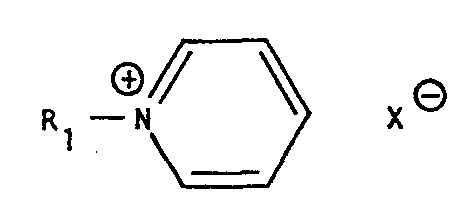
wobei R1 = Cn-Alkyl (n=12-22), Kokosamidoethyl, Kokosamidopropyl, R'-Y(R'-Cn-Alkyl, Y=-O-C(O)-CH2- oder -C(O)-O - CH2CH2-) R2=CH3, CH2CH2OH oder CH2CH3, R3= CH3, CH2CH2OH, Benzyl oder Acetamidyl, XΘ = Cl-, Br-, CH3SO4-, ½ SO4 2-, Lactat- oder Acetat-, D) 70 bis 99,3 Gew.% Wasser und E) 0 bis 24 Gew.% üblichen kosmetischen Zusatzstoffen, wobei m+n ≧ 29 ist, A/B zwischen 0,1 bis 3 liegt, C/A + B = 0,05 bis 0,5 beträgt und der Gewichtsanteil der Zusatzstoffe nicht größer als die Summe von A + B + C ist.
Description
- Durch öfteres Bleichen, Dauerwellen und Färben, aber auch durch häufiges Waschen der Haare mit entfettenden Tensiden sowie durch intensive Einwirkung von Sonnenlicht kommt es zu einer Schädigung der Haarstruktur. Das Haar wird spröde, und es verliert seinen Glanz. Weiterhin lädt sich das Haar beim Kämmen elektrostatisch auf, und die aufgerauhte Haaroberfläche verursacht Verfilzungen sowie Verknotungen des Haares. Hierdurch wird das Kämmen sehr erschwert. Haarkonditionierungsmittel mit einer kämmbarkeitsverbessernden und pflegenden Wirkung haben daher eine erhebliche Bedeutung erlangt. Durch die Anwendung von Haarkonditionierungsmitteln, wie z. B. Haarkuren und Rinses, soll insbesondere die Kämmbarkeit des Haares verbessert und die elektrostatische Aufladung beim Kämmen verhindert werden. Die Haarkonditionierungsmittel liegen vorwiegend in Form von öl-in-Wasser-Emulsionen, beispielsweise als sogenannte Creme-Rinses, vor und enthalten als Gerüstbestandteile halbfeste oder feste Substanzen, wie beispielsweise Paraffinöl, Vaseline, Wollfett, Wollfettalkohole, Fettsäureester und Kohlenwasserstoffwachse. Als Emulgatoren für solche Emulsionen werden normalerweise quaternäre Ammoniumverbindungen wie oxethylierte Alkylammoniumphosphate, Alkyltrimethylammoniumchloride, Dialkyldimethylammoniumchloride, Alkyldimethylbenzylammoniumchloride und Alkylpyridiniumchloride, allein oder in Kombination mit nichtionogenen Emulgatoren, verwendet.
- Die am häufigsten angewandten Rezepturen enthalten insbesondere quaternäre Ammoniumsalze und Fettalkohole. Diese Zusammensetzungen haben ein milchigtrübes Aussehen. Obwohl es in der Vergangenheit nicht an Versuchen gefehlt hat, solchen Produkten ein perlglänzendes, ästhetischeres Aussehen zu verleihen, ist es bisher nicht gelungen/ein solches Produkt mit echtem Perlglanz zur Verfügung zu stellen. Während perlglänzende Rezepturen auf dem Gebiet -der Shampoos Stand der Technik sind und häufig angewandt werden, ist es offensichtlich problematisch, stabile kationische, fettalkoholhaltige Mittel mit Perlglanz herzustellen. So ist zum Beispiel in der US-PS 4 275 055 eine perlglänzende, kationische Haarkur beschrieben, die jedoch einen hohen Anteil an hochschmelzendem, schwerlöslichem Stearyldimethylbenzylammoniumchlorid und keinen Fettalkohol enthält. Andere Haarkonditionierungsmittel mit Perlglanz sind nicht rein kationisch, sondern enthalten hohe Anteile an anionischen und nichtionischen Tensiden. Solche bekannten perlglänzenden Haarkonditionierungsmittel mit zufriedenstellenden Eigenschaften enthalten zudem verhältnismäßig teure Rohstoffe.
- Aufgabe der vorliegenden Erfindung war es daher, perlglänzende Haarkonditionierungsmittel mit guten Gebrauchseigenschaften auf der Basis der relativ preiswerten Rohstoffe FettaJkohol und quaternäre Verbindung zur Verfügung zu stellen.
- Hierzu wurde nun gefunden, daß diese Aufgabe durch Haarkonditionierungsmittel mit Perlglanz auf der Basis einer quaternären Verbindung und eines Fettalkohols, bestehend aus
- A) 0,2 bis 10 Gew.% Kokosfettsäuremonoethanolamid,
- B) 0,4 bis 10 Gew.% eines geradkettigen Fettalkohols mit m Kohlenstoffatomen, wobei m eine Zahl von 14 bis 18 darstellt, oder eines Gemisches aus solchen Fettalkoholen,wobei dann m die durchschnittliche Anzahl der Kohlenstoffatome angibt,
- C) 0,1 bis 4 Gew.% einer quaternären Verbindung der allgemeinen Formel


- D) 70 bis 99,3 Gew.% Wasser und
- E) 0 bis 24 Gew.% üblichen kosmetischen Zusatzstoffen,
- Die erfindungsgemäßen Haarkonditionierungsmittel weisen eine sehr gute kämmbarkeitsverbessernde Wirkung, eine gleichbleibende Viskosität und ein stabiles perlglänzendes Aussehen auf.
- Besonders vorteilhaft ist es, wenn die Komponente A (Kokosfettsäuremonoethanolamid) in einer Menge von 0,5 bis 4 Gew.% in den Mitteln enthalten ist.
- Die besonders bevorzugte Einsatzmenge für die Komponente B (Fettalkohol) beträgt O,8 bis 5 Gew.%. Als Fettalkohole kommen alle geradkettigen Fettalkohole mit 14 bis 18 Kohlenstoffatomen, wie zum Beispiel Tetradecanol, Cetylalkohol und Stearylalkohol, in Betracht. Die Komponente B kann ferner aus einem Fettalkoholgemisch, beispielsweise aus einem 50:50 Gemisch aus Cetylalkohol und Stearylalkohol (Handelsprodukt LANETTE O der Firma Henkel, Düsseldorf), bestehen; die durchschnittliche Anzahl der Kohlenstoffatome der Fettalkoholkomponente B beträgt dann m = 17.
- Haarkonditionierungsmittel mit besonders schönem und intensivem Perlglanz werden erhalten, wenn die Komponente B aus Cetylalkohol oder Stearylalkohol oder aus einem Gemisch der beiden Alkohole besteht und die Komonente C aus Cetyltrimethylammoniumchlorid oder Stearyltrimethylammoniumchlorid oder einem Gemisch dieser kationischen Verbindungen besteht. Diese Haarkonditionierungsmittel haben darüber hinaus den Vorteil, daß sie auch bei Temperaturen von über 400C einen stabilen Perlglanz aufweisen.
- Eine besonders bevorzugte Ausführungsform der beschriebenen Haarkonditionierungsmittel liegt ferner dann vor, wenn das Gewichtsverhältnis der Komponente A zur Komponente B 0,3 bis 2 beträgt.
- Als geeignete quaternäre Verbindungen der Komponente C sind vor allem quaternäre Ammoniumverbindungen, wie z.B. Lauryltrimethylammoniumchlorid, Tetradecyltrimethylammoniumchlorid, Cetyltrimethylammoniumchlorid, Stearyltrimethylammoniumchlorid, Cetyldimethylhydroxyethylammoniumdihydrogenphosphat, Cetyldimethylbenzylammoniumchlorid, ferner Pyridiniumsalze, wie z.B. Cetylpyridiniumchlorid, sowie weiterhin andere quaternäre Verbindungen, wie beispielsweise Laurylsäurecholinester-chlorid, Betaincetylester-chlorid und Kokosfettsäureamidopropyl- dimethylacetamidylammoniumchlorid.enthalten, vorzugsweise in einer Menge von 0,1 bis 1,5 Gew.%. Die Hauptmenge der erfindunsgemäßen Mittel besteht aus Wasser, wobei der Wassergehalt vorzugsweise 90 bis 97 Gew.% beträgt. Obwohl Leitungswasser verwendet werden kann, wenn es ein relativ geringes Maß an Ionen enthält, ist es bevorzugt, entionisiertes Wasser zu verwenden.
- Die hier beschriebenen Haarkonditionierungsmittel können darüberhinaus alle diejenigen kosmetischen Zusatzstoffe enthalten, die üblicherweise in Haarkonditionierungsmitteln eingesetzt werden, insbesondere Farbstoffe, Parfümöle, Vitamine, Konservierungsmittel, Antioxidantien sowie Wirkstoffe gegen Kopfschuppen. Die vorstehend genannten Zusatzstoffe können jeweils bis zu einer Menge von 1 Gew.% enthalten sein. Weitere übliche Zusatzstoffe sind z.B. kosmetisch wirksame öle, wie z.B. Avocadoöl, oder Pflegestoffe wie z.B. Lanolin, Cholesterin und Pantothensäure, wobei diese Zusatzstoffe in einer Menge von bis zu 10 Gew.% enthalten sein können. Die Mittel können als Zusatzstoffe ferner kationische Harze sowie Verdicker, z.B. Stärke, Cellulosederivate oder hochdisperse Kieselsäure (z.B. Aerosil®300 der Firma Degussa, Hanau, BRD) in einer Menge bis zu 2 Gew.% enthalten.
- Die erfindungsgemäßen Haarkonditionierungsmittel können auch in Form von Aerosolpräparaten vorliegen und enthalten dann als weiteren üblichen Zusatzstoff bis zu 10 Gew.% Treibmittel. Als Treibmittel können Chlorfhoralkane, wie z.B. CCl3F, CCl2F2, C2Cl3F3, CCl2F-CCl2F, CHC12F, CHClF2 und CClF2-CClF2, leichtflüchtige Kohlenwasserstoffe, wie z.B. n-Butan und n-Propan, oder auch Dimethylether, C02, N20, N2, CH2C12 und CC13-CH3 Verwendung finden.
- Die Herstellung der erfindungsgemäßen Mittel erfolgt nach den für kosmetische Emulsionen üblichen Herstellungsverfahren, indem zum Beispiel die hydrophoben Bestandteile (Komponenten A und B sowie gegebenenfalls enthaltene hydrophobe Zusatzstoffe) zunächst bei 90°C geschmolzen werden, und sodann die hydrophilen Bestandteile (Komponente C sowie hydrophobe Zusatzstoffe) in Wasser gelöst werden. Anschließend wird die wäßrige Lösung auf 90°C erwärmt und in die Schmelze der hydrophoben Bestandteile unter Rühren einemulgiert. Schließlich wird die entstandene Emulsion abgekühlt.
- Die nachstehenden Beispiele sollen den Gegenstand der Erfindung näher erläutern.
- Zur Darstellung des Auftretens von Perlglanz bei den Mitteln in Abhängigkeit von der Alkylkettenlänge des verwendeten Fettalkohols und des Alkylrestes an der quaternären Verbindung wurden bei einem erfindungsgemäßen Haarkonditionierungsmittel der Zusammensetzung
- A) 1,35 Gew.% Kokosfettsäuremonoethanolamid
- B) 2,00 Gew.% Fettalkohol
- C) 0,55 Gew.% quaternäre Verbindung
- 0,30 Gew.% Parfümöl
- 0,10 Gew.% Farbstoff
- 95,70 Gew.% Wasser, entsalzt
- 100,00 Gew.%
- Fettalkohole mit Alkylkettenlängen von C12 bis C 18 mit Alkyltrimethylammoniumsalzen der Kettenlängen C 12 bis C18 kombiniert.
- Das Ergebnis der Versuche ist nachfolgend in Form der Tabelle 1 dargestellt. Wie aus der Tabelle 1 zu ersehen ist, ergibt die oben genannte Zusammensetzung nur für solche Kombinationen von Fettalkohol und quaternärer Verbindung Perlglanz, in denen die Summe der Kohlenstoffatome des Alkylrestes des Fettalkohols und der quaternären Verbindung größer oder gleich 29 ist (Beispiele 4, 5, 8-10, 12-15 und 17-20).

- Die Beispiele 21-25 zeigen die Verwendbarkeit weiterer kationischer Verbindungen. Jeweils 20 g der nachstehenden Haarkonditionierungsmittel werden im gewaschenen Haar verteilt und nach einer Einwirkungszeit von 3 bis 5 Minuten mit Wasser ausgespült. Das Haar hat eine gute Kämmbarkeit und einen ausgezeichneten Griff erhalten. Die Haarkonditionierungsmittel zeigen auch nach längerer Lagerung einen stabilen Perlglanz.(Angaben in Gewichtsprozent).


- Beispiele 26 bis 30 Haarkonditionierungsmittel (Angaben in Gew.%)


- Beispiele 31 und 32 mittelviskoses Haarkonditionierungsmittel
- Die nachstenenden Beispiele 31 und 32 stellen stabile, perlglänzende Haarkonditionierungsmittel mittlerer Viskosität mit guten anwendungstechnischen Eigenschaften dar. Sie zeigen die Verwendbarkeit von leicht abbaubaren und daher die Umwelt besonders wenig belastenden kationischen Tensiden als quaternäre Verbindung für die erfindungsgemäßen Mittel. (Angaben in Gew.%)

- (Fortsetzung der Beispiele 31 und 32)

- Das nachstehend angeführte Haarkonditionierungsmittel stellt eine hochviskose, perlglänzende Haarkur dar, welche wie für die Beispiele' 21 bis 25 beschrieben angewendet wird. Geschädigtes Haar zeigt nach der Anwendung eine gute Kämmbarkeit sowie eine größere Fülle (Body-Effekt).

- Bei dem nachstehend angeführten Mittel ist, falls es in einem durchsichtigen Aerosolbehälter abgefüllt wird, schöner Perlglanz zu beobachten. Der Aerosolbehälter wird vor dem Austragen des Produktes geschüttelt. Das Mittel tritt in Form eines sahnigen Schaumes mit sehr guter konditionierender Wirkung aus. Die Anwendung des Mittels erfolgt in der bei den Beispielen 21 bis 25 beschriebenen Weise.

- 92 Gew.% der obigen Zusammensetzung werden gemeinsam mit 8 Gew.% eines Treibmittelgemisches, bestehend aus 50 Gew.% Propan und 50 Gew.% Butan, in einen durchsichtigen Aerosolbehälter abgefüllt.
wobei die Summe, gebildet aus der Anzahl der Kohlenstoffatome des Fettalkohols (m) und der Anzahl der Kohlenstoffatome des Restes R1 der quaternären Verbindung (n) größer oder gleich 29 ist (m + n ≧ 29), unter der Voraussetzung, daß das Gewichtsverhältnis der Komponente A zur Komponente B zwischen 0,1 bis 3 liegt und das Gewichtsverhältnis der Komponente C zu der Summe der Komponenten A und B zwischen 0,05 und 0,5 beträgt, sowie unter der weiteren Voraussetzung, daß der Gewichtsanteil der kosmetischen Zusatzstoffe nicht größer ist als der Gewichtsanteil aus der Summe der Komponenten A, B und C, gelöst wird.
Claims (8)


wobei die Summe, gebildet aus der Anzahl der Kohlenstoffatome des Fettalkohols (m) und der Anzahl der Kohlenstoffatome des Restes R1 der quaternären Verbindung (n), größer oder gleich 29 ist (m + n ≧ 29), unter der Voraussetzung, daß das Gewichtsverhältnis der Komponente A zur Komponente B zwischen 0,1 bis 3 liegt und das Gewichts- verhältnis der Komponente C zu der Summe der Komponenten A und B zwischen 0,05 und 0,5 beträgt, sowie unter der weiteren Voraussetzung, daß der Gewichtsanteil der kosmetischen Zusatzstoffe nicht größer ist als der Gewichtsanteil aus der Summe der Komponenten A, B und C.
Priority Applications (1)
| Application Number | Priority Date | Filing Date | Title |
|---|---|---|---|
| AT85113845T ATE42461T1 (de) | 1984-11-09 | 1985-10-31 | Haarkonditionierungsmittel mit perlglanz. |
Applications Claiming Priority (2)
| Application Number | Priority Date | Filing Date | Title |
|---|---|---|---|
| DE3440935 | 1984-11-09 | ||
| DE19843440935 DE3440935A1 (de) | 1984-11-09 | 1984-11-09 | Haarkonditionierungsmittel mit perlglanz |
Publications (2)
| Publication Number | Publication Date |
|---|---|
| EP0183077A1 true EP0183077A1 (de) | 1986-06-04 |
| EP0183077B1 EP0183077B1 (de) | 1989-04-26 |
Family
ID=6249874
Family Applications (1)
| Application Number | Title | Priority Date | Filing Date |
|---|---|---|---|
| EP85113845A Expired EP0183077B1 (de) | 1984-11-09 | 1985-10-31 | Haarkonditionierungsmittel mit Perlglanz |
Country Status (14)
| Country | Link |
|---|---|
| US (1) | US4777039A (de) |
| EP (1) | EP0183077B1 (de) |
| JP (1) | JPH0615461B2 (de) |
| KR (1) | KR920006900B1 (de) |
| AT (1) | ATE42461T1 (de) |
| AU (1) | AU579440B2 (de) |
| BR (1) | BR8507032A (de) |
| CA (1) | CA1260835A (de) |
| DE (2) | DE3440935A1 (de) |
| DK (1) | DK319086A (de) |
| FI (1) | FI86798C (de) |
| NO (1) | NO166265C (de) |
| PH (1) | PH22786A (de) |
| WO (1) | WO1986002828A1 (de) |
Cited By (1)
| Publication number | Priority date | Publication date | Assignee | Title |
|---|---|---|---|---|
| EP0367939A1 (de) * | 1988-11-08 | 1990-05-16 | Wella Aktiengesellschaft | Lagerstabiles Haarkonditionierungsmittel mit Perlglanz |
Families Citing this family (21)
| Publication number | Priority date | Publication date | Assignee | Title |
|---|---|---|---|---|
| DE3527974C2 (de) * | 1985-08-03 | 1994-08-04 | Wella Ag | Saures Haarpflegemittel |
| DE3708425A1 (de) * | 1987-03-16 | 1988-09-29 | Henkel Kgaa | Pumpfaehige kationische fettalkoholdispersion |
| US4892737A (en) * | 1988-09-22 | 1990-01-09 | University Of Florida | Composition and method for enhancing permeability of topical drugs |
| US5019376A (en) * | 1989-03-13 | 1991-05-28 | S. C. Johnson & Son, Inc. | Sparkling pearlescent personal care compositions |
| US4997641A (en) * | 1990-04-09 | 1991-03-05 | Colgate-Palmolive Company | Hair conditioning shampoo containing C6 -C10 alkyl sulfate or alkyl alkoxy sulfate |
| DE69021288D1 (de) * | 1989-06-21 | 1995-09-07 | Colgate Palmolive Co | Haarpflegeshampoo, das als Bestandteil einen Langketten-Alkohol enthält. |
| US5213716A (en) * | 1989-06-21 | 1993-05-25 | Colgate-Palmolive Company | Hair conditioning shampoo containing long chain alcohol component |
| US5348736A (en) * | 1989-06-21 | 1994-09-20 | Colgate-Palmolive Company | Stabilized hair-treating compositions |
| AU640143B2 (en) * | 1990-04-09 | 1993-08-19 | Colgate-Palmolive Company, The | Hair conditioning shampoo containing long chain alcohol component |
| DE4039063A1 (de) * | 1990-12-07 | 1992-06-11 | Wella Ag | Haarkurmittel in form einer mikroemulsion |
| US5580553A (en) * | 1992-08-21 | 1996-12-03 | Nippon Starch Chemical Co., Ltd. | Cosmetic composition containing alkenylsuccinic acid ester of saccharide |
| US5576279A (en) * | 1993-05-17 | 1996-11-19 | Helene Curtis, Inc. | Stable conditioning shampoo containing an anionic surfactant a fatty alcohol, and polyethyleneimine |
| ES2213164T3 (es) * | 1994-10-26 | 2004-08-16 | Novozymes A/S | Metodo de produccion de un hidrolizado de proteina de leche. |
| KR100453353B1 (ko) * | 1996-12-26 | 2005-04-13 | 주식회사 엘지생활건강 | 헤어케어조성물 |
| US6423326B1 (en) | 1999-07-30 | 2002-07-23 | Stepan Company | Cold-mix water-in-oil emulsions comprising quaternary ammonium compounds and process for producing same |
| DE10033414B4 (de) * | 2000-07-08 | 2004-02-19 | Wella Aktiengesellschaft | Klares, zweiphasiges, schaumbildendes Aerosol-Haarpflegeprodukt |
| US6537533B2 (en) | 2001-01-29 | 2003-03-25 | Unilever Home & Personal Care Usa, Division Of Conopco, Inc. | Hair conditioner composition that is non-irritating to the eyes |
| CN1910269A (zh) * | 2004-01-16 | 2007-02-07 | 宝洁公司 | 具有改善的软化特性和改善的美观性的含水衣物洗涤剂组合物 |
| EP2100587A1 (de) * | 2008-03-12 | 2009-09-16 | Cognis IP Management GmbH | Kationische Tenside mit verbesserten Eigenschaften |
| US7919124B1 (en) | 2008-10-31 | 2011-04-05 | Margaret Galano-Mangaoang | Composition for hair growth |
| CN113730297B (zh) * | 2021-06-17 | 2023-03-31 | 广州市衡拓贸易有限公司 | 一种珠光免洗护发精华 |
Citations (4)
| Publication number | Priority date | Publication date | Assignee | Title |
|---|---|---|---|---|
| FR1163386A (fr) * | 1955-02-16 | 1958-09-25 | Ici Ltd | Compositions détergentes |
| WO1983002390A1 (fr) * | 1982-01-20 | 1983-07-21 | Henkel Kgaa | Cosmetiques sebosuppresseurs contenant des alcanols a chaine longue et des antioxygenes |
| EP0130609A2 (de) * | 1983-07-05 | 1985-01-09 | Kao Corporation | Perlfarbene flüssige Suspension |
| EP0141593A2 (de) * | 1983-10-21 | 1985-05-15 | The Procter & Gamble Company | Shampoo-Präparate |
Family Cites Families (5)
| Publication number | Priority date | Publication date | Assignee | Title |
|---|---|---|---|---|
| US4007261A (en) * | 1972-08-23 | 1977-02-08 | Millmaster Onyx Corporation | Pearlescent hair conditioner |
| US4275055A (en) * | 1979-06-22 | 1981-06-23 | Conair Corporation | Hair conditioner having a stabilized, pearlescent effect |
| US4333921A (en) * | 1980-10-02 | 1982-06-08 | American Cyanamid Company | Hair cleansing conditioner with lathering action |
| US4438096A (en) * | 1982-05-27 | 1984-03-20 | Helene Curtis Industries, Inc. | Pearlescent shampoo |
| DE3506543A1 (de) * | 1985-02-25 | 1986-08-28 | Henkel KGaA, 4000 Düsseldorf | Haarspuelmittel mit perlglanzeffekt |
-
1984
- 1984-11-09 DE DE19843440935 patent/DE3440935A1/de not_active Withdrawn
-
1985
- 1985-10-31 JP JP61500040A patent/JPH0615461B2/ja not_active Expired - Lifetime
- 1985-10-31 AT AT85113845T patent/ATE42461T1/de not_active IP Right Cessation
- 1985-10-31 KR KR1019860700386A patent/KR920006900B1/ko not_active Expired
- 1985-10-31 BR BR8507032A patent/BR8507032A/pt not_active IP Right Cessation
- 1985-10-31 DE DE8585113845T patent/DE3569671D1/de not_active Expired
- 1985-10-31 WO PCT/EP1985/000579 patent/WO1986002828A1/de not_active Ceased
- 1985-10-31 EP EP85113845A patent/EP0183077B1/de not_active Expired
- 1985-10-31 US US06/878,870 patent/US4777039A/en not_active Expired - Fee Related
- 1985-10-31 AU AU52041/86A patent/AU579440B2/en not_active Ceased
- 1985-11-07 PH PH33027A patent/PH22786A/en unknown
- 1985-11-08 CA CA000494935A patent/CA1260835A/en not_active Expired
-
1986
- 1986-07-04 DK DK319086A patent/DK319086A/da not_active Application Discontinuation
- 1986-07-08 NO NO86862758A patent/NO166265C/no unknown
- 1986-07-08 FI FI862885A patent/FI86798C/fi not_active IP Right Cessation
Patent Citations (4)
| Publication number | Priority date | Publication date | Assignee | Title |
|---|---|---|---|---|
| FR1163386A (fr) * | 1955-02-16 | 1958-09-25 | Ici Ltd | Compositions détergentes |
| WO1983002390A1 (fr) * | 1982-01-20 | 1983-07-21 | Henkel Kgaa | Cosmetiques sebosuppresseurs contenant des alcanols a chaine longue et des antioxygenes |
| EP0130609A2 (de) * | 1983-07-05 | 1985-01-09 | Kao Corporation | Perlfarbene flüssige Suspension |
| EP0141593A2 (de) * | 1983-10-21 | 1985-05-15 | The Procter & Gamble Company | Shampoo-Präparate |
Non-Patent Citations (1)
| Title |
|---|
| PATENTS ABSTRACTS OF JAPAN, Band 7, Nr. 46 (C-153) [1191] 23. Februar 1983; & JP - A - 57 200 308 (RAION K.K.) 08.12.1982 * |
Cited By (2)
| Publication number | Priority date | Publication date | Assignee | Title |
|---|---|---|---|---|
| EP0367939A1 (de) * | 1988-11-08 | 1990-05-16 | Wella Aktiengesellschaft | Lagerstabiles Haarkonditionierungsmittel mit Perlglanz |
| WO1990004959A1 (de) * | 1988-11-08 | 1990-05-17 | Wella Aktiengesellschaft | Lagerstabiles haarkonditionierungsmittel mit perlglanz |
Also Published As
| Publication number | Publication date |
|---|---|
| AU579440B2 (en) | 1988-11-24 |
| WO1986002828A1 (fr) | 1986-05-22 |
| NO862758D0 (no) | 1986-07-08 |
| DK319086D0 (da) | 1986-07-04 |
| DE3569671D1 (en) | 1989-06-01 |
| ATE42461T1 (de) | 1989-05-15 |
| NO166265C (no) | 1991-06-26 |
| JPH0615461B2 (ja) | 1994-03-02 |
| FI862885A7 (fi) | 1986-07-08 |
| DE3440935A1 (de) | 1986-05-15 |
| PH22786A (en) | 1988-12-12 |
| EP0183077B1 (de) | 1989-04-26 |
| KR860700338A (ko) | 1986-10-06 |
| FI86798B (fi) | 1992-07-15 |
| DK319086A (da) | 1986-07-04 |
| NO166265B (no) | 1991-03-18 |
| FI862885A0 (fi) | 1986-07-08 |
| AU5204186A (en) | 1986-06-03 |
| US4777039A (en) | 1988-10-11 |
| KR920006900B1 (ko) | 1992-08-22 |
| JPS62500786A (ja) | 1987-04-02 |
| FI86798C (fi) | 1992-10-26 |
| NO862758L (no) | 1986-07-08 |
| BR8507032A (pt) | 1987-01-06 |
| CA1260835A (en) | 1989-09-26 |
Similar Documents
| Publication | Publication Date | Title |
|---|---|---|
| EP0183077B1 (de) | Haarkonditionierungsmittel mit Perlglanz | |
| EP0367939B1 (de) | Lagerstabiles Haarkonditionierungsmittel mit Perlglanz | |
| DE3885049T2 (de) | Zubereitung zur Hautpflege. | |
| DE69713071T2 (de) | Dispersion eines öligen, zwei flüssigkeiten enthaltenden schaums und eines wässrigen gels | |
| EP0340592B1 (de) | Haarbehandlungsmittel mit natürlichen Inhaltsstoffen | |
| DE69201504T2 (de) | Kosmetische Zusammensetzung in Form einer Dreifachemulsion. | |
| DE3012767C2 (de) | ||
| DE69617215T2 (de) | Haarkonditionierungsmittel | |
| DE3702178A1 (de) | Nicht-ionische polyglycerinaether, diese verbindungen enthaltende mittel und deren verwendung in der kosmetik und in der pharmazie | |
| DE2754796A1 (de) | Haarkur- und haarwaschmittel | |
| EP0258558B2 (de) | Kosmetisches Mittel, insbesondere feuchtigkeitsbindendes Hautpflegemittel | |
| EP0208951B1 (de) | Mittel zur Pflege des Haares | |
| DE2356475A1 (de) | Fluessiges shampoo | |
| EP0144688B1 (de) | Haarkurmittel und Verfahren zur Haarbehandlung | |
| DE1617694C3 (de) | Oberflächenaktive kosmetische Zusammensetzung | |
| DE69413782T2 (de) | Quaternäre Ammoniumsalze mit Esterfunktion enthaltende schmelzbare Zusammensetzung und Verwendung in Haarpflegemitteln | |
| DE102018221949A1 (de) | Silikon-freie Zweiphasen-Haarkur | |
| EP0577801B1 (de) | Haar- und körperbehandlungsmittel | |
| DE4215502C2 (de) | Kosmetisches Mittel | |
| DE68903477T3 (de) | Kosmetische oder pharmazeutische Zubereitung zur Haar- und Haarbodenbehandlung. | |
| DE19849218C2 (de) | Haut- und Haarbehandlungsmittel | |
| DE2731059C3 (de) | Haarkonditionierungsmittel und Verfahren zu dessen Herstellung | |
| DE19809942A1 (de) | Dosierbares kosmetisches Pflegemittel | |
| DE3024578A1 (de) | Zusammensetzung fuer das konditionieren von haar | |
| DE69500050T2 (de) | Flüssige, zweiphasige parfümierende Zusammensetzung |
Legal Events
| Date | Code | Title | Description |
|---|---|---|---|
| PUAI | Public reference made under article 153(3) epc to a published international application that has entered the european phase |
Free format text: ORIGINAL CODE: 0009012 |
|
| AK | Designated contracting states |
Kind code of ref document: A1 Designated state(s): AT BE CH DE FR GB IT LI LU NL SE |
|
| ITCL | It: translation for ep claims filed |
Representative=s name: BARZANO' E ZANARDO ROMA S.P.A. |
|
| TCNL | Nl: translation of patent claims filed | ||
| EL | Fr: translation of claims filed | ||
| 17P | Request for examination filed |
Effective date: 19861030 |
|
| 17Q | First examination report despatched |
Effective date: 19880513 |
|
| GRAA | (expected) grant |
Free format text: ORIGINAL CODE: 0009210 |
|
| AK | Designated contracting states |
Kind code of ref document: B1 Designated state(s): AT BE CH DE FR GB IT LI LU NL SE |
|
| REF | Corresponds to: |
Ref document number: 42461 Country of ref document: AT Date of ref document: 19890515 Kind code of ref document: T |
|
| REF | Corresponds to: |
Ref document number: 3569671 Country of ref document: DE Date of ref document: 19890601 |
|
| ITF | It: translation for a ep patent filed | ||
| GBT | Gb: translation of ep patent filed (gb section 77(6)(a)/1977) | ||
| ET | Fr: translation filed | ||
| GBCC | Gb: corrected translation (of claims) filed (gb section 80(3)/1977) | ||
| NLR4 | Nl: receipt of corrected translation in the netherlands language at the initiative of the proprietor of the patent | ||
| PGFP | Annual fee paid to national office [announced via postgrant information from national office to epo] |
Ref country code: LU Payment date: 19910926 Year of fee payment: 7 |
|
| PLBE | No opposition filed within time limit |
Free format text: ORIGINAL CODE: 0009261 |
|
| STAA | Information on the status of an ep patent application or granted ep patent |
Free format text: STATUS: NO OPPOSITION FILED WITHIN TIME LIMIT |
|
| EPTA | Lu: last paid annual fee | ||
| 26N | No opposition filed | ||
| PGFP | Annual fee paid to national office [announced via postgrant information from national office to epo] |
Ref country code: SE Payment date: 19920917 Year of fee payment: 8 |
|
| PGFP | Annual fee paid to national office [announced via postgrant information from national office to epo] |
Ref country code: CH Payment date: 19920924 Year of fee payment: 8 Ref country code: BE Payment date: 19920924 Year of fee payment: 8 |
|
| PGFP | Annual fee paid to national office [announced via postgrant information from national office to epo] |
Ref country code: AT Payment date: 19921012 Year of fee payment: 8 |
|
| PG25 | Lapsed in a contracting state [announced via postgrant information from national office to epo] |
Ref country code: LU Free format text: LAPSE BECAUSE OF NON-PAYMENT OF DUE FEES Effective date: 19921031 |
|
| PGFP | Annual fee paid to national office [announced via postgrant information from national office to epo] |
Ref country code: NL Payment date: 19921031 Year of fee payment: 8 |
|
| ITTA | It: last paid annual fee | ||
| PG25 | Lapsed in a contracting state [announced via postgrant information from national office to epo] |
Ref country code: LI Effective date: 19931031 Ref country code: CH Effective date: 19931031 Ref country code: BE Effective date: 19931031 Ref country code: AT Effective date: 19931031 |
|
| PG25 | Lapsed in a contracting state [announced via postgrant information from national office to epo] |
Ref country code: SE Effective date: 19931101 |
|
| BERE | Be: lapsed |
Owner name: WELLA A.G. Effective date: 19931031 |
|
| PG25 | Lapsed in a contracting state [announced via postgrant information from national office to epo] |
Ref country code: NL Effective date: 19940501 |
|
| NLV4 | Nl: lapsed or anulled due to non-payment of the annual fee | ||
| REG | Reference to a national code |
Ref country code: CH Ref legal event code: PL |
|
| EUG | Se: european patent has lapsed |
Ref document number: 85113845.3 Effective date: 19940610 |
|
| PGFP | Annual fee paid to national office [announced via postgrant information from national office to epo] |
Ref country code: GB Payment date: 19960916 Year of fee payment: 12 |
|
| PGFP | Annual fee paid to national office [announced via postgrant information from national office to epo] |
Ref country code: FR Payment date: 19960920 Year of fee payment: 12 |
|
| PGFP | Annual fee paid to national office [announced via postgrant information from national office to epo] |
Ref country code: DE Payment date: 19961004 Year of fee payment: 12 |
|
| PG25 | Lapsed in a contracting state [announced via postgrant information from national office to epo] |
Ref country code: GB Free format text: LAPSE BECAUSE OF NON-PAYMENT OF DUE FEES Effective date: 19971031 Ref country code: FR Free format text: THE PATENT HAS BEEN ANNULLED BY A DECISION OF A NATIONAL AUTHORITY Effective date: 19971031 |
|
| GBPC | Gb: european patent ceased through non-payment of renewal fee |
Effective date: 19971031 |
|
| PG25 | Lapsed in a contracting state [announced via postgrant information from national office to epo] |
Ref country code: DE Free format text: LAPSE BECAUSE OF NON-PAYMENT OF DUE FEES Effective date: 19980701 |
|
| REG | Reference to a national code |
Ref country code: FR Ref legal event code: ST |