EP0187049A2 - Mikromonospora-Mikroorganismen und hergestellte makrolide Antibiotika - Google Patents
Mikromonospora-Mikroorganismen und hergestellte makrolide Antibiotika Download PDFInfo
- Publication number
- EP0187049A2 EP0187049A2 EP85309513A EP85309513A EP0187049A2 EP 0187049 A2 EP0187049 A2 EP 0187049A2 EP 85309513 A EP85309513 A EP 85309513A EP 85309513 A EP85309513 A EP 85309513A EP 0187049 A2 EP0187049 A2 EP 0187049A2
- Authority
- EP
- European Patent Office
- Prior art keywords
- micromonospora
- strain
- microorganisms
- substance
- antibiotic
- Prior art date
- Legal status (The legal status is an assumption and is not a legal conclusion. Google has not performed a legal analysis and makes no representation as to the accuracy of the status listed.)
- Granted
Links
Images

Classifications
-
- C—CHEMISTRY; METALLURGY
- C12—BIOCHEMISTRY; BEER; SPIRITS; WINE; VINEGAR; MICROBIOLOGY; ENZYMOLOGY; MUTATION OR GENETIC ENGINEERING
- C12N—MICROORGANISMS OR ENZYMES; COMPOSITIONS THEREOF; PROPAGATING, PRESERVING, OR MAINTAINING MICROORGANISMS; MUTATION OR GENETIC ENGINEERING; CULTURE MEDIA
- C12N1/00—Microorganisms; Compositions thereof; Processes of propagating, maintaining or preserving microorganisms or compositions thereof; Processes of preparing or isolating a composition containing a microorganism; Culture media therefor
- C12N1/20—Bacteria; Culture media therefor
-
- C—CHEMISTRY; METALLURGY
- C07—ORGANIC CHEMISTRY
- C07H—SUGARS; DERIVATIVES THEREOF; NUCLEOSIDES; NUCLEOTIDES; NUCLEIC ACIDS
- C07H17/00—Compounds containing heterocyclic radicals directly attached to hetero atoms of saccharide radicals
- C07H17/04—Heterocyclic radicals containing only oxygen as ring hetero atoms
- C07H17/08—Hetero rings containing eight or more ring members, e.g. erythromycins
-
- C—CHEMISTRY; METALLURGY
- C12—BIOCHEMISTRY; BEER; SPIRITS; WINE; VINEGAR; MICROBIOLOGY; ENZYMOLOGY; MUTATION OR GENETIC ENGINEERING
- C12N—MICROORGANISMS OR ENZYMES; COMPOSITIONS THEREOF; PROPAGATING, PRESERVING, OR MAINTAINING MICROORGANISMS; MUTATION OR GENETIC ENGINEERING; CULTURE MEDIA
- C12N1/00—Microorganisms; Compositions thereof; Processes of propagating, maintaining or preserving microorganisms or compositions thereof; Processes of preparing or isolating a composition containing a microorganism; Culture media therefor
- C12N1/20—Bacteria; Culture media therefor
- C12N1/205—Bacterial isolates
-
- C—CHEMISTRY; METALLURGY
- C12—BIOCHEMISTRY; BEER; SPIRITS; WINE; VINEGAR; MICROBIOLOGY; ENZYMOLOGY; MUTATION OR GENETIC ENGINEERING
- C12P—FERMENTATION OR ENZYME-USING PROCESSES TO SYNTHESISE A DESIRED CHEMICAL COMPOUND OR COMPOSITION OR TO SEPARATE OPTICAL ISOMERS FROM A RACEMIC MIXTURE
- C12P19/00—Preparation of compounds containing saccharide radicals
- C12P19/44—Preparation of O-glycosides, e.g. glucosides
- C12P19/60—Preparation of O-glycosides, e.g. glucosides having an oxygen of the saccharide radical directly bound to a non-saccharide heterocyclic ring or a condensed ring system containing a non-saccharide heterocyclic ring, e.g. coumermycin, novobiocin
- C12P19/62—Preparation of O-glycosides, e.g. glucosides having an oxygen of the saccharide radical directly bound to a non-saccharide heterocyclic ring or a condensed ring system containing a non-saccharide heterocyclic ring, e.g. coumermycin, novobiocin the hetero ring having eight or more ring members and only oxygen as ring hetero atoms, e.g. erythromycin, spiramycin, nystatin
-
- C—CHEMISTRY; METALLURGY
- C12—BIOCHEMISTRY; BEER; SPIRITS; WINE; VINEGAR; MICROBIOLOGY; ENZYMOLOGY; MUTATION OR GENETIC ENGINEERING
- C12R—INDEXING SCHEME ASSOCIATED WITH SUBCLASSES C12C - C12Q, RELATING TO MICROORGANISMS
- C12R2001/00—Microorganisms ; Processes using microorganisms
- C12R2001/01—Bacteria or Actinomycetales ; using bacteria or Actinomycetales
- C12R2001/29—Micromonospora
-
- Y—GENERAL TAGGING OF NEW TECHNOLOGICAL DEVELOPMENTS; GENERAL TAGGING OF CROSS-SECTIONAL TECHNOLOGIES SPANNING OVER SEVERAL SECTIONS OF THE IPC; TECHNICAL SUBJECTS COVERED BY FORMER USPC CROSS-REFERENCE ART COLLECTIONS [XRACs] AND DIGESTS
- Y10—TECHNICAL SUBJECTS COVERED BY FORMER USPC
- Y10S—TECHNICAL SUBJECTS COVERED BY FORMER USPC CROSS-REFERENCE ART COLLECTIONS [XRACs] AND DIGESTS
- Y10S435/00—Chemistry: molecular biology and microbiology
- Y10S435/8215—Microorganisms
- Y10S435/822—Microorganisms using bacteria or actinomycetales
- Y10S435/867—Micromonospora
Definitions
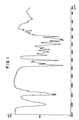
- the present invention relates to novel microorganisms belonging to the genus Micromonospora capable of producing antibiotics of the macrolide type shown by the following formula: wherein R represents a hydrogen atom or a formyl group and the dotted line denotes a double bond or (and in particular capable of producing one, two or all three of such antibiotics YS-02930 K-D, -E and -H) and to a process for producing such antibiotic(s) which comprises culturing such microorganisms and harvesting the antibiotic(s) from the culture solution.
- YS-02930 K-D is a compound wherein R denotes a formyl group and the dotted line is a double bond
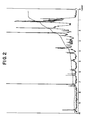
- YS-02930 K-E is a compound wherein R is a formyl group and the dotted line is
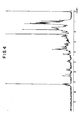
- YS-02930 K-H is a compound wherein R is a hydrogen atom and the dotted line is a double bond, these being referred to hereafter as D-, E- and H-substance, respectively.
- the D substance is included in the invention disclosed in U.S. Patent 4,438,109 and the E and H substances in U.S. Patent 4,477,443; these substances are all known compounds.
- the D substance is produced by a chemical synthesis process which comprises using a starting material 3,23-0-methoxymethyl- (or tetrahydrofuranyl)mycaminosyl tylonolide diethylacetal, deoxygenating at the 4'-position thereof and then deblocking protective groups for the hydroxy groups at the 3- and 23-positions and the aldehyde protective group at the 18-position thereof. Further according to the latter U.S.
- the E substance is chemically synthesized by a process which comprises treating 4'-deoxymycaminosyl tylonolide diethylacetal with a peracid, then epoxygenating the 12- and 13-positions and then deblocking the aldehyde protective group; further the H substance is chemically synthesized by reacting chlorotris(triphenylphosphine)rhodium with 4'-deoxymycaminosyl tylonolide.
- the present invention provides novel microorganisms (including the novel species YS-20930) belonging to the genus Micromonospora capable of producing antibiotic(s) of the above formula. It also provides processes for producing the antibiotics by culturing such microorganisms belonging to the genus Micromonospora and harvesting the resulting antibiotic(s).
- microorganisms isolated from soil in conventional manner, that are novel Actinomycetes belonging to the genus Micromonospora according to their taxonomical characteristics and that can produce one or two, or all of the D, E and H substances.
- a specific example of a microorganism according to the invention is Micromonospora sp. YS-02930 K which is a type strain of the species YS-02930.
- YS-02930 and YS-02930 K used herein are our temporary informal nomenclature pending allocation of formal permanent names.
- Bacteriological properties of the type strain YS-02930 K are as follows :
- the sporophores are formed by the Monopodial system.
- the spores are spherical (about 0.8 - 1.2 ⁇ m in diameter) and with a smooth surface under electron microscopic observation.
- the growth temperature indicates the result of observation from 7 to 21 Days at each temperature (5, 10, 15, 20, 25, 28, 30, 33, 37, 40, 45 and 50°C).
- the action on milk indicates the results of observation at 37°C from 3 to 21 Days. Others indicate the results of observation at 28°C after 2 weeks, unless otherwise indicated.
- the strain YS-02930 K does not form any true mycelium on various agar media but forms a single (rarely 2) spore(s) on sporophores(Monopodial.type) branching from substrate mycelium.
- the hyphae are scarcely branched but longitudinslly extended. The hyphae are occasionally fused to form spherical structures.
- meso-diaminopimelic acid and glucine as characteristic amino acids,and as sugars, xylose and arabinose.
- this strain is considered to belong the genus Micoromonospora. From survey of known Actinomycetes similar to this strain by Bergey's Manual of Determinative Bacteriology, 8th Edition (1974) and various publications, this strain resembles Micromonospora chalcea and Micromonospora halophytica in that spores are spherical with smooth surface and the color tone grown on agar media is orange to yellow brown. However, as shown in Table.l, the strain YS-02930 K differs from M. chalcea in utilization of carbon sources. M.
- chalcea can utilize ⁇ -melibiose, raffinose, L-arabinose, D-glucose, D-fructose, D-galactose, starch, sucrose and D-xylose; whereas the strain YS-02930 K can utilize L-arabinose, D-glucose, sucrose and starch but cannot utilize carbon sources other than those described above (it can slightly utilize a-milibiose). Further the strain YS-02930 K has no capability of decomposing cellulose as is noted with M. chalcea.
- M. halophytica can utilize L-arabinose, D-galactose, D-glucose, D-fructose, a-melibiose, raffinose, starch, sucrose and D-xylose as carbon sources, as shown in Table 1. and is greatly different from the strain YS-02930 K in utilization of carbon sources. Further, M. halophytica differs from the strain YS-02930 K both in reduction of nitrate (positive) and in decomposition of cellulose (positive).
- Micromonospora carbonacea is similar to the strain YS-02930 K in that spores are spherical with a smooth surface and non-branched long mycelia are formed in liquid culture; and the color tone grown on agar medium is orange - yellow brown - black.
- M. carbonacea is different. from the strain YS-02930 K, as shown in Table 1, in utilization of D-xylose, D-fructose and a-melibiose; and also different in reduction of nitrate.
- the sporophore formation is Sympodial type with M. carbonacea but. Monopodial type with the strain YS-02930 K.
- Micromonospora for which the production of macrolide antibiotics has been reported, include (1) Micromonospora rosaria, (2) Micromonospora megalomiciae, (3) Micromonospora inositola and (4) Micoromonospora chalcea var.
- izumensis produces a soluble pigment of wine red color and shows a characteristic echinulate structure at the spore surface, (2) grows well on tyrosine agar medium and formation of melanoid is noted; (3) does not grow on glucose asparagine agar and utilizes only inositol as a ' carbon source; and (4) has better utilization of carbon sources as compared to the strain YS-02930 K- especially, the utilization of a-melibiose and raffinose is noted. From the foregoing points, the above-described 4 species are obviously different from the strain YS-02930 K.
- strain YS-02930 K is not identical with the previously described species belonging to the genus Micromonospora. Therefore, YS-02930 is considered to be a novel species of Micromonospora,and the type strain Micromonospora sp. YS - 02930 K has been deposited in Fermentation Research Institute, Agency of Industrial Science and Technology, Ministry of International Trade and Industry of Japan under the accession number FERM-P No.7961 (deposited on November 29, 1984).
- microorganisms of genus Micromonospora having the characteristic bacteriological properties of strain YS-02930 K belong to the novel species designated YS-02930.
- microorganisms in accordance with the present invention are characterised by producing antibiotic(s) of the above general formula, and some in addition by their taxonomical characteristics described above. Strains of the present invention are susceptible to artificially caused or spontaneous variation, as is observed in other Actinomycetes.
- the invention includes strains isolated from the natural environment, strains derived by artificial variation by means of UV rays, X rays, chemicals, etc. and spontaneous variants (e.g. mutants and derivatives of type-strain YS-02930 K).
- microorganisms of the present invention are obtainable by isolation from natural soil but can easily be accessible by restoring the freeze dried bacteria deposited in the Fermentation Research Institute described above.
- the microorganisms in accordance with the present invention are preferably cultured in media comprising nutrient sources which the microorganisms utilize.
- the media may be any of synthetic, semi-synthetic or natural,, solid or liquid media, but liquid media comprising natural nutrient sources are generally preferred.
- any carbon sources may be used as long as they are carbonaceous compounds capable of assimilation; examples include arabinose, sucrose, starch, glucose, starch, dextrin, palm oil, soybean oil, ⁇ -melibios, etc., which may be used singly or in combination. Further, alcohols, organic acids and the like may also be used.
- inorganic and organic nitrogen sources there may be used, singly or in combination, ammonium chloride, sodium nitrate, ammonium sulfate, ammonium nitrate, urea, etc. , peptone, yeast extract, dry yeast, meat extract, gluten meal, corn steep liquor, soybean powder, fish powder, peanut powder, cotton seed meal, casamino acid, various amino acids (e.g., glutamic acid, alanine, lysine, etc.) and the like.
- various amino acids e.g., glutamic acid, alanine, lysine, etc.
- the media may also be supplemented with sulfates, nitrates, chlorides, carbonates, phosphates, etc. of metals such as sodium, potassium, magnesium, calcium, zinc, iron, cobalt, etc., if necessary or desired.
- culture be carried out under aerobic conditions.
- the culture may be any of stationary, shake and aerial cultures but shake or aerial culture is advantageous.
- the culture preferably takes place at a temperature of 25 to 33°C,more preferably at approximately from 27 to 29°C.
- Preferably the pH of the medium should be maintained in a neutral range, from about 5.5 to about 8.5.
- the incubation period varies depending upon the compo'sdtion of the medium, culture conditions such as temperature, etc. but is generally for about 2 to about 14 days.
- the culture is completed when the above described antibiotics reach their maximum titer.
- the antiobiotic product may be isolated and purified by conventional methods.
- the H substance may be isolated as a spot of an Rf value of 0.62by thin layer chromatography, on Silica Gel 60 F 254 thin layer plate made by Merck Inc., using as a developing solvent chloroform : methanol : 28% ammonia water (160 : 40 : 0.5).
- the D, E and H substances described above all exhibit antibacterial activity against pathogenic bacteria such as Gram-positive bacteria, Gram-negative bacteria, Mycoplasma, etc.
- each of the antibiotics (D, E and H) provided by the process of the present invention exhibits excellent antibacterial activity against pathogenic bacteria such as Gram-positive bacteria, Gram-negative bacteria, Mycoplasma, etc., as compared to conventional macrolide antibiotics, and the antibiotics are useful for prophylaxis and treatment of diseases infected with these bacteria (reference is directed to the disclosure of U.S.Patent 4,438,109 for further information on this utility).
- the present invention provides marked effects from an industrial viewpoint in that useful antibiotics (D, E and H) which have been hitherto produced only by chemical modification of products obtained by fermentation, can be produced directly by the fermentation process.
- Example 2 After 200 mg of the pale yellow substance obtained in Example 1 was dissolved in a small quantity of methanol, the solution was applied to a thin layer plate of Silica Gel 60 F254 manufactured by Merck Inc. in a belt shape, which was chromatographed using as a developing solvent chloroform : methanol : 28% ammonia water (40 : 10 : 0.2). Fractions of an Rf value of 0.58 and exhibiting antibacterial activity against Bacillus subtilis ATCC 6633 strain were scratched off. The scratched-off silica gel powders were packed in a column to elute a substance having an antibacterial activity with chloroform : methanol : 28% ammonia water (40 : 10 : 0.2). Thereafter the eluate was concentrated under reduced pressure to obtain 15 mg of pure antibiotic YS - 02930 K-D as colorless powders.
- Example 2 After 200 mg of the pale yellow substance obtained in Example 1 was dissolved in a small quantity of methanol, the solution was applied to a thin layer plate of Silica Gel 60 F254 manufactured by Merck Inc. in a belt shape, which was chromatographed using as a developing solvent chloroform : methanol : 28% ammonia water (40 : 10 : 0.2). Fractions of an Rf value of 0.62 and exhibiting antibacterial activity against Bacillus subtilis ATCC 6633 strain were scratched off. The scratched-off silica gel powders were packed in a column to elute a substance having an antibacterial activity with chloroform : methanol : 28% ammonia water (40 : 10 : 0.2). Thereafter the eluate was concentrated under reduced pressure to obtain 10 mg of pure antibiotic YS-02930 K-E as colorless powder.
- Hyphae of Micromonospora sp. YS-02930 K strain grown in Bennett agar medium were scratched off and added to 60 ml aliquots of medium (pH 8.0) in 500 ml flasks.
- the medium contained 2.0% white dextrin, 0.5% glucose., 0.5% polypeptone, 0.5% yeast extract, 0.52% brain heart infusion, 0.5% corn steep liquor, 0.3% meat extract and 0.2% calcium carbonate and had been sterilized at 120°C for 20 minutes. Shaking culture was carried out at 27°C for 72 hours, to make a seed culture solution.
- Example 4 800 mg of the pale yellow substance obtained in Example 4 was dissolved in 1 ml of a solution of chloroform : methanol : 28% ammonia water (50 : 1 : 0.1). Then, 1 ml of the solution was charged to a column packed with 16g of Wako Gel C-200 (made by Wako Junyaku K.K.),
Landscapes
- Chemical & Material Sciences (AREA)
- Organic Chemistry (AREA)
- Life Sciences & Earth Sciences (AREA)
- Engineering & Computer Science (AREA)
- Health & Medical Sciences (AREA)
- Biotechnology (AREA)
- Genetics & Genomics (AREA)
- Zoology (AREA)
- Wood Science & Technology (AREA)
- Bioinformatics & Cheminformatics (AREA)
- Biochemistry (AREA)
- General Health & Medical Sciences (AREA)
- Microbiology (AREA)
- General Engineering & Computer Science (AREA)
- Virology (AREA)
- Medicinal Chemistry (AREA)
- Tropical Medicine & Parasitology (AREA)
- Biomedical Technology (AREA)
- Molecular Biology (AREA)
- Chemical Kinetics & Catalysis (AREA)
- General Chemical & Material Sciences (AREA)
- Preparation Of Compounds By Using Micro-Organisms (AREA)
- Micro-Organisms Or Cultivation Processes Thereof (AREA)
- Pharmaceuticals Containing Other Organic And Inorganic Compounds (AREA)
- Saccharide Compounds (AREA)
- Medicines Containing Material From Animals Or Micro-Organisms (AREA)
- Nitrogen And Oxygen Or Sulfur-Condensed Heterocyclic Ring Systems (AREA)
Priority Applications (1)
| Application Number | Priority Date | Filing Date | Title |
|---|---|---|---|
| AT85309513T ATE48139T1 (de) | 1984-12-24 | 1985-12-24 | Mikromonospora-mikroorganismen und hergestellte makrolide antibiotika. |
Applications Claiming Priority (2)
| Application Number | Priority Date | Filing Date | Title |
|---|---|---|---|
| JP272570/84 | 1984-12-24 | ||
| JP27257084 | 1984-12-24 |
Publications (3)
| Publication Number | Publication Date |
|---|---|
| EP0187049A2 true EP0187049A2 (de) | 1986-07-09 |
| EP0187049A3 EP0187049A3 (en) | 1986-11-05 |
| EP0187049B1 EP0187049B1 (de) | 1989-11-23 |
Family
ID=17515747
Family Applications (1)
| Application Number | Title | Priority Date | Filing Date |
|---|---|---|---|
| EP85309513A Expired EP0187049B1 (de) | 1984-12-24 | 1985-12-24 | Mikromonospora-Mikroorganismen und hergestellte makrolide Antibiotika |
Country Status (10)
| Country | Link |
|---|---|
| US (1) | US4843008A (de) |
| EP (1) | EP0187049B1 (de) |
| KR (1) | KR920009519B1 (de) |
| AT (1) | ATE48139T1 (de) |
| AU (1) | AU595174B2 (de) |
| CA (1) | CA1287589C (de) |
| DE (1) | DE3574382D1 (de) |
| ES (1) | ES8801703A1 (de) |
| IE (1) | IE58289B1 (de) |
| ZA (1) | ZA859764B (de) |
Cited By (3)
| Publication number | Priority date | Publication date | Assignee | Title |
|---|---|---|---|---|
| WO1995006649A1 (en) * | 1993-09-01 | 1995-03-09 | Sandoz Ltd. | Macrolides as antagonists of macrophilin binding immunosuppressants |
| EP0776978A2 (de) | 1995-12-05 | 1997-06-04 | Pfizer Inc. | Herstellung von 4'-Deoxy-o-mycaminosyltylonolid |
| US8796424B2 (en) | 2009-05-27 | 2014-08-05 | Hoffmann-La Roche Inc. | Tri- or tetraspecific antibodies |
Families Citing this family (2)
| Publication number | Priority date | Publication date | Assignee | Title |
|---|---|---|---|---|
| DE3588213T2 (de) * | 1984-11-16 | 1999-09-30 | American Cyanamid Co., Wayne | Antitumorale Antibiotika (Komplex LL-E-33288) |
| US7507564B2 (en) * | 2002-07-29 | 2009-03-24 | Optimer Pharmaceuticals, Inc. | Tiacumicin production |
Family Cites Families (4)
| Publication number | Priority date | Publication date | Assignee | Title |
|---|---|---|---|---|
| CA1125203A (en) * | 1978-05-10 | 1982-06-08 | Toyo Jozo Company, Ltd. | Macrolide antibiotics from micromonospora |
| US4307085A (en) * | 1979-11-09 | 1981-12-22 | Schering Corporation | Antibiotic AR-5 complex, antibiotics coproduced therewith and derivatives thereof |
| US4438109A (en) * | 1980-07-25 | 1984-03-20 | Zaidan Hojin Biseibutsu Kagaku Kenkyu Kai | Tylosin derivatives |
| AU551142B2 (en) * | 1981-07-09 | 1986-04-17 | Zaidan Hojin Biseibutsu Kagaku Kenkyukai | Tylosin derivatives |
-
1985
- 1985-12-18 US US06/810,391 patent/US4843008A/en not_active Expired - Fee Related
- 1985-12-19 CA CA000498211A patent/CA1287589C/en not_active Expired - Fee Related
- 1985-12-20 ZA ZA859764A patent/ZA859764B/xx unknown
- 1985-12-23 ES ES550373A patent/ES8801703A1/es not_active Expired
- 1985-12-23 KR KR1019850009715A patent/KR920009519B1/ko not_active Expired
- 1985-12-24 AT AT85309513T patent/ATE48139T1/de not_active IP Right Cessation
- 1985-12-24 EP EP85309513A patent/EP0187049B1/de not_active Expired
- 1985-12-24 AU AU51693/85A patent/AU595174B2/en not_active Ceased
- 1985-12-24 DE DE8585309513T patent/DE3574382D1/de not_active Expired
- 1985-12-30 IE IE332285A patent/IE58289B1/en not_active IP Right Cessation
Non-Patent Citations (4)
| Title |
|---|
| THE JOURNAL OF ANTIBIOTICS, vol. XXIX, no. 11, November 1976, pages 1171-1181; T. KISHI et al.: "Studies on juvenimicin, a new antibiotic. II Isolation, chemical characterization and structures" * |
| THE JOURNAL OF ANTIBIOTICS, vol. XXX, no. 6, June 1977, pages 450-454; A. KINUMAKI et al.: "Macrolide antibiotics M-4365 produced by Micromonospora. II. Chemical structures" * |
| THE JOURNAL OF ANTIBIOTICS, vol. XXXIV, no. 8, August 1981, pages 1075-1077, Tokyo, JP; "Mycinamicins, new macrolide antbiotics. V. Isolation and structures of new 16-membered aglycones, mycinolide IV and protomycinolide IV" * |
| THE JOURNAL OF ANTIBIOTICS, vol. XXXV, no. 2, February 1982, pages 251-253, Tokyo, JP; R.W. VAUGHAN et al.: "Isolation and characterization of two 16-membered lactones: 20-deoxorosaramicin and 20-deoxo-12,13-desepoxy-12,13-dehydrorosaramicin aglycones, from a mutant strain of Micromonospora Rosaria" * |
Cited By (5)
| Publication number | Priority date | Publication date | Assignee | Title |
|---|---|---|---|---|
| WO1995006649A1 (en) * | 1993-09-01 | 1995-03-09 | Sandoz Ltd. | Macrolides as antagonists of macrophilin binding immunosuppressants |
| EP0776978A2 (de) | 1995-12-05 | 1997-06-04 | Pfizer Inc. | Herstellung von 4'-Deoxy-o-mycaminosyltylonolid |
| US5698420A (en) * | 1995-12-05 | 1997-12-16 | Pfizer Inc. | Preparation of 4-deoxy-O-mycaminosyltylonolide |
| EP0776978A3 (de) * | 1995-12-05 | 1998-07-22 | Pfizer Inc. | Herstellung von 4'-Deoxy-o-mycaminosyltylonolid |
| US8796424B2 (en) | 2009-05-27 | 2014-08-05 | Hoffmann-La Roche Inc. | Tri- or tetraspecific antibodies |
Also Published As
| Publication number | Publication date |
|---|---|
| EP0187049B1 (de) | 1989-11-23 |
| AU5169385A (en) | 1986-07-03 |
| KR860004913A (ko) | 1986-07-16 |
| AU595174B2 (en) | 1990-03-29 |
| ES550373A0 (es) | 1988-02-16 |
| ATE48139T1 (de) | 1989-12-15 |
| CA1287589C (en) | 1991-08-13 |
| US4843008A (en) | 1989-06-27 |
| IE58289B1 (en) | 1993-08-25 |
| DE3574382D1 (en) | 1989-12-28 |
| ZA859764B (en) | 1986-09-24 |
| ES8801703A1 (es) | 1988-02-16 |
| IE853322L (en) | 1986-06-24 |
| EP0187049A3 (en) | 1986-11-05 |
| KR920009519B1 (ko) | 1992-10-17 |
Similar Documents
| Publication | Publication Date | Title |
|---|---|---|
| US4389486A (en) | Biologically pure culture | |
| EP0095154B1 (de) | Biologisch wirksame Verbindungen WS 6049, Verfahren zu deren Herstellung und deren pharmazeutische Zusammensetzungen | |
| CA1339348C (en) | Novel glycopeptide antibiotics | |
| AU614760B2 (en) | A new antimicrobial agent, fr 109615 and production thereof | |
| EP0044477B1 (de) | Verfahren zur Herstellung von Antibiotika und so hergestellte Antibiotika | |
| GB2050384A (en) | Antitumor antibacterial agents | |
| EP0187049B1 (de) | Mikromonospora-Mikroorganismen und hergestellte makrolide Antibiotika | |
| EP0414914B1 (de) | Trehalostatin und seine herstellung | |
| US4764602A (en) | Antibiotics, and their production | |
| US4373028A (en) | Culture of Nocardia ATCC 31309 | |
| EP1001957B1 (de) | Macrolide mit antitumoraktivität | |
| US4550021A (en) | Antitumor antibiotic 81-484 and process for its production | |
| US4292309A (en) | Antibiotics C-14482 B1, B2 and B3 | |
| EP0171677A1 (de) | Anthrazykline Antibiotika | |
| US4686308A (en) | Novel physiologically active substance MH435 | |
| EP0206138B1 (de) | Anthracyclinderivate, Verfahren zu ihrer Herstellung und die sie enthaltenden pharmazeutischen Zusammensetzungen | |
| US4683204A (en) | Process for producing antibiotic A80190 | |
| US4317812A (en) | Polynitroxin antibiotics produced by Nocardiopsis mutabilis Shearer sp. nov. ATCC 31520 | |
| IE46064B1 (en) | Antibiotic c-15003 | |
| EP0205981B1 (de) | Antitumor- und Antimikroben-Verbindung, deren mikrobiologische Herstellung und deren Benutzung als Arzneimittel | |
| CA1265758A (en) | Antibiotics, and their production | |
| KR830001245B1 (ko) | 항생물질 마이코플라네신의 제조방법 | |
| JPH0463677B2 (de) | ||
| US5256548A (en) | Antiviral antibiotic BU-4344V | |
| JPH0771480B2 (ja) | 新規微生物 |
Legal Events
| Date | Code | Title | Description |
|---|---|---|---|
| PUAI | Public reference made under article 153(3) epc to a published international application that has entered the european phase |
Free format text: ORIGINAL CODE: 0009012 |
|
| AK | Designated contracting states |
Kind code of ref document: A2 Designated state(s): AT BE CH DE FR GB IT LI NL SE |
|
| PUAL | Search report despatched |
Free format text: ORIGINAL CODE: 0009013 |
|
| AK | Designated contracting states |
Kind code of ref document: A3 Designated state(s): AT BE CH DE FR GB IT LI NL SE |
|
| 17P | Request for examination filed |
Effective date: 19870501 |
|
| RAP1 | Party data changed (applicant data changed or rights of an application transferred) |
Owner name: YAMANOUCHI PHARMACEUTICAL CO. LTD. |
|
| 17Q | First examination report despatched |
Effective date: 19880219 |
|
| GRAA | (expected) grant |
Free format text: ORIGINAL CODE: 0009210 |
|
| AK | Designated contracting states |
Kind code of ref document: B1 Designated state(s): AT BE CH DE FR GB IT LI NL SE |
|
| REF | Corresponds to: |
Ref document number: 48139 Country of ref document: AT Date of ref document: 19891215 Kind code of ref document: T |
|
| ITF | It: translation for a ep patent filed | ||
| ET | Fr: translation filed | ||
| REF | Corresponds to: |
Ref document number: 3574382 Country of ref document: DE Date of ref document: 19891228 |
|
| PLBE | No opposition filed within time limit |
Free format text: ORIGINAL CODE: 0009261 |
|
| STAA | Information on the status of an ep patent application or granted ep patent |
Free format text: STATUS: NO OPPOSITION FILED WITHIN TIME LIMIT |
|
| 26N | No opposition filed | ||
| ITTA | It: last paid annual fee | ||
| EAL | Se: european patent in force in sweden |
Ref document number: 85309513.1 |
|
| PGFP | Annual fee paid to national office [announced via postgrant information from national office to epo] |
Ref country code: SE Payment date: 19951218 Year of fee payment: 11 |
|
| PGFP | Annual fee paid to national office [announced via postgrant information from national office to epo] |
Ref country code: GB Payment date: 19951220 Year of fee payment: 11 Ref country code: FR Payment date: 19951220 Year of fee payment: 11 Ref country code: BE Payment date: 19951220 Year of fee payment: 11 |
|
| PGFP | Annual fee paid to national office [announced via postgrant information from national office to epo] |
Ref country code: AT Payment date: 19951228 Year of fee payment: 11 |
|
| PGFP | Annual fee paid to national office [announced via postgrant information from national office to epo] |
Ref country code: DE Payment date: 19951229 Year of fee payment: 11 |
|
| PGFP | Annual fee paid to national office [announced via postgrant information from national office to epo] |
Ref country code: NL Payment date: 19951230 Year of fee payment: 11 |
|
| PGFP | Annual fee paid to national office [announced via postgrant information from national office to epo] |
Ref country code: CH Payment date: 19960103 Year of fee payment: 11 |
|
| PG25 | Lapsed in a contracting state [announced via postgrant information from national office to epo] |
Ref country code: GB Effective date: 19961224 Ref country code: AT Effective date: 19961224 |
|
| PG25 | Lapsed in a contracting state [announced via postgrant information from national office to epo] |
Ref country code: SE Effective date: 19961225 |
|
| PG25 | Lapsed in a contracting state [announced via postgrant information from national office to epo] |
Ref country code: LI Effective date: 19961231 Ref country code: CH Effective date: 19961231 Ref country code: BE Effective date: 19961231 |
|
| BERE | Be: lapsed |
Owner name: YAMANOUCHI PHARMACEUTICAL CO. LTD Effective date: 19961231 |
|
| PG25 | Lapsed in a contracting state [announced via postgrant information from national office to epo] |
Ref country code: NL Effective date: 19970701 |
|
| GBPC | Gb: european patent ceased through non-payment of renewal fee |
Effective date: 19961224 |
|
| REG | Reference to a national code |
Ref country code: CH Ref legal event code: PL |
|
| PG25 | Lapsed in a contracting state [announced via postgrant information from national office to epo] |
Ref country code: FR Effective date: 19970829 |
|
| NLV4 | Nl: lapsed or anulled due to non-payment of the annual fee |
Effective date: 19970701 |
|
| PG25 | Lapsed in a contracting state [announced via postgrant information from national office to epo] |
Ref country code: DE Effective date: 19970902 |
|
| EUG | Se: european patent has lapsed |
Ref document number: 85309513.1 |
|
| REG | Reference to a national code |
Ref country code: FR Ref legal event code: ST |