EP0221761B1 - DNS-Sequenzen, rekombinante DNS-Moleküle und Verfahren zur Herstellung von "mullerian inhibiting substance"-ähnlichen Polypeptiden - Google Patents
DNS-Sequenzen, rekombinante DNS-Moleküle und Verfahren zur Herstellung von "mullerian inhibiting substance"-ähnlichen Polypeptiden Download PDFInfo
- Publication number
- EP0221761B1 EP0221761B1 EP86308400A EP86308400A EP0221761B1 EP 0221761 B1 EP0221761 B1 EP 0221761B1 EP 86308400 A EP86308400 A EP 86308400A EP 86308400 A EP86308400 A EP 86308400A EP 0221761 B1 EP0221761 B1 EP 0221761B1
- Authority
- EP
- European Patent Office
- Prior art keywords
- mis
- sequences
- recombinant dna
- bovine
- polypeptide
- Prior art date
- Legal status (The legal status is an assumption and is not a legal conclusion. Google has not performed a legal analysis and makes no representation as to the accuracy of the status listed.)
- Expired - Lifetime
Links
Images







Classifications
-
- C—CHEMISTRY; METALLURGY
- C12—BIOCHEMISTRY; BEER; SPIRITS; WINE; VINEGAR; MICROBIOLOGY; ENZYMOLOGY; MUTATION OR GENETIC ENGINEERING
- C12N—MICROORGANISMS OR ENZYMES; COMPOSITIONS THEREOF; PROPAGATING, PRESERVING, OR MAINTAINING MICROORGANISMS; MUTATION OR GENETIC ENGINEERING; CULTURE MEDIA
- C12N15/00—Mutation or genetic engineering; DNA or RNA concerning genetic engineering, vectors, e.g. plasmids, or their isolation, preparation or purification; Use of hosts therefor
-
- C—CHEMISTRY; METALLURGY
- C07—ORGANIC CHEMISTRY
- C07K—PEPTIDES
- C07K14/00—Peptides having more than 20 amino acids; Gastrins; Somatostatins; Melanotropins; Derivatives thereof
- C07K14/435—Peptides having more than 20 amino acids; Gastrins; Somatostatins; Melanotropins; Derivatives thereof from animals; from humans
- C07K14/575—Hormones
-
- A—HUMAN NECESSITIES
- A61—MEDICAL OR VETERINARY SCIENCE; HYGIENE
- A61P—SPECIFIC THERAPEUTIC ACTIVITY OF CHEMICAL COMPOUNDS OR MEDICINAL PREPARATIONS
- A61P35/00—Antineoplastic agents
Definitions
- This invention relates to DNA sequences, recombinant DNA molecules and processes for producing Mullerian Inhibiting Substance (MIS)-like polypeptides. More particularly, the invention relates to DNA sequences and recombinant DNA molecules that are characterized in that they code for at least one MIS-like polypeptide. Accordingly, hosts transformed with these sequences may be employed in the processes of this invention to produce the MIS-like polypeptides of this invention. These polypeptides possess anti-tumor activity and are useful in the treatment of cancer, especially cancer of the female genital tract (e.g., ovarian cancer).
- MIS Mullerian Inhibiting Substance
- testicular factors by the male gonad shortly after differentiation was first postulated to be necessary for normal male reproductive development following the fetal rabbit castration experiments of Jost (C. R. Soc. Biol. , l40 , 463-64 (l946) and C. R. Soc. Biol. , l4l , l35-36 (l947)).
- One factor, testosterone was shown to be responsible for differentiation of the epididymis, vas deferens, and seminal vesicles from the Wolffian ducts.
- MIS Mullerian Inhibiting Substance
- bovine MIS was further enhanced when sequential ion exchange chromatography was coupled with sequential lectin affinity chromatography (Budzik et al., Cell 2l , 909-l5 (l980); U.S. Patent 4,404,188; and U.S. Patent 4,510,131).
- the results of Budzik et al. ( supra ) suggested that bovine MIS was a large molecular weight glycoprotein and provided semipurified MIS fractions that were used to prepare anti-MIS monoclonal antibodies (Mudgett-Hunter et al., J. Immunol. , 128 , 1327-33 (1982); Shima et al., Hybridoma , 3 , 201-14 (1984); and U.S.
- Matrix Gel Green A was used to achieve greater than 2000-fold purification of bovine MIS with a concomitant 60% recovery of starting activity. This was achieved by stabilizing MIS activity with the dialyzable protecting agents 2-mercaptoethanol, EDTA, and Nonidet-P40 (NP40). Analysis of the 2000-fold-purified MIS fraction by SDS-polyacrylamide gel electrophoresis indicated that only one component, migrating at 140,000 daltons was sensitive to reduction, although a number of other moieties were detected.
- MIS of greater purity and in large amounts is urgently needed for oncological studies because the present methods of treating cancers of the female genital tract are not adequate.
- Cancers of the female genital tract represent approximately 9 percent of all cancers in humans.
- physicians use surgery and radiation when genital tract cancers are detected in early stages (for example, ovarian carcinoma Stage I-IIa). Although these methods of treatment are effective, they render the patients sterile.
- Chemotherapy is used in advanced cases (Stage III-IV) when patients are classified as inoperable.
- chemotherapeutic agents cisplatinum, adriamycin and cytoxan are the most commonly used. These drugs have proven to be most effective when combined in cisplatinum containing regimens and used on a long-term basis. Each of these drugs is considered to be highly toxic and their use requires intermittent hospitalization of the patients.
- MIS as a natural biological regressor, is expected to have less side effects because of its specificity.
- Other potential uses of MIS include the treatment of tumors with high levels of epithelial growth factor (EGF) receptors (Hutson et al., Science , 223 , 586-89 (1984)), such as those from the head and neck, lung, epithelial lining of the digestive tract, cornea and skin.
- EGF epithelial growth factor
- MIS may inhibit germ cell meiosis since the substance has been localized to the granulosa cell of the Graffian follicle.
- MIS may inhibit germ cell meiosis since the substance has been localized to the granulosa cell of the Graffian follicle.
- their use as a contraceptive agent is being explored.
- human MIS is preferred to MIS of animal origin.
- Human MIS is even more difficult to obtain because human tissue in sufficient quantities is not available; thus, the only way to produce human MIS is through recombinant DNA technology. Accordingly, the isolation of the human gene for MIS was of paramount importance.
- the present invention addresses the foregoing problems by providing DNA sequences coding for at least one MIS-like polypeptide, recombinant DNA molecules comprising such sequences, hosts comprising such sequences and processes for producing such polypeptides in hosts transformed with those DNA sequences, and in higher purity than heretofore available.
- the DNA sequences of this invention are selected from the group consisting of
- the DNA sequences, recombinant DNA molecules, hosts and processes of this invention enable the production of MIS-like polypeptides for use in the treatment of ovarian cancer and other susceptible cancers.
- polypeptides selected from the group consisting of (the complete amino acid sequence of human MIS protein); (the amino acid sequence of mature human MIS protein); (the complete amino acid sequence of bovine MIS protein): (the amino acid sequence of mature bovine MIS protein); and MIS-like polypeptides related thereto, an anti-cancer pharmaceutical composition comprising one of the foregoing polypeptides and a pharmaceutically acceptable carrier and methods of using such compositions in treating susceptible cancers, especially cancers of the female genital tract (e.g., ovarian cancer).
- susceptible cancers especially cancers of the female genital tract (e.g., ovarian cancer).
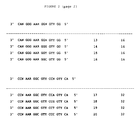
- Figure l depicts the amino acid sequences obtained from sequence analysis of tryptic peptides of bovine MIS. Only two of the 23 sequences obtained are shown.
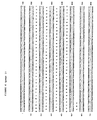
- Figure 2 shows the sixteen pools of chemically synthesized oligonucleotide DNA probes that were used to isolate the bovine cDNA clone.
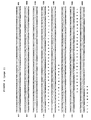
- Figure 3 displays the nucleotide sequence of the bovine gene which includes the full length cDNA sequence and the promoter region.
- Figure 4 depicts the construction of plasmid pBG3ll.bmis which may be used to express the bovine DNA sequence of the invention.
- Figure 5 depicts the human genomic clone chmis33 and compares it with the bovine cDNA clone pS2l.
- the solid blocks are exons which contain the protein coding regions.
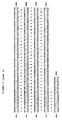
- Figure 6 displays the nucleotide sequence of the human gene in cosmid clone chmis33.
- the protein sequence is indicated below the DNA sequence. It is interrupted in four places by introns.
- Figure 7 depicts the construction of plasmids pBG3ll.hmis and pBG3l2.hmis that may be used to express the human DNA sequence of the invention.
- Figure 8 depicts the construction of plasmid pDl which contains the full length cDNA and may be used to express the human DNA sequence of the invention.
- Nucleotide A monomeric unit of DNA or RNA consisting of a sugar moiety (pentose), a phosphate, and a nitrogenous heterocyclic base.
- the base is linked to the sugar moiety via the glycosidic carbon (1′ carbon of the pentose) and that combination of base and sugar is called a nucleoside.
- the base characterizes the nucleotide.
- the four DNA bases are adenine ("A”), guanine (“G”), cytosine ("C”), and thymine (“T”).
- the four RNA bases are A, G, C, and uracil ("U”).
- DNA Sequence A linear array of nucleotides connected one to the other by phosphodiester bonds between the 3′ and 5′ carbons of adjacent pentoses.
- a triplet a DNA sequence of three nucleotides which encodes through mRNA an amino acid, a translation start signal or a translation termination signal.
- Reading Frame The grouping of codons during the translation of mRNA into amino acid sequences. During translation the proper reading frame must be maintained. For example, the DNA sequence GCTGGTTGTAAG may be expressed in three reading frames or phases, each of which affords a different amino acid sequence: Polypeptide --A linear array of amino acids connected one to the other by peptide bonds between the ⁇ -amino and carboxy groups of adjacent amino acids.
- Genome The entire DNA of a cell or a virus. It includes, inter alia, the structural gene coding for the polypeptides of the substance, as well as operator, promoter and ribosome binding and interaction sequences, including sequences such as the Shine-Dalgarno sequences.
- Gene A DNA sequence which encodes through its template or messenger RNA (“mRNA”) a sequence of amino acids characteristic of a specific polypeptide.
- mRNA messenger RNA
- Transcription The process of producing mRNA from a gene or DNA sequence.
- Expression The process undergone by a gene or DNA sequence to produce a polypeptide. It is a combination of transcription and translation.
- the vector can be a plasmid or a phage.
- the vector can be a plasmid, a phage or a cosmid.
- Plasmid A nonchromosomal double-stranded DNA sequence comprising an intact "replicon" such that the plasmid is replicated in a host cell.
- the characteristics of that organism may be changed or transformed as a result of the DNA of the plasmid.
- a plasmid carrying the gene for tetracycline resistance TERT R
- TERT R tetracycline resistance
- Phage or Bacteriophage Bacteriophage --Bacterial virus many of which consist of DNA sequences encapsidated in a protein envelope or coat ("capsid").
- Cosmids may, because of the presence of the cos site, be packaged into ⁇ coat protein and used to infect an appropriate host. Because of their capacity for large fragments of foreign DNA, cosmids are useful as cloning vehicles.
- Cloning Vehicle A plasmid, phage DNA, cosmid or other DNA sequence which is able to replicate in a host cell, characterized by one or a small number of endonuclease recognition sites at which such DNA sequences may be cut in a determinable fashion without attendant loss of an essential biological function of the DNA, e.g., replication, production of coat proteins or loss of promoter or binding sites, and which contain a marker suitable for use in the identification of transformed cells, e.g. tetracycline resistance or ampicillin resistance.
- a cloning vehicle is often called a vector.
- Cloning The process of obtaining a population of organisms or DNA sequences derived from one such organism or sequence by asexual reproduction.
- Recombinant DNA Molecule or Hybrid DNA --A molecule consisting of segments of DNA from different genomes which have been joined end-to-end outside of living cells and able to be maintained in living cells.
- Expression Control Sequence A sequence of nucleotides that controls and regulates expression of genes when operatively linked to those genes. They include the lac system, the ⁇ -lactamase system, the trp system, the tac and trc systems, the major operator and promoter regions of phage ⁇ , the control region of fd coat protein, the early and late promoters of SV40, promoters derived from polyoma virus and adenovirus, metallothionine promoters, the promoter for 3-phosphoglycerate kinase or other glycolytic enzymes, the promoters of acid phosphatase, e.g., Pho5, the promoters of the yeast ⁇ -mating factors, and other sequences known to control the expression of genes of prokaryotic or eukaryotic cells and their viruses or combinations thereof.
- the gene can be linked to a eukaryotic promoter such as that for the SV40 early region coupled to the gene encoding dihydrofolate reductase and selectively amplified in Chinese hamster ovary cells to produce a cell line containing many copies of actively transcribed eukaryotic genes.
- a eukaryotic promoter such as that for the SV40 early region coupled to the gene encoding dihydrofolate reductase and selectively amplified in Chinese hamster ovary cells to produce a cell line containing many copies of actively transcribed eukaryotic genes.
- MIS-Like Polypeptide A polypeptide displaying a biological or immunological activity of an MIS protein.
- biological activity of an MIS protein shall be understood to mean that the MIS-like polypeptide has a cross section of biological activity which is substantially similar to that of a natural MIS protein (e.g., it is able to stimulate regression of the Mullerian ducts or is cytotoxic to one or more types of ovarian tumor cells, for example, the cell line HOC-2l, and preferably, it both stimulates regression of the Mullerian ducts and is cytotoxic to one or more types of ovarian tumor cells) .
- an MIS-like polypeptide may include amino acids in addition to those of a native MIS protein or it may not include all of the amino acids of native MIS protein. For example, it may include an N-terminal methionine. Also, this polypeptide may be a mature protein or an immature protein or a protein derived from an immature protein (for example, a protein wherein only a portion of the signal sequence has been cleaved).
- MIS-like polypeptides derived therefrom shall be understood to mean not only a claimed MIS-polypeptide (e.g., bovine MIS or human MIS) but also various related polypeptides of the types described in this paragraph.
- the present invention relates to DNA sequences and recombinant DNA molecules coding for MIS polypeptides and processes for the production of those polypeptides.
- bovine MIS protein In our isolation and cloning of a DNA sequence of this invention, we adopted a selection strategy based upon bovine MIS protein. Accordingly, we purified a bovine MIS protein from bovine testes and determined the amino acid sequence of various fragments of that protein. Based on those protein sequences, we then synthesized several antisense oligonucleotide DNA probes corresponding to those regions of purified bovine protein which had minimal nucleotide degeneracy. We then used these probes to screen a bovine cDNA library comprising E.coli cells containing bovine testis cDNA sequences inserted into a phage cloning vector.
- oligonucleotide probes For screening, we hybridized the oligonucleotide probes to the bovine cDNA library utilizing a plaque hybridization screening assay and we selected clones hybridizing to a number of our probes. After isolating and subcloning the selected bovine cDNA inserts into plasmids, we determined their nucleotide sequences and compared them to our amino acid sequences from peptides of purified bovine MIS protein. As a result of this comparison, we found that the nucleotide sequences of all clones isolated coded for amino acid sequences of bovine MIS protein.
- the cDNA sequences or genomic DNA sequences of this invention can be operatively-linked to expression control sequences and used in various mammalian or other eukaryotic or prokaryotic host cells to produce the MIS-like polypeptides coded for by them.
- the cDNA sequences or genomic DNA sequences of the invention are useful as probes to screen human cDNA libraries for other sequences coding for MIS-like polypeptides.
- the human genomic DNA sequence described above, has several introns. DNA sequences and recombinant DNA molecules wherein one or more or all of these introns are deleted are also considered to be within the scope of the present invention.
- the bovine and human MIS-like polypeptides (and preferably the human MIS-like polypeptides) of this invention are useful as anti-cancer drugs.
- such compositions may comprise an anti-cancer effective amount of MIS-like polypeptide of this invention and a pharmaceutically acceptable carrier.
- Such therapies generally comprise a method of treating patients in a pharmaceutically acceptable manner with those compositions.
- the pharmaceutical compositions of the present invention may be formulated and administered using methods similar to those used for other pharmaceutically important polypeptides (e.g., alpha-interferon).
- the polypeptides may be stored in lyophilized form, reconstituted with sterile water just prior to administration, and administered intravenously.
- the pharmaceutical formulations of the present invention will be administered in dosages and modes of administration similar to those that have been used for MIS protein as disclosed in U.S. Patent 4,510,131, the disclosure of which is hereby incorporated herein by reference.
- useful cloning or expression vehicles may consist of segments of chromosomal, non-chromosomal and synthetic DNA sequences, such as various known derivatives of SV40 and known bacterial plasmids, e.g., plasmids from E.coli including col El, pCRl, pBR322, pMB9 and their derivatives, wider host range plasmids, e.g., RP4, phage DNAs, e.g., the numerous derivatives of phage ⁇ , e.g., NM 989, and other DNA phages, e.g., Ml3 and filamentous single-stranded DNA phages and vectors derived from combinations of plasmids and phage DNAs such as plasmids which have been modified to employ phage DNA or other expression control
- the preferred expression vector is ⁇ gtl0 and the preferred host is E.coli BNNl02.
- the preferred expression vectors are pBG3ll and pBG3l2 in Chinese hamster ovary (CHO) cells.
- each specific cloning or expression vehicle various sites may be selected for insertion of the MIS-like polypeptide DNA sequences of this invention. These sites are usually designated by the restriction endonuclease which cuts them and are well recognized by those of skill in the art. Various methods for inserting DNA sequences into these sites to form recombinant DNA molecules are also well known. These include, for example, dG-dC or dA-dT tailing, direct ligation, synthetic linkers, exonuclease and polymerase-linked repair reactions followed by ligation, or extension of the DNA strand with DNA polymerase and an appropriate single-stranded template followed by ligation. It is, of course, to be understood that a cloning or expression vehicle useful in this invention need not have a restriction endonuclease site for insertion of the chosen DNA fragment. Instead, the vehicle could be joined to the fragment by alternative means.
- expression control sequences may also be chosen to effect the expression of the DNA sequences of this invention.
- These expression control sequences include, for example, the lac system, the ⁇ -lactamase system, the trp system, the tac system, the trc system, the major operator and promoter regions of phage ⁇ , the control regions of fd coat protein, the promoter for 3-phosphoglycerate kinase or other glycolytic enzymes, the promoters of acid phosphatase, e.g., Pho5, the promoters of the yeast ⁇ -mating factors, promoters for mammalian cells such as the SV40 early promoter, adenovirus late promoter and metallothionine promoter, and other sequences known to control the expression of genes of prokaryotic or eukaryotic cells or their viruses and various combinations thereof.
- it is additionally possible to amplify the expression units by linking the gene to that for dihydrofolate reductase and applying a selection
- these DNA sequences are operatively-linked to one or more of the above-described expression control sequences in the expression vector.
- Such operative linking which may be effected before or after the chosen MIS-like polypeptide DNA sequence is inserted into a cloning vehicle, enables the expression control sequences to control and promote the expression of the DNA sequence.
- the vector or expression vehicle, and in particular the sites chosen therein for insertion of the selected DNA fragment and the expression control sequence employed in this invention is determined by a variety of factors, e.g., number of sites susceptible to a particular restriction enzyme, size of the protein to be expressed, expression characteristics such as the location of start and stop codons relative to the vector sequences, and other factors recognized by those of skill in the art.
- the choice of a vector, expression control sequence, and insertion site for a particular MIS-like polypeptide sequence is determined by a balance of these factors, not all selections being equally effective for a given case.
- DNA sequences coding for the MIS-like polypeptides of this invention that are inserted at the selected site of a cloning or expression vehicle may include nucleotides which are not part of the actual gene coding for the MIS-like polypeptide or may include only a fragment of the entire gene for that polypeptide. It is only required that whatever DNA sequence is employed, a transformed host will produce a MIS-like polypeptide.
- the MIS-like polypeptide-related DNA sequences of this invention may be fused in the same reading frame in an expression vector of this invention to at least a portion of a DNA sequence coding for at least one eukaryotic or prokaryotic carrier protein or a DNA sequence coding for at least one eukaryotic or prokaryotic signal sequence, or combinations thereof.
- Such constructions may aid in expression of the desired MIS-like polypeptide-related DNA sequence, improve purification or permit secretion, and preferably maturation, of the MIS-like polypeptide from the host cell.
- the MIS-like polypeptide-related DNA sequence may alternatively include an ATG start codon, alone or together with other codons, fused directly to the sequence encoding the first amino acid of a mature native MIS-like polypeptide.
- Such constructions enable the production of, for example, a methionyl or other peptidyl-MIS like polypeptide, that is part of this invention.
- This N-terminal methionine or peptide may either then be cleaved intra- or extra-cellularly by a variety of known processes or the MIS-like polypeptide with the methionine or peptide attached may be used, uncleaved, in the pharmaceutical compositions and methods of this invention.
- the cloning vehicle or expression vector containing the MIS-like polypeptide coding sequences of this invention is employed in accordance with this invention to transform an appropriate host so as to permit that host to express the MIS-like polypeptides for which the DNA sequence codes.
- Useful cloning or expression hosts may include strains of E.coli , such as E.coli C600, E.coli ED8767, E.coli DH1, E.coli LE392, E.coli HB 101, E.coli X1776, E.coli X2282, E.coli MRCI, E.coli BNN102, E.coli JM83, E.coli JA221, and strains of Pseudomonas , Bacillus , and Streptomyces , yeasts and other fungi, animal hosts, such as CHO cells, COS cells or mouse cells, other animal (including human) hosts, plant cells in culture or other hosts.
- the selection of an appropriate host is also controlled by a number of factors recognized by the art. These include, for example, compatibility with the chosen vector, toxicity of proteins encoded by the hybrid plasmid, susceptibility of the desired protein to proteolytic degradation by host cell enzymes, contamination or binding of the protein to be expressed by host cell proteins difficult to remove during purification, ease of recovery of the desired protein, expression characteristics, bio-safety and cost. A balance of these factors must be struck with the understanding that not all host vector combinations may be equally effective for either the cloning or expression of a particular recombinant DNA molecule.
- the MIS-like polypeptides may include polypeptides in the form of fused proteins (e.g., linked to a prokaryotic, eukaryotic or combination N-terminal segment to direct excretion, improve stability, improve purification or improve possible cleavage of the N-terminal segment), in the form of a precursor of MIS-like polypeptides (e.g., starting with all or parts of a MIS-like polypeptide signal sequence or other eukaryotic or prokaryotic signal sequences), in the form of a mature MIS-like polypeptide, or in the form of an fmet-MIS-like polypeptide.
- fused proteins e.g., linked to a prokaryotic, eukaryotic or combination N-terminal segment to direct excretion, improve stability, improve purification or improve possible cleavage of the N-terminal segment
- a precursor of MIS-like polypeptides e.g., starting with all or parts of a MIS-like poly
- One particularly useful form of a polypeptide in accordance with this invention, or at least a precursor thereof, is a mature MIS-like polypeptide with an easily cleaved amino acid or series of amino acids attached to the amino terminus.
- Such construction allows synthesis of the polypeptide in an appropriate host, where a start signal that may not be present in the mature polypeptide is needed, and then cleavage in vivo or in vitro of the extra amino acids to produce mature MIS-like polypeptides.
- the polypeptides may also be glycosylated, like native MIS protein, unglycosylated, or have a glycosylation pattern different than that of native MIS protein. Such glycosylation will result from the choice of host cell or post-expression treatment chosen for the particular MIS-like polypeptide.
- the polypeptides of the invention also include MIS-like polypeptides that are coded for on expression by DNA sequences characterized by different codons for some or all of the codons of the present DNA sequences. These substituted codons may code for amino acids identical to those coded for by the codons replaced but result in higher yield of the polypeptide. Alternatively, the replacement of one or a combination of codons leading to amino acid replacement or to a longer or shorter MIS-like polypeptide may alter its properties in a useful way (e.g., increase the stability, increase the solubility or increase the therapeutic activity).
- bovine MIS protein from newborn bovine testis by the procedure of Budzik et al. ( Cell , 34 , 307-314 (1983)). After eluting it from the Matrix Gel Green A column with 0.5M NaCl, we concentrated the bovine MIS fraction (Green-3) and dialyzed against PBS and 0.01% Nonidet-P40 and stored at -70°.
- MIS Green-3 fraction
- N C, T, A, or G
- R A or G
- Y C or T
- H A, C, or T.
- the two pools of the probes derived from sequences in the tryptic fragments T105-106 and T81 of Figure 1, were 17-mers with 256 fold degeneracy or 20-mers with 512 fold degeneracy respectively.
- Each 400 »l reaction contained 0.02M Tris-HCl pH 7.5, 0.lM KCl, 0.005M MgCl2 , 0.5mM dATP + l00 »Ci ⁇ -dATP32 (3000 Ci/mmol, New England Nuclear), lmM dCTP, lmM dGTP, lmM dTTP, l00 u DNA Pol l Klenow Fraction (Boehringer Mannheim), and 4 U RNase H (P.L. Biochem).
- a unique oligomer linker formed by annealing linker 27, a 22-mer with the sequence 5′ AATTGAGCT CGA GCG CGG CCG C to 5′ phosphorylated linker 28, an l8-mer with the sequence 5′ GCG GCC GCG CTC GAG CTC 3′.
- the annealed linker contained a phosphorylated blunt end for ligation to blunt end cDNA and a non-phosphorylated 5′ protruding sequence (AATT) for ligation to EcoRl digested ⁇ gtl0.
- the linker contained recognition sequences for the following restriction enzymes: Alul, Aval, Ban2, Bspl2, Fnu4H, FnuD2, Hal3, Hgi Al, Hhal, HinPl, Notl, Sstl, Xhol, Xma3.
- oligonucleotide probe l6 in 0.2% polyvinyl-pyrrolidone, 0.2% ficoll (MW 400,000), 0.2% bovine serum albumin, 0.05M Tris-HCl (pH 7.5), lM sodium chloride, 0.l% sodium pyrophosphate, l% SDS, l0% dextran sulfate (MW 500,000) and l00 »g/ml tRNA.
- oligonucleotide probe l6 in 0.2% polyvinyl-pyrrolidone, 0.2% ficoll (MW 400,000), 0.2% bovine serum albumin, 0.05M Tris-HCl (pH 7.5), lM sodium chloride, 0.l% sodium pyrophosphate, l% SDS, l0% dextran sulfate (MW 500,000) and l00 »g/ml tRNA.
- the first 16 or 17 amino acids of this leader appear to constitute a signal sequence, which enables the protein to be secreted (deduced from Von Heijne analysis, Eur. J. Biochem. , 133 , 17-21 (1983)).
- the remaining 7 or 8 amino acids are subsequently cleaved off to generate the mature protein. (It is not clear whether this cleavage is necessary to activate the protein.)
- a promoter sequence TATA is located upstream from the initiating methionine (34 bp) suggesting that the 5' untranslated region is very short. We confirmed this by the following primer extension experiment which showed that RNA initiation occurs about 10 nucleotides upstream of the initiating ATG.
- An anti-sense kinased oligomer (5′-A*GTCCCAGGCTTGCTGAAAGATGAGTGCCC 3′) was hybridized to poly A+ RNA from bovine testes and extended with reverse transcriptase.
- the primer extension product was sized on a sequencing gel at 166-167 nucleotides. This placed the 5′ end of the mRNA 10 or 11 nucleotides upstream from the initiating ATG. This analysis proved that we had isolated the entire gene for bovine MIS which encodes for a 58 Kd protein.
- the DNA sequence is shown in Figure 3. The first 100 bp contain the promoter and 5′ untranslated region. This is followed by 1875 bp that encode the bovine MIS protein and 81 bp of 3′ untranslated sequence.
- pMIS D/F in which introns 2, 3, and 4 are deleted involved two steps.
- first step we isolated a lambda clone ⁇ MIS21 from a ⁇ gtlO cDNA library made from RNA that was isolated from COS cells transfected with pBG3l2.hmis (see Example 7). We sequenced the insert of this clone and determined that introns 3 and 4 were missing.
- second step we isolated the 269 bp AvaI - XhoI fragment of ⁇ MIS2l that spans from exon 3 to the 5′ end of exon 5 and ligated it to a linker and the XhoI - HindIII fragment of vector pcHSA35 (described below).
- the linker was made by synthesizing two oligomers of 63 nucleotides containing the DNA sequence from the MstII site in exon 2 to the AvaI site in exon 3, but missing intron 2.
- the linker contained DNA sequence encoding a HindIII site at the 5' end (adjacent to the MstII site).
- the three way ligation produced plasmid pMIS D/F which is missing introns 2, 3, and 4.
- the 323 bp MstII - XhoI fragment was then isolated for the four way ligation (Fig. 8).
- pcHSA35 is a plasmid constructed from plasmid pcHSA36.
- pcHSA36 was deposited in the culture collection of the American Type Culture Collection in Rockville, Maryland on December 9, 1982 and identified there as HSA-B and assigned ATCC accession number 39253.
- pcHSA 36 was digested with restriction enzyme BstEII to completion, blunt ended with the exonuclease Bal31, followed by digestion with the restriction enzyme BamHI and the sticky ends blunt ended with DNA polymerase I - large fragment. The resulting linear plasmid was circularized by ligation and a plasmid containing a single XhoI site was isolated and designated pcHSA35.
- pBG3ll uses the SV40 early promoter
- pBG3I2 uses the adenovirus-2 major late promoter to drive expression.
- COS cells defective SV40 transformed Simian cells; Gluzman, Cell .
- Conditioned media from COS cells transfected with pBG3l2.hmis produced grade 3 regression of the Mullerian duct in this assay, while control media and conditioned media from COS cells transfected with the human tissue plasminogen activator cDNA did not cause regression. This demonstrated that COS cells transfected with the human MIS gene secrete biologically active MIS that causes regression of the rat Mullerian duct in vitro .
- plasmid pBG3ll.hmis and plasmid pSV2DHFR (Subramani et al., Mol. Cell Biol. , l , 854-864 (l98l)) into CHO cells deficient in dihydrofolate reductase using the procedure of Scahill et al., Proc. Natl. Acad. Sci. USA , 80 , 4654-4658 (l983).
- RNA from these clones was isolated total RNA from these clones and analyzed for the presence of human MIS mRNA by an SI assay; ten of the clones contained human MIS mRNA.
- MIS made in CHO cells is glycosylated to the same or approximately the same level as bovine MIS isolated from newborn testis.
- the level of expression of MIS in the CHO cell lines can be increased by methotrexate-driven gene amplification as described by Kaufman and Sharp ( J. Mol. Biol. , 159 , 601-621 (1982)).
- E.coli strain JA221 harboring plasmid pBG312.hmis has been deposited with the In Vitro International Inc. depository as Deposit No. IVI 10089.
- Deposit No. IVI 10089 was transferred to the ATCC on June 20, 1991 and is deposited with the ATCC under accession number 68813.
- the plasmid pD1, described in Example 5 contains the full length cDNA sequence in the animal expression vector pBG312.
- Plasmid pD1 can be introduced into COS cells using the DEAE/dextran protocol of Sompayrac and Danna ( Proc. Natl. Acad. Sci. USA 78 , 7575-7578 (1981)) in order to produce human MIS.
- the entire human cDNA sequence can be removed from plasmid pD1 using Af1II and inserted into the Smal site of pBG3ll in order to express the human cDNA in CHO cells.
- the insert of pDl containing the full length human cDNA insert can be removed and inserted into E . coli and yeast vectors allowing expression of human MIS in E . coli and yeast.
- These constructions may contain DNA sequences encoding for the complete human MIS protein or DNA sequences encoding for the mature human MIS protein.
Landscapes
- Health & Medical Sciences (AREA)
- Chemical & Material Sciences (AREA)
- Life Sciences & Earth Sciences (AREA)
- Organic Chemistry (AREA)
- Genetics & Genomics (AREA)
- Zoology (AREA)
- General Health & Medical Sciences (AREA)
- Engineering & Computer Science (AREA)
- Molecular Biology (AREA)
- Medicinal Chemistry (AREA)
- Biophysics (AREA)
- Biochemistry (AREA)
- Bioinformatics & Cheminformatics (AREA)
- Endocrinology (AREA)
- Toxicology (AREA)
- Proteomics, Peptides & Aminoacids (AREA)
- Gastroenterology & Hepatology (AREA)
- Biomedical Technology (AREA)
- General Engineering & Computer Science (AREA)
- Wood Science & Technology (AREA)
- Biotechnology (AREA)
- Animal Behavior & Ethology (AREA)
- Chemical Kinetics & Catalysis (AREA)
- Veterinary Medicine (AREA)
- Public Health (AREA)
- Pharmacology & Pharmacy (AREA)
- Nuclear Medicine, Radiotherapy & Molecular Imaging (AREA)
- Plant Pathology (AREA)
- General Chemical & Material Sciences (AREA)
- Microbiology (AREA)
- Physics & Mathematics (AREA)
- Preparation Of Compounds By Using Micro-Organisms (AREA)
- Peptides Or Proteins (AREA)
- Medicines That Contain Protein Lipid Enzymes And Other Medicines (AREA)
- Micro-Organisms Or Cultivation Processes Thereof (AREA)
- Medicines Containing Material From Animals Or Micro-Organisms (AREA)
- Saccharide Compounds (AREA)
- Medicines Containing Plant Substances (AREA)
Claims (19)
- Eine DNS-Sequenz, ausgewählt aus der Gruppe, bestehend aus den DNS-Sequenzen mit der Formel:


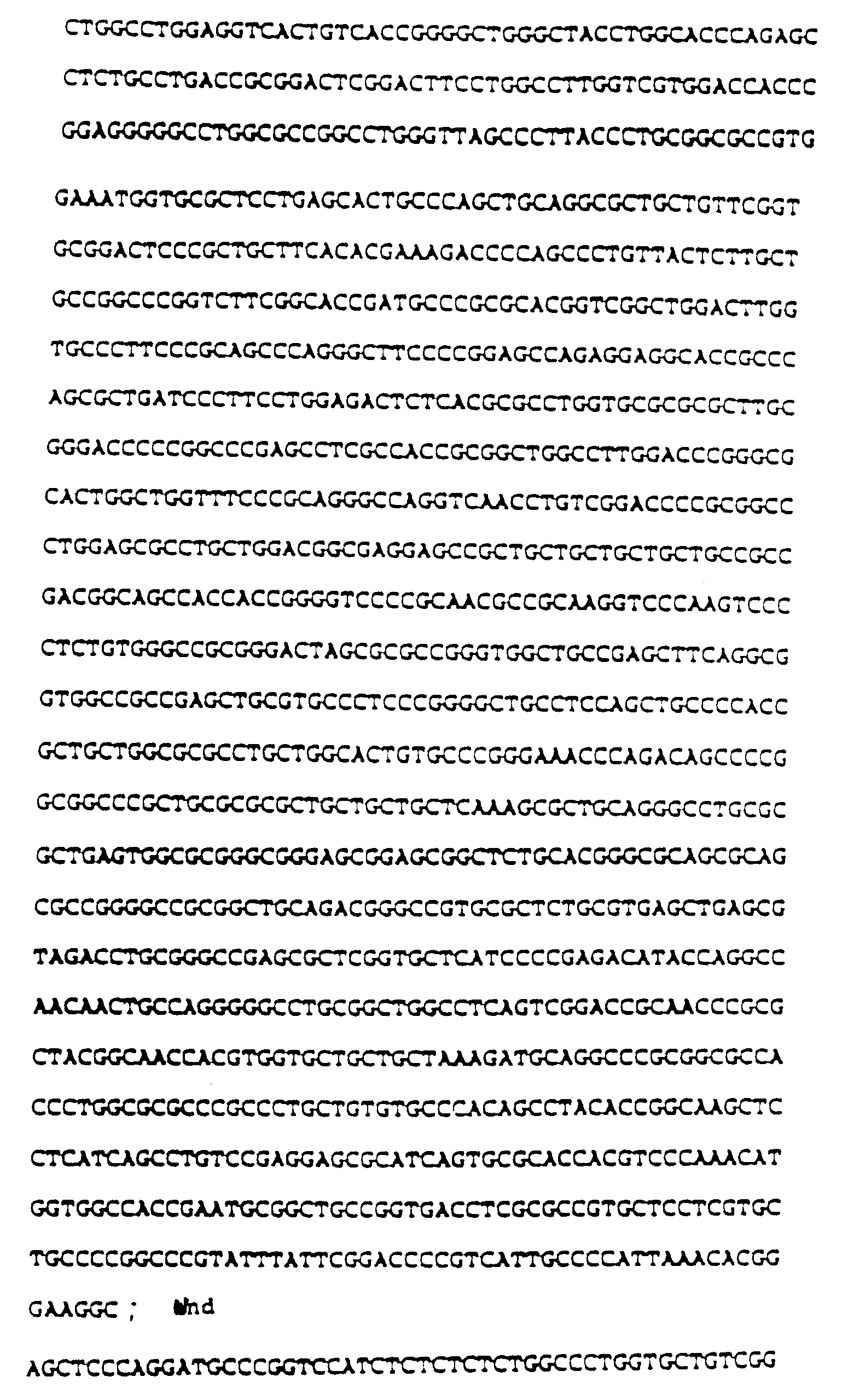


- Ein rekombinantes DNS-Molekül, umfassend eine DNS-Sequenz, ausgewählt aus der Gruppe, bestehend aus(a) den DNS-Sequenzen von Anspruch 1;(b) DNS-Sequenzen, die zu einer der DNS-Sequenzen von (a) hybridisieren und die Expression für Human-MIS oder Rinder-MIS codieren; und(c) DNS-Sequenzen, die als Ergebnis des genetischen Codes zu den oben definierten DNS-Sequenzen degeneriert sind und die Expression für Human-MIS oder Rinder-MIS codieren.
- Das rekombinante DNS-Molekül nach Anspruch 2, wobei die DNS-Sequenz operativ mit einer Expressionskontrollsequenz in dem rekombinanten DNS-Molekül verbunden ist.
- Das rekombinante DNS-Molekül nach Anspruch 3, wobei die Expressionskontrollsequenzaus der Gruppe ausgewählt wird, die besteht aus den frühen und den späten Promotoren von SV40, dem lac System, dem tac System, dem trc System, dem trp System, Adenovirus-Hauptspätpromotor, Hauptoperator und Promoter-Bereichen des Phagen λ, den Kontrollbereichen des fd Hüllproteins, dem Promoter für 3-Phosphoglyceratkinase oder anderen proteolytischen Enzymen, den Promotoren saurer Phosphatase, den Promotoren Hefe-α-Paarungsfaktoren und anderen Sequenzen, die die Expression von Genen von prokaryotischen oder eukaryotischen Zellen oder deren Viren kontrollieren.
- Das rekombinante DNS-Molekül nach Anspruch 3, ausgewählt aus der Gruppe, bestehend aus pBG311.bmis (IVI 10090, ATCC 68814), pBG312.hmis (IVI 10089, ATCC 68813) und pBG311.hmis, das durch Einfügen des 4.5kb Af1II Fragmentes von dem Smal-Ort des pBG312.hmis in den Smal-Ort des pBG311 gebildet werden kann.
- Ein Wirt, transformiert mit dem rekombinanten DNS-Molekül von Anspruch 2.
- Ein Wirt, transformiert mit dem rekombinanten DNS-Molekül von Anspruch 3.
- Ein Wirt, transformiert mit dem rekombinanten DNS-Molekül von Anspruch 4.
- Ein Wirt, transformiert mit dem rekombinanten DNS-Molekül von Anspruch 5.
- Ein Wirt, transformiert mit dem rekombinanten DNS-Molekül von Anspruch 2, wobei der Wirt ausgewählt wird aus der Gruppe bestehend aus Stämmen von E. coli, Pseudomonas, Bacillus, Hefen, COS-Zellen, CHO-Zellen oder anderen Pilz-, Maus, Schwein oder anderen Tier- oder Pflanzenwirten und Human-Gewebezellen.
- Ein Verfahren zum Herstellen eines MIS-artigen Polypeptides, wobei das Verfahren den Schritt vom Kultivieren eines Wirtes, transformiert mit einem rekombinanten DNS-Molekül nach Anspruch 3, umfasst.
- Das Verfahren nach Anspruch 11, wobei das rekombinante DNS-Molekül aus der Gruppe ausgewählt wird, bestehend aus pBG311.bmis (IVI 10090, ATCC 68814), pBG312.hmis (IVI 10089, ATCC 68813) und pBG311.hmis, das durch Einfügen des 4.5kb Af1II Fragmentes von dem Smal-Ort des pBG312.hmis in den Smal-Ort des pBG311 gebildet werden kann.
- Das Verfahren nach Anspruch 11, wobei der Wirt Stämme von E. coli, Pseudomonas, Bacillus, Hefen oder anderen Pilzen, Maus, Schwein, COS-Zellen, CHO-Zellen oder anderen Tier- oder Pflanzenwirten und menschlichen Gewebezellen umfaßt.
- Ein rekombinantes MIS-artiges Human-Polypeptid ausgewählt aus der Gruppe, bestehend ausund Fragmenten davon, die die biologische und immunologische Aktivität eines MIS-Proteins zeigen.

- Ein rekombinantes MIS-artiges Rinder-Polypeptid, im wesentlichen frei von Verunreinigungen von Rinderproteinen und ausgewählt aus der Gruppe, bestehend ausund Fragmenten davon, die die biologische und immunologische Aktivität eines MIS-Proteins zeigen.

- Ein synthetisches oder semisynthetisches Polypeptid, umfassend die Aminosäuresequenz eines der MIS-artigen Polypeptide nach Anspruch 14 oder 15.
- Eine pharmazeutische Zusammensetzung zur Behandlung von empfänglichen Krebsarten, wobei die Zusammensetzung eine gegen Krebs wirksame Menge wenigstens eines MIS-artigen Polypeptides nach Anspruch 14 oder 15 und einen pharmazeutisch annehmbaren Träger umfaßt.
- Eine pharmazeutische Zusammensetzung zur Behandlung von empfänglichen Krebsarten, wobei die Zusammensetzung eine gegen Krebs wirksame Menge wenigstens eines MIS-artigen Polypeptides nach Anspruch 16 und einen pharmazeutisch annehmbaren Träger umfaßt.
- Die Verwendung einer gegen Krebs wirksamen Menge einer pharmazeutischen Zusammensetzung nach Anspruch 17 oder 18 zur Herstellung eines pharmazeutisch annehmbaren Medikamentes, das bei der Behandlung von empfänglichen Krebsarten wirksam ist.
Applications Claiming Priority (2)
| Application Number | Priority Date | Filing Date | Title |
|---|---|---|---|
| US792880 | 1985-10-30 | ||
| US06/792,880 US5047336A (en) | 1985-10-30 | 1985-10-30 | DNA sequences, recombinant DNA molecules and processes for producing mullerian inhibiting substance-like polypeptides |
Publications (3)
| Publication Number | Publication Date |
|---|---|
| EP0221761A2 EP0221761A2 (de) | 1987-05-13 |
| EP0221761A3 EP0221761A3 (en) | 1988-10-12 |
| EP0221761B1 true EP0221761B1 (de) | 1995-03-15 |
Family
ID=25158349
Family Applications (1)
| Application Number | Title | Priority Date | Filing Date |
|---|---|---|---|
| EP86308400A Expired - Lifetime EP0221761B1 (de) | 1985-10-30 | 1986-10-29 | DNS-Sequenzen, rekombinante DNS-Moleküle und Verfahren zur Herstellung von "mullerian inhibiting substance"-ähnlichen Polypeptiden |
Country Status (13)
| Country | Link |
|---|---|
| US (1) | US5047336A (de) |
| EP (1) | EP0221761B1 (de) |
| JP (2) | JPH0720431B2 (de) |
| KR (1) | KR870004143A (de) |
| AT (1) | ATE119915T1 (de) |
| AU (1) | AU606584B2 (de) |
| CA (1) | CA1307753C (de) |
| DE (1) | DE3650266T2 (de) |
| DK (1) | DK517986A (de) |
| HU (1) | HUT43627A (de) |
| IL (1) | IL80451A0 (de) |
| PT (1) | PT83655B (de) |
| ZA (1) | ZA868251B (de) |
Cited By (1)
| Publication number | Priority date | Publication date | Assignee | Title |
|---|---|---|---|---|
| RU2616273C1 (ru) * | 2016-04-21 | 2017-04-13 | Федеральное государственное унитарное предприятие "Государственный научно-исследовательский институт особо чистых биопрепаратов" Федерального медико-биологического агентства | Синтетическая ДНК, кодирующая антимюллеров гормон человека, содержащий ее экспрессионный вектор pTVK4pu/MISOPT и штамм клеток яичников китайского хомячка CHO-MIS - продуцент рекомбинантного антимюллерового гормона человека |
Families Citing this family (27)
| Publication number | Priority date | Publication date | Assignee | Title |
|---|---|---|---|---|
| US5427780A (en) * | 1985-10-30 | 1995-06-27 | Biogen, Inc. | Composition comprising Mullerian inhibiting substance-like polypeptides |
| US5047336A (en) * | 1985-10-30 | 1991-09-10 | Biogen, Inc. | DNA sequences, recombinant DNA molecules and processes for producing mullerian inhibiting substance-like polypeptides |
| EP0437427A4 (en) * | 1985-10-30 | 1992-07-01 | Biogen, Inc. | Cleaved dimers of mullerian inhibiting substance-like polypeptides |
| US5185441A (en) * | 1988-08-26 | 1993-02-09 | Biogen, Inc. | Dna sequences, recombinant dna molecules and processes for producing pi-linked lymphocyte function associated antigen-3 |
| US5661126A (en) * | 1989-01-19 | 1997-08-26 | The General Hospital Corporation | Use of mullerian inhibiting substance for treating certain tumors and for modulating class I major histocompatibility antigen expression |
| US5349058A (en) * | 1990-02-06 | 1994-09-20 | E. R. Squibb & Sons, Inc. | Nucleic acid encoding human mevalonate kinase |
| US5281520A (en) * | 1990-09-12 | 1994-01-25 | Zymogenetics, Inc. | Method for producing acyloxyacyl hydrolase |
| US5310880A (en) * | 1991-04-12 | 1994-05-10 | The General Hospital Corporation | Purification of Mullerian inhibiting substance |
| US6764681B2 (en) * | 1991-10-07 | 2004-07-20 | Biogen, Inc. | Method of prophylaxis or treatment of antigen presenting cell driven skin conditions using inhibitors of the CD2/LFA-3 interaction |
| WO1993019177A1 (en) * | 1992-03-18 | 1993-09-30 | The General Hospital Corporation | FOUR NOVEL RECEPTORS OF THE TGF-β RECEPTOR FAMILY |
| HUP0103563A3 (en) * | 1998-08-31 | 2004-04-28 | Biogen Idec Ma Inc Cambridge | Method of modulating memory effector t-cells and compositions |
| US20020119921A1 (en) * | 1999-03-31 | 2002-08-29 | Michael Streit | Thrombospondin-2 and uses thereof |
| WO2001019387A1 (en) * | 1999-09-14 | 2001-03-22 | The General Hospital Corporation | Use of mullerian inhibiting substance for treating excess androgen states |
| AU2001231196A1 (en) * | 2000-01-27 | 2001-08-07 | The General Hospital Corporation | Delivery of therapeutic biological from implantable tissue matrices |
| CA2451765A1 (en) * | 2001-06-05 | 2002-12-12 | Karen K. Oishi | Gene expression and production of tgf-b proteins including bioactive mullerian inhibiting substance from plants |
| CA2454618C (en) * | 2001-07-24 | 2012-04-03 | Biogen Idec Ma, Inc. | Methods for treating or preventing sclerotic disorders using cd2-binding agents |
| AU2003262847A1 (en) * | 2002-08-23 | 2004-03-11 | The General Hospital Corporation | Use of mullerian inhibiting substance and interferon for treating tumors |
| MXPA06008918A (es) * | 2004-02-06 | 2007-03-07 | Astellas Llc | Metodos de tratamiento de trastornos de la piel. |
| EP1747291A2 (de) * | 2004-05-04 | 2007-01-31 | Genaissance Pharmaceuticals, Inc. | Haplotyp-marker sowie deren verwendung zur bestimmung der reaktion auf eine behandlhung |
| CA2565259A1 (en) * | 2004-05-07 | 2005-12-08 | Astellas Us Llc | Soluble lfa-3 polypeptide for treating viral disorders |
| US20060162026A1 (en) * | 2004-12-23 | 2006-07-20 | Karen Oishi | Expressing TGF-beta proteins in plant plastids |
| CA2516364A1 (en) * | 2005-03-24 | 2006-09-24 | University Of Otago | Method of modulation |
| JP2009515832A (ja) * | 2005-10-26 | 2009-04-16 | オタゴ イノベーション リミテッド | 神経変性疾患の治療のためのミュラー管抑制物質(mis)受容体のモジュレーション方法 |
| US20100233689A1 (en) | 2007-03-22 | 2010-09-16 | The General Hospital Corporation | Pyrazoloanthrone and derivatives thereof for the treatment of cancer expressing 'mullerian inhibiting substance' type ii receptor (misrii) and of excess androgen states |
| WO2009012357A2 (en) | 2007-07-17 | 2009-01-22 | The General Hospital Corporation | Methods to identify and enrich for populations of ovarian cancer stem cells and somatic ovarian stem cells and uses thereof |
| ITRM20120285A1 (it) | 2012-06-18 | 2013-12-19 | Alfonso Baldi | Ormone anti-mulleriano. |
| ES2853935T3 (es) * | 2013-03-12 | 2021-09-20 | Massachusetts Gen Hospital | Proteínas modificadas de sustancia inhibidora muleriana (MIS) y usos de las mismas para el tratamiento de enfermedades |
Citations (1)
| Publication number | Priority date | Publication date | Assignee | Title |
|---|---|---|---|---|
| US5047336A (en) * | 1985-10-30 | 1991-09-10 | Biogen, Inc. | DNA sequences, recombinant DNA molecules and processes for producing mullerian inhibiting substance-like polypeptides |
Family Cites Families (5)
| Publication number | Priority date | Publication date | Assignee | Title |
|---|---|---|---|---|
| US4404188A (en) * | 1981-07-29 | 1983-09-13 | Massachusetts General Hospital | Purified Mullerian Inhibiting Substance and method of purification |
| US4510131A (en) * | 1981-07-29 | 1985-04-09 | The General Hospital Corporation | Purified Mullerian Inhibiting Substance and method of use |
| US4442205A (en) * | 1981-09-22 | 1984-04-10 | The United States Of America As Represented By The Department Of Health And Human Services | Simian virus recombinant that directs the synthesis of hepatitis B surface antigen |
| US4487833A (en) * | 1982-03-01 | 1984-12-11 | The General Hospital Corporation | Method of preparing hybridomas and of purifying immunogenic materials |
| US4740587A (en) * | 1985-07-18 | 1988-04-26 | The Salk Institute For Biological Studies | Inhibin and method of purifying same |
-
1985
- 1985-10-30 US US06/792,880 patent/US5047336A/en not_active Expired - Fee Related
-
1986
- 1986-10-29 DE DE3650266T patent/DE3650266T2/de not_active Expired - Lifetime
- 1986-10-29 AU AU64521/86A patent/AU606584B2/en not_active Expired
- 1986-10-29 HU HU864535A patent/HUT43627A/hu unknown
- 1986-10-29 DK DK517986A patent/DK517986A/da not_active Application Discontinuation
- 1986-10-29 EP EP86308400A patent/EP0221761B1/de not_active Expired - Lifetime
- 1986-10-29 ZA ZA868251A patent/ZA868251B/xx unknown
- 1986-10-29 CA CA000521767A patent/CA1307753C/en not_active Expired - Lifetime
- 1986-10-29 AT AT86308400T patent/ATE119915T1/de not_active IP Right Cessation
- 1986-10-30 JP JP61257126A patent/JPH0720431B2/ja not_active Expired - Fee Related
- 1986-10-30 PT PT83655A patent/PT83655B/pt unknown
- 1986-10-30 KR KR860009203A patent/KR870004143A/ko not_active Ceased
- 1986-10-30 IL IL80451A patent/IL80451A0/xx unknown
-
1993
- 1993-07-19 JP JP5178268A patent/JP2541761B2/ja not_active Expired - Fee Related
Patent Citations (1)
| Publication number | Priority date | Publication date | Assignee | Title |
|---|---|---|---|---|
| US5047336A (en) * | 1985-10-30 | 1991-09-10 | Biogen, Inc. | DNA sequences, recombinant DNA molecules and processes for producing mullerian inhibiting substance-like polypeptides |
Non-Patent Citations (7)
| Title |
|---|
| CELL, vol. 45, June 6, 1986, pp. 685-698, CATE et al.: "Isolation of the bovine and human genes for Müllerian inhibiting substance and expression of the human gene in animal cells" * |
| CELL, vol. 45, June 6, 1986, pp. 685-698, Cell Press, Cambridge, US, R.L. CATE et al.: "Isolation of the bovine and human genes for Müllerian inhibiting substance and expression of the human gene in animal cells" * |
| J.D. WATSON, "Molecular Biology of the Gene", 3rd ed. 1976, W.A. Benjamin, Inc., pp. 356-357 * |
| JOURNAL CLIN. ENDOCR., 34, 265-70 (1972), pp. 267-270, N. JOSSO: " Permeability of membranes to the Müllerian-inhibiting substance synthesized by the human fetal testis in vitro: a clue to its biochemical nature" * |
| JOURNAL OF PEDIATRIC SURGERY, vol. 12, no. 3 (June), 1977,pp. 323-330, DANEHOE et al.: "Mullerian inhibiting substance in human testes after birth" * |
| PROC. NATL. ACAD. SCI. USA, vol. 83, no. 15, AUGUST 1986, pp. 5464-5468; Washington, US; J.Y. PICARD et al.: "Cloning and expression of cDNA for anti-Müllerian hormone" * |
| THE NEW YORK TIMES, June 6, 1986, Section A, p. 12, column 4, "Growth of embryo protein raises hope on cancer" * |
Cited By (1)
| Publication number | Priority date | Publication date | Assignee | Title |
|---|---|---|---|---|
| RU2616273C1 (ru) * | 2016-04-21 | 2017-04-13 | Федеральное государственное унитарное предприятие "Государственный научно-исследовательский институт особо чистых биопрепаратов" Федерального медико-биологического агентства | Синтетическая ДНК, кодирующая антимюллеров гормон человека, содержащий ее экспрессионный вектор pTVK4pu/MISOPT и штамм клеток яичников китайского хомячка CHO-MIS - продуцент рекомбинантного антимюллерового гормона человека |
Also Published As
| Publication number | Publication date |
|---|---|
| EP0221761A2 (de) | 1987-05-13 |
| JP2541761B2 (ja) | 1996-10-09 |
| IL80451A0 (en) | 1987-01-30 |
| JPH0720431B2 (ja) | 1995-03-08 |
| AU6452186A (en) | 1987-05-07 |
| CA1307753C (en) | 1992-09-22 |
| KR870004143A (ko) | 1987-05-07 |
| ZA868251B (en) | 1988-09-28 |
| PT83655A (en) | 1986-11-01 |
| HUT43627A (en) | 1987-11-30 |
| DE3650266D1 (de) | 1995-04-20 |
| JPH06133793A (ja) | 1994-05-17 |
| AU606584B2 (en) | 1991-02-14 |
| PT83655B (en) | 1988-11-29 |
| DK517986A (da) | 1987-05-01 |
| ATE119915T1 (de) | 1995-04-15 |
| US5047336A (en) | 1991-09-10 |
| DK517986D0 (da) | 1986-10-29 |
| JPS62190084A (ja) | 1987-08-20 |
| DE3650266T2 (de) | 1995-08-31 |
| EP0221761A3 (en) | 1988-10-12 |
Similar Documents
| Publication | Publication Date | Title |
|---|---|---|
| EP0221761B1 (de) | DNS-Sequenzen, rekombinante DNS-Moleküle und Verfahren zur Herstellung von "mullerian inhibiting substance"-ähnlichen Polypeptiden | |
| US5750654A (en) | Leukaemia inhibitory factor | |
| US5767251A (en) | Recombinant heterodimeric human fertility hormones, and methods, cells, and vectors and DNA for the production thereof | |
| US5639640A (en) | DNA encoding the beta subunit of human follide stimulating hormone and expression vectors and cells containing same | |
| EP0211894B1 (de) | Fsh | |
| EP0043980B1 (de) | Reifes menschliches Leukozyteninterferon A, Verfahren zu seiner mikrobiellen Produktion, Zwischenprodukte dazu und es enthaltende Zusammensetzungen. | |
| US6482613B1 (en) | Microbial production of mature human leukocyte interferons | |
| FI100972B (fi) | Pesäkkeitä stimuloivaa tekijä-1:tä (CSF-1) koodaava DNA-sekvenssi ja m enetelmä CSF-1-proteiinin valmistamiseksi | |
| Van Obberghen-Schilling et al. | Complementary deoxyribonucleic acid cloning of bovine transforming growth factor-β1 | |
| EP0320148A1 (de) | Fibroblast-Wachstumsfaktor-Analoge | |
| NO301775B1 (no) | DNA-sekvens som koder for nye former av kolonistimulerende faktor-1, vektor, ekspresjonssystem og rekombinant vertscelle | |
| EP1535929A2 (de) | Megakaryozyt-stimulierende Faktoren | |
| CA2084514A1 (en) | O-glycosylated ifn-alpha | |
| Denèfle et al. | Chemical synthesis of a gene coding for human angiogenin, its expression in Escherichia coli and conversion of the product into its active form | |
| JPH0240080B2 (de) | ||
| JPH01503679A (ja) | カリクレインの生産 | |
| BG60445B2 (bg) | Нови генетични последователности,кодиращи интерферонови пептиди от тип i,и продуциращите ги организми | |
| EP0323722A1 (de) | Zusammensetzung und Verfahren zur Herstellung von rekombinanter Fibrolase aus Crotalidus venom | |
| US5427780A (en) | Composition comprising Mullerian inhibiting substance-like polypeptides | |
| US5187075A (en) | Cloning and expression of a variant gene of platelet factor 4 and compositions thereof to modulate immune responses | |
| JPH0272877A (ja) | Dnaおよびその用途 | |
| JP2548204B2 (ja) | 新生理活性ポリペプチド | |
| JP2675294B2 (ja) | ヒト腫瘍壊死因子 | |
| JPH09295945A (ja) | 成熟型骨誘導因子の製造方法 | |
| HK1075258A (en) | Megakaryocyte stimulating factors |
Legal Events
| Date | Code | Title | Description |
|---|---|---|---|
| PUAI | Public reference made under article 153(3) epc to a published international application that has entered the european phase |
Free format text: ORIGINAL CODE: 0009012 |
|
| AK | Designated contracting states |
Kind code of ref document: A2 Designated state(s): AT BE CH DE ES FR GB GR IT LI LU NL SE |
|
| PUAL | Search report despatched |
Free format text: ORIGINAL CODE: 0009013 |
|
| AK | Designated contracting states |
Kind code of ref document: A3 Designated state(s): AT BE CH DE ES FR GB GR IT LI LU NL SE |
|
| RAP1 | Party data changed (applicant data changed or rights of an application transferred) |
Owner name: THE GENERAL HOSPITAL CORPORATION Owner name: BIOGEN, INC. |
|
| 17P | Request for examination filed |
Effective date: 19890325 |
|
| 17Q | First examination report despatched |
Effective date: 19900928 |
|
| GRAA | (expected) grant |
Free format text: ORIGINAL CODE: 0009210 |
|
| AK | Designated contracting states |
Kind code of ref document: B1 Designated state(s): AT BE CH DE ES FR GB GR IT LI LU NL SE |
|
| PG25 | Lapsed in a contracting state [announced via postgrant information from national office to epo] |
Ref country code: IT Free format text: LAPSE BECAUSE OF FAILURE TO SUBMIT A TRANSLATION OF THE DESCRIPTION OR TO PAY THE FEE WITHIN THE PRESCRIBED TIME-LIMIT;WARNING: LAPSES OF ITALIAN PATENTS WITH EFFECTIVE DATE BEFORE 2007 MAY HAVE OCCURRED AT ANY TIME BEFORE 2007. THE CORRECT EFFECTIVE DATE MAY BE DIFFERENT FROM THE ONE RECORDED. Effective date: 19950315 Ref country code: AT Effective date: 19950315 Ref country code: GR Free format text: LAPSE BECAUSE OF FAILURE TO SUBMIT A TRANSLATION OF THE DESCRIPTION OR TO PAY THE FEE WITHIN THE PRESCRIBED TIME-LIMIT Effective date: 19950315 Ref country code: NL Free format text: LAPSE BECAUSE OF FAILURE TO SUBMIT A TRANSLATION OF THE DESCRIPTION OR TO PAY THE FEE WITHIN THE PRESCRIBED TIME-LIMIT Effective date: 19950315 Ref country code: CH Effective date: 19950315 Ref country code: BE Effective date: 19950315 Ref country code: LI Effective date: 19950315 |
|
| REF | Corresponds to: |
Ref document number: 119915 Country of ref document: AT Date of ref document: 19950415 Kind code of ref document: T |
|
| REF | Corresponds to: |
Ref document number: 3650266 Country of ref document: DE Date of ref document: 19950420 |
|
| ET | Fr: translation filed | ||
| PG25 | Lapsed in a contracting state [announced via postgrant information from national office to epo] |
Ref country code: SE Effective date: 19950615 |
|
| PG25 | Lapsed in a contracting state [announced via postgrant information from national office to epo] |
Ref country code: ES Free format text: LAPSE BECAUSE OF FAILURE TO SUBMIT A TRANSLATION OF THE DESCRIPTION OR TO PAY THE FEE WITHIN THE PRESCRIBED TIME-LIMIT Effective date: 19950626 |
|
| REG | Reference to a national code |
Ref country code: CH Ref legal event code: PL |
|
| NLV1 | Nl: lapsed or annulled due to failure to fulfill the requirements of art. 29p and 29m of the patents act | ||
| PG25 | Lapsed in a contracting state [announced via postgrant information from national office to epo] |
Ref country code: LU Free format text: LAPSE BECAUSE OF NON-PAYMENT OF DUE FEES Effective date: 19951031 |
|
| PLBE | No opposition filed within time limit |
Free format text: ORIGINAL CODE: 0009261 |
|
| STAA | Information on the status of an ep patent application or granted ep patent |
Free format text: STATUS: NO OPPOSITION FILED WITHIN TIME LIMIT |
|
| 26N | No opposition filed | ||
| REG | Reference to a national code |
Ref country code: GB Ref legal event code: IF02 |
|
| PGFP | Annual fee paid to national office [announced via postgrant information from national office to epo] |
Ref country code: FR Payment date: 20051017 Year of fee payment: 20 |
|
| PGFP | Annual fee paid to national office [announced via postgrant information from national office to epo] |
Ref country code: GB Payment date: 20051026 Year of fee payment: 20 |
|
| REG | Reference to a national code |
Ref country code: GB Ref legal event code: PE20 |
|
| PGFP | Annual fee paid to national office [announced via postgrant information from national office to epo] |
Ref country code: DE Payment date: 20051130 Year of fee payment: 20 |
|
| PG25 | Lapsed in a contracting state [announced via postgrant information from national office to epo] |
Ref country code: GB Free format text: LAPSE BECAUSE OF EXPIRATION OF PROTECTION Effective date: 20061028 |