EP0237157A2 - Vektor und Verfahren zur Erreichung einer hohen Expression in Zellen - Google Patents
Vektor und Verfahren zur Erreichung einer hohen Expression in Zellen Download PDFInfo
- Publication number
- EP0237157A2 EP0237157A2 EP87300658A EP87300658A EP0237157A2 EP 0237157 A2 EP0237157 A2 EP 0237157A2 EP 87300658 A EP87300658 A EP 87300658A EP 87300658 A EP87300658 A EP 87300658A EP 0237157 A2 EP0237157 A2 EP 0237157A2
- Authority
- EP
- European Patent Office
- Prior art keywords
- enhancer element
- gene encoding
- protein
- enhancer
- vector
- Prior art date
- Legal status (The legal status is an assumption and is not a legal conclusion. Google has not performed a legal analysis and makes no representation as to the accuracy of the status listed.)
- Granted
Links
Images




Classifications
-
- C—CHEMISTRY; METALLURGY
- C12—BIOCHEMISTRY; BEER; SPIRITS; WINE; VINEGAR; MICROBIOLOGY; ENZYMOLOGY; MUTATION OR GENETIC ENGINEERING
- C12N—MICROORGANISMS OR ENZYMES; COMPOSITIONS THEREOF; PROPAGATING, PRESERVING, OR MAINTAINING MICROORGANISMS; MUTATION OR GENETIC ENGINEERING; CULTURE MEDIA
- C12N9/00—Enzymes; Proenzymes; Compositions thereof; Processes for preparing, activating, inhibiting, separating or purifying enzymes
- C12N9/14—Hydrolases (3)
- C12N9/48—Hydrolases (3) acting on peptide bonds (3.4)
- C12N9/50—Proteinases, e.g. Endopeptidases (3.4.21-3.4.25)
- C12N9/64—Proteinases, e.g. Endopeptidases (3.4.21-3.4.25) derived from animal tissue
- C12N9/6421—Proteinases, e.g. Endopeptidases (3.4.21-3.4.25) derived from animal tissue from mammals
- C12N9/6424—Serine endopeptidases (3.4.21)
- C12N9/6456—Plasminogen activators
- C12N9/6459—Plasminogen activators t-plasminogen activator (3.4.21.68), i.e. tPA
-
- C—CHEMISTRY; METALLURGY
- C12—BIOCHEMISTRY; BEER; SPIRITS; WINE; VINEGAR; MICROBIOLOGY; ENZYMOLOGY; MUTATION OR GENETIC ENGINEERING
- C12N—MICROORGANISMS OR ENZYMES; COMPOSITIONS THEREOF; PROPAGATING, PRESERVING, OR MAINTAINING MICROORGANISMS; MUTATION OR GENETIC ENGINEERING; CULTURE MEDIA
- C12N15/00—Mutation or genetic engineering; DNA or RNA concerning genetic engineering, vectors, e.g. plasmids, or their isolation, preparation or purification; Use of hosts therefor
- C12N15/09—Recombinant DNA-technology
- C12N15/63—Introduction of foreign genetic material using vectors; Vectors; Use of hosts therefor; Regulation of expression
- C12N15/67—General methods for enhancing the expression
-
- C—CHEMISTRY; METALLURGY
- C12—BIOCHEMISTRY; BEER; SPIRITS; WINE; VINEGAR; MICROBIOLOGY; ENZYMOLOGY; MUTATION OR GENETIC ENGINEERING
- C12N—MICROORGANISMS OR ENZYMES; COMPOSITIONS THEREOF; PROPAGATING, PRESERVING, OR MAINTAINING MICROORGANISMS; MUTATION OR GENETIC ENGINEERING; CULTURE MEDIA
- C12N15/00—Mutation or genetic engineering; DNA or RNA concerning genetic engineering, vectors, e.g. plasmids, or their isolation, preparation or purification; Use of hosts therefor
- C12N15/09—Recombinant DNA-technology
- C12N15/63—Introduction of foreign genetic material using vectors; Vectors; Use of hosts therefor; Regulation of expression
- C12N15/79—Vectors or expression systems specially adapted for eukaryotic hosts
- C12N15/85—Vectors or expression systems specially adapted for eukaryotic hosts for animal cells
-
- C—CHEMISTRY; METALLURGY
- C12—BIOCHEMISTRY; BEER; SPIRITS; WINE; VINEGAR; MICROBIOLOGY; ENZYMOLOGY; MUTATION OR GENETIC ENGINEERING
- C12Y—ENZYMES
- C12Y304/00—Hydrolases acting on peptide bonds, i.e. peptidases (3.4)
- C12Y304/21—Serine endopeptidases (3.4.21)
- C12Y304/21069—Protein C activated (3.4.21.69)
-
- C—CHEMISTRY; METALLURGY
- C12—BIOCHEMISTRY; BEER; SPIRITS; WINE; VINEGAR; MICROBIOLOGY; ENZYMOLOGY; MUTATION OR GENETIC ENGINEERING
- C12N—MICROORGANISMS OR ENZYMES; COMPOSITIONS THEREOF; PROPAGATING, PRESERVING, OR MAINTAINING MICROORGANISMS; MUTATION OR GENETIC ENGINEERING; CULTURE MEDIA
- C12N2800/00—Nucleic acids vectors
- C12N2800/10—Plasmid DNA
- C12N2800/108—Plasmid DNA episomal vectors
-
- C—CHEMISTRY; METALLURGY
- C12—BIOCHEMISTRY; BEER; SPIRITS; WINE; VINEGAR; MICROBIOLOGY; ENZYMOLOGY; MUTATION OR GENETIC ENGINEERING
- C12N—MICROORGANISMS OR ENZYMES; COMPOSITIONS THEREOF; PROPAGATING, PRESERVING, OR MAINTAINING MICROORGANISMS; MUTATION OR GENETIC ENGINEERING; CULTURE MEDIA
- C12N2830/00—Vector systems having a special element relevant for transcription
- C12N2830/001—Vector systems having a special element relevant for transcription controllable enhancer/promoter combination
- C12N2830/002—Vector systems having a special element relevant for transcription controllable enhancer/promoter combination inducible enhancer/promoter combination, e.g. hypoxia, iron, transcription factor
-
- C—CHEMISTRY; METALLURGY
- C12—BIOCHEMISTRY; BEER; SPIRITS; WINE; VINEGAR; MICROBIOLOGY; ENZYMOLOGY; MUTATION OR GENETIC ENGINEERING
- C12N—MICROORGANISMS OR ENZYMES; COMPOSITIONS THEREOF; PROPAGATING, PRESERVING, OR MAINTAINING MICROORGANISMS; MUTATION OR GENETIC ENGINEERING; CULTURE MEDIA
- C12N2830/00—Vector systems having a special element relevant for transcription
- C12N2830/008—Vector systems having a special element relevant for transcription cell type or tissue specific enhancer/promoter combination
-
- C—CHEMISTRY; METALLURGY
- C12—BIOCHEMISTRY; BEER; SPIRITS; WINE; VINEGAR; MICROBIOLOGY; ENZYMOLOGY; MUTATION OR GENETIC ENGINEERING
- C12N—MICROORGANISMS OR ENZYMES; COMPOSITIONS THEREOF; PROPAGATING, PRESERVING, OR MAINTAINING MICROORGANISMS; MUTATION OR GENETIC ENGINEERING; CULTURE MEDIA
- C12N2830/00—Vector systems having a special element relevant for transcription
- C12N2830/30—Vector systems having a special element relevant for transcription being an enhancer not forming part of the promoter region
-
- C—CHEMISTRY; METALLURGY
- C12—BIOCHEMISTRY; BEER; SPIRITS; WINE; VINEGAR; MICROBIOLOGY; ENZYMOLOGY; MUTATION OR GENETIC ENGINEERING
- C12N—MICROORGANISMS OR ENZYMES; COMPOSITIONS THEREOF; PROPAGATING, PRESERVING, OR MAINTAINING MICROORGANISMS; MUTATION OR GENETIC ENGINEERING; CULTURE MEDIA
- C12N2830/00—Vector systems having a special element relevant for transcription
- C12N2830/42—Vector systems having a special element relevant for transcription being an intron or intervening sequence for splicing and/or stability of RNA
-
- C—CHEMISTRY; METALLURGY
- C12—BIOCHEMISTRY; BEER; SPIRITS; WINE; VINEGAR; MICROBIOLOGY; ENZYMOLOGY; MUTATION OR GENETIC ENGINEERING
- C12N—MICROORGANISMS OR ENZYMES; COMPOSITIONS THEREOF; PROPAGATING, PRESERVING, OR MAINTAINING MICROORGANISMS; MUTATION OR GENETIC ENGINEERING; CULTURE MEDIA
- C12N2830/00—Vector systems having a special element relevant for transcription
- C12N2830/80—Vector systems having a special element relevant for transcription from vertebrates
- C12N2830/85—Vector systems having a special element relevant for transcription from vertebrates mammalian
Definitions
- This invention relates inter alia to expression vectors for transfecting eukaryotic cells to produce transformants having a high level of expression of a protein of interest.
- the prior art discloses methods of isolating such cellular enhancer elements from the genomes of animal cells and methods of exploiting their function in construction of vectors designed to achieve expression of specific genes.
- the vectors may be used to transfect cells derived from the same tissue type in which the enhancer's activity is displayed naturally to produce valuable proteins.
- Transformants containing recombinant DNA including a cellular enhancer element and recombinant transcription unit such as a promoter ligated to a cDNA are characterized by high levels of transcription and translation of the cDNA and therefore significant improvements in expression.
- chimeric viral and/or plasmid vectors containing such cellular enhancer elements stimulate transcription of genes and promoters 10,000 base pairs or more from either the 5′ or 3′ end of the enhancer segments. Since stable, replicatable vectors typically comprise no more than about 20,000 base pairs, after transfection the enhancer stimulates transcription not only of the gene encoding the protein of interest, but also the gene encoding the marker protein which is used in the isolation of cells which have successfully incorporated the recombinant DNA.
- Transformants containing the recombinant plasmid typically are selected by culturing the cells in the presence of one or more toxic components. Only those cells which have been transformed by the recombinant vector and which express appropriate levels of the marker protein survive. Transfected cells expressing too low a level of the marker protein will not survive. Equally important, transfected cells exressing too high a level of the marker protein may also not survive. This is because too high a level of the marker protein may interfere with the cell's normal metabolism. Thus, transformed cells expressing very high levels of the protein of interest may be difficult to obtain because the concomitant high expression of the marker protein may be lethal.
- An ideal expression system would uncouple the expression of the marker protein from the enhanced expression of the protein of interest. With such a system, transformed cells expressing levels of the marker protein appropriate for survival could express higher levels of the protein of interest than was previously possible.
- Embodiments of the invention feature expression vectors constructed such that the cullular enhancer element of the type described above is active to promote high levels of expression of a desired gene encoding a protein product, but does not significantly affect the level of expression of the marker protein. This enables production of transformants which produce high levels of a desired protein while producing the marker protein only at levels required for selection.
- our approach includes interposing between the cellular enhancer and the transcription unit encoding the marker protein a DNA comprising nucleotides having the function of blocking the stimulating effect of the enhancer element on the marker gene. It has been observed that the activity of the enhancer element is dissipated by flanking promoter sequences. Accordingly, we provide vectors employing a promoter sequence, or a DNA havinq substantial homology with a promoter sequence, interposed between the enhancer element and the promoter of the marker gene to block the enhancement effect on the marker gene's promoter.
- blocking element may refer collectively to intact DNAs having an observable transcription-promoting function, various restriction fragments of such promoter sequences, and other natural or synthetic polynucleotides which serve to dissipate the enhancer element's promoter-stimulating effect.
- the invention provides a vector for transfecting a cell to achieve high level expression of a gene within said vector encoding a protein product, said vector comprising: DNA defining an enhancer element which is operative to enhance promotion of transcription of genes located in regions on both the 5′ and 3′ sides thereof; DNA defining a transcriptionally competent marker region, comprising a promoter and a gene encoding a selectable marker protein, located in a region on one side of said enhancer element; DNA defining a transcription unit, including a promoter and said gene encoding a protein product, located in a region on the other side of said enhancer element at a distance from said enhancer element sufficient to permit enhancement of expression of said transcription unit; and DNA defining a blocking element, interposed between said enhancer element and said marker region, operable to block enhancement of transcription of said gene encoding a selectable marker by said enhancer element.
- the invention also provides a DNA construct for fabricating a vector for transfecting a cell to achieve high level expression of a gene within said vector encoding a protein product, said construct comprising: DNA defining an enhancer element operative to enhance promotion of transcription of genes located in regions on both the 5′ and 3′ sides thereof; DNA defining a transcriptionally competent marker region, comprising a promoter and a gene encoding a selectable marker, located in a region on one side of said enhancer element; DNA defining a restriction site, disposed adjacent the 3′ end of a promoter, for ligating a gene encoding a protein product, located in a region on the other side of said enhancer element at a distance from said enhancer element sufficient to permit enhancement of expression of said gene encoding a protein product; and DNA defining a blocking element, interposed between said enhancer element and said marker region, operable to block enhancement of transcription of said gene encoding a selectable marker by said enhancer element.
- the invention also provides a process for producing a transformed cell line having high level of expression of a gene encoding a protein product, said process comprising the steps of transfecting a vector according to the invention into a cell line, isolating a transformant which produces said selectable marker protein, and cloning said transformant.
- the invention also provides a process for producing a transformed cell line having a high level of expression of a gene encoding a protein product, said process comprising the steps of inserting a gene encoding a protein product in a restriction site of a construct according to the invention to produce an expression vector, transfecting the expression vector into a cell line, isolating a transformant which produces said selectable marker protein, and cloning said transformant.
- said transfecting step results for example, in a transformant containing plural copies of said transcription unit.
- the invention also provides a protein produced using a vector or construct according to the invention, for use in therapy or diagnosis.
- the invention also provides use of a vector or construct according to the invention for the manufacture of a medicament for use in e.g. hormone therapy, vaccination, or plasminogen activation.
- the blocking element is a promoter sequence oriented in the vector or construct with its native 3′ end disposed proximal to the enhancer element and its native 5′ end disposed distal to the enhancer element.
- the interposed blocking element comprises a promoter sequence with its 5′ end disposed proximal to the enhancer element and, at its 3′ end, a gene encoding or a different protein of interest.
- a second enhancer element may be interposed between the promoter sequence and the first enhancer element. This type of construct results in a vector in which two proteins of interest may be expressed, or in which the same protein may be expressed from separate transcription units.
- the isolation of clones of transformed cells expressing high levels of the protein of interest is a two-step process.
- the first step is a selection step in which only those cells transfected with the marker gene and expressing appropriate levels of the marker protein survive in medium containing a toxic component.
- the second step is a screening process in which the transformed cells are assayed for production of the protein of interest.
- the production of stably transformed cells is generally thought to require the integration of the recombinant plasmid into the genome of the cell by means of a double strand breakage of the vector DNA and religation at a double strand break in genomic DNA. If the vector DNA breaks within a gene during integration, the activity of that gene will be lost.
- transformants Because selection requires the expression of the marker protein, none of the transformants will have integrated a vector severed within the marker gene. However, there is no selection against integration within, and therefore inactivation of, the gene coding for the protein of interest. Thus, transformed cells must be screened to identify those which express the protein of interest. Because the activity of the cellular enhancer element is exerted only on the gene(s) of interest in vectors embodying the invention, transformants may be obtained which express the protein of interest at high levels.
- a vector embodying the invention may comprise a construct including DNA defining a restriction site, disposed adjacent the 3′ end of a promoter, for ligating a gene encoding a desired protein product. Such constructs may be used to fabricate expression vectors for producing various proteins by ligating a selected gene encoding the protein within the restriction site.
- the blocking element is a substantially intact promoter sequence oriented in the vector with its native 3′ end disposed proximal to the enhancer element and its native 5′ end disposed distal to the enhancer element.
- the promoter sequence may be disposed adjacent a gene encoding the same or a different protein of interest.
- vectors embodying the invention comprise plasmid or viral DNA.
- the gene encoding a protein product of a vector according to the invention may be for example a gene encoding a protein selected from lymphokines, cytokines, immunoglobins, hormones, enzymes, and vaccines or encodes a plasminogen activator selected from human prourokinase and human tissue plasminogen activator.
- Vectors embodying the invention comprise components which make them suitable for transfection into selected, preferably continuous, animal cell lines to obtain continuously culturable transformants characterized by a high level of expression of a protein of interest.
- Methods of identifying and isolating genes encoding proteins of interest, of for constructing such genes, are now well understood and developed.
- the literature describes numerous methods useful in obtaining genes encoding various potentially or demonstrably useful proteins such as lymphokines, cytokines, immunoglobulins, hormones, enzymes, and vaccines.
- Vectors embodying this invention may be used to produce monoclonal cultures which produce urokinase, prourokinase, tissue plasminogen activator, various blood clotting factors, other useful enzymes, antibodies, hormones, and various other types of proteins for clinical, diagnostic, and other uses.
- vector construction principles disclosed herein can be exploited using now well known and well developed construction techniques involving the use of various restriction enzymes which make sequence-specific cuts in DNA to produce blunt ends or cohesive ends, DNA ligases, techniques enabling enzymatic addition of sticky ends to blunt-ended DNA molecules, cDNA synthesis techniques, synthetic probes for isolating genes having a particular function, conventional transfection techniques, and equally conventional techniques for cloning and subcloning DNA.
- Various types of vectors may be used such as plasmids and viruses including animal viruses and phages.
- the vectors may exploit various marker genes which impart to a successfully transfected cell a detectable phenotypic property which can be used to identify which of a family of cells have successfully incorporated the recombinant DNA of the vector.
- the expression vectors are preferably used in animal cell lines.
- a preferred marker is a transcription unit which encodes an enzyme normally not expressed (or expressed only at low levels) by the cells which enables the cells to survive in a medium containing a toxic component.
- TK thymidine kinase
- APRT adenosine phophoribosyltransferase
- HPRT hypoxanthine phosphoribosyl transferase
- TK thymidine kinase
- APRT adenosine phophoribosyltransferase
- HPRT hypoxanthine phosphoribosyl transferase
- DHFR dihydrofolate reductase
- XGPRT xanthine-guanosine phosphoribosyl transferase
- Tn5 phosphotransferase the procaryotic enzyme Tn5 phosphotransferase
- the vectors include an enhancer element of the types which acts on promoters disposed on both the 5′ and 3′ end of the enhancer element, or spaced apart from either end, to enhance transcription of genes located on the 3′ end of the promoters.
- the enhancer element may include DNA of viral origin such as those disclosed by Benerji et al. (Cell, V. 27, 299-308, 1981), deV Amsterdam and Shaffner (Nucl. Acids Res., V. 9, 6251-6264, 1981), or Levinson et al. (Nature, V. 295, 568-572, 1982), but preferably is a cellular enhancer element of the type recently discovered by Gillies and Tonegawa and disclosed in Cell, (V.
- Enhancers active in particular types of eukaryotic cells are present in association with transcription units encoding some of the various proteins produced by the cells.
- enhancers may be derived from almost any cell of the individual or from a genetic library. DNA fragments containing enhancer activity which are reduced in size with restriction enzymes lose their enhancer function progressively. Intact cellular enhancer element sequences are often a thousand or more base pairs in length, but residual enhancer activity can often be found in significantly shorter fragments.
- a useful approach to identifying and isolating an enhancer useful in a selected cell type is to identify the gene for a protein produced in abundance by the lymphoid cell and to suclone restriction fragments of the gene and its flanking regions into a vector at a location reasonably close to some expressible DNA.
- the recombinant vectors are then transfected into cells of the selected cell type (here lymphoid cells), and the cells are assayed to determine which if any are producing the protein encoded by the expressable DNA at enhanced levels. Any such recombinant containing the enhancer element may be used as a source of enhancer element for constructing vectors embodying the invention.
- a preferred screening method involves construction of a "test vector".
- a test vector imparts a phenotypic characteristic, e.g., resistance to a cell toxin, necessary for cell survival in a screening medium only if, before transfection, an enhancer active in the cell has been recombined into the vector.
- Such vectors can be constructed by deleting from a known vector the viral enhancer sequences normally associated with expression of the phenotype such that the deletion vector is no longer effective to impart the phenotype. Restriction fragments of the test gene and its flanking regions suspected to contain an enhancer are then inserted into the deletion vector, the recombinants are transfected into the cell line, and the cells are cultured in the presence of the toxin. In this circumstance, only clones containing recombinants which include an enhancer element operative in the cell line will survive. This results in a culture of cells which must have the phenotype and accordingly must have an enhancer effective in the cells.
- the enhancer is then excised from these recombinant vectors and recombined with a transcription unit encoding a protein of interest in the same or a different vector.
- Vectors including an enhancer element may be constructed using conventional techniques. They may be constructed from phages, animal or other viruses, or plasmids using conventional restriction enzymes, ligases, and other methodology. Vectors and transfection procedures resulting in stably transformed cells are preferred.
- the vectors comprise a DNA segment containing the enhancer function ligated to a DNA segment including a transcription unit, i.e., one or more exons and a promoter.
- Figure 1 depicts a generalized vector 1 which may comprise plasmid or viral DNA recombined with exogenous DNA by conventional construction techniques to produce a vector for expressing a gene encoding a desired protein product.
- the vector includes sequences derived from the native plasmid or virus necessary for its replication in prokaryotic cells.
- it includes an enhancer element 5, a gene encoding a desired protein product 6 and its associated promoter 7, and a transcriptionally competent marker region comprising a gene encoding a selectable marker 8 and its associated promoter 9.
- the total number of base pairs (bp) in vector l normally will not exceed 20,000 and typically is on the order of 10,000 bp or less.
- the enhancer 5 Since the enhancer 5 has the ability to stimulate transcription of transcription units disposed on both its 3′ and 5′ sides, the enhancer, after transfection, will be active to stimulate both promoter 7 to result in enhanced transcription of the gene encoding a protein product 6, and to stimulate promoter 9 to enhance transcription of the marker gene 8. While RNA polymerase initiates RNA synthesis at the 5′ end of a promoter and proceeds toward the 3′ end of the gene, the effect of the enhancer is observed irrespective of the orientation or position of either transcription unit in the vector.
- While this vector can be successfully incorporated into a cell, as identified by display of the phenotypic characteristic imparted by selectable marker 8, in many cases that cell will exhibit an enhanced level of transcription of both marker gene 8 and the protein product gene 6. Such transformants will produce proteins encoded by both genes at high levels. Where the marker results in expression of an enzyme which makes the cell resistant to a toxin, the high level expression may place the monoclonal culture at a competitive disadvantage because, depending on the type of marker used, it may tend to interfere with the cell's normal metabolism. In any case, high level production of both proteins complicates purification of the desired protein product.
- the selection procedure may eliminate transformants expressing very high levels of the marker protein, thereby precluding the isolation of transformants expressing very high levels of the protein of interest.
- Vectors embodying the invention accordingly include a blocking element interposed between the enhancer and the transcription unit comprising the marker region such that transcription of the marker region gene is not enhanced.
- Figures 2-6 illustrate various vectors embodying the invention.
- the vector of Figure 2 is similar to vector 1 except that a blocking element 10 is interposed between the DNA comprising the marker region and its promoter and the DNA comprising enhancer 5.
- Blocking element 10 may consist of DNA comprising a promoter sequence or a promoter restriction fragment. Any promoter may be used as a blocking agent.
- the promoter or promoter-like sequence constituting blocking element 10 are disposed adjacent enhancer 5 and oriented with its 3′ end proximal and its 5′ end distal to enhancer 5. Since there is no expressable DNA interposed between blocking element 10 and enhancer 5, even if the element 10 comprises an intact promoter, it cannot serve to initiate transcription of mRNA. However, it has been discovered that it does serve to dissipate the promoter-stimulating action of enhancer 5 such that the enhancer has negligible or no effect on the promoter 9 for the marker gene 8.
- the effect of the enhancer 5 in the opposite direction is to stimulate the promoter 7 to produce enhanced quanitities of mRNA transcribed from the gene encoding a desired protein product 6. Again, the stimulating effect of the enhancer 5 is dissipated on promoter 7 such that the promoter 9 of marker gene 8 remains unaffected.
- Figure 3 illustrates another embodiment of the invention wherein an enhancer 5 is flanked by a pair of transcription units comprising promoters 7 and 7′ and associated genes encoding a desired protein product 6 and 6′.
- the promoters 7 and 7′ need not necessarily be the same promoter.
- the expressible DNAs 6 and 6′ may encode the same or different protein products. The presence of these flanking transcription units effectively shields promoter 9 and its gene 8 from the enhancing activity of enhancer 5.
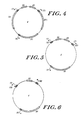
- Figure 4 illustrates still another vector embodying the invention. It comprises a pair of enhancer elements 5, 5′ disposed between a pair of transcription units. Transformants successfully incorporating DNA from this vector produce large quantities of mRNA transcribed from genes 6 and 6′ because of the combined effect of the dual promoter sequences, but much smaller amounts of the protein encoded by marker gene 8.
- Figures 5 and 6 depict still other embodiments of the invention.
- the vector of Figure 5 is similar to that illustrated in Figure 4 except that in place of the genes encoding proteins 6 and 6′.
- DNA comprising specific restriction sites 12 and 12′ is disposed adjacent the 3′ ends of the promoters 7 and 7′.
- the vector of Figure 6 features a blocking element 10 and other elements similar to the arrangement shown in Figure 2, with its 3' end of the blocking element disposed adjacent the enhancer.
- Vectors of the type illustrated in Figures 5 and 6 may be used to produce various transformants by first ligating a gene for a desired product into the restriction sites 12 or 12′, amplifying the vector to produce plural clones, and then transfecting a suitable cell line.
- preferred vectors of the invention comprise cellular enhancer elements which are active in the genome of lymphoid cells.
- a preferred enhancer is the IgH enhancer (Gillies et al, supra ).
- the vectors may be used to transfect myeloma cells of murine origin such as publicly available cell line J558 (ATCC TIB 6), Sp2/0-Ag14 (ATCC CRL 1581 ), and P3X63-Ag8.653 (ATCC CRL 1580).
- the preferred marker region for use in the vectors is the gpt gene flanked on its 5′ side by the SV40 promoter and viral enhancer and on its 3′ side by the SV40 intervening sequence and poly A+ addition site.
- activity of the SV40 viral enhancer in lymphoid cells is much less than the activity of the IgH enhancer. Therefore, it is desirable to prevent enhancement by the cellular enhancer on the gpt gene to achieve high expression of the gene of interest, but unnecessary to prevent enhancement by the SV40 viral enhancer on the gpt gene.
- TPA tissue plasminogen activator
- the 3′ untranslated regions (3′ UTs) of the highly abundant immunpglobulin mRNAs in lymphoid cells are relatively short (less than about 200 nucleotides), whereas the 3′ UTs of several genes of interest not expressed at high levels in normal lymphoid cells are relatively long.
- the 3′ UT of TPA is approximately 800 nucleotides long (Pennica et al, Nature, V. 301, 214-231, Jan. 1983), that of Factor VIII is about 1800 nucleotides (Wood et al, Nature, V. 312, 330-337, Nov.
- 3′ UTs The substitution of 3′ UTs is accomplished by truncating the exogenous gene (or cDNA) at a point beyond its translation stop signal and ligating it to an excised, short 3′ UT region from, for example, an immunoglobulin gene or the SV40 early region gene.
- the "fused" DNA results in fused mRNA of increased intracellular stability.
- the invention was used to obtain transformed mouse myeloma cells expressing high levels of the human thrombolytic enzyme tissue plasminogen activator (TPA).
- TPA cDNA was inserted into an expression vector which contained the murine immunoglobulin heavy chain (IgH) enhancer, the metallothioneine (MT) promoter, and the E. coli gpt gene.
- IgH murine immunoglobulin heavy chain
- MT metallothioneine
- E. coli gpt gene The enhancement of the cpt gene by the IgH enhancer was blocked by the insertion of the murine immunoglobulin lambda light chain promoter into the vector.
- the basic expression vector, pEM1, is diagrammed in Figure 7. It was constructed from the following fragments; (a) a 2.25 PvuII-BamHI fragment from pSV2- gpt (Mulligan and Berg, Science; V. 209, 1422-1427, 1980) containing the SV40 enhancer and early region promoter, the E. coli gpt gene, the SV40 small tumor-antigen intervening sequence, and the SV40 transcription termination and polyadenylation signals; (b) a 2.3 kb PvuII-EcoRI fraqment from pBR322 containing the ampicillinase gene and the bacterial origin of replication (Sutcliffe, Proc. Natl. Acad. Sci.
- the vector pEMp1 ( Figure 7) was constructed by inserting an enhancer-blocking element into pEM1.
- An enhancer-blocking element into pEM1.
- RNA isolated from cultured Bowes cells was primed with oligo (dT) for first strand synthesis with reverse transcriptase, nick-translated with RNase H and DNA polymerase I for second strand synthesis (Gubler & Hoffman, Gene, V. 25, 263, 1983), methylated with EcoRI methylase, ligated to EcoRI linkers, and inserted into the EcoRI site of the lambda phage vector gt10.
- Phage plaques were screened with radioactively labelled oligonucleotide TPA-specific probes, the sequences of which were determined from the published DNA sequence of the TPA cDNA (Pennica et al, s upra ). TPA clones containing the entire coding region, and approximately 800 base pairs of the 3′ UT region were identified and confirmed by nucleotide sequencing.
- the extremely long 3′ UT region of the TPA cDNA was discovered to cause messenger RNA instability.
- the bulk of the 3′ UT region was therefore eliminated by cleaving at the Sau3A site located 34 nucleotides downstream of the translation stop site.
- a 1.7 kb fragment containing the TPA cDNA with the truncated 3′ UT was ligated to XhoI linkers.
- the TPA cDNA fragment was inserted into the unique XhoI site present in both pEM1 and pEMp1 to produce recombinant plasmids, pEM1-tpa and pEMp1-tpa.
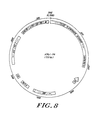
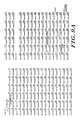
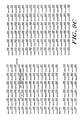
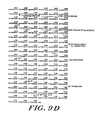
- a diagram of vector pEMp1-tpa is given in Figure 8; the complete nucleotide sequence of the vector is disclosed in Figures 9A-9D.
- pEM1-tpa differs from that given in Figures 8 and 9A-9D only in that pEM1-tpa lacks the lambda promoter blocking element.
- the TPA-containing plasmids were transfected into J558L myeloma cells by the protoplast fusion method (Gillies et al, supra ). Cells containing either plasmid, and therefore the gpt gene, were selected by culturing in media containing mycophenolic acid. Resistant colonies containing pEM1-tpa and resistant colonies containing pEMp1-tpa were subcloned and screened for TPA expression. The synthesis and secretion of TPA into the medium was determined by means of an assay in which TPA converts plasminogen to plasmin, which then cleaves the chromogenic tripeptide S2251 (Pennica et al, supra ).
- TPA mRNA The levels of TPA mRNA obtained with and without the IgH enhancer-blocking element were consistent with the activity levels. Cytoplasmic RNA was isolated from 2 or 3 clones from each group that secreted the highest levels of TPA. The RNA samples were analyzed for TPA- specific mRNA by Northern blotting and hybridization. As shown in Figure 10, the relative levels of TPA mRNA were significantly higher (approximately 5 to 10 fold) in cells transfected with plasmid pEMp1-tpa versus cells transfected with plasmid pEM1-tpa.
Landscapes
- Health & Medical Sciences (AREA)
- Genetics & Genomics (AREA)
- Life Sciences & Earth Sciences (AREA)
- Engineering & Computer Science (AREA)
- Chemical & Material Sciences (AREA)
- Organic Chemistry (AREA)
- Zoology (AREA)
- Wood Science & Technology (AREA)
- Bioinformatics & Cheminformatics (AREA)
- Biomedical Technology (AREA)
- General Engineering & Computer Science (AREA)
- Biotechnology (AREA)
- General Health & Medical Sciences (AREA)
- Biochemistry (AREA)
- Microbiology (AREA)
- Molecular Biology (AREA)
- Plant Pathology (AREA)
- Biophysics (AREA)
- Physics & Mathematics (AREA)
- Medicinal Chemistry (AREA)
- Micro-Organisms Or Cultivation Processes Thereof (AREA)
- Preparation Of Compounds By Using Micro-Organisms (AREA)
- Measuring Or Testing Involving Enzymes Or Micro-Organisms (AREA)
- Image Generation (AREA)
- Enzymes And Modification Thereof (AREA)
Priority Applications (1)
| Application Number | Priority Date | Filing Date | Title |
|---|---|---|---|
| AT87300658T ATE68205T1 (de) | 1986-03-07 | 1987-01-27 | Vektor und verfahren zur erreichung einer hohen expression in zellen. |
Applications Claiming Priority (2)
| Application Number | Priority Date | Filing Date | Title |
|---|---|---|---|
| US83759586A | 1986-03-07 | 1986-03-07 | |
| US837595 | 1986-03-07 |
Publications (3)
| Publication Number | Publication Date |
|---|---|
| EP0237157A2 true EP0237157A2 (de) | 1987-09-16 |
| EP0237157A3 EP0237157A3 (en) | 1989-04-05 |
| EP0237157B1 EP0237157B1 (de) | 1991-10-09 |
Family
ID=25274910
Family Applications (1)
| Application Number | Title | Priority Date | Filing Date |
|---|---|---|---|
| EP87300658A Expired - Lifetime EP0237157B1 (de) | 1986-03-07 | 1987-01-27 | Vektor und Verfahren zur Erreichung einer hohen Expression in Zellen |
Country Status (9)
| Country | Link |
|---|---|
| US (1) | US5665578A (de) |
| EP (1) | EP0237157B1 (de) |
| JP (1) | JP2535000B2 (de) |
| AT (1) | ATE68205T1 (de) |
| AU (1) | AU582288B2 (de) |
| CA (1) | CA1304026C (de) |
| DE (1) | DE3773512D1 (de) |
| DK (1) | DK47887A (de) |
| NO (1) | NO870948L (de) |
Cited By (7)
| Publication number | Priority date | Publication date | Assignee | Title |
|---|---|---|---|---|
| EP0255320A3 (de) * | 1986-07-28 | 1989-09-06 | Genzyme Corporation | Herstellung von Proteinen in Myelomazellen |
| FR2629469A1 (fr) * | 1988-03-31 | 1989-10-06 | Pasteur Institut | Retrovirus recombinant defectif, son application a l'integration de sequences codantes pour des proteines determinees dans le genome de cultures cellulaires infectables par le retrovirus sauvage correspondant et adns recombinants pour la production de ce retrovirus recombinant |
| EP0271003A3 (de) * | 1986-12-05 | 1989-10-11 | Ciba-Geigy Ag | Expressionsvektoren |
| EP0282512A4 (de) * | 1986-09-12 | 1990-04-10 | Damon Biotech Inc | Stabilisierung von messenger-rns in tierischen zellen. |
| WO1990006363A1 (en) * | 1988-12-08 | 1990-06-14 | Damon Biotech, Inc. | Expression induction method employing mutant dhfr gene |
| US5196320A (en) * | 1989-09-20 | 1993-03-23 | Abbott Biotech, Inc. | Method of producing engineered binding proteins |
| EP1591523A4 (de) * | 2003-02-03 | 2007-07-11 | Japan Immuno Inc | Überexpressionsvektor für tierzelle |
Families Citing this family (4)
| Publication number | Priority date | Publication date | Assignee | Title |
|---|---|---|---|---|
| CA2324514A1 (en) * | 1998-04-03 | 1999-10-14 | Invitrogen Corporation | Methods for producing libraries of expressible gene sequences |
| US20020034772A1 (en) * | 1999-06-29 | 2002-03-21 | Orlow Seth J. | Methods and compositions that affect melanogenesis |
| AU2002250064B2 (en) * | 2001-02-13 | 2008-01-17 | University Of Florida Research Foundation, Inc. | A bi-directional dual promoter complex with enhanced promoter activity for transgene expression in eukaryotes |
| CN119183384A (zh) | 2022-02-24 | 2024-12-24 | 中国抗体制药有限公司 | 针对警报素的双特异性结合蛋白及其用途 |
Family Cites Families (28)
| Publication number | Priority date | Publication date | Assignee | Title |
|---|---|---|---|---|
| FR2440957A1 (fr) * | 1978-11-13 | 1980-06-06 | Pasteur Institut | Vecteurs appropries a l'insertion dans leurs genomes de fragments d'adn etrangers, selon l'une quelconque des phases de traduction possibles, et moyens pour leur fabrication |
| FR2441659A1 (fr) * | 1978-11-14 | 1980-06-13 | Anvar | Nouveaux plasmides hybrides et microorganismes les contenant |
| AU542264B2 (en) * | 1979-06-01 | 1985-02-14 | G.D. Searle & Co. | Plasmid vectors |
| US4418149A (en) * | 1980-01-10 | 1983-11-29 | President And Fellows Of Harvard College | Fused hybrid gene |
| JPS57500408A (de) * | 1980-02-25 | 1982-03-11 | ||
| US4399216A (en) * | 1980-02-25 | 1983-08-16 | The Trustees Of Columbia University | Processes for inserting DNA into eucaryotic cells and for producing proteinaceous materials |
| WO1982000158A1 (en) * | 1980-07-08 | 1982-01-21 | Salk Inst For Biological Studi | System for amplification of eukaryotic genes |
| DK489481A (da) * | 1980-11-10 | 1982-05-11 | Searle & Co | Plasmidvektor og frmgangsmaade til fremstilling deraf |
| US4374927A (en) * | 1981-02-24 | 1983-02-22 | The Board Of Trustees Of The Leland Stanford Jr. University | Extrachromosomal regulation of expression |
| JPS57181098A (en) * | 1981-04-30 | 1982-11-08 | Japan Found Cancer | Novel recombinant dna |
| IL65775A (en) * | 1981-05-18 | 1985-05-31 | Genentech Inc | Microbial hybrid promotors and plasmids and e.coli comprising them |
| IL66065A (en) * | 1981-06-22 | 1989-06-30 | Lilly Co Eli | Recombinant dna cloning vectors and the e.coli transformants thereof |
| US4405712A (en) * | 1981-07-01 | 1983-09-20 | The United States Of America As Represented By The Department Of Health And Human Services | LTR-Vectors |
| CA1207253A (en) * | 1981-08-17 | 1986-07-08 | Lee D. Simon | T4 dna fragment as a stabilizer for proteins expressed by cloned dna |
| JPS58501406A (ja) * | 1981-08-21 | 1983-08-25 | ユニヴア−シテイ− パテンツ,インコ−ポレ−テツド | エシエリヒア・コリ−における蛋白合成発現の高揚 |
| ZW18282A1 (en) * | 1981-08-31 | 1983-03-23 | Genentech Inc | Preparation of polypeptides in vertebrate cell culture |
| EP0076037B1 (de) * | 1981-09-02 | 1988-12-07 | Biogen, Inc. | Verstärkte Expression von DNS-Sequenzen |
| JPS58146281A (ja) * | 1981-10-19 | 1983-08-31 | Suntory Ltd | 酵母細胞の形質転換法 |
| DE3485850T2 (de) * | 1983-11-08 | 1993-01-21 | Teijin Ltd | Genfragmente, abgeleitet vom menschlichen immunoglobulin-gen. |
| US4740461A (en) * | 1983-12-27 | 1988-04-26 | Genetics Institute, Inc. | Vectors and methods for transformation of eucaryotic cells |
| EP0154539A3 (de) * | 1984-03-06 | 1986-12-30 | Eli Lilly And Company | Rekombinante DNS-Expressionsvektoren und Verfahren für Genexpression |
| JPH0789930B2 (ja) * | 1984-03-08 | 1995-10-04 | 大正製薬株式会社 | ウイルス性転写促進配列 |
| US4663281A (en) * | 1984-03-22 | 1987-05-05 | Mass Institute Of Technology | Enhanced production of proteinaceous materials in eucaryotic cells |
| US4931373A (en) * | 1984-05-25 | 1990-06-05 | Zymogenetics, Inc. | Stable DNA constructs for expression of α-1 antitrypsin |
| DE3431140A1 (de) * | 1984-08-24 | 1986-03-06 | Behringwerke Ag, 3550 Marburg | Enhancer fuer eukaryotische expressionssysteme |
| GB2183662B (en) * | 1985-04-01 | 1989-01-25 | Celltech Ltd | Transformed myeloma cell-line and a process for the expression of a gene coding for a eukaryotic polypeptide employing same |
| DK156072C (da) * | 1985-04-03 | 1989-11-06 | Nordisk Gentofte | Syntetisk dna-sekvens indeholdende et ribosombindingssted |
| US5001230A (en) * | 1988-02-18 | 1991-03-19 | Schering Corporation | T cell activation markers |
-
1986
- 1986-11-25 AU AU65683/86A patent/AU582288B2/en not_active Ceased
-
1987
- 1987-01-06 CA CA000526756A patent/CA1304026C/en not_active Expired - Lifetime
- 1987-01-09 JP JP62003100A patent/JP2535000B2/ja not_active Expired - Lifetime
- 1987-01-27 DE DE8787300658T patent/DE3773512D1/de not_active Expired - Fee Related
- 1987-01-27 EP EP87300658A patent/EP0237157B1/de not_active Expired - Lifetime
- 1987-01-27 AT AT87300658T patent/ATE68205T1/de not_active IP Right Cessation
- 1987-01-29 DK DK047887A patent/DK47887A/da not_active Application Discontinuation
- 1987-03-06 NO NO870948A patent/NO870948L/no unknown
-
1994
- 1994-04-05 US US08/223,381 patent/US5665578A/en not_active Expired - Lifetime
Cited By (11)
| Publication number | Priority date | Publication date | Assignee | Title |
|---|---|---|---|---|
| EP0255320A3 (de) * | 1986-07-28 | 1989-09-06 | Genzyme Corporation | Herstellung von Proteinen in Myelomazellen |
| EP0282512A4 (de) * | 1986-09-12 | 1990-04-10 | Damon Biotech Inc | Stabilisierung von messenger-rns in tierischen zellen. |
| EP0271003A3 (de) * | 1986-12-05 | 1989-10-11 | Ciba-Geigy Ag | Expressionsvektoren |
| FR2629469A1 (fr) * | 1988-03-31 | 1989-10-06 | Pasteur Institut | Retrovirus recombinant defectif, son application a l'integration de sequences codantes pour des proteines determinees dans le genome de cultures cellulaires infectables par le retrovirus sauvage correspondant et adns recombinants pour la production de ce retrovirus recombinant |
| EP0336822A1 (de) * | 1988-03-31 | 1989-10-11 | Institut Pasteur | Defektives rekombinantes Retrovirus, seine Verwendung zur Integration von Proteine codierenden Sequenzen im Genom von Gewebekulturen, infizierbar mit dem entsprechenden Wildretrovirus, und DNS zur Herstellung dieses rekombinanten Retrovirus |
| US5583022A (en) * | 1988-03-31 | 1996-12-10 | Institut Pasteur | Defective recombinant retrovirus |
| WO1990006363A1 (en) * | 1988-12-08 | 1990-06-14 | Damon Biotech, Inc. | Expression induction method employing mutant dhfr gene |
| US5741682A (en) * | 1988-12-08 | 1998-04-21 | Abbott Biotech, Inc. | Expression induction method |
| US5196320A (en) * | 1989-09-20 | 1993-03-23 | Abbott Biotech, Inc. | Method of producing engineered binding proteins |
| US5338669A (en) * | 1989-09-20 | 1994-08-16 | Abbott Biotech, Incorporated | Method of producing fusion proteins |
| EP1591523A4 (de) * | 2003-02-03 | 2007-07-11 | Japan Immuno Inc | Überexpressionsvektor für tierzelle |
Also Published As
| Publication number | Publication date |
|---|---|
| NO870948D0 (no) | 1987-03-06 |
| ATE68205T1 (de) | 1991-10-15 |
| EP0237157A3 (en) | 1989-04-05 |
| US5665578A (en) | 1997-09-09 |
| JP2535000B2 (ja) | 1996-09-18 |
| EP0237157B1 (de) | 1991-10-09 |
| JPS62210990A (ja) | 1987-09-17 |
| CA1304026C (en) | 1992-06-23 |
| NO870948L (no) | 1987-09-08 |
| DE3773512D1 (de) | 1991-11-14 |
| DK47887A (da) | 1987-09-08 |
| DK47887D0 (da) | 1987-01-29 |
| AU6568386A (en) | 1987-10-15 |
| AU582288B2 (en) | 1989-03-16 |
Similar Documents
| Publication | Publication Date | Title |
|---|---|---|
| US5017478A (en) | Transfected cells containing plasmids having genes oriented in opposing directions and methods of using | |
| EP0117059B1 (de) | Verfahren zur Herstellung von menschlichem tPA und Expressionsvektoren dafür | |
| JPH09103296A (ja) | 安定化配列を有するベクターおよび真核宿主細胞 | |
| EP0237157B1 (de) | Vektor und Verfahren zur Erreichung einer hohen Expression in Zellen | |
| JP3654446B2 (ja) | マウス細胞のための相同的組換え抗体発現系 | |
| US5741682A (en) | Expression induction method | |
| JP2648301B2 (ja) | 真核細胞の形質転換のための補助dnaを含むベクター | |
| EP0299706A2 (de) | Unglicosilierter Plasminogen-Aktivator und Methode zu seiner Herstellung | |
| US5149635A (en) | Messenger RNA stabilization in animal cells | |
| CA1297435C (en) | Messenger rna stabilization in animal cells | |
| Hussain et al. | Construction of a dominant selectable marker using a novel dihydrofolate reductase | |
| EP0368926A1 (de) | Transfizierte zellen, die plasmide mit in entgegengesetzten richtungen orientierten genen enthalten, und verfahren zu ihrer herstellung | |
| EP0457527A1 (de) | Plasmide, transformierte Tierzellen und Verfahren zur Herstellung von fremdem Protein | |
| WO1989010959A1 (en) | Supertransformants for high expression rates in eukaryotic cells | |
| US4889802A (en) | Enhanced production of recombinant proteins in myeloma cells | |
| EP0248647B1 (de) | Expressionsvektoren, die die Hitzeschock-Regulator-DNA-Sequenzen eines Hitzeschock-Protein-83-(hsp 83)-Gens enthalten und induzierbare Expression unter Verwendung der Vektoren | |
| Asselbergs et al. | Production of the chimerical plasminogen activator K2tu-PA in CHO cells | |
| NO882051L (no) | Mrna-stabilisering i dyreceller. | |
| NO845186L (no) | Vektorsystem for innfoering av heterolog dna i eykaryotiske celler. |
Legal Events
| Date | Code | Title | Description |
|---|---|---|---|
| PUAI | Public reference made under article 153(3) epc to a published international application that has entered the european phase |
Free format text: ORIGINAL CODE: 0009012 |
|
| AK | Designated contracting states |
Kind code of ref document: A2 Designated state(s): AT BE CH DE FR GB IT LI LU NL SE |
|
| PUAL | Search report despatched |
Free format text: ORIGINAL CODE: 0009013 |
|
| AK | Designated contracting states |
Kind code of ref document: A3 Designated state(s): AT BE CH DE FR GB IT LI LU NL SE |
|
| 17P | Request for examination filed |
Effective date: 19890920 |
|
| 17Q | First examination report despatched |
Effective date: 19901116 |
|
| GRAA | (expected) grant |
Free format text: ORIGINAL CODE: 0009210 |
|
| RAP1 | Party data changed (applicant data changed or rights of an application transferred) |
Owner name: ABBOTT BIOTECH, INC. |
|
| AK | Designated contracting states |
Kind code of ref document: B1 Designated state(s): AT BE CH DE FR GB IT LI LU NL SE |
|
| ITF | It: translation for a ep patent filed | ||
| REF | Corresponds to: |
Ref document number: 68205 Country of ref document: AT Date of ref document: 19911015 Kind code of ref document: T |
|
| ET | Fr: translation filed | ||
| REF | Corresponds to: |
Ref document number: 3773512 Country of ref document: DE Date of ref document: 19911114 |
|
| PLBE | No opposition filed within time limit |
Free format text: ORIGINAL CODE: 0009261 |
|
| STAA | Information on the status of an ep patent application or granted ep patent |
Free format text: STATUS: NO OPPOSITION FILED WITHIN TIME LIMIT |
|
| 26N | No opposition filed | ||
| EPTA | Lu: last paid annual fee | ||
| EAL | Se: european patent in force in sweden |
Ref document number: 87300658.9 |
|
| PGFP | Annual fee paid to national office [announced via postgrant information from national office to epo] |
Ref country code: CH Payment date: 19960312 Year of fee payment: 10 |
|
| PGFP | Annual fee paid to national office [announced via postgrant information from national office to epo] |
Ref country code: LU Payment date: 19961201 Year of fee payment: 11 |
|
| PGFP | Annual fee paid to national office [announced via postgrant information from national office to epo] |
Ref country code: GB Payment date: 19961222 Year of fee payment: 11 |
|
| PGFP | Annual fee paid to national office [announced via postgrant information from national office to epo] |
Ref country code: FR Payment date: 19970113 Year of fee payment: 11 |
|
| PGFP | Annual fee paid to national office [announced via postgrant information from national office to epo] |
Ref country code: NL Payment date: 19970120 Year of fee payment: 11 |
|
| PGFP | Annual fee paid to national office [announced via postgrant information from national office to epo] |
Ref country code: DE Payment date: 19970129 Year of fee payment: 11 |
|
| PG25 | Lapsed in a contracting state [announced via postgrant information from national office to epo] |
Ref country code: LI Effective date: 19970131 Ref country code: CH Effective date: 19970131 |
|
| PGFP | Annual fee paid to national office [announced via postgrant information from national office to epo] |
Ref country code: BE Payment date: 19970206 Year of fee payment: 11 |
|
| REG | Reference to a national code |
Ref country code: CH Ref legal event code: PL |
|
| PG25 | Lapsed in a contracting state [announced via postgrant information from national office to epo] |
Ref country code: LU Free format text: LAPSE BECAUSE OF NON-PAYMENT OF DUE FEES Effective date: 19980127 Ref country code: GB Free format text: LAPSE BECAUSE OF NON-PAYMENT OF DUE FEES Effective date: 19980127 |
|
| PG25 | Lapsed in a contracting state [announced via postgrant information from national office to epo] |
Ref country code: FR Free format text: THE PATENT HAS BEEN ANNULLED BY A DECISION OF A NATIONAL AUTHORITY Effective date: 19980131 Ref country code: BE Free format text: LAPSE BECAUSE OF NON-PAYMENT OF DUE FEES Effective date: 19980131 |
|
| BERE | Be: lapsed |
Owner name: ABBOTT BIOTECH INC. Effective date: 19980131 |
|
| PG25 | Lapsed in a contracting state [announced via postgrant information from national office to epo] |
Ref country code: NL Free format text: LAPSE BECAUSE OF NON-PAYMENT OF DUE FEES Effective date: 19980801 |
|
| GBPC | Gb: european patent ceased through non-payment of renewal fee |
Effective date: 19980127 |
|
| NLV4 | Nl: lapsed or anulled due to non-payment of the annual fee |
Effective date: 19980801 |
|
| PG25 | Lapsed in a contracting state [announced via postgrant information from national office to epo] |
Ref country code: DE Free format text: LAPSE BECAUSE OF NON-PAYMENT OF DUE FEES Effective date: 19981001 |
|
| REG | Reference to a national code |
Ref country code: FR Ref legal event code: ST |
|
| PGFP | Annual fee paid to national office [announced via postgrant information from national office to epo] |
Ref country code: AT Payment date: 19981231 Year of fee payment: 13 |
|
| PGFP | Annual fee paid to national office [announced via postgrant information from national office to epo] |
Ref country code: SE Payment date: 19990104 Year of fee payment: 13 |
|
| PG25 | Lapsed in a contracting state [announced via postgrant information from national office to epo] |
Ref country code: AT Free format text: LAPSE BECAUSE OF NON-PAYMENT OF DUE FEES Effective date: 20000127 |
|
| PG25 | Lapsed in a contracting state [announced via postgrant information from national office to epo] |
Ref country code: SE Free format text: LAPSE BECAUSE OF NON-PAYMENT OF DUE FEES Effective date: 20000128 |
|
| EUG | Se: european patent has lapsed |
Ref document number: 87300658.9 |
|
| PG25 | Lapsed in a contracting state [announced via postgrant information from national office to epo] |
Ref country code: IT Free format text: LAPSE BECAUSE OF NON-PAYMENT OF DUE FEES;WARNING: LAPSES OF ITALIAN PATENTS WITH EFFECTIVE DATE BEFORE 2007 MAY HAVE OCCURRED AT ANY TIME BEFORE 2007. THE CORRECT EFFECTIVE DATE MAY BE DIFFERENT FROM THE ONE RECORDED. Effective date: 20050127 |