EP0241907A2 - Heterobifunktionelle Antikörper und Verfahren zur Verwendung derselben - Google Patents
Heterobifunktionelle Antikörper und Verfahren zur Verwendung derselben Download PDFInfo
- Publication number
- EP0241907A2 EP0241907A2 EP87105504A EP87105504A EP0241907A2 EP 0241907 A2 EP0241907 A2 EP 0241907A2 EP 87105504 A EP87105504 A EP 87105504A EP 87105504 A EP87105504 A EP 87105504A EP 0241907 A2 EP0241907 A2 EP 0241907A2
- Authority
- EP
- European Patent Office
- Prior art keywords
- antibody
- heterobifunctional
- tpa
- fibrin
- antibodies
- Prior art date
- Legal status (The legal status is an assumption and is not a legal conclusion. Google has not performed a legal analysis and makes no representation as to the accuracy of the status listed.)
- Withdrawn
Links
Images


Classifications
-
- C—CHEMISTRY; METALLURGY
- C07—ORGANIC CHEMISTRY
- C07K—PEPTIDES
- C07K16/00—Immunoglobulins [IG], e.g. monoclonal or polyclonal antibodies
- C07K16/46—Hybrid immunoglobulins
- C07K16/468—Immunoglobulins having two or more different antigen binding sites, e.g. multifunctional antibodies
-
- A—HUMAN NECESSITIES
- A61—MEDICAL OR VETERINARY SCIENCE; HYGIENE
- A61K—PREPARATIONS FOR MEDICAL, DENTAL OR TOILETRY PURPOSES
- A61K51/00—Preparations containing radioactive substances for use in therapy or testing in vivo
- A61K51/02—Preparations containing radioactive substances for use in therapy or testing in vivo characterised by the carrier, i.e. characterised by the agent or material covalently linked or complexing the radioactive nucleus
- A61K51/04—Organic compounds
- A61K51/08—Peptides, e.g. proteins, carriers being peptides, polyamino acids, proteins
- A61K51/10—Antibodies or immunoglobulins; Fragments thereof, the carrier being an antibody, an immunoglobulin or a fragment thereof, e.g. a camelised human single domain antibody or the Fc fragment of an antibody
- A61K51/1084—Antibodies or immunoglobulins; Fragments thereof, the carrier being an antibody, an immunoglobulin or a fragment thereof, e.g. a camelised human single domain antibody or the Fc fragment of an antibody the antibody being a hybrid immunoglobulin
- A61K51/109—Antibodies or immunoglobulins; Fragments thereof, the carrier being an antibody, an immunoglobulin or a fragment thereof, e.g. a camelised human single domain antibody or the Fc fragment of an antibody the antibody being a hybrid immunoglobulin immunoglobulins having two or more different antigen-binding sites or multifunctional antibodies
-
- A—HUMAN NECESSITIES
- A61—MEDICAL OR VETERINARY SCIENCE; HYGIENE
- A61P—SPECIFIC THERAPEUTIC ACTIVITY OF CHEMICAL COMPOUNDS OR MEDICINAL PREPARATIONS
- A61P7/00—Drugs for disorders of the blood or the extracellular fluid
- A61P7/02—Antithrombotic agents; Anticoagulants; Platelet aggregation inhibitors
-
- A—HUMAN NECESSITIES
- A61—MEDICAL OR VETERINARY SCIENCE; HYGIENE
- A61K—PREPARATIONS FOR MEDICAL, DENTAL OR TOILETRY PURPOSES
- A61K2123/00—Preparations for testing in vivo
-
- A—HUMAN NECESSITIES
- A61—MEDICAL OR VETERINARY SCIENCE; HYGIENE
- A61K—PREPARATIONS FOR MEDICAL, DENTAL OR TOILETRY PURPOSES
- A61K38/00—Medicinal preparations containing peptides
Definitions
- This invention relates to heterobifunctional antibodies having dual specificities, one specificity directed against a thrombus and the other specificity directed against a thrombolytic agent. This invention further relates to a method of using these heterobifunctional antibodies in immunodiagnostic and immunotherapeutic processes.
- myocardial infarctions are caused by coronary thrombosis (DeWood et al ., N. Eng. J. Med. , 303 : 897 (l983).
- the coronary thrombosis that causes the myocardial infarction can be lysed by thrombolytic agents.
- These thrombolytic agents are plasminogen activators that activate the conversion of plasminogen to the fibrinolytic enzyme plasmin. Plasmin will then lyse the fibrin present in the thrombus. This treatment with plasminogen activators is not without side effects. Plasmin acts non-selectively and therefore, not only lyses the fibrin in the thrombus, but also attacks fibrinogen and clotting factors, often resulting in severe bleeding diathesis.
- Streptokinase, urokinase and tissue-type plasminogen activator are three known plasminogen activators for lysing thrombi. These activators are indicated for the treatment for acute cardiovascular disease such as infarct, stroke, pulmonary embolism, deep vein thrombosis, peripheral arterial occlusion, and other venous thrombosis. Both streptokinase and urokinase, however, have severe limitations. Due to a low affinity for fibrin, both activators will activate circulating and fibrin-bound plasminogen indiscriminately.
- the plasmin formed in circulating blood is neutralized before it can be used in thrombolysis. Residual plasmin will degrade several clotting factor proteins, for example, fibrinogen, factor V, and factor VIII, causing hemorrhagic potential. Further, streptokinase is strongly antigenic and patients with high antibody titers respond inefficiently to treatment and cannot remain on continuous treatment.
- tissue-type plasminogen activator can bind to fibrin and therefore favors the activation of plasminogen in close proximity to the thrombus, potentially sparing fibrinogen elsewhere in the circulation.
- tissue-type plasminogen activator can also result in hemorrhage.
- Antibodies in vivo are bivalent and monospecific, containing two identical antigen binding sites.
- the specific binding of antigen by an antibody molecule is determined by the antibody's structure of the variable regions (F ab ) of both heavy and light chains.
- Antibodies having dual specificities have been prepared by subjecting antibodies of different specificities to a selective cleavage of the disulfide bridges that link the two heavy chains together. Antibody half-molecules are then reassociated under neutral pH to produce the hybrid antibodies having dual specificities.
- Nisonhoff et al ., Nature (London) , l94 : 355 (l962) describes the in vitro production of a bispecific antibody molecule from a polyclonal rabbit antibody, anti-ovalbumin, and an anti-bgg antibody.
- the monospecific antibodies were treated with pepsin to remove the F c portion of the antibody, leaving the two antigen-binding sites (F ab ) covalently linked by a single disulfide bond. This bond was then split under reducing conditions and the two antibody molecules reassociated under oxidizing conditions to produce a bispecific antibody.
- Bispecific antibodies have also been produced from hybridomas.
- the preparation of bispecific monoclonal antibodies by fusion of antibody-producing hybridoma cells is described in Milstein and Cuello, Nature ( London ), 305 : 537 (l983). This reference describes the fusion of two hybridomas, or the fusion of one hybridoma with spleen cells from an immunized rat, to produce hybrid hybridomas.
- These hybrid hybridomas secrete predefined bispecific monoclonal antibodies as well as monospecific antibodies.
- Anti-somatostatin/anti-pluroxidase and anti-substance P/ anti-peroxidase bispecific monoclonal antibodies were prepared in this manner.
- the bispecific monoclonal antibodies produced by hybrid hybridomas were complete molecules, containing the F c region as well as the antigen-combining sites.
- bispecific antibody having dual specificity such that one specificity would be directed against a thrombus and the other specificity would be directed against a thrombolytic agent.
- a thrombus would be detected.
- This thrombus then could be lysed by the action of a thrombolytic agent that becomes or is attached to the anti-thrombolytic antibody.
- the lysis of thrombi is complicated; it was not known whether a bispecific antibody would block or inhibit the thrombolytic activity by the thrombolytic agent.
- the present invention provides for a heterobifunctional antibody having dual specificity, with one specificity directed against a thrombus and the other specificity directed against a thrombolytic agent.
- the heterobifunctional antibody according to this invention can be used for immunodiagnosis and immunotherapy. Accordingly, the present invention also provides processes for immunodiagnosis and immunotherapy employing the heterobifunctional antibodies.
- This invention is directed to heterobifunctional antibodies having dual specificity with one specificity directed against a thrombus and the other specificity directed against a thrombolytic agent.
- the individual specificities are to (a) antigenic determinants on a thrombus and (b) antigenic determinants on a thrombolytic agent.
- heterobifunctional antibody is used to designate a single antibody molecule having two specificities or two molecules linked to each other each having different specificities.
- Other terms have been used to describe heterobifunctional antibodies including heteroantibody, bispecific antibody, hybrid antibodies, heteroligating antibody, antibody duplex, hetereodimer, among others. It will be understood by one of skill in the art that these are all equivalent terms.
- the antibodies usable in preparing the heterobifunctional antibodies of the present invention may be either polyclonal or monoclonal antibodies. In the preferred embodiments of this invention, monoclonal antibodies are used in preparing heterobifunctional antibodies.
- the anti-thrombus specificity as used herein refers to antibodies raised against fibrin or fibrino gen. Blood clots are formed when thrombin cleaves two pairs of small peptides from fibrinogen to yield fibrin monomers (Blomback et al ., Ark. Kemi ., l2 : l73 (l958) and Doolittle, R.F., Adv. Protein Chem ., 27 : l (l973)). Fibrin monomers spontaneously aggregate to form an insoluble gel that is covalently stabilized by Factor XIIIa. Fibrin retains 98% of the original covalent structure of fibrinogen.
- the antibodies that are used to form one-half of the heterobifunctional molecule are any antibodies which are fibrin-specific and are substantially devoid of fibrinogen cross-reactivity.
- Antibodies specific against thrombolytic agents may also be polyclonal or monoclonal antibodies, preferably monoclonal antibodies.
- plasminogen When plasminogen is converted by an activator to plasmin, the active fibrinolytic enzyme of plasma, it develops a marked affinity for its substrate, fibrin.
- Three plasminogen activators are currently available for converting plasminogen to plasmin: streptokinase, urokinase, and human tissue plasminogen activator (TPA).
- TPA tissue plasminogen activator
- the term "thrombolytic agent" as used in this specification is therefore meant to include broadly any agent utilized for inducing or initiating the lysis of a thrombus. Other terms are known in the art for the lysis of a thrombus, including fibrinolysis.
- thrombolytic agents are streptokinase, urokinase, and tissue-type plasminogen activator, any other thrombolytic agent can be utilized as defining the specificity of the relevant portion of the heterobifunctional antibodies of the invention.
- Antibodies specific against thrombolytic agents may be raised according to means known in the art. In order to have enhanced specificity, it is preferred that monoclonal antibodies be raised against the thrombolytic agents. (Kohler and Milstein, Nature , 256 :495 (l975).
- the process for obtaining a heterobifunctional antibody according to the present invention requires one antibody specific against a thrombus and the other antibody specific against a thrombolytic agent. These two antibodies may be modified by chemical procedures for preparing antibody fragments therefrom that can then be recombined to produce the heterobifunctional antibody.
- the heterobifunctional antibody can be prepared from the fusion of two hybridomas producing a hybrid hybridoma which secretes predefined heterobifunctional antibodies.
- the reaction is stopped by adding an excess of iodoacetamide.
- the reaction mixture is then passed over an affinity column to separate the bispecific antibody from uncoupled antibodies. In this procedure, the F c /F ab one-half of the antibody molecule is kept intact.
- the F c fraction of the antibody is cleaved from the F ab fraction.
- This procedure is described in Brennan et al ., Science , 229 : 3l (l985), incorporated herein by reference.
- the F c portion of the antibody is cleaved by pepsin hydrolysis to yield the F ab portion.
- the F ab portion is then reduced by mercaptoethylamine in the presence of sodium arsenite to cleave the disulfide bonds.
- the bonds are stabilized with Ellman's reagent, 5,5 ⁇ -dithiobis(2-nitrobenzoic) acid.
- One of the stable F ab half-molecules is then treated with mercaptoethylamine and is mixed with an equimolar amount of the other untreated stable F ab half-molecule to form the heterobifunctional antibody.
- modification refers to monospecific antibodies that are chemically altered, such as in the above two described procedures, to disassociate the antibodies and then reassociate them, producing the heterobifunctional antibody having dual specificity.
- the heterobifunctional antibody may be produced by the fusion of hybridomas to produce a hybrid hybridoma that secretes predefined bispecific heterobifunctional antibodies. This procedure is described in Milstein and Cuello, Nature ( London ), 305 : 537 (l983), incorporated herein by reference. Methods for producing a hybrid hybridoma which secretes a hybrid monoclonal antibody having dual specificity against two different antigenic determinants is also described in PCT application, WO 83/03679, also incorporated herein by reference.
- hybrid hybridomas with selectable markers such that the monospecific hybridoma cannot survive in a medium in which the hybrid hybridoma is cultured.
- the hybrid hybridoma can be easily selected. Examples of such selectivity include the inability to produce the enzyme HPRT, HAT-ouaban selection, HAT sensitivity, and antibiotic resistance.
- the present invention also provides methods for immunotherapy and immunodiagnosis using heterobifunctional antibodies having a dual specificity, wherein one of the dual specificities is against a thrombus and the other specificity is against a thrombolytic agent.
- heterobifunctional antibodies produced from either chemical means or hybrid hybridomas can be used.
- the heterobifunctional antibody of dual specificity can be used in immunotherapy by constructing it to have a specificity against a thrombus and a specificity against a thrombolytic agent.
- the anti-thrombus antibody is a monoclonal antibody against fibrin with substantially no cross-reactivity to fibrinogen and the thrombolytic agent is TPA.
- the heterobifunctional antibody after the heterobifunctional antibody is administered to the patient, the heterobifunctional antibody then becomes localized at the site of the thrombus. During this time, the endogenous TPA will become attached to the heterobifunctional antibody.
- This method may also be used by first administering to the patient a low dosage of a thrombolytic agent.
- the heterobifunctional antibody is then administered to the patient, and it localizes at the site of the thrombus.
- the heterobifunctional antibody will capture the administered thrombolytic agent, directly it to the thrombus site.
- the hetereobifunctional antibody may be first administered, followed by administration of a low dosage of the thrombolytic agent.
- the low dosage of the thrombolytic agent will reduce the risk of serious side effects, such as hemorrhage.
- the thrombolytic agent for example streptokinase, uroki nase, or TPA
- the heterobifunctional antibody prior to administration to the patient.
- the specificity of the anti-thrombus portion of the heterobifunctional antibody permits selectivity of the antithrombolytic agent to lyse the thrombus.
- the heterobifunctional antibody may also be used in immunodiagnostic applications. In vivo immunodiagnosis can be performed using the heterobifunctional antibody of this invention.
- the heterobifunctional antibody having one specificity against a thrombus and the second specificity against a thrombolytic agent, is first administered to the patient. After sufficient time has passed for the antibody to localize at the thrombus and unbound antibody has been permitted to clear from healthy tissue in the patient, the thrombolytic agent bearing a radionuclide is administered.
- the radionuclide must be of the type of decay which is detectable for a given type of instrument.
- the radionuclide for in vivo diagnosis should have a half-life long enough that it is still detectable at the time of maximum uptake, but short enough that after diagnosis unwanted radiation does not remain in the patient. Coupling of the radionuclides to the protein agents is known in the art and is often accomplished either directly or indirectly using an intermediary functional group. Examples of radioisotopes that can be used for in vivo diagnosis are 99Tc, 123I, 131I, 111In, 97Ru, 67Cu, 67Ga, 68Ga, 72As, 89Zr, and 201Tl.
- Paramagnetic isotopes for purposes of in vivo diagnosis can also be used according to the methods of this invention.
- elements that are par ticularly useful for use in Magnetic Resonance Energy techniques include 157Gd, 55Mn, 162Dy, 52Cr, and 56Fe.
- the heterobifunctional antibody having dual specificity can further comprise a pharmaceutical composition, with a pharmaceutically acceptable carrier.
- a pharmaceutically acceptable carrier are well known in the art and can include aqueous or solvent emulsions or suspensions, including saline and buffered media.
- the pharmaceutical compositions may be prepared by any of the methods that are well-known in the pharmaceutical art, for example, as described in Remington's Pharmaceutical Sciences (l6th Edition, l980).
- the dose ranges for administration of the heterobifunctional antibody are those that are large enough to detect the presence of thrombi.
- the dosage should not be so large as to cause adverse side effects, such as unwanted cross rashes, and anaphylactic rashes and the like.
- the dosage will vary with the age, condition, sex, and extent of disease in the patient. Counter indications can include immune tolerance and other variables and can be adjusted by the individual physician. Dosage can range from 0.0l mg/kg to 500 mg/kg of body weight, preferably 0.0l mg/kg to 200 mg/kg.
- the heterobifunctional antibodies can be administered parentally by injection or by gradual perfusion over time. They can also be administered intravenously, intraperitoneally, intramuscularly, or subcutaneously.
- IgGl mouse monoclonal antibodies specific for human tissue-type plasminogen activator were raised from A/J mice that had been immunized with human recombinant two-chain tissue-type plasminogen activator (TPA) (Genentech Inc). To select the appropriate clones, spleen cells from the immunized mice were fused with SP2/0 myeloma cells and the mixture was then distributed into ten 96-well microtiter plates containing macrophage feeder layers. Hybridoma colonies were observed in over 95% of the wells. Supernatants from l2 wells showed evidence of anti-TPA binding in a solid phase immunoassay.
- the apparent dissociation constants of the two anti-TPA antibodies was estimated by determining the half maximal binding concentration of 125I-TPA.
- One antibody was determined to have a K d of 4.5 ⁇ l0 ⁇ 10 and the other 6.5 ⁇ l0 ⁇ 10. Neither antibody inhibited the activity of TPA as measured either against an esterase substrate, S2444, or in a fibrinolysis assay against fibrin monomer (described in Example 3, below).
- the anti-TPA hybridoma cell line TCL8 was placed on deposit at the American Type Culture Collection (ATCC), Rockville, Maryland and designated ATCC No. HB9090.
- Hybridoma line TCL8 produces a monoclonal antibody specific for the catalytically active chain of TPA.
- IgGl mouse monoclonal antibody specific for fibrin and not cross-reacting with fibrinogen has been previously described in Hui, et al ., Science, 222 :ll29-ll3l (l983).
- Anti-TPA monoclonal antibody described in Example l was covalently coupled to anti-fibrin monoclonal antibody 59D8 utilizing the cross-linking reagent (N-succinimidyl 3-(2 pyridyldithio) propionate (SPDP).
- SPDP cross-linking reagent
- Thiol groups were attached to the anti-TPA antibodies by reacting 8.4 mg of either of the two anti-TPA monoclonal antibodies at a concentration of 2.4 ng/ml in NaPi with a 200-fold molar excess of 2-iminothiolane in 25mM sodium borate, pH 9.l. After 45 minutes at room temperature, the mixture was fractionated on a Sephadex G-25 column (2.5 ⁇ 30 cm) equilibrated with 0.lM NaCl, 0.lM sodium phosphate, pH 6.6. This protocol introduces l to 2 thiol groups per antibody molecule. Lui et al ., supra .
- the sample was next concentrated to a volume of 9 ml in a l0 ml Amicon ultrafiltration cell using a YM 30 membrane and then applied to a calibrated Sephacryl S-300 column (2.5 ⁇ 85 cm) equilibrated with 0.lM phosphate, 0.l M NaCl, l.0M urea, pH 6.6. Two peaks were clearly resolved. The first peak, eluting at approximately 300 Kd, was consistent with heterobifunctional antibodies (heterodimers). The second peak, eluting at l50 Kd, was presumed to contain unreacted antibody monomers. Small amounts of higher molecular weight materials were also observed, which were presumed to be higher polymers. The material from the 300 Kd peak was pooled and dialyzed against the buffer to be used in subsequent assays.
- TPA 0.5 mg/ml
- heterobifunctional antibody 0.5 mg/ml
- the solution was concentrated to a volume of 9 ml in a l0 ml Amicon ultrafiltration cell on a YM 30 membrane and applied to a Sephacryl S-300 column. Two peaks were resolved. One peak eluted with a slightly smaller volume than that of the heterobifunctional antibody peak, and with a molecular weight of approximately 400 Kd. Since the apparent molecular weight of TPA was 70 Kd on this column, the first peak was presumed to be an antibody-TPA complex and the second peak unbound TPA. On the basis of enzymatic activity (described in Example 3), it was estimated that about l.5 moles of TPA were bound to each mole of heterobifunctional antibody.
- the plasminogen-activating potency of TPA, the heterobifunctional fibrin-TPA antibody, urokinase, and a covalent complex of urokinase and a fibrin-specific antibody (urokinase-antibody conjugate) (Bode et al ., Science , 229 :765-767 (l985)), were compared at equivalent peptidase activities.
- Peptidase activity independent of fibrin binding was measured with the chromogenic substrate, S-2288 (Helena Labs).
- Urokinase Abbokinase, Abbot Lot #82-087-AF
- the peptidase activity of l unit of urokinase was equal to that of 7 ng of TPA.
- the lysis of 125I-fibrin monomer covalently linked to Sepharose 4B-Cl provided the end-point for the plasminogen-activator assay.
- Hui et al ., supra the test substance was incubated with a 300 ul of a suspension of fibrin-Sepharose in a buffer containing l0 mM sodium phosphate, 0.l% BSA, 0.0l% Tween-80, pH 7.4.
- the fibrin-Sepharose was washed with the same buffer and then incubated with l ml of plasminogen solution (0.l5 mg/ml). Release of labeled peptides was measured at varying intervals by counting aliquots of the supernatant after centrifugation of the fibrin-Sepharose and was expressed as a percentage of the total initial radioactivity.
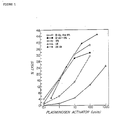
- FIG. l shows that the concentration of TPA required to release labeled peptides from fibrin-Sepharose is about l/l0 that of urokinase and that the TPA- heterobifunctional antibody is l0-fold more potent than TPA alone.
- the TPA-heterobifunctional antibody is equipotent to the urokinase-anti-fibrin complex described in Bode et al ., supra .
- the even greater fibrinolytic potency observed with the TPA-heterobifunctional antibody, and with the urokinase-anti-fibrin complex, may be explained by the considerable difference in the relative affinity for fibrin that exists between TPA and fibrin-specific antibody 59D8.
- the K d of TPA for fibrin is 0.l mM, whereas that of antibody 59D8 is approximately 0.l microM.
- the affinity of anti-TPA for TPA is 0.lnM, not a limiting factor.
- TPA plasma concentration of TPA is reported to be in the range of 5ng/ml.
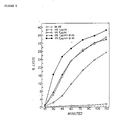
- l ml aliquots of fibrin-Sepharose were incubated both with or without 330 ug/ml heterobifunctional antibody in a volume of l.0 ml for 4 hours at 20°C.
- a volume of 2.7 l of l00 mM phosphate, 0.l% BSA, 0.0l% Tween-80 containing 0 (control), 0.l, 0.3, l.0 or 5.0 ng/ml TPA was then run through a column at a flow rate of l80 ml/hr. After the fluid had passed through the column, the fibrin-Sepharose was removed and placed in a test tube at 25°C. One ml of plasminogen (0.l5 lmg/ml) was then added. The Sepharose was allowed to settle at the bottom of the test tube.
- FIG 2 compares the fibrinolytic rates by TPA, both with and without pretreatment of fibrin-Sepharose with the heterobifunctional antibody. At each TPA concentration, the data indicate substantially enhanced fibrinolysis in the samples heated with heterobifunctional antibody.
- enhancement of lysis is defined as the ratio maximal of fibrinolysis in the presence and absence of heterobifunctional antibody. It is apparent that the relative potency of TPA-heterobifunctional antibody complex increases as TPA concentration decreases. This observation may be considered in light of the relative affinities of TPA and antibody for fibrin as discussed above. Anti-fibrin antibody has a higher affinity for fibrin than does TPA. The heterobifunctional antibody is consequently capable of binding TPA to fibrin with an affinity greater than that which could be effected by TPA alone.
- a heterobifunctional antibody composed of a fibrin-specific antibody and an anti-TPA antibody bound to fibrin enhances the fibrinolytic potency of TPA, with increasing efficacy at decreasing TPA.
- This phenomenon is readily demonstrable in vitro at or below TPA plasma concentrations. Extending these observations in vivo , the treatment of thrombosis may be without the administration of exogenous plasminogen activators. Since the affinity of fibrin-specific antibodies for fibrin is greater than that of TPA, the risk of fibrinogenolysis or of the destruction of other clotting proteins is minimized and thereby the risk of bleeding is likely to be diminished.
- heterobifunctional antibodies from somatic cell fusion of two hybridoma lines.
- the resulting cell lines secrete asymetic antibodies (heterobifunctional antibodies) capable of binding both fibrin and TPA and sharing with the chemically produced product the ability to enhance fibrinolysis.
- Both heterobifunctional antibodies contained a TPA binding site and an additional binding site: one antibody possessed an antibody binding site specific for the amino terminus of fibrin's beta chain (F36.23); the other antibody possessed an antibody binding site specific for the amino terminus of fibrin's alpha chain (F32.l).
- Hybridoma line TCL8 produces a monoclonal antibody specific for the catalytically active B chain of TPA.
- TCL8 cells were treated with 6-thioguanine to select for hypoxanthine phosphoribosyl transferase deficient (HPRT-MINUS) variants, subcloned and then tested for viability in HAT (hypoxanthine, aminopterin, thymidine) medium.
- Hybridoma line 59D8 which produces a monoclonal antibody specific for the beta chain of human fibrin, was grown in bromodeoxy uridine in order to select thymidine kinase deficient subclones that were not viable in HAT medium.
- HPRT-MINUS and the thymidine kinase deficient subclones were fused in polyethylene glycol and desired clones selected that were viable in HAT medium. Further subclones were selected by screening with solid phase radioimmunoassay using a synthetic fibrin-like peptide and TPA as antigens.
- One cell line called F36.23 possessed both anti-human fibrin and anti-human TPA immunoreactivities. The products of this cell line were then purified to remove unproductive chain recombinants by serial affinity chromatography.
- Antibodies were first fractionated with beta chain peptide-Sepharose column and sequentially absorbed to and eluted from TPA-Sepharose. The purified products were then characterized by two additional assays that demonstrated their bifunctionality.
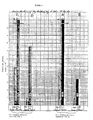
- a solid-phase immunoradiometric assay was constructed in which fibrin monomer was adsorbed to a plastic surface, the test antibody solution added, followed by l25I labeled tPA (with intervening washing steps).
- column A shows evidence of binding to both fibrin and TPA.
- column B a similar assay was constructed in which TPA was adsorbed to the plate and l25I labeled D2E (a fragment of fibrin containing that amino terminus of the beta and alpha chains) was the probe.
- the binding by the test antibody compared favorably to the control.
- F32.l A second method was used to yield heterobifunctional antibody, F32.l.
- the F32.l cell line was selected after fusing TCL8 (HPRT-MINUS) cells with spleen cells from a mouse immunized with a fibrin-like peptide corresponding to the amino terminus of fibrin alpha-chains. Fusion products were similarly screened using TPA and an alpha-chain peptide as antigens to yield the desired hybridoma which produced both activities.
- the isotype of this monoclonal antibody was Gammal, Kappa.
Landscapes
- Health & Medical Sciences (AREA)
- Life Sciences & Earth Sciences (AREA)
- Chemical & Material Sciences (AREA)
- Immunology (AREA)
- Proteomics, Peptides & Aminoacids (AREA)
- General Health & Medical Sciences (AREA)
- Medicinal Chemistry (AREA)
- Organic Chemistry (AREA)
- Veterinary Medicine (AREA)
- Public Health (AREA)
- Animal Behavior & Ethology (AREA)
- Pharmacology & Pharmacy (AREA)
- General Chemical & Material Sciences (AREA)
- Molecular Biology (AREA)
- Chemical Kinetics & Catalysis (AREA)
- Hematology (AREA)
- Diabetes (AREA)
- Bioinformatics & Cheminformatics (AREA)
- Biochemistry (AREA)
- Biophysics (AREA)
- Genetics & Genomics (AREA)
- Nuclear Medicine, Radiotherapy & Molecular Imaging (AREA)
- Engineering & Computer Science (AREA)
- Physics & Mathematics (AREA)
- Optics & Photonics (AREA)
- Epidemiology (AREA)
- Medicines Containing Antibodies Or Antigens For Use As Internal Diagnostic Agents (AREA)
- Preparation Of Compounds By Using Micro-Organisms (AREA)
- Peptides Or Proteins (AREA)
- Medicines That Contain Protein Lipid Enzymes And Other Medicines (AREA)
- Micro-Organisms Or Cultivation Processes Thereof (AREA)
Applications Claiming Priority (2)
| Application Number | Priority Date | Filing Date | Title |
|---|---|---|---|
| US85155486A | 1986-04-14 | 1986-04-14 | |
| US851554 | 1986-04-14 |
Publications (2)
| Publication Number | Publication Date |
|---|---|
| EP0241907A2 true EP0241907A2 (de) | 1987-10-21 |
| EP0241907A3 EP0241907A3 (de) | 1989-09-13 |
Family
ID=25311053
Family Applications (1)
| Application Number | Title | Priority Date | Filing Date |
|---|---|---|---|
| EP87105504A Withdrawn EP0241907A3 (de) | 1986-04-14 | 1987-04-14 | Heterobifunktionelle Antikörper und Verfahren zur Verwendung derselben |
Country Status (3)
| Country | Link |
|---|---|
| EP (1) | EP0241907A3 (de) |
| JP (1) | JP2635343B2 (de) |
| WO (1) | WO1987006240A1 (de) |
Cited By (11)
| Publication number | Priority date | Publication date | Assignee | Title |
|---|---|---|---|---|
| WO1989006544A1 (en) * | 1988-01-15 | 1989-07-27 | Centocor, Inc. | Heteroligating antibodies and therapeutic uses thereof |
| EP0336379A3 (en) * | 1988-04-04 | 1990-01-31 | Oncogen Ltd. | Antibody heteroconjugates for use in regulation of lymphocyte activity |
| EP0339505A3 (de) * | 1988-04-26 | 1990-05-16 | The Du Pont Merck Pharmaceutical Company | Monoklonale Antikörper gegen Gewebe-Plasminogen-Aktivator (t-PA), die sein funktionales Halbleben verlängern |
| WO1990006133A1 (en) * | 1988-11-25 | 1990-06-14 | Centocor, Inc. | Heterobifunctional antibodies having specificity for platelets and thrombolytic agents |
| EP0346087A3 (de) * | 1988-06-09 | 1990-06-27 | Snow Brand Milk Products Co., Ltd. | Hybride Antikörper und Verfahren zu ihrer Herstellung |
| WO1991003493A1 (en) * | 1989-08-29 | 1991-03-21 | The University Of Southampton | Bi-or trispecific (fab)3 or (fab)4 conjugates |
| EP0583390A4 (de) * | 1991-05-06 | 1994-04-27 | Immunomedics, Inc. | |
| US5609869A (en) * | 1988-08-19 | 1997-03-11 | The General Hospital Corporation | Hybrid immunoglobulin-thrombolytic enzyme molecules which specifically bind a thrombus, and methods of their production and use |
| EP0749320A4 (de) * | 1994-02-24 | 1997-06-18 | American Biogenetic Sciences | Fibrin spezifischer antikörper zur verwendung als antithrombose agenz |
| US5811265A (en) * | 1988-08-19 | 1998-09-22 | The General Hospital Corporation | Hybrid immunoglobulin-thrombolytic enzyme molecules which specifically bind a thrombus, and methods of their production and use |
| US6010902A (en) * | 1988-04-04 | 2000-01-04 | Bristol-Meyers Squibb Company | Antibody heteroconjugates and bispecific antibodies for use in regulation of lymphocyte activity |
Families Citing this family (4)
| Publication number | Priority date | Publication date | Assignee | Title |
|---|---|---|---|---|
| JP3177776B2 (ja) * | 1988-09-27 | 2001-06-18 | 武田薬品工業株式会社 | ハイブリッドモノクローナル抗体,抗体産生ポリドーマおよび抗体含有薬剤 |
| US5354554A (en) * | 1989-02-10 | 1994-10-11 | Celltech Limited | Crosslinked antibodies and processes for their preparation |
| TW212184B (de) * | 1990-04-02 | 1993-09-01 | Takeda Pharm Industry Co Ltd | |
| JP6956942B2 (ja) * | 2017-04-28 | 2021-11-02 | 味の素株式会社 | ゲル濾過クロマトグラフィーにおけるタンパク質の回収率を高める方法 |
Citations (1)
| Publication number | Priority date | Publication date | Assignee | Title |
|---|---|---|---|---|
| WO1983003679A1 (en) | 1982-04-12 | 1983-10-27 | Hybritech Inc | Antibodies having dual specificities, their preparation and uses therefor |
Family Cites Families (7)
| Publication number | Priority date | Publication date | Assignee | Title |
|---|---|---|---|---|
| US4273873A (en) * | 1977-10-25 | 1981-06-16 | Unitika Ltd. | Preparation of antithrombogenic polymeric materials |
| US4474893A (en) * | 1981-07-01 | 1984-10-02 | The University of Texas System Cancer Center | Recombinant monoclonal antibodies |
| US4470925A (en) * | 1982-05-05 | 1984-09-11 | E. I. Du Pont De Nemours And Company | Immunoglobulin half-molecules and process for producing hybrid antibodies |
| FR2561661B1 (fr) * | 1984-03-23 | 1987-02-06 | Inst Nat Sante Rech Med | Pellicule moleculaire supportee d'un reseau de fibrine permettant la retention selective, a sa surface, de l'activateur du plasminogene tissulaire et applications en decoulant |
| NZ213125A (en) * | 1984-08-31 | 1991-06-25 | Lepetit Spa | Anti-human urokinase monoclonal antibodies and their use in purifying or detecting human urokinase |
| AU595173B2 (en) * | 1985-01-08 | 1990-03-29 | General Hospital Corporation, The | Method and use for site-specific activation of substances |
| FR2628451B2 (fr) * | 1987-05-06 | 1991-08-30 | Procter & Gamble | Procede pour le lavage et l'adoucissement du linge en machine |
-
1987
- 1987-04-14 EP EP87105504A patent/EP0241907A3/de not_active Withdrawn
- 1987-04-14 JP JP62502575A patent/JP2635343B2/ja not_active Expired - Lifetime
- 1987-04-14 WO PCT/US1987/000860 patent/WO1987006240A1/en not_active Ceased
Patent Citations (1)
| Publication number | Priority date | Publication date | Assignee | Title |
|---|---|---|---|---|
| WO1983003679A1 (en) | 1982-04-12 | 1983-10-27 | Hybritech Inc | Antibodies having dual specificities, their preparation and uses therefor |
Non-Patent Citations (20)
| Title |
|---|
| "Remington's Pharmaceutical Sciences", 1980 |
| BERGMANN ET AL., SCIENCE, vol. 220, 1983, pages 1181 - 1183 |
| BODE ET AL., SCIENCE, vol. 229, 1985, pages 765 - 767 |
| BRENNAN ET AL., SCIENCE, vol. 229, 1985, pages 31 |
| COLLEN ET AL., CIRCULATION, vol. 70, 1984, pages 1012 - 1017 |
| DEWOOD ET AL., N. ENQ. J. MED., vol. 303, 1983, pages 897 |
| GARY R. MATSUEDA ET AL., FIBRIN-SPECIFIC MONOCLONAL ANTIBODIES LACKING FIBRINOGEN CROSS-REACTIVITY |
| GRASSETTI ET AL., ARCH. BIOCHEM. BIOPHYS., vol. 119, 1967, pages 41 - 49 |
| HAMSTER ET AL., N. ENQL. J. MED., vol. 313, 1985, pages 1557 - 63 |
| HOYLAERTS ET AL., J. BIOL. CHEM., vol. 257, 1982, pages 2912 - 2919 |
| HUI ET AL., SCIENCE, vol. 222, 1983, pages 1129 |
| HUI ET AL., SCIENCE, vol. 222, 1983, pages 1129 - 1131 |
| KOHLER; MILSTEIN, NATURE, vol. 256, 1975, pages 495 |
| KUDRYK ET AL., MOL. IMM., vol. 21, 1984, pages 89 |
| LIU ET AL., PROC. NAT'1. ACAD. SCI. (U.S.A., vol. 82, 1985, pages 8648 |
| LIU ET AL., PROC. NAT'L. ACAD. SCI. USA, vol. 82, 1985, pages 8648 |
| LUI ET AL., PROC NAT'1. ACAD. SCI. USA, vol. 82, 1985, pages 8648 - 8652 |
| MILSTEIN; CUELLO, NATURE (LONDON, vol. 305, 1983, pages 537 |
| NISONHOFF ET AL., NATURE (LONDON, vol. 194, 1962, pages 355 |
| STUCHBURY ET AL., BIOCHEM. J., vol. 151, 1975, pages 417 - 432 |
Cited By (13)
| Publication number | Priority date | Publication date | Assignee | Title |
|---|---|---|---|---|
| WO1989006544A1 (en) * | 1988-01-15 | 1989-07-27 | Centocor, Inc. | Heteroligating antibodies and therapeutic uses thereof |
| EP0336379A3 (en) * | 1988-04-04 | 1990-01-31 | Oncogen Ltd. | Antibody heteroconjugates for use in regulation of lymphocyte activity |
| US6010902A (en) * | 1988-04-04 | 2000-01-04 | Bristol-Meyers Squibb Company | Antibody heteroconjugates and bispecific antibodies for use in regulation of lymphocyte activity |
| EP0339505A3 (de) * | 1988-04-26 | 1990-05-16 | The Du Pont Merck Pharmaceutical Company | Monoklonale Antikörper gegen Gewebe-Plasminogen-Aktivator (t-PA), die sein funktionales Halbleben verlängern |
| EP0346087A3 (de) * | 1988-06-09 | 1990-06-27 | Snow Brand Milk Products Co., Ltd. | Hybride Antikörper und Verfahren zu ihrer Herstellung |
| US5811265A (en) * | 1988-08-19 | 1998-09-22 | The General Hospital Corporation | Hybrid immunoglobulin-thrombolytic enzyme molecules which specifically bind a thrombus, and methods of their production and use |
| US5609869A (en) * | 1988-08-19 | 1997-03-11 | The General Hospital Corporation | Hybrid immunoglobulin-thrombolytic enzyme molecules which specifically bind a thrombus, and methods of their production and use |
| WO1990006133A1 (en) * | 1988-11-25 | 1990-06-14 | Centocor, Inc. | Heterobifunctional antibodies having specificity for platelets and thrombolytic agents |
| WO1991003493A1 (en) * | 1989-08-29 | 1991-03-21 | The University Of Southampton | Bi-or trispecific (fab)3 or (fab)4 conjugates |
| EP0583390A4 (de) * | 1991-05-06 | 1994-04-27 | Immunomedics, Inc. | |
| US5632968A (en) * | 1991-05-06 | 1997-05-27 | Immunomedics, Inc. | Detection of cardiovascular lesions |
| US5364612A (en) * | 1991-05-06 | 1994-11-15 | Immunomedics, Inc. | Detection of cardiovascular lesions |
| EP0749320A4 (de) * | 1994-02-24 | 1997-06-18 | American Biogenetic Sciences | Fibrin spezifischer antikörper zur verwendung als antithrombose agenz |
Also Published As
| Publication number | Publication date |
|---|---|
| EP0241907A3 (de) | 1989-09-13 |
| JP2635343B2 (ja) | 1997-07-30 |
| JPH02500321A (ja) | 1990-02-08 |
| WO1987006240A1 (en) | 1987-10-22 |
Similar Documents
| Publication | Publication Date | Title |
|---|---|---|
| EP0271227B1 (de) | Rekombinante Hybrid-Immunoglobulinmoleküle sowie deren Verwendung | |
| US5496549A (en) | Bispecific monoclonal antibodies, thrombolytic agent and method of cell lysis | |
| WO1987006240A1 (en) | Heterobifunctional antibodies and method of use | |
| CA1339546C (en) | Recombinant hybrid immunogloblin molecules an method of use | |
| VANDAMME et al. | Construction and characterization of a recombinant murine monoclonal antibody directed against human fibrin fragment‐D dimer | |
| JPH05304992A (ja) | ハイブリッド・モノクローナル抗体および抗体含有薬剤 | |
| Holvoet et al. | Pharmacokinetic and thrombolytic properties of chimeric plasminogen activators consisting of a single-chain Fv fragment of a fibrin-specific antibody fused to single-chain urokinase | |
| Branscomb et al. | Bispecific monoclonal antibodies produced by somatic cell fusion increase the potency of tissue plasminogen activator | |
| US5453269A (en) | Heterobifunctional antibodies having dual specificity for fibrin and thrombolylic agents and methods of use | |
| Ploplis et al. | Monoclonal antibodies to discrete regions of human Glu1-plasminogen | |
| EP0159025B1 (de) | Menschliches alpha 2-Plasmin spezifischer monoklonaler Antikörper | |
| EP0478366A2 (de) | Rekombinante hybride Immunglobulinmoleküle und Verfahren zur Verwendung | |
| CA2051436A1 (en) | Platelet specific immunoconjugates | |
| WO1988001514A1 (en) | Monoclonal antibodies to fibrin | |
| Kurokawa et al. | Enhancement of clot lysis in vitro and in vivo with a bispecific monoclonal antibody directed against human fibrin and against urokinase-type plasminogen activator | |
| Hayzer et al. | Conjugation of plasminogen activators and fibrin-specific antibodies to improve thrombolytic therapeutic agents | |
| EP0363712B1 (de) | Hybride monoklonale Antikörper, ihre Herstellung und Verwendung | |
| Gargan et al. | A fibrin specific monoclonal antibody which interferes with the fibrinolytic effect of tissue plasminogen activator | |
| Bos et al. | Production and characterisation of a set of monoclonal antibodies against tissue-type plasminogen activator (t-PA) | |
| EP0513778A2 (de) | Hybride monoklonale Antikörper und Zusammensetzungen, die diese enthalten | |
| Kurokawa et al. | Enhancement of fibrinolysis by bispecific monoclonal antibodies reactive to fibrin and plasminogen activators | |
| EP0491351A2 (de) | Chimäre Antikörper und deren Verwendung | |
| Bos et al. | Enhanced binding of t-PA to fibrin using bispecific monoclonal antibodies | |
| Haber et al. | Antibody-targeted plasminogen activators | |
| Runge et al. | Antibody Targeting of Plasminogen Activators |
Legal Events
| Date | Code | Title | Description |
|---|---|---|---|
| PUAI | Public reference made under article 153(3) epc to a published international application that has entered the european phase |
Free format text: ORIGINAL CODE: 0009012 |
|
| AK | Designated contracting states |
Kind code of ref document: A2 Designated state(s): AT BE CH DE ES FR GB GR IT LI LU NL SE |
|
| PUAL | Search report despatched |
Free format text: ORIGINAL CODE: 0009013 |
|
| AK | Designated contracting states |
Kind code of ref document: A3 Designated state(s): AT BE CH DE ES FR GB GR IT LI LU NL SE |
|
| 17P | Request for examination filed |
Effective date: 19900312 |
|
| 17Q | First examination report despatched |
Effective date: 19910925 |
|
| APAB | Appeal dossier modified |
Free format text: ORIGINAL CODE: EPIDOS NOAPE |
|
| STAA | Information on the status of an ep patent application or granted ep patent |
Free format text: STATUS: THE APPLICATION IS DEEMED TO BE WITHDRAWN |
|
| 18D | Application deemed to be withdrawn |
Effective date: 19991101 |
|
| APAF | Appeal reference modified |
Free format text: ORIGINAL CODE: EPIDOSCREFNE |