EP0251467A2 - Compositions et méthodes de l'utilisation d'une protéine majeure de la capside extérieure (VP7) du rotavirus SA-11 - Google Patents
Compositions et méthodes de l'utilisation d'une protéine majeure de la capside extérieure (VP7) du rotavirus SA-11 Download PDFInfo
- Publication number
- EP0251467A2 EP0251467A2 EP87304436A EP87304436A EP0251467A2 EP 0251467 A2 EP0251467 A2 EP 0251467A2 EP 87304436 A EP87304436 A EP 87304436A EP 87304436 A EP87304436 A EP 87304436A EP 0251467 A2 EP0251467 A2 EP 0251467A2
- Authority
- EP
- European Patent Office
- Prior art keywords
- protein
- rotavirus
- recombinant
- recited
- gene
- Prior art date
- Legal status (The legal status is an assumption and is not a legal conclusion. Google has not performed a legal analysis and makes no representation as to the accuracy of the status listed.)
- Withdrawn
Links
Images



Classifications
-
- C—CHEMISTRY; METALLURGY
- C12—BIOCHEMISTRY; BEER; SPIRITS; WINE; VINEGAR; MICROBIOLOGY; ENZYMOLOGY; MUTATION OR GENETIC ENGINEERING
- C12N—MICROORGANISMS OR ENZYMES; COMPOSITIONS THEREOF; PROPAGATING, PRESERVING, OR MAINTAINING MICROORGANISMS; MUTATION OR GENETIC ENGINEERING; CULTURE MEDIA
- C12N15/00—Mutation or genetic engineering; DNA or RNA concerning genetic engineering, vectors, e.g. plasmids, or their isolation, preparation or purification; Use of hosts therefor
- C12N15/09—Recombinant DNA-technology
- C12N15/63—Introduction of foreign genetic material using vectors; Vectors; Use of hosts therefor; Regulation of expression
- C12N15/79—Vectors or expression systems specially adapted for eukaryotic hosts
- C12N15/85—Vectors or expression systems specially adapted for eukaryotic hosts for animal cells
- C12N15/86—Viral vectors
-
- C—CHEMISTRY; METALLURGY
- C07—ORGANIC CHEMISTRY
- C07K—PEPTIDES
- C07K14/00—Peptides having more than 20 amino acids; Gastrins; Somatostatins; Melanotropins; Derivatives thereof
- C07K14/005—Peptides having more than 20 amino acids; Gastrins; Somatostatins; Melanotropins; Derivatives thereof from viruses
-
- A—HUMAN NECESSITIES
- A61—MEDICAL OR VETERINARY SCIENCE; HYGIENE
- A61K—PREPARATIONS FOR MEDICAL, DENTAL OR TOILETRY PURPOSES
- A61K38/00—Medicinal preparations containing peptides
-
- A—HUMAN NECESSITIES
- A61—MEDICAL OR VETERINARY SCIENCE; HYGIENE
- A61K—PREPARATIONS FOR MEDICAL, DENTAL OR TOILETRY PURPOSES
- A61K39/00—Medicinal preparations containing antigens or antibodies
-
- C—CHEMISTRY; METALLURGY
- C12—BIOCHEMISTRY; BEER; SPIRITS; WINE; VINEGAR; MICROBIOLOGY; ENZYMOLOGY; MUTATION OR GENETIC ENGINEERING
- C12N—MICROORGANISMS OR ENZYMES; COMPOSITIONS THEREOF; PROPAGATING, PRESERVING, OR MAINTAINING MICROORGANISMS; MUTATION OR GENETIC ENGINEERING; CULTURE MEDIA
- C12N2710/00—MICROORGANISMS OR ENZYMES; COMPOSITIONS THEREOF; PROPAGATING, PRESERVING, OR MAINTAINING MICROORGANISMS; MUTATION OR GENETIC ENGINEERING; CULTURE MEDIA dsDNA viruses
- C12N2710/00011—Details
- C12N2710/14011—Baculoviridae
- C12N2710/14111—Nucleopolyhedrovirus, e.g. autographa californica nucleopolyhedrovirus
- C12N2710/14141—Use of virus, viral particle or viral elements as a vector
- C12N2710/14143—Use of virus, viral particle or viral elements as a vector viral genome or elements thereof as genetic vector
-
- C—CHEMISTRY; METALLURGY
- C12—BIOCHEMISTRY; BEER; SPIRITS; WINE; VINEGAR; MICROBIOLOGY; ENZYMOLOGY; MUTATION OR GENETIC ENGINEERING
- C12N—MICROORGANISMS OR ENZYMES; COMPOSITIONS THEREOF; PROPAGATING, PRESERVING, OR MAINTAINING MICROORGANISMS; MUTATION OR GENETIC ENGINEERING; CULTURE MEDIA
- C12N2720/00—MICROORGANISMS OR ENZYMES; COMPOSITIONS THEREOF; PROPAGATING, PRESERVING, OR MAINTAINING MICROORGANISMS; MUTATION OR GENETIC ENGINEERING; CULTURE MEDIA dsRNA viruses
- C12N2720/00011—Details
- C12N2720/12011—Reoviridae
- C12N2720/12311—Rotavirus, e.g. rotavirus A
- C12N2720/12322—New viral proteins or individual genes, new structural or functional aspects of known viral proteins or genes
-
- C—CHEMISTRY; METALLURGY
- C12—BIOCHEMISTRY; BEER; SPIRITS; WINE; VINEGAR; MICROBIOLOGY; ENZYMOLOGY; MUTATION OR GENETIC ENGINEERING
- C12N—MICROORGANISMS OR ENZYMES; COMPOSITIONS THEREOF; PROPAGATING, PRESERVING, OR MAINTAINING MICROORGANISMS; MUTATION OR GENETIC ENGINEERING; CULTURE MEDIA
- C12N2720/00—MICROORGANISMS OR ENZYMES; COMPOSITIONS THEREOF; PROPAGATING, PRESERVING, OR MAINTAINING MICROORGANISMS; MUTATION OR GENETIC ENGINEERING; CULTURE MEDIA dsRNA viruses
- C12N2720/00011—Details
- C12N2720/12011—Reoviridae
- C12N2720/12311—Rotavirus, e.g. rotavirus A
- C12N2720/12334—Use of virus or viral component as vaccine, e.g. live-attenuated or inactivated virus, VLP, viral protein
Definitions
- the present invention pertains in general to viral proteins and assays and vaccines employing them and, in particular, to proteins related to the rotavirus major outer capsid protein.
- rotavirus Human rotavirus has been shown in recent years to be the principal causative agent of diarrhea in infants and young children. Epidemological research suggests that rotaviruses are ubiquitous in nature and constitute a major health problem worldwide, particularly in underdeveloped countries where combined with the effects of malnutrition, they can cause chronic illness and death.
- Rotaviruses are members of the virus family Reoviridae and are characterized by double-stranded RNA genomes arranged in 11 segments as identified by differences in their electrophoretic mobility. Kapikian et al., "Rotaviruses", Chapter 37 in Virology, pp. 8 6 3-906, Fields ed., Raven Press, New York, (1985). Ultrastructural analyses show that rotavirus gene segments are packaged in a core particle surrounded by inner capsid and outer capsid layers. Palmer et al., J. Gen. Virol., 35, 403-414 (1977); and Palmer et al., J. Gen. Virol., 62, 105-111 (1982); Bican et al., J.
- serotypes In addition to the four human serotypes, three serotypes have been described representing primarily porcine (Type 5), bovine (Type 6) and avian (Type 7) rotaviruses. Viruses of two of the human serotypes also cross-react with animal rotaviruses. Simian (SA-11, MMU18006) and canine (CU-1) rotaviruses cross-react with serotype 3 human viruses, and several strains of porcine rotavirus cross-react with human serotype 4. Kapikian et al., supra.
- VP7 major outer capsid protein
- VP7 is heterogeneous in size (36-38 kilodaltons) and is glycosylated with a high mannose carbohydrate. Estes et al., Virology, 122 8-14 (1982); Kouvelous et al., J. Gen. Virol., 65, 1211-1214 (1984). The absence of the carbohydrate moiety does not inhibit rotavirus infectivity or influence virus neutralization. Petrie et al., J. Virol., 46, 270-274 (1983); Sabara et al., J. Virol., 53 58-66 (1985).
- the gene coding for VP7 has been cloned as a cDNA copy in E. coli and sequenced for human Type 1 (Wa), human Type 2 (Hu-5), simian Type 3 (SA-11), and bovine Type 6 (UK, NCDV) rotaviruses. Glass et al., Virology, 141, 292-298 (1985). Analysis of the inferred amino acid sequences reveals two tandem hydrophobic domains near the N-terminus of VP7 each preceded by a methionine codon (ATG). Translation studies in vitro suggest that both ATG codons-are used during virus infection.
- ETG codons-are used during virus infection Ericson et al., Virology, 127, 320-332 (1983); Chan et al., Virology, 151, 243-252 (1986).
- the present invention provides a recombinant subunit form of the major outer capsid protein (VP7) of rotavirus SA-11.
- the protein is produced by expression of rotavirus SA-11 gene 9 in a baculovirus expression system and enables the synthesis of a 34 kilodalton (34K) protein, a size consistent with that expected for the native protein.
- the protein is secreted from the insect cells into the culture medium during virus infection.
- the protein is antigenic and is recognized by neutralizing anti-rotavirus antiserum, and is useful as a diagnostic reagent or as an antigen for an active or passive vaccine.
- An assay for detecting the presence of anti-rotavirus antibodies in a sample according to the present invention includes the step of exposing a sample containing antibody to the recombinant protein according to the present invention.
- the recombinant protein is bound to a support, reacts immunologically with antibody in the sample, and immobilizes the antibody in the sample onto the support.
- a second antibody, capable of specifically binding with the antibody in the sample and associated with a label e.g., an enzyme label, a fluorescent label or other labels conventional in the art
- a label e.g., an enzyme label, a fluorescent label or other labels conventional in the art
- An active vaccine according to the present invention includes an immunologically acceptable diluent, adjuvant or carrier and the recombinant protein according to the present invention.
- a method of raising polyclonal antibodies according to the present invention includes the steps of immunizing an animal with an effective amount of the recombinant protein according to the present invention, and isolating anti-VP7 antibodies from serum, collostrum, milk, or other body fluid of the animal.
- the present invention also provides antibodies raised according to this method.
- a method of producing monoclonal antibodiesaccording.to the present invention includes the steps of immunizing an animal against the recombinant protein according to the present invention, fusing antibody-producing cells from the animal to myeloma cells; isolating a cell line producing a monoclonal antibody against VP7 in a medium, and purifying monoclonal antibody against VP7 from the medium.
- the present invention also provides monoclonal antibodies produced by this method.
- rotavirus SA-11 RNA gene segments were used as templates to synthesize DNA copies which were subsequently cloned into plasmid vectors in E. coli.
- a cloned DNA copy of S A -11 gene 9 was identified and verified by DNA sequence analysis to contain the entire protein coding sequence of the major outer capsid protein (VP7).
- SA-11 gene 9 cloned DNA was expressed under control of the polyhedrin promoter to yield a subunit protein antigenically similar to the native protein, by infection of an insect cell line with recombinant baculovirus containing gene 9.
- the resulting expressed gene product has been shown to be antigenic by reacting.with neutralizing polyclonal antisera derived against rotavirus particles.
- the baculovirus-expressed SA-11 gene 9 protein product has utility as a diagnostic reagent to detect antibodies to rotavirus in clinical samples and as an immunogen for production of polyclonal or monoclonal antibodies to the rotavirus major outer capsid protein.
- Expression of SA-11 gene 9 in baculovirus also allows for modification of the antigenic determinants of the recombinant VP7 protein product by site specific mutagenesis of the cloned gene 9 DNA.
- restriction endonucleases were supplied by New England Biolabs (NEB).
- DNA polymerase Klenow fragment, Poly(A) polymerase, and DNA ligase were purchased from Bethesda Research Labs (BRL) Gaithersburg, Maryland. Reverse transcriptase was supplied by Life Sciences.
- RNA ligase and terminal transferase were supplied by Pharmacia Molecular Biologicals (PMB).
- 32 P-labeled reagents, including nick translation reagents, were purchased from New England Nuclear (N EN ).
- 35S-labeled reagents were purchased from Amersham. Agarose, acrylamide, and other electrophoresis reagents were supplied by Bio Rad. Growth media were obtained from Difco. X-gal was purchased from BRL. Media and buffers for growth of SA-11 rotavirus and Sf9 insect cells were obtained from Grand Island Biological Company (GIBCO).
- E. coli strains JM 83, JM 103, and HB101 competent cells were obtained from PMB and BRL. Plasmids for cloning and expression (pUC9, pUC13) were purchased from PMB. M13 vectors (mp8, mp9) and primers for Sanger sequencing were purchased from PMB. Baculovirus E. coli shuttle vector (pAc611) was obtained from Max D. Summers, Texas A&M University.
- NEB Restriction enzymes
- PMB RNA ligase
- BTL poly(A) polymerase
- BTL terminal transferase
- BTL DNA polymerase Klenow fragment
- BL DNA ligase
- Example 1 describes the synthesis of rotavirus SA-11. cDNAs and cloning thereof in E. coli.
- Example 2 details the identification and mapping of SA-11 gene 9 cloned DNA.
- Example 3 the results of a Northern blot analysis of SA-11 gene 9 cloned DNA are presented.
- Example 4 describes a sequence analysis of SA-11 gene 9 cloned DNA.
- Example 5 a description of the subcloning of SA-11 gene 9 DNA for expression in baculovirus is provided.
- Example 6 details insertion of SA-11 gene 9 into baculovirus by transfection, in an insect cell system.
- Example 7 provides a demonstration of the synthesis of an SA-11 gene 9 cloned DNA product (VP7) in a baculovirus-insect cell system and measurement of the apparent molecular weight of the product.
- Example 8 provides a demonstration of antigenicity of the VP7 as expressed in a baculovirus-insect cell system.
- Example 9 details the secretion into the insect tissue culture media of VP7 in a baculovirus-insect cell system.
- Example 10 provides an enzyme-linked immunosorbent assay according to the present invention. In Example 11, polyclonal antisera are produced according to the present invention and a vaccine according to the present invention is described. In Example 12, monoclonal antibodies are produced according to the present invention.
- SA-11 rotavirus [ATCC No. VR8991 was propagated by infection of confluent MA104 cells (MA. Bioproducts) in roller bottles as indicated by Estes et al., J. Virol., 31, 810-815 (1979), except that tryptose phosphate and gentamicin were omitted from the media, and phosphate buffered saline (PBS, available from GIBCO) was.used as a wash buffer instead of Tris buffered saline (TBS). Virus was propagated in the absence of trypsin or fetal calf serum and harvested after two days growth at 37°C.
- PBS phosphate buffered saline
- SA-11 stock virus was activated prior to infection by treatment with a 1/100 volume 10X tissue culture grade trypsin (GIBCO) for one hour at room temperature. Virus was purified by freeze-thawing infected cells two times followed by centrifugation for 20. minutes at 5000g and at 4 0 C to remove cellular debris. Eight percent (w/v) polyethylene glycol M.W. 6000 (PEG) was added to the clarified supernatant and allowed to stand overnight at 4 o C. The media was then centrifuged 20 minutes at 5000g (4°C) to pellet PEG-precipitated SA-11 virus.
- GEBCO tissue culture grade trypsin
- the pellet containing virus was solubilized in a small volume of 50mM Tris-HC1 (pH 7.5) buffer and applied to a step gradient consisting of 1.4 g/ml CsCl, 1.3 g/ml CsCl, and 45% (w/v) sucrose in Tris buffer (20°C). Samples were centrifuged in a swinging bucket rotor for 3-6 hours at 100,000g (20°C). Virus particles, seen as a sharp bluish band migrating between 1.3-1.4 g/ml CsCl, were harvested and dialyzed overnight against 50 mM Tris-HCl (pH 7.5). Dialyzed virus served as purified source material for isolation of genomic double-stranded RNA (dsRNA) or synthesis of virally coded messenger RNA (mRNA).
- dsRNA genomic double-stranded RNA
- mRNA virally coded messenger RNA
- Double-stranded RNA was extracted from CsCl-purified SA-11 virus by addition of an equal volume of Tris-HC1 (pH 7.5) buffer-saturated phenol followed by vortexing (phenol extraction). Double-stranded RNA contained in the aqueous phase was concentrated by precipitation with 0.2M sodium acetate ( N a A c) and two volumes of ethanol then stored at -20°C until use.
- SA-11 dsRNA was end-labeled to serve as a size marker when resolving polyadenylated dsRNA by agarose gel electrophoresis or for Northern blot analysis of SA-11 dsRNA segments resolved by acrylamide gel electrophoresis.
- Double-stranded RNA was labeled by addition of 32P-Cp (cytosine 5', 3'-diphosphate) to the 3'-termini of the RNA strands using RNA ligase as described by the manufacturer (PMB).
- 32P-Cp cytosine 5', 3'-diphosphate
- dsRNA double-stranded RNA
- Adenosine residues were added to the 3'-termini of SA-11 dsRNA (poly(A)-tailed dsRNA) to provide a template binding site for cDNA synthesis using reverse transcriptase (Fig. 1). Standard methods were used (i.e., as recommended by BRL) except that 2.5 U/ul of RNasin (Promega Biotech) was added as a nuclease inhibitor. Five to ten micrograms (ug) of dsRNA were polyadenylated in a two minute reaction at 37°C resulting in the addition of 20-40 adenosine residues. 3 H-ATP was usually included at 10,000 Ci/mol in the reactions to measure RNA concentrations.
- Poly(A)-tailed SA-11 dsRNA (1-2ug) was lyophilized then strand separated by resuspending in 5ul of 90 percent DMSO (Aldrich-Spectrophotometric Grade) and incubating 30 min. at 37°C.
- aqueous phase was adjusted to 20mM EDTA, and 0.2 N NaOH and incubated overnight at 37°C to remove template RNA, then neutralized with an equal volume of 0.2 N HC1 and applied to a Sephadex R G100 column (Pharmacia) to remove salts and unreacted nucleotides.
- Fractions containing 32 P-labeled SA-11 cDNA were collected and the DNA was concentrated by precipitation with 0.2M Na Ac and 2 volumes of ethanol (-20°C). Typically, 0.1-0.2 ug cDNA were synthesized per microgram of template dsRNA.
- the integrity of SA-11 cDNA was evaluated by electrophoresis on a one percent alkaline agarose gel containing 30mM NaOH, 2mM EDTA to remove secondary structures.
- SA-11 cDNA was resuspended in 20 microliters of 50mM Tris-HC1 (pH 7.5) and 0.1 M NaCl, then heated for 5 min. 65°C followed by 1 hour at 55°C; and slow cooled to promote annealing of complementary cDNA strands. Annealed cDNA was then precipitated by addition of two volumes of ethanol (-20°C).
- Annealed cDNA was treated again with reverse transcriptase to render any remaining single-stranded ends double-stranded (Fig. 1).
- 0.1-0.2ug annealed SA-11 cDNA was added to a reaction mix identical to that used for first strand synthesis without dsRNA.
- the reaction was carried out for 30 minutes at 42°C then stopped by addition of an equal volume of Tris buffer-saturated phenol.
- 32 P-labeled gene 9 DN A visualized by autoradiography of the gel on X-ray film (Kodak XAR-5), and migrating in a size range of 1000-1100 base pairs as judged by size markers, was excised from the gel.
- the gel slice was placed in a dialysis bag containing 0.1X TBE buffer, and-the DNA was electroeluted for 4 hours at 100 volts in 0.1X TBE.
- the eluted DNA was concentrated and purified using an Elutip TM -d column (Schleicher and Schuell) following the manufacturers' specifications. Purified, size-selected SA-11 cDNA was stored in ethanol (-20°C) until further use.
- Deoxycytidine nucleotides were added to the 3' termini of SA-11 double-stranded cDNA (C-tailing) using terminal transferase (PMB) as shown in Fig. 1.
- PMB terminal transferase
- 0.01-0.lug cDNA was C-tailed according to the manufacturers' recommendations (BRL) in 20ul reactions using 10 uM 3 H-dCTP (100,000 Ci/mol). Reactions were allowed to proceed for 3 minutes at 37°C resulting in addition of 10-20 dC residues per DNA 3'-end. Reactions were stopped with an equal volume of Tris buffer-saturated phenol.
- C-tailed cDNA recovered in the aqueous phase after phenol extraction was precipitated with 0.2 M Na Ac and 2 volumes of ethanol (-20°C).
- 0.01-0.1 ug C-tailed SA-11 cDNA was suspended in 50mM Tris (pH 7.5), 0.1M NaCl, and an equal number of picomoles of pUC9, cut with PstI and G-tailed (PMB), was allowed to anneal by heating 5 minutes at 65°C then for 1 hour at 55 9 C before being allowed to slow cool (Fig. 1).
- the annealed cDNA-plasmid was precipitated with 2 volumes of ethanol (-20°C).
- E. coli JM 83 cells were made competent using CaCl 2 according to standard procedures [Maniatis et al., Molecular Cloning - A Laboratory Manual, Cold Spring Harbor Laboratory, Cold Spring Harbor, New York (1982)] and were added to lyophilized SA-11 cDNA-pUC9 DNA (0°C). After 1 hour on ice, the cells were heat-shocked for 2 minutes at 42°C, incubated in 1 ml of LB (Luria Broth) media for 1 hour at 37°C and applied to LB agar plates containing ampicillin (Amp) and the color indicator X-gal. Colonies containing pUC9 metabolize X-gal resulting in a blue phenotype.
- Clones were screened initially by the presence of white colonies on agar plates containing X-gal indicating plasmids which contained SA-11 cDNA sequences. The clones were re-screened by colony hybridization using a radiolabeled gene 7, 8, 9 mRNA mixture as a probe. Colonies which hybridized positively to gene 7, 8, 9 mRNA were further characterized by sizing of the insert DNAs and mapping with restriction endonucleases.
- 32 P-labeled SA -11 m RNA was synthesized for use as a probe from CsCl-purified SA-11 virus in a 100ul reaction containing: 60mM Tris-HCl (pH 8.3), 6mM Mg(Ac) 2 , 100mM Na Ac, 2mM GTP, O.lmM ATP (10,000 Ci/mol), O.lmM CTP (10,000 Ci/mol), 0.1mM UTP (10,000 Ci/mol), l.OmM S-adenosyl methionine (SAM), 0.6U/ul RNasin, and 10ug of SA-11 virus.
- 60mM Tris-HCl pH 8.3
- 6mM Mg(Ac) 2 100mM Na Ac
- 2mM GTP 2mM GTP
- O.lmM ATP 10,000 Ci/mol
- O.lmM CTP 10,000 Ci/mol
- 0.1mM UTP 10,000 Ci/mol
- SAM S-adenosyl me
- the eluted mRNA was concentrated and purified using an Elutip TM- d (Schleicher and Schuell) following the specifications of the manufacturer. Gene 7, 8, 9 mRNA was stored in ethanol.(-20°C) until use as a probe for colony hybridization.
- Colonies derived from cloning SA-11 cDNA into E. coli strain JM 83 were screened for the presence of gene 9-specific DNA sequences by colony hybridization using 32 P-labeled SA-11 gene 7, 8, 9 mRNA as a probe. Colony hybridization was carried out by the method of Grunstein and Hogness using standard protocols. Maniatis et al., Molecular Cloning - A Laboratory Manual, Cold Spring Harbor Laboratory, Cold Spring Harbor, New York (1982). Colonies which were identified as-hybridizing to gene 7, 8, 9 mRNA by autoradiography of X-ray film (Kodak XAR-5) were amplified by incubation overnight in LB media.
- E. coli cells containing gene 7, 8, 9 DNA sequences were pelleted and lysed following the standard procedures of Birnboim and Doly, [Mani.atis et al., Molecular Cloninq - A Laboratory Manual, Cold Spring Harbor Laboratory, Cold Spring Harbor, New York (1982)]. Plasmid DNAs recovered from the cell supernatant were digested with PstI endonuclease to excise insert DNAs. The Pstl-cut plasmid DNAs were resolved by electrophoresis on 1 percent agarose gels in TBE buffer along with ⁇ DNA cut with HindIII and ⁇ X HaeIII-cut DNA as size markers. Plasmids containing apparently full-size inserts of gene 7, 8, 9 DNA were mapped further with restriction endonucleases. The size of the excised inserts was determined by mobility on agarose gel electrophoresis.
- the orientation of gene 9 DNA in pUC9 was determined by digestion with BamHI which is contained within the universal cloning site of pUC9 and flanks the insert site of gene 9 DNA as well as within the gene 9 sequence. Analysis of the restriction digests by.agarose gel electrophoresis showed that gene 9 was inserted in the forward orientation with respect to the lac promoter.
- a radiolabeled probe was made from gel purified insert DNA and hybridized to a mixture of SA-11 dsRNAs resolved by electrophoresis on an acrylamide gel and blotted onto a G enescreen TM membrane (NEN).
- SA-11 gene 9 cloned DNA was excised from pAR91 with PstI endonuclease then purified by electrophoresis on a 1 percent agarose gel in TBE buffer followed by excision of the gene 9 fragment, electroelution, and recovery by E lutip TM- d procedures as described above for purification of SA-11 cDNA.
- Purified gene 9 DNA was 32 P-labeled in a nick translation reaction using (alpha- 32 P)dCTP according to the manufacturers' protocol (NEN).
- NNN manufacturers' protocol
- Unlabelled SA-11 dsRNA and 32 P-Cp labelled dsRNA used as a size marker were resolved by electrophoresis on a 5 percent acrylamide gel in TBE buffer.
- the resolved RNAs were denatured by treatment with 0.1 M NaOH for 15 min. at room temperature followed by washing with sodium phosphate buffer (pH 5.5) using the method of Street et al., J. Virol., 43, 369-378 (1982).
- RNAs were then vacuum blotted onto G enescreen TM membrane (NEN) following the procedure of Peferoen et al., FEBS Letters, 145, 369-372 (1982), using 20X SSC, 0.025 M Na 2 HPO 4 /NaH 2 PO 4 (pH 6.5) as the blotting buffer.
- RNAs were hybridized with gene 9 32 P-labeled nick translated probe using standard hybridization protocols with 50 percent formamide.
- Maniatis et al. Molecular Cloning - A Laboratory Manual, Cold Spring Harbor Laboratory, Cold Spring Harbor, New York (1982).
- Hybridization of gene 9 probe to specific SA-11 dsRNA sequences was determined by autoradiography using X-ray film (Kodak XAR-5).
- the cloned DNA of SA-11 gene 9 was sequenced according to the method of Sanger [Sanger et al., Proc. Natl. Acad. Sci., 74, 5463-5467 (1977)], using M13 cloning vectors and primers as follows.
- Gene 9 was excised with PstI and purified by agarose gel electrophoresis using low melting temperature agarose (Sea Plaque) then applied to a NACS- PrepacTM column (BRL), washed, and eluted.
- the purified PstI fragment was cut with restriction endonucleases BamHI, ClaI, and PvuII.
- the resulting fragments were ligated to M13 cloning vectors [mp8 and mp9-(PMB)] containing complementary sites as follows: a 100 base pair (bp) PstI, ClaI fragment ligated to mp9 cut with PstI, AccI; a 300bp ClaI, BamHI fragment ligated to mp8 and mp9 cut with AccI, BamHI; a 310bp BamHI, PvuII fragment ligated to mp8 and mp9 cut with BamHI, SmaI; a 450bp PvuII, PstI fragment ligated to mp8 and mp9 cut with SmaI, PstI; a 660bp BamHI, PstI fragment ligated to mp8 and mp9 cut with BamHI, PstI.
- gene 9 DNA was excised from pAR91 using restriction nucleases ClaI and EcoRI, which allowed for removal of 5'-terminal homopolymeric dG flanking DNA'as well as the first initiator methionine and first hydrophobic domain.
- the insert DNA was purified by gel electrophoresis, electroelution, and ElutipTM-d methodologies described above.
- the insert DNA was joined to pUCl3 using DNA ligase according to the suppliers specifications (BRL).
- the plasmid pUCl3 had been digested with AccI and EcoRI prior to ligation.
- the ligated DNA was cloned into E. coli strain HB101 by standard methodologies using competent cells that were commercially prepared (BRL).
- Gene 9 was then excised from pAR91AClaI with PstI and gel purified as described above.
- the purified insert was ligated to an E. coli baculovirus shuttle vector (pAc6ll) previously digested with PstI and phosphatased with calf intestinal phosphatase (Boehringer) following the manufacturer's ,recommendations.
- the ligated DNA was cloned into E. coli strain HB101 using competent cells (BRL) by standard methodologies resulting in construction of pAcR9l A ClaI. Maniatis et al., supra.
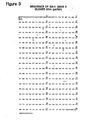
- the resulting protein contains the amino acid sequence shown in Table 1.
- the internal methionine codon at amino acid position 30 of the complete gene 9 sequence acts as the initiation codon in the baculovirus expression system due to its position as the 5'-proximal ATG in the insert sequence.
- this codon is believed to function in vivo during viral synthesis in mammalian cells. It, therefore, represents an authentic start site for translation of VP7.
- Baculovirus Autographa californica was propagated in an insect cell line (Sf9) of the fall armyworm Spodoptera frugiperda. Maintenance of insect cells and infection with AcNPV virus was carried out as described by Summers and Smith, A Manual of Methods for Baculovirus Vectors and Insect Cell Culture Procedures, available upon request from Texas A&M University, College Station, Texas (1986). Briefly, Sf9 cells were grown in Graces medium (GIBCO) containing lactalbumin hydrolysate (DIFCO) and yeastolate (DIFCO) (TNM-FH medium) supplemented with 10% fetal bovine serum (Hazelton) (complete medium).
- GEBCO Graces medium
- DIFCO lactalbumin hydrolysate
- DIFCO yeastolate
- Virus was grown by allowing a virus stock to adsorb to the cells 1 hour, 27°C, followed by adding fresh medium and allowing the infection to proceed for 2-3 days. Virus infection was characterized by the appearance of polyhedral inclusion bodies (polyhedra). AcNPV was used as a source for viral DNA in transfections.
- AcNPV virus was purified as indicated except that the sucrose gradient purification step was omitted. Summers and Smith, supra. Virus infected cells were pelleted to remove debris, then the supernatant fraction was centrifuged at high speed (30 minutes, 100,000g) and the viral pellet was recovered. Viral DNA was isolated by treatment of the virus with proteinase K in buffer containing 10% sarcosyl followed by extraction with phenol/chloroform/isoamyl-alcohol (25:24:1). The DNA was recovered as an ethanol precipitate.
- AcNPV viral DNA and E. coli-Baculovirus shuttle vectors were transferred into insect cells by the transfection procedure outlined under Method II except that sonicated salmon sperm DNA replaced calf thymus DNA. Summers and Smith, supra.
- AcNPV viral DNA and recombinant plasmid DNA were mixed with a HEPES-phosphate buffer. DNA was precipitated by addition of CaCl 2 . DNA precipitate was added to insect cells covered by Graces medium. Viral infection could be observed by the appearance of polyhedra during a 4-6 day incubation.
- Virus infection was quantitated using a viral plaque assay as indicated by Summers and Smith, supra, except that insect cells were allowed to attach to 60mm plates (Nunc) in complete medium prior to infection. Briefly, Sf9 cells attached to 60mm plates were overlayed with serial dilutions of AcNPV virus resulting from DNA transfection or viral infection of insect cells. After 1 hour, 27°C, cells were covered by an overlay of 1.5% low melting point agarose (Sea Plaque) containing complete medium. After 4-6 days, plaques could be visualized which were characterized by the appearance of concentrations of polyhedra. Incubations were allowed to take place in a humidified plastic box.
- Viral plaques containing recombinant SA-11 gene 9 sequences were discerned by hybridization of plaque DNA with 32p-labeled nick translated probe derived from purified gene 9 DNA cut with AccI and ClaI endonucleases. Summers and Smith, supra. 60mm plates containing viral plaques overlaid with agarose were allowed to dry 2-4 hours. The agarose layers were removed and stored at 4°C. Nitrocellulose filter discs were placed in the dishes, wetted, and pressed against the cells. The filter discs were removed and treated essentially as described by Grunstein and Hogness for bacterial colony hybridization. Maniatis, supra. Gene 9 nick translated probe was made following the manufacturers' recommendations (NEN).
- Hybridized plaques were identified by autoradiography using X-ray film (Kodak XAR-5). Plaques containing gene 9 sequences were recovered by aligning autoradiograms of nitrocellulose filters, marked for position of recombinant AcNPV virus-gene 9 plaques, to agarose overlays using dye markers, then picking plaques from the agarose and suspending in complete media. Further rounds of plaque purification were done following the same methodology, except that agarose plugs were inspected visually and plaques were picked from areas seemingly lacking in polyhedra, for further study. Recombinant plaques were generally plaque purified two times.
- plaque-purified recombinant viruses were free of contamination from wild type AcNPV virus, recombinant virus was seeded onto insect cells grown in 96 well plates and examined visually for the appearance of polyhedra after 2-3 days. Wells containing cells which lacked polyhedra but showed cytopathology were scored as plaque-purified occlusion minus phenotype (occ - ). Media was removed from the wells and stored at 4°C as innoculum. Cells in each well were lysed using NaOH followed by NH 4 Acetate and solutions were applied to a dot blot matrix (Schleicher and Schuell) then hybridized as before. Viral plaques which scored as occ - and hybridized to SA-11 gene 9 probe were propagated for further study.
- Virus innocula from 96 well plates were used to amplify viral plaques by infecting Sf9 cells sequentially in 24 well plates, 6 well plates and 25 cm 2 flasks (Corning). Infected media from 25 cm 2 flasks provided virus for subsequent analysis.
- a plaque purified virus isolate (Bll.3) which was scored as occ - and hybridized to gene 9 probe, was selected for further characterization.
- Sf9 cells (3 x 1 0 6 ) in 25 c m 2 flasks were infected at multiplicities of infection (moi) of 0.01, 0.1, 1.0 and 10 plaque forming units (PFU) per cell. Infections were allowed to proceed 40 hours, 27°C. After 40 hours infection, 1.0 and 10 PFU/cell showed the most cytopathic effect (CPE), but no polyhedra were apparent.
- moi multiplicities of infection
- PFU plaque forming units
- cytosol cytoplasmic fraction
- 35S-labeled cytosols from uninfected Sf9 cells, AcNPV infected cells, and Bll.3 infected cells were analyzed for protein products by electrophoresis using a 10% SDS-polyacrylamide gel (PAGE) with a 4% stacking gel according to methods described by Laemmli, Nature, 227, 680-685 (1970). Exposure of radiolabeled proteins was enhanced by treating the gel with ENlightning TM ( NEN ) and drying prior to placing under X-ray film (Kodak XAR-5) with a QuantaIII TM intensifying screen (Dupont) at -70°C.
- Protein A Sepharose®-CL4B Puracia
- Unbound proteins were removed as shown by Mason et al., supra.
- Protein A-precipitated proteins were resolved by electrophoresis on a 10% polyacrylamide gel with a 4% stacking gel according to the procedures of Laemmli et al., supra.
- These data are the first demonstration of the production of a subunit similar to the native rotavirus major outer capsid protein (VP7) as a secretable product in any expression system. Secretion of the VP7 product allows for greater ease of recovery of the protein in highly purified form, particularly if the insect cells are maintained in serum-free medium during virus infection.
- VP7 native rotavirus major outer capsid protein
- tissue culture cytosols were derived from uninfected, AcNPV infected, and Bll.3 infected cells as described in Example 7 except that unlabeled methionine was present in the culture medium.
- the cytosols were applied to a 96 well plate at 1/10, 1/50 and 1/100 dilutions in PBS buffer and allowed to stand overnight at 4°C. Unadsorbed cytosol was removed by washing 5 times with PBS.
- 2% BSA in PBS was added as a blocking reagent, incubating 1 hour at 37°C, and the excess BSA was removed by washing 5 times with PBS.
- first antibody (guinea pig anti-SA-11 rotavirus) was added at a 1/2000 dilution and incubated 1 hour at 37°C.
- the wells were washed 5 times with PBS and a second antibody was added (goat anti-guinea pig) conjugated to horse radish peroxidase (HRPD) at a 1/2000 dilution for 1 hour at 37°C.
- HRPD horse radish peroxidase
- HRPD horse radish peroxidase
- a color reagent was added consisting of o-Phenylenediamine .2HC1 (OPD) in a citrate-phosphate buffer diluent containing 0.2% hydrogen peroxide.
- OPD o-Phenylenediamine .2HC1
- the color reaction was allowed to develop 15 minutes at room temperature. Positive antigen- antibody reactions appeared as an orange color in a plate well. The reactions were stopped by the addition of IN H 2 S0 4 . Color intens
- Table 2 shows the detection of the major outer capsid protein (VP7) expressed in a baculovirus-insect cell system by ELISA.
- VP7 major outer capsid protein
- Table 2 shows the detection of the major outer capsid protein (VP7) expressed in a baculovirus-insect cell system by ELISA.
- Expressed gene products of AcNPV gave similar background numbers as observed with uninfected cells, comparing reactivities to neutralizing antiserum against SA-11 rotavirus.
- Bll.3 which expresses recombinant VP7 was observed to give a reproducibly positive signal by ELISA.
- This assay will be useful for detecting the presence of rotavirus antibodies in blood, saliva, or fecal samples and may provide a rapid assay for determining rotavirus type specificity.
- Isolates from recombinant baculovirus-gene 9 infected insect cells according to the present invention may be column purified and employed to produce antisera or as a vaccine.
- Antisera may be specifically produced by immunizing rabbits with injections of purified recombinant VP7 protein according to the present invention as follows.
- the first inoculation contains the antigen with Freund's complete adjuvant.
- Succeeding inoculations contain the antigen and Freund's incomplete adjuvant.
- the animals are bled to obtain sera.
- Polyclonal antibodies may be isolated from the sera by affinity chromatography. These polyclonal antibodies may, for example, be utilized as reagents in a diagnostic assay for detection of rotavirus in a sample such as the Rotazyme R Immunoassay available from Abbott Laboratories, North Chicago, Illinois.
- a passive vaccine may be produced by immunizing animals with injections of purified recombinant VP7 protein according to the present invention.
- Polyclonal antibodies directed against subunit VP7 can be isolated from the serum, milk or other body fluid of the animal. These may be further purified and used for therapeutic or prophylactic applications.
- An active vaccine solution according to the present invention may be prepared by suspending the recombinant VP7 according to the present invention in an immunologically acceptable diluent, adjuvant and carrier. Initial and booster injections or oral delivery of vaccine solution may-be used to confer immunity.
- Monoclonal antibodies according to the present invention may be produced according to the procedure of Greenberg et al., J. Virol., 47, 267-275 (1983) with the substitution of a solution of recombinant VP 7 protein according to the present invention for the rotavirus concentrate employed therein. Greenberg, et al., is incorporated by reference herein.
- monoclonal antibodies are produced by injecting mice with immunizing doses of recombinant VP7 protein, as described in Example 11. Spleens are removed from the immunized animals, and spleen cells are fused to myeloma cells (e.g. NS-1 cells) using polyethylene glycol. Hybridoma cells producing monoclonals are selected by screening in hypoxanthine aminopterin thymidine (HAT) medium. Monoclonal antibodies specific for VP7 recombinant protein may be isolated by affinity chromatography from media in which such hybridomas have been cultured.
- HAT hypoxanthine aminopterin thymidine
- a recombinant VP7 protein expressed in baculovirus infected insect tissue culture can be synthesized in large quantities at a low-cost.
- a recombinant antigen could also be modified by site-specific mutagenesis providing a reagent with superior antigenic properties for diagnostic use.or for vaccine use such as a high potency or broader spectrum vaccine.
Landscapes
- Life Sciences & Earth Sciences (AREA)
- Health & Medical Sciences (AREA)
- Genetics & Genomics (AREA)
- Chemical & Material Sciences (AREA)
- Organic Chemistry (AREA)
- Engineering & Computer Science (AREA)
- Bioinformatics & Cheminformatics (AREA)
- Biochemistry (AREA)
- Biotechnology (AREA)
- General Engineering & Computer Science (AREA)
- Molecular Biology (AREA)
- Virology (AREA)
- Biomedical Technology (AREA)
- General Health & Medical Sciences (AREA)
- Wood Science & Technology (AREA)
- Zoology (AREA)
- Biophysics (AREA)
- Physics & Mathematics (AREA)
- Microbiology (AREA)
- Plant Pathology (AREA)
- Gastroenterology & Hepatology (AREA)
- Medicinal Chemistry (AREA)
- Proteomics, Peptides & Aminoacids (AREA)
- Peptides Or Proteins (AREA)
- Medicines Containing Antibodies Or Antigens For Use As Internal Diagnostic Agents (AREA)
- Micro-Organisms Or Cultivation Processes Thereof (AREA)
- Preparation Of Compounds By Using Micro-Organisms (AREA)
Applications Claiming Priority (2)
| Application Number | Priority Date | Filing Date | Title |
|---|---|---|---|
| US87651886A | 1986-06-20 | 1986-06-20 | |
| US876518 | 1986-06-20 |
Publications (2)
| Publication Number | Publication Date |
|---|---|
| EP0251467A2 true EP0251467A2 (fr) | 1988-01-07 |
| EP0251467A3 EP0251467A3 (fr) | 1988-07-20 |
Family
ID=25367910
Family Applications (1)
| Application Number | Title | Priority Date | Filing Date |
|---|---|---|---|
| EP87304436A Withdrawn EP0251467A3 (fr) | 1986-06-20 | 1987-05-19 | Compositions et méthodes de l'utilisation d'une protéine majeure de la capside extérieure (VP7) du rotavirus SA-11 |
Country Status (3)
| Country | Link |
|---|---|
| EP (1) | EP0251467A3 (fr) |
| JP (1) | JPS6356286A (fr) |
| AU (1) | AU603579B2 (fr) |
Cited By (8)
| Publication number | Priority date | Publication date | Assignee | Title |
|---|---|---|---|---|
| EP0273366A1 (fr) * | 1986-12-30 | 1988-07-06 | Baylor College Of Medicine | La synthèse et le pouvoir immunogène de gènes du rotavirus utilisant un système d'expression de baculovirus |
| WO1989006971A1 (fr) * | 1988-02-01 | 1989-08-10 | The Board Of Trustees Of The Leland Stanford Junio | Segments de genes de rotavirus conserves et utilisation de tels segments dans des techniques d'immunisation et de neutralisation |
| GB2218421A (en) * | 1988-05-12 | 1989-11-15 | Nippon Zeon Co | A recombinant baculovirus, envelope protein of Japanese encephalitis virus using said virus and process for producing the protein. |
| EP0515235A3 (en) * | 1991-05-23 | 1993-03-31 | Natural Environment Research Council | Dna sequences coding for protein components of african horsesickness virus |
| WO1997000088A3 (fr) * | 1995-06-14 | 1997-03-27 | Baylor College Medicine | Enterotoxine nsp4 de rotavirus et ses procedes d'utilisation |
| US6673355B1 (en) | 1995-06-14 | 2004-01-06 | Baylor College Of Medicine | Rotavirus enterotoxin NSP4 and methods of using same |
| US6780630B1 (en) * | 1992-07-10 | 2004-08-24 | Baylor College Of Medicine | Parenteral immunization against rotavirus |
| CN100434535C (zh) * | 2007-05-24 | 2008-11-19 | 清华大学 | 一种定量检测轮状病毒的方法及其专用标准品 |
Families Citing this family (3)
| Publication number | Priority date | Publication date | Assignee | Title |
|---|---|---|---|---|
| EP0235391B1 (fr) * | 1985-12-26 | 1992-06-10 | The University of Saskatchewan | Peptides correspondant aux déterminants antigéniques et immunogéniques de protéines neutralisantes majeures de rotavirus |
| AU621065B2 (en) * | 1987-08-10 | 1992-03-05 | University Of Melbourne, The | Molecular cloning of human rotavirus serotype 4 gene 9 encoding vp7, the major outer capsid neutralisation specific glycoprotein and expression of vp7 and fragments thereof for use in a vaccine |
| AU626288B2 (en) * | 1988-02-05 | 1992-07-30 | Commonwealth Scientific And Industrial Research Organisation | Gene expression system (particularly for rotavirus vp7 protein) involving a foreign signal peptide and optionally a transmembrane anchor sequence |
Family Cites Families (3)
| Publication number | Priority date | Publication date | Assignee | Title |
|---|---|---|---|---|
| CA1339735C (fr) * | 1984-04-27 | 1998-03-17 | The University Of Melbourne | Clonage et sequencage du gene majeur de glycoproteine de la capside exterieure d'un rotavirus humain |
| IL76751A (en) * | 1984-11-01 | 1991-04-15 | American Home Prod | Method and oral vaccines against infectious organisms using live,recombinant adenovirus for the production of antibodies |
| AU5736286A (en) * | 1985-05-14 | 1986-11-20 | Commonwealth Scientific And Industrial Research Organisation | Rotavirus antigens |
-
1987
- 1987-05-19 EP EP87304436A patent/EP0251467A3/fr not_active Withdrawn
- 1987-06-04 AU AU73819/87A patent/AU603579B2/en not_active Ceased
- 1987-06-18 JP JP62150346A patent/JPS6356286A/ja active Pending
Cited By (11)
| Publication number | Priority date | Publication date | Assignee | Title |
|---|---|---|---|---|
| EP0273366A1 (fr) * | 1986-12-30 | 1988-07-06 | Baylor College Of Medicine | La synthèse et le pouvoir immunogène de gènes du rotavirus utilisant un système d'expression de baculovirus |
| WO1989006971A1 (fr) * | 1988-02-01 | 1989-08-10 | The Board Of Trustees Of The Leland Stanford Junio | Segments de genes de rotavirus conserves et utilisation de tels segments dans des techniques d'immunisation et de neutralisation |
| GB2218421A (en) * | 1988-05-12 | 1989-11-15 | Nippon Zeon Co | A recombinant baculovirus, envelope protein of Japanese encephalitis virus using said virus and process for producing the protein. |
| GB2218421B (en) * | 1988-05-12 | 1992-12-02 | Nippon Zeon Co | A process for producing envelope protein of japanese encephalitis virus using recombinant baculovirus; envelope proteins,recombinant baculovirus and vaccines |
| US5229293A (en) * | 1988-05-12 | 1993-07-20 | Nippon Zeon Co Ltd. | Recombinant baculovirus |
| EP0515235A3 (en) * | 1991-05-23 | 1993-03-31 | Natural Environment Research Council | Dna sequences coding for protein components of african horsesickness virus |
| US6780630B1 (en) * | 1992-07-10 | 2004-08-24 | Baylor College Of Medicine | Parenteral immunization against rotavirus |
| WO1997000088A3 (fr) * | 1995-06-14 | 1997-03-27 | Baylor College Medicine | Enterotoxine nsp4 de rotavirus et ses procedes d'utilisation |
| US6210682B1 (en) | 1995-06-14 | 2001-04-03 | Baylor College Of Medicine | Rotavirus enterotoxin NSP4 and methods of using same |
| US6673355B1 (en) | 1995-06-14 | 2004-01-06 | Baylor College Of Medicine | Rotavirus enterotoxin NSP4 and methods of using same |
| CN100434535C (zh) * | 2007-05-24 | 2008-11-19 | 清华大学 | 一种定量检测轮状病毒的方法及其专用标准品 |
Also Published As
| Publication number | Publication date |
|---|---|
| AU603579B2 (en) | 1990-11-22 |
| EP0251467A3 (fr) | 1988-07-20 |
| JPS6356286A (ja) | 1988-03-10 |
| AU7381987A (en) | 1988-01-07 |
Similar Documents
| Publication | Publication Date | Title |
|---|---|---|
| US5316910A (en) | Bioassay for influenza A and B nucleoprotein | |
| Mackow et al. | The rhesus rotavirus outer capsid protein VP4 functions as a hemagglutinin and is antigenically conserved when expressed by a baculovirus recombinant | |
| Urban et al. | The dominant linear neutralizing antibody-binding site of glycoprotein gp86 of human cytomegalovirus is strain specific | |
| Denac et al. | An indirect ELISA for the detection of antibodies against porcine reproductive and respiratory syndrome virus using recombinant nucleocapsid protein as antigen | |
| Ruiz et al. | Molecular and antigenic characterization of porcine rotavirus YM, a possible new rotavirus serotype | |
| Pensiero et al. | Expression of the Hantaan virus M genome segment by using a vaccinia virus recombinant | |
| US5069901A (en) | Preparation of a recombinant subunit vaccine against pseudorabies infection | |
| Roy et al. | Identification of bluetongue virus VP6 protein as a nucleic acid-binding protein and the localization of VP6 in virus-infected vertebrate cells | |
| Brown et al. | Chimeric parvovirus B19 capsids for the presentation of foreign epitopes | |
| CN101255433A (zh) | 瘟病毒株的核苷酸序列,由这些序列编码的多肽及其在诊断和预防瘟病毒感染中的应用 | |
| EP0251467A2 (fr) | Compositions et méthodes de l'utilisation d'une protéine majeure de la capside extérieure (VP7) du rotavirus SA-11 | |
| Goto et al. | Expression of the nucleoprotein of rabies virus in Escherichia coli and mapping of antigenic sites | |
| Kirkwood et al. | Human rotavirus VP4 contains strain-specific, serotype-specific and cross-reactive neutralization sites | |
| US5709865A (en) | Immunogenic composition against Bovine Viral Diarrhea Virus II glycoprotein 53 (BVDV-II gp53) | |
| Choi et al. | Particle-bombardment-mediated DNA vaccination with rotavirus VP4 or VP7 induces high levels of serum rotavirus IgG but fails to protect mice against challenge | |
| EP0491824A1 (fr) | Proteines du parvovirus b19 humain et particules d'aspect viral, leur production et leur utilisation dans les analyses diagnostiques et les vaccins. | |
| EP0769056B1 (fr) | VARIANTES NON EPISSABLES DES gp 350 ET 220 | |
| WO1984002847A1 (fr) | Procedes et materiaux de developpement des vaccins du parvovirus | |
| US6204044B1 (en) | Human parvovirus B19 proteins and virus-like particles, their production and their use in diagnostic assays and vaccines | |
| Matheise et al. | Antigenic analysis of the F protein of the bovine respiratory syncytial virus: identification of two distinct antigenic sites involved in fusion inhibition | |
| US6379885B1 (en) | Human parvovirus B19 proteins and virus-like particles, their production and their use in diagnostic assays and vaccines | |
| US6805867B1 (en) | Bovine rotavirus genes | |
| US6592870B2 (en) | Method and kit using recombinant proteins in fusion of porcine reproductive and respiratory syndrome virus and for diagnosis | |
| McGonigal et al. | Expression of the gene coding for the major outer capsid protein of SA-11 rotavirus in a baculovirus system | |
| JPH07107982A (ja) | 偽狂犬病ウイルスワクチン用ポリペプチド、その製法、およびそれを含有するワクチン |
Legal Events
| Date | Code | Title | Description |
|---|---|---|---|
| PUAI | Public reference made under article 153(3) epc to a published international application that has entered the european phase |
Free format text: ORIGINAL CODE: 0009012 |
|
| AK | Designated contracting states |
Kind code of ref document: A2 Designated state(s): AT BE CH DE ES FR GB IT LI NL |
|
| PUAL | Search report despatched |
Free format text: ORIGINAL CODE: 0009013 |
|
| AK | Designated contracting states |
Kind code of ref document: A3 Designated state(s): AT BE CH DE ES FR GB IT LI NL |
|
| 17P | Request for examination filed |
Effective date: 19881005 |
|
| 17Q | First examination report despatched |
Effective date: 19910315 |
|
| STAA | Information on the status of an ep patent application or granted ep patent |
Free format text: STATUS: THE APPLICATION IS DEEMED TO BE WITHDRAWN |
|
| 18D | Application deemed to be withdrawn |
Effective date: 19930128 |
|
| RIN1 | Information on inventor provided before grant (corrected) |
Inventor name: MCGONIGAL, THOMAS Inventor name: SMITH, ROBERT E. |