EP0253413A2 - Antibiotiques appelés "Mureidomycines A,B,C et D", leur procédé de préparation et leur emploi thérapeutique - Google Patents
Antibiotiques appelés "Mureidomycines A,B,C et D", leur procédé de préparation et leur emploi thérapeutique Download PDFInfo
- Publication number
- EP0253413A2 EP0253413A2 EP87111942A EP87111942A EP0253413A2 EP 0253413 A2 EP0253413 A2 EP 0253413A2 EP 87111942 A EP87111942 A EP 87111942A EP 87111942 A EP87111942 A EP 87111942A EP 0253413 A2 EP0253413 A2 EP 0253413A2
- Authority
- EP
- European Patent Office
- Prior art keywords
- spectrum
- water
- mureidomycin
- methanol
- measured
- Prior art date
- Legal status (The legal status is an assumption and is not a legal conclusion. Google has not performed a legal analysis and makes no representation as to the accuracy of the status listed.)
- Granted
Links
Images







Classifications
-
- C—CHEMISTRY; METALLURGY
- C12—BIOCHEMISTRY; BEER; SPIRITS; WINE; VINEGAR; MICROBIOLOGY; ENZYMOLOGY; MUTATION OR GENETIC ENGINEERING
- C12P—FERMENTATION OR ENZYME-USING PROCESSES TO SYNTHESISE A DESIRED CHEMICAL COMPOUND OR COMPOSITION OR TO SEPARATE OPTICAL ISOMERS FROM A RACEMIC MIXTURE
- C12P1/00—Preparation of compounds or compositions, not provided for in groups C12P3/00 - C12P39/00, by using microorganisms or enzymes
- C12P1/06—Preparation of compounds or compositions, not provided for in groups C12P3/00 - C12P39/00, by using microorganisms or enzymes by using actinomycetales
-
- C—CHEMISTRY; METALLURGY
- C12—BIOCHEMISTRY; BEER; SPIRITS; WINE; VINEGAR; MICROBIOLOGY; ENZYMOLOGY; MUTATION OR GENETIC ENGINEERING
- C12N—MICROORGANISMS OR ENZYMES; COMPOSITIONS THEREOF; PROPAGATING, PRESERVING, OR MAINTAINING MICROORGANISMS; MUTATION OR GENETIC ENGINEERING; CULTURE MEDIA
- C12N1/00—Microorganisms; Compositions thereof; Processes of propagating, maintaining or preserving microorganisms or compositions thereof; Processes of preparing or isolating a composition containing a microorganism; Culture media therefor
- C12N1/20—Bacteria; Culture media therefor
- C12N1/205—Bacterial isolates
-
- C—CHEMISTRY; METALLURGY
- C12—BIOCHEMISTRY; BEER; SPIRITS; WINE; VINEGAR; MICROBIOLOGY; ENZYMOLOGY; MUTATION OR GENETIC ENGINEERING
- C12R—INDEXING SCHEME ASSOCIATED WITH SUBCLASSES C12C - C12Q, RELATING TO MICROORGANISMS
- C12R2001/00—Microorganisms ; Processes using microorganisms
- C12R2001/01—Bacteria or Actinomycetales ; using bacteria or Actinomycetales
- C12R2001/465—Streptomyces
Definitions
- the present invention relates to certain novel antibiotics, which we have named "mureidomycins A, B. C and D", and also provides a method for preparing them and an antibacterial composition containing at least one of them as the active ingredient.
- strain SANK 60486 This microorganism was isolated from soil and identified to be a strain of the species Streptomyces. We have found that these new antibiotics are particularly effective against gram-negative bacteria, most especially strains of the genus Pseudomonas.
- the compounds of the invention may be identified and defined by their physico-chemical properties, as follows:
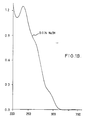
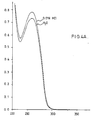
- Mureidomycin A has the following physico-chemical properties:
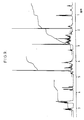
- Mureidomycin B has the following physico-chemical properties:
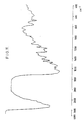
- Mureidomycin C has the following physico-chemical properties:
- the invention also provides pharmaceutically acceptable salts and esters of the above compounds.
- the invention also provides a process for producing mureidomycin A, B, C or D and salts and esters thereof by cultivating a mureidomycin A, B, C or D-producing microorganism of the genus Streptomyces in a culture medium therefor and isolating mureidomycin A, B, C or D or a salt thereof from the cultured broth, and optionally salifying, desalifying or esterifying the compound thus isolated.
- the invention still further provides a pharmaceutical composition
- a pharmaceutical composition comprising such a mureidomycin A, B, C or D or a salt or ester thereof in admixture with a pharmaceutically acceptable carrier or diluent.
- the invention still further provides the use for the manufacture of a medicament for the treatment or prophylaxis of bacterial infections of at least one such mureidomycin A, B, C or D or a salt or ester thereof.
- Mureidomycins A, B, C and D and salts thereof may be produced by the cultivation of a Streptomyces strain herein identified as Streptomyces sp. SANK 60486, and which has the following mycological properties. These characteristics were determined by cultivation on various media prescribed by the ISP (International Streptomyces Project) or with the media recommended by S.A. Waksman in Volume 2 of "The Actinomycetes", in all cases at a temperature of 28°C, except where otherwise stated.
- ISP International Streptomyces Project
- S.A. Waksman in Volume 2 of "The Actinomycetes", in all cases at a temperature of 28°C, except where otherwise stated.
- the spore chain forms straight to curved lines. It is observed that the number of spores formed on a spore chain are mostly from ten to fifty, but may be more.
- the spores are elliptoidal and in size range from 0.5 - 0.8 u.m ⁇ 0.7 - 1.1 u.m; they have a smooth surface. No special organs, such as wheel axle branching of the aerial hyphae, sclerotia, sporangia and the like, were observed.
- G growth; AM: aerial mycelium, R: reverse: SP: soluble pigment.
- strain SANK 60486 The physiological properties of strain SANK 60486 are shown in Table 2.
- strain SANK 60486 The cell wall of strain SANK 60486 was examined according to the method of B. Becker et al . [Applied Microbiology, 12, 421 - 423 (1964)]. L,L-Diaminopimelic acid and glycine were detected in it.
- strain SANK 60486 was carried out in accordance with The International Streptomyces Project; Bergey's Manual of Determinative Bacteriology, 8th edition; "The Actinomycetes” edited by S. A. Waksman and other recent literature relating to the Streptomycetes.
- Streptomyces flavidovirens SANK 60486 (FERM P-8636).
- strain SANK 60486 has been deposited with the Fermentation Research Institute, Agency of Industrial Science and Technology, Ministry of International Trade and Industry, Japan, on 4th February 1986 under the accession No. FERM P-8636 and was re-deposited in accordance with the conditions stipulated by the Budapest Treaty with said Fermentation Research Institute on 17th April 1987 under the accession No. FERM BP-1347.
- strain SANK 60486 produces mureidomycins A, B, C and D.
- the properties of microorganisms falling within the general category of the actinomycetes can vary considerably and such microorganisms can readily undergo mutation, both through natural causes and as the result of induction by artificial means. Accordingly, the process of the present invention embraces the use of any microorganism which can be classified within the genus Streptomyces and which shares with the strain SANK 60486 the characteristic ability to produce mureidomycins A, B, C and D.
- the microorganism employed in the process of the present invention is preferably a strain of the species Streptomyces flavidovirens, and more preferably Streptomyces flavidovirens SANK 60486 (FERM P-8636).
- the cultivation of microorganisms of the genus Streptomyces in accordance with the present invention to produce mureidomycins A, B, C and D can be performed under conditions conventionally employed for the cultivation of actinomycetes species; preferably in a liquid culture, and desirably with shaking or stirring and aeration.
- the nutrient medium used for the cultivation is completely conventional and contains such constituents as are commonly used in the cultivation of the actinomycetes.
- the medium should contain one or more assimilable carbon sources, suitable examples of which include glucose, maltose.
- an anti-foaming agent for example silicone oil, vegetable oil or a suitable surfactantl in the medium.
- the cultivation is suitably performed at a substantially neutral pH value and at a temperature of from 20 to 37°C, more preferably at about 22°C.
- the production of mureidomycins A, B, C and D as cultivation proceeds may be monitored by a variety of conventional microbiological assay techniques for monitoring the production of antibiotics (when they are produced by microbial culture) and which require little or no elaboration here.
- a suitable technique might be the paper disc-agar diffusion assay (using, for example, a paper disc of diameter about 8 mm produced by Toyo Kagaku Sangyo Co., Ltd) and using, for example, Pseudomonas aeruginosa as the test organism.
- the amount of mureidomycins A, B, C and D produced normally reaches a maximum after cultivation has proceeded for 72 - 96 hours and it is clearly desirable to separate the mureidomycins from the culture medium no later than the time when this maximum has been reached.
- this period may vary, depending upon the cultivation conditions and techniques, and a shorter or longer period may be appropriate, depending upon the circumstances.
- the correct cultivation time may readily be assessed for every case by routine experiment, using suitable monitoring techniques, e.g. as described above.
- Mureidomycins A, B, C and D are mainly released into the liquid portion of the cultured broth and can thus be recovered by removing solid matter, including the mycelium, for example by filtration (preferably using a filter aid such as diatomaceous earth) or by centrifugation. They can then be recovered from the separated liquid portion by conventional techniques and, if desired, then purified and/or separated from each other.
- the antibiotics, mureidomycins A, B, C and D may be separated, collected and purified by utilizing their physico-chemical properties.
- suitable methods include: extraction with solvents; ion-exchange through resins, for example, anion exchange resins such as Dowex SBR-P (Dow Chemical Co.) or cation exchange resins such as Dowex 50 W (Dow Chemical Co.) or IRC-50, CG-50 (Rohm & Haas Co.); chromatography through active carbon as the absorbent or through non-ionic absorption resins such as Amberlite XAD-2, XAD-4 or XAD-7 (Rohm and Haas Co.) or Diaion HP 10, HP 20, CHP 20P or HP 50 (Mitsubishi Chemical Industries, Ltd.); and chromatography through silica gel or alumina.
- anion exchange resins such as Dowex SBR-P (Dow Chemical Co.) or cation exchange resins such as Dowex 50 W (Dow Chemical Co.
- separation, collection and purification of the metabolites may be performed by using any one or more of the following operations, which may be combined in any order or repeated, if desired: partition column chromatography over cellulose such as Avicel (Asahi Chemical Industry Co., Ltd.) or Sephadex LH-20 (Pharmacia Co.); gel filtration using Sephadex G-10, G-25, G-50 or G-100 (Pharmacia Co.) or Toyopearl HW-40 (Toyo Soda Manufacturing Co., Ltd.); crystallization; and recrystallization.
- “Dowex”, “Amberlite”, “Diaion”, “Avicel”, “Sephadex” and “Toyopearl” are all trade marks.
- mureidomycins A, B, C and D can exist in the mycelium from the culture broth and can be extracted therefrom by conventional techniques. For example, they can be extracted with a hydrophilic organic solvent (such as an alcohol or acetone), and then the solvent removed from the extract to leave a residue, which is dissolved in an aqueous medium. The mureidomycins can be extracted from the resulting solution and purified as described above.
- a hydrophilic organic solvent such as an alcohol or acetone
- Mureidomycins A. B, C and D are preferably separated from each other by chromatography.
- Mureidomycins A, B. C and D thus obtained have the physical and chemical properties described above.
- mureidomycins A. B, C and D are amphoteric in character, they form salts and esters and these salts and esters also form part of the present invention.
- the nature of such salts and esters is not critical. except that, where they are to be used for medicinal or veterinary purposes, they must be medicinally acceptable, i.e. they must not, or must not to a significant extent, either have increased toxicity or have reduced activity, as compared with the free unsalified or unesterified compound.
- the compounds are to be used for non-therapeutic purposes, e.g. as intermediates or for purposes of facilitating isolation, even this restriction does not apply.
- suitable acids for the formation of such salts include: inorganic acids, such as hydrochloric acid, sulphuric acid or phosphoric acid; organic carboxylic acids, such as acetic acid, citric acid, tartaric acid, malonic acid, maleic acid, malic acid, fumaric acid, itaconic acid, citraconic acid or succinic acid: and organic sulphonic acids, such as methanesulphonic acid, benzenesulphonic acid, naphthalenesulphonic acid or 2 -toluenesulphonic acid.
- inorganic acids such as hydrochloric acid, sulphuric acid or phosphoric acid
- organic carboxylic acids such as acetic acid, citric acid, tartaric acid, malonic acid, maleic acid, malic acid, fumaric acid, itaconic acid, citraconic acid or succinic acid
- organic sulphonic acids such as methanesulphonic acid, benzenesulphonic acid, naphthalen
- esters examples include: C 1 -C 6 , more Preferably Ci-C 4 , alkyl esters, for example the methyl, ethyl, propyl, isopropyl, butyl, isobutyl, sec-butyl, t-butyl, pentyl and hexyl esters; aralkyl, including diarylalkyl, esters, such as the benzyl, p-nitrobenzyl and benzhydryl esters; alkoxycarbonylalkyl esters.
- alkyl esters for example the methyl, ethyl, propyl, isopropyl, butyl, isobutyl, sec-butyl, t-butyl, pentyl and hexyl esters
- aralkyl including diarylalkyl, esters, such as the benzyl, p-nitrobenzyl and benzhydryl esters
- alkoxy and alkyl parts are both C l -C 4 , especially alkoxycarbonylmethyl esters, such as the ethoxycarbonylmethyl and t-butoxycarbonylmethyl esters; alkoxycarbonyloxyalkyl esters in which the alkoxy and alkyl parts are both C 1 -C 4 , especially 2-(alkoxycarbonyloxy)ethyl esters, such as the 2-methoxycar- bonyloxyethyl, 2-ethoxycarbonyloxyethyl and 2-t-butoxycarbonyloxyethyl esters; and other specific esters, such as the phthalidyl, substituted phthalidyl, phenacyl, substituted phenacyl (e.g. e-nitrophenacyl) and (5-methyl-2-oxo-1,3-dioxolen-4-yl)methyl esters.
- alkoxycarbonylmethyl esters such as the ethoxycarbonylmethyl and
- the carboxy group present in the compounds may also form salts with appropriate bases.
- the nature of such salts is likewise not critical, provided that, where they are to be used for therapeutic purposes, the salts are pharmaceutically acceptable.
- Examples of salts with bases include: salts with metals, especially alkali metals and alkaline earth metals, such as the lithium, sodium, potassium, calcium and magnesium salts; the ammonium salts; salts with organic amines, such as cyclohexylamine, diisopropylamine or triethylamine; and salts with basic amino acids, such as lysine or arginine.
- the mureidomycin A, B, C or D is isolated in the form of a salt, it may be converted to the free unsalified compound by conventional means, such as the use of ion-exchange resins or of adsorbents for reverse phase chromatography. Equally, the free unsalified compound may be salified by conventional means. Esters may be prepared by conventional esterification procedures.
- the minimal inhibitory concentrations (MIC) of mureidomycins A, B, C and D against various gram- positive and gram-negative bacteria were determined by the two-fold agar dilution method, using a Mueller-Hinton agar medium (produced by Difco). The results are shown in Table 4.
- mureidomycins A, B, C and D are seen to be active against gram-negative bacteria, particularly against bacteria of the genus Pseudomonas.
- mice receiving 400 mg/kg of mureidomycins A, B, C or D intravenously No toxicity was observed in mice receiving 400 mg/kg of mureidomycins A, B, C or D intravenously.
- mureidomycins A, B, C and D can be used as antibiotics against various diseases caused by bacterial infections.
- the route of administration can vary widely and may be parenteral (e.g. by subcutaneous, intravenous or intramuscular injection or by suppository) or oral (in which case it may be administered in the form of a tablet, capsule, powder or granule).
- the dose will, of course, vary with the nature of the disease to be treated, the age, condition and body weight of the patient and the route and time of administration; however, for an adult human patient, a daily dose of from 0.1 to 10 grams is preferred and this may be administered in a single dose or in divided doses.
- the microorganism was then cultured for 84 hours at 22°C, using a rotary shaker at 220 r.p.m.
- 25 ml of the resulting seed culture were inoculated into each of four 2-litre Erlenmeyer flasks, each containing 500 ml of medium A, which has the composition described above.
- the microorganism was then cultured at 22°.C for 24 hours, using a rotary shaker at 220 r.p.m.
- the resulting cultured broths were combined. 750 ml of this broth were then inoculated into each of two 30 litre jar fermentors, each containing 15 litres of medium A, and the microorganism was then cultured at 22°C,for 96 hours, whilst aerating at the rate of 15 litres per minute and agitating at 150 r.p.m.
- the column was eluted with 0.2 M aqueous ammonium bicarbonate.
- the fractions (800 ml) containing the active component were collected and adsorbed on a column containing 200 ml of Diaion HP 20 (Mitsubishi Chemical Industries, Ltd.), after which the column was eluted with 500 ml of 50% v/v aqueous acetone, to give an active component.
- the fractions containing the active component were concentrated by evaporation under reduced pressure and lyophilized to afford 1.6 g of a crude powdery product containing mureidomycins A, B, C and D.
- Fractions No. 80 to 130 from the fractionation described at the end of Example 1, were collected and were adsorbed on a column of Diaion HP 20 in order to desalt them.
- the desalted eluent was concentrated by evaporation under reduced pressure, and the residue was lyophilized to give 309 mg of a partially purified product, containing mureidomycins A and C, as a powder.
- 300 mg of this partially purified powder were then subjected to column chromatography through 100 g of silica gel, which was then eluted with a 8:4:1 by volume mixture of butanol. propanol and water, to give fractions, each containing 20 ml of the eluent.
- the chromatogram showed two peaks due to the presence of two active components.
- Fractions No. 65 to 85 were collected as active fractions, and these were adsorbed on a column containing 10 ml of Amberlite CG50 (H + type), which was then eluted with 0.5 M aqueous ammonia.
- the active fractions were collected, concentrated by evaporation under reduced pressure and lyophilized to afford 49 mg of mureidomycin C having the properties defined above.
- Fractions No. 55 to 75 were collected as active fractions, and these were adsorbed on a column containing 10 ml of Amberlite CG50 (H- type) and eluted with 0.5 M aqueous ammonia.
- the fractions containing active components were collected, concentrated by evaporation under reduced pressure and lyophilized to afford 45 mg of mureidomycin B having the properties defined above.
- Fractions No. 65 to 85 were collected as active fractions, and these were then adsorbed on a column containing 10 ml of Amberlite CG50 (H + type) and eluted with 0.5 M aqueous ammonia. The fractions were collected. concentrated by evaporation under reduced pressure and lyophilized to afford 40 mg of mureidomycin D having the properties defined above.
- the following powders were mixed: and passed through a 30-mesh sieve (Tyler standard).
- the mixture 350 mg was sealed into a gelatin capsule No. 2 to yield the desired capsule.
- the following powders were mixed: and passed through a 30-mesh sieve (Tyler standard.
- the mixture 350 mg was sealed into a gelatin capsule No. 2 to yield the desired capsule.
- the following powders were mixed: and passed through a 30-mesh sieve (Tyler standard).
- the mixture 350 mg was sealed into a gelatin capsule No. 2 to yield the desired capsule.
- the following powders were mixed: and passed through a 30-mesh sieve (Tyler standard).
- the mixture 350 mg was sealed into a gelatin capsule No. 2 to yield the desired capsule.
Landscapes
- Chemical & Material Sciences (AREA)
- Life Sciences & Earth Sciences (AREA)
- Organic Chemistry (AREA)
- Engineering & Computer Science (AREA)
- Zoology (AREA)
- Wood Science & Technology (AREA)
- Health & Medical Sciences (AREA)
- Genetics & Genomics (AREA)
- Biotechnology (AREA)
- Bioinformatics & Cheminformatics (AREA)
- General Health & Medical Sciences (AREA)
- Microbiology (AREA)
- Biochemistry (AREA)
- General Engineering & Computer Science (AREA)
- General Chemical & Material Sciences (AREA)
- Chemical Kinetics & Catalysis (AREA)
- Mycology (AREA)
- Medicinal Chemistry (AREA)
- Tropical Medicine & Parasitology (AREA)
- Virology (AREA)
- Biomedical Technology (AREA)
- Preparation Of Compounds By Using Micro-Organisms (AREA)
- Pharmaceuticals Containing Other Organic And Inorganic Compounds (AREA)
Priority Applications (1)
| Application Number | Priority Date | Filing Date | Title |
|---|---|---|---|
| AT87111942T ATE95839T1 (de) | 1986-05-20 | 1987-05-20 | Antibiotika ''mureidomycine a,b,c und d'' genannt, deren verfahren zur herstellung und deren verwendung. |
Applications Claiming Priority (4)
| Application Number | Priority Date | Filing Date | Title |
|---|---|---|---|
| JP115639/86 | 1986-05-20 | ||
| JP61115639A JPS63211295A (ja) | 1986-05-20 | 1986-05-20 | 抗生物質ムレイドマイシンaおよびc |
| JP137567/86 | 1986-06-13 | ||
| JP61137567A JPS63218685A (ja) | 1986-06-13 | 1986-06-13 | 抗生物質ムレイドマイシンbおよびd |
Related Parent Applications (1)
| Application Number | Title | Priority Date | Filing Date |
|---|---|---|---|
| EP87304485.3 Division | 1987-05-20 |
Publications (3)
| Publication Number | Publication Date |
|---|---|
| EP0253413A2 true EP0253413A2 (fr) | 1988-01-20 |
| EP0253413A3 EP0253413A3 (en) | 1989-11-02 |
| EP0253413B1 EP0253413B1 (fr) | 1993-10-13 |
Family
ID=26454122
Family Applications (1)
| Application Number | Title | Priority Date | Filing Date |
|---|---|---|---|
| EP87111942A Expired - Lifetime EP0253413B1 (fr) | 1986-05-20 | 1987-05-20 | Antibiotiques appelés "Mureidomycines A,B,C et D", leur procédé de préparation et leur emploi thérapeutique |
Country Status (6)
| Country | Link |
|---|---|
| US (1) | US5039663A (fr) |
| EP (1) | EP0253413B1 (fr) |
| KR (1) | KR950013857B1 (fr) |
| CA (1) | CA1339467C (fr) |
| DE (1) | DE3787765T2 (fr) |
| ES (1) | ES2060587T3 (fr) |
Cited By (1)
| Publication number | Priority date | Publication date | Assignee | Title |
|---|---|---|---|---|
| EP0317292A3 (en) * | 1987-11-20 | 1990-07-25 | Sankyo Company Limited | New antibiotics of the mureidomycin group, their preparation, and their therapeutic use |
Families Citing this family (3)
| Publication number | Priority date | Publication date | Assignee | Title |
|---|---|---|---|---|
| US6228842B1 (en) | 1998-11-06 | 2001-05-08 | Microcide Pharmaceuticals, Inc. | Pacidamycins produced by Streptomyces coeruleorubidus |
| CN102827247B (zh) * | 2011-06-14 | 2015-01-28 | 中国医学科学院医药生物技术研究所 | 新的尿苷肽类抗生素及其作为抗结核病药物的用途 |
| CN103183723B (zh) * | 2011-12-29 | 2014-09-10 | 中国医学科学院医药生物技术研究所 | 新颖的尿苷肽类抗生素及其用途 |
Family Cites Families (3)
| Publication number | Priority date | Publication date | Assignee | Title |
|---|---|---|---|---|
| DE3341571A1 (de) * | 1983-11-17 | 1985-05-30 | Bayer Ag, 5090 Leverkusen | Neue antibiotika, verfahren zu ihrer herstellung, ihre verwendung als arzneimittel und zwischenprodukte zu ihrer herstellung |
| GB8421279D0 (en) * | 1984-08-22 | 1984-09-26 | Baldwin J E | Antibiotics |
| IT1184164B (it) * | 1985-03-19 | 1987-10-22 | Eniricerche Spa | Triptidi ad azione ipotensiva e procedimento per la loro sintesi |
-
1987
- 1987-05-20 DE DE87111942T patent/DE3787765T2/de not_active Expired - Fee Related
- 1987-05-20 KR KR1019870005014A patent/KR950013857B1/ko not_active Expired - Fee Related
- 1987-05-20 CA CA000537527A patent/CA1339467C/fr not_active Expired - Fee Related
- 1987-05-20 ES ES87111942T patent/ES2060587T3/es not_active Expired - Lifetime
- 1987-05-20 EP EP87111942A patent/EP0253413B1/fr not_active Expired - Lifetime
-
1988
- 1988-10-04 US US07/253,450 patent/US5039663A/en not_active Expired - Fee Related
Non-Patent Citations (1)
| Title |
|---|
| BIOLOGICAL ABSTRACTS, vol. 59, 1st April 1975, page 4151, abstract no. 38777, Biological Abstracts Inc., Philadelphia, PA, US; Z.A. LYSENKO et al.: "Antifungal properties of actinomycetes antagonistic to phytopathogenic fungi", & MIKROBIOL ZH (KYYIV) 34(1): 95-96. 1972 * |
Cited By (1)
| Publication number | Priority date | Publication date | Assignee | Title |
|---|---|---|---|---|
| EP0317292A3 (en) * | 1987-11-20 | 1990-07-25 | Sankyo Company Limited | New antibiotics of the mureidomycin group, their preparation, and their therapeutic use |
Also Published As
| Publication number | Publication date |
|---|---|
| DE3787765D1 (de) | 1993-11-18 |
| DE3787765T2 (de) | 1994-05-05 |
| ES2060587T3 (es) | 1994-12-01 |
| EP0253413B1 (fr) | 1993-10-13 |
| KR950013857B1 (ko) | 1995-11-17 |
| EP0253413A3 (en) | 1989-11-02 |
| KR870011251A (ko) | 1987-12-22 |
| US5039663A (en) | 1991-08-13 |
| CA1339467C (fr) | 1997-09-16 |
Similar Documents
| Publication | Publication Date | Title |
|---|---|---|
| EP0182315B1 (fr) | Antibiotique NK84-0218, compositions pharmaceutiques le contenant et procédé pour sa production | |
| US5278052A (en) | Process for the simultaneous production of benanomicins A and B | |
| JPH0566394B2 (fr) | ||
| CA1334949C (fr) | Agent antimicrobien fr 109615 et sa production | |
| US5013550A (en) | Antibiotics called "chloropolysporins B and C", a process for their preparation, and their therapeutic and veterinary use | |
| US4545991A (en) | Difficidin and derivative antibacterials | |
| EP0253413B1 (fr) | Antibiotiques appelés "Mureidomycines A,B,C et D", leur procédé de préparation et leur emploi thérapeutique | |
| EP0317292B1 (fr) | Antibiotiques du groupe muréidomycine, leur préparation et leur emploi | |
| EP0017246A1 (fr) | L'antibiotique PA-31088-IV, ses sels avec des bases, procédé pour sa préparation, compositions pharmaceutiques le contenant, streptomyces tokunonensis PA-31088 et ses mutants | |
| EP0048660B1 (fr) | Substances antibiotiques, procédé de leur production et compositions pharmaceutiques contenant celles-ci | |
| KR100271997B1 (ko) | Fa-70d물질, 이를 생산하기 위한 방법 및 그 용도 | |
| GB2042532A (en) | Antibiotics c-19393 s2 and 'i | |
| US5109122A (en) | Antibiotics, dexylosylbenanomicin B | |
| US5213974A (en) | Fermentation process for preparing antibiotics mureidomycins A, B, C and D | |
| EP0055299A1 (fr) | Antibiotique y-16482 alpha et/ou antibiotique y-16482 beta, leur prodece de preparation; et composition medicinale les contenant | |
| US4681846A (en) | Process for the preparation of difficidin and derivative antibacterials | |
| US4950605A (en) | FR-900493 substance, a process for its production and a pharmaceutical composition containing the same | |
| US4197292A (en) | Novel amylase inhibitors | |
| JPH0430400B2 (fr) | ||
| EP0159004A2 (fr) | Antibiotiques do-248-A et B et leur procédé de préparation | |
| US4146536A (en) | Nocardicin E and F, and process for production thereof | |
| HK1003573B (en) | New antibiotics of the mureidomycin group, their preparation, and their therapeutic use | |
| JPS6337098B2 (fr) | ||
| US4201769A (en) | Antibiotic substances No. 17927A1 and No. 17927A2 and process for producing the same | |
| GB2134119A (en) | Luzopeptin E2 |
Legal Events
| Date | Code | Title | Description |
|---|---|---|---|
| PUAI | Public reference made under article 153(3) epc to a published international application that has entered the european phase |
Free format text: ORIGINAL CODE: 0009012 |
|
| AK | Designated contracting states |
Kind code of ref document: A2 Designated state(s): AT BE CH DE ES FR GB GR IT LI LU NL SE |
|
| PUAL | Search report despatched |
Free format text: ORIGINAL CODE: 0009013 |
|
| AK | Designated contracting states |
Kind code of ref document: A3 Designated state(s): AT BE CH DE ES FR GB GR IT LI LU NL SE |
|
| 17P | Request for examination filed |
Effective date: 19900427 |
|
| 17Q | First examination report despatched |
Effective date: 19921016 |
|
| GRAA | (expected) grant |
Free format text: ORIGINAL CODE: 0009210 |
|
| AK | Designated contracting states |
Kind code of ref document: B1 Designated state(s): AT BE CH DE ES FR GB GR IT LI LU NL SE |
|
| REF | Corresponds to: |
Ref document number: 95839 Country of ref document: AT Date of ref document: 19931015 Kind code of ref document: T |
|
| REF | Corresponds to: |
Ref document number: 3787765 Country of ref document: DE Date of ref document: 19931118 |
|
| ET | Fr: translation filed | ||
| ITF | It: translation for a ep patent filed | ||
| REG | Reference to a national code |
Ref country code: GR Ref legal event code: FG4A Free format text: 3010404 |
|
| PLBE | No opposition filed within time limit |
Free format text: ORIGINAL CODE: 0009261 |
|
| STAA | Information on the status of an ep patent application or granted ep patent |
Free format text: STATUS: NO OPPOSITION FILED WITHIN TIME LIMIT |
|
| EPTA | Lu: last paid annual fee | ||
| 26N | No opposition filed | ||
| REG | Reference to a national code |
Ref country code: ES Ref legal event code: FG2A Ref document number: 2060587 Country of ref document: ES Kind code of ref document: T3 |
|
| EAL | Se: european patent in force in sweden |
Ref document number: 87111942.6 |
|
| PGFP | Annual fee paid to national office [announced via postgrant information from national office to epo] |
Ref country code: FR Payment date: 20000510 Year of fee payment: 14 |
|
| PGFP | Annual fee paid to national office [announced via postgrant information from national office to epo] |
Ref country code: AT Payment date: 20000511 Year of fee payment: 14 |
|
| PGFP | Annual fee paid to national office [announced via postgrant information from national office to epo] |
Ref country code: DE Payment date: 20000515 Year of fee payment: 14 |
|
| PGFP | Annual fee paid to national office [announced via postgrant information from national office to epo] |
Ref country code: GB Payment date: 20000517 Year of fee payment: 14 |
|
| PGFP | Annual fee paid to national office [announced via postgrant information from national office to epo] |
Ref country code: GR Payment date: 20000526 Year of fee payment: 14 Ref country code: CH Payment date: 20000526 Year of fee payment: 14 |
|
| PGFP | Annual fee paid to national office [announced via postgrant information from national office to epo] |
Ref country code: LU Payment date: 20000530 Year of fee payment: 14 |
|
| PGFP | Annual fee paid to national office [announced via postgrant information from national office to epo] |
Ref country code: NL Payment date: 20000531 Year of fee payment: 14 Ref country code: ES Payment date: 20000531 Year of fee payment: 14 |
|
| PGFP | Annual fee paid to national office [announced via postgrant information from national office to epo] |
Ref country code: BE Payment date: 20000717 Year of fee payment: 14 |
|
| PGFP | Annual fee paid to national office [announced via postgrant information from national office to epo] |
Ref country code: SE Payment date: 20010417 Year of fee payment: 15 |
|
| PG25 | Lapsed in a contracting state [announced via postgrant information from national office to epo] |
Ref country code: LU Free format text: LAPSE BECAUSE OF NON-PAYMENT OF DUE FEES Effective date: 20010520 Ref country code: GB Free format text: LAPSE BECAUSE OF NON-PAYMENT OF DUE FEES Effective date: 20010520 Ref country code: AT Free format text: LAPSE BECAUSE OF NON-PAYMENT OF DUE FEES Effective date: 20010520 |
|
| PG25 | Lapsed in a contracting state [announced via postgrant information from national office to epo] |
Ref country code: ES Free format text: LAPSE BECAUSE OF NON-PAYMENT OF DUE FEES Effective date: 20010521 |
|
| PG25 | Lapsed in a contracting state [announced via postgrant information from national office to epo] |
Ref country code: GR Free format text: LAPSE BECAUSE OF NON-PAYMENT OF DUE FEES Effective date: 20010531 Ref country code: BE Free format text: LAPSE BECAUSE OF NON-PAYMENT OF DUE FEES Effective date: 20010531 |
|
| PG25 | Lapsed in a contracting state [announced via postgrant information from national office to epo] |
Ref country code: LI Free format text: LAPSE BECAUSE OF NON-PAYMENT OF DUE FEES Effective date: 20010619 Ref country code: CH Free format text: LAPSE BECAUSE OF NON-PAYMENT OF DUE FEES Effective date: 20010619 |
|
| BERE | Be: lapsed |
Owner name: SANKYO CY LTD Effective date: 20010531 |
|
| PG25 | Lapsed in a contracting state [announced via postgrant information from national office to epo] |
Ref country code: NL Free format text: LAPSE BECAUSE OF NON-PAYMENT OF DUE FEES Effective date: 20011201 |
|
| GBPC | Gb: european patent ceased through non-payment of renewal fee |
Effective date: 20010520 |
|
| REG | Reference to a national code |
Ref country code: CH Ref legal event code: PL |
|
| PG25 | Lapsed in a contracting state [announced via postgrant information from national office to epo] |
Ref country code: FR Free format text: LAPSE BECAUSE OF NON-PAYMENT OF DUE FEES Effective date: 20020131 |
|
| NLV4 | Nl: lapsed or anulled due to non-payment of the annual fee |
Effective date: 20011201 |
|
| PG25 | Lapsed in a contracting state [announced via postgrant information from national office to epo] |
Ref country code: DE Free format text: LAPSE BECAUSE OF NON-PAYMENT OF DUE FEES Effective date: 20020301 |
|
| PG25 | Lapsed in a contracting state [announced via postgrant information from national office to epo] |
Ref country code: SE Free format text: LAPSE BECAUSE OF NON-PAYMENT OF DUE FEES Effective date: 20020521 |
|
| EUG | Se: european patent has lapsed | ||
| REG | Reference to a national code |
Ref country code: ES Ref legal event code: FD2A Effective date: 20030203 |
|
| PG25 | Lapsed in a contracting state [announced via postgrant information from national office to epo] |
Ref country code: IT Free format text: LAPSE BECAUSE OF NON-PAYMENT OF DUE FEES;WARNING: LAPSES OF ITALIAN PATENTS WITH EFFECTIVE DATE BEFORE 2007 MAY HAVE OCCURRED AT ANY TIME BEFORE 2007. THE CORRECT EFFECTIVE DATE MAY BE DIFFERENT FROM THE ONE RECORDED. Effective date: 20050520 |