EP0259149A2 - Verwendung des Rotavirus-Nukleokapsid-VP6-Proteins in Impfstoffzusammensetzungen - Google Patents
Verwendung des Rotavirus-Nukleokapsid-VP6-Proteins in Impfstoffzusammensetzungen Download PDFInfo
- Publication number
- EP0259149A2 EP0259149A2 EP87307746A EP87307746A EP0259149A2 EP 0259149 A2 EP0259149 A2 EP 0259149A2 EP 87307746 A EP87307746 A EP 87307746A EP 87307746 A EP87307746 A EP 87307746A EP 0259149 A2 EP0259149 A2 EP 0259149A2
- Authority
- EP
- European Patent Office
- Prior art keywords
- ala
- peptide
- epitope
- rotavirus
- protein
- Prior art date
- Legal status (The legal status is an assumption and is not a legal conclusion. Google has not performed a legal analysis and makes no representation as to the accuracy of the status listed.)
- Granted
Links
Images



Classifications
-
- C—CHEMISTRY; METALLURGY
- C07—ORGANIC CHEMISTRY
- C07K—PEPTIDES
- C07K14/00—Peptides having more than 20 amino acids; Gastrins; Somatostatins; Melanotropins; Derivatives thereof
- C07K14/005—Peptides having more than 20 amino acids; Gastrins; Somatostatins; Melanotropins; Derivatives thereof from viruses
-
- A—HUMAN NECESSITIES
- A61—MEDICAL OR VETERINARY SCIENCE; HYGIENE
- A61K—PREPARATIONS FOR MEDICAL, DENTAL OR TOILETRY PURPOSES
- A61K39/00—Medicinal preparations containing antigens or antibodies
- A61K39/385—Haptens or antigens, bound to carriers
-
- A—HUMAN NECESSITIES
- A61—MEDICAL OR VETERINARY SCIENCE; HYGIENE
- A61K—PREPARATIONS FOR MEDICAL, DENTAL OR TOILETRY PURPOSES
- A61K47/00—Medicinal preparations characterised by the non-active ingredients used, e.g. carriers or inert additives; Targeting or modifying agents chemically bound to the active ingredient
- A61K47/50—Medicinal preparations characterised by the non-active ingredients used, e.g. carriers or inert additives; Targeting or modifying agents chemically bound to the active ingredient the non-active ingredient being chemically bound to the active ingredient, e.g. polymer-drug conjugates
- A61K47/69—Medicinal preparations characterised by the non-active ingredients used, e.g. carriers or inert additives; Targeting or modifying agents chemically bound to the active ingredient the non-active ingredient being chemically bound to the active ingredient, e.g. polymer-drug conjugates the conjugate being characterised by physical or galenical forms, e.g. emulsion, particle, inclusion complex, stent or kit
- A61K47/6901—Conjugates being cells, cell fragments, viruses, ghosts, red blood cells or viral vectors
-
- A—HUMAN NECESSITIES
- A61—MEDICAL OR VETERINARY SCIENCE; HYGIENE
- A61K—PREPARATIONS FOR MEDICAL, DENTAL OR TOILETRY PURPOSES
- A61K39/00—Medicinal preparations containing antigens or antibodies
- A61K2039/60—Medicinal preparations containing antigens or antibodies characteristics by the carrier linked to the antigen
- A61K2039/6031—Proteins
- A61K2039/6075—Viral proteins
-
- A—HUMAN NECESSITIES
- A61—MEDICAL OR VETERINARY SCIENCE; HYGIENE
- A61K—PREPARATIONS FOR MEDICAL, DENTAL OR TOILETRY PURPOSES
- A61K39/00—Medicinal preparations containing antigens or antibodies
- A61K2039/62—Medicinal preparations containing antigens or antibodies characterised by the link between antigen and carrier
- A61K2039/627—Medicinal preparations containing antigens or antibodies characterised by the link between antigen and carrier characterised by the linker
-
- C—CHEMISTRY; METALLURGY
- C12—BIOCHEMISTRY; BEER; SPIRITS; WINE; VINEGAR; MICROBIOLOGY; ENZYMOLOGY; MUTATION OR GENETIC ENGINEERING
- C12N—MICROORGANISMS OR ENZYMES; COMPOSITIONS THEREOF; PROPAGATING, PRESERVING, OR MAINTAINING MICROORGANISMS; MUTATION OR GENETIC ENGINEERING; CULTURE MEDIA
- C12N2720/00—MICROORGANISMS OR ENZYMES; COMPOSITIONS THEREOF; PROPAGATING, PRESERVING, OR MAINTAINING MICROORGANISMS; MUTATION OR GENETIC ENGINEERING; CULTURE MEDIA dsRNA viruses
- C12N2720/00011—Details
- C12N2720/12011—Reoviridae
- C12N2720/12311—Rotavirus, e.g. rotavirus A
- C12N2720/12322—New viral proteins or individual genes, new structural or functional aspects of known viral proteins or genes
Definitions
- the present invention relates to immunological carriers and vaccine compositions. More particularly, the present invention relates to the use of rotavirus inner capsid protein VP6 as an immunologic carrier, as well as its use in a vaccine composition for use in stimulating immunity against rotavirus infections.
- Rotavirus is a genus of the family Reoviridae. This genus of viruses is widely recognized as the major cause of gastroenteritis of infants and young children in most areas of the world. In the lesser developed countries diarrheal diseases such as gastroenteritis constitute a major cause of mortality among infants and young children.
- Kapikian et al. in Virology , pp. 863-906 (B.N. Fields et al., eds., 1985), the disclosure of which is incorporated herein by reference.
- Another approach to the development of an attenuated rotavirus vaccine is based on the ability of rotaviruses to undergo gene reassortment during coinfection.
- a number of "hybrid" strains have been isolated from cultures coinfected with a wild-type animal rotavirus and a human rotavirus. Strains are selected which receive the gene coding for the outer nuclear capsid protein VP7, the remaining genes being derived from the animal rotavirus parent. See, e.g., Immunogenicity , pp. 319-327 (Chanock & Lerner, eds., 1984).
- VP6 virus protein 6
- VP6 virus protein 6
- VP6 The most abundant structural protein in rotavirus particles is the approximate 45 K MW nucleocapsid or inner capsid protein coded for by gene 6, known in the art as virus protein 6 or VP6.
- virus protein 6 VP6
- VP6 Although not an integral component of the outer capsid, it is an important viral antigen. It has been identified as the subgroup antigen by using several techniques including complement fixation, ELISA, immunoadherence agglutination assay, and specific monoclonal antibodies.
- VP6 is also described as the common rotavirus group antigen since some monoclonal antibodies against it will react with all rotaviruses, and polyclonal serum raised against a single rotavirus type can detect most other rotavirus strains.
- VP6 is very immunogenic and several investigators have found that polyclonal serum raised to this protein has neutralizing ability. Bastardo et al. (1981) Infect. & Immun. 34 :641-647.
- VP6 has been cloned. See, e.g., Estes et al. (1984) Nucleic Acids Res. 12 :1875-1887. VP6 has also been produced by recombinant methods. Estes et al. (1987) J. Virol. 61 :1488-1494.
- Vaccine compositions for rotavirus disease comprised of peptides from VP7, VP6 and VP3 have also been proposed. See commonly owned patent applications: U.S. Serial No. 903,325 (filed 3 September 1986); Australian Serial No. 526,116 (filed 23 December 1986); Australian Serial No. 66987/86 (filed 24 December 1986); Chinese Serial No. 86108975 (filed 25 December 1986); EPO Serial No. 86 117 981.0 (23 December 1986); and Japanese Serial No. 61-308945 (filed 26 December 1986), the disclosures of which are incorporated by reference herein.
- immunologic carriers include, but not limited to, keyhole limpet hemocyanin (KLH), bovine serum albumin (BSA), ovalbumin (OVA), beta-galactosidase (B-GAL), penicillinase, poly-DL-alanyl-poly-L-lysine, and poly-L-lysine.
- KLH keyhole limpet hemocyanin
- BSA bovine serum albumin
- OVA ovalbumin
- B-GAL beta-galactosidase
- penicillinase poly-DL-alanyl-poly-L-lysine
- poly-L-lysine poly-L-lysine
- the present invention is based on the discovery that VP6 polypeptides of rotaviruses, or functional fragments thereof, in either monomeric or ligomeric forms, have the ability to bind peptides by virtue of an interaction between the peptide and binding site(s) on the VP6 polypeptide to form a VP6 - binding peptide complex.
- the present invention is also based on the discovery that VP6, in its monomeric or oligomeric forms, can be advantageously employed as an immunologic carrier to which molecules bearing an epitope of interest can be attached. Preferably, these epitope-bearing molecules can be attached to the VP6 polypeptide by use of a binding peptide.
- the present invention is directed to a composition capable of raising an immunological response in a mammal to a selected epitope comprising an immunological carrier complex, said complex comprised of an epitope-bearing molecule expressing said selected epitope, said epitope-bearing molecule being selected from the group consisting of polypeptides, carbohydrates and nucleic acids; said epitope-bearing molecule being coupled to a carrier protein selected from the group consisting of monomers and oligomers of a polypeptide homologous to a rotavirus VP6 inner capsid protein amino acid sequence.
- the epitope-bearing molecule is a polypeptide
- the carrier protein is a VP6 inner capsid protein.
- the VP6 carrier protein is an oligomer formed into a particle, such as a tube or sphere.
- the epitope-bearing molecule is copled to the carrier protein through a protein-protein interaction with a binding peptide specific for the VP6 binding site(s).
- an improved vaccine composition if provided wherein the epitope of interest is on a polypeptide bound to a carrier protein, the improvement comprising using rotavirus VP6 inner capsid polypeptide as said carrier protein.
- vaccination methods are provided, as well as specific binding peptides.
- an "immunological response" to an epitope of interest is the development in a mammal of either a cell- or antibody-mediated immune response to the epitope of interest.
- a response consists of the mammal producing antibodies and/or cytotoxic T cells directed specifically to the epitope of interest.
- an “immunological carrier complex” refers to a chemical complex between a immunologic carrier molecule, usually a protein, and a hapten or other epitope-bearing molecule.
- the epitope on the hapten or other epitope-bearing molecule for which an immunological response is desired is referred to as the "epitope of interest" or the "selected epitope”.
- epitope-bearing molecule refers to a molecule within an immunological carrier complex which is bound to the carrier molecule and bears the epitope of interest.
- the epitope-bearing molecule of the present invention can include, but is not limited to, polypeptides, carbohydrates, nucleic acids, and lipids. Further examples are given below.
- a "rotavirus VP6 inner capsid protein” refers to the art-recognized major viral protein of the inner capsid from any species or strain within the genus Rotavirus. See, e.g., Kapikian et al., supra .
- rotavirus strains from which the VP6 protein can be isolated and employed in the present invention include, but are not limited to, Simian SA-11, human D rotavirus, bovine UK rotavirus, human Wa or W rotavirus, human DS-1 rotavirus, rhesus rotavirus, the "O" agent, bovine NCDV rotavirus, human K8 rotavirus, human KU rotavirus, human DB rotavirus, human S2 rotavirus, human KUN rotavirus, human 390 rotavirus, human P rotavirus, human M rotavirus, human Walk 57/14 rotavirus, human Mo rotavirus, human Ito rotavirus, human Nemoto rotavirus, human YO rotavirus, human McM2 rotavirus, rhesus monkey MMU18006 rotavirus, canine CU-1 rotavirus, feline Taka rotavirus, equine H-2 rotavirus,
- the present invention encompasses the use of VP6 from any rotavirus strain, whether from subgroup I, subgroup II, or any as yet unidentified subgroup, as well as from any of the serotypes 1-7, as well as any as yet unidentified serotypes.
- the present invention encompasses the use as an immunologic carrier of polypeptides having homologous amino acid sequences to rotavirus VP6 amino acid sequences which are unique to the class, or any member of the class, of VP6 polypeptides.
- Such unique sequences of VP6 proteins are referred to as a "rotavirus VP6 inner capsid protein amino acid sequence”.
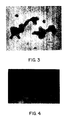
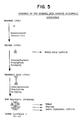
- Oligomers refer to multimeric forms of, for example, VP6 polypeptides. Usually, such VP6 oligomers are trimers formed by intermolecular disulfide bridging between VP6 monomers. See, e.g., Figure 5.
- the binding of an epitope-bearing molecule to a VP6 carrier protein through "protein-protein interaction(s)” refers to the type of chemical binding, both covalent and non-covalent, between a binding peptide region of the epitope-binding molecule and the VP6 carrier molecule.
- the exact nature of this binding is not understood. It is characterized, however, as the binding phenomenon observed when a peptide, having a Cys and another charged amino acid (e.g., Arg) in a structural relationship to each other analogous to that shown in peptide A or B (below), binds to VP6 binding sites on the carrier molecule through mere mixing of VP6 carrier protein and molecules containing the binding peptide region. It is believed that this protein-protein interaction is a combination of a disulfide bridge involving the Cys, and a non-covalent interaction involving the changed amino acid, but applicants do not wish to be bound by this theory.
- binding peptide refers to amino acid sequences which have the ability to bind through a protein-protein interaction with a VP6 polypeptide. These binding peptides are discussed in more detail below.
- a composition "free of rotavirus virions” refers to a composition which does not contain intact virus particles, although it may contain particles formed from VP6 complexed to other molecules.
- a "vaccine composition”, according to the present invention, is an otherwise conventional vaccine formulation employing either VP6 polypeptides alone or in an immunological carrier complex as the active ingredient.
- the preparation of vaccines containing the above active ingredients is well understood int he art. Typically, vaccines are prepared as injectables, either as liquid solutions or suspensions; solid forms suitable for solution in, or suspension in, liquid prior to injection may also be prepared. The preparation may also be emulsified or the active ingredient encapsulated in liposomes.
- the active immunogenic ingredient is often mixed with excipients which are pharmaceutically acceptable and compatible with the active ingredient.
- Suitable excipients are, for example, water, saline, dextrose, glycerol, ethanol, or the like, and combinations thereof.
- the vaccine may contain minor amounts of auxiliary substances such as wetting or emulsifying agents, pH buffering agents, or adjuvants which enhance the effectiveness of the vaccine.
- the vaccines are conventionally adminstered parenterally, by injection, for example, either subcutaneously or intramuscularly.
- injectable vaccine formulations will contain an effective amount of the active ingredient, the exact amount being readily determined by one skilled in the art.
- the active ingredient can range from about 1% to about 95% (w/w) of the injectable composition, or even higher or lower if appropriate.
- Additional vaccine formulations which are suitivelyable for other modes of administration include suppositories and, in some cases, oral formulation.
- the vaccine composition will include traditional binders and carriers, such as, polyalkaline glycols, or triglycerides.
- Such suppositories may be formed from mixtures containing the active ingredient in the range of about 0.5% to about 10% (w/w), preferably about 1% to about 2%.
- Oral formulations include such normally employed excipients as, for example, pharmaceutical grades of mannitol, lactose, starch, magnesium, stearate, sodium saccharin cellulose, magnesium carbonate, and the like.
- These oral vaccine compositions may be taken in the form of solutions, suspensions, tablets, pills, capsules, sustained release formulations, or powders, and contain from about 10% to about 95% of the active ingredient, preferably about 25% to about 70%.
- VP6 proteins or immunological carrier complexes of the present invention may be formulated into vaccine compositions in either neutral or salt forms.
- Pharmaceutically acceptable salts include the acid addition salts (formed with the free amino groups of the active polypeptides) and which are formed with inorganic acids such as, for example, hydrochloric or phosphoric acids, or such organic acids as acetic, oxalic, tartaric, mandelic, and the like. Salts formed from free carboxyl groups may also be derived from inorganic bases such as, for example, sodium, potassium, ammonium, calcium, or ferric hydroxides, and such organic bases as isopropylamine, trimethylamine, 2-ethylamino ethanol, histidine, procaine, and the like.
- the vaccine composition of the present invention may be administered in a manner compatible with the dosage formulation, and in such amounts as will be therapeutically effective and immunogenic.
- the quantity to be administered depends on the subject to be treated, the capacity of the subjects immune system to synthesize antibodies, and the degree of protection desired. Precise amounts of active ingredient desired to be administered depend on the judgment of the practioner and are peculiar to each subject. The establishment of effective dosages for a particular formulation, however, are within the skill of the art through routine trials establishing dose-response curves.
- the rotavirus genome consists of eleven segments of double-stranded RNA. These 11 genes encode for the production of at least six structural proteins of the virus. In complete virus particles, these six proteins occur in a double-shelled arrangement. There are three inner shell (capsid) proteins designated virus protein (VP) 1, 2, and 6. There are three outer capsid proteins, two of which are designated VP3 and VP7. The third outer capsid protein, which is encoded by genomic segment 10 or 11, has not yet been assigned a number. The molecular weights of these proteins are shown in Table 1.
- the absolute order of the genomic segments does not always correspond to the same genes.
- electrophoretic order of segments 7, 8, and 9 changes among rotaviruses from different animal species. This is referred to as inversion or "flip-flopping" of genome segments.
- the gene triplet formed by segments 7, 8, and 9 codes for three polypeptides, the neutralization-specific major outer capsid glycoprotein identified as virus protein (VP) 7 and two nonstructural proteins which are now shown in the table.
- VP virus protein
- rotavirus strains SA-11, W, and Wa gene 9 codes for VP7.
- gene 8 codes for VP7.
- VP6 is the most abundant of the inner capsid proteins, constituting about 80% by weight of the inner shell.
- Rotaviruses can be divided into two subgroups (I or II) based on an epitope on VP6 which can be identified using monoclonal antibodies. Most rotaviruses examined to date fall into one of the two subgroups; however, there is evidence that both subgroup epitopes can be located on a single VP6 molecules.
- recently an equine rotavirus was identified as having both subgroup 1 and 2 epitopes on VP6. See, e.g., Hoshino et al. (1987) Virology 157 :488-496. Therefore, it is not inconceivable that the subgrouping classification may be extended or modified as new isolates are identified and their genes sequenced. There are also at least 7 serology groups into which rotaviruses have been classified.
- VP6 molecules sequenced to date consist of 397 amino acids, although some variability in the molecular weight of the protein has been reported which may indicate a protein with more or less than this number of amino acids. Specifically, the reported molecular weight range for VP6 is 41-45K, thereby indicating an amino acid size range of 397-425. However, molecular weight variability does not necessarily reflect a differ lengthyence in the number of amino acids but can be due to electrophoretic conditions used in characterization of the protein. Only by sequencing the gene coding for a particular VP6 can the number of amino acids be determined (See, e.g., Figure 1). The amino acid homology between VP6s belonging to the two different subgroups is 80% or more, based on the VP6 genes sequenced to date.
- monomeric units of VP6 exist in a variety of oligomeric forms.
- Trimeric units (molecular weight about 135K) occur in both the virus particle and in infected cells, with the intersubunit linkage consisting of non-covalent interactions. These trimeric units complex further by virtue of disulfide bridges into larger units which likely represent the ring-like structures observed using electron microscopy. By employing different sample buffers, these nucleocapsid oligomeric complexes can be visualized on polyacrylamide gels.
- VP6 protein can be prepared by any of several methods.
- CaCl2 calcium chloride
- LiCl lithium chloride
- VP6 can be produced by recombinant DNA techniques, which are fully explained in the literature. See, e.g., Maniatis, Fritsch & Sambrook, Molecular Cloning: A Laboratory Manual (1982); DNA Cloning , Volumes I and II (D.M. Glover ed. 1985); Oligonucleotide Synthesis (M.J. Gait ed. 1984); Nucleic Acid Hybridization (B.D. Hames & S.J. Higgins eds. 1985); Transcription and Translation (B.D. Hames & S.J. Higgins eds. 1984); Animal Cell Culture (R.I. Freshney ed. 1986); Immobilized Cells and Enzymes (IRL Press, 1986); B. Perbal, A Practical Guide to Molecular Cloning (1984).
- DNA coding sequences encoding VP6 polypeptides can be derived from VP6 mRNA. See, e.g., Estes et al., supra ; Both et al. (1984) J. Virol. 51 :97-101; Cohen et al. (1984) Virology 138 :178-182.
- a DNA sequence encoding VP6 can be prepared synthetically rather than cloned. The DNA sequence can be designed with the appropriate codons for a VP6 amino acid sequence. In general, one will select preferred codons for the intended host if the sequence will be used for expression.
- the complete sequence is assembled from overlapping oligonucleotides prepared by standard methods and assembled into a complete coding sequence. See, e.g., Edge (1981) Nature 292 :756; Nambair et al. (1984) Science 223 :1299; Jay et al. (1984) J. Biol. Chem. 259 :6311.
- a coding sequence for VP6 can be cloned into any suitable vector or replicon.
- Numerous cloning vectors are known to those of skill in the art, and the selection of an appropriate cloning vector is a matter of choice.
- Example of recombinant DNA vectors for cloning and host cells which they can transform include the bacteriophage lambda (E. coli), pBR322 (E. coli), pACYC177 (E. coli), pKT230 (gram-negative bacteria), pGV1106 (gram-negative bacteria), pLAFR1 (gram-negative bacteria), pME290 (non-E. coli gram-negative bacteria), pHV14 (E.
- the coding sequence for VP6 can be placed under the control of a promoter, ribosome binding site (for bacterial expression) and, optionally, an operator (collectively referred to herein as "control" elements), so that the DNA sequence encoding VP6 is transcribed into RNA in the host cell transformed by a vector containing this expression construction.
- the coding sequence may or may not contain a signal peptide or leader sequence.
- VP6 is preferably made by the expression of a coding sequence containing a leader sequence which is removed by the bacterial host in post-translational processing. See, e.g., U.S. Patent Nos. 4,431,739; 4,425,437; 4,338,397.
- An expression vector is constructed so that the VP6 coding sequence is located in the vector with the appropriate regulatory sequences, the positioning and orientation of the coding sequence with respect to the control sequences being such that the coding sequence is transcribed under the "control" of the control sequences (i.e., RNA polymerase which binds to the DNA molecule at the control sequences transcribes the coding sequence).
- the control sequences may be ligated to the coding sequence prior to insertion into a vector, such as the cloning vectors described above.
- the coding sequence can be cloned directly into an expression vector which already contains the control sequences and an appropriate restriction site.
- procaryotic expression vectors are known in the art. See, e.g., U.S. Patent Nos. 4,440,859; 4,436,815; 4,431,740; 4,431,739; 4,428,941; 4,425,437; 4,418,149; 4,411,994; 4,366,246; 4,342,832; see also U.K. Patent Applications GB 2,121,054; GB 2,008,123; GB 2,007,675; and European Patent Application 103,395.
- Yeast expression vectors are also known in the art. See, e.g., U.S. Patent Nos. 4,446,235; 4,443,539; 4,430,428; see also European Patent Applications 103,409; 100,561; 96,491.
- VP6 is produced by growing host cells transformed by an expression vector described above under conditions whereby the VP6 protein is expressed. The VP6 protein is then isolated from the host cells and purified. If the expression system secretes the VP6 into growth media, the protein can be purified directly from cell-free media. If the VP6 protein is not secreted, it is isolated from cell lysates. The selection of the appropriate growth conditions and recovery methods are within the skill of the art.
- Purified VP6 protein exhibits structural polymorphism. Specifically m hexamers and small hexagonal lattices are present in many of the samples. Tubular particles form between about pH 5.0 and about pH 9.0, and are moderately stable to changes in temperature and ionic strength. The formation of these particles is fully reversible. Spherical particles reassembling single-shelled virus can be formed at about pH 4.0. A novel structure, in the form of sheets, composed of small-hole lattice, is formed in samples shifted from about pH 6.0 to about pH 4.0. These results demonstrate the importance of VP6 and of protein-protein interactions for rotavirus assembly.
- VP6 binding peptide complexes can function as carriers to which other molecules bearing an epitope of interest (e.g., haptens) can be attached.
- VP6 bound to another molecule by virtue of a specific amino acid sequence (binding peptide), which occurs naturally or has been tailored onto the epitope-bearing molecule, can be defined as an immunologic carrier for such a molecule.
- Proteins, glycoproteins, and peptides can include cytokines, hormones, glucagon, insulin-like growth factors, growth hormone, thyroid stimulating hormone, prolactin, inhibin, secretin, neurotensin, cholecystokinin or fragments thereof, calcitonin, somatostatin, thymic hormones, neurotransmitters and blockers, peptide-releasing factors (e.g., enkephalins), growth hormone releasing factor, as well as antigenic fragments of proteins, such as calmodulin, E.
- cytokines hormones, glucagon, insulin-like growth factors, growth hormone, thyroid stimulating hormone, prolactin, inhibin, secretin, neurotensin, cholecystokinin or fragments thereof, calcitonin, somatostatin, thymic hormones, neurotransmitters and blockers, peptide-releasing factors (e.g., enkephalins), growth hormone releasing factor,
- Additional polypeptides include steroid hormones, such as testosterone, estradiol, aldosterone, endrostenedione, or fragments thereof.
- nucleotides include polynucleotide fragments, restrictions enzyme sites, and cyclic nucleotides (e.g., cyclic adenosine monophosphate).
- carbohydrates and carbohydrate complexes include bacterial capsules or exopolysaccharides (e.g., from Hemophilus influenzae B), bacterial lipid A associated core antigens (e.g., from Pseudomonas species), blood group antigens (e.g., the ABO antigens), and glycolipids.
- lipids include fatty acids, glycerol derivatives, prostaglandins (e.g., prostaglandin E2), and lipopeptides (e.g., leukoteiene B4).
- Molecules of interest can also include alkaloids, such as vindoline, serpentine, catharanthine, as well as vitamins containing -OH, NH, SH. CHO, or COOH functional groups.
- VP6-binding peptide complex as a carrier, however, is that this system facilitates the attachment of molecules with minimal manipulation.
- a synthetic peptide corresponding to an antigenic or immunogenic region of a particular infectious agent the epitope of interest
- the antigenic region can also be produced via recombinant DNA technology, as describe above, in which case the nucleotide sequence coresponding to the binding peptide can be added so that the resulting product is a combination (fusion protein) of the antigenic region and the binding peptide. Attachment of the molecule to the VP6 carrier is then simply achieved by mixing the two substances without additional manipulation.
- Both peptides A and B occur naturally as portions of virus protein 3 (VP3) of rotaviruses and are sensitive to trypsin. Cleavage of the peptides by trypsin prevents them from binding to VP6.
- VP3 virus protein 3
- both of the sequences which are given herein are by way of example only, and that other compositions related to binding sequences, or sequences in which limited conservative amino acid changes are introduced, can also be used. Indeed, as described below, additional binding peptides can be designed by those of skill in the art in light of the present disclosure. For example, variant peptides derived from peptide B were further investigated in order to delineate the features of the peptide which are important for binding to VP6.
- the features relate to the spatial arrangement of a cysteine and arginine residue, and the three-dimensional conformation of a peptide which allows it to bind to VP6. Therefore, any peptide which exhibits these characteristics can be considered as a binding peptide.
- Bovine rotavirus isolate C486 was propagated and purified as previously described. Sabara et al. (1986) J. Gen. Virol. 68 :123-133. Briefly, virus was grown in confluent African monkey kidney cells (MA-104) in the absence of fetal bovine serum and in the presence of 10 ug trypsin/ml. Virus was purified by differential centrifugation and pelleted for 2 hours at 100,000 xg through a 40% sucrose cushion. After resuspension in water, virus was stored at -70°.
- Nucleocapsid protein was isolated by successive degradation of purified virus with EDTA and either CaCl2 or LiCl, as follows. Outer capsid proteins were removed by incubating virus (3 mg/ml) in 50 m M EDTA - 0.01 M Tris-HCl pH 7.4 at 4° for 30 minutes. Subviral particles were recovered by ultracentrifugation (100,000 xg, 2-3 hrs, 4°) and resuspended in 0.01 M Tris-HCl pH 7.4 or 0.01 M sodium borate pH 9.0.
- gene 6 of bovine rotavirus C486 was first cloned in the Pst1 site of pBR322. The resulting clone was digested with AhaIII and HpaIII and subcloned into the Sma I site of pAC373. After transfection into Escherichia coli , plasmids in recombinant ampicillin resistant colonies were screened by restriction enzyme analysis for inserts in the correct transcriptional orientation.
- Positive plaques were further grown in microtiter dishes and nucleic acid dot blots on infected cells in these dishes were performed to verify the presence of gene 6. Plaque purification of positive supernatants from microtiter wells was performed and the virus from these plaques was used to propagate virus stocks.
- VP6 VP6 from infected cells
- the cells were first lysed with a buffer containing 1% NP40, 0.137 M NaCl, 1 mM CaCl2, 0.5 mM MgCl2 and 0.1 mg/ml aprotinin.
- the lysate was then dialyzed in .01 M citrate buffer pH 4.0 for 48 hrs during which time a precipitate which represented reassembled VP6 formed in the dialysis bag.
- the precipitate was then collected by centrifugation, then treated with 0.05 M EDTA pH 5.0 for 1 hour and recentrifuged.
- the resulting pellet contained purified VP6 reassembled spheres.
- Rotavirus C486 is publicly available from the American Type Culture Collection (ATCC), 12301 Parklawn Dr., Rockville, MD 20852, USA, where it was deposited under Accession No. VR-917 on 15 April, 1981.
- the pAC373 vector containing the rotavirus gene 6 cDNA was designated pAC373BRV6 and deposited with the ATCC on 31 August 1987 under Accession No. 40362, where it will be maintained under the terms of the Budapest Treaty.
- cysteine residue located on the binding peptide with respect to VP6 binding was apparent due to the fact that the reducing agent B-mercaptoethanol was able to abolish binding as discussed below in Example 4.
- the presence of a cysteine residue is not the only requirement for binding to VP6 as illustrated by the fact that the 84 TS-Cys peptide, which has the cysteine residue at its carboxy terminal instead of the amino terminal end, does not bind VP6. It was therefore hypothesized that the position of the cysteine relative to another charged residue, having the ability to interact electrostatically with charged residues on VP6, was also important.
- the other predominant charged residues on the parent peptide B are 2 arginines at positions 11 and 17.
- the monoser variant peptide had arginine 17 replaced by an uncharged amino acid (serine) and the diser variant peptide had both arginine 11 and 17 replaced by serines. Since neither the monoser or diser bound to VP6, it appears that at least arginine 17 or both arginine 11 and 17 are required for binding to VP6.
- cysteine and arginines were further illustrated by the fact that a portion of peptides B (84 TS) could be deleted to produce the SHT peptide and still maintain binding to VP6. Specifically, amino acids 1-09 and 19-25 of peptide B were deleted and 3 amino acids including a cysteine were added to the amino terminal end, thereby decreasing the size of peptide B by 50%. Even though a cysteine residue is one of the requirements for peptide binding, its position appears to be somewhat important relative to that of the charged residues.
- the peptide gp-41-SHT has a cysteine located in position 7 relative to the numbering system for peptide B, but its distance from the arginine residue is similar to that in peptide B and consequently binding to VP6 is observed.
- the features important for peptide binding to VP6 relate to the spatial arrangement of a cysteine and arginine (or the charged amino acid) residues in the tree-dimensional conformation of a peptide.
- Any peptide which has these features and consequently can bind to VP6 can be considered a binding peptide.
- An example of such a peptide is peptide A, which is derived from a sequence on the rotavirus VP3 protein, and is only related to peptide B in that it has a cysteine and arginine residue in the proper arrangement to allow binding to VP6.
- VP6 VP6 derived from bovine rotavirus strain C486. This virus strain belongs to subgroup I, and the epitope determining subgroup specificity is located on VP6.
- SP6 derived from a subgroup II human rotavirus strain (strain WA) and a subgroup I VP6 produced by recombinant DNA technology (Example 1) were tested.
- the importance of testing a recombinant DNA product is that protein processing may not be the same as that in a natural infection, even though the genetic information is identical. If the processing is different, the resulting protein product may not have the intrinsic features necessary for reassembling or peptide binding.
- the recombinant DNA VP6 was produced as described in Example 1.
- VP6 The testing for the ability of VP6 to reassemble was carried out as follows. First, preparations containing no less than 0.1 ug of VP6/ul isolated from the subgroup II rotavirus or recombinant DNA-produced VP6 were dialyzed at 4°C against 1 liter of 0.01 M citrate buffer at pH 4.0 for 36 hours, with three changes of buffer during this time interval. Second, after dialysis, an aliquot of the preparation was examined by electron microscopy for the prsence of particles.
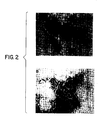
- Figure 2 illustrates that both subgroup II VP6 (Panel A) and recombinant DNA-derived VP6 (Panel B) can reassemble in spherical and tubular particles, indicating that they have the intrinsic features necessary for this type of process to occur.
- the number of potential binding sites on VP6 can be estimated by conting the number of rungs on a VP6 ladder formation. There is a shift from one rung to four rungs as the ratio of peptide to VP6 increases from 2:1 to 25:1. This indicates that there may be as many as four VP6 binding sites. However, since the synthetic peptide forms dimers of itself in solution, it is not possible to determine, via this type of experiment, whether there are four primary VP6 binding sites or two primary VP6 binding site, with bound peptide dimers t each VP6 binding site.
- This Example demonstrates the efficacy of the VP6-assembled particles as an immunological carrier for epitopes whose amino acid sequences were derived from parasitic, bacterial and viral immunogens. These represent protein and glycoprotein haptens as well as a bacterial carbohydrate moiety which demonstrates the utility of the carrier with haptens other than those of protein origin.
- Bovine rotavirus (strain C486 rotavirus subgroup I was grown in MA-104 cells (monkey kidney), harvested, then purified and concentrated by ultracentrifugation.
- the VP6 was extracted from purified virus preparations by successive treatment with ethylene-diamine tetra acetic acid (EDTA) and lithium chloride (LiCl2). Preparations containing VP6 were then dialyzed to pH 4.0 at which time a precipitate formed, representing aggregated spherical particles, as described above. The aggregated spheres were dispersed by dialysis to pH 5.0 or higher and then were stored at -70°C.
- Verification of the composition of the paticles was by gel electrophoresis and immunoblot ELISA, using antisera specific for VP6. Verification of the ultrastructure of the particles was by electron microscopy.
- SHT peptide-epitope (hapten) constructs were synthesized using Merrifield's solid-phase methodology on an Applied Biosystems 430A peptide synthesizer.
- the peptide named 84 TS (MW 2,734) is identical to binding Peptide B described above in Table 2.
- the amino acid sequence for this peptide was derived from the trypsin cleavage site of bovine rotavirus VP3 spanning amino acids 231-254 and is as follows: H-Cys-Asn-Ile-Ala-Pro-Ala-Ser-Ile-Val-Ser-Arg-Asn-Ile-Val-Tyr-Thr-Arg-Ala-Gln-Pro-Asn-Gln-Asp-Ile-Ala-OH.
- the cysteine at position 1 was added to facilitate coupling to a carrier protein and is not present in the natural sequence.
- SHT shortened version of the binding peptide which is referred to as SHT (Table 2).
- the SHT peptide is composed of amino acids 1 and 10-18 from binding Peptide B, plus 2 amino acids to achieve proper spacing.
- the amino acid sequence of SHT is as follows: H-Cys-Gly-Ala-Ser-Arg-Asn-Ile-Val-Tyr-Thr-Arg-Ala-OH.
- the amino acids glycine (Gly) and alanine (Ala) at positions 2 and 3, respectively, are spacers to distance the cysteine (Cys) from the arginine (Arg).
- the remaining three-peptide constructs are composed as follows. Amino acids 1 and 10-18 from Peptide B plus the two spacer amino acids (i.e., SHT) comprise the first 12 amino-terminal amino acids of the construct and the following three amino acid (either Ala-Pro-Ala or Gly-Ala-Pro) are spacers which distance the SHT portion of the construct from a specific epitope that comprises the remaining portion of the peptide construct.
- the peptide designated pili-SHT (MW 3,174) has its amino terminal end comprised of the SHT peptide and its carboxy terminal sequence from the amino terminal region of the F pilin of E. coli .
- the amino acid sequence of the entire construct is: H-Cys-Gly-Ala-Ser-Arg-Asn-Ile-Val-Tyr-Thr-Arg-Ala-Ala-Pro-Ala- Gly-Ala-Gly-Ser-Ser-Gly-Gln-Asp-Leu-Met-Ala-Ser- Gly-Asn-Thr-Thr-Val-Ala-OH .
- the underlined portion indicates the epitope whose sequence was derived from the F pilin of E. coli , and to which the immune response is to be directed.
- the peptide designated Leishmania-SHT (MW 3,876) is comprised of the SHT peptide at the amino terminal end and its carboxy terminal end is derived from a sequence of glycoprotein 63 of the Leishmania donovani .
- the amino acid sequence of the construct is: H-Cys-Gly-Ala-Ser-Arg-Asn-Ile-Val-Tyr-Thr-Arg-Ala-Ala-Pro-Ala- Val-Arg-Asp-Val-Asn-Trp-Gly-Ala-Leu Arg-Ile-Ala-Val-Ser-Thr-Glu-Asp-Leu-Lys-Thr-Pro-Ala-Tyr-Ala-OH .
- the underlining indicates the epitope whose sequence was derived from glycoprotein 63 of Leishmania donovani and to which the immune response is to be directed.
- the peptide designated BHV-1-SHT (MW 4,645) is comprised of the SHT peptide at the amino terminal, while its carboxy terminal is derived from an epitope which spans amino acids 323-345 of bovine herpes virus-1 glycoprotein g1 (or gB).
- amino acid sequence of the construct is: H-Cys-Gly-Ala-Ser-Arg-Asn-Ile-Val- Tyr-Thr-Arg-Ala-Gly-Ala-Pro- Glu-His-Thr-Ser-Tyr-Ser-Pro-Glu-Arg-Phe-Gln-Gln-Ile-Glu-Gly-Tyr-Tyr-Lys-Arg-Asn-Met-Ala-Thr -Ala-Ala-OH.
- the two carboxy terminal alanines are spacers.
- the underlining again indicates the epitope whose sequence was derived from AA323-345 of BHV-1 glycoprotein and to which the immune response is to be directed.
- BHV-1 The amino acid sequence of this larger peptide, called BHV-1, is: Gly-Ala-His-Arg-Glu-His-Thr-Ser-Tyr-Ser-Pro-Glu-Arg-Phe-Gln-Gln-Ile-Glu-Gly-Tyr-Tyr-Lys-Arg-Asp-Met-Ala-Thr-Gly-Arg-Arg-Leu-Lys-Glu-Pro-Ala-Glu.
- the terminal 2 amino acids alanine (Ala) and glutamic acid (Glu) are spacers.
- SHT peptide-epitope construct where the epitope was a carbohydrate moiety.
- a new SHT peptide was prepared having the sequence shown in Table 2, but with the following peptide spacer at the carboxy terinal instead of the tripeptide described above: -Ala-Pro-Ala-Lys-Ala-Lys-Ala-Lys-Ala-OH.
- This SHT version has MW 2,054.
- a capsular polysaccharide moiety was isolated from the bacterium Haemophilus pleuropneumoniae , and then oxidized, hydrolyzed and reductively aminated to the SHT peptide. See Altman et al.
- VP6 assembled particle-peptide complexes containing the SHT peptide and an epitope of protein origin
- the VP6 assembled particles and the peptide constructs were mixed together in a ratio of 1:10 (w/w), respectively, since this ratio produced a complete ladder indicating that most of the potential binding sites on VP6 were occupied by the peptide.
- 1:10 w/w
- any ratio from 1:1 up to 1:10 would produce laddering of VP6, albeit to different extents.
- the VP6 assembled particles and CHO-SHT binding to VP6 was by polyacrylamide gel electrophoresis.
- high molecular weight material was observed which represented the VP6-CHO-SHT complex.
- Verification of the compositions of the high molecular weight complex, observed in a polyacrylamide gel, was by an immunoblot-ELISA reaction using antisera specific for the carbohydrate and antisera specific for the SHT peptide.
- mice were inoculated with one of the four VP6 assembled particle-peptide complexes described above according to the experimental designs shown in Tables 5, 6, 7 and 8.
- the VP6 assembled particle to peptide construct ratio was always 1:10 (w/w), respectively.
- the mice used in these experiments were rotavirus-free unless otherwise stated.
- the basic immunization schedule was the same for all trials, except number 5. Basically, animals were bled at week 0 and then immunized intramuscularly with 100 ul of the test preparation at week 1 and then again at week 4. In some trials, a third immunization was administered.
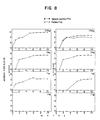
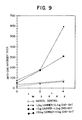
- the type of immunogen and purpose for immunization in each trial is outlined below. Pooled serum samples were obtained from each group of mice on a weekly interval. Assessment of antibody levels specific for the VP6 assembled particles (spheres) or the peptide constructs (hapten) was by ELISA and is appropriately indicated in Figures 6-8 corresponding to Trials 2 through 4, respectively, while the immunization protocols were shown in Tables 5 through 8, corresponding to Trials 1 through 4, respectively.
- the objective of this trial was to evaluate the dose response to the spherical carrier - 84TS complex using either Freund's adjuvant or dimethedioctodecyl ammonium bromide (DDA) adjuvant, and to investigate the possibility of carrier suppression (described below).
- the immunogen used for primary and secondary immunization was the spherical carrier-84TS complex.
- the immunogen used for tertiary immunization to investigate carrier suppression was the spherical carrier - 272-295 SHT complex.
- Table 5 outlines the experimental design used to investigate the dose response to the VP6 assembled particle-84 TS peptide complex using either Freund's adjuvant or dimethyldioctodecyl ammonium bromide (DDA) adjuvant.
- DDA dimethyldioctodecyl ammonium bromide
- the 275-295 peptide sequence was derived from a neutralizing domain on bovine rotavirus VP7 and represents another example of a viral peptide attached to VP6 assembled paticles.
- the VP7 sequence is: Pro-Thr-Thr-Ala-Pro-Gln-Thr-Glu-Arg-Met-Met-Arg-Ile-Asn-Trp-Lys-Lys-Trp-Trp-Gln-Val.
- the VP6 assembled particles are effective in inducing high levels of antibody in vivo in both themselves (approximately 6.0-6.5 log10) as well as to the peptide attached to them (approximately 5.5-6.0 log10) when a dose equivalent to 1 ug of VP6 assembled particles is administered.
- the level of antibody specified for the peptide at this dose was almost identical to a dose equivalent to 10 ug of peptide bound to 10 ug of peptide bound to 1 ug of VP6 assembled paticles and only slightly less than that using 100 ug peptide bound to 10 ug of VP6 assembled particles.
- the level of antibody produced to the peptide was significantly higher than that induced by the equivalent amount of unbound or "free” peptide, except at the 100 ug dose of "free” peptide, where an anti-peptide response of 5.5 log10 was observed.
- the objective of this trial was to evaluate the dose response to spherical carrier-BHV-1-SHT complex in rotavirus-free and rotavirus-exposed mice, and to investigate the possibility of carrier suppression.
- the immunogen used for primary and secondary immunization was the spherical carrier-BHV-1-SHT complex.
- the immunogen used for tertiary immunization to investigate carrier suppression was the spherical carrier-pilin-SHT complex.
- Table 6 outlines the experimental design used to investigate the dose response to the VP6 assembled particle-BHV-1-SHT complex in both rotavirus-free and rotavirus-exposed mice.
- some animals as well as humans have a preexisting antibody titer to rotavirus. Therefore, it was important to investigate whether the presence of such antibodies would influence the immune response to the VP6 assembled particle-peptide complex.
- Figure 6 illustrates the antibody responses to the VP6 assembled particle (anti-sphere), the BHV-1-SHT peptide (anti-BHV-1-SHT), and to pilin-SHT (anti-pilin-SHT).
- the latter antibody response was used to investigate the possibility of carrier suppression.
- the quantity of peptide in the VP6-assembled BHV-1-SHT peptide preparation administered to mice is indicated on the top right corner of each panel.
- the arrows below the axis indicating weeks denote the time of immunization.
- Figure 6 illustrates that there was no significant difference between the level of antibody produced in rotavirus-free (RVF) and rotavirus-exposed (RVE) mice to the VP6 assembled particles and the BHV-1-SHT peptide, even though the RVE mice had an anti-sphere titer of approximately 3 logs at the start of the immunization schedule.
- the lowest dose tested in this experiment consisted of 10 ug of BHV-1-SHT peptide and 1 ug of VP6 assembled particles.
- the carboxy terminal sequence of the BHV-1-SHT peptide was derived from a larger (BHV-1) peptide described above, it was of interest to test the reactivity of the antibodies specific for the BHV-1-SHT peptide with the parent BHV-1 peptide alone.
- the level of antibody reacting with the BHV-1 peptide gave an indication of the immunogenicity of the carboxy terminal portion of the BHV-1-SHT peptide; the portion containing the epitope to which an immune response was desired.
- the carrier suppression phenomenon was also investigated in this experiment using a different VP6 assembled particle peptide combination than that described in Trial 1.
- the VP6 assembled particle-pilin-SHT peptide complex was administered at week 15.
- previously existing antibodies to the VP6 assembled particle did not affect the production of antibodies to a new peptide (i.e., pilin-SHT) presented on VP6 assembled particles.
- carrier suppression was not observed in either RVF or RVE mice since antibodies specific for the pilin-SHT peptide were detected (anti-pilin-SHT panel, Figure 6).
- Antibodies detected to the pilin-SHT prior to immunization at week 15 were due to reaction with the shared amino terminal portion of the peptide constructs (i.e., SHT peptide).
- Trial 3 (Table 7 and Figure 7) and Trial 4 (table 8 and Figure 8)
- the objectives of these trials were to evaluate the dose response to spherical carrier-Leishmania-SHT (Trial 3) and spherical carrier-pilin-SHT (Trial 4).
- the immunogens used for primary and secondary immunization were spherical carrier-Leishmania-SHT or spherical carrier-pilin-SHT complexes.
- Tables 7 and 8 outline the experimental design to investigate the dose response to the VP6 assembled particle-leishmania-SHT peptide complex and to the VP6 assembled particle-pilin-SHT peptide complex, respectively.
- the Leishmania-SHT Figure 7
- pilin-SHT peptides Figure 8
- the objective of this trial was to evaluate in swine the dose response to spherical carrier-CHO-SHT complex.
- the immunogen used for primary and secondary immunization was the spherical carrier-CHO-SHT complex.
- the peptide designated FMDV-SHT is comprised of the SHT peptide at the amino terminal end.
- the amino acid sequence of the construct is: H-Cys-Gly-Ala-Ser-Arg-Asn-Ile-Val-Tyr-Thr-Arg-Ala-Gly-Als-Gly- Val-Pro-Asn-Leu-Arg-Gly-Asp-Leu-Gln-Val-Leu-Ala-Gln-Lys-Val-Ala-Arg-Thr -Ala-Ala-OH.
- the underlining indicates the epitope whose sequence was derived from a sequence from protein VP1 of the O1 Kaufbeuren strain of foot and mouth disease (O1 K FMDV).
- the FMDV portion of the above peptide plus the C terminal spacer that is H-Val-Pro-Asn-Leu-Arg-Gly-Asp-Leu-Gln-Val-Leu-Ala-Gln-Lys-Val-Ala-Arg-Thr- Ala-Ala-OH , was also synthesized, this underlining indicates the spacer.
- This peptide without the SHT sequence was then chemically coupled using 1-ethyl-3-(3-dimethyl aminopropyl)-carbodiimide HCl in carbonate buffer pH 9.0 to VP6 spheres reassembled (described previously) for 4-8 hrs.
- the VP6 spheres with the peptide bonded to them were isolated from the reaction mixture by ultracentrifugation on a cesium chloride gradient. The product was recovered at a density approximately equal to that of the reassembled spheres.
- mice This preparation was then used to immunize groups of mice. When used with Freund's Complete Adjuvant, the groups which were given 10 or 100 ug per mouse responded with anticarrier antibodies and the mice given 100 ug/mouse responded with antipeptide to a titer of 1/103.
Landscapes
- Health & Medical Sciences (AREA)
- Life Sciences & Earth Sciences (AREA)
- Chemical & Material Sciences (AREA)
- General Health & Medical Sciences (AREA)
- Medicinal Chemistry (AREA)
- Veterinary Medicine (AREA)
- Organic Chemistry (AREA)
- Public Health (AREA)
- Virology (AREA)
- Pharmacology & Pharmacy (AREA)
- Epidemiology (AREA)
- Animal Behavior & Ethology (AREA)
- Proteomics, Peptides & Aminoacids (AREA)
- Bioinformatics & Cheminformatics (AREA)
- Cell Biology (AREA)
- Gastroenterology & Hepatology (AREA)
- Biochemistry (AREA)
- Biophysics (AREA)
- Engineering & Computer Science (AREA)
- Genetics & Genomics (AREA)
- Hematology (AREA)
- Molecular Biology (AREA)
- Immunology (AREA)
- Microbiology (AREA)
- Mycology (AREA)
- Medicines Containing Antibodies Or Antigens For Use As Internal Diagnostic Agents (AREA)
- Peptides Or Proteins (AREA)
- Medicines Containing Material From Animals Or Micro-Organisms (AREA)
Priority Applications (1)
| Application Number | Priority Date | Filing Date | Title |
|---|---|---|---|
| AT87307746T ATE98493T1 (de) | 1986-09-03 | 1987-09-02 | Verwendung des rotavirus-nukleokapsid-vp6proteins in impfstoffzusammensetzungen. |
Applications Claiming Priority (2)
| Application Number | Priority Date | Filing Date | Title |
|---|---|---|---|
| US90322286A | 1986-09-03 | 1986-09-03 | |
| US903222 | 1992-06-25 |
Publications (3)
| Publication Number | Publication Date |
|---|---|
| EP0259149A2 true EP0259149A2 (de) | 1988-03-09 |
| EP0259149A3 EP0259149A3 (en) | 1989-05-24 |
| EP0259149B1 EP0259149B1 (de) | 1993-12-15 |
Family
ID=25417135
Family Applications (1)
| Application Number | Title | Priority Date | Filing Date |
|---|---|---|---|
| EP87307746A Expired - Lifetime EP0259149B1 (de) | 1986-09-03 | 1987-09-02 | Verwendung des Rotavirus-Nukleokapsid-VP6-Proteins in Impfstoffzusammensetzungen |
Country Status (10)
| Country | Link |
|---|---|
| EP (1) | EP0259149B1 (de) |
| JP (1) | JPS63218627A (de) |
| AT (1) | ATE98493T1 (de) |
| AU (1) | AU608769B2 (de) |
| CA (1) | CA1319101C (de) |
| DE (1) | DE3788475T2 (de) |
| DK (1) | DK171602B1 (de) |
| ES (1) | ES2060603T3 (de) |
| IE (1) | IE61417B1 (de) |
| IL (1) | IL83755A (de) |
Cited By (42)
| Publication number | Priority date | Publication date | Assignee | Title |
|---|---|---|---|---|
| WO1990013563A1 (en) * | 1989-04-28 | 1990-11-15 | The Governors Of The University Of Alberta | Synthetic pseudomonas aeruginosa pilin peptide and related vaccines and diagnostics |
| WO1991010136A1 (en) * | 1990-01-04 | 1991-07-11 | Natural Environment Research Council | Test kit and method for the diagnosis of bluetongue |
| WO1992007941A1 (en) * | 1990-10-25 | 1992-05-14 | University Of Saskatchewan | Assembled viral particles and their use in a vaccine to rotaviral disease |
| WO1992014152A1 (en) * | 1991-02-04 | 1992-08-20 | University Of Saskatchewan | Rotavirus vp6 a diagnostic and targeting agent |
| WO1992013568A1 (en) * | 1991-02-04 | 1992-08-20 | University Of Saskatchewan | Vp6 encapsulated drug delivery |
| WO1997043431A1 (de) * | 1996-05-10 | 1997-11-20 | Wolf Bertling | Vehikel zum transport von molekularer substanz |
| WO1998050071A1 (en) * | 1997-05-01 | 1998-11-12 | Chiron Corporation | Use of virus-like particles as adjuvants |
| DE19750354A1 (de) * | 1997-11-13 | 1999-05-27 | November Ag Molekulare Medizin | Verfahren zur Applikation von Wirkstoffen |
| WO2000000224A3 (de) * | 1998-06-29 | 2000-04-13 | November Ag Molekulare Medizin | Verfahren zum transport molekularer substanz in vorgegebene bereiche eukaryontischer zellen |
| US6086880A (en) * | 1985-12-26 | 2000-07-11 | The University Of Saskatchewan | Rotavirus peptide compositions and methods of use |
| US6319716B1 (en) | 1997-06-23 | 2001-11-20 | University Of Saskatchewan | Bovine adenovirus type 3 genome and vector systems derived therefrom |
| US6379944B1 (en) | 1993-12-09 | 2002-04-30 | University Of Saskatchewan | Mammalian cell lines expressing bovine adenovirus functions |
| US6451319B1 (en) | 1999-04-09 | 2002-09-17 | Schering-Plough Veterinary Corporation | Recombinant and mutant adenoviruses |
| US6458586B1 (en) | 1998-11-02 | 2002-10-01 | University Of Saskatchewan | Bovine cells expressing adenovirus essential functions for propagation of recombinant adenoviral vectors |
| US6492343B1 (en) | 1998-04-15 | 2002-12-10 | University Of Saskatchewan | Porcine adenovirus type 3 genome |
| US6692907B1 (en) | 1993-05-12 | 2004-02-17 | Chiron Corporation | Conserved motif of hepatitis C virus E2/NS1 region |
| US6849446B2 (en) | 2000-05-31 | 2005-02-01 | University Of Saskatchewan | Modified bovine adenovirus having altered tropism |
| EP1514931A1 (de) | 1994-05-27 | 2005-03-16 | Ariad Gene Therapeutics, Inc. | Immunosuppressive Proteinziele |
| US6964769B2 (en) | 2000-05-05 | 2005-11-15 | Cytos Biotechnology Ag | Molecular antigen array |
| WO2006021893A2 (en) | 2004-08-26 | 2006-03-02 | The University Of Western Ontario | Pharmaceutical compositions comprising inhibitors of iron transport, and method of identifying iron transport inhibitors, fn staphylococcus aureus |
| US7011968B1 (en) | 1999-04-10 | 2006-03-14 | November Aktiengesellschaft Gesellschaft Fur Molekulare Medizin | Fragments of virus protein 2 or 3 of the polyoma virus, used for transporting active ingredients |
| US7229624B2 (en) | 1998-11-30 | 2007-06-12 | Cytos Biotechnology Ag | Ordered molecular presentation of antigens, method of preparation and use |
| US7264818B2 (en) | 2003-06-10 | 2007-09-04 | University Of Saskatchewan | BAV packaging regions and E1 transcriptional control regions |
| US7396905B1 (en) | 1999-05-21 | 2008-07-08 | Mckeon Frank | Calcipressins: endogenous inhibitors of calcineurin, uses and reagents related thereto |
| US7569217B2 (en) | 2001-09-24 | 2009-08-04 | University Of Saskatchewan | Porcine adenovirus E1 and E4 regions |
| WO2009105833A1 (en) | 2008-02-28 | 2009-09-03 | Murdoch University | Novel sequences of brachyspira, immunogenic compositions, methods for preparation and use thereof |
| WO2009117773A1 (en) | 2008-03-27 | 2009-10-01 | Murdoch University | Novel sequences of brachyspira, immunogenic compositions, methods for preparation and use thereof |
| US7687615B2 (en) | 2002-07-19 | 2010-03-30 | University Of Saskatchewan | PAV regions for encapsidation and E1 transcriptional control |
| EP2224008A2 (de) | 2005-05-12 | 2010-09-01 | Murdoch University | Gene und Proteine aus Brachyspira Hyodysenteriae und deren Verwendung zur Diagnose und Therapie |
| US7807790B2 (en) | 2005-11-14 | 2010-10-05 | Metamol Theranostics, Llc | Peptide sequence that promotes tumor invasion |
| EP2319939A2 (de) | 1999-10-21 | 2011-05-11 | Case Western Reserve University | Genexpressionsprofil für entzündliche Darmerkrankung |
| US8178579B2 (en) | 2001-05-09 | 2012-05-15 | President And Fellows Of Harvard College | Dioxanes and uses thereof |
| US8222423B2 (en) | 2006-02-14 | 2012-07-17 | Dana-Farber Cancer Institute, Inc. | Bifunctional histone deacetylase inhibitors |
| US8304451B2 (en) | 2006-05-03 | 2012-11-06 | President And Fellows Of Harvard College | Histone deacetylase and tubulin deacetylase inhibitors |
| US8329945B2 (en) | 1996-03-26 | 2012-12-11 | President And Fellows Of Harvard College | Histone deacetylases, and uses related thereto |
| US8435780B2 (en) | 2000-03-03 | 2013-05-07 | President And Fellows Of Harvard College | Class II human histone deacetylases, and uses related thereto |
| US8440716B2 (en) | 2008-07-23 | 2013-05-14 | President And Fellows Of Harvard College | Deacetylase inhibitors and uses thereof |
| EP2626370A1 (de) | 2007-10-17 | 2013-08-14 | The University Court of the University of Edinburgh | Immunogene Zusammensetzungen mit Escherichia coli H7-Flagellen und Verfahren zu ihrer Verwendung |
| US8716344B2 (en) | 2009-08-11 | 2014-05-06 | President And Fellows Of Harvard College | Class- and isoform-specific HDAC inhibitors and uses thereof |
| US8999289B2 (en) | 2005-03-22 | 2015-04-07 | President And Fellows Of Harvard College | Treatment of protein degradation disorders |
| EP3018139A2 (de) | 2007-08-03 | 2016-05-11 | Boehringer Ingelheim Vetmedica GmbH | Gene und proteine von brachyspira hyodysenteriae und verwendungen davon |
| CN111569056A (zh) * | 2020-05-26 | 2020-08-25 | 山东信得科技股份有限公司 | 一种猪轮状病毒疫苗、制备该疫苗的抗原及其编码序列 |
Families Citing this family (8)
| Publication number | Priority date | Publication date | Assignee | Title |
|---|---|---|---|---|
| US6299882B1 (en) | 1999-04-09 | 2001-10-09 | Schering Corporation | UL54.5 of Marek's disease virus (MDV) |
| US7320793B2 (en) | 2001-01-19 | 2008-01-22 | Cytos Biotechnology Ag | Molecular antigen array |
| US7128911B2 (en) | 2001-01-19 | 2006-10-31 | Cytos Biotechnology Ag | Antigen arrays for treatment of bone disease |
| US7094409B2 (en) | 2001-01-19 | 2006-08-22 | Cytos Biotechnology Ag | Antigen arrays for treatment of allergic eosinophilic diseases |
| US7115266B2 (en) | 2001-10-05 | 2006-10-03 | Cytos Biotechnology Ag | Angiotensin peptide-carrier conjugates and uses thereof |
| JP4726483B2 (ja) | 2002-07-17 | 2011-07-20 | サイトス バイオテクノロジー アーゲー | 分子抗原アレイ |
| KR101228376B1 (ko) | 2002-07-18 | 2013-01-31 | 사이토스 바이오테크놀로지 아게 | 합텐-캐리어 컨쥬게이트 및 그의 용도 |
| DE60336902D1 (de) | 2002-07-19 | 2011-06-09 | Cytos Biotechnology Ag | Impfstoffzusammensetzungen enthaltende amyloid beta 1-6 antigenarrays |
Family Cites Families (2)
| Publication number | Priority date | Publication date | Assignee | Title |
|---|---|---|---|---|
| DE3685651T2 (de) * | 1985-12-26 | 1993-01-21 | Univ Saskatchewan | Den antigenischen und immunogenischen determinanten von wichtigen neutralisierenden proteinen des rotavirus entsprechende peptide. |
| US5186933A (en) * | 1986-12-30 | 1993-02-16 | Baylor College Of Medicine | Synthesis and immunogenicity of rotavirus genes using a baculovirus expression system |
-
1987
- 1987-09-01 CA CA000545803A patent/CA1319101C/en not_active Expired - Fee Related
- 1987-09-02 DE DE87307746T patent/DE3788475T2/de not_active Expired - Fee Related
- 1987-09-02 EP EP87307746A patent/EP0259149B1/de not_active Expired - Lifetime
- 1987-09-02 ES ES87307746T patent/ES2060603T3/es not_active Expired - Lifetime
- 1987-09-02 IE IE235387A patent/IE61417B1/en not_active IP Right Cessation
- 1987-09-02 AT AT87307746T patent/ATE98493T1/de active
- 1987-09-02 IL IL83755A patent/IL83755A/xx not_active IP Right Cessation
- 1987-09-03 JP JP62221818A patent/JPS63218627A/ja active Pending
- 1987-09-03 AU AU77918/87A patent/AU608769B2/en not_active Ceased
- 1987-09-03 DK DK460387A patent/DK171602B1/da not_active IP Right Cessation
Cited By (69)
| Publication number | Priority date | Publication date | Assignee | Title |
|---|---|---|---|---|
| US6086880A (en) * | 1985-12-26 | 2000-07-11 | The University Of Saskatchewan | Rotavirus peptide compositions and methods of use |
| WO1990013563A1 (en) * | 1989-04-28 | 1990-11-15 | The Governors Of The University Of Alberta | Synthetic pseudomonas aeruginosa pilin peptide and related vaccines and diagnostics |
| WO1991010136A1 (en) * | 1990-01-04 | 1991-07-11 | Natural Environment Research Council | Test kit and method for the diagnosis of bluetongue |
| WO1992007941A1 (en) * | 1990-10-25 | 1992-05-14 | University Of Saskatchewan | Assembled viral particles and their use in a vaccine to rotaviral disease |
| US5298244A (en) * | 1990-10-25 | 1994-03-29 | University Of Saskatchewan | Assembled viral particles and their use in a vaccine to rotaviral disease |
| WO1992014152A1 (en) * | 1991-02-04 | 1992-08-20 | University Of Saskatchewan | Rotavirus vp6 a diagnostic and targeting agent |
| WO1992013568A1 (en) * | 1991-02-04 | 1992-08-20 | University Of Saskatchewan | Vp6 encapsulated drug delivery |
| AU660168B2 (en) * | 1991-02-04 | 1995-06-15 | University Of Saskatchewan | VP6 encapsulated drug delivery |
| US7135185B1 (en) | 1993-05-12 | 2006-11-14 | Novartis Vaccines And Diagnostics, Inc. | Conserved motif of hepatitis C virus E2/NS1 region |
| US7098303B1 (en) | 1993-05-12 | 2006-08-29 | Novartis Vaccines And Diagnostics, Inc. | Conserved motif of hepatitis C virus E2/NS1 region |
| US7371386B2 (en) | 1993-05-12 | 2008-05-13 | Novartis Vaccines And Diagnostics, Inc. | Conserved motif of hepatitis C virus E2/NS1 region |
| US7252827B1 (en) | 1993-05-12 | 2007-08-07 | Novartis Vaccines And Diagnostics, Inc. | Conserved motif of hepatitis C virus E2/NS1 region |
| US6692907B1 (en) | 1993-05-12 | 2004-02-17 | Chiron Corporation | Conserved motif of hepatitis C virus E2/NS1 region |
| US7025967B2 (en) | 1993-12-09 | 2006-04-11 | University Of Saskatchewan | Recombinant protein production in bovine adenovirus expression vector system |
| US6379944B1 (en) | 1993-12-09 | 2002-04-30 | University Of Saskatchewan | Mammalian cell lines expressing bovine adenovirus functions |
| EP1514931A1 (de) | 1994-05-27 | 2005-03-16 | Ariad Gene Therapeutics, Inc. | Immunosuppressive Proteinziele |
| US8329945B2 (en) | 1996-03-26 | 2012-12-11 | President And Fellows Of Harvard College | Histone deacetylases, and uses related thereto |
| US8329946B2 (en) | 1996-03-26 | 2012-12-11 | President And Fellows Of Harvard College | Histone deacetylases, and uses related thereto |
| US8426592B2 (en) | 1996-03-26 | 2013-04-23 | President And Fellows Of Harvard College | Histone deacetylases, and uses related thereto |
| US8362084B2 (en) | 1996-03-26 | 2013-01-29 | President And Fellows Of Harvard College | Histone deacetylases, and uses related thereto |
| US8399233B2 (en) | 1996-03-26 | 2013-03-19 | President And Fellows Of Harvard College | Histone deacetylases, and uses related thereto |
| AU717543B2 (en) * | 1996-05-10 | 2000-03-30 | Responsif Gmbh | Vehicle for the transport of molecular substances |
| DE19618797C2 (de) * | 1996-05-10 | 2000-03-23 | Bertling Wolf | Vehikel zum Transport molekularer Substanz |
| WO1997043431A1 (de) * | 1996-05-10 | 1997-11-20 | Wolf Bertling | Vehikel zum transport von molekularer substanz |
| WO1998050071A1 (en) * | 1997-05-01 | 1998-11-12 | Chiron Corporation | Use of virus-like particles as adjuvants |
| US6319716B1 (en) | 1997-06-23 | 2001-11-20 | University Of Saskatchewan | Bovine adenovirus type 3 genome and vector systems derived therefrom |
| DE19750354A1 (de) * | 1997-11-13 | 1999-05-27 | November Ag Molekulare Medizin | Verfahren zur Applikation von Wirkstoffen |
| US6492343B1 (en) | 1998-04-15 | 2002-12-10 | University Of Saskatchewan | Porcine adenovirus type 3 genome |
| EP2145961A2 (de) | 1998-04-15 | 2010-01-20 | University of Saskatchewan | Adenovirus-Typ-3-Genom des Schweins |
| USRE40930E1 (en) | 1998-04-15 | 2009-10-06 | Vectogen Pty Ltd | Porcine adenovirus type 3 genome |
| US7335353B2 (en) | 1998-04-15 | 2008-02-26 | University Of Saskatchewan | Porcine cells comprising an adenovirus E3 gene region |
| WO2000000224A3 (de) * | 1998-06-29 | 2000-04-13 | November Ag Molekulare Medizin | Verfahren zum transport molekularer substanz in vorgegebene bereiche eukaryontischer zellen |
| US6458586B1 (en) | 1998-11-02 | 2002-10-01 | University Of Saskatchewan | Bovine cells expressing adenovirus essential functions for propagation of recombinant adenoviral vectors |
| US7229624B2 (en) | 1998-11-30 | 2007-06-12 | Cytos Biotechnology Ag | Ordered molecular presentation of antigens, method of preparation and use |
| US6451319B1 (en) | 1999-04-09 | 2002-09-17 | Schering-Plough Veterinary Corporation | Recombinant and mutant adenoviruses |
| US7011968B1 (en) | 1999-04-10 | 2006-03-14 | November Aktiengesellschaft Gesellschaft Fur Molekulare Medizin | Fragments of virus protein 2 or 3 of the polyoma virus, used for transporting active ingredients |
| US7396905B1 (en) | 1999-05-21 | 2008-07-08 | Mckeon Frank | Calcipressins: endogenous inhibitors of calcineurin, uses and reagents related thereto |
| EP2319939A2 (de) | 1999-10-21 | 2011-05-11 | Case Western Reserve University | Genexpressionsprofil für entzündliche Darmerkrankung |
| US8895284B2 (en) | 2000-03-03 | 2014-11-25 | President And Fellows Of Harvard College | Class II human histone deacetylases, and uses related thereto |
| US8435780B2 (en) | 2000-03-03 | 2013-05-07 | President And Fellows Of Harvard College | Class II human histone deacetylases, and uses related thereto |
| US6964769B2 (en) | 2000-05-05 | 2005-11-15 | Cytos Biotechnology Ag | Molecular antigen array |
| US6849446B2 (en) | 2000-05-31 | 2005-02-01 | University Of Saskatchewan | Modified bovine adenovirus having altered tropism |
| US8178579B2 (en) | 2001-05-09 | 2012-05-15 | President And Fellows Of Harvard College | Dioxanes and uses thereof |
| US7569217B2 (en) | 2001-09-24 | 2009-08-04 | University Of Saskatchewan | Porcine adenovirus E1 and E4 regions |
| US7687615B2 (en) | 2002-07-19 | 2010-03-30 | University Of Saskatchewan | PAV regions for encapsidation and E1 transcriptional control |
| US7264818B2 (en) | 2003-06-10 | 2007-09-04 | University Of Saskatchewan | BAV packaging regions and E1 transcriptional control regions |
| WO2006021893A2 (en) | 2004-08-26 | 2006-03-02 | The University Of Western Ontario | Pharmaceutical compositions comprising inhibitors of iron transport, and method of identifying iron transport inhibitors, fn staphylococcus aureus |
| US10172905B1 (en) | 2005-03-22 | 2019-01-08 | President And Fellows Of Harvard College | Treatment of protein degradation disorders |
| US9572854B2 (en) | 2005-03-22 | 2017-02-21 | President And Fellows Of Harvard College | Treatment of protein degradation disorders |
| US8999289B2 (en) | 2005-03-22 | 2015-04-07 | President And Fellows Of Harvard College | Treatment of protein degradation disorders |
| EP2224008A2 (de) | 2005-05-12 | 2010-09-01 | Murdoch University | Gene und Proteine aus Brachyspira Hyodysenteriae und deren Verwendung zur Diagnose und Therapie |
| US8969020B2 (en) | 2005-11-14 | 2015-03-03 | Metamol Theranostics Llc | Peptide sequence that promotes tumor invasion |
| EP2365334A1 (de) | 2005-11-14 | 2011-09-14 | MetaMol Theranostics, LLC | Peptidsequenz, die die Tumorinvasion fördert |
| US7807790B2 (en) | 2005-11-14 | 2010-10-05 | Metamol Theranostics, Llc | Peptide sequence that promotes tumor invasion |
| US8222423B2 (en) | 2006-02-14 | 2012-07-17 | Dana-Farber Cancer Institute, Inc. | Bifunctional histone deacetylase inhibitors |
| US8754237B2 (en) | 2006-02-14 | 2014-06-17 | President And Fellows Of Harvard College | Bifunctional histone deacetylase inhibitors |
| US8304451B2 (en) | 2006-05-03 | 2012-11-06 | President And Fellows Of Harvard College | Histone deacetylase and tubulin deacetylase inhibitors |
| EP3018139A2 (de) | 2007-08-03 | 2016-05-11 | Boehringer Ingelheim Vetmedica GmbH | Gene und proteine von brachyspira hyodysenteriae und verwendungen davon |
| EP2626370A1 (de) | 2007-10-17 | 2013-08-14 | The University Court of the University of Edinburgh | Immunogene Zusammensetzungen mit Escherichia coli H7-Flagellen und Verfahren zu ihrer Verwendung |
| WO2009105833A1 (en) | 2008-02-28 | 2009-09-03 | Murdoch University | Novel sequences of brachyspira, immunogenic compositions, methods for preparation and use thereof |
| EP2530087A2 (de) | 2008-03-27 | 2012-12-05 | Prionics AG | Brachyspira-Sequenzen, immunogene Zusammensetzungen, Herstellungsverfahren dafür und Verwendung davon |
| WO2009117773A1 (en) | 2008-03-27 | 2009-10-01 | Murdoch University | Novel sequences of brachyspira, immunogenic compositions, methods for preparation and use thereof |
| US8440716B2 (en) | 2008-07-23 | 2013-05-14 | President And Fellows Of Harvard College | Deacetylase inhibitors and uses thereof |
| US9434686B2 (en) | 2008-07-23 | 2016-09-06 | President And Fellows Of Harvard College | Deacetylase inhibitors and uses thereof |
| US8716344B2 (en) | 2009-08-11 | 2014-05-06 | President And Fellows Of Harvard College | Class- and isoform-specific HDAC inhibitors and uses thereof |
| US9540317B2 (en) | 2009-08-11 | 2017-01-10 | President And Fellows Of Harvard College | Class- and isoform-specific HDAC inhibitors and uses thereof |
| US10059657B2 (en) | 2009-08-11 | 2018-08-28 | President And Fellows Of Harvard College | Class-and isoform-specific HDAC inhibitors and uses thereof |
| CN111569056A (zh) * | 2020-05-26 | 2020-08-25 | 山东信得科技股份有限公司 | 一种猪轮状病毒疫苗、制备该疫苗的抗原及其编码序列 |
| CN111569056B (zh) * | 2020-05-26 | 2022-09-27 | 山东信得科技股份有限公司 | 一种猪轮状病毒疫苗、制备该疫苗的抗原及其编码序列 |
Also Published As
| Publication number | Publication date |
|---|---|
| DE3788475D1 (de) | 1994-01-27 |
| CA1319101C (en) | 1993-06-15 |
| AU608769B2 (en) | 1991-04-18 |
| AU7791887A (en) | 1988-03-10 |
| DK460387A (da) | 1988-03-04 |
| ATE98493T1 (de) | 1994-01-15 |
| DK460387D0 (da) | 1987-09-03 |
| ES2060603T3 (es) | 1994-12-01 |
| EP0259149B1 (de) | 1993-12-15 |
| DK171602B1 (da) | 1997-02-17 |
| DE3788475T2 (de) | 1994-04-07 |
| EP0259149A3 (en) | 1989-05-24 |
| IL83755A (en) | 1993-04-04 |
| IE61417B1 (en) | 1994-11-02 |
| JPS63218627A (ja) | 1988-09-12 |
| IE872353L (en) | 1988-03-03 |
| IL83755A0 (en) | 1988-02-29 |
Similar Documents
| Publication | Publication Date | Title |
|---|---|---|
| US5071651A (en) | Rotavirus nucleocapsid protein VP6 as a carrier in vaccine compositions | |
| EP0259149B1 (de) | Verwendung des Rotavirus-Nukleokapsid-VP6-Proteins in Impfstoffzusammensetzungen | |
| AU773825B2 (en) | Rotavirus subunit vaccine | |
| Fiore et al. | The VP8 fragment of VP4 is the rhesus rotavirus hemagglutinin | |
| US5723129A (en) | GnRH-leukotoxin chimeras | |
| US5708155A (en) | Enhanced immunogenicity using leukotoxin chimeras | |
| Dharakul et al. | Immunization with baculovirus-expressed recombinant rotavirus proteins VP1, VP4, VP6, and VP7 induces CD8+ T lymphocytes that mediate clearance of chronic rotavirus infection in SCID mice | |
| US5422110A (en) | Enhanced immunogenicity using leukotoxin chimeras | |
| HU211548A9 (en) | Expression of specific immunogens using viral antigens | |
| AU659416B2 (en) | Assembled viral particles | |
| Ijaz et al. | Heterotypic passive protection induced by synthetic peptides corresponding to VP7 and VP4 of bovine rotavirus | |
| US5667782A (en) | Multiple particulate antigen delivery system | |
| IL106362A (en) | A system for launching multiple particle antigens | |
| WO2004009115A1 (en) | Rotavirus vp6 subunit | |
| Ijaz et al. | Priming and induction of anti-rotavirus antibody response by synthetic peptides derived from VP7 and VP4 | |
| US6797272B1 (en) | Enhanced immunogenicity using leukotoxin chimeras | |
| AU2004203804B2 (en) | Rotavirus subunit vaccine | |
| AU728253B2 (en) | GNRH-leukotoxin chimeras | |
| AU708534C (en) | Gnrh-leukotoxin chimeras | |
| Found | Equine herpes virus-4 thymidine-kinase-vaccine; expression in mammal host transformant; DNA sequence; potential mono-valent, multivalent live recombinant vaccine vector | |
| Quek | Epitope mapping of the non-structural protein 2 (NSP2) of rotavirus | |
| IE920367A1 (en) | Rotavirus vp6 as a diagnostic and drug delivery system |
Legal Events
| Date | Code | Title | Description |
|---|---|---|---|
| PUAI | Public reference made under article 153(3) epc to a published international application that has entered the european phase |
Free format text: ORIGINAL CODE: 0009012 |
|
| AK | Designated contracting states |
Kind code of ref document: A2 Designated state(s): AT BE CH DE ES FR GB IT LI LU NL SE |
|
| PUAL | Search report despatched |
Free format text: ORIGINAL CODE: 0009013 |
|
| AK | Designated contracting states |
Kind code of ref document: A3 Designated state(s): AT BE CH DE ES FR GB IT LI LU NL SE |
|
| 17P | Request for examination filed |
Effective date: 19890529 |
|
| 17Q | First examination report despatched |
Effective date: 19910610 |
|
| ITF | It: translation for a ep patent filed | ||
| GRAA | (expected) grant |
Free format text: ORIGINAL CODE: 0009210 |
|
| AK | Designated contracting states |
Kind code of ref document: B1 Designated state(s): AT BE CH DE ES FR GB IT LI LU NL SE |
|
| REF | Corresponds to: |
Ref document number: 98493 Country of ref document: AT Date of ref document: 19940115 Kind code of ref document: T |
|
| REF | Corresponds to: |
Ref document number: 3788475 Country of ref document: DE Date of ref document: 19940127 |
|
| ET | Fr: translation filed | ||
| PLBE | No opposition filed within time limit |
Free format text: ORIGINAL CODE: 0009261 |
|
| STAA | Information on the status of an ep patent application or granted ep patent |
Free format text: STATUS: NO OPPOSITION FILED WITHIN TIME LIMIT |
|
| REG | Reference to a national code |
Ref country code: ES Ref legal event code: FG2A Ref document number: 2060603 Country of ref document: ES Kind code of ref document: T3 |
|
| 26N | No opposition filed | ||
| EAL | Se: european patent in force in sweden |
Ref document number: 87307746.5 |
|
| PGFP | Annual fee paid to national office [announced via postgrant information from national office to epo] |
Ref country code: LU Payment date: 19961001 Year of fee payment: 10 |
|
| PG25 | Lapsed in a contracting state [announced via postgrant information from national office to epo] |
Ref country code: LU Free format text: LAPSE BECAUSE OF NON-PAYMENT OF DUE FEES Effective date: 19970902 |
|
| PGFP | Annual fee paid to national office [announced via postgrant information from national office to epo] |
Ref country code: FR Payment date: 20000901 Year of fee payment: 14 |
|
| PGFP | Annual fee paid to national office [announced via postgrant information from national office to epo] |
Ref country code: CH Payment date: 20000904 Year of fee payment: 14 |
|
| PGFP | Annual fee paid to national office [announced via postgrant information from national office to epo] |
Ref country code: SE Payment date: 20000905 Year of fee payment: 14 Ref country code: GB Payment date: 20000905 Year of fee payment: 14 Ref country code: DE Payment date: 20000905 Year of fee payment: 14 |
|
| PGFP | Annual fee paid to national office [announced via postgrant information from national office to epo] |
Ref country code: AT Payment date: 20000906 Year of fee payment: 14 |
|
| PGFP | Annual fee paid to national office [announced via postgrant information from national office to epo] |
Ref country code: NL Payment date: 20000920 Year of fee payment: 14 |
|
| PGFP | Annual fee paid to national office [announced via postgrant information from national office to epo] |
Ref country code: BE Payment date: 20001004 Year of fee payment: 14 |
|
| PGFP | Annual fee paid to national office [announced via postgrant information from national office to epo] |
Ref country code: ES Payment date: 20001006 Year of fee payment: 14 |
|
| PG25 | Lapsed in a contracting state [announced via postgrant information from national office to epo] |
Ref country code: GB Free format text: LAPSE BECAUSE OF NON-PAYMENT OF DUE FEES Effective date: 20010902 Ref country code: AT Free format text: LAPSE BECAUSE OF NON-PAYMENT OF DUE FEES Effective date: 20010902 |
|
| PG25 | Lapsed in a contracting state [announced via postgrant information from national office to epo] |
Ref country code: SE Free format text: LAPSE BECAUSE OF NON-PAYMENT OF DUE FEES Effective date: 20010903 Ref country code: ES Free format text: LAPSE BECAUSE OF NON-PAYMENT OF DUE FEES Effective date: 20010903 |
|
| PG25 | Lapsed in a contracting state [announced via postgrant information from national office to epo] |
Ref country code: LI Free format text: LAPSE BECAUSE OF NON-PAYMENT OF DUE FEES Effective date: 20010930 Ref country code: CH Free format text: LAPSE BECAUSE OF NON-PAYMENT OF DUE FEES Effective date: 20010930 Ref country code: BE Free format text: LAPSE BECAUSE OF NON-PAYMENT OF DUE FEES Effective date: 20010930 |
|
| BERE | Be: lapsed |
Owner name: THE UNIVERSITY OF SASKATCHEWAN Effective date: 20010930 |
|
| PG25 | Lapsed in a contracting state [announced via postgrant information from national office to epo] |
Ref country code: NL Free format text: LAPSE BECAUSE OF NON-PAYMENT OF DUE FEES Effective date: 20020401 |
|
| PG25 | Lapsed in a contracting state [announced via postgrant information from national office to epo] |
Ref country code: DE Free format text: LAPSE BECAUSE OF NON-PAYMENT OF DUE FEES Effective date: 20020501 |
|
| EUG | Se: european patent has lapsed |
Ref document number: 87307746.5 |
|
| REG | Reference to a national code |
Ref country code: CH Ref legal event code: PL |
|
| PG25 | Lapsed in a contracting state [announced via postgrant information from national office to epo] |
Ref country code: FR Free format text: LAPSE BECAUSE OF NON-PAYMENT OF DUE FEES Effective date: 20020531 |
|
| NLV4 | Nl: lapsed or anulled due to non-payment of the annual fee |
Effective date: 20020401 |
|
| REG | Reference to a national code |
Ref country code: FR Ref legal event code: ST |
|
| NLV4 | Nl: lapsed or anulled due to non-payment of the annual fee |
Effective date: 20020401 |
|
| REG | Reference to a national code |
Ref country code: ES Ref legal event code: FD2A Effective date: 20021011 |
|
| PG25 | Lapsed in a contracting state [announced via postgrant information from national office to epo] |
Ref country code: IT Free format text: LAPSE BECAUSE OF NON-PAYMENT OF DUE FEES;WARNING: LAPSES OF ITALIAN PATENTS WITH EFFECTIVE DATE BEFORE 2007 MAY HAVE OCCURRED AT ANY TIME BEFORE 2007. THE CORRECT EFFECTIVE DATE MAY BE DIFFERENT FROM THE ONE RECORDED. Effective date: 20050902 |