EP0264841B1 - Copolymères d'esters hydrophobes d'acide acrylique ou méthacrylique et de comonomères hydrophiles, leur procédé de préparation et leur application comme agents désémulsifiants d'huile minérale - Google Patents
Copolymères d'esters hydrophobes d'acide acrylique ou méthacrylique et de comonomères hydrophiles, leur procédé de préparation et leur application comme agents désémulsifiants d'huile minérale Download PDFInfo
- Publication number
- EP0264841B1 EP0264841B1 EP87115126A EP87115126A EP0264841B1 EP 0264841 B1 EP0264841 B1 EP 0264841B1 EP 87115126 A EP87115126 A EP 87115126A EP 87115126 A EP87115126 A EP 87115126A EP 0264841 B1 EP0264841 B1 EP 0264841B1
- Authority
- EP
- European Patent Office
- Prior art keywords
- alkylphenol
- radical
- esterification
- acid
- groups
- Prior art date
- Legal status (The legal status is an assumption and is not a legal conclusion. Google has not performed a legal analysis and makes no representation as to the accuracy of the status listed.)
- Expired - Lifetime
Links
Classifications
-
- C—CHEMISTRY; METALLURGY
- C08—ORGANIC MACROMOLECULAR COMPOUNDS; THEIR PREPARATION OR CHEMICAL WORKING-UP; COMPOSITIONS BASED THEREON
- C08G—MACROMOLECULAR COMPOUNDS OBTAINED OTHERWISE THAN BY REACTIONS ONLY INVOLVING UNSATURATED CARBON-TO-CARBON BONDS
- C08G65/00—Macromolecular compounds obtained by reactions forming an ether link in the main chain of the macromolecule
- C08G65/02—Macromolecular compounds obtained by reactions forming an ether link in the main chain of the macromolecule from cyclic ethers by opening of the heterocyclic ring
- C08G65/32—Polymers modified by chemical after-treatment
- C08G65/329—Polymers modified by chemical after-treatment with organic compounds
- C08G65/331—Polymers modified by chemical after-treatment with organic compounds containing oxygen
- C08G65/332—Polymers modified by chemical after-treatment with organic compounds containing oxygen containing carboxyl groups, or halides, or esters thereof
- C08G65/3322—Polymers modified by chemical after-treatment with organic compounds containing oxygen containing carboxyl groups, or halides, or esters thereof acyclic
-
- C—CHEMISTRY; METALLURGY
- C08—ORGANIC MACROMOLECULAR COMPOUNDS; THEIR PREPARATION OR CHEMICAL WORKING-UP; COMPOSITIONS BASED THEREON
- C08F—MACROMOLECULAR COMPOUNDS OBTAINED BY REACTIONS ONLY INVOLVING CARBON-TO-CARBON UNSATURATED BONDS
- C08F8/00—Chemical modification by after-treatment
- C08F8/10—Acylation
-
- C—CHEMISTRY; METALLURGY
- C08—ORGANIC MACROMOLECULAR COMPOUNDS; THEIR PREPARATION OR CHEMICAL WORKING-UP; COMPOSITIONS BASED THEREON
- C08F—MACROMOLECULAR COMPOUNDS OBTAINED BY REACTIONS ONLY INVOLVING CARBON-TO-CARBON UNSATURATED BONDS
- C08F8/00—Chemical modification by after-treatment
- C08F8/14—Esterification
-
- C—CHEMISTRY; METALLURGY
- C08—ORGANIC MACROMOLECULAR COMPOUNDS; THEIR PREPARATION OR CHEMICAL WORKING-UP; COMPOSITIONS BASED THEREON
- C08G—MACROMOLECULAR COMPOUNDS OBTAINED OTHERWISE THAN BY REACTIONS ONLY INVOLVING UNSATURATED CARBON-TO-CARBON BONDS
- C08G65/00—Macromolecular compounds obtained by reactions forming an ether link in the main chain of the macromolecule
- C08G65/02—Macromolecular compounds obtained by reactions forming an ether link in the main chain of the macromolecule from cyclic ethers by opening of the heterocyclic ring
- C08G65/26—Macromolecular compounds obtained by reactions forming an ether link in the main chain of the macromolecule from cyclic ethers by opening of the heterocyclic ring from cyclic ethers and other compounds
- C08G65/2603—Macromolecular compounds obtained by reactions forming an ether link in the main chain of the macromolecule from cyclic ethers by opening of the heterocyclic ring from cyclic ethers and other compounds the other compounds containing oxygen
- C08G65/2606—Macromolecular compounds obtained by reactions forming an ether link in the main chain of the macromolecule from cyclic ethers by opening of the heterocyclic ring from cyclic ethers and other compounds the other compounds containing oxygen containing hydroxyl groups
- C08G65/2609—Macromolecular compounds obtained by reactions forming an ether link in the main chain of the macromolecule from cyclic ethers by opening of the heterocyclic ring from cyclic ethers and other compounds the other compounds containing oxygen containing hydroxyl groups containing aliphatic hydroxyl groups
-
- C—CHEMISTRY; METALLURGY
- C08—ORGANIC MACROMOLECULAR COMPOUNDS; THEIR PREPARATION OR CHEMICAL WORKING-UP; COMPOSITIONS BASED THEREON
- C08F—MACROMOLECULAR COMPOUNDS OBTAINED BY REACTIONS ONLY INVOLVING CARBON-TO-CARBON UNSATURATED BONDS
- C08F2800/00—Copolymer characterised by the proportions of the comonomers expressed
- C08F2800/20—Copolymer characterised by the proportions of the comonomers expressed as weight or mass percentages
-
- C—CHEMISTRY; METALLURGY
- C08—ORGANIC MACROMOLECULAR COMPOUNDS; THEIR PREPARATION OR CHEMICAL WORKING-UP; COMPOSITIONS BASED THEREON
- C08F—MACROMOLECULAR COMPOUNDS OBTAINED BY REACTIONS ONLY INVOLVING CARBON-TO-CARBON UNSATURATED BONDS
- C08F2810/00—Chemical modification of a polymer
- C08F2810/20—Chemical modification of a polymer leading to a crosslinking, either explicitly or inherently
-
- C—CHEMISTRY; METALLURGY
- C08—ORGANIC MACROMOLECULAR COMPOUNDS; THEIR PREPARATION OR CHEMICAL WORKING-UP; COMPOSITIONS BASED THEREON
- C08F—MACROMOLECULAR COMPOUNDS OBTAINED BY REACTIONS ONLY INVOLVING CARBON-TO-CARBON UNSATURATED BONDS
- C08F2810/00—Chemical modification of a polymer
- C08F2810/50—Chemical modification of a polymer wherein the polymer is a copolymer and the modification is taking place only on one or more of the monomers present in minority
-
- C—CHEMISTRY; METALLURGY
- C08—ORGANIC MACROMOLECULAR COMPOUNDS; THEIR PREPARATION OR CHEMICAL WORKING-UP; COMPOSITIONS BASED THEREON
- C08G—MACROMOLECULAR COMPOUNDS OBTAINED OTHERWISE THAN BY REACTIONS ONLY INVOLVING UNSATURATED CARBON-TO-CARBON BONDS
- C08G2650/00—Macromolecular compounds obtained by reactions forming an ether link in the main chain of the macromolecule
- C08G2650/02—Macromolecular compounds obtained by reactions forming an ether link in the main chain of the macromolecule characterized by the type of post-polymerisation functionalisation
- C08G2650/20—Cross-linking
-
- C—CHEMISTRY; METALLURGY
- C08—ORGANIC MACROMOLECULAR COMPOUNDS; THEIR PREPARATION OR CHEMICAL WORKING-UP; COMPOSITIONS BASED THEREON
- C08L—COMPOSITIONS OF MACROMOLECULAR COMPOUNDS
- C08L2312/00—Crosslinking
Definitions
- the invention relates to reaction mixtures containing copolymers based on hydrophobic acrylic acid or methacrylic acid esters and their use as petroleum emulsion splitters for rapid dewatering of crude oils.
- the water must be separated before transport or lowered to an acceptable concentration. This is usually done by adding so-called petroleum emulsion splitters, whereby heating the crude oil facilitates and accelerates the separation.
- the compositions of the crude oil emulsions vary greatly depending on the provenance; Many different petroleum emulsion splitters are therefore used worldwide to achieve optimal demulsification results.
- improved demulsifiers which, in the case of a wide variety of crude oil emulsions, are said to provide faster separation into water in oil and good amounts of residual water and residual salt.
- demulsifiers are ethylene oxide / propylene oxide block polymers, alkoxylated alkylphenol formaldehyde resins, alkoxylated polyamines and in particular crosslinking products of the above basic classes with multifunctional reagents such as e.g. Diisocyanates, dicarboxylic acids, bisglycidyl ethers, di- and trimethylolphenol.
- Polymeric petroleum emulsion splitters are also known (Canadian patent 1,010,740 and DE-C1 33 38 923).
- unsaturated radical-polymerizable functions are introduced into alkoxylated alcohols and alkoxylated alkylphenolformaldehyde resins by etherification with unsaturated glycidyl compounds (e.g. glycidyl acrylate), by esterification with maleic anhydride or fumaric acid or by transesterification with acrylic esters or methacrylic esters subsequent reaction with other monomers are polymerized in solution.
- DE-C1 33 38 923 describes products which are obtained from a copolymerization of polyoxyalkylene ethers of allyl or methallyl alcohol with vinyl esters or acrylic or methacrylic acid esters.
- the mixture of polyalkylene glycols and polyalkylene glycol ethers used for the esterification generally consists of alkoxylates of the formula in the R1 the residue of a mono- or polyhydric alcohol or alkylphenol or the residue of an alkylphenol / formaldehyde or alkylphenol / acetaldehyde condensation product, AO an ethylene oxide-propylene oxide or 1,2-butylene oxide residue or mixtures of these residues or blocks of these residues and x the numbers 5 to 120 means.
- the free OH groups can also have been reacted before the polymerization and even partially before the ester comonomers have been prepared.
- copolymers are prepared in a manner known per se, e.g. by radical copolymerization in solution, emulsion or suspension.
- the esterification of acrylic acid or methacrylic acid is preferably carried out in the presence of acidic esterification catalysts and using entraining agents.
- Suitable acidic esterification catalysts are conventional inorganic or organic catalysts, such as sulfuric acid, p-toluenesulfonic acid, dodecylbenzenesulfonic acid, hydrochloric acid or acidic ion exchangers.
- Suitable entraining agents are customary organic solvents which form an azeotrope with water, in particular xylene or toluene.
- Suitable etherifying agents for the free OH groups are, for example, methyl iodide, dimethyl sulfate or benzyl chloride.
- Carboxylic anhydrides such as acetic anhydride, maleic anhydride, phthalic anhydride or succinic anhydride are preferably used to esterify the free OH groups.
- the conversion of the free OH groups into a urethane group i.e. the preferred reaction after the copolymerization is advantageously carried out by the action of isocyanates in a manner known per se, e.g. with phenyl isocyanate or stearyl isocyanate.
- Amines preferably tertiary amines, are added to neutralize the acids used as the esterification catalyst.
- the alkoxylated alcohols can be prepared in a known manner by reacting the mono- or multifunctional alcohol with an alkoxide or a mixture of several alkoxides or in blocks several alkoxides with the help of basic catalysts at temperatures from 80 to 160 ° C.
- Suitable alcohols are, for example, ethanol, butanol, isopropanol, tallow fatty alcohol, stearyl alcohol, alkylphenols of the general formula where R is for example C9H19, CH3, CH (CH3) 2, C (CH3) 3 or C oderH17, ethylene glycol, propylene glycol, bisphenol-A, glycerol, trimethylolpropane, pentaerythritol, sorbitol, polyglycerol or the alkylphenol / formaldehyde or acetaldehyde described below -Condensation products.
- Preferred alkoxides are propylene oxide and 1,2-butylene oxide or mixtures thereof, in which ethylene oxide can also be present.
- reaction conditions vary depending on the type and amount of alkoxides used. In general, the reaction temperature is between 80 to 160 ° C and the amount of basic catalysts fluctuates between 0.25 and 5%, with potassium hydroxide and sodium hydroxide being preferred. Depending on the consistency of the starting alcohol or end product, an inert solvent can be added for the dilution, which does not influence the reaction. Xylene is preferred.
- the ratio of alcohol to alkoxide (s) can vary widely, but is advantageously in the range from 1: 120 to 1: 5.
- the alkylphenol / formaldehyde or acetaldehyde resins used as alcohols for the alkoxylation are preferred in a manner known per se by reacting the aldehyde with the alkylphenol in a ratio of 2: 1 to 1: 2, preferably 1: 1.05, with base or acid catalysis Acid catalysis at temperatures of 80 to 250 ° C with the aid of a high-boiling solvent for complete azeotropic removal of the water of reaction formed.
- Nonylphenol, t-butylphenol or octylphenol are used as alkylphenols, for example, formaldehyde and acetaldehyde are preferably used as aldehydes.
- An alkylsulfonic acid or alkylbenzenesulfonic acid, for example dodecylbenzenesulfonic acid, is generally used as catalyst in amounts of 0.2 to 2%, preferably 0.2 to 0.5%.
- the temperature is kept at 90 to 120 ° C until most of the water of reaction has distilled off.
- the mixture is then heated to the boiling point of the solvent and the remaining amounts of water are removed azeotropically.
- the molecules contain 4 to 12 aromatic nuclei, preferably 5 to 9.
- condensation products thus obtained are alkoxylated as indicated under a).
- the alkoxylates from step a) or b) can be partially end-capped, an end-group capping of 20 to 90% of the OH groups being preferred.
- the terminal hydroxyl groups can be blocked by acid-catalyzed esterification with carboxylic anhydrides, preferably acetic anhydride, phthalic anhydride, succinic anhydride and maleic anhydride at temperatures from 50 to 130 ° C. or by reacting the alcoholates with dimethyl sulfate, benzyl chloride and methyl iodide, these being added by adding sodium or the alkylating agent Potassium alcoholates succeed at temperatures of 40 to 80 ° C, and take place by reaction with isocyanates.
- the size of the hydrophilicity or hydrophobicity is adjusted via the ratio of polyethylene oxide block (hydrophilic) to polypropylene oxide block (hydrophobic) to hydrophilic comonomers (e.g. acrylic acid). Since these products must be crude-soluble in order to achieve maximum effect, it is important that the hydrophilic polyacrylic acid content in the copolymer is kept in solution in an aromatic solvent (e.g. toluene, xylene or aromatic mixture) by means of a large hydrophobic residue. This can only be achieved by completely and selectively introducing a radically polymerizable functionality into the hydrophobic, alkoxylated, possibly partially end-capped alcohol and using it in the subsequent radical copolymerization with hydrophilic comonomers.
- an aromatic solvent e.g. toluene, xylene or aromatic mixture
- the ratio of alkoxylated alcohol to acrylic acid or methacrylic acid can be varied between 1: 1 to 1: n, where n is the functionality (i.e. number of hydroxyl groups) of the starting alcohol. A ratio of 1: 1 is preferred, since otherwise gelling phenomena can be observed during the subsequent polymerization.
- the complete esterification of acrylic acid or methacrylic acid is expediently followed by analytical methods (e.g. acid number).
- the amount of stabilizer varies between 0.3 and 2% by weight, preferably 1% by weight, based on the amount of acrylic acid or methacrylic acid.
- the acid catalyst is added in amounts of 0.5 to 5% by weight, preferably 2 to 3% by weight.
- the same esterification results are achieved by using acrylic acid anhydride or methacrylic anhydride and acrylic acid chloride or methacrylic acid chloride.
- the water does not have to be removed by azeotropic distillation.
- the weight ratio of solvent to the sum of oxyalkylated alcohol and unsaturated carboxylic acid can vary between 30:70 and 70:30, with a ratio of 50:50 to 30:70 being preferred.
- any hydroxyl functions still present can be sealed with carboxylic anhydrides and isocyanates. Phthalic anhydride, acetic anhydride and maleic anhydride are preferred. All hydroxyl groups can be sealed using equimolar amounts of anhydrides, alkylating agents or isocyanates, or only a partial seal can be carried out. Conversion of 70 to 100% of the terminal hydroxyl groups still present is preferred.
- the anhydride or isocyanate is added to the solution of the acrylic or methacrylic acid ester, possibly in the presence of a catalyst and, depending on the reactivity, the reaction is ended within 0.5 to 5 hours at 70 to 120 ° C.
- the added amounts of catalytic acid can be neutralized by adding equimolar amounts of amines, for example triethanolamine, triethylamine or tributylamine.
- amines for example triethanolamine, triethylamine or tributylamine.
- neutralization of the acids after the polymerization and optionally condensation is preferred.
- the copolymers can be prepared by solution, emulsion or precipitation polymerization, with solution polymerization in a non-polar solvent (such as toluene or xylene) being preferred.
- a non-polar solvent such as toluene or xylene
- the esterified, possibly end group-capped, alkoxylated alcohol, or a mixture of several different esterified, possibly end group-capped, alkoxylated alcohols from A) the comonomer or a mixture of several comonomers is added or added dropwise, and the reaction is carried out using known radical initiators carried out at temperatures from 60 to 140 ° C.
- Typical comonomers are: acrylic acid, methacrylic acid, maleic anhydride, hydroxyethyl acrylate, N, N-diethylaminoethyl acrylate, acrylamide, acrylonitrile, vinyl acetate, allyl alcohol, vinyl formamide, vinyl imidazole, vinyl pyrrolidone, fumaric acid, maleic acid, N, N or N-dimethyl methyl amide, possibly in a mixture with other comonomers in a ratio of 10: 1 to 1: 1 is preferred.
- Suitable radical initiators are generally 2,2′-azo-bis-isobutyronitrile (AIBN), dibenzoyl peroxide, t-butyl peracetate, 2,2-azo-bis-2,4-dimethylvaleronitrile, with AIBN and dibenzoyl peroxide being preferred.
- AIBN 2,2′-azo-bis-isobutyronitrile
- the amount of radical initiators used is generally between 0.1 and 2% by weight, based on the total monomer content. In order to achieve the lowest possible residual monomer concentration, a reaction time of five times the half-life of the starter at the selected reaction temperature is recommended.
- the exothermic copolymerization can be optimized with regard to the shade of heat, molecular weight distribution and residual monomer content.
- Preferred is the one-time initial addition of 0.1 to 0.8% by weight of AIBN to the solution of the ester and of the comonomer and polymerization at 60 to 90 ° C.
- the K values of the polymers obtained are generally from 15 to 60 (measured in 1% strength xylene solution).
- Customary regulators such as aldehydes or thio compounds (e.g. thioethanol, thioglycolic acid) can be added to influence the molecular weight.
- Crosslinking difunctional comonomers such as methylene bisacrylamide can also be used to increase the molecular weight.
- Partial intramolecular condensation is achieved by heating the polymerization solution from B) to temperatures of 100 to 140 ° C. within 1 to 5 hours. Preference is given to heating the xylene polymerization solution from B) to 110 to 120 ° C. for two hours. With further condensation, signs of gelling may occur.
- reaction of the free OH groups with anhydrides and isocyanates can be carried out directly after the polymerization or after partial intramolecular condensation, it also being possible for the hydroxyl groups still present to be partially blocked after the polymerization and subsequent condensation with azeotropic entraining agents, with water being removed. Preference is given to complete closure of the end groups after partial intramolecular condensation at 110 to 120 ° C. and / or closure of 60 to 80% of the hydroxyl groups present directly after polymerization with subsequent condensation by azeotropic removal of the water of reaction with the aid of an entrainer, preferably xylene.
- the end groups can be sealed by adding or metering in the desired amount of anhydride or isocyanate to the polymerization solution and heating to 70 to 120 ° C. within 0.5 to 5 hours, possibly in the presence of known catalysts.
- Preferred esterification agents are acetic anhydride, phthalic anhydride and succinic anhydride.
- condensation with the aid of an azeotropic entrainer is preferred after the polymerization.
- any catalytic amounts of acid still present from the esterification stage are neutralized with amines.
- the neutralization is preferably carried out after the end of the polymerization, condensation and any end group capping with anhydrides or isocyanates, as a result of which further esterification reactions which can lead to gelling are prevented.
- amines e.g. Triethanolamine, tributylamine or triethylamine
- Example B17 in the table below.
Landscapes
- Chemical & Material Sciences (AREA)
- Health & Medical Sciences (AREA)
- Chemical Kinetics & Catalysis (AREA)
- Medicinal Chemistry (AREA)
- Polymers & Plastics (AREA)
- Organic Chemistry (AREA)
- General Chemical & Material Sciences (AREA)
- Addition Polymer Or Copolymer, Post-Treatments, Or Chemical Modifications (AREA)
- Organic Low-Molecular-Weight Compounds And Preparation Thereof (AREA)
- Polyethers (AREA)
Claims (8)
- Mélanges réactionnels convenant comme agents désémulsionnants pour pétrole brut, contenant des copolymères d'esters d'acide acrylique ou d'acide méthacrylique et de comonomères à insaturation éthylénique, obtenus par- copolymérisation d'esters hydrophobes d'acide acrylique ou d'acide méthacrylique, qui ont été obtenus par estérification d'acide acrylique ou d'acide méthacrylique par un composant alcool choisi parmi les polyalkylèneglycols et les poly(oxydes d'alkylèneglycols), avec des comonomères hydrophiles à insaturation éthylénique, et par- transformation de tous ou presque tous les groupements OH libres du copolymère, par éthérification, estérification ou formation d'uréthanne, en une forme qui n'est plus réactive et/ou neutralisation, par addition d'amine, de l'acide utilisé dans les estérifications.
- Mélanges réactionnels selon la revendication 1, caractérisés en ce que les esters d'acide acrylique ou d'acide méthacrylique monomères, servant de substance de départ, sont préparés par estérification, en faisant appel à un produit d'entraînement pour l'élimination de l'eau, d'acide acrylique ou d'acide méthacrylique par des alcoxylates de formule

- Mélanges réactionnels selon la revendication 1, caractérisés en ce qu'après la copolymérisation, les groupements OH libres des copolymères sont transformés en groupements ester ou uréthanne.
- Mélanges réactionnels selon la revendication 1, caractérisés en ce que l'acide est neutralisé par addition d'amine tertiaire.
- Mélanges réactionnels selon la revendication 1, caractérisés en ce qu'ils ont été obtenus par copolymérisationA) d'esters hydrophobes d'acide acrylique ou d'acide méthacrylique dont le composant alcool est constitué par des alcoxylates hydrophobes de formuleavec
 B) des comonomères hydrophiles de formule
 R² représente un atome d'hydrogène ou les restes -COOH, -COOC₂H₄OH, -COOC₂H₄N(C₂H₅)₂, -CONH₂, -CN,
 R³ représente un atome d'hydrogène ou le reste -COOH etR⁴ représente un atome d'hydrogène ou le reste -CH₃,étant spécifié que l'un au moins des restes R² et R³ est un groupement hydrophile,
A) étant à B) dans un rapport pondéral de 300:1 à 1:50, etC) transformation des groupements OH libres, par éthérification, estérification ou formation d'uréthanne, en une forme qui n'est plus réactive et/ou neutralisation, par une amine tertiaire, de l'acide utilisé comme catalyseur dans la préparation de l'ester A) ou dans l'estérification en C). - Procédé de préparation de mélanges réactionnels selon la revendication 1, caractérisé en ce queA) on estérifie de l'acide acrylique ou de l'acide méthacrylique par des alcoxylates hydrophobes de formuleon copolymérise, de façon connue en soi, les esters monomères ainsi obtenus avec

en présence d'un catalyseur d'estérification acide et avec utilisation de produits d'entraînement,B) des comonomères hydrophiles de formule R² représente un atome d'hydrogène ou les restes -COOH, -COOC₂H₄OH, -COOC₂H₄N(C₂H₅)₂, -CONH₂, -CN,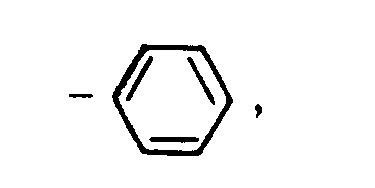
 R³ représente un atome d'hydrogène ou le reste -COOH etR⁴ représente un atome d'hydrogène ou le reste -CH₃,l'un au moins des restes R² et R³ étant un groupement hydrophile,
dans un rapport pondéral de A) à B) de 300:1 à 1:50, etC) on estérifie, éthérifie ou transforme en un groupement uréthanne les groupements OH encore libres et/ou
on neutralise avec une amine l'acide utilisé comme catalyseur dans la préparation en A) ou en C). - Procédé selon la revendication 6, caractérisé en ce qu'une éthérification, une estérification ou une transformation par un isocyanate des groupements OH libres a déjà été effectuée de façon partielle avant la copolymérisation.
- Utilisation de mélanges réactionnels selon la revendication 1 pour la désémulsification de pétroles bruts contenant de l'eau.
Applications Claiming Priority (2)
| Application Number | Priority Date | Filing Date | Title |
|---|---|---|---|
| DE19863635489 DE3635489A1 (de) | 1986-10-18 | 1986-10-18 | Copolymerisate aus hydrophoben acrylsaeure- bzw. methacrylsaeureestern und hydrophilen comonomeren, verfahren zu ihrer herstellung und ihre verwendung als erdoelemulsionsspalter |
| DE3635489 | 1986-10-18 |
Publications (3)
| Publication Number | Publication Date |
|---|---|
| EP0264841A2 EP0264841A2 (fr) | 1988-04-27 |
| EP0264841A3 EP0264841A3 (en) | 1989-07-12 |
| EP0264841B1 true EP0264841B1 (fr) | 1992-12-30 |
Family
ID=6311975
Family Applications (1)
| Application Number | Title | Priority Date | Filing Date |
|---|---|---|---|
| EP87115126A Expired - Lifetime EP0264841B1 (fr) | 1986-10-18 | 1987-10-16 | Copolymères d'esters hydrophobes d'acide acrylique ou méthacrylique et de comonomères hydrophiles, leur procédé de préparation et leur application comme agents désémulsifiants d'huile minérale |
Country Status (4)
| Country | Link |
|---|---|
| EP (1) | EP0264841B1 (fr) |
| CA (1) | CA1309552C (fr) |
| DE (2) | DE3635489A1 (fr) |
| NO (1) | NO171682C (fr) |
Families Citing this family (19)
| Publication number | Priority date | Publication date | Assignee | Title |
|---|---|---|---|---|
| DE4104610A1 (de) * | 1991-02-15 | 1992-08-20 | Basf Ag | Reaktionsprodukte aus alkoxylaten und vinylischen monomeren, verfahren zu ihrer herstellung und ihre verwendung als demulgatoren fuer rohoelemulsionen |
| DE4326772A1 (de) * | 1993-08-10 | 1995-02-16 | Basf Ag | Reaktionsprodukte aus olefinisch ungesättigten Carbonsäuren und Polyetherolen sowie ihre Verwendung als Demulgatoren für Rohölemulsionen |
| CN1101238C (zh) * | 1998-01-21 | 2003-02-12 | 辽河石油勘探局勘察设计研究院 | 一种原油破乳剂及其制备方法 |
| MXPA04011457A (es) | 2002-06-11 | 2005-02-14 | Basf Ag | Esteres (met)acrilicos de trimetilolpropano polialcoxilado. |
| CA2488226A1 (fr) | 2002-06-11 | 2003-12-18 | Basf Aktiengesellschaft | Esters (meth)acryliques de trimethylolpropane polyalcoxyle |
| KR20060024401A (ko) | 2003-06-06 | 2006-03-16 | 바스프 악티엔게젤샤프트 | 알킬레닐렌 글리콜의 (메트)아크릴산 에스테르 및 이의용도 |
| DE102005006030A1 (de) | 2005-02-09 | 2006-08-10 | Basf Ag | Hyperverzweigte Polymere als Demulgatoren zum Spalten von Rohölemulsionen |
| WO2009047210A1 (fr) | 2007-10-08 | 2009-04-16 | Basf Se | Utilisation de polyesters et/ou de polyesters amides hyperramifiés pour séparer des émulsions huile dans l'eau |
| DE102008038071A1 (de) | 2008-08-16 | 2010-02-18 | Clariant International Limited | Anionische wasser- und lösungsmittellösliche Additive |
| DE102008037973A1 (de) | 2008-08-16 | 2010-02-18 | Clariant International Limited | Trockene Pigmentpräparationen mit anionischen Additiven |
| WO2010076253A1 (fr) | 2008-12-29 | 2010-07-08 | Basf Se | Polyesters et polycarbonates hyperramifiés servant de désémulsifiants pour le craquage d'émulsions de pétrole brut |
| DE102009019177A1 (de) * | 2009-04-28 | 2010-11-11 | Clariant International Ltd. | Verwendung biologisch abbaubarer alkoxylierter (Meth)acrylat-Copolymere als Rohöl-Emulsionsspalter |
| DE102009019179A1 (de) | 2009-04-28 | 2010-11-11 | Clariant International Ltd. | Alkoxylierte (Meth)acrylat-Polymere und ihre Verwendung als Rohöl-Emulsionsspalter |
| DE102009040495B4 (de) | 2009-09-08 | 2014-02-13 | Clariant International Ltd. | Alkoxylierte Thiacalixarene und deren Verwendung als Rohöl-Emulsionsspalter |
| US20170203235A1 (en) | 2014-05-28 | 2017-07-20 | Basf Se | Mesh comprising a surface of hydrated aluminum oxides and their use for oil-water separation |
| US20170189832A1 (en) | 2014-05-28 | 2017-07-06 | Basf Se | Coated mesh and its use for oil-water separation |
| CN105968369A (zh) * | 2016-05-26 | 2016-09-28 | 句容宁武高新技术发展有限公司 | 一种低温高效破乳剂的合成方法 |
| EP3554666A1 (fr) | 2016-12-16 | 2019-10-23 | Basf Se | Tamis revêtus et leur utilisation, specialement pour la séparation huile-eau |
| US11518948B1 (en) | 2021-08-23 | 2022-12-06 | Saudi Arabian Oil Company | Methods for breaking emulsions |
Family Cites Families (6)
| Publication number | Priority date | Publication date | Assignee | Title |
|---|---|---|---|---|
| US3277157A (en) * | 1956-03-29 | 1966-10-04 | Chevron Res | Polyoxyalkylene acrylates and methacrylates |
| GB1263148A (en) * | 1968-04-03 | 1972-02-09 | Toray Industries | Antistatic copolymers and their use in the treatment of synthetic fibers |
| CA1010740A (en) * | 1973-02-09 | 1977-05-24 | Billy R. Moreland | Polyhydric substituted polyethylene backbone emulsion breaker |
| US4141854A (en) * | 1977-05-31 | 1979-02-27 | Nalco Chemical Company | Emulsion breaking |
| US4230844A (en) * | 1978-09-28 | 1980-10-28 | E. I. Du Pont De Nemours And Company | Processes for the preparation of polymeric thickeners and uses thereof |
| DE3338923C1 (de) * | 1983-10-27 | 1985-02-21 | Th. Goldschmidt Ag, 4300 Essen | Verwendung von Copolymerisaten von Polyoxyalkylenethern des Allyl- und/oder Methallylalkohols und Vinylestern als Dismulgatoren fuer Wasser enthaltendes Rohoel |
-
1986
- 1986-10-18 DE DE19863635489 patent/DE3635489A1/de not_active Withdrawn
-
1987
- 1987-10-16 NO NO874319A patent/NO171682C/no unknown
- 1987-10-16 EP EP87115126A patent/EP0264841B1/fr not_active Expired - Lifetime
- 1987-10-16 DE DE8787115126T patent/DE3783313D1/de not_active Expired - Lifetime
- 1987-10-19 CA CA000549642A patent/CA1309552C/fr not_active Expired - Lifetime
Also Published As
| Publication number | Publication date |
|---|---|
| NO874319L (no) | 1988-04-19 |
| NO171682C (no) | 1993-04-21 |
| DE3635489A1 (de) | 1988-04-21 |
| NO171682B (no) | 1993-01-11 |
| NO874319D0 (no) | 1987-10-16 |
| EP0264841A3 (en) | 1989-07-12 |
| CA1309552C (fr) | 1992-10-27 |
| DE3783313D1 (de) | 1993-02-11 |
| EP0264841A2 (fr) | 1988-04-27 |
Similar Documents
| Publication | Publication Date | Title |
|---|---|---|
| EP0264841B1 (fr) | Copolymères d'esters hydrophobes d'acide acrylique ou méthacrylique et de comonomères hydrophiles, leur procédé de préparation et leur application comme agents désémulsifiants d'huile minérale | |
| EP0713504B1 (fr) | Produits de reaction d'acides carboxyliques non satures par les olefines et de polyetherols et utilisation comme desemulsifiants pour les emulsions de petrole brut | |
| DE3906702C2 (fr) | ||
| US5472617A (en) | Method of demulsifying crude oil and water mixtures with copolymers of acrylates or methacrylates and hydrophilic commonomers | |
| DE69621281T2 (de) | Acryl-Säure-Derivate, Verfahren zur Herstellung von Acryl-Säure-Derivaten und Acryl-Säure-Polymere | |
| DE2009218A1 (de) | Polymerisationsverfahren | |
| DE3338923C1 (de) | Verwendung von Copolymerisaten von Polyoxyalkylenethern des Allyl- und/oder Methallylalkohols und Vinylestern als Dismulgatoren fuer Wasser enthaltendes Rohoel | |
| EP0499068B1 (fr) | Produits de réaction d'alkoxylates et de monomères vinyliques, procédé pour leur préparation et leur utilisation comme désémulsifiants pour émulsions de pétrole brut | |
| DE1568883A1 (de) | Verfahren zur Herstellung von Hydroxyalkylestern von Dicarbonsaeuren | |
| EP0679663A2 (fr) | Procédé de préparation de liants diluables à l'eau et leur application | |
| EP1916274A2 (fr) | Macromonomère hydroxy-fonctionnalisé en polyalkylène-glycol pouvant être copolymérisé, sa fabrication et son utilisation | |
| EP1319676A1 (fr) | Polymères anioniques | |
| EP1242489A1 (fr) | Procede de preparation de polymerisats solubles dans l'eau, contenant des chaines laterales de polyalkylene-glycolether | |
| DE2559857C2 (de) | Quervernetzbares, wärmehärtbares Copolymer und Verfahren zu dessen Herstellung | |
| DE102006049381A1 (de) | Amphiphile Pfropfpolymere | |
| DE10224275A1 (de) | Emulsionsspalter | |
| DE3130960C2 (de) | Verfahren zur Herstellung verbesserter wäßriger Emulsionen von oxidativ trocknenden Alkydharzen und deren Verwendung | |
| DE69918996T2 (de) | Verfahren zur herstellung von allyl-/ethylenischen copolymerisaten | |
| EP2297224B1 (fr) | Procédé de fabrication de di(méth)acrylates de polyalkylène glycol | |
| DE3219471A1 (de) | Waessrige alkydharzemulsionen fuer lufttrocknende lacke (ii) | |
| WO2001040337A2 (fr) | Procede de production de polymerisats d'esters hydrosolubles a partir d'acides carboxyliques ethyleniquement insatures et de polyalkylene glycols | |
| DE68917616T2 (de) | Demulgator-Zusammensetzungen und Herstellungsmethode und Verwendung. | |
| DE69119134T2 (de) | Wässrige Emulsionspolymere, hergestellt mit vernetzbaren nichtionischen Emulgiermitteln | |
| DE3339068C2 (de) | Verfahren zur Herstellung von Polymerisaten mit seitenständig gebundenen Polyoxyalkylenketten und deren Verwendung zur Herstellung von Polyurethanen | |
| EP2275470B1 (fr) | Procédé de fabrication de monohydroxypolyalkylenoxides |
Legal Events
| Date | Code | Title | Description |
|---|---|---|---|
| PUAI | Public reference made under article 153(3) epc to a published international application that has entered the european phase |
Free format text: ORIGINAL CODE: 0009012 |
|
| AK | Designated contracting states |
Kind code of ref document: A2 Designated state(s): DE FR GB IT NL |
|
| PUAL | Search report despatched |
Free format text: ORIGINAL CODE: 0009013 |
|
| AK | Designated contracting states |
Kind code of ref document: A3 Designated state(s): DE FR GB IT NL |
|
| 17P | Request for examination filed |
Effective date: 19890607 |
|
| 17Q | First examination report despatched |
Effective date: 19901004 |
|
| GRAA | (expected) grant |
Free format text: ORIGINAL CODE: 0009210 |
|
| AK | Designated contracting states |
Kind code of ref document: B1 Designated state(s): DE FR GB IT NL |
|
| ITF | It: translation for a ep patent filed | ||
| REF | Corresponds to: |
Ref document number: 3783313 Country of ref document: DE Date of ref document: 19930211 |
|
| GBT | Gb: translation of ep patent filed (gb section 77(6)(a)/1977) |
Effective date: 19930119 |
|
| ET | Fr: translation filed | ||
| PLBE | No opposition filed within time limit |
Free format text: ORIGINAL CODE: 0009261 |
|
| STAA | Information on the status of an ep patent application or granted ep patent |
Free format text: STATUS: NO OPPOSITION FILED WITHIN TIME LIMIT |
|
| 26N | No opposition filed | ||
| REG | Reference to a national code |
Ref country code: FR Ref legal event code: TP |
|
| REG | Reference to a national code |
Ref country code: GB Ref legal event code: IF02 |
|
| REG | Reference to a national code |
Ref country code: FR Ref legal event code: TP |
|
| REG | Reference to a national code |
Ref country code: GB Ref legal event code: 732E |
|
| PGFP | Annual fee paid to national office [announced via postgrant information from national office to epo] |
Ref country code: NL Payment date: 20061024 Year of fee payment: 20 |
|
| PGFP | Annual fee paid to national office [announced via postgrant information from national office to epo] |
Ref country code: GB Payment date: 20061025 Year of fee payment: 20 |
|
| PGFP | Annual fee paid to national office [announced via postgrant information from national office to epo] |
Ref country code: IT Payment date: 20061031 Year of fee payment: 20 |
|
| PGFP | Annual fee paid to national office [announced via postgrant information from national office to epo] |
Ref country code: DE Payment date: 20061130 Year of fee payment: 20 |
|
| REG | Reference to a national code |
Ref country code: GB Ref legal event code: PE20 |
|
| NLV7 | Nl: ceased due to reaching the maximum lifetime of a patent |
Effective date: 20071016 |
|
| PG25 | Lapsed in a contracting state [announced via postgrant information from national office to epo] |
Ref country code: NL Free format text: LAPSE BECAUSE OF EXPIRATION OF PROTECTION Effective date: 20071016 |
|
| PG25 | Lapsed in a contracting state [announced via postgrant information from national office to epo] |
Ref country code: GB Free format text: LAPSE BECAUSE OF EXPIRATION OF PROTECTION Effective date: 20071015 |
|
| PGFP | Annual fee paid to national office [announced via postgrant information from national office to epo] |
Ref country code: FR Payment date: 20061017 Year of fee payment: 20 |