EP0266196A2 - Détermination du taux de croissance des cellules - Google Patents
Détermination du taux de croissance des cellules Download PDFInfo
- Publication number
- EP0266196A2 EP0266196A2 EP87309556A EP87309556A EP0266196A2 EP 0266196 A2 EP0266196 A2 EP 0266196A2 EP 87309556 A EP87309556 A EP 87309556A EP 87309556 A EP87309556 A EP 87309556A EP 0266196 A2 EP0266196 A2 EP 0266196A2
- Authority
- EP
- European Patent Office
- Prior art keywords
- cells
- cell
- agents
- growth rate
- dye
- Prior art date
- Legal status (The legal status is an assumption and is not a legal conclusion. Google has not performed a legal analysis and makes no representation as to the accuracy of the status listed.)
- Withdrawn
Links
Images


Classifications
-
- G—PHYSICS
- G01—MEASURING; TESTING
- G01N—INVESTIGATING OR ANALYSING MATERIALS BY DETERMINING THEIR CHEMICAL OR PHYSICAL PROPERTIES
- G01N33/00—Investigating or analysing materials by specific methods not covered by groups G01N1/00 - G01N31/00
- G01N33/48—Biological material, e.g. blood, urine; Haemocytometers
-
- A—HUMAN NECESSITIES
- A61—MEDICAL OR VETERINARY SCIENCE; HYGIENE
- A61K—PREPARATIONS FOR MEDICAL, DENTAL OR TOILETRY PURPOSES
- A61K49/00—Preparations for testing in vivo
- A61K49/001—Preparation for luminescence or biological staining
- A61K49/0013—Luminescence
- A61K49/0017—Fluorescence in vivo
- A61K49/0019—Fluorescence in vivo characterised by the fluorescent group, e.g. oligomeric, polymeric or dendritic molecules
- A61K49/0021—Fluorescence in vivo characterised by the fluorescent group, e.g. oligomeric, polymeric or dendritic molecules the fluorescent group being a small organic molecule
- A61K49/0032—Methine dyes, e.g. cyanine dyes
-
- C—CHEMISTRY; METALLURGY
- C12—BIOCHEMISTRY; BEER; SPIRITS; WINE; VINEGAR; MICROBIOLOGY; ENZYMOLOGY; MUTATION OR GENETIC ENGINEERING
- C12Q—MEASURING OR TESTING PROCESSES INVOLVING ENZYMES, NUCLEIC ACIDS OR MICROORGANISMS; COMPOSITIONS OR TEST PAPERS THEREFOR; PROCESSES OF PREPARING SUCH COMPOSITIONS; CONDITION-RESPONSIVE CONTROL IN MICROBIOLOGICAL OR ENZYMOLOGICAL PROCESSES
- C12Q1/00—Measuring or testing processes involving enzymes, nucleic acids or microorganisms; Compositions therefor; Processes of preparing such compositions
- C12Q1/02—Measuring or testing processes involving enzymes, nucleic acids or microorganisms; Compositions therefor; Processes of preparing such compositions involving viable microorganisms
- C12Q1/18—Testing for antimicrobial activity of a material
-
- G—PHYSICS
- G01—MEASURING; TESTING
- G01N—INVESTIGATING OR ANALYSING MATERIALS BY DETERMINING THEIR CHEMICAL OR PHYSICAL PROPERTIES
- G01N33/00—Investigating or analysing materials by specific methods not covered by groups G01N1/00 - G01N31/00
- G01N33/48—Biological material, e.g. blood, urine; Haemocytometers
- G01N33/50—Chemical analysis of biological material, e.g. blood, urine; Testing involving biospecific ligand binding methods; Immunological testing
- G01N33/5005—Chemical analysis of biological material, e.g. blood, urine; Testing involving biospecific ligand binding methods; Immunological testing involving human or animal cells
Definitions
- This invention relates to novel methods for measuring cell growth rate in vivo and in vitro .
- One method is to count the number of cells at the beginning of an analysis period, and then count the number of cells at the end of that period to measure the increase in cell number.
- Cell counting can be achieved by using microscopic methods with a hemocytometer or by instrument aided methods using a Coulter Counter or other flow cytometer.
- Another methodology for measuring cell growth is to determine the uptake of tritiated thymidine using beta counting methods. In this methodology, the cell number is determined at the initiation of the experiment and then tritiated thymidine is placed in with the cells. At periodic intervals, aliquots of the culture are removed, counted, and washed free of unbound tritiated thymidine.
- TCA Trichloroacetic Acid
- Growth rate of tissues can be estimated by removing the tissue and monitoring in vitro pulse incorporation of tritiated thymidine.
- the tissue is sectioned into 30 micron sections and exposed to tritiated thymidine for thirty (30) minutes.
- the unincorporated tritiated thymidine is washed away and a nuclear emulsion is placed over the section where radioisotope disintegrations expose the film.
- the emulsion is developed and fixed; the tissue is stained with Hematoxylin and Eosin stain; then the section is examined microscopically to determine labelled fraction. This technique is labor intensive and time consuming.
- Cyanine dyes have been used in various biological applications. Dioxacarbocyanine dyes have been used in performing white blood cell differential counts. Gunter Valet, Max Planck Ges Med; Patent Accession Number 84-102307/17, Simultaneous Quantitative Determination of Blood Cells by Selective Staining and Measuring Volume and Fluorescence .
- the dyes utilized in these studies are short chain carbocyanine dyes (less than ten carbons) and respond to changes in membrane potentials. Furthermore, the short chain carbocyanine dyes enter the cell's mitochondria, are cytotoxic, and, when the cells are washed, these dyes easily leak out of the cell whether or not the membrane potential of the cell is changed.
- short aliphatic chain cyanine dyes are used in many other biological assays.
- the short chain molecules respond to membrane potentials and cross the cell membrane, penetrating into the mitochondria.
- H. M. Shapiro U.S. Patent Number 4,343,782, August 10, 1982.
- the short chain dyes also are toxic to cells and cannot be used to determine cell growth rate.
- Tricarbocyanine dyes (Fox, I. J., et al ., Proc. Mayo Clinic , 32 :478-484, 1957 ) and Evans-Blue dye (Schad, H., et al ., Pfluegers Arch. Eur. J. Physiol. , 370(2):139-144, 1977) have been used in vivo to estimate cardiac output by a dilution method.
- Dow Dow (Dow, P., Physiol. Rev. , 36 :77-102, 1956) describes the method as injection of a known amount of some intravascular indicator on the venus side of the lungs, and measurement of the time course of arterial concentration of the indicator to determine the volume between the points of injection and sampling. These dyes are not used to stain cells.
- viable cells first are labelled with cyanine dyes.
- Cell growth rate is determined by measuring changes in the levels of cyanine dye in the plasma membranes of daughter cells derived from cyanine dye-labelled parent cells.
- the invented methods for measuring growth are used, for example, in vivo to monitor healing of corneal epithelia, and engraftment of transplanted bone marrow cells.
- In vitro uses of the invented methods include determining sensitivity of tumor cells to various chemotherapeutic agents.
- cyanine dyes Compounds having the following structure are referred to herein as cyanine dyes: in which: Y is oxygen, sulfur, methylene or alkyl-substituted methylene; m is 0-3; and n is 12-22.
- alkyl-substituted methylene refers to mono- or di- substituted methylene having any combination of methyl, ethyl, or propyl substituents.
- DiSC14(3) the compound wherein Y is sulfur and having three carbons bridging the rings and two fourteen carbon aliphatic chains
- DiIC14(5) indicates the compound wherein Y is isopropyl, and having five carbons bridging the rings and two fourteen carbon aliphatic chains.
- cyanine dyes include compounds of the above structure having one or more substitutions provided such substituted compounds are soluble in a cell labelling media for at least as long as needed for labelling and have a sufficiently high membrane partition coefficient to remain associated with labelled cell membranes. Such compounds also must not significantly affect cell viability in the concentrations required for labelling. Solubility in cell labelling media is determined as shown below by dispursing a cyanine dye in the labelling media and, by standard spectrofluorometric techniques, measuring fluorescence intensity over time. Decreasing fluorescence intensity indicates dye precipitation and adherence to vessel walls.
- Whether the dyes remain associated with cell membranes is determined, for example, using known flow cytometric procedures to monitor fluorescence intensity of red blood cells reinjected into the donor animal after labelling. Essentially constant fluorescence intensities of the labelled cells after reinjection establishes stability of the dye in cell membranes.
- Cyanine dyes used in the present invention can be purchased from various sources such as Molecular Probes, Inc., Eugene, Oregon, and can be prepared from available starting materials using known synthetic methods. Hamer, F. M., The Cyanine Dyes and Related Compounds , Interscience Publishers (1964).
- any viable cell can be labelled with cyanine dyes.
- the term cell includes nucleated cells such as white blood cells, various tumor cells, other mammalian cells (for example, tissue culture cells) yeast, and bacteria.
- a cell is viable if it is able to grow or function essentially as expected for cells of its type.
- Cell labelling is performed in a medium that is non-lethal to cells and that provides for reproducible cell labelling.
- osmolarity regulating agents in which cyanine dyes form stable solutions for at least as long as required for labelling are used.
- Acceptable osmolarity regulating agents include agents such as sugars, for example monosaccharides such as glucose, fructose, sorbose, xylose, ribose, and disaccharides such as sucrose, sugar-alcohols, such as mannitol, glycerol, inositol, xylitol, and adonitol, amino acids such as glycine and arginine, and certain Good's buffers such as N-tris(hydroxymethyl)-methyl-3-aminopropanesulfonic acid and those listed in Table II, below. Good, N. E., et al ., Biochem. 15 , 467-477 (1966), Good, N. E.
- Some cell lines may be sensitive to one or more of the osmolarity regulating agents, especially sugar-alcohols. Thus, prior to labelling, standard tests are conducted to make certain that the cells are viable in the intended osmolarity regulating agent. Additionally, small amounts of buffering agents may be added to the labelling medium to regulate hydrogen ion concentration.
- Yac cells are a mouse lymphoma tissue culture cell line publically available from the American Type Culture Collection and is described by Kiessling, R., European J. Immunology 5 :112-117 (1975).
- Table 1 demonstrate, when compared to phosphate buffered saline, exposure to sucrose, glucose, and the Good's buffers: TAPS, CAPS, EPPS, HEPPSO, and DIPSO resulted in negligible effects on cell doubling time which indicates the absence of exposure-related cellular toxicity.
- Table II shows various osmolarity regulating agents that were examined for cyanine dye solubility. All measurements of concentration were made after removal of precipitates by centrifugation and dissolving small aliquots of osmolarity regulating agents containing cyanine dyes into ethanol for spectrofluorometric analysis. The dyes used were DiSC14(5) and DiOC14(3), and the osmolarity regulating agents were at iso-osmotic concentrations for mammalian cells. Reductions in fluorescence intensity from the ethanol solution standard directly correlate with reductions in cyanine dye solubility.
- cyanine dyes are much less soluble in the presence of classical salts than in the presence of sugars, except lyxose, sugar-alcohols, amino acids, and the Good's buffers, TAPS, HEPPSO, DIPSO, CAPS, and EPPS. Additionally, stability of DiSC14(5) solutions in sugars such as glucose, fructose, ribose, sorbose, sucrose, and xylose, sugar-alcohols such as glycerol, inositol, xylitol, and adonitol, and amino acids such as glycine and arginine was determined. The cyanine dye was stable in the tested solutions for at least twenty minutes, which is sufficient time for reproducible labelling, and in many of the agents the amount of cyanine dye in solution had not significantly decreased at sixty minutes.
- reproducible cell labelling with cyanine dyes can be performed in media containing no more than small amounts of classical salts, such as sodium chloride, potassium chloride, calcium chloride, sodium acetate, potassium acetate, sodium sulfate, sodium iodide, choline chloride, or choline iodide, and preferably is performed in a medium in which no classical salts are used to regulate osmolarity.
- classical salts such as sodium chloride, potassium chloride, calcium chloride, sodium acetate, potassium acetate, sodium sulfate, sodium iodide, choline chloride, or choline iodide
- cyanine dye labelled To test in vivo stability of cells cyanine dye labelled according to the presently invented method, rabbit red cells were withdrawn, labelled with DiSC14(5), and reinfused. Periodically thereafter, blood samples were obtained and analyzed for percent labelled cells and fluorescence intensity of the labelled cells. The number of circulating red cells decreased linearly as a function of time and the measured 52 day lifetime of labelled cells correlated closely with the 40 to 60 day average reported lifetime of rabbit red cells. Thus, cyanine dye labelling did not affect the clearance rate of red blood cells.
- Cyanine dye-labelled viable cells are used in the invented methods for determining cell growth rate. Growth rate is determined by measuring changes in the levels of cyanine dye in the plasma membranes of the cells. Each time a cell divides the plasma membrane associated cyanine dye is distributed equally between the daughter cells. Thus, serial measurments of the plasma membrane cyanine dye levels of labelled, growing cells are used to calculate growth rate.
- Flow cytometric methods using standard techniques are preferred for measuring plasma membrane cyanine dye levels of non-adherent cells or cells that can be removed from their growth substrate and suspended as single cells.
- An adherent cell cytometer (Meridian ACAS 470) is preferred for cases where removal from the growth substrate is difficult or not feasible.
- Determinations of cell growth rate are used in a variety of applications. For example, growth rate of tissue culture cells is measured to optimize growth conditions. Sensitivity of tumor cells to chemotherapeutic agents is determined by measuring cell growth rate in media containing these agents. Similarly, sensitivity of yeast cells to various antifungal agents is determined by measuring the growth rate of the yeast cells in media containing antifungal agents.
- the invented methodology also is used to monitor growth rate of tissue cells in vivo .
- bone marrow transplant engraftment is determined by measuring bone marrow cell growth rate following transplant.
- Growth rate of other in vivo cells such as corneal epithelial cells, is measured to determine post-traumatic or post-surgical healing.
- Cells are centrifuged at 400 ⁇ g for ten minutes at room temperature. Supernatants are aspirated and an equal volume of iso-osmotic mannitol is replaced for resuspension of the cell pellet. This mannitol wash is to remove the plasma proteins from the cell suspension and prepare cells for staining. Cells are once again centrifuged at 400 ⁇ g for ten minutes at room temperature. The supernatants are aspirated and the resultant cell pellet is resuspended in mannitol solution at a concentration of 2 ⁇ 106 cells/ml for staining. Some cell lines, however, are sensitive to the use of a sugar alcohol (mannitol); in such cases an iso-osmotic glucose solution (MW 180.16, 54.05 g/1) may be used.
- mannitol sugar alcohol
- an iso-osmotic glucose solution MW 180.16, 54.05 g/1 may be used.
- Dye stocks are sonicated to insure complete solubility of the dye and to minimize adherence to the tubes.
- Polystyrene tubes are used for preparation of stock solutions so that solubility of the dye can be observed.
- Polypropylene tubes are used to stain cells because cyanine dyes in an aqueous environment are much less adherent to polypropylene when compared to polystyrene.
- Cells are adjusted to a concentration of 2 ⁇ 106 cells/ml in iso-osmotic mannitol.
- 2 ⁇ 10 ⁇ 3M stock dye solution is added to the staining solutions at 5 ⁇ l of dye per 1 ml of cell suspension giving a final concentration of 10 ⁇ M.
- the sample for staining is pipetted or vortexed to thoroughly mix the sample.
- Cells are incubated with the dye for ten minutes, after which a small aliquot is removed for examination under a fluorescent microscope to insure that intense and uniform staining has occurred.
- the DiO dye series uses microscope filters selective for 488 nm excitation light, while the DiS and DiI dye series requires excitation near 575 nm for observation of fluorescence.
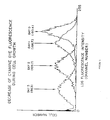
- V79 cells were stained with DiOC14(3) as described in Example 1. Fluoresence intensity was measured using an EPICS 753 Flow Cytometer (Coulter Electronics, Inc.). Immediately after staining, fluorescence intensity of an aliquot of the stained cells was measured. The remaining cells were grown in a humidified air-CO2 (7.5% CO2) incubator at 37°C in a standard complete growth medium. On days one, two, and three after staining, aliquots of cells were removed for fluorescence intensity determinations.
- Figure 1 shows the log fluorescence intensity profile of the growing V79 cells. The numerical value above each peak is the mean log fluorescence intensity on each day. As Figure 1 shows, the mean log fluorescence intensity diminishes daily as the cells grow in culture.
- growth rate is determined from the slope of the regression line fit to the linear portion of a plot of log fluorescence intensity versus time.
- the fluorescence intensity of the stained HT29 cells cultured alone demonstrated the characteristic reduction in fluorescence intensity as a function of time in culture.
- the unstained HL60 cells had very little fluorescence for four (4) days, after which there appeared some modest increase in fluorescence intensity.
- the stained HT29 cells which were co-cultured with HL60 cells lost fluorescence intensity exactly as the unmixed HT29 cells until approximately day five, where there appeared some additional but minimal loss of fluorescence intensity. From these data it is clear that perhaps the HL60 cells are picking up some fluorescence after being in culture for four (4) days with the HT29 cells.
- the HL60 cells are promyelocytic and have some capability to phagocitize cells and debris.
- the increase in fluorescence intensity experienced after day 4 in the unstained subpopulation of the mixed culture may in fact be a result of phagocytosis of fluorescent debris.
- the stained HT29 cells in the same mixture appear to have the same fluorescence kinetics as the HT29 cells which are unmixed. Thus, cell-to-cell dye transfer does not lead to incorrect growth rate determinations.
- the tumor cells being studied are a tissue culture line adapted to in vivo culture conditions, then the cells are stained and evaluated as outlined in Examples 1 and 2. If the tumor cells being studied are from tumor tissue explants then they are dissaggregated into single cells by standard techniques and plated onto Lab-Tech tissue culture chamber slides. The cells are. stained using the cyanine dyes as outlined in Example 1. They are then placed into an humidified air-CO2 incubator at 37°C and allowed to equilibrate. At periodic intervals the slides are placed onto the microscope stage of an adherent cell cytometer (i.e., Meridian ACAS 470) and measurements of fluorescence intensity are made. The locations of the cells relative to an index mark are determined by the computer so that serial measurements of fluorescence intensity can be made.
- an adherent cell cytometer i.e., Meridian ACAS 470
- the slide is returned to the incubator to allow the cells to continue growing.
- the microscope slide should contain a fluorescence standard such as Coulter fullbright polystyrene microspheres (Coulter Electronics, Hialeah, Florida) that do not change fluorescence intensity with time in culture. This standard is used to make comparison measurements of fluorescence intensity.
- Tumor cells are identified from normal stromal cells on the basis of morphometric parameters using phase optics on the microscope or fluorescent monoclonal antibodies specific to tumor cells. The measurement of cell growth is made by monitoring dilution of the cyanine fluorescence in the tumor cells as each cell divides and applying the equations of Example 9.
- the measurement of fluorescence intensity can also be made using a flow cytometer.
- the cells are removed from the microscope slide before flow cytometric analysis is made. This procedure does not permit the serial quantification of dye dilution on the same cells day after day. In some instances, however, such as leukemia cells, this approach is preferred.
- the process of measuring in vitro cell growth is accomplished on cells that have been cultured in optimal growth medium or in the presence of various levels of agents used to treat tumors.
- the ability of the therapeutic agent to inhibit the tumor cell growth as measured by inhibition of fluorescence intensity reduction, is a measure of the effectiveness of that agent to kill tumor cells.
- Lymphocytes are removed by venipuncture or splenic dissection using standard techniques.
- the cells are labelled with a cyanine dye using the protocol listed in Example 1 but substituting glucose or sucrose for mannitol as the osmotic support medium.
- the stained cells then are aliquoted into microtiter dishes at a level of 5 ⁇ 105 cells per well (Mazumder, A., Grimm, E.A., Zhang, H.Z., and Rosenberg, S.A., Cancer Res. 42 , 918 (1982)) and incubated with the appropriate mitogen such as Interleukin-2, sodium periodate (IO ), phytohemagglutinin, concanavalin A, pokeweed-mitogen and B Cell Growth Factor (BCGF).
- mitogen such as Interleukin-2, sodium periodate (IO ), phytohemagglutinin, concanavalin A, pokeweed-mitogen and B Cell Growth Factor (BCGF).
- the cells are placed into a 37°C humidified air-CO2 incubator and allowed to grow. At periodic intervals cells are removed from the culture vessel and examined by flow cytometric procedures. The data obtained are similar to that obtained by the process of Example 2 and are analyzed using the equations of Example 9.
- the cells are labelled with a cyanine dye using the protocol listed in Example 1 but substituting glucose or sucrose for mannitol as the osmotic support medium.
- the stained cells then are aliquoted into microtiter dishes at a level of 5 ⁇ 105 cells per well in a nutrient broth.
- the cells are placed into a 37°C humidified incubator and allowed to grow. At periodic intervals cells are removed from the culture vessel and examined by flow cytometric procedures. The data obtained are similar to that obtained in the process of Example 2 and are analyzed using the equations of Example 9.
- the process of measuring in vitro cell growth is accomplished on cells that have been cultured in optimal growth medium or in the presence of various levels of antibiotics which are being tested as antibacterial agents.
- the ability of the bactericidal agent to inhibit the bacterial cell growth as measured by inibition of cellular fluorescence intensity reduction, is a measure of the effectiveness of that agent to kill bacteria.
- the cells are labelled with the cyanine dye using the protocol listed in Example 1 but substituting glucose or sucrose for mannitol as the osmotic support medium.
- the stained cells then are aliquoted into microtiter dishes at a level of 5 ⁇ 105 cells per well in a nutrient broth.
- the cells are placed into an incubator and allowed to grow. At periodic intervals cells are removed from the culture vessel and examined by flow cytometric procedures or by adherent cell cytometric procedures (Meridian ACAS 470). The data obtained are similar to that obtained by the process of Example 2 and are analyzed using the equations of Example 9.
- the process of measuring in vitro cell growth is accomplished on cells that have been cultured in optimal growth medium or in the presence of selected levels of compounds which are being tested as antifungal agents.
- the ability of the fungicidal agent to inhibit the fungal cell growth as measured by inibition of cellular fluorescence intensity reduction, is a measure of the effectiveness of that agent to kill fungi.
- Bone marrow cells are removed by aspiration (Illinois needle) or by core biopsy (Jamshiti needle) from the sternum or iliac crest.
- the cells are labelled with a cyanine dye using the protocol listed in Example 1 but substituting glucose or sucrose for mannitol as the osmotic support medium.
- the cells are subjected to flow cytometric analysis to determine the level of fluroescence intensity prior to infusion of the bone marrow cells into the recipient. Labelled cells are injected intravenously and an appropriate time interval is allowed to elapse before a sample of peripheral blood and bone marrow is taken. Blood and marrow are taken from the recipient, mixed with anticoagulants, and prepared according to standard techniques for flow cytometric analysis. These samples contain cells which are growing and cells which are in cell cycle arrest. The histograms will be complex but are analyzed for cell growth similar to the data obtained in the process of Example 2 by applying the equations of Example 9.
- the tracking dyes are fluorescence green
- another dye coupled to monoclonal antibodies is used to identify cells from each of the cell lineages found in marrow.
- the red fluorescence is used to identify this lineage and then monitor the reduction in green fluorescence (and therefore cell growth) of the cells in the red cell lineage.
- This methodology is used to monitor growth of corneal epithelial cells after transplant and uses technology that is not injurious to cell growth or painful to the eye when monitoring cell growth.
- the eye is bathed in an opthalmic formulation of the cyanine dye which absorbs light at wavelengths greater than 680 nm.
- the procedure also is carried out using dye which absorbed light at wavelengths lower than 680 nm, however, the excitation beam causes severe headaches when the tissue is examined.
- infrared photographs are taken (wavelengths greater than the absorbance maximum of dye) while exciting the cyanine dye bound to the cornea.
- the fluorescence intensity level is a measure of cell staining at time zero.
- the eye is photographed and the image is compared to the time zero photograph. In areas where there is cell growth, the fluorescence intensity of the cells decreases. Quantitative assessment of the fluorescence intensity is used to determine the number of cell doublings.
- T D is the cell doubling time
- t2 and t1 are any times during log phase cell growth
- F(t2) and F(t1) are the mean cellular fluorescence intensity at times t2 and t1, respectively
- ln signifies the natural (base e) logarithm.
- the number of cell doublings occuring during a period of growth is determined by the formula: wherein: N is the number of cell doublings, F o is the initial fluorescence intensity, and F(t) is the fluorescence intensity at any time after a period of cell growth. For determination of the number of cell doublings, the fluorescence measurements do not have to be made during the log phase of cell growth.
- the average population fluorescence should be inversely proportional to the number of cells in the population at any time t.
- F(t) N(t) K (1)
- F(t) and N(t) are the average population fluorescence and cell number at time t, respectively.
- Equation 2 It is obvious from equation 2 that the fluorescence kinetics must be directly related to the growth kinetics, if the dye being used acts in an ideal fashion. The form of the relationship defining the fluorescence kinetics will now be determined.
- T2 represents the cell cycle time, not the cell doubling time. This point will be considered more carefully below. If there is cell death, this equation is still valid, as long as the dye bound to dead cells is not reabsorbed by the live cells. The case where reabsorption occurs will be treated below. In the case where a fraction of the population is not growing, equation 9 is valid only for the growing fraction. Consequently, F o and N o apply only to the growing fraction.
- Equation 17b the parameter, T D , has the units of time and represents the actual cell doubling time rather than the cell cycle time. Equation 17b will define the fluorescence distribution in a culture where cell death is significant and dye reabsorption is rapid. If either of these conditions is not met, then equation 9 applies.
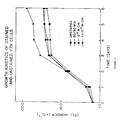
- a comparison of equations 17a and 17b shows that the cell and fluorescence kinetics are inversely related, such that a plot of the cell growth curve and the inverse of the fluorescence kinetics curve can be superimposed. This fact was clearly demonstrated in Figure 4.
- N(t) N o t ⁇ t L (18a)
- N(t) N o exp(0.693(t - t L )/TD) t ⁇ t L (18b)
- t L is defined as the lag time.
- Equation 3 In this case, the growing and non-growing fractions must be handled separately.
- equation 3 must be rewritten, as shown.
- F(t) (F o ) n (N o ) n (1/N(t)) n + (F o ) g (N o ) g (1/N(t)) g (22)
- (1/N(t)) n is equal to (1/(N o ) n ). Therefore, the equation reduces as shown below.
- the fluorescence intensity of the non-growing fraction can be determined directly.
- An extrapolation of the change in fluorescence intensity over time of the growing fraction to time zero allows one to calculate the fluorescence intensity of the growing fraction at zero time.
- the growing fraction is then simply the ratio of the fluorescence intensity of the growing fraction at zero time to the total population fluorescence intensity.
Landscapes
- Health & Medical Sciences (AREA)
- Life Sciences & Earth Sciences (AREA)
- Engineering & Computer Science (AREA)
- Chemical & Material Sciences (AREA)
- Immunology (AREA)
- General Health & Medical Sciences (AREA)
- Molecular Biology (AREA)
- Biomedical Technology (AREA)
- Organic Chemistry (AREA)
- Hematology (AREA)
- Biochemistry (AREA)
- Physics & Mathematics (AREA)
- Analytical Chemistry (AREA)
- Urology & Nephrology (AREA)
- Biotechnology (AREA)
- Proteomics, Peptides & Aminoacids (AREA)
- Microbiology (AREA)
- Wood Science & Technology (AREA)
- Zoology (AREA)
- Food Science & Technology (AREA)
- Medicinal Chemistry (AREA)
- General Physics & Mathematics (AREA)
- Pathology (AREA)
- Toxicology (AREA)
- Veterinary Medicine (AREA)
- Genetics & Genomics (AREA)
- Tropical Medicine & Parasitology (AREA)
- Cell Biology (AREA)
- Bioinformatics & Cheminformatics (AREA)
- Biophysics (AREA)
- General Engineering & Computer Science (AREA)
- Public Health (AREA)
- Animal Behavior & Ethology (AREA)
- Epidemiology (AREA)
- Measuring Or Testing Involving Enzymes Or Micro-Organisms (AREA)
- Investigating Or Analysing Biological Materials (AREA)
- Investigating Or Analysing Materials By The Use Of Chemical Reactions (AREA)
Applications Claiming Priority (2)
| Application Number | Priority Date | Filing Date | Title |
|---|---|---|---|
| US06/925,429 US4859584A (en) | 1986-10-31 | 1986-10-31 | Cell growth rate determination by measurement of changes in cyanine dye levels in plasma membranes |
| US925429 | 1986-10-31 |
Publications (2)
| Publication Number | Publication Date |
|---|---|
| EP0266196A2 true EP0266196A2 (fr) | 1988-05-04 |
| EP0266196A3 EP0266196A3 (fr) | 1990-05-23 |
Family
ID=25451718
Family Applications (1)
| Application Number | Title | Priority Date | Filing Date |
|---|---|---|---|
| EP87309556A Withdrawn EP0266196A3 (fr) | 1986-10-31 | 1987-10-29 | Détermination du taux de croissance des cellules |
Country Status (13)
| Country | Link |
|---|---|
| US (1) | US4859584A (fr) |
| EP (1) | EP0266196A3 (fr) |
| JP (1) | JPS63122955A (fr) |
| KR (1) | KR880005457A (fr) |
| CN (1) | CN1014276B (fr) |
| AU (1) | AU607944B2 (fr) |
| CA (1) | CA1294544C (fr) |
| DK (1) | DK560587A (fr) |
| IE (1) | IE872873L (fr) |
| IL (1) | IL84295A (fr) |
| PH (1) | PH25250A (fr) |
| PT (1) | PT86029B (fr) |
| ZA (1) | ZA878115B (fr) |
Cited By (12)
| Publication number | Priority date | Publication date | Assignee | Title |
|---|---|---|---|---|
| EP0417941A3 (en) * | 1989-08-30 | 1991-11-06 | Kabushiki Kaisha Hayashibara Seibutsu Kagaku Kenkyujo | Use of a cyanine dye in an antitumor agent |
| WO1994006932A1 (fr) * | 1992-09-17 | 1994-03-31 | Packard Instrument Company, Inc. | Procede de quantification de cellules |
| WO1997013490A3 (fr) * | 1995-10-11 | 1997-10-23 | Diagnostikforschung Inst | Agent contrastant de diagnostic a infrarouge proche |
| WO1998033530A1 (fr) * | 1995-12-29 | 1998-08-06 | Phanos Technologies, Inc. | Methode de detection d'elimination anormale de cellules epitheliales |
| US6468502B1 (en) | 1996-01-19 | 2002-10-22 | Schering Aktiengesellschaft | Metal complexes that contain perfluoroalkly, process for their production and their use in NMR diagnosis |
| KR100502440B1 (ko) * | 1997-02-04 | 2005-07-20 | 파노스 테크놀로지즈 인코포레이티드 | 비정상적 상피세포의 박리를 측정하는 방법 |
| WO2005059162A3 (fr) * | 2003-12-16 | 2005-09-15 | Kimberly Clark Co | Detection et quantification microbienne |
| WO2006065350A3 (fr) * | 2004-12-16 | 2006-08-10 | Kimberly Clark Co | Detection et quantification des microbes |
| WO2006065349A3 (fr) * | 2004-12-16 | 2006-10-19 | Kimberly Clark Co | Detection de la contamination microbienne d'articles elastomeres |
| US7300770B2 (en) | 2004-12-16 | 2007-11-27 | Kimberly-Clark Worldwide, Inc. | Detection of microbe contamination on elastomeric articles |
| US7727513B2 (en) | 2005-12-15 | 2010-06-01 | Kimberly-Clark Worldwide, Inc. | Method for screening for bacterial conjunctivitis |
| CN102121056B (zh) * | 2004-12-16 | 2013-01-16 | 金伯利-克拉克环球有限公司 | 微生物检测与定量 |
Families Citing this family (32)
| Publication number | Priority date | Publication date | Assignee | Title |
|---|---|---|---|---|
| ATE145337T1 (de) * | 1988-05-02 | 1996-12-15 | Phanos Tech Inc | Verbindungen, zusammensetzungen und verfahren zum binden von bio-affektions-substanzen an oberflächenmembranen von bioteilchen |
| US5169788A (en) * | 1989-06-09 | 1992-12-08 | New England Deaconess Hospital Corporation | Methods of measuring membrane potential using j-aggregate forming dyes |
| US5164301A (en) * | 1990-06-22 | 1992-11-17 | Difco Laboratories | Process and kit for detecting microbial metabolism |
| JP3070968B2 (ja) * | 1991-05-14 | 2000-07-31 | シスメックス株式会社 | 尿中の細胞分析用試薬及び方法 |
| WO1993002360A1 (fr) * | 1991-07-16 | 1993-02-04 | Transmed Biotech Incorporated | Procedes et compositions d'analyse simultanee d'analytes multiples |
| US5995645A (en) * | 1993-08-18 | 1999-11-30 | Applied Spectral Imaging Ltd. | Method of cancer cell detection |
| US6004536A (en) * | 1995-11-14 | 1999-12-21 | Molecular Probes, Inc. | Lipophilic cyanine dyes with enchanced aqueous solubilty |
| US5989835A (en) * | 1997-02-27 | 1999-11-23 | Cellomics, Inc. | System for cell-based screening |
| US6008010A (en) * | 1996-11-01 | 1999-12-28 | University Of Pittsburgh | Method and apparatus for holding cells |
| CA2282658C (fr) | 1997-02-27 | 2003-02-25 | Cellomics, Inc. | Systeme de criblage de cellules |
| US7117098B1 (en) | 1997-02-27 | 2006-10-03 | Cellomics, Inc. | Machine-readable storage medium for analyzing distribution of macromolecules between the cell membrane and the cell cytoplasm |
| US6727071B1 (en) | 1997-02-27 | 2004-04-27 | Cellomics, Inc. | System for cell-based screening |
| JP2001518934A (ja) * | 1997-03-25 | 2001-10-16 | ラスター,モーリス | 移植部位としての骨髄 |
| US6143516A (en) | 1998-09-25 | 2000-11-07 | Xoma Technology Ltd. | Identification of novel antimicrobial agents using membrane potential indicator dyes |
| US6986993B1 (en) * | 1999-08-05 | 2006-01-17 | Cellomics, Inc. | System for cell-based screening |
| US6351663B1 (en) | 1999-09-10 | 2002-02-26 | Akorn, Inc. | Methods for diagnosing and treating conditions associated with abnormal vasculature using fluorescent dye angiography and dye-enhanced photocoagulation |
| US6944493B2 (en) * | 1999-09-10 | 2005-09-13 | Akora, Inc. | Indocyanine green (ICG) compositions and related methods of use |
| US6787302B2 (en) * | 1999-10-25 | 2004-09-07 | Genprime, Inc. | Method and apparatus for prokaryotic and eukaryotic cell quantitation |
| US6673568B1 (en) * | 1999-10-25 | 2004-01-06 | Genprime, Inc. | Method and apparatus for prokaryotic and eukaryotic cell quantitation |
| US6443976B1 (en) | 1999-11-30 | 2002-09-03 | Akorn, Inc. | Methods for treating conditions and illnesses associated with abnormal vasculature |
| WO2001042786A2 (fr) | 1999-12-09 | 2001-06-14 | Cellomics, Inc. | Systeme de criblage a base de cellules |
| US20070212338A1 (en) * | 2000-01-11 | 2007-09-13 | Greenville Hospital System | Hybrid cells |
| US20090087450A1 (en) * | 2000-01-11 | 2009-04-02 | Greenville Hospital System | Combination therapy of hybrid cells with BCG injection for treating Cancer Patients |
| DK1248836T3 (da) | 2000-01-11 | 2005-08-15 | Greenville Hospital System | Fremgangsmåde til fremstilling af vacciner ved anvendelse af hybridceller |
| AU2001245424B2 (en) * | 2000-03-03 | 2005-08-18 | Phanos Technologies, Inc. | Fluorescent membrane intercalating probes and methods for their use |
| US6689391B2 (en) | 2001-03-30 | 2004-02-10 | Council Of Scientific & Industrial Research | Natural non-polar fluorescent dye from a non-bioluminescent marine invertebrate, compositions containing the said dye and its uses |
| US20020159625A1 (en) * | 2001-04-02 | 2002-10-31 | Cytoprint, Inc. | Method and apparatus for discovering, identifying and comparing biological activity mechanisms |
| US7776529B2 (en) | 2003-12-05 | 2010-08-17 | Life Technologies Corporation | Methine-substituted cyanine dye compounds |
| US20060052324A1 (en) * | 2004-08-05 | 2006-03-09 | Artandi Steven E | Methods and compositions for cell activation |
| JP5306811B2 (ja) * | 2005-05-11 | 2013-10-02 | ライフ テクノロジーズ コーポレーション | 2本鎖dnaへの高い選択性を有する蛍光化学物質及びそれらの使用 |
| AU2005234696B2 (en) | 2005-11-18 | 2012-02-16 | Phanos Technologies, Inc. | Fluorescent membrane intercalating probes and methods for their use |
| CN101518528B (zh) * | 2008-02-29 | 2014-02-26 | 史春梦 | 一组碳花青染料类的近红外荧光化合物的用途 |
Family Cites Families (9)
| Publication number | Priority date | Publication date | Assignee | Title |
|---|---|---|---|---|
| US4168206A (en) * | 1977-05-02 | 1979-09-18 | Philadelphia College Of Osteopathic Medicine | Impregnated disk method for testing antifungal susceptibility |
| US4343782A (en) * | 1978-04-20 | 1982-08-10 | Shapiro Howard M | Cytological assay procedure |
| US4232121A (en) * | 1978-09-25 | 1980-11-04 | Eastman Kodak Company | Process for selecting methine dyes which inhibit cell growth |
| US4225669A (en) * | 1979-04-27 | 1980-09-30 | Melnick Joseph L | Staining and analysis of bacteria |
| US4424201A (en) * | 1978-11-28 | 1984-01-03 | Rockefeller University | Employment of a mereyanine dye for the detection of malignant leukocytic cells |
| ATE12520T1 (de) * | 1980-12-05 | 1985-04-15 | Battelle Memorial Institute | Verfahren zum beobachten der entwicklung von mikroorganismen. |
| US4423145A (en) * | 1981-05-07 | 1983-12-27 | Stampfer Martha R | Enhanced growth medium and method for culturing human mammary epithelial cells |
| US4559299A (en) * | 1983-02-04 | 1985-12-17 | Brown University Research Foundation Inc. | Cytotoxicity assays in cell culturing devices |
| US4783401A (en) * | 1986-10-31 | 1988-11-08 | Smithkline Beckman Corporation | Viable cell labelling |
-
1986
- 1986-10-31 US US06/925,429 patent/US4859584A/en not_active Expired - Lifetime
-
1987
- 1987-10-26 DK DK560587A patent/DK560587A/da not_active Application Discontinuation
- 1987-10-26 CA CA000550188A patent/CA1294544C/fr not_active Expired - Lifetime
- 1987-10-27 PH PH35987A patent/PH25250A/en unknown
- 1987-10-27 IL IL84295A patent/IL84295A/xx not_active IP Right Cessation
- 1987-10-27 IE IE872873A patent/IE872873L/xx unknown
- 1987-10-28 AU AU80402/87A patent/AU607944B2/en not_active Ceased
- 1987-10-29 ZA ZA878115A patent/ZA878115B/xx unknown
- 1987-10-29 EP EP87309556A patent/EP0266196A3/fr not_active Withdrawn
- 1987-10-29 PT PT86029A patent/PT86029B/pt not_active IP Right Cessation
- 1987-10-30 CN CN87107220A patent/CN1014276B/zh not_active Expired
- 1987-10-30 JP JP62277258A patent/JPS63122955A/ja active Pending
- 1987-10-30 KR KR870012049A patent/KR880005457A/ko not_active Withdrawn
Cited By (20)
| Publication number | Priority date | Publication date | Assignee | Title |
|---|---|---|---|---|
| EP0417941A3 (en) * | 1989-08-30 | 1991-11-06 | Kabushiki Kaisha Hayashibara Seibutsu Kagaku Kenkyujo | Use of a cyanine dye in an antitumor agent |
| WO1994006932A1 (fr) * | 1992-09-17 | 1994-03-31 | Packard Instrument Company, Inc. | Procede de quantification de cellules |
| WO1997013490A3 (fr) * | 1995-10-11 | 1997-10-23 | Diagnostikforschung Inst | Agent contrastant de diagnostic a infrarouge proche |
| US6319488B1 (en) * | 1995-10-11 | 2001-11-20 | Institut für Diagnostikforschung GmbH an der Freien Universität Berlin | Contrast medium for near infrared diagnosis |
| CN1075951C (zh) * | 1995-10-11 | 2001-12-12 | 柏林弗赖恩大学诊断研究学院有限公司 | 用于近红外诊断的含载有聚甲炔染料的胶体系统的造影剂 |
| WO1998033530A1 (fr) * | 1995-12-29 | 1998-08-06 | Phanos Technologies, Inc. | Methode de detection d'elimination anormale de cellules epitheliales |
| US5804389A (en) * | 1995-12-29 | 1998-09-08 | Phanos Technologies, Inc. | Method for detecting abnormal epithelial cell shedding |
| US7226578B2 (en) | 1996-01-19 | 2007-06-05 | Shering Ag | Metal complexes that contain perfluoroalkyl, process for their production and their use in NMR diagnosis |
| US6468502B1 (en) | 1996-01-19 | 2002-10-22 | Schering Aktiengesellschaft | Metal complexes that contain perfluoroalkly, process for their production and their use in NMR diagnosis |
| US6916461B2 (en) | 1996-01-19 | 2005-07-12 | Schering Ag | Metal complexes that contain perfluoroalkyl, process for their production and their use in NMR diagnosis |
| KR100502440B1 (ko) * | 1997-02-04 | 2005-07-20 | 파노스 테크놀로지즈 인코포레이티드 | 비정상적 상피세포의 박리를 측정하는 방법 |
| WO2005059162A3 (fr) * | 2003-12-16 | 2005-09-15 | Kimberly Clark Co | Detection et quantification microbienne |
| US7399608B2 (en) | 2003-12-16 | 2008-07-15 | Kimberly-Clark Worldwide, Inc. | Microbial detection and quantification |
| US7687245B2 (en) | 2003-12-16 | 2010-03-30 | Kimberly-Clark Worldwide, Inc. | Microbial detection and quantification |
| US8338128B2 (en) | 2003-12-16 | 2012-12-25 | Kimberly-Clark Worldwide, Inc. | Microbial detection and quantification |
| WO2006065349A3 (fr) * | 2004-12-16 | 2006-10-19 | Kimberly Clark Co | Detection de la contamination microbienne d'articles elastomeres |
| WO2006065350A3 (fr) * | 2004-12-16 | 2006-08-10 | Kimberly Clark Co | Detection et quantification des microbes |
| US7300770B2 (en) | 2004-12-16 | 2007-11-27 | Kimberly-Clark Worldwide, Inc. | Detection of microbe contamination on elastomeric articles |
| CN102121056B (zh) * | 2004-12-16 | 2013-01-16 | 金伯利-克拉克环球有限公司 | 微生物检测与定量 |
| US7727513B2 (en) | 2005-12-15 | 2010-06-01 | Kimberly-Clark Worldwide, Inc. | Method for screening for bacterial conjunctivitis |
Also Published As
| Publication number | Publication date |
|---|---|
| CN87107220A (zh) | 1988-05-11 |
| KR880005457A (ko) | 1988-06-29 |
| US4859584A (en) | 1989-08-22 |
| AU607944B2 (en) | 1991-03-21 |
| IE872873L (en) | 1988-04-30 |
| PH25250A (en) | 1991-03-27 |
| AU8040287A (en) | 1988-05-05 |
| ZA878115B (en) | 1988-09-28 |
| CA1294544C (fr) | 1992-01-21 |
| PT86029A (en) | 1987-11-01 |
| EP0266196A3 (fr) | 1990-05-23 |
| DK560587D0 (da) | 1987-10-26 |
| JPS63122955A (ja) | 1988-05-26 |
| IL84295A (en) | 1991-12-15 |
| PT86029B (pt) | 1990-08-31 |
| DK560587A (da) | 1988-05-01 |
| IL84295A0 (en) | 1988-03-31 |
| CN1014276B (zh) | 1991-10-09 |
Similar Documents
| Publication | Publication Date | Title |
|---|---|---|
| US4859584A (en) | Cell growth rate determination by measurement of changes in cyanine dye levels in plasma membranes | |
| EP0266194B1 (fr) | Viable marquage des cellules | |
| Puck et al. | Life cycle analysis of mammalian cells: I. a method for localizing metabolic events within the life cycle, and its application to the action of colcemide and sublethal doses of X-Irradiation | |
| EP0266195B1 (fr) | Dépistage cellulaire in vivo | |
| Johnson et al. | Decreased uptake and retention of rhodamine 123 by mitochondria in feline sarcoma virus-transformed mink cells | |
| Edwards et al. | Some characteristics of DNA synthesis and the mitotic cycle in Ehrlich ascites tumor cells | |
| Burk et al. | Establishment of a human plasma cell line in vitro | |
| Usry et al. | Morphology of stored, rejuvenated human erythrocytes | |
| Otto | High-resolution analysis of nuclear DNA employing the fluorochrome DAPI | |
| CN101008641A (zh) | 幼稚白细胞分析用试剂及试剂盒 | |
| Caspersson et al. | Cytochemical changes in the nucleus during tumour development | |
| Loeffler et al. | In vivo localization of lymphocytes labelled with low concentrations of Hoechst 33342 | |
| Fujikawa-Yamamoto et al. | Spontaneous polyploidization results in apoptosis in a Meth-A tumor cell line | |
| Bersu et al. | Growth characteristics of the murine trisomy 19 thymus | |
| Blatt et al. | The effect of thyroxine on ribonucleic acid synthesis by premetamorphic tadpole liver cell suspensions | |
| Crippen et al. | Cell proliferation in the bone marrow, thymus and spleen of mice studied by continuous, in vivo bromodeoxycytidine labelling and flow cytometric analysis | |
| Vazquez | Immunocytochemical study of plasma cells in multiple myeloma | |
| Chitravel et al. | Cell mediated immune response in human cases of rhinosporidiosis | |
| Nelson et al. | Kinetic differences between fed and starved Chinese hamster ovary cells | |
| Patterson et al. | Reactions of primate respiratory mast cells | |
| Normann et al. | Cytokinetics of macrophage-mediated cytotoxicity | |
| Van Demark et al. | Use of fluorescent dyes for observing bovine spermatozoa in opaque media | |
| Johnson et al. | Diffusion chamber studies of rat peripheral leucocytes in the presence of phytohaemagglutinin | |
| O'Connor | Carbohydrate metabolism and cell division in developing red blood cells | |
| RU2226275C2 (ru) | Способ определения цитотоксического эффекта и ростстимулирующей активности веществ для доклинических испытаний |
Legal Events
| Date | Code | Title | Description |
|---|---|---|---|
| PUAI | Public reference made under article 153(3) epc to a published international application that has entered the european phase |
Free format text: ORIGINAL CODE: 0009012 |
|
| 17P | Request for examination filed |
Effective date: 19871110 |
|
| AK | Designated contracting states |
Kind code of ref document: A2 Designated state(s): AT BE CH DE ES FR GB GR IT LI LU NL SE |
|
| PUAL | Search report despatched |
Free format text: ORIGINAL CODE: 0009013 |
|
| AK | Designated contracting states |
Kind code of ref document: A3 Designated state(s): AT BE CH DE ES FR GB GR IT LI LU NL SE |
|
| 17Q | First examination report despatched |
Effective date: 19920228 |
|
| STAA | Information on the status of an ep patent application or granted ep patent |
Free format text: STATUS: THE APPLICATION IS DEEMED TO BE WITHDRAWN |
|
| 18D | Application deemed to be withdrawn |
Effective date: 19920911 |
|
| RIN1 | Information on inventor provided before grant (corrected) |
Inventor name: HORAN, PAUL KARL Inventor name: JENSEN, BRUCE DAVID Inventor name: SLEZAK, SUE ELLEN |